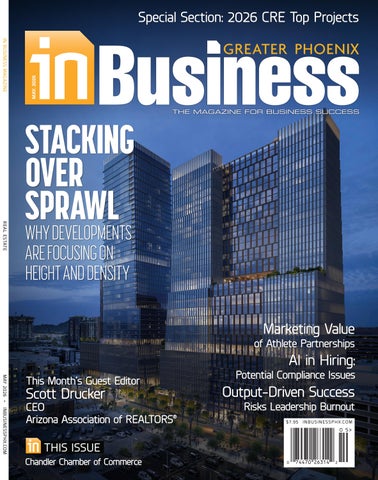

STACKING OVER SPRAWL


OF OUR
Goodwill of Central and Northern Arizona turns donations into possibilities by providing no-cost services to more than 30,00 Arizonans annually that help them build a better economic future.
Your purchases and donations help support local, no-cost career services, education, sustainability efforts and housing solutions so Arizonans can build better futures for themselves and their families.
Goodwill of Central and Northern Arizona is a 501(c)(3) non-profit organization dedicated to ending poverty through the power of work! GoodwillAZ.org
40
TSMC’S PEOPLEFIRST STRATEGY IS RESHAPING ARIZONA’S TALENT LANDSCAPE
This month spotlighting TSMC Arizona, Tyler Butler’s series explores the myriad ways businesses give back and the positive ways their programs impact our community.
43
DITCH THE PODCAST ROOMS: COFFEE AND PRIVACY ARE WHAT TENANTS REALLY WANT
In this recurring feature from global design and architecture firm Gensler, Kiana Taie discusses the disconnect between what amenities building owners are offering and what tenants value.
STACKING OVER SPRAWL

34 From Endorsements to Ownership: Rethinking the Value of Athlete Partnerships
Alex Guerrero’s deep dive into the marketing relationship shows that the smartest brands aren’t just paying for athlete endorsements.
DEPARTMENTS
9 Guest Editor
Scott Drucker, CEO of Arizona Association of REALTORS®, introduces the “Real Estate” issue.
10 Feedback


Walt Brown Jr., Kim Davids, Matt Kuhn and John Varner respond to In Business Magazine’s burning business question of the month: For your type of business, what are the most important physical attributes of your workplace?
12 Briefs
“Rethinking the Storefront: Beauty and Personal Care Real Estate,” “Dailies Top Stories,” “Local Standouts Recognized for Philanthropy,” “Why Narrow Talent Pipelines Threaten the Future of the Workforce” and “Entrepreneurs Turn to Premium Pet Care in Greater Phoenix”
15 By the Numbers
In sales and marketing, prospecting has never been tougher to get right, or more critical to growing business.
16 From the Top Discipline, empathy and openness to learning define Emily Ganem’s leadership at Ganem Companies.
17 CRE
“How to Turn a Project’s Opposition into Its Biggest Fan,” “‘City within a City’ Breaks Ground in North Phoenix,” “Industrial & Mixed-Use Development in West Phoenix,” “Industrial Infill Completed – and Fully Leased” and “Phoenix Industrial Market: Infrastructure, Speed and Strategic Locations are Shaping the Next Cycle”
20 Semi Insights
“Artemis II: Arizona’s Role beyond the Launch,” “Arizona’s Tech Growth on Display at AZ Tech Week” and “Building a Semiconductor Community in the Desert”
COVER
STORY 28
Stacking over Sprawl: Why developments are focusing on height and density
Metro Phoenix is still seeing plenty of development at its outer boundaries as its business and population growth continues to lead the country, but infill and redevelopment are expanding the economic vitality in already developed neighborhoods as demographics support more vertical mixed-use, or “stacking.”
42 The AI Transition: Why Communication Architecture Matters
Brittany Hart maps out the strategy of educating employees in structured steps to avoid damaging workplace culture.
24 Healthcare
“How Artificial Intelligence Is Transforming the Hearing Aid Industry” and “The Business Case Behind the Oral Microbiome Market Boom”
26 Technology
“Tech Advances Critical for Test Proctoring” and “Unverified AI Output Is Creating Financial & Reputational Risk”
35 Books
New releases give fresh insights on business thinking.
36 Economy
Ana Ake explores a smarter approach to retirement plans to protect the company while supporting employees.
38 Legal
Haley Harrigan examines compliance issues and how employers can respond to large volumes of generic, AI-generated applications.
44 Nonprofit
Dawn Gerundo makes the case for why early literacy is a business issue.
45 Assets
2026 Mercedes-Benz GLE 450 SUV Plus: Identity theft lurks in the new CAPTCHA scam.
46 Power Lunch
JINYA Ramen Explodes with Diversity
66 Roundtable
Liana Habicht questions whether output-driven success is an outdated growth paradigm.

Polestar Scottsdale
The SUV for the electric age is here. With a range of up to 300 miles, the all-electric Polestar 3 is designed to create remarkable range and an unmistakable look.
Visit our showroom in Fashion Square Mall.

RaeAnne Marsh
Editor in Chief, In Business Magazine
Editor in Chief, In Business Magazine
RaeAnne Marsh became editorial director of Phoenix-based InMedia Company in 2010 and helped launch Valley-wide business resource In Business Magazine. Holding the magazine to strong editorial standards, she says, “New businesses are founded, out-of-staters bring new strengths, established businesses evolve and expand — all of which contributes to the dynamic vitality that I see as the mission of In Business Magazine to be the voice of and vehicle to nurture. Marsh was awarded 2024 Small Business Journalist of the Year from the U.S. Small Business Administration, Arizona District.
Guest columns are feature articles presented as a special, limited series as well as regular, ongoing series in In Business Magazine.



Tyler Butler
Guest Columnist – Social Impact
A long-time corporate social responsibility practitioner, Tyler Butler is known for her expertise in creating, launching and developing successful social impact programs. Her commitment to rallying people together to make a positive difference has created sustainable signature programs empowering people to give back in myriad ways globally. Her contributions to In Business Magazine provide her with an outlet to share the best of what companies are doing to aid humanity through their generous outreach efforts.
Kim Ryder
Guest Columnist – Commercial Real Estate
Kim Ryder is a dynamic commercial real estate executive with extensive experience in managing multimillion-dollar, complex projects and the build-out of more than 54 million square feet of retail and commercial space. Ryder has started several business lines in her career, most notably launching Thrive Real Estate and Development groups. Her career in the thrift industry extends over 25 years and led her team to expand the Goodwill real estate portfolio by more than 100 locations.
Bruce Weber
Guest Columnist – Capacity
“I am deeply interested in organizational capacity and what makes organizations successful and impactful in the work they do. I have worked with all sizes of organizations and leaders in helping their businesses grow and expand their impact. My previous careers with Microsoft and Hewlett Packard involved working with business integration partners to design strategies to engage new markets. In today’s complex world, I enjoy exploring the possibilities and opportunities that change can bring.”
This month’s contributors
Alex Guerrero is the founder and president of The Society, LLC, a brand management and marketing agency. (“From Endorsements to Ownership: Rethinking the Value of Athlete Partnerships,” page 34)
Ana Ake, QKA®, AIF®, CPFA®, QKS, is a vice president, retirement client advisor with UMB Bank n.a., Retirement Plan Services. (“Protecting the Company while Supporting Employees,” page 36)
Haley Harrigan is a shareholder at Gallagher & Kennedy in Phoenix. (“AI in Hiring: What Employers Need to Know to Stay Compliant,” page 38)
Brittany Hart is the founder of Communiscape, a company that architects communication infrastructure for businesses implementing new AI processes. (“The AI Transition: Why Communication Architecture Matters,” page 42)
Kiana Taie, NCIDQ, is an interior designer and co-operations lead for Gensler Phoenix. (“Ditch the Podcast Rooms: Coffee and Privacy Are What Tenants Really Want,” page 43)
Dawn Gerundo is community development and engagement director for education at Valley of the Sun United Way. (“Investing in Readers Today to Build Arizona’s Workforce Tomorrow,” page 44)
Liana Habicht, MBA, is founder and CEO of Recalibrate AI, an identity-first leadership company. (“Output-Driven Success: Accelerating to Burnout,” page 66)
Editor in Chief RaeAnne Marsh
Associate Publisher Nico Pacioni
Graphic Design Marvin Forte
CONTRIBUTING WRITERS
Ana Ake
Adam Baugh
Tyler Butler
Katelyn Dyer
Michelle Talsma Everson
Dawn Gerundo
Alex Guerrero
Liana Habicht
Haley Harrigan
Brittany Hart
Mike Hunter
Riley Kissee
Bob O’Neill
Clifford Olson
Joe Patterson
Stephanie Quinn
Scott Schubiger
Kiana Taie
ADVERTISING
Operations Louise Ferrari
Business Development Raegen Ramsdell
Louise Ferrari
Cami Shore
Events Amy Corben
WTSM TV STUDIO
General Manager Chris Weir
More: Visit your one-stop resource for everything business at inbusinessphx.com. For a full monthly calendar of business-related events, please visit our website.
Inform Us: Send press releases and your editorial ideas to editor@inbusinessphx.com
President Camron McCartney
Editorial Director RaeAnne Marsh
Financial Manager Tom Beyer
Office Manager Allie Jones
Accounting Manager Todd Hagen
Founder & Chair Rick McCartney
Corporate Office InMedia Company 45 W. Jefferson Street Phoenix, AZ 85003 T: (480) 588-9505 info@inmediacompany.com www.inmediacompany.com
17, No. 5
Magazine is published 12 times per year by InMedia Company. POSTMASTER: Send address changes to InMedia Company, 45 W. Jefferson Street, Phoenix, AZ 85003. To subscribe to In Business Magazine, please send check or money order for one-year subscription of $24.95 to InMedia Company, 45 W. Jefferson Street, Phoenix, AZ 85003 or visit inbusinessphx.com We appreciate your editorial submissions, news and photos for review by our editorial staff. You may send to editor@inbusinessmag.com or mail to the address above. All letters sent to In Business Magazine will be treated as unconditionally assigned for publication, copyright purposes and use in any publication, website or brochure. InMedia accepts no responsibility for unsolicited manuscripts, photographs or other artwork. Submissions will not be returned unless accompanied by a self-addressed, stamped envelope. InMedia Company, LLC reserves the right to refuse certain advertising and is not liable for advertisers’ claims and/or errors. The opinions expressed herein are exclusively those of the writers and do not necessarily reflect the position of InMedia. InMedia Company considers its sources reliable and verifies as much data as possible, although reporting inaccuracies can occur; consequently, readers using this information do so at their own risk. Each business opportunity and/or investment inherently contains certain risks, and it is suggested that the prospective investors consult their attorney and/or financial professional. ©2025 InMedia Company, LLC. All rights reserved. No part of this magazine may be reproduced or transmitted in any form or by any means without written permission by any means without written permission by the publisher.
We’re here to focus health care where it belongs: on you. You deserve the kind of care that goes beyond a chart or a prescription. It’s the kind of care that covers everything you need to live your healthiest life, including support from a whole team of doctors, nurses, and specialists to keep you feeling good. And it’s care that gives you all the benefits of a nationally recognized health care company with a hometown, personal touch.


In Business Magazine is a collaboration of many business organizations and entities throughout the metropolitan Phoenix area and Arizona. Our mission is to inform and energize business in this community by communicating content that will build business and enrich the economic picture for all of us vested in commerce.
PARTNER ORGANIZATIONS
Debbie Hann, Interim CEO Arizona Small Business Association Central Office (602) 306-4000 www.asba.com
Steven G. Zylstra, President & CEO Arizona Technology Council One Renaissance Square (602) 343-8324 www.aztechcouncil.org
Kristen Wilson, CEO AZ Impact for Good (602) 279-2966 www.azimpactforgood.org

Terri Kimble, President & CEO Chandler Chamber of Commerce (480) 963-4571 www.chandlerchamber.com
Joanna Horton McPherson, President NAWBO Phoenix Metro Chapter (480) 289-5768 www.nawbophx.org
Robin Arredondo-Savage, President & CEO Tempe Chamber of Commerce (480) 967-7891 www.tempechamber.org
Our Partner Organizations are vested business organizations focused on building and improving business in the Valley or throughout Arizona. As Partners, each will receive three insert publications each year to showcase all that they are doing for business and businesspeople within our community. We encourage you to join these and other organizations to better your business opportunities. The members of these and other Associate Partner Organizations receive a subscription to In Business Magazine each month. For more information on becoming an Associate Partner, please contact our publisher at info@inbusinessphx.com
ASSOCIATE PARTNERS
Ahwatukee Foothills Chamber of Commerce ahwatukeechamber.com
Arizona Chamber of Commerce & Industry azchamber.com
Arizona Hispanic Chamber of Commerce azhcc.com
The Black Chamber of Arizona phoenixblackchamber.com
Economic Club of Phoenix econclubphx.org
Glendale Chamber of Commerce glendaleazchamber.org
Greater Phoenix Chamber of Commerce phoenixchamber.com
Greater Phoenix Equality Chamber of Commerce gpglcc.org
Mesa Chamber of Commerce mesachamber.org
North Phoenix Chamber of Commerce northphoenixchamber.com
Peoria Chamber of Commerce peoriachamber.com
Phoenix Metro Chamber of Commerce phoenixmetrochamber.com
Scottsdale Area Chamber of Commerce scottsdalechamber.com
Scottsdale Coalition of Today and Tomorrow (SCOTT) scottnow.com
Surprise Regional Chamber of Commerce surpriseregionalchamber.com
WESTMARC westmarc.org
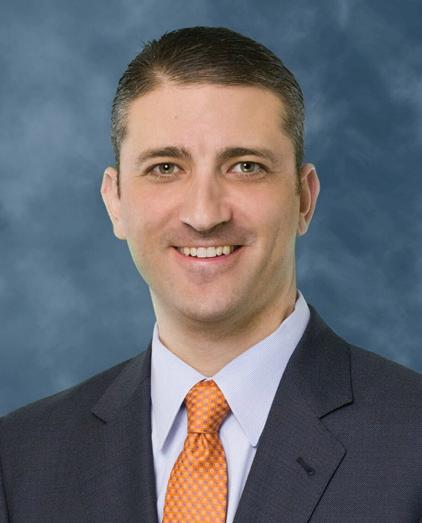
Scott M. Drucker, Esq., is CEO of the Arizona REALTORS®, leading strategy and operations for the state’s largest trade association representing more than 52,000 REALTORS®. The association advocates for private property rights and supports members in serving clients with integrity and competence. A former general counsel, Scott oversees finances, governance and strategic initiatives. He brings extensive statewide legal experience and serves on multiple boards, including the Common Sense Institute and the Arizona Housing Fund. aaronline.com
Phoenix Grows Up
Walkability and convenience are driving a lot of development, and many mixed-use projects combine housing with varied commercial elements, often in multistoried buildings that emphasize vertical growth and density.
The rise of mixed-use development emphasizes a growing demand for housing that connects naturally with how people live, work and spend their time. Arizona REALTORS® are hearing directly from the clients they serve as priorities shift toward convenience, connectivity and access to amenities, and these developments are a clear response to those evolving preferences, especially within urban real estate.
Arizona continues to welcome new residents and businesses for a variety of economic and entrepreneurial reasons. And, while inventory remains tight, mixed-use developments offer a community-oriented and unique path forward. They are just one piece of a broader strategy, as supporting a range of housing solutions is critical to maintaining long-term affordability and accessibility in our communities. When done effectively, these efforts help advance homeownership and position Arizona to sustain growth while maintaining the quality of life that continues to draw people here.
Mixed-use development is not exhibited only as a project spread out over a campus or neighborhood but also as towers comprised of, for instance, retail on the ground level, residential and office above, and parking below. This month’s cover story, “Stacking over Sprawl,” spotlights select examples of these developments in Metro Phoenix.
The celebrity appeal of a headline sports name to add value to a product is commonplace in marketing. But Alex Guerrero points out that the smartest brands aren’t just paying for athlete endorsements; he explores a stronger engagement in his feature article “From Endorsements to Ownership: Rethinking the Value of Athlete Partnerships.”
Kiana Taie zeroes in on office design in her guest columnist feature “Ditch the Podcast Rooms: Coffee and Privacy Are What Tenants Really Want,” making the case for “basic” amenities improving utilization and satisfaction — and providing the greatest ROI for building owners.
Brittany Hart examines a different kind of architecture as she discusses one of today’s hottest topics. In “The AI Transition: Why Communication Architecture Matters,” she shares insights to help leaders implement new technologies and educate their workforce in structured steps to avoid damaging workplace culture.
A more under-the-radar issue is Dawn Gerundo’s focus in “Investing in Readers Today to Build Arizona’s Workforce Tomorrow” as she illuminates why early literacy is a business issue. And Liana Habicht asks us to reconsider our views of growth and leadership in her Roundtable feature “Output-Driven Success: Accelerating to Burnout.”
Among other topics addressed this month is a growing “AI slop” crisis as employees over-rely on AI tools (“Unverified AI Output Is Creating Financial & Reputational Risk” in the Technology section), factors shaping the growth of Phoenix’s industrial market (in the CRE section), and increased interest in oral microbiome testing as periodontal disease is recognized to present a large and persistent clinical and economic burden (“The Business Case Behind the Oral Microbiome Market Boom” in the Healthcare section).
In Business Magazine is focused on providing business-relevant content aimed at strengthening our business community. I’m pleased to help bring you this May edition. Please enjoy the read.
Sincerely,
Scott Drucker Chief Executive Officer Arizona Association of REALTORS

Connections: businessevents@ inbusinessphx.com Marketing/Exposure: advertise@ inbusinessphx.com
Editor’s Note: This question generated input also from:
Matt Kuhn
Construction Manager
Luna Grill
Sector: Restaurant
Please visit May’s Feedback entry on our website to learn how this company evaluates and plans its physical space.
www.inbusinessphx.com
FEEDBACK QUESTION: Let us know what you want to know from the Valley’s top business leaders. editor@inbusinessphx.com
For all past Feedbacks go online to inbusinessphx.com and see what Valley executives think on various business topics.
For your type of business, what are the most important physical attributes of your workplace?

WALT BROWN JR.
Founder, CEO & Designated Broker
Diversified Partners
Sector: Real Estate
For Diversified Partners, the physical attributes of a workplace are about far more than function; they are about experience. Location is foundational, but not just in terms of access. We look for environments that naturally inspire connection, where the surroundings elevate how people think, meet and create.
Design plays an equally important role. Our current office, a thoughtfully modernized former fire station, reflects that philosophy. It blends character with intention, creating an atmosphere that feels both dynamic and authentic. It is the kind of space that energizes a team and makes the workday feel anything but routine.
At our new office at Lakefront at Scottsdale, amenities are no longer secondary. The ability to step out and into an experience is essential, whether walking to a refined restaurant with clients, grabbing coffee between meetings or taking in views of Camelback Mountain and the lake. Everything is designed to feel seamless, effortless and inspiring at every level.
Diversified Partners dpcre.com
Walt Brown, Jr. is founder, CEO and designated broker of Diversified Partners, a Scottsdalebased brokerage and development firm. With more than 30 years of experience, he has led the leasing, sale and development of more than 5,000 properties totaling more than 12 million square feet nationwide. Known for his strategic vision and relationshipdriven approach, Brown has built lasting partnerships across the commercial real estate industry.

KIM DAVIDS
President & CEO
Arizona Builders Alliance Sector: Trade Association
For a trade association like Arizona Builders Alliance, the workplace must do two things well: serve as a professional home for our team and function as a hub where members come to learn, connect and grow. When we selected SkySong at ASU’s innovation center in Scottsdale, both goals came into focus immediately.
Location drove the decision. SkySong sits near the intersection of Scottsdale and McDowell roads, less than three miles from ASU’s Tempe campus, making it accessible for members and students across the Valley. The development’s emphasis on collaboration and entrepreneurship mirrors exactly what ABA brings to the construction industry every day.
Our 20,869-square-foot space gives us roughly 5,300 square feet for corporate operations and the remainder dedicated to educational programming — classrooms where our apprentices are learning trade skills and where we deliver the leadership training our members need to stay competitive.
The environment at SkySong reinforces our culture. When a space is built around innovation and partnership, it elevates the work happening inside it. That alignment is what made SkySong the right address for ABA.
Arizona Builders Alliance azbuilders.org Kim Davids serves as president of the Arizona Builders Alliance, bringing 24 years of experience in commercial and industrial construction. A University of Illinois civil engineering graduate, she has held roles ranging from project engineer to business unit leader. Under her leadership, ABA represents construction companies across the state, expanding workforce development programs, driving legislative advocacy and strengthening Arizona’s construction industry statewide.
JON VARNER
Operations Manager
Helix Electric
Sector: Electrical Contracting
For an operations-driven business like ours, the physical environment directly shapes productivity, safety and the quality of what we deliver. When Helix Electric selected Goodyear for our 112,000-squarefoot manufacturing facility, location was the foundation of that decision. Proximity to Interstate 10 and Phoenix Goodyear Airport gives us the logistics muscle to move prefabricated electrical components efficiently to job sites across the country.
The facility’s interior layout was purpose-built for high-volume prefabrication in a controlled environment, which improves both worker safety and construction quality compared to traditional field assembly. Wide floor spans, clear sightlines and organized workflow zones allow our teams to operate with precision at scale.
Goodyear’s skilled workforce and probusiness climate sealed the decision. When a region actively supports growth and offers the infrastructure to sustain it, a company can plant roots with confidence. That combination is exactly what we found here.
Helix Electric helixelectric.com
Jon Varner serves as operations manager at Helix Electric, where he oversees the company’s 112,000-square-foot Goodyear manufacturing facility and manages key Arizona construction work across the state. The facility produces prefabricated electrical components that support Helix projects nationwide. Varner leads a team committed to both operational excellence and community impact, driving Helix’s growth as a leading electrical contractor with more than 3,000 employees nationwide and more than $1 billion in annual revenue.

Redefining What a Modern Law Firm Should Be.
Since 1885.
In today’s fast-moving world, standing still isn’t an option. Fennemore has been paving the way for over 140 years—combining a tradition of excellence with an enduring drive to innovate.
From pioneering the use of AI and building platforms that supercharge our teams, to reimagining what collaboration looks like in the legal industry, we continually push boundaries to deliver better outcomes for our clients.
Thank you to our CEO James Goodnow, our attorneys, and our dedicated staff for their relentless commitment to advancing Fennemore’s vision and setting a new standard for what’s possible in law.
DAILIES TOP STORIES
‘In Business Dailies’ Most Views Last 30 Days
Here are the stories with the most views over the past 30 days (prior to press time) that were features in our In Business Dailies. The In Business Dailies hits email inboxes twice each weekday — at 9:30 a.m. and updated at 4:30 p.m. Sign up today at www.inbusinessphx.com/dailies-signup
Healthcare & Wellness | Cover Story | April 2026
Healthcare: Reimagining Affordability and Access for Arizona’s Business Community
by RaeAnne Marsh
“Healthcare has moved beyond being a perk and is now a foundational part of an employee’s financial security,” observes Casey Strunk, president of Strunk Insurance Group.
Growth & Enterprise | inbusinessphx.com | April 9 2026
Waymo and Waze Partner to Launch Pothole Detection Pilot in Phoenix
inbusinessPHX.com
KB Home, one of the largest and most recognized homebuilders in the U.S., announced it is relocating its corporate headquarters from Los Angeles to the Phoenix metro area.
Growth & Enterprise | inbusinessphx.com | April 9 2026
Waymo and Waze Partner to Launch Pothole Detection Pilot in Phoenix
inbusinessPHX.com
Waymo and Waze are announcing a new pilot to provide cities with sharper tools to combat a common enemy of cyclists, pedestrians, and drivers alike: potholes. The pilot program uses Waymo’s perception and physical feedback systems to detect and provide up-to-date information on potholes where Waymo operates.
Commercial Real Estate & Development | inbusinessphx.com | April 7 2026
Luxury Condo Project Planned for Scottsdale’s Cavasson Development
inbusinessPHX.com
Toll Brothers, Inc., a luxury home builder, announced its newest luxury condominium community, Toll Brothers at Cavasson, is coming soon to Scottsdale, Arizona. Nestled within a vibrant new development, this gated community will showcase stunning three-story condos starting from the upper $900,000s, offering home shoppers modern, open-concept living in an exceptional location.

Rethinking the Storefront: Beauty and Personal Care Real Estate
Across Arizona’s beauty and personal care landscape, entrepreneurs are trading traditional storefronts for more creative operating environments, and, in doing so, they are redefining what it means to build a business around client experience.
From boutique skincare operating within a multi-tenant building in Old Town Scottsdale to barbershops finding creative homes alongside complementary businesses, this approach is gaining momentum around a simple idea: Sharing space, costs and community makes for a stronger business. The drivers are practical, including lower fixed costs, reduced overhead and the operational flexibility to reinvest where it matters most, but the appeal goes deeper than economics.
These creative environments naturally foster collaboration. Neighbors become collaborators and sometimes referral partners, creating a built-in network that traditional standalone businesses often spend years trying to cultivate.
Today’s clients are less interested in the volume-driven, one-size-fits-all service model and more drawn to intimate, personalized experiences that feel like they were designed specifically for them. Businesses embracing creative real estate tend to deliver exactly that. Several Arizona businesses are already demonstrating what this looks like in practice.
Mask’d Aesthetics operates out of beauty suites in Old Town Scottsdale, offering personalized skincare treatments. “Having a smaller footprint inside a larger suite community just makes sense,” says owner
Megan Nyland. “You get a professional, polished space without carrying the full weight of a traditional lease, and that allows me to invest in the things that actually move the needle for clients, like better products, continued education, upgraded equipment. Less overhead, and a smarter way to grow.”
Sungold Barbershop takes a different approach, partnering with a tattoo studio under one roof. Owner Parker Amsberry says the combination has been a natural fit from the start.
“The aesthetic, the vibe, the slight separation from one business to another has seemed to work out great. We have a ton of shared clients, and it’s such an easy transition to walk a client over to a tattoo artist after a haircut for a quick intro. And vice versa. Everything is split costwise, so I’d say we’re saving quite a bit of money, which is definitely needed in today’s world.”
What connects these businesses is not just a shared space but a shared instinct. Each one took an unconventional approach to space, prioritized the quality of the experience over the scale of the operation, and built something that feels personal. As real estate costs continue to shape how small businesses make decisions, the creative real estate trend shows no signs of slowing down. For beauty and personal care entrepreneurs in Arizona, the question is less about whether this model works and more about how to make it their own.
—Riley Kissee
Mask’d Aesthetics maskdaesthetics.com Sungold Barbershop sungoldtattooandbarber.com
According to a recent study by CoworkingCafe ranking the best metros for women-owned businesses, With more than 162,000 people employed at woman-owned firms (the 11th highest number), Phoenix’s woman-led companies — representing nearly 23% of all businesses in the area — are helping drive one of the fastest-growing labor markets in the U.S., adding jobs at scale. coworkingcafe.com/blog/best-places-for-women-owned-businesses

Photo courtesy of Mask’d Aesthetics






Local Standouts Recognized for Achievements and Philanthropy
Torrie Taj – Outstanding Fundraising Professional
Torrie A. Taj, CFRE, chief executive officer of Child Crisis Arizona, was recently named the 2026 Outstanding Fundraising Professional by the Association of Fundraising Professionals Global — the highest honor this global organization bestows — recognizing effective, creative and inspiring fundraising as well as the practice and promotion of ethical standards and best practices within the industry. afpglobal.org
Navi Nurses Founder Recognized for Impact
Jasmine Bhatti, founder and CEO of Valley-based Navi Nurses, has been named to the 2026 Inc. Female Founders 500 list, recognizing the most innovative and impactful women entrepreneurs in America. Bhatti founded Navi Nurses after witnessing firsthand the gaps families face when navigating healthcare at home.
inc.com/female-founders/2026 navinurses.com
Local Bar Manager a Bartending Contender
Undertow Gilbert Bar Manager Krissy Shelberg has qualified for the national finals of Speed Rack, the internationally recognized high-speed bartending competition that celebrates women and female leaders in the cocktail industry while raising funds for breast cancer research, which will take place July 19 in New Orleans.
bartershake.com/undertow speed-rack.com
Local PR Firm Named a ‘Best in U.S.’ Scottsdale-based 10 to 1 Public Relations, a public relations firm offering strategic communications services, has been named by PRovoke Media to its annual list of the 100 Best Agencies in the United States. The agency’s proprietary AI platform, IVY, was cited as a key differentiator. 10to1pr.com provokemedia.com
Studio North America Donates Event Services
The Studio North America recently helped fuel Phoenix Children’s Foundation’s philanthropic mission by serving as the official event producer for the foundation’s signature fundraiser, Sunset in Monaco: Beach Ball, providing more than $30,000 of in-kind services. phoenixchildrensfoundation.org thestudiousa.com
Babbo Supports Pancreatic Cancer Research
Babbo Italian Eatery recently hosted its fifth annual Baseball for Babbo Day of Giving, with all seven Valley locations donating 100% of profits to the Seena Magowitz Foundation in support of innovative clinical research at HonorHealth Research Institute. babboitalian.com seenamagowitzfoundation.org
Entrepreneurs Turn to Premium Pet Care in Greater Phoenix
As Greater Phoenix continues attracting new residents and entrepreneurs, servicebased businesses that align with evolving lifestyle patterns are drawing increased attention. One category gaining momentum is premium pet care.
K9 Resorts Luxury Pet Hotel, a premium dog boarding and daycare brand with established locations in Scottsdale and Chandler, is evaluating additional growth opportunities across Greater Phoenix as interest from experienced operators in the region continues to build.
The momentum reflects broader demographic shifts shaping the local economy. Greater Phoenix has experienced steady population growth in recent years, fueled in part by migration from higher-cost states and a growing concentration of dual-income households. As work schedules grow more demanding and travel becomes more common, many pet owners are seeking reliable, professionally operated environments where
their dogs can stay during the day or while they are away.
Demand is particularly strong in Arizona, where roughly 58% of households own a pet. In Maricopa County alone, more than half a million households own dogs, highlighting the scale of demand for dependable pet care services across the region.
For entrepreneurs, these trends are reshaping how the category is viewed. Rather than occasional or informal services, premium pet care is increasingly seen as a structured service business built around repeat usage, advance bookings and long-term customer relationships.
Greater Phoenix stands out as a market where these trends naturally converge. What I see drawing entrepreneurs to premium pet care is the consistency of demand. Pet care isn’t tied to trends or impulse spending. It’s built into everyday routines, which creates a stable foundation for a professionally operated service business.
—Scott Schubiger, chief growth officer at K9 Resorts (www.k9resorts.com/franchise)
Why Narrow Talent Pipelines Threaten the Future of the Workforce
The workforce is at a crossroads right now. Employers want to find talent that will set them up for success and be able to perform well amid rapid change, but there are limitations on who they consider to be “qualified.” For instance, nearly three quarters of HR professionals report they cannot find the workers their organizations need to fill critical open roles. In a rapidly changing skills economy, skills-based hiring is becoming and will remain a competitive advantage. Continuing to rely on rigid hiring tactics such as pedigree bias, linear education paths or limited age ranges makes companies more susceptible to negative impacts from skills shortages, adaptability challenges related to AI and the digital transformation, and potentially limits innovation or out-of-the-box thinking. These legacy hiring tactics also leave out an entire subset of job candidates for consideration: non-traditional students. These learners, often referred to as ANDers, are students
who are balancing school and work and family responsibilities while looking to advance their careers. Nearly 70% of today’s college students work while enrolled, more than 40% are over the age of 22, and nearly one in five are raising children at home. Many are also caregivers or veterans transitioning from military service into civilian careers. Since these candidates hold many “ands,” they bring in a broad mix of skills and perspectives shaped by education, continuous learning and real-world experiences, making them powerful skills accelerators in the evolving workforce landscape.
Long-term workforce resilience and success will depend on talent pipelines that are not constrained by narrow or outdated expectations, but rather those that push the boundaries to truly find the best, most well-rounded and adaptable talent to build their workforces. —Tim O’Neal, president and CEO at Goodwill of Central and Northern Arizona (www.goodwillaz.org)
More Philanthropy: Cox Charities Celebrates 30th Anniversary with Grant Distributions Cox employees across the Valley and Southern Arizona came together this year to raise a landmark $850,000 for ten nonprofits delivering vital services to the communities where they live and work. Grants ranged from $50,000 to $100,000.
Developments and Challenges Shaping Sales and Marketing Strategies
Prospecting has never been tougher to get right, or more critical to growing business
by Mike Hunter
As Rob Harlow, Sopro CEO, and Ryan Welmans, Sopro chairman, point out in Sopro’s latest annual State of Prospecting report, “AI has made it easier than ever to send messages and harder than ever to stand out. Buyers are harder to reach and harder to influence. But outreach isn’t broken. It just hasn’t kept pace with the evolution of buyer behavior.
“More research happens before a message. More decisions are made before a meeting. More brands are ruled out before they even know they were considered. The challenge isn’t reaching people. It is being relevant at the moment they are ready.”
In brief, key findings of their company’s report expand on the following themes:
• Buyers decide when the conversation starts. Selfdirected research, closed platforms and AI-driven evaluations mean decisions often form before outreach is answered. Prospecting must align with how buyers already behave.
• Brand familiarity and consistent outreach lift performance. When buyers recognize the sender, reply rates, meeting rates and deal velocity increase. Visibility isn’t cosmetic — it’s commercial.
• Quality beats quantity every time. Sharper audience definition improves inbox placement, boosts engagement and makes messaging feel relevant. The best results come from tighter lists, not bigger sends.
• Integration beats accumulation. Most companies have the
THE SALES LANDSCAPE
Top Lead Gen Channels
• Email 71%
• Referrals 56%
• Paid social media 51%
Outreach complexity
• 58% use multiple outreach channels …
• … but only 21% coordinate across channels
• 87% use intent signals in some form …
• … but fewer than half of them trigger or tailor outreach.
Buyer Behavior
• The average B2B buying decision now involves 4.05 people
• Sellers say deals involve more decision-makers this year 34%
The Erosion of Trust: Brand, Credibility, and Human Touch
• Vendors believe their audience is less trusting of prospecting than before 61%
• Lack of confidence or trust in providers cited as a leading blocker to signing deals 34%
• Most outreach they receive feels sales-led rather than helpful 71%
right tools but not the integration. The strongest performers unify channels, workflows and reporting around a single view of the buyer.
• In an AI-driven world, people still buy from people. Automation can start conversations, but humans close them. Credibility, proof and real responses now separate meaningful engagement from ignored noise.
“Social proof uses the voice of other people to build credibility,” says Vic Heyward, director of marketing at Sopro. “It’s not about landing in someone’s inbox as a stranger and saying, ‘Everyone loves us, trust me.’ That’s just arrogance.”
B2B purchases are now group decisions. The average buying committee includes at least four stakeholders, often more. Yet many outreach strategies still target one contact - typically the final approver - and ignore the colleagues who shape the decision earlier. Account-Based Engagement (ABE) widens that focus. It connects with every key player: finance and procurement teams, technical experts, end-users, and compliance reviewers. Each has different priorities - ROI, risk, practicality, or fit - and each needs relevant information to stay aligned.
Multi-threaded outreach ensures that every stakeholder has a reason to engage. It prevents deals from stalling when one person goes quiet or another raises new objections. In short, ABE turns one conversation into many, helping keep the buying group moving together.
APPROACH STRATEGIES
Coverage
• Recipients more likely to engage with outreach if it’s sent on their preferred channel 80%
• Average number of channels B2B buyers pick when asked how they prefer to be contacted 2.9 (up from 2.5 in 2025)
• Increased percent of closed deals delivered by AI-filtered audiences, despite lead volumes staying the same 356%
Relevance & Visibility
• Percent more likely to engage if there are relevant case studies or social proof 80%
• Percent who say outreach works best when combined with inbound 80%
• Percent who believe outreach is more effective when integrated with brand activity 77%
• Percent of buyers more likely to engage if they recognize the sender 84%
Source: https://sopro.io/resources/whitepapers/the-state-ofprospecting-26
THE STATE OF PROSPECTING 2026
The fifth annual report features insights from more than 400 senior B2B decision-makers, analysis of 126 million emails, and more than 25 million multichannel touchpoints and intent signals, paired with strategies from today’s leading outreach experts.
Sopro is a global multichannel prospecting service for B2B businesses. sopro.io
Outreach sequences and buyer readiness are often chronically misaligned. Most campaigns run for just a few weeks, but B2B buying journeys can take months or even years. By the time a prospect is ready to engage, sellers are no longer visible. sopro.io/resources/whitepapers/the-state-of-prospecting-26
IN A NUTSHELL
• Parker Ganem founded Ganem Companies in Phoenix in 2000, building the business on a foundation of construction expertise and hands-on project delivery.
• Ganem Companies operates across a range of sectors that include commercial, industrial, hospitality and mixeduse, managing projects from concept through completion.
• The company is known for its relationshipdriven approach, emphasizing accountability and long-term partnerships referred to as the “Ganem Difference.” This includes initiatives like the Project Delivery Team, where all project teams are unified under one collaborative name to reinforce shared ownership across every phase of a project.
• As part of this approach, Ganem incorporates meaningful traditions into its work, such as embedding time capsules into projects. These capsules include contributions from partners and team members, serving as a way to honor each milestone and create a lasting connection to the project’s impact over time.
• Emily Ganem serves as president, helping lead operations, strategic growth and client experience while continuing to expand the company’s footprint across Arizona.
Emily Ganem Empowers Company Growth and Employee Development
Discipline, empathy and openness to learning define her leadership
by Katelyn Dyer
Emily Ganem, president of Ganem Companies, approaches leadership with a belief that growth is only as strong as the systems and people behind it. At the Phoenix-based construction firm, she has focused on strengthening operations while preserving the values that have long defined the company, ensuring that expansion never comes at the expense of quality, accountability or culture.
Raised in Peoria, Arizona, Ganem’s introduction to business came early. At 16, she began working at her family’s dealership, where she developed a strong work ethic and a firsthand understanding of how to support both customers and a team. That early experience shaped her perspective on leadership, emphasizing reliability and commitment to doing things the right way. After earning a degree in management from the University of Phoenix, she carried that mindset into the construction industry, gaining experience across client relations, marketing and operational improvement.
Before becoming president, Ganem served as executive vice president, where she played a key role in refining internal processes and expanding the company’s reach. That experience reinforced her belief that operational discipline is not about adding complexity, but about creating clarity. “When expectations, systems and communication are aligned, teams can operate with confidence,” she explains. “That clarity allows people to focus on doing their best work while staying connected to the bigger picture.”
Today, that philosophy guides how she leads Ganem Companies. She has prioritized building structure across the organization, ensuring that processes are consistent, roles are clearly defined and communication is intentional. The result is a more aligned and efficient operation, where teams are empowered to make decisions and adapt as needed.
A key part of that alignment begins with people. Ganem places an emphasis on hiring and onboarding in a way that reflects the company’s core values. She believes building a strong team starts long before day one, with a thoughtful hiring process that evaluates not only skill sets but also how individuals approach collaboration and problem-solving. From there, onboarding is designed to provide both clarity and connection, giving new team members a comprehensive understanding of how the business operates and how their role contributes to its success.
“The experience our team has internally is just as important as what we deliver externally,” Ganem says. “If people feel supported, prepared and aligned, that translates directly into the way we show up for our clients.”
That focus on people extends into her broader leadership style. Known for being hands-on and approachable, Ganem is committed to mentoring her team and fostering a culture built on trust and continuous improvement. She encourages

accountability while also creating an environment where individuals feel comfortable asking questions and sharing ideas, so employees can grow within their roles.
As the company continues to expand, Ganem takes a measured approach to evaluating new opportunities. Rather than chasing rapid growth, she focuses on opportunities that align with the company’s capabilities and long-term vision. This includes considering operational capacity, market demand and the ability to maintain the standards that clients expect. “Growth should strengthen the business, not stretch it thin,” she notes. “It’s about being intentional and making sure we’re set up to execute at a high level every time.”
Her perspective has also been shaped by her experience as a woman in the construction industry. In a traditionally male-dominated field, Ganem leads with authenticity and confidence, recognizing the value of diverse perspectives.
Stepping into the role of president marked a defining moment in her career. It was a transition that required her to embrace new responsibilities while continuing to grow into the position. Rather than waiting for certainty, she approached the opportunity with openness and a commitment to learning, a mindset that continues to influence how she leads today.
Outside of Ganem Companies, her entrepreneurial interests extend into the restaurant industry, where she co-owns Sky Restaurant Concepts, which brings innovative, communityfocused dining concepts designed to create welcoming spaces across the Valley.
Across every aspect of her role, Ganem remains focused on building with intention, whether that means strengthening internal operations, developing her team or contributing to the community. Her leadership reflects a balance of discipline and empathy, positioning Ganem Companies for continued growth while staying rooted in the values that define it.
Ganem Companies ganemcompanies.com
Development: How to Turn a Project’s Opposition into Its Biggest Fan
In the world of Arizona land use and zoning, opposition is less a possibility and more a procedural step. The real question isn’t whether a project will face opposition — it’s whether that opposition can be transformed into something more useful than a stack of speaker cards at a public hearing.
Done right, a project’s loudest critic can become its most effective advocate.
Step One: Accept that “no” rarely means no. When neighbors say, “We oppose this project,” what they often mean is, “We don’t understand it” or “We’re afraid of what it might become.” Opposition is usually rooted in uncertainty, not malice. The legal instinct may be to marshal facts, expert reports and statutes like a courtroom cross-examination. A better strategy is to resist that urge — at least initially.
This isn’t litigation; it’s diplomacy with cookies.
Step Two: Translate, don’t lecture. Land-use professionals are fluent in a dialect that includes phrases like “general plan conformity,” “traffic impact analysis” and “maximum building envelope.” Neighbors to the project are not. It’s more relatable to translate technical entitlements into real-world outcomes. Instead of “35 feet in height”: “two stories, comparable to the homes across the street.” Instead of “trip generation”: “similar traffic to a small grocery store — without delivery trucks at 3 a.m.” The goal is to make the project legible, not just defensible.
Step Three: Give away something you can afford to lose. Every successful rezoning has a moment where the developer gives a little — and gains a lot. Maybe it’s enhanced landscaping along a sensitive edge, a reduction in building height near existing homes, or a commitment to architectural standards that exceed the code minimum.
The seasoned practitioner calls it strategic. These concessions are not capitulations; they are investments in political viability. More importantly, they give the opposition something tangible to take credit for — which is the first step in

turning them into allies.
Step Four: Identify the leader of the opposition (and meet them early). Every neighborhood group has a de facto spokesperson. A smart strategy is to meet with this person one-on-one, and listen more than talk.
Developers who can address their core concerns often bring a substantial portion of the neighborhood with them. Those who ignore them can expect a wellorganized and highly motivated turnout when it matters most.
Step Five: Turn participation into ownership. The ultimate goal is not merely to neutralize opposition but to create a sense of shared ownership. When neighbors see their feedback reflected in the site plan, building design or operational commitments, the narrative shifts. It’s no longer the developer’s project — it becomes the project they helped shape.
Elected officials are far more comfortable approving a project when former opponents stand up to say, “We worked with the applicant, and we support this.”
THE TAKEAWAY
In Arizona’s entitlement landscape, the path to approval is rarely paved with unanimous support — but it is often built on unexpected alliances. The most successful projects aren’t the ones that avoid conflict; they’re the ones that manage it with precision, empathy and just enough strategic compromise to turn critics into champions. —Adam Baugh, a land use and zoning attorney and partner at Withey Morris Baugh (www.wmbattorneys.com)

‘City within a City’ Breaks Ground in North Phoenix
Construction recently began at the 2,300-acre Halo Vista development in North Phoenix. This $7-billion master-planned project by development partners
Mack Real Estate Group and McCourt Partners, designed to be a “city within a city” that will transform the area into a global hub for science, innovation and community, is located adjacent to TSMC Arizona. —Mike Hunter mackregroup.com mccourtpartners.com

Industrial & Mixed-Use Development in West Phoenix
Phoenix-based developer Creation recently completed construction on Park Algodon, a $250-million development that combines 1.3 million square feet of Class A industrial space with an adjacent seven-acre mixed-use destination. This brings new logistics, retail, dining and employment opportunities to the northwest corner of Loop 101 and Indian School Road in Phoenix — one of the West Valley’s most prominent infill employment campuses. —Mike Hunter creationequity.com
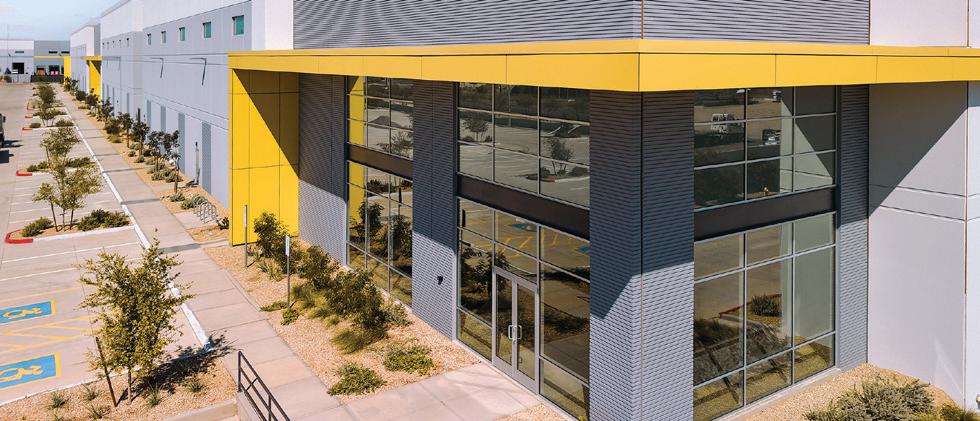
Industrial Infill Completed – and Fully Leased
Leading Phoenix-based general contractor Stevens-Leinweber Construction, representing Merit Partners Inc., has completed and delivered Merit 27 Buckeye. Located on 18 acres at the southeast corner of 27th Avenue and Buckeye Road, this unique industrial infill — now fully leased — transforms a former and vacant Murphy Elementary School District campus into a modern, two-building, 256,813-square-foot industrial property within a re-emerging commercial area. —Mike Hunter stevensleinweber.com
According to CommercialCafe’s March Industrial Report, industrial construction activity in the Western region remains concentrated in a handful of markets, with Phoenix’s pipeline approaching 20 million square feet of industrial space underway while Denver and the Inland Empire trail at less than half that volume — 8.3 million and 8.8 million square feet, respectively. commercialcafe.com/blog/national-industrial-report

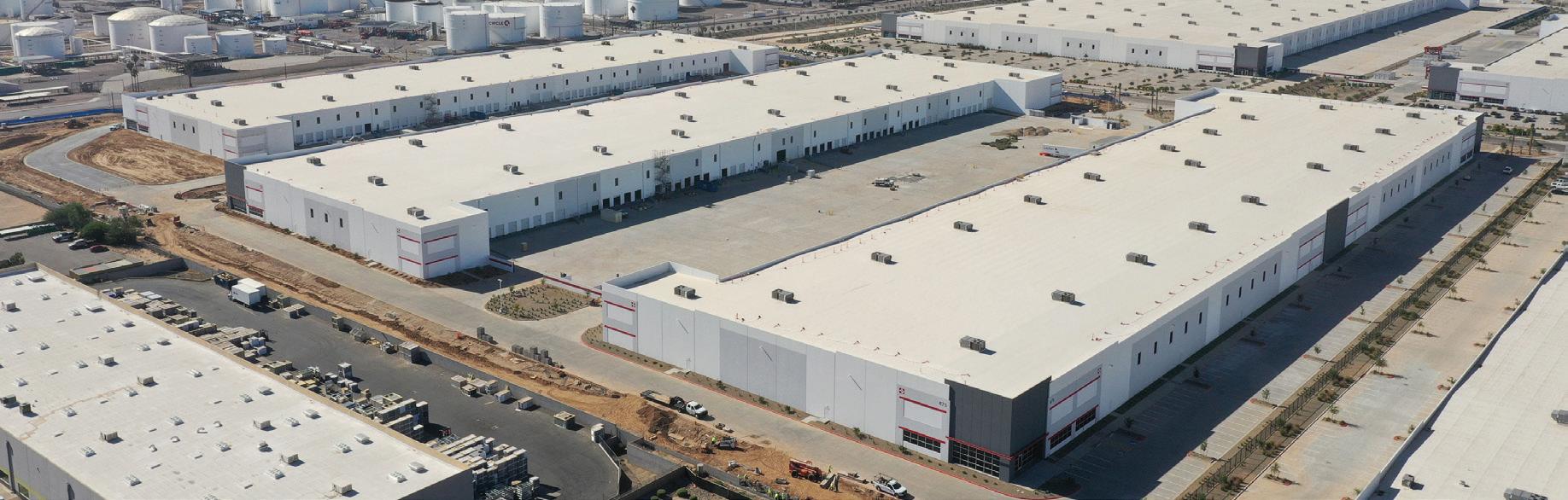
Phoenix Industrial Market: Infrastructure, Speed and Strategic Locations Are Shaping the Next Cycle
Phoenix’s industrial market continues to evolve as population growth, infrastructure investment and corporate migration reshape how companies evaluate logistics and manufacturing locations. While the market experienced a significant wave of new supply in recent years, long-term fundamentals remain strong. Tenant priorities are increasingly centered on operational efficiency, speed to occupancy and well-located facilities that support long-term business growth.
One of the most notable shifts in demand is the growing presence of manufacturing and assembly users. Earlier industrial cycles in Phoenix were largely driven by e-commerce distribution, but the region is now seeing increased activity from companies tied to semiconductor and data center supply chains. Suppliers supporting major investments by companies such as Taiwan Semiconductor Manufacturing Company and Intel are establishing operations across the metro area, creating a new layer of demand tied to advanced manufacturing and technology infrastructure.
Tenant expectations around the leasing process are also evolving. Speed to occupancy has become a critical consideration for large users entering the market. Companies want to move quickly from lease execution to full operations, which requires coordination across tenant improvement design, permitting and construction. Phoenix’s businessfriendly municipal environment has helped support these timelines, with city departments working collaboratively to streamline approvals and inspections. This cooperative approach continues to reinforce Phoenix’s reputation as a preferred market for both tenants and investors.
The capital environment has also influenced development activity. After several years of robust speculative construction across the Valley, supply expanded rapidly in certain submarkets. The market is now moving through a period of absorption as tenants gradually occupy recently delivered space. While capital is beginning to re-enter the development pipeline, underwriting has become more disciplined as developers balance construction costs, lease-up timelines and land pricing.
Location remains the defining factor in determining which
projects succeed. Access to major transportation corridors, proximity to labor pools and connectivity to the region’s freeway network are crucially important as the metro area continues to grow. Developers are also prioritizing sites near employee amenities and in municipalities that are actively investing in infrastructure and economic development.
These dynamics are illustrated by developments such as CapRock West 202 Logistics, a 3.4-million-square-foot industrial campus located at the intersection of Interstate 10 and the Loop 202 South Mountain Freeway. The project was delivered in two phases across eight buildings, allowing the development team to manage risk while responding to shifting market conditions. Phase I, totaling approximately 2.5 million square feet, is now about 85% leased to tenants ranging from mid-size distributors to users occupying more than one million square feet. Phase II, comprising roughly 824,000 square feet across three buildings, was completed at the end of 2025 and is currently about 73% leased with the balance of the space being marketed for lease.
Looking ahead, several structural trends are shaping the next phase of Phoenix’s industrial growth. Power availability is now a key factor for advanced manufacturing, distribution and technology users evaluating new locations. At the same time, continued investment in transportation infrastructure, including expansion of the Valley’s freeway system, is influencing how companies assess distribution efficiency across the metro area.
Location remains paramount. While speculative development in fringe submarkets may face longer leaseup timelines, well-located industrial assets along major infrastructure corridors continue to align closely with tenant demand and long-term population growth. As land becomes increasingly constrained in core locations, more infill redevelopment opportunities may emerge, with underutilized office and call center properties potentially repositioned for industrial use in areas with strong infrastructure access and established labor pools. —Bob O’Neill, executive vice president at CapRock Partners (caprock-partners.com)




























DID YOU KNOW:
• Arizona’s aerospace and defense sector has attracted more than $2.8 billion in investment and created more than 12,500 jobs in recent years.
• Arizona ranks No. 1 in the nation for concentration of guided missile and space vehicle manufacturing, according to Lightcast.
• Embry-Riddle Aeronautical University in Prescott is the largest fully accredited aviationand aerospace-focused university in the world.

Artemis II: Arizona’s Role beyond the Launch
Semiconductor and aerospace & defense industries share a symbiotic relationship by Stephanie Quinn
Artemis II sent astronauts around the moon for the first time in decades — a 10-day mission that lifted off from the same pad used during the Apollo era. Naturally, most of the attention was on the rocket, the crew and the mission itself. What’s less visible is how much of that work happens outside the launch site, including in Arizona.
Sen. Mark Kelly, a former astronaut, has said missions like this carry significance beyond the moment of launch. “It’s inspiring, but it also pushes technology forward,” Kelly said.
The mission itself is the result of years of work across companies, research institutions and semiconductor suppliers.
Honeywell is one example. Engineers in Glendale have spent years developing systems designed to operate during launch and throughout the mission. That includes components astronauts rely on to monitor and interact with the spacecraft, even as the vehicle experiences the kind of vibration that would make most displays unreadable during liftoff.
“It is a point of pride that Honeywell has been trusted to support every crewed NASA space mission,” said Jim Currier, president and CEO of Honeywell Aerospace. “Our legacy is built on responsibility, precision and innovation, driven by people who care deeply and are inspired to help shape the future of human spaceflight.”
Northrop Grumman is also involved in Artemis II. The company’s twin five-segment solid rocket boosters provide the majority of the rocket’s thrust at liftoff, while systems tied to crew safety, including the abort motor, are designed to activate if something goes wrong during ascent. The company’s Gilbert operations are connected to the HALO module, which is expected to support future missions as a living and working space for astronauts in lunar orbit.
At Arizona State University, teams are developing instruments designed to collect and analyze data from the lunar surface, helping scientists better understand its composition. At the University of Arizona, researchers are building a seismometer
intended to measure moonquakes and study what lies beneath the moon’s surface, work that will continue long after the launch itself.
Not all of that work shows up during a launch. Programs like Artemis also rely on companies supporting components, materials, testing and manufacturing, many of them further down the supply chain.
In Arizona, that work is spread across a much wider base of companies, many of them tied to different parts of the mission. Chandler-based Everspin Technologies develops MRAM used in high-reliability applications, including aerospace and satellite systems. The company has worked with Blue Origin and Astro Digital, supplying radiation-hardened memory for space environments. These components sit further down the supply chain, but they support how spacecraft systems operate and manage data.
Arizona’s aerospace and defense sector includes more than 1,200 companies, ranging from large contractors to specialized suppliers and manufacturers. The state’s chip manufacturing base provides a foundation that even tech-forward states are working to build.
Over the last five years, Arizona has attracted more than 60 expansions in the aerospace and defense sector, helping Arizona rank third in the nation for aerospace manufacturing. This growth is no surprise; the semiconductor and aerospace and defense industries share a symbiotic relationship. Semiconductor technologies are foundational to aerospace missions, shaping everything from onboard electronics to data and memory systems.
As both industries continue to grow in Arizona, that overlap is being shaped by the full ecosystem. It includes both the large corporations and the smaller companies that support the supply chain. Together, they are connecting chip manufacturing, engineering and aerospace development in ways that are difficult to separate, helping drive continued investment across both sectors.
Semiconductor technologies are foundational to aerospace missions, shaping everything from onboard electronics to data and memory systems.

CHIPS &
Arizona’s Tech Growth on Display at AZ Tech Week

With more than 400 events across the state drawing people to panels, workshops, startup pitches and meetups, Arizona’s first statewide Tech Week wrapped up April 12. The turnout says something about where Arizona’s tech economy is right now and how much of that activity is directly or indirectly tied to semiconductor growth.
Unlike a typical conference, Arizona Tech Week wasn’t built around a single location; instead, it was designed as a series of decentralized events hosted across multiple cities. That ends up mirroring the industry’s own growth.
That was also evident from who participated. Honeywell Aerospace Technologies, Tesla, Western Alliance Bank, Idealab Arizona and ASU were all part of the week. Different sectors, but increasingly tied to the same thing: building, financing, powering and staffing the state’s semiconductor expansion.
The week’s signature event, hosted by Idealab in partnership with the Arizona Commerce Authority, brought together leaders from across Arizona’s tech and business community for an evening of networking and collaboration.
“One of Arizona’s greatest strengths is how we move forward — together — with alignment, purpose and a shared belief in what’s possible,” Gov. Katie Hobbs said during the event.
The week was powered by the Arizona Commerce Authority and organized in partnership with the Arizona Venture Alliance, a coalition of investors, startups and ecosystem leaders focused on expanding opportunities for entrepreneurs.
That mix of players was evident throughout the week, giving attendees an up-close view of Arizona’s tech growth, beyond headlines and announcements. No longer tied to a single company or project, Arizona Tech Week reinforced how important this industry has become in the Valley. —Stephanie Quinn
Building a Semiconductor Community in the Desert
To date, $34.5 billion has been invested in Arizona’s semiconductor industry, with the promise of $100s of billions more to come. With that kind of investment, it is no wonder that the area near the TSMC site is beginning to attract more than just manufacturing.
Housing, infrastructure and support services are being planned alongside it. Developments like Halo Vista, a $7-billion project described by its developers as a “city within a city,” are being designed with that growth in mind, adding residential and community space near what is expected to become one of the state’s largest employment centers.
“The expansion of semiconductor manufacturing is creating demand well beyond the facilities themselves,” a Halo Vista representative said in announcing the project.
At the same time, companies that support semiconductor manufacturing are continuously moving to the Valley, establishing a presence in the region. The latest example of this migration is Japan-based TOCALO, which recently leased space in Chandler to work with semiconductor equipment manufacturers.
Another piece of that buildout is coming from Arizona State University as it looks to build its eighth “innovation zone” dedicated to international science and collaboration. The university has a series of “innovation zones” across the state where it operates alongside private industry. Research, workforce training and
companies in the same place. This one they are looking to build near the Taiwan Semiconductor Manufacturing Co. site in north Phoenix.
ASU has used similar “innovation zones” in other parts of the state, placing university programs alongside private companies. The approach combines research, workforce training and business activity in one place. This would be the first time the model is being applied at this scale around semiconductor manufacturing.
ASU President Michael Crow has described the $165-billion TSMC project as the “single most important technological opportunity in Arizona since air conditioning.”
Plans for the zone are still coming together. ASU has not confirmed a site, but the focus is clear. ASU is looking at space for teaching, research partnerships and startup activity, along with room for other education providers. There is also an emphasis on startup incubation, which university leaders say is still limited for advanced manufacturing and technology companies. The idea is to bring more of that activity into one place. Community colleges and even K–12 partners could be part of it, along with other elements that would support people working in the area.
North Phoenix isn’t being built all at once. It’s happening piece by piece. A housing development here. A supplier there. Now a university is looking to be closer to it. Some of it will take years, even decades, to fully come together. —Stephanie Quinn
Arizona State University is looking to build its eighth “innovation zone” dedicated to international science and collaboration — combining research, workforce training and business activity in one place — near the Taiwan Semiconductor Manufacturing Co. site in north Phoenix.

WELL, WELL, WELL

How Artificial Intelligence Is Transforming the Hearing Aid Industry Artificial intelligence is rapidly reshaping healthcare, and the hearing aid industry is no exception. A new generation of hearing technology is emerging that leverages AI to improve how individuals with hearing loss experience the world around them.
One notable example is the Oticon Zeal, a hearing aid platform that incorporates advanced AI-driven sound processing. At the core of this innovation are Deep Neural Networks, which are trained using millions of real-world sound samples. This allows AI-enabled hearing aids to more accurately identify and prioritize speech while reducing background noise in complex listening environments such as restaurants, meetings and social gatherings.
In simple terms, this technology helps the hearing aid “learn” what to focus on, such as speech, while minimizing distracting background sounds. Instead of just making everything around the wearer louder, DNNs work to make important sounds clearer and easier to understand, especially in noisy situations.
However, as with many AI-driven advancements across industries, success within the hearing aid industry still depends on the expertise of the professional implementing the technology. Skilled audiologists who follow comprehensive audiologic best practices play a critical role in properly fitting, programming and optimizing these devices to match each individual patient’s unique hearing needs.
The integration of AI into hearing aids like the Oticon Zeal also reflects a broader industry trend. Manufacturers are increasingly investing in machine learning to personalize sound processing, adapt to user preferences over time and improve outcomes for individuals with varying degrees of hearing loss.
Looking ahead, continued advancements in AI are expected to further enhance hearing aid technology, potentially integrating features such as predictive adjustments, health monitoring and deeper connectivity with other smart devices. As these innovations evolve, they may play a critical role in addressing the growing global demand for effective hearing loss treatment. —Clifford Olson, Au.D., an audiologist and founder of Applied Hearing Solutions in Arizona (appliedhearingaz.com/ hearing-aids/oticon-zeal)
The Business Case Behind the Oral Microbiome Market Boom
The oral microbiome is moving rapidly from a research interest to a commercial market force, reshaping how dental practices approach diagnostics, prevention and long-term growth. Advances in molecular testing, growing evidence linking oral bacteria to systemic health, and rising consumer demand for personalized insight are accelerating adoption across the dental sector.
Periodontal disease affects more than 40% of U.S. adults, according to the Centers for Disease Control and Prevention, creating a large and persistent clinical and economic burden. As practices look for ways to diagnose earlier, treat more precisely and improve patient outcomes, interest in oral microbiome testing continues to rise.
Physicians Group Laboratories, a CAP-accredited, CLIA-certified clinical laboratory providing molecular diagnostics for medical and dental practices nationwide, is the laboratory partner behind the IDX oral microbiome testing platform, which is designed for routine use in dental workflows.
“The market is accelerating because diagnostics are finally aligning with real-world practice needs,” says Rachel Alexander, technical product manager at Physicians Group Laboratories. “Saliva-based PCR testing has become fast, noninvasive and practical enough to integrate into routine dental care.”
Historically, microbial testing faced barriers that limited its commercial viability. Long turnaround times, invasive sampling and complex reporting made testing difficult to scale. Newer oral microbiome panels address these constraints by identifying multiple high-risk organisms from a single saliva sample and delivering results within 24 to 48 hours. Faster turnaround supports workflow efficiency and allows practices to incorporate testing into hygiene visits and periodontal maintenance without disrupting schedules.
Consumer behavior is also influencing market growth. Patients are increasingly familiar with microbiome concepts through direct-to-consumer testing and functional medicine models, shaping expectations inside dental offices.
“Patients want data they can understand and act on,” Alexander says. “Microbiome testing provides tangible information that supports prevention-focused care and reinforces engagement between visits.”
As adoption increases, attention is shifting from novelty to operational and clinical value. Early microbiome tests often focused on isolated organisms, which provided limited insight into disease progression or treatment effectiveness. Current diagnostics are evolving toward evaluating microbial relationships, bacterial burden and inflammatory risk within the broader oral ecosystem.
“This shift allows providers to track changes over

time rather than relying on single-point results,” Alexander says. “That longitudinal view is critical for evaluating whether therapies are working and when adjustments are needed.”
From a business perspective, this capability supports more consistent treatment planning and follow-up. Practices can identify patients who may not respond fully to conventional therapy and adjust maintenance strategies accordingly. Persistent or aggressive pathogens may require targeted interventions or closer monitoring, helping practices reduce retreatment cycles and improve outcomes.
Operational efficiency also plays a role. Faster results allow clinicians to review findings before the clinical day begins, reach out to patients promptly and reduce administrative bottlenecks. This supports smoother scheduling and more effective patient communication. Objective data can also improve patient understanding and acceptance of recommended care. When patients can see the bacterial contributors to inflammation, they are more likely to participate in treatment and long-term prevention, supporting retention and continuity of care.
“Data changes the conversation,” Alexander says. “It helps patients understand why care is needed and how progress is being measured.”
As the oral microbiome market grows, experts caution against overstating its role. Testing does not replace clinical judgment or comprehensive exams. Its value lies in how effectively it integrates into existing workflows and supports decision-making.
Looking ahead, market momentum is expected to continue as diagnostics become more accessible and education expands. For dental practices, growth will be driven less by novelty and more by execution, with tools that balance scientific rigor and operational practicality supporting sustainable expansion. —Michelle Talsma Everson
ImpetusDX impetusdx.com
Physicians Group Laboratories getpgl.com
As with many AI-driven advancements across industries, success within the hearing aid industry still depends on the expertise of the professional implementing the technology.
Photo courtesy of Applied Hearing Solutions

Tech Advances Critical for Test Proctoring

As high-stakes exams increasingly determine access to education, licensure, and professional opportunity, weaknesses in exam security carry significant downstream consequences. Compromised scores, stolen test content and delayed invalidations can erode trust and impose significant operational and reputational costs on testing programs.
In its recently completed a study, which spanned more than a year and included more than 100 remote and in-person exam administrations in the U.S. for professional certification and licensure exams, Caveon, the leading exam security provider in high-stakes testing, found exam proctors missed 90% of cheating attempts for both remote and in-person tests. And when violations were noticed, proctors most often issued a verbal warning and allowed testing to continue.
Among other key findings for test-center live exams, 97% of undercover test-takers carried printed notes or other prohibited materials through check-in, and 100% of those who brought in notes or other prohibited printed materials accessed those notes during the exam without being stopped. In remote testing live exams, 91% kept printed notes within reach and used them unnoticed, and 31% left camera view for an unauthorized break and returned without challenge.
Caveon’s findings reinforce the need for modernized, system-level approaches to exam integrity, such as its Observer platform, which incorporates advanced AI and machine learning technology with real-time analytics to surface meaningful risk indicators and trigger targeted human review only when predefined thresholds are exceeded. When paired with Caveon’s Scorpion test development and delivery platform, which offers secure exam design tools, such as the dynamic SmartItem® and randomly parallel tests, the Observer model addresses both visible and invisible forms of test fraud that traditional proctoring cannot detect.
“Proctoring was never designed to carry the full weight of exam security,” says David Foster, founder and CEO of Caveon. “When programs rely on observation alone, they create blind spots that undermine validity. Protecting exam outcomes requires systems that generate evidence, scale reliably and enhance human judgment rather than replace it.” Mike Hunter Caveon caveon.com

Unverified AI Output Is Creating Financial & Reputational Risk
There is a growing “AI slop” crisis as employees over-rely on AI tools, according “AI Slop Crisis: 7 in 10 Managers Report Recurring, Costly Errors from Direct Reports’ AI Use” recently released by Resume.org, the leading platform for building a résumé. In its January 2026 survey of 1,146 U.S. managers regarding the impact of artificial intelligence on workplace accuracy, 70% of managers reported having observed direct reports making AI-related errors that carry significant business consequences, including financial losses exceeding $50,000.
AI-related mistakes are widespread and impact most organizations. The data reveals that these errors are far from rare, with 70% of managers witnessing at least one AI-related mistake in the past year. Notably, these incidents are often recurring: 12% reported seeing these mistakes many times, and 43% observed them several times, suggesting that “slop,” low-quality or unverified AI output, is becoming a persistent feature in the modern office.
Inaccurate information and missed context are the top drivers of errors. The most frequently reported mistakes involve factual inaccuracies (58%) and the failure to account for critical context or nuance (50%). Other prevalent issues include low-quality content (41%) and poor recommendations (35%), highlighting the gap between AI’s generative speed and its lack of professional discernment.
“Most AI-related mistakes stem from over-trust and under-scrutiny,” says Kara Dennison, head of Career Advising at Resume.org. “Employees treat AI outputs as finished work rather than as a starting point. AI is reliable when used as an assistant, not a decision-maker. Without human judgment and clear processes, speed becomes a risk, and efficiency gains can turn into costly mistakes.”
AI mistakes disrupt workflows and damage professional relationships. The impact extends across the organization, with 58% of managers reporting they were personally affected by a report’s AI error. The consequences ripple outward, affecting co-workers (44%), clients (40%) and even upper management (24%). These errors trigger a cascade of additional work, with 59% of managers stating they had to invest extra time to correct or redo AI-affected tasks. Financial losses are tangible. The business cost of these errors is nontrivial. Nearly one in five managers report that AI mistakes have cost their business more than $10,000, with 5% indicating losses exceeding $50,000. Beyond direct costs, companies cite damaged credibility (28%), missed deadlines (25%) and lost opportunities (18%) as primary risks.
Gen Z employees are perceived as more prone to AI-related mistakes. More than onethird of managers (34%) identified Gen Z (ages 18–29) as the most error-prone group, followed by millennials (26%).
“Younger workers aren’t necessarily more careless, but they’re often using AI more frequently and earlier in their workflows,” explains Dennison. “Organizations often assume younger employees intuitively understand AI, yet provide little guidance on verification or risk. As a result, AI may be treated as an answer engine rather than a support tool.”
To mitigate these risks, Resume.org recommends that companies implement robust AI guidelines and emphasize that AI should be used for drafting and summarizing, while humans remain responsible for validation and final judgment. —Mike Hunter
Resume.org resume.org
In Resume.org’s January 2026 survey of 1,146 U.S. managers regarding the impact of artificial intelligence on workplace accuracy, 70% of managers reported having observed direct reports making AI-related errors that carry significant business consequences, including financial losses exceeding $50,000.
Photo courtesy of Rapid Drone (right)



STACKING OVER SPRAWL
WHY DEVELOPMENTS ARE FOCUSING ON HEIGHT AND DENSITY
by RaeAnne Marsh


Arro, courtesy of The Empire Group of Companies
STACKING OVER SPRAWL DEVELOPMENTS ARE MORE ABOUT HEIGHT AND DENSITY
Yesterday’s emphasis on wide-open spaces, large lots and suburban living has been replaced by density with a focus on walkability. Residential units are a big part of today’s commercial development projects, with retail, office, entertainment and service built into the plan.
Yes, Metro Phoenix is still seeing plenty of development at its outer boundaries as its business and population growth continues to lead the country, but infill and redevelopment are expanding the economic vitality in already developed neighborhoods as demographics support more vertical mixed-use, or “stacking.”
ARRO

In the vertical development space, the top spot goes to Arro, developed by Empire Group of Companies through its luxury urban infill division Aspirant Development. Aiming to be a standout in the downtown skyline, its 541-foottall north tower is set to become the tallest building not just in the City of Phoenix but in the State of Arizona when it’s completed in three to four years.
This tower plus the project’s 425-foot-tall south tower will add to Downtown’s residential component with 380 Class A+ units in the north tower and 275 luxury co-living units in the south tower, plus a 250-key luxury lifestyle hotel in

the north tower. Noting the project will include retail and restaurant space at ground floor and within the towers, office, underground parking and entertainment offerings, Geoffrey Jacobs, managing partner of Aspirant and a principal of Empire, says, “Providing amenities like retail, restaurant and office for residents where density is increasing is key.”
The trend toward density combines with changing demographics, with both impacting development. “Demographics of downtown markets skew younger and convenience is paramount,” Jacobs says. “Services and amenities are in high demand and what residents of luxury high-rises want today.”
EPICENTER
Epicenter doesn’t just stand out in its downtown; it is the downtown. Its development is illustrative of how seriously William Johnston, CEO of Johnston & Co., takes the stewardship of Agritopia as his family’s legacy to the Gilbert area from its roots as their family farm.
“As Agritopia grew — and the Gilbert region grew and the neighborhoods around it were growing — we understood the importance of density,” Johnston says. “Density helps the walkability as well as creating community and a little bit of a different feel from the horizontal [development] we were all so used to in the Valley.” Noting the importance of adding a downtown to the other components of Agritopia, he explains, “In most downtowns there is a vertical element of residential over retail. Adding the vertical element to create our downtown and become a focal point in this part of Gilbert was an
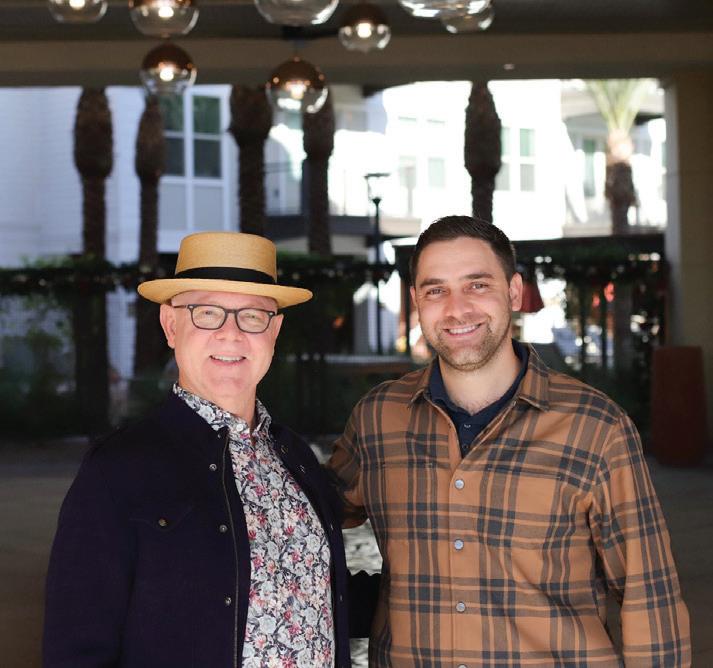
Joe and William Johnston, courtesy of Johnston & Co.
Arro, courtesy of The Empire Group of Companies

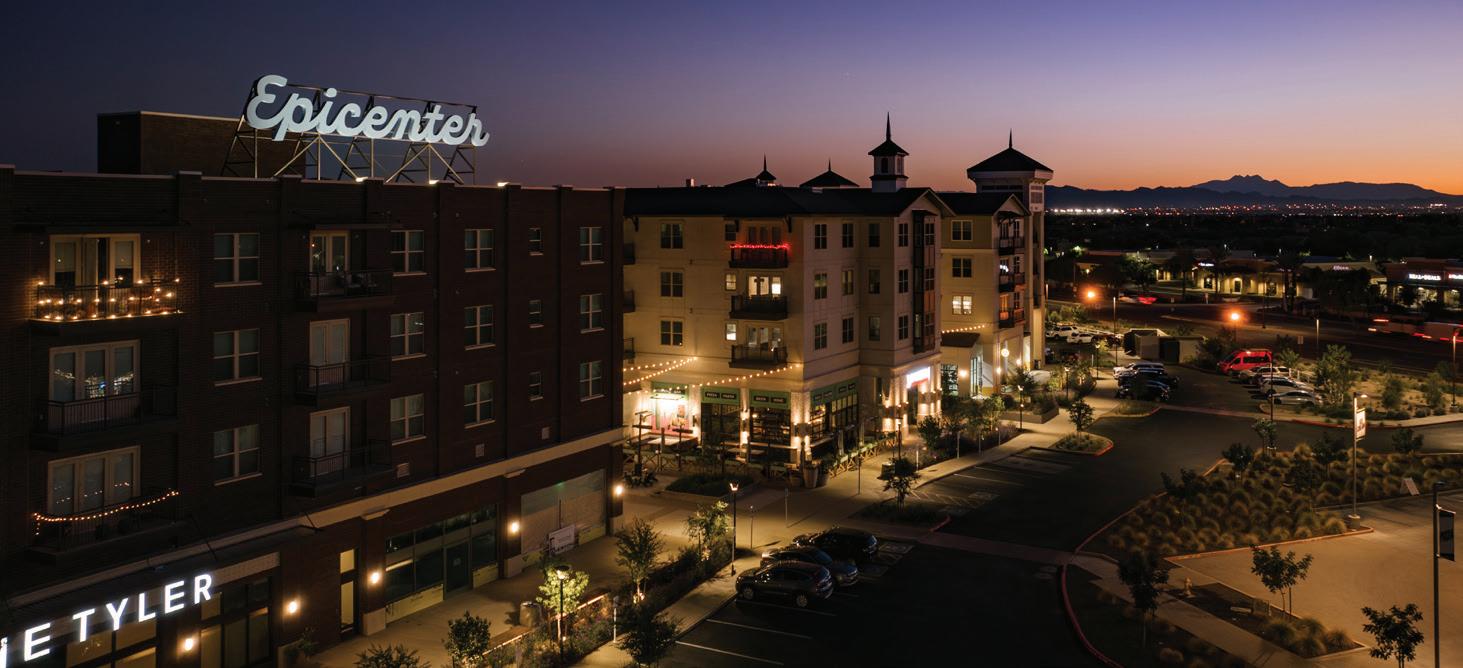
important piece for us as well.”
The Tyler is Epicenter’s residential component — 320 high-end luxury rental units from studios to three bed/three bath units. Developed by Streetlights Residential — which, Johnston points out, approaches every apartment project as unique to its setting and location — The Tyler’s brownstone architecture furthers a downtown feel. Also important to Johnston is Streetlight Residential’s philosophy, “Even though we’re building apartments, it’s still someone’s home.”
Taking a very intentional approach to creating the commercial component, the Epicenter team surveyed the Agritopia residents about the center during its conceptual stage, asking them,
“What’s missing that you’d like to walk to on a pretty regular basis?” From there, they made a list of who they thought was the best in Arizona in those categories. While willing to go outside Arizona if necessary, the aim was to “create a centerpiece highlighting the best of Arizona within a singular project that isn’t a big mall.”
CENTRAL STATION
Central Station is a transit-oriented, publicprivate mixed-use redevelopment designed by Multistudio. Noting its core value comes from its location on a major transit hub, adjacency to ASU Downtown and Civic Space Park, and its ability to reshape a constrained civic site into a

24/7 urban destination, Steve Valev, associate principal at Multistudio, describes the project also as a response to Phoenix’s growth and downtown densification.
“Central Station includes a mixed program centered on two towers: a 33-story marketrate residential tower and a 22-story student housing tower. Across the project, the program includes 338 apartments, 629 student beds, and about 7% of the east tower as workforce housing, along with office and retail uses. There is approximately 70,000 square feet of office space, about 30,000 square feet of retail, and roughly 435 parking spaces in a below-grade structure,” Valev says. He notes that mix makes sense because the project is meant to be active throughout the day and serve multiple user groups: Housing supports the downtown residential base; student housing ties directly to ASU; office space adds daytime employment; and retail/restaurant uses activate the street and transit hub. “Parking is included, but the project is clearly designed around transit access first, not car dominance.”
In fact, the biggest incentive for this development, Valev shares, is the efficiency of its location: Central Station sits on a 2.5-acre site in the center of downtown Phoenix, directly tied to the city’s bus and light-rail network and close to ASU Downtown, Civic Space Park and

Epicenter, courtesy of Johnston & Co.
Central Station, photos by Matt Winquist, courtesy of Multistudio
STACKING OVER SPRAWL DEVELOPMENTS ARE MORE ABOUT HEIGHT AND DENSITY

employment centers. “That makes the land unusually valuable for density, as the site already functions as a mobility hub, allowing the project to capture riders, students, workers, residents and visitors in one place.”
Notable are Multistudio’s design innovations to accommodate Phoenix’s climate. Valev points to deep overhangs, arcades, canopies, breezeways and a façade strategy tuned to solar orientation that provide shade and reduce heat gain in the desert environment. “Additionally, he says, “We implemented a reduced palette of glass and EIFS and used prefabrication to simplify construction and improve performance.”
Another notable aspect of Central Station Valev points to is how the building activates the ground plane. “Instead of treating transit as something to hide, the design wraps residential lobbies, retail fronts and circulation around the bus bays and light-rail interfaces so the station becomes part of daily urban life — urban vitality, if you will.” And he cites the fact that the project is targeting LEED Gold and Fitwel certification as further indication that health, comfort and sustainability are integral to the design.
“The project is tied to changing demographics and a broader move toward density and housing at the heart of the city,” Valev says. “Downtown Phoenix is becoming more popular as a place to live and work, and recent projects emphasize walkability and access to public transportation. Central Station appeals to students at ASU as well as young professionals, indicating that the market is shifting toward urban, mixed-income, transit-served living.”
[For additional insights into breakthrough ideas and planning against the project’s constraints, see this article online at www. inbusinessphx.com.]
THE ELLISON
The Ellison kicks off the development of The District Downtown, a 45-acre mixed-use development located at the northwest quadrant of Arizona and Pecos avenues in Chandler. In fact, this location and its freeway frontage along those avenues is one of the significant factors in creating this mixed-use development, says Greg Gienko, a principal at Meridian West, which, along with Stillwater Capital and Origin Investments, is developing the project. “It is the gateway to downtown Chandler,” he says.
Influence for the project, Gienko says, “stems from older cities and the way they incorporated retail, office and residential. “They really had it figured out.” Noting that, historically, that mix of uses was vertical, with retail at street level, offices above and residential on the upper floors, he says, “Our development will be more horizontally integrated but remains focused on live, work and play.”
Emphasizing its mixed-use design, he says it will feature most primary commercial products, beginning with The Ellison, which launches development and will include 50 studio units, 211 one-bedroom units, 110 two-bedroom units and nine three-bedroom units.. Parcel II within the project will include 50,000 square feet of retail space which will support the new apartment community and the hotels planned for the
site. Parcel II will also be where restaurant and entertainment establishment will be located.
The Ellison’s contemporary design will blend modern architectural elements with the natural beauty of the Sonoran Desert. The community, with three-, four- and five-story buildings, will feature warm earth tones, clean lines and expansive balconies that frame breathtaking desert sunsets. Thoughtfully integrated desert landscaping — including native palms, agave, and cacti — will create an authentic Arizona aesthetic while enhancing the pedestrian experience along Pecos Road.
According to Gienko, the retail components in the development are targeting, and having discussions with, the types of retailers that support residential communities. “This includes coffee shops, quickserve restaurants and other service-oriented retailers,” he says, noting these are also the types of tenants that will support the hotel users.
“Two office buildings are currently planned, but the work-from-home model that remains in full strength even after COVID makes the financing and delivery of office space very challenging,” Gienko says. He shares that strong interest has been expressed for medical office uses, including urgent care and health system facilities, which would allow one or more of the parcels targeted for office use to be converted.
“With a site that is so visible and one that serves as the gateway to Downtown, there has been a lot of input,” Gienko says, noting it has been a time-consuming, carefully executed process. “It has required lots of navigation. But that’s for the benefit of all concerned.”
The Ellison, courtesy of Meridian West
REVELRY
Another project by Empire Group’s Aspirant Development is Revelry in Tempe, comprising two towers rising 17 and 15 stories with 533 residential units and approximately 5,500 square feet of retail space on the first floor across two suites, with an additional 10,800 square feet on the second floor. Construction is expected to begin this summer, according to Aspirant’s Jacobs, who notes, “High rise projects are more complicated buildings that take longer to design and longer to permit. There are also more design, construction and inspection implications as it relates to structure, enclosure and especially when it comes to fire/life safety issues.”
The project is designed to rival top urban highrise communities nationwide and features such elevated lifestyle amenities as pickleball courts, wellness spaces, lounges with a bar and fireplace, a golf simulator and a dog spa. The community also includes a resort-style pool and landscaped 27,000-square-foot outdoor deck, co-working spaces and coffee bar, a state-of-the-art fitness center, onsite garage self-storage and a bike room.
Observing, “Tempe continues to evolve as a dynamic urban environment where people want to live and work,” Jacobs describes Revelry’s location on the southeast corner of Rural Road and University Drive as “one of Tempe’s most active intersections.”
ONE CAMELBACK
The long stagnation for the high-rise on the southeast corner of Camelback Road and Central Avenue recently ended. “We were able to acquire the property at a strong basis, well below replacement cost, which created a unique opportunity,” says T.K. Stratton, principal at Kinella Capital. Noting the location is also a major driver, he says, “One Camelback sits at one of the most coveted addresses in Phoenix.”
The project includes 163 luxury apartment residences along with retail spaces on the ground level. Noting a clear shift toward higher-density, walkable living, Stratton observes, “Many people want a luxury lifestyle without taking on the cost and responsibility of ownership. Projects like this give them that flexibility while still delivering a high-end experience in a great location.”
Of the building, Stratton says the design itself is really the standout. “Every unit has floor-to-

ceiling glass with unobstructed views, which is rare in Phoenix. The rooftop pool and amenity areas are positioned to take full advantage of the skyline. It’s also located in one of the most walkable neighborhoods in the Valley, which adds to the overall experience.”
The building’s large atrium presented a unique attribute as well as a challenge. “Atrium structures come with added life-safety and code requirements, especially when updating a project to meet current standards,” Stratton explains. “It takes careful coordination to get that right, but the result is a much more open and dynamic living environment for residents.”
For the retail component, Kinella Capital is taking a very intentional approach, with a focus on uses that enhance the day-to-day lives of residents, particularly in areas like wellness,
health, and high-quality service-based businesses. This could include concepts like boutique fitness, wellness studios, or curated food and beverage that complement a walkable lifestyle. “We’re being selective about tenancy to ensure it reflects the quality of the building and the expectations of the people who will live there,” says Stratton, explaining that, because of the visibility and prominence of the location, it’s important the retail aligns with the level of the residential experience. “We’re still in the early stages of finalizing tenants, but the guiding principle is simple: Every retail partner should add value to the building, not just occupy space,” he says.
“This is one of the most visible and welltrafficked corners in Phoenix, which creates strong opportunities for retail tenants while supporting a walkable, active environment for residents.”

Revelry, courtesy of The Empire Group of Companies
One Camelback, courtesy of Kinella Capital

Alex Guerrero is the founder and president of The Society, LLC, a brand management and marketing agency established in 2012. A former professional football player with experience in the NFL, CFL and AFL, and a standout career at Boise State University, he brings deep industry insight. The Society helps athletes, entertainers, and brands build distinct identities through strategies that elevate presence and impact. thesociety.us
From Endorsements to Ownership: Rethinking the Value of Athlete Partnerships
The smartest brands aren’t just paying for athlete endorsements by
Alex Guerrero
In the era of the influencer economy, athlete partnerships are everywhere. Business leaders, founders and investors have likely written a check, sponsored a team or partnered with an athlete having a shining moment, in exchange for cultural relevance, visibility, credibility or a spike in sales. But the smartest brands aren’t just paying for athlete endorsements— they’re partnering with them. The real opportunity isn’t in paying for promotion, but in building alongside athletes in a true partnership.
That shift requires a fundamentally different approach from the one we’re used to seeing. One where athletes aren’t treated as endorsers, but as collaborators with a real stake in the outcome through equity, ownership and long-term alignment.
After 25 years in amateur and professional sports, including Boise State, the NFL, NFL Europe, CFL, AFL, and 14 years leading my branding and marketing agency, The Society, which has generated more than $50 million in partnerships, I’ve gained a unique perspective on what drives success for athletes and brands.
FROM PROMOTING TO BUILDING
I’ve seen Hall of Fame careers, average careers and talented athletes whose journeys ended in college. While those paths look different on the surface, one thing remains consistent: Most athletes never fully maximize the platform they’ve earned.
Part of the reason is structural. At its core, the traditional model is simple: Brands pay athletes for exposure. Social posts, appearances, campaign work. The deals are short-term, tied to specific activations, and measured by reach and visibility. For brands, it’s a marketing expense. For athletes, it’s a paycheck.
That model can create immediate value, but it rarely creates sustained profitability, let alone a legacy. It’s transactional by design, offering little incentive for deeper collaboration, limited long-term upside, and almost no connection to the business itself. Many brands treat athletes as media inventory, not strategic partners.
That realization pushed me to seek a better approach, one centered on lasting value and aligned with what athletes need both financially and personally. Exposure alone isn’t enough. Every athlete reaches a point where performance isn’t enough and they are forced to reckon with whether they’ll maximize their platform or waste it.
It all clicked when I connected with long-time friend and investor James McCabe and his private fund, The Placement Funds. McCabe’s approach — building networks, creating strategic partnerships and thinking long-term — wasn’t effective just in business; it offered a blueprint for athletes.
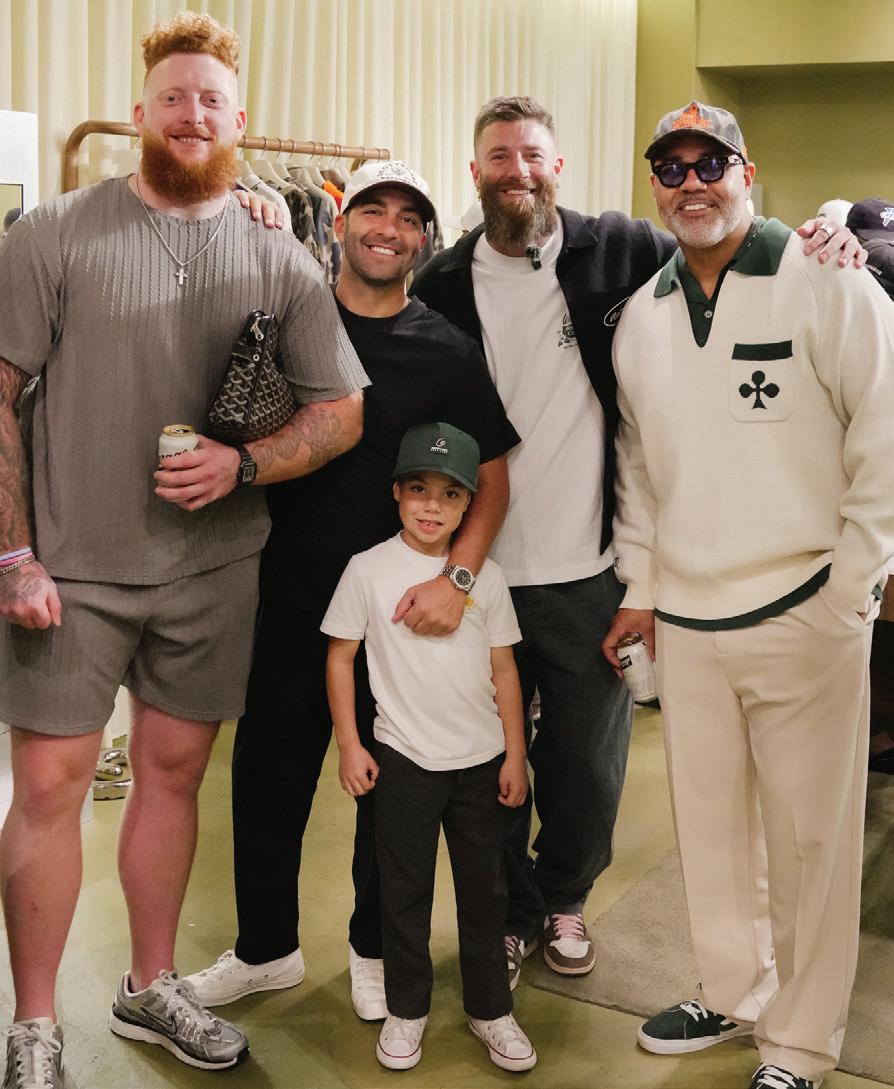
A NEW PHILOSOPHY
Through that lens, I began to see what was missing: a path for athletes to participate as owners, not just endorsers, with access to mentorship, capital and decision-making opportunities that extend beyond the playing field.
One of the clearest examples of this philosophy came years before the outcome was ever clear. Working with Jim Huether, now CEO of Hyperice, during his time at Xenith, we placed Arizona Cardinal players Patrick Peterson and Tyrann Mathieu into their helmets. There was no immediate upside, no guaranteed deal, just alignment.
Years later, that relationship evolved into an ownership opportunity, where Peterson chose equity over a traditional cash endorsement. What began as shares in a $20-million company is now tracking toward $1 billion. The real return wasn’t the multiple; it was the mindset: from promoting to building, from exposure to long-term value.
Another example of this philosophy in action comes from DeMarcus Lawrence. In 2021, the longtime Dallas Cowboys standout and now Super Bowl champion with the Seattle Seahawks, was introduced to a cryotherapy chamber at Cowboys Fit and quickly recognized the recovery benefits.
Patrick Peterson and Alex Guerrera at Cardinals retirement; courtesy of The Society.
We facilitated a partnership with CryoBuilt that included 1% equity, creating alignment with both his performance goals and personal values. For Lawrence, the partnership felt purposeful and allowed him to invest in a business he believed in. For CryoBuilt, having an athlete partner added credibility that helped the company grow, eventually positioning itself as the most trusted brand among NFL players.
This experience marked a pivotal shift for Lawrence from endorsement to ownership and sparked other ventures under his media company NinetyStudio, including DrinkSip, a non-alcoholic beverage, and Edge Zero, an anime-style football series. This illustrates how aligning athlete incentives with long-term outcomes can create value far beyond a single campaign and redefine what success looks like for both athletes and brands.
For brands, this shift changes everything. Instead of paying for shortterm exposure, they gain a partner invested in the success of the business, contributing to storytelling, product development and long-term growth. I’ve seen this mindset with athletes like Larry Fitzgerald, who spent his entire NFL career with the Arizona Cardinals. His approach to investing mirrored that of a traditional Wall Street executive, not a professional athlete. Despite earning nearly $181 million on the field, he remained intentional about maximizing his platform through relationships, access and long-term strategic alignment.
This approach is no longer exclusive to the pros. Programs like Arizona State and others are seeing major increases in NIL (Name, Image and Likeness) valuations for top athletes. The rise of NIL represents one of the most significant shifts in college sports, but the real opportunity isn’t just monetization; it’s education.
College athletes are surrounded by boosters, alumni and supporters who’ve built successful businesses. The question isn’t just what they earn, but who they’re connected to and, more importantly, what they learn in the process. By approaching NIL strategically, these athletes can start building partnerships and ownership opportunities that mirror the long-term value model we see in the professional ranks.
When executed intentionally, these partnerships can take several forms:
• Equity-based collaborations: Give athletes ownership in the companies they support.
• Revenue participation: This ties compensation to business outcomes rather than just impressions.
• Athlete-led product or brand collaborations: Leverage their insight and creativity into an actual product or campaign.
These partnerships help athletes build wealth beyond their playing careers, align incentives with the brands they support, and foster deeper authenticity and loyalty for both sides.
THE FUTURE OF ATHLETE PARTNERSHIPS
At The Society and our new form of strategic partnership with The Placement Funds, we help athletes structure these kinds of partnerships. Rather than one-off endorsements, our approach emphasizes ownership, equity and shared outcomes. We connect athletes not just to capital, but to mentors, operators and decision-makers, ensuring each partnership builds skills, relationships and lasting impact, both on and off the field.
Over the next five to ten years, this shift will only accelerate. More athletes will step into roles as investors and co-founders, more brands will design partnerships with ownership in mind, and the measure of success will be relationships and long-term impact, not just immediate visibility. The next evolution won’t be defined by bigger deals; it will be defined by smarter, more intentional partnerships.
For those in the business community willing to lean in, the upside isn’t just in what they give but in what they gain: lasting relationships and long-term value built through true partnership, not limited by on-field performance or accolades.
Industrialize
For seasoned investors, curious newcomers and real estate pros looking to sharpen your edge, alike, this book is the definitive roadmap to the industrial property world. From factories and warehouses to cranes, racking, and everything in between, readers will get a comprehensive breakdown of the spaces that keep the global economy running.
Packed with insights on manufacturing, logistics, site selection, architecture, construction, legal considerations and even forklifts and floor drains — this isn’t theory. It’s boots-on-the-ground knowledge readers can actually use.
Industrialize: The Insider’s Guide to Industrial Real Estate
Chad Griffiths
$29.99
Page Two Press On Shelves and Online 250 Pages
Making it in Real Estate
John McNellis learned real estate investing the hard way: deal by deal, burn by burn, over 40 years and 100+ commercial real estate projects. He wrote the practical field guide to real estate development he wished existed when he started — the book that might also talk people out of starting at all.
Now in its third edition with 34 new chapters, Making It in Real Estate has grown from insider favorite to the book readers call their “real estate Bible.” This isn’t a motivational pitch or a finance textbook. It’s 80 chapters of unvarnished, experience-tested guidance from a developer who still remembers what it felt like to work without a net worth.
Making it in Real Estate : Thriving as a Developer
John McNellis
$19.95
Hubbard House On shelves and online 298 pages
Real Estate Development From The Ground Up
Most AI failures don’t begin at scale — they begin during pilots, when early success creates confidence without revealing the risks that only surface once AI is embedded in real workflows, real teams and real decisions under pressure.
In Real Estate Development From the Ground Up, veteran builder and developer Ryan Frey explains how development actually works, from raw land through entitlements, construction and stabilized projects. Drawing on more than 25 years of hands-on experience, Frey breaks the process into clear, disciplined stages that reveal where risk lives, how value is created, and why early decisions often matter more than execution later.
Real Estate Development From The Ground Up: Lessons, stories, and a step-by-step path from dirt to doors
Ryan Frey
$16.99
Level 11 On Shelves and Online 244 pages

Ana Ake, QKA®, AIF®, CPFA®, QKS, is a vice president, retirement client advisor with UMB Bank n.a., Retirement Plan Services. She advises clients across the Arizona and California markets, leveraging her knowledge of plan governance, compliance requirements and fiduciary best practices to help employers strengthen their retirement programs and improve participant outcomes. Ake holds multiple industryrecognized credentials: Certified Plan Fiduciary Advisor (CPFA®), Qualified 401(k) Administrator (QKA®), and Qualified 401(k) Specialist (QKS®). umb.com/retirementplan-services
Retirement Plan Services is a division within UMB Bank, n.a. (a subsidiary of UMB Financial Corporation). Products and services offered by Retirement Plan Services are not FDIC Insured, are not Bank guaranteed and may lose value.
Protecting the Company while Supporting Employees
A smarter approach to retirement plans
by Ana Ake
For many business owners, offering a 401(k) or 403(b) plan is part of the benefits package — a necessary tool to attract and retain talent. What often gets overlooked is that sponsoring a retirement plan comes with significant fiduciary and regulatory responsibility. In today’s environment, that responsibility carries real risk. But it can also be an opportunity.
Dedicated retirement plan advisors offer services designed to help owners navigate these complexities. At their core, retirement plan advisors support company-sponsored plans, like 401(k) plans in the for-profit space and 403(b) plans for nonprofits, by helping employers meet their obligations under the Employee Retirement Income Security Act of 1974 (ERISA), the federal law governing retirement plans.
Companies that offer retirement plans have a duty to act in the best interest of their participants, including selecting and monitoring investments, reviewing service providers, managing fees and ensuring the plan’s design aligns with regulatory requirements and company goals. These responsibilities are ongoing and required by law — and hiring a recordkeeper does not necessarily eliminate the employer’s fiduciary liability.
That’s where a dedicated retirement plan advisor that includes ERISA 3(38) investment fiduciary oversight can make a meaningful difference.
KEY DIFFERENCES BETWEEN A 3(38) AND A 3(21)
Under a 3(38) arrangement, the advisor assumes full fiduciary responsibility for investment oversight. Unlike a 3(21) advisor, who acts as a co-fiduciary sharing responsibility and providing recommendations the employer must approve, a 3(38) investment manager is delegated the authority to select, monitor and replace investments. Understanding what level of fiduciary support the company has is one of the most important questions plan sponsors should ask.
THREE REASONS TO HIRE A RETIREMENT PLAN
ADVISOR WITH 3(38) INVESTMENT FIDUCIARY OVERSIGHT SERVICES
#1: Leverage expertise and minimize risk. In practice, few employers have the expertise to manage all fiduciary responsibilities internally. Recognizing their responsibility to act prudently in fulfilling these duties, many plan sponsors will hire a dedicated retirement plan advisor to fill the gap. Specialized advisors can do things like evaluate investments and document every step, acting as a “quarterback,” coordinating among recordkeepers, third-party administrators and other service providers. They review the plan document for red flags, identify excessive fees, assess whether appropriate oversight is in place and help reduce overall plan risk.
Plan risk is not theoretical. Litigation related to poor oversight has increased, affecting companies of all sizes. Employers that assume their plan is “fine” because it has been in place for years may be exposing themselves to unnecessary liability.
#2: Customize plan design to align with business needs. Beyond investments, thoughtful plan design is critical and another reason to consider outside professionals. Retirement plans are not one-size-fits-all. The provisions inside a 100-plus-page plan document can dramatically affect compliance outcomes and employee experience.
Plans should align with business goals. Whether it’s aimed at enhancing employee retention, managing costs or supporting a diverse workforce, the plan should reflect a company’s objectives. It should also promote employee engagement, through features like automatic enrollment and escalation that encourage employees to take proactive steps toward their financial future.
A thoughtful plan design should help ensure compliance by staying ahead of regulatory changes. It should also adjust to changing needs to ensure it grows with the company and its employees.
#3: Increase employee education and adoption. Even the best-designed plan won’t drive strong outcomes if employees don’t understand how to use it. Many smaller and mid-sized companies lack the internal HR resources to provide meaningful financial education.
Retirement advisors can bridge that gap with customized tools, educational videos, enrollment support and one-on-one sessions that address financial wellness. They also coordinate with recordkeepers to ensure employers are fully leveraging available participant resources.
Perhaps most importantly, retirement plans are not “set it and forget it.” As companies grow, hire, downsize or restructure, their plans must evolve.
WHO NEEDS THIS SERVICE? EVERYONE.
While larger employers, often those with $10 million or more in plan assets, are more likely to have a dedicated advisor, smaller and mid-sized businesses should also consider this safeguard. Smaller businesses may assume they don’t need help or that the cost outweighs the benefit, not realizing the liability they are carrying.
The reality is simple: Businesses, big and small, don’t know what they don’t know. An experienced retirement plan advisor can scrutinize plans, identify gaps and help ensure it is working hard for employees while remaining compliant with the law. As companies grow, the stakes only increase. Leaving a retirement plan to chance isn’t just risky, it’s a missed opportunity to strengthen businesses’ and employees’ financial futures.
Sponsoring a retirement plan comes with significant fiduciary and regulatory responsibility.


Haley Harrigan is a shareholder at Gallagher & Kennedy in Phoenix. She represents and counsels individuals, small businesses, franchised operations and large companies on a wide range of employment issues, ranging from internal compliance to wage-andhour litigation. Harrigan serves as chair of the firm’s employment and labor law department. gknet.com
AI in Hiring: What Employers Need to Know to Stay Compliant
How can employers respond to large volumes of generic, AI-generated applications?
by Haley Harrigan
One of the most evident workplace trends creating new compliance challenges is the growing use of AI in recruiting and hiring. AI-driven tools can improve efficiency and reduce administrative burden. However, employers remain responsible for employment decisions — and that responsibility is not diminished simply because a third-party platform or algorithm is involved in the process.
HIRING TRENDS UTILIZING AI
Job seekers are increasingly using AI tools like JobCopilot and LazyApply to generate résumés and mass apply.
Employers are seeing large volumes of generic, AI-generated applications, and many companies are adjusting their screening processes to filter those out. Using AI as a drafting tool can be helpful, but mass-applying to hundreds of jobs tends to reduce the quality of the application and may actually hurt a candidate’s chances.
Employers generally have the right to define the rules of their hiring process, especially when they want to assess a candidate’s true skills or writing ability. But employers should be thoughtful about how they structure those policies. AI tools are quickly becoming normal workplace productivity tools, so an outright ban can be difficult to enforce.
Because many employers now receive hundreds or thousands of applications for a single role (especially remote ones), automated screening tools have become almost unavoidable. These tools can help triage candidates based on keywords, experience or other criteria, but they also introduce risk when employers do not fully understand how decisions are being made.
At a minimum, employers should be asking vendors basic but critical questions: What data is the system trained on? How does it weigh different qualifications? Has the tool been tested for disparate impact across protected groups? Too often, employers rely on vendor assurances without conducting meaningful diligence or requesting documentation.
This is where risk begins to build. If an automated system unintentionally screens out certain groups of candidates — whether based on race, gender, age, disability or another protected category — businesses may face discrimination claims without clear insight into how the decision was made. The “black box” nature of some AI tools makes defending these claims more difficult.
Employers should focus on three core areas: transparency, vendor due diligence and ongoing review. That means not only vetting tools before implementation, but also periodically auditing outcomes to identify patterns that could create legal exposure. Documentation of these efforts can be just as important as the efforts themselves.
THE FUTURE OF HIRING
The early stages of hiring will likely become more automated on both the employer and employee side. It is not hard to imagine a near future where AI tools representing applicants are submitting materials into employer systems that are also AI-driven.
From a legal perspective, however, employers should be cautious about fully automating hiring decisions without human oversight. Algorithms can replicate or amplify existing biases or unintentionally filter out protected groups. If an AI hiring tool produces a discriminatory impact, the employer — not the vendor — is still responsible. This creates exposure under state and federal employment laws, even where the employer had no intent to discriminate.
AI can be a powerful tool to manage volume, but it should not be treated as a substitute for judgment. Employers should avoid relying exclusively on automated screening and, instead, build in human review at key decision points. Even a limited secondary review process can significantly reduce risk.
COMPLIANCE TIPS AND ACTIONABLE STEPS
For employers navigating this evolving landscape, a proactive and practical approach can significantly reduce risk:
• Conduct AI vendor audits. Understand how AI tools function, what data they rely on, and whether they have been evaluated for bias. Avoid reliance solely on vendor assurances.
• Build in human oversight. Avoid fully automated decisionmaking in hiring or performance management. Ensure that key decisions include human review.
• Audit outcomes, not just processes. Periodically review hiring, compensation and promotion data to identify patterns that could create disparate impact on wage and hour exposure.
• Train managers. Even well-drafted policies create risk if they are not consistently understood and applied.
• Be transparent with candidates. Consider notifying applicants when AI tools are used in the hiring process. Transparency can help build trust and may become a legal requirement in certain jurisdictions.
• Avoid over-reliance on automation. AI should enhance — not replace — decision-making. Employers who treat these tools as infallible increase both legal and operational risk.
As AI continues to reshape the workplace, employers who take a thoughtful, informed approach will be best positioned to benefit from its efficiencies while minimizing legal exposure. The key is not avoiding AI altogether, but using it responsibly — with accountability, oversight and a clear understanding of the risks involved.
Strengthening communities through charitable giving.
For over 40 years, the Arizona Community Foundation has supported nonprofits and students across our state by mobilizing the collective passion and generosity of thousands of Arizonans.
When you are ready to take the next step in your personal charitable giving journey, we are here to help you achieve your goals.
Social Impact
PATHWAYS INTO TSMC ARIZONA
Those interested in engineering, technician, or apprenticeship roles can connect directly with TSMC Arizona to explore current opportunities. A full list of open positions is available on TSMC’s Arizona jobs page at ro.careers.tsmc.com/ search/?locationsearch=AZ
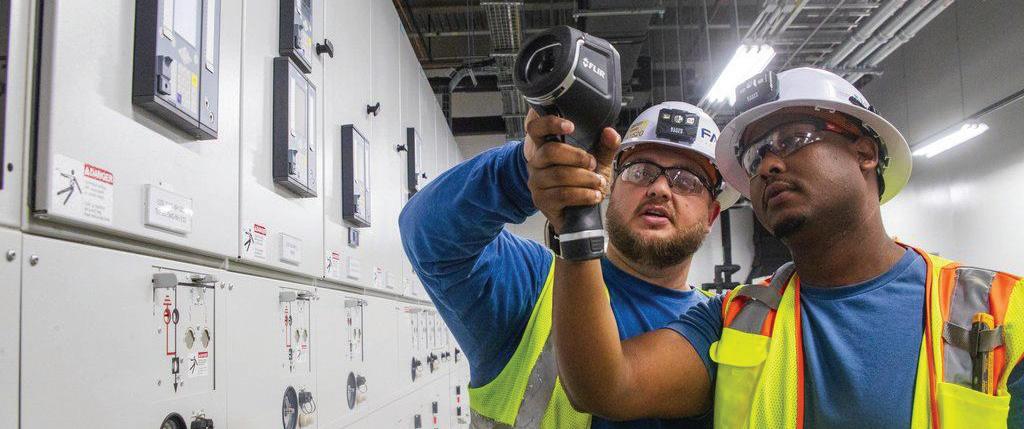
TSMC’s PeopleFirst Strategy Is Reshaping Arizona’s Talent Landscape
Robust programs build a strong, sustainable and varied talent pipeline by Tyler Butler
Taiwan Semiconductor Manufacturing Company’s presence in Arizona is often described in terms of scale, the multibilliondollar fabs, the global supply chain, the advanced technologies that power everything from electric vehicles to aerospace systems. But behind the cranes and construction milestones is a quieter, more enduring story: the company’s deep investment in people. As TSMC continues to expand in Phoenix, it is building a workforce strategy that prioritizes opportunity, skill building and longterm economic mobility for Arizona residents.

Butler, a trailblazer in ESG and corporate citizenship, has led Fortune 500 sustainability programs, contributed to two IPOs and founded Collaboration for Good. With degrees from ASU, Boston College and Cornell, she writes for top publications and serves as a strategic CSR consultant for Omnicom. collaborationforgood.com
With 3,000 employees already on board and a path to 6,000 by the end of the decade, TSMC understands that its success depends on a strong and sustainable talent pipeline. Rather than simply drawing from Arizona’s existing workforce, the company is helping strengthen it. That approach has earned praise from local leaders who see the impact firsthand. “TSMC’s investment in Phoenix is creating real opportunity for our workforce,” says LaSetta Hogans, deputy economic development director for the City of Phoenix and executive director of the Phoenix Business and Workforce Development Board. Her perspective reflects a broader truth: TSMC’s workforce strategy is not just about filling jobs; it is about creating access.
One of the strongest examples of this commitment is the company’s rapidly expanding engineering internship program. What began with just 16 interns in 2023 has grown to nearly 200 students from 60 universities in 2025, with about onefifth coming from Arizona State University. The program offers 10 weeks of handson experience inside one of the world’s most advanced manufacturing environments, giving students a direct pathway into highskill roles. Northern Arizona University President José Luis Cruz Rivera sees the partnership as a model for how higher education and industry can work together to support upward mobility, noting that it provides students with the handson experience needed to thrive while strengthening
the state’s semiconductor talent base.
But TSMC’s workforce strategy extends far beyond engineering roles. The company recognizes the essential role technicians play in semiconductor manufacturing and has developed a Technician Apprenticeship Program that blends onthejob training, technical instruction and professional development. The program draws from both U.S. apprenticeship standards and TSMC’s worldrenowned training programs in Taiwan, creating a pathway into highwage careers that do not require a fouryear degree. Maricopa Community Colleges plays a central role in delivering the related instruction, helping students connect theory and practice in real time, an essential component of advanced manufacturing, where precision and problemsolving are learned through experience.
TSMC is also helping create onramps for individuals entering the industry for the first time. Grand Canyon University’s Manufacturing Specialist Intensive Program is one example, an 11week, industryfunded training pathway that prepares participants for entrylevel technician roles while offering microcredentials and college credit. Programs like this expand access to highgrowth careers and ensure that the benefits of Arizona’s semiconductor boom reach a broader and more diverse population.
As TSMC continues to grow in Phoenix, its workforce partnerships may prove to be their most lasting contribution. By investing in people, collaborating with educators and creating clear pathways into advanced manufacturing, the company is helping shape a talent ecosystem that will serve Arizona for generations. In an era when technology is advancing at unprecedented speed, TSMC is demonstrating that the most important investment any company can make is in the people who will build the future.
TSMC Arizona tsmc.com/static/abouttsmcaz/index.htm
TSMC’s rapidly expanding engineering internship program began with just 16 interns in 2023 and has grown to nearly 200 students from 60 universities in 2025, with about onefifth coming from Arizona State University.



Photo courtesy of Taiwan Semiconductor Manufacturing Company









The AI Transition: Why Communication Architecture Matters
Educate in structured steps to avoid damaging workplace culture by
Brittany Hart
Artificial intelligence is increasingly integrating into the business world. In fact, implementing AI processes will soon be inevitable for most companies. When executed correctly, these processes can scale a business and add convenience for employees. However, there is a common problem: Team members tend to reject new processes, especially when they’re not communicated correctly.
Many employees have the misconception that implementing AI processes will reduce or eliminate their roles; therefore, they automatically resist it. This isn’t always the case. In fact, many companies integrate ethical AI software to make processes more efficient rather than fully replacing positions.
The implementation of these new technologies must be communicated appropriately to team members. Failure to do this properly can lead to AI solutions being counterproductive, confusion, unsatisfied employees and damage to workplace culture.
When considering AI implementation, employers should think of the architecture in which messages are being communicated. It’s important to utilize a trickle-down communication method. Rather than telling the entire team the company is considering AI software, keep the initial brainstorming phase between leadership and add more people to the conversation as things progress.
During the initial conversations, leadership should map out why AI is needed and how it can improve the company. The majority of the time, the reasoning is to speed up processes so the company isn’t left behind in the marketplace, so it’s helpful to identify what tasks AI can automate to make things more efficient. For example, an employee should not be spending a quarter of the workday copying and pasting information. This takes away from other important tasks they can be working on and is easily replaceable with software.
Leadership can identify these inefficiencies through a workforce or department survey — structuring a questionnaire that welcomes qualitative information. The questionnaire should ask employees what they feel is the most time-consuming part of their job. It’s also helpful to ask them if they were to hand off that task to an assistant, what projects they would work on in its place. This gives insight into how big a problem it is and what opportunities there are to solve it.
Once the company leadership has a clear vision of what they believe the software will look like and what problems it will solve, they can welcome management into the conversation. Management can then provide any additional departmentspecific information and concerns.

questions. The final step, then, is to have managers inform the team and conduct training sessions to help users become familiar with the software’s functionality.
This method is critical because it keeps communication structured and prevents employees from filling in the blanks. It’s important to be as communicative as possible as early as possible. The amount of information and what is presented at a certain time are crucial for success.
Humans, by default, will fill in a narrative with whatever story they can make up. Structured communication ensures everyone is on the same page and unable to fill in that narrative. The last thing any company needs is for a rumor to propagate and for employees to start resisting.
Throughout every phase, it’s important to communicate the vision that leadership developed. Messaging should emphasize that AI is being implemented ethically. Rather than taking away jobs, it’s meant to eliminate mundane tasks so jobs can be completed adequately. People will always be excited about convenience.
At the same time, it’s important to emphasize the projects these employees can put more time and effort into if they have a digital assistant to streamline certain tasks. It’s also critical to inform them that implementing AI is becoming inevitable for business survival and growth. Failing to adopt can make the company less competitive, hurting employees in the long run.
Once the software is implemented, it’s important to collect feedback, such as asking employees what they’re experiencing and what problems they have. With initial problems, it can be helpful to ask employees to peel back layers of what may be the underlying problem. This ensures that even if changes aren’t made, the individual is heard and acknowledged.
communiscape.com
Managers should be the first to receive detailed information and training, allowing them to explain how the change directly impacts their teams’ workflows. They should test the software and be familiar with it so they can answer employees’
Implementing AI software can keep a business competitive and elevate it to the next level. However, failing to communicate this change to employees can be counterproductive and hurt workplace culture. If the process is communicated effectively and feedback is considered, there should be contagious adoption around the company.
It’s important to be as communicative as possible as early as possible. The amount of information and what is presented at a certain time are crucial for success.
Brittany Hart is the founder of Communiscape, a company that architects communication infrastructure for businesses implementing new AI processes.
Ditch the Podcast Rooms: Coffee and Privacy Are What Tenants Really Want
What tenants value is not what buildings are offering
by Kiana Taie
Across the United States, workers consistently rank simple, everyday spaces as the most important features within the office. According to Gensler’s survey, cafés, markets and food halls are the top amenities people want, selected by 39% of respondents, while lounges and hubs are popular with 35% of respondents. Dedicated project and team rooms are also in high demand at 27%, while phone and video rooms are desired by 23% of respondents. These spaces may seem “basic,” but sometimes basic is exactly what improves utilization and satisfaction, providing the greatest ROI for building owners. A big gap in many amenity strategies is deep focus space. The survey finds that workers consider enclosed, distractionfree areas to be essential — but shrinking office footprints means many spaces simply don’t provide enough. Anyone who has recently tried to reserve a conference room can probably relate, as meeting rooms today are frequently overbooked and too often double as individual workspaces. Thirty-seven percent of employees are saying they frequently use them for heads-down focus. Our clients repeatedly come to us with the same request: more privacy, better acoustic control, and reliable spaces that help people do their best work.
SMART INVESTMENTS START WITH LISTENING
Beyond the office walls, what surrounds the building matters just as much as the offerings on campus. Workers show a clear preference for neighborhood amenities they can actually use: Coffee shops top the list at 40%, followed by restaurants and bars at 38%. Grocery stores aren’t far behind at 36%, with retail shopping at 30% and medical facilities at 29%. For owners considering a building repositioning — or tenants choosing a new office — walkable, convenient surroundings should be top of mind. For example, at Gensler’s Papago Arroyo office reposition in Tempe, the most effective investment wasn’t a novelty feature, but a central amenity hub where tenants can grab a coffee, fit in a workout and naturally cross paths throughout the day.
Landlords should consider targeted feedback initiatives, ultimately preventing unnecessary investments. Our team suggests deploying a short, two-week survey prior to beginning any renovation or repositioning effort to gather sufficient feedback on which amenities will truly add value — allowing tenants the opportunity to be part of the process and feel heard. By listening to what tenants really want, landlords and owners ensure their investments enhance the user experience and avoid costly retrofits later.
These insights aren’t just theoretical. A local Phoenix developer we partnered with demonstrates how tenant feedback can directly shape smarter amenity investments. Like many owners, they wanted to be confident their funds were going toward spaces that would actually be used.

We suggested deploying a tenant survey, and, with a small incentive, they received more than 110 responses in just two weeks. The results were clear. The issue wasn’t a lack of space; it was that the existing meeting rooms simply didn’t work. Survey results revealed that existing spaces were underutilized, largely due to poor AV quality, acoustics and limited power access. With this feedback, the team was able to shift their approach and use funding toward practical, highimpact improvements. The outcome is a smarter investment, one that enhances tenant satisfaction without unnecessary long-term costs.
WELL-BEING IS NOW THE WORKPLACE BASELINE
Workers continue to place a strong emphasis on well-being. Across Gensler’s survey, 46% of respondents said they want their future workplace to support both physical and mental wellness, with quiet, reflective spaces ranking highly at 40%. While the workplace may be stable, it’s not always working as intended. About two-thirds of employees report “hacking” their spaces, personalizing desks, meeting rooms, lighting and even hallways just to make them functional. These findings reinforce a simple truth: Employees want offices that feel calm and productive while supporting how they actually work.
For landlords and developers, the takeaway is clear. You don’t need to provide over-the-top amenities to create impact. Focus on providing the spaces that shrinking office footprints struggle to provide, which includes meeting rooms with acoustic privacy, spaces for deep focus and environments that support wellness. Most importantly, give tenants a voice early. By understanding their needs before committing to a renovation, landlords can ensure smarter investments that truly deliver value.
When investments reflect real habits and preferences, tenants feel heard and supported. That alignment drives stronger leasing results, enhances satisfaction and creates longterm value. In Phoenix and beyond, taking a straightforward, back-to-basics approach to workplace amenities — practical, wellness-centered and responsive to tenant needs — benefits both employees and landlords alike.
According to Gensler’s 2026 Global Workplace Survey, cafés, markets and food halls are the top amenities people want, selected by 39% of respondents, while lounges and hubs are popular with 35% of respondents.
In Phoenix, the race to outdo competitors with splashy amenities, like podcast rooms and golf simulators, has become the norm. They photograph well and tour even better, but are they solving for what tenants really need? Gensler’s 2026 Global Workplace Survey takes it back to basics: Employees value practical spaces that support wellness and productivity.

Kiana Taie, NCIDQ, is director of Workplace and co-operations lead for Gensler Phoenix. Her diverse portfolio of work includes award-winning projects from various industries with a focus on workplace interiors. Consistently giving back to the community and profession, she has been involved in NAIOP Arizona and has taught interior design classes at Arizona State University. In 2025, Taie was honored with a Connect CRE Next Gen Award, recognizing her impact on the Phoenix commercial real estate industry.
gensler.com/offices/phoenix
vsuw.org
Investing in Readers Today to Build Arizona’s Workforce Tomorrow
Why early literacy is a business issue
by Dawn Gerundo
Arizona’s workforce challenges rarely begin in the workplace.
Long before companies struggle to fill open positions or train new hires, the foundation of the talent pipeline is already being built — often in a classroom or living room where a child is learning to read.
For many business leaders, early literacy may feel far removed. But the ability to read proficiently by third grade is one of the strongest predictors of long-term educational and economic success. Students who reach this milestone are four times more likely to graduate from high school, a statistic highly linked to employment and long-term economic stability.
In other words, the future workforce begins with early literacy.
THE EARLY LITERACY AND WORKFORCE CONNECTION
By the end of third grade, children transition from learning to read to reading to learn. From that point forward, reading becomes the gateway to nearly every subject and future career interest area.
When students fall behind at this stage, consequences will follow. Research shows that children who struggle with reading early are significantly more likely to continue struggling in later grades and into adulthood when deciding on a sustainable career pathway.
For employers, the downstream effects are real.
Low literacy skills are linked to lower employment rates, reduced productivity and fewer opportunities for advancement. Nationally, 36 million adults lack strong literacy skills, which business leaders increasingly identify as a barrier to building a competitive workforce.
ARIZONA’S OPPORTUNITY
In Arizona, the urgency is clear. Recent data shows that only about 36% of Arizona third graders are reading at or above proficiency, underscoring the need for stronger literacy support across the state.
Closing these gaps early is not just about academic outcomes. It is about building a stronger, more resilient economy.
WHY BUSINESS SHOULD CARE
Forward-thinking companies should recognize that community investment is workforce investment.
When businesses support early literacy initiatives — whether through partnerships with schools, employee volunteer reading programs or company-wide investments in community literacy efforts — they are helping strengthen the long-term talent pipeline.
These efforts can take many forms:
• Supporting literacy programs in local schools helps build educator capacity in the science of reading by reinforcing

evidencebased practices and providing teachers with tools that strengthen early literacy instruction.
• Encouraging employee volunteerism through reading mentorship programs strengthens community support by connecting caring adults with young readers, creating a network of mentors who reinforce foundational reading skills.
• Investing in community partnerships that expand early learning access for families connects families to highquality preschool programs and evidencebased resources that build early language, literacy, and schoolreadiness skills.
• Collaborating with nonprofits focused on early childhood education and literacy expands evidencebased solutions by partnering with organizations that use proven approaches to improve early learning outcomes and support family engagement.
Even small actions can create meaningful impact. A child who learns to read confidently by third grade is more likely to graduate, pursue higher education or training and enter the workforce prepared to contribute meaningfully to Arizona’s economy.
For business leaders looking to strengthen Arizona’s workforce, investing in early literacy may be one of the most powerful long-term strategies available — because the story of tomorrow’s workforce is already being written today, and it begins with helping every child learn to read.
Research shows that children who struggle with reading early are significantly more likely to continue struggling in later grades and into adulthood when deciding on a sustainable career pathway.
Dawn Gerundo is community development and engagement director for education at Valley of the Sun United Way.

2026 Mercedes-Benz GLE 450 SUV
The Mercedes-Benz GLE 450 4MATIC remains one of the clearest examples of what the midsize luxury SUV segment is supposed to do. It has real power, substantial interior space, and the kind of road presence buyers in this category still expect, but it does not try to turn itself into something more extreme than it needs to be. The turbocharged inline-six gives it strong, usable performance, and the mild-hybrid system helps sharpen response without changing the character of the vehicle. More than anything, the GLE 450 feels built for people who want one SUV that can handle commuting, client meetings, family use and longer highway runs without compromise. That range of use is what keeps it relevant. Mercedes gives the GLE 450 enough output to move confidently, but
the bigger story is how much capability is built around that powertrain. Passenger space is generous, a third row is available, and cargo capacity reaches 74.9 cubic feet with the seats folded. It can also tow up to 7,700 pounds when properly equipped, which puts it in a more functional position than a lot of luxury SUVs that lean too heavily on image. The tradeoff is efficiency. At 19 mpg city and 25 mpg highway, this is still a large gasoline-powered SUV, and it carries the weight that comes with that at 5,060 pounds. Even so, for buyers who still want traditional range, quick refueling and broad utility in a premium package, the GLE 450 makes a strong case. —Mike Hunter
mbusa.com
Assets … Risk … Catch the New CAPTCHA Scam?
We’ve all seen those “CAPTCHA” boxes that ask us to click on pictures of traffic lights or crosswalks to prove we aren’t a robot. Scammers are using a convincing CAPTCHA scam to trick us into handing over the keys to our computers. Usually, a security check just asks us to click a button. However, in this new “bait-and-switch” scam, the webpage says there’s an error and provides a few “simple” steps to fix it. A legitimate website will never ask visitors to run a command or use a keyboard shortcut to prove they are human.
This impacts businesses as much as individuals. Even if someone is attacked via a personal email viewed on a business device, it’s the business that’s at risk.
Tips for employers to remind their employees:
• Close the Tab: If a site asks a visitor to open a “Run” box or paste code, it’s a CAPTCHA scam. Close the window immediately.
• Go Direct: Visitors worried about a site being blocked should, instead of following the links on the screen, type the address directly into their browser themselves.
• Create a Passkey: If users are prompted to create a passkey to log in to their accounts, they should do it! Passkeys are more secure than passwords because they don’t require the user to remember anything, and they aren’t subject to a data breach.
• Use MFA: Always turn on Multi-Factor Authentication (MFA). Even if a criminal steals a user’s password, MFA acts like a second deadbolt on the user’s door that the criminal can’t unlock. —Identity Theft Resource Center (www.idtheftcenter.org)

MSRP: $72,250
Power: 375 hp
Torque: 369 lb-ft
0–60 mph: 5.3 seconds
Mileage: 19 mpg city / 25 mpg hwy.
Drivetrain: 4MATIC allwheel drive

Spicy Creamy Vegan Ramen
Vegetable broth, tofu, onion, green onion, spinach, crispy onion, garlic chips, garlic oil, chili oil and sesame seeds, served with thick noodles
$18.80

JINYA Chicken Ramen
Chicken broth, chicken chashu, spinach, green onion and fried onion, served with thin noodles
$17.30

Spicy Creamy Shrimp Tempura
Crispy shrimp tempura
tossed in JINYA’s original spicy mayonnaise done in the classic ebi-mayo style
$10.90

JINYA Ramen Explodes with Diversity
by RaeAnne Marsh
“Irasshai!” There’s no mistaking the hospitality as every guest is welcomed with this Japanese greeting upon entering the restaurant. And the “Arigato” when they leave expresses appreciation for their visit.
That’s only to be expected. After all, opening a ramen bar was the expressed dream come true for Daradee Olson, who fell in love with the dish in its many flavors during the eight years she lived in Taiwan.
When she unexpectedly rediscovered authentic ramen in the unlikely locale of Salt Lake City, she jumped at the chance to be a franchise owner and bring the dish she had so missed to share with others.
The menu’s variety is extensive: different broths, a vast assortment of toppings and, of course, handcrafted noodles, both thick and thin. The broths are simmered 20 hours to extract the fullest flavor from whatever the base is – pork, chicken, beef. And the vegan broth needn’t be only for vegans; its rich flavor enhances toppings from tofu to Brussels sprouts to ground pork to shrimp wonton.
JINYA Tonkotsu Black is one of the most popular ramen dishes, according to Olson, but her personal favorite, she shares, is the spicy creamy vegan ramen … with ground pork, among other toppings. Fully customizable from an impressive array of choices, like all the ramen, the Tonkatsu Black starts with pork broth, pork chashu, kikurage, green onion, nori dried seaweed, seasoned egg, garlic chips, garlic oil, fried onion and spicy sauce; it’s served with thin noodles.
While the ramen choices can fill several menu pages alone, there’s actually more palate temptations. Small plates include Gyoza, fried chicken, and the can’t-stop-eating-it Spicy Creamy Shrimp Tempura. Vegetarian dishes include Brussels Sprouts Tempura and ImpossibleTM Bun (a plant-based bun wrapped around Impossible™ meat made from plants, guacamole, cucumber and vegan mayonnaise).
Plus sushi, salads, tacos, rice bowls and curry. Oh, and dessert: JINYA’s signature Matcha Green Tea Tiramisu — thin layers of matcha between the layers of custard and sponge cake, with colorful matcha on top instead of cocoa powder.
Olson recently opened her third JINYA Ramen Bar location, in Peoria, the largest of her current three locations. The dining room is an open, airy space with a Japanese minimalist décor punctuated by the oversize, colorful painting of a geisha on the back wall. And Olson achieves another long-held goal with this location. “I always wanted a big patio and end cap,” she shares. She furnished this patio with a firepit table that seats 16, to encourage community.
JINYA Ramen Bar
130 S. Arizona Ave., Chandler (480) 758-5198
5120 N. Central Ave., Phoenix (602) 612-3796
8156 W. Happy Valley Rd., Peoria 623-455-4565 jinyaramenbar.com/locations
Fried chicken, which is incarnated on the JINYA Ramen menu as Crispy Chicken served with ponzu sauce, has its own special story in Daradee Olson’s journey as a restaurateur. “My husband’s family is from Arkansas, and they had never had Asian food,” she shares. After trying the Crispy Chicken, “they wanted the recipe.”
Photos courtesy of JINYA Ramen Bar
Letter from the President & CEO
Community Update
Spring is an exciting time for our business community in Chandler and the East Valley. Our region continues to grow, innovate, and create opportunities for both businesses and the workforce.
With thousands of new jobs projected in the coming years and strong growth across key industries like healthcare, advanced manufacturing and construction, workforce development remains critical. Programs like internships, apprenticeships and industry partnerships are helping build talent pipelines that prepare individuals for high-quality, in-demand careers while meeting the needs of employers.
Technology is transforming industries at an unprecedented pace, including the rise of artificial intelligence. By focusing on data-driven strategies and workforce adaptability, businesses and employees can navigate these changes and seize new opportunities for growth.
Our Chamber is here to support members every step of the way — with connections, resources and programs designed to strengthen our workforce, grow our economy and ensure long-term success.
Thank you for being an active part of this vibrant community. Together, we are building a stronger, more resilient business environment and shaping the future of our region.
Terri Kimble, President & CEO Chandler Chamber of Commerce

Terri Kimble President & CEO
Chandler Chamber of Commerce
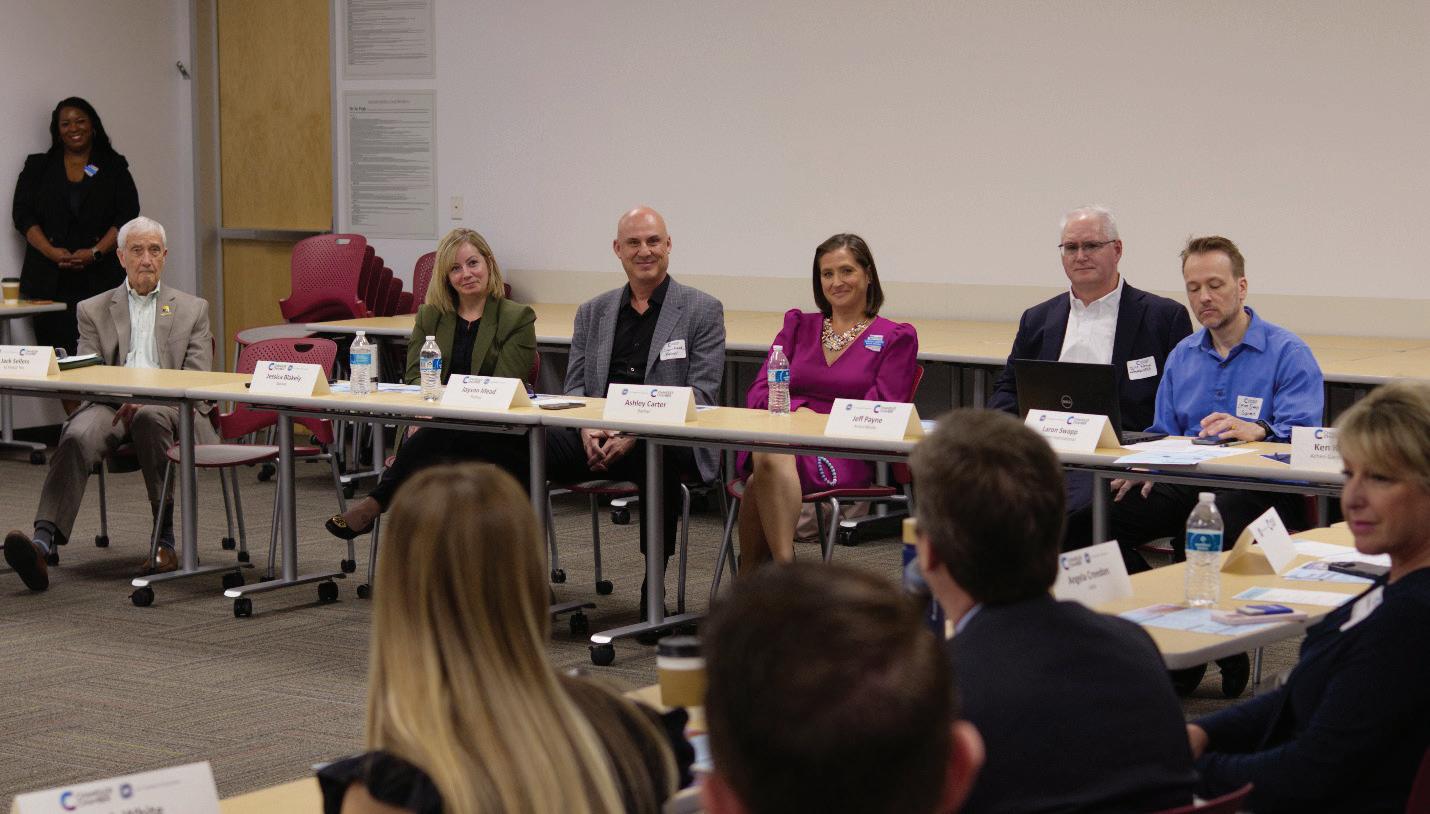
Investing in Chandler’s Future: Why Federal Transportation Partnership Matters Now
Every day in Chandler, transportation infrastructure quietly powers our economy and quality of life. It’s the commute along the Loop 202, the steady flow of goods moving through the I-10 corridor and the reliable access that allows employees to reach major job centers like Intel and the Price Road Corridor. For our small businesses, it means shipments arriving on time and customers getting through the door. For first responders, it means reaching emergencies without delay. These are not abstract systems. They are the backbone of how our community functions. When infrastructure works, Chandler works.
That’s why the upcoming federal surface transportation reauthorization, set to expire on September 30, 2026, is so important. Reauthorization is more than a policy exercise in Washington. It provides the long-term certainty our state and local partners need to plan, fund and deliver major infrastructure projects. Without a reliable federal partnership, communities like Chandler face delays, rising costs and missed opportunities. Predictable investment allows Arizona to stay competitive, keep projects on track and ensure our infrastructure keeps pace with rapid growth.
Here in Chandler and across the Southeast Valley, we’ve
seen firsthand how strategic infrastructure investment delivers real returns. Improvements along Loop 202 and key arterial corridors have enhanced freight mobility, reduced congestion and expanded access to jobs. These investments support thousands of workers and enable businesses to grow and compete. Reliable transportation networks also strengthen supply chains, something our business community knows is essential in today’s economy. When infrastructure is efficient, businesses can operate with confidence, and communities benefit from safer, more connected roadways.
At the Chandler Chamber, we consistently hear from businesses that transportation is a top priority. Whether it’s reducing delays, improving safety or ensuring efficient movement of goods, the need is clear. These challenges are not unique to Chandler. They are shared across Arizona and the nation. Addressing them requires coordination between the public and private sectors, as well as strong partnerships at the local, state, and federal levels. Infrastructure investment is not just about roads. It is about keeping our economy moving and our communities connected.
Photo from the Chandler Chamber’s April Transportation and Infrastructure Roundtable featuring Congressman Greg Stanton and U.S. Chamber’s Trey McKenzie.
Celebrating Excellence: The Chandler Chamber Community Awards Return
Each year, the Chandler Chamber of Commerce brings together the very best of the local business community for an evening of recognition, connection and celebration.
On May 28, that tradition continues with the 39th Annual Community Awards, themed Denim & Diamonds, a reflection of both the strength and sophistication that define Chandler.
Set to take place at 5:00 p.m. at the Gila River Wild Horse Pass Resort and Casino, this highly anticipated event serves as a cornerstone gathering for business leaders, entrepreneurs and community advocates from across the region.
The Community Awards highlight individuals and organizations that have made a lasting impact, those who lead with innovation, invest in their teams and contribute meaningfully to the broader community. From small businesses to large employers, each honoree represents the spirit of collaboration and progress that fuels Chandler’s success.
The Denim & Diamonds theme adds a distinctive touch to the evening, blending a nod to the region’s heritage with an elevated, modern experience. Guests can expect a thoughtfully curated program, an engaging atmosphere and a celebration worthy of the achievements being honored.
As the Chamber continues its mission to support, advocate for and elevate local businesses, events like the Community Awards play a vital role in bringing that mission to life. They serve as a reminder that behind every successful community is a network of dedicated individuals working together toward a common goal.
For those looking to engage more deeply with Chandler’s business community, the 39th Annual Community Awards is not just an event, it is an experience, and one not to be missed.

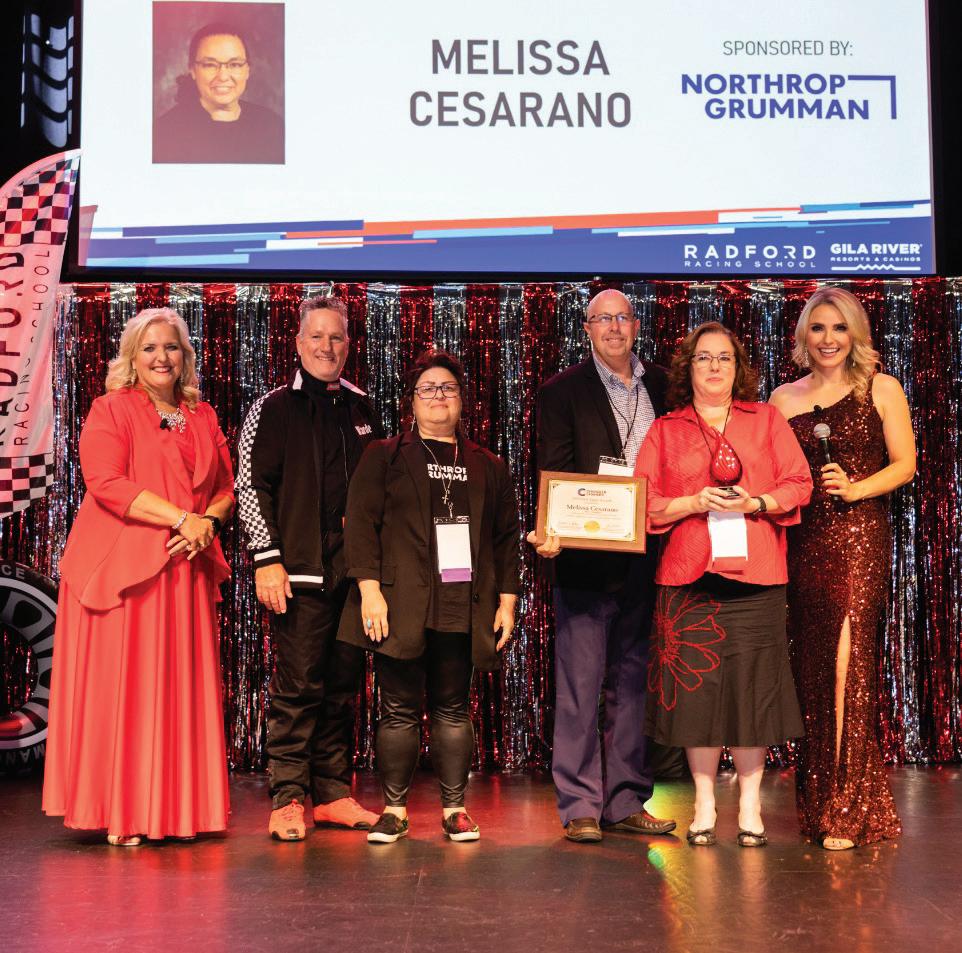
Internships That Work Building Your Talent Pipeline
As someone born and raised in downtown Chandler and a proud Chandler High School graduate, I’ve seen how this community rallies around its own. Local businesses, schools and nonprofits share a common goal: nurturing talent so it can grow, stay and thrive right here at home. Internships are one of the most effective ways to achieve that.
For students, they provide hands-on, real-world experience that goes far beyond the classroom. For employers, internships offer a low-risk way to identify, mentor and retain talented individuals who may become future team members. In today’s competitive labor market, internships are not just short-term projects — they’re a cornerstone of a long-term hiring strategy. Employers can start by assessing where an intern might add the most value. Do you have a project that keeps getting
pushed to the back burner? An intern can tackle it while gaining meaningful experience.
This approach benefits both sides: the student builds skills and confidence, and the employer moves important work forward while identifying potential long-term talent.
The City of Chandler is also doing its part to strengthen the local workforce by supporting programs and partnerships that give students practical experience and expose them to a variety of career paths.
The takeaway for local employers is clear: internships work. They help grow your team, support students in gaining the skills they need and keep Chandler’s workforce competitive for years to come. Investing in internships isn’t just a community service — it’s a smart business strategy that benefits everyone involved.
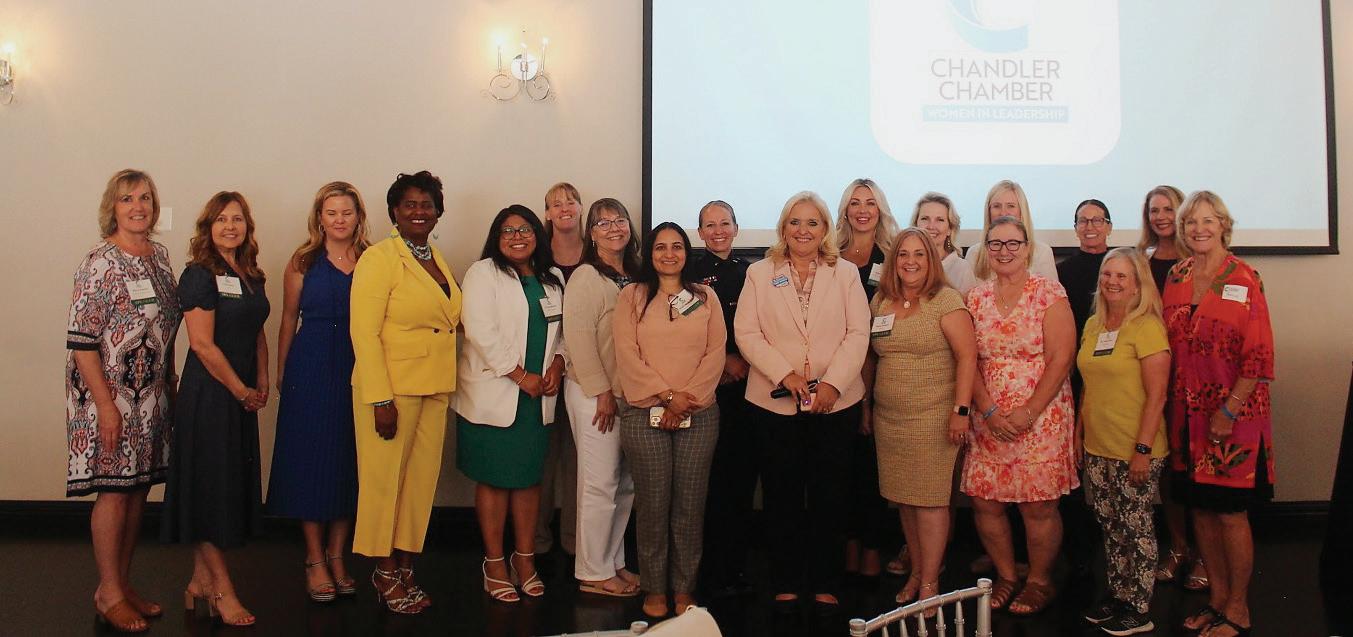
2026 Women of Chandler: The Leaders Shaping a City’s Future
In a city known for innovation, business growth and a strong sense of community, the influence of women has become one of Chandler’s most defining strengths. Presented by the Chandler Chamber of Commerce in conjunction with Chandler City Lifestyle, Women of Chandler is more than an event. It is a reflection of the women driving progress behind the scenes and at the forefront, across industries that fuel the Chandler’s continued success.
At its core, Women of Chandler serves as a platform to recognize and elevate the women who are not only participating in the local economy but actively shaping it. From entrepreneurs and executives to nonprofit leaders and public servants, the event brings together a cross-section of professionals whose collective impact reaches far beyond their individual roles.
What sets Women of Chandler apart is its intentionality. While many networking events focus on surface-level connection, this gathering is rooted in something deeper: visibility, influence and leadership development. It creates space for meaningful dialogue, where ideas are exchanged, partnerships are formed and emerging leaders gain proximity to those who have already carved out a path.
The event also plays a critical role in strengthening Chandler’s broader business ecosystem. By spotlighting women leaders, it reinforces a narrative that the city is not only business-friendly, but forward-thinking and inclusive,
an important distinction in today’s competitive economic landscape. For companies looking to relocate, professionals considering their next move or entrepreneurs deciding where to build, that message matters.
Equally important is the pipeline it helps cultivate. Women of Chandler doesn’t just celebrate success; it helps create it. By connecting early- and mid-career professionals with established leaders, the event contributes to a growing network of mentorship, collaboration and opportunity. It’s a place where ambition is met with access, and where the next generation of leaders can see what’s possible.
There is also a powerful storytelling component woven throughout the experience. Each conversation, panel and recognition moment contributes to a larger narrative about who is shaping Chandler’s future. These stories, of resilience, innovation and leadership, help define the city’s identity and inspire continued growth.
Ultimately, Women of Chandler represents a shift in how communities think about leadership. It acknowledges that economic development and community impact are not separate conversations but deeply connected ones, and that empowering women is central to both.
As Chandler continues to evolve, so too will the voices guiding its path forward. Women of Chandler ensures those voices are heard, recognized and connected, laying the foundation for a stronger, more dynamic future.





STAFF LIST
Terri Kimble President/CEO
Carly Wakefield
Vice President of Workforce Development & Government Affairs
Barbara Caravella
Project Manager
Grant Thompson
Director of Government Affairs
April Vallier Schulken
Corporate Partnerships & Engagement Manager
Claire Hartley
Talent Innovation Specialist
Devin Douglas
Program & Events Coordinator
Amanda Klingsheim
Marketing & Events Coordinator
Christina Ramos
Business Development Area Manager
Andrea Marconi Fennermore Craig 2026 Board Chair
Terri Kimble Chandler Chamber
Hilen Cruz SRP
Immediate Past Board Chair
Ashley Carter 2027 Incoming Board Chair
Richard Amoroso
Murphy Cordier Casale Axel PLC Legal Counsel
Kathleen Banister AZ Key Realty
John Bauer
Common Spirit Dignity Health Chandler Regional Medical Center
Heather Chasten FALCO
Elsa Chaviano WaFD Bank
Angela Creedon Intel Corporation
Scott Day Northrop Grumman
Dr. Mike De La Torre
Chandler Unified School District
Steve Greenhalgh Arizona Pest Prevention
BOARD OF DIRECTORS
Monica Greenman Chandler Fashion Center
Samantha Gulick
Harrah’s Ak-Chin Casino & Hotel
Kelly Harris Air Products & Chemicals
Morgan Hernke
Cox Communications
Rick Heumann CMA
Kurt Johansen
Bank & Trust
Dan Kush Consultant
Clark Landrum Waste Management of Arizona, Inc
Shelley Mayes
Health
Ryan Moyer
Gila River Resorts & Casinos
Warde Nichols Arizona State University
Andrea Northup Grand Canyon University
Susan Perlman
Dogtopia of South Chandler
Brian Peters
Toyota Financial Services
Robert Pizorno
The Pizorno Law Firm PLC
Robert Puller Wells Fargo Bank
Sally Putnam Now Financial
David Ralls Commit Agency
Delaney Russell Southwest Gas Corporation
Peter Sciacca di Sciacca Glassware & QuartHaus Brewstillery
Dunston Simpson Encompass Tek
Robert Sinkule Yoga’s Arc
Seth Tucker Price Mortgage
Christian Weninger NeverNot Social
Chuck Wolf
Caring Transitions
Dr. CJ Wurster
Chandler-Gilbert Community College
Mike McClanahan
St, Vincent de Paul Chandler Chamber
Community Foundation Board Chair
Mayor Kevin Hartke
City of Chandler
Joan Saba
Saba’s Western Wear

CRE
TOP PROJECTS
SHOWCASING THE NEWEST COMMERCIAL REAL ESTATE PROJECTS AROUND THE VALLEY
SHOWCASING PROJECTS FROM






Creating a Better World Through the Power of Design

Design your career with us. apply today!



Revitalizing Downtown Phoenix: The Power of Entertainment and Lifestyle Districts
Downtown districts across America are at an inflection point. As cities compete for residents, businesses and visitors, the quality of the downtown experience has become a decisive factor. According to Gensler’s City Pulse 2026 survey, the strongest predictors of a city’s ability to attract people are a walkable, enjoyable core and an environment that feels attractive, measured by cleanliness, programming and lighting. Lifestyle and entertainment districts are proving to be one of the most effective tools cities have to deliver on both.
Downtown Phoenix is emerging as a leading example of how sustained investment can revitalize an urban core. Since 2005, more than $8.3 billion in public and private funding has catalyzed a transformation that continues to reshape the city’s identity and experience.
Long defined by outward expansion, Phoenix is redirecting its momentum inward. Energy is returning to the center, where downtown is evolving into a culture-forward lifestyle hub. This shift is driven by layered investment in hospitality, culture, sports, residential, public realm activation and civic infrastructure, collectively redefining what a modern city center can be.
That momentum is reinforced by hospitality anchors, including the Renaissance Hotel and the new Denu Hotel and Spa. These projects introduce much-needed accommodations to meet growing tourism demand. They also create opportunities for art and cultural expression while
TOP PROJECTS



attracting a broader mix of visitors downtown.
The Warehouse District has emerged as one of downtown’s most compelling chapters. Chief innovation officer for the Phoenix Suns and Phoenix Mercury, Paul Rivers, has made a significant commitment to the neighborhood by investing in authentic, community-rooted development. This type of place-driven momentum strengthens a downtown from within and gives people a reason to explore, linger and return.
The confidence in downtown’s future is captured by some of the projects detailed in this month’s cover story, “Stacking over Sprawl,” illustrating scale that doesn’t happen in downtowns that are struggling — they happen in downtowns that have earned momentum.
What’s happening in Downtown Phoenix reflects what Gensler’s research consistently shows: Cities that invest in the experience of their downtown core — not just its buildings but also its streets, energy and identity — create the conditions for lasting competitiveness.
Downtown Phoenix is building exactly that — and the work is far from finished. 2023. — Jay Silverberg, design principal at Gensler (www. gensler.com/offices/phoenix), is a seasoned design leader with more than 30 years of experience crafting contextdriven spaces inspired by the Sonoran Desert.
Each quarter, In Business Magazine will present the top commercial projects being built and/or developed in the Valley. Top projects are those that are impacting the commercial real estate development sector and are transforming areas of the Valley. The details and images of these projects will be showcased along with the details behind them.

Papago Arroyo Building Reposition
Gensler transformed Tempe’s underperforming Papago Arroyo campus into a vibrant, hospitality-forward destination. Desertinspired design, rooted in native elements and Arizona monsoons, uni ed the fragmented complex, boosting tenant experience, leasing activity and market position.
Type of Project: Of ce
Location: 1275 W. Washington St., Tempe, AZ 85281
Developer: Southwest Value Partners
General Contractor: Derek Builders
Architect: Gensler
Landscape Design: TRUEFORM Landscape Architecture Studio
Interior Design: Gensler
Size: 225,000 SF
Date Completed: May 2025


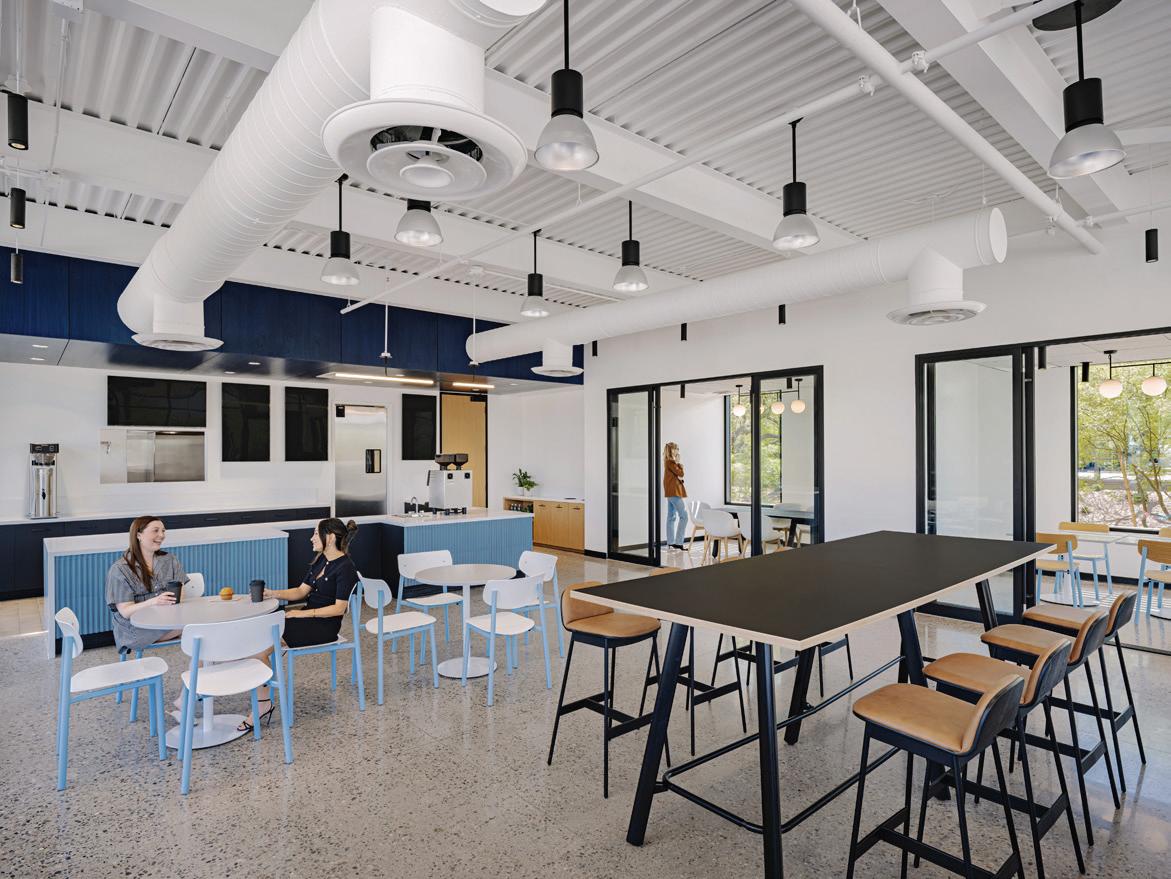
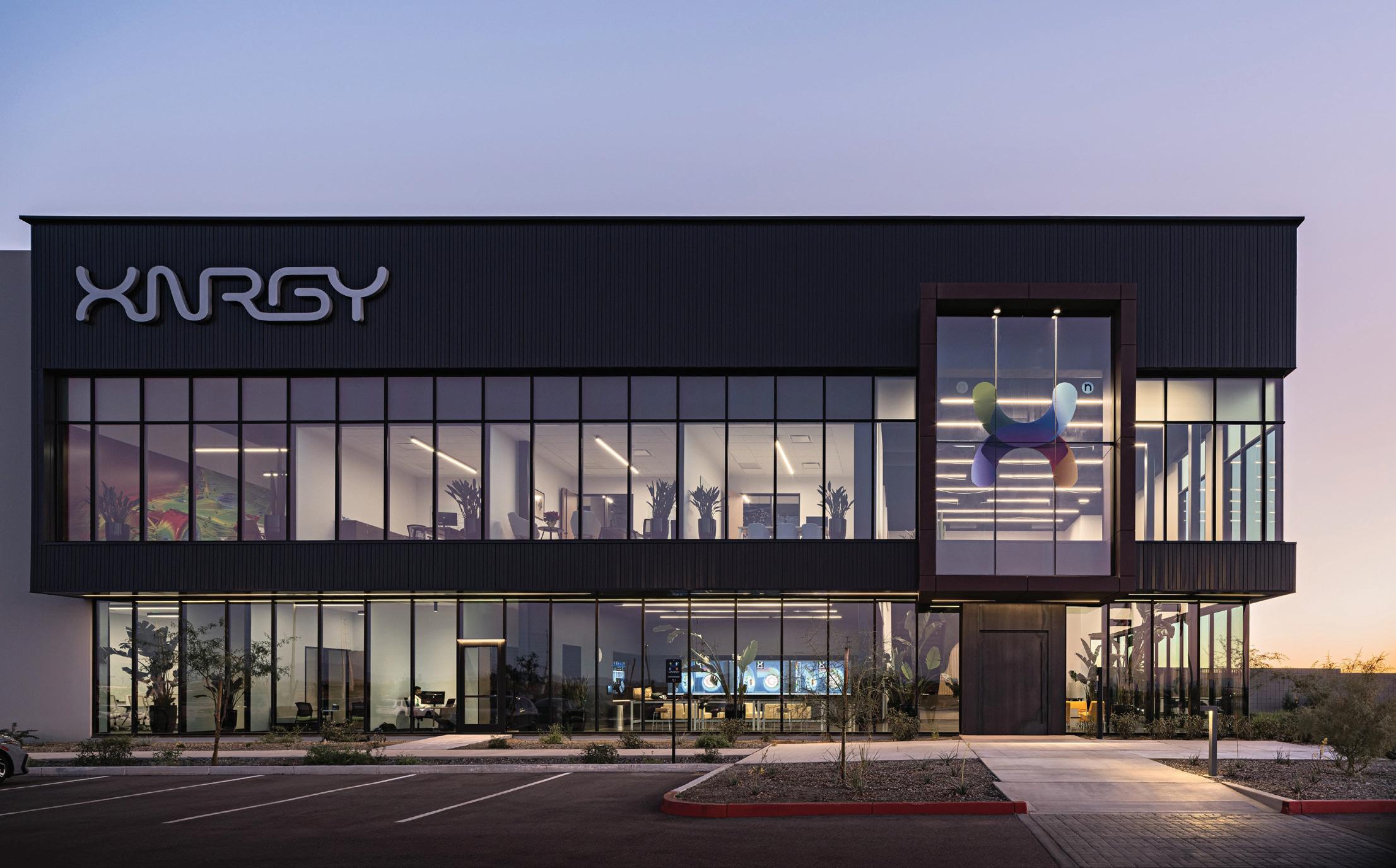


XNRGY Manufacturing Facility & Headquarters
At 275,000 square feet, XNRGY’s new two-story advanced manufacturing and headquarters facility is located within the heart of the Gateway East development at the Mesa Gateway Airport. The design integrates production and innovation spaces, featuring a dramatic atrium and “labs on display” concept that showcases brand, ef ciency and growth. XNRGY’s Mesa 1 facility achieved LEED Silver certi cation.
Type of Project: Manufacturing Facility
Location: 9019 E. Technology Ave., Mesa, AZ 85212
Developer: Boyer
General Contractor: Wespac Construction
Architect: Gensler
Landscape Design: Colwell Shelor
Interior Design: Gensler
Size: 275,000 SF
Date Completed: October 2025


Heritage Park
Heritage Park is a 10-acre mixed-use destination in Gilbert’s Heritage District designed to deliver a vibrant, walkable environment. The initial phase includes approximately 47,000 square feet of retail and restaurants; NOVEL Heritage Park, a 288-unit luxury multifamily community; more than 300 parking spaces; and a lush public square with water features, mature landscaping, public art and walking and biking paths. Future phases will include a 125-room hotel, of ce space and additional parking.
Type of Project: Mixed-Use
Location: 422 N. Gilbert Rd., Gilbert, AZ 85223
Developer: Creation
General Contractor: LGE Design Build
Architect: AV3 / LGE Design Build
Landscape Design: TRUEFORM Landscape Architecture Studio
Size: 10 Acres
Date Completed: Q4 2026 (initial phase)
The Switchyard
The Switchyard is a 10-acre, $120-million mixed-use development bringing Queen Creek its rst walkable, integrated downtown district at Ellsworth and Ocotillo roads. The project will feature 54,000 square feet of restaurant, retail and of ce space, along with a future 215-residence multifamily community. The Switchyard includes tenants like Postino, Shake Shack, Snooze, an A.M. Eatery, Bamboo Sushi, ROOM and PORCH, among others. The Switchyard aims to establish a centralized hub for community, commerce and connectivity in the growing town center.
Type of Project: Mixed-Use
Location: 21740 S. Ellsworth Rd., Queen Creek, AZ 85142
Developer: Creation and Horizon Real Estate Ltd.
General Contractor: LGE Design Build
Architect: GFF Design
Landscape Design: Young Design Group
Size: 10 Acres
Date Completed: Q4 2026 (initial phase)

Creating What’s Next.

ReDiscover Logistics Park
ReDiscover is a premier Class A industrial development in North Phoenix’s Deer Valley submarket, strategically located at the intersection of I-17 and Loop 101. The four-building, ±808,448-square-foot campus is designed to accommodate a wide range of users with exible con gurations and modern features, including 32’–36’ clear heights, expansive truck courts, and FM Global-compliant construction. Positioned within minutes of the TSMC semiconductor facility and major transportation corridors, ReDiscover offers unmatched connectivity and access to a rapidly growing labor pool. This next-generation industrial park re ects ViaWest Group’s commitment to delivering high-quality, future-ready logistics space in one of the Southwest’s most dynamic growth markets.
Type of Project: Industrial Park comprised of 4 buildings
Location: 20400–20660 N. 23rd Ave., Phoenix, AZ 85027
Developer: ViaWest Group
General Contractor: Willmeng Construction
Architect: Butler Design Group
Landscape Design: Laskin & Associates, Inc.
Interior Design: Butler Design Group
Size: 807,437 Overall SF
Date Completed: Q1 2027
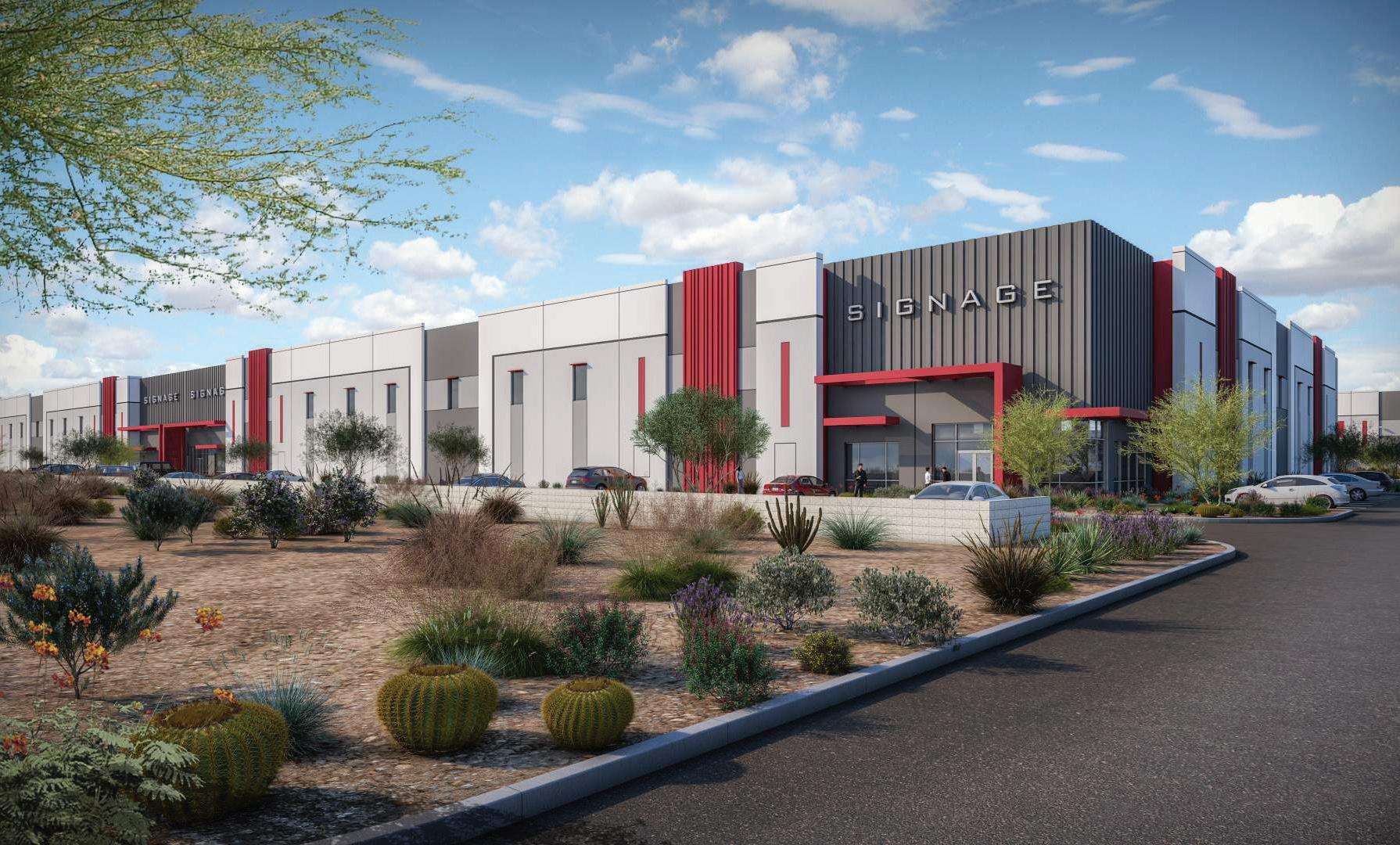
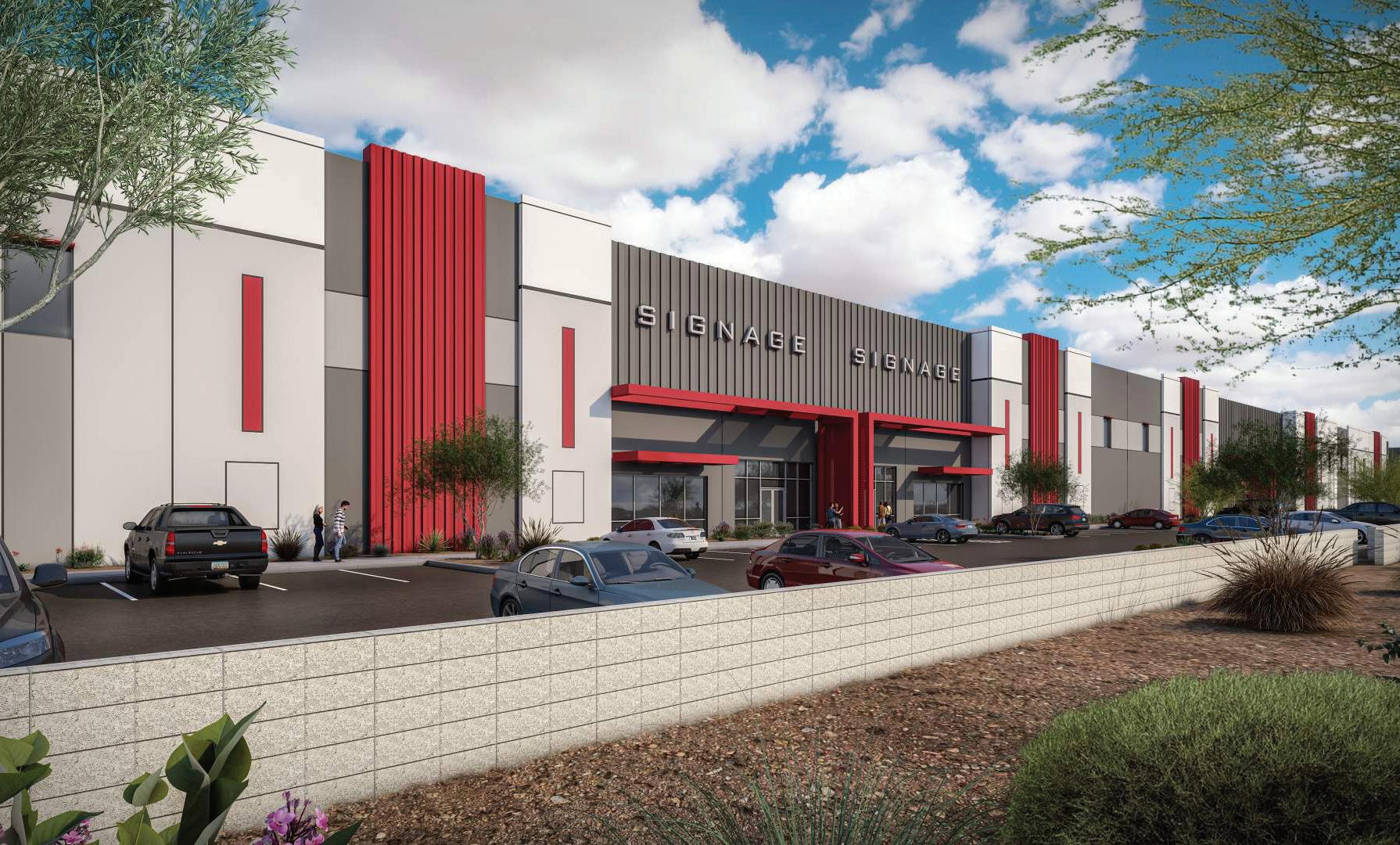


Real Design Build.




PV
Situated in the heart of one of the most prestigious and sought-after neighborhoods in Phoenix and spanning more than 100 acres, PV is the more than $2-billion multi-phase, multi-year redevelopment of the former Paradise Valley Mall. Surrounded by lush landscaping and linked open areas designed to foster connection, PV is its own community featuring an array of dining, entertainment, retail, residential, wellness and of ce offerings, all anchored by a centrally located park and gathering space. The park also serves as a hub for ongoing community events. PV is developed by RED Development, an industryleading, wholly integrated commercial real estate company known for its high-performing mixed-use and retail portfolio.
Type of Project: Mixed Use
Location: 4568 E. Cactus Rd., Phoenix, AZ 85032
Developer: RED Development
General Contractor: Multiple
Architect: Multiple
Landscape Design: Multiple
Interior Design: Multiple
Size: 100+ Acres
Date Completed: Under construction

Arbor Old Town
Arbor Old Town elevates the everyday of ce experience with sophisticated design, state-of-the-art conferencing and seamless indoor-outdoor connectivity. With activated interiors, a sweeping central garden and premiere Old Town Scottsdale location, this transformative George Oliver project puts work-meetswellbeing in perfect balance.
Type of Project: Mixed-Use Of ce & Retail
Location: 4141/4167 N. Scottsdale Rd., 7272 E. Indian School Rd., Scottsdale, AZ 85251
Developer: George Oliver
General Contractor: RSG Builders
Architect: George Oliver Design
Interior Design: George Oliver Design
Size: 360,000 Overall SF
Date Completed: Q3 2026

Bond
Located in the heart of the Camelback Corridor, Bond rede nes the modern of ce with expansive conference facilities, premiere workspaces, curated on-site dining and hospitalitygrade amenities spanning a wellness center, game room, hidden speakeasy and much more — all designed to make every workday feel like an upgrade.
Type of Project: Of ce
Location: 3200 E. Camelback Rd., Phoenix, AZ 85016
Developer: George Oliver
General Contractor: RSG Builders
Architect: George Oliver Design
Interior Design: George Oliver Design
Size: 290,000 SF
Date Completed: Q4 2024

ARIZONA’S MOST INNOVATIVE COMMERCIAL REAL ESTATE FIRMS

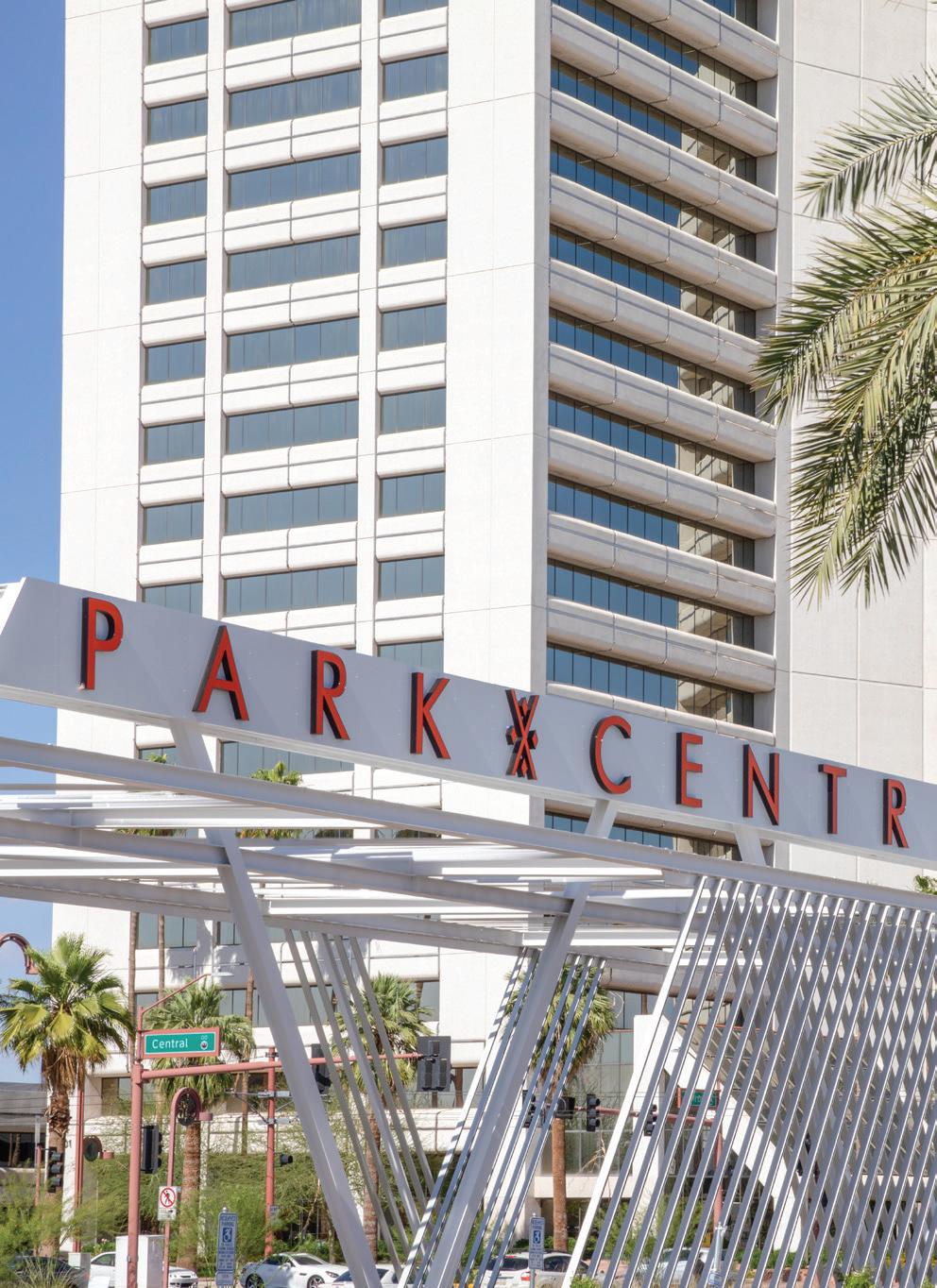


Plaza Companies and Holualoa Companies have been proud to partner on some of the most transformational redevelopment projects in Arizona –including SkySong, the ASU Scottsdale Innovation Center and Park Central.
As two competitive, connected, and skilled real estate firms, our history of working with educational institutions and fostering publicprivate partnerships has taken each of our projects to the next level and we are excited to see the community impacts.
For
SkySong,
The ASU Scottsdale Innovation Center
Ake, Ana, 36
Alexander, Rachel, 24
Amsberry, Parker, 12
Baugh, Adam, 17
Brown, Walt Jr., 10
Butler, Tyler, 40
Currier, Jim, 20
Davids, Kim, 10
Drucker, Scott, 9
Frey, Ryan, 35
Applied Hearing Solutions in Arizona, 24
Arizona Association of REALTORS, 9
Arizona Builders Alliance, 10
Arizona Commerce Authority, 23
Arizona Community Foundation, 39
Arizona Financial, 37
Arizona State University, 20, 22, 67
Aspirant Development, 28
Astro Digital, 20
AV3, 58
Blue Cross Blue Shield of Arizona, 2
Blue Origin, 20
Boyer, 57
Butler Design Group, 60 CapRock Partners, 18
Caveon, 26
Chandler Chamber of Commerce, 47
Colwell Shelor, 57 Communiscape, 42
Copa Health, 25
Creation, 17, 58, 59
Derek Builders, 56
Diversified Partners, 10
Empire Group of Companies. The, 28
Everspin Technologies, 20 Fennemore, 11
First Things First, 19
Gallagher & Kennedy, 38
Ganem Companies, 16
Gensler, 43, 53, 54, 55, 56, 57
Ganem, Emily, 16
Gerundo, Dawn, 44
Gienko, Greg, 28
Griffiths, Chad, 35
Guerrero, Alex, 34
Habicht, Liana, 66
Harlow, Rob, 15
Harrigan, Haley, 38 Hart, Brittany, 42
Hobbs, Katie, Gov., 22
George Oliver Design, 63
George Oliver, 63
GFF Design, 58
Goodmans, 68
Goodwill of Central and Northern Arizona, 3, 14
Goodyear, City of, 41
Helix Electric, 10
Holualoa Companies, 64
Honeywell Aerospace, 20
Horizon Real Estate, 58
Identity Theft Resource Center, 45
ImpetusDX, 24
JINYA Ramen Bar, 46 Jive, 8
Johnston & Co., 28
K9 Resorts, 14
Kinella Capital, 28
Laskin & Associates, 60
LGE Design Build, 58, 61
Luna Grill, 10
Mack Real Estate Group, 17
Mask’d Aesthetics, 12
McCourt Partners, 17
Mercedes-Benz, 45
Meridian West, 28
Multistudio, 28
National Bank of Arizona, 19
Northern Arizona University, 40 Northrup Grumman, 20
Hogans, LaSetta, 40
Jacobs, Geoffrey, 28
Johnston, William, 28
Kelly, Mark, Sen., 20
Kimble, Terri, 47
Kuhn, Matt, 10
McNellis, John, 35
Nyland, Megan, 12
O’Neal, Tim, 14
O’Neill, Bob, 18
Olson, Clifford, 24
Olson, Daradee, 46
Rivera, José Luis Cruz, 40
Schubiger, Scott, 14
Silverberg, Jay, 55
Stratton, T.K., 28
Taie, Kiana, 43
Valev, Steve, 28
Varner, Jon, 10
Welmans, Ryan, 15
In each issue of In Business Magazine, we list both companies and indivuduals for quick reference. See the stories for links to more.
Optum, 7
Phoenix Symphony, The, 13 Phoenix, City of, 40
Physicians Group Laboratories, 24
Plaza Companies, 64
Polestar Scottsdale, 5
Prisma Community Care, 21
ProTech Detailing, 27
Recalibrate AI, 66
RED Development, 62 Resume.org, 26
RSG Builders, 63
Sandra Day O’Connor College of Law, 67 Society, The, 34 Sopro, 15
Southwest Value Partners, 56
Stearns Bank, 8
Stevens-Leinweber Construction, 17
Streetlights Residential, 28
Sunbelt Holdings, 27
Sungold Barbershop, 12
Taiwan Semiconductor Manufacturing Co., 22, 40
TOCALO, 22
TRUEFORM Landscape Architecture Studio, 56, 58
UMB Bank, 36
Valley of the Sun United Way, 44
ViaWest Group, 60
Wespac Construction, 57
Willmeng Construction, 60 Withey Morris Baugh, 17 Young Design Group, 58

Bold listings are advertisers supporting this issue of In Business Magazine.
LEVERAGING THE HUMAN EDGE
Traditionally, leaders have relied on pure exertion to drive results, but this machine-like focus on constant output leads to chronic burnout. In an age of AI-driven acceleration, the smarter path to growth is to leverage our unique human edge and master identity shifts. By becoming more “SELF-full” and aligning personal identity with professional goals, leaders can unlock a sustainable, high-performance approach to growth.
Output-Driven Success: Accelerating to Burnout
What if we’re getting growth wrong?
by Liana Habicht
Last year, many high performers (myself included) hit a wall. Not from a lack of ambition or capability, but from trying to grow too fast in too many directions at once. Burnout has forced a reassessment of long-held beliefs about success; there’s a familiar pattern where CEOs, founders and directors become overwhelmed and anxious, pushing through until something breaks.
These aren’t cautionary tales about personal weakness; they are symptoms of an outdated growth paradigm.
We are living in a time of radical acceleration. AI advances daily, becoming faster and more efficient, while humans are stretched increasingly thin. This widening gap manifests as burnout, anxiety and disconnection. More than half of leaders report chronic stress, and Gallup research shows only 33% of employees feel engaged at work. This isn’t a motivation gap; it’s a structural failure in how we approach professional development.
THE PRESSURE-COOKER MODEL IS BREAKING DOWN
Most leaders operate inside what can be called “pressurecooker growth.” The heat keeps rising. Expectations compound. Endurance becomes the primary currency of success. But while machines thrive on constant output, humans do not. Over time, this model doesn’t just exhaust leaders; it hollows them out.
WHY TRADITIONAL TRAINING FAILS
Companies invest billions in development programs, yet little produces lasting change. The pattern is familiar: a new framework, an energizing workshop, a burst of enthusiasm. Then, under pressure, people revert to familiar habits.
Studies in the International Journal of Training and Development suggest that 80–90% of corporate training fails to create sustained behavioral change. Why? Because most training operates at the surface level, targeting skills while ignoring the operating system of the self.

Liana Habicht, MBA, is founder and CEO of Recalibrate AI, an identity-first leadership company helping leaders continuously reinvent themselves and build meaningful, lasting success. recalibrateai.com
When growth doesn’t match a leader’s identity — their core belief about who they are — the learning remains temporary. For example, if a leader identifies as a “solitary hero,” no amount of delegation training will stick because, at their core, they believe they are the only ones who can save the day.
MOVING BEYOND SKILLS TO IDENTITY-LEVEL GROWTH
Rather than relying on traditional methods, an emerging approach to leadership development focuses less on doing more and more on creating alignment between our goals and who we truly are.
Unlike conventional training that targets external habits,
this philosophy directly challenges the traditional growth model by prioritizing identity shifts. It allows leaders to move from pressure-driven exertion to aligned growth, where objectives match both their current values and the person they are becoming.
When the results leaders are pursuing are not aligned with their identity, growth feels like an uphill battle; when they align, the process becomes energized and sustainable. This approach moves the focus from “doing more” to “becoming more.”
THE SELF FRAMEWORK: RECALIBRATING YOUR LEADERSHIP
One way leaders can facilitate this shift is to become “SELFfull.” This isn’t about being self-centered; it is about filling their own cup so they lead from internal power rather than seeking external validation.
The following four pillars will help leaders audit their current trajectory:
• S — State: What is my internal state and how is it shaping my decisions? Example: A tech CEO realized she was hiring based on anxiety rather than strategy. Recognizing her state allowed her to stop reactive hiring and start building for the future.
• E — Environment: Does my environment support who I am becoming, or keep me stuck? The right environment doesn’t just support growth; it unlocks it. Leaders whose surroundings (team, peers or physical spaces) require them to “shrink” to fit in will not reach their full potential.
• L — Legacy: Is the goal I’m pursuing actually meaningful to me? Many leaders chase “inherited goals” from society or family. Identifying their true legacy gives leaders the courage to stop running races they don’t actually want to win.
• F — Flow: What activities bring me joy and make growth feel easeful? Leaders often dismiss “unproductive” hobbies. However, an executive who makes time for creative flow (like pottery or hiking) often finds the mental clarity needed to solve their most complex business problems.
THE PATH FORWARD
In an age of accelerating technology, the leaders who thrive won’t be those who turn up the heat indefinitely. They will be the ones who grow at the identity level, aligning their growth with who they’re actually becoming.
Leaders can start by asking themselves just one of the SELF questions – and take note of what shifts for them when they’ve created space for honest reflection. The future of leadership isn’t about becoming more machine-like; it’s about becoming more human.
More than half of leaders report chronic stress, and Gallup research shows only 33% of employees feel engaged at work. This isn’t a motivation gap; it’s a structural failure in how we approach professional development.

Reimagining legal education