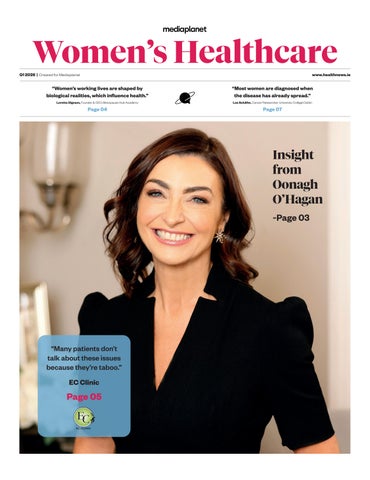

Women’s Healthcare

“Many

Understanding endometriosis and fertility
ultrasound
Awareness of conditions like endometriosis and the value of ultrasound assessment helps women to make informed decisions about their health and fertility.
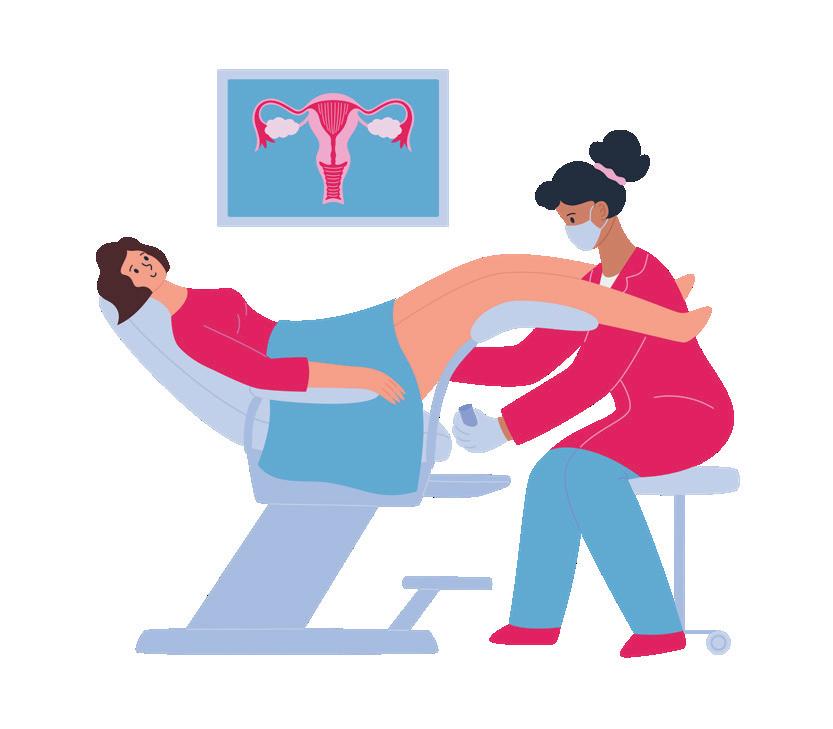
Endometriosis affects a significant number of women, yet diagnosis often takes years. Symptoms can include pelvic pain, heavy periods, bowel or bladder discomfort, fatigue and fertility challenges. Patricia Cullen, women’s health ultrasonographer, hopes to raise awareness of the importance of understanding our bodies, promoting early access to medical imaging to educate and empower.
“The more patients I scanned, the more I began noticing subtle signs of endometriosis in patients who didn’t even know they had it,” explains Cullen. “Sometimes a small intervention, simply giving someone awareness of their anatomy and cycle, can make a huge difference.”
Role of ultrasound scanning
Advanced pelvic ultrasound assessments can identify signs consistent with endometriosis and provide valuable information for clinicians, supporting earlier management planning. Ovascan, an independent fertility ultrasound clinic set up by Cullen, provides imaging appointments, including endometriosis mapping, fertility and early pregnancy scanning, pelvic and ovarian assessment and blood testing.
“I established OvaScan because many women were struggling to access fertility and gynaecology ultrasound assessments when they needed them, and with a sonographer who had knowledge and experience working in fertility,” explains Cullen. “Women who needed fertility scans often had nowhere to go, and local clinics wouldn’t have the capacity to see them’’
Clearly passionate about how ultrasound can help promote women’s health, Cullen provides supportive, comprehensive and educational scan appointments, having received advanced training at King’s College London.
“I started offering pre-fertility workup scans to patients planning fertility treatment in Ireland and abroad, finding that often educating women on their bodies was sometimes enough, and many have gone on to conceive naturally.”
Fertility insight
Fertility ultrasound isn’t only for those trying to conceive. It evaluates ovarian reserve indicators, uterine structure, follicle development and reproductive health factors.
“Our clinic gives people an awareness of their body,” explains Cullen. “Knowing information early gives people options, whether that’s fertility preservation, treating an issue that they may have been unaware of, before trying to conceive or making informed decisions about their future.”

Untangling the complex web of menopause
Managing menopause can be challenging for anyone; it’s a significant life event that everyone will experience differently, but a cancer diagnosis can complicate things further.
In recent years, menopause has undergone an encouraging process of destigmatisation and has become a cornerstone of women’s health media coverage. Alongside the introduction of key government initiatives, like the Free Hormone Replacement Therapy (HRT) Scheme, information and support options are more accessible than ever.
For many women who experience symptoms, the support of a doctor and the use of medications like HRT can greatly improve quality of life. For others, the symptom management journey is less straightforward.
What makes complex menopause ‘complex?’
While menopause is generally associated with well-known physical and emotional symptoms, complex menopause largely refers to cases where symptom management is made increasingly difficult by the unsuitability of HRT medications.
Based on a review of your medical history, a doctor will be able to advise if HRT is a recommended treatment. A family or personal medical history of blood clots, cardiovascular issues or estrogen-sensitive breast, ovarian or endometrial cancer might rule it out.
Managing menopause after cancer diagnosis
Many clients who attend complex
menopause counselling at the IFPA are referred to our service following a cancer diagnosis. Often, clients wish to develop coping strategies as nonmedication alternatives for symptom management. Some may be facing early menopause following surgical intervention, which can bring on feelings of grief and loss.
However, whatever the reason for seeking counselling support for complex menopause, there are countless ways specialists can help.
Specialist counselling for complex menopause
Talking to an expert can help. By taking a holistic view of how your experience of menopause impacts different areas of your life, complex menopause counselling aims to support your overall wellbeing during this transition. Cognitive behavioural therapy (CBT) is especially effective. It can help reframe how we think and feel about our lives and bodies in the context of menopause. Building practical strategies to manage lifestyle, emotional and relationship changes can make it easier to deal with daily symptoms and support a smoother menopause journey.
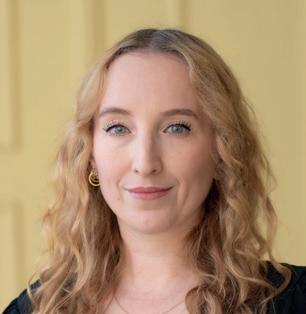
Clare O’Brien Counselling Director, IFPA
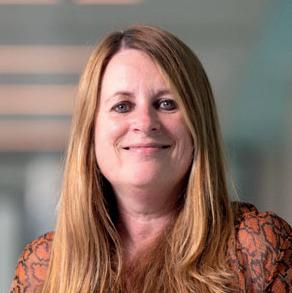
Patricia Cullen Founder, Clinical Director, Ovascan
Irish fertility clinic actively pursues broad research portfolio
Not-for-profit fertility clinic leads on expanding research portfolio in partnership with Trinity College Dublin, University College Dublin and the National Maternity Hospital Foundation.

Ireland’s only not-for-profit fertility clinic, Merrion Fertility Clinic, combines patient care with an active research and education programme aimed at improving fertility treatment.
“We have several Fertility Specialists who work closely with patients while also contributing to clinical trials and research studies,” explains Dr Louise Glover, Head of Research.
Innovative research and development
The team investigates areas such as reproductive immunology, endometriosis-related infertility, how metabolism affects ovarian function, advanced sperm selection techniques and the environmental factors that may influence sperm quality.
This work is carried out in collaboration with leading academic partners, including Trinity College Dublin, University College Dublin and the National Maternity Hospital Foundation.
The research team is also focusing on the growing concern around male fertility. “We are examining how factors such as diet, body weight, oxidative stress and nutritional supplements may affect sperm health,” says Dr Louise Glover. “Alongside this, we are running clinical trials on advanced sperm selection techniques that may help identify the healthiest sperm for use in treatment.”
Another area of research is looking at how GLP-1 medications, such as Ozempic, may influence fertility treatment outcomes. The impact on oocyte and sperm metabolism will be evaluated.
Our research into endometriosis-related infertility suggests that immune cells in the uterus may behave differently in women with the condition.
“Our research into endometriosis-related infertility suggests that immune cells in the uterus may behave differently in women with the condition compared to those without it,” explains Glover. “Understanding these differences could help us develop better ways to support implantation and improve the chances of pregnancy. At the same time, we are studying the metabolic processes linked to ovarian ageing, which may open up new opportunities to improve fertility outcomes.”
Why inflammation, balance and lifestyle matter for women’s health
Dedicated pharmacist and entrepreneur, Oonagh O’Hagan, gives her insights into the importance of holistic women’s wellbeing, including the importance of modulating the body’s natural inflammatory response.

Pharmacy Group
IThe Clinic is also examining the lived experience of infertility through a research project with Maynooth University. The study aims to better understand the challenges patients face in the workplace while undergoing fertility treatment and to identify ways employers and organisations can better support them during this time.
Childhood Cancer Fertility Project
Alongside its research work, Merrion Fertility Clinic partners with the Irish Cancer Society and Children’s Health Ireland on the Childhood Cancer Fertility Project, which provides funded fertility preservation for young people before they begin cancer treatment. Since its establishment in 2018, more than 140 adolescent boys and girls have been able to preserve their future fertility through this programme.

nflammation is the body’s response to illness or injury and plays an important role in our overall health and wellbeing. As a protective mechanism, inflammation supports healing, repairs tissues and restores physiological balance. Dysregulated, it can have a detrimental effect on sleep quality, energy levels, cognitive function and hormonal processes, particularly for women.
For Oonagh O’Hagan, this connection has always been clear.
“Throughout my extensive career in community pharmacy, I’ve witnessed firsthand the strong connection between nutrition and lifestyle and its impact on daily
wellbeing,” she explains.
Women’s healthcare advocate
As Managing Director of Meaghers Pharmacy Group, O’Hagan is positioned at the forefront of community healthcare within Ireland and uses her position to champion a more integrated view of women’s health and wellbeing, where inflammation, lifestyle and daily habits are recognised as central to long-term vitality.
O’Hagan is an advocate for female entrepreneurship and healthcare innovation, as a Lead Entrepreneur in the “Going for Growth” program and her advisory work with the Trinity College Dublin School of Pharmacy and
the Pharmaceutical Society of Ireland.
“Women’s health needs a more proactive, preventive approach, one that goes beyond the treatment of symptoms to supporting women’s wellbeing through every life stage,” explains O’Hagan.
At One
Building on her commitment to both women’s health and healthcare innovation, O’Hagan has co-created ‘At One’ with scientist and formulator Dr Daniel Jones. A dynamic dual-formula supplement proudly developed and produced in Ireland, ‘At One’ includes two synergistic formulations, ‘Morning Start’ and ‘Evening Restore.’
“At One has been developed to support the body’s natural capacity to maintain balance by providing the right nutrients at the right time, empowering individuals to genuinely feel ‘At One’ with themselves,” explains O’Hagan.
“The supplements are designed to harmonise with the body’s natural circadian rhythm, delivering unparalleled support for energy, sleep, clarity and immunity, to help modulate the body’s inflammatory response.”
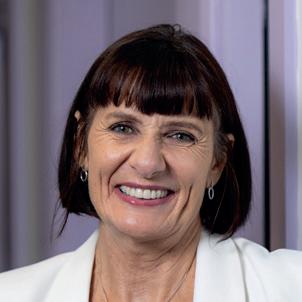
Dr Louise Glover (PhD) Head of Research, Merrion Fertility
Sponsored by Merrion Fertility
WRITTEN BY Bethany Cooper
Oonagh O’Hagan Managing Director Meaghers
Why women’s hormone health can no longer be ignored at work
Women’s careers are shaped by hormonal realities that remain largely unaddressed — with significant consequences for retention, equality and performance.
For decades, workplace wellbeing has been framed as gender-neutral. Yet women’s working lives are shaped by biological realities, which influence health, confidence and career progression.
Often-unspoken reality shaping women’s working lives
Hormone-related health challenges affect women at every career stage. Irish research highlights the scale of the issue: 70% of women have taken time off due to period pain, yet 40% felt unable to tell their manager (Fórsa, 2022).
Following maternity leave, 37% of women don’t return to work within a year (CSO, 2023). Later in life, 32% of menopausal women report stepping back from promotion because of symptoms (The Menopause Hub, 2025). These experiences show up as absenteeism, reduced performance or “opting out,” often misattributed to a lack of ambition or resilience.
Much of the conversation has focused on menopause, and rightly so. But addressing menopause in isolation misses the bigger picture. Women’s hormone health isn’t a single life event; it’s a continuum. Challenges during menstruation or maternity can shape confidence, earning potential and retention long before menopause.
The 3Ms framework by Menopause Hub Academy — menstruation, maternity and menopause — equips employers with education, training, policy development and practical tools to support female colleagues across the working lifespan, not as a benefit or perk, but as a core workplace consideration that intersects with equality, compliance and organisational performance.
Why workplaces must adapt Women’s employment in Ireland is at a record high, with more than 1.3 million women in the workforce (CSO, 2024). Simultaneously, gender pay gap reporting is now mandatory in Ireland for organisations with 50+ employees and expectations around healthinclusive workplaces are rising.
Employers who fail to recognise hormone health risk widening pay gaps and losing experienced staff; those who respond thoughtfully stand to improve retention, engagement and trust.
Rethinking women’s hormone health at work is not about special treatment. It’s about designing workplaces that reflect the realities of their workforce — and ensuring women can thrive, not just endure, at every stage of their careers. Is your workplace ready?
Public and patient involvement in research to empower breastfeeding and menopausal women
New research aims to address practical, real-world gaps in how workplaces and the built environment support breastfeeding mothers and menopausal women in Ireland.
Ireland has one of the lowest breastfeeding rates globally. While some reasons are known, it’s not fully understood how the built environment influences this decision.
Professor Mary Rose Sweeney, Executive Vice Dean for Education, Faculty of Nursing and Midwifery, RCSI, is supervising a PhD research project being undertaken by Andyno Akpanukch, which hopes to answer the question: ‘Is Ireland breastfeeding friendly from the perspective of the built environment?’
“There’s very little literature on where breastfeeding actually takes place,” explains Professor Sweeney. “By taking part in this study, mothers will help us understand what makes a place breastfeeding-friendly, and whether changes could make it easier to continue breastfeeding.”
Citizen science photovoice research
The research uses an integrated citizen science and photovoice research methodology, which enables them to explore actual experiences of mothers.
“We can try to locate breastfeeding spaces, but this may not be reflective of reality,” explains Professor Sweeney. “Using photovoice allows us to capture the reality of the breastfeeding environment directly from mothers.”
“We hope to turn these findings into a framework for breastfeeding-friendly spaces, informing policy for HR managers, urban planners and people with responsibility over the built environment.”
Menopause champions
Piloting a new CPD education programme across three hospitals, RCSI is also introducing trained menopause champions to promote a more supportive environment for nurses and midwives. “For years, there’s been stigma around breastfeeding and menopause,” says Professor Sweeney. “We want to lead the conversation and foster a supportive culture for women, creating new knowledge and systems which empower the women of Ireland.”
This pilot programme brings together nursing, physiotherapy, dietetics and pharmacy across three hospital sites to train menopause champions who can confidently support colleagues through pre-, peri- and post-menopause. By combining education on symptoms and the menopause journey with practical guidance on bone health, strength training, pelvic floor health, nutrition and options for hormone replacement therapy, RCSI is building visible, interdisciplinary expertise within each site that can be rolled out across Ireland.
Women waiting nine years for endometriosis diagnosis
According to the WHO, 1 in every 10 women worldwide has endometriosis. In Ireland, we don’t have official data on how many people suffer from endometriosis, which is unfortunately a common theme for women’s health.
However, patient-led groups have shared that around 300,000 women in Ireland have the disease, and 30,000 are complex cases.
Defining endometriosis and concerns around endometriosis care
Endometriosis is a chronic disease in which tissue similar to the one covering the uterus grows outside it, causing inflammation and scar tissue to form in the pelvic region and sometimes in other parts of the body. It’s universally agreed by those who have it to be extremely painful.
One of the biggest concerns is the lack of access to timely diagnosis and appropriate treatment. The average wait time for a diagnosis is nine years.
Last October, the National Women’s Council welcomed the launch of the National Framework for the Management of Endometriosis in Ireland. This framework, long overdue, represents a commitment from the HSE to improve the quality of, and access to, endometriosis care in Ireland. It highlights critical issues such as access to GPs, overall training of health personnel and access to specialised care and treatment. Surgery is considered to be the gold standard for treatment.
We’ve also welcomed the Endometriosis Surgery Abroad Interim Scheme (ESAIS), while recognising that women should never have to go abroad for healthcare. Migrant women, women in low-paid or insecure work and those without access to childcare or flexible leave face significant barriers to accessing healthcare abroad.
How to address endometriosis care
So what needs to happen? As part of the Department of Health’s Endometriosis Priority Actions Advisory Group (EPAAG), we are advocating a three-pronged approach.
Training and screening strategies must be in place to ensure timely diagnosis. It’s too often the case that women’s healthcare needs are dismissed. We see the same with other chronic conditions.
Surgery must become widely available and accessible in Ireland.
Chronic pain clinics can significantly improve the quality of life of people with endometriosis. But first, women’s reports of chronic pain must be taken seriously.
Corrinne Hasson
Loretta Dignam Founder & CEO, Menopause Hub Academy
Executive Director, National Women’s Council
Sponsored by RCSI
Find out more at rcsi.com
Professor Mary Rose Sweeney Executive Vice Dean for Education, Faculty of Nursing and Midwifery, RCSI
WRITTEN BY Bethany Cooper
Lifestyle changes and better treatments can help improve endometrial cancer outcomes
The future of endometrial cancer care lies in combining prevention with personalised medicine.
Obesity contributes to endometrial cancer by raising oestrogen levels, causing chronic inflammation and affecting hormones. Other factors include diabetes, polycystic ovary syndrome (PCOS), certain hormone therapies, tamoxifen, high blood pressure and genetic conditions like Lynch syndrome.
Preventing endometrial cancer focuses on lifestyle choices. While research on how exercise affects recurrence in endometrial cancer is limited, studies in other hormone-related cancers show that staying active and maintaining a healthy weight can improve survival. This makes national efforts to promote exercise and weight management very important.
Advancements in molecular testing that contributed to treatments
abnormal p53 tend to have worse outcomes and benefit more from combined chemotherapy and radiation. In-depth pathology assessment allows doctors to determine a cancer’s subtype quickly and plan personalised treatments.
Personalised treatment approach
For some subtypes, such as MMR-deficient and POLEmutated, innovative treatments have demonstrated improved outcomes. These treatment combinations are in the recommended international guidelines for specific subtypes of endometrial cancers, and it is anticipated that some of these treatments will become available in Ireland.
National programs encouraging healthy weight and exercise can lower the number of cases.
Large-scale molecular studies, including The Cancer Genome Atlas (TCGA) and ProMisE have identified four predominant subtypes: POLE-mutated, mismatch repair (MMR) deficient, p53 mutated (serous-like) and p53 wildtype (no specific molecular profile). These subtypes help predict outcomes and guide treatment. For example, POLE-mutated cancers often have excellent survival rates, so patients may need less intensive treatment. On the other hand, cancers with
Advancing women’s intimate health through regenerative gynaecology
Advances in functional and regenerative gynaecology are expanding women’s healthcare beyond routine examinations, improving quality of life through personalised treatments for pelvic floor disorders and menopausal changes.

Eliana
Many women experience intimate health conditions that significantly impact daily life, yet they’re often mismanaged or minimised, particularly after childbirth or during menopause.
The invisible burden of women’s health
BY
WRITTEN
Bethany Cooper
“Pain, vaginal atrophy after menopause, postpartum discomfort during intercourse, stress urinary incontinence, reduced libido and prolapse are conditions frequently normalised, leaving them untreated and profoundly affecting female quality of life,” explains Dr Eliana Castañeda, Consultant in Gynaecology, Fertility & Pelvic Floor Medicine.
“Many patients don’t talk about
The treatments often have different side effects than chemotherapy; some of which are more tolerable, while others may require changes in treatment, and are carefully monitored by patients and healthcare professionals.
National programs encouraging healthy weight and exercise can lower the number of cases of endometrial cancer, while molecular testing provides tailored treatments for each patient. These approaches promise to improve survival and quality of life for women with endometrial cancer.
these issues because they’re taboo and make them feel insecure,” Castañeda continues. “Stress urinary incontinence and prolapse are often accepted as ‘normal’ after childbirth or with age, affecting both confidence and sexual intimacy, but this isn’t normal.”
A new era for women’s healthcare
For decades, gynaecological care has focused on routine screening and surgical intervention. Recent advancements in regenerative gynaecology, however, are improving outcomes and symptom management far beyond traditional measures of efficacy.
“Regenerative therapies for menopause can improve tissue health, elasticity and comfort using


minimally invasive modalities designed to support long-term intimate wellbeing,” explains Dr Castañeda. “And technologies such as targeted radio frequency, pelvic floor stimulation and supportive regenerative protocols are increasingly being integrated into personalised postpartum care pathways with great success.”
Innovations in regenerative gynaecology
While traditional treatments have focused on disease management, such technological advancements in regenerative gynaecology are enhancing function, building confidence and significantly improving female quality of life.
“Rather than waiting until surgery becomes the only option, functional pelvic floor treatments can help strengthen musculature and improve continence outcomes at earlier stages, and many novel therapies have the added bonus of improved intimate wellbeing, an outcome not always considered during traditional hormone therapy.”
As Ireland continues to prioritise innovation and equity in women’s healthcare, regenerative gynaecology offers an important complement to traditional models, supporting women through menopause, postpartum recovery and pelvic health with modern, patient-centred solutions.
Dr Dearbhaile Collins Clinical director of Cancer Services and consultant medical Oncologist, ISGO
Dr
Castañeda Consultant in Gynaecology, Fertility & Pelvic Floor Medicine, EC Clinic, Dublin
Toxic chemicals in period products: why plastic, glyphosate and hormone disrupting chemicals demand urgent action
Millions of women, girls and people who menstruate rely on period products every month, yet the chemical safety of these everyday essentials remains largely overlooked.
WEN’s ‘Blood, Sweat and Pesticides’ Report shared independent laboratory testing that detected glyphosate, the world’s most widely used herbicide, in tampons purchased in the UK. The concentration was 40 times higher than the maximum level permitted in drinking water, raising concerns about exposure through vaginal absorption.
Plastic and pesticides in period products
Glyphosate is classified by the WHO as a probable carcinogen, and its breakdown product, AMPA, was also detected, indicating contamination somewhere in the cotton supply chain.
Many mainstream menstrual products also contain plastics such as polypropylene, polyethylene and polyester, along with adhesives, coatings and fragrances. These can expose the body to chemicals, including:
• Phthalates, used to soften plastics and known to disrupt hormones
• Volatile organic compounds (VOCs)
• PFAS “forever chemicals,” added for absorbency and leak resistance
These substances can migrate from the product into the body, especially when used for hours at a time in warm, moist conditions.
Endocrine disrupting chemicals (EDCs)
The report emphasises that many chemicals in menstrual products are known endocrine disruptors, capable of interfering with hormonal systems even at low levels. More research into potential health impacts is needed, but exposure has been linked to endometriosis, infertility and cancers. Crucially, the report notes that “there are no safe levels of certain chemicals such as endocrine disrupting chemicals (EDCs).”
Despite these risks, there’s still no legal requirement for manufacturers to disclose ingredients or test for pesticide residues in menstrual products. Until regulation catches up, consumers can feel like they’re in a limbo, navigating safety on their own.
Choosing brands, like Natracare, with certified organic products that transparently list ingredients, offers reassurance. Accreditations like the Nordic EcoLabel, Global Organic Textile Standard (GOTS) and Made Safe can help signify which products have undergone third-party testing.
Natracare products are independently tested to be free from pesticides, plastics and chemicals of concern, and you can find these results on their website, giving peace of mind that your period care is as safe as it should be.
Closing the gap in women’s health innovation
When women’s health research is limited, so too are the diagnostic pathways, therapeutic options and interventions available.
Acartoon by Etta Hulme reads: “We have studies of fruit flies, mice, hamsters, frogs, monkeys and men with this condition, but medical research using women as subjects just never occurred to anybody.”
It’s funny, but captures a serious truth. Women’s health historically receives less than 10% of the global health research budget. This lack of research in women is a reason why innovation in women’s health has lagged for decades.
How women’s health landscape is changing Greater recognition of women’s social, economic and familial impact, combined with a more informed and vocal population, open public discourse, social media and enabling technologies, has driven demand for better solutions. There’s growing acknowledgement that the status quo is inadequate. As a result, a global Femtech revolution is underway, and Ireland is actively participating.
In 2022, we established Femtech @ Health Innovation Hub Ireland to catalyse innovation in women’s health. We’ve supported nearly 40 Irish femtech start-ups and emerging companies, many backed by Enterprise Ireland. They’re developing high-quality, award-winning products that address clear and persistent gaps in care, including Peri, Coroflo and pHetalSafe.
Positioning Ireland as a global leader in femtech innovation
In 2025, we published the ‘Femtech in Ireland Report,’ outlining both the challenges and significant opportunity for Ireland to lead internationally in femtech innovation. The foundations are already in place: a strong startup ecosystem, world-class university research, a healthcare system in need of scalable innovation, established leadership in medical device development and an increasingly engaged and vocal female population identifying priority needs.
The recent announcement of €2 million in funding for women’s health research by the Minister for Health is a starting point. However, if Ireland is to compete globally, incremental funding won’t be sufficient. We must build a coordinated femtech engine, with focused investment, infrastructure and cross-sector collaboration, bringing together clinicians, patients, developers, innovators and researchers to accelerate the development and deployment of high-impact solutions. Only then can we meaningfully close the women’s health gap.

High-quality, friendly bacteria for women of all ages and life stages
Friendly bacteria supplements can support women’s health throughout all life stages, promoting digestive health, vaginal pH, hormonal balance, energy, immunity and clear skin.
Supplements have emerged as a tried-andtested tool to support everything from energy levels to digestive health and immunity. But with endless options on the market, knowing which ones to take can be exhausting.
Leading supplement brand for women’s health needs Ruth Beasley, Sales Manager, Optibac, explains how their latest product ‘Women’s Wellbeing’ is a powerful, all-round supplement for the stresses of daily life, with scientifically proven friendly bacteria, researched in over 300 scientific trials, plus Vitamins D, C, B6 and Biotin for vitality and balance.
“This all-in-one supplement supports energy, mind, immunity, skin, hormones and the gut microbiome at every life stage, from adolescence to the elderly. Registered with GenM, this supplement can also be taken alongside treatments for menopause, including HRT,” explains Beasley.
Importance of vaginal health
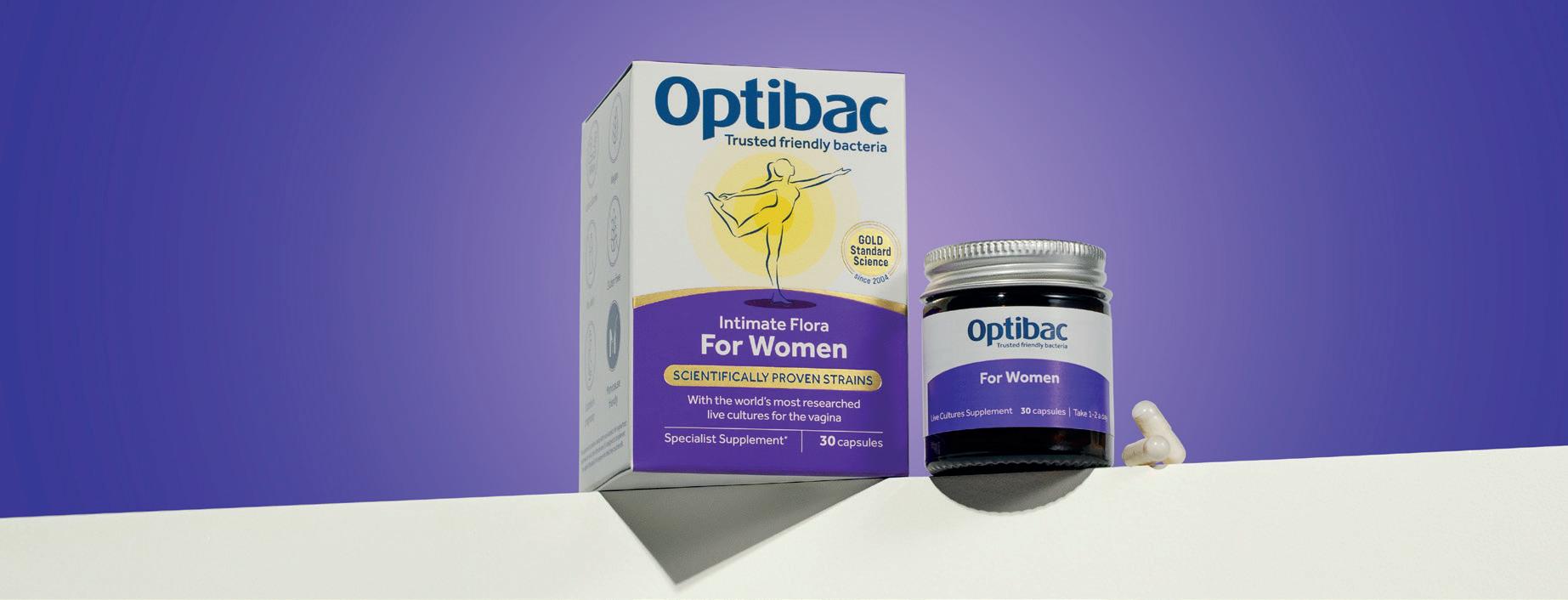
While gut health is becoming a prominent focus for health and wellbeing, the importance of vaginal health cannot be underestimated. Optibac offers a complementary supplement, ‘For Women’, designed to maintain a balanced microbiome and promote vaginal comfort.
“Certain strains of friendly bacteria have a natural affinity for the vaginal tract, where they can colonise and begin supporting the vaginal microbiome in around seven days,” explains Camilla Gray, Nutritional Therapist, Optibac. ‘For Women’ contains three scientifically proven strains, which complement the natural vaginal flora and pH levels, trialled in thousands of women around the world in more than 25 scientific studies over 40 years.
Optibac boasts excellent Trustpilot reviews and continues to gain industry recognition, including winning ‘Best Women’s Product’ at the OTC awards last year. Passionate about promoting women’s health and wellbeing, Optibac continues to lead the way with targeted friendly bacteria supplements designed to support women through all stages of life.
‘For Women’ has made them one of the most trusted brands of friendly bacteria supplements in Ireland, with sales supporting donations of over £1.2 million to the women’s rights organisation, Womankind Worldwide.
Dr Tanya Mulcahy, Director, Health Innovation Hub Ireland, University College Cork

Sponsored by Optibac Find
Camilla Gray DipCNM Nutritional Therapist WRITTEN BY Bethany Cooper
Sponsored by Natracare
natracare.com
Nina Davies CEO, Natracare
Investigating the role of NKAPL in acquired chemoresistance in high-grade serous ovarian cancer

Lea Schäfer Cancer Researcher, University College Dublin
Most women are diagnosed when the disease has already spread, and eventually, most women stop responding to standard anticancer drugs, like chemotherapy. This reaction is also known as chemoresistance. Why and how chemoresistance develops is still unclear.
Cancer cells can protect themselves from chemotherapy drugs, which makes it harder to get rid of them.
What is chemoresistance?
Imagine your body as a garden full of healthy, beautiful flowers. Cancer cells can grow like unwanted weeds in a garden. At first, an herbicide can remove these weeds just like chemotherapy often works well against cancer cells. But sometimes, the weeds return and even develop a protective shield, making it hard for the herbicides to work.
Similarly, cancer cells can protect themselves from chemotherapy drugs, which makes it harder to get
The world’s most researched live cultures for the vaginal microbiome
rid of them. If we could identify special markers (also known as biomarkers) on these resistant weeds — or in this case, cancer cells — they could function as early warning signs and give information on what drugs could effectively remove them.
We previously found a gene (called NKAPL) that changes when ovarian cancer tumours stop responding to chemotherapy. My project aims to discover whether NKAPL could be used as a biomarker helping clinicians to step in earlier with alternative treatments, sparing women repeated rounds of chemotherapy that may not benefit them.
How the research process looks like
To investigate this, I’ll grow ovarian cancer cells in the lab and look at preserved tumours surgically taken from patients. I’ll measure their levels of NKAPL and examine whether they’re linked to treatment response. Then, I’ll explore how NKAPL causes cancer cells to resist chemotherapy. Ultimately, this research could help us to better understand why chemotherapy stops working in some patients and how we can kill these resistant cells using alternative drug combinations.
This project has been made possible through the continued guidance and support of my supervisors, Assoc Prof Antoinette Perry and Dr Sharon O’Toole, with essential funding provided by Research Ireland and the Irish Cancer Society.
†Optibac is the brand of live cultures most trusted & recommended by Irish consumers.
Addressing the online epidemic fuelling sexual violence
and online abuse
Ireland needs to confront a difficult truth: pornography is now one of the most powerful forces shaping people’s ideas about sex, relationships and gender — including children and young people.
This was discussed at a strategic gathering by Women’s Aid and Community Foundation Ireland. The message was clear: ignoring the impact of pornography undermines efforts to achieve gender equality and normalises harmful and degrading behaviours.
The convention was organised in response to the recommendations in ‘Facing Reality: Addressing the Role of Pornography in the Pandemic of Violence against Women and Girls’ by the Sexual Exploitation Research and Policy Institute, commissioned by Women’s Aid and funded by CFI.
How pornography could normalise harmful behaviours
Research shows that much of today’s mainstream pornography depicts acts amounting to sexual violence. Content that would’ve been considered extreme has become normalised. Frontline workers report teenage girls and young women presenting with injuries, fear and confusion after partners imitate what they see online. Teachers, gardaí, doctors and domestic violence specialists warn that this behaviour is increasing because many are learning about intimacy from a billion-euro industry built on harmful stereotypes and misogyny. Pornography is also part of the wider problem of online abuse within intimate relationships. Women’s Aid’s ‘Too Into You’ project educates young women about this abuse, such as location tracking, constant messaging and threatening to share private images. Image-based sexual abuse and online harassment are becoming increasingly common tactics to coerce and control women.
Stronger action needed to address the harms of pornography
We need coordinated action now: stronger child-protection measures with meaningful age-verification systems; legislation to ban apps and AI tools that produce deepfakes; and effective regulation to ensure swift removal of images created or shared without consent. We need honest public dialogue and age-appropriate education to distinguish pornography from healthy sexual intimacy. We need robust regulation and accountability for industries that profit from sexual harm and online exploitation.
The online world is shaping our culture, relationships and expectations in ways that are causing real damage. If we fail to act, it will continue to shape our future.

Sarah Benson CEO, Women’s AID

Endometriosis and adenomyosis can complicate fertility, but don’t define it
“Endometriosis and adenomyosis can complicate fertility, but they don’t make it impossible,” highlights Dr Marta Moschetta, Clinical Director of Sims IVF Clinic and Fertility Consultant.
Endometriosis and adenomyosis are chronic gynaecological conditions that can result in pelvic inflammation, structural scarring and abnormal muscular function. They affect egg quality, implantation and fertility, and require personalised management. Dr Marta Moschetta, Fertility Consultant, hopes to empower women through raised awareness and early intervention.
“One of the biggest challenges is delayed diagnosis,” explains Dr Moschetta. “Many suffer from these conditions, and they don’t even know it. There’s a real lack of awareness, even amongst clinicians.”
Diagnosis and management
Too often, women’s health concerns are dealt with privately or endured, thought of as a normal part of womanhood, rather than proactively managed. While 1 in 10 women are believed to have endometriosis, the condition can go undiagnosed or misdiagnosed for years, often described as a ‘silent disease.’
“Strong, heavy, painful periods in your 20s shouldn’t be affecting daily life or causing you to miss work,” explains Moschetta. “This can be a symptom, alongside pelvic pain, abdominal bloating and pain during intercourse.”
A combination of blood tests, clinical history and imaging can be used to diagnose both conditions, and while surgery may be recommended for definitive diagnosis, fertility preservation must be discussed in advance.
Personalised care and management
With appropriate management, patients with endometriosis, adenomyosis or both can still successfully conceive, and Dr Moschetta is clear to highlight the term ‘subfertility’, rather than ‘infertility’.
Sims IVF is an approved HSE Fertility Clinic, with locations in Clonskeagh, Swords, Cork, Carlow, Limerick, Dundalk and Wexford, offering fertility treatments and services tailored to each patient’s needs. “Our goal is to treat symptoms and preserve fertility, allowing patients the best chance to conceive, naturally or with assisted methods, such as IVF,” continues Moschetta.
“We provide personalised services, unique to each patient, and we share complex cases weekly to continuously improve our care and services.”
While endometriosis and adenomyosis can complicate fertility, they don’t define it, and many people living with these conditions go on to conceive.

Sponsored

by Sims IVF
Women living with endometriosis and adenomyosis can make informed choices.
Dr Marta Moschetta Clinical Director, Fertility Consultant