
Cardiovascular Health
Q1 2026 | Created for Mediaplanet
“Regular checks of blood pressure, cholesterol, blood sugar and pulse can spot problems early — even when you feel well.”
Janis Morrissey, Director of Health Promotion, Information and Training, Irish Heart Foundation Page 02

www.healthnews.ie
“It’s embracing a future where cardiac care is less invasive, more personalised and ultimately more empowering.”
Trudie Lobban MBE, Founder and CEO, Arrhythmia Alliance and AF Association Page 07
“Newer valves are designed to set patients up for lifetime management.”
Edwards Lifesciences Pages 04-05

Uniphar
Medtech plays a central role in advancing Cardiovascular care in Ireland and beyond
Cardiovascular disease remains one of the most significant health challenges in Ireland, and innovation in this field continues to advance at a pace.
At Uniphar Medtech, we give healthcare providers access to world‑class interventional, diagnostic and monitoring technologies that enhance patient outcomes and support the delivery of safe, effective care. Cardiology is a major strategic priority for our organisation, and through our specialised businesses — M3 Medical and Cardiac Services — we partner closely with hospitals and global innovators to ensure clinicians can adopt new therapies and procedural techniques that make a meaningful difference at the point of care.
Procedural-centric model
At M3 Medical, we’re evolving towards a procedural‑centric model that enables physicians to deliver seamless, high‑quality care from the moment vascular access is obtained to final closure. By offering a complementary portfolio that spans Access, Navigation, Treatment and Closure, we help clinicians work efficiently across every stage of the procedure.
This complete approach ensures consistency, reliability and confidence when delivering complex cardiovascular interventions. Our strength lies not only in our technologies but in the clinical excellence and support of our team, specialists who stand alongside clinicians in the cath lab, hybrid suite and operating room to help optimise outcomes and advance procedural performance.
What truly differentiates Uniphar Medtech is the combination of clinical insight, technical capability and service excellence that defines everything we do. Across both M3 Medical and Cardiac Services, our teams provide end‑to‑end support through education, case‑based training, in‑theatre guidance and dependable equipment servicing, ensuring the most effective and sustainable delivery of cardiovascular care nationwide.
Future of cardiovascular health
As cardiology continues to evolve toward a future that’s not only minimally invasive but also digitally enabled, we remain committed to investing in the partnerships, technologies and expertise that will shape the next generation of cardiovascular care. By combining global innovation with local procedural support and clinical excellence, Uniphar Medtech is proud to play a leading role in advancing cardiovascular health across Ireland, the UK and Europe.



Looking after your heart: Small changes that make a big difference
While heart disease and stroke are among the leading causes of death in Ireland, the good news is that up to 80% can be prevented through lifestyle changes.
Your heart is a muscle that pumps oxygen rich blood around your body. Over time, fatty plaque can build up in your arteries, making it harder for blood to flow. This increases the risk of heart attacks and strokes.
Factors that impact heart health
Your heart health is linked to where you grew up, the world around you and your access to clean air, green spaces, education and healthcare. While some risk factors, such as age and family history, cannot be changed, many others can be managed.
Common risk factors include high blood pressure, high “bad” (LDL) cholesterol, type 2 diabetes, smoking or vaping, excess weight, physical inactivity, unhealthy eating habits, alcohol use and ongoing stress. These risks often increase with age, but making small, realistic changes can greatly improve heart health.
Lifestyle changes for a healthier heart
A heart healthy diet includes plenty of fruit and vegetables, wholegrains, beans and lentils, nuts, seeds, fish and healthy fats like olive or rapeseed oil. Limiting salt, sugary foods, processed meats and foods high in unhealthy fats is also important. Staying active keeps your heart strong. You don’t need a gym membership — activities like
walking, gardening, housework and playing with grandchildren all count. Aim for 150 minutes of moderate activity each week and try to sit less throughout the day.
Stopping smoking or vaping is the single most important action you can take for your heart.
Stopping smoking or vaping is the single most important action you can take for your heart. It is never too late to quit, and the health benefits begin almost immediately. Drinking less alcohol, managing stress, getting enough sleep and taking prescribed medication also play a vital role. Finally, know your numbers. Regular checks of blood pressure, cholesterol, blood sugar and pulse can spot problems early — even when you feel well.
Janis Morrissey Director of Health Promotion, Information and Training, Irish Heart Foundation
Brendan McConnell MD, M3 Medical Part
Uniphar Medtech
Superior purity and strength.


A range of proven omega-3 products to help support different lifestyles.
Putting prevention at the core of our health service
Reducing preventable illness will improve physical and mental health and quality of life, ease pressure on our health service and support our economy as our population grows and ages.
As Minister responsible for Public Health, Wellbeing and the National Drugs Strategy, I regularly meet with people whose lives have been seriously affected by preventable conditions like cardiovascular diseases, stroke and type 2 diabetes. Hearteningly, I’ve also witnessed the incredible work of our clinicians and healthcare staff and those involved in screening, early diagnosis and the research and development of innovative treatments.
Prevention: key to future-ready health service
Quality, timely care and treatment are our priority, but prevention must be the cornerstone of a future-ready, patient-focused health service.
The risk of some diseases is increased in people who are overweight and obese. Fortunately, scientific evidence shows that even modest increases in physical activity can significantly reduce the risk of
heart disease and type 2 diabetes.
Addressing a complex, chronic disease such as obesity is a significant challenge requiring robust public health measures across a range of sectors.
We’re making progress and working in tandem with our international counterparts to turn the tide. Our approach is echoed by the European Commission’s new Safe Hearts Plan, which places prevention at the core of its ambition to tackle cardiovascular diseases and associated risk factors, including obesity.
Under the Obesity Policy and Action Plan, we’ve delivered meaningful improvements in breastfeeding rates and introduced a suite of Healthy Eating Guidelines along with a range of health promotion and education measures.
Placing prevention in everyday spaces Our National Physical Activity Framework 2024-2030 aims to make
Ireland the most physically active nation in Europe across all ages. It embeds physical activity across schools, workplaces, communities, transport systems and healthcare settings, placing prevention in everyday environments.
The GP Chronic Disease Management programme also aims to identify those at most risk of developing disease and with established disease, supporting them to manage risk factors for disease or an existing condition. 91% of patients with chronic disease are now routinely supported and cared for at the primary care level.
Protecting and improving cardiometabolic health to create a healthier population isn’t an individual responsibility; it’s a collective effort that demands coordinated action from all sectors. Together, we can create an environment that supports healthy living and ensures a healthier future for all.
Jennifer Murnane O’Connor TD Minister for Public Health, Wellbeing and the National Drugs Strategy
Understanding Aortic Stenosis, deciding together
Consultant cardiothoracic surgeon talks about the importance of shared decision-making in treating aortic stenosis.
Aortic stenosis (AS) is a serious heart disease characterised by the narrowing of the aortic valve, restricting blood flow around the body. By the time symptoms appear, the disease is often already at an advanced stage, making timely intervention key to improving patient outcomes. Sarah Early, Consultant Cardiothoracic Surgeon at St James Hospital and the Mater Private Network, educates on the importance of early recognition and assessment.
“Classic symptoms of aortic stenosis include shortness of breath, chest pain and collapse,” explains Early. “Proactive stethoscope assessment through your primary care provider can catch murmurs early, enabling referral for echocardiography and close monitoring before symptoms develop and there’s any decline in cardiac function.”
Informed and collaborative decision making Treatment doesn’t follow a one-size-fits-all approach, and the choice between surgical valve replacement and TAVI depends on age, surgical risk, anatomy, clinical assessment and patient preference. Early highlights the need for patients to recognise the long-term implications of both treatments, as the durability of the valves can differ, and some may require replacement over time.
The decision regarding the best intervention for aortic stenosis needs to be carefully considered by both the heart team and the patient.
Innovations in the AS treatment landscape In the past, the only treatment for severe aortic stenosis was surgical aortic valve replacement. However, Early explains that approximately 30% of patients were turned down for surgery due to patient co-morbidities or frailty.
To bridge this gap, innovations like transcatheter aortic valve implantation (TAVI) have been developed, with ongoing clinical data suggesting potential value for a broader group of patients.
Patients are our life’s work …
At Edwards Lifesciences we are driven by a passion for patients and dedicated to improving lives.
It’s about uncovering bold advancements, innovating structural heart technologies and dreaming big to imagine brighter futures.
It all adds up to embracing the urgency to make a difference where it matters most. It’s our mission for life …
… and life is now.
Recent guidelines reinforce the central role of shared decision-making in aortic valve disease between patients and clinicians. This highlights the need for timely, patient-centered discussions around both treatment timing and therapeutic choice. Severe aortic stenosis is a progressive condition that may be symptomatic or remain clinically silent, making structured evaluation and ongoing follow-up essential.
“Not every valve or procedure is suitable for every patient,” she continues.
“While less invasive approaches like TAVI can be used effectively in patients in their seventies, who maybe aren’t very active or have a higher surgical risk, the jury is out on its suitability in fitter or younger patients, as valve durability may be an issue. The decision regarding the best intervention for aortic stenosis needs to be carefully considered by both the heart team and the patient.”

Medical device for professional use. For a listing of indications, contraindications, precautions, warnings, and potential adverse events, please refer to the Instructions for Use (consult eifu.edwards com where applicable).
Edwards, Edwards Life sciences, the stylized E logo, COMMENCE, Life is Now and RESILIA are t ra de m ar ks or service marks o f E dwards Lifesciences Corporation or its affiliates. All other trademarks are the property of their respective owners. © 2026 Edwards Lifesciences Corporation. All rights reserved. PP--EU-11949 v1.0 Edwards Lifesciences S àrl • Route de l'Etraz 70, 1260 Nyon, Switzerland • edwards.com
Ms Sarah Early Consultant Cardiothoracic
Surgeon, St James Hospital, Dublin and the Mater Private Network
WRITTEN BY Bethany Cooper
visiting:
Breakthrough innovations for patients with structural heart disease
Consultant cardiothoracic surgeons highlight innovations in surgical valve replacement for structural heart disease, including novel tissue valves designed with the future in mind.
Structural heart disease (SHD) refers to a range of conditions affecting the heart’s veins, valves, walls, chambers or muscles, leading to impaired heart function. Symptoms include fatigue, palpitations, chest pain, shortness of breath and syncope. It’s estimated that around 14 million people in Europe suffer from SHD,1 making it a significant public health crisis.
“Around 50% of patients with SHD need surgical correction for valvular heart disease,” explains Mr Kishore Doddakula, one of the few cardiothoracic surgeons in Ireland to perform minimally invasive surgical aortic valve replacements. “Each patient is situation dependent, and decisions are made between repair or valve replacement, tissue or mechanical, surgical or percutaneous, and considering age, anatomy and overall health.”
“Edwards seems to be listening closely to what patients and the cardiology community need,” adds Professor Lars Nölke, consultant cardiothoracic surgeon, “as these newer valves are designed to set patients up for lifetime management, and intermediate data from the COMMENCE clinical trial appear to be very good.”
Data-driven decision-making


Innovations in valve management

Doddakula leads cardiac surgical training sessions in Ireland in collaboration with Edwards, specifically focusing on the skills needed to perform minimally invasive approaches. “Surgeons often work in collaboration with industry to advance available treatments,” explains Doddakula. “I work closely with just Edwards, which plays a major role in facilitating training for clinicians on the latest technology and techniques to improve patient outcomes.”






While mechanical valves may be more favourable in younger patients, offering enhanced durability, patients are required to take lifelong blood-thinning medication. As an alternative, Edwards Lifesciences has developed an innovative RESILIA tissue valve, a next-generation bovine pericardial heart valve.
“One of the main advantages is its anti-calcification technology, which addresses a major concern with tissue valve durability,” explains Doddakula. “These valves are designed with the future in mind, meaning that if a patient needs a transcatheter valve in the future, it can be implanted through the groin without removing the existing valve.”
“The goal posts are changing all the time, making the need for education and awareness of clinical data extremely important,” explains Nölke. “Over the next two years, the way data is being reported across Ireland will reshape both clinical and general understanding of these novel technologies. With transparent real-world data on outcomes, procedural success and long-term valve performance will facilitate informed decision making and success.”
Reference: 1. EU SHD Coalition. Tackling the burden of structural heart disease in Europe. https:// tinyurl.com/5bmry62z.
Patient choice at the heart of surgery
At 45, open-heart surgery wasn’t on Sandra McGonigle’s radar. But research, determination and support from patients and professionals helped her advocate for care that transformed her life.
It was April 2021, and Sandra was anxiously waiting to be transferred from Derry to Belfast for the procedure. She had only days to make decisions about one of the biggest operations of her life.
A year earlier, in April 2020, she had visited her GP after feeling unusually fatigued. She’d assumed the tiredness was caused by overwork and the unavoidable effects of ageing.
But a routine check revealed a heart murmur, and an echocardiogram confirmed she had aortic stenosis with a bicuspid valve.
Sandra knew she’d eventually need a valve replacement, but surgery seemed some way off.
“I continued to work and go about my life until February 2021, when I
felt really, really dizzy and thought I was about to faint,” Sandra recalls.
Urgent decisions
Her GP sent her straight to hospital, where Sandra was told she needed a valve replacement immediately. Things moved quickly, and she was isolated in Derry while waiting for a bed to become available at Belfast’s Royal Victoria Hospital. It was only then that she had both the time and the urgency to consider her options.
“I knew that the NICE guidelines recommended that somebody like me has a mechanical valve,” she explains. “Because of my nursing background, I knew that was something I didn’t really want.”
A mechanical valve would mean taking a blood-thinning medication
for life. Both Sandra’s father and grandmother had experienced complications with the drug, and the challenges of long-term anticoagulation didn’t support her lifestyle.
Unsure what to do next, Sandra broke a golden rule. “I did what I told my patients not to do,” she says with a smile. “I Googled it.”
Fresh hope
That search led her to an online community of patients whose experiences shed light on new professional contacts, research and data, including the possibility of a tissue valve.
While the cardiologist was initially reluctant, Sandra advocated for her case, and he agreed to the tissue valve replacement. “And I’m so glad I did,” she says with a smile. “Life is so much better now. I have so much more energy. I can do things that I couldn’t do before.”
The only mild inconvenience is the low dose of aspirin she takes. Otherwise, she’s increased her hours to full-time, is walking more, and even advocating for greater patient involvement in healthcare decisions.
“Surgeons are the medical experts,” she says. “But the living experts are the people who’ve been through it.”

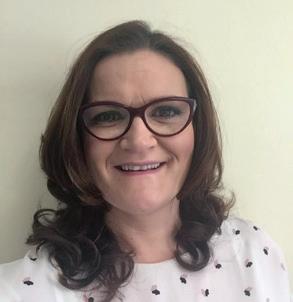
Spread Sponsored by Edwards Lifesciences
WRITTEN BY Bethany Cooper
WRITTEN BY Kate Sharma
Mr Kishore Doddakula Clinical Lead, Cardiothoracic Surgeon, Cork University Hospital & Bon Secours Hospital Cork
Prof Lars Nölke, Consultant Cardiothoracic, Transplantation Surgeon, Children’s Health Ireland, Crumlin & Mater Misericordiae University Hospital
Sandra McGonigle Patient
Learn more about Sandra’s story:
Understanding cardiometabolic health
Cardiometabolic disease refers to a group of serious conditions, including heart attack, stroke, type 2 diabetes, chronic kidney disease and non-alcoholic fatty liver disease.
Cardiometabolic health goes beyond a single reading on a weighing scale or blood pressure monitor. Weight, blood pressure, cholesterol, blood glucose, kidney function and heart health are closely linked, so problems in one area often affect others.
Metabolic risk factors
Early warning signs appear as metabolic risk factors: high blood pressure, raised blood sugar, high triglycerides, excess abdominal fat and low HDL (“good”) cholesterol. Having three or more risk factors leads to a diagnosis of metabolic syndrome, significantly increasing future disease risk. Genetics, certain medications, smoking, stress, poor diet and inactivity all contribute.
Hidden threat of high blood pressure
adults had high blood pressure, up from 64% in 2014/15. Yet only 56% were aware of their diagnosis, and 62% were not adequately managed. Even among those treated, just 33% achieved the European target of below 130/80 mmHg.
In 2024, Croí, the Irish Farmers Association and the Department of Agriculture, Food and the Marine reported that 50% of 1,200 farmers attending free health checks had elevated blood pressure or cholesterol.
TILDA also found that 40% of adults over 50 meet the criteria for metabolic syndrome. Those with low physical activity were 71% more likely to be affected. Encouragingly, about a quarter no longer met the criteria four years later, showing it can be reversed.
High blood pressure (hypertension) is one of the most common and under-recognised risks.
High blood pressure (hypertension) is one of the most common and under-recognised risks. It measures the force of blood against artery walls, recorded as systolic over diastolic pressure. Persistently high readings strain the heart and damage blood vessels, increasing the risk of heart, brain, kidney and eye disease.
Findings from The Irish Longitudinal Study on Ageing (TILDA) Wave 6 (January 2026) show that 71% of older



Prevention and early detection
Cardiometabolic disease is largely preventable and manageable. Early detection allows lifestyle changes such as adopting a Mediterranean-style diet, increasing physical activity, managing weight and stopping smoking. These actions improve blood pressure, cholesterol and blood sugar levels, reducing the risk of life-threatening disease.
Adults should have a cardiometabolic health check every three to five years, and annually from age 40 or if at higher risk. For more information and support, visit www.croi.ie

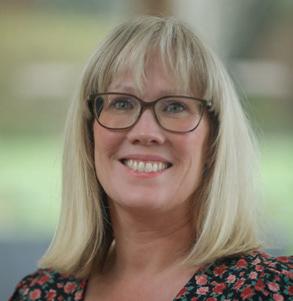
Madeline Rabbitt Nurse, Croí Heart & Stroke Charity
Balancing the unseen variables of diabetes
Type 1 diabetes is often misunderstood. Food matters, but it’s only one of more than 40 factors that affect blood glucose every day.
With diabetes, many people assume glucose levels are only affected by food, but factors like exercise, stress, illness, hormones and sleep play a role. For decades, my brain had to do the work of my pancreas, and turns out it’s terrible at that job.
I was diagnosed with type 1 diabetes in 1993. Over the last 32 years, the technology and knowledge around diabetes have changed dramatically, but the core goal remains the same: keeping glucose levels in a safe range. Too low, starves my brain of fuel, and it shuts down. Too high, puts my long-term health at risk.
Mental burden of diabetes
For many years, I managed diabetes using multiple daily injections. When I ate, I had to go through a mental checklist to figure out how much insulin to take: how many carbohydrates, whether my glucose level needed correction and what activities I planned to do over the next 2-4 hours. After injecting, I had to watch closely to see if I got it right, which was mentally exhausting.
Peer support is a life vest, reminding me I’m not alone.
Technology helps, but isn’t a cure
While insulin pumps and continuous glucose monitors eased some of that burden and improved my management, the workload remained heavy. Everything changed when I moved to a hybrid closedloop insulin pump. These systems link my glucose sensor, pump and an algorithm that automatically adjusts insulin delivery without my input. For the first time, there were hours in my day when I didn’t think about diabetes.
However, my pump system doesn’t solve everything. There are days when life is unpredictable and diabetes just doesn’t play nice. On these days, peer support is a life vest, reminding me I’m not alone. Our support communities and shared lived experience often provide practical solutions or just someone to listen.
This is why Thriveabetes, taking place on April 18 in Dublin, matters so much. It brings people living with Type 1 diabetes together to share knowledge, experience and connection.

Stay ahead: are you informed about your diabetes health?
Living with diabetes is about more than controlling blood glucose. It can affect your kidneys, heart, eyes and nerves before you notice any symptoms, so it’s essential to act early.
Regular check-ups with your GP or diabetes team can identify areas of concern before they become serious. Keeping your blood glucose, blood pressure, cholesterol and HbA1c, which shows your average blood glucose over time, within the targets your doctor sets can lower your risk of complications.
Protect your kidneys
Chronic kidney disease can be common for people living with diabetes and often shows no early symptoms. Simple urine and blood tests can detect early signs of kidney disease.
High blood glucose and high blood pressure can strain the kidneys and cause protein to appear in the urine. About one in five people with diabetes may need treatment for kidney disease. Early treatment with medication can slow progression and protect kidney function.
Look after your heart
Diabetes can increase heart failure risk, meaning the heart cannot pump blood as well as it should. Early signs can include breathlessness, swelling in the ankles, feeling tired or needing extra pillows at night.
Simple blood tests can help find problems early. Eating well, staying active and keeping blood pressure, cholesterol and glucose levels within the targets set by your doctor can reduce your risk.
Check your eyes and nerves
Diabetes can affect your eyes and nerves without causing symptoms. Annual eye screening through the HSE protects vision and allows treatment early.
High blood glucose can also affect nerve endings, particularly in our extremities, causing tingling, numbness, digestive problems or changes in sexual health. Screening is important even if you don’t notice any symptoms.
Eat a balanced diet, stay active, maintain a healthy weight, avoid smoking and attend regular check-ups. Ask questions, know your test results and act early. Christina Hamilton from Diabetes Ireland says, “Understanding how diabetes affects your body and working with your healthcare team gives you the best chance of preventing serious problems.”
Being informed and proactive is the first step to living a healthier and fuller life with diabetes.
A new era for cardiac care with leadless pacemakers
The recent decision by the National Institute for Health and Care Excellence (NICE) to approve leadless pacemakers for ventricular pacing across the NHS marks an important evolution in cardiac care.
Leadless pacemakers could meaningfully improve the lives of thousands living with bradyarrhythmia. These conditions, defined by abnormally slow heart rhythms, may seem deceptively simple but can cause debilitating symptoms such as fatigue, dizziness, fainting and breathlessness. Left untreated, they place patients at increased risk of serious complications. With roughly one in every 1,000 people affected, access to safer and more advanced treatment options is crucial.
Leadless pacemakers: a significant step forward in technology and patient experience
Unlike traditional pacemakers — which require a surgical pocket in the chest and wires threaded through veins into the heart — leadless devices are self-contained and implanted directly into the heart without the need for leads. Their miniature design allows them to be delivered through a small 1 cm incision using a vein in the groin or neck, a stark contrast to the 5-6 cm chest incision typical of conventional systems.
NICE’s review confirms what early adopters have observed: these devices aren’t only safe and effective but may also offer quality of life improvements. By eliminating surgical pockets and leads, they reduce the risk of infection and device-related complications, an especially important advantage for patients with limited venous access, prior pacemaker infections or other clinical complexities. In many cases, leadless pacemakers may become the preferred option rather than the alternative.
Access to leadless pacemakers will mean more than just a safer procedure.
Innovation matched with accountability
Equally important is NICE’s emphasis on ensuring these procedures are performed by trained cardiac teams in specialist centres, with patient outcomes monitored nationally. This commitment to oversight and long-term evaluation ensures that innovation is matched with accountability.
For many patients, access to leadless pacemakers will mean more than just a safer procedure. It opens the door to returning to work sooner, maintaining independence and actively participating in daily life without the limitations often associated with traditional device implantation. With this approval, the NICE isn’t just adopting new technology; it’s embracing a future where cardiac care is less invasive, more personalised and ultimately more empowering.
Gráinne Flynn Co-Founder & Event Organiser, Thriveabetes
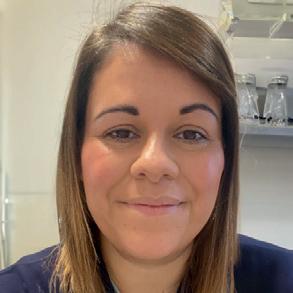
Christina Hamilton RGN/RCN/RNP Education and Support Co-ordinator for Diabetes Ireland
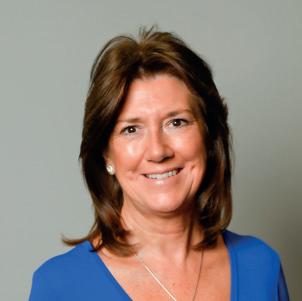
Lobban MBE Founder and CEO, Arrhythmia Alliance and AF Association
The ‘Be the Informed Type’ campaign, run by AstraZeneca Ireland and supported by Diabetes Ireland, encourages people with diabetes to stay proactive. You can find more information at diabetes.ie
Trudie
Researchers join forces to beat heart disease
Tackling cardiovascular disease — the world’s biggest killer — needs teamwork. The Northern Ireland Clinical Research Network provides researchers with the tools they need to succeed.
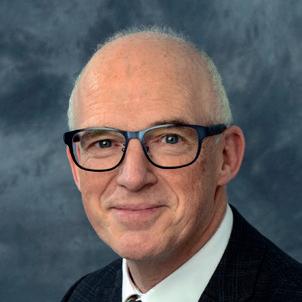
Cardiovascular diseases (CVDs) such as heart disease and strokes have been the world’s number one cause of death for the last decade, outpacing even cancers. More investment in research and a strong cardiovascular health policy is needed in Ireland.
And now the good news
Researchers in Northern Ireland are working with worldleading teams to test and deliver new treatments and prevention strategies. The Northern Ireland Clinical Research Network: Cardiovascular is a group of specialist doctors and nurses whose work gives patients access to the latest innovations in cardiovascular care.
Fitzsimons said, “The NICRN provides the infrastructure to help us participate in these studies successfully by offering skilled professional support and dedicated staff.”
Benefits for people
Our focus is on delivering practical and scientific research outcomes that directly benefit people.
We undertake a wide range of research, from studies to find the best medication or treatment for patients with a particular heart problem, to research aimed at developing better ways to support and care for people with a heart condition.
WRITTEN BY
Linda Whitney
Contact us for more details on how to become involved in research and find out what we do.
nicrn.hscni.net/ get-in-touch/
It is led by Professor Patrick Donnelly and Professor Donna Fitzsimons, whose aim is to ensure that people right across the province can gain the benefit of participating in groundbreaking cardiac research.
Professor Donnelly said, “Every day I see patients with heart disease that could have been prevented. The NICRN targets new research that will benefit patients. Recently, we have recruited patients to studies testing new treatments for high cholesterol, an important driver of heart disease. Involvement in these clinical trials provides two major benefits: early access to new study drugs/treatments for our patients, and a research workforce that is at the cutting edge of new advances in heart disease.”
Delivering large research studies in partnership with international experts has its challenges. Professor
Improving heart health with people and technology
Belfast and Cork are part of the European Cities@Heart study to improve awareness and prevention of cardiovascular disease.
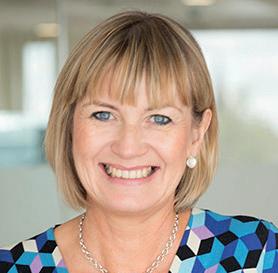
Cardiovascular disease (CVD) is the biggest killer in the European Union. Often thought to mainly affect men, CVD actually kills more women than men, and more people overall than all types of cancer combined. Across the island of Ireland, nearly 14,000 people die each year from CVD, and it is most common in deprived urban communities.
WRITTEN BY Linda Whitney
Contact us for more details on how to become involved in research and find out what we do.
Office@Cities@ Heart.eu
There are effective ways to prevent and treat CVD — provided people realise that they are at risk of developing it. That’s where raising awareness comes in; Belfast will lead this part of the project, working within local communities to help people better understand and measure their risk factors.
Cork will lead on prevention and using technology to help citizens reduce risk factors such as high blood pressure, high cholesterol, obesity and diabetes. We have good treatments available for these problems, but many people are not prescribed or adhering to these evidence-based therapies.
Cities@Heart Cities@Heart is a European-wide
Moreover, we can show a history of success, delivering studies on time and on target.
Professor Jonathan Jackson, Director of the NICRN, talking about its Cardiovascular team, says, “I am particularly proud that this team disseminates the results of their work at international conferences and in highimpact research publications. They are also recipients of national and international awards.”
Everyone benefits from the ongoing work of the NICRN: Cardiovascular, and we intend to do more of it.
research study that aims to tackle cardiovascular inequities through collaboration between academics, industry partners and local authorities within the World Health Organisation (WHO) Healthy Cities network across seven European cities. The project is led by Professor Donna Fitzsimons at Queen’s University Belfast in partnership with John Tully, Belfast City Council, and Professor Peter Kearney at University College Cork and Cork City Council.
The study is funded by the EU Horizon Europe programme through the Innovative Health Initiative (IHI). This consortium brings together researchers and industry partners — particularly medical technology companies — enabling the co-creation of digital innovations to help improve CVD awareness, prevention detection and management in local communities.
The technology connection Today, almost everyone has a mobile phone, making it one of the easiest ways to reach and connect with people regarding their health. Mobile apps and other digital
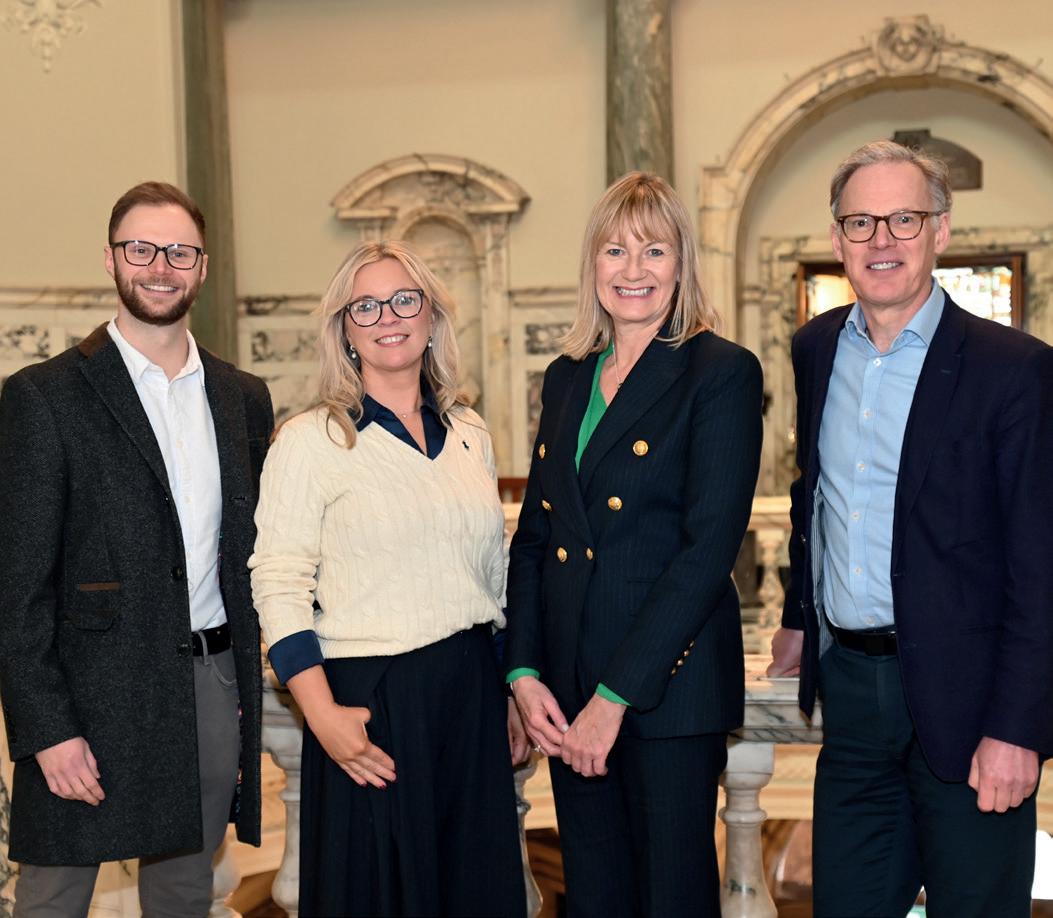
solutions enable us to track our physical activity, remind us to take prescribed medication for conditions like high blood pressure, and support healthier lifestyles that reduce the risk of CVD.
Working with the community We will work with people in local communities, via the WHO Healthy City coordinators Jacqueline O’Hagan (Belfast) and Denise Cahill (Cork), to co-design solutions that improve the awareness, prevention, detection and management of CVD. This will include young, healthy people, as well as those with risk factors like high blood pressure, and people already living with CVD. If you live in Cork or Belfast, expect to hear more about Cities@Heart over the next five years — enabling better heart health for all of us.



The Cities@Heart project is supported by the Innovative Health Initiative Joint Undertaking, its members and its contributing partners under grant agreement No 101132946.
Jonathan Jackson Director, Northern Ireland Clinical Research Network
Professor Donna Fitzsimons Professor of Nursing, Queens University Belfast, Co-Clinical Lead, NICRN