
Advancing Women’s Health & Equality

“ Improving women’s health is achievable. ”
Dr Alison Wright President of the Royal College of Obstetricians and Gynaecologists
Pg 04
“ Women underpin the peace economy. ”
Thelma Ekiyor CEO, Women for Women International
Pg 07
How female underrepresentation in clinical trials leads to poorer outcomes
Clinical trial technology provider discusses female underrepresentation in clinical trials, and how they’re addressing it through targeted surveys and the development of a national women’s research registry.
Medicines have historically been developed following testing in men. Hence, they were found to be suboptimal or even unsafe for women, who are nearly twice as likely to experience adverse drug reactions.1
Invisible
scandal in modern medicine
For Claire Williams, Women’s Health Initiative Lead, NWEH, this disconnect represents an ‘invisible scandal’ in modern medicine.
“Women are underrepresented in health research,” explains Williams. “Only 5-14% of trials analyse women’s outcomes separately. Hence, we don’t truly know if medicines are safe and effective for women whose physiology is more complex, with differences in hormonal cycles, body fat composition and blood plasma levels affecting how women respond to medicines.”
Concerns surrounding female participation in clinical trials may have stemmed from the potential risk to foetal health, combined with practical barriers from being the primary caregiver. Also included are complex variables that could complicate trial design and methodology, including menstrual cycles and menopause. And while female participation has increased, gaps exist in how research is being conducted.
“This gap in evidence has real-world consequences,” implores Williams. “There’s a lot of talk about inclusivity and diversity in research, but we need to see actionable steps to improve women’s health.”
Shaping the future for women’s health NWEH, a clinical trial technology provider with two proprietary platforms, FARSITE and ConneXon, focuses on female-focused research and innovation.
“Everyone deserves to be heard, especially when it comes to health,” explains Williams. “That’s why we’re launching our Women’s Health Initiative, a national campaign to gather real stories, lived experiences and insights from women across the country.”
The initiative aims to raise awareness, gather critical insights through its Women’s Health Survey and develop a National Women’s Research Registry, creating a secure, consent-based platform allowing researchers to access female health data in a governed way and champion female participation in clinical trials.
“Success won’t only look like more femalefocused research, but also a clear recognition from regulatory bodies of women-specific trial outcomes and sex-disaggregated data.”
References:

Davina: “Why
it’s time to talk more openly about the menopause ”
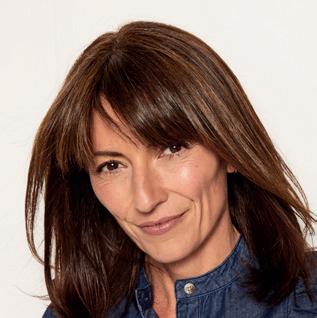
Davina McCall struggled with perimenopausal symptoms. She urges women to learn more about how this time of their life could affect them, and not suffer in silence.
You were 43 when perimenopause started. Did you recognise the symptoms?
No. But it got to the point where, on live TV, I couldn’t remember Laurence Llewelyn-Bowen’s name — and I’d only said it five minutes before. Afterwards, the producer asked: ‘Are you OK?’ I sat in the dressing room and cried. I thought: ‘I’m not OK. I can’t work.’ Then I started getting sweats. Night sweats were particularly bad, so I wasn’t sleeping, which made everything worse. I had a very short fuse. I went to see a gynaecologist — a man, I’d like to point out — who said: ‘You’re perimenopausal.’ I’d never been so relieved because I thought I was going mad.
What was your experience of hormone replacement therapy (HRT)?
Like a weight lifting — it wasn’t as though my memory suddenly got better, but I felt more like me again. I didn’t tell anyone I was taking it because I’d spent my life avoiding (tablets), I didn’t drink alcohol and I was the exercise queen. Somehow, taking HRT felt like I was ‘failing.’
How important is male allyship during this time?
When your body is evolving, you can be scared that it might change the way your partner feels about you. But if they try to understand
what you’re going through, the love you feel for that person is so great, and leads to a more open relationship.
What’s your advice for anyone struggling with perimenopause/ menopause?
Learn as much about it and your body from people who know what they’re talking about — and do what’s right for you. We’re all radically different. I implore anyone reading this who sailed through perimenopause/menopause to please be compassionate to those who are struggling. We must stand by and support each other because some women can feel suicidal.
Why has there been a reluctance to talk about the menopause?
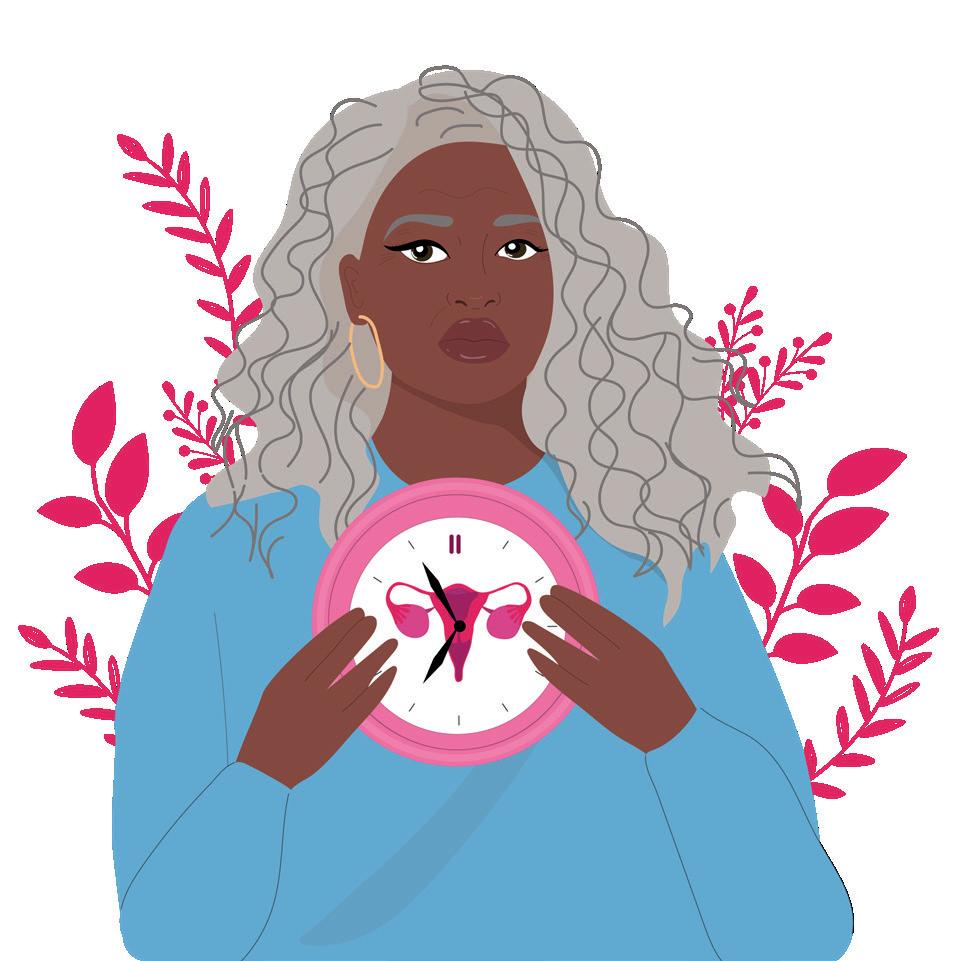
Women thought it was an embarrassing, shameful time. For me, it symbolised getting older — and might mean I wouldn’t be able to do TV anymore or wear clothes I used to wear. But actually, this has turned out to be the most liberating, most brilliant era of my life. I never heard that from anyone! I’m talking to you now, and I’m not embarrassed or ashamed. I’m proud. We’re owning it, and there’s something rather wonderful about that.
@Mediaplanet UK & IE
Project Manager: Isobel Devine isobel.devine@mediaplanet.com Business Development Manager: Ollie
mediaplanet.com or +44 (0) 203 642 0737
INTERVIEW WITH Davina McCall, MBE Advocate, Presenter WRITTEN BY Tony Greenway
1. Zucker, I. & Prendergast B. (2020). Sex differences in pharmacokinetics predict adverse drug reactions in women. Biology of sex.
Helping shape fairer fertility care
Across the UK, a fertility postcode lottery still shapes who can access treatment, leaving many single women and LGBTQ+ families at a disadvantage.
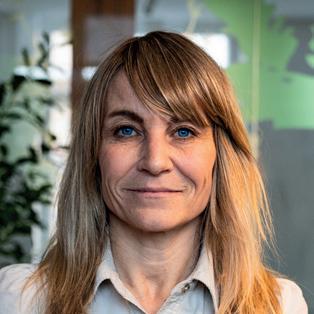
In my conversations with women and couples across the UK, one theme appears again and again: access to fertility treatment remains deeply unequal. It is still influenced by your postcode, age, BMI, income or relationship status. These factors should never determine someone’s opportunity to start a family.
For many single women and LGBTQ+ couples, the hurdles are even higher. In some NHS regions, they must self-fund six to twelve rounds of IUI to prove infertility before being considered for NHS-funded IVF.1 Funding for IVF varies from zero to three rounds, depending on the region. This leaves many paying privately, travelling abroad or giving up on having children altogether.
Changing family forms
Family structures are more diverse than ever. Solo mothers by choice, same-sex couples, blended families and people choosing to start families later in life all deserve fair access to treatment. When access is limited or inconsistent, people feel unseen and unsupported when they need clarity and care. Meanwhile, the UK fertility rate continues to fall, with an average of 1.4 children per woman, according to a recent report from the Institute of Fiscal Studies.2
Shaping fairer fertility policy
I believe organisations in reproductive care have a responsibility to help shape a fairer fertility landscape. In my role as Chair of the Danish Business Association for Egg and

TSperm Donation, I work closely with my colleagues in the industry to do just that on a national and European level. Our aim is to create safe and responsible frameworks for everyone affected by donation.
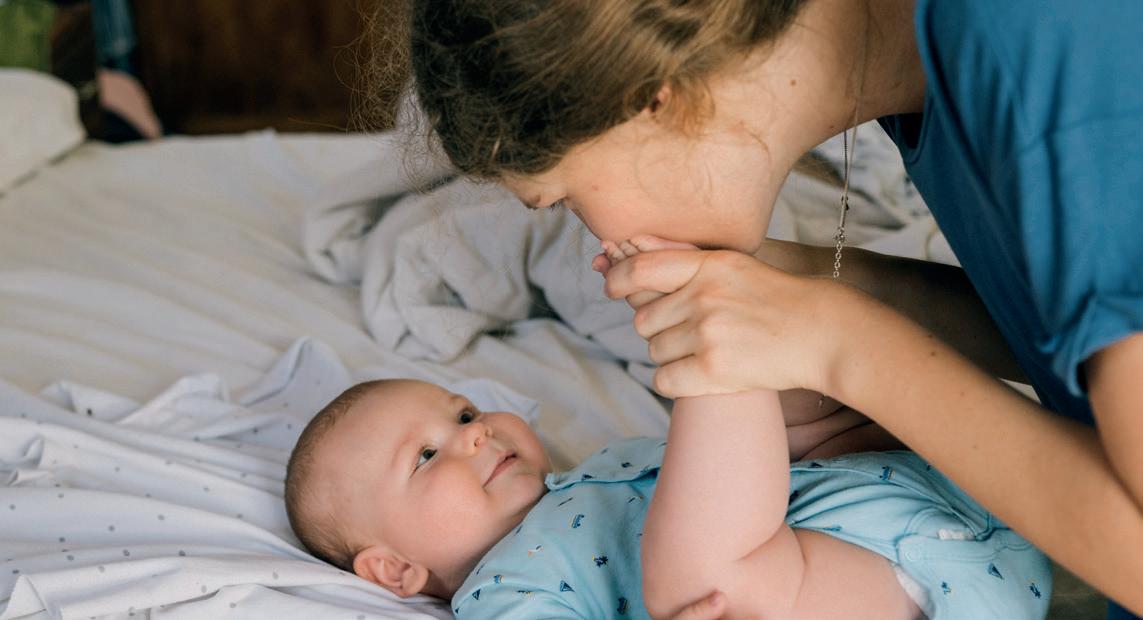
For us at European Sperm Bank, taking responsibility starts with extensive sperm donor screening and access to comprehensive donor profiles for both parents and children. It continues with free guidance at every step, even after the child is born. It also means speaking up when access is inconsistent or unfair.
Over the past 22 years, we have helped bring 70,000 children into 60,000 families. Every day, our UK team speaks with single women, LGBTQ+ and heterosexual couples navigating complex and often unequal systems.
This experience gives us direct insight into how policy gaps affect real people, and why it deserves greater visibility and political attention.
Because access to fertility care should not depend on postcode, income or who you love.
References:
1.
England. GOV.UK.
2.
L.
Menopause Action Plans to reshape workplaces
No longer just a ‘nice to have’ for employers, Menopause Action Plans will shift menopause support from informal good practice to employment rights, accountability and meaningful action.
his year’s International Women’s Day on March 8 marked a significant step for women in the workplace. Its theme ‘Give to Gain’ couldn’t be more apt as it coincides with the launch of Menopause Action Plans, which employers with over 250 employees are legally obliged to complete as part of the newly passed Employment Rights Act 2025.
Move to meaningful action ‘Give to gain’ perfectly captures what employers must give in time, training and resources to ensure they’re menopause-friendly. In
return, employees stand to gain improved support, signposting, a sense of wellbeing and inclusion and enhanced confidence and performance at work. Women will be emboldened by this mandatory action to speak up for themselves or advocate for others who need structured support and understanding at work. Responsible employers need not worry about the impending legislation and required changes. Designed to be a strategic plan covering policy, education, adjustments and culture, the Menopause Action Plan template
provides a practical framework supporting inclusion, performance and retention. Having supported over 200 public and private sector organisations across different sectors to achieve the Menopause Friendly Accreditation, we know how to make the task ahead clear and achievable for employers.
A place to thrive
Breaking the taboo around menopause is opening wider conversations on menstruation and menstrual health in the workplace. Demand for menstruation training at work is rising, empowering people to recognise symptoms of menstrual health conditions and seek support. The result is a happier, healthier workforce and a reduction in time lost to ill-health and absence. To truly ‘give to gain’, employers should listen to employee experiences, review existing provisions, educate leaders and line managers and look to embed menopause into wider health and inclusion strategies. It’s important to realise this is not about special treatment; it’s about shaping a fair company culture where everyone can thrive.
Julie Paulli Budtz Spokesperson, VP, European Sperm Bank
Department of Health & Social Care. (2025). NHS-funded in vitro fertilisation (IVF) in
Sibieta,
(2025). Demographic change and schools across the UK: lessons from history. IFS.
Looking for a donor to start your treatment?
WRITTEN BY Deborah Garlick CEO, Menopause in the Workplace by Henpicked
Planning ahead: preserving your fertility in the UK
If you want to preserve your fertility, whether before medical treatment that can affect your fertility or if you’re not yet ready for a family, you might want to consider freezing your eggs or embryos.
WRITTEN BY Julia Chain
Chair, HFEA
Before having fertility treatment, you’ll need to give written consent to ensure your eggs and/ or embryos are used and stored in a way you’re happy with and comply with the law. Clinics must also offer counselling before you give consent, and they have a legal duty to ensure your wishes are respected.
Your clinic is responsible for making sure you understand your treatment and decisions. Some areas where you’ll need to give consent include: the type of treatment, how long to store your eggs or embryos and difficult questions such as what will happen to your eggs or embryos if you die or lose the ability to decide for yourself.
Egg freezing
mature.
When the eggs are ready, they’ll be collected while you’re under sedation, and the eggs will be frozen. When you want to use the eggs, they’ll be thawed and used in your treatment. Egg freezing isn’t a guarantee of having a baby, and some factors should be considered when deciding if it’s right for you.
Egg freezing preserves a woman’s fertility so she has the option to delay having children to a later date.
Egg freezing preserves a woman’s fertility so she has the option to delay having children to a later date. The process takes around two to three weeks. First, you’ll need to be tested for any infectious diseases, then you’ll start the IVF process, which involves taking drugs to boost your egg production and help the eggs
Gynaecology waiting lists are holding back women’s health; tackling them could transform care
As we look forward to the renewed Women’s Health Strategy, the Government has a crucial opportunity to make a lasting difference to women’s health — to address gynaecology waiting lists.
At the Royal College of Obstetricians and Gynaecologists, we hear daily from women whose lives are ‘on hold,’ and their suffering gets worse, while they wait for care.
Nearly 750,000 women are currently waiting for gynaecology care,1 which is completely unacceptable.
Women’s lives on hold
Behind these statistics are individual women, living with debilitating conditions, such as endometriosis, fibroids, ovarian cysts, heavy menstrual bleeding, pelvic pain and prolapse.
Freezing embryos
Embryo freezing involves going through IVF, during which goodquality embryos are frozen and stored so that it may be possible to have a baby later. Both you and the sperm provider, whether your partner or sperm donor, must consent for the embryos to be stored. You’ll also need to discuss with your clinic how far in the future you might want to use stored embryos, and the potential costs involved in storing them. Always tell your clinic if your contact details change, in case they need to contact you.
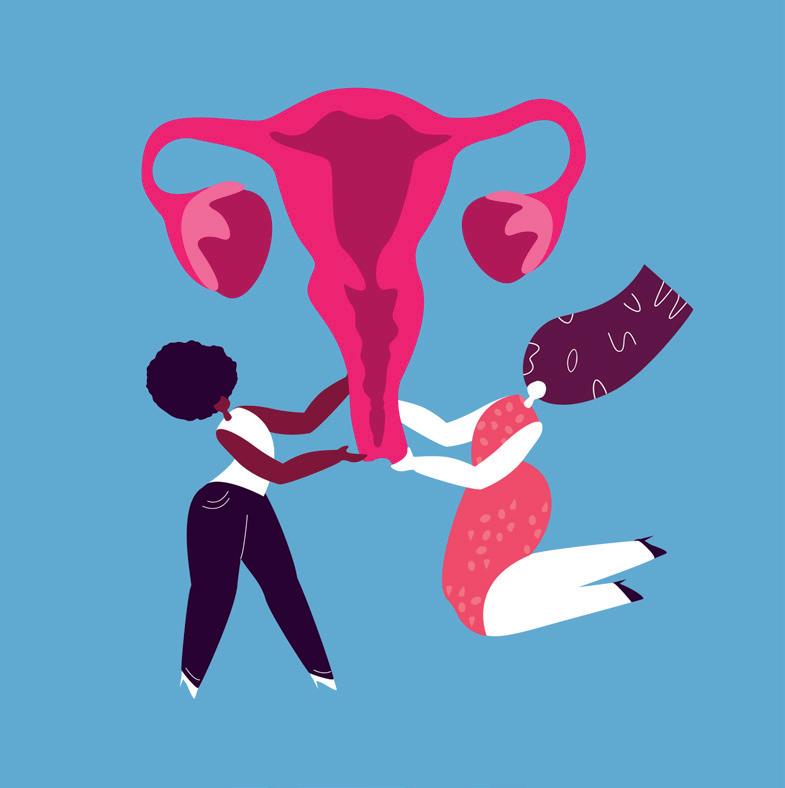
These are not minor or niche problems. They cause pain, fatigue, anaemia, fertility issues and often have profound impacts on mental health and women’s ability to work and function.
Why reducing waiting lists benefits the whole system Long waits for gynaecology care do not exist in isolation. Delays cause conditions to worsen, often leading to more complex treatment later, with increasing pressure on GPs, emergency departments and hospital services.
Inequalities that deepen with delays Women living in the most deprived
areas are far more likely to wait over a year for care than those in the least deprived communities.
Women from Black and Asian ethnic groups are also overrepresented on lists, reflecting persistent inequalities in access, diagnosis and treatment that demand urgent action. Addressing waiting lists offers a clear route to narrowing these inequalities.
The renewed Women’s Health Strategy — an opportunity Gynaecology now has one of the largest waiting lists of any elective specialty — and it is the only one that affects women alone.
If the renewed Women’s Health Strategy is to deliver real change, it must put gynaecology front and centre.
This means urgent support for women waiting now, sustained investment in the workforce, estates, operating theatres and equipment and protecting initiatives such as Women’s Health Hubs, that bring gynaecology care closer to women.
Improving women’s health is achievable. It is time for gynaecology and women’s health to be given the priority it deserves.
References: 1. RCOG Elective Recovery Track - Total Waiting List. https://bit.ly/4lbAQg7.
WRITTEN BY
Dr Alison Wright President, Royal College of Obstetricians and Gynaecologists
Addressing maternal mental health care in the UK
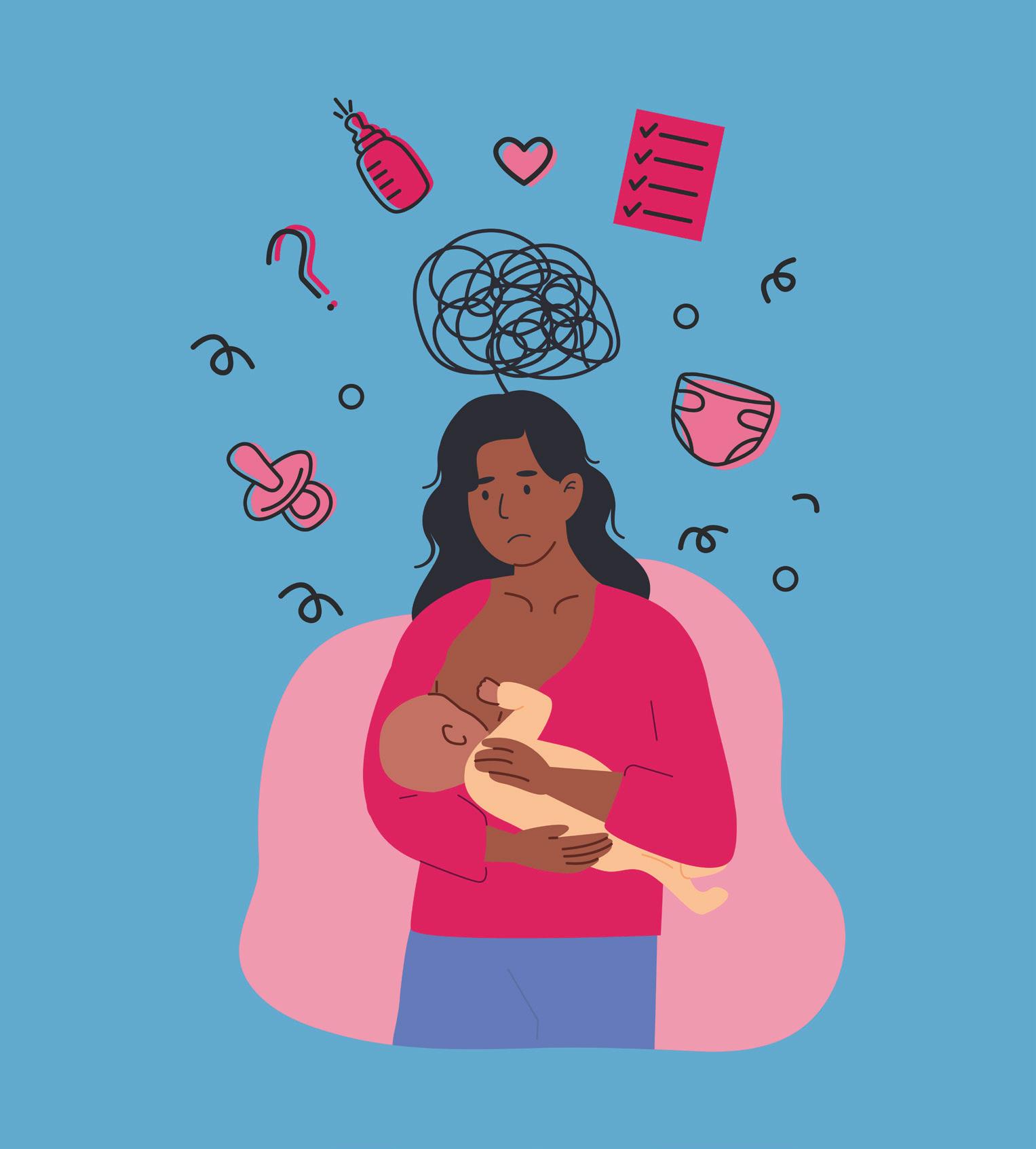
Maternal mental health care in the UK is in crisis, and the evidence is now impossible to ignore.
WRITTEN BY Kylie Bromley Vice President and General Manager Biogen UK and Ireland
Mental health problems, including suicide, remain the leading cause of late maternal deaths in the UK, occurring between six weeks and one year after birth. The latest MBRRACE‑UK1 findings underscore the scale of the issue, showing that the consequences extend far beyond the mother herself, impacting children, partners and entire communities.
Silent struggle of postnatal depression (PND)
More than one in ten women experience PND within a year of giving birth, yet many continue to struggle alone. And while the UK has strong policies on paper and a broad network of perinatal services, the lived reality for many women is one of diminishing support. Funding pressures, staff shortages and reductions in specialist training are eroding progress that once seemed within reach.
Access to care remains one of the most significant fault lines. Even where services exist, women report they simply “don’t know where the
front door is.” Outdated, unclear or inconsistent information leaves too many without a viable route to help. Meanwhile, myths about “baby blues” and persistent stigma continue to obscure early signs of more severe mental health challenges.
Inequities in care among minority communities
For women from ethnic minority backgrounds, these barriers are even more pronounced. Research shows that Black and Asian women face poorer access to community perinatal mental health services and are more likely to be involuntarily admitted for severe illness, reflecting deeper structural inequities within the system. They also experience disproportionate maternal mortality risks: women from Black African and African‑Caribbean backgrounds are nearly five times more likely to die in pregnancy or childbirth than their White counterparts. These disparities are compounded by stigma, racial discrimination, cultural barriers and
a lack of culturally competent care, leaving many women feeling unheard or dismissed when they do seek support.
Yet despite the scale of the problem, the solutions are increasingly clear. Other countries are already demonstrating how digital and telehealth models can widen access to assessments, education and specialist referrals, helping to offset workforce shortages and lengthy waits. These innovations provide a roadmap for the UK as it looks to rebuild maternal mental health provision over the next decade.
Myths about “baby blues” and persistent stigma continue to obscure early signs of more severe mental health challenges.
Coordinated national effort needed to make an impact
Meaningful change now demands a coordinated national effort, one that embeds routine mental health screening throughout pregnancy and the first postnatal year, ensuring early and equitable identification of women at risk. It also requires sustained investment in specialist perinatal mental health teams across all Integrated Care Systems, alongside a renewed commitment to training and retaining the workforce that underpins them.
Crucially, the UK must confront the stark inequities revealed by MBRRACE‑UK1 and other data. Tackling these injustices means prioritising culturally competent care, engaging directly with communities and targeting funding where need is highest.
Finally, a national maternal mental health outcomes framework tracking service availability, time‑to‑care and disparities would bring the transparency and accountability needed to translate policy ambition into measurable progress.
The UK stands on the brink of meaningful change. The evidence is clear, the need is urgent and the solutions are within reach. What is required now is sustained political will — and a collective commitment to ensuring that every mother receives compassionate, timely and equitable mental health support.
Reference:
1. MBRRACE-UK. (2025). Saving Lives, Improving Mothers’ Care. https://bit.ly/3PeDAND.
Catalysing a resilient future through women’s economic security
Failing to secure women’s economic power is the greatest missed opportunity of our era.
When a woman earns an income, she reinvests nearly all of it into her family — prioritising vaccines, nutrition and education.1
Barrier of informal labor
Women’s formal labor force participation globally is only half that of men’s.2 Approximately 700 million women are trapped in the ‘informal economy,’ in unprotected roles like domestic work or producing goods from home, while bearing the brunt of unpaid care.3 Breaking this cycle requires connecting informal networks to robust labor markets.
Women’s health as an economic asset
Women spend 25% more time in debilitating health — an average of nine years — compared to men.4 Health systems fail if women cannot afford care, lack the power to decide about their bodies or lose livelihoods to climate shocks. Women’s leadership and innovation in health care can ensure health systems built for women. Climate change is also amplifying challenges, as floods destroy health facilities, droughts drive child marriage and heat waves complicate pregnancies. In countries including Bangladesh, Pakistan, Egypt and Tanzania, Pathfinder International supports climate-resilient livelihoods — such as flood-adaptive agriculture, weaving and sewing enterprises and sustainable fishing — allowing women to maintain the income necessary for healthcare, food security and emergency savings.
To catalyse a resilient future, fuelled by women, we must prioritise:
• Financial Capital: Expanding access to microloans and banking.
• Digital Inclusion: Bridging the gap to global markets and health information through mobile technology.
• Policy Reform: Shifting unpaid care to workplaces and governments.
• Integrated Health Care: Ensuring health services are affordable and accessible.
Women’s economic inclusion is the most lucrative investment we can make. Let’s not miss the opportunity.
References:
1.
2.
WRITTEN BY Dr Tabinda Sarosh President & CEO,
Why gynaecological health matters throughout the life course

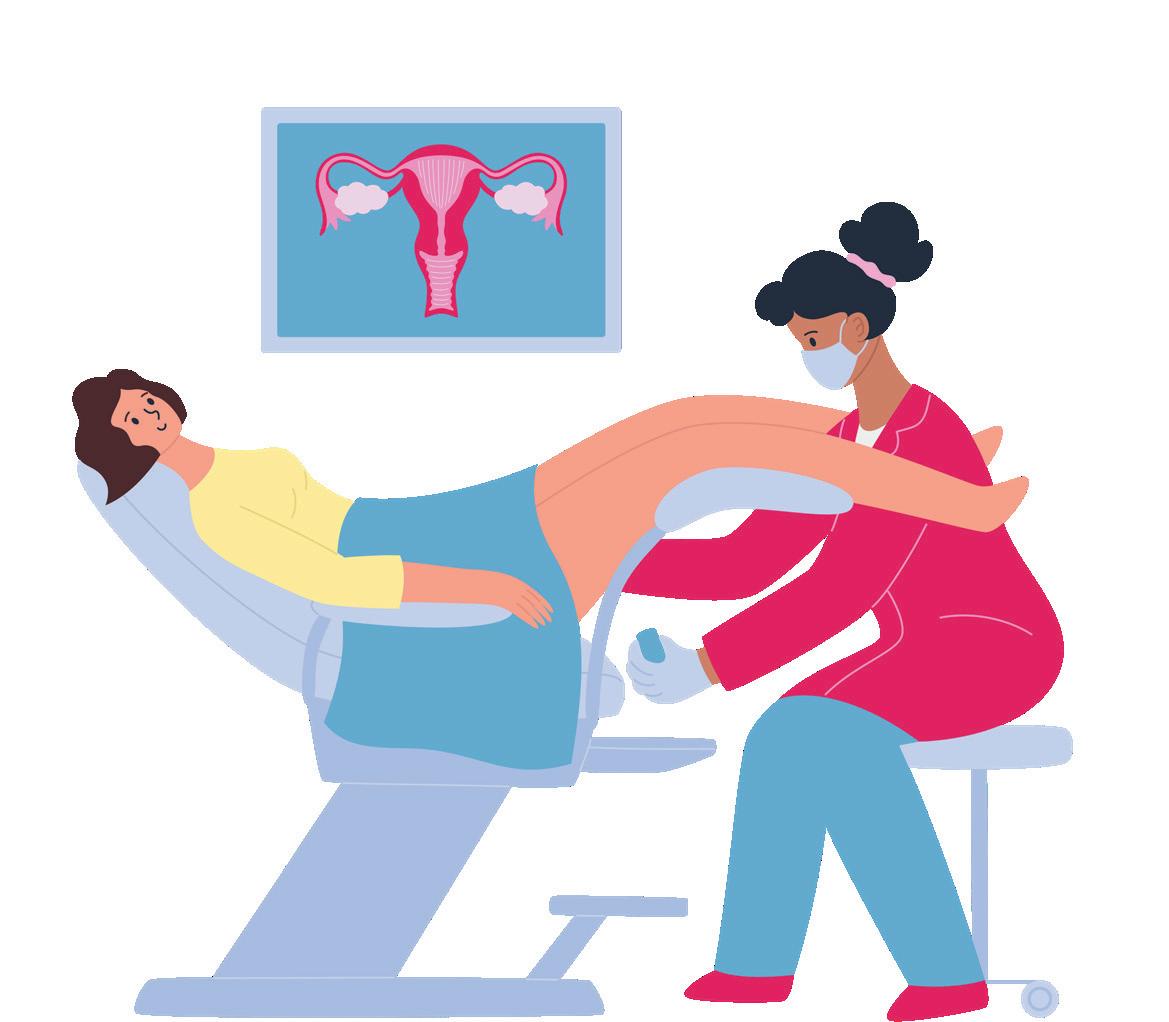
RGynaecological conditions affect women and girls worldwide. However, they remain chronically under-prioritised. In low- and middle-income countries, this under-prioritisation is especially stark.
esearch commissioned by the Royal College of Obstetricians and Gynaecologists (RCOG) found that non-cancerous gynaecological conditions accounted for more years lived with disability for women aged 15–49 than malaria, TB and HIV/AIDS combined.1
The consequence is that women and girls face significant barriers to accessing quality gynaecological care. Despite this, insufficient resources and inadequate training for healthcare providers lead to missed opportunities for early prevention, diagnosis and treatment of gynaecological conditions.
Early detection and management give women greater autonomy over their reproductive lives and improve pregnancy outcomes.
Programme designed to address the gynaecological care gap
This gap is what the RCOG’s Gynaecological Health Matters (GHM) programme aims to address. It strengthens health systems by training non-specialist frontline providers through its Essential Gynaecological Skills course, covering areas like cervical cancer, emergency gynaecology, infertility, abnormal uterine bleeding and violence against women. The programme also generates evidence of the impacts of untreated gynaecological conditions and advocates for prioritisation of gynaecological health on global health agendas.
Vice President, Global Health, Royal College of Obstetricians and Gynaecologists INTERNATIONAL
Gynaecological health is essential throughout
a woman’s life course, including maternal health. Conditions like endometriosis and fibroids can severely affect fertility, while others, including prolapse and obstetric fistula, are often the direct result of pregnancy and childbirth. When these conditions go untreated, they can lead to chronic pain, infertility, anaemia, disability, stigma and increased maternal risk. Early detection and management give women greater autonomy over their reproductive lives and improve pregnancy outcomes.
Global impact of the programme
The impact of the programme is already evident. In Bangladesh, it has trained over 100 multidisciplinary healthcare workers, introduced the country’s first dedicated gynaecological data system and recorded 100% patient satisfaction. In Nigeria, the RCOG’s Essential Gynaecological Skills training has trained 20 expert trainers and 180 healthcare providers, securing endorsement and inclusion in the Nigerian National Ministry of Health’s national Safe Motherhood Strategy. Building on this momentum, with additional funding and support, the College aims to expand Gynaecological Health Matters to new countries. Ensuring access to respectful, high-quality gynaecological care isn’t a luxury; it’s a fundamental pillar of women’s health throughout the life course.
Reference: Wijeratne, D. et al. (2023). The global burden of disease due to benign gynecological conditions: a call to action. International Journal of Gynecology & Obstetrics. https:// bit.ly/4crkAW2.
WRITTEN BY Dr Sherif AbdelFattah
World Bank Group. Jobs: Unlocking Women’s Economic Potential and Boosting Economies.
Sayeh, A. et al. (2023). Countries That Close Gender Gaps See Substantial Growth Returns. IMF Blog.
3. Koolwal, G. and Carey, E. (2018). New ILO report makes strides in measuring informal employment and new insight into women’s economic lives. Global Partnership for Sustainable Development Data Blog.
4. McKinsey Health Institute. (2025). New report identifies a blueprint to close the womens health gap.
How one organisation is delivering family planning services — in Afghanistan
Expanding access to reproductive healthcare in challenging environments isn’t easy. But with bravery, creativity and resilience, it’s possible.
Access to safe, high-quality reproductive healthcare should be everyone’s right. Yet for millions of women, that’s not the case.
Thankfully, some organisations provide family planning products and services in challenging environments. In 2018, DKT International began working in Afghanistan to help women make informed decisions about sexual and reproductive health, even under Taliban rule.1,2
On-the-ground support providing contraceptive access

For Afghan women, a knock on the door could mean access to contraception.
DKT has trained 250 community midwives who go door-to-door in Kabul, selling contraceptives, administering contraceptive injections or directing women to family planning services at their nearest pharmacy or clinic. It also makes contraceptives available through a network of 2,244 outlets, including pharmacies, hospitals and private providers.
in pharmacies and shops,” reveals Christopher Purdy, President, DKT International. “We also sold 67,000 IUDs (intrauterine devices) through hospitals and midwife clinics.”
Providing a ray of hope for reproductive health
“The Ministry of Public Health has approved family planning as an essential component of maternal and child health,” explains Narwan Alawi, who manages the midwife training programme. “The Taliban allows women to work in the health sector and for contraceptives to be imported.”
Last year, we sold approximately 100,000 oral contraceptive pills and one million condoms.
Pregnancy should never feel dangerous, but without proper care, it could. “For some, it’s hard to get to health facilities,” says Gigih Yudhistira, Country Manager, DKT Afghanistan. “Especially if they live in rural areas. As a result, mortality is high, especially for pregnant women and children under five.”
The organisation is expanding its coverage, and its work is in demand. “Last year, we sold approximately 100,000 oral contraceptive pills and one million condoms over the counter
If we want to end conflict, we need to invest in women
Roughly 676 million women were directly affected by violent conflicts in 2025, according to UN data.1 Yet when a peace deal is signed, the world often looks away.
The flags go up, the cameras leave, and the next morning, a woman walks to the market to find bare shelves. The daily work of sustaining peace begins after the headlines fade, and when women lack economic power, that work becomes even harder.
However, women cannot go out alone, including to clinics or hospitals, and must be accompanied by their husband or male relative. “Also, in far-flung areas, some people believe that family planning is against the law,” says Ayesha Ahmed Khan, Head of Programmes at DKT Pakistan. Philanthropic support is vital to expand this work. “We need funding to train more midwives and to establish more clinics,” notes George Papachristou, DKT International Regional Director - Pakistan/Afghanistan. “We also need brave people on the ground like Narwan and Gigih, and I’m so proud of the work they do in Afghanistan. Our vision to help people will never stop.”
References:
1.
2. Papachristou, G. & Yudhistira, G. (2026). Progress on family planning in Afghanistan is still possible. The Guardian.
and health, and communities experience a measurable reduction in local conflict.
Impacts of lower participation of women in labour markets
For three decades, Women for Women International has stood alongside women survivors of war: championing leadership, helping rebuild livelihoods and supporting efforts to restore peace in communities. When women control income and run micro-enterprises, households reinvest in education
In conflict-affected countries, women’s participation in labour markets remains significantly lower than men’s, leaving families and economies more vulnerable to renewed violence. Women underpin the peace economy. Investing in women’s enterprises in fragile states isn’t an act of charity; it’s a proven strategy for conflict prevention.
By investing in women at the grassroots, moving money to where
peace begins, private finance, philanthropy and individuals can play a decisive role in stabilising markets and building a more peaceful world.
Peace lasts longer when women participate, yet without economic empowerment, they’re routinely excluded from decisions that shape their lives. We work with the women powering the small-business economy in places like South Sudan, Iraq and Nigeria.
Women like Pola, who survived gender-based violence, bought a small plot of land and built a farming business from scratch. However, too much investment still flows to safer markets, bypassing places where women’s enterprise delivers the greatest impact.
Twenty-five years after Women, Peace and Security became a global rallying point, women are still being targeted in record numbers, and women’s organisations receive just 0.4% of aid in conflict zones. If we want durable peace, we must measure success by how communities recover and whether women are supported to build sustainable livelihoods. Resilience isn’t enough. It must be matched with resources.
References: 1. UN Women For All Women and Girls. (2025). Wars on women escalate as global conflicts reach record highs.
Atef, S. & Elham, M. (2026). Taliban birth control ban: women ‘broken’ by lethal pregnancies and untreated miscarriages. The Guardian.
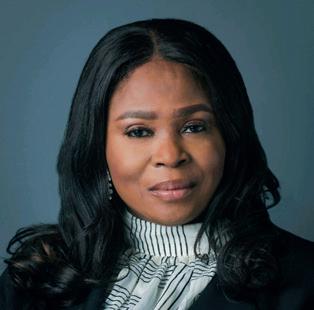
WRITTEN BY Thelma Ekiyor CEO, Women for Women International
INTERVIEW WITH Narwan Alawi Program Manager, DKT Afghanistan
INTERVIEW WITH Christopher Purdy President, DKT International
WRITTEN BY Tony Greenway
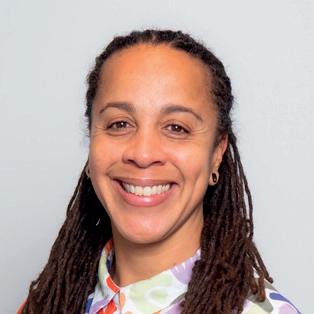
WRITTEN BY Jules Lynch Founder, CEO, Global Girl Project
Rethinking leadership through a decolonial feminist lens
If we’re serious about equality for women, girls and gender expansive people, we must rethink how power, knowledge and leadership are defined globally.
Adecolonial feminist lens recognises that many global systems, from development to governance, were built within colonial power structures that continue to shape inequality. These systems often centre perspectives from the Global North, while positioning women and girls from the Global Majority as recipients rather than leaders.
From representation to redistribution Representation matters, but it’s not enough if decision-making power remains concentrated elsewhere. A decolonial feminist approach prioritises redistribution of power, resources and voice. It recognises that women and girls closest to injustice are often closest to the solutions.
Too often, leadership and decision-making spaces, including within gender equality and philanthropy, remain dominated by white, male voices based in the Global North. Even when women and girls are present, power is frequently retained by those most accustomed to setting agendas rather than sharing them. This reluctance to relinquish control, whether conscious or not, continues to limit whose knowledge is trusted, whose leadership is funded and which solutions shape global agendas. Addressing this requires investment in locally led initiatives,
Our moment to turn the tide for gender equality
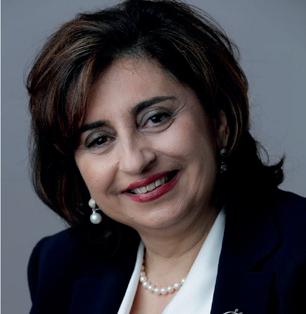
This year, International Women’s Day is a call to ‘Rights. Justice. Action.’ For every woman and girl, everywhere.
Justice is where gender equality is decided, and today, it is still too often denied for women and girls.
When the rule of law fails girls and women
Not a single country fully guarantees women and girls equal protection under the law. Globally, women enjoy just 64% 1 of the legal rights of men. In half of all countries,1 rape laws still do not require consent. In three-quarters,1 child marriage remains legal in all or some circumstances, a violation that continues to steal the futures of millions of girls.
Justice begins with the rule of law grounded in equality. When laws change, lives change. For example, family law reforms have delivered economic opportunity to more than 600 million women,1 benefiting not only them but their families, communities and nations. This is the power of justice that works.
trust in community knowledge and resistance to one-size-fits-all approaches.
Worldwide, women and girls navigate intersecting inequalities shaped by race, class, gender, geography and history. A decolonial feminist lens values lived experience as expertise.
When girls explore leadership on their own terms, grounded in communities and cultures, confidence grows, agency strengthens and change becomes sustainable because it’s owned locally.
This approach requires humility from institutions and funders. It asks those with power to listen more, dictate less and recognise that progress often begins outside formal structures.
Building a more just future
Work with women and girls cannot be separated from wider struggles for social justice. A decolonial feminist lens asks not only for inclusion within existing systems, but for those systems to be questioned and reshaped.
As we mark International Women’s Day, the question isn’t whether women and girls should lead. They already do. The challenge is whether global systems can recognise and support leadership that looks different.
The paradox of our moment is that at a time when the progress of the last generation and more has brought us closer to equality than ever before, we are also at our greatest risk of losing it. There is a virulent backlash to the shared achievements of feminism and the women’s movement. We see repression, censorship, impunity and justice denied. This is increasingly the reality for women and girls in too many parts of the world.
We must deliver justice, for every woman and girl, everywhere, and we must deliver it now.
Resisting and protesting threats against feminism and women’s rights
Women and girls are rising to meet the challenge. They are resisting, protesting and leading with courage.
UN Women stands with them. We stand with women’s movements, and with women and girls everywhere. We work to ensure that justice systems truly deliver justice to them, as is their right.
This year’s 70th Commission on the Status of Women, the world’s annual high-level meeting on gender equality, is a once-in-a-generation opportunity. We can agree on what needs to be done, codify it as an international agreement and commit to making it a reality in women’s and girls’ lives.
This is our moment to turn the tide. UN Women is calling for an end to silence, impunity and inequality in law and in life. We are calling for funding for women’s rights movements and their crucial and tireless work. We must deliver justice, for every woman and girl, everywhere, and we must deliver it now.
References: 1. UN. (2026). Ensuring and strengthening access to justice for all women and girls.
WRITTEN BY Sima Bahous Executive Director, UN Women