

















As artificial intelligence (AI) becomes more widely adopted to augment excellence in health care, hospitals are focused on leveraging AI tools to help improve care for patients. For William Osler Health System (Osler), that work is accelerating ahead of a major milestone, supported by strong safeguards and oversight. In fall 2026, the organization will implement the Epic electronic medical record, one of the world’s leading digital health platforms. As part of this clinical digital transformation, Osler will be one of the first hospital systems in Ontario to embed AI tools directly into the system from the start to help support patient care.
“Epic is widely recognized as a global leader in electronic health records,” says David Stankiewicz, Vice President of Digital Transformation and Chief Information and Privacy Officer at William Osler Health System. “Leveraging its AI capabilities as we design how care is delivered is a game-changing approach. It will help clinicians with real-time decision-making, enhance quality of care and patient safety, and boost patient and family engagement in care.”
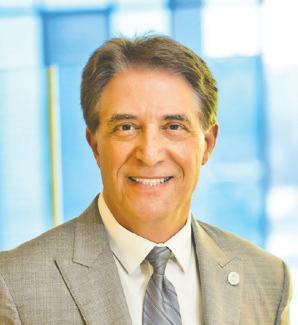
With its new system, Osler has a unique opportunity to integrate AI tools during the planning process, rather than retrofitting the platform later. This allows teams to thoughtfully assess where AI is most helpful and ensure it reflects the needs of patients, clinicians, and the diverse communities Osler serves.
Focusing on patient safety Osler is taking a thoughtful, safety-fi rst approach to introducing AI by developing guiding principles to ensure that AI tools are used trans-






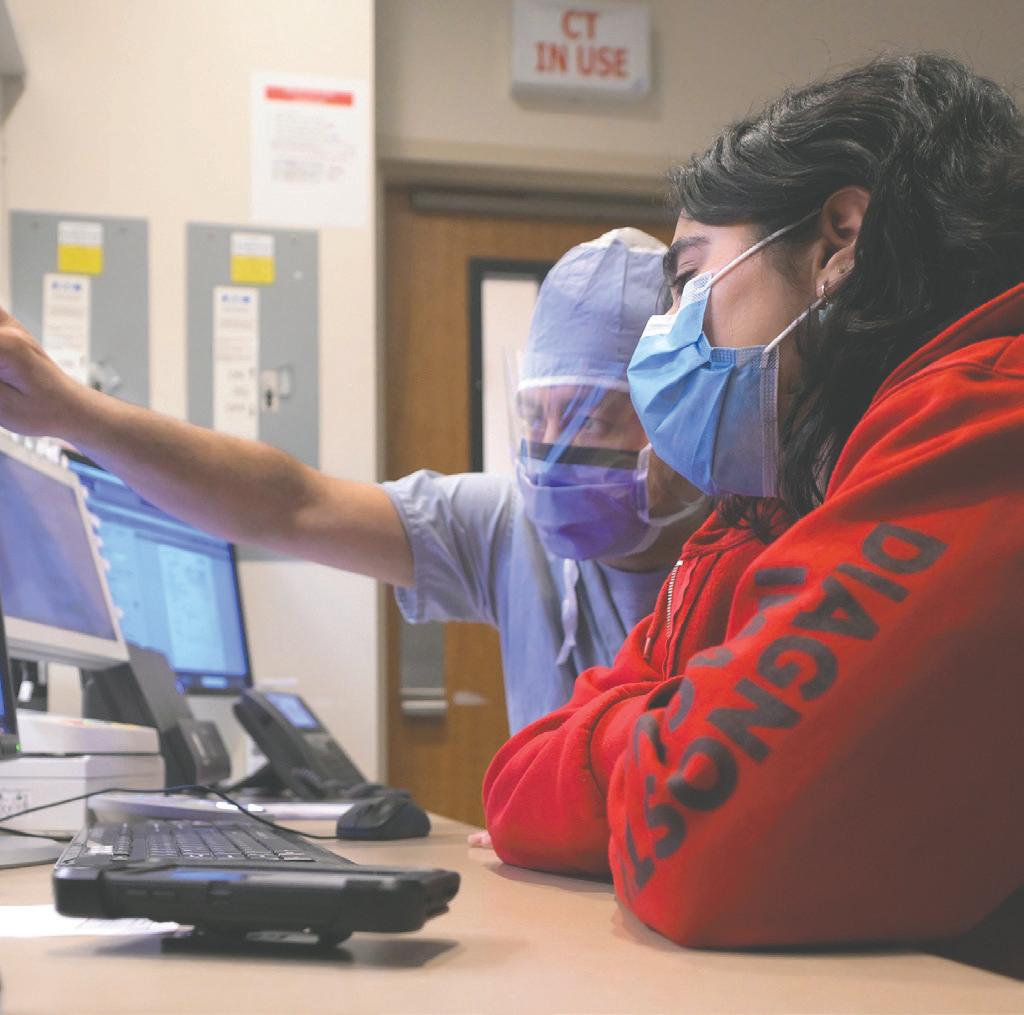
parently, responsibly, and always in support of people-centred care. It’s also being implemented within specific AI frameworks and legislation that are shaping the regulatory climate for best practice use.
Importantly, AI-enabled tools within Epic do not make decisions on their own. Care decisions always rest with clinicians, but AI adds an additional layer of insight to support clinical judgment. The transition to Epic and its integrated suite of AI-enabled tools is a substantial change for clinicians across Osler’s five sites and is focused on enhancing patient care and experience. As a result, the health information system renewal has been intentionally designed as a clinician-led initiative, supported by digital and information systems teams.
“More than 700 staff and physicians across Osler have helped design how the new system will work in our hospitals every day. They’ve looked at opportunities to use AI to enhance patient safety and streamline care coordination,” says Sharon MacSween, Associate Vice President of Health Information System at William Osler Health System. “Our teams are now shaping the system to work alongside clinicians to better support care for patients.”
What this means for patients
In practice, AI-enabled tools will help clinicians efficiently identify the most important information while they’re providing care. In areas such as the emergency department, this supports faster decisions, smoother handoffs between care teams, and clearer communication. Patients can also spend less time waiting or repeating their personal health history and can feel more confident that their important information follows them through their hospital journey.
Preparing health teams for the change
Introducing a new hospital information system is one of the most significant changes yet to how care is delivered across Osler’s hospital system.
“We have a comprehensive training and support program for Osler teams to understand how AI-enabled tools within Epic will augment patient care,” says Stankiewicz. “This consists of role-based training and education to ensure staff and physicians learn what’s most relevant to their practice.”
Ongoing monitoring
Once the new electronic health record goes live, Osler will closely monitor safety, quality, and operational indicators to help teams use the system successfully and make ongoing improvements over time.
“This transformation will enable us to deliver even better care to patients and families,” says Dr. Frank Martino, President and CEO at William Osler Health System. “Our teams will have improved tools to respond to the needs of our communities, free up more time for people-centred care, and support learners and researchers at our hospitals to advance the future of health care.”

Breakthrough T1D has a global plan to speed access to cell therapies that could transform life for people with type 1 diabetes.
Imagine you lost the function of one of your organs. And you had to replace this function by giving yourself daily injections for the rest of your life — just to stay alive. For the close to 300,000 Canadians live with type 1 diabetes (T1D), this is their reality.
What is T1D?
T1D is an autoimmune condition where the body mistakenly attacks the cells in the pancreas responsible for producing insulin. It is a relentless disease that requires 24/7 monitoring of blood glucose levels and external insulin administration. Even with vigilant management, there are risks of short and long-term complications, damage to kidneys, eyes, nerves, and heart; and even death. There is currently no cure.
For over 100 years, insulin has been the only treatment. Breakthrough T1D Canada is focused on improving lives for people with T1D today, while supporting critical research into cures and freedom from the disease tomorrow.
Transforming the future of T1D care
Cell therapies have the potential to offer cures for people with T1D. By investing in science and aligning efforts across our global network, Breakthrough T1D is accelerating
the path to these transformative therapies and bringing them to the people who need them.

Making these therapies a reality Canada has played a defining role in diabetes research — from discovering insulin, to pioneering stem cell science, to developing the Edmonton Protocol for islet transplantation, and treating hundreds of people with T1D across the country. With this unmatched legacy and deep expertise, Canada is central to advancing cell therapies globally. But developing effective therapies is only one part. Canada must also be ready to evaluate, approve, and deliver these treatments equitably. That’s why Breakthrough T1D is not only supporting research but also preparing health systems for access and adoption.
Funding research and development
Breakthrough T1D helps to fund cutting-edge research focused on producing healthy insulin-producing cells at scale, protecting them from the immune system, and ensuring they survive long-term after transplantation. Breakthrough T1D support helps researchers move promising discoveries toward clinical testing and encourages sharing of knowledge to speed progress.
Canada remains on the forefront of T1D research and is home to world-leading cell therapy researchers.
Canada can lead the way to a future without type 1 diabetes as we know it today, and true freedom for Canadians living with this disease.
Bringing treatments to Canadians
For more than 50 years, Breakthrough T1D Canada and its affiliates have contributed to nearly every major advancement in T1D research. These breakthroughs have added roughly 25 years to the life expectancy of many Canadians with T1D. Additionally, several of the cell therapies now in human clinical trials, were made possible by Breakthrough T1D — but cures are still needed.
Success could mean no more daily insulin injections, constant blood glucose monitoring, carb counting at meals and the relentless decision-making that comes with T1D. Through the research supported by Breakthrough T1D, Canada can lead the way to a future without type 1 diabetes as we know it today, and true freedom for Canadians living with this disease.
WRITTEN BY Breakthrough T1D


Simple changes to glucose monitoring reduces wasted strips and repeated finger pricks—making daily diabetes management easier, more accurate and cost-effective.
According to the Mayo Clinic, people living with diabetes need to test their glucose levels anywhere from once to more than 10 times per day, depending on the type of diabetes and medications used. It’s a routine that’s essential for effective disease management—but not always easy.
Traditional glucose testing requires a fi nger prick and a sufficient drop of blood applied to a test strip. If the sample is too small, the process needs to be repeated— another strip, another finger, another poke.
For people living with diabetes, these repeated tests can quickly become both stressful and costly. Test strips are single-use and expenses can add up significantly over time.
A smarter take on daily testing
Devices like the CONTOUR®NEXT
GEN blood glucose monitor are
designed with patient experience in mind. Its Second-Chance® Sampling feature prompts users if the initial blood sample is insufficient, allowing up to 60 seconds to apply more blood to the same strip—helping reduce wasted supplies and unnecessary finger pricks.
This feature also eliminates uncertainty. While some users may have added more blood after an initial attempt with other monitors, accuracy can be compromised. With Second-Chance® Sampling, results are designed to remain reliable, helping users make informed decisions about their care.
Small improvements in daily routines can make a meaningful difference. Tools that reduce frustration, improve accuracy and help control costs are an important part of that equation.
WRITTEN BY Janice
Tober

Children’s
Canada must shift from illness-based care to early childhood investment to improve population health, reduce system strain, and ensure long-term sustainability.
Across Canada, emergency departments are overcrowded, wait times and costs are rising, and workforce shortages persist. Canada will never spend its way out of an illness-based model. If Canada is serious about stabilizing healthcare systems, the only sustainable path forward is to improve population health, starting with children.
Over the past two years, Children’s Healthcare Canada has engaged with child health leaders nationwide the podcast, SPARK: Conversations focused on exploring what it means to right-size children’s healthcare systems. One consistent message emerged: the long-term health of Canadians depends on whether we invest intentionally and strategically in children and youth.
Early health is developmental and time-sensitive, and interventions cannot be recovered once missed. Delays in care are not merely inconvenient, they can permanently alter health trajectories.
Acknowledging several realities
First, from 8 million kids in Canada today, projections show an additional 1.2 million children by 2040. Second, children’s needs are increasingly complex. Third, children are not small adults and need systems tailored to their needs.
Right-sizing does not mean building larger hospitals or adding unlimited downstream capacity. A right-sized system delivers the right care, in the right place, at the right time — before illness occurs.
Community-based developmental, rehabilitation, and mental health services; strong primary care; home care; and regional outreach programs allow children to receive support earlier.
We know that when children experience illness or developmental delay, families’ mental health, economic stability, and ability to remain in the workforce are threatened. Evidence consistently shows that when families are supported, children’s outcomes improve while system utilization decreases.
Currently, responsibility for children’s wellbeing is fragmented. What Canadian children need is a National Children’s Strategy. It would provide the structure needed to move beyond crisis management toward long-term sustainability. It would not replace provincial delivery of care. Rather, it would establish shared goals, common data, aligned investment priorities, and measurable outcomes.


























Professor Gregory Steinberg, of McMaster University and Co-Director of the Centre for Metabolism, Obesity and Diabetes, shares insights on the growing impact of metabolic liver disease and the breakthroughs shaping its future. From understanding MASH to therapies that may reverse liver damage, his work is redefining metabolic health.
What inspired you to focus your research on metabolic diseases and liver health?
At the Centre for Metabolism, Obesity and Diabetes Research at McMaster University, my laboratory has focused on how the body regulates energy, particularly how we process fats and sugars. The liver sits at the centre of this system, coordinating how these nutrients are handled. When this goes wrong, you see a cluster of conditions including fatty liver, type 2 diabetes, and heart disease. If you understand the liver, you can impact multiple major diseases at once.
For readers who may not be familiar, how serious is metabolic dysfunction-associated steatohepatitis (MASH), and why has it been so difficult to treat effectively?
MASH is a serious form of fatty liver disease where fat buildup leads to inflammation and scarring, increasing the risk of cirrhosis and liver cancer. It is difficult to treat because it is driven by several underlying problems, including the
body not responding properly to insulin and difficulty metabolizing fats. It is also closely linked to diabetes and heart disease, so MASH isn’t just a liver disease, it reflects a broader breakdown in metabolic health.



Your team’s findings suggest this drug could reverse liver fibrosis — why is that such a significant breakthrough compared to current treatment approaches?
In collaboration with Espervita Therapeutics, we are developing EVT0185 to target how the liver handles fat. In preclinical studies, we see not just reduced liver fat, but meaningful reversal of fibrosis in conjunction with lower blood sugar and lipids. Reversing fibrosis has been a major goal in the field, and very few therapies have been able to achieve this in established disease. Our goal is to develop a therapy that can reverse liver damage while also improving metabolic health.

FROM PATIENT TO ADVOCATE:
The Kidney Foundation of Canada elevates patient voices to better inform its programs and advocacy.
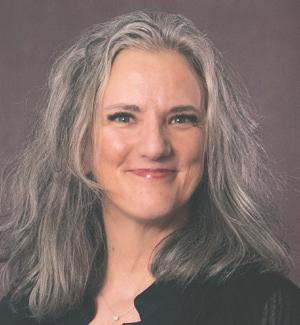
François-René Dussault, 56, lives with Alport syndrome, a hereditary illness that can lead to kidney failure over time.
“Basically, I did everything,” he says. “I’ve done all the forms of dialysis and gone through two transplants.”
Dussault received his first kidney transplant at age 31 after nearly two years on dialysis. “When my kidneys failed, it was difficult. It’s a grief,” he says. “Although I knew it was coming, living it rather than just thinking it’s going to happen is a totally different experience.”
Two years later, Dussault lost the kidney and had to go back on dialysis before eventually receiving a second transplant.
The impact of kidney disease in Canada
“Chronic kidney disease affects 1 in 10 Canadians — over 4 million people,” says Carrie Thibodeau, National Director of Programs and Public Policy at The Kidney Foundation of Canada. “There is no cure. If the kidneys fail, treatment options are limited to dialysis, kidney transplant, or conservative kidney management.”
Thibodeau notes that early detection is crucial as kidney disease often develops without noticeable symptoms, meaning many people aren’t diagnosed until permanent damage has occurred. “Early detection and timely intervention can slow or stop the progression of kidney disease and improve quality of life,” she says. Through its advocacy work, The Kidney Foundation of Canada strives to improve kidney care nationwide. A key part of that work is elevating patient voices like Dussault’s.
Turning lived experience into advocacy and impact
“Including the voices of people with lived experience is essential,” says Thibodeau. “Perspectives from people with lived experience of kidney disease meaningfully shape our priorities, programs, and advocacy.”
Dussault got involved with The Kidney Foundation of Canada when he was undergoing home hemodialysis and discovered how much water it required. “I noticed my water bills from the City of Ottawa were increasing by fi ve times,” he says. “I was doing my own treatment at home rather than taking up a chair
When

it
at the hospital. So why did I have to pay for this?”
Dussault went to his city councillor and successfully got a rebate, which was expanded to apply to all home hemodialysis patients. The Kidney Foundation of Canada got in touch, and Dussault began sitting on committees and supporting the peer support program.
Dussault describes turning his experience with kidney disease into something that helps others as rewarding. “Being a lawyer helps with certain issues as well — how to advocate policy issues, and knowing a bit about how the government works,” he adds.
By sharing their experiences, people like Dussault are transforming kidney care and helping build a system that truly reflects their needs.
WRITTEN BY Tania Amardeil



An estimated quarter million Canadians have chronic hepatitis B, yet many gaps in its diagnosis and care remain.


Fung
Chronic hepatitis B (CHB) is a longterm viral infection that affects the liver. It can lead to serious consequences, including cirrhosis and liver cancer, especially if left undiagnosed or poorly monitored. CHB is often silent, with many patients living with the virus for years without experiencing symptoms.
“It’s estimated that around 250,000 Canadians are living with CHB,” says Dr. Scott Fung, a hepatologist at Toronto General Hospital and Associate Professor of Medicine at the University of Toronto.
“Hepatitis B is one of over 100 forms of liver disease affecting Canadians,” says Jennifer Nebesky, CEO at Liver Canada. “Liver disease as a whole is on the rise in Canada. Today, one in four Canadians is affected, compared with one in ten just a decade ago.”
CHB is manageable and treatable, making early diagnosis and connection to care essential priorities. And yet, it often goes unnoticed.
The silent burden of hepatitis B
Because it’s so often asymptomatic, CHB can go undetected for years.
“The early stages of disease have really no symptoms, or very non-specific manifestations,” says Dr. Fung. “Most patients feel very well.”
“Symptoms are not always obvious in the beginning and can be easily confused with other health issues,” adds Nebesky. “These symptoms can include fatigue, abdominal pain, loss of appetite, and vomiting.”
Because of its silent nature, CHB often goes undiagnosed. “It’s estimated that 40 per cent of people with hepatitis B may still be undiagnosed and unaware they have a chronic infection,” says Dr. Fung.
Greater awareness is needed to diagnose CHB earlier and to ensure patients receive appropriate monitoring and care. With early intervention and ongoing assessment, many CHB patients can escape the disease’s serious complications.
“Viral hepatitis infections impact the liver and can lead to liver damage, cirrhosis, liver cancer, and even death,” says Nebesky. “The biggest gaps are tied to education and lack of awareness, stigma associated with blood-transmitted diseases like hepatitis, and barriers to care.”
Closing gaps in diagnosis and care
In Canada, CHB disproportionately affects newcomers from endemic regions.
“Hepatitis B tends to disproportionately affect people born outside Canada, especially from endemic areas such as East Asia, Southeast Asia, and sub-Saharan Africa,” says Dr. Fung.
“Many newcomers come from regions where hepatitis B is more common and is often acquired at birth or in early childhood, but routine screening and public education may be limited in their countries of origin,” says Nebesky.
Barriers to diagnosis and care include lack of awareness but also language barriers, financial constraints, stigma, and challenges navigating the health care system.
“Language is a barrier for many of our patients,” says Dr. Fung. “English may not be their first language. There’s also significant stigma attached to many liver diseases, which can prevent timely screening for CHB.”
“The first step is to increase screening, all Canadians should be screened for CHB at least once in their lifetime” Dr. Fung adds. This recommendation is reflected in the updated CHB management guidelines from the Canadian Association for the Study of the Liver and the Association of Medical Microbiology and Infectious Diseases Canada.
“Without universal screening, there’s a missed opportunity for early diagnosis and voluntary engagement in care and treatment,” adds Nebesky.
Improving care pathways
“Once a patient is known to be chronically infected with hepatitis B, then linkage to care is extremely important,” says Dr. Fung. Post-diagnosis, regular follow-ups are needed: blood work at least once or twice annually with abdominal ultrasound every six months for men aged 40 years and older and women aged 50 years and older, according to the guidelines. “In many cases, we can’t tell whether the disease is progressing without regular monitoring,” says Dr. Fung.
Some people living with CHB are eligible for anti-viral treatments. The updated guidelines have also expanded treatment recommendations for patients that were previously considered ineligible.
Quantitative hepatitis B surface antigen (HBsAg) testing is another important tool in CHB management. The test measures the exact amount of hepatitis B surface antigen protein in the blood, which helps doctors and nurses to better understand the infection. “Quantitative HBsAg testing gives us a whole new level of information,” says Dr. Fung. “It has very important prognostic implications. Unfortunately, we don’t have uniform access to this test across most of Canada.”
Currently, only Alberta, British Columbia, and Quebec have defined pathways for patients to access this test; Ontario and several other provinces do not. This creates barriers to optimal care and highlights gaps in CHB diagnosis and treatment.
Equitable care is critical, and it starts with awareness.
WRITTEN BY Tania Amardeil