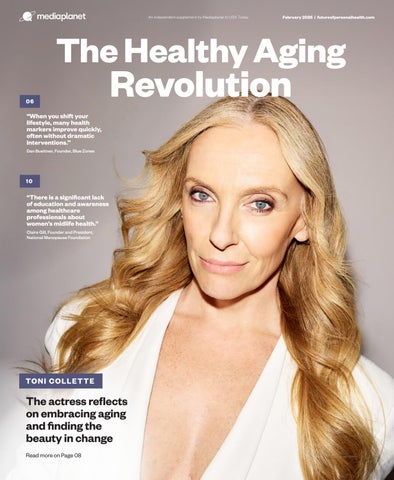
The Healthy Aging Revolution

Page 1


The Healthy Aging Revolution

“When you shift your lifestyle, many health markers improve quickly, often without dramatic interventions.”

Dan Buettner, Founder, Blue Zones

“There is a significant lack of education and awareness among healthcare professionals about women’s midlife health.”

Claire Gill, Founder and President, National Menopause Foundation

Inside the Cell: Why Mitochondria Shape Health and Aging

Can you explain what mitochondria are in the simplest terms?

David Foreman: In the simplest terms, mitochondria are the powerhouses of your cells. Think of them as tiny batteries or engines that live inside almost every cell of your body. Their main job is to take the food you eat and the oxygen you breathe and convert them into energy your body can use.

Melissa Olivadoti: Most of us know mitochondria as the powerhouse of the cell, generating energy that keeps our bodies running. However, emerging research paints a far more complex picture. Mitochondria act more like the CEO of the cell, making key decisions that steer the cell’s functions, behaviors, and lifecycle. From helping guide cells from creation to death, and managing all the cellular processes in between, mitochondrial health is part of a cellular ecosystem that determines how well our cells — and by extension, our tissues and organs — perform throughout life.

What role does mitochondrial health play in overall health?

DF: Because they provide the energy for every single biological process, when your mitochondria are healthy, your body works efficiently. When they struggle, a ripple effect of problems can occur across your entire system.

Joel Evans: Mitochondria play a critical role in overall health for many reasons. Most importantly, mitochondria produce energy

in the form of a compound called adenosine triphosphate (ATP), which is important because ATP is needed to perform the many chemical reactions needed to maintain life. In a related function, mitochondria can produce energy directly from fat when needed, such as during fasting or prolonged exercise. This process is called beta oxidation. Mitochondria are also involved in communication and regulation of cell growth and metabolism, which are processes that determine how cells function.

MO: As the CEO of the cell, healthy mitochondria are critical to maintaining good health, and research has shown that poor mitochondrial function is linked to conditions of aging, as well as feelings of fatigue or poor function. Mitochondria and their DNA can be damaged by free radicals that build up in the body over time, and as the body ages, its natural antioxidants decline, allowing these free radicals to cause damage that may lead to age-related health conditions.

How can people start to improve mitochondrial health?

JE: What I find so exciting is that, given the tremendous importance of mitochondria to our health and well-being, mitochondrial health can be improved through lifestyle and taking the appropriate supplements. The lifestyle interventions that have been shown to be effective are: regular physical exercise; a healthy diet rich in healthy fats (such as omega 3s), protein, fruits, and vegetables; intermittent fasting

(eating during a 6-12 hour window each day); managing stress; staying hydrated; avoiding toxins like mercury; exposure to cold (like cold plunges or simply ending your shower with cold water for 30 seconds); avoiding smoking; reducing alcohol; and getting adequate sleep.

MO: Keeping a healthy lifestyle, including regular exercise and a healthy diet, is fundamental to supporting mitochondria, cellular function, and overall health. In addition, the use of fat-soluble antioxidant supplements like Ubiquinol that can be absorbed by cells and mitochondria and neutralize free radicals, can bolster mitochondrial and cellular health. However, it’s important to use a supplement manufactured under strict quality controls, as antioxidants can lose their potency easily if the manufacturing, storage, and distribution are not carefully managed.

DF: Mitochondria grow stronger when they are slightly challenged. You can do this through specific types of movement, like Zone 2 cardio and high-intensity interval training (HIIT). Zone 2 cardio is “easy” cardio, like a brisk walk where you can still hold a conversation but are breathing harder. It teaches your mitochondria to burn fat more efficiently. Aim for 150 minutes per week. HIIT is short bursts of all-out effort (like sprinting for 30 seconds) followed by rest. This sends a panic signal to your cells to build more mitochondria to handle the load. Just two sessions a week can make a huge difference.

David
Melissa Olivadoti, Ph.D.
Joel Evans, M.D. Director, The Center for Functional Medicine

The Supplement That Supports Healthy Aging and Could Help With Longevity

What if you could make an investment in your health in your 20s, 30s, and beyond that could support you during each adult stage of your life and set you up for wellness in the future? You’d probably do it, right? Imagine having a leg up for sports and fitness activities, while promoting your heart and vascular health, and even being able to support your reproductive health.

The key is maintaining your mitochondrial and cellular health. Mitochondria, known as the CEO (“Chief Executive Organelle”) of the cell, use food to generate energy that cells need to function.

“The mitochondria are the energy factory of the cell,” said Risa Schulman, Ph.D., senior science and regulatory adviser for Kaneka Nutrients. “Tissues that need more energy have more mitochondria. For example, the heart beats all the time, and it needs energy all the time, so there are lots of mitochondria in heart tissue. There also happens to be a lot of mitochondria in reproductive cells, because they also have jobs that require lots of energy.”

Healthy aging

Alongside producing cellular energy, mitochondria regulate many other cell functions, such as gene expression, immune signaling, and stress adaptation, which all impact healthy aging. The body naturally produces coenzyme Q10 (CoQ10), ubiquinone, and its reduced antioxidant form, ubiquinol, to help mitochondria generate energy and fight off harmful free radicals that are a by-product of cellular energy generation.

But two things happen as the body ages: 1) free radicals increase, which can cause oxidative stress, leading to potential damage to mitochondrial and cellular structure and function, and 2) CoQ10 and ubiquinol levels decline.

While the body can obtain CoQ10 from foods like meats, fatty fish, nuts, and beans, you’d have to eat “over two pounds of meat or over 30 pounds of beans to get approximately the same amount of ubiquinol that you would get with one 100 mg capsule or soft gel,” Schulman said.

This means supplementation is vital

to maintain optimal ubiquinol levels and support healthy aging. One supplement — Kaneka Ubiquinol®, the active antioxidant form of CoQ10 produced by Kaneka Nutrients — can help maintain and restore reduced ubiquinol levels to ensure the body gets what it needs to support healthy, active aging. A comparative study shows that Kaneka Ubiquinol® is absorbed two times better than ubiquinone or conventional CoQ10.

Backed by more than 85 published human clinical studies, Kaneka Ubiquinol® is bioidentical to the ubiquinol that the body naturally produces and is free of impurities commonly found in synthetic CoQ10 products. The supplement is available in many formats, including soft gels, gummies, liquid capsules, and more.

Health benefits

Supplementation with ubiquinol can help maintain a beneficial CoQ10/ ubiquinol balance, supporting cardiovascular and muscular health, as well as physical function in older adults.

Ubiquinol helps maintain blood vessel integrity and promotes healthy circulatory function. It also supports reproductive cells, which are susceptible to oxidative stress and require a lot of energy to maintain egg and sperm health.

Ubiquinol can also support overall well-being during and after menopause.

In one study, 80% of women with menopausal symptoms who took 200 mg of Kaneka Ubiquinol® for at least 60 days reported a decrease in stress, mood swings, sensitivity, and irritability.

Kaneka Ubiquinol® also supports exercise performance by maintaining efficient energy metabolism, promoting healthy oxidative balance during exercise, and reducing free radicals generated during strenuous exercise.

Plus, at high altitudes, it can help with cardiovascular performance, support efficient oxygen delivery, and reduce fatigue.

Don’t wait to start investing in your mitochondrial health. Early and consistent Kaneka Ubiquinol® supplementation can help improve your overall mitochondrial and cellular health as you age.

“Aging is a cumulative process. Taking care of your health earlier in your life, especially at the cellular level, can have a big impact later down the road.” said Schulman, who recommends taking the supplement daily with food.

Scan the QR code to learn more about how Ubiquinol supports healthy aging and promotes longterm wellness:

INTERVIEW WITH Risa Schulman, Ph.D. President, TapRoot, Senior Science and Regulatory Adviser, Kaneka Nutrients

What Should You Be Eating in Your 60s and Beyond?

Eating healthful foods is important at every stage of life. With Americans living well into their 80s and 90s, studies continue to show that eating nutrient-rich foods can help individuals live longer, more energetic, and more active lifestyles.

As calorie needs decrease with age, it becomes even more important to make every calorie count. Older adults benefit from prioritizing foods that provide key nutrients for physical and mental health, including calcium, protein, and vitamin B12.

Calcium and vitamin D are essential for bone health. Calciumrich foods include yogurt, broccoli, fortified soy products, sardines, kale, and canned salmon. Vitamin D helps the body absorb calcium, but it’s naturally found in only a few foods. Many people rely on fortified options like milk, soymilk, and cereals, as well as fatty fish like salmon, sardines, and mackerel, to meet their needs. Protein is another critical nutrient for healthy aging, supporting muscle strength, immune function, and recovery from illness. Good sources of protein include fish, chicken, and lean cuts of beef, pork, and lamb, as well as plant-based options like beans, tofu, eggs, and nuts. Foods like low-fat or fat-free milk, yogurt, cheese, and fortified soy alternatives can help meet

both protein and calcium needs. Try to include good sources of protein throughout the day, such as chickpea hummus with whole grain crackers as a snack, for example.

Vitamin B12 plays an important role in brain and nervous system health and in the production of red blood cells. As we age, the body’s ability to absorb B12 can decline. Vitamin B12 is found in animal-based foods, such as fish, meat, eggs, and dairy products, as well as fortified foods. People following plant-based diets should talk with their healthcare provider about whether a B12 supplement is needed.

An evolving relationship with food

Beyond nutrients, eating can become more complex due to physical, medical, and social changes. With tooth loss or dentures, foods we once enjoyed can become uncomfortable to eat. As we age, diets also change to help combat chronic diseases, such as reducing sodium, eliminating foods that are no longer well tolerated, or making changes to support healthy blood sugar levels.

At the same time, aging can open the door to rediscovering food in new ways. Tastes change over time, and foods you once disliked may now be appealing. This is a great opportunity to experiment with new recipes that meet your nutrition needs while still being enjoyable and craveable. For example, try a crispy Thai chicken smash burger made with ground chicken. Sear it until golden, and top with Thai chili sauce and crisp lettuce on a sprouted-grain bun. Another idea is to swap traditional crab cakes for salmon cakes made with canned salmon, whole-wheat breadcrumbs, eggs, fresh herbs, and a light drizzle of olive oil.

With the right choices and a little creativity, eating well can remain both nourishing and delicious at every age.

Registered dietitian nutritionists (RDNs) can help you with credible nutrition information to meet your unique health needs. For more information and to find an RDN in your area, visit eatright.org/ find-a-nutrition-expert.

WRITTEN

Healthy Aging Revolution: Embracing a New Roadmap to Lifelong Wellness

The

revolution in healthy aging is more than just a trend; it’s a long-overdue awakening for Americans, a message saying we can live longer and healthier lives.

Groundbreaking research in prevention and the integration of lifestyle medicine with genetic research and its clinical application is proving that healthy aging is a reality, not a pipedream. Instead of having to rely on pharmaceuticals and decades of poor-quality health in nursing homes, our bodies and minds can function optimally right until the end of our lives.

This new perspective is reflected in the growing popularity of “successful aging,” which emphasizes the importance of quality of life, focusing on health span, and the amount of time we are healthy and actively engaged in society. At its backbone is the recognition that nutrition and exercise, along with sleep and support from hormones, play a crucial role in how we age.

The new standard of health Traditionally, aging has been associated with obligatory physical and mental decline. That is no longer the case. We now know lifestyle choices dramatically and permanently impact what happens to us as we age. While conventional medicine has made huge strides in understanding the impact of genetics and biology on aging, many Americans are turning to non-traditional, holistic, integrative, and functional medicine solutions to maintain wellness and increase health span.

Conventional medical practices emphasize evidence-based treatments, and preventive care is limited to annual check-ups, vaccinations, and screenings. True prevention focuses on how to avoid disease and how to maintain

To support the system, we must eat real food and focus on movement and strength training to keep our muscle mass strong.

muscle mass, cognition, and optimal organ function.

The role of hormone therapy

Hormone replacement therapy has emerged as a key to healthier aging. Once hormones are balanced with the help of bioidentical hormones and thyroid and adrenal support, GLP-1 peptides can help improve metabolic function dramatically.

With new and ongoing research and clinical practice focusing on decreasing inflammation and improving mitochondrial function, every cell in the body is supported, and we are able to stay healthy.

Holistic

health and well-being

To support the system, we must eat real food and focus on movement and strength training to keep our muscle mass strong.

Muscles are the currency of youth, while chronic inflammation accelerates aging.

Once considered nontraditional, practices like yoga, acupuncture, herbal medicine, supplements, IVs, cold plunges, and saunas are no longer questioned, but rather are part of any healthy aging program. Mindfulness-based stress reduction and meditation are rapidly becoming part of the puzzle of health from childhood to old age. Social engagement, finding passion, and feeling useful also play an essential role in healthy aging. Studies have consistently shown that people who maintain strong social connections, and who continue to work and feel productive, have better health outcomes and a reduced risk of cognitive and physical decline.

The personal path to healthy aging

Each person’s experience with aging is unique, and finding a tailored approach that combines elements from traditional and non-traditional practices will undoubtedly empower people to embrace their later years with vitality and enthusiasm.

As we continue to navigate the path toward longevity, it becomes imperative not only to focus on how to live longer but also on how to live well. By embracing these changes, we can unlock the potential for healthier, more fulfilling lives at any age.

The American Academy of AntiAging Medicine (A4M)

How Americans Can Unlock the Blue Zones Secrets to Longevity

Dan Buettner, a National Geographic fellow, best-selling author, and Blue Zones founder, discusses the practices that help blue zones residents live to 100 and how Americans can replicate them in their daily lives.

Based on the blue zones you’ve explored around the world, what are the most important learnings on how Americans can improve their health span?

When people ask me for the “secrets,” they usually expect supplements, hacks, or a perfect diet. But the truth is that longevity is less about willpower and more about environment. In blue zones, people do not wake up and “try to be healthy.” They live in places that make the healthy choice the easy, default choice. They move naturally throughout the day, eat mostly plant-based foods without obsessing, downshift to relieve stress, and stay deeply connected to community and purpose. For Americans, the biggest takeaway is to design daily life so healthy habits happen automatically in your home, your schedule, and your social circle.

How can the time and frequency at which you eat impact your longevity?

In blue zones, people tend to eat within a smaller window, they do not snack constantly, and they often eat their last meal earlier in the day. They also practice natural restraint, like

the Okinawan idea of stopping when you are 80 percent full. The takeaway is simple: Give your body time to recover between meals, avoid late-night eating, and you will support better metabolism, lower inflammation, and healthier aging over time.

In the United States, where Western medicine dominates the wellness space, what have you learned about the body’s ability to heal itself?

Western medicine is incredible for emergencies, but blue zones taught me that the biggest wins in aging come from preventing chronic disease before it starts. The body has a remarkable ability to rebalance when you remove the things harming it, including ultra-processed food, inactivity, isolation, and chronic stress. When you shift your lifestyle, many health markers improve quickly, often without dramatic interventions. Community and daily habits end up acting like powerful medicine. What resources can people integrate into their daily lives to learn more about how to improve their health and longevity over time?

I would focus less on overwhelming people with information and more on building simple systems they can repeat. One of the most powerful resources is learning to cook a handful of go-to meals at home. Americans are cooking at home far less than they used to, and when you stop cooking, you end up outsourcing your diet to restaurants and packaged foods. That almost always means more ultra-processed ingredients, more sugar, more salt, more oil, and more calories. In every blue zone, people cook most of their meals at home, and that single habit naturally pushes them toward whole foods.

Practically, I recommend building a short list of easy meals centered on beans, vegetables, and whole grains; keeping the ingredients stocked; and making cooking a default. Then, pair that with a daily walk; a downshift ritual like prayer, tea, or a short evening walk; and most importantly, regular connection through a group or community that meets consistently. In blue zones, those are the real resources — food you control, movement you build in, stress relief you practice daily, and relationships that keep you grounded.

Dan Buettner (right) | Photo by David McLain

Using Evolution as a Cheat Code: Fasting in a Pill

Fasting

The health benefits of intermittent fasting have been well-documented, ranging from protection against chronic diseases to positively impacting longevity.

“Fasting activates what I call a longevity bioprogram,” explained Chris Rhodes, Ph.D., co-founder and CEO of Mimio Health, a biomimetic human health company. “It optimizes cellular functionality and health for maximum survival.”

Longevity bioprogram

Dr. Rhodes has been studying the benefits of fasting since he was a Ph.D. student at UC Davis. “I wanted to understand what was happening during a fast that could be producing all these amazing benefits and is there a way to recreate it?” he explained. “So, I got my Ph.D. in nutritional biochemistry, doing research on human fasting.”

Fasting turns on survival mechanisms within cells. This process forces the body to be much more efficient with its resources, putting energy into keeping cells healthy and alive for as long as possible — which results in better health and greater longevity.

Fasting in a pill

Dr. Rhodes’ research led to a breakthrough study. “We had men and women fast for 36 hours and looked at the changes that happened in their blood and in their cells,” he explained. “From there, we were able to identify a ‘synergistic combination’ of four molecules that were highly elevated during a fast that, when combined, could recreate all of the benefits we observed from fasting,

including increasing lifespan in animal models by 96%.”

Those molecules include:

• Nicotinamide, a form of vitamin B3 and an NAD+ precursor, which turns on fasting-associated pathways that have been shown to extend lifespan.

• Spermidine, an autophagy promoter that boosts cellular cleanup and recycling associated with longevity in humans.

• Palmitoylethanolamide (PEA), which has powerful anti-inflammatory, mood and cognition enhancement, and pain relief effects.

• Oleoylethanolamide (OEA), which promotes cellular fat burning and decreases appetite and cravings.

This discovery directly led to the formation of Mimio Health and their first “fasting mimetic” product called Mimio (the name

is a combination of “mimic” and “biology”). Mimio takes the same molecules your body naturally produces during a 36-hour fast and delivers them back as a supplement, recreating fasting at the molecular level — giving you similar benefits without having to fast for 36 hours.

No fasting required “When you take Mimio, even when you’re eating, you get these fasting-like benefits,” Rhodes noted. “We’ve shown in multiple different clinical trials that with eight weeks of supplementation, we can improve glucose levels, cholesterol levels, decrease cellular stress, and even reduce biological age” Dr. Rhodes explained. “Mimio also has a powerful effect on appetite suppression and metabolic enhancement, reducing cravings and promoting fat burning.”

Even if you already fast, Mimio still offers benefits and helps to supercharge your shorter

fasts — anything less than 36 hours — by promoting benefits like autophagy and immune cell resets, and making fasting easier thanks to lowered appetite and improved cognition.

Mimio’s impact on hunger control and craving relief also makes it an ideal way to transition from other weight-control therapies, like GLP-1 drugs. “A huge problem with GLP-1s is that once you go off them, all the cravings come right back,” Rhodes noted. “Mimio is a natural, long-term, sustainable solution that can support similar metabolic and appetite suppression benefits, while also helping to promote cellular longevity.”

Dr. Rhodes is enthusiastic about the future impact of Mimio Health’s approach. “Thanks to our biomimetic research approach, in the same way we learned how to recreate the benefits of fasting, we can create mimetics for other states of the body, like exercise, sleep, or cold exposure,” he said. “We can tease out the underlying beneficial changes and find ways to recreate them on demand.”

To learn more, visit mimiohealth.com

INTERVIEW WITH Chris Rhodes, Ph.D. Co-Founder and CEO, Mimio Health
Photo by Ridofranz (iStock) | Photo courtesy of Mimio Health

Toni Collette on Why Growing Matters More Than Aging

Acclaimed actress Toni Collette shares how prioritizing inner growth, daily wellness rituals, and openness to change has shaped her view of healthy aging — and why thriving after 50 starts from within.

Over a decades-long career, Toni Collette has inhabited some of cinema’s most complex characters. Through humor, horror, and many genres in between, she shows us women learning who they are as life unfolds. Off-screen, her relationship with aging follows a similar arc: thoughtful, grounded, and dynamic.

“I don’t really think about aging as much as I think about growing,” Collette shared. “Growth is inevitable and essential to life. I’ve learned to embrace change.”

That distinction between aging as decline and growth as expansion sits at the heart of how Collette approaches this stage of her life. Rather than focusing on appearance or external markers of youth, she prioritizes what she calls the “interior self”: energy, thoughts, self-knowledge, and healing. She explains that she is “intentionally creating ways to thrive.”

Daily practices that support well-being

That interior focus has shaped her daily wellness practices. Many of the habits that once felt like obligations now bring genuine pleasure.

“Everything that felt like a boring chore when I was younger tends to be my favorite stuff to do now,” she joked.

Meditation, in particular, has been a cornerstone of her routine

for more than three decades.

“I look forward to it every single day,” she said. “It’s a carved-out period of time, just for me, to merge with the bigger energy that is everything.”

The practice, she noted, can be blissful, grounding, and deeply clarifying, setting the tone for everything that follows. “It makes all aspects of life better.”

Movement is another essential pillar. Collette walks daily, practices Pilates, and swims whenever she can. Time outdoors plays an equally important role.

“I love nature,” she said. “We are nature. It’s home.”

Why women’s aging deserves more attention

For many women, the journey into midlife and beyond is made harder by a lack of information and support. Education around women’s aging, Collette notes, has historically been sparse, particularly within medical research.

“Men have historically been at the helm of medical research and development,” she reflected. “They didn’t take into consideration that women are half the population.”

While that gap has had real consequences, Collette is encouraged by the momentum she sees today. More women are stepping into positions of power and influence, more research is emerging, and women — Collette included — are speaking openly about their experiences.

“It’s a potent time of change,”

I don’t really think about aging as much as I think about growing. Growth is inevitable and essential to life. I’ve learned to embrace change.

she said. “There’s so much coming out now. It’s exciting to have access to new knowledge.”

Embracing what comes next For women who feel nervous about entering a new life stage,

Collette’s advice is both simple and reassuring: “Life is change. It’s happening with or without you. It’s much more enjoyable to embrace it!”

Her philosophy centers on letting go of resistance, staying curious, and remembering that growth doesn’t require constant self-scrutiny. Sometimes, it’s about releasing the focus on the self altogether.

“Go with the flow, baby,” she added, with her signature cool.

In a culture still preoccupied with anti-aging, Toni Collette offers a quieter, more sustainable alternative: not fighting time, but growing alongside it with intention and openness.

Toni Collette | Photo by Zoe McConnell

Reframing Midlife: How Hormone Care Supports a Stronger, Healthier Future

Across midlife, many women notice changes long before they realize they’re connected to shifting hormones. Changes in sleep, weight, energy, and body temperature reflect deeper transitions in long-term health. Understanding these changes early creates a powerful opportunity to strengthen bone, heart, and metabolic health for the years ahead.

Throughout the country, women in their 40s, 50s, and beyond are seeking answers about how to support their changing bodies. Many want clarity about symptoms that may have crept in slowly — irregular periods, joint pain, weight gain, low libido — and they want guidance rooted in science. These concerns aren’t just about comfort. Women want to maintain their vitality, stay active, and preserve independence well into later life.

Perimenopause and menopause are part of a natural transition, but the hormonal shifts in estrogen and progesterone influence almost every system: metabolism, bone strength, cardiovascular health, and cognitive function. Research shows that addressing these hormonal changes early can support healthier aging.i This is where thoughtful, evidence-based care makes a meaningful difference.

Hormone therapy

Hormone therapy has been re-examined over the past two decades. The Menopause Society notes that, for many women, it can safely support long-term health when started around the time menopause begins.ii Treatment can stabilize temperature regulation, protect bone density, support sleep, and help maintain metabolic balance. But it’s not a one-size-fits-all approach. It requires careful evaluation, individualized dosing, and a clinician who is trained to consider each woman’s medical history, risk profile, and goals.

In many traditional care settings, women still encounter barriers that limit their access to appropriate treatment. Many experience rushed visits, outdated information, or limited treatment options. One study documented a

participant who was denied treatment altogether, recalling that her physician told her, “Well, you’re not getting HRT because we don’t give that out here.”iii Experiences like this show how easily symptoms can be dismissed, even when women are seeking help for significant health changes.

Closing the gap

Women deserve clinicians who listen, evaluate their symptoms in context, and tailor treatment to their goals. At Winona, the focus is on closing the gap and offering women personalized, accessible hormone care. Winona provides clear information, comprehensive assessment, and treatment plans that reflect individual health profiles and women’s health priorities.

As women look to the next decades of life, they’re thinking beyond symptom relief. They want to stay active with their families, advance in their careers, and remain engaged in their communities. Hormone care relieves discomfort and promotes health in the years ahead. The

metabolic, bone, cardiovascular, and cognitive benefits strengthen quality of life far into the future.

Healthy aging isn’t simply about adding years. It’s about improving the experience of those years. When women have access to clear information and reliable medical care, they gain the much needed and deserved opportunity to make informed decisions about their bodies, health, and future.

Learn how personalized menopause care can support long-term health and help women thrive at every stage. Visit Winona to explore evidence-based guidance and treatment options:

REFERENCES

i Harper-Harrison G, Carlson K, Shanahan MM. Hormone Replacement Therapy. StatPearls [Internet]. 2024.

ii Menopause Topics: Horomone Therapy. The Menopause Society. https://menopause.org/patient-education/ menopause-topics/hormone-therapy.

iii Brady MJ, Jenkins CA, Gamble-Turner JM, Moseley RL, Janse van Rensburg M, Matthews RJ. “A perfect storm”: Autistic experiences of menopause and midlife. Autism. 2024.

Winona

WRITTEN BY Dr. Cat Brown Physician, Medical Director and Certified Menopause Specialist,
Photo by lookstudio (Freepik) | Photo courtesy of Winona

Clearing the Fog Around Menopause: Information Every Woman Should Know

Our panel of experts discusses the gaps in menopause education and care, and offers advice for women navigating this underaddressed stage of life.

What are the most significant gaps in menopause education?

Syreen Goulmamine: One of the most significant gaps in menopause education is that menopause is still treated as a brief, isolated event rather than a long-term life transition with wide-ranging health implications. Many women receive little to no education or information from healthcare providers until symptoms disrupt their work, relationships, or quality of life.

Claire Gill: There is also a significant lack of education and awareness among healthcare professionals about women’s midlife health. In some instances, clinicians have shared that there was no mention of menopause during their entire medical school training. For those clinicians who do recall menopause being mentioned in medical school, it was very brief and very limited in scope. Currently, it is up to the individual clinical professional to seek out continuing medical education in order to be up-todate on how to diagnose, support, and offer treatment options to their patients going through the menopausal transition.

SG: These gaps are even wider for women of color, women with disabilities, and those navigating menopause earlier due to surgery or medical treatment, as research in these populations is lacking. The result is confusion among women and their providers, delayed treatment, and unnecessary suffering for women.

How can we come together to better equip women to navigate menopause with confidence rather than confusion or stigma?

SG: We need a more inclusive, life-course approach to midlife health that acknowledges all pathways into menopause and brings together healthcare providers, employers, public health leaders, and community organizations.

CG: I believe some progress is being made in raising awareness about perimenopause and menopause from many sources. There are now several national nonprofit organizations focused on menopause education and advocacy. Policy efforts are underway at the federal and state levels to raise awareness and provide legislative incentives and mandates to address menopause care. Social influencers and celebrities are sharing their stories and using their platforms to bring the discussion about the changes and challenges of menopause out in the open. Workplaces are starting to recognize that addressing the needs of their female employees at midlife is essential to their economic success.

Christine Muldoon: In a recent survey my organization did with more than 900 women employed by large companies across the United States, one of the respondents said, “One of the best things organizations can do to gain employee loyalty is support them through difficult

stages like this.” It’s so important to understand employee needs, offer resources, train managers, and start the conversation. Providing the right benefits and support, like coverage for life-changing hormone replacement therapy, peer support networks, flexible work options, and education, are all helpful ways to support women going through menopause. We just need to talk about it more and make it part of our corporate lexicon. Women can’t feel embarrassed or that their job could be in jeopardy if they reveal they are struggling.

What is the most important thing you want women to know about this stage of life?

CM: Women should know they can thrive during this period of their lives. This is not our mother’s menopause. There’s a lot of help out there now to help us age well, and we don’t have to suffer in silence. We have to advocate for ourselves and use all the resources that are at our disposal.

SG: Whether menopause happens gradually or suddenly due to medical reasons, it is not something you have to go through alone. Your symptoms are real, your experience is valid, and you deserve care that reflects the full context of your health and life. With the right information, support, and advocacy, menopause at any age or circumstance can be navigated with dignity, agency, and confidence.

Christine

The Workplace Conversation We Need to Be Having: Menopause

Aging happens to everyone, but women’s experience is uniquely personal. At some point, every woman will go through menopause, usually between ages 45 and 55.

During that time, symptoms like brain fog, sleep troubles, weight gain, joint pain, and hot flashes can significantly affect daily life.

But menopause isn’t just a personal concern. The symptoms of menopause create significant challenges at work, impacting women’s focus, productivity, and careers.

According to Let’s Talk Menopause, 27 million women, representing 20% of the U.S. workforce, are currently navigating perimenopause, menopause, or postmenopause. In recent research conducted by WebMD Health Services:

• 85% of women say menopause creates work challenges

• 62% of women struggle to manage symptoms at work

• 58% of women say menopause has been a source of stress

Menopause can also shape women’s career decisions. In the same study, 34% of women in leadership roles said they’ve considered leaving their jobs, and nearly 1 in 4 have turned down promotions because of menopausal symptoms. Behind those numbers are real stories of talented, dedicated women trying to push through hard days. Companies suffer, too, as these factors impact retention, productivity, and overall organizational performance.

The message is clear: If you’re not bringing visibility to this experience in the workplace, you’re contributing to the silence. In fact, 7 in 10 women agree that employers have a responsibility to offer support for this natural stage of life.

What kind of workplace support truly helps?

Here’s what women say makes a meaningful difference:

1. Breaking the stigma

WebMD’s research showed that fewer than 1 in 5 women feel comfortable requesting menopause-related accommodations at work, and many feel too embarrassed to ask. Breaking the stigma starts with providing menopause training for employees at all levels and fostering a culture of acceptance.

Encouraging open dialogue with managers, peers, or employee support groups can help normalize the experience and make it easier for women to ask for help without fear of judgment or career repercussions. Companies can also help reduce stigma through awareness campaigns so employees feel seen, understood, and empowered.

2. Knowing they have access to the right care

Trained healthcare providers who understand menopause can offer guidance for managing symptoms, from hormonal treatments to lifestyle adjustments. Employers can ensure

the benefits they offer include these providers and treatments, and that they communicate about these benefits so employees understand their coverage.

3. Flexibility and compassion

On tough days, something as simple as taking a break when needed can make all the difference. About 9 in 10 women say paid leave or sick days for menopause symptoms, or flexible work options, would help.

It’s time to invest in menopause support in the workplace

With understanding, care and the right support, companies can normalize the conversation around menopause and help women navigate it with more confidence. Doing so not only benefits the women who are on their teams and leading their people, but also creates a stronger workplace culture and demonstrates a commitment to truly caring about employee well-being at every stage of life.

To see more data from this study and learn how to foster a menopausefriendly workplace, scan the QR code:

WRITTEN BY Christine Muldoon Senior Vice President, Marketing and Strategy, WebMD Health Services

How One CEO Is Revolutionizing the Menopause and Oral Health Connection

It’s time for women to start thinking differently about their next visit to the dentist.

Going to the dentist can be anxiety-provoking for some women, and many may not realize how closely oral health is connected to menopause — making awareness vitally important.

Hormonal changes during menopause or pregnancy can significantly affect dental health, a fact that, as of 3 years ago, 84% of women over 50 were unaware of, as revealed in a 2023 Delta Dental Insurance Company (Delta Dental) survey. Pregnant women may be more prone to gum inflammation and bleeding, and, in some cases, pregnancy-related gum growths. During menopause, hormonal changes can contribute to numerous oral health symptoms (sometimes referred to as “menopause mouth”), including dry mouth, burning tongue symptoms, tooth sensitivity, and a higher risk of tooth decay and gum disease, which can increase the risk of tooth loss.

Three years after Delta Dental first surveyed women about menopause, they have seen positive change and real progress in a short time.

“We’re seeing more women over 40 come in and talk openly with their dentist about what they’re experiencing,” said Sarah Chavarria, the first female CEO in the organization’s 70-year history. While Delta Dental was already

addressing menopause’s impact on oral health, it had a new meaning to Chavarria after going to her own dentist and being asked if she was experiencing any health changes.

“I told him, ‘Well, I’m in fullblown menopause.’ He kind of went quiet, made a note, and then moved on,” Chavarria said. “So, when I came back into the office the next week, I asked one of our female dentists, ‘Isn’t that a thing? Isn’t going through menopause a healthcare change?’ She said, ‘Well, absolutely.’”

Soon after, Chavarria informed her mostly male board of directors that she had been working to bring attention to the menopause conversation, it’s connection to oral health and to sharpen the organization’s focus on addressing it. After several annual surveys gauging women’s perspectives on oral health and menopause and launching campaigns to bring awareness and education to the connection, Chavarria is encouraged that women are beginning to discuss menopause with their dentists.

“Dentists are ready to have these conversations. They’re not uncomfortable having them,” Chavarria said, noting the challenge now is initiating the conversation. Delta Dental’s latest survey shows that 75% of dentists say they’re comfortable having

We had an opportunity, and a responsibility, to take menopause seriously and bring it into the open.

open conversations about menopause with their female patients. “We had an opportunity, and a responsibility, to take menopause seriously and bring it into the open,” Chavarria said.

If bringing up menopause during a dental visit seems daunting for patients, Chavarria suggests sending an email about their menopause and related symptoms to their dentist before the appointment. There’s even an email template on the company’s website to help start the conversation.

Once they meet with their dentists in-person, patients can follow up with specific questions like, “Are there any dental products that I can try to help with my menopause-related dental symptoms?” or “How should I adjust my oral hygiene routine during menopause?”

Enhanced oral health benefits for women

A trailblazer in women’s oral health, Chavarria describes her

leadership style as “very open,” which she says has allowed her to build trust with her team.

Under Chavarria’s leadership, Delta Dental has expanded benefits designed to support women at key life stages — during pregnancy and menopause. Through Delta Dental’s Next Stage™ Women’s Health program, eligible plan members will receive additional teeth cleanings and oral exams during pregnancy or menopause to help address unmet needs tied to hormonal health. This, along with extra benefits also included in the program, is a tailored intervention that adds targeted preventive support during pregnancy and menopause, when hormonal changes can increase oral health risk. This program works directly in-line with

Sarah Chavarria, CEO and President, Delta Dental Insurance Company | Photo courtesy of Delta Dental Insurance Company

Chavarria’s and the organizations’ commitment to early intervention and total body health.

“As women go into perimenopause and menopause, it’s important for us to make sure they get that extra oral health visit with their dentist, because we believe that’s part of their preventive care,” Chavarria said. “It’s helpful for dentists to understand changes patients experience at these oral health screenings. This really is the key to preventive care and improved health outcomes overall.”

These extra benefits are a welcome opportunity for patients. In the most recent Delta Dental survey, more than 4 in 5 women aged 40 years and older said they’d be more likely to schedule

an additional dental cleaning if their insurance covered it. While 2 in 3 shared they would be more likely to discuss the impacts of menopause on oral health with their dentist if their insurance offered menopause-specific benefits to help them bridge the conversation gap.

In addition to offering enhanced dental benefits through the Next Stage™ Women’s Health program, Delta Dental has partnered with the virtual women’s health platform, Midi Health, to help patients access medical care they may need during menopause. They’ve also partnered with Embr Labs to offer discounts on Embr Wave, the first wearable temperature relief device that intelligently cools or heats the body, helping

point to enable access to the care they need is a huge priority for us.”

Oral health is preventive healthcare

A dental visit can be an opportunity for a broader healthcare check-in. Currently, 27 million Americans don’t see their primary care physician regularly, but do see their dentist twice a year.

Chavarria encourages patients to view dental visits as complementary to routine primary care check-ups, supporting a more holistic approach to health.

As an example of this approach in action, Delta Dental of California has partnered with Harmony Whole Person Oral Healthcare, an independent clinic in Oakland, California, to innovate dental care delivery and improve patient health outcomes. The clinic offers whole-person health screenings for high blood pressure, diabetes, sleep issues, and more.

As women go into perimenopause and menopause, it’s important for us to make sure they get that extra oral health visit with their dentist, because we believe that’s part of their preventive care.

alleviate symptoms women often experience during menopause. Meeting patient needs is a priority for the organization.

The Midi Health partnership is also increasing access to care by connecting women with a clinician trained specifically in menopause and other aspects of midlife health virtually, wherever they are. “Women in rural America lack access to OBGYNs,” Chavarria said. “Creating that connection

“A patient came in feeling great,” Chavarria said. “She had her blood pressure taken, and it was very high. We invited her to seek urgent care and contact her primary care doctor. She called us back that afternoon and she said the doctor at Urgent Care said, ‘that dental visit may have saved your life.’”

While innovations like these are relatively new, they represent both the future of whole-person wellness, and Delta Dental’s commitment to leading the way.

Get more oral health and menopause information from Delta Dental:

A Personal Plan for a Healthy Smile: How To Take Charge of Your Oral Health

A healthy smile starts with small, daily habits and a personalized plan that makes oral care simple, consistent, and effective.

As a general dentist, I’ve heard lots of excuses for not scheduling regular dental appointments. For many, the biggest hurdle is simple — a busy schedule filled with work, family responsibilities, and life’s unexpected demands. For others, it’s a long commute to the nearest dental office or other concerns.

Whatever the barrier, one truth remains: Oral health is too important to leave to chance. That’s why the Academy of General Dentistry (AGD) encourages everyone to build a personal oral health plan to serve as a proactive strategy to care for your mouth, teeth, and gums, even when getting to a dentist isn’t always easy. Plus, it’s simpler than it sounds!

Creating your personal oral health plan

Dental health doesn’t start in the chair. It begins at home, day after day, with small habits that protect your teeth and gums, preventing problems from developing in the first place. Think of it

like maintaining your car, where regular care can help you avoid costly, painful repairs down the line. Here’s how to make sure you’re getting the most from the resources available to you:

• Brush twice a day with fluoride toothpaste. Fluoride is proven to strengthen enamel and prevent decay, acting as a first line of defense against cavities.

• Floss daily. Your toothbrush cleans about 60% of your tooth surfaces. Flossing reaches the other 40%, removing plaque and food particles that can lead to gum disease.

• Rinse with water after meals. This simple step helps wash away sugars and acids, especially when brushing isn’t an immediate option.

• Drink plenty of water. In many areas, tap water contains fluoride, which provides added protection. Even where it doesn’t, water is essential to keep your mouth clean and hydrated.

• Limit sugary snacks and drinks. Frequent exposure to sugar fuels bacteria that produce acids, which erode the enamel and lead to cavities.

Creating an oral health plan isn’t just about what you do at home; it also means knowing when to get professional help. If you notice bleeding gums, persistent bad breath, tooth sensitivity, or mouth pain, don’t wait. Catching issues early often means simpler, less invasive treatment.

The AGD represents over 40,000 general dentists who believe everyone deserves a healthy smile. That’s why we encourage patients to partner with their general dentist to establish a personalized preventive care plan tailored to their specific needs.

Good oral health supports your overall health, confidence, and quality of life. With a few intentional steps and a practical plan, you can maintain a healthy mouth.

WRITTEN BY Chethan Chetty, D.D.S., MAGD President, Academy of General Dentistry
I’ve learned it’s all about holistic balance, because at the end of the day, I want to think sharper, move stronger, and feel alive.

Why Jane Seymour Believes Aging Is a Beginning, Not an End

Actress and wellness advocate Jane Seymour reflects on aging, self-worth, daily rituals, and embracing each life stage with gratitude.

You’ve been in Hollywood and the public eye for decades. How have your views on aging and self-worth changed over that time?

A lot of people would look at people of a certain age, especially women, and think, “They’ve had the kids, and the kids have gone off to college. Now what?” I think the way of looking at it is that now I’m free to be what I want to be. I have an enormous amount of experience, and I have a great desire to continue learning, to grow, and to experience life to its fullest for as long as I possibly can. I think what’s changed over time is that women are realizing that they can do that, people are realizing they can do that, and there is no cutoff date.

You often talk about prioritizing physical and mental health as you age. What does that practice look like in your life?

Prioritizing both physical and mental health is something I’ve always taken very seriously. For me, it’s about creating a daily routine — one that nourishes both my body and mind and keeps me grounded.

I usually wake early — around 5 or 6 a.m. — and start my day with stretching, light workouts, and deep breathing exercises. If I shower right after, I use Crépe Erase by The Body Firm’s two-step system. It keeps my skin looking smooth, youthful, and radiant.

I’ve learned it’s all about holistic balance, because at the end of the day, I want to think sharper, move stronger, and feel alive. That’s what it means to me to empower a mindful body with an ageless attitude.

There’s surprisingly little education about aging in women. How have you experienced that in your own life?

I was very fortunate because my gynecologist, Dr. Sherry Ross, has written a fantastic book and does a podcast about the process. I’m also the daughter of an OB/GYN. I felt that really learning about what happens to the body when the hormones change is something that you must embrace rather than fear.

There’s just so much you can learn from various books and podcasts. First, however, you have to want to fix it. Your mindset must be, “I want to be the best I can be at the age I am.”

What advice would you give to women who may feel uncertain about embracing a new stage of their lives?

We don’t really have a choice. I mean, you can, of course, choose to be depressed about not being 20, but it’s redundant. You were 20, and you had whatever that experience was. Now, maybe you’re 70, and it’s a whole new world. There is an enormous amount of freedom in some sense, and at the same time, there’s this amazing bank of memories and experiences that you have that you didn’t have when you were 20 or 30. I embrace the stage of life I’m in with gratitude that I’ve had the life I’ve had and am living in the present moment. We can’t do anything about five minutes ago, and there is nothing we can do to guarantee what will happen in the next five minutes either, so now is it!

Jane Seymour | Photo by Jeff Katz

Why You Need to Know Your Cholesterol Numbers

You may know your blood sugar and blood pressure, but do you know your cholesterol?

Less than 1 in 5 people know their cholesterol. That’s according to a study of 1,000 American adults by The Ohio State University Wexner Medical Center. This lack of awareness extends to those at higher risk, such as heart attack and stroke survivors. A poll by The Harris Poll for the American Heart Association asked 3,511 U.S. adults, including 503 who had experienced a heart attack or stroke, if they knew their LDL (bad) cholesterol number, which is the fatty deposits in arteries, and nearly half didn’t know.

Knowing your cholesterol numbers — HDL, LDL, and triglycerides— is essential because they’re an indicator of heart health.

“We have calculators available that a clinician can plug in those numbers — a patient’s age, their sex, their cholesterol number, their sugar numbers, and blood pressure — and actually tell a patient what their 10-year risk of having a heart attack or stroke is,”

said American Heart Association volunteer expert Dr. Salim S. Virani, M.D., Ph.D., a cardiologist and vice provost for research for Aga Khan University.

Understanding cholesterol

Cholesterol is a waxy substance in the blood that helps the body build cells, vitamins, and hormones. While it’s made naturally in the liver, cholesterol also comes from the food and drinks people consume. Too much cholesterol in the blood can cause problems, including heart attack and stroke.

You may not even know you have high cholesterol because there aren’t symptoms. People 20 to 39 should check their cholesterol once every four to six years. Adults 40 and older, or anyone who’s had a heart attack or stroke, should talk with their doctor about how often to get tested.

Only a blood test, called a lipid panel, can show you your cholesterol numbers. The test looks at three factors:

• LDL: “L for lousy, so that’s the bad cholesterol,” Dr. Virani said. Low-density lipoproteins (LDL) can cause fatty buildups, known as plaque in arteries, which can increase risks for heart attacks and strokes. Various research studies on LDL have shown “lower is better.”

• HDL: High-density lipoproteins (HDL), considered the good cholesterol, carry LDL back to the liver, away from the arteries.

• Triglycerides: These are fats in the blood that can build up in the arteries, raising the risk of heart attacks and strokes.

“The cholesterol number that is good for someone who had a heart attack or stroke or has diabetes is much lower than a person who does not have any of these conditions,” Dr. Virani said.

Cholesterol levels can change with age. LDL and triglycerides often increase as patients get

older, and post-menopausal women may have increased LDL because of hormonal changes.

Managing risks

People can manage high cholesterol levels with medicine and lifestyle changes. For example, statins, a type of cholesterol-lowering drug, have safely and effectively been used for nearly 40 years. Other therapies are available, too.

Lifestyle changes can also be effective, such as avoiding saturated and trans fats, increasing healthy fats, cutting portion sizes, and avoiding simple sugars. Doctors advise staying active, including 150 minutes of moderate-intensity or 75 minutes of high-intensity activity per week. After making lifestyle changes or initiating medication regimens, patients should get follow-up cholesterol tests as recommended by their doctor.

What Is Aquatic Fitness? Why Older Adults Can Benefit From Taking the Plunge

To age healthfully, don’t discount the importance of moving your body. Research from Johns Hopkins University shows regular exercise is a boon to mental and physical health, especially as the years pass.

One form of exercise growing in popularity — aquatic fitness — contains an array of health benefits for older populations, and it can be more approachable than land exercise because it is gentle on the joints and thus feels good.

In the water, the body becomes buoyant. Movements are smoother due to the resistance of the water. As a result, common exercises like bicep curls with weights or squats using body weight can be more tolerable for people with arthritis or joint injuries when performed in the water compared to on land.

What’s more, many people don’t know aquatic fitness can count as both cardiovascular and strength training — the two main types of exercise the U.S. Centers for Disease Control and Prevention recommend for optimal health.

Accessia

Aerobic exercise helps promote heart health, while resistance training can aid balance and strengthen muscles. With age, results like these can help keep common issues like heart disease and falls at bay.

Other benefits of aquatic fitness include:

• Lower levels of stress, anxiety, and depression

• Improved flexibility and mobility

• Reduced levels of chronic pain

• Better self-esteem

To engage in aquatic fitness, practice at home in a pool (a traditional pool will work, and other products can generate waves to provide extra resistance) or in public, such as at a local gym or community pool.

Services

• Financial assistance for:

• Health insurance premiums

• Screening and diagnostic tests

Although aquatic exercises have particular benefits for people in midlife and beyond, they can be a smart idea for anyone looking to improve their cardiovascular fitness or their strength because they’re low-impact and accessible. What are you waiting for? Dive in, and reap the potential benefits.

• Medication copays

• Travel costs

• Other medical expenses

• Free legal help for SSDI and SSI claims

• Case management navigation

• Educational programs Scan to learn how we support people living with a rare or chronic condition.

For Healthy Aging, Consider Aquatic Fitness

Beginning in midlife, exercise can become more challenging due to various factors, including cost and physical limitations, but it’s crucial for healthy aging.i Aquatic fitness is emerging as a popular solution for people of all ages looking to stay in motion.

Exercising in water offers all of the traditional benefits of dry land workouts but with less impact, making aquatic fitness especially useful for older individuals as research suggests it may reduce fall risk.ii Endless Pools, which specializes in swim spas and modular pools, is making it easier and more accessible than ever to reap these benefits without having to leave home.

“With a variety of smooth, adjustable swim currents available, our products are a great option whether you enjoy lap swimming or are just looking for a low-impact exercise option,” said Enzo Amara, vice president of sales for Endless Pools.

State of the art technology

Endless Pools uses Hydrodrive™ technology, which generates a flow of water that is smooth, wide, and highly adjustable. Hydrodrive allows for swimming in place in a compact space, complete with resistance but no turbulence. Owning an Endless Pool means having access to those features that are not typically found in a traditional pool.

“Hydrodrive was quickly embraced by collegiate swim programs,” Amara said. “Today, Endless Pools is trusted by swimmers of all levels, from learn-toswim to top competitors on the world stage as the official swim spa supplier of USA Swimming.”

Amara said the compact design of these products means they can be installed almost anywhere, and they’re easy to maintain and use year-round.

A

convenient and effective option

Because its currents are adjustable, Endless Pools products are appropriate for swimmers of all levels. “It’s truly your all-in-one source for swimming, exercise, relaxation, and play,” Amara said. “Our customers get so many benefits that they simply can’t find elsewhere. Mental well-being is just as important as physical, and many of our customers tell us that their Endless Pool is their personal escape from daily stresses. Whether they are looking for time alone to focus on their well-being, or time with family and friends to reconnect, our products provide a great environment to unplug.”

“And, with an Endless Pool, you can practice your wellness routine from the comfort of home, any time of day. For busy, wellness-minded people, this is a great investment that meets them where they are, so they do not have to sacrifice anything to achieve their goals.”

For those looking for a safe, fun, and effective way to stay healthy and in

shape as they age, aquatic exercise is an ideal and accessible solution.

“As we age, it gets harder to do the things we love without risk of injury,” Amara said. “Many sports and exercise routines can be hard on our bodies, and at over age 50 it’s harder to recover. When you add low-impact aquatic fitness, which is proven to increase flexibility, improve balance, and strengthen muscles, you can improve your overall wellness, so that you can continue to do the things you love. Our warm-water pools and swim spas create the ideal environment for aquatic exercises in your own space.”

REFERENCES

i. Exercise and the Aging Person: Overview. Johns Hopkins Medicine. https://www.hopkinsmedicine.org/ health/wellness-and-prevention/exercise-and-theaging-person

ii. Kim SB, O’sullivan DM. Effects of Aqua Aerobic Therapy Exercise for Older Adults on Muscular Strength, Agility and Balance to Prevent Falling during Gait. J Phys Ther Sci. 2013;25(8):923-927. doi:10.1589/jpts.25.923.

To learn more, visit endless pools.com
Photo courtesy of Endless Pools
INTERVIEW WITH Enzo Amara Vice President of Sales, Endless Pools

Why Community-Based Fitness Organizations Are Essential Public Infrastructure

As cities grow older, supporting healthy aging is urgent. Physical activity helps older adults maintain independence, manage chronic conditions, and stay connected. Unfortunately, access is constrained by two primary barriers: cost and social isolation.

The U.S. Census Bureau reports the number of people 65 and older increased in nearly every metropolitan area from 2020–2023. However, nearly 1 in 3 U.S. adults over 50 is physically inactive, according to the U.S. Centers for Disease Control and Prevention. Research shows isolation worsens health outcomes and participation in sports and fitness, especially when spaces feel age-exclusive. Cost compounds the problem: fees and transportation often make exercise unrealistic for seniors on fixed incomes, especially in public or subsidized housing.

Community-based fitness organizations are built to solve both problems. Asphalt Green is a New York City–based nonprofit offering sports, fitness, aquatics, and recreation, reinvesting every dollar of operating revenue into more than $10 million annually in free and subsidized programs, including hundreds of free older-adult fitness memberships. Just as importantly, members don’t just work out; they’re known and welcomed into a supportive community.

Healthy aging is not just a healthcare issue, but a civic one. Organizations like Asphalt Green that lower barriers and create belonging are essential infrastructure for resilient, healthy cities.

Playing the Long Game: Gunnar Peterson on Wellness That Lasts

Celebrity trainer Gunnar Peterson shares his philosophy on holistic wellness, sustainable fitness, and why staying in the game matters more than perfection.

As a fitness trainer, can you share your perspective on what makes up holistic wellness?

In our house, it goes beyond the mind, body, spirit trifecta. It’s our entire home environment, our social connections with friends and family, and our information diet, from music to social media, television, and the sporting events we take in. For me, it begins with the workout: cardio, mobility, flexibility, and strength training. Nutrition goes hand in hand with that, and we make room for life, which can mean anything from a glass of wine to a milkshake when the occasion calls for it. We do what we can, when we can, and it all adds up. Because all of our choices are intentional, it keeps us present. That’s our key to holistic wellness.

What advice do you have for people navigating changes in their bodies over time who want to prioritize wellness at every life stage?

Find the fun in fighting back. We all lose in the end, so the goal is to enjoy the process. Find a laugh, shake your head, and curse the pain as you press on. You are better for it. Just stay in the game.

How has your wellness routine changed over time as you’ve noticed your body changing?

I focus more on my recovery now. I felt bulletproof my whole life, but as someone who trained with me for years once said, “The check comes due.” You can do two things in any situation: step forward or step back. I choose forward, but I look both ways first.

What is the hardest part about integrating new wellness routines into daily life, and what has worked for you and your clients to overcome these challenges?

In this 24/7 world, fitting things into the schedule on a regular basis is the hardest part. No one has time for anything new. You have to get into a rhythm, and then you become that well-oiled health and wellness machine.

I have people who couldn’t fit two workouts into a week when they started, and now they come in four times a week and walk every night after dinner for 10 to 30 minutes. They had to build up to it, but now it’s a non-negotiable. Start slow, finish strong.

Gunnar Peterson
WRITTEN BY Jordan Brackett CEO, Asphalt Green

Dr. Drew’s Tips for Sustaining Lifelong Wellness

Addiction medicine specialist Dr. Drew Pinsky, host of Lifetime’s “Health Uncensored with Dr. Drew,” discusses overlooked aging risks, from muscle loss to cellular health, and ways to sustain wellness.

In your opinion, what things are everyday people neglecting in their wellness routines that have the most negative impacts on aging? Muscle loss has a larger impact on longevity than almost anything else. As we age, falls become a significant issue. People forget that skeletal muscle is an organ system that helps reduce some of the metabolic problems associated with aging. So, resistance training is an intervention in your well-being and health that needs attention immediately.

What advice do you have for people who are navigating changes in their bodies over time and want to prioritize wellness at every life stage? You must educate yourself about interventions that are important as we age. Of course, alcohol and tobacco are major contributors to medical problems and accelerated aging. By the same token, it’s critical to make sure your blood pressure is well controlled and that any issues of insulin resistance are addressed.

It’s also important to keep up with cancer screening. The new year is a good time to be sure you are up to date. Early detection makes a tremendous difference for certain cancers, such as prostate, ovary, breast, colon, skin, uterus, and cervical cancers. Finally, women should discuss with their physician the risks and benefits of hormone replacement therapy. Don’t overlook testosterone; that hormone is important for women as well, and it is often overlooked.

Why is cellular health important, and what can aging Americans do to prioritize it?

Cellular health is health. Our body is made up of trillions of cells. The health of cells cannot be distinguished from the health of the organism. The emergent properties of cells result in physiology, and physiology can become pathological, which then typically feeds back to damage cells. Take, for instance, high blood pressure. Essentially, hypertension is often a miscommunication between the heart and kidneys that results

in higher blood pressure. That elevated pressure can then, among several other things, damage the cells that line our arteries, called endothelium.

What is the hardest part about integrating new wellness routines into daily life, and what has worked for you to overcome these challenges? Any change is hard. Most of us do not appreciate how difficult it is. You have to contemplate a change, plan the change, and then make the change. In my experience, the most difficult part about change is sustaining it. Initiating change is tough, so it’s always important not to set initial goals so high that you set yourself up for failure.

Any change is hard. Most of us do not appreciate how difficult it is. You have to contemplate a change, plan the change, and then make the change. In my experience, the most difficult part about change is sustaining it.

Dr. Drew Pinsky |
Photo by BrandStar

Take Charge of Your Brain Health Today

When it comes to your health, your brain deserves just as much attention as your heart or other muscles.

Brain health — how well we think, learn, and remember — plays a vital role in living a full, independent life. The good news? Science shows that healthy habits can help protect your memory and thinking as you age.

Why brain health matters

More than 7 million Americans are living with Alzheimer’s disease, and two-thirds of adults have at least one major risk factor for dementia. Research suggests the brain changes that lead to Alzheimer’s may begin 20 years before symptoms appear, and actions we take even earlier than that can have an impact. That means there’s

a big window of opportunity to take action.

While age is the greatest risk factor for Alzheimer’s and other dementias, as many as 45% of cases may be caused by modifiable risks like high blood pressure, lack of exercise, and poor diet. Making small changes now can pay off later.

Last summer, the landmark U.S. POINTER study found that a structured program combining exercise, nutrition, cognitive engagement, and health monitoring helped protect memory and thinking. These lifestyle changes improved cognition by one to nearly two years in older adults at risk of cognitive decline.

A tool to help you get started Incorporating healthy habits into our daily lives can be challenging, but not impossible. To make it easier, the Alzheimer’s Association offers the Brain Health Habit Builder. This free, web-based tool offers a quick, interactive experience that takes just three to five minutes and works on any device.

After answering questions about current habits, users receive a tailored action plan with research-backed guidance, including findings from the U.S. POINTER study. The tool encourages small, meaningful changes in areas like physical activity, diet, and cognitive engagement. Users can download and share

their plan, and choose which habits to prioritize, creating a personalized roadmap to support brain health.

It’s never too early or too late to take charge of your brain health. Healthy habits can help you live better now and protect your memory and thinking as you age. Making even small changes to improve brain health can make a big difference. Your future self will thank you.

Samuel L. Jackson Raises New Awareness for Alzheimer’s

The actor partnered with the Alzheimer’s Association after facing the disease in his own family.

Samuel L. Jackson has spent decades in the spotlight portraying iconic characters in blockbusters like “Star Wars” and the Marvel Cinematic Universe. Now, the actor is using his platform to bring attention to a disease that has greatly impacted his family and millions of others: Alzheimer’s.

Jackson has a personal connection to the progressive brain disorder. His mother, grandfather, aunts, and uncles have all been diagnosed with Alzheimer’s.

“I have been surrounded by the disease for a very long time,” he said.

He has since partnered with the Alzheimer’s Association to raise awareness about the disease. The actor is now speaking out about the importance of caregiving and early screening.

Caregiving is difficult but necessary When a loved one is diagnosed with Alzheimer’s, they usually need a caregiver, which is not an easy job. According to an

Alzheimer’s Association survey from 2023, 70% of caregivers said coordinating care for people with dementia is stressful.

Between costs, finding the right medical help, and doctor’s visits, caregiving can be difficult, especially for people who already have jobs.

However, Jackson says it’s still important to care for your loved ones with compassion.

“Be patient and empathetic with your loved one, and show them as much love and comfort as you can,” Jackson said. “Be sure not to treat them any differently than you normally do because of the disease.”

He went on to say that he sees caregiving as an opportunity to nurture his loved ones the same way they nurtured him when he was young.

Earlier screening is key

Early detection of Alzheimer’s allows people to more easily organize a healthcare team and plan. And studies show that an early diagnosis can lower healthcare costs over time.

But according to research from the Alzheimer’s Association, half of the people with the disease have never been diagnosed and don’t even know they have it.

However, Jackson says he has hope for the future of because of the many advancements being made in early detection of the condition.

“They can diagnose Alzheimer’s much earlier and more accurately than ever before,” Jackson said. “There are also new medicines available that can significantly slow Alzheimer’s progression if treatment begins early enough.”

With more research, the hope is that the disease can be stopped.

“That’s why I have partnered with the Alzheimer’s Association for the last several years to raise public awareness and to support their mission of ending Alzheimer’s for good,” Jackson said.

Be patient and empathetic with your loved one, and show them as much love and comfort as you can. Be sure not to treat them any differently than you normally do because of the disease.

Samuel L. Jackson | Photo by Robert Trachtenberg, courtesy of Alzheimer’s Association

Turn static files into dynamic content formats.

Create a flipbook