Eczema is a chronic, non-contagious inflammatory skin disease that affects far more than the skin.
Eczema refers to a group of conditions that can cause persistent itch, rashes, pain, and recurrent skin infections. For many people, eczema disrupts sleep, daily routines, and overall quality of life.
An estimated 31.6 million adults and children in the United States live with eczema. Symptoms can range from mild to severe and often change over time. Living with eczema can be physically uncomfortable and emotionally exhausting, particularly during flares that interfere with sleep and contribute to
anxiety, depression, social isolation, and strain on individuals and families. Eczema is also closely linked to other allergic conditions, including asthma, food allergies, and hay fever.
Eczema can appear differently depending on skin tone and how long symptoms have been present. On lighter skin tones, it may present as pink or red rashes with bumps or crusting. On medium to darker skin tones, eczema may appear brown, gray, or purple, often with dry, small bumps. Because eczema can resemble other skin conditions, it is important to see a healthcare
Living with eczema can feel isolating, especially during severe flares when symptoms feel overwhelming or hard to explain.
provider for proper diagnosis and disease management.
Living with eczema can feel isolating, especially during severe flares when symptoms feel overwhelming or hard to explain. The National Eczema Association provides evidence-based education, practical guidance, and support to help people affected by eczema and their caregivers feel understood, informed, and less alone as they navigate life with this chronic condition.
Written by The National Eczema Association
It is very important for patients of color to seek care from a board-certified dermatologist with special training and expertise in treating skin of color.
Skin diseases and conditions can look different on melanin-rich skin, compared to how they might appear in lighter skin. Common skin conditions like acne, psoriasis, eczema (also known as atopic dermatitis), and others can present with unique features in individuals with skin of color.
For example, the redness that typically helps doctors diagnose psoriasis or eczema in lighter skin tones may appear in shades of red, violet, brown, or gray in darker skin. Various hair and scalp issues, keloids (a type of scar), pigmentation problems (dark
spots or light spots), and other conditions can affect people with skin of color more commonly or differently.
“Many dermatologic diseases and conditions that uniquely or disproportionately affect patients with skin of color can significantly impact an individual’s self-esteem, quality of life, and well-being. It’s so important that physicians are well-trained and comfortable with treating dermatologic conditions in all skin types, including skin of color,” said Dr. Nada Elbuluk, Skin of Color Society (SOCS) president (2025-26).
Some conditions in skin of color can be
misdiagnosed, diagnosed at later stages, or under-treated due to training limitations and a lack of images of skin of color in medical textbooks, as well as other factors. Important strides have been made to include all skin colors in medical literature, but more work is needed.
As the world’s leading skin of color dermatology organization, SOCS is dedicated to advancing the field through research, education, mentorship, and advocacy, along with service and leadership initiatives.
Written
For the more than 100 million Americans dealing with skin conditions, there’s an alternative to cumbersome, archaic treatments.
About 1 in 3 Americans are dealing with some kind of skin condition. The most common treatments for these conditions have challenging downsides — something Azam Anwar, M.D., founder and CEO of CLn® Skin Care, knows all too well.
“Almost 20 years ago, I developed a very minor scratch on my skin,” Dr. Anwar explained. “My dermatologist diagnosed me with MRSA cellulitis, and gave me antibiotics and a cleanser to treat it.”
The recommended cleanser irritated Dr. Anwar’s skin, so his dermatologist suggested a bleach bath. This helped, but Dr. Anwar found the process to be time-consuming and awkward. “I thought we could make something that would be a lot easier to use.”
Breaking the cycle
People dealing with skin conditions — even as mild as chronically dry skin — are often trapped in a vicious cycle. “Our skin is a shield,” Dr. Anwar explained. “When the skin barrier breaks down, you’re faced with the chance of irritation and infection — and then you use a strong cleanser that further irritates things.”
Dr. Anwar began working on a body wash that combined the cleansing power of sodium hypochlorite — a component of bleach with many beneficial qualities for skin health when diluted properly — with a lathering surfactant that could be used in the shower instead of the bath.
Clean and simple
Dr. Anwar worked with chemists and leading dermatologists to perfect CLn BodyWash. “We designed the product to be effective and strong — but gentle,” he noted. “We did a lot of safety testing.”
They also tested efficacy in three clin ical studies — two examining eczema and one for subjects with hidradenitis suppurativa (HS). The results were startling, showing significant improve ment of the skin, as well as a reduction in itching and use of topical steroids.
“CLn Body Wash has been well received among our patients, particu larly those who may have eczema and other related skin conditions,” said Dr. Fred Ghali, a North Texas-based pediat ric dermatologist. “It’s a proven healthy alternative to traditional soaps, and has been quite popular among those who stay active in sports and other physical activities.”
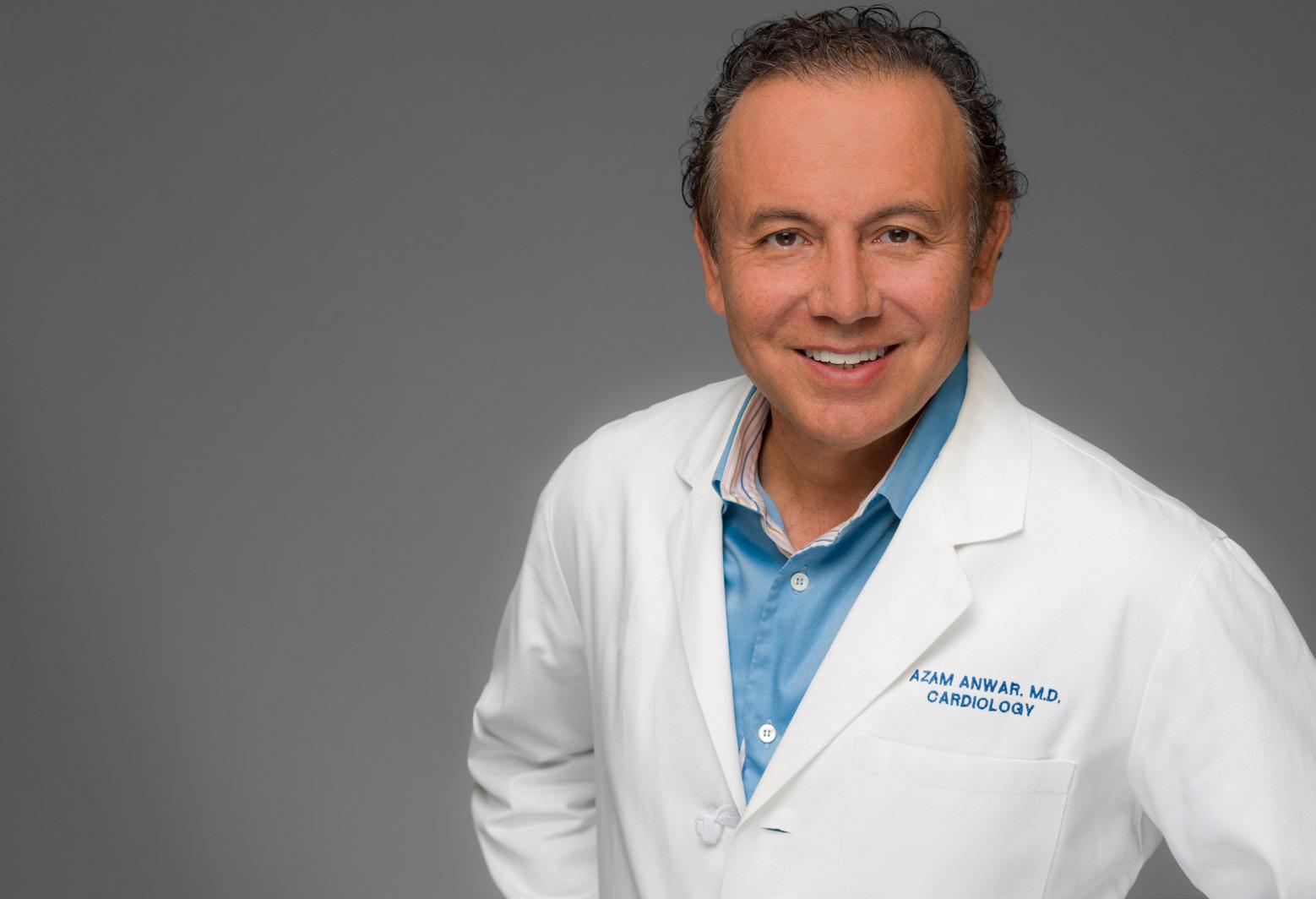
Added Dr. Cheri Frey, assistant professor of dermatology and director of cosmetic dermatology at Howard University: “I frequently use CLn cleansers in patients with atopic dermatitis and HS because they balance reducing antimicrobial burden with good tolerability. That combination is essential when treating chronic inflammatory conditions in sensitive skin.”
One key element of CLn BodyWash is its ease of use. You simply wet the
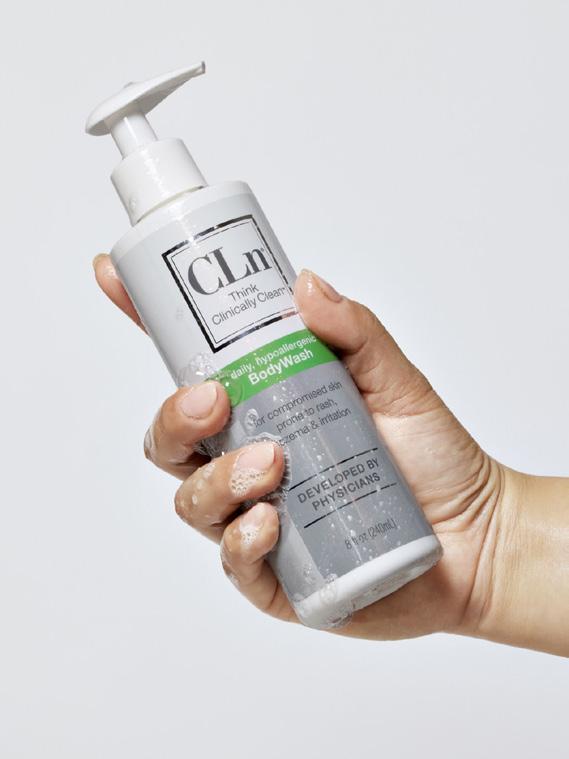
skin in the shower, lather up, then rinse off; the formulation has a short list of ingredients designed to leave no residue behind.
CLn BodyWash is also extremely gentle. “It’s a daily cleanser that helps to wash away bacteria and body odor,” Dr. Anwar noted. And since CLn offers a broad range of skin care products, including products containing glycerin (for moisturizing) or salicylic acid (for more cleansing power) as needed, it’s easy to protect your skin just by following your normal routine.
Dr. Anwar urges everyone to be proactive about their skin health. “Go see your dermatologist,” he advised. “Skin issues are an emotional experience — these products can be a way to take care of your skin and really keep that barrier, that shield, cleansed and protected.”
Written by Jeff Somers
For more information about CLn’s range of skin care products, visit clnwash.com
Melanoma incidence rates have more than tripled since the 1970s, making prevention more important than ever.
According to the American Cancer Society, melanoma is the deadliest form of skin cancer, with an estimated 234,600 Americans diagnosed this year, of which 8,510 are expected to die from the disease.
The positive news: More than 90% of cutaneous melanomas are considered preventable, and, when detected early, are highly treatable. The role of ultraviolet (UV) radiation is critical to understanding melanoma prevention. Excessive exposure to harsh UV rays from the sun or artificial sources like tanning beds can damage skin cells and increase the risk of developing melanoma. In fact, excessive unprotected exposure to UV rays before the age of 30 can increase a person’s risk of developing melanoma by 35%.
Follow these tips to help protect your skin from increased UV exposure:
• Use a broad-spectrum sunscreen with SPF 30 or higher. Apply at least 15 minutes before sun exposure and reapply every two hours.
• Apply about an ounce (a golf ball-size amount) of SPF 30+ with each application.
• Cover up with UPF (Ultraviolet Protection Factor) protective clothing, sunglasses, and a wide-brimmed hat.
• Try to avoid being in the sun between 10 a.m. and 4 p.m.
• Seek shade when possible.
• Perform regular self-skin exams following the ABCDEs of melanoma.
• Schedule an annual dermatological skin check to help detect melanoma early.
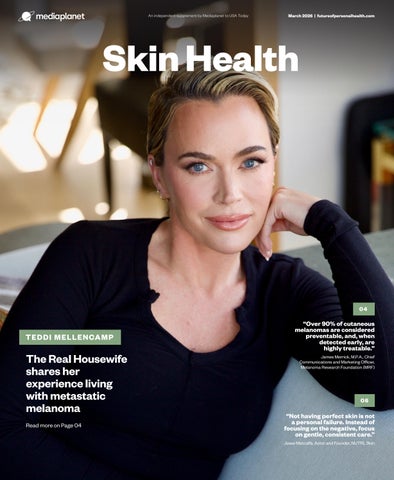
Podcast host Teddi Mellencamp opens up about navigating daily life with metastatic melanoma and why she wants everyone to book a skin check now.
What went through your mind when you first found out your melanoma was metastatic?
I had been having these terrible headaches for weeks leading up to when I went to the hospital, so my first response was, “I knew something was wrong.” But that immediately turned into, “This is really bad.”
What has it been like navigating daily life while living with metastatic melanoma?
It’s not easy, I can’t lie. Sometimes you want to put on that brave face and pretend, because you want to be positive for those around you. But the immunotherapy really kicks my butt, and then, coupled with not being able to do basic things like I used to, it wears me down emotionally as well.
What are some common misconceptions that you feel people have about skin health and skin cancer?
We’re taught about the usual brown moles, but I was surprised when some white spots on my back were actually also melanoma.

something that I had noticed had been there, but you just don’t think it can happen to you, so you forget to make the appointment. If you’re reading this, don’t be like me.
What can loved ones do to support someone who has recently been diagnosed with melanoma?
Just be understanding. We all process trauma differently, so accept that person at their highs and their lows. For me specifically, I appreciate a “Thinking of you!” text versus a “How are you feeling?” text, because the former doesn’t put pressure on me for a response.
How do you hope your voice and visibility change the conversation around skin cancer?
The most I can hope and pray for is that my story gets people to book their skin checks now rather than later, and for people to realize that melanoma may start on the skin but can spread so quickly to all other parts of your body.
WRITTEN BY James Merrick, M.P.A. Chief Communications and Marketing Officer, Melanoma Research Foundation
What role do you believe early detection can play in saving lives? Everything. Kyle Richards saved my life after she saw the spot on my back and forced me to go to the dermatologist. It’s
What advice would you give to someone who has recently been diagnosed?
Be vulnerable, don’t internalize, and remember: You will beat this.
The news came at a truly inopportune time — but with news like this, the timing is always bad. Pro golfer Brian Gay was playing at a PGA Tour Champions event in Jacksonville, Fla., when he got the call. He had just been diagnosed with skin cancer on his lip.
As you can imagine, I was a bit off on the golf course after that,” he said. It was a Friday, back in the fall of 2024, and during that weekend, the five-time PGA Tour winner had to take some time to let the news sink in. But his thoughts were roiling. “I was just wondering: What does this mean? And what’s going to happen?”
The incidence of skin cancer has been steadily rising over the past three decades — mainly due to ultraviolet exposure. Brian, who is 54 and spends a lot of time in the sun due to the nature of his career, was informed that his diagnosis was squamous cell cancer, which is the second most common type of skin cancer, according to the Skin Cancer Foundation. About 1.8 million cases are diagnosed each year in the United States. The good news? It is curable when caught early on.
When Brian asked about his options, the dermatologist mentioned only Mohs surgery, which left him concerned because the treatment would involve cutting away thin layers of skin.
“I’m on camera sometimes, and I just didn’t know what I was going to look like [after the surgery],” he said. “And besides that, I was turned off by the way they do it — you know, they kind of keep cutting until they figure they’ve got it all.”
He needed an alternative. But

was there an equally effective option that didn’t involve surgery?
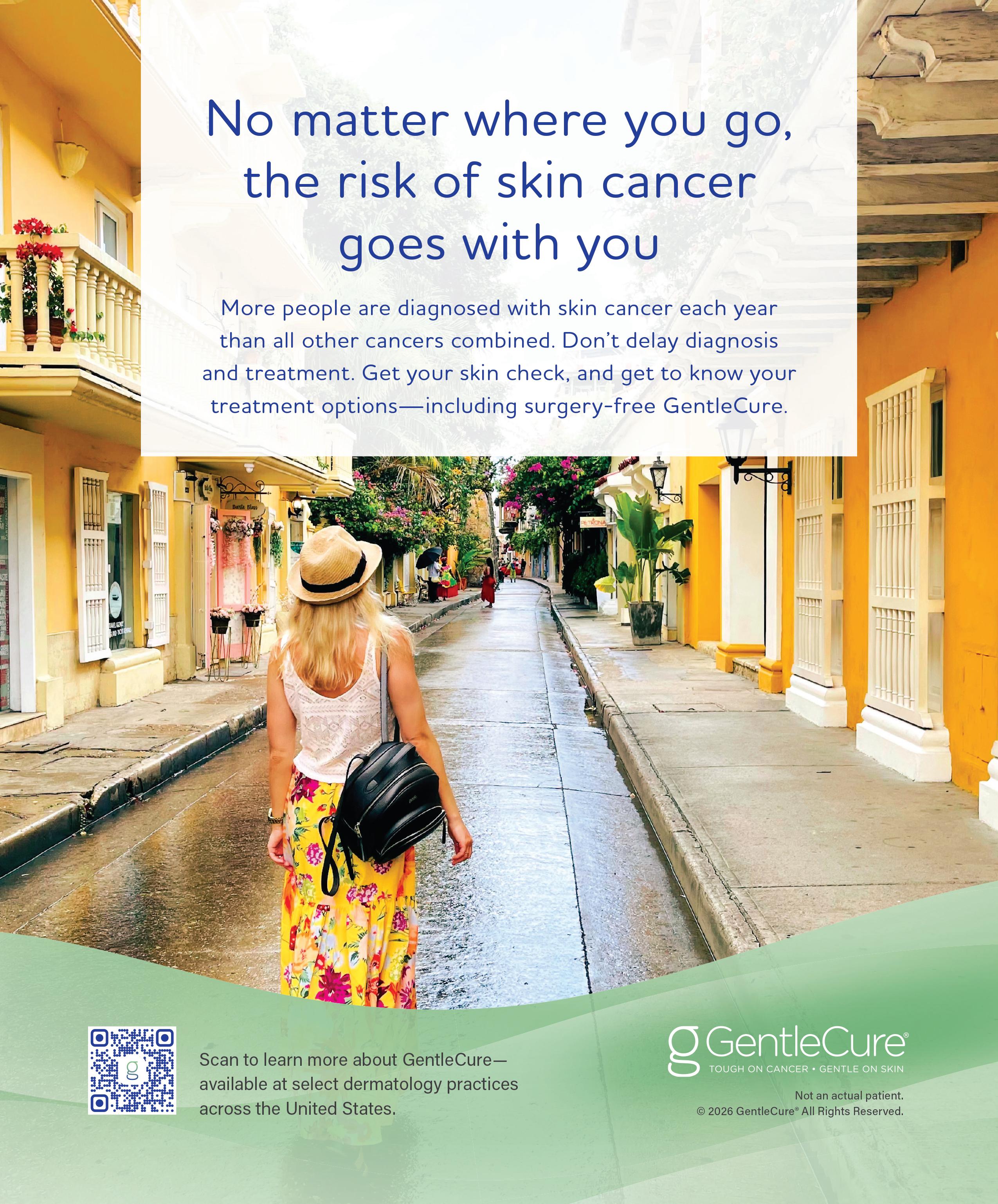
One day Kimberly, Brian’s agent and wife, fortuitously fell upon a commercial for an innovative, newer, nonsurgical procedure called GentleCure Image-Guided Superficial Radiotherapy (IGSRT). Just the name itself piqued their interest.
“I had a strong feeling that this was the solution,” Kimberly said, emphatically. “Brian really wasn’t
pain of any kind. No discomfort at all, either. And a couple of weeks in, the only side effect I recall was a little bit of a blister on my lip.”
There was nothing to be anxious about. No pain of any kind. No discomfort at all, either.
The dermatology practice where Brian sought treatment, like more than 400 other dermatology practices around the country, partners with GentleCure by SkinCure Oncology to offer a proven treatment for common skin cancers. Both Brian and Kimberly encourage patients diagnosed with basal or squamous cell skin cancer to look into GentleCure™.
comfortable with the surgery, but this — this was intriguing.”
Using high-definition ultrasound to aim low-level X-rays to specific, targeted areas of the skin, GentleCure™ consists of a series of treatments that only last mere minutes each.
“You can see the progress on the screen during your sessions,” Brian pointed out. “There was nothing to be anxious about. No
“It might not be for everybody, but you can always get a consultation and see if it’s for you,” Kimberly said. “Our daughter just got married in December, and Brian told me he could hardly think about what it’d be like if he had a big scar (or worse) on his face. Instead, he was able to walk her down the aisle and enjoy this important family moment without being self-conscious about any of that.”
Written by Omar Sommereyns
To learn more, visit gentlecure.com


The “Desperate Housewives” star talks about what inspired his passion for skincare and offers tips for achieving healthy, younger-looking skin.
What inspired you to dive into skincare? I struggled with acne as a teenager and well into adulthood, even in the early years of my career in Hollywood. It forced me to really pay attention to what I was putting on my skin and in my body, and that’s why I have such a focus on health and wellness now as a 47-year-old man.
How has your skincare routine changed as you’ve gotten older?
In my younger years, I was so desperate to have clear skin that I over-treated my skin. I used too many harsh products and too many granular exfoliants, which actually age your skin over time. I learned to incorporate a routine that’s more balanced and focused on anti-aging.
What advice would you have for someone struggling with acne?
Not having perfect skin is not a personal failure. Instead of focusing on the negative, focus on gentle, consistent care. Avoid the temptation to throw everything under the sun at your skin, and use a clean product line like NUTRL that doesn’t have silicone, parabens, or fragrance, because that can really irritate your skin. It isn’t only about ingredients; it’s also about lifestyle factors like stress and diet. Ultimately, healing your skin takes time, so be patient with yourself and give yourself some grace.
Our panel of experts discusses how dermatology is entering a new era of precision, access, and personalized care.
What recent breakthroughs have transformed the way dermatologists screen for, diagnose, and treat skin conditions?
Jillian Frieder: We have seen extraordinary developments, particularly with new and more targeted therapeutics for a variety of skin conditions and skin cancers. Today, there are more than 30 targeted biologic therapies approved by the U.S. Food and Drug Administration for numerous chronic skin conditions like psoriasis, atopic dermatitis, and hidradenitis suppurativa.
Billie Cassé: Biologics and immunotherapies like JAK inhibitors have given people their skin back from many immunologic diseases. Image-Guided Superficial Radiation Therapy, or IGSRT, has given us a noninvasive treatment option for nonmelanoma skin cancers like basal cell carcinoma and squamous cell carcinoma.
Joseph Lam: One field that has seen leaps and bounds in terms of treatment is atopic dermatitis. Now, we have a host of novel topical agents — like aryl hydrocarbon receptor agonists, phosphodiesterase 4 inhibitors, and JAK inhibitors — and systemic agents, like oral JAK inhibitors and biologics that target IL-4, IL-13, and IL-31, on-label for atopic dermatitis.
How is dermatology moving toward more personalized care?
JF: Being able to identify specific skin tumor biomarkers allows us to diagnose, monitor, and treat advanced skin cancers.
BC: The one-size-fits-all model is over. Advances in cosmeceuticals
and devices like various lasers, radiofrequency, and ultherapy allow us to personalize a treatment program for the aging patient, the acne patient, or someone with more sensitive skin who is looking to improve their appearance.
What innovations have made the biggest improvements in clinical decision-making?
JF: There are numerous AI systems in development or on the market that can assist with more accurate diagnosis and classification of skin diseases and cancers. These systems are able to “learn” from clinical, dermoscopic, and histologic images to distinguish between benign and malignant lesions, helping the clinician decide whether a biopsy is necessary.
JL: In a 2021 study, AI assistance was significantly associated with higher agreement with diagnoses made by a dermatologist panel, with an increase from 48% to 58% for primary care physicians and an increase from 46% to 58% for nurse practitioners.
What technological advancements have done the most to bridge access gaps?
JL: The advent of teledermatology. In the past, we mostly used store-and-forward, or asynchronous, teledermatology. However, after COVID-19, this has expanded, as has the use of live interactive (synchronous) models.
BC: Teledermatology has given people in rural areas, or those unable to get to a dermatologist, access to treatment over a platform that was not available before.
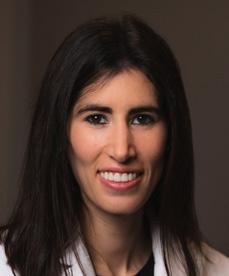
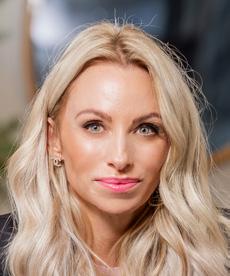
Dermatology
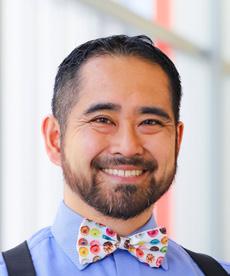
Joseph Lam, M.D. Spokesperson, Society for Pediatric Dermatology; Clinical Professor, Department of Pediatrics, BC Children’s Hospital; Associate Member, Department of Dermatology and Skin Sciences, University of British Columbia
Traditional dermatology is only beginning to fully address the connection between the gut and our skin.
About 1 in 3 Americans — more than 100 million people — are dealing with some sort of skin condition. Traditional dermatology focuses on treating symptoms, but these conditions are often caused by underlying health conditions and treatments for other diseases.
No one knows this failure of our healthcare system better than Matt Zachary, cancer survivor, patient rights activist, and author of the upcoming book “We the Patients.” “What our healthcare system gets wrong is they’re not here to help you do anything but get cured and leave,” he said.
A village Zachary was diagnosed with a rare brain cancer at the age of 21 — and his treatment caused serious skin problems. “I was irradiated with 3,000 lifetimes of gamma radiation in 33 days,” he said. “I was burned to a crisp. Everything just hurt, cracking and chafing everywhere.”
While his experience came from cancer treatment, Zachary notes that many patients arrive at the same frustration through more common conditions like eczema or psoriasis — cycling through prescriptions without answers as to why their skin is reacting in the first place.
Conventional treatment for skin conditions often focuses on mitigating symptoms with things like corticosteroids (which can have serious side effects if used long-term), while ignoring the connection between our skin and the microbiome, the community of microorganisms in our body that play vital roles throughout — particularly in our gut.
“When your gut is abnormal, that’s going to affect your skin,” explained Peter Lio, M.D., a clinical assistant professor of dermatology and pediatrics at Northwestern University Feinberg School of Medicine. Dysbiosis, an

imbalance in the microbiome, can cause a range of health problems. “When the microbiome is wonky, it can send distress calls and affect other systems,” Dr. Lio explained. These distress calls can manifest as skin conditions.
Dr. Lio is a pioneer of integrative dermatology, an approach to skin health that combines traditional, evidence-based medicine with alternative approaches. “The truth is, it takes a village,” he said. “I can get my patients much, much better using a combination of skin-directed treatments and holistic things that can help support them from a broader perspective.”
Codex Labs, a biotechnology company focused on skin-gut-brain-biome solutions for skin conditions, is building that village.
Decode.me is one of the first integrative teledermatology platforms in the world, bringing together dermatologists and naturopathic medicine. It’s a paradigm shift that focuses on root causes instead of symptoms.
The platform is also able to treat children, which is important because of the lack of conventional treatments in
pediatrics. “In pediatric dermatology, 100% of what we do is off-label,” Dr. Lio said. “As just one example, there are exactly zero FDA treatments for lichen planus.”
Zachary believes this could be a game-changing moment. “You don’t ask to get this sick — or sick at all,” he said. “A fun thing to find out is, ‘can it suck a little less?’ The demand for authenticity in the disease community is the opportunity for Codex and Decode.me.”
For Dr. Lio, the potential lies in giving power to the people dealing with these skin conditions. “Our healthcare system has many ugly parts in it. But the beauty of it is, you can get another opinion. I recommend that you try to find someone who’s open to looking at other ways.”
For many patients, meaningful care often begins with relief, choice. and the simple act of being heard.
Written by Jeff Somers