

“I
“A
Blood cancers don’t only affect older adults, and for adolescents and young adults, a diagnosis brings unique challenges that the medical community is only beginning to fully address.
While blood cancers are frequently associated with older people, they can affect individuals of all ages, including adolescents and young adults. Overall cancer rates in this age group have increased by approximately 30% since the 1970s, with leukemia and lymphoma being two of the more common diagnoses.
The American Society of Hematology (ASH) is made up of over 18,000 hematologists united by a common mission: conquering blood diseases worldwide. Whether caring for patients and families at the bedside or developing breakthrough therapies in the lab, our members work every day to transform the treatment of blood disorders and cancers, including leukemia and lymphoma.
Adolescents and young adults, typically defined as individuals ages 15 to 39, don’t quite fall under the umbrella of pediatric or adult care, complicating their treatment paths. Individuals in this life stage with a cancer diagnosis must make decisions about fertility preservation, have higher rates of anxiety and depression, have a greater risk of long-term complications, and frequently experience disruptions to their education or career plans.
Despite advances in care and the development of cutting-edge treatments like immunotherapy — when a

patient’s own immune system is trained to recognize and destroy cancer cells — adolescents and young adults still have inferior outcomes compared to pediatric or adult patients. For example, acute lymphoblastic leukemia (ALL), a cancer disrupting the production of red blood cells and platelets that help the blood to clot, accounts for nearly 20% of all cancer cases diagnosed in adolescents and young adults, yet overall survival ranges from 54% to 74% for this group compared with more than 90% for pediatric patients.
Investing in research and increasing adolescent and young adult enrollment in clinical trials are critical to improving outcomes for this age group. Although adolescents and young adults represent a substantial portion of blood cancer diagnoses, their participation in clinical trials is lower than that of pediatric and older adult patients, making it difficult
to tailor care specifically to their needs. The factors driving the rising cancer cases in adolescents and young adults remain poorly understood, and there is an urgent need to understand why.
ASH is committed to supporting critical research that improves outcomes for this unique age group and all individuals affected by blood cancers and disorders, as well as convening experts in the field to define best practices and approaches to treatment.
ASH recently released new guidelines on the treatment and management of ALL in adolescents and young adults to help aid in their care, including patient resources available at hematology.org/ ALLguidelines.
You can help support research by participating in ASH’s Fight4Hematology campaign at hematology.org/ fight4hematology, which champions robust, sustained funding for clinical trials that advance patient care and outcomes.
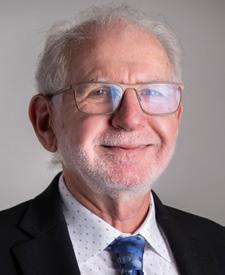
Dr. Aaron Gerds, a hematologist-oncologist at Cleveland Clinic, explains why myelofibrosis is often misunderstood, who is most at risk, and how treatment has evolved into a more personalized, targeted approach.
For those unfamiliar with myelofibrosis, how would you explain what this disease is and who is most at risk?
A lot of clinicians call myelofibrosis a blood disease or blood disorder. But I want to be clear that it is a blood cancer, and being a blood cancer means it is a type of chronic leukemia. There are mutations that occur in people’s bone marrow and cause uncontrolled growth of cells, and by definition, that’s cancer.
Myelofibrosis is a unique type of chronic blood cancer. One of the central pathologic features is scar tissue in the bone marrow — “myelo” means bone marrow; “fibrosis” means scar tissue. Clinically, patients are often symptomatic. They may have cytokine-mediated symptoms — e.g., night sweats, fevers, itchy skin — all driven by inflammatory substances released by the myelofibrosis cells. Another hallmark is an enlarged spleen. Lastly, abnormal blood counts are common. Patients may be anemic, thrombocytopenic, or have leukocytosis. They’re referred to a hematologist, and that leads to a diagnosis.
Is there any particular group of people who are at higher risk?
At the center of myelofibrosis are mutations that drive a pathway inside cells called the JAK-STAT pathway. About 95% of patients have a mutation in one of three genes — JAK2, CALR, or MPL — and ultimately, each mutation activates the same pathway.
Studies looking at thousands of people across age groups found that as we age, we acquire low-level mutations in blood cells.
By the time people reach their 80s, roughly 1 in 4 or 1 in 5 will have a detectable mutation. These individuals do not have blood cancer, but these mutations carry about a 1% per year risk of turning into a blood cancer.
There are some known risk factors. High benzene exposure — commonly found in cigarette smoke — increases risk. Ionizing radiation is another factor, such as radiation treatment for prior cancers. But for the vast majority of patients, this is part of aging and accumulated genetic changes over a lifetime.
What are the treatment options currently available, and how has care evolved over time?
Whenever we talk about treating myelofibrosis, we usually begin with the one therapy that has demonstrated curative potential:
stem cell transplant. A transplant is not appropriate for every patient. It is an intensive therapy with meaningful risks, and it’s typically reserved for patients with higher-risk disease who are otherwise healthy enough to tolerate it.
For patients who are not candidates for transplant — which is the majority — treatment is guided by what the disease is
Ultimately, treatment in myelofibrosis is about balancing quality of life, disease control, and long-term planning.
doing in that specific individual. Some patients have minimal symptoms and stable blood counts for years. In those cases, careful observation is often appropriate.
When treatment is needed, one major advance over the past decade has been the development of targeted therapies that interfere with the abnormal signaling pathways driving the disease. These medications can significantly shrink the spleen and improve symptoms such as fatigue, night sweats, itching, and fevers, and have been shown to extend survival.
Ultimately, treatment in myelofibrosis is about balancing quality of life, disease control, and long-term planning. It is not a one-size-fits-all disease, and the management strategy reflects that complexity.



When your platelet counts drop and your myelofibrosis (MF) starts to progress
When Teri’s symptoms began to worsen, she spoke to her doctor. They made the decision to start VONJO and since changing, she’s noticed a difference in how she’s able to manage her myelofibrosis.*

*VONJO is for adults with certain types of MF who have a platelet count below 50,000 per microliter.


Please see the Brief Summary below of the VONJO Patient Information, which includes information about “What is VONJO?” and serious side effects from the full Prescribing Information.
What is VONJO® (pacritinib)?
VONJO is a prescription medicine used to treat adults with certain types of myelofibrosis (MF) who have a platelet count below 50,000 per microliter. This indication is approved under accelerated approval based on spleen volume reduction. Continued approval for this indication may depend on proof and description of clinical benefit in a confirmatory trial(s). It is not known if VONJO is safe and works in children.
Important Safety Information
Do not use VONJO if you are taking other medications that are strong CYP3A4 inhibitors or inducers.
Before taking VONJO, tell your healthcare provider about all of your medical conditions, including if you:
• Have active bleeding, have had severe bleeding, or plan to have surgery or invasive procedures. You should stop taking VONJO 7 days before any planned surgery or invasive procedures. See “What are the possible side effects of VONJO?”
• Have diarrhea or commonly have loose stools
VONJO® is a registered trademark of Sobi, Inc. Sobi is a

Scan the QR code or visit vonjo.com to watch Teri’s story and get resources to help you talk to your doctor about myelofibrosis.

• Have had blood clot, heart attack, other heart problems, or stroke
• Have a history of low blood levels of potassium. It is important that you get blood tests done during treatment with VONJO to monitor your body salts (electrolytes)
• Smoke or were a smoker in the past. Have had any other cancers. See“What are the possible side effects of VONJO?”
• Have an infection, nausea or vomiting, liver or kidney problems. See “What are the possible side effects of VONJO?”
• Are pregnant, plan to become pregnant, are breastfeeding, or plan to breastfeed. It is not known if VONJO will harm your unborn baby or if it passes into breast milk. You should not breastfeed during treatment and for 2 weeks after your last dose of VONJO
• Plan to father a child. VONJO may affect fertility in males. You may have problems fathering a child
Please see Brief Summary continued on the next page.
(publ).
Tell your healthcare provider about all the medicines you take, including prescription and over-the-counter medicines, vitamins, and herbal supplements. Taking VONJO with certain other medicines may affect the amount of VONJO or the other medicines in your blood and may increase your risk of side effects or affect how well VONJO works.
Especially tell your healthcare provider if you take hormonal contraceptives (birth control). Hormonal birth control methods, except for intrauterine systems containing levonorgestrel may not work during treatment with VONJO and for 30 days after your last dose. Talk to your healthcare provider about birth control that may be right for you.
What are the possible side effects of VONJO?
VONJO can cause serious side effects including:
• Bleeding. VONJO can cause severe bleeding, which can be serious and, in some cases, may lead to death.
• Stop taking VONJO and tell your healthcare provider right away if you develop any of these symptoms: unusual bleeding, bruising, and fever. Get medical help right away for any bleeding that you cannot stop
• You will need to stop taking VONJO 7 days before any planned surgery or invasive procedure (such as a heart catheterization, stent placement in a coronary artery in your heart, or a procedure for varicose veins). Your healthcare provider should tell you when you can start taking VONJO again
• Diarrhea. Diarrhea is common with VONJO, but can be severe, and cause loss of too much body fluid (dehydration) which can lead to kidney problems. Tell your healthcare provider if you develop diarrhea. Drink plenty of fluids to help prevent dehydration. Your healthcare provider will prescribe an anti-diarrheal medicine before you start VONJO. You should start taking the anti-diarrheal medicine right away if you get any symptoms of diarrhea, including any changes in consistency (such as loose stools) or increase in the number of daily bowel movements. Get emergency medical help right away if your diarrhea becomes severe
• Worsening low platelet counts.
• Changes in the electrical activity of your heart called QTc prolongation. QTc prolongation can cause irregular heartbeats that can be life-threatening. Tell your healthcare provider right away if you feel dizzy, lightheaded, or faint.
• Increased risk of major cardiovascular events such as heart attack, stroke, or death in people have happened, especially in those who have cardiovascular risk factors and who are current or past smokers taking another Janus associated kinase (JAK) inhibitor to treat rheumatoid arthritis. Get emergency help right away if you have any symptoms of a heart attack or stroke during treatment with VONJO, including: discomfort in the center of your chest that lasts for
more than a few minutes, or that goes away and comes back; severe tightness, pain, pressure, or heaviness in your chest, throat, neck, or jaw; pain or discomfort in your arms, back, neck, jaw, or stomach; shortness of breath with or without chest discomfort; breaking out in a cold sweat; nausea or vomiting; feeling lightheaded; weakness in one part or on one side of your body; or slurred speech.
• Increased risk of blood clots. Blood clots in the veins of your legs (deep vein thrombosis, DVT) or lungs (pulmonary embolism, PE) have happened in some people taking another JAK inhibitor for rheumatoid arthritis and may be life-threatening.
Tell your healthcare provider right away if you have any signs and symptoms of blood clots during treatment with VONJO, including: swelling, pain, or tenderness in one or both legs; sudden, unexplained chest pain; or shortness of breath/difficulty breathing.
• Possible increased risk of new (secondary) cancers. People who take another JAK inhibitor for rheumatoid arthritis have an increased risk of new (secondary) cancers, including lymphoma and other cancers, except non-melanoma skin cancer. The risk of new cancers is further increased in people who smoke or have smoked in the past.
• Risk of infection. People who have certain blood cancers and take another JAK inhibitor have an increased risk of serious infections. People who take VONJO may develop serious infections, including bacterial, mycobacterial, fungal, and viral infections. If you have a serious infection, your healthcare provider may not start you on VONJO until your infection is gone. Your healthcare provider will monitor you and treat you for any infections that you get during treatment with VONJO. Tell your healthcare provider right away if you develop any of the following symptoms of infection: chills, aches, fever, nausea, vomiting, weakness, painful skin rash, or blisters.
The most common side effects of VONJO include:
Low platelet count (thrombocytopenia), nausea, vomiting, low red blood cell counts (anemia), and swelling of your ankles, legs, and feet.
Your healthcare provider will do blood tests and an electrocardiogram (ECG) before you start treatment with VONJO and as needed during treatment to check for side effects.
Your healthcare provider may change your dose or how often you take VONJO, temporarily stop or permanently stop treatment with VONJO if you have certain side effects.
These are not all the possible side effects of VONJO. Call your doctor for medical advice about side effects. You can report side effects to the FDA at 1-800-FDA-1088.
Talk to your healthcare provider or pharmacist to learn more about VONJO. For more information visit www.vonjo.com or call +1 781-786-7370.
I went into my closet, got on my knees, and felt a word come to me: surrender. That moment helped me hand it over — to faith, to spirit, whatever people believe in.

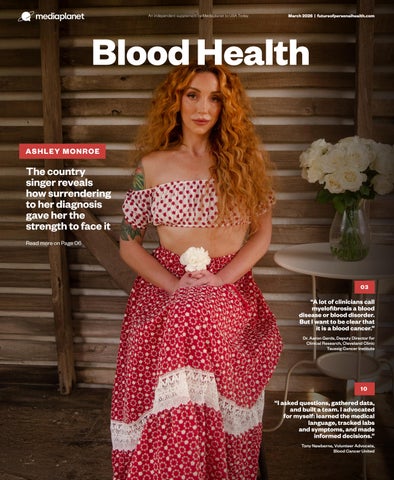
Country singer Ashley Monroe never expected a routine physical to change her life, but being diagnosed with Waldenström macroglobulinemia, a rare bone marrow cancer, taught her to trust her gut, ask hard questions, and take her health one day at a time.
Can you share what first led to your diagnosis and what that moment was like for you and your loved ones?
In April or May 2021, I had routine labs for a physical, and they showed I was anemic. When I went back later that summer, my levels were still really low. That’s when they said, “We’re going to do a bone marrow biopsy.”
When I got the biopsy, I actually saw my results on the patient portal before the doctor called. It turned out to be a rare cancer in my bone marrow, Waldenström macroglobulinemia. My platelets and red blood cells were so low that my doctors worried about stroke risk.
What have been some of the most important factors in your treatment journey?
They told me I needed six months of chemotherapy and immunotherapy. I was already so anemic, and the first few months just knocked me down.
There was a low point after my second chemo. I was in the shower, my hair was
falling out, and I felt so sick. I went into my closet, got on my knees, and felt a word come to me: surrender. That moment helped me hand it over — to faith, to spirit, whatever people believe in. That surrender gave me strength.
I also learned to advocate for myself. My doctor wanted me to do a bone marrow biopsy midway through treatment. I asked, “If I do this biopsy, will it change the treatment plan?” I decided against it, and he respected that. It was empowering to realize I didn’t have to do something just because it was standard. I could ask questions and make informed decisions about my own care.
What do you wish more people understood about blood cancers, from either a patient perspective or navigating the healthcare system?
Don’t assume it can’t happen to you. I only discovered mine because of routine labs, and blood cancers can be sneaky. Keeping an eye on your health really matters.
Looking back, what have you taken away from this experience that you hope others might, too?
That we are stronger than we think. This made me so thankful for health. My doctors told me, “This type will never go away,” but I refuse to give it power. I don’t sit and dwell on it.
I think about surrender, about trusting your gut, about asking questions. I learned that doctors will listen, that you can be an active participant in your care, and that hope and faith are powerful.
What message would you like to share with others who may just be starting their own journey with blood cancer or supporting someone through it?
Try not to think about the big picture all at once. It always helped me to take things a little at a time and give myself grace. If you’re with somebody who’s going through it, give them grace, too. It’s hard, and there are a lot of emotions, but it can be gotten through, just a little at a time.
As artificial intelligence (AI) tools continue to proliferate, they are becoming a go-to search tool for patients, providers, and caregivers. Blood cancer patients are using AI in oncology to help them understand complex diagnoses and treatment options — often outside scheduled appointments, when questions feel most urgent.
According to a survey of oncology patients published in JMIR Cancer, more than 80% of patients believe AI in cancer care will improve outcomes over the next five years.
But while AI provides instant information, it’s not without risks or concerns. For example, information could be outdated or inaccurate, and a patient’s privacy could be at risk if they share their private health information.
Patients are already using AI, says Meghan Gutierrez, CEO of Lymphoma Research Foundation, a non-profit organization that provides expert-led education and community support to people affected by lymphoma, a type of blood cancer. But she’s concerned about the way patients are using it.
She recently spoke with a lymphoma patient who saw PET scan results and was worried that his cancer had returned.
Before speaking with his oncologist, the patient uploaded the results into an AI tool to better understand them, and began considering possible treatments and what it might mean for his prognosis.
But Gutierrez was troubled: “The patient, in this moment of anxiety, when we so often see people reach out and try to find information in any way they’re able, hadn’t yet spoken to his healthcare team and was already making extrapolations about his prognosis based on the AI response. Some of the

information it provided reflected treatment guidance from nearly a decade ago.”
That’s why she encourages patients, caregivers, and providers to work together collaboratively, including using AI as an educational tool that doesn’t replace, but instead complements human cancer care.
Responsible AI in healthcare requires trustworthy tools AI tools need to be trustworthy and accurate — and shaped by and with the people who will rely on them most.
“Patients with cancer and their caregivers want something to trust,” said Anand Reddi, global head of digital health for BeOne Medicines, a leading global oncology company. “As AI becomes a go-to source for answers, we must ensure it delivers information that
is current, credible, and aligned with the latest data regarding treatment options.”
Recognizing this shift, BeOne is teaming up with the cancer community to help shape AI tools that better support patients, caregivers, and providers. The company recently convened a first-of-its-kind Patient Advocacy AI Innovation Lab, bringing members of the blood cancer community together to discuss how to harness the technology, and guide patients in using AI tools effectively.
“AI is central to BeOne’s purpose of developing and delivering innovative oncology medicines to patients faster,” said Jen Branstetter, executive director of North America corporate affairs for BeOne. “But when it comes to the patient journey, AI needs to be shaped in partnership with
patients and advocacy leaders. We want this to be an ongoing dialogue about how we co-create even better AI tools to ensure they reflect real-world needs of patients living with blood cancer.”
Branstetter says partnering with patient advocacy organizations, like Lymphoma Research Foundation, is essential, calling these types of organizations the “trusted translators” of treatment information, health data, and diagnosis.
The goal of the Lab was to listen to all stakeholders involved to understand patients’ cancer journeys and improve education and access.
BeOne, a leader in blood cancer care, is leveraging these insights to develop new digital tools to help patients — including those living with chronic lymphocytic leukemia (CLL) — navigate their cancer care with greater confidence. The company is focused on ensuring these tools reach patients and providers in ways that meaningfully support shared-decision making, with accuracy and transparency at the forefront.
Written by Kristen Castillo


Actor Jeff Bridges reflects on his lymphoma journey, sharing how love, resilience, and perspective helped transform his cancer experience.
What does it mean to you to be a cancer survivor today?
I’m very fortunate and grateful, and it’s brought both of those things to the forefront of my life. I find that love is very present.
What were some of the hardest parts of your lymphoma journey?
My hospital experience was during COVID, so my family couldn’t visit me. It was tough being away from them. I remember being rolled over to the window, and they would be out in the street waving, and I would wave back, but I was so wiped out that I could only get in that chair and raise my hand for two or three minutes.
I felt supported by the universe to get through this challenge as best I possibly could.
Who or what helped you get through treatment?
For starters, the wonderful nursing staff, my doctors, and having the oxygen necessary to do basic things. I had to call in the troops to go to the loo; we would get in a huddle and go very fast, like a football team making a play. It was teamwork, so I wouldn’t have an accident. It was like a sporting event. That stuck with me.
Of course, my family was my biggest supporters. Even though they were far away, I would talk to them on the phone, FaceTime them, and thank God for their presence.
That’s one of the positive things this whole adventure brought out: The heightened feeling of being loved and loving was very much a part of the whole experience. It feels funny to say it, but it was an experience I’m glad to have had, because I received gifts that I could only receive in that situation. The gift of love was so present.
Has surviving cancer changed the way you live or think about life?
The same philosophies I had prior to my illness were still present, but the illness itself heightened all those feelings. I felt supported by the universe to get through this challenge as best I possibly could. I remember preparing for the movie “Against All Odds,” and my trainer trained me hard. I did chin-ups, which were very tough, but I finally got up to about 30, and would do three sets of 30. However, I was frightened by the idea of having to do these chin-ups that caused pain. My trainer said something interesting: “You just do it, and you do as much as you can, then you stop.” This made it so simple, and made my experience, and the fear of it, feel different. I applied that to going through the illness and being in the hospital.
What would you say to someone going through blood cancer right now?
Train and do your best. When I say train, I mean be open to all the love and information that’s coming at you, and glean what you can from it. Be as present as you can, and receive it all as a gift. It doesn’t seem logical, but being alive, we go through all sorts of experiences, and here’s one that you’re going through right now. So, just do your best. Be open to all the gifts that you can receive in this situation.
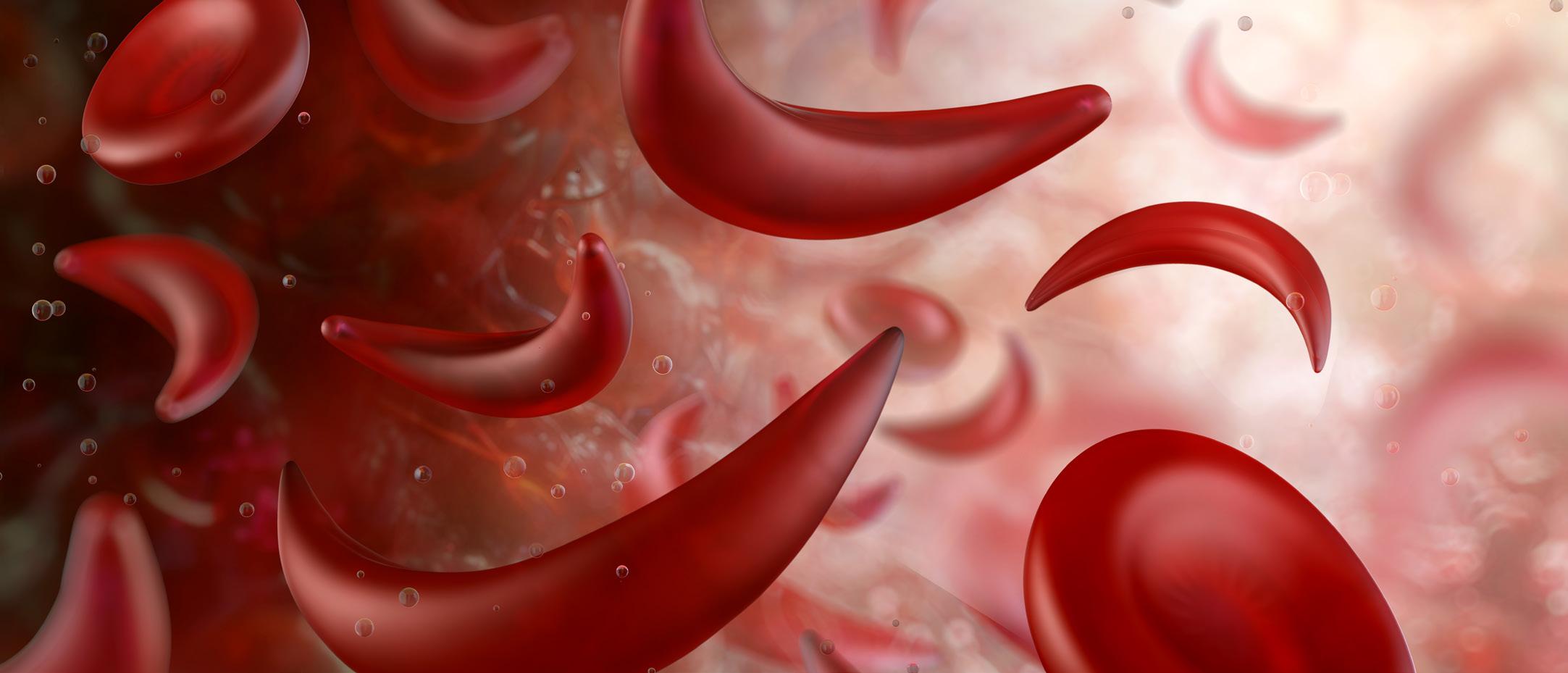
Sickle cell disease affects about 100,000 Americans, yet it remains widely misunderstood. However, transformative new gene therapies are raising both hope and hard questions about access and cost.
Although sickle cell disease (SCD) is the most common inherited hemoglobin disorder in the United States, often called the first molecular disease, most Americans are unaware of its existence. SCD is detected by newborn screening at birth, allowing early identification and treatment to prevent complications. About 100,000 people are living with SCD in the United States, with 2 million to 2.5 million people carrying sickle cell trait. In SCD, red blood cells are more fragile and break apart easily, leading to severe anemia, as well as changing shape from a flexible, round disc to inflexible, sickled cells. These two processes cause a range of complications, from increased risk of infection to stroke to severe pain that may occur in any part of the body. Modern treatments, including prophylactic penicillin, vaccines, and hydroxyurea, have dramatically improved survival to adulthood from 70% to more than
95%. However, many patients still face lifelong disability due to pain, stroke, and end-organ damage resulting in heart failure, kidney disease, and pulmonary hypertension, with overall diminished life expectancy.
A breakthrough and a barrier In December 2023, the Food and Drug Administration approved two separate, potentially curative gene therapy treatments for SCD. Although bone marrow transplantation demonstrated the feasibility of replacing red blood stem cells to cure SCD over 30 years ago, many patients do not have suitable donors, making that option out of reach. The availability of gene therapy for SCD allows the patient’s own stem cells to be collected and transformed to achieve a cure, making the need for a suitable donor obsolete and opening the option of a cure to many more patients.
The approval of SCD gene therapy was met with much celebration, which quickly dampened
when the cost estimates were revealed — $2.2 to $3.1 million for stem cell transformation alone. Insurers, both private and public, responded with strict eligibility criteria and intense prior authorization to limit the number of patients who would need coverage for gene therapy.
In a significant move, the federal government created legislation through the Centers for Medicare & Medicaid Services (CMS) to expand access to gene therapy for SCD. In July 2025, CMS announced that 33 states plus the District of Columbia and Puerto Rico are participating in the Cell and Gene Therapy Access Model (CGT). One of the key components of CGT is an outcomes-based agreement where states receive discounts and rebates from the gene therapy manufacturers if the therapy is unsuccessful. The contracts between manufacturers and CMS were crafted with patient and
provider input, giving people living with SCD a voice in the process. The CGT model provides federal support to each state to help with implementation and outreach. Patients living with SCD face many obstacles on their journey to live a full and healthy life. Improving access to potentially curative gene therapy allows patients with SCD to envision a future with fewer missed days of school, fewer days in the hospital or clinic, more graduations, more birthdays, and more opportunities to fulfill their own goals and dreams.
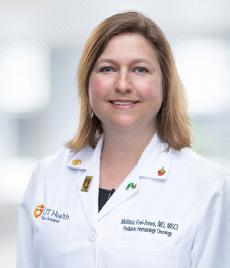
WRITTEN BY Melissa Frei-Jones, M.D., M.S.C.I.,
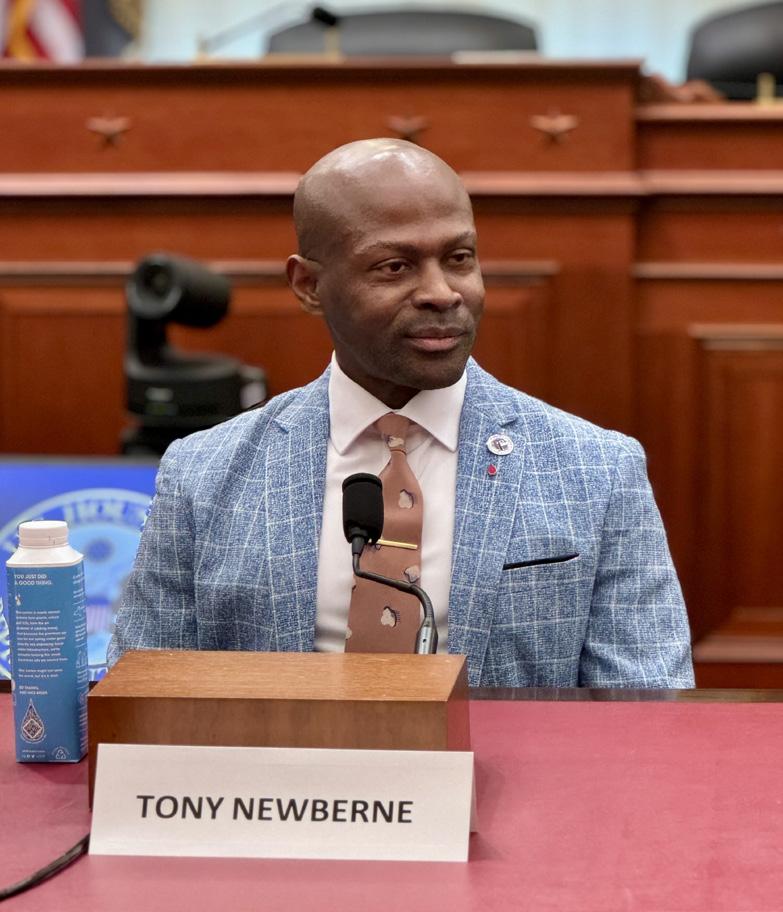
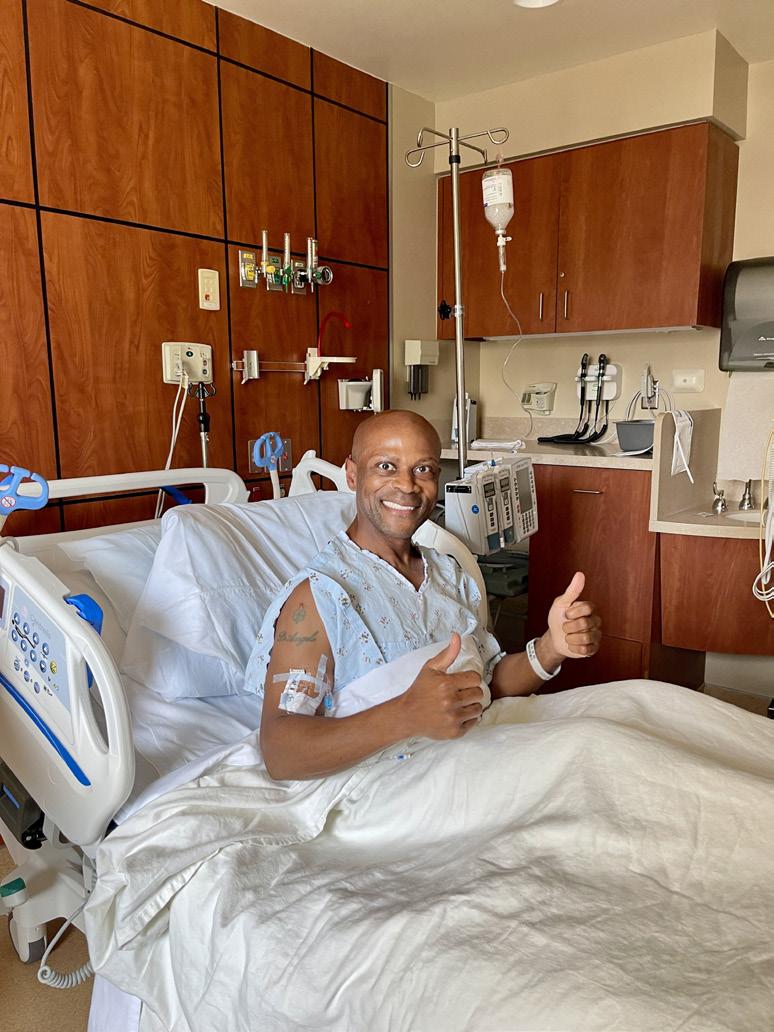
Fitness professional Tony Newberne spent his life helping others strengthen their bodies, until a rare blood cancer diagnosis at 39 forced him to fight for his own.
Tony Newberne built his life around health. As a fitness professional in North Carolina, he spent his days staying active and helping others strengthen their bodies — never imagining his own would become the center of a life-altering experience. While training a client, Newberne lost his footing and injured his back. He pushed through the pain, finished the session, and headed to the emergency room. Newberne was told to rest, wait a few weeks for the pain to improve, and was sent home.
Newberne was diligent about healing. He followed up with his doctor, adhered to guidance, and waited it out, but wasn’t getting any better. A month after his initial fall, Newberne collapsed at home and was rushed back to the emergency room. Within a few hours, he was discharged, much to his and his partner’s despair. With the unnerving feeling that something more was wrong, they refused to leave without more information. Determined and persistent, Newberne’s partner convinced the doctor to admit him. Newberne underwent extensive tests, not knowing how profoundly his understanding of health, vulnerability, and purpose was about to change.
After a few days in the hospital, Newberne, just 39 years old, was diagnosed with high-risk multiple myeloma on Sept. 18, 2013. His chances of survival before turning 40 were just 50%.
those with non-Hispanic Black heritage compared to those with non-Hispanic white heritage. But most people who develop myeloma are over age 50. Newberne’s survival rate was below average at the time, though outcomes have improved largely due to advances in treatment.
Newberne approached his cancer diagnosis as a complex project. “I asked questions, gathered data, and built a team. I advocated for myself: learned the medical language, tracked labs and symptoms, and made informed decisions,” he recalled, “much like running a business with clarity, preparation, and communication.”
For over a decade, Newberne received multiple types of treatment for myeloma, supported by family, friends, and Blood Cancer United, formerly The Leukemia & Lymphoma Society. He relapsed in December 2024 and decided to undergo CAR T-cell therapy. Nine months later — nearly 12 years to the day of his initial diagnosis — Newberne heard for the first time that he was cancer-free.
Today, Newberne channels his renewed sense of purpose into making a difference in others’ lives. He’s still training clients and owns his own studio. Newberne also volunteers as an advocate for Blood Cancer United. He’s learned that sharing his story doesn’t just inspire people; it shapes policies and decisions that affect real lives.
These days, my priorities are alignment, meaningful relationships, sustainability, and joy.
While Newberne was well-educated in health and fitness, he recalls that his lack of understanding of his diagnosis was “frightening and isolating.” He met some of the criteria for myeloma risk factors. It’s a type of blood cancer more commonly diagnosed in men and is twice as likely to occur in
“These days, my priorities are alignment, meaningful relationships, sustainability, and joy,” Newberne said. “I’m less about doing everything, and more about doing what matters most.”
Written by Blood Cancer United
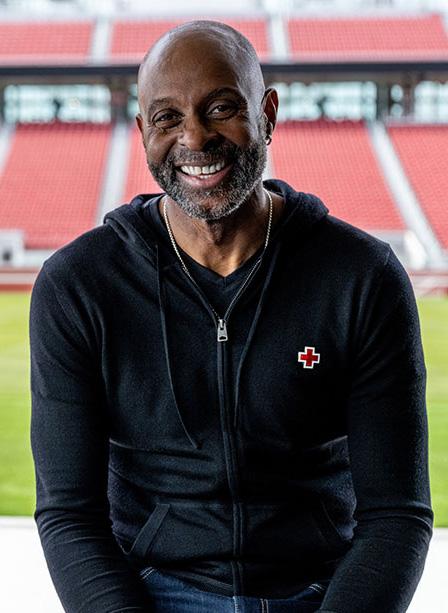
Pro football Hall of Famer Jerry Rice was never scared of big defensive players — but he was afraid of needles.
Despite that fear, Rice rallied his courage and rolled up his sleeve to donate his lifesaving blood. Over time, his fear of needles dissipated as he became a blood donor helping patients in need, from accident victims to people battling cancer or sickle cell disease to mothers facing complications from childbirth.
“The first time I gave blood, I really felt proud because it was a way for me to give back off the football field, and you just never know who you may be helping,” Rice said.
That feeling inspired Rice to continue giving. Now, he is teaming up with the American Red Cross to encourage people across the country to overcome their fear of needles just like he did, so they can commit to a simple act with a powerful impact — giving blood to save lives.
“I was one of those guys who was always afraid of needles. This really tough guy, but you put a needle in front of me and I’m about to run in the other direction,” Rice said. “But to be able to go ahead and withstand that to donate blood, it makes you feel good about yourself, that you have done something really positive. They have people who are experts
who will hold your hand. They’ll get you through that process.”
The need for blood is constant.
The Red Cross often sees a drop in blood donations around holiday weeks, so it’s crucial that donors continue to make and keep appointments all season long. A single blood donation can help save more than one life, which Rice said comes down to teamwork.
this partnership and put awareness out there. There’s a desperate need.”
You never know who you might be helping. It could be a friend or a family member who needs blood, and that’s why it’s so important.
“Every two seconds, someone needs blood, and blood can’t be made. It’s up to us to roll up our sleeves, go out there, and donate blood,” he said. “That’s the bottom line. I’m happy to be able to have
If you are unsure about what your first donation will be like, Rice encourages you to think of donating like playing sports.
Preparing to donate blood “is just like a game: You have to make the appointment, drink lots of water, get plenty of sleep, and make sure you show up the next day,” Rice said.
A blood donation appointment typically takes about one hour from start to finish, although the actual donation only takes about 8 to 10 minutes. Upon arriving to a Red Cross blood drive or donation center, donors check in and complete a health history screening, which includes
checking their temperature, blood pressure, and hemoglobin levels, as well as asking a series of questions designed to ensure they are healthy enough to donate and that their blood is as safe as possible for patients.
Donors can speed up the process by completing an online health history questionnaire at RedCrossBlood.org/rapidpass. In addition, bring your ID, such as a valid driver’s license, birth certificate, or social security card.
“Here’s your chance to make a difference,” Rice said. “You never know who you might be helping. It could be a friend or a family member who needs blood, and that’s why it’s so important.”
Written by Victoria Goff, Organizational Leadership Advisor, American Red Cross
