
Alzheimer’s & Dementia Awareness
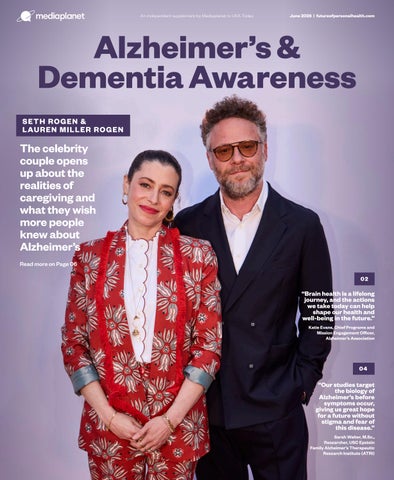
SETH ROGEN & LAUREN MILLER ROGEN
The celebrity couple opens up about the realities of caregiving and what they wish more people knew about Alzheimer’s
Read more on Page 06

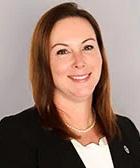
“Brain health is a lifelong journey, and the actions we take today can help shape our health and well-being in the future.” Katie
“Our studies target the biology of Alzheimer’s before symptoms occur, giving us great hope for a future without stigma and fear of this disease.”
Sarah Walter, M.Sc., Researcher,
Think You Know Brain Health? Think Again This June
June is Alzheimer’s & Brain Awareness Month, a time to spark conversations about brain health and encourage people to take steps that may help protect their memory and thinking as they age. While many people think about brain health later in life, or after symptoms appear, growing research shows there are everyday actions people can take right now, today, to support long-term brain health and potentially help reduce the risk of dementia.
The good news is that brain health doesn’t have to be complicated. Everyday habits like how you move, eat, sleep, and engage your mind may help make a meaningful difference over time. It’s never too late or too soon to start taking action.
To help people better understand how lifestyle choices may help influence brain health, the Alzheimer’s Association recently launched (re)think your brain, a new science-based initiative designed to move people from awareness to action. The initiative translates science into practical, sustainable habits that fit into everyday life.
The science is clear Why does this matter now? Research continues to strengthen our understanding of the connection between lifestyle factors and brain health. Last year’s landmark U.S. POINTER study, led by the Alzheimer’s

Association, found that combining healthy behaviors, including physical activity, healthier eating, cognitive engagement, and health monitoring, may help protect cognitive function and brain health.
The awareness-to-action disconnect But there is still a major disconnect between how much people care about brain health and how confident they feel in knowing what actions to take. According to the Alzheimer’s Association 2026 Alzheimer’s Disease Facts and Figures report, nearly 9 in 10 adults say maintaining brain health is important, yet only 1 in 10 say they know how to maintain it.
Closing the gap
To help close that gap, the Alzheimer’s Association introduced the (re)think your brain 6-Step Challenge, designed to help people begin building habits that may help support brain health over time. The approach is practical, flexible, and designed to meet people where they are.
The (re)think your brain 6-Step Challenge encourages people to:
• (re)think your habits: Check your current habits and build a personalized brain health action plan.
• (re)think your day: Start with one habit and build from there by incorporating everyday changes into your routine.
• (re)think your movement: Get moving. Regular physical activity supports brain health and overall well-being.
• (re)think your diet: Eat right. Track what you eat and look for practical ways to improve your nutrition.
• (re)think your mind: Challenge your brain by learning something new.
• (re)think what’s next: Continue the journey, monitor your health, and invite a friend to take steps toward better brain health with you.
Progress. Not perfection.
During Alzheimer’s & Brain Awareness Month, the Alzheimer’s Association is encouraging people to start thinking differently about brain health and the role everyday choices may play over time. Brain health is a lifelong journey, and the actions we take today can help shape our health and well-being in the future.
To learn more and begin building brainhealthy habits, visit rethinkyourbrain.org

America Is at an Alzheimer’s “Mammogram Moment”
Forty ye ars ago, scientific innovations to enable early detection of breast cancer existed, but only about 14% of women received mammograms. The technology was there, but access was not. It wasn’t until Congress enabled Medicare to cover mammograms that screening rates surged to more than 70%, helping drive a significant decline in breast cancer deaths.
Today, we are standing at a similar inflection point with Alzheimer’s disease.
A growing crisis
More than 7.4 million Americans are living with Alzheimer’s, and nearly two-thirds of them are women. Total annual costs of caring for people living with Alzheimer’s and other dementias will reach a record $409 billion this year alone, much of it borne by unpaid caregivers.
Last year, 13 million Americans provided more than 19 billion hours of unpaid care, a staggering and often invisible burden.
For decades, Alzheimer’s has been plagued by late diagnosis, after memory loss and other symptoms appear, when families are left to react rather than plan. What many people don’t realize is that Alzheimer’s begins 20 years or more before symptoms emerge.
That reality is now colliding with a breakthrough in science.
Science is finally catching up
Today, simple blood tests can detect Alzheimer’s before symptoms begin. At the same time, new FDA-approved treatments have become available, treatments that are most effective when the disease is caught early. There is a meaningful opportunity to change the trajectory of this disease.
But Americans cannot benefit from these scientific advances without access to them.
Despite the promise of early detection, Medicare cannot currently cover these Alzheimer’s screening blood tests. That gap between innovation and access is where policy must catch up.
How policy can close the gap
A new bill in Congress called the Alzheimer’s Screening and Prevention (ASAP) Act would enable Medicare to cover these as screening tests, helping ensure that scientific progress translates into real-world impact. This is not just about diagnosis. It’s about giving people the ability to make informed decisions about the future of their health, finances, and family.
Nearly 9 in 10 Americans say maintaining brain health as they age is very important, yet only a small fraction feel they know how to do it. Early detection is a critical piece of that equation. It allows individuals and families to plan, to seek treatment, to participate in clinical trials, and to take steps that may slow disease progression.
We have seen what happens when policy aligns with science. When mammograms became widely accessible, early detection improved outcomes and saved lives. That same breakthrough can now be delivered for Alzheimer’s.
A nonpartisan call to action
This is not a partisan issue. Alzheimer’s affects every community, every background, and every political affiliation. It is one of the most pressing public health and economic challenges of our time.
We have the science. We have the tools. Now we need the policies to ensure access. This is our “mammogram moment.”
I urge readers to contact their elected officials and ask them to support the ASAP Act, because the sooner we act, the more people will have the chance to take control of their health and their future. To learn more, visit ALZImpact.org/ASAP_Act
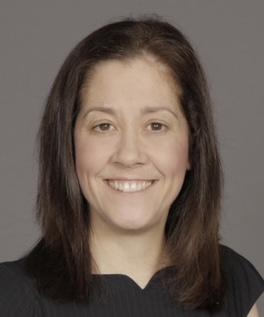
WRITTEN BY Rachel Conant Senior Vice President of Public Policy,
New blood tests can detect Alzheimer’s before symptoms appear, but Medicare coverage hasn’t caught up to the science.
Inside an Alzheimer’s Clinical Trial
New treatments that safely prevent or delay Alzheimer’s are a public health priority. Finding treatments will require healthy participants with genetic risk, family history, and biomarkers of early disease to partner with researchers in clinical trials.
We spoke with Sarah Walter, a researcher at the University of Southern California, and two research participants, Nancy Meserve and Carol Turner. They work together as part of the Alzheimer’s Clinical Trials Consortium Research Partnership Alliance, providing key insights from lived experience directly to Alzheimer’s researchers across every stage of research. Their goal is that research will be an option for everyone, echoing patient movements that call for “Nothing about us without us.”
What provides hope right now in Alzheimer’s research?
Sarah Walter: Our community partners are helping to write a new story about Alzheimer’s. Thanks to them, we now have
ways of measuring changes in the brain using blood and brain scans. Our studies target the biology of Alzheimer’s before symptoms occur, giving us great hope for a future without stigma and fear of this disease.
Why did you sign up to be in a clinical trial for Alzheimer’s?
Nancy Meserve: Like many with a family history of Alzheimer’s, I didn’t want to think about it until I was 80. But learning that two copies of APOE4 gave me a high likelihood of a diagnosis made me realize that participating in clinical trials is the best way to delay or prevent this disease.
Carol Turner: During my mom’s results visit with her doctor, my brother and I had the opportunity to join a new Alzheimer’s
Sponsored

preventative study. It was so important for me to help educate my African American community to ensure enough data is gathered to make for an even playing field toward the cure of this disease.
What are the first steps involved in clinical trials?
NM: Screening is the first step, which gives you time to ask questions and learn about PET scans, MRIs, the drug’s purpose, and your role,
New Clinical Trial Documents Reversal of Cognitive Decline
Dementia is often thought of as terminal, but results from a new clinical trial indicate that it might be possible to reverse it.
Dementia is not a death sentence; there are many things you can do by addressing the underlying factors that are driving the disease,” said Kat Toups, M.D., DFAPA, IFMCP of Bay Area Wellness and principal investigator on this clinical trial.
Personalized, precision medicine approach
Dementia impacts memory, thinking, and behavior. Alzheimer’s disease is the most common disease that causes dementia. Currently, 7.4 million Americans have Alzheimer’s disease. A new trial tested the theory that individualized, precision medicine treatment plans for
dementia could be more effective than the current standard of care. The Precision Medicine Approach for Early Dementia & Mild Cognitive Impairment (EVANTHEA) (NCT05894954) was a nine-month randomized, controlled, multi-center trial of adults ages 45-76 who had signs of early dementia or mild cognitive impairment. Researchers assessed the impact of each participant’s many potential contributors to cognitive decline, including diet, exercise, stress, sleep, environment, infections, toxins, and lack of hormones and nutrients. The precision medicine group received personalized treatment and intervention based on identified contributors
to cognitive decline, basics of a plant-rich ketogenic diet, lifestyle optimization, and brain training. The control group received the standard of care for mild cognitive impairment or early dementia.
Exciting results
The EVANTHEA trial yielded cognitive outcomes superior to any trial to date. While other dementia studies have diet and lifestyle in treatment plans, this study went further by screening and treating potential contributors like toxins, infections, gut microbiome alterations, nutrient deficiencies, and hormone imbalances. Each participant received customized treatments.
“Instead of simply observing a slower decline, we actually saw
a reversal,” said neurologist Dale Bredesen, M.D., the senior director of Precision Brain Health at Pacific Neuroscience Institute and lead study advisor on this trial. Overall, the group that received the precision medicine approach showed continuous improvement in memory and other cognitive markers, while the control group generally experienced a decline (which is what you would expect over this timeframe with dementia).
Written by Kristen Castillo
To learn more about the Evanthea Dementia Reversal Trial, visit dementiareversaltrial.com

Our top priority is participant safety, choice, and transparency.
with in-depth conversations before deciding to sign the informed consent. My study team treated me as a valued partner from the first day, and allowed me to view AHEAD as part of my life, along with my husband, three grandchildren, travel, and outside interests.
CT: Being part of this study opened my eyes to how much people don’t know, especially in my African American community, where Alzheimer’s is one of the leading causes of death. That’s why I’ve made it a point to share what I’ve learned through panel discussions and conversations with those who can help make a difference in slowing down or one day eliminating this disease.
When people volunteer to test new medications, how is their safety protected?
SW: Our top priority is participant safety, choice, and transparency. Highly-trained specialists work across all sites to monitor safety and treat any adverse events. An independent medical board reviews data to identify any unexpected side effects.
How can people find a study that is a good fit for them?
SW: You have the power to decide what study is best for you. Alzheimers.gov is a federal resource that connects individuals with ongoing research opportunities, including online and in-person research. You can also contact trialmatch.alz.org or call (855) 216-0160.
Written by USC Epstein Family Alzheimer’s Therapeutic Research Institute (ATRI)
Sponsored
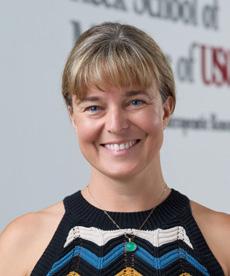
INTERVIEW WITH Sarah Walter, M.Sc. USC Epstein Family Alzheimer’s Therapeutic Research Institute (ATRI)

INTERVIEW WITH Nancy Meserve Patient Advocate; Member, Alzheimer’s Clinical Trial Consortium (ACTC) Research Partnership Alliance
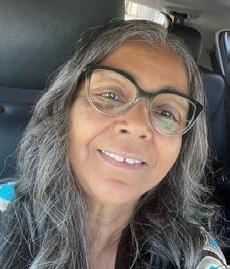
INTERVIEW WITH Carol Turner Patient Advocate; Member, Alzheimer’s Clinical Trial Consortium (ACTC) Research Partnership Alliance
A Blood Test for Alzheimer’s? Yes — And Here’s Why It Matters
With Alzheimer’s disease affecting millions of Americans, clinicians need practical diagnostic tools. Blood based biomarkers are gaining attention as an accessible approach to evaluating Alzheimer’s pathology.
Alzheimer’s disease (AD), characterized by amyloid plaques and neurofibrillary tangles, is the most common cause of dementia. An estimated 7.4 million Americans are currently living with the disease, a number projected to nearly double by 2060.1 Although anti-amyloid therapies are now available to slow cognitive decline associated with AD, they work best if given in the early symptomatic stages.2 The challenge is that existing diagnostic modalities have limitations. Positron emission tomography uses radioactive tracers to detect amyloid plaques, but accessibility and unexpected costs make these scans impractical for many patients. Cerebrospinal fluid testing provides another option for
evaluating Alzheimer’s disease-associated biomarkers but requires an invasive lumbar puncture. As a result, there is an urgent need for diagnostic approaches that provide accurate results while remaining accessible, economical, and minimally invasive.3
In May 2025, the U.S. Food and Drug Administration cleared the first bloodbased in vitro diagnostic test for AD, the Lumipulse® G pTau 217/β-Amyloid 1-42 Plasma Ratio Test. Developed by Fujirebio, this first-in-class blood test is intended for use in adults aged 50 or older presenting signs and symptoms of cognitive decline, as part of a comprehensive clinical evaluation.
The test is performed on the fully automated LUMIPULSE® G1200 platform, and measures plasma
concentrations of two AD-associated biomarkers, pTau 217 and β-amyloid 1-42, from which a ratio is derived. The result helps predict the presence or absence of amyloid pathology associated with AD, and can support clinical decision-making regarding additional diagnostic evaluations and patient management. Clinicians now have access to a simple, blood-based tool to help determine whether further testing or treatment for AD is warranted.
REFERENCES
1. Association A. 2026 Alzheimer’s disease facts and figures. Alzheimers Dement. 2026;22:e71345. doi:10.1002/alz.71345.
2. Ramanan VK, Day GS. Anti-amyloid therapies for Alzheimer disease: Finally, good news for patients. Mol Neurodegener. 2023;18(1):42.
3. Hampel H, et al. Blood-based biomarkers for Alzheimer’s disease: Current state and future use in a transformed global healthcare landscape. Neuron. 2023;111(18):2781-2799.
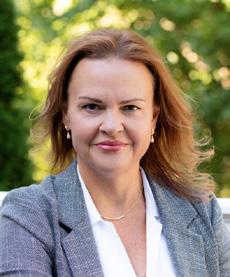
WRITTEN BY Diana Dickson Vice President, Clinical & Regulatory Sciences, Fujirebio Diagnostics, Inc.
To learn more, visit us.fujirebio.com/ Alzheimers


How Hilarity for Charity Is Closing Gaps for Caregivers
Celebrity couple and Hilarity for Charity co-founders Seth Rogen and Lauren Miller Rogen talk about Lauren’s mother’s early-onset Alzheimer’s and what families dealing with the disease face every day.
What did your mom’s experience with Alzheimer’s lead you to realize, and how did that shape Hilarity for Charity (HFC)?
Lauren Miller Rogen: Seth and I founded HFC after my mom, Adele, was diagnosed with early-onset Alzheimer’s at just 55. We were in our 20s and felt completely alone. No one in our community was talking about Alzheimer’s, brain health, or what it truly means to be a caregiver. We kept thinking, “Is there a manual for this?”
It turns out, no, there isn’t. Caring for my mom — and each other — made a few hard truths clear: Alzheimer’s is brutal, caregiving is wildly expensive, and for young families suddenly facing this, resources were almost nonexistent.
So, we decided to change that. We brought together our friends and community for our very first variety show to start the conversation and build something we wished we had. That’s how HFC began. Today, we provide care and support for families, activate the next generation of Alzheimer’s advocates, and drive progress in brain health research and education.
Through your work with HFC, what
have you learned to be the biggest gaps in support for families affected by Alzheimer’s?
LMR: The biggest gaps are financial and emotional support for caregivers. Families are often expected to manage this with very little guidance, and the cost of care can be overwhelming. That’s why HFC created our respite care grant program, which has provided more than 550,000 hours of free, professional in-home care so family caregivers can rest, take care of themselves, or simply manage daily life.
How do you think storytelling can shift the way people understand and talk about Alzheimer’s?
Seth Rogen: As storytellers, we’ve always believed in the power of story to shift how people see and talk about Alzheimer’s and caregiving. When we started HFC, much of the conversation felt clinical or academic, while families were actually craving real, human stories — the kind that show the hard parts, the love, and, yes, even the humor that exists alongside it.
From what you’ve seen, what approaches seem to help caregivers
better connect with their loved ones and reduce frustration?
SR: Honestly, support for the caregivers themselves is key. When caregivers have access to respite care, education, and community, they’re better equipped to show up with patience and compassion.
How do you get people to care about Alzheimer’s before it becomes part of their own story?
LMR: Our goal is to get people thinking about brain health the same way they think about heart health — something you take care of proactively, not reactively. What many people don’t realize is that the disease actually begins in the brain 20 to 30 years before symptoms appear. In my mom’s case, it likely started when she was in her 20s.
SR: The good news is that 45% of cases may be preventable through lifestyle choices. Things like quality sleep, regular exercise, a brain-healthy diet, staying socially and cognitively engaged, and managing stress all play a role. We like to say it’s never too early (or too late) to start living a brain-healthy life, and we encourage people to learn more at maintainmybrain.com
Seth Rogen and Lauren Miller Rogen |
Photo credit: Getty for Hilarity for Charity
Caregiver Support Is a Necessity, Not a Luxury
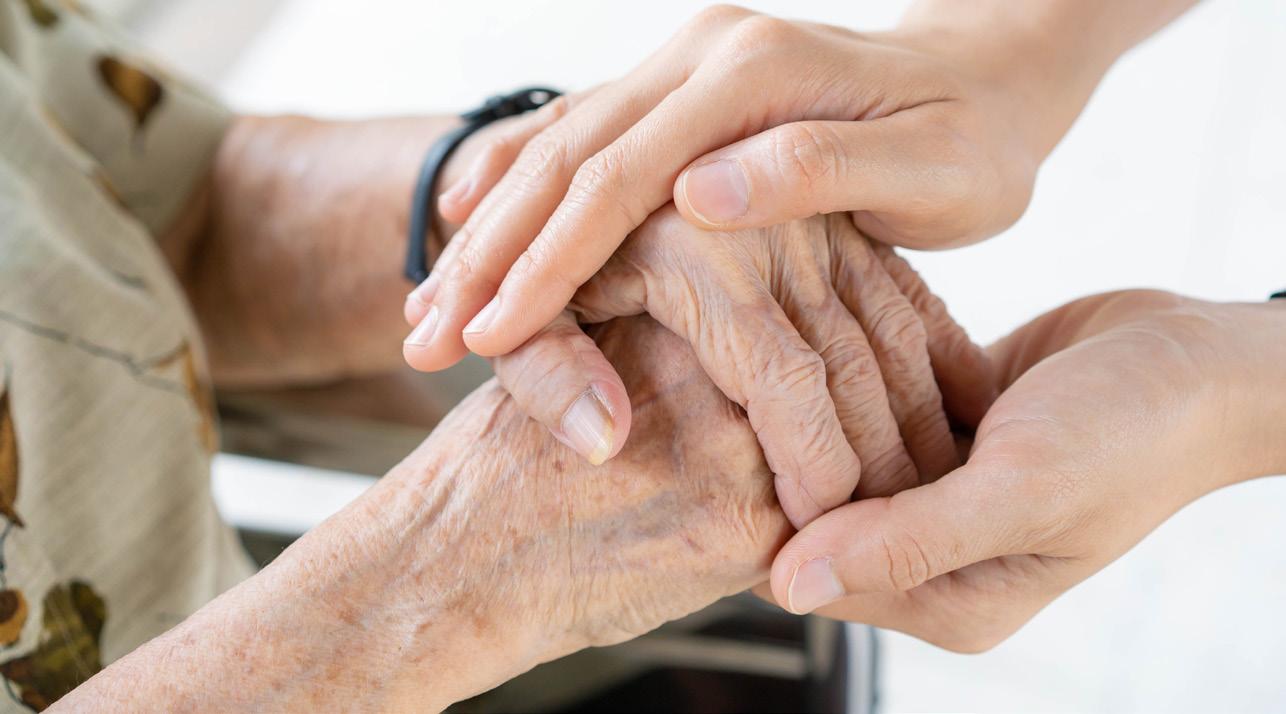
Dementia caregiving is one of the hardest unpaid jobs in America, and a strong support network is what keeps families standing.
Caregiving is one of life’s most meaningful roles, as well as the most demanding. For many, it equates to working a full-time job that they did not seek, were not formally trained for, and for which they receive no salary.
Over 11 million Americans care for loved ones living with Alzheimer’s disease or another dementia-related illness, according to the U.S. Centers for Disease Control and Prevention. Caring for someone with dementia presents unique and especially difficult challenges, which is why dementia caregivers face higher rates of stress, anxiety, depression, sleep deprivation, and burnout.
The unique weight of dementia
Unlike most other illnesses, dementia progressively affects memory, judgment, communication, reasoning, and behavior. Someone with dementia may no longer remember familiar people and places, wander from home, or be unable to perform basic everyday tasks. Some experience symptoms like confusion, agitation, aggression, and hallucinations.
Each day, dementia family caregivers manage their loved ones’ medications, medical appointments, household tasks, financial affairs, and activities of daily living. They also ensure the person’s safety and supervision. “Sandwich generation” caregivers who care for an aging parent with dementia frequently balance these responsibilities with working a full-time job and raising children.
Sound impossible for one person to manage alone? That’s because it is.
Why asking for help matters
Support is essential for every family caregiver. Seeking help is neither a sign of weakness or failure nor a cause for embarrassment. It is using a tool that builds strength, enhances care, and reduces the risk of caregiver burnout. Ultimately, it benefits both the caregiver and their loved one with dementia.
Research consistently shows that robust caregiver support networks reduce isolation, strengthen resilience, and improve caregivers’ overall well-being. Utilizing education, respite services, support groups, counseling, and community resources, together with getting help from trusted relatives, friends, and neighbors, can reduce stress, improve health outcomes, and help loved ones remain safely at home longer.
The Alzheimer’s Foundation of America (AFA) provides numerous free resources, including its helpline, which is available seven days a week by phone (866-232-8484), text message (646-5865283), and webchat (alzfdn.org).
Caregiver support should not be viewed as a luxury. It is a necessity. Sacrificing your own needs and trying to do everything yourself, however well-intentioned, is detrimental. Every caregiver wants the best care possible for their loved one. Accessing support is a huge step forward toward that goal.
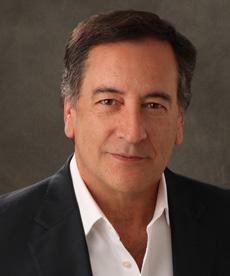
WRITTEN BY Charles J. Fuschillo Jr. President and CEO, Alzheimer’s Foundation of America
What If It’s Not Alzheimer’s? What Do We Know?
Alzheimer’s and dementia are often treated as the same thing, but the distinction matters more than most families realize.
Dementia is widely misunderstood, and that misunderstanding carries real consequences. Too often, we hear the terms “Alzheimer’s” and “dementia” used interchangeably, as if they are the same. They are not. Dementia is not a disease. It is a syndrome, a collection of symptoms that can be caused by many different diseases and disorders.
Alzheimer’s disease is one of many causes. It is an important one, but it is only part of a much larger story. When we reduce dementia to Alzheimer’s alone, we unintentionally miss the experiences of countless others living with other, equally complex and demanding dementia diagnoses.
The diagnosis story is shifting
As diagnostic precision improves, research has found that symptom-based prevalence estimates may have overstated biological Alzheimer’s by as much as 30%. Said more simply, nearly 1 out of 3 people diagnosed with Alzheimer’s likely did not have Alzheimer’s disease in the first place. That reality should prompt a shift in how we talk about brain health. We need a bigger tent, one that reflects the full diversity of causes, experiences, and care needs.
If we truly want to support those facing dementia, we must broaden our lens. Dementia is not one disease, not one pathway, and not one outcome. It is a complex human experience, one that demands heightened awareness, increased research, greater inclusivity, and above all, compassion.
America
WRITTEN BY Kevin Jameson CEO, Dementia Society of
I Was 26 When Alzheimer’s Changed Everything
For many caregivers, the hardest part isn’t the physical exhaustion, it’s the isolation. I’ve seen this firsthand: I was 26 when my mom was diagnosed with early-onset Alzheimer’s, and caregiving has been part of my life ever since.
At the time, I lived in Texas; she was in Virginia. I was building my career, focused on the future, and suddenly trying to figure out how to care for a parent with a disease I barely understood.
I didn’t have a handbook. Most of my friends were getting married, building careers, and starting families. Meanwhile, I was Googling Alzheimer’s symptoms at 2 a.m., booking last-minute flights home, and trying to hold together a version of normal life for both my mother and myself.
That’s the thing about Alzheimer’s — it doesn’t just affect memory; it changes routines, relationships, identities, and entire futures.
At first, caregiving felt like a problem I could solve. I created systems and routines. I labeled cabinets and drawers. I prepped dozens of meals at a time and froze them so my mom would have food between visits home. I installed cameras and wrote detailed notes to help her navigate daily life independently.
And for a while, those systems worked.
One day, she could no longer follow the steps to reheat food. Another day, she wandered outside, confused after the power went out. Slowly, the disease began taking away the executive functioning and judgment we had for so long taken for granted.
I could no longer manage her care from afar by simply hoping nothing would happen.
Today, more than 7 million Americans are living with Alzheimer’s disease, and nearly 13 million family members and friends provide unpaid care for loved ones with dementia. Collectively, those caregivers provide billions of hours of unpaid support every year — often while balancing careers, raising children, and trying to preserve some version of their own lives.
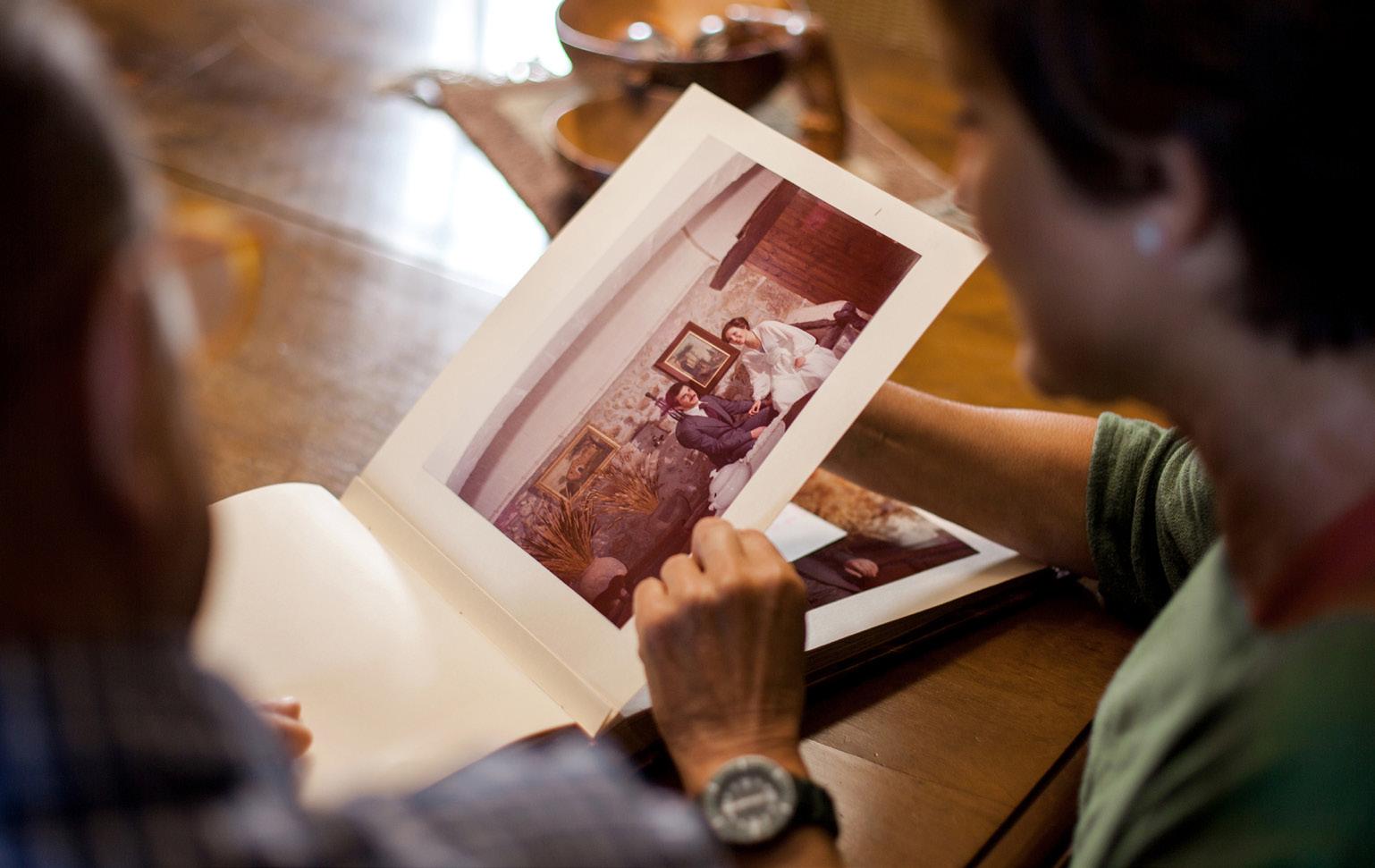
Caregiving can feel invisible. You try to be productive at work while coordinating doctor’s appointments, medications, meals, safety concerns, and emotional support behind the scenes. You become consumed with logistics and problem-solving, often without acknowledging your own grief. Eventually, I made the decision to move home and care for my mom full-time.
At 30, I thought moving home meant my life was ending. Instead, it changed my understanding of what matters most.
Being physically present with my mom gave me something I didn’t realize I had been missing: the ability to simply see her again as a person, not a diagnosis to manage.
I learned what made her laugh. What calmed her anxiety. What moments still brought her joy.
I’ve had the privilege of walking alongside her at every stage of this disease — from the days she was still walking, still talking, still herself in so
many recognizable ways, to now, when she is fully bedbound, non-verbal, and no longer ambulatory. She has changed profoundly. And so have I. Witnessing that evolution, being present for all of it, has shaped me in ways I am still discovering.
I’ve also learned something I wish more caregivers heard earlier: Support is not a luxury.
Caregivers need workplaces that acknowledge caregiving realities. They need community willing to help without judgment. They need resources, flexibility, and permission to care for themselves, too. Most importantly, they need to know they are not alone.
If there’s one thing this journey has taught me, it’s this: Stop trying to solve every moment. Slow down. Be present. And when you need help, seek support you can trust.
Caregiving is not just about helping someone survive a disease; it’s about making sure they continue to feel seen, valued, and loved through every stage of it.
WRITTEN BY Jessica Guthrie Founder, When Career & Caregiving Collide; and a CareScout Partner
Photo courtesy of CareScout
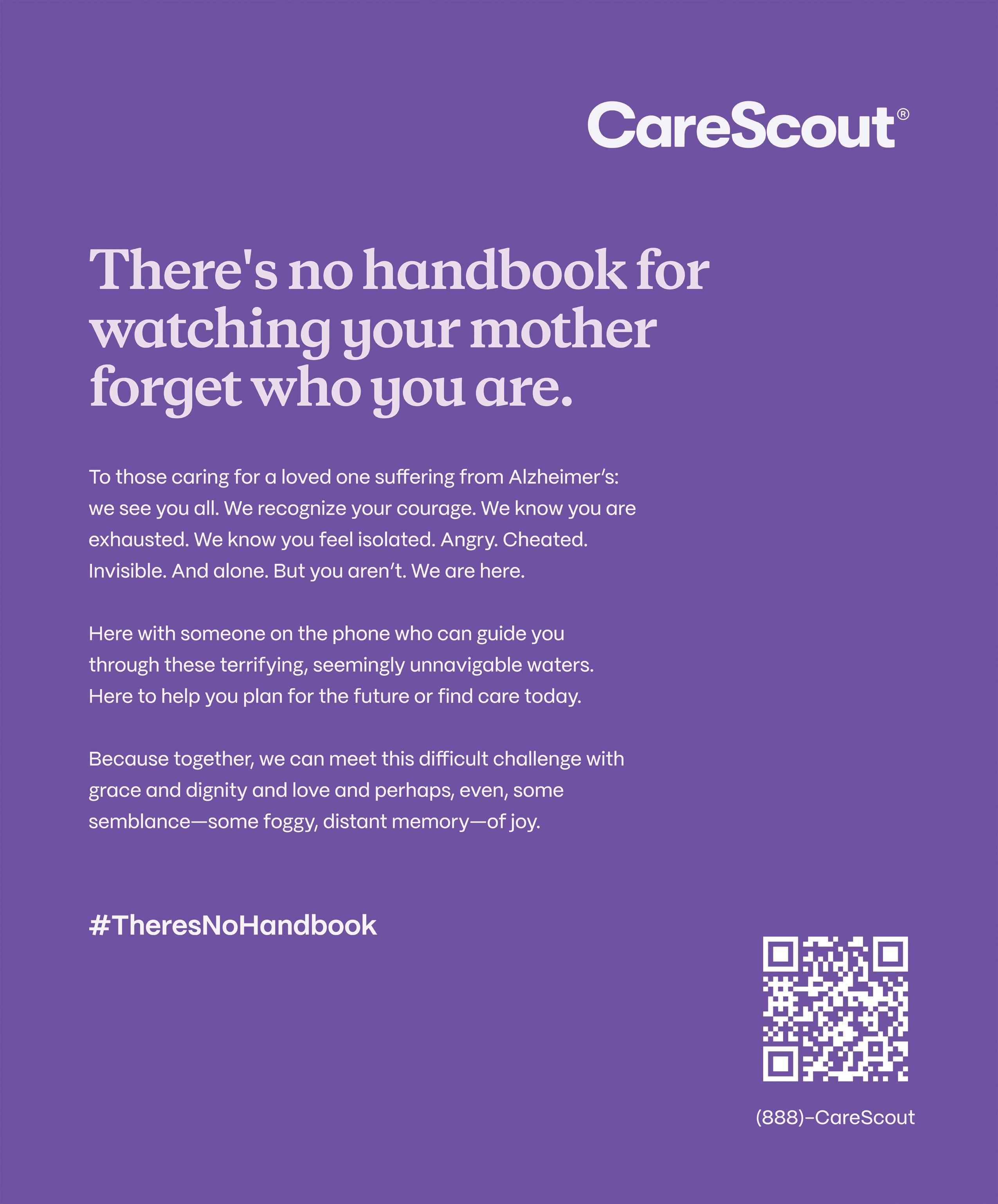
Why Dementia Demands
Coordinated Global Action Now
By 2040, dementia is expected to become the third leading cause of death worldwide, and global health systems are not ready.
Despite the advancements in dementia policy, challenges remain. An earlier diagnosis of dementia acts as a critical junction in which the person living with dementia can access treatment, therapies, rehabilitation, support, care, and clinical trials.
Unfortunately for many, low awareness and continued stigma around the condition remain key barriers, and it is estimated that up to 75% of people living with dementia go undiagnosed. In many countries, dementia still carries the burden of stigma, with some regions and communities still viewing it as simply a normal part of aging, or, in extreme cases, witchcraft, rather than a life-changing neurological condition.
But there is hope. We are seeing new emerging therapies, treatments, and unique applications of technology, such as AI, for people living with dementia.
Addressing dementia as a global public health priority demands coordinated international action. Alzheimer’s Disease International is committed to elevating prevention efforts, strengthening care systems, and ensuring that people living with dementia and their caregivers are supported with dignity, equity, and evidence-based solutions across all regions.
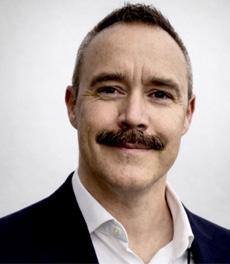
WRITTEN BY Chris Lynch Acting CEO and Director of Policy, Research, Communications, & Publications, Alzheimer’s Disease International
Alzheimer’s Isn’t Inevitable, and We Can Reduce the Risk
Alzheimer’s is often seen as inevitable, but up to 40% of cases may be shaped by factors we can actually influence.
Last year, my mother was diagnosed with Alzheimer’s disease. I am now officially part of the sandwich generation, juggling the care of both my mom and my two young kids. I recently started to wonder, what if the path to Alzheimer’s disease is shaped long before the first symptom appears, and what if it’s more in our control than we’re aware of?
Many believe Alzheimer’s is an inevitable consequence of aging, but growing evidence challenges that assumption. Research suggests up to 40% of cases may be linked to factors we can influence across our lives. This should reshape how we approach Alzheimer’s and reduce the risk of developing it in the first place.
Brain health across the lifespan
One way to do this is by promoting brain health across the lifespan. Regular physical activity, balanced nutrition, and quality sleep form the foundation for lifelong brain health and overall cognitive resilience. Emerging research further supports this approach, showing that lifestyle interventions, such as staying active, eating well, engaging the mind, and maintaining social connections, can help protect cognitive health over time.
Just as critical is addressing underlying conditions that increase cognitive risk, including hypertension, obesity, depression, and hearing loss.
Integrating brain health into care
For healthcare professionals, this presents an opportunity to integrate brain health into routine care earlier and more consistently. Conversations about blood pressure, weight, or hearing should not happen in isolation, as they are part of a broader effort to preserve cognitive function and quality of life over time. For patients, caregivers, and families,
it means understanding that everyday choices, made years or even decades before symptoms emerge, can influence long-term outcomes.
From inevitability to agency
Too often, awareness of Alzheimer’s begins when memory loss becomes apparent, and the emotional and financial toll is already high. By shifting the focus earlier, toward prevention and risk reduction, we can change that trajectory. This includes equipping health and wellness professionals with the tools and knowledge to guide patients, fostering innovation in how workplaces and communities support brain health, and advancing policies that address the root causes of increased risk.
Importantly, acknowledging preventable risk does not mean assigning blame. My mom did not cause her disease. Alzheimer’s is complex and influenced by genetic, environmental, and lifestyle factors. However, recognizing what can be influenced offers something powerful: agency. It replaces a narrative of inevitability with one of possibility.
As Alzheimer’s prevalence continues to rise, the urgency to act grows with it. My family, and millions of others, cannot afford to wait. Expanding awareness of risk reduction strategies is not a substitute for advancing treatments or supporting those living with the disease. It is an essential complement. The question now is whether we will seize that opportunity to integrate brain health into how we live, work, and care for one another.
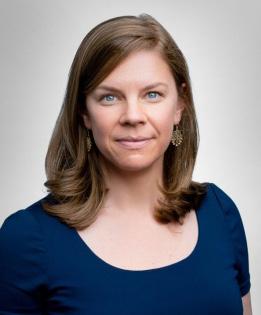
WRITTEN BY Catherine Patterson Acting Chief Operations Officer, UsAgainstAlzheimer’s
Our Planet, Our Lungs, Our Health: 6 Steps to Protect Yourself From Unhealthy Air
Four in 10 people in the United States live in an area with unhealthy air. Read more about the top tips for protecting against the risks of polluted air:
While there has been considerable progress in improving air quality over the past 50 years, more than 4 in 10 people, including 33.5 million children, live in a community with unhealthy levels of ozone (smog) or particle pollution (soot). Ongoing rising temperatures fueling more wildfires and unhealthy air quality days, along with rollbacks of federal air quality protections, are further threatening the air we breathe.
Air pollution impacts everyone, but especially children, older adults, and individuals living with asthma, COPD, and other lung and health conditions. For these individuals, unhealthy air can be life-threatening.
Here are six tips to protect your family, particularly those living with lung disease, from the risks and complications of unhealthy air, while helping to reduce pollution in your home and community.
• Check your daily air pollution forecast. The color-coded forecast — from green (“good”) to maroon (“hazardous”) — can help you understand when air pollution levels are high and potentially dangerous in your community. Sources include local radio and broadcast weather reports, online publications, and airnow.gov
• Use less energy in your home. If your home’s electricity comes from a power plant that burns coal or gas, generating that electricity creates air pollution. By reducing energy use, you can help improve air quality, curb greenhouse gas emissions, encourage energy independence, and save money.
• Consider alternative transportation. Walk, bike, or carpool. Combine trips. Use buses, subways, light rail systems,
commuter trains, or other car alternatives to help limit air pollution.
• Use hand-powered or electric lawn care equipment. Older lawnmowers and leaf or snow blowers emit particle pollution into the air. Newer, energy-saving equipment minimizes particle emissions.
• Protect your indoor air quality. We spend 90% of our time indoors, and yet, indoor air can be two-to-five times more polluted than outdoor air. To protect your health indoors, it’s important to identify and minimize the sources of air pollution and to regularly ventilate your home. Window and exhaust fans and air cleaners can help.
• Raise your voice. Recent rollbacks of pollution safeguards have put air quality and health at risk. It’s more important than ever to advocate for strong policies and guidelines that limit pollution from homes, businesses, cars, power plants, and other sources. Action is needed at every level — in your home town and at the state and federal levels. Clean air is everyone’s responsibility.
Our air is fragile. As climate change fuels drastic conditions — from hot, dry temperatures causing wildfires and increased particle pollution to greater rainfall and more severe storms — it is essential that each of us understand the causes and consequences of unhealthy air. Our ability to breathe depends on it.
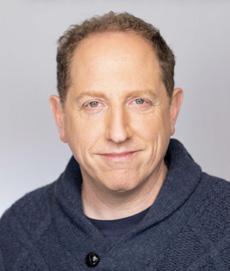
WRITTEN BY David G. Hill, M.D. Chair, Board of Directors, American Lung Association
How Cleaner Air at Home Can Support Lung Health for Life
The air inside our homes plays a big role in overall wellness, and probably a bigger one than many people realize.
HEPA filtration is one of the most trusted technologies for improving indoor air quality. Designed to capture microscopic airborne particles, these powerful filters help reduce common household irritants such as dust, pollen, pet dander, and ultrafine PM2.5 particles (hazardous, microscopic fine particulate matter) that circulate freely through living spaces.
Research published by the National Institutes of Health shows that, “Overall, higher PM2.5 exposure was linked to an increased risk of dementia.” So, from our lungs to our hearts, and our brains, cleaner air helps support better health.
HealthWay rigorously engineered its Intellipure H1000 air purifier to bring some of the most powerful HEPA air purification on the market into the home in a way that feels seamless and intuitive, while delivering proven, near-perfect particle capture. (Over 99.9%, in fact).
Combining that advanced HEPA filtration with dual air intakes, real-time particle sensing technology, and smart features like multiple fans speeds and app-enabled controls, the H1000 continuously monitors indoor air quality, automatically adjusts performance based on changing conditions, and lets users easily manage their air from anywhere.
Written by Intellipure

Scan here to learn more about the Intellipure H1000 Air Purifier:

















DON’T THINK YOU NEED TO THINK ABOUT BRAIN HEALTH?
THINK AGAIN.
Decades of research shows that building healthier habits — like exercise, diet and sleep — can help you live better now, protect your memory and potentially reduce your risk of dementia. Ready to take charge of your brain health?
Sign up for the (re)think your brain 6-Step Challenge.