
Private label is no longer a quiet force operating in the shadow of global brands. Today, it stands at the center of the FMCG transformation – redefining how value, quality, and innovation are perceived across markets. As highlighted in this issue of Food from Poland, private labels in Poland are entering a phase of strategic maturity, with their share in the FMCG basket steadily increasing and, in many categories, already shaping consumer choices.
What was once driven primarily by price has evolved into a multidimensional value proposition. Retailers are investing in premiumisation, functional products, and strong brand identities, while manufacturers are becoming co-creators rather than just suppliers. This shift is not only changing the competitive landscape but also strengthening Poland’s position as a key production hub for private labels across Europe.
For Polish producers, private label represents both a challenge and a significant growth engine. It requires operational excellence, flexibility, and innovation – but in return offers scale, long-term partnerships, and access to international markets. For retailers, it is a strategic tool for building loyalty and differentiation. And for consumers, it has become a conscious choice – one that balances quality, trust, and price.
In this edition, we take a closer look at how private labels are reshaping the FMCG sector – from market data and expert insights to the strategies of leading companies. One thing is clear: private label is no longer an alternative. It is becoming the new standard. Enjoy the read!
12 Marcin Zieliński, Director of Sales and Development, Makarony Polskie
14 Łukasz Lisowski, Gastronomy Expert, Fanex
18 Martyna Olszewska, Export Director, “Pol-Hun” M. Bielska sp.j.
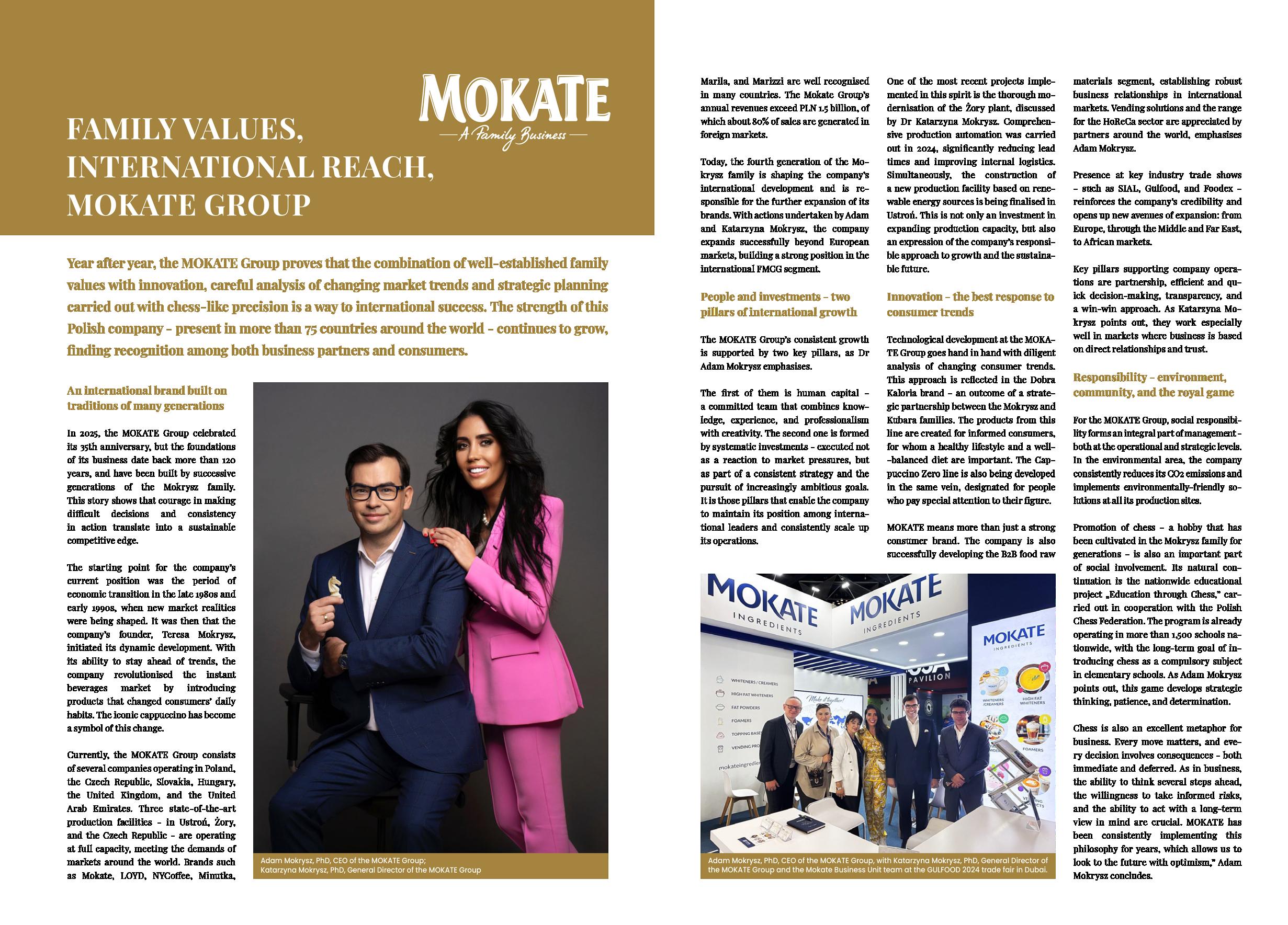
20 Adam Mokrysz, PhD, CEO; Katarzyna Mokrysz, PhD, General Director MOKATE Group
24 From economy products to strong brands –How private labels are changing commerce
58 Sweet trends on the Polish market
MARKET INSIGHT
29 49 Companies, One Cohesive Space. Our Exhibition Delivery at PLMA Amsterdam
32 Private Label: A Manufacturer’s Perspective
42 Challenges and Prospects for the Private Label Segment
44 Private label is no longer just a “cheaper alternative.” Today, it must behave like a full-fledged brand
Editor-In-Chief
Tomasz Pańczyk
t.panczyk@foodfrompoland.pl
Managing Editor
Monika Górka m.gorka@hurtidetal.pl
Advertisement Office +48 22 847 93 67
Sales & Marketing Department
Agnieszka Niewiadomska-Majchrzak a.niewiadomska@hurtidetal.pl
Graphics studio Maja Bulwarska m.bulwarska@hurtidetal.pl
Printing house ArtDruk Kobyłka www.artdruk.com
48 PIH: The Polish private label market is entering a phase of strategic maturity
49 YouGov: Every fourth zloty goes to private brands. Poles are eager to choose retail chain products
50 Nielsen IQ: The evolution of Private Labels in FMCG
54 Mintel: The new private label: built on innovation, not just price
43 Intermarché: The private label market will continue to grow though this applies more to large market players
43 Kaufland: Products refined in terms of quality and visual appeal are increasingly viewed by customers as branded products
45 YouGov: The growth of the private brands segment is also driven by changes in consumer behavior
POLISH COMPANIES
64 Information about the manufacturer and contact details
DISCOVER POLISH PRODUCTS
69 Top export products from the FMCG market
Editorial Office Bagno Street 2/218 00-112 Warsaw, Poland +48 22 828 93 66 redakcja@foodfrompoland.pl www.foodfrompoland.pl


Marcin Zieliński Director of Sales and Development
Polskie

In what direction is Makarony Polskie’s product portfolio developing?
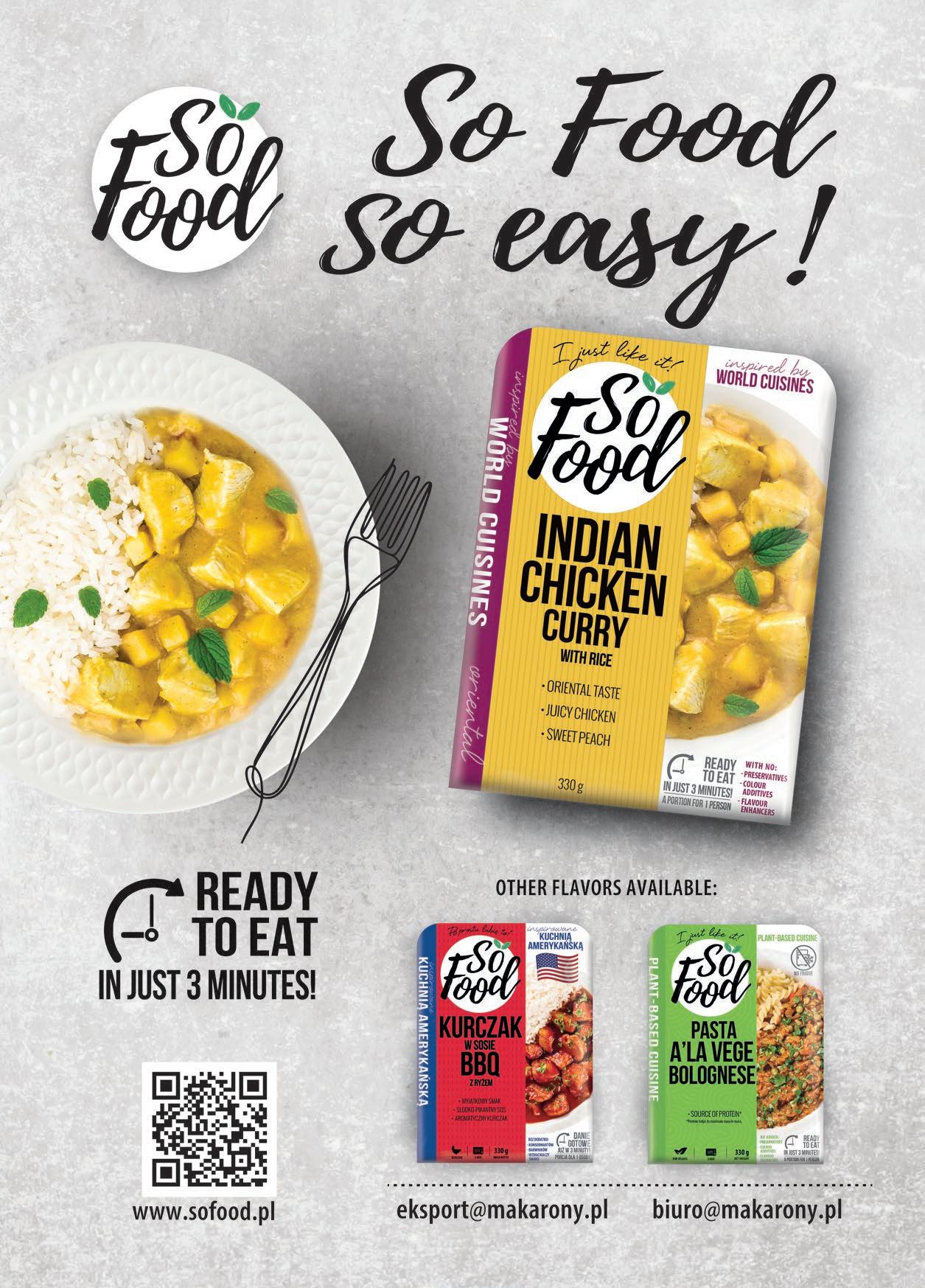
The Makarony Polskie Group is – as the name suggests – a pasta manufacturer, but not exclusively. Our group also includes Stoczek Natura, a producer of ready-to-eat meals with a wide range of products, including pasta dishes.
We are primarily a private-label manufacturer, and sales under our own brands account for a smaller portion of our business. We offer a broad portfolio – ranging from classic pastas made from durum wheat, mixed flours, and egg pasta to health-promoting and functional products.
In the past, we have launched rye, whole-grain, and spelt pastas – that is, health-promoting varieties – though this segment still accounts for a small share of total pasta consumption. Consumers express interest in a healthy diet, but when shopping, they are often guided by price and habit.
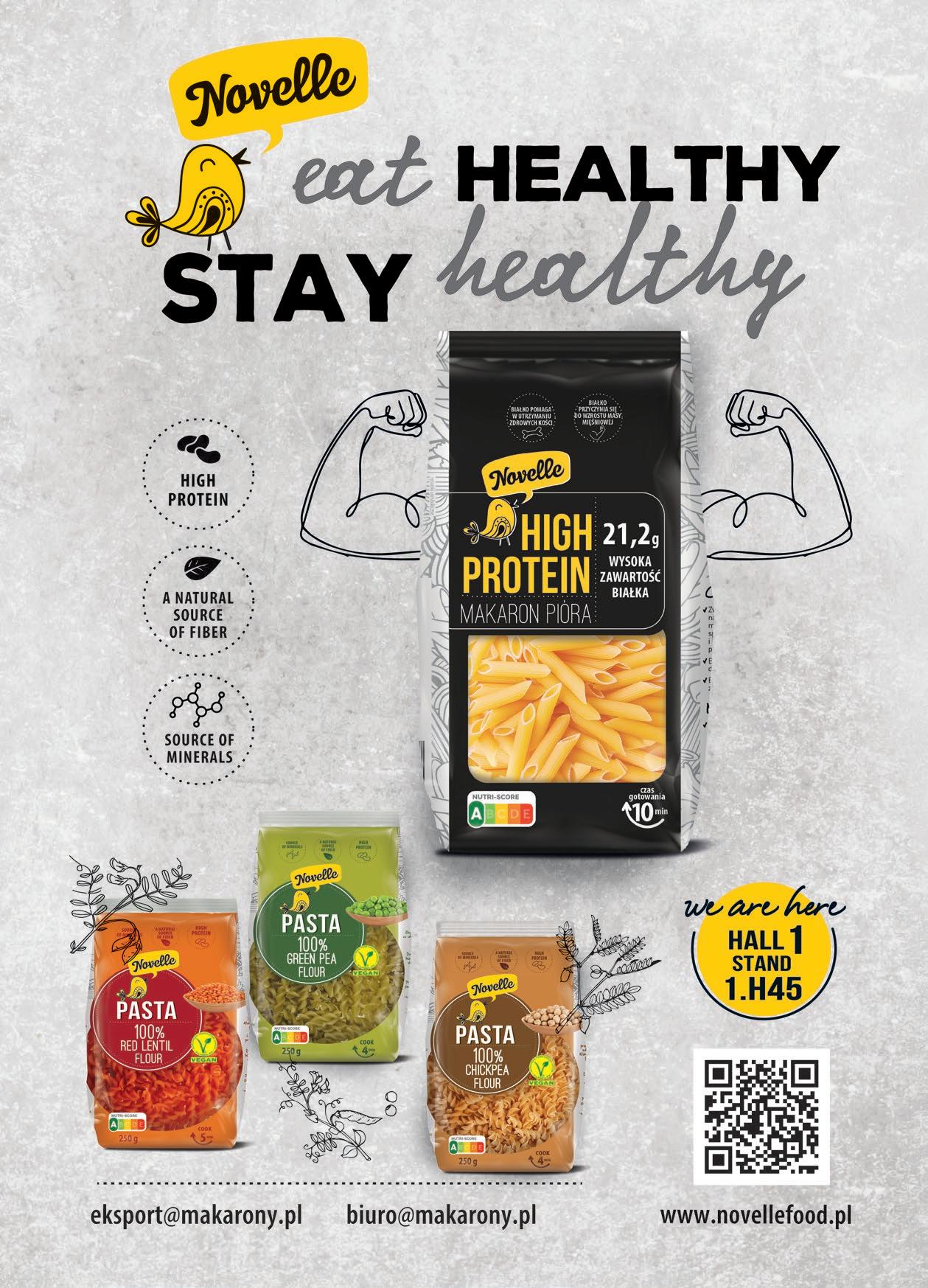
We have also developed pasta made from legume flours – 100% chickpea, red lentil, and green pea – with a high protein content.
Our range also includes functional pastas: Diabetic (studies have shown the potential to lower blood sugar levels by 4 percentage points with regular consumption), Cardio, and Fit pasta with a low glycemic index. We develop health-promoting products under the Novelle brand, clearly distinguishing it from the classic Makarony Polskie line.
This trend in Poland is still weaker than in Western Europe, but we are consistently increasing its market share. This year, we introduced high-protein pasta, containing approximately 22% protein. It is made from durum wheat flour and egg white, thanks to which it retains properties and a taste similar to traditional pasta. This responds to the growing interest in high-protein products in Europe and worldwide.
This year, the company adopted a new ESG strategy. Could you tell us more about this?
We adopted the ESG strategy primarily in response to the expectations of our major business partners and the regulations in force at the
The Makarony Polskie Group consistently implements its growth strategy, responding to changing market trends and the expectations of its business partners. Marcin Zieliński, Director of Sales and Development at Makarony Polskie, discusses the direction of the product portfolio, the importance of the health-promoting product segment, investments aimed at expanding operations, and the implementation of the ESG strategy.
time. Although the new regulations – which apply to companies with over 1,000 employees and a turnover exceeding 450 million euros –may limit reporting requirements, we have already implemented the strategy. We believe it enhances our credibility as a business partner.
We had already implemented many of these initiatives before the strategy was formally adopted. Most of our facilities have photovoltaic installations – currently, about 7% of our energy comes from our own sources, and the goal is 10%. We are modernizing our infrastructure (including replacing the coal-fired boiler room with a gas-fired one in Stoczek) and improving energy efficiency.
We aim for 70% of packaging to be fully recyclable, and we are expanding our efforts in the areas of the circular economy, local community relations, and working conditions.
Does your company make specific marketing and strategic decisions regarding sustainable development?
Our products and operations align with the principles of sustainable development.
We work exclusively with suppliers of certified raw materials who are committed to transparency and adherence to ethical standards. We do not tolerate unacceptable practices. As a publicly traded company, we operate in accordance with a clearly defined code of business ethics.
We manufacture in accordance with high European standards and do not generate pollution harmful to local communities. When designing products, we focus on minimizing environmental impact, including in the area of packaging.
For pasta, plastic film remains the most functional solution – it is fully recyclable, and alternatives such as paper or paper-film packaging do not provide adequate durability or require additional sorting.
In the ready-to-eat segment, we use cans and jars that are 100% recyclable. Currently, 70–80% of our packaging is recyclable. We have replaced black trays with white and transparent ones. We take these issues into account both when creating the product and when designing the packaging.
















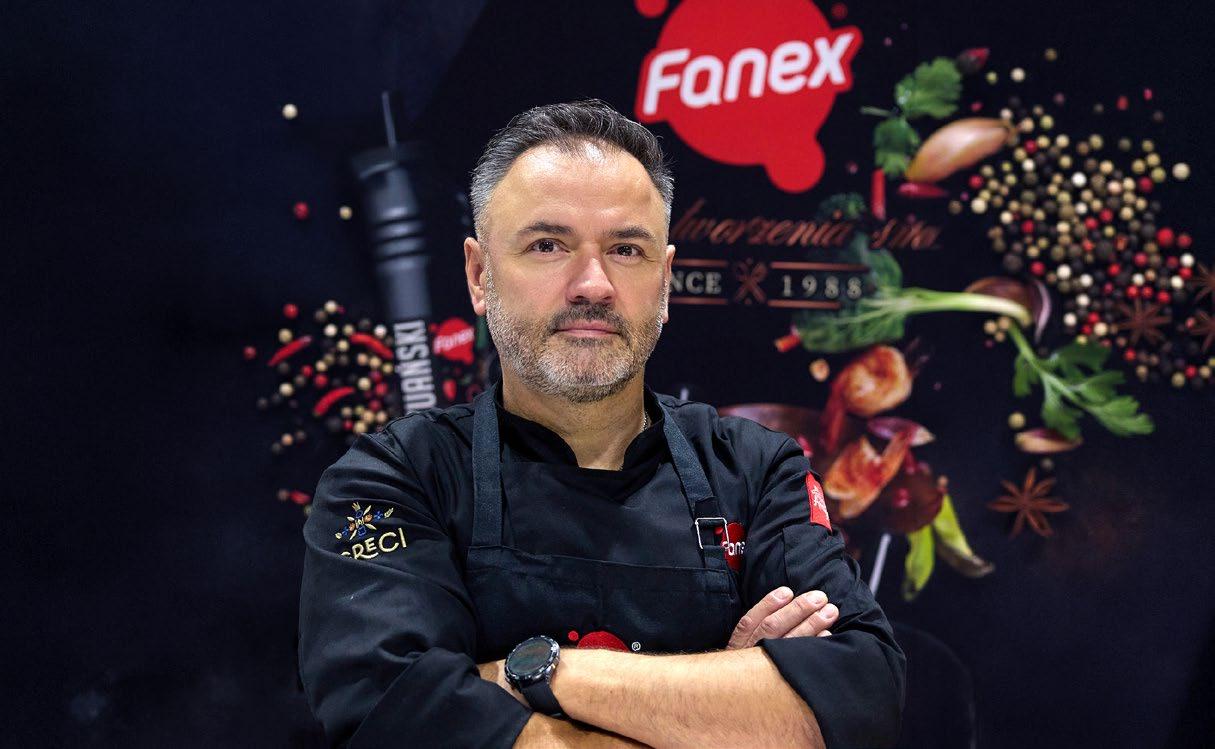
Gastronomy Expert Fanex
“Export
is one of the key pillars of growth, but it works only when product quality and predictability are ensured” – an interview with Łukasz Lisowski, Gastronomy Expert, Fanex.
Fanex is a family-owned company with a rich tradition. Could you describe the company’s development over nearly four decades?
Fanex is an example of a company that has grown consistently from the very beginning – step by step, based on clearly defined family brand values. We started with a narrower product range and very close relationships with gastronomy clients. These relationships taught us that in professional kitchens not only flavour matters, but also consistency and trust. For almost 40 years, we have been investing in quality, technological facilities and logistics, combining culinary intuition with a modern approach to production. Today, this results in a broad portfolio of sauces and food accompaniments that genuinely support the everyday work of professional kitchens, while the development of exports has allowed us to build brand recognition beyond Poland. In parallel, we contin-
ue to develop our own product expertise, among others through our in-house laboratory and R&D department, which helps us continuously adapt our offer to current market trends.
What is your recipe for success in the sauces category?
Flavour is always the foundation, but our “recipe” consists of three key ingredients: a distinctive and repeatable flavour profile, quality confirmed by production standards, and flexibility in adapting to customers’ needs. We create products with professionals in mind, which means that consistency, efficiency and stability in everyday use are also crucial – especially in real kitchen conditions, where the pace can be relentless. We are also placing increasing emphasis on transparent formulations and naturalness, including clean label solutions and reduced sugar and salt content, without
giving up technologies that support food safety and quality control. And finally – people, because the experience and passion of our team enable us to respond quickly to changing market conditions.
Trends in innovative flavour combinations: what’s new in your offer?
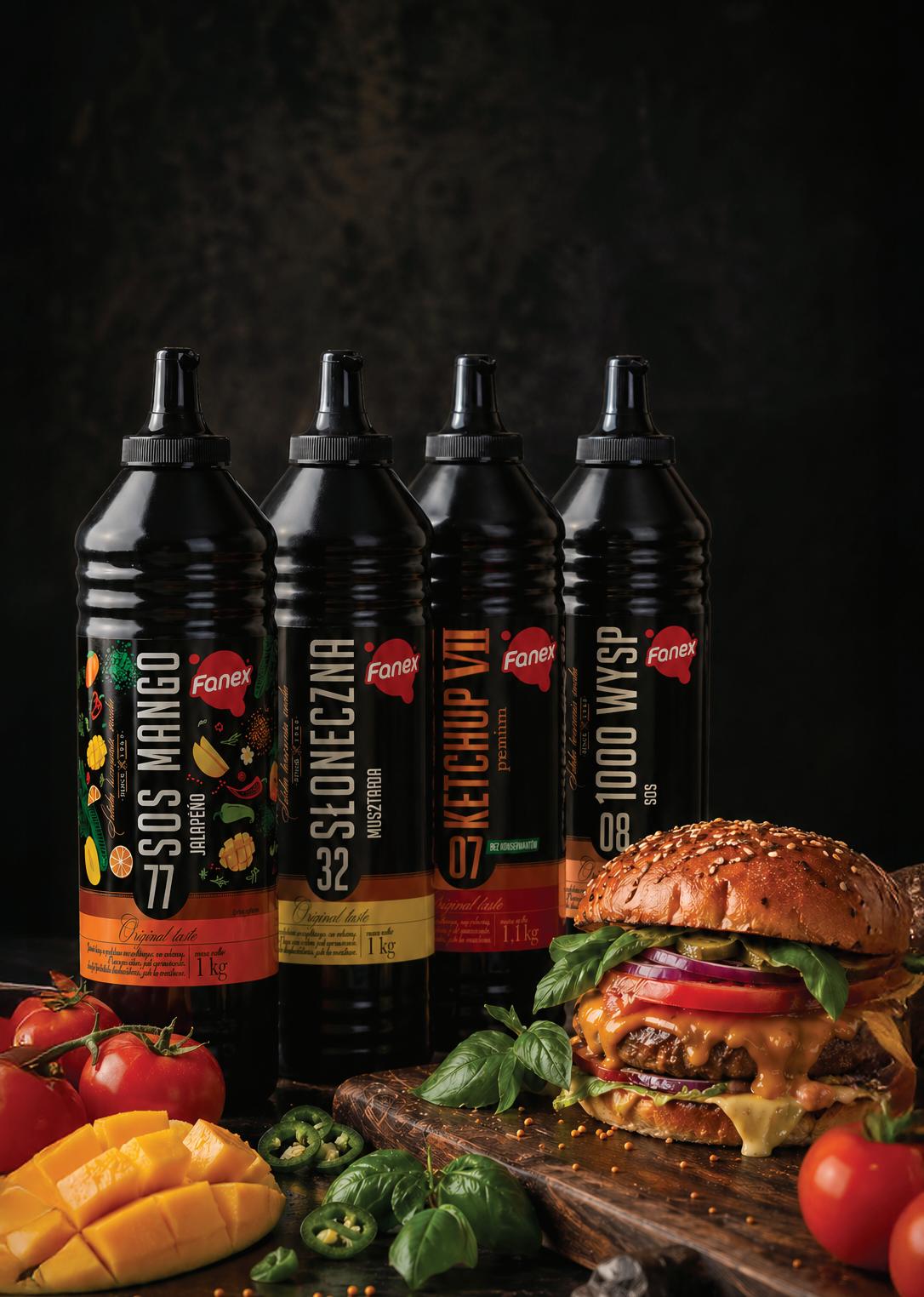
We see a clear shift towards fusion cuisine and flavours that give chefs greater creative freedom, hence the growing importance of sweet-and-savory combinations and “seasonal” products that allow menus to be refreshed quickly. Sweet-spicy and sweet-savory contrasts play an increasingly important role, though they are treated more as an element of flavour exploration than as a separate product category. Examples include such compositions as Mango Jalapeño Sauce, which combines fruity notes with a pronounced spiciness and works perfectly in street food dishes,

burgers or modern grill concepts. A similar trend can be seen in fruit-based sauces used not only in desserts but also in savoury dishes, such as Cranberry Sauce or Orange Sauce, which fit into the trend of flavour contrasts and modern taste personalisation. Added to this are products that focus on texture and presentation, for example Fan&Joy popping pearls, as today experience and visual effect on the plate – or in drinks such as bubble tea – are just as important as taste itself. These are precisely the kinds of products that allow restaurateurs and consumers to play with flavours without complicating kitchen processes.
Fanex products on international markets. Could you talk about export bestsellers and the expectations of foreign consumers?
Export is one of the key pillars of growth, but it works only when product quality and predictability are ensured. On international markets, our premium ketchups, mustards, mayonnaises, Garlic Sauce and Basil Sauce perform particularly well – flavours that are globally recognisable yet still have a distinct character. Asian sauces developed in cooperation with a Japanese partner are
The private label segment is demanding but highly growth-oriented, especially from the perspective of a manufacturer that
has
been actively delivering private label projects for many years.
also growing strongly, which shows how important reliable partnerships and authentic inspiration are. Foreign customers expect transparency of ingredients, stable supply chains and adaptation to local preferences, for example in terms of spice levels, which is why we take a flexible approach to recipes and packaging formats. Our sales are developing most dynamically in, among others, Germany, the United Kingdom, Scandinavian countries and Romania, while at the same time we are increasingly looking towards new markets, including outside Europe.
How do you assess the challenges and growth prospects of the private label segment from a manufacturer’s perspective?
The private label segment is demanding but highly growth-oriented, especially from the perspective of a manufacturer that has been actively delivering private label projects for many years. Today, private label is no longer merely a price-driven alternative but is increasingly becoming an integral part of retailers’ value-building strategies. Strong trends are visible here: premiumisation, the development of functional categories, clean label solutions, and the growing importance of consistent consumer experience regardless of the sales channel. From a manufacturer’s perspective, the biggest challenge is often balancing flexibility – tailored specifications, short lead times and differing market standards – with the highest levels of quality and consistency, which are our top priorities. At the same time, the outlook is very positive, especially for companies with strong technological capabilities and know-how that can operate at the intersection of gastronomy and retail. This experience helps to build private label projects that truly respond to real market and consumer needs.






























































































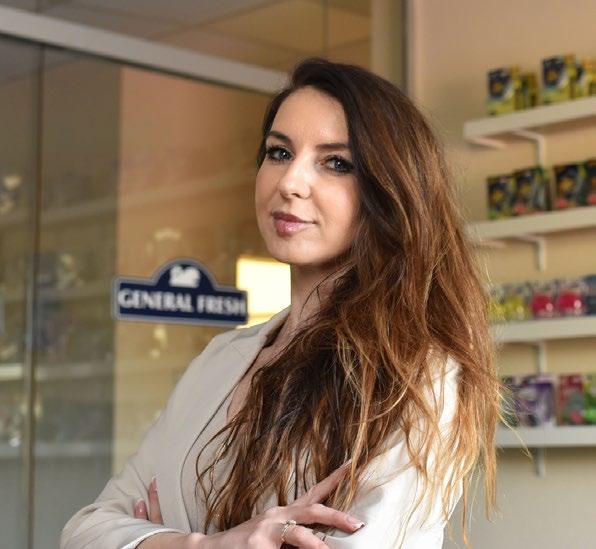
Martyna Olszewska Export Director
“Pol-Hun” M. Bielska sp.j.
Since 1990, POL-HUN has been combining tradition and modernity while being active on the Polish market. Please tell us about the company’s development over 35 years, including its international expansion.
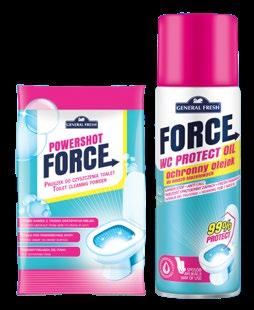
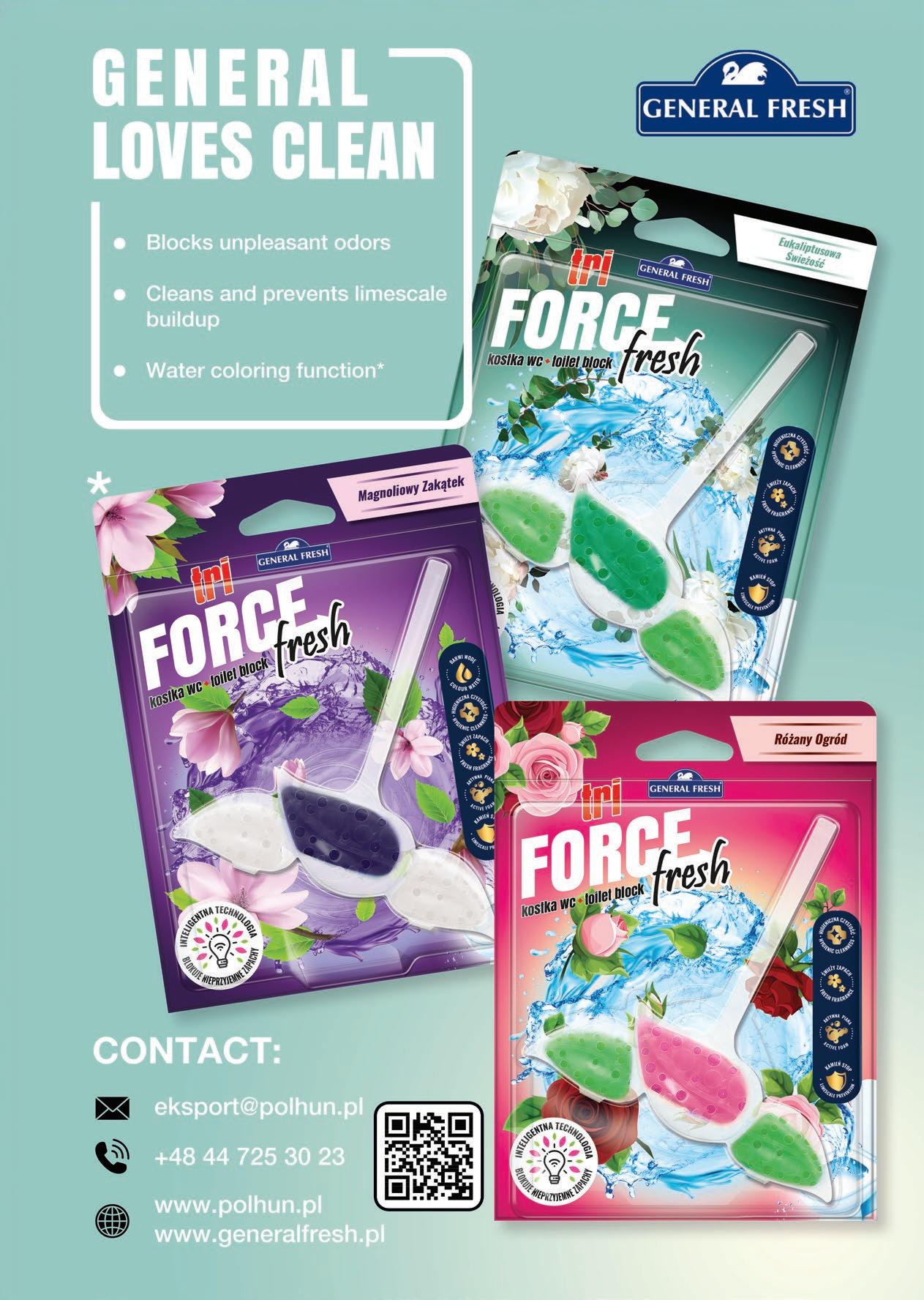
The history of POL-HUN is an example of consistent growth from a local family-owned company to one of the largest manufacturers of household chemicals in Poland. We started in 1990 in Koluszki, and one of the most important moments in our history was in 1992, when the first toilet block was created. The product that became the foundation for our further growth. In the following years, we invested in production infrastructure, warehouse facilities, logistics, and a research and development laboratory. Today, we have a modern infrastructure, employ over 300 people and carry out projects for both the domestic and international markets. International expansion was a natural stage of this journey and after strengthening our position in Poland, we entered new markets, and our products reached Our products have reached many countries around the world. For us, this proves that Polish quality, backed by technology and consistency, can successfully build trust in Europe and beyond.
What is your recipe for success in the Household Chemicals category?
Our recipe for success is based on three pillars, such as quality, flexibility and understanding the real needs of the consumer. That’s why over the years we’ve been developing products that meet the everyday needs of households, while also complying with high quality standards. Repeatability is also important, because in this industry trust is built not by declarations, but by reliable performance. Today success is also about partnership as retail chains and distributors expect not only a good product from the manufacturer, but also meeting deadlines, predictability and a readiness to react quickly to market changes.
Let’s talk about your products in international markets. Tell us about the export hits and the requirements of the foreign consumer. What works best in international markets is the products that combine effectiveness with a simple and clear user benefit. Toilet blocks are still an important pillar of our portfolio. Air fresheners,
“Invest in technology, people and processes to be not just a supplier, but a true co-creator of private label success” – an interview with Martyna Olszewska, Export Director, “PolHun” M. Bielska sp.j.
toilet gels, cleaning liquids, and products tailored for specific retail partners are also very popular. Today foreign consumers are demanding and aware. They expect quality, safety, convenience of use, refined fragrance and aesthetically pleasing packaging. At the same time, compliance with local regulations, complete documentation and security of supply are extremely important for export partners. Therefore, success in exports depends not only on the formulation itself, but also on whether the manufacturer can ensure full operational readiness and efficiently take the product from concept to store shelf.
What are the key trends shaping the private label market in Poland and Europe? How does your offer respond to these trends?
Private label is no longer just a ‘cheaper option’. It is increasingly becoming the conscious choice for customers seeking not only good value for money, but also modern design, functionality, and alignment with their lifestyle. The phenomena of premiumisation and growing trust in private labels are also evident because consumers today want products that are not just cheaper, but simply good. Our response to these trends is end-to-end support for our partners, from formulation and testing, through packaging design and visual identity, to production, certification and logistics.
What is your view on the challenges and prospects for the development of the PRIVATE LABEL segment from a manufacturer’s perspective?
The private label segment is both a great opportunity and a great responsibility. An opportunity, because retail chains and distributors are developing their own brands more and more boldly and in more and more categories. And responsibility, because the demands on the manufacturer are increasing. Certifications, safety and consistent quality, speed of implementation, production flexibility, and efficient logistics all matter. At the same time, market data shows that private label continues to grow, and most industry representatives expect this segment to expand further in the coming years. The future will belong to those manufacturers who can combine their operational scale with a partnership approach and the ability to adapt quickly to market needs. That’s why we invest in technology, people and processes.
Private labels are no longer associated with cheaper alternatives, they are becoming a conscious choice of consumers. Buyers no longer see them not only as an attractive price, but also as quality, availability, convenience. How has the private label market changed recently and what issues are decisive in consumer choices?

Monika Górka Editor
Behind the dynamic growth in the popularity of private labels are discount chains, which effectively compete with hypermarkets. Also conscious consumers have added their three cents here, they analyze the composition of products, read the label and compare prices. If a product has a “good” composition and meets the expectations of the buyer – why should they pay more for a popular brand? In addition to price, positive experiences are also important, so if the
consumer is satisfied with a private label product once bought – he will come back for it, and perhaps try others. Retail chains are investing in development and communication, creating brands that not only sell – but also build loyalty1.
Private label sales in Europe exceed 320 billion euros, and their share of the FMCG market in many Western European countries is more than 40%. At the same time, Central and Eastern Europe remains one of the most important areas for further growth in this market segment. Poland is one of the largest and fastest-growing FMCG markets in the region, with a market value of about
PLN 287 billion (about €67 billion), and the share of private labels in the FMCG market has reached 23.5%. Compared to Western European markets, this still means high growth potential for the private label segment in Poland and the CEE region. Also noteworthy is the fact that private label sales in Poland are growing faster than the overall market – +6.6% year-on-year.
The private label market in Poland has entered a phase of mature, qualitative growth, which is increasingly in line with trends observed in Western markets. As ASM SFA Analyst Karolina Mankowska points out, the key change is the evolution of perception – from a
source: https://pkb24.pl/juz-co-czwarta-zlotowka-trafia-do-marki-wlasnej/ 2source:

purely budget segment to a full-fledged alternative to branded products. Consumers are increasingly following the logic of so-called smart shopping: they consciously choose private label products, expecting quality comparable to category leaders, while maintaining a price advantage. This is confirmed by the data – about 70% of consumers today consider private labels as a full-fledged quality alternative to branded products. (McKinsey & Company – State of Grocery Europe 2024). In practice, this means that private labels have ceased to be a „plan B” and have become an equal choice, which directly translates into growing trust and greater competitive pressure on brand manufacturers.
„At the same time, we are seeing a clear premiumization and segmentation of the offer. Specialty categories are growing fastest –BIO, vegan, gluten-free or simplified (clean label) products. Retail chains are developing their own premium lines, which not only improve margins, but, above all, build loyalty to a particular label. A consumer who finds a high-quality product available exclusively in one chain is much less likely to migrate in price. As a result, private label ceases to be a mere pricing tool, and begins to serve as a strategic asset in building a long-term
relationship with the customer,” Karolina Mankowska comments.
This does not change the fact that the pricing aspect remains fundamental. Private labels are one of the key instruments in the pricing policy of retail chains and an important element of communication of the „cheapest store” image. In a period of heightened inflation, the price difference between branded and private label products was one of the main drivers of purchases, accelerating the migration of consumers to cheaper alternatives. Importantly, this shift is permanent – as many as 84% of consumers say they will stay with private labels even if their financial situation improves. (McKinsey & Company – State of Grocery Europe 2024). Thus, once a quality experience is built, some customers no longer return to more expensive counterparts.
„From an operational perspective, the development of private labels places new demands on chains. Successful management of this segment requires as sophisticated an approach to merchandising, availability and shelf execution as global brands. Accessibility gaps or poor display directly undermine the credibility of the offer and limit sales potential, which is why audits and standard-
ization of in-store processes are growing in importance.” – ASM SFA Analyst notes. Looking more broadly, the share of private labels in the Polish FMCG market is growing steadily and is gradually approaching the levels seen in Western European countries such as Germany and the United Kingdom. Currently in Poland, they are already responsible for about 32% of the grocery market, and a level of more than 30% puts us at the forefront of the CEE region. (Marca Poland / compiled on the basis of market data (including NielsenIQ, PLMA) – Private Labels – a key development direction for the FMCG market). This indicates further potential for growth – both quantitatively and qualitatively. Moreover, as Karolina Mankowska points out, Poland remains one of the fastest-growing markets in the region, with the share of private labels increasing by about 0.5 p.p. per year. (PLMA International – Private Label Sales and Shares Surge Across Europe). As Karolina Mańkowska admits, the next stage of development will be the strengthening of sustainability aspects (including eco-friendly packaging, supply chain transparency) and deeper personalization of the offer to specific consumer segments.
Poles are increasingly combining private labels with manufacturers’ products in their shopping carts, driven primarily by quality and their own shopping experience. This shift is particularly evident in the growing role of private labels in shopping. According to the survey, the most frequently cited reason for choosing them is trust in proven products (39.8%), while better value for money is indicated by 21.8% of respondents. Budget plays first fiddle for only 17.6% of respondents. This reveals a clear shift toward choices based on trust and quality.
The growing role of Poland as a production base for European private labels is also worth highlighting. The high quality of domestic production, competitive costs and developed competencies in the FMCG sector mean that Polish producers are increasingly becoming partners for foreign retail chains. This not only opens up new distribution channels, but also strengthens Poland’s position in the European retail ecosystem. „Private labels are ceasing to be a complementary element of the offer, and are becoming one of the main drivers of retail growth – both in Poland and globally. Their further development will be based on quality, specialization and the ability to build unique value for the consumer, rather than solely on price advantage.” – ASM SFA Analyst concludes.
PRIVATE LABEL IS NO LONGER THE DOMAIN OF A SINGLE FORMAT –BECOMES PART OF A BROADER OFFERING ARCHITECTURE
„Private label (aka private label) is less and less treated as a solution ‚for worse times’. Until a few years ago, its main competitive advantage was price. Today, consumers take a much more pragmatic approach to shopping – they compare the quality, composition and real value of a product, not just brand strength and price,” comments Mieczyslaw Gonta, Retail and Consumer Goods Team Leader at PwC CEE. This is confirmed by data from the PwC report „Taste, Price, Awareness. A map of Poles’ consumer choices 2025”. 59% of consumers still point to price as a key criterion for choosing food, but at the same time expect adequate product qual-
ity. Importantly, about 60% of shoppers do not declare a strong preference for brands, increasingly choosing freshness and seasonality even at the expense of a well-known logo. It is in this space that Private Label is beginning to function like a so-called Private Brand – a brand chosen out of conviction rather than necessity. The boundary between producer brand and private label is becoming less and less clear, and often secondary for the consumer.
This process is strongly intertwined with the development of discount chains. These entities have steadily increased their market share in Europe in recent years, and Private Label has become one of their key growth drivers. The situation is similar in Poland – the discount format remains the main place of first choice for everyday shopping, and the high quality of private labels reinforces this effect.
At the same time, the market is witnessing an interesting transition period. As Mieczyslaw Gonta notes, the price pressure that drove the migration of consumers to cheaper price segments in 2022-2024 (so-called downtrading) is beginning to wane. A consumer who has learned to trust the discount chain’s own brands does not automatically abandon them as the financial situation improves. Rather, he starts looking for quality and pleasure – also within private labels, both in discount stores and traditional chains. This changes the rules of the game: Private Label ceases to be the domain of a single format and becomes part of a broader offering architecture. „For manufacturers, this means a real challenge, but also an opportunity. The development of private labels is no longer a purely price-driven phe-
nomenon – it is the result of changing expectations of consumers, who increasingly buy the product, not the „logo.” In practice, this is forcing a clearer differentiation of brands, investment in innovation or – increasingly –entering the role of a chain’s production partner. Thus, we are witnessing one of the most interesting transformations on the Polish and European market in recent years, which is worth observing and tempting to win it for your own business,” Retail and Consumer Goods Team Leader at PwC CEE.
Value for money is a key criterion for purchasing decisions, but today private label has its own character. Buyers appreciate responding to their individual needs by offering products that are local, organic, or in line with current food trends. As Przemyslaw Korotusz, Analytics Consultant at Nielsen IQ, points out, convenience products, especially ready meals, food-to-go and healthy snacks, also play a big role in the development of private labels. Retailers are investing in the development of their products, trying to compete with the big, well-known brands, including in design, and are not shying away from fighting for their place in the premium segment. Choosing a private label, is increasingly a conscious choice rather than an alternative one.
Private label shares in the FMCG market are even more impressive when we look at specific product categories. „The category in which private labels generate the highest turnover is fixed-weight meats – it is the third largest category by value in the total Polish grocery basket, and private labels account for as much as 54% of the category’s sales value across Poland. Next we have refrigerated ready meals (in Poland it ranks 19th in terms of value, of which private labels are responsible for 75%), yellow cheeses (ranked 14th and the share of private labels at 59%). Among chemical and cosmetic categories, private labels also have high competitiveness in the largest categories by value. The categories with the highest sales value of private labels are, in turn, toilet paper (in the total basket it is 2nd place by value, for which private labels account for 74%), paper towels (5th place and 73% share of
private labels) and diapers (14th place and 67% share of private labels)” – Przemysław Korotusz comments.
The popularity of private labels is growing hand in hand with the ongoing expansion of discounters, which increased the number of outlets by more than 600 new outlets from January 2024 to January 2025. Along with new stores, their influence on our habits and consumer expectations is also increasing. Western European examples show that with the concentration of trade, we can expect the importance of private labels to continue to grow in Poland.
„A key qualitative change is the redefinition of the very concept of private label. The private label offer has evolved – from cheaper products, often treated as a quality compromise, to independent brands with recognizable communication and growing buyer loyalty,” stresses Maciej Ptaszynski, President of the Management Board, PIH.
The private label market is growing intensively and strongly interfering with the entire FMCG market. The position of retail chains and cost pressures are increasing, the market is polarizing – which is becoming both a major challenge and an opportunity for manufacturers in the industry. Experts forecast further growth in the importance of private labels in the coming years. What is noteworthy is that private label products in some way significantly influence and drive innovation in the
FMCG sector. Private labels for many manufacturers are an important element of growth. The ability to combine competitiveness with high product quality is also extremely important in this process.
Importantly, there is growing confidence in private labels on the part of consumers themselves. We should also note that private label is becoming the first choice in many FMCG categories. Key trends within private
label include premiumization, the development of functional and clean label categories, and the growing importance of a consistent consumer experience – regardless of sales channel. Consumers’ purchasing decisions are increasingly influenced by product quality, promotions and price, health and wellbeing, and shopping convenience, all of which are highly conducive to further brand development.
• The value of the FMCG market in Poland in 2025 is 287 billion zlotys (about 67 billion euros),
• FMCG market in Poland grew by +5.4% year-on-year,
• the share of private labels in the Polish FMCG market is 23.5%,
• private label sales in Poland are growing faster than the overall market – +6.6% year-on-year,
• in Europe, the share of private labels averages about 40-42% of the FMCG market,
• globally, private label sales exceed $330 billion,
• the most important factors influencing consumer purchasing decisions include product quality, promotions and health and wellbeing.
These figures show that Poland and the CEE region still have high growth potential in the private label segment, with private label growth driven primarily by changes in consumer behavior and the strategic approach of retail chains to private label development.
Source: MARCA POLAND 2026

responsible for PLMA projects; the article is based on his overview of the exhibition delivery process
+48 795 422 420
r.gut@maxpol-targi.com.pl

For more than 35 years, our team at Maxpol has been working on exhibition stands for companies operating on international markets. Over time, this experience has shaped the way we approach trade fair projects –with a strong focus on planning, coordination and the ability to manage complex, multi brand environments.

Karina Majdalani Marketing Manager Maxpol
These principles will guide our work during the upcoming edition of PLMA Amsterdam, where 49 companies will present their products with our support. We will be responsible for the execution of exhibition stands covering a total area of 630 square meters. This will also be the 17th edition of PLMA in which we participate, continuing a long term presence built on consistency and trust.
Each project of this scale carries a high level of responsibility. Every participating company has its own brand identity, communication goals and operational needs. Our role is to translate these individual requirements into exhibition spaces that support product presentation, business meetings and daily work on the stand, while remaining clear, functional and comfortable.
Each of the 49 companies will be represented by an individually designed exhibition stand. Every project will reflect its own brand and functional objectives. Our task is to coordinate these independent designs and ensure that all elements work together within one coherent space.
Managing so many individual projects in parallel requires detailed preparation, aligned production schedules and close cooperation with exhibitors, designers and contractors. At the same time, maintaining the individuality of each stand remains essential. This balance allows clear
brand differentiation while preserving spatial order and readability across the entire area.
Behind the execution of a project of this scale stands a multidisciplinary team with long standing experience in exhibition production, logistics and on site coordination. Years of working on international trade fairs allow the team to anticipate challenges, identify potential risks at an early stage and react quickly to changing conditions. This experience becomes particularly important when working within fixed deadlines, strict venue regulations and complex installation schedules.
The daily work of the team relies on close communication between project managers, technical specialists, production partners and site crews. Clear processes and defined responsibilities support efficient decision making and ensure that information flows smoothly at every stage of preparation. This is especially critical when multiple stands are installed simultaneously and tasks must be carefully sequenced to avoid delays or conflicts.
As a result, the exhibition space will support natural visitor flow, easy orientation and meaningful B2B interactions. The full 630 m² will be used efficiently, without visual overload or fragmentation, so that every exhibitor can fully benefit from the shared location.
Maxpol is responsible for the full execution of the project, delivering exhibition stands for all 49 exhibitors based on individual design require-
ments, including production of custom built structures, international logistics, and on site installation and dismantling.
Delivering a project of this scope within a tight trade fair schedule calls for precise planning, strong operational control and experience built over many years. Coordinating technical requirements, branding guidelines, local regulations and fixed timelines is supported by continuous communication and on site supervision, allowing the team to respond efficiently to challenges and ensure that every stand is delivered on time and in line with agreed specifications.
This project reflects Maxpol’s long term approach to exhibition delivery – based on experience, organizational stability and the ability to operate at scale. Coordinating 49 individually designed stands within one exhibition area demands not only technical expertise, but also proven processes and disciplined project management.
After 36 years in the market, we have developed systems that allow complex, multi stand projects to be delivered with predictability and control. From planning and production to logistics and on site execution, every stage is managed with consistency and attention to detail. The ability to deliver 630 square meters of exhibition space for multiple companies at the same time remains a clear expression of how Maxpol combines experience, stability and execution quality in its work at international trade fairs.
This work will continue at SIAL Paris in October, where Maxpol will be present together with 28 companies, delivering exhibition spaces covering a total area of 600 square meters.


Julita Sipa Export Manager ZPC BRZEŚĆ
From a manufacturer’s perspective, the private label segment is both an opportunity of scale and an area of significant operational and negotiation challenges. The key challenge remains margin pressure – retail chains, as brand owners, dictate pricing conditions, limiting profitability and supplier flexibility. High quality and logistical requirements, as well as the need to respond quickly to changes in demand, further raise operating costs and the barrier to entry.
At the same time, the growing importance of private labels is opening up manufacturers’ access to large volumes and stable contracts, which promotes capacity optimization. The ability to innovate is also increasingly important – chains today expect not only low prices, but co-creation of premium, organic and functional products.
Growth prospects are positive, especially for specialized and flexible companies that can combine cost efficiency with quality and innovation. In the long term, manufacturers who build partner competencies, not just executive competencies, will gain an advantage.

Renata Ferenc Co-owner and Board member ROS-SWEET
The private label market has entered a stage of mature growth. Today, it is no longer determined solely by price, but by value for money, the pace of innovation and the ability to build distinct segments – premium, functional and sustainable.
In Europe, the share of private label has exceeded 38% of sales value, and in Poland it has reached over 24% and is growing (NielsenIQ). However, the key change is occurring on the consumer side, private labels have ceased to be a compromise, they have become a conscious choice.
As Mintel points out, social media shortens the distance between inspiration and purchase, and private label has a natural speed of deployment advantage over manufacturer brands, thanks to shorter product development cycles.
In an environment of accelerated trends, manufacturers combining operational scale with flexibility and agile novelty deployment are winning. Forecasts for 2026 and beyond show further share growth, especially in the value-for-money and premium segments. By 2030, private label’s share in Europe could approach 40%.

Marta Uszyńska-Kongiel Marketing Manager HAL
The private label market in Europe has reached a level of maturity. Poland remains several steps behind the leaders, but the growth dynamics clearly indicate a further approach to the European average.
The most important change today is the redefinition of the role of private label. It is no longer just a price alternative, but a full-fledged offer including premium segments, organic or functional products. As a result, consumers are increasingly guided not by the manufacturer’s brand, but by the quality-to-price ratio.
The development of private labels significantly affects the entire FMCG market. It strengthens the position of retail chains, which take control of the shelf and the relationship with the customer, and at the same time puts strong cost pressure on manufacturers. In practice, this leads to a polarization of the market – on the one hand private labels are growing, on the other strong premium brands are maintained, while the medium segment is losing its importance. From the perspective of manufacturers, this is a challenge and an opportunity.
Private label can be expected to continue to grow in importance in the coming years. A key factor will be the continuing price sensitivity of consumers and the growing competence of retail chains in building quality and innovation in their brands.
The private label segment remains one of the fastest growing areas of the FMCG market, recording systematic growth and increasing its share in total sales. However, such dynamic growth comes with significant challenges. Cost pressures and the need to maintain competitive prices while ensuring high quality and product innovation play a key role. At the same time, there are growing demands from retail chains for production flexibility, shorter runs and rapid response to changing consumer needs.
On the other hand, we see significant growth potential, especially in the area of sustainable solutions, where private labels are increasingly setting the stage for market changes. Today, private label is no longer seen as a budget substitute for well-known brands, but as a strategic product – an element of building competitive advantage, and increasingly in the premium segment. Private label products are visibly driving innovation in the FMCG sector and are enjoying growing consumer confidence.

Piotr Kozak Director of Sales and Marketing Ecowipes
The development of private labels is one of the most important structural changes in the FMCG market, which creates a new space for cooperation between producers and retail chains. For manufacturers this means, on the one hand, increasing price pressure and weakening of traditional advantages such as brand strength, but on the other hand, a real opportunity for growth. A conscious choice of strategy becomes crucial: develop strong brands or actively participate in private label projects. Both paths can effectively complement each other within a sustainable business model.
Private labels allow you to increase the scale of your business, make better use of production capacity and build long-term relationships with trading partners. They also give access to the shopping basket of customers, who are increasingly driven by optimal value for money. In this context, the manufacturer faces a simple choice: whether it wants to be part of this change or cede space to competitors. Success in this area requires operational flexibility, speed and investment in product development.
Manufacturers who are able to combine efficiency with flexibility have a chance to strengthen their position and become key partners for retail chains.

Łukasz
Knapowski Commercial Director AKSAM
Private labels are an important and integral element of growth for manufacturers today. This is a segment that requires the highest standards of quality, repeatability, timeliness and rapid response to the changing needs of retail chains and consumers. From our perspective, success in this area is based on partnership, understanding of the market and the ability to combine competitiveness with high product quality. Taste is also an important element – that’s why we tailor recipes and flavor profiles to the specifics of a given market and the preferences of consumers in each country. We see that consumers are increasingly turning to private label brands, so we see this segment as a real opportunity for long-term development and joint value creation with trading partners. At the same time, we are not giving up on building our own brand and its position in the market.

Dorota Bielicka Director of Trade & Marketing U Jędrusia

Marek Osuchowski Director of Trade and Marketing Wielkopolski Indyk
Today’s private label market in Europe is no longer just a battle for volume, but above all for security and trust. Private Label shares in the shopping baskets of Poles and Europeans are breaking new records, in many categories becoming the first-order choice. This growth is forcing us – a manufacturer with nearly 60 years of experience – to evolve into a strategic partnership.
A key trend today is to be fully open to the unique product strategies of retailers. The challenge for a large turkey producer is not to produce the goods themselves, but to understand the DNA of a given chain and provide “tailor-made”solutions. In an era of risks such as HPAI, the professional trade is looking for predictable partners that guarantee operational stability.
Our know-how and quality control at every stage – since 1967 – is the foundation on which we build joint success with merchants. The future of the segment belongs to suppliers who can combine production scale with artisanal precision in tailoring the composition or packaging format to the specific needs of the modern consumer.

Piotr Kubiczek
Commercial Director Fanex
The private label market in Poland and Europe is evolving dynamically. Increasingly, they are created by large, experienced and trusted brands, which use their technological facilities, know-how and quality control for the needs of retailers. Key trends include premiumization, the development of functional and clean label categories and the growing importance of a consistent consumer experience – regardless of the sales channel. Private label is ceasing to be solely a pricing alternative and is becoming part of the value-building strategy of retail chains. From a manufacturer’s perspective, the challenge may be to reconcile flexibility with the highest standards of quality and repeatability – something we at Fanex consider a priority. At the same time, the prospects for growth are very good, especially for companies operating at the interface between foodservice and retail. An example is Fanex sauces, present both in large food service outlets and in retail with food service area. This experience allows us to create private label solutions that meet the real needs of the market and consumers.

CFO and Proxy
From the point of view of Helio S.A., Poland’s largest private label producer in the nuts, nuts and cake mixes category, the private label market in Poland and Europe is developing very dynamically and is one of the key pillars of modern retailing. Helio S.A. has for years observed the growing importance of private labels, which are increasingly the first choice of consumers thanks to their high quality, repeatability and attractive value. The segment of products such as nuts, nuts, dried fruits and cake mixes, in which Helio S.A. plays an important role as an experienced and specialized supplier to retail chains, is growing particularly rapidly. Helio S.A. is the largest private label supplier in Poland in its category. The cooperation with retail chains is based on stability, reliability of supply and a flexible approach to merchants’ needs, which allows us to jointly develop a competitive private label portfolio. Helio S.A. consistently strengthens its position, responding to the changing expectations of the market and consumers, and actively supports retail chains in building a strong private label offering, remaining a key partner in its category.

The private label market in Europe currently reaches about 40-42% share of FMCG sales in the largest Western European countries (the so-called EU6), while in Poland it exceeds 30% and maintains a stable growth trend. In the sweet snacks segment, we are observing a significant change, private labels are developing not only in the price area, but are increasingly competing on quality, recipe and refined packaging. The key directions are premiumization, development of products inspired by global trends and convenience formats. From an export perspective, the importance of operational flexibility, speed of deployment and the ability to create products tailored to specific local markets is growing. For manufacturers, this means the need to constantly raise standards while remaining cost-competitive. The private label segment remains one of the key drivers of growth in the FMCG market, driving both sales volumes and the development of international cooperation.

Private labels are competing more and more effectively with branded products –not only in price, but also in quality. With the rising cost of living, consumers are more willing to choose cheaper but proven alternatives. This is a huge opportunity for the Private Label segment, but at the same time a challenge – as expectations are growing regarding quality, transparency of composition and sustainable production. We are also seeing a dynamic increase in interest in functional, organic and tailored products for specific dietary needs. At Greek Trade, we actively support retail chains and distributors in creating strong private labels, offering products that meet these needs. The potential of the sector – both in the Polish, European and global markets – is significant, but fully exploiting it requires flexibility, innovation and the ability to respond quickly to changing trends. With more than 30 years of experience, state-of-the-art production facilities and comprehensive services – from recipe development to logistics – we effectively support our partners in building modern, competitive private labels.

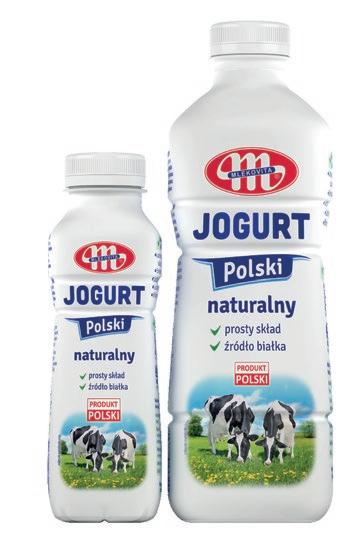
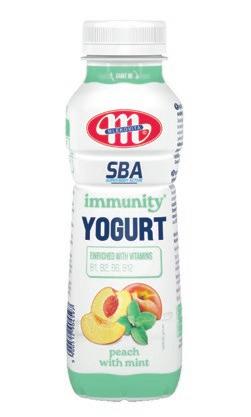
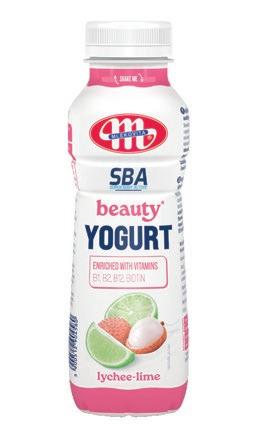
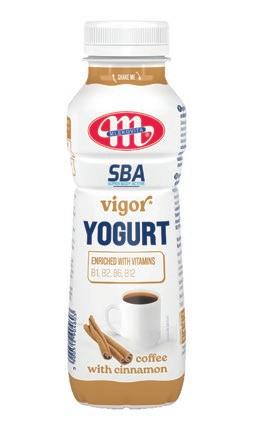
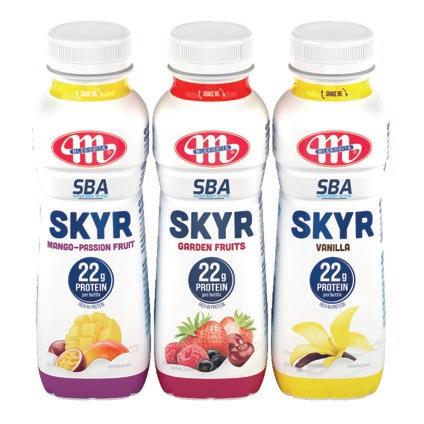
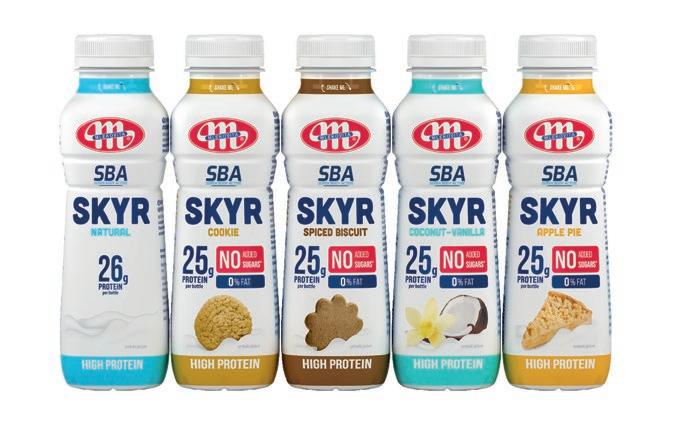
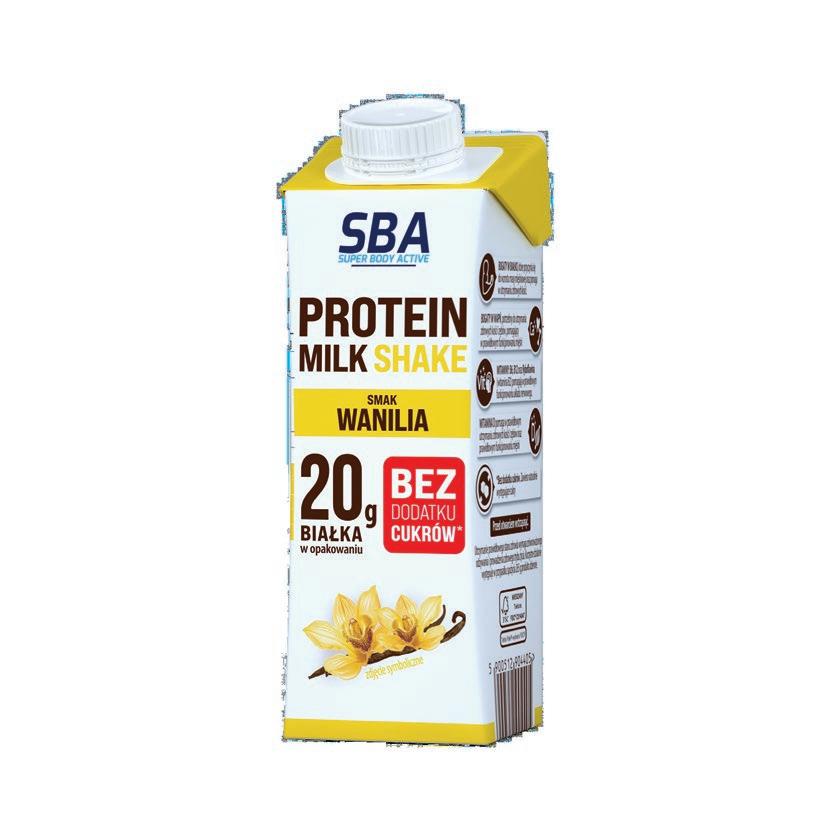
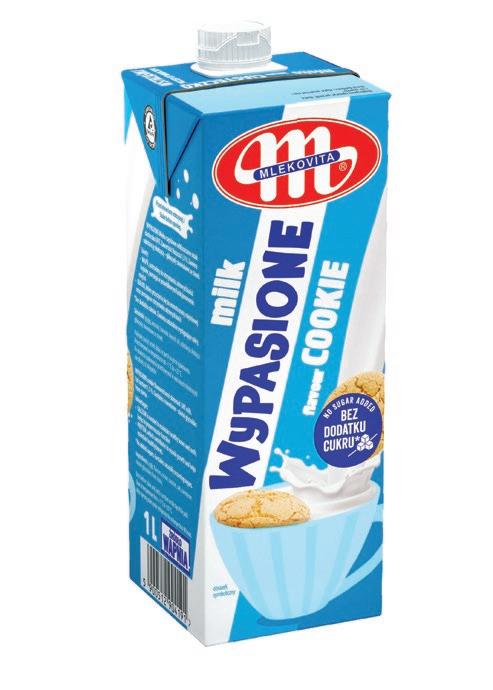
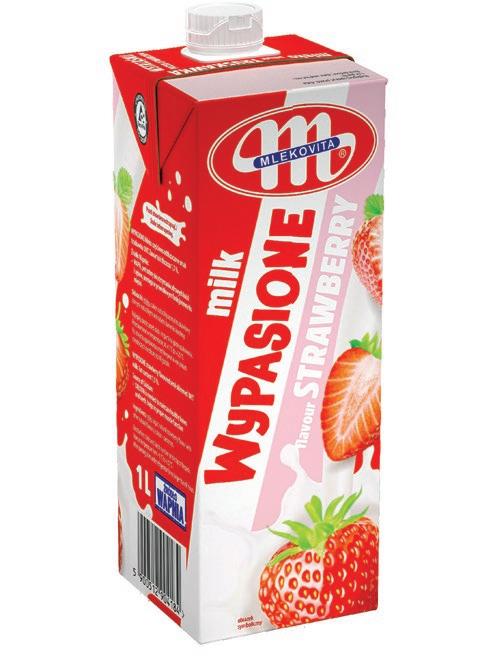
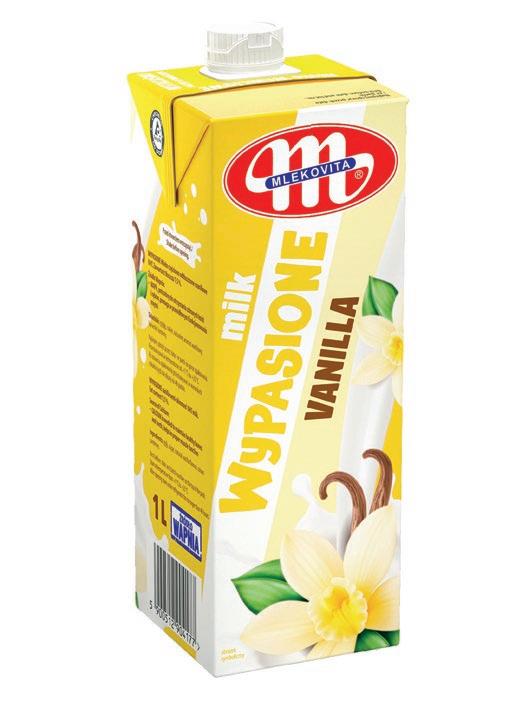
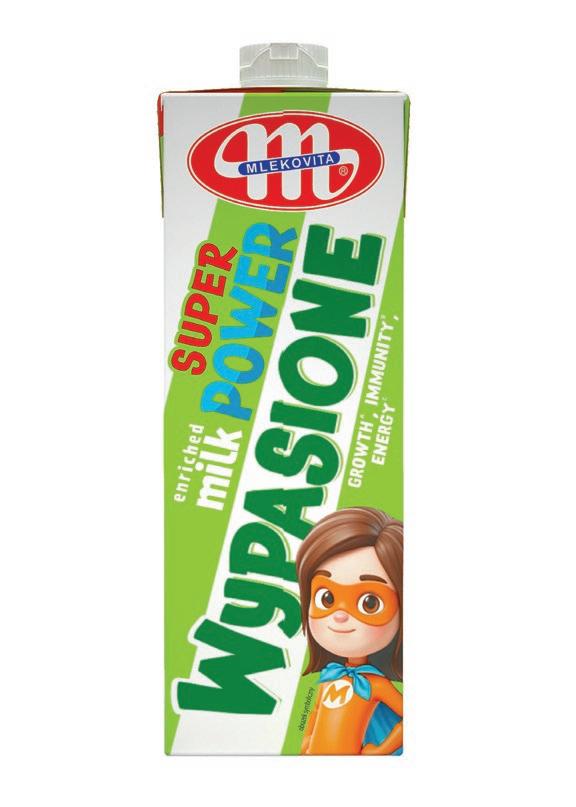
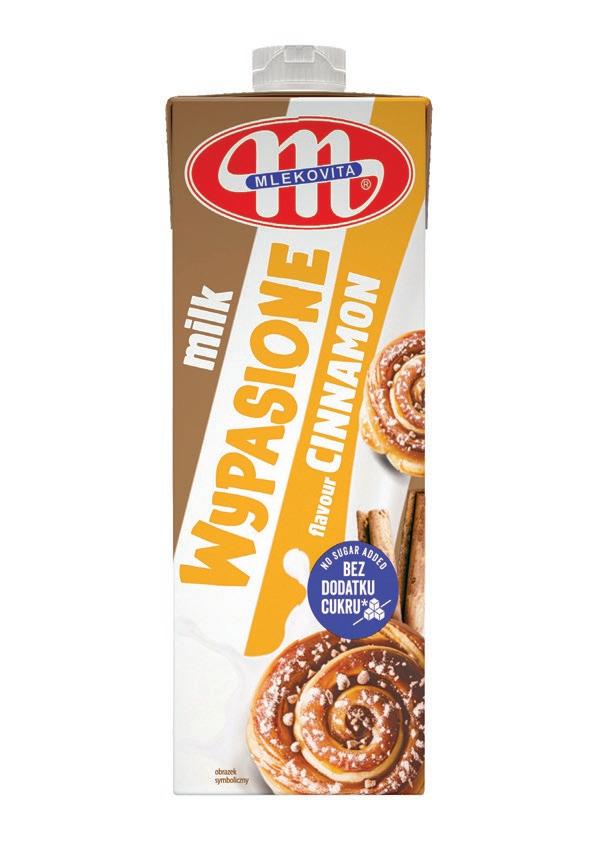
Privat label market in Poland is growing and increasing shares rapidly. Geopolitical situation, inflation, and wars have accelerated growth. Market share in FMCG in Poland is around 25%. Privat label Model helps Polish producers in international expansion and Export growth. This is driven by several structural advantages. First, Poland has got high manufacturing quality aligned with EU standards. strong expertise in categories like food and dairy. Mlekovita is the biggest exporter of dairy products in Poland. We are supplying private label products to major European retail chains. We expanded into Germany, UK, Central & eastern Europe. We are increasing our presence in Middle East, Asia, and Africa. Privat label is now a partnership model not just outsourcing. We are involved in co-creation of products. MLEKOVITA has got 23 laboratories and research center to ensure safety and quality of products on every step of production prosses. Export costumers expect polish producers to develop recipes and formulations, designing packaging and to follow trends. Mlekovita is investing in R&D and branding capabilities to gain a major competitive advantage. Being the Food Quality Leader, MLEKOVITA has been working in accordance with international quality management systems for the benefit of consumers since 1998.

Magdalena Szabłowska Export Sales Director MLEKOVITA Group

Martyna Olszewska Export Director “Pol-Hun” M. Bielska
The development of private labels in the category of cleaning products strongly influences the entire FMCG market, as it is in this product group that consumers are particularly careful to compare prices, effectiveness and efficiency. Private label is no longer just a budget choice; today it increasingly offers quality comparable to manufacturer brands, while also responding to growing expectations for convenience, safe use and greener ingredients. For retail chains, it is an important tool for building loyalty and differentiating their offering, and for manufacturers, it is a stimulus for further innovation and clearer brand positioning. As a result, the category as a whole is growing faster and competition is shifting from a simple price battle towards better alignment of products with the real needs of households and consumers’ everyday shopping habits.

Private labels are shaped by multiple forces. High living costs and price sensitivity are pushing shoppers towards store brands, and retailers are supporting this shift with clear price ladders and quality improvements. Discounters, whose assortments are almost entirely own label, set the competitive pace and compel full line supermarkets to respond. Notably, retailer own label is no longer the poor cousin – once dismissed as cheap, it is now winning hearts. This shift is led in part by young, value seeking shoppers who favour plant based, protein rich and eco friendly goods. In Poland, shoppers value private labels that cater to local and organic preferences and embrace convenience products and healthy snacks. Younger households and urban consumers are an important catalyst, but they are only one part of this shift. Flexible partnerships with manufacturers mean ideas can go from concept to shelf faster. For producers, private labels offer stable volumes but require agility, efficiency and investment in new product development to stay relevant in a fast evolving market. The lesson is clear: success depends on innovation and education – when own label products exceed expectations in quality and transparency, they build loyalty and can even command a premium.

Paweł Majchrzak Chief Operating Officer, Member of the Board GIBAR
The development of private label brands is strongly influencing the entire FMCG market, mainly by speeding up innovation and putting even more focus on consumer needs. Today’s consumers expect not only good prices, but also high quality, convenience, and products that fit their lifestyles - from healthier options to functional snacks.
In this fast-changing environment, manufacturers need to act quickly, stay flexible, and make bold decisions. It is no longer enough to follow trendscompanies need to help create them. At Gibar, we see this as a chance to grow by offering modern, unique products that truly meet changing consumer expectations.
As a result, the FMCG market is becoming more innovative, competitive, and focused on consumers.





















The private label market has a significant impact on the FMCG market. The average share of private labels in Europe has reached 40%. The leaders in this regard are Switzerland with over 50%, while Spain, the United Kingdom, and the Netherlands have exceeded 40% and are approaching 50%.

Marcin Zieliński Sales and Business Development Director Makarony Polskie S.A.
Poland has a private label share of 25%, while Germany, Italy, and France are at a level close to 40%, so I assume that Poland will also move in this direction.
If we look at how rapidly sales are growing in discount chains in Poland, which already have a very strong position, we can expect that the situation here will soon resemble that of the German market.
Generally, the growth in food sales in Poland is driven by the largest discount chains such as Biedronka, Dino, and Lidl. Aldi, Kaufland, and Netto are also expanding strongly in our market. All these chains are heavily developing their private labels. Other players such as Auchan and Carrefour are also focusing on developing their private labels.
We are seeing a general trend where chains are far more interested in developing their own brands than in growing branded product sales.
This is certainly due to several factors. A private label belongs to the chain, which has full control over product development, pricing, promotion, and the impact on the chain’s own brand perception. It is easier to manage your own product than to negotiate all promotional and commercial details with a manufacturer.
As a manufacturer of ready-made meals and pasta, we see this impact on our business, which is why we decided that this direction of development is best for us. We have specialized in supplying the desired products through our retail partners. We are one of the leaders in private label in Poland and also have partners in foreign markets.
It used to be a given that brands created new products and that a well-known brand influenced the consumer. Now, of course, this is still a strong trend, but retail chains’ private labels are increasingly setting market trends. Until recently, the situation was such that if a branded product sold well, the chain would request that a private label version of the same product be
created for them. Sometimes the brand-name manufacturer would refuse, believing its brand was too valuable to produce the same product under the retailer’s name. Today, it is very often the retailer that initiates collaboration with the manufacturer on new market offerings.
There are benefits to this approach, as the product does not require as much involvement from marketing and sales teams; however, on the other hand, it reduces the manufacturer’s independence, as they become part of the supply chain and are exposed to significant cost pressure.
From an export perspective, collaboration with partners takes place within the context of private label. I don’t think we can create a globally recognized brand in Poland. It requires a lot of effort and enormous costs. If a company wants to expand into international markets, it must be flexible and simply know how to collaborate with retail chains in creating private labels.
PLMA is exactly the place where you can meet potential clients and find the right partners to establish cooperation.
In many food products, such as pasta, customers are paying less and less attention to the brand, but rather to the price and quality of the product. We see this trend, and for many consumers, the brand of such a product doesn’t matter. What counts is price and quality.
Looking at this market as a manufacturer, we see many challenges, but also opportunities for growth. You definitely need to be an extremely flexible company. You need to work in an agile system. The expectations of retail chains are always a huge challenge. Not only do you have to create a high-quality product at a good price, but you also often have to fit into a tight project timeline.
The current quality expectations of the largest players in the market are very demanding, and not every manufacturer is able to meet them. I can say that well-organized companies are capable of collaborating with the largest retail chains.
As Makarony Polskie, a manufacturer of a wide range of pasta and ready-to-eat meals, we made a conscious decision to pursue this direction. Despite the challenges we face, we
see significant growth potential. We are able to reach a wide audience with our products and create new market offerings together with our partners. We are also able to support our own brands in the process, because the essence of cooperation with retail chains – beyond producing private labels for them – is the opportunity to place our own brands on store shelves through promotions such as in-store events or permanent listings.
So far, we have been very strong as a pasta producer in this segment, as our two largest customers account for 50% of our sales. On the one hand, this creates a certain dependency, but on the other, it offers the potential for high-volume sales, as only large retail chains provide such opportunities.
As a company, we have three pasta factories and one ready-made meal factory, so to achieve our goals, we must collaborate with retail chains, which generally prefer to sell basic products under their own brands.
As I noted at the outset, the share of private labels in sales in Poland is not yet as large as in other European countries, so we face many challenges and opportunities for growth. I assume that the growth of this segment will be dynamic and that we will soon reach the German level. Of course, we may be surprised by some legal regulation that limits the growth of this segment. There have already been voices suggesting that private labels are already too strong, which allows them to put pressure on manufacturers and influence cost policies. It seems that in Poland we are not yet at the same stage of private label development as in Western European countries, so I assume this growth will be dynamic and the share of total sales will increase.
In summary, there are many challenges, but the prospects for growth are also very strong. We are particularly focused on developing the ready-to-eat category, and we can achieve this through close cooperation with retail chains and by jointly developing private labels. The situation is similar in exports, where we can practically only achieve a sharp increase in sales by collaborating with partners on private labels.
The private label market will continue to grow though this applies more to large market players

Tomasz Walczak Marketing Director Intermarché
For any retail chain, private-label products are a key element in building a competitive advantage. Beyond the many commercial aspects, their impact on increasing customer loyalty is also important. If products are well-developed and properly priced, they meet consumers’ needs and, as a result, encourage them to get into the habit of shopping at a given chain, thereby reducing their tendency to buy from competitors.
In Poland, private labels are the domain of discount stores, where they account for over 50% of sales. The share of private labels in the “supermarket” segment is approximately 8–9% (varying by chain). At In-
termarché, it is higher, at 12%. At the same time, our strategy calls for the continuous development of our product portfolio and further growth in the share of private labels to 25% by 2030.
The private label market will continue to grow, though this applies more to large market players. A significant challenge for small organizations is production capacity and the minimum volume requirements that must be met for production to be profitable.
For manufacturers, working with retailers guarantees high volumes and a steady, long-term partnership that does not require their own investments in distribution or marketing costs.
Significant shifts in trends regarding the planning of retail chain brand architectures are also evident (in the Polish market). The market is moving away from umbrella brands bearing the chain’s name, which
group together products from various categories. Intermarché’s architecture combines different approaches. For all fresh offerings, we build brands based on the product’s origin. These are category-based brands with a similar verbal and graphic structure. In this way, we introduce brands such as “From Orchards and Fields,” “Straight from the Sausage Shop,” “From Lakes and Seas,” “From the Milky Way,” etc. For dry goods, we have introduced the umbrella brand O la la!, and for pet food products, we are developing the Canaillou brand. The category brand strategy also covers non-food products. What sets Intermarché apart is the ability to purchase the chain’s private-label products manufactured in other European countries where our chain operates. Thanks to mutual cooperation, we can offer private-label products available in France, Belgium, or Portugal in our stores.
Products refined in terms of quality and visual appeal are increasingly viewed by customers as branded products

Grzegorz
Bajtała Director of the Purchasing Department Kaufland Poland
In our strategy, private label plays a precisely defined role that significantly distinguishes us from the discount model. Our main market differentiator and the foundation of our competitive advantage remains an exceptionally wide range of private label brands – an assortment that is significantly more extensive in many categories and often unavailable at discount stores. We do not aspire for our private labels to replace well-known brands. We treat them as a valuable addition to the shopping basket, offering customers a choice between a branded product and our alternative with a good value-for-money ratio. It is precisely this balance between quality, price, and trust in the product that increasingly influences consumers’ purchasing decisions today.
Drawing on extensive international experience, including from the German and Czech markets, where private label share has historically been very high, we also know that the Polish consumer has unique characteristics and highly values diversity. Therefore, even though our private labels already account for 95% of sales in categories such as meat and poultry, in other aisles we focus on the coexistence of strong manufacturer brands alongside our K-Classic, K-Stąd Takie Dobre, and K-BIO lines.
Importantly, we are also observing a shift in how private label brands themselves are perceived. Products refined in terms of quality and visual appeal are increasingly viewed by customers as branded products. This demonstrates how significant communication and packaging are today, alongside the product’s composition and quality.
We are meeting local expectations. For approximately 600 items, we are changing
the product names on our private label packaging to Polish, which, combined with a wide range of national brands, builds complete trust among shoppers.
Our experience in other markets teaches us that success lies in balance. We offer innovations within our private labels, such as the rapidly growing convenience segment, which addresses the need for convenience and time savings, unique skyr flavors, or carefully selected holiday cakes that customers won’t find at the competition. We always do this alongside a rich array of products from recognized manufacturers.
In this way, private label at Kaufland becomes a tool for personalizing shopping and a response to specific needs – from basic products, through protein products, all the way to the premium K-Gold Edition segment. However, it is always part of a broader, multi-brand strategy, which is the hallmark of our chain.
Until recently, private label was discussed mainly in terms of price. It was supposed to be a sensible, economical choice and an alternative to manufacturer brands. Today, that way of thinking is outdated. Private label has entered a new stage of maturity: it is no longer merely a purchasing tool but is becoming a brand in the full sense of the word—with its own identity, segmentation, promise, and specific consumer experience.

Ilona Rutkowska Senior Account Manager Good One PR
This is no longer just a qualitative observation, but a trend also evident in the data. According to NIQ, over half of global respondents say they buy more private label products, 68% consider them a good alternative to brand-name products, and 69% see them as offering good value for money1 Additionally, 60% of respondents say they would buy even more private label brands if the selection were wider.
This is a very important signal from a communication perspective. It means that private label brands no longer win solely on the basis of a “cheaper shopping basket,” but increasingly also on perceived quality, lifestyle fit, and the ability to build trust. Consumers have stopped treating them as a substitute choice. For many categories, they are a fully-fledged choice, and sometimes even the first choice.
This is particularly evident in Western Europe. NIQ reports that 55% of consumers in Europe are now buying more private-label products than ever before, and private labels already account for 44% of all new product launches in Western Europe, with nearly 70% of new launches in the food sector alone2 This shows that private label is no longer a defensive category. It is an area of real innovation and, increasingly, premiumization as well.
This is where the role of a conscious communication and promotion strategy begins. If a private label is to be treated as a brand, it cannot communicate solely through flyers, shelf placement, and promotional pricing. These are tactical measures that support sales but do not build brand equity in the
long term. A private label that wants to compete with manufacturer brands must be communicated in a coherent, consistent, and strategic manner.
A PR strategy for a private label begins with answering fundamental questions: who this brand is, who it speaks to, what needs it fulfills, and what place it should occupy in the consumer’s daily life. Without this, the brand remains merely a product label. From a communications perspective, one must first define its positioning and role within
the retailer’s portfolio: is it meant to be an economical choice and “smart value,” a quality brand, a premium line, a response to the need for convenience, or perhaps a brand built around values such as locality, simple ingredients, or a modern lifestyle?
Another element is communication identity. It encompasses not only a set of key messages but also the tone of communication, language, narrative aesthetics, and the way products are described. Consumers should recognize the brand not only by its
▪ Ilona Rutkowska, Senior Account Manager at Good One PR. She specializes in strategic communication for consumer brands, with a particular focus on the retail and FMCG sectors. For nearly a decade, she has advised brands on reputation building, private label positioning, and communication management in a highly dynamic market environment.
▪ At Good One PR, she heads the consumer communications department, overseeing PR strategy development, team management, and the execution of projects including crisis PR, media relations, and influencer campaigns. Her portfolio includes collaborations with brands such as iRobot, Carlsberg, Burger King, Julius Meinl, and POLOmarket. She is a winner of the Złote Spinacze and PR Wings awards, as well as the winner of Young Creatives Cannes 2023 in the PR category.
▪ Good One PR is an agency specializing in strategic communication management, operating on the market for over 16 years. As part of the Good One group, it provides comprehensive support to clients—from developing communication strategies, through PR and marketing activities, to business consulting—both in Poland and on international markets.
▪ It has completed over 520 projects for brands across many industries, including retail and FMCG, developing long-term partnerships based on trust and measurable results. The agency is a member of the Association of Public Relations Firms and the International Communications Consultancy Organisation, which confirms its commitment to advancing PR industry standards at the national and international levels.
packaging but also by how it sounds and how it builds a relationship. Today, when a purchasing decision is increasingly the sum of many touchpoints with the brand—such as store shelves, owned media, PR activities, industry publications, social media, or recommendations—this is particularly important.
A well-designed PR strategy takes into account a stakeholder map and communication channels. A brand does not communicate exclusively with the end customer. Its environment also includes industry media, business partners, suppliers, opinion leaders, influencers, and sometimes local communities. If a brand wants to build credibility based on quality, product origin, or relationships with producers, it must be able to tell this story more broadly than just in a sales message. A private label, just like a manufacturer’s brand, needs a story that gives meaning to subsequent communication efforts. Such a narrative can be built around the quality of raw materials, collaboration with local suppliers, culinary inspiration, the brand’s family-oriented nature, innovation,
or accessible premium offerings. However, it is crucial that this not be a series of random campaigns, but a consistently developed story that strengthens positioning.
In a PR strategy for private labels, the areas of credibility and reputation management are very important. In their case, the responsibility is twofold, because not only the product itself is evaluated, but also the retailer who endorses it with their authority. The communication strategy encompasses principles of transparency, pre-prepared crisis response scenarios, methods for addressing consumer concerns, and a clear model of collaboration between communications, marketing, quality, and sales.
The integration of PR with commercial and marketing activities is also essential. PR should not operate alongside promotions but rather reinforce them and give them meaning. In a well-managed private label brand, the newsletter, shelf displays, digital materials, media activities, and corporate communications speak with one voice. The difference lies in the fact that each of these
channels serves a different function: one sells, another builds reputation, a third educates, and a fourth strengthens trust.
This is particularly important at a time when price promotions are no longer the only effective tool for growth. NIQ indicates that promotional pressure is growing in Western Europe, but the sheer number of promotions no longer automatically translates into volume growth3. This is another argument for the fact that competitive advantage is increasingly built not on price alone, but on a meaningful value proposition and the ability to communicate it.
The private label market is booming—in Western Europe, private labels account for 44% of new product launches, and nearly 70% in the food category. However, in the coming years, the private labels that will succeed are those that understand that today it is no longer enough to be a “good product at a good price.” It is essential to build a story and justify why this particular brand deserves a place in the shopping cart and in the consumer’s mind.
3source: The NIQ 2025: Private Label & Branded Products, global report.
The growth of the private brands segment is also driven by changes in consumer behavior

Michał Maksymiec Retail Clients Director YouGov
The private brands market in Poland is growing – in 2025, expenditures reached PLN 67 billion (+6.6% y/y), and their value share in the FMCG basket amounted to 23.5%, which is 3.8 percentage points more than five years earlier. This means that already every fourth złoty spent on FMCG products goes to this category. This growth is as-
sociated with the increasing role of the discount channel, in which 44% of FMCG expenditures were realized, as well as with changes in the offering itself – today covering not only basic products, but also premium, functional, local, and ecological segments, developed as standalone brands.
The growth of the private brands segment is also driven by changes in consumer behavior. According to the YouGov report “Shopping Monitor 2026”, as many as 83% of Poles are so-called smart shoppers – people who compare unit prices,
analyze store offers, and use applications and promotional tools. In response to these needs, an offering is being developed that combines a wide selection, availability, and a favorable value-to-price ratio.
At the same time, branded product manufacturers are not giving way – they remain a source of innovation, strong emotional relationships with consumers, and a wide product offering. In the coming years, competition will include not only price levels, but also quality, image, functionality, and the value perceived by the consumer.









The Polish private label market is currently one of the fastest-growing segments in the retail sector. In 2024, the value of the entire FMCG market rose to PLN 283.7 billion, while spending on private label products reached over PLN 60 billion during that period – 7% more than the previous year. Importantly, growth occurred not only in value but also in volume. The growth rate of private label clearly outpaces the dynamics of the entire FMCG market, despite a simultaneous decline in sales volume in this segment.

Maciej Ptaszyński CEO Polish Chamber Of Trade (Polska Izba Handlu)
A key qualitative shift is the redefinition of the very concept of private label. The private label offering has evolved – from cheaper products, often viewed as a compromise on quality, to standalone brands with recognizable messaging and growing consumer loyalty. Retail chains actively promote their own lines in TV and online campaigns, and marketing departments treat them on par with manufacturer brands. Private label is no longer a monolithic category –each category now requires a separate strategy and identity. The goal is to compete effectively with manufacturer brands, not only on price but also in terms of brand image.
Discounters, local supermarkets, and small-format chains recorded the largest growth in sales value. Based on available market data, discounters account for nearly half of the retail
market share, and the share of private labels in their shopping basket is significantly higher than in other formats: it is estimated to exceed onethird of sales value. The expansion of discount chains directly drives the growth of private label – it is this format that builds customer loyalty primarily through distinctive private labels.
Based on available consumer research, the average Polish household purchases several hundred different private-label products annually, and this number is steadily increasing year over year. Families account for the largest share of private-label spending, representing over half of all purchases in this segment. Consumers are not only more willing to choose products bearing the retail chain’s brand, but increasingly view them as a genuine – rather than merely budget – alternative to manufacturer brands.
The market is moving toward further diversification of the product range. Private labels are becoming increasingly tailored to micro-segments – premium, functional, local,
and organic products are gaining a growing share in the retail chain’s product mix. Marketing communication is becoming increasingly professional and consistent. By comparison, in many Western European countries, private labels already account for over 40–50% of FMCG sales.
The Polish private label market is entering a phase of strategic maturity. The battle is no longer solely about price – it is about brand identity, consumer loyalty, and quality perceived as equal to that of manufacturer brands. Contract manufacturers who can offer flexibility, certified quality, and a willingness to build co-branded products will be the main beneficiaries of this transformation in the coming years.
The private label market in Poland is growing both in volume and value, steadily increasing its share in the FMCG basket. In 2025, expenditures in this segment reached PLN 67 billion, which represents an increase of 6.6% year on year, and their value share amounted to 23.5%, i.e. 3.8 percentage points more than five years earlier. This means that every fourth zloty spent on FMCG products goes to this category.

Michał Maksymiec Retail Clients Director michal.maksymiec @yougov.com

Rafał Dobrowolski Strategic Insight Manager rafal.dobrowolski @yougov.com
brand attachment and product experience are gaining importance.
In recent years, this segment has been characterized by high growth dynamics, reaching nearly 20% year on year, and in 2024–2025 the growth rate amounted to approximately 7% annually. Its development is significantly influenced by the growing role of the discount channel, in which in 2025 households accounted for 44% of FMCG expenditures in retail trade. Discounters compete both with small formats – among others through the offer of fresh products and bread – and with the hypermarket segment, while also influencing shopping behavior by increasing purchase frequency and the share of larger baskets, including stock-up purchases.
Along with the development of this channel, the nature of the offer is also changing. From products perceived as a cheaper alternative, often associated with a compromise in quality, it has transformed into standalone brands with recognizable communication and growing customer loyalty. Examples include brands such as Marletto, Kraina Mięs, Fruvita, Pilos, K-Stąd Takie Dobre or Isana, which have been present in television and online campaigns, and their offer includes premium, functional, local and ecological segments.
Changes on the supply side are accompanied by changes in consumer behavior. The YouGov “Shopping Monitor 2026” report shows that 83% of Poles belong to the so-called smart shoppers segment – consumers who compare unit prices, analyze product compositions and use applications and digital tools. At the same time, the share of people guided solely by price is decreasing, while factors such as quality, convenience,
In this context, the role of this category in the area of innovation is also growing – both through the development of new products and variants, as well as the creation of new categories, which are then also joined by manufacturer brands. As a result, the boundary between manufacturer brands and retail chain brands is becoming blurred.
This does not change the fact that branded manufacturers maintain a strong position in selected segments. In categories such as cola drinks, margarines, deodorants or razors, their advantage remains clear, and the share of private brands does not exceed 10%. In turn, in segments with high price sensitivity and lower brand loyalty – such as toilet paper, paper towels, groats, rice, frozen fruits or ready meals – they achieve from 50 to over 70% market share.
YouGov data also shows that private brands are present in the shopping baskets of all consumers, regardless of their shopping style. At the same time, the group of buyers for whom dis
counters are the primary shopping environment is growing – attracting not only with prices and promotions, but also with the availability of products offered exclusively within a given chain.
This group, referred to as “discount lovers”, allocates a significant part of its spending to this category – in some cases exceeding one third of the FMCG basket. YouGov analyses indicate that particularly high openness is shown by representatives of Generation Z and millennials. In the case of the latter group, in which households with children play an important role, the availability of attractive private brands is one of the key factors influencing the choice of place for everyday shopping.
The private label market is entering a phase of maturity – both on the supply and demand side. Consumers are increasingly choosing them not out of necessity, but out of conviction, and retail chains are consistently developing their private label portfolios, investing in communication and building their recognition.
At the same time, branded manufacturers are not losing their importance – they remain a source of innovation, strong emotional relationships with consumers and a wide product offering. In the coming years, competition will include not only price levels, but also quality, image, functionality and the value perceived by the consumer.
Tracking the position of Private Labels in the FMCG market in recent years provides many interesting insights. This segment has been growing dynamically not only in terms of sales value and volume, but also through changes in shopper attitudes and the overall image of these products, influenced by stronger branding and increasingly innovative solutions. Over time, we have witnessed a clear evolution of Private Labels: from almost white-label products associated with low prices and questionable quality, to modern products that often lead in innovation and respond flexibly to shopper needs.

Przemysław Korotusz Analytics Consultant NIELSENIQ
Let’s begin with a global perspective on Private Labels. The 2025 summary shows that Private Labels continue to gain momentum worldwide, with more than +4% growth in sales value compared to the previous year. The fastest Private Label sales value growth comes from Africa/ Middle East (+18%) and Latin America (+11%). Growth is also visible in North America (+3%), Europe (+4%), and Asia/Pacific (+5%). Private Labels are increasing not only in sales value but also in market share across all macro-regions. Their rising importance has been a consistent long-term trend. Globally, Private Labels account for 22.9% of FMCG sales value, while in Western Europe their share reaches 40.7%. The retailers are well aware that store shelves are not made of rubber, so Private Labels are steadily expanding into the territory of Brand Labels.
68% of European shoppers say that Private Labels are good alternatives to Brand Labels. But should manufacturers worry? Looking at Europe, where Private Labels hold the strongest market positions and have a long history on store shelves, we can clearly see that they not only maintain a high share but also continue to grow. The European retail market is highly diverse, yet Private Labels strengthen their position as shoppers choose them more frequently. The average Private Label share in Europe is 37%, with Western European countries such as the Netherlands (55%), Switzerland (52%), and the UK (49%) leading the way. Private Labels perform especially well in markets with highly centralized retail markets. 55% of European shoppers say they are likely buying more Private Label products than ever before. At the same time, Brand Labels still have meaningful opportunities for growth. The coexistence of both segments creates balance in the retail market,
where each contributes to category development by addressing different shopper needs. Together, they build a stable environment, increase store traffic, and improve the shopping experience by providing greater value, quality, and variety. While Brand Labels have historically driven innovation, Private Labels have quickly gained significance and increasingly exceed shopper expectations. They are no longer seen only as cheaper substitutes but have become a crucial part of modern retail. As their assortments expanded, retailers ensured that Private Labels evolved. They follow trends, successfully fill market gaps, and benefit from the agility and speed of retailers, giving them a strong competitive advantage. Although the evolution of Private Labels may not always appear dramatic, continuous development makes them strong competitors, particularly in several FMCG categories.
Returning to sales data, we can observe where this competitiveness is most evident. Private Labels hold particularly strong positions in Fresh Food, where they account for 60% of global category sales value, and in Paper Products (47%). Following these are Dairy and Frozen Food. These industries share a key characteristic: shoppers easily accept Private Labels here because a lower price does not imply lower quality. Differences between products are relatively small, purchase decisions are simple, and retailers can build trust in their own brands more easily. Additionally, the nature of these industries allows retailers to benefit from local sourcing, which reduces transportation and storage costs while aligning with shopper expectations. This is important factor, because 43% of European shoppers say they are willing to pay more for products of local or community origin, and 40% say they would pay more for environmental or sustainable options such as less plastic, recyclability, or lower carbon footprint.
The past year clearly demonstrates the variety of innovations within Private Labels. Four
main trends can be observed. First, convenience-oriented solutions help Private Labels differentiate within the store. Private Labels are growing rapidly in food-to-go and ready-meal categories. Second, the focus on ecological and cleaner solutions is increasingly visible, whether through simple ingredients/formulas or products tailored to specific dietary needs. Third, premiumization has become one of the main themes associated with Private Labels. This trend includes improving quality and expanding assortments with more luxurious items. Fourth, there are major developments in both product formulation and image. Without reading the label, Private Labels are becoming difficult to distinguish from Brand Labels. This results from improved design and strong attention to functional packaging.
What other expectations do Private Labels meet? The answer is simple and directly connected to their core: price. When Europeans were asked about their main concerns, the top issue indicated by 31% was increasing food prices, followed by global conflict or crisis escalation (28%), and increasing utility bills (20%). Although consumer sentiment has improved since the 2022 energy and cost-of-living crisis, financial pressure remains high. 40% of consumers feel worse off than a year ago, compared to only 17% who feel better. This is exactly the environment in which Private Labels thrive – 69% of European shoppers say that Private Labels offer good value for the money. The Polish Private Label market illustrates this clearly. Comparing the Consumer Confidence Index with Private Label sales value dynamics reveals a strong connection: during economic crises, financial uncertainty, or inflation pressure, Private Labels grow more rapidly and gain an advantage over Brand Labels. As shoppers notice and appreciate lower prices combined with comparable or sometimes better quality, their sentiment toward Private Labels grows stronger. 52% of European shoppers say
they would buy more Private Label products if a broader variety were available (globally 60%). Even shoppers who originally chose Private Labels for economic reasons often remain loyal to them. Meanwhile, the premium segment within Private Labels continues to expand, as shoppers increasingly choose more refined options. This indicates that shoppers expect not only good prices but also high quality and a sense of exclusivity. 47% of European shoppers say they are likely to treat themselves by upgrading to a premium Private Label product.
Private Labels account for over 24% of FMCG turnover in Poland which is almost 16 mln EUR, and in 2025 it grew in value by +5,7% vs. year ago. Is this a lot? Poland has exceeded the global average, but still has considerable room before reaching Western European levels. This is largely due to the structure of Polish retail, where small format stores play a large role, unlike Western Europe, which is dominated by centralized retail. This does not mean that the Western system is more advanced – it is simply structured differently, and the strong presence of small format retail influences Private Label potential.
Nevertheless, centralization in Poland is increasing due to the ongoing expansion of Discounters, where Private Labels currently make up 40% of this channel’s FMCG basket turnover. Each year, Discounters expand both their store count and market share, which now stands at 54%. This growth mainly comes at the expense of small format and traditional stores. As a result, the number of stores in Poland has significantly decreased over the last years, while overall market value continues to grow. Private Labels represent less than 6% of sales value in Groceries. Does this mean the channel has no potential? Absolutely not. Around 26% of Poland’s food basket value is generated by this channel. Private Labels in Groceries address different shopper missions compared to large formats. In large format we see much greater granularity and a smaller importance of the top Private Label categories. However, in Groceries the mix of top Private Label categories is different, and Private Labels have a greater importance in them, especially in convenience-driven shopping missions. Many of the top categories here include impulse items and food-to-go products purchased on
the way to or from work. Meanwhile, the top Private Label categories in Poland overall, largely driven by Discounters, include Fixed-Weight Meats, Chilled Products, Hard Cheese, White Cheese, and Fresh Eggs in the Food basket. In the Drug basket, leading categories include Toilet Paper, Kitchen Towels, Diapers, Tissues, and Fabric Softeners.
The evolution of Private Labels in FMCG in recent years clearly shows how much their role and perception have changed. They have moved from simple, low-cost substitutes to strong and competitive market segment that often shape trends. They are growing not only in sales value but also in brand image, supported by retailers investment in quality, branding, and innovation. Private Labels align closely with current shopper expectations, react quickly to trends, and adapt to changing needs. At the same time, Brand Labels continue to play an important role, contributing to a balanced and competitive market that ultimately benefits shoppers. It is clear that Private Labels have become a strategic part of retail, and their importance will continue to grow in the coming years.
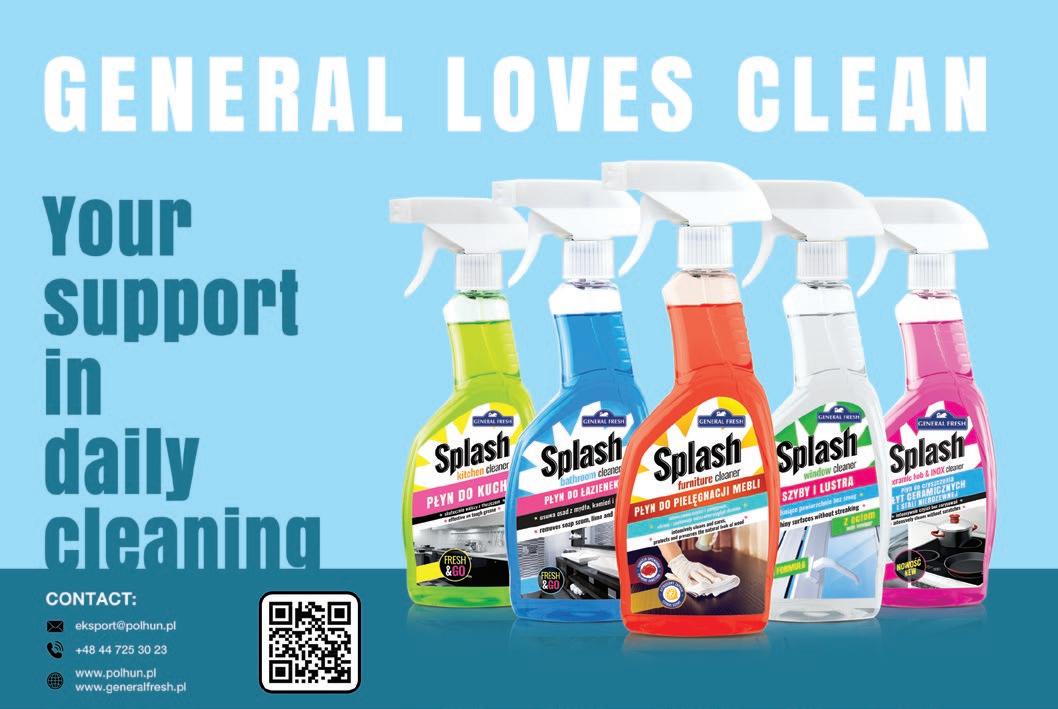












The new private label: built on innovation, not just price
Private label is moving beyond cost competition as retailers use innovation, collaboration and cultural relevance to reposition store brands as drivers of growth.

Honorata Jarocka Associate Director Mintel
Over the past decade, private label has won shoppers on price. Now, it’s winning them on something even more powerful: relevance. Retail brands are no longer viewed simply as cheaper alternatives but increasingly as trusted choices capable of delivering both quality and value.
The challenge for retailers in 2026 is that offering value alone is no longer enough. Today’s consumers expect private label to surprise and delight with products that reflect their lifestyles, values and desire for discovery. For example, in the US, 39% of consumers who are responsible for grocery shopping would buy more store brands if there were more options that help them eat more healthfully, while 36% point to premium-quality gourmet options. In response, retailers are transforming store brands from simple pricing tools into proactive growth engines, driven by innovation, strategic partnerships and cultural relevance.
Private label is increasingly finding opportunities to lead rather than follow in areas such as health and wellness, as retailers move quickly to meet rising demand for everyday wellbeing through food and drink. In the UK, 32% of consumers choose drinks with added health benefits most of the time or all of the time, highlighting the growing appetite for products that deliver tangible functional support alongside affordability.
Retailers are therefore increasingly responding by using private label to accelerate innovation across high-protein meals, collagen-infused beverages and gut-friendly dairy – often exploring emerging health trends ahead of national brands.
At the same time, sustainability is shifting from a brand promise to a product reality, with circular models such as reusable packaging, deposit- return systems and upcycled ingredients becoming embedded within private - label development strategies. Provenance is also gaining traction, creating opportunities for limited - edition ranges that shorten farm - to - shelf journeys while reinforcing quality and environmental credentials.
Seasonal innovation is undergoing a parallel shift, with many retailers moving beyond predictable calendar-driven formats to tap into culturally relevant moments shaped by global flavour trends and fast-moving social media micro-seasons. In doing so, private label is evolving from a standalone retail offer into a broader collaborative ecosystem, where partnerships with brands, chefs and creators unlock new sources of expertise and relevance. Consumer appetite for these collaborations is already evident, with 45% of Spanish consumers finding brand fusions appealing.
Taken together, these developments point to a fundamental repositioning of private label, where success is defined less by price leadership and more by the ability to combine health, sustainability and creativity into culturally relevant propositions that not only compete within categories but increasingly help to shape them.

Despite various challenges – both global and microeconomic – the Polish confectionery market continues to grow rapidly. This is due not only to Poles’ undeniable sweet tooth, but also to the fact that sweets make the perfect gift for a wide range of occasions, for both young and old. It is also worth noting changes in consumer preferences, as people are scrutinizing product ingredients more closely and deliberately choosing sweets that won’t disrupt their diets while offering additional benefits, such as being enriched with protein or minerals. So, what kinds of sweets are Poles looking for?

Katarzyna Kwaśna Editor
The situation in the cocoa market – after the turbulent years of 2023–2024 – is finally beginning to stabilize, and 2025 proved to be a clear turning point for it. Experts note that following historically high prices in previous seasons, the cocoa market is slowly beginning to regain its balance1. It is worth remembering that 2024 was exceptionally unfavorable for the market – weather-related issues led to poor harvests in Africa, which in turn affected the price of the raw material. Although cocoa prices currently remain
significantly higher than the average of the past decade, all signs point to a recovery in supply and even a slight surplus of the raw material.
“The most significant development in 2025 is the cocoa market’s transition from a phase of acute shortage to a stage of limited but stabilizing supply. Forecasts for 2026 point to a gradual recovery in production, especially outside West Africa, and a moderate normalization of prices, though they are likely to remain above the levels of the past decade. “The baseline scenario assumes that global consumption will grow at a rate of several percent annually, while market value will grow faster due to persistently high raw material costs and growth in the premium segment,” reads Foodcom’s Global Reports.
Experts have also observed the growing importance of chocolate – and thus cocoa –in new applications, such as “better-for-you” snacks, high-protein products, functional beverages, and dietary supplements. High cocoa prices are prompting manufacturers to modify recipes and downsize products, which simultaneously drives premiumization. Consumers are willing to pay higher prices for single-origin products, those with high cocoa content, and in the bean-to-bar segment.
Analysts at Foodcom have also observed a polarization in chocolate consumption: the “pure pleasure” segment is based on premium and high-cocoa-content products, while “conscious choices” focus on better ingredients, less sugar, and certifications. Between them, the “balance” segment is growing,
source: https://foodcom.pl/rynek-kakao-dynamika-rynku-analiza/,
combining taste satisfaction with improved ingredients, raising expectations regarding the quality and origin of raw materials.
Confectionery is one of the largest categories – Poles very often choose sweets as a little “treat” for themselves or give them as gifts. Given the country’s extraordinary love for sweets, it is no surprise that the confectionery market continues to grow and – according to NielsenIQ data2 – reached a value of 19.8 billion zlotys in 2024, which is 6.3% more than the previous year.
Analyses conducted by experts also show that Poles’ favorite sweets during the period in question were packaged cookies and biscuits, on which they spent the most (3.9 billion PLN). Tied for second place were pralines, which make excellent gifts, and chocolate bars – both categories reached 3 billion PLN, while all three accounted for half of the confectionery market.
The data also shows that all confectionery categories recorded an increase in sales value over the past twelve months, but chewing gum, muesli bars, and chocolate bars saw the largest growth. “Muesli bars also recorded the most significant increase in sales volume (in kg) compared to 2023 (+7.1%). Readymade cakes and pralines were also “in the black,” albeit to a much lesser extent. In this respect, they stood out from other categories, which were stable or recorded a decline in volume,” comments Wojciech Rydzewski, Client Business Partner at NielsenIQ.
Dragees recorded a much worse result: -15.5% in terms of volume. The reason for this may be the increase in the average price per kilogram, which amounted to 18.6%.
During the period in question, the most dynamic growth in the value of confectionery sales was seen in supermarkets and discount stores – each channel recorded 10%. In addition, they remained stable in terms of sales volume – unlike hypermarkets and small-format stores up to 300 sq. ft., which recorded declines of over 8% during the period in question. Expert analysis also shows that at that time, discount stores held a dominant position in the market, accounting for 43.7% of the value and 53.6% of the volume of confectionery sales in Poland.

The confectionery category is very broad and diverse, and most importantly – it provides fertile ground for innovation, which manufacturers are taking advantage of. Poles greatly appreciate traditional flavors and classic offerings; however – especially younger generations – are eager for novelty, which is why they readily reach for unusual flavor combinations, different textures, or treats made from unconventional ingredients, such as carrot or zucchini cookies.
We must also not forget the ever-growing trend toward a healthy lifestyle, which extends to the confectionery category as well. Consumers expect lighter products – that is, those with reduced or zero sugar and fat content – as well as simple, natural ingredients. Many of them also seek additional functional benefits in sweets, such as increased protein content or the presence of minerals and vitamins that support health and well-being.
“New product launches remain a key driver of purchase interest. When considering the attributes that would encourage Polish consumers to purchase a new product in this category, the most important factors are unique flavor (52%), high cocoa content (39%), reduced sugar content (29%), low calorie content (27%), and functional benefits (24%). “A mix of pleasure-driven and
health-promoting benefits therefore remains crucial from the consumer’s perspective,” comments Honorata Jarocka, Associate Director at Mintel.
Mintel data from 2024 also reveals that Poles are concerned about excessive sugar consumption in their daily diet, and nearly half of them admitted that health concerns related to this have led them to limit their consumption of sweets. The solution for manufacturers is not only to use natural sweeteners but also to create sweets in smaller formats that simultaneously satisfy the craving for a “little something” while allowing consumers to control their portions of sweets – and thus their sugar intake – without sacrificing traditional flavor.
“Mini-portions in the confectionery category align with the theme of portion control, which is an essential element of a balanced diet and the key to weight management. They also serve as an alternative to ‘better-for-you’ sweets, catering to the needs of consumers seeking indulgent products without the guilt,” explains the Mintel expert.
It is also worth noting that mini-portions of traditional sweets are sought after by consumers not only for health reasons or to control calorie intake, but also because of the price. The confectionery category primarily includes chocolate, pralines, various types of cookies, candy bars, biscuits, croissants,
Consumer choices vary by age. Younger consumers, aged 16 to 44, are more likely to choose “on-the-go” formats –convenient, portable sweets that they can take with them to school or work. These sweets primarily include candy bars and wafers. Younger consumers are also eager to try new products. 50% of people in this age group say they’re open to new offerings, while in the 55+ group, that percentage is 30%. The older consumer group (55+) is more attached to classic formats and traditional products. They are much more likely to choose classic chocolate bars or halva.
sweet wafers, jelly beans, as well as gum and lollipops – so manufacturers have plenty of room to adapt their offerings to consumer expectations.
The Market Monitoring Center examined how sales in the confectionery category fared in the first half of 2025. The analysis shows that discount stores accounted for the lion’s share, generating nearly half of the total value of confectionery sales during the period in question. Small-format stores up to 300 square meters also held a significant position, accounting for 30% of the value of confectionery sales during that period. Meanwhile, supermarkets and hypermarkets together generated 22% of the sales value – 15% and 7%, respectively.
“In the total panel (small-format stores, supermarkets, discount stores, and hypermarkets), the value of all confectionery sales in the first half of 2025 was 8.3% higher than in the first half of 2024. However, sales decreased by 4.5% in terms of the number of transactions. During the analyzed period, the confectionery market generated approximately PLN 11.5 billion. On average, 20% of this figure comes from cookies, 15% from chocolate, and approximately 10% each from pralines and chocolate bars. Furthermore, chocolate and chocolate bars increased their share compared to the previous period,” comments Julia Grzesik, a data analyst at CMR.
Specialists from the research institute also observed that in the first half of 2025, most confectionery categories recorded an
increase in sales value: cookies +10%, chocolate +22%, and chocolate bars +12%. The exception was pralines, which maintained a stable level of sales value. The driving factor behind this situation was the rise in average confectionery prices, as CMR analysts noted that, in terms of the number of transactions, chocolate, pralines, and impulse wafers recorded the largest (among the top categories) decline of just under 10%.
As for the brands that recorded the largest value share in the first half of 2025 (taking into account all the aforementioned sales channels), products bearing private-label logos took first place (17%). The next spot – with a 15% share – was taken by Mondelez, while Ferrero rounded out the top three with a 12% value share. Just behind the podium were Wedel (7%) and Storck (6%).
The evolving consumer awareness toward healthy products has not bypassed the sweets category either. In line with this health-conscious trend, customers are increasingly choosing cereal-based and fruit-based treats – with higher fiber and protein content and reduced sugar—as their go-to sweet snacks. Manufacturers thus have new opportunities to expand their offerings with “healthier” sweets.
Experts from CMR report that in the first half of 2025, two main categories of “healthier” treats stood out on the market: cereal and fruit bars. “They account for a
negligible share of the vast confectionery market – in terms of value, both categories do not exceed 1%, while in terms of transaction volume, cereal bars accounted for nearly 2% in the first half of 2025 in the surveyed panel. The value of cereal bar sales increased by 5% compared to the same period a year earlier, while maintaining a stable market share of 60%,” explains Julia Grzesik, a data analyst at CMR.
During the analyzed period, private-label brands accounted for the largest share of cereal and fruit bar sales by value – 50%. Next came the manufacturer Nestlé, whose share of sales value was 20%, and FoodWeel (Bakalland) – 12%. Experts also emphasize that both manufacturers had a distribution rate of approximately 30% in the surveyed panel during the period in question.
“For fruit bars, a decline in sales value and transaction volume of approximately 20% was recorded in the period 0106/2025 vs. 01-06/2024. This was linked to lower numerical distribution, which fell to 23%. In this category as well, private labels dominate in terms of sales value (due to the significant weight of discount stores) and account for 30% of the total. Next in line is Eco-Snack (23%) with the Bob Snail brand, followed by Hipp and Kubara, each with a value share of around 15%. Products from these brands are available in roughly one in ten stores in the surveyed panel,” explains the CMR expert.
Protein products, including sweets such as high-protein bars and cookies, are experiencing a renaissance in Poland, as confirmed by Streetcom’s March 2025 report “Protein Products – A Strong Trend or a Fleeting Fad?”3. Sales are growing thanks to increasing health awareness and demand for healthy snacks, where protein bars rank second after dairy products.
Protein bars and cookies are chosen by 40% of respondents very often or often, and by 43% from time to time, indicating dynamic consumer demand. Despite their growing popularity, 45% of respondents rate the availability of these treats in stores as insufficient (39% consider it sufficient, 2% too extensive), though the trend is confirmed by a high share of purchases and is driving mainstream growth thanks to reformulations by dairy brands.
3source: Report: “Protein Products - A Strong Trend or a Fleeting Fad?”, Streetcom Agency, March 2025
Chocolate is undoubtedly one of Poles’ favorite treats. No wonder – it stands out not only for its taste and the multitude of varieties available on the market, but also for the health benefits that come from consuming it. Chocolate is a rich source of magnesium, iron, polyphenols, and theobromine, which helps support heart function, lower blood pressure, and improve memory and concentration. This cocoa-based treat is also an excellent remedy for fatigue, stress, or low mood – it contains ingredients that support endorphin production and reduce tension.
Data compiled by YouGov shows that chocolate confectionery – defined by the institute as the sum of the categories of chocolate bars, pralines, candy bars, and chocolate figurines – enjoys immense popularity among Poles. During the twelve-month period ending in July 2025, each household purchased an average of 12.9 kg of chocolate products. It is also worth noting that spending on branded products dominates the chocolate confectionery market, while the value share of private-label items was relatively low during the aforementioned period, at 13.8%.
“Over the past three years, with a slight increase in branded products, we have observed a decline in the volume of private-label products purchased, and the number of households buying them is also falling. Private-label brands vary in popularity depending on the category: we see their highest share in chocolate bars and the lowest in pralines,” explains Anna Michalak, senior consultant at YouGov.
The expert also notes that the popularity of chocolate sweets is evidenced by the frequency with which Poles purchase them: on average, 43 times a year. The regularity of purchasing products in this category also depends on factors such as the size of the town or village where the household is located, as well as the age of its members. Analyses conducted by YouGov experts show that chocolate sweets are purchased most frequently by households with children and those in rural areas, and least frequently by households consisting of young people without children, retirees, and households in the largest cities.
When analyzing the chocolate candy market, it is worth noting that the number of
buyers of “sugar-free” products is declining year over year – unlike in other candy categories, especially the “gluten-free” segment.
YouGov data also shows that chocolate candies were most frequently purchased at discount stores during the period in question. “Discount stores are the clear favorite when it comes to purchasing channels – we spend as much as 56% of our total budget on chocolate treats there, paying the least, at 48.67 PLN per kg for these products,” explains an expert from the research institute.
It is not surprising that consumers most often purchase chocolate sweets at discount stores – their steadily rising prices prompt Poles to seek out the most attractive deals, and these are most often found in this sales channel. “In recent years, we have observed an increase in the volume of the category purchased on promotion, and its share currently stands at as much as 50%. This is not surprising, considering that the average price per kilogram on promotion is nearly 30% lower than for products at regular price. The proportion of products sold on promotion varies by category: we observe the highest share for chocolate figurines and the lowest for chocolate bars,” comments Anna Michalak.
Experts from the Market Monitoring Center note, in turn, that in the chocolate confectionery category, the three most important segments are chocolate bars, chocolate sticks, and chocolate figurines. Their total sales value – that is, in small-format stores up to 300 sq. m., supermarkets, and hypermarkets – exceeded PLN 3 billion in the first half of 2025, thus accounting for nearly 30% of the total sales value of all confectionery (bars, chocolates, cookies, croissants, wafers, candies, and others).
“The value of chocolate confectionery sales was 18% higher than in the same period a year earlier, with a 5% decrease in the number of transactions. A strong growth driver was the average price, which grew by nearly 30%. The aforementioned growth in chocolate confectionery was most significantly influenced by sales of chocolate bars, which generate the highest value among the analyzed categories – nearly PLN 2 billion in the total panel in the first half of 2025 – and recorded the strongest growth rate – 23%, driven by the average price (+40% YTD as of June 2025 vs. YTD as of June 2024),” comments Julia Grzesik, data analyst at CMR.
Chocolate bars are available in each of the aforementioned sales channels, and their product range includes an average of 37 variants. The number of options depends on the size of the store. CMR data shows that during the period in question, Mondelez was the leader in chocolate bar sales with a 35% market share by value. Another strong player was Wedel, which achieved the same result as private-label products, i.e., 17%.
As for the second of the three most important players in the chocolate confectionery category – namely chocolate bars – their sales value during the period in question exceeded PLN 1 billion, thanks to a 13% increase in the total panel. Analyzing the number of product transactions, it remained stable compared to the same period a year earlier – the situation was different for chocolate bars, whose indicator recorded negative growth.
Chocolate bars – like chocolate bars – are available in every sales channel within the total panel, with approximately 29 variants per store. In terms of sales value, Ferrero and Mars lead the category, each holding a 30% share.

The last of the aforementioned segments – that is, chocolate figurines – accounted for the smallest share of chocolate confectionery sales during the period in question, yet it grew during that time in both value and number of transactions. It is also worth noting that this is a seasonal category, with sales peaks occurring during Christmas and Easter. The market share of chocolate figurines ranges from 40% during the off-season to 80% during peak months – at which time approximately 7 product variants can be found on store shelves. Value shares are fairly dispersed among several manufacturers, at around 10% each on a YTD (from the beginning of the year to the specified date) in June 2025.
Sweets are the most versatile gift, perfect not only for any occasion but also for anyone you want to give them to. They make an ideal present for both family and loved ones as well as distant acquaintances, and they also work well as business gifts. In addition, various types of sweets make a great gift for children and the elderly – after all, who can resist delicious pralines, cookies, colorful jelly beans, or chocolate?
No wonder, then, that sales of sweets surge around major events or holidays. The peak in sales occurs in the weeks leading up to Christmas or Easter, when Poles exchange
small or large gifts with one another. Sweets are also very popular ahead of holidays such as Valentine’s Day, Women’s Day, Mother’s Day, and Children’s Day.
Listonic data confirms that consumer behavior regarding the purchase of sweets varies depending on the occasion. When it comes to sweets intended as gifts, classics have been leading the way for years. “Products that have been on the market for years – such as Raffaello, Ptasie Mleczko, Ferrero Rocher, and Merci – regularly see a significant increase in additions to shopping lists immediately before occasions like Valentine’s Day, Women’s Day, or Teacher’s Day,” comment analysts from the shopping app.
Experts from Listonic note that these trends were clearly visible on March 7 of this year, when Raffaello chocolates appeared on the app’s shopping lists eighteen times more often than the week before. “In the case of Ferrero Rocher and Merci, the increase exceeded 500%. This shows that when choosing sweets as a gift, a recognizable brand, a specific flavor, and a sense of quality remain key. There is also a certain cultural habit at play – for many people, giving a cheaper substitute for a wellknown product is not fully acceptable,” explain the experts at Listonic.
Specialists also note that alternatives inspired by the most popular products regularly appear on the candy market. A good ex-
ample is the so-called “mleczka,” which serve as alternatives to the original Ptasie Mleczko from Wedel. The Meltie brand, sold at Biedronka, released pralines in December that resemble Raffaello and Ferrero Rocher in both taste and appearance.
While consumers remain loyal to classics when it comes to gifts and choose wellknown sweets from trusted brands, in their daily lives they are eager to try new products and seek an element of surprise – both in taste and texture. “A good example is last year’s trend for so-called ‘Dubai chocolate,’ which combined the flavor of pistachios with crunchy kadaif pastry. This was followed by other products based on unusual textures, such as Angel Hair chocolate with cotton candy. Although Dubai-style products are still on the shelves, this year more new products are appearing in the matcha trend,” summarize Listonic analysts.
Manufacturers closely monitor current trends and consumer needs, which is why they regularly respond to them and refresh their offerings. A good example of such practices is Wedel, which recently introduced Ptasie Mleczko in two new varieties: matcha-cherry and honey-raspberry, and previously expanded its lineup with a seasonal pumpkin version of the WW bar.
It is worth noting that not only manufacturers but also retail chains are experimenting with new products: Finnish Geisha chocolate with a crunchy nut filling has appeared on Żabka’s shelves, while at Lidl, consumers can purchase Czech Marlenka honey balls in various flavors, while Biedronka is expanding its Meltie brand, introducing, among other things, chocolates with matcha.
The confectionery market is growing rapidly, and new trends and consumer needs give manufacturers the opportunity to develop and expand their portfolios. Despite Poles’ growing interest in healthy eating –and consequently, reducing sugar or fat in their diets – the confectionery category remains secure: everyone needs a moment of indulgence now and then to enjoy a “sweet treat.” However, manufacturers are boldly expanding their offerings with “healthy” or sugar-free options, so everyone – regardless of the circumstances – will always find a sweet treat suited to them and tailored to their needs.

Aksam is a Polish, family-owend company with 33 years of experience in the production of snacks. The Business started with the production of “Beskidzkie Paluszki” – salty baked sticks. Over the years, Aksam has expanded its portfolio to include other products, such as pretzels, and has been strengthening its position on the Polish salty snacks market year after year.
Quality and safety are core values, which is why Aksam put them first. The products are of high quality, tasty, and contain the right ingredients. Aksam continuosly improve production and quality processes, train the Staff, and modernise machinery. The company holds certifications in food safety and quality: BRCGS, IFS, Halal, V-label and SEDEX.
As of now, Aksam exports its products to 40 countries on every continent and continues to seek new destinations.
Bogutti is a family-owned company from Poland, specializing in high-quality cookies, fudges, wafer rolls, and biscuits. We combine tradition with modern production standards, steadily expanding into new markets across many continents. Export is a key driver of our business, representing more than 60% of total sales. Bogutti products are already present in numerous international markets, valued by consumers for their excellent taste, consistent quality, and compliance with global requirements. Our portfolio includes well-recognized brands such as La Gustosa, Weeksy, Tweett, Choco Gutti, ChocoFit, Cookies in American Style, Next, Free, and Let’s Rolls. Bogutti supplies retail chains in Poland and abroad with products valued for their quality, taste, and kosher/halal certifications.
For over 30 years, we have specialized in producing iconic Polish cold cuts. We manufacture high-quality products, including those from the renowned Duda brand, in five production plants with a monthly production capacity of 10,000,000 kg.
We are a leader in the meat industry and the fastest-growing company in the fresh food sector in Poland. Our product range is available in 40 countries worldwide, and each year, over 10,000,000 Poles purchase our products.
What sets us apart is our multi-billion scale operations and a fully integrated, modern, and unique farm-to-table production chain at the European level. The production of Cedrob Group, of which we are a part, encompasses feed preparation, integrated farming, and the production of meat, cold cuts, and ready-made meals.
contact us:
70 Karolina Street
32-608 Osiek, Poland
export@aksam.pl, aksam.pl
contact us:
48 Gromadzka Street
05-504 Henryków-Urocze, Poland
+48 603 956 466, +48 601 704 404, +48 783 956 466, +48 667 918 000 export@bogutti.com, bogutti.com
contact us:
22 Opolska Street, 40-084 Katowice, Poland
+48 32 731 10 00
marketing@duda.pl, cedrobfoods.pl

Eurowafel is the producer of different sort of wafers. Since its establishment in 1984, it has developed over the years by investing in modern machines and innovative technologies. On the one hand, we base our production on traditional recipes but on the other, we use innovative solutions to develop new productsas a response to constantly changing market expectations. Eurowafel serves its Clients with high quality products by ensuring product safety according to IFS Certificate. We use the best flour and only simple and verified ingredients. Combining tradition with the latest researches on health food, we implement new, light and healthly products that can be served in many ways.
Fanex is a family-owned Polish company with nearly 40 years of experience in the HoReCa market. Combining culinary expertise with modern technology, the company has become a trusted partner for gastronomy operators in Poland and abroad. Fanex offers around 600 products, from classic sauces to trend-inspired recipes, and develops private labels such as Tres Amigos. The company also distributes premium Italian Greci specialties and Japanese Yamasa sauces. Continuous investment in infrastructure, including a logistics network of over 11,500 pallet spaces, supports Fanex’s dynamic growth and international expansion, with products reaching markets across Europe, Scandinavia, the UK, the USA and beyond. The company remains committed to quality, reliability, and building long-term partnerships with its customers.
We have been on the market since 1992.
• We have our own Production Plant and Logistics Center in the central part of Poland.
• We offer products under our own brands and under the private labels of our Clients.
We supply:
– shopping chains,
– patisseries, bakeries,
– confectionery plants,
contact us:
23 Władysława Grabskiego Street
32-640 Zator, Poland
Export Department: +48 33 870 35 71 ext. 106 export@eurowafel.pl, eurowafel.pl
contact us: Radonice 5a, 05-870 Błonie, Poland
+48 22 47 10 444 fax: +48 22 72 53 094
biuro@fanex.pl, https://fanex.pl/
– wholesalers, – ice-cream parlours,
– fruit and vegetable processing plants.
• In production we use both our own recipes and the recipes of our Clients.
• We cooperate with the best raw material suppliers, and thus our products meet the highest standards.
• We have BRC and AEO certificates.
• We import products from all over the world, to be marked with our own labels and the labels of our Clients.
contact us:
T. Śliwiaka 14 Street, 30-797 Kraków, Poland +48 12 345 26 55
export@greektrade.com.pl www.greektrade.com.pl/en/

The confectionery market is evolving faster than ever. Today’s consumers aren’t just looking for a product – they are looking for uniqueness, authenticity and quality they can trust. We know that the key to winning customers’ hearts is offering a product that no one else has and that is why we combine traditional craftsmanship with modern trends to help you stay ahead of the curve.
Our mission is to deliver a product that will make your offer stand out – through quality, precision and a relentless commitment to excellence. We support our business partners in building strong private labels by providing solutions tailored to specific market needs.
Your vision deserves a recipe that works, so let’s build together a brand that will be remembered.
Maxpol has been active in the international exhibition industry since 1990, with over 35 years of experience in organizing and coordinating company participation in trade fairs worldwide. Global reach: projects delivered across Europe, Asia, the Middle East, North and South America, Africa and Australia;
• Extensive experience: thousands of exhibitors supported and tens of thousands of square meters of exhibition space delivered;
• Full operational support: from planning and concept development to on-site execution; Comprehensive services: design and build of standard and custom exhibition stands, exhibition logistics, transport and technical support throughout the event;
• Proven quality: recipient of multiple national and international awards;
• Industry recognition: three-time Trade Services Leader and officially recognized Ambassador of Polish Food Export.
contact us:
contact us:
127 Aleksandrowska Street 91-205 Łódź, Poland
+48 42 640 75 41 biuro@gibar.com.pl, gibar.com.pl
251 Rolnicza Street Dziekanów Leśny 05-092 Łomianki, Poland maxpol@maxpol-targi.com.pl, maxpol-targi.com.pl
One of the largest and fastest-growing producers of pasta and ready meals in Central Europe, we combine decades of experience with tradition and a forward-looking mindset. With four modern production facilities in Poland, we deliver high-quality products to partners across Europe and beyond. Quality is at the heart of everything we do — from product development to every stage of the supply chain. Our advanced production ensures consistency, safety, and reliability for our partners.
We build our success on strong partnerships and transparent communication, believing that longterm relationships are the foundation of sustainable business. Our customer-focused approach allows us to deliver tasty, healthy, and innovative solutions. Driven by sustainable growth, we expand both organically and through strategic acquisitions, strengthening our position on international markets while investing in people, innovation, and responsible resource management.
contact us:
Podkarpacka 15a
35-082 Rzeszów, Poland +48 22 875 30 10 eksport@makarony.pl www.makarony.pl

Dairy Cooperative MLEKOVITA: is the largest Polish producer and the biggest exporter of dairy products in Poland;
• offering over 1800 the highest quality dairy products: milk and whey powders, UHT milk, UHT cream, cheeses, processed cheeses, butter, yoghurts, Ice cream, Lactose Free and BIO products;
• owns 26 modern manufacturing plants and 36 Distribution Centers in Poland;
• collects 8 million litres of milk from 15 thousand milk suppliers per day; has export permits to 167 countries;
• has integrated management system: FSSC 22000 (equivalent to BRC and IFS), ISO 9001, ISO 14001 and certificates of Kosher and Halal;
• growing systematically each year.
contact us:
122 Ludowa Street, 18-200 Wysokie Mazowieckie, Poland +48 86 27 58 211 export@mlekovita.com.pl, mlekovita.com.pl
MOKATE represents a unique blend of passion, tradition, and innovation. As a family-owned company, we draw on years of experience while embracing a modern approach to develop high-quality products appreciated by consumers around the world. Our extensive portfolio includes aromatic coffee and tea, instant products, cookies and many other carefully crafted products that respond to the dynamically changing needs of today’s market. Exporting our products to nearly every corner of the globe, MOKATE remains firmly focused on uncompromising quality, sustainable growth, and staying true to its family roots. We invite consumers to discover a rich world of flavours and aromas, created with care, precision, and deep respect for tradition, while continuously driven by innovation. contact us:
48 Strażacka Street 44-240 Żory Poland
+48 32 434 97 00
export@mokate.com.pl, mokate.com
A Polish manufacturer of household chemicals and cleaning products with over 30 years of experience. Since 1990, the company has offered comprehensive manufacturing and logistics capabilities for private label products and has been developing its own General Fresh brand. It provides effective, safe, and modern solutions for both retail and business customers, basing its operations on quality, innovation, development, and responsibility.
contact us: ul. 11 Listopada 65, 95-040 Koluszki, Poland
Export Department: +48 44 725 30 00, +48 44 725 30 23, +48 603 774 788 polhun@polhun.pl, eksport@polhun.pl, generalfresh@generalfresh.pl; www.polhun.pl, www.generalfresh.pl

The Prymat Group is a leading European producer of spices, universal seasonings, bouillon cubes, powdered and instant soups as well as mustards, sauces and preserved vegetables.
With a tradition dating back to 1983, we have built a strong presence and deep expertise in the seasoning and food products category. We supply our products to all key distribution networks in Poland and internationally. Prymat brands are present in numerous countries around the world, including the United Kingdom, Germany, Italy, Belgium, the Netherlands, as well as Canada and the United States. Our portfolio includes well-known brands such as Prymat, Kucharek and Smak.
We are IFS and Halal certified, and our production meets ISO and HCCP requirements.
VOBRO was established in 1986. The company employs over 300 people, most of them are long-term employees who present vast experience and have been associated with the production of sweets form many years. The VOBRO company is known preliminary for its production of chocolate sweets – including chocolate pralines. FRUTTI DI MARE (seafood-shaped pralines), as well as CHERRY PASSION and LOVE & CHERRY (cherry pralines in chocolate) brands are products known to chocolate praline consumers in markets around the world. A large part of the company`s products are chocolate candies and chocolate bars – including the very popular TRUFLA and JAMAJKA brands. For several years, the company has also been investing in other types of sweets: jellies, including new brand JELLY DOT and different formats of bars. The VOBRO brand is a leader in many markets in term of the occasional products offer, i.e. products bought by consumers as calendar occassions (Valentine`s Day, Mother`s Day, Christmas, etc.).
Fischer Trading Group is a trade press publisher located in Poland. It publishes Hurt & Detal Magazine (Wholesale & Retail) and Food from Poland Magazine. Hurt & Detal is aimed at Polish retailers, shop owners, FMCG professionals and industry leaders. It covers Polish FMCG sector with a circulation of 51 000 copies per month. Food from Poland Magazine is available during the biggest trade fairs around the world. It emphasises the high quality of finest Polish products and promote Polish food producers. Fischer Trading Group is also an organizer of numerous, cyclical industry events in Poland.
contact us:
14 Chlebowa Street
44-337 Jastrzębie-Zdrój, Poland
+48 (12) 252-88-21
export@prymat.pl, https://prymatgroup.pl/en/
contact us:
78 Podgorna Street
87-300 Brodnica, Poland
+48 56 493 28 51
export@vobro.pl, vobro.pl
contact us:
2/218 Bagno Street, 00-112 Warsaw, Poland
redakcja@ftpgroup.pl, www.hurtidetal.pl, www.foodfrompoland.pl
This novelty from Vobro is a line of pralines in doypacks. The top 7 flavours of pralines from the company’s portfolio are now available in packaging options for individual consumption. Each pack contains 8 pralines, each praline comes with an individual wrapper. The product weights do not exceed 100 g, thanks to which the products are offered at attractive prices allowing the offer to compete with individual consumption products from other chocolate confectionery categories.
www.VOBRO.pl
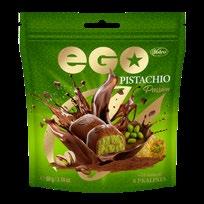
Delissimo Almond are delicate pralines, full of expressiveness and refined elegance. The packaging, perfectly in line with global design trends, conceals pralines in the form of spheres with a whole almond submerged in a delicious white cream. It is impossible to tear yourself away from them, as they seduce you with every bite with their velvety, almond-coconut flavor.
www.VOBRO.pl
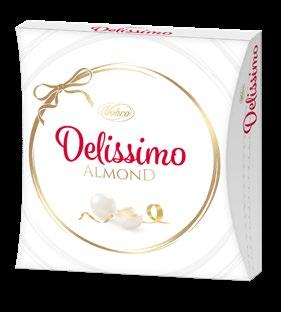
Discover the delightful world of our cookies, where tradition meets modern sweetness. Our wide range offers something for everyone: from crunchy cocoa cookies with peanuts to delicate jelly-filled delights in fruity flavors. Enjoy our glazed gingerbread, creamy wafer rolls or unique bubblegum flavored filled stars – the ultimate treat for any occasion. www.GIBAR.com.pl
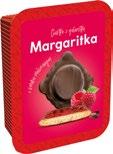
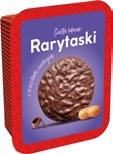
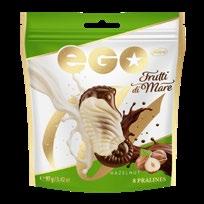
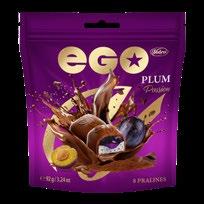
Soleo Salty Snacks are baked products that will appeal to everyone. All made with top quality ingredients, our snacks are available in the form of sticks, pretzels and tube combining both the products. Pretzels could have different shapes and flavours. All snacks listed are vegetarian friendly, which is confirmed by the European V-Label Vegetarian certificate. They do not contain monosodi um glutamate.
www.AKSAM.pl
Revitalize your day with sugar-free chewing gum dragees. Crafted for long-lasting freshness, our gums are aspartame-free and come in a vibrant palette of flavors: from classic mint and strawberry to fruity sensation like watermelon, berry, orange or tropical and even energy drink flavor. A standout feature is the functional bottle packaging designed to maintain maximum freshness. These gums are ideal choice for a refreshing and healthy snack.
www.GIBAR.com.pl







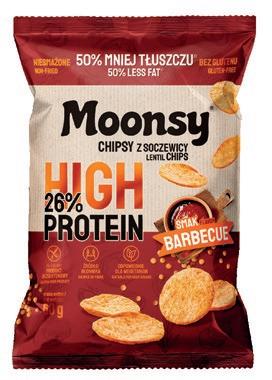

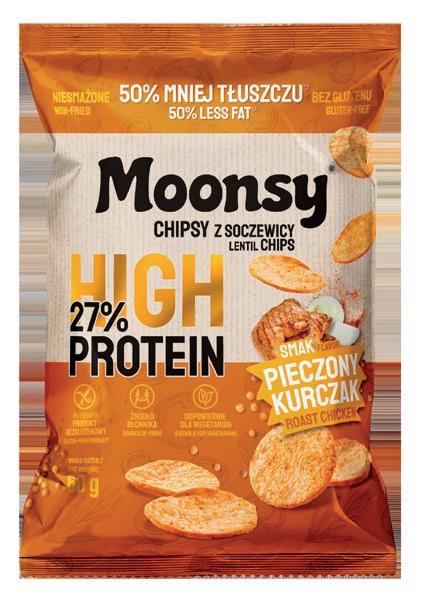
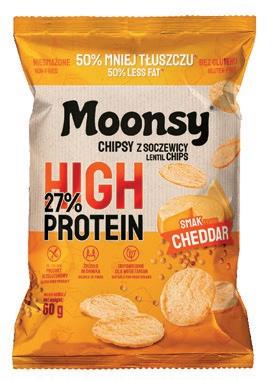
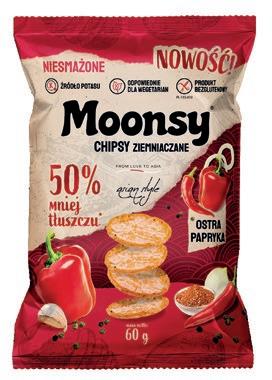
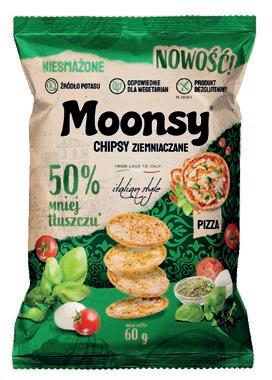

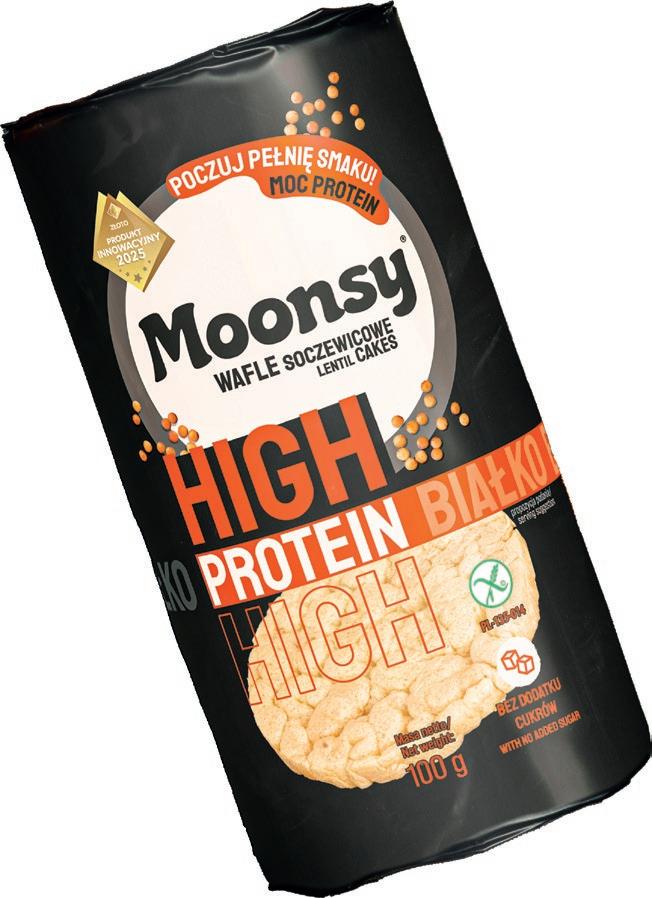

Vanilla & dark chocolate
• High-quality ingredients
• Net weight: 100 g (3.53 oz)
White Choco
• High-quality ingredients
Net weight: 100 g (3.53 oz)
www.BOGUTTI.com
a unique lentil product that will delight you. Our gluten-free snacks contain 50% less fat than traditional crisps, making them the perfect choice for active and caring people. What’s more, they are suitable for vegetarians and come in two NEW flavours Green Onion and Fried Chicken.
www.EUROWAFEL.pl
Cherry
combines authentic Japanese matcha green tea with a vibrant duo of fruity notes. With no added sugar, its gentle sweetness comes from stevia, highlighting the beverage’s light, modern character. It’s an ideal choice for those seeking to balance enjoyment with a more mindful lifestyle. Perfect as a quick and convenient everyday option, it fits seamlessly into moments at home, at work, or on the go. www.MOKATE.com
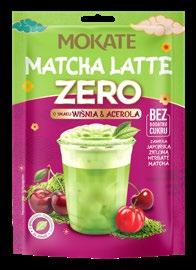
Wafer rolls with matcha cream
• Crunchy wafer
• Soft cream
• High-quality cream
• Net weight: 150 g
Wafer Rolls with mango cream
• Crunchy wafer
• Soft cream
• High-quality cream
• Net weight: 150 g
www.BOGUTTI.com
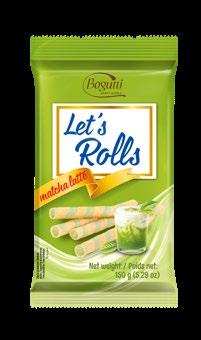
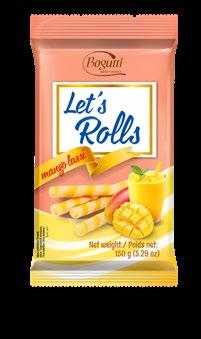
an ideal snack for anyone who values great taste and lightness. This gluten-free product, suitable for vegetarians, is a perfect alternative to traditional sweets. The combination of crunchy rice cakes and smooth chocolate delivers enjoyment without guilt. Great for work, school, and travel. A light, tasty, and convenient snack for any occasion.
www.EUROWAFEL.pl
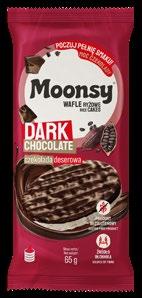
is a premium, finely ground green tea with no additives or flavourings. It stands out for its rich, natural taste and versatility – suitable for traditional preparation, trendy beverages like lattes and smoothies, or even desserts. Designed for consumers who appreciate purity and functionality, it comes in practical packaging that supports easy storage and everyday use, aligning with modern healthy living trends.
www.MOKATE.com
Elevate your dishes instantly with our convenient, ready-to-shred cheese. Designed for the modern kitchen, it melts perfectly over pizzas and pastas and adds a fresh touch to salads. Our practical packaging and finegrate texture take the hassle out of meal prep. It’s the ultimate solution for busy foodies who refuse to compromise on quality while keeping up with a fast-paced lifestyle.
www.MLEKOVITA.com.pl
Sweet and mildly spicy cherry peppers stuffed with Greek cheese are an excellent antipasti — a perfect appetizer before a main meal or a tasty snack served with a crispy baguette. www.GREEKTRADE.com.pl/en/
Discover the subtle elegance of our Mild White Cheddar. With its delicate taste and creamy finish, this cheese is the perfect companion for contemporary lifestyles.
“Clean label” and smart packaging fit the needs of modern consumers. Looking for more? Explore our professional range with the 1 kg edition – the ultimate versatile solution for every culinary challenge.
www.MLEKOVITA.com.pl
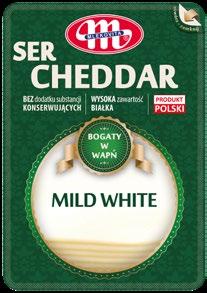
An excellent choice for lovers of intense flavors. These juicy, aromatic sun-dried tomatoes are preserved in oil, which helps retain their natural sweetness and rich, concentrated taste. Perfect for salads, spreads, pizzas, pasta dishes, and as an addition to meat-based meals. The tomatoes delight with their exceptional softness and deep, intense flavor that enhances any dish.
www.GREEKTRADE.com.pl/en/
So Food Active is a product line for active and busy people who value nutrition and convenience. With high protein content, it supports muscle maintenance and growth. Made with natural ingredients, it offers great taste, firm texture, and easy preparation. It keeps you full longer and provides energy for everyday challenges.
www.MAKARONY.pl
High Protein Pasta is designed for people who want more from their everyday meals. With increased protein content and natural egg protein, it supports energy levels and helps maintain muscle mass. It keeps you full for longer while delivering great taste, just like classic pasta, with a perfect firm texture after cooking.
www.MAKARONY.pl
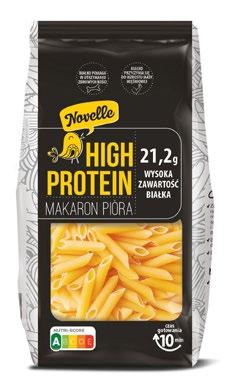
Discover our Chicken Flavoured Instant Soup in powder form – a convenient, halal-certified product with a rich chicken flavour, made without meat ingredients. Simply add hot water to prepare a quick, satisfying soup. One tube yields up to 67 portions, making it an efficient choice for foodservice professionals seeking consistency, quality and ease of use.
www.PRYMATGROUP.pl/en/
Versatile sachets of seasonings and coatings specially designed for air fryer cooking, also suitable for oven use. Made with natural ingredients, free from MSG and artificial additives. Seasonings: Golden Chicken, Salmon, Fries & Potatoes; Coatings: Classic Nuggets, Nuggets with Chili. Recipe on the back.
www. PRYMATGROUP pl/en/
is a classic, mildly spicy sauce based on rapeseed oil, mustard, and dried onion, designed for the demanding conditions of professional kitchens. Its creamy texture and well-balanced heat perfectly enhance the flavor of dishes without overpowering the main ingredients. Distinct notes of onion and mustard give dishes a character inspired by classic American street food. It works well as a versatile accompaniment to dishes as well as a base for signature sauces and dips.
https://FANEX.pl/
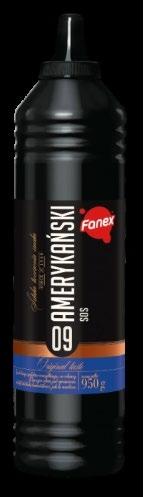
General Fresh Five Force is an effective toilet rim block that helps remove dirt, deposits, and limescale with every flush, leaving your toilet fresh for longer. It creates a rich foam, ensures hygienic cleanliness of the toilet bowl, and protects it from limescale build-up. Carefully selected fragrance compositions keep the toilet pleasantly refreshed. It is available in many variants: marine, forest, lemon, melon, or with chlorine in marine and forest versions.
www.POLHUN.pl, www.GENERALFRESH.pl
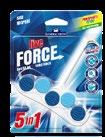
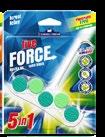
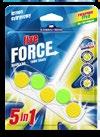
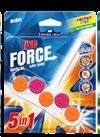
is an excellent choice for those who value high quality and exceptional taste. It combines olive oil, wine vinegar, mustard, honey, and a carefully selected blend of spices and herbs. This well-balanced — light and refreshing — flavor composition makes it a perfect complement to salads, meat dishes, and vegetarian meals. It adds a distinctive and refined flavor note that enhances a wide variety of dishes.
https://FANEX.pl/
General Fresh FORCE Powershot toilet cleaning powder that effectively removes limescale, deposits, and dirt, working below the waterline. The active foam reaches hard-toaccess areas, restoring cleanliness and freshness. FORCE Toilet Oil creates a protective layer that helps reduce the buildup of limescale, dirt, and impurities. It remains in the toilet bowl for a long time, supports hygiene, and leaves a fresh, intense fragrance. It helps keep the toilet clean and fresh every day.
www.POLHUN.pl