
1ST

1ST







Denise Lewis PRESIDENT
Brook-Owen Real Estate
41 E. Main Street Westminster, MD 21157
410.871.1110
denise@denisehasthekeys.com

Larry
Smith SECRETARY
Railey Realty
2 Vacation Way McHenry, MD
301.387.2000 lsmith@railey.com

Cheryl Abrams Davis IMMEDIATE FORMER PRESIDENT
RE/MAX United Real Estate
14340 Old Marlboro Pike
Upper Marlboro, MD 20772
301.702.4200
cherylabrams@remax.net

Melanie Gamble PRESIDENT-ELECT
212 Degrees Realty, LLC
9701 Apollo Dr., # 301 Upper Marlboro, MD
301.343.8538 melanie@melaniegamble.com

Chris Drewer TREASURER
EXP Realty, LLC
7939 Honeygo Blvd., Suite 108 Nottingham, MD 410.292.3218 ctdrewer@gmail.com

Chuck Kasky, RCE CHIEF EXECUTIVE OFFICER
Maryland REALTORS®
200 Harry S Truman Pkwy. Suite 200 Annapolis, MD 21401
800.638.6425 chuck.kasky@mdrealtor.org
Maryland REALTORS ®
200 Harry S Truman Parkway | Suite 200 Annapolis, MD 21401-7348
443.716.3500 | www.mdrealtor.org
Leadership Team
Denise Lewis | President
Melanie Gamble | President-Elect
Chris Drewer | Treasurer
Larry Smith | Secretary
Cheryl Abrams Davis | Immediate Former President
Chuck Kasky, RCE | Chief Executive Officer Editor
Daniel Patrell | dan.patrell@mdrealtor.org
Advisory Committee
Donald Frederick | Chair
Tresha Davis | Vice Chair
Advertising advertising@mdrealtor.org
Publication Design and Printing Ironmark, 9040 Junction Dr, Annapolis Junction, MD 20701 888.775.3737 | ironmarkusa.com
The opinions expressed by nonstaff contributors may not reflect the official opinion of Maryland REALTORS® and/or policies derived from leadership and staff.
Maryland REALTORS® exists to support all segments of its membership and their specialties. Maryland REALTORS®, through collective efforts with local boards/associations and the National Association of REALTORS®:
■ Develops and delivers programs, services and related products that maintain and elevate the high standards of the real estate business and the professional conduct of its practitioners;
■ Assists members in ethically and professionally serving the public;
■ Promotes and preserves the right to own, transfer and use real property; and
■ Protects the right of members to conduct business within a framework of fair and reasonable laws and government regulations.
In principle and in practice, Maryland REALTORS® values and seeks diversity and inclusive participation within the field of real estate and recognizes each member as a unique individual.
One of my favorite things around this time of year is to look through Maryland REALTOR ® magazine (such as you are now doing) and looking at our various members who have asserted themselves and are now serving on committees and boards for the National Association of REALTORS® (NAR).
When I see this, I can sense the progression of leadership one may have taken at the local level, then the state level, that may lead to volunteer service with NAR.
There are many benefits to leadership, and you’ve likely heard much of this before, that it trains you in skills you may not have had before and, of course, its role in expanding your professional and personal network.
There are other benefits to leadership, of course, and these benefits can improve your bottom line. Here are some examples:
“Passion” for the work you do is linked to stronger sales performance. A 2020 study of 322 salespeople noted that “harmonious passion” (a healthy, self-chosen passion— the work is important and energizing, but it stays in balance with the rest of life) positively influences one’s negotiation strategies, which then feeds into improved sales performance. One note: don’t confuse harmonious passion with “obsessive passion,” which is a more pressured, compulsive form of passion. The work may start to control you, and it is often tied to ego, approval, fear of failure, or identity.
One’s leadership style is linked to measurable salesperson performance. First, let’s define “transformational leadership,” which is a leadership style where a leader inspires and motivates people to perform at a higher level by creating a strong sense of purpose, vision, and personal growth—not just by managing tasks or using rewards/punishments. From an online survey with 313 salespeople in sales positions for 3+ years, transformational leadership has a direct and positive effect on both the salesperson’s sense of empowerment and self-efficacy. The results provide strong support for the importance of how (attention, brokers!) sales managers lead salespeople—due to transformational leadership’s profound effects on salespeople’s attitudes.
Real estate leadership affects key performance drivers. In a study of the transformational style of real estate managing brokers, researchers discovered the misconception that money or other forms of compensation affect the job satisfaction of real estate agents. The themes that emerged revealed a relationship between transformational leadership, group dynamics, and job satisfaction. Themes revealed include culture, job satisfaction of real estate agents, career growth and selfmotivation, education and training, and the satisfaction/dissatisfaction of real estate managing brokers. Translated: real estate agents who work with managing brokers who possess a transformational leadership style are motivated by more than just money. I, personally, will suggest that if an agent is motivated by more than money, that they have “passion,” as mentioned two paragraphs earlier.
Of course, many of our members already know how leadership can improve job performance, but to our newer members and those who’ve sat on the sidelines: Step up, not only for the industry, but for your improved effectiveness as a REALTOR®. Your local board has committees; look to find ones that align with your personal and professional interests. The state association has several committees, and you can explore these by following the QR code below. For NAR, the committee selection process will begin again on March 1.
Your service as a volunteer helps your associations and the industry. It also benefits you and the work you do. If you haven’t served on a committee, I encourage you to consider doing so. Follow the QR codes below for more information. Thank you for visiting my TedTalk. ■















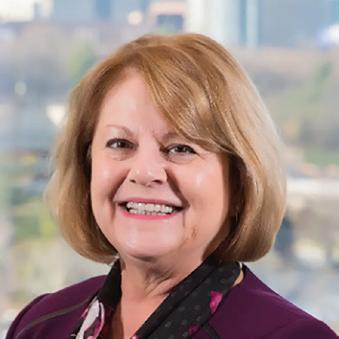
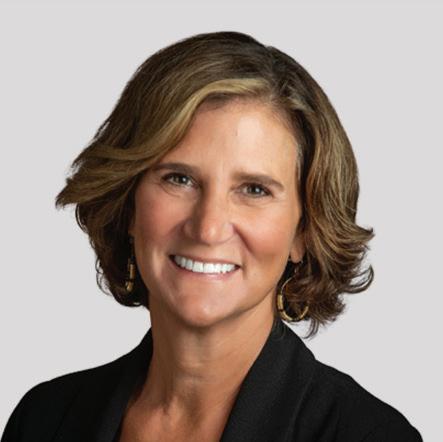






RANDY COTTRELL Board of Directors

DREW Resort and Second Home Real Estate Committee

MARIA GARCIA CIP Advisory Board

JOHN HENTSCHEL Board of Directors


DAMATO Membership Policy and Board Jurisdiction Committee

DAVIS Board of Directors Federal Financing & Housing Policy Committee

CHRISTOPHER DREWER RPAC Major Investor Council

LISA HAMILTON Member Communications Committee

CHRISTOPHER HILL Board of Directors

DIAMOND Board of Directors Business Issues Policy Committee

FARRAR Meeting & Conference Committee

FREDERICK Conventional Financing & Policy Committee

LATONIA RENEE HARRIS Fair Housing Policy Committee Federal Financing & Housing Policy Committee


HARRIS Board of Directors



HAROLD HUGGINS Commercial Committee
Property Valuation Committee
Board of Directors Real Property Valuation Committee







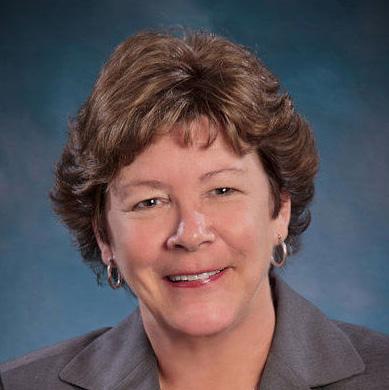




DALE MATTISON
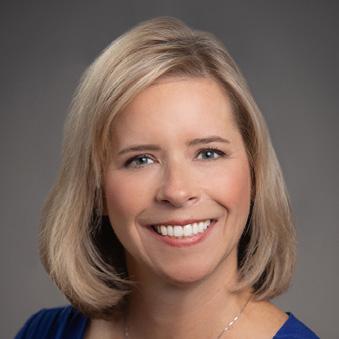



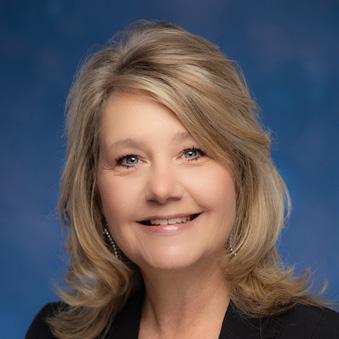

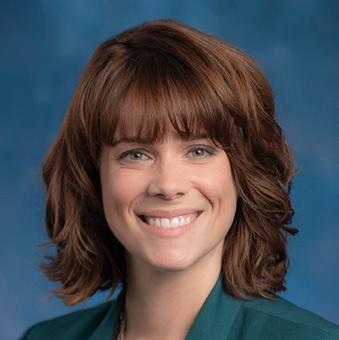

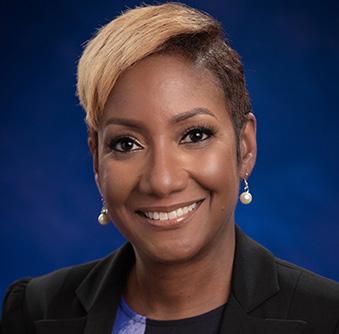
YOLANDA MUCKLE



JESSICA OLEVSKY Board of Directors Professional Development Committee

GENE SEMENTILLI Professional Standards Committee




LEISEL TAYLOR REALTOR® Safety Advisory Committee

JANE WEISSMAN Leading Edge Advisory Board

Board of Directors Culture & Accountability Committee Distinguished Service Award Council
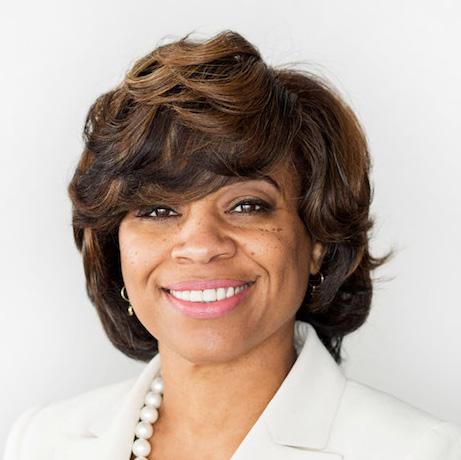
SARAH RAYNE Association Executives Committee & Forum
REID AEC/Volunteer Leadership Advisory Board

TAFT Housing Opportunities Committee


WATERMAN Land Use Property Rights and Environment Committee


Board of Directors Business Issues Policy Committee

WEBB Board of Directors Consumer Communications Committee

One of the perks of Maryland REALTORS® membership is access to our “Affinity Partners,” businesses that offer exclusive savings you might not get on your own. From E&O insurance to pet insurance, tenant screening to REALTOR® safety, help with your pitch to help with your shipments, you’ll find a growing list of Affinity Partners available to you.

Follow the QR code to find them all on our website, each vetted by the Maryland REALTORS® Communications and PR Committee.
Membership, as the saying goes, has its privileges, and to access our Affinity Partners, you must log in to our website.
If you’re a business that would like to explore an Affinity Partnership, please email: jacky.mueck@mdrealtor.org.


360° Coverage Pros is an industry leader providing innovative insurance and benefit solutions. 360° Coverage Pros provides a comprehensive suite of products and services designed to help your business manage and insure today’s cybersecurity and data breach risks.

Maryland REALTORS® members can save up to 35% off Avis PAY NOW rates when making a reservation with an exclusive Avis Worldwide Discount (AWD) number. Complete your reservation and receive instant online and email confirmation of your travel plans.

Constant Contact’s® email marketing and online survey tools help small businesses and organizations connect to customers quickly, easily, and affordably while building stronger relationships. Maryland REALTORS® members receive an additional 10% off the standard prepay discounts. That is 20% off six months, or 25% off the full year. Pre-payment is required for these member exclusive savings.

DO AudioTours is a Multi-Language Artificial Intelligence audio/visual showcase experience that amplifies your real estate listings at a discount for Maryland REALTOR® members. This tool provides additional information for consumers and allows you to differentiate yourself through the power of AI for real estate. This tool delivers an audio description plus closed captioning, multi-language support, and ADA-friendly components that bring a property to life.

We offer Maryland REALTORS® a new way to shop for the insurance benefits they need. Without service, you will get comparison quotes from multiple insurance providers. Shop the most affordable Health, Dental, Vision, and Life insurance available.


Domii is an all-in-one mobile app built for real estate professionals, combining safety tools, property insights, and smart prospecting in one platform. Through this partnership, Maryland REALTORS® members receive exclusive access and savings on domii tools, designed to help agents work more confidently, efficiently, and informed.

Maryland REALTORS® members always save up to 35% off Budget base rates with their offer code. Explore other great offers, like dollars off and a complimentary upgrade.

Enroll in our Free Relax for Rewards Program using the company name Maryland REALTORS®. Once enrolled using your company code, MD REALTOR, and email address, a Fast Park card will be issued. Guaranteed daily flat rates, earn points towards free parking, print receipts, review parking history, and request free parking. Valid with FastPark’s two lots near BWI.

Help lower you and your family’s prescription drug costs. Create and print your FREE Prescription Drug Card and immediately receive savings of up to 80% (discounts average roughly 30%) at more than 68,000 national and regional pharmacies. This card can be used as your primary plan and/or it can be used on prescriptions not covered by your insurance plan.

Hotel Engine is a free and exclusive members-only hotel booking platform that connects Maryland REALTORS® members to deeply discounted hotel rates. Save at over 700,000 hotels around the globe, wherever your travel takes you.

Through our valued affinity partnership with HelloNation, Maryland REALTORS® members have the opportunity to showcase the distinctive character and charm of their communities, using engaging video magazine features that not only highlight local stories, but also provide immersive neighborhood storytelling that resonates with viewers and fosters a deeper connection to the area.

NAR REALTOR® Benefits® partners with select companies to create exclusive, customized offers that specifically help you save on solutions that boost your business and best serve your clients.

Stay safe while showing properties with our smart jewelry and keychains with hidden safety technology. Maryland REALTORS® members save 5% from our collection of bracelets, necklaces, and keychains with a special promo code.


Receive exclusive benefits and savings on all your office supply needs including customized pricing to fit the specific needs of your business, curated assortment of products and services, FREE next-business-day delivery on qualifying orders, and more!

Save up to 50% off the everyday public web price, with access to special flash sales on computers, headphones, and accessories. Get the tech you need to keep your business running smoothly.

Kickstart your Pitch59 experience by creating your free PitchCard today, and if you’re ready for even more visibility, you can upgrade to the Pro or Pro Plus plan with an exclusive 30-day free trial and 10% discount, available only to members.

We’ve been protecting real estate agents with our partner carrier, AXA XL, since 1979 and we’re among the first companies to offer Errors and Omissions (E&O) Insurance. We are now supplementing our Plus program with essential cyber endorsements as well. Visit our website or call one of our E&O specialists for more information. If you’re ready to get the Plus today, get a quote online now!

Take advantage of the highest-rated tenant screening service on the market, complete with rental application, credit report, background check, and eviction history. Free for agents with instant results.

RentRedi is an all-in-one property management software that helps landlords streamline rent collection, tenant screening, maintenance, leases, and communication through a mobile-friendly platform.

Life is full of surprises. Spot helps pet parents plan for the unexpected through easy and reliable pet insurance options that can be used at any licensed vet in the US or Canada. Get a Spot plan and get up to 90% cash back on eligible vet bills.
Show everyone that you’re a REALTOR®. This special plate will set you apart from everyone else as a Maryland REALTOR®. A license plate costs $40. Find out how you can accentuate your license plate today!

REALTORS® Insurance Marketplace is an easy-to-use comparative shopping site designed to help NAR members obtain insurance by offering a wide roster of insurance plans and products. Offered under the REALTOR Benefits® Program, the Marketplace Health Insurance Exchange features insurance plans from top-rated carriers nationwide that meet the mandates of the Affordable Care Act.

TransUnion SmartMove offers tenant screening services. For Maryland REALTORS® members, enjoy 20% off TransUnion SmartMove QuickCheck service.

Members enjoy flat rate pricing with savings of 65% on Domestic Next Day/Deferred, 42% on Ground, and continued FREE UPS Smart Pickup® Service.

BY MELISSA DITTMAN TRACEY
In a world drowning in content, the real competitive edge is showing up online as your real self—not a polished imitation, says a personal brand strategist.
With more than 20 million videos uploaded daily and human attention spans shrinking by 25% in the last 16 years, how do businesses create social media content that stands out? For personal brand strategist Hilary Billings, the answer lies in authenticity that drives connection.
Too often, she said, social media users mimic what’s already out there. “We become performative,” noted Billings, co-founder and CEO of Attentioneers, during a session on social media marketing at NAR NXT, The REALTORS® Experience, in Houston. Real estate agents often adopt a “host voice,” present a polished persona and then wonder why it falls flat.
Billings knows what captures attention online: She grew her own following from zero to 400,000 in just 40 days and generated more than 1 billion organic views in a year. She now helps real estate agents and businesses significantly increase engagement.
“We are at a war for attention,” she said. “We’ve never had more opportunity to get in front of our audiences—yet it’s never been more difficult.”
And agents can’t afford to ignore it. By 2026, Gen Z is expected to become the largest consumer population, and 95% of them use social media as their primary source of information, she said. “If we’re not meeting them where they are,” Billings added, “we’re going to miss the market.”
Are you easily searchable online? Are you active? Do you produce trustworthy content? As consumers increasingly find you online, they will make judgments long before they reach out. And they need more than a single glance before moving forward.
Billings pointed to Google’s 7–11–4 Rule, which shows buyers make decisions based on accumulated familiarity not one moment. On average, customers need:
■ 7 hours of your content
■ 11 touchpoints (e.g., 11 separate pieces of content from you or your brand)
■ 4 different locations (e.g., Instagram, a podcast, a newsletter, a blog)
So inconsistent posting, fragmented messaging and siloed platforms could break that 7–11–4 customer journey before it even begins.
But random posting doesn’t work, Billings said.
“There’s too much noise to choose from,” she added.
Billings and her team analyzed hours of viral content to uncover why certain posts outperform others. It comes down to the psychology of attention, summarized in their “SCIENCE” framework:
■ Sensory stimulation
■ Curiosity
■ Importance
■ Emotion
■ Novelty
■ Connection
■ Experimentation
While each matters, she said connection is one of the most powerful—and the area where many fall short.
Connection requires authenticity. According to Billings, great content communicates two things clearly:
1. Your values: Values reveal what you care about, such as family, sustainability, community, design, etc. If sustainability is a core value, your followers should then expect to see posts about your favorite recyclable products, upcycling tips or eco-friendly home features.
2. Your voice: This is “how” you communicate. Are you funny? Warm? Edgy? Direct? Your tone should be unmistakable in your content.
“When we bring those together,” Billings said, “the people who share your values and how you communicate will find you and want to work with you. Those who don’t will disqualify themselves—and that’s a good thing.” Agents don’t need to appeal to everyone; they need to attract the right people.
“The content you create should be a window into what it’s like to work with you,” she added. It shows “how” you do your job—your differentiator. Create content rooted in values, speak in an authentic voice and show up consistently across platforms, she said.
So before hitting publish on your next post, ask yourself:
■ Does this clearly express what I care about?
■ Does it clearly communicate my personality?
If both answers are yes, you are building a brand that is memorable, trustworthy and ready for growth, Billings said. ■
BY KELLI CRUM, MARYLAND REALTORS® BRAND AND CONTENT MANAGER
At Maryland REALTORS® we know we have a diverse group of members who differ in age, experience, even real estate practices. We are lucky to be a part of such a diverse community that celebrates those differences. So how do we reach everyone? We view our voice and our content as a resource for our members. Direct. Informative. Reliable. And Encouraging.
We understand the dynamic nature of the real estate industry and the importance of staying informed and connected. So, with our social posts via Facebook, Instagram, and LinkedIn, we serve our members by providing relevant, informative, and shareable content.
Whether it’s the latest Q&A from the Legal Hotline, facts and updates on our advocacy efforts, or simply a “savethe-date” for our next event, our posts are meant to act as a source of information that provides an opportunity to enhance your professional expertise.
By fostering an environment of collaboration and learning, we empower our members to make informed decisions and enhance their real estate careers.
In addition to our informative content, we provide resources, facts, and/or trends that facilitate networking and career advancement opportunities, as well as usable content to share with your clientele.
Together, we strive to build a strong, informed, and resilient real estate community that thrives on transparency, reliable information, authenticity and shared success.
That is the voice and tone behind Maryland REALTORS® Social Media efforts. You are welcome and encouraged our content with Maryland REALTORS® or our consumer site, MarylandHomeownership.com, with your clients, your community, and your followers.
Follow us today!
Melissa Dittmann Tracey is a contributing editor for REALTOR® Magazine and editor of the Styled, Staged & Sold blog.
We asked three CRE experts for their take on the year ahead.

BY RICHARD STONER
Data Centers are clearly the highest growth sector of commercial real estate (CRE) as the marketplace moves into 2026. It’s now well established as its own sector, as opposed to simply being part of industrial real estate.
The biggest change is likely to be how this use is defined and restricted in county zoning ordinances across Maryland. Virginia has seen what started as one component of high-tech mixed use—office and warehouse space connected to internet traffic—quickly evolve into being a separate sector characterized by large buildings housing mostly computers, very few employees per square foot but having a need for megawatts of electricity.
For those not aware of data centers, one might look to Loudoun County, Virginia, where many internet companies evolved during the first phase, “Internet 01,” from 1989 to 2004. It’s often said that the first internet traffic was between the Pentagon and Herndon, Virginia, home to many defense contractors, but internet communications actually started in multiple labs around the world and evolved into systems, which eventually were all connected.
In terms of our regional commercial real estate industry, there is no doubt that many internet companies were formed and occupied large blocks of space in Loudoun, Prince William, and Fairfax counties. As storage and processing needs increased and blossomed into the huge networks that would support the burgeoning use of social media, internet companies like Amazon and other 24/7 data operations needed to grow their footprints.
It’s no surprise that these huge buildings began to be referred to as “Data Centers.”
Why are Data Centers in the news in 2026? The answer seems to start with the incredible growth in demand for computing capabilities, but in terms of land use, it seems that resistance started to mount when these supposedly “low impact” land uses were placed close to neighborhoods or in agricultural areas where residents noticed humming noises and witnessed the huge demand for electrical power begin to impact local infrastructure. This led to what we used to call “high tension power lines” or lots of digging to install underground electrical service.
When solar, wind, and other “clean energy” forms were seen as the wave of the future in the early 2020s and energy from fossil fuel was discouraged, these data centers were blamed for large increases in the cost of electricity. As 2026 faces both rising costs for electricity generation and great demand for the output of these data centers, there’s no doubt the debate will be front and center as the issues of land use and energy use become more transparent.
Jay Norman of Norman Realty, Inc., in Manassas, VA has dealt with the placement of many data centers in both rural and industrial zoned land in several counties in Northern Virginia. He commented that at the start of 2026

that “data centers are definitely creeping into Maryland.” Readers may have read about proposals for data centers on the site of the former Dickerson, Maryland, coal-fired power plant, and at the Alcoa site, a former aluminum smelting plant in Frederick County. Both are within a few miles of Virginia, and both have the advantage of having electrical capacity (i.e., the “wiring”) from their former uses. Dickerson, in Montgomery County, and the Alcoa site are both on parcels of over 500 acres. Both sites hope they can prove that any negative impacts can be buffered and isolated from residential and agricultural land uses.
The big factor in the debate, however, relates to the overall demand for electricity, which has caused rates in our region to increase by 30% or more in the last few years, as most of us know simply by looking at our household electricity bills. The draw on resources and the need to build more power plants in a political environment where the use of fossil fuels is still uncertain will lead this particular land use to further scrutiny, much more than when it was simply part of the industrial real estate sector, which happened to involve computers and lots of disk drives.
An interesting area of demand in the outlying area is what we call “data center staging” because the companies building data centers often need to inventory large components and be ready for fast assembly of the centers. We’ve seen demand for open storage lots and older industrial buildings from the construction companies, which are building these centers in our region.
Regardless of where you stand on electricity generation and whether you think adding capacity to supply to the data centers is a good or bad thing, the one thing that is not subject to opinion is whether or not a strong demand exists in Maryland as the second half of the 2020s moves forward.
Expect to see communities that resist new electric transmission lines and blame data centers for causing the increased demand and expect to see counties including “data centers” as a specific land use in zoning ordinances. In the same way that “mixed use” became a new category between office and industrial land use, data centers will grow to be sector CRE on a scale that has not been seen before. ■

Richard Stoner is the Broker/Owner of Reist Corporation Property Services.
BY HEDY L. NELSON, ESQ.
As we welcome in 2026, the commercial real estate (CRE) landscape across Maryland continues to evolve — presenting both exciting opportunities and notable challenges. Here I share a few opportunities, as well as a few challenges that I anticipate in the coming year.

■ Multi-family remains strong. Investors continue to compete for good properties. Demand for affordable and workforce housing will likely continue.
■ Medical office space continues to enjoy high demand, particularly near hospitals. Our aging population makes it likely we will see this trend continue in 2026. An increase in outpatient care and urgent care centers is fueling demand for smaller, high-traffic medical office locations.
■ Our aging population is also increasing demand for senior living and memory care facilities. Likewise, we are seeing an increase in adult day care centers.
■ Retail and restaurant sectors are evolving, with experience-based concepts and service-oriented tenants filling underutilized spaces. Although online shopping remains popular, many consumers still prefer the in-person shopping experience.
■ Capital Market Volatility - lingering high interest rates and tightened lending standards have resulted in buyer-seller gaps in purchase price expectations. Deals take longer to find and close. While interest rates may drop in 2026, they are unlikely to return to the lowest rates of recent history, so deals will likely continue at a slower pace.

■ Office leasing continues to adjust as hybrid work reshapes space needs, and many tenants continue to seek to downsize. With competition from Class A spaces, Class B/C buildings face pressure to reposition, as tenants demand more amenity-rich, modernized, tech-enabled spaces that contain sustainability features.
■ Construction & Operating Costs - Higher material costs for construction, as well as labor shortages, will continue to impact development project timelines and investor bottom lines.
■ The political climate may result in economic uncertainty. The impact on the commercial real estate market is unpredictable. ■

BY DAVID FRITZ
For some industry players, 2025 left a taste of uncertainty with increased interest rates, construction costs, tariffs, and a government shutdown. However, there were several areas in our market that will carry us into a more promising 2026. We are cautiously optimistic that interest rates will continue their downward slide to accelerate more sales transactions for both commercial and residential properties.
Here’s a snapshot of each asset class:
This asset class continues to struggle since the pandemic. There are signs of slow, but increased absorption in certain sub-markets. Class A office buildings will fare well if they are highly amenitized, creating a workplace culture to lure employees back to the office. We have seen lenders finally taking control of underperforming assets to reset their valuation and get them off their books. Therefore, investors are buying office assets in strong sub-markets, but well below replacement costs. Patient investing will be needed as we continue to work through the glut of office space.

Although mid bay or high bay (24’ clear +) industrial has been on a tear pre-pandemic, we have seen demand lag in 2025. This is due to increased rental rates, basic market fundamentals—and tariffs didn’t help. We see 2026 stabilizing somewhat, but new deliveries will add supply, which could further delay the party we were accustomed to in years past. The flex market (20’ clear or less) has remained strong allowing smaller occupiers, i.e. commercial contractors and service businesses, to occupy small bay vacancies in a shorter time frame with hopefully limited tenant improvements. Investors are still bullish on the industrial asset class as well as Industrial Outside Storage (IOS). We expect 2026 to be a promising year.
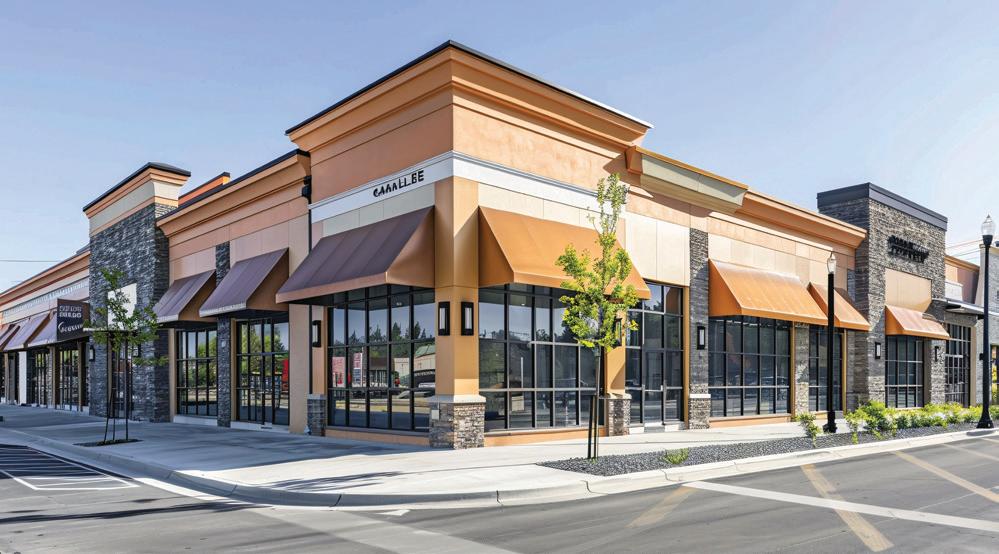
Retail remains strong, but there is little to no new construction, which is a double-edged sword. Rental rates have increased dramatically due to limited supply. Tenants have limited options to lease or obtain market share as they roll out their expansion plans. We have seen restaurant users come and go, but there is still high demand to locate in the Washington/Baltimore MSA due to the market’s strong fundamentals.
While data centers offer promise for CRE in many parts of the country, they remain a challenge in Maryland because of the required acreage and power requirements. So far, the only hyper-scale project is in Frederick County where the former Alcoa plant on 2,100 acres is being redeveloped into Quantum Frederick for multiple end users. Maryland needs to have a debate about whether to compete aggressively in this asset class and win major investment that our adjoining states have experienced. ■


Here’s why INNOVATE 2026, Maryland’s annual commercial symposium on March 26, 2026, should be locked onto your calendar.
This one-day, high-impact event is designed to deliver maximum value without sacrificing a week of work.
Hosted at the College Park Marriott Hotel & Conference Center, the Symposium brings together the trends, insights, and connections that shape Maryland’s commercial real estate market.
You’ll hear timely perspectives from leading experts, including economist Dr. Anirban Basu, who will break down the macro forces shaping local dealmaking. Keynotes and practitioner panels will translate market shifts—interest rates, construction costs, development pipelines—into actionable strategy you can use immediately.
Attendees can earn CE credit, with morning and afternoon sessions approved by the Maryland Real Estate Commission— ideal for renewing your license while strengthening your CRE skill set.
A signature feature, the Deal Exchange, lets you showcase an active listing and explore opportunities live with fellow practitioners. Add in an exhibitor hall full of lenders, attorneys, tech providers, and due-diligence partners, and you’ll leave with new contacts you can call on your next transaction.
INNOVATE 2026 isn’t just theory—it’s pipeline-building. The room is full of professionals actively working deals across multiple sectors. Residential agents exploring commercial real estate will also benefit from clear, digestible sessions that help you assess whether CRE aligns with your business goals.
Mark your calendar, watch for the agenda and CE confirmations, and plan to submit a listing to the Deal Exchange.
The Symposium is your fastest way to plug into where Maryland’s commercial market is headed next.

BY CHUCK KASKY
As recently profiled in the Baltimore Banner, sources reported that financing with high interest rates and looser restrictions, or what used to be known as “hard money,” was helping to pay for investments in neighborhoods where bank money had historically been slow to flow.
In recent years, industry consensus is that the term “hard money” no longer accurately describes the industry’s direction or structure, and that alternative terms are preferable. Now it’s called, among other things, a “debt service coverage ratio,” or DSCR loan. Landlords in Baltimore have been increasingly flocking to it in the past five years.
As you know, with conventional mortgage loans that are based on borrowers’ income, applicants are inherently limited by the amount they can borrow. DSCR loans, on the other hand, are particularly attractive to investor/landlords because they have less stringent requirements. To get one, an applicant needs a good credit score and to show that a tenant’s projected rent payment is greater than the owner’s monthly mortgage payment. With these loans, a landlord doesn’t need to provide proof of income, or even that they have a tenant lined up. And there’s no limit on how many they can get.
Lenders like the deals because they could sell off the debt to private equity firms and insurance

companies. The loans are bundled together in pools of mortgages and sold to investors worldwide as securities. DSCR loans went from contributing roughly 10% of loan dollars backing single-family rental properties in Baltimore in 2019, to about 40%, more than $150 million, in 2024.
This trend is now affecting over 700 homes across Baltimore. In concentrated pockets of the city’s East and West sides, many of the homes have been marketed for sale this year at noticeably inflated prices, and no one is buying. These homes are part of a portfolio linked to a couple of New York buyers who leaned on DSCR loans to buy hundreds of homes in Baltimore. Private equity funds have fueled their activity, and with many of the mortgages now in default, lenders and noteholders have been left holding the bag.
As foreclosure notices started arriving in unsuspecting tenants’ mailboxes, the New York buyers had amassed some $100 million worth of loans from at least two dozen private lenders. At least half of the Baltimore properties in the New Yorkers’ portfolio are either in or nearing foreclosure.
While there are opportunities to renovate lots of houses with these loans, the wave of foreclosures on DSCR-financed properties in Baltimore were all linked to those New York buyers, who continued to purchase homes even after many had gone into foreclosure, and almost none were ever renovated. Their troubles highlight the need for increased regulation in lending, especially among private financial institutions. The situation closely resembles that of the Great Recession. Lenders at that time were making thousands of
ill-advised loans to keep the money flowing despite the risks attached. So many defaults could send neighborhoods spiraling and untether families. And it has the potential to make Baltimore a ground zero for America’s next foreclosure crisis, dooming the effort to clear the city’s stock of vacant homes and scaring off investment at a time when it’s sorely needed.
This phenomenon is playing out across the city. Homes with little or no documented renovation work have asking prices of double and triple their prior sale price. Many of the homes are boarded up and abandoned, and others never reported a single tenant living there. Of the hundreds of homes identified as connected to this New York portfolio, more than 70% haven’t had a single renovation or construction permit pulled since at least 2019. More than half haven’t paid their water bills in a year or longer, a sign that many of the homes may be vacant.
One safeguard in the real estate transaction process could have identified red flags but didn’t. Home appraisers are supposed to prevent lenders from approving risky mortgages. In a sampling of loan applications, the same two appraisers surveyed all the New Yorkers’ properties. Third-party reviewers repeatedly flagged many of those appraisals as risky due to their high valuations, according to the loan documents, which outline a host of concerns with the appraisals’ accuracy and methodology. But the lenders still approved all of them. Since then, some properties have been reappraised at lower values.
We will keep you updated on this as we learn more. Also, the Maryland legislature has considered proposals targeting the troubling housing markets in recent years and is expected to take up related legislation from the Moore Administration and other stakeholders in the 2026 Legislative Session. Maryland REALTORS® remains engaged to help address many factors contributing to the housing shortage, including predatory practices by non-homeowners in residential areas. ■

Chuck Kasky is CEO of Maryland REALTORS®.
us for a review of the industry and
Join the Maryland REALTORS®’ Leadership Team and Select Staff at two Regional Roundtables for 2026. Get to know what’s happening now and into the future, and how it impacts your work.
March 18 | 9:30AM - 2:30 PM
Hyatt Regency Chesapeake Bay Lunch served. Free Admission.
April 29 | 9:30AM - 2:30 PM
Westin BWI Lunch served. Free Admission.

Scan QR code to register and reserve your space!
BY LISA MAY
Regulations come with costs, be they in time, money, or both. Unfortunately for those looking to build a single home or an entire housing development in Maryland, it is quickly apparent that our state is more highly regulated than others.
That’s a simple assertion to make in the abstract, but how does that play out in practice?
Enter the everything bagel.
Casey Anderson, an advisor with Rodgers Consulting and former member of the Montgomery County Planning Board, used this breakfast staple as an example of Maryland’s patchwork of development regulations. When taken individually, one development
requirement isn’t onerous but when layered upon one another, the cumulative impact is apparent.
In a presentation before the House Environment and Transportation Committee in December, Anderson illustrated the compounding effect of various state and local regulations on the Comsat property, a 200-acre parcel abutting I-270 in Montgomery County. Given its easy access to transportation links and the county’s need for additional housing, those 200 acres should provide a good amount of housing on paper.
Alas.
Environmental regulations on streams, open space, and park dedication take fifty acres out of production.
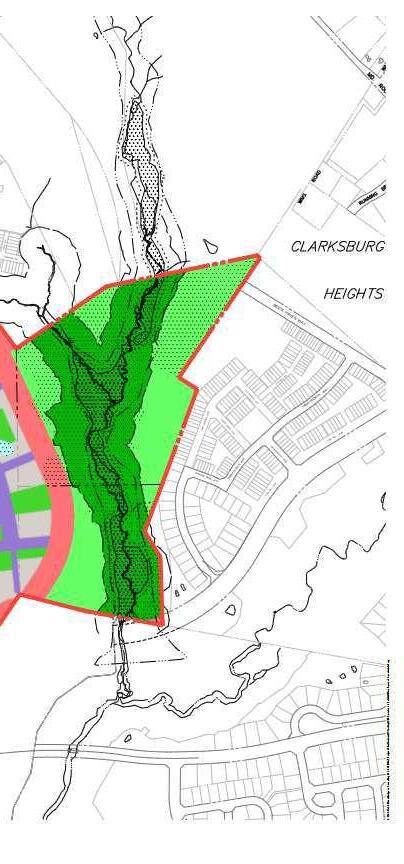
Transportation improvements like highway interchanges, roadways, and roadway buffers and rights-of-way take another forty-five.
Tree canopy and preservation claims yet another forty-seven.
Suddenly, that parcel has just 49.5 acres of developable land for housing, but 200 acres of associated costs. Is it any wonder that new housing is expensive? And can we finally push back on the narrative that developers only want to build luxury homes, given t hat those are the only options where they can make the numbers work?
No one is saying that Maryland must make do with plain bagels from here on out. But if we want to make housing more plentiful and attainable for our residents, we may need to rethink our “everything” approach to development regulations. ■


BY SUSAN YASHINKSKIE
Make 2026 your year by staying ahead of the curve. Maryland REALTORS® educational programs are designed to keep you informed, compliant, and competitive. Whether you’re a new agent, an experienced broker, or a future leader, our robust lineup of courses and certifications ensures you have the tools to thrive. Visit our Education calendar to find the following classes:
The GRI designation remains a cornerstone of professional development. Maryland REALTORS® offers two full GRI series annually. This program equips REALTORS® with in-depth knowledge of legal, regulatory, and business practices essential for success.
Compliance and professionalism are at the heart of our curriculum. Maryland REALTORS® offers all required core classes seven times each year – six virtually, and in-person at the Annual Conference. These classes are held every other month. Visit your local board to register. Classes include:
■ Legal/Legislative Updates
■ Contracts
■ Fair Housing
■ BRAD (Brokerage Relationships and Disclosure)
■ Ethics
■ Newly Licensed Courses (all 6 classes offered in August)
Maryland REALTORS® provides advanced certifications to help members stand out:
■ Residential Property Management Certification (MRPMC)
■ Housing Opportunity Certification (HOC)
Our Leadership Academy is a premier program designed to cultivate future industry leaders. Each year, 20 participants engage in seven intensive sessions, gaining skills in governance, advocacy, and strategic leadership. Applications open in May.
To address evolving industry needs, we offer targeted courses such as:
■ American Disabilities Act (ADA)
■ Commercial Agency
The Maryland Education Committee is developing a slate of NAR designations and certifications. Stay tuned for announcements on the following:
■ Certified International Property Specialist (May 2026)
■ Senior Real Estate Specialist
■ At Home With Diversity
■ Military Relocation Professional Invest in Yourself!
Your success starts with education. Don’t wait—explore our full calendar of classes and certifications today. Invest in your professional growth, strengthen your expertise, and lead with confidence. Visit Maryland REALTORS® Education to register and take the next step in your career! ■
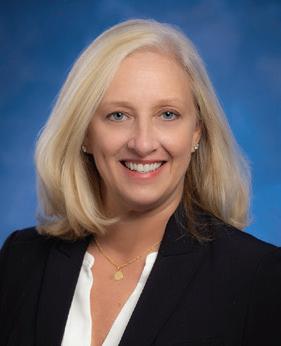
Susan Yashinskie is the Director of Professional Development and Member Engagement for Maryland REALTORS®.
BY SCOTT LEDERER
In the previous issue of Maryland REALTOR®, we explored the importance of staying engaged, informed, and proactive throughout the career of a Maryland real estate licensee. As we continue that conversation, I want to focus on one of the most practical—and sometimes misunderstood—responsibilities of licensure: Continuing Education (CE) requirements for license renewal.
Continuing Education is more than a regulatory obligation. It is how licensees stay current with Maryland law, sharpen professional skills, and protect both consumers and their own businesses. Whether you are renewing a license for the first time or are a seasoned practitioner with decades of experience, understanding what is required— and when—is essential.
Maryland’s Continuing Education requirements are not “one size fits all.” The type of courses that must be completed, and the options available to a licensee depend on several factors, including:
■ license type (salesperson, associate broker, or broker)
■ the date the individual first held a Maryland license
■ whether it is a first or a subsequent license renewal
■ supervisory responsibilities
To make these distinctions clear, the Continuing Education requirements are presented in three charts, each tailored to a specific category of licensee.

You can find these on our website, by following the QR code.
The charts are designed to help licensees quickly identify which requirements apply to them without having to sort through information that may not be relevant.
When reviewing the charts, licensees should pay close attention to required courses, permitted elective hours, mandatory subject areas, and renewal deadlines
Licensees Initially Licensed on or after October 1, 2023 (first renewal only)
This chart applies to licensees who were initially licensed on or after October 1, 2023, and are completing their first license renewal. The date when someone was “initially licensed” is the date the individual first held a Maryland real estate license.
These requirements are specific to first-time renewals and differ from those that apply to licensees who were licensed prior to this date or who are completing subsequent renewals.
Licensees Initially Licensed prior to October 1, 2023
(salespersons and associate brokers)
The second chart applies to salespersons and associate brokers who were initially licensed prior to October 1, 2023. These licensees follow the standard Continuing Education requirements for their license type, as outlined in the chart.
Licensees Initially Licensed prior to October 1, 2023 (brokers, designated branch office managers, and team leaders)
The third chart applies to Brokers, Designated Branch Office Managers, and Team Leaders who were initially licensed prior to October 1, 2023. Because these licensees hold additional supervisory responsibilities, their Continuing Education requirements differ and are reflected in the chart.
It can be tempting to view Continuing Education as something to simply “check off the list.” However, Maryland’s Continuing Education framework is intentionally designed to strengthen professionalism and consumer protection across the industry.
Continuing Education reinforces:
■ updates to Maryland real estate law and regulations
■ ethical decision-making in an increasingly complex marketplace
■ risk management and compliance best practices
■ professional standards that support public trust
A well-informed licensee is better equipped to serve clients, manage transactions responsibly, and adapt to changes within the industry.
One of the most common issues encountered during renewal is waiting too long to address Continuing Education requirements. While renewal deadlines may seem far off, course availability, personal schedules, and unexpected delays can quickly create unnecessary stress.
Best practices include:
■ reviewing your Continuing Education requirements at the beginning of the renewal cycle
■ completing required courses early
■ prioritizing required courses before elective courses, to maximize your flexibility as deadlines approach
■ verifying that course completion has been properly recorded in your online account
Please note: Effective October 1, 2024, new regulations (§17-314 and §17-315) went into effect regarding Continuing Education completion and submission prior to license renewal:
1. Continuing Education courses must be completed 30 days prior to your license renewal date to avoid a reinstatement fee.
2. Continuing Education providers have up to 14 days from the completion of a course to upload the credit hours into the Maryland Real Estate Commission system.
Supporting licensees through the Continuing Education process is a dedicated education team committed to clarity, accuracy, and service.
Japonica Kearney, Education Director, leads Maryland’s education initiatives with a focus on quality programming and regulatory compliance. Her work ensures that approved providers not only meet state requirements but also provide real value to licensees at every stage of their careers.
Japonica’s leadership helps bridge the gap between regulation and real-world application, making education a practical resource rather than a burden.
Working alongside her is Allison Simpson, Education Administrator, who plays a vital role in the coordination and administration of education courses. Allison assists licensees with questions related to education providers, requirements, and completion records. Her attention to detail and commitment to customer service help ensure that licensees receive accurate information and timely support throughout the renewal process.
Together, Japonica and Allison serve as trusted resources, helping licensees navigate Continuing Education requirements with confidence.
Understanding which Continuing Education requirements apply to you begins with two key questions: 1) when were you initially licensed in Maryland, and 2) what type of license do you currently hold? The three charts included with this article are designed to answer clearly and efficiently point you to the requirements you need to fulfill.
Staying informed today helps position licensees for long-term success tomorrow. ■


BY CLEO PAPPAS, ESQ.
Few things excite a real estate agent more than getting a new listing call. But sometimes, that “seller” isn’t who they claim to be. Fraudulent listings—especially involving vacant land, unoccupied homes, or tenant-occupied properties—are becoming more common in Maryland.
The Maryland REALTORS® Legal Hotline often hears questions like, “How do I prevent taking a scam listing?” and “What do I do if I realized I may have one?”
Here’s how to spot and stop these scams before they trap you, your brokerage, or your clients.
First, be aware of common red flags:
■ Seller refuses video calls; you never “meet” them.
■ Seller only wants to communicate via text or via an untraceable app.
■ Seller pushes for a quick listing or closing or only wants a cash offer.
■ Seller insists that a buyer utilize their attorney or closing company.
■ Property is vacant, owned free and clear, and/or seller claims to live far away.
■ Seller selected you randomly and/or the property is located in an area you do not normally work in.
■ Seller’s story keeps changing or details don’t add up.

Second, always verify the would-be owner’s identity. Every brokerage should have a clear, written standard operating procedure in their policies and procedures manual requiring valid photo identification from every client—sellers and buyers alike. This should apply to everyone to avoid any fair housing concerns. Ask for current government-issued photo ID (and consider requesting a secondary ID if something feels off). Broker/ managers should develop checklists for any client who may be an “unavailable seller.”
Next, there are some questions that the owner should know the answers to that will assist you in verifying if the “seller” is actually the owner:
■ Do you have a copy of the deed and your previous closing documents to send me?
■ Do you have the most recent, actual tax bill (not just an online printout) or a copy of the paid receipt (paid check, escrow account)?
■ Tell me how and when you acquired the property?
■ Tell me about the property? What do you love/hate about it?
■ Who was your previous real estate agent?
Every brokerage should have a clear, written standard operating procedure in their policies and procedures manual requiring valid photo identification from every client—sellers and buyers alike.”
You can then compare details with public land and tax records, and any previous information you can find in the multiple-list. Request a wet signature to compare to previous signatures. Keep notes of every question and answer and note the steps you took to verify any information you received. If information doesn’t match or seems inconsistent, stop and speak to your broker or manager immediately
If you are still unsure, there are more steps you can take before getting involved in a potentially fraudulent listing. While you may not want to expend time or energy, when possible go to the property yourself. A quick visit can reveal a lot. Try contacting the owner at the last known address on file. Talk to neighbors who might know the real owner. Ask a title company to help verify ownership details.
If you suspect fraud, do not list the property. If you already have a listing agreement, use the termination clause to cancel it promptly.
If it is discovered that you have in fact taken a fraudulent listing, alert your broker or manager immediately. If the property is under contract, notify the buyer and buyer’s agent immediately as well, in addition to informing any involved vendors like title and the lender. Law enforcement and the true owner and their attorney may become involved. Cooperate fully
and provide your documentation and your verification efforts—you may need to show what you did to confirm ownership.
Be aware that you will not be entitled to compensation under the fraudulent listing agreement. Neither the fraudulent seller nor the real owner have any obligation to pay you, since you never had a valid contract with either of them.
Scam listings are more common— and more sophisticated—than ever. A few extra verification steps can save you from serious legal and financial trouble. Always verify, never rush, and when in doubt, talk to your broker or manager. Your due diligence is your best protection. ■




If local zoning worked, Maryland wouldn’t be short 590,000 homes needed both today and tomorrow.
The problem? Restrictive land-use policies and outdated zoning rules that favor big, expensive houses — homes out of reach for most Marylanders.
It’s no surprise that 70% of Marylanders believe their elected officials aren’t doing enough to fix the housing crisis.
But together, we can change that.
Visit OpenDoorsMaryland.org. Share your story. Demand action from state leaders.
Because Maryland’s future begins at home.