
JULY 2026
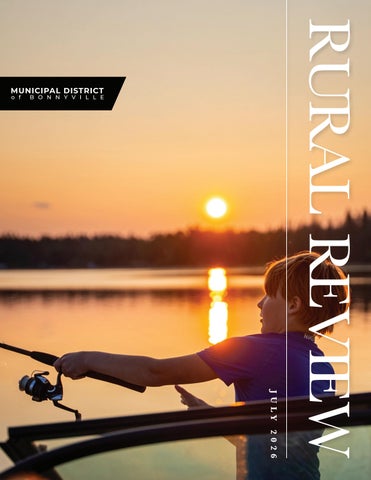
JULY 2026
Rural Review is published eight times a year and is distributed to residents via unaddressed ad mail. Opt in for flyers at your local post office to ensure you receive your copy. If you wish to pick up an additional copy of the latest newsletter, please visit an M.D. office or sign up for a digital copy at md.bonnyville.ab.ca
Disclaimer: Generative AI has been used in portions of this publication.
Municipal District of Bonnyville 4905 - 50 Avenue, Bag 1010, Bonnyville, Alberta T9N 2J7
CONTACT US
Main Administration
780-826-3171
Public Safety/Bylaw Concerns
780-812-3332
24-Hour Concern Line
780-812-5000
FIND US ONLINE
web - md.bonnyville.ab.ca
email - info@md.bonnyville.ab.ca
©2026 Municipal District of Bonnyville No.
87. Unauthorized use or duplication of articles, logos, graphics, and photos in the publication is strictly prohibited.
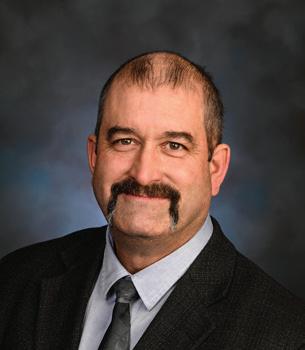
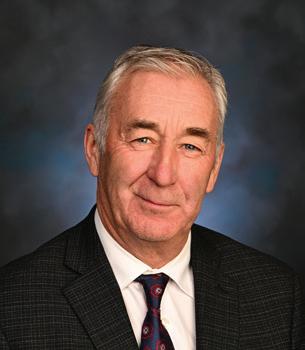
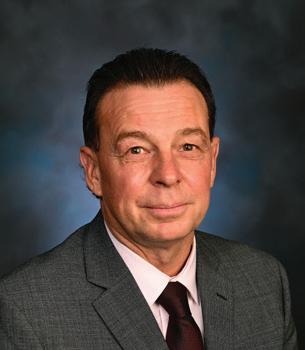
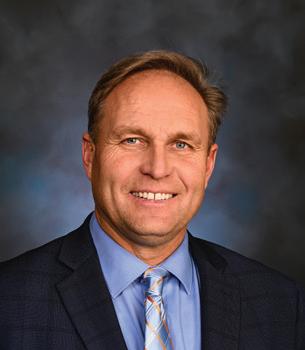
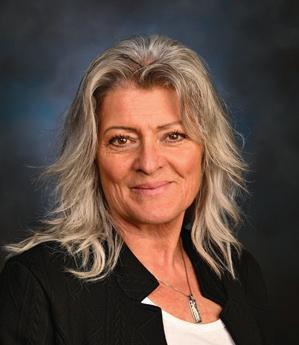
BARRY KALINSKI
Reeve
bkalinski@md.bonnyville.ab.ca 780-573-6082
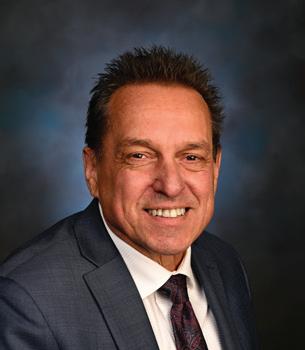
BEN FADEYIW
Deputy Reeve, Ward 6 Councillor
bfadeyiw@md.bonnyville.ab.ca 780-826-1462
JOSH CRICK
Ward 1 Councillor
jcrick@md.bonnyville.ab.ca 587-398-2916
CAROLINE PALMER
Ward 2 Councillor
cpalmer@md.bonnyville.ab.ca 587-398-3075
DAN AMALIA
Ward 3 Councillor
damalia@md.bonnyville.ab.ca 587-398-2716
ED DUCHESNE
Ward 4 Councillor
educhesne@md.bonnyville.ab.ca 587-398-3004
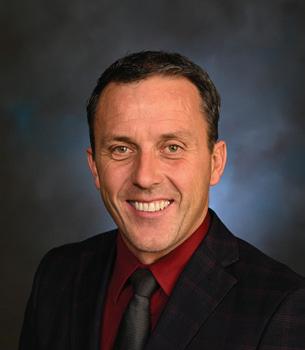
BRIAN KOLUK
Ward 5 Councillor
bkoluk@md.bonnyville.ab.ca 587-398-2992
Regular Meetings of Council are typically held the second and fourth Tuesday of each month. View recordings of these meetings at bit.ly/MDBvilleYouTube
Committee of the Whole meetings are typically held the third Tuesday of each month. Agenda packages are published at bit.ly/MDBvilleAgendas by the end of day the Friday before the meeting. Meetings begin at 9 a.m. and are open to the public.
Volunteers needed!
The Municipal District of Bonnyville (M.D.) is looking for volunteers to sit as Members at Large on the Subdivision and Development Appeal Board (SDAB).
What is involved with the SDAB?
The SDAB is a quasi-judicial body that hears appeals from people who have been affected by a decision of the municipal Development and Subdivision Authorities.
By hearing appeals and making decisions on land use in Alberta, the SDAB fulfills a vital function in achieving the goals of orderly and beneficial economic development. Appeal board decisions shape the community and affect the lives of developers, neighbours, citizens, and businesses.
Hearings are held during business hours, as required. The number of hearings per year varies depending on the number of appeals submitted each year. The current average is one meeting per year.
This role will involve a few days of online training as well as refresher training every three years, as per provincial legislation. Remuneration for meetings and required travel are paid in accordance with municipal policy.
Appointment to this Board expires June 2030.
Who can volunteer?
Eligible applicants must be over the age of 18 years.
Beneficial personal attributes would be strong analytical and reasoning skills, the ability to remain fair and open-minded, and the ability to work with others as a team.
How do I sign up?
If you are interested in participating on this board, please submit your application by providing a summary of your interest to:
Email: legservices@md.bonnyville.ab.ca
Attn: Charity Croker
Submission deadline is July 31, 2026

We want to hear from you!
The M.D. is hosting two open houses for the review and update of both the 2026 Marie Lake and the 2026 Ethel Lake Area Structure Plans (ASPs) on July 14 and 15, 2026. They will be held at the Riverhurst Community Hall (63231 Range Road 432) from 5 to 7 p.m. both days.
Residents of Marie Lake and Ethel Lake are invited to come hear our ideas and share their perspectives, learn about the ASP process, and find out how these documents shape the future of our community.
For more information on the ASP updates, visit bit.ly/MDBvilleASPs.
M.D. receives $1.425 million in provincial funding for culvert replacement project
The M.D. has received $1.425 million for a bridge-sized culvert replacement project through the Transportation and Economic Corridors’ Strategic Transportation Infrastructure Program (STIP).
MLA for Bonnyville-Cold Lake-St. Paul and the Parliamentary Secretary for Transportation and Strategic Development, Scott Cyr, was on hand for the June 25, 2026 announcement.
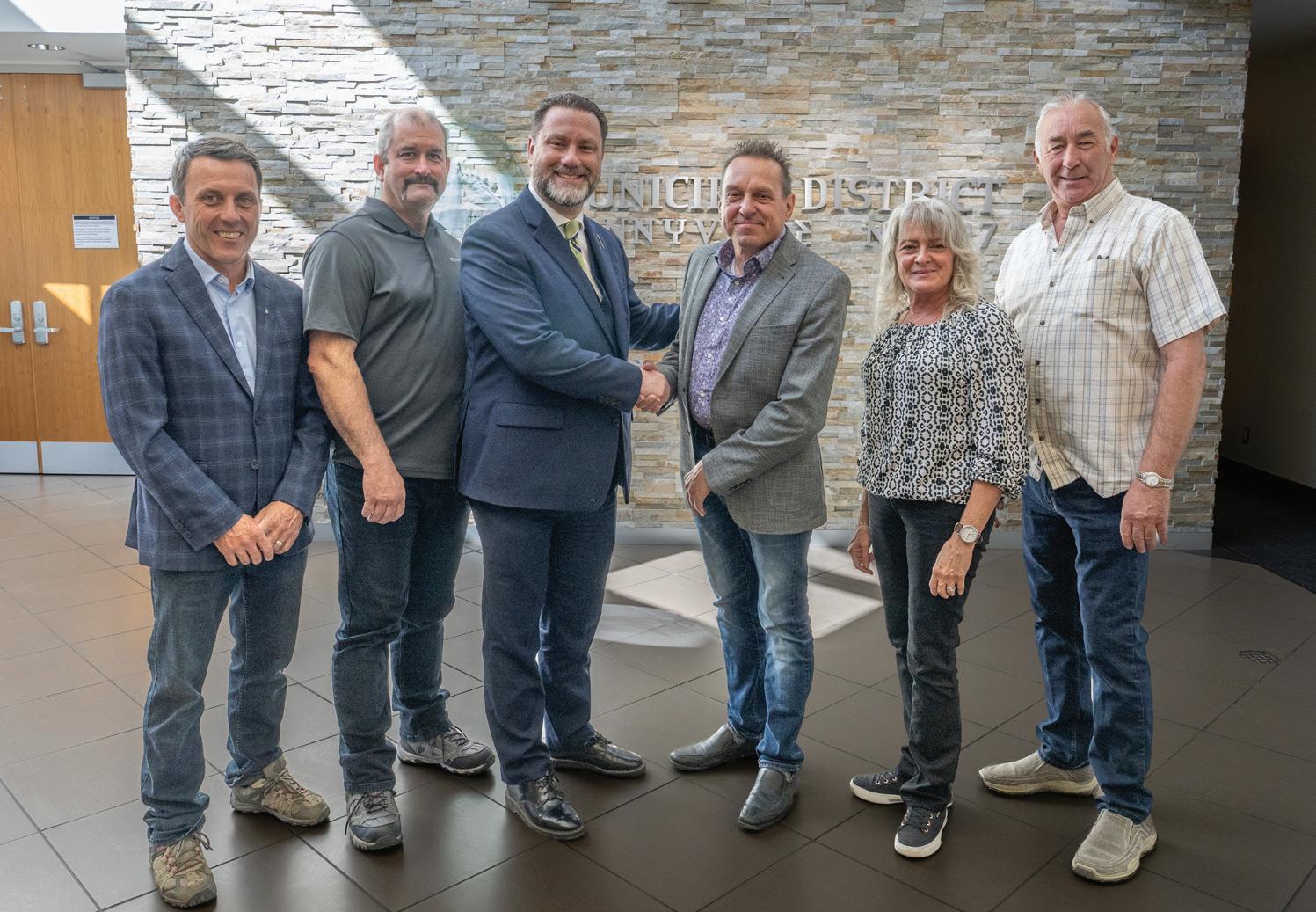
MLA Scott Cyr (centre left) was on hand for the announcement of the M.D.’s STIP funding. Also pictured are members of the M.D. Council (L-R) Ward 1 Councillor Josh Crick, Ward 3 Councillor Dan Amalia, Deputy Reeve Ben Fadeyiw, Ward 2 Councillor Caroline Palmer, and Ward 4 Councillor Ed Duchesne.
“This investment shows that our government is delivering real results for the people of the M.D. of Bonnyville,” Cyr said. “Alberta’s government is putting rural communities first by funding the infrastructure that keeps our economy moving. This commitment reflects our focus on strengthening the region and supporting the families who call Bonnyville home.”
“This is a great first step in helping the M.D. address ongoing transportation and infrastructure concerns,” said Deputy Reeve Ben Fadeyiw. “We appreciate the province’s consideration and look forward to working together on more projects in the future.”
The bridge-sized culvert replacement project, located on Range Road 490, north of Highway 55 (west) at Punk Creek, is expected to be completed by the end of the year.
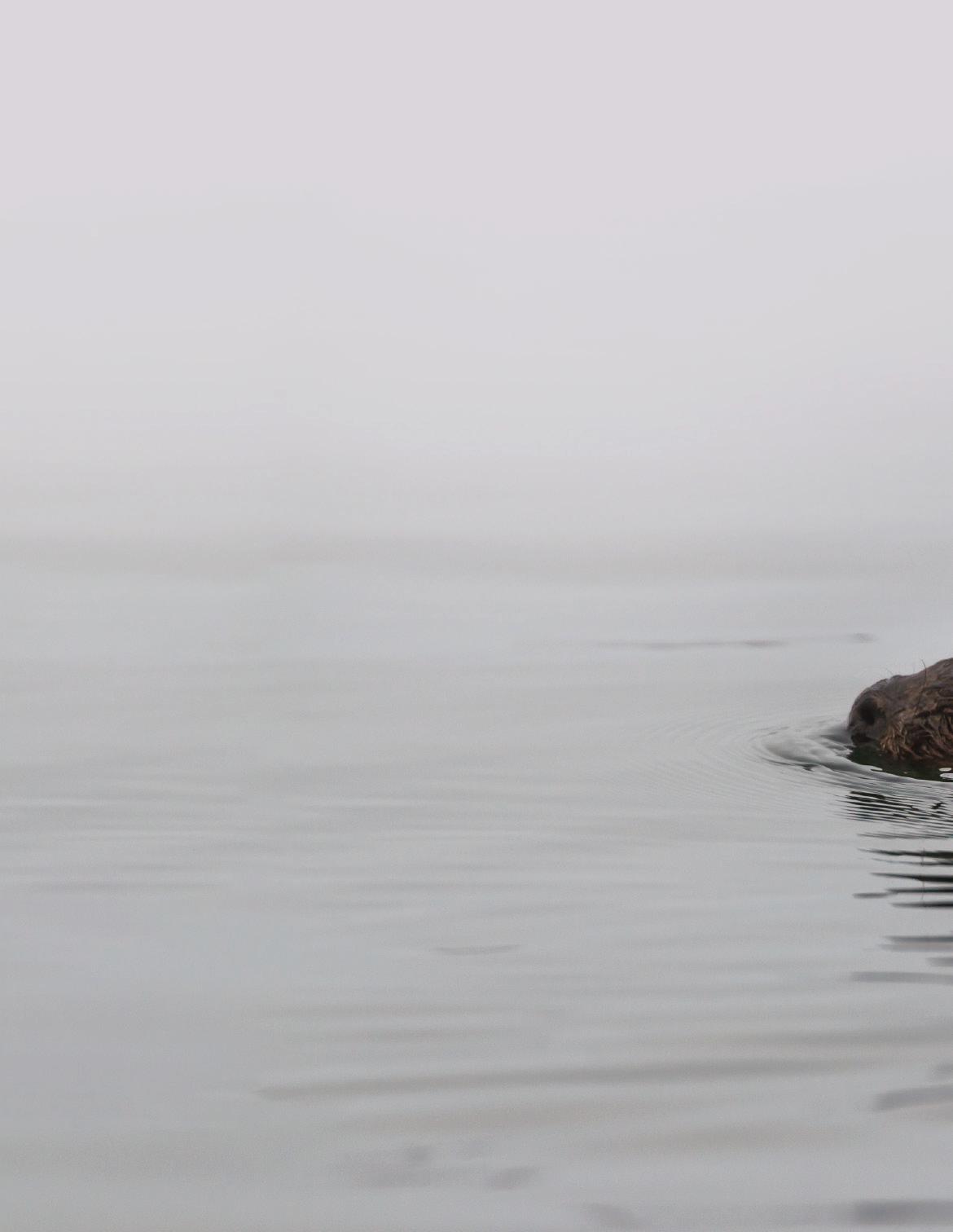
Summer is here and the Ag Services Department is in full swing inspecting for noxious weeds on industrial, private, and municipal lands.
Inspectors are seeing ongoing populations of burdock, as well as scentless chamomile and oxeye daisy throughout the M.D. These noxious weeds can spread quickly and are easier to manage when identified early. Landowners are encouraged to contact Ag Services if they need help identifying weeds or choosing control options. The department also thanks residents for their continued cooperation in helping reduce the spread of invasive plants.
Seasonal roadside mowing is underway as part of the M.D.’s regular maintenance program. Arterial roads are mowed first, followed by secondary roads, with most roadsides cut twice during the season. Hamlets are mowed monthly, and subdivisions are mowed twice over the summer.
The department is also reminding residents about our beaver management programs. For areas with repeated problems, the M.D. uses long-term control measures such as pond levelers and exclusion fencing. There are currently 15 pond leveler sites and five exclusion fencing sites across the municipality. Funding may also be available through Lakeland Agricultural Research Association (LARA) for landowners interested in installing pond levelers on private land.
Landowners affected by beaver activity may apply for support through the M.D.’s Beaver Control Program. Properties are inspected by the Pest Control Officer before approval. In some cases, the M.D. may arrange for a licensed trapper to assist. Find out more at md.bonnyville.ab.ca/134/Beavers.
If flooding on private land is affecting municipal infrastructure, the M.D. may provide beaver dam removal services. Landowners who are experiencing loss of desirable trees due to beavers, can put prevention measures in place. Helpful options include wrapping valuable trees with wire mesh, planting less attractive tree species, using diversionary feeding, and applying repellents to discourage chewing.
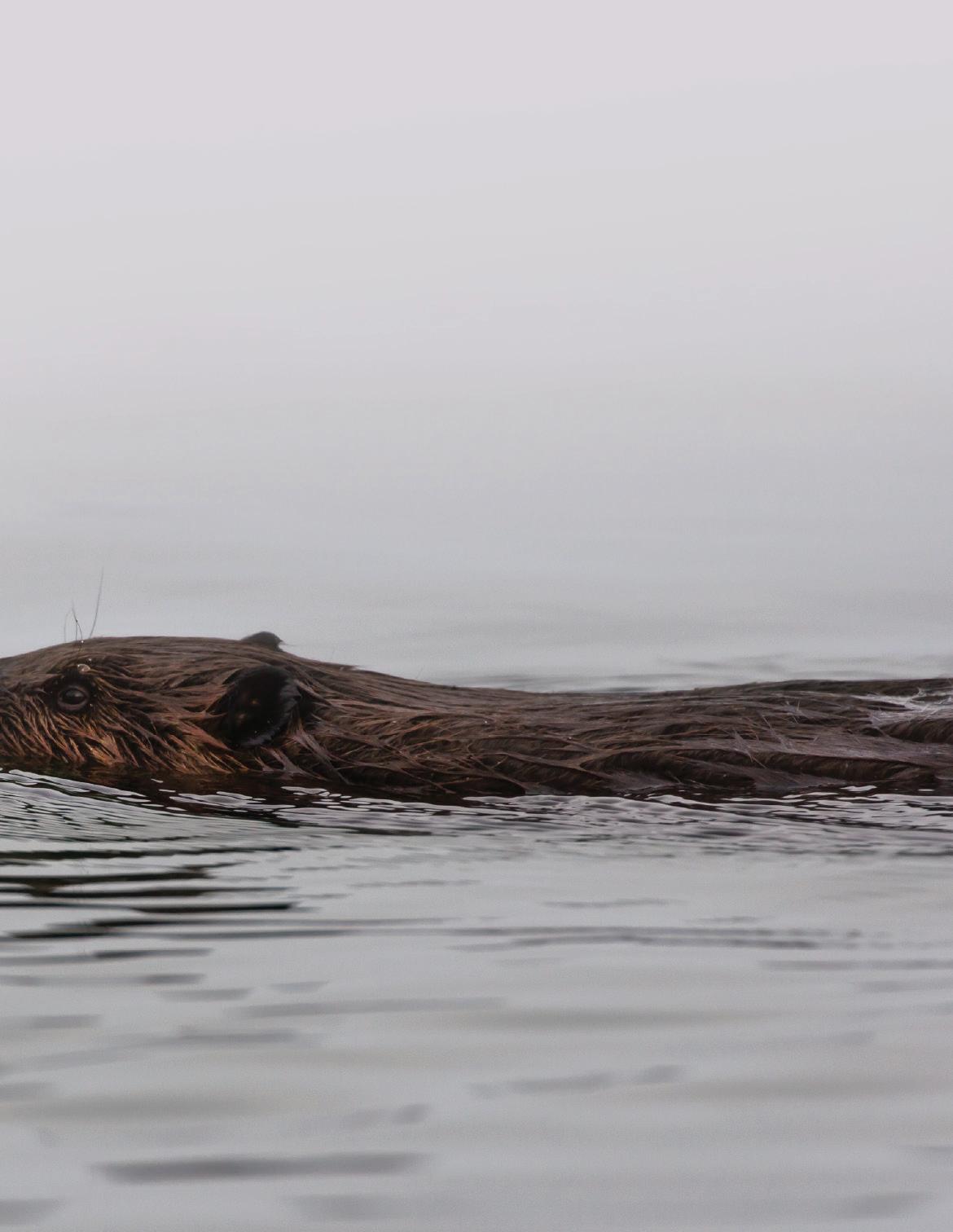
While beavers can create challenges by flooding land, plugging culverts, and damaging trees, they also play an important role in the natural environment. Beaver dams help slow water movement, store water on the landscape, and recharge groundwater — benefits that can be especially important during dry conditions.
For more information on weed control, beaver management, or other agricultural programs, residents can contact the Ag Department at 780-826-3901.
Tickets are on sale now for the Agricultural Services Board’s (ASB) Rural Beautification Awards and Tour!
Residents are invited to the Agricultural Service Board Rural Beautification tour on August 6. This biennial event will feature the winners of the Rural Beautification Contest, local agricultural businesses, and a steak supper at the Fort Kent Hall. Registration details will be posted on the M.D. website.
Tickets are $25. This tour sells out fast, so get your tickets today at bit.ly/MDBvilleAgWorkshops
Questions? Contact the Ag Services Department at 780-826-3901.

Beginning October 1, residents in Ardmore, Fort Kent, Emerald Estates, Country Lane Estates, and Countryside Estates will receive bi-weekly, curbside recycling collection.
This new service is part of the Extended Producer Responsibility program, which is 100 per cent funded by the producers who supply packaging and paper products to us, the consumer. It also means municipalities and taxpayers no longer shoulder the cost of recycling services. The program is being overseen by Circular Materials — a not-for-profit Producer Responsibility Organization.
In our area, the curbside service will be provided by Integrity Waste Solutions every other Thursday. Residents will be required to put recyclable materials in clear/transparent bags, which must be tied/sealed to ensure the recyclable materials stay inside. It should be noted that black garbage bags will not be accepted.
Residents will receive a complementary bag from Circular Materials for their first pick up and will be required to provide their own bags for all future curbside collection.
All other M.D. residents will be able to enjoy a single-stream recycling system, also starting October 1. This means no more sorting. All recyclables can go into one container, which will then be sorted at a specialized facility.
Keep an eye on future editions of Rural Review and our social media platforms for updates!
The first building blocks used in the Alberta Township Survey System (ATS) are the meridians. Meridians are straight lines of longitude that stretch across the globe from the geographic North Pole to the geographic South Pole. It is important to make the distinction between these values, or True North and True South, and Magnetic North and South. While the latter are changeable positions that drift to different locations, the former are static theoretical positions around which the earth turns. If you can imagine a long truck axle skewering the earth, one end would be the North Pole and the other would be the South Pole.
Meridians have been theorized since at least the 3rd century BC, when the Greek scholar Eratosthenes used an early system of longitude and a prime meridian passing through Alexandria and Rhodes to calculate the earth’s circumference. The system of longitude used today was established following the International Meridian Conference of 1884. This meeting settled the current Prime Meridian as 0° along a longitudinal line through Greenwich, England. If one were to place a protractor exactly on the South Pole, it could be rotated so that the 0° line is pointed towards Greenwich. From there, a line for each degree east or west on the protractor could be extrapolated all the way to the North Pole to form a meridian.
Within Canada, the Dominion Land Survey began in 1871. At the time, the only established global benchmarks were across the Atlantic near the Prime Meridian. Any land survey had to begin based on careful calculations using astronomical observations. The western extent of Canadian settlement at the time — just west of Winnipeg — was designated as the First Principal Meridian, which was calculated to be 97° 27’ 28.4” west longitude. In some cases, lands to the east of this line had already been settled, titled, and/or surveyed (in no particular order). Lands to the west were to be partitioned from a blank slate with the surveyors marking the land.
In total, five surveys were completed with slightly differing methodology. Alberta was included in the third survey, which was larger and more consequential than the other four combined. Another six meridians were established at 4° intervals beginning with the 2nd Meridian near the Manitoba-Saskatchewan border at 102° west longitude. The 4th meridian at 110° west longitude was designated as the border between Alberta and Saskatchewan in 1905. It was decided in advance that the ground surveys would take precedence over theoretical
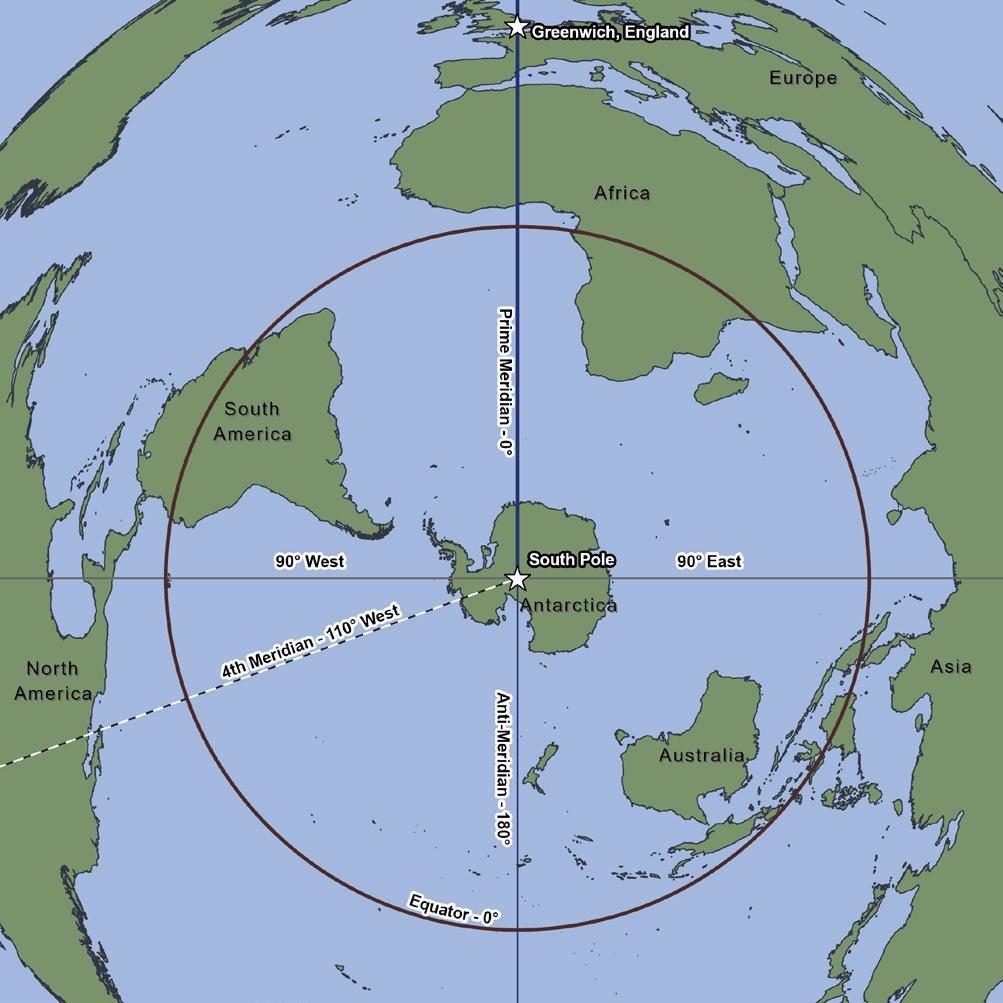
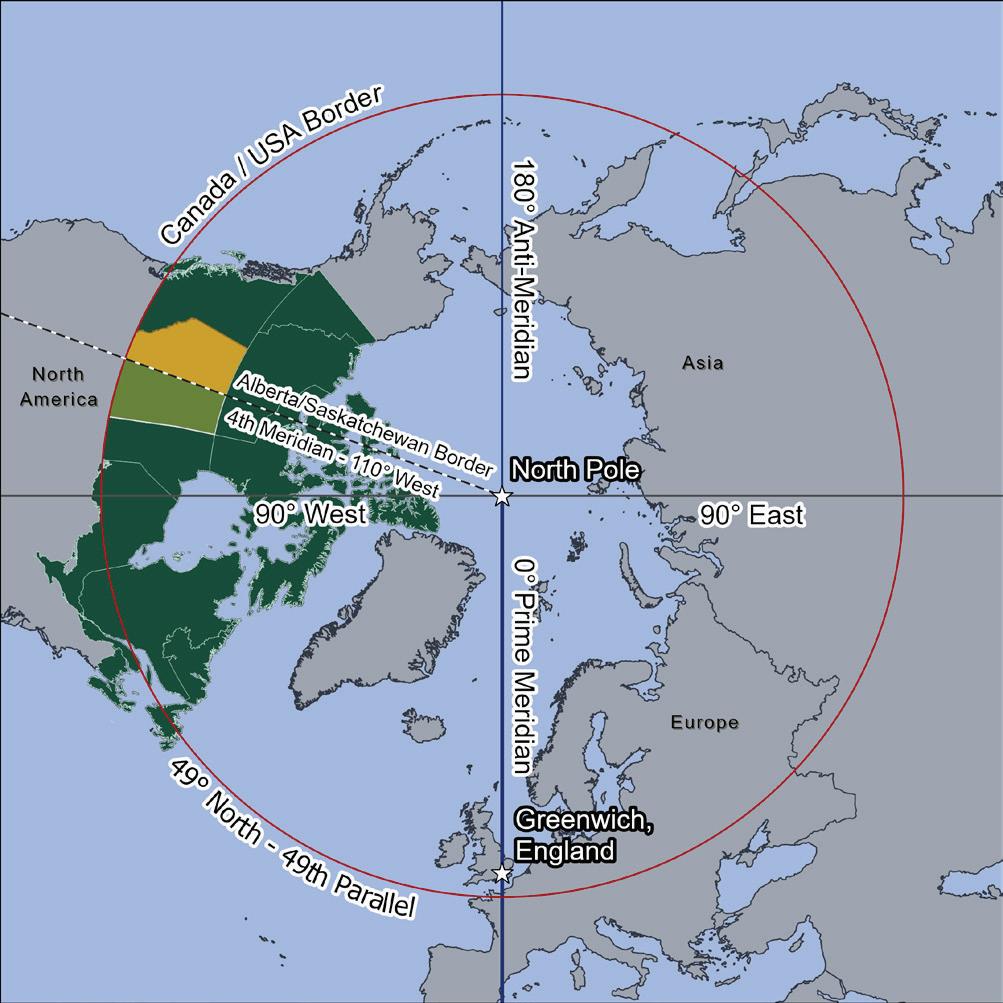
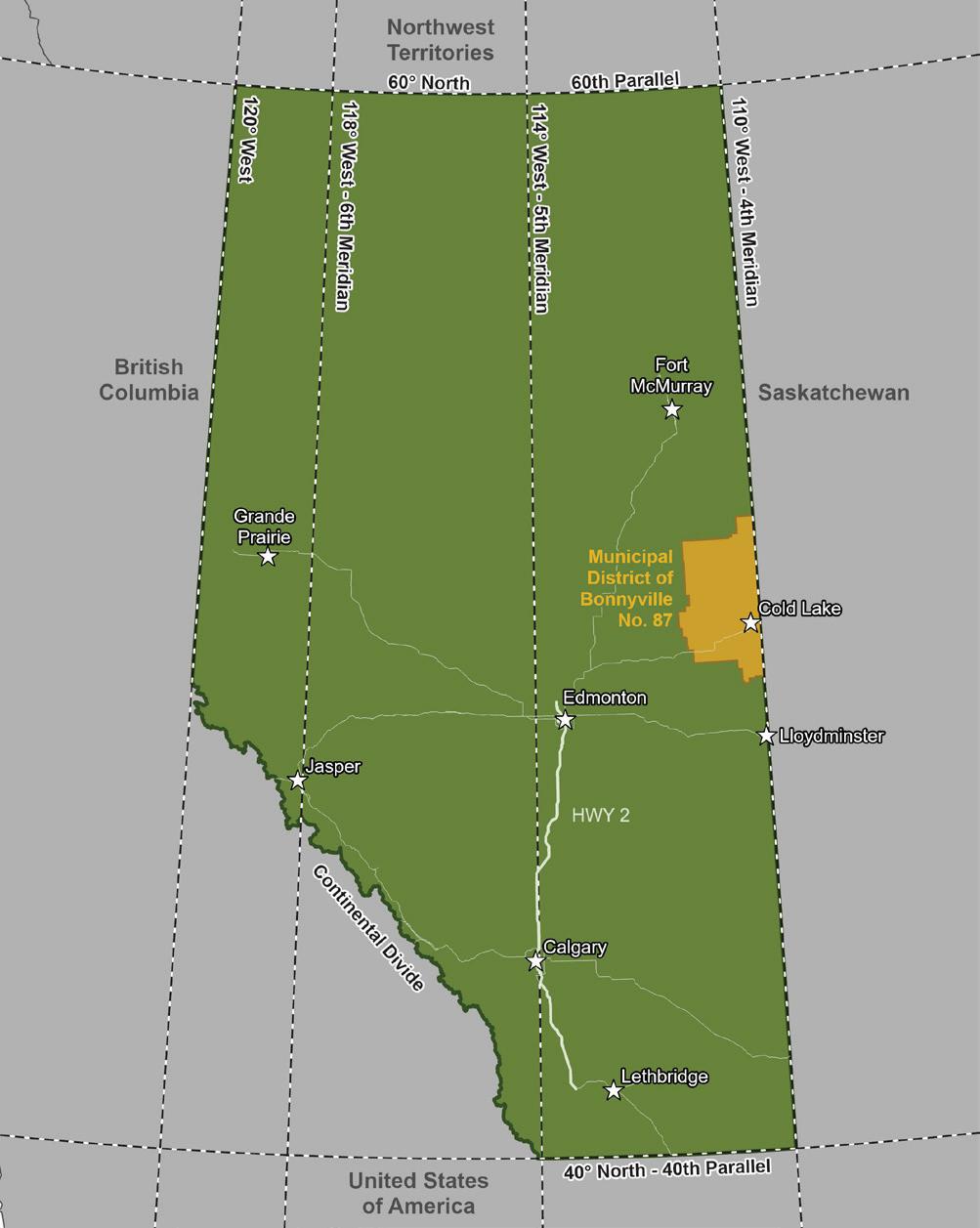
divisions — which fortunately precluded a protracted border dispute between the two provinces when it was discovered that the meridian (and thus border) had been established about 100 metres west of its mathematical location. The community of Lloydminster already existed along the 4th meridian. It has had a foot on either side of the border for as long as it has existed.
An ATS legal land description includes the meridian, usually at the end and usually in the format W4 or w4m – meaning west of the 4th meridian. Further west of the 4th meridian, at 114° west longitude, the 5th meridian approximately bisects the province. A quick rule of thumb for determining which meridian you are west of is to use Highway 2 — west of the highway is west of the 5th meridian and east of the highway is west of the 4th meridian. The entire M.D. of Bonnyville is west of the 4th meridian.
A third line of longitude, the 6th meridian, follows 118° west longitude from the British Columbia border roughly 40 kilometres south of the Town of Jasper all the way to the Northwest Territories. A similar tactic as mentioned above to approximately distinguish between the 5th and 6th meridians is to use Jasper as a guide — west of the town is west of the 6th and east of Jasper is west of the 5th. British Columbia had already defined its boundary by 1905. B.C.’s eastern border was designed to follow the continental divide north from the 49th parallel until it reached 120° west longitude, which it continued the rest of the way to the 60th parallel. This boundary became Alberta’s western extent.
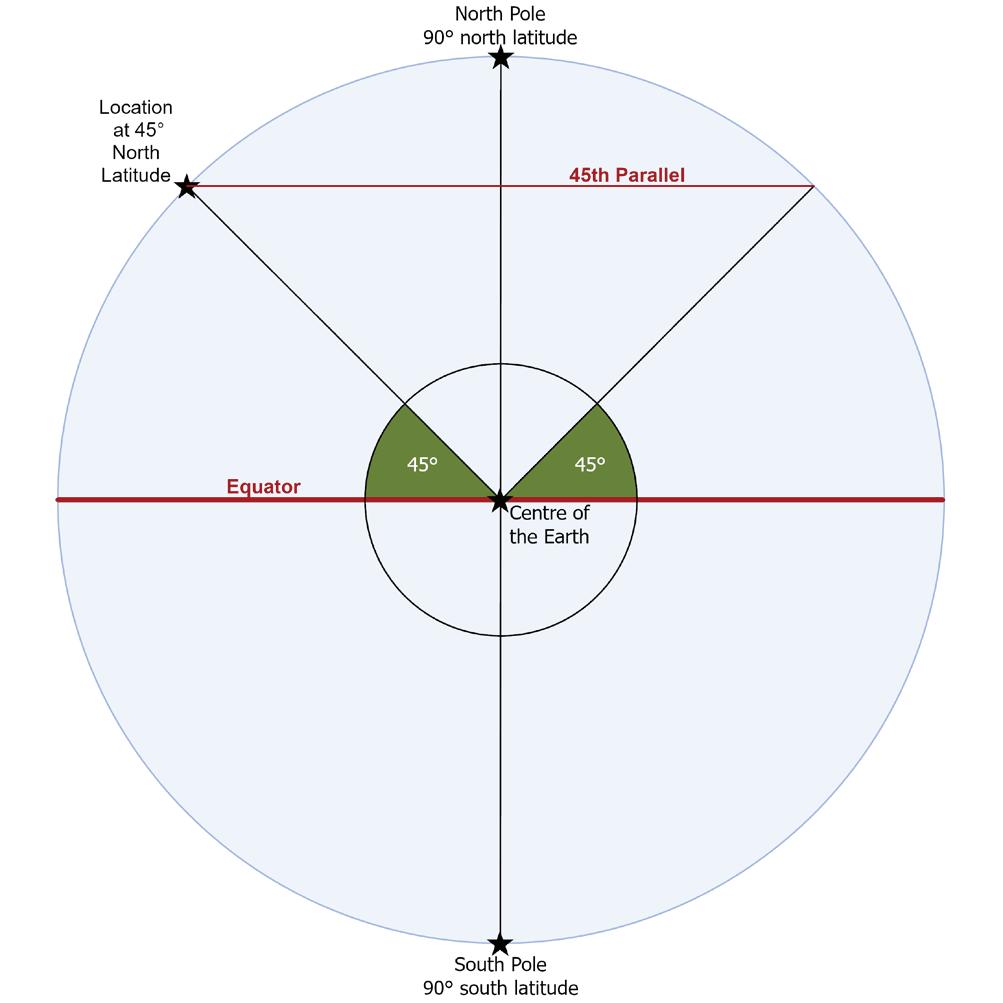
The latitudinal equivalent of meridians are called parallels. As opposed to lines of longitude, which converge at the poles, lines of latitude circle the earth parallel to each other at defined intervals like rings or stripes. The degree of latitude of a position on the globe can be thought of as the angle from that position to the Earth’s theoretical centre and again to a point on the equator at the same longitude. The 49th parallel had been proposed as the border between Canada and USA in the Treaty of 1818. This division was reinforced following the 1846 Oregon Treaty. The northern extent of Alberta, the 60th parallel, continued the line of latitude chosen as British Columbia’s northern boundary in 1871. Saskatchewan took the same border in 1905, and the two provinces were joined by Manitoba in their 1912 expansion. North of 60 has indicated the Canadian territories ever since. Between the meridians and parallels, the physical space of Alberta as we know it was created. This space was later filled with other elements of the ATS: Townships, Sections, Quarter Sections, Legal Subdivisions, and Road Allowances. These will be explored in a future article.

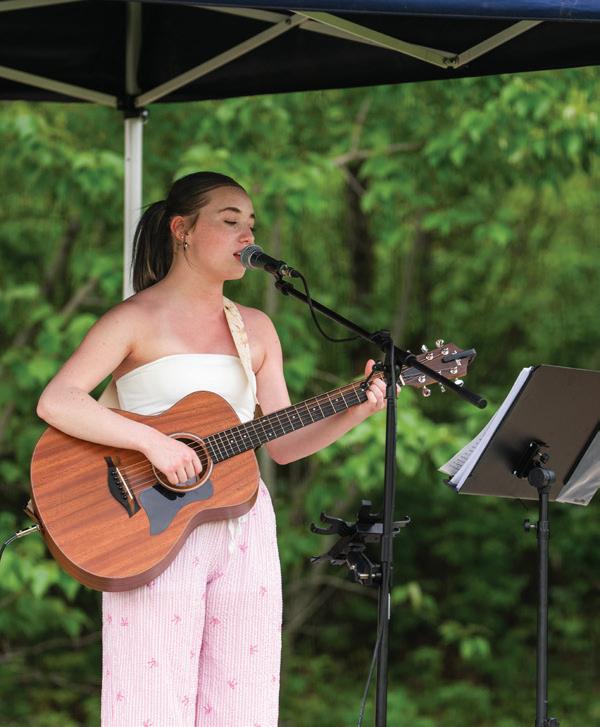
Throughout summer, enjoy Talent in the Trees at Muriel Lake M.D. Park. Keep an eye on our online event calendar for details by visiting facebook. com/ShawHouseVIC or scan the QR Code above.

July 15 – Air Show Kick-off BBQ
Hosted by the M.D. of Bonnyville – $5 for a cheeseburger and pop with proceeds going to the Bonnyville Legion
Where: Shaw House at Vezeau Beach
When: 11 a.m. to 2 p.m.
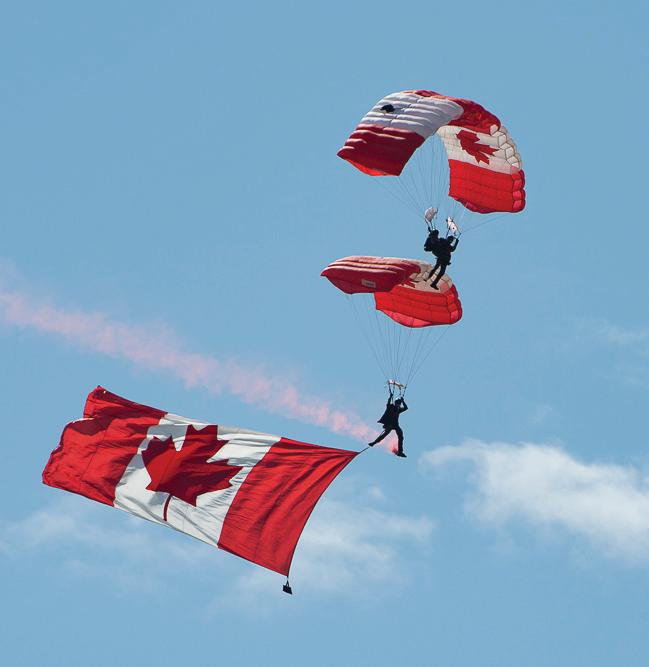
July 18 & 19 – Cold Lake Air Show
Hosted by CFB Cold Lake (4 Wing) coldlakeairshow.com
August 14 & 15 – Big Smoke Bonnyville facebook.com/bigsmokebonnyville
August 15 – Family Fun Adventure Race
Where: Kinosoo Ridge Resort store.kinosoo.ca
August 15 & 16 – Alberta Open Farm Days Various locations albertaopenfarmdays.ca



Kinosoo Ridge Resort has extended hours in July and August!
Monday and Tuesday — Closed
Wednesday and Thursday — 10 a.m. to 5 p.m.
Friday — 12 to 8 p.m.
Saturday and Sunday — 10 a.m. to 5 p.m.
Brunch is served on weekends from 10 a.m. to 2 p.m. On Fridays, we offer fish and chips and all our day wing special! The regular menu is available open to close!
Scenic chair rides are back! Put August 15 and 30 in your calendar for your chance to ride the chair lift this summer. Tickets are $5 per person, per ride.
If you’re at the Cold Lake Air Show, drop by and see us — we’ll have a tent set up on the grounds. Get ready! Get set! Adventure!
Kinosoo Ridge Resort is hosting its second annual Family Adventure Race Saturday, August 15th, 2026.
From 12 to 4 p.m., racers will take a route through Kinosoo, starting with a chairlift ride to the summit where the fun starts! Then race the Adventure Park, climb, golf, do a few challenges along the way, and finish off with a BBQ & Beer Garden, which opens at 2 p.m.
The cost is $99 for teams of four, $25 for individuals or each additional team member, and $5 for Scenic Chair Ride.
Book your spot online at store.kinosoo.ca, give us a call at 780-594-5564, or drop by the chalet.
Not in a racing state of mind? Come and cheer on the teams, take a Scenic Chair Ride, and grab a bite and brew at the BBQ & Beer Garden!
Please note — All guests are required to sign a special event waiver and photo consent form.