PROUDLY
FLORIDA BIOMEDICAL SOCIETY







PROUDLY

01 03
TUESDAY
1:00 PM
3:00-6:00 PM
4:00-5:30 PM
Registration Opens
Exhibitor Set-up
Welcome Reception (attendees and exhibitors invited)

6:00 PM
Leadership Summit Dinner*
WEDNESDAY 02
7:00 AM
7:00-8:00 AM
8:00-9:30 AM 8:00 AM-2:00 PM 8:30-9:30 AM 10:00 AM-12:30 PM 10:00-11:00 AM 11:30 AM-12:30 PM 12:30-2:00 PM
2:00-5:00 PM
5:00-6:00 PM
*Leadership Summit events are by invitation only
Registration Opens
Leadership Summit Breakfast*
Leadership Summit*
Exhibitor Set-up
Education
Reverse Expo** Education Education
Lunch & Learn (attendee-only event)
Exhibit Hall Grand Opening
Young Professionals at MD Expo
**Reverse Expo by invitation only
THURSDAY
7:00 AM
8:00-9:00 AM 9:30-10:30 AM
11:00 AM-12:00 PM
12:00-2:30 PM
2:45-3:45 PM
4:00-5:00 PM
5:00-6:00 PM 6:00 PM

SCHEDULE SUBJECT TO CHANGE

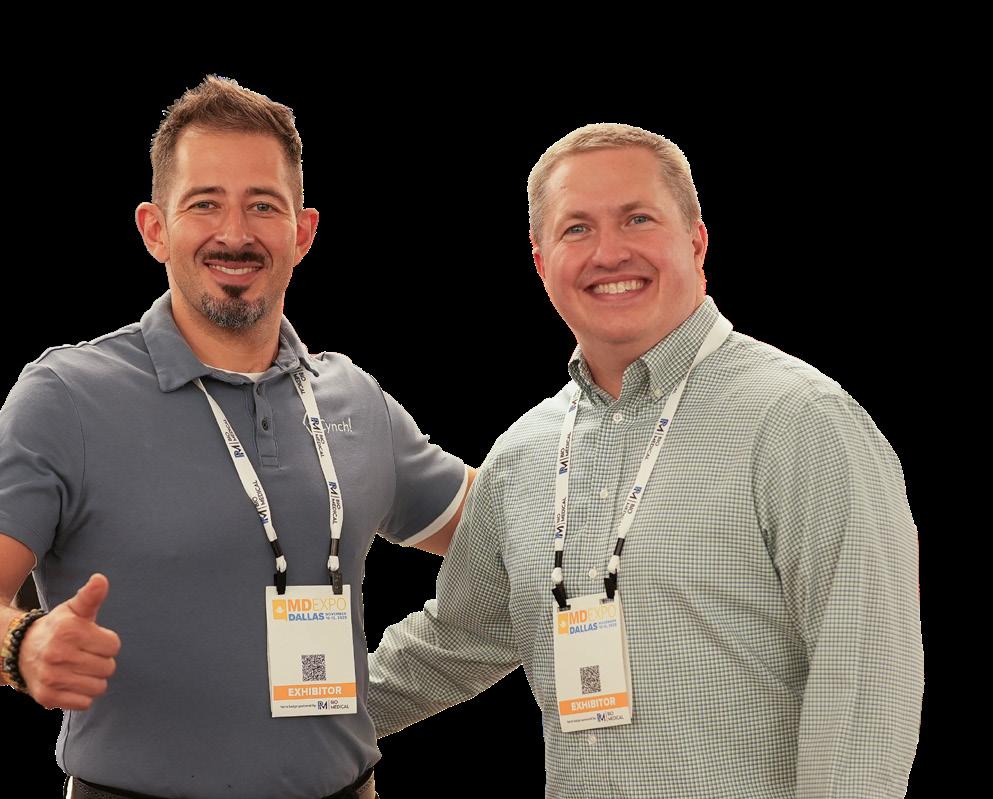
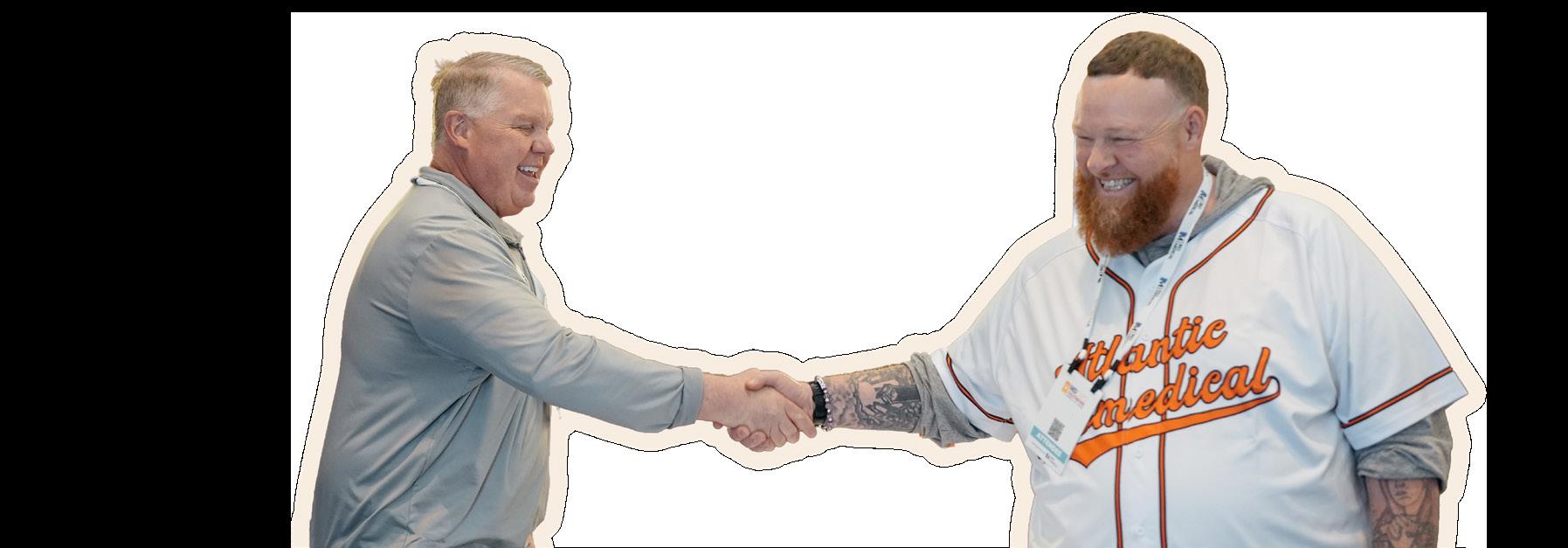
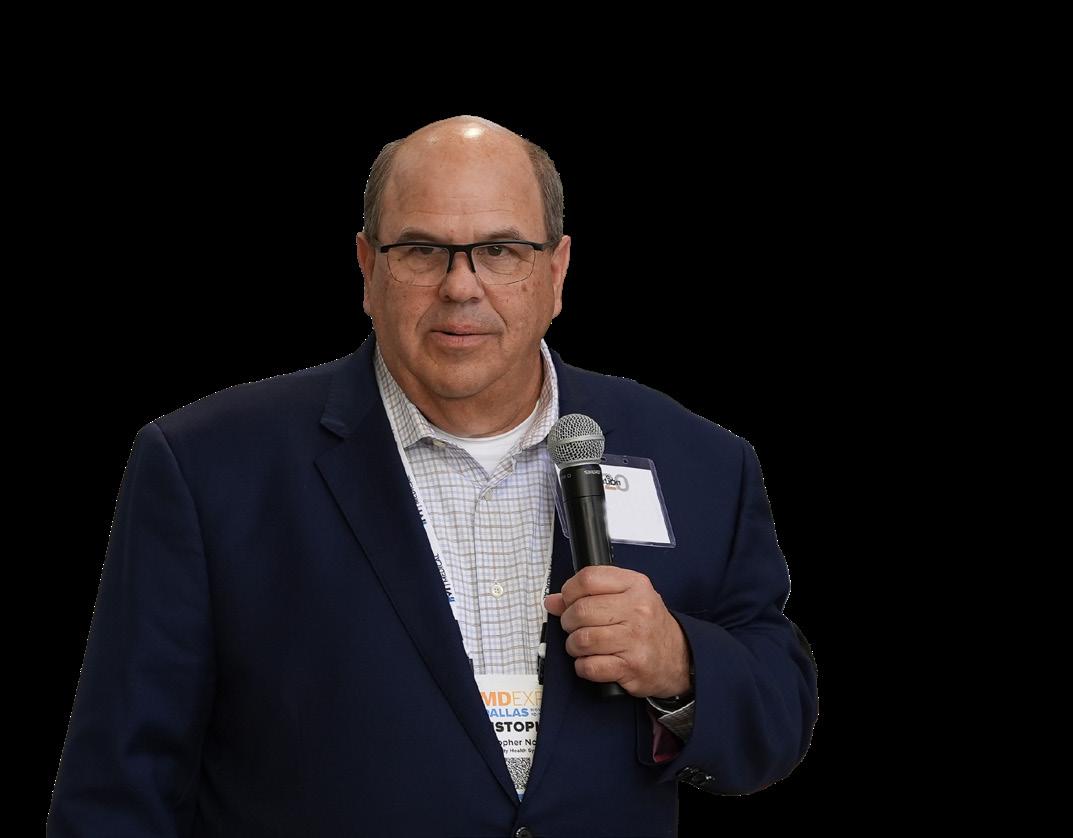
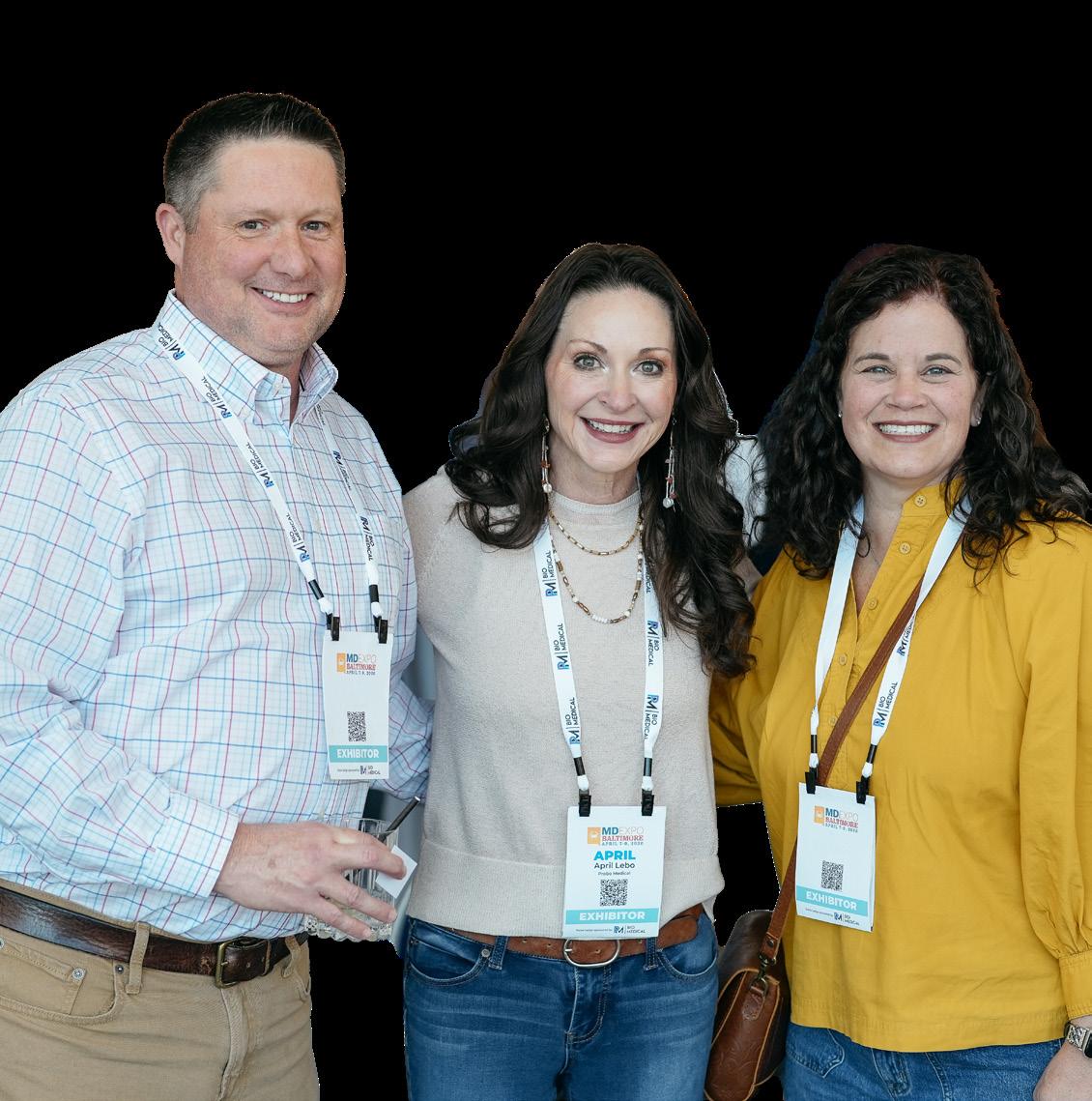
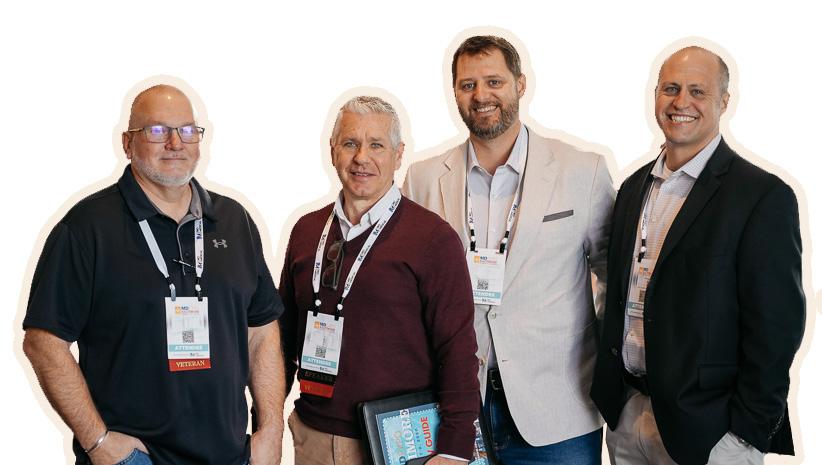
“The MD Expo was nothing short of incredible meaningful connections to impactful conversations it’s clear our industry is moving forward together, anchored in innovation and sailing toward better service for the patients and communities we support.”
– Ian Rickerby, Director of Business Development

Young Professionals at MD Expo Welcome Reception
Reverse Expo
Lunch & Learn
Product Demos
WEDNESDAY, OCTOBER 14
8:30-9:30 AM
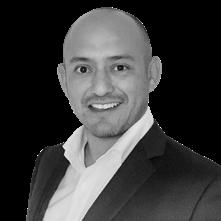
Andres Cacino, Field Engineer, Block Imaging
This presentation examines the evolution of medical imaging and the growing role of biomedical professionals in today’s technology-driven healthcare environment. It explores how advances in mathematics, computing, and digital technology transformed imaging from analog film systems to modern platforms powered by artificial intelligence and advanced software. The session also highlights the changing responsibilities of biomedical engineers and the technical foundations of contemporary imaging systems. Participants will gain insight into the skills and knowledge needed to stay relevant and advance their careers in healthcare technology management.
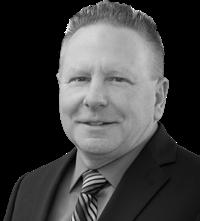
James Rickner, Director of Service and Training, AUS
This presentation provides students with an understanding of how all full-size ultrasound systems are similar in functionality and offers clear definitions of the three primary ultrasound subsystems. Participants will gain insight into the role each subsystem plays in overall system operation and learn how to apply this knowledge to real-life troubleshooting scenarios. The session also fully explores the benefits of the divide-and-conquer approach to troubleshooting, helping attendees diagnose and resolve ultrasound system issues more effectively.
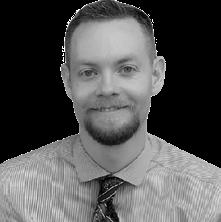
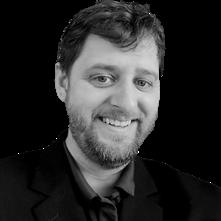
Travis Jeffries, Security Consultant Manager, Clinical & Operational Technology; Allen Sickels, Principal Security Consultant, First Health Advisory
This workshop examines the growing cybersecurity challenges associated with connected medical devices that are integrated with enterprise networks, electronic health records, and cloud-based services. Participants will explore the unique risks these devices present, including extended life cycles, limited patching capabilities, vendor-controlled configurations, and reduced visibility within traditional security programs. The session focuses on strategies for aligning medical device security with enterprise cybersecurity initiatives through effective governance, risk management, and operational best practices. Attendees will gain practical insights for building scalable programs that strengthen security while supporting clinical operations.
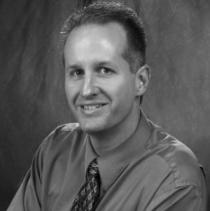
Boyd Campbell, CBET, CRES, CHTM, Co-owner Southeastern Biomedical
This presentation explores how effective work practices, thorough documentation and proper use of test equipment, can reduce
organizational risk and improve outcomes when incidents occur. Participants will learn best practices for documenting daily activities, understanding equipment specifications and accuracy, and maintaining records that support safety, compliance, and accountability. The session also reviews recommended actions following an incident or near-miss, helping organizations respond effectively while preserving operational continuity. In addition, attendees will examine the importance of assigning routine and specialized tasks to appropriately trained and qualified personnel.
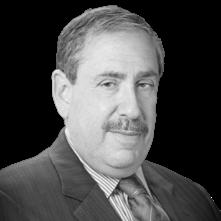
Marc Schlessinger, Principal Consultant & Investigator, Staritas
This presentation examines why (HTM) should play a central leadership role in healthcare capital planning. Participants will explore how HTM can leverage asset data, clinical risk assessments, and life cycle management expertise to move beyond traditional age-based replacement strategies and drive more strategic, valuebased decisions. The session also provides practical strategies and governance models for aligning clinical, operational, and financial priorities to improve capital allocation and organizational outcomes.
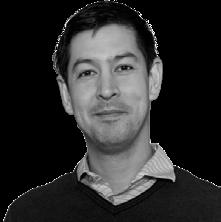
Gabriel Claiborne, Manager of Technical Services,
Whether you're new to CT imaging or expanding your expertise to a new OEM platform, this session breaks down how CT scanners work in clear, practical terms. Participants will gain an understanding of the core physics, system architecture, and operational principles that are common across manufacturers, providing a foundation for servicing any CT system with confidence. The presentation also examines common failure points, real-world service costs, and the factors that drive maintenance expenses. Attendees will leave with practical preventive maintenance strategies designed to improve system reliability and protect one of the most critical revenue-generating assets in the healthcare environment.
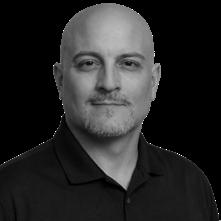
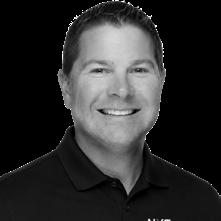
Luca Parisi, Director of Marketing/ North America Sales Manager, NXT Power; Craig Kalie, Consultant, NXT Power
This presentation examines the impact of power quality on uptime and operational continuity in healthcare and other mission-critical environments. Participants will learn how power disturbances such as surges, sags, electrical noise, and internal facility issues can affect equipment performance, data integrity, and system reliability, as well as the differences between surge protection, UPS systems, and advanced power conditioning technologies. The session also provides practical strategies for preventive maintenance and infrastructure planning to help organizations protect sensitive equipment, reduce downtime, and improve overall operational resilience.
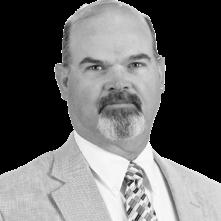

Rick Joslin, IRCC, Senior Solutions Architect, FSI; Mike Zimmer, Director of Customer Solutions, FSI
This presentation explores how (HTM) professionals can leverage operational and performance data to move beyond basic reporting and drive more informed decision-making. Participants will learn how to identify meaningful metrics, develop data-driven staffing models, and use equipment utilization data to optimize lifecycle planning and capital replacement strategies. The session focuses on transforming data into actionable insights that improve operational efficiency, resource allocation, and long-term program performance.

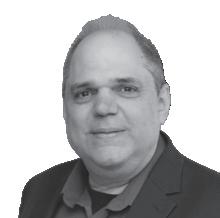
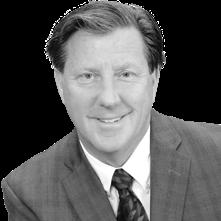
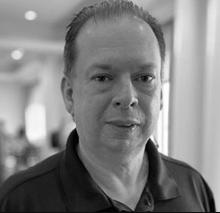
Dustin K. Telford, AAMIF, CHTM, CBET, CRES, CLES, Associate Consultant, Advanced Decision Support – HTM, Staritas; Pete Larose, MHA, ITIL, Associate Vice President (AVP) of HTM, Texas Health Resources
This session uses a Mythbusters-style approach to separate fact from fiction surrounding AEM, one of the most misunderstood concepts in HTM. Participants will examine common misconceptions about regulatory requirements and compare them against CMS guidance, industry standards, and real-world evidence. Drawing from AAMI EQ103 standards development and successful AEM program implementations, attendees will learn how to build a defensible, compliant program that supports patient safety and operational effectiveness.
11:30 AM-12:30 PM
Navigating
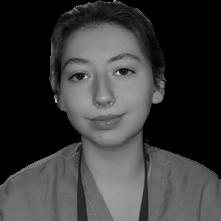
Brian Wilson, FSE, Avante HS; Claire Wilson, BMET II, UCHealth
Navigating the line between the HTM world and the IT world can be a tricky challenge, especially as medical devices become more connected. This session looks at what responsibilities belong to HTM, what belongs to IT, and what often falls somewhere in between. Attendees will walk away with a practical approach to bridging the gap and setting reasonable expectations on both sides of the network jack.
Interoperability, Integration, and the HTM Professional’s Role in Making Medical Devices Actually Work Together
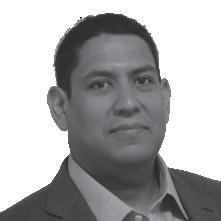
Dustin K. Telford, AAMIF, CHTM, CBET, CRES, CLES, Associate Consultant, Advanced Decision Support – HTM, Staritas; Francisco Rodríguez-Campos, MSc, Ph.D., MRSO (MRSC), Principal Consultant: Medical Imaging, Device Safety, ECRI
This session provides HTM professionals with a practical understanding of medical device integration standards, including HL7, FHIR, MDI, and the middleware platforms that connect clinical technology to healthcare information systems. Participants will learn the capabilities and limitations of current integration technologies while developing the vocabulary and framework needed to contribute effectively to integration projects. The presentation also highlights the critical role HTM plays in bridging the gap between clinical devices and IT systems to improve connectivity, data reliability, and project outcomes.
Compliance
ISO 13485 in an In-House HTM Program
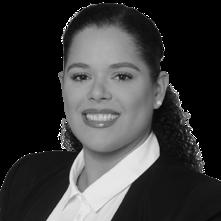
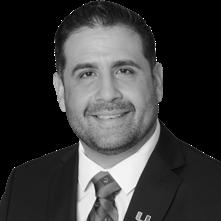
Beatriz Hernandez, MBA, CHSP, Manager, Quality-Clinical Engineering; Carlos W. Rivera, CHTM, Director, Clinical Engineering, University of Miami
This presentation shares the experience of achieving ISO 13485 certification within an in-house clinical engineering program and the practical steps required to build a quality management system that works in a healthcare environment. Attendees will learn strategies for meeting regulatory requirements, preparing for audits, and overcoming common certification challenges. The session also provides insights on maintaining compliance and driving continuous improvement long after certification is achieved.
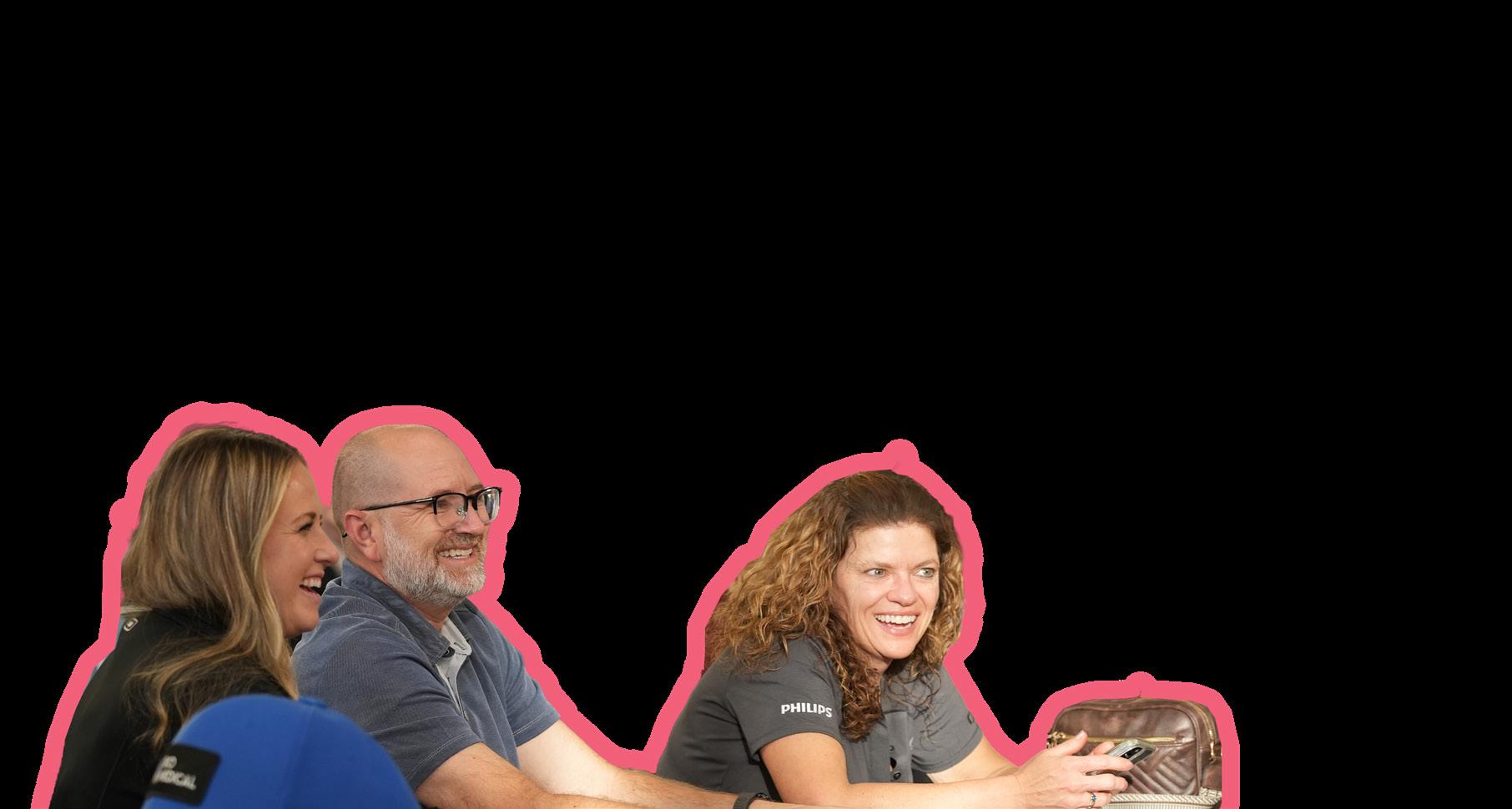
"An amazing experience that allows for education, collaboration, networking, and fun!"
– Jewel Newell, Senior Cybersecurity Project Manager
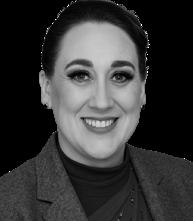
Leigh Ruiz, Director of Alignment Biomedical Equipment Technology, Texas State Technical College
The biomedical equipment technology field faces an unprecedented workforce challenge, and the clock is ticking. This presentation explores why partnerships between hospitals, OEMs, and academic programs are essential to strengthening the talent pipeline and securing the future of the profession. Attendees will learn the business case for action, practical strategies for implementation, and the specific role their organization can play in addressing the growing BMET workforce shortage.
Claire Wilson, BMET II, UCHealth
This presentation explores how mindset, psychology, and the science of habit formation can influence career advancement, personal growth, and overall life satisfaction. Participants will learn practical planning strategies related to education, certifications, career paths in clinical engineering, time management, financial goal setting, and professional development opportunities. The session also emphasizes creating a healthy work-life balance by planning for travel, long-term investments, hobbies, family time, and other activities that support personal well-being and long-term happiness.
THURSDAY, OCTOBER 15
8-9 AM
Managing Medical Equipment Installation Projects: A Practical HTM Guide
Gregory Goll, Manager Projects & Medical Imaging Services Department, WellStar Health System
A good understanding of project management is extremely important for HTM professionals at all levels. Different equipment modalities often present unique challenges, and understanding all aspects of project management increases the value of every
"MD Expo is a MUST attend event!"
– Phil Englert, VP of Medical Device Security
team member. Success requires knowledge of not only the equipment, but also the resources, processes, and support needed to achieve project goals. Many projects are determined to be a success or a challenge very early in the project management process, and several lessons learned will be discussed.
D'Juan James, MBA, CHTM, Corporate Director of Biomedical Engineering, Corewell Health
Transitioning into a new leadership role requires more than technical expertise — it requires building trust, influencing stakeholders, navigating organizational culture, and thinking strategically. Whether moving from technician to supervisor, manager to director, or local leader to enterprise executive, success depends on balancing day-to-day operational needs with long-term organizational goals. This session will discuss key strategies for navigating leadership transitions, building credibility, and shifting from tactical to strategic thinking. Attendees will gain practical insights and lessons learned to help them lead confidently and create lasting organizational impact.
Oscar Misla, President, CEO, Equiply Corp.
This session opens with a familiar “replacement fire drill” scenario, where a critical device fails and the organization is forced into rushed quotes, non-comparable bids, and budget exceptions. Attendees will learn how to reframe capital planning as a system that aligns clinical reality, depreciation, and funding behavior, while understanding why depreciation is a signal, not cash, and how funded depreciation builds replacement capacity over time. The presentation also introduces a “renewal engine” model that uses standard asset lives, governed exceptions, recurring funding, and a rolling multi-year roadmap to turn replacements from crises into a predictable process.

Allison Woolford, M.S., CBET, Clinical Engineering, Operations Manager, Duke Raleigh Hospital
From the perspective of a new manager, this presentation provides an inside look at what it truly means to move into leadership. Technicians with aspirations for advancement will gain insight into both the opportunities and challenges that come with climbing the career ladder. Learn how to successfully transition from a trusted peer to an effective leader who inspires teams, drives results, and makes a lasting impact.

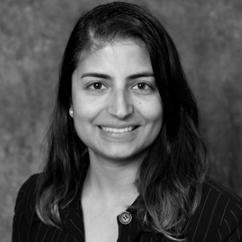
Leading HTM Through Staffing Constraints:
Arleen Thukral, VISN 2 Chief Healthcare Technology Manager, VHA
This session highlights real-world approaches to workforce optimization, process and efficiency improvements and using data to justify resources to maintain performance across a region while undergoing staffing constraints. The session will emphasize adaptability and leadership during constraints and position short staffing as a challenge being actively managed.
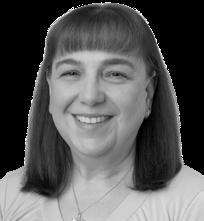
Building the Bench: The ROI of a Dedicated In-House Training Program Manager in HTM
Amy Anne Fischer, Clinical Engineering Training Program Manager, AdventHealth
HTM departments train staff every day, but much of that knowledge remains informal, undocumented, and difficult to measure. This session explores how a dedicated training program manager can improve onboarding, competency documentation, vendor training ROI, career development, retention, and service-line efficiency within an in-house biomed department. Attendees will learn practical approaches for coordinating onboarding, continuing education, competency validation, and knowledge transfer while reducing dependency on vendor training and preserving critical institutional knowledge. The session also provides tools and metrics to measure training effectiveness and demonstrate the value of training as a measurable service-line function.
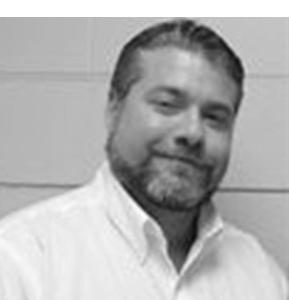
AI in Your Toolbox:
Shawn Molloy, System Director,
This presentation shows how AI can be used in clinical engineering to support troubleshooting, preventive maintenance, recalls, documentation, and communication. Attendees will learn practical, safe ways to use AI to save time, reduce manual effort, and stay compliant and survey-ready. The session equips technicians and leaders with real use cases they can immediately apply to improve productivity and consistency.
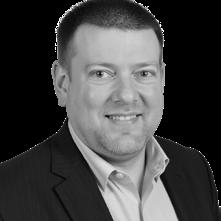
9:30-10:30 AM

Cardiac Rhythm Management: Understanding and Testing Defibrillators and Pacemakers
Justin Barbour, Director of Business Development, BC Group
This presentation provides an overview of cardiac electrophysiology, cardiac rhythm terminology, and common arrhythmias requiring intervention. Participants will learn the clinical applications of defibrillation, synchronized cardioversion, and cardiac pacing before reviewing the principles and procedures used to test defibrillator energy delivery, synchronization functions, and pacing performance.
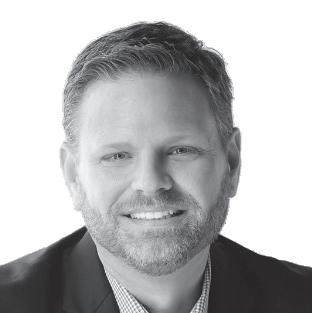
Brodie Bauders, Senior Director Marketing-Depot Services, PartsSource
The PartsSource Depot Repair demo introduces healthcare providers to a smarter, faster, and more cost-effective way to manage medical equipment repairs. Designed specifically for biomedical and clinical engineering leaders, this session demonstrates how PartsSource simplifies the depot repair process while improving quality, speed, and cost control. Healthcare organizations today face increasing pressure to maximize equipment uptime, control maintenance costs, and manage growing repair complexity. Traditional OEM or fragmented third-party repair models are often time-consuming, expensive, and difficult to manage.
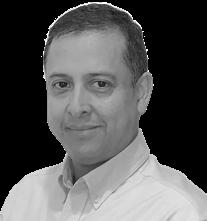

Julio Castro, Vice President of Marketing & International Sales, Pronk Technologies
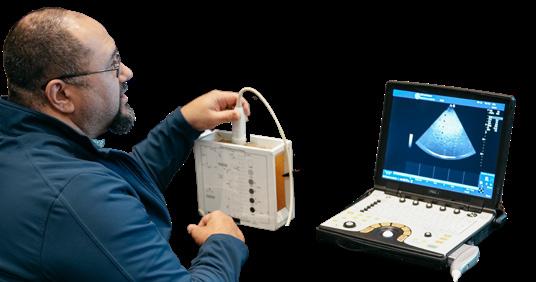
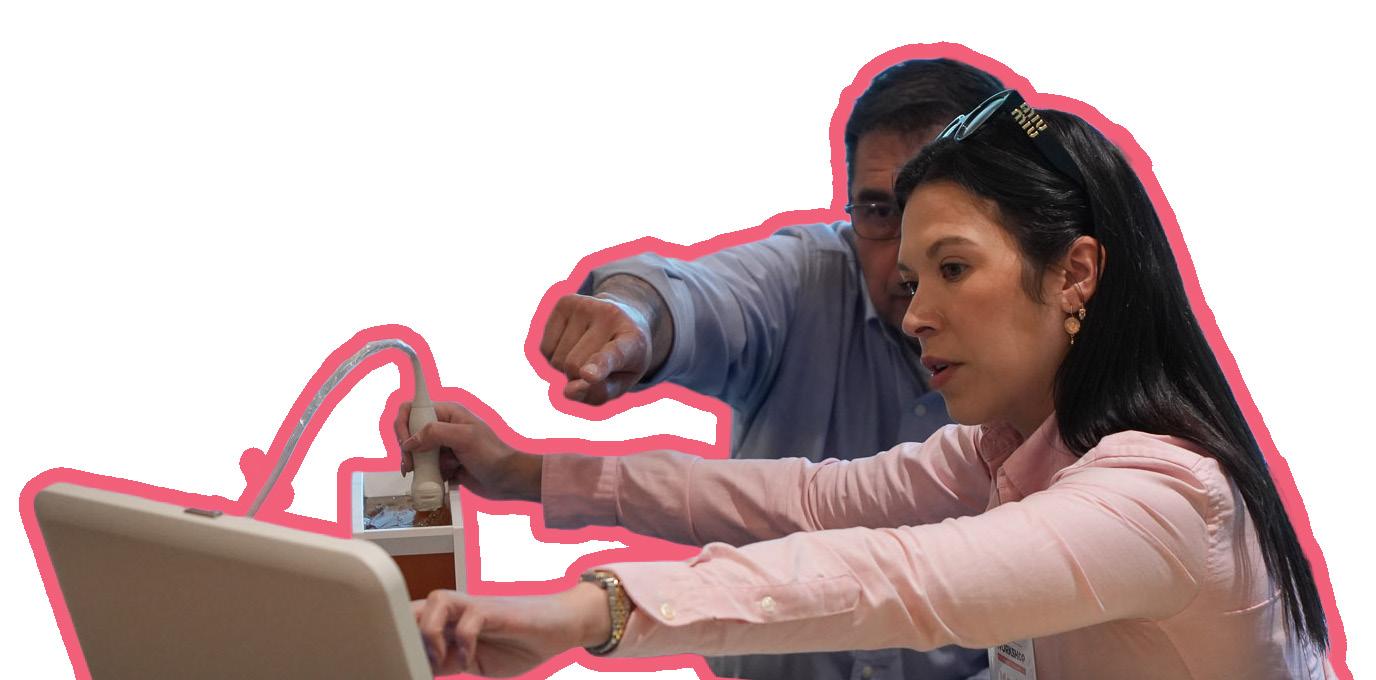
PM paperwork is killing your workflow. This live demonstration shows how a single interface can control multiple test instruments, collect data wirelessly, and generate complete service records automatically. Watch a full preventive maintenance sequence run on a patient monitor and defibrillator in real time, from electrical safety and vital signs verification to comprehensive defibrillator PM procedures, with zero manual data entry and zero paper.
9:30-10:30 AM

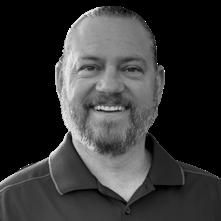
Jamie Spragis, CBET, Senior Marketing Manager, EQA Global, Fluke
Biomedical teams spend hours every week on documentation that doesn't make a single device safer. In this live, hands-on demonstration of OneQA workflow automation software. Attendees will see how OneQA pairs directly with your Fluke Biomedical analyzers to capture test results automatically, standardizes procedures so every technician tests the same way every time, generates audit-ready reports on the spot, and pushes results straight to your CMMS. Jamie will walk through running a real procedure end to end and answer your questions on integration, compliance, and getting your team started. Come see why users have automated their QA/PM workflows with OneQA.
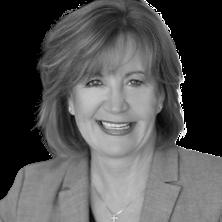
Kelly Ireland, CEO, CB Technologies
This discussion will explore how connected worker technology can enhance HTM repair workflows through remote expert assistance, faster troubleshooting, knowledge sharing, standardized procedures, documentation, training, and stronger collaboration with cyber/IT teams. For large health systems, wearable technology helps extend specialized expertise across distributed facilities without requiring experts to be physically present. Attendees will learn how connected worker solutions can support a more scalable, datadriven service model while improving efficiency, consistency, and frontline support. The session will also highlight the organizational factors needed for success, including workflow integration, cybersecurity alignment, training, and clear use case development.
Gregory Goll, Manager Projects & Medical Imaging Services Department, WellStar Health System
This course will guide participants through the process of evaluating new equipment purchases and the software that supports them. Attendees will learn how devices are integrated into existing IT networks, including the special interfaces required for both users and OEMs. The course will also cover proper software documentation and the use of internal and external vendor systems for device monitoring and network connectivity. Understanding these elements is critical to ensuring successful implementation, support, and long-term management of connected medical devices.

This session explores the often-unseen role technicians play in maintaining patient safety and supporting hospital operations. The presentation highlights the hidden workload, operational pressures, and critical decisions technicians face daily, including equipment downtime, staffing shortages, aging technology, and budget constraints. Through realworld examples and audience interaction, attendees will gain a better understanding of how healthcare technology failures impact clinical care, workflow, and patient outcomes. The session also emphasizes the importance of collaboration and communication between technicians, clinical teams, managers, and hospital leadership to support safe and efficient healthcare delivery.
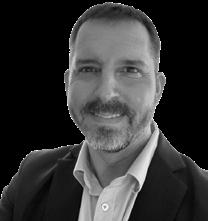
Matt Dummert, HTM Director, Froedtert ThedaCare Health; Founder, ParadigmHTM LLC; Adjunct Instructor, Marquette University
HTM One is a unifying framework designed to simplify and strengthen HTM by aligning one inventory, one program, and one budget into a single operational model. This session explores how fragmentation across these domains creates avoidable risk, inefficiency, and financial distortion within healthcare organizations. Attendees will review real-world examples demonstrating how HTM One improves data accuracy, regulatory defensibility, and leadership communication. The presentation also provides a practical roadmap and actionable strategies for implementing the framework to improve alignment, accountability, and overall HTM performance.
2:45-3:45 PM
Matt Dummert, HTM Director, Froedtert ThedaCare Health; Founder, ParadigmHTM LLC; Adjunct Instructor, Marquette University
This session offers vendors and service providers a candid look into how HTM professionals evaluate purchases, partnerships, and service models. Attendees will gain insight into how capital vs. operational budgets shape buying decisions, why HTM and OEMs often speak past each other on service strategy, and why vendor-specific tools may be a tough sell. Through real-world examples and practical guidance, participants will learn how to align their approach with HTM priorities and avoid common missteps that stall collaboration.
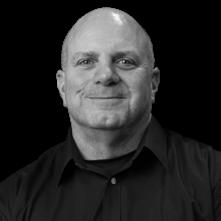
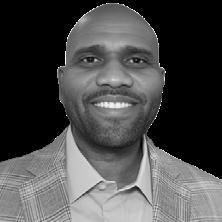
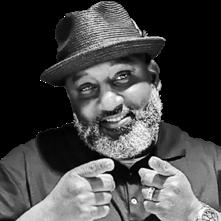
David Scott, Senior BMET, UCHealth; Douglas Redwine, Regional Director of Biomedical Engineering, Piedmont Healthcare
This presentation will discuss ways to take your career to the next level. It will be based around ways to improve yourself, enhance efficiency, work smarter, plan your future and “level up” your career. The presenters have over 50 years in HTM and they want to share their “level up” ideas. More importantly they want to hear your ideas. This session will be interactive, and we will all learn from each other. Come to this session ready to share!
Moderator: Bryant Hawkins, Site Manager, TRIMEDX
Panelists: Douglas Redwine, Regional Director of Biomedical Engineering, Piedmont Healthcare; Anntonett Gillins, Adjunct Instructor, St. Phillips; Glenn Garrett, COO, Elevate HTM; Allison Woolford, Operations Manager, Duke University Health System; Dr. Lynesha D. Sweeney, Senior Project Manager, Intelas
This presentation explores the growing workforce gap in HTM and the need to build a sustainable talent pipeline. Attendees will learn how Elevate HTM is creating awareness through student engagement, strategic partnerships, and purpose-driven storytelling, while highlighting scalable outreach models such as career days, digital content, and national expansion efforts through HTM Forward. Through real-world examples and team-driven insights, participants will gain practical strategies to inspire, recruit, and develop the next generation of HTM professionals. The session challenges the industry to move from awareness to action in shaping its future workforce.
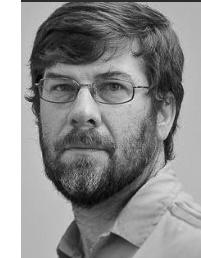
Larry Lamourine, Supervisor, Biomedical Engineering Technicians, MGB-Cooley Dickinson Hospital
This session will provide an overview of the operational theory of pneumatically controlled dental delivery systems and the key components that support their performance. Attendees will learn how to identify, troubleshoot, and repair the most common system failures encountered in the field. The presentation will also review recommended preventive maintenance practices, including daily, weekly, and monthly tasks that should be performed by end users to ensure reliability and extend equipment life. Practical troubleshooting techniques and maintenance best practices will be discussed throughout the session.

Rafia Saqib, MSBE, MBA, LSSGB, Director, Clinical Engineering, Technology, Data and Innovation, UT MD Anderson Cancer Center
Healthcare organizations face growing challenges managing complex medical device ecosystems, leading to inefficiencies, higher costs, and increased clinical risk. This session highlights a scalable life cycle management model that positions clinical engineering as a strategic partner. Attendees will learn how to use cross-functional governance and data-driven tools like cost of service ratio (COSR) to improve device reliability, optimize capital planning, enhance patient safety, and drive operational performance.
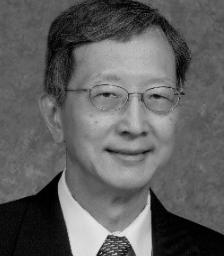

Binseng Wang, ScD, CCE, Principal Consultant, BSI Consulting LLC; Nathan Proctor, Senior Director of the Right to Repair Campaign for U.S. PIRG Education Fund
U.S. PIRG Education Fund completed early this year its second survey of BMETs on the RtR for medical devices (aka Hospital Repair Restrictions II) after having released its first report in 2020. Most of the participants reported increased equipment downtime due to repair barriers, thus causing delays in patient care, particularly in rural settings. While several states have passed RtR bills for consumer electronics, only powered wheelchairs have been included in some of those bills. The overwhelming majority of medical device repair professionals surveyed, 94%, believe that patient safety would be improved by enacting Right to Repair reforms. In this session, we’ll review the results of the survey, share updates on the progress made at state and federal levels, discuss the challenges we face, and provide suggestions on how attendees may contribute to the Right to Repair for medical devices.
HOSPITAL EMPLOYEE
Help kick off MD Expo at the Welcome Reception — networking excellence uniting exhibitors and attendees! WELCOME RECEPTION
Over five hours of exhibit hall time to meet with over 100 world-class vendors!
NON-HOSPITAL EMPLOYEE INCLUDES EDUCATIONAL SEMINARS, EXHIBIT HALL ENTRANCE AND NETWORKING EVENTS.
LUNCH & LEARN
Join us for a complimentary lunch while you have a chance to dive into the latest HTM insights!
*For hospital-attendees only
Join fellow HTM professionals for great food, drinks, music, and networking as we celebrate a successful conference. Neon attire encouraged!

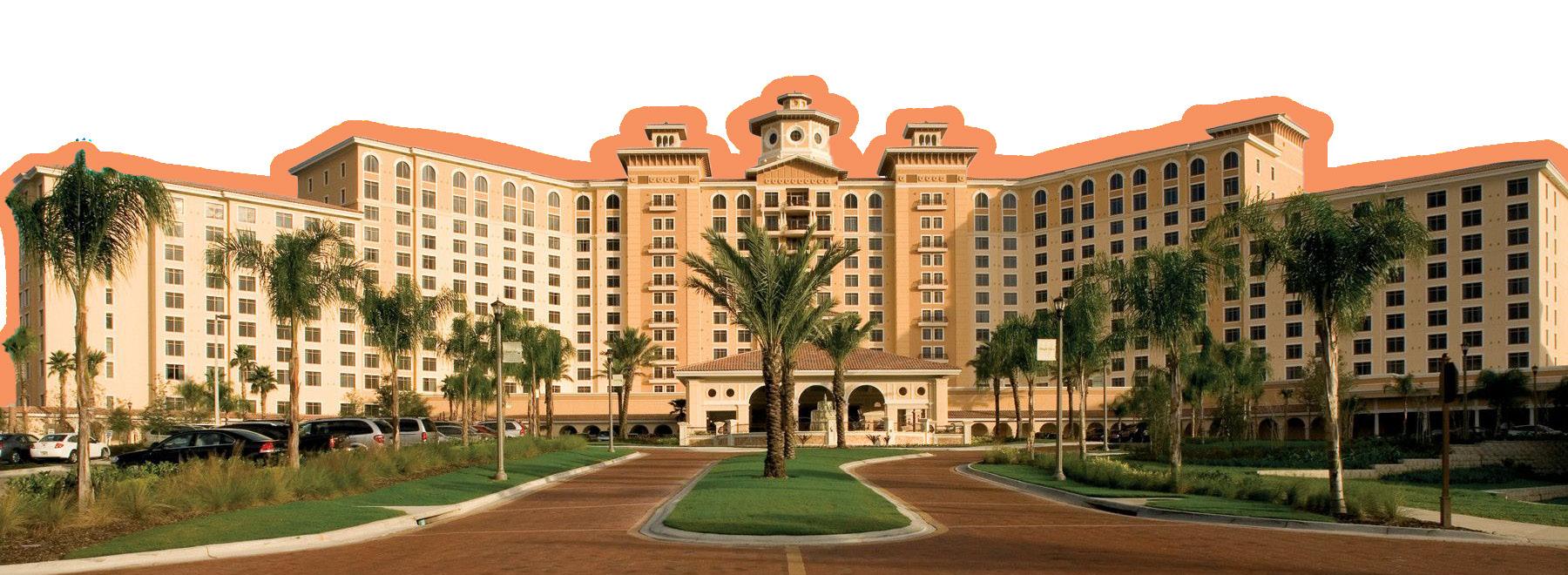
9939 Universal Blvd.
Orlando, FL 32819
HOTEL:
Group Rate: $229
Deadline for Group Rate: Sept. 11, 2026
Phone: 407-996-6338
Reservations: (866) 996-6338
AIRPORT:
Orlando International Airport (MCO) - 10.9 mi
All prices are for day and overnight guests and are subject to change.
Self-Parking Price: $27
Valet Parking Price: $36
Scan to book your
1015 Tyrone Rd., Ste. 120
1155 Senoia Rd, Ste. 200
1155 Senoia Rd, Ste. 200
Tyrone, GA 30290
Tyrone, GA 30290
Tyrone, GA 30290
mdexposhow.com
www.mdexposhow.com
www.mdexposhow.com