
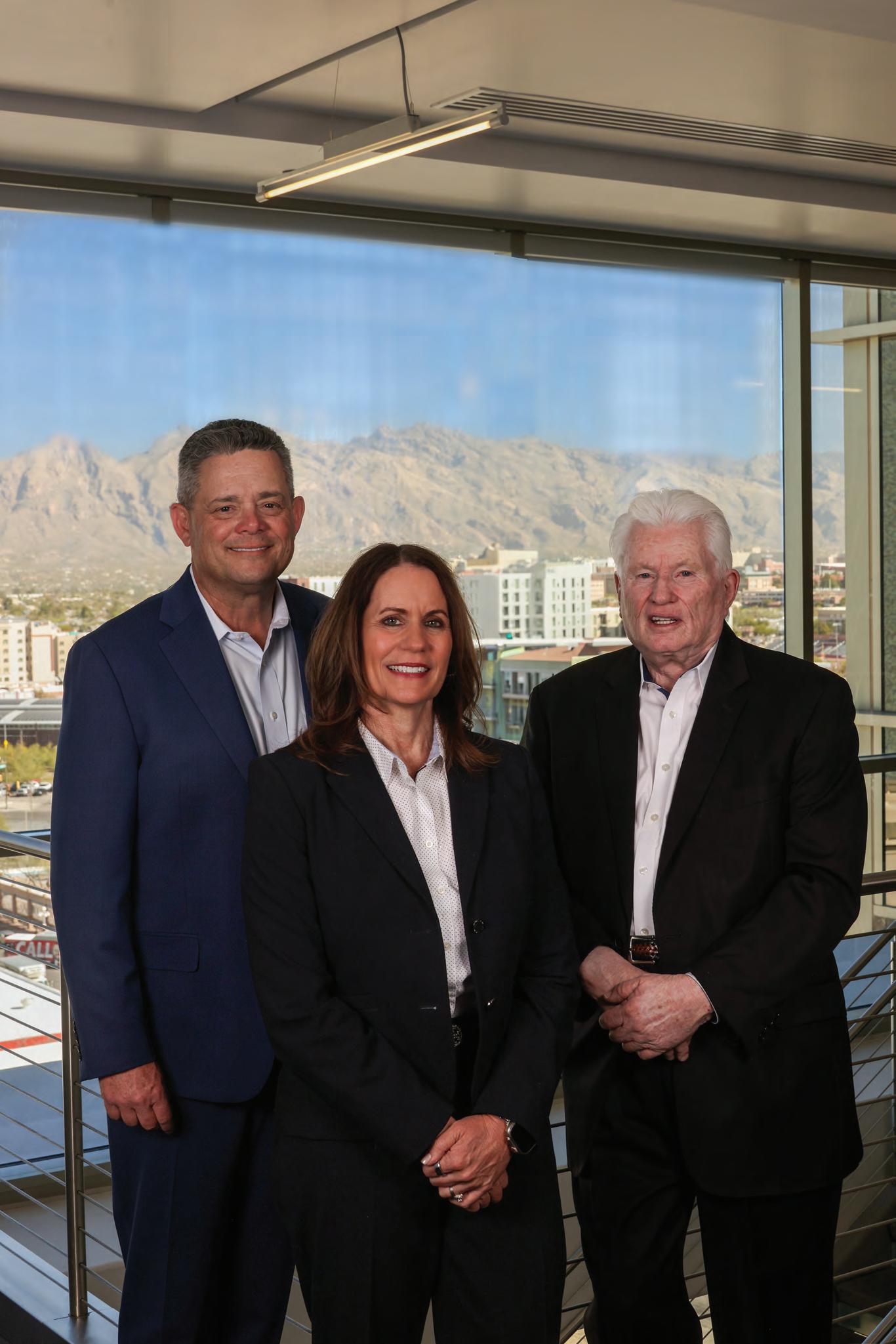
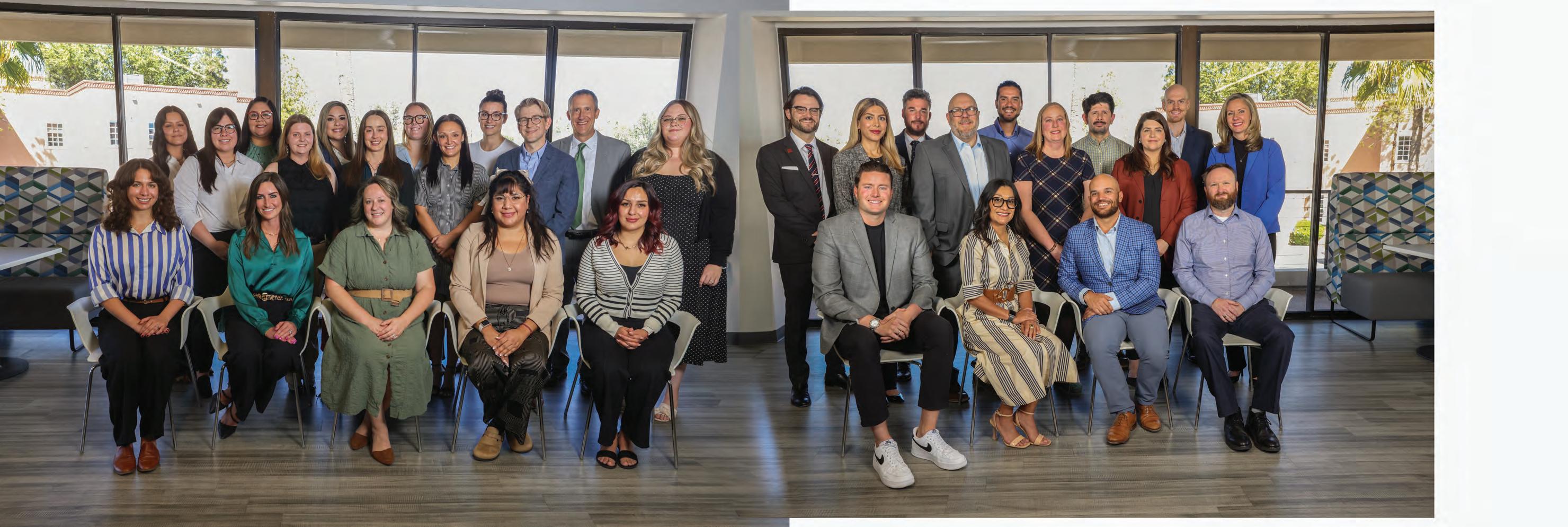
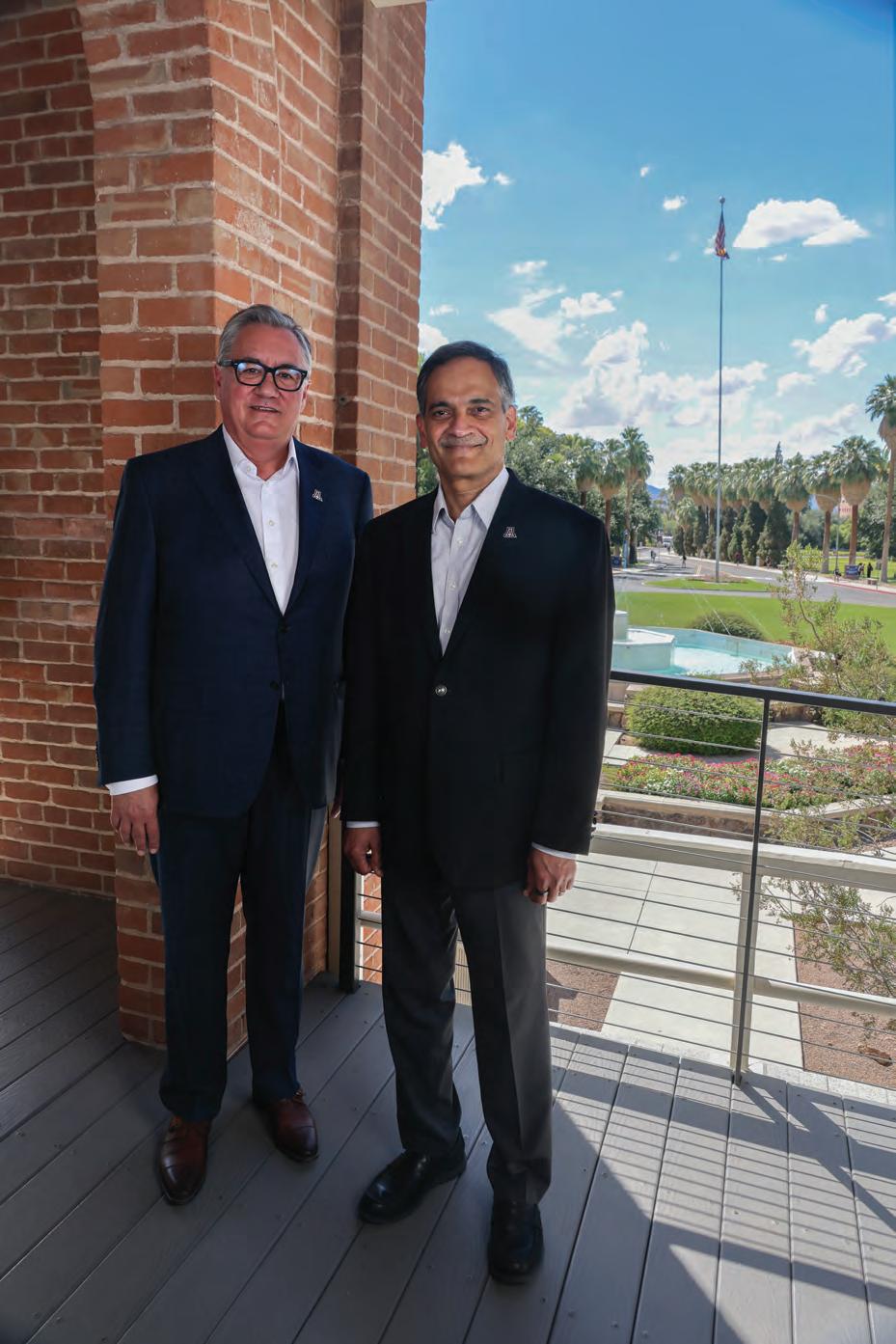
From left
Joe Snell President & CEO
The Chamber of Southern Arizona
Susan Gray CEO, Tucson Electric Power Chair of the Board
Fletcher McCusker
CEO, UAVenture Capital Treasurer
From left
Joe Snell President & CEO
The Chamber of Southern Arizona
Susan Gray CEO, Tucson Electric Power Chair of the Board
Fletcher McCusker
CEO, UAVenture Capital Treasurer
Their missions were separate but complementary for decades. But now as one, the vision remains constant, though expanded, for The Chamber of Southern Arizona.
The Chamber, a merger of Sun Corridor Inc. and the Tucson Metro Chamber, has put the region’s economic development, advocacy and small business activity under one roof.
“Our mission is simple: To drive sustainable economic growth and job creation in Southern Arizona by unit ing business advocacy and economic development strategies to foster a thriv ing business ecosystem,” said Chamber President and CEO Joe Snell. “We posi tion Tucson and Southern Arizona as a leading economic hub through targeted business attraction, expansion/reten tion programs, talent development and small-business resources.”
Establishing the vision for the new organization with a wider reach and wider responsibilities was easier than anticipated, said Snell, who was Sun Corridor Inc. president and CEO be fore taking on those titles with the new chamber.
“It came together in a matter of months because it simply made sense,” Snell said. “Both organizations’ leader ship recognized that they needed this bold step to come together with a uni fied business voice. That unification in creases our political clout and expands our ability to meaningfully influence de cisions that impact our economy.
“We recognized early on that the Chamber’s mission of serving small business and Sun Corridor Inc.’s mis sion of primary job development had to be effectively combined. Effectively creating a unified strategy and aligning both organizations’ strengths and membership audiences results in a much stronger economic foundation for the entire region.”
By Jay Gonzales
Tucson Electric Power CEO Susan Gray, who was chair of Sun Corridor Inc., has served as chair of The Chamber.
“We applaud the collective vision to make this happen,” she said. “The time was right for this merger to take place. Both organizations are able to accomplish more together than what each can accomplish alone.”
Starting in July, Alison Flynn Gaffney, CEO of Banner - University Medicine
Though the merger is a year old, the Chamber is still gathering input on what it needs to be and how it can best help businesses in the region.
“Right now, we are hyper-focused on continuing to gain input from all stakeholders,” Snell said. “We’re engaging our councils and committees, small business investors, focus groups, and implementing event surveys to ensure we’re continuing to meet the needs of businesses.
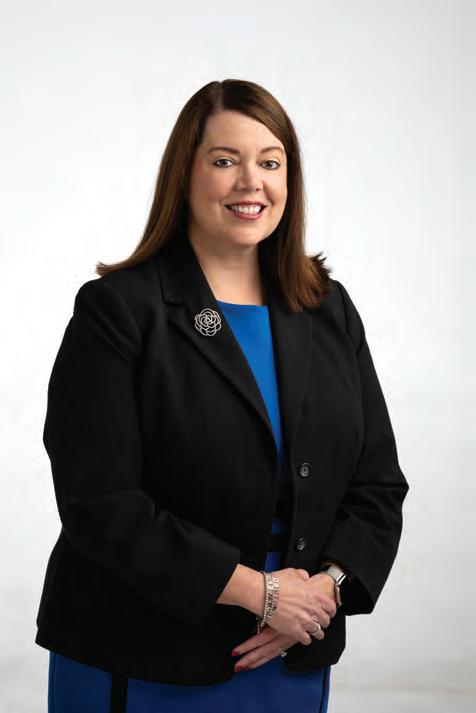
“We can now leverage resources to enhance the quality and depth of programs for the entire business community,” Snell said. “We are focused on nsuring that we are a competitive market and are supporting the companies in he targeted industries.”
Alison Flynn Gaffney CEO, Banner - University Medicine Tucson Incoming Chair of the Board
Among the enhanced strategies and initiatives is the formation of the Chamber’s Small Business Council, which assists small businesses in getting off the round, scaling them and helping with advocacy in the issues that affect them.
A new Emerging Leaders Program is working to identify the up-and-coming business leaders with a program to give them insight into how the local economy works and the importance of being volved outside of their companies.
Programming is being revamped to address advocacy and economic development in everything The Chamber s, especially when it comes to helping businesses attract and keep the talent that is in the community.
Cusker, a Chamber trustee who serves as the board’s treasurer. “The merger required reimagining both organizations and establishing a pro-business narrative that has to serve any size organization that wants to call Tucson home and contribute to our economy.”
“Talent attraction and development continues to be a top concern among business leaders,” Snell said. “With more concentrated focus and combined resources, there are immense opportunities to deliver stronger value to investors in this area. Talent attraction is a critical part of the greater effort to market our region and attract companies in targeted industries.”
By Tom Leyde
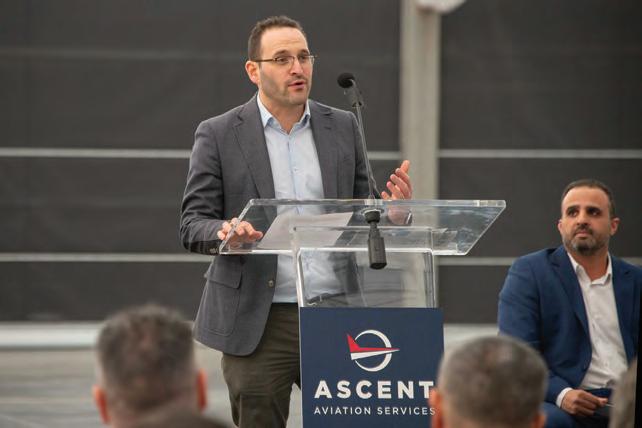
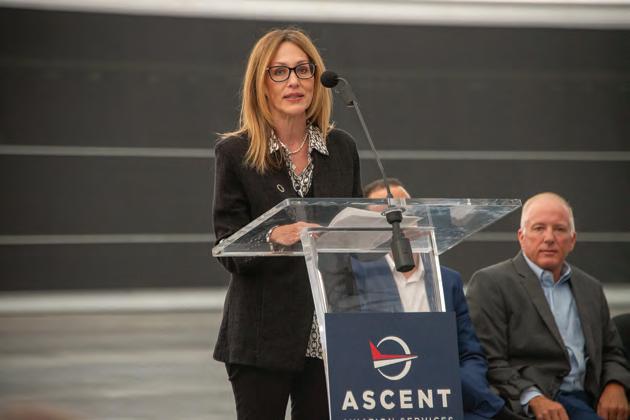
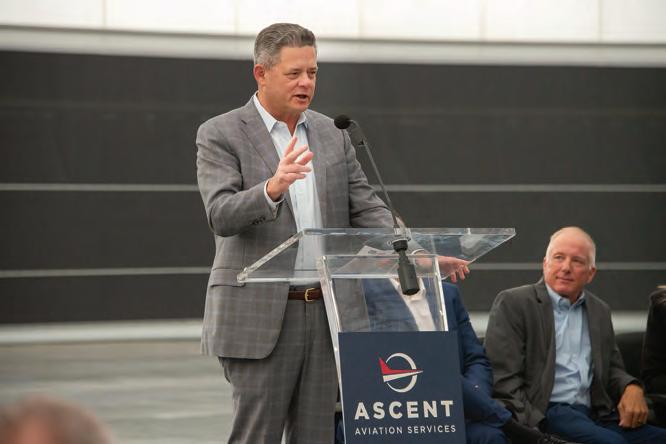
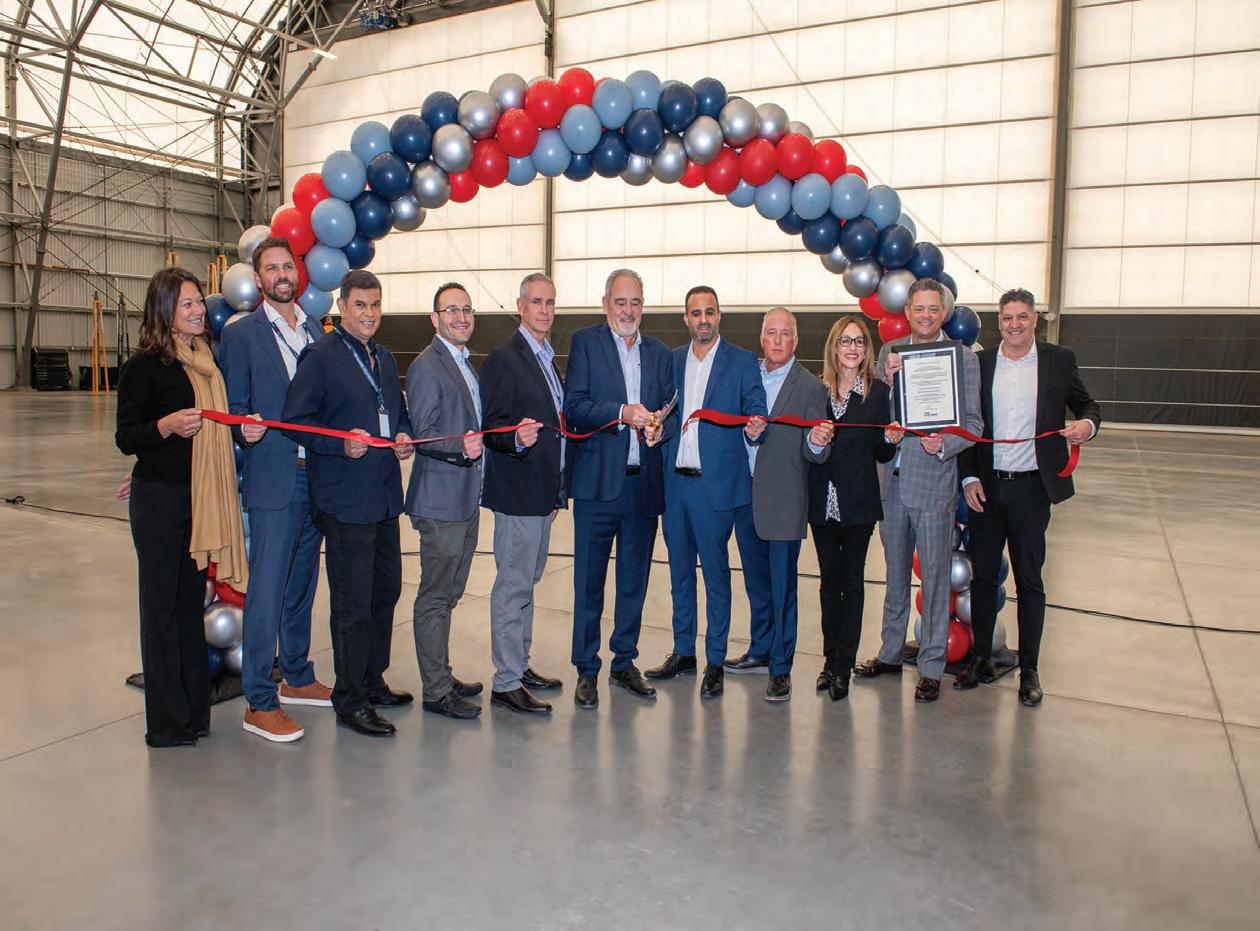
Ascent Aviation Services has launched a major new business venture converting wide-body passenger jets into air freighters at Pinal Airpark in Marana.
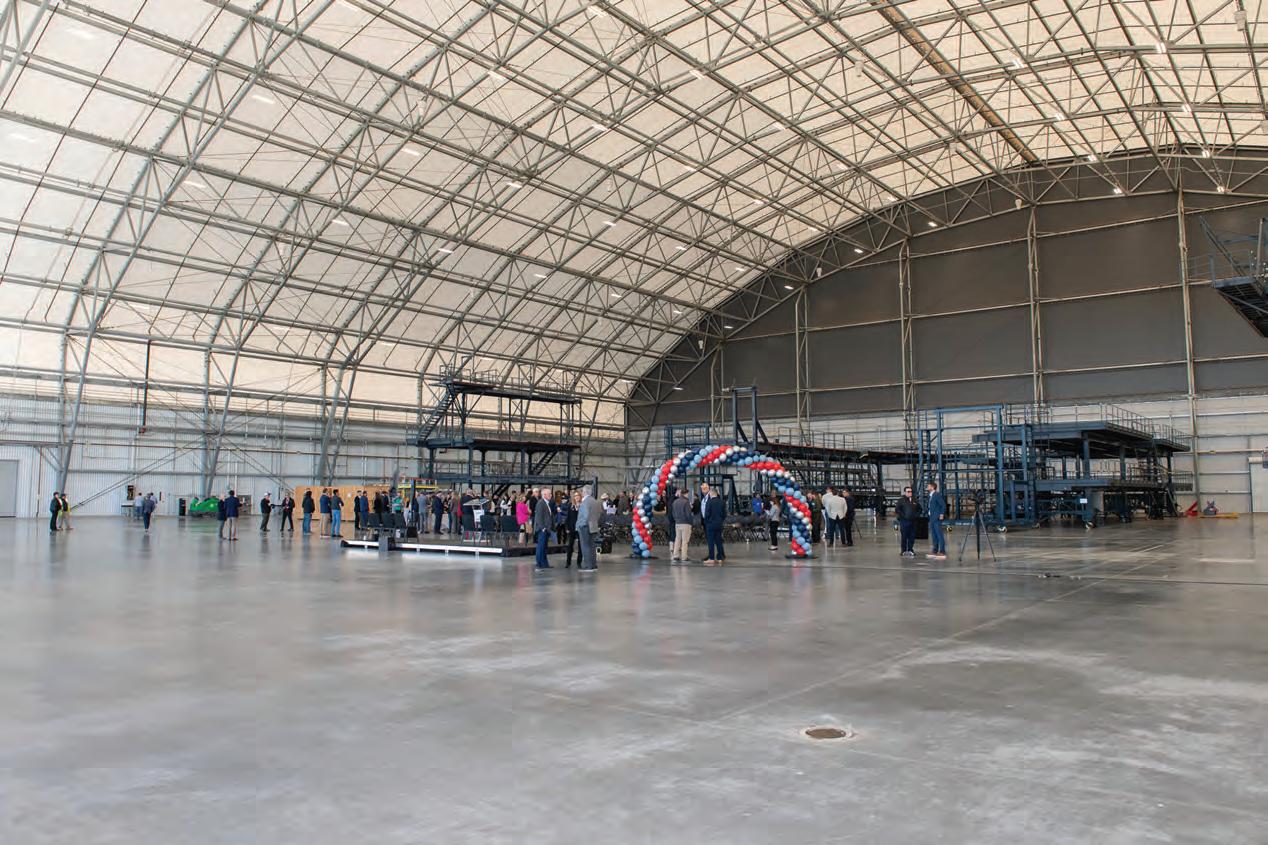
The company, in partnership with Israel Aerospace Industries, held a ribbon-cutting ceremony Dec. 8 at two new 90,000-square-foot hangars built for the conversions.
In the works for five years, the $70 million project will create 300 new jobs, with average salaries of $77,000 a year. Those salaries are expected to contribute millions of dollars to the Southern Arizona economy.
Ascent Aviation employees will convert B777-300ER (extended range) jetliners into freighters capable of transporting 110 tons of goods anywhere in the world without a stop.
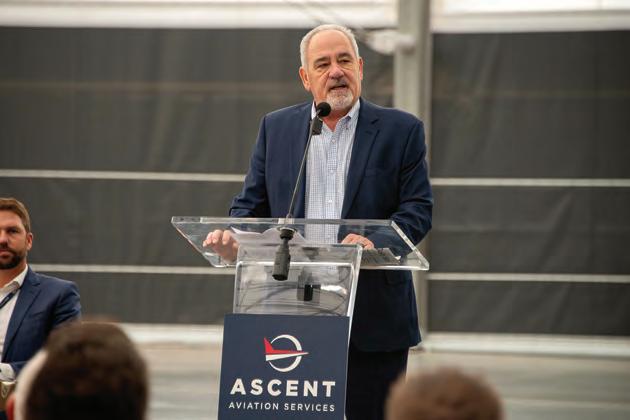
David Querio, president and CEO of Ascent Aviation Services, said the new endeavor was prompted by the tremendous growth in online shopping worldwide.
“Transporting goods across the world in an expeditious manner has become very critical.”
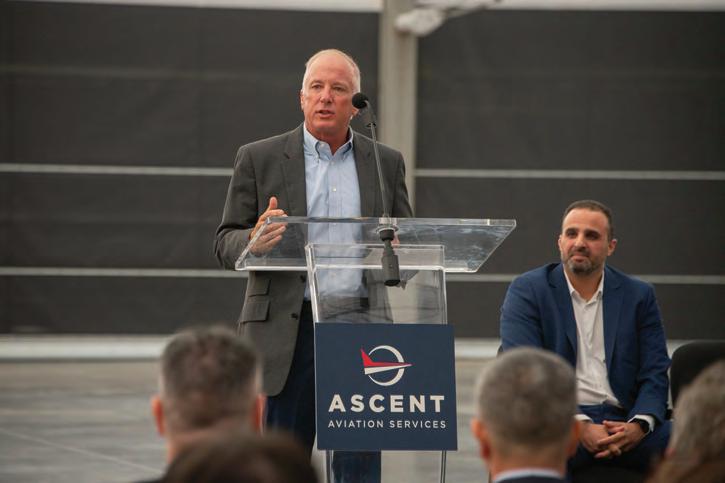
Querio said the company had considered building one hangar in a different location, but elected to build two hangars in Marana, the larger of Ascent’s two facilities. When fully staffed, Ascent will have 225 people working on airliner conversions and another 100 as support staff and engineers.
It will take about six months to complete the first aircraft conversion, which involves extensive structural modifications.
“We will put 150,000 to 160,000 hours into the first conversion,” Querio said. “It’s not just taking out the seats
and taking the bathrooms out. There’s complete reinforcement of the floor structure and installing a door.”
Marana Mayor Jon Post said the venture has far-reaching impact.
“I’m just so happy to see this level of investment. The Town of Marana is starting to grow by leaps and bounds, and this is going to be such a groundbreaker to the Town of Marana.”
Post said Marana’s growth will be an economic powerhouse for Southern Arizona.
“The employment that’s going to come to our community is so very important,” he said. “And the overall commitment that this company has made to Marana ... we’re just so grateful for it.”
Jared Rubenstein, director-equity group at Monroe Capital, said that together, Ascent and IAI are establishing a “world-class” triple 7 passenger-tofreighter conversion site in Marana.
“This collaboration pairs IAI’s global technical expertise with Ascent’s local capability to meet the growing demand for widebody freighter aircraft,” Rubenstein said. “This relationship not only elevates Ascent’s role in the aerospace ecosystem, it proudly connects this community to one of the world’s most innovative, reliable, forward-thinking partners in the industry.”
Sandra Watson, president and CEO of Arizona Commerce Authority, said the project places Arizona at the center of the global shift in aviation logistics
“The project ... reinforces the region’s importance as a destination for hightech investments, workforce development and long-term economic growth,” she said.
Nearly one in 12 Arizona residents are employed at U.S. Federal Aviation Administration Certified MRO (maintenance, repair and overhaul) operations across the state, and Watson said those employees contribute more than $2.4 billion to the state’s economy. She added that expansions like Ascent’s will help the industry to grow.
“Ascent isn’t just expanding its infrastructure, it’s investing in people,” Watson said. “Through its structured apprenticeship program, Ascent is helping train the next generation of aviation professionals and build a sustainable workforce pipeline for years to come. This is the kind of leadership that drives industries forward.
Joe Snell, president and CEO of The Chamber of Southern Arizona, said Ascent’s investment in the Marana project and high-salaried employees will trickle through the regional economy.
“Thank you for enhancing our aerospace sector in Southern Arizona,” Snell said. “Your investment further validates that we are the market leader in aerospace and defense.”
A group of newly hired Ascent employees were present for the ribbon-cutting, and Querio spoke directly to them.
“Every day you bring skills, pride and professionalism to some of the most complex and demanding work in the industry,” he said. “You take our challenges to the outside world …
These hangars exist because of you. Our growth exists because of you. Our reputation around the world exists because of you. I want you to know how ... grateful I am to each of you ... You are the heart of this company.”
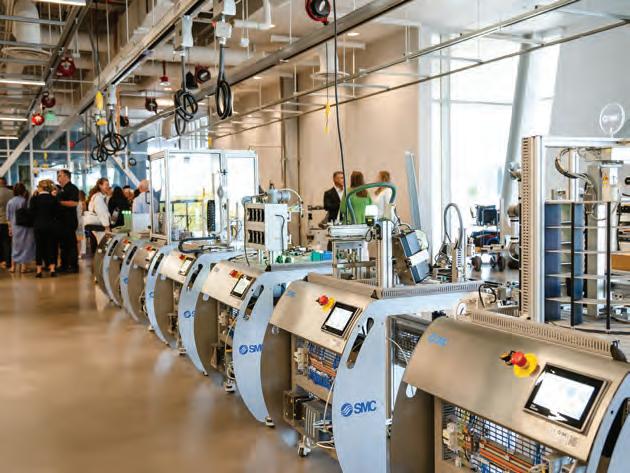
Pima Community College’s new Flexible Industry Training Lab is an innovative advanced manufacturing training facility designed to meet the rapidly evolving workforce needs of Southern Arizona employers.
It highlights PCC’s continued commitment to strengthening Arizona’s advanced manufacturing workforce through industry-driven training that is responsive, flexible and aligned with real-world employer needs. Gov. Katie Hobbs recently attended its March 19 grand opening.
“Southern Arizona’s economic future depends on our ability to prepare talent for rapidly changing industries,” said Jeffrey P. Nasse, PCC Chancellor. “The FIT Lab gives Pima the ability to deliver flexible, market-driven training using the same advanced technologies found in advanced manufacturing. It furthers the College’s position as the region’s leading provider of workforce development and strengthens Arizona’s competitiveness in advanced industry.”
Located in the Advanced Manufacturing Building at PCC’s Downtown Campus, the 10,000-square-foot FIT Lab was developed in partnership with the College’s Workforce Development
division to provide hands-on training using the same advanced manufacturing equipment local employers rely on in their facilities.
PCC worked closely with the Arizona Commerce Authority through its Future48 Workforce Accelerator initiative to upgrade the new FIT Lab to meet industry needs. The ACA’s $3.2 million contribution made these upgrades possible. The strong partnership reflects a shared effort to expand innovative training opportunities and support Arizona’s growing advanced manufacturing sector.
“American Battery Factory is proud of our work with Pima Community College on its important effort to build and now complete the FIT Lab Training Center,” said John Kem, president of ABF. “We look forward to working together going forward on workforce training programs for our highly technical manufacturing factory in Pima County.”
The FIT Lab represents a new model of workforce education. Unlike traditional academic programs tied to a semester schedule, the facility offers customized training that can be delivered on flexible schedules and in varying du-
rations to meet employer demand. This structure allows companies to quickly train workers or prepare new employees as technologies continue to evolve.
Designed to remain adaptable, the FIT Lab will incorporate the most current equipment and tools used by local manufacturers, ensuring PCC keeps pace with industry upgrades and continues to serve as a regional leader in workforce development.
“The FIT Lab will support Southern Arizona’s high-growth industries and represents an exciting addition to the Future48 Workforce Accelerator network,” said Sandra Watson, president and CEO of the Arizona Commerce Authority. “We’re grateful to Governor Hobbs, Chancellor Nasse and Pima Community College, and all of our partners for their continued leadership and collaboration.”
Through the FIT Lab, PCC will provide employers with a professional training environment that supports both emerging talent and incumbent workers, reinforcing the college’s role as a key partner in regional economic development.

continued on page 136 >>>




Tucson REALTORS® are dedicated to advancing homeownership amongst Southern Arizonans, and with a regional economy that encourages job growth, we will see a lot of opportunities for our members to help more residents achieve the dream of homeownership and put down roots. If Southern Arizona hopes to have a bright future, we need policies that encourage the creation of a variety of housing opportunities while maintaining the unique character of what makes our communities so attractive in the first place. You can expect to see The Tucson Association of REALTORS® taking a larger role in advocacy on the issues that impact the real estate industry, housing availability and affordability.
What keeps me up at night is whether Southern Arizona is positioning itself for long term economic success. Job growth and housing availability are deeply connected. If we cannot offer a range of housing options that support our workforce, we risk limiting our ability to attract employers and retain talent. I worry about missed opportunities when progress stalls or conversations default to resistance instead of solutions. Our region thrives when we do the hard work of thoughtful planning that balances job growth, infrastructure, and quality of life for both current residents and those who want to call Southern Arizona home.
Tucson was recently named one of the Top 5 places to move to, and recognitions like this make it easy for the Tucson Association of REALTORS® to champion our region. Celebrating what makes Tucson special is a natural part of our role; and accolades like this only reinforce that message. As someone who recently made Southern Arizona my home, now approaching my first year as a Tucsonan, I’ve noticed that longtime residents can sometimes lose sight of what makes this region so special. It’s important that the changes shaping our community are thoughtful and inclusive, ensuring they benefit everyone who lives here. Tucson remains affordable relative to many other metro areas across the country. This is where we all need to work together across the business, non-profit, and governmental communities as you can’t have a thriving, growing economy without a housing market that meets the needs of its residents, and vice versa. We need to work together to ensure that we have viable housing options across all price points so that everyone can share in the prosperity of economic development.
The Chamber plays a critical leadership role in shaping regional conversation about economic growth. Continued advocacy, coalition building, and strong messaging about why Southern Arizona is a great place to live, learn, work and do business are essential. We need the Chamber to be a unifying voice that champions policies supporting job creation, infrastructure investment, and housing development. When business leadership and community stakeholders move in alignment, it creates the kind of environment where both employers and residents can succeed.

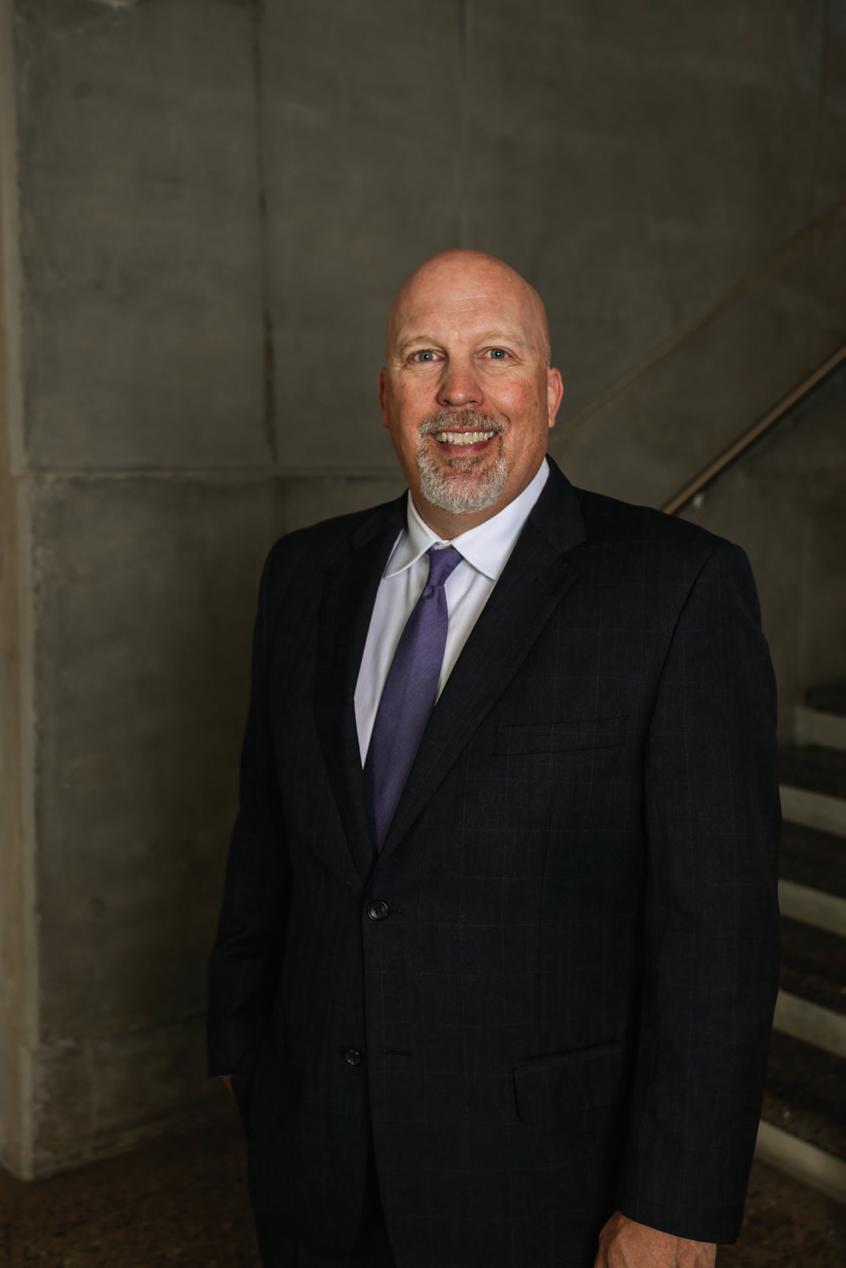
Tucson Airport Authority (TAA) recognizes that it is essential we maintain a reasonable cost structure that balances the annual operating and capital budget against projected revenues and remains attractive to the airlines. TAA actively collaborates with the airlines to increase route frequency and expand our air service. TAA also pursues non-aeronautical opportunities to grow the revenue base and diversify our portfolio. This offsets direct costs to the airlines while making the TAA financial model more resilient. There is significant interest in TAA’s non-aeronautical land. Over the next few years, that will result in several new businesses at our airports.
I am always concerned about the uncertainty of the economy and how it may impact the aviation sector. Specifically, my focus is on how economic fluctuations may affect airports, airlines, general aviation, traveler trends, inflation (cost of fuel, construction, etc.), and Administration changes that may focus on new priorities and new regulations, to name a few.
Recently, the Appropriations Committee (federal government) authorized the spending authority to support the Federal Aviation Reauthorization Act of 2024, which provides increased funding levels from $3.35 billion to $4 billion for airports. Among other items, this budget provides for Airport Improvement Program funds, which airports rely on for federal grants to match Airport funds for eligible infrastructure projects. The TAA has been extremely successful in obtaining grant funds for the ongoing $400 million Airfield Safety Enhancement Program, which modernizes the airfield in accordance with new safety standards. The TAA has led the nation for the last two years in largest grant awards.
The Chamber can help the TAA promote the “Fly Tucson First” campaign, which encourages local business to fly local, fly TUS. Participating businesses receive perks to make flying TUS even easier. More details on ‘Fly Tucson First’ can be found on Flytucson.com. Airlines make route decisions based on actual flown data. Therefore, when businesses choose to fly TUS, the TAA can collect critical data points that can be used with the airlines to illustrate the strength of our market and grow our route network. When businesses choose to fly from Phoenix, it takes away from our market. Flying TUS today is the only way to grow for tomorrow.
BY

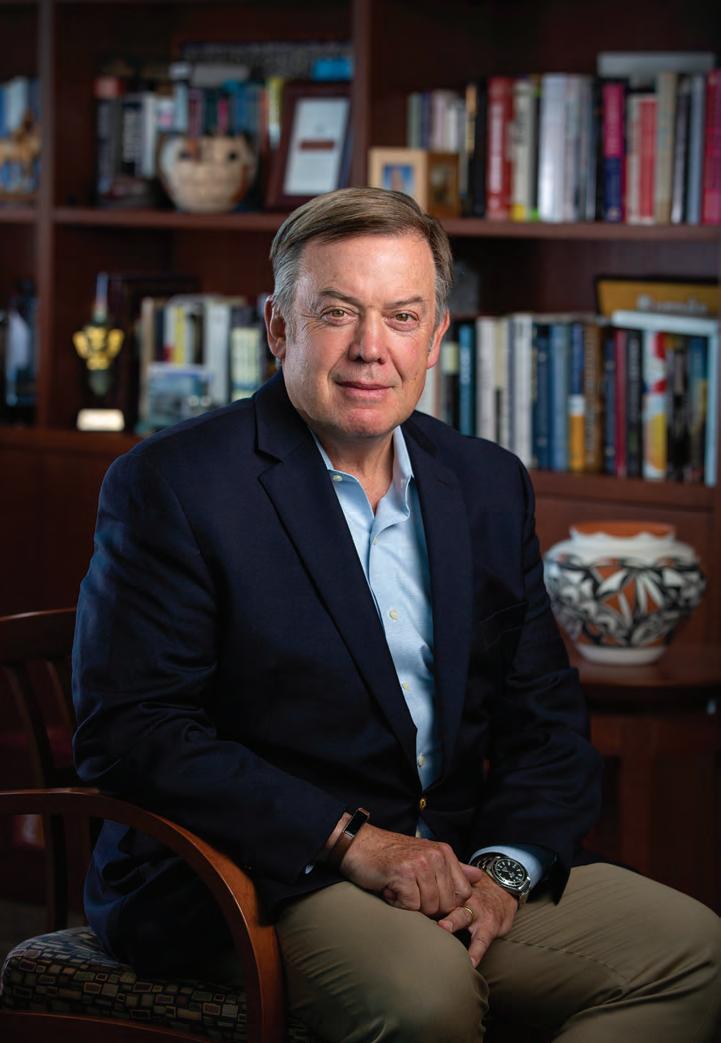
We have a tremendous opportunity for business and growth here in Southern Arizona with the right mindset. Tucson and the surrounding metro are a diverse marketplace with untapped potential in both the downtown area and surrounding suburbs. A responsible, sustainable approach to development from local leaders can spur growth for the entire region.
Short-term decisions that have long-term impacts on new businesses deciding to come to the region. Things like passing the RTA Next and investing in our roads, airports, and overall infrastructure have major impacts on the amount and type of business that decides to come to Southern Arizona. A forward-thinking approach with smart investments for the overall good of the region will attract additional business growth, including the high-paying local jobs that really help move the needle for our local economy.
The construction industry in Tucson and throughout Arizona continues to provide exciting career opportunities, both professional and craft, for individuals in all trades. The continued investment in rapid, controlled growth of advanced technology, aviation and data center markets in the state has created thousands of good-paying jobs for ambitious, hard-working people. These are jobs that careers can be built on for individuals and families, regardless of the level of education, and should be valued as an exciting key driver of our future regional success.
Continue to work with local business and leaders to promote the mindset at every corner that Tucson is an area of pro-growth and development. Our population growth is largely driven by transplants from other areas, so the outside narrative is vital to our future success. It’s on all of us to build the narrative, create buzz and promote Tucson as the destination of choice for both new business and new additions to our local workforce. We all know Southern Arizona is a fantastic place to live and work, let’s let everyone else know too!
BY


There is considerable sea change now, and uncertainty is often seen as an obstacle to progress. I believe that the changing landscape presents opportunity for those who are willing and able to adapt through innovation. Arizona is a tremendous state with one of the most significant economies in the world, but we need to make some serious decisions about our future. The people of Arizona have said what they want their state to be. We need to execute a plan to get us there.
An issue that keeps me up at night is the lack of awareness about where we are operating in time and history. The old quote says, “Those who do not know history are doomed to repeat it.” That’s true. We need to do a much better job of helping the public to understand the significant and practical impact of higher education and university research. The people, products and ideas produced by universities touches every facet of your daily life.
The demand for higher education continues to grow and “the invisible hand” of university research remains steadfast in working to move humanity forward. The integration of rapidly evolving technology and enhanced institutional collaboration is dismantling the barriers to quality learning at scale. At ASU, our major efforts include our advancement of ASU Health to improve health outcomes for all Arizonans, enhanced focus on supporting our nation’s national defense and need for public service, and creating new education pathways for new and returning learners of all ages.
The Chamber and the business community can help by speaking loudly and consistently about the vital role that our universities play in driving social mobility, economic competitiveness and meaningful innovation. In order to achieve the aspirational resilience demonstrated by other successful U.S. states, we need the local business community to participate in the public discourse about the need to support our state universities. Only by working together will we be able to design a model for our shared future.
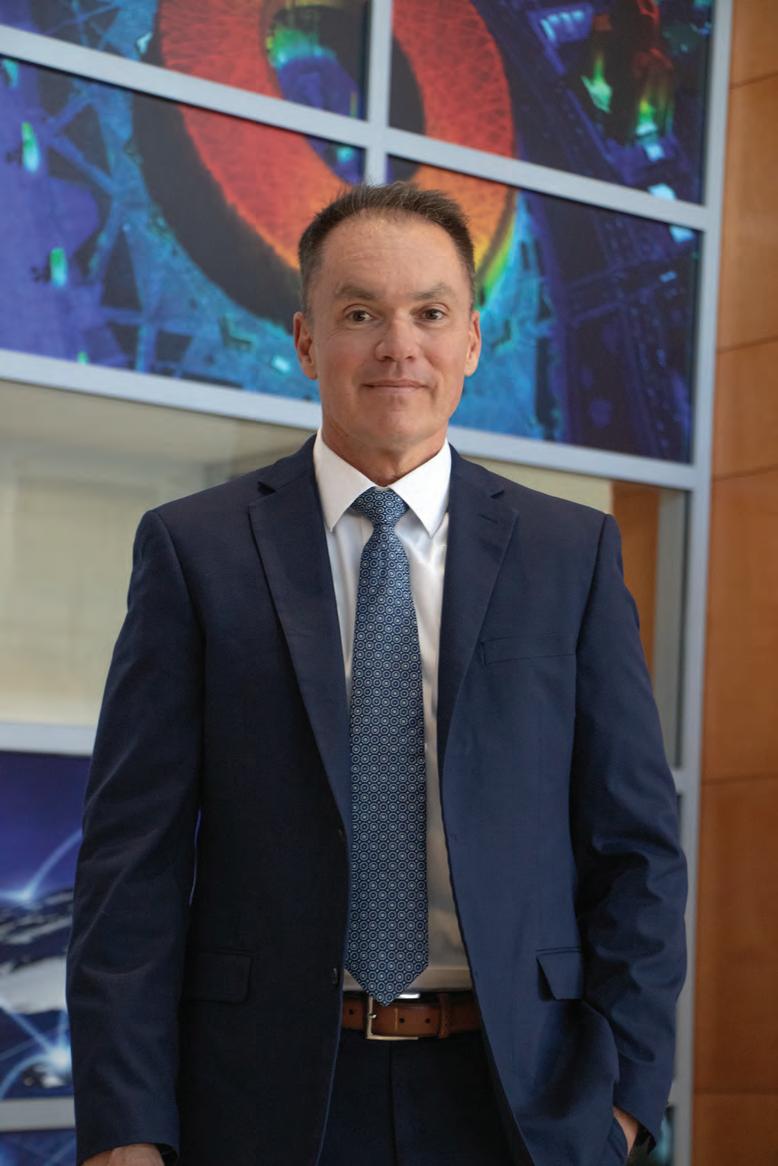
Raytheon has been part of the Tucson community for more than 70 years, and it remains one of our most important sites. Our teams here are doing critical engineering, manufacturing and mission support work that helps protect our customers and allies around the world. Demand for many of the capabilities we build here is growing, and we’re investing in our facilities, our people and our technology to keep up. Thanks to the incredible talent in Southern Arizona and the strong partnerships we’ve built across the region, Tucson will continue to be at the heart of Raytheon’s future. As a Tucson native, I’m especially proud that this work is happening right here in our own backyard.
The world is getting more complex, and our customers are counting on us more than ever. As we work through heightened demand and operational ramp-ups, my team and I are focused on two things: continuing to deliver the capabilities our customers rely on, and scaling our operations in a smart, sustainable way. For us, that means strengthening our supply chain, growing our workforce, and constantly improving how we build and deliver—quickly and reliably. We’re making solid progress, but it takes ongoing effort and strong collaboration across our teams, our suppliers, and our partners.
As global demand for precision munitions continues to grow, our business will continue to make investments in technology, facilities and our workforce to reach and sustain this historically high production rate. In February, we announced landmark deals with the Pentagon to significantly increase production capacity and speed deliveries of programs such as Tomahawk, AMRAAM, SM-3, and SM-6 – all of which are produced right here in Tucson.
If we’re going to meet the surge in demand, we need coordinated planning and the ability to scale. At the heart of that is talent. The Chamber plays a key role here. They bring together industry, education, and community partners to help build that workforce. For our business, it’s important that we attract top aerospace professionals to Tucson and help create an ecosystem where they—and their families—can thrive. At the same time, we should also focus on growing a strong local pipeline, as homegrown talent is more likely to stay, build their careers here, and invest their skills back into this community.


We see the opportunity to increase access to care through opening new locations, recruiting additional providers and, in partnership with the University of Arizona College of Medicine-Tucson, increasing the number of resident physicians. We also see an opportunity to strengthen community partnerships and collaborations. Working together, we are helping improve the health of our communities that we all serve.
I am a “people first” advocate and am always thinking about those we serve, internally and externally. I, and the collective “we” at Banner – University Medicine, are here to create an incredibly inspired, safe, and clinically excellent experience for all. On the national front, changes in reimbursement, health guidelines, and research funding are top of mind for all healthcare providers. Locally, we are constantly seeking ways to do more with the limited resources we have as a mission-based, non-profit organization.
I have the benefit of serving in a field where every day, lives are saved and impacted positively by the work our amazing teams of clinicians, educators, and researchers. Use of robotic technology is exciting because of the benefits it brings our patients, and AI applications in clinical and research settings are improving efficiency and speeding drug discovery, eventually resulting in more clinical trials of cutting-edge therapies being available for our patients.
The Chamber is an incredible partner that helps us all—community partners and business leaders—connect and find opportunities to collaborate so that we can understand the deeper issues and work together to transform challenges into opportunities. This is critical for Tucson and Southern Arizona, as is continuing to create the “commercial for Tucson” to elevate employers’ interest in our community and attract and retain top talent, including spouses/partners/families of professionals. Attracting and retaining top talent and high-wage employers is crucial for our communities’ vibrancy and regional economic growth.
BY

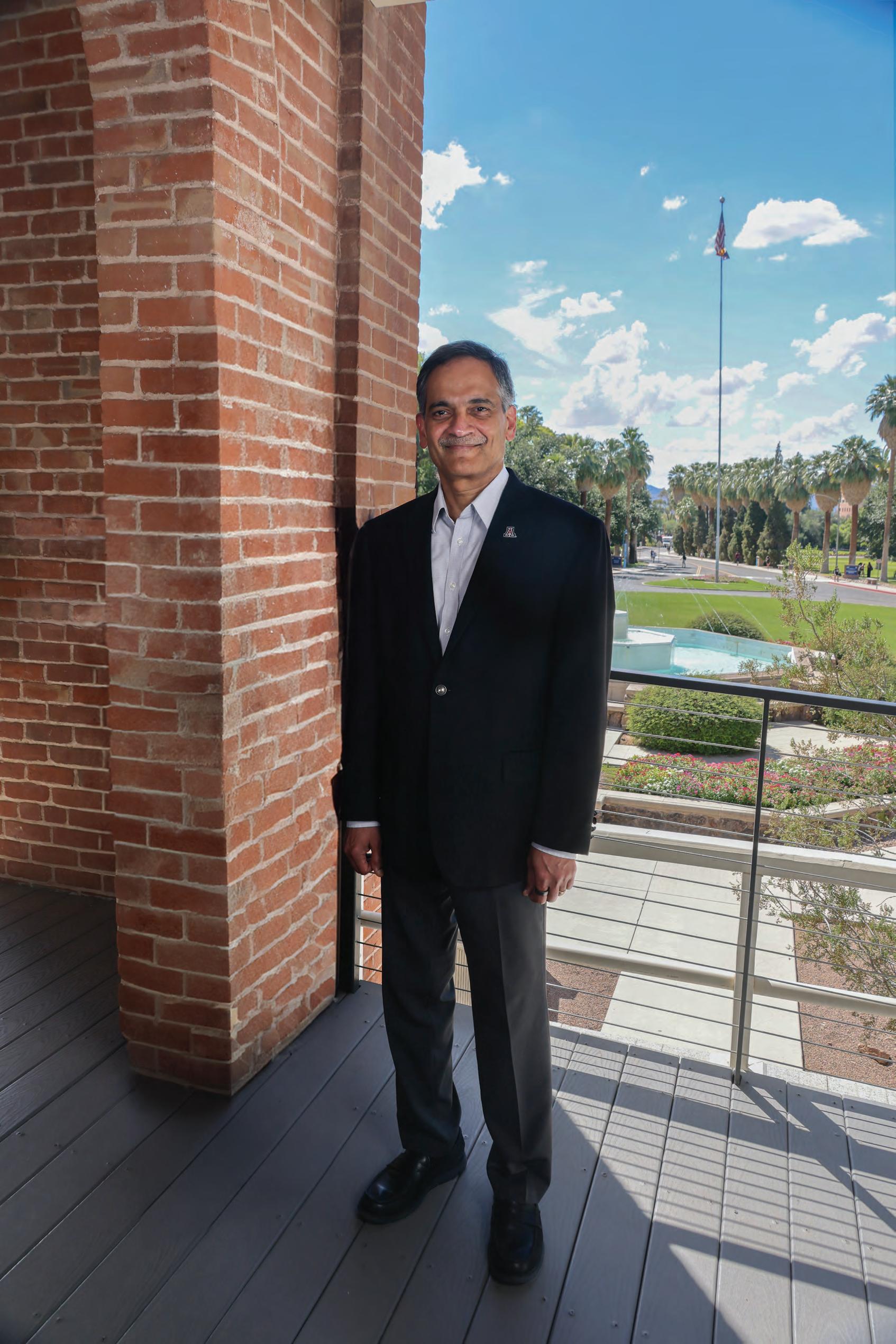
With our guiding strategic imperatives, an experienced leadership team, and a focus on financial health, we have a solid foundation on which to build a bright future for us all. Student success remains our North Star, and we are putting in place new approaches to recruitment, retention, graduation and job placement, while ensuring that every student has access to excellent in-class and experiential learning opportunities. We are focused on key research priorities that build on our strengths and are aligned with state and national priorities: AI-driven Health Innovation, Space Sciences and National Security, Fusion Energy Commercialization, Sustainable Mining and Critical Minerals, and Arid Lands Agriculture and Water. And as Arizona’s land-grant university, we are doubling down on advancing innovation, attracting new companies to the state, and creating a highly talented workforce across all regions of the state.
As the leader of one of the preeminent land-grant institutions of this nation, ensuring affordability and excellence of our students’ education, creating opportunities for our researchers and scholars to continue their impactful work, and fulfilling our land-grant mission to our state are the areas that remain top of mind.
In January, we launched the Kyl Institute for National Security to provide leadership in this critical area for Arizona and the nation. We signed a partnership with Taiwan’s National Yang Ming Chiao Tung University to establish a Talent and Innovation Hub that will drive economic development for both nations and will be key to expanding the semiconductor manufacturing industry in our state. To support student success, we are expanding our on-campus housing capacity with a new residence hall to strengthen retention, and building sustainable partnerships with community colleges across the state to expand access.
Collaboration with industry and economic development organizations is vital to our future and that of the state. Our partnership with the Arizona Commerce Authority to expand our Nanofabrication Core Facility cleanroom will strengthen Arizona’s position as a national leader in semiconductor manufacturing. Together, we will translate discovery into action, retain and grow existing businesses and attract new ones. Telling the U of A story and offering internships and mentorship are other ways the Chamber can contribute to the region’s success.
BY

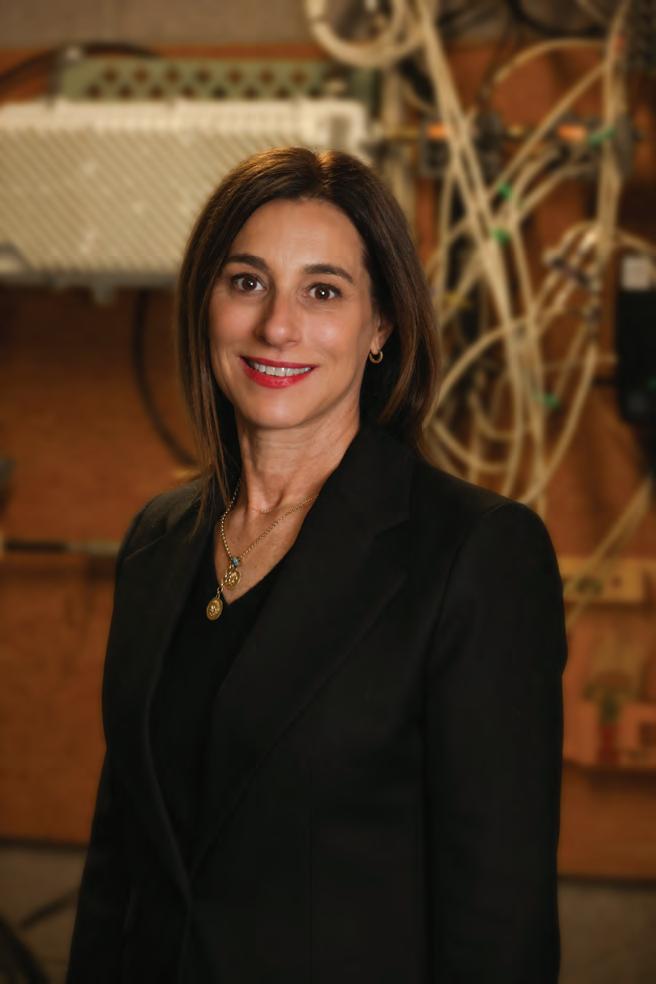
There is tremendous opportunity in Southern Arizona as demand for advanced broadband, mobile connectivity, cloud solutions, and AI-driven tools continue to accelerate. Connectivity has become far more than an operational requirement; it’s now a strategic differentiator. Organizations that fully embrace emerging technologies will be better positioned to enhance efficiency, empower their teams, and deliver exceptional customer experiences. We also recognize that no two businesses are the same. More companies are seeking customized technology solutions that meet the specific needs of their industry. By offering flexible, scalable options, we help business owners reduce operational complexity so they can focus on what matters most—providing outstanding products, services, and value to their community.
I’ve been working on prioritizing my sleep health, so I try not to let too many things keep me up at night. But like many parents, I do think about my college age kids—and whether they, and other young adults, will see Tucson and Southern Arizona as a place where they can build meaningful careers after graduation. Our region has so much potential, yet continued job growth is essential to remain competitive. Ensuring that Tucson attracts and retains strong, forwardlooking businesses is critical if we want to keep the best and brightest here. Creating an environment where graduates feel confident, they can find opportunities, grow professionally, and build a future is something that stays on my mind, because it’s ultimately tied to the long-term vitality of our community.
The Chamber continues to play an important role as an advocate for the business community, and that support will remain valuable going forward. A strong, practical voice that can help advance thoughtful policy and promote economic strategies that benefit the region contributes to a healthier business environment overall. As local issues grow more complex and the public conversation becomes noisier, the Chamber’s ability to provide balance and keep discussions focused on long term community priorities is especially helpful. Its work bringing stakeholders together and highlighting the needs of local employers supports steady, sustainable growth—creating an environment where businesses, and the broader Tucson community, can move forward with confidence.
BY

Southern Arizona is becoming a real magnet for entrepreneurs and growing businesses that want access to talent, opportunity, and a great quality of life. That creates exciting opportunities for firms like ours to help organizations grow, scale, and navigate increasing complexity. We’re seeing strong activity across construction, real estate, healthcare, technology, and professional services, along with more crossborder business. As the region continues to grow, the need for strategic advisory, assurance, tax, and forward-looking financial guidance will only become more important.
Rapid technological change, evolving client expectations, and economic uncertainty keep me up at night. For professional services firms like BeachFleischman, staying on top of business risks and regulatory change is critical. Ultimately, the challenge is balancing growth and innovation while maintaining culture, quality, and trust, which are foundational to long-term success. Like many business leaders, I’m also focused on attracting talent so we can continue to develop and retain the best people in a competitive labor market.
Our firm is undergoing meaningful transformation and we’re rethinking traditional business models while investing more heavily in technology, specialization, and advisory services. We’re seeing increased use of data analytics, automation, and AI-driven tools to help us deliver deeper insights and greater value to clients. At the same time, there’s a strong shift toward industry-focused teams that understand clients’ businesses beyond the numbers, allowing us to be more proactive and strategic partners.
The Chamber plays a vital role in advocating for a strong business climate and connecting leaders across industries. Continued focus on workforce development, infrastructure, and regional collaboration will be essential as Southern Arizona grows. The Chamber can also help amplify the region’s story by attracting investment, talent, and new companies. It can also serve as a collaborator so that public and private sector leaders can align around shared priorities and long-term economic sustainability.
BY



The Bombardier Tucson Service Center is critical to the support of our rapidly growing aircraft fleet and the entry into service of our newest flagship, the Global 8000. There is a growing need for specialized work, major inspections and upgrades for high net wealth operators who prefer to do business with an OEM service center. With revenues hitting record highs industrywide, and Bombardier’s aftermarket business continuing to grow year-over-year, there’s a real opportunity to capture additional volume and deliver exceptional value to our customers.
With aviation workforce requirements continuing to grow over the next 20 years, there’s a significant need for skilled/specialized technicians. Recruitment and workforce development are at the top of the list to keep our industry safe. Across business aviation, the rising complexity of aircraft systems, along with the steady climb in customer expectations, remain our biggest operational challenges. Keeping aircraft moving through inspections and upgrades both safely and on schedule, are always top of mind.
The certification of our flagship Global 8000 and Bombardier’s completion of its multiyear turnaround plan have put the company on very strong footing. Deliveries, revenues, and backlog all surged in 2025, and service revenue reached its highest levels ever. We continue to expand apprenticeship pipelines and build stronger ties with local communities to bring in new technical talent. The continued investment in our MRO infrastructure, mobile response coverage, means faster turn times, and better aircraft availability for our customers.
As Bombardier ramps up hiring to support its five (soon to be six) U.S. service centers, there’s a clear need for programs that attract and develop skilled aviation technicians in the region. The company is already expanding apprenticeship and community-based hiring programs, and local support could help accelerate that even more. Continued advocacy around airport infrastructure, workforce development initiatives, and business-friendly policies will help ensure that Tucson remains a strong hub for aerospace operations.
BY


Over the next several years, we see significant opportunity centered on graduate medical education and expanding access to top level expertise in our region. By investing in physician training programs, we are building a strong pipeline of talent and creating opportunities for physicians to establish their careers in our community. We are also focused on strengthening and expanding our workforce across the full continuum of care, from frontline team members to advanced specialists. Health care is a team effort, and developing depth across all roles is essential to meeting the needs of a growing population. As we grow, we remain grounded in our mission. Our goal is to serve more members of the community with high quality, compassionate care while maintaining the standards and values that define TMC Health.
Health care is undergoing significant transformation. The industry faces intense pressure as it works to reform itself, particularly with ongoing Medicaid changes and reimbursement challenges. These shifts create financial and operational uncertainty, especially for organizations committed to caring for all members of the community regardless of their ability to pay. Workforce shortages, regulatory complexity and rising costs also require constant focus. Ensuring that we remain strong, sustainable and mission-driven in this environment is always top of mind.
TMC Health is committed not only to addressing today’s health care needs but also to advancing innovation and supporting longevity for the future. We are investing in advanced clinical programs, technology and physician recruitment to ensure patients can receive leading-edge care close to home. Our commitment to innovation is matched by our dedication to the community, because long term health outcomes are built on trust, relationships, and sustained presence. We are also excited to announce the expansion of our cancer care services with radiation oncology. Starting April 1, radiation oncology will be fully implemented into the TMC Health Cancer Center, making it one of the largest cancer treatment centers in the region. We welcome both patients and new staff into the TMC Health family and look forward to providing unified care across our network—bringing exceptional expertise, advanced technology and a team dedicated to delivering the highest standards of compassion, courage and commitment.
A strong health care system depends on a strong regional economy. Continued focus on business recruitment, economic development and workforce growth benefits the entire community. By attracting employers, strengthening talent pipelines and supporting regional growth, the Chamber helps create the foundation that allows TMC Health to expand services and invest further in the community. We look forward to continued partnership in building a healthier and more prosperous region.
BY

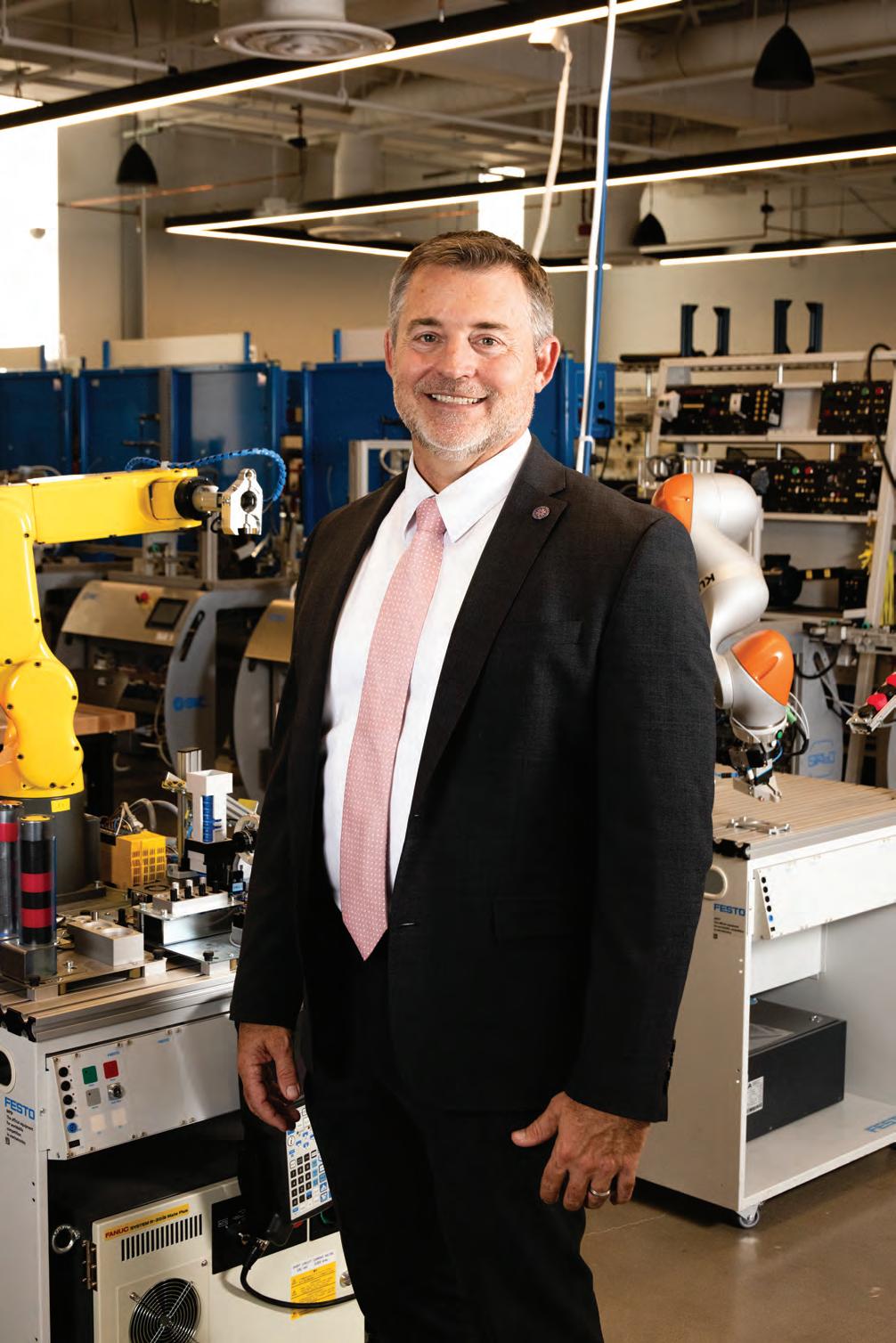
Pima County’s future depends on a modern, highly skilled workforce. We see enormous opportunity to lead that effort. We’re preparing AI-enabled graduates and integrating AI tools and digital fluency across all programs. Whether a student studies healthcare, public safety, advanced manufacturing or business, they’ll graduate ready to work in an AI-driven economy. We’re also rethinking how education is delivered. Moving beyond the traditional semester model allows us to offer shorter, flexible options that fit working adults and fastchanging industry needs. Competency-based education, expanded credential options, and stackable certificates mean students can build clear, affordable career pathways. At the same time, we’re scaling work-based learning across programs. Internships, apprenticeships, and hands-on industry experience won’t be the exception. They’ll be the expectation. That’s how we connect talent to opportunity and help local employers grow their workforce.
Emergency preparedness and campus security are always top of mind. If our campus community isn’t safe, nothing else works. I also think a great deal about long-term financial sustainability. We must secure reliable funding while keeping tuition affordable. Community colleges are an engine of economic mobility, and access only works if it remains affordable. Too many students are balancing school with work, family responsibilities, and financial strain. If a student is hungry, housing-insecure or struggling, academic success becomes harder. Supporting the whole student is essential to a strong workforce.
We’re poised for transformative investments that align directly with Pima County’s workforce needs. That includes a First Responder Center of Excellence to strengthen public safety career pathways, expanded cybersecurity and engineering programs, and more bachelor’s degrees tied to local employer demand. We’re embedding AI and digital fluency across programs so every graduate is future-ready. Another initiative is our “No Wrong Door” model. At our campuses, students will have a one-stop shop for advising, financial aid, career services and student support. When students can easily access the needed resources, they persist and enter the workforce faster.
Community colleges are central to a strong regional business ecosystem. The Chamber can help align us around shared goals, shared accountability and measurable workforce outcomes. We must anticipate workforce trends before they become shortages. That requires real-time dialogue between education and industry. The Chamber can encourage employers to expand internships, apprenticeships, job shadowing, and other opportunities. When students gain meaningful experience in school, they graduate job-ready. When businesses help shape training programs, they get the skilled talent they need.
BY

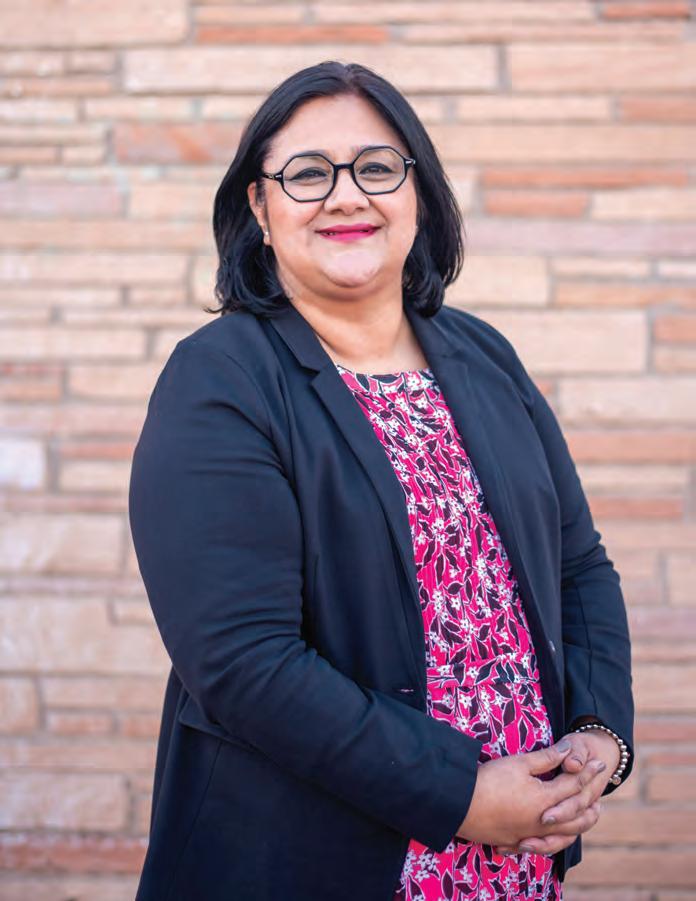
Chicanos Por La Causa has been empowering Southern Arizona communities through comprehensive economic development, education, housing and social services. Since my term as president and CEO began, CPLC has impacted more than 1,394,358 lives statewide in Arizona, with 117,722 lives being impacted here in Southern Arizona. CPLC has an opportunity to maximize reaching future investors through education, training, and fair access to capital from our growing programs.
We need to keep the Southern Arizona region competitive by developing affordable housing to meet the growing demand of individuals moving to the area. A stable home means that the region can generate high quality jobs while residents can build a strong foundation for employment, sustainable generational wealth and overall better quality of living.
I am proud to share that CPLC has completed 263 units of affordable housing over the last two years. One of these housing projects included CPLC Healthy Aging program’s Casa del Pueblo, which opened its 96-unit senior affordable housing community. There are an additional 176 units in the pipeline across three projects. Additionally, CPLC completed 198 units of workforce housing and 32 single family homes targeting first time homeowners. CPLC Home Lending program helped five families purchase and become homeowners.
The Chamber has built a powerful coalition of diverse leaders who understand Southern Arizona. Going forward, we must continue these strategic and longstanding partnerships to develop additional workforce training, mentorship, and leadership development for young professionals in the area. This will help draw and maintain talent for growing industries including health, technology, and trade careers. In focusing on upskilling the next generation of leaders, we are investing in Southern Arizona’s future.

Southern Arizona is experiencing steady, thoughtful growth, and that creates meaningful opportunity for Southwest Gas to continue supporting the region’s economic momentum. As new industries, ad vanced manufacturing, and commercial development expand across Tucson and surrounding communities, reliable and affordable en ergy remains foundational. Our existing natural gas infrastructure positions the region to compete for new investment by enabling proj ects to move forward efficiently. At the same time, we see continued opportunity to support residential growth and small business expan sion – fueling a balanced, resilient local economy.
Our commitment to the customers and communities we serve drives everything we do. We’re continually focused on improving service and exceeding customers’ expectations. As the region grows, that means investing in our system and working proactively with partners to ensure we can meet demand while maintaining the safe ty, affordability, and reliability our customers expect.
One highlight we’re especially grateful for is being recognized by J.D. Power for residential customer satisfaction in the West for six consecutive years. That recognition is driven by what matters most to our customers – safe, reliable service, trust, and support when it’s needed. It reflects the voice of our customers and the dedication of our employees, who work every day to deliver on those expectations.
At the same time, as we continue to support economic develop ment across Southern Arizona – serving homes, small businesses, and high-tech industries – we also focus on the future, advancing energy options such as renewable natural gas and exploring lowercarbon energy solutions like hydrogen to support long-term, sustain able growth.
At Southwest Gas, we believe relationships matter, and The Cham ber of Southern Arizona plays a critical role in bringing together business and community leaders to support regional growth. continuing to champion business advocacy, economic development, and small business success, the Chamber helps create a strong, col laborative environment where communities and industries can thrive together.
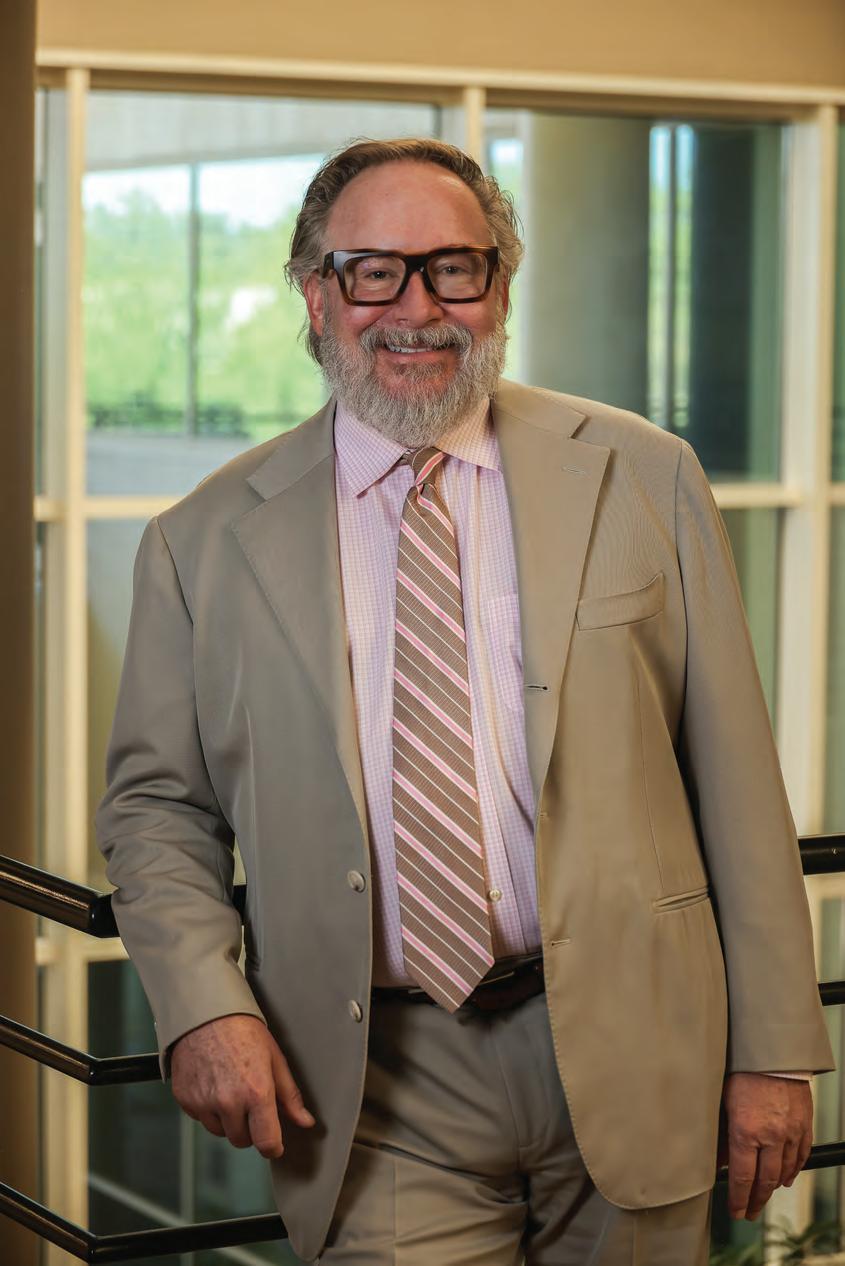

My key priority through the Bloomberg Harvard City Leadership Initiative is economic development. Over the next five years, we have an opportunity to create an economic development strategy driven by our residents and stakeholders. Together with our community, through innovation, ideation and prototyping ideas, we are creating a strategy that will bring us together around what we want to say YES to. In addition to our traditional clusters, we have an opportunity to expand our Creative Economy, Sports Tourism, Logistics and Space Research. Creating more generational wealth, high quality jobs and a great quality of life is good for everyone.
As mayor, I feel a deep responsibility and care for all Tucsonans. I am concerned about our ability to stay safe, to be able to afford groceries, healthcare and housing, and to end homelessness and fight the opioid and fentanyl crisis on our streets. Through our Safe City Initiative and the recent action plan draft we released, we are working on bringing tangible solutions, increasing community safety, and building affordability in Tucson. We have many willing partners in these efforts, and I am confident that we’ll make significant progress.
With the voter approval of Propositions 418 and 419, we are making significant investments in our transit and transportation infrastructure. Creating the Community Corridors Tool is an important part of bringing needed investments along our commercial corridors. We declared a Housing and Homelessness Emergency and cleared the way for more low barrier shelters to be created within Tucson by the city as well as by nonprofits, community partners and faith-based organizations. Working with Pima County, we’ve been able to expand services at the Transition Center and create a SAFR Center for people needing immediate detox.
I am grateful for the participation of The Chamber in our Bloomberg Harvard City Leadership Initiative. Their staff participation in our Individual Interviews and our Community Ideation sessions has been very valuable. I believe that when we can work together, focusing on shared goals and agreed-upon priorities, there are tremendous benefits for Tucson’s businesses and residents. Continuing to build a collaborative relationship between the City of Tucson, our elected officials and The Chamber is key.
BY
I have watched Tucson grow over the last 25 years. Approximate ly 10 years ago, I started buying industrial properties here. What excited me then is even more exciting now!
First, the friendliness of the business community. I have offices in Seattle, Portland, San Francisco, Sacramento, Las Vegas, San Diego, Tucson and Phoenix. When I’m asked which city is easiest to work in, I always rave about Tucson! The Chamber of Southern Arizo na has a positive attitude and a desire to help bring businesses to Tucson, which results in additional tenants for our projects. A huge driving factor is the University of Arizona, a nationally outstanding university that contributes so much to the region. Aside from many graduates wanting to stay in the area, having world-class programs attracts students from across the country and world. The humani ties employ hundreds of professors and adjunct professors who add to the community culture. The military bases alongside high-tech companies, like Raytheon, create an environment that’s worth our continuing investment for years to come!
As a border community, Tucson has benefitted from the wonderful business relationship with companies in Mexico. We need legal mi grants and a younger workforce to counter the declining birth rates in our country. This is not a political statement—this is an economic statement. What’s made our country great is legally accepting people from all over the world who want to work and eventually own their own businesses. What keeps me up at night is Tucson being very sus ceptible to immigration struggles and I hope we end up with a bal anced program where we still legally welcome hardworking, familyoriented individuals who help Tucson, the state of Arizona and the country continue to flourish.
We have two new industrial projects under construction, and we are modeling two other projects in Tucson. We bought 150 acres of prime industrial land for future developments. I look forward to con tinuing to serve the community by building warehouses for smaller, family-owned and regional businesses.

The Chamber of Southern Arizona is a role model for effectively bringing together private companies, government, educators and entrepreneurs. It helps existing businesses that want to grow and says, “We want you to be in Tucson!” It sounds so simple, but many cities have an anti-business attitude. What’s so confusing is that some politicians don’t realize that you need businesses because businesses employ people. When people are employed, they pay taxes. Without the taxes, cities cannot deliver services effectively. My hat is off to Tucson. We are honored to be part of the community.
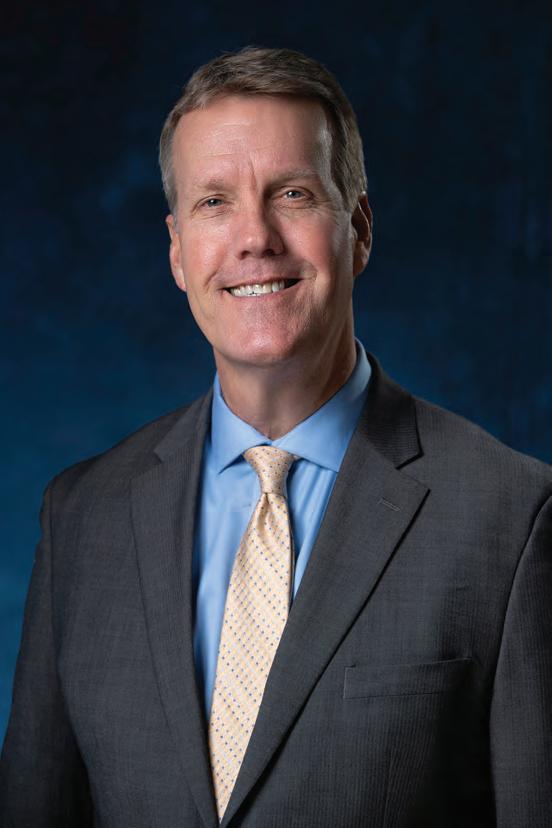
SUPERVISOR
DISTRICT 1
PIMA COUNTY BOARD OF SUPERVISORS
CHAMBER BOARD MEMBER
The merger of the Tucson Metro Chamber and Sun Corridor Inc. to create The Chamber of Southern Arizona provides an opportunity for our region to speak to businesses interested in relocating or expanding here in a more credible, cohesive way. Pima County is proud to be a partner and significant financial supporter to The Chamber.
Pima County has been a high-poverty, low-wage community for decades. We need to work as a region to bring more good jobs into our area. That effort requires strong partnerships between all jurisdictions, The Chamber and the other organizations in our area concerned with economic development.
The soon-to-be-revised Pima County Economic Development Strategic Plan provides our area with a blueprint for economic growth and prosperity. Our contractual relationship with The Chamber ensures that the Economic Development Strategic Plan is part of The Chamber’s plans to bring more major employers into our region.
There are many private and public sector players in our region concerned with economic development. The Chamber can and should be a convener and coalescer of those players so that we speak with one regional voice.
Southern Arizona is entering a period of meaningful growth and transformation. For Sharpe Development Group and Rancho Sahuarita, the opportunity is to continue building thoughtful, longterm communities that support regional job growth, housing supply, and quality of life. As the region attracts new employers and invest ment, demand for well-planned residential neighborhoods, commer cial centers, and mixed-use environments continues to grow. We’re particularly excited about partnering with businesses, institutions, and the public sector to help shape the next chapter of growth in Sahuarita and Southern Arizona.
Like many in development, I spend a lot of time thinking about long-term sustainability, both economically and socially. Southern Arizona must grow in a way that maintains affordability, infrastruc ture capacity, and quality of life. Housing supply, water stewardship, and ensuring our region remains competitive for employers are all interconnected challenges that require thoughtful, courageous lead ership and common-sense, practical policies. The opportunity is to address them proactively through collaboration between the pub lic sector, private industry, and organizations like the Chamber that bring stakeholders together.
Across our industry, there’s renewed focus on building communi ties that are not just places to live, but places that foster connection and opportunity. At Rancho Sahuarita, we continue to evolve the community with new residential neighborhoods, commercial op portunities, and partnerships that bring services and jobs closer to where people live. More broadly, Southern Arizona is gaining at tention from companies looking for long-term growth markets, and it’s exciting to see the region building momentum as a place where businesses and families want to put down roots.
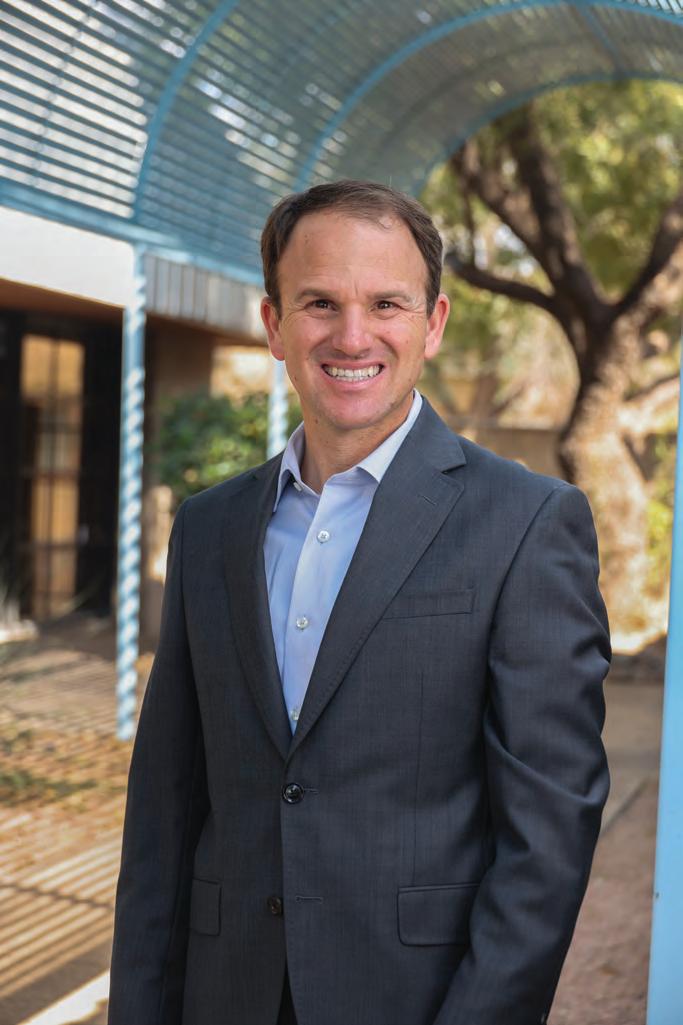
The Chamber plays a vital role in bringing together private and public sector leaders around a shared vision for Southern Arizona. Continued advocacy for economic development, infrastructure investment, and policies that support growth will be critical. Equally important is the Chamber’s ability to convene leaders across industries to collaborate and think long-term about the region’s future.
Southern Arizona’s future depends on maintaining a healthy workforce and healthy communities. The stability of programs like Medicaid, particularly in rural communities where so many residents live at or below the poverty line, is critical to that effort. Medicaid is not just health coverage. It is what keeps people healthy, keeps employees coming to work, and keeps rural hospitals and providers from closing their doors. Looking ahead, one of the biggest opportunities is deeper cross-sector collaboration across Southern Arizona. When health plans, providers, and community-based organizations work together to address social drivers of health like food insecurity and housing instability, we create healthier communities and a more resilient regional economy.
What keeps me up at night is preserving access to coverage for vulnerable Arizonans. New federal rules are changing how often eligibility is reviewed and adding new participation requirements. These shifts create an opportunity for us to partner with policymakers to implement the changes efficiently and with as little disruption as possible for programs and the people they serve. I appreciate the thoughtful work AHCCCS is doing to help people navigate these changes. We stand ready to support their efforts and member awareness of and compliance with Medicaid eligibility and program requirements. Working together across sectors to support individuals in maintaining health coverage is essential to minimizing avoidable coverage disruptions, which could increase uncompensated care and strain hospital resources, particularly in Southern Arizona.
One of the most exciting developments in Tucson is Pima Community College’s new Center of Excellence in Health Professions, which is directly addressing critical healthcare workforce shortages across Southern Arizona. Arizona Complete Health is proud to partner with PCC through a $500,000 investment that includes an endowed scholarship fund supporting students pursuing any degree or certificate within the center, as well as funding for program development. As a health plan, we recognize that strengthening access to care starts with training and retaining the next generation of healthcare workers. PCC’s ability to prepare highly skilled graduates who remain in Southern Arizona helps ensure our communities have the workforce they need now and in the future.
The Chamber of Southern Arizona plays a critical role in public policy advocacy at both the state and federal levels, and that work will be increasingly important in the years ahead. Ensuring stability in the health insurance market and protecting access to healthcare coverage are not just healthcare issues. They are core economic issues. When coverage is stable, employers have a healthier workforce, providers can remain financially viable and communities are stronger. The Chamber’s ability to elevate Southern Arizona’s voice, educate policymakers and convene business leaders around shared priorities helps ensure that our region’s needs are reflected in policy decisions.
BY
Over the past four years, the Industrial Development Authority of the City of Tucson and our affiliated nonprofit Groundswell Capital have more than doubled our capital under management, channel ing millions into the economy through small business lending, hous ing finance and infrastructure projects. Our bond programs have supported nearly 1,000 new housing units and community assets, including the nation’s largest community health center. We see op portunities to expand financing tools that lower the cost of capital for high-impact projects. By structuring disciplined, mission-driven funds, we can help accelerate housing production, support business growth and strengthen regional competitiveness.
What keeps me up at night is whether mistrust and fragmenta tion will slow our city’s progress. It concerns me that we aren’t mov ing fast enough to remain competitive and as a result, we are seeing persistently high poverty rates, a sluggish jobs economy and loss of young talent. I love my hometown deeply, and I believe we’re far more aligned than we sometimes act. For decades, our community has shared a unified vision of success: strong, resilient infrastructure; high-quality jobs and education; upward mobility and opportunity for young people; equal access to quality-of-life amenities; and re spect for the beautiful desert and water resources that sustain us. We can achieve this version of Tucson! Long-term prosperity requires strategic investment — and investment depends on trust. When trust erodes, progress stalls. I remain optimistic. With greater commu nication, collaboration and focus on shared economic outcomes, I believe Tucson can reverse current challenges and build a stronger, more competitive future.
One of our most exciting 2025 accomplishments was the grand opening of the Tucson Small Business Center — a public-private partnership between Tucson IDA, the City of Tucson Small Business Program, and institutions including Vantage West Credit Union, FSL Bank, Growth Partners Arizona and The Chamber of South ern Arizona. The center has hosted more than 230 entrepreneurial and community events, and welcomed over 3,500 visitors. We have deployed $4 million in microloans, and facilitated $1.4 million in small business grants. We’re building an ecosystem that supports entrepreneurship, job creation and long-term business sustainability.

We joined as first-time Trustees because the Chamber is playing an essential role in Southern Arizona’s economic future. We see strong opportunities to collaborate on initiatives that strengthen small businesses, expand workforce pipelines, and advance solutions in clean energy and water resilience. Continued partnership in advocacy, convening leaders across sectors, and amplifying regional economic priorities are critical as we work together for sustained growth.

see
As Arizona’s only statewide economic development organization, the ACA works closely with regional partners to strengthen our economy. Southern Arizona plays a critical role in the state’s economic success - the region is home to aerospace and defense, battery, bioscience, semiconductor, manufacturing, and technology, and more. Partners like the University of Arizona, Tech Parks Arizona, Startup Tucson, and more play integral roles in advancing the innovation ecosystem – highlighting the region’s attractiveness as a hub for emerging technologies and cutting-edge companies. The ACA works closely with local industry leaders and our ecosystem partners to support business success and enhance regional competitiveness.
In March, we were honored to join Gov. Hobbs and leaders at Pima Community College to launch the Advanced Manufacturing Future48 Workforce Accelerator. Supported by a $3.2 million investment from the ACA, this new 10,000-square-foot Flexible Industry Training Lab offers hands-on training using the same advanced manufacturing equipment local employers rely on in their facilities. In February, we were proud to join the UA to celebrate the expansion of the Nano Fabrication Center semiconductor cleanroom, which will prepare students for the state’s booming tech sector while supporting faculty research and industry collaboration on chip fabrication, optical devices and quantum computing systems. The center is supported by a $35.5 million ACA investment.
Arizona is experiencing unprecedented economic momentum, fueled by growth in manufacturing, technology and AI, aerospace and defense, bioscience, semiconductors, and more. As a destination for global companies, Arizona continues to create high-quality jobs and grow high-value industries.
In 2025, the ACA and local economic partners won 90 competitive projects from companies committed to creating 27,749 projected new jobs and investing over $34 billion in the state. In addition, we are very excited to partner with organizations throughout Southern Arizona to host the inaugural Arizona Tech Week, in April, which brings together tech luminaries, investors, founders, and startup leaders for engaging keynotes, panels, social networking engagements, pitch competitions, and exclusive Arizona experiences. The first-of-its-kind conference in Arizona emphasizes the state’s prominent role in the global tech ecosystem.
It’s vital we work closely with all of our partners across the state who bring regional knowledge, expertise and collaboration — including The Chamber of Southern Arizona. We’re grateful for our long-time partnership with The Chamber as we work together to attract more companies to invest in Southern Arizona and create quality jobs here.
BY

Kym Adair Executive Director & Chief Executive Officer Arizona Bowl
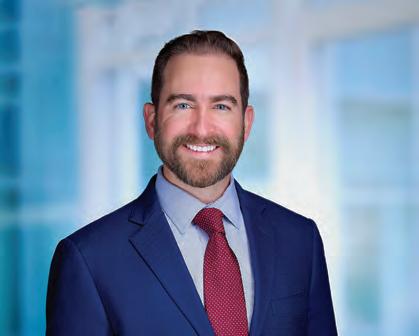
Arias VP Business Banking, First Citizens Bank Chamber Board Member
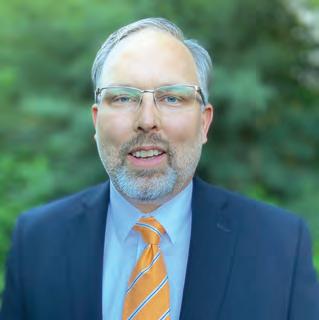
Travis Anderton Vice President, Sterilization BD, Global Supply Chain

Financial Planner Wealth Management Partners

Chief Executive Officer Bourn Companies Chamber Board Member
Laura Apitz President Roche Tissue Diagnostics


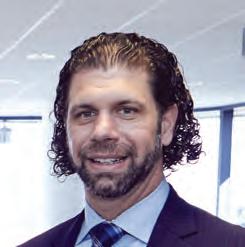
Alliance Bank

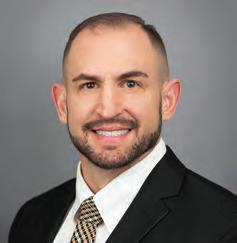


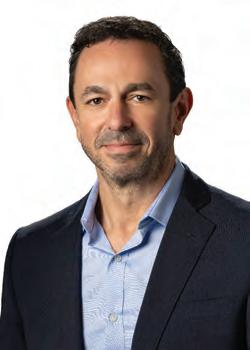
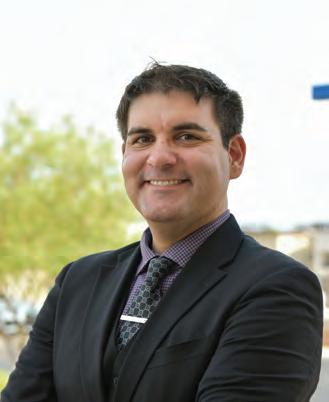



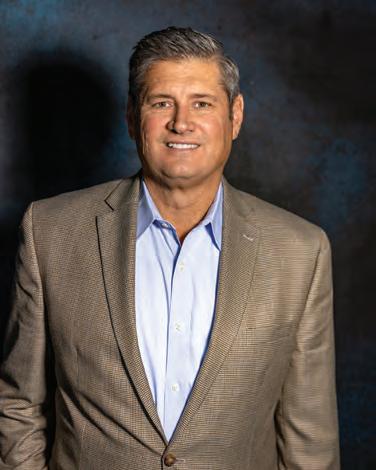
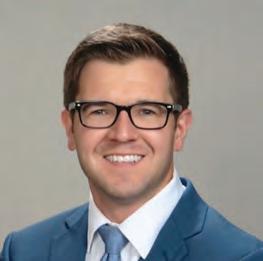
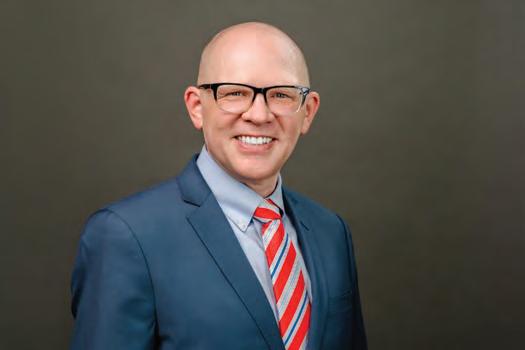

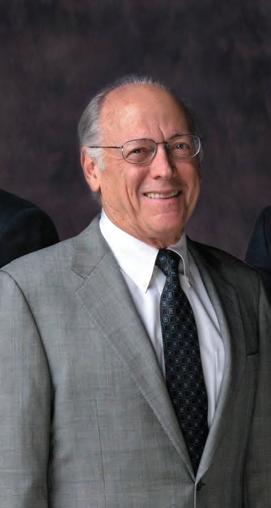
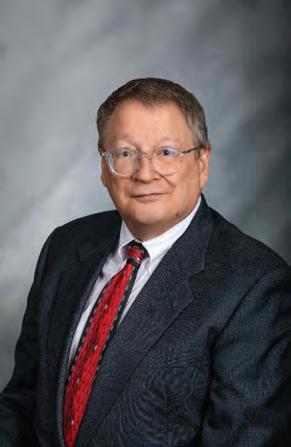
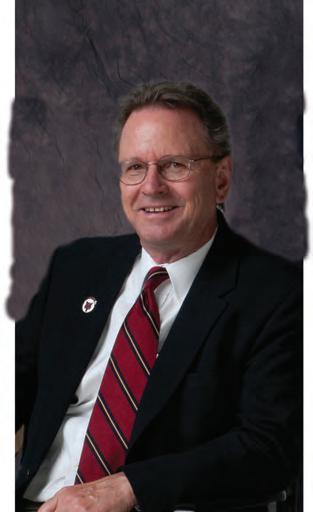

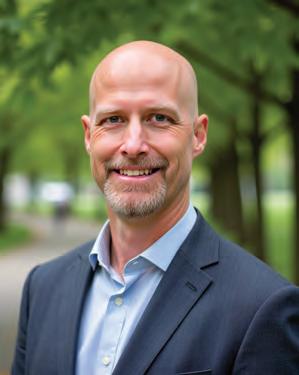

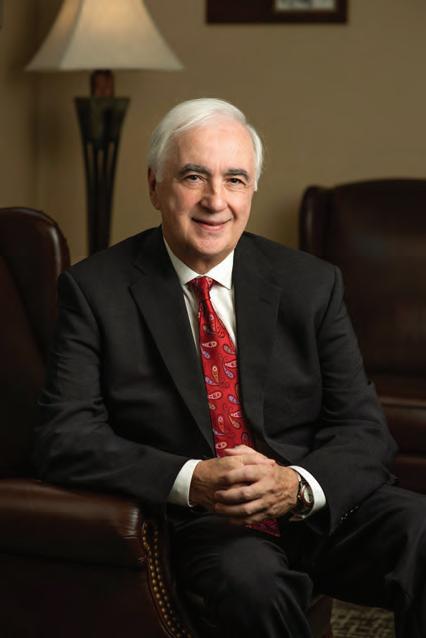
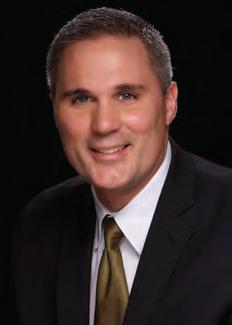

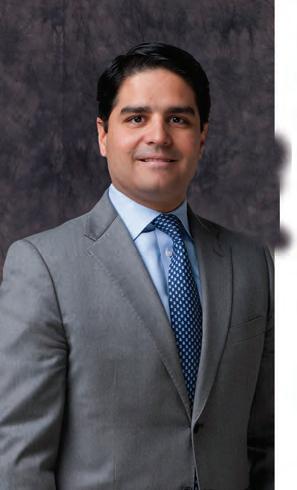
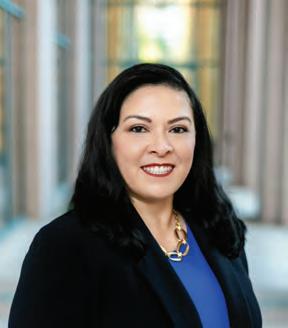
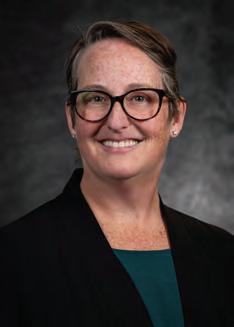
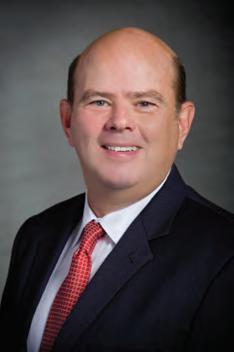

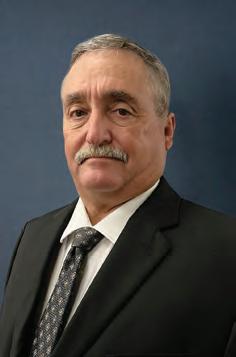
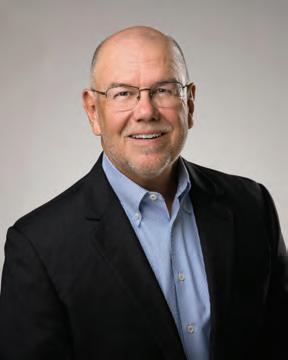

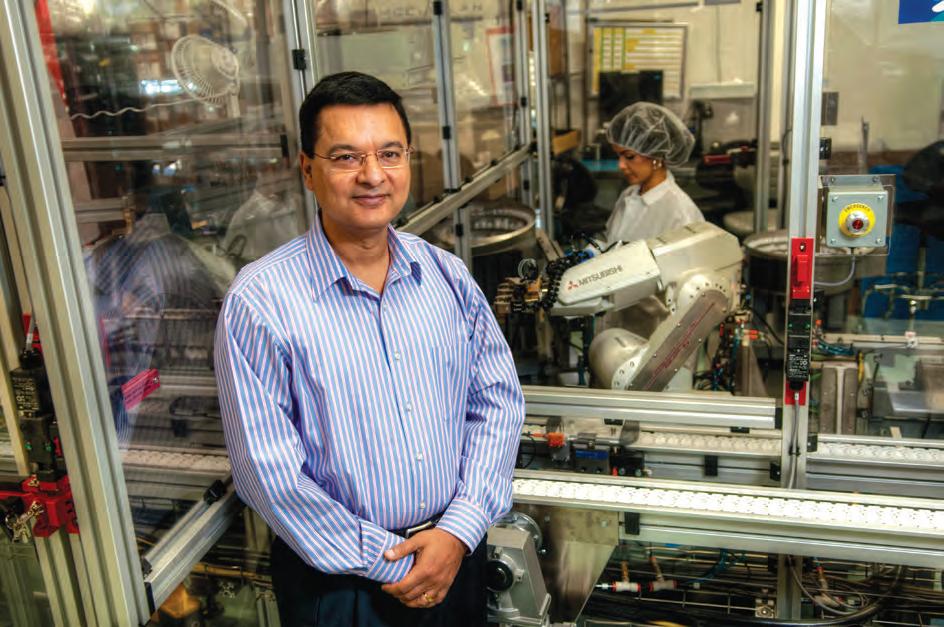
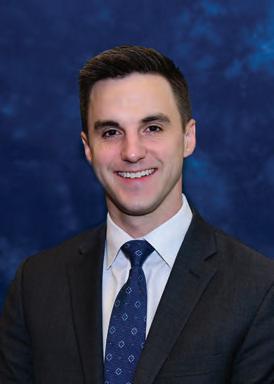
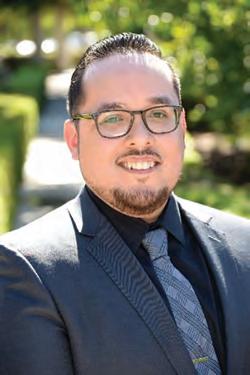
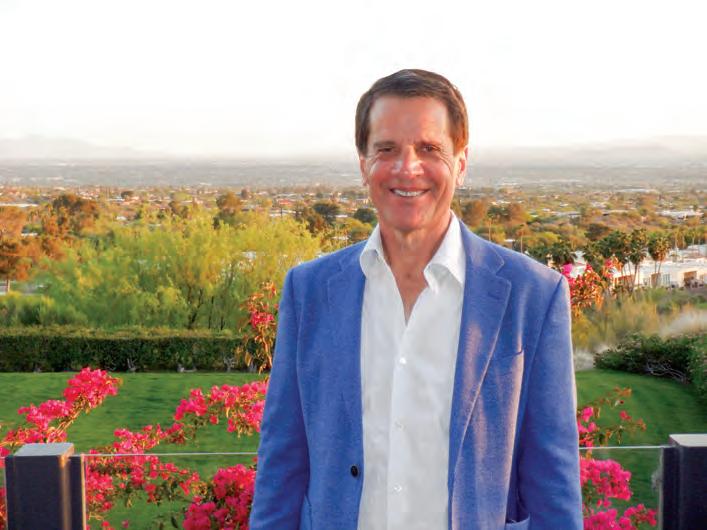
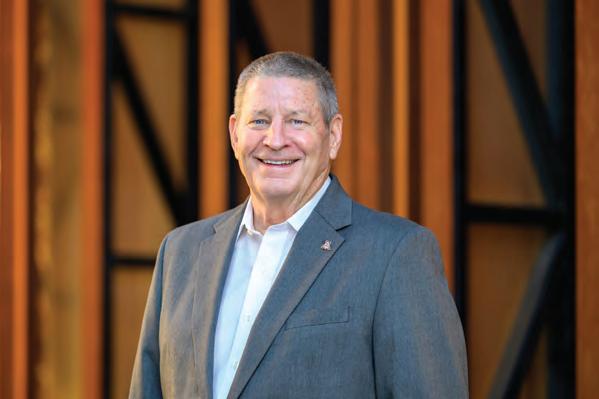




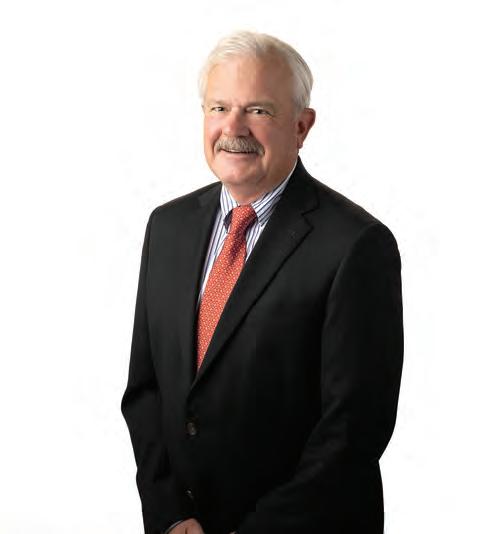
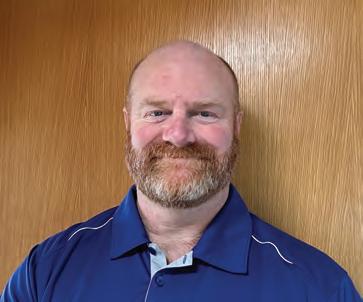
Scott Stace Chief Executive Officer Bluespan

Monica Villalobos President & CEO Arizona Hispanic Chamber of Commerce
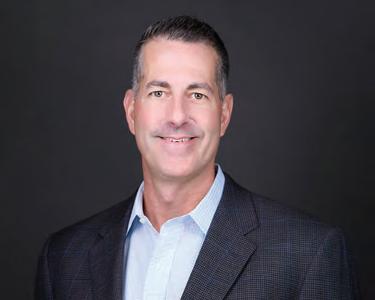
Nate Weber Director, Mining Strategic Accounts, Resource Industries Sales, Services & Technology Caterpillar, Inc.

Linda Welter Founder & Chief Executive Officer The Caliber Group Chamber Board Member
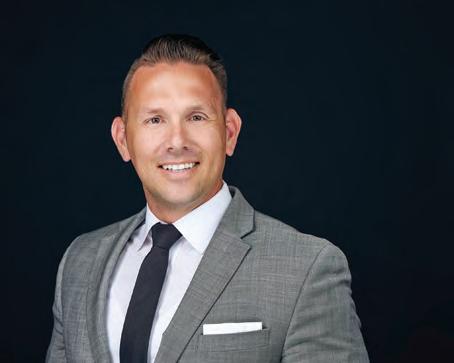
John Winchester Senior Director, Government & Community Engagement Arizona State University Chamber Board Member

Garrett Workman Government Affairs Manager South32 Hermosa
Ryan Vondrak Chief Executive Officer NOVA Financial & Investment Corporation

Jeff Wilkins Town Manager Town of Oro Valley
Steve Zylstra President & Chief Executive Officer Arizona Technology Council
Linda Andrews, Pima Heart and Vascular
Mohit Asnani, D2 Dispensary - Eastside
Mike Levin, Port of Tucson
Hugo Mandujano, Collectron International Management
Gary Molenda, Arizona Capital Source
Treena Parvello, Desert Diamond Casino – Sahuarita
John Petersavage, Tucson New Car Dealers Association
Rosanna Ramirez, Vantage West Credit Union
Howard Stewart, AGM Container Controls