Talks to Melissa Blease ahead of his role in Equus at TRB
A
Gardener’s World
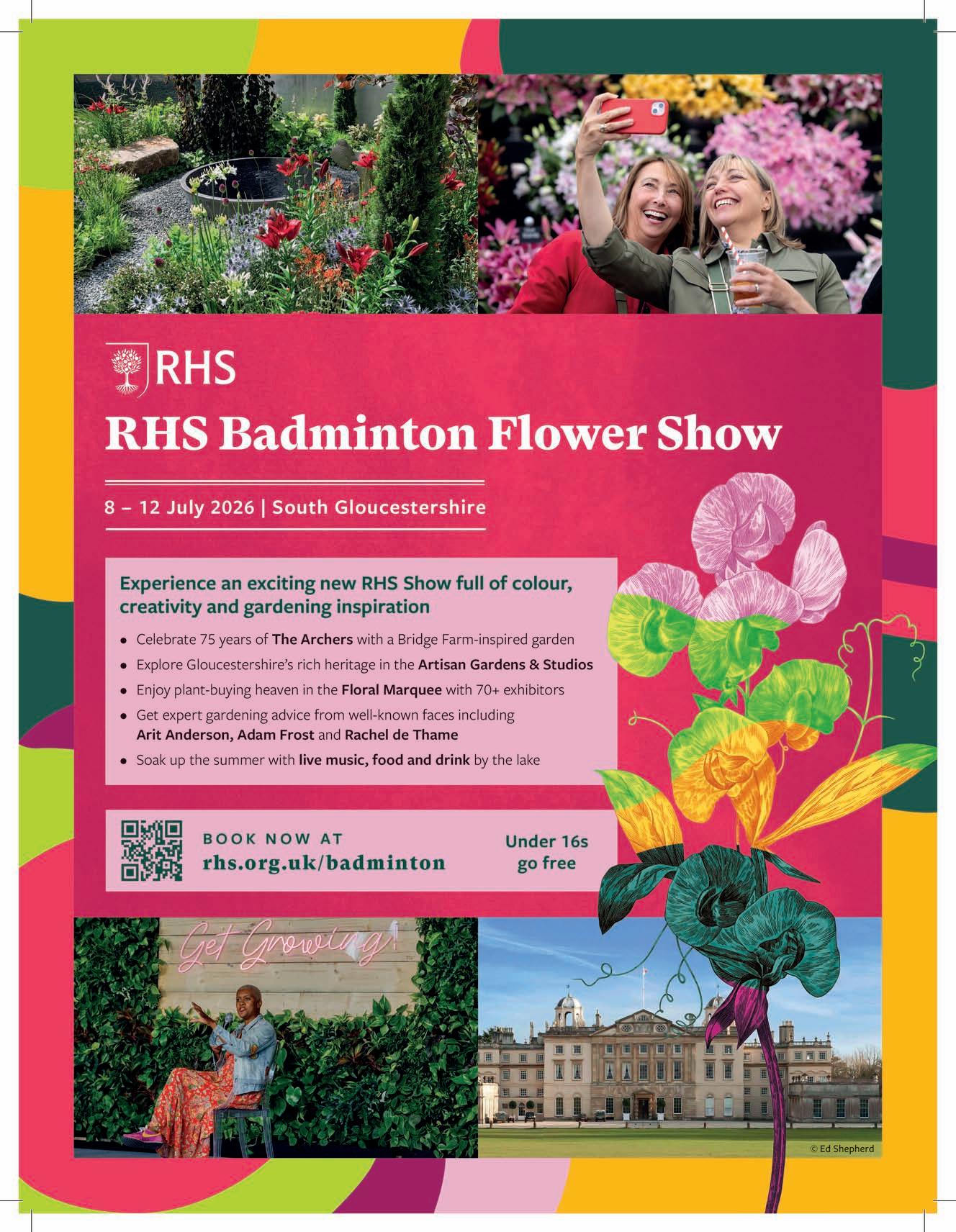
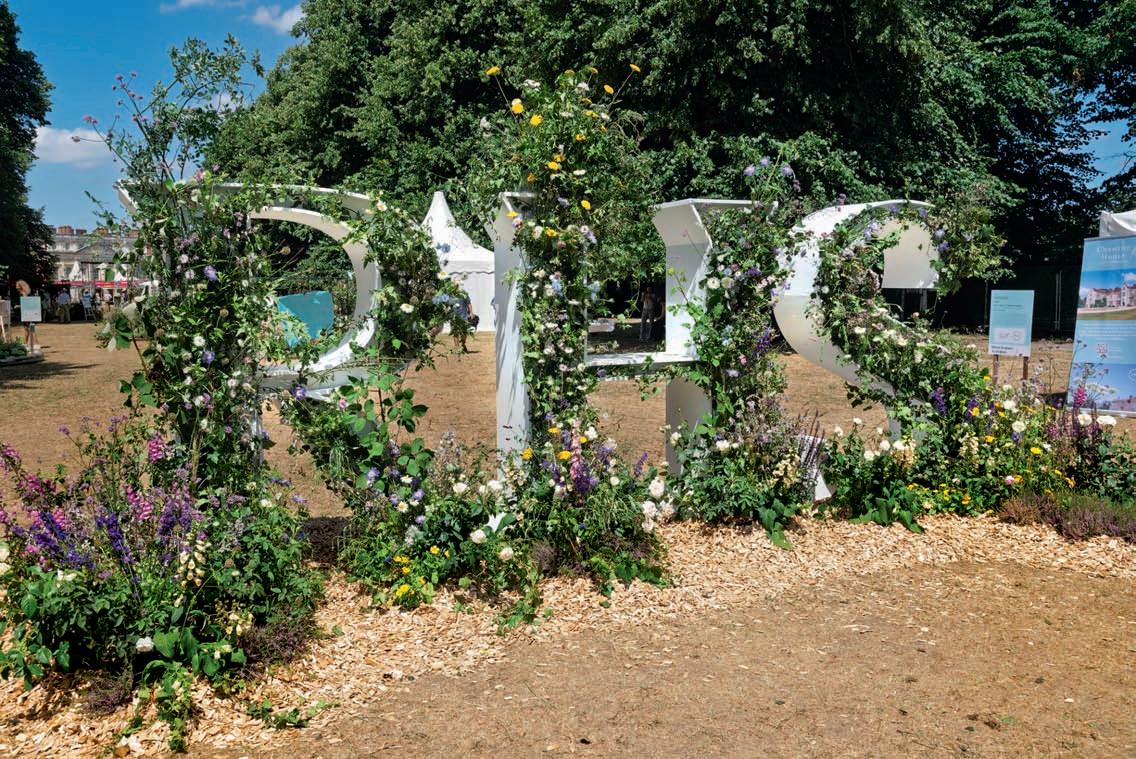
The RHS brings a spectacular new flower show to Badminton
Sustainable Interiors
How to give your home an eco‐friendly makeover
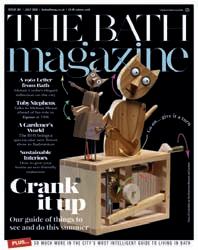
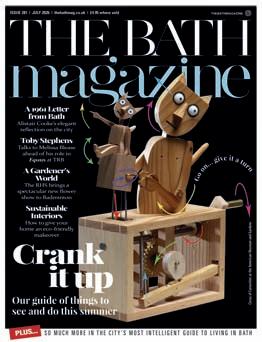
Our guide of things to see and do this summer
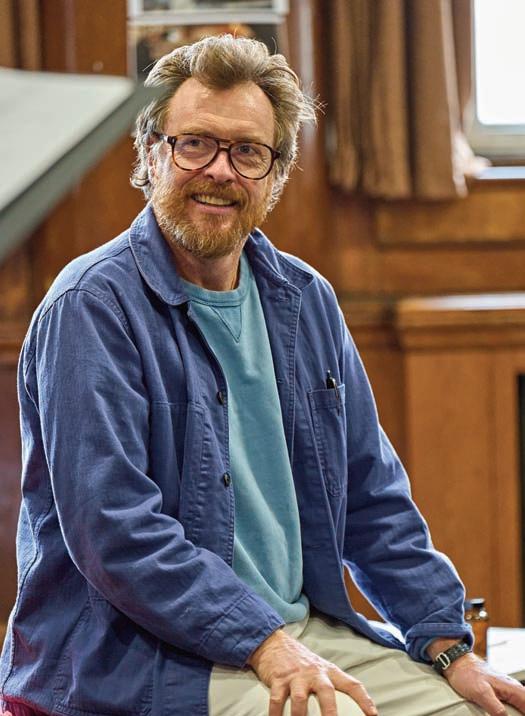
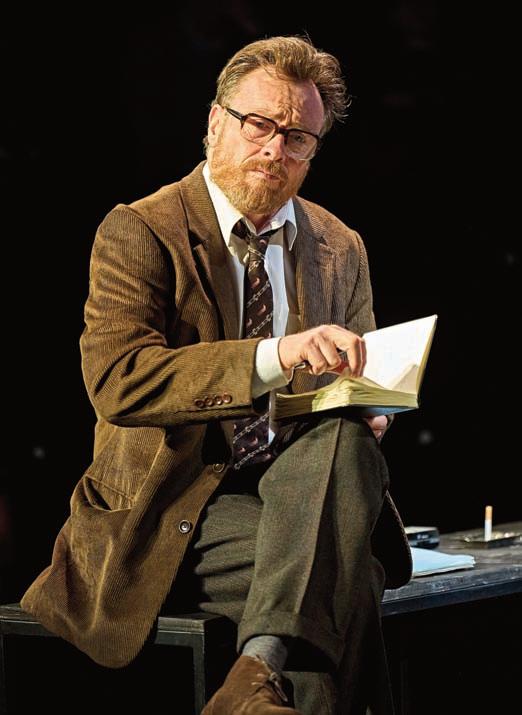
From Bond villain to troubled psychiatrist, actor Toby Stephens chats to Melissa Blease about his role in Equus, creativity, mental health, his mum and why great theatre should never play safe
... bass baritone, Sir Willard White ahead of his performance in Belshazzar’s Feast at Bath
An
Meet Bath illustrator Andy Goodman who creates artworks from
Our carefully curated guide to art and visual delights to be found at the city’s galleries
44 A LETTER FROM BATH
Celebrated broadcaster, Alistair Cooke’s elegant 1961 reflection on the city’s beauty, heritage and what the past still teaches us
50 SUMMERTIME SPECIAL
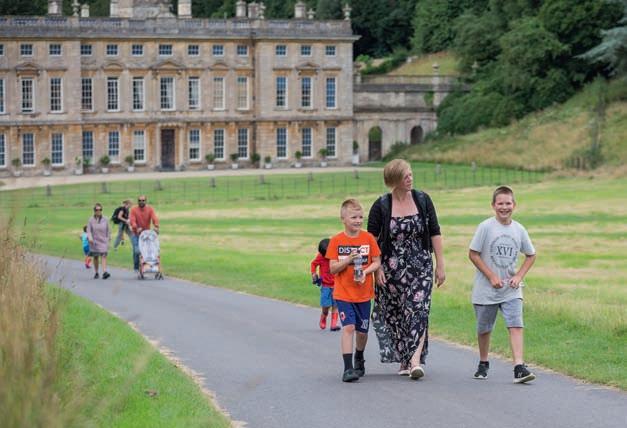
Keep the kids happy and occupied with our guide to surviving the summer holidays
62 PORTRAIT OF BATH
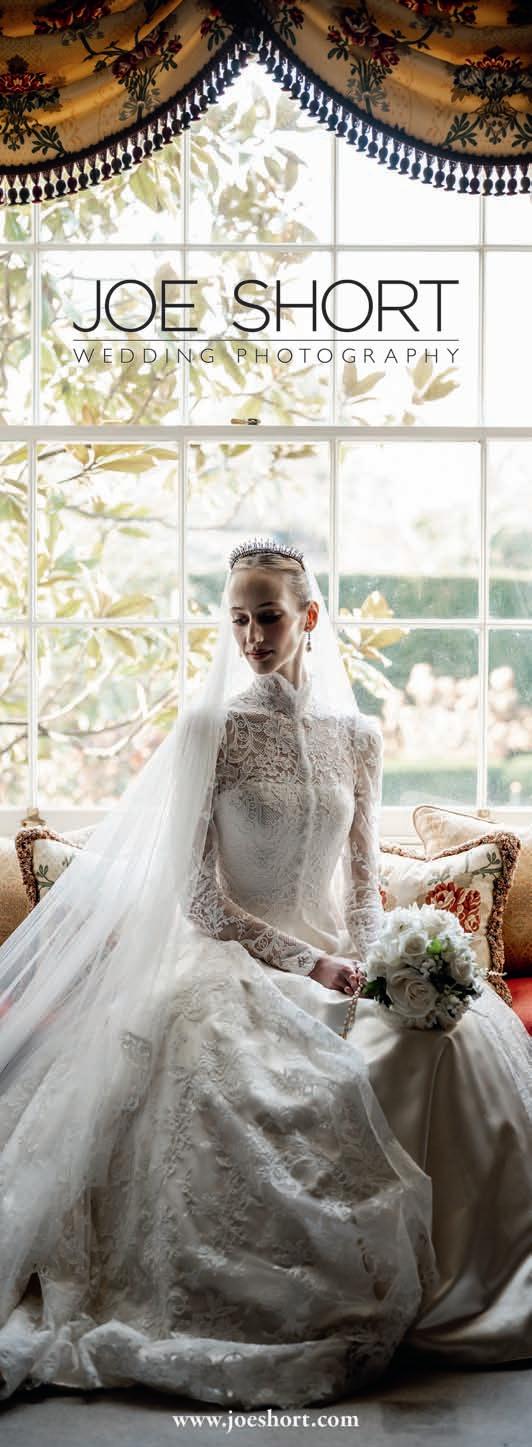
Frame, set and match. Tennis coach Rich Little is pictured on court by award-winning photographer Joe Short
74 A GOOD WALK
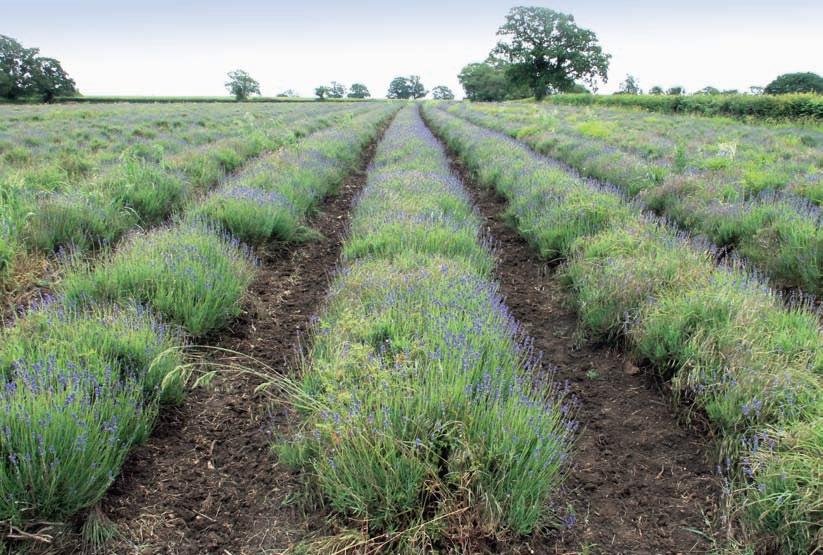
Andrew Swift leads us through the lavender fields, legends and the lost villages around Faulkland
76 ECO INTERIORS
From reclaimed treasures to future-ready homes: sustainable design made beautiful
84 RHS COMES TO BADMINTON
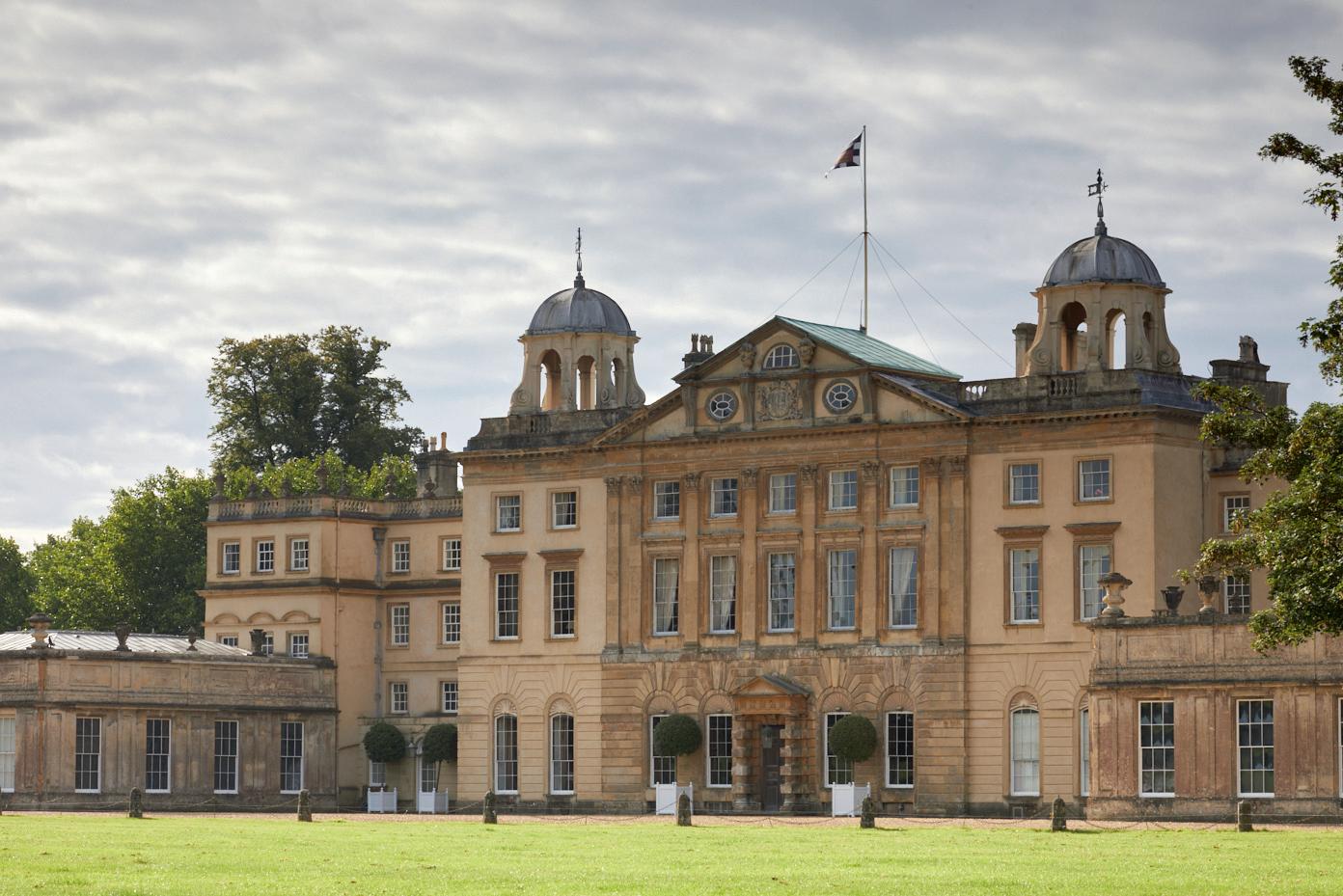
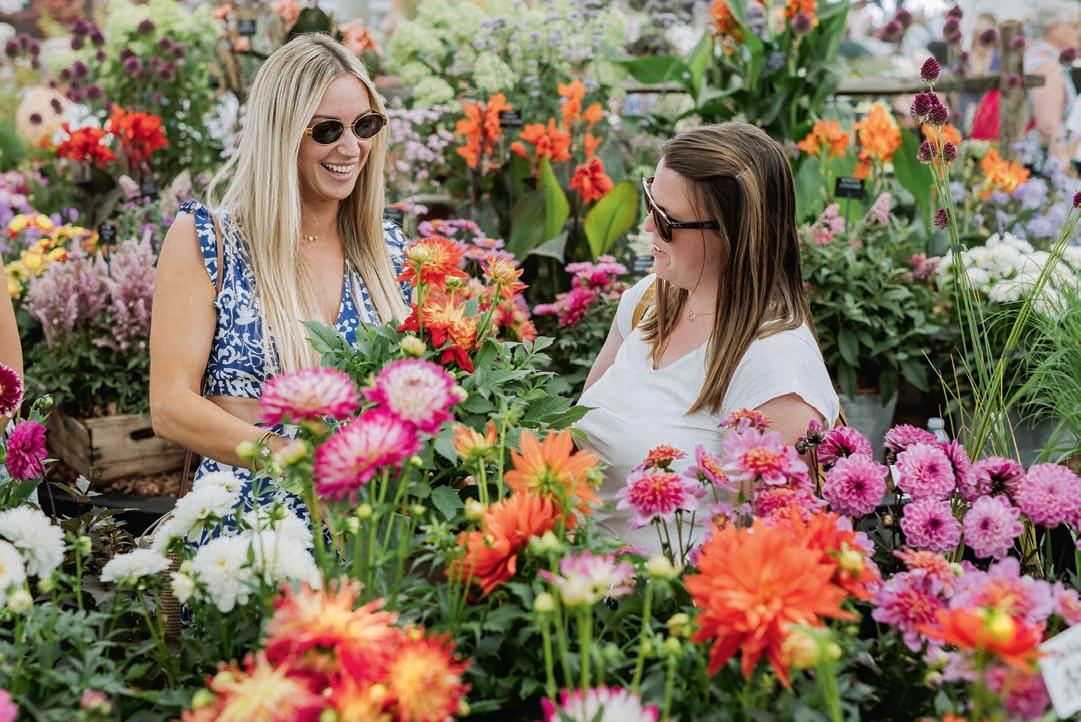
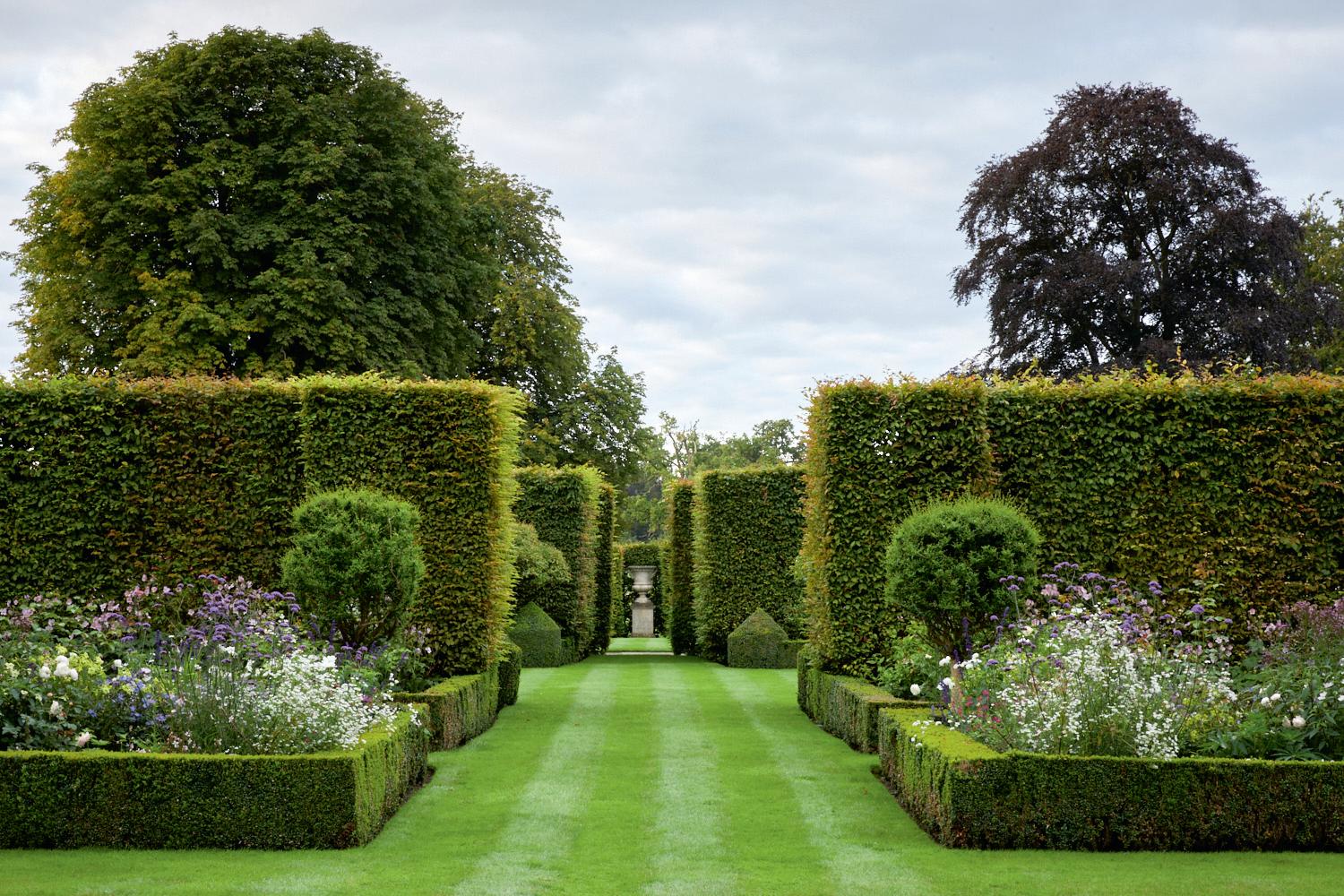
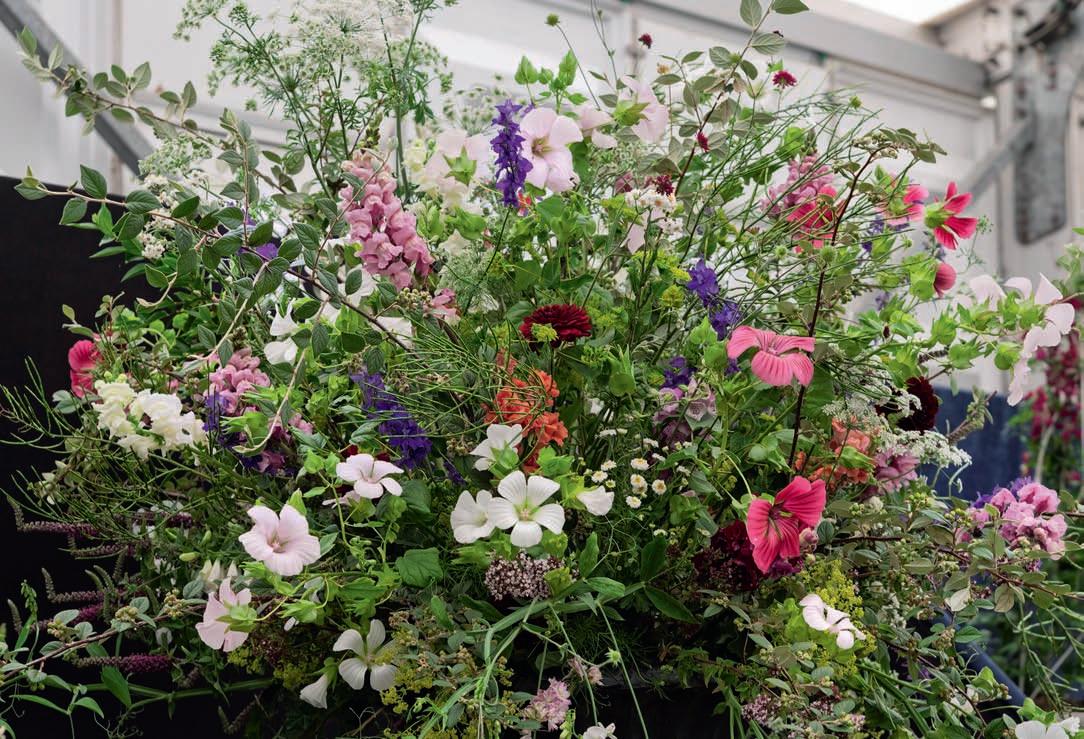
The RHS’ newest flower show arrives at Badminton House bringing beautiful garden design to this most celebrated estate
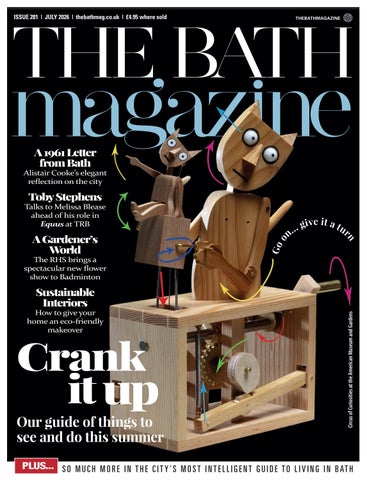
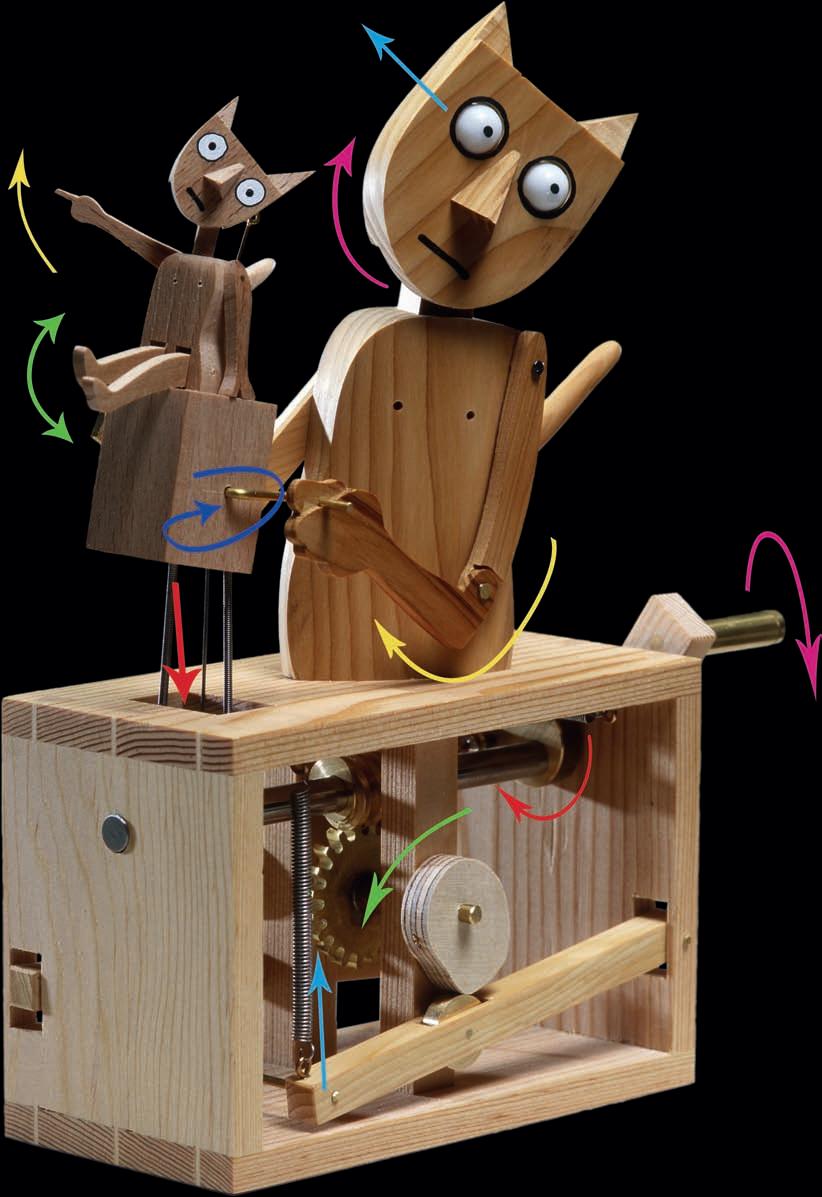
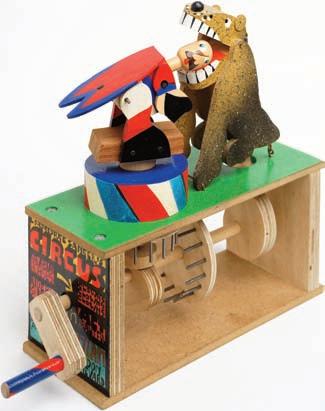
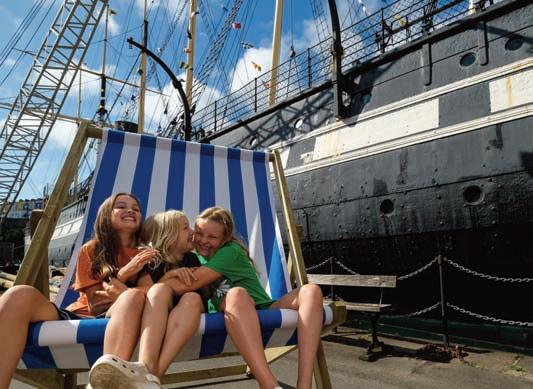
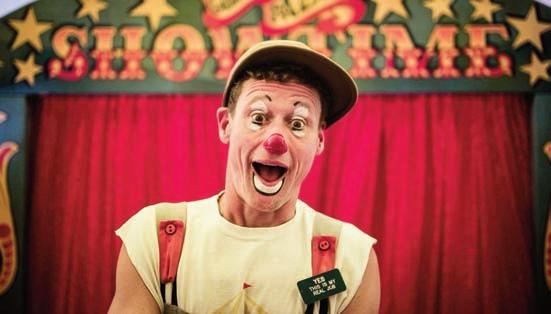
Circus of Curiosities, an exhibition of Moving Marvels at the American Museum and Gardens. Part of our School’s Out guide to summer fun
things to do in July
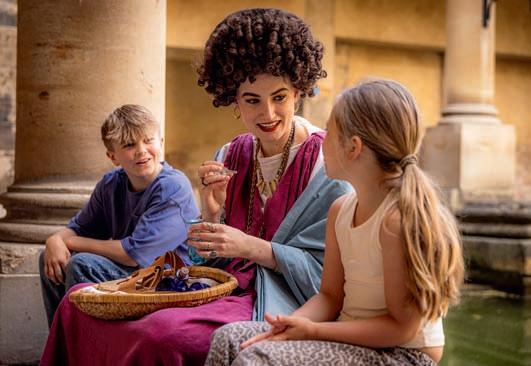
A summer of chilled-out evenings at the Roman Baths
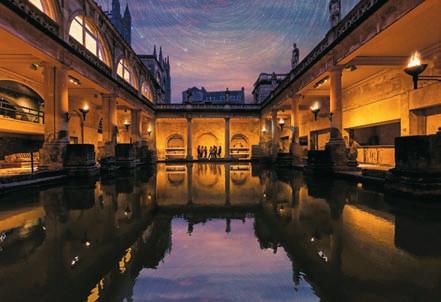
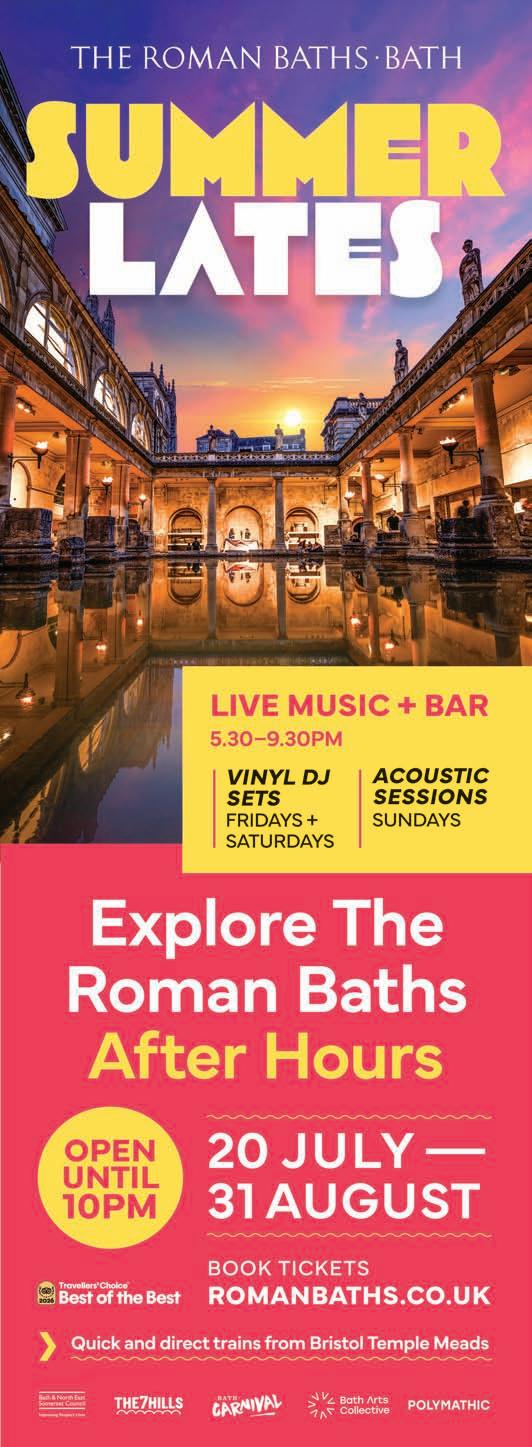
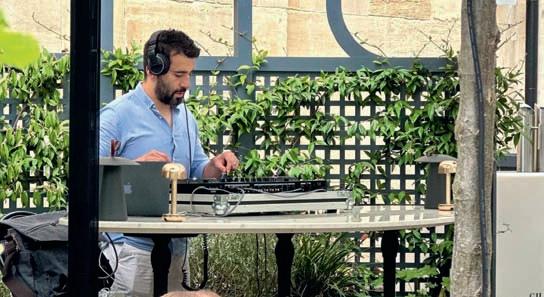
Enjoy atmospheric summer evenings as the Roman Baths stays open until 10pm for its popular Summer Lates programme running from 20 July–31 August. As dusk falls, the Great Bath is illuminated by soft torchlight, creating a magical setting to explore this world-famous historic site after hours. Every weekend, music adds to the ambience, with vinyl DJ sets on Fridays and Saturdays curated by Bath Carnival and POLYMATHIC, featuring funk, soul, Latin jazz and global grooves. While Sundays offer more intimate acoustic performances curated by 7 Hills Festival. There’s no formal stage – just music drifting through the ancient surroundings as you wander at your own pace. Visitors can also enjoy a drink from the bath-side bar, while admission includes full access to the Roman Baths and museum. Music sessions run from 5.30pm–9.30pm. – find all the details at: www.romanbaths.co.uk
Garden Theatre Festival: 2 – 26 July
Join the Carnival
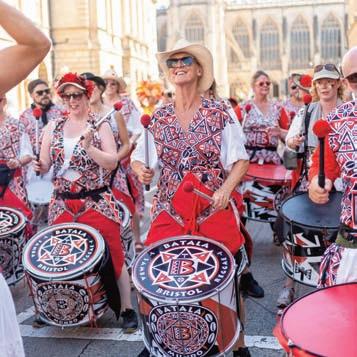
Saturday 11 July brings the annual Bath Carnival to the city. The Carnival event, which starts at the Bath Rec at 3pm and runs until 5.30pm, brings drumming bands, dancers, fantastic costumes, giant puppets, sound systems, eco-floats, as well as schools and community groups to the streets. You can also visit Party in the Park at Sydney Gardens from 10am–10pm, with live bands, DJs, food and drink, licensed bars, walkabout acts, a Super Pirates Play Area and a Community Village. Free entry. There is also the official Afterparty at Komedia, from 11pm until late. bathcarnival.co.uk
FarmFest at Bath City Farm: 4 July
Bath City Farm is a brilliant summer destination for families, with animals, nature trails, gardens and open green space overlooking the city. On Saturday 4 July, its popular Farm Fest returns with live music, children’s activities, crafts, face painting, games, nature walks, a campfire open mic and a disco in the barn. There will also be food, local drinks, farm mocktails and plenty of goats to meet. The event is an important fundraiser for the community farm, with flexible ticket pricing, including free and low-cost options. Children go free. Whether visiting for the festival or simply enjoying a summer day outdoors, Bath City Farm offers a fun and affordable family day out. For details visit: bathcityfarm.org.uk
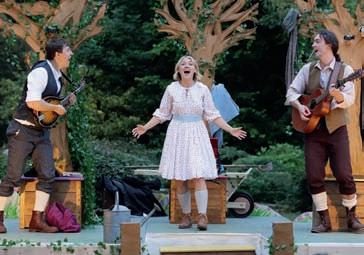
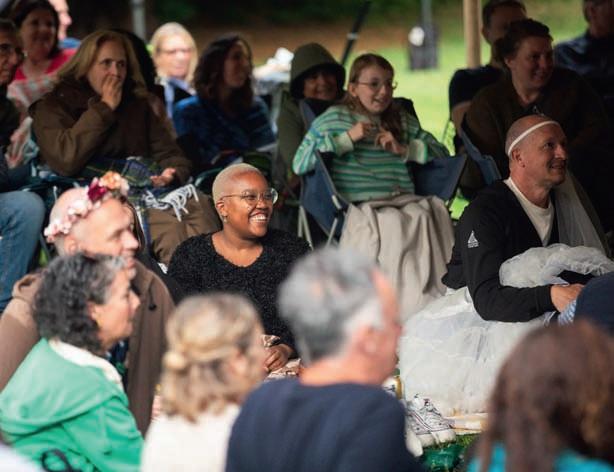
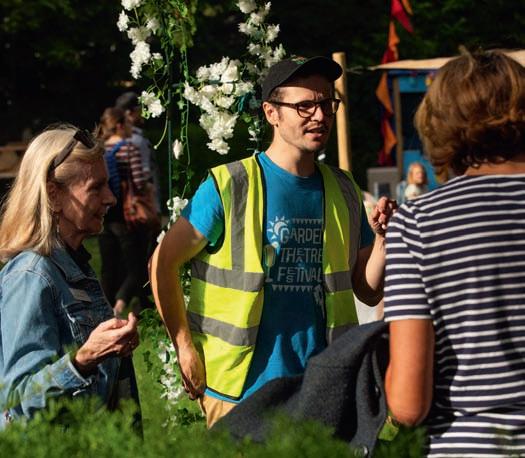
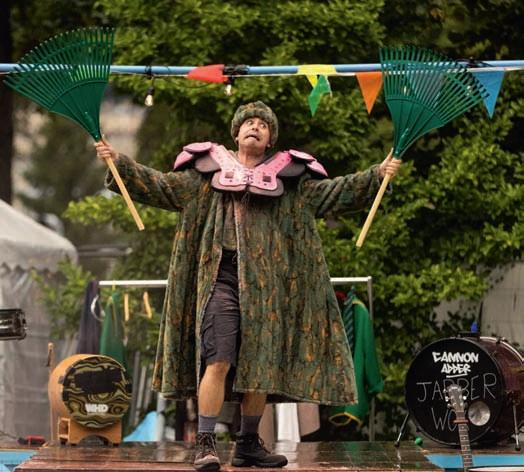
Set in the gardens of the Holburne, The Garden Theatre Festival offers three weeks of captivating openair performances – with extended covered seating so you can relax in comfort, no matter the weather. Immerse yourself in the worlds of Jane Austen, Oscar Wilde and the Brothers Grimm as the inhouse repertory company presents three productions: Sense & Sensibility, The Importance of Being Earnest and Big, Bad Wolf. Enjoy witty storytelling, laugh-outloud comedy, and plenty of live music. Sip a refreshing drink under a warm sunset, all while enjoying the relaxed atmosphere at Bath’s very own open-air theatre festival. gardentheatrefest.co.uk
Bath on the Beach: Throughout July
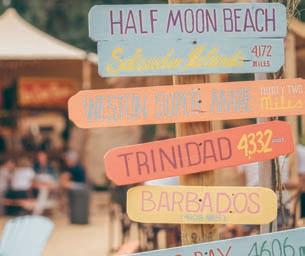
Bath on the Beach brings sun, sand... and Caribbean seaside vibes to the heart of the city. Mix in some cocktails, games, food and ice cream, and you’ve got yourself a celebration of all things summer. Head down to Royal Victoria Park and relax in one of the specially set-up hammocks or cabanas – available for larger groups – or grab a shaded spot under the palm trees. If you’re after something more active, there is beach volleyball, adventure golf, table tennis, boules, bar games as well as sport screenings and more for all to enjoy. And the best part: entry is free! For all the details visit: bathonthebeach.co.uk
Image courtesy of Paolo
Ferla
City Updates
Book your place on the Wag Walk
Bath Medical Museum launches a podcast series exploring the history of medicine
Tucked away in the heart of the city, Bath Medical Museum may be one of Bath’s best-kept secrets. The volunteer-run charity, often described as a “hidden gem”, is dedicated to preserving and sharing the city’s rich medical heritage.
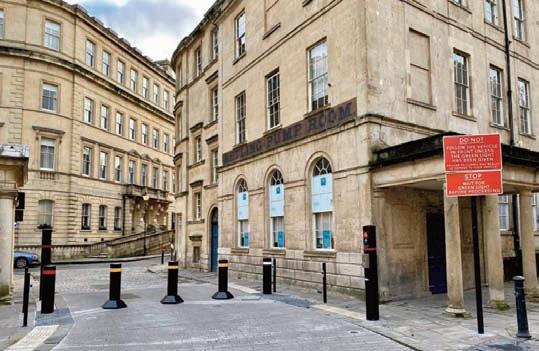
The museum’s journey began in the former Royal National Hospital for Rheumatic Diseases (the Mineral Water Hospital) in 2012. Following the hospital’s closure in 2019 and the challenges presented by the Covid-19 pandemic, the organisation reinvented itself as an online museum. Since October 2023, Bath Medical Museum has been based in the historic Hetling Pump Room building (opposite Thermae Bath Spa) thanks to the support of Thermae Bath Spa, which provides the museum space free of charge. The central location has enabled the museum to reconnect with visitors and continue sharing Bath’s fascinating medical story.
Earlier this year, the museum received a grant of £13,180 from Art Fund to develop Doses of History, a new podcast series exploring remarkable and often surprising aspects of medical history. Produced by trustees James Hunt, Karen Espinosa and Honey Musham, the series will comprise six hour-long episodes throughout 2026, each accompanied by a specially curated exhibition featuring objects from the museum’s collection.
Three episodes of Doses of History are already available via YouTube and Spotify under the Bath Medical Museum channel, covering subjects including amputations, hysteria and the blood-stained history of bloodletting.
The next episode, released on 1 July, explores the history of sexual health, examining changing attitudes towards sex, the stigma surrounding sexually transmitted infections and the often-overlooked history of sex work. A corresponding exhibition will follow, with dates to be announced. Episode five, due for release on 1 August, will tackle another thought-provoking and controversial topic, with further details to be revealed nearer the time.
Alongside its exhibitions, Bath Medical Museum hosts free weekly wellbeing sessions every Tuesday from 2pm to 4pm (excluding exhibition periods). Open to all, the sessions feature a range of hands-on activities designed to encourage learning, creativity and social connection.
Admission to all exhibitions is free and no booking is required.
For more information, visit: bathmedicalmuseum.org and for all the latest updates, the Bath Medical Museum can be followed on Facebook and Instagram.
Dog lovers and their fourlegged friends are invited to lace up their walking shoes and take the lead in a special fundraising dog walk at Bath Cats & Dogs Home, Calverton on 27 September (9am–3pm). The event raises vital funds to support vulnerable rescue dogs and offers a choice of two scenic routes: a gentle 2-mile walk or a more adventurous 5-mile route with hills. Back at the Home, there will be refreshments, stalls and plenty of activities to keep tails wagging, including an agility course and scent games for canine companions. Whether your dog is a seasoned explorer or prefers a leisurely sniff-and-stroll, there’s something for every pooch to enjoy. Tickets cost £15 per dog, with additional dogs £5 each. Admission for spectators is free. For more information and to book visit: bathcatsanddogshome.org.uk
Cuban photography on show in Bath
Exploring the nation’s depth, identity, joy and hardship, Cubans by Cubans offers an intimate insight into the island’s people through the lens of 11 local Cuban photographers. This fascinating exhibition, at Roseberry Road Studios is the first of its kind in the city of Bath, features 62 photographs including portrait, social and street imagery which tell an authentic story of the rich culture and present struggles of everyday life in Cuba. Exhibition runs until 19 July. Visit the studios at 25-28 Roseberry Road, Bath or see the website: roseberryroadstudios.com
Girl & Tobacco Crop by Victor Cervantes
City Updates
Wimbledon wildcard for Team Bath’s Toby Samuel
Team Bath Tennis ace Toby Samuel has been awarded a wildcard entry into the men’s singles main draw at Wimbledon 2026, securing a second successive Grand Slam appearance.
Coached by Ian MacDonald and Tiernan Brady, Samuel made his Grand Slam debut at the French Open last month and this week reached a career-high ATP ranking of 144.
Bath playwright’s new drama gives opera star her first acting role
The Team Bath player has been preparing for Wimbledon on grass, reaching the quarter-finals of the Lexus Ilkley Open and competing at the HSBC Championships at Queen’s Club. His Round of 32 match against former Junior Wimbledon doubles partner Arthur Fery marked the first ATP 500 appearance for both players.
Although Samuel lost 6-0 6-2, it was a rare setback during an outstanding 12 months which have seen him climb from 1,405th in the world rankings to his current high. For further news on Toby’s Wimbledon progress, visit: teambath.com
Mr B’s celebrates 20 years with a birthday weekend 4 and 5 July
One of Bath’s best-loved independent bookshops is preparing to celebrate a major milestone this summer as Mr B’s Emporium of Reading Delights marks its 20th anniversary.
The award-winning John Street bookshop, founded by Nic and Juliette Bottomley in 2006, has become renowned for its expert recommendations, innovative Reading Spa experiences and welcoming approach to bookselling.
To celebrate, Mr B’s will host a free birthday weekend on 4 and 5 July, with the shop and offices opposite transformed into an indoor street party.
Visitors can enjoy special events, pop-up stalls, family-friendly activities, guest appearances, competitions and plenty of literary surprises.The celebrations offer readers the chance to join in marking two decades of independent bookselling success and Mr B’s unique contribution to Bath’s thriving literary scene. mrbsemporium.com
A major new play by Bath resident Robin Hawdon will debut at this year’s Edinburgh Fringe Festival following rehearsals in Bath during July.
Primal Scream (Act One) is the latest work from the internationally performed playwright and former Director of the Theatre Royal Bath, who will also direct the production. Rehearsals are due to take place in Bath in July before the play transfers to Edinburgh in August for the Fringe Festival.
The production marks a significant new departure for internationally acclaimed soprano Carly Paoli, who will be taking on her first major dramatic acting role. Often performing in Bath, Carly will be familiar to audiences across the city and beyond as she has built a distinguished career performing on some of the world’s most prestigious stages, appearing alongside leading tenors and soloing at high-profile royal parties and the Royal Variety Show. Pope Francis famously described her as having “the voice of an angel”.
In Primal Scream, Paoli plays Sugar, a troubled young woman released from prison after attempting to kill her abusive stepfather. Ordered to attend regular sessions with a psychologist charged with monitoring her progress, she enters into a series of intense, unpredictable and often darkly comic confrontations. As the relationship develops, Sugar reveals an extraordinary secret – a hidden talent and burning ambition to become an opera singer.
The role presents a unique challenge, demanding both dramatic performance and live singing. Paoli stars opposite actor Neil Roberts, whose extensive stage and screen career includes numerous television, film and theatre appearances.
For Hawdon, finding the right actor for the role was crucial. “It was a big challenge casting the girl’s part because she not only had to be a fine actress tackling a huge and difficult role, but she also had to be able to sing opera,” he says. “By an extraordinary stroke of luck we managed to catch Carly Paoli just as she was wanting to get back into acting. The part suited her to perfection.”
Hawdon adds that Paoli was so enthusiastic about the project that she cancelled several summer concert engagements in order to take part. “She and I have discussed the part at some length and I think she is going to cause quite a sensation.”
The production highlights the city’s continuing contribution to the arts, with a locally rehearsed play and a Bath-based playwright taking a new work to the world’s largest arts festival.
As Hawdon’s latest drama begins its journey from Bath to Edinburgh, it marks a new chapter in Carly Paoli’s career as she steps from the concert platform into the dramatic spotlight.
Follow Carly Paoli at: carlypaoli.com
Carly Paoli
Toby Samuel
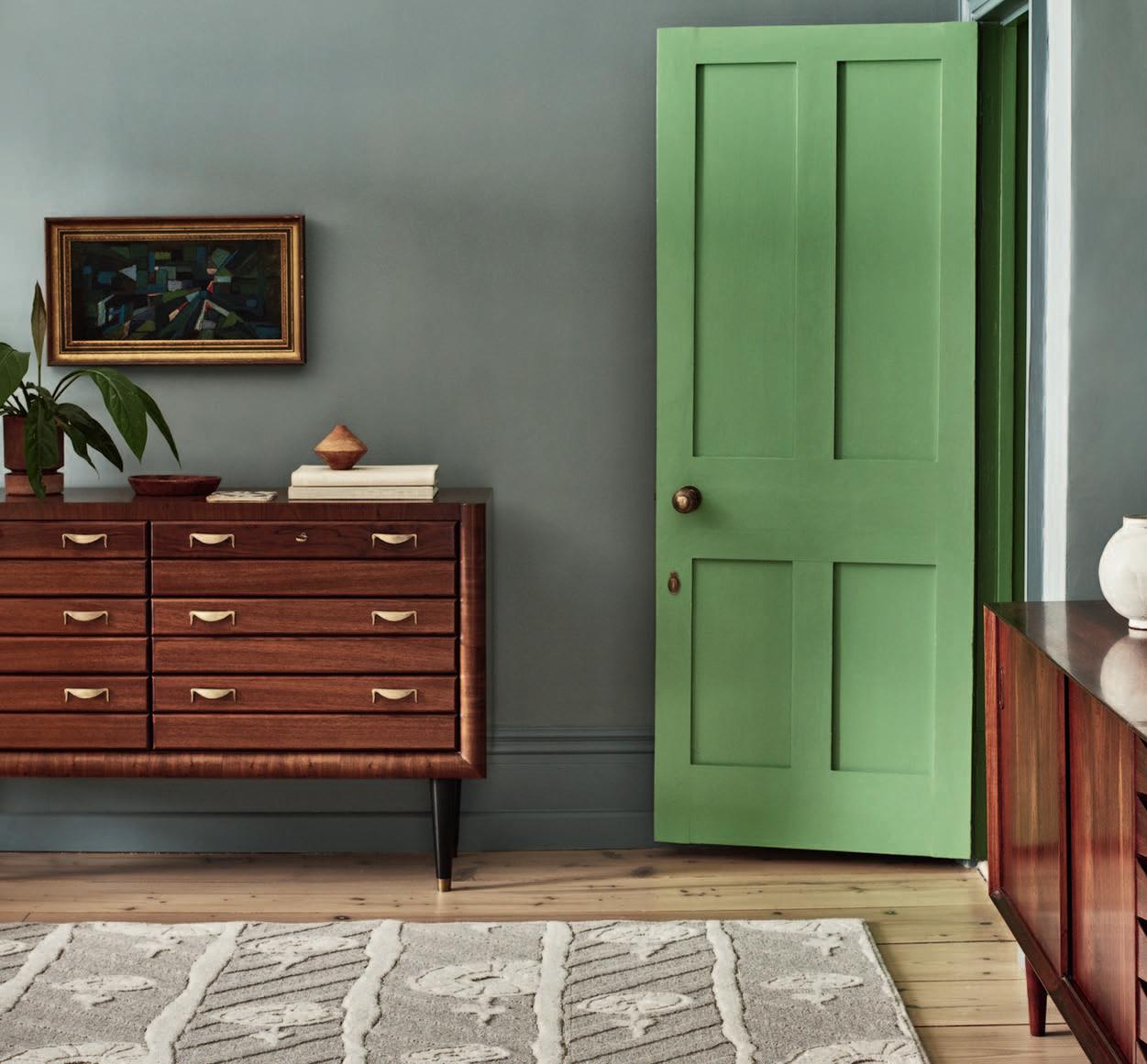
Rugs…
• Add warmth and comfort
• Protect your floors
• Define your space
• Introduce colour, texture, and personality
• Suit every style, from contemporary to classic
The Bath Magazine, 2 Princes Buildings, George Street, Bath BA1 2ED Tel: 01225 424499 www.thebathmag.co.uk
Editorial team and contributors: Melissa Blease, India Farnham, Katherine Raderecht, Hannah Poon, Dara Foley, Andrew Swift, Rosanna Spence, Colin Webb, Alistair Cooke, Ellie West, Joe Short, Steve Miklos. editor@thebathmagazine
Financial Director Jane Miklos jane@thebathmagazine.co.uk
Digital Editor India Farnham india@thebathmagazine.co.uk
Production Manager Jeff Osborne production@thebathmagazine.co.uk
Publisher Steve Miklos steve@thebathmagazine.co.uk
Contact us at thebathmag.co.uk Follow us on Instagram @thebathmagazine
The Bath Magazine and The Bristol Magazine are published by MC Publishing Ltd. We are independent of all other local publications.
The Bath Magazine is delivered free, every month, to more than 15,000 residential addresses as well as businesses throughout Bath and the surrounding area. We also have special distribution units in many of Bath’s supermarkets. The Holburne and Toppings Books
Disclaimer: Whilst every reasonable care is taken with all material submitted to The Bath Magazine, the publisher cannot accept responsibility for loss or damage to such material. Opinions expressed in articles are strictly those of the authors. This publication is copyright and may not be reproduced in any form either in part or whole without written permission from the publishers.
All paper used to make this magazine is taken from good sustainable sources and we encourage our suppliers to join an accredited green scheme. Magazines are now fully recyclable. By recycling magazines, you can help to reduce waste and contribute to the six million tonnes of paper already recycled by the UK paper industry each year. Please recycle this magazine, but if you are not able to participate in a recycling scheme, then why not pass your magazine on to a friend or colleague.
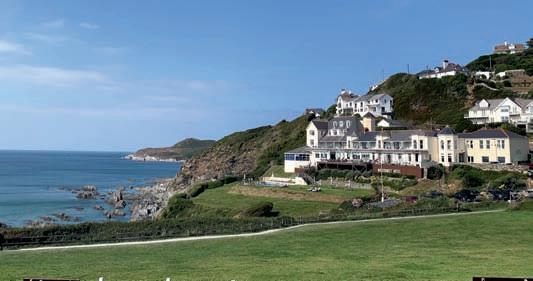
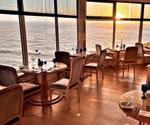
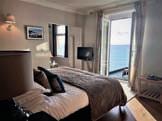
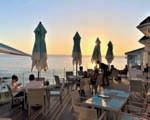
The Watersmeet Hotel in Woolacombe, proudly voted Best Waterside Hotel for the UK & Ireland, enjoys an exceptional position right on the water’s edge. This 4-star coastal hotel offers Luxury Balcony and Terrace Rooms and Suites with private outdoor seating and sun loungers, a 2-AA-Rosette restaurant with dramatic clifftop sea views, and indoor and outdoor pools with spa facilities.
2 Night Celebration Break
• Sea View Room for 2 Nights
• Dinner each Night & Devon Breakfast
• Bottle of champagne on arrival
• Devon Cream Tea for 2 Inclusive from £900
3 Night Mid-Week Break Offer inclusions:
• Sea View Room for 3 Nights
• Dinner each Night & Devon Breakfast Inclusive from £1200
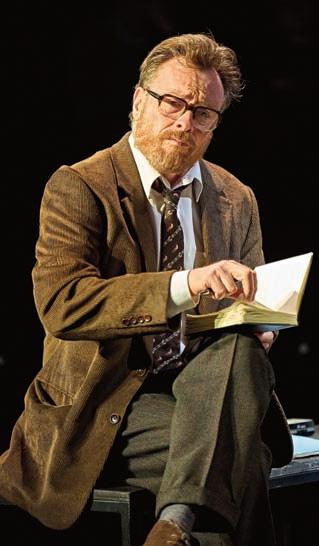
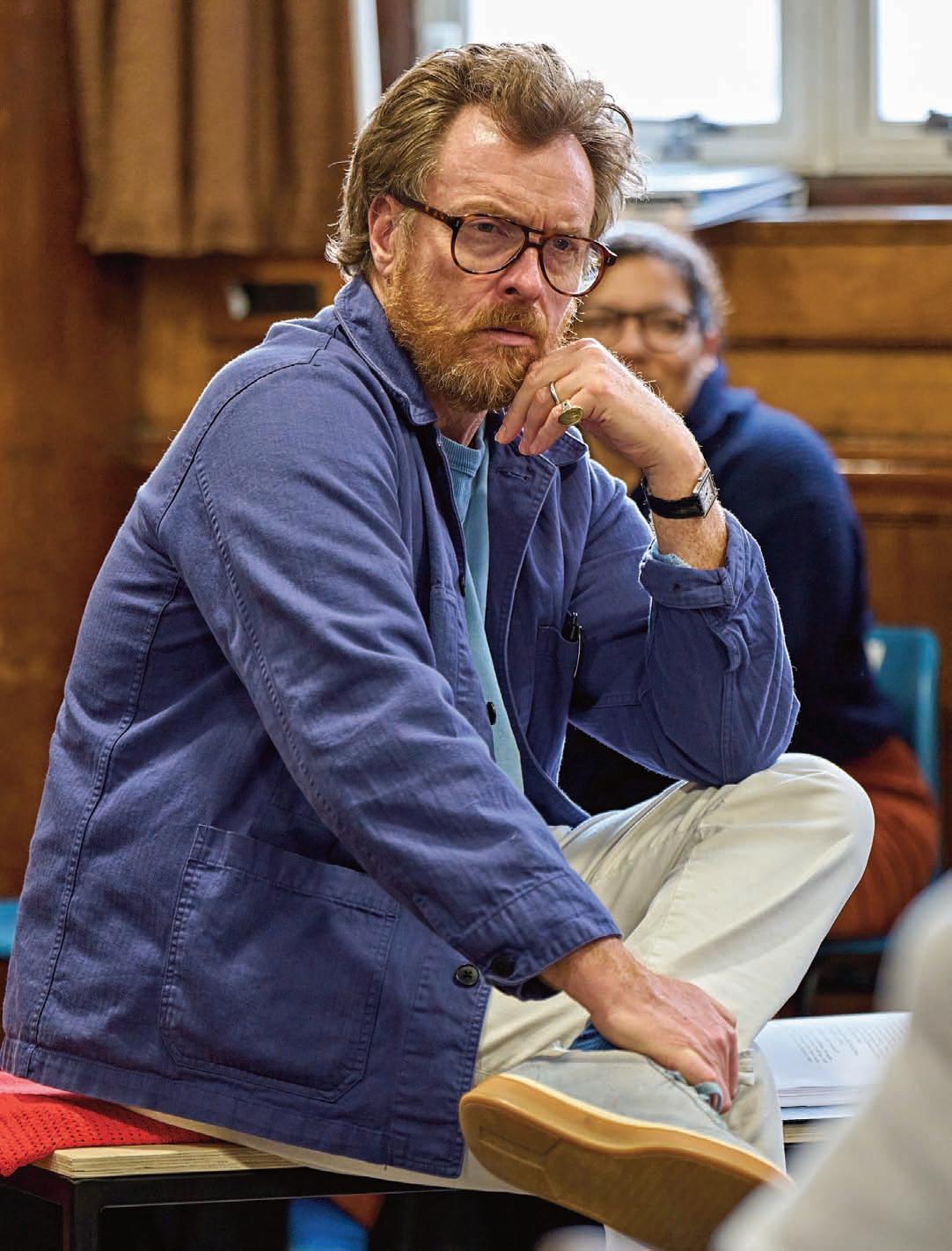
From Captain Hook to Hamlet, Bond villain to Tony Blair, Toby Stephens has spent three decades portraying some of drama’s most compelling characters. Ahead of his appearance in Peter Shaffer’s haunting masterpiece Equus at TRB, he talks to Melissa Blease about mental health, AI, artistic honesty, his mother, Dame Maggie Smith – and why theatre should never be afraid to make audiences uncomfortable
If you’re holding out for a hero, it’s very likely that acclaimed British actor Toby Stephens has been there, done that and aced the genre.
From Hamlet, Jay Gatsby and Tony Blair to Casanova, Edward Rochester and arch Bond villain Gustav Graves by way of Emperor Nero and Captain Hook (yup, Toby gives great anti-hero too), he’s pretty much ruled the national and international film, TV, theatre and radio Major Roles waves since he graduated from LAMDA in 1991… and the works mentioned here only represent the tip of his CV iceberg. Heck, this is an actor who’s even ‘been’ Jesus! Surely he’s at a point in his career where he can pick and choose which role he’d like to undertake next – if indeed, there are any he’s yet to play?
“I don’t actually think like that!” Toby laughs. “I much prefer being asked to do a role I’d never even thought about before…”
And the role that forms the reason for our chat is a case in point that proves Toby’s philosophy.
On Equus:
“It’s a beautifully written, uniquely intriguing, moving, phenomenal piece that asks a lot of questions but has a real humanity to it.”
Toby is currently starring as psychiatrist Martin Dysart in a revival of English playwright Peter Shaffer’s compelling psychodrama Equus –a deeply disturbing play that’s unnerved, challenged and discomfited audiences since 1973 and continues to represent modern theatre at its dazzling, complex, most beautiful best.
It comes as a slight surprise, then, that Toby readily admits that he’d never seen or read Equus until director Lyndsay Posner introduced him to it. “It came with a whole bunch of baggage that I knew about, but it actually came as a real surprise to me too,” he says. “It’s a beautifullywritten, uniquely intriguing, moving, phenomenal piece that asks a lot of questions but has a real humanity to it. And like every great play, it speaks outside of the period in which it was written, and speaks particularly to the current generation.”
Toby is talking about the mental health issues that are very much at the forefront of Equus. His character Dysart has been tasked with analysing why troubled teenager Alan Strang chose to violently blind
six horses at the stables where he had a part-time job, but in questioning the boy’s sanity, Dysart starts to question his own views of modern societal conformity... and ultimately, his own perspective of himself.
“Both characters are going through their own mental crises at different parts of their lives, and they’re both trying to seek a way of being,” Toby explains. “The child’s way is misguided for sure, but the older man is asking questions of himself too, about his marriage, and his doubts about what he’s doing as a psychiatrist. His professional relationship with Strang starts off in a sort of cynical, jaded way – like, ‘oh Jesus, another one I have to deal with.’ And then. Shaffer’s brilliance kicks in: he creates a kind of thriller where Dysart becomes like a private investigator trying to unearth the cause of Strang’s actions. But in trying to unpeel that onion, he’s sort of unpeeling himself…” And when Dysart has taken us on this dark, strange journey, we’re left considering the questions that Equus raises away from the stage.
“One of the main arguments I find so fascinating about the play is, in curing somebody of their mental illness, are we taking something away from them too?,” Toby says. “Dysart may be attempting to take the boy’s discomfort and pain away, but at the same time is he making him just another boring, anodyne citizen? I remember when Prozac was a brand new drug, and there was a whole debate about artists who were choosing not to take it even if they suffered terrible depression because it robbed them of their creativity. Part of the human condition is that life is a struggle – but what is normal behaviour, and who is to define that? Shaffer’s writing on the subject has a poetic nature to it that asks all these questions.”
Indeed, the strength of a powerful play lies firstly in the writing. Alongside his fairly recent discovery of Shaffer, Toby ranks Harold Pinter on his Greatest Storyteller charts (“He’s unique in that I don’t think there’s a bad Pinter play out there!”, he says.) But while he readily admits to enjoying revivals, Toby’s currently finding himself in search of the new too. “I think we need more new writing for theatre – it’s something that should be evolving, but has become slightly anodyne. I feel that, in the last decade or so, theatre has become terrified of offending people, and you can’t be creative in an environment that is strident. Theatre shouldn’t be afraid of making people uncomfortable! Equus can make people uncomfortable but they feel all the more rewarded for it.”
Toby’s experience of theatre both ancient and modern started long before his own acting career began; he’s the younger son of actors Sir Robert Stephens and Dame Maggie Smith. Given that heritage, was his own direction of travel inevitable?
“People think I’m from an acting dynasty and I’m not!” Toby laughs. “Mum and dad were ground zero: mum’s parents were a secretary and a
On Dame Maggie Smith: “Mum brought me up with the idea that acting was a craft that you worked hard at and not some kind of magical thing”
public health pathologist; dad’s dad was a builder and his mum was a cleaner – for my parents, pursuing life on the stage was like running away to the circus! Mum and dad divorced when I was very young so my dad wasn’t really around when I was little. But mum brought me up with the idea that acting was a craft that you worked hard at and not some kind of magical thing. I saw how hard she worked; her success wasn’t a given, ever. She always strove to improve, and each project was unique and required something else of her. I learnt a lot from observing her, and that very much informed me as to who I am as an actor today.”
Was the formidable Ms Smith a tough critic? “She was always honest with me, but when she liked something she really liked it,” Toby recalls. “She had a real respect for people who could act, and I really respected her tastes; they didn’t always chime with mine, but we could disagree. But if she didn’t like something she didn’t like it, and that was the end of that!” And are Toby’s own children (he and his actress wife AnnaLouise Plowman have a son and two daughters born in 2007, 2009 and 2010 respectively) showing any signs of following in dad, mum and their paternal grandparents’ footsteps?
“I don’t think so, not really,” Toby says. “They like drama and they
love the theatre, but whether or not they actually want to do it themselves, I don’t know. Obviously I would always support my children in whatever they want to do, but acting is a profession that’s getting tougher and ever more precarious. I’m lucky in that theatre is something that AI can’t and will never be able to do. But still, for people coming up in theatre today, it’s going to be tough. The assumption now is that AI is going to win, but I don’t know whether it will, ultimately, in the way people think it might; I think there’ll be a huge push back – it’s already starting.”
Toby and I began our conversation with my views on how he’s aced the ‘hero’ genre. As we start to wind down, I ask him if he has heroes of his own. “Paul Scofield – I loved everything he did,” he says, almost wistfully recalling a time gone by. “And I always admired people like Orson Welles, Robert De Niro and Meryl Streep – she’s extraordinary. But I’m not trying to imitate in any way; I’m trying to come up with my own version of what I feel is right. The only way that acting really works is when it’s honest – whether in comedy or tragedy, we respond to somebody on stage when you see them replicate something that you do or think, something that chimes with you, and an actor who is unafraid to lean into honesty even if it gets ugly. One of the great sins of certain actors is that they always want to be liked; in order to play things honestly, sometimes you need to be disliked.”
Disliking Toby Stephens? Now that’s a role that would be very hard to play. n
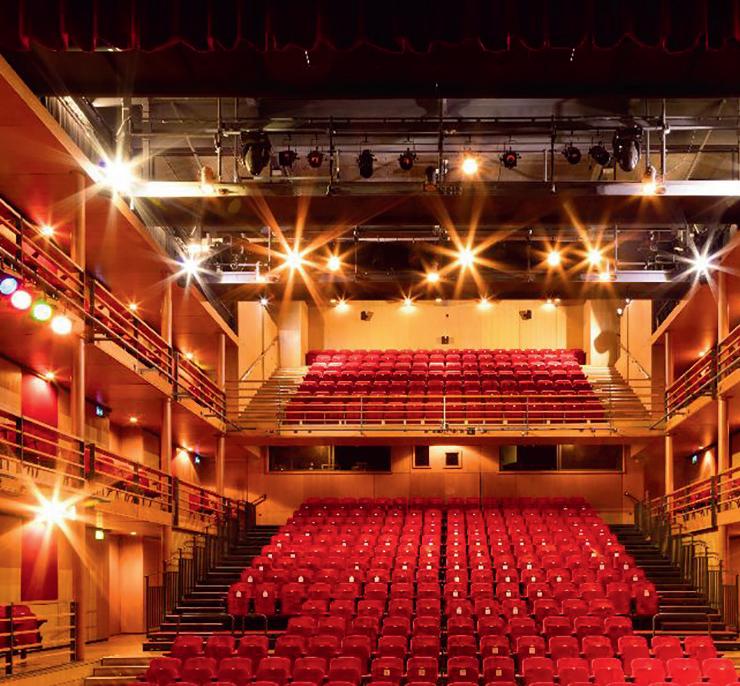
Equus, Theatre Royal Bath, 14-25 July. For details and to book tickets, visit: theatreroyal.org.uk
Set in the beautiful gardens at The Holburne and featuring high-energy, contemporary adaptations of British literary classics, family-friendly humour, live music, and on-site dining, The Garden Theatre Festival is a beloved summer experience in Bath. Six years on since it first launched, India Farnham chats to festival co-founder Matt Emeny about keeping the magic alive.
We’re not short of annual cultural events here in Bath, are we? We have the Bath Festivals, Bath Boules, the Jane Austen Festival, and, come wintertime, the Christmas market. Phew! And that’s to name but a few. But don’t consider yourself booked up on annual fun just yet.
This summer, The Garden Theatre Festival, Bath’s only purpose-built open-air theatre event, is back for its sixth year – bigger, better, and even more comfortable – and co-founder Matt Emeny is determined to solidify the event’s place in our cultural calendars once and for all.
“Since we started, our mission has always been to make the festival a landmark summer event in Bath. We knew it would take at least 10 years to achieve that, but now we’re into the second half of that decade, and I think it’s starting to happen.”
Past shows have included Pride and Prejudice, a take on Sherlock Holmes, and various works of Shakespeare. What classics can we expect to see this year?
“This year we’re doing The Importance of Being Earnest, directed by the brilliant Sam Freeman, and also, after the success of Pride and Prejudice, another Austen: Sense and Sensibility, which I’m directing. They’re both in house style, so you can expect lots of live music and lots of multi-rolling, as is tradition.”
Strong choices! I ask Matt what drew him back to the Jane Austen universe again. “Well, firstly, Jane Austen’s fans are amazing – they’re such a loyal following. We even have a saying within The Production Garden for when we spot someone in Regency clothing in the audience, we call it ‘seeing a lost Jane!’
“But really, I chose Sense and Sensibility because it showcases Austen’s satire writing. At the start of the show, we are told the Dashwood sisters have been left impoverished by their father's death, when in actuality, they’re upset they’re only going to have a small mansion with just two servants. It’s comedy gold.”
Such iconic source material calls for adaptable, experienced actors, and Matt’s got a band of four of them right up his sleeve: The Garden Theatre Festival troupe.
“We’re starting to grow a fanbase around our troupe now, people who get excited to see these actors take on new roles. And they really are integral to the festival, not only are they part of the creation process, but they also essentially self-stage-manage.”
The Garden Theatre Festival 2024
A 2026 refresh
Have there been any upgrades to the festival for 2026?
“Absolutely. We always say the festival is going to be bigger and better every year. And every year, it is!
“There’re a few upgrades to the festival this year. First off, we used to use a traditional stage, with a fourth wall. This time, we’re breaking that down, and doing all our performances in the round, so everyone is brought in closer to the action.
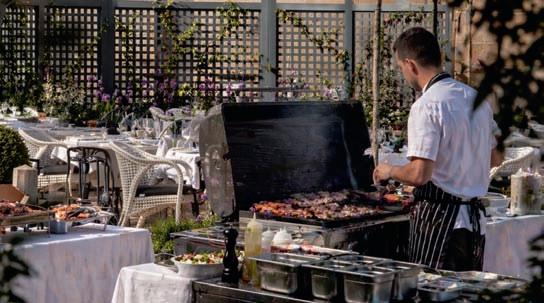
“We also have a great new hot food partnership with Grayson’s, who will be putting on barbeques every weekend. We’re really pleased about this because it means now, you can truly just turn up to the festival without having to bring anything. If you need dinner, you can get that inside. If you need to get a deck chair or blankets, you can hire that from us. It’s the most comfortable it has ever been.”
Testament to The Garden Theatre Festival’s growth is the exciting news that this year the festival will run for four weeks, instead of just two and a half. I consider momentarily that this new duration might be quite tough on The Garden Theatre Festival team’s energy levels, but Matt immediately reassures me.
“During the festival, the theatre just becomes your life – you don’t do anything else. I’m in my element when I’m outside and I’m just living and breathing the show, and I think the team feel the same. Hopefully one day we’ll run for two months!”
It’s a tradition
As much as Matt wants to invite new punters to join in the fun at The Holburne, he also delights in seeing familiar faces at the shows.
“We have some really great core patrons at The Garden Theatre Festival, punters who will book their tickets the day they come out, who have their own traditions when the festival is on. They’ve been part of our journey since the day it started, back when I was running around keeping audience members two metres apart during COVID.”
Matt, a skilled actor in his own right (“I’ve reclaimed the phrase ‘jack of all trades and master of none’... now I’m the master of the jack of all trades!”), has graduated from acting in his shows to being purely the creative behind them.
I wonder how this development has changed his experience of the festival over time.
“It’s a different sort of nerves, but ultimately, every time I put on a show, I think to myself ‘is this the time everyone’s going to realise I’m not funny?’ Whether I’m acting or I’m backstage, watching the joke be delivered, I always relax after the first laugh.” I dare Matt to think beyond the first laugh, into the future. How will he know that The Garden Theatre Festival’s sixth year has been successful?
“If people come?” he offers, modestly. He continues, “I suppose, at the end of July, we’d like to step back and go, okay, six years in, the people of Bath really want this event.” We most certainly do. And what about future shows – are there more Austen adaptions on the cards?
“Oh yeah, of course! Next year we’re going to do Emma. And then I think I might just adapt them all.”
Well, watch this space, folks. When Matt Emeny says he’s going to do something, he’ll sure as anything make it happen. n
The Garden Theatre Festival (showing The Importance of Being Earnest and Sense and Sensibility) will run from 2 – 26 July at The Holburne Museum, Great Pulteney Street, Bath. Tickets are available at gardentheatrefest.com
Matt Emeny in-situ at The Garden Theatre Festival 2024
MINUTES WITH...
Sir Willard White
On 4 July the legendary Jamaica-born operatic bass-baritone will perform in William Walton’s Belshazzar’s Feast at Bath Abbey, a joint concert by Bath and Bury Bach Choirs with Southern Sinfonia
How well do you know Bath? Have you performed here before?
I don’t know Bath very well, but I’ve been here at least four times in my professional life. I love the whole atmosphere of the city and I’m looking forward to returning. Walton’s Belshazzar is a piece I really love performing, and with two choirs and orchestra it will almost be like reenacting the biblical story. To have been invited to perform it at Bath Abbey is really inspiring to me and I look forward to it with great relish and anticipation.
You’ve performed in many great concert halls and opera houses in your career. Do you always feel the same sense of excitement when stepping on stage?
I wouldn’t say it’s exactly the same. No matter how much you rehearse a piece, I’ve learned that I cannot repeat a song the same way. So every moment is the gift of a new experience; but there is always stimulation, excitement, anticipation and the unpredictability of the response. These things allow for a certain productive tension, and I enjoy that.
What continues to inspire you creatively after such an accomplished career?
I find inspiration in this gift that I have been blessed with. Every day I reappraise my vocal mechanism, which is connected to how I’ve slept, what I’ve eaten, my state of mind. And for me, it’s very important to honour what I am still discovering. I’m a spiritual being, utilising my physical body to share my feelings, and to explore and participate in the enjoyment of music. It’s a continual learning experience for me.
How important has singing been to you in your life?
Without a doubt, singing has transformed the course of my life and continues to be an inspiration. The dreams I had as a young man have been realised through the gift of singing, and through the opportunity of expressing myself before others in a performance. Breathing in, and connecting with one’s emotions and the words, enables something to come to life. So singing has given voice to my being, clarified who I want to be.
Bass-baritone Sir Willard White performing
“I’m a spiritual being, utilising my physical body to share my feelings, and to explore and participate in the enjoyment of music.”
Is there a piece of music you rarely tire of listening to?
There are Bach variations which I can listen to over and over. The opening bars of the St Matthew Passion; the music of Beethoven such as Fidelio, Verdi’s Rigoletto, many pieces. Ben Webster’s interpretation of Blue Moon and also Danny Boy. I listen to a variety of music that continues to inspire me.
Do you come from a musical family?
In short, I would say no. The only access to music that I had in my early years was the radio. And I would actually imitate a lot of pop singers, and then on Sunday afternoons there was classical music that I listened to but without any great attention.
How challenging was the experience of playing Othello on stage for the RSC in a non-musical role, compared to performing in choral works and opera?
For me it was enormously challenging. I thought I would be embracing the freedom of not having a conductor and a tune to follow, and that I would be free to interpret the phrases myself, but this was no easy task. With the help of a colleague, I discovered how to use Shakespeare’s pentameter formation to take me from one line to the next and it was an unforgettable learning experience. In choral works, a drama is similarly being presented, but music has a map to follow for its expression; so you are more limited, but the limitation is also a guide. It’s a different experience, but the intent of the drama requires the same focus as a Shakespeare play.
How can choral and classical music succeed in attracting new, younger audiences?
I think this comes down to education and how children are inspired to understand. I know of an outreach programme where professional musicians go into schools and engage students in understanding how something has become classical because it has stood the test of time. It’s about introducing them to the drama involved, to the fact that the psychological impact of music is not old-fashioned; histories and the libretto are as valid today as they were 100, 200 years ago. We need to inspire children to learn; even to relearn ourselves how to reach out to others.
If there was one role or performance that you would like to be remembered for, what would it be?
It’s not my quest to be remembered. My quest is to be as good as I can be. But if anything, I would say the role of Mephistopheles in Berlioz’s Damnation of Faust, which I’ve sung many times. He is a very interesting character, a demonic figure in disguise, and his role demonstrates the power of taking responsibility for the trajectory of our lives. I love that, and if there is a chance of being remembered, it would be for the clarity and integrity of enacting a role that depicts the human journey and the power of personal choice. n
Unreserved seats for Belshazzar’s Feast at Bath Abbey on 4 July are still available through Bath Box Office: bathboxoffice.org.uk
What’s on
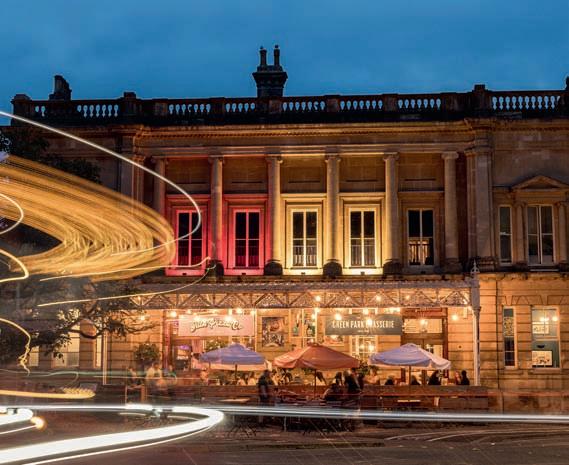
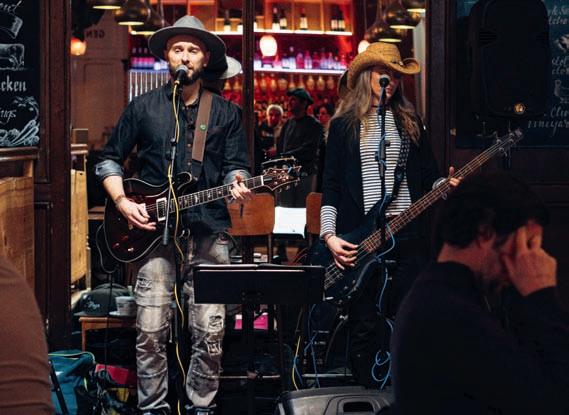
LIVE MUSIC AT GREEN PARK BRASSERIE
Throughout July
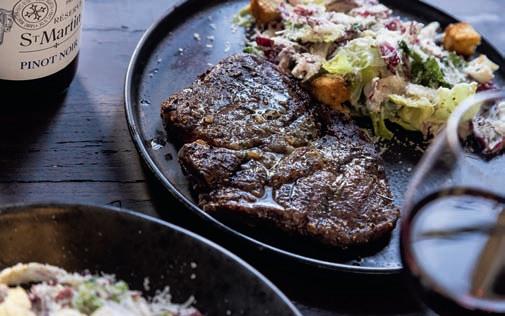
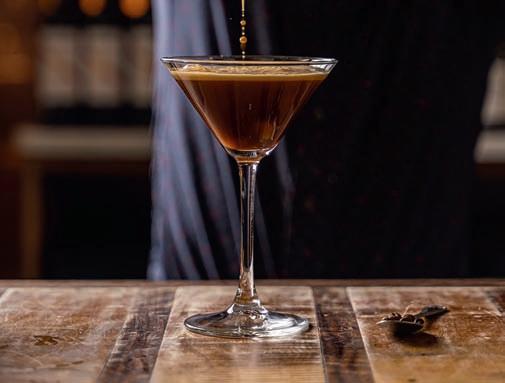
n Green Park Brasserie, BA1 1JB Soak up live music alongside world-class pizza, cocktails, and craft beer every night, Wednesday through Saturday. Bookings and walk-ups available. greenparkbrasserie.com
WORLDS
APART:
RARE EARLY PHOTOGRAPHS OF CHINA AND BATH
Throughout July, 10am-4pm (Closed Sundays)
n BRLSI, BA1 2HN
This fascinating exhibition from the BRLSI Collection, explores early photography through rare images of Bath and China. Francis Lockey’s delicate calotypes show Bath nearly 170 years ago, while photographs from the Second Opium War capture everyday life in China. Despite the distance, photographers focused on similar subjects: gateways, landscapes, and daily life. Historic objects from the BRLSI collection reveal the early challenges of photography and bring these scenes into focus. Free admission. brlsi.org
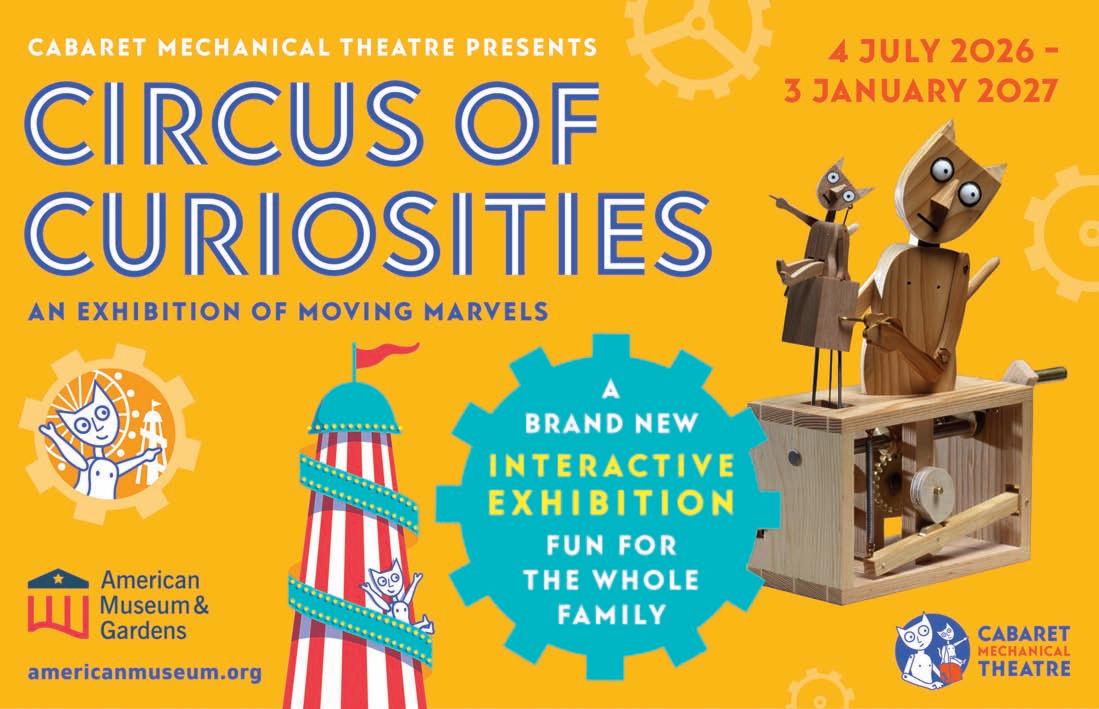
CIRCUS OF CURIOSITIES
4 July - 3 January 2027, 10am-5pm n The American Museum and Gardens, Claverton Manor, BA2 7BD
This wonderful interactive exhibition from the highly acclaimed Cabaret Mechanical Theatre brings together 25 automata –intricate, ingenious, hand-crafted mechanical sculptures that blend engineering with art and delightful storytelling. Be prepared to turn a handle to reveal the magic of movement. For tickets and more information visit: americanmuseum.org
DOROTHY HOUSE WOMEN’S WALK: UNITED IN CARE
4 July, 3pm n Henrietta Park, BA2 6LR
Dorothy House is launching a brand-new fundraising event this summer with the Women’s Walk: United in Care. Created to celebrate the extraordinary care women give every day – the event invites participants to walk in solidarity with those facing the end of life, while raising vital funds for hospice and bereavement support services. Participants can choose between a familyfriendly 5km accessible route or a more challenging 12km scenic walk through Bath. The event will culminate in a shared celebration featuring music, inspiring female speakers, hot food and a complimentary drink for walkers. Tickets £25. For more information or to register, visit: dorothyhouse.org.uk
BELSHAZZA
R’S
FEAST.
SIR WILLARD WHITE AT BATH ABBEY WITH BATH BACH AND BURY BACH CHOIRS AND SOUTHERN SINFONIA
4 July, 7.30pm n Bath Abbey, Bath, BA1 1LT
The legendary Willard White performs the baritone solos as the combined choirs of Bath Bach and Bury Bach under the baton of their shared musical director Benedict Collins Rice with the Southern Sinfonia, jointly present William Walton’s magnificent oratorio and one of the most thrilling and dramatic works in the choral repertoire, Belshazzar’s Feast. Don’t miss out on this rare opportunity to hear live an exceptional solo voice, a choir of 140 singers and orchestra of over 50 players in one of Britain’s greatest choral works. Visit: bathboxoffice.org.uk
EDINBURGH PREVIEWS AT KOMEDIA
Get your Edinburgh fix without leaving Bath. Komedia's summer preview season brings some of the most exciting names in comedy to town before they head north.
29 June, 7pm.
Edinburgh Comedy Award nominee Li Jin Hao joins Emmeline Donnie, BBC comedy writer and described as "knockout" by The Stage. A brilliant double bill to kick off the season.
6 July, 8pm.
BBC New Comedy Award finalist Ayo Adenekan and Maia Tassalini in her debut show. Two acts on the cusp of breaking through.
11 July, 2pm
Lil Wenker brings a masterclass in clowning, and award-winning character comedian Jonathan Oldfield makes his debut show. Expect the unexpected.
21 July, 7pm
Two fiercely anticipated WIP sets: BBC New Comedy Award nominee Eddy Hare and Andrew White, described as "outrageously funny" by Broadway World
22 July, 8pm
Rising star Dom McGovern with Brennan Reece as seen on Live at the Apollo. One of the most polished acts on the circuit.
27 July, 7pm
BAFTA and double Edinburgh Comedy Award nominee Spencer Jones in his Bath debut alongside circuit legend Phil Nichol, with his first new show in seven years.
28 July 7pm
Sean Lock Comedy Award winner Harriet Dyer shares the bill with Radio 4 star and Next Up award-winner Lindsey Santoro.
29 July, 7pm
Highly acclaimed Sara Barron, as seen on Live at the Apollo and Would I Lie to You, joins Chortle Best Show Award winner and Edinburgh Comedy Award nominee Alfie Brown.
30 July, 7pm
The season closer. Sharon Wanjohi brings her gloriously titled show about finally getting her life together, alongside Courtney Büchner with a show that promises to make you laugh, cringe, and text your best friend immediately.
For ticket prices and to book visit komediabath.co.uk 22-23 Westgate Street, BA1 1EP
Spencer Jones Komedia 27 July
BATH & COUNTY CLUB
Join the The Bath & County Club as a member and you and your guests will enjoy a relaxed, friendly ambiance and the opportunity to meet, eat and drink in the centre of Bath. bathandcountyclub.com
Friday 3 July
Talk. “My three rounds with Mohammed Ali” Followed by 2 course lunch, coffee & mints. 12 for 12.30pm. £29.
Tuesday 7 July Pimms, canapes & music. 6 for 6.30pm. A Friendly Evening. £23.
Friday 10 July
Morning talk with coffee & pastries. Sally Carson’s novel, Crooked Cross 10.30 for 11am. £10.
Sunday 12 July
Sunday carvery. Choice of two meats & four vegetables. 12.30 for 1pm. £32.
Tuesday 14 July
Bastille dinner – 3 course, paired wines available to purchase. 6.30 for 7pm. £40
Friday 24 July
Mediterranean sharing plates. Good assortment of food. 6 for 6.30pm. £32.
Thursday 30 July
Evening talk on climate change. Two course supper, coffee & Mints. £29.
Visitors welcome. Rooms also for hire. Event venue: Queens Parade, Bath BA1 2NJ. Booking essential, email secretary@bathandcountyclub.com Call: 01225 423732.
BATH TENNIS CLUB: STRAWBERRIES AND CREAM FESTIVAL
05 July, 12–7pm.
n Bath Tennis Club, Park Lane, BA1 2XQ
Celebrate Wimbledon Weekend – head along to Bath Tennis Club, on Park Lane (by Victoria Park) and enjoy that great British Wimbledon tradition with an afternoon of tennis and strawberries and cream. Free entry. Open to all ages and abilities. Rackets and balls will be provided. Visit: bathtc.co.uk
ANNUAL MOTH & BUTTERFLY DAY WITH BUTTERFLY CONSERVATION
05 July, 11am–4pm
n Iford Manor BA15 2BA
This free event at Iford Manor opens up its conservation meadow for walks where you can spot butterflies and wild orchids. Enjoy a spectacular moth display and watch the release at 4pm. Volunteers from Butterfly Conservation will be on hand to answer any questions and there’s also a selection of free nature related activities for children.
Please note: this event does not take place in Iford Manor Gardens – entry to the gardens can be purchased separately on the website in advance.Visit: ifordmanor.co.uk
JOHN CLEESE’S FAWLTY TOWERS – THE PLAY
6-11 July, 7.30pm
n Theatre Royal, Bath BA1 1ET
Fifty years since Fawlty Towers first graced our TV screens on BBC Two in 1975, this new stage play is adapted by comedy legend John Cleese – who originally co-wrote the series with Connie Booth – and is directed by Caroline Jay Ranger. Fresh from a record breaking, sell-out West End run – the production stars Danny Bayne as Basil Fawlty, Joanne Clifton as Polly and Paul Nicholas reprises his role as The Major. With sharp wit, chaos, and calamity at every
turn the 18-strong cast bring to life everyone’s favourite moments from the TV show’s unforgettable twelve episodes. Now at the TRB, this is the comedy event of the year! For tickets and more details visit: theatreroyal.org.uk
PHENOMENAL WOMEN: HELEN GODWIN
9 July, 5:30-7.30pm
n The Gainsborough Bath Spa, BA1 1QY
Join the latest instalment of the inspiring Phenomenal Women series of talks at The Gainsborough Bath Spa. This month's guest is Helen Godwin, elected Mayor of the West of England in May 2025. A lifelong West Country resident, Helen will discuss her vision for the region, including improving transport, delivering affordable homes and creating green jobs. These intimate events bring together women who have made a significant impact in their fields, offering candid insights into their careers, challenges and achievements. Expect an engaging evening of conversation, inspiration and connection. Tickets, £15. Find the event on: eventbrite.co.uk
PURCELL’S LAMENT: CELEBRATING PURCELL’S LIFE AND WORK
11 July, 7.30pm
n St Swithin’s Church BA1 5LY
Words and music combine in this immersive staged concert exploring Henry Purcell’s life. A new script by Stewart Harcourt weaves together Purcell’s most moving songs and choral works in a portrait of loss, love and the joy of music that endures. Featuring baroque instrumentalists, soprano and baritone soloists, Rhiannon Llewellin and Kieran Rayner and brought to life by stage directors Guido MartinBrandis and Malika Jumbe and the Paragon Singers’ acclaimed director Sarah Latto. Tickets: £26.50. For further information visit: bathboxoffice.org.uk
Lost in Music at The Forum - 24 July
THE ROCKET MAN: A CELEBRATION OF SIR ELTON JOHN
11 July, 7.30pm n The Forum, Bath BA1 1UG
The Rocket Man and a live band will entertain you with two hours of glorious Elton John hits, including Saturday Night’s Alright, Crocodile Rock, I Guess That’s Why They Call it the Blues, Daniel, I’m Still Standing, Philadelphia Freedom, Your Song and many, many more. With dazzling costumes, stunning vocals and sensational piano solos, this is a journey through Elton’s life and career, the highs and the lows, with many a laugh brought to life, live on stage. Tickets: £34 (inc. fees). For more details visit: bathforum.co.uk
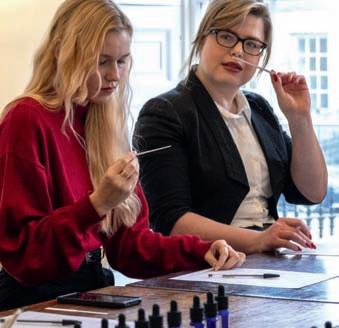
PERFUME MAKING INSPIRED BY BRIDGERTON
17 July 2.30-4.30pm n Great Pulteney Street
If you are a fan of the series, this is a great chance to join Parterre Fragrances for this fun perfume making session focusing on scents made popular during the Georgian period. The workshop will take place in a beautiful house in Great Pulteney Street, a stone’s throw from Lady Danbury’s grand home. Delve into the fragrances of the time, and then design and blend a simple perfume (10ml bottle) either inspired by your favourite fictional characters or if you prefer, the summertime in Bath. To complete the experience, tea and macarons will be served after the workshop. Why not get a group together for a fun and fragrant afternoon? £65. For further details, information about other perfume workshops and to book go to: parterrefragrances.com
GARDEN THEATRE – SHERLOCK HOLMES & THE HOUND OF THE BASKERVILLES.
17 July, Show starts 6.30pm
n The American Museum and Gardens, Claverton Manor, BA2 7BD
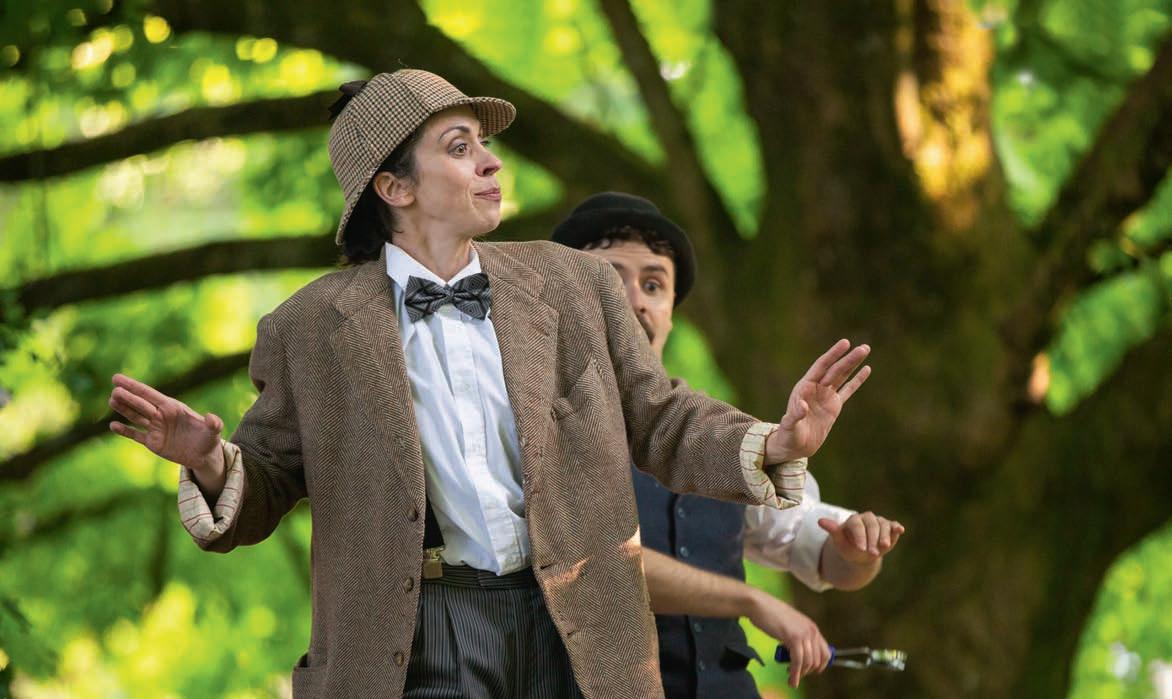
The critically-acclaimed Pantaloons Theatre Company present a brand-new riff on the fiendishly famous case. Featuring live music, audience interaction and more mystery than you can shake a magnifying glass at. This delightfully inventive show that will have you yelping with excitement and howling with laughter. So stick that in your pipe and smoke it! A bar and BBQ will be available from 5.30pm Enjoy a summer’s evening of outdoor theatre in the spectacular American Museum gardens with wondrous valley views. For ticket prices and more details, visit: americanmuseum.org
PRIOR PARK LANDSCAPE GARDEN CELEBRATES 30 YEARS.
18 July, 5.30-8pm
n Ralph Allen Drive, BA2 5AH
To celebrate 30 years of being open to the public under the National Trust’s care, the lower garden will open after hours for an evening of celebration, to include food and music. All ages are welcome. With reduced price entry this is a chance to see the site in a different light and reminisce. Entry/exit will be via the lower entrance only. Prebooking is advised as spaces are limited. Tickets are free for National Trust members. For non-members, entry is £5 for adults and £2.50 for under 18s (under 5s free). Visit: nationaltrust.org.uk or 0344 249 1895
YOGA IN THE CHAPEL WITH BEX BRIDGFORD
19 July, 10am-12pm
n The Gainsborough Bath Spa, BA1 1QY
This special two-hour yoga workshop takes place in the tranquil and historic setting of The Chapel at The Gainsborough Bath Spa, the perfect way to spend a Sunday morning focused on wellness and self-care. A beautifully rounded experience, beginning with grounding QiGong and breathwork, followed by a dynamic yet accessible blend of Yang and Yin yoga. The session concludes with the serene tones of crystal singing bowls and a deeply restful guided sleep meditation, designed to leave you feeling balanced, calm, and restored. £25. Find the event on: eventbrite.co.uk
LAWRENCES AUCTIONEERS –
FREE VALUATION DAY
24 July, 10am-2pm
n The Holburne Museum, BA2 4DB
Want to know the value of your antique piece or object d’art? The expert team from Lawrences Auctioneers will be on hand and
available to help you at this free valuation event at The Holburne. For further details on the event or to arrange a no charge/no obligation home visit for a private valuation visit: lawrences.co.uk
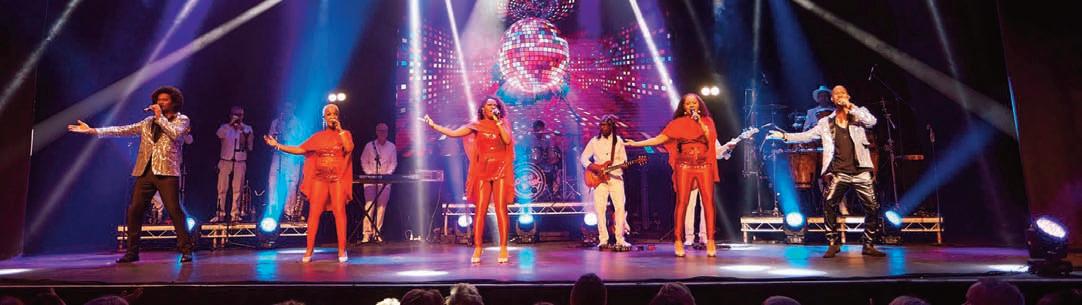
LOST IN MUSIC:
ONE NIGHT AT THE DISCO
24 July, 7.30pm
n The Forum, Bath BA1 1UG
Step back into the era of glitter balls and groove. A spectacular night of non-stop disco anthems is promised as a sensational live band, powerhouse vocalists, and vibrant production bring the magic of the 70s back to life. Feel the rush as the dancefloor reignites with iconic hits from Donna Summer, Gloria Gaynor, Earth, Wind & Fire, Chic, Sister Sledge and many more. Slip into your sequins, channel your inner disco diva and celebrate the golden age of disco like never before. From the infectious joy of I Will Survive to the euphoric energy of Le Freak and Boogie Wonderland - every moment is a glittering throwback to pure feel-good vibes. Tickets: £34 (inc. fees). For more details visit: bathforum.co.uk
JUAN MARTÍN (SOLO)
30 July 8pm
n Chapel Arts Centre, BA1 1QR
The spectacular flamenco guitarist Juan Martín is a supreme artist and a talented composer. Juan will introduce his compositions set within the rhythmic forms of the great flamenco tradition. His unique style is enhanced through minimal amplification to capture his pure sound. Just Juan and his sublime guitar sound lift and transport you on a musical journey through classical Spain with melodic beauty and rhythmic passion as he plays pieces spanning his whole career from his latest 4cd set Guitar Maestro – The Juan Martín Collection Advance tickets are £18.90 and are also available on the door for £20. chapelarts.org
Perfume making with Parterre Fragrances
Juan Martín plays at Chapel Arts
The AMP: A big top, bringing big names and big summer nights
Herefordshire’s newest arts and live entertainment venue is set to make a big noise this summer. Just over an hour and a half from Bath, The Amp brings chart-topping music, major comedy acts, and unforgettable live experiences to a spectacular 1,400-seat Big Top venue in the heart of Hereford.
If you enjoy discovering new destinations as much as live entertainment and the arts, Hereford has a compelling reason to visit this August. The Courtyard, one of the West Midlands’ leading arts centres, is launching The Amp – a brand-new pop-up venue dedicated to bringing bigger and bolder live events to the county. Housed within a purpose-built Big Top and seating around 1,400 people, it will be the largest live performance space in Herefordshire.
Running throughout August, The Amp has attracted an impressive lineup of artists and entertainers more commonly associated with major city venues. Music lovers can look forward to performances from Jools Holland and His Rhythm & Blues Orchestra, James Morrison, Kim Wilde, ABC, Blue, Alfie Boe, The Shires and Paul Carrack, alongside crowd-pleasing favourites including Björn Again and Ibiza in Symphony.
Comedy fans are equally well served, with appearances from Russell Howard, Chris Ramsey, Al Murray and comedy legend Jasper Carrott. There are also special live events featuring broadcaster and adventurer Simon Reeve as well as football personalities Harry Redknapp and Paul Merson.
The Amp represents an ambitious new chapter for The Courtyard, whose aim is to bring nationally touring acts and large-scale entertainment to audiences who would otherwise travel much further afield. For Bathbased readers looking for a summer cultural escape, Hereford offers a perfect combination of live entertainment, historic streets, independent cafés and countryside charm.
The Amp runs from 7–31 August at The Courtyard, Hereford. For tickets and the full programme of events, visit: courtyard.org.uk/theamp
The Main House at The Courtyard
SBritain’s Silver Story
By Ron Pringle Beau Nash Antiques
ilver has never stayed still for long in Britain. Long before it graced a dining table, it was currency – clipped, melted, and remade according to the needs of the age. The percentage of silver in British coinage was fixed at 92.5% during the Saxon period, with 7.5% copper. That's the same composition as sterling silver today, and it wasn't accidental – it was the perfect balance of beauty, strength, and lasting worth.
The relationship between coin and object was always wonderfully fluid. Much English silverware was melted down during the Civil War of 1642–1646 to fund the fighting, then immediately converted back into domestic pieces after the Restoration of 1660. Silver moved between pocket and pantry, always finding its way back to the home.
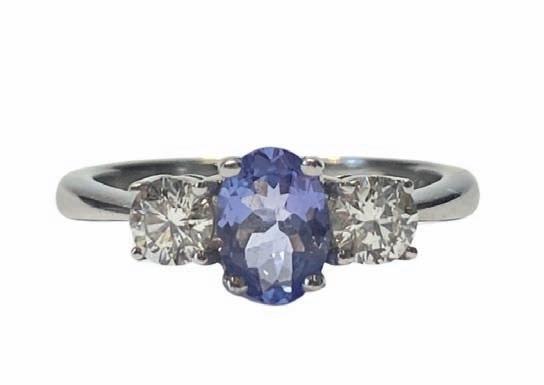
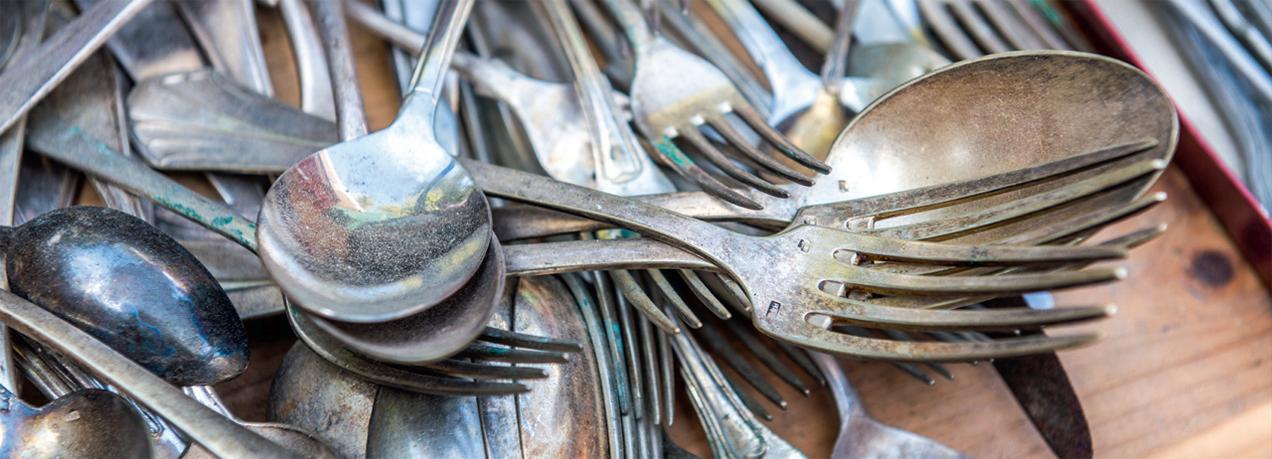
And that tells us something lovely: people consistently chose to hold their wealth in things they could actually use. A serving spoon. A canteen set laid for Sunday dinner. Candlesticks glowing at either end of the table. A salver for after-dinner drinks, a wine coaster, a decanter catching the light. Condiment sets – salt, pepper, mustard –sitting at the heart of the table like old friends. Photo frames catching milestone moments, jewellery boxes keeping treasures safe, bud vases brightening a windowsill, bowls that appear at every birthday and Sunday lunch - used daily, these pieces quietly collect the memories of a family home.
Then there are the more specialist pieces that reveal how seriously the Victorians took daily ritual: an egg topper that removes a boiled egg’s cap cleanly; a crumb scoop for sweeping the cloth between courses; grape scissors for cutting a cluster with elegance; a match striker for lighting candles without fuss; a candle snuffer to end the evening with quiet ceremony.
The secret to silver staying alive in a family is simply to use it. Children who grow up eating from silver spoons don't box them away when they inherit them – they set the table. Silver saved for special occasions becomes a chore. Silver used on a Tuesday becomes a memory.
It’s one of the very few things worth owning that rewards you for using it – growing more beautiful, and more meaningful, with every hand it passes through.
Ask us for a Silver Discovery Tour with Ron in the shop. A fun activity for family and friends on their visit to Bath.
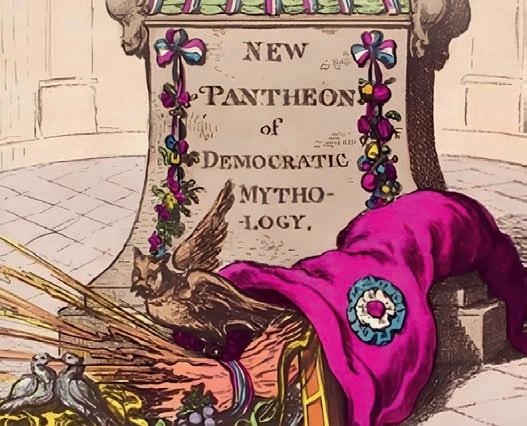
Democracy has survived more than two millennia of upheaval, reinvention and challenge. An ambitious new BRLSI series of talks brings leading thinkers, politicians and commentators together to explore how democratic ideas have evolved, why they matter today, and what their future might look like in an increasingly uncertain world
More than 2,400 years ago, the Greek historian Herodotus recorded the first known use of the word demokratia. Since then, democracy has survived empires, revolutions, world wars, industrialisation and the digital age, continually reshaping itself in response to changing societies. From the Magna Carta to modern voting reforms, the democratic story has never been fixed; it has been a constant process of adaptation. Yet as political polarisation deepens, technology accelerates change and public trust in institutions is tested, many are asking whether democracy is entering another period of transformation – or facing one of its greatest challenges yet.
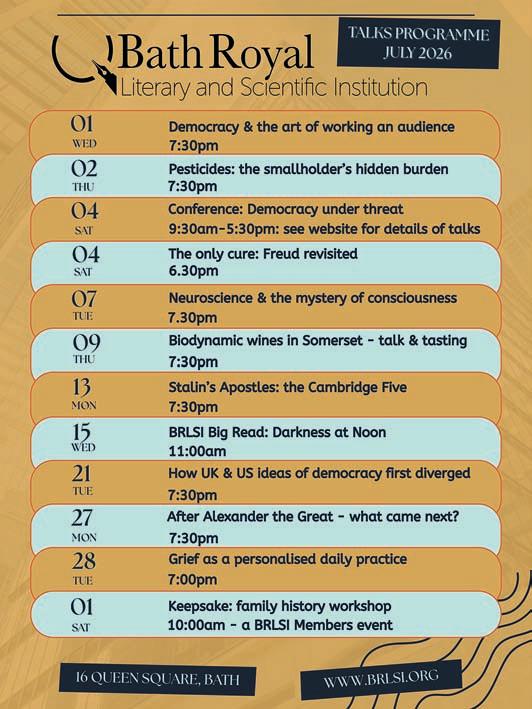
It is against this backdrop that Bath Royal Literary and Scientific Institution (BRLSI) launches Democracy Under Threat, a major new programme of talks and debates running until December 2026.
As many of us immerse ourselves in daily conversations with friends and colleagues about the best way forward for the country, it is worth remembering that these questions are far from new. Are democratic systems genuinely under threat, or are they simply being forced to evolve in response to unprecedented pressures? Digitisation, artificial intelligence, the breakdown of old geopolitical certainties, culture wars, globalisation and growing political fragmentation have all fuelled anxieties about the future. Yet could some of the answers already be found in the long history of democratic thought?
BRLSI’s Democracy Under Threat series invites audiences to step back from the daily headlines and take a longer view. Drawing on centuries of political philosophy and historical experience, the programme explores the foundations of democratic life from Ancient Athens to the present day, while examining the challenges facing modern societies both in Britain and across the world.
The series seeks to get to the very roots of the principles and practices that have shaped democracies over time, asking questions that feel increasingly urgent today. What does genuine democracy actually look like? If voters are becoming disengaged, are there meaningful alternatives? Is free speech non-negotiable? Should voting rights be extended? And what works best – direct democracy or representative democracy?
“Democracy has survived empires, revolutions, world wars, industrialisation and the digital age – continually reshaping itself in response to changing societies.”
The programme opens with renowned pollster and political scientist Sir John Curtice, whose analysis of British public opinion has made him one of the country's most respected political commentators.
A major highlight follows on 4 July when BRLSI hosts an all-day Democracy Under Threat Conference. Bringing together leading academics, commentators and policymakers, the event offers attendees the opportunity not only to hear from expert speakers but also to exchange ideas and debate key issues throughout the day. The conference concludes with a panel discussion featuring Wera Hobhouse MP alongside other contributors, reflecting on the themes and questions raised during the event.
The programme continues throughout the year with an impressive roster of speakers. Philosopher A.C. Grayling will address the rise of authoritarianism and the pressures facing democratic institutions, while US-based political scientists Paul D’Anieri and Rajan Menon will offer perspectives on international politics and global instability. Sir Stewart Eldon, the UK’s former Permanent Representative to NATO, will provide insight into democracy and international security, and former BBC journalist turned psychoanalyst Daniel Jeffreys – who has interviewed Donald Trump on two occasions – will explore the psychological dimensions of the MAGA movement and contemporary political identity.
Alongside the talks themselves, the series aims to encourage active public participation. Every event can be attended either in person at BRLSI’s Queen Square headquarters or streamed live online, with audiences invited to take part in live Q&A sessions. Throughout the programme, BRLSI will also run a series of audience polls linked to the themes under discussion, creating an ongoing conversation about the future of democracy.
Adding another dimension to the project are two specially created online timelines, researched and written by a team of BRLSI volunteers aged under 25. One traces the evolution of political philosophy, from Herodotus’ early reflections on popular rule through to contemporary thinkers examining the impact of globalisation. The other charts key moments in British democratic history, from Magna Carta in 1215 to recent electoral reforms, illustrating how democracy has continually evolved rather than remaining a finished project.
Whether viewed as a warning, a reassessment or an opportunity for renewal, Democracy Under Threat promises to be one of BRLSI’s most
ambitious and timely programmes to date – an invitation to explore how democratic ideas have endured for more than two millennia, and how they might continue to evolve in the years ahead. n
Democracy Under Threat series of talks will run until December 2026 at BRLSI, Queen Square, Bath as well as online. Tickets cost £4–10, with discounts available for multiple bookings. For tickets and the full programme visit: brlsi.org/democracyunderthreat
Tidal Wave by Andy Goodman
Andy Goodman: Lines of thought
When is a line, not a line? When it’s a bird, perhaps. Or a musical instrument, a lightbulb, or… practically anything in the hands of Bath-based illustrator Andy Goodman. Rosanna Spence chats to him about his bold, simple-yet-profound graphic style, designing Oxford Street billboards for IKEA and how he’s helping to spark creativity in the region’s schoolchildren
The whimsical world of editorial loves exploring language. Wordplay, puns and idioms intertwine and form mischievous architecture that helps subject matter truly come alive and easier to digest. Someone who knows this more than anyone is local illustrator (and previous The Bath Magazine front cover artist) Andy Goodman, whose background in editorial design – laying out pages for the likes of The Observer, Vogue, Condé Nast Traveller , House & Garden , ELLE Decoration and The Independent – no doubt planted the seeds that sprouted his now-iconic bright, bold style that visualises puns and wordplay – such things as ‘me, myself and I’, ‘he’s got the bends’, and a cat’s ‘nine lives’ – through simple lines, negative space, bold graphics and vibrant shapes.
“A lot of my work is visual puns, so the original good idea is central to what I do, “Andy explains. “Inspiration comes from everyday language: what I hear on the street, conversations, things I overhear. It’s just focusing on everyday language, and I write a lot of words and phrases down.
“I try to put two disparate things together if I can, opposites, or images and words that might jar and not necessarily make sense at first, but eventually the two things come together to make something unusual.
“So, it’s two straightforward or everyday things that combine, and then some oddity or unusual third thing arises from the collaboration of those two things.”
it’s difficult for Andy to ever actually switch off, and the puns might mount up over time… but he has a solution. “At the beginning of the year, I wipe the slate clean and start to make lists and notes of anything that inspires me – from books, television, conversations I hear, or things my kids might say. It’s just keeping my ears open, really.”
Whatever the weather
When any word or phrase could potentially create an illustration, where do you look first? For Andy, his eyes were on the skies at first.
“I was always interested in the weather, to be honest,” he recalls. “The first phrase I drew, which I still go back to, was, ‘I see you brought the weather with you’. I’d have figures holding a sun, clouds or a lightning bolt… all of those elements of the weather.”
These days, Andy now oscillates between three styles of illustration: “the bold, geometric style, which dates back about 12 years; bold line work; and then in a more jumpy, wiggly line style, as well.”
“Inspiration comes from everyday language: what I hear on the street, conversations, things I overhear”
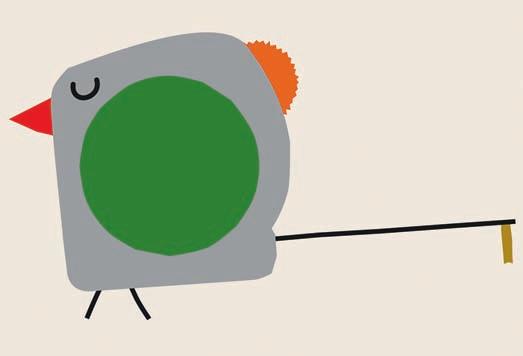
Andy Goodman Measured in Finches
With ideas cropping up “anywhere and everywhere”, we can assume
Even though his style stands out, for Andy, “the idea is the central thing. I’m looking for that ‘eureka!’ moment that jumps out at me, and hopefully to other people as well. That’s a wonderful moment. If you ask most designers or illustrators, when that happens it’s a real joyous feeling. Sometimes the ideas can be a bit abstract, but that’s the flow I have. I might see sense in something one day and not the next. My brain is wired differently.”
One thing that’s generally consistent in Andy’s illustrations is his
large-scale project with creative agency Mother London.
“The opening had been delayed, so we came up with ideas around that,” Andy remembers. The billboards read: ‘Merry Christmas Oxford Street. Sorry, you’ll have to unwrap us next year’, along with Andy’s illustrations of gnomes, decorations and – of course – the IKEA pencil. The result was simple and straightforward, with a mischievous shine, reflective of the synergy between the Scandi global homeware retailer and Andy’s approach to work.
“I’d love to do more of that kind of work, so hopefully there’ll be more opportunities. I’m at a point now where I’m very keen to keep going and come up with new things that might reflect anything –perhaps even the state of the nation, although I don’t really cover politics that much.”
Back to school
sense of humour. “I will probably always veer towards something fun. That’s naturally the way I think. I’m probably not one for dark or black humour, even though I’d love to bring that into my work. Generally, though, it comes out more light-hearted.”
For instance, he once took a square and turned it into a ‘polar square’, where the square becomes a polar bear’s head. Or instead of measuring in inches, he measures in finches, making birds out of a tape measure. “It’s a simple substitution of a word, but the image becomes quite abstract while still being instantly recognisable.”
What’s the big IKEA?
…See what we did there? Okay, it might not be the best pun, but it’s fitting when you consider that Andy’s largest commission to date was a series of huge billboards for IKEA on Oxford Street in the capital. As well as tight turnarounds for regular editorial high-calibre clients including the Irish Independent (which he was hopping back to after chatting to The Bath Magazine), in recent years he collaborated on a
When Andy’s not working on commissions, or searching for his next ‘eureka!’ moment, you’ll find him in the classroom working as a teacher and teaching assistant, alternating between four schools in the region – he’d not long returned from a day at a Special Educational Needs and Disabilities (SEND) setting in Radstock before speaking to us. It’s a fairly new string to his bow, having started at the beginning of the year, but it’s encouraged him to marry the two parts of his life: igniting the imaginations of children with storytelling and making art.
“I took some of my books into school in March for World Book Day, as I did some simplified children’s books some time ago [under Italian publisher Edizioni Corraini]. I encouraged the kids to do their own books, which they were very good at; there was a kind of brutal honesty to their work.”
Engaging any children at school can be a challenge, Andy acknowledges, especially when working with pupils in SEND settings. But, he noticed that the children he worked on the books with experienced a lasting impact. “I’d love to be able to create some kind of vehicle where I can go in and be a practitioner artist and illustrator, and inspire young minds with storytelling, wordplay and visual puns –things that make them laugh or engage them.”
If Andy’s bold, geometric, often-humorous and visually striking approach to capturing the world around him in illustrations can’t creatively influence the next generation of thinkers, we’re not sure what can. n
Find more of Andy’s work at: making pictures.com/artists/ andy-goodman.
Buy prints of his work on Etsy from ‘The Fivebargate Store’, and follow Andy on Instagram @fivebargate_design_studio
Polar Square
IKEA commission, Oxford Street
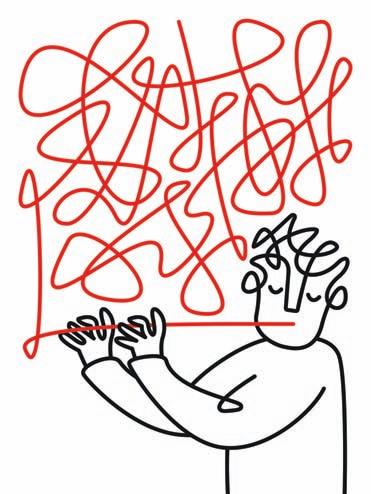
Flute Player
Arts & exhibitions
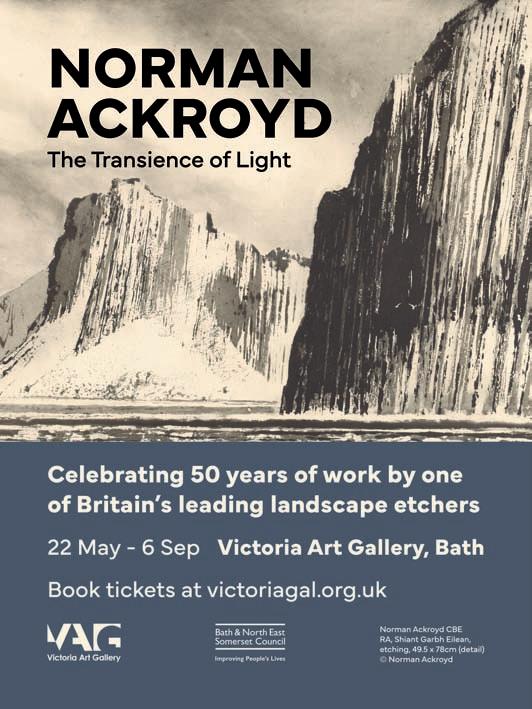
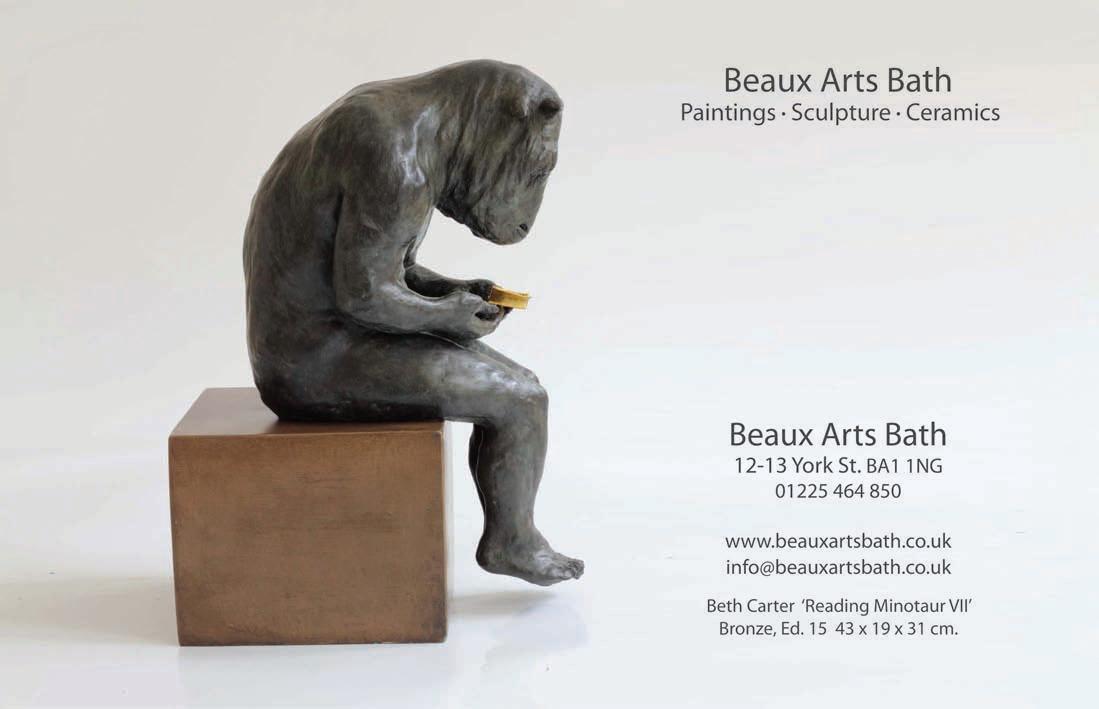
Exhibiting at Beaux Arts, throughout July, Beaux Arts 12-13 York Street, Bath
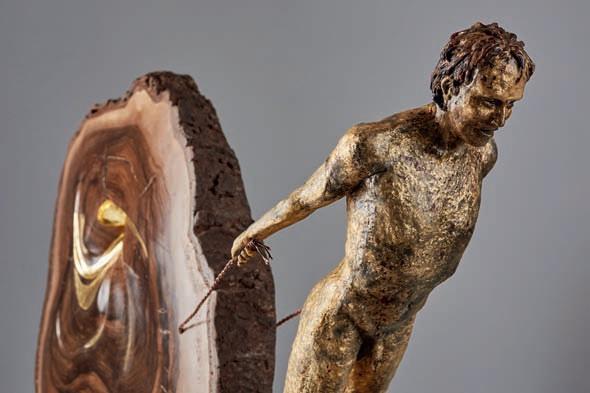
Beaux Arts hosts a strong roster of sculptors over the summer with work by Patrick Haines, Beth Carter, Nichola Thealston, John Behan, Anthony Scott on display. On the walls are works by Richard Twose, Jo Barrett, Stewart Emdondson, Andrew Crocker, Helen Simmonds, Jennifer Anderson, Mark Entwisle, Linda Felcey, Bobbie Russon. A wonderful new collection of ceramics is by Tricia Thom. beauxartsbath.co.uk
New Artist in ART STOP at
Sandra Higgins Art
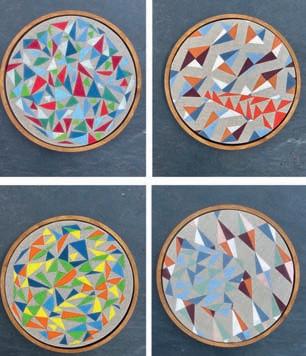
Sandra Higgins Art is delighted to welcome Donald Smith to the online ART STOP collection. Donald Smith's paintings are abstract compositions made up of simple fragments of colour held in dynamic tension; their colourful geometric elements are challenged by the power of the landscape surrounding him. Living in the village of Horton Kirby, Kent, Smith can see fields sweeping down towards the River Darent. In the Tondo series, Smith fuses these experiences, sensations, processes and ideas into simplified forms, colours and materials. sandrahiggins.art
Elphick and Elphick exhibition, until 12 July, 44AD, 4 Abbey Street, Bath
Elphick and Elphick “From Life” is an expressive and contemporary exhibition of paintings by Deirdre Elphick and sculptures by Martin Elphick. It includes a fine variety of Life Studies, Still Life and Landscapes, all based on observation. Martin and Deirdre work from their studios in Wiltshire.
44AD.net | deirdreelphick.com | martinelphick.com
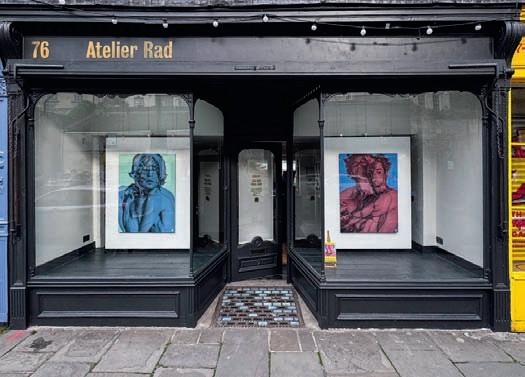
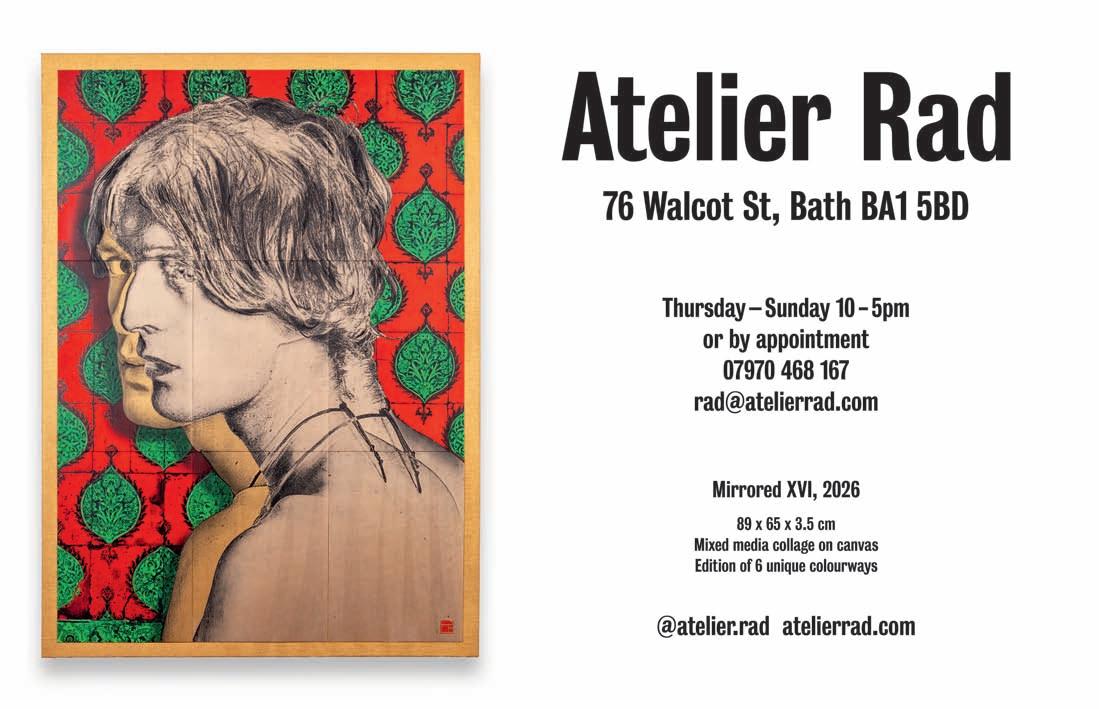
Atelier Rad, 76 Walcot Street, Bath
Visit Atelier Rad: a new gallery in Bath. Part studio, part gallery, Husak’s space reflects an ongoing exploration of art, collaboration, and experimentation. Defined by a constantly shifting identity, it brings together artists at different stages of their careers in an environment that prioritises dialogue over convention. Without a fixed schedule or curatorial framework, the programme evolves naturally, creating a vibrant setting where new ideas, connections, and creative practices can emerge. atelierrad.com
Ambition
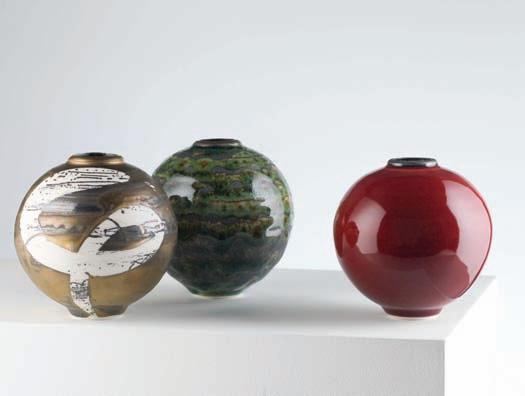
Tricia Thom, Moon Jars, Porcelain, 15 x 15 cm. (approx.)
Images from top left to lower right: Tondo No. 4, Tondo No. 5, Tondo No.1 & Tondo No. 2, 202 by Donald Smith
Frome Open Art Trail, 4 – 12 July, Various locations around Frome
The 2026 Frome Open Art Trail takes place alongside the annual Frome Festival. Emerging and established artists & makers open their studios, homes and venues to showcase and sell their work. The event is a treat for art lovers, an excellent way of meeting artists, and to support Frome’s creative community. Venues are open both weekends, and many during the week, from 10am to 5pm, giving an opportunity to find original, individual works of art. Paintings, sculpture, textiles, glass, ceramics, jewellery and much more. The Art Trail is a highlight of the Frome Festival, with 92 artists in 33 venues, in and around Frome. frome-open-art-trail.co.uk
(top to bottom):
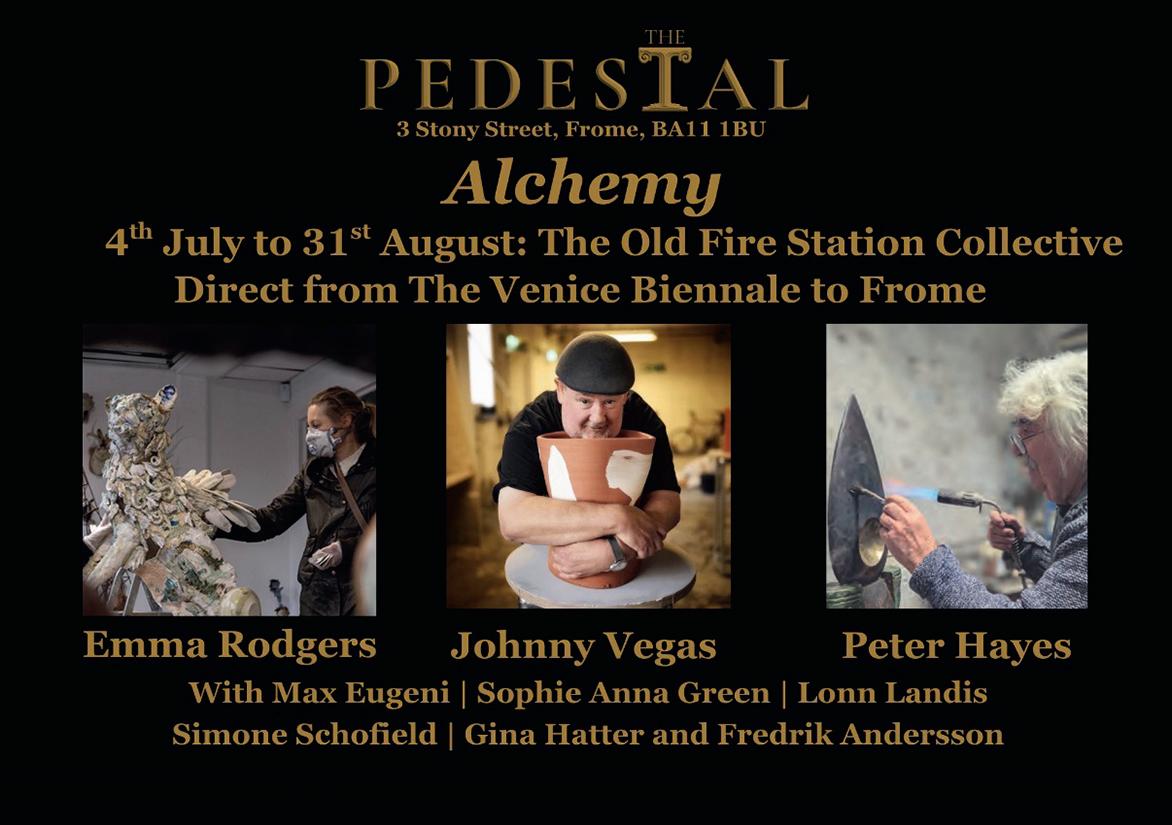
Alchemy, 4 July – 31 August, The Pedestal Gallery, 3 Stony Street, Frome
The Pedestal Gallery are thrilled to be exhibiting Alchemy at their Frome Gallery throughout July and August - showing a group of 9 artists formed under the name of ‘The Old Fire Station Collective’ chosen to exhibit with the European Culture Centre as part of the Venice Biennale 2026, one of the most prestigious and competitive platforms in contemporary art. The artists Peter Hayes, Johnny Vegas, Emma Rodgers, Gina Hatter, Max Eugeni, Sophie Green, Lonn Landis, Simone Schofield, and Fredrik Anderson have worked as a collective, driven by a shared curiosity into natural materials and chemical reactions. @thepedestalgallery
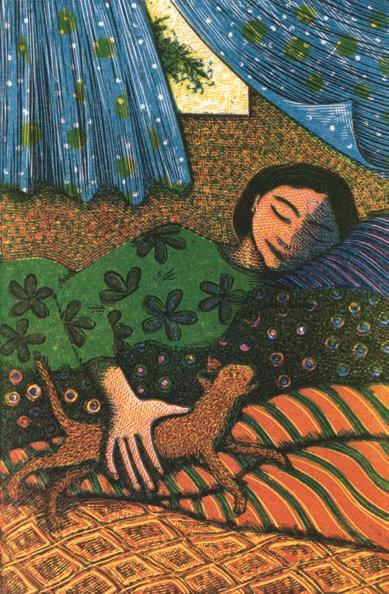
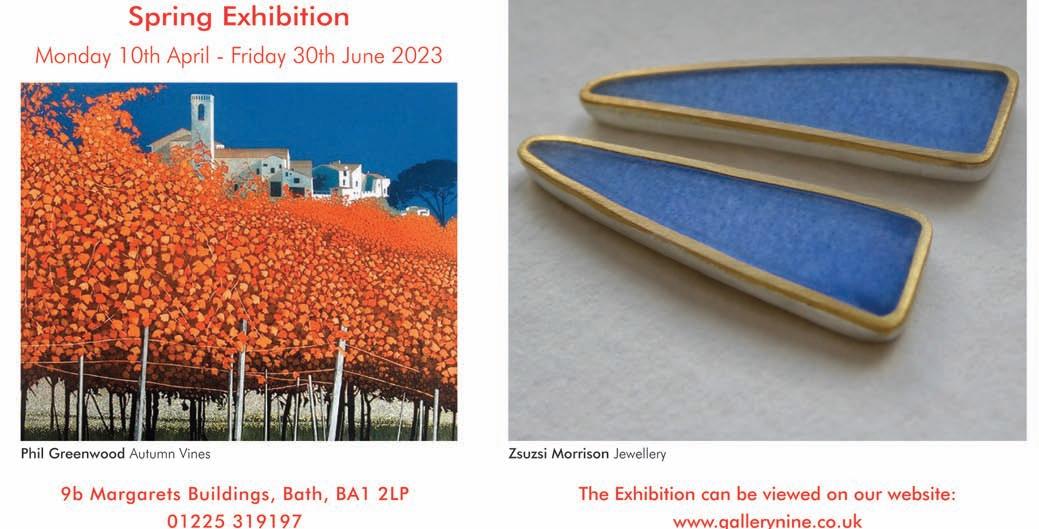
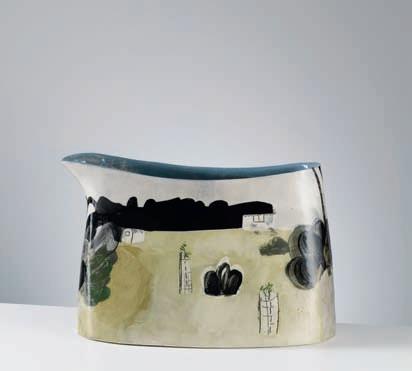
Ceramicist Anna Lambert has developed her hand-built forms to reflect a connection with the fragile and constantly changing environment, using various techniques including altering clay slabs, modelling and painting with slips and under-glazes. Merlyn Chesterman returns to gallery Nine with her woodcuts of seascapes. Hilary Paynter is widely recognised as one of today's leading wood engravers and is renowned for the contemporary themes she brings to this traditional medium. Jeweller Suzanne Claire handcrafts beautiful and tactile French knitted, crocheted, embroidered and woven jewellery. Zsuzsi Morrison’s jewellery could be described as modern-day talismans or amulets, each piece an individual work of art. galleryninebath.com
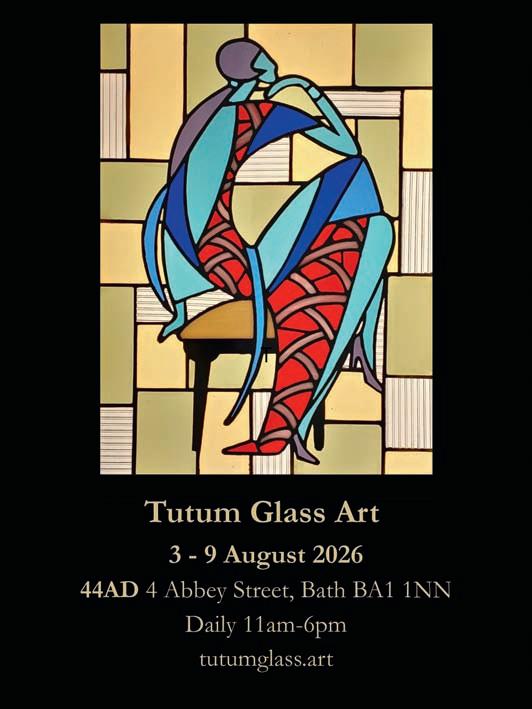
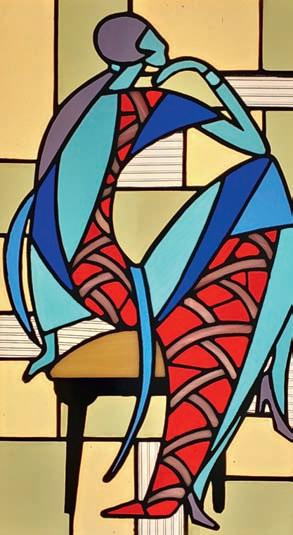
Richard Cork’s (Tutum Glass Art) first solo exhibition presents stained glass artworks inspired by art deco, nature and his surroundings on the River Avon, transforming this heritage medium into a contemporary practice. tutumglass.art
Images
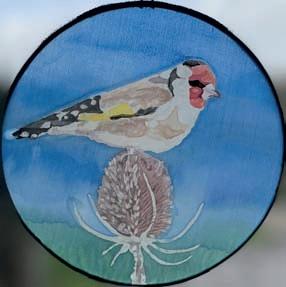
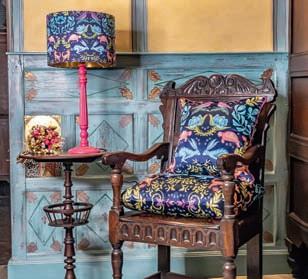
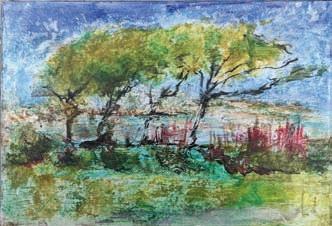
Goldfinch suncatcher, Applegate; Hare and Tortoise Cushion and Lampshade, Belle Design; Cochrane Trees, Sancreed Beacon
Hilary Paynter ‘ Siesta’ Woodcut
Summer Exhibition 5th July - 31st August
Private View 4th July 4.30pm- 7.30pm ‘Shaping the Essence of Nature’
Anna Lambert Ceramics - 'Portlemouth Greenhouse', Large Wide Jug Merlyn Chesterman ‘Long Swim’ Woodcut
Photograph by Shannon Toft
Alistair Cooke: A Letter from Bath
As published in The Listener, 6 July 1961
When Alistair Cooke visited Bath in 1961, many of the city’s most celebrated buildings had only recently begun to emerge from decades of grime and wartime damage. His observations offer a fascinating snapshot of Bath at the start of the restoration era that would shape the city we know today
Foreword by Colin Webb
When I arrived in Bath from London age 22 in 1969 to join a small book publisher, the city was still undergoing renovation and a general clean-up of the black soot that was ingrained on many fine facades. I could not then have predicted that in many years to follow I would publish the legendary broadcaster Alistair Cooke (1908-2004), become his literary executor, and also return to Bath finally for good in 2001.
Having edited his Letter from America 1946-2004 (Penguin Modern Classics) I found this piece first published in The Listener when he visited Bath in 1961. In this he admirably defends the city from Frank Lloyd Wright’s critique that in architecture there is nothing from the past worth preserving. His observations still resonate.
A Letter from Bath. 6 July 1961
HAVING ARRIVED IN BATH I cannot get out of my mind the late Frank Lloyd Wright, the great, or at least the grandiose, American architect - who even by his belittlers was credited with revolutionary discoveries in the art of building, with the first cantilevered house, the first air-conditioned building; he was the master of the tensile strength of steel, the pioneer - as long ago as the eighteen-nineties - of the modern house, which for the moment we will define simply as a freeflowing combination of indoors and outdoors, with picture windows and room dividers and the rest of it.
Frank Lloyd Wright was an enormously impressive man who looked like Merlin impersonating Whistler’s Mother; and he had a beautiful, gentle, smooth-flowing voice that lulled you into believing that he was showering you with pearls of wisdom even when he was drowning you in nonsense. On one occasion, a year or two before his death (he then confessed to his ninetieth year, though I sometimes thought that he shaved it a little and might very well have built the pyramids), we had a long conversation about his methods of teaching his disciples, or – as he preferred to call them – his apprentices. He was right to insist on that word because he made it clear very early on that it was a breathtaking privilege to work for him, and his assistants were consequently paid nothing. They lived in or around one of his two houses – in the Arizona house they slept on open terraces and shivered through the cold nights before the hot days began. It would have made no difference if they had lived in the inner recesses of the porches that were called bedrooms – there were no windows anywhere in the house. They got up. and they had a monkish meal and then they sat at the feet of the Master.
And then what? I asked him. Did they study periods of architecture
About Alistair Cooke (1908–2004).
Broadcaster, journalist and writer, Alistair Cooke became one of the most recognisable voices in the Englishspeaking world through his long-running BBC radio programme Letter from America, which ran for nearly 60 years. Renowned for his wit, curiosity and elegant prose, he was one of the twentieth century’s finest observers of culture, politics and everyday life.
and the characteristic materials of each age? He was shocked at the suggestion. ‘They discover for themselves’, he said, ‘the living properties of the material they work with and learn to adapt it to needs of time and place’. That was a reply. It has a swing to it but it does not get you very far. But surely, I said, an architectural student must, somewhere along the way learn something about the classical orders, the Corinthian, the Ionic, the Doric. He cut me off with a howl of pain. ‘Sheer antiquarianism’, he roared. But, I said, feeling that I was ninety and he was nineteen, isn’t it necessary to have some training in the
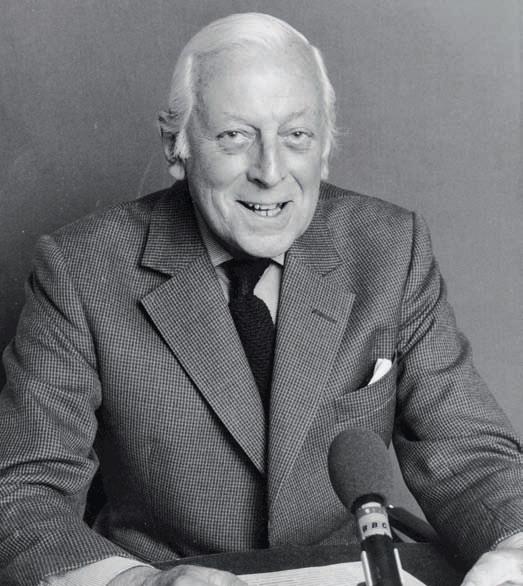
Alistair Cooke (1908-2004) broadcasting on the BBC. Image courtesy of Cooke Americas LLP
“Fake classicism - lifeless imitations: look at Washington DC, a collection of Greek wedding cakes”
Frank Lloyd Wright
architecture of the past before you launch out on your own? ‘Not in the least’, he said, quite serene now, ‘ What does it lead to? Fake classicism - lifeless imitations: look at Washington D C, a collection of Greek wedding cakes…’ But I said, doesn’t the Jefferson Memorial prove something? ‘It proves’, he said, ‘that if you have enough money and a moronic Congress, you can build a lavatory in the shape of a Roman temple’. Well, is there nothing good or worth preserving in genuine originals that were truly modern in their time? ‘Nothing’, he said, ‘nothing at all. There has been no true building since the Aztecs. The Acropolis should be dynamited. And look at Versailles. A monstrosity. And look’, he said, clearly intending not to look at all, ‘at Bath’.
I knew there was some link between my guilty feeling on entering Bath and this plaguey memory of Frank Lloyd Wright. I looked at Bath, as I had done three or four years ago, and in defiance of the old master I dare to say it is a beautiful town to look on and soon will be lovelier still. This is because the City of Bath, like so many other places in Britain, had to suffer the scare and destruction of a bombing or two to appreciate the noble things it had for so long allowed to run down.
The first time I was in Bath after the war, the Roman baths, the great Abbey, the crescents built by John Wood and his son were black with grime and pitted with rot. In the last year or two Bath has wakened up
with a bang to what is unique about its heritage: an eighteenth-century town built in a single style out of the local stone that abounds in the nearby quarries. As they have done in so many other old towns of England, in Cambridge most wonderfully of all, they have blasted away the centuries of dirt that had added more grime than bloom, and today you can see the two great crescents and the Circus as they were in the seventeen-sixties and seventies. Great lyrical arcs of a light biscuit colour, gay and graceful as they were meant to be. Some attempt has been made, though not enough, to paint the doors of the houses in a uniform colour. There are still garish hints that a Brighton landlady has been putting chocolate brown on a door or two and ultramarine blue round the window frames. The Abbey no longer sits here like a lumpish Gothic tomb. It shimmers in the late afternoon light, and on the west front one can now see teams of angels having a rollicking time rushing up and down (I don’t know why down) a ladder from Heaven.
I do not know, or much care, whether the impulse to do all this renovating and sandblasting was aesthetic or commercial. Bath’s best future is as a tourist town; and unlike some other tourist traps that are bedecked and bedizened for the visitor, Bath has no need to add anything. All it has to do to become a beautiful but animated museum is to clean and restore and expose the lovely shell of a town which attracted everybody there in the eighteenth century, from Clive of India to Gainsborough, from Lady Hamilton (and Nelson, naturally) to Sheridan and General Wolfe, Beau Nash and even John Wesley.
The city has done a fine job on the Roman Baths; it has restored the general ground plan of the system, it explains the whole thing with the recorded voice of an Oxford scholar commenting on each section of the baths as each is illuminated in turn. Alongside this restoration is a new museum of artifacts that have been dug up at various times and that tell us a great deal about the kind of life the Romans had in Britain when
Image courtesy of Visit Bath. Nick Smith photography
“Bath’s best future is as a tourist town; and unlike some other tourist traps that are bedecked and bedizened for the visitor, Bath has no need to add anything.”
Alistair Cooke
they were busy civilizing our forefathers. Not all the reminders of Bath’s old glory are in the arts of building or renovating ruins. One of the best ways of spending a morning is to go into the Abbey and read the hundreds of epitaphs that appear on plaques and tablets on the walls. Anyone only casually interested in military history can begin to sense the vast extent of the British Empire in its heyday and the cheerful commuting that soldiers and sailors indulged in, between the Hudson River and India and on to the Peninsular War, before they all settled in Bath and shared reminiscences in the Pump Room of the hazards of the Indian climate, and the charms of the girls from upstate New York.
Most of these epitaphs were written and inscribed in the seventeenth and eighteenth centuries, during that long span when - as somebody said - it was almost impossible for an Englishman to write badly. Soon after the Nineteenth century sets in, life becomes real and life becomes earnest, and the prose becomes grim and dim. But happily - if I may put it that way - most of these generals and admirals and gallants and their ladies died at a time when their epitaphs alone give them a kind immortality. Consider this one about ‘ Anne, only daughter of George Finch Esq of Valentines in Essex’: ‘It pleased God to visit her with a tedious and severe illness, which she bore with great evenness and constancy... Her life was the more desirable in that the first real occasion of Grief that she gave her sorrowful Mother was her Death’. Another begs the onlooker to consider how sad the widow must feel in actually having to see the epitaph chiselled: ‘Reflect, O Reader, on the distress of Conjugal Affection, and pity the fond endeavour which, in seeking to alleviate perpetuates its sorrows, by inscribing marble’.
A minister plenipotentiary to the court of Prussia, - one Joseph Ewart – could become a sympathetic figure and a warning to all schoolboys who fear the effects of too much homework on the brain. For do you know what Mr. Ewart died of? He was, it says here, ‘a premature victim of the exertions of an ardent and superior mind’. He was dead at thirtytwo. The one epitaph that I should like to think set the tone of Bath in its best days - the mischief and gaiety possible to retired sailors who had done their duty well – is this one, to a Rear Admiral of the Red, who died in 1774:
‘Let the Brave revere him for the pattern which they gain, Let the gay regret him for the pleasure which they lose.’
Now why should I, at the beginning, have thought of Bath and Frank Lloyd Wright in the same breath? Because I think a lot of intelligent people feel a certain guilt in visiting historical places that provide a haven from the things we have to face today - and by things I mean not only political anxieties but the effort to find a true style of society, of work and leisure, of architecture and traffic engineering and holiday resort, that will fit the social revolution we have gone through in the last thirty years or so. In other words, Frank Lloyd Wright was a very persuasive critic of what he took to be a sin: the sin of inviting people
to wallow against the backdrop of a life and style of city that is dead and done with. This was his big argument against living in any time that was not your own. He would have made the point that Gainsborough, Sheridan, and the rest, even the retired soldiers and sailors, did not do with Bath what we are doing with it. They lived their lives in a modern town, a creation of their own artists and entertainers. They moved among the latest furniture in the very latest style of house. They did not retreat into Elizabethan manor houses or sigh for William and Mary furniture: they were healthy; people who want to dally with the eighteenth century instead of the twentieth are not.
Having come lately from Berlin, which is crackling away like a timebomb ready to explode at the ticking of Mr. Khrushchev’s stop-watch, I am acutely aware of the dangers of escapism. Destroy all your old towns, Wright used to say, and build a democratic architecture that follows the shape of the land it is placed in and that has meaning for people living in a democracy - not palaces and plaza gardens and vast museums. but... But what? I asked him. ‘Build’, he said with a firm gentle emphasis, ‘ for whatever the people do in their daily lives’. I can only think this means better, more dashing greyhound tracks, flashier movie houses, grander nuclear reactor plants, football stadiums as big as the Colosseum, and bookmakers’ offices as elegant as the crescents of Bath.
I had, and I keep, great affection for Frank Lloyd Wright. But it seems to me a very plausible argument based on a preposterous premiss. The premiss is that we all come into the world with a completely original set of muscles and organs and nerves, and that our character and ideas will be formed only from the moment we begin to take in sights and sounds and the advice of our parents. But a man in his forties today surely is not only a user of snack bars, a veteran of Dunkirk, a man for or against the Common Market. Whether he knows it or not, he wasthrough his forbears – tamed by the Romans, toughened by the Crusades, excited and deepened by the age of Shakespeare, and civilized by the eighteenth century. Bath is only one delectable reminder that a man is all the forces that have made him - and so is a nation. n
A Letter from Bath by Alistair Cooke. First published 6 June 1961 in The Listener, a BBC magazine.
A Letter from America 1946-2004 (Penguin Modern Classics) is available in Bath at Topping & Company and Mr B’s and many other good book sellers.
Signed at the Height of Beatlemania
A folded sheet of paper bearing the signatures of Paul McCartney, John Lennon and Ringo Starr has attracted considerable attention at Lawrences Auctioneers in Crewkerne. Accompanied by a Beatles Fan Club card believed to have been signed on the band’s behalf by road manager Neil Aspinall, the lot offered a remarkable glimpse into the height of Beatlemania in 1964.
According to the family, the autographs were obtained by the vendor’s father, a police officer responsible for the band’s security during a visit to the North of England. He is said to have watched Lennon, McCartney and Starr sign the paper in person while The Beatles were staying overnight at Park Hall near Sheffield, having arrived by helicopter. When he approached George Harrison, he reportedly declined to sign and waved him away. Years later, the family would recall the encounter with amusement, remembering the officer’s description of Harrison as appearing somewhat “moody on the day”.
The enthusiastic bidding for the lot reflects the enduring appeal of music memorabilia and the stories that accompany it. It also comes at an exciting time for Lawrences, which has recently launched a dedicated department for Vinyl Records, Musical Instruments and Music Memorabilia. If you have an item fitting that category, get in touch with us. While this Beatles treasure was offered through the June Fine Art Sale, it perfectly demonstrates the connection collectors seek with the artists that helped shape modern music history.
Lawrences are welcoming consignments for their forthcoming Fine Art sales to include:
Free valuations are available online at lawrences.co.uk
Home visits also available throughout Bath and the West Country without charge or obligation.
South Street, Crewkerne, Somerset TA18 8AB.
T: 01460 73041 E: enquiries@lawrences.co.uk
1A Woodlands Estate, Westbury, BA13 3QS
T: 01373 822337 E: wessex@lawrences.co.uk
The Two Valleys walk
Woodland paths, riverside meadows, and one of Britain's most impressive canal structures combine on this rewarding circular walk linking three historic villages with three welcoming places to pause for lunch, a drink or refreshments along the way
Recently named as the best city in the world for green spaces and nature, by Time Out and Intrepid Travel, Bath spoils us with multiple walking routes right on our doorstep. However, there are few walks in our area that pack so much variety into a such a manageable distance as the Two Valleys walk. Exploring some of the most picturesque countryside in the Frome and Avon valleys, through ancient woodland and quiet waterside paths this route takes you through the historic, industrial hamlets of Avoncliff and Iford, finishing in Freshford.
A short hop on the train to the hamlet of Avoncliff (make sure you are in the right carriage to be able to exit!) just 2 stops from Bath, sees you step off into a platform surrounded only by countryside and the magnificent Avoncliff Aqueduct, over 100m long, towering over you.
Head up the stairs off the platform and cross this impressive feat of engineering over the railway and River Avon, enjoying the narrowboats gently wending their way over it on the canal. With no road through Avoncliff, it as a peaceful spot full of nature.
Take stock of it all with a refreshing pint from the recently re-opened Cross Guns at Avoncliff. Serving drinks since c. 1610 this pub has recently been taken over by William and Marianne Cartwright-Hignett from nearby Iford. Championing local breweries and their own Iford Cider there is a good selection of ales, lager and cider on tap. Don’t miss the Two Valley lager, created by William in association with True Story Brewery in Westbury. Exclusively available here and sister pub, The Inn at Freshford (which features later in the walk).
With pub renovations ongoing, food this year is served from The Shack, although the name belies the kitchen that has been installed and the quality of the food served. Cheeseburgers made with beef grazed on the Iford Estate in the next valley (vegetarian burgers also available!) and baps freshly baked at the Iford Bakery, are perfect for fuelling up before a walk. Fries, focaccia, buddha bowls are also available, or soft serve ice-cream with waffles for those with a sweeter tooth.
The Shack is found in the pub’s large beer garden, which extends down to the River Avon. Nestled between the aqueduct and the impressive Avoncliff weir, it is a wonderful spot to sit and enjoy nature. The swans often swim by, and the cows on the opposite banks come down to drink.
When you can finally bring yourself to leave this special place, head under the aqueduct and follow the road round to the left to head up the hill towards Westwood. Partway up the hill, as the road bends to the left, look out for a footpath and continue along this into the woodland, heading up the hill. The climb is gentle, but rewarding, with glimpses across the landscape and the river below.
At the end of the footpath, turn left onto the small road and continue until it reaches Upper Westwood Road. Turn right and keep an eye out for a bridlepath on your left. It is hard to spot as it is a track that looks like a driveway between two houses. You will find it just after the ‘Road Narrows’ sign on your left and opposite house number 139. Follow that bridlepath until it ends when it meets Westwood Road.
Turn left, passing Iford Cider Taproom on your right, and follow the
Avoncliff Aqueduct
Iford Manor Estate wall the junction with Iford Hill, where the Manor’s top gates are located. Turn right and walk down the hill towards Iford.
Iford is one of the highlights of the walk. Tucked beside the River Frome, the hamlet has a timeless quality with stone cottages, narrow lanes and the celebrated Iford Manor whose gardens are regarded as the finest in the country. This is an ideal point to pause and enjoy homemade pastries, lunches and cakes from the Iford bakery, often with ingredients sourced from the Estate, in Iford Manor Café’s sunny, walled courtyard reminiscent of the Mediterranean. Alternatively, for a finedining experience, Iford Manor Kitchen is your best option. A reservation is usually needed for the restaurant, but no reservations are taken for the cafe.
“This is an excellent place to pause and spot wildlife, from the fish in the river, to kingfishers, otters, beavers, egret, heron and much more.”
Once you are ready for the next leg of your walk, head along to the bridge at Iford with Britannia overlooking the Frome. This is an excellent place to pause and spot wildlife, from the fish in the river, to kingfishers, otters, beavers, egret, heron and much more. Cross the bridge and just after Iford Mill on your right, you will see a field gate with a stile and pedestrian gate.
Follow the marked path and enjoy the expansive views down the valley. Watch for birds of prey soaring, hares and deer as well as wild flowers when walking through this field. Please do keep dogs close and stick to the path to help protect the many endangered species that are resident here.
Entering the ancient Friary Wood the atmosphere and climate change as the trees tower over you. At the hamlet of Friary, with its fascinating historical information board, turn left and almost immediately right then up some steps to continue on the path. It is now a bridlepath and runs along the bottom of the woodland. At the end of the path, turn right and follow the road until you reach a bridge.
Don’t cross the bridge, but take the footpath on your left through the fields. Keep right at the fork and you will arrive at the outskirts of Freshford with The Inn just over the bridge waiting to welcome you.
A natural stopping point for centuries, inside you will find a cosy bar area for drinks and bar snacks, or a dining area for traditional, quality, pub fare with a modern twist. The garden has been under renovation by the team from Iford Manor, due to be reopened imminently, from where you can enjoy this special space.
From here, you can either end your walk with a short stroll to Freshford station, or walk back to the Freshford bridge and take the footpath on your left. This follows the shores of the River Avon back along to Avoncliff, where you can jump back on a train, or maybe treat yourself to that waffle with soft serve and a well-deserved final pint at The Cross Guns before heading home.
The circular walk takes one and a half to two hours, but leave plenty of time for refreshment stops, wildlife spotting and simply taking in the history, architecture and views along the way. n
Garden at The Cross Guns overlooking the River Avon & Avoncliff Aqueduct
School’s out for Summer
Looking for things to do during the holidays? From art camps, drama workshops and creative play to exploring the world’s first amazement park, we’ve got some great ideas for a summer of family fun...
Visit once and return for FREE! Summertopia at Avon Valley will be a splash, open 11 July to 31 August. Enjoy a full day of tropical fun, from the beach zone, giant slip ‘n’ slide, massive paddling pools, sand and water play, tractor rides, West Country games, silent disco, raptor encounter, mini jeeps, bouncing pillows, indoor softplay, climbing tower, diggers, animal cuddles and more! Every day finishes up with a foam party and you’ll see the summer out with a massive family waterfight. Fun for all the family that’s open late on Friday nights with live music to relax into the weekend. Value-packed camping and glamping is also available, so fun days out don’t have to end.
DYRHAM PARK
SUMMER ART CAMPS AT THE HOLBURNE MUSEUM
The Holburne Museum, Great Pulteney Street, Bath, BA2 4DB Web: holburne.org
For children aged 6-11years, Holburne Art Camps provide a fabulously fun day of creativity for children, delivered by experienced artists. Each day is designed to explore new skills, art practices and interesting materials. All activities are inspired by the wonderful objects and stories from the museum collection, as well as the temporary exhibitions.
Ten days of creative day camps from 9am to 4pm, across 27 July to 6 August and 10-11 August £49 a day + £2 booking fee.
South Glos, SN14 8HY Web: nationaltrust.org.uk/dyrham-park
The school holidays are packed full of adventures this summer at Dyrham Park from Pokémon to painting. Take to the stage, have a go at a beatbox, get messy in the mud kitchen, go on a barefoot trail or lose yourself in a maze. With nature explorers, art adventurers and thrillseeker Thursdays, there’s something for everyone. In addition, get active outdoors on our Pokémon Trading Card Game Mega Evolution Trail. Team up as a family to search the parkland for each Mega Evolution Pokémon, discover their powers and complete your own challenges. From 22 July until 2 September 10am to 5pm, last entry 4pm.
The Roman Baths, Abbey Churchyard, Bath BA1 1LZ Web: romanbaths.co.uk
Step back nearly 2,000 years and embark on a family adventure at the Roman Baths this summer. In partnership with AQUILA magazine, the attraction is launching a brand-new Summer Quest: Reverse the Curse!, inviting young explorers to uncover the mysteries of Sulis Minerva through puzzles, challenges and clues hidden throughout the site. Alongside the quest, families can enjoy free drop-in craft activities on weekdays, meet costumed Roman characters and discover the fascinating stories behind one of the best-preserved Roman sites in the world. Every visit includes a free audio guide, with a special children’s version narrated by Michael Rosen. For those keen to get hands-on, Archaeology Adventures offers the chance to dig for replica Roman artefacts (booking required). And when it’s time for a break, a pop-up bar beside the iconic Great Bath will be serving cold drinks and ice creams throughout the summer. The Roman Baths is free for B&NES Discovery Card holders, while family tickets can save visitors up to 50%.
WOOKEY HOLE
The Mill, Wookey Hole, Wells, BA5 1BA Web: wookey.co.uk
The American Museum & Gardens is the perfect family day out this summer, with acres of beautiful gardens, fascinating exhibitions and plenty of activities for children of all ages.
Throughout the season, families can enjoy the dedicated children’s play area, interactive exhibits, dressing-up opportunities, weekend and holiday craft activities, and the America Garden Deli serving American-inspired food and drinks.
This summer’s highlights include Circus of Curiosities (from 4 July), a playful exhibition featuring 25 ingenious moving sculptures inspired by the magic and spectacle of the circus, complete with hands-on activities and a creative play area.
Until 6 September, visitors can also see a rare original 1776 Declaration of Independence on display as part of the America 250 celebrations, accompanied by a special exhibition trail through the Manor House.
The Museum is once again partnering with Forest of the Imagination, bringing an interactive outdoor installation to the gardens from 11 July–1 September, with nature-inspired workshops and family activities throughout the summer.
With so much to explore indoors and out, it’s a wonderful destination for a memorable summer day out. Visit the website for opening times, event details and ticket information.
Wookey Hole launches magical summer line-up with brand-new cave experience and up to 20% off tickets. Looking for a great-value family day out this summer? Wookey Hole has unveiled a magical line-up of adventures beneath the Mendip Hills, including its hugely popular new immersive cave projections. Wookey Hole is a surprising, whole-day experience, where families can explore the legendary caves, home to the famous Witch of Wookey Hole, before discovering a packed programme of attractions above ground.
From a 4D cinema, adventure golf and soft play to a nostalgic vintage penny arcade, there’s plenty to keep children entertained throughout the day – all within one price.
A must-see addition is the brand-new underground projection experience, launched this May as part of a £250,000 investment. Using cutting-edge projection mapping, the caves themselves become the stage, bringing stories of the Witch, ancient geology and daring explorers vividly to life. Visitors are already praising the magical new dimension it adds to the cave tour. To make visits even easier, visitors can enjoy up to 20% off tickets this summer (until 31 August).
Image courtesy of Christopher Ison
BRISTOL DOCKYARDS
Great Western Dockyard, Gas Ferry Road, Bristol BS1 6TY Web: bristoldockyards.org
Pack up your playmates and set sail for fun! This summer at Bristol Dockyards – home of the SS Great Britain – the stories of one of the world’s most extraordinary ships are brought to life through games, challenges and family activities.
From 18 July, children can enjoy interactive experiences inspired by the ship’s global voyages, from dockside games and engineering challenges to hands-on activities in the galley and engine room.
July also sees the launch of a new museum, part of the expanded SS Great Britain Experience, featuring interactive exhibitions, digital recreations, historic artefacts and community-led research uncovering stories from the ship’s 41 years of service.
Then step aboard Brunel’s iconic vessel itself and discover how it transformed travel, migration and culture.
And the good part... Kids Go Free all summer long – one child free with every paying adult until 2 September, with unlimited return visits included.
A day of family-friendly entertainment comes to Beckford’s Tower this July as the Paddock Circus Festival transforms the Grotto Paddock into a lively outdoor celebration of circus, comedy and theatre. Headlining the event is Circus Pazaz, whose Little Big Top will host two spectacular performances featuring aerial acrobatics, juggling, hula-hooping and plenty of audience participation. Also appearing is Darryl Carrington with Out of the Box, a delightful non-verbal comedy show packed with inventive tricks and playful surprises, while Cat & Mouse Theatre present Stand and Deliver, an interactive outdoor adventure inspired by the legends of 18th-century highwaymen.
Throughout the day, visitors can try their hand at circus skills workshops, enjoy live entertainment, and relax with food, drinks and locally made ice cream. Picnics and blankets are welcome, making it an ideal summer day out for families, friends and couples alike. Tickets include half-price admission to Beckford’s Tower and Museum. Adult tickets £15, children £5, students £8, family ticket (2 adults + 2 children) £35.
WE THE CURIOUS
One Millennium Square, Bristol BS1 5DB Web: wethecurious.org
Let imaginations run free this summer with a day out full of fun and discovery at Bristol’s science experience. As well as two floors of interactive exhibits to explore together, families can enjoy a special programme of creative activities including daily challenges at the new Investigation Station, delicious experiments in the Summer Kitchen, and a flight through Saturn’s icy rings in the Planetarium.
Summer of Imagination activities run every day from 23 July to 1 September. Throughout the summer, admission tickets are cheaper as part of the Government’s VAT reduction, and there’s a further 20% off if you make your Summer of Imagination booking by 22 July.
SUMMER CREATIVITY AT THE VICTORIA ART GALLERY
Victoria Art Gallery, Bridge Street, Bath BA2 4AT Web: victoriagal.org.uk
Looking for a creative day out this summer? The Victoria Art Gallery is inviting families to discover, make and explore with a programme of hands-on activities, free drop-in sessions and inspiring exhibitions throughout the school holidays.
Young artists can get creative with craft activities inspired by the artworks on display, while interactive workshops and familyfriendly challenges encourage children to look more closely at the Gallery’s collections and discover the stories behind the art. There are opportunities to draw, make, experiment and explore, with activities designed to spark imagination and help children engage with art in fun and unexpected ways. Alongside the summer programme, visitors can enjoy the Gallery’s changing exhibitions, including Norman Ackroyd: The Transience of Light, as well as one of Bath’s finest collections of paintings, sculpture and decorative arts. The Gallery’s riverside setting in the heart of the city also makes it an ideal stop during a family day out in Bath.
Whether your child loves drawing, crafting, storytelling or simply letting their imagination run wild, the Victoria Art Gallery offers a fun, inspiring and affordable way to spend a summer afternoon. Many family activities are free to take part in.Visit the website for opening times, event details and ticket information.
Looking for ways to keep children active, engaged and entertained during the summer holidays? Kingswood School is hosting a wide range of holiday clubs and activity camps for children and teenagers aged 4–16, delivered by leading specialist providers across its extensive Bath campus.
Multi-activity provider SuperCamps returns with its popular programme of sports, games, arts, crafts and outdoor adventures, alongside specialist camps including Chelsea FC Football, RISE Cookery and Bushcraft. Young sports enthusiasts can also take part in Activate Camps, offering coaching in cricket, netball and hockey.
For budding tennis players, Blue Sky Tennis runs camps throughout the summer for all abilities, from beginners to more experienced juniors, while a new addition for 2026 is the SPI Performance Rugby Camp, a four-day programme combining expert rugby coaching with sessions on sports psychology, nutrition and athletic development. With activities running from 9 July to 20 August, flexible booking options and programmes tailored to different age groups and interests, Kingswood offers plenty of opportunities for children to learn new skills, make friends and have fun during the summer holidays. Visit the website for dates, prices and booking information.
THE ACADEMY OF IMAGINATION AT BRLSI
Bath Royal Literary and Scientific Institution 16-18 Queen Square Bath BA1 2HN Web: www.brlsi.org/families-2/
Ready to get ‘Snap Happy’ this summer? Some great summer holiday events are taking place courtesy of BRLSI’s amazing family activities programme Academy of Imagination, which delivers a host of free and fantastic activities to help you switch off from school and really get those creative juices flowing. BRLSI’s current exhibition Worlds Apart is all about the invention of photography, and the activities and workshops they have put together should inspire you to take your own amazing photographs.
Tasting tables
Foodie
notes and delicious ideas to whet your appetite
A Taste of Somerset at The Alcoholery
Just weeks after opening, The Alcoholery is already drawing visitors to its picturesque Somerset setting with a tempting mix of great food, handcrafted drinks and vineyard views.
Nestled between Farmborough and Timsbury, the family-run destination brings together a bustling café, farm shop, vineyard, cidery and distillery under one roof. Visitors can tuck into freshly prepared breakfasts and lunches, browse local produce and discover an impressive range of ciders, wines, gins and spirits made on-site.
The Alcoholery’s story began more than 30 years ago with a handful of apple trees and a passion for farming. Today, that small orchard has blossomed into an award-winning drinks business, producing everything from traditional cider to its popular Rosie Pink Gin.
Food and drink experiences are set to take centre stage this summer. On Friday 4 July, a new, a specially curated six-course cider pairing evening will see Head Chef Kyle match seasonal dishes with six handcrafted ciders, while BBQ Sundays and vineyard picnics promise laid-back afternoons among the vines. Guests can simply pick up a picnic box, blanket and drinks before settling in to enjoy the countryside views.
While visitors may come for the cider flights and vineyard views, there’s a serious artisan food and drink operation at work behind the scenes. From orchard to bottle, much of what guests enjoy is produced on the farm itself, creating a genuine field-to-fork-and-glass experience that celebrates Somerset’s rich food and drink heritage.
As interest in locally sourced food continues to grow, The Alcoholery is well placed to become a destination in its own right – somewhere to enjoy a great lunch, discover a new favourite tipple and soak up a slice of countryside life just a short drive from Bath.
With sustainability, local produce and Somerset hospitality at its heart, The Alcoholery offers a delicious new reason to venture out of the city – and a perfect excuse to enjoy a summer afternoon in the Somerset countryside. Visit: alcoholery.co.uk
July dates for
Iford Manor supper clubs
Friday 3 and 17 July.
Sart the weekend with a table of friends at one of Iford Manor’s supper clubs. With a different five-course tasting menu and (optional) paired wine flight each time, with live music, a convivial atmosphere and beautiful surroundings you can’t really go wrong... Owner Manager William Cartwright-Hignett will personally welcome you and Head Chef Matthew Briddon will talk you through the menu each evening at the start to whet your appetite and explain the intricacies of the work done to create the flavours. Tickets: £80 per person, to include a welcome glass on arrival. For more dates and to make a reservation visit: ifordmanor.co.uk/supper-clubs
Gold for Richard Bertinet Gin
Richard Bertinet Gin, created by award-winning baker Richard Bertinet of The Bertinet Kitchen in Bath, has been awarded a coveted Gold Taste of the West Award, one of the region's most respected food and drink accolades. Crafted in collaboration with Dorset's Gloriette Artisan Gin, the spirit combines carefully selected botanicals including juniper, schisandra berries, angelica and coriander with an unexpected ingredient – Richard's signature sourdough. The result is a beautifully balanced gin with distinctive depth, character and complexity. The Taste of the West Awards recognise the very best food and drink producers across the South West, with entries rigorously assessed by independent industry experts. This latest accolade places Richard Bertinet Gin among the region's standout artisan spirits. Find out more: thebertinetkitchen.com
Image: courtesy of Lucy Baker
Photography
Ever Green: Green Park Brasserie
The grass is Green-er where you water it. And if by water it you mean fill it with hungry Bathonians, a live band, a no-nonsense, pizza-focused menu and a generous happy hour, you might be on to something. At least, that’s the logic behind Green Park Brasserie. India Farnham saves you a seat at this buzzing neighbourhood hangout and reports back on the good times had.
Ihave always loved a local success story. Especially when it involves a fiercely independent family business. I mean, come on. What’s not to love? For that reason, I’m pleased to report the story of Green Park Brasserie has become a new favourite. It goes like so: in 1991, Andrew Peters, a specialist in restaurant start-ups and turn-arounds (who had previously run several successful restaurants in London) was looking for a new location. That’s when he came across Green Park Café, set in what was once the great booking hall of the Green Park railway station in Bath. Defined by its lofty ceilings, Victorian architecture, and sprawling proportions, Green Park Café’s location was an effortlessly special one. Andrew had found what he was looking for.
His plan? Turn the business around quickly and sell it off within two or three years.
“My dining partner was a long-term best mate with whom I was extremely due a catch up and a giggle. GPB proved itself to be an exceptionally worthy backdrop for this occasion.”
I’ve already told you this is a success story, so I’m going to cut to the chase here. The Peters (that’s right, Andrew is now a co-director of the business with his son, Alex) did not sell the place in a couple of years. Instead, they stayed, they worked, they fell in love with the business, and they built Green Park Brasserie up to what it is today: a must-visit bar and restaurant, recommended by Lonely Planet, The Times and National Geographic Travel, and known for its four nights of live music every week.
I told you the story was good. Now, 34 years since it opened, does Green Park Brasserie retain its excellence?
The warm up
The sun wasn’t on the menu on the rainy Friday evening I visited Green Park Brasserie (GPB), so my dining partner and I opted to sit indoors, nestled in the corner of a handy elevated platform overlooking the live band and the full restaurant.
However, if you’re planning on heading over on a day with clear skies, ‘the Braz’ is known for its outdoor terrace, which, judging by its popularity
in the summer, is absolutely the place to be to enjoy an impromptu happy hour (which, at GPB, runs every day from 12pm–5pm. £6 Spritzes all afternoon? Yes please.)
You’ll be pleased to know that the less-than-perfect weather conditions did not stop me enjoying a cocktail of my own. Purely for research purposes, of course. My evening kicked off with a fizzy Bellini from the House Cocktails menu, the perfect tipple to match the sense of Fridayevening magic in the air and to peruse the extensive, French-brasserie inspired menu.
In the Green
Speaking of the menu – it’s a hearty one, ranging from burgers to pasta to create-your-own pizzas and fusing both British and European classics. Both GPB and its sister business, The Bath Pizza Co, source their ingredients locally from Somerset farmers and producers (who also stock their stuff at Bath Farmers’ Market, held every Saturday on GPB’s doorstep), which makes choosing even harder. But never impossible.
We opted for the Spinaci Pizza (which I’m still thinking about – those toppings!), the special Steak (which came with generous dollop of garlic butter) a portion of fries, and the classic Garlic Bread, a cheesier take on the classic crowd-pleaser. Oh, and a remarkably good Pesto Aioli Dip. For dipping crusts, obvs.
Of course, for such a well-loved restaurant, I had to bring only the best company. Thus, my GPB dining partner was a long-term best mate with whom I was extremely due a catch up and a giggle. GPB proved itself to be an exceptionally worthy backdrop for this occasion. Food is served swiftly and simply in generous portions by a team of staff members who are genuinely happy to be weaving in and out of tables and chatting to the diners. The relaxed, buzzy atmosphere in the space, contributed to both by the fabulous live band and (I’m sure) the fully-stocked bar, is only emphasised by the plethora of groups I could see – from families to couples to colleagues – having a jolly good time.
For such a large space, there’s a real feeling of community within GPB’s walls. Sitting there with a loved one and sipping something delicious on a Friday night – you’ll get the sense that you’re right where you should be. It’s glorious. And yes, I can confirm: a catch up and a giggle were had. I dare say this is a Bath institution that’s only getting better.
Green Park Brasserie. 6 Green Park Station, Bath BA1 1JB greenparkbrasserie.com
Model wears : Jacket - ‘ Felton ‘ textured single breasted two button jacket in light blue, £895 from Gieves and Hawkes - Shires Yard, 2 Broad Street, Bath.
Shoes - ‘ Pevensey’ Old Sauff suede tasseled leather soled loafer, £299 By Barker at the Brogue Trader - 15 Green Street, Bath
Wimbledon-Themed Afternoon Tea
Until 12 July
To mark the arrival of Wimbledon season, The Royal Crescent Hotel is serving a special Afternoon Tea inspired by the traditions of the Championships. Alongside elegant finger sandwiches and freshly baked scones with clotted cream and preserves, guests can enjoy a playful selection of tennis-themed pâtisserie creations. Highlights include a Pimm's gâteau, strawberries and cream choux bun, banoffee tennis ball tartlet and a dark chocolate macaron in Wimbledon colours. A delightful seasonal twist on one of Britain's favourite summer rituals.
Crescent Jazz Live
Fortnightly Wednesdays from 1 July
Live jazz returns to Montagu's Mews this summer with performances from internationally acclaimed saxophonist and composer Iain Ballamy and his Crescent Jazz Trio. Taking place every other Wednesday evening, the sessions bring together classic jazz standards and original compositions in an intimate setting, either on the terrace or in the bar. A BBC Jazz Award winner, Ballamy has performed everywhere from Ronnie Scott's to the Royal Philharmonic, making these relaxed summer performances a real treat for music lovers. Dining reservations are recommended.
The Royal Crescent Hotel & Spa
Summer DJ Nights
First Friday of the Month: 3 July, 7 August & 4 September
Ease into the weekend at The Royal Crescent Hotel's Summer DJ Nights, taking place on the first Friday of each month throughout the summer. From 5.30pm, guests can enjoy cocktails, chilled drinks and a menu of seasonal bar dishes while listening to laidback sounds from Select Sounds. Set across the terrace and bar, these relaxed evenings provide the perfect setting for catching up with friends or unwinding after work. Entry is free on a firstcome, first-served basis, with optional pre-booked tickets including a welcome glass of Champagne.
Summer Barbecue
Saturday 25 July
The Royal Crescent Hotel's annual Summer Barbecue promises an elegant evening of outdoor dining, seasonal flavours and garden entertainment. Guests are welcomed with a glass of Pimm's before enjoying a specially prepared barbecue menu created by the hotel's chefs. Lawn games, a resident DJ and dedicated Gin and Taittinger bars add to the atmosphere, while the hotel's gardens provide a beautiful setting for a midsummer gathering. Should the weather be less than perfect, celebrations continue under cover in the terrace, garden room and restaurant.
Portrait of Bath
Rich Little - Tennis Coach
As Wimbledon returns to television screens this summer, inspiring dreams of Centre Court glory, few people in Bath understand the enduring appeal of tennis better than Rich Little. As Head Coach at Bath Tennis Club, he has spent more than 30 years helping players of all ages discover a game that first captured his own imagination when he was six years old.
Rich’s introduction to tennis came courtesy of his father, who first taught him the basics before he received coaching at Swansea Tennis Club. Although rugby was another childhood passion, it quickly became clear where his sporting talents lay.
That early love of the game developed into a lifelong career. Today, Rich is one of Bath’s best-known tennis professionals, working with everyone from complete beginners to talented juniors and experienced club players. His approach combines technical expertise with a genuine enthusiasm for helping people enjoy the sport, whatever their age or ability.
Some of Rich’s proudest achievements have come through working with young players from their very first sessions on court and watching them develop into county-level competitors. Several have gone on to represent the county of Avon and compete in the prestigious Junior Road to Wimbledon tournament, held at the All England Lawn Tennis Club itself – a fitting connection for a coach who understands how powerful the Wimbledon dream can be.
Based at Bath Tennis Club since 2011, Rich sits at the heart of one of the city’s oldest sporting institutions. Nestled beside Victoria Park, the club has recently invested in its facilities and continues to grow, with six courts serving a membership of more than 300 players. The club has also expanded its Schools Links Programme, currently working with five local schools to introduce more children to the sport.
“I’ve always said you can make the club as competitive as you like or as sociable as you like – or a combination of both,” says Rich. “We’re a community-based tennis club and pride ourselves on being very welcoming and inclusive for all.”
That balance between competition and community is what Rich believes makes tennis such a special sport. While some members enjoy league matches and tournaments, others simply value the friendships, fitness and wellbeing that come from spending time on court.
Like many tennis fans, Rich will be following Wimbledon closely this year. His all-time favourites include Rafael Nadal and Martina Hingis – players admired not only for their success, but for their determination, intelligence and love of the game.
Looking ahead, Bath Tennis Club will host its Community Tennis Cancer Awareness Fundraiser on 13 September, bringing together members, families, local businesses and supporters for a day of tennis, fundraising and community engagement. For Rich, it reflects the values that have shaped both his coaching career and Bath Tennis Club: participation, opportunity and community and long after this year’s Wimbledon champions have lifted their trophies, those values will continue to inspire the next generation of players picking up a racket in Bath. richlittletennis.co.uk bathtc.co.uk
Discover Medik8
Combining cutting-edge skincare science with professional expertise, Medik8 is renowned for delivering visible results through innovative formulations and proven active ingredients. Trusted by skincare professionals and recommended by dermatologists, the British-born brand is celebrated for its effective, results-led approach to healthy, radiant skin.
Whether your focus is hydration, radiance, firmness or overall skin health, our Medik8-trained therapists will recommend the treatment best suited to your individual needs, and to celebrate the launch, receive a complimentary product when booking a treatment; simply quote MED26 to continue your skincare journey at home.
This offer is subject to availability on Medik8 treatments enjoyed before 31st July 2026. It may not be combined with any other special offer.
Photography by Joe Short, an award-winning photographer based in Bath. joeshort.com
Health & Beauty: Spa time
Twilight Indulgence at The Royal Crescent Spa
As the day winds down, The Royal Crescent Hotel & Spa offers the perfect excuse to pause and recharge. Its Twilight Evening Spa Experience combines relaxation and luxury in a beautifully tranquil setting. Guests can enjoy up to two hours in the spa facilities, including the heated relaxation pool, vitality pool, sauna and steam room, before unwinding with a 30-minute wellbeing ritual treatment tailored to individual needs. The experience also includes a £40 contribution towards dinner at Montagu's Mews, making it an ideal after-work escape or special evening treat. Designed for those craving a little indulgence, it’s a restorative way to soothe body and mind in one of the city's most elegant spa settings. £165 per person. royalcrescent.co.uk/the-spa
Bramley Spa in a Bag
No matter where life takes you, unwind and rejuvenate with Bramley’s Spa in a Bag, the ultimate at-home spa experience. Perfect for those who crave a little pampering but don't have the time to visit a spa, this thoughtfully curated set brings the relaxation and indulgence of some me-time directly to your door. Compact and convenient, Spa in a Bag is perfect for taking your spa experience on the go, so wherever you are, you can take some time to indulge in a little self-care. £34.00. Visit the Bramley store in Shires Yard, or shop online at: bramleyproducts.co.uk
DENTAL & DENTURE CLINIC
What’s all the fuss about Metabolic Health? - 90% of adults are metabolically unwell.
Sadly, we are experiencing a huge epidemic of chronic disease, caused by the way we live our lives today.
Why do I need to find out about my Metabolic Health? - it will help prevent disease.
Poor Metabolic Health is driving chronic diseases like type 2 diabetes, heart disease, dementia, some cancers and many inflammatory conditions.
How do I know if my metabolic health is not in a good place? - you just feel a bit ‘off’.
You might be struggling with brain fog, stubborn weight gain, low mood, feel tired and have low energy - needing to reach for snacks to keep you going.
How can I find out about my Metabolic Health? - we’re here to help! At Epoch Metabolic, we can measure your biomarkers and lifestyle factors to find out what’s hiding below the surface, before it presents as disease.
Meet the experts behind Epoch Metabolic - a preventative health programme which allows you to find out what’s happening inside your body and enables you to make sustainable lifestyle changes, so you can lead your best active and healthy life - to future proof your health.
Dr Robin Fackrell is a consultant physician at the Royal United Hospital and Sulis Hospital, Bath and Amanda Overeynder is a registered dietitian and specialist in Metabolic Health and behaviour change education. Together they have five decades of experience in healthcare and education; and a strong conviction that looking after your metabolic health allows you to lead your best life and avoid the diseases we are all frightened of.
“The doctor of the future will give no medicine, but will interest his patients in the care of the human frame, in diet and in the cause and prevention of disease.”
Thomas Edison (1847 - 1931)
Whether you already know you need to make changes or just want to find out more about what your future health might look like, Robin and Amanda are happy to help. Epoch Metabolic work with companies and individuals to prevent and address the consequences of poor metabolic health.
Join them at one the following events: live webinar on July 23rd, ‘You Can Fix Yourself!’ evening talk at Castle Farm, Bath, July 30th. ‘Introduction to your Future Health’ day, September 15th or their Immerse, residential programme, at Lucknam Park on 11-15th October. Details are on their website.
It’s common. But it isn’t something you have to live with.
Our vaginal rejuvenation treatment can help improve bladder leakage, strengthen your pelvic floor, relieve vaginal dryness, and ease intimate menopause symptoms - with no surgery and no downtime.
“It’s been life changing, I noticed an improvement almost immediately. Within hours I felt more control and confident” Ruth, 74 yrs.
Bath business
Wild Flour wins Bath Dragons 2026
Wild Flour Cake Company has been named winner of Bath Dragons 2026 following a competitive pitching process and live final showcasing some of the region’s most promising businesses.
Organised by Richardson Swift, Mogers Drewett, South West Business Finance and The Business Exchange, Bath Dragons supports ambitious local entrepreneurs through expert mentoring, networking and investment opportunities.
This year’s finalists were Wild Flour Cake Company, Nuditea, Caliunity and Sporting Sensations, each demonstrating innovation, passion and growth potential.
The final was opened by the Lord-Lieutenant of Somerset, with the winner announced by Cllr Kevin Guy, Deputy Leader of the West of England Combined Authority. The event attracted representatives from across the regional business community, including Invest in B&NES, Bath BID, Bath Spa University, the University of Bath and Bath Building Society.
Founder Jessica Langford-Snape impressed judges with Wild Flour’s strong financial performance, proven business model and ambitious plans for expansion, including investment in new premises and equipment. Sporting Sensations was named runner-up.
As winner, Wild Flour receives a £25,000 prize package comprising £5,000 in cash and £20,000 worth of professional support across tax, finance, legal, PR and communications.
The competition will return in 2027, continuing its mission to champion and accelerate local business success.
Dan Smith, Co-founder, South West Business Finance, said, “Congratulations to Jess at The Wild Flour Cake Company on winning Bath Dragons 2026. Your creativity and determination rose above a brilliant field, and this win is a testament to the quality you deliver every day. Here’s to new bakes and cakes, and the exciting growth ahead. Bath has a champion to be proud of.”
Tom Webb, Corporate and Commercial Partner at Mogers Drewett, added, “This year’s finalists were truly outstanding, showcasing an incredible breadth of talent, innovation and entrepreneurial ambition. Jess and Wild Flour stood out as a fantastic winner, and I’m thrilled to see the business recognised for its vision and potential. I’m excited to work with Jess, her team and my fellow Bath Dragons over the next year as we help accelerate growth at such a pivotal stage for the business.”
Buro Happold marks 50th anniversary with move to new Bath headquarters
Global engineering, design and advisory practice Buro Happold has begun a new chapter in the city where it was founded, relocating from its Camden Mill headquarters after 38 years to new premises at Pinesgate in central Bath.
The move coincides with the firm’s 50th anniversary and reinforces its long-term commitment to Bath, where it remains one of the city’s largest employers with around 600 staff.
Buro Happold will eventually occupy a fully refurbished Pinesgate West building, currently undergoing a major low-carbon retrofit. Working alongside architect AWW and landlord Watkin Property Ventures, the project will retain the existing concrete structure while introducing a high-performance façade and all-electric systems powered in part by rooftop renewable energy generation.
The redevelopment is targeting WELL Platinum certification, BREEAM Excellent with ambitions for Outstanding, and net zero carbon operation.
While refurbishment work is underway, staff have moved into temporary accommodation at Pinesgate East, where a strong emphasis has been placed on reuse and reducing waste. Furniture from Camden Mill has been repurposed wherever possible, with surplus items donated to local schools and charities. Reused materials, including salvaged IT cabling and recycled carpet, have also been incorporated into the fit-out.
Founded in Bath in 1976 by engineering pioneer Sir Edmund ‘Ted’ Happold, the practice has grown from a seven-person start-up into an international consultancy employing 3,700 people across 37 locations worldwide.
Projects delivered from its Bath office include Bath Abbey Footprint, Theatre Royal Bath, Aerospace Bristol and the Temple Quarter Enterprise Campus in Bristol. Nationally and internationally, the firm is known for its involvement in landmark schemes including the London Olympic Stadium, Tottenham Hotspur Stadium, the Grand Egyptian Museum and Louvre Abu Dhabi.
Phil Lines, Bath Office Director at Buro Happold, said: “Bath is where Buro Happold began and it remains central to everything we do. Pinesgate West will bring our people together in a space that reflects our commitment to sustainability while strengthening our connection to the city as we look ahead to the next 50 years.” burohappold.com
Jessica Langford-Snape receiving the trophy form Cllr Kevin Guy
Architectural render of the new look facade for Pinesgate West
Act now if you need to pay tax on your savings income
With savings rates having risen significantly in recent years, more people are now earning interest above their Personal Savings Allowance (PSA). If your personal allowance is already fully used against salary, pension or other income, any taxable savings interest may create a liability that must be reported and paid. It is important not to assume that HM Revenue & Customs (HMRC) will always contact you automatically, or that any figures it holds will necessarily be complete or correct.
HMRC receives some savings data directly from banks, building societies and other financial institutions. It may then use that information to issue a Simple Assessment, send a tax calculation or amend a PAYE tax code to collect any tax due. However, taxpayers should still review their own position carefully rather than relying solely on HMRC’s systems.
Where total savings interest exceeds £10,000 in a tax year, a Self Assessment Tax Return is generally required. Recently, HMRC issued notices to around 120,000 individuals requiring them to file 2024/25 Returns after identifying savings income above this level from information supplied by financial institutions. In some cases, individuals may already have received a Simple Assessment for the same income, so it is advisable to review both your savings records and any HMRC correspondence carefully to ensure that the correct action is taken.
Now that the tax year ending 5 April 2026 has passed, this is an ideal time to review the total interest earned across your bank accounts, building society savings, and other investments for 2025/26. ISA interest can be ignored, as it remains tax-free. For most taxpayers, the PSA is £1,000 for basic-rate taxpayers, £500 for higher-rate taxpayers and nil for additional-rate taxpayers. Interest above those limits may result in tax becoming payable. If a 2025/26 Tax Return is required because your savings income exceeds £10,000, you should notify HMRC of this by 5 October 2026, unless they have already issued you with a Return of course.
If you believe you may have a liability, or would like help reviewing your position or understanding correspondence from HMRC, we would be pleased to assist. We can help calculate any
tax due, advise on the appropriate reporting route and deal with HMRC on your behalf, reducing the administrative burden and helping you avoid unnecessary penalties or confusion.
The above is for general guidance only and no action should be taken without obtaining specific advice.
Helen Draper MMath(Hons) FCA
Pearson May Chartered Accountants & Chartered Tax Advisers BATH, TROWBRIDGE AND CHIPPENHAM
Education matters
NEWS FROM THE CITY’S LEARNERS AND LEADERS
Kingswood Alumna, Alexia Williams awarded MBE for services to education and skills
A former pupil of Kingswood School, Bath, has been recognised in The King’s Birthday Honours with an MBE for Services to Education and Skills.
Alexia Williams, an engineer at Rolls-Royce and a nationally recognised advocate for apprenticeships and technical education, received the honour in recognition of her work supporting young people and helping shape skills development across the UK.
After joining Rolls-Royce as an Aerospace Engineering Degree Apprentice in 2018, Alexia progressed through a series of engineering roles and became a Chartered Engineer at the age of 25. Alongside her engineering career, she has held a number of influential positions focused on education and skills, including Chair of the Apprentice Panel for Skills England and Chair of MAKE UK’s Future Makers Group.
Speaking about the award, Alexia said: “I was completely shocked and absolutely delighted. Receiving a letter from The King informing me that I had been awarded an MBE was something I never expected.”
She added: “For me, the award is not just recognition of what I have achieved so far; it is validation of the importance of apprenticeships,
Royal High School Bath celebrates Festival of Ideas on female leadership
Royal High School Bath, GDST, has concluded its annual Festival of Ideas, a two-week programme exploring modern leadership through the achievements and experiences of influential women across science, politics, business, sport, the arts and social change.
Centred on the theme LeadHership, the festival brought together pupils from Royal High School Bath and fellow GDST schools Howells and Redmaids’ High. Through talks, workshops and creative projects, students examined the barriers women have historically faced in leadership roles and reflected on the qualities that define courageous, collaborative and authentic leaders.
The festival opened with an immersive two-day project for Year 8 students in partnership with the One Day Film School. Business leader Laura Hagan, whose career has included senior roles at Deliveroo, Gymshark, Dyson and Fever-Tree, launched the event with a talk on leadership as culture-building, communication and enabling others to thrive.
Inspired by female role models, students researched leadership stories before scripting, filming and editing their own short films. The projects were showcased at the school’s ‘Royal High Oscars’, with one film subsequently nominated for the prestigious 10 Shot Film Awards.
The second week featured talks from leading women across a
technical education and improving diversity within STEM.”
Alexia, who attended Kingswood from 2016 to 2018, said her time at the school helped shape her ambitions.
“Kingswood helped me develop not only academically but also personally. It provided an environment that encouraged ambition, curiosity and confidence, all of which have been invaluable throughout my career.”
Looking ahead, Alexia hopes to continue expanding access to apprenticeships and improving opportunities for young people across the UK.
“Ultimately, my ambition is to see apprenticeships become an option that every young person understands and can access,” she said.
kingswood.bath.sch.uk
range of sectors, including entrepreneur Claire Young, businesswoman Linda Plant – well known from BBC’s The Apprentice – engineer Alison Cartwright, skateboarder Danielle Davis and Major Emily Lawson.
Deputy Head Academic Hadrian Briggs said the festival encouraged students to be “brave, reflective, inquisitive, collaborative, kind and sparky” while helping them understand the many forms leadership can take.
royalhighbath.gdst.net
Alexia Williams MBE
Left to right: Linda Plant and Claire Young share ideas with pupils at Royal High School Bath alongside Head, Heidi-Jayne Boyes
Lavender fields, legends and lost settlements
Andrew Swift heads south of Bath on a fascinating circular walk through fragrant lavender fields and rolling Mendip landscapes, uncovering abandoned settlements, curious little churches and stories of ambition, murder and decline
This month’s walk starts in Faulkland, ten miles south of Bath, and home to Somerset Lavender, whose lavender fields should be in full bloom by now. From there, we set off on a five-mile walk through glorious countryside to discover two deserted villages, another village that is thriving and a couple of fascinating churches.
Driving into Faulkland from Bath along the A366, you should find space to park around the village green, on the right; if not, there is roadside parking a little further along the A366.
Faulkland, with grand houses ranged around its green, may look like the archetypal English village, but what it doesn’t have is a church. It was one of several small settlements in the parish of Hemington, which expanded thanks to a local landowner called John de Courtenay. In 1263 he acquired a charter to hold a market here every Wednesday, as well as an annual three-day fair. Part of the market square he laid out survives as the village green, but, although Faulkland prospered, it failed to live up to Courtenay’s expectations and the market dwindled away. The stocks and standing stones on the green, incidentally, were always purely ornamental. They were erected in the 19th century by John Turner, an eccentric farmer who also constructed a 65-metre tower a mile west of Faulkland, no trace of which survives.
Having taken a look around the green, cross the main road to the duck pond, turn right and take the first left, following a sign for the Lavender Farm. Carry on past the entrance to the farm and, after another 50m, turn right along a track by a litter bin. Go straight on through a handgate, passing the lavender fields on your left and the nursery, shop and cafe on your right.
At the end of the second field, turn left to follow a footpath sign along Sue’s Walk. When you reach the hedgerow, bear right alongside
it. In the corner of the field, cross a stile and follow a track straight across another field, on the far side of which a kissing gate leads onto a lane (ST741539). Highchurch Farm, opposite, dates from the 16th century, but stands on the site of a medieval manor, to the west of which lay a small settlement, abandoned some six or seven hundred years ago. Virtually nothing is known of this mysterious deserted village, although its name – Highchurch – suggests there may once have been a church or chapel of ease here.
At the crossroads, turn left downhill. Here you are on the edge of Mendip, and on a clear day the views are superb, with Westbury White Horse, ten miles eastward, clearly visible. After 300m, you pass a copse known as Hardington Plantation on the right. After another 400m, you can look through a gateway on the left up to Highchurch Farm and the site of the deserted village.
As the lane drops steeply downhill, the barns of Manor Farm, owned by the Radstock Co-operative Society, come into view ahead. Half hidden to the right of them, you can glimpse the tower of Hardington church. After bearing right at the bottom of the hill, you pass Hardington Manor’s 17th-century stables. The large field on your right was the manorial deer park.
After following the lane as it swings left and right, look to the right to see the keeper’s cottage at the end of a long drive. It was built in 1581 as a lodge for the park’s gamekeeper, with a first-floor banqueting room. Further along you pass Park Farmhouse, dating from the 17th century. After crossing a bridge over the Hardington Brook, carry on for another 100m, before turning left along a concrete track to find the church.
Stepping into St Mary’s, with its box pews, two-decker pulpit and fragments of decorative paintings on the walls, is like stepping back
Gargoyle detail, St. Mary’s Hemington
Somerset Lavender fields
into late Georgian England. It lies marooned amid the barns of Manor Farm. Of the buildings that once stood around it, all trace has disappeared. South of the church, where modern cottages now stand, was a grand manor house. Beyond it, to the south and west, stood the village.
The erasure of Hardington, unlike that of Highchurch, is well documented. In the 15th century, the Bampfyldes inherited the manor through marriage. They commissioned a new manor house, surrounded it with formal terraces, and started to enclose the surrounding land, creating a deer park and sheep pastures. The villagers were evicted, and by the 18th century Hardington was ‘a parish almost depopulated’, its church little more than a family chapel, adorned with lavish memorials.
The last of the legitimate line was Charles Bampfylde, during whose tenure most of the manor house burnt down. After his murder in 1823, at the hands of a disgruntled servant, the estate was bequeathed to his illegitimate son, the Rev Charles Francis Bampfylde, who was already Rector of Hardington. He also held the rectorship of Dunkerton, where he was known as the Devil of Dunkerton. Another local clergyman, Rev John Skinner of Camerton, who knew both men, described Sir Charles as ‘despicable and disreputable’ and said of his son, the rector, that he did not believe there was ‘a more worthless fellow in the West of England’.
The surviving part of the manor continued to be used as a farmhouse until well into the 20th century, but after falling into ruin was demolished, along with what remained of the terraces and gardens, when the site was bulldozed in 1977. Although the survival of St Mary’s seems miraculous, Hardington itself seems a place of mournfulness and unquiet ghosts.
On leaving the church, retrace your steps to the lane and turn right to head back to the bridge over the Hardington Brook (ST741524). After crossing it, turn left to follow a signpost with a blue arrow for 25m before turning right through a handgate to follow a bridleway sign. This rough field path is carpeted with short thistles and nettles –no problem for well-shod walkers, but not so good for dogs.
Carry on through a handgate, and after 700m follow the track as it crosses the brook on a pipe. Another handgate leads onto a narrow path
between overgrown hedges. The path soon broadens out and, after passing through woodland, bears left to emerge in a meadow with high grass.
Although the track may be unclear in places, carry on westward through the meadow (ignoring a stile in the hedgerow on the right). After 200m, when you come to a farm track, follow it as it swings right towards two gates. Squeeze past the right-hand gate to follow a path between fences. Dogs need to be on leads here as further on you may encounter assorted fowls and small animals.
You emerge on a lane in Hemington, where a left turn leads to the church (ST758532). After two deserted villages, it is a relief to find one that is thriving. St Mary’s church not only has a magnificent tower but also wondrous gargoyles and hunky punks gurning from on high. Inside are a Norman arch and font, fragments of medieval glass, supersized angelic corbels and memorials recording the charitable spirit of those lying under them.
On leaving the church, turn right to head back through the village. At the far end – after passing Jubilee Cottages – when the lane forks, take the right fork to carry straight on. As you climb out of the valley, the views open up again, with the White Horse visible straight ahead.
At the crossroads turn left and right at the main road by the Faulkland Inn to return to the starting point. n
Distance: Five miles
Starting Point: The Green, Faulkland (ST739546; BA3 5UZ)
Map: OS Explorer 142
Terrain: Quiet lanes and field paths, which may be rough in places
Faulkland has two pubs: the Faulkland Inn and the legendary Tucker’s Grave Inn, three-quarters of a mile east along the A366, which is open all day every day.
Andrew Swift’s books on walking in and around Bath can be found at: akemanpress.com
Faulkland c.1910
Looking South from Highchurch
Be beautifully sustainable: Creating a greener home without compromising on style
Sustainability is one of the biggest influences on interior design today. Once considered a niche concern, it is now shaping everything from the way our homes are heated to the materials used in our kitchens, bathrooms and furnishings.
Words by Katherine Raderecht
The good news is that creating a more sustainable home doesn’t mean sacrificing comfort or aesthetics. In fact, some of the most beautiful interiors are those designed with longevity in mind. Choosing quality materials, investing in craftsmanship and selecting products that are built to last are not only environmentally responsible decisions, they are the foundations of good design.
The most sustainable home is often not the one filled with the latest technology, but the one where every choice has been carefully considered.
Buy less, buy better
One of the simplest ways to create a more sustainable home is to buy less and buy better.
For years, the interiors industry was driven by fast-moving trends and inexpensive furniture designed to be replaced every few years. Thankfully, attitudes are changing. Increasingly, homeowners are investing in pieces
that will stand the test of time rather than following short-lived fashions. A well-made dining table, a quality sofa or a handcrafted kitchen may cost more initially, but if it lasts for decades, it is almost always a more sustainable choice than replacing cheaper alternatives every few years.
There has also been a resurgence in buying vintage, antique and reclaimed pieces. From architectural salvage yards to antiques markets and online marketplaces, homeowners are increasingly seeking furniture with history and character. Not only does this prevent perfectly good items from ending up in landfill, it also creates homes that feel unique and personal.
Paint is another area where sustainability has advanced considerably. Many manufacturers now offer low-VOC paints that release fewer harmful chemicals into the home and environment. These products have improved dramatically in recent years and no longer require any compromise on colour, finish or durability.
Vanessa Sayce of Marmalade House design suggests, “When furniture
MIXING OLD AND NEW: Sentimental, family heirlooms are given a new lease of life by reupholstering and renovating to combine with contemporary touches. Image by Woodhouse and Law
Buying less but buying better remains one of the most powerful sustainability decisions a homeowner can make
is no longer fit for design purpose, but is sentimental, well-made and fits that corner perfectly, one of the most satisfying ways to give it a sustainable new lease of life is by painting it with breathable, eco-friendly chalk paint, from which so many beautiful finishes can be achieved.”
Perhaps the most encouraging development of all is that sustainability and aesthetics are no longer viewed as competing priorities. Many of today’s most exciting design brands place sustainability at the centre of their business, producing beautifully crafted products designed to last a lifetime. From responsibly sourced furniture and handcrafted lighting to recycled textiles and reclaimed materials, there is now more choice than ever before.
Start from the ground up
Floors are one of the largest surfaces in any home, so what you choose can have a significant environmental impact.
Traditional timber flooring remains one of the most sustainable options available, provided it comes from responsibly managed forests. Better still, reclaimed floorboards offer character, history and sustainability in equal measure. Salvaged boards from old schools, churches and industrial buildings often have a wonderful patina that simply cannot be replicated.
Cork is another material enjoying a well-deserved revival. Harvested
from the bark of cork trees without harming the tree itself, it is naturally renewable, insulating and wonderfully soft underfoot. Some cork trees can live for hundreds of years, making it one of the most sustainable flooring materials available.
Natural fibre floor coverings such as sisal, seagrass and jute are also excellent choices. Renewable, biodegradable and hardwearing, they bring warmth and texture to both contemporary and traditional interiors.
Nick Woodhouse from Woodhouse & Law adds, “There is often some confusion when sustainable materials are discussed in design terms. Such materials aren’t necessarily renewable or recyclable; they are however long-lasting and can be applied in large quantities. Take stone, for example: a natural resource that doesn’t require factory manufacture. It’s also a durable material that will stand the test of time and outlast fleeting design trends.”
One of the most exciting developments in sustainable interiors has been the rise of rugs woven from recycled plastic bottles. Discarded PET bottles are transformed into beautiful textiles that look and feel remarkably similar to wool, proving that sustainability and style can go hand in hand.
Not only do these rugs help divert waste from landfill and the oceans, they are also practical, durable and suitable for both indoor and outdoor use. Vintage rugs are another excellent option. Whether sourced from antiques dealers, auctions or specialist retailers, giving an existing rug a second life is often far more sustainable than buying new.
Natural materials for healthier homes
When choosing upholstery, curtains and soft furnishings, natural fibres are generally the most environmentally responsible option.
Organic cotton, linen and wool are renewable materials that are biodegradable and often require fewer chemical treatments than synthetic alternatives. They also age beautifully and tend to improve with use,
TIMELESS CRAFTSMANSHIP: For this country estate kitchen, maker Joel Bugg handcrafted elements from a fallen oak tree within the estate grounds
making them an investment rather than a disposable purchase.
Consumers are becoming increasingly interested in where fabrics come from and how they are produced. Many British textile manufacturers are now prioritising organic fibres, low-impact production methods and local manufacturing, helping to reduce transport emissions while supporting traditional skills.
Natural fabrics also contribute to healthier interiors. Low-chemical textiles, natural dyes and breathable fibres can improve indoor air quality and create a calmer, more comfortable living environment.
There is a growing appreciation for interiors that connect us more closely to nature. Timber, stone, linen and wool bring an authenticity and warmth that synthetic materials often struggle to replicate. They create homes that not only look beautiful but feel comfortable and welcoming too.
Kitchens designed to last
Few rooms consume more materials and resources than the kitchen, which is why longevity is particularly important.
The most sustainable kitchen is rarely the cheapest. Instead, it is one that is built well enough to last for decades.
When choosing cabinetry, it is worth asking where the timber comes from and whether it carries certification from organisations such as the Forest Stewardship Council. Increasingly, kitchen manufacturers are sourcing materials responsibly and designing products that can be repaired, repainted and updated rather than completely replaced.
Worktops are another important consideration. Recycled glass surfaces are becoming increasingly popular, while modern quartz worktops often incorporate materials that would otherwise have gone to landfill. These surfaces are durable, easy to maintain and designed to withstand decades of daily use. “True sustainability is about longevity,” says Joel Bugg of Joel Bugg Furniture and Spaces, “Timeless kitchens that transcend trends,
responsibly sourced certified timber and enduring materials all help reduce waste and minimise the need for replacement. The most sustainable kitchens are those designed to be valued and enjoyed for generations.”
For those undertaking a renovation, ex-display and pre-owned kitchens have also become a popular option. Buying a high-quality second-hand kitchen can dramatically reduce waste while often providing exceptional value.
The best kitchens are designed to evolve. Repainting cabinetry, changing handles or replacing a worktop can completely refresh a space without the need for a costly and wasteful replacement.
Bathrooms that work harder
Bathrooms may not be the first room that springs to mind when discussing sustainability, but they offer plenty of opportunities to make more responsible choices.
Natural stone baths and basins are an interesting option.. While they represent a significant investment, they are incredibly durable and designed to last a lifetime. Stone also retains heat exceptionally well, helping bath water stay warmer for longer.
Steel baths are another excellent choice. Fully recyclable and highly durable, they are a more environmentally responsible alternative to many acrylic products.
Water conservation should also be a priority. Dual-flush toilets, efficient shower systems and water-saving taps can dramatically reduce consumption without affecting day-to-day comfort.
Even simple behavioural changes can make a difference. Choosing a shower rather than a bath more often, fixing leaks promptly and selecting water-efficient fittings all contribute to reducing household water usage.
As water becomes an increasingly precious resource, thoughtful bathroom design is likely to become even more important in the years ahead.
Good sustainable design is about longevity rather than trends. By choosing natural materials, investing in quality and keeping the palette timeless, you create a room that won't need constant updating. Image courtesy of Clair Strong
For Bath's historic homes, improving insulation and reducing heat loss often delivers greater environmental benefits than any decorative update
Lighting the sustainable way
Lighting may not be the first thing that springs to mind when discussing sustainability, but it has undergone a quiet revolution in recent years.
LED technology has dramatically reduced energy consumption while extending the lifespan of bulbs. Some modern LED bulbs are designed to last for decades, reducing waste and lowering energy bills at the same time.
Vintage and reclaimed lighting is another growing trend. Restoring and reusing original fittings prevents beautiful pieces from being discarded while bringing character and individuality to a space.
Many contemporary lighting designers are also embracing sustainability, using responsibly sourced timber, recycled materials and low-energy production methods to create products that are as beautiful as they are environmentally conscious.
Looking beyond the interior
While sustainable materials and products are important, the biggest environmental gains often come from improving the performance of the building itself.
In Bath’s Georgian homes, reducing heat loss can have a transformative effect. Improving insulation, addressing draughts and upgrading glazing can significantly reduce energy consumption while making a home more comfortable throughout the year.
Most of a building’s heat escapes through the roof, walls, floors and windows, so ensuring the fabric of the building performs efficiently should be the first priority. There is little point installing expensive renewable technologies if valuable heat is simply escaping outdoors.
For listed and period properties, however, it is essential to use breathable materials that respect the way historic buildings were originally designed to function. Historic buildings were built to breathe, and inappropriate modern materials can sometimes create more problems than they solve
Breathable insulation, lime plasters and natural finishes can improve comfort while preserving the character and integrity of older buildings. With the right approach, it is entirely possible to make period homes warmer, healthier and more energy efficient without compromising their historic charm.
The future home
Once a property is performing efficiently, renewable technologies such as solar panels and heat pumps can make an even greater impact.
Solar panels have become particularly attractive to homeowners looking to reduce both energy bills and carbon emissions. Modern roof-integrated systems are far more discreet than earlier generations and can often be incorporated sensitively into contemporary extensions and less visible roof slopes.
Battery storage systems are also transforming the way homeowners use energy. Rather than exporting surplus electricity back to the grid, households can store power generated during the day and use it during the evening when demand is highest.
Heat pumps are another technology rapidly gaining popularity. Unlike conventional boilers, which generate heat by burning fuel, heat pumps extract heat from the air or ground and transfer it into the home. When combined with good insulation and renewable electricity generation, they can dramatically reduce a property’s carbon footprint.
The key is to view these technologies as part of a wider strategy rather than stand-alone solutions. A poorly insulated house fitted with expensive green technology is unlikely to perform as efficiently as a well-insulated home with a carefully considered combination of sustainable measures.
A more thoughtful way of living
Ultimately, sustainable design is not about perfection. It is about making thoughtful choices.
Whether it’s choosing a reclaimed timber floor, installing a heat pump or simply selecting natural fabrics over synthetic alternatives, every decision contributes to a home that is kinder to the environment.
Consumers are becoming more interested in where materials come from, how products are made and what happens to them at the end of their useful life. This growing awareness is encouraging manufacturers to rethink production methods and invest in more sustainable alternatives.
Good design has always been about creating spaces that endure. Sustainability simply encourages us to think a little more carefully about how we achieve that goal.
Clair Strong, of Clair Strong Interior Design sums it up perfectly, “The principles that underpin sustainable design – quality, craftsmanship, durability and timelessness – are exactly the same principles that have always defined good interior design. Wherever possible, we look for materials that come from sustainable sources and products that have been made responsibly. The most sustainable interiors are often those that combine beautiful design with longevity, reducing the need for constant replacement and waste.” n
VINTAGE UPCYCLING: Eco-friendly paints give well-loved furniture a sustainable second life. Project by Vanessa Sayce of Marmalade House.
notebook Interiors
Very berry – The sweet season is here, with bountiful harvests of strawberries and summer fruits. Why not invite berry tones into your home with these delectable must‐have buys...?
Telford Lampshade in Raspberry Red. Various diameters. From £67 (20cms x 18cms), heals.com
Little Botanize.Strawberry. Blush Wallpaper, £159. divinesavages.com.
William Morris At Home. Velvet Strawberry Thief Cushion. £36, marksandspencer.com
Libra Interiors Red Berry. Glaze Vase Large, £50 next.co.uk.
Punch Glass Cocktail Jug, £39.50, oliverbonas.com
St Eval Gift Pack of 6. Coloured Dinner Candles. in Red, £11, fig1.co.uk.
Galloway Luce Peregrine Cameo
Planted in history
Fresh from Chelsea, the RHS is making its debut at Badminton House this July and it promises to be every bit as spectacular. Hannah Poon explores the history of the grounds and all the Flower Show has to offer
Just two months after the delights of the Chelsea Flower Show, the Royal Horticultural Society (RHS) will be arriving in South Gloucestershire for the first time. An exciting new event to the RHS calendar, the Badminton House Flower Show will bring all the inspiration and breathtaking displays you’d expect.
Celebrating the restorative impact gardening has on both people and the planet, the showcase allows guests to indulge in the countryside atmosphere as they explore the magnificent grounds and gardens surrounding the 17th-century house.
Home to the Duke and Duchess of Beaufort, the gardens are renowned for their striking tulip displays in spring. But the story of how these grounds came to be is as layered and rich as the borders themselves.
The first Duchess of Beaufort, Mary Somerset, was a pioneering botanist who enriched the gardens with rare plants from around the world. She collected and identified thousands of plants, establishing what was considered one of the most beautiful gardens in England of her time. Her passion set the tone for everything that followed.
Since 1682, each Duke and Duchess has made enhancements to the gardens by working with some of the most established landscape designers of the time. The gardens as they appear today owe much to
Visitors can expect the show’s trademark mix of decadent displays, expert talks and exceptional planting, all set within a landscape that has been perfecting the art of gardening for over three hundred years.
the vision of the 11th Duke and Duchess, who undertook a major renewal of the grounds in the 1980s.
Today, the gardens are a seamless blend of formal structure and abundant, sensory planting. An elegant Orangery overlooks a swimming pond with a central fountain. The East Front of Badminton House boasts two conservatories showing the geranium Millfield Gem, known for its bold blooms and vigorous growth. Inside the estate’s greenhouse, you’ll find vibrant displays of pelargoniums, carefully propagated to maintain their vivid colours and unique varieties.
Photograph courtesy of Britt Willoughby Dyer
The Badminton Estate gardens
Photograph courtesy of RHS / Helen Yates
Photograph courtesy of Britt Willoughby Dyer
Whether you’re green-fingered or simply looking for a day out among beautiful surroundings, the RHS
Badminton House Flower Show is a genuinely special addition to the summer calendar.
The present Duchess, Georgia Beaufort, is hands-on in the gardens, working closely with her talented team to preserve and evolve the landscape, ensuring that centuries of horticultural ambition continue to flourish into the future.
It is against this extraordinary backdrop that the RHS Badminton House Flower Show will take place this summer.
Visitors can expect the show’s trademark mix of decadent displays, expert talks, and exceptional planting, all set within a landscape that has been perfecting the art of gardening for over three hundred years.
The show will celebrate the horticultural talents of the West Country. In the Young Designer Gardens, a category that celebrates new and upcoming talent, Somerset designer Sophie Leo explores how gardens can bring peace and refuge to those experiencing grief. Meanwhile, in the Show Gardens, Elle Arnett from Gloucestershire, in collaboration with Artisan Landscapes, will be bringing Macmillan
Cancer Support: The Nascent Shade Garden. This garden will feature birch trees, lime and stone sculptures, and brass details to highlight the inequalities people experience in cancer care.
Clare Greene, RHS Badminton Show Manager, said: “We are absolutely thrilled to be bringing an RHS show to South Gloucestershire this year. What has been wonderful to see is so many designers taking inspiration from the local area and incorporating features traditionally found within the landscape.
“We are delighted to not only be celebrating the local area, but also talented designers and the power gardening has to help positively restore both people and the planet. We can’t wait to see a year’s gardens come to life in July.”
Beyond the gardens themselves, the show promises something for everyone. Foodies can browse the Great Taste Market, stocked with speciality cheeses, artisan bakes and homemade delights, while budding growers can pick up practical advice in the Grow Your Own area.
Gardening stars, including Gardeners’ World presenters Adam Frost and Sue Kent, will take to the Talks Stage to share their own expertise. The Duchess of Beaufort, together with the Badminton Estate Gardening team, will also appear on the Main Stage to guide guests through the changing seasons, and explore how the gardens transform throughout the year.
Whether you’re greenfingered or simply looking for a day out among beautiful surroundings, the RHS Badminton House Flower Show is a genuinely special addition to the summer calendar. It’s a celebration of horticulture past and present, rooted in one of England’s most celebrated gardens.
Photograph courtesy of RHS / Tim Sandall
Going for gold
Central to the buzz of any RHS show are the awards, and Badminton will be no different. The prestigious RHS Medals are handed out as the show opens, with judges assessing everything from the Show Gardens to the Young Designer Gardens, which champion those just starting out in their careers. Visitors also have their own say. The People’s Choice vote opens at the start of the show, giving everyone the chance to crown their own favourite.
A place to talk
Celebrating 50 years of care, Dorothy House has partnered with awardwinning garden designer Charlotte Sanderson to present a Pocket Garden at the Badminton Flower Show.
Shared Breath is designed to encourage meaningful conversations around death and end-of-life care, and raises awareness of the vital work carried out by Dorothy House Hospice.
Charlotte said: “I’ve been a garden designer for 26 years, but I’ve been surrounded by it my entire life. My father was South African and missed just sitting and listening to birds and nature after moving to England, so he created nooks in our garden that allowed him to do exactly that. He used plants to welcome wildlife long before we were all encouraged to do the same.
“Gardening came to me a little later. I quit my job in the city and was living in a flat with a tiny outdoor space. Being outside became so important to me. While studying at the Inchbald School of Garden Design, I started volunteering at Royal Trinity Hospice, taking flowers to patients, and I just loved it.
“In 2020, hospice care became something very personal to me after my father died of cancer. It wasn’t long after that when I discovered Dorothy House at the Bath Christmas Market. I started speaking to a volunteer at the Ubiety stand, and I just knew I wanted to be a part of it. I became a compassionate companion and would sit with end-oflife patients.
“As a designer, doing a show garden has always been on my radar, but I knew it had to be something personal to me. Creating Shared Breath with Dorothy House was the perfect fit.
“The garden is designed to encourage conversation. It’s a place to sit amongst the planting and immerse yourself in nature and wildlife. It’s everything my dad stood for, and that’s such a beautiful thing for me to create.
“The garden has an abundance of colourful nectar-rich perennials, roses, and flowing shrubs, and the name Shared Breath just felt right. When you’re sitting with an end-of-life patient, the breath is so important. It tells you where they are on their journey.
“After the show, the garden will be moved to Dorothy House in Winsley. It will form an important part of the landscaping that surrounds a new Bath Institute for Supportive Care – a place dedicated to bereavement support. At the show, volunteers will be on hand, and I’d encourage everyone to stop and talk to them.” n
The RHS Badminton Flower Show takes place between 8 to 12 July. Tickets from £30.31 for members and £35.36 for public entry. For more information and to purchase tickets, please visit: rhs.org.uk
Photograph courtesy of RHS / Tim Sandall
RHS Letters, designed by Acacia Creative Studio
Manor Barn is approached through a 5-bar gate, leading to the shingle driveway providing access to the gardens, the off-road parking area and garaging. The gardens are located mainly to the front of the property, enjoying great privacy from the lane by the garage and ‘stable stores. The gardens, terraces, seating areas and lawns face mainly south and west in terms of aspect.
Once inside the property, the majority of the accommodation is set to the ground floor yet with still nearly 1000 sqft of bedrooms and a shower room upstairs. The ground floor starts with a welcoming hallway leading to the study and then splitting north and south. To the northern side there are two large bedrooms, cloakroom and a bathroom, all looking out to the gardens. The southern side opens into a 20ft square sitting room with a handsome fireplace, then a dining room, onto the well-appointed kitchen/breakfast room and lastly a handy utility room.
Externally there are many places within the garden to enjoy the countryside feel and manicured flowering borders and pond.
This very attractive property is located in the Somerset village of Witham Friary which is located approximately 6 miles from the historic towns of Frome and Bruton.
Cobb Farr, 35 Brock Street, The Circus, Bath; Tel: 01225 333332 37 Market Street, Bradford on Avon; Tel: 01225 866111
Witham Friary, Frome
• 4+ bedrooms
• Detached barn
• Quiet village setting
• Generous gardens
• Ample parking
• ‘Stable stores’
• No onward chain
• Not listed building
OIEO £995,000
5 Northampton Street, Bath
£1,700,000
A handsome 4 bedroom Grade II listed Georgian townhouse of fine proportions, with beautifully appointed accommodation, located in a sought after residential area, to the rear of the Royal Crescent.
• 4 large double bedrooms, 2 spacious bathrooms
• Drawing room, 2 further reception rooms
• Kitchen connecting to dining room
• Utility room and guest WC
• Lovely west facing garden and sun terrace
• First class residential location, close to excellent local amenities
Marlborough Buildings, Bath
£499,000
An exquisite 2 bedroom ground floor apartment located in a prime residential area adjacent to the world famous Royal Crescent.
• Refurbished ground floor 2 large bedroom apartment
• Retains a wealth of original period detail
• Immaculate decorative order throughout
• Elegant formal drawing room
• Stylish Shaker style kitchen
• Smart ‘hotel’ style bath and shower room
Brock Street, Bath
£350,000
A beautifully presented one-bedroom top floor apartment with delightful views, in a prime residential, city centre street. Recently run as a successful AirBnB, it is also ideal for long-term letting or a lovely foothold within Georgian Bath.
• Rear aspect double bedroom
• Vaulted ceiling
• Stylish shower room
• Great addition of study landing
• Grade II listed building
Steeple Ashton, Wiltshire
Leigh Road, Bradford on Avon
AI and Property: Where Should We Draw the Line?
By Peter Greatorex
Artificial intelligence is becoming increasingly difficult to avoid. Whether it is in our phones, our search engines or our workplaces, AI is finding its way into almost every aspect of daily life. Property is no exception.
Recently, there has been growing discussion around so-called “housefishing”. This is the practice of using AI to significantly enhance property photographs, sometimes to the point where the finished images bear little resemblance to reality. Like many new technologies, AI can be an incredibly useful tool when used responsibly. The challenge is knowing where to draw the line.
As an estate agent, I struggle to see the long-term benefit of heavily manipulating a property's appearance. While it might generate additional clicks online, it ultimately does both the buyer and seller a disservice. If a buyer arrives for a viewing and discovers the reality is very different from what they have been shown, disappointment is almost inevitable.
More importantly, it can create doubt. Buyers may begin to question not only the property itself but also the motives of the seller and the agent. Trust is one of the most important parts of any property transaction, and once that trust is lost it can be difficult to regain.
There are already examples of AI being used to create unrealistically green lawns, remove neighbouring buildings, alter views from windows or even completely redesign interiors. While most people would accept minor enhancements such as adjusting lighting or improving image quality, there is a significant difference between presenting a property well and presenting something that does not actually exist.
That is not to say AI is a negative development for the industry. Far from it.
Used correctly, AI is helping agents become more efficient and ultimately allowing us to spend more time doing the things that matter most. Administrative tasks that previously took hours can now be completed much more quickly. Property descriptions can be drafted more efficiently, marketing materials can be prepared faster and data can be analysed within minutes rather than hours.
For me personally, the biggest benefit is not necessarily what AI does, but what it frees me up to do. Every hour saved behind a desk is another hour I can spend speaking to clients, carrying out viewings, negotiating sales and offering advice. Those are the parts of the job where human experience, judgement and local knowledge still matter enormously.
Property remains an emotional purchase. People are not simply buying bricks and mortar. They are buying a future lifestyle, a location, a community and often a long-held aspiration. No amount of technology can replace the conversations that help buyers decide whether a house truly feels like home.
I suspect AI will continue to become a bigger part of our industry over the coming years. The agents who use it effectively will almost certainly provide a better service. The key, however, is remembering that technology should enhance trust, not undermine it.
Used responsibly, AI can help us market homes more effectively, communicate more efficiently and spend more time with our clients. Used carelessly, it risks creating unrealistic expectations and damaging confidence in the process.
As with most things in property, the answer lies somewhere in the middle. Embrace the technology, but never lose sight of the human element.
• Grade II Listed Georgian maisonette in prime location
• Ground and garden level accommodation
• Private sole-use garden
• Elegant drawing room overlooking Green Park
• Three bedrooms and two bathrooms
• Council tax band D, EPC rating tbc
Bath
OIEO £500,000
floor prestigious Georgian
presented two double bedroom apartment breathtaking far-reaching views across the city
• Council tax band, EPC rating E
Properties for sale
See our latest available properties
Bloomfield Grove • Offers in excess of £900,000
An exceptionally designed and extended family home, situated in the desirable area of Bloomfield, on the southern slopes of Bath. The property offers beautifully flowing accommodation set over three floors, offered to the market with no onward chain, landscaped gardens and driveway parking. Freehold, EPC Rating C, Council Tax Band E.
Atworth • Guide Price £625,000
A handsome period detached three double bedroom family home situated in the heart of Atworth. The property is offered to the market with No Onward Chain and boasts well balanced flexible accommodation over two floors along with mature, landscaped gardens. Freehold, EPC Rating D, Council Tax Band E.
We know Bath.
Properties To Let
our
Percy Place • £6,000 per month
An exquisite Grade II listed Georgian townhouse, beautifully renovated across five floors, offering up to six bedrooms and four bathrooms. Thoughtfully reimagined as a luxurious family home, it seamlessly blends contemporary refinement with an abundance of elegant period character.
Bath • 3 Bed, 1 Bath £1,650p/m
Recently refurbished to a high standard, this superb family home enjoys a quiet cul-de-sac setting with wonderful views to the rear.
Bath • 1 Bed, 1 Bath £1,675p/m
A stunning recently refurbished apartment, beautifully presented, combining charm and comfort with retained period features and a delightful communal garden.
Bath • 3 Bed, 2 Bath, £2,100p/m
Handsome and well-appointed home with fabulous countryside scenery, offering bright, spacious, beautifully designed accommodation throughout, enjoying an elevated position in a prime residential area.