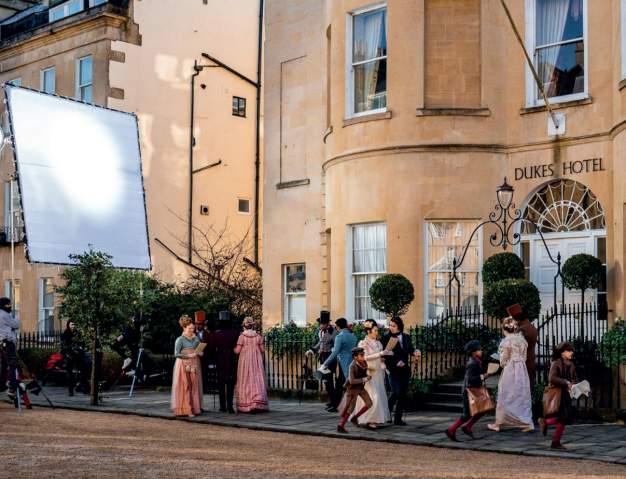
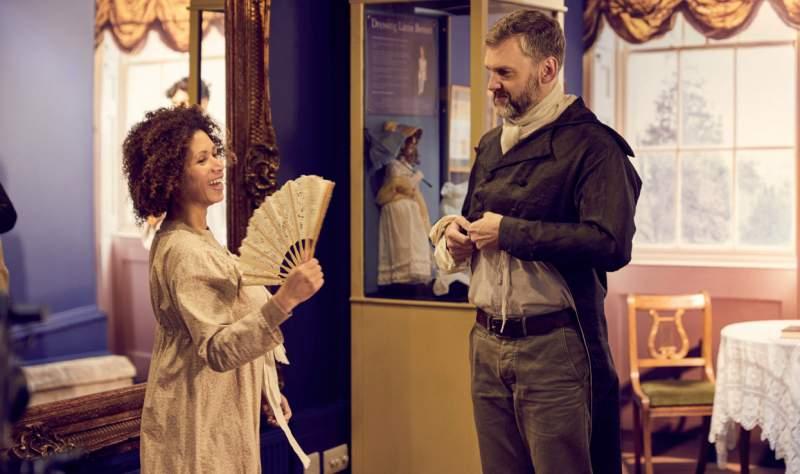
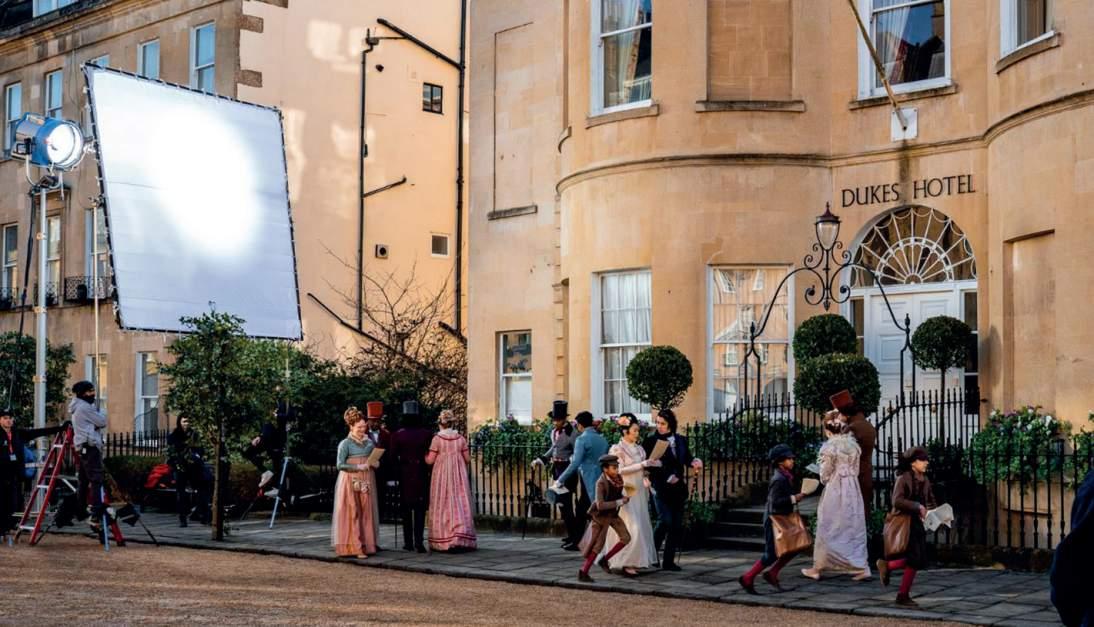
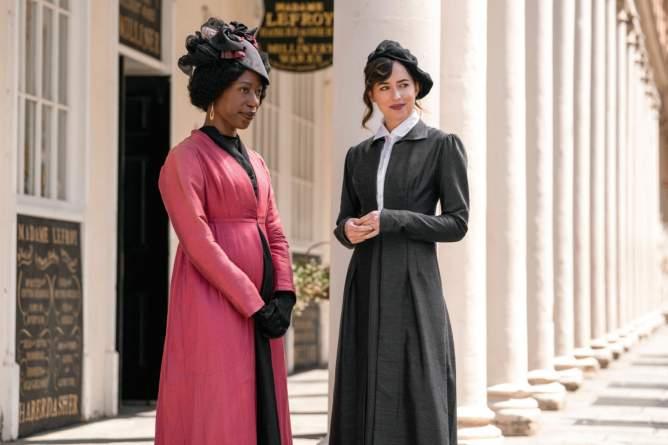
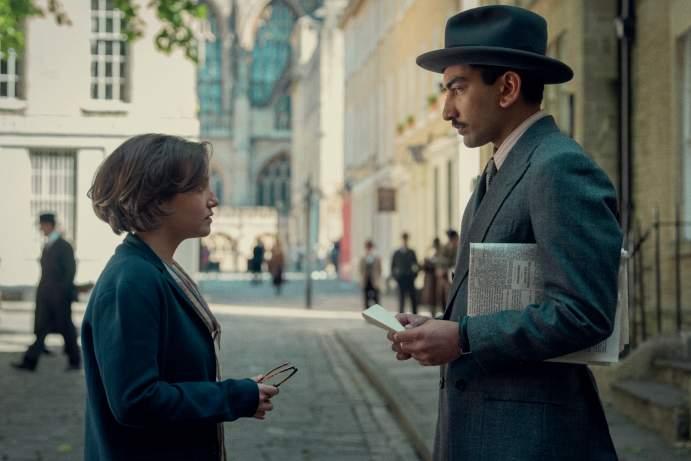
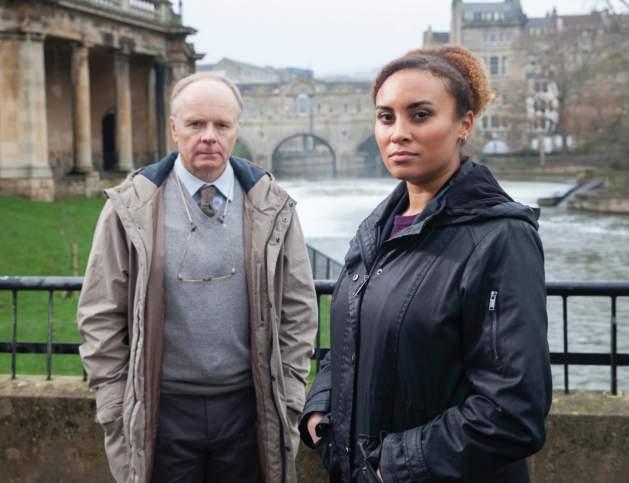
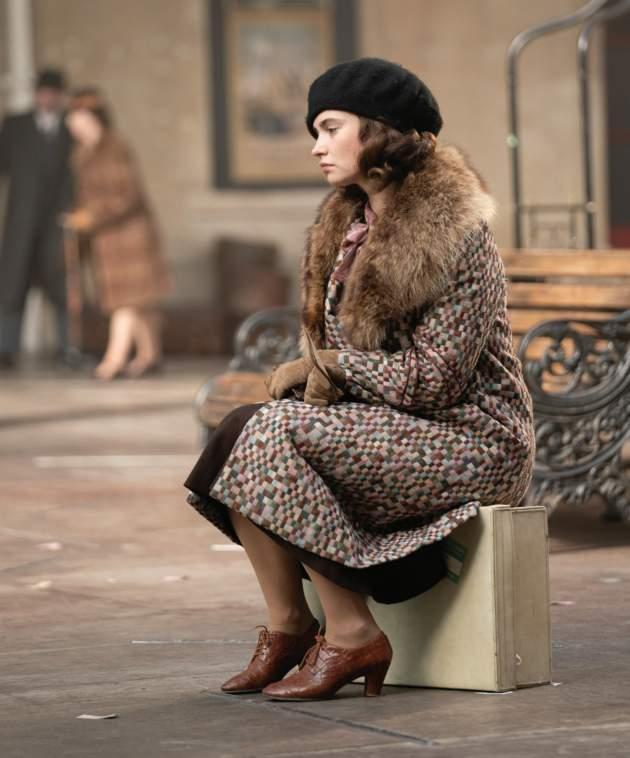
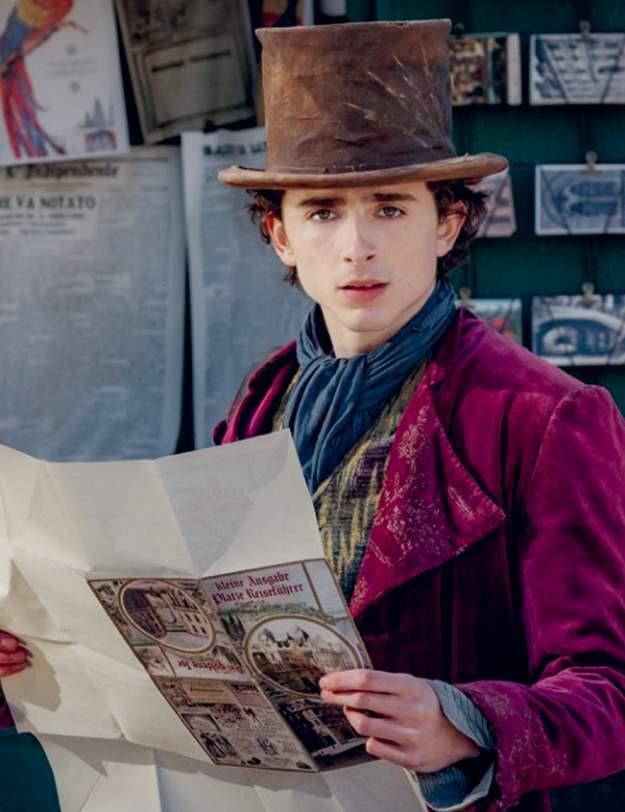
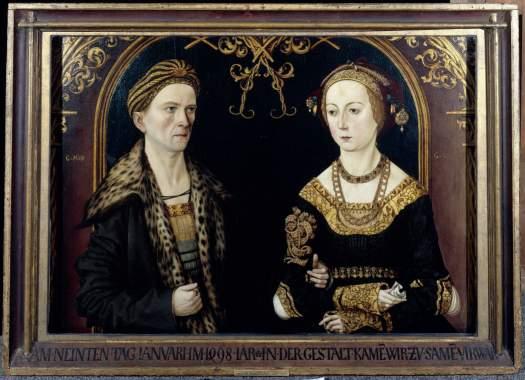
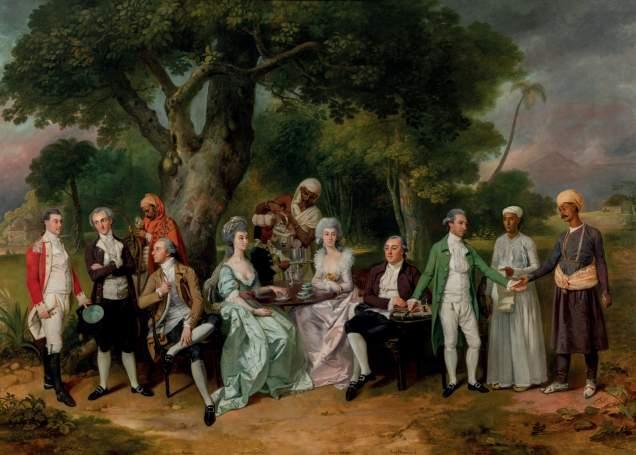
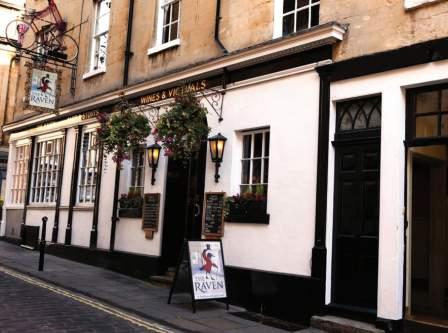
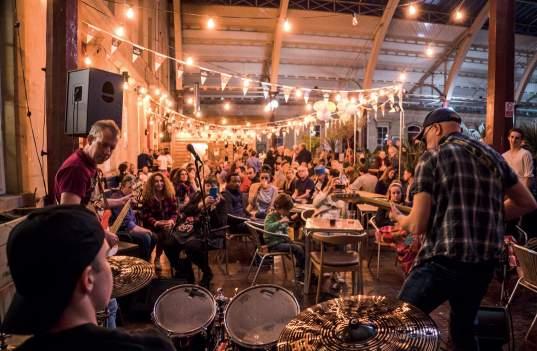
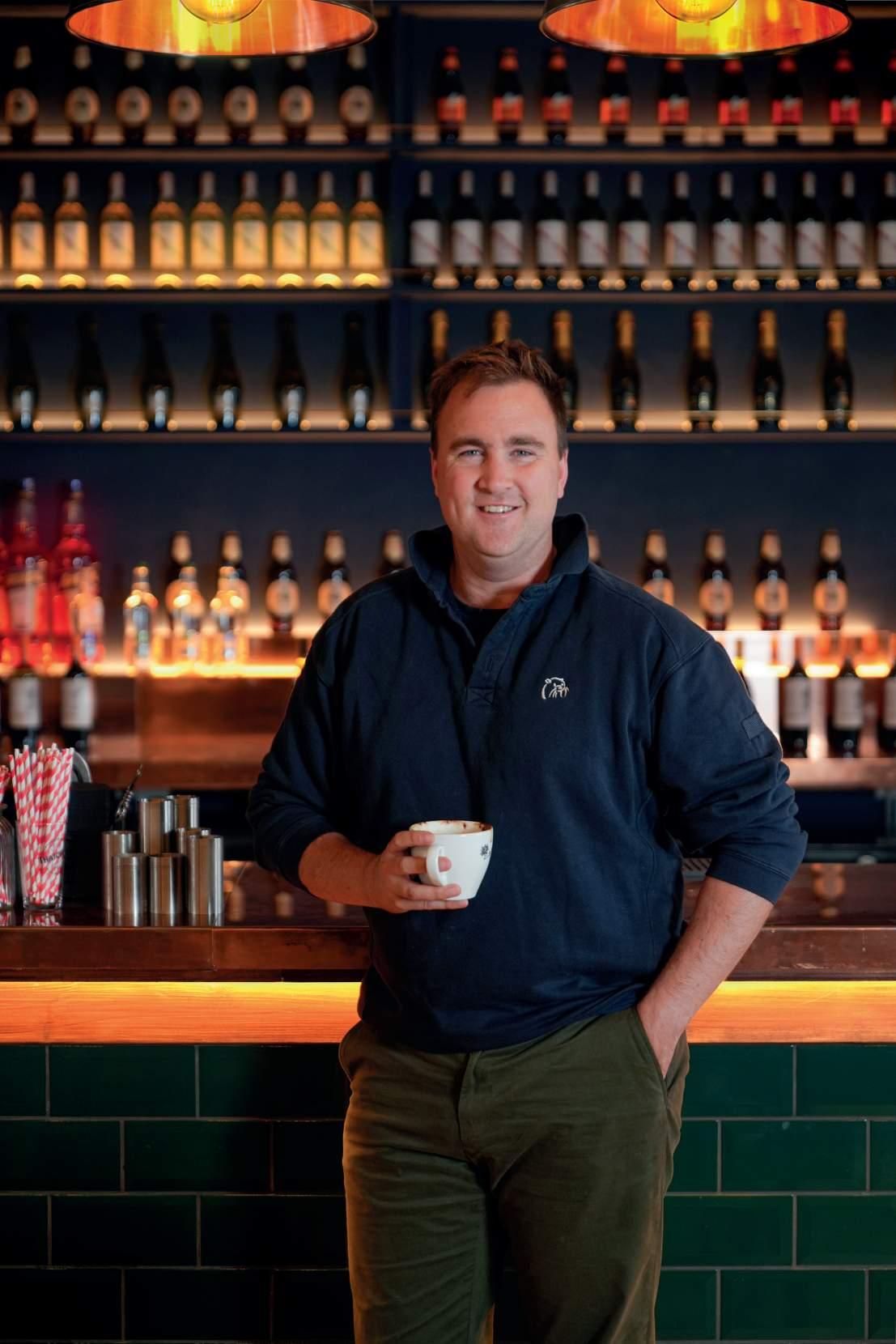
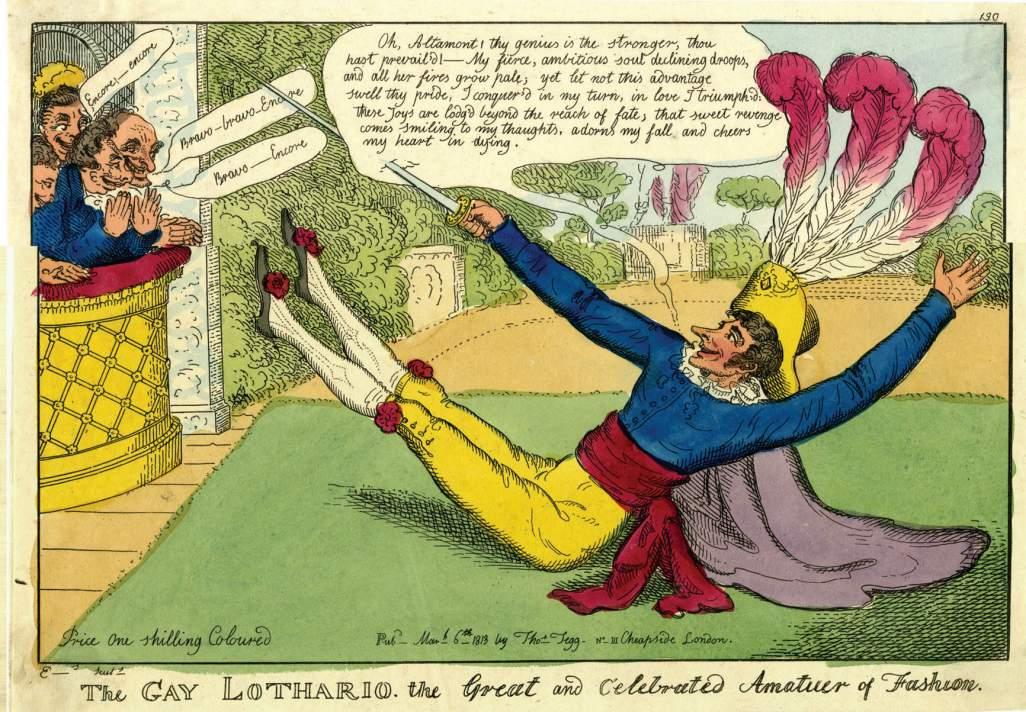
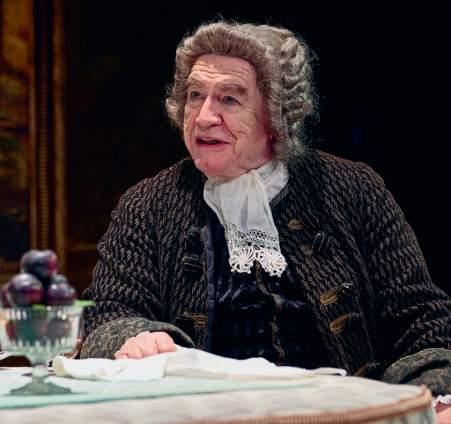
of Bath’s streets or buildings look familiar? Yep, you’ve seen them take a starring role on the TV and the silver screen
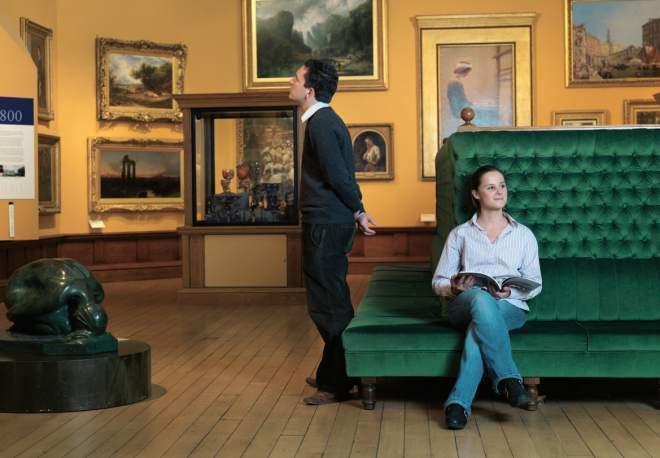
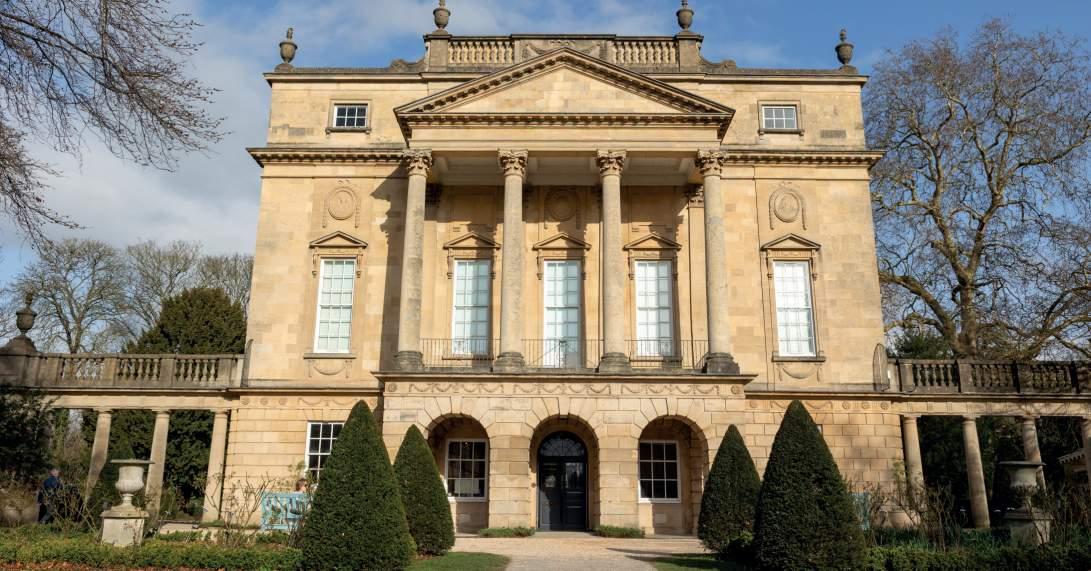
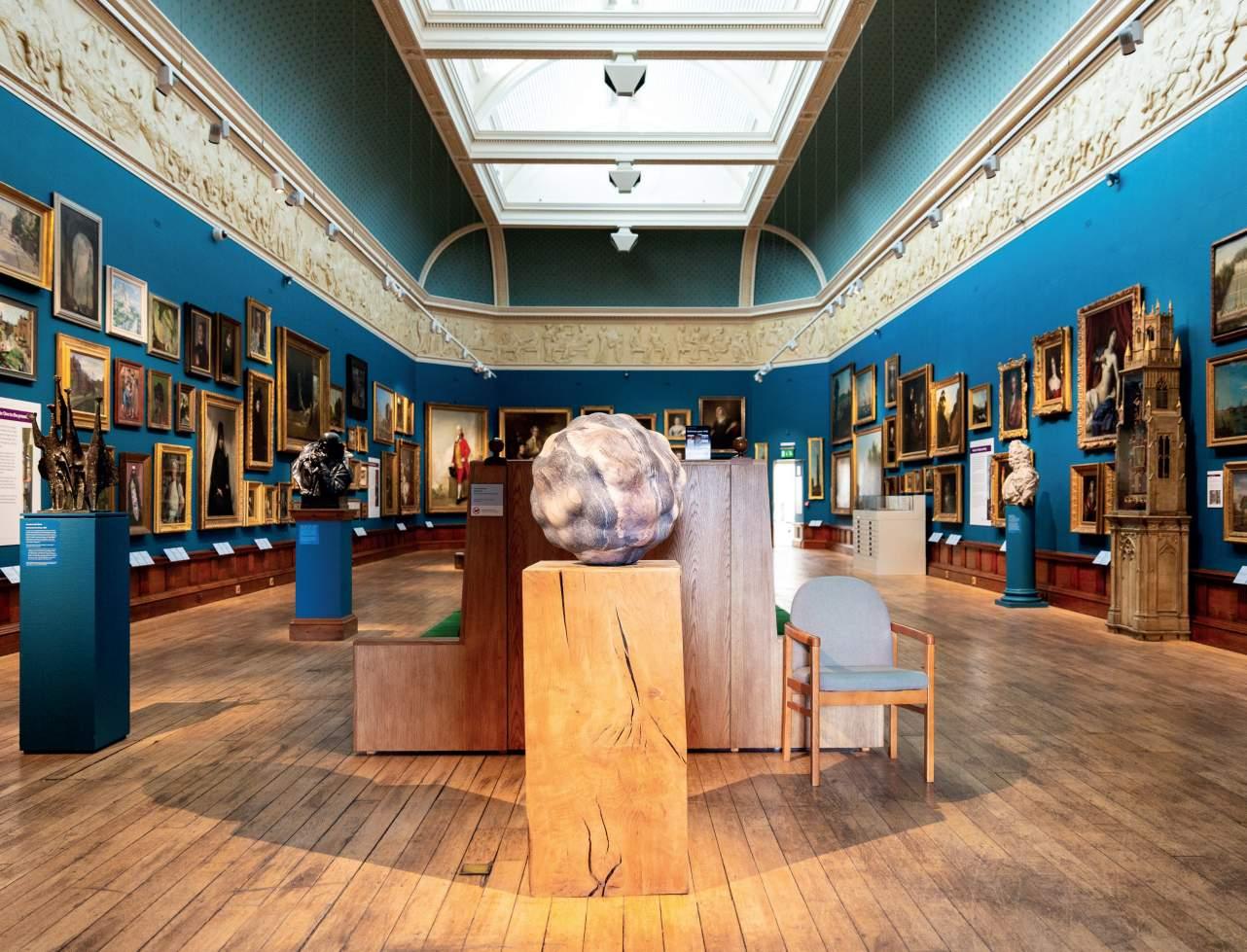
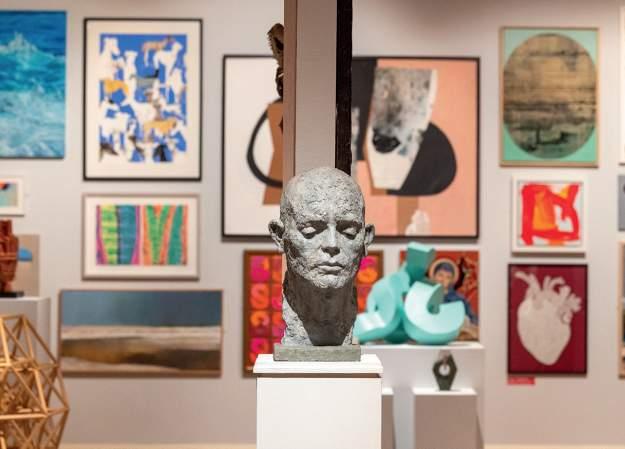
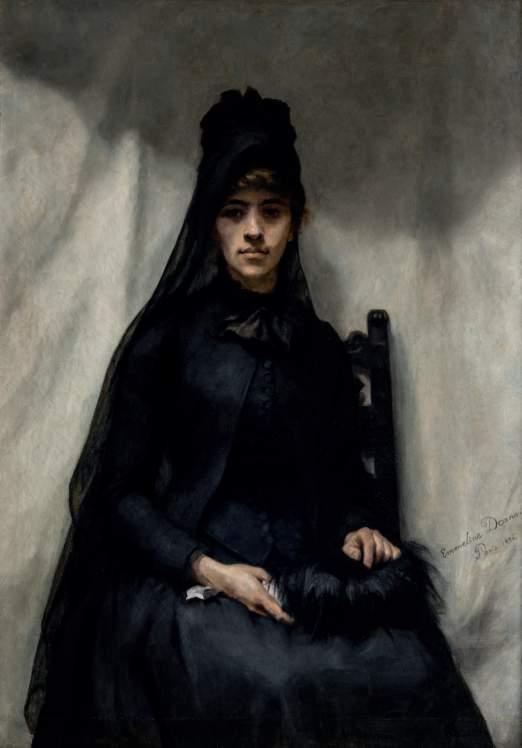
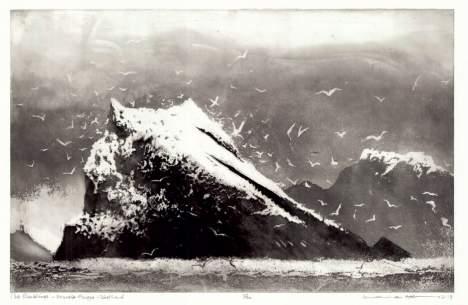
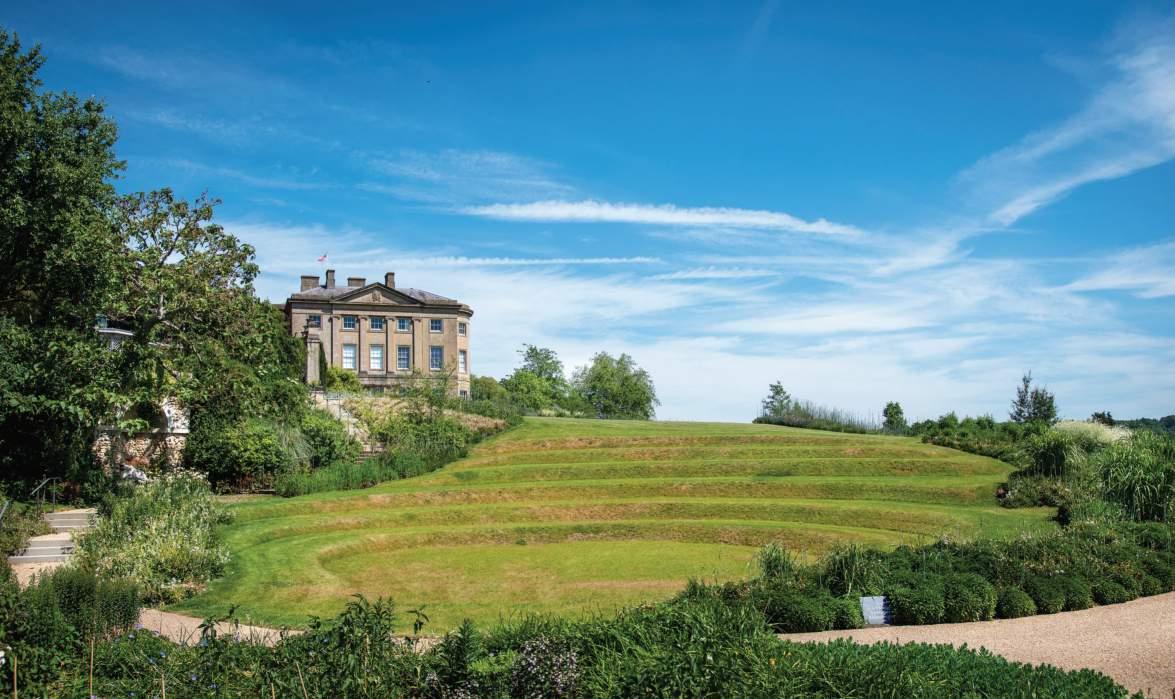
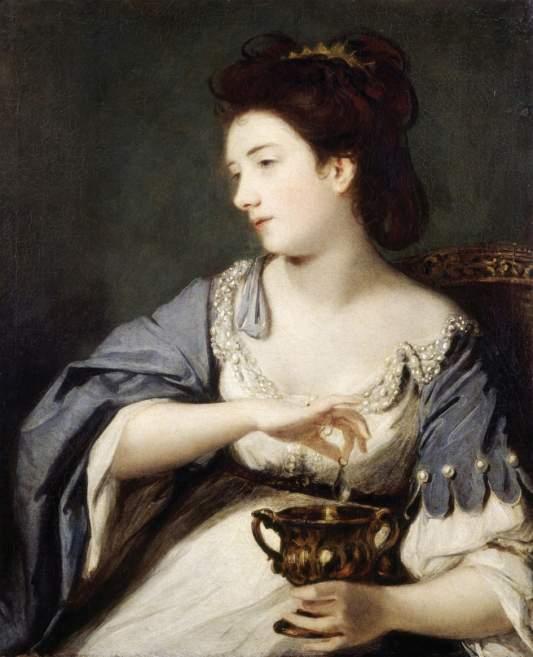
a cultural tour of the city’s arts scene at The Holburne... Yes, it is Lady Danbury’s house
collection of conversations with the folk that aim to please city visitors
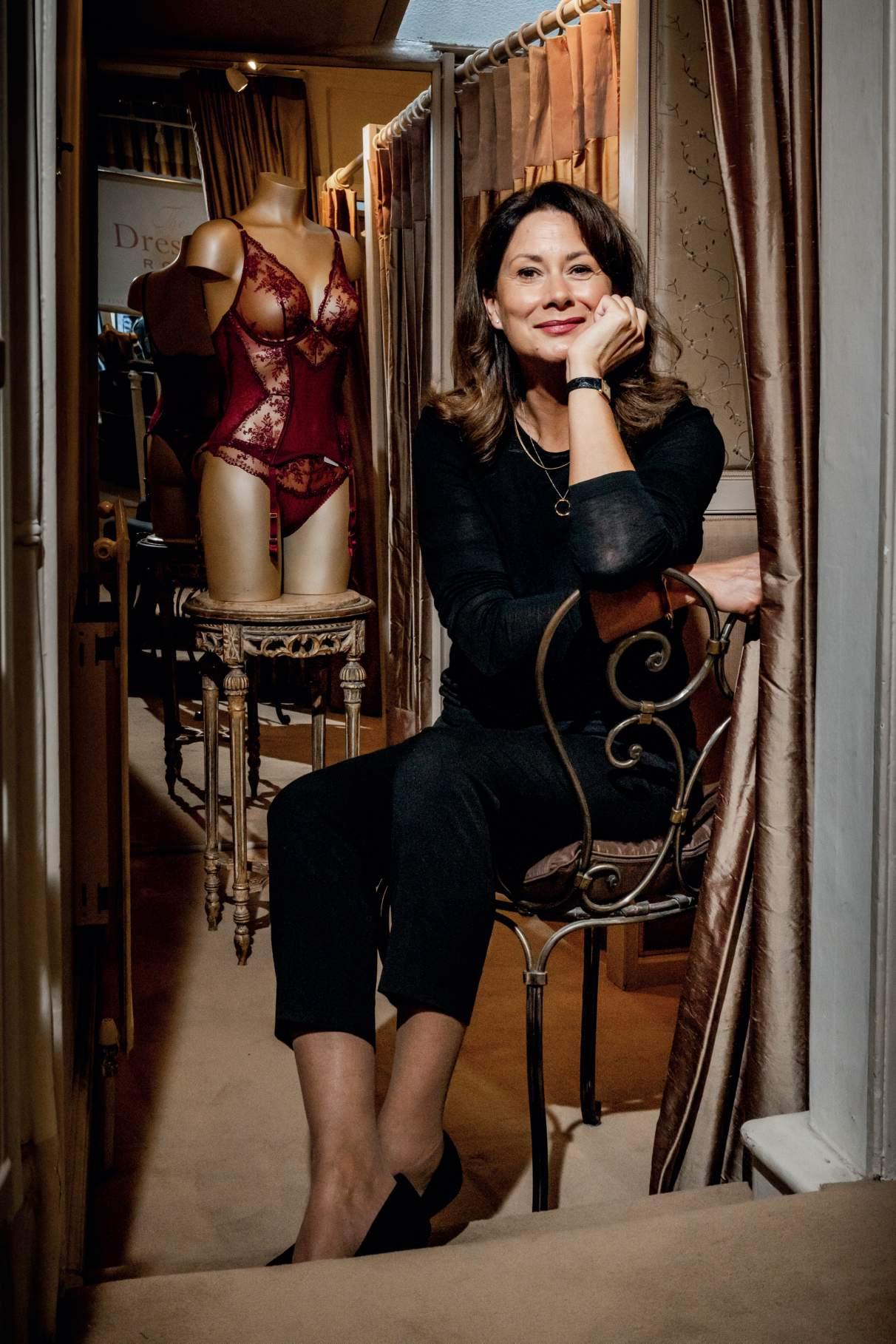
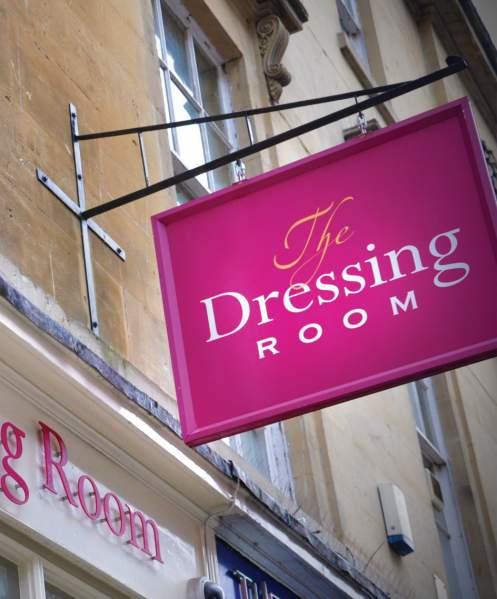
36 We chat to Rusonia, originally from Gallia Belgica, who runs a jewellery business in Aquae Sulis 54 Tessa Brand’s shop, The Dressing Room offers the finest in lingerie, beach and nightwear
Bath is renowned as a centre of excellence for fine independent Goldsmiths. We meet the makers
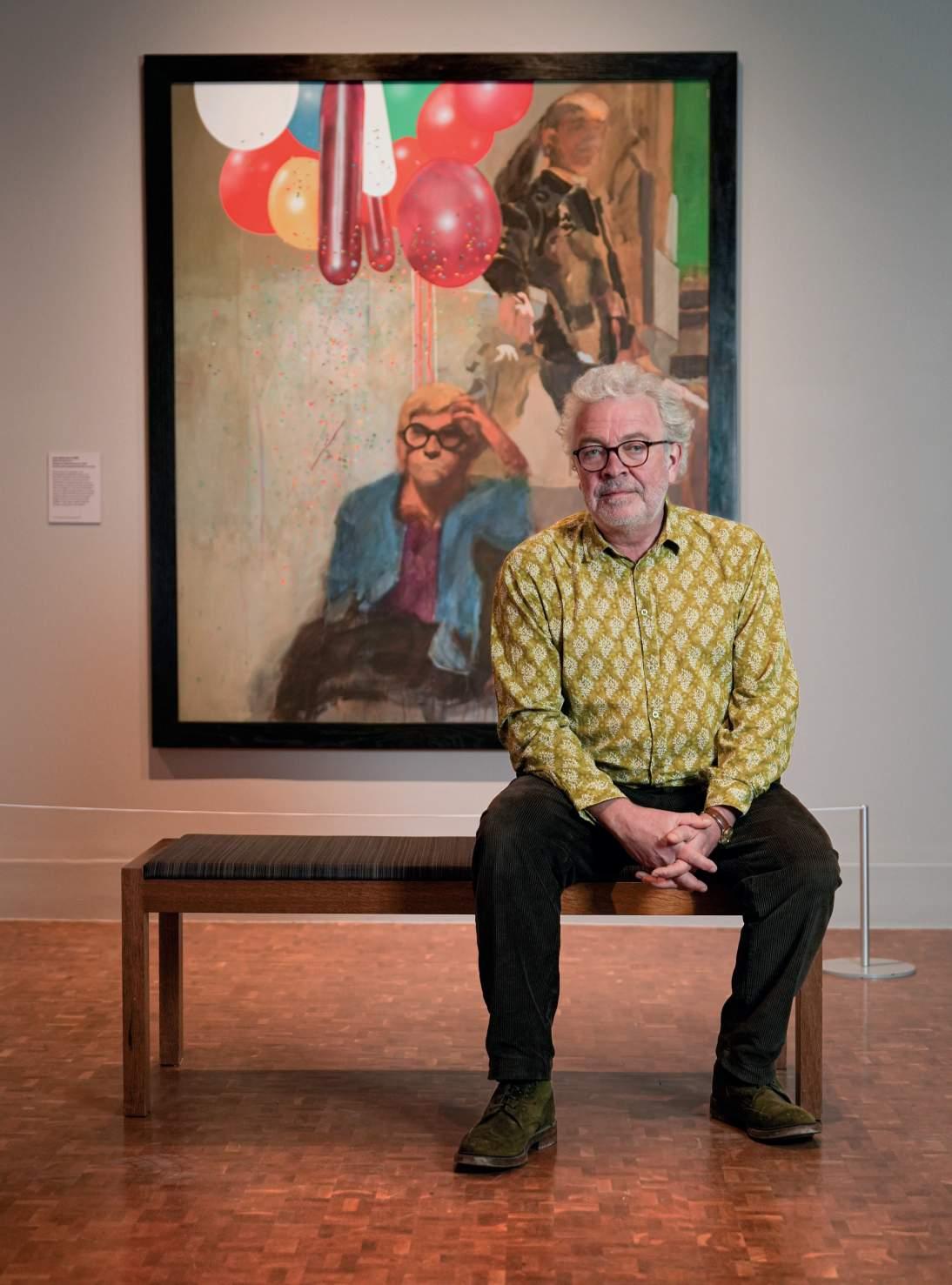
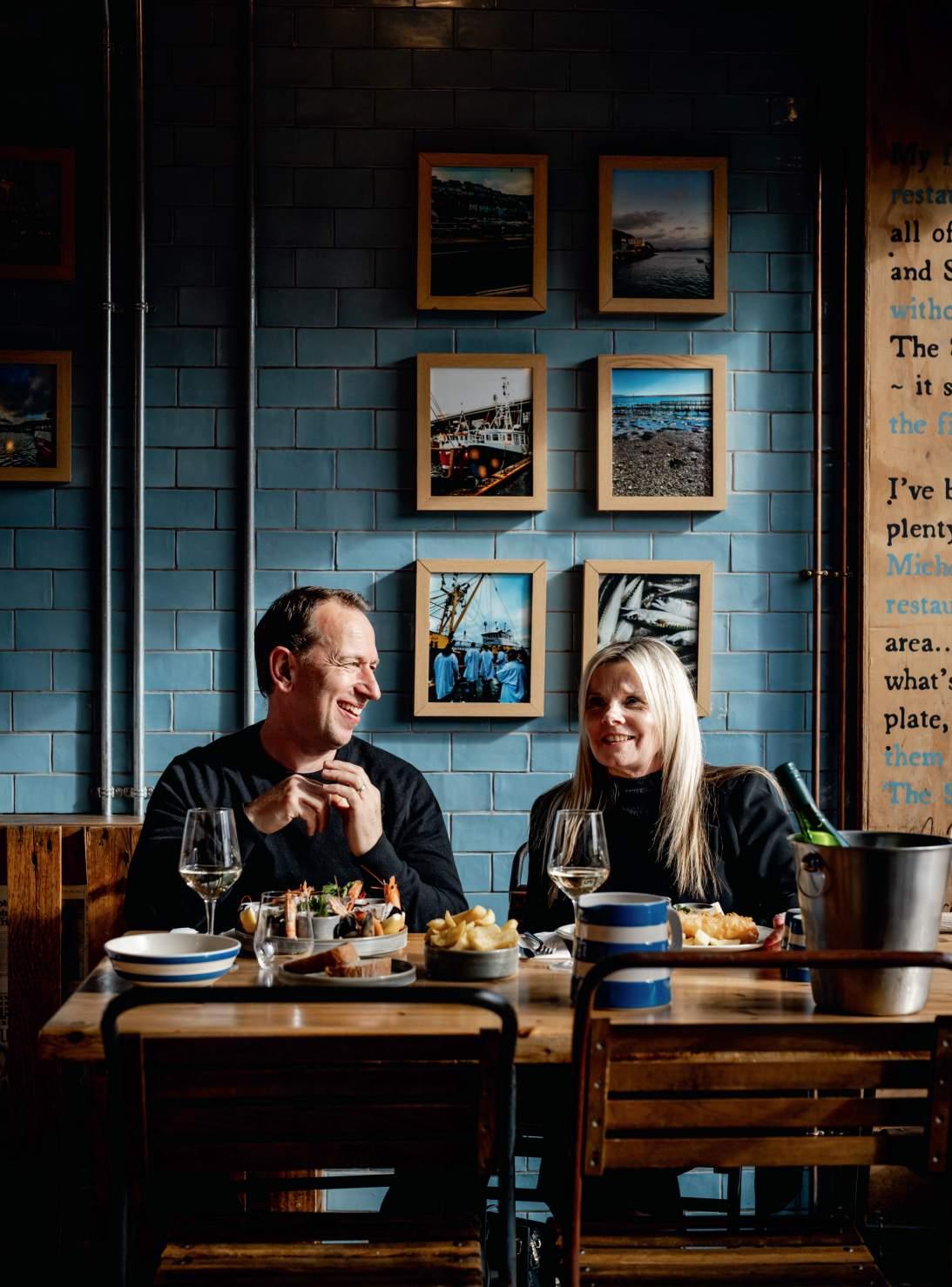
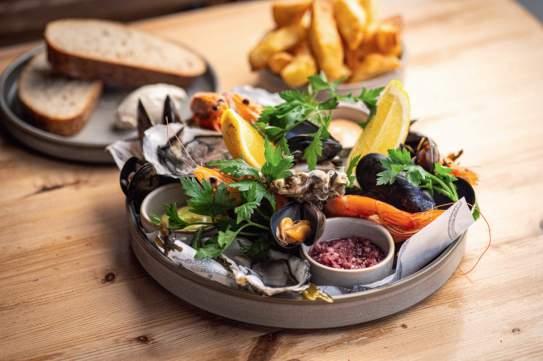
Dr Chris Stephens, Director of the Holburne, has revitalised its galleries 114 Meet Garry and Lisa Prosser, the owners of the superb Scallop Shell restaurant. Not all fish & chip restaurants are born equal
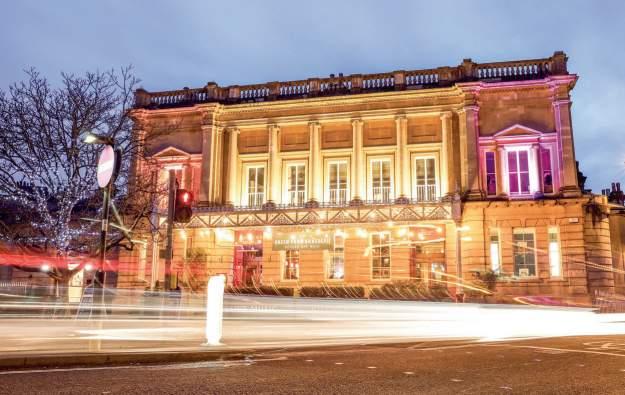
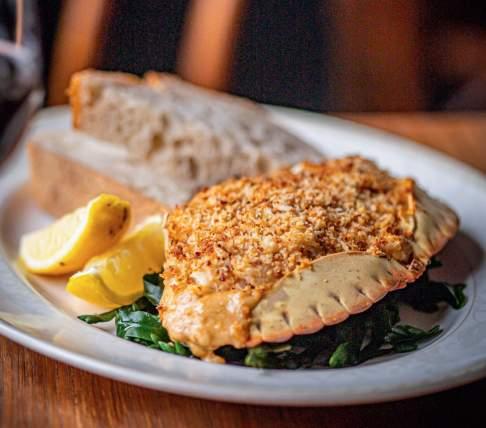
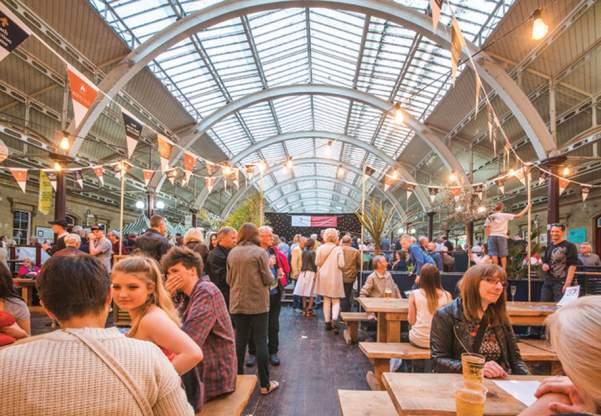
134 Alex Peters tells us all about his ever-evolving food business at the Green Park Brasserie
HISTORY:
Some wonderful features from the local archives
22 Timeline – From the legend of Bladud to Bath Rugby winning the triple! Here’s a run down of the important dates in the city’s history
26
92
96
The men who built Bath: Ralph Allen, Beau Nash and John Wood, the elder and John Wood, the younger
Dr Felicity James takes a look at Jane Austen’s time in Bath and the effect the city had on her work
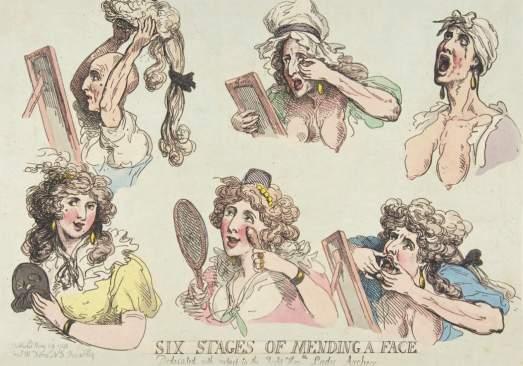
Discover how our Georgian forebears dressed to impress, with pale complexions, towering wigs and all the hidden health hazards
136 Ralph ‘Romeo’ Coates – the worst ever actor. It’s a great story, and quite hilarious!
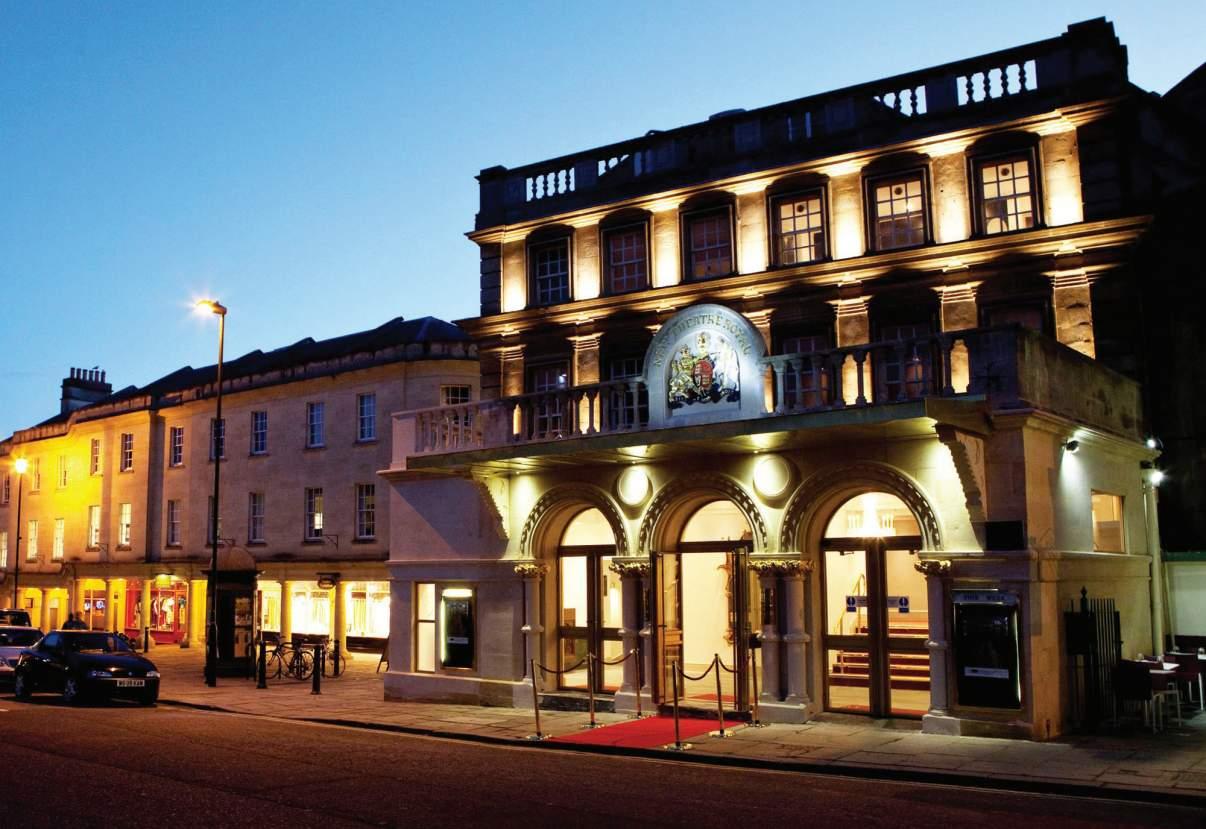
138 Now in its third incarnation, the Theatre Royal Bath reminds us that the show must go on
CITY TREATS:
Snippets of indulgent fun and activities to make your stay special
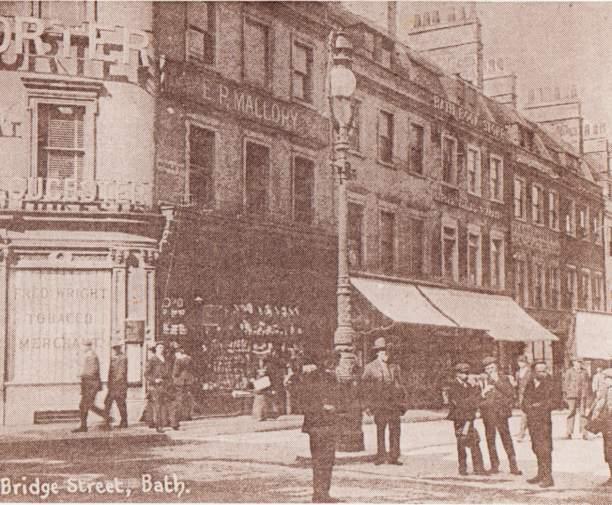
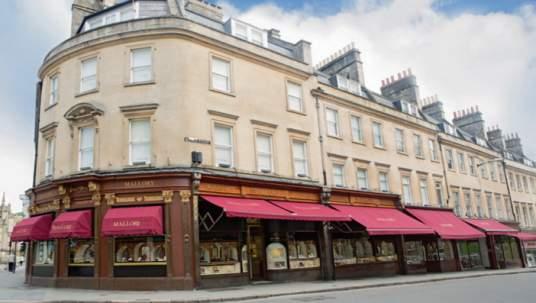
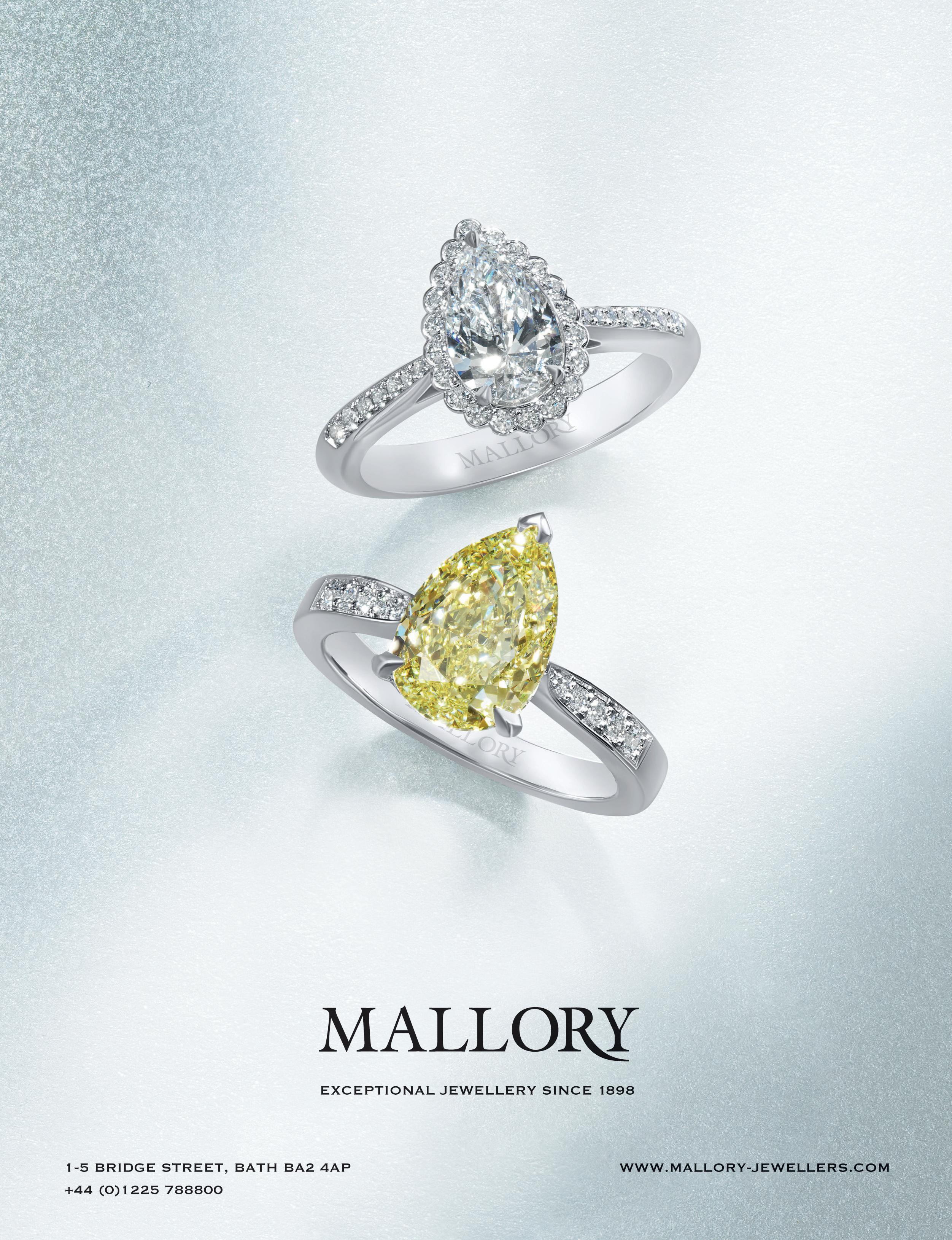
56 A selection of precious delights from Mallory, the oldest jewellers in Bath
64
Time for some retail therapy, take a tour of Bath’s excellent shopping scene with our guide to the city’s best shops
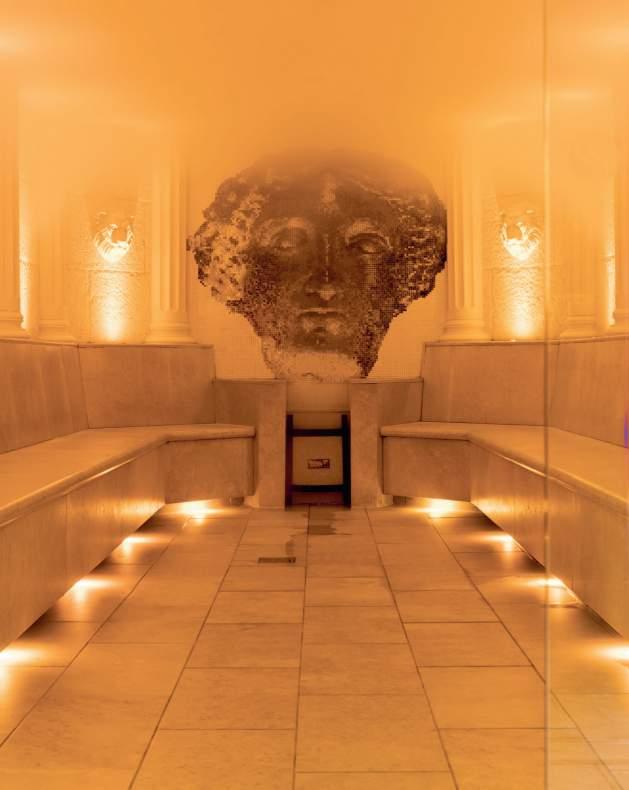
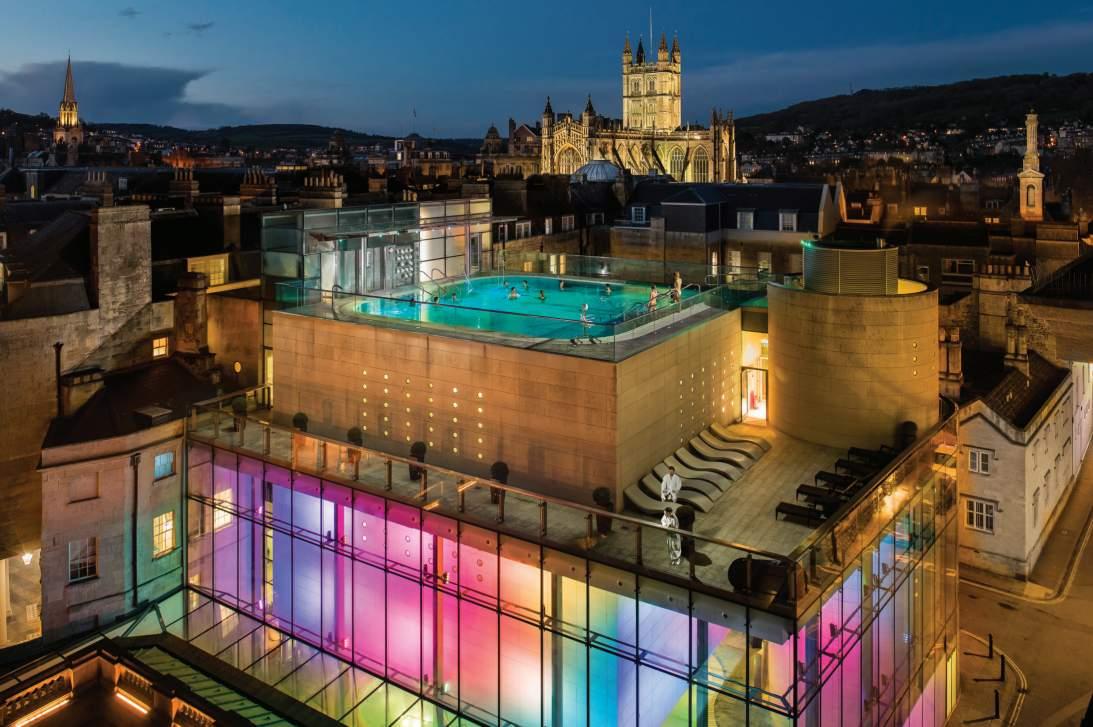
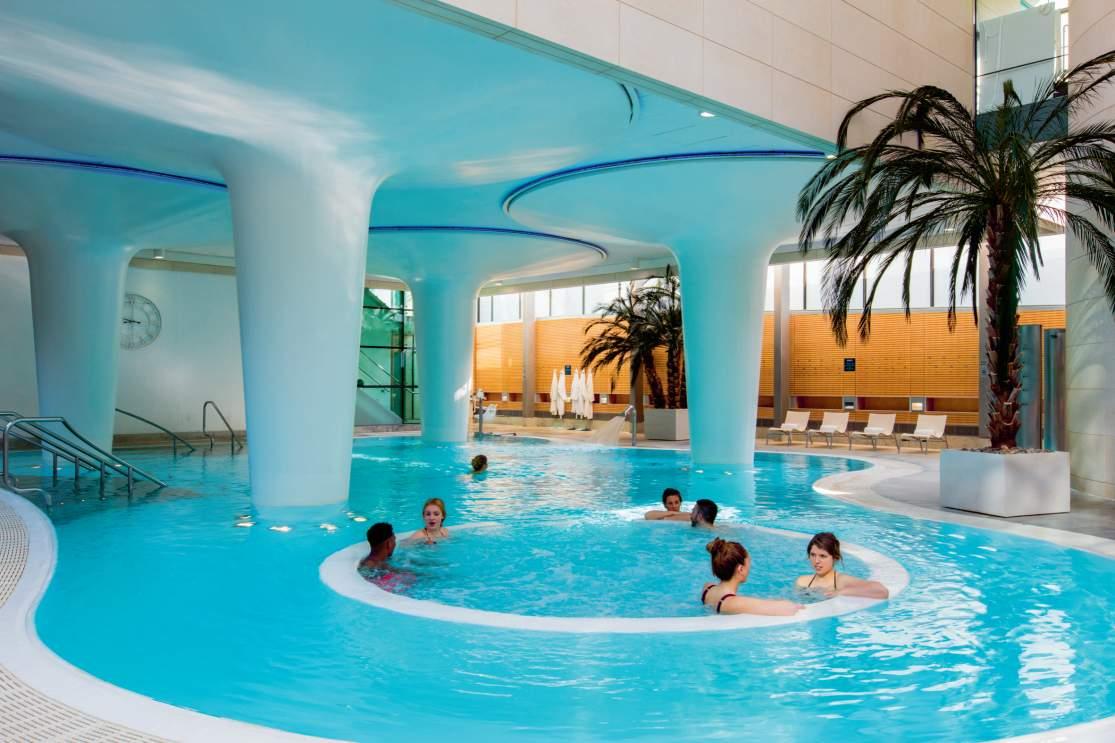
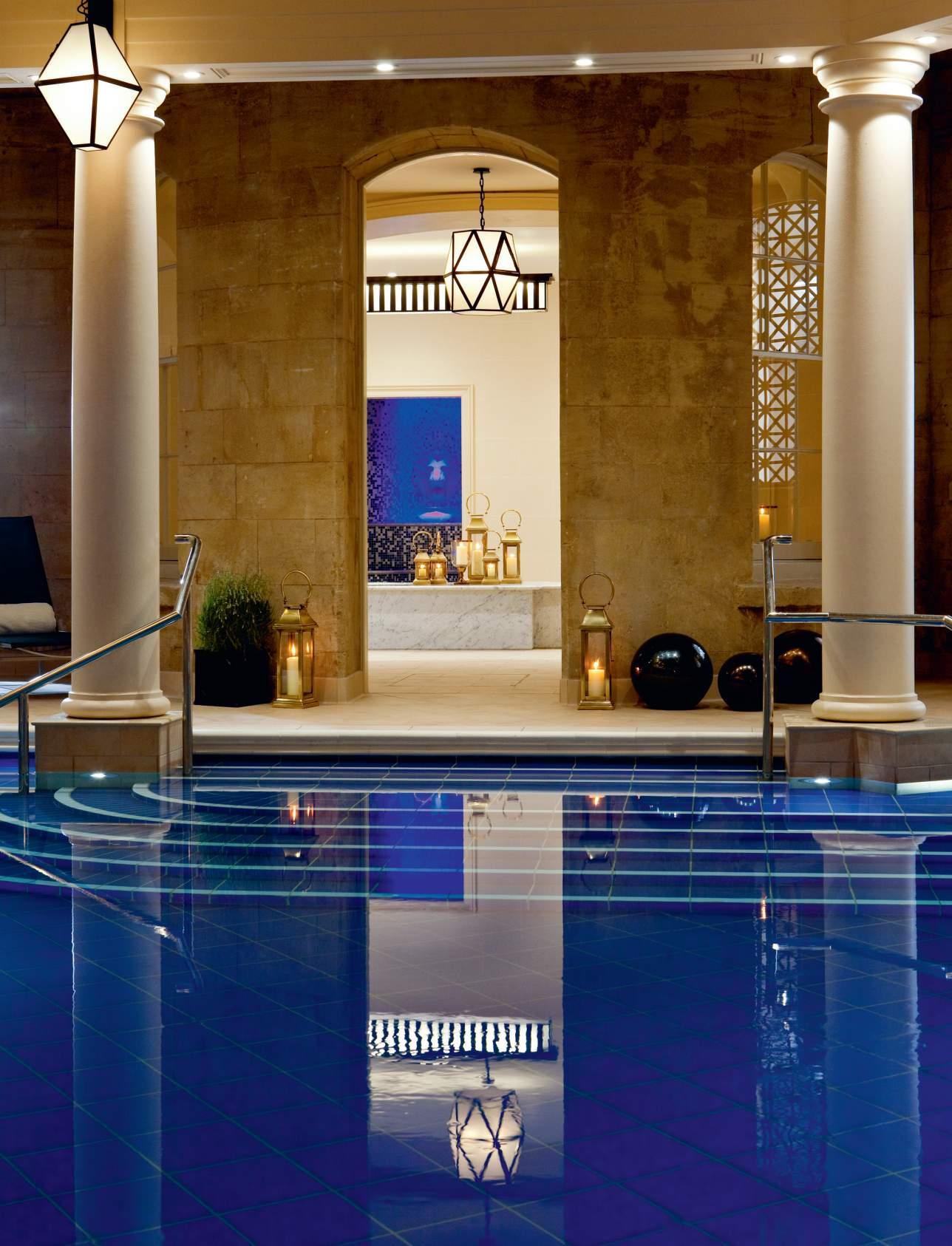
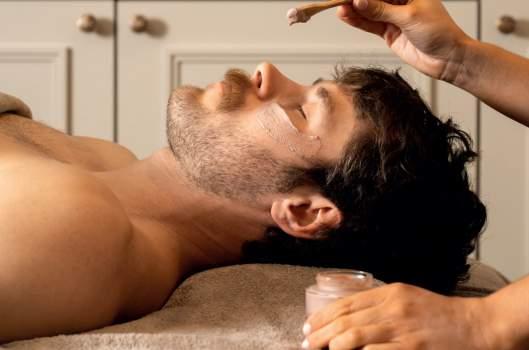
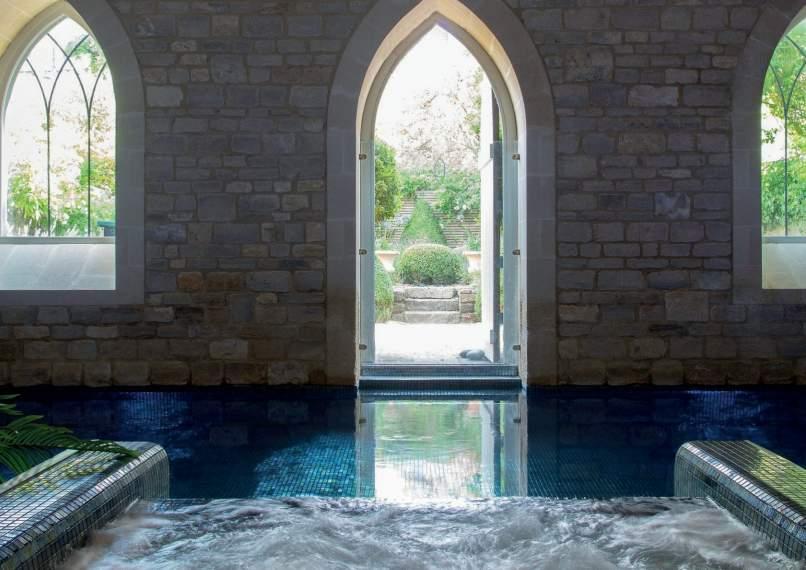
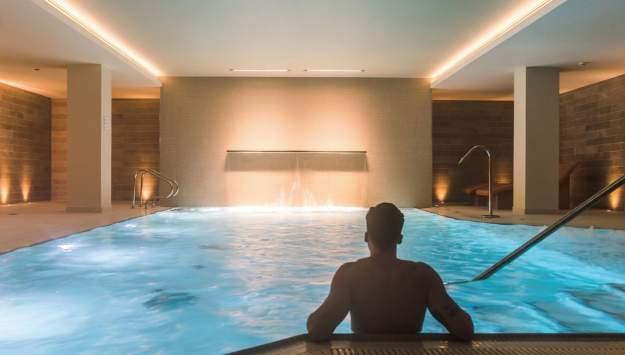
108 Spa city: a round up of a few relaxing spots for a good pampering session
144 Exit through the gift shop. Little souvenirs to take home as a memento of your visit? Here are some popular gift choices
FOOD & DRINK:
It’s vibrant, international and delicious. Bath has a phenomenal choice when it comes to eating out
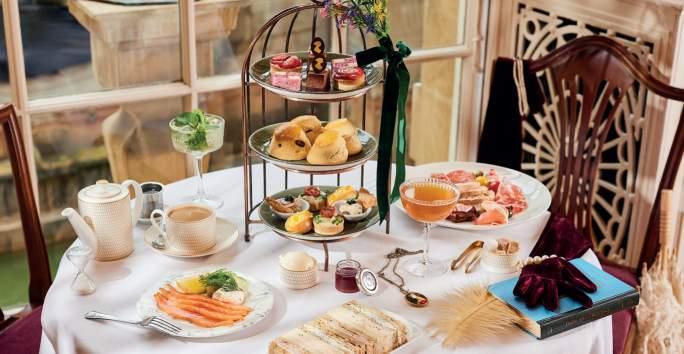
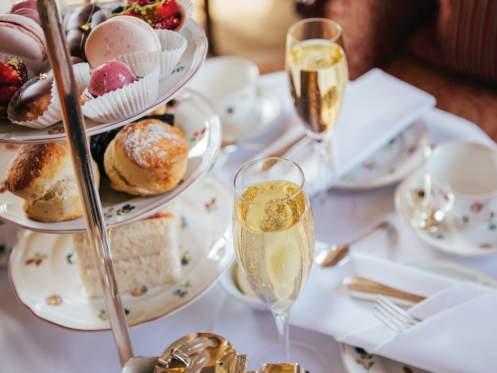
102 Afternoon tea: our guide to the best places to ‘raise a pinky’ and how to take tea in total style
116 Start your tour of the city’s gastronomic delights, from fine dining to casual bistros and the coolest eateries
140 We love a bit of nightlife: the very best places in Bath to venture out after dark and be thoroughly entertained
On the cover:
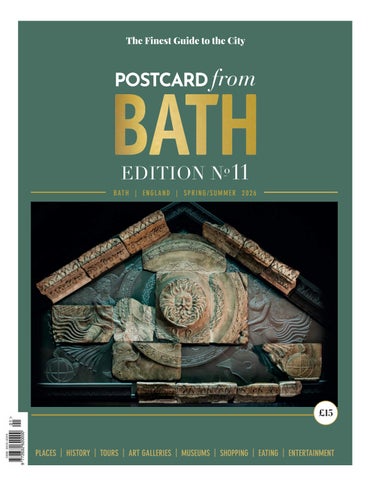
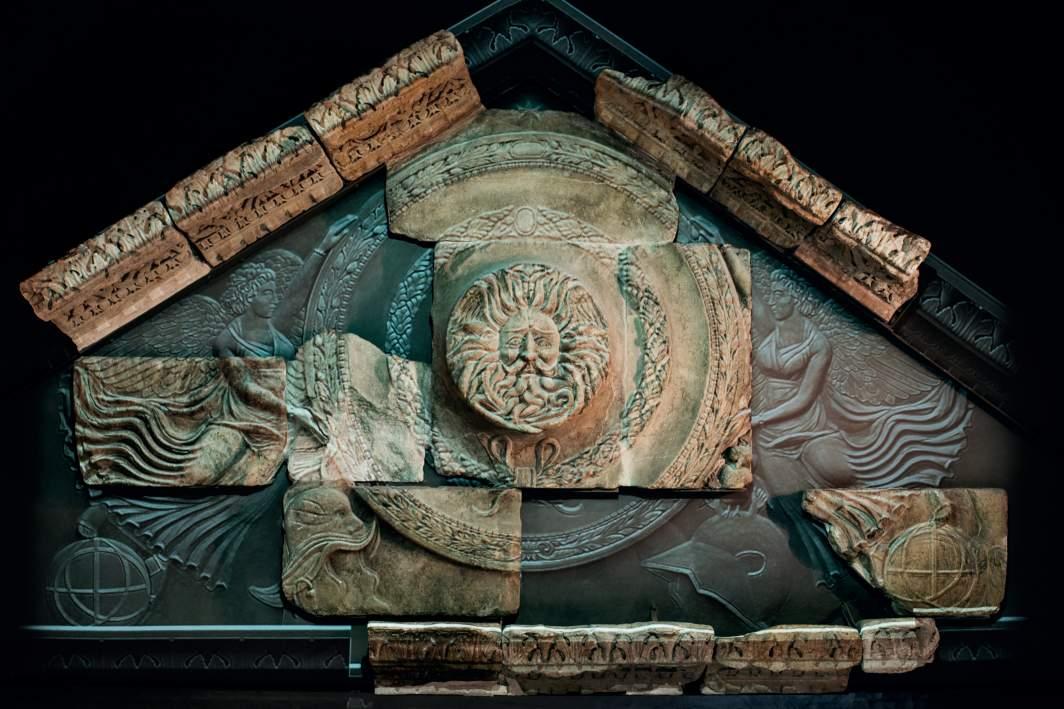
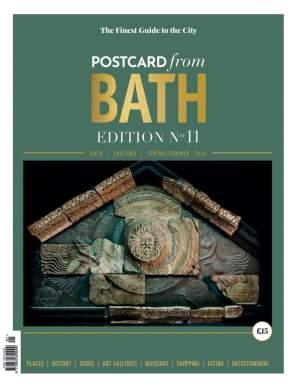
The famous temple pediment featuring the Gorgon's head as displayed at The Roman Baths. Photography by Amy Sanders, courtesy of The Roman Baths.
OWELCOME TO BATH From the Editor
ne of the charms of Bath is its human scale, a city that is easily traversable by foot in under an hour and with so much to be discovered and enjoyed in such a small space.
It’s during the summer months things really start to hot up; not only is there the chance to get out and enjoy all the al fresco activities on offer, but early sunrises and golden evenings allow the opportunity to soak up more of Bath’s pleasures for even longer.
So while you’re here, venture out and take in as much of the city as possible. Whether it’s a visit to our world-class museums or galleries, a tour of our architectural sites, a simple summer’s stroll in one of the many parks or a relaxing dip in the geothermal waters – which really should be mandatory – there’s so much to enjoy. Topping it all off with some excellent shopping, dining and entertainment, it’s no wonder that this small city provides all the magic needed to be one of the country’s finest visitor destinations.
Postcard, as the name suggests, is a collection of experiential notes and personal accounts delivered by those who really know this wonderful city of ours. Rather than the usual tourist-guide formula, our writers have been assigned to delight and inform you in a far more perceptive way and I believe they’ve done an exceptional job.
Finally in Postcard you can find a lot of practical detail to make your stay in Bath as well-informed as possible: great places where you can eat, drink, shop and be entertained.
From all of us who have contributed to this edition, we hope you’ll love this little city we call home.
Enjoy your stay. Return sometime soon. Steve
M.
ABOUT US
For nearly 25 years we have been publishing The Bath Magazine –the city’s biggest monthly magazine. During that time we have amassed an extensive library of information, up-to-date knowledge and have worked with some of the most authoritative writers – who write about the city’s history and the places and people that make Bath a great destination to be enjoyed. Postcard from Bath is a compendium of new features and reworked articles as well as just about everything else we know and love about Bath.
And, if you want to be informed every month about everything good going on in Bath, visit: thebathmagazine.co.uk
POSTCARD from
BATH
Publishing Editor
Steve Miklos
E: steve@postcardmagazine.co.uk
Editorial
Melissa Blease, Steve Miklos
Contributors, feature writers and photography:
Dr Felicity James, Dr Catherine Spence, Georgette McCready, Dara Foley, Samantha Coleman, Kate Authers, Jessica Hope, Catherine Pitt, Claire Louise Cohen, Crystal Rose, Joe Short, Paolo Ferla
we are aware, factually correct at the time of going to press. MC Publishing Limited cannot accept responsibility for any errors or inaccuracies in such information. Whilst every reasonable care is taken with all material submitted to The Postcard from Bath, the publisher cannot accept responsibility for loss or damage to such material. MC Publishing Limited endeavours to respect the intellectual property of any owner of copyrighted material reproduced in this publication. If any copyright holder has been wrongly accredited, please contact us.
Please enjoy and recycle this publication but if you are not able to participate in a recycling scheme, then why not pass your copy to a friend or colleague.
ZEITGEIST / WHAT’S ON
What’s on and things to do
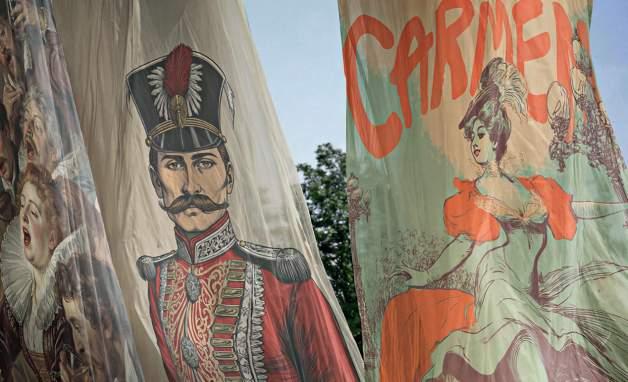
If Opera’s 2026 season
6 – 16 August
Celebrating its 30th year, If Opera is set to raise the curtain for another season of breathtaking music and powerful storytelling. With a long list of highly acclaimed productions to its name and a reputation for artistic excellence, the aim is to create a relaxed and welcoming setting in which to showcase a spectacular, quintessentially-English summer opera festival. The festival entices some of the best musicians and singers to the South West, and this year is no exception.
Set in the beautiful rural idyll of Church Farm in Wingfield near Bath, If Opera brings one of the world’s most loved operas, Bizet's Carmen, to the stage alongside the first fully-staged professional production in the UK since 1940 of Oscar Straus’ The Chocolate Soldier. Their family day also returns this year with a Carmen-inspired Family Fiesta Day, and the popular Picnic Prom featuring the Syd Lawrence Orchestra and the irresistible Marvin Muoneké Quartet closes the festival.
Church Farm, Wingfield, Wiltshire. BA14 9LE Web: ifopera.com
Good food and live music
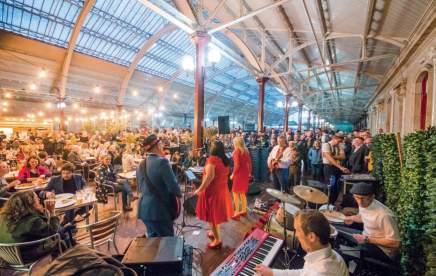
Green Park Brasserie
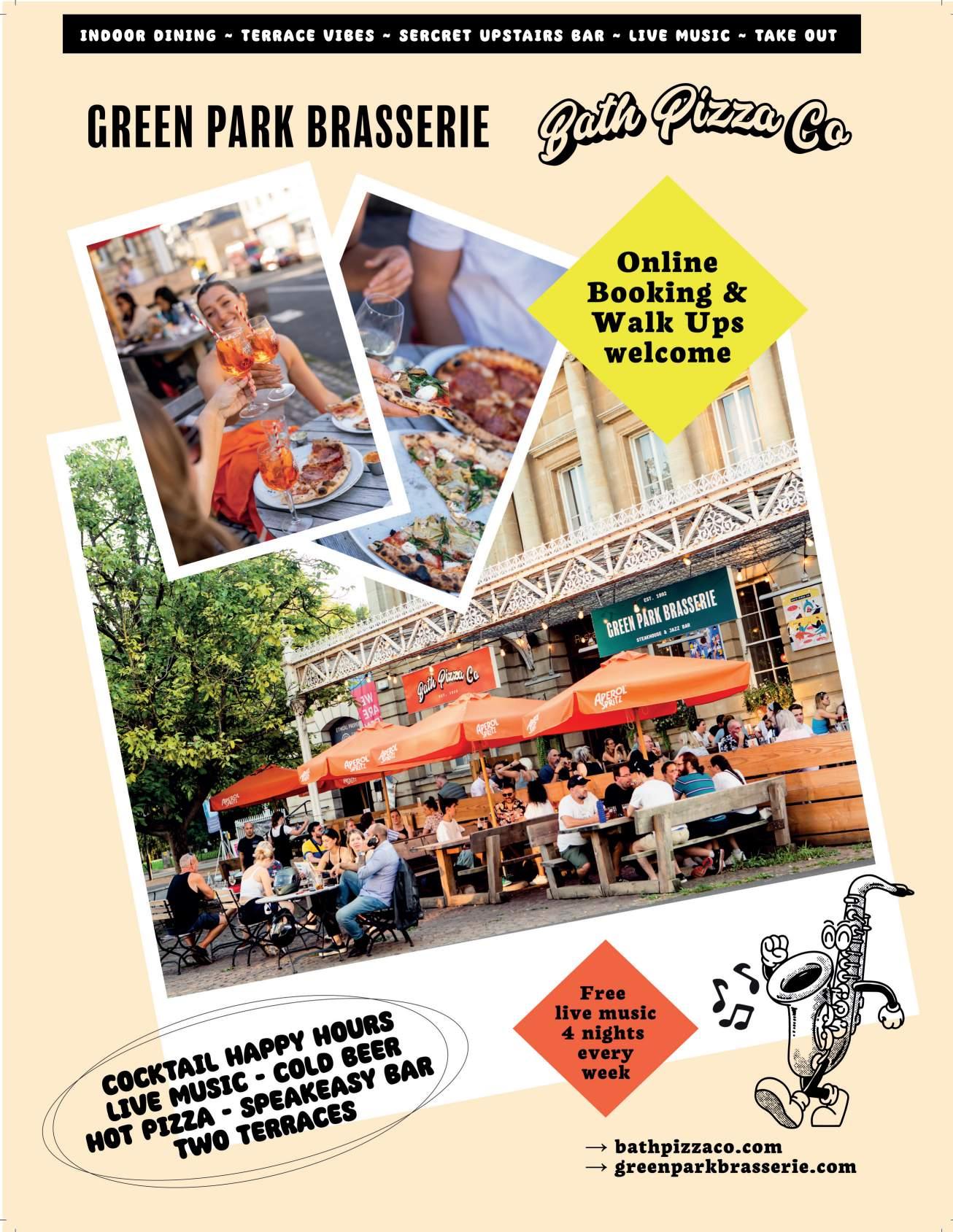
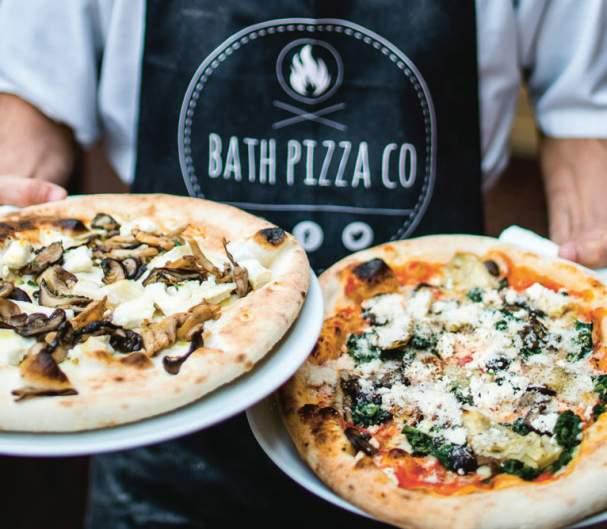
Green Park Brasserie and the Bath Pizza Co. in the old Green Park Station invites all its guests to enjoy great food, drink and live music. The venue supports local food producers and offers a menu using quality Rib Eye Steak from Newton Farm to Braised Beef Bourguignon Pie to a Truffle and Goat’s Cheese Pizza. Every Wednesday, Thursday, Friday and Saturday evening the brasserie offers live music and candlelit dining. The music from the very best artists in Bath and Bristol includes modern funk trios, hot club jazz bands, acoustic soul and swing (Weds and Thurs from 6.30pm–8.45pm and Fri and Sat from 6.30pm–9.45pm).
Bookings and walk-ups available. Green Park Brasserie, Green Park Station, Bath.
Web: greenparkbrasserie.com
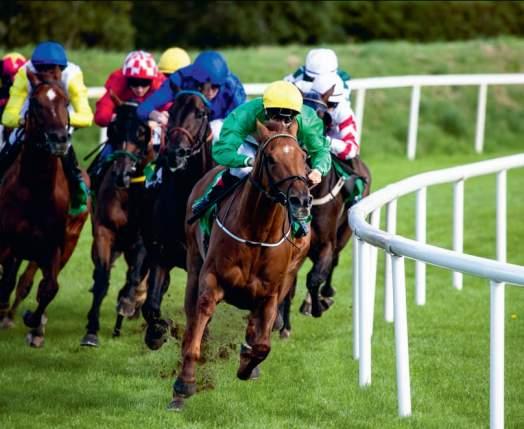
Bath Racecourse
Flat races at the racecourse
Bath Racecourse hosts around 20 flat races every year between April and October, alongside many other live events. Part of Arena Racing Company (ARC), the racecourse received multi-millionpound redevelopment in 2016, which transformed the venue into the beautiful sight you see today. With modern facilities that give recognition to the history and heritage of the venue, the purposebuilt venue accommodates guests on race days as well as for private events such as weddings or conferences. Special fixture days include Ladies Day on 13 June, and various music and racing events such as The Wurzels, 31 July and a Rum and Reggae evening on 15 August.
Bath Racecourse, Lansdown, Bath BA1 9BU
Web: bath-racecourse.co.uk
ZEITGEIST / WHAT’S ON
What’s on and things to do
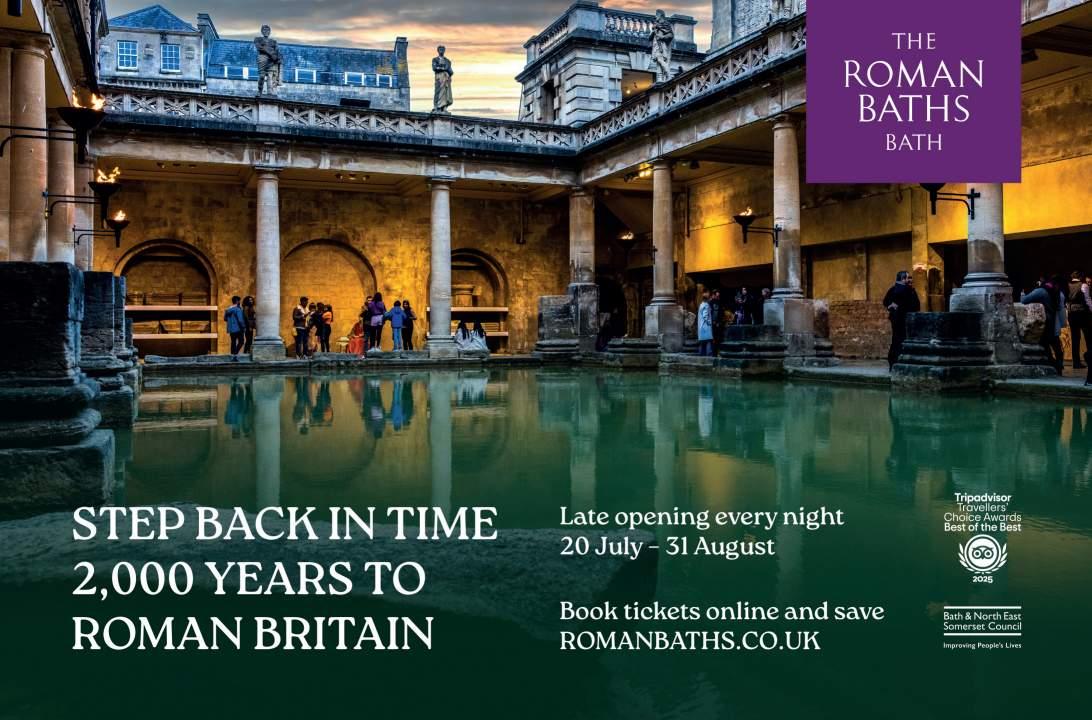
Summer Evenings at the Roman Baths 20 July –31 August
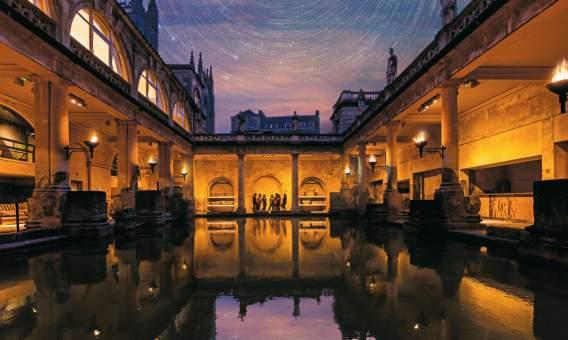
The Roman Baths will stay open until 10pm every evening this summer, offering visitors a chance to enjoy the special atmosphere of this historic site. With live music and DJ sessions beside the torchlit Great Bath, there will also be a pop-up bar selling Champagne, sparkling wine, Mulsum (honeyed wine), soft drinks and locally-made Marshfield ice cream. The museum will stay open late so visitors can look around the fascinating displays about life in Roman Bath, long after the usual closing time. Last admission at 9pm.
Book online at www.romanbaths.co.uk
Enjoy a free walking tour
Mayor of Bath Honorary Guides
Enjoy a free walking tour of Bath, including the main points of historical and architectural interest. Tours last around two hours, covering all the main sites and some more obscure spots in Bath with an interesting history. The tours are informative and entertaining both for residents and visitors to the city. The guides are proud of their walking tour, which is free and no guide accepts a tip. The reward is the satisfaction of welcoming visitors from across the world and leading informative, interesting and entertaining walking tours of the beautiful and historic city of Bath. Places on these tours cannot be booked – you simply need to turn up at the starting point. The walks start outside the Pump Room in Abbey Church Yard at the sign board saying ‘Free Walking Tours Here’ (see above). The start times are as follows: Sunday to Friday – 10.30am and 2pm. Saturday – 10.30 only. The guides offer tours every day of the year except Christmas Day.
Web: bathguides.org.uk
Seasonal Highlights at Theatre Royal Bath
Abigail’s Party 22 – 27 June
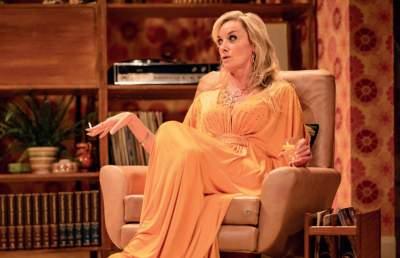
Tamzin Outhwaite stars as one of the most iconic characters in British theatre – the unforgettable Beverly in Mike Leigh’s ferocious black comedy of suburban life in the 1970s. It’s Essex, 1977. Beverly is hosting, the alcohol is flowing, Demis Roussos is on the record player and the cheese and pineapple cocktail sticks are ready to go. Mike Leigh’s razorsharp portrait of social class, materialism and sexual tension in 1970s England is an unmissable modern classic.
Equus
14 – 25 July
The only performances outside of London for this summer's highly anticipated revival of Peter Shaffer’s award-winning drama. Equus brings together two powerhouse roles, psychiatrist Martin Dysart (Toby Stephens) and his teenage patient Alan Strang (Noah Valentine). Inspired by a true story, the play sees a bond developing between the boy and the doctor as Dysart searches for answers to the teenager’s obsessive interest in the horses he cares for.
The Spy Who Came in from the Cold
11
– 22 August
John le Carré’s brilliant spy novel is brought to life in a thrilling and stylish stage adaptation. Starring Ralf Little, this a riveting journey through the fogshrouded terrain of Cold War espionage, deception, and moral compromise.
Web: theatreroyal.org.uk
Van ( the Man ) Morrison
Tamzin Outhwaite in Abigail’s Party
Image credit: Mark Senior
ZEITGEIST / WHAT’S ON
What’s on and things to do
Garden Theatre Festival
2 – 26 July
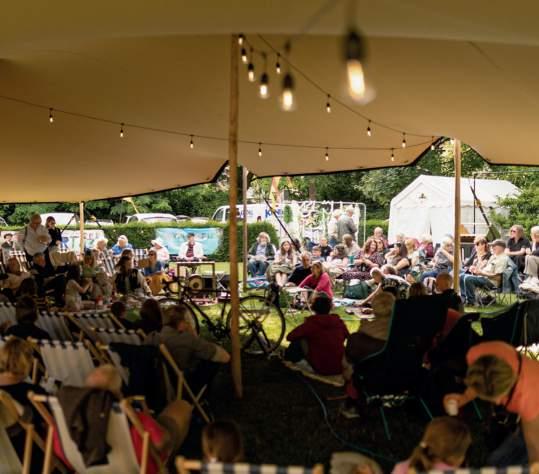
The Garden Theatre Festival is returning to the Holburne Museum in Bath with extended covered seating so you can relax in comfort, no matter the weather. Immerse yourself in the worlds of Jane Austen, Oscar Wilde and the Brothers Grimm as the in-house repertory company presents three productions: Sense & Sensibility, The Importance of Being Earnest and Big, Bad Wolf. Enjoy witty storytelling, laugh-out-loud comedy, and plenty of live music. Sip a refreshing drink under a warm sunset, all while enjoying the relaxed atmosphere at Bath’s very own open-air theatre festival.
The Holburne Museum, Great Pulteney Street, Bath BA2 4DB. Web: gardentheatrefest.co.uk
Jane Austen Festival
11 – 20 September
Bath on the Beach
11 June – 2 August
Sun, sea, sand… and the city
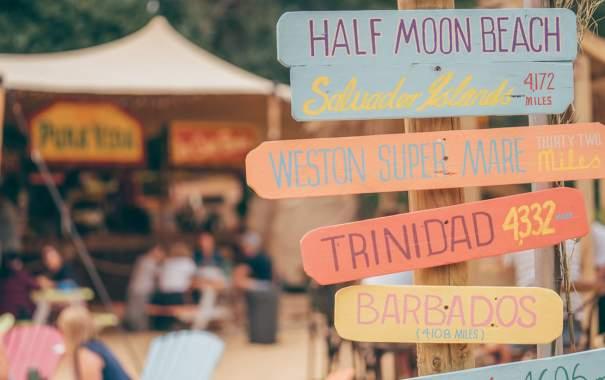
Bath on the Beach brings Caribbean vibes to the heart of the city. Mix in some cocktails, games, food and ice cream, and you’ve got yourself a celebration of all things summer. Head down to Royal Victoria Park and relax in one of the specially set-up hammocks or cabanas –available for larger groups – or grab a shaded spot under the palm trees. If you’re after something more active, there is beach volleyball, adventure golf, table tennis, boules, bar games as well as sport screenings and more for all to enjoy. And the best part: entry is free!
Web: bathonthebeach.co.uk
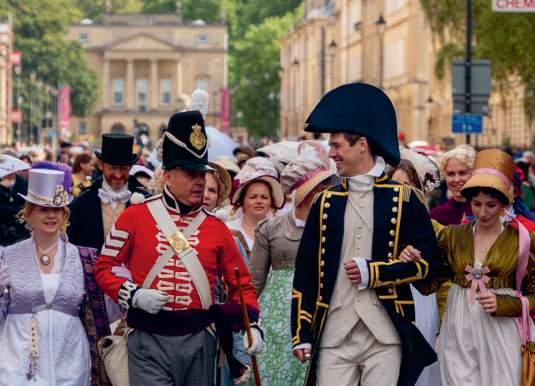
The Jane Austen Festival in Bath is the largest and longest running Jane Austen Festival in the world. The festival begins with a Regency costumed promenade, which has been filling the streets for Bath with over 1000 people in Regency dress since 2004 and holds the Guinness World Record for the largest gathering of people dressed in Regency costumes. Throughout the 10 day festival, visitors can enjoy events inspired by the timeless works of Jane Austen including: guided walks, costumed balls, theatrical performances, talks and much more. It’s great fun to see and take part... and very, very ‘Bath’.
Web: janeausten.co.uk
Itinerary: 12-24 Hours in Bath
It’s your time in Bath, so spend it well. Our very own round-the-clock tour guide Melissa Blease counts down the hours for a one-day or a two-day stay
BATH IN ONE DAY
• 8am – wake up to Bath
If you’ve only got one day in Bath, you need to get moving early to make the most of it... So use your post-breakfast quiet time to check out the addresses that the hoards are set to congregate around later on: the honey-coloured curves of the Royal Crescent and the Circus, the breathtakingly impressive, clean lines of Great Pulteney Street and the elegant Milsom Street area are all at their stage-set best when bathed in the early-morning sunlight.
• 10am – culture calling
Your attention levels should be at their peak around now, so take your pick of the fabulous historic tourist attractions in the vicinity of the city centre. Choosing just one option is a tough call, but if you’re time-limited, you’re not going to be able to take them all in; fortunately, either the Roman Baths, the brilliant Holburne Museum or Victoria Art Gallery can be ‘done’ in a single two-hour blast.
• 12 noon – lunch on-the-go
If the weather is behaving nicely, lunchtime is the opportunity for a spot of al fresco refuelling set against one of the city’s historic backdrops, including Royal Victoria Park, historic Queen Square and the dramatic weir waterfall; grab a bespoke, instant picnic lunch and munch your sarnies in style. If, however, it’s a bit too wet or chilly, a myriad of splendid cafés, restaurants and bars all vie for your attention.
• 2pm – get wet
Immerse yourself in the tranquil surroundings of the Cross Bath. Part of the Thermae Bath Spa Complex, this intimate, standalone, open-air thermal bath – an official ‘sacred site,’ complete with its own changing facilities – offers a uniquely peaceful alternative to the more extensive spa experience offered in the main New Royal Bath. Cross Bath sessions last a nice, neat 1½ hours including changing time, and a towel and robe are included in the entry price.
• 4pm – afternoon amble
Enjoy tea and cake at one of Bath’s many independent cafés before taking time to wander, browse, compare and contrast the
distinctly different atmospheres between the fascinating, eclectic Walcot Street, the chic and glamorous area around Milsom Street and the popular Southgate development, picking up souvenirs of your time in the city as you go.
• 6pm – speedy supper
If your time in the city is limited, you probably won’t want to linger long over dinner. Fortunately, a proliferation of pre-theatre and early bird menu deals offer gourmet feasts at a fraction of standard à la carte prices between 6pm–7.30pm at restaurants across the city, usually detailed on easy-to-spot A-boards outside their doors. If you’ve been organised enough to book a hot ticket for a show at the Theatre Royal, the Ustinov Studio, The Forum, The Little Theatre Cinema, Komedia, Chapel Arts Centre, an evening of magic with Billy Kidd at Krowd Keepers or and event at The Pavilion, your evening is planned. If, however, you’re footloose and fancy free...
• 8pm – fun ‘n’ frolics
For a fabulously fun tour around the ancient and mystical streets of Bath and to hear spine-chilling stories from the vaults of the city’s history, the super-spooky Ghost Walks of Bath tours start outside the Abbey main door at 8pm on Wednesday, Thursday, Friday, Saturday and Sunday evenings throughout the year, and between May and October tours run 7 nights a week. But if rain stops play or you’ve done enough walking for one day, head for the Green Park Brasserie to enjoy free, live acoustic jazz/swing music in an atmospheric former Victorian railway station every evening from Wednesday to Saturday, or The Bell (Walcot Street), which offers a warm welcome to one and all supplemented by a diverse range of live music three-to-four times a week on evenings (Monday, every other Tuesday and Wednesday from 9pm) ranging from jazz and blues to folk and roots. Meanwhile, St James Wine Vaults (James Street) hosts regular live music, performance poetry and interactive pub quizzes throughout the week.
It’s been a long day! But if you’re still up for a little more of Bath, the Nightlife section (from page 140) can point you in the right direction of all manner of grown-up fun. If, however, you’re ready to hit the pillow – sweet dreams!
BATH IN TWO DAYS
The basic ingredients for making the most of the overall Bath experience are listed in our one-day tour. But if you’ve got time to delve deeper, supplement your stay with these add-on ideas.
• Make time to step back in time
Lose yourself in Bath’s rich history with the Bath Museums Saver Ticket, offering discounted entry to the Roman Baths and special exhibitions at the Victoria Art Gallery – if you’ve got two days to spend in the city, you can give these museums the attention they deserve. And for special interests, check out the city’s great smaller museums and art galleries.
• Bliss out
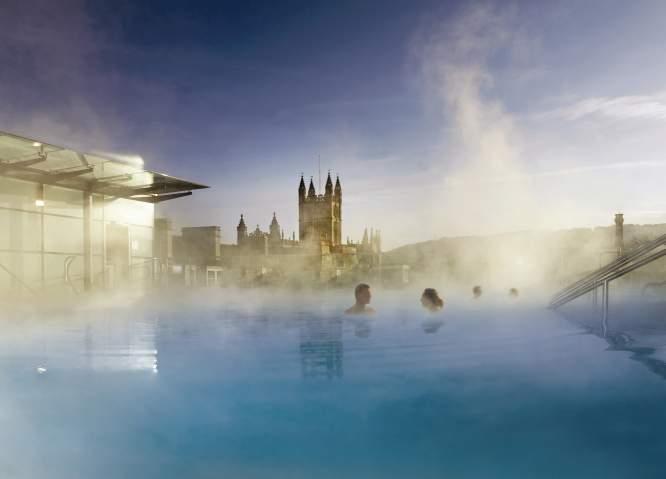
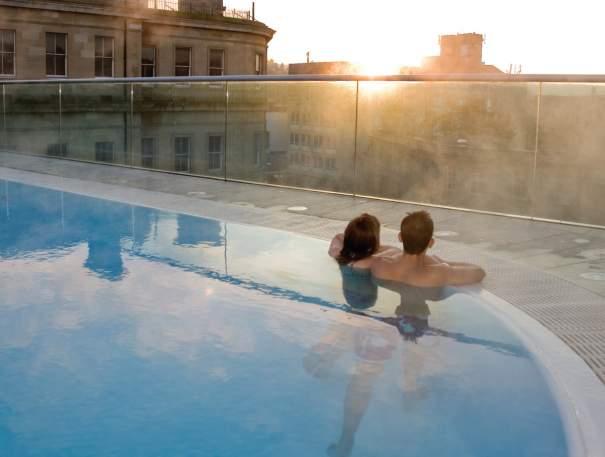
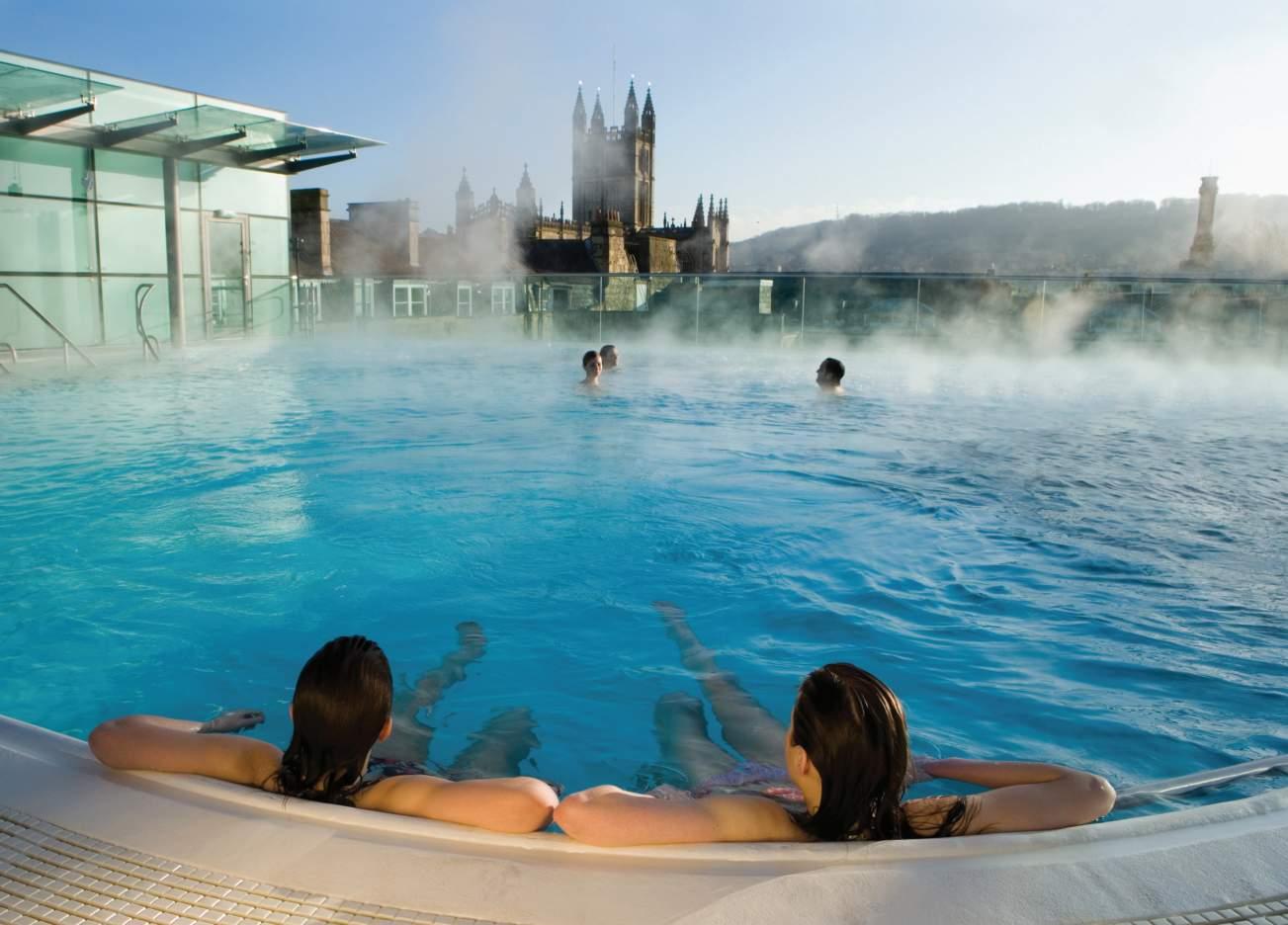
Turn a visit to the Thermae Bath Spa into a highlight of your stay, supplementing the standard two-hour session with a treatment from the Treatment Menu or a package that includes lunch or dinner at the spa’s Springs Café. The spa’s spectacular Rooftop Pool offers breathtaking views over the city; naturally seductively steamy at any hour of the day, it’s particularly magical at sunset even during the autumn/winter months.
• Tease yourself
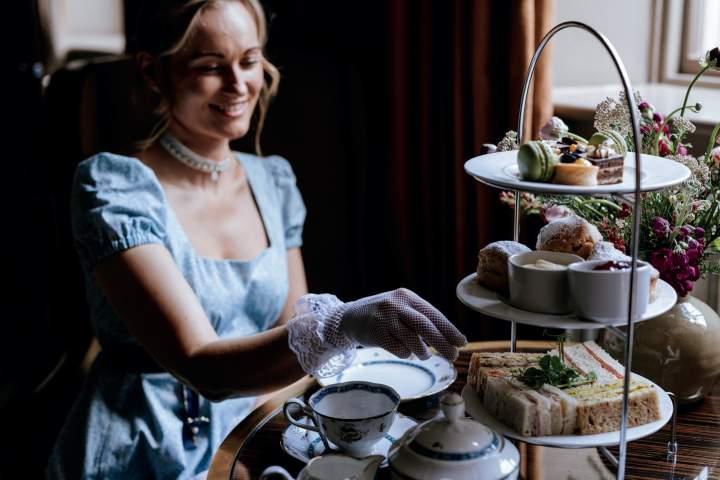
Upgrade the mid-afternoon café/coffee shop break to an unforgettable Afternoon/High Tea experience at the Pump Room, the Gainsborough Bath Spa Hotel, the Royal Crescent Hotel, The Ivy or Sally Lunn’s for a ‘Bath Bunn’.
• Post-sunset shenanigans
A two-night stay in Bath offers the opportunity to turn one evening into showtime (see venue suggestions on the 12-hour itinerary) and another into an unforgettable gourmet extravaganza. Tasting Menu plus optional Wine Flight experiences go large at Bath’s best hotels and restaurants, where some of the UK’s best chefs (Chris Cleghorn at the Michelin-starred Olive Tree Restaurant, Jauca Catalin at the Bath Priory and Martin Blake at the Royal Crescent) are waiting to take your order. Elsewhere, you can’t go wrong with
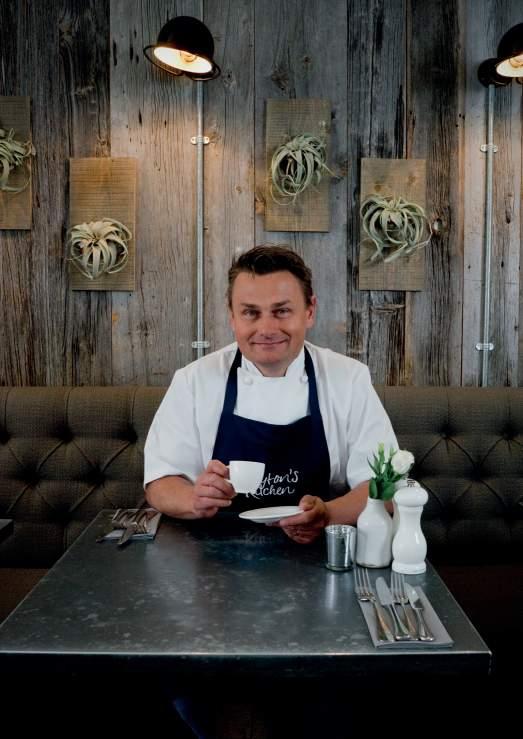
the vegetarian and vegan celebrations at Oak or Rob Clayton’s uplifting, stylish modern bistro dishes at his eponymously named Clayton’s Kitchen.
TOP TIPS:
Mayor’s Guide Walking Tours – led by local volunteers who are knowledgeable and passionate about the city – are free. Don comfortable shoes and hook up with the group outside the Pump Rooms at 10.30am and 2pm from Sunday to Friday and at 10.30am on Saturday. All walks last around two hours.
The Theatre Royal releases 40 gallery/side bench/perch tickets priced from around £15.50 on all performance days (maximum two tickets per person). These are available for booking as soon as tickets are for sale, and are available at the box office or online.
City Sightseeing buses depart from Bath Abbey on a regular basis and offer two options: the City Route and the Skyline Route, which takes voyagers through the countryside high in the hills that surround Bath. Both routes include an experienced guide who provides a fascinating commentary on the points of interest as you travel. Hop on/hop off tickets are valid for 24 hours.
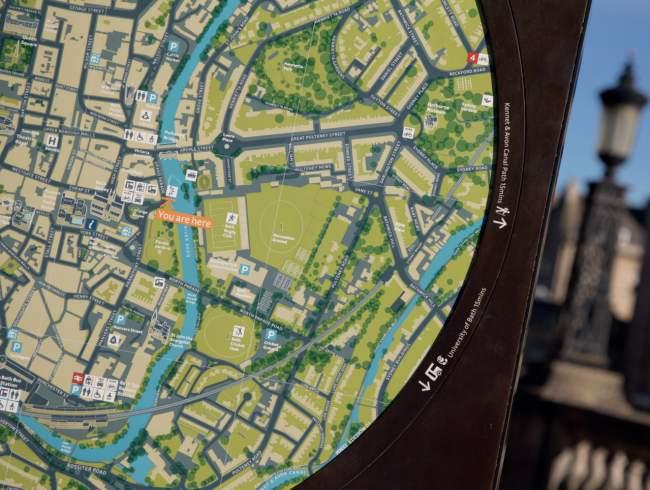
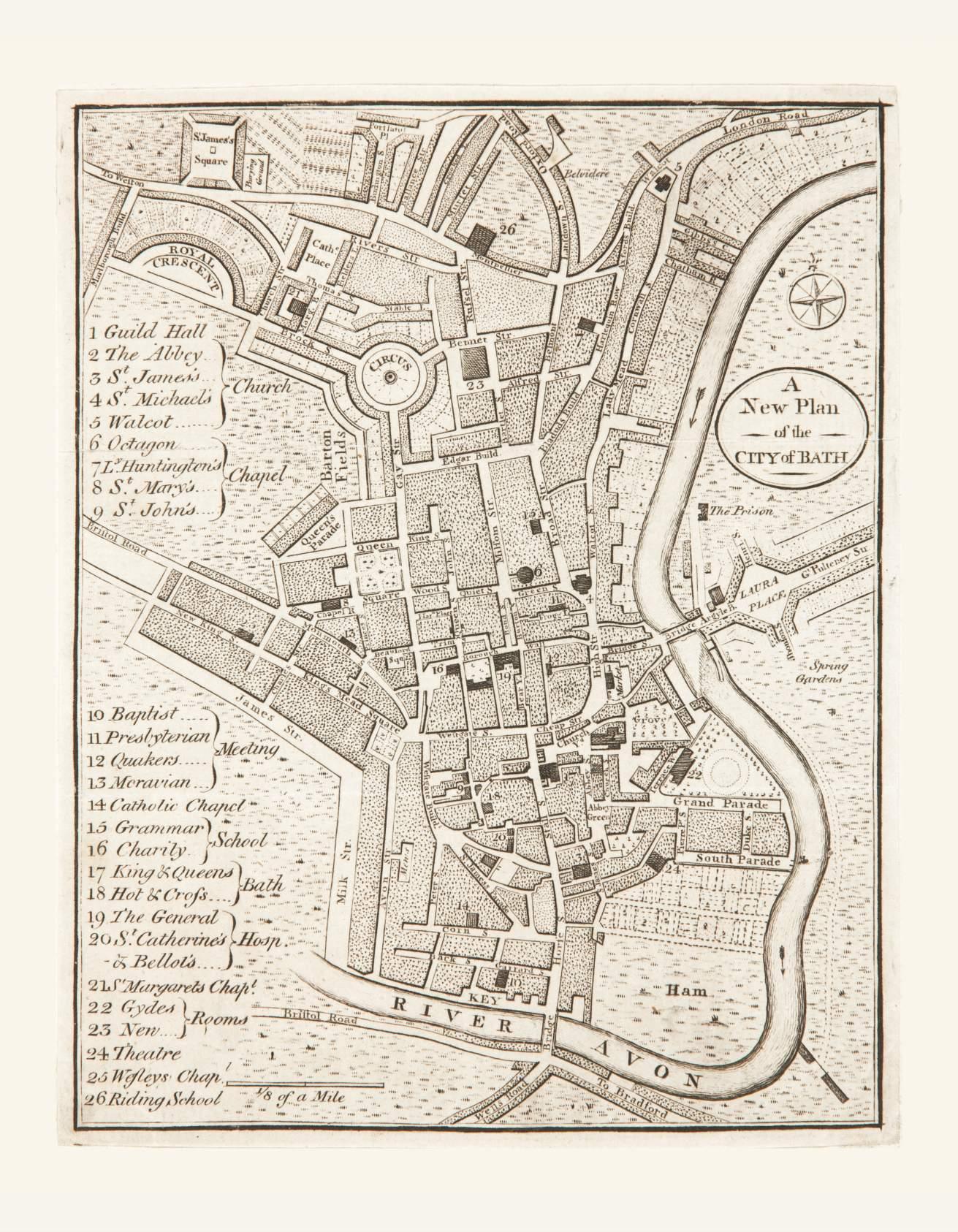
A map is the most useful accessory a visitor can equip themselves with. But if you’ve got a couple of hours to spare, bring the map to life by heading up the Wellsway and taking in the glorious views from Alexandra Park: behold, the city in miniature, awaiting your investigation.
LINGERING FOR LONGER?
Then you qualify for a trip to one of the spectacular villages, towns and visitor experiences within easy access of Bath.
• Approximately 15 miles/24km
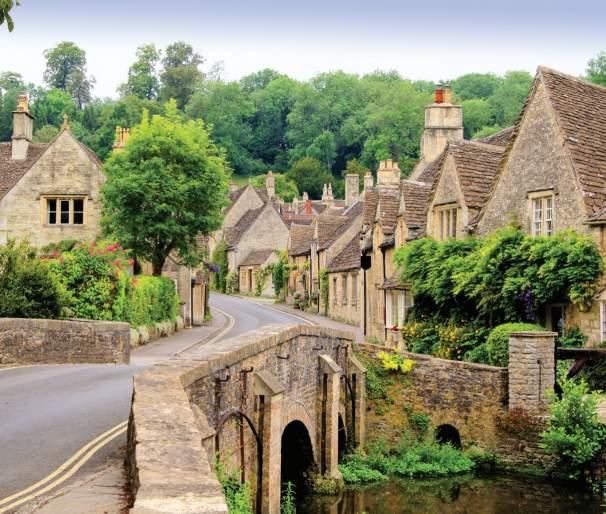
The super-pretty village of Castle Combe (as seen in Steven Spielberg’s War Horse and the original film version of Dr Dolittle with Rex Harrison singing Talking to the Animals) represents the very meaning of the words ‘picturesque’ and ‘quaint’.
• Approximately 17 miles/27km
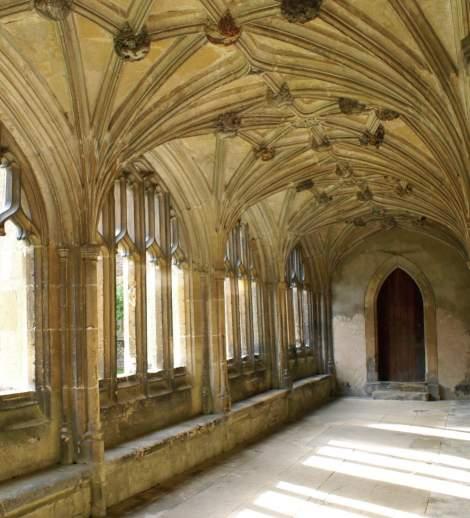
Even if you’re not a Harry Potter fan, Lacock Abbey – the interior of which doubled-up as the interior of Hogwarts in two of the Harry Potter films – is as enchanting and magical as the ancient, quintessentially-English village of Lacock.
• Approximately 22 miles/35km
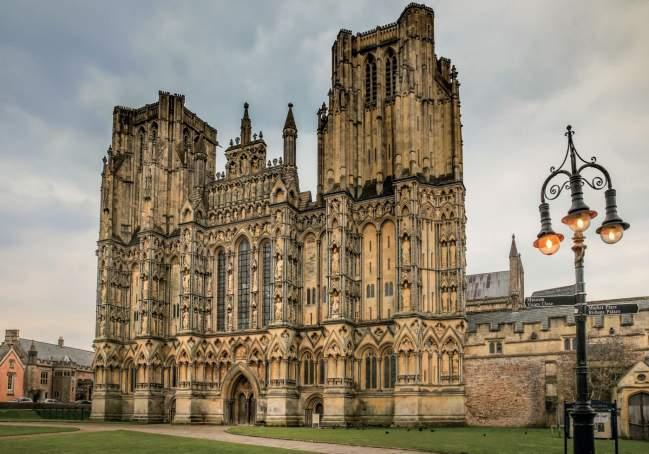
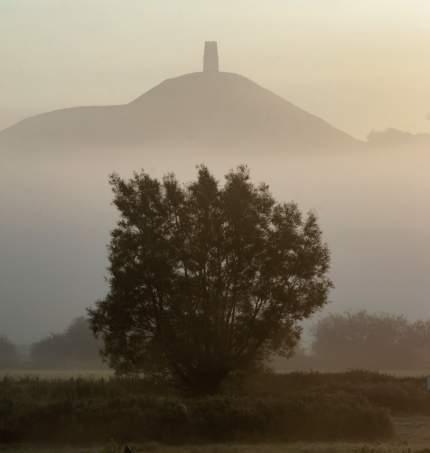
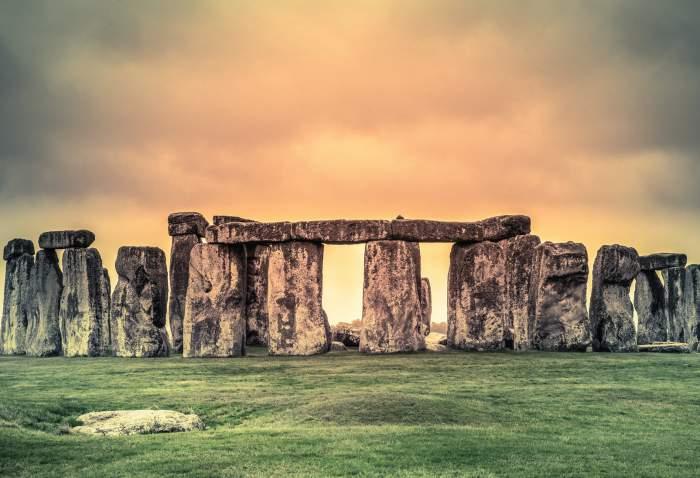
Wells (the smallest city in the UK) features a magnificent 13thcentury cathedral – surrounded by the unique, moated Bishop’s Palace. Meanwhile, Stonehenge, Westonbirt Arboretum, Longleat, Highclere Castle (aka Downtown Abbey), Glastonbury and Cheddar Gorge are all within easy access /drives from Bath.
FURTHER AFIELD
1. The magnificent Gothic façade of Wells Cathedral
2. Steeped in legend, the mysterious Glastonbury Tor looks over the mythical Isle of Avalon
3. The prehistoric standing stones of Stonehenge near Amesbury in Wiltshire
4. The picturesque village of Castle Combe
5. The cloisters of Lacock Abbey, where many a scene from Harry Potter has been filmed
GETTING AROUND
HISTORICAL SITES
Roman Baths
The
Assembly Rooms
Royal Crescent
The Circus
Pulteney Bridge
Sally Lunn’s House
Beckford’s Tower
MUSEUMS & GALLERIES
Bath
Herschel
Timeline of the City
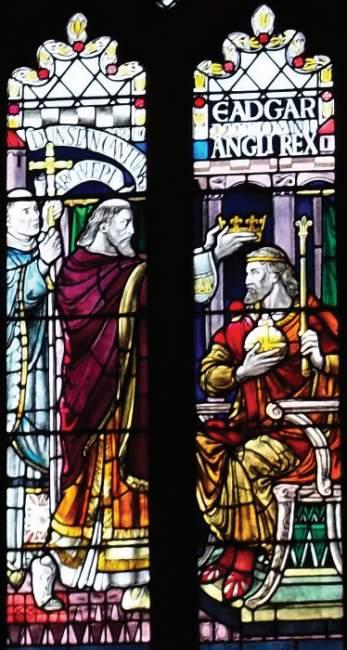
Bath has a long and rich history – here’s a whirlwind tour through some of its key moments, which include the story of Bladud, founder of Bath and the coronation of Edgar, the first King of England at Bath Abbey
There’s plenty of archaeological evidence to indicate that there was human activity around the hot springs on which Bath is built dating back to at least 8,000 BC. The first shrine at the site was actually built by the Celts, not the Romans, and was dedicated to the goddess Sulis, whom the Romans identified with their goddess Minerva. It is thought that the similarities between Minerva and Sulis helped the Celts adapt to Roman culture. So that’s how it all started.
• 863 BC: According to the legend, having healed himself and his herd of pigs from leprosy by bathing in the hot mud irrigated by the naturally heated spring waters, Bladud – son of King Rud Hud Hudibras and tenth ruler of the Britons in line from the first King Brutus, (aka Brute of Troy) – takes his rightful title of King (and founder) of Bath.
• AD 43: The Romans arrive and name the city Aquae Sulis, after the goddess Sulis Minerva – a considerable urban settlement is created on the site to include grand temples and bathing complexes.
The Arms of the City of Bath, c reated c. 1568, reproduced with kind permission of the City Council
Bladud in Exile, by Benjamin West PRA
• 577: The West Saxons win the Battle of Deorham and capture Bath, incorporating it into the Saxon petty kingdom of the Hwicce.
• 878: Bath becomes a royal borough of Alfred the Great’s Kingdom of Wessex.
• 973: Edgar, King of England 959–975, is crowned alongside his wife Ælfthryth at Bath Abbey by Dunstan, Archbishop of Canterbury.
• 1088: Benedictine monks take over the abbey and start to build a massive cathedral priory, complete with Bishop’s Palace.
• 1090: John of Tours moves the episcopal seat to Bath, giving it city status.
• 1137: Much of Bath is destroyed by a fire that ravages the city.
• 1499: Oliver King, Bishop of Bath and Wells, begins reconstruction of the now neglected abbey, which surrenders to the Dissolution of the Monasteries act in 1539.
• 1576: The Queen’s Bath is built, with a drinking fountain installed in 1578.
• 1590: Bath’s city status is confirmed by Queen Elizabeth I.
• 1657: The first regular coach service between London and Bath is established.
• 1702: Queen Anne visits Bath, confirming the city as a fashionable destination and focal point for social activity outside of London.
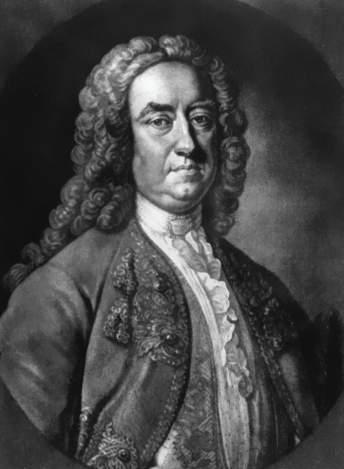
• 1704: Richard ‘Beau’ Nash is appointed Master of Ceremonies.
• 1712: Entrepreneur and philanthropist Ralph Allen is appointed postmaster.
• 1725: Architect John Wood the Elder develops an ambitious plan for his home town and presents them to Ralph Allen for consideration.
• 1726: Allen begins buying up Combe Down and Bathampton Down Mines for building stone.
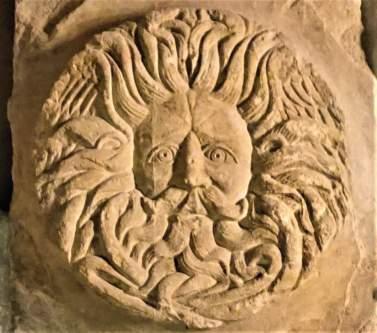
• 1727: A gilt bronze head from a cult statue of Sulis Minerva is found by workmen excavating a sewer near the Roman Temple.
• 1742: Ralph Allen is elected mayor of Bath.
• 1755: The Royal Crescent, designed by John Wood the Younger, is completed and the Roman Baths are rediscovered following the demolition of the Duke of Kingston’s Abbey House.
• 1761: Beau Nash dies, and the Corporation of the City fund a lavish, elaborate funeral. Nash is buried in the nave of Bath Abbey.
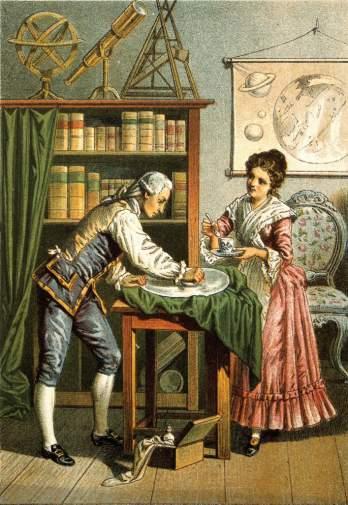
• 1762–1764: Scientist and astronomer William Herschel arrives in Bath and Brock Street is built.
• 1769: The Circus is completed; Pulteney Bridge is constructed.
• 1771: The New (Upper) Assembly Rooms are built.
• 1775–1777: The Hot Bath is built.
• 1780: The Roman Great Bath is rediscovered by Major CE Davis while exploring a leak from the King’s Bath.
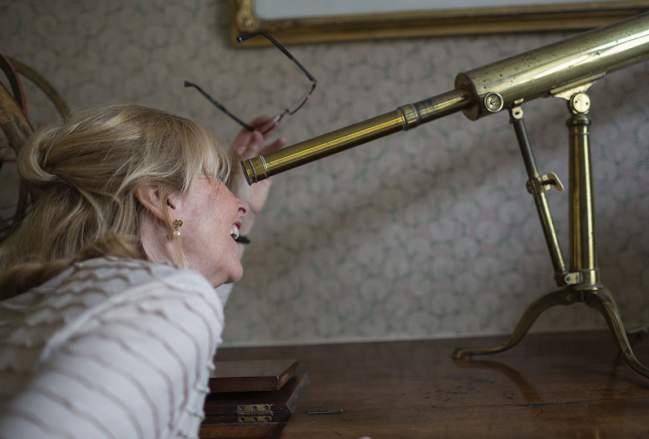
• 1781: William Herschel makes the first observation of the planet Uranus from the back garden of his house in New King Street.
• 1783–1784: The Cross Bath is built.
• 1793: The devastating Bath bank crash causes temporary havoc to the construction industry.
• 1795: Sydney Gardens opens as Bath Vauxhall Gardens, a commercial pleasure garden. The Grand Pump Room opens.
• 1797–1798: The Cross Bath is developed and increases in size.
Photograph, consecutively: Gorgon's Head of the Temple Sulis Minerva by Joyofmuseums; 19th century stained glass window in Bat h Abbey depicting King Edgar of England being crowned, by Singinglemon; Beau Nash, photo by Michael Maggs. Main image courtesy of Bath in Time
THE GORGON’S HEAD
RICHARD ‘BEAU’ NASH
• 1801: Jane Austen moves to Bath and stays in the city for almost five years. The Austens resided mostly in the newly built 4 Sydney Place, overlooking Sydney Gardens.
• 1804: Construction of the New Theatre Royal on Beaufort Street/Saw Close begins.
• 1805: The Orchard Street Theatre closes its doors for good. The New Theatre Royal opens to the public.
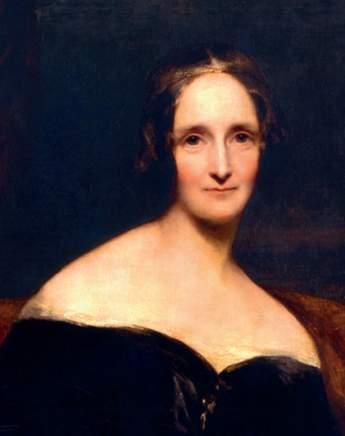
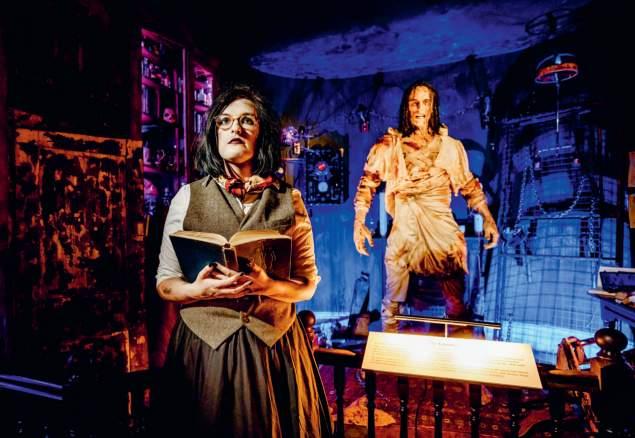
• 1816: Mary Wollstonecraft Shelley arrives in Bath. By December her writing on the novel Frankenstein was well underway.
• 1830: Victoria Park is opened by 11year-old Princess Victoria (later queen) as a private pleasure ground.
• 1831: Jolly’s on Milsom Street opens as The Bath Emporium, one of the very first department stores to open in the UK. Sadly now closed.
• 1840: Isambard Kingdom Brunel builds the Bath Spa Train Station for the Great Western Railway. The First Penny Black postage stamp is used to send a letter by Thomas Moore Musgrave, postmaster of Bath.
• 1861: The Guildhall Market is built on a site that had been used for trading for more than 800 years.
• 1862: The New Theatre Royal is destroyed by fire. The refurbished theatre opens again in 1863.
• 1865: Bath Rugby is founded by members of Lansdown Cricket Club as Bath Football Club.
• 1893: The Holburne Museum opens on Charlotte Street.
• 1923: The Roman hot plunge baths are excavated.
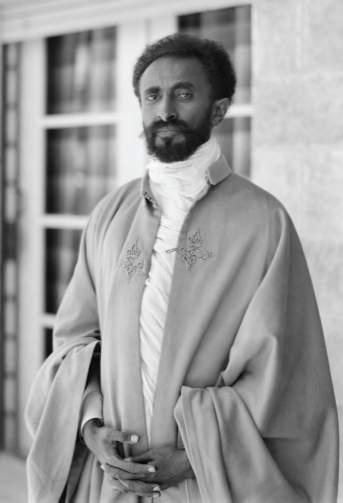
• 1936–1941: Haile Selassie, deposed Emperor of Ethiopia, is exiled in Bath.
• 1938: The Assembly Rooms reopen after restoration.
• 1942: Three German aerial bombing raids – part of the Baedeker Blitz – kill 417 Bath residents and destroy or badly damage the newly restored Assembly Rooms.
• 1955: The Assembly Rooms reopen, incorporating the Museum of Costume; The Beatles play at Bath Pavilion.
• 1987: Bath is inscribed by UNESCO as a World Heritage Site.
• 1997: The Ustinov Studio opens at the rear of the Theatre Royal.
• 2005: The egg, a venue for children’s, young people’s and family theatre, opens.
• 2006: The Thermae Bath Spa opens to the public.
• 2009: The SouthGate shopping centre and a brand new bus station opens on Dorchester Street.
• 2021: The City of Bath receives a second World Heritage Site inscription as one of the Great Spa Towns of Europe.
• 2022: Bath Abbey’s Footprint Project is completed, including the abbey’s historic floor being saved from collapse and underfloor heating powered by Bath’s hot springs.
• 2022: The Bath World Heritage Centre opens in York Street. A stateof-the-art interpretive space where visitors can find out why Bath is a UNESCO World Heritage Site.
• 2023: The Bath Abbey Discovery Museum opens. Located in the vaults beneath the Abbey, it showcases the Abbey's history with many interactive exhibits and medieval stonework.
• 2025: Bath Rugby achieved a historic sporting treble in the 2024–25 season under Head of Rugby, Johann van Graan, winning the Gallagher Premiership, the EPCR Challenge Cup, and the Premiership Rugby Cup. Can we do it again? For sure.
THE HERSCHELS
HAILE SELASSIE
MARY SHELLEY
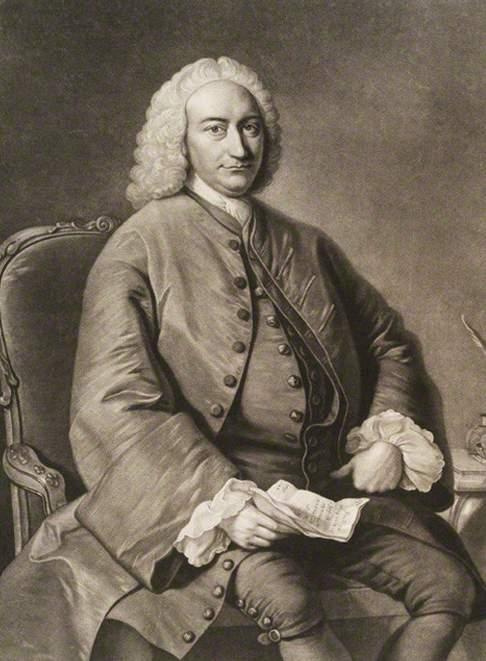
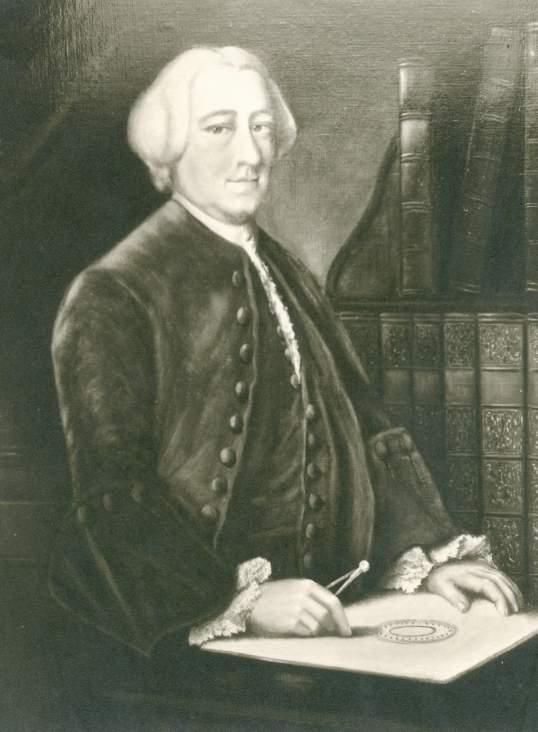
IMAGES (top left, rotating clockwise): Richard ‘Beau’ Nash by William H oare, courtesy of Victoria Art Gallery, Bath and N.E. So merset Council; Ralph Allen by John Faber Jr.
Wikimedia Commons; John Wood the Elder courtesy of Bath in Time; The Circus, AdobeStock
RICHARD ‘BEAU’ NASH
RALPH ALLEN
JOHN WOOD THE ELDER
CITY HISTORY
The Men Who Built Bath
Melissa Blease digs deep into the architectural roots of Bath, and celebrates the pioneers responsible for creating some of the city’s most loved and distinct buildings
Despite enduring a Roman invasion, being granted official city status more than nine centuries ago, and operating a regular coach service to London since 1657, Bath in the late 17th century was little more than a quiet market town with a population of just 2,000 people. But the Bathonians who enjoyed the quiet life at this time were about to have their world turned upside down.
In 1702, Queen Anne visited Bath and publicly endorsed the medicinal, mineral-rich properties of the city’s spring water, declaring that it helped to ease her painful gout – a form of arthritis that causes severe swelling and inflammation. She visited Bath regularly to take the waters with the aim of seeking a cure.
Within two years of the royal visit, Richard ‘Beau’ Nash relocated to Bath from London to claim the mantle of Master of Ceremonies, presiding over the social and cultural events of a city that was fast turning into the UK’s most fashionable merrymaking zone. And eight years later, 17-year-old Ralph Allen swapped his job behind the counter of his family’s post office in Cornwall to fill a vacancy for an assistant to the postmistress of Bath – and Bath’s architectural renaissance was poised to begin.
Excelling in his initial role of clerk, Allen soon became the youngest postmaster in the UK in 1712, at the age of 19. An instinctive entrepreneur and avid philanthropist, he went on to reform the country’s postal system by introducing a ‘signed for’ mail initiative to guarantee security, and improving speed and efficiency by ceasing the lengthy process of directing all mail via London.
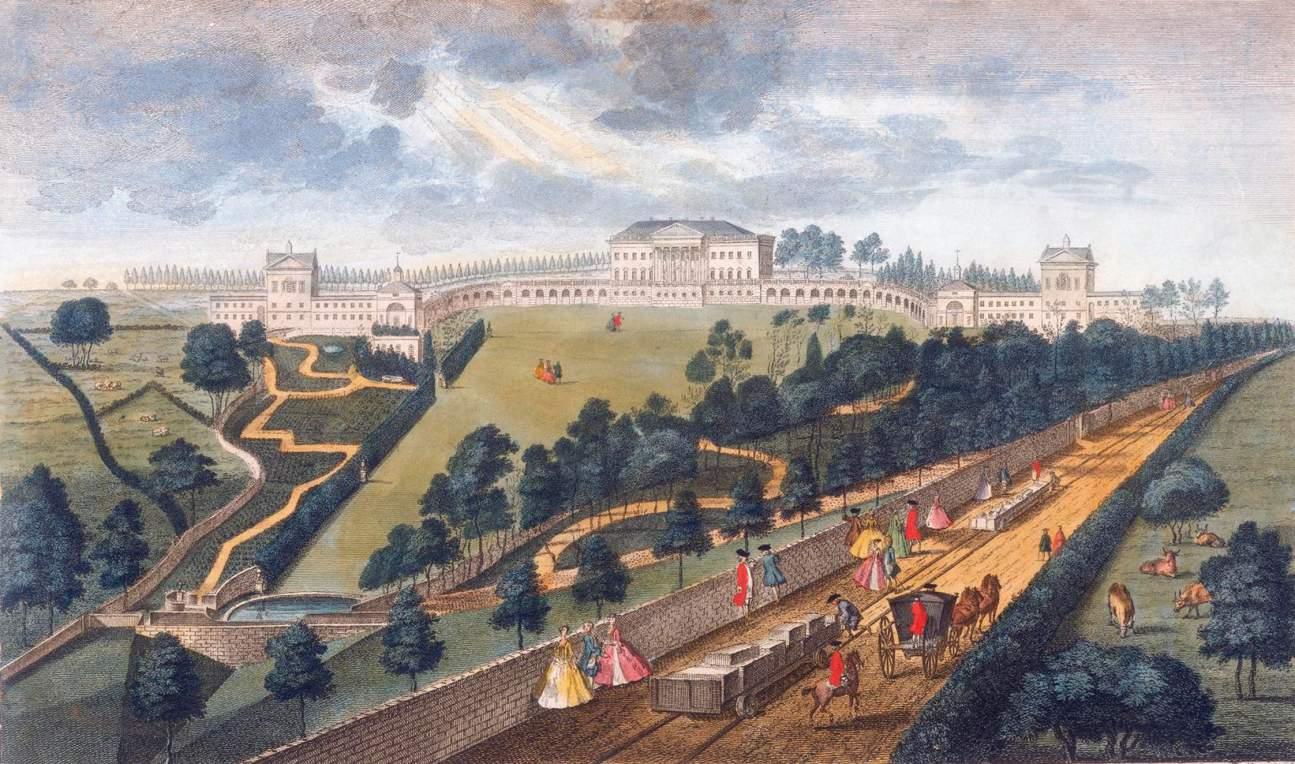
In a move that exemplified his passion for enterprise and forwardthinking initiatives, combined with an innate aptitude for logistics, in 1726 Allen used the small fortune he’d made from revolutionising the postal system to purchase the quarries at Combe and Bathampton Downs, and built a railway to carry huge blocks of stone into the city.
Around the same time, architect John Wood (born in Bath in 1704) had recently returned to the city from London, where he’d been involved with the Cavendish-Harley housing estate development in Mayfair. Wood the Elder (the reason behind ‘the Elder’ appellation will shortly become clear) discovered a natural affinity with Allen and together they developed an ambitious plan for the architectural regeneration of Bath, which he duly presented to his prospective collaborator. Working closely together, the duo was largely responsible for the development of Georgian Bath. Combining his passion for Palladianism (a classic European style of architecture derived from 16th-century Venetian architect Andrea Palladio) and his fascination with ancient British history, Wood the Elder’s overall vision was to turn Bath into ‘the Rome of Britain’,
complete with a Circus Maximus and Forum. While the Corporation of Bath initially looked upon his grand designs as little more than self-indulgent folly, they eventually conceded that Bath’s burgeoning popularity was creating a need for accommodation for visitors and prospective long-term residents. Using Wood the Elder’s designs as a blueprint, work on Queen Square – named in honour of George II’s consort, Caroline – began in 1729; leading by example, perhaps, Wood the Elder took one of the centre houses for himself.
While Queen Square was still a work in progress, Wood the Elder also undertook a commission from Allen to build a new home that would display and convey his new-found status and wealth. The pair chose a plot of land that lay just outside Bath's original city boundaries to build Prior Park, an imposing Palladian mansion set in 28 acres of ground overlooking the city. Completed in 1743, the park was described by British author and man-about-town Philip Thicknesse as ‘a noble seat which sees all Bath, and which was built, probably, for all Bath to see’ – and Thicknesse probably had a point.
Although their professional partnership came to an end during the project (Allen dismissed Wood in 1734, replacing him with their Clerk of Works, Richard Jones), they remained firm friends. Allen used Prior Park to entertain many influential personalities of the day including artist Thomas Gainsborough, theatrical impresario David Garrick and novelist and dramatist Henry Fielding. All of these he proudly introduced to Wood the Elder who, by 1728, had completed his first private commission in Bath, a new building for St John’s Hospital in the city centre.
But Wood the Elder’s greatest architectural gift to Bath had yet to be revealed.
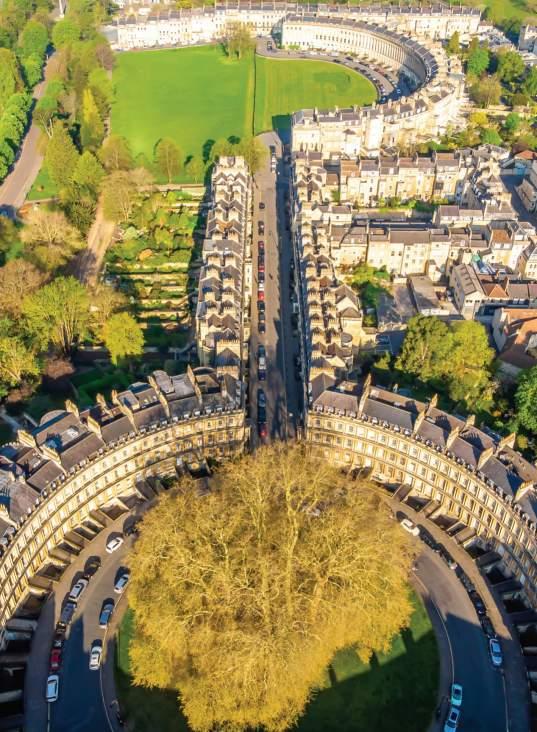
The Circus – named after the original Latin word for a circle or ring rather than a travelling entertainment venue – comprised 30 terraced houses on an orbicular layout, perfectly divided into three sections of exactly equal length and based around a central lawn. When viewed from the air (might we suggest the basket of an air balloon?) The Circus, Gay Street and Queen Square form the shape of a key. This ancient masonic symbol unlocks a clue to Wood the Elder’s longstanding fascination with Freemasonry, a non-religious fraternity established at the end of the 14th century by local stonemasons aiming to regulate fair interaction with clients.
Freemasonry was described by one of the original founding members as ‘a beautiful system of morality, veiled in allegory and illustrated by symbols’. Wood the Elder’s connections are further endorsed if you wander The Circus at street level and notice the frieze that runs along the elegant curved facades of each segment of the buildings, richly decorated with 525 pictorial emblems including nautical symbols, swords, mythological and legendary beasts and
representations of the arts and sciences, all of which have origins in Masonic tradition. Wood the Elder, however, never saw his most magnificent, ambitious work completed – he died three months after laying The Circus’ first foundation stone in 1754. But the Wood family’s legacy doesn’t end there.
John Wood’s son John (hence the designation of Elder and Younger) was born in Bath in 1728 – the same year his father moved back to the city from London. From his early childhood, Wood the Younger was captivated by his father’s work. In 1749, when Wood the Elder temporarily relocated to Liverpool to oversee the initial stages of his design for the city’s new town hall, Wood the Younger went with him. It was on an early site visit to Liverpool Town Hall that Wood the Younger met Elizabeth Brock, the sister of nearby Chester’s town clerk, whom he eventually married and they raised a family of nine children (seven girls and two boys).
After Wood the Elder died in 1754, Wood the Younger took over where his father left off, building The Circus (which was eventually completed in 1768) and Gay Street, which provided an elegant thoroughfare twixt The Circus and Queen Square.
Over the coming years, Wood the Younger (who lived with his family at 41 Gay Street) created a brand-new architectural image for Bath, pioneering a bold, neo-classical style that contrasted with the more ornate, embellished frontages preferred by his father. This contrast is most sharply represented in Wood the Younger’s designs for buildings such as - the Assembly Rooms, this is a U-shaped building based around a grand central aisle linking a Tea Room, Card Room, Ball Room and Octagon Room and was purpose-built in 1771 to host an 18th-century entertainment venue known as the Assembly. The Hot Bath is another example, part of the Roman Baths complex and built in 1777.
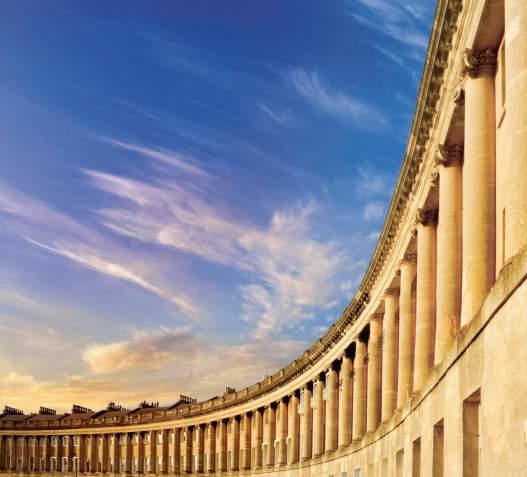
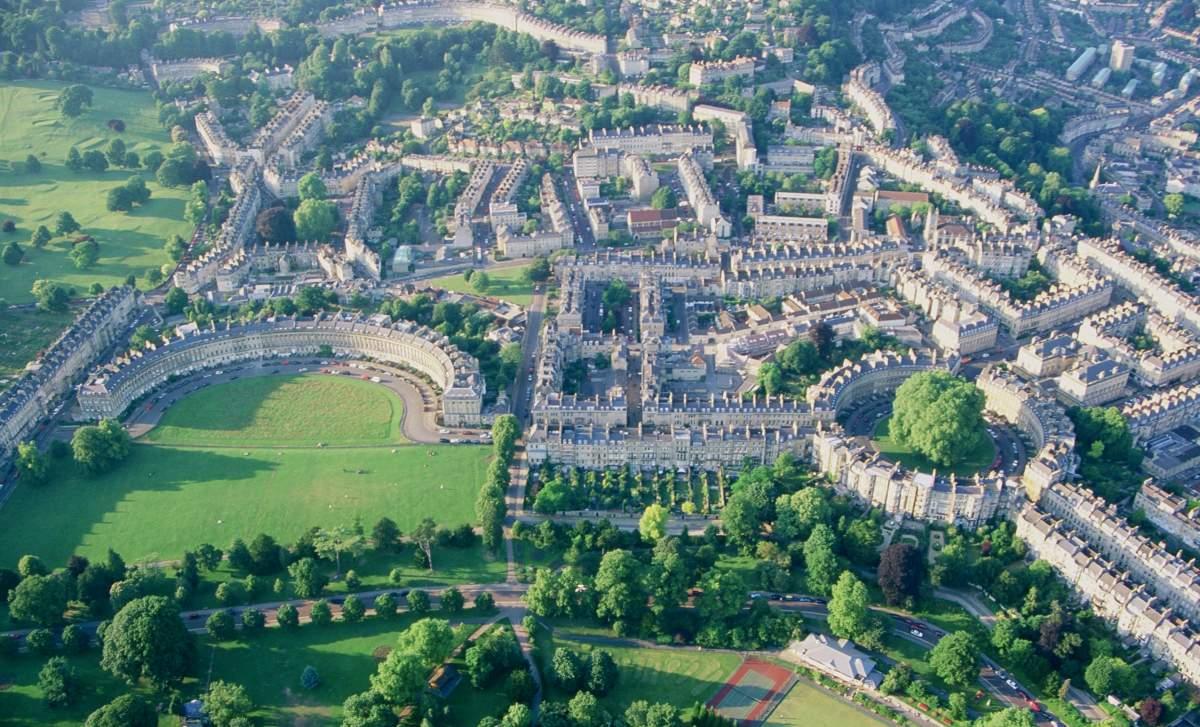
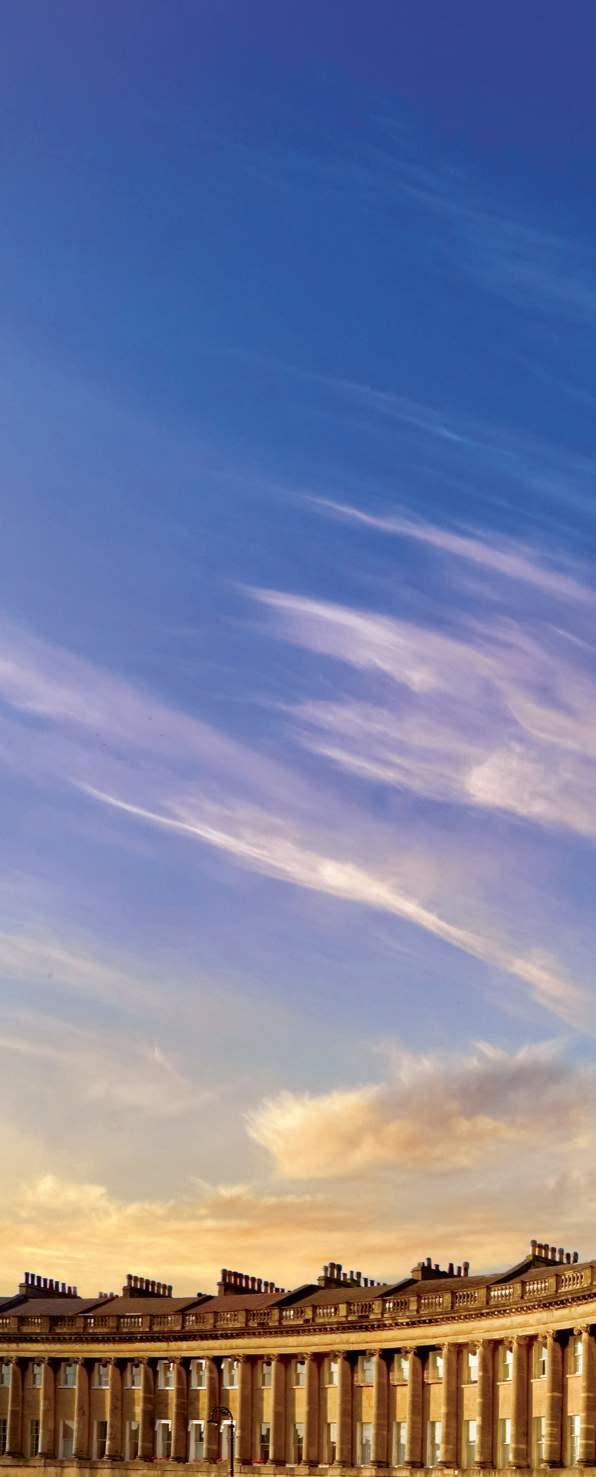
Wood the Younger’s ultimate masterpiece was Bath’s exquisite Royal Crescent, completed in 1774. The 500ft/150m supremely elegant, sweeping curve of 30 grandiose terraced houses facing south and overlooking acres of pastoral paradise was later transformed into Royal Victoria Park (opened in 1830 by the 11-year-old princess – later queen – Victoria). Subtly exuding the kind of discreetly luxurious glamour that Wood the Younger excelled in creating and to this day renowned across the globe for its iconic architectural status, the Royal Crescent was the first of its kind to be built in the UK. It remains one of the greatest, most picture-perfect examples of Georgian architecture in the county, if not the world.
Over the course of the 18th century, Bath’s population grew from 2,000 to almost 30,000 as the city transformed from a market town into a fashionable metropolis. Today, 83,000+ residents and thousands upon thousands of annual visitors and tourists offer gratitude in abundance to The Men Who Built Bath.
Remembering Legends
• John Wood the Elder died in his Queen Square home in 1754 and was buried in the chancel of Swainswick Church.
• Beau Nash died in 1762 and left such a lasting legacy that locals rallied together to throw a lavish funeral, fit for a king.
• Ralph Allen – elected Mayor of Bath in 1742 – used Prior Park as his primary residence until his death in 1764.
• John Wood the Younger died at his eventual home (Eagle House, Batheaston) in 1781 and was buried beside his father.
1750: PRIOR PARK AND RALPH ALLEN’S RAILWAY
Hand-coloured line engraving of Prior Park and Ralph Allen’s railway in 1750 from an engraving by Anthony Walker, courtesy of the National Railway Museum /Science and Society Picture Library
MAP
POSTCARDS
The Perfect Curve
It’s 250 years since the completion of the Royal Crescent and it remains one of the most breathtaking architectural treasures in the UK, says Jessica Hope
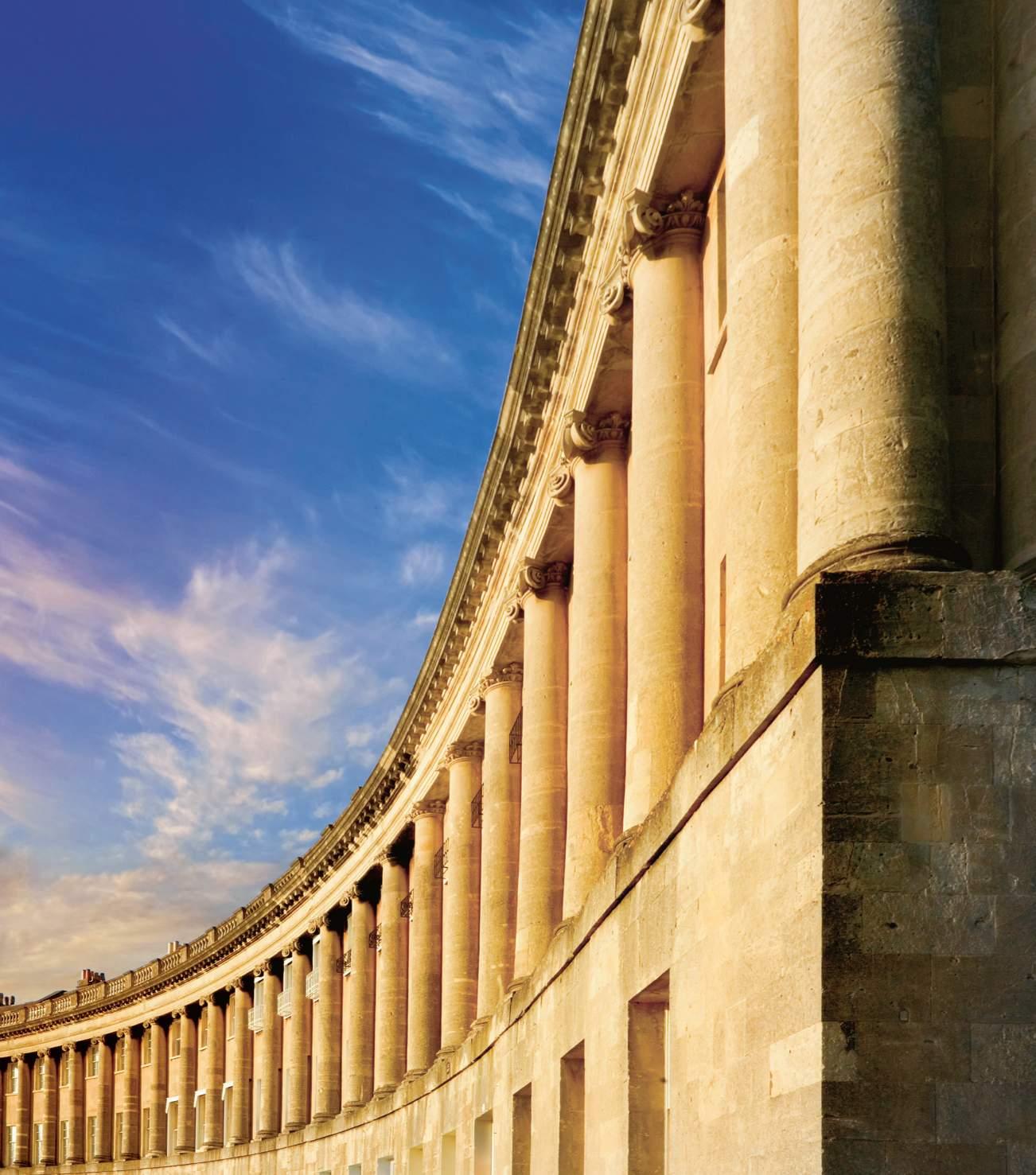
With its 114 Ionic columns, honey-coloured stone and curved symmetry spanning 150m (500 ft), the Royal Crescent is one of the most majestic examples of 18th-century Palladian-style architecture in the UK, and as such it is protected by a Grade-I listed status.
Between 1767 and 1775 architect John Wood the Younger designed and oversaw the construction of this magnificent semiellipse of buildings. His father John Wood the Elder had brought Palladianism to Bath with his developments in and around Queen Square (1725–1736) and the Circus (1754–1768). The Crescent was the final sequence in this architectural masterplan.
Wood employed various builders on each of the 30 houses, and while he was particular about maintaining the dimensions and design across the façade, he allowed purchasers the freedom of budget to do what they liked inside and at the back. This is why the depth of the buildings and roof lines differ behind the Royal Crescent, and the windows are not all aligned. This architecture, often described as ‘Queen Anne fronts and Mary-Anne backs’, is an indication of the wealth of the initial owner.
The Royal Crescent was the first crescent of terraced houses to be built ‘rus in urbe’ (country in the city) as it overlooked parkland and offered fashionable visitors city residences that had the same style and grandeur as the houses in their country estates.
A Ha-Ha remains to this day – a ditch separating the upper and lower lawns mainly to keep grazing animals off the upper lawn, but is near invisible to anyone running down - hence the unsympathetic name.
On completion, the Crescent became one of the most sought-after addresses in the city. It adopted the title ‘Royal’ at the end of the 18th century after Prince Frederick, Duke of York and Albany, had stayed there.
Drawn by the Assembly Rooms and the thermal waters, by the late 18th century Bath had become a centre for the leisurely classes to take the waters, socialise, gamble and purvey the marriage market. To see and be seen was considered the most desirable of diversions and those in wealthy (and not so wealthy) society used Bath’s open spaces, such as the Royal Crescent, Circus and Queen Square, to promenade, meet their friends and gossip.
Currently, of the crescent’s 30 townhouses, 10 are still full-size houses, 18 have been split into flats of various sizes, one is the No. 1 Royal Crescent museum, and the two central houses with the entrance at number 16 is the splendid Royal Crescent Hotel.
GREAT BATH
POSTCARDS
The Roman Baths
Melissa Blease takes a tour of Bath’s most popular visitor attraction and discovers a world-class experience
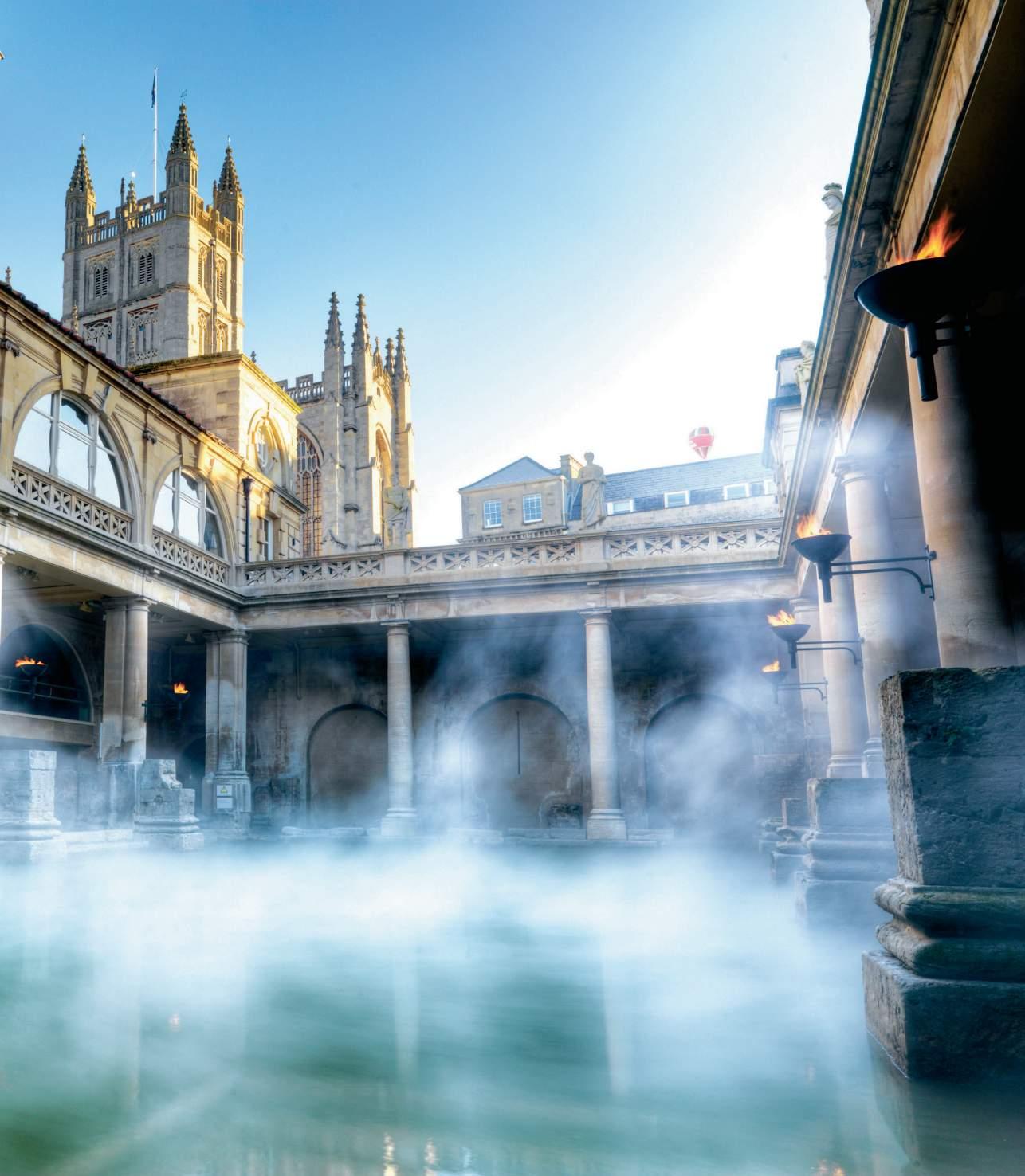
Despite Senator Tacitus describing the taking of the waters as “one of the luxuries that stimulate vice,” the Romans started the development of Aquae Sulis as a sanctuary of rest and relaxation some time after the Roman invasion of Britain in 43AD. Over the next three decades, they built a reservoir, a sophisticated series of baths and a temple dedicated to the goddess Sulis Minerva around the natural hot springs. The temple was constructed around 60–70AD, and the bathing complex was gradually built up over the next 300 years.
But after the Roman withdrawal in the first decade of the fifth century, the bathing complex fell into serious disrepair and was eventually lost to silting and flooding. The vaulted building around the spring collapsed into the waters in the sixth or seventh century, but the oak piles that were sunk into the mud continue to provide an integral part of the stable foundations today.
The various street level aspects of the Roman Baths, The Grand Pump Room and the Stall Street entrance were designed in the 18th century by Thomas Baldwin and John Palmer, two of the leading architects of Georgian Bath who, alongside John Wood the Elder, John Wood the Younger, Robert Adam and John Eveleigh, are responsible for most of the Palladian-style architecture for which Bath is so highly regarded.
Throughout the 18th and early 19th century, visitors flocked to fashionable, genteel Bath from far and wide to drink the mineralrich spring waters and socialise in the Grand Pump Room, the neo-classical salon within the Roman Baths complex. As Jane Austen – who moved with her family to Bath in 1801 for what her family deemed to be health benefits – wrote in Northanger Abbey, “every morning brought its regular duties: shops were to be visited; some new part of the town to be looked at: and the Pump Room to be attended, where they paraded up and down for an hour, looking at everybody and speaking to no one.”
Both the Pump Room (which remains in use as a tea room and restaurant today) and the Roman Baths fortunately offer a far friendlier, more accessible welcome to contemporary visitors, centuries on – and the complex still remains very much a fully functioning, sparkling jewel in the city’s crown.
ON SHOW
The Roman Gym – part of the main visitor journey around the Roman Baths, unseen by the public for over 1600 years before the complex underwent a stunning renovation in 2021 – allows visitors access to a courtyard where Romans worked out before heading into the baths. The gym itself includes the remains of an ancient
sauna (a laconicum) and one of the best preserved doorways from Roman British times, while projections showing how the Romans would have used the gym, and audio commentary explaining Roman workouts and the Roman attitude to health, wellbeing and medicine brings the whole area to fully authentic life.
The state-of-the-art Clore Learning Centre allows school and community groups to learn all about history and heritage in a hands-on, accessible way. The neighbouring World Heritage Centre offers a central point for visitors to find out about the city-wide UNESCO World Heritage site’s hot springs, Roman remains, Georgian architecture, Georgian town planning, the social setting of the Georgian spa town and the city’s natural landscape setting.
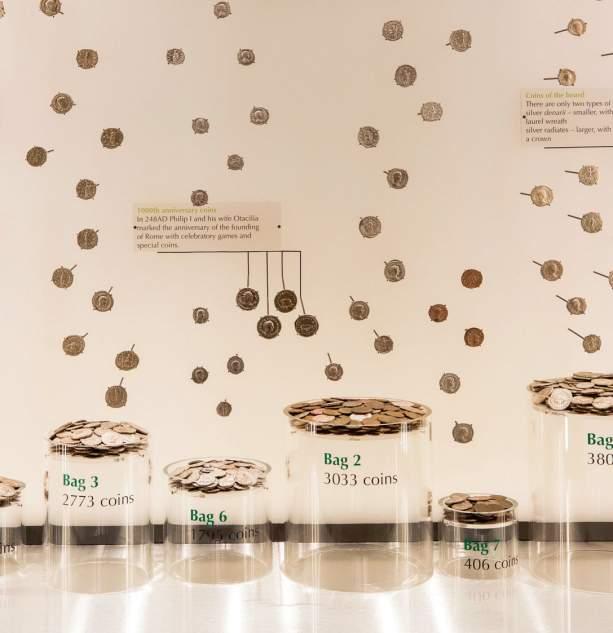
Time may not stand still for the Roman Baths, but the defining purpose at the core of the complex remains the same. The site’s permanent collection contains thousands of archaeological finds from pre-Roman and Roman Britain including the Beau Street Hoard, which was excavated by archaeologists on the site of the Gainsborough Bath Spa Hotel in Beau Street in 2007 and is today widely acknowledged to be one of the most remarkable archaeological discoveries ever to have been made in Bath: 17,655 Roman coins were found fused together in eight separate money bags and spanning the period from 32BC–274 AD.
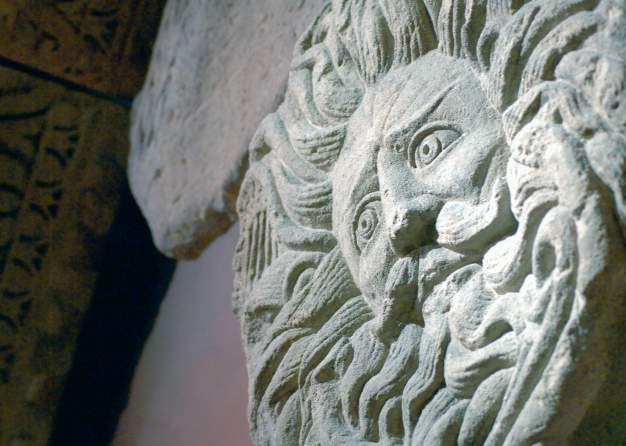
Elsewhere, exhibits range from the divine to the domestic. In the Temple Worship area of the museum, the gilt bronze head of the goddess Sulis Minerva, for example, is an ancient, awe-inspiring showpiece, while catching the eye of the imposing Gorgon’s head
THE GORGON’S HEAD
that glowers down from the top of the grand ornamental Temple Pediment (the temple itself being one of only two classical style temples in Britain, depicting the merging of local and Roman beliefs) is a curiously thrilling experience. Offering delightful contrast to the more dramatic exhibits on display, the brooches, combs, jewellery, glass bottles and general domestic paraphernalia discovered buried beneath the foundations of the present buildings offer a fascinating, evocative snapshot of everyday Roman life and create a strong link of familiarity between the past and the present.
Meanwhile, the curiously moving Roman Curse tablets –‘defixiones’, (inscribed on to small sheets of lead or pewter and believed to range in date from the second to the late fourth century AD) depict the private and personal prayers and wishes of 130 individuals and provide a uniquely personal insight into Roman life. Addressed to the goddess Sulis Minerva, many request stolen items be returned, but others are scarily malevolent, seeking more severe levels of justice be served: “Docimedis has lost two gloves and asks that the thief responsible should lose their minds and eyes in the goddess’ temple”.
The tablets are the only objects from Roman Britain to be included within UNESCO’s Memory of the World register, which aims to preserve, promote and protect written and audiovisual heritage while encouraging universal access to social history.
YOUR VISIT
A visit to the Roman Baths is a multi-textured, comprehensive experience offering broad appeal to all ages, tastes and interests. Even those who may not think they’re visiting Bath to learn more about the history of the Heritage City can’t fail to realise that it’s all around us, at every turn – and never more so than within the Roman Baths where the city began.
It is recommended that you allow between around 90 minutes up to 2 hours for your visit. Portable, fact-packed audioguides with information on Roman life and the history of the Baths (available
in thirteen languages) that can be stopped, started, and rewound according to your schedule and particular interests are included as standard in the admission price, including all-age guides and a children’s guide. Printed language sheets are also available at the Roman Baths reception.
In addition to the audio guides, the Baths run regular one-hour guided tours throughout the day where you can delve into the Roman bathing experience, explore the famous Great Bath and the Roman bathing rooms in the East Baths, and see the Sacred Spring where naturally hot water has bubbled up from under the ground for thousands of years. During the tour you will have a chance to see historic photos and illustrations of the Roman Baths and handle replica bathing equipment – such as a strigil, which Roman bathers used to scrape and clean their skin.
You’ll also enjoy meeting and chatting to some of the costumed characters that add history and colour to your experience. These characters (who stay in character, even when asked to pose for a modern-day photo), are based on real people who lived and worked at Aquae Sulis 2000 years ago. Performed by local actors from ‘The Natural Theatre Company’ the characters and their stories have been meticulously reconstructed from collected evidence found on site at the Baths.
Finally, while it may not be to everyone’s taste, at the end of your visit you have the opportunity to sample the hot natural spa water. Salute!
The Roman Baths, Abbey Church Yard, Bath BA1 1LZ
The Roman Baths is open every day except 25 and 26 December.
For specific seasonal opening times, admission prices, special events and accessibility details, visit the Roman Baths website.
Tel: 01225 477785
Web: romanbaths.co.uk
A DISPLAY OF THE BEAU STREET HOARD
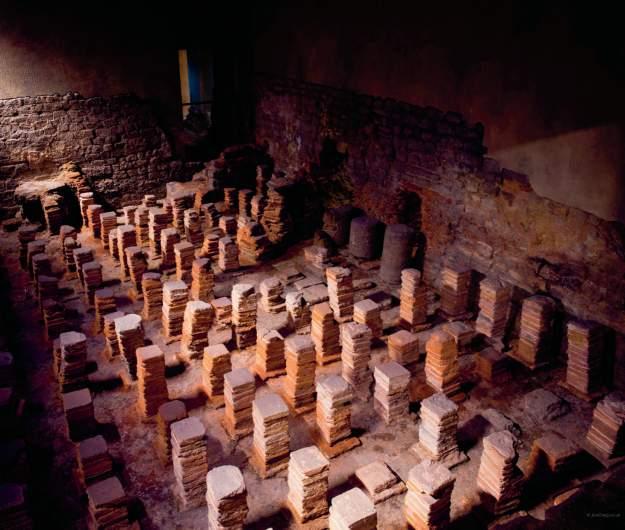
Photographs: courtesy of Bath & North East Somerset Council. Hypocaust image by Jon Craig
FASCINATING FACTS
Over 1 million people visit the Roman Baths every year, making it the second most visited attraction outside London, Stonehenge being first. In 2025, the Roman Baths was recognised as Tripadvisor’s Travellers’ Choice “Best of the Best” attraction, ranking in the top 1% worldwide.
Hot water at a temperature of 46°C (114.8°F) rises at the Roman Baths at the rate of 1,170,000 litres every day.
The spa water originally fell as rain around 10,000 years ago. It sank to a depth of around 2km below the earth’s surface, where it is geothermally heated before rising back up to one of Bath’s three springs: the Cross Bath Spring, the Hetling Spring or the King’s Spring, which supplies the Roman Baths.
Bath spa water contains more than 43 minerals and trace elements, the most concentrated of which include calcium, magnesium, sodium and iron.
The Great Bath holds 225,000 litres of water.
The Temple of Sulis Minerva in Bath is one of only two classical temples known from Roman Britain, the second one being the Claudius Temple in Colchester.
The tranquil Cross Bath – part of the grander Thermae Bath Spa complex but situated in an independent setting – is an official sacred site with ancient origins; some historians claim that, around 7,000 years ago, the site was occupied. Indeed, Mesolithic flints found in the spring support this and there was human activity all round the area.
It’s impossible to estimate exactly how much the Beau Street Hoard (17,655 Roman coins) would be worth in real terms today. If you’d like to imagine going shopping Romanstyle, an amphora of wine would have cost you 300 Sestertii, you could buy 200 pounds of flour for just one Aureus and a slave would set you back 500–1,500 Denarii.
The terrace overlooking the Great Bath is lined with Victorian statues of Roman emperors and governors of Britain including Constantine the Great, Julius Caesar, Claudius and Hadrian. The statues on the terrace date to 1894, and were carved in advance of the grand opening of the Roman Baths in 1897.
Visitors could still occasionally bathe in the Great Bath (and some of the smaller baths) up until 1978. However, following the discovery of a dangerous amoeba, which was active in the water, the baths were closed for bathing.
The spring water that supplies the Thermae Bath Spa today is drawn from new boreholes drilled beneath the King’s Spring and the Cross Bath between 1983–1985, and the Hetling Spring in 1998 and 2011. The water is tested weekly and is consistently declared safe.
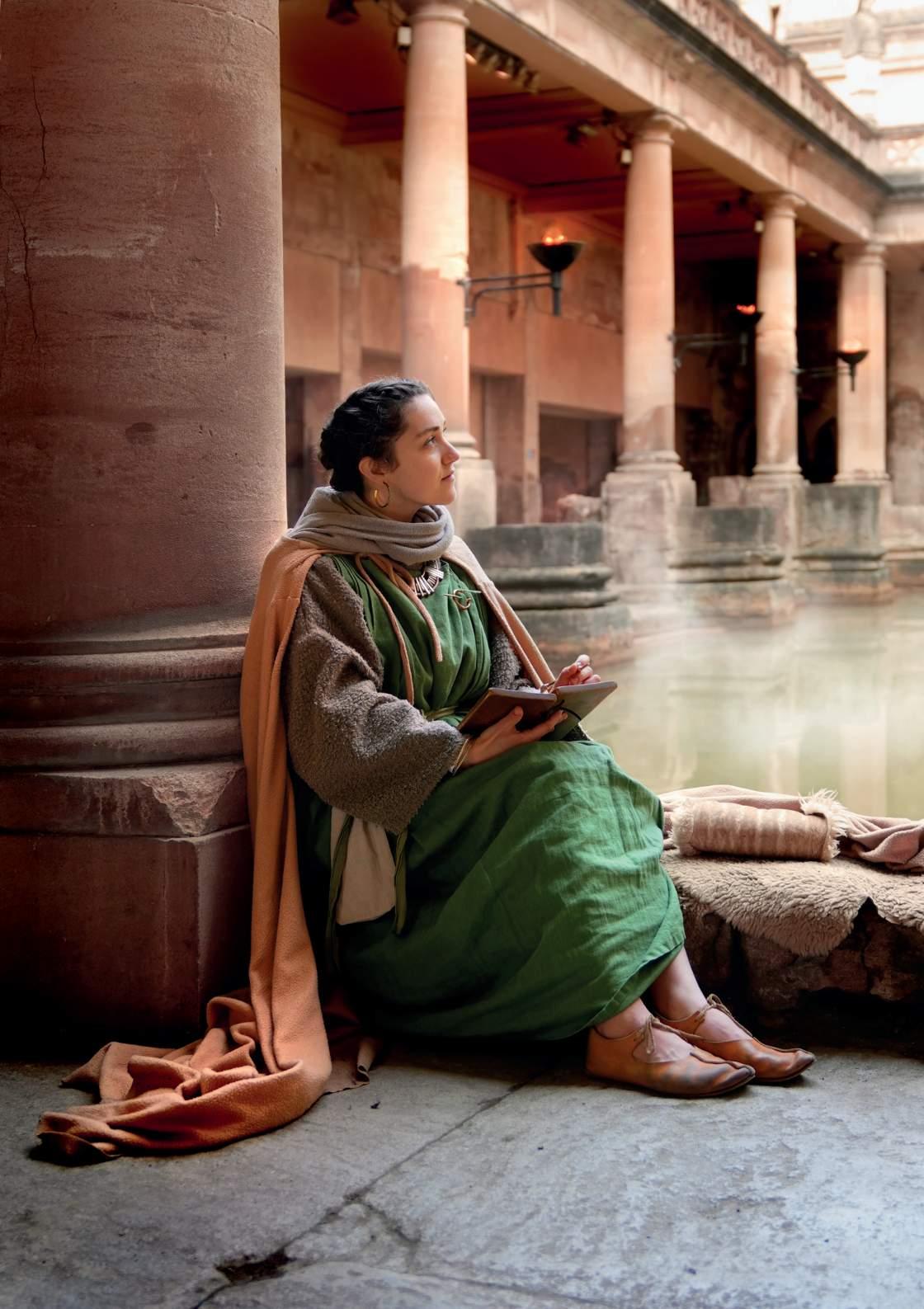
IMAGE: Rusonia (played by Hannah Rachael) at The Roman Baths. With special thanks to the Natural Theatre Company for enabling this interview with Rusonia, and to The Roman Baths (B&NES Council) for permission to take the photograph; Photography by TBM.
CONVERSATIONS
Rusonia: a freeborn Gaul
Rusonia was born in Divodurum (Metz) in north east Gallia Belgica and has lived in Aquae Sulis for 15 years. She is unmarried and manages a jewellery business, inherited from her father, which specialises in goldwork
When did you arrive in Aquae Sulis?
I moved to Aquae Sulis in 180 CE with my father, Talos. We journeyed from my hometown Divodurum Metz in North East Gallia Belgica to Luentium in Wales. It was such a long journey that we stopped in Aquae Sulis for five days to rest. I truly enjoy living here, the town is vibrant and has a great community.
How did you get into the jewellery-making business?
My father taught me everything I know! He was a highly skilled metalworker who wanted to expand his trade in this part of the empire. He had a business associate from Gaul in Luentium, near the Dolaucothi Gold Mines. When my father became ill and passed away, I inherited the business and with the help of Lucius Ulpius Sestius, a Roman patrician, got it up and running. With his local connections and my discounted gold, we had a successful enterprise.
What do you think of the residents’ taste in accessories?
The locals prefer flasher style jewellery with lots of colours and gemstones, which is not to my taste. I don’t dislike this style, but I personally prefer something more subtle. I am drawn to the finer metal work as it reminds me of my people back in Divodurum.
What’s the most popular piece of jewellery that you sell?
I create a lot of bespoke pieces for very wealthy high ladies, including my good friend Calpurnia, the wife of the High Priest. Malachite and Amethyst are popular gemstones, but they will not come cheap. My favourite piece to craft is the penannular brooch, which is inspired by my people back home and is usually made of bronze or iron. To widen my client base, I have started to use cheaper metals like brass to sell to the non-Roman population, making my work more accessible.
How would you compare the people of Aqua Sulis to the Mediomatrici people?
We coexist and have a mutual respect for each other, but I have no desire to become a Roman Citizen. Their view of women as secondclass citizens is something I can’t align with. I am proud to be a freeborn woman from the Mediomatrici people. However, I admire their pride in bathing, and the Bathhouse is my favourite place to unwind in Aquae Sulis.
How do you deal with Roman businessmen?
My father taught me all the tricks of the trade. Wining and dining my clients is a great way to ease them into negotiations so I can get the best deal. My business partner Lucius often handles the challenging clients so I can focus on the full operation.
Do you feel pressure from other Romans to find a husband?
I have no desire to marry! That would mean giving up my business and property, which I have worked hard for and am very proud of. I am content living independently as a freeborn Gaulish woman. Lucius has tried several times to cement our relationship through marriage, but I have no desire for this. My focus remains on my work and my freedom.
Do you get any Roman influencers asking you for free pieces?
All of the time! Though whether they’re truly influencers is a different question. It’s rare I will give away free pieces as otherwise I wouldn’t have such a successful business. My friend Octavia often asks to wear my pieces to local banquets to complete her outfits. She has been persistent lately so I have given her the odd discount.
How do you drum up trade for your business?
I will visit the Bath house most days and wear my own jewellery, which always sparks conversation. People travel from all over the Empire to bathe in Aquae Sulis, so it’s a perfect advertising space. I never conduct official business in the Baths but may have the odd chat in the Caldarium while getting a linseed scrub.
Where is the Roman jewellery industry heading?
I see different cultural styles coming together to create new original pieces. We are inspired by the Egyptians, and the fashion in Rome is ever-changing. It’s hard to keep up with the trends, so I like to be inspired by my surroundings using local materials. I am grateful for my connections with the Dolaucothi mines, which sets my work apart. I do hope my workshop will grow and reach new parts of the Empire.
Where do you go in Bath to wind down?
I will always come to the Bathhouse and meet with my friend Calpurnia to catch up on the local gossip. Maybe I’ll have a glass of wine... Gaulish of course, as the wine from Britannia is awful, although a bit of lead powder will sweeten it. Then I will go for a massage and an armpit pluck if it’s due. I then treat myself to a roasted dormouse stuffed with pine nuts and rolled in honey.
I enjoy my Bathhouse routine and submersing myself in the waters. I recommend the swan fat facials – they soften your wrinkles and some say it will take thousands of years off you!
Rusonia can often be seen at the Roman Baths in Aquae Sulis, along with Peregrinus, Calpurnia, Apulia and Flavia. Roman Characters performed by the Natural Theatre Company who are resident at The Roman Baths. naturaltheatre.co.uk
The Family Guide to Bath
Bath’s vibrant galleries, museums and historical landmarks offer plenty to inspire curious young minds - but finding experiences to keep all ages engaged can be a challenge. Samantha Coleman shares her pick of the city’s best family-friendly places to explore together…
THE ROMAN BATHS
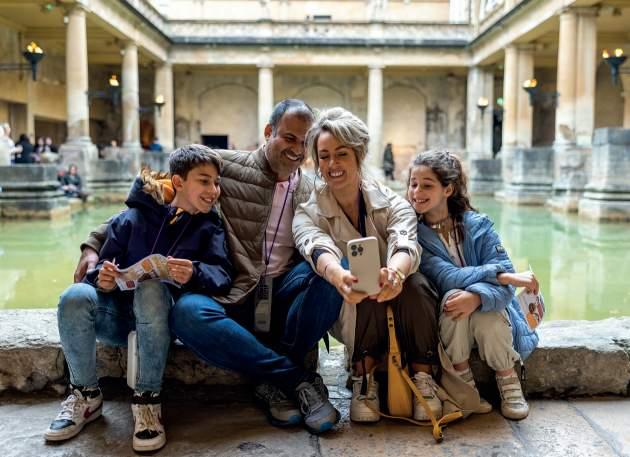
No trip to Bath is complete without a visit to the Roman Baths –and happily, it’s just as enjoyable for children as it is for adults. Every visitor gets an audio guide, and the child-friendly version, narrated by Michael Rosen, mixes stories, jokes, and Roman characters to keep young explorers hooked right from the start. As you wander along the cobbled stones and explore the baths, the ancient site is brought to life through interactive exhibits, handson displays and costumed characters ready to answer curious questions. There’s also a fun activity trail to follow too, turning your visit into an adventure.
Don’t miss the finale: tasting the spa’s famously mineral-rich water. The reaction on the children’s faces? Priceless – and very photo-worthy.
In the summer months, the baths stay open late, and exploring the Great Bath by torchlight adds a magical twist. There’s often a pop-up bar too, so you can enjoy something chilled as evening falls.
Good to know: Pushchairs aren’t recommended. The site is 90% wheelchair accessible, and there are BSL and descriptive audio guides. Sensory bags are available to borrow and there’s a visual story on the website. For further information visit: romanbaths.co.uk
THE HOLBURNE MUSEUM
Standing proudly at the end of Great Pulteney Street, the Holburne Museum is a must-visit. This Bridgerton-famous Grade I-listed building houses an eclectic art collection alongside its vibrant programme of exhibitions – but it’s the small touches that make this place a hit with children.
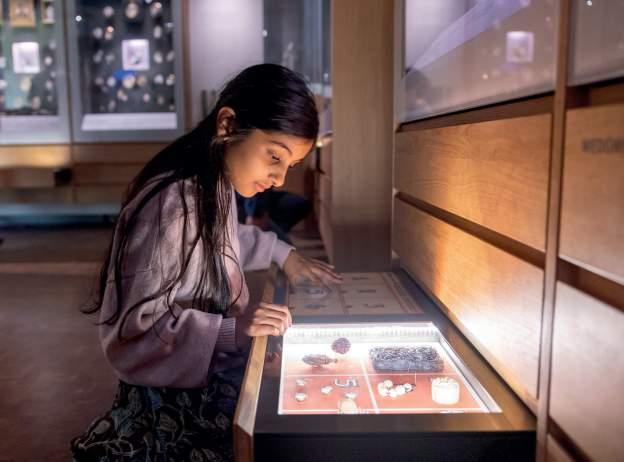
Alongside trails, there are activity drawers dotted around the galleries, where kids can use magnifying glasses to spot fake objects and guess materials. There’s also a craft area where they can create their own artwork inspired by the museum’s collection – perfect for when little legs need a break.
The museum sits in Sydney Gardens, where there is a play area and plenty of space to run around, so you can combine your visit with some time outdoors. Don’t forget to treat yourself to a takeaway coffee and cake from the museum café on your way out!
Good to know: The museum is fully accessible, but pushchairs can’t go into the galleries. Sensory bags are available to borrow. Throughout the year, the museum runs creative workshops for children. Visit the website to see what’s coming up: holburne.org
VICTORIA ART GALLERY
If you have curious, creative children, the Victoria Art Gallery has loads to dive into. Inside, you’ll find more than 1,500 decorative art treasures and a great collection of British paintings, including works by Gainsborough, Barker and Sickert, all in a space that’s welcoming and enjoyable for families.
The ground floor hosts changing exhibitions, while upstairs you’ll find the permanent collection and a wonderful child-friendly area packed with things to spark their imagination – from sensory toys and bean bags to books, dressing-up, explorer kits and sketching materials. There are also colouring sheets inspired by artworks in the gallery, plus trails to follow around the exhibitions – with a sticker waiting at the end.
Good to know: Pushchairs are welcome and there is step-free access throughout. During school holidays, the gallery runs free, drop-in activities for families. Visit the website for more information: victoriagal.org.uk
BATH ABBEY AND DISCOVERY MUSEUM
If time is tight, Bath Abbey is an ideal family-friendly stop, offering a rich cultural experience in a setting that’s easy to explore. This remarkable space is alive with music, art, history and architecture and children of all ages will enjoy exploring the tombstones, stained glass windows, and intricate carvings.
Younger children can borrow a Little Explorer backpack full of items to help them discover the abbey and make them feel like they are on a mission, while older ones can follow a trail sheet to keep them busy spotting details and solving clues as they go.
Beneath the abbey, the Discovery Museum in the old vaults offers an interactive experience that brings the abbey’s long history to life. Here, children can explore at their own pace, with dressing up, games and animated timelines, as well as historical treasures to discover.
And if you’ve got the energy (and children over five), the tower tour’s steep, winding climb rewards you with fantastic views and a behind-the-scenes peek at history. Afterwards, head outside to the abbey courtyard for an ice cream stop while enjoying the sounds of Bath’s talented street musicians.
Good to know: Bath Abbey is fully accessible. There are sensory backpacks available to borrow and information for neurodivergent visitors on the website: bathabbey.org
THE AMERICAN MUSEUM AND GARDENS
Just a short drive from the city centre, the American Museum and Gardens offers a family day out with art, history and outdoor fun all rolled into one.
Housed within a Georgian manor, the museum brings American history to life through an impressive collection of textiles, decorative arts and design – and there’s a trail through the rooms to keep little explorers on the hunt.
Outside it’s all about fresh air and freedom - the beautiful gardens provide space for children to run, roam and explore. They will love rolling down the amphitheatre lawn, discovering the natural play area, and getting stuck into the craft activities and games in the stables.
On sunny days you can spread out a picnic on the lawn and soak up the sweeping views – it’s an ideal spot to relax together.
Good to know: The manor and gardens are fully accessible for wheelchairs and pushchairs. The museum hosts a variety of familyfriendly events throughout the year, from seasonal trails to open-air theatre. Visit the website to see what’s on: americanmuseum.org
JUST TAKE A STROLL
Want to get a feel for Bath’s history and culture without visiting every museum? A simple wander through the city does the trick nicely - and with a few fun twists along the way, you can keep things lively enough so that the kids don’t start protesting.
If you search online, there are many cleverly designed downloadable treasure hunt trails around Bath, suitable for families, that can transform your sight-seeing stroll into a fullblown adventure.
Alternatively, the Bath World Heritage Centre on York Street is a great starting point, with interactive exhibits and bite-sized insights to bring the city’s history to life. Pick up a walking guide or trail, then head off on an adventure where every step tells a story.
It’s also worth downloading the free Bath World Heritage app. With GPS routes, fun facts and augmented reality characters to keep children engaged along the way, it can help make every stop interactive - from ancient Roman remains to the Georgian elegance of the Royal Crescent.
End your walk at Victoria Park near the Royal Crescent. With a huge play area featuring sand, swings, slides and a zip wire, as well as plenty of space for picnics and ball games it’s a win for all ages. And, on a calm, warm summer’s early evening, why not head up to the upper lawns of Victoria Park, there’s a very good chance of watching colourful, hot-air balloons being inflated and gently lifting off – a breathtaking and mesmerising sight. It’s a wonderful way to end the day.
Good to know: Bath World Heritage Centre is fully accessible. For further information visit: bathworldheritage.org.uk
SOME MORE GREAT IDEAS...
Catch a performance at The Egg – a theatre space created with young children in mind. theatreroyal.org.uk
Embark on a boat ride along the river Avon. pulteneycruisers.com
Take a trip back in time on a vintage steam train along the restored Avon Valley Railway line. Trains depart from Bitton station, just outside Bath. avonvalleyrailway.org
Preparing for lift off at Victoria Park
Arts and craft activities at The Holburne Museum
Something for all the family at The Roman Baths
POSTCARDS
The Lantern of the West
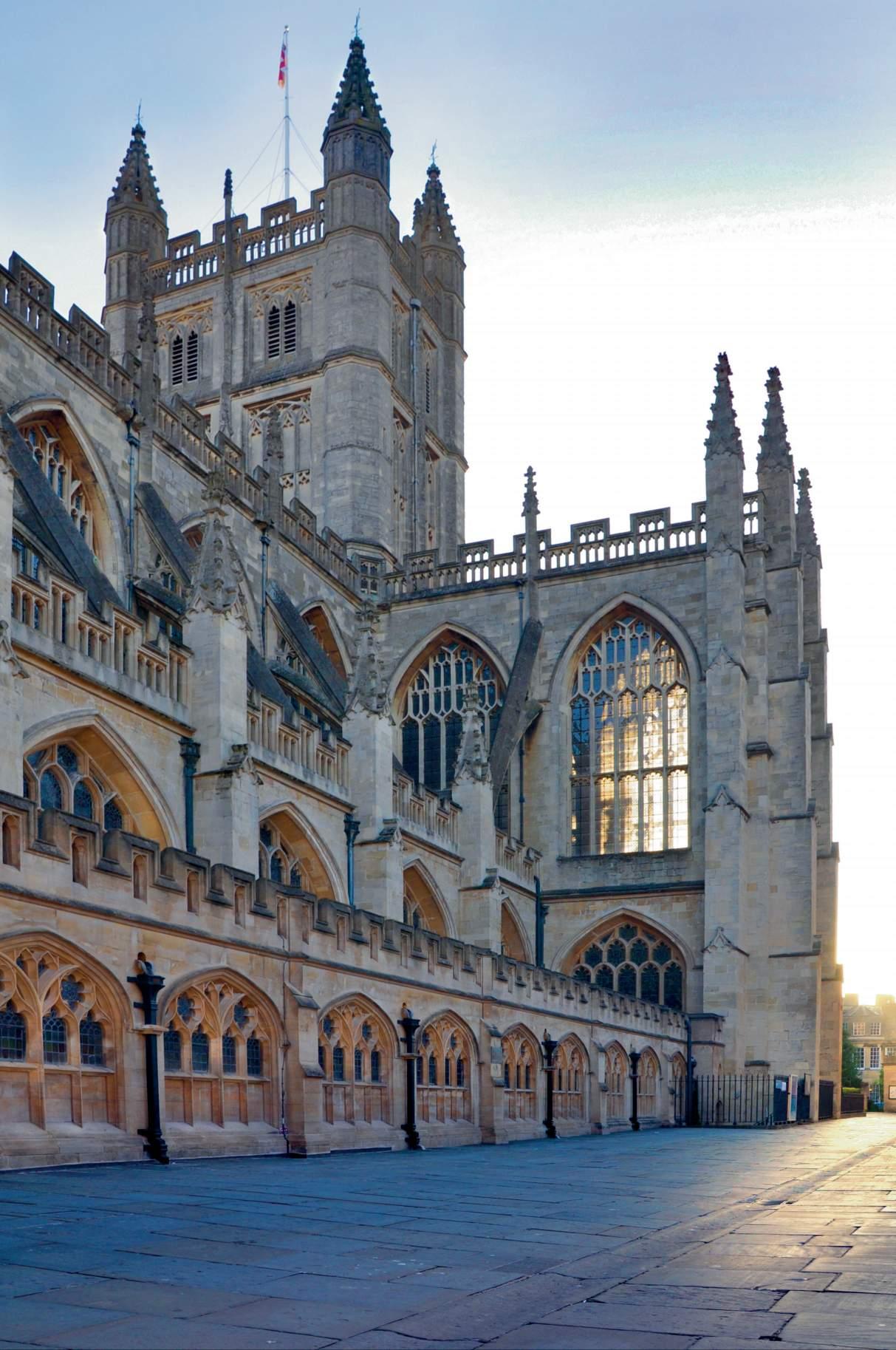
Bath Abbey sits at the very heart of the city. Rich in history and a notable example of fine Perpendicular Gothic architecture, it is one of the city’s most inspiring sights for visitors and pilgrims.
Dr Cathryn Spence, Bath Abbey Archivist and Curator – looks at its past, present and future.
One might expect the principal religious building at the heart of the city of Bath to be a cathedral, but the magnificent, imposing building is actually now a parish church dedicated to St Peter and St Paul.
The earliest manuscript relating to this area dates from 675AD and it details the land given to Abbess Bertana for the construction of a convent. This may have been a double-house, with both an order of monks and a separate order of nuns. By the following century, however, Bath Abbey was entirely a male Christian community of monks. At least three different churches have stood on the site: the Anglo-Saxon monastery, a vast Norman Cathedral (the current Abbey would fit within its nave) and the Tudor church you see today.
As you approach the Abbey’s impressive West front, one of the first things you’ll notice is the unusual stone carving, depicting angels climbing up – and tumbling down – a pair of ladders. This relates to a dream that Bishop Oliver King experienced of angels travelling between heaven and earth by a ladder, similar to the Bible story of Jacob’s vision. Bishop King interpreted his dream as a message from God that Bath was the gateway to Heaven and that he needed to restore the dilapidated Norman Cathedral into
a place of worship once more. You are still able to see evidence of the Norman Cathedral in the north aisle of the Abbey and in the Gethsemane Chapel. The West front was probably finished by 1518, but Bishop King died in 1503 and so did not see his vision complete.
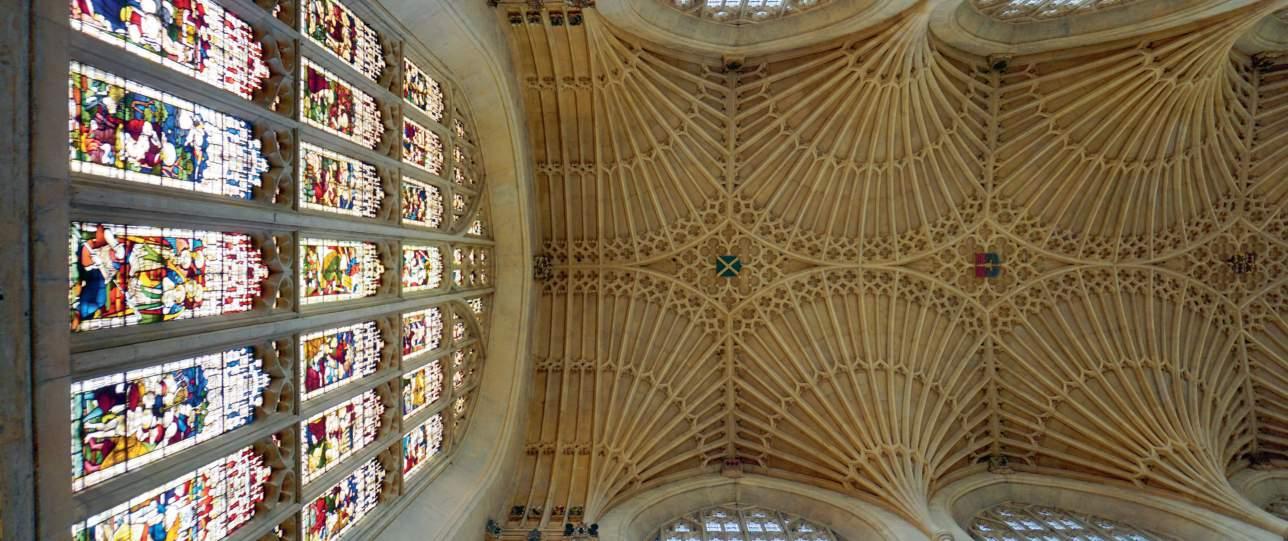
Inside, Bishop King commissioned King Henry VII’s master masons, Robert and William Vertue, to create the beautiful fan vaulted ceiling. The brothers considered it to be their finest work. The gothic style naturally enhances church architecture; the steep, rising arches drawing the eye to Heaven. Filling those arches with plain and coloured glass, which creates an ever-changing magical light effect, is indisputably spiritual and enlightening. Bath Abbey has 52 windows, today 25 of those are filled with stained glass by some of the most prestigious Victorian makers. The ratio of window to wall is the highest in Europe earning Bath Abbey its nickname of ‘Lantern of the West’.
Bath Abbey was the last great Medieval cathedral to be built in England before King Henry VIII’s Dissolution of the Monasteries closed the Abbey in 1539. The lead from the roof and the glass from the windows were sold for £30 (£13k) and once again Bath’s prestigious Christian house became a ruin.
In 1573, permission was granted by Queen Elizabeth I for the restoration of the Abbey and a national fundraising campaign was launched. There were many prominent benefactors at this time all of whom are recorded in a significant manuscript, the Benefactor’s Book, which is on display in the Abbey’s Discovery Museum. Three further major restorations have occurred since then. In 1833-4 the City of Bath initiated a renovation engaging architect George Philips Manners, who added pinnacles to the turrets at the east and west ends of the church and to the tower. Thirty years later the Rector Charles Kemble invested significant sums of his own money and employed Sir George Gilbert Scott who brought immense changes: he introduced the pews, gas lighting, under floor heating and extended the medieval fan vaulting to cover the entire ceiling. The most recent restoration occurred between 2018 and 2023 and was called the Footprint Project.
Thousands of people were buried under the Abbey floor which, over time, started to subside. From 2018 all the ledgerstones were lifted and conserved, a new heating system was installed which draws energy from Bath’s natural hot waters and thousands of decorative marble fragments were discovered under the floor. During Gilbert Scott’s restoration all the wall memorials were rearranged and consolidated. Monuments were reduced in size, and some were removed entirely and hidden under the floor. Bath Abbey has a similar number of monuments as Westminster Abbey and during the 1700s and early 1800s visitors would come to the Abbey to view the memorials, which hung from the walls and pillars, much like an art gallery. The first guide to the memorials was published in 1778. Today there is a website with biographies of those commemorated in the Abbey, updated regularly by a dedicated team of research volunteers: bathabbeymemorials.org.uk
The Footprint Project greatly improved the Abbey’s energyefficiency, and it has recently achieved Silver in the A Rocha Eco Church awards. It is currently working towards the Gold award. The project also created new spaces for the music and learning departments. For centuries, music has been central to the life of the Abbey, which remains deeply committed to nurturing the
musical education of local children through its Song School. The pews in the Abbey were also removed as part of the project, allowing for a more adaptable space. Film and music events, art installations and community celebrations are now held alongside a rich offer of church services, choral events and recitals played on the Abbey’s impressive Klais organ.
A state-of-the-art learning room has given the Abbey the opportunity to welcome new audiences of all ages and backgrounds. An ambitious programme is on offer to a wide range of audiences: from family visitors to members of Age UK; school students to carers with their babies; or local residents looking for a ‘warm space’ in Winter to refugees learning English.
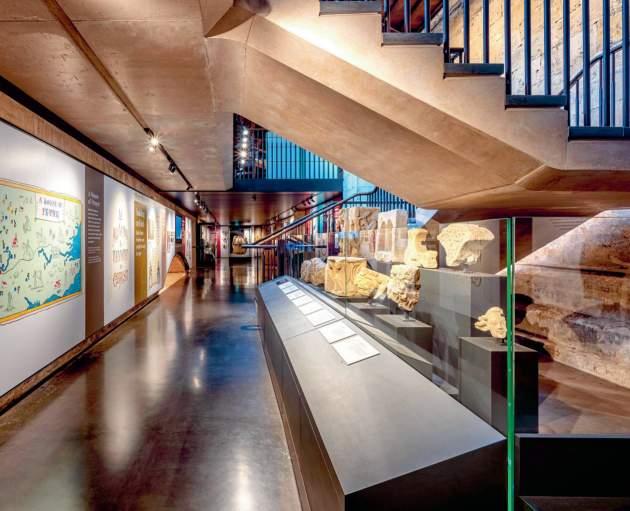
Extensive archaeology added to our knowledge about the Abbey and the people who worked and worshipped there. A Medieval tiled floor was discovered as well as remnants of Saxon crosses and stone architectural details from the previous churches. Many of these items are displayed in the Discovery Museum, alongside other treasures which explore the earlier history of the Abbey. There is also a new temporary display area which is currently focused on the history of the Abbey’s stained glass windows. There are interactives, videos and replica period costumes that visitors can try on.
The shop has a wide selection of unique gifts and souvenirs to purchase, many of which are designed by local artisans and are unique to Bath Abbey. The shop can be visited independently of the Abbey, with the entrance at the southwest corner of the Abbey in the Jackson extension.
Bath Abbey’s popular guided Tower Tours offer the best view in Bath. On the way up you will learn about bellringing at the Abbey and get a behind the scenes look of the historic tower. When Bath monastery closed in 1539, its eight bells were sold and shipped to Spain. When the Abbey was restored in the early 1600s five of its new bells were purchased from another former abbey at Keynsham, about 8 miles north-west of Bath towards Bristol.
To maintain its high standard as a leading national heritage attraction and to remain sustainable as a place of worship, nonBath residents are charged an admission fee. Tickets can be pre-booked online or purchased on the day of your visit. There are regular prayers during the day, a schedule of services throughout the week and special services at key times of the year, such as at Easter and Christmas. While Bath Abbey offers a range of secular events and warmly welcomes all visitors, it remains primarily a place dedicated to Christian worship.
Visit the Abbey’s website for information about church services, visiting, specialist tours, tower tours (including exclusive marriage proposal options), events, special exhibitions and organ recitals.
Visit: Bath Abbey, Bath BA1 1LT
Tickets: For admission tickets and more information, visit the Bath Abbey website
Open daily, Monday to Friday: 10.00am – 5.30pm, (6pm Saturday), Sunday: 1.00pm – 3.30pm
Web: bathabbey.org
THE DISCOVERY MUSEUM, LOCATED IN THE ANCIENT ABBEY VAULTS OFFERS A FASCINATING INSIGHT INTO ITS RICH HISTORY
for Bath Abbey
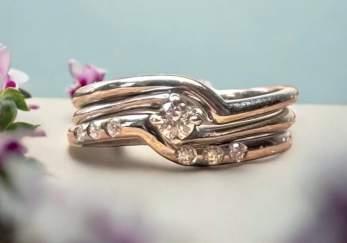
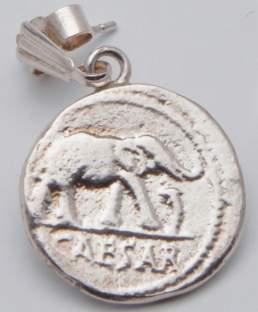
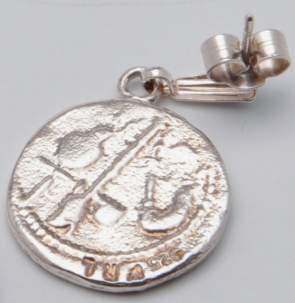
ICARUS
SILVER JEWELLERY
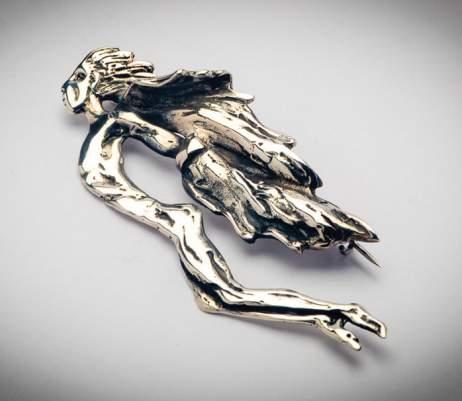
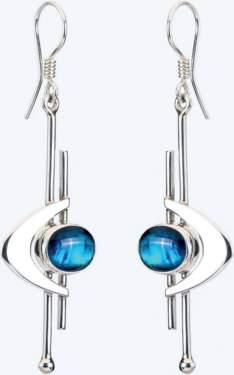
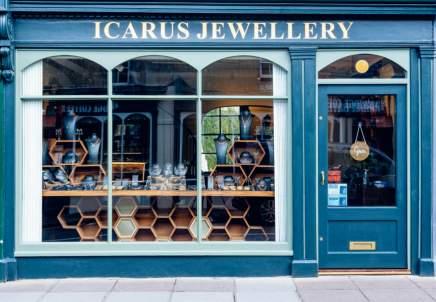
Icarus Jewellery is an independent silver jewellery shop located in the heart of Bath, on Pulteney Bridge and offers a great selection of handmade unique designs from their store and online shop.
The boutique also offers UK and international shipping.
Dara Foley ventures off the well-worn tourist routes to discover Bath’s many specialist museums
Bath has a wonderful, eclectic mix of independent specialist museums that will delight, educate and stimulate the senses in even measure. Housed in some of Bath’s finest buildings these little treasures will make your experience of our city so much richer. Intelligent, intriguing and charming they are certainly worth a visit.
NO. 1 ROYAL CRESCENT
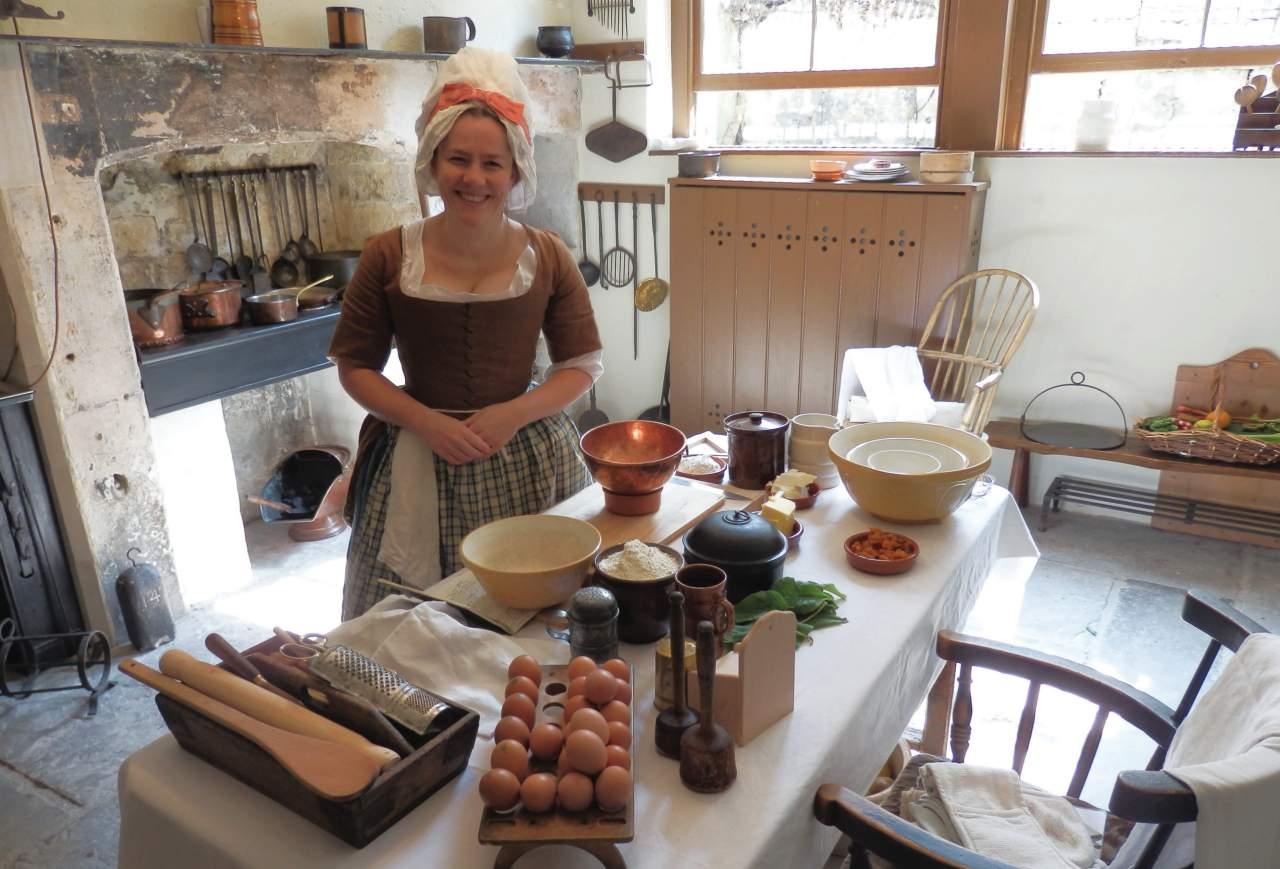
At one end of the magnificent sweeping curve of the Royal Crescent, surely Bath’s most photographed street, can be found a museum which gives us the chance to see what the home life of a fashionable Georgian household was like. No. 1 Royal Crescent, run by Bath Preservation Trust, has been painstakingly furnished and decorated just as it might have been during the period 1776–1796. Visitors can take a room-by-room journey around 18th-century life, from the lady’s bedroom and the parlour to the gentleman’s retreat. In addition to the fine furniture, glassware, china and silver, and the collections, which reflect the interests of the era in science and the natural world, there’s a recreation of a working kitchen in the basement, filled with archaic and fascinating cooking paraphernalia. Children can have a turn trying on costumes from the period and there is often a be-wigged doorman in full Georgian costume to welcome visitors outside the grand front door.
Open Tuesday to Sunday, No. 1 Royal Crescent, Bath BA1 2LR Tel: 01225 428126 Web: no1royalcrescent.org.uk
BATH ROYAL LITERARY AND SCIENTIFIC INSTITUTION
For those who fear the world is dumbing down, BRLSI (pronounced Brillsy) is an oasis of cultural refreshment. Located on Queen Square, it’s a prominent address but an unassuming institution, perhaps explained by the fact that it’s a charitable organisation run by volunteers. So there’s no flashy shop selling t-shirts and pencils, but there is a running programme of free exhibitions centred on promoting science, literature and art. The museum is fortunate in being able to call on its tens of thousands of objects in its collections to collate fascinating displays. Throughout the year there are knowledgeable lectures and talks from world-class experts on topics as diverse as fake news, Buddhism, nanoscience and climate change. Check out some of the collections in its online gallery.
Open Monday to Saturday 16–18 Queen Square, Bath BA1 2HN Tel: 01225 312084 Web: brlsi.org
MARY SHELLEY’S HOUSE OF FRANKENSTEIN
This attraction, set in a Grade II listed property, blurs the lines between museum and immersive visitor experience, extending over four atmospheric floors including the dank foreboding basement experience. Step into the world of Mary Shelley with a floor dedicated to uncovering her history and tragic life events, and confront the formidable 8ft monster recreated exactly as Mary imagined. Bursting with unusual artefacts and vintage items, interactive multi-sensory environments and assorted body parts, Mary Shelley’s House of Frankenstein delivers an unnervingly visceral, illuminating and entertaining experience.
In a quiet side street off Bath city centre lies a modest Georgian terraced house where astronomer William Herschel made history over 200 years ago. With his telescope in the garden of the home in New King Street that he shared with his equally gifted sister Caroline, Herschel discovered Uranus, a hitherto unknown planet. That discovery in 1871 was to influence future generations of space scientists. The late astronomer Sir Patrick Moore said that Herschel should be commemorated as the man who gave us our first understanding of an accurate shape of our star system, or galaxy. The small museum has some rooms furnished as they would have been in the 18th century, and its artefacts tell of a life filled with music-making and scientific exploration. Also, watch a short film about the Herschels and visit the 18th-century garden, where plants used in cooking and medicine were cultivated.
Open Tuesday to Sunday 19 New King Street, Bath BA1 2BL Tel: 01225 446865 Web: herschelmuseum.org.uk
THE MUSEUM OF EAST ASIAN ART
Bath is home to the only UK museum dedicated to the art and culture of East and South East Asia. It has a collection of exquisitely beautiful items, including ceramics, carvings, netsuke and jade, many of them thousands of years old. It is a place to quietly focus on the details of form and colour and to marvel at the craftsmanship imbued in these pieces. The museum has an excellent shop – great for gift buying – and regularly runs family friendly events and craft sessions.
Open Tuesday to Saturday 12 Bennett Street, Bath BA1 2QJ Tel: 01225 464640 Web: meaa.org.uk
THE SPIRAL STAIRWELL AT BECKFORD’S TOWER
THE JANE AUSTEN CENTRE
GEORGIAN COOK IN THE KITCHEN AT NO. 1 ROYAL CRESCENT
JANE AUSTEN CENTRE
More of an immersive curiosity than a museum, the Jane Austen Centre celebrates the author’s life and works with a permanent exhibition that explores her time in Bath and the influence that the city had on her books and the characters she created. Set in a classic Georgian townhouse that’s decorated in classic regency-era style, and fit with the fashion and food to match, the museum offers a time-capsule glimpse into Austen’s personal life. Visitors will also meet many of the costumed guides that gallivant the corridors, such as the brilliant Martin Salter – AKA Mr Bennet, who remain in-character and make the experience enchanting and memorable. There’s also a chance to dress up in Regency clothing, and sample biscuits, scents of the era and even try a little writing with a quill and ink. After all that, take tea and possibly cake, with Mr Darcy in the centre’s Regency Tea Rooms.
Bath was once a thriving hub of industry, making goods that were shipped around the world. This unusual museum is dedicated to the centuries of Bath’s working heritage. Highlights of the collection include a recreation of a 19th-century soft drinks bottling plant, J.B. Bowler, which once operated in the city, and a Horstmann car from 1914, one of the earliest motor vehicles, also made in Bath. The museum is a great place for Bathonians to learn more about their heritage, and for visitors to look at how our ancestors used to make things. For many it will also offer the experience when history collides with our own memories of past technology.
The city of Bath is one of only two entire cities inscribed by UNESCO as World Heritage Sites, the other being Venice. Bath World Heritage Centre celebrates the city’s unique cultural offering and gives an insight into what makes the city so special. Find out more about the city’s attributes of Outstanding Universal Value the hot springs, Roman remains, Georgian architecture, Georgian town planning, the social setting of the Georgian spa town and the city’s natural landscape setting. You can explore interactive exhibits and displays designed to inspire,
excite and inform. Discover free walking trails and guides and a specially designed mobile app to help you explore everything Bath has to offer.
Open daily
10 York Street, Bath BA1 1NH
Tel: 01225 477785 Web: bathworldheritage.org.uk
OLD THEATRE ROYAL AND MASONIC MUSEUM
It’s easy to miss this ordinary looking building, yet it was the first purpose-built theatre in Bath and behind the modest front door lies a fascinating history dating back to 1750. Originally named the St James Theatre, it soon became the first Theatre Royal outside London with star performers such as William Dimond and Sarah Siddons attracting sell-out audiences. As the population of Bath grew towards the end of the 1700s, its limitations were obvious and a new location for the theatre was found in Beaufort Square, the site now occupied by the Theatre Royal Bath. The Theatre Royal and Masonic Hall are open to the public on selected days with guided tours available to give you an insight into the history of the theatre, the building and freemasonry in general.
Opening times vary, check website for details 12 Orchard Street, Bath BA1 1JU Tel: 01225 462233 Web: oldtheatreroyal.com
BECKFORD’S TOWER AND MUSEUM
Built between 1826 and 1827 for William Beckford (1760-1844), Beckford’s Tower is a unique building and a key landmark for the City of Bath. It once housed one of the greatest collections of art, furniture and books in Georgian England. However, behind its beauty lies a more brutal story.
The Tower is a product of the transatlantic trafficking of enslaved African people. Beckford’s ability to build, and to collect, was made possible by a vast fortune built on the profits of sugar plantations in Jamaica and the stolen labour of thousands of enslaved Africans. This wealth gave Beckford a life of privilege, and enabled him to collect and commission unique and influential artworks by some of Europe’s greatest artists and makers. It also gave him power over the lives of others. Understanding the source of Beckford’s wealth, and what it enabled him to do, is essential to exploring the books he wrote, the collection he put together and the buildings he created.
Opening times Saturday to Sunday, 10am-4pm Lansdown Rd, Bath BA1 9BH
Tel: 01225 460705 Web: beckfordstower.org.uk
HERSCHEL MUSEUM OF ASTRONOMY MARY SHELLEY’S HOUSE OF FRANKENSTEIN
Nigel Dando
Member of The London Diamond Bourse
Situated on Bath’s historic Pulteney Bridge, Nigel Dando began his career after he gained national Goldsmiths Diploma before going on study gemmology at the Sir John Cass College of Art, Whitechapel.
Today he sells an eclectic mix of new, pre-owned and vintage jewellery and has a particular interest in pieces from the 1920-1960 era together with ranges of contemporary silver jewellery at affordable prices, many of which are one-off pieces, the emphasis being on quality and style.
Another facet of the business is the buying of gold and silver items in any form or condition. Nigel also sells investment precious metals at what he believes to be the most competitive prices in the city. Being one of the few provincial members of The London Diamond Bourse, Nigel is in daily contact with the market. which enables him to offer undeniable expertise and value. He also offers a valuation service.
POSTCARDS
Bath – As Seen on Screen
From Sense and Sensibility to Bridgerton and The Pursuit of Love to Sherlock, Bath’s heritage and picturesque locations continue to make a big mark on TV and film screens. Melissa Blease rolls the credits
REGENCY ROMPS
“The dash of carriages, the heavy rumble of carts and drays, the bawling of newspapermen, muffin-men and milkmen, and the ceaseless clink of pattens...” That’s how Jane Austen described Lady Russell’s experience of driving through Bath in her 1817 novel Persuasion. Over two centuries on, the carts, drays, muffinmen and pattens are long gone – or are they?
At least three adaptations of Persuasion have been filmed in Bath, most recently the thoroughly modern and controversial 2022 Netflix version starring Dakota Johnson. The BBC’s 1995 version proved to be more favourable with critics, but the supreme winner was the BBC’s six-part adaptation of Pride and Prejudice, which came out in the same year and starred Colin Firth as Fitzwilliam Darcy... most memorably, perhaps in that wet shirt scene, although (sadly) this was not filmed in Bath. The BBC/A&E Network 1987 adaptation of Northanger Abbey was, though –and the popular Sky Arts/Giles Coren 2017 documentary I Hate Jane Austen.
Key Austen-related film and TV backdrops include the Royal Crescent, Sydney Place, Abbey Churchyard, Abbey Green, The Pump Room, Old Bond Street, The Assembly Rooms, Bath Street, North Parade Buildings and Gravel Walk.
Director Mira Nair’s 2004 adaptation of William Makepeace Thackeray’s 1848 novel Vanity Fair (starring Reese Witherspoon alongside a host of iconic stage/screen superstars) gave us bountiful, big-screen Bath in abundance. Four years later, Saul Dibb’s 2008 historical drama The Duchess worked similar Bath blockbuster magic as Keira Knightley, Ralph Fiennes, Charlotte Rampling and Dominic Cooper starred as groovy Georgians trotting their well-heeled stuff in various locations across the city, most notably The Assembly Rooms and The Holburne Museum, at the apex of gracious Great Pulteney Street. Talking of which... Are you familiar with Bridgerton’s Lady Danbury’s exquisite home in an upper-class corner of 19th-century London? Well, that’s The Holburne, too! Since 2020, the very word Bridgerton (the huge Netflix historical fiction/romance smash hit) has become
BATH’S GREAT PULTENEY STREET IS TRANSFORMED FOR BRIDGERTON,
synonymous with Bath: all the exterior shots of the Featherington family’s fabulous house were filmed on the Royal Crescent, while Gunter's Tea Shop, Lady Dee’s Hat Emporium, the Modiste Dress Shop, the Horse and Hop Pub, the market’ and Siena Rosso's humble abode were all variously shot around Abbey Square, Abbey Green and Beauford Square.
Bath reprised its role in the Bridgerton franchise in the 2023 prequel series Queen Charlotte: A Bridgerton Story, and season 3 arrived in summer 2024, profiling wallflower (and secret scandal sheet writer) Penelope Featherington (Nicola Coughlan) and her longtime crush, world traveller Colin Bridgerton (Luke Newton). Season 4 is due to be released in January 2026 and will profile Benedict Bridgerton (Luke Thompson) and his new love interest, the determined and captivating maid, Sophie Baek (Yerin Ha).
LIGHTS, CAMERA – DRAMA!
Tom Hooper’s epic, multi award-winning 2012 musical film version of Victor Hugo’s 1862 novel Les Miserables beautifully recreated the sights and sounds of 19th-century Paris... in Bath. Remember the dramatic moment when Javert/Russell Crowe throws himself off the Pont au Change into the River Seine? It was neither the Pont au Change nor the River Seine; the scene was filmed on Pulteney Bridge and Bath Weir.
Less dramatic, perhaps, but equally moving, the title character in Hettie Macdonald’s 2023 film adaptation of Rachel Joyce’s whimsical, poignant 2012 novel The Unremarkable Pilgrimage of Harold Fry (starring Jim Broadbent) passes through Bath city centre during his epic walking journey from South Devon to Berwick-upon-Tweed.
More recently, courtesy of Netflix, the totally bingeworthy series The Seven Dials Mystery by Agatha Christie was filmed in Bristol and Bath in 2024. The context is a lavish country house party where a practical joke goes murdereously wrong. Sound familiar? Starring Mia McKenna-Bruce, Martin Freeman and Helena Bonham Carter.
FANTASTICAL FICTION
On a rainy autumn day in October 2021, Parade Gardens, Pulteney Bridge and Pulteney Weir were transformed into a magical snowy backdrop for key scenes in Paul King’s Wonka starring Timothée Chalamet. The film’s narrative acts as a prequel to both Roald Dahl’s 1964 novel Charlie and the Chocolate Factory and its original 1971 film adaptation premiered in December 2023. In 2009, Bath’s Little Theatre Cinema (St Michael’s Place) was immortalised in another magical Roald Dahl spectacular: Wes Anderson’s stop-motion classic, Fantastic Mr. Fox
SMALL SCREEN, BIG IMPACT
It would probably be easier to list the few remaining corners of Bath that haven’t been used as a backdrop across four seasons of quirky ITV detective drama McDonald and Dodds. And, being on contemporary drama territory, locations from the grand (Queen Square; the Royal Crescent; Royal Victoria Park) to the functional (the city council meeting rooms at The Guildhall; the council-leased allotments; Bath Leisure Centre) by way of various popular Bath watering holes including The Bell Inn (Walcot Street) are all clearly recognisable.
MIA McKENNA-BRUCE AND NABHAAN RIZWAN IN THE SEVEN DIALS MYSTERY, FILMED IN ABBEY GREEN
JASON WATKINS AND TALA GOUVEIA AS MCDONALD AND DODDS, AT THE PARADE GARDENS
NIKKI AMUKA-BIRD AS LADY RUSSELL AND DAKOTA JOHNSON AS ANNE ELLIOT IN PERSUASION, FILMED IN BATH STREET
You might not think that McDonald’s in SouthGate is a prime location, but the fast food giant filmed its spectacular 2017 Christmas advert complete with snowflakes and Christmas trees here.
Elsewhere, key scenes in Emily Mortimer’s wild’n’witty adaptation of Nancy Mitford’s 1945 novel The Pursuit of Love (BBC, 2021) were filmed around No 1 Royal Crescent and Green Park Station; the Assembly Rooms took centre stage as the grand Brussels ball scene in ITV’s 2020 historical drama Belgravia; the Guildhall doubled-up as London’s Old Bailey court rooms in the BBC’s 2019 series The Trial of Christine Keeler; and Benedict Cumberbatch strutted his Sherlock stuff on the ancient cobbles of Queen Street when it was transformed into a Victorian-era street market for the BBC’s 2015 Sherlock Christmas Special.
There’s also a brand new romcom movie One Night in Bath by Stardom Films, which was filmed around the city – starring John Hannah and Siobhan Redmond and was released earlier this year.
AROUND AND ABOUT
Several scenes in Steven Spielberg’s 2011 powerful World War I epic film War Horse were filmed in the village of Castle Combe (9 miles/14km north east of Bath). You might also recognise the ancient, picturesque bridge from its close-up as a backdrop in the original film version of Dr Doolittle (1967), while pivotal scenes in Matthew Vaughan’s 2017 adventure film Stardust were filmed here. Meanwhile, the village of Lacock (15 miles/24km east of Bath) is as picture-perfect as ancient, quintessentially English villages
get and film production companies agree. Lacock Abbey was turned into Wolf Hall in the BBC’s adaptations of Hilary Mantel’s book and the sequel Bring Up the Bodies, while Great Chalfield Manor and Garden (down the road from the Abbey) starred as Austen Friars, home of Thomas Cromwell.
Lacock Abbey also doubled-up as the interior of Hogwarts in Harry Potter and the Philosopher’s Stone (2001) and Harry Potter and the Chamber of Secrets (2002). Both the Abbey and the village featured in Fantastic Beasts: Crimes of Grindelwald (2017); His Dark Materials (BBC, 2019); Cranford (BBC 2007–10); Pride and Prejudice (BBC, 1995) and Justin Chadwick’s 2008 historical drama The Other Boleyn Girl
Dyrham Park (9 miles/14km north of Bath) is no stranger to period dramas either; this imposing National Trust property has enjoyed various big-screen roles including close-ups in James Ivory’s elegant 1993 tear-jerker The Remains of the Day (1933), John Alexander’s Sense and Sensibility (2008) and ITV’s 2019 historical drama Sanditon
The Dyrham Park mansion was also spotted as the exterior of Warleggan House in Poldark (BBC, 2015–2019)... and there was more Poldark at Bath’s Prior Park College for a ballroom scene, in Corsham (8 miles/13km south west of Bath) and Wells (around 22 miles/35km north-east of Bath), most notably Wells Town Hall, which had a starring role as Warleggan Bank.
LILY JAMES IN THE 2021 VERSION OF THE BBC’S PURSUIT OF LOVE, FILMED IN OLD GREEN PARK STATION
TIMOTHÉE CHALAMET STARRING IN PAUL KING’S WONKA, FILMED IN BATH IN 2021
The Top Spots for Coffee
Like many cities, Bath has no shortage of places to get a coffee and cake. Between well-loved chains and independent, local, favourites, there’s no shortage of spots for a good ol’ cup of Joe and a delicious bite to eat
Are you a fan of a flat white? Or are you more of a caramel macchiato kind of dude? Maybe you’re always in search of your morning espresso, or a mocha as your daily indulgence. Either way, everyone has their preferred cup and the Bath coffee scene is booming.
Whether it’s an early morning take-out, a mid-morning refreshment, or even an afternoon caffeine hit, enjoying quality coffee has become an essential part of most people’s day, and Bathonians are no exception. Bath’s baristas will serve up a cool £17 million worth of espressos, lattes, cappuccinos and flat whites every year. But if you’re new to Bath – how do you choose where to go for your good ol’ cup of Joe?
We’ve rounded up some of the city’s best cafés and delis where you’ll discover plenty of great coffee blends, as well as fine pastries, yummy cakes and savoury snacks – all beautifully served. Simple pleasures start here.
POPPY’S BAKERY
15–16 Pulteney Bridge, Bath BA2 4AY
Cakes galore at Poppy’s Bakery, a beautiful little coffee shop and bakery situated directly on Pulteney Bridge, a world heritage site. Delicious pastries are cooked on-site everyday, why not enjoy one with a freshly ground espresso and a beautiful view over the weir! Lovely come rain or shine. Takeaways are also popular; they offer a meal deal which is ideal for a picnic down by the river or a hot chocolate and a Cornish pasty in the winter! Cream teas are an afternoon staple here with varying homemade scone options, look out for the blueberry scones especially, along side other favourites including Victoria Sponge, Bakewell Cake and Lemon Drizzle –made by the on-site bakery team. Opening hours – 9am – 5.30pm Monday –Friday, 9am – 6pm on Saturdays, & 9.30am – 5.30pm on Sundays
Cortado Café is a charming independent café in the heart of Bath, run by Argentinian-British couple Fran and Sophie. Renowned for its speciality coffee and relaxed, friendly atmosphere, the café offers an enticing selection of brunch and lunch dishes, alongside its signature Argentinian empanadas. Guests can also enjoy freshly prepared sandwiches, homemade bakes and a variety of seasonal specials, whether dining in or taking away. Sustainability is at the heart of the business, with a commitment to green energy, compostable packaging and the use of local suppliers, supporting fellow independent businesses in the area. With its welcoming ambience and international influence, Cortado Café provides the perfect spot for a morning coffee, a leisurely brunch or a light lunch while exploring the city. Opening hours: Monday–Friday, 8am – 4pm. Saturday, 9am – 5pm. Sunday, 9am – 4pm.
NATA & CO
Nata & Co, 8 Bridge Street, BA2 4AS Web: nataco.uk
Nata & Co in Bath brings you the true taste of Portugal with their famous, authentic, Pastéis de Nata – delicious Portuguese tarts baked fresh every day! Try the classic or explore new exciting flavours like pistachio, peanut butter, nutella, biscoff, blueberry tart and apple. A Vegan option is also available. Pair your treat with a great coffee and enjoy warm, friendly service. You will also find a variety of traditional Portuguese dishes and soups on the menu. Coffee and traditional/original nata for £5.95
QUIET STREET COFFEE
2 Quiet Street, Bath BA1 2JS
A array of homemade cakes awaits you at Quiet Street Coffee, all made down the road in central Bath. Favourites include carrot cake, lemon drizzle and triple chocolate brownies. The rock cakes are also very popular! There’s a great variety of coffees, with all of the options available in freshly ground decaf as well. A popular spot for takeaway coffee, there is also plenty of seating on the ground floor, as well as down a spiral staircase into a colourful and cosy lounge. Serving a simple breakfast, lunch and tea and cake menu, the café can get busy so get there early. A delightful pitstop on the way into town, this pretty little café is situated between Milsom Street and Queen Square. Opening hours –8.30am – 5.30pm Monday – Friday, 9am – 6pm on Saturdays & 9.30am – 5.30pm on Sundays.
Café Lucca revives and relaxes in equal measure. It serves wonderful food in a welcoming environment, offering freshly ground coffee and a light breakfast in the mornings, lunch from a selection of brightly coloured salads and bruschettas and panini, or for afternoon tea an array of tempting cakes. This is the perfect place for catching up with friends, or as a respite from shopping, and is one of Bath’s favourite places to see people and be seen. Deliciously fresh, modern Italian-style/Mediterranean food is served in the elegant and spacious surroundings of The Loft. All the fresh produce and Italian products are from small local family suppliers. Based in a traffic-free street in Bath’s boutique quarter, the restaurant is just two minutes’ walk from Milsom Street and The Assembly Rooms, and when the sun shines there are tables outside from where one can watch the world go by.
AND THERE’S MORE...
ADVENTURE CAFÉ
5 Princes Buildings, George Street, Bath BA1 2ED Web: adventurecafebar.co.uk
Over 20 years ago, Tessa Brand bought The Dressing Room on Quiet Street in Bath and has continued the shop’s renowned tradition of selling the finest in lingerie, beach and nightwear to loyal customers and new friends alike. Here we speak to Tessa about why she still feels so passionate about what she does, after so long...
“Ioften say to customers – and I’m only half joking – that really good, well-fitting underwear is addictive,” says Tessa. “Once you’ve tried on something that is so comfortable, so supportive and so well made, it’s hardly surprising that you would want to come back for more at some point.
“A lot of people might go straight to the price tag and immediately dismiss a garment, but I do try to explain that our lingerie brands (with the exception of one entry-point make) are all made by hand. I’ve seen the processes first hand and it takes roughly three weeks, and the overall development – from design onwards – takes about 18 months. At every stage of production, the fabrics, the threads, the lace etc. are all checked by hand and/or eye.
“There are 47 different pieces which go into making one bra, four different thread types and 32 different stitching movements. The underwires are all padded and rarely felt. Honestly – I defy anyone to not love them!”
“ I have customers who’ve been shopping with us for more than 30 years, but most days we’ll still get someone in who’s never been through the door before – and I really love that”
Tessa also sells beachwear and nightwear all year round – and that comes in very handy when you’re hunting for a bikini in February, or a snuggly dressing gown for your Antarctic cruise in June. As with the lingerie, The Dressing Room also provides a fitting service for beachwear, with sizes ranging from 10 to 22 and A to G cups.
“I think it’s so important that a woman feels comfortable, both physically and mentally, when she is choosing a swimsuit (for example) and we will often be able to direct her purely
because of our knowledge of a brand’s style, fit and length and this can be very reassuring.”
Despite her obvious dedication to offering the finest lingerie, beach and nightwear for over two decades, Tessa hasn’t always been in the retail industry.
After serving in the Royal Navy upon leaving school, she moved to Aston Martin’s head office under the leadership of Victor Gauntlett, so it’s no wonder that she hunts out the absolute best for her customers and can spot quality from a mile off.
The Dressing Room is nothing short of an institution in Bath. The original shop opened in 1985 and Tessa took on the business in 2003 – and it has not only survived, but thrived in the face of a global pandemic – not to mention online shopping. But you can’t get expertly measured for a bra on a website, can you?
The personal level of service and enthusiasm for the craftmanship of the items they sell shine through, and it’s brought people back through the doors year after year.
“I have customers who’ve been shopping with us for more than 30 years,” Tessa says, “but most days we’ll still get someone in who’s never been through the door before and I really love that.”
The continuity is reflected in the team of experts working with Tessa at the shop, too. Marian has been there for 10 years and Brigitte since the early days – 37 years ago – and that’s a real wealth of knowledge and experience under one roof.
“I honestly believe that one of the best things is that we are really friendly, really approachable and pretty laid back. We don’t take appointments – customers just drop in as and when they feel like it.
“And whether you’ve lived in Bath for 20 years or are here on holiday, if you’re curious about the shop, or maybe unsure about visiting, just pop in and find out for yourself what we’re all about. We would all be more than happy to show you around and answer any questions you might have. Seriously – just come and see!”
The Dressing Room, 7 Quiet Street, Bath, BA1 2JU
Telephone: 01225 330563
Website: dressingroombath.com
Instagram: @dressing_room_bath
A Tradition of Time
For more than a century, Mallory Jewellers has remained a constant presence in Bath, shaped by a focus on craftsmanship, discretion, and long-term relationships. Its longstanding partnership with Patek Philippe, one of the most revered names in watchmaking, reflects a shared commitment to heritage and the enduring value of time
There are few names in watchmaking that carry the same quiet authority as Patek Philippe. Regarded by many as the pinnacle of traditional horology, its reputation has been shaped over generations through discipline, technical mastery and an uncompromising commitment to craftsmanship. These same principles have also defined its relationship with Mallory, a partnership of more than 25 years, firmly established in the heart of Bath.
Founded in Geneva in 1839, Patek Philippe occupies a singular position within the world of fine watchmaking. It is the last independent family-owned Genevan watch manufacturer, an increasingly rare distinction in a global luxury landscape. The company has been owned by the Stern family since 1932 and is today led by Thierry Stern, President of Patek Philippe. This continuity of ownership has allowed the brand to maintain an unwavering focus on excellence, preserving a level of integrity and consistency that few others can claim.
What sets Patek Philippe apart is not simply heritage, but the depth and rigour of its watchmaking, supported by a long history of technical innovation with more than 100 patents. Each timepiece reflects exceptional expertise, combining traditional hand-finishing with advanced mechanical engineering. The manufacture is widely regarded as a benchmark for complications. Creation can span many months, and in the case of the most complex pieces, several years. Produced in limited numbers, these watches represent the highest expression of mechanical watchmaking.
Every detail is considered. Movements are developed and produced in-house, with components finished and adjusted by hand to an exceptional standard. Even elements that remain unseen are treated with the same level of care, reflecting a philosophy rooted in discipline rather than display. As a familyowned manufacture, Patek Philippe has established its own quality criteria through the Patek Philippe Seal, recognised as one of the most exacting standards in watchmaking. It applies to every stage of creation, from design to manufacturing, encompassing technical performance as well as aesthetic integrity.
Patek Philippe’s design language reflects the same discipline that defines its watchmaking. Often described as understated at first glance, each timepiece reveals a high level of technical complexity on closer inspection. Careful attention is given to proportion, clarity and legibility, ensuring that even the most intricate complications remain composed and balanced. The manufacture advances its collections with continuity and independence, guided by a long-term vision, resulting in timepieces defined by technical mastery and timeless design.
This sense of longevity is central to the brand’s identity. A Patek Philippe is not created for a moment, but for a lifetime and beyond. It is intended to be worn, valued and ultimately passed on. To acquire a Patek Philippe is to enter a tradition that values continuity and responsibility. Each timepiece is created with the future in mind, intended to be passed from one generation to the next. The Patek Philippe Seal extends beyond production,
covering the entire lifetime of every watch created since 1839, including maintenance, repair and restoration, carrying with it both technical excellence and personal significance. Few objects combine these qualities with such consistency, which is why the brand continues to hold a unique position within the world of luxury.
The relationship between Mallory and Patek Philippe has developed with a strong sense of alignment, shaped by shared values and a consistent approach to presentation and client experience.
This philosophy aligns naturally with Mallory. Founded in 1898, Mallory is a fifth-generation family jeweller with its own deep-rooted heritage. From its historic premises in Bath, the business has built its reputation on trust, expertise and longstanding client relationships. Over time, it has become an established destination for fine watchmaking, serving a loyal and discerning clientele.
The relationship between Mallory and Patek Philippe has developed with a strong sense of alignment, shaped by shared values and a consistent approach to presentation and client experience.
As part of its ongoing showroom redevelopment, Mallory is creating an expanded Patek Philippe space, reinforcing the longstanding partnership between the two independent brands.
For Katie Vander Woerd, the relationship is defined by a deep alignment of values:
“Patek Philippe represents everything we value as an independent family jeweller, heritage, craftsmanship and longevity. Our relationship with the brand has developed over more than 25 years and continues to go from strength to strength. There is a genuine sense of partnership, built on mutual respect and a shared commitment to excellence. We are proud to present Patek Philippe within an expanded, dedicated space at the heart of our Bridge Street showroom, as part of its ongoing redevelopment.”
The prestige of Patek Philippe ultimately lies in its consistency, in its ability to uphold the same principles across generations. The partnership with Mallory reflects these same qualities, bringing together two independent family businesses with a shared outlook and a commitment to craftsmanship.
Mallory Jewellers
1–5 Bridge Street, Bath BA2 4AP
Tel: 01225 788800
Web: mallory-jewellers.com
Bath’s Independent Goldsmiths
Let us introduce you to four of Bath’s independent goldsmiths and jewellery designers and find out how they got into the trade
Receiving a piece of jewellery rarely disappoints, especially when it’s a bespoke item from one of Bath’s smaller independent goldsmiths. From diamond rings to vintage earrings, antiques to gold bracelets, the city’s experts have got plenty of unique pieces that make the perfect gift for loved ones.
As a hotspot for independent businesses and exceptional shopping, Bath serves plenty of locals and visitors from across the world who visit the local goldsmiths in search of that special something. This is a true reflection of the fact that more and more people are searching for something unique or specially designed.
We gathered together four of the city’s most prominent goldsmiths and asked them how they got into the industry and what special pieces they might suggest we to add to our wish list this year.
NIGEL DANDO
With a Bath-based goldsmith for a father and having been brought up surrounded by second-hand silver, jewellery, vintage pieces and gorgeous antiques, it’s not surprising that Nigel Dando went into the jewellery business from a young age.
Upon becoming an apprentice at 16, Nigel was struck by the quality and style of jewellery dating from the early 20th century up to the
If you want to get to the top of the goldsmiths’ ladder, then you need a whole host of qualifications under your belt
1950s. The classic shapes, cuts and quality of pieces from these decades caught Nigel’s eye, and he quickly made this his key area of interest and expertise that he has continued to this present day.
After gaining the National Goldsmiths Diploma, Nigel went on to study gemmology at the Sir John Cass College of Art in Whitechapel in his 20s. As he recalls, this gave him a significant insight into the trade of gemstones, understanding how they are created and used in handmade jewellery.
While his father was incredibly happy that his son had decided to go into the goldsmiths’ business, Nigel’s goldsmith training was rather different to what it was in his father’s day, where official qualifications weren’t as in demand. Instead, his father’s contemporaries relied heavily on their own knowledge and personal research into individual pieces. This is in stark contrast to the present day, as Nigel stresses, as
Nigel Dando
if you want to get to the top of the goldsmiths’ ladder now, you need a whole host of qualifications under your belt.
After working in the family business for a number of years, Nigel established his shop on Pulteney Bridge in 2002. He sells an eclectic mix of new, pre-owned and vintage jewellery, much of which dates from 1920–1960, along with ranges of contemporary silver jewellery. Many are high-quality, one-off pieces that you won’t find anywhere else – he doesn’t stock any brands you would usually find on the high street. The shop’s stock changes almost weekly, with new and unusual items appearing all the time. Nigel says: “I never know what is going to come through the door.” You get the sense that it is this notknowing what rare pieces that might come into his shop that keeps Nigel on his toes. Sometimes he can have 10–20 customers a day asking for their pieces to be valued and purchased over the counter, demonstrating just how quickly his stock can change.
While he does buy and sell items from his shop, Nigel visits up to 10 antique fairs a year, both to scout out any rare products or to sell some of his items to the market.
Nigel also buys and sells gold and silver in any form or condition, and sells precious metals at competitive prices. Additionally, he is happy to offer free advice on selling items, insurance and valuations.
Nigel Dando
11 Pulteney Bridge, Bath, BA2 4AY
Tel: 01225 464013 Web: nigeldando.co.uk
NICHOLAS WYLDE
Nicholas Wylde celebrates 39 years in business this year, having started out in Bath in 1987 as a young man. Now the awardwinning designer jeweller has branches in both Bath and Bristol and is one of the few jewellers in the world with their own registered and patented diamond cut – the exquisite Wylde Flower Diamond®.
After leaving school at 16, Nicholas worked in his father’s stationery shop in Birmingham, which was coincidentally placed in the jewellery quarter of the city. It was here he got to meet the local jewellers, who advised and influenced him to train as a jeweller. Nicholas went on to train as a jewellery designer and goldsmith at the prestigious Birmingham School of Jewellery.
He then moved to Bath and worked in a jewellers, where he developed his skills further, before opening his own shop, aged 24 which was managed by his sister Corrinda. They soon became so busy with orders that they had to move premises to Northumberland Place, where they have been based ever since. In 2010 Nicholas expanded the brand and opened another store and workshop in Clifton, Bristol, selling exclusive pieces.
Describing his business as a traditional family jewellers with a modern twist, Nicholas has always aimed to design and create jewellery that is not easily available on the market. This is why customers have continued to come back year after year from all over the country.
Nicholas has seen many changes in the industry over the years,
Nicholas’ true passion is colour and highquality gemstones, cut in such a way to allow him to design unique and highly distinctive items of jewellery
with fashions coming and going. But some things never change, as he comments: “Diamonds have always been a girl’s best friend, especially our Wylde Flower Diamond®. It has more cut facets than any other brilliant cut diamond for a special sparkle you won’t find anywhere else in the world. It combines the beauty of both diamonds and flowers: how romantic is that?”
Nicholas’ true passion is colour and high-quality gemstones, cut in such a way to allow him to design unique and highly distinctive items of jewellery – keeping to his style of mixing classic lines with striking designs. This style is known worldwide as ‘the Wylde Effect’. This is well represented in Nicholas’ latest collections as well as the Wylde Flower Diamond pieces he is commended for.
In recent years Nicholas Wylde has continued to win several awards including Best Boutique Jeweller UK, Best Business Award and Best Marketing Campaign UK at the most prestigious award show in the industry.
Nicholas Wylde
12 Northumberland Place, Bath, BA1 5AR
Tel: 01225 462826 Web: nicholaswylde.com
Nicholas Wylde
GOLD AND PLATINUM STUDIO
The Gold & Platinum Studio began life as ‘The Gold & Silver Studio’ in 1970 in Queen Street. Goldsmith Michael Parsons has owned the business since 1997, and in 2006 he moved to Northumberland Place, re-naming the business. Michael trained at art college in jewellery design in the early 1980s. After graduating he started his first business.
Michael explains, “I got to know the owners of a local custom motorcycle publication, and they had a space in their premises in which I set up my first workshop. I was making contemporary pieces to sell in galleries, and biker jewellery for the magazine, which was run by Hells Angels at that time. It was an interesting contrast, and they were great to work with – rarely a dull moment, but grim reaper jewellery wasn’t really my thing.
“After a few years of travelling and working abroad, I came to visit Bath as my grandfather had moved here. I fell in love with the city after returning to the UK, particularly the surrounding countryside. I’m a keen walker and there is an abundance of beautiful footpaths nearby.
“When I first took over the business, it was a steep learning
curve. Dealing with clients and handmaking to order was new to me. I immediately took to it after experiencing people’s reaction when I’d transformed someone’s old unwanted jewellery into something they loved.
“When I was studying gemmology, I went to Sri Lanka as it is well known for sapphires... and it has become a regular trip to source gems.”
“I still do quite a bit of re-modelling work, but we are concentrating on making more one-off pieces to sell nowadays. It can be challenging timewise as they tend to sell rather quickly! The inspiration often comes from a particular gemstone. When I was studying gemmology, I went to Sri Lanka as it is well known for sapphires as well as being a fascinating country with the best people. It has become a regular trip to source gems. I’m a big fan of pastel colours and the variety of sapphires I find always make it an inspirational trip and gives me a perfect excuse to go back.
“At the moment we are creating more pieces using multicoloured sapphires in contemporary designs.”
A collection of pieces by the Gold & Platinum Studio
Michael Parsons
JODY CORY
Jody Cory was born and raised in Bath and established her business here in the very heart of the city in 2001. Having spent her childhood rummaging through her mother’s jewellery box, Jody was always interested in jewellery and in the making process from the young age of 14; as Jody always says, “it’s fair to say that goldsmithing has been a life-long passion”. Jody started taking evening classes in goldsmithing at Bath College when she was just 15 years old and was immediately enthralled, leading her to move to Manchester two years later to start training as a goldsmith professionally. It was here that Jody learnt a lot of what she now knows about the process of jewellery making and gemmology, using all of these skills to create the handmade and expertly crafted jewellery that is now sold at Jody Cory Goldsmiths in Abbey Churchyard.
“At Jody Cory Goldsmiths we work with precious and semiprecious gemstones and take all our inspiration from the organic features of life and nature around us. We offer a bespoke service to each of our customers, allowing them to take part in the whole process from beginning to end; designing, making and finalising each repair, remodel or new piece of jewellery. Each item of jewellery is personal and the journey is unique to each individual, this is why customers come back to us and choose us as their family jeweller.”
Jody highlights the oval pink sapphire and diamond cluster ring set in white gold as well as the rose cut and briolette diamond collections, which are very popular. They are each individually handmade and designed entirely by Jody and the team, so you won’t find anything similar anywhere else. Over the years, Jody
“We work with precious and semiprecious gemstones and take all of our inspiration from the organic features of life and nature around us.”
has received commissions from a number of different actors and film stars, and has even made a handcrafted 18ct gold earpiece for a very well-known musician. “Despite the stories of famous people coming through the door, what we do here is always about the customer as an individual and this is extremely personal and confidential.” A story that has always stood out for Jody was when a father commissioned an eternal flame pendant for his daughter who was sadly suffering with a terminal illness. The pendant represented how his daughter would forever be with their family and that the memories they had made would always burn bright.
Jody Cory Goldsmiths offers a range of services including commissions, remodelling, repairs and valuations and Jody can give individual professional advice on quality, cut and clarity to those looking to purchase that special diamond piece.
Whether you crave a fast fashion fix courtesy of the biggest high street names or fancy an elegantly paced, inspirational browse around an eclectic range of independent traders, Bath offers a unique blend of shopping experiences. Melissa Blease guides us through the streets paved with shops
Great shops are a primary reason why people love to visit Bath, shop in Bath, and choose to work or live in Bath. Interesting, designer, luxurious, cool, or just downright eccentric, our independent shops sell beautiful things with a customer service that is rarely found elsewhere. There’s a compelling argument that indirectly these indie emporiums and little shops contribute more to the city’s economy than the high street chains. While broader market forces continue to challenge retailers, Bath remains one of the finest shopping destinations in Europe.
One of the best aspects of Bath’s commercial centre is that everything is easily walkable – in no more than 30 minutes you could make one end to the other. To really enjoy the city, however, you need to meander down little streets, get slightly lost, find beautiful shops and make purchases by happenchance. So let the joy begin...
To help you get your bearings, let’s start at the south end of town, the spacious SouthGate area – just across the road from Bath Spa train and coach stations. This is home to the brand new, flagship M&S store – the largest in the UK. SouthGate offers multiple shopping opportunities, including familiar high-street stores such as Apple, Boots, Urban Outfitters, Oliver Bonas, Tommy Hilfiger, Fat Face and a super-sized Zara store, womenswear retailer Sosandar but also My Small World, a brilliant independent toy store are at the heart of this glossiest west country shopper’s shrine. A new Uniqlo is also set to open very soon. As you stroll along the swanky pedestrianised thoroughfares that lead north from the SouthGate complex, a myriad of independent retailers, market traders and buskers happily sit alongside branches of Primark, Clarks, COS and more, contributing to the unique retail landscape that shoppers love about Bath.
The further up town you go, the many stylish shops and watering holes of the city centre tend to be housed in the kind of historic buildings that make Bath so unique.
Around and about the centre of town, there’s the picturesque Abbey Green and Abbey Churchyard with a myriad of cute little passages and byways full of wonderful shops. Meander north to find The Corridor, a pretty undercover arcade and the super-charming Northumberland Passage, bit flaunt an enchanting selection of independent shops. The wares include must-have accessories, quirky galleries including Magalleria which specialises in all things ‘magazine’, a branch of organic remedy and skincare specialists Neal’s Yard, and a number of long-established, Bath-based goldsmiths and jewellers such as The Silver Shop, the Gold and Platinum Studio and Nicholas Wylde’s enticing emporium. Between them is the Coeur de Lion, officially the smallest pub in Bath. For the gentleman about
town, if a quick haircut or wet shave is needed then a Turkish barbershop adds a lively dash of international character.
Across the main shopping street at the end of Northumberland Passage and The Corridor, and you’ll find yourself bang on track for a bustle around the historic Guildhall Market (read on to find out more) on the High Street. Amble through the market, exit via Grand Parade, and you’ll find yourself taking in the spectacular weir views, adjacent to... Ah, Pulteney Bridge: Bath’s very own, utterly enchanting version of Florence’s Ponte Vecchio. The bridge was designed in 1769 by Robert Adam, opened to the public in 1770 and is today lined with a fascinating collection of unique shops including children’s clothing specialist Up-to-Seven, a gorgeous flower shop (Pulteney Bridge Flowers), Tillius for quirky and unusual homewares and gifts, the fabulous Wadswick Country Store, jeweller Nigel Dando, and you’ll also find the official Bath Rugby shop.
On Bridge Street (on the city centre side of the Pulteney Bridge area, on the corner of the High Street) you must take time to discover Mallory, arguably Bath’s (and the West Country’s) most glamorous jewellery and watch emporium, established in 1898 by Edward Palmer Mallory. Today, Mallory – which remains very much a family business – enjoys legendary status across the globe as an ultimate destination for exclusive timepieces and jewellery, and specialists in all manner of luxury gifts and accessories rarely seen outside London. Prepare to be dazzled by many sparkly things here.
Back on the northerly track, Milsom Street is home to Jolly’s (originally the oldest department store in the UK, established in 1831). Currently closed for refurbishment, the store has been taken over by family-owned firm Morleys and is due to reopen in 2026. Milsom Street also boasts a classy array of super-chic, big-name fashion and jewellery outlets, nicely balanced by a handful of quirky independent outfitters, gift shops and homeware stores such as Mulberry, Heals, RM Williams, Portman boutique, Holloways of Ludlow, NRBY, Piglet in Bed, Cream Cornwall, and OKA.
Green Street – officially part of the ‘Milsom Quarter’ is one of the city’s prettiest thoroughfares, lined with independent traders including, Minerva Art supplies, Loake Shoes, Amathus, a specialist wine and drinks retailer as well as Green Street deli. Meanwhile, New Bond Street (parallel to Green Street) is hosts yet more fashionable pitstops including Anthropologie, Sea Salt, premium menswear from Rodd & Gunn, L’Occitane and chic skincare sanctuary Space NK Apothecary, Aesop, Jo Malone and Penhaligon’s – but we still haven’t blown the shopping budget yet.
Take left at the bottom of either Green Street or New Bond Street and you’re perfectly placed for a stroll up Broad Street, home to
Rossiters of Bath, (the eclectic and quirky department store known as the Liberty’s of the west country), Tilian Kids and stylish boutiques Boho and Aspiga and a brand new Gieves & Hawkes to enjoy. Situated between Broad Street and Milsom Street is Shires Yard: a quaint cobbled courtyard to explore and home to a variety of great restaurants, such as Bandook, Bosco, Cote but also the lovely Bramley skincare shop and the classical plaster sculptures of Nicholas H Wood. Next take a turn into the Walcot Street/London Road area, known locally as Bath’s Artisan Quarter. Here you’ll find some of the funkiest indie trading posts in town specialising in everything from vintage clothes to stylish interior stores and, taking in all manner of foodie havens along the way including the odorous yet beautifully stocked Fine Cheese Company and veggie/vegan Harvest, homeware store Graham and Green, as well as the fun and funky Yellow Shop and Alfred’s for pre-loved vintage and retro style clothing.
Heading back up, across the top of Milsom Street, the elegant George Street flaunts an eclectic mix of good deli’s, coffee shops, as well as cool charity shops, and a strip of nightclubs and winebars. Meanwhile the pretty pedestrianised lane that is Bartlett Street (just off George Street) is home to a number of glam-but-accessible boutiques, a wonderful antique centre and unique lifestyle space: The Loft, formerly a Victorian department store, where businesses share floorspace and features the popular Café Lucca, and designer women’s clothing by Blue and the Loft’s own über-cool home and interiors department.
If you find yourself walking from The Circus to The Crescent along Brock Street don’t miss Beau Nash Antiques and Silverware plus quick diversion into Margaret’s Buildings for some interiors inspo from Divine Savages, Berdoulat and Homefront Interiors.
Needless to say there are so many more great little shops and emporia that are worth discovering – hunt out The Hidden Store in Pierrepont Place, while a visit to The Dressing Room – Bath’s finest lingerie and swimwear boutique in Quiet Street is a must.
BATH MARKETS
Farmers’ markets have earned near-legendary status in foodie circles and the original – and, many would argue, still the best of the bunch – is based at Bath’s historic Green Park Station and was formally established there in 1997, making it one of the longest-running farmers’ markets in the UK. Popular this bustling hubbub of food-based fabulosity offers a wide selection of traders, all of whom are local to Bath. An ever-evolving selection of largely organic, seasonal produce proliferates at the market every Saturday morning, supplemented by themed markets including the weekday mini-markets and the excellent Bath Contemporary Artists Fair (every 2nd Sunday of the month) there’s also antiques, vegan and other ad-hoc markets to enjoy each month.
For those of us who like to shop the old-fashioned way, the Guildhall Market is a veritable treasure house of delights. Baubles, beads and bows; pet food, mop buckets and second-hand books; feather boas, handbags and old fashioned humbugs; deli food, cheese specialists and exotic delights: the oldest trading epicentre in the Heritage City offers the kind of “I didn't know how much I needed one of those until I found it here” experiences that online, supermarket or even high street shopping can never provide.
Meanwhile, Walcot Street’s popular Antique and Flea market offers a unique selection of clothes, antiques, books, crockery, collectables and more every Saturday morning.
FLEA MARKET, WALCOT STREET
THE ENTRANCE TO THE GUILDHALL MARKET
MY SMALL WORLD TOYSHOP
A city of great shops
Essential, interesting, designer, luxurious, cool or just downright eccentric... our retailers sell beautiful products with a customer service that is rarely found elsewhere. The Postcard Guide promotes a selection of our favourite shops and stores that make the Bath one of the finest shopping destinations in the country.
MALLORY
1 – 5 Bridge Street, Bath BA2 4AP
Tel: 01225 788800 Web: mallory-jewellers.com
Mallory is renowned as Bath’s destination jeweller. Now in its fifth generation, it is one of the country’s oldest family-owned and run jewellers since 1898 in its original Bridge Street premises. Today it boasts one of the largest in-house workshops in the UK, employing goldsmiths trained to the highest calibre, who create the most exquisite bespoke jewellery, as well as fully accredited watchmakers, who are qualified to maintain the finest of timepieces. Inside the showroom you will find a majestic emporium of fine and contemporary jewellery, watches, and luxury gifts and accessories from the world’s most exclusive brands. The imposing frontage may look daunting, however Mallory’s offerings encompass something to suit all pockets, with international names such as Patek Philippe, Rolex, Omega, Tudor, Fabergé, Chopard, Marco Bicego, Montblanc, Tag Heuer, Longines, Georg Jensen, Fope and Mikimoto, as well as an extensive collection of jewellery designed by Mallory.
Magalleria is a unique store selling the largest collection of international, independent and niche print magazines in Europe, and arguably anywhere. Based in central Bath, Magalleria imports magazines, journals and zines from all over the world (many exclusive) to showcase the most interesting and hard to find titles from indie magazine and book publishers. Interest in creative print is very strong, with new entrants and established publishers alike now able to access modern production technologies that ensure today’s magazines are better geared to make reading a more tactile and visually pleasurable experience than ever before. With knowledgeable staff and offering strong depth in art, design, interiors, fashion, lifestyle, food, travel and literature, Magalleria is packed with information, ideas and inspiration.
Founded in 2022 by Natasha, Hidden is a concept store in Bath with a focus on mindful gifting and thoughtful experiences. Housed in a beautiful panelled Georgian room, inside you will find locally made goods, fresh British grown flowers and a seasonal programme of workshops, community groups and events. Many items here are unique to the store and designed in collaboration with local artisans. Natasha is drawn to natural fibres and materials, textures and patterns which form the base of the store. From tactile ceramics, artisan chocolate, paper goods and beautiful fabrics to vintage homeware and gifts - this store is one for the treasure seekers.
Bath’s best shops
CAMBRIDGE SATCHEL COMPANY
2 New Bond Street, Bath BA1 1BL0
Tel: 01225 375292 Web: cambridgesatchel.com
Cambridge Satchel is a British Company that produces satchels and other leather goods, handcrafted to perfection in Great Britain by highly skilled artisans at their workshop in the heart of England where tradition, skill and attention to detail come together. Committed to preserving British Craftsmanship by embracing leather for its natural durability and longevity. Their commitment to ethical sourcing ensures the bags are crafted from the finest quality leather
BATH ABBEY SHOP
Bath BA1 1LT
Tel: 01225 422462 Web: bathabbey.org
The Abbey Shop, located on the south side of Bath Abbey, is a treasure trove of souvenirs and Christian gifts. The gift shop tells the story of the Abbey through its product ranges, with a Benedictine monk range, tales of Tudor days and comes right up to date with gifts depicting the West Front in a rainbow of colours. Featuring many local artists, the shop also has a special focus on Christian women and their small businesses. Alongside year-round ranges of gifts, you will find an excellent selection of Christian books and seasonal souvenirs.
Shown here is a Bath Abbey decoration.
ALFRED’S
27 Walcot Street, Bath BA1 5BN
Tel: 01225 481660
Are you looking for great quality clothes for men at an affordable price?
Alfred’s, the pre-loved men’s clothing shop on independent Walcot Street has what you’re looking for. After launching a store in Bradford on Avon, the next stage was a second store in Bath. If you have clothes to sell, the store will pay 50% of the sale price once an item has been sold. There are a wide range of brands and vintage pieces, all at an affordable price. Give the shop a call if you’d like to discuss your own items, or pop in to check out the current range.
The South West’s leading designer jeweller, award-winning Nicholas Wylde has been designing original, high-quality jewellery since first opening his Bath store in 1987. He has built up a reputation for designing outstanding pieces – from one-off commissions to larger corporate orders – all handmade, with great passion, in the workshop on the premises. An added cool factor: Nicholas Wylde offers his own patented diamond cut, the dazzling Wylde Flower Diamond®, with more cut facets than a brilliant cut diamond for that extra-special sparkle. You won’t find this gemstone anywhere else in the world. For vibrantly unique designs and excellent service from knowledgeable and helpful staff, Nicholas Wylde is a perfect destination for anyone looking for that truly unique piece of jewellery.
Founded in 2011 by Nickie Portman in Devon, with Bath’s boutique opening in 2017, Portman Boutiques is the place to find something unique, bold and beautiful to wear and love. You’ll find a carefully curated collection of Nickie’s favourite styles, many designed in house, to see you through every season. From Italian and Parisian French fashion to the Nickie Portman Jewellery collection and accessories, Nickie sources and designs beautiful collections with her stylist’s eye. Nickie and her team select every item based on what they truly love to wear. They buy seasonally, based on the latest trend-led silhouettes and love to add their particular sense of style to every collection. Whether you’re treating yourself to a new accessory to brighten your wardrobe or are treating a friend to some jewellery to brighten theirs, you’ll find the perfect piece.
Calling all antique lovers: shopping for fashionable quality pieces has never been easier! Beau Nash has over 1000 quality antique silverware, furniture, mirrors and objets d’art with regular deliveries to London and efficient global shipping. With personalised service by Ron, Cynthia and their team, shopping for useful and stylish antiques is fun and easy. Situated between the Circus and the Royal Crescent, you can now also see a recently-discovered Georgian kitchen in the basement of their furniture shop. They are one of the loveliest shops to visit in Bath and a must-see on our list.
JODY CORY GOLDSMITHS
9 Abbey Churchyard, Bath BA1 1LY
Tel: 01225 470072
Web: jodycory.co.uk
Jody Cory is an independent jeweller and member of the National Association of Goldsmiths with more than 35 years’ experience. From her shop and workshop in Abbey Churchyard, Jody and her team create beautiful, unique pieces which are the perfect way to mark any special occasion. Friendly advice is available seven days a week from a team of highly skilled goldsmiths working in extremely covetable silver, gold and platinum and using personally selected rare gemstones. Old or broken treasures can be repaired or remodelled to become exciting new pieces to be enjoyed all over again and a free design service is available. Jody also offers restringing, rhodium plating and valuations. Her shop in the Abbey Churchyard offers skilfully crafted handmade jewellery, from inexpensive silver pieces to diamond-set engagement rings, and wedding rings in traditional and contemporary styles to suit all tastes as well as a variety of highly interesting work from other UK designers.
TILLIUS
4–5 Pulteney Bridge, Bath BA2 4AX
Web: tillius.co.uk
Tillius is a family-owned business dedicated to curating eclectic homewares for those who appreciate the unusual in life. This one-of-a-kind shop, situated on the picturesque Pulteney Bridge, offers a unique shopping experience. Whether you’re searching for that perfect gift for a friend or a distinctive item to enhance your home, Tillius is the place where you’ll find something that will make your guests ask, “Where did you get that?!” Beyond homewares, Tillius embraces the unconventional with their intriguing room of curiosities. This special area showcases ethically sourced taxidermy and entomology. The shop also features a carefully selected range of clothing, catering to those who favour distinctive styles, as well as an exclusive jewellery range. Tillius invites you to explore its world of the extraordinary and discover the joys of finding truly unique treasures that reflect your taste for the unusual. Instagram: @tilliuslifestyle
Bath’s best shops
ANTHROPOLOGIE
1 – 4 New Bond Street, Bath BA1 1BE Tel: 01225 335578 Web: anthropologie.com
Anthropologie in Bath is a wonderful, one-of-a-kind destination for those seeking rich collections of clothing, accessories, gifts and home décor inspired by fashion, art and entertainment. Products are sourced by buyers and designers who travel the world to uncover unique, special items and often collaborate with upcoming talented artists. The result? An eclectic assortment that includes clothing, accessories, beauty, found objects, gifts and more, with influences ranging from vintage to global. A visit to Anthropologie will reveal exquisitely crafted treasures waiting to delight.
Tucked into the heart of Bath, you’ll find a clam and welcoming space to explore and enjoy a little wellbeing magic, the team are thoughtful and friendly offering a gentle invitation to pause, breathe and reconnect. You can unwind and discover Bramley in its fullest sense. Choose from a range of award winning natural products, beautifully fragranced and made with the finest natural botanicals for a nourishing, invigorating boost, never tested on animals.
HOMEFRONT
JIGSAW
14 Old Bond St, Bath BA1 1BP Tel: 01225 426383 Web: jigsaw-online.com
The Bramley collection of luxury bath, body and home products are made in the British countryside and are inspired by the beauty and therapeutic properties of plants.
Each collection by Jigsaw is designed by expertly talented artisans in their atelier, crafted to tell a story, with each more beautiful than the last. Many lines are produced with a limited run to create exclusive wardrobe icons to love season after season. The customer is at the heart of everything Jigsaw does, from product to service in each of their boutiques. 50 years on, they continue to source and collaborate with the best creators in the industry, from suppliers to mills and artists.
Homefront Interiors is a small independent gift and homewares store which though small in size packs a punch with its wide range and regularly updated stock. The store follows a simple ethos to source ethically made and sustainable products with as many local brands as possible. With a clever mix of work by local artists and makers, displayed alongside handmade fairtrade products from around the world, Homefront aims to support the small producers and minimise environmental impact. The shop is a treasure trove of beautiful things - handmade, fair trade, recycled, or made from sustainable materials. The aim is to be the destination store in Bath for hand-picked special gifts and unique finds for your own home.
Bath’s best shops
OLIVER BONAS
Unit 5A St Lawrence Street, Bath, BA1 1AN
Tel: 01225 469227
Web: oliverbonas.com
Oliver Bonas is an independent British lifestyle brand, with a distinctive designtake on fashion and homeware. selling online internationally and from 90+ stores across the UK and the Republic of Ireland including their store here in Bath.
Always excited by fresh thinking and the alchemy of great design and its power to uplift and inspire. Since the first store opened in 1993, their mission has remained constant throughout: to do their bit to make living a joyful experience and give cause for optimism. Visit the Bath store where you will find a fabulous range of clothing, homeware, jewellery, beauty, gifts and accessories and much more.
NIGEL DANDO
11 Pulteney Bridge, Bath BA2 4AY
Tel: 01225 464013 Web: nigeldando.co.uk
PIGLET IN BED
20 Old Bond Street, Bath BA1 1BP
Tel: 01225 462299
Web: pigletinbed.com
Tucked away in a lovingly restored Grade II-listed building, Piglet in Bed’s Bath boutique is a true reflection of the brand’s playful charm and joyfully lived-in aesthetic. Step beyond the iconic green frontage to discover their collection of signature linen and cotton bedding, and thoughtfully curated selection of sleepwear and homewares – all crafted from natural materials. Whether you’re making a few updates or embarking on a full bedroom refresh, Piglet’s interior experts are on hand with free design consultations to help you create a home that feels unmistakably yours. Visit the store to explore beloved collections like the gingham and ‘Pembroke Stripe’, and experience the world of Piglet in person.
Nigel Dando began his career after he gained a national goldsmiths diploma before going on to study gemmology at the Sir John Cass College of Art, Whitechapel. Today he sells an eclectic mix of new, pre-owned and vintage jewellery, and has a particular interest in pieces from the 1920s to 1960s. Together with ranges of contemporary silver jewellery at affordable prices, many of which are one-off pieces, the emphasis is on quality and style. He also buys gold and silver items in any form or condition. Nigel also sells investment precious metals at what he believes to be the most competitive prices in the city. Being one of the few provincial members of the London Diamond Bourse, Nigel offers undeniable expertise and value. He also offers a valuation service.
LONDON CAMERA EXCHANGE
13 Cheap Street, Bath BA1 1NA
Tel: 01225 462234 Web: lcegroup.co.uk
If photography is your passion then head to an institution where you are guaranteed a personal and helpful service from staff who really know their business. Whether you are after an SD card for your camera, or you’re looking for a brand new device to take pictures of beautiful Bath, London Camera Exchange is the go-to place for all things optical. Specialities include sensor cleaning and image recovery as well as prints from phones, instant prints and passport photos. Space is also devoted to other types of optical equipment such as astronomical telescopes and sport optics and there is an excellent part-exchange service too. Visit LCE for the best deals in Bath.
Have you found this beautiful shop on Pulteney Bridge? Here the team makes and sells lots of dresses, reversible dungarees, hand-knitted woollies and of course the store’s famous and incredibly cute hats; strawberry, Christmas pudding, Bath Rugby and more. Up to Seven is a major stockist of Frugi and Kite, organic cotton, fairly traded clothes for babies and children and always has lots of appliqued T-shirts, dresses, hats, baby gifts and dinosaurs. If you haven’t been in or if you are looking for a baby gift, a frock for a special occasion or comfy clothes for everyday, then pop in to Up To Seven to find the perfect solution.
Inspired by the Cornish coast, Cream Cornwall makes luxury and exclusive homewares for people who love to be surrounded by beautiful things. Featured on homewares and fabric, their unique designs transform ordinary objects into statement pieces. Cream Cornwall’s overarching motto is ‘beautiful things, beautifully made’ and Rebecca and Allison, the co-founders of Cream Cornwall, are committed to producing quality and unique homewares that inspire. The two women are passionate about keeping production as local as possible, with their candles, diffusers, lampshades and cushions all made locally in Cornwall. Both Rebecca and Allison maintain the importance of having physical stores, and their shops in Falmouth, St Ives and Bath beautifully showcase the wide range of products.
Since first opening in Bath in 1985, The Dressing Room has maintained its reputation as the ‘go to’ place for the finest in lingerie, beach and nightwear. While offering the most exquisite lingerie collections from the likes of Marie Jo, Aubade, Lise Charmel, Empreinte and Prima Donna, the shop also has a wide range of basic T-shirt bras and invisible briefs. The beachwear collection is available all year round and features brands such as Melissa Odabash, Maryan Mehlhorn, Roidal, Anita, Gottex and Nuria Ferrer. The Nightwear selection includes silks from Marjolaine and Luna di Seta and cottons from Hanro, Louis Feraud and CottonReal - amongst much, much more. With experienced and professional staff ready to help you, why not go along and have some fun?
Founded by Bath locals, Thomas Fortin Menswear celebrates classic style with high-quality accessories crafted in England and Italy. Inspired by early 20th-century elegance, their silk ties, scarves, pocket squares and trouser-braces bring sartorial sophistication back to the modern wardrobe. After 5 years online Thomas Fortin finally took the plunge and opened their first store in the artisan quarter of Walcot Street. Now visitors can experience first hand their luxurious pieces, crafted by skilled studios, often family run and rooted in tradition passed down through generations. This destination shop is perfect for those who appreciate timeless fashion and dressing up for the occasion. Discover authentic, beautifully-crafted menswear at Thomas Fortin and indulge your inner dapper!
Visit the shop in person at 11 Walcot Street, Bath, BA1 5BN or peruse the range online at ThomasFortin.com
The River Mouse is a tiny, tuckedaway and enchanting new children’s lifestyle store which opened just before Christmas 2025. This storybook-like space is the brainchild of local mother of two Lucy Wright, a lifelong lover of all things small, magical and beautifully made.
The shop is a joyful celebration of UK-designed childrenswear, toys and gifts, alongside a shoe-fitting service (up to size 10).
But look up to find the magic!
Above the shop lives The River Mouse himself, who can be found aboard his miniature narrowboat, gently chugging along a floating river – a whimsical invitation for little (and big) people to step inside, look up and slow down.
This little gem of a shop continues to be one of Bath’s favourite gift and jewellery stores and is still a family-run and independent business. You’ll find it tucked away just a minute walk from The Abbey and The Roman Baths. The shop is a firm favourite with visitors and residents alike and has a reputation for great customer service. With Bath’s largest selection of silver jewellery with prices ranging from £5 to £500, the staff work hard to source a wide selection of pieces with some ranges being handmade by local jewellers. With a small workshop on site, The Silver Shop also offers a charm soldering service for customers. Make this your first stop if you’re looking for a gift for someone special or just to treat yourself to a piece such as a clock or a candle, a christening gift or even a Charlie Bear, it is certain to have something for you. Open Monday – Saturday, 9.30 – 5.30
WADSWICK
1 Pulteney Bridge, Bath BA2 4AX
Tel: 01225 810307
Web: wadswick.co.uk
Wadswick has in its collection of men’s and women’s fashion and accessories some of the world’s best-loved country brands including Holland Cooper, Barbour, Schöffel, Fairfax & Favor, R.M. Williams, Ariat, Joules and Yeti. Specialising in country lifestyle, Wadwick’s award-winning boutique in Bath builds on over thirty years of country heritage from their family-run flagship store near Corsham, the popular market town seven miles east of the city. There you will find a large clothing collection, a huge range for equestrians and pet lovers, a shooting simulator, a smart contemporary restaurant, and even two brand new padel courts.
In Bath, their chic range of clothing is perfect for those looking for that smart-casual feel that will take you around the city and into the countryside in style.
Icarus Jewellery is an independent silver jewellery shop located on Pulteney Bridge in the heart of Bath, and offers a great selection of handmade unique designs from their store and online shop. Owner Dilek Köroğlu designs and makes some of the handmade silver jewellery pieces in the shop and is always happy to show you more of any particular style you desire.
You are also very welcome to discuss custom orders for bespoke designs. The shop is something a little bit different and a place to be surrounded by beautiful things.
GOLD & PLATINUM STUDIO
19 Northumberland Place, Bath BA1 5AR
Tel: 01225 462300
Web: goldandplatinumstudio.co.uk
Goldsmith and gemmologist Michael Parsons and his team run a delightful independent studio on Northumberland Place. The highly skilled team specialise in hand making bespoke engagement rings and wedding rings, as well as offering a wide range of individual pieces to buy. The studio welcomes all types of commissions, including remodelling. The studio has been in Bath for over 50 years and has a reputation for quality service and craftsmanship. A visit is a must for jewellery lovers and anyone looking for a special gift or thinking of having a piece of jewellery made.
Bath Guildhall Market is the oldest shopping venue in the city and today a colourful group of 20 or so stallholders trade in this jewel of a building in the heart of the city, just 80 yards from Bath Abbey and opposite the famous Pulteney Bridge. Offering virtually everything you need under one roof, plus service with a smile and the kind of old-fashioned personal attention you find when shopping at a family-run business. You’ll find haberdashery, hardware, partywear, pet supplies, foodie treats and everything in between.
Founded in 2010 by Antonin Chartier, a 23 year old psychology student with a passion for entrepreneurship, the concept was simple: high-quality glasses, fair prices, a positive social and sustainable impact. Over a decade later, little has changed. Jimmy Fairly now has more than 126 stores across France, The UK, Germany, Belgium, Italy & Spain. Moreover, Jimmy Fairly is successfully bringing back great style and a smile to the eyewear world. Every two months, a new drop lands. Agile in their creative process, Jimmy Fairly constantly offers the latest trends to their customers in limited edition styles, always designed in their Parisian studio. Jimmy Fairly now has stores located in both Bristol and Bath.
NRBY
32 Milsom Street, Bath, BA1 1DG
Tel: 07375 352926
Web: nrbyclothing.com
Founded by Jo Hooper, whose 30-year career spans senior roles at Debenhams and John Lewis, NRBY was created from a simple idea: clothes for life as it’s really lived. With more women working flexibly, Jo saw the need for pieces that were as comfortable as they were beautiful. Together with co-founder Cornelia Smith, she built a female-led brand that celebrates “OneMile-Wear – the three inches of your wardrobe that you actually wear.” The result is a collection of relaxed silhouettes in natural fabrics and timeless design. From soft cashmeres to fluid silks, every garment moves seamlessly from morning to evening, city to countryside. Sustainability is central to every decision, from fabric sourcing to thoughtful production.
Books on Bath
Bath has been the subject of a great many books over the years – here are four of the best for those wanting to discover the authentic pulse of the city
ROMAN BATH: A NEW HISTORY AND ARCHAEOLOGY OF AQUAE SULIS
(THE HISTORY PRESS, £20),
For almost 300 years, excavations have been carried out in Roman Bath. At first these were rare and sporadic and archaeological finds were made by chance. Even fewer were reported. But from the 1860s, deliberate investigations were made and professional methods employed. The Roman Baths were laid open to view, but little was published. From the 1950s, interest accelerated, professionals and amateurs collaborated, and there was never a decade in which some new discovery was not made. The first popular but authoritative presentation of this work was made in 1971. From the 1990s to the present there has been some sort of archaeological investigation almost every year. This has thrown much new and unexpected light on the town of Aquae Sulis and its citizens. In this book, Peter Davenport, having been involved in most of the archaeological work in Bath since 1980, attempts to tell the story of Roman Bath and the ‘Three Hundred Year Dig’.
SOMETIMES IN BATH, CHARLES NEVIN
(THE BOOK GUILD PUBLISHING, £8.99)
Sometimes in Bath is a warm and witty story-tour through the city’s history, conducted by award-winning journalist, author and humorist, Charles Nevin. Many of Bath’s much-loved historical figures spring to life in episodes shimmering with the curious magic of the enchanted city. Each story has an afterword distinguishing the fiction from fact, adding enthralling historical detail and giving visitors useful links to Bath’s many fascinations.
JANE AUSTEN IN BATH: WALKING TOURS OF THE WRITER’S CITY, KATHARINE REEVE
(THE LITTLE BOOKROOM, £12.99)
Back in 1900, Austen devotee Lord Issedligh asked: ‘Should we ever grow weary of reading and writing about her?’ The answer is an emphatic ‘no’, especially when presented with a book as good as this. We see Bath as Jane Austen knew it, as a young visitor, a resident and finally a writer. This beautifully illustrated guidebook thoughtfully weaves together the story of Jane Austen’s life in Bath with the stories of the unforgettable characters in her novels. The delightful walks are mapped out to take readers to Bath’s unique crescents, to its verdant pleasure gardens and ancient Roman spas, and to the majestic Pump Room and Assembly Rooms, site of the glittering balls where Austen’s heroines made their debuts.
HISTORY MAKERS OF BATH
The History Makers of Bath 2014 exhibition celebrated the great men and women of the city. The book of the same name written by Angela Calvert-Jones – featuring figures including King Edgar, Admiral Arthur Phillip RN, Richard Sheridan, William Harbutt, Arnold Ridley, Jeremy Fry and William Friese-Greene – is an important celebration of Bath’s past, present and its aspirations for the future. Sales of the book support Focus Counselling (focusbath.com). History Makers of Bath, £14.99, available from Harry’s Bookshop in Moorland Road, The Silver Shop in Union Passage and Bath Abbey bookshop.
The Museum Curator
Dr Chris Stephens is one of the UK’s leading curators and art historians of 20th-century British art. When he arrived at the Holburne Museum in Bath, he relished the opportunity to revitalise the museum by expanding its collection, its programming and its accessibility. We chat to the man in charge
For art scholar Dr Chris Stephens, two decades at Tate Britain (juggling the roles of head of displays and lead curator of Modern British Art), provided invaluable experience in his desire to update and energise the Holburne.
“After 20 years I felt I’d done everything I could do at the Tate. I’d worked on amazing projects: rehanging the collection several times; exhibitions like David Hockney, Francis Bacon, Henry Moore and Barbara Hepworth. I suppose I wanted to try being in charge. I also love being in smaller towns and cities.”
It also must have helped that Chris and his family had owned a house in Slaughterford, 30 minutes outside Bath, since 2005, spending every weekend there and living in their Stockwell townhouse during the week. The South West already felt like home.
The Holburne offered an exciting combination of opportunity and challenge. Set at the entrance to Sydney Gardens, the museum cum art gallery is built around the collection of Sir William Holburne and includes work by Gainsborough, Guardi and Stubbs. After its reopening in 2011 with an award-winning new wing designed by leading architect Eric Parry, the museum had raised its profile and its standing in the city. Stephens saw two key challenges, however: to address an urgent financial problem and to replace a certain stuffiness with a culture of accessibility and relevance to match the refurbished building.
The dynamic and popular exhibition programme is broad and diverse, combining different forms of art from different periods and blending the popular with the less familiar. At the same time, the collection of 17th and 18th-century paintings, sculptures, ceramics, silver and more is now interrupted here and there by works of contemporary artists. The galleries and the garden play host to a range of different activities from workshops with local community groups to talks by high-profile speakers, a summertime garden theatre festival and Bath’s first Pride festival.
Chris’s focus has always been on widening the scope of the Holburne. “We have six watchwords”, he says, “ambition, innovation, quality, sustainability, accessibility and relevance. We always have audiences at the forefront of our minds. We have an amazing collection and everything we do comes back to that, but it is so rich and eclectic that it gives us a pretty wide licence. So, in recent years we have had shows of Grayson Perry’s early work, followed by Canaletto’s paintings of Venice, and Renaissance marriage portraits and exhibitions by 20th-century artists Gwen John and Lucie Rie. At the same time, we have worked with a series of living artists from the established, like David Hockney and Turner Prize winner Lubaina Himid, to younger, emerging artists. We even hosted a
takeover by the internet sensation Mr Doodle!”
The Holburne is also expanding. It has started collecting modern and contemporary art, and recently opened three new galleries. On the lower ground floor, an old picture store has been converted into a beautiful treasury of Renaissance silver and gems, displaying one of the greatest collections of its kind from the Schroder Family. Elsewhere, two further office spaces have been brought into public use, one displaying exquisite seventeenth century paintings from the Schroder Collection (including a masterpiece by Claude Lorrain which hasn’t been seen in public for 100 years), while Chris’s own office has become a space to pause and reflect on the top floor, looking out of the modern glass extension to appreciate the trees (and squirrels) which surround the museum.
I’m a lucky man – I can walk out of my office in the Holburne, one minute up the hill and down some steps to the canal and instantly feel like I’m in the countryside
But the new galleries are not the end of Chris’s ambitions for the Holburne. There are further back-of-house spaces he plans to bring into public use, adding more opportunities to relax and to shop as well as to see art. Beyond that, for Chris the Holburne’s garden is full of potential. “A museum or art gallery in the centre of a city like Bath is fantastic, but to have it in an historic, large open space is an amazing possibility. There are areas of our garden that are currently inaccessible and we would like to open these up and to rethink some aspects of the design to make a greater contribution to the biodiversity of the city, to provide a more beautiful and pleasurable experience for the public whether they’re museum visitors or just passing through, and to respond to our changing climate and the need for us to move away from expensive and damaging fossil fuels.”
Chris and his family are now all firmly settled in the West Country. “I’m a lucky man – I can walk out of my office in the Holburne, one minute up the hill and down some steps to the canal and instantly feel like I’m in the countryside. Or I can walk to the station and in just over an hour be exploring the museums and galleries of London. It’s a perfect combination of art and nature which we hope to replicate at the Holburne.”
TAKING THE LEAD – DR CHRIS STEPHENS
The Holburne
We explore the history and reinvention of Bath’s most eclectic museum and discover Italian maiolica; works by Gainsborough, Pieter Brueghel and Turner; Renaissance treasures; Meissen porcelain; vases by Josiah Wedgwood as well as a world-class exhibition space for contemporary art
When it’s not busy stealing the limelight in Netflix’s hit series Bridgerton – as Lady Danbury’s majestic abode, The Holburne on Great Pulteney Street is also home to one of the most fascinating museum collections in the west country.
Bridgerton used the building’s splendid facade as the backdrop to many spectacular and iconic scenes, making it a ‘must-visit’ place for all fans of the show. Its location is on one of the finest Georgian thoroughfares in Bath and is surrounded by glorious greenery, adjacent to the former 18th-century Sydney Garden Vauxhall.
Originally designed as a grand hotel in 1794, the impressive facade of the Holburne fronts a diverse collection of fine and decorative art, spanning centuries of culture. The collection is beautifully laid out in equally beautiful surroundings that seamlessly incorporate award-winning architect Eric Parry’s impressive 2011 extension, respectfully including contemporary themes against a backdrop of historic tradition. The opening of the Schroder Gallery in September 2025 on the lower ground floor
of the museum enriches the offering, displaying world-class Renaissance treasures on permanent loan from the Schroder family collection.
There’s a richly textured wealth of artistic treasures to explore at the Holburne, ranging from grand portraits and Old Masters; imposing historic furniture and domestic furniture; to tiny, highly detailed miniatures; intricate jewellery; and sparkling antique silverware. The impressive former ballroom on the front upper level of the building is used to display ceramics and porcelain from the Renaissance to the Georgian era. This can be browsed and considered under the watchful gaze of portraits of 17th and 18thcentury high society on the walls. The new gallery on the first floor adjacent to the grand Ballroom – also opened in 2025 – houses the Schroder family’s collection of 17th-century painting, mostly Netherlandish but including a major work by Claude Lorraine, the grandfather of the pastoral landscape. On the top floor, the museum offers the opportunity to discover more about Bath’s history as a fashionable, creative destination; examples of works by former Bath resident Thomas Gainsborough can be found here, alongside canvases by Stubbs, Zoffany and Ramsay.
Image courtesy of The Holburne
But whichever of the many displays captivate you on any level of the museum, views across either Sydney Gardens (to the rear) or all the way down magnificent Great Pulteney Street itself (to the front, from the ballroom) offer captivating works of living art in their own right.
The Holburne is most definitely a family-friendly zone, offering free activities inspired by current exhibitions, activity drawers are conveniently placed throughout the extension galleries and family trail suggestions.
Meanwhile, the museum’s fully-licensed garden café – serving an inviting variety of seasonal, freshly prepared food including fabulous cakes – opens out to the historic Sydney Gardens, and the museum shop stocks a range of books, gifts, homeware, stationery and stylish souvenirs.
HISTORY
The building now known as the Holburne Museum was originally designed by Thomas Baldwin as a two-storey hotel to serve the adjacent pleasure gardens (Sydney Gardens) in 1794. But after Baldwin was bankrupted, plans for the original hotel crumbled. In 1796, a new foundation stone was laid, marking the beginning of a brand new project designed by Charles Harcourt Masters. The new hotel opened in 1799 and became popular with visitors to the pleasure gardens and galas. Most notably the latter were planned to coincide with the birthdays of George III and the Prince of Wales, and the opening night of the annual Bath Races and public breakfasts. Jane Austen and her family often attended the public breakfasts – when they first arrived in Bath in 1801, they took lodgings at 4 Sydney Place, just over the road.
The hotel closed in 1836 and became a private lodging house. A third storey was added, and the two watchmen’s boxes that bookend the entrance/exits to the museum today were added around 1840. In 1830, Sir Thomas William Holburne and his three unmarried sisters took up residence little over a mile away from Great Pulteney Street, at 10 Cavendish Crescent. Holburne – a former naval officer and Bath ‘gentleman of means’ – packed his
modest townhouse with souvenirs, artworks, knickknacks and cultural/social paraphernalia collected throughout his naval career on a series of Grand Tours to Europe in the 1820s.
When Holburne’s aunt Catherine Cussans died in 1834, several trust funds bequeathed by Catherine allowed Holburne the means to expand his collection and to make frequent purchases at local auction houses, shops and sales. Supplemented by inherited family treasures – including portraits, porcelain and silverware – he added all manner of diverse artworks and social memorabilia to his hoard. These included miniatures, books and furniture, Roman coins and seals, 17th and 18th-century tableware and Chinese armorial ceramics... Holburne’s tastes were eclectic, and his collection became increasingly unique.
Holburne died in 1874, aged 81. In 1882, his sister Mary Anne Barbara Holburne died, and bequeathed her brother’s collection of over 4,000 pieces to the people of Bath, intending the treasures to form “the nucleus of a Museum of Art for the city of Bath”. The Holburne Museum opened to the public in 1893, and since then, a further 2,500 plus objects have been acquired.
In 1955, Ernest E. Cook – grandson of travel entrepreneur Thomas Cook – donated 10 paintings including works by Gainsborough, Stubbs and Turner to the museum. In 1963, former museum trustee J MacGregor Duncan bequested a collection of early Meissen porcelain and, in 1944, former trustee James Calder donated a comprehensive collection of English 18th-century porcelain to supplement the existing collection of Chelsea, Derby and Worcester.
In 2008, the Holburne Museum closed its doors to the public to instigate major redevelopment work. This included refurbishment to the galleries and public spaces, and a brand new extension designed by world-acclaimed British architect Eric Parry. In 2011, the Holburne’s revamp was unveiled, revealing purpose-built temporary exhibition and teaching spaces, collections stores and a café. In 2025 the new Schroder Gallery in the basement, a space previously used as archive and picture stores, was opened, designed by Eric Parry Associates with Real Studios.
Young visitor investigating one of the museum’s pull-out drawers. Photo Anna Barclay, courtesy The Holburne
NOTABLE WORKS
Seven works by Thomas Gainborough including his ethereal Lady in a Blue Cloak, Johan Zoffany’s The Auriol and Dashwood Families (a snapshot of Colonial life in 1780s Bengal), The Somerset Maugham collection of Georgian theatrical portraits, three works by Pieter Brueghel the Younger and Thomas Lawrence’s Study for Arthur Atherley, somehow all the more powerfully characterful for being a preparatory work-in-progress.
The Schroder Gallery in the basement includes some great masterpieces of the silversmith’s art, such as The Schwarzenberg Nef, a large silver ship; a rare Mechanical Celestial Globe, and The Aldobrandini Tazza (one of a set of 12 dishes). There are also works by Lucas Cranach the Elder and Hans Holbein the Elder, and notably Hans Burgkmaier’s important portrait of the great Augsburg banker Jakob Fugger and his wife Sybilla Artzt.
The intricate, elaborate, richly detailed Beadwork Basket (artist unknown) is part of the Holburne’s significant collection of 17thcentury embroidery.
There is also Italian maiolica everywhere. Holburne was a big fan of the uniquely beautiful, richly decorated Italian tin-glazed pottery dating from the Renaissance period and the Schroder Gallery also contains masterpieces of 16th-century Italian maiolica, including The Mazo Dish painted with the allegory of the civilising power of Eloquence.
Last of all the museum shop is packed with curated gift ideas and art books, inspired by the collection and from exhibitions.
Visit: The Holburne Museum, Great Pulteney Street, Bath BA2 4DB
Tel: 01225 388569
For admission prices and information on special exhibitions and events visit website.
Open daily: 10am to 5pm (Sundays and Bank Holidays 11am to 5pm) Closed 24, 25, 26 Dec and 1 Jan.
Web: holburne.org
EXHIBITIONS AT THE HOLBURNE
Beyond Impressionism:
Printmaking from Manet to Picasso
22 May – 13 September. Bringing together prints by key artists of the movement including Edouard Manet, Pierre Bonnard, Henri de Toulouse-Lautrec, and Pablo Picasso, among others, the exhibition explores how the artists, perhaps best-known for their works in paint, made remarkable contributions to the medium of printmaking.
Brown in Bath: Arrows of Desire
22 May – 6 September. Brown in Bath is an exhibition across two Bath museums, Holburne Museum and No. 1 Royal Crescent featuring the work of Glenn Brown, one of the most celebrated painters to come out of the Young British Artist generation. He is famous for borrowing images, colours, painterly brushstrokes and drawn lines from art history to create fresh yet disturbing paintings that reveal a dark humour.
Bath offers a diverse variety of cultural delights. Melissa Blease explores the city’s very own public art museum dedicated to paintings, sculpture and decorative arts
The Victoria Art Gallery is one of Bath’s most loved cultural attractions and the most popular art gallery in the region with an outstanding collection of 1,500 decorative art treasures and paintings on permanent display.
Since it opened its doors to the public in 1900, the gallery space within this subtly monumental Victorian building has become intrinsically woven into the fabric of day-to-day life in Bath, remaining as consistently popular with locals as it is with Heritage City visitors, some 80,000 of whom browse the gallery’s collections every year.
The airy, spacious two-storey building houses a huge collection of paintings, sketches, sculpture, artefacts and decorative art treasures dating from the 15th century all the way to the present day, showcasing all kinds of fascinating treasures from paintings by former Bath resident Thomas Gainsborough, Swiss-German 20th century expressionist Paul Klee, a simply stunning, enigmatic
portrait of Polish female artist Anna Bilinska, painted by British female artist Emmeline Deane to an irreverent Posh Art pot by Turner Prize-winning contemporary artist Grayson Perry, and there’s also a selection of World War I recruitment posters. Eclectic? Yes indeed – but in the most intelligently curated, enlightening way.
The gallery’s ground floor space hosts exhibitions that change on a regular basis (generally around every two months) for which an entrance fee is charged. The permanent collection in the Upper Gallery on the first floor is free to enter. This large gallery has recently re-opened following an extensive conservation project to return it to its Victorian splendour and displays works from the Council's own art collection. With five centuries of European art on show across two rooms this gracious space is flooded by natural light, offering an atmosphere of calm contemplation in which to browse, pause and generally enjoy the culturally enriching experience. There isn’t an on-site café but there are many in the immediate vicinity to enjoy before or after your visit.
Make time to visit the ground floor shop to browse a uniquely charming selection of books, arty gifts, postcards, greetings cards and collection/exhibition catalogues.
HISTORY
Today a Grade II* listed building, the Victoria Art Gallery’s original edifice was designed in 1897 by John McKean Brydon, a Scottish architect who developed a reputation for his expertise in designing public buildings including the St Peter’s Hospital in London’s Henrietta Street (Covent Garden) and Chelsea Public Library on London’s King’s Road.
In 1891, Brydon won a competition to enlarge Bath Guildhall – a project that forms a continuous building structure that includes the covered Guildhall Market, the Bath and North East Somerset Council chamber and the city’s Register Offices.
Built in 1900 to commemorate Queen Victoria’s Diamond Jubilee, the Victoria Art Gallery offered a public library downstairs and a gallery upstairs, but was expanded in 1990 to house and display only works of art.
Work by painters including Thomas Gainsborough, Thomas Malton and Thomas Barker – all of whom have strong connections to Bath – offer a unique insight into the changing lives and landscapes of the people and places in and around the city of Bath through the ages.
Every year, the Victoria Art Gallery showcases work by the cream of the regional contemporary artistic talent, hosting the
Small Harbour Scene by Paul Klee (1879–1940)
annual Bath Society of Artists exhibition and offering members of the public the opportunity to vote for their favourite artwork. The BSA was founded in 1904 and many distinguished painters including Patrick Heron, Mary Fedden, Howard Hodgkin and Walter Sickert have exhibited with the society.
ON SHOW
Take a stroll around the Victoria Art Gallery’s exterior and you’ll find Anglo-Italian sculptor Andrea Carlo Lucchesi’s statue of Queen Victoria. There are also friezes of classical figures by fellow New Sculpturist George Anderson Lawson on either side.
Elsewhere, you are greeted in the entrance hall by local artist Sophie Ryder’s playful yet powerful bronze sculpture Lady Hare on a Dog. Other popular items from the gallery’s permanent collection include JW Turner’s haunting, dramatic West Front of Bath Abbey, the ethereal Adoration of the Magi (attributed to 15th-century painter Hugo van der Goes) and a wondrous, highly important portrait of Henry VIII, (after Holbein) which has been
Artworks from the recent Bath Society of Artists Exhibition
THE UPPER GALLERY
Main image: Photography by Lisa Whiting
dated to the mid-16th century and looks magnificent following recent conservation treatment.
Meanwhile, the eclectic array of British porcelain, delicate Georgian perfume bottles and tableware, Bohemian glass and pottery dogs in the gallery’s Decorative Art Collection offers an art gallery version of an Aladdin’s Cave.
And, if you have time, enjoy the gallery’s wondrous architectural period features – most notably an impressive coffered (panelled) dome ceiling in its first-floor Rotunda – the landing area at the top of the grand staircase. Decorated with gilded, embossed signs of the Zodiac, this stunning architectural feature was part of the original 1897 construction and sits upon six marble columns.
Visit: The Victoria Art Gallery, Bridge Street, Bath BA2 4AT
Open Tuesday to Sunday (and Bank Holiday Mondays) from 10.30–5pm (closed 25, 26 Dec and 1 Jan)
Standard ticket price, adult £8, student £7.50 children age 6–18: £3.50
Web: victoriagal.org.uk
Tel: 01225 477233
EXHIBITIONS AT THE VICTORIA ART GALLERY
The Vibrant World of British Poster Design
Until 10 May 2026, this colourful exhibition is designed to showcase an exceptional range of beautiful British posters from the 19th and 20th centuries, drawn from the collections of the Victoria Art Gallery and Bath Record Office. Reflecting the spirit of the times, the display encompasses posters promoting theatre shows, events and entertainment, travel and transport, political campaigns and even WW1 recruiting. Visitors can discover how poster design developed over time, and take a nostalgic journey through the events and products advertised across 200 years.
Norman Ackroyd: The Transience of Light
22 May – 6 September. An exhibition celebrating the artist and master printmaker Norman Ackroyd CBE RA (19382024). Spanning five decades of practice, this exhibition brings together Ackroyd's spectacular etchings from the 1980s onwards, with a focus on how he portrayed natural light with exceptional finesse. From subtle refracted rainbows in early works, to dramatic contrasts, hazy skies and glimmering vistas, his ability to capture the atmosphere of a place in print was unparalleled.
Curated with his studio manager and family, who have contributed their unique insight to Ackroyd's remarkable life and work.
There will be free guided tours (with an exhibition ticket) on Thursdays from 1.30-2pm.
Portrait of Polish artist Anna Bilinska painted by Emmeline Deane, oil on canvas (1886)
Art and Collectables
Bath boasts so many independent galleries as well as wonderfully talented working artists and craftspeople. We can choose to visit the galleries of contemporary artists who combine their studio with a gallery space, or see high profile works and an eclectic range of craftwork from different makers, including jewellery, ceramics and art prints. Here are some of the places to visit for uplifting creative inspiration or for one-of-a-kind gift shopping
SANDRA HIGGINS ART
sandra@sandrahiggins.com (email to make an appointment) Tel: 07721 741107 Web: sandrahiggins.art
Sandra Higgins has worked in the art business for many years as a curator and gallery owner. She is now based in Bath where she has an online art gallery and advisory service and regularly exhibits at various locations in Bath. By showcasing the work of a dynamic selection of emerging and established artists, offering thoughtprovoking exhibitions, engaging artist talks and bespoke curatorial projects, she celebrates the power of contemporary art to inspire, challenge and connect. Whether you're a collector looking for distinctive works, or an art enthusiast eager to explore, do visit Sandra’s online gallery and email her at sandra@sandrahiggins.com to make a viewing appointment.
BEAUX ARTS BATH
12–13 York Street, Bath BA1 1NG
Open Monday – Saturday, 10am – 5pm and by appointment Tel: 01225 464850 Web: beauxartsbath.co.uk
Founded in 1979, Beaux Arts is the longest established commercial gallery in Bath, and is the sister gallery to Beaux Arts in Mayfair. The gallery specialises in the very best in contemporary painting, sculpture and studio ceramics. Works by well-known artists of the 20th century such as Dame Elisabeth Frink, Sir Terry Frost and Dame Lucie Rie rub shoulders with new luminaries like Nathan Ford, Helen Simmonds, Anna Gillespie and Akiko Hirai. Beaux Arts has a wellearned reputation for curating exciting exhibitions. Artists’ work is given plenty of wall-space and, with its high ceilings and numerous rooms to explore, the gallery is light, airy and an ideal environment in which to enjoy beautiful and thought-provoking works of art.
Autumn Nasturtiums by Helen Simmonds
GALLERY NINE
9B Margaret's Buildings, Bath BA1 2LP
Open Monday - Saturday, 10am-5pm Tel: 01225 319197 Web: galleryninebath.com
Founded in 2005, Gallery Nine’s current director Bo Collier whose gallery experience spans 30 years specialises in studio ceramics, jewellery, textiles, paintings and original artists prints.
Pieces are selected for their quality, originality and craftsmanship and the space is frequented by collectors, tourists and local customers alike.
The gallery curates an exciting exhibition programme three times a year in spring, summer and at Christmas focusing on unique and affordable original British craft and contemporary works of art.
Gallery Nine supports the future of its artists, established artists and wide ranging potential of emerging and new talents and can be found in Margaret’s Buildings, a charming Georgian street with independent shops and galleries.
NICHOLAS H WOOD
BATH CONTEMPORARY ARTISTS’ FAIR AT GREEN PARK STATION
Second Sundays of every month from April – December (apart from August) in 2026. 10am – 5pm Web: bcaf.co.uk
The award-winning monthly Bath Contemporary Artists’ Fair (BCAF) is committed to bringing the best of contemporary art to the heart of Bath. It has created a regular space where artists can network, share ideas, connect with the public, and where the public can connect with art. Visitors can see the works of local artists and admire fine art, photography, sculpture, textiles, ceramics and much more, all under the vaulted glass roof of Green Park Station. Make a day of it and enjoy the foodie treats found at the station too. For updates and exhibiting artists visit the website.
Located within the elegant surroundings of Shires Yard, Nicholas H Wood presents a distinctive gallery dedicated to the art of traditional plaster casting. The space showcases an impressive collection of sculptures that celebrate classical forms and time-honoured craftsmanship. Alongside the permanent display, the gallery hosts a varied programme of art events, including life-drawing sessions, exhibitions and creative workshops, offering visitors the opportunity to engage more deeply with artistic practice. Founded by sculptor Nicholas H Wood, each piece is created using traditional mould-making and sight-size techniques inspired by the methods of the Old Masters. Intimate and characterful, the Bath gallery provides a unique setting in which to discover finely crafted sculptural works.
Ceramic by Gilly Whittington
Artwork by Teresa Poole
POSTCARDS
The American Museum & Gardens
Melissa Blease gives us an introduction to the American Museum & Gardens at Claverton Manor
For more than 50 years, the American Museum & Gardens has attracted visitors from across the world to experience the impeccable reconstructions of the rooms of 19th-century American family homes, the vast collection of American decorative arts, crafts and textiles, the array of American Folk Art, and the captivating gardens. And Claverton Manor – the grand, imposing mansion in which the museum is based – has a fascinating history all of its own.
Early owners of the estate (dating back to the early 17th century) include British MP Sir Edward Hungerford (d.1607). Ralph Allen –postmaster, philanthropist and former owner of Bath stone quarries, from which most of Bath's most iconic, historic buildings were built – purchased the manor in 1758, restoring and rebuilding it, and creating a peaceful retreat away from the city centre. Although Allen spent most of his time at his Palladian-styled mansion at Prior Park, he visited Claverton regularly and established a tree-lined road that linked the two properties.
During the ownership of the Skrine family in 1897, the gardens were the venue for the first public speech by Winston Churchill; a plaque outside the main entrance marks this historic moment. In the years that followed, the house was the headquarters of an RAF
barrage balloon group during the Second World War, and after the Bath Domestic Science College used the manor as a hall of residence until 1956.
The American Museum story itself begins in 1958, when British antiques dealer John Judkyn and the American psychiatrist and collector Dr Dallas Pratt (partners in both their personal and professional lives) purchased Claverton Manor and eventually turned it into a museum to celebrate American decorative arts and furniture.
With the help of furniture restorer Nick Bell Knight and Ian McCallum, who became the museum’s first director, the team worked tirelessly to transform the manor from a state of neardereliction while collecting artefacts and recreating period rooms from old American houses from centuries past, each carefully selected component (including panelling and floors shipped to Britain enabling period rooms to be painstakingly recreated in perfect detail) testifying to the artistry and history of American artisans and domestic life.
The American Museum & Gardens opened its doors to the public in 1961. Some 57 years later, the American Museum Gardens were transformed by Washington DC-based landscape gardeners Oehme, van Sweden, marking the company’s first UK commission. The £2m
CLAVERTON MANOR COMMANDS SPECTACULAR VIEWS ACROSS THE LIMPLEY STOKE VALLEY
makeover and refurbishment was unveiled by celebrity gardener Alan Titchmarsh in 2018.
Today, the American Museum & Gardens is home to many thousands of items that tell the story of the lives of American people from the earliest settlers all the way up to today both inside and out, while keeping the UK abreast with American contemporary culture.
YOUR VISIT
The American Museum’s permanent collection includes Dallas Pratt’s renowned collection of Renaissance maps, alongside a dedicated Textile Room showcasing early examples of whole-cloth quilts (including Hawaiian and Amish), appliqué work, and a selection of Navajo and New Mexican weavings, rugs, coverlets and samplers. The American Folk Art Collection is considered to be the greatest of its kind in Europe, featuring portraits, monumental sculptures and stunning carvings, while several immaculately recreated and evocative period rooms bring domestic American history vividly to life.
This year’s exhibitions include Kith & Kin: The Quilts of Gee’s Bend (until 21 June), celebrating the artistry and heritage of this inspiring quilting community, alongside a year-long programme marking America 250. From 4 July, families can enjoy Circus of Curiosities: An Exhibition of Moving Marvels with 22 vibrant, witty, mechanical sculptures that spring to life at the push of a button, promising an experience that excites, entertains and enlightens.
Regular events at the museum include weekly pop-up talks, guided garden walks, live music, outdoor theatre and barbecues. Round off your visit with a browse in the Gallery Shop and enjoy American-inspired refreshments in the American Garden Deli, set against panoramic views of Limpley Stoke Valley.
The American Museum and Gardens, Claverton Manor, Claverton, Bath BA2 7BD
Tel: 01225 460503
Open: Tuesday-Sunday from mid-February to the beginning of January 2027, also Bank Holidays and Mondays during local school holidays. For specific opening times for different parts of the site, admission prices and accessibility details, visit the website.
Web: americanmuseum.org
THE NEW AMERICAN GARDEN
Perched on an east-facing limestone bluff adjacent to the main building itself, The American Museum Gardens encapsulate the USA’s garden design revolution borne of trailblazing Washington DC-based landscape architects Wolfgang Oehme and James van Sweden (OvS).
OvS sought to rebuke the tyranny of the lawn and ‘foundational planting’ and instead to evoke the grandeur of the American prairies and introduce a new palette of plants. The 2.5-acre New American Gardens at the American Museum was opened in 2018 and offers visitors the unique opportunity to browse the designs that represent the OvS vision.
The design hinges on the circuitous Winding Way pathway that took inspiration from Thomas Jefferson’s Monticello and connects the gardens (including a children’s garden), arboretum, house, exhibition space and café, with wheelchair and buggy-friendly access encouraging every visitor to see everything on offer, plus the wilderness trail and surrounding parklands offering potential for further exploration.
Splashes of vibrant colour nestle in all the borders, native American fauna adds fascination, swathes of grasses and plumes whisper on the breeze and heavy-set blooms add depth and gravitas, alongside glorious panoramic views of the Limpley Stoke Valley and a turf amphitheatre nestling into the natural topography, used to host outdoor music and theatre events at the museum.
Six larger-than-life bust sculptures of key figures from American history are featured along the garden’s pathways, including President Abraham Lincoln and Founding Father Alexander Hamilton, created by British sculptor Angela Conner.
Extensive changes were made to the Mount Vernon Garden, following new research into how President George Washington’s garden looked during his lifetime; the Parterre now features 2,100 Buxus microphylla ‘Herrenhausen’ plants laid out as an enormous fleur-de-lis, paying homage to the Marquis de Lafayette – a French aristocrat and military officer who led American troops in the Continental Army during the War of Independence, and who became a lifelong friend of Washington.
CITY HISTORY
Jane Austen’s Life in Bath
Jane Austen is one of Bath’s most famous former residents, but in her real life, as in her novels, she was aware of the contrast between the splendid and the seedy in the city, says associate professor in 18th and 19th-century literature, Dr Felicity James
Adreary, rainy November afternoon in 1797. A carriage bumps over the wet streets, dodging rumbling carts and drays. The young women inside look at one another with eager excitement. Everything seems to promise pleasure, from the bawling of the newsmen, muffinmen and milkmen, to the chinking of pattens as ladies dash from shop to shop, clutching their bonnets against the rain. The carriage pulls up at Number One, Paragon Buildings. Jane Austen, 21 years old, had arrived in Bath.
Jane, Cassandra and their mother stayed with their wealthy relatives, the Leigh-Perrots, in Paragon Buildings, where their gouty uncle came every winter to take the waters. The city had special significance for the Austen family – Jane’s mother and father had met there and had married there. It came to have a role in Jane’s creative life, since both her first and last full-length novels were inspired by the city: Northanger Abbey , begun in 1797, and Persuasion in 1815. They feature very different heroines, but they both show Austen’s fascination with the social panorama Bath provided.
In Northanger Abbey the heroine Catherine expresses ‘eager delight’ on arriving in Bath – ‘her eyes were here, there, every where, as they approached its fine and striking environs’ – and she breathlessly visits all the tourist attractions. This reflects Austen’s own excitement in her early encounters with the city. Her letters to Cassandra about her adventures in Bath in 1799 are written in lively, sociable, holiday spirits, reporting to her sister on the latest fashions – would Cassandra prefer flowers or fruit as a decoration for her new hat? Jane used to attend evening entertainments, including a grand gala with music, illuminations and fireworks in Sydney Gardens. The concert promised to be tolerable – after all, she writes, tongue-in-cheek, ‘the Gardens are large enough for me to get pretty well beyond the reach of its sound’ – and the fireworks turned out to be ‘really beautiful’. Moreover, the circulating libraries of Bath could feed the Austen sisters’ fondness for up-to-date books, shared by the heroine of Northanger Abbey . Catherine’s trips to the Pump Rooms, the Upper and Lower Rooms, and the baths are underscored by her addiction to the wild Gothic world of 1790s novels. ‘Yes, novels,’ exclaims Austen, ‘…in which the greatest powers of the mind are displayed’.
Austen had clearly also learned to read the dangerous side of the city. As historian Peter Borsay points out, the Bath which
appears in Northanger Abbey has two sides: ‘a place of potential and opportunity which nurtured good and evil alike’. In the 1987 BBC production grotesque socialites lurk in the Pump Room, bewigged and bonnetted, their wrinkles slathered over with rouge, while wicked seducers hover on the sidelines.
Andrew Davies’ delicate adaptation of Northanger Abbey for ITV in 2007 shows a more romantic side of Bath, albeit with a dangerous undertow of flirtation. Candlelit, soft and rosy, it contrasts vividly with the dark, sexy horror of Catherine’s dreamlife, inspired by Mrs Radcliffe’s romances. The innocent Felicity Jones floats along in pale muslin as Catherine. She looks, as Davies admits, ‘slightly too pretty for Catherine’, but amply brings out the eager happiness of this first encounter with Bath.
Northanger Abbey is a tale of teenage excitement, but Austen’s return to Bath as a setting for her later novel, Persuasion , is subtler, deeper and sadder. At 27, Anne Elliot has lost her bloom. Faded, ‘haggard’, she seems to have said goodbye to her hopes of marriage when she turned down her first suitor, Wentworth, faced with the disapproval of her snobbish family. Now, eight years on, Wentworth is back, prosperous, happy and successful. But he has not forgiven Anne, who had ‘used him ill’ – she has to watch silently as he flirts with the pretty young Musgrove girls. This story of lost love and regret has long been linked to Austen herself – Jane was haunted by her own earlier love affairs –nostalgic memories which feed into Persuasion.
Anne’s dislike of Bath – uprooted from the country home she loves, forced by family circumstance into ‘something very opposite from her inclination’ – has also been taken to be Austen’s own view. Although she enjoyed her visits to the city, moving there permanently, on her father’s retirement from the vicarage at Steventon, seems not to have appealed. Her sister-inlaw Mary Lloyd Austen reported that Jane was ‘greatly distressed’, and her great-nephew claims, ‘The shock of the intelligence was so great that she fainted away’.
She seems to have ceased writing during those years in Bath. Save one abortive effort, The Watsons, her creativity seems to have been put on hold from 1801 until 1809, when she moved with her mother and sister in a house on her brother’s estate in Chawton, Hampshire.
Jane’s six completed novels were all revised or written at Chawton – at her death, she was just coming into her prime as a writer. Her masterpiece Emma took just over a year to write, from
1814 to 1815; Persuasion was written at a similar pace and finished in August 1816, and she had begun another novel, Sanditon, when she died. These last works, lively and experimental, tackle social transition and change much more openly than Austen’s previous novels. While Persuasion’s Captain Wentworth has made his fortune in the Napoleonic Wars, the titled Elliots have sunk into debt and have to leave their ancestral home to go and live in Bath.
Bath itself has also changed. When Austen visited in 1799, she was happy to stay in Queen Square. But the Musgrove sisters in Persuasion won’t settle for this. ‘We must be in a good situation,’ they tell their father, ‘none of your Queen-squares for us!’
Other, more fashionable visitors had deserted the city altogether, in favour of new spa towns. Even in the 1790s, despite the lively social gatherings depicted in Northanger Abbey, the city was already sinking into decline as a fashionable destination.
By 1801, after the Austens’ move, Jane was reporting on the poor showing at the dances: ‘Think of four couples,’ she tells Cassandra, ‘surrounded by about a hundred people, dancing in the upper rooms at Bath!’
This view of Bath is seconded by Anne Elliot, who shies away from what she terms the ‘littlenesses’ of the town, its petty snobberies and vanities. Her father delights in courting titled acquaintances, and expressing his disdain for his fellow spa-goers. He is inordinately proud of his rented house in Camden Place –showy and expensive, but built on unstable ground which meant that the upper crescent could never be completed. It’s the perfect symbol for his superficial vanity. Anne, on the other hand, seeks out the less fortunate, spending her time in the cramped rooms of her invalid friend, and persisting in her ‘disinclination for Bath’.
But it is Bath that finally allows Anne her happy ending. Here she meets Captain Wentworth once again. In an apartment at the White Hart, he pens his declaration of love, and in the ‘comparatively quiet and retired gravel-walk’, between Queen Square and the Royal Crescent, they finally share their feelings, looking only at each other, ‘seeing neither sauntering politicians, bustling house-keepers, flirting girls, nor nursery-maids and children’. Perhaps this is a clue to Austen’s own view of the city. While she takes a sceptical look at its sauntering, flirting bustle, she finds a place for her romance within it.
Bath prompted her earliest novel, and inspired her as a mature writer – it produced a sparkling comedy and a story of love and loss. From irrepressible flirts and Gothic villains, to the heartfelt love of Anne and Wentworth, the city was a lifelong source of inspiration for Jane Austen.
The Jane Austen Festival in Bath is the largest celebration of the author’s work in the world. This year it runs from 11–20 September and opens with a fabulous Regency costumed promenade. Visit the website for a full list of events and activities to enjoy.
Visit the Jane Austen Centre in Bath for a snapshot of life during Regency times and explore how living in the city affected Jane Austen and her writing.
Jane Austen Centre, 40 Gay Street, Bath
Tel: 01225 443000
Web: janeausten.co.uk
IMAGE: Thomas Rowlandson, A Master of Ceremonies Introducing a Partner, bathintime.co.uk, Bath Central Library
CITY HISTORY
If Looks Could Kill
Historian Catherine Pitt explores the hair-raising antics of Georgian Bath
If we could turn the clock as far back as 300 years ago, we’d find our Georgian forebears were just as preoccupied with their appearance and youth as we are in the 21st century. The ideal of beauty in 18th century England was an exaggerated naturalism. A pale complexion denoted that one didn’t work. Sun-tanned skin, freckles and any blemishes were seen as a sign of the lower classes or of disease.
The soft, smooth, white skin of youth was recreated and heightened by an even covering of white ‘paint’ on the face, neck, chest and even hands. Blue veins were then painted on top to create the illusion of skin. Lips were stained red and cheeks highly rouged. Eyebrows were raised high and black crescent-moon shaped beauty spots, patches or mouches were selectively placed on the face. Hair was swept high off the forehead and usually in the form of a powdered wig. This look, incidentally, was aspired to not just by women.
The ladies and gentlemen of Bath would have slathered their faces and skin with various concoctions containing white lead, arsenic, mercury, spermaceti, carmine, and other unpleasant and unhealthy ingredients. Bath shops, such as Mary Purdie’s on North Parade and Richard Warren’s in Alfred Street advertised in local pamphlets and newspapers detailing the cosmetics sold, including Lady Molyneaux’ Liquid Bloom and the popular Gowland’s Lotion, which contained mercuric chloride and stripped back layers of skin in a somewhat extreme 18th-century method of micro-dermabrasion.
As the century progressed, the danger of some cosmetics became more widely apparent with a number of high-profile deaths. In 1776, the actress and courtesan Kitty Fisher, one of the first great British celebrities, died at the age of 26 in Bath, allegedly from the effects of the lead-based make-up she used.
Georgian make-up could cause hair and tooth loss, plus lesions on the face; yet to disguise the damage done people would apply even more make-up thus exacerbating the problems.
By the late 18th century, the consumer looked to more natural organic ingredients, mainly consisting of vegetable dyes. In Bath in 1787, Mr Cratwell and Mr Moore sung the praises in a local paper of their Venus Vegetable Bloom that was now available to purchase from them.
For those not naturally blessed in the looks department, cosmetic aids were available. Eyebrows were often shaved off and painted higher up the face, but for some the use of mouse or moleskin as a false brow was preferred. If one had sagging features due to illness or the ageing process then cork padding could be put into mouth cavities to fill out any sunken areas. False teeth were not uncommon whatever one’s age, and these were made from real
human teeth from the poor or dead, or carved from porcelain or animal ivory. Hippopotamus ivory was much coveted for it was believed to be the nearest colour match to natural teeth.
Makeup had initially been used mainly by prostitutes and actresses, plus was often an aid to disguise disfigurements caused by illness or sexually transmitted diseases. The same was true of facial patches. These could not only indicate one’s political leanings (left cheek for a Tory supporter, right cheek for Whig), but could also, through their position on the face, be a useful communication tool to sweethearts and potential admirers.
A room full of very good Company, swore, That in spite of appearance, t’was very well known, Their hair and their faces were none of their own
Christopher Anstey, Letter XII, Bath, 1766
It is misleading to imagine the balls and gatherings in Bath to be glamorous affairs. Heavy make-up, powdered wigs and unwashed bodies would have created an atmosphere more akin to the description of a Bath Assembly given in Tobias Smollett’s Humphrey Clinker: “Imagine yourself a high exalted essence of mingled odours arising from putrid gums, imposthumated lungs, sour flatulencies, rank armpits, sweating feet, running sores . . . plaisters, ointments . . . spirit of lavender, musk, hartshorn.”
To resolve any odour issue the Georgians wouldn’t have considered immersive bathing, except at the Baths as part of medical treatments, but preferred to mask smells with perfumes and oils. In Bath these could be purchased from specialist perfumers like Mr De Coppa, an Italian dealer who could be found at the sign of the Civet Cat in the Abbey Church Yard.
Hair, like makeup, was dictated by fashion in 18th century Bath. Red or grey hair was unfashionable, and local shops advertised the sale of hair dyes or recipes to change the colour. Hair loss was associated with illness and disease.
William Moore, who operated from the Orange Grove and High Street, did his part to cater for locals who were follically challenged by producing in 1777 a 40-page pamphlet, The Art of Hairdressing and Making It Grow Fast. How successful the outcome of his advice was we do not know.
Ridiculous taste, or the ladies absurdity by Matthew Darly 1771
Both men and women tended to wear wigs, except for the very poorest, and had a plethora of styles to choose from. For men, from the 1720s the full bottomed wigs so favoured in King Charles II’s court gave way to the much shorter, powdered wig, styled into designs such as the sack-wig or campaign-wig. Some women had their natural hair woven into their wigs, but more often than not, for comfort’s sake more than anything else, both men and women shaved their heads.
Women’s hair styles tended to become more flamboyant as the century wore on. Padding of horse-hair, cork or even iron structures, were added for volume and to create styles; plus ribbons, combs and feathers abounded. Eventually women’s wigs got to such an extreme in height and style that they were soon lampooned in print and press by illustrators such as Rowlandson, and writers such as Bath’s own Christopher Anstey.
Dressing, styling and powdering hair was time-consuming. In John Wood’s original home on Gay Street one can still today peer through the window to see an extant Powder-Room where a lady or gentleman would sit, covering their nose, eyes and mouth with a paper cone, while the hairdresser applied powder with a pair of bellows. The powder stuck to the hair and wig by means of a pomatum made of fat or oil. With some hair styles remaining unchanged for weeks if not months, it was not uncommon for wigs to become fetid, and for fleas or lice to hatch inside. A Cornish parson, John Penrose, who visited Bath in 1767 expressed shock that many had their own hair incorporated into these toupees since “(they) do not comb their heads for three months and endeavour to conceal the stink with perfumes, essences, etc.”
The cost of wigs could be very expensive. John Bally sold his in the city for between 16 shillings and 2 guineas each (around £90 to £225 in today’s prices).
“That Beauty lives and ne’er will fade Tis false: Those wanton curls will fail That rosy colour yield to pale… This face, these eyes, Which once could please, they now despise.”
Advice to a Lady, Anon, 1765
They were considered prized possessions, and in fact some Georgians regarded their hair so highly that they left their wigs in their wills to family or friends.
Enough barbers, hairdressers and peruke (wig) makers abounded in the city in the 1750s that it necessitated a Guild being set up. These mainly male frisseurs catered for both male and female clientele. Some came only to Bath when it was the season, much to the chagrin of the local hairdressers. Competition was fierce and the advertisement of exotic credentials or important clients seemed an added enticement. For example, in 1769 a hairdresser simply called Nadal advertised his arrival in the city to Kingston Buildings direct from Paris.
After the French Revolution in 1789, English ideals of beauty and fashion attempted to move swiftly away from any French influences, and instead looked to the countryside and the classical world for a simpler natural style.
In 1795, the government set about taxing hair powder which tolled the final death knell on the excessive appearances of the 18th century. From the 1800s onwards a wig was really only the mainstay of doctors, lawyers and the clergy. Today, the modern barristers’ and high court judges’ horse hair wigs are the last vestiges of an old custom.
Despite the poisonous potions and puffed up perukes available in 18th century Bath, locals and visitors alike could not keep the ravages of age at bay.
DYING OF VANITY: Actress and courtesan Kitty Fisher died aged 26 – believed to have been poisoned by the makeup she wore, which contained arsenic.
IMAGE: Alamy Stock Photo
Six Stages of Mending a Face. Dedicated with respect to the Right Hon-ble Lady Archer by Thomas Rowlandson. 1792
Clayton’s Kitchen is a perennial favourite for local foodies and discerning visitors to Bath.
Robert Clayton, a Michelin-starred chef and the restaurant’s Chef Patron since its inception in 2012, creates uncomplicated dishes that explore and showcase the freshest and very best ingredients.
Inspired by Mediterranean and modern French cuisine, Robert ensures that every dish is prepared, cooked and presented to perfection.
Special Lunch offer Weds to Friday £32 2 courses, £38 3 courses
To view up-to-date menus, the wine list and to book visit: claytonskitchen.com
15A George Street, Bath BA1 2EN 01225 724386
rob@claytonskitchen.com
POSTCARDS
The Pump Room
Refined but welcoming; genteel but with a polished background buzz of conviviality – no visit to Bath would be complete without a visit to the Pump Room. Melissa Blease explores this exclusive comfort stop
If a tour of the Roman Baths site is integral to your discovery of Bath, a refreshment break at the Pump Room (under the same roof) is equally unforgettable. It’s possible, however, to indulge your senses in this elegant, neo-classical salon as a stand-alone, relaxing refuelling zone – as indeed, many Bath locals do, maintaining a Heritage City tradition that began more than two centuries ago.
This bastion of good taste has offered a civilised backdrop to all manner of social intercourse events since 1799. Opening early for breakfast, morning coffee and brunch before afternoon tea (and evening dinner during the summer months), the atmosphere is defined by the exquisitely dignified surroundings with sparkling chandeliers, Corinthian columns and tables adorned with crisp linen and gleaming tableware. Once at your table, polite, efficient staff cater to your every whim, while the Pump Room trio or a pianist provide elegant musical accompaniment. It’s a room with a view, too – either across the Roman Baths from the windows towards the rear of the salon, or over Abbey Square from tables towards the front of the building.
HISTORY
The thirst for ‘partaking of’ the thermal waters of Bath – once believed to offer healing properties – became so popular during the late 17th century that a pump was installed to allow public access water sourced directly from the spring. In the early 18th century, British physician and philanthropist William Oliver persuaded the Bath Corporation to erect buildings where the drinkers could be sheltered – a popular initiative that included the main Pump Room and the Hetling Pump Room, today the location of the Thermae Bath Spa Visitor Shop.
As the popularity of Bath as a spa destination grew, the Pump Room could no longer accommodate the scores of people keen to drink the water, so multiple extensions and improvements were made to the building.
Along with the Lower Assembly Rooms and Sydney Gardens and hotel, The Pump Room eventually completed the triangle of locations that drew Georgian ‘high society’. The original Pump Room building was designed by John Harvey to specifications requested by Bath’s Master of Ceremonies Beau Nash in 1706, before the discovery of the Roman remains. The foundations of the Roman temple precinct were discovered during preparatory excavations for designs by Thomas Baldwin who took the project over from John Harvey, but whose designs were also never completed. When Baldwin was declared bankrupt in 1793, his long-time rival (and official city architect) John Palmer continued the scheme to his own plans. The Pump Room was opened to the public by the Duchess of York in 1795 and finished in 1799.
Live music has been performed here since the opening of the original building in 1706, a tradition upheld by the highly acclaimed Pump Room Trio (the longest established resident ensemble in Europe) today, while the original Pump Room Orchestra is believed to be the first resident band in the country to play in an assembly room. When Baroque composer Handel visited Bath in 1749, he collaborated with Bath-born composer and organist Thomas Chilcot in support of the Pump Room band, English tenor and musician Thomas Linley and astrologer/ composer William Herschel both played in the band during the 1760s, and Gustav Holst was a guest conductor during the early 20th century. The Pump Room became a restaurant during the Second World War, and escaped destruction during the Baedeker Air Raids on Bath in 1942.
Historical figures who have visited to take the waters include Jane Austen (who used the backdrop as a setting for key scenes in
both Northanger Abbey and Persuasion), Charles Dickens (whose iconic character Mr Pickwick in his first novel The Pickwick Papers, published in 1836, was urged to take the waters by his faithful servant Sam Weller), American showman Buffalo Bill and the Ethiopian Emperor Haile Selassie, who spent his exile in Bath between 1936–41.
YOUR VISIT
Morning Bakery, Pump Room Brunch (and Sparkling Bucks Fizz Brunch) are served in the Pump Room from 10-11.30am, but it’s Afternoon Tea at the Pump Room (always accompanied by live music courtesy of a resident pianist or the famous Pump Room Trio) that’s not to be missed – there are three sittings: 12-1.30pm, 2-3.30pm or 4-5.30pm.
It’s possible, of course, to simply order a pot of tea and a freshly baked scone and leave refreshed, fulfilled and relaxed. But if you choose to elevate your perspective of afternoon delights to the next level, you’ve most definitely come to the right place; expect to encounter a thoughtful collection of freshly prepared sweet and savoury treats together on one (or possibly several) multi-tiered presentation stands, to be served on exquisite fine bone china. A selection of loose leaf teas or hand-roasted coffee comes as standard and can be refilled as many times as you wish. Searcy’s – the catering company hard at work behind the scenes here are also renowned for their incredible range of Champagnes.
It’s possible, too, to take a free sample of the mineral-rich spa water on which the city’s original foundations were built, freshly drawn by a ‘pumper’ from an ornate fountain at the epicentre of the dining room – but be warned: it’s an acquired taste.
The Pump Room, Abbey Church Yard, Bath BA1 1LZ
Open daily. Morning bakery and brunch, Afternoon Tea, and Summer Evening Dining (See website for times)
Book a table online or tel: 01225 444477
Walk-in tables are available daily
Web: thepumproombath.co.uk
Afternoon Tea
To experience the best of the afternoon tea tradition, why not indulge yourself with a trip to one of Bath’s finest hotels or visit one of the city’s quaint tearooms?
Immerse yourself in the history and heritage of Georgian Bath with a luxurious afternoon tea. Served in the Brasserie, this carefully curated experience combines all the traditions of this favourite of British pastimes with entertaining stories and tales, told by local experts, that reveal an intriguing insight into the history and heritage of Bath. The menu offers a wide selection of speciality blended teas from around the world including the hotel’s signature Gainsborough blend, delicate finger sandwiches, perfectly crafted miniature pastries and warm scones served with clotted cream and homemade jams, for £40 per person. To add a Jane Austen walking tour, contact strictlyjaneausten.com to arrange your booking.
Afternoon tea is a speciality of Bailbrook House where you can enjoy it in the elegant surroundings of the Mansion House lounges, which offer historic, feature-rich surroundings that fit with this great British tradition. Relish in the finest loose teas (strained to your personal taste), delicious sandwiches, handmade cakes, pastries and scones and the traditional Bath Bun – a large fruit bun, sprinkled with crushed sugar. For an extra touch of indulgence, just add a glass of Champagne. Saturdays and Sundays, from £32.50 per adult, £16 per child.
THE ROYAL CRESCENT HOTEL & SPA
16 Royal Crescent, Bath BA1 2LS
Tel: 01225 823333
Web: royalcrescent.co.uk
Afternoon Tea at The Royal Crescent Hotel & Spa is a moment of memorable indulgence, in the elegant surroundings of Montagu’s Mews: in the restaurant or bar, and on fine days on the terrace or in the glorious gardens. Delicate finger sandwiches, warm scones with clotted cream and jam, dainty pâtisserie, and the region’s own Bath Bun are all carefully prepared and beautifully presented. Choose from a wide selection of Hoogly Teas for a traditional treat or why not go all out with a chilled flute – or flight –of Taittinger Champagne. Afternoon tea is served daily from 12.30pm –3.30pm and priced from £49 per adult and £24.50 per child. Vegetarian and vegan menus are also available, please request at time of booking.
A Tea Time Routine
The idea of afternoon tea was introduced to England by Anna, the seventh Duchess of Bedford, in 1840. The Duchess would feel hungry around four o’clock, but the evening meal was served at eight, leaving a long gap between lunch and dinner. She asked for a tray of tea, bread and butter (a new innovation by the Earl of Sandwich), and cake to be served in the late afternoon. This became a habit, and she began inviting friends. The pause for tea evolved into a fashionable social event. Soon, the upper classes and society women would change into long gowns, gloves, and hats for afternoon tea, usually served between four and five o’clock in the drawing room or garden on a warm day. Jane Austen and her characters always found that one “should be very glad of a little tea” (Mansfield Park, 1814). Tea meant rest and pleasure, and its absence would be a severe disappointment. It was a ritual that brought families together, could make or break marriage contracts, and made dull events more exciting!
More Jane Austen Inspiration...
The Jane Austen Centre’s Regency Tea Room, 40 Gay Street, Bath BA1 2NT; janeausten.co.uk
Choose from a decadent ‘Tea with Mr Darcy’ to lighter options such as ‘Lady Catherine’s Proper Cream Tea’ and ‘Mrs Bennet’s Cake of the Day.’
Sally Lunn’s afternoon teas based on the world-famous Sally Lunn bun are served until 6pm every day.
The Bath Distillery Gin Bar, 2/3 Queen Street, Bath BA1 1HE; thebathgincompany.co.uk
This cosy gin bar has concocted the character of Virginia ‘Gin’ Austen. The bar is overseen by a portrait of a winking Austen, and your gin can be served in teapots, to ramp up the Regency vibes.
THE PUMP ROOM RESTAURANT
Searcys at the Pump Room, Stall Street, Bath BA1 1LZ
Tel: 01225 444477 Web: thepumproombath.co.uk
Step into Regency elegance at the Pump Room Restaurant with afternoon teas inspired by the life and era of Jane Austen. Served in the Georgian salon where Austen once observed Bath society, the experience blends heritage, storytelling and seasonal British produce. Enjoy loose-leaf teas crafted with Gillards of Bath, including the bespoke “Jane Austen Blend” and the floral English Rose Tea, or fair-trade coffee with complimentary refills. Literary-inspired cocktails include the “Darcy”, with Earl Grey tea, spiced rum and citrus, and the “Elizabeth”, combining elderflower liqueur with English sparkling wine. Savouries include cucumber and cream cheese, poached salmon with caper butter, Somerset cider-roasted gammon with spiced chutney, smoked mackerel rillette and St Ewes egg salad. Scones come with West Country clotted cream and jam, followed by pastries such as raspberry and vanilla Battenberg, chocolate croustillant and seasonal fruit tarts. The Pride & Prejudice Experience (£70) adds aperitifs and starters before an enhanced afternoon tea. Sittings run from 12–1.30pm, 2–3.30pm or 4–5.30pm, with live music. “Jane Austen Afternoon Tea” from £44.50; children’s teas £14.95 with a full adult tea.
LUCKNAM PARK HOTEL
Colerne SN14 8AZ
Tel: 01225 742777 Web: lucknampark.co.uk
Indulge in a traditional English afternoon tea at this 18th-century mansion set in 500 acres of magnificent gardens and parkland. Tea at Lucknam Park is a firm favourite, whether it’s for a special occasion or a decadent treat after shopping in Bath, which is only six miles away. You will be able to escape the city and enjoy a full English afternoon tea from £48 per person, (£68 with a glass of J. Pérard Champagne) served in the library or drawing room overlooking the gardens, or on the terrace on a warm day. Afternoon tea is available Monday to Sunday 1.30pm – 3.30pm. Reservations are recommended.
Thermae Bath Spa
Laden with historic legend and offering a gracefully therapeutic experience today, Bath's hot springs are a buoyant natural resource, unique in the UK. Melissa Blease dives into the Thermae Bath Spa
Over the centuries, Bath has been built and developed around the natural, geothermally heated, mineral-rich springs that flow beneath the city’s historical Roman remains. Today, the Thermae Bath Spa – which opened its doors to the public in 2006 – enjoys superstar status at the epicentre of modern-day life in the city, reintroducing the ancient customs of spa culture to locals and visitors alike.
The Thermae Bath Spa brings together two grand baths, a rooftop pool, a wellness suite, a stand-alone pool on a sacred site,
a café, a visitor centre and a shop. This is a sleekly-designed complex where spa facilities and state-of-the-art features flourish together against a ‘uniquely Bath’ backdrop. The Spa offers a memorable, relaxing experience for water babies, those in need of refuge from the stresses and strains of modern life and grand design enthusiasts.
The Thermae Bath Spa neither detracts from nor dominates its surroundings; even though the main building is largely wrapped in stainless steel and multiple sheets of glass, the height and scale pay subtle, respectful homage to the surrounding structures.
YOUR VISIT
Although it tops the ‘Must Do’ list for around 290,000 visitors every year, the Thermae Bath Spa attracts locals as well as tourists. The clever layout encourages visitors to wander freely from space to space, so it’s always possible to find yourself a quiet, secluded oasis of blissful tranquility.
A standard two-hour spa session allows you to experience the Thermae Bath Spa at your own pace: make a gentle splash in the glamorous Minerva Bath (the largest of the baths), relax in the multi-sensory Wellness Suite and float around the spectacular Rooftop Pool, which offers breathtaking views over the city and is naturally warm and steamy at any hour of the day or night.
If you fancy a refreshment break, don’t worry about revisiting your locker for your wallet; purchases at the Springs Café are charged to your TBS SmartBand and paid for on exit. The extensive Spa Treatment menu (which must be booked at the same time as a standard spa session) offers around 20 treatments and therapies, ranging from traditional or hot stone massage to pampering face and body treatments. The Thermae Bath Spa’s array of signature treatments includes the likes of the exotic Frangipani Delight exfoliation ritual to nourish and cocoon the body in moisture, while buffing the skin to reveal a radiant, renewed glow and harmonised mind. Or, if you’re looking for a relaxing evening activity, make the most of the stunning views from the rooftop pool with the Twilight for Two package, which includes a two-hour spa session and a meal for two, plus a relaxing treatment.
Want a quick fix? Pop into the Cross Bath – an intimate, standalone facility with its own open-air thermal bath – for a 90-minute session, and experience instant nirvana.
HISTORY
In 1995 Bath and North East Somerset Council applied to the National Lottery for new project funding to regenerate Bath’s reputation as a modern-day spa destination. Two years later, the Millennium Commission granted the Bath Spa Project £7.78m to restore five historic buildings including the 18th-century Hot Bath, the ancient Cross Bath and the New Royal Bath: the stunning glass and stone edifice designed by internationally acclaimed architects Sir Nicholas Grimshaw and Partners, today housing the main spa complex.
Until the spa restoration was completed in 2006, the thermal waters that flowed from the springs, which naturally contain over 42 minerals and trace elements, was rerouted to pour into the River Avon. Today, over one million litres of this natural resource is used in the Thermae Bath Spa.
The Hot Bath (a Grade II* listed building) dates from 1777, designed by architect John Wood the Younger. The Cross Bath enjoys designated Sacred Site status within the World Wildlife
Fund for Nature’s Sacred Land Project. The original site and water source has origins that date back to a time and place before any form of records were kept, but he structure that surrounds the Cross Bath was rebuilt by 18th-century architect to the City of Bath John Palmer and his predecessor Thomas Baldwin in 1789 on the site of a medieval bath and on the original more than 2,000-year-old Roman Cistern.
Standard two-hour session £44 (weekdays), £49 (weekends), includes use of towel, robe.
See web for special packages and add-on treatments
Web: thermaebathspa.com
Tel: 01225 331234
PAMPER yourself in Bath
While in Bath, treat yourself to something luxurious from one of the up-market emporia that have chosen Bath for their flagship stores. Our selection of indulgences include soothing hand balms, fragrant shower gels, elegant colognes, calming diffusers and other pampering essentials.
2
3. Overnight Reset Serum, L’Occitane, £62 (30ml).
What if you could reset your skin overnight, erase the impact of stress and fatigue, and wake up each morning with fresh, rested healthy-looking skin? Immortelle Overnight Reset Serum is suitable for sensitive skins and is clinically proven to have an instant and long-term effect on glow.
L’Occitane, 13 New Bond Street, Bath BA1 1BE; loccitane.com
1. Seychelles Diffuser, The White Company, £35. Like a warm Indian Ocean breeze, the much-loved scent of soothing Seychelles combines notes of evocative bergamot, bright orange and fresh coconut, with a hint of green jasmine, warming amber and buttery vanilla.
The White Company, 15 Northgate Street, Bath BA1 5AS; thewhitecompany.com
2. Red Roses Cologne, Jo Malone London, £56 - £122
The essence of modern romance, inspired by a voluptuous blend of seven of the world's most exquisite roses. With crushed violet leaves and a hint of lemon, it unfolds like a bouquet of freshly cut flowers.
Jo Malone London, 6–7 Old Bond Street, Bath BA1 1BW; jomalone.co.uk
3
4
4. Bold Blend, Penhaligon’s, £220 (100ml), £145 (50ml). Why play it safe? Peppermint jumps. Black pepper jolts. Palo santo pushes boundaries you never knew you had. Climb higher with violet leaf and clary sage with a scent that says yes (before you overthink it).
Penhaligon’s, 14 New Bond Street, Bath BA1 1BE; penhaligons.com
5. Aesop Eleos Aromatique Body Cleanser, £35 (180ml), £43 (500ml). This refreshingly gentle addition to the Body Care range is rich in emollients – and botanicals renowned for their purifying properties.
Eleos Aromatique Hand Balm, An intensely hydrating balm enriched with skin-softening botanical butters and oils. Ideal for weatherwearied, dry or distressed hands. From £28 (for 75ml).
Aesop, 16 New Bond St, Bath BA1 1BA; aesop.com/uk
6
6. Bramley X The Pig Hand and Body wash, £24 (300ml). Bramley and THE PIG share a deep-rooted love for the British countryside and a commitment to preserving the natural environment. As proud B Corp certified brands, we both believe business can be a real force for good.
Crystal Rose rounds up a few favourite places for a good pampering session
Spa Sanctuary
The thermal pool at the Gainsborough Bath Spa
THE GAINSBOROUGH BATH SPA
Beau Street, Bath BA1 1QY
Web: thegainsboroughbathspa.co.uk
As one of the only geo-thermically heated pools in the UK, Spa Village at The Gainsborough Bath Spa is unique. Connect with the city’s thermal water heritage in a day’s indulgent adventure with four different spa packages to choose from. The brand’s philosophy of honouring the healing traditions of the region, while sharing the gift of select signature therapies of the original Spa Villages in Malaysia, makes for a truly special spa experience. With three natural thermal pools of varying temperatures, infrared and traditional saunas, an ice alcove, steam room and elegant relaxation areas, prepare to be truly spoilt for choice. The Gainsborough Bath Spa offers 11 treatment rooms, including a couples room and a VIP suite, and facilites also include a fitness gym and relaxation terrace. The treatments available include exfoliant body scrubs, bespoke facials, aromatherapy, deep tissue and bamboo massages with The Gainsborough’s knowledgable and talented therapists. Round off your day with an elegant afternoon tea served with a glass of prosecco in the brasserie, a perfect end to a day of restorative indulgence.
For complete relaxation, experience a Spa Day package and enjoy the facilities, a 50 minute treatment, a personalised aromatherapy blending session and afternoon tea with a glass of prosecco.
Prices from £195 per person
THE SPA & BATH HOUSE AT THE ROYAL CRESCENT
16 Royal Crescent, Bath BA1 2LS
Web: royalcrescent.co.uk/the-spa
Set within the peaceful gardens of The Royal Crescent Hotel, The Spa & Bath House offers a refined retreat devoted to wellbeing. Slip into the warm calm of the relaxation pool or take time to reflect in the vitality pool, before exploring the tranquil spa garden –perfect for moments of stillness in the warmer weather. Inside, a serene atmosphere invites rest and relaxation. Skilled therapists deliver soul-soothing rituals by GROUND Wellbeing, designed to restore both body and mind. Individual treatments are available to nonhotel guests, as are a selection of thoughtfully curated spa days. For those seeking regular self-care, becoming a spa member offers year-round use as well as a host of exclusive benefits. Vist the website to find out more, begin planning your visit or book a treatment.
Hidden behind the Francis Hotel, its newly opened spa blends Bath’s ancient healing traditions with modern wellbeing. Unwind in a private thermal suite with aromatherapy and cleansing bubbles, or choose from bespoke massages and advanced medicosmetic facials. Relax in its serene lounge or courtyard, and enjoy treatments developed in partnership with GAIA Skincare and QMS Medicosmetics, combining natural, organic ingredients with cutting-edge technology, each designed to leave you feeling balanced, radiant, and renewed. By appointment only, visit the website for details and to book a session. Open Monday – Sunday 9:30am – 7:00pm.
APEX CITY OF BATH HOTEL
James Street West, Bath BA1 2DA Web: apexhotels.co.uk
If it’s heated beds and a pool with a beautiful waterfall feature you’re wishing for then look no further. The Apex City of Bath Hotel offers an oasis of calm in the city. Expect warm ambient temperatures, a relaxing atmosphere and aromatherapy dosing systems, which allow essential oils to be infused into the shower area.
There’s a steam room, sauna and shower experience all situated around the pool area. Look out for the cold bucket treatment that’s designed to rejuventate and reinvigorate tired bodies.
What’s more, you can also head to the state-of-the-art gym within the four-star hotel if it’s a workout you’re in need of. Featuring a range of cardio, free weights and resistance equipment, it’s the perfect place to work up a sweat before unwinding in the spa. Take a break from the stresses and strains of everyday life in this little oasis of tranquility.
BATH SPA HOTEL
Sydney Road, Bath BA2 6NS Web: macdonaldhotels.co.uk
Escape from reality and take some time out at Macdonald Bath Spa. Using none other than ELEMIS products, your skin is in great hands here. From the Macdonald Signature Treatment grounding massage and nutrient-rich facial to the Body Nectar Nourish Wrap, the choice is all yours. Or you could release your inner glow with the Pro-Glow Brilliance face treatment or a Couture Touch facial, combining deep tissue massage with a hands on facial. Performed on a pearshaped beanbag that moulds to every bump, there’s also a peaceful pregnancy massage available to restore wellbeing.
With ELEMIS at the spa’s core, all treatments will provide you with the sanctuary that you deserve. Enjoy state-of-theart gym equipment, the sensuous spa and a gorgeous pool to dip into.
Expect elegant walled gardens, a 20-metre indoor swimming pool, an indoor and outdoor hydrotherapy pool, thermal cabins, sauna and steam rooms, and a Life Fitness and TechnoGym suite. Make the most of the surrounding countryside with a workout at the outdoor gym or enjoy a relaxing stroll through the charming gardens. The Spa at Lucknam Park has eight treatment rooms where the expert therapists perform a range of personalised and indulgent spa treatments. There’s even a pre-treatment social lounge with a product mixology bar available to help get your experience off to a flying start. A variety of treatments include a Lucknam Bespoke massage, an anti-cellulite treatment, maternity massages, facials, manicures and pedicures. Or keep the little ones occupied with the selection of children’s and teenage treatments with skilled, friendly therapists and all-natural products.
The pool at the Apex City of Bath Hotel’s leisure facility
Green and Pleasant Spaces
Wherever you are there are a surprisingly high number of peaceful green havens within easy walking distance around Bath. As a local resident and writer, Claire Louise Cohen has walked all of them, and shares her love of our city’s green and pleasant open spaces
The architect of New York’s Central Park, Frederick Law Olmsted wrote that he “did not see parks as just vast meadows, but rather as places of harmony; places where people would go to escape life and regain their sanity.” In Bath it is easy to take a break from the hustle and bustle of city life. Wherever you are, there is always a lovely, well maintained park or public space nearby.
SYDNEY GARDENS
Let’s start with the oldest – Sydney Gardens, at the far end of Great Pulteney Street, is the only remaining Georgian park. Created in the late 18th century as a Georgian pleasure garden, it was a centre for musical entertainment, art exhibitions, fireworks, public breakfasts and promenading. The gardens were Jane Austen’s favourite place to walk when she resided in Bath. She used to take walks in the labyrinth, now long gone, but the gardens still slope upwards from the rear of the Holburne Museum (formerly the public entrance to the gardens) towards the Great Western railway line. The gardens, mainly lawns and flowerbeds, are good to combine with a canal walk. The Kennet and Avon Canal path can be accessed through an iron gate towards the top of the park.
HENRIETTA PARK
Hidden behind the north façade of Great Pulteney Street lies Henrietta Park which can be accessed from various gates including one on Henrietta Street. This park is flat so it is perfect for a gentle stroll to admire its many trees, shrubs and flower beds. Within it, the small George V memorial garden, now redesigned as a sensory garden, is full of scented flowers and shrubs. The park was created to celebrate Queen Victoria’s Diamond Jubilee, on land bequeathed by a Captain Forrester who left it to the city on the condition it wasn’t built upon.
PARADE GARDENS
South of Pulteney Bridge, Parade Gardens is a park on the banks of the river Avon, which was originally an orchard of the nearby abbey. All visitors can view it easily from the colonnade which affords beautiful views of the gardens, the river, the bridge and the weir. In the summer it comes to life as pretty, award-winning flower beds make a splendid show and its bandstand is the centrepiece for regular musical events of all kinds.
HEDGEMEAD PARK
If you wander along artisanal Walcot Street from the city centre you will see a park sloping down steeply on your left. There is an entrance gate close to St Swithin’s Church, where The Paragon slopes down to meet Walcot Street. Go through the gate and you will find yourself climbing up the park’s shaded paths, a pleasant short cut up to the lower slopes of Lansdown Road. If you don’t fancy the climb, then plan your walk in the opposite direction. Over 100 Georgian buildings, originally an extension of Camden Crescent, fell down the hill in a series of landslips in 1881. The council quickly decided to turn the whole area into a park, a pleasant area and short cut between two busy roads.
QUEEN SQUARE
Gravelled walkways, trees and grassy lawns make this small centrepiece a popular resting point for tourists and office workers. Queen Square, with its paths radiating from a central obelisk, and surrounded by historic buildings designed by John Wood the Elder, still exude the elegance of Georgian Bath.
ROYAL VICTORIA PARK
To find vast amounts of green space, head for Victoria Park to POSTCARDS
THE PARADE GARDENS IN THE CITY CENTRE
ON A WARM, SUNNY DAY THE BANDSTAND IN PARADE GARDENS
the north west of the city centre. If you can’t find the entrances, ask any local, but just ask for Victoria Park. No one refers to it as Royal – although it was opened by the then-future Queen Victoria when she was a princess, aged just 11. In the western half are the Botanical Gardens, the children’s playground, a duck pond and a huge area of grass where hot air balloons are launched on clear warm days. The children’s playground offers an incredible array of outdoor play adventures for young children.
On the eastern side of the park, you can use the crazy golf course or have a game of tennis, and there’s a café nearby. The best view is the one from Royal Avenue looking north towards the sweep of the Royal Crescent. Worth going for that view alone, and if you have time the Botanical Gardens is a must.
BOTANICAL GARDENS
A spectacle of colour at any time of year, The Botanical Gardens are tucked away in the north west corner of Victoria Park, one of Bath’s hidden gems. Planted in 1887, these beautifully landscaped gardens boast a fine collection of plants, shrubs and trees, as well as a fish-filled pond, and make you feel a long way from the city. The Roman temple was relocated here after the 1924 British Empire Exhibition, where it was the city’s exhibit.
The gate close to the temple gives access to the Great Dell across the road, which has many interesting North American trees.
GREEN PARK AND RIVERSIDE
Also to the west, but closer to the river, is an expanse of grass known as Green Park. It is ideal for a quick walk or a sit down after a visit to the market stalls at Green Park station. Green Park now adjoins the new Riverside Walk, some parts are still under construction but a promising addition to Bath’s green spaces. Wide paths, stone steps and many young trees are already in place, so you can wander along it following the river and it will bring you gently back to the hubbub of the city.
ALEXANDRA PARK
The Riverside Walk brings you close to the bus station, so if you have time you can hop on a number 3 or 4 bus which will take you up a steep hill to Bear Flat on the south side of the city. Get off at Shakespeare Road and a five-minute walk up this road will bring you to the main gate of Alexandra Park. From the park, which is situated on the summit of the wooded hillside you can see from the river, there are magnificent views to enjoy. The highest viewpoint over the city offers a fantastic opportunity to take a wonderful photograph of Bath.
IMAGE: Photography by Joe Short. JoeShort.com
CONVERSATIONS
Making Waves in Bath
Hospitality power couple Garry & Lisa Rosser on long hours, lucky breaks, and the highs and lows of opening new venture, Sydney’s, 10 years after The Scallop Shell
If you’ve spent any time in Bath, the chances are that you will have already come across Garry and Lisa Rosser’s muchloved Monmouth Place restaurant, The Scallop Shell. Always buzzy and fun, it’s the go-to for fantastic fish and chips and so much more, from shucked-to-order oysters to classic fruits de mer, and the full crackers and picks experience of whole Dorset crab or lobster
“We always dreamed of opening our own business,” says Garry. From humble beginnings growing up on a council estate, Garry and Lisa lived next door to each other as children, before Garry moved away. By 16 he was working as a fishmonger at Gateway when Lisa came in one day with her mum – they’ve been inseparable ever since.
“I wanted to do fish and chips because of the childhood memories,” explains Garry. “It was a very working class meal. We never went to restaurants as kids. Friday night was the luxury night – the van would come round, or we used to go to the Bear Flat chippy, The Merry Fryer. It was the highlight of the week.”
Garry earned his chef stripes at some of the city’s best known restaurants – The Queensberry and much missed Moon & Sixpence and FishWorks – before landing a lucky break to open a fishmongers and seafood deli at a local farm shop in 2008, followed by a takeaway a couple of years down the line. “It was long hours and really hard work, making everything from scratch,” says Lisa, who gave up her job to join the family business full time. “We made mistakes at the beginning,” adds Garry, “but I always knew that I could use my chef skills to do it well. That was the turning point for us. It was very successful, and we were able to save enough money to achieve our dream and open The Scallop Shell in 2015.”
“The fear of failure that everything can be taken away keeps you quite level-headed, and actually it turned out to be one of the best decisions we’ve ever made.”
The last 11 years have seen some of their highest highs and also their lowest lows. Big award wins, such as Fish & Chip Restaurant of the Year at the National Fish & Chip Awards 2016 saw “a phenomenal increase in business,” says Garry. But by 2017 they were doing too much and made the difficult decision to close the
takeaway side of the business at The Scallop Shell. “It was a really tough time, but it was the only way that we could move forward,” he explains. “The fear of failure that everything can be taken away keeps you quite level-headed, and actually it turned out to be one of the best decisions we’ve ever made.”
Sydney’s, the next adventure
They could have congratulated themselves on a thriving restaurant that counts Marco Pierre White as a regular and put their feet up, but Garry and Lisa have never been ones for standing still. Instead, in 2025, they launched Sydney’s, a Mediterranean-inspired bar and kitchen with a beautiful rooftop restaurant and dining rooms, just next door to The Scallop Shell. Guests can pop in for drinks, enjoy the likes of crab thermidor on a sunny terrace overlooking Bath’s rooftops, or tuck into a sensational sharing Sunday roast.
When the pub became available, Garry immediately saw its potential, even if Lisa needed more convincing. “It hasn’t been a bed of roses,” he admits. “Our vision in the beginning wasn’t quite right and I think it’s true to say you shouldn’t just do something for the business. In hospitality, you have to find the passion.”
Nearly a year on, and plenty of tweaks later, they’ve found that fire and purpose. “Now we’re cooking from the heart, with food inspired by our travels and respect for Lisa’s dad, Sydney, who was always instrumental in supporting us,” says Garry. “He was a big family man,” adds Lisa, “and inspired who we are today.”
The Rosser’s incredible work ethic and family ethos already runs deep through the generations. Their son Dan started out in the fishmongers age 15, helped build The Scallop Shell and has gone on to open his own award-winning seafood restaurant in Bristol. Daughter Becky heads up HR and admin, and granddaughter Lexie charms guests front of house at The Scallop Shell. Lisa says she “goes with the flow”, but that would be to downplay her integral role across every part of the business and the now 40-strong team that are part of the family.
“The most important thing is honesty,” says Garry, of the secret to longevity in this increasingly tough industry. “Using the best quality produce and pricing honestly. It won’t be for everyone, but you just can’t cut corners when you’re trying to inspire the team to do their best every day. It’s massively harder now, but I enjoy it more today than I did five years ago. It’s long hours and it never stops, but Sydney’s is turning; growing, developing and getting busier, which makes it all worthwhile.”
When it comes to eating out, Bath is blessed with a superb range of cuisines and culinary delights from around the world. We go behind the menus of the city’s favourite eateries – Time to chow down!
Bath is paradise for bon viveurs of every persuasion. There are hundreds of all-tastes, all-budgets, panglobal cuisine opportunities, from Michelin flagship restaurants and cutting-edge media darlings to the perfect post-pub bag of hot chips. Eat on the hoof, or lounging on a plush banquette with views across an awardwinning private garden. Take time out for an impromptu lunch in a cosy cafe, or book a table at the coolest dining room in town. Go sixcourse tasting menu or small plate it with tapas. Whatever your appetite, just do it – and prepare to indulge your senses.
BREAKFAST TO BRUNCH
The lavish, Georgian wake-up call so beloved in Jane Austen’s times still impacts on life in Bath today. Breakfast and brunch are big here; from bacon butties or freshly baked pastries to shakshuka via passionfruit pancakes and prosecco. Why not?
Several of the establishments that line leafy, historic Kingsmead Square vie for the accolade of serving the best breakfast in Bath. The city centre branch of the Boston Tea Party was one of this small, independently owned chain’s very first establishments. BTP menus are all good stuff, but the all-day brunch menus hold legendary status. Local produce is pushed to the fore at the Kingsmead Kitchen too, while the Society Café (with its amazing coffee – and damned good almond croissants) is a buzzing Bath hotspot from the minute it opens. Most have outside seating and the vibe is oh so Parisienne –even on a crisp winter’s morning.
According to the little sign hanging on the wall outside the Wild Café (Queen Street), Jane Austen declared the full English breakfast served here to be “the bestest in town.” Okay, so Austen probably did not say that, but the Wild Café’s breakfast menu is, indeed a thing of beauty, try the full English blowout via pancake stacks and Eggs Royale, Florentine or Benedict. Vegetarian options abound and pretty much everything is made on the premises to order, using local, seasonal ingredients.
OUT FOR LUNCH
Small plates, soups and sarnies make a popular lunch option and Bath will not disappoint in its effort to satisfy every taste. For some lunchtime spice why not step into a world of culinary delight at Sarthi, an Indian vegan and vegetarian restaurant nestled within the grand walls of a vaulted former chapel in Walcot Street, or try the super Indian kitchen of Bandook in ShiresYard, serving the tastiest selection of small plates and street food. For tapas-style French nibbles and snacks with the cheese and charcuterie boards make
your way to Comptoir+Cuisine on George Street. But if it’s a Brit lunch you need, there’s no better place to enjoy the best ever fish and chips than at The Scallop Shell in Monmouth Street – it’s an attraction in itself and an absolute must when in Bath. For quick bites and take-out sarnies there are brilliant delis and coffee shops to enjoy such as Chandos Deli on George Street, The Fine Cheese Company or the trendy Landrace Bakery, both on Walcot Street, or just around the corner of Saracen and Walcot Street, Picnic Coffee serves locally sourced and wrapped sandwiches, all ready to go.
TEA, COFFEE AND CAKES
When in Bath you do need to take on some afternoon treats, either to make an occasion of your stay or to take a well-earned break from walking the city and boost your energy levels. Nothing beats the prospect of a cosy, treatsome afternoon tea – and variations of the afternoon delights theme are abundant in Bath. Go grand at the Pump Room in Abbey Churchyard – their Beau Nash cream tea includes smoked Scottish salmon and cucumber pikelet with Cuvée Brut. Alternatively try a spectacular assortment of sandwiches, pastries and cakes at the Gainsborough Bath Spa Hotel on Beau Street, or escape the city walls to The Bath Priory (Weston Road) or relish in the splendour of the Royal Crescent Hotel. Go modernelegant at The Ivy Bath Brasserie on Milsom Street with options such as truffled chicken brioche roll and freshly baked scones. Do the Jane Austen-style thing at the Regency Tea Rooms on Gay Street – served by figures in regency regalia, you can indulge in Mrs Bennet’s cake, or sample a characterful taste of the city’s history at Sally Lunns on North Parade Passage (the etiquette here is to eat your bun with a knife and fork). You can also dive into a huge pot of tea and a massive slab of homemade scrumptiousness at Café Lucca (Bartlett Street), Mokoko (Abbey Churchyard), or a pretty, little, sweet-treat Mecca that is the aptly-named Sweet Little Things (Old Bond Street.) But don’t go overboard because dinner is just around the corner...
BISTROS, PUBS, DINERS, TRATTORIAS AND TAVERNAS – THE WORLD ON A PLATE
Don’t overlook dining at one of Bath’s glorious gastropubs in your search for a superb suppertime experience. Sydneys (Monmouth Place, next to the Scallop Shell) and the Garrick’s Head (to the side of the Theatre Royal Bath) are both conveniently placed for a pretheatre fast fix, while The Marlborough Tavern (Marlborough Buildings) is just a short hop from the Royal Crescent and has one of the best pub menus in Bath. If you want an all-things-to-allpeople experience, from upper-crust incarnations of pub classics ➲
BANDOOK – A FEAST OF SUPERB STREET FOOD
CONVIVIAL HOSTS: RICHARD AND MARTY AT CORKAGE
SLICE OF HEAVEN: BATH PIZZA CO
MICHELIN STARRED: RESTAURANT HYWEL JONES AT LUCKNAM PARK
GREAT STEAKS: HUDSON STEAK HOUSE
PASTA PERFECT DISHES AT SOLINA
to full-on foodie fabulous menus, try The Raven in Queen Street – a great pub for a pie and a pint – or the tiny Coeur de Lion in Northumberland Place is a quirky little joy.
Many of Bath’s best restaurants are perfect for pre-theatre suppers and semi-posh early evening dining, there’s the elegant Woods in Alfred Street – a Bath institution, the much media reviewed (and revered) Beckford Canteen in Bartlett Street, the warm character of Emberwood (at The Francis Hotel), you’ll love the Green Park Brasserie and Bath Pizza Co., both in Green Park Station, the smart Italian bistro La Terra in John Street and pasta at Solina are all great good places to start; but make some time for the well-loved, delightful bistros of Corkage on Chapel Row or Chez Dominique on Argyle Street... in fact, with wine-lists like these, cancel all other plans... you probably want to stay the whole evening.
For a wallet-friendly, casual theme, Dough Pizza (Kingsmead Square) has dough choices including turmeric, hemp and seaweed, or try the bargain-priced Yum Yum Thai (Kingsmead Square) –where the in-the-wok stir-fries are fantastically fresh.
Staying with Eastern delights - and also on Kingsmead Square – is Bath’s best Chinese restaurant: Peking – or make your way to the super-charming Noya’s Kitchen on St. James Parade serving up the most devine and vibrantly coloured Vietnamese dishes. Go for Yakiniku and Highballs from the Japanese inspired menu of Robun on George Street – fusion food at its very best.
Sitting comfortably between constant delights and best bib‘n’tucker destination diners you can’t go wrong at the chic and stylish Circus Restaurant in Brock Street (leave room for the excellent desserts), the casual elegance of Clayton’s Kitchen on George Street is highly acclaimed with amazing food as is Hudson Steakhouse (Walcot Street) that serves the best steak in town (great cocktails too), but do try the Brasserie Beau at The Indigo Hotel or get a brilliant burger fix from The Beefy Boys and for stylish all day dining the ‘artisan quarter’ of Walcot Street is home to Walcot House.
INTERNATIONALLY ACCLAIMED
If you’re celebrating a special occasion or simply want a dining treat to make joyful memories, many folk visit Bath to pay homage to the big-name chefs who have earned themselves international acclaim. Superchef Chris Cleghorn has again retained his much deserved Michelin Star for his work at The Olive Tree at the Queensberry Hotel. Elsewhere, Robert Clayton at Clayton’s Kitchen, Martin Blake – head chef at Montagu’s Mews at the Royal Crescent Hotel and Hywel Jones at his eponymous Michelin-starred restaurant at Lucknam Park all are well-known as ultimate dining destinations with flamboyant, memorable tasting menu/wine flight experiences that showcase why they are at the very top of their gourmet game. There’s simply no excuse for being hungry in Bath.
Need more inspiration? Turn the page for our Eating Out Guide or access all the information while you’re out and about at: postcardmagazine.co.uk
COOKING WITH PASSION: CHEF ROB CLAYTON, CLAYTON’S KITCHEN
CHIPS AHOY! THE SCALLOP SHELL
The best places in Bath to eat, drink and enjoy
Looking for great places to eat and drink in Bath? Here are our recommendations to the city’s finest foodie destinations to suit your mood, appetite and pocket.
GREEN PARK BRASSERIE
Green Park Station, Bath BA1 1JB Tel: 01225 338565 Web: greenparkbrasserie.com
Having become a must-visit destination over its 33 years, “the Braz” is a lively bar and restaurant with 4 nights of live music every week. Located in a funky old railway booking hall with a casual dining atmosphere and two terraces (perfect for sipping cocktails and watching the world go by) this independent business is proud to serve quality local produce and is also popular for its Sunday Roast and Bottomless Brunch - not to mention it’s sister kitchen Bath Pizza Co. Live music runs every Wednesday, Thursday, Friday and Saturday nights from 6.30pm onwards. Booking advised, walk-ups available.
BATH PIZZA CO
Green Park Station, Bath BA1 1JB Tel: 01225 588886 Web: bathpizzaco.com
It’s a “welcome to the neighborhood party and you’re invited” kind of vibe here. Bath’s must visit pizzeria, Bath Pizza Co is located in the funky historic Green Park Railway Station. Locally loved, Bath Pizza Co have featured in the National Pizza Awards for three years on the spin landing podium finishes in two of them. Swing by when best suits you for alfresco or indoor dining to soak up the busy atmosphere year round; perfect for lazy lunches and buzzing evenings with live music, cocktails, beers and of course… outstanding pizza.
A neighbourhood bar and kitchen from the team behind The Scallop Shell, Sydney’s sits just next door in the former New Inn. Downstairs, the atmosphere is relaxed and inviting – ideal for dropping in for cocktails, good wine, and all-day snacks. Upstairs, the beautiful rooftop restaurant offers a delightfully unexpected setting for sun-soaked flavours, seasonal seafood, and nostalgic classics at lunch and dinner. The evolving seasonal menu celebrates the best of British ingredients with a Mediterranean twist, with dishes such as crisp fried haddock goujons with roasted garlic aioli, whole baked Devon crab thermidor, and Gressingham duck breast with ratatouille and red wine jus. With its covered, heated terrace, it’s a yearround destination, but really comes into its own on sunny days. Sundays are all about the sharing roast, and well worth planning around.
The Scallop Shell is a much-loved AA Rosette fish restaurant, serving lightly battered and grilled fish and chips and seasonal seafood. Flying the flag for a fresh, sustainable catch from UK waters, the menu changes daily depending on the coastal landings, with fish and shellfish displayed for customers to see in an ice-filled roll-top bath. Opt for classic north Atlantic cod loin served with mushy peas and homemade tartare sauce or make it more of a foodie experience with shared shellfish plates or the likes of oysters followed by Cornish monkfish tail or line-caught wild sea bass, with a great selection of wines sold by the bottle and glass. Up on the first floor, find The Little Scallop, an intimate indoor-outdoor dining room and kitchen with a retractable roof and laid-back holiday vibe.
CORKAGE
Thanks a brunch!
T he lavish Georgian wake-up calls, so beloved of Jane Austen times, still impact on life in Bath today. For a special breakfast or brunch treat, try the Ivy for a great Eggs Benedict, Walcot House for a fab Full English, or Bandook’s bottomless streetfood brunch with free-flowing prosecco at weekends... Oh yes!
Ever popular, Chez Dominique is a family-run restaurant serving local and seasonal French and European food. Included in the latest Good Food Guide, and The Trencherman’s Guide, it has been granted a certificate of achievement from Hardens for its high-quality food. This cosy, casual bistro is ideally located on the beautiful Argyle Street just over Pulteney Bridge, and the private dining room – comfortably seating eight – overlooks Pulteney Weir. Chez Dominique offers a prix fixe menus at lunchtimes and from 5-6pm, and à la carte dining in the evenings, there’s also a very carefully chosen wine list. Enjoy great food and drink in a relaxing and friendly atmosphere. Bookings – lunch: Monday to Sunday 12-3pm. Evenings: Sunday to Thursday 5-9pm, Friday and Saturday 5-9.30pm.
Corkage is an independent restaurant, bar and bottle shop in central Bath. They won ‘Restaurant Wine List of the Year' 2025 at the coveted IWC Awards and have an AA Notable Wine List among other awards. Think creatively cooked, locally sourced seasonal plates, with a broad range of exquisite wines from around the world, by the glass and bottle. You can sip crisp English fizz with a plate of pasta or day boat fish, or go for a multi-course experience, featuring the likes of oysters; venison loin with red cabbage and poached quince; and chocolate, chilli and lime delice with honeycomb and strawberries. They run regular wine tastings and weekly events from an early evening menu (Monday to Thursday) to a steal of a set lunch, Wednesday to Friday. With a beautiful, covered fairy-lit terrace and courtyard garden, it's one of those special places to enjoy year-round.
WALLED GARDEN RESTAURANT AT LUCKNAM PARK
Lucknam Park Hotel & Spa, Colerne SN14 8AZ Tel: 01225 742777 Web: lucknampark.co.uk
Set among the 500-acre Lucknam Park Estate, The Walled Garden Restaurant possesses all the romance and serenity of an English country garden and perfectly complements the Michelin-starred offering at Restaurant Hywel Jones, providing a week-round, all-day dining experience. The light-filled dining space has calming natural views of the courtyard and gardens beyond. Retreat to the Walled Garden Restaurant for elevated classics and seasonal fare; a laid-back dining experience with something for every appetite. Head Chef Alex Greene’s ever-changing menus are attuned to the rhythms of the season; think summer barbecues or Sunday Roast and a refreshing glass of English fizz to top it off. Open every day. Breakfast: 7am-10.30am. Lunch: 12pm-2.30pm (last orders). Dinner: 6pm-9.30pm (last orders). Lounge menu: 12- 6pm.
BRASSERIE BEAU AT HOTEL INDIGO BATH
Hotel Indigo Bath, 2-8 South Parade, Bath BA2 4AB Tel: 01225 460441 Web: brasseriebeau.co.uk
THE IVY BATH BRASSERIE
39 Milsom Street, Bath BA1 1DS
Tel: 01225 307100 Web: theivybathbrasserie.com
The Ivy Bath Brasserie, located within the heart of the city offers sophisticated and friendly all-day dining to both residents and visitors alike. Situated on the popular Milsom Street, within close proximity to many of the town’s most famous destinations and iconic landmarks. The Ivy Bath Brasserie occupies a beautiful Georgian building with striking high ceilings and original features of the historic banking hall, with the bar and interiors designed by Martin Brudnizki Design Studio. Open seven days a week, there’s an all-day menu, serving modern British classics, including breakfast, weekend brunch, lunch, afternoon tea, light snacks, dinner and cocktails. The Ivy Bath Brasserie is accessible and relaxed, and alongside the main restaurant and bar, the venue features a private dining room, as well as a beautiful al fresco terrace.
Brasserie Beau at Hotel Indigo Bath. Nestled within the gorgeous Grade I listed Hotel Indigo Bath, Brasserie Beau is a wonderful new restaurant in the city. Overseen by Head Chef, Yoel Gorrita and his team, Brasserie Beau champions wild food and support small producers – being guided by the seasons and availability of ingredients, the menus evolve daily. Brasserie Beau also extends outside to the terrace, so whether a cosy intimate meal in the brasserie, or on a warm sunny day outside, diners can enjoy a leisurely brunch, a quality steak or classic Sunday lunch. Pair your experience with a tipple from the extensive wine list or enjoy cocktails at the cocktail bar. The restaurant can cater for all occasions from large groups to those seeking an intimate setting. Open seven days a week, the brasserie offers visitors a sanctuary where they can eat, drink, and unwind away from the bustling city centre.
Pintxo de Bath is an authentically Basque-style tapas and sherry bar in the heart of Bath’s theatre district, tucked away in Barton Street. Pintxo brings a taste of Spain to the city. With a laid-back feel, outside tables and a delightfully sunny sherry garden, it’s the perfect place to spend time with friends, sampling the best sherries, wines and food from the owners’ favourite parts of Spain. Working with a local importer Pintxo has a selection of the perfect wines and sherries to complement great tapas. And if you love sherry there’s a dedicated sherry menu. There’s no reservations, just turn up and the friendly staff will do their best to seat you.
Since opening in 1985, this family-run, independent restaurant is the number-one choice for local, authentic Chinese food. The master chef has created an extensive menu of fresh, healthy and innovative dishes selected from Cantonese, Szechuan and Peking cuisines, using local ingredients wherever possible. As well as the traditional flavours of sweet and sour, ginger and spring onion, Peking also offers much-loved lobster and crab dishes. The chef also prepares special dishes on request. The friendly, skilled staff at Peking strive to provide a genuine Chinese experience with a promise to put their hearts and souls into everything they do.
Clayton’s Kitchen is a firm favourite with locals and a must for visitors to Bath seeking a wonderful culinary experience. This charming, relaxed and stylish restaurant is led by chef-patron Robert Clayton, who has achieved two Michelin Stars while running retaurants in Bath. Inspired by Mediterranean and modern French cuisine, Robert creates uncomplicated but sublime dishes; prepared, cooked and perfectly presented using the freshest, highest quality ingredients. To reflect this, the beautifully compiled menu changes seasonally and is accompanied by an excellent wine list. Enjoy a fantastic lunch or dinner – you’ll want to return. Special lunch offer Wednesday to Friday: £32 2 courses, £38 3 courses. Open Wednesday to Sunday. Weds–Thurs: 12–2.30pm and 6–9.30pm. Fri–Sat: 12–2.30pm and 5.30–10pm. Sun: 12–3pm and 5.30–8.45pm.
MONTAGU’S MEWS AT THE ROYAL CRESCENT HOTEL
16 Royal Crescent, Bath BA1 2LS
Tel: 01225 823333 Web: royalcrescent.co.uk
Fresh, local ingredients, refined flair and flawless service. A place to pause, unwind, and enjoy experiences that linger long after the last bite. Montagu’s Mews blends an elegant restaurant with a glamorous bar, where classic cocktails are expertly crafted and the wine list is thoughtfully curated. Head Chef Martin Blake and his team create seasonal dishes that highlight great produce and bold, balanced flavours, from a thoughtfully composed lunch menu to an à la carte dinner offering, and a more immersive sixcourse tasting experience. The quintessential afternoon tea provides a timeless indulgence, with the option to enjoy it in the gardens during the warmer months.
RESTAURANT HYWEL JONES AT LUCKNAM PARK
Lucknam Park Hotel & Spa, Colerne SN14 8AZ Tel: 01225 742777 Web: lucknampark.co.uk
Restaurant Hywel Jones offers an unforgettable dining experience. Enter through the mile-long driveway lined with beech and lime trees before you commence your evening of fine dining from the seven-course tasting menu or a la carte menu. Executive chef Hywel Jones has held a Michelin Star at the restaurant since 2006 and uses the finest ingredients to ensure the fullest flavours. Supporting and using fresh, local produce helps enhance the subtle flavours of the cooking. Restaurant Hywel Jones is open from 6.30pm, Wednesday to Saturday.
A small, very busy, much-admired family-run business, The Circus Restaurant is one of Bath’s sparkling culinary gems, serving seasonal, locally sourced, freshly cooked English food. It has a carefully chosen wine list, and exceptionally welcoming staff. Set in a fine Georgian house – between The Circus and the Royal Crescent – you will find sensible and honest prices, and you’ll leave wanting to return some time soon. Voted number four in the UK in The Times’ 20 Secret Restaurants That Foodies Love. Open Monday to Saturday, 10am to midnight (closed Sunday). Booking is advised.
Proudly independent, family-run pizzerias, with venues in Kingsmead Square and The Corridor, Dough combines years of expertise and the best ingredients to bring you first-rate pizza, every time. With a focus on pizza for everyone, Dough offers 12 alternative health-giving bases, from kamut to hemp, grano arso, multigrain and more, alongside traditional sourdough. Gluten-free and allergy friendly pizzas are a particular speciality. You’ll find all the classics from Margheritas to marinaras alongside pizza parcels, star-shaped pizzas and gourmet specials such as La Gina with mozzarella, caramelised onions, crispy speck, olive pâté, ricotta, pistachios and parmesan discs, based on turmeric dough. Warm, family-friendly service, dough-spinning entertainment and plenty of Italian charm ensures that any visit to Dough is a memorable one.
THE GUIDE eating out
Did you know...?
Margherita pizza was named after a queen. In 1889, King Umberto I and Queen Margherita of Italy visited Naples and asked for pizza as a way of escaping the fancy food she was used to eating. She found ‘pizza mozzarella’ delicious, a pie topped with soft white cheese, tomatoes, and basil. So the Margherita pizza came to be.
Hudson Steakhouse has been serving the people of Bath the best steaks for over a decade, offering its diners prime dry-aged steaks, starters with a fusion influence and classic dishes, all served in a sympathetic conversion of a oncenotorious Victorian pub. Owner Richard Fenton took on this run-down building and has created a destination that has consistently won bestrestaurant awards locally and nationally. Cocktails, premium beers and world wines are served under sparkling chandeliers and the upstairs grill room has an open kitchen which looks out over Hedgemead Park.
Located on the corner of George Street and Milsom Street, The Beefy Boys brings its award-winning burgers, as well as a vibrant atmosphere to the heart of the city. Originally founded in Hereford, the restaurant has built a devoted following for its indulgent, American-style burgers made with high-quality British beef and inventive flavour combinations. The menu features signature favourites such as the Oklahoma Onion Boy, the Dirty Boy and the indulgent Peanut Butter and Jelly Boy, alongside crispy seasoned fries, loaded sides and a tempting selection of milkshakes and craft beers. With its energetic ambience and friendly service, The Beefy Boys is a great destination for a relaxed meal with friends or family, offering a fun and memorable dining experience. Open 7 days a week12pm - 9.30pm.
The Olive Tree is currently Bath’s only Michelin star restaurant, an accolade first awarded in October 2018. Sitting below The Queensberry Hotel, The Olive Tree, in addition to being the city’s most celebrated restaurant, is one of its longest established, offering relaxed fine dining in a contemporary British setting. Head chef Chris Cleghorn honed his skills and developed his own unique style under world-renowned Michelin star chefs. For more than ten years he has, with his team, been creating amazing meals using seasonal ingredients from high-quality local producers. The Olive Tree’s wine list is also award-winning; it eclectically balances traditional and new, and the restaurant’s warm opulence perfectly complements the quality and style of food.
LA TERRA
2 John Street, Bath BA1 2JL Tel: 01225 482070
Web: laterra.co.uk
Having just received its first Rosette Star, La Terra is an independent restaurant in the heart of Bath, run by business partners Vito and Alessandro serving up Italian cooking with a modern approach. Using local and fresh produce, the menu reflects the seasons and highlights many different aspects of Italian dining and is complemented by an extensive wine list covering all regions of Italy as well as serving some classic French and Spanish wines. Service is attentive and friendly, providing a comfortable, happy and relaxed atmosphere. Vito Scaduto heads the front of house and has over 30 years experience managing some of the most renowned restaurants and hotels in the UK, receiving accolades at The Bath Priory, the Three Gables in Bradford on Avon, The Royal Crescent and many more. Running the kitchen is Alessandro Scola, from Lake Como in northern Italy. Alessandro spent his childhood surrounded by people cooking real Italian food, including making fresh pasta with his grandma, so he was always destined to be a top chef. The food at La Terra is absolutley delicious. Be a customer!
COMPTOIR+CUISINE
5 George Street, Bath BA1 2EJ Tel: 01225 684733
Web: comptoirpluscuisine.com
Comptoir+Cuisine offers a relaxed dining experience in a cozy, French-inspired setting. The extensive and carefully curated wine list features over 30 wines by the glass and a rotating selection of more than 100 French wines. If you’re looking for expert guidance or simply some inspiration, speak to Pablo, Comptoir+Cuisine’s passionate and expert manager. A true wine enthusiast, Pablo is the creative force behind the bistro’s exceptional wine list – crafted especially for wine lovers. For both lunch and dinner, Comptoir+Cuisine’s tempting menu includes cheese and charcuterie boards, baked Camembert, and its latest addition – fondue, a deliciously social dish that’s perfect for sharing. There’s also a wide variety of tapas-style dishes served; From meat and fish to a generous selection of imaginative vegetarian options, each plate is prepared with originality and unmistakable French flair. The highly talented and inventive chef refreshes the menu with the seasons – at least twice a year – bringing exciting new flavours to the table. The bistro’s warm and welcoming team is on hand to make every visit truly memorable. This is a popular and lovely little bistro where you can experience a little slice of France in the heart of Bath.
Described by The Michelin Guide as ‘a smart, spacious restaurant with a distinctly modern, glitzy style,’ Mint Room provides daringly different, high-end dishes, made with first rate British ingredients. Founded by Luthfur Rahman in 2011, the restaurant's menu places emphasis on distinctive, adventurous dishes inspired by traditional and modern Indian cuisine - from the rich tomato and lamb-based dishes of the north and east, to the coconut milk and mustard seed flavoured seafood of the south. Combined with an uplifting ambience, chic surroundings and first-rate service, the dining experience here is a memorable one.
Credit Paolo Ferla
THE ELDER
1 South Parade, Bath BA2 4AB
Tel: 01225 530616 Web: theelder.co.uk
The Elder is a truly elegant restaurant situated in the historic centre of Bath. With the expertise and passion of Mike Robinson and Head Chef Yoel Gorrita at the helm, the focus is on sustainability, seasonality and British wild produce. The constantly changing menu is a celebration of seasonality, featuring ingredients sourced locally and prepared with care. Whether you enjoy meat or prefer a vegetarian option, there’s something for everyone. At The Elder, you will be treated to a unique dining experience like no other, indulge in bespoke cocktails and a showcase of the best of British wild food.
Sarthi will take you on a journey of authentic flavours, where every meal tells a story of India. Located in the heart of Bath, Sarthi brings together the vibrant tastes of India with a modern vegan and vegetarian friendly menu. The superb menu celebrates traditional Indian recipes crafted with fresh, locally sourced ingredients and a passion for pure, wholesome food. From fragrant curries to crisp dosas and sizzling street snacks, every dish reflects the restaurants love for flavour and authenticity. Whether you’re a lifelong vegetarian or simply exploring plant-based dining, Sarthi offers a warm welcome and a truly satisfying culinary experience.
This is quite simply a Bath institution. With Georgian elegance and a warm informal atmosphere, Woods has created an enviable reputation as one of Bath best independent restaurants, a firm favourite with locals and a must for visitors to Bath. Established in 1979 by David and Claude Price, they work alongside the head chef of 30 years Stuart Ash, supported by sous chef and son in law Joe Pothecary and Gaston Price who runs the front of house. A truly family-run business offering personal service, dazzling food, modern British cooking with a classic French influence, and sourcing local ingredients to give you a mouth-watering sensation that will leave you coming back for more. The menu changes seasonally with specials of the day. The wines that accompany the delicious dishes are specially selected and tasted by David. Woods caters for all: the small terrace and bar are great to meet friends for a glass of wine, a new bar and alfresco dining menu and a catch-up; the main dining room is ideal for intimate or informal dining; and the private room is perfect for corporate entertainment, family celebrations or weddings. Woods also has a Wine Shop, and you can enjoy a Sunday lunch on the first Sunday of every month. Keep an eye on their events page for Racing days, live music and comedy evenings.
PLATE AT THE BIRD
18-19 Pulteney Road, Bath BA2 4EZ
Tel: 01225 580438 Web: thebirdbath.co.uk
PLATE is a vibrant, community-focused restaurant that serves up delicious, ethically sourced dishes. Sustainability is at the heart of everything they do, which takes pride in supporting local farmers and fishermen. The menu features locally sourced, seasonal ingredients, ensuring a fresh and unforgettable dining experience. Guests can expect classic dishes with a mischievous twist, all crafted to challenge their taste buds. PLATE's commitment to sustainability and community makes it a must-visit destination for those seeking a sophisticated dining experience that is both delicious and planet-friendly.
Located in the Francis Hotel on Queen Square, Emberwood is Bath’s most talked about and loved dining experience that brings together seasonal ingredients, local provenance, and a passion for honest cooking. Celebrating modern British cuisine with bold, smoky flavours, every dish is a reflection of Emberwood’s pride in Bath. You’ll taste it in the ingredients sourced from local farmers, in the dishes crafted over their open hearth, and in the cocktails inspired by the city’s rich cultural scene. And just like any true Bathonian, they believe in a warm welcome. So no matter how long you’re here for, settle into a seat by the fire and enjoy.
Robun is a celebration of authentic Japanese food and drink, specialising in a modern take on Yakiniku – the art of grilling meat, seafood and vegetables over a traditional charcoal fire. From delicate sashimi and perfectly grilled wagyu beef, to artisanal sushi rolls and exquisitely presented small plates, each dish is meticulously crafted using only the freshest and finest ingredients. There’s also an extensive selection of premium sake, Japanese whiskey, and cocktails on offer, handpicked to complement the cuisine. For something special, Robun’s Afternoon Tea swaps sandwiches for sushi and scones for bao buns.
BECKFORD CANTEEN
11-12 Bartlett Street, Bath BAI 2QZ
Tel: 01225 338470 Web: beckfordcanteen.com
Set in a former Georgian greenhouse, with a pretty garden, Beckford Canteen is a space for people to come together and share the joys of delicious food and great hospitality. Sitting on bustling Bartlett Street, in one of the prettiest parts of Bath, the restaurant offers a light and airy space bedecked with banquettes, leather clad dining chairs and window countertops to watch the world go by. Having received a rave review from Giles Coren in The Times, (and so many more since) Beckford Canteen is the perfect stop for a quick, tasty bite or a longer, more indulgent dining experience.
BANDOOK
3-7 Milsom Place, Bath BA1 1BZ
Tel: 01225 300600 Web: bandookkitchen.com
Perched in Milsom Place, just off Milsom Street in central Bath, Bandook offers an oasis of superb Indian street-food and hospitality. The story began when the team behind the award-winning fine dining Indian restaurant Mint Room had a vision to create a modern, casual dining, Indian street-food restaurant, one that would be fun and relaxed and yet create a 'wow' factor with its cooking. Bandook is the perfect off-the-beaten-track spot to dine and enjoy drinks in a stylish interior inspired by the colonial era. As well as the great food, keep an eye out for the special jazz nights, bottomless brunches at weekends and much more. This is a vibrant, fun, and really great place to enjoy excellent Indian food... Just fantastic!
Since retiring from the well-loved restaurant Casanis, chef Laurent Couvreur offers personal services for special occasions. From cheffing on board Northabout in the Arctic for adventurer David Hempleman-Adams to recreating favourite restaurant dishes in local homes, Laurent uses wonderful local produce to recreate his southern French style of cooking with a twist. Le Chef Privé takes all the stress out of your dinner parties, presenting awardwinning restaurant-quality food in the comfort of your own home. Chef Laurent proudly reads us a note from one of his customers: “Thank you for a truly wonderful evening, I cannot imagine a better way to have celebrated my birthday. The food was (unsurprisingly) marvellous and the entire evening flowed beautifully, from canapés to dessert. All our guests have expressed their delight at the dinner.” He adds, “We look forward to bringing incredible flavours and a ray of French sunshine to our diners’ homes.”
HOMEWOOD
Abbey Lane, Freshford, Bath BA2 7TBZ
Tel: 01225 580439 Web: homewoodbath.co.uk
Homewood, is an elegant, quintessentially English, Georgian house, just a short drive from Bath and set in award-winning gardens and beautiful Somerset countryside. The Olio Restaurant and Terrace serves a modern British and Mediterranean inspired menu where produce is locally sourced and of the highest standard. From generous feasting platters for sharing, there’s great British and Mediterranean favourites as well as classic dishes, indulgent desserts and an unmissable Somerset cheese board. The sunny terrace is just perfect for Summer dining and clever perspex dining domes are available all year-round, providing a unique dining experience in any season. Whether eating in the restaurant, sitting rooms, or terrace, guests enjoy a warm, relaxed atmosphere and a menu packed with Somerset's finest grub.
Situated just a short walk away from The Circus and The Royal Crescent, The Chequers is a beautiful little gastropub that serves seriously good food – arguably one of the best Sunday roasts in the city. It delivers top-quality restaurant-standard dishes in the convivial atmosphere of a friendly pub. It has a selection of beautifully crafted, down-toearth pub classics. Diners can eat either downstairs in the traditional bar area or in the upstairs restaurant – this features a window into the kitchen so you can see the chefs at work. There’s an impressive list of traditional ales and ciders as well as a vibrant wine list and chic cocktails.
CÔTE BRASSERIE
27 Shires Yard, Bath BA1 1BZ
Tel: 01225 335509 Web: cote.co.uk
Whether you want to enjoy a tasty treat before a show or celebrate a special occasion in style, you can’t beat the ambiance and authentic French cuisine on offer at Côte Brasserie in Bath. With something to cater to all tastes, including vegetarian, gluten-free and children’s menus, Côte has something for all the family, whether it be breakfast, lunch or dinner. Their lunch and early evening menu is available Monday – Friday until 7pm, and for three courses it is the perfect mid-week or pre-show option.This national chain is always a popular choice and the Bath restaurant is an excellent representation of the Côte group.
Oak restaurant is an independent vegetarian restaurant in the heart of Bath’s historic Abbey quarter. Oak focuses on local seasonal cooking with a menu that is ever changing in response to what is available from local suppliers and their garden. As growers, grocers and cooks they sell, produce and serve food that is simple and thoughtful, with vegetables that not only look and taste great, but also come from land that has been farmed properly, without chemicals or over cultivation. The wine list is made of natural wines that tell a story, from growers that use low intervention methods. Oak serves lunch and dinner seven days a week.
Located just a stone’s throw from the Royal Crescent, The Marlborough Tavern combines the atmosphere of a local pub with the food quality of a top restaurant, making it a firm favourite in Bath. The menu uses local produce to create greattasting, simple dishes where the quality of the produce speaks for itself. The Marlborough has held two AA rosettes for food quality since 2009, and features in the Michelin Guide. While it holds accolades for its food, it’s still very much a pub and offers local ales and craft beers. Outside, it boasts a beautiful pub garden – a walled courtyard space that’s just perfect for alfresco lunching and drinking with good friends.
THE PIG-near Bath is a buzzing restaurant with rooms – with the Kitchen Garden at its heart – nestled between Bath and Bristol on the edge of the village of Hunstrete. With a serious commitment to the community and surrounding area, THE PIG-near Bath celebrates all things Somerset. The food is driven by home grown clarity of flavour, true to the seasons and influenced by location. The Garden and Kitchen teams work hand-in-hand to create the restaurant’s 25 mile menu, which is supported by passionate local farmers and small producers, who supply anything that the team cannot grow or produce themselves. This commitment not only supports their local suppliers, but means they can be 100% honest on the provenance of their ingredients.
THE GUIDE eating out
SOLINA PASTA
The Empire, Grand Parade, Bath BA2 4DF Email: info@solinapasta.com Web: solinapasta.com
A neighbourhood pasta restaurant in Bath, Solina serves up delicious homemade pasta, cocktails and draughts, and the best tiramisu in town. They don’t take reservations, so drop in and they’ll find you a table. Solina serves delicious, quick, and affordable handmade pasta. The menu champions Italian flavour combinations and British produce, with meat supplied by the Walcot Group’s own butcher’s shop. Guests can expect tasty dishes including ragus, ravioli, and cacio e pepe.
Ludo Sports Bar & Kitchen is Bath’s leading premium sports bar, offering a showstopping sports viewing experience with ultra high definition screens and state-of-the-art sound, combined with high-quality dining, an impressive drinks menu and two large outdoor terraces. A friendly and inclusive atmosphere where top-tier entertainment and an eclectic menu meet under one roof, Ludo has become a beloved local hangout for locals, tourists, sports fans and casual diners alike. From football and rugby to Formula 1 and beyond, Ludo Bath delivers every goal, try, and win with the best views, unique drinks, and unforgettable gatherings.
Located in the heart of SouthGate, just moments from Bath Spa station, Cosy Club is a stylish and vibrant all-day dining destination with a strong focus on relaxed, sociable eating and drinking. A standout feature for the summer is its spacious outdoor terrace and balcony seating, offering an inviting spot for al-fresco dining and cocktails overlooking the bustle of the city. Inside, the interiors blend vintage glamour with eclectic design touches, creating a lively yet laid-back atmosphere from breakfast through to late evening. The menu is broad and crowd-pleasing, featuring indulgent brunch dishes, light bites, seasonal mains and sharing plates, complemented by an extensive cocktail list, wines and craft beers. Popular with locals and visitors for everything from sunny lunchtime meetups to evening drinks as the city comes alive.
The Raven is a lovely family-owned free house with a strong sense of its own indie spirit – “we can do exactly what we want to do, and we do!” they cry on the website. Just a few steps from bustling Milsom Street, it’s a traditional sort of place – you won’t find loud music, slot machines or giant TV screens here. Fancy a bite? Go with a piping-hot pie made with the best local meat and veg, on a bed of buttery mustard mash and gravy. There are the classics, of course, like beef and Raven ale, steak and blue, and chicken and mushroom, as well as gluten-free options to boot.
CONVERSATIONS
Making Waves in Bath
Hospitality power couple Garry & Lisa Rosser on long hours, lucky breaks, and the highs and lows of opening new venture, Sydney’s, 10 years after The Scallop Shell
If you’ve spent any time in Bath, the chances are that you will have already come across Garry and Lisa Rosser’s muchloved Monmouth Place restaurant, The Scallop Shell. Always buzzy and fun, it’s the go-to for fantastic fish and chips and so much more, from shucked-to-order oysters to classic fruits de mer, and the full crackers and picks experience of whole Dorset crab or lobster
“We always dreamed of opening our own business,” says Garry. From humble beginnings growing up on a council estate, Garry and Lisa lived next door to each other as children, before Garry moved away. By 16 he was working as a fishmonger at Gateway when Lisa came in one day with her mum – they’ve been inseparable ever since.
“I wanted to do fish and chips because of the childhood memories,” explains Garry. “It was a very working class meal. We never went to restaurants as kids. Friday night was the luxury night – the van would come round, or we used to go to the Bear Flat chippy, The Merry Fryer. It was the highlight of the week.”
Garry earned his chef stripes at some of the city’s best known restaurants – The Queensberry and much missed Moon & Sixpence and FishWorks – before landing a lucky break to open a fishmongers and seafood deli at a local farm shop in 2008, followed by a takeaway a couple of years down the line. “It was long hours and really hard work, making everything from scratch,” says Lisa, who gave up her job to join the family business full time. “We made mistakes at the beginning,” adds Garry, “but I always knew that I could use my chef skills to do it well. That was the turning point for us. It was very successful, and we were able to save enough money to achieve our dream and open The Scallop Shell in 2015.”
“The fear of failure that everything can be taken away keeps you quite level-headed, and actually it turned out to be one of the best decisions we’ve ever made.”
The last 11 years have seen some of their highest highs and also their lowest lows. Big award wins, such as Fish & Chip Restaurant of the Year at the National Fish & Chip Awards 2016 saw “a phenomenal increase in business,” says Garry. But by 2017 they were doing too much and made the difficult decision to close the
takeaway side of the business at The Scallop Shell. “It was a really tough time, but it was the only way that we could move forward,” he explains. “The fear of failure that everything can be taken away keeps you quite level-headed, and actually it turned out to be one of the best decisions we’ve ever made.”
Sydney’s, the next adventure
They could have congratulated themselves on a thriving restaurant that counts Marco Pierre White as a regular and put their feet up, but Garry and Lisa have never been ones for standing still. Instead, in 2025, they launched Sydney’s, a Mediterranean-inspired bar and kitchen with a beautiful rooftop restaurant and dining rooms, just next door to The Scallop Shell. Guests can pop in for drinks, enjoy the likes of crab thermidor on a sunny terrace overlooking Bath’s rooftops, or tuck into a sensational sharing Sunday roast.
When the pub became available, Garry immediately saw its potential, even if Lisa needed more convincing. “It hasn’t been a bed of roses,” he admits. “Our vision in the beginning wasn’t quite right and I think it’s true to say you shouldn’t just do something for the business. In hospitality, you have to find the passion.”
Nearly a year on, and plenty of tweaks later, they’ve found that fire and purpose. “Now we’re cooking from the heart, with food inspired by our travels and respect for Lisa’s dad, Sydney, who was always instrumental in supporting us,” says Garry. “He was a big family man,” adds Lisa, “and inspired who we are today.”
The Rosser’s incredible work ethic and family ethos already runs deep through the generations. Their son Dan started out in the fishmongers age 15, helped build The Scallop Shell and has gone on to open his own award-winning seafood restaurant in Bristol. Daughter Becky heads up HR and admin, and granddaughter Lexie charms guests front of house at The Scallop Shell. Lisa says she “goes with the flow”, but that would be to downplay her integral role across every part of the business and the now 40-strong team that are part of the family.
“The most important thing is honesty,” says Garry, of the secret to longevity in this increasingly tough industry. “Using the best quality produce and pricing honestly. It won’t be for everyone, but you just can’t cut corners when you’re trying to inspire the team to do their best every day. It’s massively harder now, but I enjoy it more today than I did five years ago. It’s long hours and it never stops, but Sydney’s is turning; growing, developing and getting busier, which makes it all worthwhile.”
Melissa Blease meets Alex Peters of Green Park Brasserie and Bath Pizza Co, which has been welcoming visitors for 34 years, with its bustling, friendly eatery, award-winning pizzas and atmospheric live music.
It’s a typical weekend at Green Park Brasserie. There’s a cocktail soiree underway on the heated terrace to the front of the building and a pizza party happening on the second terrace at the rear. Inside, couples are smooching to melodious live jazz and a 50th anniversary celebration is going with a swing. Beyond a plush red velvet curtain, the sophisticated speakeasy vibe in the aptly-named Upstairs bar and kitchen is working its seductive magic over a whole host of mellow merrymakers... and tomorrow, when a buzzing Saturday evening gives way to a laid back Sunday, comforting roasts will dominate proceedings in the unique surroundings of Green Park Station’s historic former train station booking hall.
But how, exactly, does one of Bath’s brightest and best hospitality business success stories, established almost 33 years ago, skilfully manage to move with the times while still retaining all the original charms that made it so popular from the get-go?
“I’d say my most-used buzzword is evolution,” says Alex Peters who, since stepping into his directorship role at the Green Park Brasserie in 2018, continues to build on the strong foundations that his father Andrew established when he opened GPB in 1992.
“World class, award-winning pizzas alongside a classic brasserie menu in small and large plate format, seven days a week – what’s not to love?” says Alex. “It’s choose your mood, family-friendly food that offers fantastic value for money. We launched the new menu at around the same time as we opened the Upstairs bar and kitchen, which is yet another important part of the evolution of the business; the latest chapter, if you like, in our 33-year history, hopefully taking the business to yet another level – literally!”
Given Alex’s enthusiasm, motivation and forward-thinking attitude, it’s no surprise to learn that last year he became a board director of the Bath Business Improvement District (BID): an independent, not-for-profit company which has worked hard to provide the environment for businesses in Bath to succeed since 2011.
“I feel a sense of custodianship, to this historic building and the business we’ve built in it, and to the city around us”
“I feel a great sense of custodianship, to this historic building and the business we’ve built in it and to the city around us. I’m very proud that we’ve created an amazing space that people love coming back to time and time again; when the terraces are buzzing, the cocktails are flowing and there’s live music going on inside the restaurant, I honestly don’t think there are many other places in the country that have the unique environment that we offer.” But Alex never takes the success of this long-established business for granted.
The Bath Pizza Co, which has played a vibrant supporting role in the heterogeneous life of the Braz since it popped up on the terrace towards the rear of the building in 2016, adds yet another fascinating facet to the brasserie’s broad appeal. Alex recently merged Bath Pizza Co and Green Park Brasserie menus to become one and the same thing; put ’em together and what have you got?
“I’m excited to have the opportunity to champion food and drink businesses in Bath and support the BID in delivering fantastic projects and campaigns that celebrate the city,” he says. “I also like to act as a useful sounding board for fellow hospitality businesses; that links in with what I see as my role in continuing to make Bath a wonderful place to live and work. Six-million people a year visit Bath; it’s really important that the city continues to thrive and maintains its global popularity status. But to do that, the city has to be a fantastic place for those that live in it too, and I want Green Park Brasserie and Bath Pizza Co to play a big role in that goal. Next year, we’ll have been running Green Park Brasserie for 33 years; we’re hoping we have at least another 33 to look forward to!”
If today is the tomorrow that we all prepared for yesterday, it’s always the perfect time to visit Green Park Brasserie.
Green Park Brasserie, Green Park Station, Bath BA1 1JUB Tel: 01225 338565; web: greenparkbrasserie.com
CITY HISTORY
Alas poor Romeo
So hilarious were his performances, Bath theatregoers queued to see him.
Historian Catherine Pitt tells the story of a man considered to be the worst actor in history
Bath, 1808 – genteel, sedate, elegant. The social season began unhindered, the glorious buzz of the Beau Nash years a faded memory. Into this calm stepped an exotic character, the self-styled Amateur of Fashion, a man who was soon to be considered “the worst actor in English theatrical history”. Allow me to introduce to you – Robert ‘Romeo’ Coates.
Born in 1772 in Antigua, the only surviving child of plantation owners, Coates was educated in England but returned to the West Indies after his parents refused to allow him to pursue a military career. When he wasn’t travelling, Coates would dabble in amateur
SHAKESPEARE:
dramatics. After his father’s death in 1807, Robert rapidly headed for England, first to London and then to Bath.
When Coates appeared on the peaceful city streets in 1808, few had seen his like before. Even in the period of Regency dandyism his flamboyant appearance raised more than a few eyebrows. He wore vast furs in all weathers. In the evenings he would appear in the Pump Room and Assembly Rooms in a sky-blue coat, yellow breeches, a multi-coloured cravat and feathered hat. He embellished every element of his attire, from shirt buttons to shoe buckles and walking cane, with hundreds of diamonds, gaining him the moniker of ‘Diamond’ Coates.
To add to this, Coates chose to travel in a carriage of his own design: a two-wheeled chariot (known as a curricle) pulled along by two white horses. Atop the curricle was Coates’ mascot and motto – a crowing fighting cockerel, wings outstretched, and underneath the boast: “Whilst I live I’ll Crow”.
Despite his noticeable presence in Bath, few knew who he was or where he was from; all they knew was that he must be a man of wealth to indulge in such eccentricities.
There are conflicting views as to where exactly he lodged in Bath, but what is certain is that he could be found, daily, enjoying breakfast and lunch at York House on George Street, a large coaching inn, still a hotel today. Here, according to Pryse Gordon, a man who takes the claim for introducing Coates to the Bath stage, he approached Coates when overhearing him rehearsing passages from Shakespeare. Correcting Coates on a line, he was met with the words, “Aye, that is the reading I know... but I think I have improved upon it.”
Gordon discovered Coates’ passion for Shakespeare and for amateur dramatics. Currying favour with this wealthy eccentric, Gordon offered to introduce Coates to the manager of the Theatre Royal, William Wyatt Dimond. Coates declared that he was “ready and willing to play Romeo to a Bath audience.”
Dimond was unwilling to risk the theatre’s reputation on an unknown, but after reassurance from Gordon that seats would be filled and probably some monetary reassurance from Coates, Dimond agreed. Playbills were plastered around the city announcing that on 8 February 1809 a new production of Romeo and Juliet was opening and that the male lead was to be played by “an amateur actor from the fashionable world”.
As word spread of Coates’ acting debut, seats began to fill up fast. On the evening of the production the Theatre Royal was packed with curious Bathonians, with many more turned away at the door. Inside the anticipation was palpable.
CORRECTING
Robert Coates told Theatre Royal manager William Wyatt Dimond that he’d improved Shakespeare’s original text
On Coates’ entrance the audience were at first dumbfounded at the vision stood before them, described by an observer as “one of the most grotesque spectacles ever witnessed upon the stage”. Romeo wore “a spangled coat of sky-blue silk, crimson pantaloons,” diamond additions; plus a huge baroque wig. Balanced on top was a white trimmed hat with plumes of ostrich feathers. Coates took a nervous bobbing bow, grinning away, and the audience burst into peals of laughter and roars of applause.
Unfazed Coates proceeded, though it was like no version of Shakespeare’s play ever seen before or since. Coates had a tendency to forget his lines, add in his own where he thought they needed improving, and would alternately whisper sections to just one box in the theatre. During the famous balcony scene, Coates turned away from Juliet, pulled out his snuff box and took a pinch. As the public roared their approval he offered the snuff box to a number of ladies and gentlemen in the audience.
Half way through the play, during the rendition of an impassioned speech, the seams at the seat of his tight red breeches, bursting open to reveal a “quantity of white linen sufficient to make a Bourbon flag!”
On appearing at the tomb of Juliet, Coates took out a silk handkerchief, laid it on the boards, put his hat down to act as a pillow and then went through a most lengthy and, apparently from his grimaces and groans, agonising ‘death’ before carefully laying himself out on stage.
Convulsed with laughter, members of the audience shouted out “Die Again, Romeo” and Coates obliged, not once but twice more. He was about to attempt a third when Juliet appeared from the wings and stopped him. Dimond hastily dropped the curtain
bringing the play, finally, to an end. Meanwhile on stage Coates ran around, hanging off boxes, shouting “Haven’t I done well?”
The jeers and heckles that Coates received made little impact on him. He was buoyed by what he considered his success in Bath, so much so that he decided to tour his production of Romeo and Juliet around the country, including playing the Haymarket Theatre in London.
Although a subject of mockery and satirisation, Coates still considered himself just an amateur actor and did not take a wage. His reputation preceded him so theatres were packed. Any profits Coates would request went to charity.
In December 1816 Coates headed to Bath, and the theatre where it had all began, for the final act. Over three days he performed another of his favourite plays, The West Indian, but for the final public performance Coates chose Romeo and Juliet
It was said by audience members that he was much improved. As before, Coates was jeered, but this time he paused and declared that people could request their money back if they were not happy, but that his intention was that the money from this play were to go to the local Pierrepont Street Charity. Shamed into silence, a more reverent crowd allowed Coates to continue.
After 1816 he would do the occasional private charitable performance, but it was the last the public would see of ‘Romeo’ Coates. Dogged by debt collectors during the financial troubles of the 1830s, Coates took refuge in Boulogne for a few years where he was often spotted in his furs.
His death, in February 1848, was as bizarre as his life had been – he was crushed between two carriages in London’s Covent Garden after a night at the Opera. Alas, Poor Romeo!
Theatre Royal Bath
The Theatre Royal Bath is one of the oldest working theatres in Britain. Known locally as TRB, it first opened its doors over a century ago. Melissa Blease gives the theatre’s dramatic backstory
It would be easy to imagine that it’s a small theatre, but beyond the glittering facade there’s a lot of drama. A 900capacity auditorium featuring four plush boxes, a trompe-l’œil ceiling and a glittering chandelier are at the heart of the action. The theatre’s complex is also home to a dedicated young people’s theatre, an innovative studio theatre, a suite of elegant function rooms, several bars, a stand-alone pub... and a resident ghost. But as is generally the case with all the best theatrical productions, there’s an interesting back story.
In 1747, Bristol-based actor John Hippisley published proposals for the building of a new theatre in Bath that would rival the theatres in the capital. He opened the Orchard Street Theatre –the original Theatre Royal – in October 1750 with a performance of Shakespeare’s Henry IV, Part II. The theatre was so successful that in 1768 a special act of Parliament granted Hippisley’s initiative the illustrious Royal Patent.
As popular as the theatre was, its location didn’t do it any favours. As Bath’s population grew, the city’s cultural cognoscenti began to migrate north-west, and the area around Orchard Street became unfashionable. So, in 1804, construction of the New Theatre Royal on Beaufort Street was announced, and in 1805 the Orchard Street Theatre closed its doors.
Today, the old building is a Masonic Hall. Take a tour there, and you can stand on the stage where Sarah Siddons – 18thcentury ‘tragedienne’ – received the adulation of her audiences
and take a trip ‘backstage’ to see the original scenery loft.
Thanks to an illustrious roll-call of project shareholders including George III’s eldest son, George, HRH the Prince of Wales, the cornerstone for the new theatre was laid in December 1804 and opened to the public on 12 October the following year with a production of Shakespeare’s Richard III.
While not immediately successful, the New Theatre Royal’s popularity grew as it hosted visits from leading actors including Edmund Kean, Dorothea Jordan, William Macready and Joseph Grimaldi in entertainment from serious dramas to pantomime by way of operas, thrillers and comedies.
Around 1820, the rise in popularity of at-home suppers, travelling circuses and pleasure gardens were increasingly dominating the social calendars, while social and political reform was threatening economic stability. Meanwhile, poor ticket sales were compounded by rising fees for actors. As the 19th century progressed, the theatre fell into a period of decline – and then, on 18 April 1862 the theatre was destroyed by a fire. However a lavish, ornate phoenix was set to rise.
On 7 May, a limited company to rebuild the New Theatre Royal was formed. Bath-based architect C. J. Phipps redesigned it, and he added an Italianate, three-bay arcaded entrance on Sawclose.
The fully refurbished theatre opened on 3 March 1863, with Charles Kean and Ellen Terry headlining in Shakespeare’s A Midsummer Night’s Dream. But despite performances by theatre
TRB appearances: Brian Cox in The Score, Jody Comer in Prima Facie and Ralph Fiennes recently performed in, and directed a season of plays at the TRB.
Image credits: left, Manuel Harlen; centre, National Theatre; right, Hugo Glendinning
superstars including Sybil Thorndike, John Gielgud, Sarah Bernhardt, Irene Vanbrugh and ballerina Anna Pavlova, audiences declined and the theatre still struggled to make a profit; for several decades, the New Theatre Royal Bath was little more than a dusty, dilapidated provincial theatre.
In March 1979 philanthropic entrepreneur Jeremy Fry purchased the theatre on behalf of a trust. In 1980, an appeal was launched to renovate the whole site, including the rebuilding and modernisation of backstage systems to allow major touring companies to be booked. Financial support came from supporters including the Arts Council England, the Bath Preservation Trust, the city council and many individuals, and later loans were negotiated. On 30 November 1982 the theatre reopened again, with another performance of Shakespeare’s A Midsummer Night’s Dream featuring a cast from the National Theatre... and HRH Princess Margaret in the audience. Fry had saved the theatre from virtual collapse.
In 1997, a 126-seat studio theatre was built at the rear of the Theatre Royal on Monmouth Street, named in honour of the actor Peter Ustinov, who led the fundraising programme. In 2005, the results of a major refurbishment of the former cinema and church hall that once inhabited the corner space between the theatre’s main house and the Ustinov on St Johns Place was unveiled and The Egg Theatre was hatched: a unique, innovative venue for children’s, young people’s and family theatre with a 120-seat auditorium,
family-friendly café, workshops and rooftop rehearsal studios. Today, The Egg is a nationally recognised hub for outreach work with young people, schools and colleges.
In 2009, yet another major refurbishment appeal was launched by the TRB’s Royal Patron Camilla, Duchess of Cornwall, now Her Majesty The Queen. The foyer was expanded, the décor was given a facelift and the theatre’s bars were refurbished to include the Jeremy Fry Bar. The reopening ceremony was performed onstage by actors Penelope Keith and Peter Bowles, who were starring in the TRB’s own production of Richard Brinsley Sheridan’s The Rivals, which is set in and around 18th-century Bath, and served as a rather touching tribute to the origins of the theatre.
This splendid theatre, which has repeatedly fought every adversity, has staunchly refused to allow the curtain to fall on it for good. Today it takes centre-stage as the cornerstone of Bath’s contemporary cultural and social scene.
Theatre Royal Bath, Sawclose, Bath BA1 1ET
For performances, information and to book tickets, contact the Box office: Tel: 01225 448844
For The Egg Theatre: Tel: 01225 823409
Web: theatreroyal.org.uk
Image: Freia Turland
That’s Entertainment
Bath transforms into an enchanting, grown-up playground when the sun goes down. Our very own bonne vivante, Melissa Blease loves to put her party frock on and venture out after dark
Bath is home to an abundance of restaurants, pubs and bars that are all too easy to lose yourself in until it’s time for bed. But as alluring as eating, drinking and being merry may be, there’s yet far more to the city’s nightlife scene to explore.
STARTER’S ORDERS
• Vino Vino
For Bathonians who like to keep an eye on who’s out-and-about in town, with whom, and why, wine and cocktail bar Vino Vino acts as a life-as-it-happens Bath gossip column HQ. Heated
parasols on the spacious terrace turn winter chills into a warm glow, while indoor tables adjacent to the big picture windows guarantee that you won’t miss a trick even when terrace tables are taken. Fine wine and cocktails are a speciality here and the fizz flows in abundance, while chic charcuterie and stylish sharing platters presented in picture-perfect portions fortify you up for the rest of the evening’s entertainment ahead.
• Find it on: Saw Close. Open until: midnight Monday, Tuesday and Thursday; 11.30pm Wednesday; 1am Friday–Saturday; 11pm Sunday
• Green Park Brasserie
There’s something unselfconsciously, comfortably cool about the whole affair; it’s a ‘welcome to the neighbourhood’ party and everybody’s invited. Under the glass canopy of the old Green Park Station, enjoy live music 4 nights a week, special offers on cocktails, and great food, this is the perfect place to start your evening – and you’ll probably want to stay longer.
• greenparkbrasserie.com
HOT TICKETS
• Komedia, Westgate Street
Hosts/producers of 400+ events every year, Komedia has put Bath on the live entertainment map. Comedy, music, cabaret and club nights all vie for attention on the programme, while the legendary Krater Comedy Night puts three of the best national circuit comedians centre stage every Saturday night before neatly segueing into the equally legendary Big Disco or Motorcity club night events, which pump up the dancefloor volume until the small hours.
• komedia.co.uk/bath/whats-on
• Chapel Arts Centre, Lower Borough Walls
Bath’s leading alternative ‘not-for-profit’ grass roots arts venue plays host to a varied array of performance and visual arts events, including live music, theatre, dance, film and cabaret. The majority of events are seated cabaret (small round tables). The venue has excellent natural acoustics, a sprung dance floor and a well-stocked bar within the Auditorium.
• chapelarts.org
• The Forum, St James Parade
Purpose-built as an art deco cinema in 1934, The Forum is Bath’s biggest venue and the third largest seated auditorium in the south west of England. The remarkable interiors represent typical art
deco-era splendour including lacquered wood fittings and goldleafed flourishes, while iconic green cinema seats offer a luxurious audience experience in the elegant auditorium. One-night-only special events pack The Forum’s schedule, including live music, tribute acts, brass bands, orchestras and ‘in conversation’ events with visiting celebrities.
• bathforum.co.uk
• Little Theatre Cinema, St Michael’s Place
Proudly maintaining an independent vibe far removed from the commercial, multiplex behemoths, this trad-contempo cinema house flies the flag for the very best arthouse, cult and mainstream movies alongside regular special event screenings. Meanwhile, the lovely little (no pun intended) fully licensed refreshment kiosk negates the need for sneaking stinky takeaways and commercial confectionary wrapped in inconsiderate crackly plastic in under your coat.
• picturehouses.com/cinema/The_Little
• Everyman Cinema, SouthGate Centre
Located in the Southgate centre, near Bath Spa Station, Everyman Bath is a plush and swanky art-house cinema experience. Featuring four cinema screens, a grand bar mixing smart cocktails and you can enjoy delicious burgers and sharing plates served directly to your cinema seat. What’s not to like?
• everymancinema.com
• Theatre Royal Bath and The Ustinov Studio, Saw Close
The Theatre Royal Bath, (not to be confused with Bath’s Old
Theatre Royal) – opened its doors over a century ago. The theatre offers the cream of the UK’s touring company crop, while the Ustinov Studio on Monmouth Street specialises in acclaimed programmes of world and UK premieres alongside small-scale touring productions, live comedy, music and dance.
• theatreroyal.org.uk
• Krowd Keepers Magic Theatre
No rabbits, feather flowers, or top hats... yep, no cheap tricks. venture upstairs to a secret room above the Alehouse Pub, where some of the world's finest magicians perform and conjure up a unique and theatrical experience using the art of sleight of hand magic. Enjoy amazing trickery, absurd humour and cutting-edge sorcery in a truly unforgettable and unusual experience.
• Find it above: The Ale House Pub, 1 York Street.
Every Friday and Saturday night at 8pm, krowdkeepers.com
And after all that...
SUPER-SMART LATE NIGHT COCKTAILS
• The Dark Horse
The deliciously devilish subterranean prohibition era-style speakeasy on leafy, historic Kingsmead Square casts a seductive spell over a bewitching cocktail menu, many created using locally sourced produce and ingredients including fruit and herbs foraged from the bountiful meadows nearby. Late night bar snacks available too.
• Find it on: Kingsmead Square. Open until: 12.30am Monday-Thursday; 1am Friday-Saturday; 11.30pm Sunday darkhorsebar.co.uk
SHOWTIME AT KOMEDIA
THE EVERYMAN CINEMA LOUNGE
• Montagu’s Mews at the Royal Crescent Hotel
Stylishly seductive and subtly convivial, Montagu’s Mews is an oasis of modern luxury. Relax in the elegantly modern bar or take a table on the heated, partially covered terrace in the hotel’s breathtakingly pretty garden and prepare to choose from the extensive cocktail menu, artisan botanicals, small batch spirits and imaginatively curated wines and beers.
• Find it on: The Royal Crescent (no.16). Open: residential hotel hours
• Emberwood
A well-considered ambience of understated glamour (subtle lighting; beautiful decor; bar staff who make you feel like they’ve been waiting to greet you, and only you, all day) combine to offer a seductively warm and sophisticated welcome at Emberwood. If you’re after that “make me feel like a million dollars” buzz, you’ve come to the right place. Located right in the heart of Bath, this opulent restaurant and sparkling bar is a cool oasis of city chicness serving expertly curated cocktails in style.
• Find it at: The Francis Hotel Bath, 5 Queen Square. Open until: 11pm
• The Bath Distillery Gin Bar
The vibe throughout this quirky, intimate split-level gin lovers paradise – home to the Bath Gin Company – is thoroughly beguiling. The recipe for the company’s eponymous spirit was developed here, and is used as the basis for its signature cocktails alongside a massive range of contenders for the gin throne. If gin doesn’t make you grin, there are plenty more options.
• Find it on: Queen Street. Open until: midnight, Monday–Saturday
• The Old Q Bar at the Queensberry Hotel
The Queensberry Hotel’s Old Q bar is one of Bath’s most subtly glamorous hidden gems and the cocktail list a connoisseur’s joy to behold – there are no budget blends or middling mixers sullying the alcohol-infused waters here, and if you can’t see exactly what you want on the list, expert mixologists are on hand to offer recommendations. The fizzbased specialities are fabulous, and the Manhattan is reputed to be the best in our non-stateside town.
• Find it on: Russel Street. Open until: residential hotel hours
• The Hideout
The Hideout is a whisky den which takes its cue from the lawless thieves, highwaymen and opportunists who might have met there in the past. It was the perfect hideout. Since opening in 2016, it still has the feel of one of those ‘secret’ places you don’t want to share, with its cosy, vaulted feel, 300 odd whiskies on the shelf and a forward-thinking team with larger-than-life personalities and a fondness for hip-hop. Of course, you don’t have to be a whisky aficionado to love The Hideout, there are crazy good cocktails – which put it at No.25 in the top 50 cocktail bars in the UK list – beers, ciders and top-notch wines to sip outside in the sunny courtyard too.
• Find it on: Lilliput Court, off North Parade Passage. Open until: 11pm, seven nights a week
• The Common Room
One of Bath’s original late-night bars, The Common Room has been an institution on the city’s party scene since the 1960s. These days, it’s open from 5pm, six days a week (and 10pm on Sunday) and the retro glam surroundings are infused with a tiki vibe. With a love for rum, you’ll find over 100 variations on the pirate’s tipple of choice, alongside a fully vegan cocktail list, an extensive spirits selection, draught beers, cider, fine wines and more. There’s DJ action at weekends, life drawing on Wednesdays with regular music nights showcasing local upand-coming bands.
• Find it on: 2 Saville Row, Bath BA1 2QP. Open: 5pm–2am, Mon-Thurs; 5pm–3am Fri-Sat and 10pm–2am Sun
AND WHEN HUNGER STRIKES
• Late night nibbles
‘Formal’ late night/early morning dining options are scarce in Bath. But if hunger strikes before bed time, grab yourself a tasty burger from local legend Schwartz Bros (Saw Close and Walcot Street), a cool kebab from Al Falafel (Monmouth Street), a Greek treat from Taka Taka (Broad Street), Jason’s city grill (AKA ‘Jason’s Doner van’ on Orange Grove) – or even a carton of cheesy chips from Mr D’s Burger (found at St George’s Place on the Upper Bristol Road). Until you’ve ended an evening in Bath chowing down on one of the city’s original street food fast fixes, you’ll never be a true Bathonian. Sweet dreams.
MAGICIAN BILLY KIDD AT KROWD KEEPERS
THE BAR AT MONTAGU’S MEWS
GIFTS from BATH
Looking for something special to take home? Peruse our pick of gorgeous gifts and souvenirs
BATH BLUE CHEESE
Available from: The Fine Cheese Co., 29 & 31 Walcot Street, Bath BA1 5BN Web: finecheese.co.uk
Bath Blue is an artisan blue cheese, made by hand at Park Farm in Kelston, just outside Bath, it has been described as one of the finest examples of English blue cheesemaking today. Rich, creamy, and beautifully crafted, Bath Blue is a modern classic in the English blue tradition. Its Stilton-like character makes it instantly familiar, yet its gentler, wellrounded flavour profile ensures broad appeal, even to those who usually shy away from stronger blues. £10.68 (250g)
Designed by Up to Seven and handmade in Bath this children's knitted blue, black and white stripe hat makes the perfect gift for any Bath Rugby fan! These adorable, roll edged hats are all knitted in anti-tickle wool, and can be machine washed at 30 degrees.
Local goldsmith, Jody Cory has handmade a range of jewellery to celebrate her home town. Made at her Abbey Churchyard store, the Memories of Bath range includes angels climbing the abbey, UK pendants with a small diamond putting Bath on the map, fob pendants and bracelets featuring a map of Bath, and Bath charms. Shown here is the Roman coin range. Jody’s grandfather was an engineer in the city and while working at the Pump Room, he found a few Roman coins. As Jody recalls: “I remember as a child how special they were, and I was interested in the history of our amazing city. I guess I take after him in a small way by continuing to work in metal. Only this time, I use precious metals and work on a smaller scale.” While they can’t make original Roman coin jewellery, the WRL stamp on each piece shows it is a replica from an original coin. Jody was inspired to make a range for locals and visitors to celebrate our wonderful city.
Taking inspiration from the city’s spa waters, Bath Aqua Glass is based on Roman designs and contains copper and iron oxide to give it a beautiful aqua hue. Available in both the shop opposite the Roman Baths and the studio in the Artisan Quarter of Walcot Street of Bath where you can see the glass-blowing daily.
An absolute must for any visitor to Bath – take home something blue, black and white – the colours of Bath Rugby. At the shop you will also find a full range of fantastic gifts and merch including a personalised Bath Rugby shirt option which can be ordered and delivered to you – by airmail if need be. Plenty of other cool souvenirs though... Shown here: Bath Rugby reversible bucket hat. Club badge and Castore emblem on blue fabric and a black/grey pattern on reverse. £30
The modern, exotically smooth and refreshing Bath Gin is distilled and bottled using the finest botanicals from across the world. Made in Bath by The Bath Distillery. Shown here: Classic 70cl, 40% ABV. £39.50 and Orange Sloe 70cl, 27% ABV. £38.50
SILVER SHOP OF BATH
25 Union Passage, Bath BA1 1RD Web: silvershopofbath.co.uk
As well as a huge range of delightful silver jewellery and gift ideas, we found this popular ‘I’d rather be in Bath’ Bone China mug. Priced at £12.95 it’s a quick and easy take home that will not only remind you of your time in Bath, but gently call you back to visit again.
Quintessentially British, Barbour wax jackets are a timeless style. Whether you’re exploring the countryside or navigating city streets, Barbour’s classic silhouettes and refined details offer unmatched versatility. You’ll handle rain or shine and still look effortlessly stylish, which is what Barbour and their Bath stockist, Wadswick, are all about!
Handmade in England using 100% silk and printed by Adamley in Macclesfield, this pocket square is a versatile and sophisticated accessory. The delicate blend of soft greens and magenta hues make it perfect for both daytime elegance and evening charm. £58.00.
Access great information on our handy, mobile friendly website as you tour around Bath BUY A SOUVENIR COPY OR SEND ONE TO A FRIEND
A great way to remember your stay in Bath... or help plan your next visit. If you would like to buy a copy of Postcard, we can send you one by post and we will even include the cost of the postage to any UK postal address. You can order online via our website: postcardmagazine.co.uk or by calling our offices on +44 (0)1225 424 499
Priced at £15 per copy to any UK mainland address
£20 per copy to any European address
£25 to any international zone 1 address
£30 to any international zone 2 address For postal zone information see: www.royalmail.com/international-zones
Scan Me AND WHILE YOU’RE IN BATH, VISIT OUR WEBSITE