

















McPherson Media Group PO Box 204, Shepparton, VIC, 3632
Chapman
Justin Bowler
justin.bowler@mmg.com.au Mob: 0414 372 828
Ph: 1300 012


McPherson Media Group PO Box 204, Shepparton, VIC, 3632
Chapman
Justin Bowler
justin.bowler@mmg.com.au Mob: 0414 372 828
Ph: 1300 012
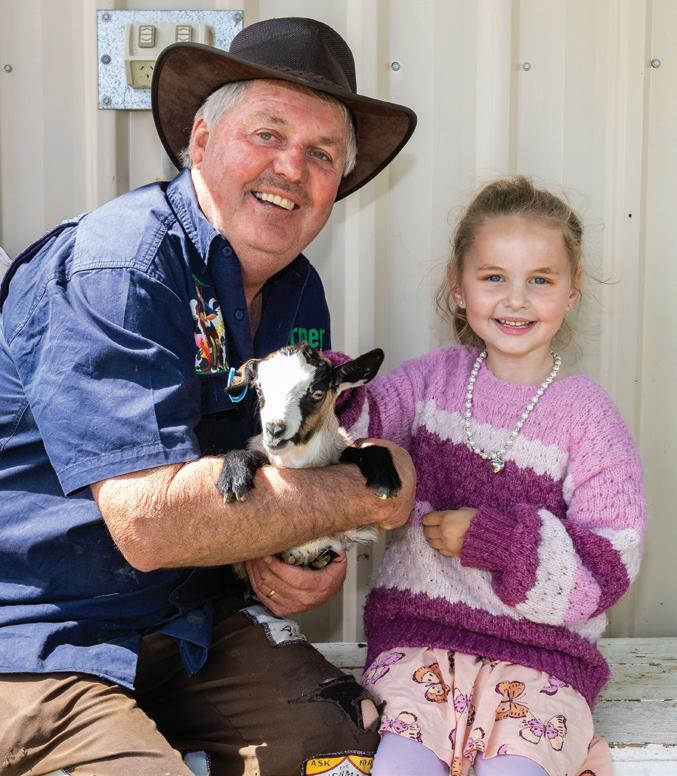
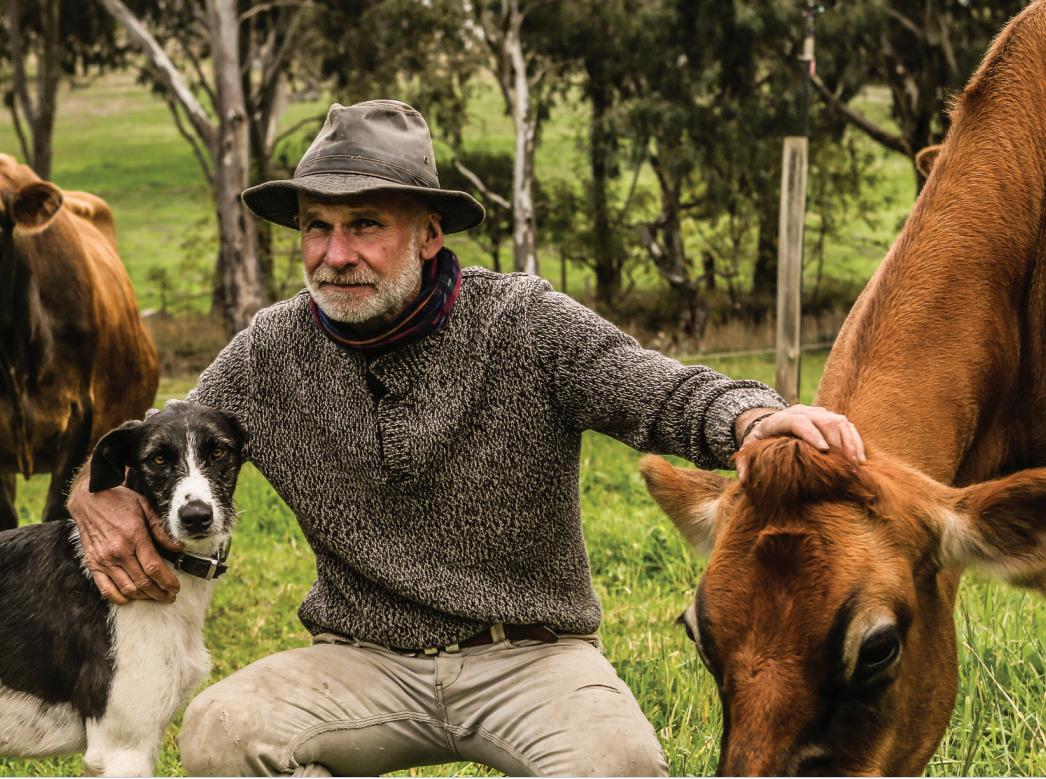
There is a certain satisfaction in producing food rather than a commodity. And Michael Wohlstadt believes it is something other farmers should look into.
RICK BAYNE has the story.





Michael Wohlstadt says everything about his mixed farm at Lyndoch in South Australia’s Barossa Valley is old-school, but that’s more of a bonus than a hindrance.
Recently named producer of the year at the 2025 Delicious Harvey Norman Produce Awards, Michael says his adherence to traditional mixed farming has kept

him in good stead for 45 years and counting.
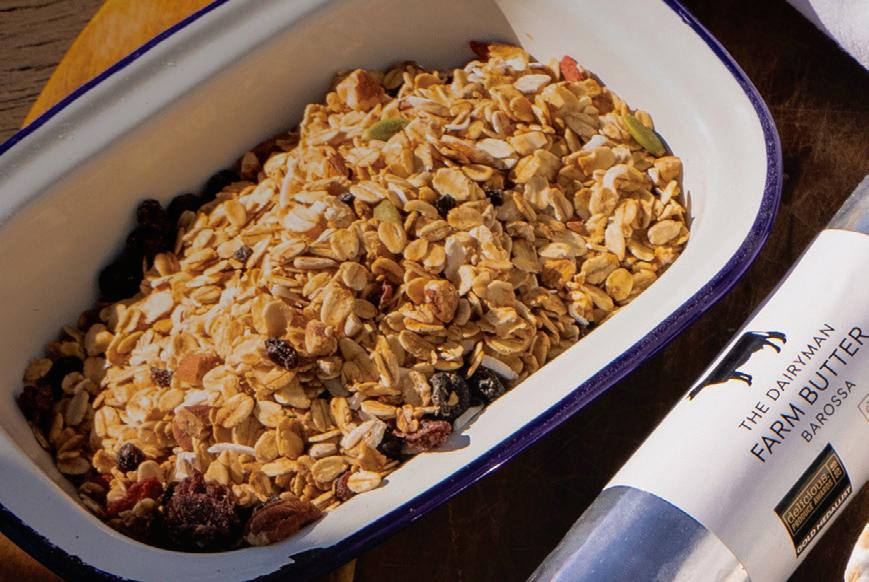
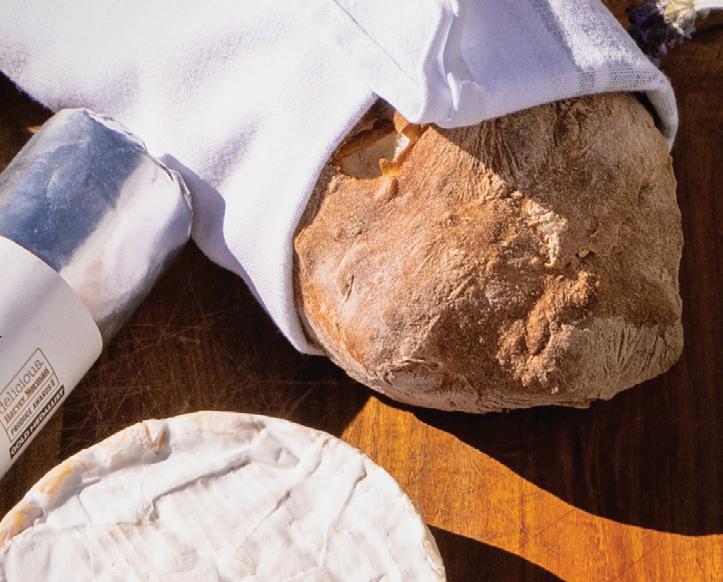
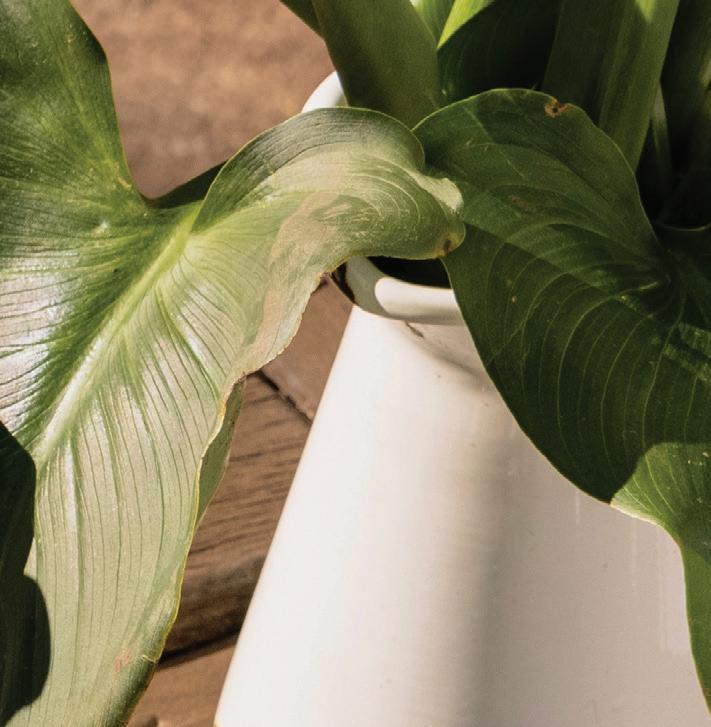
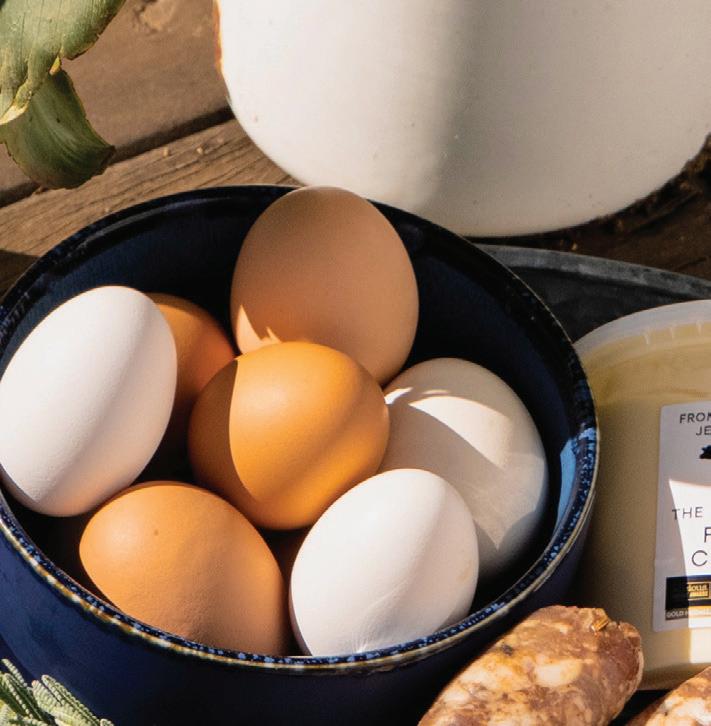
Although the farm and Michael are known as The Dairyman, the farm has a lot more than cows and Michael advocates the value of farming that produces food by farmers adding value to their production, whether it be with cows, pigs, mushrooms, vineyards or adding on B&Bs.
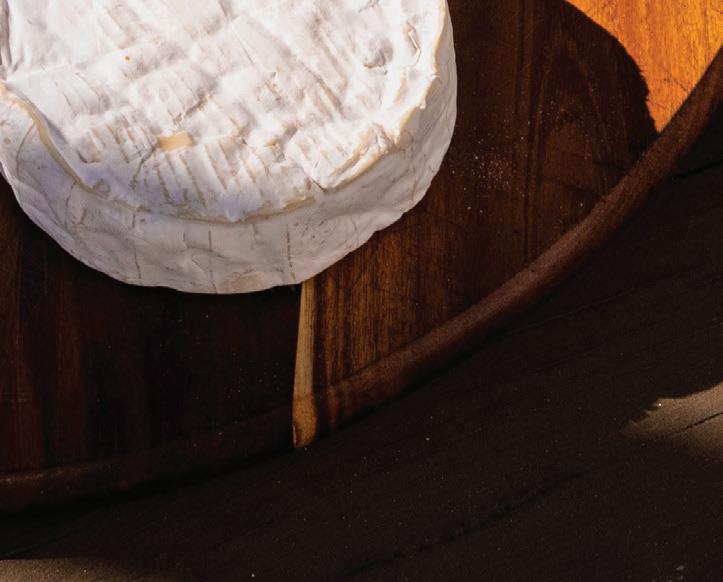
“I used to milk cows to sell milk as a commodity to a processing factory, but about 15 years ago I shifted across to a different model,” he says.
“Typically, farmers don’t produce food, they produce a commodity. But nothing leaves here as a commodity, it’s all converted to food.”
Michael farms on 32 hectares
of alluvial flats in a secluded valley at the foothills of the Barossa Ranges. When he bought the property, it was a grazing farm turning off 200 lambs a year.
Today, about a quarter of the land is dedicated to vineyards, there are about 80 free-range pigs, 20 Jersey cows, a small herd of vealers, an oyster mushroom
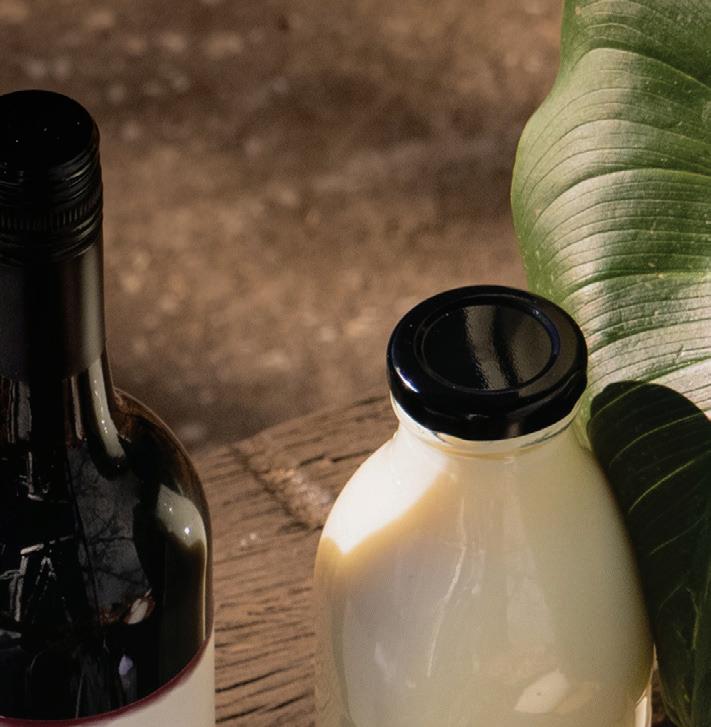
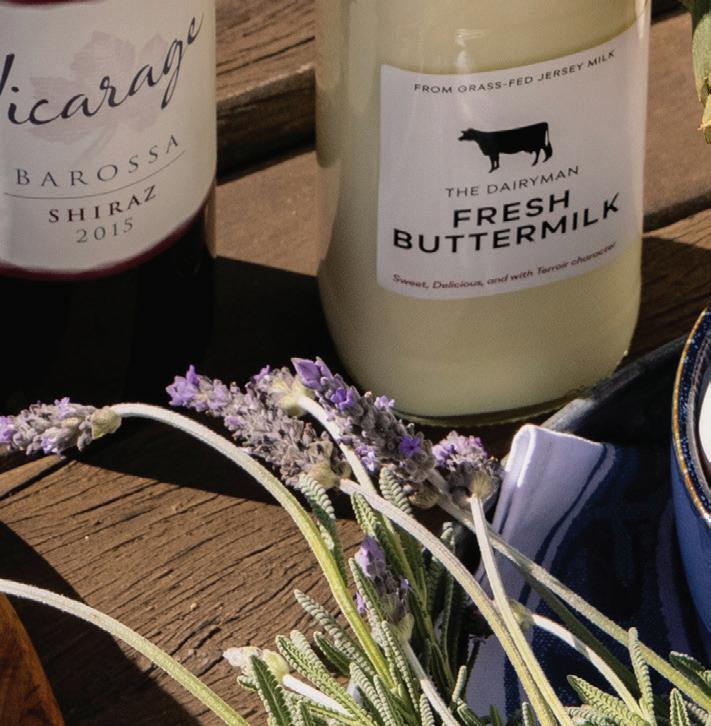
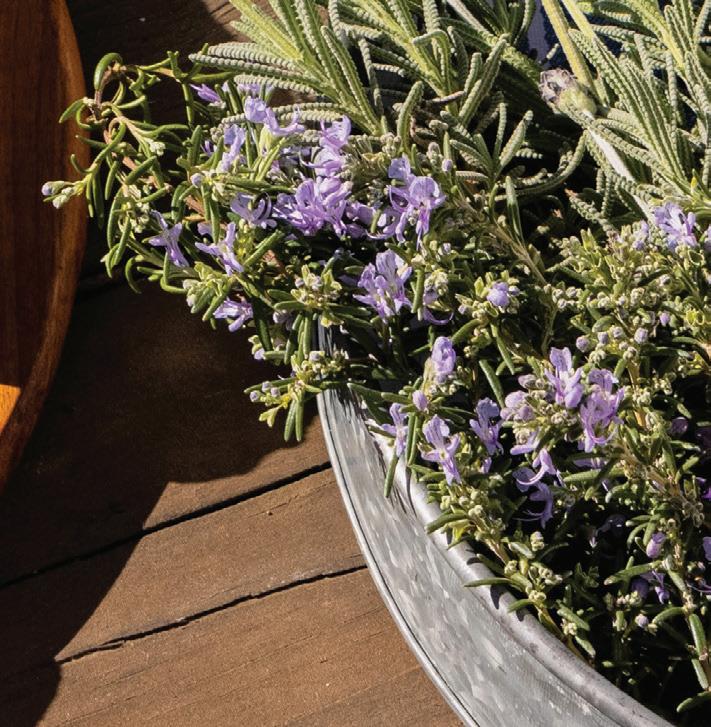
enterprise and two B&Bs.
“When I moved to the Barossa when I was about 12, mixed farming was very common but it has gravitated to a monoculture — either vineyards or hill country grazing,” Michael said.
“What I’m doing is very atypical, but the mix has worked well for me.”
When he was starting,
Michael’s main interest was milking cows and he has stuck with Jerseys over the years.
“I like their higher butterfat content, but for me it’s a bit like why do people follow their favourite football team?” he said.
“My first exposure to milking cows as a young teenager was with Jerseys and you become committed to them.” >>>




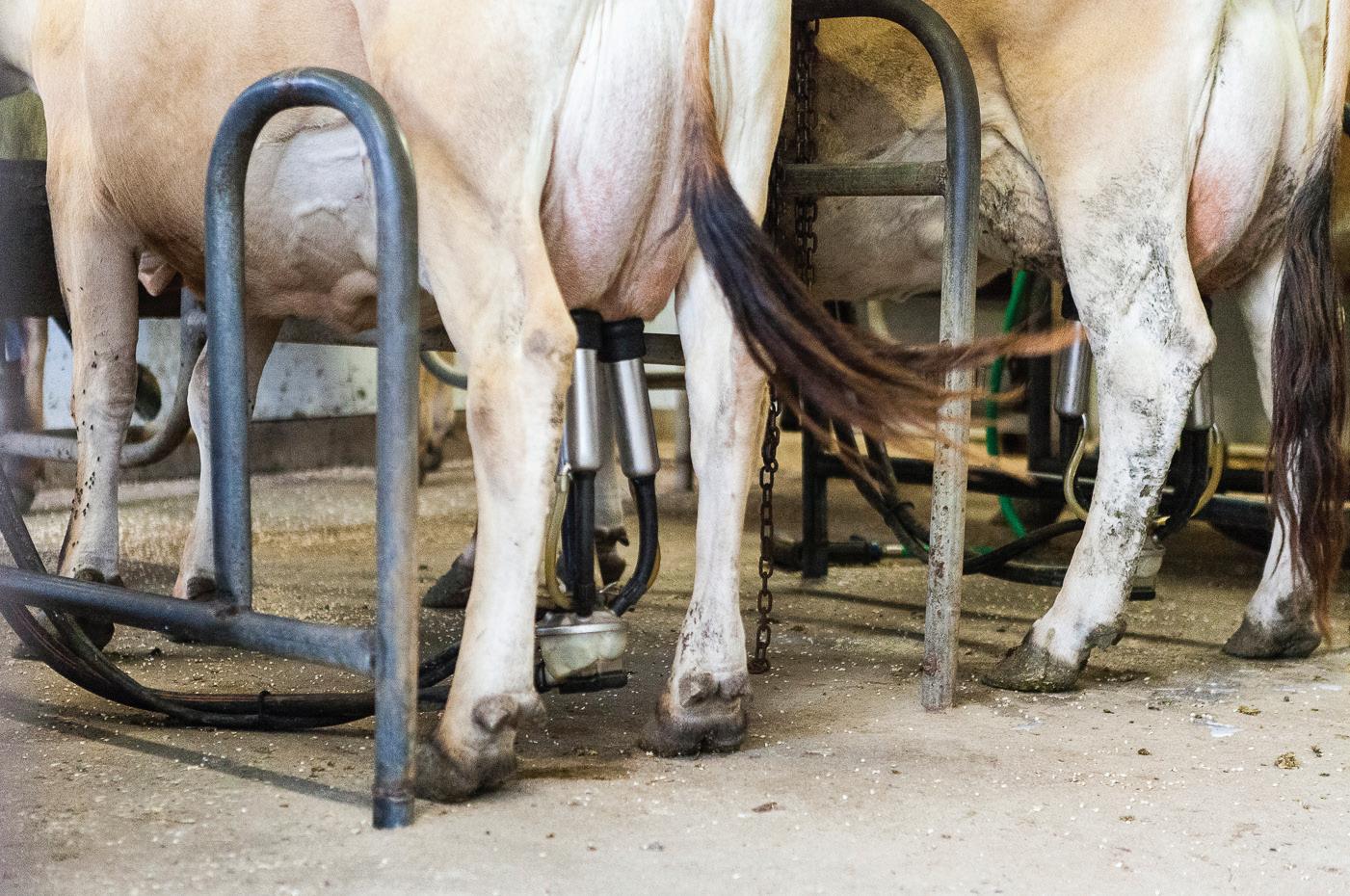
Keeping with his traditional farming methods, Michael milks the cows in a four-stand walkthrough milking machine.
“It’s very old-school,” he said.
“Everything we do is oldschool. Our way of farming and scale is designed to take people back at least 50 years.”
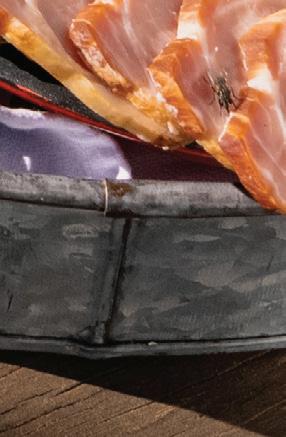
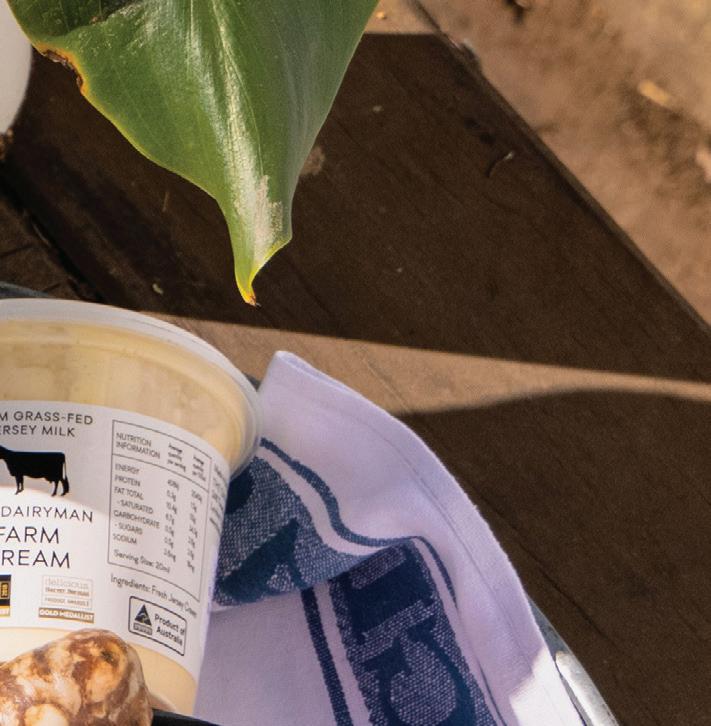
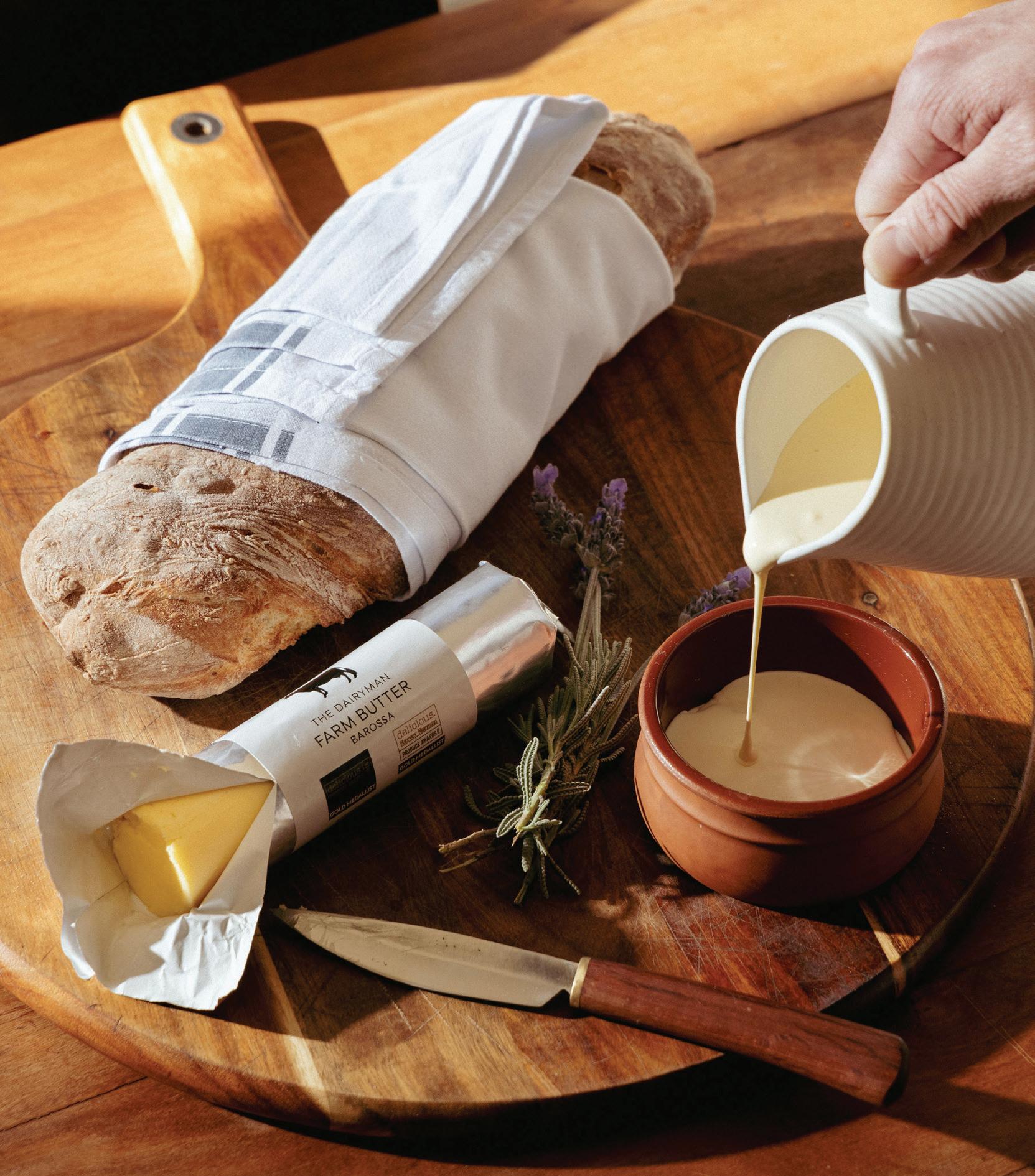
After the switch to homegrown produce, he makes butter and cream, buttermilk and has recently expanded into Italian cheeses ricotta, stracciatella, mozzarella and buratta. The male dairy calves are taken to veal.
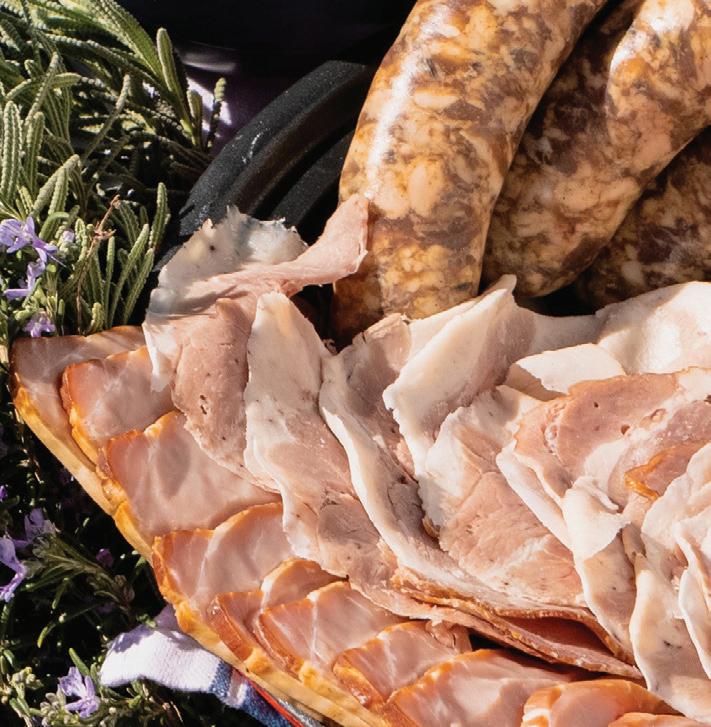
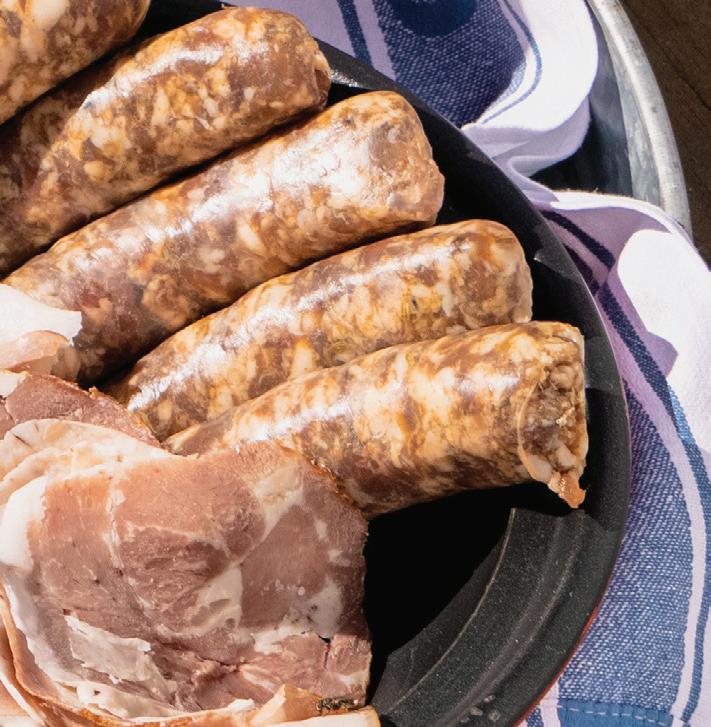
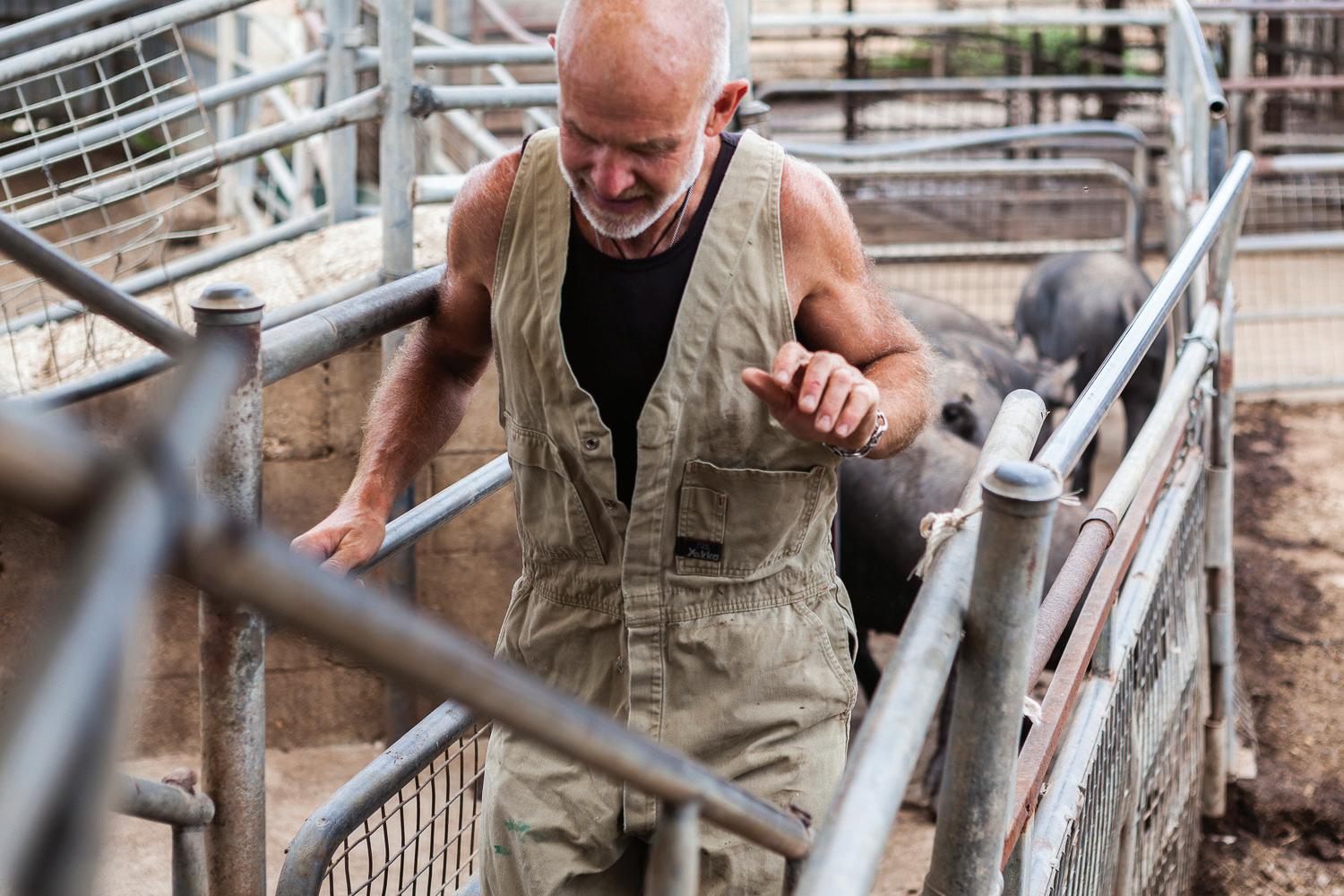
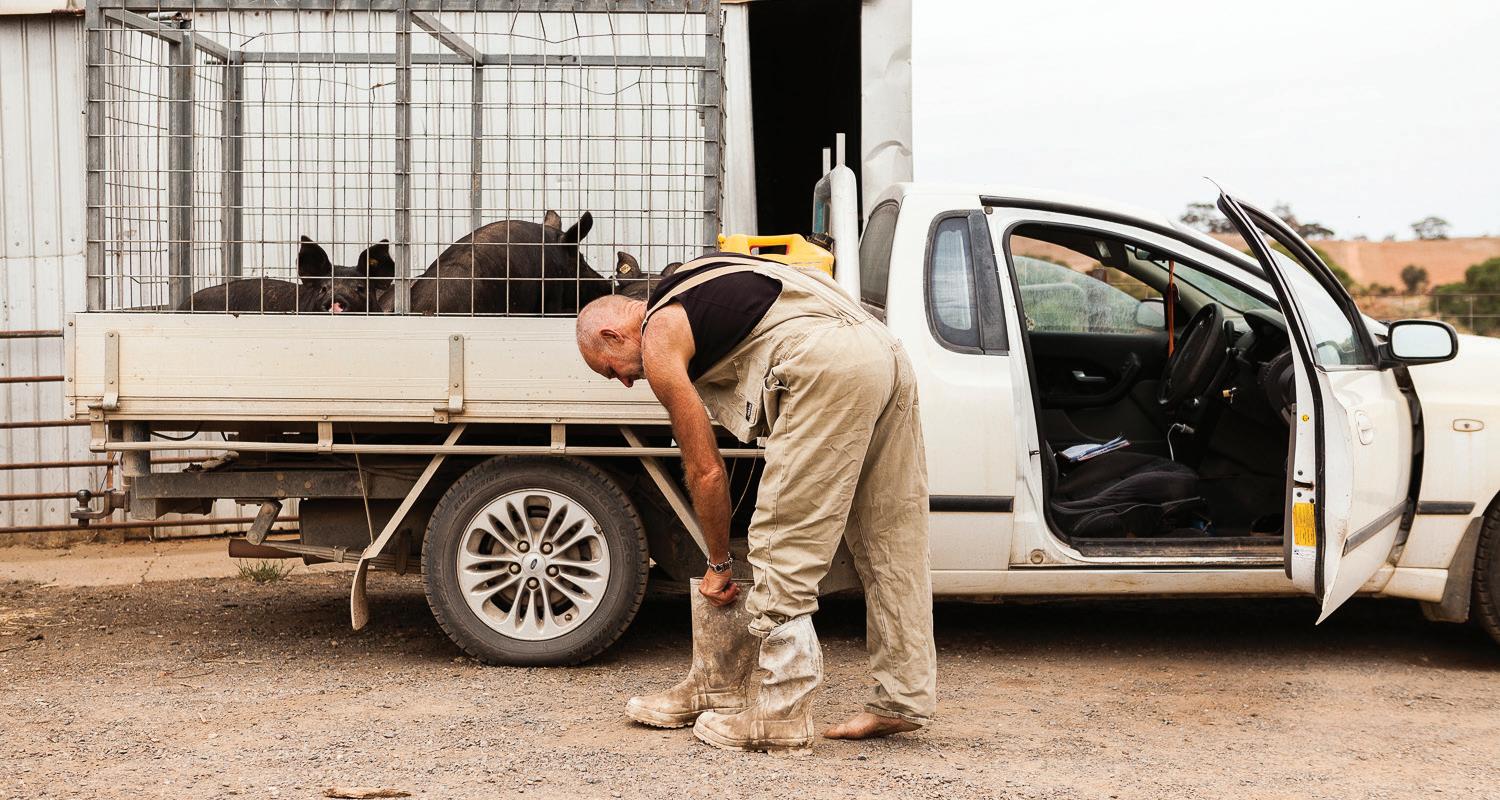
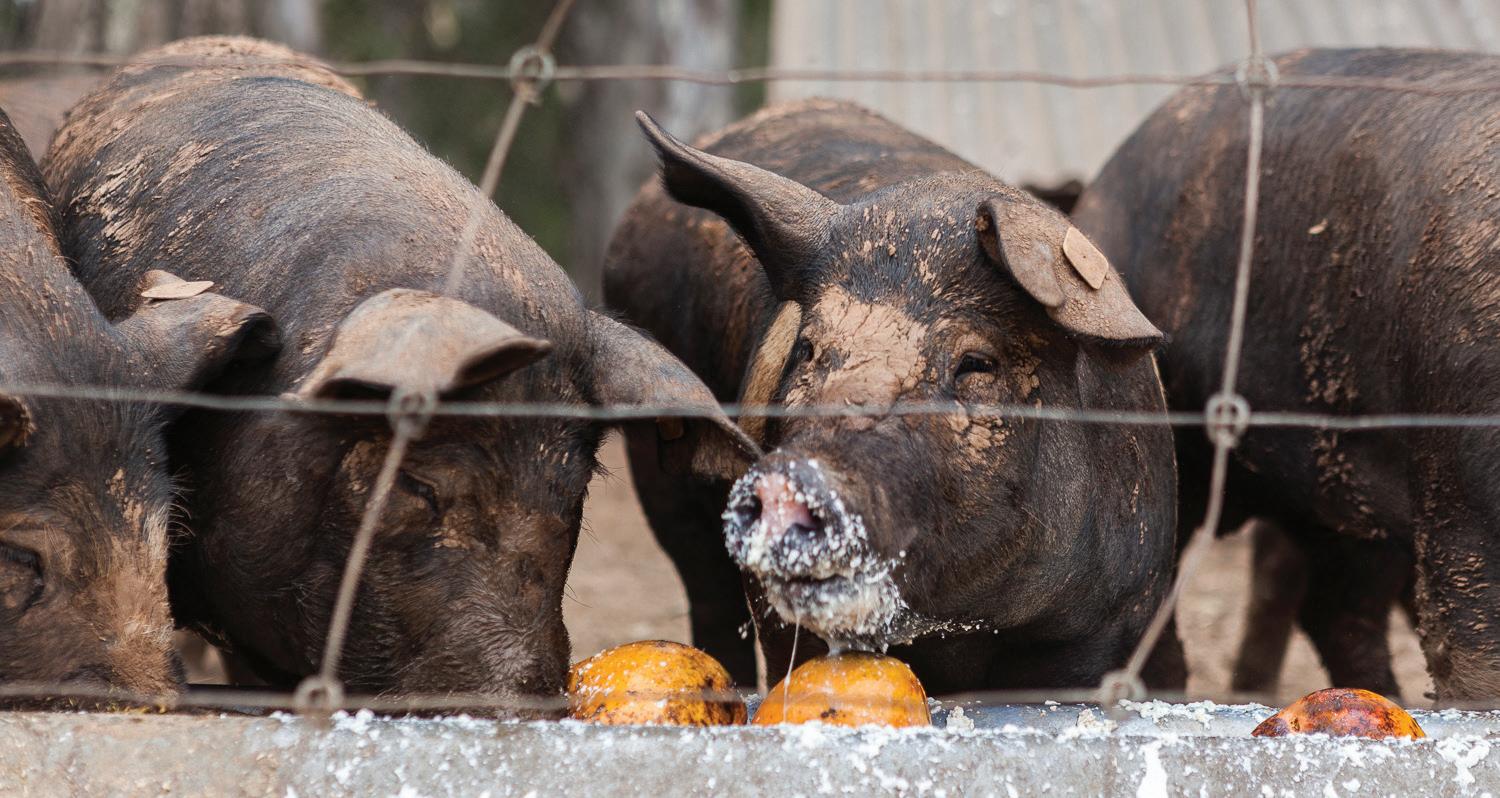
The pigs — a mixture of heritage breeds, Berkshire, Hampshire and Tamworth — are raised on a combination of whole milk, skim milk and whey.
Like all of the animals, the pigs are treated with respect.
“There’s a very close connection to the animals,” Michael said.
“They’re not just a number, they all have a name and they have personalities. You’re better able to care for them if you know them as individuals.
“It’s probably the only milk-fed pig herd in Australia. In a lot of industrial production, they are just fed waste products.”
The pigs are also fed whole foods and crushed grain that Michael mills on site. There are no feed additives that taint meat and no growth stimulants or hormones used.
Continuing to evolve the business has kept farming more interesting for Michael and he has deliberately continued to build up diversity and scope of the product offering to justify employing people.
“I haven’t slowed down much but there’s a reality with my age, 68, that there’s a limit to what I’m capable of doing going forward,” he said.
The cheese is produced in collaboration with a long-term friend who has three part-time workers, while The Dairyman has two other employees alongside Michael.
He outsources vineyard pruning and picking to contractors along with cleaning of the two B&Bs.
Michael describes the venture as“ non-industrial farming”.
“Farming in the modern world can be tough. Prices aren’t great, costs are high and climate is a
challenge and some of the results of that work is either a weight bill for something delivered or a transaction in a bank account,” he said.
Michael prefers the independence and personal touch that comes with producing food compared to a commodity.
“I deal with chefs and get feedback from them so I can deliver the product they are looking for,” he said.
“I go to two farmers’ markets and have a strong following of regular customers and they keep me up-to-date with how they cooked last week’s purchases or how their dinner party was fabulous.
“There are two values that come from this — the enhanced financial uplift that comes from controlling all steps in the process and the non-monetary benefit in the association, connection and feedback from the work you put in.
“I can only imagine if other farmers engaged this way, they might find their vocation more satisfying.”
Michael has no plans to retire and will continue his traditional farming styles and aim to maintain the right scale, mix and quality.
“A lot of foods have lost their flavour, taste and appeal and that’s largely a result of industrial-scale production,” he said.
The producer of the year award, nominated by chefs, is a career highlight for the veteran farmer.
Michael previously won South Australian categories for butter and cream and for pork, but this was his first national recognition.
“It was the 20th anniversary of the awards so it’s a significant achievement. They were also presented at the Sydney Opera House, so I got to go inside for the first time,” he said.
While he appreciates the honour, he also hopes it shines a light on alternative farming pathways and encourages other farmers to consider making their own product.
“It’s not for everyone and you don’t have to convert everything you do, but it could be complementary to commodity production,” he said.
“It’s an alternative that’s worthwhile looking at for farmers.” T
The CFA is anticipating a potentially challenging fire season across Victoria.
Meanwhile, Forest Fire Management Victoria crews are working across the state to reduce the risk and impact of bushfires through a combination of planned burning, non-burn bushfire risk management and strategic preparation.
More than 530 CFA brigades hosted Get Fire Ready events at fire stations and within local communities across Victoria during October.
It was the largest statewide community engagement initiative the CFA had ever run, reaching metro, regional and rural communities alike.
The events were designed to engage residents directly, offering practical advice and resources to help them understand their fire risk, develop a fire plan and know where to access emergency information.
CFA chief officer Jason Heffernan said the Get Fire Ready initiative was about making sure Victorians understood their fire risk, had a fire plan and knew where to get emergency information from.
“Preparedness saves lives. By getting fire-ready now, communities can reduce their risk and respond quickly if fire threatens,” he said.
“Clearing gutters, mowing lawns, trimming branches, knowing where you’ll go if a fire breaks out and setting a watch zone in the VicEmergency app can make a real difference in an emergency.”
Forest Fire Management
Victoria chief fire officer Chris Hardman said as soon as favourable weather and forest conditions arrived, FFMVic was delivering planned burning and non-burn bushfire risk management works.
“Planned burning plays a key role in our work in reducing
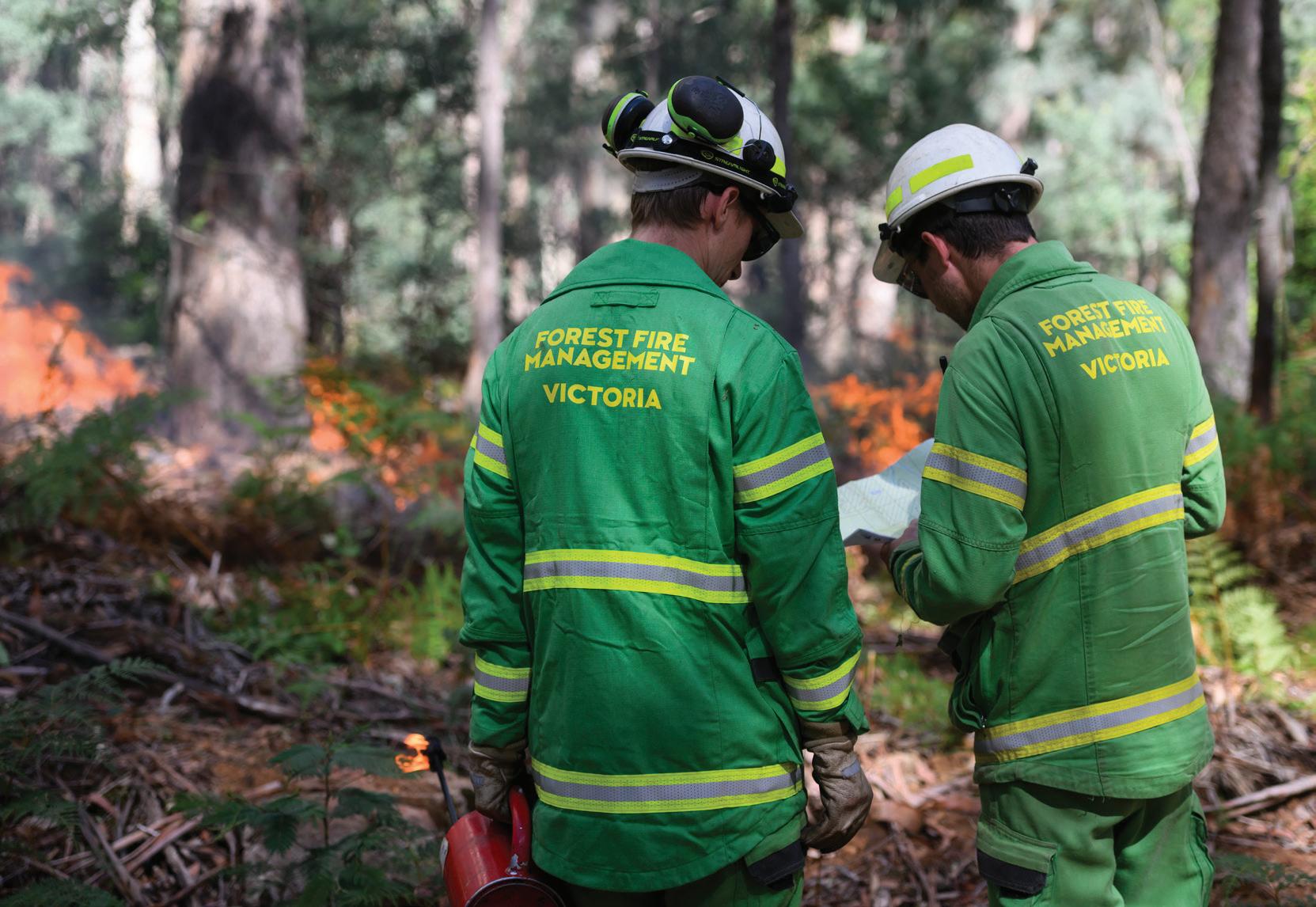
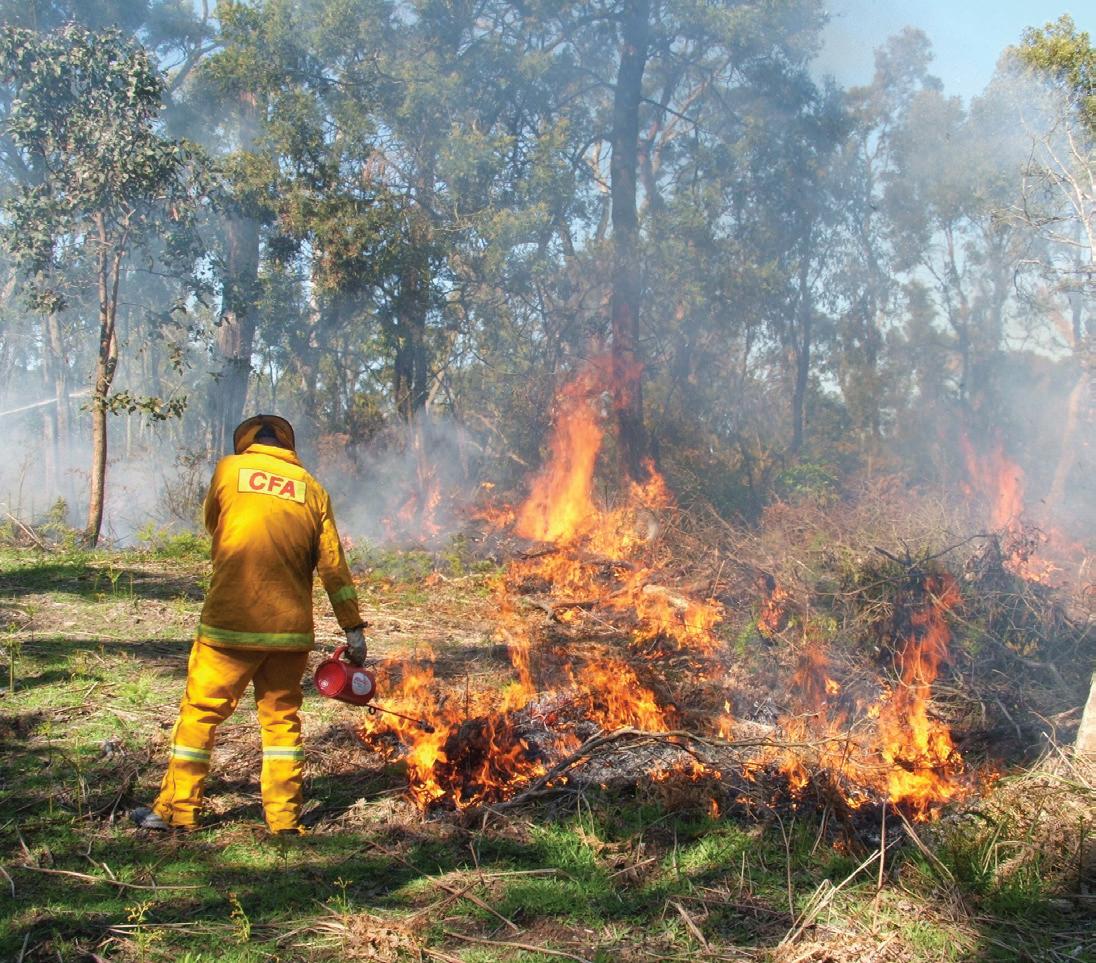
bushfire risk. It involves the careful use of low-intensity fire to reduce dry vegetation like leaves and small branches that build up over time and make forests more flammable,” Mr Hardman said.
“In areas where planned burning isn’t suitable, such as near homes, on steep slopes or close to roads and towns, FFMVic uses non-burn bushfire management techniques.
“These include mowing and slashing long grass, mulching dense vegetation, targeted spraying of invasive weeds and maintaining public road networks in forests and reserves.
“Each method plays a vital role in reducing fuel loads and improving access for emergency services.
“The timing of these works is important. If grass is slashed too early, before it has cured, it will only encourage regrowth.”
Mr Hardman said FFMVic had more than 1800 personnel on the frontline, including firefighters, fire lookout observers and fire support officers; firefighting equipment, including more than 500 ultralight tankers and close to 100 heavy tankers; and more than 50 aircraft contracted for the season.
To keep up to date on planned burns near you, sign up to receive notifications at Planned Burns Victoria or download the VicEmergency app. T
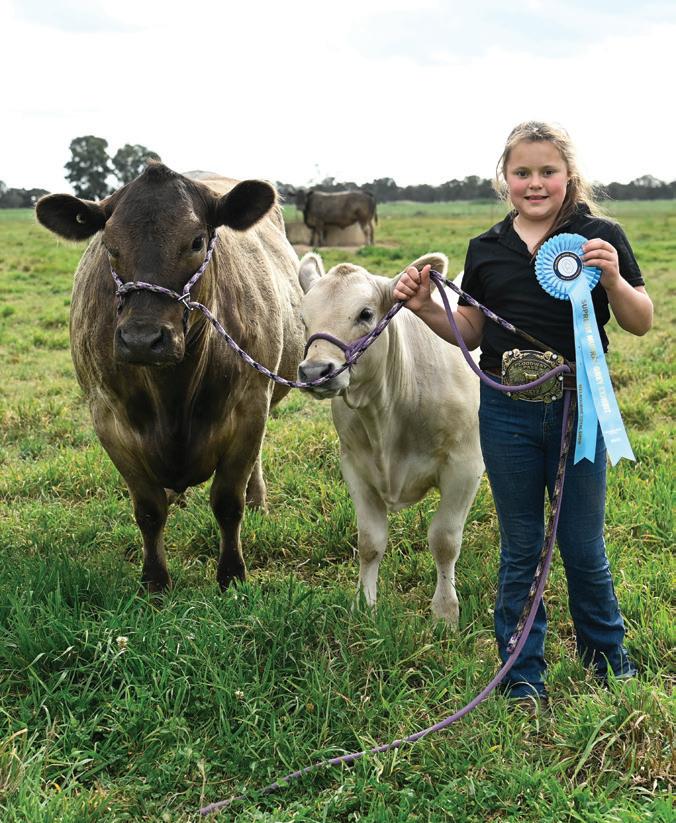
Most 10-year-olds do not have their own business. JEMMA JONES caught up with Ella Betts, 10, after the Royal Melbourne Show, where she took home the supreme champion title with a Murray Grey cow from her own stud.
This year’s Melbourne Royal Show will be one to remember for 10-year-old Ella Betts and her mum, Sam, who have come away with the highest of honours for their cow Peggy Bug.
In only their third appearance in a tough cattle competition, Ella’s seven-year-old Murray Grey cow has come home to Nanneella holding the ribbon for supreme champion exhibit.
Sam said achieving this was something they had previously only dreamed of.
She opened Floodway Pass, a farm for Murray Grey cattle, about 15 years ago.
When Ella was born, Sam transferred the stud into her name.
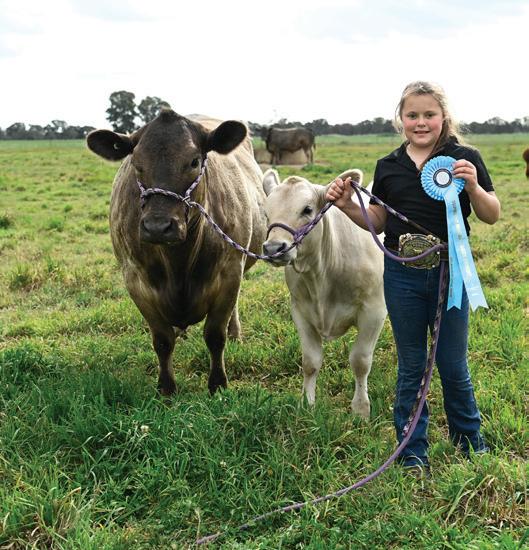
Ella has been steadily carving her path in the competitive show circuit, and Sam noted this win marked her daughter’s first major breakthrough.
“It took a while to sink in for both of us, actually,” Sam said.
“We were just ecstatic.”
Judges said Peggy Bug was a big-bodied cow, with a brilliant structure and udder, and produced a good calf — all the makings of a champion.
Peggy dominated her categories, also clinching grand champion female, senior champion female and the coveted title of best female cow over 36 months.
“The judge really liked what he saw,” Sam said.
“We wouldn’t choose any other breed than Murray Greys … they’ve just got the best temperament and (Ella) has been around them pretty much since she was born.”
Ella has been working at the stud since she could walk, with Sam gradually giving her more duties over time.
Sam said working with cattle had been instrumental in Ella working through losing her dad when she was only five.
“The paddock was just something she could look forward to, she’d spend time with her cattle,” she said.
“I don’t know how a five-yearold deals with something like that … but it seemed to really help her through that.
“The win for us has been a build-up from a pretty horrible time in our life.”
Even at 10, Ella has a passion for animals and already has her heart set on a career with cattle.
“I want to do (artificial insemination),” she said.
“It’s the only way I get to work with animals without having to put down animals at the vet.” T

As the old adage goes, if you love your job, you never have to work a day in your life. SOPHIE BALDWIN spoke to Narelle Zanker, who is thrilled to combine her love for education and the dairy farm.
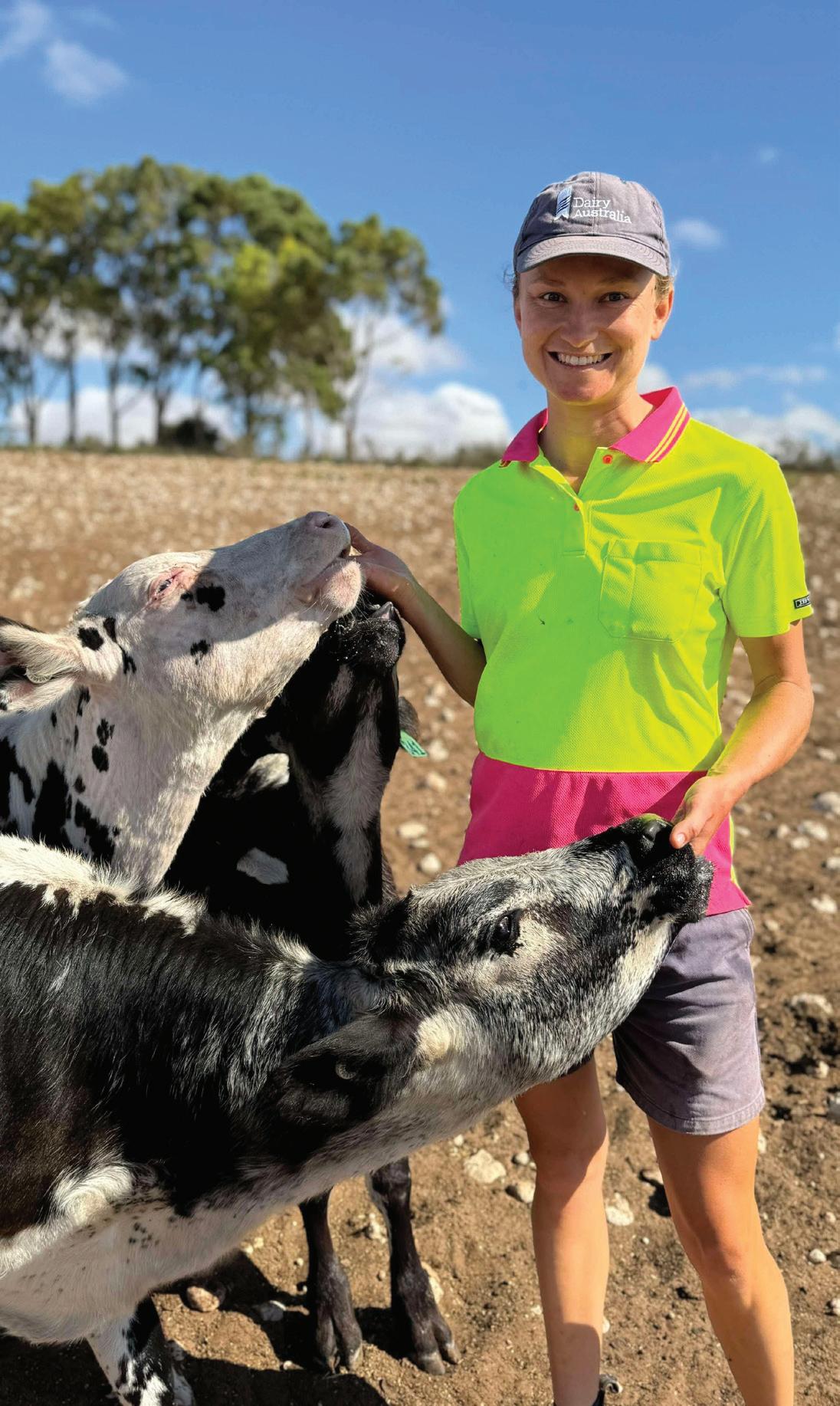
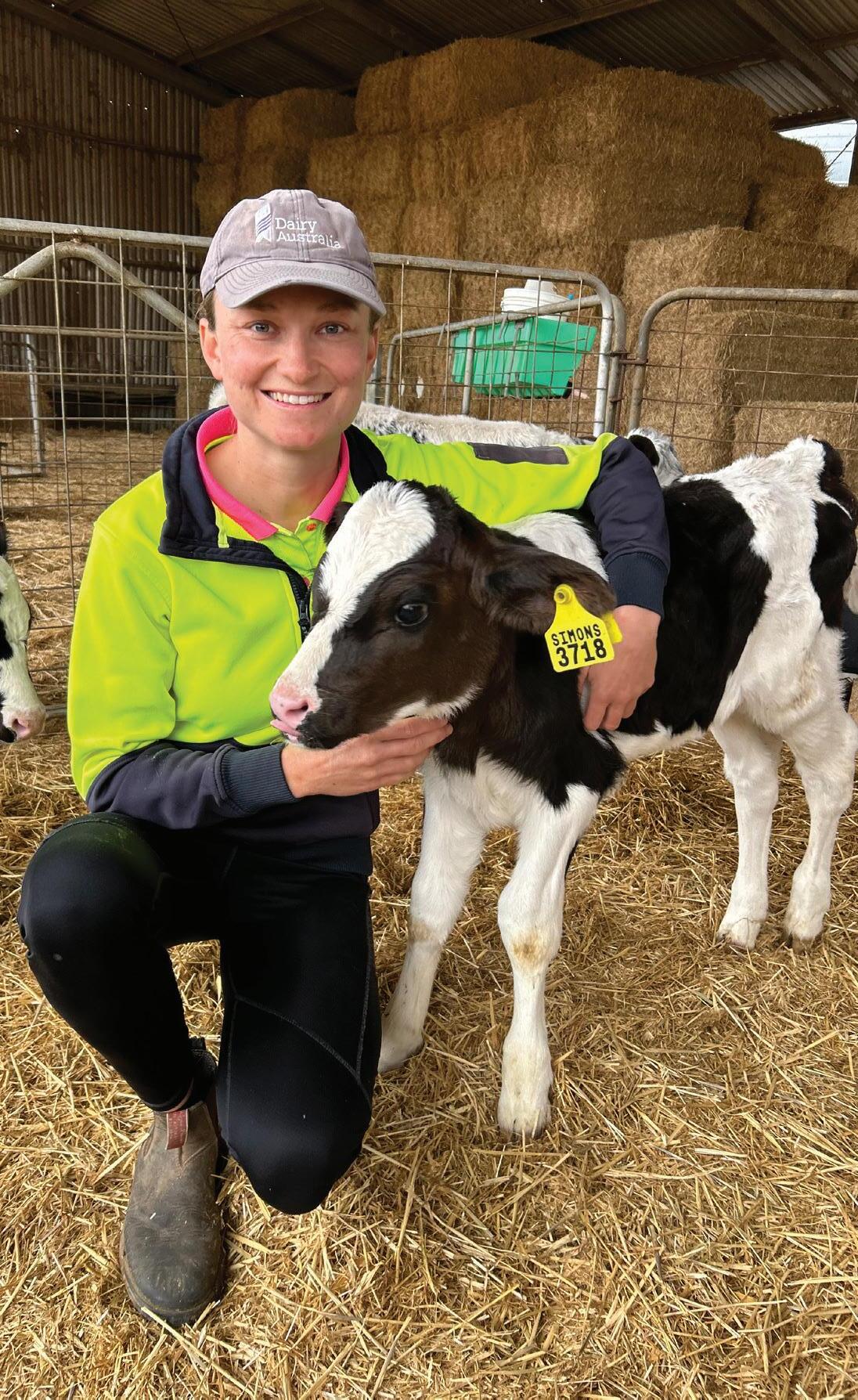
Not many people have the love for their job that Narelle Zanker has for hers, after the 30-year-old found a way to combine her love for dairying and her passion for teaching.
Last year, Narelle, along with her husband Joel, launched agritourism venture Dairy Adventures on the family farm at Mannum, and she couldn’t be happier.
Growing up on the farm with her parents Geoff and Heather Simons, which includes a broadacre cropping operation, Narelle would help milk the cows and feed the calves before and after school.
She continued to help out on the farm while completing a teaching degree at university, but after four years in the classroom, she worked out dairying was her true love, so she resigned and came back home to work on the family farm.
“I still wanted to merge my love for teaching and education with the farm, and in September last year, we started Dairy Adventures, and it has been flat out ever since,” Narelle said.
Dairy Adventures offers a wide variety of on-farm interactive experiences, including Feeding Frenzy, Milking Memories, Dairy Discovery, Graze and Gaze and the very popular Elvis Encounter — a chance to pat and feed some treats to the family’s pet Speckle Park steer Elvis.
The adventures are open to large or small groups and Narelle even caters for birthday parties.
“I love it and we are starting to get quite a few return customers so they must love it too,” she said.
Narelle said one of the most popular things for young kids was the sensory trough — an old feed trough
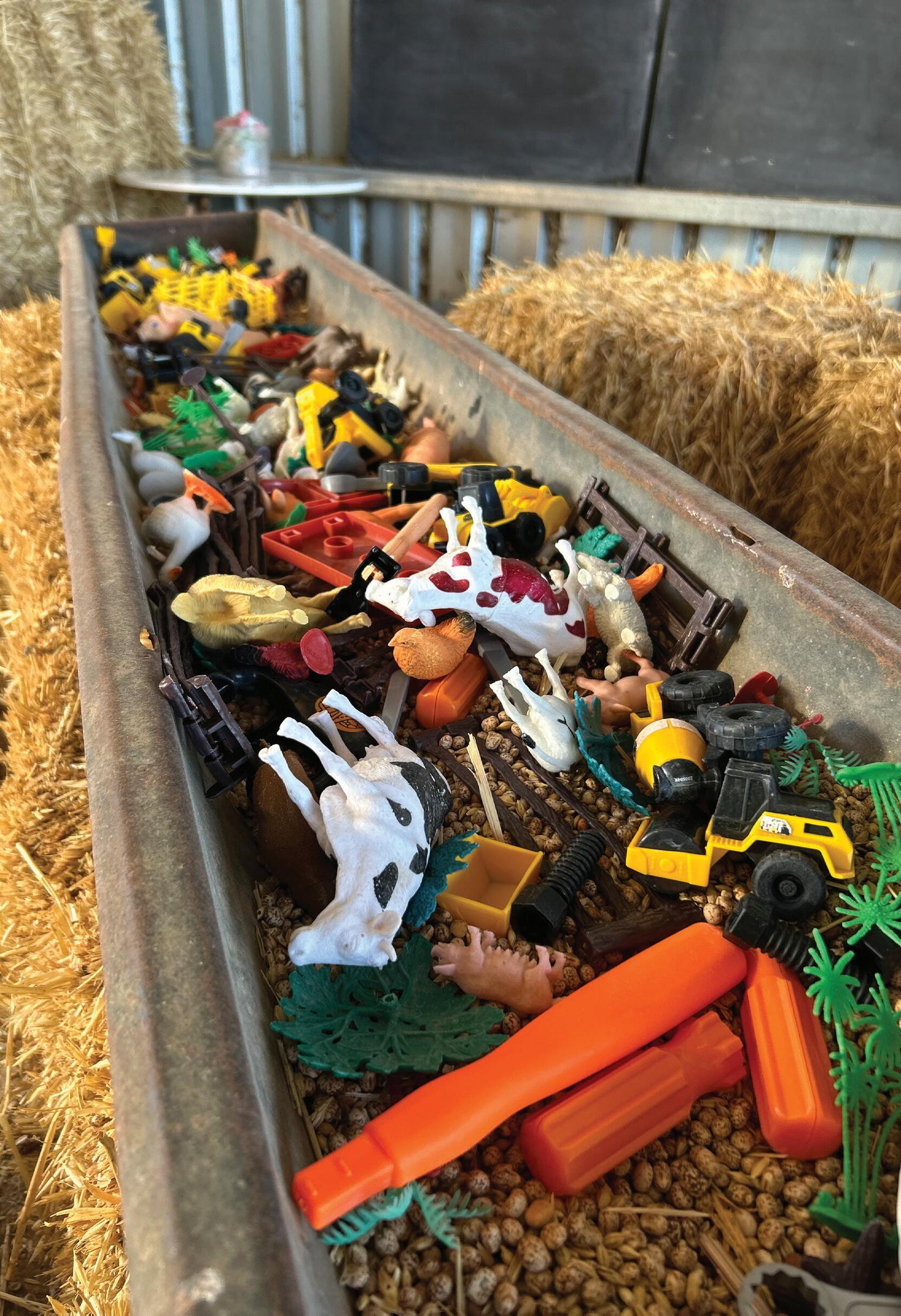
filled with grain and plastic farm animals.
“The kids can spend ages in there playing with the animals and the grain,” she said.
And after sorting out their insurance, they can now offer a milking experience as well.
“We try and make most things work and we always send everyone home with a photo they can stick on their fridge to remind them of their time here on the farm,” Narelle said.
The farm is open for tours on Monday through to Saturday, with school holidays proving to be a busy time.
Narelle said the farm was only an hour’s drive from Adelaide and five minutes from the tourist town of Mannum.
“We are next door to a big marina and our farm runs alongside the river, so we are on the tourist trail,” she said.
“We have already had 10
schools come through and that’s only been from word of mouth, as we haven’t gone too hard on the advertising, although we do post a lot on social media.”
Dairy Adventures has also been officially named as a finalist in the 2025 South Australian Tourism Awards.
“Our journey so far has been incredibly rewarding and we are so grateful for all the support,” Narelle said.
“Dairy Adventures gives me a great balance of both things I love. I still get to educate people and I get the outdoor lifestyle and the variety that comes with dairying.
“There is always so much to learn and every season is different.”
She said she had also received a lot of support from other farmers who were excited for what she was doing for the industry.
Narelle and Joel run the business as a separate entity, paying her parents a monthly lease payment.
Narelle said she hoped to one day raise her own family on the farm and she wanted her kids to grow up experiencing the same things she did.
The family milks 300 cows and crops barley, wheat, canola, lupins and lentils across 1600ha share-farmed and owned.
The cows calve all-year-round, which helps with the Dairy Adventure experience, as there is always a young calf needing feeding somewhere.
Narelle’s dedication to the industry and her passion for education saw her recently named South Australian Young Dairy Farmer of the Year for 2025.
Narelle was recognised for her dedication to the industry along with her ability to balance
operational excellence, community engagement and sustainable farm management.
A spokesperson said Narelle was helping to bridge the gap between paddock and plate, inspiring future generations and building public appreciation for dairy, making her a shining example of the next generation of South Australian dairy leaders.
“I was surprised to receive the award and I didn’t realise how a big of a deal it was, especially considering I have only been back home on the farm for three years,” she said.
As part of the family succession plan, Narelle and Joel will move into the main farmhouse and over the next decade or so they will continue to build their own side hustle.
“I need to shout out to my parents and thank them,” Narelle said. T
The TAS Farm Innovation Hub has announced five successful farmer groups selected to take part in a new pilot program designed to build longterm strength, connection and resilience in Tasmanian farming communities.
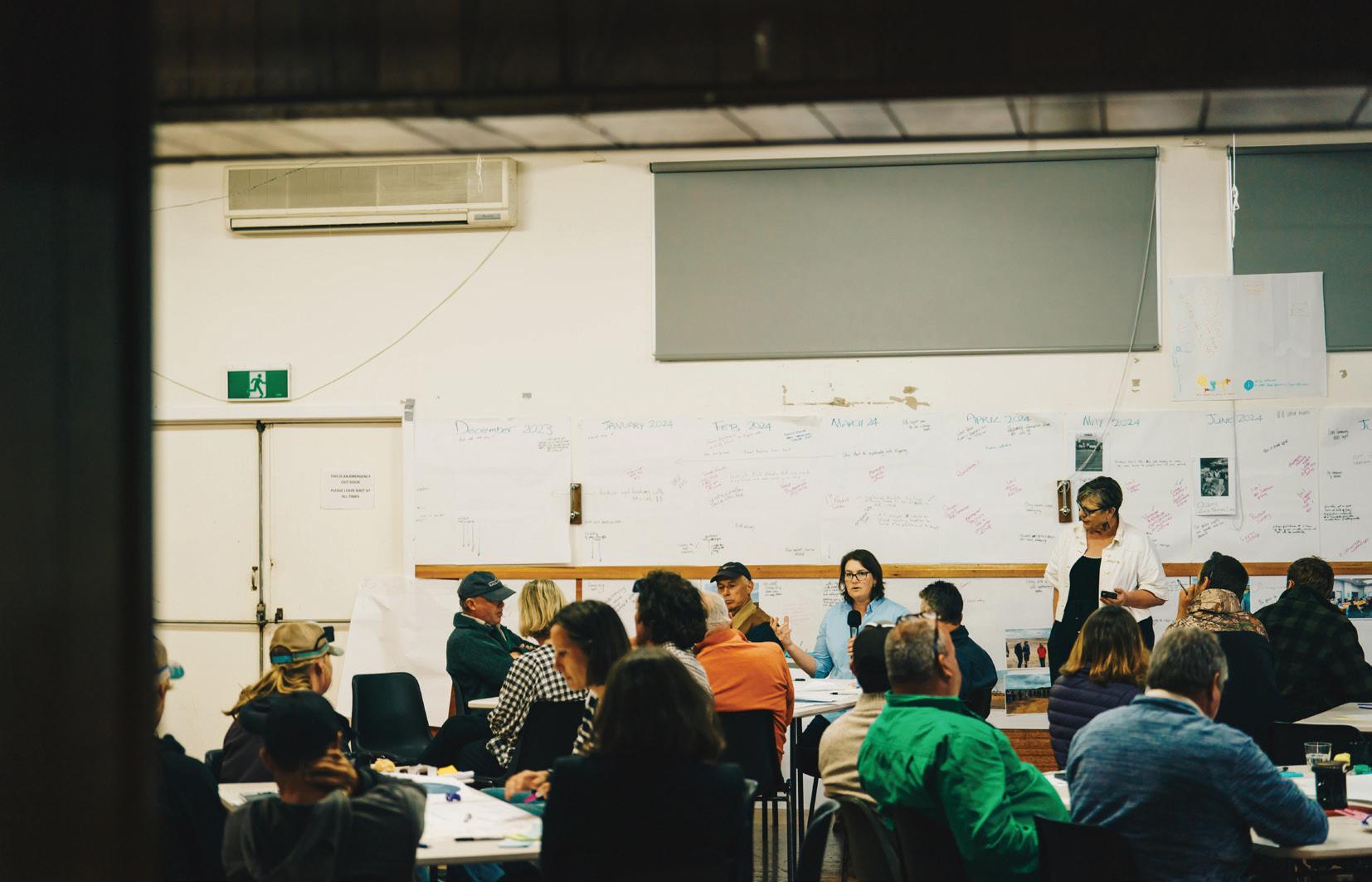
The Farmer Group Support Pilot will provide each group with a 12-month support package valued at $55,000 per group to help reduce administrative burdens, strengthen group co-ordination and support climate resilience activities.
The five successful groups are:
ɋ Coal River Products Association;
ɋ East Coast Primary Producers;
ɋ King Island Beef Producers Group;
ɋ Soil First Tasmania; and
ɋ Tamar Valley Farm Discussion Group.
The pilot offers hands-on facilitation and flexible funding to help groups grow stronger, lead with confidence and contribute to a more resilient farming future.
TAS Farm Innovation Hub director Sandra Knowles said strong farmer groups were the backbone of connected, capable rural communities.
“Farmer groups play a crucial role in helping producers share knowledge, solve problems locally and stay connected,” she said.
“But we know many of these groups are stretched thin, often run by volunteers who juggle the demands of farming with the effort it takes to keep a group going.
“This pilot is about removing some of those roadblocks and giving groups the support they need to plan ahead, grow their impact and stay active in their communities.”
Each group will receive co-ordination services valued at $40,000, delivered through a dedicated hub-based facilitator who will work closely with them to support planning, communication, engagement and event delivery.
Groups will also have access to up to $10,000 for group-led activities that support climate-smart
practice changes on farm and up to $5000 in flexible admin support to reduce day-to-day burdens on group organisers.
“This support is designed to let groups focus on what really matters — delivering meaningful outcomes for their members,” Sandra said.
“Whether that’s water efficiency, better decision-making, or tackling long-term challenges like drought, the program helps groups take action that’s relevant to their region and situation.”
One of the successful groups, Soil First Tasmania, welcomed the opportunity to build on the strong foundations it had established through volunteer efforts.
“We applied because, as a small volunteer-led group, we’ve achieved a lot with very little and saw this pilot as a chance to build on that momentum and to strengthen our organisation,” group secretary Bec Addison said.
“Soil First Tasmania has already shown the power of bringing farmers together to make positive change for soil health and sustainable agriculture.
“We’re excited that this pilot will give us the resources and direction we need to renew our
group and expand our impact.
“We’re hoping to create a stronger, more sustainable organisation that can keep supporting Tasmanian farmers for years to come.”
Nick Lyttle from the King Island Beef Producer Group highlighted the group’s motivation for getting involved with the TAS Hub initiative.
"We applied because we believe our members will benefit from the knowledge network of the TAS Farm Innovation Hub to improve their on-farm practices and alter their production systems to be more climate resilient,” he said.
“We are hoping to hold workshops that will stimulate and, in some cases, challenge, producers' thinking to improve their businesses to deal with more frequent weather extremes.”
The pilot builds on successful earlier work with the East Coast Primary Producers Association, which demonstrated the real impact of tailored support, particularly around administration and co-ordination.
“We’ve seen first-hand that when you back farmer groups with the right kind of help, they achieve great things,”
Sandra said.
“Farmers have been clear — they want support that fits their local context and helps them take action, not just access more information.
“This pilot recognises the value of grassroots knowledge and gives farmer groups the tools to strengthen their leadership, planning and impact.”
The program will also help test scalable, cost-effective support models for farmer groups, with insights contributing to the TAS Hub’s long-term strategy and potentially informing national approaches to drought and climate resilience.
“This isn’t just about helping five groups, it’s about learning how to deliver meaningful, efficient support that could be rolled out more broadly across Tasmania and beyond,” Sandra said.
The TAS Farm Innovation Hub is one of eight hubs nationally funded through the Australian Government’s Future Drought Fund. The hub is based at the Tasmanian Institute of Agriculture at the University of Tasmania and delivered through a wide network of industry and community partners. T
A small gallery housed in an old saddlery is changing the shape of a colonial-era rural village, demonstrating the power of art in regional Australia.
It was a chicken coop with a tin roof that sold Felicity Wells on the idea of moving to the country.
The former advertising executive had filled her backyard on Sydney’s upper north shore with 12 chickens, ducks and cattle dogs before she decided it might be time to move to a bonafide farm.
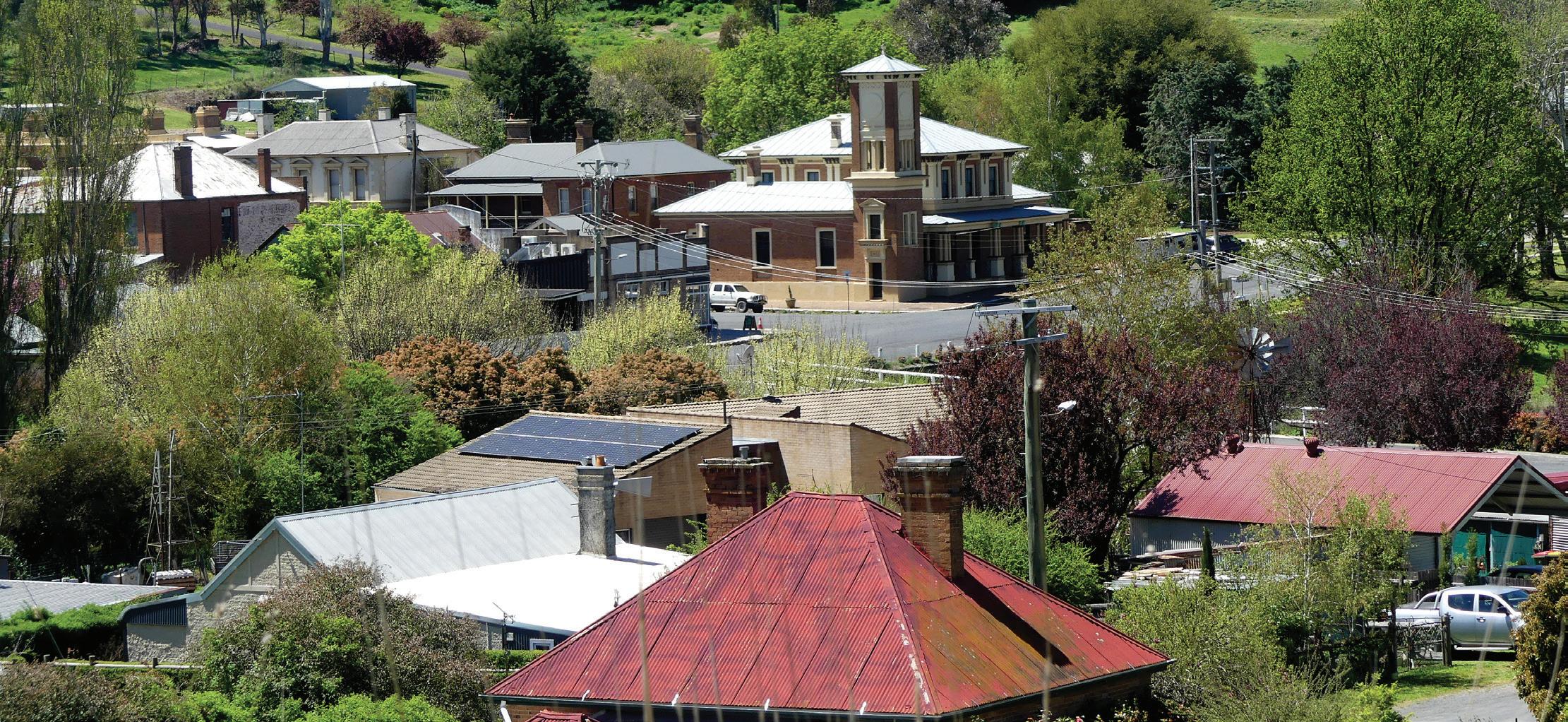
On their first visit to Carcoar, in central-western NSW, Felicity and her husband were taken by a house on a hill with breathtaking views of the rolling landscape and the colonial-era village.
“I walked around the back of the property and there was a beautiful little chicken coop with a chicken run, almost more beautiful than the house in St Ives that I’d lived in for 15 years,” Felicity said.
“I said to my husband, ‘oh my goodness, could we put in an offer because this is where we’re going to live’.
“He said, ‘do you want to see inside the house first?’”
They moved from Sydney to the charming hamlet in mid2023, among the almost 115,000 Australians who left the capital
cities for the regions that year.
Felicity immediately saw the untapped artistic potential in and around the village of 271 people, known as “the town that time forgot”.
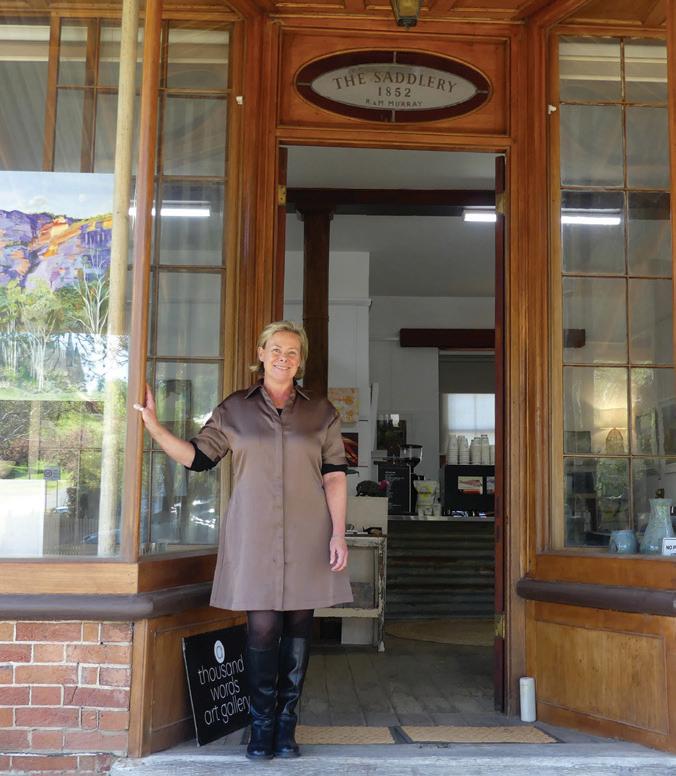
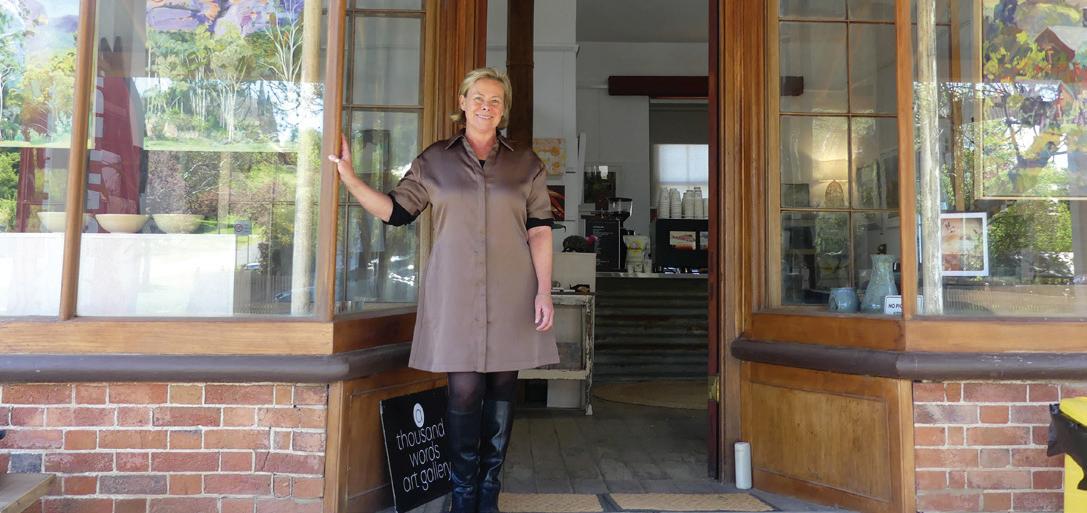
After she curated six exhibitions in a white-walled space in nearby Blayney, a local offered her the chance to set up A Thousand Words Gallery in the village’s old saddlery.
Behind the 1852 shop’s wide bay windows and original wooden features, district artists’ works are on display alongside a landscape by Sydney painter Paul McCarthy and an abstract floral series by BK Ku.
“Bringing these artists and this work to a small town like Carcoar is about sharing, it’s a window for the community to look into,” Felicity said.
“We’re all made up of different fibres and views, so there’s wonderment in having such a broad depth of work and artists for people to connect with.”
Felicity curated an exhibition called Lightdance, asking artists to respond to the way light
“plays, teases and tickles” in the spring.
Local ceramicist Rebecca Dowling made crockery in sunny yellows, silversmith Rebecca Price created jewellery with shimmering flecks of gold, while others dreamed up light-drenched landscapes.
Textile fairy wrens, cockatoos and lyrebirds made by ornithologist and artist Leanne Wicks nest in clusters around the gallery.
On a sunny spring morning, couples, groups of friends and a family with a cattle dog in tow gathered outside the gallery to
drink coffee and eat cakes prepared by Felicity.
While the treats were welcome, it was art that could help change the shape of regional Australia by supporting creatives and attracting visitors, Felicity said.
"Without people in small towns, they can become dilapidated and lost very quickly,“ she said.
“I didn’t come here to save the town, but I feel like the gallery is bringing an element of magic and wonder.
“People like to be here, it just makes people happy.”
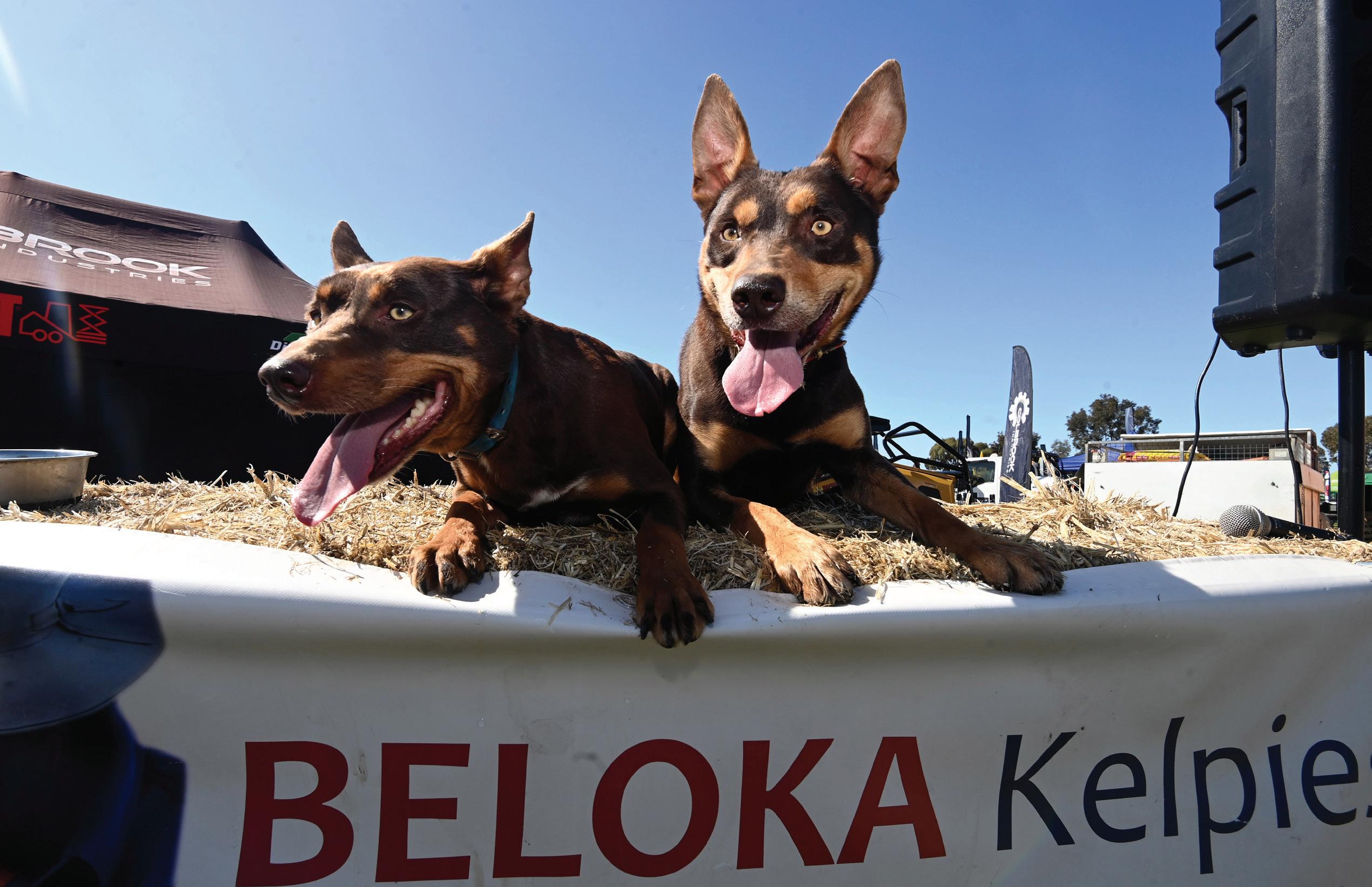
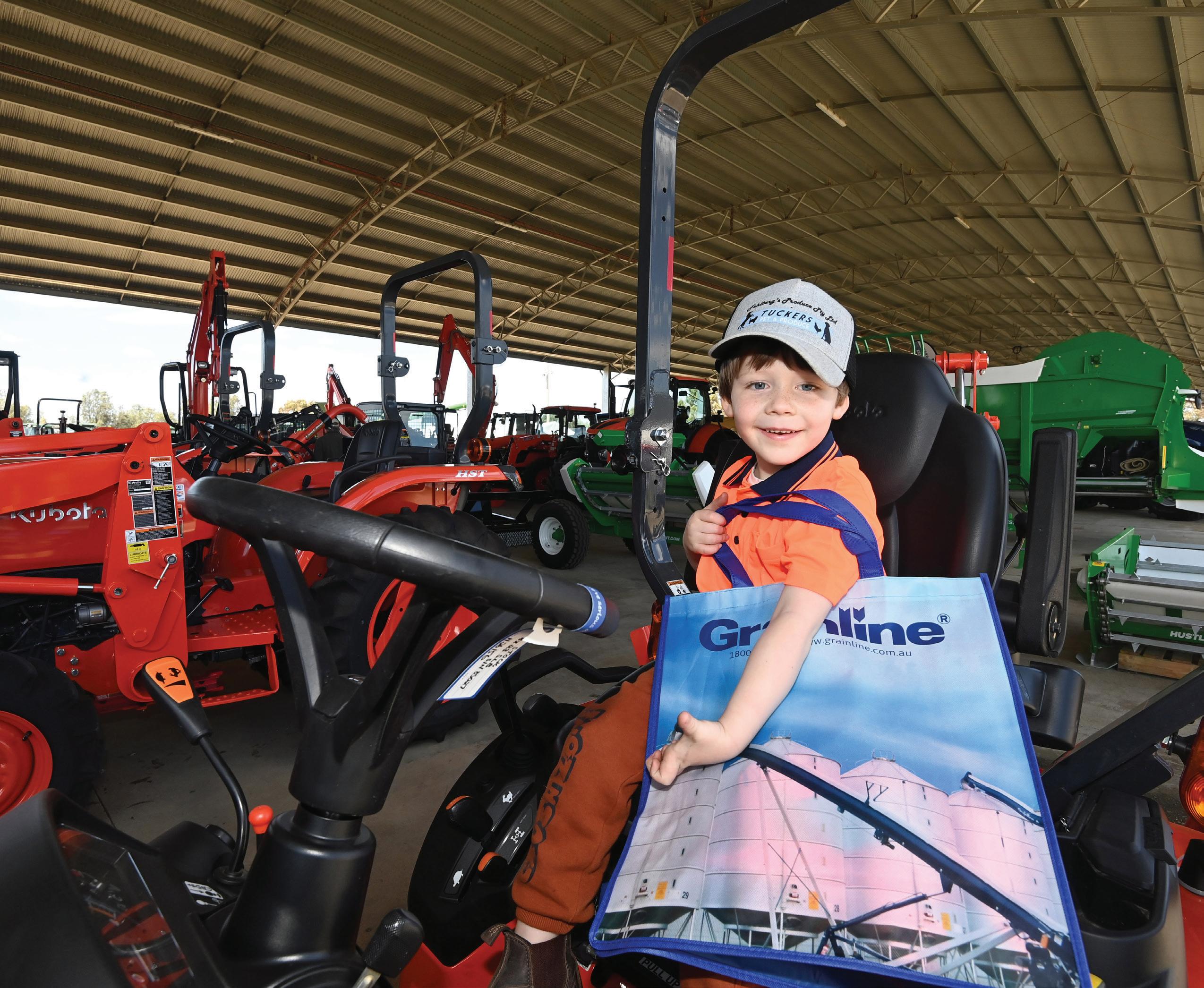
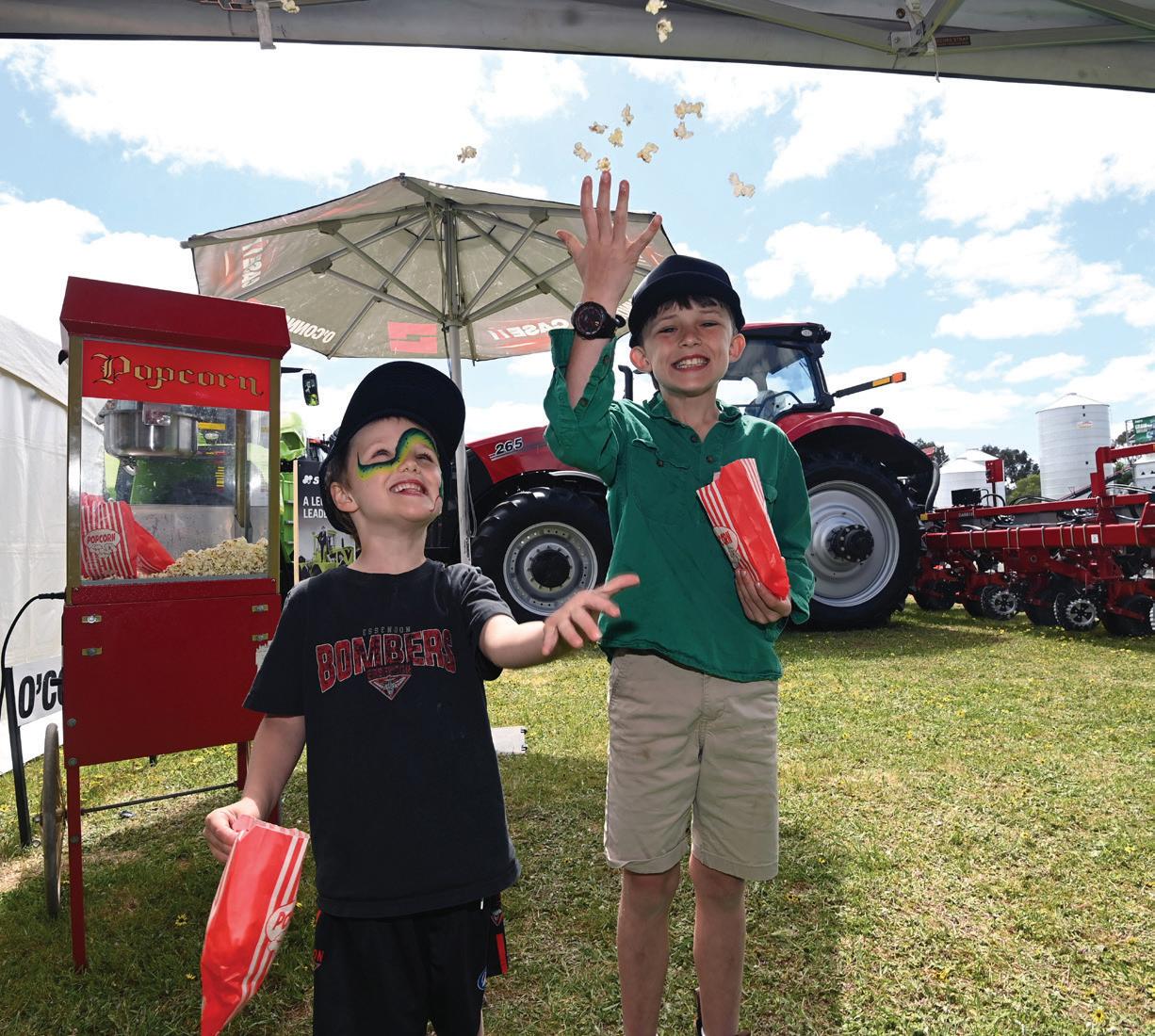
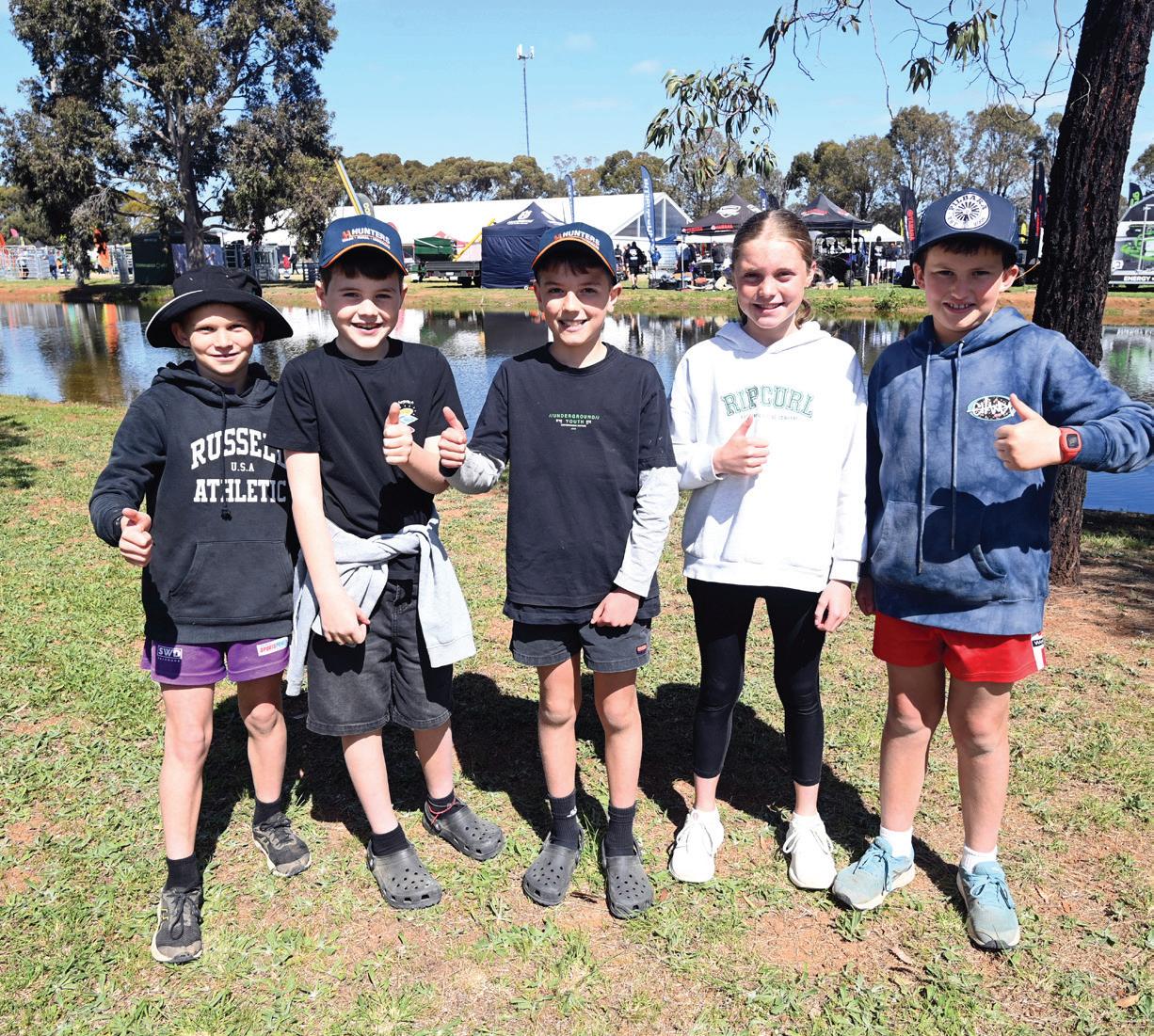
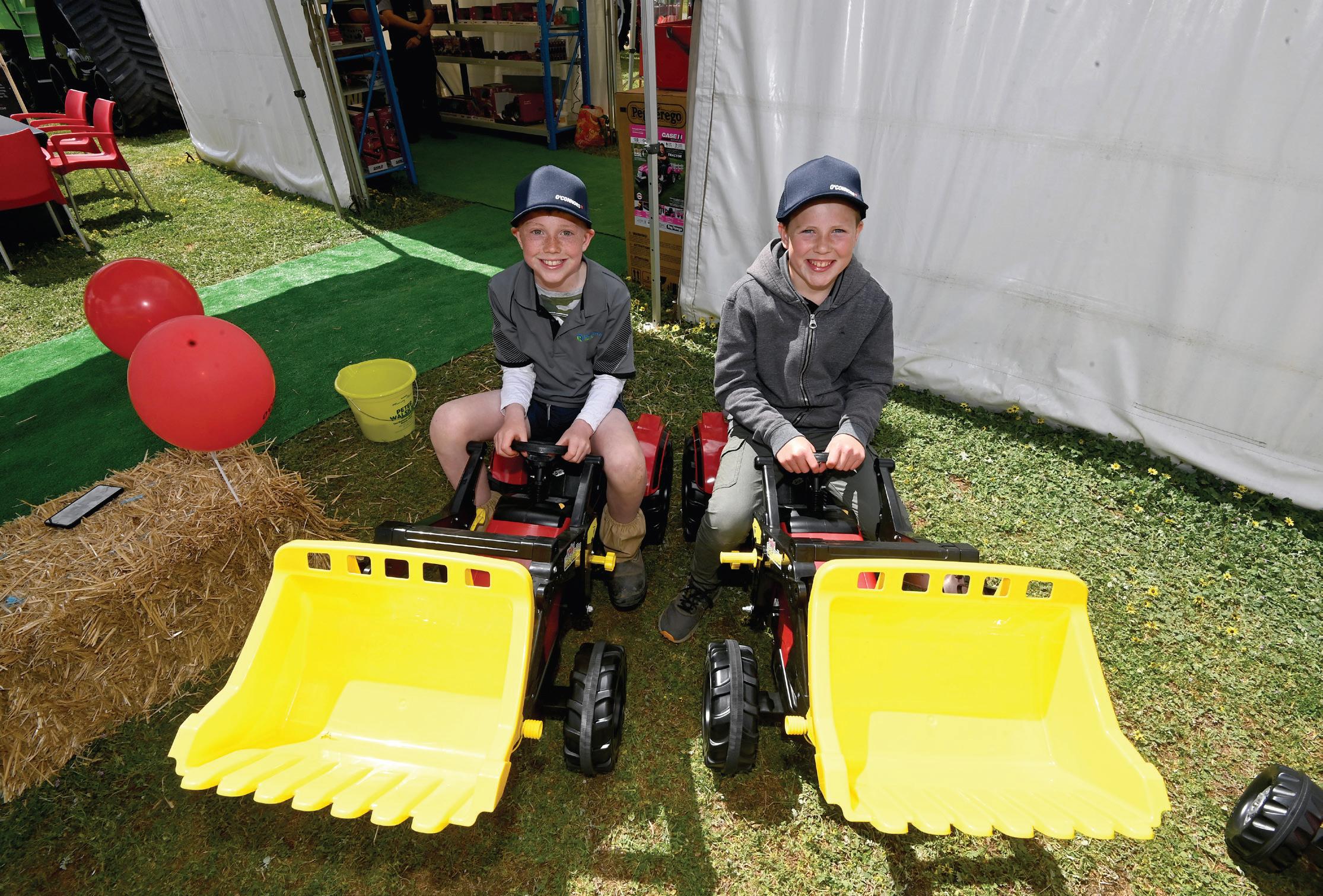
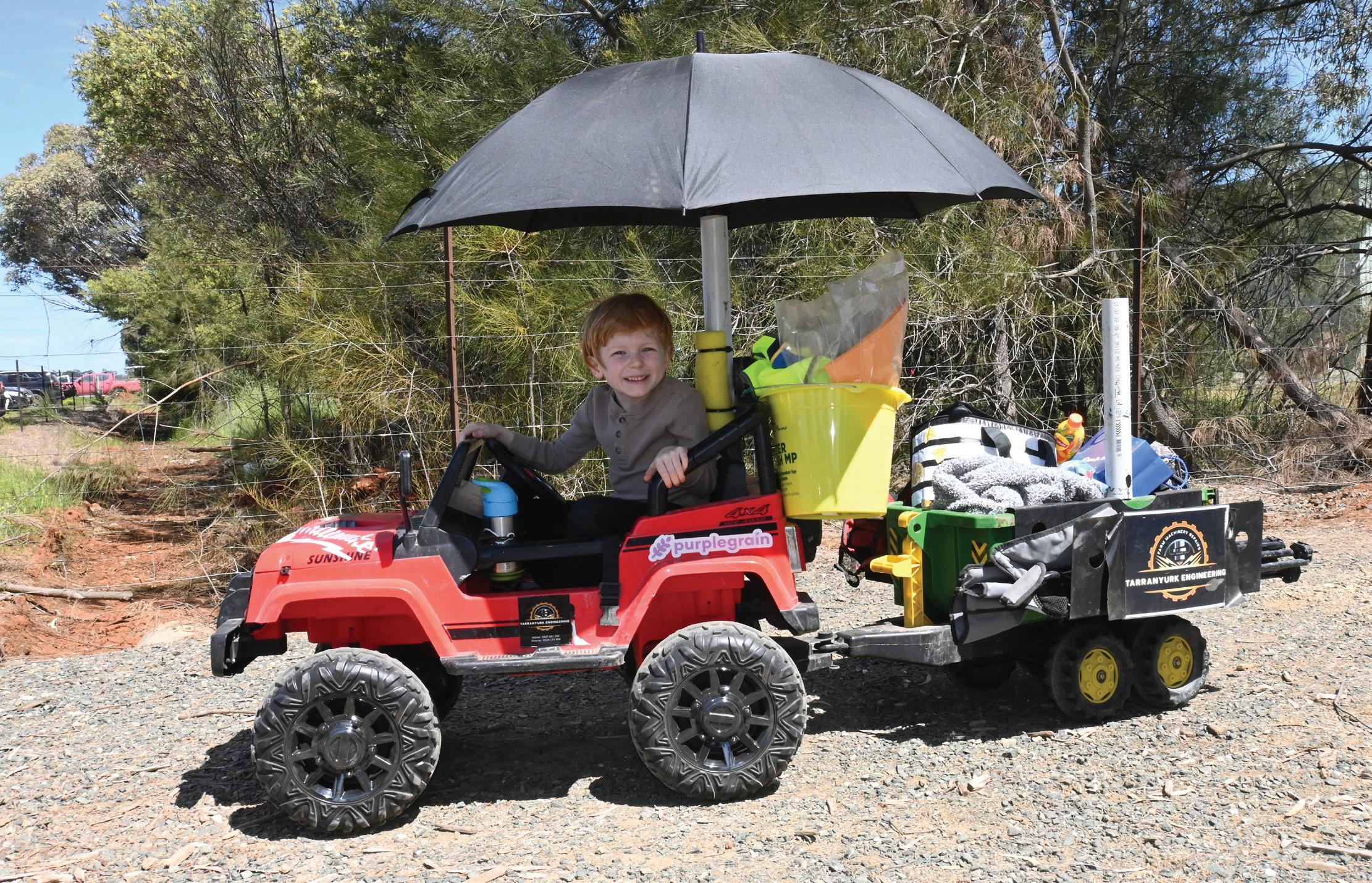
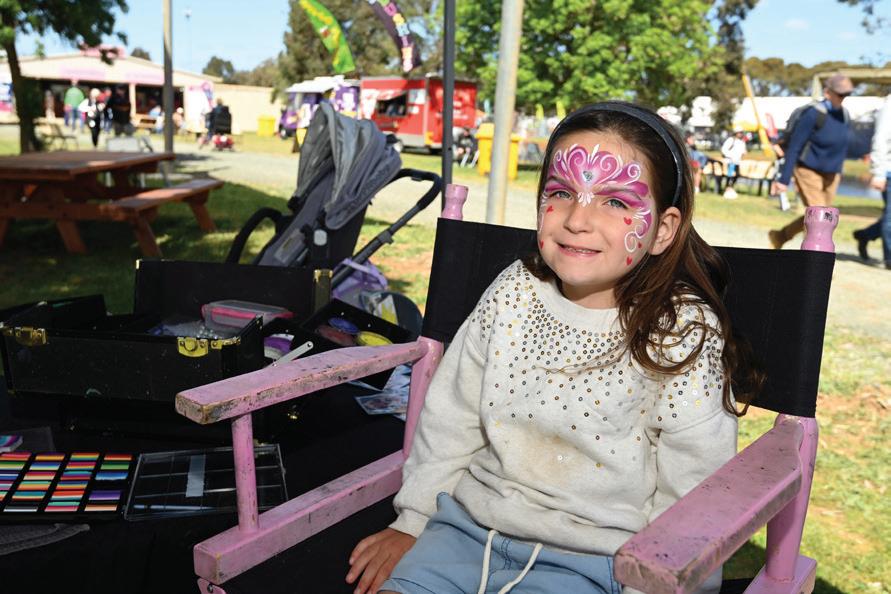
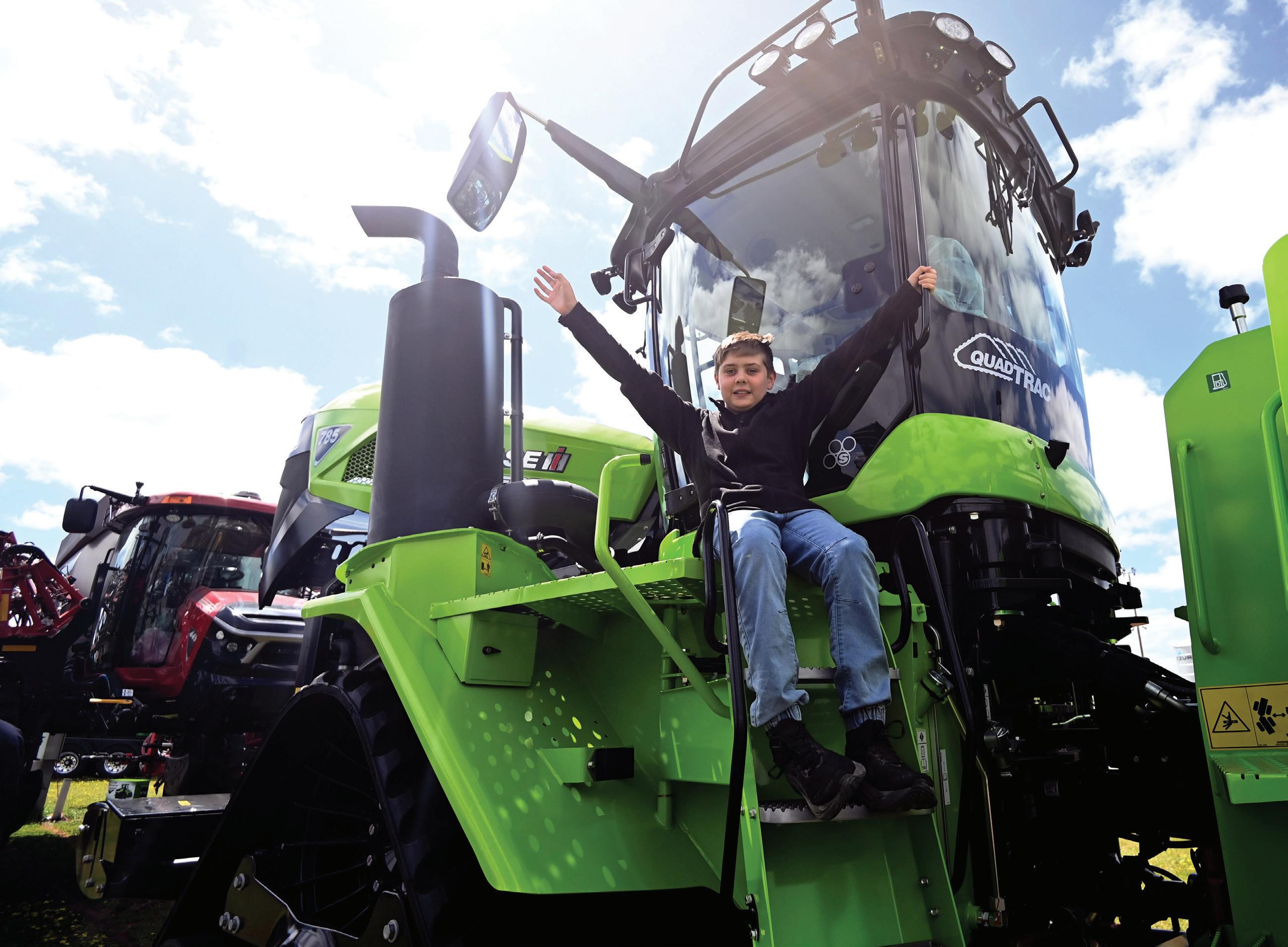
Arguably the biggest event on the northern Victorian agricultural calendar, Elmore Field Days attracted crowds from near and far for its 62nd edition.

Good weather contributed towards a successful Elmore Field Days between October 7 and 9.
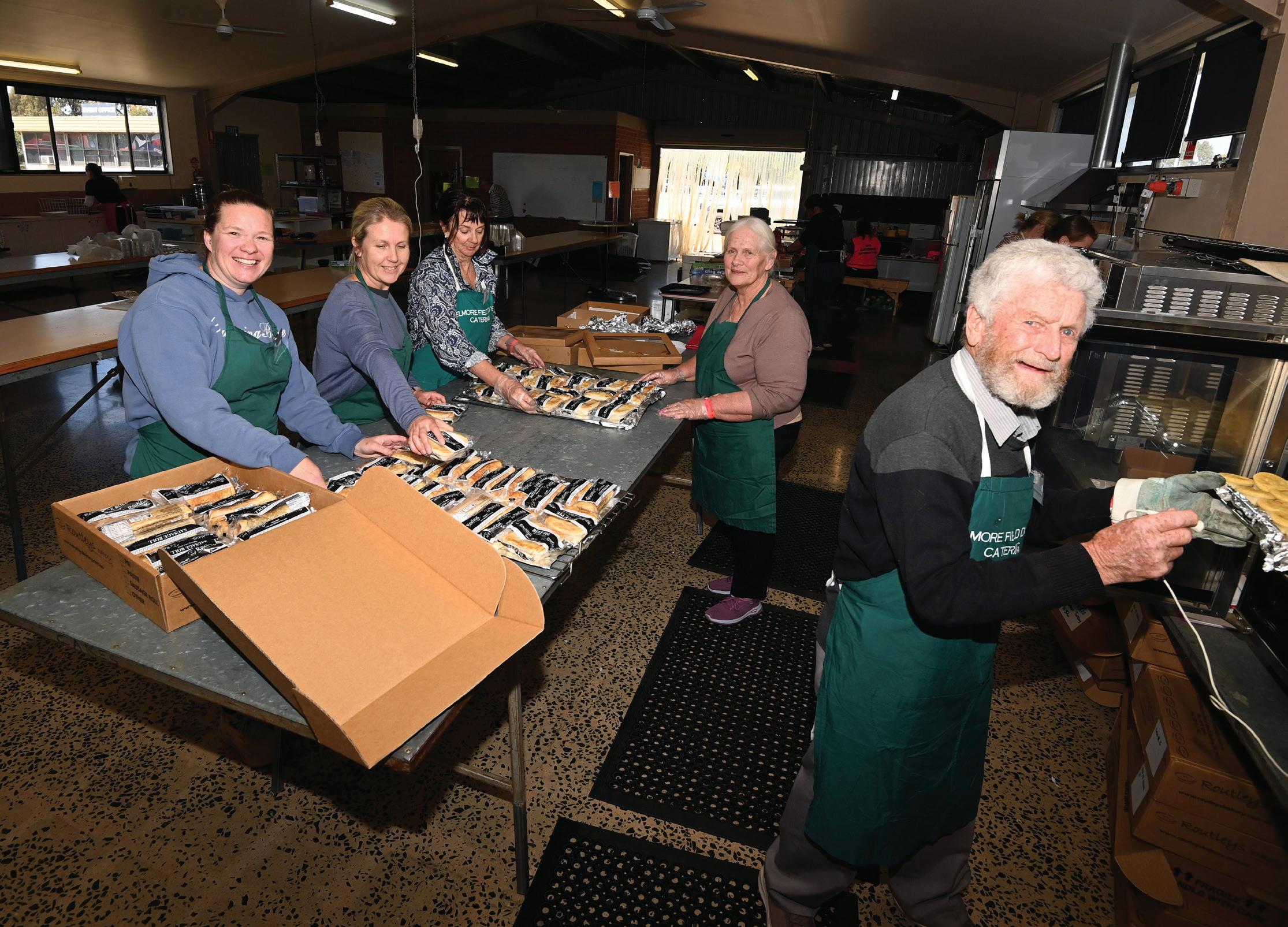
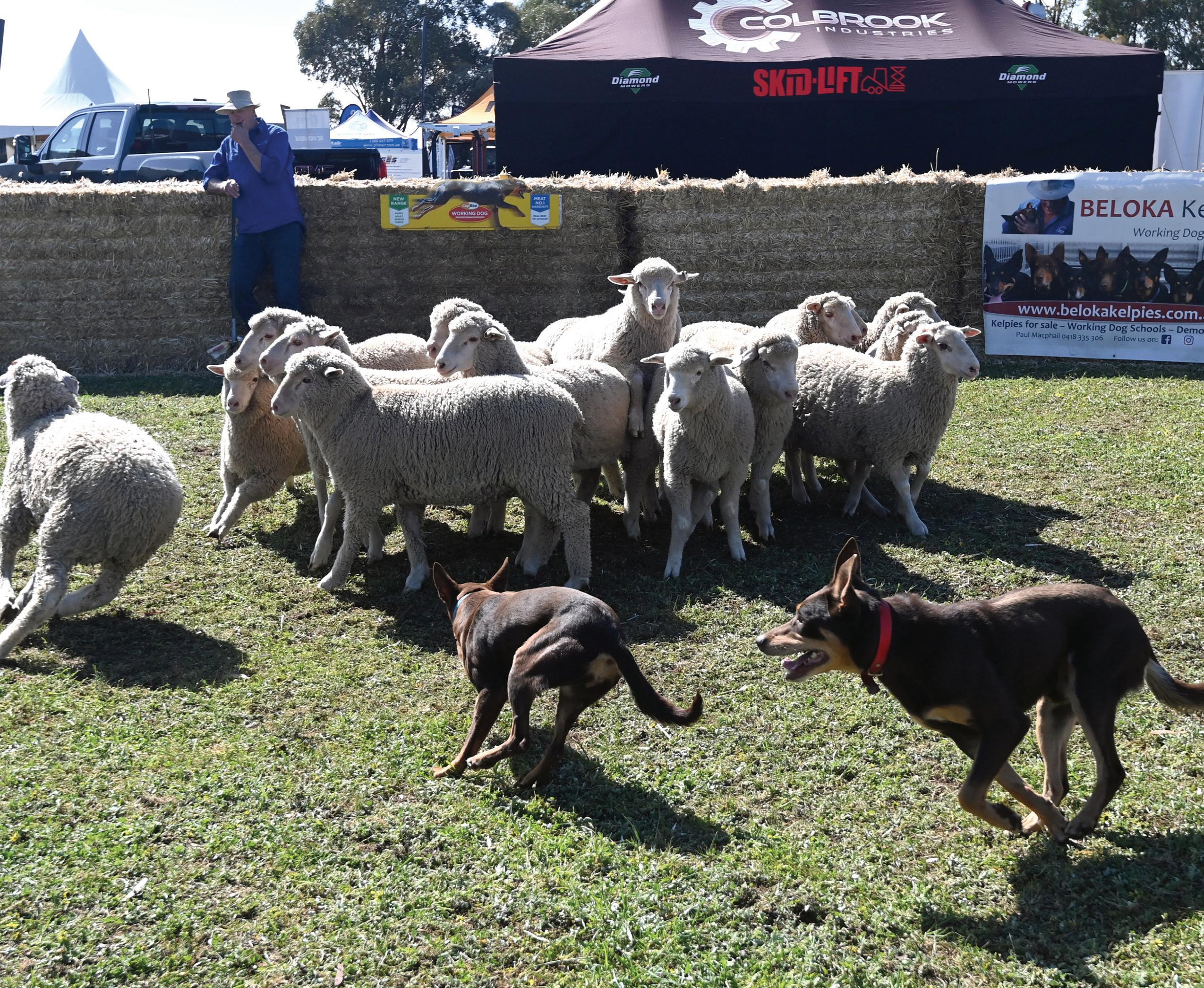
Exhibitors from a range of industries converged at the Elmore Events Centre, delivering hundreds of displays, demonstrations and activities.
Among the offering were businesses specialising in machinery, irrigation, harvesting and silage, along with finance, planning, education and health.
Exhibitors raised the all-important topic of the weather, with Gary Gibson from Rochester’s Nelson Silos happy with this year’s sunny skies.
“Two years ago, it was 40 degrees,” he said.
“Another year it was so wet, it was just flooded, you basically had to stand on hay bales.
“This year’s probably the best weather, you can’t really complain.”
While the event is useful from a business perspective, McCullochs Hydraulics Engineers director Steve McCulloch also highlighted its social value.
“It's always a great social thing,” he said.
“We’ve got customers that come and have been dealing with my grandfather and then they come and see me and say g’day.
“It’s a great social outing for the farmers, they get to see all the new technology and then they get to go and speak to their old mates.”
The field days committee also announced the site would host two races in a national jet boat competition next year.
Construction work on the jet boat waterway is expected to start this month.
Elmore Field Days president John Giffin said the event would be another activity to fill the site calendar for the year and would
most likely run the same weekend as the annual tractor pull.
John said this year’s field days was very successful, enjoyed clear weather and attracted a strong crowd estimated to be about 30,000.
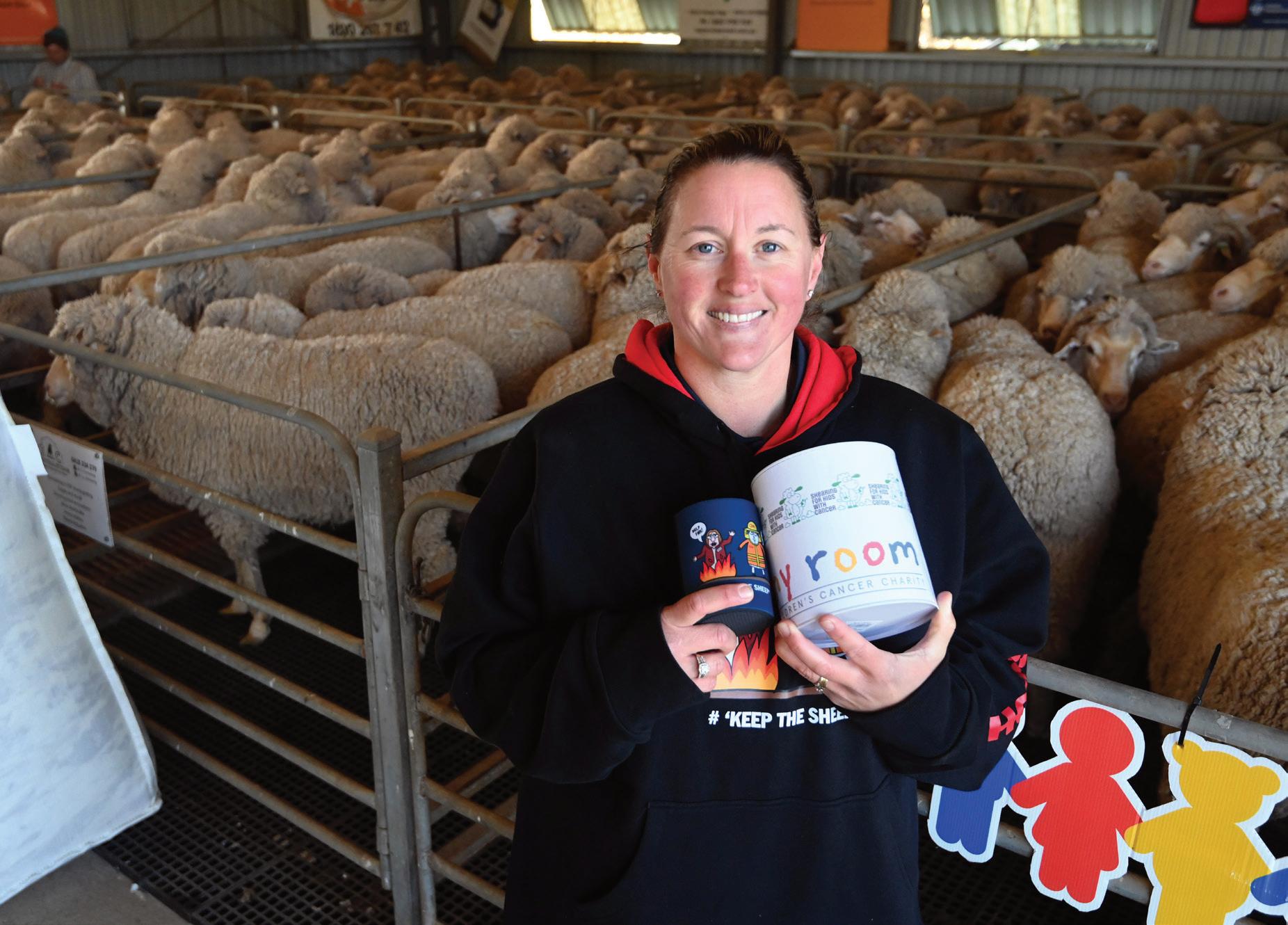
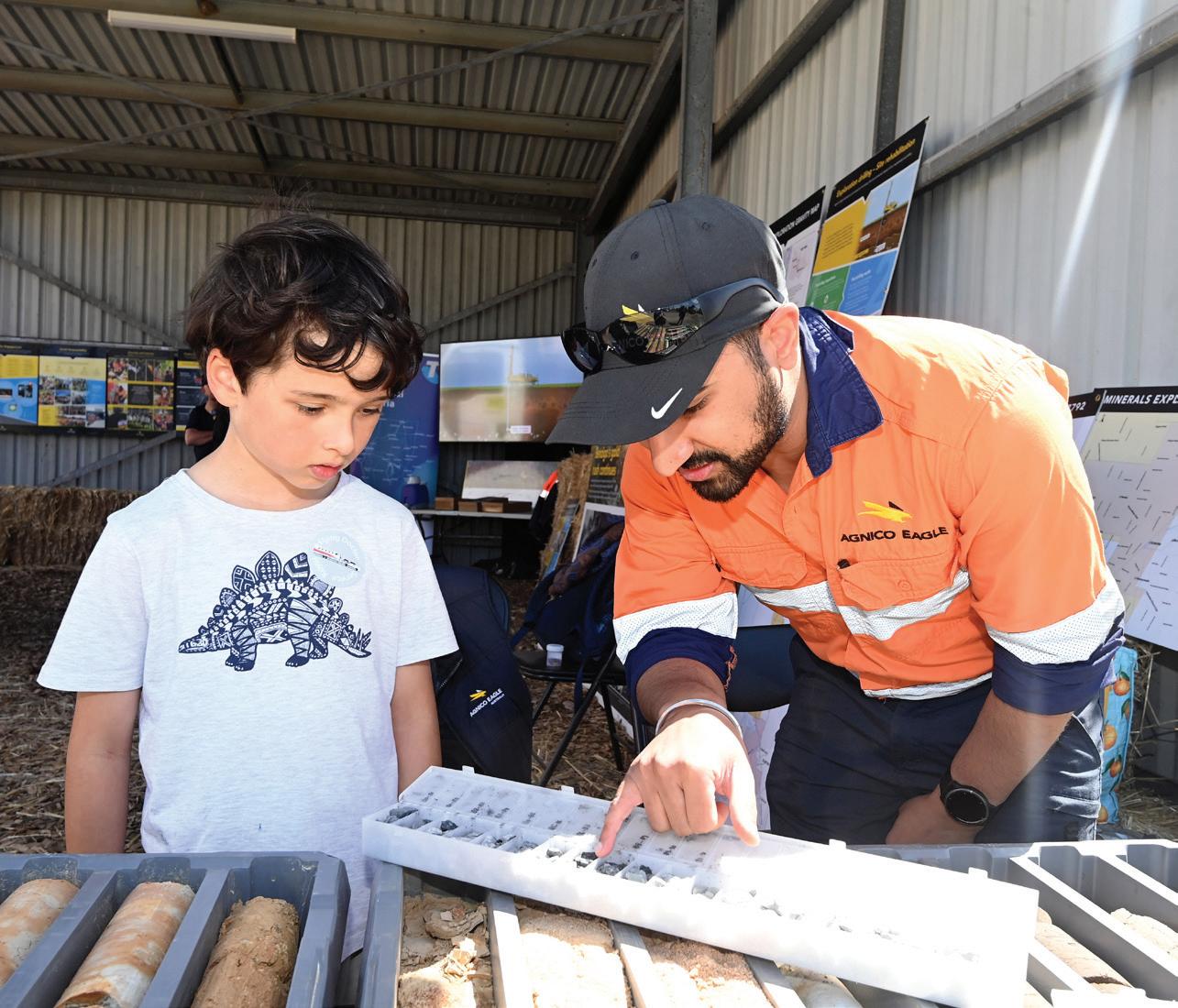
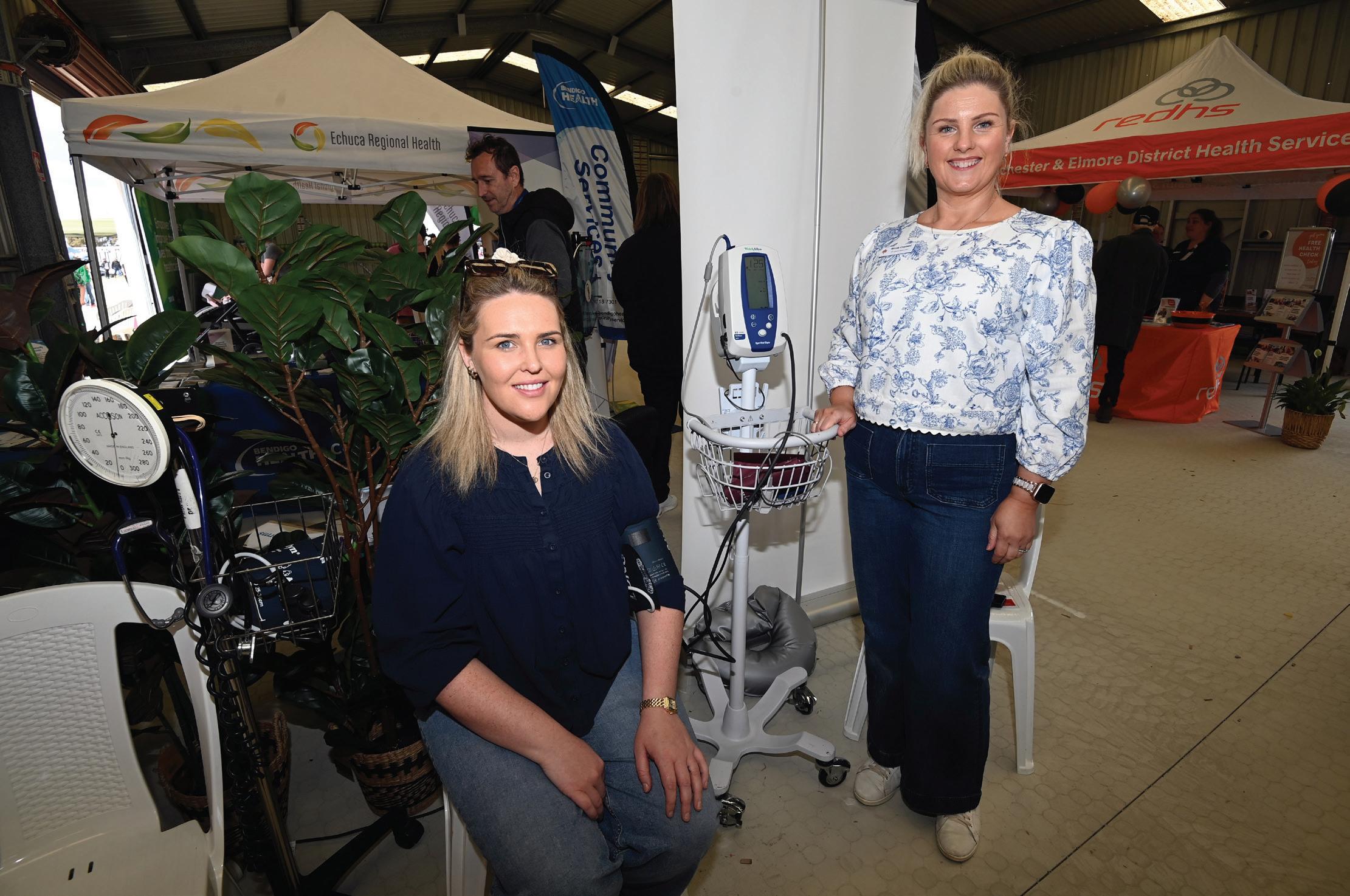
The expanded Health Hub — sponsored by Fosterville gold mine company, Agnico Eagle Mines — was popular, with queues of people seeking free health checks, and the shearing shed was joined by charity Shearing for Kids with Cancer.
“We’ll look at doing something bigger with the Wanalta-based charity in the future,” John said.
Checking in with the machinery exhibitors, John said while there was steady inquiries, interest may have been affected by the toughening seasonal conditions.
He thanked the volunteers who were the backbone of the event and who numbered more than 500.
Volunteers nominate their club or charity to receive a share of the proceeds raised at the field days. T


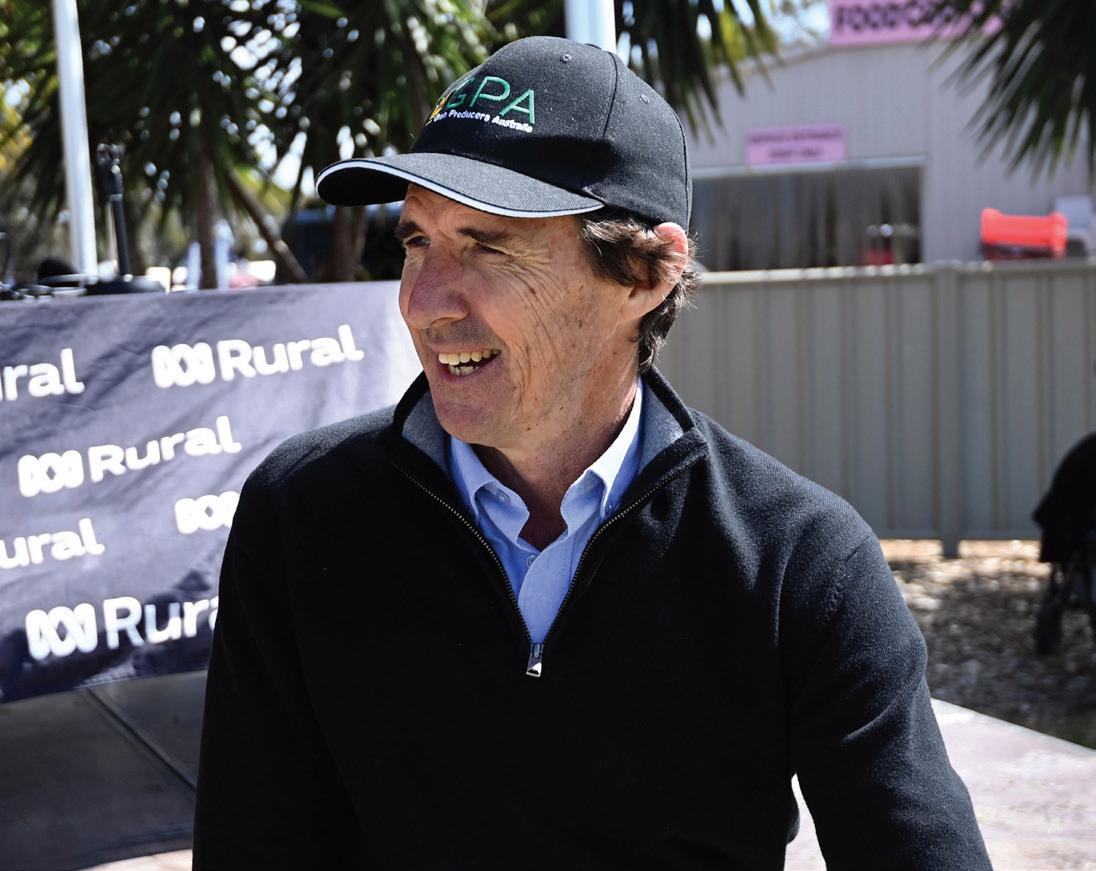
Brad Hogg knows a thing or two about being under pressure and the effect it can have on your mental health. The former Test cricketer is on a mission to emphasise the importance of having mates around to ease the burden. He spoke to GEOFF ADAMS.
Former Test cricketer Brad Hogg was facing a group of farmers to talk about mental health when he noticed quite a few of the heads were looking down and he thought, ‘oh, I’ve lost them, they’re tuning out’.
Brad has been sponsored by Grain Producers Australia to encourage farmers to talk about mental health and to support their mates.
The crowd that he was talking to was not turning off, but was reacting to something that was deeply personal.
“It turned out that a few of them wanted to talk to me afterwards and share their own stories, or about their mates,” Brad said.
Brad has taken to the speaking trail because of his own personal battles with mental health, and his commitments took him to the Elmore Field Days in October.
“A headline appeared in the paper referring to me and discussing suicide and so Lifeline rang me up and asked me to be an ambassador,” he said.
“I grew up on a farm and started to hear about a few mates going through problems.
“You could see it was making a bit of a difference when people started talking about their own issues, which was good.
“It’s getting tougher and tougher in the country regions. As you get more remote, communities are getting smaller, there’s less networking.
“Operations get bigger and I think of the last couple of years with Grain Producers Australia, it’s starting to make a big impact.”
Brad played all formats of cricket and was known as a left-arm wrist spin bowler and a lower-order left-handed batsman.
He acknowledges there is still some awkward moments when
someone starts talking about mental health.
He recalls a conversation with someone he regarded as tough, “a brick wall”, nothing could knock him down.
“He shared a story with me and I was absolutely surprised,” he said.
“I think a lot of people don’t want to appear vulnerable.
“But you don’t have to share with the whole world, you just need a couple of good companions who you can share things with, to get them off your chest.
“When you can share it with someone, it takes a weight off your shoulders. You can see things a bit clearer.”
Asked about his most memorable moments in cricket, Brad named two experiences that both happened to involve team work.
“Andrew Symonds getting 100 in the first game of the 2003 World Cup. He saved the day for us. When he got that 100, the whole team erupted,” he said.
“It showed to me the need for team and the community.”
With the Perth Scorchers (Brad’s home state), he enjoyed seeing the juniors coming through and seeing the way they worked together.
“That group of kids created their own environment and turned it into something special,” he said.
And for those of us who struggle with issues that might not be as much pressure as a bowler, facing a world-class batsman with a crowd of thousands in the stands, Brad has some advice.
“Life can be a bit like playing cricket. When you are under pressure, a batsman is on top of you with the ball. You put the blinkers on. You don’t let yourself be in the moment. You start to worry about what if this happens, or that happens. So you need to say I’m in the contest,” he said.
“You can think, right, this bloke’s on top now. Where is the gap I can find to get back into the contest? Then you can relax and enjoy the moment rather than worrying about everything else.” T
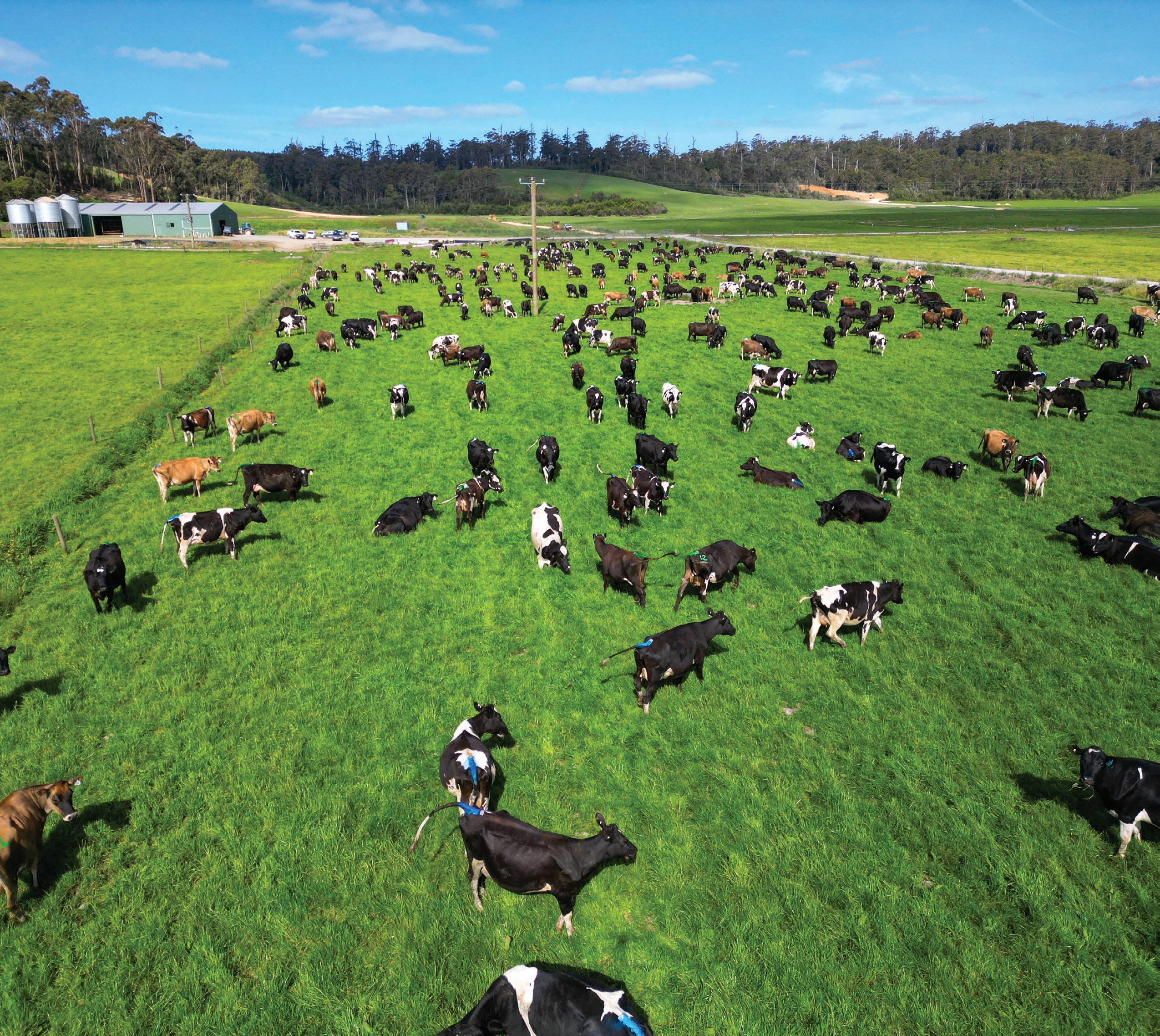
Tasmania has emerged as a “standout success story” in Australian agriculture, powered by a vibrant and varied farming sector which has experienced sustained and widespread growth in recent decades, according to a new report.
In the report, Gearing up for mature growth in Tasmanian agriculture, agribusiness banking specialist Rabobank says agriculture remains the cornerstone of Tasmania’s economy, with combined agriculture, forestry and fishing representing the
second-largest contributor to gross state product, surpassed only by health care.
The report, by the bank’s RaboResearch division, says there have been widespread increases in the farmgate value of Tasmania’s agricultural
production in recent years, with the expansion “underpinned by strategic investments in irrigation infrastructure and supply chains, enabling land use change and productivity gains across a wide range of commodities”.
Between 2012-13 and 202223, total value of Tasmanian farmgate production,excluding seafood, increased by an average of 6.5 per cent a year.
The report — launched to coincide with the 30th anniversary of Rabobank’s Tasmanian
operations — says the strength of Tasmanian agriculture’s success has been “rooted in greater access to irrigation water to complement other competitive advantages, its diversified growth across livestock and fresh produce, and fast-growing primary production sectors”.
Among highlights for the state’s agricultural sector, the report says Tasmania:
ɋ has emerged as a key driver of growth within the Australian dairy industry within the past three decades, with the state’s milk pool nearly doubling in that period compared with a 25 per cent decline in the national milk pool;
ɋ remains Australia’s leading vegetable producer;
ɋ stands out as Australia’s leading cherry-producing region, accounting for 31 per cent of national output in 2023-24; and
ɋ is the largest producer of Atlantic salmon, accounting for more than 90 per cent of national output.
Report co-author and RaboResearch senior analyst
Michael Harvey said Tasmania’s agricultural sector had “shown
notable resilience and growth over a long period”.
“On the back of strong investment momentum, there have been widespread increases in farmgate value of agricultural production,” he said.
“As of 2022-23, the sector’s farmgate value stood at around $AU2.5 billion (approximately double the value seen a decade ago), with the seafood sector adding a further $AU1.6 billion.”
The opportunity to continue to grow the state’s agricultural production remains achievable across most sectors, the report says, however the nature of this growth is expected to be “more mature”.
This reflects the “stabilisation of irrigation water access and the need for deeper investment in productivity-enhancing technologies and practices”.
“Tasmanian agriculture still has room to meet the growing local, Australian and global demand for its agricultural output, but the production outlook is more mature across some of the sectors and will require
changes to continue growth,” Mr Harvey said.
“This will include investment across the supply chain and must address infrastructure, labour and environmental issues.”
The report says long-term market opportunities remain positive for Tasmanian agriculture.
When it comes to markets for agricultural production, the state has a mix of local consumption, interstate trade and overseas exports, RaboResearch says, with growth in the sector largely export-led.
Mr Harvey said seafood (especially salmon), dairy products, red meat, onions and cherries “have notable export sectors, underpinned by rising demand across a number of Asian economies”.
Amid a growing global focus, Tasmania will need to continue to focus on actively leveraging its ‘unique brand proposition’, marketing the strong regional identity and quality assurance, the report says.
“One thing is constant, Tasmania’s solid brand
reputation for sustainability, quality and biosecurity credentials remains critical in the quest for market differentiation,” Mr Harvey said.
For dairy, the report says, the sector has enjoyed a period of above-average profitability in Tasmania in recent years. Between 2019-20 and 2023-24, the Tasmanian dairy industry had four out of five seasons of profitability above the long-term average, buoyed by elevated milk prices.
Despite a decline in the number of operating dairy farms, the state’s dairy herd has grown at an average rate of 1.1 per cent per year over two decades, while milk yield per cow has increased by 1.2 per cent annually over the same period, RaboResearch says.
With a relatively small domestic market for drinking milk, approximately 95 per cent of Tasmania’s milk is directed towards manufacturing, primarily for export.
“Tasmania’s dairy industry remains well positioned for further growth,” Mr Harvey said.










“With Australia’s national milk pool challenged to grow over the medium term, any growth in milk production is likely to be concentrated in a few regions, with Tasmania being a standout.”
Tasmania’s vegetable industry boasts a diverse product mix, including substantial crops of carrots, peas, onions and leafy greens, the report says.
However, it is the potato industry that continues to be the standout performer.
In 2023-24, Tasmania produced more than 568,000 metric tonnes of vegetables overall, generating a farmgate value of $AU630 million – punching above its weight in terms of share of national production in onions, beans, potatoes and peas.
The state also boasts a vibrant and steadily-growing fruit industry, RaboResearch notes, “underpinned by its cool
climate, fertile soils and pristine environment”.
In 2023-24, the Tasmanian fruit sector achieved a combined farmgate value of AUD 223 million, reflecting an impressive average annual growth rate of 7.6 per cent since 2012-13, the report said.
“Historically known as the ‘Apple Isle’, Tasmania has a rich legacy in apple production,” Mr Harvey said.
“And while apples and pears continue to stand out, the industry has diversified significantly, with cherries and berries emerging as major contributors.”
Among all the fruit categories, berries have led the charge in production growth, the report said, with farmgate value increasing by an average of 14 per cent per year between 2012-13 and 2023-24.
Salmon remains Tasmania’s largest primary production industry, with the ‘farmgate’ value
of the state’s salmon industry surpassing $AU1 billion back in 2021-22, having doubled over the previous decade.
In 2022-23, the farmgate value of Tasmanian salmon stood at $AU1.4 billion, contributing to a total Tasmanian seafood farmgate value of $AU1.56 billion, Mr Harvey said.
“Tasmania has been producing more than 80,000 metric tonnes of salmon annually in recent years, cementing its position as Australia’s largest producer, though growth is maturing,” he said.
Mr Harvey said the Australian market consumes the majority of Tasmania’s salmon, with export channels also having been developed, mainly for ‘out-of-home’ food service channels.
Tasmania’s sheep and beef sectors have “been a story of many parts” over the past two decades, the report says, with a gradual transition away from wool and a
growing focus on natural attributes to leverage premiums.
The state’s beef sector has seen production increase to an estimated $AU420 million farmgate value in 2024-25, as increased volumes and improved prices have supported growth, RaboResearch said.
Higher prices in the lamb industry have also supported an increase in sheepmeat production value over the past 20 years, estimated at $AU80 million farmgate value in 2024-25. The overall value of wool produced in the state has also increased, despite the drop in production volumes, driven by increased wool prices over that period.
A key to the growth of the Tasmanian cattle and sheep sectors in the future would be the ability to leverage the natural attributes associated with Tasmanian production, Mr Harvey said. T
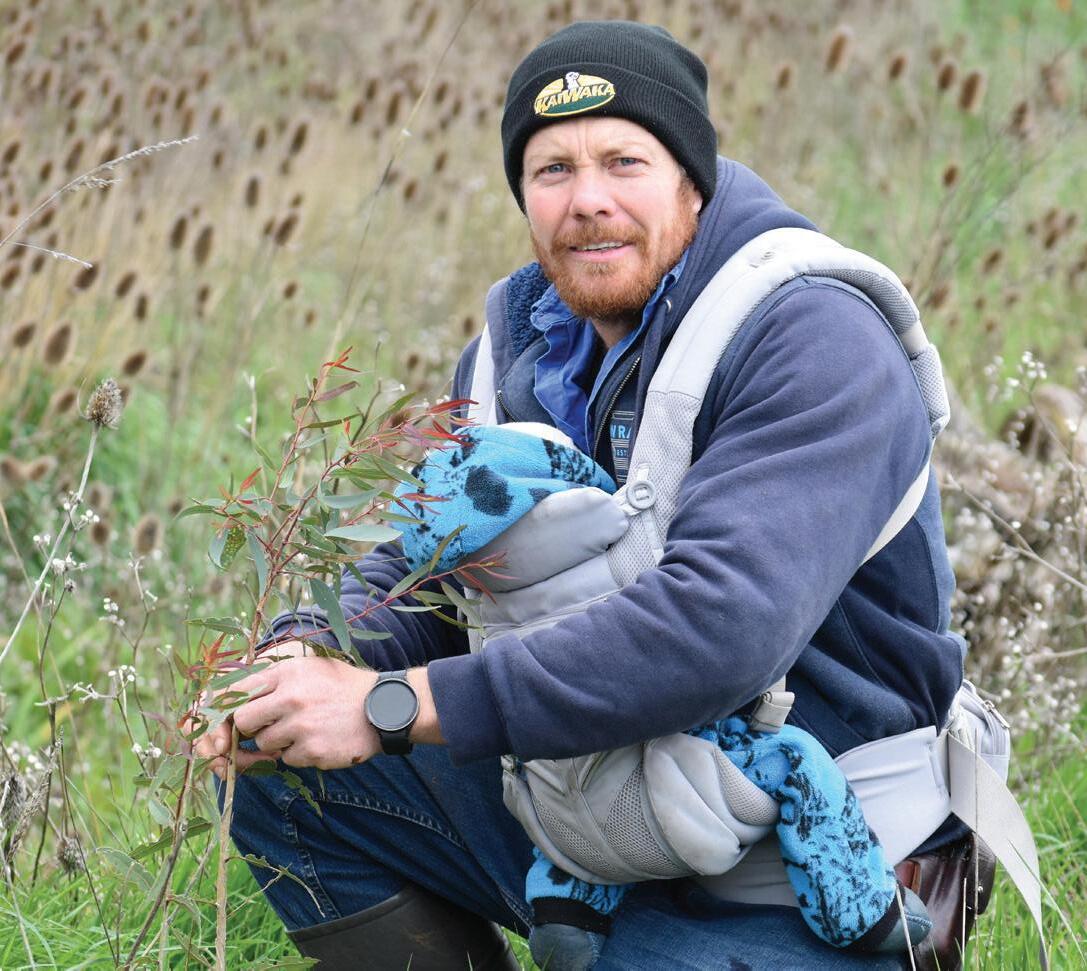
As a part-time vet and part-time beef farmer, Panmure’s Stephen Warth is seeing the animal health benefits that flow from a diverse multi-species feed offering.
This year, the farm’s multi-species pastures have been a “blessing in disguise” as the traditional ryegrass paddocks have failed to take hold.
Stephen has benefited from grants to fence off and revegetate 1.5km of his farm to create a wildlife corridor along the Mt Emu Creek and to direct seed the eastern and western boundaries of the family farm as part of a carbon offset project. He has planted trees through other parts of the property over the past four years to encourage diversity.
LandLife Southwest, a revegetation and regenerative agriculture program developed by Warrnambool Coastcare Landcare Network (WCLN) designed to create a climate and drought-resilient agricultural industry, offers funding to increase vegetation cover and adopt regenerative agricultural practices to help repair the local environment.
Stephen and his wife Kate purchased the farm off her parents four years ago.
Originally from Zimbabwe, Stephen has come to the area with no pre-conceived ideas of what can or can’t be done. He has found from experience over the past four years that revegetation and the shift to multi-species have been beneficial.
“I can’t say to clients that I think this is what you should do for animal health reasons if I haven’t done it myself,” he said.
“I want to know that it is beneficial and now I know that it is and the cows love it.
“This year the multi-species has been a blessing in disguise. We have predominantly ryegrass paddocks and just nothing came up.”
While he can’t tie up every paddock with freshly-sown
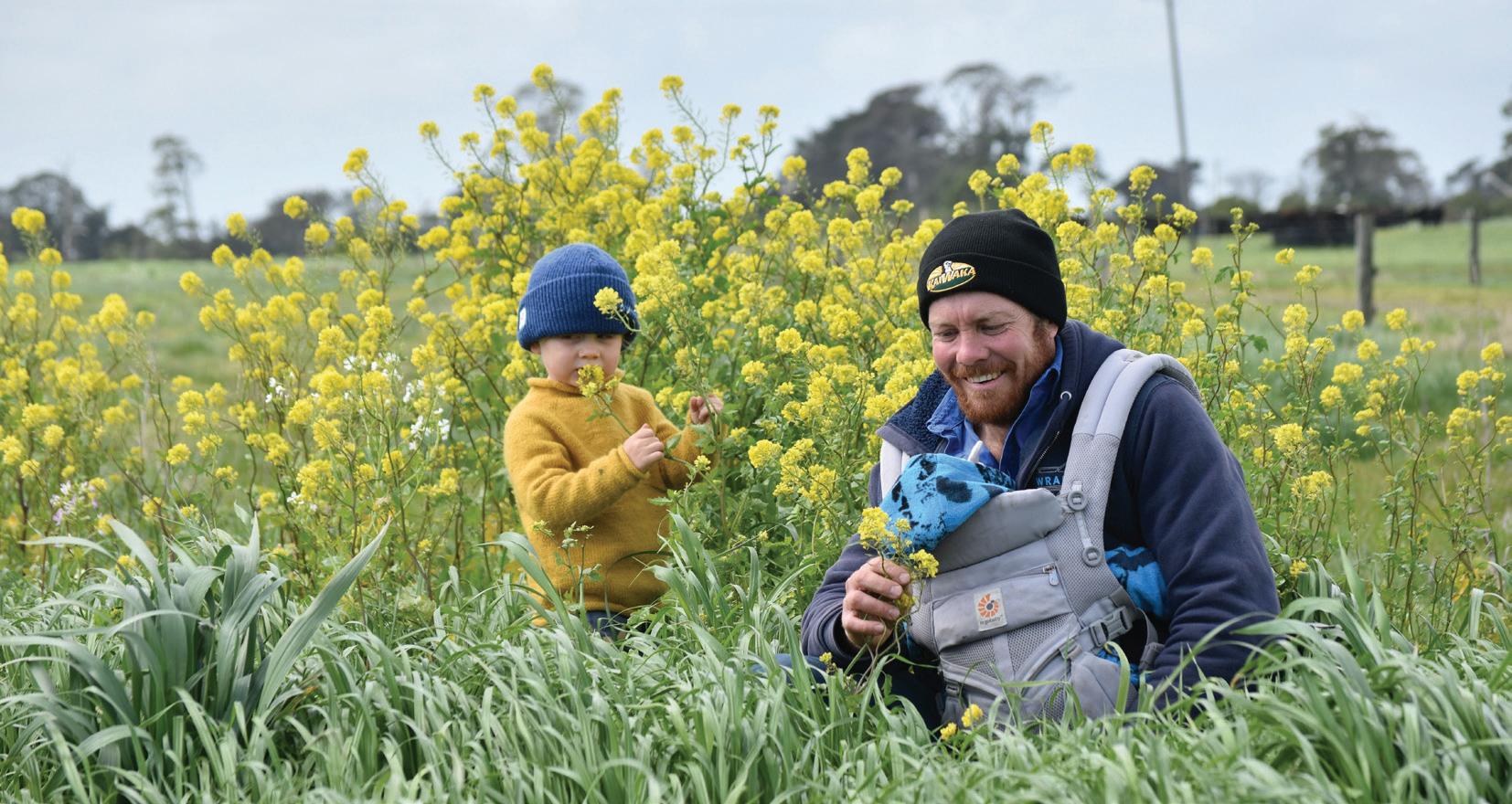
plants, this year the percentage of multi-species has skyrocketed to 30 per cent of the farm, with Stephen wanting to spread the system across every paddock.
“The benefit to me is a healthier animal,” he said.
“We direct market our beef so we want it to be as good as we can make it.
“A healthier animal is our primary goal but this last year has shown the vulnerability of ryegrass on its own.
“It would be nice not to have to spend so much money to establish it, but diversity is always going to be the winner in the long run.”
Other than boxthorn and hawthorn, the farm has little
shelter and is benefiting from the riverbank and other revegetation works.
“There are benefits other than shelter from having that structure as it also attracts birdlife and insects and means carbon is getting injected deeper into the soil,” Stephen said.
Warrnambool Coastcare Landcare Network Senior Landcare Facilitator Geoff Rollinson said LandLife would help landholders to cope with the hotter and drier conditions that were now severely impacting south-west Victoria.
“We need to help landholders to build resilience on the farm and ideally head towards drought-proofing their enterprise,” he said.
“Revegetation will provide shelter and shade for stock, multi-species pastures with deeper roots will help soil moisture retention at greater depth.
“Multi-species will also reduce the need for feed by doubling, if not tripling, pasture yields and volumes. Ryegrass is yielding at most 1.5 tonnes per hectare whereas multi-species is somewhere between four and 10 tonnes per hectare.” T


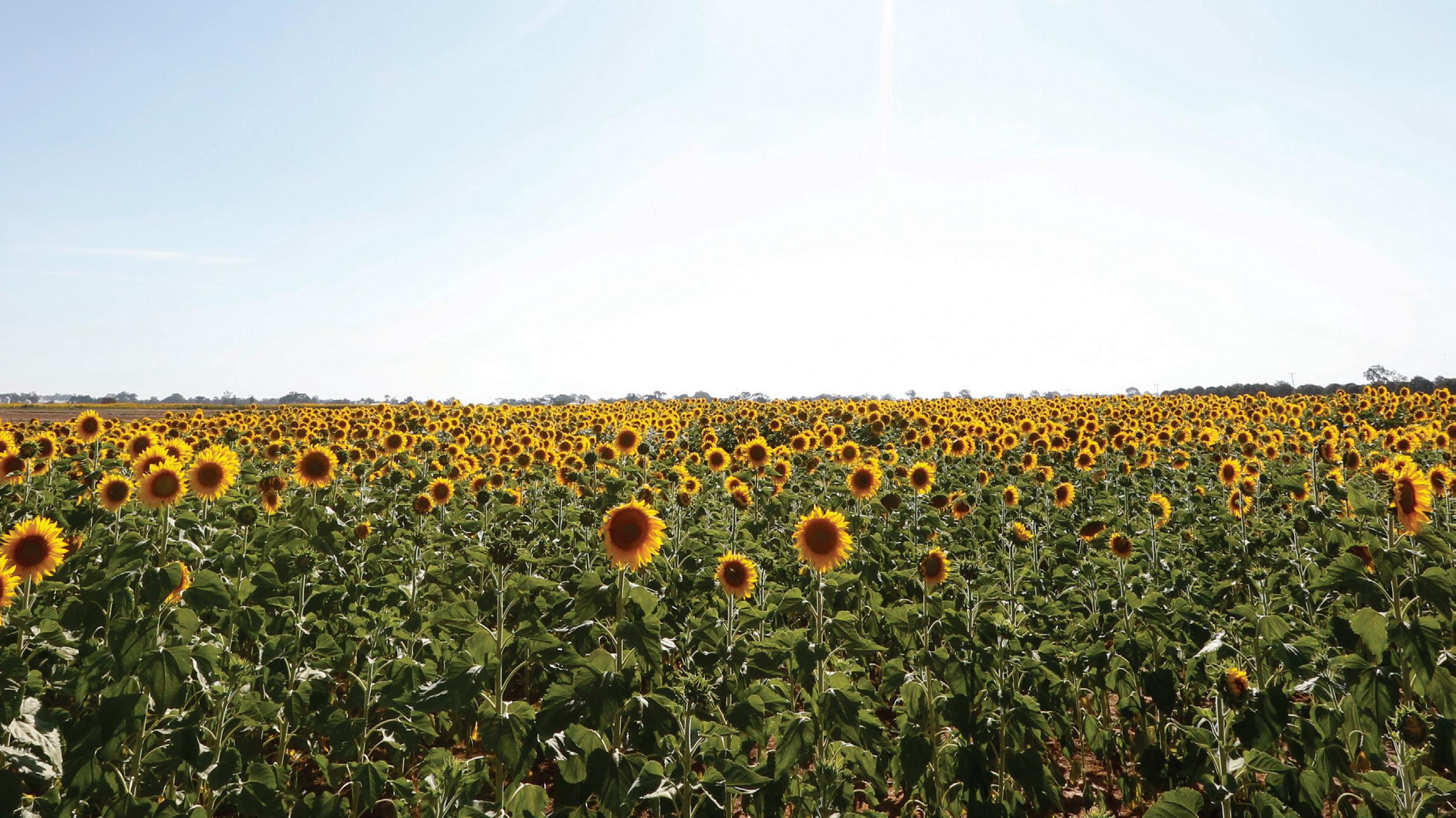
The breathtaking Sunflowers of Timmering create a golden sea as far as the eye can see, but this stunning sight is available only during the magical month of February.
Adam and Claira Whipp are eagerly preparing to welcome visitors to their beloved annual sunflower spectacle at their picturesque Timmering farm in Victoria.
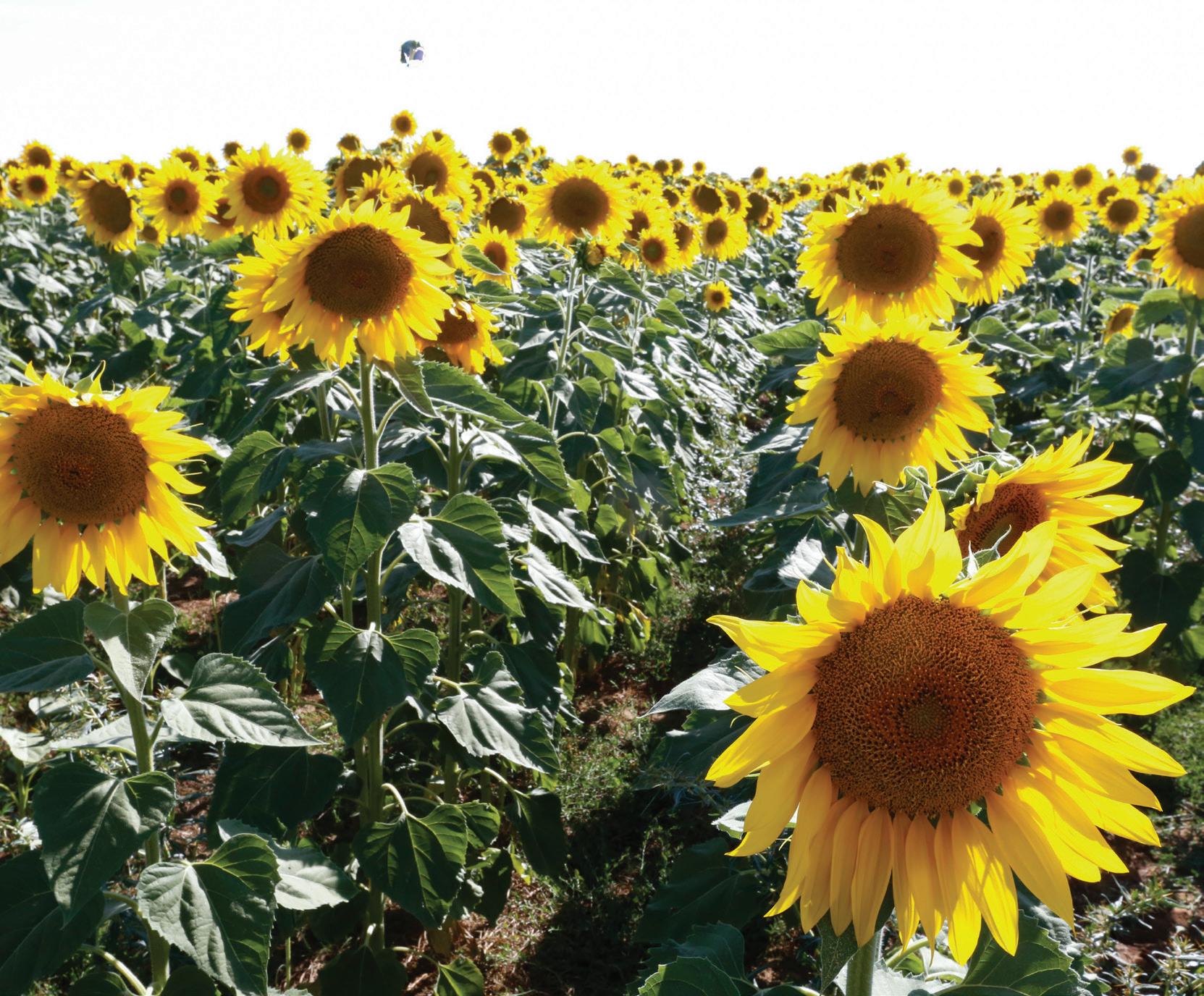
The dedicated couple nurtures an astounding 12 hectares of sunflowers, lovingly planting an incredible 420,000 seeds each year to create this golden wonderland.
“We sow 35,000 seeds to the hectare, over 12 hectares, so 420,000 plants,” Adam said.
“We do it every year just to bring some joy to families and friends and let them come out, take some photos and play in the sunflowers for an hour or so.”
The Whipps throw open their farm gates on February weekends when the sunflowers are in full bloom.
Visitors can immerse themselves in a sea of golden petals, capture Instagram-worthy moments and even take home a piece of sunshine by picking their own sunflowers.
The experience has been a hit, drawing hundreds from across Victoria, including Melbourne, Gippsland and Ballarat.
As part of the Sunflowers of Timmering experience, Claira puts her photography skills to use, offering sunset photoshoots
for families, couples, kids and mates when the sunflowers are at their most stunning.
Adam acknowledges the challenges of cultivating sunflowers, but beams with pride, knowing
that the joy and wonder they bring to visitors’ faces make every effort worthwhile.
The exact opening dates in February depend on farming conditions and will be announced
closer to the time.
For the latest on opening dates and entry fees, check the Sunflowers of Timmering Facebook and Instagram pages
Australian researchers are delving into the secret life of bees in a quest to breed more resilient, productive and happy honey-makers.
The nation’s first comprehensive honey bee genetic improvement program has delivered genetic tools to secure the future of beekeepers.
With pollination supporting more than $12 billion in agricultural production in Australia annually, Plan Bee is also a sweet development for more than 60 Australian pollination-reliant crops, such as almonds, canola and zucchini.
Funded by the Federal Government’s Rural R&D for Profit Program, Plan Bee supports the honey bee and pollination industry, one of AgriFutures Australia’s levied industries.
The initiative was led by researchers at NSW Department of Primary Industries and Regional Development (DPIRD), the University of Sydney and the University of New England’s Animal Genetics and Breeding Unit (AGBU), with input from the bee industry and seed producers.
It has now delivered:
ɋ a national honey bee genetic database;
ɋ a breeding manual for beekeepers; and
ɋ the country’s first bee estimated breeding values for key honey bee traits like colony strength, aggression and disease resistance.
These tools put Australia’s bee industry in a stronger position to breed bees which can adapt to emerging challenges, including resilience to environmental threats such as drought and bushfires and diseases such as varroa mite.
One of Plan Bee’s lead researchers Elizabeth Frost, from NSW DPIRD, said the nation’s bee industry turned to much larger animals for genetic solutions.
“Estimated breeding values are used by livestock production sectors — such as sheep, pigs, dairy and beef cattle — to identify important traits which can be selected for in breeding programs to accelerate genetic
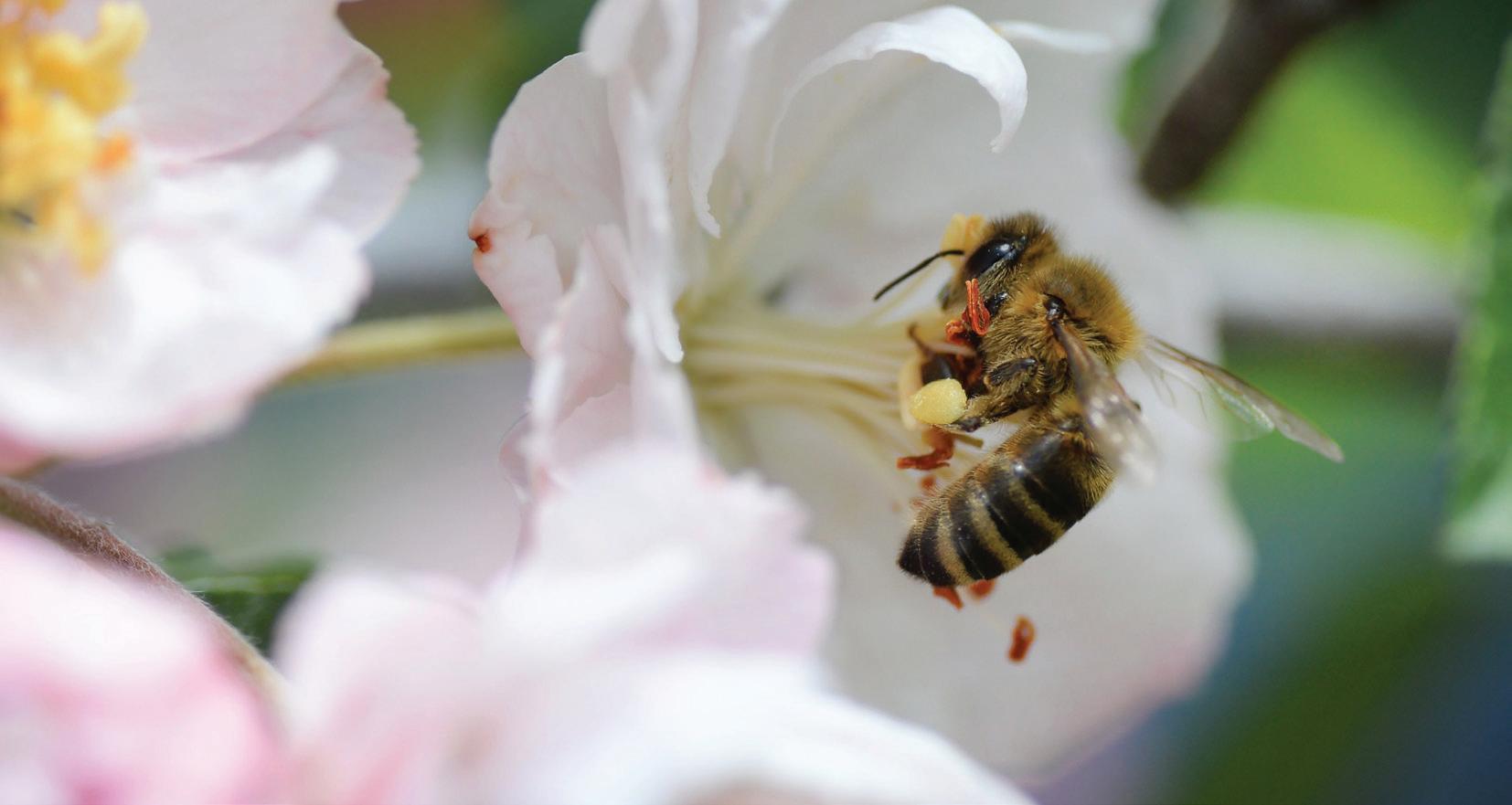
A five-year project has strengthened Australia’s bee industry.
improvement,” she said.
“In the same way that Australian livestock producers use EBVs to select for profitable traits such as fertility, docility and productivity, bee breeders wanted to produce stronger, healthier and more productive queens.”
During the five-year project, Plan Bee developed a national reference population with 50 breeder queens and 200 production colonies which had genetic links to commercial queen breeders across six states. These bees were used to develop and validate methods for genetic testing, to establish a robust genetic evaluation system.
“When we surveyed queen bee breeders and honey producers nationally, they told us the key traits they wanted to select for were honey production, temperament, colony strength, pollination and disease resistance,” Mrs Frost said.
“By quantifying the genetic merit of queens against these criteria, we can identify the best performing hives and queens which will increase desired production traits of future generations, delivering lasting economic and ecological benefits for the bee, honey, horticulture and broadacre cropping
industries.”
Genotypes from bee DNA and hive trait assessment records from the national database of honey bee data were analysed and managed by AGBU. About 5500 colonies are present in this database, with scores allocated for the EBVs for traits such as frames of bees (colony strength), aggression and resistance to disease.
Bee reproduction is quite different to other livestock. Queen bees mate with many drones, before selectively fertilising eggs as she lays them to produce either female worker bees (which are fertilised) or male drones (unfertilised).
Traditionally, bee breeding in Australia has involved mass selection, but with the tools developed through Plan Bee, breeders can implement more modern breeding techniques to select the best queens who will pass on their preferred characteristics.
“Bee breeders now have the tools to transition from classic mass selection to more controlled mating, for more efficient and accurate genetic improvement,” Mrs Frost said.
“Bee breeders routinely
produce thousands of queen bees for sale to other beekeepers, so genetically improved queens can give the entire beekeeping industry an edge.”
As a result, beekeepers benefit from more viable and resilient colonies, honey producers have more productive hives, and the farmers who rely on hives to pollinate crops have security of service.
Plan Bee began in 2020, before varroa mite was first discovered in Australia, but the research has provided important insights which support breeding for pest and disease resistance in bees.
“We are ultimately striving for healthy, happy bees,” Mrs Frost said.
“This project has reinforced the importance of selective breeding for pest and disease traits, paired with unique hive and queen identifiers and standardised record-keeping.
“Australian bee breeders have a diverse starting population which is the ideal starting point from which to select for traits which help the bees help themselves against varroa.”
For more information, visit agrifutures.com.au/plan-bee T
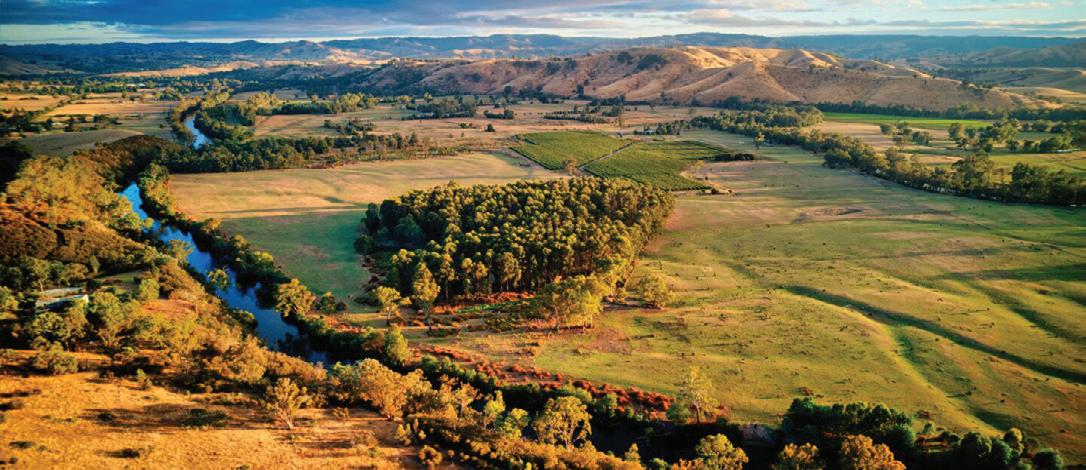
Increased rains and lower interest rates are being backed to get farmland values growing again after a drop in the first half of this year and record low sales.
The latest Bendigo Bank report showed national farmland values fell by 3.8 per cent in the first half of 2025.
An overall increase in land values over the past decade has made farm-buying less appealing, the report suggests.
Bendigo Bank spokesman Sean Hickey said buyers were tentative with tight margins.
“The slight decline in median value marks the first time since 2013 that national growth has stalled across the first half of the year,” he said.
Mr Hickey pointed to consolidation of landholdings and the sluggish economic environment to a record low sales count of
3104 transactions in the first six months of 2025.
South Australia (up 15.8 per cent) and NSW (up 1.3) grew despite the national downturn, with cool climate Tasmania leading the fall, with a drop of 20.1 per cent.
TasFarmers chief executive Nathan Calman said he believed the fundamentals were still strong, with Tasmanian farms
still the highest-valued fields and paddocks in the country.
“If we see better rainfall and some relief on interest rates, confidence will likely lift into 2026,” he said.
Mr Hickey agreed, adding that other input costs, such as fertiliser, fuel and labour, were putting the squeeze on growers and producers, limiting their purchasing power.
National Farmers Federation president David Jochinke said he was unsurprised to see market “moderation” after long-trend growth.
“Operating returns against high land values are getting tighter ... that said, agricultural land and commodity markets are inherently cyclical and the sector remains on a strong footing for the years ahead,” he said.
The data may also be skewed by an above-average sale count in lower-priced states of South Australia, Western Australia and the Northern Territory.
The fall comes after a rosy long-term picture.
Nationally, farmland has enjoyed 7.2 per cent year-on-year growth over two decades, spread evenly across the six states, with the lowest-growing state, Western Australia, up 6.6 per cent annually over that time.

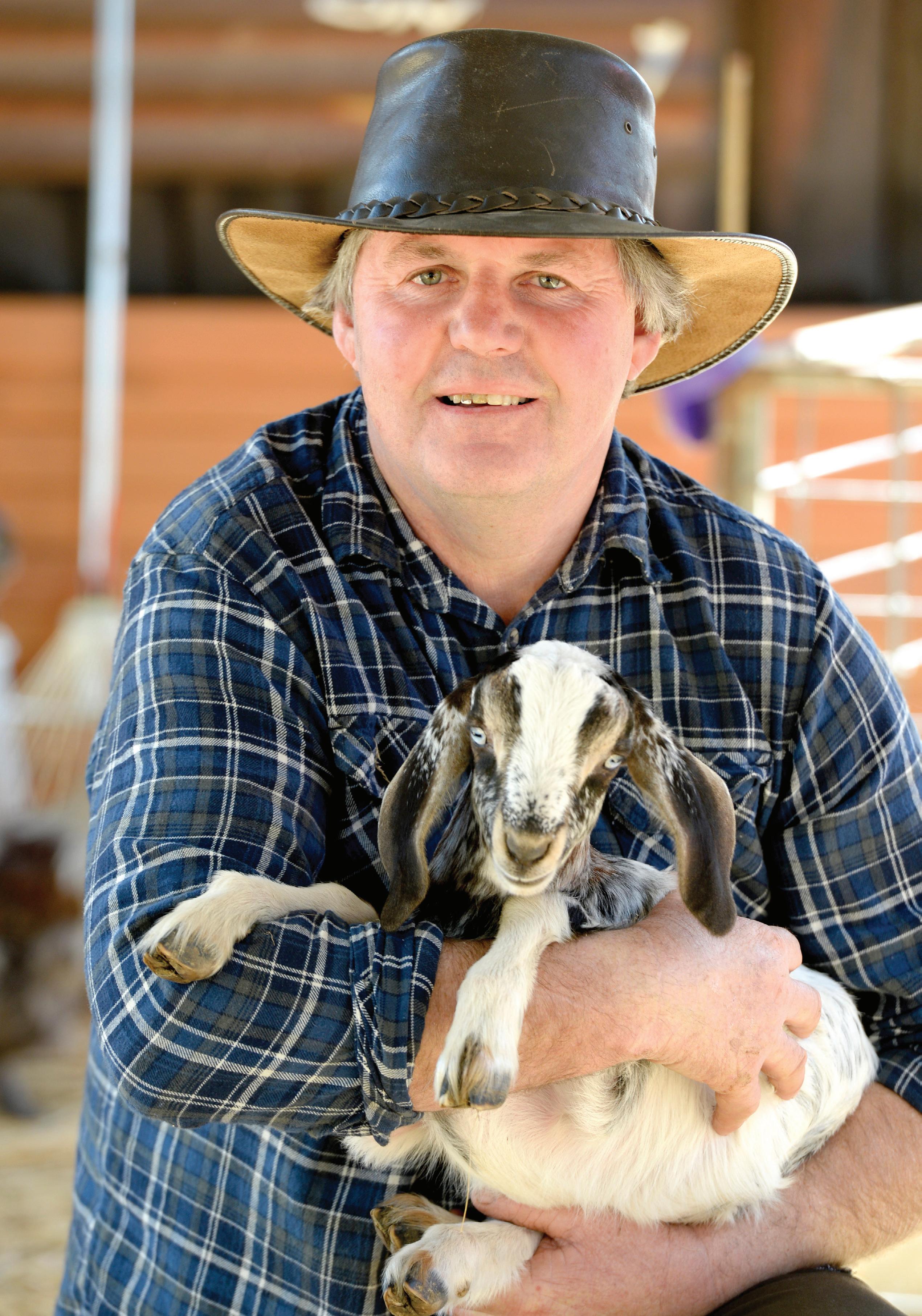
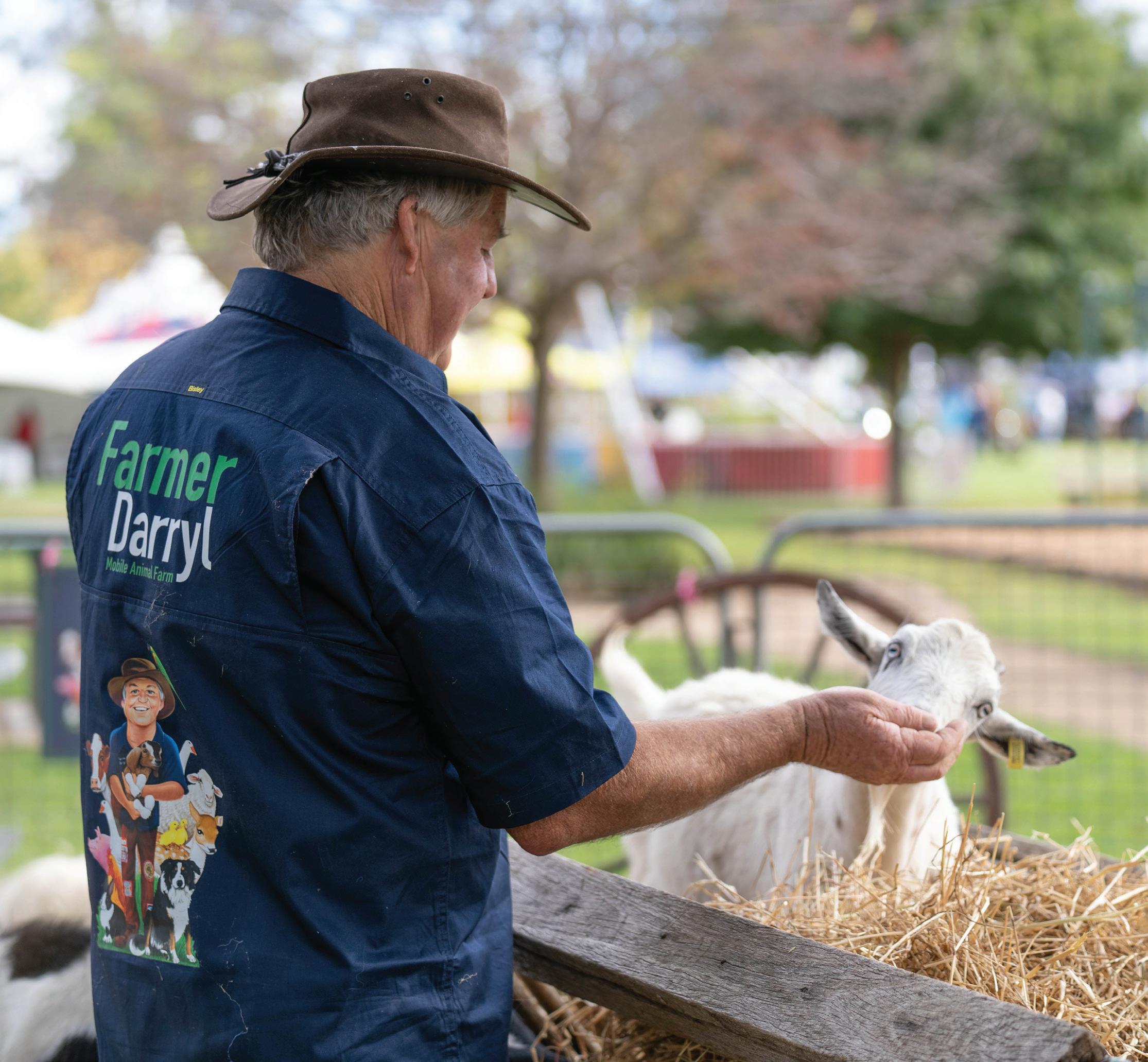
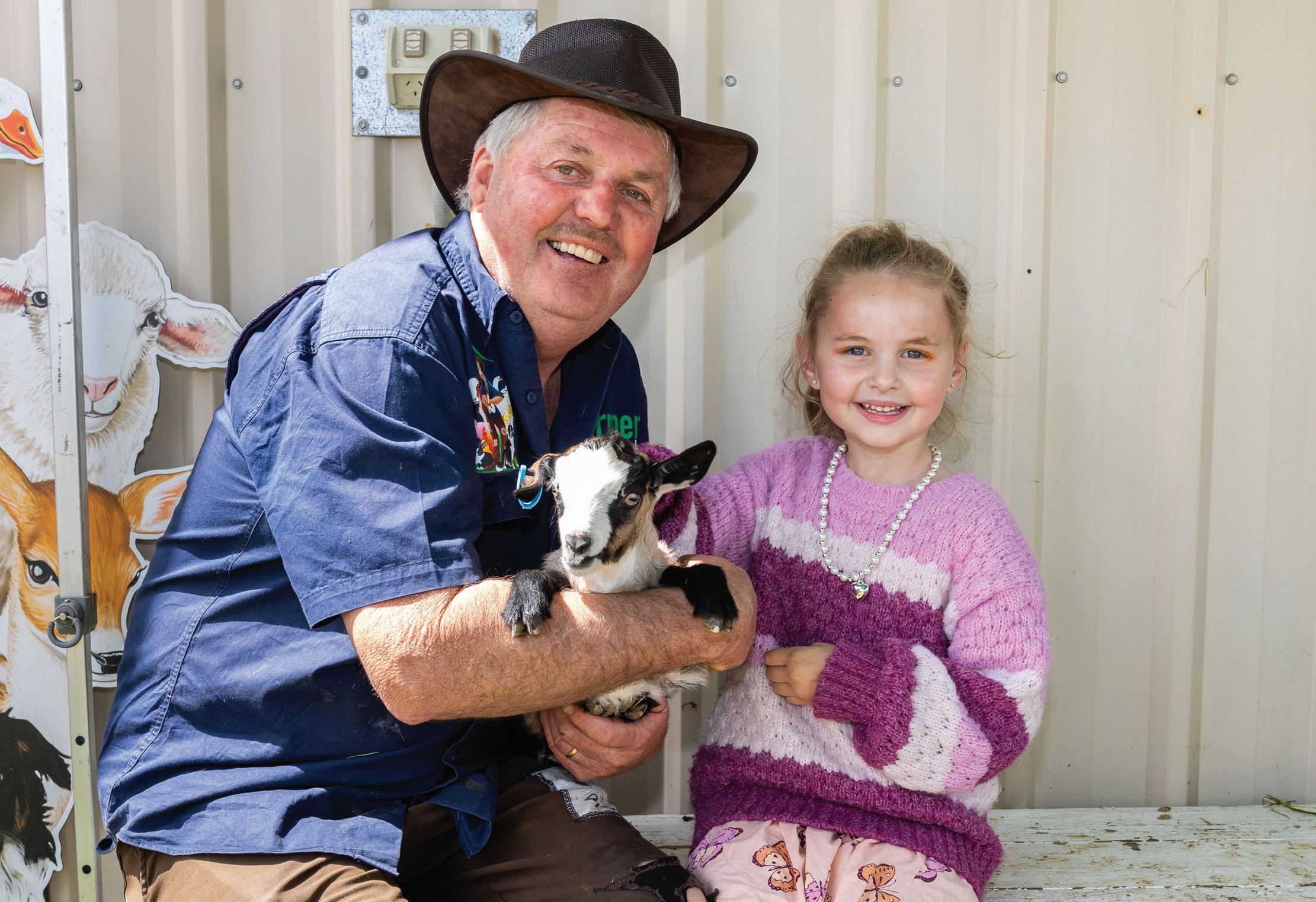
The man behind Victoria’s popular Farmer Darryl’s Mobile Animal Zoo has overcome many obstacles to get to where he is today. He spoke to DJEMBE ARCHIBALD.
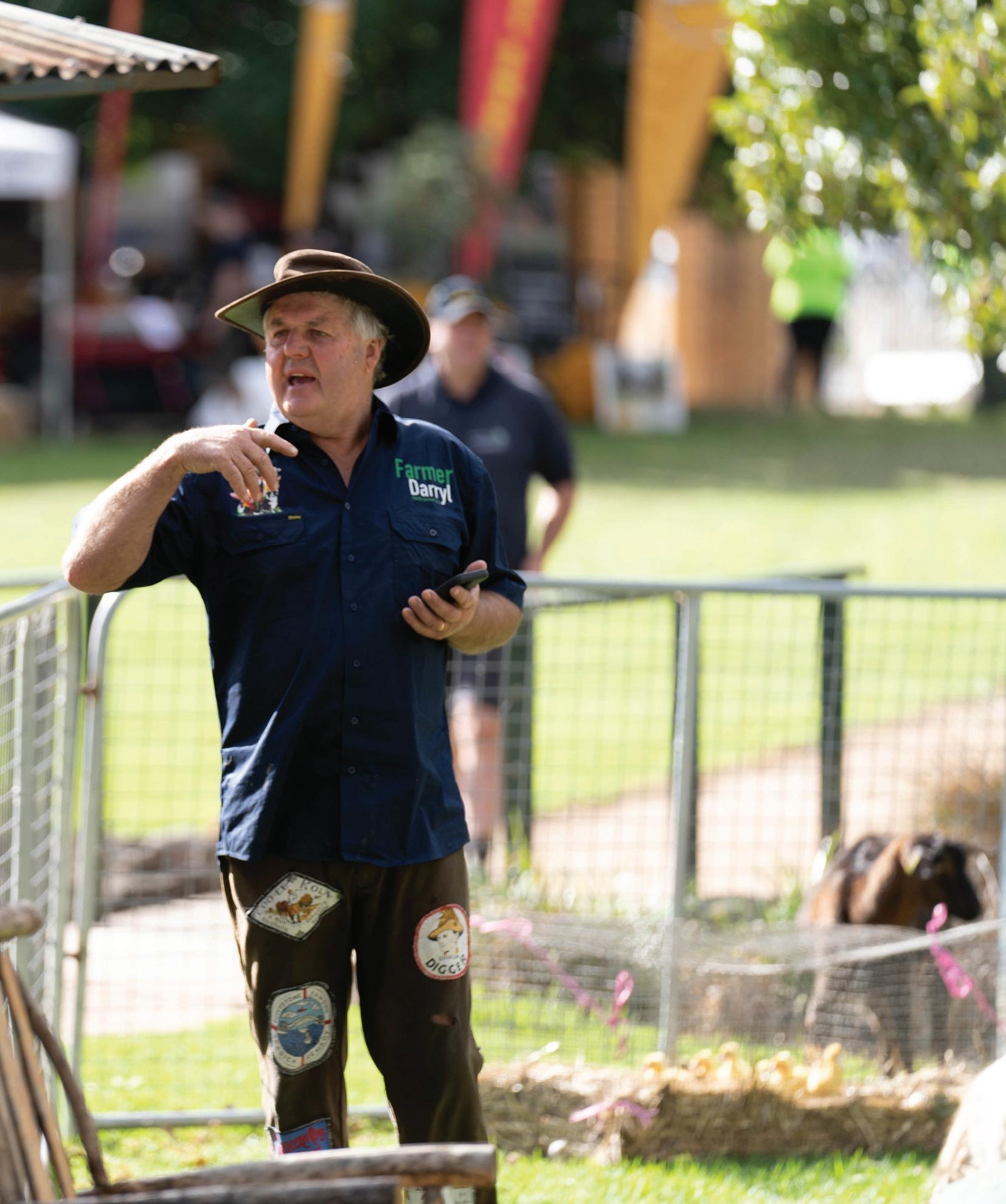
Darryl Sheridan, or as he’s more commonly known, Farmer Darryl, is more than the smiling man with animals-aplenty. He is also a survivor of a deadly disease.
Darryl grew up on a farm in Donald, 125km north-west of Bendigo in western Victoria, the second of five brothers.
He said he had a challenging childhood, but his mother made sure he and his brothers had everything they could.
“Unfortunately, my father took his own life when he was 36,” Darryl said.
“He was just struggling a little bit on the farm and so he left Mum, my oldest brother who was nine, and my youngest brother was six months.
“In saying that, you know, we didn’t really miss out on anything.
“Mum kind of fitted the role of dual parents. She took us to footy and we played basketball and we had tennis and we went to really good schools and she had a very supportive family.”
It was his childhood farm that gave him the dream of being a farmer.
“When Dad used to bring home orphan calves or orphan lambs, that was my job, I would look after them,” Darryl said.
“I always thought from a young age that I would be a farmer.”
However, his career didn’t start in the paddocks — he worked in a carpet shop fulltime while fulfilling his farming desires in his spare time.
He moved to Kyneton, had a wife and three kids, and then his health took a turn for the worse.
“My wife had just given birth to our third son. I went down to
the hospital to pick him up and then when I got home, I went to bed and I never really got out of bed after that,” Darryl said.
He later found out he had meningococcal meningitis.
His symptoms started with a sensitivity to light, swollen legs that left him unable to walk and blood blisters all over his body.
Darryl’s wife, who was recovering from a caesarian birth, was left to take care of their newborn while he was waiting for a doctor.
He waited two days with his symptoms and when help did come, the paramedic didn’t
want to be in Darryl’s room, telling him to get himself on to a stretcher.
Darryl waved goodbye to his wife, twin boys and newborn son, and by 5pm that night, he had fallen into a coma at the hospital. He was transferred to Bendigo, where he was diagnosed with meningitis and his symptoms weren’t waning.
“By that stage, my arms had gone black and my legs had gone black, so I’d gone septic,” Darryl said.
“When I see adults that have had meningococcal, they've had their limbs amputated. I think my diagnosis was probably so bad, they didn’t expect me to live and didn’t think it was worthwhile cutting my limbs off.
“I was so fortunate that they didn't do it anyway.”
His family stayed by his side for a week while he struggled through the disease.
When he was discharged he was in intense pain, having a long road to recovery ahead of him, with his first step being learning to walk again.
“My legs were really swollen and they were full of fluid, so that was fairly difficult,” he said.
He had swelling around his brain and was told to simply take it easy, but with a farm, wife and young boys to take care of, that was easier said than done.
“I had three months off work, then my sick leave ran out, so then I went back to work and
I started to get my life back in order,” he said.
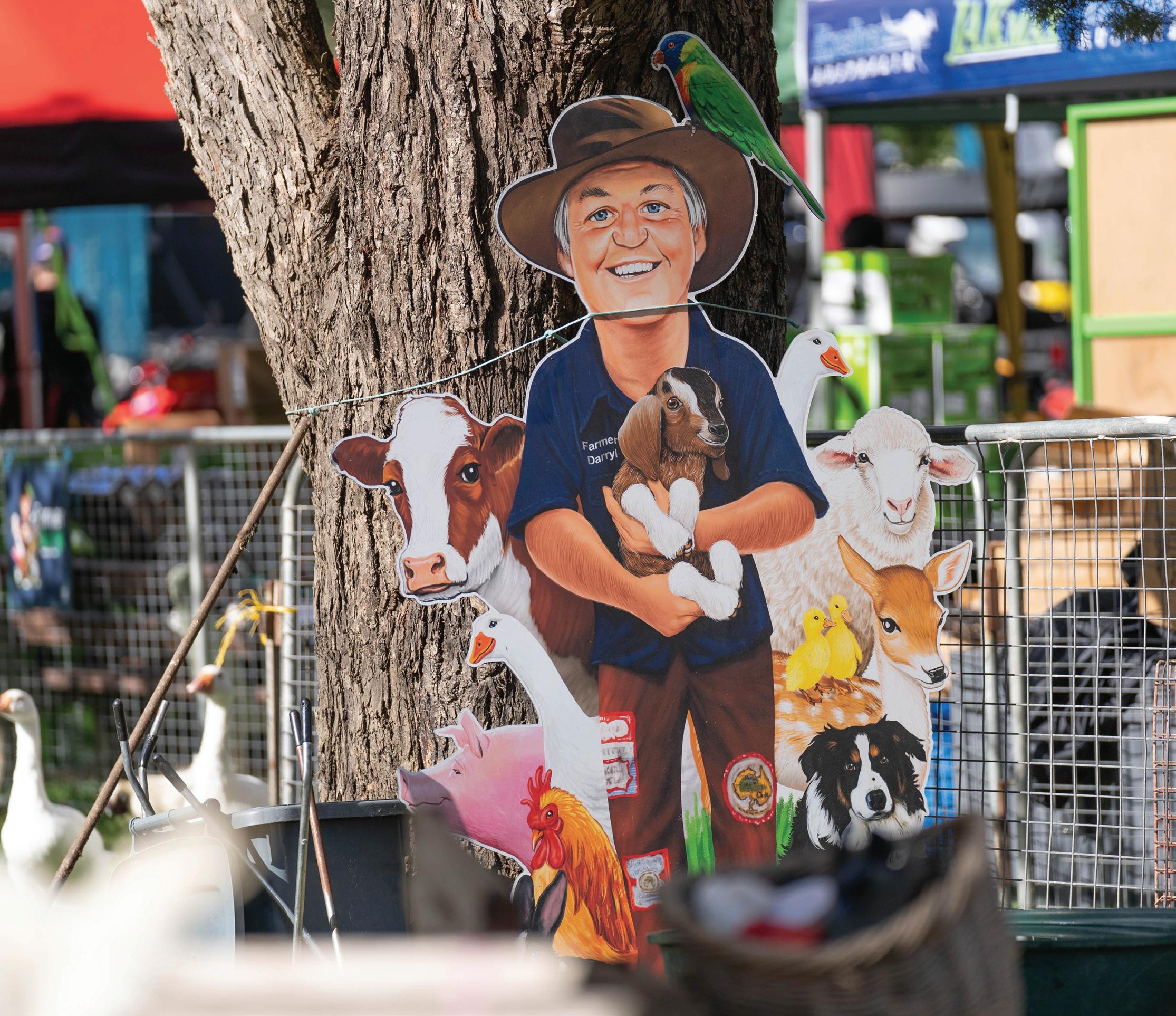
Then he started Farmer Darryl’s Mobile Animal Farm.
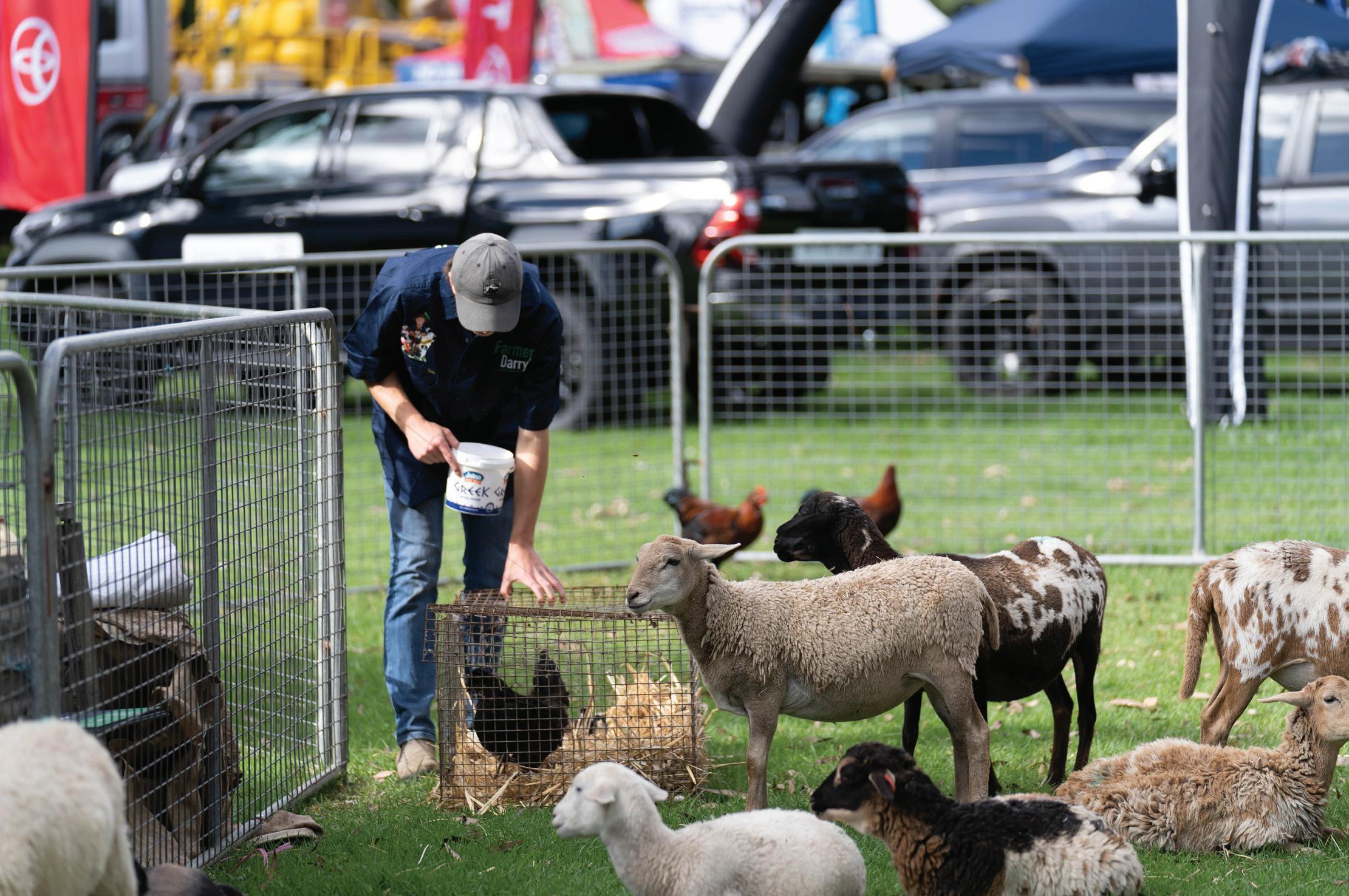
He didn’t initially plan to start a petting zoo, but he was asked if he could bring his animals to events here and there. Now he is a staple of field days and agricultural shows across the state.
“I visited the kinder and I visited the school, and then I started setting up at the Epsom market in Bendigo,” Darryl said.
“Bendigo was really the first place that the animal farm took off, and people in Bendigo just really loved it and they really embraced me.
“Even now, you know, 26 years later, I'm still doing some of those events that I did 26 years ago.”
Although the farm took off, he was still struggling to work
with the impact of meningococcal lingering.
He said a lesson he was still learning, and that all farmers should know, was to listen to your body when it tells you to slow down.
“Well, there’s been two other instances in my life where, you know, I’ve had serious illness and I haven’t listened to my body, and I’ve thought, because I’m fit and healthy and because I work, it’s not going to happen to me,” he said.
Farmer Darryl said although he had some bad diagnoses, he would not let anything get in the way of attending his regular events like the Seymour Alternative Farming Expo.
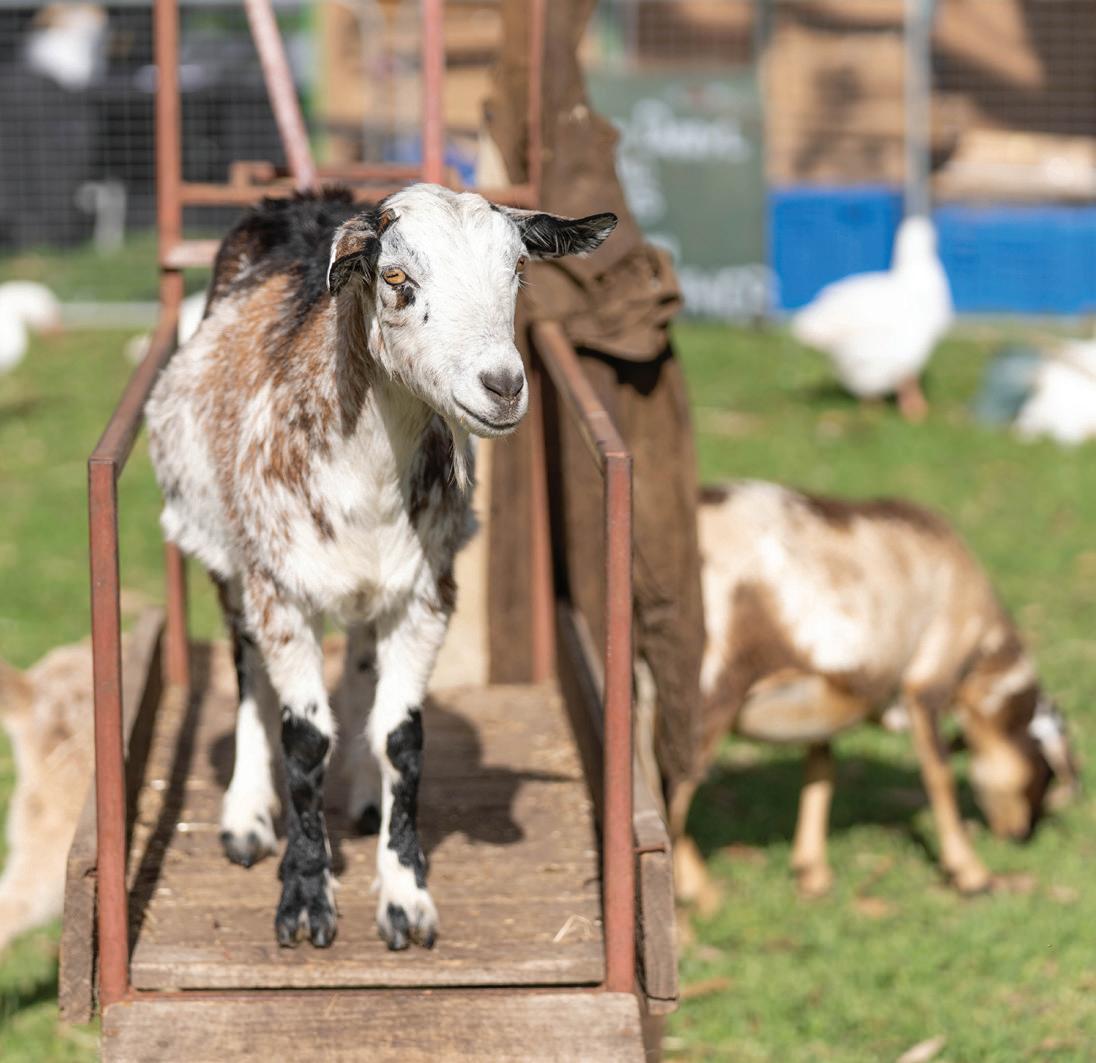
His Kyneton farm is still running, having about 42ha of land and 350 animals, including cows, sheep, goats, deers, chickens, ducks, rabbits and guinea pigs. T
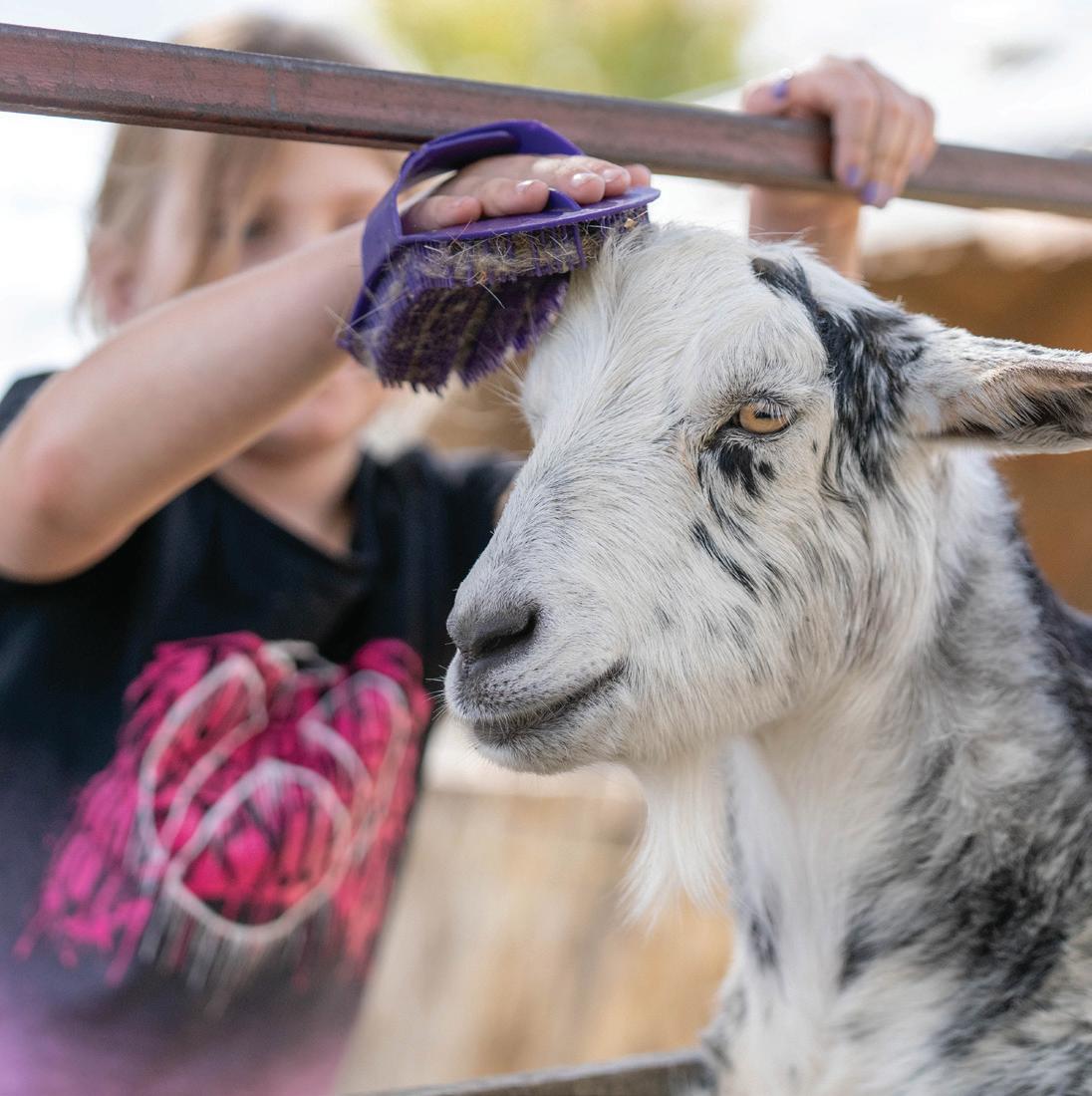
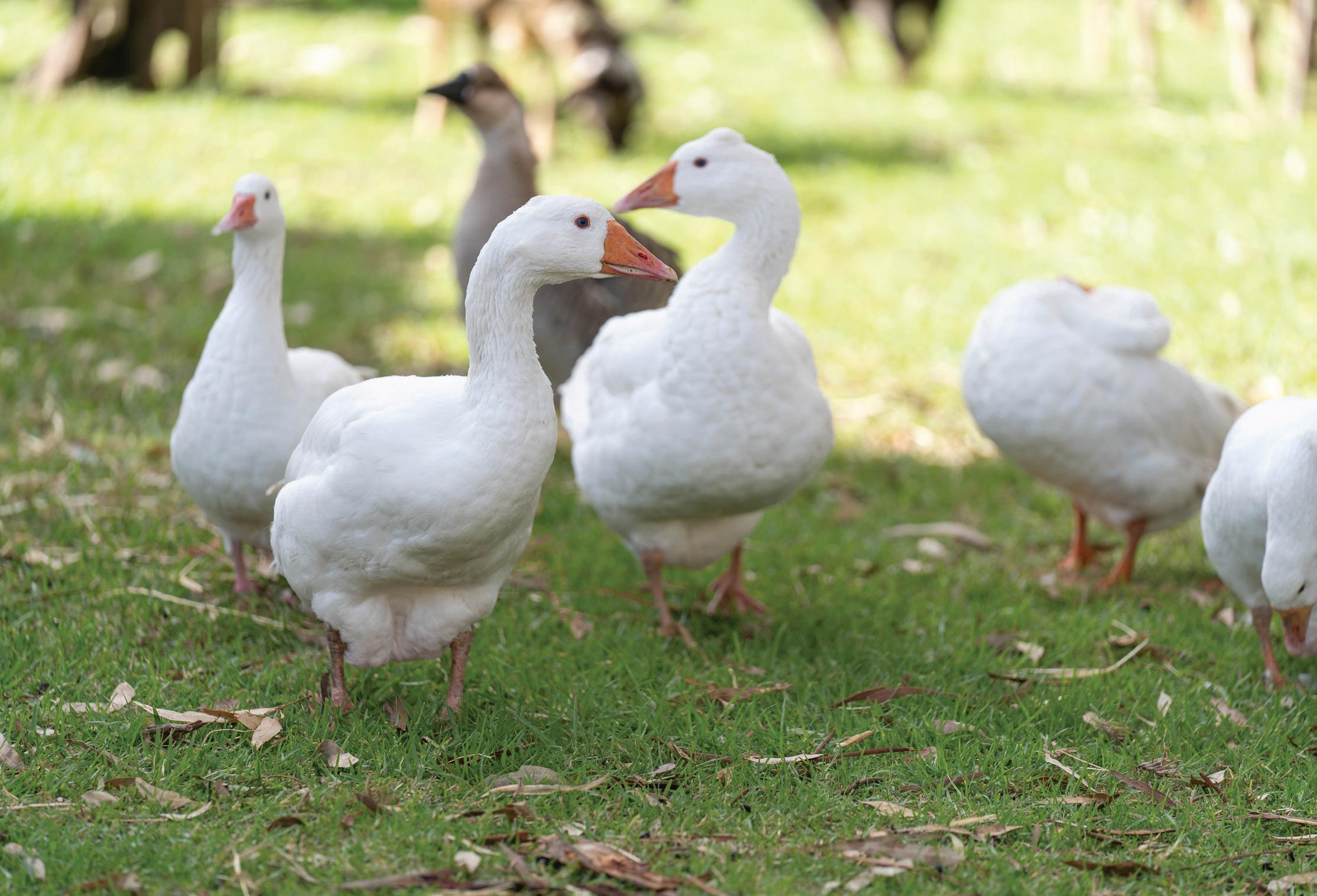
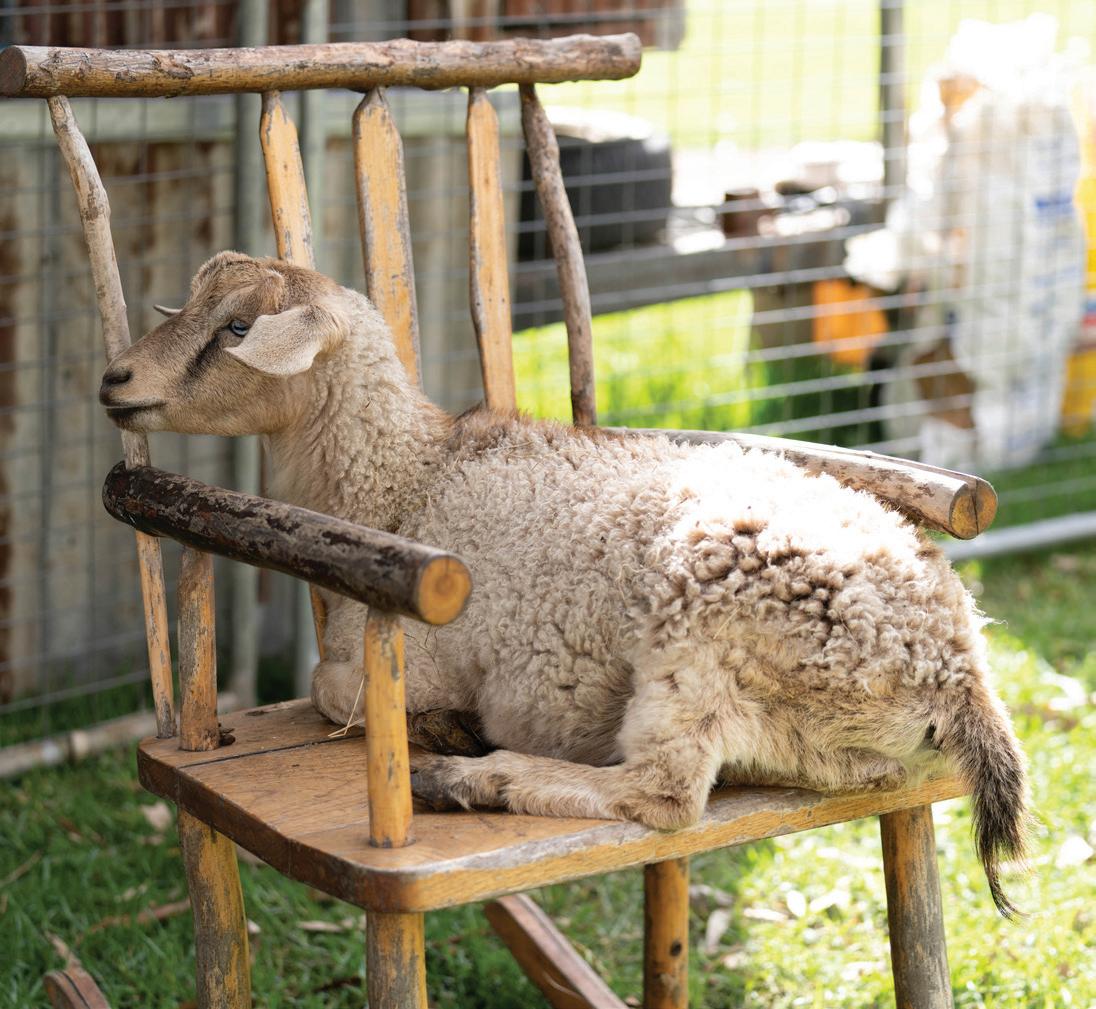
Ducks are part of Farmer Darryl’s









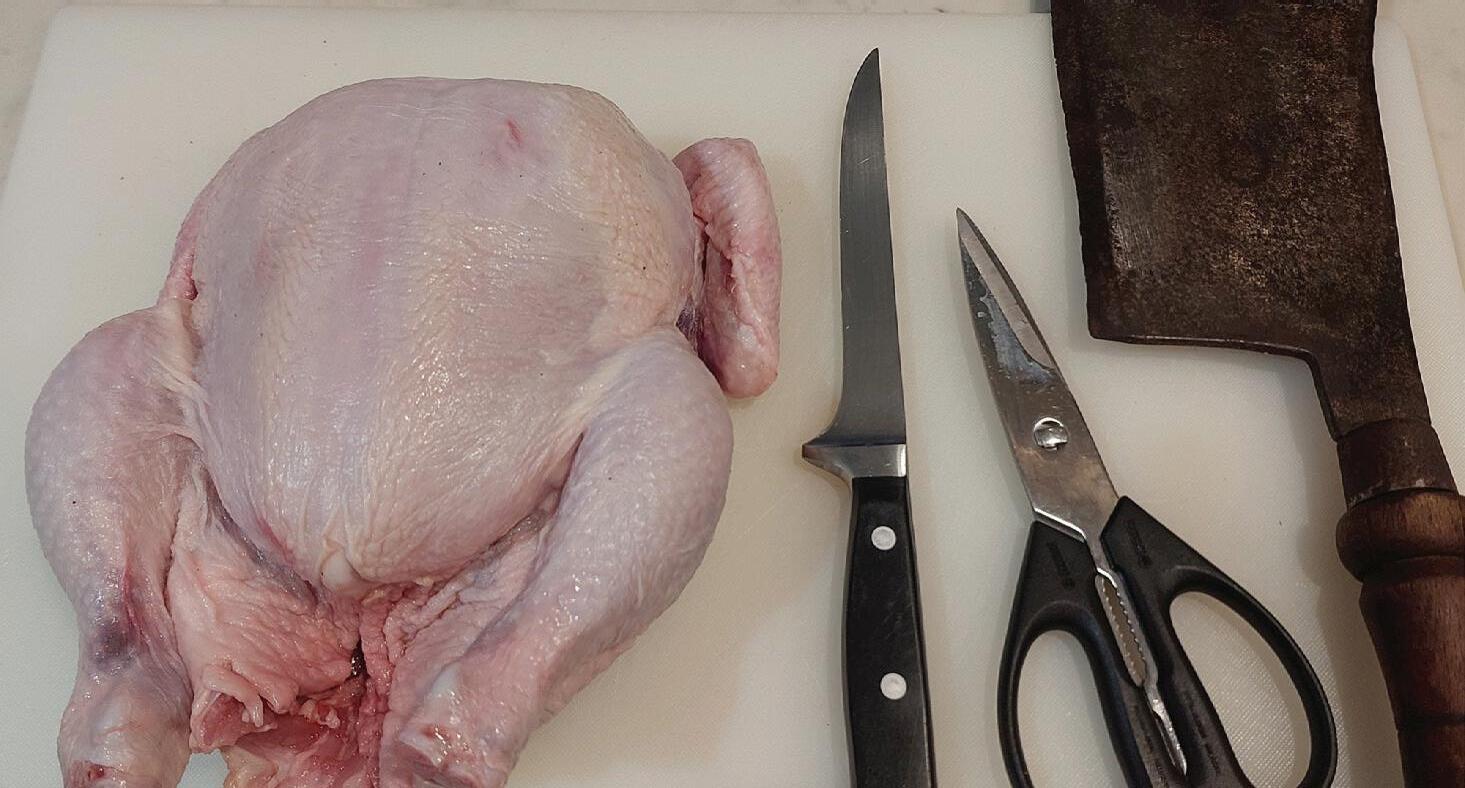
With Christmas upon us, many of us are thinking about a traditional roast dinner. Here, STEVE BAIN shows us how to prepare two half-chickens from one frame.
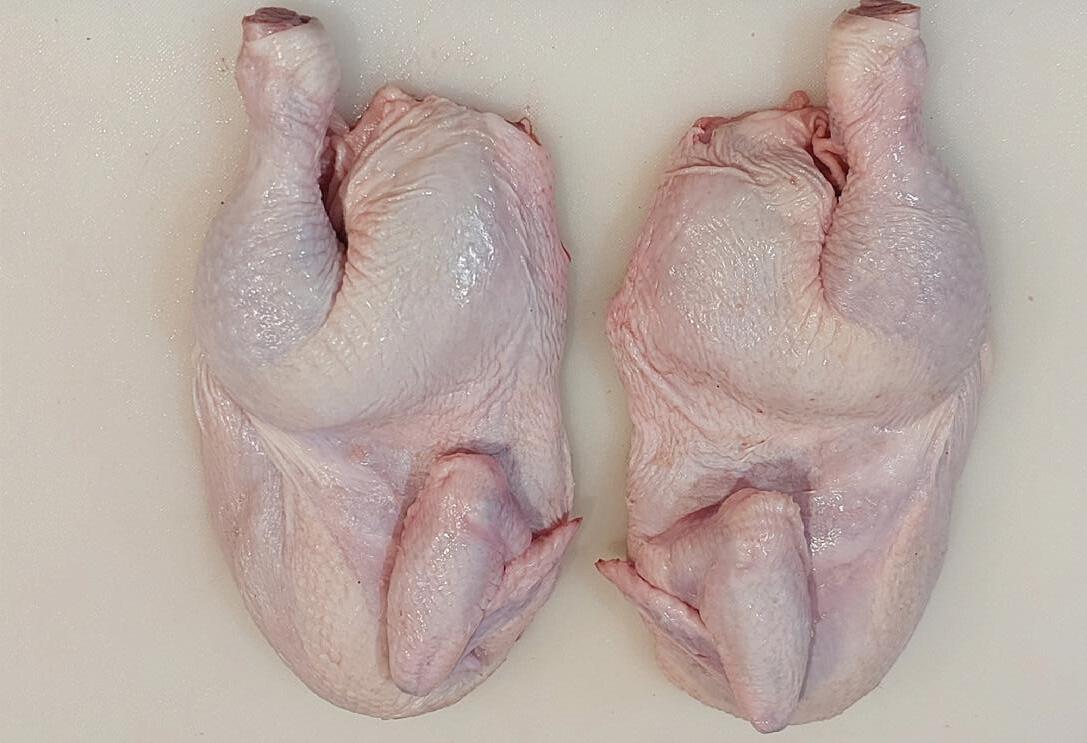
The thing with creating two ‘half chickens’ from a complete bird frame is that there are two items to remove if you desire that both halves are pretty much identical.
In this case, the two very similar halves of chicken mean that diners know what to expect when working their knife and fork around the offering at the dinner table.
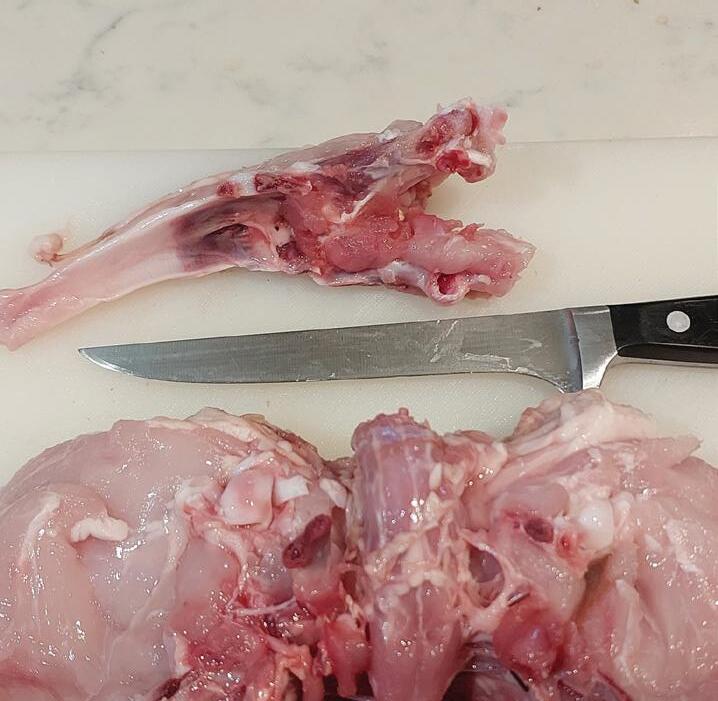
With chicken, similar halves can be created by removing the keel bone/sternum and the backbone/spine. You will also remove the ‘tail’ section (aka the parson’s nose). I prefer to remove the keel bone first.
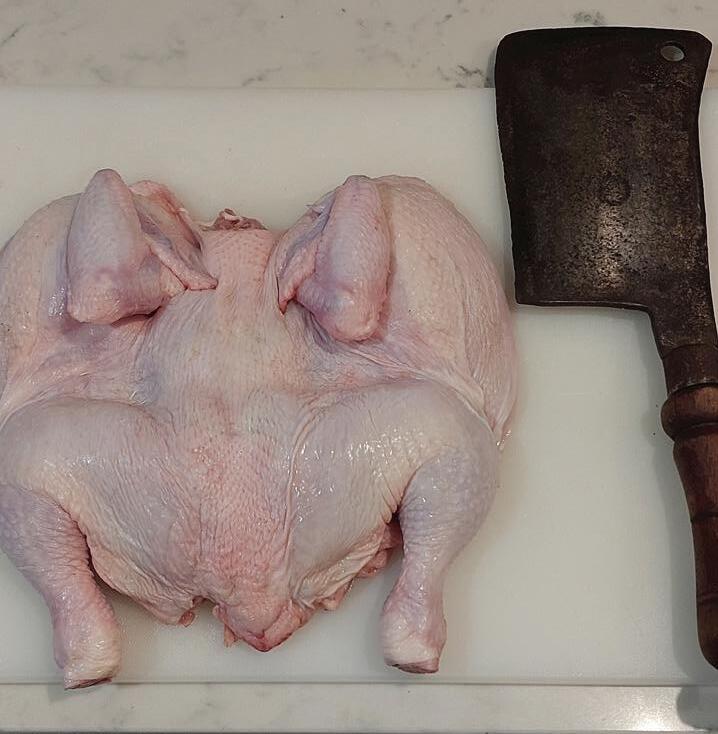
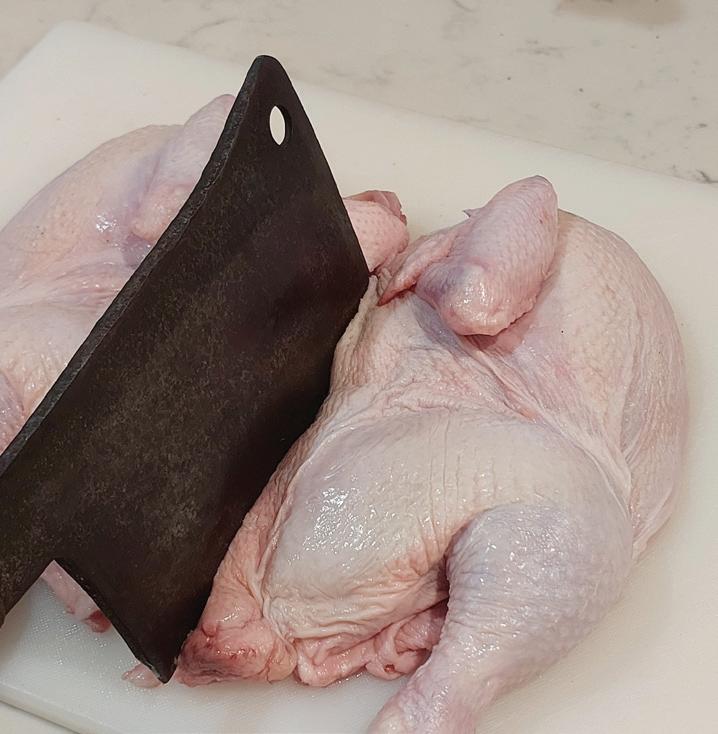
Step1: Start with the chicken breast facing towards you/upwards. You can do this butchery process with just a typical boning knife, or you can use a few extra tools such as a cleaver and a pair of scissors or kitchen shears. The cleaver is handy because rather than swinging it, you can place the edge in location and thump the back of the cleaver with the palm of your hand or the bottom of your clenched fist.
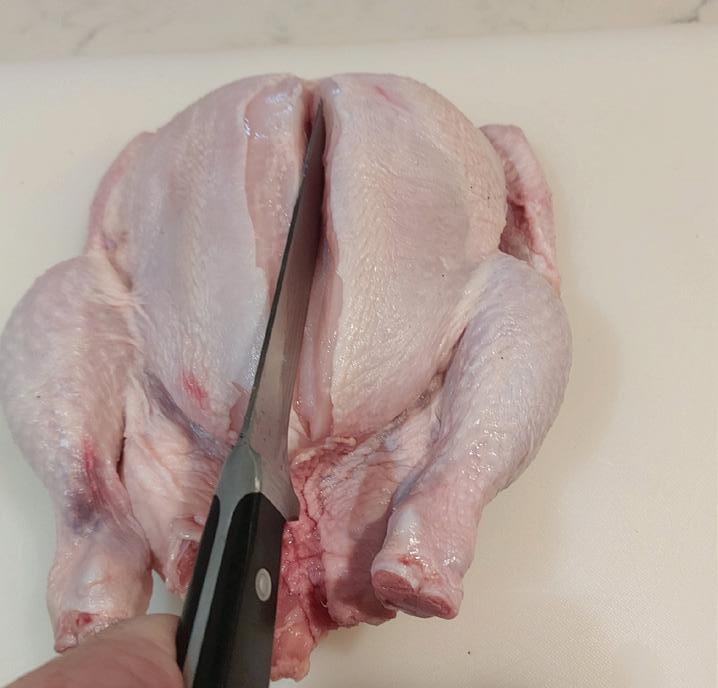
Step 2: The first cutting step is to run the boning knife down one side of the keel.
Step 3: The second cutting step is to run the edge of your boning knife down the other side of the keel. You can see in the photo that the keel-bone/sternum is now exposed — we now want to expose it a little more to make it easier to cut around it to cut it out.
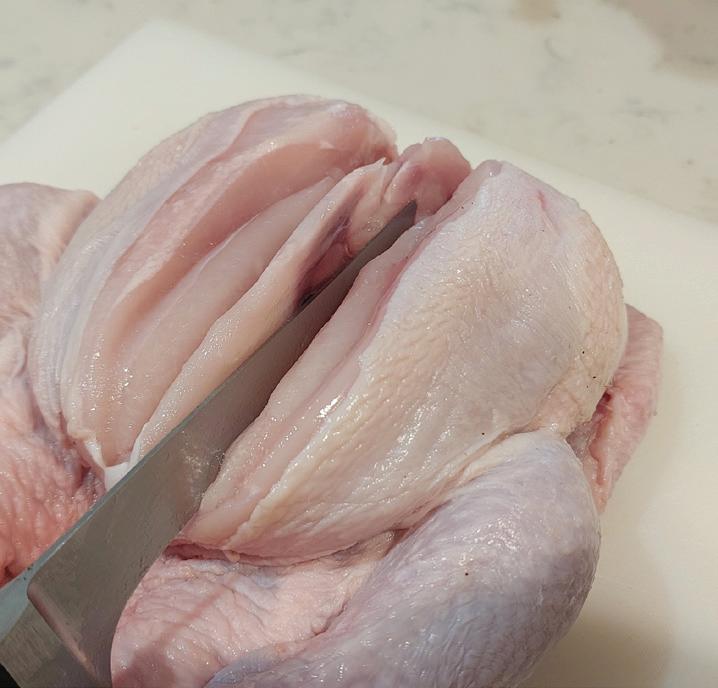
Step 4: Next cut deeper on each side of the keel.
Step 5: Fully expose the keel where the rib bones meet. The cuts to do this are very much like filleting a fish.
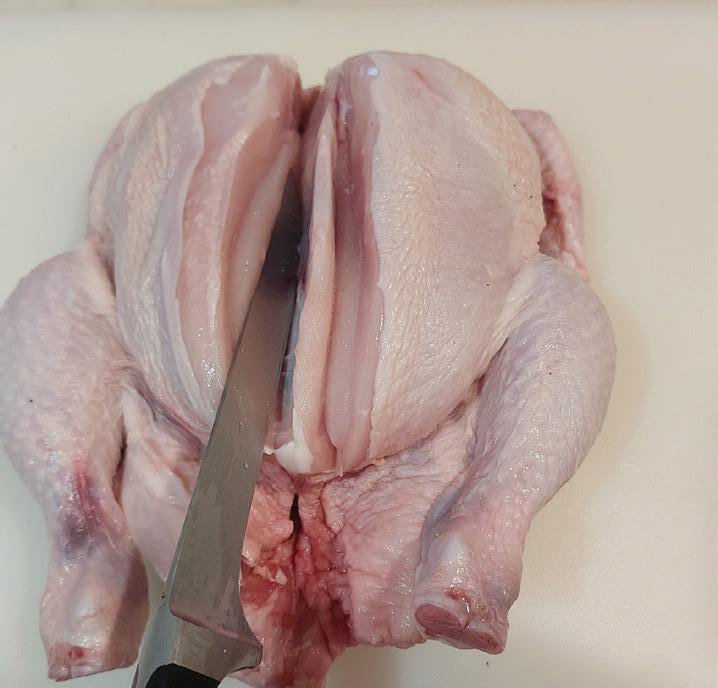
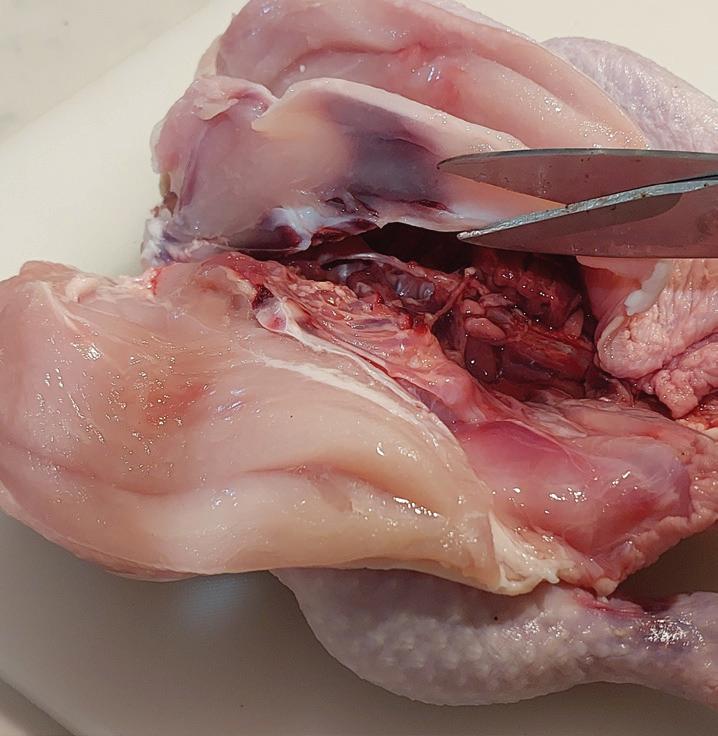
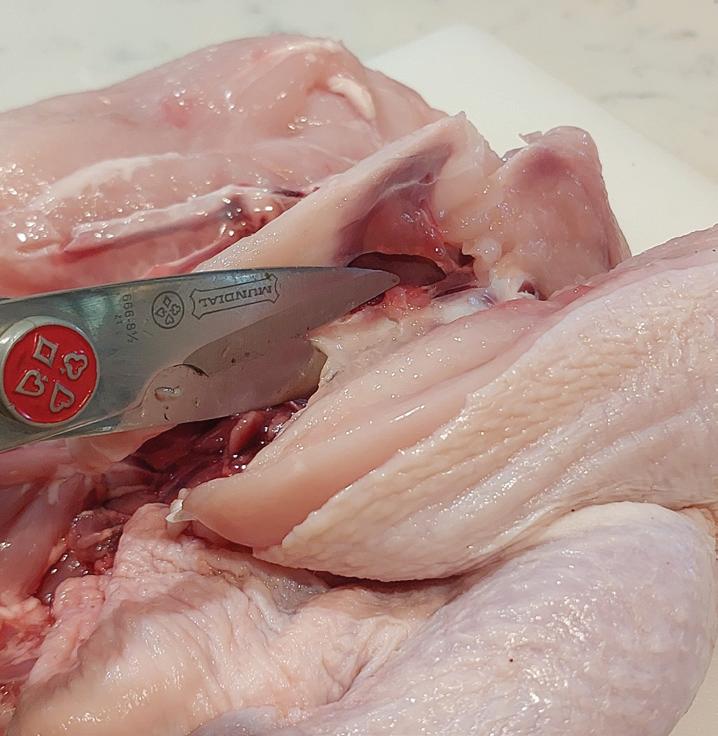
Step 6: With your scissors or shears (you can also use your knife), cut through the rib bones under the keel bone.
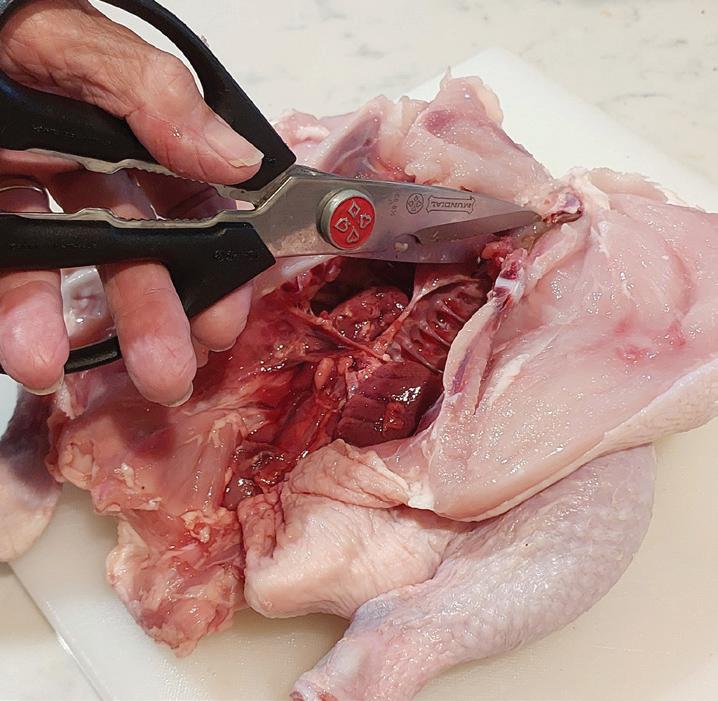
Step 7: Again with your scissors or shears (you can also use your knife), cut through the rib bones on the other side under the keel bone.
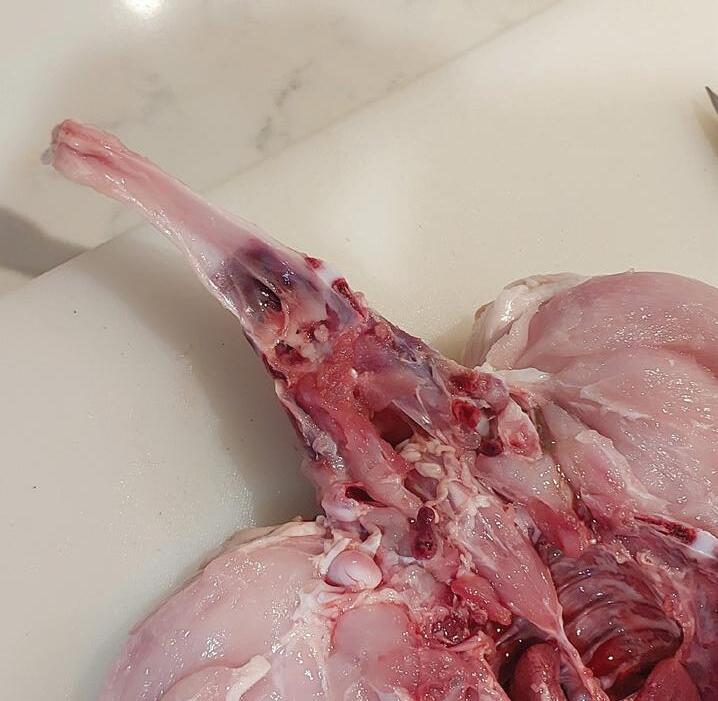
Step 8: Keep cutting under the keel bone until you get all the way down to the end and you can lift the keel/sternum section upwards.
Step 9: Another view of 'cutting the keel bone away'.
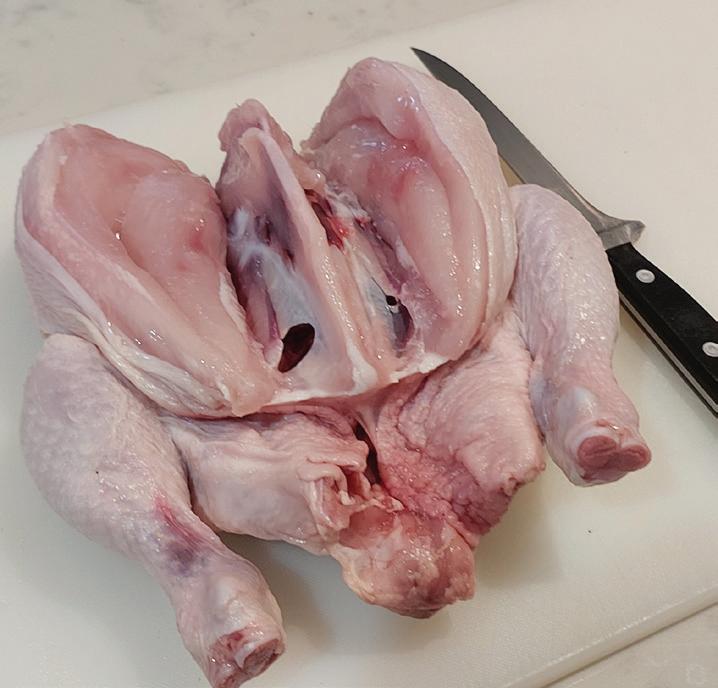
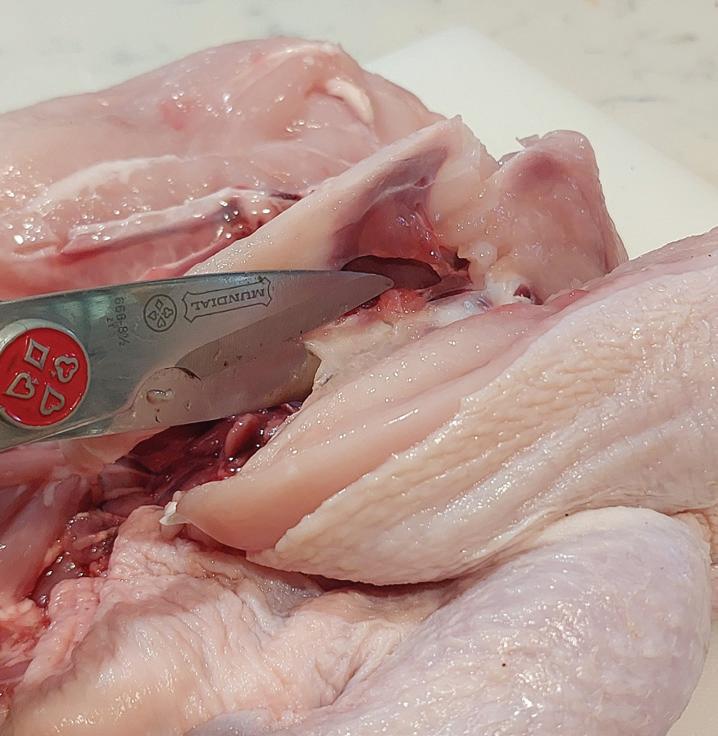
Step 10: Cut all the way down to the wishbone, then cut either side of the wishbone, before bending the cut-out section outwards and away from the frame.
Step 11: With the keel to wishbone section bent all the way back, cut the keel to wishbone section away from the frame to separate
it from the rest of the chicken.
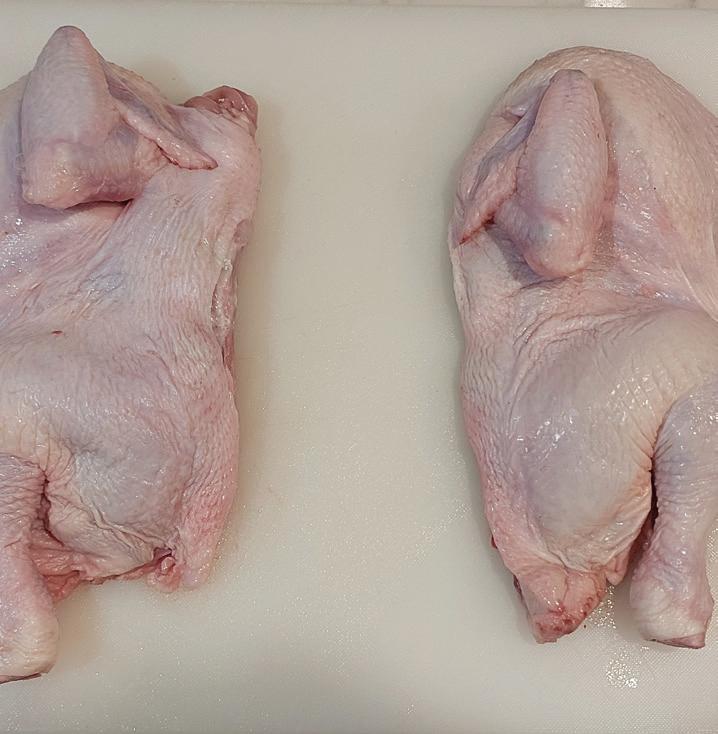
Step 12: Now flip the bird over so you can work on removing its backbone.
Step 13: Cleaver one side of the backbone, all the way through.
Step 14: You now have two pieces and the final remaining cut is to trim the backbone away.
Step16: Again, using the cleaver, chop the
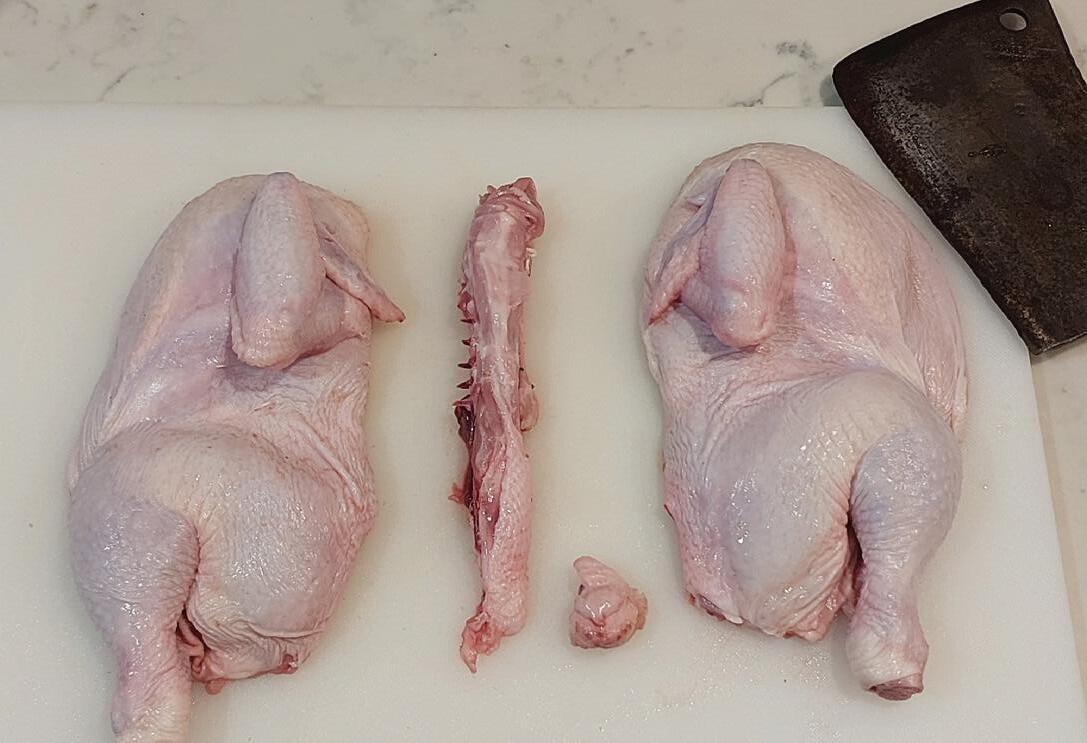
Step 17: You now have two pretty much identical chicken halves that are ready for a roast dinner. 1 4 2 5 3
entire spine/backbone away from the piece that it remained attached to after the first of the work with the cleaver. Here you have the backbone completely detached. You have also removed the tail piece.
Roast chicken is a classic ‘special occasion’ meal. This month, LYNN BAIN prepares a chook with all the trimmings.
When I was a child, roast chicken was always a special occasion meal reserved for birthdays and Christmas. I remember my father driving all the way across town to pick up a capon or two (still with feet attached). There is a family story about my delicate little
grandmother, who was very afraid of chicken feet, being frightened out of her wits when my sister tied a chook foot to a light switch and asked my grandmother to turn on the light. Grandma required a lie down to regain her good humour.
Nowadays, chicken is very easily accessible, but I think roast
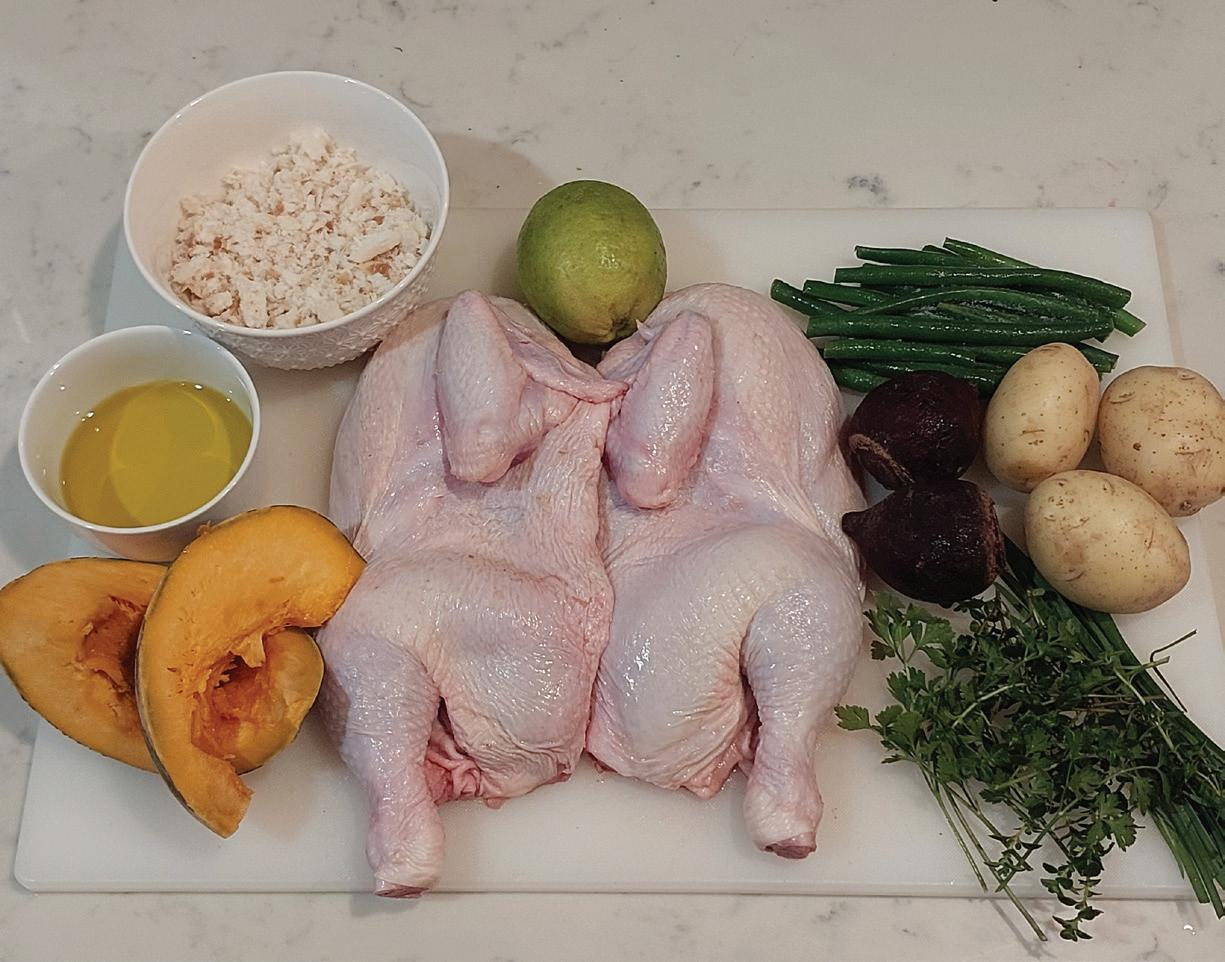
INGREDIENTS
ɋ Chicken halves
ɋ 2-3 tbsp olive oil
ɋ 1 lemon, sliced
ɋ 1 sprig fresh thyme per chicken half
ɋ 1 potato per person
ɋ 1-2 pieces pumpkin per person
ɋ 2-3 small beetroot (or 1 beetroot cut into pieces) per person
ɋ 100g green beans per person
INGREDIENTS
ɋ 1 tbsp olive oil
ɋ 1 cup fresh breadcrumbs
ɋ 2 tbsp fresh herbs, chopped
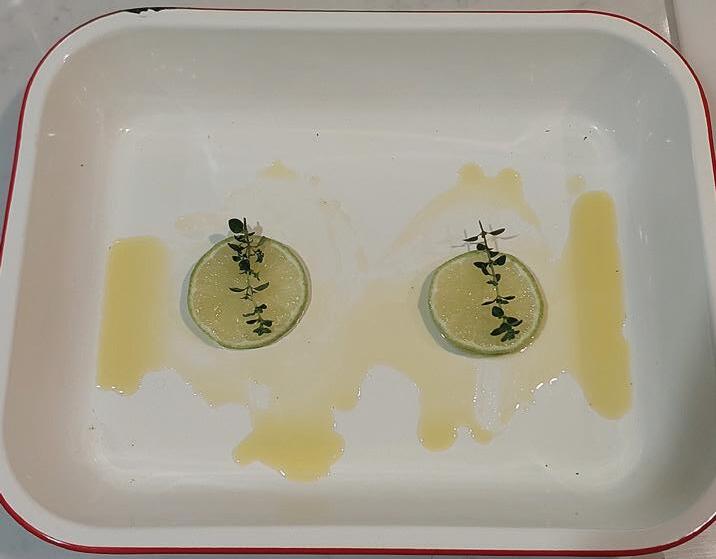
Step 1: Preheat the oven to 180°C. The lemon and thyme flavour profile is very popular with any chicken dish. Oil the roasting pan with a tablespoon or so of olive oil and then simply lay a slice of lemon and a sprig of thyme together in the pan.
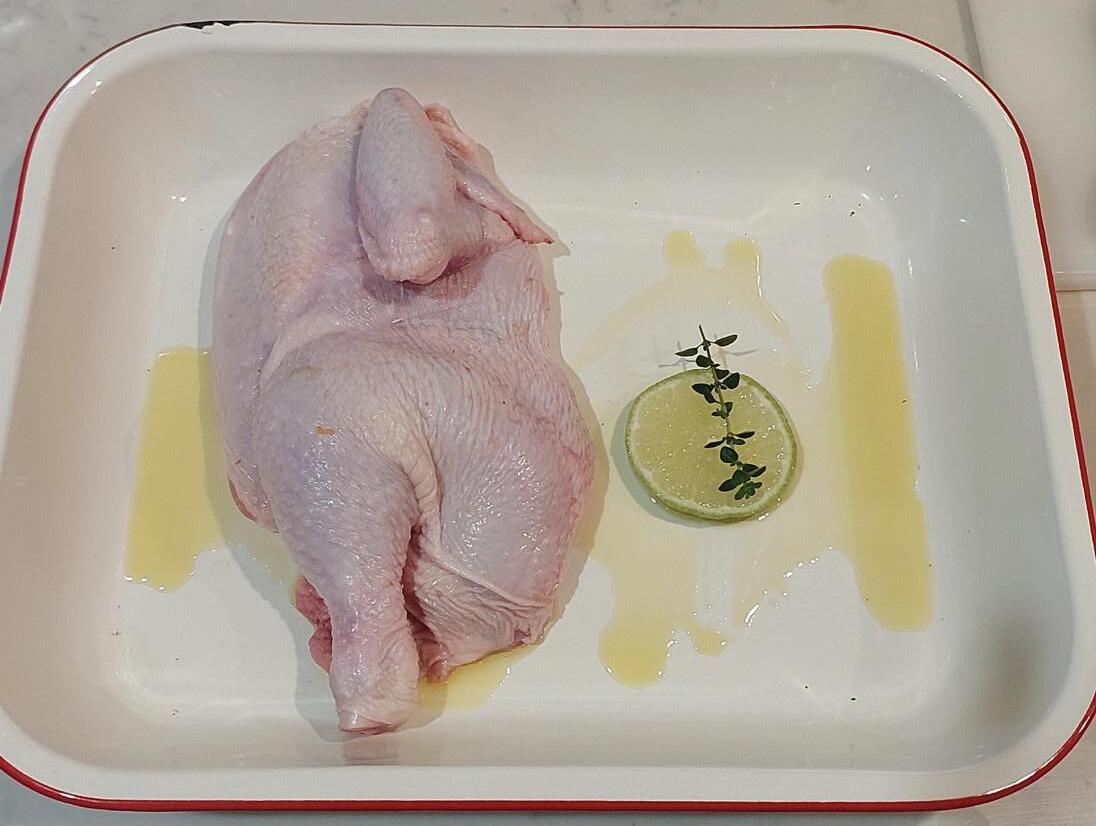
Step 2: Place a chicken half on the top of the lemon and thyme.
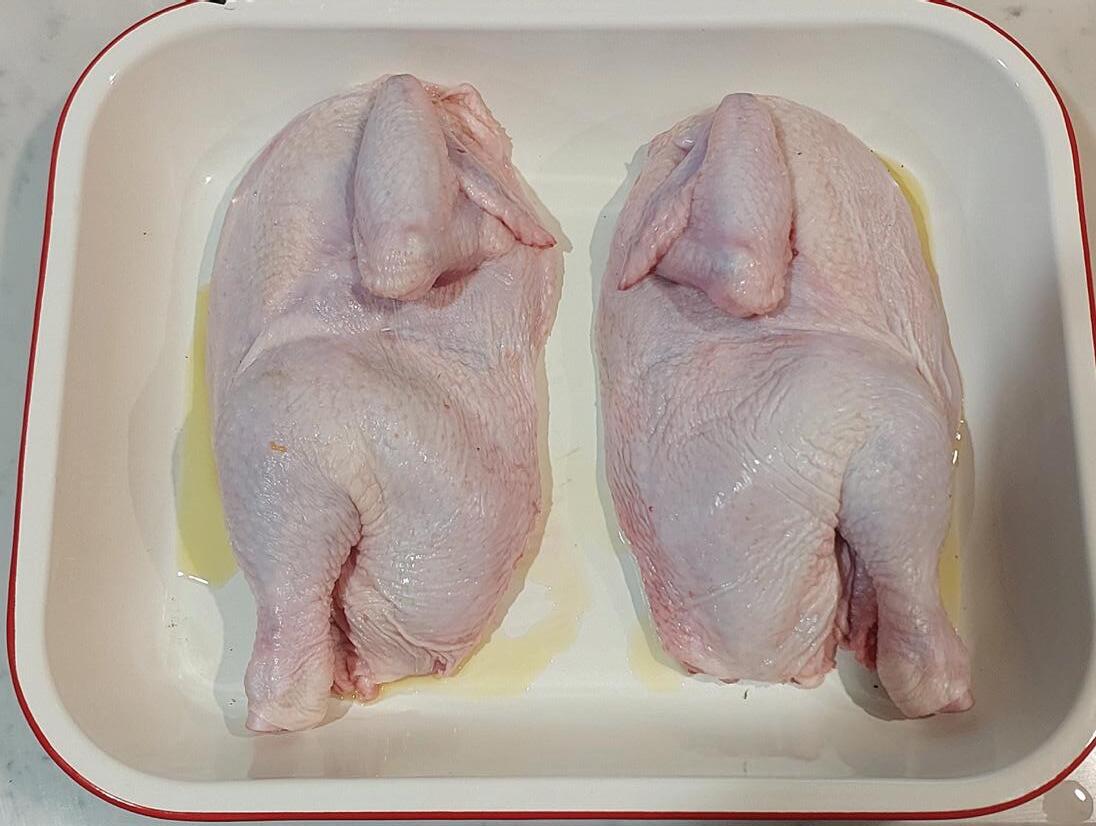
Step 3: Both chicken halves are now on top of the lemon and thyme and ready for the oven.
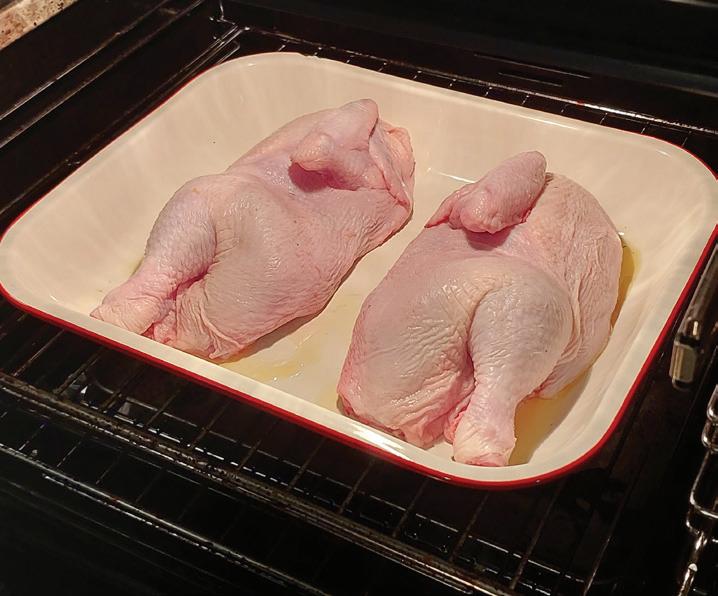
Step 4: Place the roasting dish into the preheated oven.
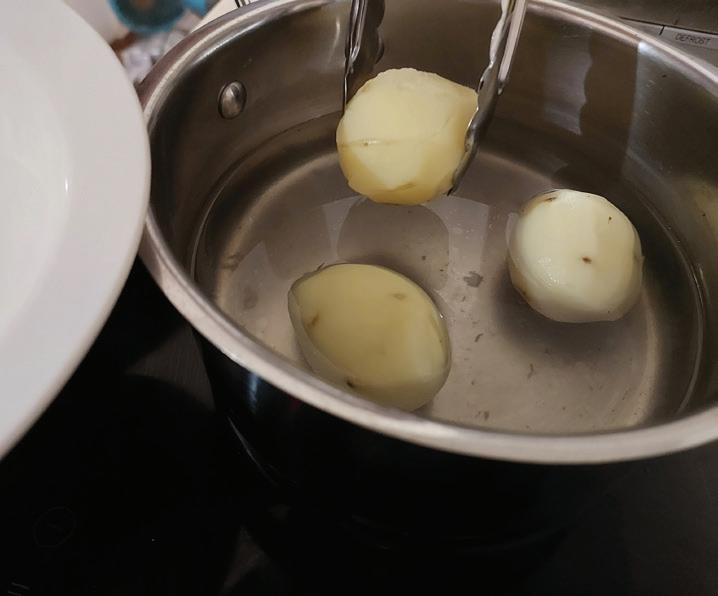
Step 5: Before roasting the potatoes, place them into a saucepan with some cold water and par boil them for approximately 10 minutes, depending on their size.
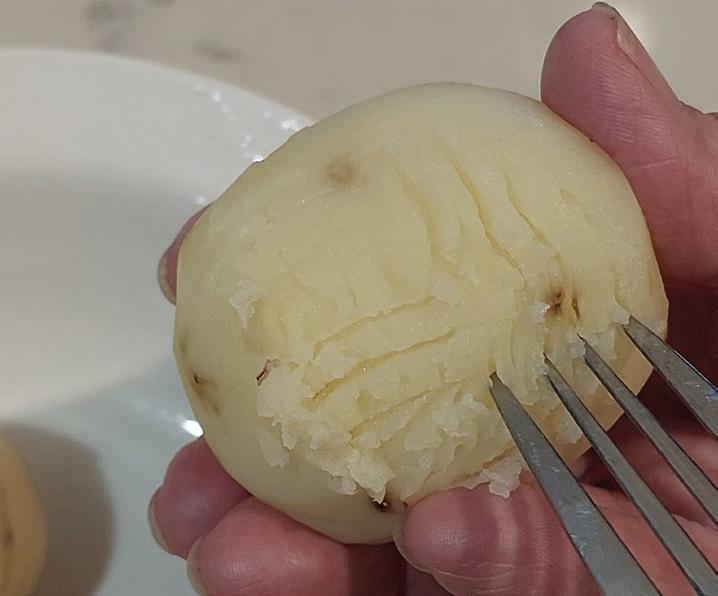
Step 6: Remove the potatoes from the pan and gently rough up their outside surface. This will give them that lovely crispy crust when the
chook will always be a special meal for me.
Handy hack one: use your favourite fresh herbs in the gremolata. I like thyme, flat-leaf parsley and/or garlic chives. You could also add a little lemon zest as well.
Handy hack two: when preparing the pumpkin, I like to
leave the skin on, especially if it is a soft-skin pumpkin such as butternut.
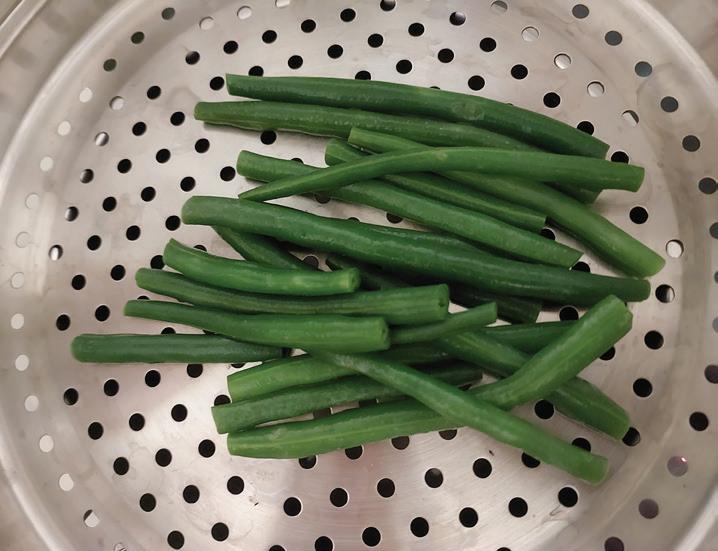
Handy hack three: my family likes green beans a little crunchy, so I only steam for a couple of minutes. If you prefer your beans softer, increase the steaming time to five minutes or so.
potatoes are roasted.
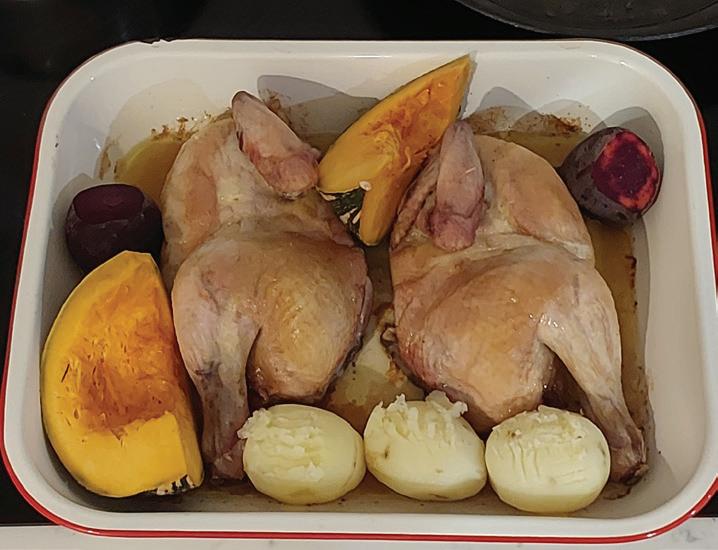
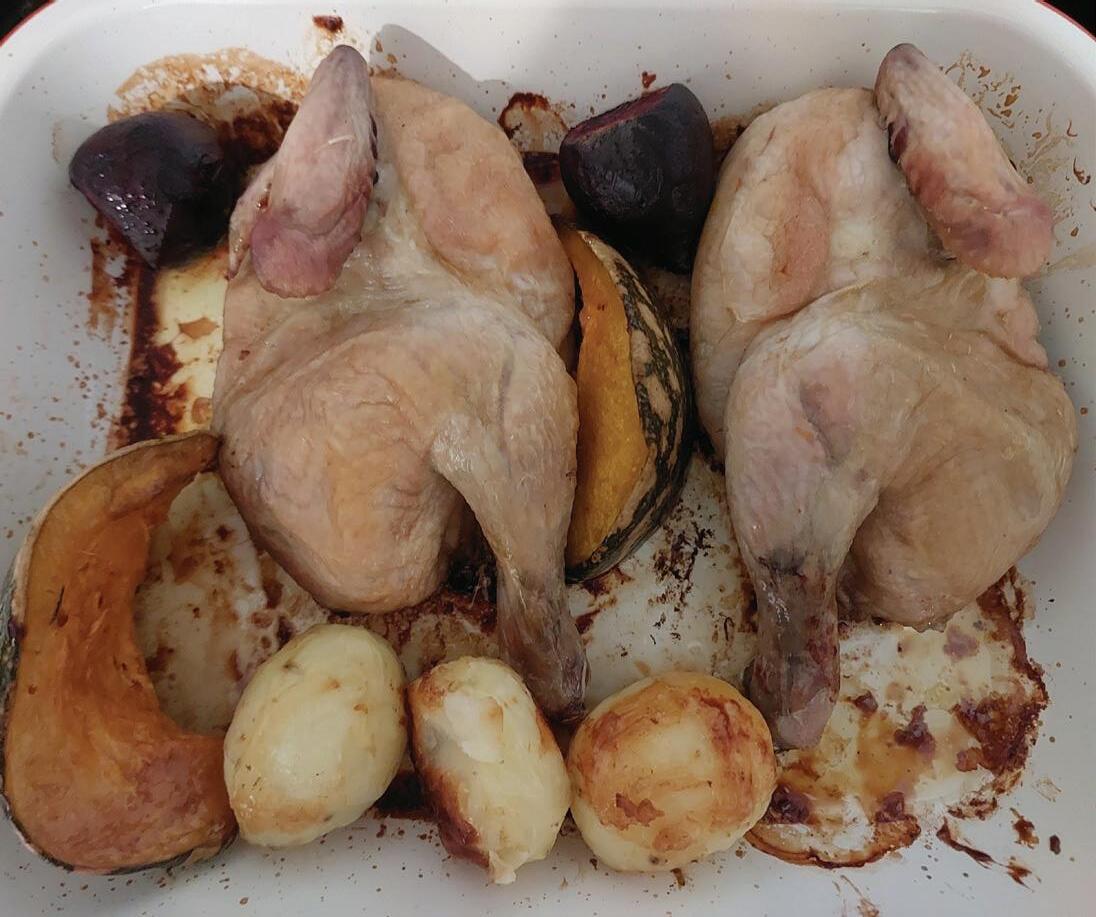
Step 7: After roasting the chicken halves for about half an hour, remove the roasting tin from the oven and scatter the vegetables that you are roasting around the chicken. Return the roasting pan to the oven and continue to cook until the
chicken is cooked through and the vegetables are roasted and tender.
Step 8: While the chicken and vegetables are cooking, place a steamer over a saucepan of water and lightly steam the green beans. After a couple of minutes, remove the steamer basket from the heat and remove the beans. Place them on a plate to one side.
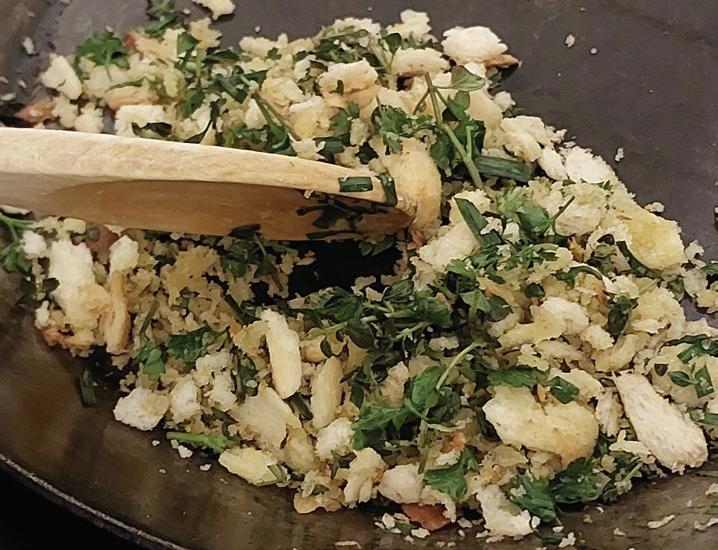
Step 9: Add a tablespoon of olive oil to a frying pan and heat over a medium heat. When the oil is hot, add the fresh breadcrumbs and herbs and stir while frying until the breadcrumbs are golden. Remove the pan from the heat. Then sprinkle the gremolata over the top of the beans.
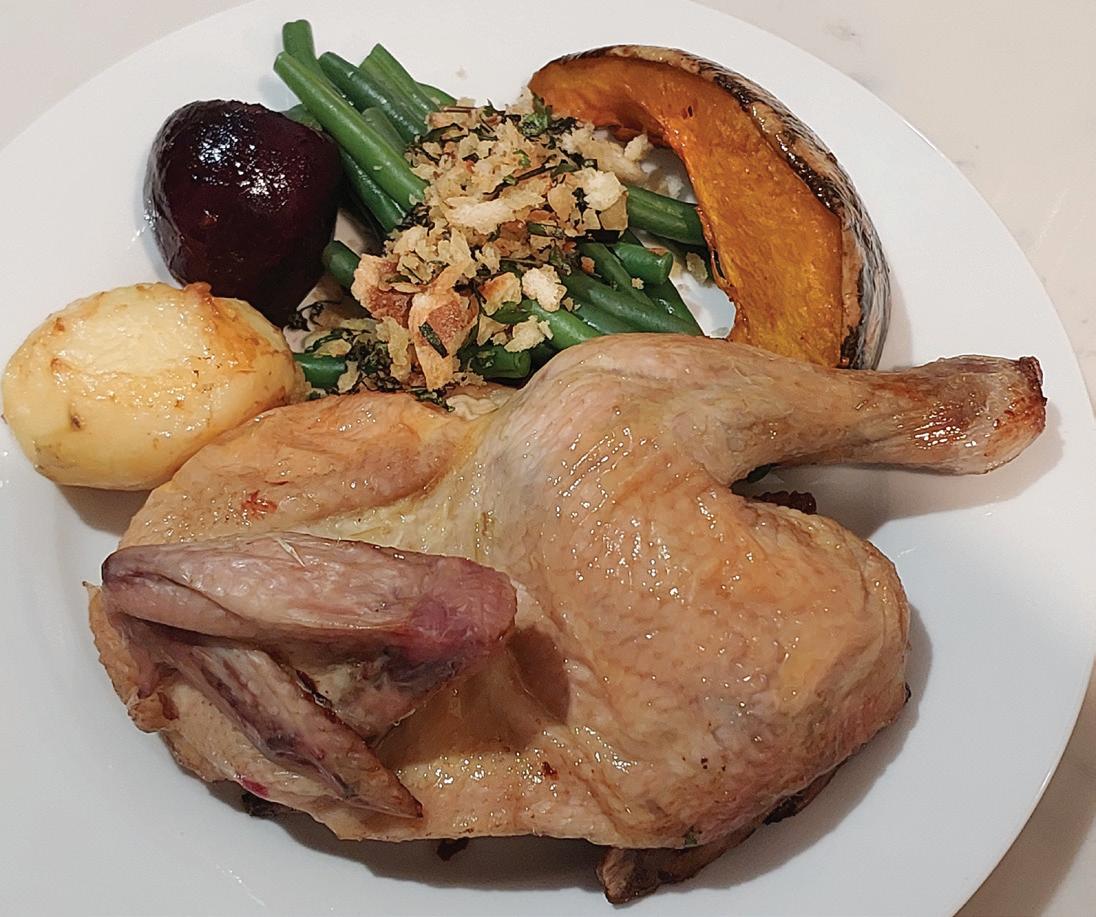
Step 10: Chicken and vegies are roasted and ready to serve.
Step 11: To serve, place a chicken half on a serving plate with your assortment of vegetables and the gremolata-topped green beans. 1
Agricultural rising star Carlie Mackelmann has been recognised as such with a prestigious award.
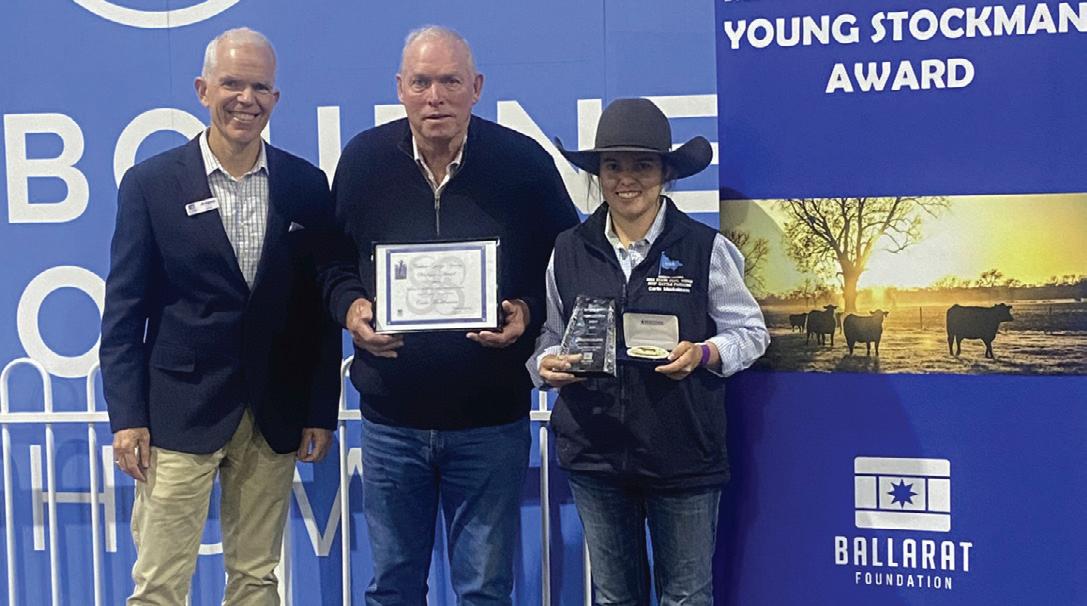
The Ballarat Foundation has named Invergordon’s Carlie Mackelmann the 2025 Matthew George Young Stockman Award recipient.
The prestigious award includes a $5000 scholarship for Carlie, 23, to pursue agricultural study overseas.
Created in memory of Matthew George, a passionate young cattleman from Ballarat whose life was tragically cut short in 2007, the award recognises outstanding young stockmen and women who display the same values of commitment, compassion and leadership Matthew was known for.
Carlie’s dedication to the agricultural industry and strong leadership qualities impressed the judges, earning her a place among an inspiring group of past recipients who continue to make a positive impact in the livestock and farming sectors.
Ballarat Foundation chief executive officer Andrew Eales said the award was a fitting tribute to Matthew’s legacy.
“The Matthew George Young Stockman Award is not only about recognising skill and achievement, but also about encouraging young people to carry forward the values Matthew lived by — hard work, generosity and care for both animals and community,” Mr Eales said.
“Carlie embodies these qualities and we are delighted to celebrate her success.”
Carlie said she was thrilled to be recognised and was already planning how she would make the most of the opportunity.
“I was very excited. It’s such a good opportunity to be given,” she said.
“I’m planning to go to the United States, maybe Canada. I’ll probably head off in January, which means I’ll be going from our hot summers into their freezing winter.”
Despite her impressive resume, Carlie said applying for the award was a last-minute decision.
“I was encouraged by a couple of people close to me and it was my first time applying, so it’s a really good outcome to win it straight away,” she said.
“It was definitely a surprise. I didn’t expect to win this year.”
Carlie was presented with the award during the Melbourne Royal Show’s exhibitors dinner.
“It was massive,” she said.
“There were about 400 people there — all the exhibitors came together for dinner, and that’s where they announced a lot of the awards and presentations.”
She expressed her gratitude to the Ballarat Foundation and the George
family for their ongoing support of young people in agriculture.
“It’s such a great opportunity for young people,” she said.
“Being able to use it to benefit the beef industry and for personal growth is fantastic.
“Many people in this industry don’t get the chance to go overseas.”
Carlie’s passion for cattle began early.
“I started with Red Polls when I was 11, back in 2013,” she said.
“I don’t come from a showing background — I was just really passionate about it.
“I started at local shows, then got involved with Royals through other breeders. I’ve always had a real drive for it and taken in everything I’ve been taught.”
Today, Carlie runs about 40 head of Red Polls on her grandfather’s Invergordon farm, where she leases part of the property.
The Matthew George Young Stockman Award continues to foster leadership and excellence in young agriculturalists, supporting the next generation, while honouring Matthew’s enduring legacy.
For more information, visit www. ballaratfoundation.org.au T
Australia has achieved its second-best table grape season on record, according to a new research report by agribusiness banking specialist Rabobank.
In the report Table Grape Update 2025, the bank’s RaboResearch division found Australia produced more than 230,000 metric tonnes of the fruit in 2024-25 — a 20 per cent increase from the 2023-24 season.
RaboResearch analyst Pia Piggott said the jump in production was thanks to higher yields and younger vineyards reaching full maturity.
Ms Piggott said Australian domestic consumption of table grapes (grapes grown for fresh consumption) rose by 11 per cent in the latest season, while exports reached a five-year high of 148,300 metric tonnes.
“Exports of Australian table grapes to China grew by 36 per cent, to 53,000 metric tonnes
— although this remains nine per cent below the averages of the late 2010s,” she said.
Other markets for Australian table grapes, including South Korea, the Philippines and New Zealand, showed stronger growth than Japan, Vietnam and Thailand, Ms Piggott said.
Looking ahead, she said there was optimism for the 2025-26 season as new planting areas entered full production and a neutral El Niño outlook supported stable yields.
“And lower shipping costs, a favourable market window in China and strong demand across Asia could lead to improved returns for Australian growers,” Ms Piggott said. T


























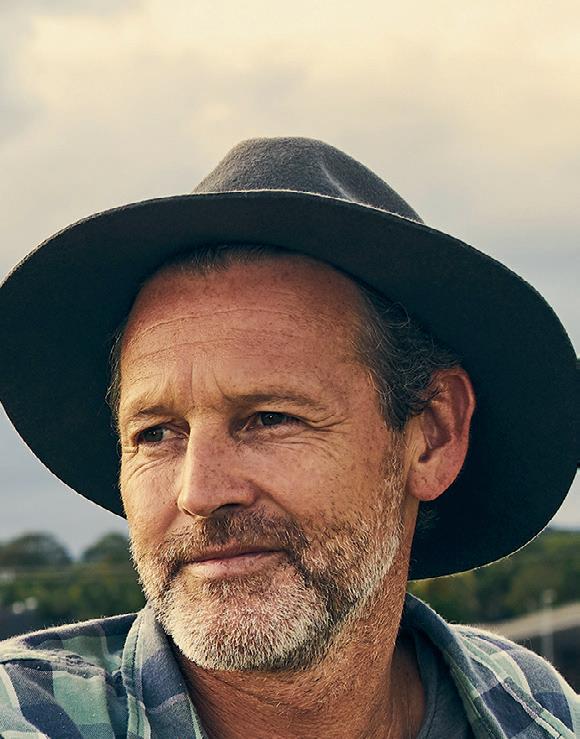





































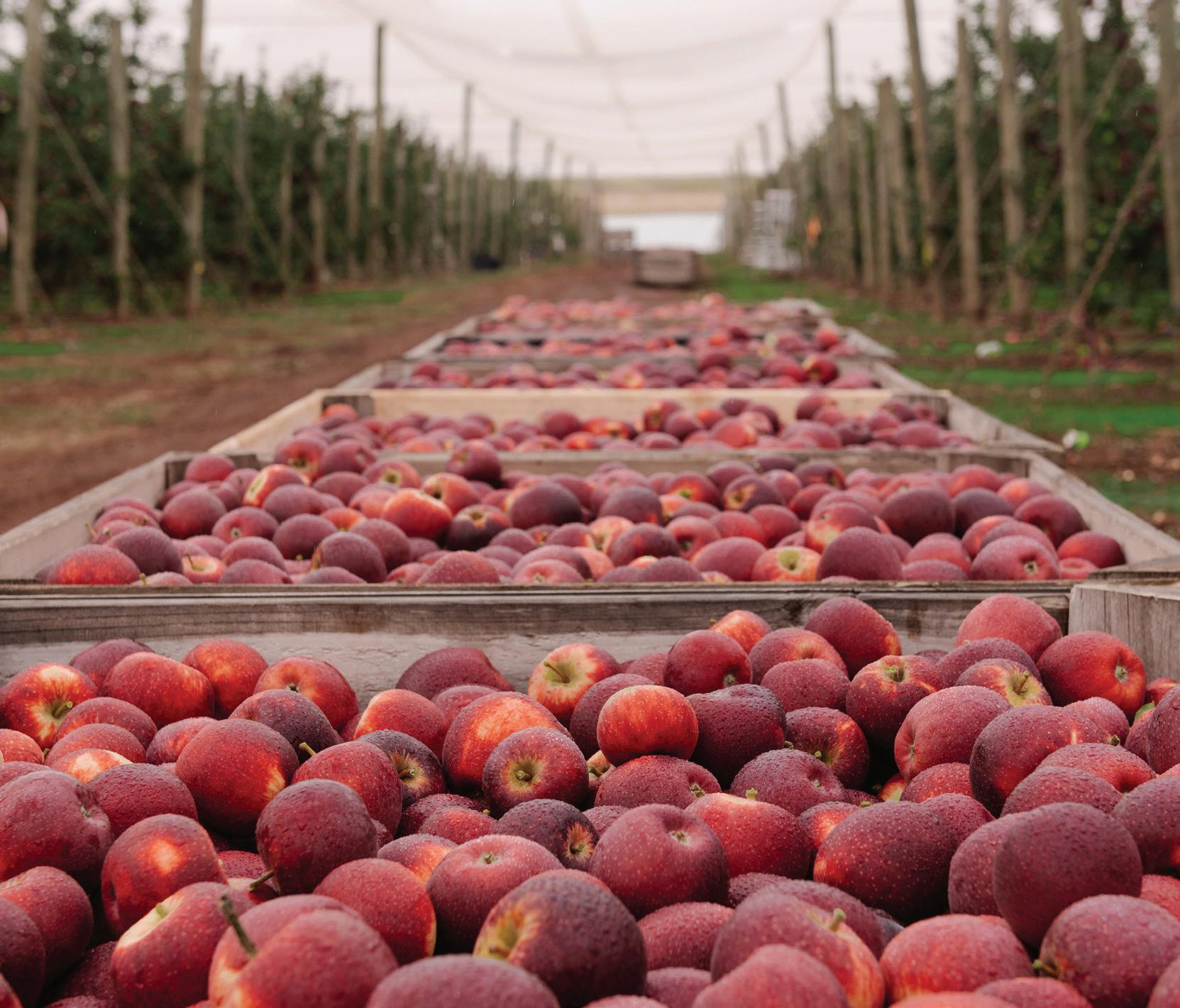
The Australian growers of West Australian-bred deep burgundy Bravo apples are harvesting about 25 per cent more fruit, making it available on east coast supermarket shelves until much later, as consumer demand for the white-fleshed apple grows.
Managing director of leading Australian fresh fruit supplier WA Farm Direct Jenny Mercer said the increase in volume was due to additional plantings and orchard maturity.
Jenny said WA Farm Direct was the licensed marketer for the sale and distribution of Bravo apples in Australia.
Nearly 300ha of the variety ANABP 01, which produces Bravo apples, are under cultivation by 85 growers in key apple-growing regions of Western Australia, NSW, Queensland, South Australia and Victoria, with plantings expanding year on year as demand grows in Australia and globally.
The largest of these growing regions are Shepparton in Victoria and Manjimup in Western Australia.
“Plantings are increasing in all key growing states with plans to support both domestic and export markets over the next decade,” Jenny said.
“Some trees are mature and in full production while younger plantings are still maturing.”
“Our growers are the lead characters in the Bravo story and the brand’s success is testament to their efforts.
“They are passionate producers who have a rich tradition of growing superb Australian apples forged by generations before them.
“Their apple-growing expertise, combined with world-leading technologies from farm to table, is now being passed on to the next generation of growers.”
Jenny said each orchard contributed a unique climate and character to the harvest, ensuring every apple delivered the quality and flavour which defined the Bravo brand.
She said WA Farm Direct’s strict quality standards, variety training and advanced technology
ensured consistent fruit regardless of location.
Picked by hand and maturity tested on orchards, the apples are either packed on site or at centralised packing facilities.
“Orchardists grow the variety which produces Bravo apples under nets to protect the crop from pests and weather impacts and use precision farming tools and technology to manage tree health and fruit quality,” Jenny said.
“Packing facilities use infrared grading systems and quality scanners to ensure consistency and that fruit is sent to the right market at the right time.”
The Bravo story so far
Bravo apples were launched in Western Australia in 2016 and have been available on the east coast in small volumes since 2019.
Characterised by their striking deep burgundy skin and flesh that stays white longer than other apples, Bravo apples are a household name in Western Australia and are gaining ground as a consumer favourite on the east coast, Jenny says.
The Bravo apple harvest starts in Western Australia and Queensland in March-April and ends in NSW and Victoria in May.
Apples are stored in controlled atmosphere conditions for distribution from April to December.
The variety ANABP 01 which produces Bravo apples was specially bred by Australian apple breeder John Cripps in 1992 and then developed over two decades by the National Apple Breeding Program.
The variety is a cross between Cripps Red and Royal Gala and was hand-selected for superior flavour, colour and shelf-life.
One of the highest flavonoid-rich apples grown in Australia, most of the health-promoting compounds in Bravo apples are found in the skin.
Once cut, Bravo apples stay white for hours, even days, due to low polyphenol oxidase activity and high antioxidants which slows browning.
Jenny said premium Bravo apples had a brix level ranging between 14 and 18 per cent, which contributed to its delicious, sweet and complex flavour profile.
“These distinctive colour, flavour and health attributes are prompting strong international interest from our growing export markets in Asia and the Middle East,” she said. T
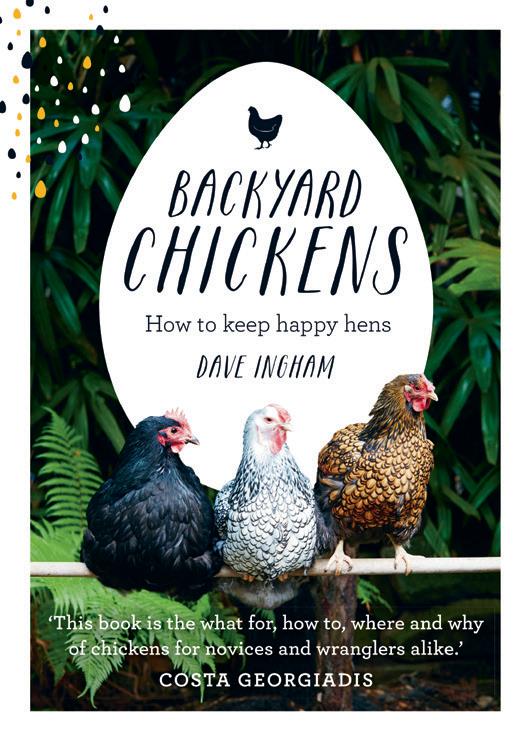
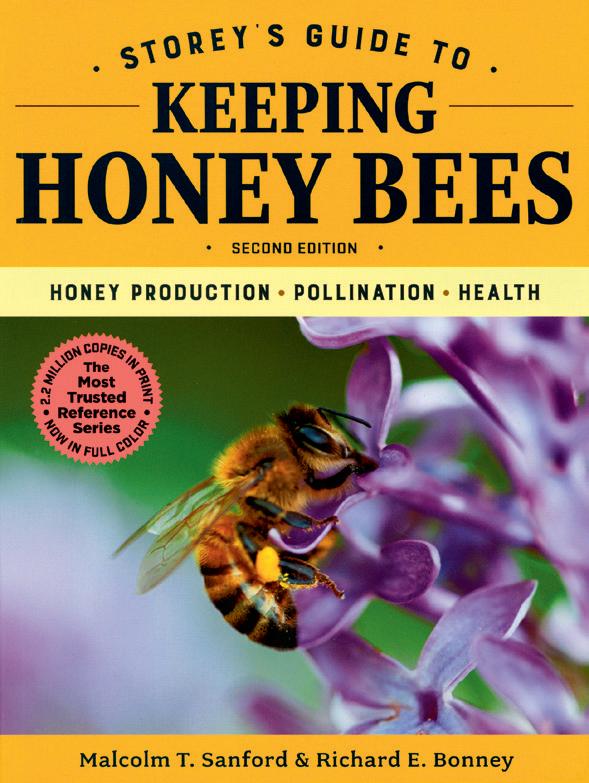
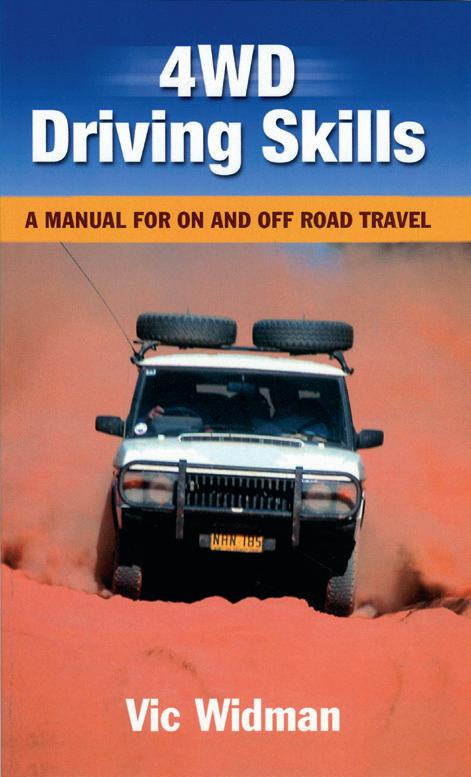
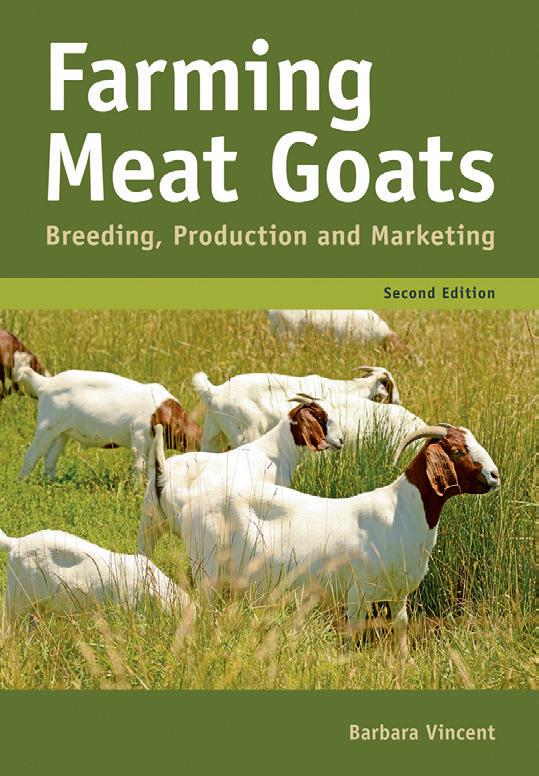



Galloways Australia Inc. PO Box 309, Hall ACT 2618 gallowaysaustralia@gmail.com www.gallowaysaustralia.com.au 02 6230 2536 GALLOWAY BELTED GALLOWAY

“Minto”, Yass, NSW, 2582 Tel: (02) 6230 2536
Email: gregnstuart@aol.com www.mintogalloways.com.au
e: cpg4764@bigpond.net.au www.wahgungurryalpacas.com














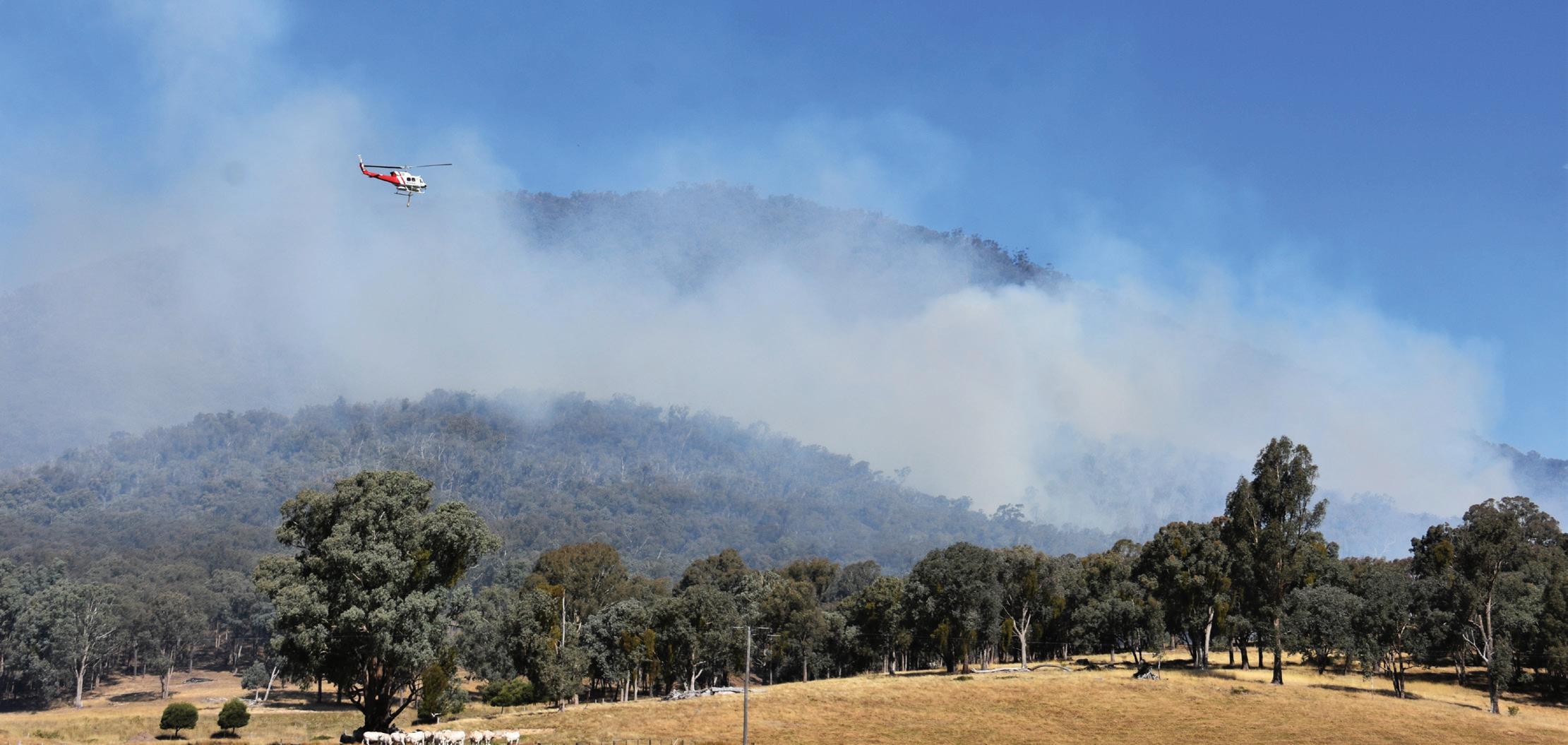
Understanding not just if fuels are dry, but when they’re driest, can make the difference between a safe prescribed burn and an uncontrolled fire.
A new study has revealed when and where forest fuels are at their driest, offering fresh insights to improve bushfire risk assessment and prescribed burn planning across Australia.
In remote landscapes, fire managers often rely on natural features like gullies and creek lines to contain planned and unplanned burns, but success depends on knowing exactly how dry fuels are.
“Understanding not just if fuels are dry, but when they’re driest, can make the difference between a safe prescribed burn and an uncontrolled fire,” lead researcher Nick Wilson from the Bushfire Centre of Excellence Research Centre at the Australian National University said.
The NSW Smart Sensing Network Grand Challenge Fund project, led by researchers from ANU and Western Sydney University, set out to trial lowcost smoke and fuel moisture sensors to efficiently monitor the moisture content of bushfire fuel in real time.
But when the devices failed to provide reliable data, the team pivoted to a more fundamental issue: how well existing satellite and meteorological estimates of fuel moisture match real-world conditions.
By comparing high-quality in-situ sensors with satellite and meteorological products, they found that while remote data was generally accurate, it was less reliable in extreme terrain such as ridge tops, gullies and areas of dense vegetation,
where moisture can vary sharply over short distances.
The researchers also found that forest fuels reach their driest point about two hours after the air is driest, with the hottest and driest air occurring about 3pm but fuels continuing to lose moisture until about 5pm — a lag not previously documented.
“Recognising the late-afternoon lag in fuel drying is crucial for safe prescribed burns and for anticipating how bushfires might behave as conditions change through the day,” Dr Wilson said.
“Our study also found that satellite data can be trusted for broad-scale monitoring of bushfire fuel moisture, while expensive ground-based sensors should be placed strategically in complex landscapes.”
The findings provide a stronger evidence base to guide prescribed burn planning for fire managers.
The project was a partnership with Western Sydney University, industry partner Indicium Dynamics and government partners Forestry Corporation of NSW and ACT Parks and Conservation Service.
“At Indicium Dynamics, our focus is turning cutting-edge research into tools that can be deployed at scale,” Indicium Dynamics chief executive officer Rob Vernon said.
“Through digital tools like our Fire Foresight platform, we are integrating satellite-derived data, ground-based sensing and live AI camera monitoring to deliver accurate, real-time situational awareness on prescribed burn monitoring and early bushfire detection.
“Partnering with ANU, Western Sydney University and fire agencies ensures that new insights, like this late afternoon drying effect, are translated into technology that keeps communities, asset owners and firefighters safer.”
Forestry Corporation of NSW land management and innovation manager James Carter said the techniques would be crucial to increasing efficiency in burning, as well as understanding environmental conditions in more detail when suppressing wildfire.
“With diminishing windows of opportunity to undertake important ecological and hazard reduction burns, using techniques such as this allows us to rapidly fine tune and make the most of those opportunities,” he said.
ACT Parks and Conservation Service prescribed burning and research utilisation manager Adam Leavesley said the service used some excellent tools for planning its landscape burns, but there was always a question come ignition day about whether conditions on the ground matched the climate models.
“This work brings us a big step closer to bridging that gap, so that we can be more confident of what a burn will do when we light it and we can deliver safer burns with better environmental outcomes,” he said.
NSSN Natural Hazards and Smart Places Theme lead Peter Runcie said the innovation network was pleased to have supported the important research.
“It advances our understanding of how to use in-situ and remote sensing together to gain a more accurate view of fire fuel moisture over large geographic areas,” Mr Runcie said.
“Collaboration between the research, industry and government partners is essential not only to this project, but to future development of decision support tools for use by land and fire managers.”
The project team is now developing tools which combine satellite data with topography and vegetation maps to produce finer-resolution fuel moisture estimates — improving accuracy from kilometre-scale down to as little as 30m.
In the long term, the researchers aim to refine how different components of forest fuel — from leaf litter and bark to grasses and canopy — are represented in fuel moisture models, which has implications for fire behaviour predictions.
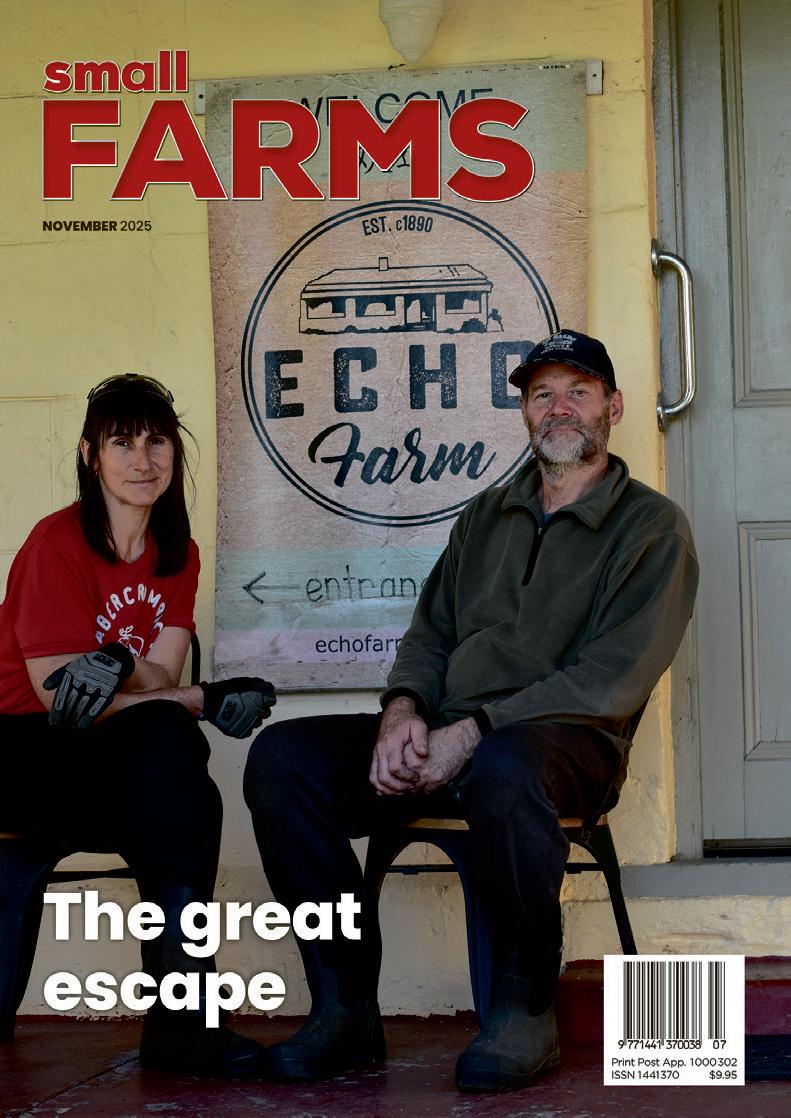

• The great escape
• A window in to life on the land
• The cream of the crop
• Sienna triumphs at show
• Financial relief for hard-hit farmers
• Tough farm dads open up
• Next generation of tractors launched
• Brewing an Australian future
• Free elite Galloway genetics
• What is it about those Galloways?
• Traditional genetics — sustainable beef
• Home butcher
• Home cook
• Mixed outlook for year ahead
• Rural women in the spotlight
• Food security at risk
• Big crowds flock for sheep expo’s return
• One size fits none
• Farm accident insights released
• Lifestyle
ORDER ONLINE, POST OR CALL
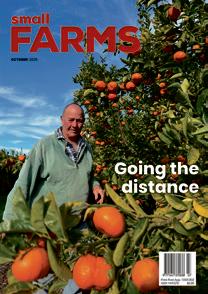


$10.70
Going the distance, Roadside stalls, Howdy, partner, Women bloom through the dry, Passion wins youth award, Moo-dern art, Finger limes, World’s oldest cowboy living the dream, Bravo apples.
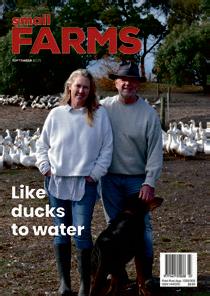
SEPTEMBER
$10.70
Ducks, When will dams fill?, Alpacas, Battery subsidy, Drought, taxes pile on pressure, CQU fights food waste, Canola, Group funded to support farm forestry, Alison offers hope with horses.
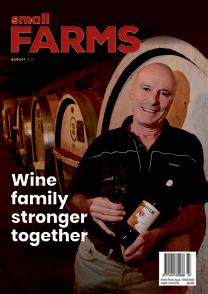
Mushrooms, BatNav, Wine family, From Bunbartha to the nation, Are computers ready to run our farms?, Spinning new yarns, Winter cropping a ‘mixed bag’, Avocado production dips.
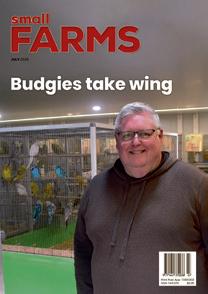
JULY
$10.70
Shetland cattle, Budgies, Alpaca farm, Virtual fencing, Historic drought, Small breeds cattle feature, Support for farmer groups, Tractor odyssey, Shining a light on women, Divide over bounty deal. JUNE
Swapping breeds, Seeds of business, Resistant vines, Future seeds, Bush photography, Safer future, SA support package, Backyard orchard is bearing fruit, Anthem milestone, Pest impacts pollinators.
Friesian horse, White wine, Bat army, Distillery, Fire ants, Innovative way to feed the beast, Rural Aid, App to reveal value of renewables, Weird sunflowers, Chicken meat industry review, Deer season.
$10.70
An upright enterprise, Food future, Corns, Smoke sensor, beekeepers’ burdens, Sunflowers, Appetite for vegies, Galloways, Sustainable timber, Natives for medicine, Fungi to fight flatulence, Beekeeping.
Strawberries, Farmers’ markets, Blue-green algae, Feed testing, Varroa army, Garlic, Heat stress, Miniature donkeys, Island cuisine, Micro-abattoir seeks crowdfunding, Changes for NSW eID, Green bank scheme.
Abalone, Cheesemaker, Native bees, Quad bike crash spike, Farmers’ Market online marketplace, Rural women in business, Hazelnut research, Who is standing by our farmers?, Drones, Food standards, Bio-security.
Roses, Farm safety, Icelandic horses, Bees, Cherry orchard, Berry and grape growers embrace tech, Fire ant response, Invasive species, A fruitful partnership, Science backs benefits, Jackfruit, Power lines, AI.
$10.70


Lavender, The goog, Chickens, Climate change a ‘riesling’ to worry, F1 sheep, Learner reinvigorates career, Honey, Tree changers, High-tech bees, Transforming food for health, Fire ants, Murals, John Deere. OCTOBER
Wine with a view, Cheese, Orchards, Landcare, Deer, Safety first, Renewables, Cattle safety, Animal rescue, Food waste, Reduce UV exposure, Transmission approval, Hardwoods, Invasive weed to crop.
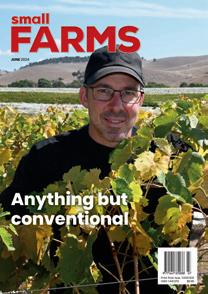
Picking a new pathway, Llamas fly to Oz, Anything but conventional, Truffles, Bats insect control, Bunya nut, Ag courses, Wool dress, Farms at risk without change, Meat/ plant protein, Fire ants, Weed app.
Grampians food, Community gardens, Trees wanted: dead or alive, Finding their niche (vegetable growing), Renewable land grab, Figs, Cultivating love, Farmland cost, Fatigue risks, Camels are milking it.
Produce, Crop research funding, Holding the reins, Hot chilli medal, Hemp, Travelling Jackaroo, Varroa arrival, Green pipe, Galloways feature, Bush food, Dung beetle, Inlon anniversary, Drive safely on farms.
$10.70
Purple potatoes, Olive oil, Goat meat, Bush food, Australia’s organic rules a hot mess, Skills shortage, Demand for aviation fuel soars, Avocado oversupply, Fruit fly breakthrough, Bee hotels, Best winter feed.

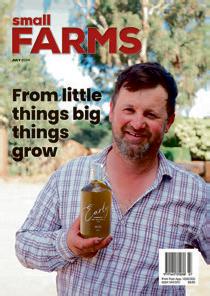

Raspberries, Low-emission milk, Farm prices, Avenel gem stands apart, Farm safety, From little things big things grow, La Nina watch, Galloways, Digging deeper, Citizen scientists, Funds to reduce.
SEP 2023
OCT 2023
NOV 2023 DEC/JAN 2024
FEB 2024
From their paddocks to our plates, Magarey family orchard, blueberries, Five Ducks recovering from fire, Finger lime , Movie lifts the veil on farmer suicide, Hemp, El Niño?, Regenerative farming techniques.
Bees, Market gardeners, Edible gardens, Supermarkets in the hot seat, Making jam, Caring for stock, Livestock shelter, Biodiversity, Peony roots, Sun rises on healthier forage, Spray drift, lavender.
Perfect cheese, Women in agriculture, Winemaking, Koroit Cherries, Kangaroo meat, Urban agriculture, Olive oil, Home butcher, Dams reveal carbon insights, Coffee beans, Mungbeans.
Word
This is an essential guide to safe and responsible fourwheel driving.
Modern four-wheel drive vehicles are powerful and sophisticated machines, able to travel almost anywhere. Given their growing popularity with recreational drivers, there is an even more pressing need for adequate training.

Even on sealed roads these vehicles require a different set of driving skills: offroad the demands are many times greater.
Vic Widman bought his first four-wheel drive vehicle more than 23 years ago and learnt his driving skills the hard way. He now runs one of Australia’s leading four-wheel drive training schools and tag-along tour companies and has conducted thousands of four-wheel drive training courses.
4WD Driving Skills concentrates on the essential skills of four-wheel driving for every type of off-road terrain, as well as sealed and unsealed roads.
The 152-page guide explains what makes a four-wheel drive vehicle different, how to approach challenging situations and shows what to do if things go wrong.
Features:
an explanation of four-wheel drive systems general principles of four-wheel driving driving on sealed roads unsealed roads and corners controlling a slide passing oncoming traffic on unsealed roads trail driving in mountainous areas driving on wet and muddy tracks river crossings driving in sand snow driving recovery equipment caring for the environment


H/Low Range
• 2WD/4WD - Diff Locks
• Front Screen
Steel Dropside Electric Tipping Tray
LAND-PRO SX 450 4X4 SSV Diff Lock
Carrying Capacity 400kg
ECM Engine Braking Side Doors Option
$17,490*# Drive Away
$16,990* Boxed 70% Assembled
Features
• 25.8 hp Engine • Delphi Fuel Injection
• 2 WD / 4 WD - Diff Lock
• Liquid Cooled
• CVT Auto L / H / R / Park
• Shaft Drive / Differential
• Front Screen
• Tipping Tray • Winch — 3500 lb Mesh Doors Option Boxed 70% Assembled $10,990* Drive Away $11,440#*
• Front Screen
• Large Bench Seat
• Large Bench Seat Steel Dropside Electric Tipping Tray Power Steering (EPS) Side Doors Option 4 Seater Available Mesh Doors Option See Website
$13,990*# Drive Away $13,490* Boxed 70% Assembled
$8,600*# Drive Away $8,200* Boxed 70% Assembled