Advertising bookings and editorial requests for each edition of FARMtalk close on the third Friday of the month preceding publication.
Finley High triumphant at Holbrook
Holbrook Sheep and Wool remains one of the favourite shows on the calendar for the Finley High School agriculture team, and agricultural teacher Gary Webb says this year’s results were among their strongest yet.
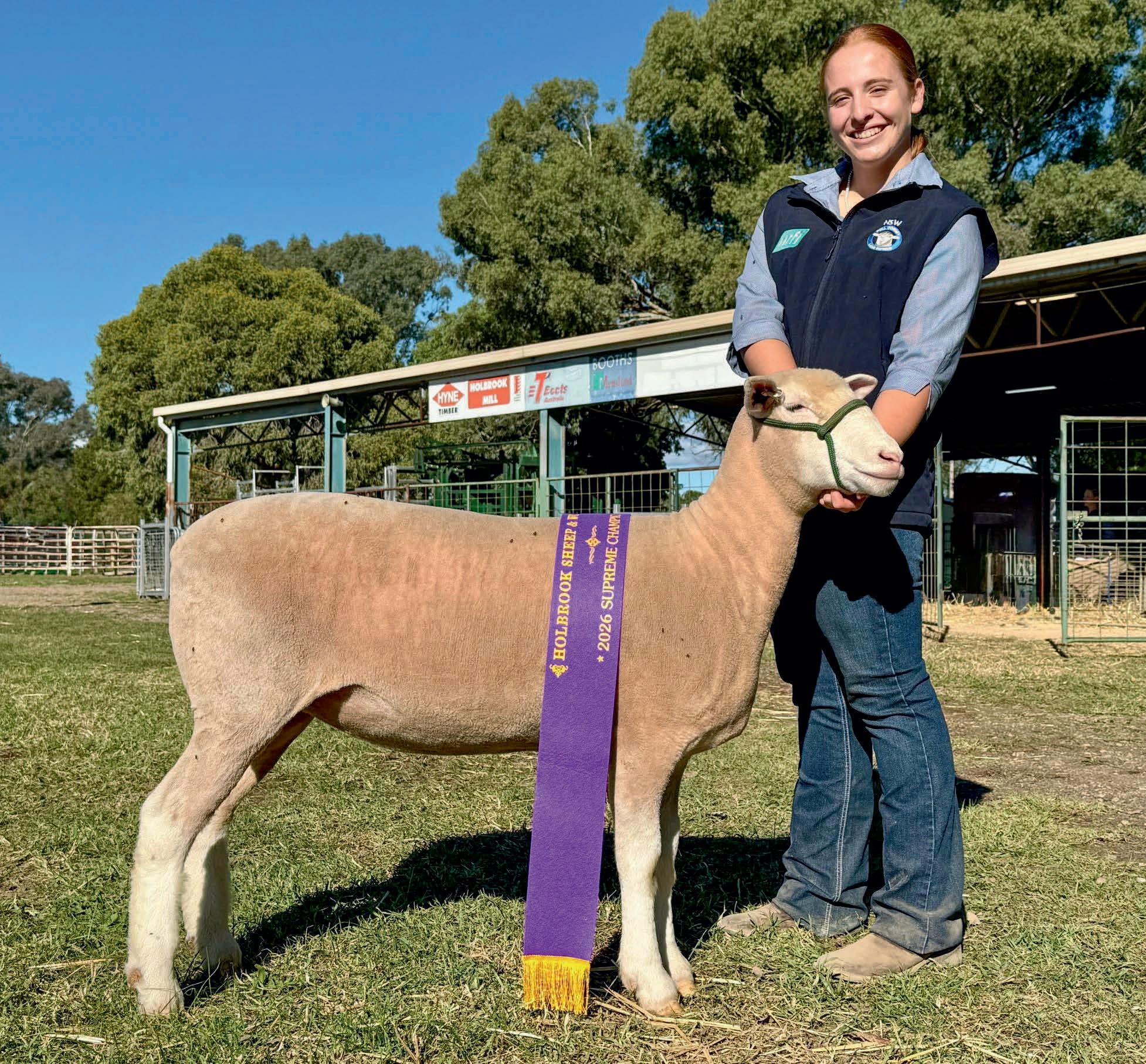
Abbey Tanner with the Supreme Champion Ewe.
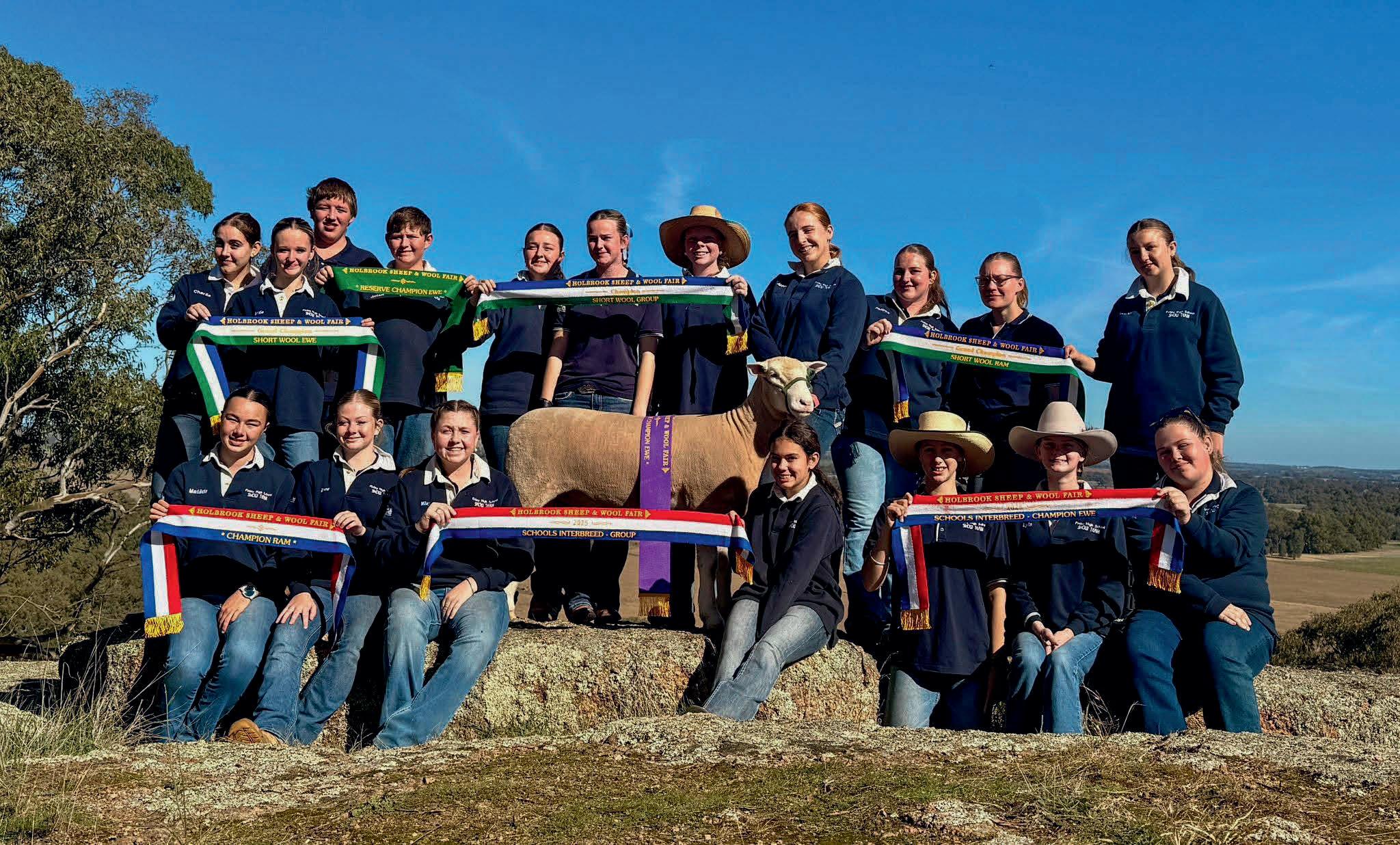
The students brought home major accolades from the May event, including Champion Short Wool Ram and Ewe, with the ewe going on to be named Supreme Champion Ewe of the Show.
Mr Webb said the program continues to thrive thanks to the generosity and commitment of supporters.
The school offered particular thanks to some of their supporters - Hillden Poll Dorsets for their continued semen donations, Genstock at Jerilderie, Phil Murrowood for shearing, and to Gordon Close.
“We have had a lot of success at Holbrook, it’s been terrific,” Mr Webb said.
“This is probably my 20th year attending. In all the time I’ve been involved, Finley has always done very well.”
Mr Webb said contributing to the success is the combination of Hillden Poll Dorset stud’s good genetics and the school’s ability to routinely cull their stud and nurture the traits they are after.
“It’s been a long process over many years. Consistently good genetics, have certainly helped.
“This is probably our best team of ewes.”
Mr Webb is equally proud of the students who represent Finley High School.
Whether working with cattle or sheep, he said the young handlers are “incredibly capable”, many of them starting in the younger years, and working their way up.
“As teachers it’s great to see the mentorship from the older students to the younger.
“We truly have a wonderful group of students. We’re thrilled with the passion they show, and many of them will go onto work in the industry, which is really what it’s all about.”
Despite retiring from teaching, Mr Webb said his former colleague Robyn O’Leary remains involved and visible within the ag team projects, continuing to support the program.
He also praised Katrina Abbott, who joined Finley High’s teaching staff at the end of last year from Deniliquin.
Mr Webb said Ms Abbott is already a valued member of the show team, having her own flock of sheep and plenty of experience under her belt already.
“She’s really settled in well,” he said.
“Katrina loves to show livestock and has great experience. Even though she’s just 26, she’s a very valued colleague.”
The school is now preparing for the Cowra Poll Dorset Show in June, with students already eager.
Mr Webb said the team is also “spending a lot of time” planning for the Royal Melbourne Show, with preparations already underway and enthusiasm running high.
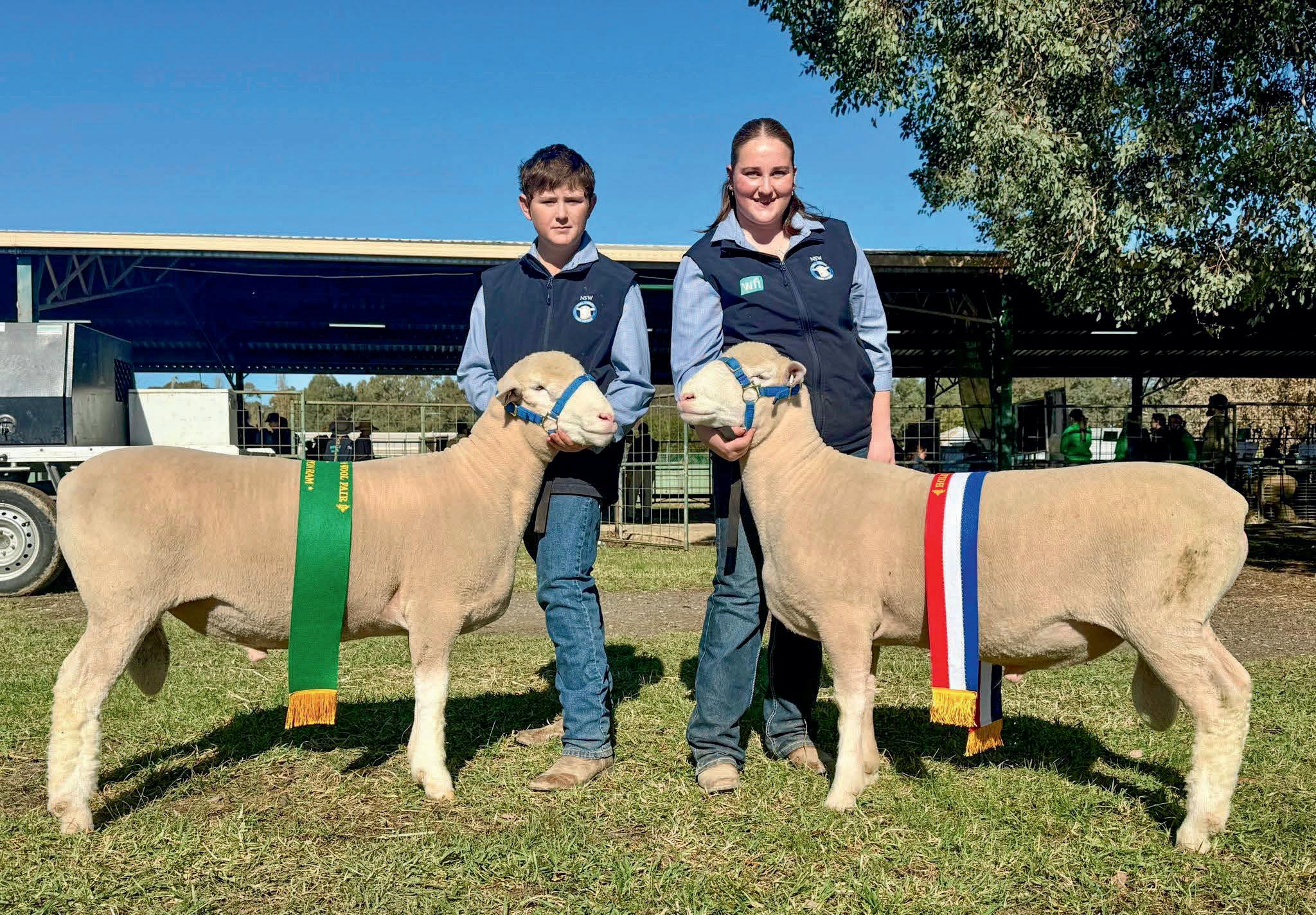
Jackson Cleve and Phillipa Bain with the the Champion and reserve champion short wool rams.
The Finley High School show team, with some of their major awards from the Holbrook Sheep and Wool Show, and their Supreme Champion Ewe.
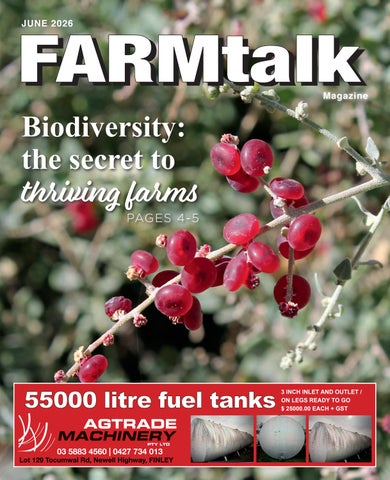
Biodiversity: the secret to thriving farms
Pattison Pastoral is playing a leading role in sharing the growing possibilities of biodiversity in local farming.
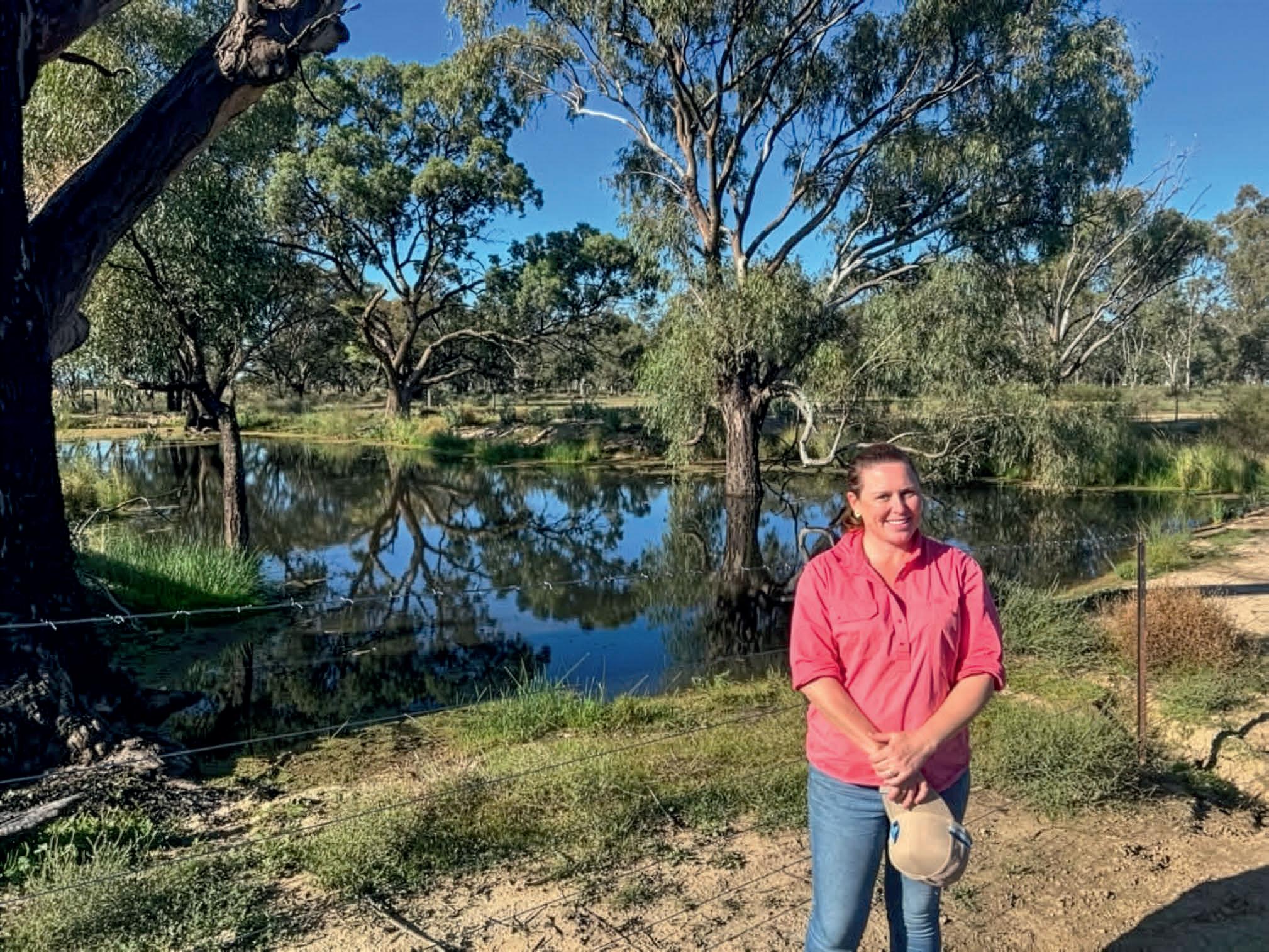
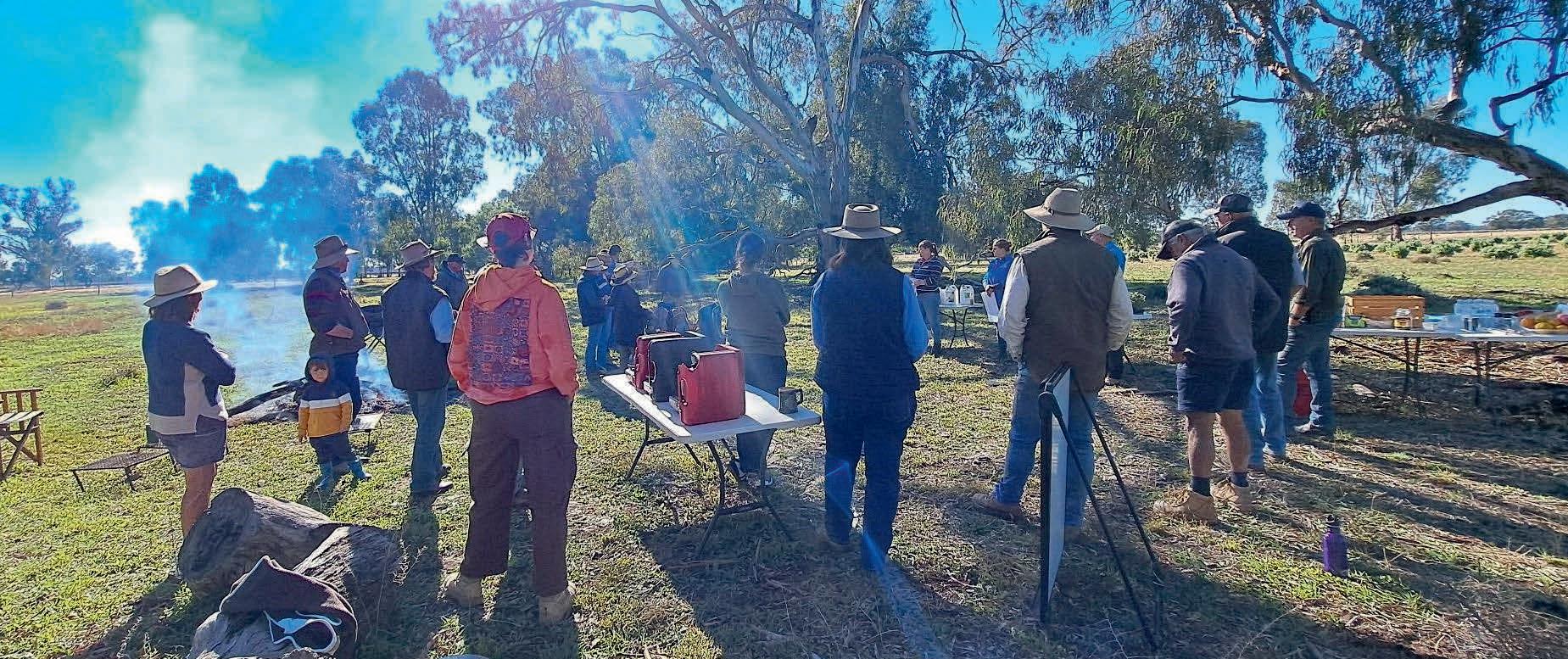
Owner operators Hayley and Matt Pattison hosted the Western Murray Land Improvement Group’s Pasture to Plate event in May, which was attended by 39 landholders and was supported by the NSW Biodiversity Conservation Trust.
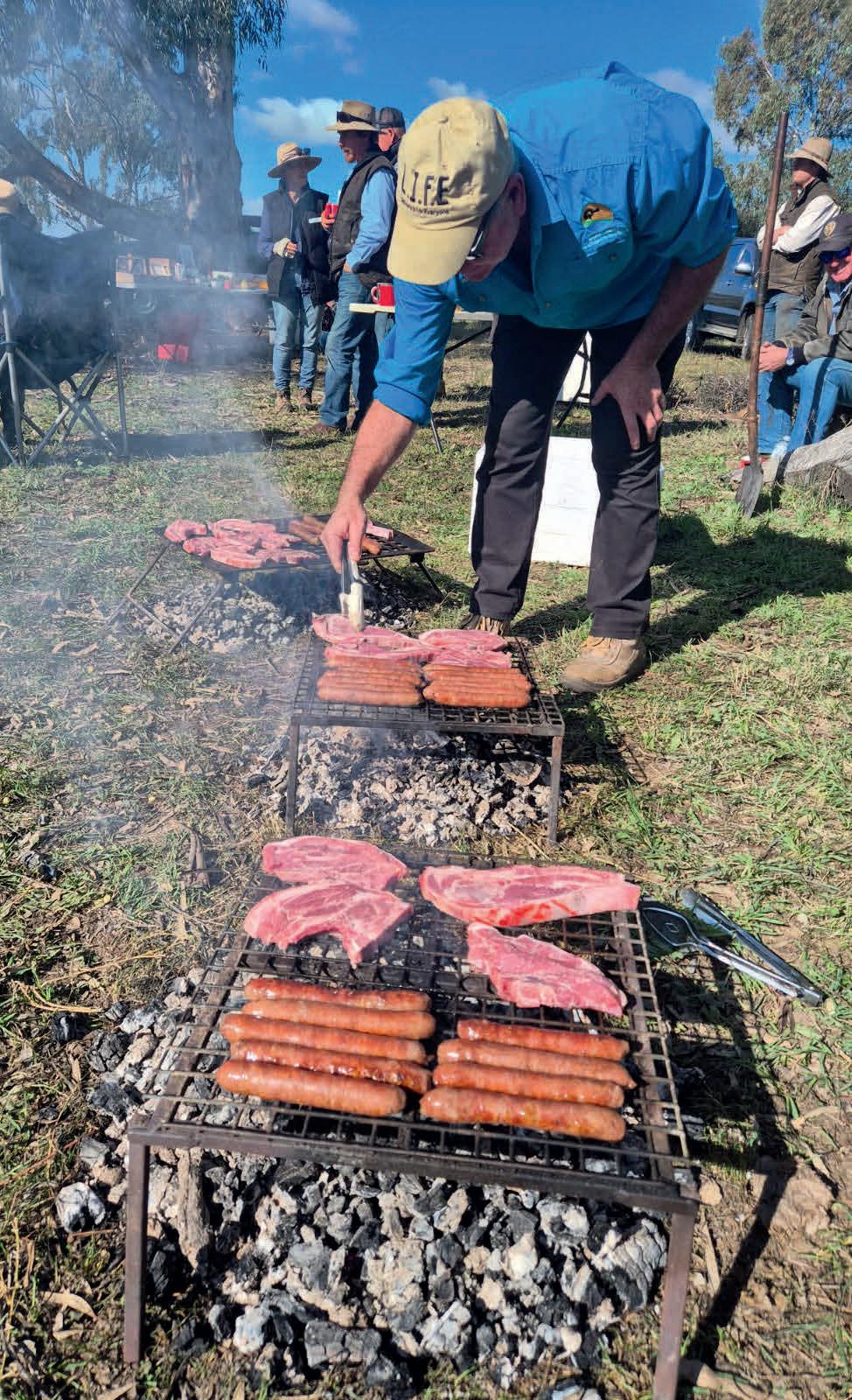
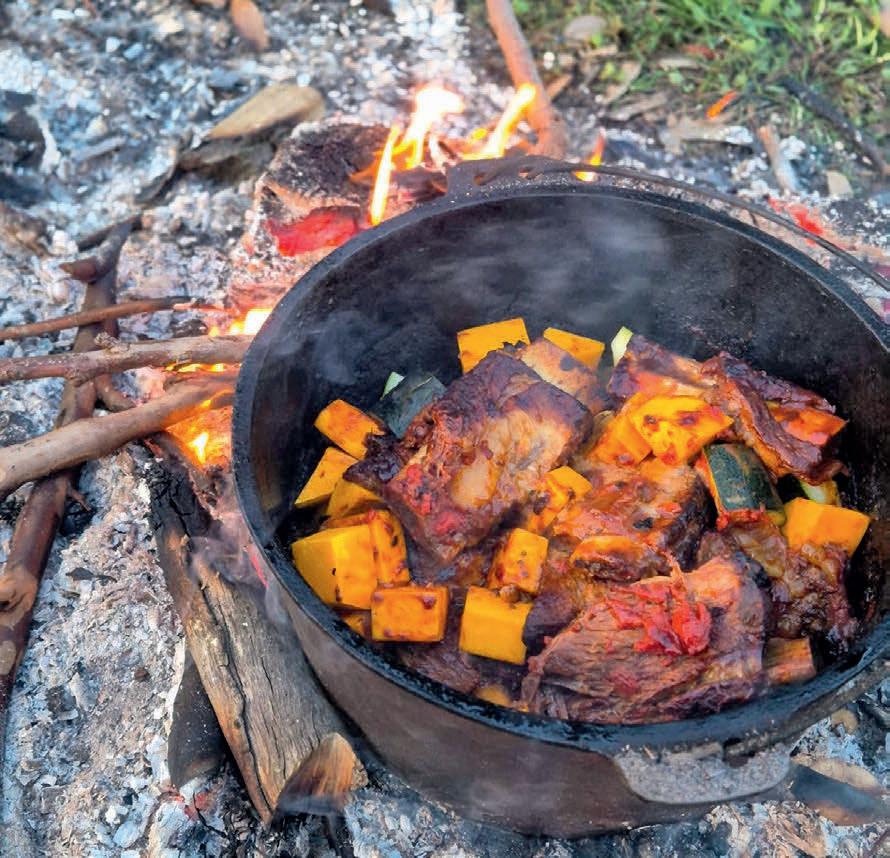
Attendees enjoyed a barbecue lunch featuring produce from the Pattisons farm, next to the campfire.
Conversation topics included farm dams and wetlands, woodland and pasture biodiversity, salt bush, alternative fertilisers and biochar.
Mrs Pattison said the event was eye-opening.
“I’d call it a pretty successful event,” she said.
“We had almost 40 people in attendance, who got a lot out of the workshop and from the other speakers.”
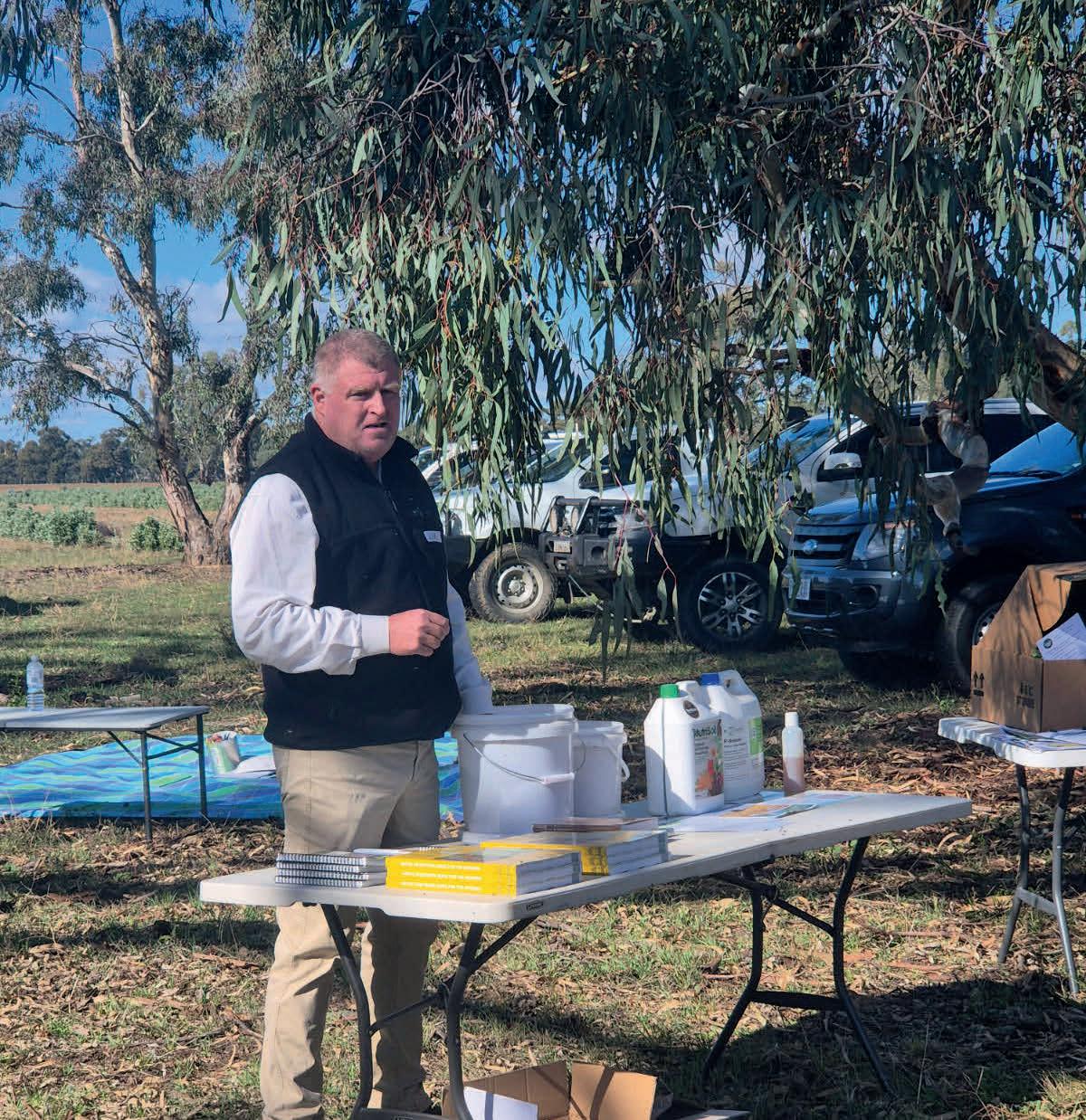
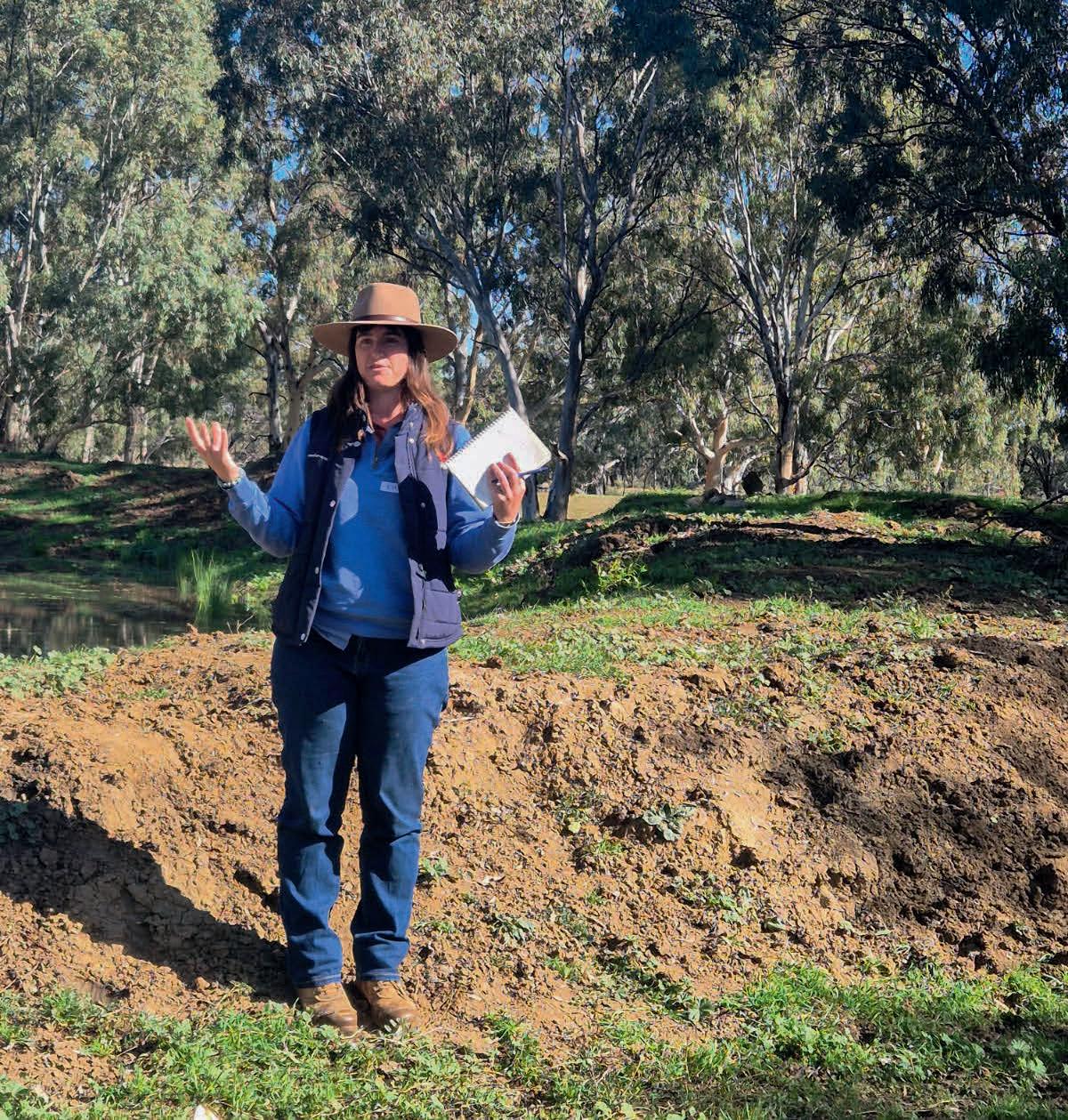
Also presenting at the workshop were Luke Harrington from ReGen Farming, Roger Knight from WMLIG, Emily Wilson from Local Land Services and Nigel Jones from NSW BCT.
Pattison Pastoral’s main enterprise is beef cattle production, which has grown since the Pattisons bought their first farm in 2011.
“We’ve found more diversity in pasture leads to a wider range of nutrients, healthier cattle and better weight gain overall.”
HAYLEY PATTISON
In 2019 they moved to ‘Minmi’ near Burraboi, 60km north-west of Deniliquin, and a lot of their produce is sold at Pattison Pastoral Butchery in Deniliquin They produce Angus predominantly, but also Hereford and Black Baldy.
On the 4200 acre property, they have between 250 to 300 breeders at any one time.
The practical benefits of native biodiversity that Pattison Pastoral experiences made them ideal hosts for the event.
“We’ve found more diversity in pasture leads to a wider range of nutrients, healthier cattle and better weight gain overall,” Mrs Pattison said.
“We have been achieving very high weight gain with a grass grazing system and pasture rotation.
“We also have our paddock to plate butchery in Deniliquin so that the community has access to meat produced under conditions we think are ethical and top quality.
“We’re constantly working to improve through native pastures and water supply.
“We have also been a part of the Murray Irrigation’s Restoring Murray Waterways, and in our experience with that has been a benefit to business.”
At the event, Mrs Pattison shared the example of how native salt bush has provided multiple benefits for their farming.
Attendees enjoyed a barbecue lunch featuring produce from Pattison Pastoral.
Hayley Pattison hosted 39 people for the Pasture to Plate event.
“I spoke about how we use biodiversity, how we got accredited with Land to Market Regenerative Farming accreditation based on ecological monitoring, our experience using salt bush as a stock feed and why we think natural capital is not separate from business and management of landscape.
“The workshop was held next to a salt bush plantation, alongside a dam built to host livestock and native flora and fauna.
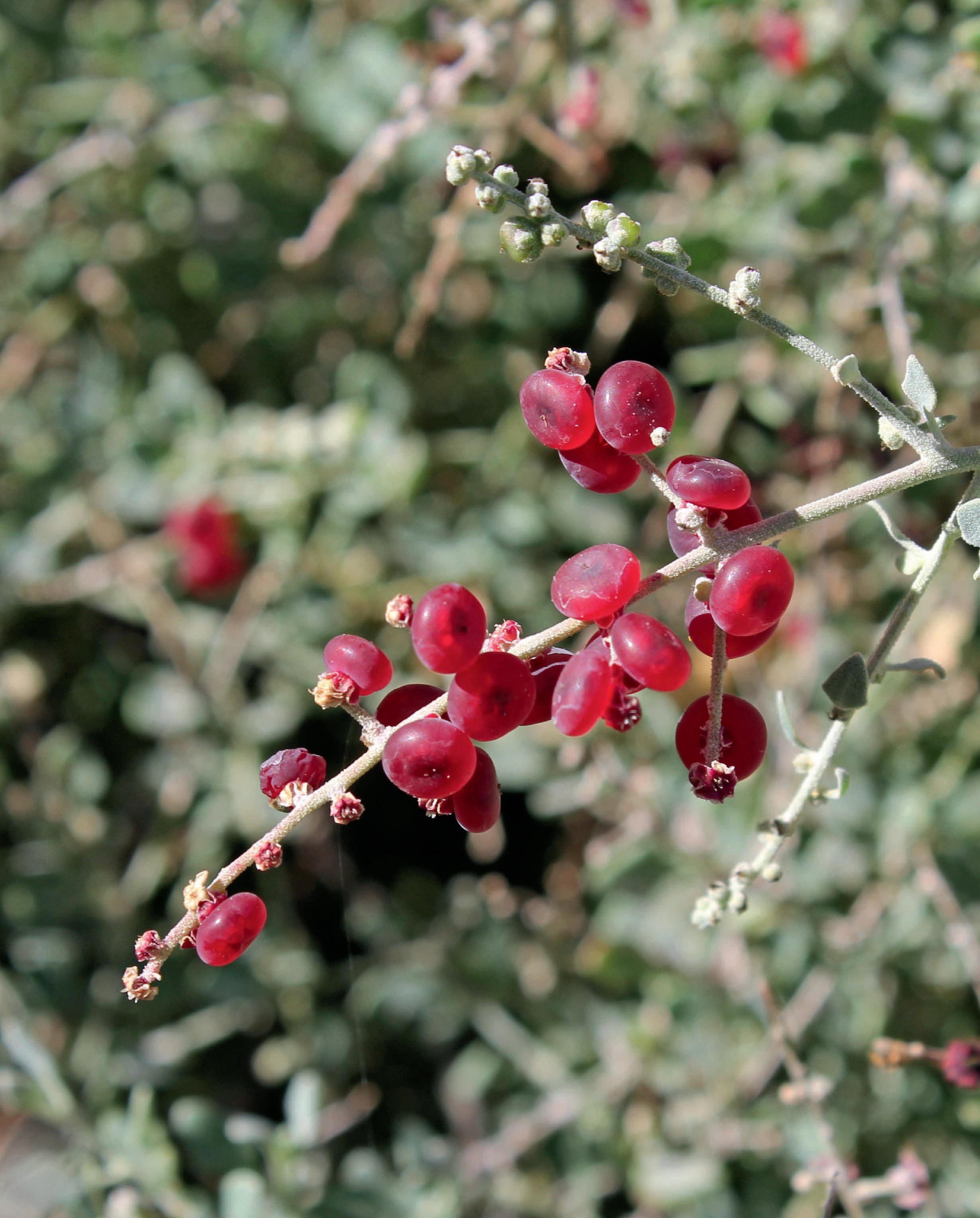
“We have 15 hectares of Anameka salt bush that was planted by Tulla Natives in 2021.
“We’ve found that cattle are better grazing salt bush than sheep, even though salt bush is often promoted more for sheep.
“Salt bush helps the cattle process the dry feed in the summer months, as it is high in protein and helps the rumen with the digestive process.
“Perennial native pastures provide great benefit when summer rainfall events occur, as they’re then able to graze the beneficial green feed that comes.
“Having more perennial (pastures) takes out the boom and bust nature of winter annual pastures.”
HAYLEY PATTISON
“Predominantly, pastures in this area are winter dominant annuals that can’t utilise summer rainfall.
“Having more perennial (pastures) takes out the boom and bust nature of winter annual pastures.
“Saltbush also creates a micro-environment for the pasture, protecting the surrounding pasture base from the harsh environment.”
Having high biodiversity levels could also further benefit farmers, with exciting new developments taking place through the local land improvement group.
“The Western Murray Land Improvement Group has some funding to help farmers access the biodiversity credits available.
“Similar to the well-known carbon credits scheme, it could be lucrative to farmers potentially if they have that level of biodiversity.
“We will put in an expression of interest. On the property, we are home to several species that are endangered, including the southern bell frog, which also factors into the biodiversity level.”
Anyone interested in the biodiversity credit program is invited to contact WMLIG via its website, www. westernmurraylig.org.
You can also follow the group’s Facebook page, and subscribe to its newsletter via the website.
Luke Harrington from ReGen Farming was a guest speaker.
Emily Wilson from Local Land Services.
Optimism grows, but momentum at risk
Across the Murray region, recent rainfall and improved seasonal conditions have brought some welcome optimism, with many farmers seeing stronger pasture growth and improved seasonal outlooks.
Atthe same time, rising input costs and ongoing global uncertainty continue to create challenges for farm businesses and decision-making.
It’s the same across other dairy regions, with Dairy Australia suggesting rising input costs linked to the Middle East conflict are threatening late season gains and point to a softer 2026–27 outlook.
Its Mid-Year Situation and Outlook Report 2026 highlights a period of recovery for the industry, noting that Australian dairy steadied across the 2025-26 season after a turbulent start.
A strong turnaround in milk production has been a feature of the year, supported by a favourable autumn break that improved pasture conditions and soil moisture.
Production figures reflect this recovery.
After falling by 2.4 per cent year-on-year in October, milk output improved significantly to sit just 0.7 per cent down by March.
Analysts expect production for the remainder of the financial year to remain solid, underpinned by the improved seasonal conditions seen in recent months.
However, the outlook beyond the current season remains more uncertain.
Dairy Australia analysis and insights manager Tom Youl said that while well-timed rainfall helped sustain pasture growth and reduced the need for fertiliser late in the season, mounting cost pressures are likely to weigh on the year ahead.
“Farmers will face margin and cash flow pressure with input cost and broader supply chain price pressures from fuel and fertiliser expected to remain a factor heading into the new season,” Mr Youl said.
Despite these pressures, there are some positive signs.
Fuel price trends are pointing downward and national stockpiles have increased since early March, offering some relief to producers navigating volatile markets.
Against this mixed backdrop, Dairy Australia is projecting a two per cent decline in milk production for the 2026-27 season, with outcomes expected to range between a one and three per cent drop depending on external conditions.
Much will hinge on geopolitical developments and seasonal weather patterns.
Survey data suggests farmers remain cautiously optimistic.
The latest National Dairy Farmer Survey shows the proportion of farms in an “expansion” phase has risen to 26 per cent, while 38 per cent of respondents reported increasing herd sizes over the past year.
Meanwhile, demand for Australian dairy products has remained resilient.
Retail sales continue to be driven by protein-focused products such as Greek yoghurt, cooking cheese and butter, although cost-of-living pressures are prompting some consumers to shift towards more affordable options.
Globally, dairy markets have also shown resilience.
Despite increased supply from major producers such as New Zealand, Europe and the United States, prices - particularly for skim milk powder - have remained relatively firm.
Export demand has held steady, with growth recorded in South-East Asia and the Middle East and North Africa, as buyers prioritise food security amid ongoing geopolitical uncertainty.
Looking ahead, Mr Youl said the industry’s recent momentum should help stabilise production in the early months of the new season, although elevated input costs will continue to pose challenges.
“There is uncertainty on the horizon,” he said.
“However, the positive outlook for domestic and global demand will hopefully help to offset some of those challenges.”
Tom Youl, Dairy Australia analysis and insights manager.
Sponsorship applications open!
Murray Irrigation is offering funding across the following two categories:
• Community Sponsorship - for community-driven projects that promote safety, participation and wellbeing.
• Education Sponsorship - for primary school and secondary school activities that encourage student learning, development and wellbeing.
How to apply for sponsorship
1. Visit murrayirrigation.com.au/sponsorships
2. Download the relevant application form
3. Submit your application by 29 June 2026 to marketing@murrayirrigation.com.au
4. Successfull applicants will be notified mid-July.
Varroa mite chemical resistance
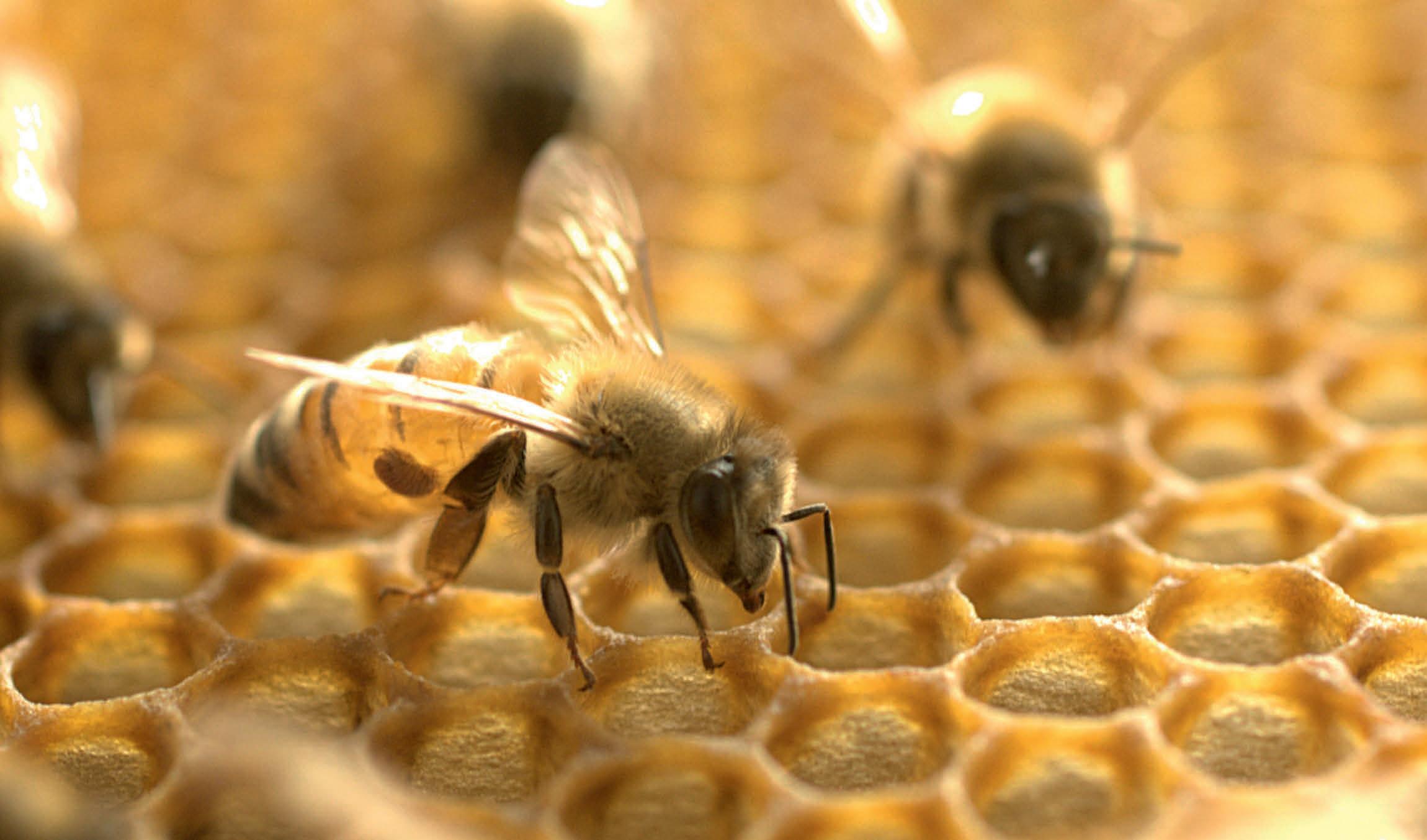
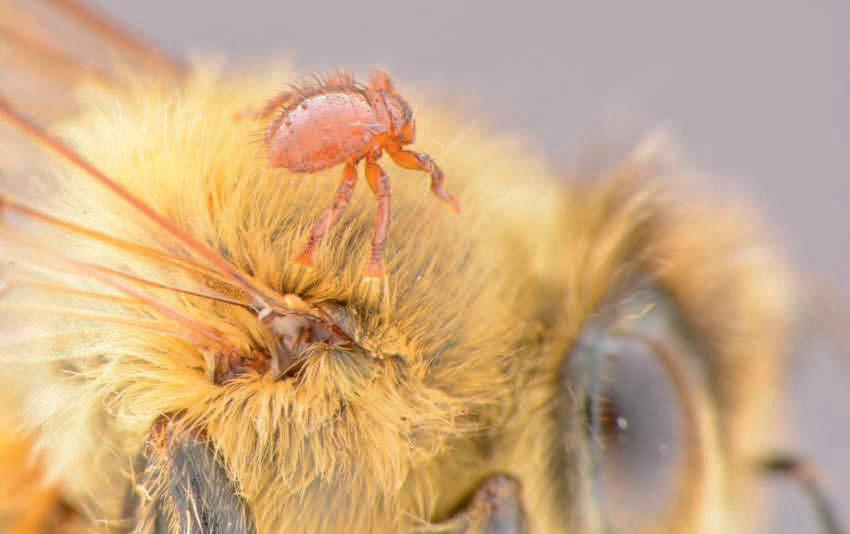
Victorian beekeepers are on alert after testing of a north-east Victorian apiary confirmed it had found Varroa mites resistant to pyrethroid miticide treatments, the chemicals most commonly used to keep the parasitic mite in check.
The resistant mites are believed to have arrived in Victoria via hives moved interstate last year and subsequently sold to a local beekeeper.
Similar resistance to both pyrethroid and formamidine chemicals had already been detected in New South Wales and Queensland earlier this year.
Agriculture Victoria’s Executive Director Biosecurity Charlotte Austin said the find underlines the need for vigilance.
“Beekeepers are urged to regularly monitor mite levels in their hives to check that treatments are working, and rotate miticides with different chemical groups as part of best practice management,” she said.
Further analysis of the north-east Victorian samples is under way, with results expected by the end of the month.
Agriculture Victoria’s two-year Varroa Transition Program has bee biosecurity officers and apiary inspectors on hand to offer practical advice on surveillance, chemical treatment options and treatment planning. Beekeepers who suspect their treatments aren’t performing as expected are encouraged to make contact promptly.
More information is available at Agriculture Victoria’s Varroa Mite situation page at agriculture.vic.gov.au/ biosecurity/pest-insects-and-mites/priority-pest-insectsand-mites/varroa-mite-of-honey-bees/varroa-mitecurrent-situation and the Australian Honeybee Industry Council’s website at https://honeybee.org.au/
MURRAY IRRIGATION’S COMMUNITY IN FOCUS SERIES: COMBINED SMALL SCHOOLS
Schools combine for a step back in time
Learning about history is a vital part of classroom education; even better if you can combine it with excursions to not only expand student knowledge but nurture social connection.
History, particularly from an early age, helps provide valuable insights into human behaviour, while enriching our understanding of past cultures and social dynamics.
Ample educational opportunities exist that offer unique historical experiences for young people, teaching them about the Australian past and how it has shaped today’s nation.
But accessing these sort of opportunities is not always easy, especially for country schools with small student populations.
Undeterred, Conargo, Blighty, Bunnaloo and Mayrung Public Schools have joined forces to establish its ongoing
excursion program, which runs under the banner of the ‘Combined Small Schools’.
Through this initiative, and combined with valuable financial support from Murray Irrigation and SunRice, the schools have been able to bring the past to life for pupils hungry for history.
In September last year, 26 students from Years 3/4 participated in the Combined Small Schools annual Sovereign Hill Camp, enjoying the experience of their young lives.
While the key destination was Ballarat’s nationally acclaimed tourist attraction, Sovereign Hill, the three-day excursion provided a myriad of benefits to captivate these young minds.
The experience also provided students the chance to build friendship connections in what, for many, was a unique social experience.
Conargo Public School’s Acting Principal Kylie Charlton, who helps organise this annual excursion, describes it is a camp of “firsts”.
“For some, it is their first time away from home, and the first time ordering their own meals when they go out to a restaurant for dinner on the first night,” Mrs Charlton said.
“While the excursion is an important part of our curriculum, it’s more than that.”
From a historical perspective, the students learned about the importance of the gold rush, which ties into their studies of Australian history.
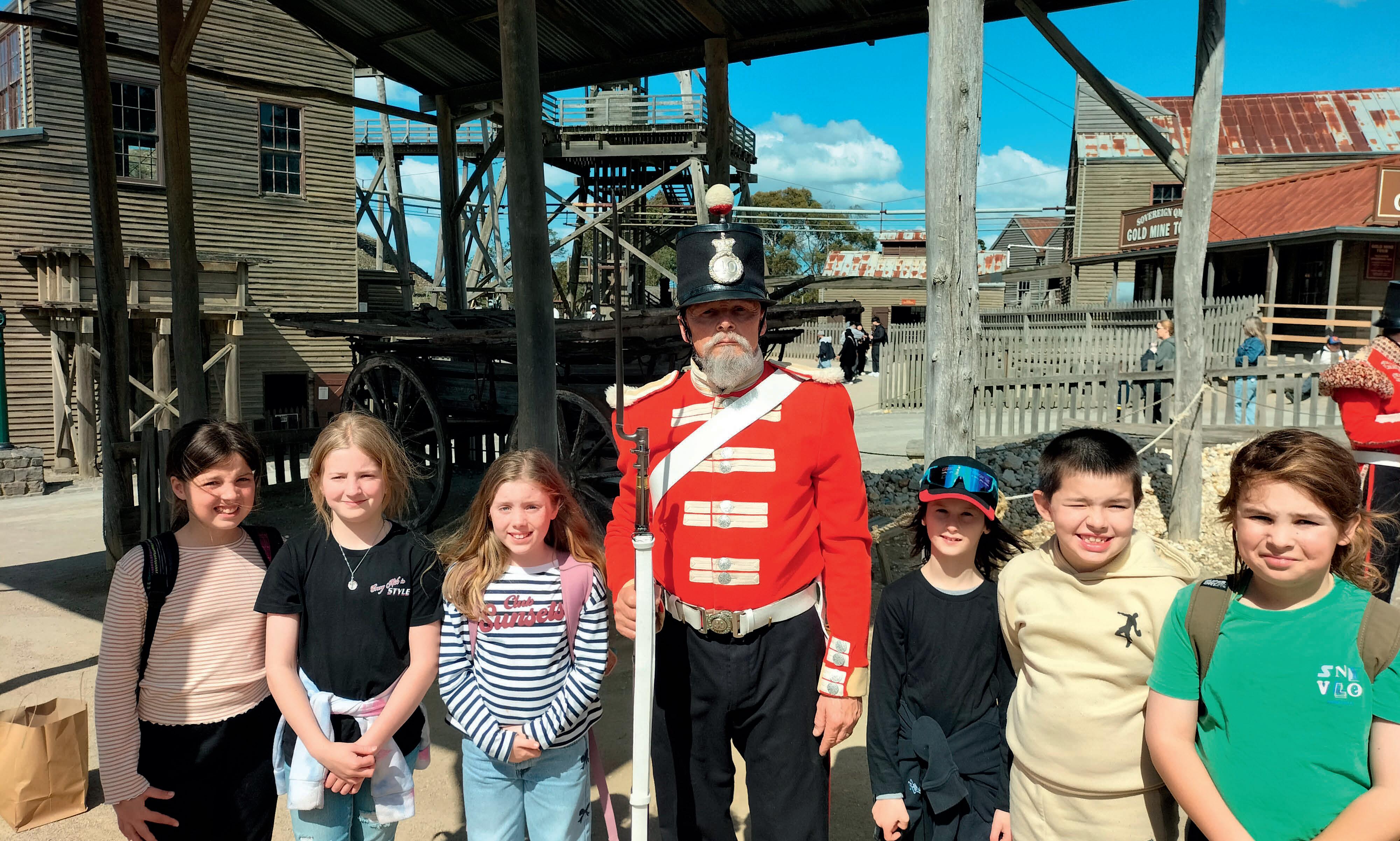
Kelsey Delahaye, Ava Fitzmaurice, Alice Freak, Phoenix Buchanan, Jhye Head, Elijah Hanke-Searle during the Sovereign Hill visit.
Set on a 25-hectare site, Sovereign Hill depicts Ballarat in the 1850s. Historically recreated buildings line the streets, with costumed staff and volunteers on hand to answer questions and pose for photos.
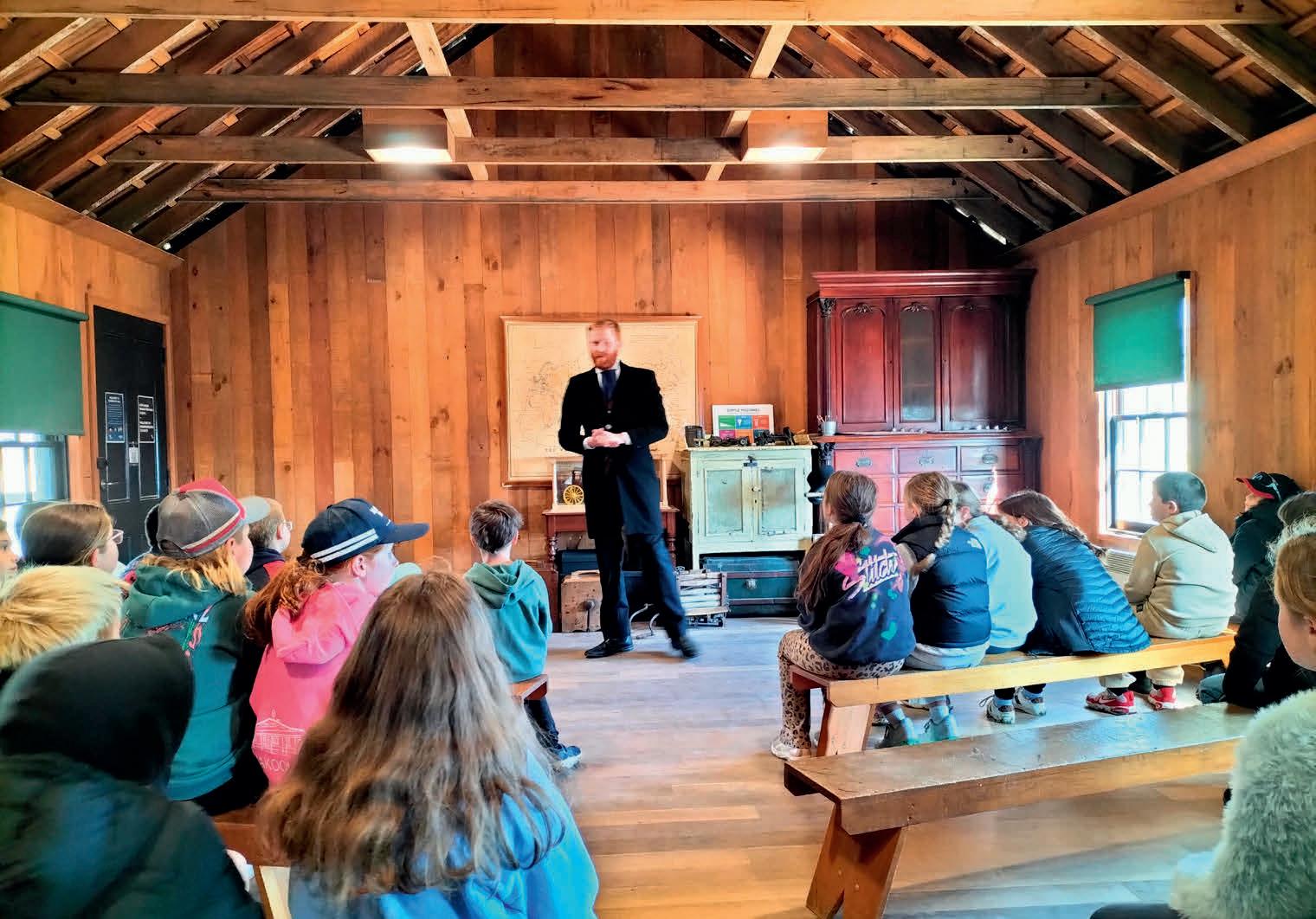
With antiques, artwork, machinery, livestock and animals, carriages and devices all appropriate to the era to pore over, the young visitors were provided a fascinating look back at what life was like in Australia nearly two centuries ago.
Mrs Charlton said the students were able to explore what life was like “during the olden days”, as well as discover the full process of gold mining and the impact the Eureka Stockade had on Australian history.
The multi-sensory AURA Night Show proved a huge hit, with a 3D movie exploring the story of gold followed by spectacular sound and light show.
“Students also loved having a Cobb and Co ride, making their own candles and watching real gold being poured,” Mrs Charlton said.
“They were very engaged and asked lots of great questions, deepening their understanding of Australian history.”
Away from Sovereign Hill, there were other sights and experiences to savour.
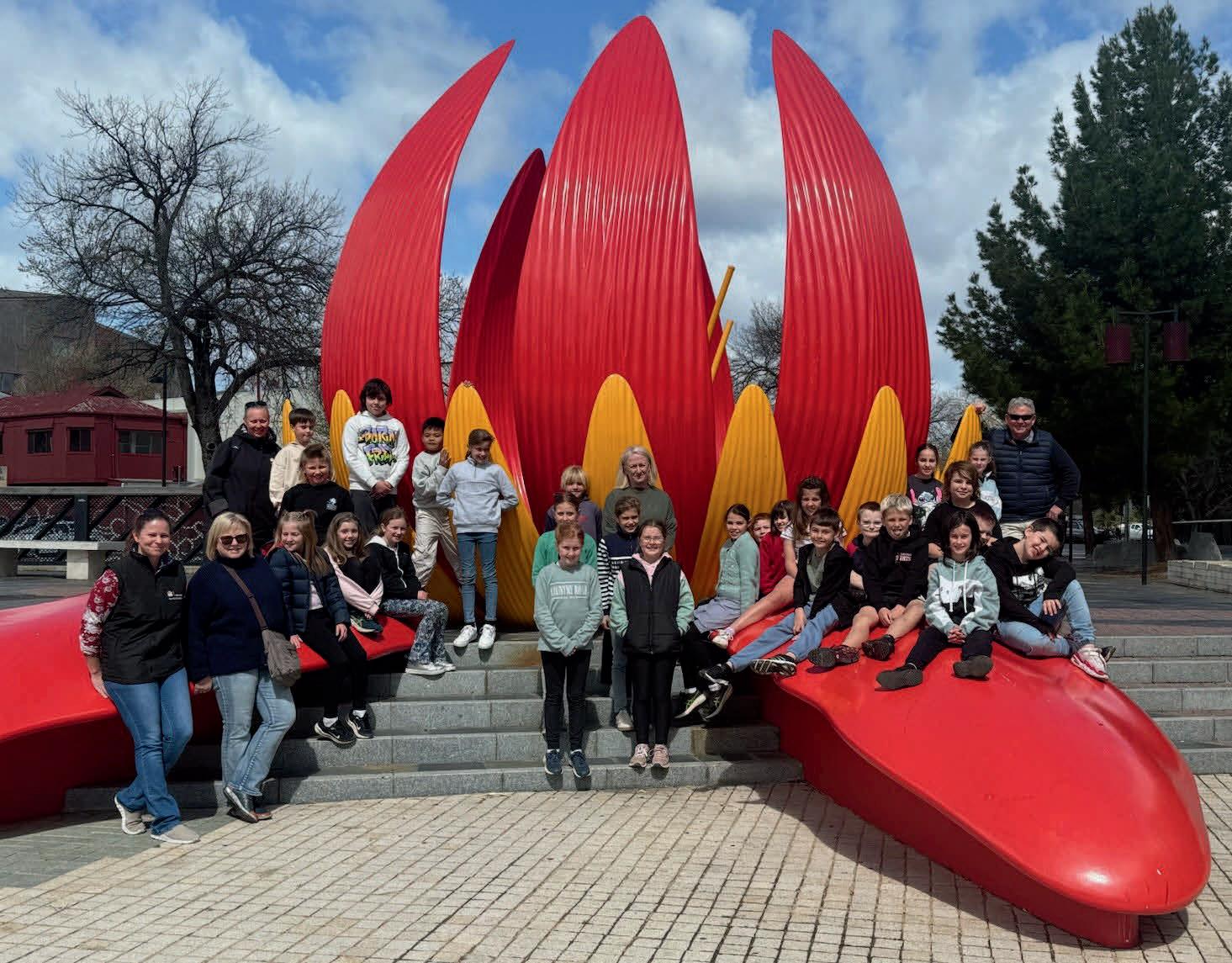
On the way to Ballarat, the students enjoyed a stopover at the Golden Dragon Museum in Bendigo, a marvellous showcase of Chinese culture featuring wonderful dragons, 18th century processional regalia, Chinese currency exhibits and peaceful gardens.
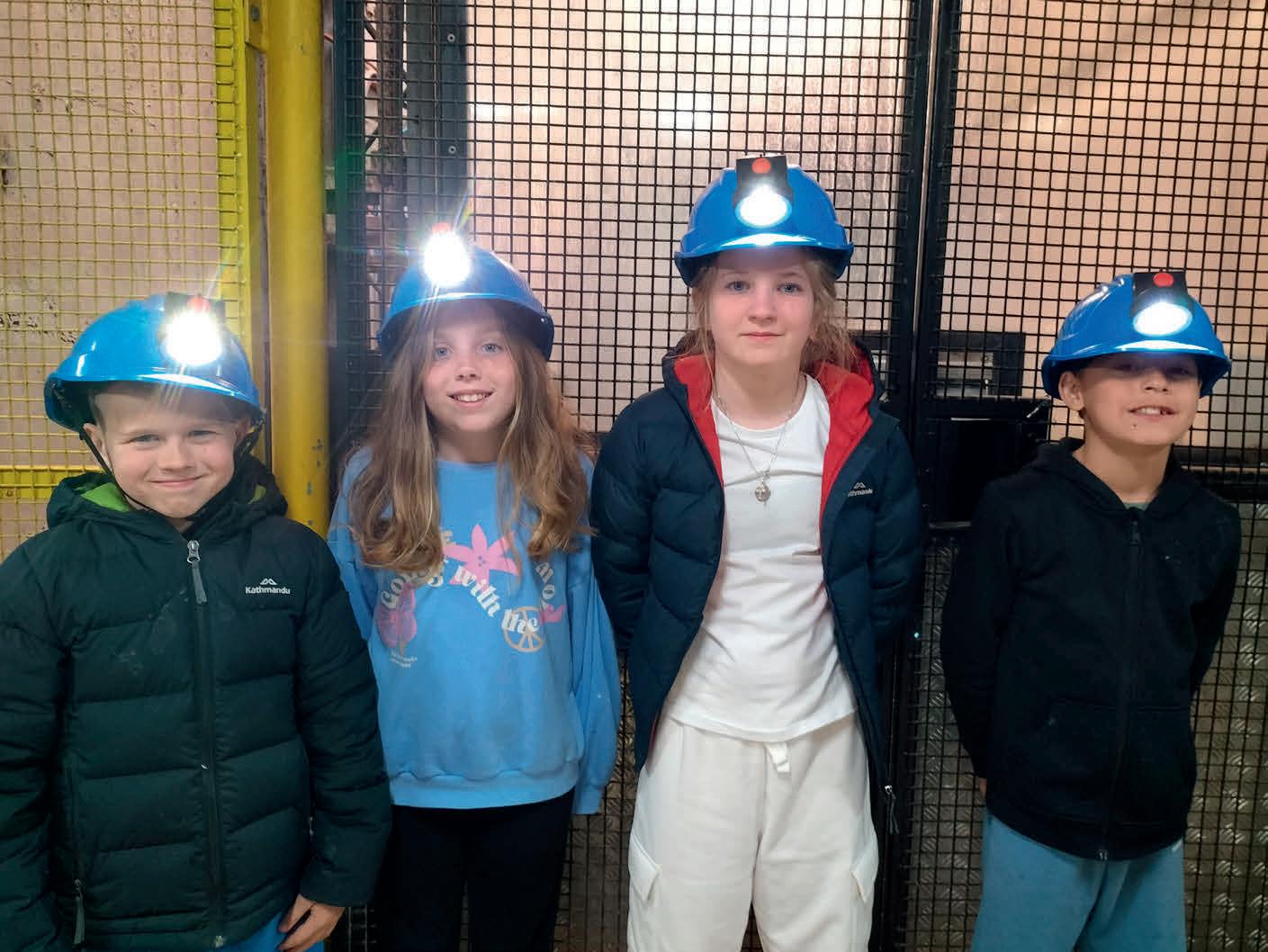
The return journey incorporated an underground tour of the Central Deborah Gold Mine at Bendigo, where the students explored the hidden underground tunnels of a real gold mine that operated during the gold rush boom of the 1900s.
This experience enabled students to discover what conditions as a miner were really like during the harsh gold rush era, as well as explore the surface of the mine with its treasure trove of mining equipment, and step inside heritage-listed buildings which were once essential to the mine’s operation.
“The conditions the miners had to work in was a real eye-opener for our students,” Mrs Charlton said.
Overall, this and other excursions organised by the Combined Small Schools have been an integral part of the schools’ program for more than 30 years, providing students powerful learning experiences and opportunities to build new friendships.
The Combined Small Schools work collaboratively across their educational programs to ensure that while their student numbers may not be high, there is opportunity and access to extra-curricular activities.
“Our student connections are also strengthened during the combined sports day and other events, Mrs Charlton explained.
“They ensure our students are provided the opportunities that larger schools have while maintaining the tailored and close-knit environment that makes small schools great.”
While the Sovereign Hill excursion was a highlight in 2025, there are also exciting times ahead in 2026.
This year, the Combined Small Schools will coordinate a Year 3/4 camp to Beechworth, focusing on the history of Ned Kelly, while the Year 5/6 students will enjoy an excursion to the national capital, Canberra. While there,
they will visit a number of key attractions including Parliament House and the War Memorial.
The younger Kindergarten to Year 2 students won’t miss out either, each year participating on a day excursion.
Mrs Charlton says combined events such as camps and excursions provide amazing learning and social interaction for students.
“Support from community organisations such as Murray Irrigation and SunRice enables us to reduce the cost of these events, which is continually increasing.
“We are extremely grateful that the importance of educational excursions for our students is recognised with the financial support provided to make them affordable.”
Murray Irrigation’s annual sponsorship program is made possible through the support of its customers.
The students are taken on a step back in time at Sovereign Hill. Spencer Norris, Alice Freak, Ava Fitzmaurice and Harpaku Clancy.
The excursion group pictured at Bendigo’s Golden Dragon Museum.
Best practice lamb marking
Managing pain control and hygiene at lamb marking can help protect lambs against diseases and suffering, leading to increased production gains in a shorter period.
Poorhygiene at lamb marking and mulesing can allow bacteria to enter through open wounds. This can cause diseases such as arthritis. Pain control can help recovery leading to quicker return to normal behaviour and weight gain.
In NSW there is a move towards mandating the use of pain relief at mulesing. An amendment to the Prevention of cruelty against animals bill has been tabled in parliament which would make this a requirement if passed. There is already similar legislation in Victoria and Tasmania. There are a few simple steps to ensure best practice lamb marking including:
• Avoid yarding in muddy/wet or humid/dusty conditions. Avoiding muddy yards will also reduce the risk of foot abscess in ewes.
• Having clean instruments and hands by frequent washing and disinfecting.
• Make sure disinfectant is used at label concentration and replace frequently if contaminated by blood or dirt.
• Mark in temporary yards on clean ground or use a system where the lambs can be tipped out of the cradle straight onto their feet where they can walk away.
• Pain control. Local anaesthetic products such as in Numocaine and Tri-solfen are fast acting strong temporary pain relief. Non-steroidal antinflammatory drugs (NSAIDs) such as in buccalgesic and meloxicam products give a more sustained pain relief. Antinflamatory pain relief has the additional benefit of reducing inflammation at the wound site, which has been linked to quicker recovery. The gold standard pain relief is to use a combination of a local anaesthetic and an NSAID.
• Topical pain relief products that also contain antimicrobials such as Tri-solfen can help reduce the risk of bacterial infection of wounds as well as providing pain relief. Using any pain relief options also help decrease wound contamination by preventing lambs dragging themselves around in pain.
Lamb marking should be conducted efficiently to reduce the time the lambs are separated from their mothers, while allowing enough time for good technique. Lambs should be returned to the mothers as soon as possible to re-mother. Limiting the time the ewes are in the yards and off feed will also reduce the risk of the ewes being affected by hypocalcaemia. However, it is always handy to have a few
bags of 4 in 1 flowpack with you at lamb marking so you can treat any ewes that go down in the yards or on the way to/from the yards.
For more information regarding best practice lamb marking, you can contact your District Vet by calling 1300 795 299 or drop into a nearby Local Land Services office.
How does cost of production affect your profitability?
With increasing input costs and market fluctuations, understanding what is playing into your cost of production is critical.
Getting into the details of fixed and variable costs and understanding overall enterprise gross margins can help identify opportunities to influence profitability.
Is there levers you can shift to increase income per unit of product? How financially efficient are your different enterprises?
You may even run several different scenarios for the season ahead to set some decision parameters & check-in times for your business.
In order to conduct the business analysis, of course you need to have a handle on records, business principles and what some of your enterprise benchmarks and key performance indicators are that you need/ want to track. From there you can also identify strategies you might employ to improve margins and flexibility through various
market seasons, whether it be feeding and turning off lambs earlier, adjusting your enterprise to fit premium market specs or other options that suit.
If you are in the wool production business, there is an opportunity to deep dive into the wool cost of production at a workshop with Ken Solly, Murray LLS and AWI Extension NSW. The session will go through key business principles, cost of production, records, livestock schedules, gross margins and more.
A local case study will be used with real life data to work through and explore opportunities, KPIs and various strategies and tactics to adjust.
Contact me (rebecca.stacey@lls.nsw.gov.au) or check out the AWI Extension NSW events site for more information.
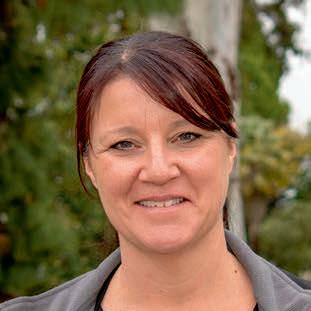
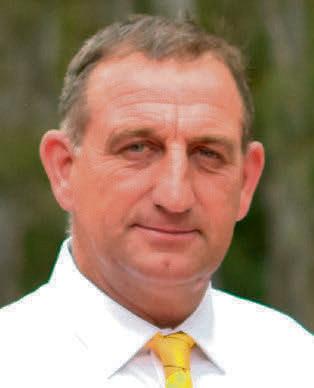
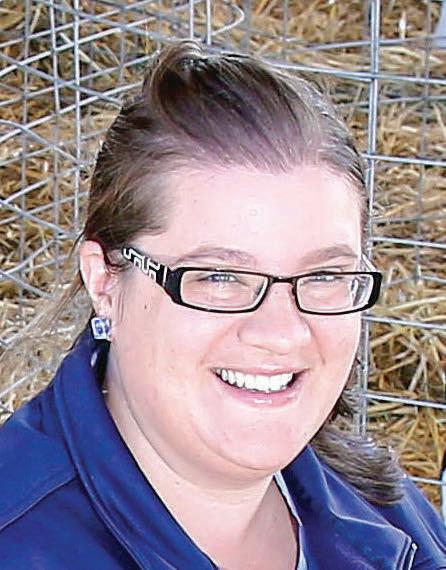
Linda Searle (pictured) is a district veterinarian with Murray Local Land Services.
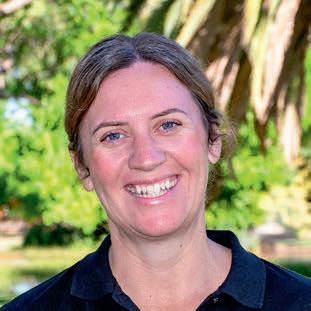
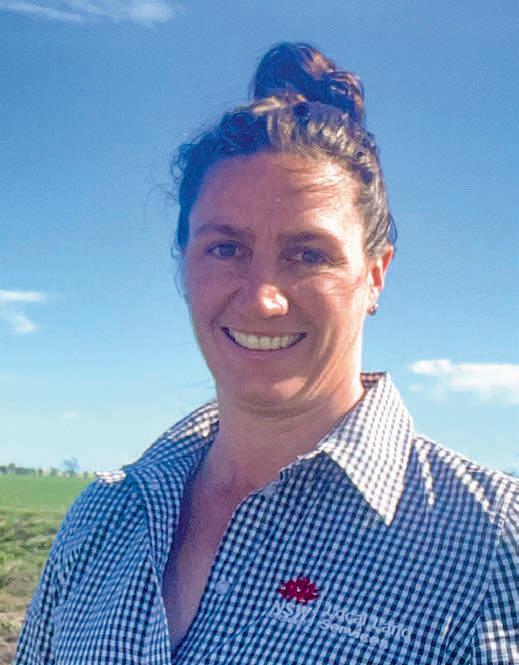
Contributed by Rebecca Stacey (pictured), senior local lands officer - mixed farming with Murray Local Land Services.
EOFY Advantage with PrePay Plus
Why more producers are choosing PrePay Plus
Earn a 5% p.a. reward on your prepaid balance*
Prepay for inputs ahead of time and plan for seasonal requirements
Use funds across Nutrien’s extensive range of products when needed
Receive a tax invoice at lodgement to support EOFY tax outcomes
Supports cash flow by allocating funds to future input purchases
Backed by an ATO Product Ruling, providing confidence and clarity
How to apply?
Ask about PrePay plus at your local Nutrien Ag Solutions Store or scan the QR code for more info. Nutrien Deniliquin | 03 5881 1777
Corowa | 02 6033 3833
FARMtalk welcomes community contributions from farmers, experts and professionals who make their living and life on the land. If you would like to contribute, there are several ways to do so.
• Get in touch and give us a tip of a great story idea.
• Contribute an article: If you are an expert in your field then contributing once off, or regularly, is a great way to get started in our FARMtalk magazine. Contact Zoe McMaugh at farmtalk@ denipt.com.au or 03 5881 2322.
• Become an author: FARMtalk is open to occasional contributors who are experts in their field or authorities on a subject or area. Once you have contributed an article, and the editorial team have approved you, we can set you up with a regular column to contribute. We would love to hear from you. Contact Zoe McMaugh at farmtalk@ denipt.com.au or 03 5881 2322.
• Have a fascinating farm in mind for us to showcase? Tell us! We would love to hear from you. Contact Zoe McMaugh at farmtalk@ denipt.com.au or 03 5881 2322.
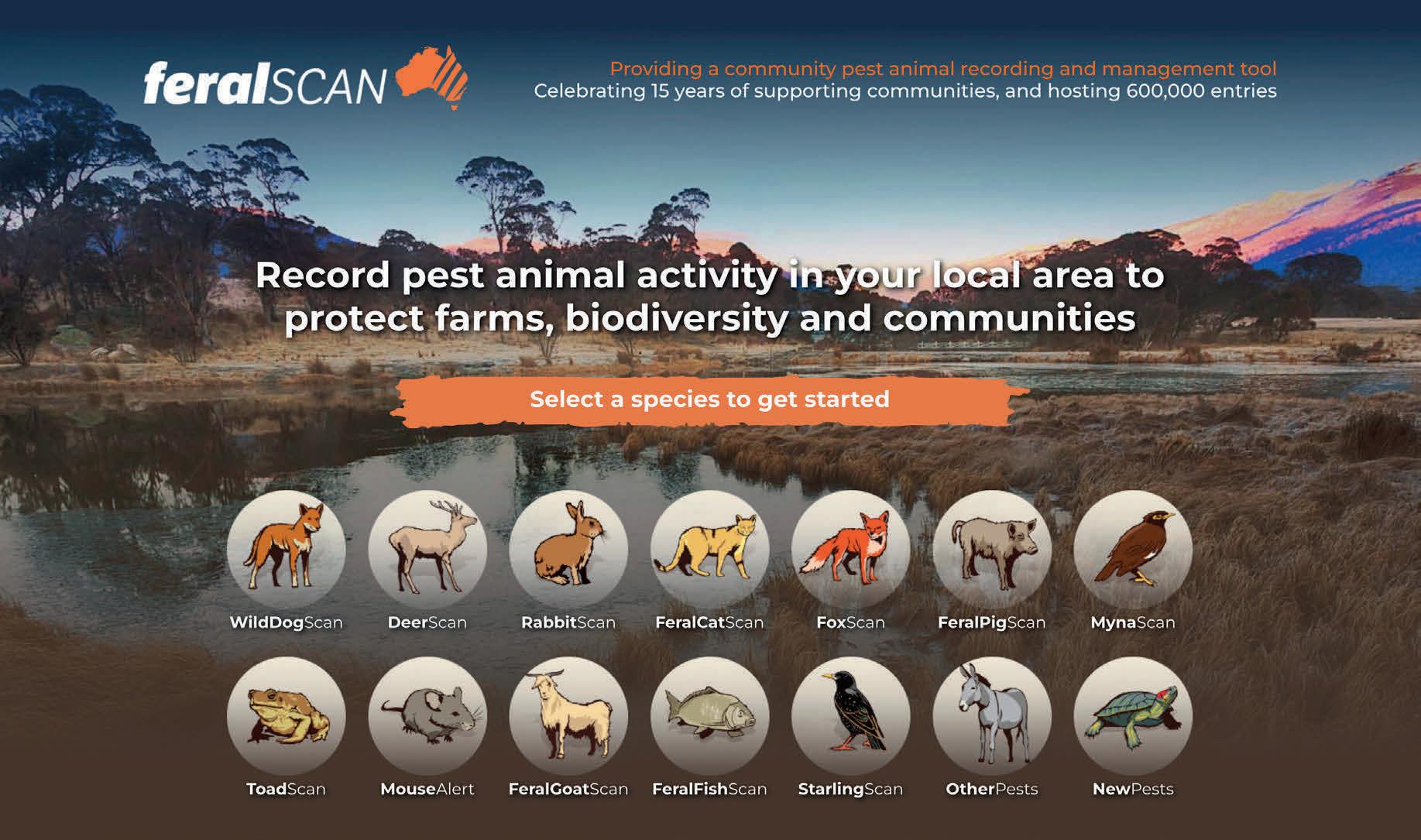
Map, manage pests with FeralScan
Are you using FeralScan to help keep track of your pest animal management activities?
FeralScan is a free online tool for recording and mapping pest animal activity. It will allow you to:
• Develop a property or local area map of feral pig activity to guide control efforts.
• Work together with neighbours to undertake coordinated control.
• Notify your local community or landholder group about feral pig activity.
• Send alerts to neighbours or biosecurity authorities when new activity occurs.
• Record sightings, damage, feral pig evidence, and control activities—all in one place.
The FeralScan website and app were developed in recognition of the significant damage pest animals do to our environment, the economy and society.
The app is easy to use, works without wi-fi, and is designed to keep your data secure.
Get started today at www.feralscan.org.au, or by downloading the app.
For advice on pest animal control, call your local NSW Government biosecurity officer on 1300 795 299.