




The legacy of one of Australia’s most respected agricultural leaders is gaining momentum, with the Bruce Simpson Rural Scholarship Fund reaching the halfway point of its $2 million fundraising target.
Established to honour the late Bruce Simpson, the fund has now secured $1 million and is already delivering tangible benefits to rural Australia, supporting the development of future leaders through the Australian Rural Leadership Foundation’s flagship program.
Launched by the Simpson family, the initiative aims to create a perpetual scholarship that will provide ongoing opportunities for individuals across rural and regional communities to build leadership skills and drive positive change.
Bruce, a fourth-generation farmer and passionate advocate for rural communities, was widely regarded for his commitment to strengthening agriculture and empowering those around him.
A graduate of the Australian Rural Leadership Program (ARLP) in 2001, he embodied the principles the program seeks to instil - a dedication to lifelong learning, community service, and belief in the ability of local people to solve complex challenges.
The scholarship fund reflects those values, ensuring that emerging leaders have access to the same transformative experiences. While the long-term goal remains the establishment of a permanent endowment, the fund is already making a difference.
Earlier this year, Wagga farmer Nick Austin was named as the first scholarship recipient and began ARLP Course 33 this month. Mr Austin is a a fourth-generation livestock producer. He is recognised for his commitment to sustainable agriculture, with a focus on soil health,
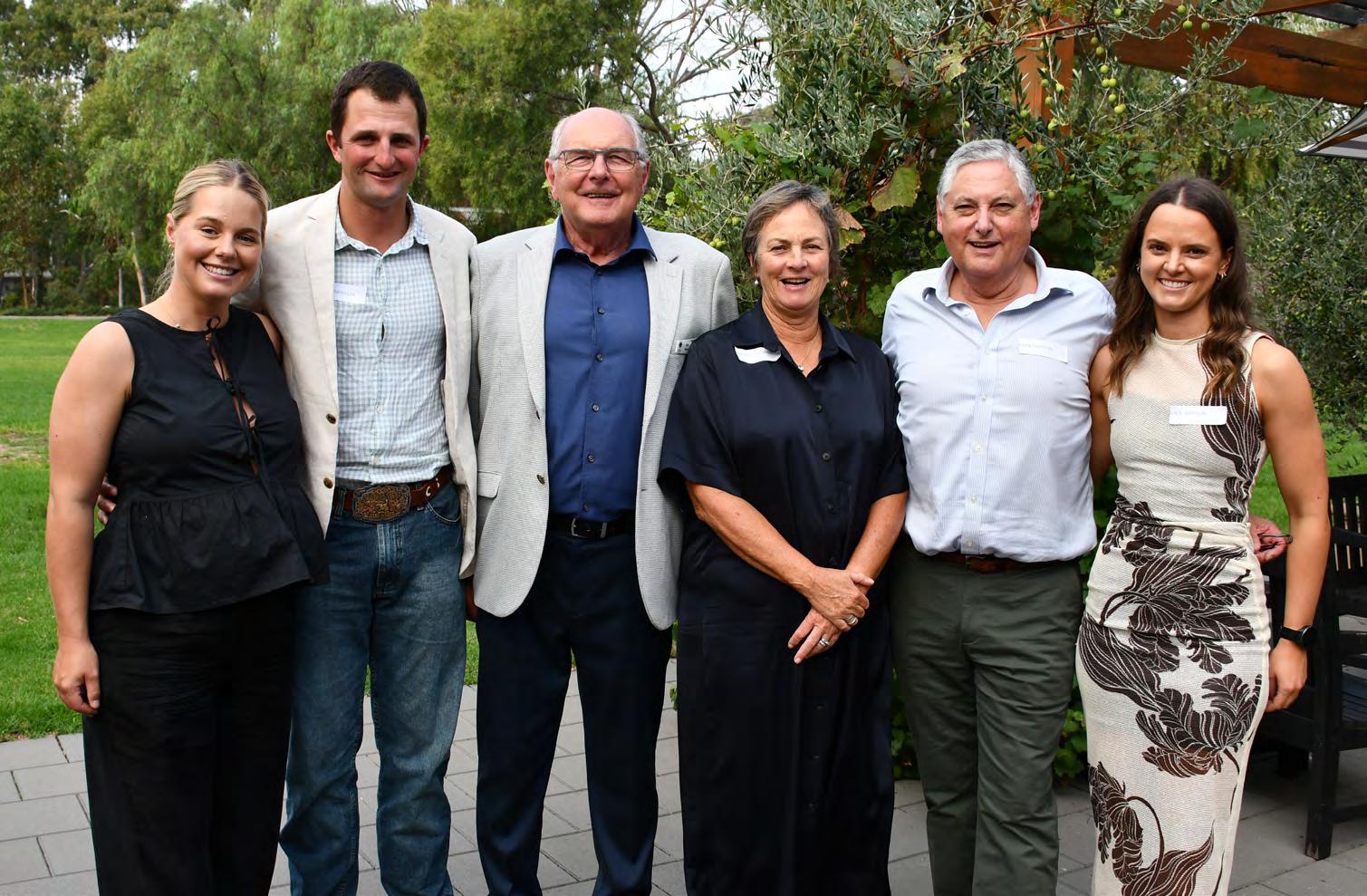

biodiversity and long-term resilience. His selection highlights the qualities the fund seeks to nurture — practical leadership, innovation and a strong connection to community.
John Simpson, Bruce’s twin brother, described reaching the $1 million milestone as both a significant achievement and a reminder of the work still ahead.
“Seeing Nick step into the ARLP as our first scholarship recipient shows exactly why we started this fund,” he said.
“Building leadership skills in rural Australia is vital if we want to drive real change and innovation in our industries and communities.
“We are incredibly grateful to everyone who has supported us so far, but we need continued backing to fully realise the vision of this fund and Bruce’s legacy.”
The Australian Rural Leadership Program is widely regarded as one of the country’s leading leadership development initiatives.
It offers an intensive, experiential learning model designed to strengthen leadership capability, build networks, and equip participants to navigate the complexity of modern rural industries.
With the fund now halfway to its target, the ARLF is calling on corporate partners, industry groups and community members to help close the remaining $1 million gap. Contributions to the fund are tax-deductible, and supporters say every donation represents an investment in the future of rural Australia.
As the first scholarship recipient begins his leadership journey, the fund is already demonstrating its impact - a fitting tribute to Bruce Simpson’s enduring belief in the power of people to shape their communities.
For more information or to contribute to the Bruce Simpson Rural Scholarship Fund, go to https://donate. rural-leaders.org.au/appeals/bruce-simpson-ruralscholarship-fund.
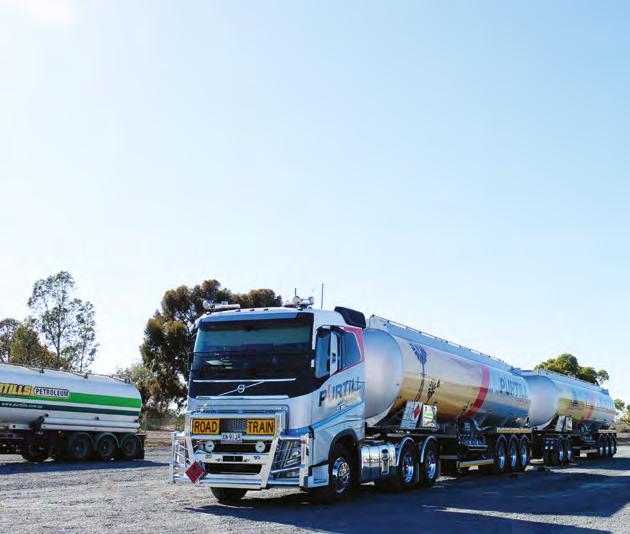
• Welcome at all Purtill Group locations in Deniliquin, Mathoura, Moama, Finley, Jerilderie, Tocumwal, Hay and Griffith.
• Can also be used at over 1800 locations Australia-wide.
• Receive a monthly detailed statement with itemised vehicle expenses - great for tracking fleet expenses.
Rear of 162 Hardinge St (Cruizin Diner), Deniliquin 1300 PURTIL (1300 787 845) | www.purtillgroup.com.au Apply online today at: purtillgroup.com.au/ampolcard











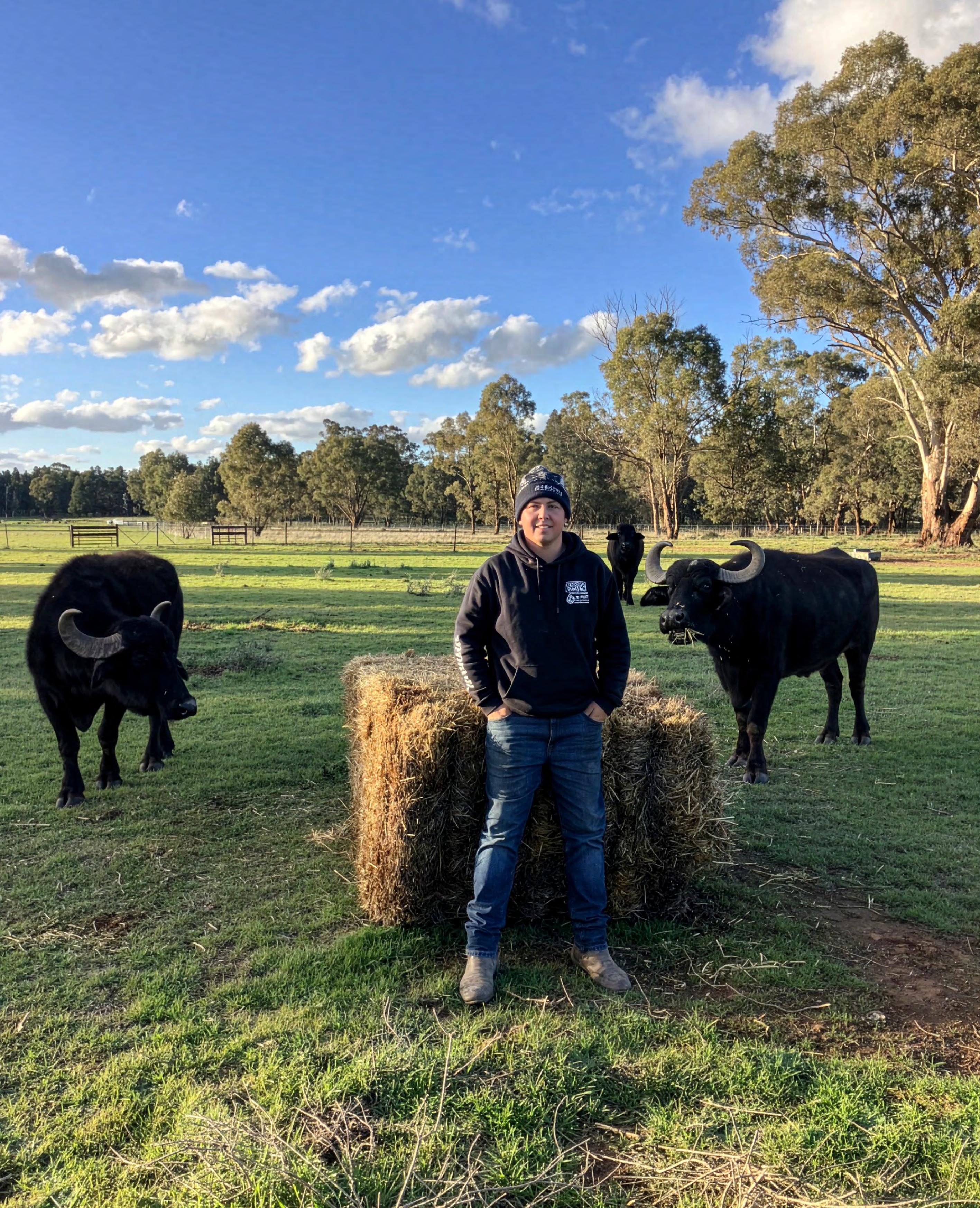
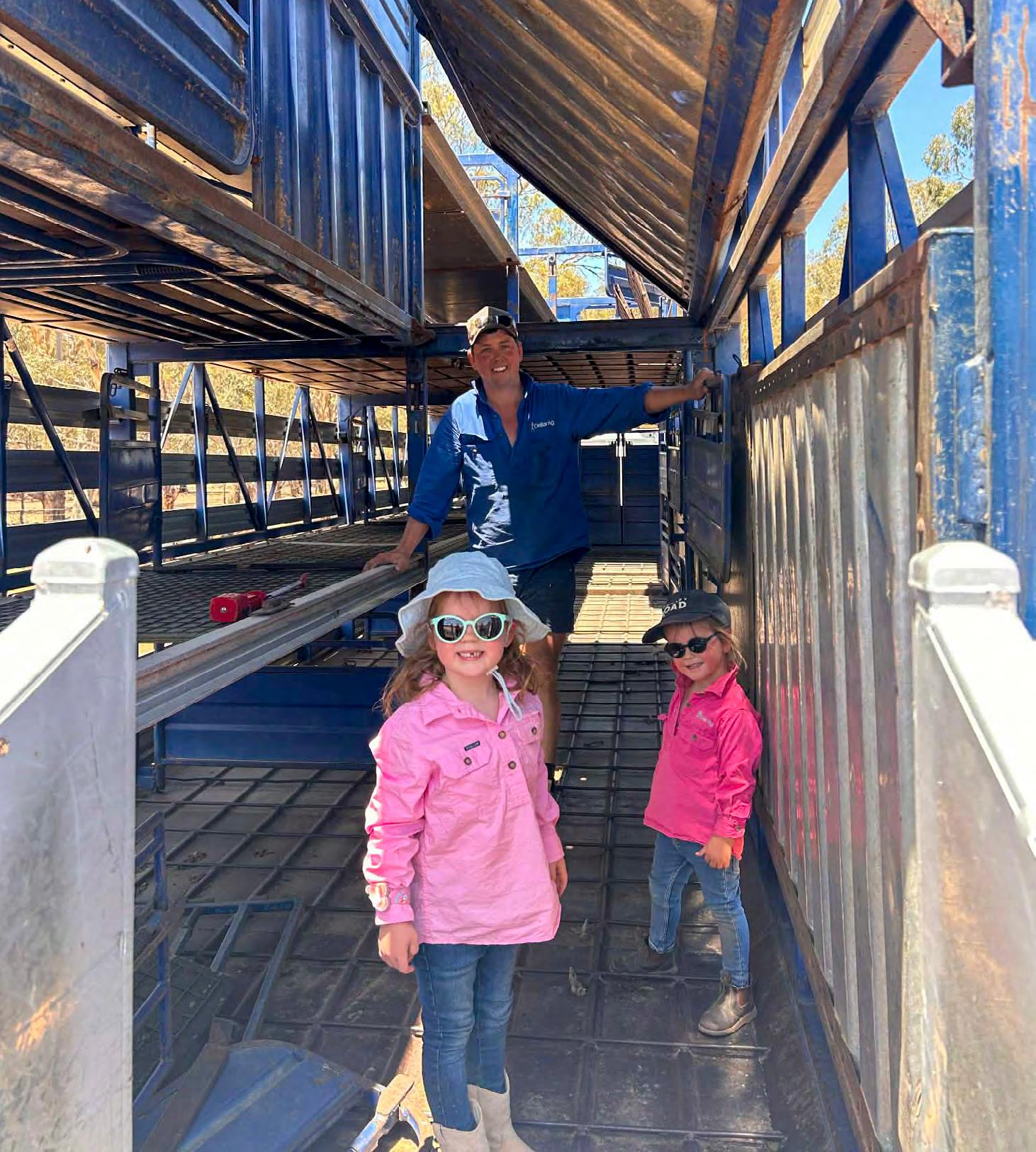
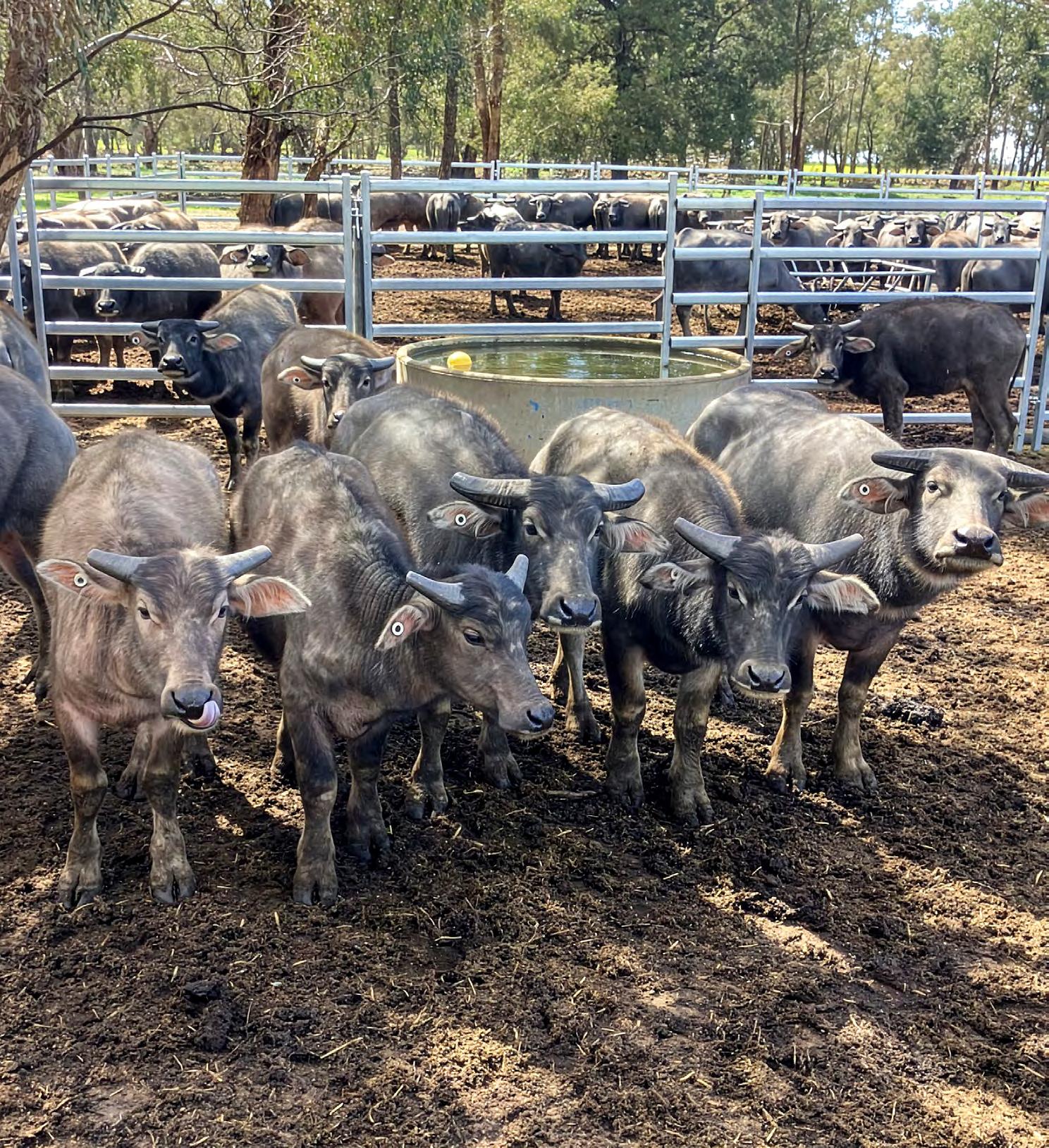
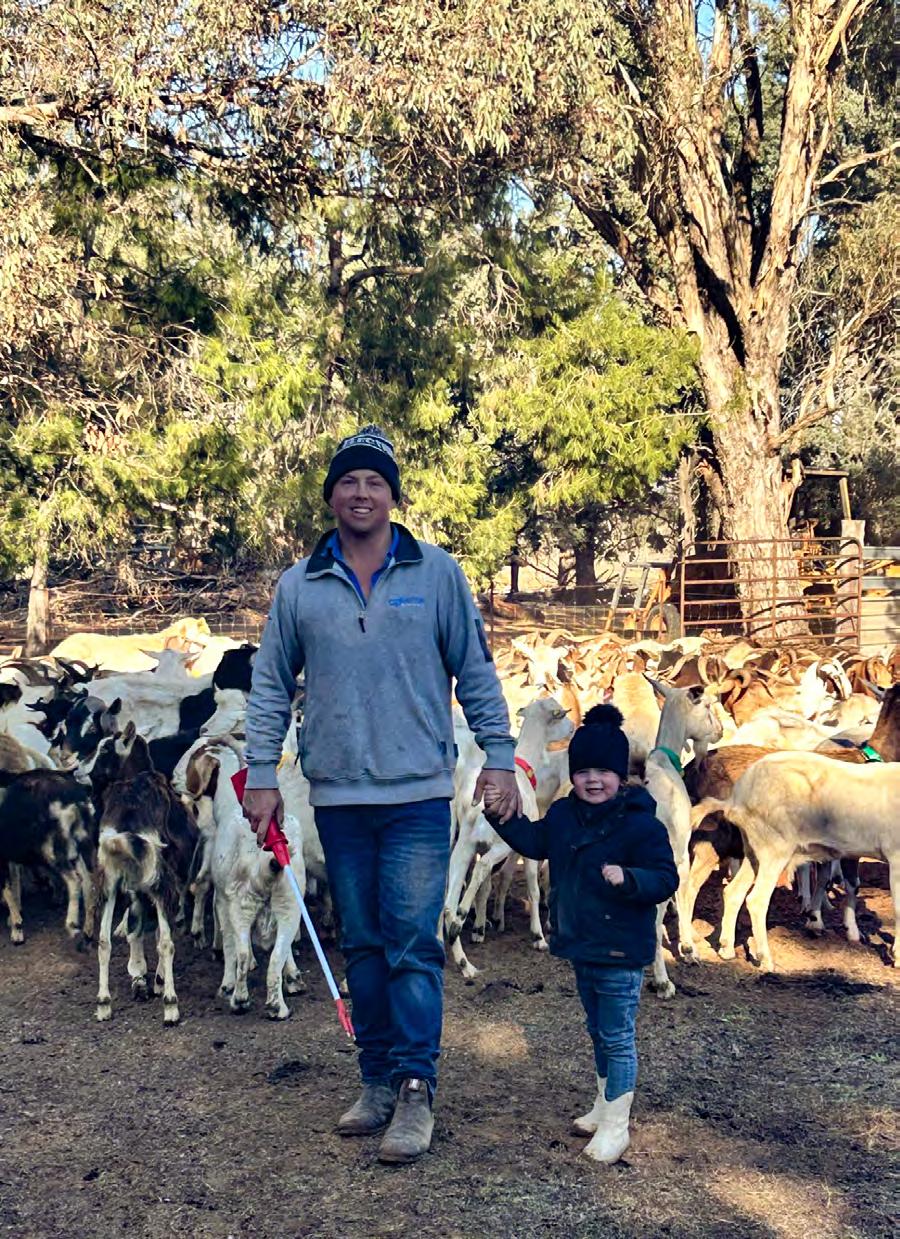
It started as a simple farming operation, but Aidan Dellar’s Tuppal Creek Meats is a steadily growing enterprise that truly embraces the paddock-to-plate process.
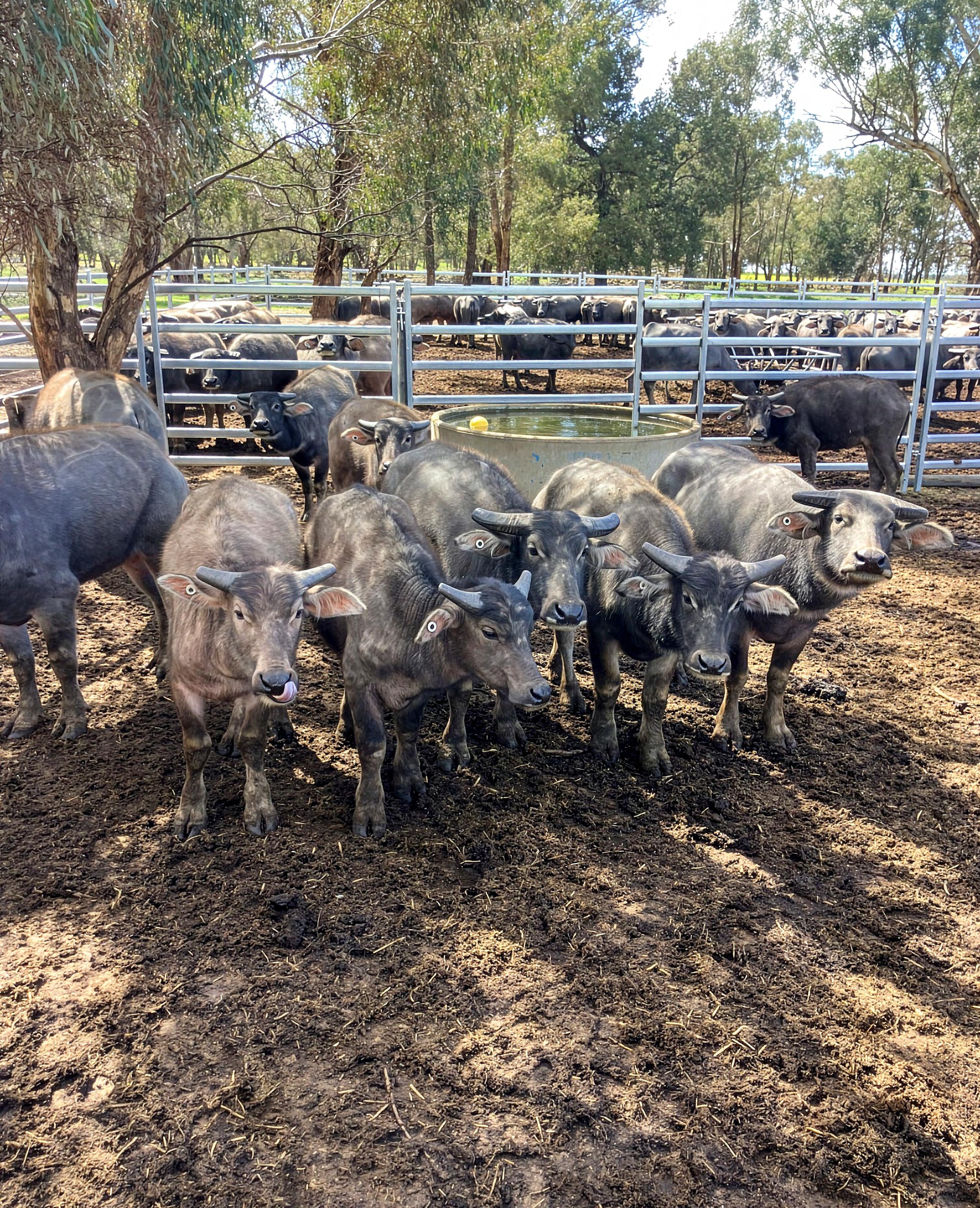
Startingwith just a “trailer load of goats”, the family operation now also produces sheep and, uniquely, water buffalo, at the property about 53km east of Deniliquin.
“We sold those (goats) on to a guy down in Melbourne, and he came back not long after asking for more,” Aidan said.
“We just had them on Gumtree, and pretty soon we were doing hundreds of kilos of goat a week.”
From there, the operation grew month by month.
And it was a request from a customer which saw the farm branch into a new direction.
“I got a call for water buffalo while I was in the car with my wife Hannah, and I just agreed.”
Aidan sourced his first water buffalo from a dairy in Kerang, cutting and packing every month or two and building the business organically until it reached 500600kg of buffalo meat produced each month.
“We got to the stage where we were preparing a dozen buffalo a week, as well as 150 to 200 goats a week,” he said.
Buffalo are now sourced both locally and from the Northern Territory, with processing completed through the Murray Plains Meat Cooperative abattoir in Barham.
Tuppal Creek Meats remains a family operation, with additional local help contracted when needed.
There is a strong emphasis on low-stress, sustainable management.
“We got to the stage where we were preparing a dozen buffalo a week, as well as 150 to 200 goats a week.”
AIDAN DELLAR
Aidan describes the property as “pretty rundown, with no boundary fence, and left in a very natural state.”
“It’s been interesting, just taking the next chapter as it comes.”
The meat produced at the Dellar property has found a loyal customer base with South Asian communities in Sydney and Melbourne, and particularly among Nepalese.
Buffalo and goat meat produced at Tuppal Creek Meats is also available locally, with the Dellars forging a partnership with Pattinson’s Pastoral Butchery in Deniliquin.
Buffalo meat is often described as being leaner, richer in certain nutrients and having a slightly sweeter flavour compared to beef.
And Aidan says “it’s not bad stuff”.
Calling all Southern Riverina and Mid Murray primary producers! FARMtalk magazine is looking for local producers to feature in an ongoing ‘Our Producers’ article series, sharing the stories behind the people, properties and enterprises that make our region’s agricultural industry so diverse and resilient. Whether you’re growing, breeding, innovating or taking your farm in a new direction, we’d love to hear your story. The feature will highlight your journey, your operation, the challenges and successes along the way, and what makes your business unique. If you’d like to be part of a future edition, get in touch with the FARMtalk team. See page 19 for contact details.


13-14 AUGUST




The Ricegrowers’ Association of Australia (RGA) will bring growers and industry leaders together in Barham, NSW, for Rice Connect 2026, a refreshed two-day event designed to strengthen connections and focus on the future of the Australian rice industry.
The event, to be held from August 13-14, 2026, will feature a streamlined and purposeful program, combining celebration, industry insight and opportunity for meaningful engagement.
RGA President Peter Herrmann said the streamlined format reflects a deliberate shift toward a more focused and accessible industry gathering.
“Rice Connect 2026 has been designed to bring the industry together to improve efficiency and impact,” Mr Herrmann said.
“We’re creating a space where growers, partners and leaders can connect, share ideas and focus on what’s ahead for our industry.”
The event will open on Thursday, August 13with the Rice Industry Awards Gala Dinner, celebrating excellence, innovation and leadership across the sector. The Gala Dinner will serve as a key networking opportunity and highlight the achievements of individuals and businesses driving the industry forward.
On Friday, August 14, delegates will come together for a streamlined Rice Connect Summit, beginning with an industry breakfast and followed by a focused program of discussion and insights. The Summit will incorporate the RGA AGM and Member Session, bringing growers together for a unified industry conversation.
Mr Herrmann said the refined format builds on the success of the established Rice Connect event, with a focus
on maximising value for attendees by prioritising quality engagement over scale.
“Rice Connect has already proven its value in bringing the industry together, and this next iteration is about refining that experience,” Mr Herrmann said.
“Rather than a traditional multi-day conference, we’re concentrating the most important conversations into a shorter, more meaningful format.
“It’s about ensuring every session, every connection and every interaction delivers real value for growers and our broader industry.”
Rice Connect 2026 will be delivered in partnership with key industry stakeholders, with SunRice Group confirmed as the Platinum Partner, working alongside the RGA to bring the event to life.
The event is also supported by event sponsors including AgriFutures Australia, Nice Rice, along with Murray Irrigation, and a growing number of supporting organisations.
Further partnership opportunities remain available for organisations seeking to engage directly with growers and decision-makers.
Program details, including speakers and additional partner announcements, will be released in the coming weeks. Register at https://www.rga.org.au/riceconnect
•



•
•
•
•

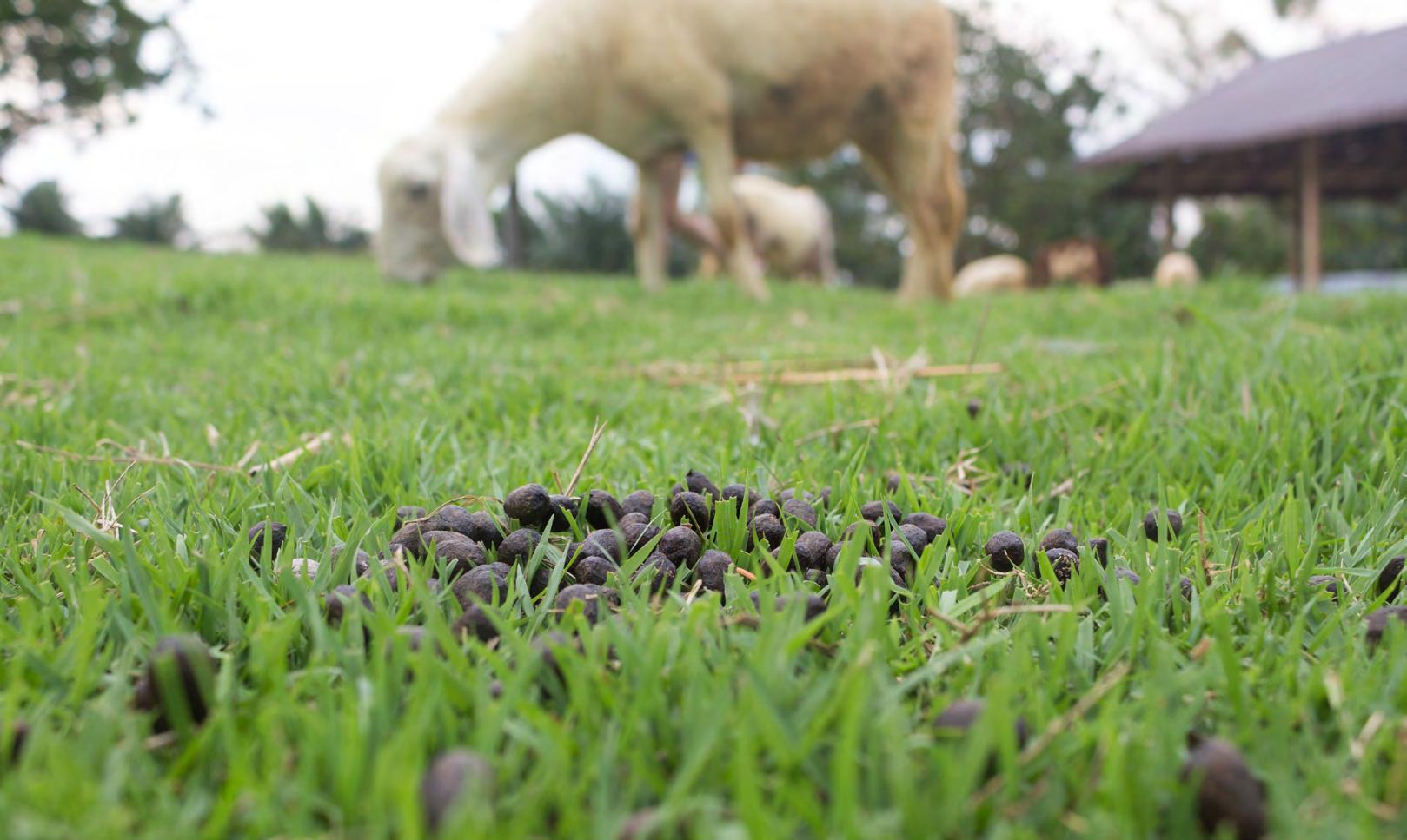
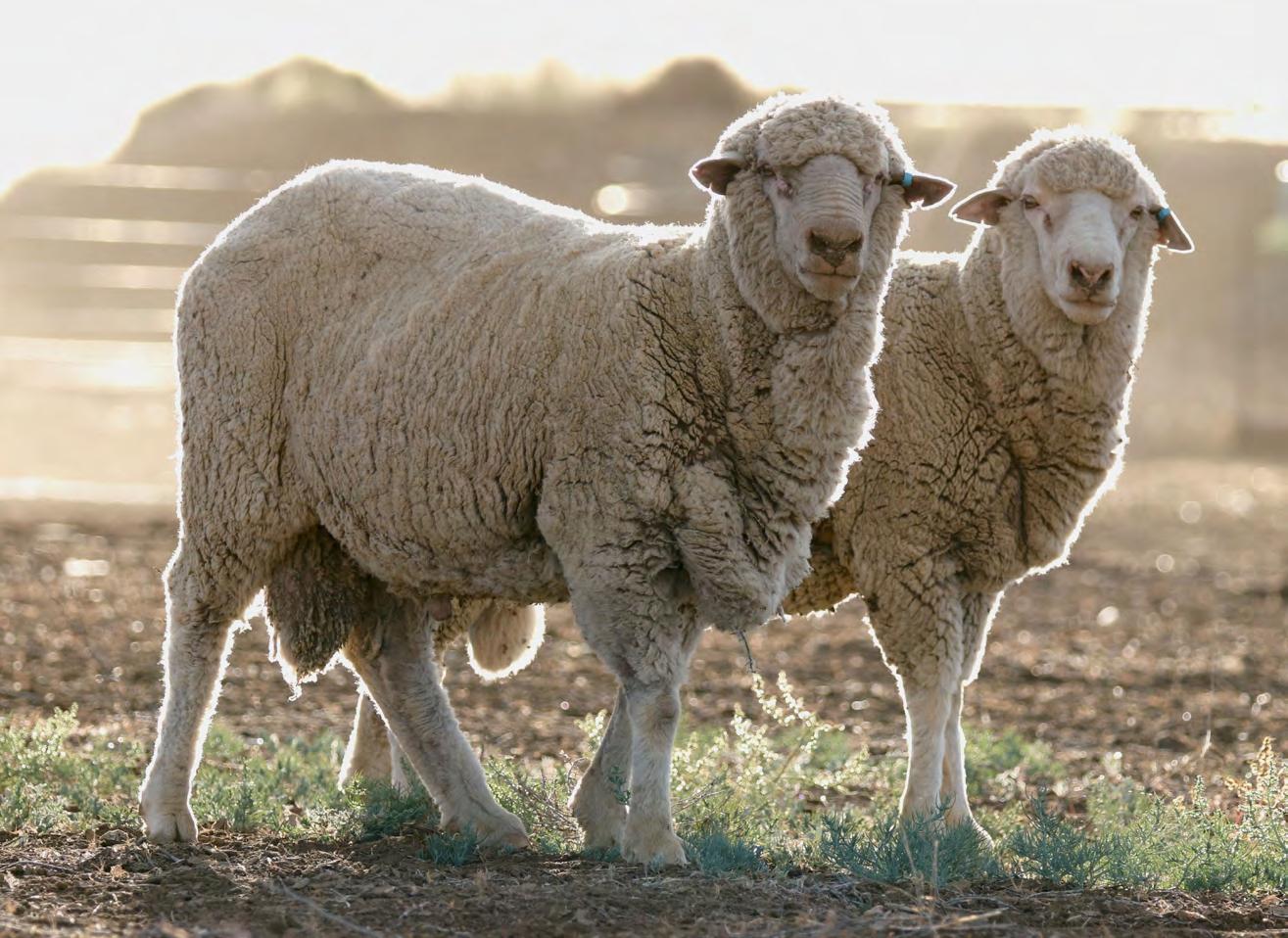
It involves collecting faecal samples and sending it away to a lab, where they count the number of worm eggs in the faeces. Some labs can also perform a larval culture to identify the types of worms present in the faeces. You can obtain a WormTest kit from your nearest Local Land Services office. These kits come complete with sample collection jars, gloves and a postbag to post the sample to the laboratory for analysis.
Private labs and consultants may also provide a similar service.
Here are some top tips for collecting faecal samples for a WormTest:
• Plan when you are going to collect the samples – collect early in the week and post as soon as possible to avoid the samples being held in the post over the weekend;
• Keep the samples cool until posting but do not refrigerate them. Refrigeration may affect further development of eggs;
• Use a sample kit for each mob/group you would like to test. Young animals, such as weaners, are an important group to sample because they can be quite vulnerable to worms;
• There are two ways you can collect faecal samples – the first option is to muster the mob to a clean corner of the paddock. Hold them there for 5-10 minutes and then allow them to drift away quietly. Collect samples from a separate dung pile from the ground to fill the 10 sample containers.
The second option is to randomly select 10 animals in a race and collect faecal samples directly from the rectum. Use an individual container for each animal.
If you would like to relate the egg count back to the individual animal, label the containers 1-10 and keep a record of the animal identification corresponding to each number.
• Ensure the faecal samples are fresh. It should be moist and warm. If collecting faeces from the ground, choose samples with the least amount of dirt and debris.
• Pack the samples as instructed in the kit. Completed the sample submission form and enclose in package
• Egg count results are usually available within 48 hours of the samples arriving at the lab. Worm type results are available 8-10 days after the egg count result.
Results from your WormTest can be used to make effective drenching decisions.
A WormTest conducted two weeks after a drench can also be used to check the effectiveness of the drench used. If you have any questions on WormTests or how to collect samples, contact your nearest Local Land Services on 1300 795 299.


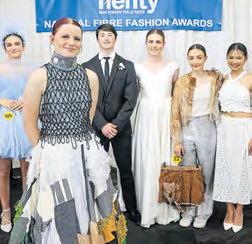
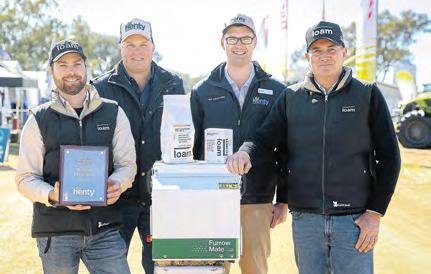
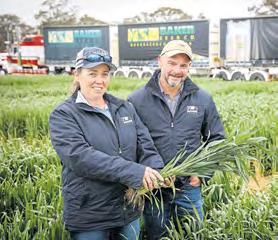
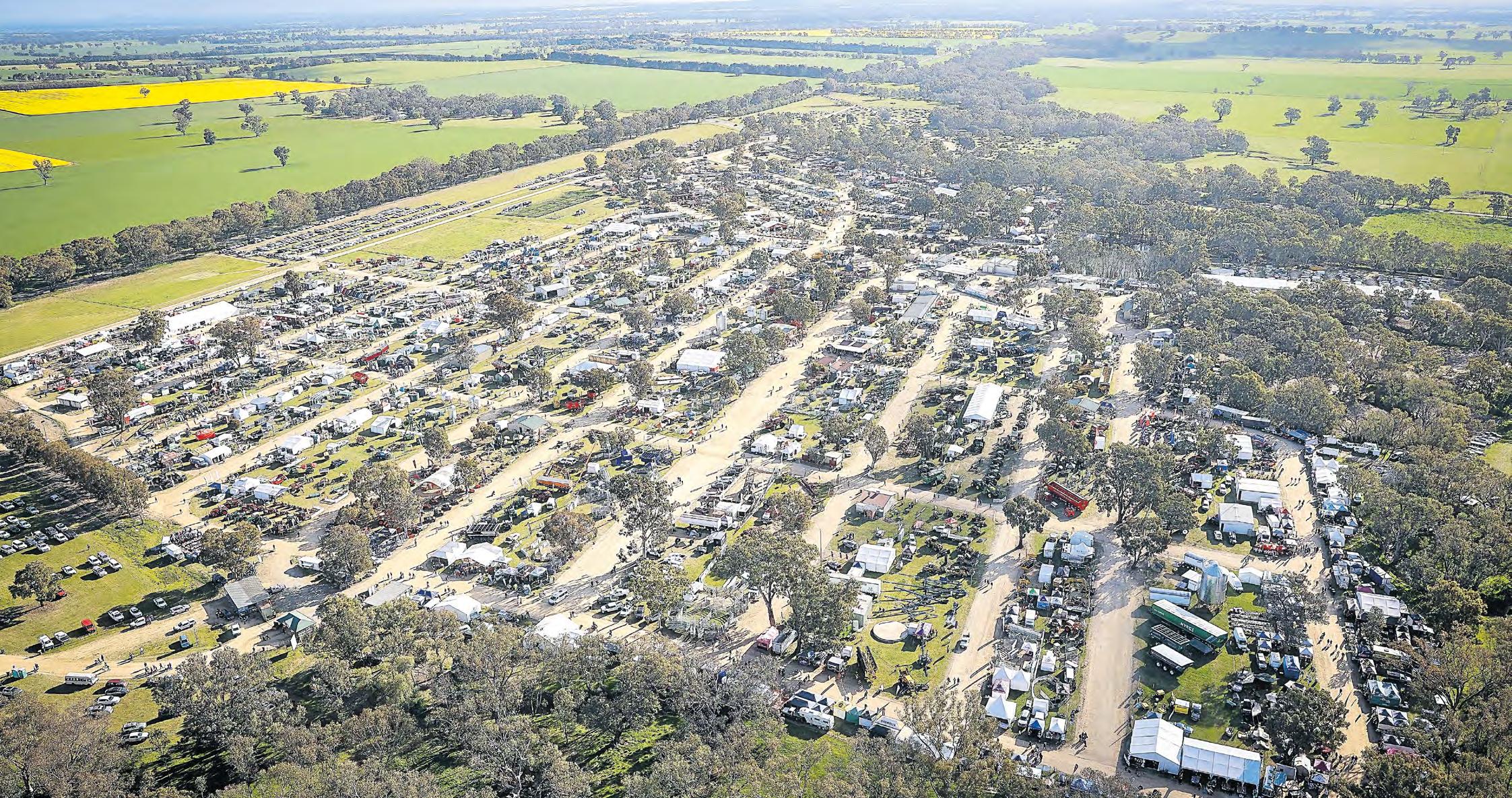









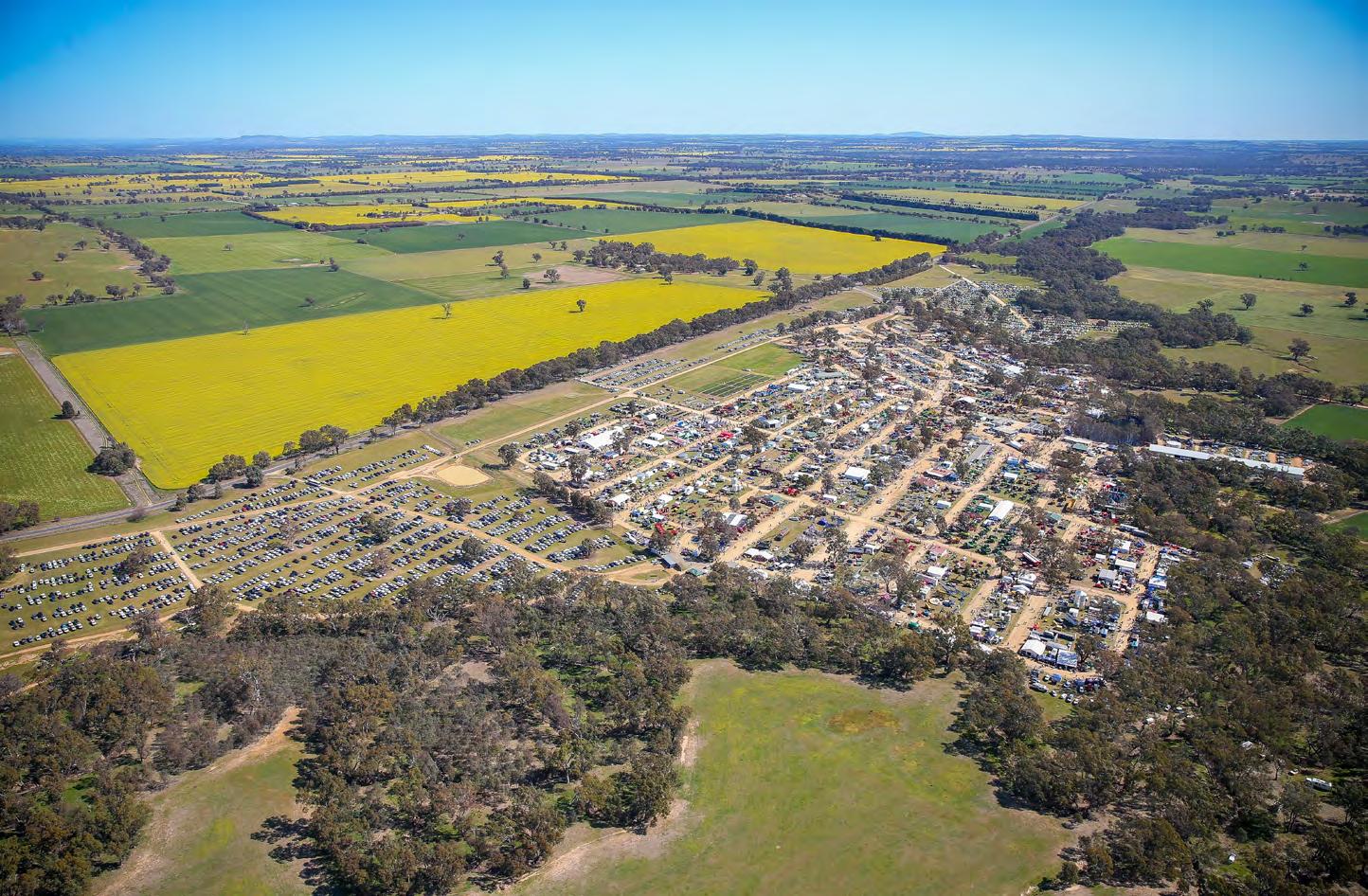
The 2026 Henty Machinery Field Days is set to reinforce its reputation as one of Australia’s most significant agricultural events, returning to southern NSW from September 22 to 24.
Held on a purpose-built 105-hectare site near Henty, the annual three-day event attracts around 60,000 visitors from across a 500km radius, bringing together farmers, agribusiness professionals and rural communities.
The field days are widely regarded as southern Australia’s largest agricultural event, showcasing the depth and diversity of the nation’s primary industries.
The 2026 event will again feature a vast range of exhibits, including the latest machinery and equipment, agronomy solutions, farm inputs, agribusiness and finance services, as well as government and health services.
Lifestyle offerings such as outdoor products, camping gear, and a dedicated Country Lifestyle pavilion will
complement traditional agricultural displays, ensuring there is something for both industry professionals and general visitors.
More than 3500 businesses are typically represented on site, highlighting the event’s scale and its importance as a major marketplace and networking hub.
In previous years, the field days have hosted more than 870 exhibitors and showcased more than $250 million worth of machinery and technology, underlining its role as a key platform for innovation and investment in agriculture.
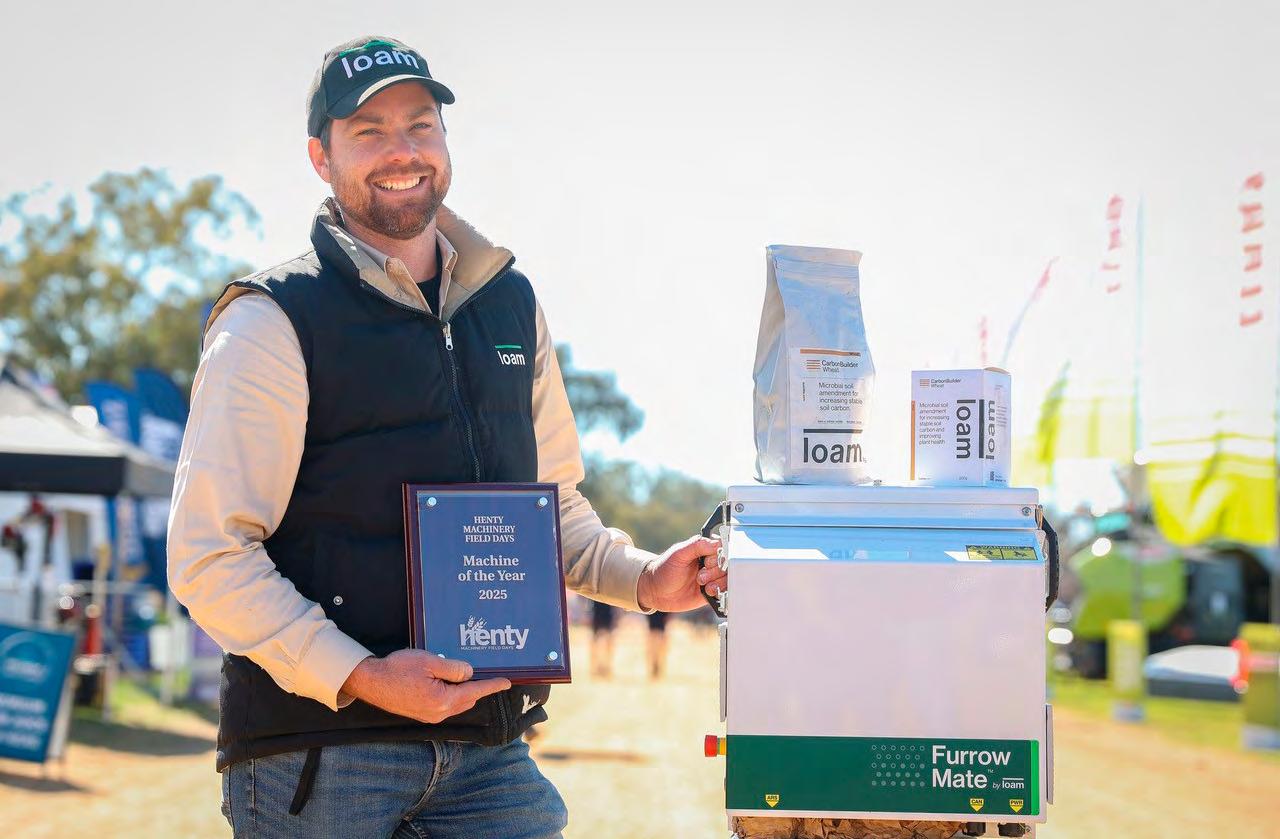
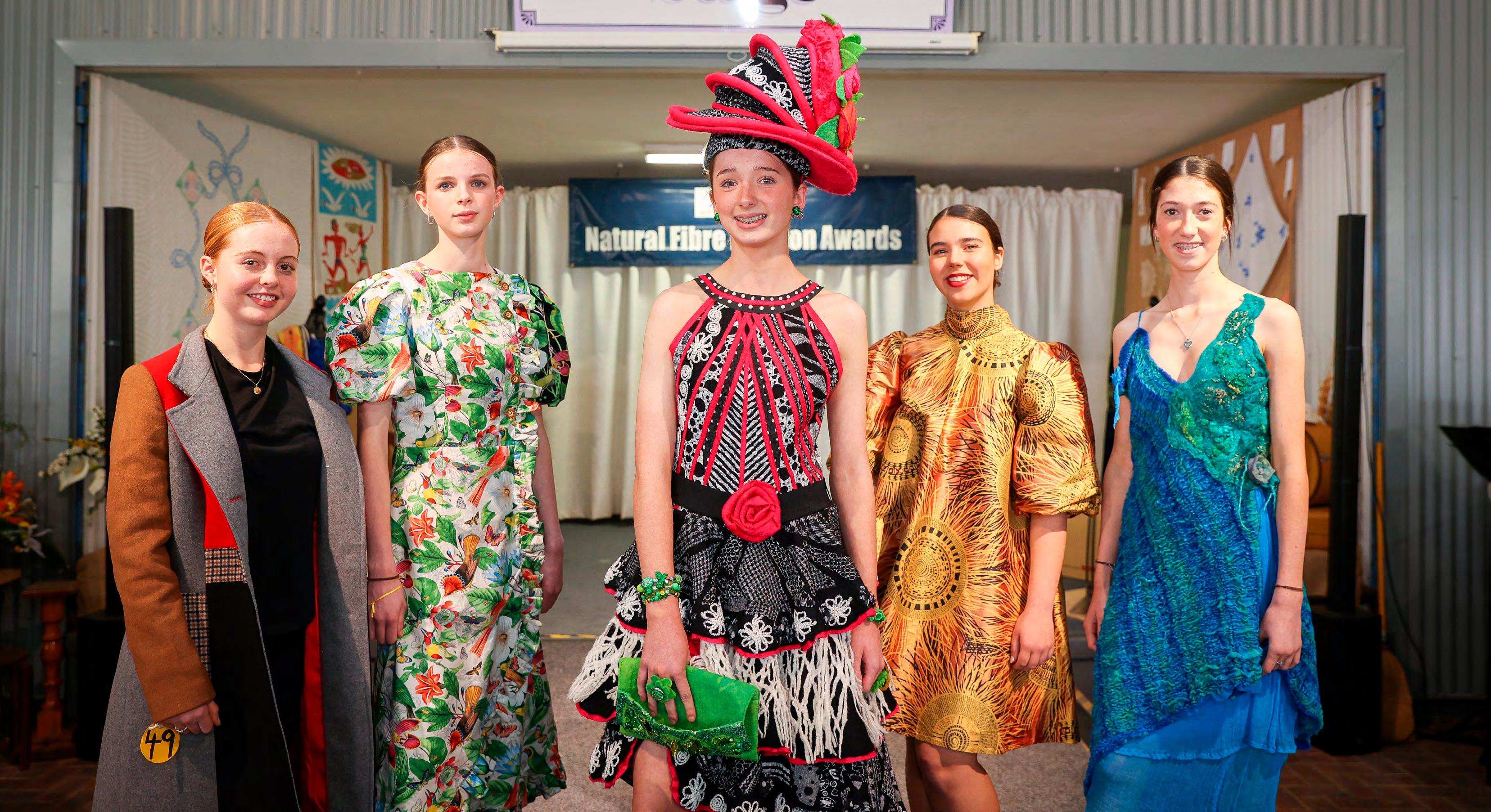
Highlights of the event include the presentation of Henty Machine of the Year, Australian Machine of the Year and the Natural Fibre Fashion Awards.
Organisers describe the field days as more than an exhibition, with the farmer-driven, not-for-profit event continuing to support industry development, regional economies and community connections.
The site layout along Buckingingah Creek and daily operating hours from 8am to 5pm are designed to provide an accessible and engaging experience for attendees.
Tickets went on sale on July 1. Go to hmfd.com.au for more event details, and for a link to book tickets.
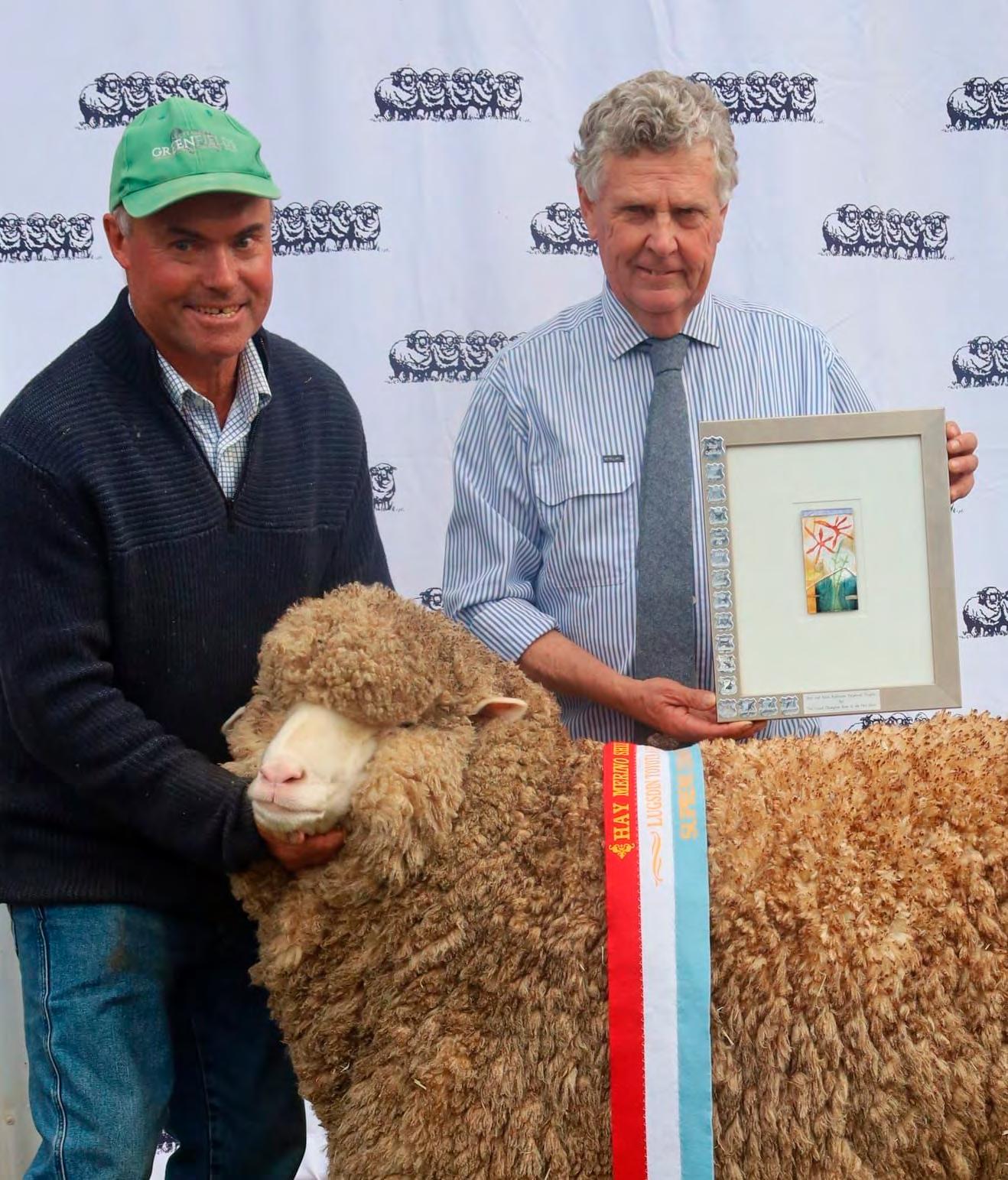
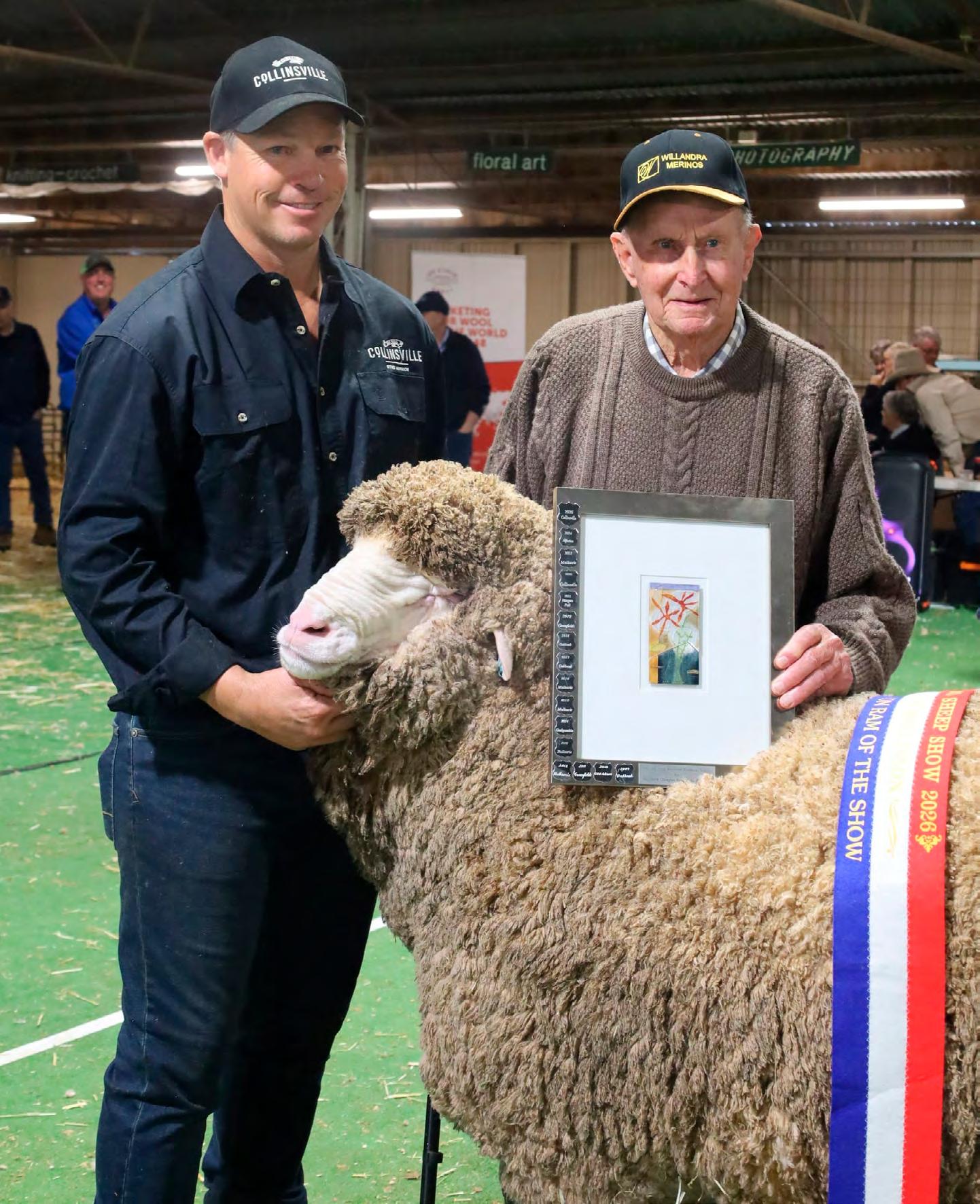
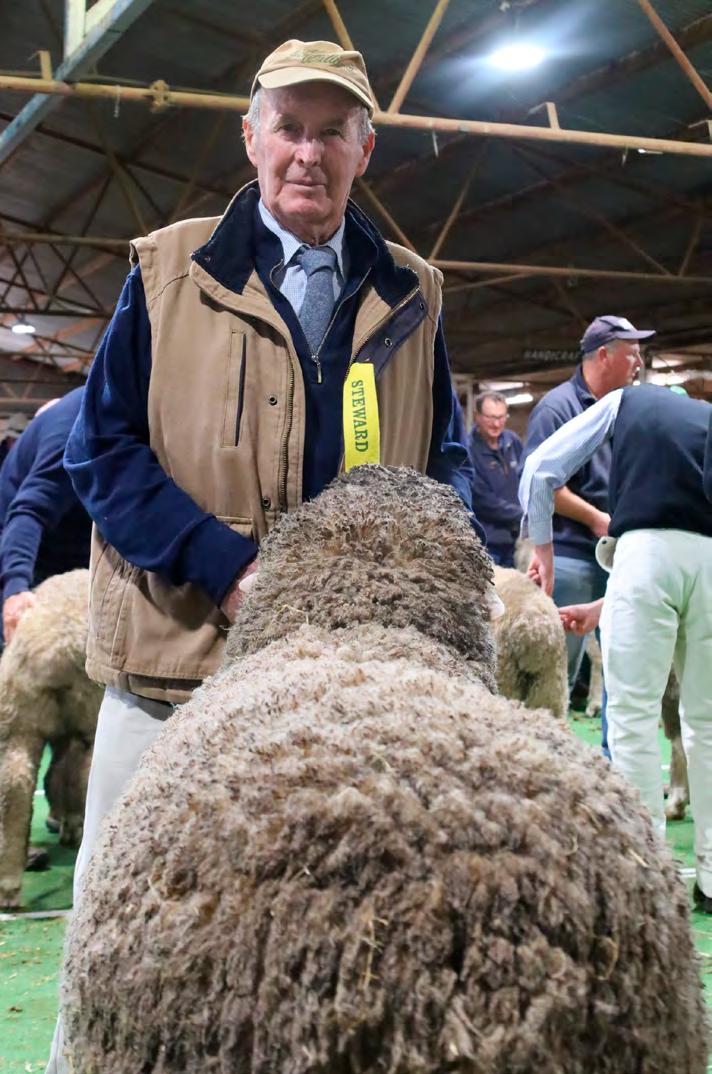
The 74th Annual Hay Merino Sheep Show took place in June at the Nor m Smith Pavilion within the Hay Showgrounds.
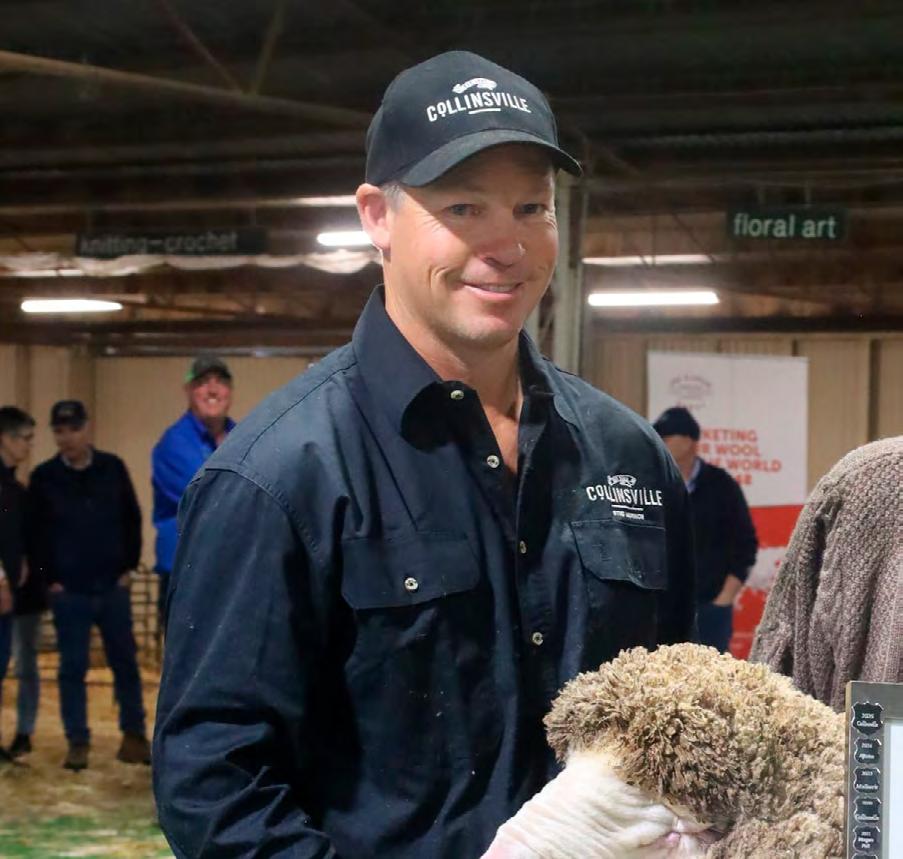
South Australian stud Greenfields took out the biggest events, with their ewe winning the Supreme Champion ribbon. Collinsville stud took home the Andrew Lockhart award for most successful exhibitor.
The Greenfields ewe beat out last year’s supreme champion winner Collinsville, who was awarded grand champion ram.
Hay’s own stud Woodpark again won most of the ribbons in the unhoused section, including champion unhoused ewe and most successful exhibitor.
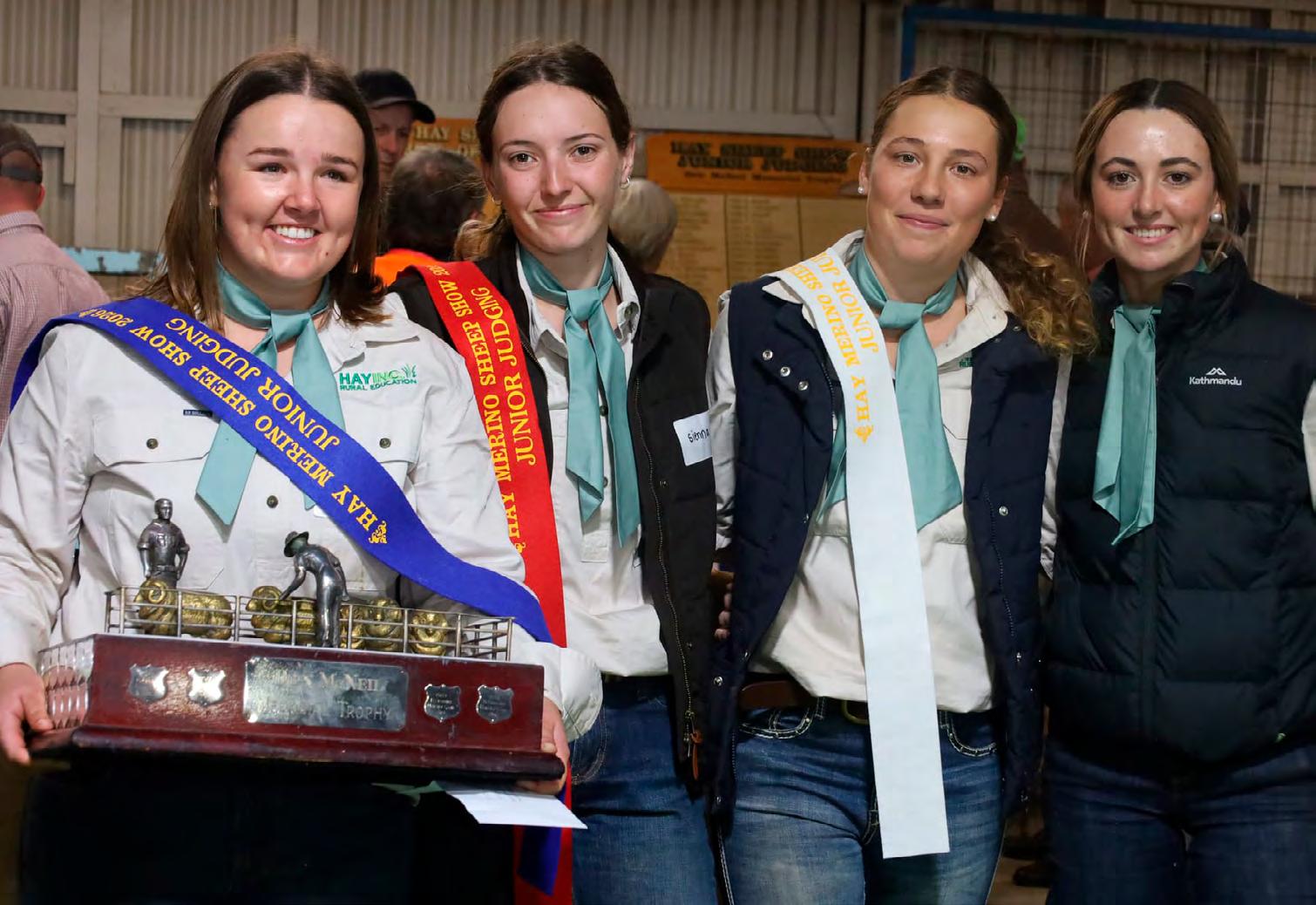
The annual junior judging competition, held in conjunction with the Show, drew a large number of entries, and for the first time Hay Inc’s rural education program students took out all placings.
Winner was Lacey Murnane, runner-up was Sienna Lund and Lexie Young took third place. Kelsa Horne won the encouragement award.
Duncan Kirk won the under 15s Junior Judging, with Ollie Meads and Maeve Harrison taking out second and third places respectively.
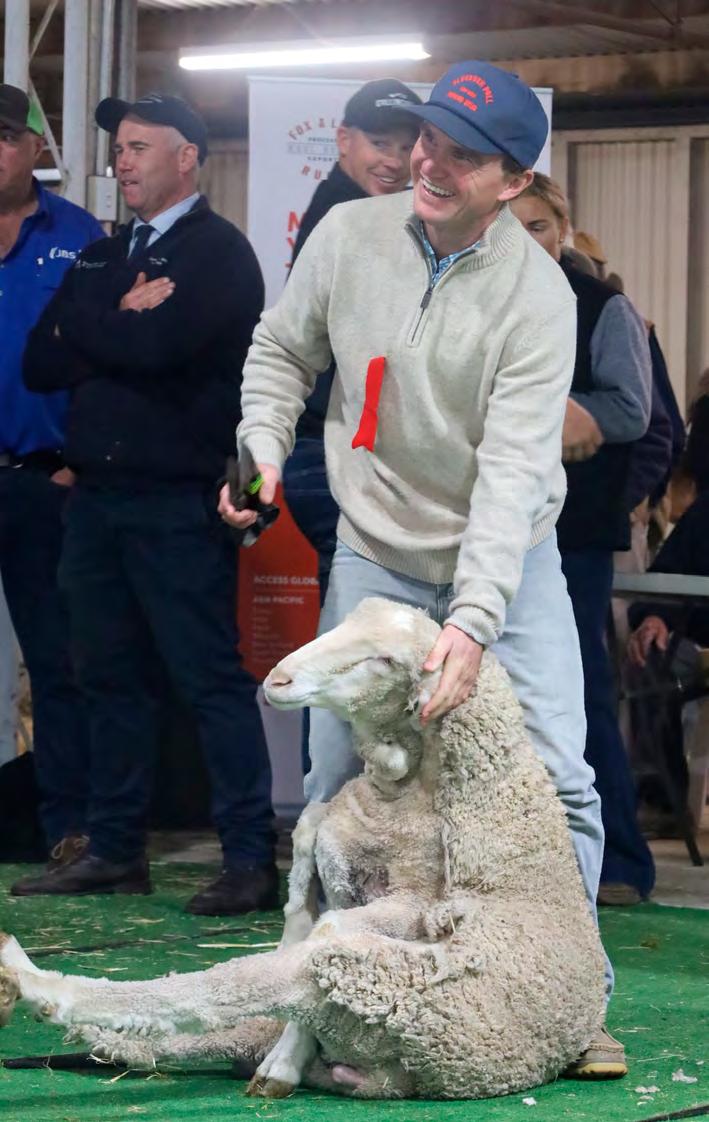
The annual blade shearing competition was taken out by Collinsville’s Tim Dalla. Justin Campbell was runner-up and Danni Wilson took out third.
Graeme Wells, the Merino breeder behind Jerilderie’s One Oak stud, was announced as a Hay Merino Sheep Show Ambassador.
The Hay Show is well-known for pulling top-tier studs from across NSW, Victoria, and South Australia, serving as a critical benchmarking show before the major state royals and the Australian Sheep and Wool Show in Bendigo.
President Ian Lugsdin was pleased to see so many young people in attendance, which he said was a positive sign for the industry.
Supreme Champion Ram Or Ewe: Greenfields
Grand Champion Ram: Collinsville
Grand Champion Ewe: Greenfields
Andrew Lockhart Most Successful Exhibitor: Collinsville
Flock Section
Class 1: 1st: Ej Northey, 2nd: Am Ce Browning, 3rd: Burrabogie
Class 2: 1st: Am Ce Browning, 2nd: Ej Northey, 3rd: Yeadon
Class 3: 1st: Ej Northey, 2nd: Burrabogie, 3rd: Yeadon
Class 4: 1st: Yeadon
Class 5: No Entries
Class 6: 1st: Ej Northey, 2nd: Am Ce Browning, 3rd: Ej Northey
Class 7: Champion: Ej Northey, Reserve: Ej Northey
Class 8: Champion: Ej Northey, Reserve: Ej Northey
Class 9: Champion: Yeadon
Class 10: 1st: Burrabogie, 2nd: Yeadon
Most Successful Exhib Flock: Ej Northey
Unhoused Section
Class 11: 1st: Goolgumbla, 2nd: Woodpark, 3rd: Yanco Ag
Class 12: 1st: Woodpark, 2nd: Woodpark, 3rd: Yanco Ag
Class 13: 1st: Goolgumbla, 2nd: Woodpark, 3rd: Woodpark
Champ U/Housed Ewe: Champion: Woodpark, Reserve: Goolgumblah
Class 14: 1st: Poll Boonoke, 2nd: Walgrove, 3rd: Poll Boonoke
Most Successful Exhib U/ Housed: Woodpark Poll
Open Stud Section
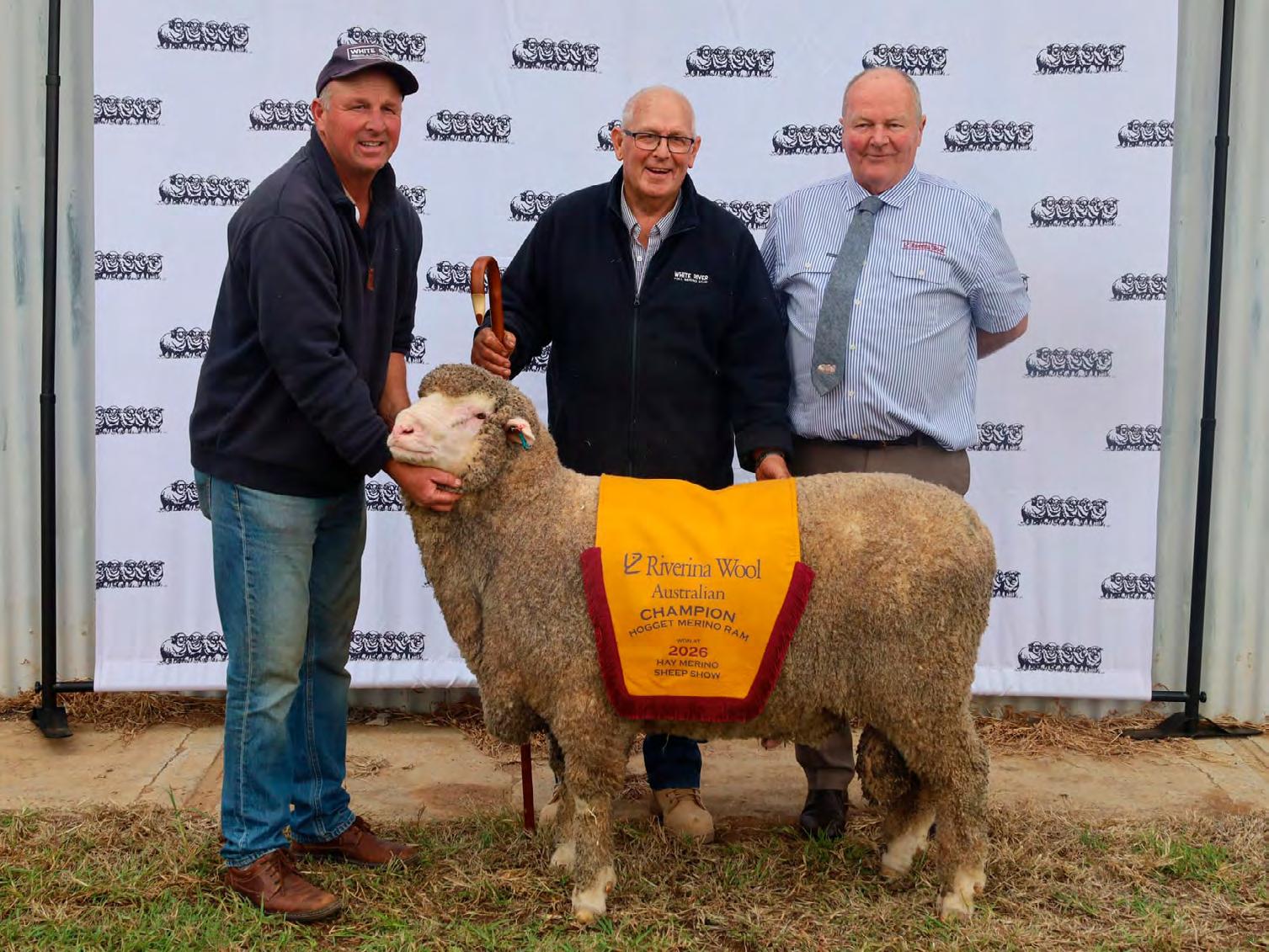
Class 15 Riv Wool Champ Hogget Ram: 1st (Champ): White River, 2nd (Vic): Orrie Cowie, 3rd (NSW): Willandra
Class 16 Nutrien Ag Champ Ewe: Champion: Towonga
Class 17: 1st: White River, 2nd: Terrick West, 3rd: Orrie Cowie
Class 18: 1st: Greenfields, 2nd: Willandra Poll, 3rd: Poll Boonoke
Class 19: 1st: Willandra, 2nd: Towonga, 3rd: Collandra North
Class 20: 1st: Collinsville, 2nd: Willandra Poll, 3rd: Westray
Class 21: 1st: Boonoke, 2nd: Belbourie, 3rd: Belbourie
Champ Med Wool: Champion: Willandra, Reserve: Towonga
March Shorn Ram Classes
March Ram Class 22: 1st: Orrie Cowie, 2nd: White River, 3rd: Sandalwood Pollm
Arch Ram Class 23: 1st: Sandalwood Poll, 2nd: White River, 3rd: Collinsville
March Ram Class 24: 1st: Orrie Cowie, 2nd: Belbourie
Champ Strong Wool March Ram: Champion: Orrie Cowie, Reserve: Orrie Cowie
Elders Champ March Shorn Ram: Champion: Orrie Cowie, Reserve: Willandra
March Shorn Ewe Classes
Class 25: 1st: Terrick West, 2nd: Greenfields, 3rd: White River
Class 26: 1st: Towonga, 2nd: Wyara, 3rd: Kerrilyn
Champ Med Wool March Ewe: Champion: Terrick West, Reserve: Greenfields
Class 27: 1st: Terrick West, 2nd: Willandra, 3rd: White River
Class 28: 1st: Collinsville, 2nd: Willandra, 3rd: Avonmore
Champ Strong Wool March Ewe: Champion: Collinsville, Reserve: Willandra
Champ March Shorn Ewe: Champion: Collinsville, Reserve: Terrick West
House Stud Section
Class 29: 1st: Mulloorie, 2nd: Oakbank, 3rd: Collinsville
Class 30: 1st: Mulloorie, 2nd: Glendonald
Champ Strong Wool Ram: Champion: Mulloorie, Reserve: Glendonald
Class 31: 1st: Glendonald, 2nd: Collinsville, 3rd: Oakbank
Class 32: 1st: Greenfields Champ Strong Wool Ewe: Champion: Greenfields, Reserve: Glendonald
Class 33: 1st: Collinsville, 2nd: Greenfields, 3rd: Oakbank
Class 34: 1st: Mulloorie, 2nd: Kerrilyn Champ Med Wool Ram:
Champion: Collinsville, Reserve: Greenfields
Class 35: 1st: Collinsville, 2nd: Oakbank, 3rd: Mulloorie
Class 36: 1st: Mulloorie, 2nd: Kerrilyn
Champ Med Wool Ewe: Champion: Collinsville, Reserve: Oakbank
Class 37 Pen Of Three Stud Rams: 1st: Mulloorie, 2nd: Tameluca
Class 38 Neilson Mills Trophy: 1st: Mulloorie, 2nd: Tameluca




Peppin


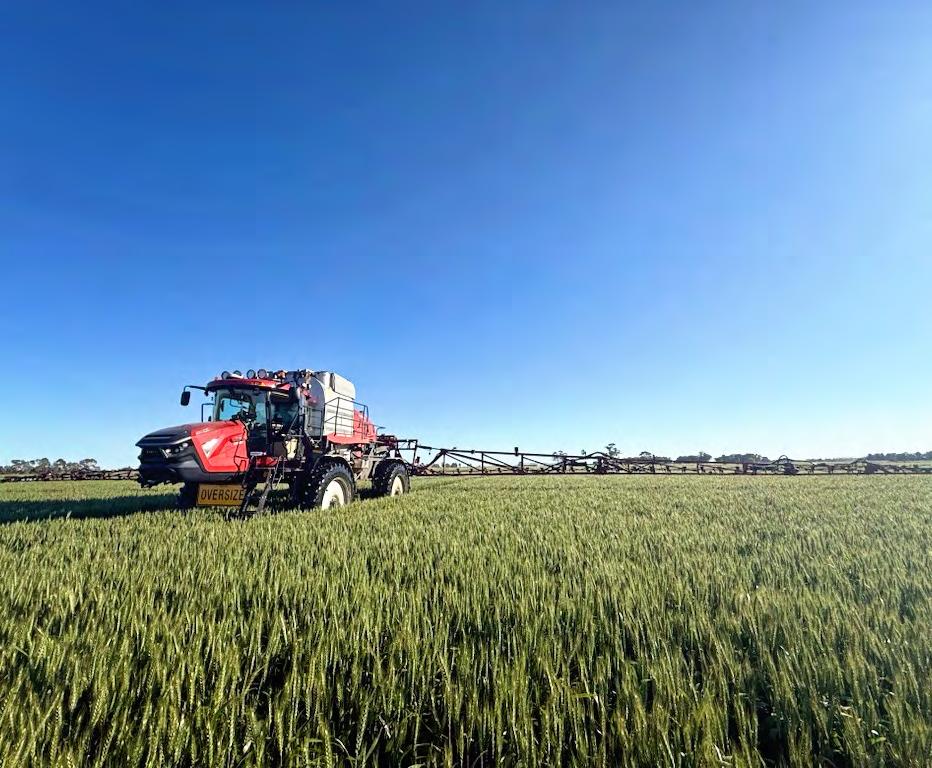

Before you head out, have you checked conditions are suitable?
• wind speed between 3-15km/hour in the paddock
• delta T between 2 and 8 is optimum, above 12 is unsuitable
• keep the boom as low as possible and slow down
• select appropriate product
• use the coarsest droplet size that’ll achieve acceptable efficacy
• set up, calibrate and clean equipment correctly
• read and follow product label instructions
• check for an inversion layer - 1-2 hours after sunrise and before sunset are highest risk
• be aware of sensitive areas nearby e.g. waterways, sensitive crops
• ensure spray operator is properly qualified with an AQF3 chemical accreditation certificate
Off-target damage can be expensive, damaging to your reputation and that of the agricultural industry. In some cases, drift can also lead to poor control of the target species, increasing the selection pressure for resistance and likely causing some economic loss from the reduced efficiency.
Remember, it’s also a legal requirement to keep accurate spray records for every application either manually or digitally. This includes the onsite weather conditions, time of application, product and operator details. To test your record keeping, ask yourself, could someone else pick up your records and clearly understand what you did without any guidance?
For more information on spray applications and managing drift you can access the GRDC’s online resource hub > Spray application and drift management online resources hub https://www.graingrowers.com.au/ graingrowers-spray-drift-resources-hub
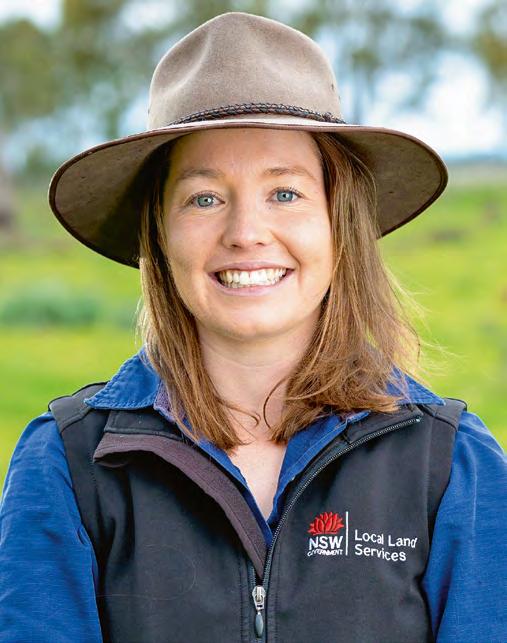
Contributed by Kimberley Beer (pictured above), local lands officer - mixed farming with Murray Local Land Services.













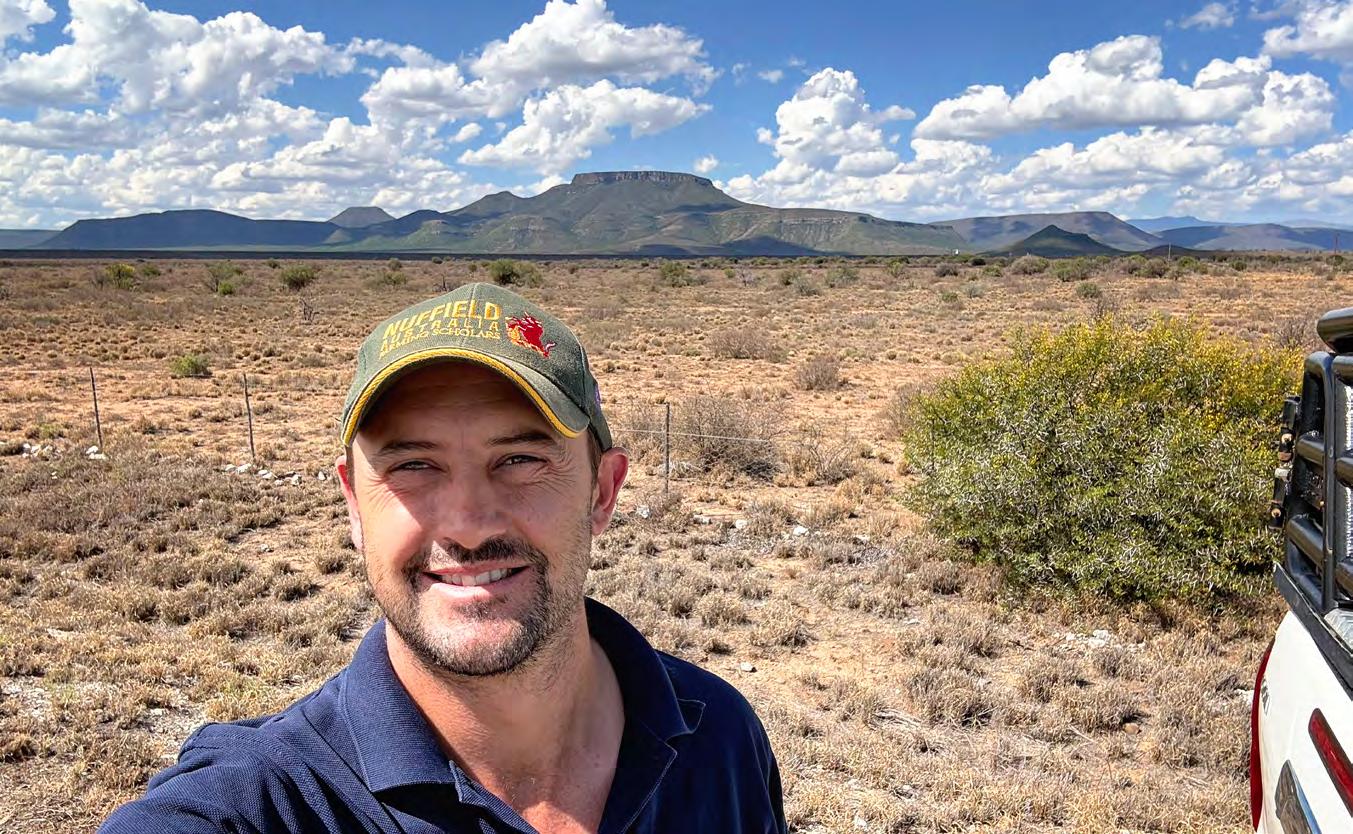
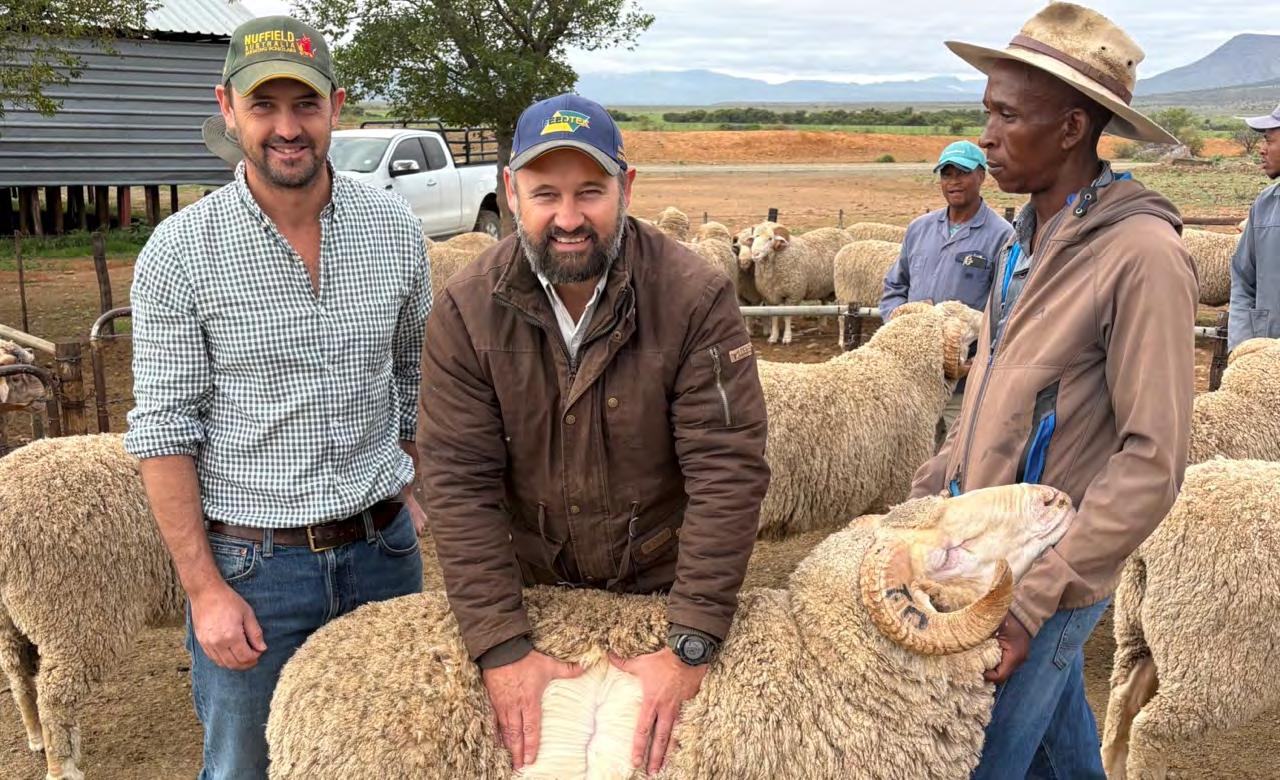


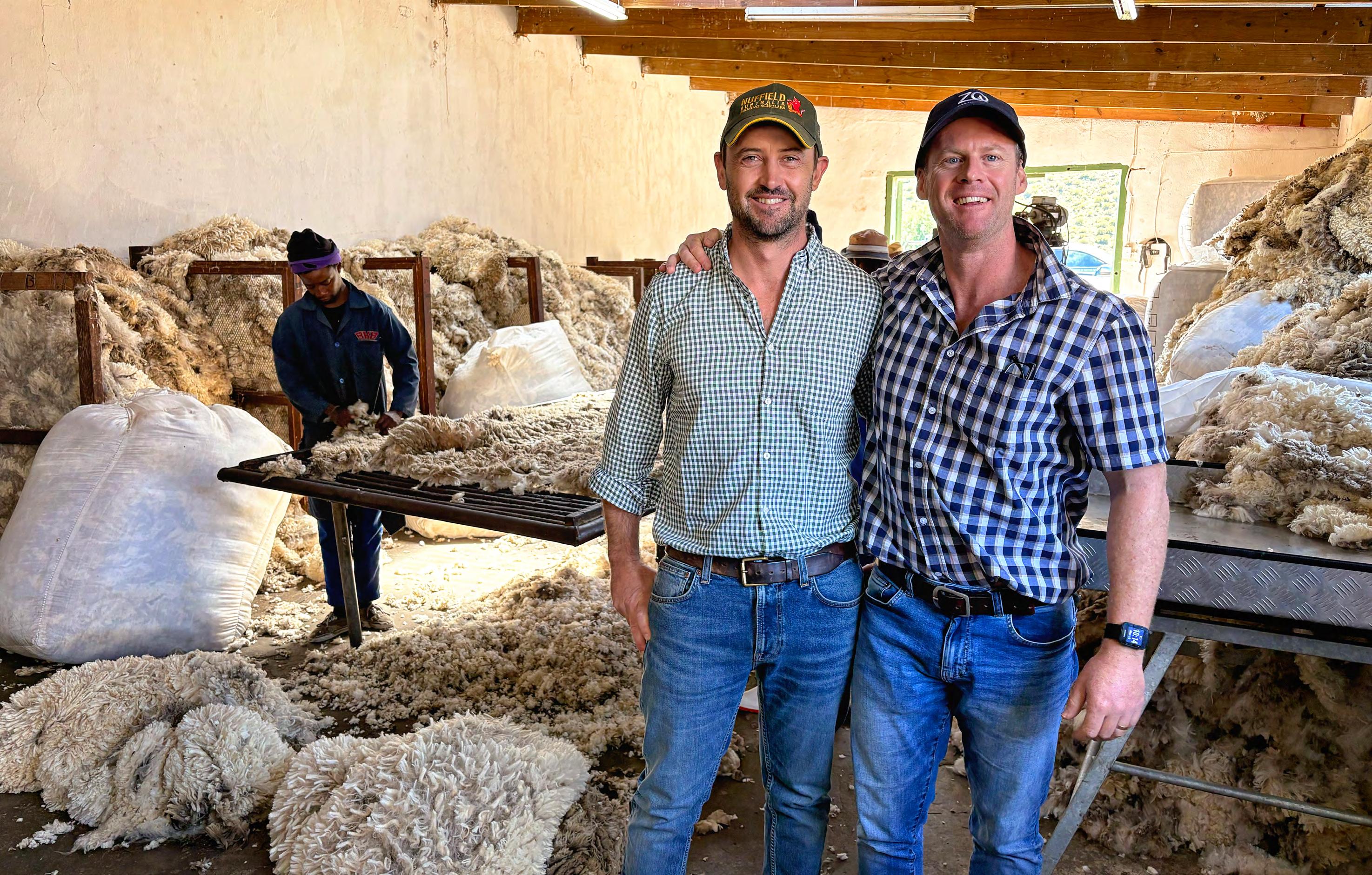
Wanganella Merino producer Tom Hooke is challenging long-held assumptions about regenerative grazing, presenting evidence the practice can deliver significant results for sheep enterprises in low rainfall, rangeland environments.
The 2020 Nuffield Scholar and operator of East Loddon Merino Stud has released a report investigating whether regenerative grazing can be successfully adapted to Australia’s low rainfall sheep country.
Supported by Australian Wool Innovation (AWI), his research took him to the United States and South Africa — two regions where producers are applying regenerative grazing in environments similar to his own.
“Our country receives around 350mm of rainfall a year. We graze on native pastures with no fertiliser and no renovated pasture,” Tom said.
“Rainfall dictates almost everything. So the biggest lever we have is how we manage our grazing animals — and that’s exactly what regenerative grazing is about.”
Regenerative grazing is built around managing four key ecosystem processes through timing, intensity, and diversity.
Rather than setting fixed stocking rates, producers move stock in large mobs through smaller areas, allowing rest periods that enable native pastures to recover, build soil health, and increase carrying capacity over time.
Tom visited sheep and cattle producers across Texas, Colorado, Wyoming, and through the Eastern and Northern Cape and Free State regions of South Africa — areas with low, erratic rainfall and native pasture systems that mirror the western Riverina.
“Property after property had increased their carrying capacity by 1.5 to almost three times what they were running under conventional management,” he said.
“The pastures were healthier, the stock were in good condition, and the businesses were genuinely profitable.
The 2020 Nuffield Scholar and operator of East Loddon Merino Stud has released a report investigating whether regenerative grazing can be successfully adapted to Australia’s low rainfall sheep country.
Supported by Australian Wool Innovation (AWI), his research took him to the United States and South Africa — two regions where producers are applying regenerative grazing in environments similar to his own.
“Our country receives around 350mm of rainfall a year. We graze on native pastures with no fertiliser and no renovated pasture,” Tom said.
“Rainfall dictates almost everything. So the biggest lever we have is how we manage our grazing animals — and that’s exactly what regenerative grazing is about.”
Regenerative grazing is built around managing four key ecosystem processes through timing, intensity, and diversity.
Rather than setting fixed stocking rates, producers move stock in large mobs through smaller areas, allowing rest periods that enable native pastures to recover, build soil health, and increase carrying capacity over time.
Tom visited sheep and cattle producers across Texas, Colorado, Wyoming, and through the Eastern and Northern Cape and Free State regions of South Africa — areas with low, erratic rainfall and native pasture systems that mirror the western Riverina.
“Property after property had increased their carrying capacity by 1.5 to almost three times what they were running under conventional management,” he said.
“The pastures were healthier, the stock were in good condition, and the businesses were genuinely profitable.
ADVERTISING:
DENILIQUIN OFFICE:
Sam Wake or Amber King, Advertising Consultants
P: 03 5881 2322
E: farmtalk@denipt.com.au
SOUTHERN RIVERINA OFFICE:
Sarah Bain, Advertising Consultant
P: 03 5883 1033
E: sarah.bain@ southernriverinanews.com.au
EDITORIAL:
Zoe McMaugh, Content Manager
P: 03 5881 2322
E: zoe.mcmaugh@denipt.com.au
Advertising
Advertising bookings and editorial requests for each edition of FARMtalk close on the third Friday of the month preceding publication.



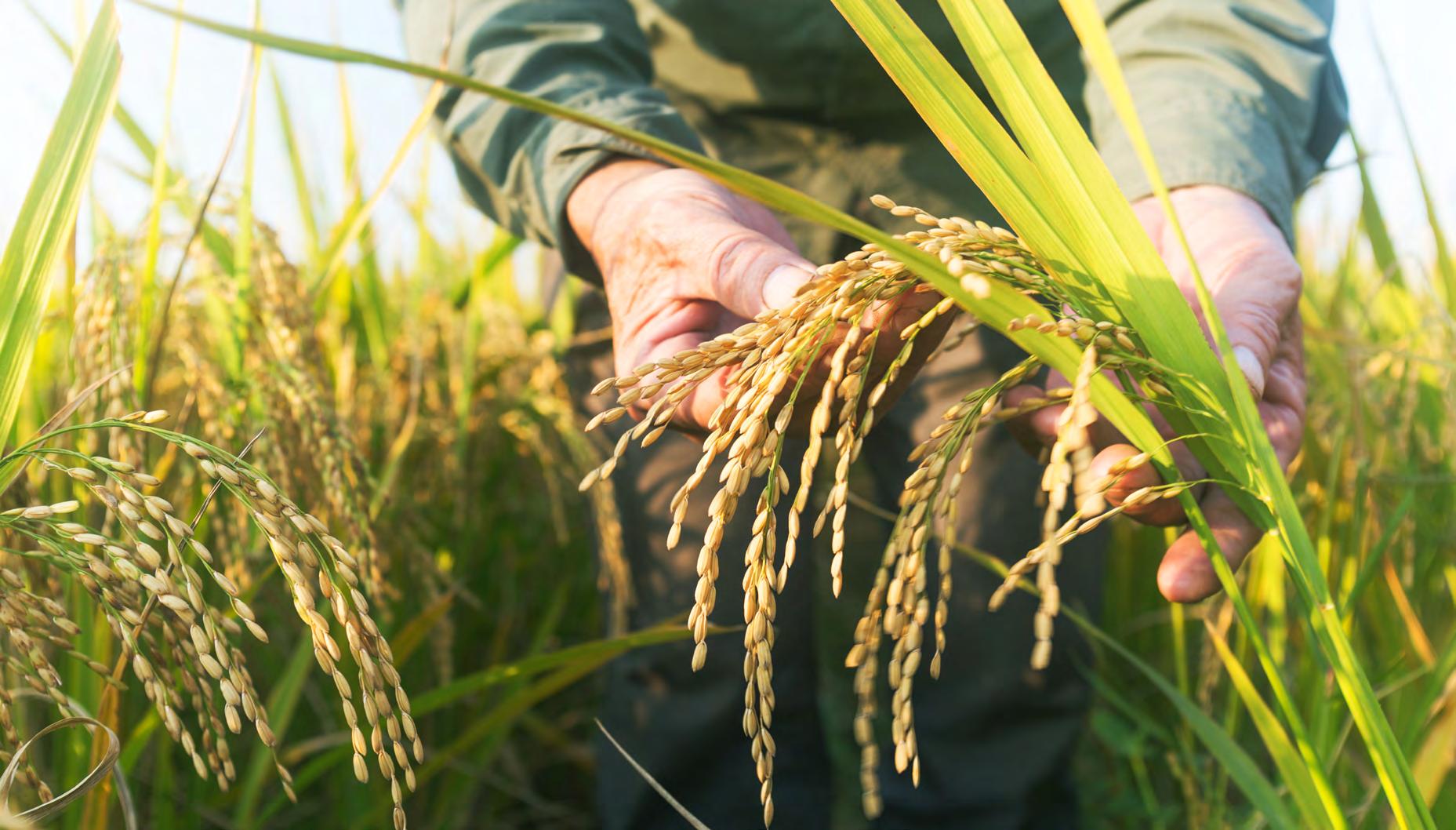
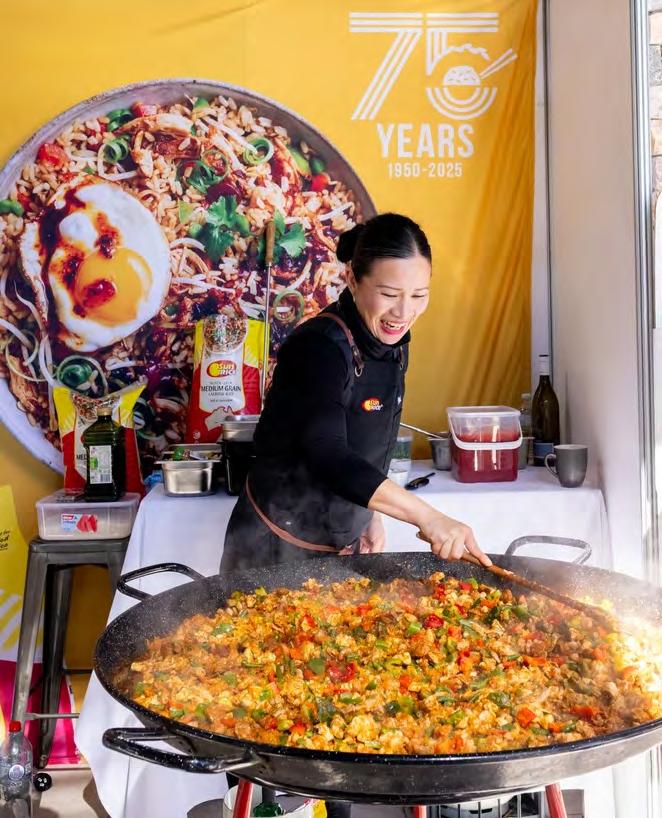
Rice production is one of the most important agricultural activities on the planet.
In Australia, we grow enough rice each year to feed more than 20 million people, 365 days a year.
The Riverina produces more than 95 per cent of Australia’s rice, making it the nation’s rice capital.
FARMtalk welcomes community contributions from farmers, experts and professionals who make their living and life on the land. If you would like to contribute, there are several ways to do so.
• Get in touch and give us a tip of a great story idea.
• Contribute an article: If you are an expert in your field then contributing once off, or regularly, is a great way to get started in our FARMtalk magazine. Contact Zoe McMaugh at farmtalk@denipt.com.au or 03 5881 2322.
• Become an author: FARMtalk is open to occasional contributors who are experts in their field or authorities on a subject or area. Once you have contributed an article, and the editorial team have approved you, we can set you up with a regular column to contribute. We would love to hear from you. Contact Zoe McMaugh at farmtalk@denipt.com.au or 03 5881 2322.
• Have a fascinating farm in mind for us to showcase? Tell us! We would love to hear from you. Contact Zoe McMaugh at farmtalk@denipt.com.au or 03 5881 2322.








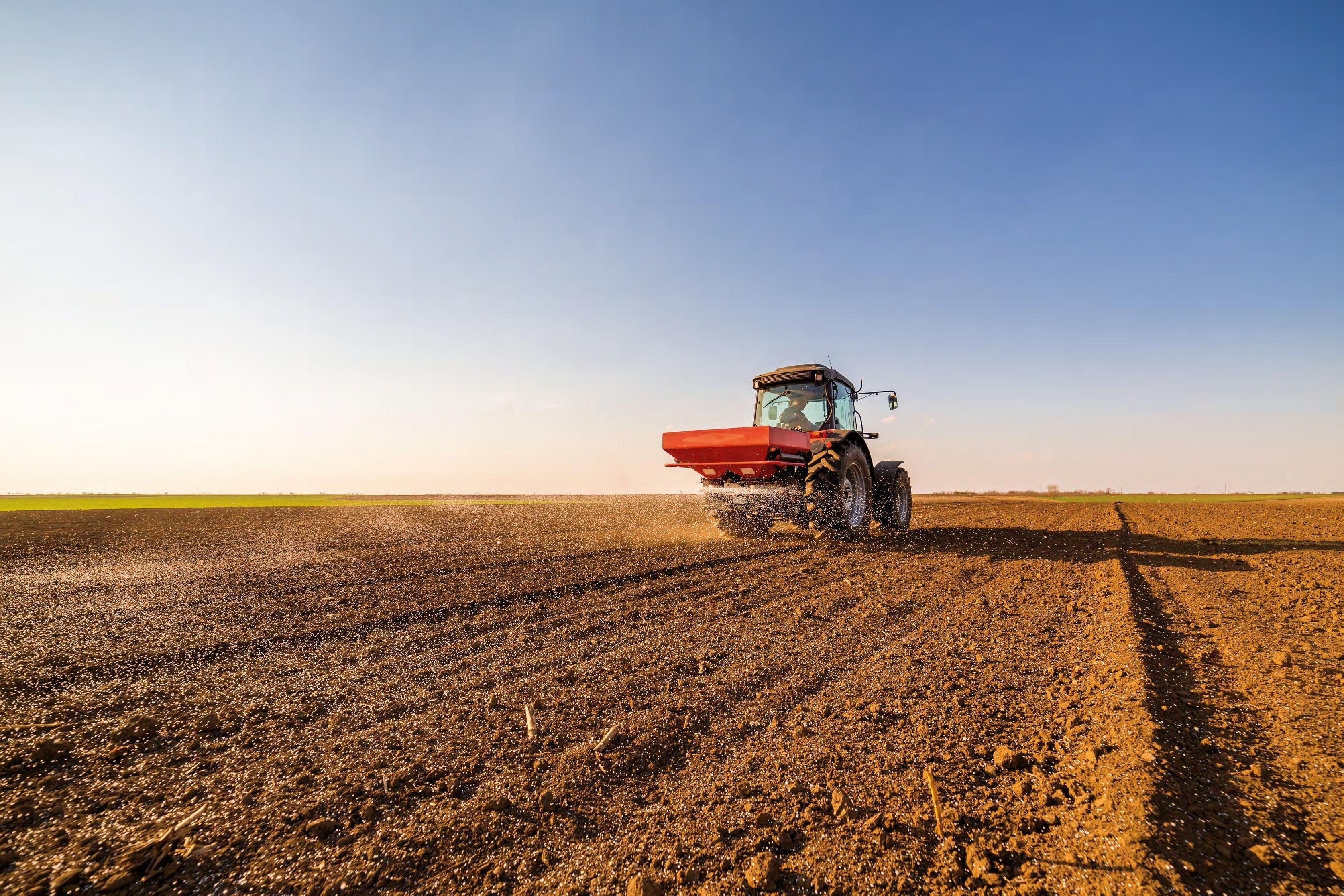
While soil tests indicate what nutrients are available, they don't always reflect what is actually being absorbed by the crop. Factors such as moisture, root health and seasonal conditions can all influence nutrient uptake, making plant tissue testing an important tool for optimising nutrition decisions and helping growers get closer to achieving the true yield potential of their crop.
New technology is beginning to bridge this gap. Nutrien Ag Solutions and Loveland are excited to launch a pilot program with Leaf Tech Ag , placing handheld plant nutrition scanners at selected locations across Australia .
Leaf Tech technology allows agronomists to scan crop leaves and generate a comprehensive plant nutrition report within minutes. Traditionally, tissue samples are sent to a laborator y for analysis, with results often taking more than a week to return. During this time, nutrient deficiencies can continue to affect crop growth and limit yield potential.
By delivering near real-time results in the paddock, Leaf Tech can help growers and advisors identify potential deficiencies sooner and make more timely corrective decisions. The technology also provides an opportunity to monitor both macro and micronutrient concentrations throughout the season, helping build a stronger understanding of nutrient demand across different crop growth stages
As yield gains become more challenging to achieve, technologies such as Leaf Tech are showing potential to support a more responsive, data- driven approach to crop nutrition decisions throughout the season.
Contact your local Nutrien store to learn more.
Nutrien Deniliquin | (03) 5881 1777 Nutrien Finley | (03) 5883 1733
Nutrien Corowa | (02) 6033 3833