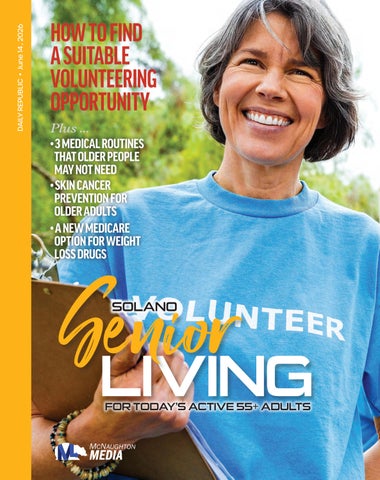
FIND
A SUITABLE VOLUNTEERING OPPORTUNITY
Plus ...
• 3 MEDICAL ROUTINES THAT OLDER PEOPLE MAY NOT NEED
• SKIN CANCER PREVENTION FOR OLDER ADULTS
• A NEW MEDICARE OPTION FOR WEIGHT LOSS DRUGS
LIVING
FOR TODAY’S ACTIVE 55+ ADULTS
MCNAUGHTON MEDIA


ADOBE STOCK

METRO
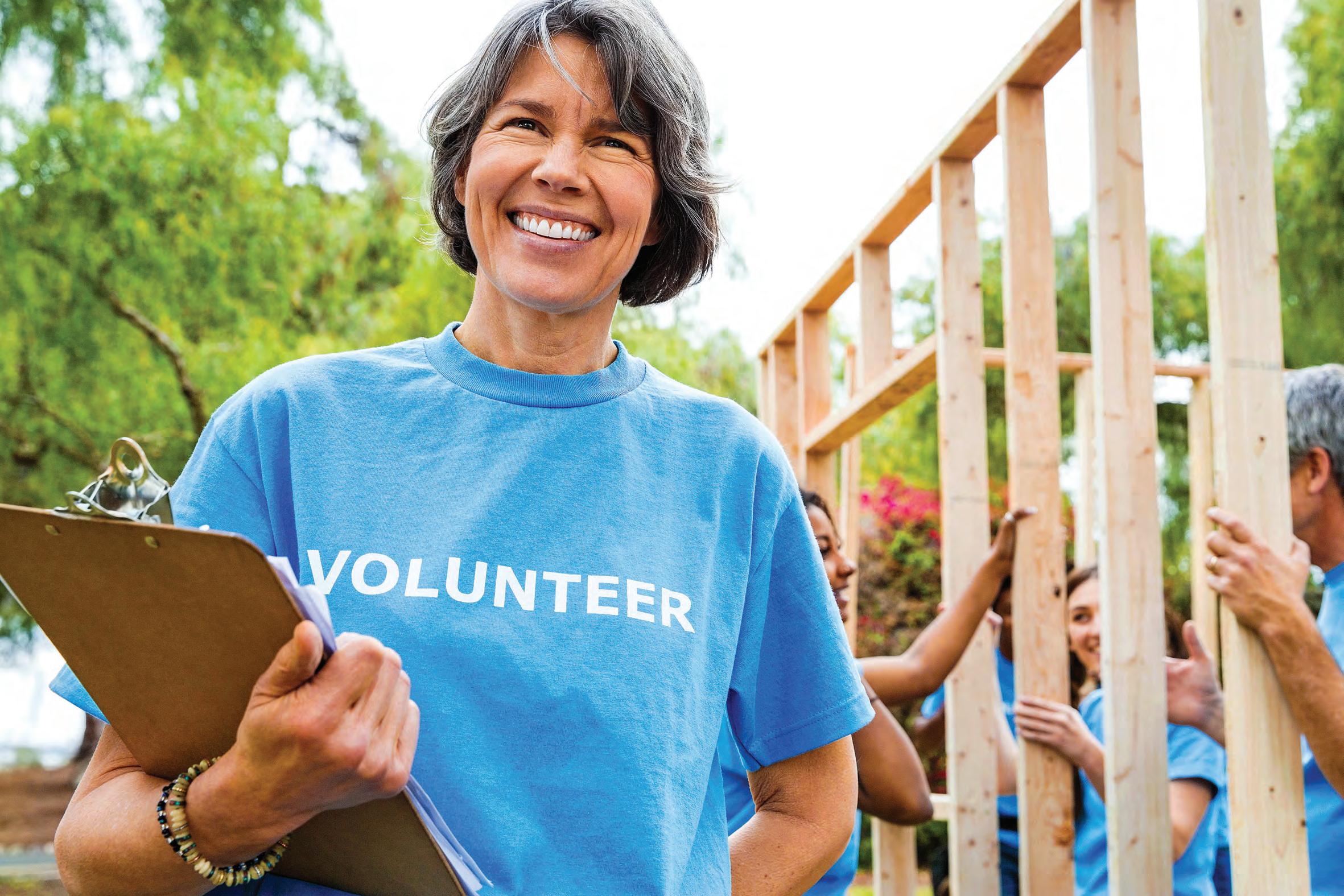
Volunteering is a rewarding experience that engages people from all walks of life. While young adults and adults in middle age may find it hard to squeeze volunteering into their schedules, retirees are free of many of the professional and personal obligations that prevent younger adults from volunteering.
Retirees can reap some unique benefits from volunteering. Volunteering can provide retirees new opportunities to socialize, which can help them avoid feelings of social isolation and loneliness that many seniors confront after retiring. Volunteering also can provide an opportunity for seniors to utilize their professional expertise to the benefit of others.
With so much to gain from volunteering, retirees can start looking for opportunities in their communities.
Many such opportunities exist, and the following tips can help retirees find the most suitable one for them.
• Identify your motivation to volunteer. Identifying why you want to volunteer can be a great first step. Many retirees who had long and distinguished careers in the professional arena aspire to give back by employing their expertise in new ways. For example, retired attorneys may want to volunteer with a nonprofit organization that provides free legal advice to those who cannot afford to hire their own legal representatives. Once retirees have identified why they want to volunteer, they can then look for opportunities that align with that motivation.
• Consider any potential limitations you have. Some volunteering opportunities are physically demanding, which makes them difficult for retirees. Seniors may not be able to handle a volunteering opportunity
that requires heavy lifting or one that asks volunteers to spend hours on their feet. Be honest about any physical limitations, and discuss any uncertainty you might have with your health care provider before committing to a volunteering gig.
• Decide how much time you can volunteer. Volunteering is often characterized as a rewarding experience that offers homebound seniors a chance to get up and go. But some retirees already have active social lives, so it’s imperative that prospective volunteers identify how much time they have to volunteer. Many organizations allow volunteers to determine how much time they spend volunteering, but others may ask more of volunteers in regard to a time commitment. For example, volunteering to organize community events may require a significant time commitment that some retirees do not necessarily want to make.
ADOBE STOCK
3 medical routines that older people may not need
PAULA SPAN KFF HEALTH NEWS
Enough time had passed since the patient’s previous colonoscopy that she met the criteria to undergo another, said Steven Itzkowitz, a gastroenterologist at the Icahn School of Medicine at Mount Sinai in New York. She was in “reasonably good health,” and the risks of the procedure – bleeding, reaction to anesthe
decision five years ago, he might have scheduled the screening “without even thinking about it,” he said. But recent research has shown again that the benefits of a repeat colonoscopy are slim after age 75.
Now, he said, “I’m saying to myself, ‘What are we accomplishing here?’”
He’s not the only doctor – or patient –having second thoughts. The risks and benefits of common screenings,
research continues to point out fresh examples of some that may become unnecessary.
Recently, investigators have taken on questions about common skin lesions that probably don’t need to be removed, a widely used thyroid medication that many older patients can safely discontinue, and colonoscopies that reduce colon cancer mortality so slightly that the risks may outweigh the benefits.

Ugly but probably
The reddened or rough patches on the skin are called, in doctor-speak, actinic keratoses. Because they result from long-term sun exposure, He’s not the only doctor – or patient –having second thoughts. The risks and benefits of common screenings, procedures, and drugs add up differently at advanced ages, and research continues to point out fresh examples of some that may become unnecessary.
LULIIA SUTIAGINA/ DREAMSTIME/TNS
they usually appear on faces, scalps, forearms, and the backs of hands.
Such lesions appear most commonly on older patients. One large study of traditional Medicare beneficiaries found that over a five-year period, almost 30% were diagnosed with an actinic keratosis. Then what?
“The vast majority of the time, they’re removed,” said Allison Billi, a dermatologist at the University of Michigan and an author of a recent commentary on the topic in JAMA Internal Medicine. That typically involves cryosurgery (freezing with liquid nitrogen), topical creams, or laser therapy.
The rationale: The patches could become cancerous. But “for the average patient with no history of skin cancer, there is less than a 1-in-1,000 chance of it progressing to skin cancer,” Billi said, citing a 2013 meta-analysis. The lesions are far more likely to disappear on their own.
“The treatment may be more burdensome than the condition
itself,” she added. Removal “is actually extremely painful, both during and after.” It can cause swelling, irritation, and lasting discoloration.
Besides, an actinic keratosis will probably reappear, or new ones will emerge. “This is a chronic condition,” Billi said.
She has proposed active surveillance, instead: Primary care doctors could observe the lesions annually for warning signs like bleeding, pain, or rapid growth, which might warrant removal. But “in many cases, it’s not necessary,” she said. “We don’t always need to do everything we can do.”
She does recommend using sunscreen, however.
Questionable treatment
Patients take levothyroxine, one of the world’s most frequently prescribed drugs, when their thyroid glands can’t produce sufficient thyroid hormone.
With this condition, called hypothyroidism, “people gain weight. They have less energy. Their hair and skin are dry,” explained Jacobijn Gussekloo, a primary care doctor and researcher at Leiden University Medical Center in the Netherlands. “Everything slows down.”
Doctors also increasingly prescribe it for a borderline condition called subclinical hypothyroidism, which usually causes no symptoms but can progress to hypothyroidism.
Most patients take the drug for life –but do they have to? Gussekloo’s team has found that in many older adults with subclinical hypothyroidism, hormone levels normalize on their own.
The researchers have also reported that among older people with the condition, levothyroxine had no effect on symptoms and “no apparent benefit.”
Like any drug, it can also cause harm. It may interact with other medications that older patients



















typically take. Moreover, “it requires frequent lab tests and follow-ups, more visits and expense,” said Maria Papaleontiou, an endocrinologist at the University of Michigan and an author of an editorial in JAMA accompanying the latest Dutch study.
“In high doses, it can cause hyperthyroidism, which can lead to cardiac arrhythmias and bone loss,” she added. Patients taking it also have to adjust their diets and meal schedules.
To determine whether some patients could stop taking levothyroxine, the Dutch researchers devised a protocol that gradually reduced doses over 30 weeks, with ongoing lab testing and consultations with doctors.
After a year, a quarter of the 370 participants, all over 60, had discontinued the drug while maintaining healthy thyroid function. Most had been on lower doses to begin with.
Patients shouldn’t stop levothyroxine on their own, Papaleontiou cautioned. Discontinuation requires tapering off gradually, with testing and monitoring. Some patients will always need the drug.
But it appears that “a select group of adults over 60 may not require this treatment lifelong,” Papaleontiou said.
A screening with risks
The question of when older patients can safely stop screening for colon cancer has prompted years of debate. The influential U.S. Preventive Services Task Force gives the screening a lukewarm C rating after age 76, calling the benefit “small.”
Yet almost 60% of older patients who have had previous colonoscopies and face limited life expectancies (less than five years) are advised to undergo another screening, a 2023 study found.
As a gastroenterologist at the University of California-San Diego, Samir Gupta regularly encounters this issue with older patients. “I know
The risk of complications following a colonoscopy rise with age. One study found that nearly 7% of patients over 75 had a hospitalization or emergency room visit within a month of the procedure.
they really have a low risk of colon cancer, and I’m putting them through more risk,” he said.
The risk of complications following a colonoscopy rise with age. One study found that nearly 7% of patients over 75 had a hospitalization or emergency room visit within a month of the procedure.
Is it worth it? Gupta is the lead author of a new study of almost 92,000 Veterans Affairs patients over 75 who had previous colonoscopies. In about 28%, the procedure had found an adenoma, a type of polyp that can become cancerous. Though only a small fraction do, gastroenter-
ologists generally remove them.
The researchers found that after 10 years, veterans with a previous adenoma were more likely to develop colon cancer than those without one, though the rate was extremely low in both groups.
But just 0.5% – yes, one-half of 1% – of those with a previous adenoma died of colon cancer, compared with 0.4% of those without one. “A tiny difference,” Gupta said.
Both groups were dwarfed by the number of veterans – almost half –who died within the decade of other causes.
“Even if the procedure goes well, you’ll either find nothing or you’ll find something that’s not going to have real impact on your longevity,” said Itzkowitz, an author of an editorial published alongside the study.
Yet he has found that many patients who have had polyps removed want to continue colonoscopies.
It is hard to shift established medical norms. Efforts to “deprescribe” drugs can meet with opposition from both patients and health care professionals.
Many older women continue having mammograms past the point of documented benefit, and older men often undergo prostate cancer screening beyond the recommended age.
Colonoscopies are less pleasant, so perhaps older patients will be glad to forgo them. “Even with polyps, the chance of dying from colon cancer is so low compared to everything else that can get you,” Itzkowitz said. So he told his 85-year-old patient that she could skip another colonoscopy. She seemed pleased.
KFF Health News is a national newsroom that produces in-depth journalism about health issues and is one of the core operating programs of KFF –the independent source for health policy research, polling and journalism.
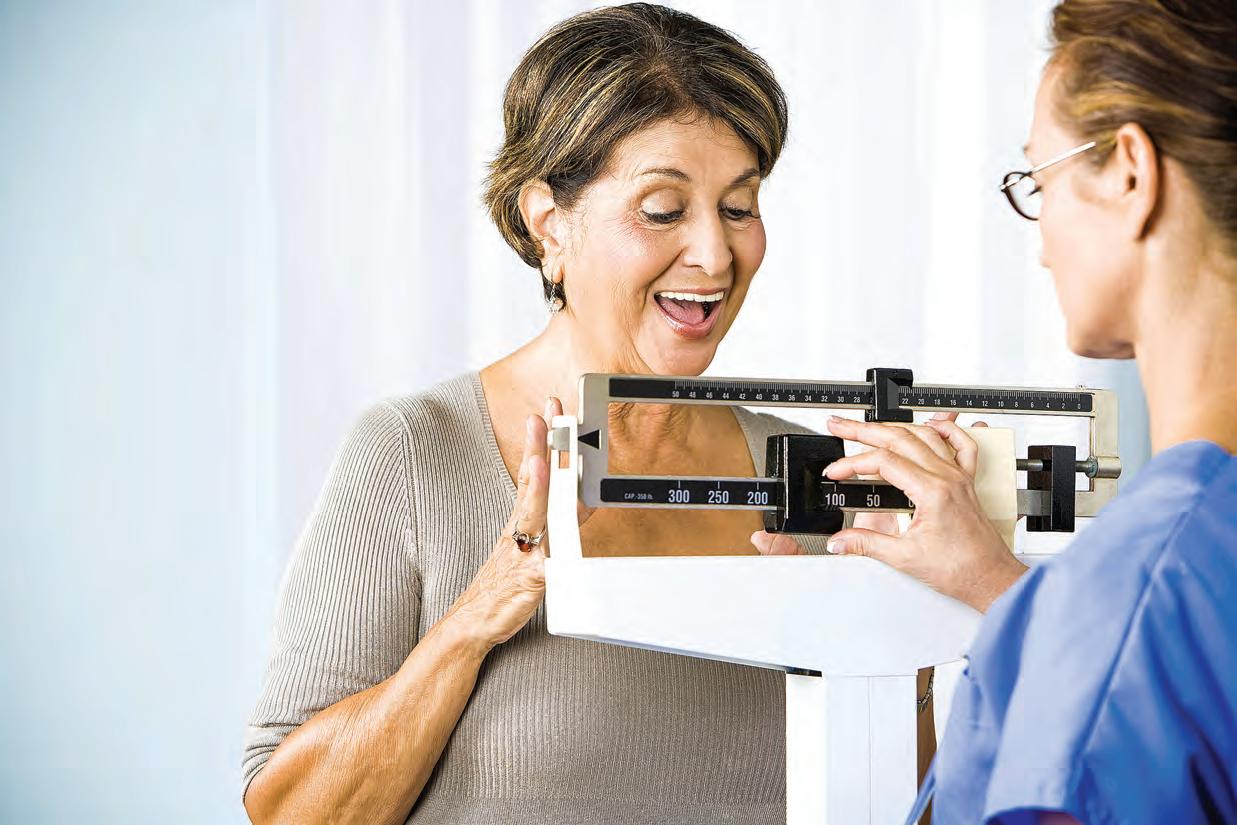
Tsignificant. According to the Centers for Disease Control and Prevention, 39% of adults 60 and over met the criteria for obesity over a two-year period between August 2021 and August 2023.
The National Council on Aging notes the importance of maintaining a healthy weight as you age. Seniors who qualify as obese, which occurs when a person's body accumulates and stores excessive amounts of body fat, carry a higher risk of chronic diseases like type 2 diabetes, heart disease, and certain types of cancer. The NCOA also notes that excess body weight puts a strain on the joints, increasing the risk for osteoarthritis and making daily movements more difficult. People with obesity also are more likely to develop asthma and sleep apnea.
Seniors diagnosed with obesity are urged to seek safe and healthy ways to lose weight. Fad diets and other means to quick weight loss can be dangerous, but the NCOA notes simple lifestyle changes and healthy
foods. Lean proteins, whole grains, fruits, and vegetables offer plenty of vitamins, minerals and fiber but tend to be low in calories. That makes them ideal options for people looking to lose weight, as they contribute to feelings of fullness without consuming a lot of calories.
• Incorporate physical activity into your daily routine. Exercise can pose problems for older adults who qualify as obese. The joint issues that can affect older adults with obesity can make traditional exercise regimens that incorporate strength training and moderate to vigorous aerobic activity very difficult, and maybe even dangerous. But the NCOA notes that exercise need not be intense to be effective. Walking is a great physical activity for older adults. Swimming also is excellent, as it provides a full-body workout that's easy on the joints. Seniors are urged to speak with their physicians about physical activities they can handle.
• Don't sleep on sleep. Sleep can be an effective ally for seniors looking
and regulate hunger. Seniors who have trouble falling asleep at night can try various strategies, from avoiding caffeine from the afternoon on to avoiding screens after dinner, to prepare their bodies to get better rest at night.
• Work to combat stress. The NCOA reports that stress is a contributor to weight gain. And stress and disorders linked to it are perhaps more common among adults 60 and over than people realize. In fact, according to the Anxiety and Depression Association of America, anxiety disorders, which are a notable source of ongoing stress, are the most widespread mental health condition among older adults. Sufficient sleep, meditation and deep breathing exercises can help seniors combat stress, and that in turn may help older adults avoid excess weight gain.
Obesity is a problem among older adults. Finding safe ways to lose weight can have a profound effect on seniors' short- and longterm health.

Skin cancer prevention for older adults
METRO
Wisdom and age frequently go hand in hand. But when it comes to knowledge of the latest medical advancements, some older adults may not be up-to-date.
Medical recommendations evolve over time. After all, it wasn’t too long ago people were told to avoid foods containing high amounts of dietary cholesterol because it would raise their own blood cholesterol levels. Now MedlinePlus says the general consensus is that eating dietary cholesterol has a minimal impact on blood cholesterol for most people. And people in their 70s may have raised children thinking it was fine to lay the child in the crib on the baby’s stomach. Now the advice is “back is best.”
Medical professionals now know that exposure to ultraviolet rays of the sun and tanning beds can contribute to the development of skin cancer. But just a few generations ago people were slathering on baby oil and using suntan reflectors to accelerate
tanning. The risk of skin cancer is raised for those who have had cumulative exposure to the sun. So it is essential that seniors practice sun safety every day so they are not adding to the damage that already may have occurred. It’s also foolish to think, “I’ve made it this long without skin cancer, and it takes decades to develop, so I’m never going to get it.”
No one knows how long they will live and it’s important to take care of oneself to live as strong, healthy and long as possible. To that end, seniors can employ these sun safety tips, courtesy of the Skin Cancer Foundation.
• Learn the facts. Suffering just five sunburns over your lifetime more than doubles your chances of developing melanoma, and each successive tan or sunburn raises the risk even further. Suntans damage the skin’s DNA and age it before its time. Also, skin undergoes changes that reduce defenses against disease and healing. One bad burn as a senior may be the final straw.
• Use sunscreen. Sunscreen may not have been widely used when today’s seniors were young. Just
because that was the norm then doesn’t mean things can’t change now. It’s never too late to reduce your skin cancer risk by lathering on sunscreen daily - even when the sun doesn’t seem particularly strong. Seniors should look for a broad-spectrum sunscreen with SPF 30 for daily use.
• Wear protective clothing. Choose tightly woven, long-sleeved shirts, long pants, and wide-brimmed hats to protect you. You can purchase clothing that has sun protection built right in.
• Avoid being outside during certain times of day. Stay out of the sun when it is at its peak. Radiation is typically the strongest between 10 a.m. and 4 p.m. That’s when the risk for skin damage is highest, says the American Cancer Society.
• Seek shade. When spending time outdoors, seek shady spots, whether you’re under an umbrella or in tree-lined areas.
Sun safety for seniors is generally the same for people of all ages. But it becomes a more urgent necessity due to cumulative sun exposure that comes with age.
How some seniors benefit from looking after their grandchildren
odern seniors are spending a lot of time with their grandchildren, and much of that time is spent providing care for youngsters, which might be helping grandparents in some unique ways. According to the National Poll on Healthy Aging from the University of Michigan’s Institute for Healthcare Policy & Innovation, 8% of grandparents provide daily or near-daily care for their grandchildren. One in five grandparents reports providing care for one or more grandchildren at least once a week.
Though it can be a tall order for grandparents to look after their grandchildren, the time grandparents spend with their children’s children can provide some unique benefits.

In addition, 36% of grandparents indicated they had baked or cooked with their grandkids over the previous month. One researcher who worked with the team behind the poll noted that eating and cooking with grandchildren affords grandparents an opportunity to pass down knowledge and recipes to younger generations.
The National Poll on Healthy Aging found that 72% of people with grandchildren indicated they hardly ever feel isolated, compared to 62% without grandchildren. The poll also found that 13% of seniors without grandchildren indicated their mental health was fair or poor, while just 9% of seniors with grandchildren characterized their mental health in that way. Grandparents spending ample time with their grandchildren also may help to build stronger social and cultural connections between themselves and their grandkids. The healthy aging poll found that slightly more than six in 10 grandparents indicated they shared at least one meal with a grandchild or grandchildren over the previous month, and nearly half indicated they had prepared food for them.

F AIRFIELD FUNERAL HOME


Caregiving for grandchildren can be a tall order for grandparents. However, seniors who provide such care may be benefitting in some unique and important ways.







METRO
A new Medicare option for weight loss drugs What older Americans should know
JACKIE FORTIÉR KFF HEALTH NEWS
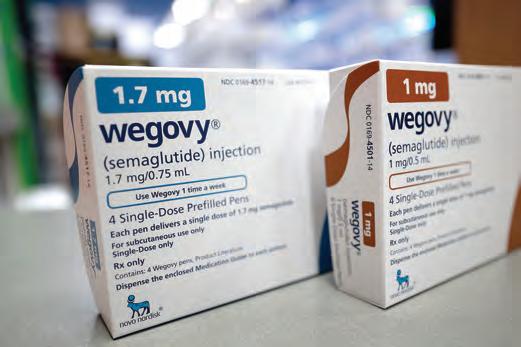
Starting in July, Medicare beneficiaries may be able to get a GLP-1 prescription for weight loss for $50 a month. It’s a notable shift for Medicare, which has long been barred from covering weight loss treatments.
The drugs, such as Wegovy and Zepbound, are effective but can be expensive without insurance coverage. They’re available in injection or pill form. Even with discounts, current cash prices typically range from $149 to $699 per month.
About half of GLP-1 users say these drugs were difficult for them to afford, according to KFF polling. A quarter said they were “very difficult” to afford.
But the new Medicare benefit comes with caveats, particularly around clinical guidelines and what happens when the short-term program ends.
What is this program?
The initiative, announced by the Centers for Medicare & Medicaid Services, is a short-term pilot program known as the Medicare GLP-1 Bridge. It will run from July 1 through Dec. 31, 2027. It’s meant to “bridge” the gap before a longer-term program that might – or might not –begin in 2028.
The pilot program will offer coverage for the following GLP-1 medications approved for weight loss: the pill and injectable formulations of Wegovy, the KwikPen formulation of Zepbound, and the Foundayo pill.
Who can participate?
To get access to these weight loss medications, you must be enrolled in a Medicare Part D plan, which covers prescription drugs. After that, eligibility is based mainly on body weight and health status. People will qualify if they have a body mass index of 27 or higher and have a
condition such as heart disease or prediabetes, among others. People with BMIs of 35 or higher automatically qualify. About 40% of American adults are clinically obese, with a BMI of 30 or higher, according to the Centers for Disease Control and Prevention.
How the program works
unusual)
(it’s a bit
This is not your typical Medicare benefit. Even though Part D enrollment is required, the Bridge program itself works differently. Instead of going through your regular Part D plan, you will need prior authorization. Your doctor will send the prescription to a central system run by CMS contractor Humana, using a system already in place for another Medicare drug program. Doctors don’t need to be enrolled as Medicare providers to write a prescription or submit a prior authorization request under this program. Once they get approval, patients will pay the flat $50 copayment at the pharmacy when they pick up the prescription.
What are the benefits?
The cost savings could make these drugs accessible to patients who simply couldn’t afford them before. Even with discounts, the prices can be daunting without insurance coverage. TrumpRx, a new government website, provides links to direct-to-consumer prescription drug discounts for patients not using their health insurance. On that site, Wegovy injectables range in price from $199 for a lower dosage for the first two months to $399 for a higher dosage. The KwikPen formulation of Zepbound costs up to $699 per month. At the highest dosages, the daily Wegovy pill costs up to $299 while Foundayo tops out at $349.
Most people who use these drugs will need a higher dose to maintain weight loss. The Bridge program is unique in that it offers a predictable $50 copayment that
SCOTT OLSON/GETTY IMAGES/TNS
does not go up as dosages increase.
What are the downsides?
Like many pilot programs, there are trade-offs. The $50 copay will not count toward the Part D deductible, nor does it count toward the $2,100 annual out-of-pocket cap on prescription drug costs. The pilot program will also end in December 2027. Most studies have shown that many people who stop using the GLP-1 drugs regain weight they lost while taking them.
Still obstacles for those with low incomes
If you receive the low-income subsidy, also known as the Medicare Extra Help program, you cannot use that assistance for the drugs covered by the GLP-1 Bridge program. For beneficiaries accustomed to paying a $5 or $10 copay for their pharmaceuticals, a $50 copay could still be a big financial barrier.
“Fifty dollars a month sounds like a great deal compared to paying the discounted prices through TrumpRx and these other direct-to-consumer options, but it’s a lot of money for somebody who’s living on a $750-a-month Social Security check,” said Juliette Cubanski, deputy director of the Program on Medicare Policy at KFF, a health information nonprofit that includes KFF Health News.
The $50 copay is only for weight loss
If you’re already taking one of these medications for a qualifying condition such as Type 2 diabetes, cardiovascular disease risk reduction or sleep apnea, you’ll continue to get it through your regular Part D plan. That means you’ll pay your plan’s price, which may be higher than the $50 Bridge copay, meaning the same drug could cost different amounts depending on the reason it is prescribed.
If you’re already on a GLP-1 for weight loss, you may qualify for the Bridge program. Your prescriber will need to attest that you met the clinical criteria when you first started the medication. For example, if you started a GLP-1 in September 2024 with a BMI of 37 but in July 2026 you’ve lost weight and now have a BMI of 34, the prescriber should attest in the prior authorization request that you met the BMI criteria of 35 or over when the GLP-1 therapy started.
What happens after 2027?
The Trump administration had proposed a two-step approach to expand coverage of GLP-1s for obesity in Medicare. The Bridge program was initially planned to last six months – after that, the idea was to launch a longer-term program that would shift the cost of the drugs from the government to insurers. A recent study found the long-term program would have cost insurance companies
billions of dollars in the first year. Not enough insurers signed on for the voluntary plan by the April deadline, so CMS instead announced it would extend the Bridge program to 18 months, with a new end date of December 2027.
The move will give insurance companies more data on how many people with Medicare get GLP-1 drugs during the Bridge program and more time to negotiate with the Trump administration.
But extending the Bridge program will be “really expensive” for Medicare, Cubanski said, because the program heavily subsidizes the cost of the drugs.
“There’s no sense right now of the cost of the Bridge model, but it is likely to be billions of dollars a year in additional spending for Medicare,” Cubanski said.
The cost to Medicare will depend largely on how many people use the Bridge program. CMS has not provided any projections publicly, but a previous KFF analysis estimated that in 2020 close to 14 million Medicare beneficiaries were overweight or obese.
“This will just cost additional money, and we don’t know how much, because they haven’t disclosed it,” Cubanski said.
KFF Health News is a national newsroom that produces in-depth journalism about health issues and is one of the core operating programs of KFF – the independent source for health policy research, polling and journalism.



Does Wordle help? Experts reveal ways keep your brain sharp
CINDY KRISCHER GOODMAN
SOUTH FLORIDA SUN SENTINEL
Will playing Wordle regularly fend off Alzheimer’s? Will the fish oil you take daily keep your memory sharp?
Many people think it’s worth trying anything to help with brain health. After all, the forecast is worrisome: The number of people living with dementia, including Alzheimer’s, is expected almost to double every 20 years.
In South Florida, researchers are studying ways to stop cogni tive decline, which is known as memory slide. They are looking at what people eat, how they live, and who they spend their time with to learn what can affect brain health.

STEFANI REYNOLDS/AFP VIA GETTY IMAGES/TNS
This photo illustration shows a person playing online word game “Wordle” on a mobile phone in Washington, D.C.
“There are so many strategies that have been of interest in the last five to 10 years,” said Dr. Daniel Vela, neuro-interventional surgeon for St. Mary’s Hospital with Palm Beach Health Network.
Not all the strategies pan out. Some, though, do seem to be of value
Sleep makes a difference
Researchers agree that sleep allows the brain to rest, repair itself, and remove all the toxins that can accumulate during the day.
Vela recommends keeping a regular sleep schedule as much as possible by going to bed and waking up the same time each day. To help with better sleep quality, he advises getting morning sunlight.
“This exposure in the early mornings to sunlight is a regulator of your sleep cycle,” he said. Aim to get at least 15-30 minutes of natural light exposure as soon as possible after waking up.
Dr. Nicole L. Baganz, assistant director of FAU Stiles-Nicholson Brain Institute, said while guidelines say you should aim for eight hours of sleep a night, for some people six hours is good enough. “It’s individualized how
much sleep is necessary, but lots of studies confirm the powerful effects of sleep on brain health.”
How diet affects brain health
Everything you put in your mouth affects your brain health, particularly if your diet triggers high cholesterol or diabetes.
“Diet management is important,” Vela said. “You need to keep your arteries clean, especially the arteries of the brain, which is what we end operating on in certain people who have experienced repetitive brain bleeds or brain attacks like stroke.” Vela said that as people age, they accumulate cholesterol in their arteries, affecting blood flow to the brain. He advises a low-cholesterol diet to ward off this accumulation.
Vela says reducing your sugar intake also can help keep your brain sharp. Research has uncovered a potential link between consuming excessive sugar and an increased risk of dementia. “Part of our diet is not only to consume antioxidants, nutrients, magnesium, and healthy fats, but the most important strategy to maintain cognition and brain health is to stay away from added sugar.”
Dr. Andrew Newberg, a neuroscientist and MRI director at Florida Atlantic University’s Stiles-Nicholson Brain Institute, has studied nutrition and brain health and recommends eating more plant-based foods. “Make sure you get your vegetables, fruits, and nuts with good oils, and try to avoid processed foods,” he says. That type of diet, he says, reduces inflammation that could negatively impact brain health.
Get your vitamins and minerals
Certain vitamins and minerals are commonly touted as prevention for memory decline. Magnesium, for example, protects brain cells from damage caused by oxidative stress, inflammation, and neurotoxins. A study published
in the European Journal of Nutrition in March 2023 found eating more magnesium-rich foods lowers the risk of dementia – especially in women.
Omega-3 fatty acids may also be beneficial. A study by the University of Texas Health Science Center found that eating cold-water fish and other sources of omega-3 fatty acids may enhance cognition in middle age. The researchers found consuming more omega-3s was associated with better abstract reasoning, or the ability to understand complex concepts using logical thinking.
Baganz said getting nutrients from a balanced diet is more effective than supplements.
Games and puzzles can help
Doing Worldle, a daily crossword puzzle, or any game that requires problem-solving, strategic thinking, and quick decision-making can stimulate and challenge key brain regions. However, why they may slow decline, scientific evidence that games improve brain health is limited.
Experts say games serve a purpose but advise mixing up the brain-stimulating activities.
“Reading, learning new things, talking to people, just engaging the brain in many different ways is good for your brain,” Newberg said. “The more you do different things, the better off you’ll be in terms of your cognitive reserve and putting off the effects of aging.”
Social activity is crucial
“Loneliness is one of worst things that can happen to the brain,” says Baganz at FAU. “Social connection is important for mental health and reduces cognitive decline. Positive emotion such as compassion and appreciation is strongly linked to brain health and mental health.”
Baganz recommends volunteering in the community and reengaging in activities you once found challenging, or even learning a new language – anything that engages the brain and exposes you to social interaction.
Exercise may have the biggest effect
Research shows the parts of the brain that control thinking and memory are larger in volume in people who exercise than in people who don’t.
Baganz says any type of exercise, including walking, chair yoga, or strength training, will help. “Exercising produces chemicals that can promote brain health,” she says. “Try to get some sort of aerobic exercise regularly, even just a brisk walk.”
Be patient, though. Several studies have shown that it takes about six months to start reaping the cognitive benefits of exercise.
Mental well-being
Newberg at FAU has studied spirituality and its link to brain health. He found meditation and prayer help stave
off memory decline. “These practices alter the way the brain works,” he explains. “They help the brain regulate itself and help with cognition as well as lowering stress, anxiety and depression.”
Some of the myths about brain health make researchers like Newberg eager to set people straight.
Genetics determine your future
Brain health as you age is a complex interplay between genetic predisposition, and environmental and lifestyle factors. Experts have determined that about 40% of dementia cases could be delayed by treatable midlife factors.
Treating hearing loss, hypertension, diabetes and obesity can lower your risk.
Alcohol kills brain cells
Moderate alcohol use doesn’t kill brain cells. Alcohol can affect brain structure, function, and overall health, but it doesn’t directly cause the death of brain cells.
Video games rot your brain
Video games’ effect on children remain unclear, but for adults, the benefit to brain health varies depending on the type of game. Experts say games that connect people around the world and those that require you to switch between tasks have the most benefit.








Travel tips for the over-50 crowd
METRO
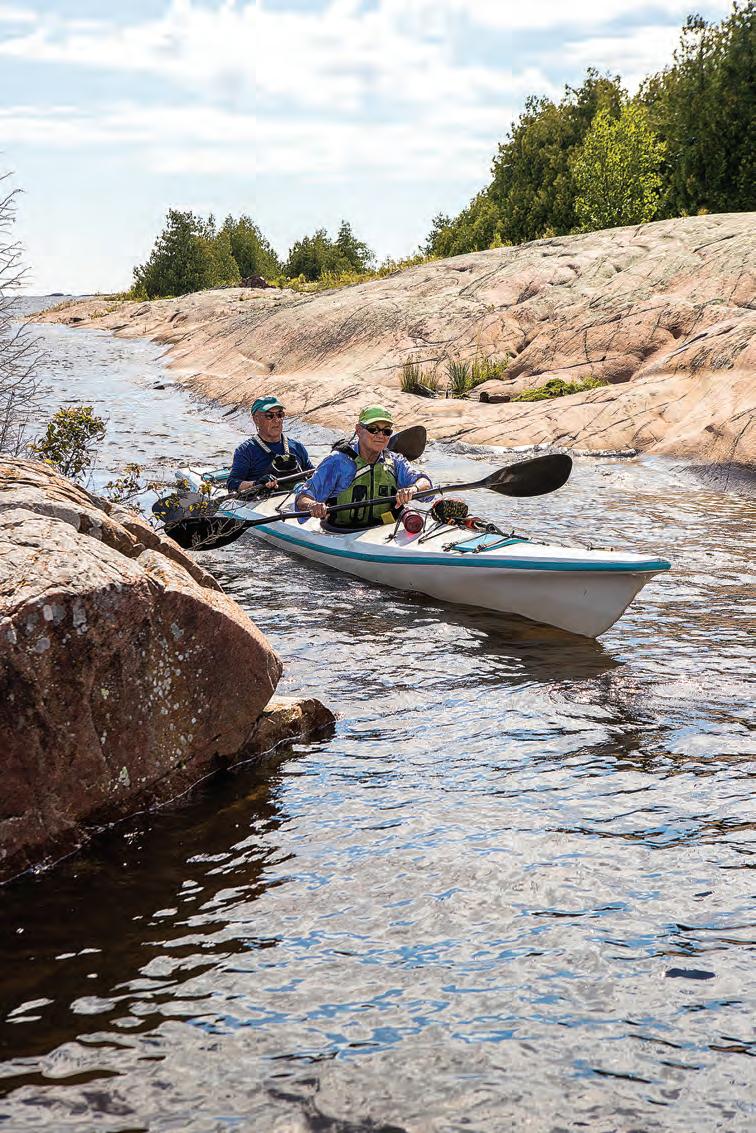
Travel has long been viewed as a positive hobby that can pay short- and long-term dividends. Some of those benefits may surprise even the most devoted jet-setters. For example, a joint study from the Global Commission on Aging and the Transamerica Center for Retirement Studies found that women who vacationed twice a year had a considerably lower risk of heart attack than women who vacationed once every six years. The same study noted men who did not take an annual vacation had a 30 percent greater risk of heart disease than men who did vacation each year.
Traveling after 50 may necessitate a slightly different approach than it did when individuals were younger. Though adults over 50 can reap the same travel-related
rewards they did when they were younger, some additional safety measures may be necessary at this point in travelers’ lives.
Determine vaccination requirements if you plan to travel overseas
The Health In Aging Foundation urges older travelers hoping to go overseas to identify vaccination requirements in countries they plan to visit. Make this part of your early planning, as the HIAF notes some countries require vaccinations be administered at least six weeks prior to entry. Information regarding travel-related vaccinations can be found on the Centers for Disease Control and Prevention website at https://wwwnc.cdc.gov/travel/page/ travel-vaccines.
Get a pre-trip medical checkup
A pre-trip medical checkup can ensure adults over 50 are healthy enough to travel. A doctor visit also can be a great opportunity to update vaccinations and discuss medications. It can be tricky to manage medications when crossing time zones, and travelers can work out a schedule with their physicians to ensure they don’t miss any doses. This also can be a good time to renew prescriptions to ensure you don’t run out while away from home. Work with your physician and pharmacist to create a list of prescription and over-the-counter medications you take, which the HIAF notes will make it easier to get through
customs and get replacement medicines should you need them while traveling.
Beware of deep-vein thrombosis (DVT) and how to avoid it
The Mayo Clinic notes DVT occurs when a blood clot forms in one or more of the deep veins in the body, typically in the legs. Lack of movement is a risk factor for DVT, which can affect immobile travelers during long flights, train rides or road trips. DVT risk can be reduced by getting up and walking around when allowed to do so on long flights or train rides. If you’ll be driving long distances, make frequent pitstops to get out of the car and stretch your legs.
Stay hydrated
The Cleveland Clinic notes that dehydration can cause dizziness, elevate a person’s heart rate, contribute to swollen feet and muscle cramps, and result in fatigue, among other side effects. Travel is exciting, and it can be easy to forget to hydrate during engaging trips. But the HIAF recommends individuals bring a large bottle of water with them and drink even if they do not feel thirsty. These simple safety precautions can protect travelers 50 and over from health issues that might not have posed as significant a threat when they traveled in years past.


5 ways to get moving
METRO
People of all ages are encouraged to be physically active, and that includes seniors. The Centers for Disease Control and Prevention say seniors ages 65 and older should aim for at least 150 minutes per week of moderate-intensity aerobic activity and at least two days a week of musclestrengthening exercises. Although some people may be drawn to the gym, others with no such preference may need to identify other ways to incorporate more physical activity into their lives. Seniors can stay active in various ways by enjoying activities that get them up and moving. The following are five ideas to get started. 1. Play a sport. Pickleball and padel are the fastest-growing recreational sports among seniors. Pickleball blends tennis and badminton
while padel blends tennis and squash. These activities combine challenging cardio workouts with a social component.
2. Go dancing. A recent metaanalysis found that group dancing enhances social interaction while providing moderate aerobic exercise. Dancing is fun and can get anyone to break a sweat, and it doesn’t feel like exercise.
3. Join or start a walking club. Seniors can engage with other like-minded individuals by turning their daily walks into something that offers companionship and exercise. An app like Charity Miles offers an additional layer of purpose to the activity, as it turns walks into fundraising opportunities.
4. Take up gardening. Gardening can be a thorough workout. The Royal Horticultural Society says
gardening provides moderate-intensity, full-body exercise that burns approximately 165 to 300 calories every 30 to 60 minutes.
5. Consider aquatic endeavors. High-intensity interval training (HIIT) in the water is a new exercise trend that allows people to elevate their heart rates without placing any extra strain on the joints. Water activities in general tend to be easy on the body but provide immense benefits for flexibility and gentle resistance. Everyday Health says HIIT in a pool can improve fitness capacity roughly as much as HIIT done on land.
Seniors have various options to stay active and keep moving. Many such activities are entertaining and social in nature, which can help seniors maintain a commitment to being physically active.
METRO

Kenwood Hearing Centers focuses on what best suits people’s individual needs
Kenwood Hearing Centers in Fairfield has been helping people in the North Bay improve their lives through better hearing for more than 60 years.
The company has six conveniently located offices with professionally trained audiologists and hearing specialists to provide customers with the very best care. Kenwood is family owned and operated and treats each patient as if they were family, too.

Deb Davis
Kenwood Hearing Centers
• In Fairfield: 1261 Travis Blvd., Suite 140
• To schedule an appointment, call 707-766-0782.
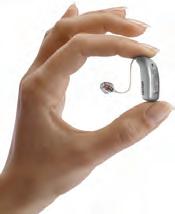
Kenwood Hearing Centers offers a complete suite of hearing care services, including hearing testing, hearing aids, repair, custom earplugs and more. If you need a hearing aid, how can you know which one is right for you? With Kenwood’s Hearing Aid Test Drive, you are able to try out different hearing aids at home, work, or wherever you go to make sure it’s the right fit before you commit.
Visitors to the Fairfield office will see the smiling faces of Hearing Aid Dispenser Deb Davis and Patient Care Coordinator Tanya Drummond.
Davis has lived in Solano County for almost her entire life and loves the people and places of Northern California. She has a keen eye for design, a genuine love of people and a deep technical knowledge of the hearing aid fitting process.
With attention to detail and a desire to make a difference, people can be assured that they will feel comfortable with her expert advice. ❙



2026 2026
Bridging the Gap
How Solano Mobility Connects Our Community
SOLANO TRANSPORTATION AUTHORITY
For over a decade, the Solano Transportation Authority’s (STA) Solano Mobility Call Center has been helping Solano County residents get where they need to go. Launched in 2014, Solano Mobility offers 18 countywide and two local programs designed to take the stress out of travel. Whether you are a commuter, student, older adult, Veteran, employer, or person with a disability, Solano Mobility has a practical, affordable travel solution waiting for you.

Vacaville/Dixon and Sacramento. Enhanced transit options are on the horizon for riders traveling from Vacaville and Dixon to UC Davis’s Memorial Union.
Smart Solutions for Commuters & Employers
Getting to work or school shouldn’t be a hassle. Solano Mobility offers several ways to save money, reduce stress, and ensure you have a way home.
• First/Last Mile Program: Public transit may get you close, but this program closes the gap. Enjoy discounted First/Last Mile Lyft rides connecting home or work to 12 major transit hubs across the county.
• Guaranteed Ride Home (GRH): Commute with peace of mind. If an emergency pops up, registered commuters can take an Uber, Lyft, or taxi home. The program covers up to six trips a year (up to $100 per ride).
• Vanpool Choices:
Traditional Vanpools: Gather a group of 7 to 15 people to split commute costs. Eligible groups can receive $200 to $800 in monthly subsidies.
Solano Mobility Express Vanpool: Let a professional do the driving. Enjoy weekday luxury van service between
• Bucks for Bikes & Commute Rewards: Earn while you travel! Solano Mobility supports bike commuters through the Bucks for Bikes program, and the Commute Challenge rewards alternative travel with gift cards. Just log your trips at commuterinfo.net to start earning.
Dedicated Support for Older Adults, Veterans, & People with Disabilities
Independence and access to healthcare are vital. Solano Mobility provides tailored, subsidized programs to ensure everyone can travel safely and affordably.
• ADA Eligibility Program: This program helps determine if you qualify for specialized paratransit services under the Americans with Disabilities Act (ADA), opening the door to curb-to-curb rides and the Intercity Taxi Program.
• Intercity Taxi Card (ITX): ADA-certified individuals can use a convenient prepaid debit card for subsidized taxi fares. You get $100 worth of ride credits for just $40 –
and only $20 if you qualify as low-income.
• Medical Trip Concierge (GoGo Grandparent): Seniors (aged 60+) and ADA-eligible riders can book up to 30 discounted Uber or Lyft rides per month specifically for medical appointments. You only pay 40% of the fare (20% for low-income), and same-day, wheelchair-accessible vehicles are available.
• Veterans Mobility Program: Our local heroes can easily travel to regional medical and VA facilities, including Travis AFB and the Martinez VA, utilizing the Medical Concierge or ITX programs with wheelchair-accessible options.
• Free Travel Training: Want to use public transit but not sure where to start? This free program offers one-on-one or group coaching to teach you to confidently read schedules, plan routes, and pay fares.
Local Transit & Everyday Travel
Solano Mobility also anchors your daily community travel with localized support, including:
• Personalized Transit Trip Planning & Info
• Benicia & Suisun City Lyft Discounts
• Suisun City Microtransit services
We’re
Here to Help!
Ready to plan your next trip or find the right program for you?
• Visit: www.solanomobility.org
• Call: 800-535-6883
• Hours: Monday–Friday, 8 a.m. to 5 p.m. ❙

Can cataracts be prevented?
METRO
Vision should be cherished at every stage in life. However, as one ages and vision changes become more profound, it is even more important to stay abreast of what can be done to care for the eyes in the hopes of preventing certain conditions, including cataracts.
Cataracts are the clouding of the eye’s natural lenses. The World Health Organization estimates that cataracts affect more than 94 million people globally. Cataracts also account for nearly 45% of all blindness cases.
Even though cataracts are considered an unavoidable part of the aging process, some people wonder if they can be prevented. Reedsburg Area Medical Center says that, while one cannot entirely stop the biological aging of the lens, delayed onset and reduced severity of cataracts is possible through targeted life-
style choices.
According to EyeHealth Northwest, by age 80, more than 90% of adults will either have a cataract or have already undergone surgery for them. Technically cataracts cannot be prevented, but these steps can help push cataract development further into later life.
• Wear sunglasses with UV protection. The consensus among experts is that prolonged exposure to ultraviolet B rays accelerates the breakdown of lens proteins. Consistent use of sunglasses that offer 100% UV protection can greatly slow this protein degradation. Wraparound frames will block light from the periphery as well as the front.
• Lower oxidative stress. Preventing oxidative stress, a primary driver of lens opacification, can be achieved through diets rich in antioxidants, says Premier Eye Care of Eastern Idaho. Lutein, zeaxanthin and vitamin C act as shields for the eye. Eye Physicians of Long Beach
says the risk of age-related cataracts reduces by around 26% for every additional 10 mg of carotenoids added to a person’s diet.
• Manage diabetes. The National Institutes of Health says individuals with diabetes face a 63% higher likelihood of requiring cataract surgery compared to those without the condition. Managing high blood sugar will prevent sorbitol from depositing in the lenses and causing cloudiness earlier in life.
• Quit smoking: Smoking is a key factor in cataract development, says Optometrists.org. Smokers have a 1.66 times greater risk of developing cataracts than non-smokers because the toxins in tobacco smoke can deplete the body’s natural antioxidant stores.
Although it may not be possible to turn off aging and prevent cataracts entirely, cataracts can be delayed and made less impactful through lifestyle changes.




















Older Adults, And
Older Adults, Veterans, And People With Disabilities

ADA Eligibility Program
Commuters & Solano County Employers




Intercity Taxi Card (IT X) Program
Medical Trip Concierge Program with GoGo Grandparent

Veterans Mobility Program



Bucks for Bikes






Travel Training Trip Planning








Commute Rewards




Capitol Corridor+Lyft Program
First/Last Mile Program

Guaranteed Ride Home
Traditional Vanpool
Solano Mobility Express Vanpool