

How to Choose the Best in Home Care
By Carol S. Heape, MSW, CMC
Choosing a home care company is one of the most important decisions you can make for yourself or a loved one. The right agency can help older adults remain safe, independent, and comfortable in their own homes. Before selecting a provider, here are some important questions to ask.
Does the Company Have a Good Reputation?
Start by learning about the company itself. How long has it been in business? Does it have positive reviews and references from clients, healthcare professionals, and members of the community? A well-established home care agency should have a strong local reputation, actively participate in community organizations, and maintain a professional website that clearly explains its services, staff qualifications, and contact information.
What Services Are Provided?

with a minimum shift of three to four hours. However, depending on your circumstances, you may have additional options, including:
• Long-Term Care Insurance
Not all home care agencies offer the same level of assistance. Ask exactly what services are available and whether they meet your needs.
Typical non-medical home care services may include:
• Meal preparation, Laundry and light housekeeping
• Assistance with bathing, dressing, and grooming
• Mobility and transfer assistance
• Medication reminders
• Transportation, Grocery shopping and errands
• Companionship and social engagement
• Respite care for family caregivers.
• Hospice care
A reputable agency should conduct an in-home assessment before services begin. Ideally, this assessment is completed by a qualified professional, such as a Care Manager, Social Worker, or Nurse, who works with you and your family to develop an individualized care plan based on your goals, preferences, and changing needs.
Who Pays for Home Care?
Most home care is privately funded and billed on an hourly basis, often
• Veteran’s benefits to include the home health aide & respite programs
• Certain Medi-Cal waiver programs
• Other local or state assistance programs such as Del Oro Caregiver Resource Center, El Dorado County Family Caregiver Support Program, or the Health Collaborative MSSP program.
When comparing costs, consider the total picture. For individuals who need only a few hours of assistance each day, remaining at home with support may be less expensive than moving into an assisted living community.
Who Are Caregivers?
You are inviting someone into your home, so it is important to understand how the agency hires and supervises its employees.
Ask whether caregivers are:
• Employees of the agency rather than independent contractors
• Background checked in accordance with California law
• Registered Home Care Aides (where required)
• Properly trained and supervised

• Covered by Workers’ Compensation insurance
• Bonded and insured
• Receiving ongoing education and performance evaluations
A quality agency carefully screens applicants through interviews, reference checks, orientation, mentoring, and continuing education. They should also regularly monitor the quality of care and be available to address concerns.
What If the Caregiver Is Not a Good Fit?
A good home care agency understands that compatibility is important. If a caregiver is not the right match, the agency should be willing to promptly provide a replacement. Open communication between the client, family, and agency helps ensure the best possible experience.
Who Is Responsible for Payroll and Insurance?
If the agency employs its caregivers, it should handle:
• Payroll and tax withholding
• Workers’ Compensation insurance
• Liability insurance
• Scheduling and supervision
• Ongoing training and compliance with state regulations
This protects both the client and the caregiver.
Be cautious if you hire someone privately or through an organization that classifies caregivers as independent contractors. In this situation, the client may become responsible for payroll taxes, insurance, employment obligations, and potential liability if the worker is injured while providing care.
Ask Questions Before Making Your
Decision
Selecting a home care provider is about much more than price. Look for an agency that demonstrates professionalism, transparency, experience, and compassion. Ask questions, evaluate payment options, and make sure you understand exactly what services will be provided and who will be responsible for the care.
The right home care company becomes a trusted partner, helping individuals maintain their independence, dignity, and quality of life while providing families with peace of mind.








1 HOUR 1 HOUR

38,175 38,175






How to Find a Good Appliance Store
Appliances are so-called big-ticket items, expensive purchases expected to last a long time. Because they are such a major investment, it’s wise to carefully consider which store you choose to purchase them at.
You might be lulled into a store after seeing advertisements and sales featuring new appliances with all the latest features and technology. Or you may just need to replace an aging appliance on its last legs. Either way, it’s smart to figure out what you really need, how much you can afford and which stores offer the best quality and deals.
Chances are you’ve already done some research or quizzed friends or family about their own experiences with various appliances, but shopping for one can be daunting. But it can also be fun.
These days appliance manufacturers produce items that have every conceivable feature to make your life easier. Exploring these innovations in home appliance technology can be an enjoyable and eye-opening experience.
We’ve put together some tips that can help you narrow your search and find exactly what you need. But first you’ll have to determine your budget and requirements — what you need, what you want and what you’re willing to pay for it.
Now, it’s time to go shopping.
SHOPPING ONLINE
First, do an internet search for appliance stores in your area. Local stores are easier to work with and you will likely be able to get your appliance much quicker than if you had to go out of the area or order it. If your refrigerator has stopped working, this is especially important. Many appliance stores also offer free delivery in the local area.
You can get a good idea of the services offered by various companies via business review sites. Don’t dismiss negative reviews, but keep in mind that customers who have good experiences are less likely to crow on the internet.
Consumer Reports and the Better Business Bureau are also great resources for finding reputable businesses. To qualify for listing on the Better Business Bureau site, the business must be reliable and honest.
Many stores also have review sections for customers to leave comments, reviews and ratings
for the services and the products they sell, which can give you some insight into the business and their products.
ADVERTISEMENTS
For most of us, getting a good deal is probably a top concern when shopping for appliances. Check your local newspaper and your mailbox for circulars announcing the latest, greatest deals on appliances in your area.
Many stores will use price-matching to stay competitive. Not all stores have policies on price-matching, so be sure to ask first. If you can find a lower advertised price on the exact same product and model elsewhere, many stores will sell you the product for that price.
As always, conduct research on the appliance you need to make sure you are spending money wisely. Not all appliances are the same; just because one manufacturer was excellent two decades ago doesn’t mean the quality will be the same now.
STORE POLICIES
Review the store’s policies about warranties and repairs. If the appliance comes with a one-year manufacturer’s warranty, you might not need an additional warranty from the store.
Appliances have a yearly sale-price cycle. Washers and dryers usually go on sale during the winter. Refrigerators are often discounted in the spring, with stoves and ovens dropping in price during the fall. If you don’t need it right away, consider shopping seasonally for the best deal.
Check to see what the policies regarding delivery and installation are. Some places will not install appliances without certain criteria being met. If you need an appliance that needs to be set for liquid propane, find out if their installer does this.
You could also haggle for a price, especially at a local appliance store. Salespeople are typically prepared for this process. If you are too shy or afraid of haggling, ask the store for extras, such as an extended warranty or free delivery and set-up. It never hurts to ask. They just might give it to you.
Consider these questions when you’re looking for an appliance store: Do they have a delivery window, warranty options, repair services and range of products?
Answer these questions, and know that you’ll purchase appliances with confidence.







How to Choose an HVAC Company
Nothing triggers fear in a homeowner quite like failing heating and air conditioning systems. Not only do you stand to suffer from lack of cool or warm air, homeowners know these essential systems are costly to repair and replace.
When something goes wrong, it’s smart to have developed a relationship with a quality HVAC contractor or technician. The best HVAC contractors are helpful and reliable, but a poor contractor can cost you extra money and heartache.
Good word of mouth will go a long way toward helping you find the best professionals in your area.
Create a list of candidates and call the Better Business Bureau, your state’s board of contractors or the builders’ association to check on their reputations. Your town’s building inspection office may also have information for you. Avoid companies who have many complaints on their record.
Upon narrowing the list, call the remaining ones and ask about pricing, guarantees and warranties. Also inquire about how long it would take to complete a job and the manufacturers’ brands they use.
If you are purchasing new equipment, find out if you need a separate service contractor or if routine maintenance and repairs are included in the price of installation. Does the company provide around-the-clock emergency service?
High quality HVAC companies are fully licensed, bonded and insured. If a worker is injured or causes damage to your property, that insurance should cover it. Otherwise, you could be liable for the damages. Your insurance premiums would likely increase as a result.
Reputable HVAC companies will usually belong to recognized professional and trade organizations. Some well-known organizations include the American Society of Mechanical Engineers, the Air-Conditioning and Refrigeration Institute, and the American Society of Heating, Refrigeration and AirConditioning Engineers. Membership in one of these organizations is not automatic. Applicants are required to have certain certifications, meet professional standards and meet or exceed other requirements before they are admitted.
Before any work begins, verify that all the required building permits are in place. Most companies will file permits on your behalf at the local building codes office.



But don’t assume that it has happened. Check with the permitting office first. Work done without proper permits could result in a fine and time delay.
Have a load calculation done before installing a new system in any building. The best companies perform a thorough calculation rather than estimate. Buildings change over time due to foundations cracking or settling. It will affect the efficiency of any equipment.
The HVAC company shouldn’t use the
old unit to determine the proper size of a new one. If your old unit was inadequate, you will want to install a unit that is a different size. Speak with your HVAC installer to determine the right size and model for you.
Ask your HVAC contractor to perform annual checkups to verify that the unit is running at peak efficiency.
With these tips, you can choose a reliable HVAC business that will help you for years to come.












How to prepare your home for California's grid crisis
A step-by-step look at the grid you depend on, and how to depend on it less.
What Has Happened
I economy-wide carbon neutrality by 2045 the law. They put the grid in handcuffs. Now, every en‐ergy decision for the CA grid is measured against how well it aligns with the legal targets set by Newsom and Brown rather than what the grid actu‐ally needs: more energy. We are rapidly increasing how much electricity we need with the electrifica‐tion of homes, cars, stoves, and seemingly everything else due to the carbon-neutral goals set by Newsom. But we cannot add energy to the grid fast enough, because it has to be Jerry Brownapproved clean energy.
What is this all causing? You know, you have already felt it. Prices more than doubled in the last 10 years, county-wide shutoffs in 2019, rolling blackouts in 2020, texts begging you to stop using power before the grid failed in 2022. And we have only just started.



center can pull the electricity of a small city. Through all this, all new homes are still built electric-first, and all new power needs to align with the goals set by CA governors.
State investigators concluded back in 2020 that grid planning "has not kept pace," and things have not gotten better since then.
How This Affects You
Rates will continue to go up. Power outages will continue to go up. And you will continue to pay more for less. This is the legal truth of the situation CA is in: it has set goals that are not aligned with your best interest, and has proven that those goals are what drive the future.
Well pump, freezer, AC, internet, medical equip‐ment: every kWh you use is going to be sold at a higher and higher premium. Every new add to the grid in the name of carbon neutrality is going to be
MARS Home Solutions
bidding on the same energy you want. When de‐
This is the CA electrical grid. Whether you choose

What You Can Do About It
This is the real reason why homes get solar and battery. People do not buy solar because it saves trees. They buy solar because they are sick of a grid that they cannot control, and they choose to control their own power instead.
This is why we do what we do. MARS Home Solu‐tions has helped over 10,000 CA homeowners re‐gain control. Transparent pricing and a purchase model for every financial situation mean we are going to help you reach your goals. Stop letting CA bleed you dry. Become energy independent with MARS Home Solutions.
Call (530) 564-3629 or email homesolutions@marsenergygroup.com to schedule a home energy consultation.
marsenergygroup.com (530) 564-3629 homesolutions@marsenergygroup.com
Just as you go to annual dentist checkups, your pet bene ts from a dental checkup!

How to Choose a Veterinarian
Choosing a veterinarian is a huge responsibility. It means caring for a living animal that can’t talk, care for itself well, or tell you when it hurts. Still, like other services, many afflications and illnesses are treatable or manageable.
ASK FOR REFERRALS


WHY?
D Healthy teeth = better overall health.
D Dental disease can lead to heart problems.
D We can show you proper brushing.
D Poor dental care causes bad breath.
Choosing a good veterinarian is one of the most important things you can do to help your pet live a longer and happy life. Chances are a good veterinarian has some of the same qualities you would want in a friend or family member. Listen to their experience, ask questions, and then take that first step to finding your new potential pet owner should take.

What Professional Pet Owners Look For In A Great Veterinarian
Compassionate and caring
Good communicator
Ask questions and listen
Take time to explain
Reasonable fees
Convenient office hours
Clean facilities and up-to-date equipment
Comprehensive services



How to Choose a Body Shop
You own a car. You are, more than likely and unfortunately, going to need the services of a professional auto body shop at some point.
From dents and scrapes to fender-benders and more intense damage resulting from an accident, repairing your vehicle requires the services of expert professionals from an experienced, reputable auto body shop.
Not surprisingly, shops specializing in this service can vary in quality, reliability and cost. It’s not unusual for auto body repair estimates to differ by hundreds if not thousands of dollars. To get the best work at the fairest price requires an investment in time and asking the right questions.
Choosing the right body shop depends on many factors, such as the extent of damage, whether the costs are born by yourself or insurance, the experience of the shop with your make and model of vehicle and the shop’s history and reputation, among others.
Paramount to your search is finding an auto body shop that’s honest, trustworthy and dependable. That choice will ensure that your vehicle is repaired quickly, affordably and correctly.
The shop you choose should be able to complete all manner of work, from a minor touch-up to a full-body repair.
Your friends, family and colleagues might have recommendations. After all, auto body shops are an unfortunate, but necessary, part of life for most people.
Have a list of companies, research each shop on the Internet and read customer reviews.
Testimonials, negative and positive, should be considered. But keep in mind that no business has a 100 percent satisfaction rate. Someone will always be displeased. Also, more people are likely to leave a negative rather than a positive comment.
A good source for finding an auto body shop is your local newspaper. Local businesses advertise and many times you can find special deals to help save you money.
Once you have created a list of shops, contact them on the phone and ask pertinent questions. How long have they been in business? What are their specialties? How soon can you bring your vehicle in for an inspection?
Ask to set up an appointment for a free inspection. Then further investigate the business. Look around their lobby.

Is it clean? Do they have their license and any awards or certificates posted? Do they care enough about their customers to offer reading material, coffee or water?
Consider prices. Are they comparable to other body shops? While you want to find a great deal, cheaper is not always better. Understand that you will often get what you pay for when it comes to auto body work.
Low prices may be tempting, but they typically mean sub-par work, used parts and paint that is incorrectly applied.
Feel free to ask the manager or owner for references before they work on your car.
You can also check their previous work. When you see a car with paint
drips, panels that are misaligned or paints that don’t match, look elsewhere. You will not save money if you need to have the improper work redone.
The shop should inspect your vehicle for repairs that are not readily visible. Often, there are hidden damages that cannot be detected until repair work begins on the vehicle.
Finding an auto body shop may not be the most pleasant business because it usually means your vehicle has suffered some kind of damage. But finding the right shop will make the experience much more pleasant and you will be happy with the repairs. Especially if you find the right shop that knows how to repair your vehicle so it looks the same as before, or even better.









How to Choose a Musical Instrument
Maybe it was an artist you saw in concert, a video online of someone jamming away, or someone performing in a quad or on a street corner and something spoke to you. You didn’t want to just experience the music, you wanted to make the music. You wanted that to be you. It can be.
But music is an inherently tactile thing. A video on the internet can’t put an instrument in your hand. It can’t respond to your tastes, it can’t listen to you and tell you how things like genre, taste, and feel can lead you to the instrument you were always meant to play. A professional musician at your local music store can.
Part of being a professional musician, maybe the best part, is passing down their skills and knowledge to others. There’s always more room on the bandstand.
You have questions. What’s the right instrument for me, for the type of music I want to play? How does genre eff ect that decision? Marching band to big band, punk rock, funk, all the various -cores. What are the instrument families and how do they interact with the music you want to play? What makes

a woodwind a woodwind? Why are there so many diff erent kinds of guitars? What is ‘house’ music and can you play it on a baritone saxophone? (Yes!)
At your local music store you can see and hold the instruments guided by someone with knowledge and passion about making music, and passing that gift along; someone who has also played those fi rst awkward notes. Whatever your goals are and wherever you are in life, they can help guide you personally in your musical odyssey.
A child wanting to join band for the fi rst time, an adult who always wanted to, or someone wanting to take a natural ability and refi ne it all can fi nd experienced guidance in a safe and judgement free space. They can provide you with options to get you started with quality instruments that are built to perform, the maintenance to keep them playing, lessons to build your skill, and help fi nding the best equipment to suit your budget as a beginner and later as you grow.
You can become the artist you were meant to be from your bedroom to the big stage with the help of your local music store and the professional staff there to help.


















How to Choose Waterproof Luxury Vinyl Flooring
If you’re looking for flooring for kitchens and bathrooms, as well as basements, laundry rooms and high-traffi c areas luxury vinyl plank flooring is one of the best choices for water resistance, durability and longlasting style.
LOOK AND FEEL
The fi rst question to answer is: What look are you going for? Wood, stone or tile looks all come in a variety of styles and colors. Today’s luxury vinyl features realistic textures and patterns that can even fool the eye. Visit our showroom to see and feel the difference.
THICKNESS AND PROTECTION
Thickness matters when it comes to duarability and comfort. Most luxury vinyl planks range from 2mm to 8mm. The thicker the plank, the more stable and comfortable it feels underfoot. Look for a wear layer of at least 12 mil for strong protection against scratches, dents and daily wear.
WARRANTY
A good warranty protects your investment for years to come. Look for long-term residential warranties (15-25 years) and solid commercial warranties if needed. Make sure the warranty covers water damage and installation.
INSTALLATION
Luxury-vinyl fl ooring is designed for easy installation. Many options feature click-lock systems that float over existing floors — no glue or nails required. It’s a great choice for DIYers and professionals alike.
MAINTENANCE
One of the biggest advantages of luxury vinyl is how easy it is to clean and maintain. Regular sweeping and occasional mopping with a vinyl-safe cleaner will keep your floors looking beautiful for years.
THE BOTTOM LINE
Luxury-vinyl flooring combines beauty, strength and waterproof protection in one stylish package. Whether you’re upgrading one room or your whole home, it’s a smart investment that adds value and peace of mine
Visit Mike’s Flooring Outlet today to explore our wide selection of waterproof luxury vinyl flooring.












Price based on 12’x10’ in-stock base laminate.

How to Choose a Memory Care Community
Watchingmemory change
can be di cult, whether you’re experiencing it yourself or supporting someone you love. If everyday tasks are becoming more challenging due to Alzheimer’s disease or another form of dementia, exploring a Memory Care community can provide the specialized support, safety, and peace of mind your family deserves. Early detection and treatment are key to helping you or a loved one maintain cognitive abilities, independence, and quality of life for as long as possible. A Memory Care community can become an invaluable part of that journey. Memory Care may be part of a larger senior living campus or o ered as a stand-alone Memory Care community. e right choice depends on your loved one’s unique needs and circumstances.
Here are some important things to consider when choosing a Memory Care community:
Caregiving Team
e experience, training, and compassion of the sta can be among the most important factors to consider. Every resident, family member, and guest should be treated with kindness, patience, and respect. e community should also provide ongoing education to ensure sta members stay current on the latest research and best practices in Memory Care.
❏ If possible, visit a the community before your loved one moves in.
❏ Take a tour and make sure the building is clean, organized, and welcoming. e atmosphere should feel calm, comfortable, and secure.
Consistency and stability are especially important for people experiencing memory loss.
❏ Ask about sta turnover. A community with long-tenured employees o en provides greater continuity of care.
❏ Ask about the sta -to-resident ratio.
❏ Ask about the quali cations of the nurses and other healthcare professionals on sta .
Your loved one deserves personalized attention, so it’s important to choose a community with adequate sta ng to provide high-quality care.
Secure, Comfortable Setting
A quality Memory Care community should feel warm, comfortable, and inviting — not institutional. While cleanliness is essential, the environment should feel like home rather than a hospital.
❏ Ask about the activities and enrichment programs o ered.
❏ Ask how family visits are encouraged.
❏ Ask about the therapies and services available to residents.
Because people living with dementia may sometimes become disoriented,
ask how the community keeps residents safe.
❏ What security features and safety measures are in place?
As you tour each community, pay attention to your overall impressions.
❏ Does it feel welcoming?
❏ Do residents appear engaged and well cared for?
Trust your instincts.
Support
Quality Memory Care communities provide support not only for residents but also for their families.
❏ Because dementia progresses di erently for each person, ask how the community adapts care as residents’ needs change over time.
Don’t forget about your own well-being. Many Memory Care communities o er educational resources, support groups, and other services for spouses, children, and family members.
Choosing a Memory Care community is an important decision, so take the time to explore your options, ask questions, and trust your instincts. When you nd the right t, you’ll gain the con dence that your loved one is receiving compassionate care in a safe, engaging environment — one that supports their quality of life while bringing peace of mind to your entire family.

The Lighthouse Memory Care
For residents with Alzheimer’s and other forms of dementia.
Designed to nurture the mind, body, and spirit, this specialized program creates an enriching and loving environment, encouraging residents to embrace each day with dignity and joy.












How to Choose an Assisted Living Community
Americans are living longer than ever before. As people begin to need additional support with activities of daily living — including dressing, medication management, preparing meals, and maintaining a home — they are looking for communities that provide the right balance of care, comfort, and independence. As demand grows, Assisted Living communities continue to evolve to meet these changing needs.
Because every person’s needs are di erent, nding the right Assisted Living community means considering the appropriate level of care, lifestyle preferences, location, and overall t.
In the past, long-term care o en meant moving to a nursing home. Today, families have more options. Assisted Living communities provide personalized support and care while also o ering opportunities for connection and independence. Many communities feature restaurant-style dining, outings, engaging activities, and continued personal freedoms!
Because there many options for Assisted Living, and many things to consider, it’s important to begin the research early. By starting before there is a “need,” your entire family can be involved in the decisionmaking process to help nd the community that best matches your loved one’s needs and budget.
Personal Care
Start by talking with your loved
one’s personal physician about the level of support needed to live safely and comfortably. eir healthcare provider may also be able to help guide you toward appropriate options.
❏ Ask about sta quali cations, training, and certi cations to ensure the community’s team is prepared to meet your loved one’s care needs.
❏ Consider whether a community is a good t today while also o ering the ability to accommodate future needs.
Amenities
Assisted Living accommodations can vary widely, from spacious apartments and cottages to more traditional apartment-style residences. e right choice depends on your loved one’s preferences, budget, and what each community o ers.
As you tour communities, imagine how your loved one’s belongings would t into the space.
❏ Does the environment feel comfortable and inviting?
❏ How are the common areas decorated?
❏ Are the amenities within the residence designed to support everyday living?
❏ Ask yourself: Would your loved one feel at home here?
Be sure the community ts comfortably within your budget
while still providing the services and lifestyle your family values.
Enrichment
Activities and shared spaces give residents opportunities to build friendships, stay engaged, and continue pursuing interests they enjoy. Staying connected with others is an important part of maintaining quality of life as we age.
❏ Ask about the activities o ered and how the community encourages residents to participate.
Open Spaces and Landscaping
First impressions matter. As you arrive at a community, notice the

landscaping as it can be a re ection of the overall attention to detail and care provided throughout the community.
❏ If your loved one enjoys spending time outdoors, look for a community with inviting outdoor areas, gardens, and walking paths.
Choosing an Assisted Living community is about nding the right combination of support, services, and lifestyle opportunities. With thoughtful research and planning, you can nd a community that brings comfort and care to your loved one while providing con dence and peace of mind for your family.
Ponté Palmero, you’ll discover more than just a safe, beautiful place to live — you’ll see we’ve created a true sense of family. With Independent Living, Assisted Living, and Memory Care on our campus, we can support your loved ones’ needs as they change.

Welcome to the Ponté Palmero family. Plan a visit today.











How to Choose a Financial Advisor
Choosing a nancial advisor to guide your investments and manage your money is an important decision. e right professional can help you make the most of your money and work toward both long- and short-term goals.
Look for a quali ed advisor who puts your interests rst and can bring an experienced, objective perspective to saving, investing and spending. A good advisor may also identify opportunities you haven’t considered, help with tax-e cient strategies and provide guidance during uncertain nancial times.
Start by asking friends and family for recommendations and researching advisors in your area. Consider each advisor’s quali cations, experience and approach in relation to your own needs and goals.
A Certi ed Financial Planner (CFP®), for example, has completed education, examination and professional requirements. Check credentials and disciplinary history with the appropriate certifying or regulatory organizations. You may also ask for references from clients with nancial goals similar to yours.
AREAS OF EXPERTISE
Financial products such as bonds, mutual funds, stocks and commodities can contribute to your nancial well-being, but each carries di erent risks. An experienced advisor can help build a portfolio suited to your goals, circumstances and tolerance for risk.
If you are interested in a particular type of investment, look for an advisor with experience in that area. Specialized knowledge can be especially valuable when considering less familiar markets or investment strategies.
RATE OF SUCCESS
Review an advisor’s experience and long-term results, but remember that past performance
does not guarantee future results. Ask how recommendations have performed through di erent market conditions and how the advisor has helped clients navigate economic downturns.
Be cautious of anyone promising extraordinary or guaranteed returns. Results that sound too good to be true deserve additional scrutiny.
FEES OR COMMISSIONS
Ask exactly how the advisor is compensated. Advisors may charge fees, receive commissions, or use a combination of both. Understanding these costs—and any potential con icts of interest—will help you make an informed choice.
Ask the advisor to clearly explain all fees, commissions and other compensation associated with the services and investments being recommended.
INTERVIEW
A er narrowing your choices to two or three advisors, meet with each one. Clearly explain your nancial situation and goals, and ask how the advisor would approach them.
Choose someone who communicates clearly, answers your questions and helps you understand your nancial choices rather than simply telling you what to do.
PUT IT IN WRITING
Before making your nal decision, ask the advisor to provide a written proposal explaining how he or she would help move you from where you are today toward your nancial goals.
e proposal should clearly address your short- and long-term objectives, recommended strategies, costs and any parties who may benet nancially from the recommendations.
Once you understand the plan, fees and responsibilities involved, you’ll be better prepared to select a nancial advisor who is a good t for your needs and future.

Let’s talk about financial planning and get an investment strategy designed to meet your
A successful retirement is a dream shared by every working American.
We specialize in helping clients meet their retirement goals by providing them the guidance they need to achieve the retirement of their dreams. And we can help you do the same.






How to Select a Yoga Studio








The benefits of yoga are almost incalculable. It increases your strength, sharpens your mind and helps you relax. Studies show that just 20 minutes a day practicing this ancient art can improve your health on and off the mat.
You can practice it at home, but to take full advantage it helps to be guided by an experienced teacher.
If you’ve decided to make the leap from home to studio to increase those benefits, you’re not alone.
Yoga teachers and studios are popping up all over, inviting the beginner, novice and experienced practitioner by helping them get in the groove of the practice with relative ease.
Whether you’re just starting to explore the benefits of yoga or you’re an experienced practitioner who wants to expand your horizons, here are some tips for picking a yoga studio.
STYLE
ule, which can be a good or bad thing depending on your needs. Having the variety of teaching styles and personalities at your disposal can expose you to more yoga options, but it also limits your connection with any individual teacher.
Because the teachers are typically independently contracted, it also means they could move to a different studio someday and leave you without your favorite teacher.
Another factor to consider is the teacher’s training and background. Don’t be afraid to ask your teacher where they were trained and how much experience they have. A highly knowledgeable, well-trained teacher will be able to safely and skillfully lead you toward better health and a more peaceful, invigorating yoga experience.
TEMPERATURE























While the roots of yoga go back thousands of years, today there are a wide variety of styles in use. The first step in picking the right studio is knowing the style of yoga they host and whether it fits your desires.
Just like with the different styles of yoga, some studios use different temperatures to produce the right health effects for your body.
Heated studios are quite common, but not all heat is the same. For some, “heat” might mean a desert-like 105-110 degrees, while others are in the high 90s or even slightly above room temperature.

For example, some types of yoga flow smoothly from one pose to the next. Others hold still in the same pose for several breaths or even longer. Still other kinds of yoga use accessories such as blankets, straps or blocks to add extra variety and interest to the poses.


It’s a good idea to try several styles of yoga to see which one makes you feel the best and gets the best results for you.
TEACHER
Ultimately, your experience with yoga is going to depend heavily on who your teacher is. Many people find someone they “click” with, someone who has the right combination of experience, personality and style that inspire them to reach their goals.
Yoga studios handle teachers in different ways, too. Some small, independently owned studios may only have one or two teachers, so the studio and the teacher are essentially one and the same. This is perfect if you find a teacher you like working with and want to learn from for a long period of time.
Bigger studios, on the other hand, often have a whole roster of teachers available on a rotating sched-
Non-heated studios could range from the high 60s to the mid-70s. While there is no right or wrong temperature universally, you should find a studio that brings out the healthiest feeling for your body and your needs.
COMMUNITY
For many people, yoga is as much a social experience as it is an invigorating workout. For others, it’s a form of exercise to be done in mental solitude.
The studio you pick will have developed its own atmosphere based on the teachers and participants. Whether you want a laid-back, friend-like social setting with lots of talking after class or prefer practicing in peace and isolation and quickly leaving for home afterward, the experience you’ll get at different types of studios or classes can be quite different.
In the end, the right yoga studio is the one that will make you feel most comfortable overall. Some people say yoga is about toning both the body, mind and the soul, and finding the right studio will leave you feeling better in both ways, holistically.
How to Choose a Painting Contractor
If you’re looking for easy ways to spruce up your home and increase your enjoyment of a room, a fresh coat of paint can work wonders. It’s among the least expensive home renovation projects, but doing it yourself is time-consuming and DIY jobs don’t always achieve the expected results.
A great paint job can transform a room or home o hiring a professional painting contractor can help ensure an expert job done right to your specifications.
Here a few things to keep in mind as you vet potential painters.
PREVIOUS WORK
When looking for a painting contractor, one of the first things to consider is their previous work and review history. It will give you a good indication of the quality you can expect. Make sure they are licensed and insured, as well.
DESIGN HELP
The best painting contractors will help you avoid the costly mistake of choosing wrong colors for your home. A shade that is too light, dark or just “off” can ruin an otherwise good paint job.
True professionals will be patient with you. They will put several options on the wall so you can decide the best color and sheen. They will develop good relationships with you and an interior designer, if you’ve hired one.

DETAILS
Consider all the details before signing a contract. You should have all the specifications in writing. This contract should include deadlines, along with specifying costs and materials to be used.
When you have narrowed your choices, ask plenty of questions. Inquire about licensing and what kind of insurance policy they carry, who will be doing the work at your home and what kind of
preparations need to be made. If they are working on the interior of your home, you will likely need to move or protect your furniture before they arrive for the job.
After these questions have been answered satisfactorily, you can be confident you’ve chosen the right painting contractor. Then you can relax while your home gets an updated, fresh new look.

How to Choose a Transmission Repair Shop
Nothing strikes fear in a car owner quite like experiencing a faulty transmission. The transmission is the very heart of any vehicle — and among the most expensive mechanical repairs.
It’s wise to take care of your transmission with regular maintenance to keep your vehicle running smoothly, but when a problem does arise you want to know you have a trustworthy, reliable transmission repair shop on your side.
If you have a relationship with a reputable transmission repair shop, you won’t need to fret taking out a loan next time your transmission acts up. Luckily, finding a good shop is a pretty simple process.
PROPER MAINTENANCE
Proper maintenance is key to ensuring the longevity of your transmission. After every 20,000 miles, you should have it serviced or cleaned to prevent problems.
Good shops provide a power flush to remove and replace all transmission fluid.
Some car manufacturers recommend servicing the transmission after every 50,000 miles. Many car owners have discovered that it is simply not often enough. It costs so much to replace a transmission that it is often financially smarter to just buy another
car instead. That is exactly what automakers are hoping you will do. Err on the side of caution and replace your transmission fluid regularly.
TRAINED SPECIALISTS
You will save yourself much time and money if you search for a repair shop with a good track record. Some shops require multiple visits before the work is done correctly. Mechanics at the best repair shops are properly trained to fix a wide variety of transmissions. Do not use a general auto repair shop or dealer service for transmission repairs. It will cost you more money because they will have to subcontract with a transmission specialist to do the job. Save money by going to the transmission shop yourself.
CREDIBLE REPAIR
AAA provides a list of qualified repair shops and their ratings. These shops have agreed to mediation through AAA in the event of a dispute.
The Better Business Bureau can also give you information about poor performing shops in your area. That organization keeps a record of complaints lodged against them. If you are considering a national chain, the Bureau of Consumer Investigations will also inform you about which stores are not reputable.
TYPE OF REPAIR
Transmission work is time consuming and difficult. Professionals must remove the transmission from the vehicle. That can cost about $500 even before any other work begins. Minor transmission repairs could require the entire transmission to be rebuilt. There are only two options for repairing a transmission: remanufacturing or rebuilding. Remanufacturing remakes the transmission from used cores and replaces all moving parts. It is the equivalent to purchasing a whole new transmission.
Rebuilding a transmission replaces worn-down parts. It is the most common transmission repair.
PREPARE
Because basic labor itself is expensive, it often makes more sense to completely rebuild your transmission rather than fixing minor issues periodically.
This price will depend on the complexity and the extent of the rebuild.
Remanufactured transmissions are more dependable, but also expensive.
The standard rebuilt transmission usually offers a one-year/12,000-mile warranty. For a remanufactured transmission, the standard warranty is 100,000 miles.





Why You Should Join a Gym and How to Choose the Right One for You
Exercising at a gym offers many benefits: access to quality equipment, guided instruction by professional trainers, and other services and activities. Some gyms even offer extras like recovery tools and tanning beds.
However, so many people avoid or feel intimidated by gyms simply because they think they don’t fit the profile of a “gym-goer” or they don’t know what to look for in a gym in the first place.
But at a time when people are finding it harder and harder to form healthy fitness habits, let alone maintain a consistent exercise regimen, choosing and committing to a gym can be the extra push to stay motivated, active and healthy.
Here are a few important reasons why you should join a gym:
• Exercising at a gym can benefit your mental health, as well as your physical health. A good workout releases endorphins that improve your mood and sleep, fight stress, and increase energy levels, while building muscle helps you burn calories more effectively. Consistent workouts also lower blood pressure, while reducing the risk of some types of cancer, osteoporosis and Type 2 diabetes.
• A gym’s group atmosphere can help you stay motivated, whether through a group fitness class, personal training, or gym buddies that hold you accountable.

• A gym keeps exercise exciting! There are so many different types of gyms out there to choose from, each with a different variety of equipment, programs, classes and teachers. So if you ever find yourself getting bored of your fitness routine, a gym will have options to easily mix it up and keep it interesting.
Once you’ve decided to join a gym, the number of choices can seem daunting. But first and foremost, the gym you choose should be a place that inspires you, a place where you feel comfortable and want to return to. So make sure to always visit the gyms you’re interested in in person and even consider taking a tour or starting a free trial if they offer them. That way you can get firsthand experience on whether the gym’s atmosphere and current members fit your goals and personality.
And the right facility for you might not be the right place for someone else. Each gym has different classes, programs, amenities and services to help members work on their abilities and goals.
Here are a few questions to ask yourself when trying to choose a gym:
• Am I a fitness beginner? Do I have any gym experience? If you do have gym experience, you can probably stop reading. If you’re a beginner, however, make sure to look for gyms that provide fitness education and have a friendly/no-pressure atmosphere. These are places where you won’t have to worry about feeling out of shape on your first day and staff are more than happy to help you on your journey (no one became a fitness model after their first day at the gym, after all).
• Do I have a busy schedule and find it hard to fit in exercise? If yes, look for a gym that provides 24/7 access. That means you can exercise at the gym on your schedule, whenever you need to or have the time.
• Do I want guidance to get the most out of my gym membership? If so, look for gyms with personal training services. They will help you map out realistic goals that are tailored to meet your individual needs. A good personal trainer will offer a health assessment before working out with you. He or she will understand your physical limits and then work to expand those boundaries safely. Some of these professionals may also give advice on nutrition, effective gym routines and proper stances for weight training.
• Do I have health restrictions, like chronic joint pain, that require special exercises or fitness programs? If yes, look for gyms with low-impact workouts like Pilates. It uses smooth motions and gliding actions to tone muscles and improve flexibility. You can also look for gyms that have pools and offer aqua aerobics or other waterbased workouts. These comprehensive workouts use the water’s resistance for extra toning. They are typically very safe for people with joint pain. If you can find a private instructor, you can get an excellent workout involving both cardio and endurance training.
If there’s one thing to especially remember when choosing a gym, always keep your future goals in mind. Whether you opt for the services of a personal trainer, or participate in a Pilates, weight training or water aerobics class, your aim should be to consistently improve and, more importantly, have fun.













How to Obtain a Building Permit
Whether the permit is obtained before construction begins or pursued as an as-built approval after work has already occurred, the process demands careful coordination across multiple agencies and evolving requirements.
Securing a building permit—standard or as-built—typically requires the following steps:
• Visiting city or county multi-agency lobbies to initiate the process and confi rm jurisdictional requirements.
• Completing the correct applications for each involved department.
• Engaging a designer, engineer, or architect.
• Compiling a full set of required submittal documents that satisfy building, planning, fi re, environmental health, and other agencies.
• Making separate submissions when agencies maintain independent review tracks.
• Responding thoroughly and accurately to plan-check comments issued by multiple reviewers.
• Adapting to evolving policies, code interpretations, and staff application of those standards throughout the review cycle.
These requirements apply to a wide range of work, including additions and remodels, accessory structures such as shops, garages and barns, accessory dwelling units, new homes, and the resolution of open code cases.
Incomplete packages or incomplete responses routinely extend timelines and increase cost. Mother Lode Building Services manages this process on your behalf. We prepare complete submittal packages, coordinate multi-agency requirements, track comments, and advance the application to approval so you avoid repeated lobby visits and fragmented submissions.
Obtaining building permits is an essential step in any construction project. Permits ensure your project meets safety standards, complies with local codes, and avoids costly delays or fi nes.
Whether you’re building a new home, adding an addition, or
remodeling a commercial space, understanding the permit process can save you time, money, and frustration.
Here are some things to consider when obtaining building permits.
REPUTATION
A reputable permit service provider can make the process smoother and more efficient. Look for companies with proven experience, strong relationships with local agencies, and positive industry feedback.
EXPERIENCE MATTERS
Every project and location is unique. An experienced team understands local codes, knows what reviewers look for, and can anticipate potential issues before they become problems.

PUBLIC SERVICES
“Professional building permit and drafting services to help bring your projects to life. Specializing in permit acquisition, architectural drafting, prescriptive engineering, and expert consultation to guide you through the building process. With personalized attention and industry expertise, the project is streamlined from concept to approval.”

PRELIMINARY SUBMISSION REVIEW
Expert review of building permit packages to ensure compliance and completeness. Thorough assessment of applications, construction documents, and speci cations to identify potential issues before submission. Save time and reduce delays with professional permit package veri cation.
MISSION
Excellence through simplicity. Providing clear, practical solutions that make the building process smoother for everyone involved.

BUILDING PERMIT ACQUISITION
Professional building permit application services that take care of the entire submittal process. From preparing and ling applications to crafting clear responses to various agency reviewer comments, each step is handled with attention to detail. This proven approach keeps projects moving forward and helps achieve timely approvals.

DRAFTING
Drafting services tailored for simple construction projects, focusing on logical, prescriptive designs that save money by eliminating the need for overly complex engineering. Plans are clear, code-compliant, and designed with construction in mind, ensuring an e cient and straightforward building process.

(530) 620-8661
How to Buy Cannabis: A Beginner’s Guide
Walking into a cannabis dispensary for the fi rst time can feel a little overwhelming—and that’s perfectly normal. With so many products, strains, and ways to consume cannabis, it’s easy to wonder where to begin.
The good news is that today’s licensed cannabis industry is built around education, safety, and helping customers find products that fit their individual goals. Whether you’re looking to relax, improve sleep, ease discomfort, or simply learn what cannabis is all about, starting with reliable information makes all the difference.
START LOW AND GO SLOW
Everyone responds to cannabis differently. Just like alcohol or caffeine, there is no universal tolerance level.
If you’re trying cannabis for the first time, begin with a low dose and give your body time to respond before consuming more.
Products containing both THC and CBD are often recommended for beginners. CBD is a non-intoxicating cannabinoid that many consumers find creates a more balanced experience when paired with THC. Starting with lower THC products can help reduce the likelihood of unwanted effects such as anxiety or discomfort.
Remember: you can always take more, but you can’t take less once you’ve consumed it. Finding your preferred dose is part of the journey, so give yourself the best experience possible by taking it one step at a time.
CHOOSING THE RIGHT PRODUCT
There isn’t one “best” way to consume cannabis. The right choice depends on your lifestyle, comfort level, and desired effects.
Flower
Traditional cannabis flower can be smoked in a pipe or rolled into a joint. While some consumers appreciate flower because the effects are felt quickly, many first-time users find it more difficult to control their dose. Once a joint or pipe is lit, it can be harder to take small, measured amounts compared to other methods.
Vaporizers
Many new consumers prefer vaporizers because they offer a smoke-free alternative with measured inhalations that make it easier to control dosage. Because the effects are felt quickly, beginners can start with a single inhale and gradually increase until they find their comfort level.
Edibles
Edibles provide a longer-lasting experience but require patience. Effects can take anywhere from 30 minutes to two hours to begin and may last for several hours, depending on the individual. First-time consumers should look for low-dose products, ideally with a higher ratio of CBD to THC, and wait the full amount of time before considering another serving. Edibles also offer the widest variety of cannabinoid formulations designed for different wellness goals, such as sleep support, relaxation, or mood. A consultation with a knowledgeable budtender can help you find the product that’s right for you.
Topicals
Creams, lotions, balms, patches, and transdermal products are applied directly to the skin for localized relief. Most traditional topicals are not intended to produce intoxication, making them a popular option for consumers looking for targeted support without the traditional “high” associated with THC.
Tinctures
Liquid cannabis extracts placed under the tongue allow for measured dosing and typically take effect more quickly than traditional edibles. They are an excellent option for consumers looking for consistent, easy-to-control dosing. Some consumers also use simple cannabis tinctures topically when they prefer products with minimal added ingredients.
ASK QUESTIONS
One of the biggest advantages of shopping at a licensed dispensary is access to knowledgeable staff.
A well-trained budtender should be able to explain the differences between products, discuss dosing, and recommend options based on your individual goals and experience level.
At Chuck’s Wellness Center, our team has completed advanced cannabis education provided by the University of Maryland School of Pharmacy’s Medical Cannabis Science and Therapeutics graduate program, allowing us to provide additional evidence-based guidance while helping customers make informed decisions.
No question is too small. Whether it’s your first visit or your hundredth, we’re here to help you navigate your path to wellness.
BUY FROM A LICENSED DISPENSARY
Not all cannabis products are created equal.
California’s licensed cannabis products undergo rigorous testing for pesticides, heavy metals, mold, bacteria, residual solvents, potency, and other contaminants before reaching dispensary shelves.
Products purchased from smoke shops, online retailers, unlicensed sellers, or the illicit market are not held

to these same testing standards. In fact, many consumers mistakenly believe they are purchasing licensed, tested cannabis when they are not.
The only way to know your cannabis has been tested for safety, accurately labeled, and complies with California’s strict regulations is to purchase from a licensed dispensary. Products sold outside the regulated market may contain inaccurate potency levels or contaminants that would never pass California’s testing requirements and have been linked to serious illnesses and injuries.
KNOW THE LAW
Cannabis laws vary by state and continue to evolve.
In California, adults 21 and older may legally purchase cannabis from licensed dispensaries. It remains illegal to drive under the influence of cannabis, and products should always be transported and stored responsibly. If you’re traveling, remember that cannabis laws differ across state lines.
It’s also important to keep cannabis safely stored away from children and pets, and to consume responsibly in locations where it is legally permitted.
ENJOY RESPONSIBLY
Cannabis isn’t one-size-fits-all—and that’s okay.
Starting with a low dose, purchasing from a licensed dispensary, asking questions, and consuming responsibly will help ensure a safe and enjoyable experience.
Whether you’re exploring cannabis for the first time or returning after many years, today’s licensed cannabis market offers safe, tested products for a variety of wellness goals. The key is starting low, asking questions, and finding a trusted dispensary that puts education and customer care first.
















How to Choose a Private School
Every child has unique educational needs and no one knows more than an informed parent about how to choose a school, whether public, private or parochial. The decision is personal, and sometimes influenced by many non-school issues, like the unavoidable challenges of transportation, family finances, sibling relationships, and many other facets of family life.
Private schools can come in many flavors, and there are differences that parents should know. To begin, familiarize yourself with the different kinds of private schools: independent, for-profit and parochial. Independent schools are non-profit and governed by a Board of Trustees, which means that they pursue their mission and not a profit. For-profit private schools are owned either by an individual or a corporation. Parochial schools are schools that are affiliated with a religious organization and deliver religious instruction, as well as secular subjects, such as mathematics and language arts.
Before choosing the type of private school, begin by determining your child’s needs and what you are looking for in an educational environment. Research each school of interest, visit their website and read their mission statement because it should give you a good idea of what the school values. Don’t stop at just reading information online or in fliers, always take the time to tour the school and ask questions. You will get a good feel of the environment just by walking around and seeing the school in action.
So what is important to consider when determining the right private school? I have four primary considerations for any parent:
1. Let’s begin with the nature of the school itself. Is it an accredited institution? Accreditation is the process by which a school is evaluated to determine whether specific standards that have been set by the accrediting association have been met. This is an extremely important process and unfortunately not all private schools undergo accreditation. Therefore, they have not experienced peer review to assess and validate program quality and that they are complying with their mission statement. It is also important to make sure the accreditation is provided by an association that is recognized by colleges and universities.
2. Are the teachers credentialed? This, too, is critically important. Non-credentialed teachers may not possess the educational attainment or experience to bring children what they need in the classroom.
3. Are the classroom environments manageable? Talk to a teacher. Once a class exceeds a certain approximate size, teaching quality is compromised. While true for all grades of schooling, this is especially important in elementary and middle school. Smaller typically is better in terms of individual attention, fewer disruptions, and higher-quality learning.
4. Is the school focused on learning for learning’s sake? Good schools teach students how to love learning, how to harness their natural inquisitiveness, how to collaborate and how to lead, among other important criteria. They are less focused on strict quantitative achievement, and more desirous of helping students discover their interests. This takes the form of offering programmatic breadth to introduce and inspire interest not only in academic subjects, but in the arts, performance, athletics, and many other disciplines. In this case, more is better, as young people test these interests and lifelong pursuits can be inspired.

At Golden Hills School, we educate the hearts and minds of students from Junior Kindergarten through Eighth Grade in a caring and inclusive community where every child has a true sense of belonging. We inspire curiosity, celebrate diversity, and help students grow into confident, compassionate individuals with strong character and values. Our accelerated academic program is enhanced by daily enrichment classes in physical education, technology, Spanish, and the arts, along with full-day Junior Kindergarten and Kindergarten programs, the International Baccalaureate Middle Years Programme for grades 6–8, and extended day options for all students. Together, these opportunities help every student thrive academically, socially, and personally.























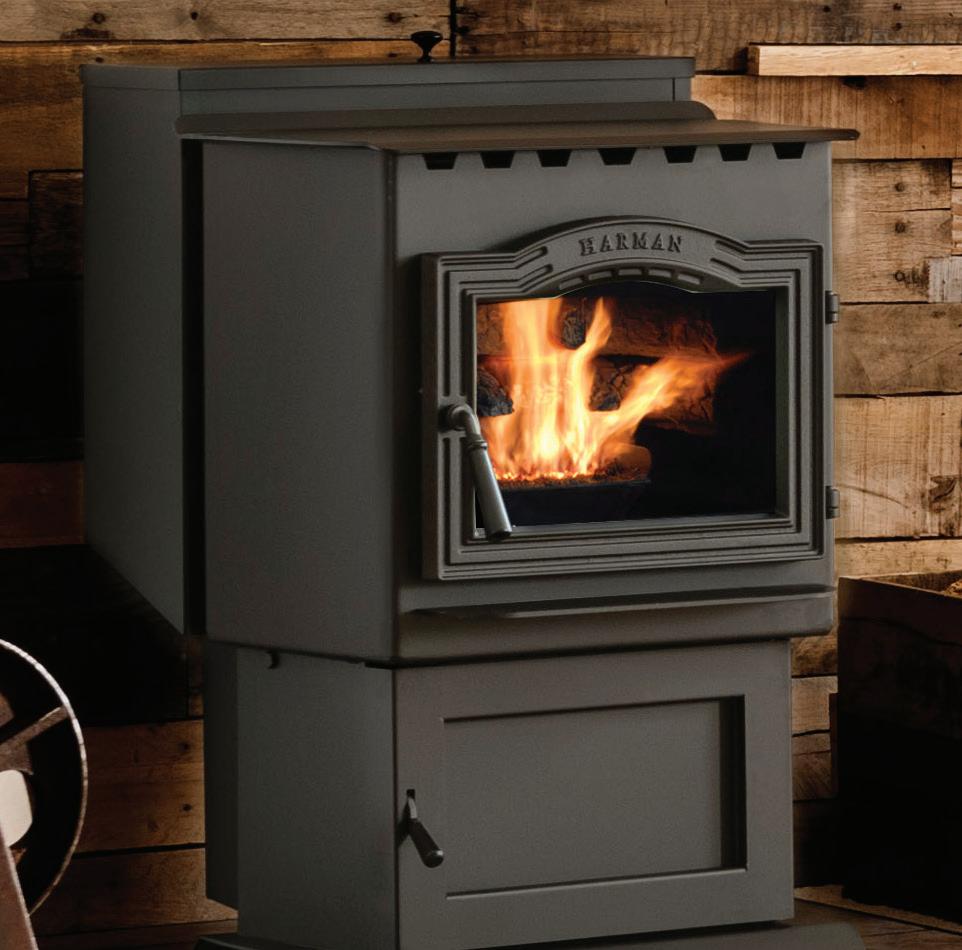
Wood, Pellet, and Gas Stoves, Inserts, and Fireplaces.
How to Choose a New Wood or Pellet Stove
Wood stoves combine old-world style with practical, cost-effective heating. New wood stoves are much more efficient than old uncertified wood stoves (those made before 1988). New stoves use about 33% less firewood than old stoves to provide the same amount of heat.
WOOD STOVES
Wood stoves are made primarily of cast iron or welded steel. People choose steel or cast iron because of the look they prefer. The choice of metal has little impact on the stove’s performance.
When firewood is burned in a stove it produces heat, ashes and smoke. New wood stoves are designed to produce significantly less smoke (both inside and outside your home) than old uncertified stoves. There are two primary types of wood stoves, catalytic and non-catalytic.
PELLET STOVES
Pellet stoves are similar to wood stoves, except instead of cordwood they burn pellets made from sawdust, waste paper, wood chips, bark and other organic materials. Some pellet stoves may also burn unpelletized dried corn and walnut shells. Pellet stoves may be more suitable for apartments
and condominiums where the storage of firewood is not practical.
Both are certified to produce low emissions. Stoves with a catalytic converter use a secondary burn. This gas burn or catalytic burn. Non catalytic stoves employ a series of perforated pipe, baffles and fire brick to provide additional air, increase the temperature and create a secondary burn that reduce emissions and boost efficiency. If you opt for a stove with catalytic converter at the manufacturer’s recommended intervals. In all stoves the firebrick, baffle and other components may also need to be replaced periodically.
New stove efficiency ratings range from 60 and 80 percent. While these ratings are not standardized, in general the higher the efficiency rating, the less wood you will need to heat your home. To understand these ratings and other terms do your homework, including consulting with a reputable retailer who can answer your questions.
Before purchasing a wood stove, determine the size of the area you’d like to heat. You should also know the size of the logs you are going to burn. Standard sixteen-inch logs are common and they are easy to stack and manage. The log length capacity of the stove should be about three inches longer than your log length.
El Dorado County’s Premier Hearth Retailer


How to Choose a Real Estate Agent




It’s a GREAT DAY in El Dorado County Come live your BEST LIFE in the Foothills!
Call Realtor, Sally Long Johns for Guidance on Selling Acreage • Homes • Commercial Referrals
• Estate • Equestrian • Probate
• Divorce • Short Sales or Buying to Build
• Risk Management
Great real estate agents are not hard to identify. Friends and family will recommend them, they’ll often be quoted or featured in the pages of your local newspaper, and their agencies often promote them in advertisements, noting their experience and success in the local market.
But first, let’s delineate between a real estate agent and a Realtor. A real estate agent may or may not be a Realtor, but every Realtor is required to be a licensed real estate agent.
A Realtor is simply a real estate agent who is a member of the National Association of Realtors (NAR). This allows him or her to attend industry meetings and access software and educational tools. Realtors adhere to a strict code of ethics and have solid knowledge of the real estate business. Finding a reliable, reputable real estate agent is essential when you are considering buying or selling a home. These professionals can guide you through complicated negotiations and contracts to secure you the best deal you can get. They’ll also be able to inform you of the precise steps you need to take just before buying or selling.
It goes without saying that you shouldn’t make any property decision under the advisement of an agent you don’t trust. So, do your homework and pick an agent you can have faith will get the job done right.
COMFORT LEVEL
At the initial consultation with a prospective real estate professional, focus on your comfort level while interacting with them.
Do you get the feeling they are genuinely concerned about your needs? Or are they focused on their commission? Do they know the current housing market? Can they negotiate a contract?
It is important that you feel comfortable with the agent. You must trust that this person can behave ethically and help you secure a good deal.
COMMUNICATION AND PLANNING
Your agent should be an effective communicator. If you are selling your home, your agent should develop an effective marketing plan, explain it to you and respond to any questions or concerns you have.
The marketing plan will probably involve placing advertisements and conducting open houses to invite the public for home viewings. If you are purchasing a home, the agent should listen to your guidelines and price ranges.
Above all, your real estate agent needs to provide updates on progress. Do not work with someone who does not return phone calls or emails.
MORE RESOURCES









DRE#01308662
(530) 306-0821
SallyLongJohns@yahoo.com


Here’s some guidance in helping you choose the best agent for your situation.
WHERE TO START LOOKING
Recommendations are one of the best ways to find a qualified real estate agent or Realtor. Ask people in your social network for referrals.


Sometimes agents are good at helping clients purchase homes, but not as skilled at selling them. Keep that in mind when searching for the right professional. You might also contact local brokers or search the NAR directory online. Always work with credible, responsible agents. Otherwise you are wasting your time.
To get a better idea about the process of buying and selling a home, conduct some research on your own. Real estate magazines contain good information and can be a great way to start your research.
There are also a lot of good resources on the internet, such as www.Realtor.com, which is associated with NAR and which contains free, useful information.
You may find housing statistics, market forecasts and tips, but nothing beats the power of networking. You need to find people with similar interests who will help you in your endeavor.
Upon successfully buying or selling your home, keep your real estate agent’s contact information on hand.
You may want to refer other people to him or her. You may also need their services again someday.