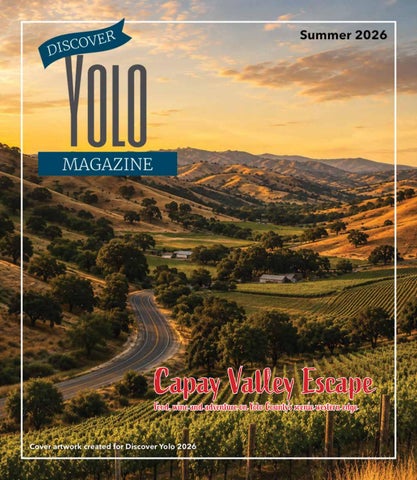
Capay Valley Escape
Food, wine and adventure on Yolo County’s scenic western edge

FARMING THE FUTURE
How Yolo agriculture continues to evolve
TOWN BENEATH THE LAKE
The remarkable story of Monticello and Lake Berryessa
T. Burt McNaughton, COO Sebastian Oñate, Editor Siobhain Heenan, Graphic Designer
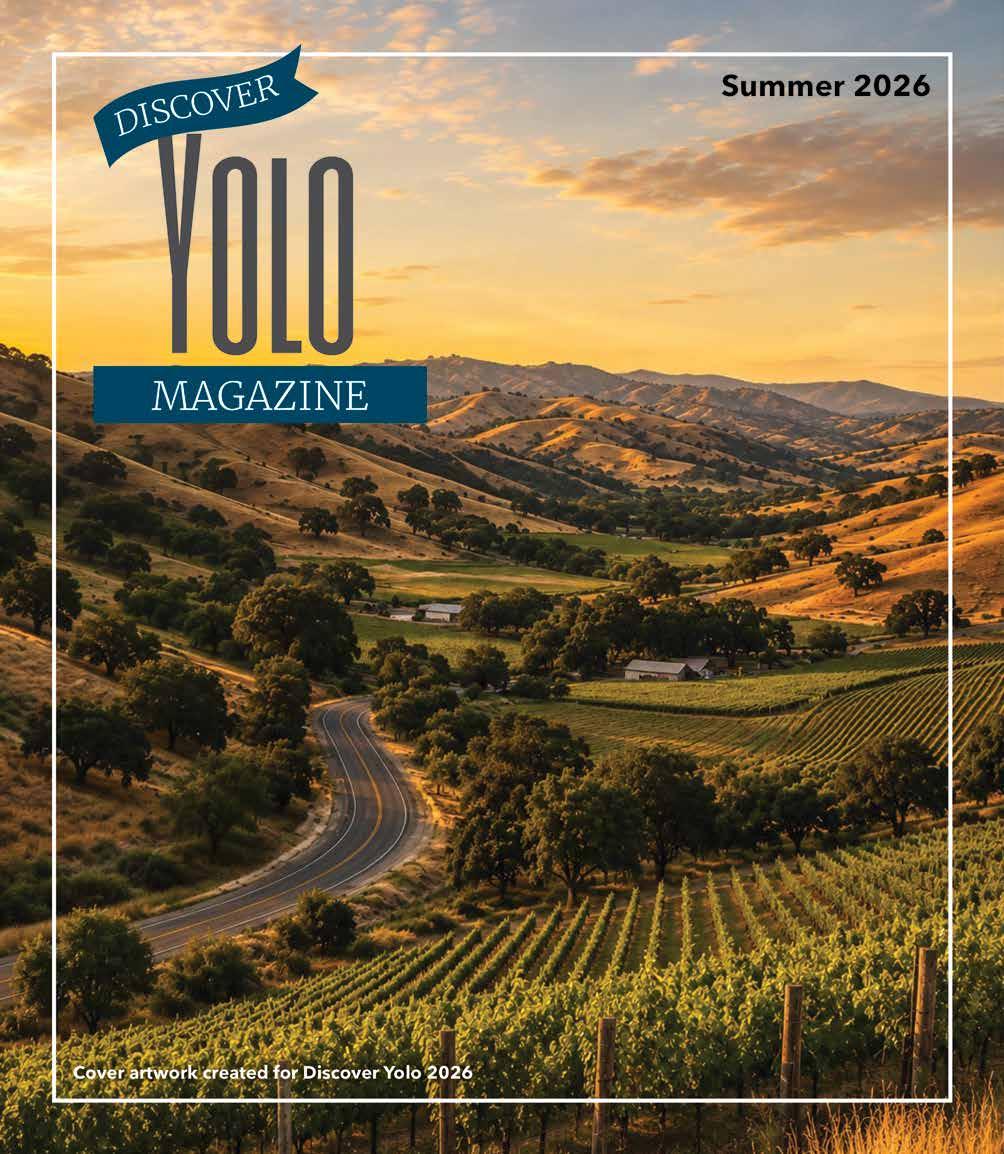
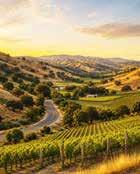
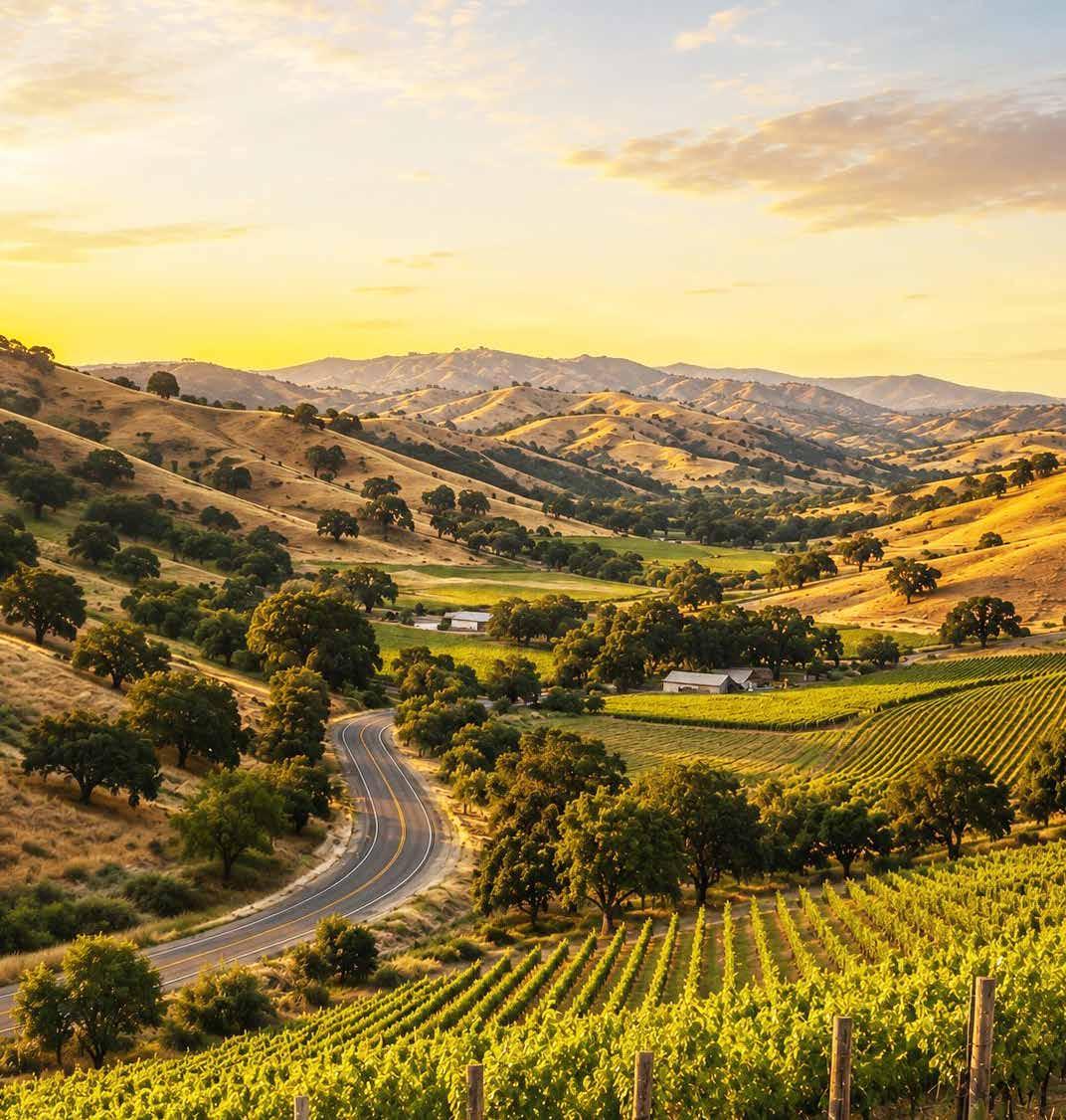
Rolling hills of Capay Valley at golden hour, with vineyards and oak-studded ridgelines stretching toward the horizon.
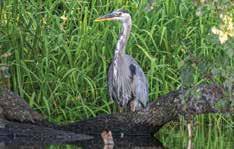
Great blue heron in Putah Creek. — Page 28
CAPAY VALLEY ESCAPE
Courtesy photo
Rolling hills of Capay Valley at golden hour, with vineyards and oak-studded ridgelines stretching toward the horizon.
Food, wine, adventure on Yolo County’s scenic western edge
By Discover Yolo Staff
The road begins to climb shortly after leaving the Sacramento Valley floor.
The subdivisions fade away. Traffic thins. The horizon widens.
Highway 16 winds west through open farmland, past orchards and vineyards, toward a landscape that feels increasingly distant from modern California.
This is Capay Valley — one of Yolo County’s most beautiful and leastdiscovered destinations.
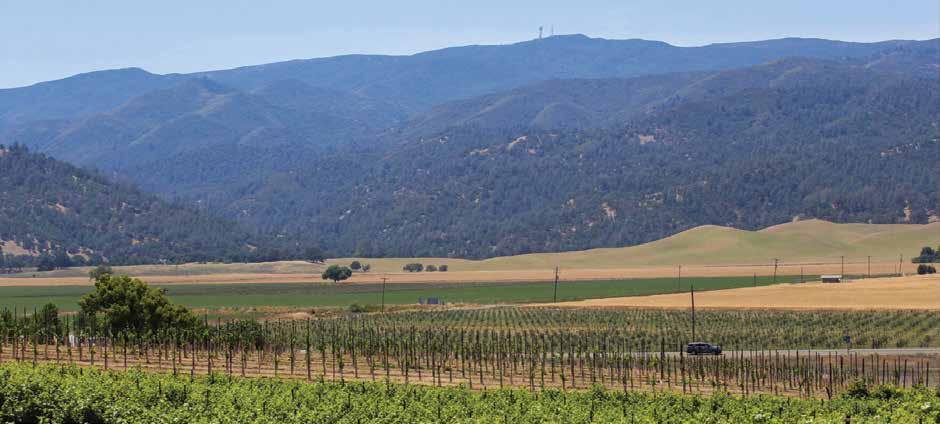
Stretching from Esparto through Brooks, Guinda and beyond, the valley offers visitors a rare combination of scenic beauty, agricultural abundance and authentic rural character. Here, family farms, ranches, wineries and tribal enterprises coexist beneath rolling hills that turn emerald green in winter and golden bronze in summer.
For travelers looking to experience Yolo County beyond the freeway, few places offer a better introduction.
A LAND SHAPED BY AGRICULTURE
Agriculture has defined Capay Valley for
Discovering what makes Yolo unique
Every county has places to eat, things to do and sights to see.
What makes Yolo County special is something deeper. Here, agriculture is not simply an industry. It is a way of life. Small towns still gather around Main Streets. Family farms continue to shape the landscape. Visitors can spend the morning tasting olive oil in Capay Valley, the afternoon exploring wetlands filled with wildlife, and the evening enjoying live music in a historic downtown.
Yolo County’s greatest attractions are not manufactured. They are rooted in the people, landscapes and traditions that have shaped this region for generations. In this edition of Discover Yolo, we invite you to explore some of the stories that make this place unique — from the fertile fields of western Yolo to the fascinating history hidden beneath Lake Berryessa. Whether you’re a first-time visitor or a lifelong resident, we hope these pages inspire you to slow down, look around and discover something new.
Welcome to Yolo County.
Courtesy photo
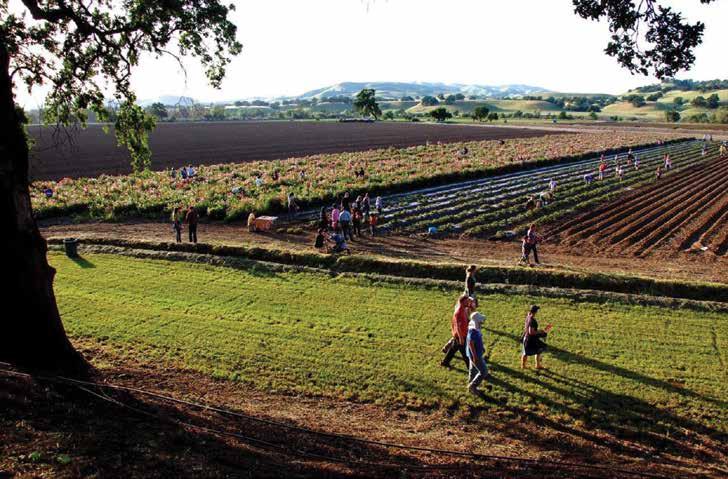
Visitors take a trek into the fields at an open house event at Capay Organic for Farm Fresh to You subscribers.
Courtesy photo
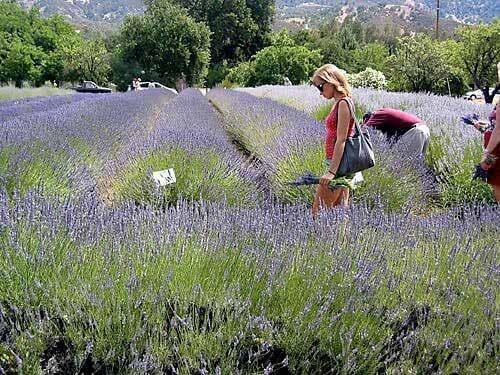
Visitors pick their own lavender flowers at the annual Cache Creek Lavender Festival. The festival also features live music, wine tasting, crafts demonstrations, field tours, carriage rides and lavender-themed refreshments.
generations.
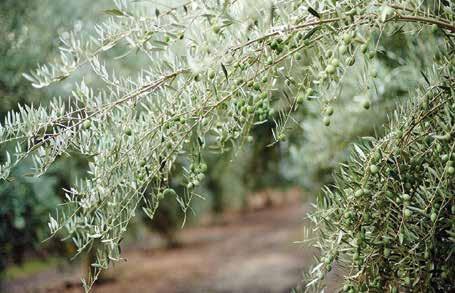
The region’s fertile soils and Mediterranean climate support a remarkable diversity of crops, from olives and wine grapes to almonds, walnuts, tomatoes and sunflowers.
Driving through the valley reveals a constantly changing patchwork of working farmland. Depending on the season, visitors may encounter blooming orchards, grazing cattle, vibrant vineyards or fields stretching toward the base of the Coast Range.
Unlike many wine regions that have become heavily developed, Capay Valley retains a sense of authenticity. Farming remains the dominant force shaping the landscape.
That connection to the land is evident everywhere.
THE STORY OF SÉKA HILLS
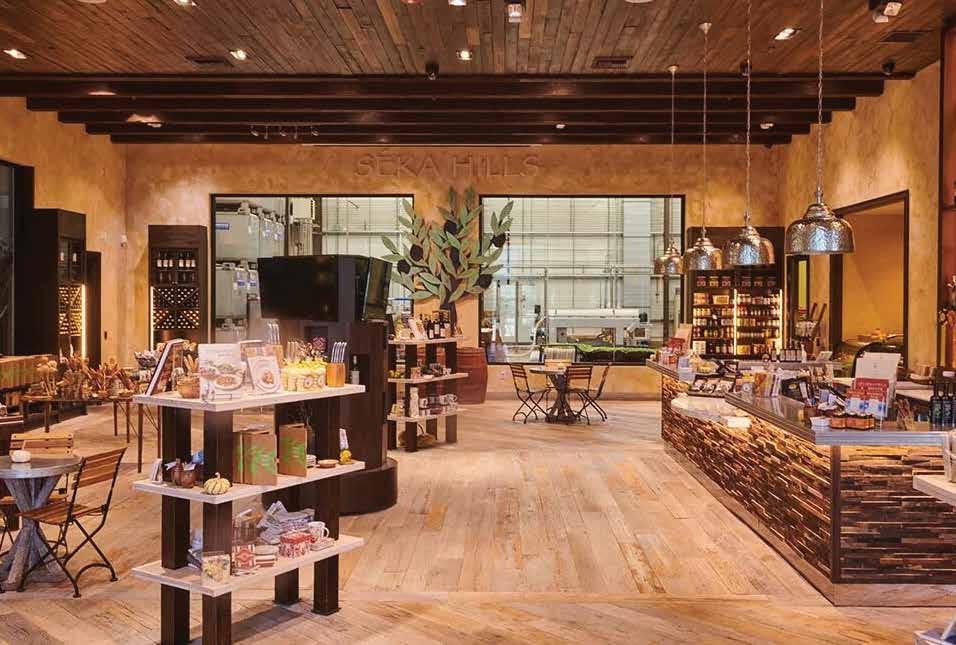
Among the valley’s most distinctive destinations is Séka Hills, the agricultural enterprise of the Yocha Dehe Wintun
Courtesy photo
Séka Hills offers certified extra virgin olive oils, estate wines, honey and agricultural products that reflect the Yocha Dehe Wintun Nation’s deep, millennia-long connection with the fertile land of the Capay Valley.
Courtesy photo
The Yocha Dehe Tribe sustainably manages over 25,000 acres, grows more than a dozen crops, partners with organic growers, and grazes a growing herd of 800 cattle on 12,000 acres of tribal rangeland.
Nation.
For thousands of years, the Yocha Dehe people have lived in and cared for the lands surrounding today’s Capay Valley. In recent decades, the tribe has expanded its agricultural operations while emphasizing longterm stewardship and sustainability.
Did you know?
• Capay Valley stretches roughly 30 miles along Highway 16.
• The valley is home to some of California’s premier olive oil producers.
• The Yocha Dehe Wintun Nation has stewarded these lands for generations.
Today, tribal lands encompass thousands of acres devoted to farming, ranching and conservation.
Visitors to the Séka Hills Olive Mill and Tasting Room in Brooks can sample estate-produced olive oils, wines, honey and other products that reflect the unique character of the valley.
The tasting room serves as both a visitor destination and an introduction to the Yocha Dehe story — one rooted in a deep connection to the land and a commitment to preserving it for future generations.

Full Belly Farms/Courtesy photo
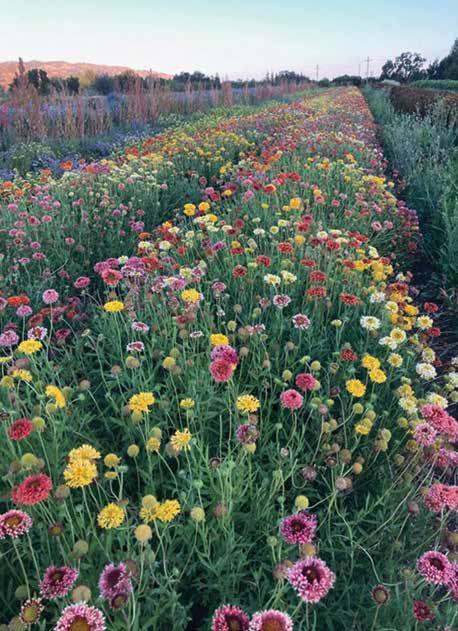
Rows of decorative flowers grow at Full Belly Farm in the Capay Valley.
WHERE THE ROAD LEADS
For some travelers, Capay Valley is a destination.
For others, it is the beginning of a larger adventure.
Highway 16 continues west toward
Cache Creek Canyon and the Berryessa Snow Mountain region, where hiking, rafting, wildlife viewing and scenic drives await.
But even visitors who never travel beyond Brooks often leave with a deeper appreciation for what makes Yolo County unique.
Capay Valley is not a manufactured attraction.
It is a working landscape shaped by generations of farmers, ranchers and tribal stewards.
Its beauty lies not in spectacle, but in authenticity.
And in a rapidly changing California, that may be its greatest attraction of all.
WINE TASTING WITHOUT THE CROWDS
Northern California offers no shortage of wine destinations. What separates Capay Valley is its pace.
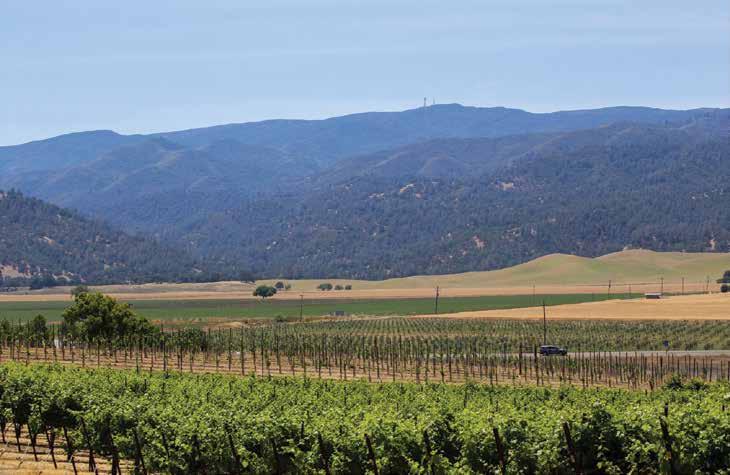
Visitors won’t find large crowds or traffic congestion. Instead, tasting rooms are often intimate, conversations are personal and views stretch for miles.
Local wineries showcase a range of varietals well suited to the valley’s climate while maintaining a distinctly Yolo County identity.
The result is a wine experience that feels relaxed, approachable and genuine.
Roseann Bath/Courtesy photo
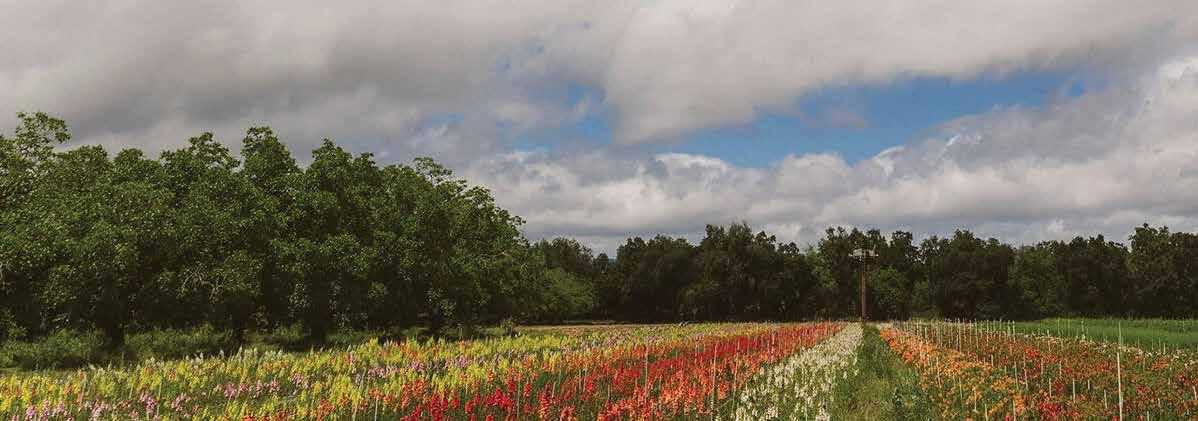
Snapdragons blooming at Full Belly Farm in the Capay Valley.
Ann Brice/Courtesy photo
The Capay Valley Vineyards stretch out at the base of the hills in the scenic Capay Valley

FARMING THE FUTURE
Sue Cockrell/McNaughton Media photo
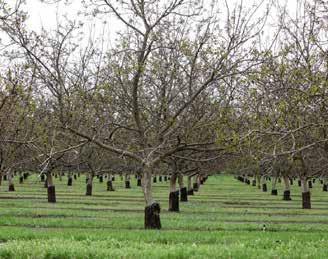
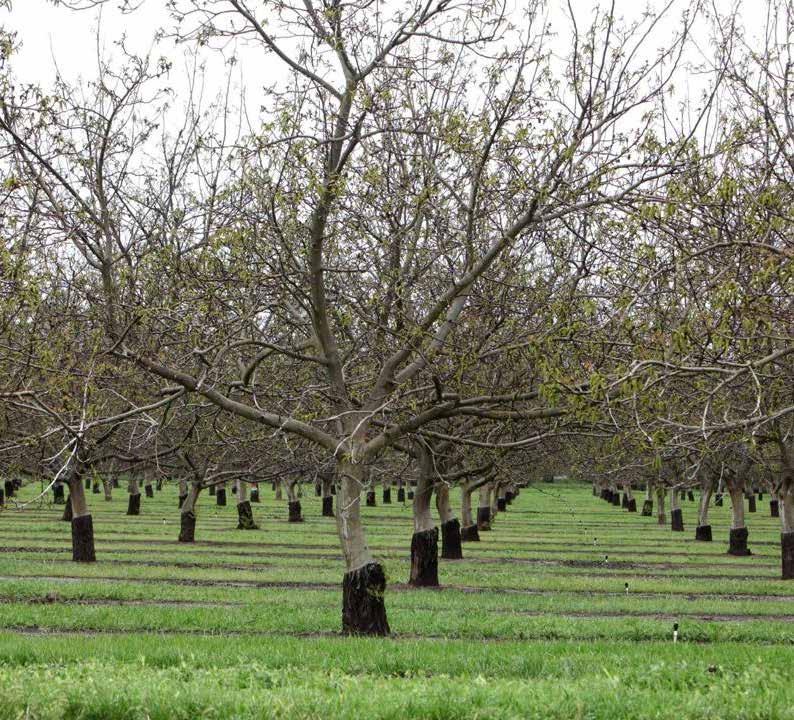
A walnut orchard stretches out as far as the eye can see on a farm near Winters.
How Yolo County growers blend generations of knowledge with new ideas about sustainability
By Discover Yolo Staff
At sunrise across Yolo County, tractors roll into fields, irrigation systems hum to life and farmers begin another day tending one of California’s most productive agricultural landscapes.
In one orchard, sheep graze quietly beneath rows of walnut trees. Nearby, chickens scratch through the soil while cover crops bloom between rows that have produced food for generations. At first glance, the scene feels timeless. In reality, it represents the future.
Across Yolo County, farmers are rethinking how food is grown, combining traditional agricultural knowledge with modern science to address some of the biggest challenges facing agriculture today.
Water availability. Soil health. Climate variability. Labor shortages. Economic uncertainty.
The solutions are not always high-tech.
Sometimes they involve rediscovering practices that have been used for centuries.
A COUNTY BUILT ON AGRICULTURE
Agriculture remains one of Yolo County’s defining industries.
The county’s fertile soils support a remarkable diversity
of crops, including tomatoes, almonds, walnuts, wine grapes, olives, rice, sunflowers, wheat and seed crops.
Drive through Yolo County in any season and you’ll see evidence of agriculture everywhere.
In spring, orchards burst into bloom.
Summer brings fields of tomatoes, sunflowers and vineyards heavy with fruit.
Autumn fills roadsides with harvest activity.
Winter reveals cover crops greening fields that might otherwise sit dormant.
Agriculture is more than scenery here. It is part of the region’s identity.
A DIFFERENT APPROACH
For generations, success in farming often meant producing more.
Today, many farmers are asking a different question: How can we produce food while improving the health of the land?
That shift has helped drive interest in practices often grouped under terms such as regenerative agriculture, soil stewardship and sustainable farming.
While approaches vary from farm to farm, common goals include:
• Improving soil health
• Reducing erosion
• Conserving water
• Increasing biodiversity
• Reducing dependence on synthetic inputs
• Building long-term resilience
Some of these ideas are new. Others are rooted in agricultural practices that predate modern industrial farming.
SIERRA ORCHARDS: A CASE
Near Winters, Sierra
Orchards has become a well-known example of how traditional agriculture and innovative thinking can work together.
Founded more than four decades ago, the family operation has evolved while maintaining its commitment to responsible stewardship.
Today, visitors to the farm may encounter sheep grazing between orchard rows and mobile chicken coops moving through the landscape.
The approach serves multiple purposes.
Sheep help manage vegetation while reducing the need for mowing.
Chickens contribute nutrients to the soil while supporting a diversified farm operation.
Cover crops improve soil structure and encourage biological activity below ground.
Together, these systems create a more interconnected agricultural environment.
The result is a farm that works with natural processes rather than against them.
ADAPTING TO CHANGE
Few professions depend on weather more than farming.
Every growing season brings uncertainty.
Will winter storms arrive?
Will summer temperatures remain manageable?
Will water supplies be sufficient?
Farmers have always adapted to changing conditions, but today’s challenges often require long-term planning.
An orchard planted today may remain productive for decades.
Decisions made this year can influence future generations.
That reality has encouraged many growers to focus not only on annual harvests but also on the long-term health of their land.
Increasingly, resilience has become as important as productivity.
THE NEXT GENERATION
One of the most encouraging trends in Yolo County agriculture is the emergence of a new generation of farmers and agricultural leaders.
Many grew up on family farms.
Others arrived through agricultural education programs, research institutions or nonprofit organizations.
Some bring expertise in technology and data analysis.
Others focus on conservation, direct marketing or specialty crops.
Together, they are helping shape a future that respects agricultural traditions while embracing innovation.
Their work reflects a broader understanding of farming — one that recognizes healthy soil, thriving ecosystems and strong rural communities as important measures of success.
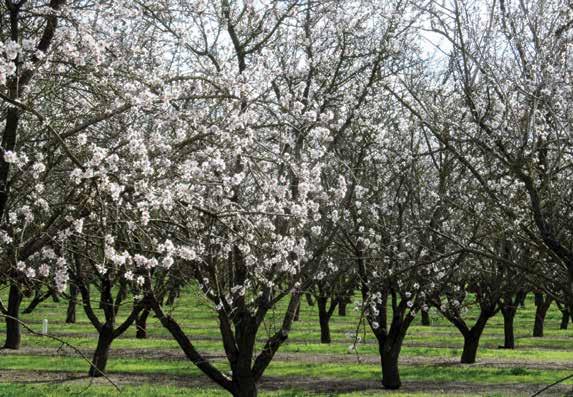
Almond trees in bloom on a Yolo County farm.
Sue Cockrell/ McNaughton Media photo
Don Shor/Courtesy photo
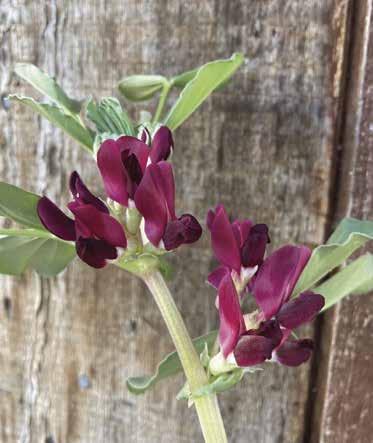
Cover crops are grown to build the soil and out-compete weeds, but many are very attractive as well. This is a crimson-flowered variant of fava bean. Favas produce lots of nitrogen in the soil, grow vigorously, and tolerate soggy soil and very cold temperatures.
WHY IT MATTERS
Most visitors experience agriculture from the roadside. They see orchards, fields and vineyards while traveling between destinations.
What they don’t always see are the countless decisions taking place behind the scenes.
Those decisions influence not only the food on our tables but also the health of local ecosystems, water resources and rural communities.
Agriculture has shaped Yolo County for generations. Its future will continue to shape the county for generations to come.
MORE THAN A BUSINESS
For many local families, farming is more than a profession. It is a relationship with a place.
The orchards, vineyards and fields that define the landscape are often tied to decades of memories, challenges and accomplishments. That connection creates a perspective that extends beyond a single season or harvest.
It encourages stewardship.
It encourages patience.
And it encourages the belief that success should be measured not only by what is produced today, but by what remains possible tomorrow.
In Yolo County, that philosophy is helping create a future where agriculture continues to thrive while preserving the landscapes that make this region special.

THE TOWN BENEATH THE LAKE
The remarkable story
of Monticello
and the valley that disappeared beneath Lake Berryessa
By Discover Yolo Staff
Most visitors to Lake Berryessa come for the water.
They launch boats, cast fishing lines, hike shoreline trails or simply enjoy the expansive views stretching across one of Northern California’s largest reservoirs.
Few realize that beneath those waters lies the story of an entire community.
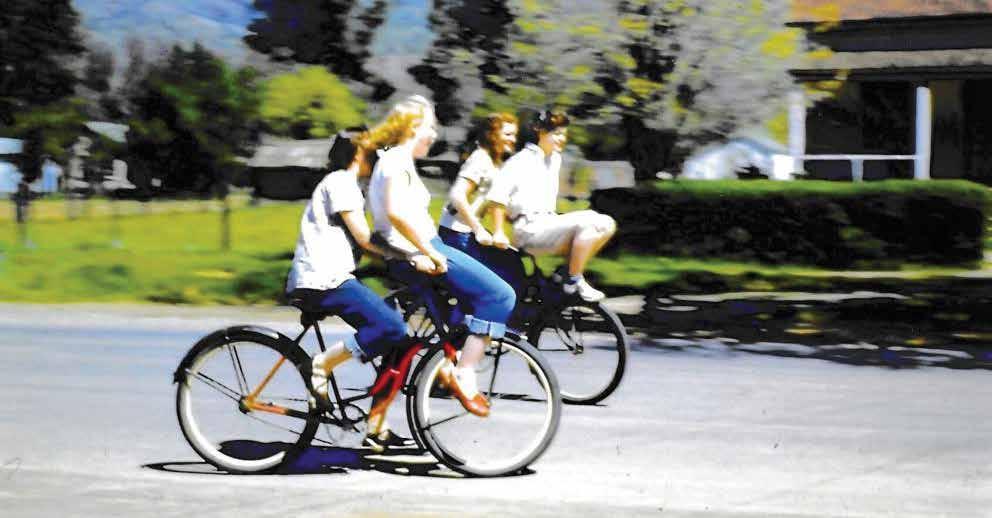
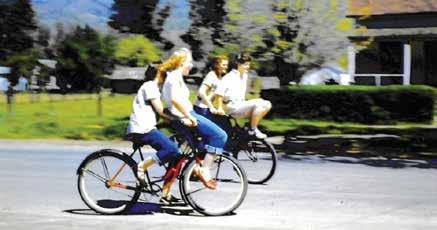
Living carefree in Berryessa Valley: these youngsters wheel through the streets of Monticello, and not comprehending that their world is about to be upended. Only a few years later, this valley would be 125 feet below the Lake Berryessa waterline.
Courtesy photo

Long before Lake Berryessa existed, a small farming town called Monticello occupied the valley floor.
Families built homes there.
Children attended school.
Businesses lined the roads.
Churches, ranches and farms formed the heart of a thriving agricultural community.
Today, nearly all of it is gone.
Yet more than half a century after the valley was flooded, the story of Monticello continues to fascinate historians, residents and visitors alike.
A COMMUNITY IN THE VALLEY
The Berryessa Valley offered fertile land, dependable water and room to grow.
By the late 1800s and early 1900s, families had established farms and ranches throughout the area.
The small community of Monticello became the center of valley life.
Residents gathered for dances, celebrations, rodeos and community events.
Children rode bicycles along quiet roads.
Neighbors helped neighbors during harvest season.
Families built lives connected to the rhythms of the land.
Though small, Monticello was far from isolated.
Strong connections existed between the Berryessa Valley and nearby Winters, where many residents shopped, attended events and maintained business relationships. For generations, the valley flourished.

Courtesy photo
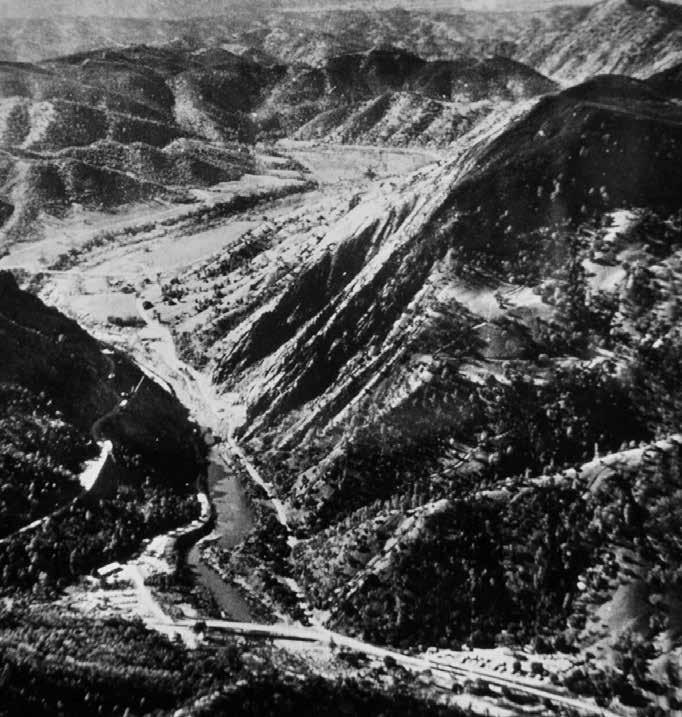
This historical photo of Devil’s Gap shows Putah Creek before Monticello Dam and Lake Berryessa.

Sue Cockrell/McNaughton Media photo
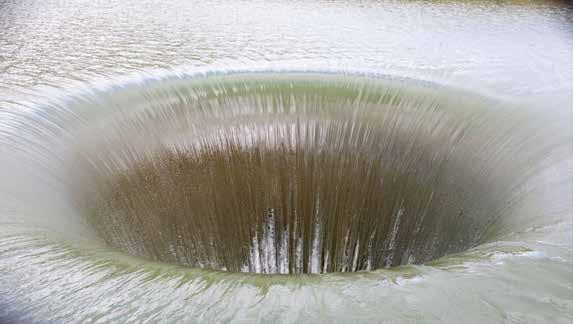
An aerial view shows Monticello Dam and the Glory Hole at right. Unseen beneath the surface are the remains of the town of Monticello.
A CHANGING CALIFORNIA
Following World War II, California’s population grew rapidly.
Demand for water increased throughout the state.
Federal planners began searching for locations where reservoirs could provide flood control, irrigation and water storage.
The Berryessa Valley became one of those locations.
Did you know?
Before the valley was flooded:
• Monticello hosted a popular annual rodeo.
• Families farmed throughout the Berryessa Valley.
• Local children attended schools in the area and often continued their education in Winters.
• The valley contained homes, businesses, churches and gathering places that served multiple generations.
The plan called for construction of Monticello Dam across Putah Creek.
When completed, the project would create a massive reservoir.
The new lake would provide important benefits to California.
But it would also require an enormous sacrifice.
The entire valley would disappear beneath the water.
THE LAST DAYS OF MONTICELLO
Residents faced difficult decisions. Some relocated nearby.
Others moved farther away.
Homes were dismantled, relocated or demolished. Businesses closed.
Schools emptied.
Roads that had connected neighbors for decades would soon vanish beneath the rising lake.
Many former residents later recalled the emotional experience of watching familiar landmarks disappear.
Entire chapters of family history were being erased from the landscape.
One by one, buildings disappeared. Eventually, only memories remained.
MEMORIES THAT ENDURE
Although the town vanished physically, its story survived.
Former residents shared photographs, letters and personal recollections.
Historical societies worked to preserve artifacts and records.
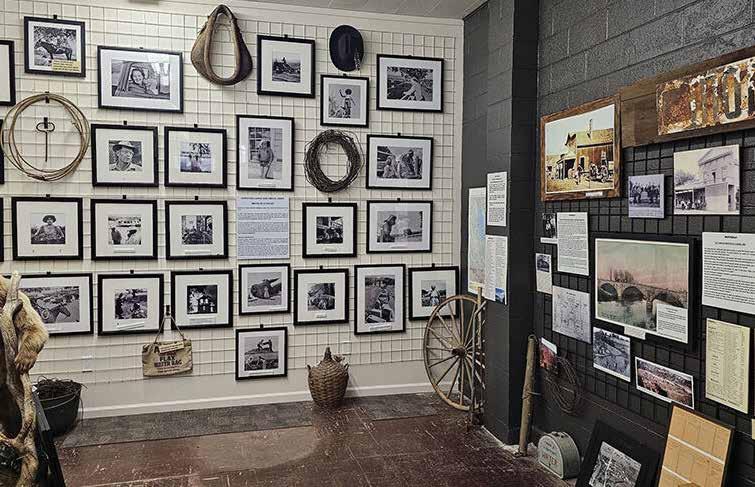
Family stories passed from one generation to the next. Today, exhibitions and historical collections help visitors understand what once existed beneath the lake’s surface. Photographs reveal children riding bicycles through town streets.
Rodeo riders performing before large crowds.
Families gathering for community celebrations. Scenes of ordinary life that suddenly became extraordinary because they could never be recreated.
THE LEGEND OF THE TOWN BELOW
Lake Berryessa’s water levels fluctuate throughout the year.
During periods of drought, shoreline features emerge that are normally hidden.
Each time the water recedes significantly, interest in Monticello returns.
Visitors begin asking familiar questions: Can anything still be seen?
What remains beneath the water?
The answer is complicated.
Most structures were removed before flooding occurred.
Little remains visible today.
Yet the idea of a lost town beneath the lake continues to capture imaginations.
Perhaps that is because the story represents something larger than a community. It represents change. It represents sacrifice.
And it reminds us how quickly landscapes can transform.
A DESTINATION WITH A STORY
Today, Lake Berryessa attracts visitors from throughout Northern California.
Boating, fishing, camping, hiking and wildlife viewing bring people to the region year-round.
Yet understanding the lake’s history adds another layer to the experience. The water reflects more than scenic hillsides.
It reflects the lives of the people who once called the valley home.
Visitors who stop at overlooks, launch ramps and shoreline trails may never see Monticello.
But they are standing in a place
Courtesy photo
A permanent, condensed version of the “Remembering Monticello” exhibit is on display at the Winters Museum.
Solano County Water Agency/Courtesy photo
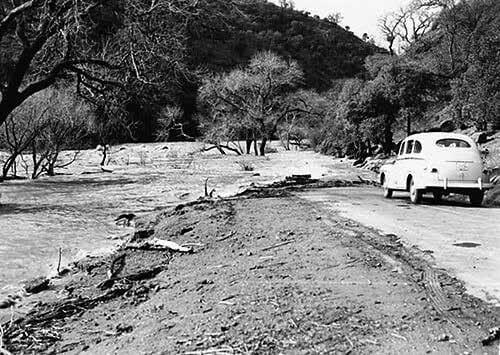
A 1953 photo shows flooding on Putah Creek upstream of Winters. Prior to Monticello Dam, floods like this helped build wildlife habitat. Without frequent flooding, the habitat has diminished.
where generations built communities, raised families and shaped the history of the region.
WHY THE STORY MATTERS
Every community has stories that risk being forgotten.
Monticello’s survival depends largely on
those willing to remember and share its history.
For Yolo County residents, the story serves as a reminder of the county’s agricultural roots and the resilience of its people.
For visitors, it offers a fascinating glimpse into a chapter of California history hidden just beneath the surface. The town may be gone. But its story remains very much alive.

Timeline: The Making of Lake Berryessa
1940s–1950s
Plans develop for a major water storage project on Putah Creek.
1953
Construction begins on Monticello Dam.
1956–1957
Properties are acquired and structures removed throughout the valley.
1957
The valley begins to fill with water.
Today
Lake Berryessa remains one of California’s largest reservoirs and recreation destinations.

The spillway or “glory hole” above the Monticello Dam is a concrete funnel that drains excess water.
McNaughton Media photo
A WEEKEND IN WINTERS
Small-town charm, local flavors and a slower pace of life
By Discover Yolo Staff
There are towns you pass through. And then there are towns that convince you to stay awhile.
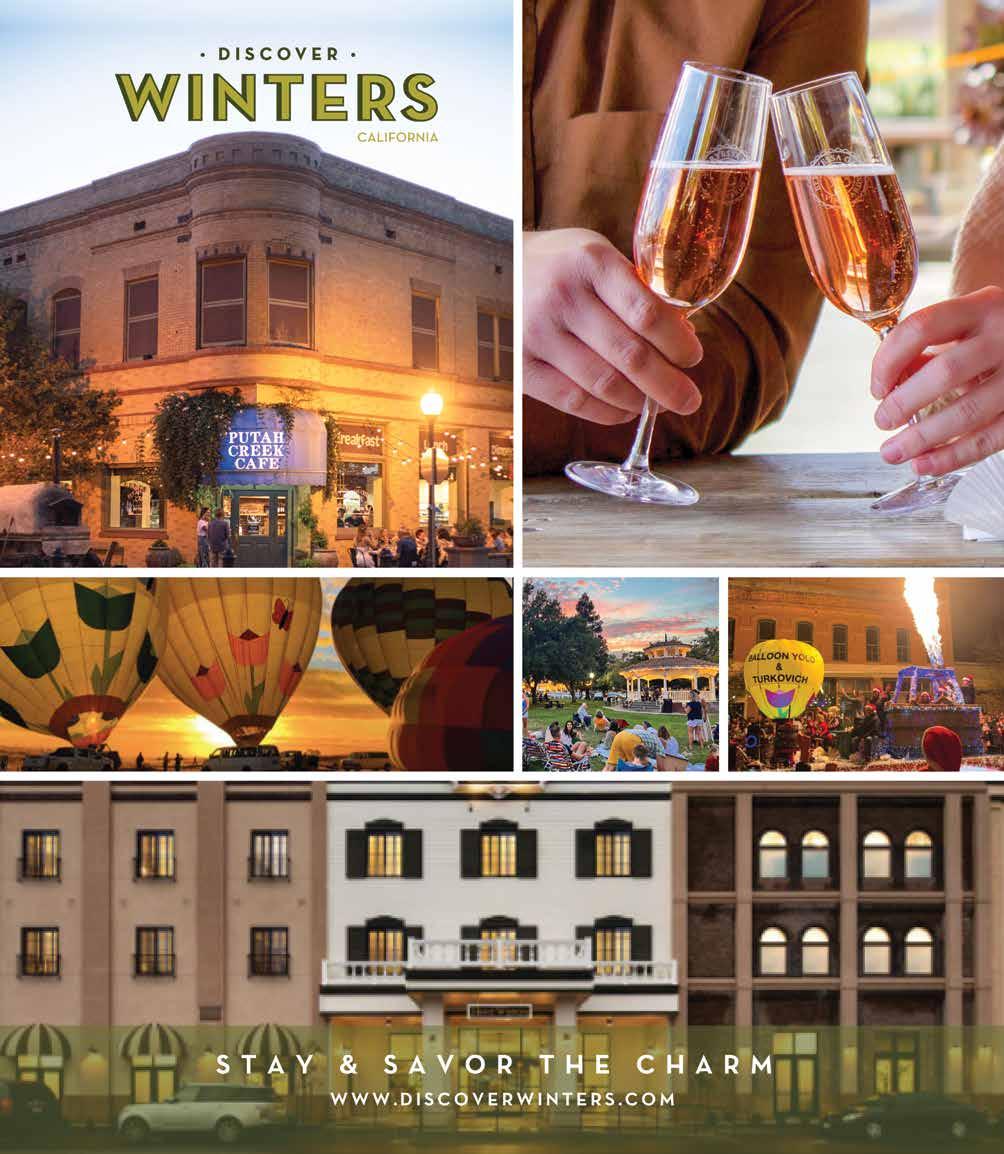
Nestled along Putah Creek at the western edge of Yolo County, Winters has quietly become one of Northern California’s favorite small-town destinations. Visitors arrive for
wine tasting, dining and outdoor recreation, but many quickly discover that the town’s greatest attraction is its atmosphere.
Historic buildings line Main Street. Local businesses know their customers by name. Restaurants spill onto sidewalks during warm evenings. Cyclists, hikers, wine enthusiasts and families all seem to find common ground here.
In a fast-moving world, Winters offers something increasingly rare: the opportunity to slow down.
A DOWNTOWN WORTH EXPLORING
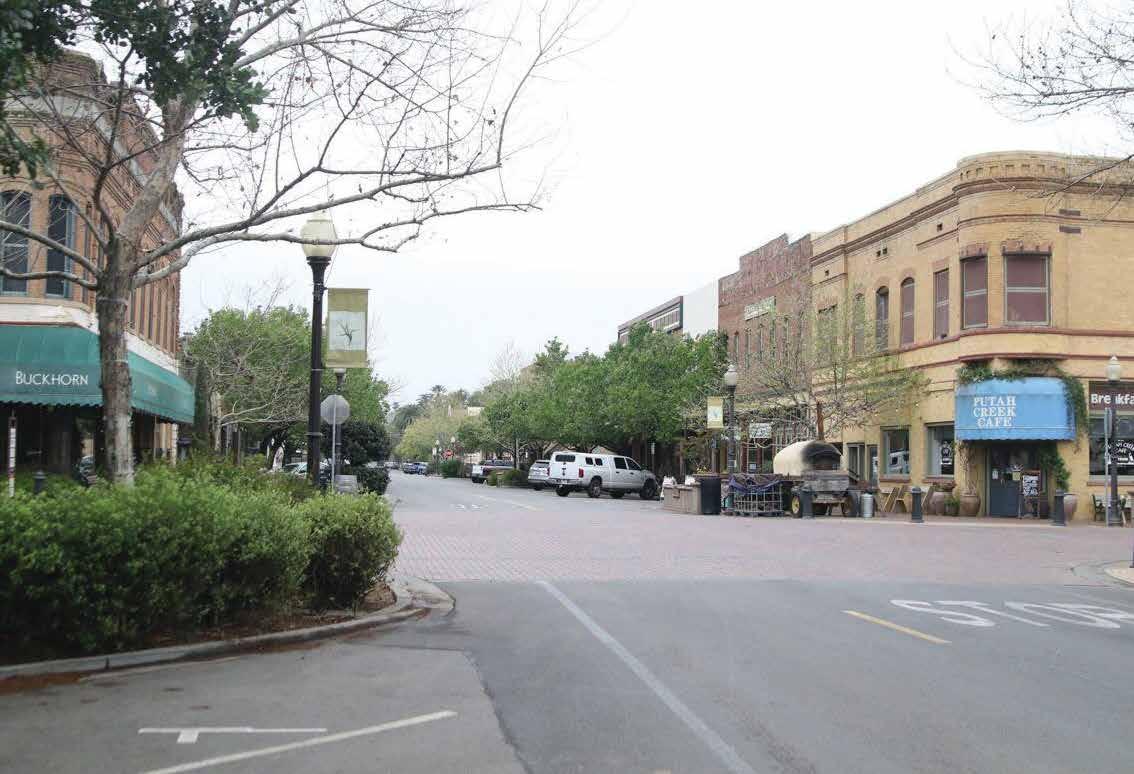
The heart of Winters is its walkable downtown.
Historic storefronts, many dating back more than a century, now house restaurants, tasting rooms, coffee shops and specialty retailers.
Visitors can easily spend an afternoon wandering Main Street, discovering locally owned businesses and enjoying the relaxed pace that
McNaughton Media photo
Main Street in historic downtown Winters offers a welcoming mix of stores and eateries.
defines the community.
Unlike larger destinations, Winters feels approachable. There is no rush. No complicated itinerary.
The town invites exploration.
One block may reveal a tasting room. Another offers a local bakery or outdoor patio perfect for a leisurely lunch.
It is the type of place where a quick stop often becomes an entire afternoon.
WHERE WINE COUNTRY MEETS SMALL-TOWN HOSPITALITY
Winters sits at the gateway to several wine-producing regions and has become an increasingly popular destination for wine enthusiasts.
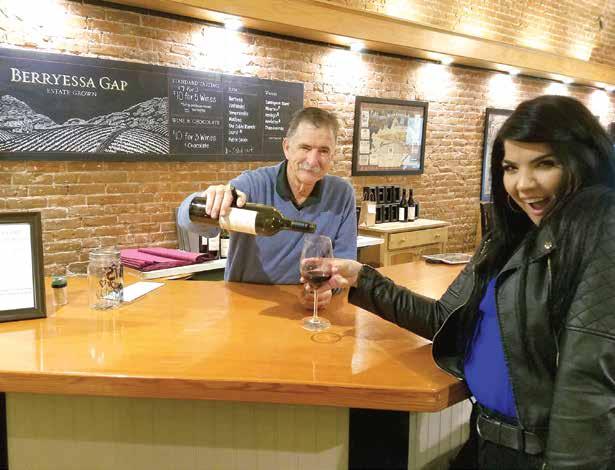
Among the area’s most recognized producers is Berryessa Gap Vineyards, whose roots reflect the region’s long agricultural history.
The winery’s downtown tasting room introduces visitors to wines produced from vineyards located just outside town, while its countryside location offers sweeping views toward


TJ Schluns/Courtesy photo
Sylvia Gonzales of Vacaville celebrates her 23rd birthday with a pour from Woody Fridae at the downtown Berryesea Gap tasting room.
the Berryessa Gap itself.
The experience reflects what makes Winters unique.
Wine here feels personal.
Visitors are just as likely to speak directly with owners, growers and winemakers as they are with tasting room staff.
The result is an experience that feels welcoming rather than intimidating.
SIDEBAR: Sip & Stay
• Coffee on Main Street
• Explore local shops
• Lunch on an outdoor patio
• Wine tasting at Berryessa Gap
• Walk along Putah Creek
• Dinner downtown
• Live music on a warm evening
THE BEAUTY OF PUTAH CREEK
Running along the edge of town, Putah Creek has helped shape Winters for generations.
The creek provides opportunities for walking, birdwatching and simply enjoying nature within minutes of downtown.
Large shade trees line portions of the waterway, creating inviting spaces for picnics and quiet reflection.
For residents, Putah Creek is part of everyday life.
For visitors, it often becomes one of the most memorable parts of the experience.
Its presence reinforces the connection between the town and the surrounding landscape.
A GATEWAY TO ADVENTURE
Winters also serves as the launching point for many western Yolo adventures.
Within a short drive visitors can
Courtesy photo
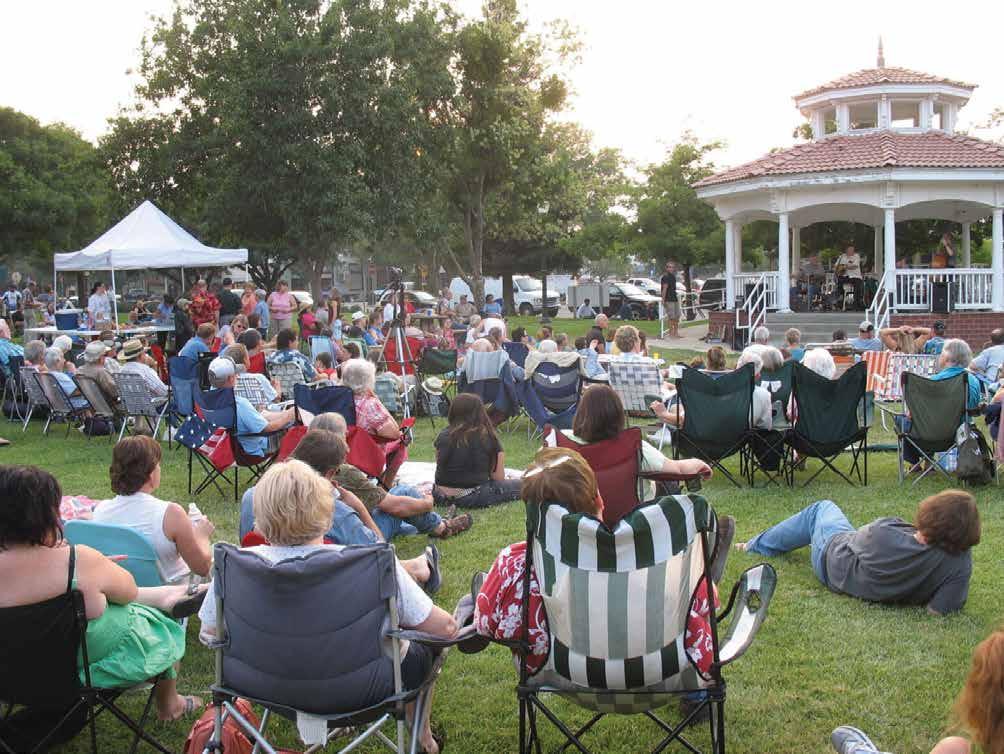
The Winters Friends of the Library host free concerts every summer at the Gazebo in Winters’ Rotary Park. Bring lawn chairs or blankets to enjoy the show.
reach:
• Lake Berryessa
• Capay Valley
• Berryessa Snow Mountain trails
• Scenic Highway 128
• Rural backroads popular with cyclists
Because of its central location, Winters often functions as a home base for exploring the broader region.
Many travelers discover the town while heading elsewhere, only to find that Winters itself becomes the highlight of the trip.
COMMUNITY STILL MATTERS HERE
Perhaps the most enduring quality of Winters is its sense of community.
Annual traditions, local celebrations and community events continue to bring residents together.
The town maintains a strong connection to its agricultural
roots while embracing visitors who want to experience a different side of California. That balance is not easy to achieve.
Yet Winters manages it remarkably well. The result is a destination that feels authentic rather than manufactured.
WHY PEOPLE KEEP COMING BACK
Some destinations impress visitors once.
Others create lasting memories.
Winters belongs in the second category. Its appeal cannot be measured solely by restaurants, wineries or attractions.
The town’s real strength lies in how it makes people feel. Relaxed. Welcome. Connected. And eager to return.

Courtesy photo
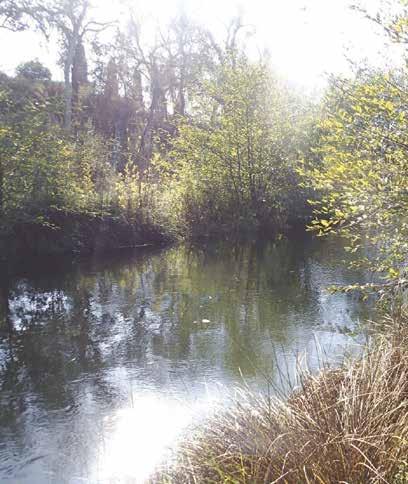
A calm stretch of Putah Creek flows through downtown Winters.
WILD YOLO
Rivers, wetlands, wildlife and outdoor adventure
By Discover Yolo Staff
Yolo County is often celebrated for its farms, food and small towns.
But beyond the vineyards and orchards lies another side of the county.
A wilder side.
From rushing water in Cache Creek Canyon to the expansive wetlands of the Yolo Bypass, outdoor recreation opportunities can be found throughout the region.
For hikers, paddlers, birdwatchers and explorers, Yolo County offers remarkable diversity within a short drive.
CACHE CREEK ADVENTURES
Few outdoor experiences rival a day on Cache Creek.
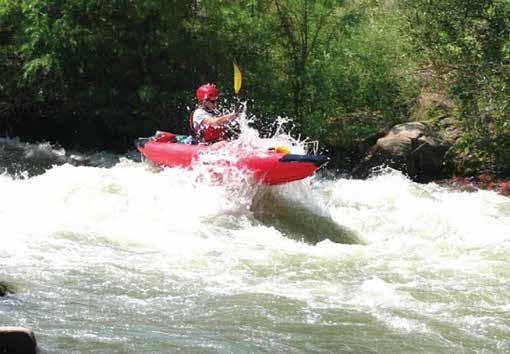
Flowing through dramatic canyon landscapes west of Rumsey, the creek provides opportunities for rafting, kayaking and wildlife viewing.

During spring and early summer, paddlers navigate stretches of Class II and III whitewater while enjoying views of rugged hillsides and oak woodlands. The canyon feels surprisingly remote despite its proximity to Woodland, Davis and Sacramento.
Along the way, visitors may encounter deer, raptors,
Jim Rose/Courtesy photo
Cache Creek is a popular destination for whitewater rafting and kayaking.
turtles and a wide variety of native wildlife.
WETLANDS TEEMING WITH LIFE
The Yolo Bypass Wildlife Area represents one of California’s most important wildlife habitats.
Seasonal flooding creates a dynamic environment that supports thousands of birds and countless other species. Visitors often spot:
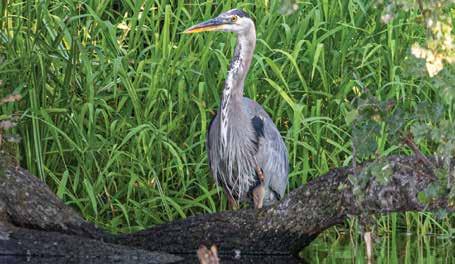
• Great blue herons
• Egrets
• Hawks
• Ducks
• Geese
• Shorebirds
The area has become a favorite destination for birdwatchers, photographers and nature enthusiasts. Closer to Davis, the city’s constructed wetlands offer another unique opportunity to observe wildlife while learning about innovative environmental stewardship.
SIDEBAR: Outdoor Adventures by Season
Spring
Wildflowers, bird migrations, rafting
Summer
Paddling, fishing, evening hikes
Fall
Cycling, wildlife viewing, photography
Winter
Waterfowl watching and green landscapes
A COUNTY WORTH EXPLORING
The beauty of outdoor recreation in Yolo County is its accessibility.
Visitors can spend the morning exploring wetlands, the afternoon rafting a canyon and the evening dining in a historic downtown.
Few destinations offer such variety within such a compact area.
The landscapes may differ.
The experiences may vary.
But together they reveal a side of Yolo County many visitors never expect.
Jeff Rawlinson/McNaughton Media
A blue heron stakes out its territory on Putah Creek.
CREATIV E DAVIS & HISTORIC WOODLAND
By Discover Yolo Staff
Davis has long been known as a university town. Yet beyond its academic reputation lies a vibrant creative culture that continues to shape community life. Art is not confined to galleries here.
It appears on streets, sidewalks, utility boxes, public spaces and gathering places throughout the city. Creativity is woven into daily life.
ART IN UNEXPECTED PLACES
One of the best ways to experience Davis is simply to walk or bike through town.
Murals brighten neighborhood streets.
Public sculptures create conversation.
Colorful installations surprise visitors in unexpected locations.
Projects created with community participation have transformed ordinary spaces into works of art. These efforts reflect a local belief that creativity should be accessible to everyone.
CELEBRATING CREATIVITY
Throughout the year, Davis hosts events that bring artists, musicians, performers and residents together. Art walks, music festivals, gallery receptions and
Rebecca Wasik/McNaughton Media
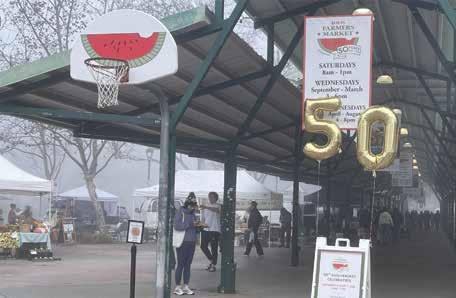
Davis Farmers Market visitors, staff and vendors gathered for a photo to kick off the market’s 50th anniversary festivities in Central Park in Davis in January.
cultural celebrations contribute to an atmosphere that feels energetic without losing its small-town character.
The influence of UC Davis adds another layer, attracting artists, performers and creative thinkers from around the world.
The result is a community where ideas thrive.
No discussion of Davis culture would be complete without the Davis Farmers Market. Founded in 1976 and celebrating its 50th anniversary in 2026, the market has become one of the city’s most beloved traditions. Each week, residents and visitors gather in Central Park to shop for fresh produce, artisan foods and locally made goods while enjoying live music and community events.
More than a place to shop, the market reflects many of the values that define Davis: sustainability, local agriculture, community connection and support for small businesses. For many visitors, it offers one of the most authentic ways to experience the city’s unique character.
MORE THAN A COLLEGE TOWN
Visitors often arrive expecting bicycles and campus life.
They leave having discovered a community that embraces creativity, diversity and public engagement.
That spirit can be seen in its art. Heard in its music.
And felt in the connections formed between residents and visitors alike. Creativity is not simply something Davis celebrates.
It is part of its identity.
WOODLAND BENEATH THE OAKS
Historic architecture, thriving businesses and the enduring spirit of Yolo County’s county seat
For more than a century, Woodland has served as the civic heart of Yolo County. Beneath one of California’s
most impressive urban tree canopies, visitors discover a downtown rich with historic architecture, local businesses and stories that helped shape the region.
Founded in the years following the California Gold Rush, Woodland quickly became a center for agriculture, commerce and government. While much has changed over the decades, the city has managed to preserve much of its historic character. Walking through downtown today feels like stepping into a living history book, where beautifully restored buildings stand alongside modern restaurants, boutiques and gathering spaces.
One of Woodland’s most recognizable features is its urban forest. Towering trees line residential streets and downtown corridors, providing welcome shade during Yolo County’s warm summers. The tree canopy has become such an important part of the city’s identity that visitors
often remark on the feeling of driving through a community nestled beneath a sea of green. Historic architecture remains another defining characteristic. The Gibson House, built in 1857, offers a glimpse into Woodland’s early years and stands as one of the region’s most treasured landmarks. Nearby, the Woodland Opera House continues a tradition of arts and entertainment that stretches back generations. Originally opened in the late 19th century and lovingly restored, the Opera House remains a cultural centerpiece that hosts performances, concerts and community events throughout the year.
Downtown Woodland has also experienced a renaissance in recent years. New restaurants, coffee shops and locally owned businesses have joined longtime establishments, creating a destination that appeals to both residents and visitors. The walkable downtown encourages exploration, whether you’re searching for a unique gift, enjoying a meal on a shaded patio or simply admiring the city’s historic storefronts.
As the county seat, Woodland has long played an important role in the civic life of Yolo County. Government buildings, community institutions and historic landmarks serve as reminders of the city’s enduring importance to the region.
Yet Woodland’s greatest strength may be its ability to balance past and present. It celebrates its history without becoming trapped by it. The city continues to evolve while preserving the qualities that make it distinctive.
For visitors exploring Yolo County, Woodland offers something increasingly rare: authenticity. It is a place where history is not confined to museums and plaques. Instead, it remains woven into everyday life, visible in the architecture, shaded streets and community pride that define the city.
Beneath the oaks, Woodland continues to tell the story of Yolo County — one generation at a time.
Woven Creative Studios/Courtesy photo
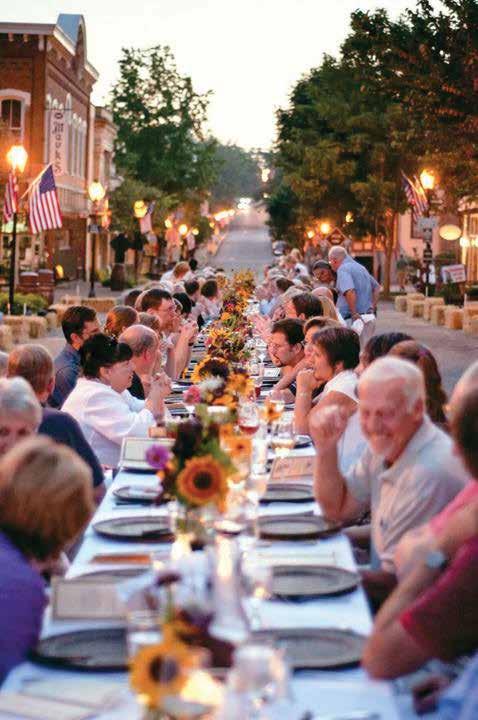
Diners enjoy Yolo County’s bounty at Woodland’s Dinner on Main Street, celebrating the local farm-to-fork culture.