


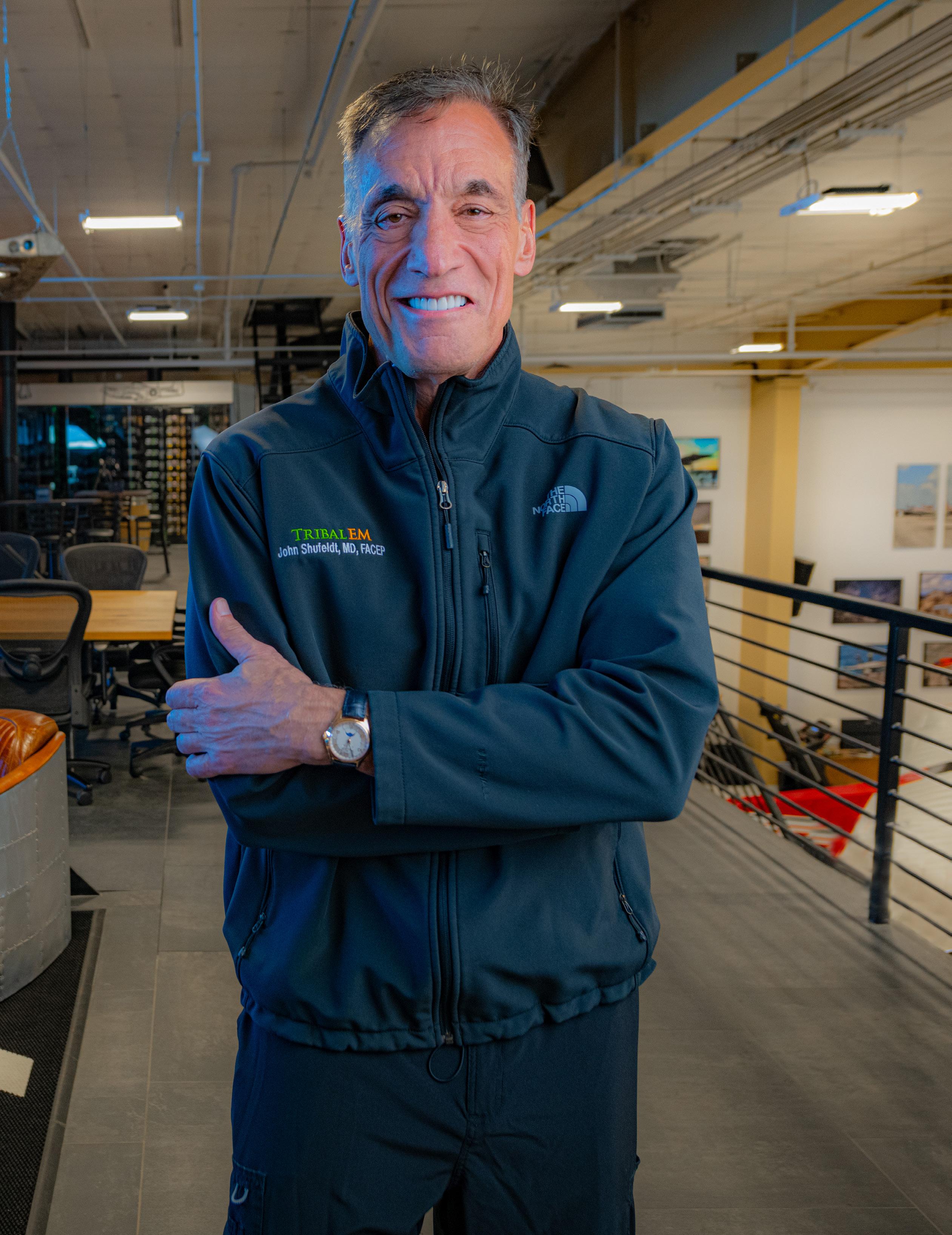
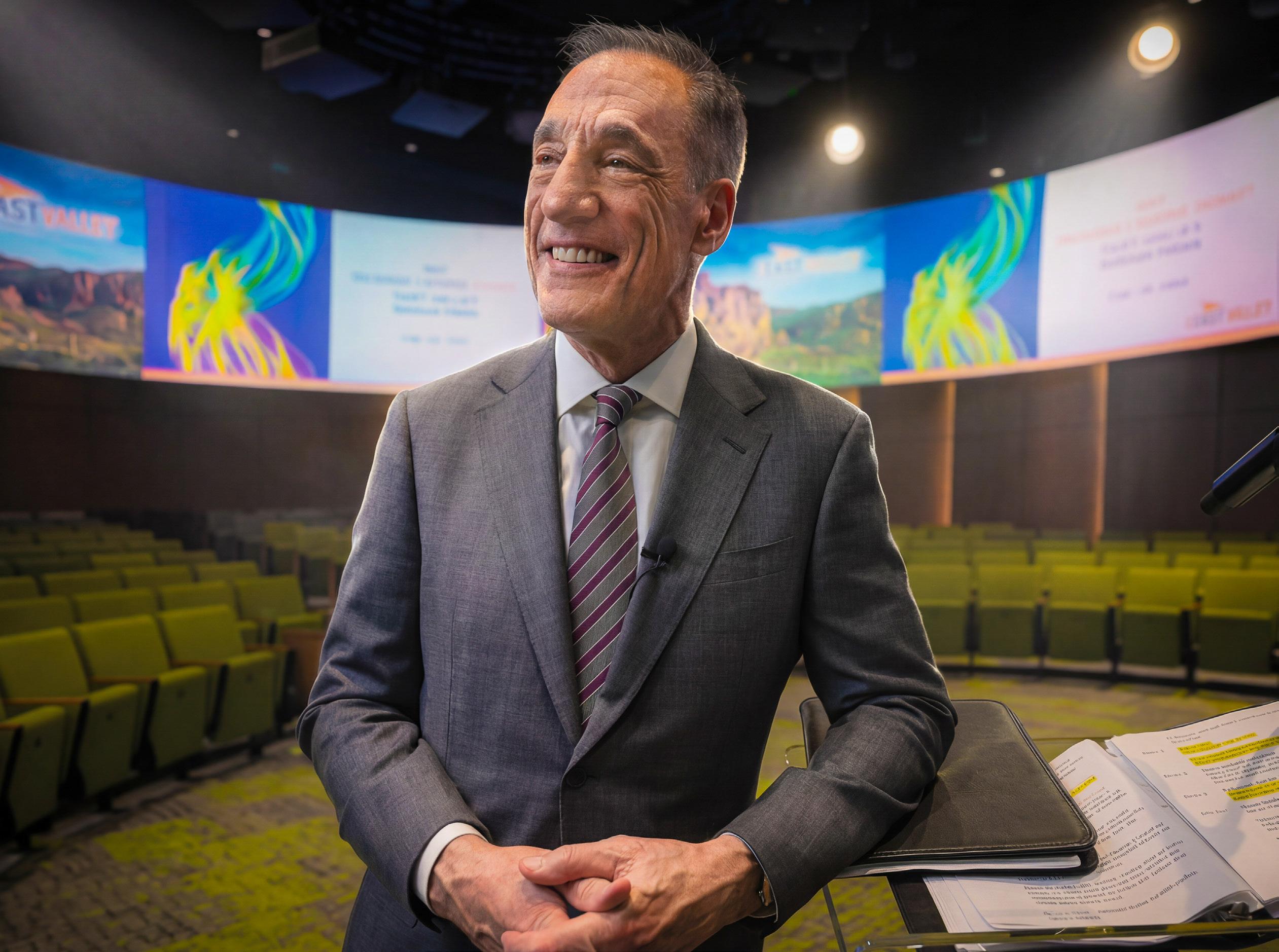
Physician, entrepreneur, lawyer, educator, and pilot, John Shufeldt, MD, JD, MBA, discusses his everexpanding career.

so are your patients’ wants and needs.
Nearly 2 million women are in perimenopause, menopause, or postmenopause right now in Arizona Menopause

Low testosterone (T) affects 1 in every 4 men over the age of 35, roughly 500,000 men just in Arizona
If you’re not providing hormone therapy and peptides for your patients, someone else is Keep the continuity of care, outcomes, and revenue in your clinic .

Hormone Optimization Medical Practice Growth Lab Tests & Blood Work Custom Compounding
EVEXIAS Health Solutions helps physicians in private practice implement BHRT and peptide therapy with clear protocols, medical training, business solutions and hands-on support. It’s evidence-informed, science-backed and built to f it real clinic workflows The result: better patient outcomes, higher adherence, and patients who stay with your practice.
EDITOR-IN-CHIEF
Desire’e Hardge, MBA
MANAGING EDITOR
Edward Araujo
ASSOCIATE EDITOR
Dominique Perkins
CREATIVE DESIGN
Randi Karabin, KarabinCreative.com
COVER & FEATURED ARTICLES
Jeff Noble, jeffnoblepictures.com
ADVERTISING ads@arizonaphysician.com
MARICOPA COUNTY MEDICAL SOCIETY BOARD MEMBERS
PRESIDENT Rahul Rishi, DO, FAAAAI, FACAAI
PRESIDENT-ELECT
Ajay Bhatnagar, MD, MBA
TREASURER
Zaid Fadul, MD, FS, FAAFP
SECRETARY
Gregory Aran, DO
IMMEDIATE PAST PRESIDENT
Jane Lyons, MD
DIRECTORS
Mona Amini, MD, MBA
Kishlay Anand, MD, MS
Jay Arora, MD, MBA
Shana Johnson, MD
Linda Eller, DO
Nandita Khera, MD, MPH
Nacchal Nachiappan, MD
Duane Wooten, MD
RESIDENT & FELLOW DIRECTOR
Jacob Less, MS-IV
MEDICAL STUDENT DIRECTOR
Kambrea Soltera, MS-IV


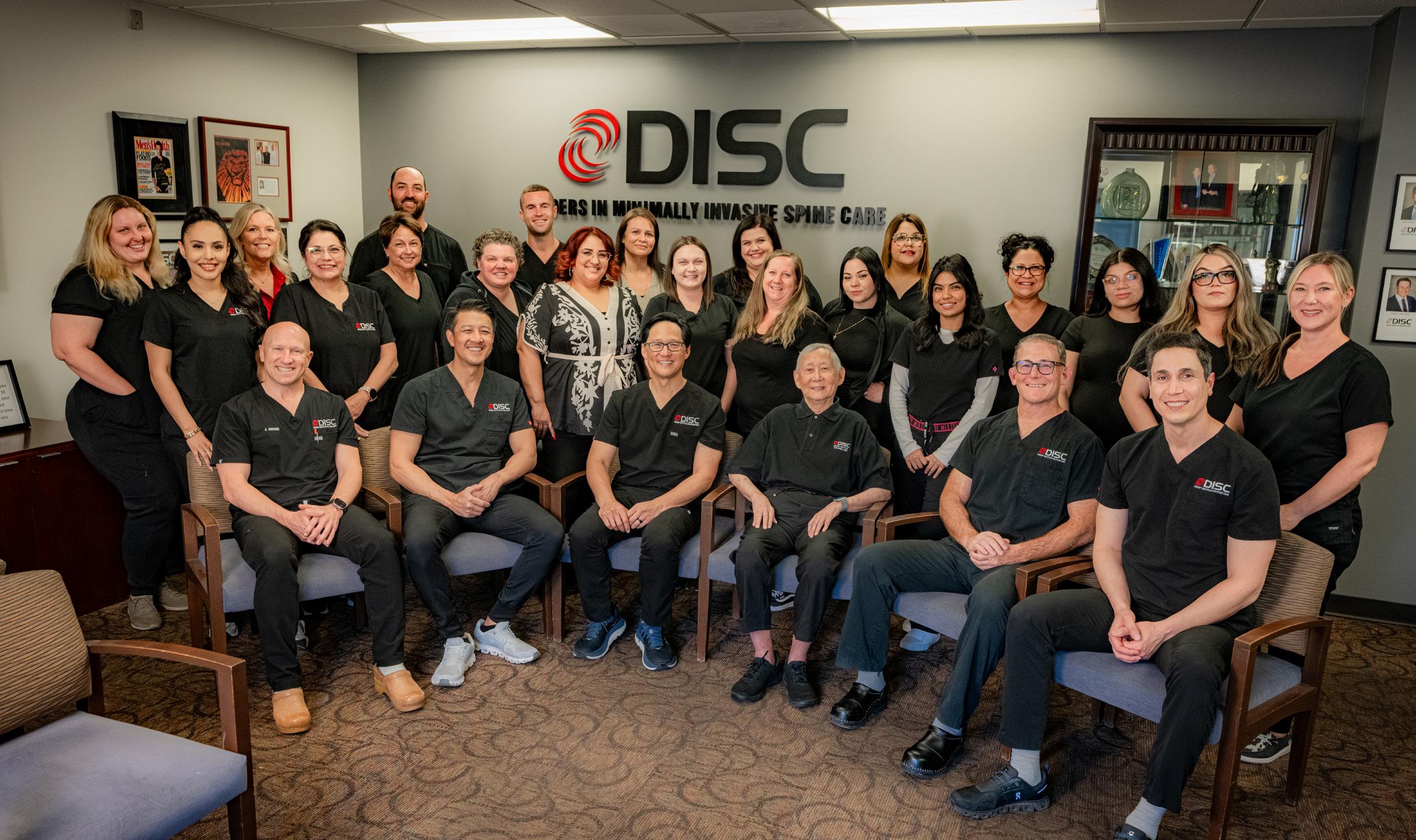
We take a closer look at what makes Desert Institute for Spine Care so successful with its five orthopedic spine surgeons and leaders.
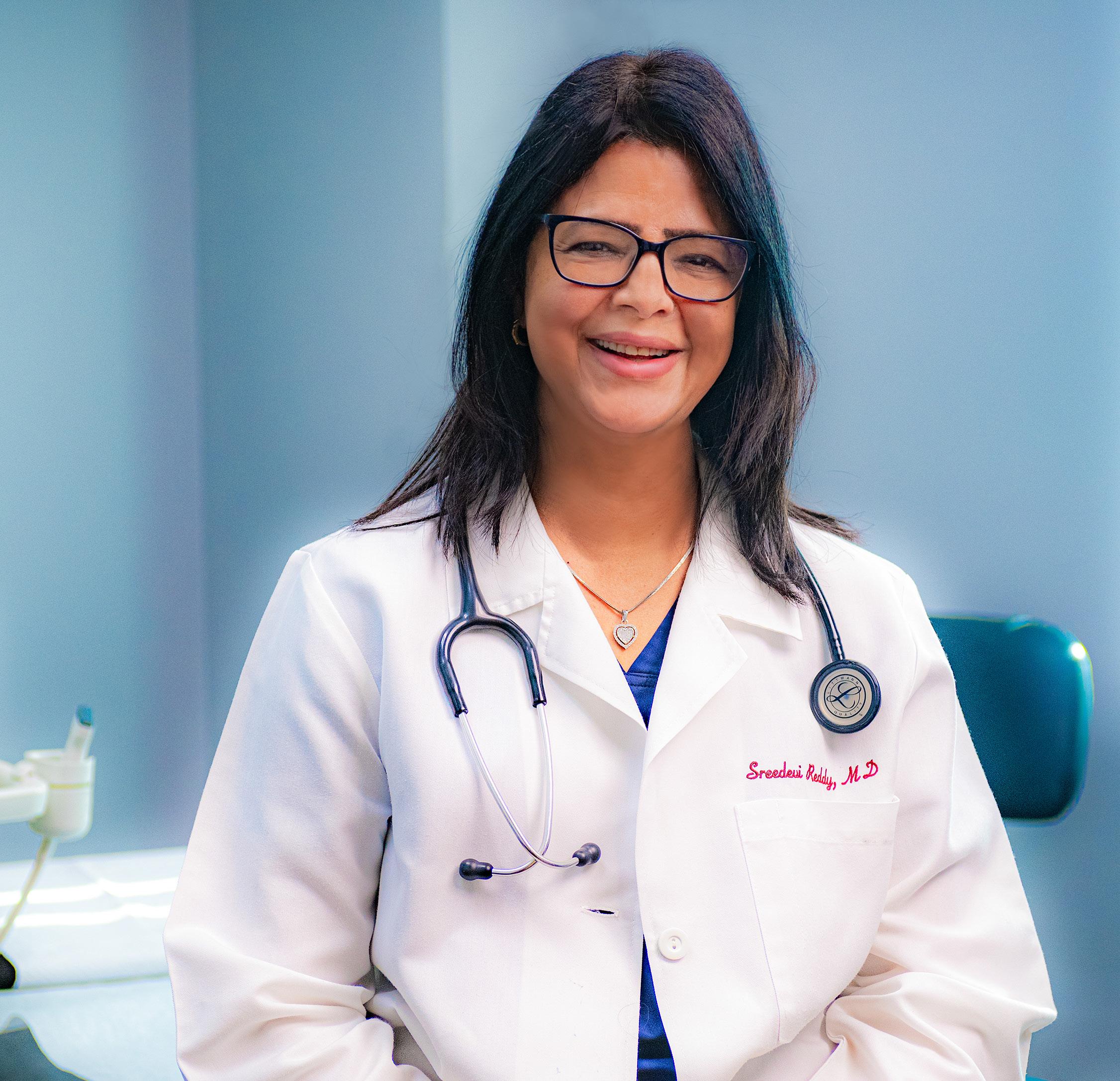
We have a conversation with Endocrinology Associates’ Sreedevi Reddy, MD, ECNU, MSCP, about endocrine disorders and how her practice helps patients achieve optimal health and well-being. 32
We discuss how we must rethink mental health through preventative neurology with Neurologist, Tasha Powell, MD.


We reflect on Dr. Testai’s remarkable medical journey and reinvention.


As an owner of a private practice for over a decade, I am grateful to contribute this column in our Spring 2026 issue, which highlights distinguished clinicians serving as independent practice owners and community leaders. As the 131st Board President of the Maricopa County Medical Society (MCMS), this topic holds profound personal significance. Solo and group physician practices have long represented the structural backbone of American healthcare delivery, preserving clinical autonomy, advancing patient-centered care, and reinforcing enduring community trust. Amid ongoing transformation in medicine, it remains essential to recognize the indispensable role these settings play in delivering accessible, individualized, and high-quality care.
According to the American Medical Association’s 2024 Policy Research Perspective, 42.2% of physicians remain in private practice nationwide, marking a steep decline from approximately 60% in 2012 and reflecting continued consolidation into hospital systems and private equity–owned entities. Today, more than half of physicians practice within hospital-owned, health systememployed, or corporate-aligned structures.
For 134 years, MCMS has demonstrated a balanced and intentional commitment to supporting physicians in independent environments alongside hospital-based medical colleagues. This sustained advocacy was a key reason I became an MCMS member and ultimately voted in as Board President, reflecting the organization’s deep-rooted dedication to elevating the physician voice across all practice environments. MCMS advances this mission through advocacy for professional independence and reimbursement stability, targeted continuing medical education (CME), and resources that strengthen operational sustainability, while also fostering a unified physician community that bridges ambulatory and inpatient perspectives.
At MCMS, we take pride in supporting ongoing clinical excellence that helps physicians expand and sustain both clinical and business endeavors.
As an Allergist-Immunologist and proprietor of Valley Allergy, I encounter daily the operational and administrative complexities inherent to practice ownership. These realities require physicians to balance clinical excellence with operational stewardship. Through ownership, I have also experienced improved work-life balance, allowing greater time for family, friends, and other personal and professional pursuits.
At their core, independent practices are relational, grounded in trust, continuity, and longitudinal care. Despite ongoing challenges, they remain essential to healthcare delivery. The future of private practice will be shaped by resilience, innovation, and physician-led care that keeps patients and communities at the center of medicine within an evolving healthcare landscape.
Rahul Rishi, DO, FAAAAI, FACAAI MCMS Board President
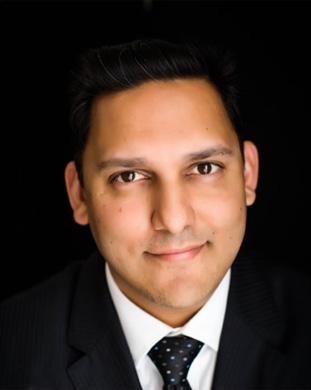
Dr. Rishi completed his fellowship in Adult and Pediatric Allergy-Immunology through Nova Southeastern University/Larkin in Miami, Fl. During his fellowship, he was honored as Chief Fellow. Dr. Rishi is a prestigious Fellow of the acclaimed American Academy of Allergy Asthma and Immunology (AAAAI) and the American College of Allergy Asthma and Immunology (ACAAI). He is also board-certified in Internal Medicine and a Fellow of the American College of Osteopathic Internists (ACOI). He currently serves on the Board of Directors for the Maricopa County Medical Society. Dr. Rishi is married to a fellow Allergy-Immunologist, Radha Rishi, MD, and they have two children.
Advocacy
Pushing policies that matter


Patient Referrals
Online directory and referral line

Professional Referrals
Legal, financial, staffing, real estate, etc.
Scan to learn more about the benefits of being an MCMS member


CME In person and virtual

Physician Stories
Print and digital magazine, podcast
Networking
Happy hours and fun events
“MEDICINE IS MOST POWERFUL WHEN IT IS SHAPED BY MANY VOICES.”
—Desire’e Hardge, MBA
This edition brings together a diverse collection of physician voices, clinical perspectives, and interdisciplinary insights that reflect the evolving landscape of modern medicine. At its center is our main feature on John Shufeldt, MD, JD, MBA, a clinician-entrepreneur whose career spans emergency medicine, law, business leadership, and healthcare innovation. As co-founder of multiple clinical networks and medical initiatives, Dr. Shufeldt has consistently advanced models of care delivery that integrate efficiency, scalability, and physician leadership. Beyond medicine, he is also an accomplished aviator, author, and speaker whose multifaceted career reflects the expanding identity of today’s physician.
Our practice-focused features begin with an in-depth exploration of DISC Medical Group, a multi-location physician organization. We engaged all five physician partners in a candid discussion regarding operational success, leadership alignment, and the ongoing challenges of sustaining coordinated care across distributed sites. Our second profile, which highlights Endocrinology Associates’, P.A., led by Sreedevi Reddy, MD, examines how physicians and non-physician practitioners (NPPs) work together to deliver personalized treatment plans through a patient-centered approach.
This issue’s Physician Spotlight features Tasha Powell, MD, a board-certified neurologist, who examines environmental and lifestyle determinants influencing brain health across Arizona’s diverse population. Her perspective underscores the intersection of neurology, public health, and regional environmental exposure.
In “A Medical Journey,” we profile the remarkable professional path of Marcela Testai, MD, MPH, MA, MBA, whose multidisciplinary training reflects an uncommon breadth of academic and clinical achievement.
The “Physician to Physician” contribution comes from Psychiatrist Michael Bowen, MD, who offers a timely discussion on microaggressions in clinical environments and their measurable impact on patient outcomes and provider wellbeing.
In our Community Health Department, attorney and Executive Director Ashley Chambers, JD, of the Arizona chapter of Families for Vaccines, emphasizes the increasing importance of physician engagement in public policy and civic discourse at a pivotal moment for healthcare advocacy.
Finally, in our Physician Finance Department, Integro Bank’s Founder and Chief Innovation Officer, Elaine Szeto, MBA, addresses emerging economic considerations relevant to clinical practice sustainability.
Collectively, these articles reflect a dynamic intersection of medicine, leadership, policy, and practice evolution.
With Gratitude,

Desire’e Hardge, MBA
Arizona Physician Editor-in-Chief
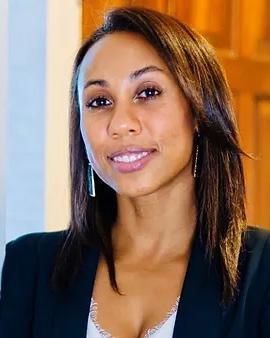
Desire’e Hardge, MBA, serves as the CEO & Executive Director of MCMS and the Editor-in-Chief for the Arizona Physician magazine. Desire’e brings over 19 years of experience across both for-profit and non-profit sectors. She has successfully led organizations through business development, community relations, and strategic growth.


The first half of the year hits physicians like a desert dust storm: new insurance plans, new deductibles, new patient promises (“This year I’m really going to take my meds”), and the same old inbox that somehow refills itself overnight. If you’re already feeling like you’ve lived an entire year by May, you’re not alone—and you’re not imagining it.
Every specialty feels the early-year squeeze differently:
Primary care sees the “I need to establish care” rush.
Specialists get flooded with referrals that all say “urgent.”
Everyone gets buried under prior auths that mysteriously reset on January 1. It’s a perfect recipe for feeling overwhelmed— and physicians rarely give themselves permission to acknowledge it.

THE MYTH OF THE “FRESH START”
Patients love the idea of a clean slate. Physicians? They inherit everyone else’s clean slate.
New goals, new labs, new treatment plans, new expectations—all landing at once.
But here’s the twist: early-year overwhelm isn’t a sign you’re behind. It’s a sign you’re human in a system that resets faster than anyone can reasonably keep up with.
MICRO‑RESETS FOR MACRO SANITY
Physicians don’t need a vacation to feel less overwhelmed (though no one would turn one down). What actually helps are small, sustainable resets that fit into the day:
A 60 - second pause between patients
A “no charting after 8 p.m.” boundary
A weekly 10 -minute walk that isn’t about steps, but about silence
A moment to celebrate the one patient who actually brought their medication list
These aren’t luxuries—they’re survival strategies.
PERMISSION TO PACE YOURSELF
Arizona physicians carry a lot: clinical care, administrative load, community leadership, and the emotional weight of being the person everyone turns to. Feeling overwhelmed early in the year doesn’t mean you’re doing it wrong. It means you’re doing a lot.
So, here’s your spring reminder: You’re allowed to pace yourself.
You’re allowed to set boundaries.
You’re allowed to take a breath—even before summer.
The year is long. Your impact is huge. And your well-being matters just as much as the patients you care for.

Arizona physicians will see several meaningful policy and reimbursement shifts this spring as CMS and AHCCCS roll out updates affecting billing, telehealth, and quality reporting.
CMS has finalized targeted adjustments to the Medicare Physician Fee Schedule, including modest increases for primary care, behavioral health, and complex care management codes. Telehealth flexibility remains in place through the end of the year, with continued coverage for home -based visits and select audio - only services—an important extension for rural and mobility-limited patients.
AHCCCS is implementing its own spring changes, focusing on network adequacy,
streamlined prior authorization processes, and expanded value -based care participation. Practices may encounter updated documentation requirements tied to new quality measures, while primary care teams should benefit from simplified PA workflows across several contracted plans. AHCCCS is also encouraging broader use of social determinants of health screening tools to support coordinated community referrals.
As Q2 begins, the most effective practices will review updated fee schedules, confirm telehealth billing rules, and align early with AHCCCS quality expectations to minimize administrative friction and maintain reimbursement stability.




LEARN MORE
CMS Physician Fee Schedule
cms.gov/medicare/ payment/fee-schedules/ physician
CMS Telehealth Services cms.gov/medicare/ coverage/telehealth/ list-services
AHCCCS Provider Resources azahcccs.gov/ AHCCCS/Initiatives/ AHCCCSCompleteCare/ ACC_Provider_Resources. html
AHCCCS Policies & Guidance Plus Policy Updates azahcccs.gov/shared/ MedicalPolicyManual/
Clinical Implications for Physicians EARLY IDENTIFICATION AND RISK STRATIFICATION
Patients at highest risk include older adults, outdoor workers, athletes, and individuals with chronic conditions such as cardiovascular disease, diabetes, or renal impairment. Physicians should begin screening for heat exposure risk during routine spring visits.
Clinical pearls:


Arizona’s spring increasingly resembles summer, with temperatures climbing earlier and faster each year. In 2026, meteorologists expect heat waves to begin 2–4 weeks ahead of historical averages, pushing emergency departments and clinics to prepare for a surge in heat-related illnesses. For physicians, early recognition, patient education, and proactive management are critical to reducing morbidity and mortality.
Recent data from the National Weather Service and Arizona Department of Health Services show that average March and April highs in Phoenix and Tucson have risen by 3–5°F over the past decade. The number of days exceeding 100°F before May has doubled since 2015. These shifts have led to earlier presentations of dehydration, heat exhaustion, and heat stroke—conditions once confined to midsummer.
KEY TREND: In 2025, Maricopa County recorded over 200 heat-related emergency visits before May 1, a 40% increase from the previous year.
Ask about outdoor activity duration and hydration habits.
Review medications that impair thermoregulation (e.g., diuretics, anticholinergics, beta-blockers).
Educate patients on early warning signs: dizziness, nausea, confusion, and muscle cramps.
Primary care and urgent care physicians can play a pivotal role in prevention. Encourage patients to:
Hydrate before and during outdoor activity.
Schedule exertion for early morning or evening hours.
Use cooling strategies—light clothing, shade, and frequent rest breaks.
Check on vulnerable neighbors and family members.
Community partnerships with local health departments and EMS can amplify outreach. Consider distributing educational materials through clinics, pharmacies, and employer wellness programs.
For suspected heat stroke, rapid cooling remains the cornerstone of treatment. Evaporative and immersion cooling techniques should be initiated immediately while preparing for hospital transfer. Physicians should also anticipate electrolyte abnormalities and renal injury in severe cases.
Treatment reminders:
Target core temperature < 102°F within 30 minutes.
Avoid antipyretics, they are ineffective for heat stroke.
Monitor for rhabdomyolysis and acute kidney injury.
Arizona’s county health departments are expanding early-season heat surveillance and public alerts. Physicians can subscribe to Maricopa County’s Heat Relief Network updates and direct patients to cooling centers listed at heataz.com. Collaboration with public health agencies helps identify emerging hotspots and vulnerable populations.
Key Takeaways for Physicians
Start heat safety counseling now, in May.
Screen for medication and comorbidity risks.
Coordinate with public health partners for community alerts.
Emphasize hydration, cooling, and early symptom recognition.
As Arizona’s heat season begins earlier each year, proactive physician engagement can prevent avoidable emergencies and save lives. Spring is no longer a safe buffer—it’s the new frontline for heatrelated illness prevention.
Arizona Department of Health Services Heat Safety Program azdhs.gov/heat
Maricopa County Heat Relief Network heataz.com
CDC Extreme Heat Guidelines cdc.gov/disasters/extremeheat


There is a particular kind of restraint that defines excellent spine care. It is not found in the complexity of the procedure or the sophistication of the technology alone, but in the judgment that precedes it. At the Desert Institute for Spine Care (DISC), that restraint, paired with deep expertise and a highly coordinated system of care, has become the foundation of a practice that is both clinically rigorous and operationally intentional.
“I feel like myself and my group are able to get people back to an active lifestyle again, so that’s rewarding and wonderful,” said Dr. Justin Field, who has been with the practice since 2007.
Across DISC, that outcome remains the central aim.
DISC operates with a model that is increasingly rare in subspecialty care: five spine surgeons, each capable of treating the full spectrum of pathology, from minimally invasive procedures to the most complex surgical interventions.
“Having access to the full spectrum of treatment options allows us to truly individualize care,” said Dr. Nima Salari, who joined the practice in 2013. “Every patient’s condition is different, and our goal is to identify the specific pain generator and address it with the least invasive, most effective approach.”
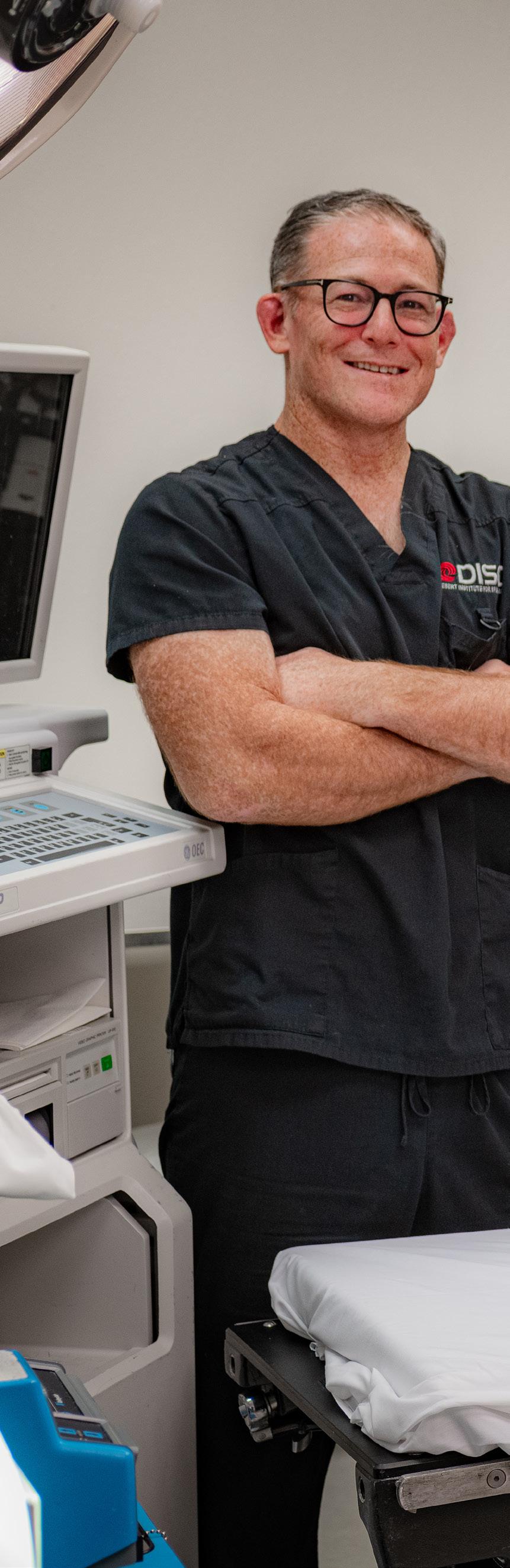
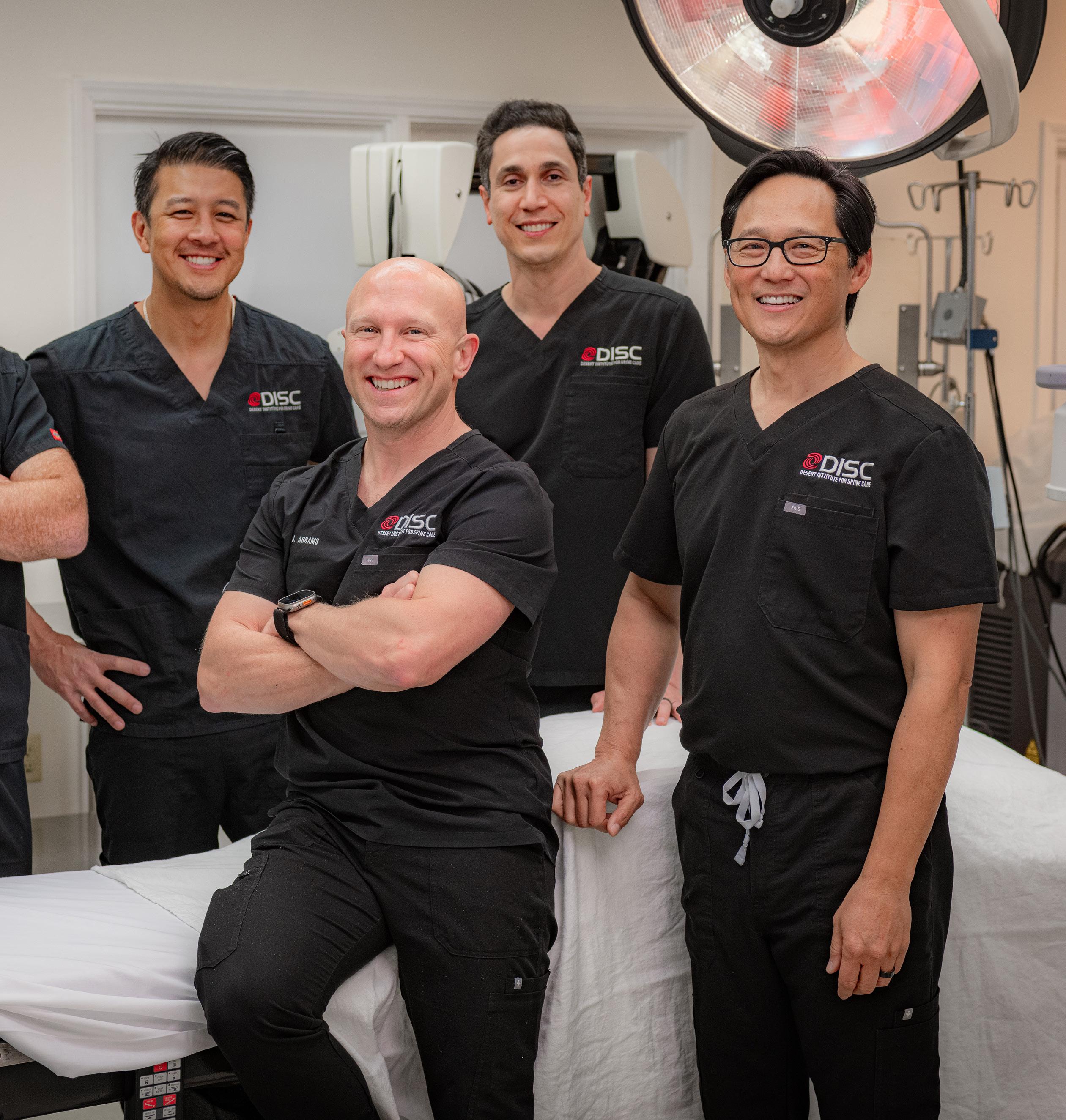
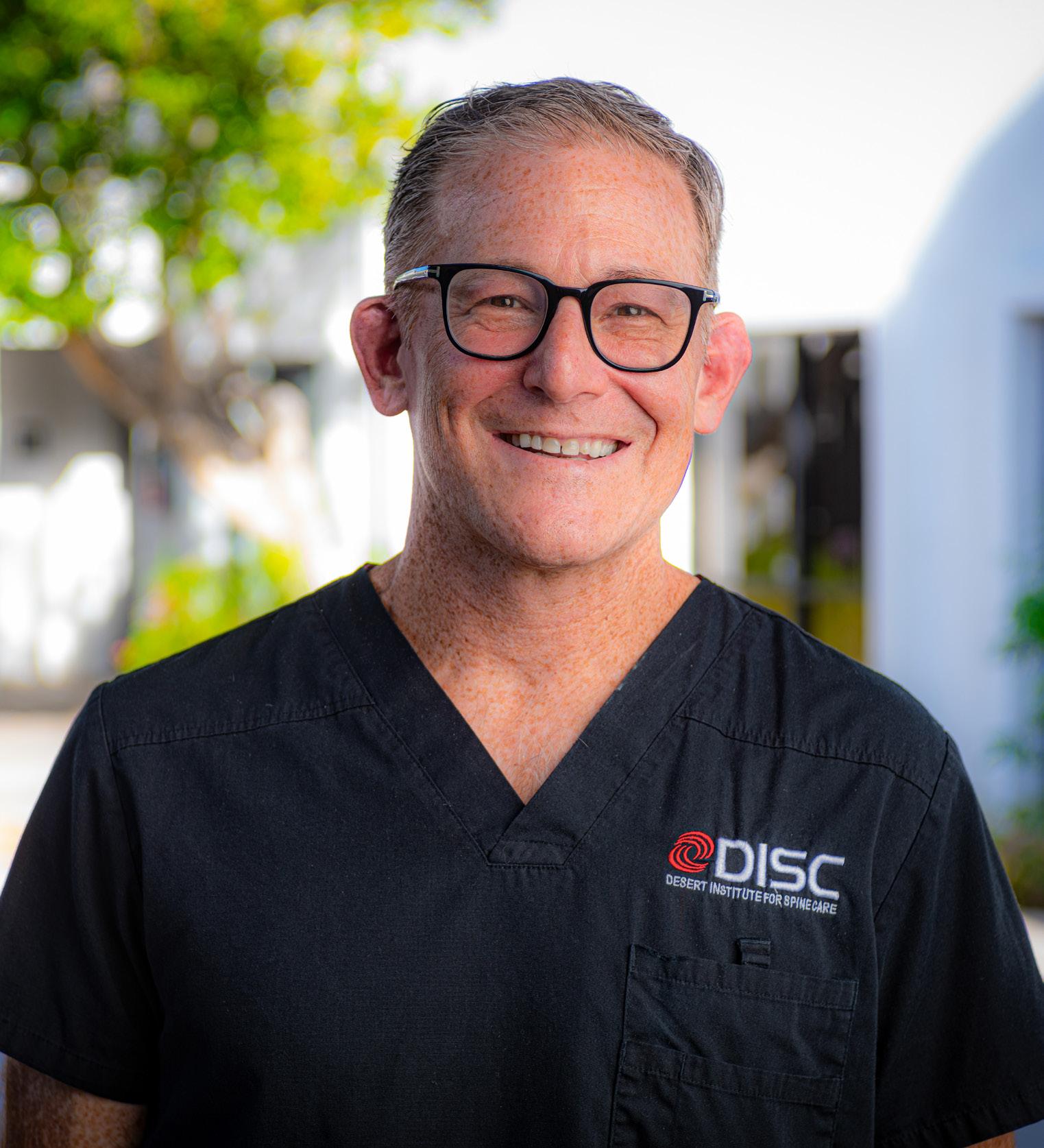
That level of precision requires both range and discipline.
“I think it is important to be versatile and not be too focused on one specific technique,” said Dr. Chris Yeung, who joined his father Anthony Yeung, MD, in 2002 at Arizona Orthopedic Surgeons (AOC), a practice his father founded in 1989, then they rebranded as the Desert Institute for Spine Care (DISC) in 2004.
“I never want to rush into spine surgery if there is a good chance that patient can improve without surgery.”
From clinical judgment, the focus shifts naturally to how the group functions together.
Despite the high level of specialization, DISC’s internal structure resists the competitive dynamics that can fragment physician groups. Instead, collaboration is built into both clinical and operational workflows.
“We mesh well as a group of independent and highly knowledgeable physicians,” said Dr. Mark
“We’ve been part of the initial trials for many, many products that now been out for a long time.”
— Dr. Justin Field, Board-Certified Orthopedic Surgeon
Wang, who joined the group in 2020. “This allows us to share cases and bounce ideas off each other to come up with innovative ways to treat our patients’ conditions.”
That exchange is constant, not occasional.
“I think this collaboration is key,” said Dr. Yeung. “Not only for great patient care, but it is also a great way for each of us to continually learn from each others’ experience and expertise.”
Dr. Field describes a parallel dynamic on the operational side. “We meet quite often, and it’s more collaborating on how we want to run our practice, and how we can make the experience better for the patient. From the front office to being in our clinic to surgery and post-operatively and so on.”
The operational side reflects the same intentional coordination. All five surgeons function as partners, contributing to shared decision-making around growth, patient experience, and long-term direction.
With a stable foundation, the group continues to push forward.
DISC’s reputation for innovation is well established. All five surgeons participate in ongoing clinical trials and have contributed to the development and evaluation of emerging technologies.
“Our excellent clinical outcomes are what allow us to be involved in FDA trials for the technological advancement in spine surgery and is what sets us apart from most other practices,” said Dr. Wang.
The group has participated in numerous FDA investigational device exemption (IDE) trials, including artificial disc technologies and non-fusion stabilization systems.
“One of the advantages of being a principal investigator is that you can offer these innovative technologies to patients prior to being available to the majority of spine surgeons,” said Dr. Yeung.
Over time, these efforts have reshaped standard practice.
“I was part of a trial with an artificial cervical disc… called the Baguera,” Dr. Field said. “We’ve been part of the initial one for many, many products that have now been out for a long time.”
Among the most significant shifts has been the move toward motion preservation.
“Currently I am part of a panel of arthroplasty surgeons looking at the safety and efficacy of Cervical and Lumbar Disc Replacement, “said Dr. Wang. “Transitioning from fusion surgery to techniques that preserve motion in our patients has been something I strongly believe will improve outcomes and change the way we see spine surgery.”
Looking ahead, the next frontier may be even broader.
“I think it is important to be versatile and not be too focused on one specific technique.”
— Dr. Christopher Yeung, Board-Certified Orthopedic Spine Surgeon
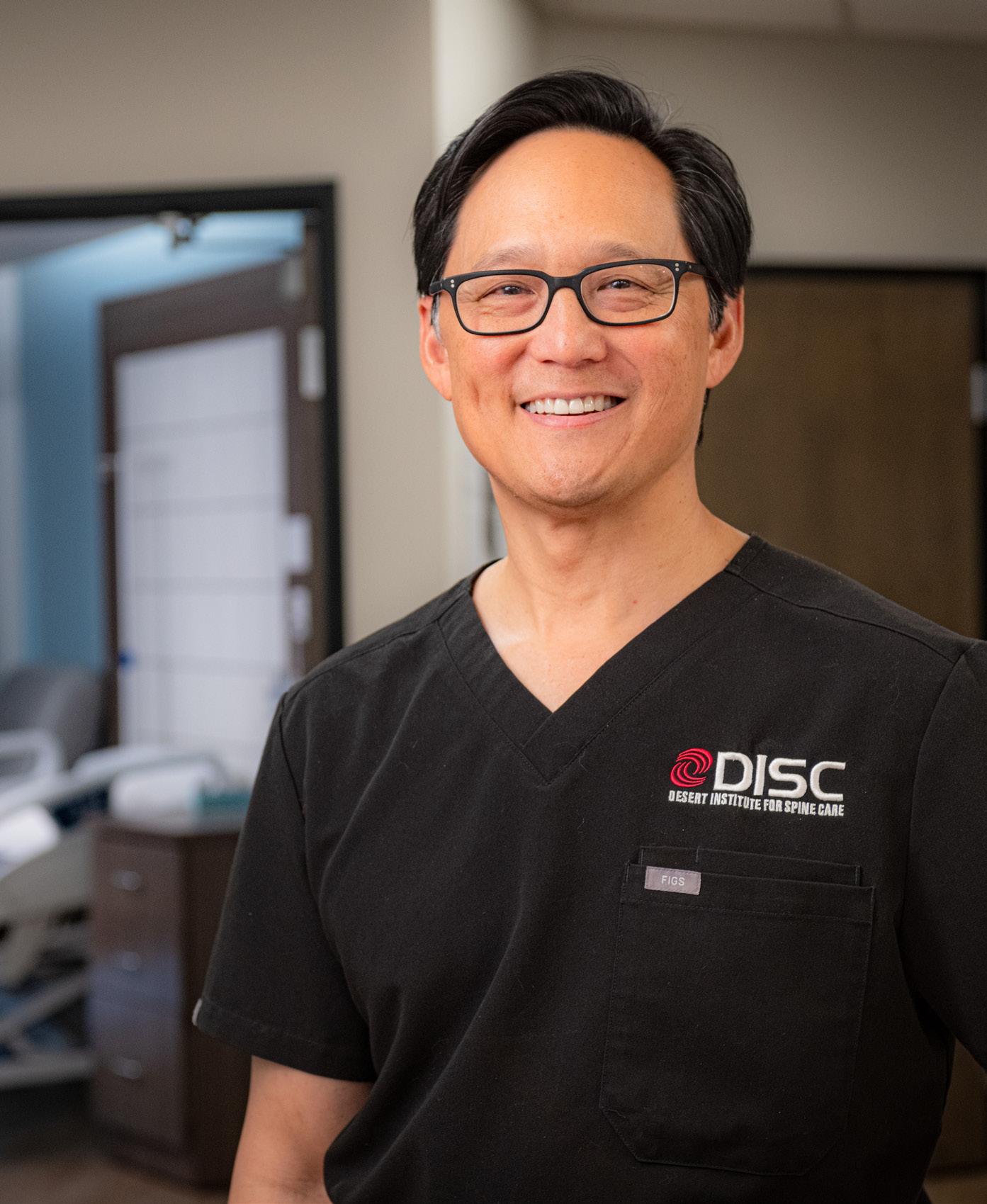
“I find humility in knowing we are all here to support one another”
— Dr. Josh Abrams, Board-Certified Orthopedic Spine Surgeon
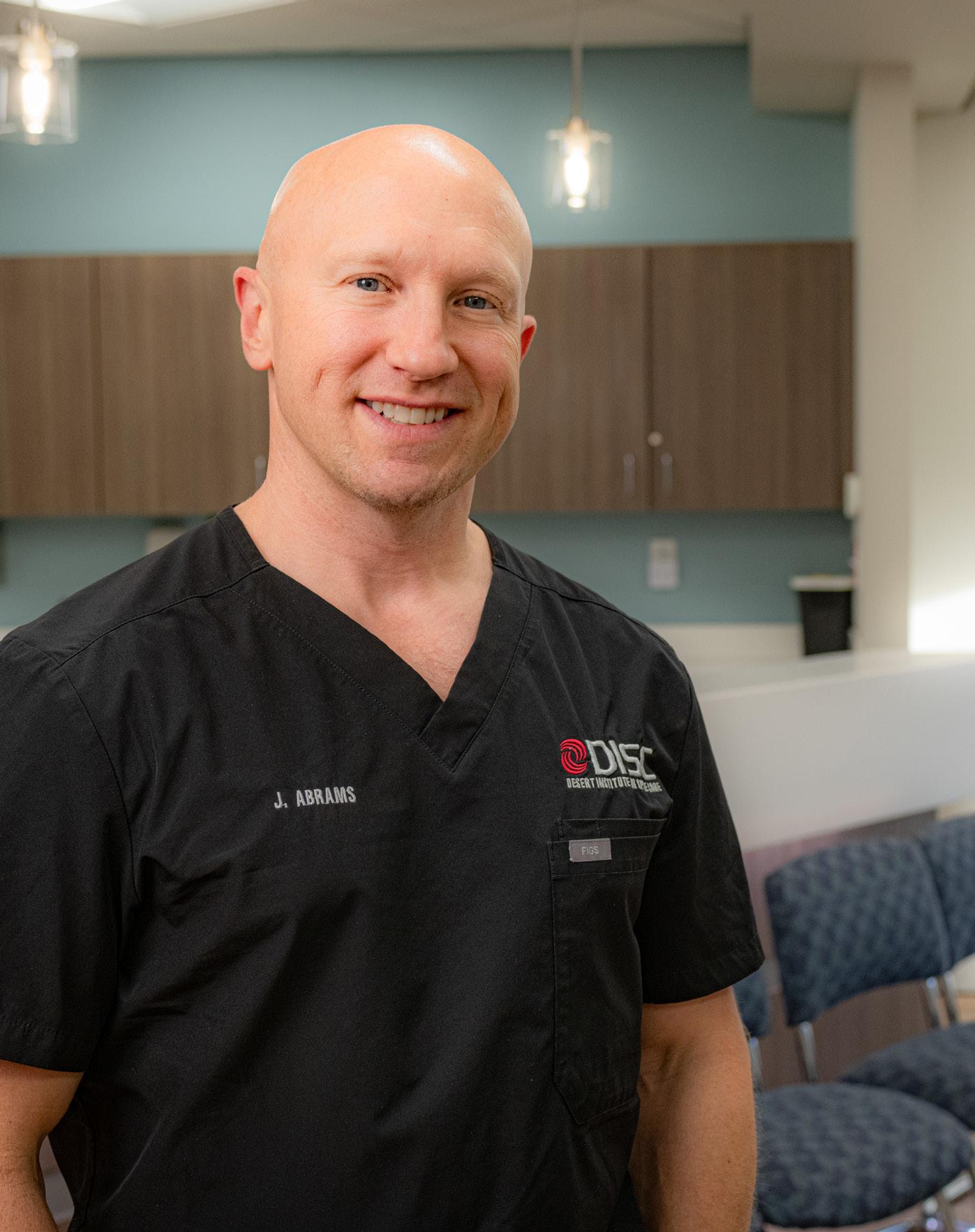
“From one week to the next, I have a new fascination of medicine,” said Dr. Abrams, who joined the practice in 2018. “In the next few years, I believe we need to focus more attention on the body’s self-healing capacity. Regenerative therapy (aka stem cell therapy), while here and now, will continue to evolve. I find this most exciting!”
If DISC’s clinical model reflects precision, its operational reality reflects persistence. Over the past two decades, the practice has experienced the same pressures facing physician groups nationwide: increasing administrative burden, payer complexity, and the growing cost of delivering care.
“It used to be someone could just choose to come see us,” said Stephanie Helsten, DISC’s executive director, who has helped lead the administrative side of the practice for more than 16 years.
“Now, a lot of times, they have to get authorization.”
That burden extends across the continuum of care.
“Even after we get the approval… we submit it to the insurance companies, and they deny it,” she said. “So then we need to have a full team to figure that out.”
The response has been structural. Staffing has expanded significantly to manage prior authorizations, billing complexities, and patient coordination.
“When I started here, we had one surgery scheduler… now we have 4,” Helsten said. “Our billing team has doubled; our front office team has doubled. It takes a lot more.”
And yet, the mission has not changed.
“We’re still offering the same great care, but it’s been harder and harder to do, and it takes more people to do it,” she said.
The infrastructure has had to evolve alongside the demands.
“As long as you identify the right patient with the right pathology and use the right tool.... that’s when you know you’re going to have an excellent outcome.”
— Dr. Nima Salari, Board-Certified Orthopedic Spine Surgeon
In response, DISC has placed deliberate emphasis on the patient experience as a system, not an afterthought. From the first call, staff are trained to recognize the emotional and physical state of the patient.
“The patients calling might not be their happiest in their life right now,” Helsten said. “They’re in a lot of pain.”
Processes are built to reduce friction and uncertainty. Calls are returned the same day. Referrals are acted on immediately. Communication is continuous.
The impact is measurable not only in outcomes, but in feedback.
“We get so much positive patient feedback,” Helsten said. “And I show the staff that feedback, because I think it’s rewarding for everyone.”
Ultimately, these systems exist to support a larger outcome.
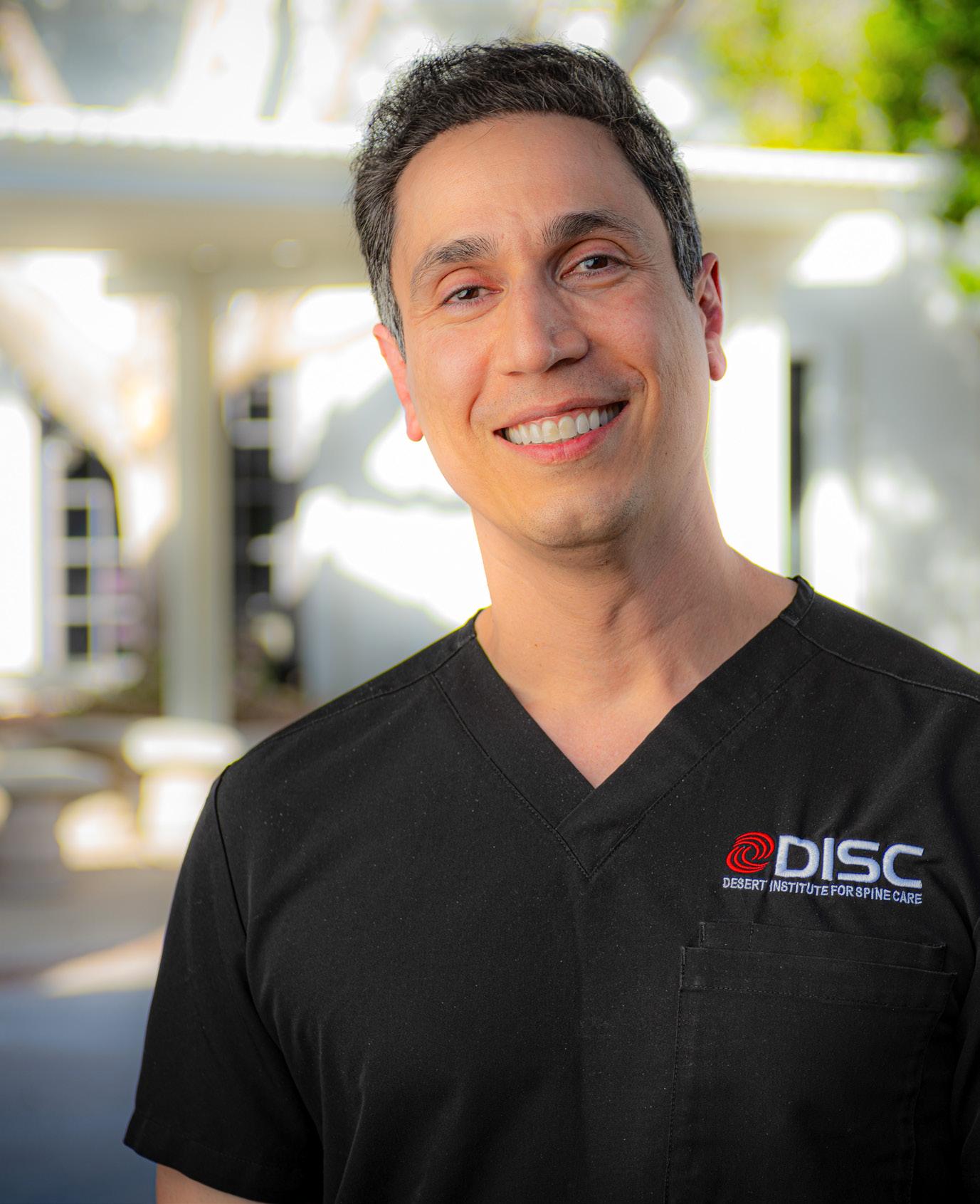
“Meaningful recovery is different for each patient,” said Dr. Abrams.
Some moments stay with physicians long after the procedure.
Dr. Field recalls a retired military patient who, after years of debilitating spine issues, returned to function following surgery.
“He gave me his challenge coin, as a token of appreciation,” he said. “I was blown away.”
Dr. Yeung also has a prominent memory.
“I will always remember one of my patients who was a former NFL quarterback,” he said. He was retired and served as an assistant coach for a high school football team. He had an outpatient procedure—endoscopic spine surgery—and his pain relief was so immediate that he stopped at a restaurant for breakfast on the way home and then went to football practice that afternoon. His fellow coaches came up to him and said, ‘I thought you were having spine surgery today?’
“This quick recovery illustrates our goal to get people back to enjoying life again as quickly as possible,” he said.
It is a result that captures the intent of the practice.
“We mesh well as a group of independent and highly knowledgeable physicians.”
— Dr. Mark Wang, Board-Certified Orthopedic Spine Surgeon
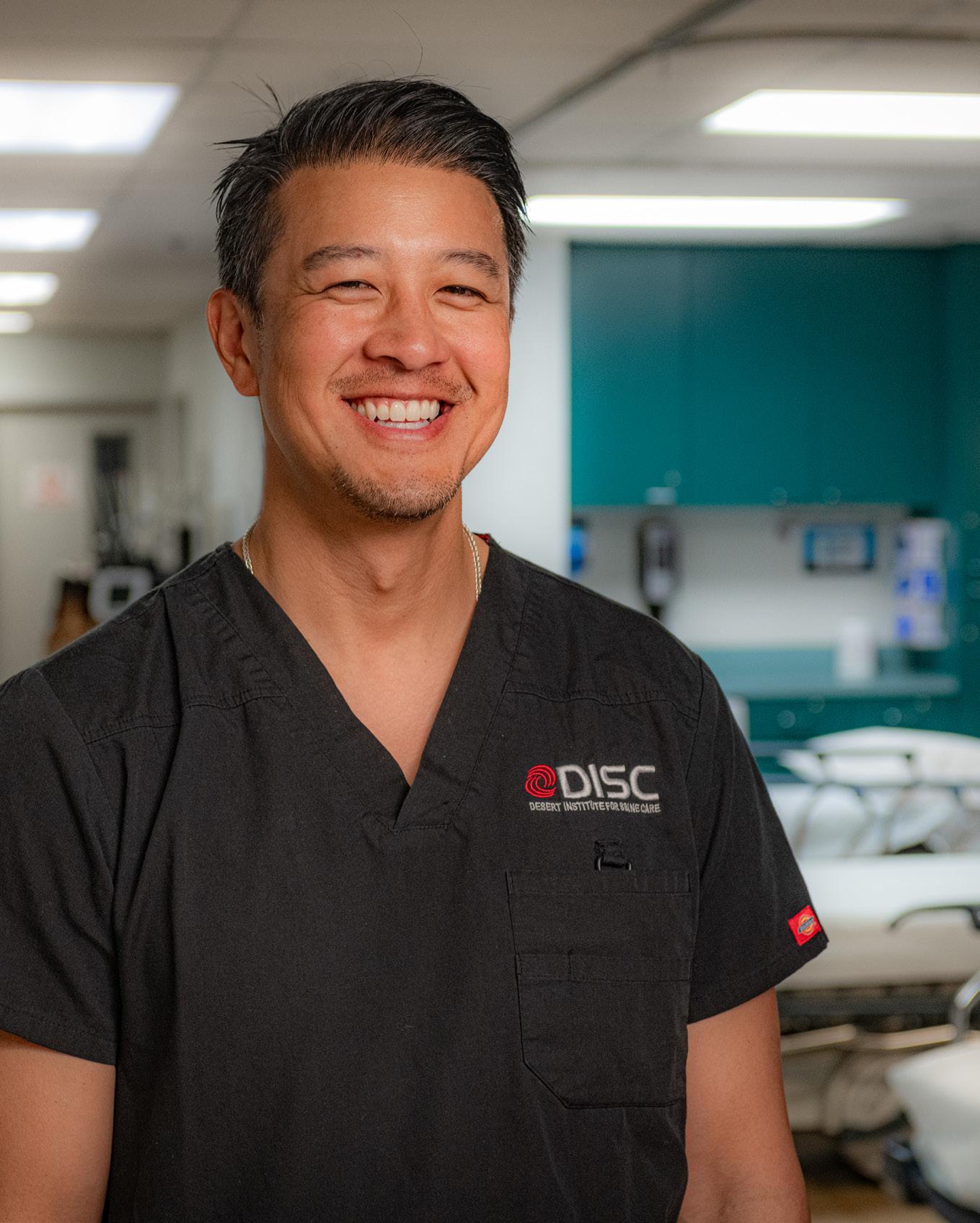
In a field increasingly defined by burnout, DISC has also prioritized sustainability for both patients and physicians.
“I think burnout is a major issue in medicine in general,” Dr. Salari said. “I make a conscious effort not to let work dictate my life. Spending time with my wife and children… that’s what brings the most fulfillment.”
The structure of the practice supports that intention: limited call burden, shared responsibility, and an emphasis on efficiency.
“Whether I am going on a bike ride on Saturday morning with friends, enjoying the banter of my teenage kids or participating in my youngest son’s Autism therapy, I find humility in knowing we are all here to support one another,” said Dr. Abrams.
“I do jiu-jitsu,” said Dr. Field. “I love it. I got into it with my son about eight years ago.”
That philosophy extends to the broader team. Long tenure among staff reflects a culture built on mutual respect and shared purpose.
“They really treat the staff as equals… that we’re all equally important,” Helsten said.
That foundation positions the practice for what comes next.
After more than two decades of growth, DISC remains grounded in a set of principles that are both simple and difficult to sustain: treating the right patient, with the right approach, at the right time.
“As long as you identify the right patient with the right pathology and use the right tool… that’s when you know you’re going to have an excellent outcome,” Dr. Salari said.
In an era of increasing complexity, that clarity is what allows them to do the work that matters most: restoring not just the spine, but the life built around it. ■
By Dominique Perkins Associate Editor Arizona Physician azphysician@mcmsonline.com
Treatments Provided
4 Locations
Phoenix | 1635 E. Myrtle Ave., Phoenix, AZ 85020
Scottsdale | 8630 E. Via de Ventura, Scottsdale, AZ 85258
East Valley | 3487 S. Mercy Rd., Gilbert, AZ 85297
West Valley | 18700 N 64th Dr., Glendale, AZ 85308
Connect with DISC— Desert Institute for Spine Care sciatica.com | 623-303-0304


SHUFELDT, MD, JD, MBA

Apilot flying a single-engine helicopter scans the horizon constantly, searching for the next place to land should the engine fail.
John Schufeldt, MD, JD, MBA, a pilot as well as physician, entrepreneur, lawyer, venture capitalist, author, and lifelong student, has built his life around the same principle. He is always scanning for what comes next. Where problems exist. Where he might be needed. Where he might land if circumstances shift.
He calls it “trying to see around the corners.”
That instinct, combined with an enduring curiosity and a refusal to live with regret, has shaped a career that resists linearity. It does not abandon previous pursuits. It expands to include them.
It is a philosophy that explains not only the breadth of his work, but the urgency behind it. From helping define urgent care in Arizona to expanding access through telemedicine and now contributing to the development of a new medical school at Arizona State University, Dr. Shufeldt has consistently moved toward what comes next.
Dr. Shufeldt’s path to medicine was not defined by ease, but by certainty.
“I don’t know why… I literally just always felt like I was born to do this, and I literally would do it 100 out of 100 times again,” he said.
That sense of inevitability eventually carried him through medical school and into emergency medicine, where the pace and unpredictability aligned with both his temperament and his sense of purpose.
Decades later, despite a career that has expanded far beyond clinical practice, he still returns to the emergency department.
“It keeps me close to the patients and makes me acutely aware of all the challenges in healthcare, so it really grounds me,” he said. “It reminds me why we are all doing this in the first place.”
“Walking out of the emergency department… on your own, roof over your head, making a difference in other people’s lives, there’s no better feeling than that.”
Emergency medicine did more than provide professional grounding. It shaped how Dr. Shufeldt thinks.
In that environment, hesitation carries consequences.
“In the emergency department, you have to be able to make these decisions with not all the information available,” he said. “So, I always need to make a decision, but never to do nothing.”
That ability to act decisively, even in the absence of complete data, became foundational. It informed his leadership, his tolerance for risk, and his willingness to pursue ideas before they were fully understood or widely accepted.
It also gave him a broader perspective.
“What I learned early on is that my worst day is 100 times better than most of my patients’ best days.”
That mindset, grounded in both gratitude and urgency, would later carry into his entrepreneurial work.
In 1993, when Dr. Shufeldt founded NextCare, Inc., the concept of urgent care was not yet widely recognized.
“To my knowledge, I don’t think there were any urgent cares in Arizona in ’93,” he said.
What he saw in the emergency department made the gap obvious. Patients were seeking care for issues that were urgent, but not emergent. The setting was costly and often inefficient for their needs. He believed there could be another option.
That belief became NextCare.
The early challenges were not clinical or operational. They were conceptual.
“None of the health plans would contract with me, because they didn’t know what it was,” he said. “In fact, somebody said to me, wait, you have to be sicker to go to an urgent care than you do to an emergency department. I thought, oh boy, I’m in trouble, because I’m way early.”
Still, he persisted through what he describes as “the slog,” driven by a clear vision.
“We really try to help define a culture where people got the right care by the right provider at the right time, at the right cost,” Dr. Shufeldt said.
That principle would become foundational not only to NextCare, but to the broader urgent care model that followed.
As his work expanded into telemedicine through MeMD and into underserved communities through Tribal Health, Dr. Shufeldt remained focused on a single question: Who is being served?
“If it doesn’t reach the underserved, it isn’t necessarily innovation, it’s more marketing,” he said.
This perspective has guided his approach to growth and innovation, ensuring that scale does not come at the expense of purpose.
At the same time, his work in these spaces revealed how much he did not yet understand.
One encounter, in particular, reshaped his thinking.
He recalls reconnecting with a patient struggling with sleep apnea. The clinical solution seemed straightforward: A CPAP machine. The patient already had one. Surprised, Dr. Shufeldt asked why he wasn’t using the machine.
Walking into solutions before you understand the problem doesn’t work.
“He goes, well, no, I don’t have electricity.”
The realization was immediate.
“That 90 miles from the 5th largest city in the country, this gentleman did not have electricity for a CPAP machine is egregious,” he said.
It was, as he describes it, a moment of clarity, and it reinforced a lesson that now underpins his philosophy.
“Walking into solutions before you understand the problem doesn’t work,” he said. Instead, he says, “You shut up and listen.”
“I’ve seen people come in and they show up to save the day—that never sells. But if you show up and say, tell me what you need, and I’ll do my best to provide it…that’s what worked for me.”
If there is a defining structure to Dr. Shufeldt’s career, it is not transition. It is accumulation.
Physician and entrepreneur. Physician and lawyer. Physician and educator.
“I always wanted to be a physician ‘and’,” he said. That mindset led him back to Arizona State University not once, but four times. First for an MBA as he built NextCare.
“I had a sense of what I was doing, but not a business sense—a medical sense,” he said. “I really went back to learn how to scale solutions and build something sustainable.”
10 years later he was back, this time to obtain his juris doctorate, inspired by both the growing complexity of multi-state healthcare and with an eye

for where he might next land the proverbial helicopter.
“That was my thing. I said, if I ever don’t practice medicine, I’ll defend physicians in front of the medical board and teach.”
Today, he does all of it. He practices emergency medicine, flying his helicopter to remotes clinics. He advises and builds companies and engages in legal and educational work. Each role informs the others.
Nothing is left behind. Everything moves forward.
Given this history, it is fitting that Dr. Shufeldt’s path would lead him back again to Arizona State University. His involvement with the university’s new medical school, now the John Shufeldt School of Medicine and Medical Engineering, began with a simple desire to contribute.
I do think what the ASU Medical School is going to do is produce these engineer-physician entrepreneurs that are going to change the delivery of healthcare.
“I said, look, I want to be involved. I don’t care if it’s sweeping the floors, I want to be involved.”
What followed were conversations that left a lasting impression.
“The one thing all these professors have in common is they would work here for free,” he said. “There was such a vibrancy and energy. How can I not want to be involved in this?”
For Dr. Shufeldt, the school represents more than a new institution. It represents a different way of thinking about medical education.
“I do think what the ASU Medical School is going to do is produce these engineer-physician entrepreneurs that are going to change the delivery of healthcare.”
His confidence in the effort is clear.
Central to this vision is an integration of disciplines, including engineering, medicine, and the humanities.
“I love the fact that they are approaching this both ways,” he said. “Because you must have both sides to practice medicine. You can’t be an automaton who is just a brilliant engineer and physician, you have to be able to communicate to patients and have empathy and compassion.”
The goal is not simply to train physicians. It is to prepare them to reshape the system itself.
Looking ahead, he remains optimistic and visionary regarding the possibilities for medicine in the future, but also aware of the hard work ahead to tackle significant challenges.
“It has to be completely patient-focused… highly genomically personalized,” he said.
“I think physicians lost a lot of ground… allowing healthcare to navigate away from the patient, and make it highly profit driven.”
The consequences are visible in burnout, attrition, and a system under pressure.
“We’ve got to take care of the people taking care of the people,” he said. “We are losing brilliant clinicians because of a broken system, and so we have to fix the culture of medicine.”
He believes meaningful change must come from both inside and outside the profession.
“I don’t think you can build a system from the outside,” he said. “But I also think the best people to fix healthcare are the people who are in the trenches.”
Despite the scale of his work, Dr. Shufeldt remains grounded in individual acts of care.
He recalls a patient whose feet had been burned walking barefoot on the Arizona pavement.
“I ran out and bought him a new pair of shoes and left it on his lap for when he sobered up.”
The gesture was simple, but its impact was not.
“These little things can make these huge pebble-on-a-pond impacts… you may be improving their humanity.”
It is a reminder that even as systems evolve, the core of medicine remains unchanged.
Today, Dr. Shufeldt continues to build, to practice, and to learn.
“I’ve always wanted to have this construct of being a lifelong learner,” he said.
That commitment has brought him once again back to Arizona State University, where he is now pursuing a master’s degree in World War II history.
“As you alluded to, I have a discomfort of standing still,” he said.
It may be the simplest explanation for a remarkably complex career.
In a profession often defined by constraint, Dr. John Shufeldt has built a life defined by motion. Not away from what came before, but forward into what comes next.
Always scanning. Always building. Always learning.
Seeing around the corners. ■
By Dominique Perkins Associate Editor Arizona Physician azphysician@mcmsonline.com
ENDOCRINOLOGY ASSOCIATES ’ PATIENT-CENTERED EVOLUTION
Endocrinology is a specialty defined by time. Its conditions unfold gradually, often invisibly, shaping metabolism, identity, and quality of life over years or decades. At Endocrinology Associates, that long view is not a limitation but a discipline. It informs both clinical care and the operational infrastructure required to sustain it.
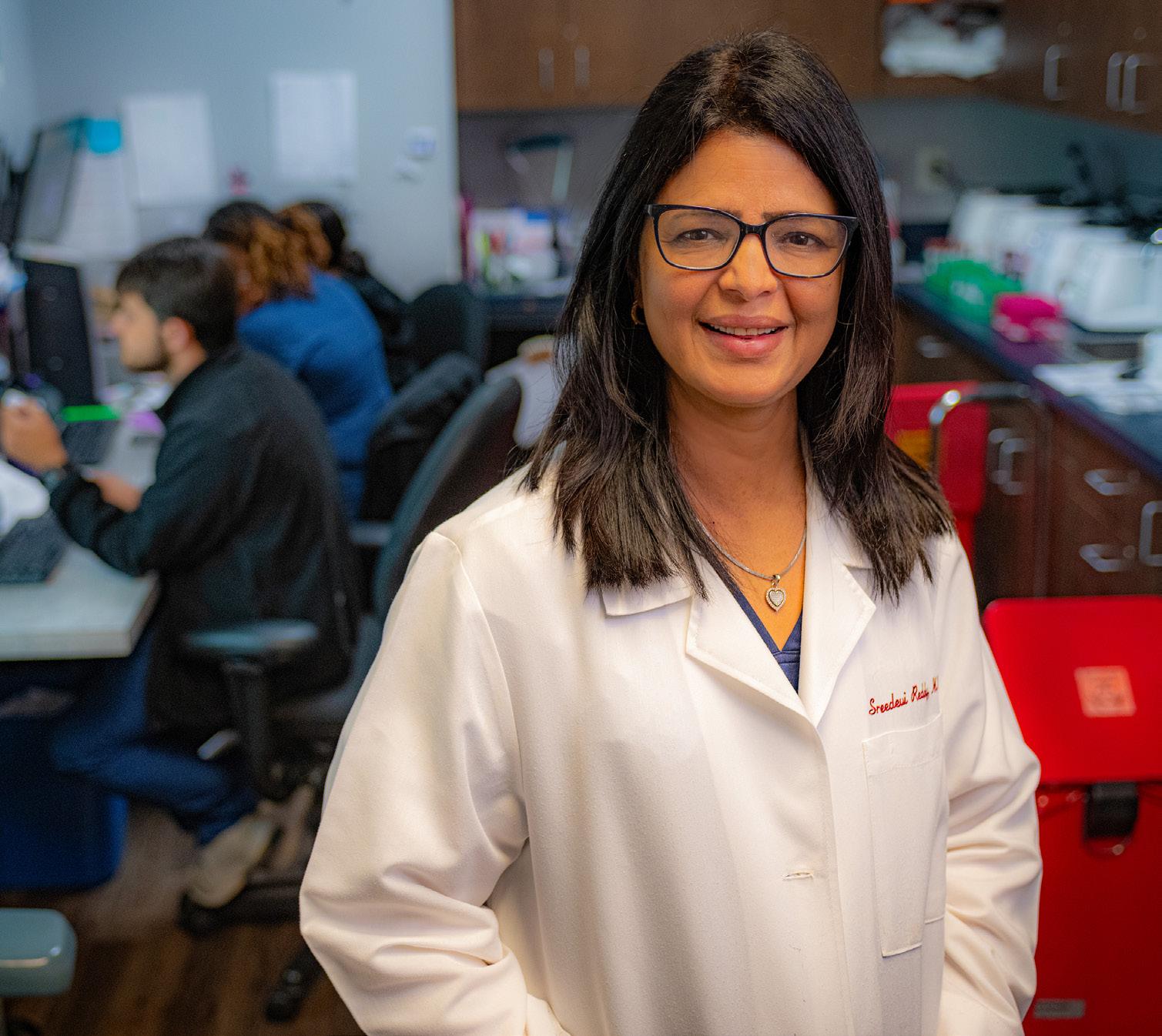
“Since joining in 2003, the demand for endocrine care has grown substantially alongside the rise in diabetes and obesity,” explains Sreedevi Reddy, MD. “Our practice has expanded in both size and scope, integrating advanced diabetes technology, structured obesity programs, and broader subspecialty services.”
Growth, however, has required more than expansion. It has demanded precision in how care is delivered, coordinated, and experienced. From the administrative side, that precision is intentional and deeply embedded in the culture of the practice.
“Communication and consistency are at the core of everything we do,” says Kelly Howell, office manager. “We rely on daily huddles, clear workflows, and cross-training to ensure every team member understands their role in delivering an exceptional patient experience. Compassion extends beyond clinical care. It’s reflected in how we schedule, how we communicate, and how we support one another throughout the day.”

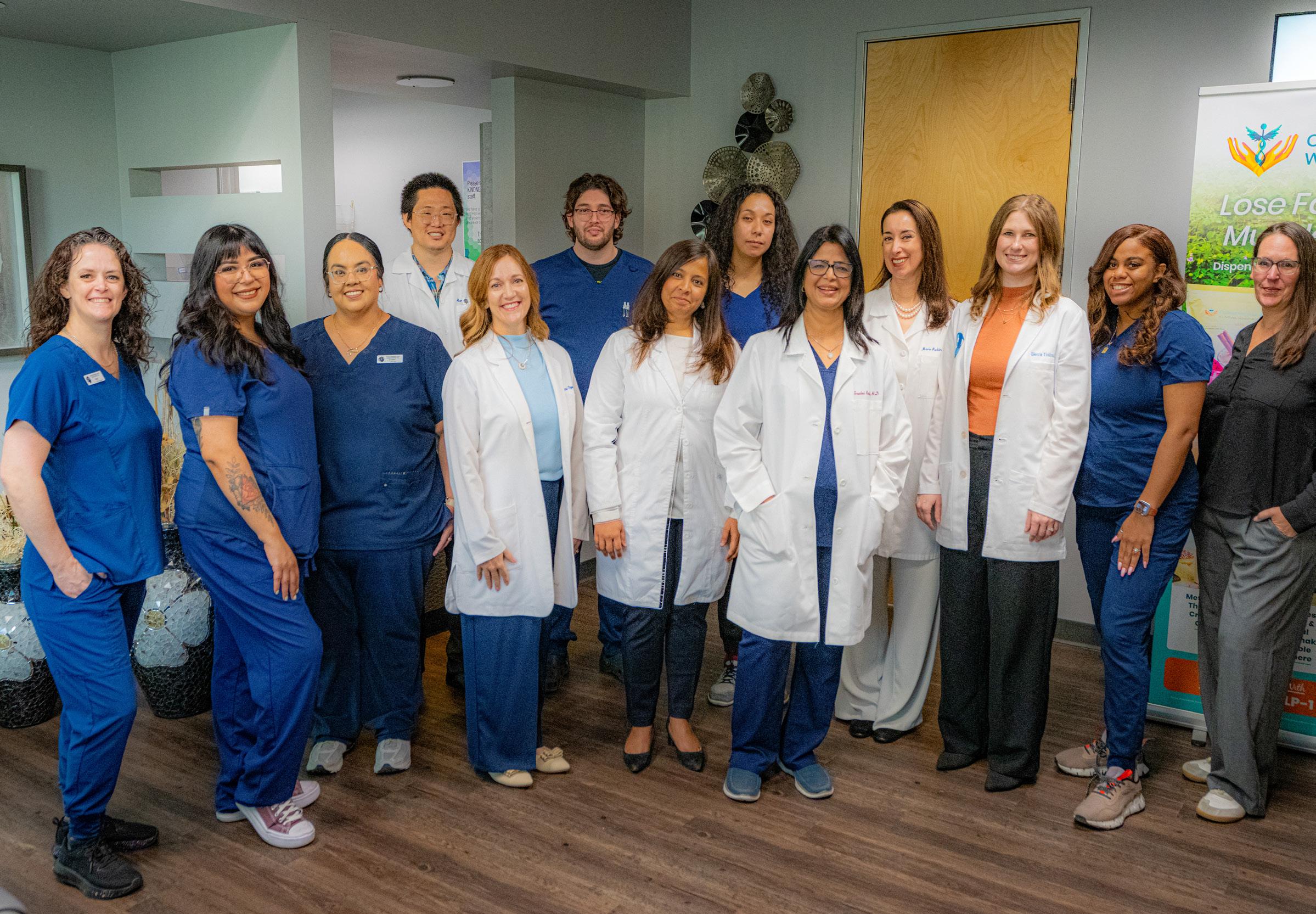
This alignment between clinical philosophy and operational execution allows Endocrinology Associates to function as a cohesive whole rather than a collection of individual providers. It has also enabled the practice to scale without losing its identity.
“As we have grown and added more providers, we have had to continuously refine how we operate, from scheduling to communication,” Howell notes. “Overall, growth has been about finding the right balance between expanding and maintaining efficiency and quality of care.”
For physicians, that balance is felt most acutely in the ability to focus on patient care without being overwhelmed by administrative demands. Howell and her team have made that a priority. “We are very intentional about reducing administrative burden for our providers,” she says. “We do this through thorough pre-visit planning, strong support from medical assistants,
Many endocrine disorders intersect with life stages, pregnancy, menopause, aging, or gender transition.
“ ”
and streamlined documentation processes. This approach lets doctors spend more time with patients and focus on the care that truly matters.”
That time is essential in a field where diagnosis often requires synthesis rather than immediacy. “What is compelling now is the complexity, diabetes, thyroid disease, pituitary disorders, metabolic bone disease, each requiring thoughtful interpretation and the long-term partnership with patients which are deeply rewarding,” Dr. Reddy says. “I often feel like a detective, gathering data and correlating it with symptoms before developing a plan. That continuity of care is what makes the field so fulfilling.”
Continuity depends on access, something that is notoriously difficult to maintain in a specialty characterized by time-intensive visits and rising demand. Endocrinology Associates has

addressed this challenge through deliberate operational design.
Howell explains. “For new patients, we have established processes to collect records and lab results in advance, ensuring providers are fully prepared for each visit, “Howell explains. “We also reserve dedicated new patient slots, which helps us improve access without overwhelming the schedule.”
Behind the scenes, a network of systems supports that access. “Our operations rely on structured systems to ensure care runs smoothly,” she continues. “Referrals are carefully tracked, and our scheduling team prioritizes appointments based on clinical need. Patient portals, reminder systems, and follow-up workflows help us stay connected outside of visits. Together, these processes maintain continuity of care while keeping the patient experience seamless and efficient.”
The result is a practice that functions with both flexibility and consistency. It is standardized where necessary and adaptable where beneficial.
That consistency is particularly important in a specialty that often requires lifelong management. “Trust begins with listening,” Dr. Reddy emphasizes. “I ask patients to identify their top concerns and prioritize education so they understand both their condition and the rationale behind decisions.”
Over time, that trust evolves into partnership. “Consistency matters,” she reiterates. “Many endocrine disorders intersect with life stages, pregnancy, menopause, aging, or gender transition. When patients know their physician will guide them through those transitions, relationships evolve into true partnerships.”
This partnership is critical in the management of chronic metabolic disease, particularly obesity. Long misunderstood and often stigmatized, obesity is increasingly recognized as a complex condition that demands both scientific rigor and clinical empathy.
“In obesity medicine, I use a complication-centric approach,” Dr. Reddy explains. “We are not simply treating
weight, we are addressing cardiometabolic risk, insulin resistance, sleep apnea, joint disease, and quality of life.”
Advances in pharmacotherapy have accelerated this shift. “In obesity medicine, highly effective pharmacotherapies have reframed obesity as a chronic, biologically driven disease rather than a lifestyle issue,” she says. “The development of oral non-peptide therapies represents another important step forward.”
Even with these advances, engagement remains a challenge shaped by social, economic, and psychological factors. “Most patients are receptive when they feel supported rather than judged,” Dr. Reddy notes. “The major challenges are time, stress, socioeconomic barriers, and weight stigma.”
Addressing those barriers requires both clinical insight and structural support. The practice has embedded this approach through its Cornerstone Wellness program. “The goal of Cornerstone wellness is to help
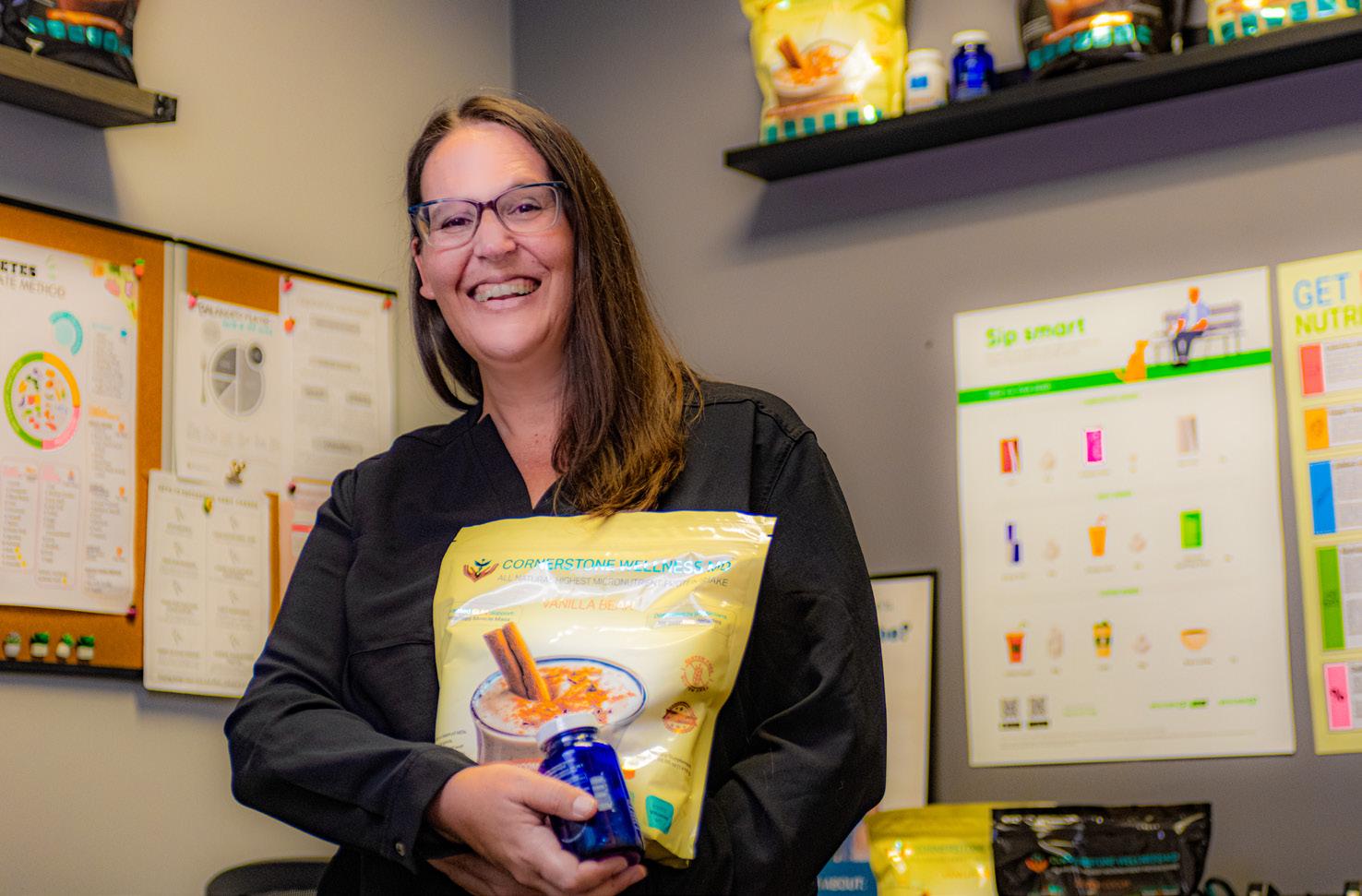
“We are very intentional about reducing administrative burden for our physicians and non-physician practitioners,” states Kelly Howell, Office Manager.
patients achieve life time management of healthy body composition,” she explains. “It is more about Fat Loss and Muscle maintenance. One gram of protein per lb. of lean body mass, Regular monitoring of Lean body mass/body fat. Our goal is to enroll the patients into the CW program at least for initial consultation in who are interested in diabetes management or weight loss or insulin resistance.”
Programs like Cornerstone reflect a broader shift toward proactive, preventive care. This approach is reinforced by technological innovation. “Technology has dramatically transformed how our office operates on a day-to-day basis,” Howell says. “Our EHR, patient portal, and secure texting platform have greatly improved communication, access to information, and overall efficiency. Overall, these tools streamline workflows, reduce administrative burdens, and help us deliver higher-quality care.”
The integration of newer tools has further enhanced this model. “We have improved efficiency and patient care by using AI and digital tools to collect
In endocrinology, change often happens gradually, seeing that transformation over years is deeply fulfilling. “ ”
patient information ahead of visits, making appointments more focused and meaningful,” Howell adds. “We also implemented automated reminders and tracking systems, which have reduced no-shows and helped patients stay engaged with their care plans.”
On the clinical side, innovation continues to reshape what is possible. “In diabetes, continuous glucose monitoring (CGM) and hybrid closed-loop insulin systems have transformed daily management,” Dr. Reddy notes. “GLP-1 receptor agonists and dual incretin therapies have significantly improved outcomes in both diabetes and obesity.”
She is equally optimistic about what lies ahead. “I am particularly excited about next-generation incretin therapies in obesity and diabetes, continued advancement in continuous glucose monitoring and automated insulin delivery, personalized risk prediction using metabolic and genetic markers, and expansion of telehealth and digital tools that improve access,” she says. “These innovations allow us to move toward more proactive and individualized care.”
As the tools of care evolve, so too does the patient population. “We are seeing a clear trend toward an aging patient population, with more individuals managing multiple chronic conditions,” Howell observes. “That is increasing the need for coordinated, long-term care and a stronger focus on prevention, patient education, and support services like remote monitoring and telehealth.”
Meeting those needs requires not only internal coordination but external collaboration. “We stay closely connected through our referral network and ongoing communication with primary care providers,” she says. “We see ourselves as part of a larger care team, and that collaboration is essential to delivering the best outcomes for patients.”
Within the practice, that same ethos of collaboration defines the team-based model of care. “A team-based model means that physicians, nurse practitioners, physician assistants diabetes educators, medical assistants, and administrative staff all play defined roles in care coordination,” Dr. Reddy explains.
Howell notes this is also a key factor in retention. “People stay where they feel valued,” she says. “We prioritize creating a supportive, respectful environment where every contribution is recognized. There’s a strong sense of teamwork, with providers and staff working closely together.”
For a field defined by long-term engagement, that stability matters. It sustains not only the practice, but the relationships at its center.
“I try to acknowledge openly that endocrine disorders are not just laboratory abnormalities,” Dr. Reddy reflects. “Hypothyroidism affects cognition and mood. PCOS affects fertility and body image. Obesity carries societal stigma. Gender dysphoria affects identity and mental well-being. Patients need to feel seen beyond their lab values.”
That perspective unifies the clinical and operational sides of Endocrinology Associates. It allows a complex, growing practice to remain grounded. The work is to see and support patients over time.
“In endocrinology, change often happens gradually,” Dr. Reddy says. “Seeing that transformation over years is deeply fulfilling.”
At Endocrinology Associates, that gradual transformation, clinical, operational, and human, is not only the work. It is the measure of it. ■
By Dominique Perkins Associate Editor Arizona Physician azphysician@mcmsonline.com
BY
Founded in 1971
4 Physicians
6 Nurse Practioners
8 Physician Assistants
1 Certified Health Coach
66 Total Employees
Services Offered
Radio Frequency Ablation (RFA) of Thyroid nodule, Diagnostic Thyroid Ultrasonography, Fine needle Aspiration of Thyroid nodule & neck lymph nodes, Preoperative lymph node mapping, Postoperative Wide Field Ultrasonography, Percutaneous Ethanol Injection (PEI) ablation therapy, Bone Density with Trabecular Bone Scoring (TBS), Diagnostic Continuous Glucose Monitoring (CGM), Eversense 365, Glucometer downloading and interpretation, Insulin pump training, FibroScan, Comprehensive Wellness and Weight Management Program, High-complexity, CLIA-certified routine and subspecialty laboratory services including Dynamic testing
Conditions Treated
Adrenal Dysfunction, Adrenal Tumors, Dyslipidemia, Menopausal Hormone Replacement Therapy, Obesity Management, Osteoporosis Treatment, Parathyroid and Calcium Disorders, Pituitary Gland Disorders and Pituitary Tumors, Polycystic Ovarian Disorder, Testosterone Therapy, Thyroid Dysfunction, Nodules and Thyroid Cancer, Transgender Management-Gender Affirming Therapy, Treatment for Type 1 & 2 Diabetes
2 Locations
Scottsdale, Chandler
Connect with Endocrinology Associates endoassocaz.net | 602-266-8463
In a field long defined by diagnosis and decline, Dr. Tasha Powell is asking a different question: What if neurology could intervene before the damage is done?
It is a question born not of abstraction, but of experience. Years spent at the highest levels of clinical neurology have placed her at the intersection of complex disease and elite human performance. It is also the question that led her to build Longevity Neurology Center, a practice grounded in a deceptively simple premise: that the brain, given the right conditions, is far more resilient than we have traditionally allowed it to be.

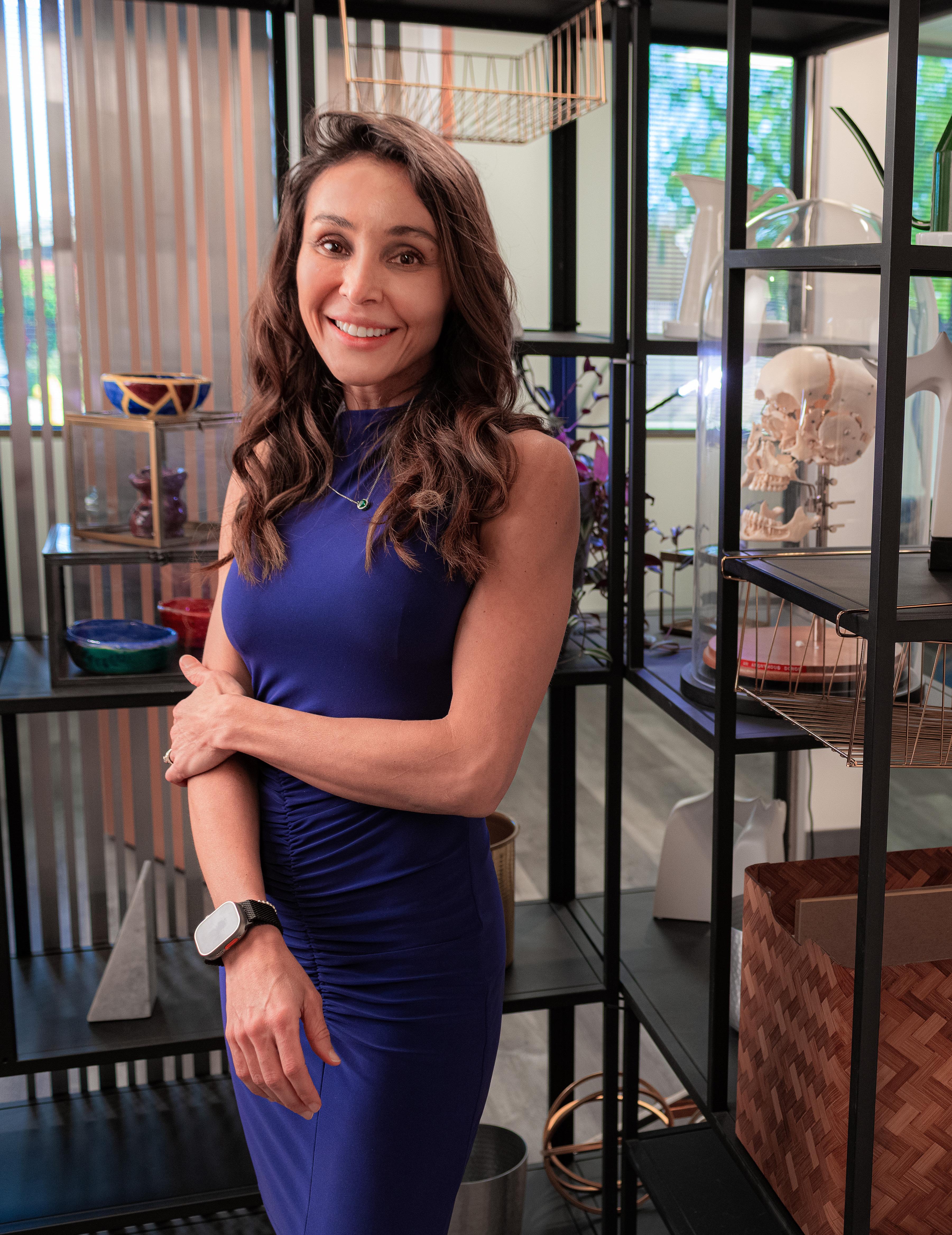
“Neurology is really good at diagnosing and assessing people who have neurologic disease and treating once the damage has been done,” Dr. Powell said. “But what we learned over time is that… if you live a certain way and do a certain subset of things, you can effectively prevent or even at least delay a lot of our neurologic disorders.”
That shift, from reaction to prevention, sits at the center of her work.
Dr. Powell’s model challenges the structural realities of modern healthcare.
Traditional neurology, like much of medicine, is organized around disease states, billing codes, and thresholds that must be met before care is initiated. Her practice operates outside that framework.
“By me not accepting insurance, it also actually makes me more free, makes me more available to everybody that may need a neurologist, but doesn’t quite meet the diagnostic criteria to have a neurologic disease,” she explained.
The result is a different kind of patient population, one that exists in the margins of traditional care.
“My favorite patient would be the worried well patient,” she said. “Those are the patients that either don’t have anything neurologic, or they have just mild neurologic symptoms that are just barely on the verge of becoming something.”
It is in that space, the space before diagnosis, that Dr. Powell sees the greatest opportunity. Her work is rooted in the understanding that many of the most devastating neurological conditions do not begin at the moment of diagnosis, but decades earlier.
The prodromal phase for Alzheimer’s, dementia, Parkinson’s, or even stroke can build up for 10, sometimes even 20 years prior, she explained.
This window, often invisible to both patient and physician, represents what Dr. Powell calls her “favorite window.” It is where subtle symptoms such as constipation, sleep disturbance, and mild anxiety
“We have to meet the soldier, the patient, or the client where they are at.”
may signal deeper neurological processes. It is also where intervention can be most effective.
“Our approaches and our recommendations for lifestyle, motivation, and empowerment for our patients are preventative for Parkinson’s, Alzheimer’s, stroke, migraines, and they’re actually going to decrease your risk for heart disease,” she said.
In this way, preventative neurology becomes something larger than neurology itself. It becomes a framework for whole-body health.
Underlying Dr. Powell’s approach is a belief in the brain’s capacity to adapt, recover, and endure. This belief was shaped in part by her time as an active-duty neurologist.
At Walter Reed, she treated both ends of the human spectrum. She cared for patients with catastrophic injury and those operating at peak performance. The experience left a lasting impression.
“There’s no more resilient human being than a military soldier, truly,” she said.
She recalls patients who had suffered devastating injuries, including amputations and traumatic brain injuries, and yet demonstrated an extraordinary ability to rebuild.
“Instead of losing their sense of who they were, they picked right back up,” she said. “They’re so quick to say, give me those assistive devices, let’s get our prosthetics on and get back to doing my job.”
What drives that recovery, she argues, is not solely physical intervention, but perspective.
“No matter the deficits, no matter the damage, I can pick myself back up and come back to the new norm that I have,” she said. “I would say it’s the perspective that helps the neuroplasticity.”
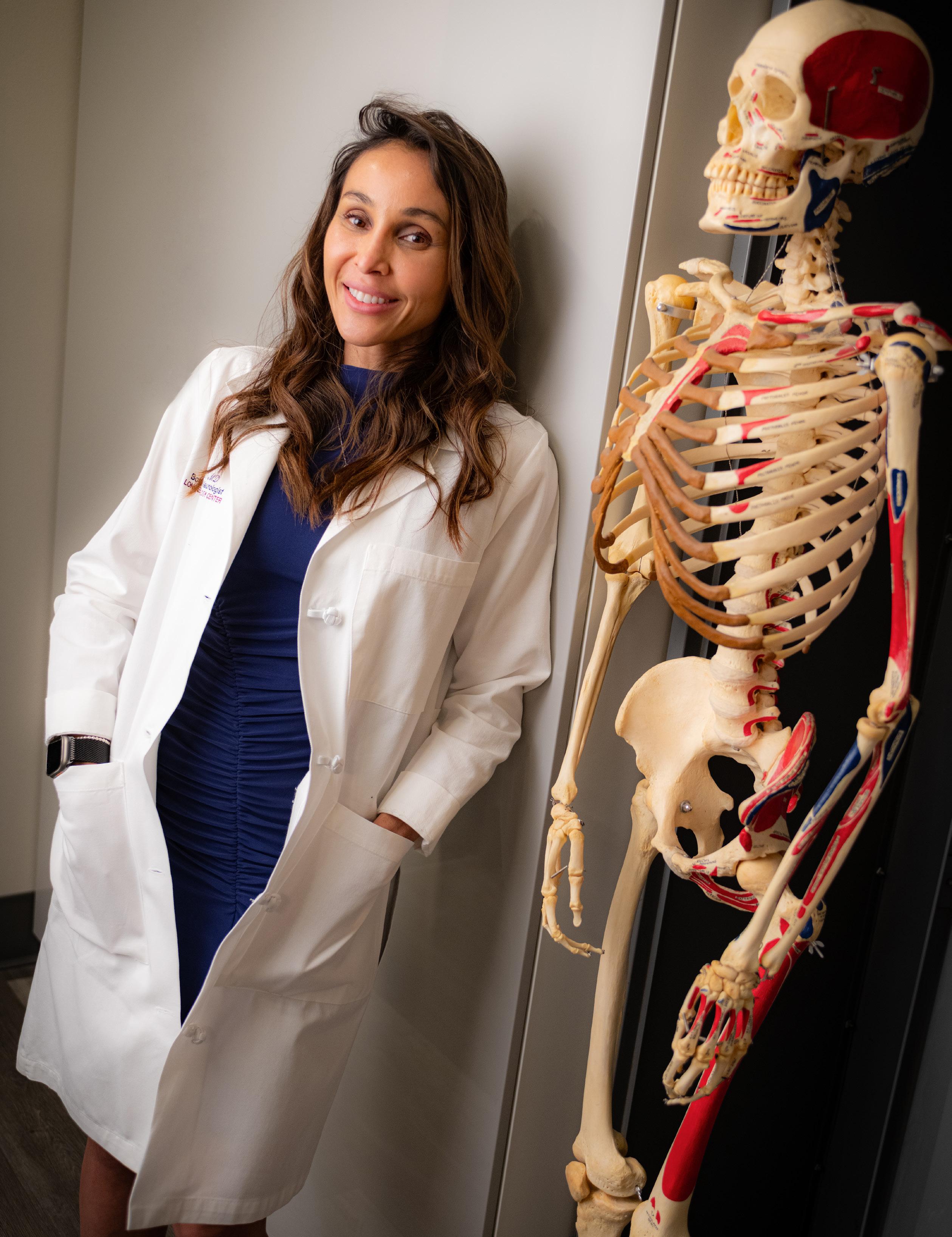
This interplay between mindset and biology is central to Dr. Powell’s philosophy. Neuroplasticity is not a fixed capacity. It is something that can be cultivated.
“It took all of those modalities together,” she said, describing the stepwise rehabilitation process. “We ask, what is your goal, and how many steps do we need to take to get you to reach that goal.”
It is a model she now applies in her own practice, translating lessons from extreme recovery into everyday care.
If the brain is resilient, it is also vulnerable, particularly in the face of chronic and cumulative stress.
Because the brain doesn’t break stressors into categories and sources, Dr. Powell emphasized.
‘It just perceives the neurochemical, neurohormonal response to the stress, whether it’s work, life, health…politics, the news. Whatever the stress is, the outcome is always the same,” she said.
That outcome is familiar: anxiety, brain fog, poor sleep, and mood instability. What matters, then, is not eliminating stress, which is impossible, but learning to manage it.
Her prescriptions are both practical and philosophical. They include boundary-setting, intentional self-care, and the strategic use of what she calls “micro-stressors.”
“Anytime we go into an exercise component, we’re getting a fight or flight response,” she said. “It’s almost like you’re having a micro-stress, but you are enjoying the stress because you’re creating it for yourself, and there’s an endpoint in sight.”
“Heat exposure in a sauna, cold plunges, these are micro stressors that we have full control over.”
Equally important is the cultivation of stillness.
“That quiet time, the meditative, reflective, prayer time… teaches you how to quiet down in times of peak stress as well,” Dr. Powell said.
“You control what you can, and then you have to let go what you cannot control and then find ways to become resilient to handle those things.”
In an era defined by constant input, this may be one of the most difficult practices to maintain.
“We’re busier than ever,” Dr. Powell said. “And this is the time that we need to be able to pause more than ever.”
Practicing in Arizona has given Dr. Powell a unique vantage point on the intersection of environment and neurological health. The state’s abundance of sunlight offers clear benefits, but also unexpected challenges.
“I never had reason to think about vitamin D deficiency in a sunshine state until I moved here,” she said. “But I am getting about 40 to 60% positivity for low vitamin D,” she noted of her patients.
The paradox is striking. The reasons are behavioral and cultural. Heat avoidance, indoor living, and overprotection from sun exposure all contribute. And, in addition to a lack of natural vitamin D, building a habit of fully avoiding the outdoors also removes distinctly positive benefits of plants, trees and other natural elements known to assist in restoring cognitive resources and regulating emotion.
Her observations extend beyond sunlight to include air quality, noise pollution, and sleep disruption. These are factors that often go unnoticed but carry measurable neurological consequences.
“You’re waking up thinking you had a great night of sleep, but your cognitive functions are down by 20%,” she said. “Because you actually did not get a good night of sleep.”
These insights reinforce a central tenet of her work. Brain health is not determined by a single factor, but by a constellation of influences, many of them changeable.
For Dr. Powell, the goal is not immortality. It is function.
“The goal from a neurologic standpoint is to optimize functional independence for as long as we can,” she said. “The true happy 85-year-old is the one that is living on their own, they’re cooking their food, they have

meaningful relationships… and they can still do these things without much assistance.”
It is a vision of aging that prioritizes quality over quantity and autonomy over extension. It is supported by remarkably consistent evidence across diseases, including those classified as the top 5 killers in the US: cardiovascular disease, heart disease, strokes, Alzheimer’s, dementia, and cancer.
“The same stuff that we do to prevent Alzheimer’s dementia… to prevent stroke… to prevent cardiovascular disease… it’s just so beautiful that if you live a life of longevity you can take care of all these top 5 killers,” she said.
Her recommendations echo those found in longevity research but are grounded in clinical observation. They include routine, nutrition, movement, and social connection.
“Routine doesn’t mean you have to be dogmatic, and every day has to be 100%,” Dr. Powell clarified. But a general sense of pattern and consistency regarding meals, rest, activity, and daily life carries significant neurological impact.
“I give myself grace,” she said. “You have to listen to your body.”
Routine, rich traditions surrounding quality plant-based foods, cultivating strong interpersonal
and familial relationships, and a priority for consistent movement and activity are all factors common among the classified “blue zones” of the planet.
Dr. Powell adds one additional and essential element to the list: reflection.
“Have that quiet time,” she said. She holds up her smartphone, “You have to not have this 24-7.”
In the end, Dr. Powell’s work circles back to something both intangible and foundational: hope. In her experience, the patients who recover, adapt, and thrive despite adversity are those who can reframe their circumstances.
“Perspective is having hope when all hope is lost,” she reflected.
That perspective, she suggests, is not innate. It can be cultivated, reinforced, and supported through care models that recognize the full complexity of the human brain, and acts not only at the moment of crisis, but in the long, quiet years before it. ■
By Dominique Perkins Associate Editor Arizona Physician azphysician@mcmsonline.com
What stands out most in Marcela Testai, MD, MPH, MBA, MA,’s story is not a single defining decision, but a pattern: a quiet, unshakable confidence that she would find a way forward, no matter how unlikely the path appeared at the outset.
In those early years, her trajectory gave little indication of where she would ultimately land. What followed was not a straight line, but a remarkable evolution shaped by resilience, intellectual curiosity, and an enduring belief in her own capacity to adapt and excel.


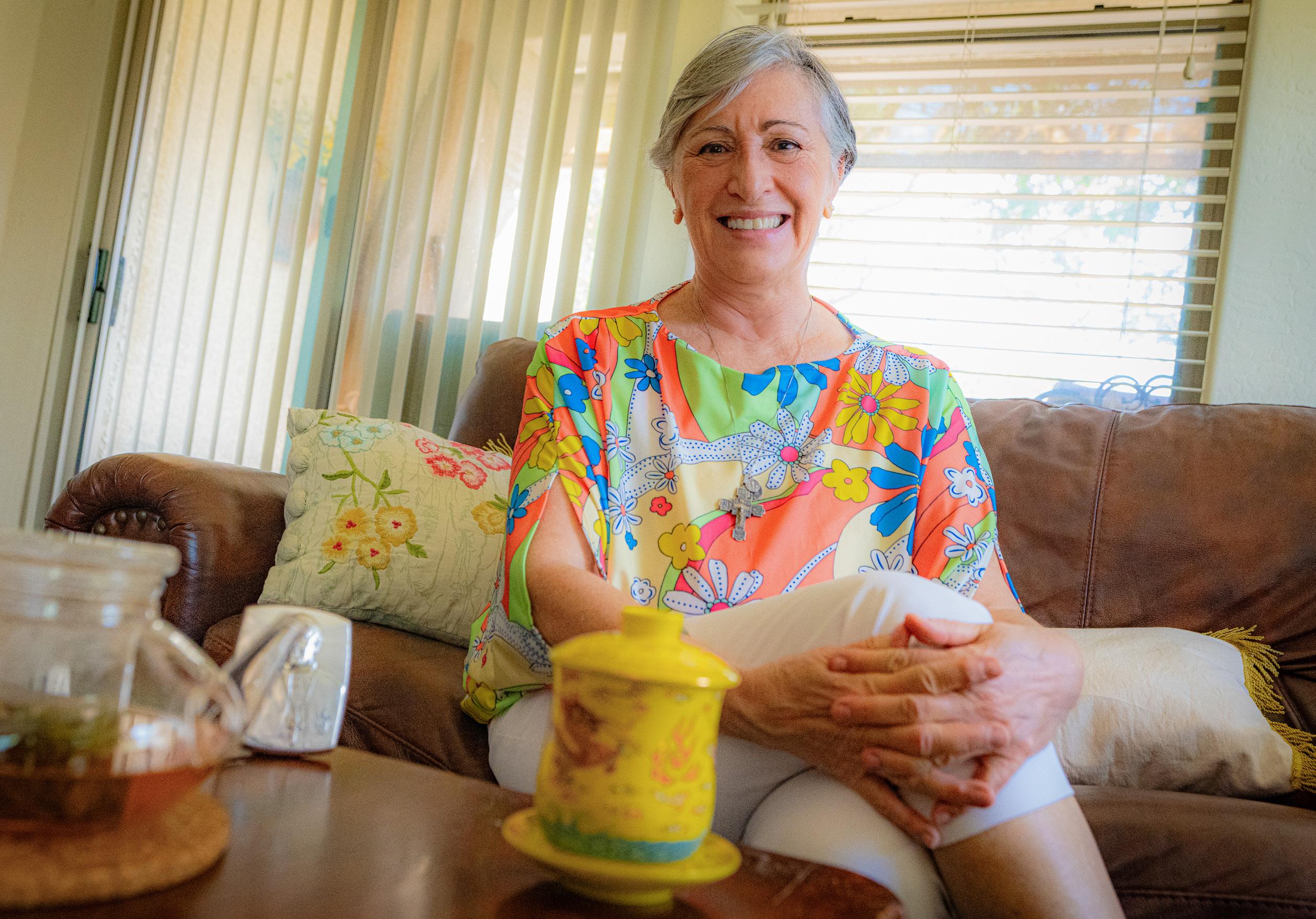
Dr. Marcela Testai’s decision to pursue medicine was not born solely of admiration for the profession, but from a deeper philosophical unrest. Even at a young age, she was drawn to questions that resisted easy answers—questions of meaning, mortality, and moral responsibility.
“I was very prone in high school to philosophy, logic, as subjects,” she said. “I belonged at that very young age to that current called existentialism.”
Her early intellectual formation was shaped as much by inquiry as by tension.
“Although I had a Catholic education, I was very angry with God, thinking our life was taken away from us,” she said. “I thought that was a very cruel and unfair thing to do once we were shown the beauty of life.”
Out of that tension emerged a sense of purpose that was, by her own admission, idealistic, but deeply sincere.
“And so, I decided to be a physician to fight death,” Dr. Testai said. “Idealistic, I know!”
She attended medical school at the University of Buenos Aires and completed her residency in Dermatology. Yet even as she established herself within the field, she found herself increasingly at odds with the direction it was taking.
After four years, she grew frustrated by the gap between what she valued— research, complex conditions such as leprosy and epidermolysis—and what the broader industry emphasized.
“I wasn’t happy,” she said.
Rather than remain in a field that no longer aligned with her values, Dr. Testai made the first of many decisive pivots. This time, she approached the decision with both introspection and pragmatism, seeking a specialty that would satisfy her intellectual curiosity while also offering stability.
She found that balance in anesthesiology.
“I liked that it felt very holistic, touching on all systems of the body,” she said. “So I said, wow, and I got in there! And I just loved it!”
The transition required not only technical retraining, but a willingness to begin again within a new discipline. It was a challenge she embraced fully.
“I went to a fabulous medical residency, super rigorous,” Dr. Testai said. “I said, if I can pass this, I can do anything.”
That realization, hard-won and deeply internalized, would become a defining throughline in her life.
After completing her training, she moved into pain and palliative care within anesthesiology, a field that brought her into close proximity with some of medicine’s most profound moments.
“It blended suffering and being there for the patient at their last moments of their life,” Dr. Testai said. “It was very much a privilege to me, to know I was there when they were gone into another life, that transition.”
For more than a decade, she practiced in this space, building a career grounded in both technical precision and human connection. But forces beyond her control would ultimately disrupt that path.
I was 45. You can start over any time, anywhere, I never had a doubt, I never looked back or regretted it.
Dr. Testai on leaving her home country of Argentina.
Argentina’s escalating financial and political instability created conditions that made it increasingly difficult to continue her work. Faced with limited options, Dr. Testai made a decision that would redefine the course of her life: she left her home country.
“I was 45. You can start over any time, anywhere,” she said. “I never had a doubt, I never looked back or regretted it!”
When she arrived, she carried with her years of medical training, multiple languages, and a clear sense of purpose—but few immediate opportunities to practice medicine.
“I arrived in the US in September 2002 with $200 in my pocket,” she said. “I had to sell everything I had to buy the one-way airplane ticket to Tribune, Kansas.”
The only opportunity available was not in a hospital or clinic, but in a classroom.
She was hired to teach high school Spanish within the Greeley County school system. It was a role far removed from the operating room and the bedside, but one she approached with the same seriousness and commitment that had defined her medical career.
While teaching, Dr. Testai volunteered as a Spanish court interpreter for the local court system.
Interpretation, she discovered, demanded far more than fluency. It required precision, ethical judgment, and a deep understanding of context— skills that closely mirrored those she had developed in medicine.
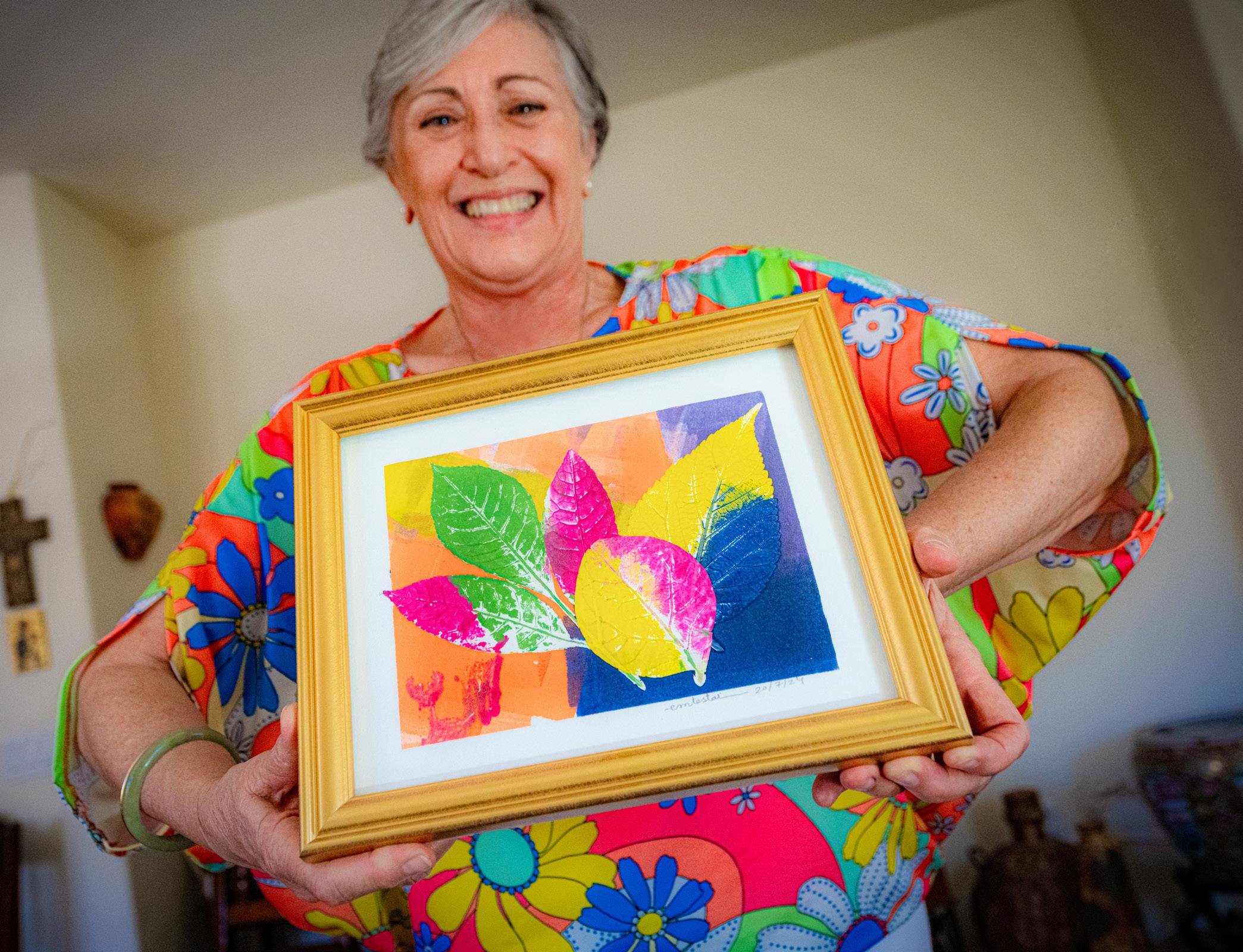
“It was so much fun,” Dr. Testai said. “I love Kansas, those are the best people ever.”
Her growing expertise led her to pursue formal training, and she enrolled in a certification program at the University of Arizona in Tucson. Upon completion, she identified an opportunity with the Maricopa County Superior Court.
The move brought her to Arizona, where interpretation became not just a skill, but a profession—one that would once again place her at the intersection of language, ethics, and human experience.
“And that was that,” she said.
Legal interpretation presented its own set of challenges. The work exposed her to the complexities of the justice system, including moments of tension and adversity.
“It was a learning experience” she said. “I went through a lot of hatred.”
“But I just kept going, and I’m still thankful,” she said. “Public defenders are beautiful, idealistic people, most of them.”
It was during this chapter that another unexpected opportunity emerged that would bring her back into a medical setting. A position opened at Phoenix Children’s Hospital for a translation coordinator, and Dr. Testai stepped into the role, bringing with her a rare combination of clinical knowledge, linguistic expertise, and ethical sensitivity.
Over more than a decade with the organization, she helped shape and elevate medical interpretation services, ensuring that communication between providers and patients was not only accurate, but meaningful.
Her work extended beyond language alone. She became deeply involved in bioethics, serving on the hospital’s Bioethics Committee and contributing to discussions that required careful deliberation and moral clarity.
“What an experience,” she said. “Almost every specialty could participate, so I could go in as a translator, and that is where I started to develop a more official role in bioethics.”
Her work extended beyond language alone. She became deeply involved in bioethics, serving on the hospital’s Bioethics Committee and contributing to discussions that required careful deliberation and moral clarity.
For Dr. Testai, this intersection—medicine, language, and ethics—represented not a departure from her original calling, but a continuation of it in a new form.
Her intellectual curiosity continues to drive her into new areas of exploration. Most recently, she has obtained a master’s degree in hypnosis therapy, studying its clinical applications and potential integration into medical care.
“I have always tried to ask what I can do in medicine,” she said.
Intrigued by the intersection of hypnosis and anesthesiology, she is now exploring ways to collaborate with physicians to bring this modality into patient care.
Her commitment to service extends beyond clinical and academic work. She currently serves on the board of StatuteFINDER.org, a nonprofit founded by her son, a biomedical engineer.
After experiencing domestic violence, he developed an AI-driven platform to help individuals identify legal protections, access resources, and navigate pathways to safety.
“Once he was out, he said, this has to be for the world, for everybody to use it,” Dr. Testai said.
The platform now serves as a tool for survivors, helping them recognize abuse, understand relevant laws, and connect with the support systems they need.
With each challenge she has faced and overcome, her confidence has only deepened—not as certainty in outcomes, but as trust in her ability to navigate whatever comes next.
“This may seem horrible, but I feel unstoppable,” she said. “I always had this confidence that I would land in the best place that I could.”
Over time, that confidence has also evolved into a renewed sense of faith.
“I started to believe in Him, which took many years,” she said. “I know we are placed in the best place to do something that God needs us to do.”
Her story is not defined by a single career, country, or title. It is defined by movement—across disciplines, across borders, and across ways of understanding what it means to practice medicine. ■
By Dominique Perkins Associate Editor Arizona Physician azphysician@mcmsonline.com


Many have probably heard the term “microaggression” and deduced from the word itself that it refers to a small infraction towards someone else. Broadly speaking, this is true, but it more specifically refers to such an action that when made, whether intentionally or not, acts to disempower someone of a minoritized group. The term was coined in the early 1970s by
“One of many reasons we should take interest in this topic is the implications it has for our health. Microaggressions have been observed to cause equal or greater stress than overt discrimination.”
Dr. Chester Pierce, a Harvard psychiatrist, to describe small but damaging indignities experienced by African Americans. However, comments or related behaviors may be referred toward a person or people based on their gender, sexual orientation, disability, socioeconomic status, religious affiliation, country of origin, or any other factor placing them in a minoritized group. Additionally, some individuals may belong to multiple minoritized groups and potentially have even more significant exposure to microaggressions. Some examples might be comments asking where someone is “really” from or implying that someone is only in a position to fill some quota of diversity at a school or workplace. One of many reasons we should take interest in this topic is the implications it has for our health. Microaggressions have been observed to cause equal or greater stress than overt discrimination. At first glance this may seem counterintuitive, but it is a reminder that the everyday small things potentially impact our mental health to a greater degree than less frequent but more intense events. The impact of microaggressions has been compared to a “death by a thousand cuts,” threatening the individual’s sense of identity. Beyond an increased frequency of experience, microaggressions may perhaps be more ambiguous, which some might use to wave away from their importance, but may in fact increase stress by creating doubt and unknown over what occurred. In doing so, microaggression may increase chronic strain on our bodies’ stress response systems. Greater exposure to microaggressions has been linked to greater anxiety, depression, anger, stress, and PTSD. Thus, it may not be surprising that
microaggressions have been associated with elevated blood pressure, sleep disruption, headaches, and gastrointestinal symptoms—some of the health issues many would associate with chronic stress. Microaggressions can occur anywhere, but two places worth discussing are schools and workplaces. In addition to health impacts already stated, college students of color exposed to racial microaggressions may have higher rates of problematic substance use. A female athlete may feel less belonging if others say her scholarship is only due to Title IX; a male athlete assumed to be better or worse at a specific skill due to his race may feel unseen. It is quite possible that the impact of microaggressions on mental health mediates, at least in part, the impact on overall health. Microaggressions may come from more than one source, including peers and teachers.
Beyond the discussion of impact on emotional health, microaggressions are associated with reduced academic performance and overall well-being. This can reduce likelihood of graduating on time (or at all). Similar impact can be seen in the workplace, with consequences including reduced job satisfaction or work engagement, and increased intention to quit. Burnout is a commonly discussed concept, and refers to chronic physical, emotional, and mental exhaustion caused by unmanaged and prolonged stress. Microaggressions are one factor that can increase the risk of burnout and thus should represent a target for reduction of burnout and increasing retention in the workforce. They also may be embedded in a structural sense, for instance the wage gap between male and female salaries, which is influenced further by race and other factors.
With this discussion around mental health and microaggressions it is worth highlighting another group that might be subject to microaggressions— individuals with mental illness or other mental health struggles. Society has become increasingly accepting of the idea that mental illness is illness, but many would agree that there is still work to be done in this respect. It is possible that if one receives conflicting societal messages around mental health, that experiencing microaggressions around mental health could evoke the stress and ensuing symptoms discussed in
previous paragraphs. This is a subtopic in the microaggression discussion that continues to merit further investigation.
If microaggressions are a subtype of discrimination, and thus a social determinant of health, then the next question should be how we as individuals and as a society can intervene. It may be useful to consider an individual, immediate environment, and larger environment infrastructure to organize our thoughts. At the individual level, one can increase their awareness and education on this topic in order to understand what microaggression is and the impact it can have. Many individuals will at different moments in their lives be both the perpetrator and victim of a microaggression. If you find you have committed a microaggression, acknowledging what occurred and apologizing can help with repair and supporting the individual to whom the behavior was made. If you are the victim of or witness to a microaggression, if it feels safe to do so you can state that you find the behavior unacceptable, targeting the behavior rather than the person. If it does not feel safe to do so or you did not feel ready to respond in the moment, know that
“If microaggressions are a subtype of discrimination, and thus a social determinant of health, then the next question should be how we as individuals and as a society can intervene.”
it is important to process the emotions felt. Peer support, mentorship, and building coping strategies can help individuals manage psychological stress more successfully. In the immediate environment, whether it be a neighborhood, workplace, school, or other environment, culture can be shaped with the same message—microaggressions are common but harmful, so we can and will be better. There should also be advertisement of how one can respond or obtain support. In the larger societal environment, this message can help shape policy away from bias and discrimination and towards a more inclusive and healthier environment for all.
When we recognize a microaggression being committed, we should remember that even if the instance seems small, this is an opportunity to intervene, to stop a death by a thousand cuts. ■
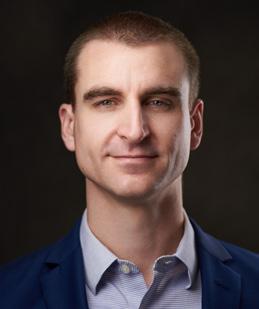
By Michael Bowen, MD Psychiatrist (Adult, Adolescent, and Sports) Choulet Performance Psychiatry DrB@chouletperformance.com

In clinical settings throughout Arizona, physicians render consequential judgments, navigating diagnostic complexity, therapeutic ambiguity, and human vulnerability with rigor and compassion. Beyond these environments, however, many encounter an unaddressed dilemma: converting substantial earnings into enduring financial security. Formal training seldom addresses this transition, leaving numerous clinicians unprepared for long-term wealth formation.
Although physician compensation ranks among the highest across professions, financial durability frequently remains elusive. Revenue generation alone does not ensure asset accumulation. Educational debt, deferred income trajectories, escalating expenditures, and evolving lifestyle expectations often
constrain progress. Concurrently, population growth and demographic aging intensify service demand, increasing workload without necessarily enhancing financial resilience. Productivity, therefore, does not equate to prosperity.
A paradigm shift is emerging among forwardthinking clinicians who now conceptualize themselves not solely as caregivers, but as stewards of enterprise and capital. This perspective prioritizes ownership, equity, and strategic participation in sectors aligned with professional expertise. Practice acquisition, healthcare real estate, and venture involvement represent avenues through which clinicians may engage more fully in economic expansion rather than remain confined to labor-based compensation.
Within this framework, financial infrastructure assumes heightened importance. Among its most underrecognized components is the institutional banking relationship. Optimal alignment extends beyond deposit management, encompassing access to capital, liquidity optimization, and strategic advisory integration.
Integro Bank exemplifies this model, serving as a comprehensive financial partner across the physician continuum, from trainees initiating careers to independent practitioners scaling operations, as well as hospital-based professionals and health systems managing complex fiscal environments. Through tailored lending, practice acquisition, expansion financing, and advisory services including digital banking solutions and wealth management, the institution facilitates cohesive financial strategy under a unified platform.
Such integration enables clinicians to transcend transactional interactions and cultivate enduring partnerships that support capital deployment, enterprise growth, and long-term sustainability. When effectively structured, this alignment permits investment in communities, advancement of care delivery innovation, and development of initiatives extending beyond clinical practice. Wealth, in this context, evolves from personal resources into generational and societal influence.
Arizona occupies a pivotal position characterized by economic expansion and healthcare

centrality. Physicians, situated at this intersection, are uniquely positioned to lead not only in clinical domains, but also in financial and strategic spheres. Professional identity, economic agency, and partnership selection collectively determine long-term impact. When harmonized, these elements foster autonomy, resilience, and enduring contribution within an increasingly complex healthcare landscape.
Integro Bank has been a relationship-driven financial institution with a white-glove approach and the preferred banking partner of the Maricopa County Medical Society, Arizona’s oldest medical association. As a comprehensive, one-stop financial partner, Integro provides an exclusive physician banking experience for MCMS members while also supporting independent practices, hospital-based physicians, health systems, and residents entering the profession. Through an integrated model of banking, capital access, and strategic advisory services, Integro meets medical professionals where they are, encouraging open dialogue with your banker to better understand your goals and needs, and empowers clinicians to build, scale, and sustain wealth locally and globally. ■

By Elaine Szeto, MBA Founder, Chief Innovation Officer Integro Bank elaine.szeto@integro.bank


Before I found myself testifying at the Arizona Legislature about vaccines, I was a criminal defense attorney. My job was to stand up in court, look a jury in the eye, and advocate fiercely for my clients.
I care deeply about justice, but I’d never planned to become an advocate for strong vaccine policies. But now I’m a parent of three and the Executive Director of Arizona Families for Vaccines, a proscience, pro-immunization grassroots political advocacy organization, working to protect evidencebased vaccine policy in Arizona.
Watching the explosion of misinformation about all vaccines during the pandemic was equal parts alarming and surreal. I’d spent years in a profession built around evidence, argument, and accountability. Yet suddenly I was watching elected officials and activists repeat claims that would not survive five minutes of cross-examination in a courtroom. As the anti-vaccine movement gained traction, fueled by pandemic-era misinformation and fear, I saw provaccine advocates outnumbered and out-maneuvered in hearings about increasingly alarming legislation. Stepping into that world at a time when emotions about vaccine laws ran so high was daunting. I walked
into rooms full of lawmakers, thinking: What exactly am I going to add here?
But something interesting happened once I started doing the work. I quickly realized that many of the loudest voices shaping vaccine policy were people with extremely strong opinions based on limited, or absolutely zero, experience in science or medicine.
And because they were willing to show up—run for office, testify in committee hearings, organize online, email legislators, and repeat their talking points loudly and often—they were filling the vacuum in legislative conversations. In policy debates, the people who show up shape the narrative.
We are still fighting this fight. Over the 2026 legislative session at the Arizona Capitol, I heard lawmakers repeat claims that it would be almost funny if they weren’t shaping real policy. Among them:
That the only reason we see outbreaks of disease is because of illegal immigration
mRNA technology is a “biologic weapon”
Hospitals should not be allowed to set mask or vaccine requirements to protect staff or patients
Schools should eliminate vaccine requirements entirely, even though we already have exemptions, leaving children without defense against serious and potentially deadly diseases
Schools should not be able to require children to receive antibiotics for infectious diseases, treat lice, or keep unvaccinated kids home during disease outbreaks
Officials should not be able to quarantine someone with diseases like tuberculosis
None of these ideas came from physicians caring for sick children. Most of them did not come from anyone with medical training at all. None came from the exam rooms where clinicians see the real-world consequences of infectious
“As the anti-vaccine movement gained traction, fueled by pandemic-era misinformation and fear, I saw provaccine advocates outnumbered and outmaneuvered in hearings about increasingly alarming legislation.”

disease. When a pediatrician explains what it looks like when a child is hospitalized with pertussis, or how quickly measles can spread through a classroom, the conversation shifts. Suddenly, the debate is no longer theoretical.
That perspective matters, and it’s needed urgently. Our lawmakers need to hear from credible experts now, and the public needs to see you there. Physicians carry a level of respect in public health conversations that is impossible to replicate. Your authority comes not from ideology, but from the deeply human experience of caring for patients every day and treating people who suffer the consequences of misguided vaccine policies.
My role is to help create opportunities for your voices, and the voices of your patients, to be heard in these critically important policy conversations. I think of you as superheroes, with the experience, courage, and opportunity to help. Will you answer the call? Come learn more by visiting our website azfamiliesforvaccines.org.
Advocacy does not require that you become a professional lobbyist or spend weeks at the Capitol. Sometimes it’s as simple as sending a short email to a legislator, signing onto a letter from a medical society, or spending a few minutes explaining what actually happens in your life when vaccine coverage drops in a community.
Arizona’s lawmakers will continue to hear from anti-vaccine activists. The question is whether they will also hear equally from the physicians who treat the consequences of these misguided policies before they place their votes. ■
By Ashley Chambers, JD Executive Director Arizona Families for Vaccines ashley@azfamiliesforvaccines.org


OVERVIEW | Arizona Advanced Surgery (AAS) provides patients with the highest quality surgical care and the latest surgical techniques. Surgeons at AAS deliver expert surgical care while minimizing disruption to patients’ lives. They routinely perform minimally invasive procedures that dramatically reduce risks and recovery time.
SERVICES AND CONDITIONS TREATED | Bariatric surgery, colon & rectal surgery, general surgery, laparoscopic surgery procedures, plastic surgery, robotic surgery, surgical oncology, trauma surgery, and vascular surgery.
NUMBER OF PHYSICIANS | 45
LOCATIONS | 14 offices in Chandler, Gilbert, Glendale, Goodyear, Mesa, Peoria, Phoenix, Scottsdale, and Surprise
MAIN OFFICE | 2945 S Dobson Rd, Mesa, AZ 85202 480-969-4138
WEBSITE | arizonaadvancedsurgery.com

OVERVIEW | Pediatrix physicians and staff focus on the overall well-being of children. They believe each child is a special individual; thus, they consider the specific needs of the child at each visit. Likewise, Pediatrix address parents’ concerns to help families meet the needs of their children. In cases of children with special needs, Pediatrix coordinates referral care from specialists to ensure the process of care moves smoothly for parents. Children not only experience special attention at Pediatrix; they also receive the finest medical care.
SERVICES AND CONDITIONS TREATED | Care of premature infants, care for children with special needs, adolescent care, ADHD management, pediatric nutrition & obesity prevention.
NUMBER OF PHYSICIANS | 8
LOCATIONS | 2 offices in Phoenix (Black Canyon & Happy Valley)
MAIN OFFICE | 15650 N Black Canyon Hwy, STE 100, Phoenix, AZ 85053 | 602-866-0550
WEBSITE | pediatrixmd.com

OVERVIEW | As the foremost urogynecology practice in Phoenix, Arizona, Valley Urogynecology Associates offers exemplary care to patients with urinary and gynecologic issues. Valley Urogynecology Associates emphasizes a strong quality of life for every patient. The team offers a variety of treatment options, from conservative nonsurgical care, like lifestyle changes and medication, to advanced treatments, including minimally invasive vaginal surgery and robotic surgery.
SERVICES AND CONDITIONS TREATED | Hysterectomies, urinary incontinence, thermiVA, overactive bladders, fecal incontinence, pelvic organ prolapse, sacral nerve stimulation, bladder Botox, Vesicovaginal fistula, vaginal suspension, rectovaginal fistula, robotic surgery, laparoscopic surgery, and urethral bulking.
NUMBER OF PHYSICIANS | 4
LOCATIONS | 1 office in Phoenix
MAIN OFFICE | 1616 E Maryland Ave, Phoenix, AZ 85016 602-788-1521
WEBSITE | valleyurogynecology.com

OVERVIEW | The doctors at Vascular & Interventional Partners are renowned in the Phoenix area for their knowledge and specialized procedural skills. Our expertise comes from decades of combined experience treating some of the most complex medical conditions in Arizona. Our team’s commitment to improving the health and wellness of our patients has helped us become one of the most respected interventional radiology (IR) divisions in the state.
SERVICES AND CONDITIONS TREATED | Oncology, venous disease, neurovascular, men & women’s health, spine care, dialysis access, Gi interventions, arterial disease treatment, join pain treatment.
NUMBER OF PHYSICIANS | 7
LOCATIONS | 2 offices in Scottsdale and Avondale
MAIN OFFICE | 22455 N Miller Rd #B100, Scottsdale, AZ 85255 | 480-613-3445
WEBSITE | vipinterventional.com
OVERVIEW | Valley ENT is a multi-practice physician group that specializes in otolaryngology, allergy, audiology, and facial plastics. No matter the ear, nose, and throat problem, the physicians and providers at Valley ENT can take care of the problem with expertise and care.
SERVICES AND CONDITIONS TREATED | Adult ENT services, allergies & asthma, facial/cosmetic surgery, snoring & sleep apnea, dizziness & balance, head & neck cancer, swallowing & speech issues, hearing loss & hearing aids, sinus conditions & nasal surgery, thyroid, parathyroid & salivary issues.
NUMBER OF PHYSICIANS | 37
LOCATIONS | 18 offices in Phoenix, Glendale, Chandler, Mesa, Scottsdale, Flagstaff, Green Valley, Sierra Vista, and Tucson
MAIN OFFICE | 9097 E Desert Cove, STE 250, Scottsdale, AZ 85260 | 480-614-0499
WEBSITE | azvent.com

OVERVIEW | DKA physicians are tireless advocates for Arizona patients vulnerable or already suffering from CKD and those experiencing end-stage renal disease (ESRD). Their mission is to meet the varied needs of each patient, provide value and excellence in their care, and work to improve every patient’s quality of life.
SERVICES AND CONDITIONS TREATED | Chronic kidney disease treatment, kidney transplant management, kidney stone management, kidney transplants, dialysis, diabetic neuropathy, hypertension treatment, hematuria.
NUMBER OF PHYSICIANS | 14
LOCATIONS | 16 offices in Phoenix, Avondale, Chandler, Mesa, Casa Grande, Florence, Gilbert, Globe, Lake Havasu, Maricopa, Prescott, San Tan Valley, Show Low, and Sun Lakes.
MAIN OFFICE | 612 W Baseline Rd, Mesa, AZ 85210 480-834-9039
WEBSITE | desertkidney.com

OVERVIEW | DISC is an orthopedic spine center of excellence practice serving spine patients in the greater Phoenix, Arizona area. DISC surgeons treat a wide array of spine conditions such as herniated disc, sciatica, spinal stenosis, and degenerative disc disease. DISC provides compassionate and customized patient care to those suffering in pain.
SERVICES AND CONDITIONS TREATED | Artificial disc replacement, endoscopic spine surgery, selective endoscopic discectomy, endoscopic visualized dorsal rhizotomy, and endoscopic foraminoplasty.
NUMBER OF PHYSICIANS | 5
LOCATIONS | 4 offices in Phoenix, Gilbert, Glendale, and Scottsdale
MAIN OFFICE | 1635 E Myrtle Ave, STE 400, Phoenix, AZ 85020 | 602-944-2900
WEBSITE | sciatica.com
TOP SPECIALTY | OTOLARYNGOLOGY

OVERVIEW | AOC provides multiple levels of comprehensive primary ENT care including the diagnosis and management of all diseases of the ears, nose, throat, and sinuses.
SERVICES AND CONDITIONS TREATED | Management of pediatric airway, cancer, skill base surgery, neuro-otology, advanced head & neck surgery, craniofacial surgery, ENT diseases, pediatric otolaryngology, laryngology, endoscopic sinus surgery, audiology & hearing aids, voice & swallowing disorders, thyroid & parathyroid.
NUMBER OF PHYSICIANS | 8
LOCATIONS | 3 offices in Phoenix, Glendale, and Mesa
MAIN OFFICE | 4530 E Shea Blvd, STE 180, AZ 85028 602-264-4834
WEBSITE | aocphysicians.com

OVERVIEW | Associated Retinal Consultants has an experienced team of Arizona eye specialists that diagnose and treat vision problems. Their focus is on the retina and macula (the back of the eye) and the vitreous humor (gel like tissue) in the eye.
SERVICES AND CONDITIONS TREATED | Retinal diseases, ocular oncology, inherited retinal disease, retina surgery, and clinical trials.
NUMBER OF PHYSICIANS | 10
LOCATIONS | 13 offices in Phoenix, Gilbert, Goodyear, Mesa, Scottsdale, Peoria, Prescott Valley, Prescott, Casa Grande, Cottonwood, Flagstaff, Payson, and Sedona.
MAIN OFFICE | 1750 E Glendale Ave, Phoenix, AZ 85020 602-242-4928
WEBSITE | associatedretinalconsultants.com

OVERVIEW | Radiation Oncologists of Central Arizona, LLP (ROCA) has been offering compassionate, cutting-edge cancer treatment to Valley residents for over 20 years at the premier hospital-based cancer centers in metro Phoenix. ROCA physicians are internationally recognized leaders in advanced radiotherapy technology and have introduced state-of-the-art therapies to the Valley. ROCA physicians have also provided Arizona’s cancer patients access to clinical trials through collaborative research organizations.
SERVICES AND CONDITIONS TREATED | Lung cancer, breast cancer, prostate cancer, brain cancer, trigeminal neuralgia, abdominal cancer, acoustic neuroma, and arteriovenous malformations (AVM).
NUMBER OF PHYSICIANS | 4
LOCATIONS | 1 office in Phoenix
MAIN OFFICE | 4611 E Shea Blvd, STE 120, Phoenix, AZ 85028 602-441-3845
WEBSITE | phoenixcyberknifecenter.com
TOP SPECIALTY | KIDNEY, LIVER, & PANCREAS SURGERY

OVERVIEW | Arizona Transplant Associates has continued to wage war on cancer for decades.
SERVICES AND CONDITIONS TREATED | Whipple procedures, liver resections, liver transplants, kidney transplants, kidneypancreas transplants, pancreas transplants, and other pancreas & bile duct resections.
NUMBER OF PHYSICIANS | 6
LOCATIONS | 1 office in Phoenix
MAIN OFFICE | 2218 N 3rd Street, Phoenix, AZ 85004 602-252-2543
WEBSITE | aztransplant.com
TOP SPECIALTY | OPHTHALMOLOGY

OVERVIEW | At Retinal Consultants of Arizona, they diagnose and find new innovative treatments for retinal conditions. Their goal is to provide patients the best possible outcomes for their unique retinal needs.
SERVICES AND CONDITIONS TREATED | Diabetic macular edema, diabetic retinopathy, flashes, floaters, macular degeneration, macular holes, macular pucker, posterior vitreous separation, retinal artery occlusions, retinal detachment, retinal tears, retinal vein occlusions, and uveitis
NUMBER OF PHYSICIANS | 7
LOCATIONS | 15 offices in Phoenix, Gilbert, Mesa, Peoria, Scottsdale, Bullhead City, Flagstaff, Kingman, Payson, Prescott, Yuma, and Yuma Foothills
MAIN OFFICE | 1101 E Missouri Ave, Phoenix, AZ 85014 602-222-2221
WEBSITE | retinalconsultantsaz.com

OVERVIEW | At Arizona Preferred Surgeons, their surgeons are skilled in complex decision making and diagnosis, as well as treatment and management.
SERVICES AND CONDITIONS TREATED | From anal fistula & fissures, appendectomies, breast surgery, colon cancer surgery, colonoscopies & upper endoscopies, Crohn’s & Ulcerative colitis, diverticulitis, fecal incontinence, gallbladder surgery, gastric resection, hernia surgery, hemorrhoids, and Nissen Fundoplication.
NUMBER OF PHYSICIANS | 3
LOCATIONS | 1 office in Glendale
MAIN OFFICE | 18699 N 67th Ave, Glendale, AZ 85308 602-995-0822
WEBSITE | azpreferredsurgeons.com
OVERVIEW | Mountain View Headache and Spine Institute provides one-on-one chronic pain management services. In addition to medication management, they offer a variety of pain-relieving therapies.
SERVICES AND CONDITIONS TREATED | Bone Marrow Concentrate, injections, infusions, nutraceuticals, and manual therapy.
NUMBER OF PHYSICIANS | 3
LOCATIONS | 2 offices in Phoenix and 1 in Peoria
MAIN OFFICE | 2222 E Highland Ave, STE 110, Phoenix, AZ 85016 | 602-767-0007
WEBSITE | mountainviewheadacheandspine.com
TOP SPECIALTY | DERMATOLOGY

OVERVIEW | Arizona Dermatology is proud to be a leader in the skin care industry and they strive to provide the highestquality medical dermatology, skin cancer treatments, cosmetic procedures, and med spa aesthetic services in Arizona. They use advanced techniques, expertise, and state of the art technology that allow them to provide unparalleled skin care results.
SERVICES AND CONDITIONS TREATED | Medical Dermatology (wart removal, acne treatments, psoriasis treatments, rosacea treatments, vitiligo treatments, melasma treatments), skin cancer (skin cancer screening, Mohs therapy skin cancer treatment), Botox, facial fillers, and Medspa services (intense pulse light therapy (IPL), micro-needling, chemical peels, vascular laser, dermaplaning, and microdermabrasion).
NUMBER OF PHYSICIANS | 6
LOCATIONS | 5 offices in Phoenix, Paradise Valley, Apache Junction, Mesa, and Show Low
MAIN OFFICE | 4835 E Cactus Rd, STE 155, Scottsdale, AZ 85254 | 602-996-3050
WEBSITE | arizonaderm.com
TOP SPECIALTY | PEDIATRICS
OVERVIEW | Pleasant Pediatrics was founded in 2008 by a devoted husband-wife team with a vision of providing compassionate, family-centered care. The Pleasant Pediatrics logo of three joyful children (inspired by the founders’ triplets) represents their inspirations and commitment to nurturing every child’s wellbeing.
SERVICES AND CONDITIONS TREATED | Routine well child exams, sports physicals for school, immunizations, TB skin testing, hemoglobin, urinalysis, rapid strep treatment, flu testing, pregnancy testing, antibiotic injections, circumcision, ear lavage, frenectomy (tongue tie), umbilical granuloma, and nebulizer treatments.
NUMBER OF PHYSICIANS | 16
LOCATIONS | 8 offices in Peoria, Glendale, Ahwatukee, and Phoenix
MAIN OFFICE | 9059 W Lake Pleasant Pkwy, STE E540, Peoria, AZ 85382 | 623-322-3380
WEBSITE | pleasantpediatrics.com
OVERVIEW | Neurology Associates Neuroscience Center is a multi-disciplinary practice that takes a comprehensive approach to physical and mental health and well-being. In addition to neurology they offer other related specialties.
SERVICES AND CONDITIONS TREATED | Neurology conditions treated include epileptology, movement disorders, multiple Sclerosis, and stroke. Related medical services include MRIs, neuropsychological evaluations, physical therapy, and psychiatry. Holistic services include cognitive rehabilitation, counseling, and naturopathic medicine.
NUMBER OF PHYSICIANS | 5
LOCATIONS | Chandler, Mesa
MAIN OFFICE | 2201 W Fairview St, STE 1, Chandler, AZ 85224 | 480-800-4890
WEBSITE | neurologyassociates.com

OVERVIEW | Ark Family Health prioritizes patients by providing affordable, direct primary care. Direct primary care allows patients unlimited and direct access to their physician by paying a flat monthly membership fee.
SERVICES AND CONDITIONS TREATED | General primary care, same or next day appointments, 24/7 urgent care, in-house procedures, diagnostics, labs & imaging, low-cost medications, gynecology, and behavioral health.
NUMBER OF PHYSICIANS | 3
LOCATIONS | Peoria, Gilbert
MAIN OFFICE | 8514 W Deer Valley Rd, STE 100, Peoria, AZ 85382
WEBSITE | arkfamilyhealth.com
TOP SPECIALTY | PSYCHIATRY

OVERVIEW | Choulet Performance Psychiatry is revolutionizing mental health care for today’s professionals and their families. They have a deep understanding of achieving mental excellence. They guide patients to optimize performance in all facets of life and help them enhance overall life satisfaction.
SERVICES AND CONDITIONS TREATED | Concierge psychiatry, executive mind health assessments, psychology, sleep medicine, and concierge care.
NUMBER OF PHYSICIANS | 5
LOCATIONS | Phoenix, Paradise Valley, Scottsdale, AZ, Beverly Hills, San Diego, CA, Dallas, TX, and Bellevue, WA
MAIN OFFICE | 7373 N Scottsdale Rd, STE C190, Scottsdale, AZ 85253 | 480-448-6571
WEBSITE | chouletperformance.com

OVERVIEW | Veincare of Arizona understands the importance of vein health in the overall well-being of their patients. They offer innovative, effective, and comprehensive care for varicose veins and other venous diseases.
SERVICES AND CONDITIONS TREATED | Varicose vein treatments include laser vein ablation, radiofrequency vein ablation, clarivein, transcatheter embolization, venaseal, and sclerotherapy.
NUMBER OF PHYSICIANS | 1
LOCATION | Sun City West
MAIN OFFICE | 13626 W Camino Del Sol #100, Sun City West, AZ 85375 | 623-584-7874
WEBSITE | veincarearizona.com

Arizona Physician Magazine
326 E Coronado Rd, Suite 101
Phoenix, AZ 85004
(602) 417-2303
information@arizonaphysician.com
For five decades, MICA has been a trusted partner to physicians and medical practices. As a physician-led, member-owned malpractice insurance company, our leadership and claims defense are guided by practicing physicians, reflecting a long-standing commitment to physician insight and policyholder-focused decision-making.
Join us in celebrating 50 years of physician-led protection. Visit mica-insurance.com/50th-anniversary