

TRAINEE WORKSHOP: BEYONDTHE EXPECTED: BUILDING A CAREER FROMTHE SKILLSYOU HAVE TODAY
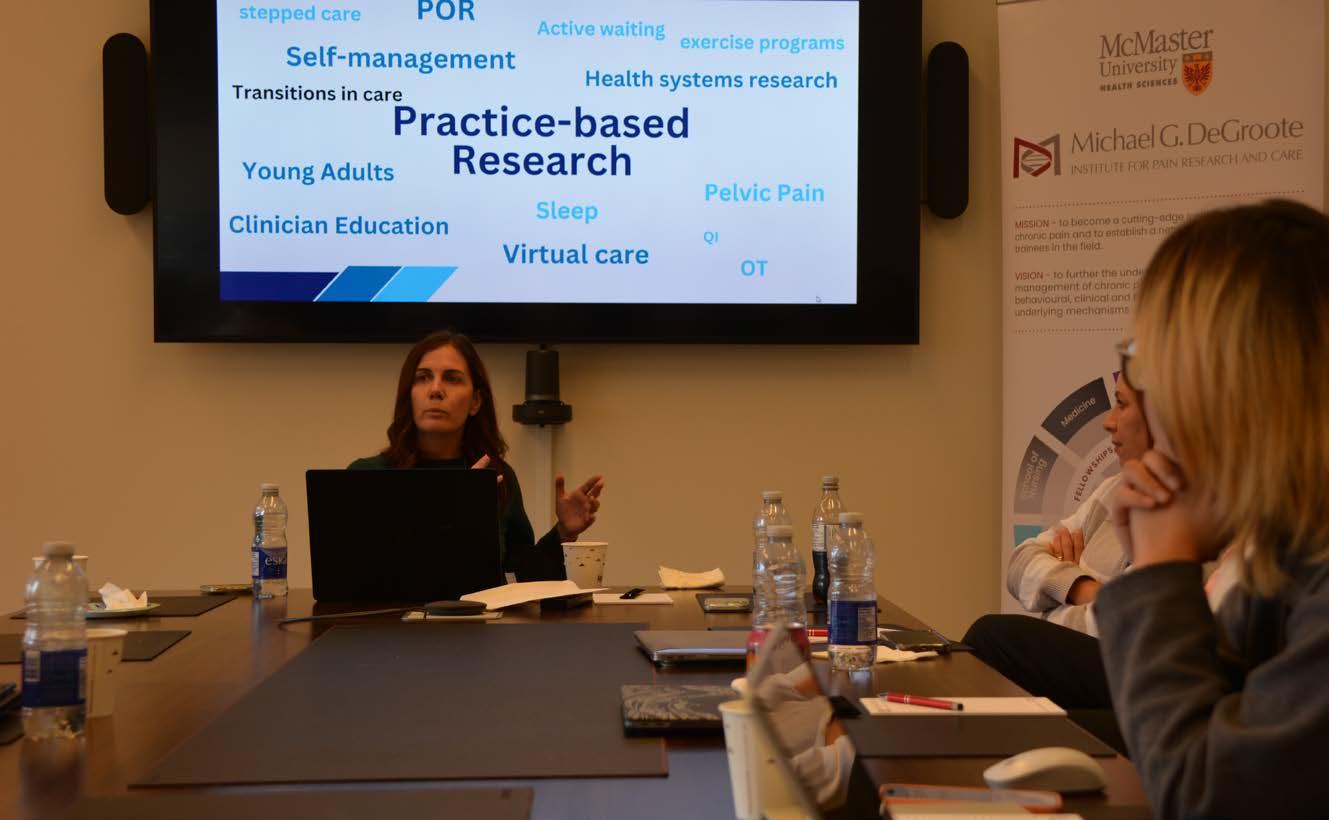
The Institute for Pain Research and Care (IPRC) continued its in-person Lunch & Learn series for trainees with a session featuring Dr. Rachael Bosma, held on Thursday, November 13, 2025.
Dr. Bosma is an early career researcher and Assistant Professor at the University of Toronto whose work bridges basic science, clinical care, and participatory research. While trained as a neuroimaging scientist studying the brain and spinal cord, her current research program is embedded within the Toronto Academic Pain Medicine Institute (TAPMI) at Women’s College Hospital, where she collaborates closely with interdisciplinary clinical teams. During the session, she shared insights into basic career progressions, as well as building a research program that is responsive to clinical needs, leverages participatory approaches, and supports decision-making and program development in pain care.
Dr. Bosma also discussed her leadership roles as the inaugural Chair of the Board of Pain Ontario and as Director of the University of Toronto Centre for the Study of Pain, highlighting the importance of crossdisciplinary collaboration and advocacy in advancing pain research and education.
This Lunch & Learn is part of IPRC’s ongoing commitment to supporting trainees through mentorship, collaboration and professional skill-building. Trainees and supervisors interested in joining the IPRC trainee network can learn more at: pain-institute.healthsci.mcmaster.ca/trainees/

CANADIAN PAIN CARE FORUM
The Canadian Pain Care Forum (CPCF) met on October 17, 2025, bringing together a national network of pain care leaders, advocates, researchers and policymakers. Founded in 2016, the CPCF has grown to include more than 140 members representing over 90 organizations across Canada.
The forum opened with Maya Carvalho, Founder and President of the Canadian Migraine Society. Drawing on lived experience, Carvalho highlighted the impact of stigma and dismissal in migraine care, emphasizing that empathy is essential to healing. “I refuse to let my pain go to waste,” she said, underscoring how patient-led advocacy can transform isolation into empowerment and improve quality of life.
Dr. Igor Wilderman, Founder of Wilderman Medical Clinic, followed with a presentation on Digital Frontiers in Pain Care, introducing Therapy I-Need, an internetbased cognitive behavioural therapy program for chronic pain. Reflecting on decades of clinical practice, he noted that “medications, procedures and injections are important, but they rarely offer a complete solution,” pointing to the need for accessible, skills-based supports.
NATIONAL PAIN AWARENESS WEEK
National Pain Awareness Week 2025, which took place November 2–8, generated incredible momentum, with a coordinated campaign led by Pain Canada and messaging amplified by partners across the country using a shared online toolkit. The national effort reached more than 1.5 million people, generating 3.6 million impressions and engaging 215 unique participants. It highlighted growing public attention to pain across communities and sectors.
Alongside amplifying national messaging, the Institute for Pain Research and Care (IPRC) ran its own targeted campaign using a mix of organic and paid promotion. During the campaign week, IPRC content generated over 18,000 impressions, representing a nearly ten-fold increase compared to the same period last year. Engagement also rose sharply, with 147 engagements - an increase of more than 80% over the 2024 campaign.
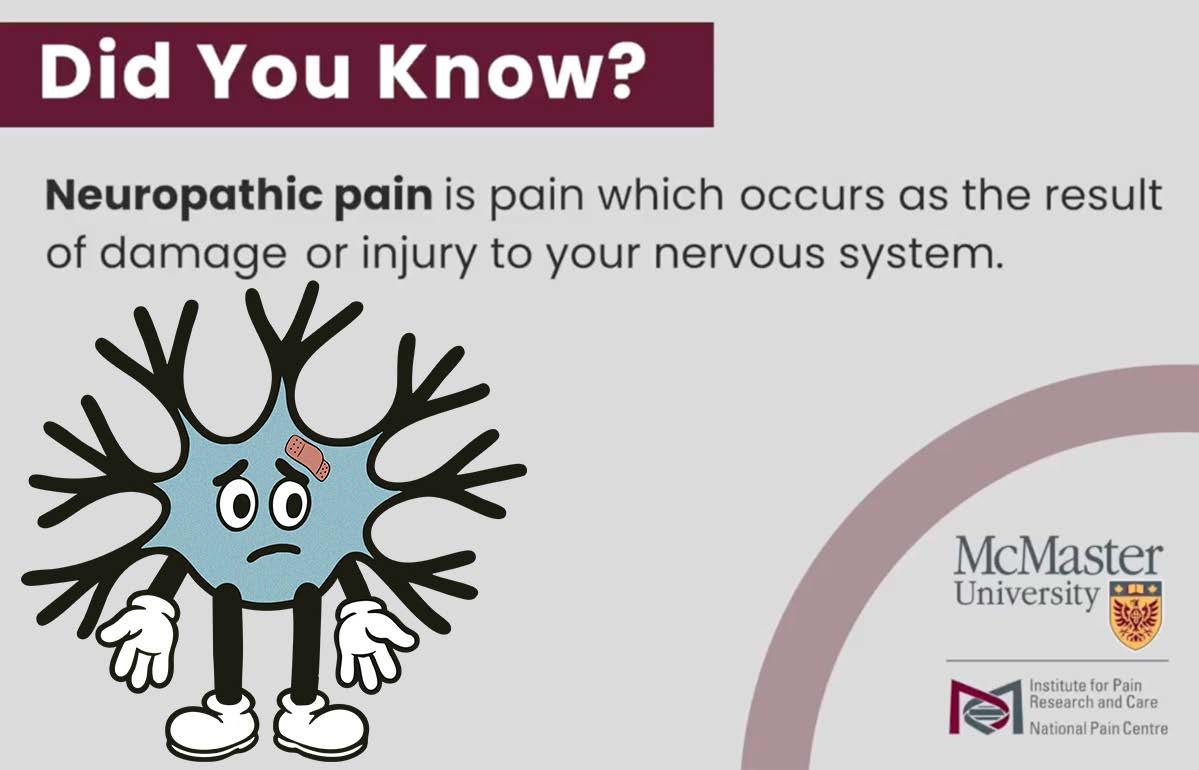
A key feature of the IPRC campaign was the launch of three animated characters representing neuropathic, nociceptive, and nociplastic pain, created to help explain complex pain mechanisms in clear, accessible ways. Building on the strong response during National Pain Awareness Week, IPRC plans to expand the use of these characters throughout 2026 to support education and public outreach, using them as tools to explain, not diminish, lived experience, encourage meaningful conversations and helping more people feel seen, understood and informed.
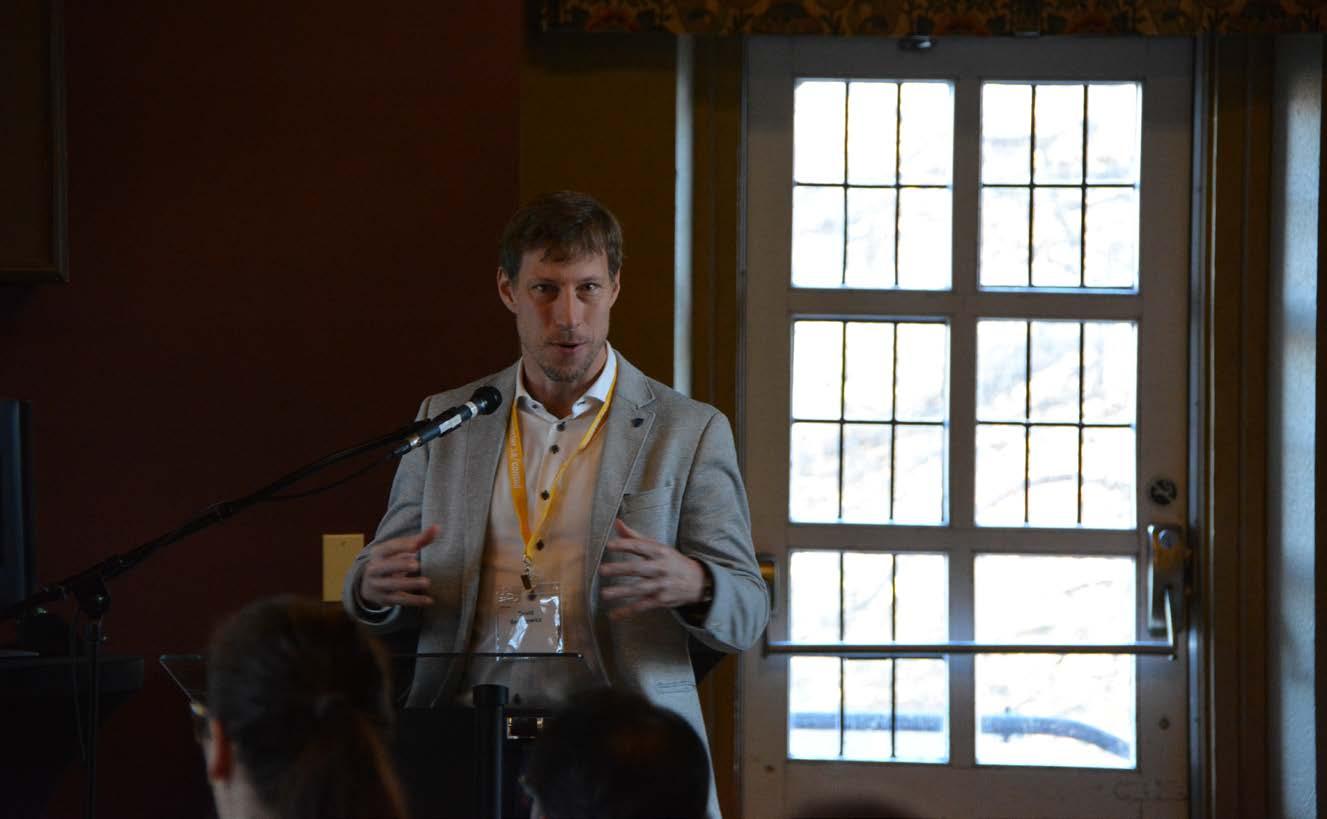
10TH ANNUAL MICHAEL G. DEGROOTE PAIN SYMPOSIUM
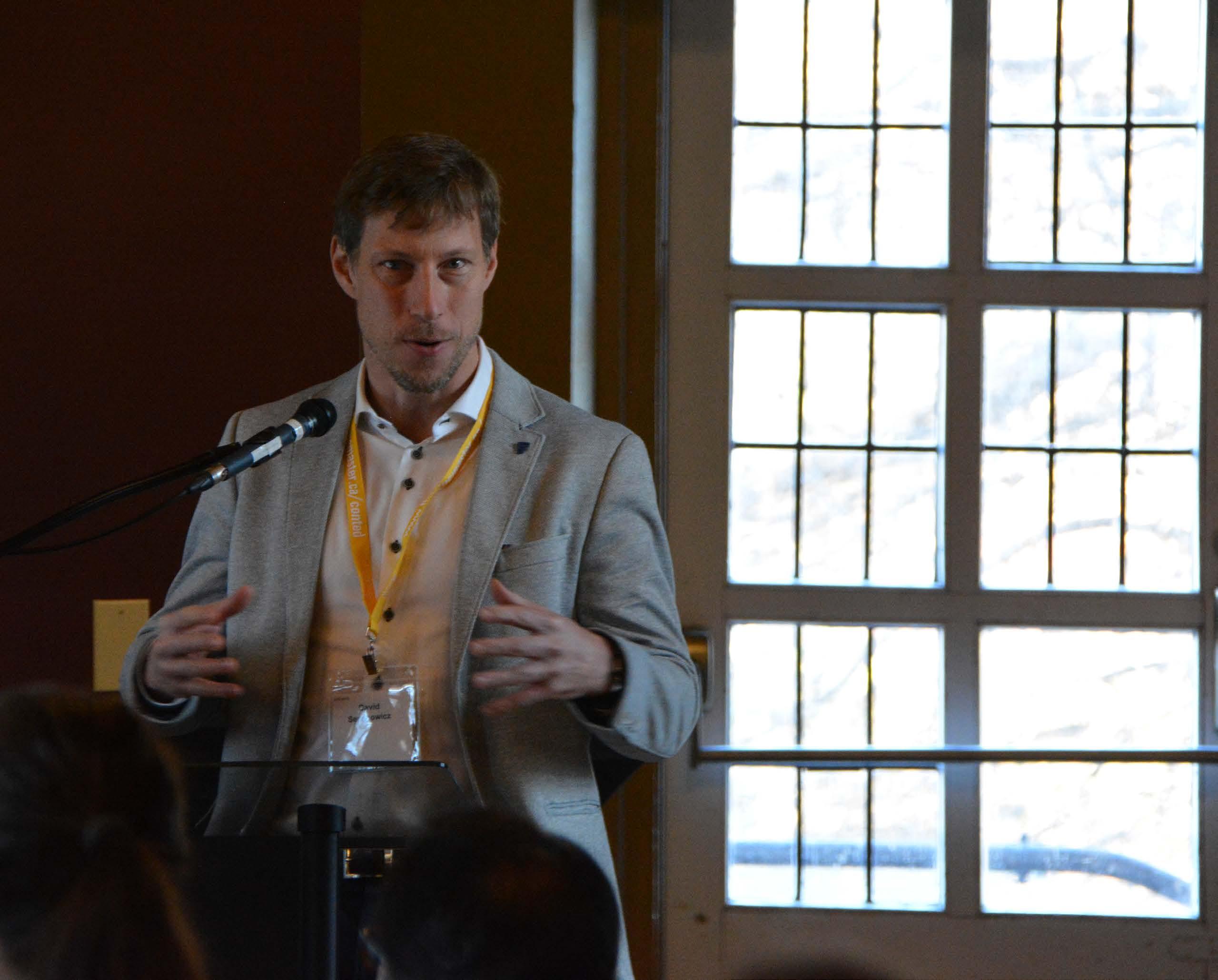
The 10th Annual Michael G. DeGroote Pain Symposium, held on Saturday, November 22, brought together researchers, clinicians and trainees for a full day of cutting-edge pain research and discussion.
The day featured a diverse range of presentations spanning basic science, clinical trials and knowledge translation. Dr. David Seminowicz highlighted the importance of pain sensitivity as a predictor of chronic pain, noting that “heightened pain sensitivity is a risk factor for developing chronic pain,” and that immediate postoperative pain is among the strongest predictors of longterm outcomes. Addressing treatment gaps in fibromyalgia, Dr. Aimee Nelson emphasized that “only one-tenth of patients experience a 50% reduction in pain with current treatments,” underscoring the urgent need for new therapeutic approaches. Dr. Irena Rebalka discussed statininduced muscle pain, reporting that “10–30% of individuals on statins suffer from myalgia.” Dr. Li Wang presented work that looked at improving prediction of chronic post-surgical pain after breast cancer surgery, stating, “We believe we can develop a better risk prediction model.”
Additional talks addressed glial-modulating agents for pain (Dr. Ian Gilron), the Canadian Adult Pain Registry (Dr. Manon Chionière), cognitive functional therapy for chronic low back pain (Dr. Luciana Macedo), neuromodulation and yoga for knee osteoarthritis (Dr. Lisa Carlesso), persistent post-surgical pain surveillance (Dr. Jason Busse), pain knowledge translation for older adults (Veronica Souza Santos) and the e-ChronicPain RecMap digital guideline consolidation project (Dr. Andrea Darzi).
RECIPIENT ARNAV AGARWAL
“The sense of community and family that exists at McMaster drew me to the university," said Arnav Agarwal when asked what drew him to a studentship with the Institute for Pain Research and Care.
Growing up between New Delhi, India, and Dubai, United Arab Emirates, before moving to Mississauga, Ontario in 2002, as a child, Arnav was an avid reader and developed a lifelong passion for cricket—an interest that continues to this day.
His connection to McMaster University began early. As a Grade 10 student, he participated in the Shad Valley program at McMaster, where he first experienced the strong sense of community that would go on to shape his academic path. That early experience came full circle when he returned to McMaster to complete his undergraduate training in Health Sciences, followed by clinical fellowship training in general internal medicine.
Arnav’s research focuses on evidence synthesis and the development of trustworthy clinical practice guidelines in chronic pain. He is particularly motivated by the opportunity to combine high-quality evidence with the values, preferences

and lived experiences of individuals living with chronic pain when making clinical recommendations. As a practicing physician, he relies on clinical guidelines daily and finds it deeply fulfilling to contribute to their development.
Arnav values the bidirectional exchange between clinical practice and research. Clinical questions often inspire new research directions, while research findings directly inform his day-to-day practice. Since completing his studentship, Arnav has increasingly recognized the importance of engaging individuals with lived experience as integral members of research teams.
Arnav is grateful for the mentorship, resources and collaborative environment provided by the Institute for Pain Research and Care. He recently began a new position with the University of Alberta, where he continues his commitment to advancing evidence-based, patient-centred pain care.
STAYING CONNECTED: WHY VIRTUAL SUPPORT MATTERS
The Niagara Chronic Pain Support Group has shared heartfelt thanks for the continued availability of Zoom meetings, which have become an essential support for members who are unable to attend in person. Virtual access has allowed the group to remain connected over the past year and has generated strong interest in expanding programming,
including the addition of a second monthly Zoom-based meeting to better accommodate members’ schedules.
As one participant shared: “My husband suffers from chronic pain and has been a member of the Niagara Chronic Pain Support Group for many years. The Group is very special and means a lot to us. We recently moved too far
Upcoming Events
Canadian Pain Care Forum
May 2026
To learn more or view recordings from the most recent CPCF, visit: pain-institute.healthsci.mcmaster.ca/
Canadian Pain Society Annual Scientific Meeting
April 29 to May 2,2026 Québec City, Québec
To learn more or view details, visit: canadianpainsociety.ca
Michael G. DeGroote
Annual Research Day
TBD
Registration details coming soon.
Michael G. DeGroote
Pain Symposium
November 7, 2026
University Club, McMaster University
Registration details coming soon.
away to attend in person. The Zoom meetings are crucial to us, and we hope you are able to allow us to continue and thank you for your generous support.”
Thank you to Amy Romeo, facilitator of the Niagara Chronic Pain Support Group for sharing this message and showing that small actions can have a big impact.