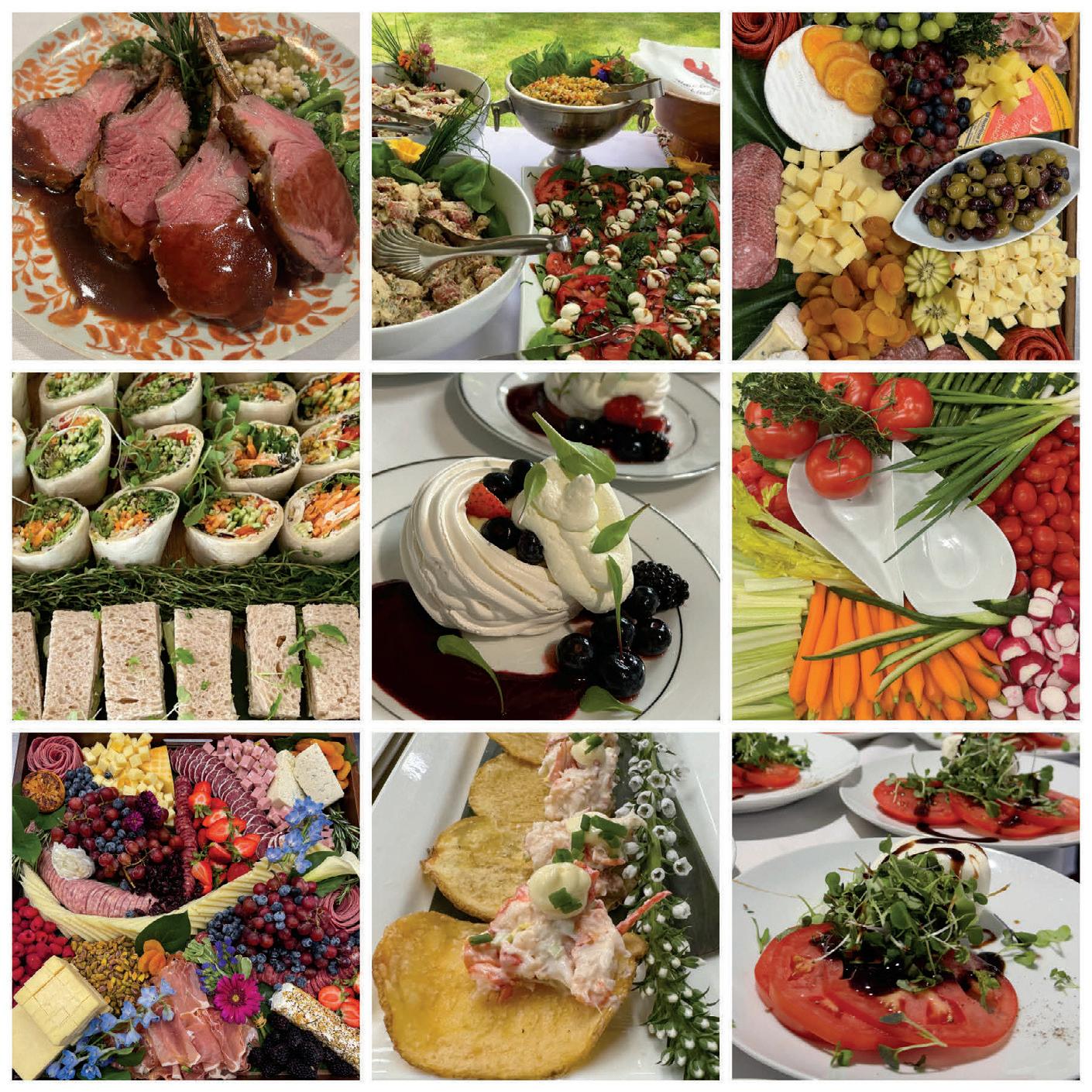
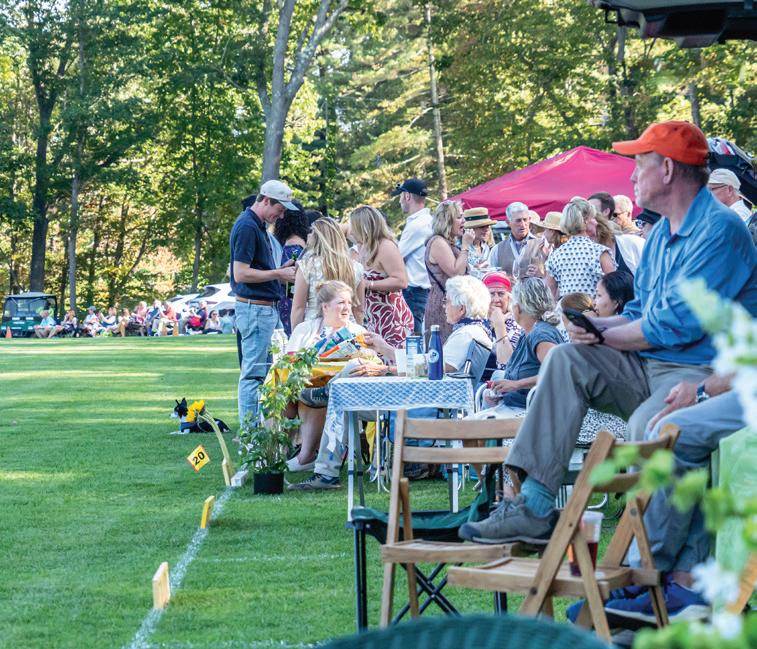
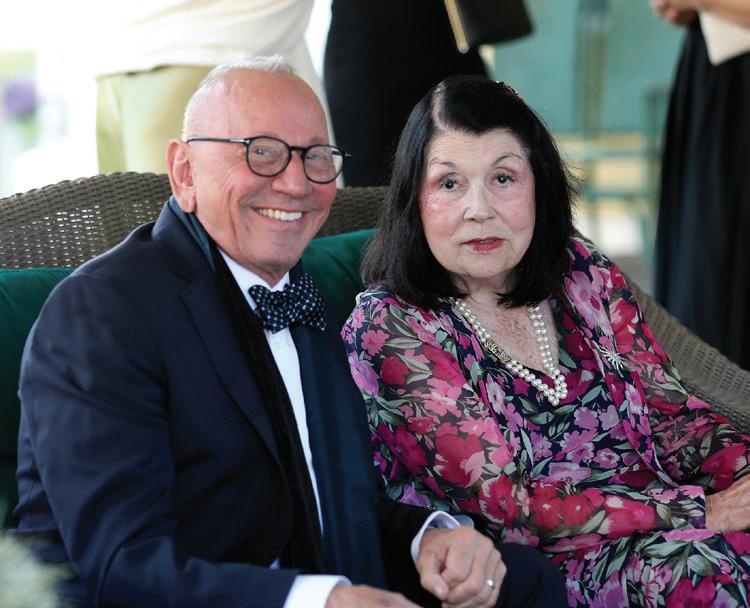
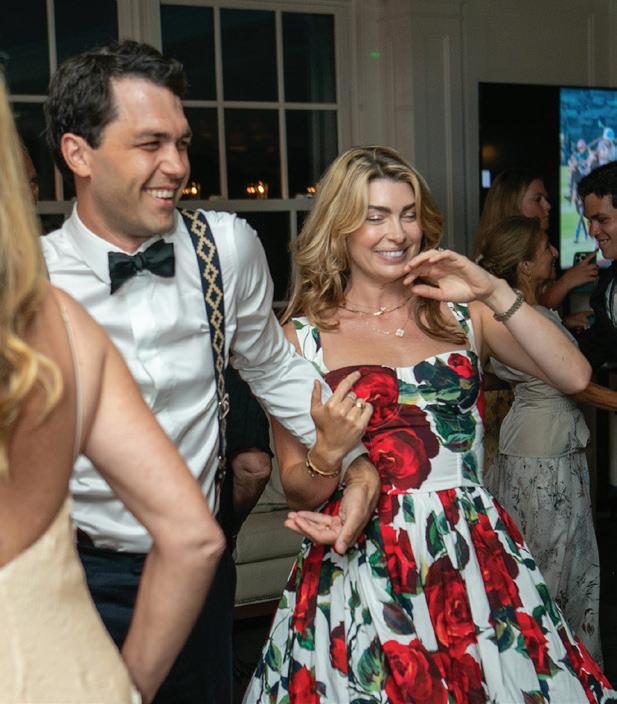
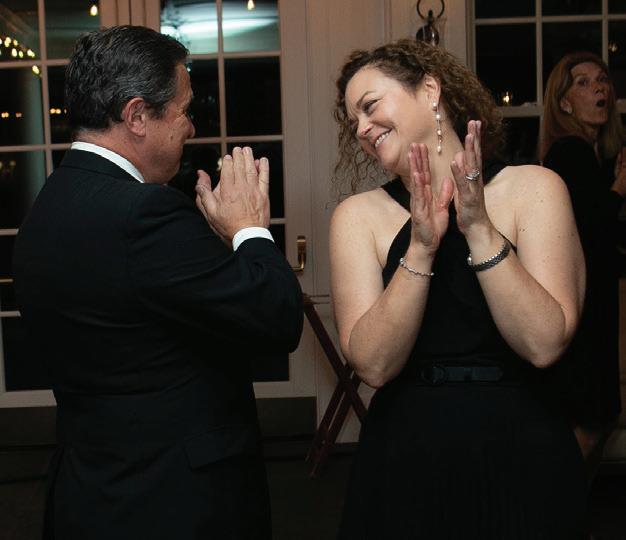
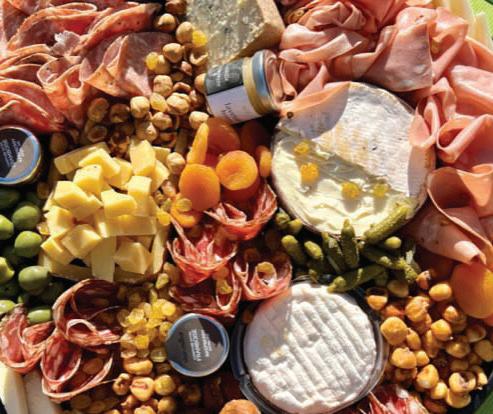
Delicious, locally sourced food! Let us help you celebrate day or night, grand or intimate, lavish or simple!
STYLE
21 / INSTAGRAM
Hashtag it: #myopiapolo
22 / SIDELINES
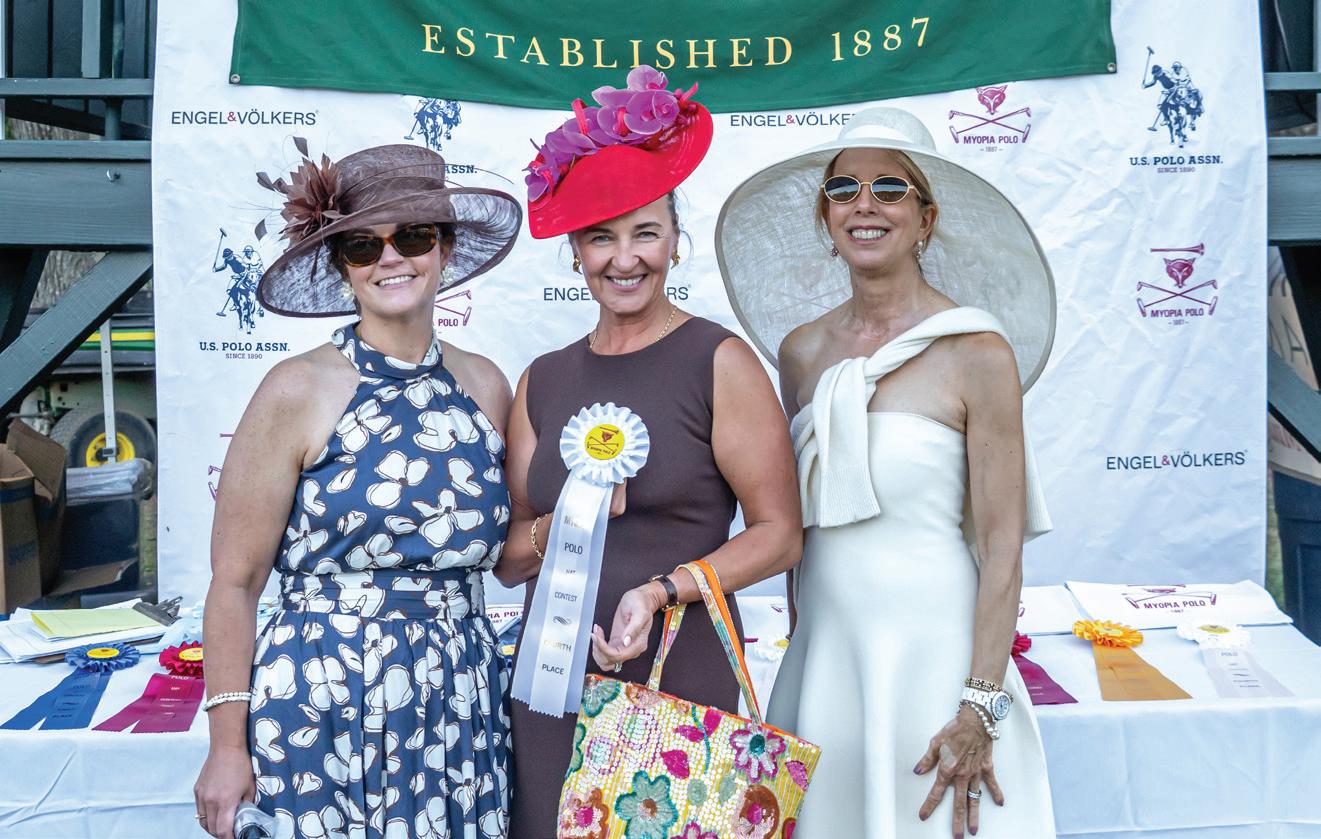
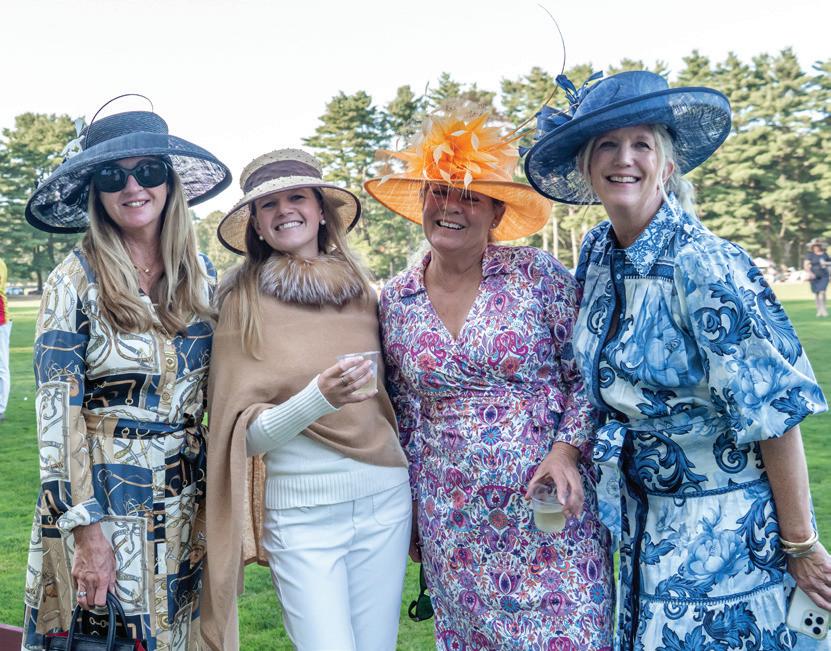
Competition is fierce for the hat and tailgate contests
24 / SCENE
Save the date for the 2026 Myopia Polo Ball
PEOPLE
38 / PROFILE
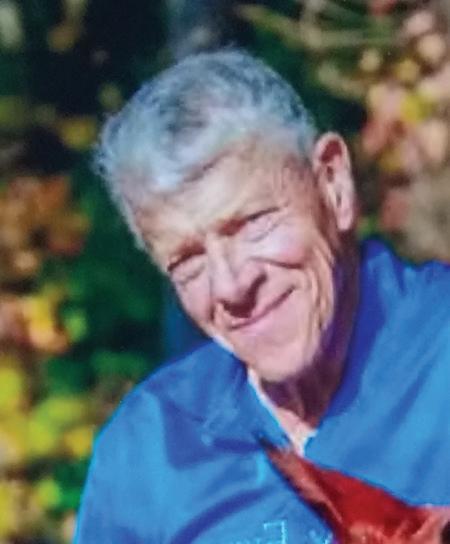
Stephen Burr went from polo spectator to player
HISTORY
31 / TROPHY SPOTLIGHT
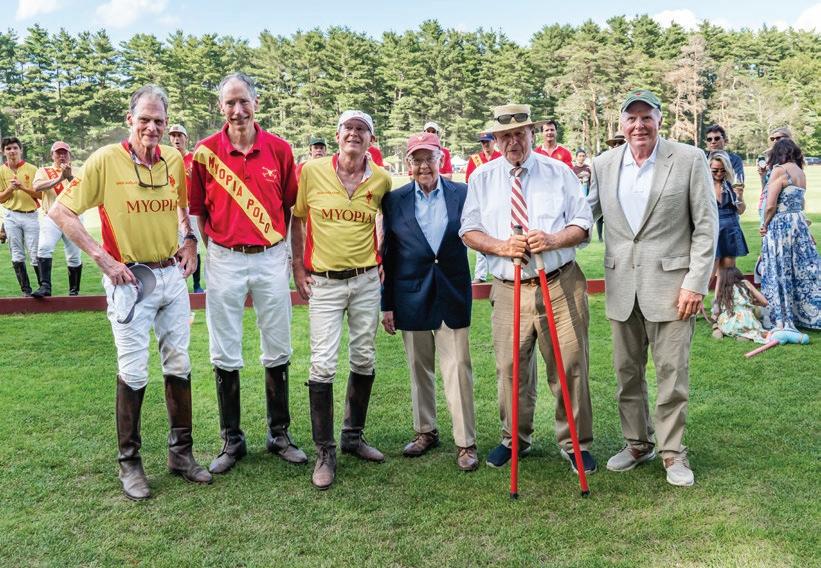
Myopia’s newest cup honors the club’s first captain
32 / U.S. POLO ASSOCIATION
An important relationship for the Myopia Polo Club
34 / THE HUNT
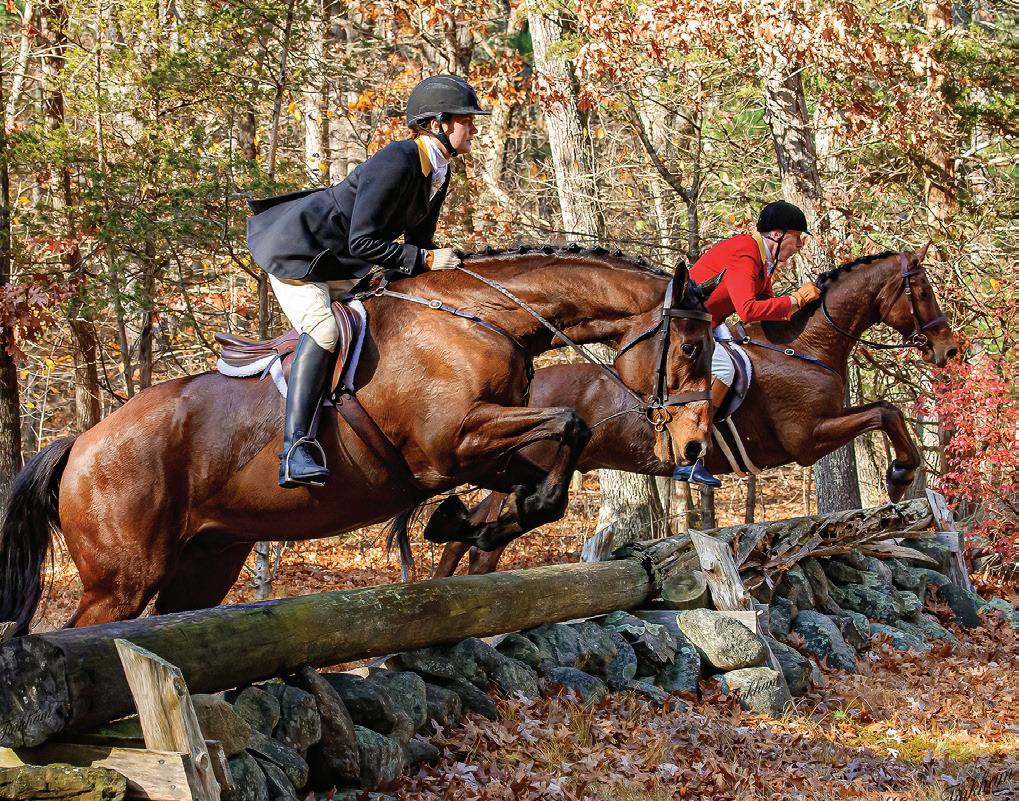
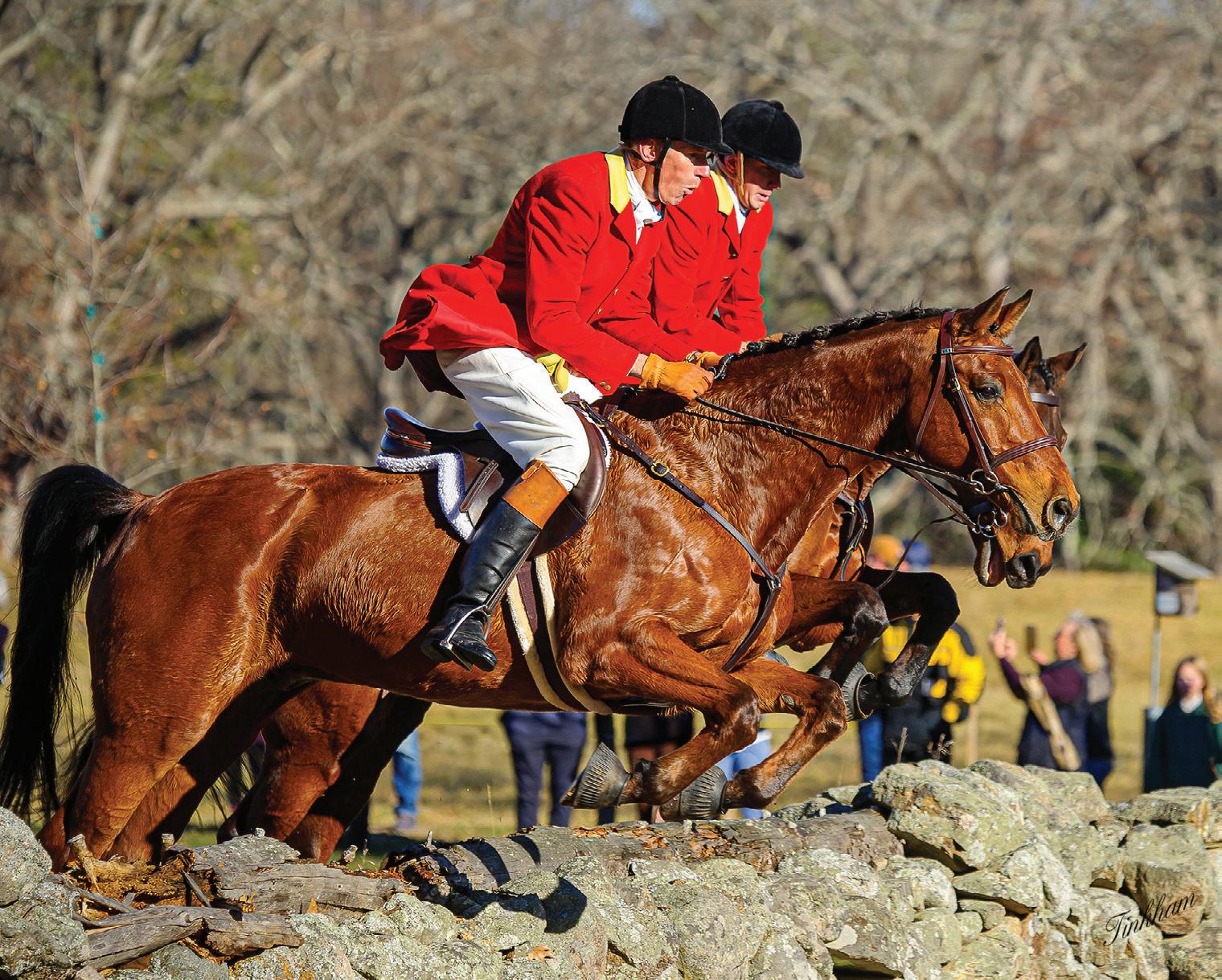
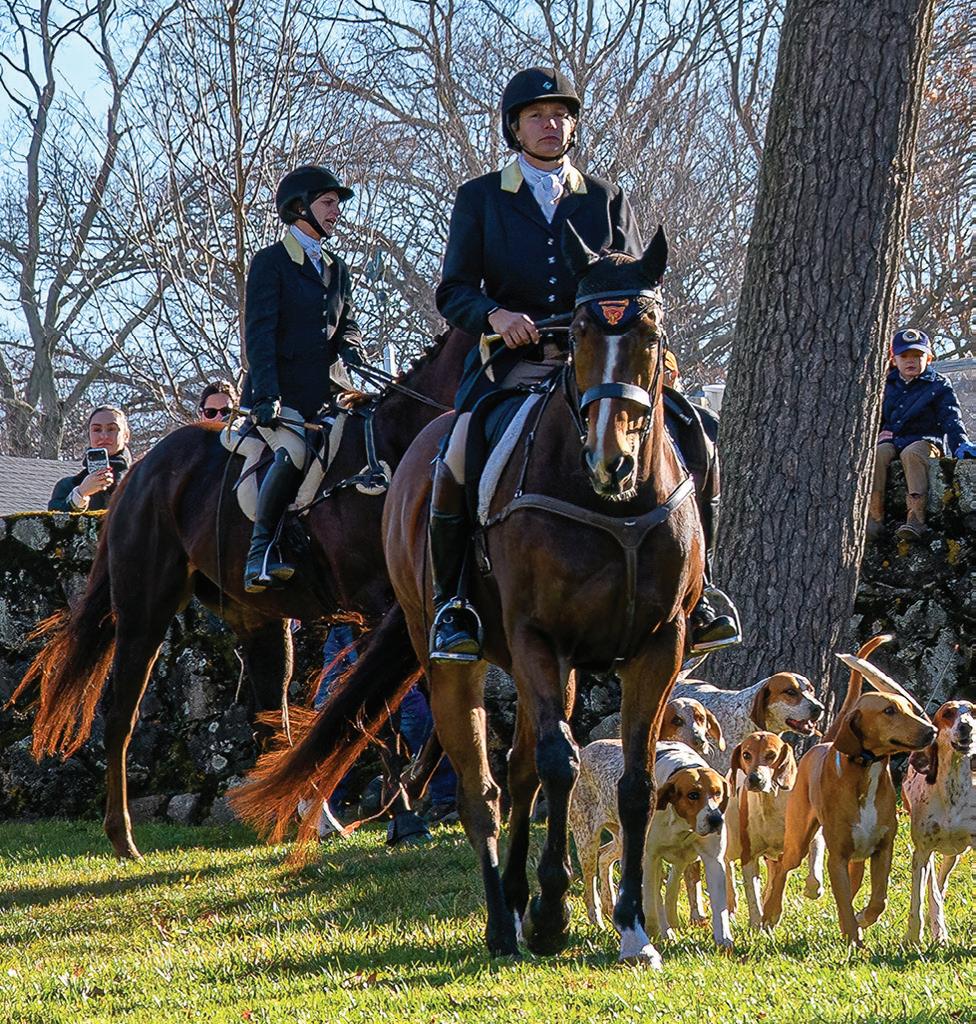
Thanksgiving Hunt is a cherished end to season
AGENDA
5 / 2026 SCHEDULE
6 / THE PLAYERS
A rundown of the Myopia Polo players
18 / LAW & ORDER
The rules of the game plus Polo 101
26 / EQUINE WELLNESS
Q&A on the care of polo’s esteemed ponies
28 / PLAYER FITNESS
How some players stay in shape off the field
FEATURES
42 / MYOPIA 150TH
Anniversary match brings together polo community by brion o’connor
49 / YOUNG PLAYERS
Rising stars carry on a legacy of great polo by sarah pearson
54 / TOURNAMENT SPOTLIGHT
A roundup of the exhilarating 2025 season
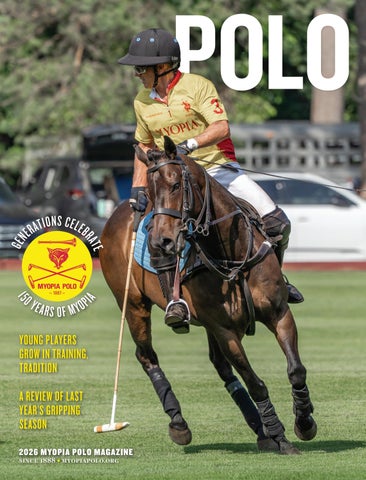
ON THE COVER: Myopia members and alumni, includng Adam Snow, compete in the 150th anniversary match. Photograph by Jacqueline Miller
The North Shore’s Premier Real Estate Agency
PRIDES CROSSING | Alle Cutler
$4,600,000
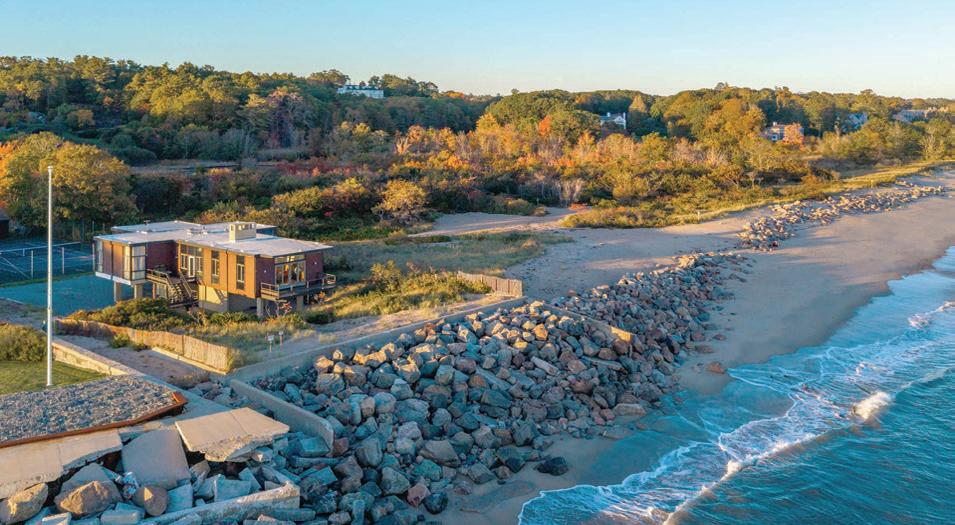
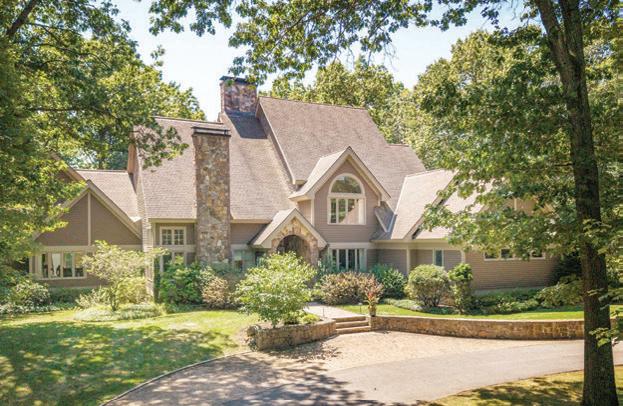
Northern California coast meets Boston’s Gold Coast! Iconic private, direct waterfront Mid-century Modern gem with 180-degree vistas with city approvals and plans for new 4,600 sf main residence.
Fabyan & Filias Team
SOLD
HAMILTON | Deb Evans & Elaine Horrocks
$2,700,000
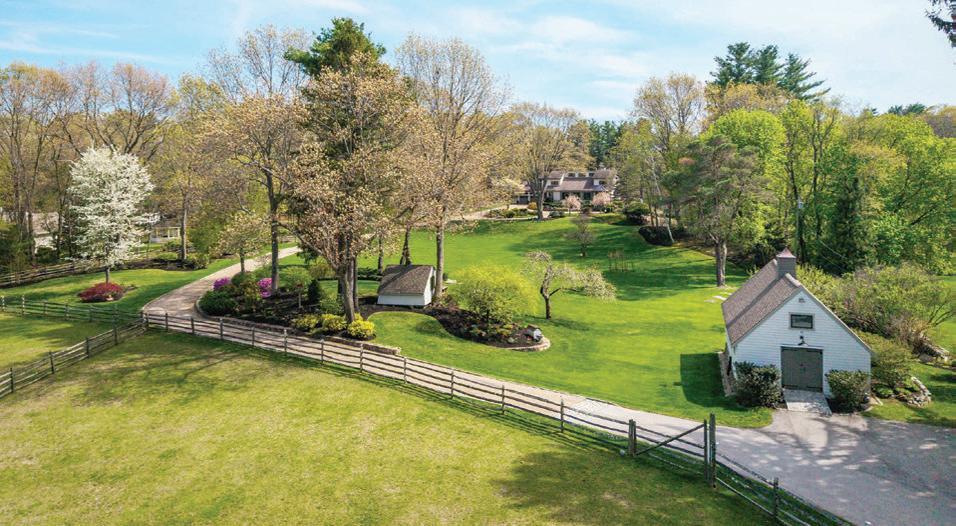
Roughwood Farm. 4.77-acre 3+ bedroom gentleman’s farm with 6+ stall barn, paddocks. Luxury “craftsman” home with architect-designed renovations, exceptional finishes. Generator, central air, 2-car garage.
$2,475,000
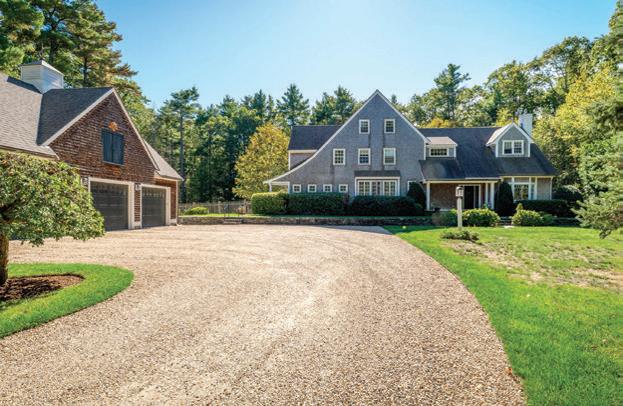
Elegant country living. Exquisite 5-bedroom, 3.5-bath Shingle-style gem updated in 2018 on 6.5-acres. Gorgeous gourmet kitchen and great room plus a 3rd floor private retreat. Fenced yard.
Emily McPherson
$1,725,000
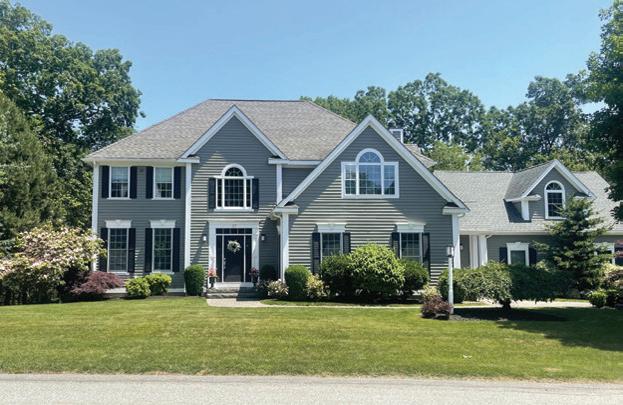
Elegant 4-bedroom Colonial in Parsons Hill, meticulously upgraded and tastefully designed for both everyday living and entertaining including a stunning kitchen and luxurious Primary suite!
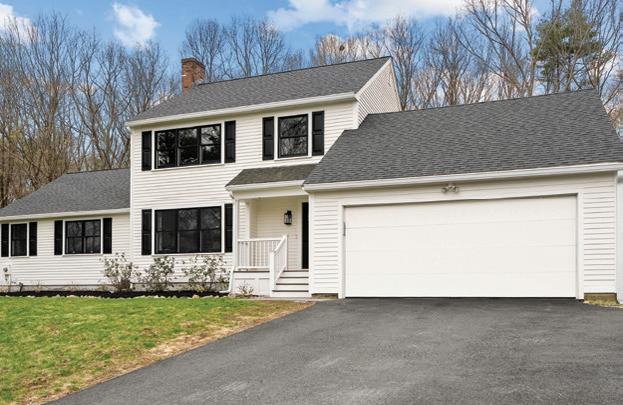
Custom Colonial on 1.77 acres in Appleton Farms fully renovated in 2023-24 has new septic system, in-law potential. 4 beds, 2.5 baths. Flexible floor plan, 1st floor primary. Attic, walkout basement.
Cricket Sperry
$1,800,000
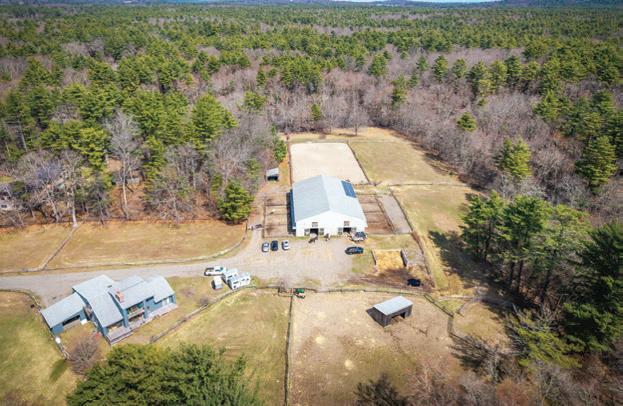
Turnkey 8.92 acre equestrian property. 24 stall barn, 8 pastures, 2 BR APT. Custom 4-BR, 3.5-bath contemporary with central air, generator, private well. Includes John Deere tractor, other farm equipment.
Ann & Rick Gloucester Group
$1,195,000
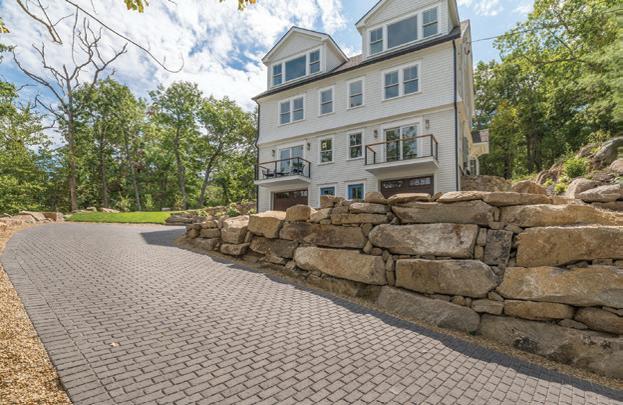
Luxury coastal living with water & sunset views over Little River Estuary to Annisquam River. Final unit with open-concept design, McCormick kitchen, Bosch appliances, 3.5 Kohler baths, primary suite.
CAPTAIN’S LETTER
Dear Myopia
Polo Friends and Supporters
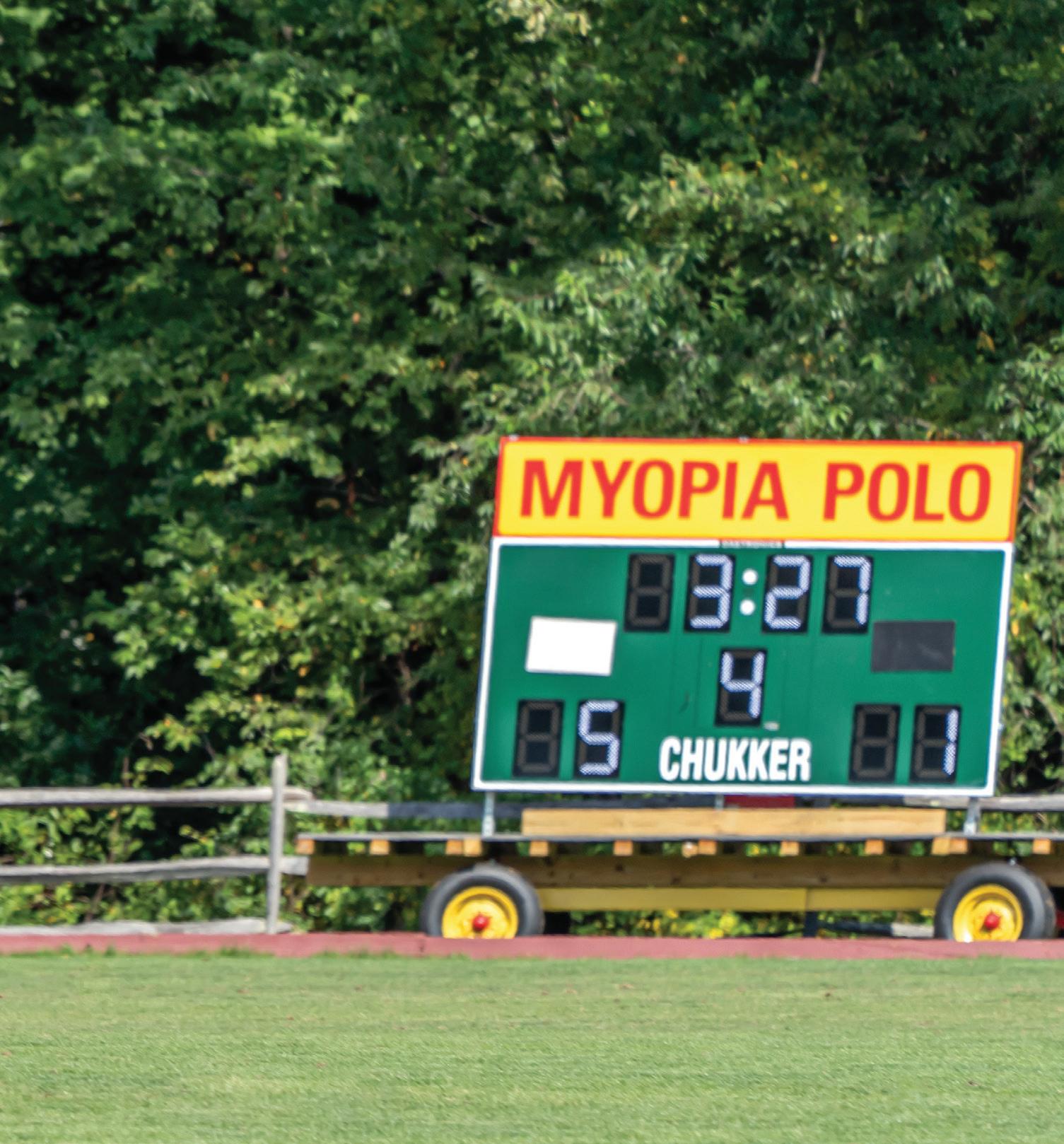
The 139th season of polo at Myopia continues the long tradition of this unique sport on Boston’s North Shore, welcoming spectators, international polo players and equestrian enthusiasts. In my 32nd season at Myopia, I am amazed at the transition of polo here marked by a new generation of horses, faster, stronger, more agile than ever. While the beautiful polo grounds remain largely as they appeared over 100 years ago, behind-the-scenes improvements to our three main polo fields, a new electronic scoreboard and sound system, and many safety updates, including two professional umpires for tournaments, keep Myopia Polo abreast of the modern era of polo.
Polo simply would not exist at Myopia without the commitment of players, their families and the patrons, who year after year support this sport. I would like to acknowledge the multi-generation families still playing polo at Myopia. The list is long: the ColloredoMansfeld, Daniels, Eayer, Ellis, Grotnik, Little, Miller, Poor and Puch families. But without growth from new players, there would not be polo. Players who are the first generation playing on the Myopia field include Stephen Burr, Terri Campbell, Andrew Carleton Jr., CB Scherer, Tristan Hanley, Tom Rizzo, Steven Rudolph, Aurelia Rus and Liz Stawicki. In addition, thanks to retired players from Myopia Polo, Robert Mehm, Jed Raymond, and Adam and Nick Snow for joining current players in our 150th Anniversary match. Adding to the Myopia Polo community are the nearby polo clubs, most notably Kingswood, Stage Hill and Harvard Crimson who have fielded teams for tournaments or developed many new players at Myopia. Finally, a very heartfelt thank-you to our patrons, too many to name — your following of polo at Myopia is important and greatly appreciated.
Our great polo staff, led by Erica Kratz, who is entering her 10th season in management at Myopia Polo; and Amanda Roberts, manager of our Coaching Program, deserves special recognition. These are not easy jobs. Also thanks to the numerous volunteers, including my wife, Tracy Strouss, for hosting the Myopia Polo Ball; Trish Johnstone our announcer; Jackie Miller our photographer; Denny Ryus, Cathy Taylor, and Marlene Pippins for our media and marketing efforts; and members of the polo, tournament and equine welfare committees.
Finally, I owe so much to Tracy and my family for allowing me this special honor to serve as captain of Myopia Polo.
Best Regards,
Dave Strouss, captain, myopia polo
Thank you to the 2026 Myopia Polo Season Sponsors
Season Sponsor:
Corporate Sponsors:
Apparel Sponsor:
Sunnyside Sponsors:
CONTRIBUTING WRITER
Brion O’Connor
CONTRIBUTING PHOTOGRAPHER
Jacqueline Miller
CREATIVE SERVICES DIRECTOR
Jodie Hall
GRAPHIC DESIGNERS
Christian Seyster, Nicole Huot
MYOPIA POLO MANAGERS AND POLO COMMITTEE
David Strouss, Captain of Polo
Erica Kratz, Polo Manager
Amanda Roberts, Coaching League Manager
Michael D. Ryus, Marketing and Design Director
Marlene Pippins, Director of Sponsorships
Terri Campbell, Polo Committee & Equine Welfare Committee
Kurt Miller, Polo Committee Member
Jacqueline Miller, Polo Committee Member
Jacek Grotnick, Polo Committee Member
John Ellis, Polo Committee Member
Neil Raymond Jr., Polo Committee Member
Andrew Carleton, Polo Committee Member
Carl “CB” Scherer, Polo Committee Member and USPA delegate
Patricia Johnstone, Official Announcer
Tracy Strouss, Chair, Polo Ball
Dr. Bryan Parrott, DVM, Equine Welfare Committee Veterinarian
WEBSITE: myopiapolo.org
FACEBOOK & TWITTER: Myopia Polo
PRESIDENT/PUBLISHER
Ernesto Burden
MANAGING EDITOR, CUSTOM PUBLICATIONS
Sarah Pearson
ADVERTISING SALES MANAGER
Jessica Schooley
603-345-2752, jessicas@yankeepub.com
PROOFREADER
Amanda Andrews
SUBSCRIPTIONS
For additional copies or subscription customer service, email renc@yankeepub.com
PUBLISHED BY
Yankee Custom Publishing
A Division of Yankee Publishing-NH Group, Manchester, NH
250 Commercial Street, Suite 4014, Manchester, NH 03101
603-624-1442, yankeecustommarketing.com
2026 MYOPIA POLO MAGAZINE
Welcome to the 2026 Myopia Polo Season
Match time is 3 p.m. on Sundays. Gates open at 1:30 p.m. Friday evening games start at 5 p.m. SCHEDULE SUBJECT TO CHANGE
MAY 31 OPENING DAY, Hamilton Wenham Cup
JUNE 7 Joseph and Peter Poor Cup
JUNE 14 Neil Ayer Cup
JUNE 21 C.G. Rice Cup
JUNE 26-28 Agassiz Club Cup 0-2 Goal, Intraclub
JUNE 30-
JULY 28 Tuckerman Cup 0-4 Goal
JULY 5 USPA Harrison Cup 4-8 Goal
JULY 12 USPA Harrison Cup 4-8 Goal Final
JULY 19 USPA National Chairman’s Cup, 8-12 Goal, Donald V. Little Cup
JULY 26 USPA National Chairman’s Cup, 8-12 Goal, Final
AUG. 4–25 USPA Crossman Cup 0-4 Goal
AUG. 1 USPA National Youth Tournament Series
AUG. 2 Gibney Cup
AUG. 9 USPA W. Cameron Forbes Cup 4-8 Goal
AUG. 16 USPA W. Cameron Forbes Cup 4-8 Goal, Final
CAPTAIN Dave has played polo most of his life and has been a member of Myopia Polo since 1998. He is now captain of Myopia Polo and serves as the Club’s delegate to the United States Polo Association. He is the sponsor of the Del Rancho Polo team, which has successfully competed in tournament play at Myopia, including winning the 2020 national Chairman’s Cup with co-sponsor Black Oak. Dave lives on his farm in Ipswich with his wife, Tracy, and is a partner at a law firm in Boston. RATED A
ERICA AMES
Ames got into polo back in 2013 and never looked back. She now splits her time between Massachusetts and Aiken, SC, where she plays the spring and fall tournament seasons. She has been part of many successful women’s teams, taking home wins in both the 8-goal and 10-goal tournaments. She is a huge supporter of all aspects of the sport and is passionate about sharing the unique Myopia experience with new and returning patrons alike.
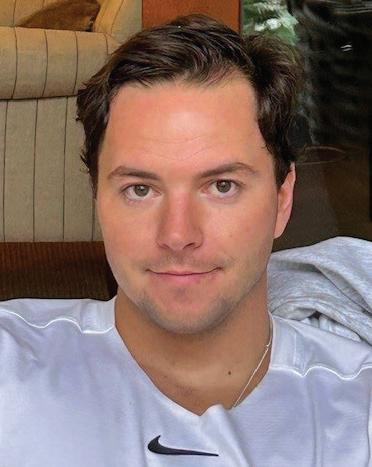
STEPHEN BURR
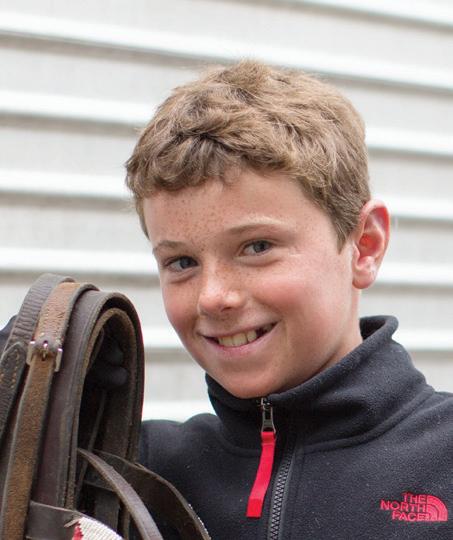
Stephen has played polo for about 10 years predominantly at Myopia Polo Club, but has also had the
privilege of playing polo in Aiken, SC, and Big Horn, Wyo. His love of the horses and the sport also extends to his family. You will find his mother and sister at the trailer and sidelines helping with all matters concerning the horses. Stephen is a graduate of Northeastern University and founder of a garden design and installation firm, Stephen’s Gardens. Stephen also enjoys soccer and being outdoors. 2 GOALS
TERRI CAMPBELL
Terri is a regular at Myopia after playing in Newport for about 10 years. The sponsor of the Folly Fields Polo Team, she has played in tournaments in Chile, Ireland and South Africa, and competes in Florida in the winter. When she’s not with the ponies, she is an investment manager in Boston. -1 GOAL / 1 (WOMEN’S)
ANDREW CARLETON
Andrew is returning to the Myopia Polo scene with his family. He learned the game while participating in the coaching league. Andrew lives in Hamilton with his wife, Jennifer, and three children, Drew, Taylor and Gwendolyn. NR
DREW CARLETON
Drew has been playing polo for more than two years. He practiced with the Crimson Interscholastic Team before officially joining. He then played in the spring as well as in the Myopia Coaching League. He played in youth tournaments at Myopia and got a taste of playing on Gibney Field at the end of the outdoor season. Drew is looking forward to getting back out on the grass this summer. Drew is a sophomore at St. John’s Prep. He enjoys lacrosse, tennis and skiing. -1 GOAL
TAYLOR CARLETON
Taylor began playing polo a few years ago in the coaching league. He has also just completed his second season with the Crimson Interscholastic program. As a fifth-grader, he was not able to compete in any matches but will be one to keep an eye on in a couple years when eligible. Taylor attends Cutler School in Hamilton, plays lacrosse, and enjoys skiing and mountain biking.
JAMES COATES
Originally from Vancouver, Canada, James began playing polo in the U.K. during university before continuing in the United States. He plays regularly at Myopia Polo and enjoys competing throughout the
New England season. Professionally, James works in cancer drug discovery for a global biopharmaceutical company. Outside of polo he enjoys endurance cycling, squash and international travel. RATED -1
BARRETT COKE
A Myopia player since the age of 12, Barrett is passionate about the sport. Barrett was a three-time allstar National Youth Polo player, and in 2015 he went on to win the National Youth Polo Championships in Denver, Colo., playing on the Northeast regional team. Barrett plays for the Coke family’s Chanticleer Farm team. He loves competing alongside his father and brother. An avid sports enthusiast, Barrett plays soccer, squash, lacrosse and loves freestyle skiing. 1 GOAL
BILL COKE
An intense and competitive athlete, Bill has played polo at Myopia for more than 20 years. The sponsor of the Chanticleer Farm Polo Team, Bill is known for his powerful and spirited defensive play. He is thrilled to play with his sons, Hamilton and Barrett. A managing director with J.P. Morgan, Bill lives in Topsfield with his wife, Wendy, and his sons. RATED A
TERRI CAMPBELL
DAVE STROUSS STEPHEN BURR
ANDREW CARLETON
DREW CARLETON
JAMES COATES
TAYLOR CARLETON
BARRETT COKE
BILL COKE
HAMILTON COKE
HAMILTON COKE
Hamilton is an engaged and skilled player on his family’s Chanticleer Farm Polo Team. He graduated from Santa Clara University Engineering School, where he studied computer engineering, and now works for Skydio as a software engineer. Hamilton is happiest when freestyle skiing, mountain biking, surfing, playing rugby, lacrosse and programming the next big app. RATED A
ANNIE COLLOREDOMANSFELD
Annie is a graduate of Harvard University and now works at Cambridge Associates. She is an accomplished rider and has competed in three phase events in Massachusetts and Vermont. The past few summers she has been playing with her family, and has joined them at Myopia. 0 GOAL / 1 (WOMEN’S)
FRANZ COLLOREDO-MANSFELD
Franz grew up riding and hunting with Myopia. He has won the Myopia Hunter Trials numerous times. Over the past decade, he has enjoyed playing polo with his children. He is the sponsor of the Black Oak Polo team. Franz runs an international real estate investment firm based in Boston. RATED A
JOHANN COLLOREDOMANSFELD
Johann is a graduate of Harvard University, where he was captain of the Harvard Polo Team. Over the past six years, Johann has played in tournaments in China, Italy and France. In 2013, he was selected for the U19 National Championship Tournament Team for the Northeast. Johann plays for the Black Oak and Myopia teams. 1 GOAL
SEPPI COLLOREDO-MANSFELD
Seppi grew up riding and playing polo at Myopia, playing for his family’s Black Oak Polo team. Seppi graduated from Yale University where he was a three-year captain of the men’s polo team. Seppi remains actively involved in the Yale Polo program and currently serves on the board. Seppi lives in Boston with his wife and son, and works for an international real estate investment firm. RATED A
SIMON COLLOREDOMANSFELD
Simon is a graduate of the University of Virginia, where he played on the polo team in one of the country’s top-rated college programs. In 2013, Simon was selected for the U19 National Tournament Team for the Northeast. A naturally tal ented horseman, Simon is a gradu-
ate of the junior polo program at Myopia and plays for Black Oak and Myopia. 1 GOAL
DORN COX
Dorn was introduced to Polo when he was 16, and at Cornell he enjoyed arena polo and played in three nationals. When not traveling, he is at Tuckaway, his family farm in New Hampshire, and host of the Wentworth Hunt Club. After taking a hiatus, he returned to the sport and recently represented the U.S. at the International Arena Polo Championship in Hyderabad, India. He now enjoys bringing regenerative agriculture and polo together.
RATED O/2
BENJI E. DANIELS
A summer resident of Ipswich, Benji played youth polo in Wellington on the Pony Express Polo team under the watchful eye of Tomas Goti and Julian deLusaretta. Benji is calm, cool and collected on the field, where he has continuously improved his ability to take the man and hit a solid backhander. His ball control and smooth swing seem to improve with each tournament he plays. 1.5 GOALS
JUSTIN E. DANIELS
A summer resident of Ipswich, Justin has been playing polo for more than
a dozen years, and is an excellent rider with a hard-hitting sense of urgency on the field. Justin was selected to play on the first-ever USPA National Youth Tournament for the winning Florida team in 2013. 2 GOALS
LANDEN E. DANIELS
Landen is the youngest of six poloplaying brothers. He has made a name for himself among the polo community in Wellington, Fla. Landen plays travel soccer when he is not on a horse. Playing polo for 12 years (two years without a mallet), Landen has developed a keen understanding of where to be on the polo field. Landen’s potential as a polo player is demonstrated every time he plays. RATED A
MYRENDA DING
A current student at Harvard Business School, Myrenda is the founder and co-president of the HBS Polo & Equestrian Club and captain of the HBS Polo team. In addition to playing in Boston, she is also part of the City Hookers, an all-women polo team based out of NYC. Other than playing polo, her favorite thing is traveling (to play polo), and her favorite polo club is Val de Vie in Paarl, South Africa.
JUSTIN E. DANIELS
DORN COX
SEPPI COLLOREDOMANSFELD
JOHANN COLLOREDOMANSFELD
ANNIE COLLOREDOMANSFELD
FRANZ COLLOREDOMANSFELD
SIMON COLLOREDOMANSFELD
ARIADNE DOGANI
MYRENDA DING
DAVID DUNSTAN
AGENDA the players
ARIADNE “ARI” DOGANI
Ariadne Dogani is a rising senior at UNH studying animal science and business. She founded and captains the UNH Polo Team. Ari plays yearround at Kingswood Polo Club where she also teaches riding and polo. She competes in tournaments across the Northeast. A lifelong equestrian, she has competed in show jumping, and is a classically trained pianist and violinist. 0 GOAL / 3 (WOMEN’S)
DAVID DUNSTAN
David first started playing competitive polo in college for the Cornell Big Red in 2007. David worked his way up to the varsity squad from 2010-11. He has since enjoyed playing both indoor and arena polo in the Northeast. It was a love of working with the horses that initially drew David to the sport, and he currently keeps his two horses in Rowley. When not on horseback, David can often be found fishing from his kayak. RATED A
ALBERT ELLIS
An experienced horseman, Albert grew up hunting and three-day event riding at Myopia before becoming a polo player. Albert served as polo captain from 2007-2011, and has been a longtime fixture on the Myopia fields. He lives in Gloucester with his wife, AnneSeymour, and their three daughters, Isabella, Caroline and Jane. 1 GOAL
JOHN ELLIS
John first played polo at Myopia at age 12, but foxhunting and eventing became his primary equestrian interests. Having played a handful of seasons over the years, highlighted by participating a few low-goal tournaments, John now returns to play with his son Maverick. -1 GOAL
MAVERICK ELLIS
Mav began riding almost before he could walk. He has been hunting with Myopia since 2019. He has played interscholastic arena polo for three years as well as grass polo with Myopia. When he has time, he actively participates in the Myopia Driving Club. Maverick began playing polo in fall of 2021 with the Harvard Crimson Interscholastic Program. He has played with the Myopia Coaching League, and two years ago he played in his first tournament and Captains games. Maverick attends Berwick Academy in South Berwick, Maine. -1 GOAL
WHITNEY ELLIS
Whitney returned to the fields of Myopia two years ago with a return to his roots on the North Shore after stints in Ireland, getting his master’s degree in English, and in New York, pursuing journalistic and literary endeavors. 2 GOALS
AMY GATLIN
Amy has been playing polo off and on for eight years, starting as a beginner with Boston Polo Club. She became a licensed riding instructor in 2017 and has been instructing polo beginners ever since. She is a therapist and adjunct professor at Endicott College in Beverly, Mass. Currently, she lives in Gloucester with her husband and two young children.
-1 GOAL / 1 (WOMEN’S)
LYLE GRAHAM
Captain of Myopia Polo from 2000 to 2008, Lyle held a 5-goal USPA rating. Forming both the Starpatch and Wintercreek Farm teams to compete at Myopia, polo was a foundational activity for the entire family. Personal highlights were the amazing polo pony experience, player associations and tournament participation at Myopia and host clubs. Now retired from playing polo, life activities are focused on family, grandchildren, hobbies, life on the farm and supporting the Myopia Polo tradition.
JAMES GRAYKEN
James has been playing polo for nine years. He started his polo career at a club just outside London. He has been an active participant of Myopia Polo, playing in the junior program and with the Stage Hill/Myopia Interscholastic Polo Team. James is
2026 MYOPIA POLO TEAMS
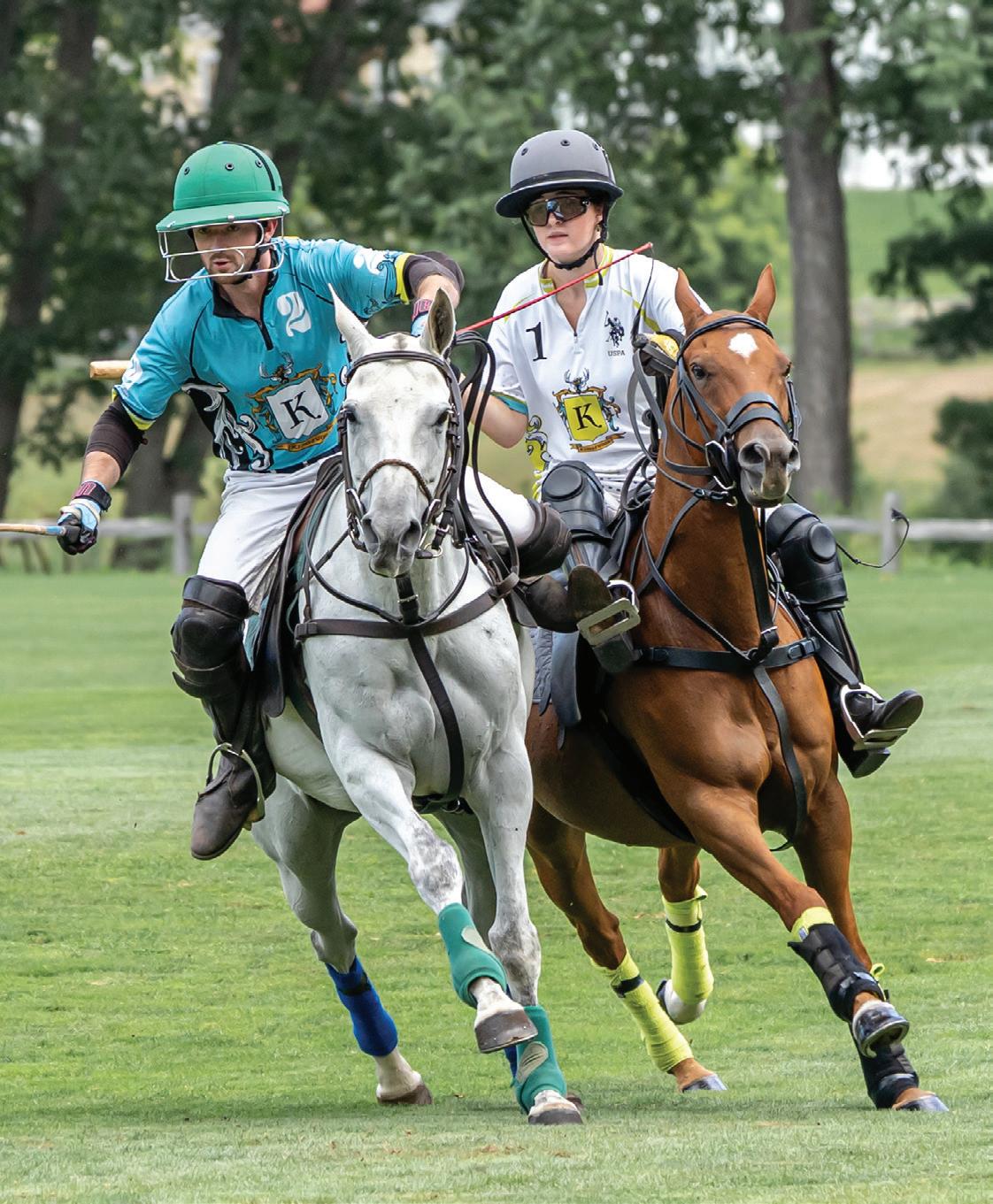
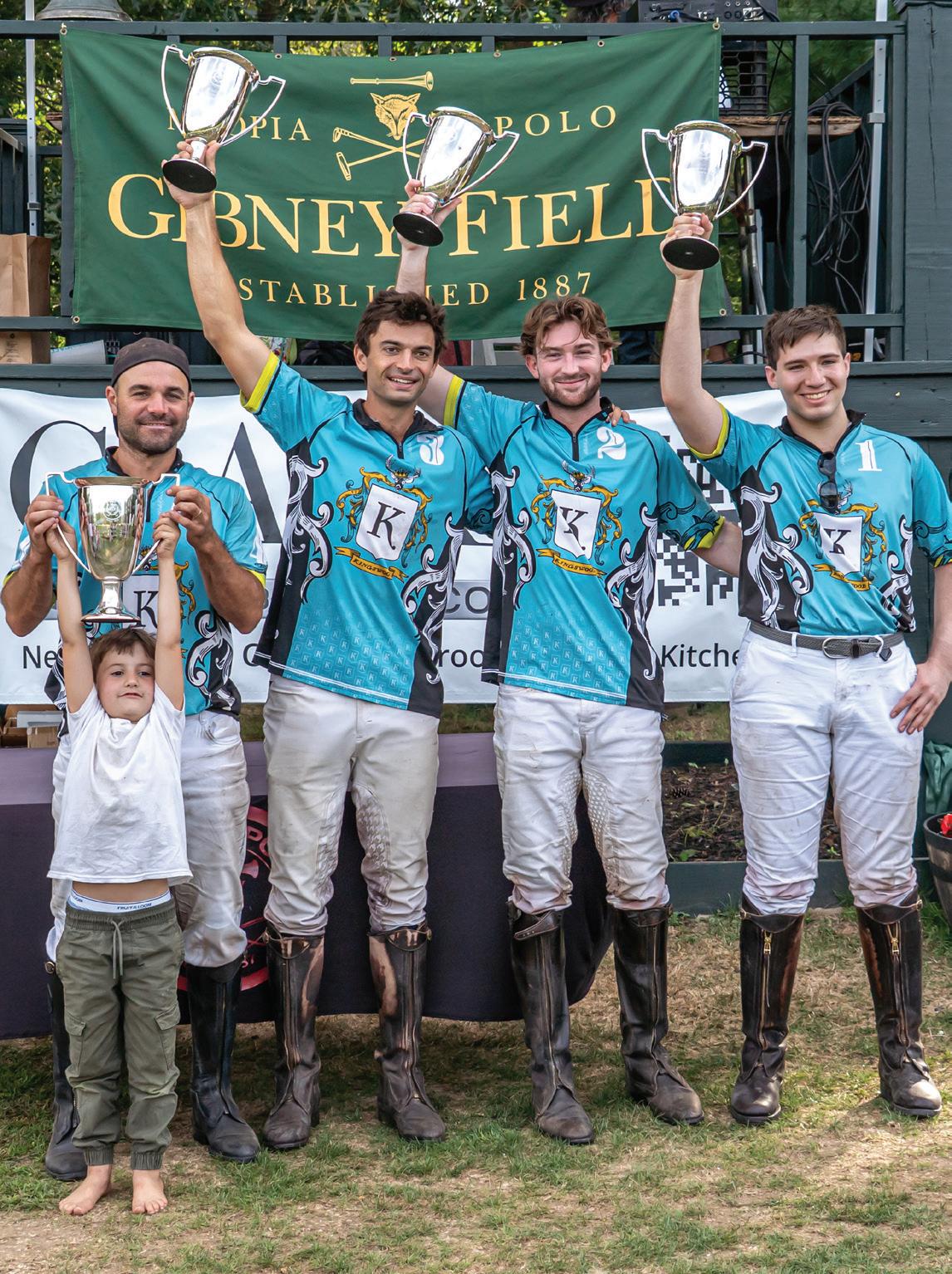
KINGSWOOD: The team of Ari Dogani, a rising star in Boston and Florida polo, teaming with Longmeadow and professional players Federico Wulff and Ernesto Trotz.
BLACK OAK: The ColloredoMansfeld family team, Black Oak features a rotating roster of family members.
DEL RANCHO: David Strouss’s team has competed at every level of Myopia Polo.
FOLLY FIELDS: Terri Campbell’s team has become a force to be reckoned with, having previously won the Governor’s Cup 6-goal as well as the Tuckerman Cup 4-goal.
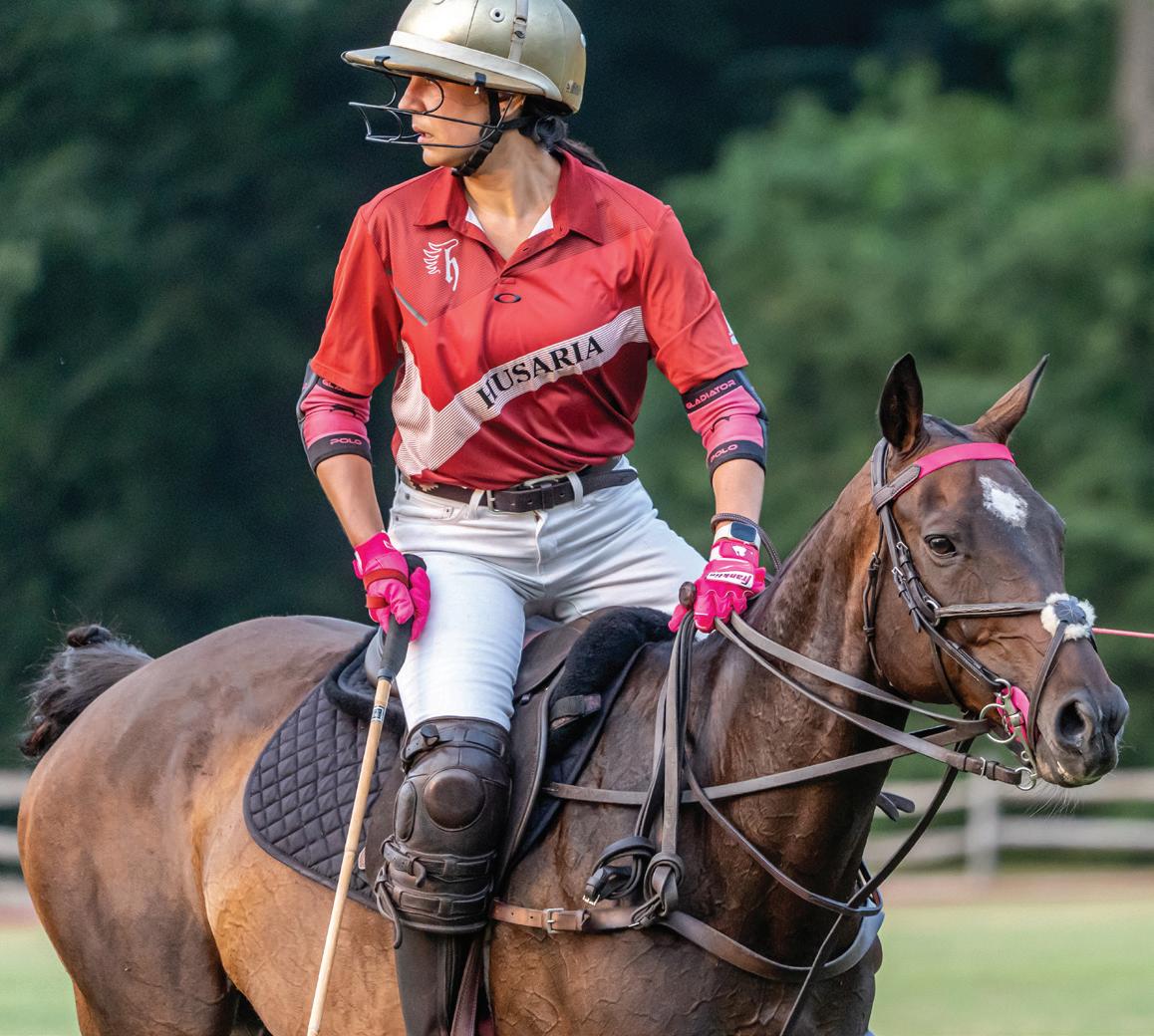
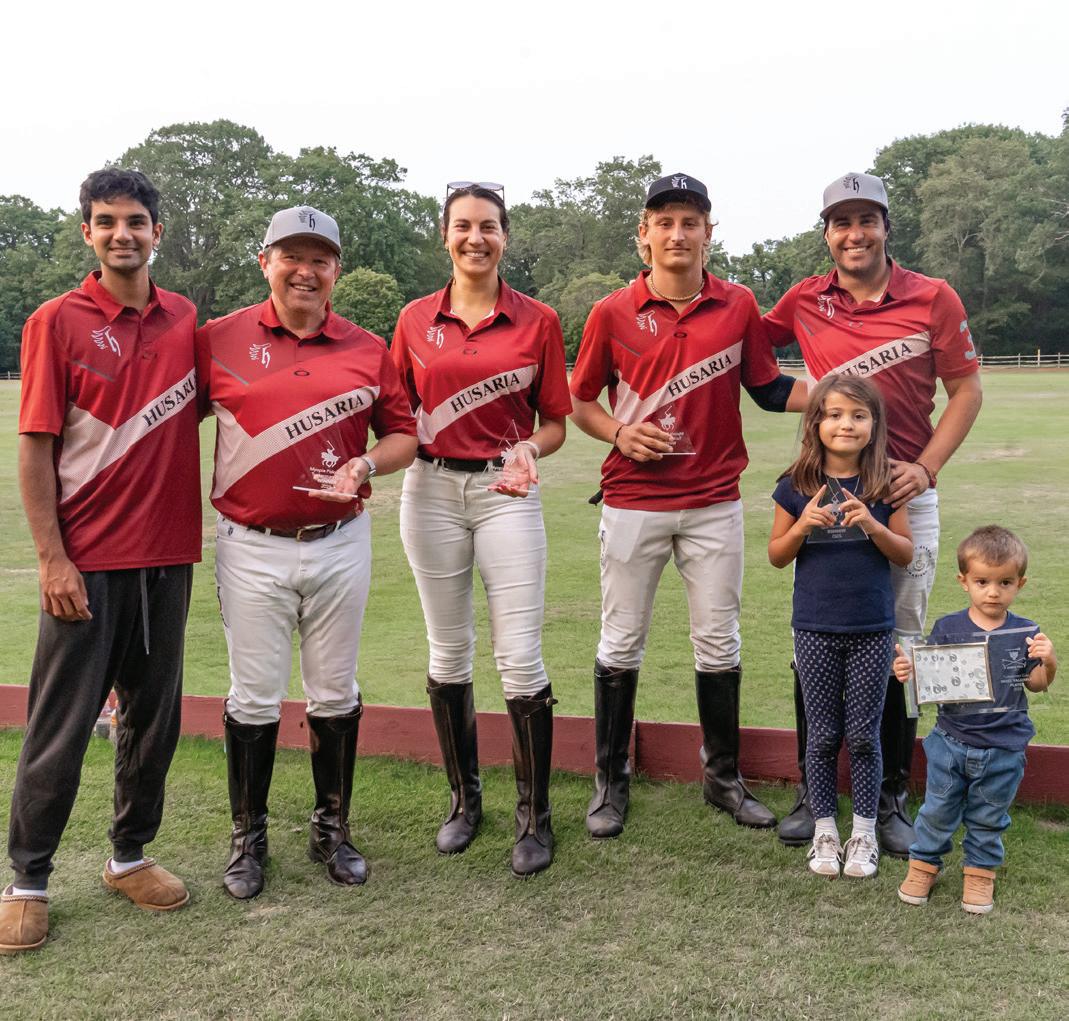
HUSARIA: The Grotnik family team features Yaz, Gracie and Augie Grotnik playing with 4-goal pro Manu Mazzocchi.
LONGMEADOW: Kurt Miller’s team, Longmeadow, now with son Parker playing alongside pro Federico Wulff, has had a long run at Myopia dating back to the 1970s.
PONY EXPRESS/ BLACKBURN FARM: The Daniels family’s team, Pony Express, has teamed up with Blackburn Farm, competing at the highest levels of polo in Florida and at Myopia.
SEAGULLS: The Snow family’s team, managed by Crocker Snow Jr., has a long and storied history with Myopia. Reconstituted last year, the Seagulls had a strong showing with wins of the 2024 Chairman, Harrison and Forbes cups.
STAGE HILL: The Poor family team, including Alyson Poor and Amanda (Poor) Roberts, is going on more than 50 years with Myopia.
AMY GATLIN
JOHN ELLIS
MAVERICK ELLIS
WHITNEY ELLIS
LYLE GRAHAM
JAMES GRAYKEN
WILLIAM GRAYKEN
ALBERT ELLIS
The science & art of eyelid surgery.
Trust your eyelids to an oculoplastic surgeon. With more than 15 years of experience and thousands of procedures on his record, Dr Glavas is a board-certified ophthalmologist with international clientele in Boston. Turn back time with the nonscar laser eyelid lift, the latest non-invasive treatments, and skin products to reduce fine lines and reduce lower lid bags.”
William’s polo career began nine years ago. Prior to polo, he had been riding for almost three years. His family often went to see polo, and as he watched, he fell in love with the game. He and his brother James were offered the opportunity to ride a polo pony and discovered how different they were from the horses they were used to riding. Since then, he and his brother have taken regular polo lessons in addition to horse-riding lessons.
AUGUSTUS “AUGIE” GROTNIK
Augie started playing polo at the end of 2017, and has several seasons under his belt with the Stage Hill and Myopia Interscholastic Polo Team. He has played polo on grass and in the arena in Arizona, Florida and New England. Augie attends New York University. 0 GOAL
GRACE ELLEN GROTNIK
Grace played on the Myopia Interscholastic Varsity Team and was awarded the Sportsmanship Award in 2017 and All Star in 2018 at the USPA Preliminary Regionals and at the BTC NYTS in Arizona. Grace was also presented the Dr. Billy Linfoot Award and named the Most-
Improved Club Player at Myopia in 2016. She has won several mediumgoal women’s tournaments. Grace is communications coordinator for the U.S. Polo Association. OUTDOOR 0.5 GOAL / 2 (WOMEN’S), ARENA 1 GOAL / 3 (WOMEN’S)
JACEK “YAZ” K. GROTNIK
Yaz started playing polo after a Sunday visit to Gibney Field nearly 30 years ago, and has since played across the U.S. and internationally in various low- and medium-goal tournaments up to the 14-goal level. He was captain of the Polish National Polo Team at the 8th Manipur International Tournament in India, and represented the USA Men’s Team in their win of the 2015 Bukovina Polo Snow Masters. In 2016, his team won the USPA Border Circuit Amateur Cup. He lives at Husaria Farm in Ipswich, and is a patron of Myopia Polo and the Husaria Polo Team. Yaz is the team advisor to the Stage Hill and Myopia Interscholastic Polo teams and a USPA-certified umpire. 0 GOAL
ROBERT GUTTMAN
Bob Guttman began playing at Myopia at the end of the 2022 season. He has played and coached as a riding instructor at Stage Hill Polo for about 40 years. He is known locally in Gloucester as a harbor-swimmer and to a smaller group there as a writer experimenting on themes of
courage that we all implicitly inherit from those who have come before, including our relationship with horses. -1 GOAL
TRISTAN HANLEY
Tristan grew up around the polo fields in Southern California before moving to Hong Kong and London where he spent the summers in Sotogrande. He later rode gymkhana in high school and naturally gravitated towards the polo scene in New England after moving to the East Coast. His aim is to one day be a 4-goal player like his father once was. Tristan currently works in investment banking in downtown Boston.
PHOEBE INGRAM
Phoebe came to the U.S. in 1996 from the U.K. and started playing polo at Myopia in 1997. She gained a 1-goal rating and won the East Coast Open at the 20-goal level and the 16-goal level and played in several successful seasons in Florida in the winter with her Mirage team. She continues her interest in and connection to polo by umpiring games. 0 GOAL / 2 (WOMEN’S)
PATRICIA JOHNSTONE
Patricia has had a lifelong passion for horses, which spurred a love for the sport five years ago via Stage Hill Polo. Now she and her husband, Gary, owners of Stones Throw Farm
PAST MYOPIA POLO TEAMS
BLACKBURN SUNSET: The Berube family team played competitively at Myopia.
CHANTICLEER: The Coke family team has competed successfully since the 1990s.
EFG: Bob Mehm’s team and employer, EFG has sponsored teams around the globe and at Myopia.
GALAXY POLO: The Grayken family team, with James and Will Grayken, successfully competed in Myopia’s 8-goal tournaments, and were winners of the 2021 Harrison Cup.
HOMEWOOD: The Riva family team, Homewood, is led by brothers Nick and Christian Riva and has won numerous championships at Myopia.
LITTLE BOW/BIG FOUR: The Ellis family team, Big Four, draws on the Ellises’ origins in Western Canada. Big Four won the top championship — the 12-goal Chairman’s Cup — in 2010.
MAPLECROFT: The Raymond family team, once led by Ted Raymond, a former Myopia Polo captain, is now under the leadership of Ted’s son, Jed.
PONY UP: Richard Salter’s team has been a highly successful team at Myopia and in Aiken, SC.
WINTER CREEK: The Graham family’s team, led by former Myopia Polo Captain Lyle Graham, had a 28-year run at Myopia.
ROBERT GUTTMAN
JACEK “YAZ” K. GROTNIK
GRACE GROTNIK
TRISTAN HANLEY
PATRICIA JOHNSTONE PHOEBE INGRAM
AUGUSTUS “AUGIE” GROTNIK
OBINNA KANU
Spend an hour at a Clarke Showroom and one thing is clear: your time with a Clarke Consultant is the most valuable part of your kitchen journey. While they’re not designers, these are the people designers call on when it comes to appliance recommendations. You won’t buy anything at Clarke, so there’s simply no pressure. What you can do is compare more Sub-Zero, Wolf and Cove models than anywhere in New England. Explore a living portfolio of kitchens created by the region’s top designers. You will leave inspired with new knowledge to make your appliance selections with confidence.
Showroom Manager Jeremy McCulla has been recognized by the design industry as Boston’s top customer service professional. His product knowledge and ability to understand the goals of discerning homeowners and designers makes your kitchen design journey a pleasure.
New England’s Official Showroom and Test Kitchen designers New kitchens
AGENDA the players
in Ipswich, are enthusiastic supporters of all aspects of the game. She is actively involved in the Myopia Coaching League, Winter Arena League and a supporter of the Myopia Polo Interscholastic Team.
-1 GOAL / 0 (WOMEN’S)
OBINNA KANU
Obinna is an MBA student at Harvard Business School. He has been playing polo on and off for about 9 years. He got into polo because he always loved horses and grew up in Jos, Nigeria, which has a large polo culture.
DONALD “DOO” LITTLE, JR.
After an 18-year hiatus, he is back on the Myopia Polo field. His main focus though is Centennial Farms. As president since 1990, Centennial is now the leading thoroughbredracing partnership company in the United States. Donald played on the University of Virginia polo team, has served on the Board of Governors, Executive, Tournament, Handicap, and Nominating committees for the U.S. Polo Association. Donald currently serves as president for the Belmont Child Care Association, United States Polo Association Tournament Committee, Chairman of the Club and Membership Administration Committee for United States Polo Association.
MAX MEHM
Max began playing polo at the age of seven in his hometown, Geneva, Switzerland. He participated in the Myopia junior summer polo programs, and later played for Myopia’s Interscholastic team. Max captained the varsity squash team at Dennison University. He lives in Montevideo, Uruguay, where he works for an international commodities trading company.
OLIVIA MEHM
Olivia began polo at the age of 11 in her hometown, Geneva, Switzerland. During the summers, she played in Myopia and Harvard’s junior programs. She was the captain of the Deerfield Academy Interscholastic Polo team. Olivia is an avid tennis player, golfer and marathon runner. She lives in Singapore where she works in international finance.
ROBERT MEHM
Robert was introduced to polo by his father at Myopia in 1979. Along with his brother, Ted, they formed the West Hill Polo Team. Robert has played polo in more than 30 countries from Brazil to Brunei, India, to Indonesia. He is also a two-time Nepal World Elephant Polo Champion. A former 3-goaler, Robert now has a 1-goal arena, and a 0-goal outdoor handicap. 1 GOAL
CHELSEA MESSINGER
Chelsea began playing polo in college at Yale, where she competed on the intercollegiate women’s team. Over the past decade, she has played internationally in China, Malaysia, Pakistan and Canada. Chelsea has played at Myopia since 2019 and competes throughout the Northeast in both women’s and mixed polo. She lives and works in Boston as a physician. 0 GOAL / 2 (WOMEN’S)
KURT MILLER
A veteran player and horseman at Myopia. Kurt brought steady play and formidable competition to the game. Kurt was inspired to follow in the footsteps of his father, who also played at Myopia. This summer, he looks forward to another year at Myopia and watching his son on their Longmeadow Team. Kurt’s wife, Jackie, is an active committee member and photographer for Myopia Polo. 0 GOALS
REED PARKER MILLER
A third-generation Myopia player who grew up around the Myopia Polo fields watching his father, Kurt, play as his grandfather played before him. He began with Myopia’s Junior program and Stage Hill Polo. At age 13, Parker played alongside his father on their Longmeadow Team, and won his first USPA tournament. He played
CAPTAINS OF MYOPIA POLO, PAST AND PRESENT
David Strouss, 2021-PRESENT Franz Colloredo-Mansfeld 2011 (CO-CAPTAIN)–2020
W. Albert Ellis, 2009–2010, 2011 (CO-CAPTAIN)
Lyle Graham, 2001–2008
Michael S. Fawcett 1996–2000
Neil St. John Raymond
1986–1996
Robert A. Wilkinson 1981–1983
Donald V. Little, 1968–1981, 1983–1986
Neil R. Ayer, 1960–1967
Forrester A. Clark
1937–1940, 1946–1959
Fredrick H. Prince, Jr. 1924–1925
Fredrick Ayer
1921–1923, 1929–1936, 1941–1945
Neil W. Rice, 1920
Henry P. McKean Jr., 1919
Charles G. Rice, 1918
James H. Proctor, 1917
Q.A. Shaw McKean 1916, 1927–1928
Quincy A. Shaw II, 1914
Dudley P. Rogers
1908–1912, 1915, 1926
F. Blackwood Fay 1902–1903, 1907, 1913
Rodolphe L. Agassiz
1893–1901, 1904–1906
R. M. Appleton, 1891–1892
OLIVIA MEHM
CHELSEA MESSINGER
ROBERT MEHM
KURT MILLER
HEBE MIDDLEMISS
REED PARKER MILLER
BRYAN PARROTT ALYSON POOR
MAX MEHM
DONALD “DOO” LITTLE, JR.
AGENDA the players
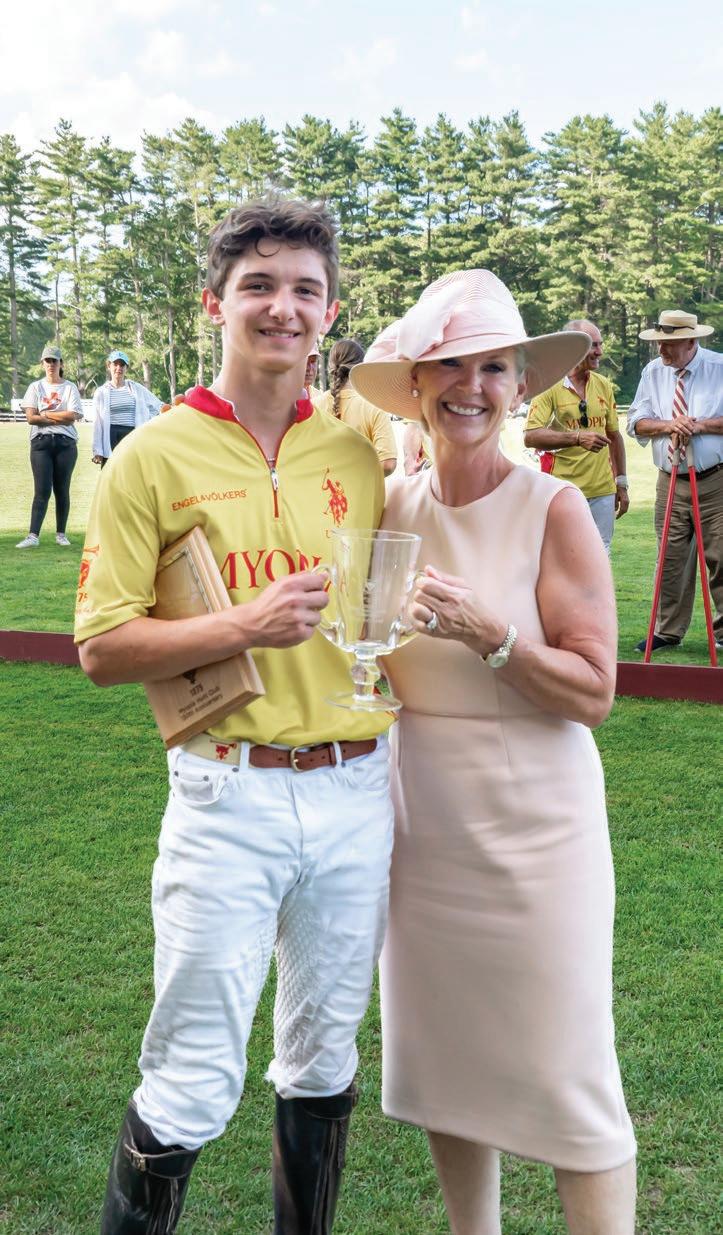
on the Myopia Varsity Interscholastic Team and received an All-Star at the USPA Prelim Regionals. In 2019, Parker won the USPA National Youth Tournament Series in Aiken. He’s since earned a Masters of Science. And, was MVP in Myopia’s 150th Anniversary Match. He continues a family tradition of traveling to South America to play polo. 1 GOAL
FINN O’KEEFE
Finn learned to play polo three years ago and has been playing in coaching league and with the Crimson Interscholastic Team ever since. She is a student at Brookline High School.
BRYAN PARROTT
Bryan Parrott, DVM, owner of Parrott Equine Associates LLC, has been enjoying the sport of polo for approximately 30 years. He finds it one of the most enjoyable and challenging sports he has participated in. “It’s exciting,” he says. “It’s a team sport, and to be good you have to work well with your team and your precious horses. You have to master riding, hitting, position awareness and understand the rules. It’s a total thrill.”
ALYSON POOR
Alyson’s career with animals started at age 7, when she began riding and
playing polo at her father’s polo school in Hamilton. Alyson graduated with a degree in animal science from the University of Kentucky, where she also played on the polo team. She is a licensed riding instructor and has traveled all over for polo including Argentina and Jamaica. 0 GOAL / 4 (WOMEN’S)
ESTANISLAO “ESTANI” PUCH
With a handicap of 3 in Argentina and 2 in the U.S., Estani has played at Myopia for the last 11 years. He divides his time between the U.S. and Argentina, where he runs El Rincon del Polo Club & School outside Buenos Aires in the winter months. 2 GOALS
ESTANI JAMES PUCH
EJ is an Argentine-American polo player and a rising sophomore at Babson College. Having grown up around the sport, he was introduced to polo through his father’s professional career and has been playing from a young age. Currently holding a 1-goal handicap, he continues to develop his game while balancing academics and entrepreneurial interests. His goal is to keep improving and remain closely connected to the sport. -1 GOAL
NEIL “JED” ST. JOHN RAYMOND JR.
Jed grew up playing polo with his dad,
former Myopia captain Ted Raymond, for Maplecroft Farms, and has played in the U.S., Argentina and the U.K. Jed is a graduate of Middlebury College and Harvard Graduate School of Design. A gifted athlete, he excelled in lacrosse, which he played professionally after graduation. 2 GOALS
ROBIN REYES
Robin Philip Reyes, age 12, started swinging a polo mallet on horseback when he was just 5 and debuted at Myopia Sunday games when he was 10. Robin plays arena polo with the local Crimson Interscholastic Polo Team during the fall. He encourages more kids to take up the sport. He loves playing polo and works hard so he can play. He helps his father, the assistant coach of Harvard Polo, on the farm throughout the year and can often be seen working as a flagger at Myopia during the tournament games. Robin has won numerous All-Star and horsemanship awards in the USPA I/I Middle School League and NYTS tournaments. In 2024, he received the USPA 5th High Point award.
THOMAS RIZZO
Tom has been playing polo for more than a decade and riding for longer. He is an engineer by day and a pilot and sailor by weekend. -0.5 GOAL
JUNIOR PLAYERS
Drew Carleton
Maverick Ellis
Finn O’Keeffe
Robin Reyes
Ava Croce
Kallie Zublatt
Taylor Weber
Mary Steck
Lily Bohlin
Abby Bohlin
Taylor Carleton
MYOPIA COACHING LEAGUE MEMBERS
Alexis Atkinson (Junior)
Skylar Bell (Junior)
Andrew Carleton
Taylor Carleton (Junior)
Jaya Khurana
Francoise Martinolle
Leslie Milne
Alessandria O’Keefe (Junior)
Finn O’Keefe (Junior)
Novah Wali
Nick Zaragoza(Junior)
THOMAS RIZZO
NEIL “JED” RAYMOND JR.
BRYNN ROBERTS
STEVE RUDOLPH
ROBIN REYES
ESTANI JAMES PUCH
AMANDA (POOR) ROBERTS
AURELIA RUS RICK SALTER
ESTANISLAO “ESTANI” PUCH
AGENDA
the players
AURELIA RUS
Aurelia has been a playing member at Myopia since 2019. She first learned to play polo while attending Cornell University, and picked it up again with Stage Hill Polo in 2015 after relocating to Boston. Aurelia lives in Medford. -0.5 GOAL
RICK SALTER
AMANDA (POOR) ROBERTS
Amanda has been playing polo since she learned to walk. She learned from her father, Peter Poor, within his successful polo school Stage Hill Polo, of which she now runs since his passing. Amanda is also head of the Myopia Coaching League. She plays in women’s tournaments across the country and currently holds the highest women’s handicap at Myopia. She lives in West Newbury, Mass., with her husband, Scott, two stepchildren Garret and Brynn, and son, Mason. 1 GOAL / 5 (WOMEN’S)
BRYNN ROBERTS
Brynn started polo in the fall of 2017. She learned to play from her stepmother, Amanda Poor Roberts. She quickly advanced and now plays regularly with the Stage Hill Polo Club and Myopia Polo Club.
STEVE RUDOLPH
Steve is a lifelong New Englander residing in Newburyport with his wife, Sarah. When not playing polo, Steve is a strategy consultant to telecommunications and media companies in the U.S. and Latin America. -0.5 GOAL
Rick started playing polo at Myopia in 2001. He plays nearly year-round, as he owns a farm in Aiken, SC, and plays in Florida during the winter and Argentina in the fall. RATED B.5
LIZ SAWICKI
Liz started playing polo with Stage Hill Polo in 2021. She has played in 4-goal tournaments and women’s tournaments. Liz lives on the North Shore with her husband and daughter. When they are not at the polo fields, Liz and her family enjoy surfing and snowboarding. -1 GOAL / 0 (WOMEN’S)
C.B. SCHERER
C.B. joined Team USPA in 2010 and now works in finance in Boston, but continues his passion for polo and teaching at Myopia. A third-generation polo player from Florida, C.B. played for the UVA squad and was a three-time Men’s National Intercollegiate Champion. In 2012, he was a finalist at the East Coast Open on the Airstream Polo Team, a Harrison Cup winner and MVP and winner of the Eduardo Moore 12-goal. 2 GOALS
CROCKER SNOW JR.
Myopia’s senior polo veteran, Crocker started playing in college during the renaissance of polo at Myopia in the early 1960s and has played ever since, broken only by
years living abroad. Crocker has played in Europe, Africa, Asia, the Middle East and South America. Once rated at 4 goals, he now typically plays the back position and is co-coach of Harvard’s polo team.
1 GOAL
NICK SNOW
Nick played with his father and older brothers as a teen and later captained Harvard’s polo team. A big hitter and good horseman, Nick was named to Team USPA and represented the U.S. in the FIP World Championship in Argentina. 4 GOALS
ROB WILKINSON
Rob, a former captain of Myopia Polo, was an active player at Myopia for more than 25 years. He has been an enthusiastic rider for many years and enjoys riding and fox hunting with the Myopia Hunt. Rob is president of New England Trust Services and lives in Topsfield with his wife, Darlyn.
KALLIE ZUBLATT
Kallie is a 7th grader and just finished her first year on the Crimson Interscholastic team. She also played in the Myopia Coaching League last summer. She began playing polo at age 9 with Stage Hill Polo. She is an honors student and enjoys basketball, spending time with her dogs and drumming in her spare time.
Players are responsible for updating their biographies. Please fill out the form at nhmagazine.com/ myopia-polo-bio-questionnaire.
MYOPIA POLO COMMITTEE
David C. Strouss, Captain
Terri Campbell
Andrew Carleton
John Ellis
Jacek K. “Yaz” Grotnik
Jacqueline C. Miller
John Kurt Miller
Neil Raymond Jr.
MYOPIA STAFF AND GROUNDS CREW
MYOPIA POLO MANAGER: Erica Kratz
STAFF:
Jackson Courtney
Samuel Coues
EJ Puch
Cameron Taylor
Joe Hughes
Patrick Driscoll
Wyatt Arvanites
Ian Graham
Teddy Kinch
MYOPIA EVENTS & MARKETING:
Cathy Taylor
CORPORATE SPONSORSHIP
Marlene Pippins
GROUNDS SUPERINTENDENT: Jonathan Wilber
STAFF:
Cyle Machia, assistant superintendent
Ben Ayer,
assistant superintendent
Quintin McCartney, head mechanic
Noah Tuomi, assistant in training
Jim Gower, seasonal mower
ROB WILKINSON
CROCKER SNOW, JR.
NICK SNOW
LIZ SAWICKI
C.B. SCHERER
photograph by jacqueline miller
KALLIE ZUBLATT
AGENDA POLO 101
GAME PLAY
PREPARING PLAYERS FOR THE PITCH
POSITIONS
A polo match pits two teams of four players and their ponies against each other. The players on each team are numbered one through four, with each number representing a general role as follows:
GOAL SCORER . This player pushes forward aggressively and seeks openings into which teammates can hit. This player also marks the opposing team’s No. 4, or Back.
ENERGIZER . The energizer is always involved in play while quarterbacking the offense and neutralizing the opponent’s top player.
FIELD CAPTAIN . The field captain typically is the best player on the team and directs the flow of the game.
DEFENDER . The defender plays at the back of the game to prevent the other team from scoring.
HANDICAP DESCRIPTIONS Every player on the field carries a handicap from -2 to 10 goals, based on their skill level and horsemanship, as determined by a national handicap committee. A handicap of 10 represents the highest ranking in the game.
OBJECT OF THE GAME
It’s simple: score as many goals as possible and win by outscoring the opposing team.
PLAYING THE GAME
Because polo involves horses that weigh thousands of pounds, all moving at high speeds toward the same ball, “right-of-way” is the most important concept in the game, and is designed to keep horses and riders safe.
BALL OUT OF PLAY
A ball is out of play when it is hit over the boards or sidelines, or is hit over the back line by the opposing team.
CHUKKERS
A polo match lasts between one and two hours and is divided into chukker (periods) that last seven-and-a-half minutes. A polo match, depending on the tournament setting and whether or not the match goes into overtime, can consist of four to six chukkers.
STOPPAGE OF PLAY
An umpire will stop play if a rider is hurt or a horse is injured; a rider loses their helmet, provided that no team will gain from a stoppage of play; or a horse’s equipment becomes damaged, presenting potential danger to other horses or riders. Play is not stopped if a rider falls off their horse and is uninjured.
RIGHT-OF-WAY
AND RIDING OFF
The rider who is following the ball on its exact line, or who has the least angle to reach the ball and is taking it on the offside without committing a foul, has the right-of-way. A rider can be ridden off the ball. Riding off is also allowed, even if the other
THE FIELD. The polo field is equivalent to the same size as nine football fields.
NEW IN 2026
The optional tournament condition for Fair Play Possession is eliminated, and Outdoor Rule 22.h will apply to all outdoor polo matches. The rule establishes a formal Fair Play Possession procedure when play is stopped and the team in possession is significantly disadvantaged. The restart location and method are determined by field position, with clear positioning requirements for the defending team and a defined timing procedure for restarting play.
player is not playing the ball. But riding off is not allowed if the rider comes in to the other rider at a dangerous angle. When one rider rides off another, they’re not allowed to hit, strike or push off with the hand, forearm, elbow or head, but they are allowed to push off with the upper arm. A rider isn’t allowed to grab another player, their equipment or their horse. A rider is not allowed to weave back and forth in front of another rider, thus forcing the other rider to change the speed at which they’re riding.
CROSSING
A foul will be called if a rider crosses another rider in the right-of-way, if they come close enough to be dangerous, or causes a rider and horse to slow up. A rider in possession of the ball can’t be crossed.
HOOKING STICKS
A rider is allowed to hook another rider’s stick, as long as they and the ball are on the same side of the opponent’s horse and the rider is about to hit the ball. A rider is allowed to hook another rider’s stick if they are directly behind an opponent, but the stick must be below the level of the opposing rider’s shoulder.
STICK MISUSE
A rider may not reach across or under an opposing rider’s horse to hit. A player is not allowed to use a stick in an unsafe way, or in a way that obstructs or hinders another rider or horse. A rider is not allowed to hit the legs of an opposing player’s horse.
photographs by jacqueline miller
RULE BOOK
DESIGNED TO KEEP THE GAME MOVING AND PROTECT PLAYERS AND PONIES FROM INJURY.
APPEALING FOR A FOUL Trying to influence the call of an umpire is most often done by lifting the mallet up in the air. Appealing for a foul is itself a foul, though seldom called.
DANGEROUS RIDING. A foul which occurs when a player executes an improper or dangerous ride-off, zig-zags in front of another player traveling at speed, slides across the back legs of another player’s horse close enough so there is a risk that one or both horses could trip, rides an opponent across the right-of-way of an oncoming player at an unsafe distance, deliberately rides their horse into the swing of another player, or generally exhibits a disregard for the safety of other players and/or their horses.
FOUL. A foul is an infraction of the rules. The most common types of fouls are rightof-way infractions, walking the ball, turning the ball, dangerous riding, rough or abusive play, improper use of the mallet and unsportsmanlike conduct.
IMPROPER BLOCKING. A recent update to Outdoor rules will prohibit blocking in live play. In addition to prohibiting blocking on set plays, the rule now states that, during live play, when a player in possession of the ball either stops or reduces his or her speed to a slow canter or walk, no teammates of the player in possession may block a defending player within two horse lengths of the player with the ball from making a play on that player or the ball.
IMPROPER USE OF MALLET. A foul occurs when a player executes an improper hook, such as high hook (above the shoulder), a cross hook (from the other side of the horse) or a slash hook (excessive force), or uses a mallet in a way that endangers their mount, an opponent, an opponent’s mount, an umpire or a spectator.
PENALTY. The result of a called foul or infraction of the rules. The umpire imposes a penalty to either compensate the other team for the loss of advantage or to sufficiently penalize the fouling team for a rule violation that did not cause a disadvantage to the opponent, such as unsportsmanlike conduct.
RIGHT-OF-WAY. The right-of-way is best thought of as a highway, with the line of the ball creating the centerline. The player traveling in the direction of the ball, with the ball on their offside and at the least angle to it, generally
has the right-of-way over the other players. When the player’s progress to the ball within that right-of-way is improperly impeded, a foul is called. Examples of right-of-way violations include entering the right-of-way at an unsafe distance or speed (comparable to cutting in from an on-ramp while driving too slowly), crossing over the line of the ball in front of someone on the right-of-way, stopping on the ball or one player meeting two.
ROUGH OR ABUSIVE PLAY. A foul that occurs when a player abuses their horse, another player or another player’s horse. This can include seizing or striking with the hand, elbow, head, mallet or whip.
SAFETY. When a defending team hits the ball over its own end line. When a safety occurs, the attacking team is awarded a Penalty 6, which is a defended penalty shot from 60 yards out and perpendicular to the end line at the spot the ball went over the end line.
TURNING THE BALL. Technically known in the USPA rules as a Quick Line Change, turning the ball is when a player slows down dramatically and changes the line in a very small space. When defended, this is a foul. Until recently, this rule was rarely enforced. In the last several years, all three major associations have begun enforcing the rule to create a more open and flowing game. To distinguish between running a turn, which is not a foul, and turning the ball, which is a foul when the player is defended, look at the distance between the player with the ball and the defender. When running a turn, the distance between the two players does not close. When turning the ball, that distance closes quickly and is considered unsafe.
UNSPORTSMANLIKE CONDUCT. When a player uses vulgar or abusive language; is disrespectful to another player, coach, umpire or spectator; argues with an umpire; delays the game by feigning injury or requesting an unnecessary tack time-out; or appeals for a foul, especially by wind-milling their mallet.
WALKING THE BALL. Carrying the ball while slowed down to a walk. In outdoor polo, this is a foul for delay of game. When called, it results in a throw-in at the spot of the infraction. In arena polo, the player must maintain “reasonable pace” when along the wall. There is no rule governing pace in the arena when not along the walls.
POLO 101
FOULS AND PENALTIES
Umpires decide the severity of fouls and which penalties are appropriate. One particular foul does not have a specific penalty associated with it. Below are penalties listed in the order of their severity. Team captains are the only players who can discuss issues that arise during a game with an umpire.
A goal and a penalty 5.b hit is awarded to the fouled team. Given for the most dangerous fouls.
A free hit given to the fouled team, taken from 30 yards from the front of the goal. Given for dangerous fouls.
A free hit given to the fouled team, taken from 40 yards from the front of the goal. Given for less dangerous fouls.
A free hit given to the fouled team, taken from 60 yards out. Given for moderate fouls.
Two types of free hits: 5.a from where the ball was fouled and 5.b from the center of the field. This is for mild fouls.
A safety, or where the ball is hit from a spot 60 yards from the end line opposite where the ball crossed the end line, but no more than 40 yards from the center of the 60-yard line.
POLO LINGO
GLOSSARY OF TERMS AND OTHER BASICS
APPROACH SHOT: A long shot taken to get the ball close to the opponent’s goal.
BACK SHOT: When a player hits the ball backwards, can be played on both the nearside and the offside.
BOARDS: Wooden barriers placed alongside a polo field to keep the ball in the playing area.
BUMP (A.K.A. RIDE OFF):
When two riders come into contact with each other with the objective of knocking or pushing the other rider off the line of the ball, so they are unable to hit it.
an offensive player’s mallet before it hits the ball.
GEARED UP FOR PLAY
CENTER LINE: Middle of field where the ball is thrown in after each goal.
CROSSING: When one rider cuts across another player’s right-of-way.
CUT SHOT: When a player makes a stroke that is at an angle to the direction in which they’re riding.
DIVOT STOMP: A halftime tradition in which spectators enter the field to replace divots made by the horses back into the ground.
DRIVE: A player hitting the ball either forward or backward along the same parallel line the horse is taking
FOREHAND: When a player hits the ball forward, can be played on both the nearside and the offside.
FREE HIT: For certain rule violations, a player will be allowed a free and uncontested hit at the ball.
GOAL: When the ball crosses between the two goal posts, resulting in a score.
KNOCK IN (A.K.A. HIT IN): When the offensive team hits the ball over the back line wide of goal. The defending team then plays the ball from the point at which it went over the back line.
LINE OF THE BALL: The path along which the ball travels after a hit. This line extends beyond the ball as well.
LINE JUDGE: Assists the umpires by signaling whether the ball went between or outside the goal posts.
NECK SHOT/TAIL SHOT: The former is played under the horse’s neck. The latter, beneath and behind the tail.
OFFSIDE/NEARSIDE: When seated on a horse, the offside refers to the player’s right side, and the nearside refers to their left side.
TACK TIME: Stop in play, called by the umpire, if a player’s tack is broken.
TAILGATING: One of the most celebrated polo pastimes, complete with picnic tables and baskets, gourmet snacks and plenty of beverages.
THROW-IN: When an umpire bowls the ball between teams to start play.
photograph by jacqueline miller
MYOPIA instagram
AGENDA Contests
AUDIENCE
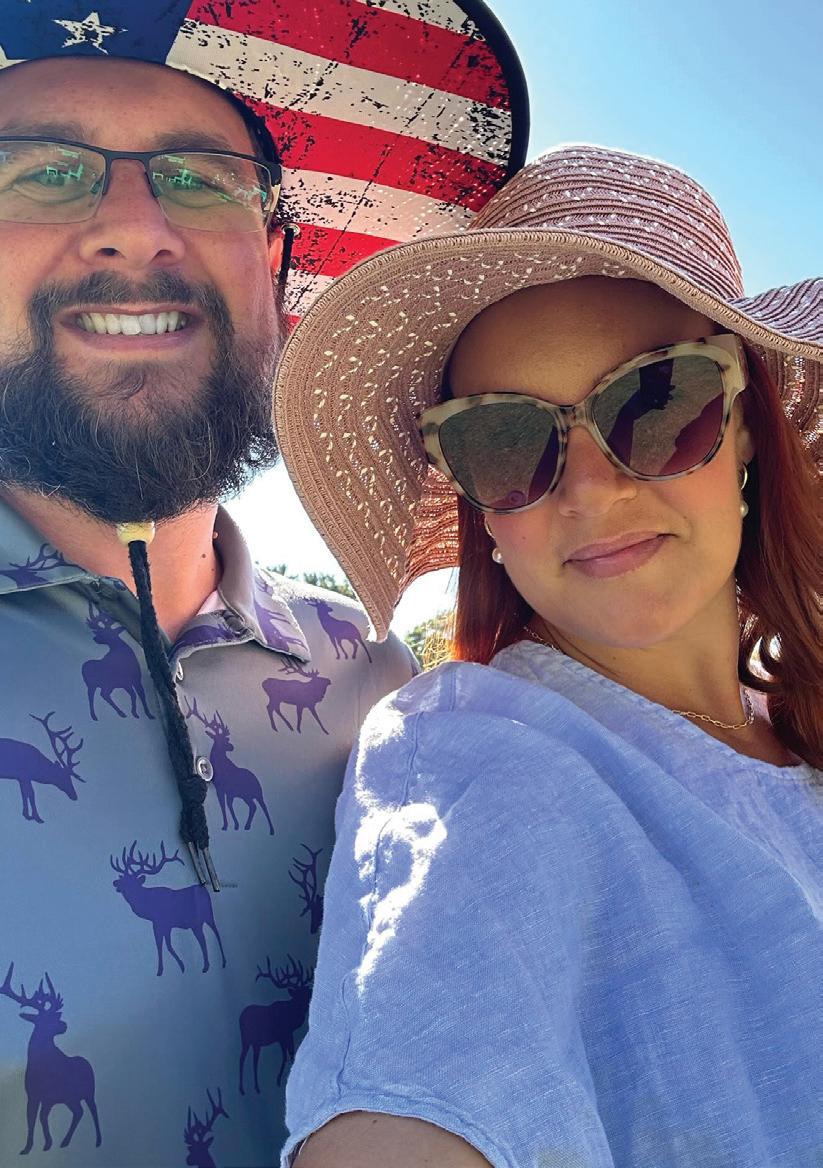
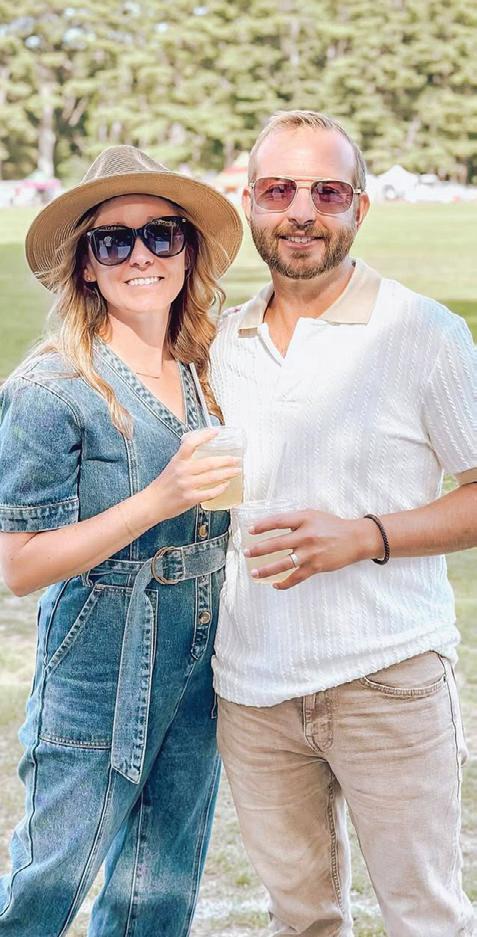
PARTICIPATION IN HAT AND TAILGATE CONTESTS
Even when a chukker isn’t in active play, tournaments at Myopia Polo are a buzz of activity. Players sign autographs, kids frolic along the grassy sidelines and spectators of all ages participate in traditions.
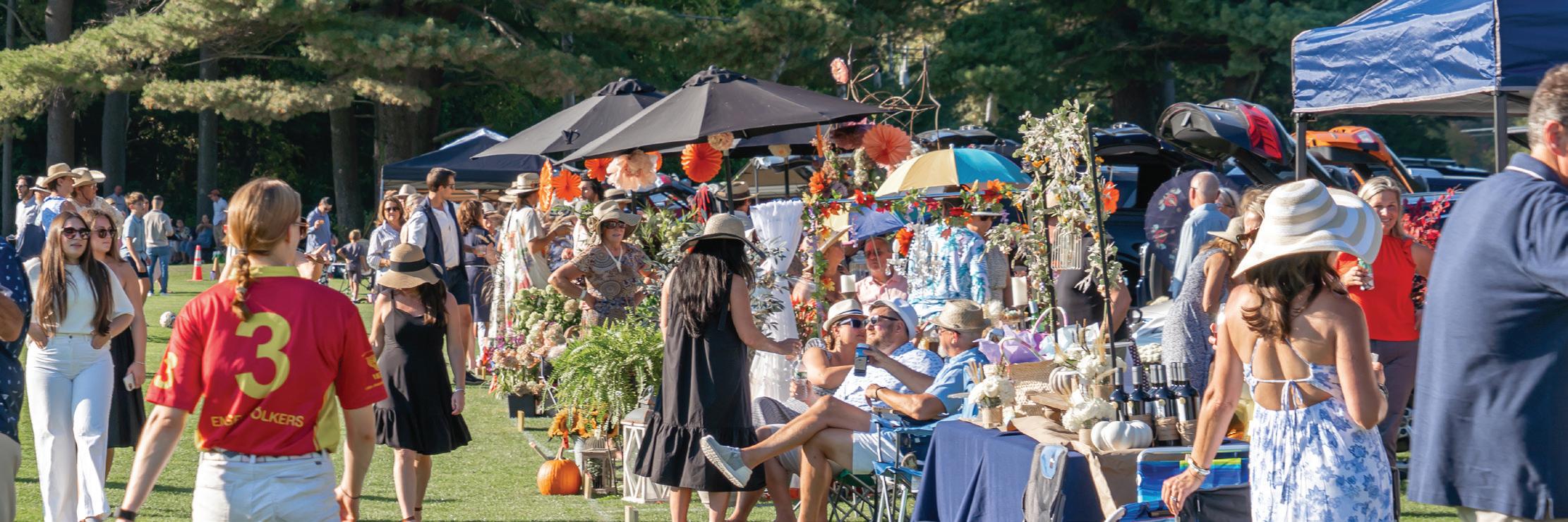
Among the favorite activities are the annual tailgate and hat competitions.
The Hat Contest is tentatively scheduled for the Cohiba Cup on Sept. 13, while the annual Tailgate Competition is set for Sept. 27 during the Rodney O’Connor Divot Cup.
Cathy Taylor, coordinator of Myopia marketing and events, said the events are so popular they can’t be held the same weekend.
“The Hat Contest is a more recent addition in the last few years,” Taylor said. “The Tailgate Competition is something we’ve been doing every year as long as I can remember, and every year it gets bigger and bigger.”
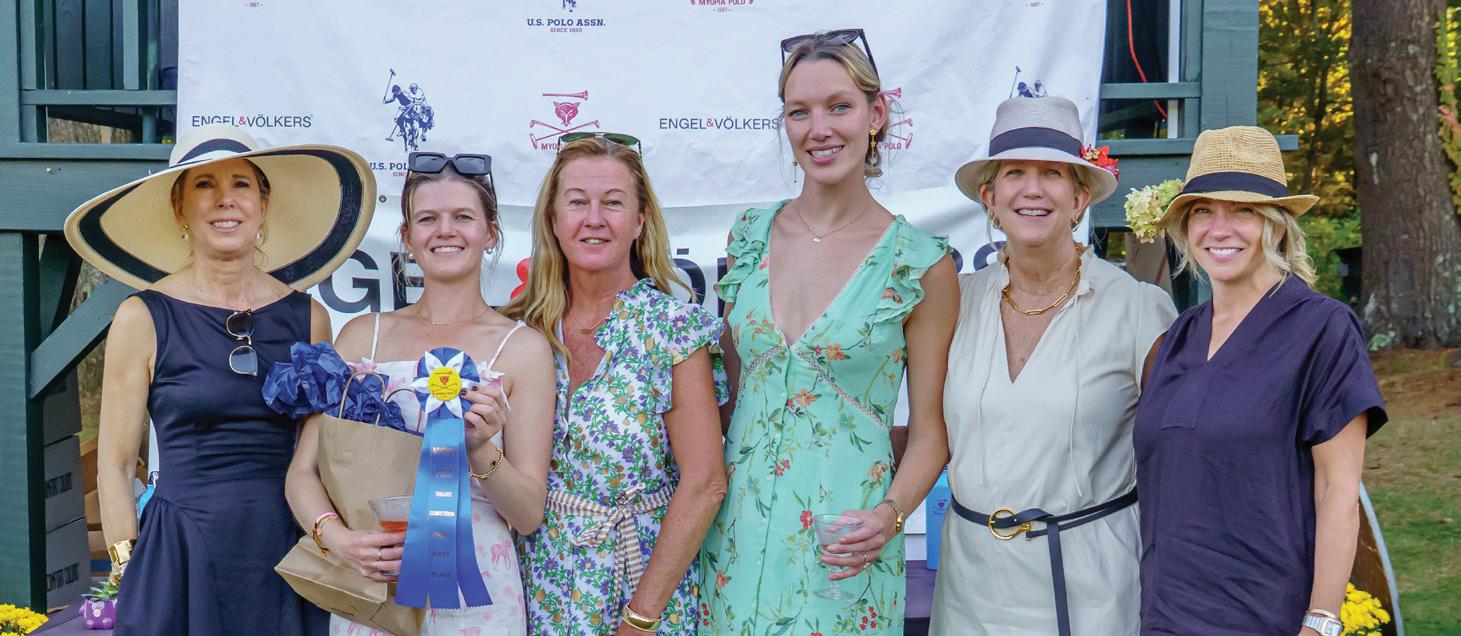
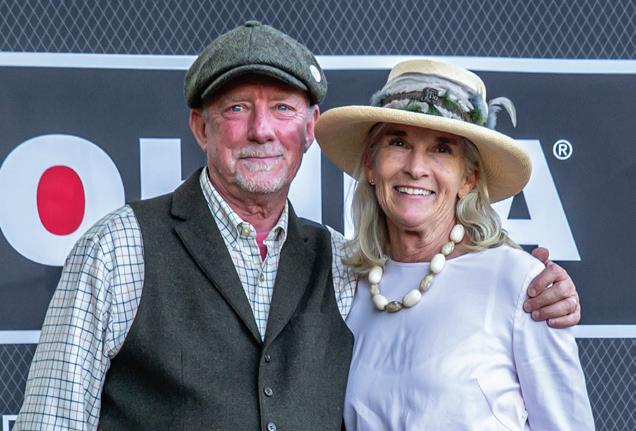
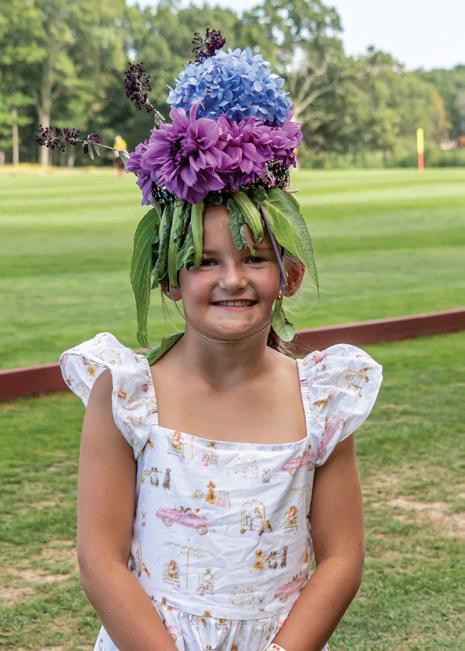
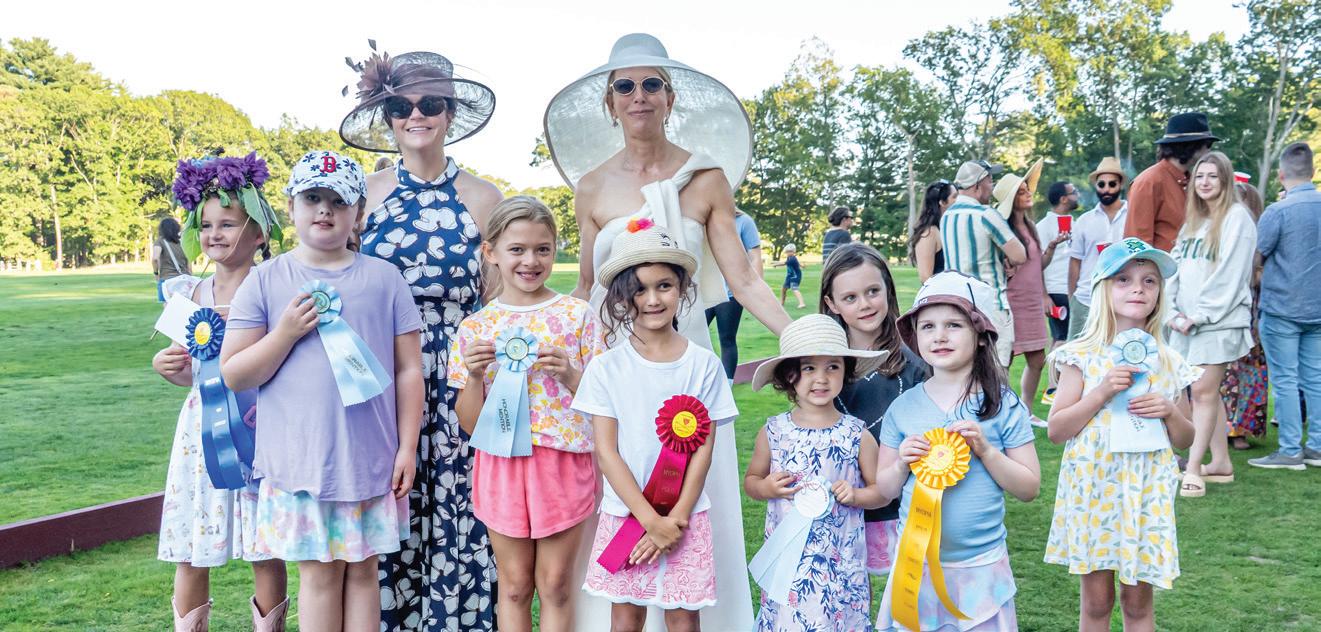
The Hat Contest awards prizes in three divisions: fashionable, creative and juniors (16 and younger).
The theme for the 2026 Tailgate Competition will be determined later by a committee. Participants must register at the gate. They are judged on relevance to theme, food and beverage and overall décor. Displays are limited to one tailgate space width and must include the automobile. Prizes are awarded by the judges.
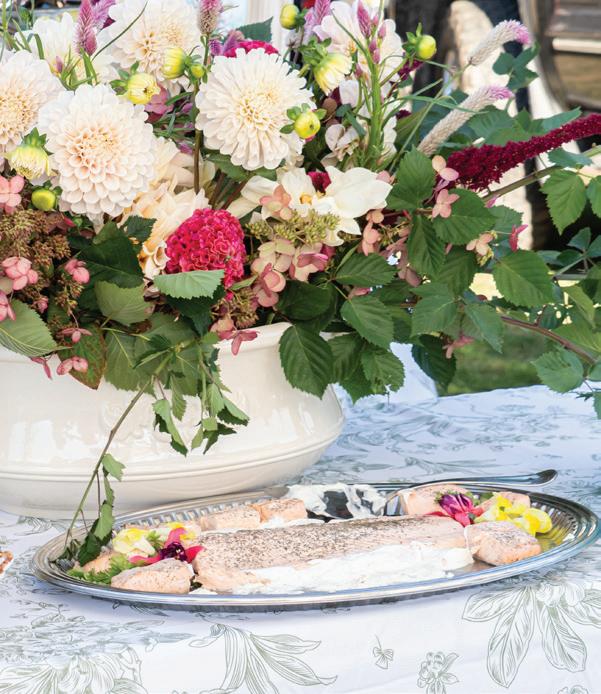
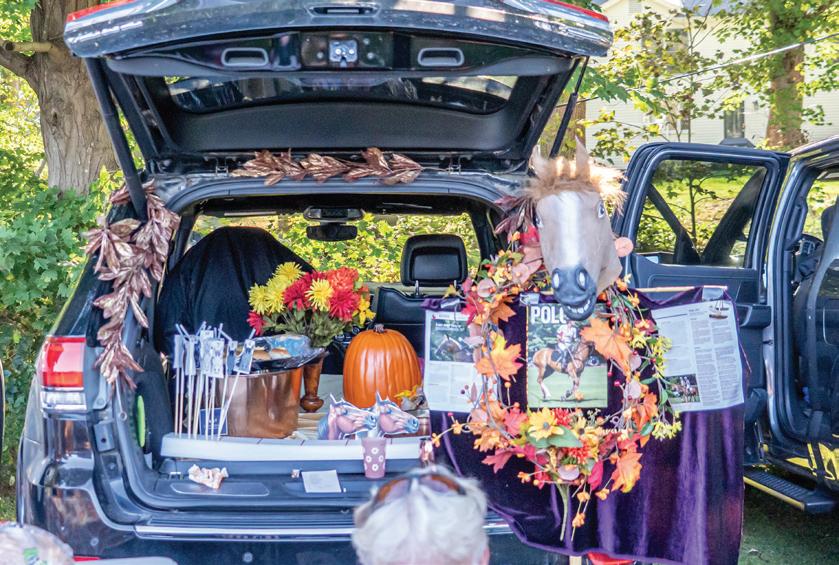
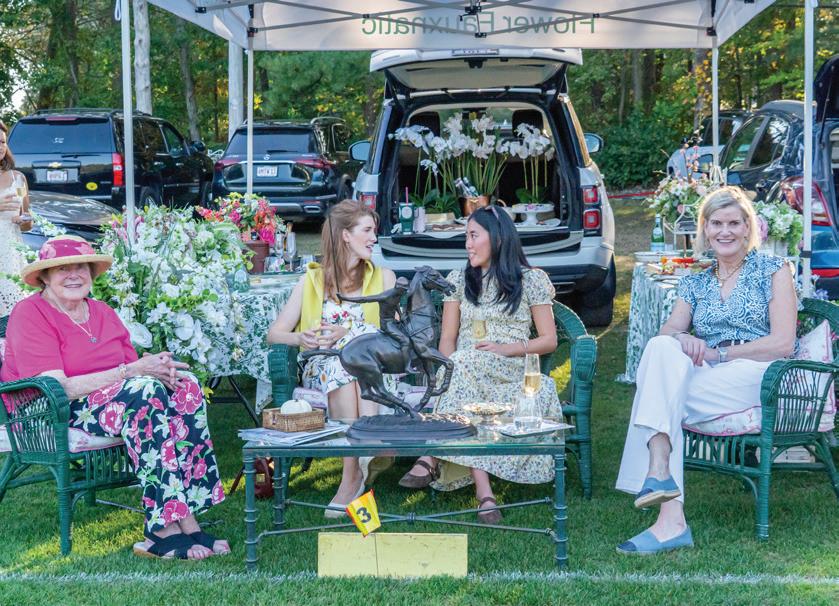
The 2025 theme for the Tailgate Competition was “garden party.”
“Last year was off the charts,” Taylor said. “It was a beautiful day. The number of entries we had was great; we had more than 20 entries.”
TAILGATE CONTEST
More than 20 vehicles entered the 2025 tailgate competition, crafting displays to the theme of “Garden Party.”
photograph by jacqueline miller
HAT CONTEST
Hats are judged in three categories for the annual contest. There are divisions for most creative, fashionable and a youth division.
SPECTATOR RECOMMENDATIONS
AND EXPECTATIONS
With a bit of preparation and consideration, you can make the most of your day at Gibney Field.
Gates open at 1:30 p.m. for the 3 p.m. matches, but coming early doesn’t mean waiting in boredom. Tailgating is welcome at all matches, not just the Tailgate Competition, so pack a picnic with sandwiches, charcuterie and other finger foods. Don’t forget to bring beverages to stay hydrated during the match. Bring a trash bag with you, as the field is a carry in-carry out facility.
Consider the weather and terrain while preparing to watch the matches. A lawn chair will make sitting on the sidelines more comfortable. Bring a jacket or a blanket for chillier, early fall games. Things like a shade hat, sunglasses, sunscreen and bug spray don’t take up much room but can greatly improve comfort while sitting outdoors. A collapsible canopy can provide shade or rain protection.
Fashion is often still a polo tradition, though more relaxed in this modern area. Wear clothes that fit the festivities but are also sensible for walking across a grassy field and being out in the elements.
Most importantly, spectators should show respect to the players, ponies and game by following all safety guidelines, staying off the field during play and listening to the announcers and officials. Dogs are allowed to attend, but must be leashed at all times. Players often will make themselves and their ponies available to meet with fans, but always check before getting near the horses and approach from the side.
MYOPIA scene
Myopia Polo Ball August 1
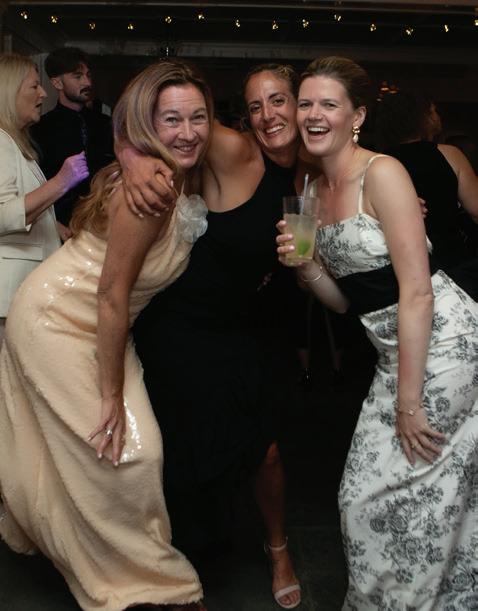
For most of the summer, Myopia Polo players meet on the field as competitors. But for at least one night each season, they trade in their mallets for an evening defined by connection, celebration and shared tradition. The Myopia Polo Ball, set for Saturday, Aug. 1, returns as one of the club’s most anticipated gatherings, bringing together players, families and friends across generations.
A fixture of the summer calendar for more than four decades, the ball was founded by Judith and Donald V. Little Sr. as a way to foster camaraderie and sportsmanship beyond the match. Today, that spirit remains at the heart of the event, even as each year introduces new touches to keep it fresh and inviting.
Organized by Tracy Strouss, the evening is thoughtfully designed to reflect both tradition and evolution. This year, that means a renewed focus on inclusivity, ensuring the ball continues to be accessible for generations in the Myopia community.
“This ball really does bring the young and old together,” Strouss said. “Everyone has a great time at it. It’s really fun — one of the most fun events at Myopia.”
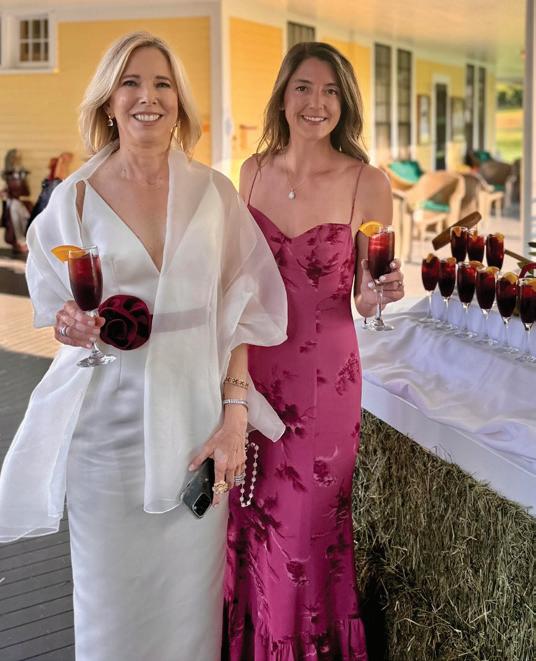
Guests will begin the evening with cocktails, offering time to reconnect and mingle before dinner. From there, the celebration continues with music and
dancing, a hallmark of the event that often sees the dance floor full. The exact theme and entertainment were still taking shape in the pre-season, but the goal remains consistent: create an atmosphere that feels both special and welcoming.
The timing of this year’s ball — slightly later in the season — reflects a thoughtful effort to accommodate a busy summer calendar and maximize participation. It’s one more way the event continues to evolve while staying true to its purpose.
At its core, the Myopia Polo Ball is about continuity. It honors the club’s longstanding traditions while creating space for new memories, ensuring that the next generation of players and families can carry the experience forward.
“Whatever the future generations decide to do, we want to ensure that this tradition still exists,” Strouss said. “Then, the next generation can carry on the tradition for the next generation coming up. The club had its 150th anniversary last year — the history was absolutely amazing. We want to see that continue for another 100 years.”
From longtime members to first-time attendees, the Myopia Polo Ball remains a night where competition gives way to community, and where the spirit of the club is felt as strongly off the field as it is on it.
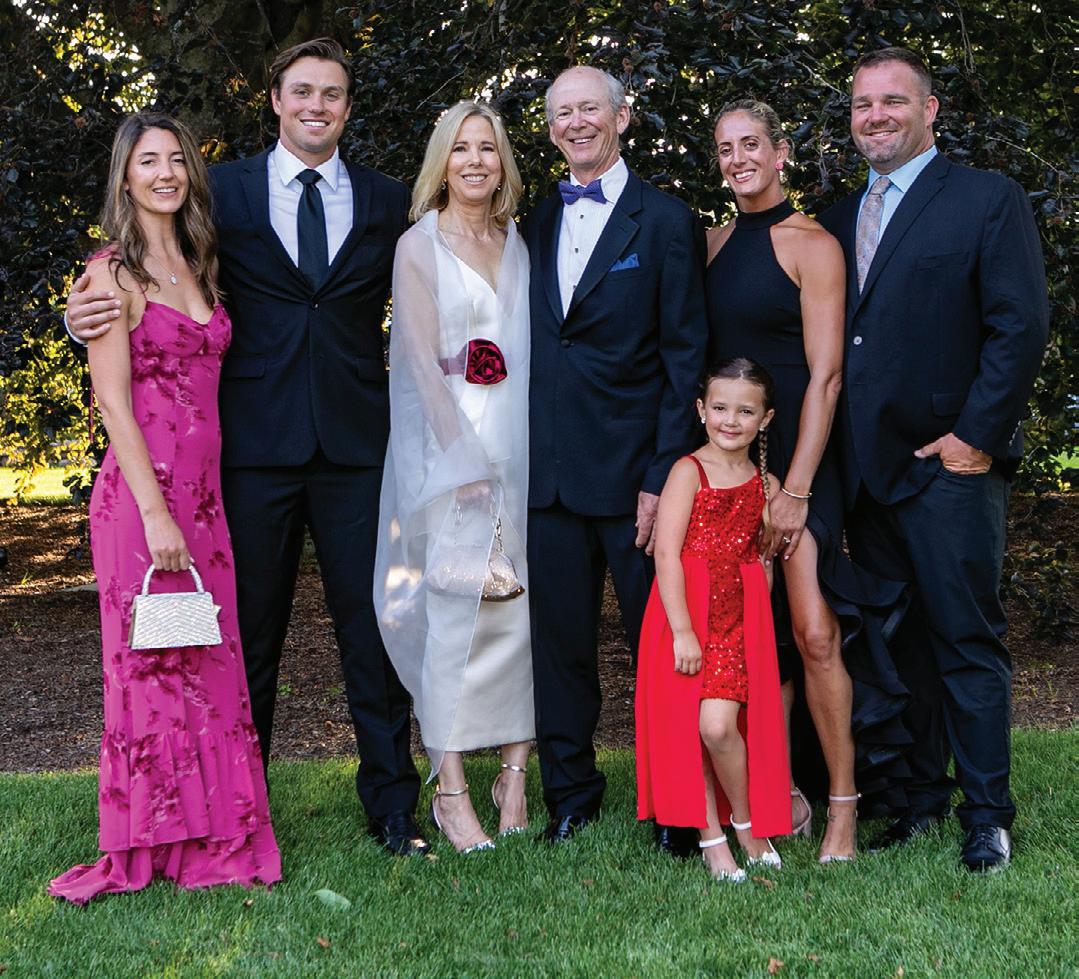
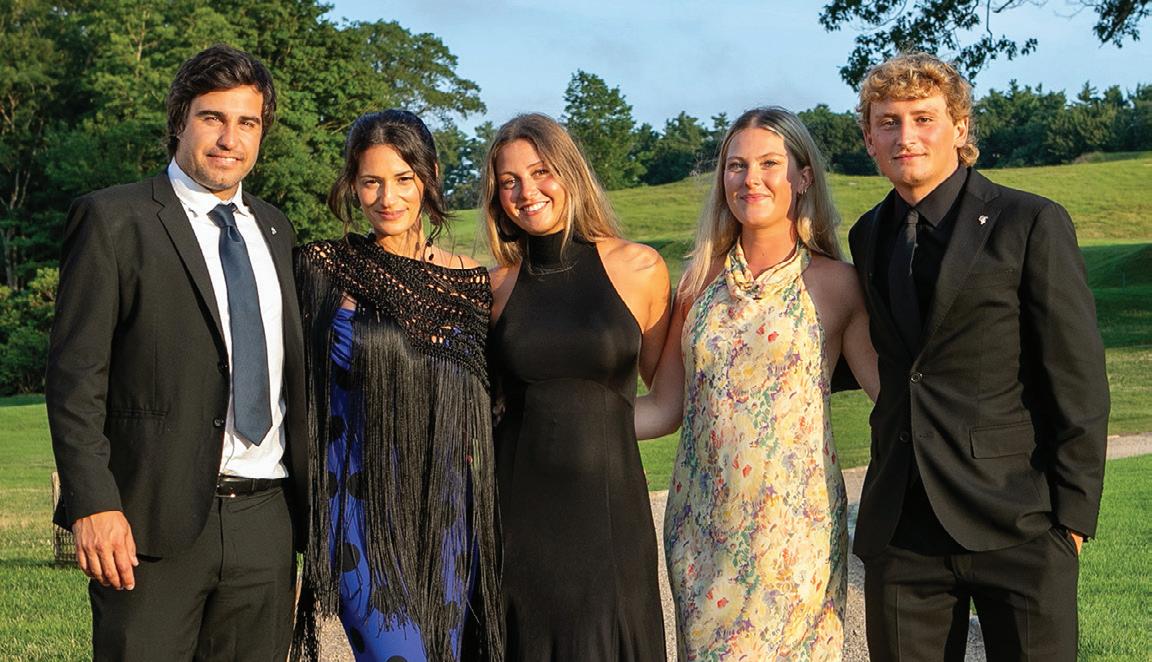
Tracy and David Strouss (center) with their family.
CARE
The Importance of Being Hands-on AGENDA equine wellness
The heart of polo on and off the field always comes back to the horses. Ensuring that the polo ponies are healthy, happy and ready to play is of critical importance to the players, grooms and everyone connected to the team. They are athletes just as much as their riders are.
Terri Campbell, chairwoman of Myopia’s Equine Welfare Committee, answered the following questions that spectators might have about the maintenance and training of polo ponies.
EQUINE WELFARE COMMITTEE
Terri Campbell MYOPIA
Betty Muise
Dr. Bryan Parrott
Erica Kratz
DO POLO PONIES HAVE TO BE A CERTAIN AGE TO PLAY?
The youngest polo ponies are usually 4 to 6 years old and the oldest can be in their early 20s.
WHY ARE THEY CALLED PONIES IF THEY’RE FULL-SIZE HORSES?
When the British began formalizing the rules of polo, after adopting the sport from India, there was a size restriction for the horses. They were all “pony” size. But around the turn of the last century, those rules were relaxed and there is no longer a size limit, but calling them ponies has endured.
HOW LONG, TYPICALLY, DO PONIES PRACTICE AND TRAIN BEFORE ENTERING COMPETITION?
The time needed to train a horse to play polo is dependent upon a lot of different factors, the primary one being whether or not the horse wants to do it. Some horses don’t enjoy it and shy away from the mallets swinging by the heads or having other horses so close. Other horses seem to really enjoy it. You can usually find out pretty quick if a horse doesn’t like it, in which case the training stops. For horses that do like it, it can take one to two years or more for it to learn the game well enough to play in a match.
photograph by jacqueline miller
Harrison Cup, July 4, 2025
WHAT IS A GROOM AND WHAT ARE THEIR RESPONSIBILITIES ON A POLO MATCH DAY?
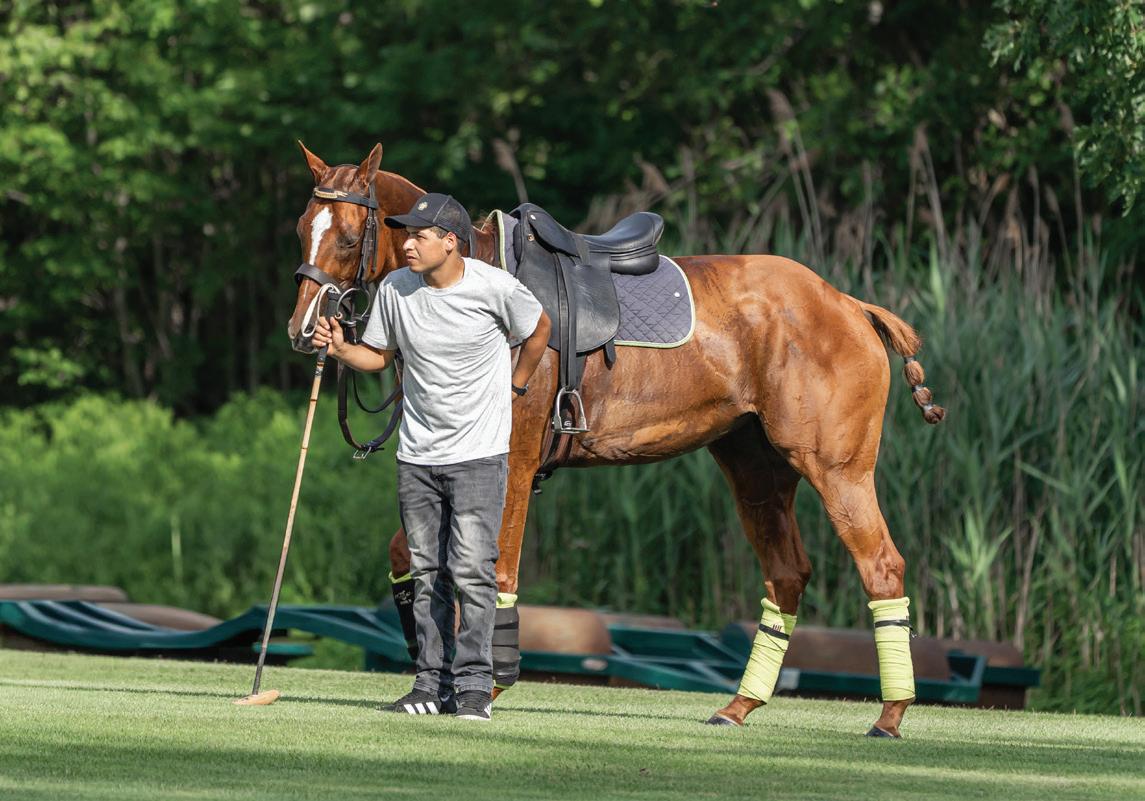
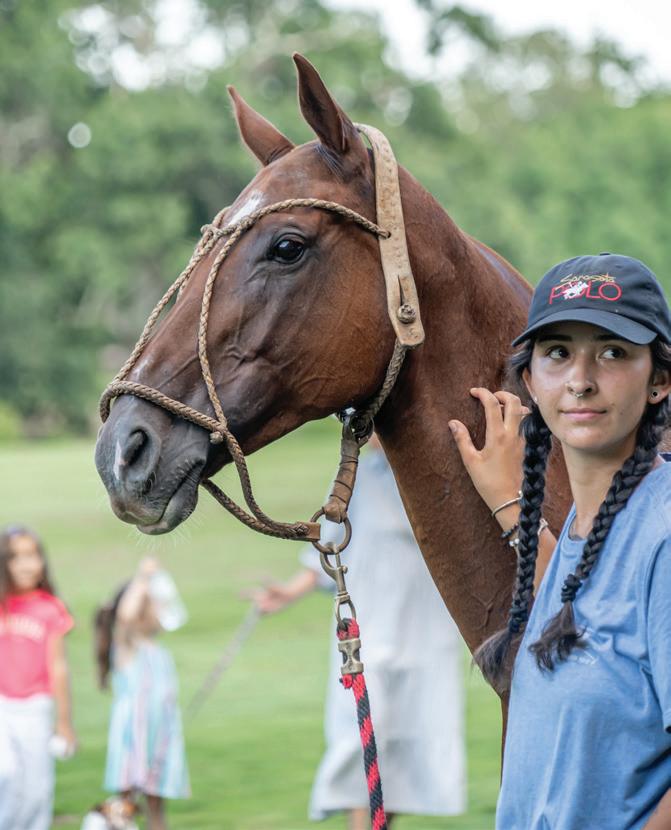
A groom is essential for the sport to be played. They are checking on the physical health of the horse and will be responsible for tacking up and un-tacking (which is the name for putting on the necessary equipment on the horse: saddle, bridle, shaving their manes, braiding tails and wrapping their legs) the horse before the rider takes them to the field for play.
HOW IS A HORSE PREPARED LEADING UP TO A TOURNAMENT?
If a horse is being well-cared for during the season, they will be exercised in some way for 5 to 6 days out of the week. The day before game day is usually when they are exercised more strenuously so they are more relaxed on game day. Fit horses have a lot of energy and for an amateur player, it helps if the horse is more relaxed on game day by riding intensely the prior day. For professional players, they want the horses to be alert and responsive to direction, so the pro may do a quick intense warm up exercise on game day, but nothing extensive because they don’t want to tire the horse before the match.
WHY DO PLAYERS SWITCH HORSES EACH CHUKKER?
Each chukker is 7 to 7.5 minutes long, which is a long time for a horse to run for play, changing direction, and run again and again. For perspective, the Kentucky Derby race lasts about 2 minutes. To minimize the chance of injury and exhaustion, the horses get changed out each chukker to rest.
WHAT HAPPENS AFTER A PONY FINISHES ITS TURN ON THE FIELD?
The equipment gets removed first – taking off the girth and saddle and replacing their game bridle with a halter and lead rope. Their leg wraps are removed, tail untied, and they get washed down to help them cool off.
IF A SPECTATOR IS INTERESTED IN MEETING A PONY, WHAT SHOULD THEY KEEP IN MIND?
Please ask the rider and groom first to be sure that the horse is comfortable with someone unknown approaching. Second, approach from the side rather than from the front so they can see you better. Horses’ eyes are set to see a larger peripheral range than humans, therefore they can see better when you walk up to them from a side angle rather than directly. It is less startling for them to approach that way.
HAVE YOU ENCOUNTERED ANY MISCONCEPTIONS ABOUT POLO PONIES AND WHAT IS THE REALITY?
The biggest surprise for people seems to be that the horses get tired running at a full gallop after one chukker. I think that people remember Western movies that show horses running all day, which is not at all realistic. In real life, they do rest after running hard and usually only run hard in the wild if they are being chased by a predator.
AGENDA Players
FITNESS FIRST
PREPARING PLAYERS FOR THE PITCH
By Brion O’Connor
A common refrain among polo players is that the ponies are the best athletes on the pitch. That sentiment reveals the deep affection and reverence that players have for their steeds. But there’s no question that riders need to make their own fitness a priority if they’re going to excel at this sport.
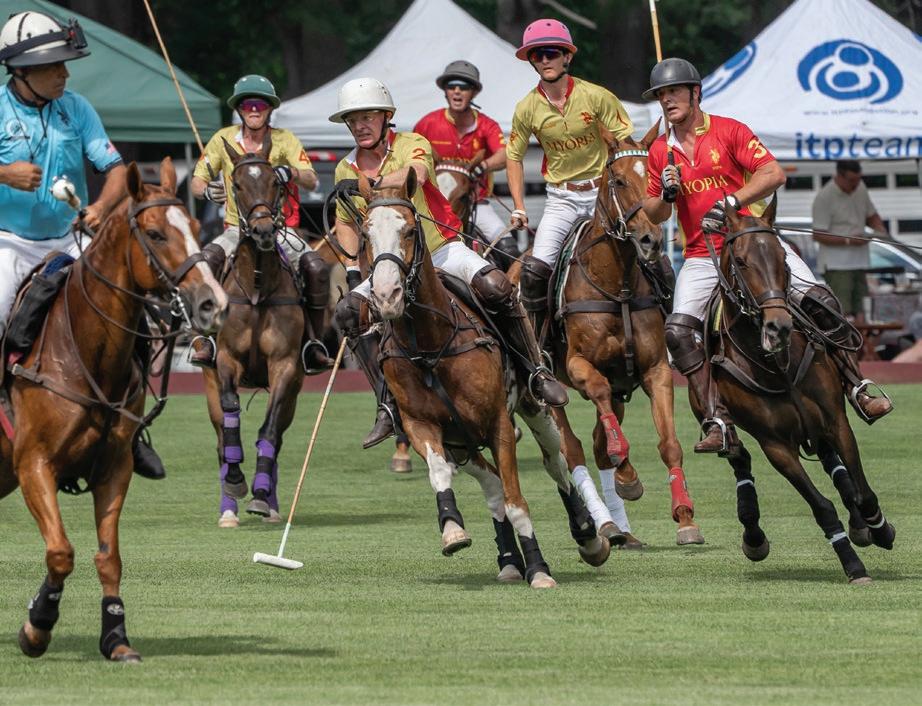
Polo, after all, is often referred to as “hockey on horseback.” Considering the game’s physicality, the description is apt. Players jostle for position, swinging mallets to attack an elusive ball, all while controlling a dynamic, formidable pony that typically weighs more than a thousand pounds. Plus, while ponies are often switched out between (and sometimes during) chukkers, each of the eight players — four aside — typically play the entire game.
In short, the game demands an all-body effort, requiring head-to-toe fitness. Polo is a test of strength and stamina, something the inexperienced eye might not fully comprehend.
“A polo spectator or individual new to the sport might see just the horse as doing all the work, and being the ‘true’ athlete,” says Alex Johnson, a certified strength and conditioning coach who works with several Myopia players, including polo captain David Strouss. “But polo is not only physically and mentally demanding on these
ponies, but also on the players themselves.”
As with most sports, there are a number of different levels to polo, including the games played on Gibney Field.
“Some players are just weekend warriors, and some make a living and feed their family through the sport,” says Johnson. “High-level polo is very damaging, and these players have to have high levels of lower, upper and core strength to control not only the ponies but also themselves while riding and playing. Endurance, mobility, hand-eye coordination and range of motion all play a huge part in the sport.”
Over the past 15 years, Johnson, owner of Five Star Strength (fivestarstrength.com) and a conditioning coach at the Beverly Athletic Club (now the YMCA of the North Shore), has worked with a number of equestrian clients, from polo and dressage to jumping and casual weekend riders. Adding horses to anyone’s fitness regimen, he says, makes a training program a little more complicated, but also more interesting, with a number of aspects to consider.
“I’ve never played polo, but I have trained athletes, from figure skaters to football players and everything in between,” says Johnson. “The one thing I would say for all athletes is understanding how to take care of your body through proper warm-ups and proper training. The right
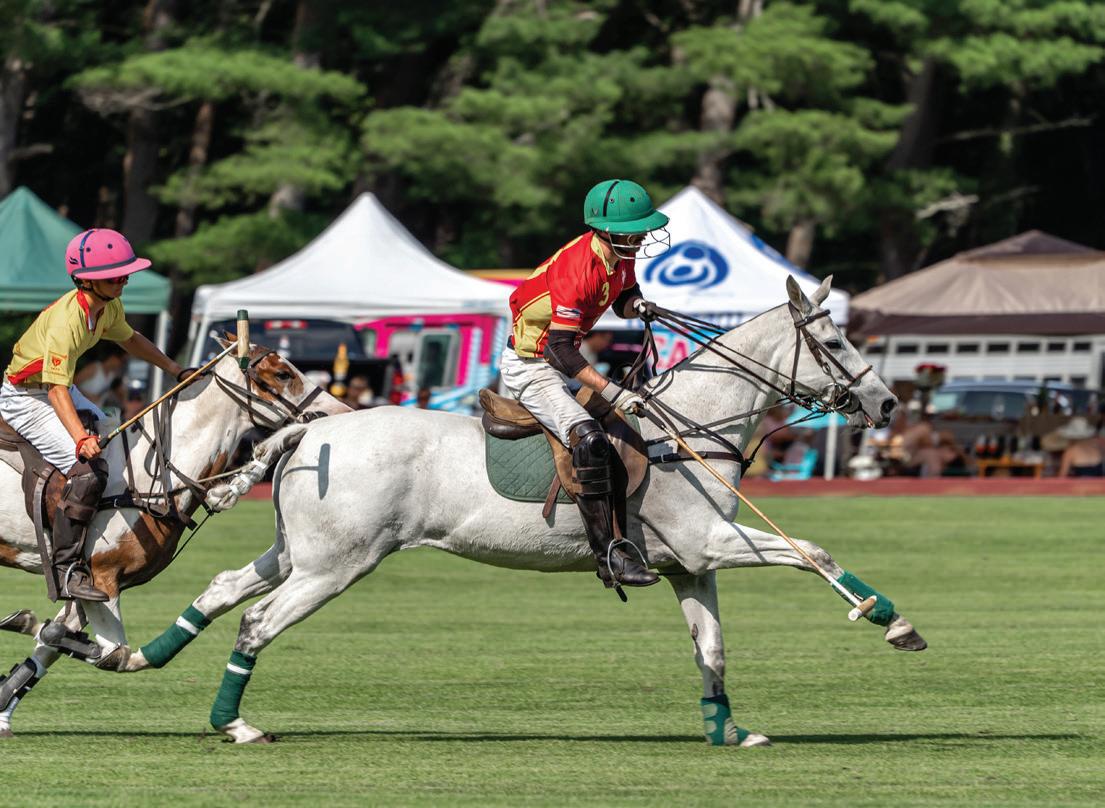
Federico Wulff for the Kingswood team during the Harrison Cup.
nutrition and hydration, with plenty of sleep, are all key factors. Those will put you at your best on game day.”
Essentially, Johnson believes every polo player, at any ability level, can improve their game with a more complete fitness regimen. Here are his polo-specific recommendations:
CARDIOVASCULAR TRAINING
First and foremost, a polo game is long, often played in the scorching summer heat. That will tax any player’s stamina. The endurance required for polo starts with cardiovascular training. Players, from beginner to elite, should always consider their current fitness level and gradually increase the intensity and duration of their training as they progress.
“I feel you need a good mix of low-intensity and highintensity cardiovascular training,” says Johnson. “That means longer in duration but lower in intensity, often called LSD (long, slow, distance). This will help especially later in the matches.
“High intensity cardiovascular training, also known as HIT (high intensity training) style, requires ‘all out’ efforts for short periods of time with rest in between sets,” he says. “Examples would be 20 seconds of sprinting followed by 20 seconds of complete rest.”
Traditional activities such as distance running and cycling will also build endurance and accelerate recovery times. Circuit training, which combines cardiovascular and strength training, is another excellent option to finetune overall fitness, and can be customized to mimic the patterns of a polo match.
Additionally, players need to monitor the volume and intensity of their training, making sure not to neglect proper rest and recovery time, and focus on injury prevention.
STRENGTH AND POWER TRAINING
Next, polo players ought to combine their cardiovascular base with power. Strength training, says Johnson, is crucial, given the demands of controlling a polo pony in full flight.
“Functional training is super important to these athletes,” says Johnson. “Single-leg exercises, such as splitstance squats and single-leg deadlifts, help develop strong legs and often highlight weaknesses in an athlete while also challenging core balance and stability.
“Push-ups and pull-ups are amazing exercises for functional training, but other exercises, such as single-arm chest press off a physioball and prone rows, can take an athlete to a new level.”
Compounds like TheraPutty, which come in different densities, are excellent for improving a player’s grip strength, which is vital for mallet control.
Strength training alone, however, is not enough. You
need power. The formula, for Johnson, is simple: “Power equals force times velocity.”
To cultivate power, Johnson recommends plyometrics, such as box jumps, and Olympic-style lifts, such as high pull and push presses for beginners (add resistance bands for even more impact) and cleans and snatches with free weights for more experienced athletes.
CORE TRAINING
There’s a time-honored adage in fitness training: If an athlete has a strong core, everything else follows suit. The same holds true for polo. While strength and power training often focus on our appendages, core training targets our midsections. Building strength and stability in abdominal and back muscles — key to maintaining balance and control on horseback — is critical.
“Polo players should definitely prioritize core work,” Johnson says. “They need strong adductor and abductor, and a strong posterior chain to maintain proper riding form and prevent injuries.
“The days of doing (only) sit-ups and crunches are behind us,” he says. “Now we do more functional core work like Pallof holds and presses, and plank variations.”
Seated Russian twists and standing core twists will tune up the oblique muscles, which are indispensable for any polo player. Deadlifts are another terrific option, a compound exercise that works many muscle groups, employing legs and glutes while targeting lower back muscles.
Johnson emphasized that many athletes overlook proper form while lifting. This is key to improve flexibility and range of motion. Start with light weights, or no weight at all if you’re new to these exercises, and gradually increase the intensity and weight as you get stronger.
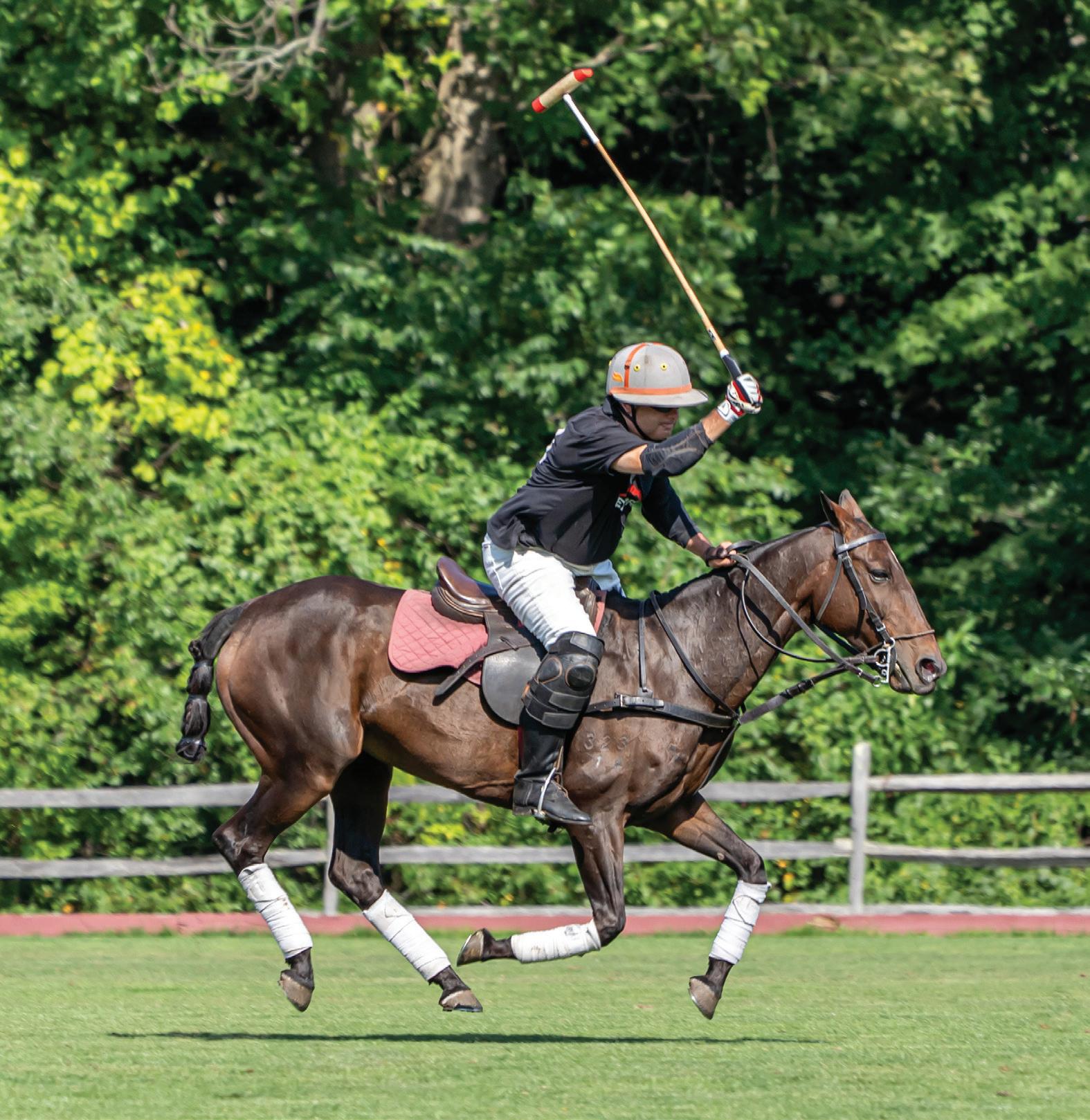
Maverick Ellis goes for the ball in the Captain’s Match.
Can we create a custom magazine f or you?
AGENDA
FLEXIBILITY
Finally, polo players need to combine their cardio and strength and still move quickly and fluidly on horseback. That requires a wide range of motion in your joints and muscles, which underscores the importance of flexibility.
Like any part of a fitness regimen, flexibility training should be done regularly. Make sure to start slowly and build up gradually. And get a foam roller.
“Foam roll, foam roll, foam roll,” says Johnson, referring to myofascial release techniques (a massage ball also works). “It’s one of the most important tools, in my opinion. That, mixed with a solid dynamic stretch before the match and more static stretches post-match.”
Johnson recommends dynamic stretching techniques and practices such as yoga, Pilates, and controlled articular rotation, or CAR, to improve flexibility and balance. Proprioceptive neuromuscular facilitation (PNF) stretching involves contracting the muscle you’re working with before relaxing it, generating more blood flow to the muscle and increasing flexibility more rapidly.
Combining all these elements might seem a little daunting. But with proper planning and maybe a little guidance, implementing a polo-specific training regimen into your weekly schedule is fairly easy to do. That small investment will pay big dividends on the pitch.
Polo requires players to have strength and agility to control the pony and swing the mallet.
THE APPLETON CUP
by Sarah Pearson
On Oct. 4, Myopia Polo will host the inaugural Randolph Morgan Appleton Cup to celebrate a Myopia club sportsman who contributed to several disciplines.
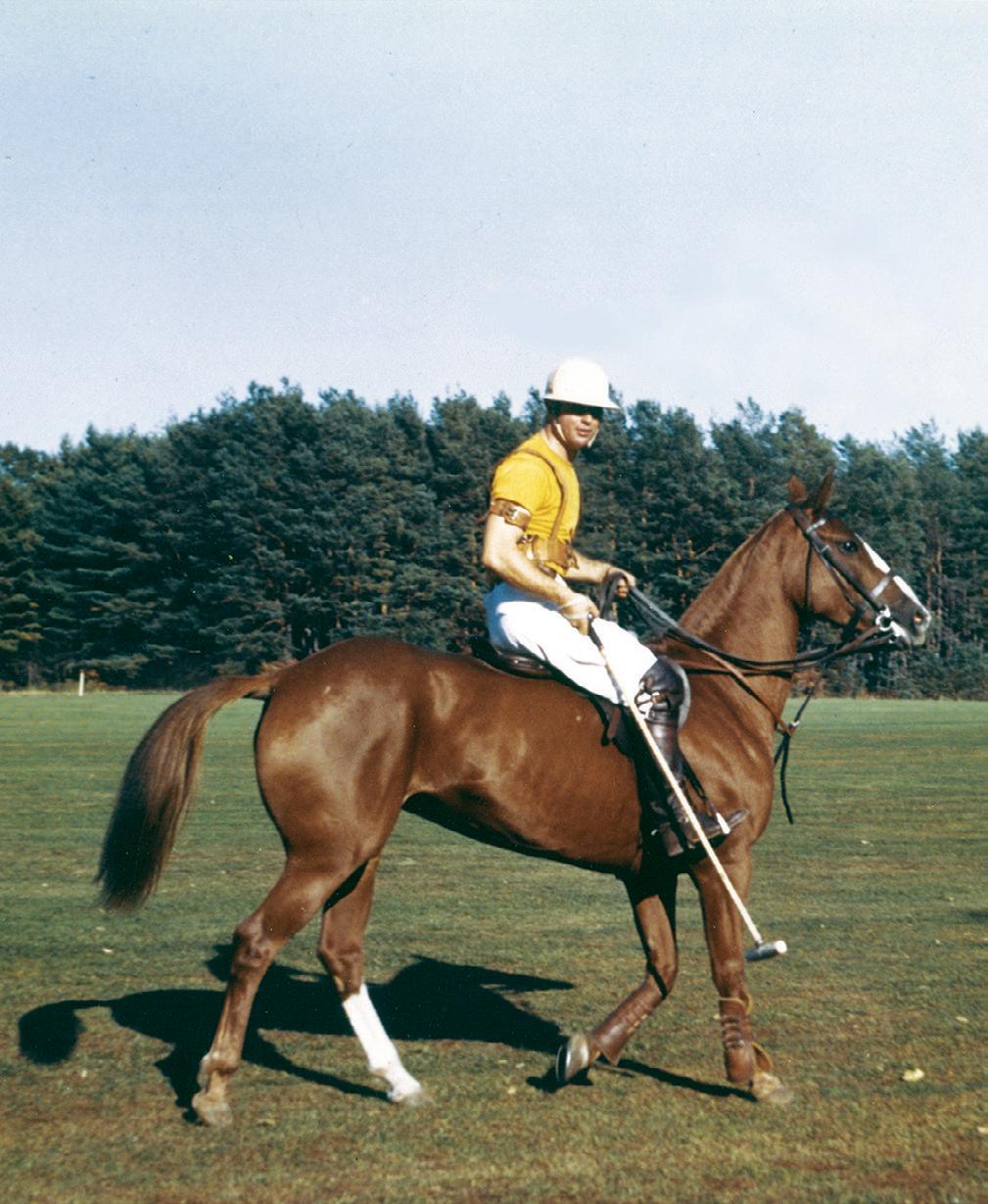
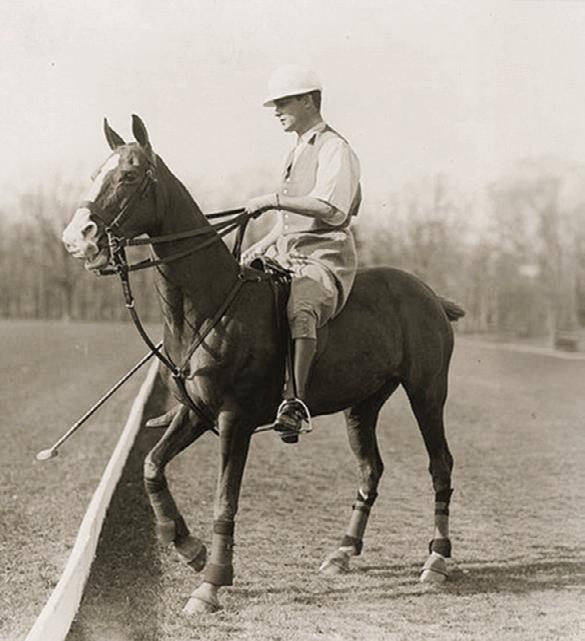
Randolph “Budd” Morgan Appleton was Master of the Foxhounds from 1883-1900, assisted in the design of the first nine holes of Myopia’s golf course and served as the first captain for Myopia polo from 1891-1892.
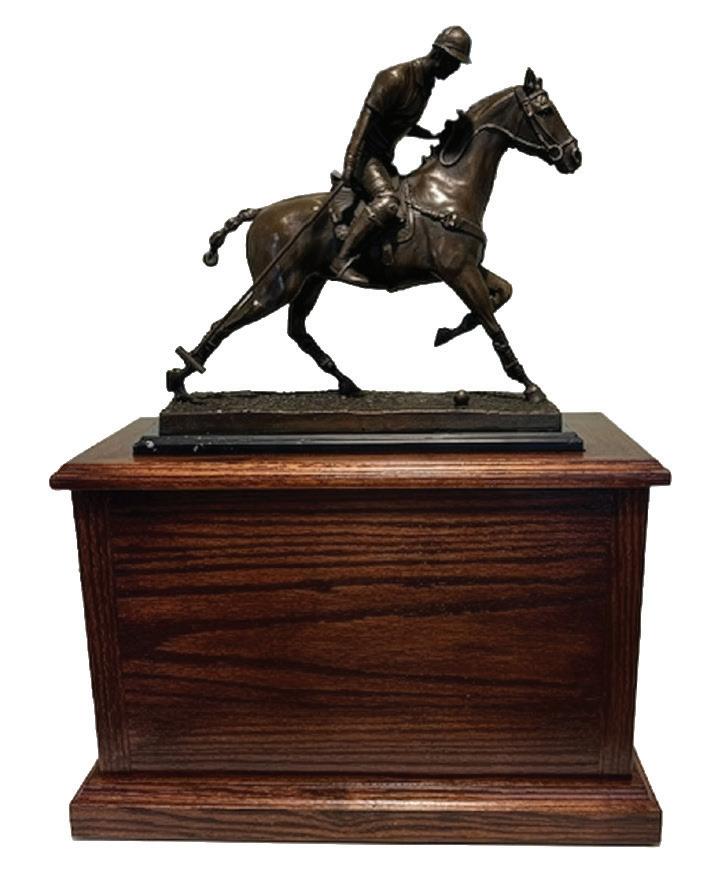
Oliver Wolcott III, Appleton’s great-grandson, and his wife Elise Wolcott presented the Appleton trophy to Myopia. It features a bronze sculpture of a polo player mounted on a wooden base.
The Wolcotts said that the festivities of Myopia’s 150th anniversary inspired the couple to honor their ancestor. “We’re honored to recognize him with this trophy,” Oliver Wolcott said. “He helped bring polo to the club, which is one of the oldest continually operating clubs in the country.”
Appleton was born on Staten Island, N. Y., but later bought the Waldingfield Road property in Ipswich, Mass., that had once been the Samuel Appleton homestead.
The Wolcotts now have grandchildren joining the community as the sixth generation of Myopia members.
“It is an honor to be part of this legacy,” the Wolcotts said.
Discover expertly sourced wines, farmstead cheeses, and fine provisions—handpicked for entertaining or indulgent everyday moments. Wine collector and cellar curation services, sandwiches, pairings & private events—refined and reimagined.
Vin Fromage Wine, Cheese, & Provisions | 152 Main St. Wenham, MA
USPA and Myopia
A Partnership Spanning 135 Years
Myopia Polo and the U.S. Polo Association (USPA) have been attached like players to their ponies for more than 135 years, a mutually beneficial relationship that has survived, and thrived, through good times and difficult times.
“Polo at Myopia predates the formation of the USPA, with Myopia being one of the seven ‘charter’ clubs at the formation of the association,” said Stewart Armstrong, chairman of the USPA Board of Governors. “On the sport side, Myopia has produced or been the summer base for many top-rated American professional players, including Nic Roldan, Felipe Viana, and Hall of Famer and Myopia’s native son, Adam Snow.
“On the association side, polo players from Myopia have historically been deeply involved in the association as volunteers and staff such as Donald Little and Peter Poor,” Armstrong said. “The current Myopia community is continuing this legacy with USPA board members David Strouss (Myopia Polo’s current captain) and Steven Rudolph, as well as committee members Doo Little and Jacek Grotnik, and USPA staff member Grace Grotnik.”
In the late 1800s, when polo was first gaining a foothold, the game was a bit of a free-for-all, featuring eight or more players galloping up and down the pitch. That game evolved into a focused, precise sport that highlights horsemanship, physical prowess and intricate team play. Much of the credit for that transformation – particularly in the United States – belongs to the USPA.
Myopia hosted its first polo match in Hamilton in 1887 and was one of five charter members for the USPA in 1891.
“The Myopia/USPA relationship is the longest-tenured among member
clubs,” said Armstrong. “Myopia has been a member club of the USPA since its inception, and its geographic location in proximity to the Boston metro area makes it integral to the future development of the sport.”
In 1890, during a dinner in New York City, H.L. Herbert, John Cowdin and Thomas Hitchcock formally created the Polo Association, now known as the USPA. One hundred handicaps were assigned to members, including Teddy Roosevelt. Herbert was elected chairman — a post he would hold for the next 31 years.
“In the 1890s, players realized they needed an organization to set the governing rules of play,” said Leighton S. Jordan, former USPA Northeastern Circuit governor.
Today, said Armstrong, “the USPA champions the sport’s future in the United States and celebrates the legacy of the sport’s past.”
Strouss said: “Past captains and other members of Myopia Polo have held leadership positions at the USPA, including former captain Donald Little Sr., who was president of the USPA, and Clint Nagle, recently honored by the Polo Museum Hall of Fame, who was chairman of the USPA Equestrian Welfare Committee for years.”
Myopia continues to have a direct impact on the USPA. In 2024, Strouss was elected governor of USPA’s Northeastern Circuit, which consists of 33 clubs. In 2025, he was named to the USPA’s Executive Committee, which oversees the day-to-day business of the USPA.
Since the fall of 2025, he’s also served as chairman of the USPA Constitutional Committee, which reviews and revises the USPA’s constitution and bylaws.
“By being in a leadership role at the USPA, I feel Myopia as well as all the polo clubs in the Northeast benefit as they have a strong voice at the decisionmaking level on USPA programs directly affecting and benefiting the clubs,” said Strouss. “From my work at the USPA, I have also obtained a tremendous education about polo in the United States, hearing about clubs throughout the country and taking that information to help improve polo at Myopia.”
Strouss noted that the foundational cornerstones of Myopia Polo are the club’s six major tournaments played in July and August. These are part of
the USPA tournament program, played under USPA rules, with UPSA-provided umpires. However, tournaments are just one aspect of USPA’s assistance to member clubs.
“As one of the oldest clubs in the country, Myopia is continuously seeking to maintain and upgrade its facilities,” said Strouss. “Without the help of the USPA, Myopia would not have been able to rebuild the Ayer polo field, add a new transportable scoreboard, replace lights on its outdoor polo arena, purchase a new polo field mower, and make many other improvements over the years. The USPA has graciously sponsored polo at Myopia, including most recently being an official sponsor of the Myopia 150th anniversary match.”
The biggest change in the relationship
Photograph
by
Jacqueline Miller
between Myopia and the USPA over the past five years, Strouss acknowledged, has been the USPA’s greater commitment of finances and resources to Myopia and similar polo clubs across the country.
“This has been made possible by the boon in the affiliated apparel division operating under the USPA and the recognition by the USPA that a priority should be greater assistance to member clubs,” he said. “Myopia has taken advantage of this since Covid by receiving grant assistance every year for infrastructure improvement.”
Those efforts, said Armstrong, reflect the founding mission of the USPA — to make the sport better.
“Our goal is to make polo selfsustaining by using rules, handicaps, tournaments and support for important clubs like Myopia to create demand for the sport,” Armstrong said. “In so doing we improve the player experience, the spectator experience, the aspirational lifestyle which drives our brand and we create an ecosystem for the sport that organically produces better polo.”
In 2025, the USPA awarded and hosted over 450 National, Circuit, Sanctioned, and Intercollegiate/Interscholastic tournaments in many categories.
USPA supports these tournaments with financial assistance that incentivizes increased participation, provides world-class umpires, and recognizes the prestige and historical significance of tournament play and member clubs.
“This investment is focused not only on enhancing the polo experience for current members but also on developing the next generation of players,” he said.
“With 44 percent of our current members joining the USPA since 2021, the sport of polo is healthy and sustainable for years to come.”
“Helping clubs like Myopia deliver excellence is on our minds at the USPA and we recognize the importance of Myopia’s longstanding contributions to the sport over its history,” Armstrong said.
With the help of the USPA, Myopia was able to invest in a new transportable scoreboard, among other capital improvements.
hunt club
by Brion O’Connor
Myopia Hunt –A Tradition of Giving Thanks
“ There are a few more delightful experiences in every way than to go out with the hounds early in the morning. The meet is at daybreak; the field is, of course, small and wholly made up of those who really love the sport … The air bites a little, the horses are at their best, and nothing can be more exhilarating or more of healthy and honest pleasure.”
— Sen. Henry Cabot Lodge, “Myopia: 1875-1975,” circa 1890s
Lodge’s evocative quote regarding the Myopia Hunt has withstood the test of time. Need proof? Just consider the following observation from longtime Myopia Hunt member Julie Lake.
“The happy crowds that come out to watch the Thanksgiving Hunt are a huge part of the joy of the day. Family is home and everyone is in holiday mode,” says Lake. “Whether or not they are involved in the horse world, those attending exude a palpable joy in the country and in the tradition. Children and adults alike are in high, sometimes wild, spirits.”
Lake, a Myopia Hunt Committee member, has participated in the event since the early 1990s, when Betty Ellis was the first female master of the hunt.
At a time of year when we focus on gratitude, Myopia’s Thanksgiving Hunt epitomizes the spirit of the season.
“Each Thanksgiving Hunt is unique and different in its own right,” says Samantha Stevens, the huntsman for the Myopia Hunt. “Having so many humans and animals involved in the day really just creates a million opportunities for fun memories.
“One of the high points of [last] year’s Thanksgiving Hunt was being able to run through the Grass Rides at Appleton Farm,” she says. “Though initially cleared for equestrian use, horses are now restricted from that part of the farm so people can walk their dogs offleash. So, it was a real treat to get to use it for our route.”
Myopia’s current master of the hunt, Franz Colloredo-Mansfeld, says the Thanksgiving Hunt often draws up to 80 riders and hundreds of spectators.
“At the outset of the hunt we will award Myopia ‘colors’ — pink coats with canary yellow collars for the men and the dark coats with canary yellow collars for the women,” he says.
“It’s a privilege to wear these colors, and they can only be earned over many years.”
Michael Keough, a Myopia Hunt subscriber whose family once managed the Myopia stables, says the Thanksgiving Hunt “is just different — the elements of weather, and how it impacts the footing, the challenge of equestrian sport even for the hilltoppers as well as those in the front of the pack.”
Photographs by Shawn Tinkham
HUNT HISTORY
Giving thanks has been a consistent theme of the Myopia Hunt for more than 130 years since it relocated to the North Shore. According to Edward Week’s centennial work “Myopia: 18751975,” Charles H. Dalton, chairman of the Boston Park Commission, was convinced that the terrain in Winchester — home of the original Myopia Club — was unsuitable.
“Dalton, strongly backed by William Appleton of Appleton Farms, proposed that the meets be moved to the broad meadows and treeless slopes of Hamilton and Ipswich,” writes Weeks. “He had his way, and in the fall of 1881, he persuaded Mr. Gibney, owner of the old Dodge farm, ‘to rent the farm for care of the master, his horses and hounds.’”
In his writings, Myopia’s first president, Marshall Abbott, says he felt the hunt “saved the name of Myopia from oblivion.” Gordon Prince, Myopia’s first treasurer who served as one of James “Mr. Jimmy” Appleton’s whips and succeeded him as master of the fox hunt in 1936, wrote that “Thanksgiving Day was always strenuously celebrated.”
“We began with a fox hunt, and on the return to the club, we remounted for a long two-horse drag, weary, hungry, and thirsty,” writes Prince. “We were then ready for refreshments. The younger children, some of the mothers, rode home for traditional Thanksgiving, and the riders went on to the hospitable board of Mr. and Mrs. Charles F. Ayer at Juniper Ridge (in Hamilton), who, for well over 40 years, were our host for the infamous Hunt breakfast.”
However, when the Myopia hunstmen first brought their steeds to Essex County, they were met with consternation. The terrain was predominantly farmland, and local farmers weren’t enamored with their new neighbors.
Author Joseph L. Garland, in “The North Shore,” writes that Myopia riders traversed “over fence and stone wall, across field and stream and ditch, and wherever a run of open country presented itself, sometimes upon the invitation of the owner, sometimes not.”
“To smooth rural feathers, the club in 1882 staged a season’s-end ball for its neighbors,” Garland writes. According to Weeks, the club sponsored several subsequent affairs to “help to bind the club and community together,” including a hunt ball at Odd Fellows Hall, Boston and a village dance at Wenham Town Hall, both in 1885; a farmers’ dinner in Ipswich in 1887; and a ball given to farmers and families in 1890.
CURRENT LANDSCAPE
The hunt has continued to evolve over the past 135 years. “Live” fox hunts have been banned for decades, replaced by a “drag hunt,” with hounds following a prelaid scent. Further, riders no longer need to be Myopia Hunt Club members.
Today, the hunt celebrates two significant events during autumn — the Landowners’ Picnic and Blessing of the Hounds, and the season-ending Thanksgiving Hunt. The former is a “big celebration” held over Columbus Day weekend, says Stevens.
“We have food and beverages and invite all of the landowners to come and enjoy,” she says. “This is also when our hounds are blessed for the season, and another great day of hunting.”
The mid-October picnic provides slightly more predictable weather (though no sure thing). The Thanksgiving Hunt, meanwhile, is a total wild card with regards to Mother Nature. That, participants say, is one of the event’s great attractions.
“We hunt in all weather — and the
Lora Ipsum
MYOPIA hunt club
weather at Thanksgiving can be challenging — including snow, rain and fog,” says Colloredo-Mansfeld. “In late November, freezing temperatures can often add an element of danger and excitement.”
Perhaps more importantly, the Thanksgiving Hunt brings family members, and the greater equestrian community, together. Keough notes that the Myopia hunts were centered around big families, including the Clarks, the Ayers, the Ellises, and the Cabots, among others. The Thanksgiving Hunt, he says, “was quite often that — a homecoming for a teenager at boarding school or college.”
“I feel this tradition has actually translated into the gallery that gathers,” says Keough. “Its 10 a.m. start time is designed to get almost everyone home in time for dinner, but allows the current group to come, see all their friends and see the excitement of the start.
“Everyone gets a sense of the positive energy of the day,” he says. “The family, the friends and the beautiful properties, and the steaming horses
anticipating the beginning of a great tradition never gets old.”
GRATEFUL GALLOPS
The Thanksgiving Hunt also culminates a long season, when friends reconnect and new friendships are made.
“By Thanksgiving we have been riding with the hounds and the field in some capacity for about seven months — meeting at least twice a week — and were pretty much like a giant family,” says Stevens. “It’s a nice closure to the season to have us all together in our best turnout to have one last meet.
“The Thanksgiving Hunt is the last hunt of our season, so it’s the time to cut loose for one last hurrah,” she says. “It’s one of
our longer hunts, and I try and make it a little extra special. Some years we even stop at parties that local families throw along the route.”
Those routes still face modern-world pressures, such as loss of farmland to development, resulting in a more congested footprint. According to Coloredo-Mansfeld, the hunt now crosses roughly 300 properties throughout the season.
The Thanksgiving Hunt, says Lake, is a vivid reminder that its traditions require concerted effort to maintain, since “open land is diminishing, as is the interest in equine sports.”
“It is an old-fashioned and perhaps outdated sport. However, a big focus of the hunt is keeping the land open and accessible, which benefits everyone in the community,” says Lake. “There is a virtuous circle involving our open land … and I think the equine activities — and particularly the hunt — are an important part of that. There is nothing more important for the hunt than the relationship it keeps with the residents, large landowners or small, to maintain the support that is a unique and wonderful part of participating in the hunt.”
PROFILE
by Sarah Pearson
FROM SPECTATOR TO SPORTSMAN
Stephen Burr wasn’t raised in a polo-playing family or even near an equestrian farm. The first time he tried polo, even his mother said he was the worst rider. But that didn’t stop him from practicing, improving and becoming one of Myopia Polo Club’s 2-goal ranked players.
OUTDOOR EXPERIENCES LEAD TO POLO FIELD
Growing up in a third-floor walk-up in Boston’s Beacon Hill, Burr’s parents pushed him to participate in outdoor activities. He played youth soccer into high school.
His mother, Taryn Wilson, and his sister enjoyed horse riding at a farm in Ipswich. Burr tagged along, but found he felt constrained since riding in an arena didn’t hold his interest.
“But there was Myopia just down
the street from where we were riding,” Burr said.
Wilson was familiar with polo at Myopia, and she and her late husband
would plan family outings there.
“I personally had been going to watch polo at Myopia since the early 1980s; it was quite the scene
Burr competes in the Harrison Cup last season with the Husari Seagulls against the Kingswood team.
back then,” she said. “When we had children, it was just natural that we should go to Myopia occasionally, picnic outside and enjoy watching the horses.”
During one of the matches Burr watched, the U.S. Polo Association had advertised a summer polo clinic tailored to young athletes. Burr, who was about 16 at the time, asked to sign up for the eight-week program offered for just $1,000.
“I thought I was getting a deal since I hadn’t made any arrangements yet for activities for Stephen that summer,” Wilson said. “I went with him to the first session. He was by far the worst rider, but he was hitting the ball. When that session was over, he said ‘that was the most fun I ever had on a horse.’ ”
That first summer led to more than
a decade of playing polo for Burr, who is now 27.
“It’s very easy with polo to get hooked on it as soon as you start,” he said.
Burr said that while he liked animals, including horses, he wasn’t knowledgeable about horses at first. That was a challenge he had to overcome.
“It’s really the horses that get you hooked,” he said. “You can develop connections, especially as you start being able to have your own horses or leasing one on a regular basis. It makes you a better polo player. The horse learns from you as much as you learn from them. Once you sink your teeth in and make certain commitments, it’s like you’re in it for the long ride.”
FINDING A PLACE IN A POLO FAMILY
While many Myopia players come from polo families, that background isn’t required to start. And for some like Burr, they find family within the polo community.
In the spring of 2018, Nick Snow invited Burr to play on a team with him. Burr didn’t have his own horses at that time, but Nick’s father, Crocker Snow, the coach of the Harvard Polo team, agreed to lease some horses to him before the college’s season.
Not long before, Burr’s father had died suddenly; Wilson felt like the Snow family took her son under their wing in the wake of that absence.
That year, as the Seagulls, they had a successful season and won two tournaments.
In 2019, as Nick Snow dealt with more responsibilities outside polo, Burr took up playing with his brother, Hall of Fame player Adam Snow.
Burr said he’s received much support from the Snow family and credits their connection for training him from an unlikely polo novice to one of Myopia’s star amateur players.
“That’s probably been the most formative experience in terms of me growing in polo,” Burr said. “It’s been a huge privilege working with him. Having someone that’s a former 10-goal player coach and train me through in-game situations has been hugely formative.”
Snow took Burr to Wyoming for tournaments at the Flying H Polo Club and South Carolina at New Bridge Polo Club, where the relationship extended off the field.
The Snows invited Burr’s sister and mother to Wyoming, where they went fly-fishing and camping, in addition to playing polo.
Three of Burr’s four horses have come from the Snow family: BeBopp, Lakota, and LolliBopp.
“Stephen’s the most unlikely polo player you’d ever meet,” Wilson said. Snow “is more than just a polo mentor, he’s been the critical hub link that’s led to Stephen’s ability to progress. It was a great opportunity and now it’s turned into a wonderful friendship.”
While there may only be four
Above and facing page: Stephen Burr at the 2025 Captain’s Match. Left: Burr celebrates with his sister, Juliet Burr, and mother, Taryn Wilson, after the Chairman’s Cup.
players fielding a polo team, behind the scenes, there are many hands.
“It takes a village to be able to do anything related to a polo team,” Burr said. “My mom has always been super supportive of me playing, and it has become more of a family thing. My sister, Juliet, who also loves horses, will groom for me. She’ll help get the horses ready before games, hose them, make sure they’re ready to play and take care of them when they come off the field.”
Even though Burr didn’t come from a polo family initially, his interest in the sport has turned it into a shared family experience.
“When he is on the field, I am laser-focused on watching him,” Wilson said. “We say a prayer before every match and I bless him and his teammates. And between every chukker, I am running back to the trailer to make sure everything is secure and correct on the next horse he gets on.”
A COMMITMENT TO CONTINUOUS IMPROVEMENT
In 2024, Burr played on the Husaria Seagulls team with Grace Grotnik, Valentino Echezarreta, and Manuel “Manu” Mazzocchi in an undefeated season, including a win in Myopia’s highest goal tournament, the Chairman’s Cup. Last year, the team won the Cameron Forbes Cup.
“From where I started to being able to play on a really strong team, it’s a great feeling,” Burr said. “It was a young team as well. All of us became a little bit stronger and I went up in handicap as a result of the team having a great season. On top of just being a great experience, having a team for an entire season, it was great bonding. I made a lot of friends and we did things outside of the game.”
Now running his own landscaping business, Burr commutes from the city to the North Shore multiple times a week to train and care for his horses.
“It’s definitely a commitment coming from the city, but it’s doable,” he said.
While Burr is not pursuing polo as a career path, it’s become the primary way he spends his free time.
“Not coming from a polo family, I’ve become better than I thought I would be,” Burr said. “I’ve just kept growing. I love the sport and I want to get as good as I can possibly be.”
Burr’s discovered that with hard work and learning from Myopia’s experienced players, he’s found a place for himself off the sidelines of Gibney Field in the heart of the game.
Stephen Burr (left) with the Seagulls goes up against Bautista Peluso with Kingswood during a Chairman’s Cup preliminary match.
Myopia’s 150th Anniversary
PAST, PRESENT, AND FUTURE COME TOGETHER
PAGE 42
Young players
CARRY ON A LEGACY OF EXCELLENCE
PAGE 49
2025 Tournament Recap
RESULTS FROM AN EXCITING SEASON PAGE 54
photograph by jacqueline miller Govenors Cup, August 24, 2025
by Brion O’Connor
150 TH ANNIVERSARY MYOPIA’S
PAST, PRESENT, AND FUTURE COME TOGETHER
PHOTOGRAPHS BY JACQUELINE MILLER
History is usually told over time, over the course of years, decades, even centuries. But every now and then, history can be captured in a brief, shining moment. Last summer, the members of the Myopia Hunt Club were able to reflect on and celebrate a remarkable 150-year history.
he equestrian activities, both hunt and polo, do have a long history at the club, and it’s one of the features to Myopia that makes it so unusual,” said Franz Colloredo-Mansfeld, former Myopia Polo captain and current master of the hunt. “Many of the old polo clubs have either transitioned into golf clubs only, or country clubs only. We’ve managed to keep these equestrian pursuits going. That requires commitment from the participants in the sport.”
That support was on full display for a full weekend in late June 2025, as the greater Myopia community gathered to celebrate the club’s historic anniversary with a showcase match.
“Perhaps the most impressive and enjoyable part of the whole weekend was seeing so many club members — many of whom had never attended a polo match before—come out and spend a Sunday afternoon at Gibney Field,” said Myopia member Jacek “Yaz” Grotnik. “It struck me that this must be very much how it felt in the early days of polo at Myopia, when club members made up the majority of the crowd. That felt like both a connection to the past and a real reason for optimism about the future of the sport here.”
Myopia Polo captain David Strouss added: “The 150th anniversary match demonstrated not only the longevity of the sport at Myopia, but the incredible future of polo here as well. Key to the past, present and future success of Myopia Polo is the support of the
Myopia Hunt Club and its members, the community of tailgating spectators, and commitment of players and their families.”
A RICH HISTORY
An undeniable draw of the Myopia Hunt Club is that, in many ways, the distant past doesn’t feel all that far away. Myopia has remained largely unchanged since members made the Gibney Farm in Hamilton the club’s permanent home in the late 1800s. The major activities that dominated Myopia at the turn of the last century – the hunt, polo, golf, and racquet sports –are still the chief pastimes today.
For all but 12 of the Myopia Hunt Club’s 150 years, polo has been a featured attraction. The consistently high level of play at Myopia exemplifies the club’s tradition.
“Whether featuring 20-goal polo when Myopia first hosted the prestigious East Coast Open in 1909 and then from 1978 to 2003, or mid-goal polo in more recent years, Myopia has strived to make the polo experience at every level exceptional,” said Strouss. “I truly believe that a 138-year history has made polo unique and very special at this club. I know when I ride out on these historic fields to play, surrounded by the Myopia Hunt Club’s beautiful grounds, there is no other feeling like it.”
A pony parade, filled with pageantry and an air of Yankee restraint, opened the 150th anniversary exhibition match.
With extra chukkers and some of Myopia’s most recognizable players, the 150th was a highlight of last year’s season.
“I loved the pony parade to start the game, led by an antique truck with a group of little kids in the back.”
Seppi Colloredo-Mansfeld
Myopia’s history is marked by firsts. It was among the first charter members of the United States Polo Association, and remains the only charter club still active at its original location. In 1907, Harvard faced off against Yale at Myopia in the nation’s first collegiate polo match. Randolph M. “Budd” Appleton, Myopia’s first polo captain, embraced what was then a rough-and-tumble sport.
Since 1970, Myopia Polo has held a lofty place on the polo landscape, regionally and nationally. Further accolades have come to the club through its relationship with Harvard Polo and the exploits of Hamilton native Adam Snow, who achieved USPA’s venerated 10-goal handicap (the second Myopia member to do so, after the legendary Rudolph Agassiz), and 8-goal professional Nic Roldan. Captains such as Donald V. Little Sr., Neil St. John “Ted” Raymond, Robert Wilkinson and Michael Fawcett advocated for higher-goal polo at Myopia.
“I grew up playing kids’ polo at Myopia,” said Adam Snow, son of member and journalist Crocker Snow Jr. “Out of that group of 12 kids, three of us went on to play professionally. One of the greatest thrills of my life was playing tournaments in Florida with my brother Andrew and Phillip Lake. For little old Myopia to be the root of that kind of high-goal success in the mecca of polo in the United States is pretty significant.”
Lyle Graham, polo captain from 200108, added: “From the early days of Myopia Hunt Club, Myopia polo drew upon the rich equestrian traditions of the local families. There was never any shortage of competition. The game evolved, and soon, outside clubs started to visit, compete, and we were off to having rated players.”
MARKING 150 YEARS
“What makes Myopia special and unique is its heritage,” said Seppi Colloredo-Mansfeld. “I’m a fifth-generation member of the club, and as my grandmother has said, the fact that a family member still wants to be part of this thing more than hundred years after the first family member joined on is pretty remarkable. That connection to the history of the club and, for me at least, family history is pretty special and it was really fun to celebrate that with the 150th weekend.”
Speak to anyone who took part in the 150th anniversary weekend last summer, and one observation stands out: Everyone was impressed with the sheer number of club members, from all corners of Myopia, who took interest. The night before the anniversary match, the club hosted a dinner dance that set attendance records, with cars lining the club’s long driveway and filling the polo fields.
“We had almost 500 people or so,” estimated Franz Colloredo-Mansfeld. “It was one of the few, if not the only, occasion I can think of where we’ve had that many Myopia families and members gathered. So that was a lot of fun.”
The festivities continued the next morning, with a large tent on the 18th green, overlooking the clubhouse and Gibney Field. It was a scene etched in Donald “Doo” Little Jr.’s memory.
Myopia celebrated its anniversary with family, friends, traditions and beautiful views.
“You know, walking up there and seeing the golf course and the polo field,” Little said. “The one thing about the club, it’s a beautiful, beautiful piece of land. That’s the thing that makes the community great. We’ve got to keep that open space.”
The main event — the anniversary polo match — began with Myopia’s typical flare for pomp and ceremony.
“I loved the pony parade to start the game, led by an antique truck with a group of little kids in the back, including my son Franz, who I hope will be playing polo at Myopia in years to come,” said Seppi Colloredo-Mansfeld. “I found that to be the perfect ‘Myopia pageantry.’ It was true to the club, appropriately Yankee — not ostentations, elite or exclusive — and embraced the club’s central values of tradition and family.”
Those family values and traditions, including the pageantry, were reflected in the overflow crowds on both sides of the pitch.
“It’s a great tradition on Sunday afternoons for many folks to come to the game, but (also for) a lot of the hunt club members too, to come down over the bridge and be on the pavilion,” said Nick Snow. “It’s
safe to say it’s probably the highest level of attendance we’ve had for a polo game, particularly from the club members, in decades. At halftime, we had a kids’ parade, with kids coming on horses that were from the Myopia stables. And I think that that very much was another indication of the next generation too.”
THE ANNIVERSARY MATCH
Franz Colloredo-Mansfeld said the 150th match featured “the three hallmarks of what we try to do with polo at Myopia. We had families playing. We had a very high level of polo, because some of the former and current Myopia players are very good. And it was fun.”
Under a bright sun, the 150th match pitted the Foxes in their pink jerseys against the canary-clad Myopians. The lineups represented a “Who’s Who” of Myopia Polo past and present, with players ranging in age from 17 to 70.
“One of the real highlights was having
Above: Brothers Nick Snow (left) and Adam Snow (right) faced off in the Myopia 150th match. Left: Donald Little Jr. ensured a shoulder surgery was completed in 2024 so he could retake the field for the anniversary game.
“The
biggest thing is just seeing everybody together again, with a big smile on their face, and bringing back the old days, or the memories of the old days, and being able to relive it.”
“Doo”
Little
Tony Coppola on the microphone,” said Yaz Grotnik. “He served as the announcer for the US Open for decades before retiring last year, and having him call the game added a layer of pageantry and prestige that the occasion really deserved.”
Former 10-goal professional Adam Snow, now 61, returned from his home in Aiken, S.C., to captain the Myopians, which included former polo captain Albert Ellis, current captain David Strouss, Yaz Grotnik and his daughter, Grace Grotnik, Carl “CB” Scherer, Drew Carleton, and Robert Mehm.
The Foxes were led by younger brother, Nick Snow, age 40, and featured “Doo” Little, Neil “Jed” Raymond Jr., John Ellis and his son Maverick, Terri Campbell, Parker Miller, former captain Franz ColloredoMansfeld and sons Seppi and Simon.
“What is so unique about polo is that it’s multigenerational, and you could have three different generations, or maybe even four, playing and involved,” said Nick Snow. “That’s not something you get to do with lots of activities.”
Doo Little, a former 5-goal player at his peak, embodied the commitment of many of the more senior players who came out of retirement to rub elbows with their fellow Myopia members. Now 65, Little had not played in almost two decades, but his attitude changed in 2024 the moment he heard about the planned anniversary match.
“I literally called up my shoulder surgeon from 2002, and told him ‘You have to do a shoulder replacement, because I’ve got to get on the polo field in a year,’ ” said Little with a laugh. After a year of rehabilitation, Little felt right at home on the pitch. And though his shoulder responded to the rigors of match play, he said the best part of the game was the atmosphere.
“It was great just to be out there and see the people that you grew up with, and played against and beat, or got beaten by,” said Little. “The biggest thing is just seeing everybody together again, with a big smile on their face, and bringing back the old days, or the memories of the old days, and being able to relive it.”
That sense of good-natured competition was captured by the Snow brothers. In fact, Nick Snow said he refused to give his brother any quarter, despite being two decades younger.
“He definitely fouled me a couple times, but he didn’t get called on it,” Nick Snow said. “Everybody wants to win, and the
The 150th festivities showcased players from Myopia past, present and future.
game was played in a competitive spirit for sure, but also one where everybody wanted to just have a good time.”
“I will admit that he had a better plus/ minus in the chukkers that we played against each other,” Adam Snow said. But, like others, he said the score was almost an afterthought. “Playing on Gibney Field, for me, is still a huge thrill. … There was this legacy that was evident over this 150th weekend celebration.”
The game consisted of seven chukkers, instead of the traditional six, to give all the players a chance to compete in three or more chukkers. Due to the expanded format, and so many players, “you kind of lost track of the score,” said Franz ColloredoMansfeld.
At the final whistle, the Myopians stood victorious, 13-9.
Despite his team falling short, Parker Miller, 24, was named the game’s Most Valu-
able Player, reaffirming Myopia’s familial ties given the presence of his father, one of the club’s longest tenured players.
“Kurt Miller, who played in the 100th anniversary game, was there as well, a living connection to the club’s polo history that wasn’t lost on anyone,” said Yaz Grotnik.
After the match, former captains of Myopia Polo — Wilkinson, Raymond, Graham, Ellis and Colloredo-Mansfeld, along with Strouss — were acknowledged for their efforts in sustaining Myopia as one of the country’s finest polo clubs in the country.
PIVOTING TO THE FUTURE
Little said he hopes interest in the 150th anniversary celebration, both in and outside the club, results in more awareness of the game. As committee member for USPA, Little said he “monitors the growth of the sport through how many new clubs are applying and how many members are apply-
Above: Former professional 10 goal player Adam Snow stands with Karen Hanson, representative of match sponsor Engel & Völkers.
Left: Polo Captain David Strouss shows off his jersey.
Best Playing Pony with its groom Jose Franco, player Carl “CB” Scherer.
“The equestrian sports are central to Myopia’s history and traditions, and part of what makes the club unique.”
Seppi Colloredo-Mansfeld
ing. It’s encouraging.”
Representing women in the 150th match were longtime Myopia member Terri Campbell and Grace Grotnik, the daughter of Yaz Grotnik.
“Wives and daughters of members — which had been exclusively men — had played from the early days, but generally it was discouraged,” said Campbell. “Women weren’t allowed to be official members of the USPA until 1972, but they had created their own Women’s Polo Association in the 1930s.”
Women now represent the fastest growing segment of the sport, said Campbell, who says Myopia endeavored to bring more people into polo.
Little said he’d also like to see the attention generated by the 150th event spur more corporate sponsorship.
“Polo’s got its own set of challenges. It is an expensive sport. It’s expensive to
maintain those games,” Franz ColloredoMansfeld agreed. “Myopia has this tradition of high-quality polo close to Boston. We’re able to put on Sunday games, which economically support the program, but it does require sponsorship. … Events like the 150th and the Harvard Invitational and other landmark sponsor events help draw in bigger crowds.”
Nick Snow said he was encouraged about the future of the sport at Myopia because of “a strong junior and youth program that has been there through many, many years. That certainly has resulted in a number of players going on to play professionally, but more importantly, has resulted in a lot of people having our lifelong connection with horses, and with the sport.”
The challenge, said Seppi ColloredoMansfeld, is ensuring continued success of the polo program while maintaining the elements that make Myopia special. It’s a laudable goal as the club looks to the future.
“The equestrian sports are central to Myopia’s history and traditions, and part of what makes the club unique,” he said. “Increasingly these programs have become more accessible and aimed at broadening interest and participation across many different levels of ability. There’s now a healthy balance of offering serious competition, but more importantly having fun with friends and family. It’s a trend I hope continues.”
MYOPIA
by Sarah Pearson
PLAYERS YOUNG
CARRY ON A LEGACY OF
EXCELLENCE
Last July, an exhibition polo match recognized the Myopia Hunt Club’s 150th anniversary. Players from Myopia’s past and present donned club colors for games that ran extra chukkers to ensure all players could compete.
Left: Drew Carleton receives his trophy in the Myopia 150 game from Karen Hanson, a sponsor representative from Engel and Völkers. Top: Youth riders process in the pony parade.
“ It’s a great community because a pro might come, play a couple chukkers and he’ll give you pointers, and then the next chukker, you might play with a different pro”
Gracie Grotnik
Polo came to Myopia in 1887, 12 years after the club was founded, making it one of the oldest polo clubs in the country. The club’s longevity requires a legacy of guidance and coaching for the next generation of players to take Gibney Field.
“I believe the next generation, based on observations of the young players at Myopia, understand the heritage and value of keeping polo going in their families,” said David Strouss, Myopia Polo captain. “They have the same passion and enjoyment of the sport as their parents and grandparents.”
Polo is distinctive in sports for the wide age range of players participating in club tournaments. Teens might be teammates with someone in their 60s or older. It provides many opportunities for experienced players to pass on their knowledge to Myopia’s next generation, who will carry on the traditions.
“I often joke that on my Del Rancho polo team you could add up the age of the other three players, multiply by two, and I still have more years,” Strouss said. “I do believe playing with much older players on the field benefits newer, younger players by pointing out nuances during the play, some on-field coaching as well as contributing to a respect and appreciation for the sport.”
ATTRACTING THE NEXT WAVE OF PLAYERS
The love of polo within families often helps bring in the next wave of players.
Parker Miller, a 24-year-old Myopia player, has a father and grandfather who were Myopia members.
“Some of my earliest memories are going to Sunday polo, seeing my dad out there,” Miller said. “The community at the games afterwards – everyone having a good time after the game regardless of who won – was really some of the best memories I can remember from growing up.”
With a father, Estanislao “Estani” Puch, who played professionally and leads a polo school, Estani James “EJ” Puch has also been around polo his whole life.
“Ever since I could ride a horse, ever since I could walk, I’ve had a mallet in my hands,” Puch said.
Watching the work that goes into caring for and training horses has helped nurture his appreciation and dedication to the sport, he said.
Gracie Grotnik said she was always around polo, too. Her father, Jacek “Yaz” Grotnik, runs the interscholastic program for middle and high school children. Grotnik said at about 10, she started playing at the polo school across from Myopia. Now 24, she still plays, and also works
as communications coordinator for the U.S. Polo Association.
“When I go home, my family puts in a team at Myopia, generally in the 8-goal tournaments, like the Chairman’s Cup,” she said. “It’s the top one we want to win every year, and very important to my dad, too. In 2024, we went almost undefeated, which was very cool. That was the season to remember.”
Maverick Ellis grew up immersed in Myopia’s polo community with both parents connected to the club. He started taking lessons with Estani Puch around 2020. Then he moved into the interscholastic program.
While many players grow up in polo families, others find their way into the sport through different paths.
Robin Reyes Sr. played polo in Mexico before moving to Massachusetts, where he became involved with the Harvard Polo Club. His son, Robin Reyes Jr., spent a lot of time tagging along with him.
“Robin started riding when he was 2 years old,” said Ruth Reyes, mother of Robin Reyes Jr. “He was just around the college students a lot, observing, helping out with the horses … just being on the farm.”
Reyes Jr. now plays with Harvard’s Crimson Interscholastic Team and has pulled some of his classmates into the sport.
Landan Daniels is the youngest of six polo-playing brothers, whose father was a huge polo supporter and founder of the Pony Express Farms.
Even players who find their way to polo without a family connection soon find that the game has become a family activity.
Drew Carleton grew up riding horses when his family lived in California, but it wasn’t until his family relocated across from the Grotnik family that he began playing polo. That got his father, Andrew Carleton, and brother, Taylor, interested in the game, too. Carleton said he feels proud to be a part of Myopia’s story.
“I do think about it, when I’m driving by or I’m bringing the horses to Myopia — especially at the clubhouse where you see how old everything is, and it just feels like you’re living in a part of the tradition,” Carleton said.
TRAINING POLO PLAYERS TO CARRY ON MYOPIA’S POLO LEGACY
Coaching emerging polo players is paramount for Myopia to be able to carry on its legacy of highquality polo.
“Myopia welcomes potential new players and offers an introductory program known as the Coaching League, which provides horses, licensed instructors and coaching at an introductory level,” Strouss said. He also recognized Myopia’s close relationship with Harvard’s interscholastic program and nearby polo schools run by Myopia members.
The young players not only learn from these formal instructional programs, but from mentorship from other Myopia players.
Top right: From left, Albert Ellis, John Ellis and his son Maverick Ellis.
Bottom left: Gracie Grotnik with her father “Yaz” Grotnik and Karen Hanson representing sponsor Engel and Völker.
“ I just love that it includes animals — it’s like soccer and hockey combined with equestrian ”
Robin Reyes Jr.
Unlike many sports, polo players don’t just compete against similarly-aged peers. Young players practice in a culture where older players, professionals and longtime members are constantly part of the learning process.
“Everyone who’s older and who’s been playing for much longer has a lot more experience, so it’s interesting to get like different insights from them and listen to what they have to say,” Carleton said. “There have been a lot of instances where I’ve gotten good advice about taking care of my horses to actually making plays on the field.”
With such a span of ages on the field, gameplay shifts based on techniques and experience.
“I’m pretty young and agile. I might be playing as fast,” Puch said. “Someone like an older professional, like a 50- or 60-year-old, is playing a lot smarter. They’re reading the game. When I see my dad play, like he’s always making the right play.”
Myopia Polo’s members are competitors on the field, but support each other on the sidelines.
“It’s a great community because a pro might come, play a couple chukkers and he’ll give you pointers, and then the next chukker, you might play with a different pro,” Grotnik said. “Then I’ll play with some of the younger kids. Everyone’s kind of learning from everyone. It’s a good learning experience and allows everyone
to feel comfortable and safe.”
With so many experienced players at Myopia each summer, expert advice is easy to come by.
“I try and keep my mind open to different people’s perspectives on things, so I can develop a better perspective myself,” Ellis said. “If one person’s advice isn’t necessarily working, I can go to someone else.”
As the younger players improve, they grow a deeper appreciation for the sport and connection with fellow club members.
“Polo is a sport where the better you get, the more fun you’re going to get out of it,” Puch said.
WHAT KEEPS YOUNG PEOPLE ON THE FIELD
The love for horses, the thrill and challenge of the game, and the supportive polo community forms a lasting connection for young players.
“There’s just something amazing about riding around the field, the wind blowing through your hair, going at speed and hitting the ball,” said Ellis. “I hope to make a lot of memories playing polo.”
A fresh pony is typically used for each chukker, meaning these young players are responsible for the care of multiple horses. While sharing horse responsibilities within a family or boarding horses is an option for some players, the time commitment to animal care and training can be heavy.
“I just love that it includes animals — it’s like soccer and hockey combined with equestrian,”
At right: Young players joined those playing for decades in Myopia’s anniversary match.
Facing page: Parker Miller (right), MVP of the 150th match, with his father, Kurt Miller.
YOUNG PLAYERS
Reyes Jr., 13, said. “I’d like to be a pro and want to play high-goal tournaments around the world.”
Polo’s family-friendly nature makes it a supportive sport to participate with, regardless of what a player’s future aspirations are.
“I definitely want to play in college, and it would be nice to make a career out of it, if possible,” Carleton said. “But I definitely want to keep playing at Myopia, because my brother’s going to be getting older and I’ll be able to play with him.”
Growing the community at Myopia makes the game better for everyone.
“I just always want to promote the community, sportsmanship, horsemanship, because having more people involved is always ‘the more the merrier,’ it makes it more fun, more competitive,” Miller said.
THE FUTURE OF POLO IS STRONG AT MYOPIA
The young players of Myopia are not just kids in training, but are energized players contributing to the club’s culture and carrying on its legacy. Despite the rigor of caring for horses and demands of practice, they are willing to invest their time and energy in polo. They are also encouraging others to join the sport and mentoring them.
“The game is quite hard when you’re young, because you’re trying to figure yourself out,” said Miller. “It’s a very competitive and sometimes frustrating sport, but building the mindset of positivity, dedication and work ethic are very important. A lot of my peers definitely work very hard and care very much about this sport.”
If you take in the tournaments this summer, particularly the National Youth Tournament Series, keep an eye out for these young players carrying on Myopia’s 139-year history.
“Younger people want to play to honor the tradition of what Myopia was and what it still can be,” Grotnik said. “I was able to participate in the big 150th club anniversary match. It was cool to see every generation that had played. I’ve seen so many photos of the old days, and that felt like one of the old days.”
AWARDS
Congratulations to the following 2025 award recipients:
USPA CLUB PONY OF THE YEAR: Mau Mau (owned by Parker Miller)
SPORTSMANSHIP: Jacek Grotnik
BEST STRING: Benjamin Daniels
HIGHLIGHTS SEASON
by Sarah Pearson
Last season’s higher goal matches showed broad talent across Myopia’s teams
The most recent season of polo at Myopia was a showcase of the wide talent of the club’s teams. While in some years, one or two teams sweep the tournaments, this year saw a variety of teams earn top place in the finals, often only separated by a single goal.
“The 2025 tournament season at Myopia was among the most competitive we have witnessed in recent years,” said Myopia Polo Captain David Strouss. “Two of our four major tournaments were decided in overtime and three different teams ended up champions in these tournaments. Especially noteworthy was the emergence of the Blackburn Farm polo team, sponsored by Walter Eayrs, playing with the three Daniels’ brothers and professionals Nacho Albermardie and Leon Schwenke, winning both the Forbes Cup and our flagship tournament, the national Chairman’s Cup.”
To celebrate and recognize the Myopia Hunt Club’s 150th anniversary, Myopia polo alumni played a non-tournament exhibition game.
“ Myopia Polo hosted an unforgettable polo match featuring an all-Myopia cast of present and past players, with America’s voice of polo, Tony Coppola, announcing the match,” Strouss said. “Making this match special was the return of 10goal polo great Adam Snow, who learned the sport playing at Myopia.”
Snow was joined by other Myopia polo greats at coming out of retirement, including Nick Snow, Donald “Doo” Little and Jed Raymond, as well as many current Myopia players.
From the nationally-recognized high-goal Chairman’s Cup to lower-goal matches for the youth series, college students and a women’s challenge, every weekend of Myopia polo offers exceptional, exciting and entertaining matches for players and spectators alike.
“I’m looking forward to another great polo season at Myopia, defined by competitive tournaments, fun and friendly club matches – including the ever-popular Cohiba Cup – and newcomers learning the sport in our Coaching League,” Strouss said.
Blackburn Farms and Kingswood go head-to-head in the 2025 Chairman’s Cup, Myopia’s highest goal match.
CHAIRMAN’S CUP
(8-12 GOAL)
FINAL
: BLACKBURN FARMS, 12 ; KINGSWOOD, 11
The Chairman’s Cup at Myopia is one of the few United States Polo Association National Tournaments awarded to clubs across the country.
“These tournaments are considered the top and most competitive,” Strouss said. “It’s a testament to Myopia to be recognized by polo’s national organization and awarded the honor of hosting the Chairman’s Cup for over half a century.”
Myopia hosts the only National Tournament in the Northeast, with the next closest in New York.
WINNING TEAM
Blackburn Farms (Walter Eayrs, Landen Daniels, Benji Daniels, Nacho Arbelbide) took the win over Kingswood (Emerson Bruce, Ariadne Dogani, Segundo Caimi, Federico Wulff, Ernesto “Rulo” Trotz).
MOST VALUABLE PLAYER
BEST PLAYING PONY
Solitaria, owned by Nacho Arbelbide Nacho Arbelbide
Winning Team: Blackburn Farms with Landen Daniels, Walter Eayrs, Benji Daniels and Nacho Arbelbide.
CYRIL HARRISON
(4-8 GOAL)
FINAL : HUSARIA SEAGULLS 15 ; KINGSWOOD, 14
WINNING TEAM
The Husaria Seagulls (Grace Grotnik, Stephen Burr, Derek Berg, Manuel Mazzocchi) fought for a narrow lead over Kingswood (Brynn Whitten, Ariadne Dogani, Segundo Caimi, Federico Wulff) in a reprise of the 2024 Harrison Cup final.
MOST VALUABLE PLAYER
Manuel Mazzocchi
BEST PLAYING PONY
Easy Dance, owned by Federico Wulff
Winning Team: The Husaria Seagulls with Grace Grotnik, Derek Berg, Stephen Burr and Manuel Mazzocchi.
CAMERON FORBES CUP
WINNING TEAM
Blackburn Farms (Walter Eayrs, David Strouss, Landen Daniels, Benji Daniels, Justin Daniels, Leon Schwencke) rode to victory over the Husaria Seagulls (Grace Grotnik, Stephen Burr, Derek Berg, Manuel Mazzocchi).
Cyber, owned by Leon Schwencke Leon Schwencke
FINAL : BLACKBURN FARMS, 15 ; HUSARIA SEAGULLS, 12
Winning Team: Blackburn Farms with Leon Schwencke, David Strouss, Benji Daniels, Justin Daniels, Landen Daniels and Walter Eayrs.
Winning Team: RN Esthetics with Amanda Roberts, Liz Sawicki, Ingrid Donnan and Caroline Vissers, .
TUCKERMAN CUP
FINAL : HUSARI, 6 ; PONY EXPRESS, 4.5
WINNING TEAM
Husaria (Aurelia Rus, Jacek “Yaz” Grotnik, Bautista Bogliolo, Manuel Mazzocchi, Rehan Kumble) took the lead over Pony Express (Amy Yancey, Landen Daniels, Justin Daniels, Benji Daniels).
MOST VALUABLE PLAYER
Manuel Mazzocchi
BEST PLAYING PONY
Duke, owned by Walter Eayrs
Winning Team: Husaria with Rehan Kumble, Jacek “Yaz” Grotnik, Aurelia Rus, Bautista Bogliolo, Manuel Mazzocchi.
Winning Team: Woodland Mead with Aurelia Rus, Derek Berg, Nacho Arbelbide and Drew Carleton.
HARVARD INVITATIONAL
FINAL : HARVARD, 5 ; OXFORD, 1 Beau
WINNING TEAM
Harvard (Cate Bucha, Luke Lawson, Madeleine del Belloy, Martin Luegenbuehl, Tom Leeds, Vie Vie Blanchard, Angelina Chen) kept a lead over Oxford (Camilla Hyslop, Suf Alim, Harry Rourke, Tate Lavitt) to win the match.
MOST VALUABLE PLAYER
Martin Luginbuhl
BEST PLAYING PONY
Winning Team: Harvard Polo with Cate Bucha, Madeleine del Belloy, Vie Vie Blanchard, Luke Lawson, Martin Luegenbuehl, Tom Leeds and Angelina Chen.
Myopia History
More than 130 years of innovation, inclusion and tradition
Each generation of players and supporters brings something new to polo matches at Myopia.
Yet, for more than 200 years, many of the sport's traditions endure. A love for the horses remains central to all players, whether come from a family legacy of polo-playing or are new to the field. Rules have evolved that have made the sport both safer and more competitive. On the sidelines, styles have modernized, but fashion still highlights that a day of spectating is a special occasion worth getting dressed up for. Myopia Polo continues to bring together a community deeply dedicated to the game.
Everything you expect and so much more.
“We renovated our home and purchased all our kitchen and bath fixtures from Sink & Spout. Their service and attention to detail is unparalleled.”
C.C.
~ Westerly, RI
Step into our showrooms to find inspiration and friendly, expert guidance for your bath, kitchen and lighting projects. Discover New England’s largest Kohler inventory plus world-class brands including House of Rohl, Brizo, BainUltra, Robern, Hinkley and many more.
18 inspiring showrooms in New England including... Beverly & Lowell, MA • Portsmouth, NH