If you would prefer not to receive a printed copy of Witness, please contact us.
Offices
4867 E. Townsend Avenue, Fresno, CA 93727-5006 USA
300-32040 Downes Road, Abbotsford, BC V4X 1X5 Canada
For other office locations, see multiply.net
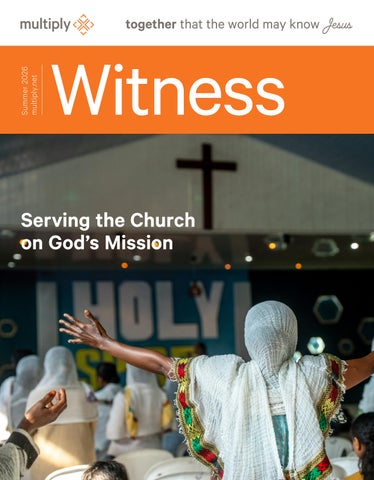
Serving the Church on God’s Mission
By Bruce Enns
Discipleship Ecosystem
I live in a part of the world that is rich in farmland. The farmers here are currently focused on preparing the soil, seeding all kinds of crops, and keeping an eye on the weather. As they well know, some things are in our control, and so many things are an act of faith. There are many things in life that we must entrust to God’s care and provision.
I want to return to the metaphor of an ecosystem that I’ve written about before. It helps us to understand discipleship through the Church in the kingdom of God. This metaphor is timely as the USMB Church gathers this July in Salt Lake City, with the theme ‘Cultivate - Living on Mission with Jesus’.
USMB Gathering 2026 usmb.org/gathering2026
An ecosystem is a complex, diverse, interconnected environment where living and nonliving components interact with one another. Diversity contributes to stability and health, allowing each component to thrive while supporting the flourishing of the whole. Ecosystems are never stagnant; they are constantly growing, adapting, pruning, and renewing. Life emerges through seasons of cultivation, patience, and dependence on forces beyond human control.
The prophet Isaiah described the Lord’s ecosystem in vivid detail: fertile soil, cleared stones, watchtowers, walls, rain, pruning, and the patient expectation of a harvest (Isaiah 5:1-7). Likewise, Paul spoke of planting and watering while recognizing that God alone causes growth (1 Corinthians 3:5-9).
The Church is Central
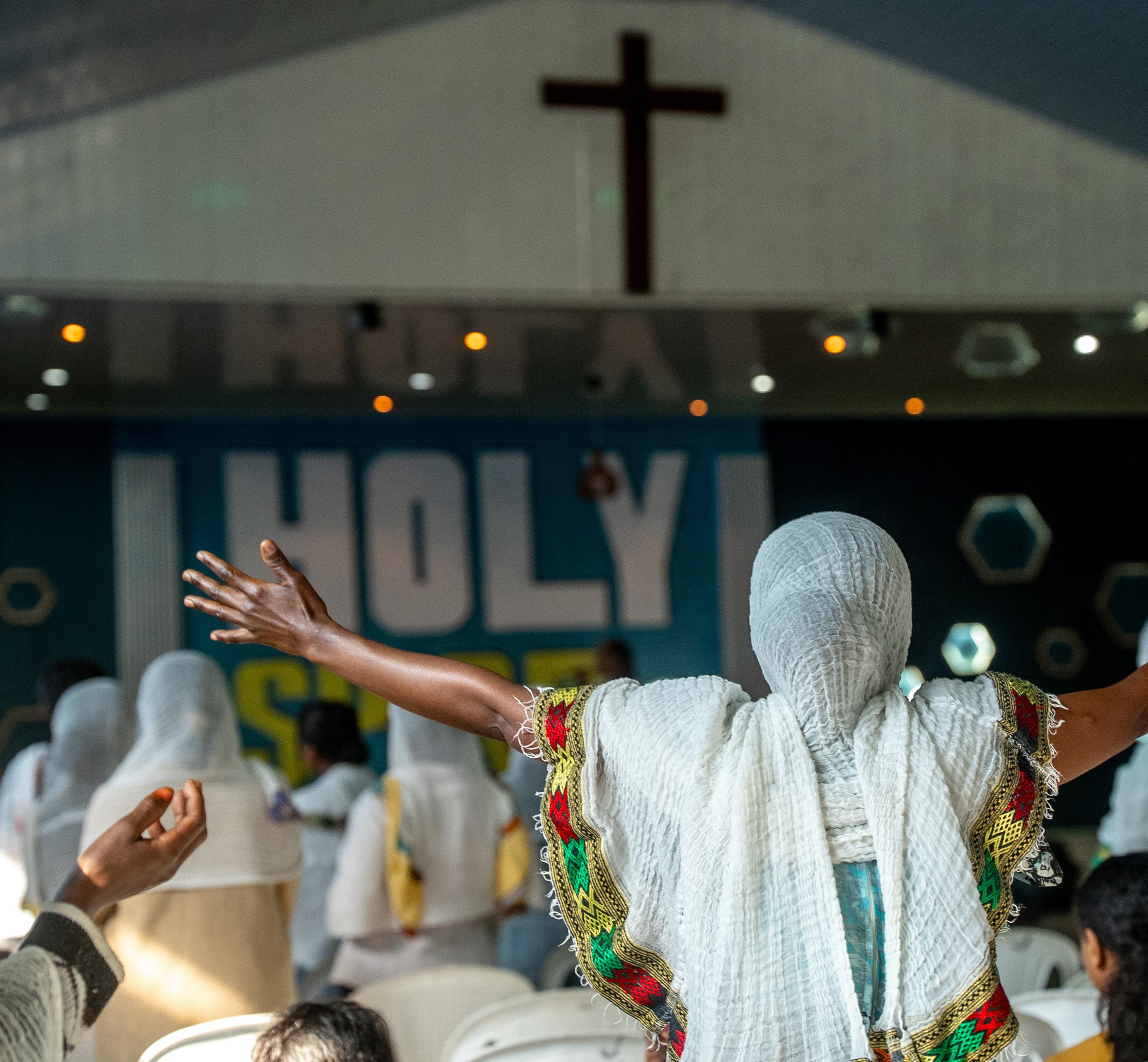
God is not merely growing individual Christians, He is growing His Church. The Church is where God’s cultivation, planting, and watering happen. Through worship, prayer, Scripture, fellowship, service, and mission, the Spirit prepares the soil of our hearts. As disciples grow, the entire ecosystem becomes healthier and more fruitful. Even through seasons of dormancy, drought, and fallow, God is at work - in and through His Church.
The Church is not an afterthought in God’s mission, but central to His eternal purpose. Through the Church, God reveals His wisdom, His
power, His grace, and His reconciling love to both the visible and invisible realms. Throughout his letter to the church in Ephesus, Paul presents the Church as God’s new humanity, united in Christ and filled with His presence. He has placed all things under Christ and appointed Him as head over the Church, which is His body and fullness (Ephesians 1:22-23). He is building a holy temple in which He dwells by His Spirit (Ephesians 2:2122). Through the church, His manifold wisdom is being made known to the rulers and authorities in the heavenly realms (Ephesians 3:10). He is forming a mature body that reflects the fullness of Christ (Ephesians 4:13). He is preparing a radiant Bride for His Son (Ephesians 5:25-27). These are remarkable images and realities of the Church on God’s mission.
Disciple-making, leadership development, church planting, and mission are not separate activities, but part of the same ecosystem of kingdom growth. They are interconnected dimensions of God’s larger purpose to build His Church among all peoples. Disciples become part of communities. Communities mature into healthy churches. Churches raise up leaders and send workers. New disciples are made, and the cycle continues. The ecosystem exists because God is growing and multiplying His people throughout the world. When viewed through this lens, the Church becomes the primary ecosystem in which disciples are formed, nurtured, and sent.
A Trellis for Growth
Every flourishing vineyard requires both living growth and supporting structures. Vines need a trellis—not to produce fruit, but to support healthy fruitfulness. The same is true for the Church on God’s mission.
Structures, strategies, and leadership frameworks are valuable when they serve life rather than replace it. They help create environments where disciples can mature
and mission can multiply. At Multiply, we seek to serve the Church on God’s mission by cultivating, developing, and aligning both the organic and the organizational components. Through prayer, obedience to Scripture, and frameworks such as the Mission Strategy Map, we aim to support local churches and national leaders as they move from disciple-making to leadership development, church planting, and being sent as witnesses to all nations. Our structures function as trellises that support growth, while trusting that God alone gives the increase.
Throughout this Witness you will see various ways that we support the development and sending of missionaries from North American and other regions. You’ll read about how we support national leaders as they engage in making disciples, developing leaders and planting churches in all regions of the world. We are privileged to work with partners who live and serve the Church in very difficult situations, sometimes making impossible decisions in very challenging contexts.
This is the labor that we do together. This is the Church on God’s mission. We are an imperfect and broken vessel, but we are the Body and Bride of Christ. May God find us faithful to be His witnesses, empowered by His Spirit, in our own expressions of Jerusalem, Judea, Samaria, and the ends of the earth.
The Church is not an afterthought in God’s mission, but central to His eternal purpose.
Exitus
CENTRAL ASIA
| By Nikki White
When B and his wife took their first trip to Central Asia, it was like coming home.
“Everything felt familiar somehow,” B marveled. “Even though we did not understand the language, our hearts connected deeply with the people, the culture, the music. The Lord confirmed his call to us through brothers and sisters there, who kept repeating, ‘Yes! Come!’”
It would be four more years before B and C could return to Central Asia for their first term on mission. The waiting was hard. Then, in 2023, things finally fell into place: visas, budgets, a place to live. “We were so happy to be going back there!” B said. “But we wondered exactly what was ahead for us.” Not surprisingly, music has played a significant role in their mission.
Growing up, B’s passion for music led him to a professional career as an accomplished, secular recording artist with little time for anything other than rehearsals and road trips. Then he met and fell in love with C.
“My musical career was taking off,” he recalled. “I had the opportunity to accompany different renowned artists playing in Hispanic countries all over the world, and I was also in one of the most popular rock bands in Colombia. But there came a moment when I realized that neither fame nor money could fill me completely. There was an emptiness. There I was, performing in a concert one minute—the center of attention, surrounded by fans—and an instant later I was in a hotel room, alone, away from my wife and son, empty. I realized that this was not the road I wanted to go down.”
“This was what we wanted—to leave behind something meaningful, eternal, and to help others to do the same. But how to begin?”
C also recalls that season well. “It was a prosperous time for us! B’s band was in great demand, and I had done very well in my career and was able to step back to care for our son. In many ways, we were experiencing success.”
Success, however, was not enough. Both B and C began to hunger not for success, but fruitfulness.
“In Spanish, the word for ‘success’ is exito,” B explained. “It comes from the Latin exitus, meaning to exit, to finish, to leave something behind. This was what we wanted—to leave behind something meaningful, eternal, and to help others to do the same. But how to begin?”
They began with gratitude.
“Everything was a gift from God,” C said. “We wanted to express our gratitude in tangible ways.” With that, the couple became involved in a local MB church, and experienced a genuine conversion.
B & C have been sent by the MB conference in Colombia to serve on a team in Central Asia.
Worship ministry seemed an obvious choice for B, and it was a joy for him to found musical groups that continue to this day. The couple was also invited to help with a new church plant, which resulted in a season of significant growth for them both, as they were stretched to serve outside of the familiar musical context.
Challenging as this work was, the couple found that pouring themselves out for the sake of others strengthened them more than they expected. “It was as if God were teaching us that the pillar of life is sacrificial love,” B said. “There is no other strategy.”
A few years later, they attended a mission seminar and met Einer Zuluaga, Multiply missionary among the indigenous people groups of Panama. Their first encounter was confusing.
“When Einer met us, he got a strange look on his face,” B recalled. “Then he just blurted out, ‘You are the ones!’”
Eventually Einer explained, by relating a hilarious story. Some years earlier, Einer had been returning from a trip to Thailand, and had a layover of several hours in a city in Central Asia. Exhausted, he fell asleep in the airport, so deeply that his companions were unable to rouse him to catch their next flight! The result was an inadvertent two-day cultural immersion in that city, much to his traveling companions’ consternation.
“Einer said that during those days he lost his heart to the Muslim people,” B relates. “So much so, that he began to pray, ‘God, I cannot go. Please send other Colombian missionaries to the Muslim people! Missionaries who will love them, who will embrace their culture and language and become like them, to bring them the Gospel!”
“So, when he saw us,” B concluded, “he sensed that we were the ones God wanted to send. It was mindblowing! Suddenly we were thinking about crosscultural mission to Central Asia.”
That next year was spent in earnest prayer, discerning with the leaders of their church how best to go forward in this calling. They began to learn more about the MB family of faith, and even had an opportunity to attend a gathering of the international MB family (ICOMB) in Paraguay, where they met other MB missionaries and global partners who affirmed their calling.
“It was impossible to ignore the Lord’s leading!” B said. “Every encounter, every trip, every decision—they were like invitations from the Lord to leave behind everything that could represent security for us, and to place all our trust in him alone.”
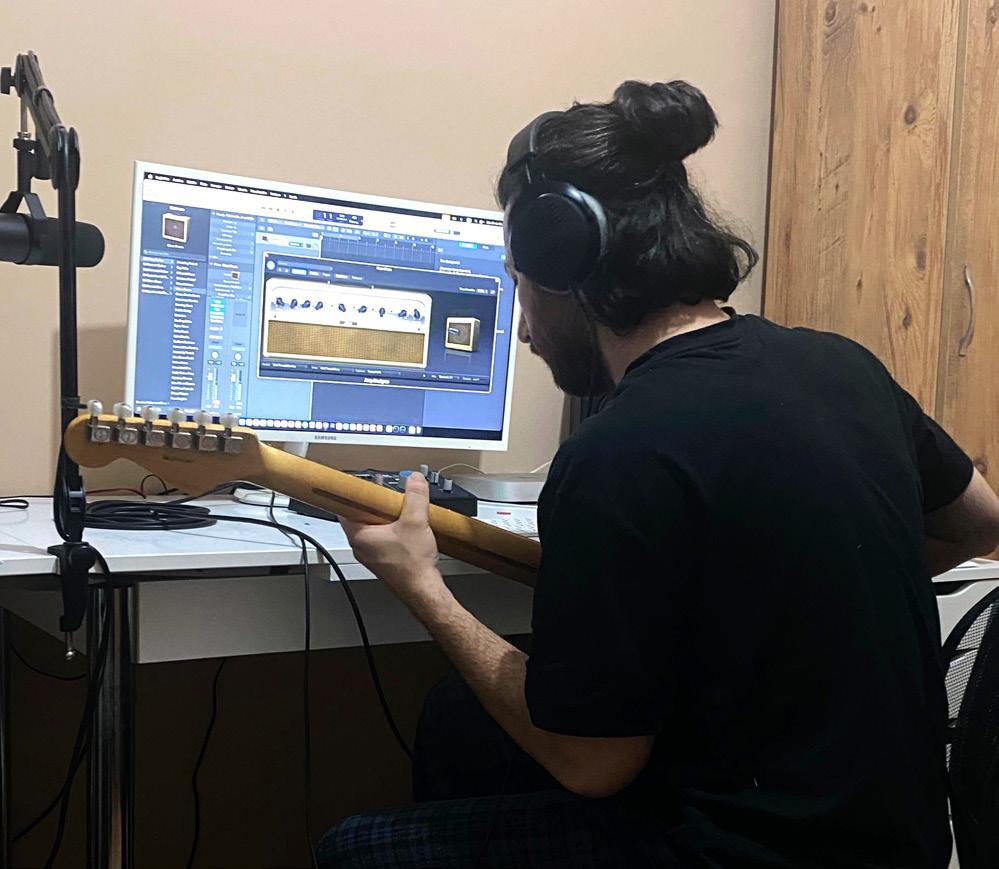
Prepared to also leave his musical career behind, B was amazed to arrive in Central Asia only to find that God wanted him to use this gift in mission. “In the homes of the people we meet, there is always time for a song,” he said. “We see God using music to communicate his heart—even without words. It has become, for us, a powerful discipleship tool.”
“Music, love, a simple walk with Jesus—these are universal languages,” B reflected. “They flow transversally through cultures, inside and outside the church, in homes, in coffee shops, on the street, in daily life. To allow others to see Christ in us, in genuine friendship, means also allowing them to see our weaknesses. Then, they know that love is real—our love for them, Christ’s love for us all.”
Connecting with people looking to learn or improve their musical skills has resulted in opportunities for both B and C to share their own testimonies and encourage others to explore or deepen their relationship with Jesus Christ. Recently, B and a man he is discipling recorded a demo of their first worship song in Arabic. “My friend immediately went to play it for his mother in her kitchen,” B related. “She listened, but made no comment. Later, she asked to hear it again, then again. The song touched her heart deeply, and now she is coming with her son to church!
“These stories make us so grateful to be here,” B said. “Who knows for how long? Everything is uncertain; we could be deported at any moment. Will we one day look back, and say, ‘That was a success’? That depends on how we define success. For us, it will mean that we helped others to hear God’s voice, helped their voices to be heard, and helped them to connect their hearts to Jesus.”
“That is exitus.”
PRAY
For B, C, and their son to find workable strategies for a long-term visa in Central Asia. Pray also for their learning of the language and culture. To listen to their first recorded worship song in the local dialect, with lyrics written by a national believer scan the QR Code.
Ethiopia’s Cure
SUB-SAHARAN AFRICA | By Christopher Lane
He who conceals a disease cannot expect it to be cured.
Ethiopian proverb
“Families suffer when someone is born again.”
I scribbled this down on my notepad, but quickly looked up at Haile (alias) for an explanation. To me, his statement didn’t make sense.
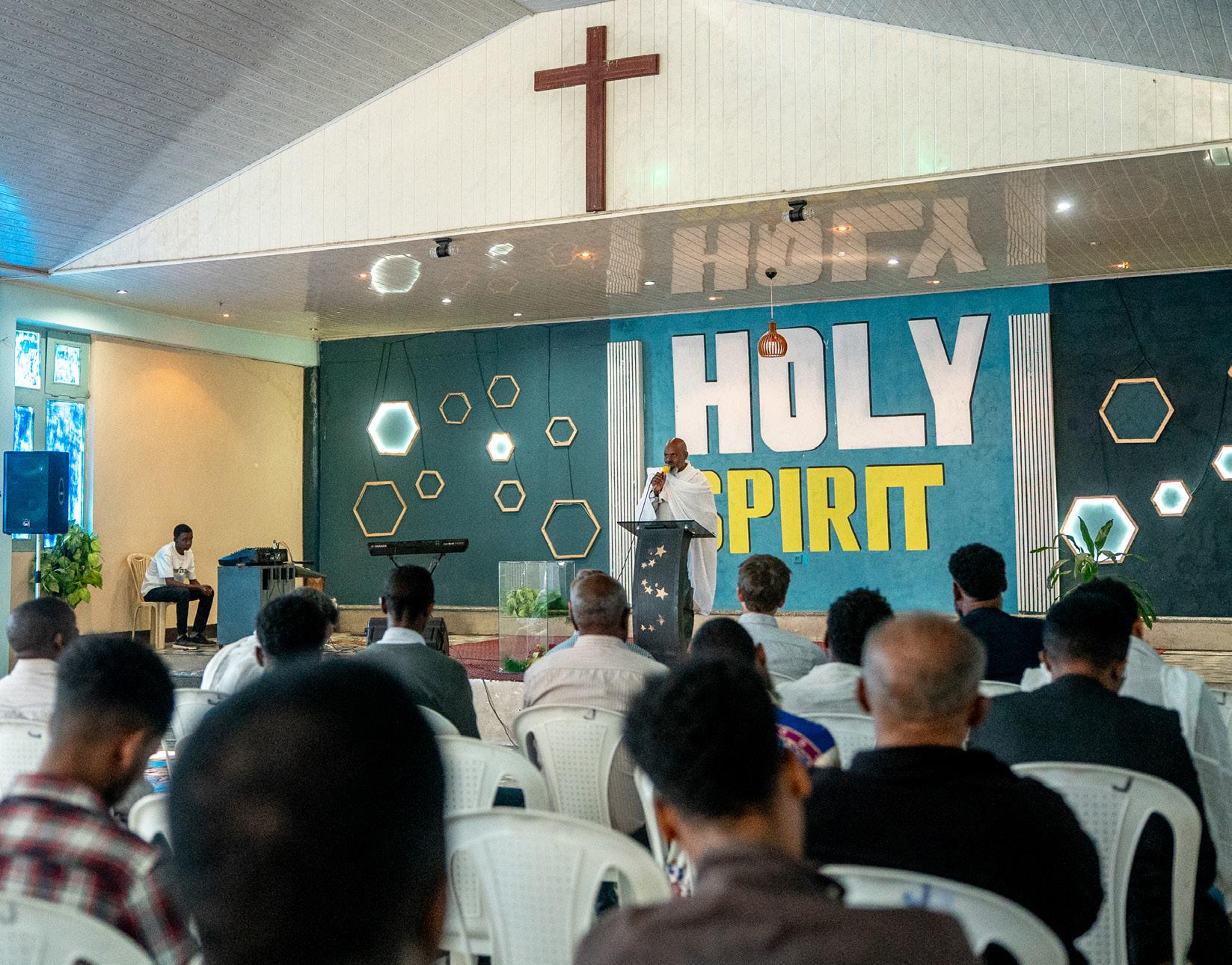
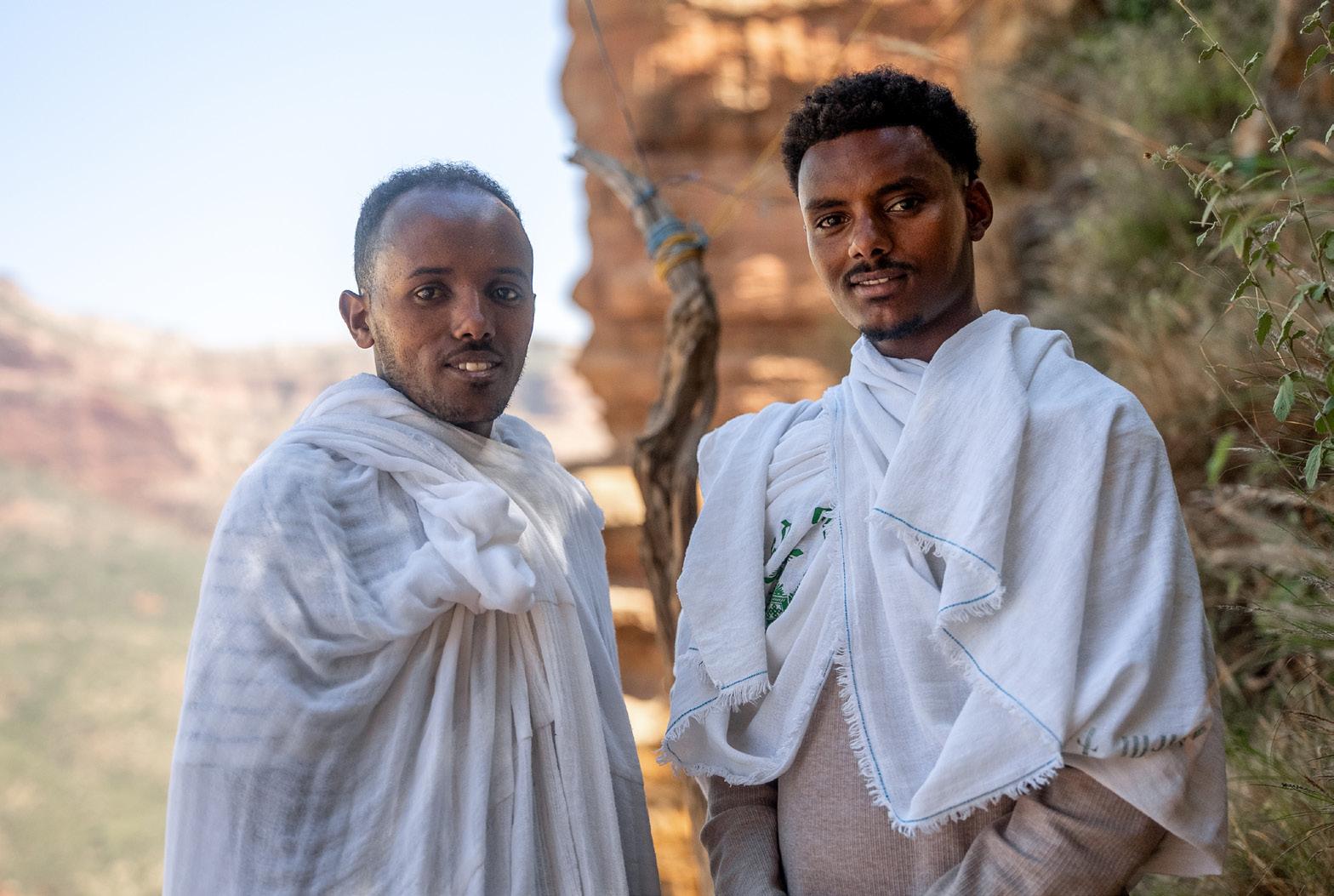
I had traveled with a team from Multiply to meet new ministry partners in the Tigray Province of Ethiopia—a nation with a spiritual heritage reaching all the way back to the New Testament. Sitting across the table from Haile in the town of Mekele, I couldn’t imagine how or why being born again could possibly cause suffering.
It sounded like the kind of mistreatment believers face in places like China and the Middle East, not a “Christian” nation like Ethiopia.
He went on to describe pastors being poisoned for leading people to Christ and employees getting fired from their jobs for sharing the Gospel. College students had been banished from classes because they chose to attend Bible studies, he said, and missionaries were now forced to work undercover to avoid losing their visas and being deported.
It sounded like the kind of mistreatment believers face in places like China and the Middle East, not a “Christian” nation like Ethiopia.
Luke tells us in the Book of Acts that Philip (the Evangelist) was prompted by the Spirit to approach an Ethiopian official as he returned home from worshipping in Jerusalem. After hearing the good news about Jesus, the official asked to be baptized. He then went on his way rejoicing, assumedly sharing the message of Christ when he reached his homeland.
Tradition also credits the apostle Matthew with bringing the Gospel to the Horn of Africa. He spent fifteen years preaching and discipling the people in and around Ethiopia. As a result, Christianity was adopted as the state religion in the fourth century, and was pivotal in resisting the expansion of Islam as it swept across subSaharan Africa.
In the centuries since that time, however, things have changed. A spiritual disease has insidiously infected the Church. Today, following Jesus comes at a tremendous cost.
Haile’s family was forced out of Eritrea (the country bordering Ethiopia to the north) by the Eritrean War of Independence that erupted in 1998. They relocated to Tigray Province where he was raised in a staunchly Orthodox home.
He became quite concerned when his older brother claimed to be “born again.” His father sternly warned him to have nothing to do with his brother and lectured him on the dangers of being born again.
But as Haile watched his brother’s life, he saw remarkable changes. This motivated him to investigate.
“Eventually,” he says, “my brother led me to the Lord.”
Haile attended Bible school and is now part of a leadership training program. He hopes to begin teaching the Bible and is actively sharing Jesus in the Orthodox community.
Elias (alias) told me a similar account when I had the opportunity to interview him during our trip. He was studying to be a priest in the Ethiopian Orthodox Church when he first heard the Gospel. Though he had been raised in the Church, the message was foreign to him. Initially, he was very skeptical.
In the Orthodox Church of Ethiopia, those who convert to evangelical Christianity are considered apostate
As he began to read the Bible, Elias was surprised by what he found. “The Lord spoke to me out of the Scriptures,” he recalls. He soon put his faith in Jesus and was born again. That’s when the trouble started.
“The Lord spoke to me out of the Scriptures,” he recalls. He soon put his faith in Jesus and was born again. That’s when the trouble started.
In the Orthodox Church of Ethiopia, those who convert to evangelical Christianity are considered apostate and labeled pente. Originally referring to Pentecostals, the term pente now covers all Protestant believers, especially those who claim to be “born again.” Anyone who tries to convince Orthodox parishioners to leave the Church is accused of being a thief guilty of “stealing sheep.”
While Elias was aware that the Orthodox Church was opposed to pente, he was nevertheless shocked at the consequences of his decision to follow Jesus. Not long after putting his faith in Christ, someone secretly videoed him at an underground worship service, posted it online, and he was expelled from school.
Elias says pente can be kicked out of higher education, have their rent increased, and even be evicted from their
homes. Spouses of pente are encouraged to seek divorce. Children of pente are often bullied at school and harassed on social media. Pente can even be denied a place to bury their dead. “In general,” Elias says, “we are anathema—treated like second-class citizens.
“About 90% of the people in Tigray are Orthodox,” he explains. “They need to hear the Gospel message. They need to encounter the truth of the Bible.”
Multiply is partnering with courageous pente like Haile and Elias to bring the transforming power of Jesus Christ to Ethiopia. In the midst of a hostile spiritual environment, this courageous team of indigenous missionaries has joined God in His passionate desire to set captives free.
The principal strategy is to get Bibles into the hands of the people. “The Orthodox Church does not want us reading the Bible,” Elias explains. “They don’t preach the Bible. If Bibles are discovered, they are burned. But if people will read the Scripture, they will see the problems with the Orthodox Church. And they will understand the true Gospel.”
It’s a strategy that is already bearing fruit. A growing number of Orthodox parishioners are choosing to follow Jesus. A handful of theology school professors and even Orthodox priests have put their faith in Christ and are now spreading the Good News from inside the Church.
GIVE & PRAY
You can help share God’s Word with the people of Ethiopia by making a gift to Multiply’s Bible fund. Please pray for members of the Orthodox Church to be open to the truth of Scripture. And pray for the faithful pente remnant to continue boldly sharing the Gospel and making disciples.
“ The MB Church was born in mission . Since its formation... it has been motivated by the Great Commission of Jesus recorded in Matthew 28 to make disciples of all people groups.”
Key milestones in Multiply’s history, serving the Church on God’s mission:
1525 – Anabaptist movement begins in Switzerland.
1540 – Persecution forces Mennonites into Poland and eventually Russia.
1860 – Birth of the MB Church in Russia.
1874 – Thousands of Russian Mennonites flee to North America.
1885 – Committees in Russia and the U.S. implement strategies for evangelism and church planting.
1889 – first cross-cultural missionaries were sent from Russia to India.
1894 - first cross-cultural missionaries in North America sent to the Comanche Indians of Oklahoma.
1898 – missional denomination launched and called ‘American Mennonite Brethren Mission Union’.
1910 – Northern District Conference of the North American Mennonite Brethren Church founded.
1945 – Canadian Conference of MB Churches (CCMBC) incorporated.
1954 – United States MB Conference (USMB) founded.
1966 – Our bi-national missions agency was created, governed equally by the U.S. and Canadian MB conferences.
1990 - International Community of Mennonite Brethren (ICOMB) founded.
2018 – Our name changed from MB Mission to Multiply.
Born in Mission
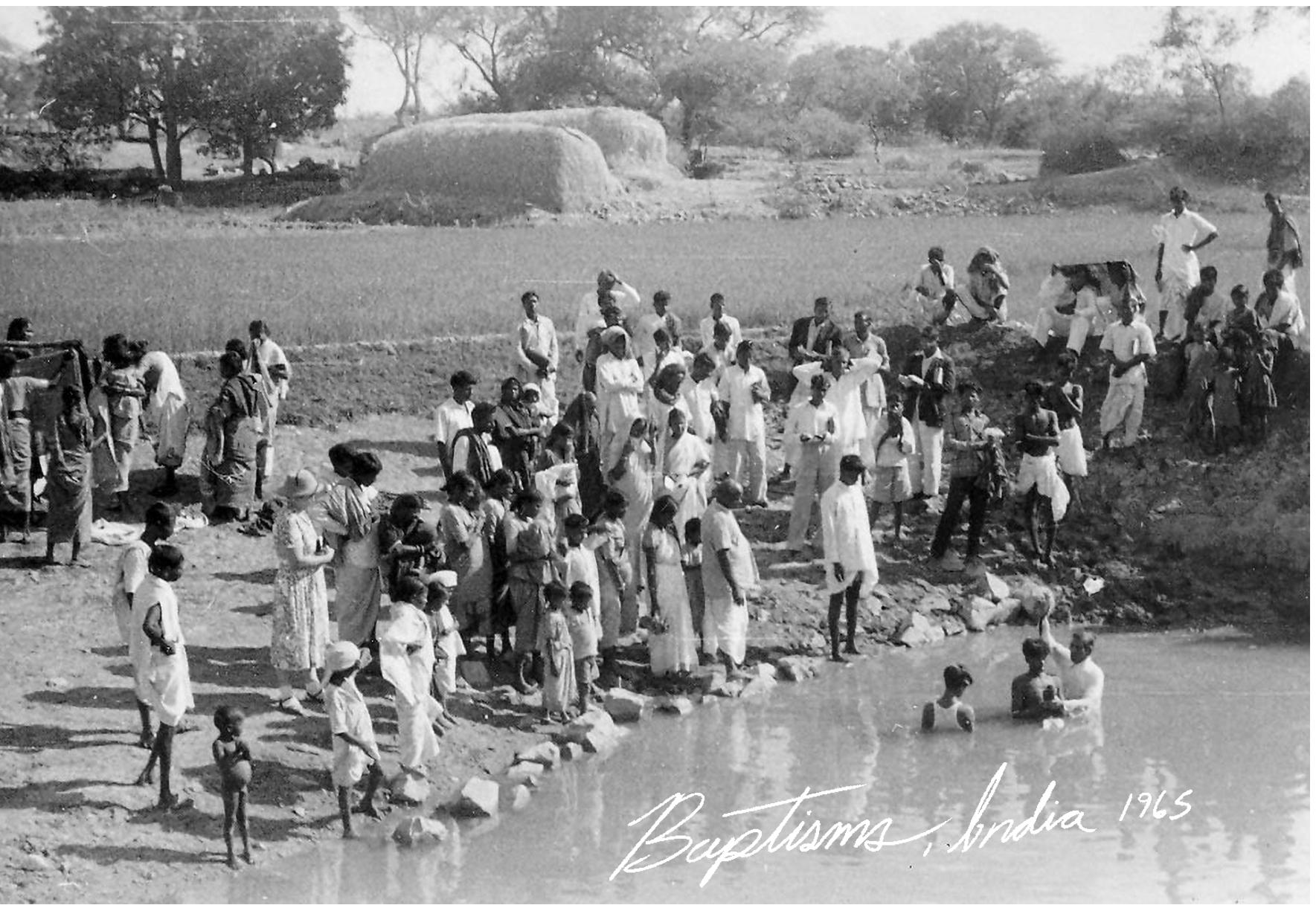
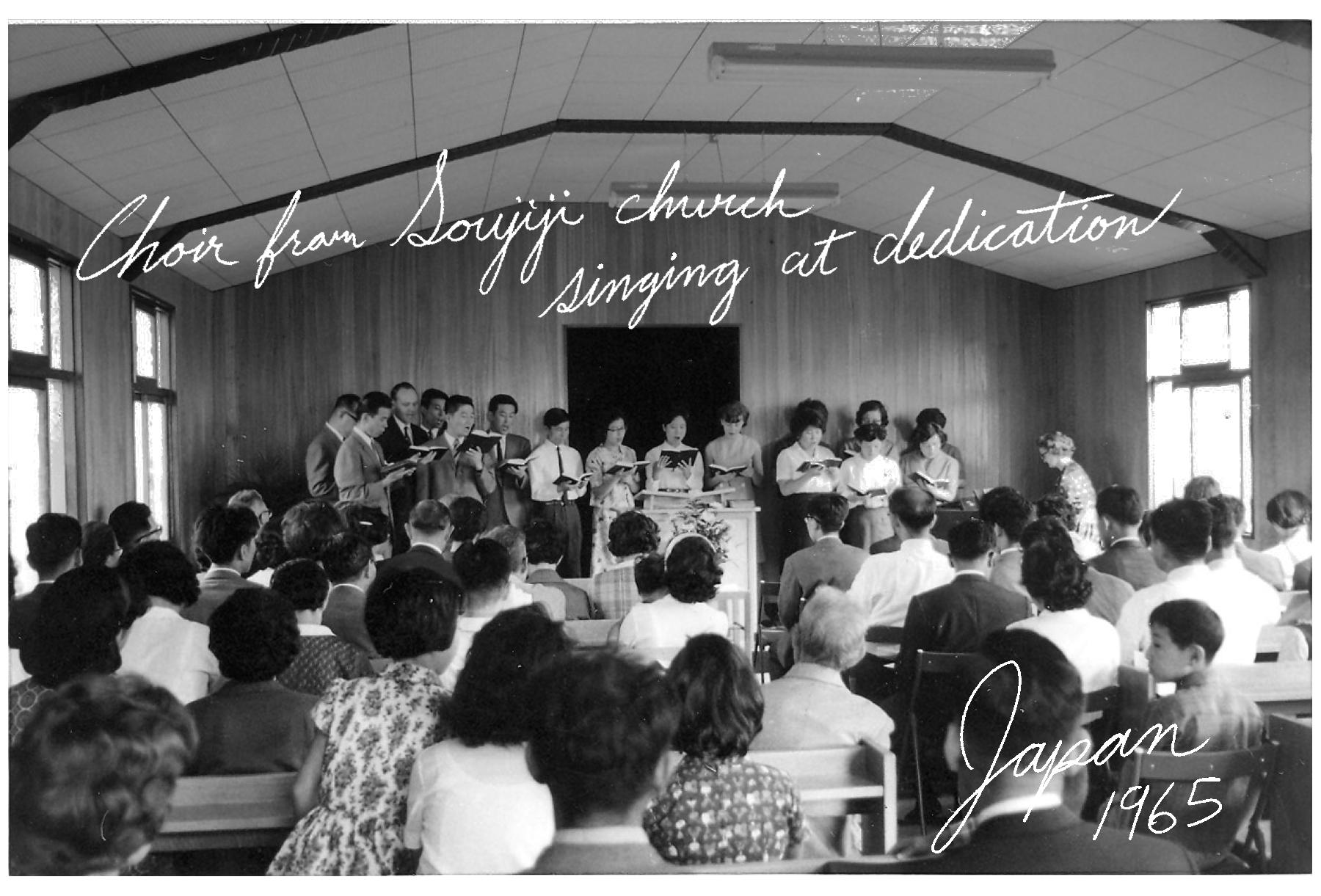
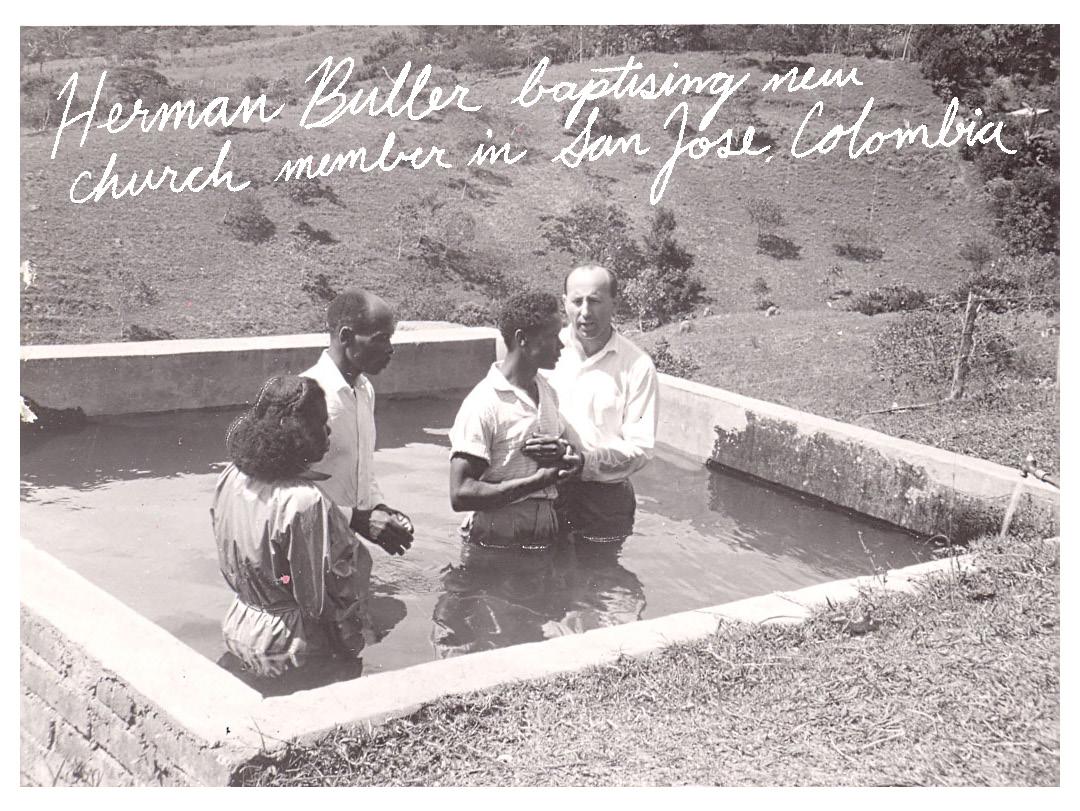
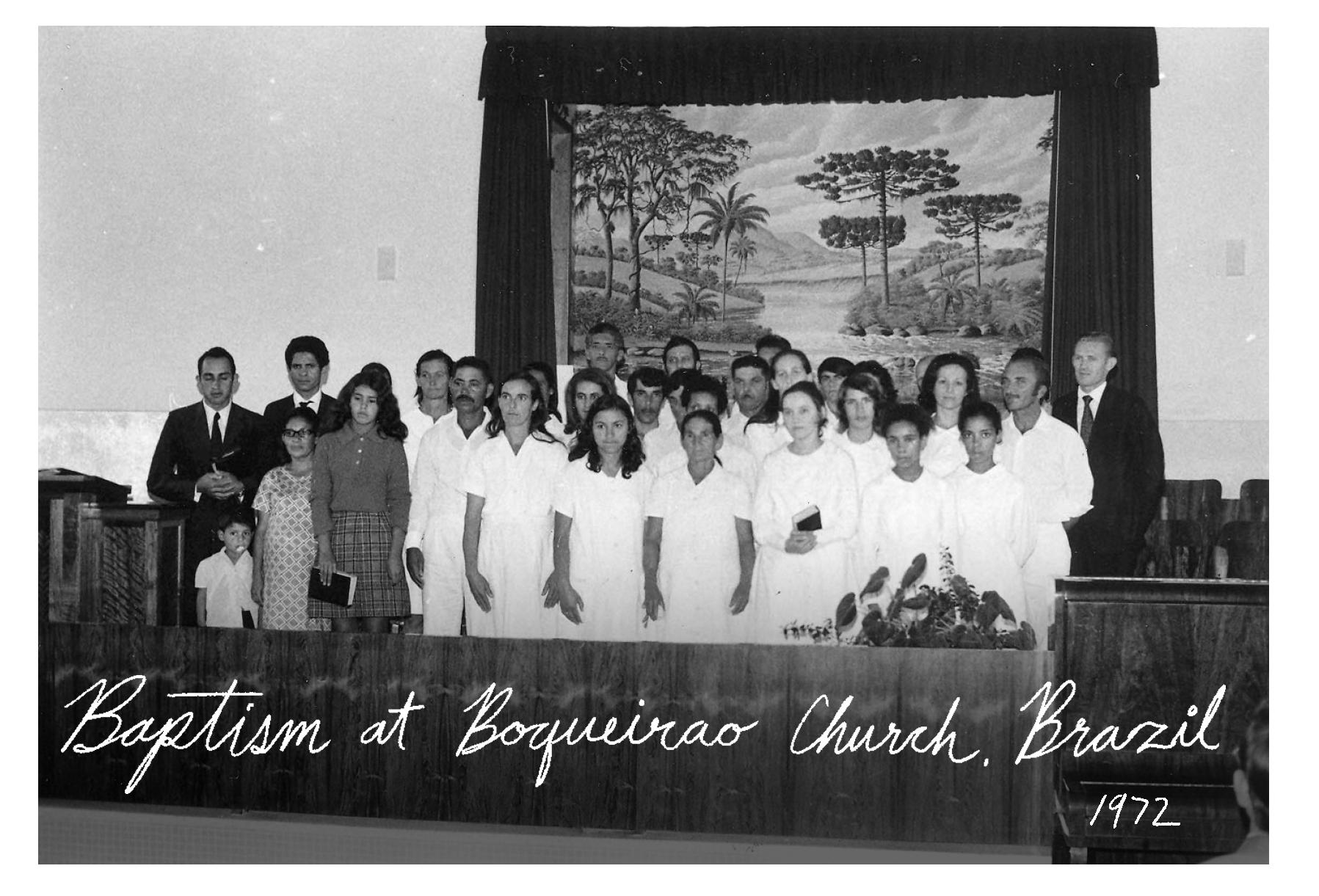
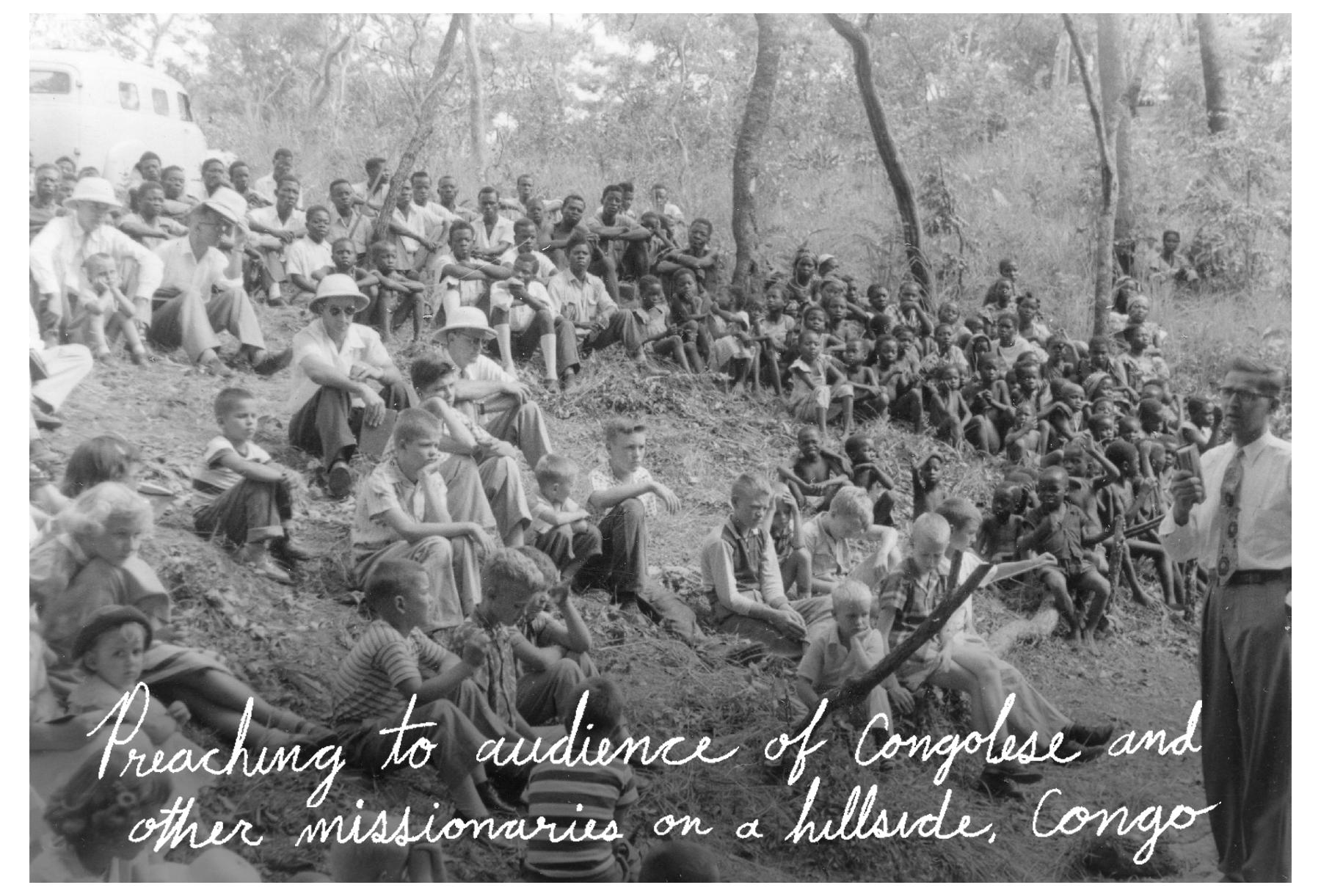
Mission has always played a central role in Mennonite Brethren faith and life. From the very beginning, MBs were passionate about sharing Jesus with others and were bold in their witness to the world.
Multiply serves God’s Church on mission, supporting MBs in multiple regions of the world, as well as functioning as the missions arm of the U.S. Mennonite Brethren (USMB) conference and the Canadian Conference of Mennonite Brethren Churches (CCMBC).
God has used MBs in amazing and sometimes surprising ways to impact the world, spreading the Gospel and sharing the Good News of Christ around the globe. And He isn’t finished yet.
GO
God continues to invite us to join Him in rescuing the lost and making disciples both locally and globally. Explore ways to participate in this exciting mission. multiply.net/go
Nothing Special
THAILAND | By Nikki White
“It was while living in the church that I really learned to serve the Lord,” Ozz said. “Not by preaching or evangelizing or discipling, but by cleaning bathrooms!”
Ozz (pronounced “Ott”) Kumrod was raised by an aunt and his grandmother in a slum community of Bangkok, Thailand. It was through a Christian basketball outreach led by a church in his neighborhood that he was first introduced to the Gospel in his teens. Something in his heart responded to the message and, soon after, he committed his life to becoming a follower of Jesus. Ozz began attending this church, and one of the Thai leaders there discipled him.
“When we read the book of Acts together,” he shared, “I saw that Paul was going out to preach the Gospel and disciple believers in all these different cities. I realized that it was just normal for a Christian to go out and share the Good News. Then I read Isaiah 6:8: ‘Whom shall I send? And who will go for us?’ I wanted to shout, ‘Here am I! Send me!’ I felt convicted that I was supposed to serve the Lord in full-time ministry.”
His Buddhist family was unconvinced.
“I wanted to shout, ‘Here am I! Send me!’ I felt convicted that I was supposed to serve the Lord in fulltime ministry.”
His Buddhist family was unconvinced.
As Ozz was growing in his faith, his aunt and grandmother were being overwhelmed by the challenges of life in the slums and decided to move into a Buddhist temple. This was not an option for a Christ follower and, with no place to live, Ozz asked the pastors of the local church if he could move in. The pastor agreed, but reminded him that he would be expected to pay his way, and help with daily chores.
“Cleaning bathrooms was a reminder that there was nothing special about me,” he shared. “I was just an ordinary person. I had no formal education or anything; I needed to serve God in any way that I could.”
One of the pastors taught him how to make Thai coconut milk dessert drinks, which Ozz then sold from a little cart during the weekdays to earn money to buy food for himself. “I didn’t sell on the weekends,” he said, “even though that was when I could have made the most money. But Saturday and Sunday were my days to teach the children at church. During the week I would still clean the bathrooms,” he added. “That is ministry, too.”
A day came when one of the pastors shared that he was moving to Lopburi to preach the Gospel in a new, unreached community. Seeing Ozz’s willing heart to serve, he invited Ozz to take a step of faith and go with him.
In Lopburi, Ozz began to help by leading worship on his guitar and doing visitation. It was during this period that Multiply first sent three families from North America — called Team 2000—to Thailand to share the good news of Jesus Christ with Buddhist people. “One of the Thai
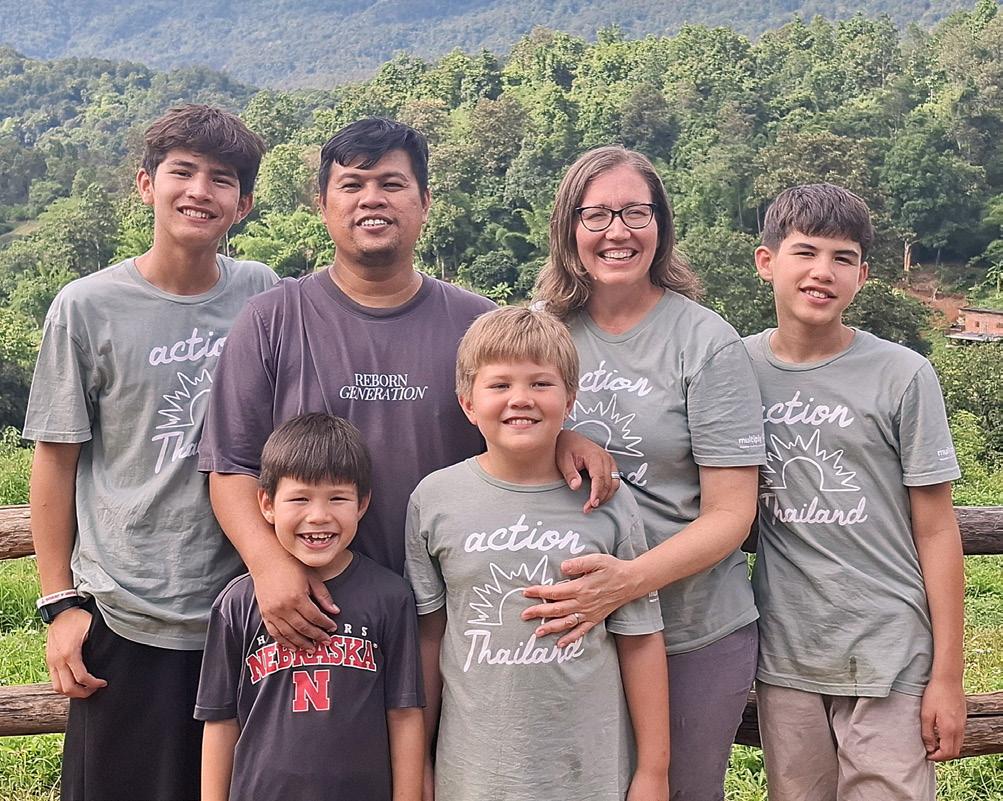
Ozz and Sara, with their four sons
pastors connected with the team, was also my mentor and friend. When he invited me to come and help make disciples with him in Chonburi, this was my introduction to the Mennonite Brethren!”
It would also be where Ozz met Sara.
Their paths did not immediately cross. Sara Fast had graduated from Tabor College as an elementary school teacher, and gone on a number of short-term mission trips: Colombia, Mexico, Romania. One day, while sitting at an internet café in Romania reading an article about Multiply’s work in Thailand, she sensed God nudging her. When she then unexpectedly received an email inviting her to join the team by homeschooling the missionary children, she knew this was the Lord’s leading.
Sara spent almost two years in Thailand before returning back to the States. “I felt God stirring an interest in more long-term cross-cultural service,” Sara acknowledged, “but I also wanted more training. Most of the team had attended MB Biblical Seminary (Now Fresno Pacific Biblical Seminary) and they had recently started the Master of Arts in Intercultural Mission, so I thought that would be a good way for me to prepare for future ministry.”
It was a three-year program, and after graduation she had an opportunity to work with a local non-profit that was helping resettle newly arrived refugee families from Thailand. Sara served with this agency for three more years. Then, an email from a Multiply worker in Thailand popped into her inbox one day. Would she consider coming back, and serving at a children’s home? She would.
Sara went back to Thailand in 2008 and served with Karen Sanchez at the Abundant Life Home for eight months. Through an adjacent young adult Christian gathering, she met Ozz. “He very kindly offered to help me with my language lessons,” she smiled.
Watching Ozz lead worship and interact with new believers, Sara was impressed by his love for people and his authenticity. “And his laugh,” she added with a grin. Eventually the two realized that their friendship was evolving into something deeper. “We knew it would be complicated,” Sara said. “We were coming from very different cultures, life experiences and family backgrounds. It was a risk.”
With the wise guidance of Multiply missionaries, Sara and Ozz navigated their cross-cultural differences and found that their common heart for ministry drew them even closer together. Eventually the couple married, had four sons (Elijah, Ezekiel, Ezra and Elisha) and redeployed into Chiang Mai when Ozz was asked to take on leadership
of the Thai MB conference, where he has now completed four years as president. “Our vision is to see more house churches multiplied,” they both expressed, “locally—like where believers are meeting in a carport area right now–and then all over Northern Thailand, until the whole nation is reached with the Gospel!”
As a culturally blended family, they have seen God’s faithfulness and provision for more than fifteen years. Their boys attend Grace International School—where classes are taught in English—then move into interacting with their Thai peers through sports, music, and other community engagement.
“Our vision is to see more house churches multiplied, until the whole nation is reached with the Gospel!”
“Life gets pretty crazy sometimes,” Sara admits. “Raising four boys is a full-time job in itself! I also currently teach full-time as a volunteer at the school, where three of our boys are blessed with free tuition, and Ozz serves as president of the MB conference. We facilitate and do training for Discovery Bible studies, help with church planting, and support Sunday evening church. I wish I could attend, but right now our youngest needs to get to bed earlier so he can still get up for school on Monday mornings!”
Ozz laughed in agreement. “We love serving as a family, but we’re still trying to figure out how this all works. We take our inspiration from Joshua 24:17: ‘As for me and my house, we will serve the Lord.’ That is our desire; to serve the Lord together as a family.”
Whether that means cleaning bathrooms, selling coconut desserts, teaching school, playing sports, preaching, or discipling emerging church leaders, both Ozz and his wife Sara are committed to the kind of multi-faceted ministry that defines service in the kingdom of God.
GIVE
Support this family as they work alongside national leaders to share the Gospel, plant churches and disciple emerging leaders who serve in evangelism and in the local church. multiply.net/kumrod
God is Biggest
LITHUANIA | By Nikki White
Try as he might, the conversation stayed stuck on the best way to kill Russians.
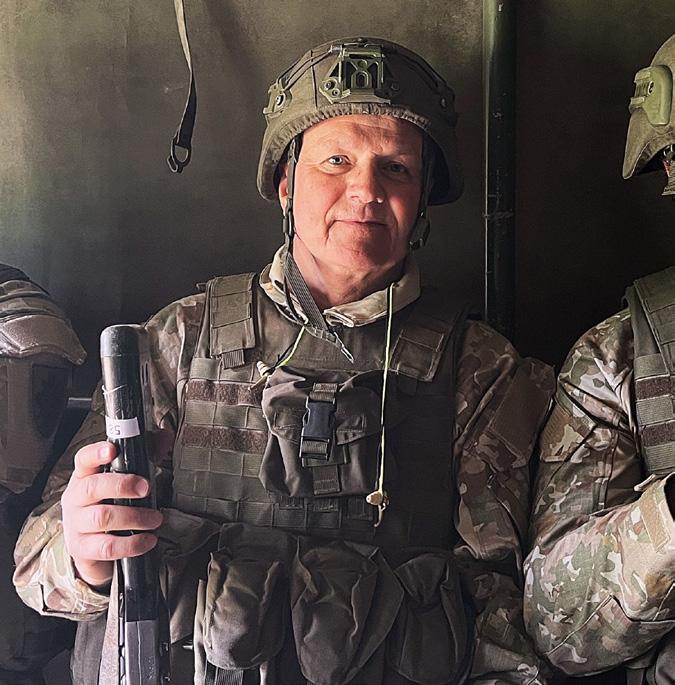
Valdas Vaitkevičius looked around at the seventy other Lithuanians attending the training camp. Men, women, young, old—their faces set in hard lines as they listened to the instructors.
“Not like that!” barked a young officer, grabbing the rifle from his hands and repositioning it roughly.
You are the same age as my daughter, Valdas thought. Is this how you speak to your elders?
But the officer was not interested in being polite. He was preparing civilians for war.
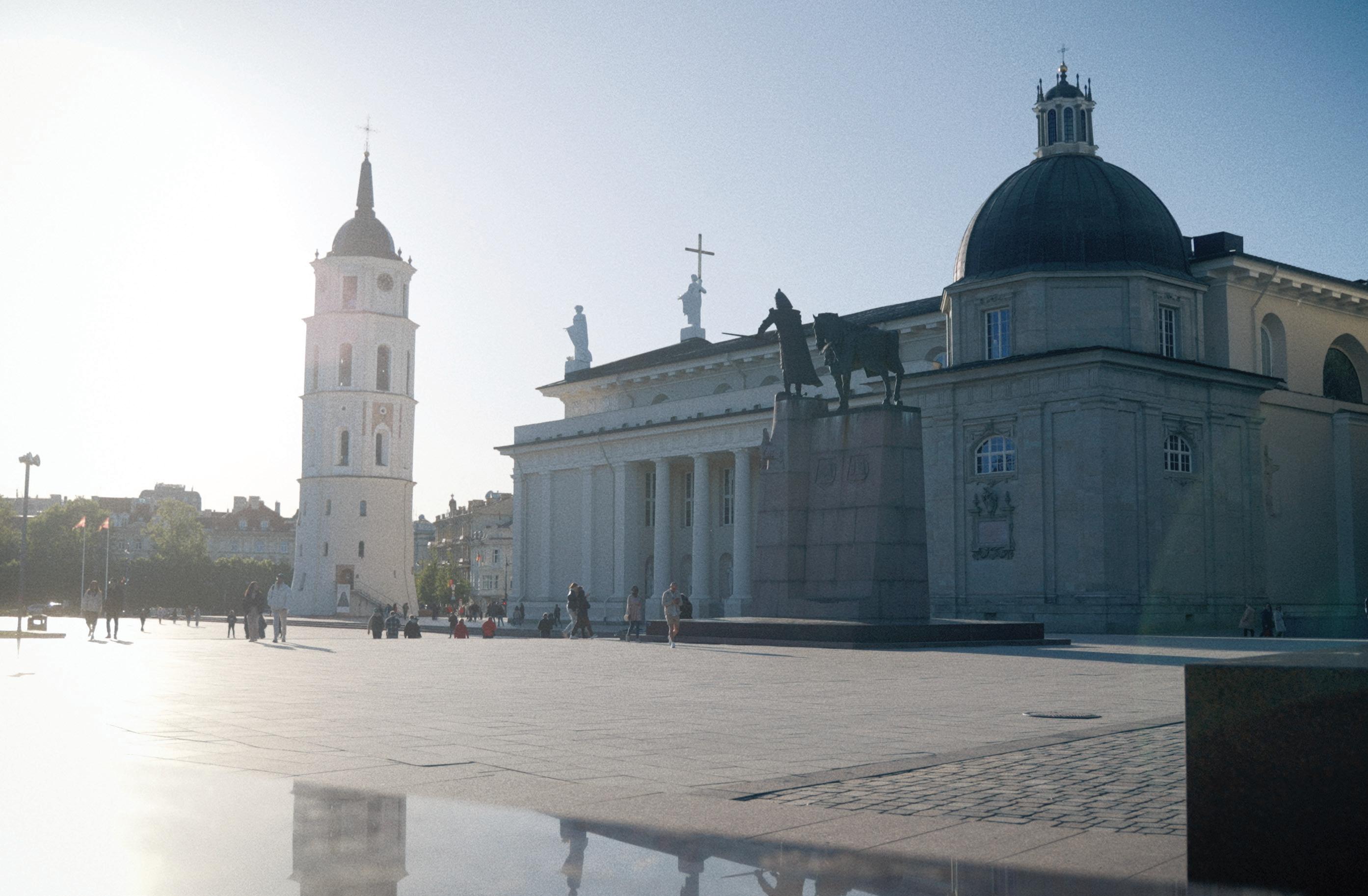
It was an impossible situation. Valdas had tried explaining that he was the pastor of an MB church in Šiaulių. Since 2022, his church had been housing Ukrainian refugee families, many of whom were now leaving Lithuania because of the very real threat of a Russian invasion. When Valdas offered his services as a chaplain, the trainers had scoffed. “We have here electricians, mechanics, bakers, doctors,” they said.
“Now we have a pastor. So what? You will all learn to shoot.”
“We have here electricians, mechanics, bakers, doctors,” they said. “Now we have a pastor. So what? You will all learn to shoot.”
What am I doing here?
It had come as a surprise to him when he had recently been told that his church was designated as a muster building for their neighborhood. In case of an invasion, it would serve not only as a place of refuge, but as an outpost for tactical defense. As the pastor of the church, he had to be prepared, they told him. He must swear his allegiance to his country.
Ironically, Valdas was reminded of the oath he had been forced to swear to the Soviet Union army in 1986. Back then, even at the rank of lieutenant of artillery, he never had to shoot anyone—the Soviet military deployed him
twice, and twice sent him back home. Valdas was eager to publicly renounce that oath, and to affirm his loyalty to Lithuania. He wanted to be useful to his country, hoping that he would be allowed to do so as a spiritual advisor. And so, he had volunteered to attend this ten-day boot camp.
A wave of sadness swept over him. Why call it a camp?
His church had just finished running their own camps—two summer camps, each attended by over 100 children and youth. One camp was for children and teens from socially disadvantaged and wounded families, including children who did not even know their parents or whose mothers had abandoned them. That camp had been difficult for Valdas but, in the end, he rejoiced that one of those teens accepted Jesus, and celebrated the seventeen children and four teenagers in the other camp who became believers.
The twenty camp leaders—former campers themselves— had worked tirelessly to facilitate children’s activities that were fun as well as meaningful. They wanted the camp to be a safe place to play, a time for kids to let down their defenses, a chance to learn about God.
Camp should not be about learning the most efficient way to kill.
During meals and in the barracks, Valdas did his best to share his faith and to encourage others to turn to Jesus. Some listened, others shrugged. “Why?” they asked. “What happens, happens. Everything is in the hands of God.”
Everything, except that gun. That, my friend, is in your hands.
Valdas looked down at his own hands. Would he do it? Could he shoot a Russian soldier, even in defense of others?
PRAY
The sound of fighter jets made him look up. It was not a new noise; having a NATO base nearby meant that there was daily air traffic, as jets from Germany and France and England flew overhead. Reminders of war were inescapable; every TV and radio station was regularly interrupted to broadcast news from Ukraine. Every day, every hour, in the morning, in the evening—they were constantly being forced to think the unthinkable.
In church, people begged him not to mention the war. Please, please, talk about something else. Valdas would prepare himself each week to put aside his own fears, and minister to the fears of his congregants. It was exhausting. Thinking about war, or forcing himself to not think about war—both were equally exhausting. The burden of the forty-kilo pack he was now carrying was nothing, compared to that.
Another jet. Valdas and the other trainees looked up. “NATO is big,” one said confidently. Another shot back, blackly, “Russia is bigger.” Valdas closed his eyes in silent prayer.
God is biggest.
The people of Lithuania are at risk from the decades long war between Russia and Ukraine. Pray for their safety, provision, and for the Gospel to give them hope. And pray for Valdas and the churches in Lithuania as they seek to demonstrate God’s love and share the good news of Christ.
Pastor Valdas Vaitkevičius
More than 53,000 Ukrainian refugees have sought temporary protection in Lithuania.
Servants Do Servant Stuff
by Christopher Lane
A number of years ago, I was invited to speak at a Christian conference in Southern California. While I don’t recall much about my presentation (just that I was extremely nervous!), what I do remember is a message by a guy named John Wimber.
You might know him as one of the founders of the Vineyard Movement. Wimber taught on John 2—the account of Jesus attending a wedding and turning water into wine. He honed in on verse 9: “And the master of the banquet tasted the water that had been turned into wine. He did not realize where it had come from, though the servants who had drawn the water knew.”
The servants knew, Wimber emphasized. As they were obedient, they got to see God work. He summed up his teaching with this simple phrase: “Servants do servant stuff.”
That stuck with me. I loved that matter-of-fact, common sense conclusion. Of course, servants do servant stuff. That’s who they are. Service is their job. When the master gives them a directive, they attend to it, without question. That’s how it works.
It’s not difficult to understand and appreciate the role of a servant. We all have multiple opportunities each and every day to take on that role with others: our spouses, families, coworkers, friends... But it gets a little more tricky—or at least requires more prayerful intention—to serve the Church on God’s mission.
I think the wedding account in John helps us with that. Jesus asked the servants to perform mundane actions that ultimately benefited the guests: fill the jars, draw a sample, take it to the head of the banquet. The servants weren’t responsible for working a miracle or even meeting a need. They were simply asked to obey. When they did, they became part of an amazing event that was recorded in Scripture.
Today, Jesus is asking us to do something that will benefit the world: take the Good News to those who are waiting to hear it and make disciples of all nations. We aren’t expected to convince, coerce, or force people to repent and be saved. We’re just to function as servants delivering a terrifically urgent message.
How can we do that in support of the global Church, as well as our local church? Is it by traveling halfway around the world to partner with nationals who are laboring to share the Gospel in their village? Is it by investing our resources to send someone else or perhaps help fund a church planting movement? Or is it by signing up for children’s ministry and training the next generation of disciple makers?
Your service will probably look different than mine. But the starting place is the same: a willing and humble heart. Are we ready to serve God whenever and wherever He calls on us—even if the job doesn’t seem especially important or noteworthy?
Servants do servant stuff. And sometimes, as they do that stuff, they get to witness miracles.
“Whoever serves me must follow me; and where I am, my servant also will be. My Father will honor the one who serves me.” (John 12:26)