

TARGETED READERSHIP:
Read by more than 15,000 business leaders and decision makers.
BROAD DISTRIBUTION:
Distributed throughout Pennsylvania, as well as eastern Ohio and western New York. Your ad — included in the digital version at no extra cost — links directly to your organization’s website.
CAPTIVE AUDIENCE:

Business and community leaders - and their guests - will enjoy this special issue at the MBA’s premier networking event, the 121st Annual Event on October 7, 2026 at the Bayfront Convention Center in Erie!
YEAR-ROUND VISIBILITY:
Displayed at the Association’s Conference Center in Erie and Pittsburgh office in Cranberry Township. Visited by more than 25,000 people annually!

COMPANY PROFILE RATE: $1,890
Profile Space Deadline: July 24, 2026
Profile Materials Deadline: July 31, 2026
Listing Reservation: August 24, 2026
Listing Materials Due: August 28, 2026
HURRY, SPACE IS LIMITED!
Contact our sales team:
Shawn Netkowicz at snetkowicz@mbausa.org
Judy Rosatti at jrosatti@mbausa.org or call 814/833-3200 or 800/815-2660
FULL-PAGE AD RATE: $1,890
AD Space Deadline: August 28, 2026
AD Materials Deadline: September 10, 2026
Celebrating the Organizations That Are Strengthening the Region Through Service












NEXT GEN SPOTLIGHT Q&A:
MERCY CENTER FOR WOMEN
COO DISCUSSES NONPROFIT
CAREER, LEADERSHIP LESSONS
SPECIAL SECTION: NEW MBA TRAINING COURSES FOR AUGUST, SEPTEMBER
10 | Mercy Center for
Chief Operating Officer Katie Confer discusses her professional journey and the unique challenges and rewards of working for a nonprofit organization.
13 Employer tax credit available: The benefit of helping your employees save for education, disability expenses.
PA Treasurer Stacy Garrity
15 Real estate tax exemptions for charities: Lessons from recent Pennsylvania cases. Rachel Loper
20 Check the upcoming courses available at The MBA for August and September.
21 See photos from the latest MBA member happenings!
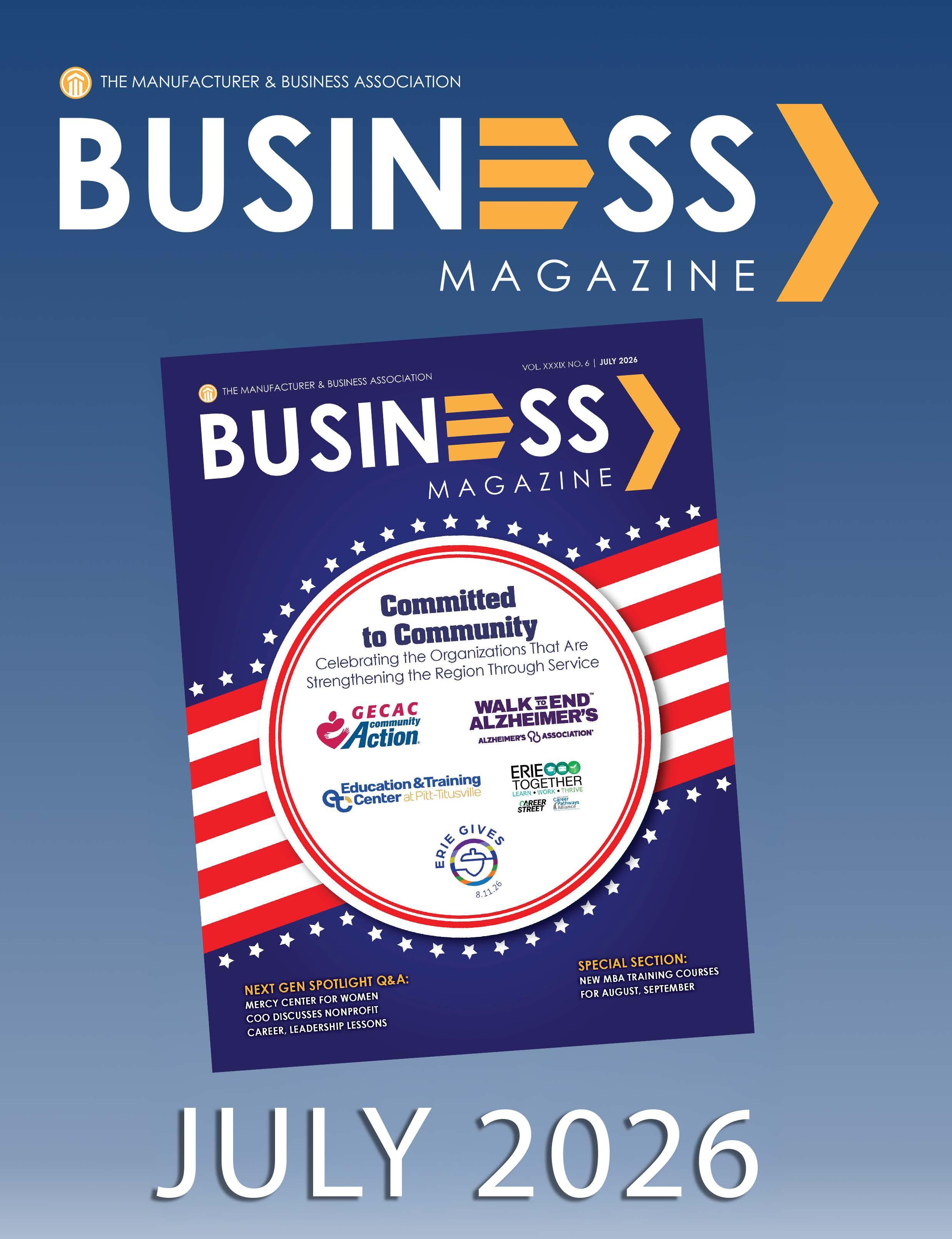
On the Cover: A look at the nonprofits and service groups that are making a difference in our community, country. For full story, see page 5.
Executive
Karen Torres ktorres@mbausa.org




Laura Guncheon Executive Director, BUILD CDC


Allison Hodas VP, Commercial Relationship Manager, ERIEBANK

Chrissy Anthony AVP, Treasury Management Advisor, ERIEBANK


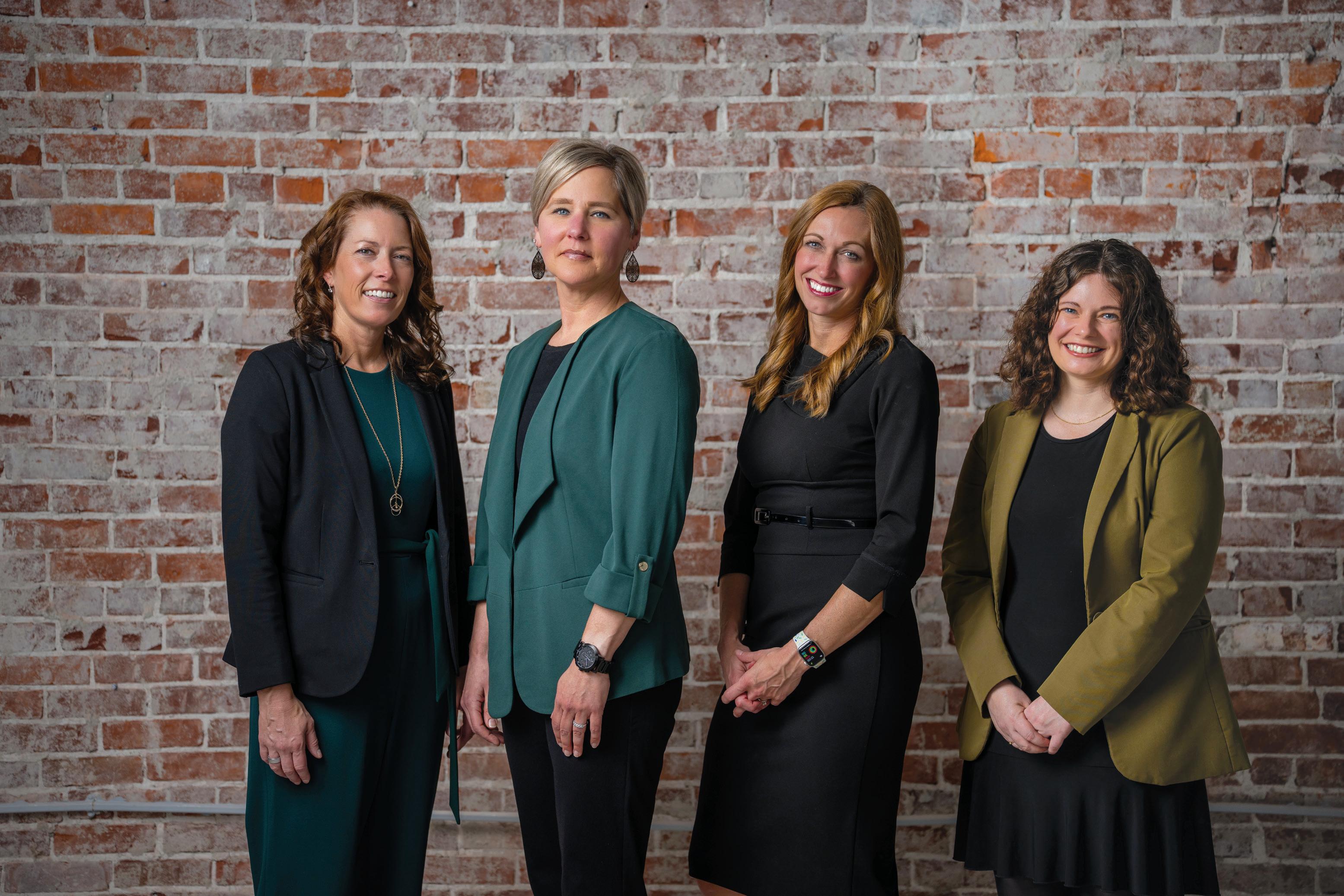
BUILD CDC trusts ERIEBANK because they show up every time.
Allison, Chrissy, and the entire team at ERIEBANK understood our mission and met our complex, community-driven work with clarity, respect, and responsiveness. They know nonpro t realities, support expansion, and continue to invest in our success.
For any business seeking a true nancial partner rooted in integrity and community commitment, ERIEBANK stands out because they start with YES.
– Laura Guncheon Executive Director, BUILD CDC
Learn more about our nonpro t and business banking services, visit us online at www.ERIEBANK.bank
As we celebrate America’s 250th anniversary in 2026, the milestone offers a chance to reflect on history, well as those who serve in the military and those who have made the ultimate sacrifice for our country. But it is also an opportunity to recognize those who serve in a different way — by strengthening their communities every day. Among some of the most notable are nonprofits and servicebased organizations, which play a major role in both the economy and the quality of life across the country.
The connection between service and community is deeply tied to the American story. Since the nation’s founding, volunteerism and community involvement have been central to the country’s identity. From local fire departments and churches to charitable groups and neighborhood organizations, Americans have long stepped forward to help one another in times of need.
The nonprofit sector, for example, plays a major role in America’s future and the economy too — through hospitals, food banks, educational institutions, job training programs, youth groups, veterans’ services and local charities, just to name a few. These organizations don’t just help people — they employ millions of workers and help keep communities running.
For the business community, nonprofits are also important partners. They help provide education and job training, support employee wellness through health care and social services, and improve the overall quality of life that attracts businesses and talent to our region. In fact, communities with strong nonprofit sectors are often more resilient and better prepared to respond during challenging times.
As the country reflects on 250 years of progress, the nonprofit sector reminds us that strong communities are built not only through commerce, but also through the dedication and service of many organizations and individuals.
In this issue of The MBA Business Magazine, we’ll highlight the nonprofit organizations that have long been making an impact on the local community, including the Alzheimer’s Association, Education & Training Center at Pitt-Titusville, Erie Together, the Greater Erie Community Action Committee and The Erie Community Foundation’s Erie Gives Day.
In addition, be sure to check out this month’s Next Gen Spotlight Q&A with Katie Confer of the Mercy Center for Women and our expert articles on nonprofits, leadership and even ways to make the employer tax credit work for you!
Plus, be sure to join us for The MBA’s 121st Annual Event as we continue to celebrate America’s 250th with keynote speaker General James Mattis (Retired), the 26th Secretary of Defense (2016–2017), on October 7 at the Bayfront Convention Center in Erie! Visit mbausa.org to learn more!

Service is one of the most powerful forces in any community. Across the region and beyond, nonprofit organizations, educational institutions and service groups are working every day to improve lives, support local businesses and create opportunities for individuals and families in their communities.
Whether providing health-related resources, educational opportunities, workforce development or assistance for those facing hardship, these organizations often play a vital role in addressing some of society’s greatest challenges.
Erie Together’s service to the community is rooted in collaboration among organizations, businesses, schools and residents to align efforts around priorities that matter most across our region. Executive Director Mary C. Bula explains, “By mobilizing citizens and cross sector stakeholders, we help make the Erie region a community of opportunity where everyone can learn, work and thrive. Our success has always been driven by the people and organizations that contribute their time, expertise and resources to advance shared priorities.”
For the Alzheimer’s Association, service begins with compassion and a commitment to those affected by disease. “At its core, service to the Alzheimer’s Association is a commitment to advancing our vision of a world without Alzheimer’s and all other dementia — a promise to lead with empathy today while working tirelessly toward a cure tomorrow,” says Madeline Drayer, development manager for the northwest PA chapter of the Alzheimer’s Association. “Service means showing up with compassion, purpose and urgency for everyone affected, and meeting individuals and families where they are — providing support, education and guidance through every stage of the disease.”

Service is a powerful catalyst for building a stronger regional workforce and fueling economic growth. Through programs at the Education & Training Center at Pitt‑Titusville, learners gain the skills they need while employers receive support in meeting workforce challenges. “At ETC Pitt Titusville, we focus on service, meeting people where they are and lifting communities up by empowering learners, employers and partners to expand opportunity for all, while enhancing economic growth,” says Richard Esch, president of the University of Pittsburgh at Titusville.
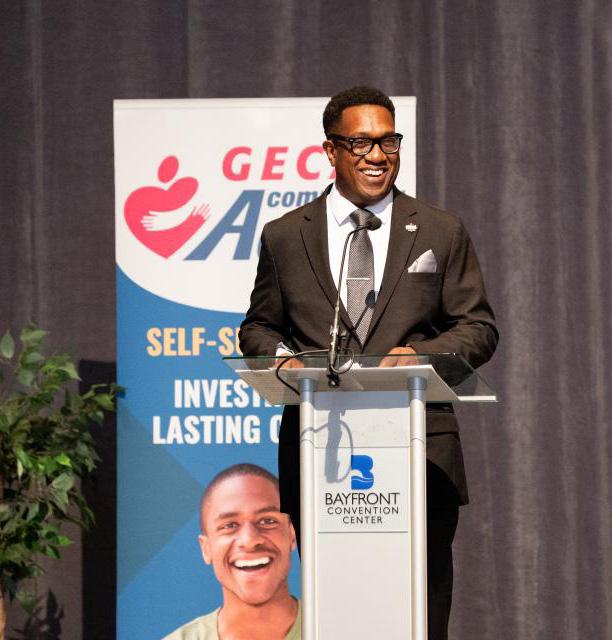
Meanwhile, organizations like the Greater Erie Community Action Committee are focused on economic self sufficiency continue to transform lives through direct support and empowerment. “For me, service means opening doors for people, families and communities. At GECAC, service is not simply about delivering programs. It is about meeting people where they are, treating them with dignity, helping them through moments of crisis and creating pathways toward long term stability.” notes Chief Executive Officer Benjamin Wilson, Ed.D.
Bringing people, resources and opportunities together is the heart of The Erie Community Foundation’s Erie Gives Day, a day created to support their mission to engage donors with the amazing nonprofits within the community. This year, Erie Gives is set for Tuesday, August 11. As Karen Bilowith, president and CEO of The Erie Community Foundation, explains, “Service means inspiring generosity, engaging community partners and empowering collective giving to create lasting, meaningful change across Erie.”
Together, these organizations remind us that service is more than an act — it is dedication to making a difference in the communities they serve every day.





The Greater Erie Community Action Committee (GECAC)’s mission is to eliminate poverty in Erie County through empowerment, education and community partnership. The agency’s vision is empowering the community to foster a better life for all.
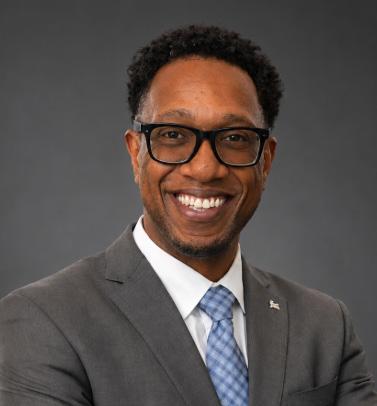
Ben D. Wilson, Ed.D., is a community-focused leader, educator and advocate who serves as chief executive officer of the Greater Erie Community Action Committee (GECAC), Erie County’s designated Community Action Agency and Area Agency on Aging.
As GECAC’s sixth CEO, Wilson leads an organization that administers more than 45 programs supporting individuals, families, older adults and communities throughout Erie County.
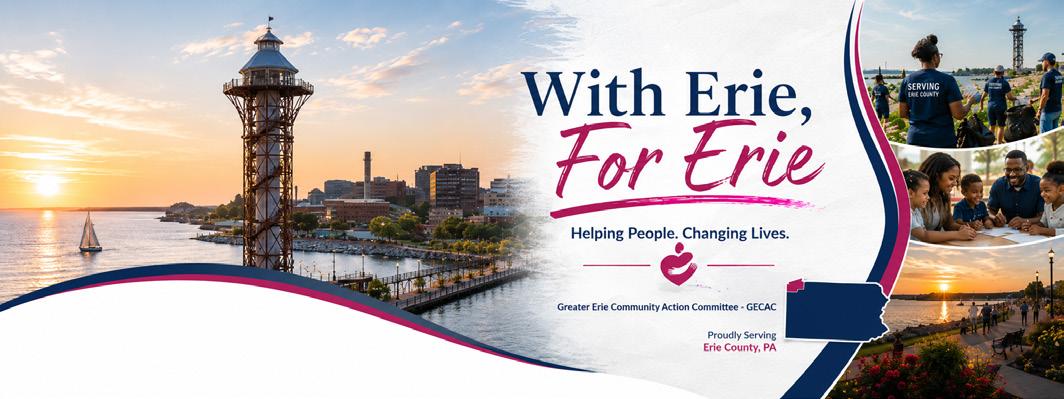
Since assuming the CEO role in December 2024, Wilson has focused on strengthening GECAC’s ability to meet today’s challenges while positioning the organization for longterm success. His leadership is grounded in the agency’s mission of “Helping People, Changing Lives” and guided by a philosophy he often describes as “With Erie, For Erie” — the belief that lasting community change happens when people, organizations and partners work together toward shared goals.
Wilson’s career has centered on workforce development, education, community action, organizational transformation and systems change. He earned his Doctor of Education from the University of Pittsburgh, where his academic work focused on solution-based approaches to addressing community challenges and expanding opportunity.
His connection to GECAC began long before becoming CEO. Earlier in his career, he served as director of Self-Sufficiency Programs and director of Workforce Development, helping individuals and families build pathways toward economic independence. He later worked with community action agencies and nonprofit organizations across the country, supporting strategic planning, compliance, program development, organizational effectiveness and operational improvement.
He also served as senior advisor for a nationally recognized consulting firm, working with organizations throughout the county, where he helped them strengthen outcomes and secure critical funding investments.
Key Priorities
Wilson’s extensive experience is critical to GECAC as he leads the agency through a new era, guided by three key priorities:
1. Modernize GECAC while keeping people at the center. As GECAC moves into its next chapter, Wilson is focused on strengthening the internal systems, operations and culture that support the Agency’s work. That includes modernizing technology, improving the frontdoor experience, strengthening finance and HR systems, improving internal communication and making sure staff have the tools, clarity and support they need to serve the community well. “We are focused on becoming more efficient, more responsive and easier for the community to access,” states Wilson.
2. Deepen community impact around Erie County’s most pressing needs. GECAC’s future must be directly connected to the real needs of Erie County residents. The Agency’s strategic focus includes housing stability, utility relief, living-wage jobs and job training, transportation access, senior services, youth engagement, health and behavioral health connections and poverty reduction. “We want to do more than respond to immediate needs,” Wilson explains. “We want to help address the root causes of poverty by building stronger pathways to education, employment, stability and opportunity.”
3. Build stronger partnerships, sustainability and measurable results. The next chapter for GECAC requires strong partnerships, diversified funding, better storytelling and clear accountability for results. “Public
funding is important, but it cannot do the work alone,” Wilson says. “Local partnerships and community support are essential to helping us fill gaps, respond to emerging needs and create long-term solutions for Erie County.”
Under Wilson’s leadership, GECAC is working to strengthen relationships with local, state, federal, philanthropic, corporate and nonprofit partners while also improving how it measures and communicates impact.
“GECAC has served Erie County for 60 years,” Wilson continues, “and our responsibility now is to make sure the organization is positioned to serve for the next 60 years with sustainability, transparency and measurable community impact.”
A Critical Voice in the Commonwealth
In addition to his role as CEO, Wilson remains actively engaged in civic and educational leadership throughout the region and Commonwealth.
He serves on the Pennsylvania State Board of Education, helping shape educational policy and opportunity for students across Pennsylvania. He also serves as chair of the Erie Metropolitan Transit Authority Board and as a member of the Erie International Airport Authority Board, contributing to initiatives that strengthen transportation, accessibility and economic development throughout the region.
His leadership across these organizations reflects a consistent commitment to public service, community advancement and improving quality of life for residents.
Most importantly, Wilson remains focused on ensuring GECAC continues to fulfill its mission of helping people and changing lives — working “With Erie, For Erie” to create a stronger future for all.
Address: 18 West 9th Street Erie, PA 16501
Phone: 814/459-4581
Website: gecac.org
THANK YOU TO OUR 2026

KYLE STRAYER - BOARD CHAIR - ERIE STRAYER
VICTORIA BAYLE - BOARD MEMBER
ROB FRANK - BOARD MEMBER - R. FRANK MEDIA
2026 EXECUTIVE LEADERSHIP CHAIR
DREW WHITING - EDDC - FIVE IRON GOLF
EXECUTIVE LEADERSHIP TEAM
SHARI ROBINSON - FORTE MARKETING
ASHLEY ROSS - PNC BANK
PAIGE BOESCH - PLYLER ENTRY SYSTEMS
STACEY SANTOS - RE/MAX
ERIC NICASTRO - ERIE INSURANCE
GREG COLEMAN - ERIE SEAWOLVES
ROB FREDERICK - PENN STATE BEHREND
BRIDGET MERRIMAN - ERIEBANK
WILL BLOOMSTINE - HUB INTERNATIONAL
MATT BRESEE - ACTION COACH ERIE
MELANIE TITZEL - LECOM

JOIN US
9/19/26 - PERRY SQUARE, ERIE, PA

For families facing Alzheimer’s disease, support can make all the difference. The Alzheimer’s Association has become a leading force in providing care, education, advocacy and hope to individuals impacted by dementia. The organization advances research, connects families with critical resources and helps build stronger support systems for caregivers and those living with the disease.
The Alzheimer’s Association is the world’s leading nonprofit organization dedicated to Alzheimer’s care, support and research. In Pennsylvania alone, more than 282,000 people are living with Alzheimer’s disease, while more than 465,000 caregivers provide millions of hours of unpaid care each year. The Greater Pennsylvania Chapter offers support groups, educational programs, advocacy initiatives and a 24/7 Helpline for families navigating the realities of dementia.
One of the organization’s largest annual efforts is the Walk to End Alzheimer’s ®, the world’s largest fundraiser dedicated to advancing the fight against the disease. Held in more than 600 communities nationwide, the event brings together
families, caregivers, businesses and volunteers united by a shared mission.
In Erie, that mission will once again take center stage on Saturday, September 19, when the Erie Walk to End Alzheimer’s returns to Perry Square.
the success of the Erie Walk is driven by a dedicated volunteer executive committee whose members lead efforts within the business community to raise awareness, inspire participation and generate critical funding. Through their leadership and community connections, the committee continues to expand the event’s reach and impact year after year.
In fact, Erie’s volunteer executive committee is recognized as one of the strongest in the country. Local advocacy volunteers have earned national recognition for their efforts on behalf of Alzheimer’s patients and caregivers. This type of success reflects what can happen when a community rallies around a shared vision and works together toward meaningful change.
This year’s Walk chair, Drew Whiting, chief executive officer of Erie Downtown Development Corporation, has brought tremendous energy and momentum to the effort.

Alongside local leaders including Kyle Strayer of Erie Strayer, Rob Frank of R. Frank Media, Paige Boesch of Plyler Entry Systems and Will Bloomstein of HUB, Whiting has helped strengthen awareness and support throughout Erie’s business community.
Beyond fundraising, organizers say the walk creates something
Phone: 800/272-3900
Email: mmdrayer@alz.org
Website: act.alz.org/erie

The flowers displayed show the many lives affected by Alzheimer’s disease.
equally important: connection. Families who often feel isolated by the emotional toll of dementia can meet others who understand their experiences. Caregivers, volunteers and advocates come together not only to honor loved ones, but also to build lasting networks of encouragement and support.
The Greater Pennsylvania Chapter continues to expand its impact through volunteerism, advocacy and community education programs focused on early detection, brain health and dementia awareness. Recent advancements in Alzheimer’s research — including new FDA-approved treatments and blood biomarker testing for earlier detection — offer renewed hope for families affected by the disease.
As the Erie Walk approaches, community members and businesses are encouraged to register, donate, volunteer or form a team. For many families, participation is about more than fundraising. It is an opportunity to honor loved ones, support caregivers and stand united in the fight to end Alzheimer’s disease.
Visit act.alz.org/erie to learn more!

Like other sectors, next-generation leaders will play a vital role in shaping the future of the nonprofit world. Here, Mercy Center for Women Chief Operating Officer
Katie Confer, age 35, discusses her professional journey and the unique challenges and rewards of working for a nonprofit organization.
Please share a little bit about your professional journey and what led you to working in the nonprofit sector. I began my nonprofit career at the North East Area Chamber of Commerce in my hometown, where I worked closely with locals, visitors, businesses and individuals connecting to community resources. That experience gave me a strong foundation in relationship-building and community engagement. I later moved into development work at Community Shelter Services, serving both as a grant writer and director of Development, where I gained a deeper understanding of social services and the realities facing vulnerable populations right here in Erie. When the opportunity arose to join the Mercy Center for Women, I knew it was the right fit. Working in a missiondriven environment, especially one that supports women and children, has been incredibly meaningful.
You were named chief operating officer for the Mercy Center for Women in February 2026. Tell us about your promotion and what this role entails. The Mercy Center for Women’s campus has grown significantly in recent years, especially with the addition of the Sacred
Heart School/MACC West project, and our leadership structure has evolved to match that growth. I was named COO to help support this expansion and strengthen internal operations during a time of transition, while supporting our Executive Director, Jennie Hagerty, in advancing the organization’s long-term vision. I continue to have a role in overseeing grants, marketing and leading the events team as well.
What inspired you to step into a leadership role within a mission-drive organization focused on serving those in need?
At first, I wondered whether I had the experience or perspective to measure up, and I spent a lot of time reflecting. I found that while I still have more to learn, I am confident that every decision I take part in at Mercy Center for Women prioritizes the women and families we serve, as well as the staff who support them.
Describe the services that the Mercy Center provides and a few of the exciting projects you’re involved with today. MCW provides both transitional and permanent supportive housing. While most of our programs are for women and children, the Mercy Anchor Community Center (MACC) also welcomes men to be tenants. In addition to housing, MCW provides supportive services and helps our clients and the community connect with organizations that can help them. Our latest project is MACC West, the transformation of the old 42,000-square-foot Sacred Heart school building into 20 apartments.
What have been some of the most impactful leadership lessons you’ve learned so far? How to be a servant leader and prioritize the needs and growth of the MCW team and clients over my own.
What advice would you give to other emerging leaders who are stepping into influential roles, especially within nonprofit organizations?
Allow yourself to be mentored! Being observant and thoughtful and having someone to talk through situations you are new to or uncertain about is incredibly helpful.
What are some of the unique challenges and rewards of working in the nonprofit sector compared to other industries? I think the nonprofit sector has a reputation for forcing you to wear a lot of hats. Just because I have a desk job doesn’t mean you won’t find me unloading a truck, in the dirt planting flowers or helping carry furniture upstairs. Nonprofits really mean it when they say, “All other duties as assigned!”
Looking ahead, what excites you most about the future of Mercy Center for Women?
Seeing the growth that has taken place since I started in 2023 with the ribbon cuttings at MACC and Brandy’s Corner makes me look forward to welcoming 20 more families to their homes at MACC West in 2028.
For more information about the Mercy Center for Women, visit mcwerie.org.
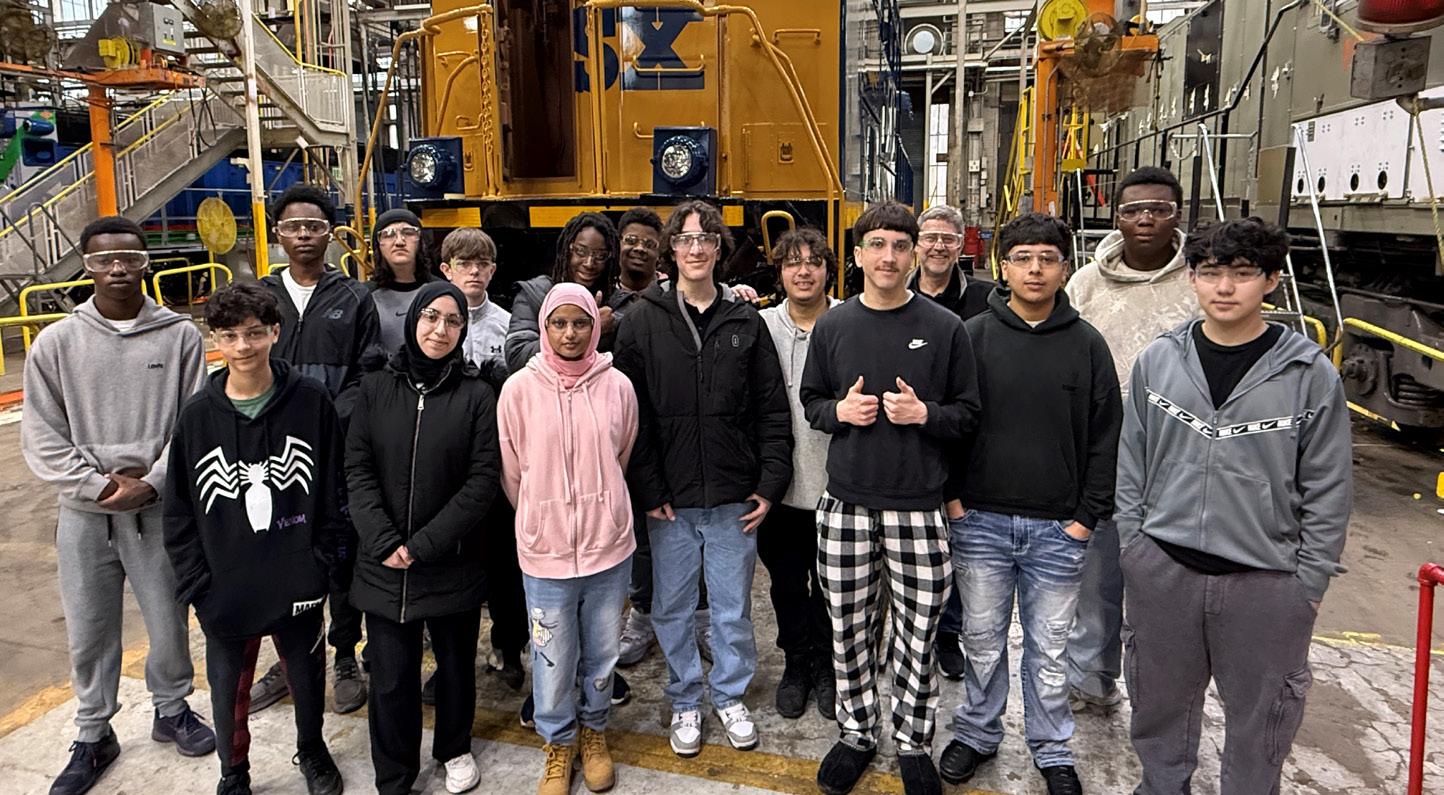
The future of Erie County’s workforce is shaped long before a hiring decision is ever made. It begins in classrooms, career exploration experiences and the relationships students build with employers and their community.
Helping create and strengthen those opportunities is central to Erie Together’s mission to make the Erie region a place where everyone can learn, work and thrive.
As a countywide collective impact organization, Erie Together convenes cross-sector stakeholders and citizens around education, workforce and community priorities. By aligning partners and resources, Erie Together helps turn ideas into action that supports students, strengthens the workforce pipeline and contributes to the long-term vitality of the Erie region. At a time when employers across industries are facing workforce shortages and growing talent challenges, this work matters more than ever.
Through its Erie County Career Pathways Alliance (ECCPA) and Career Street initiatives, Erie Together works alongside businesses, schools, higher education and workforce partners to help students better understand local careers, industry-relevant skills and the pathways available to them after graduation.
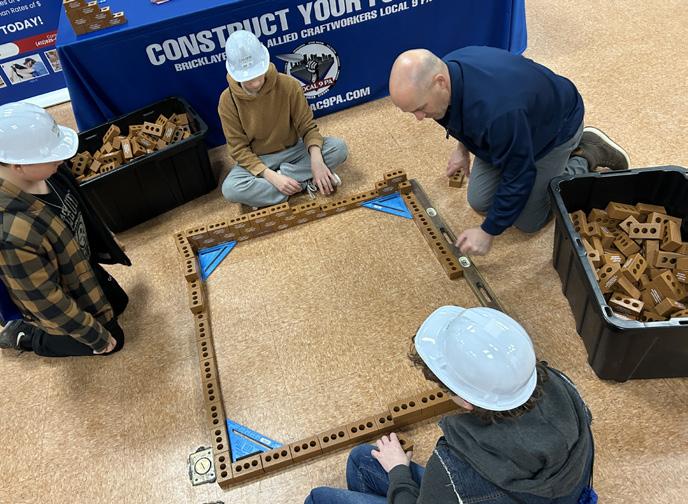
Since launching in 2014, Career Street has facilitated more than 60,000 career awareness and work-based learning experiences, helping employers engage the region’s future workforce while increasing student awareness of local careers. Many of those experiences were shaped by the ECCPA, and this year alone produced several notable examples.
At Erie Together’s 2026 Skilled Trades Fair, 377 students explored careers in skilled trades through direct interaction with local industry representatives and hands-on activities. Follow-up surveys showed strong impact among participating students: 94 percent reported increased awareness of skilled trades careers, 95 percent learned more about local job opportunities, and 90 percent gained greater clarity about their own career interests.
Erie Together’s Multi-District Industry Club (MDIC) immersed students in employer panels, workplace tours, job shadows and other work-based learning experiences across several key local industries. By the conclusion of the program, every participating student reported a stronger understanding of local career opportunities, while 71 percent said the experience helped clarify or refine their future career goals.
Employer engagement continued through Erie Together’s annual Job Fair for Seniors, which brings together graduating students and local employers with immediate hiring opportunities. Already, several students have secured employment offers as a direct result of conversations and connections made during the event.
Erie Together’s collective impact approach drives these outcomes, creating stronger pathways for students, supporting employers in developing the future workforce and contributing to the long-term vitality of the Erie region. “We
Address: 2501 W. 12th Street, #603 Erie, PA 16505
Phone: 814/240-8432
Email: mary@erietogether.org
Website: erietogether.org
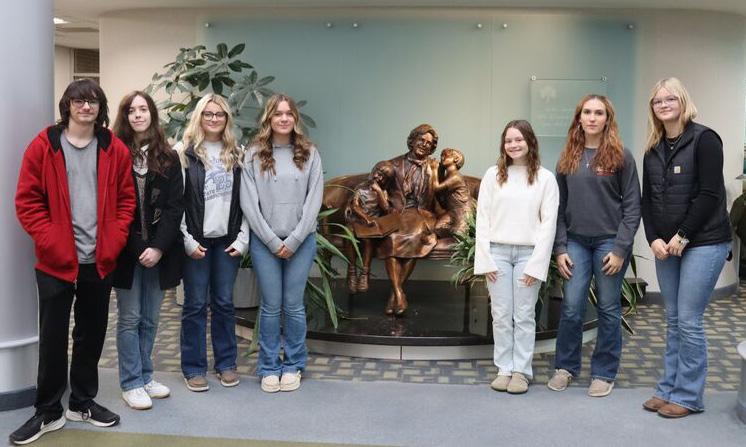
Erie Together is a countywide collective impact organization that aligns partners and resources for the region’s longterm vitality.
believe strong communities are built through collaboration and shared purpose,” says Mary Bula, executive director of Erie Together. “The progress we’re seeing across Erie County happens because employers and community partners are willing to invest their time, expertise and resources into building a stronger future for the region.”

Employers can partner with Erie Together by participating in career-connected learning experiences, serving on ECCPA advisory groups and supporting the organization’s work through financial contributions and other resources. These partnerships help employers shape the future workforce, strengthen regional competitiveness and contribute to a stronger Erie County for years to come.
To learn more about Erie Together or explore partnership opportunities, visit erietogether.org/get-involved or contact Mary Bula at mary@erietogether.org.
Address: 504 E Main Street
Titusville, PA 16354
Phone: 888/878-0462
Email: etcadm@pitt.edu
Website: ETC.Pitt.Edu
Every day, the Education & Training Center at Pitt Titusville opens its doors with a simple belief: When people gain access to education, skills and support, entire communities thrive. Across Crawford, Venango, Warren, Forest, Erie and Mercer Counties, that belief is transforming lives and strengthening the region’s workforce.
At ETC, learners, employers and community partners come together to solve one of the region’s most

pressing challenges — the need for skilled workers. From health care to manufacturing to public service, ETC’s programs are designed to meet the real needs of real people and real industries.
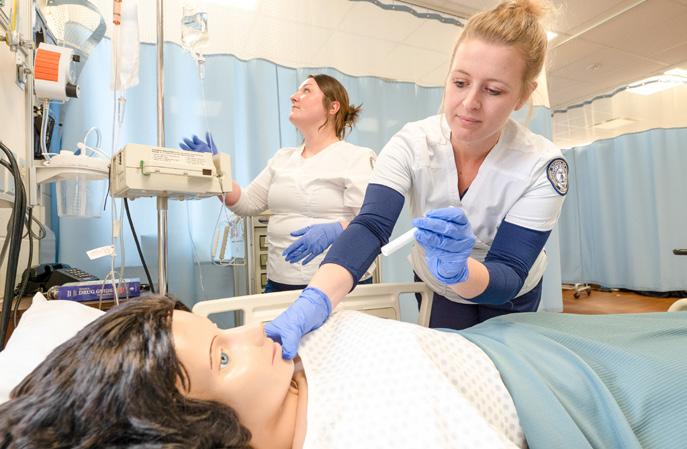
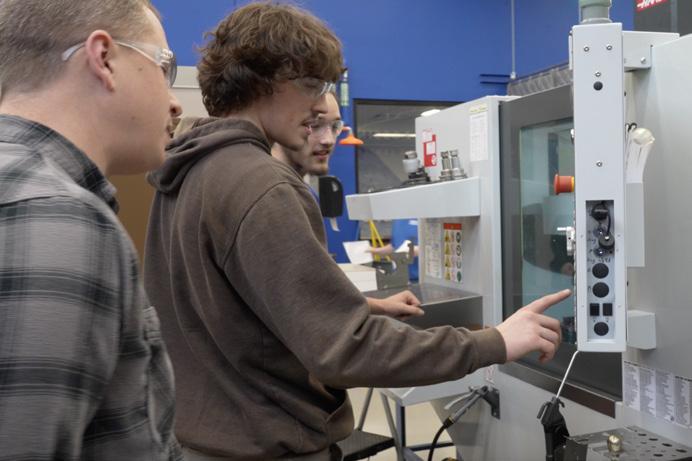
This fall, ETC will welcome its first cohort of students into the new Pitt Dental Hygiene program, a major step toward addressing the shortage of dental professionals across northwestern Pennsylvania. Dental Hygiene joins a lineup of programs that already serve as lifelines for local employers: Nursing, Manufacturing, Industrial Maintenance, Criminal Justice, Nurse’s Aide and others.
“The launch of the Pitt Dental Hygiene program represents exactly what our region needs, education that responds directly to workforce demand,” shares Richard Esch, president of the University of Pittsburgh at Titusville. “ETC is committed to building programs that don’t just award credentials, but open doors. This new program will strengthen our health-care pipeline, support local employers and create meaningful career pathways for students across northwestern Pennsylvania.”
But what truly sets ETC apart is its commitment to people. Many students arrive seeking more than credentials — they’re seeking stability, confidence and a path forward. ETC provides that through hands on training, personalized support and partnerships that connect students directly to employers who are eager to hire.
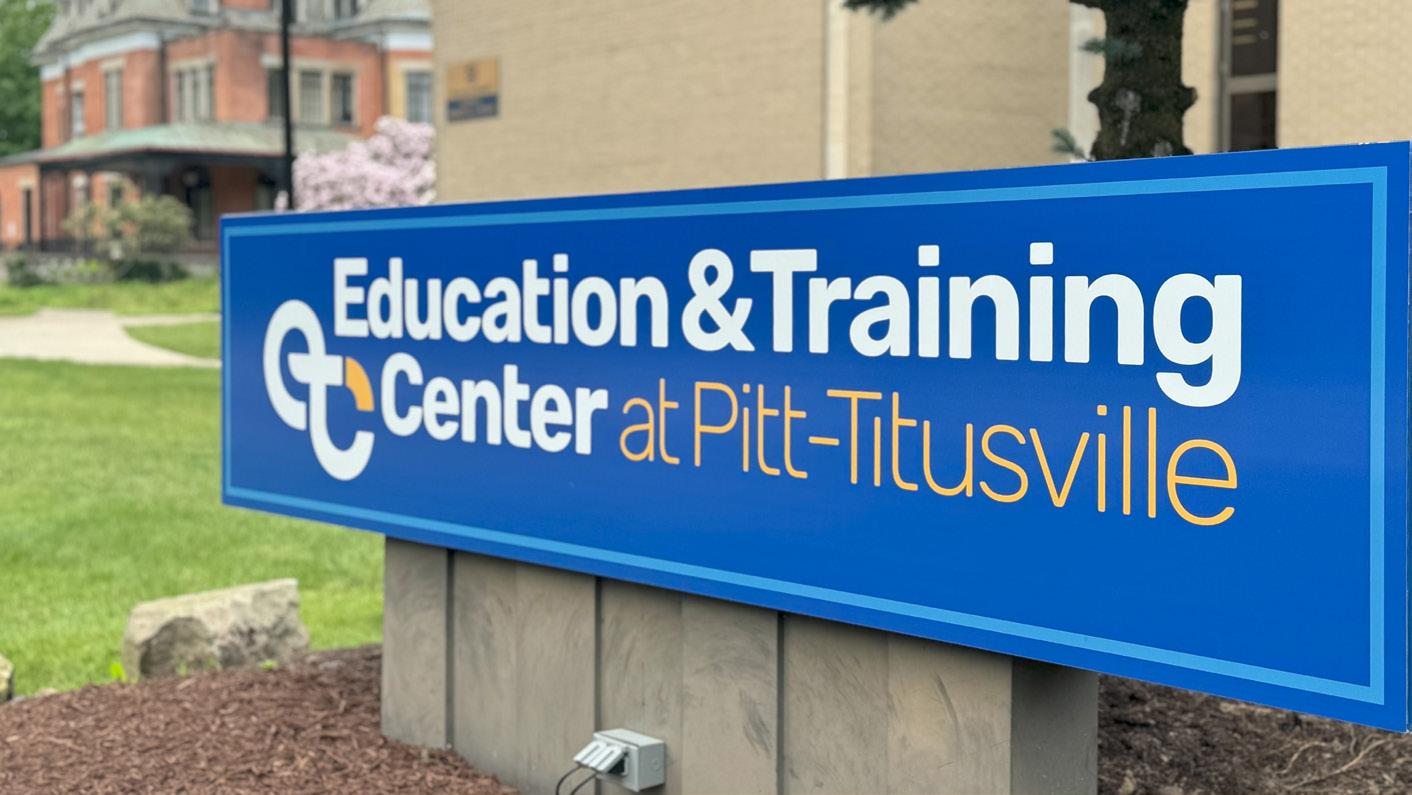
the Education & Training Center
PittTitusville, says, “Our students come to us looking for a path forward, and we make sure they don’t walk it alone. ETC is where people gain skills, confidence and a real chance to build a better future.”
For businesses, ETC is more than an educational institution; it is a workforce ally. Employers collaborate on curriculum, offer internships and help shape the training that will prepare their future employees. This collaborative investment ensures that graduates are not only job ready but community ready — prepared to contribute to the region they call home.
In a moment when nonprofits and service organizations are being asked to do more than ever, the Education & Training Center at Pitt-Titusville continues to show up with purpose, innovation and heart. Its work is reshaping the workforce landscape and creating opportunities that ripple far beyond the classroom. For more information visit ETC.Pitt.Edu.
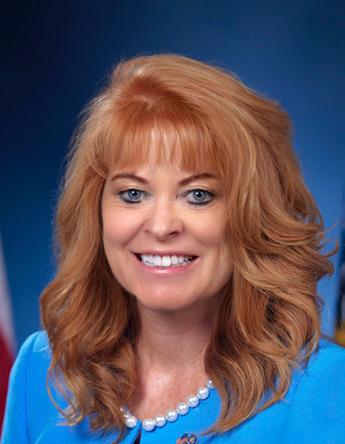
Stacy Garrity, a businesswoman, retired U.S. Army Reserve colonel and gubernatorial candidate, is currently Pennsylvania’s state treasurer. As treasurer, she is the custodian of more than $180 billion in state assets and leads the efforts to return more than $5 billion in unclaimed property to Pennsylvanians. She also oversees Treasury’s savings programs, including the PA 529 College and Career Savings Program, Keystone Scholars and PA ABLE. Learn more at patreasury.gov
Employers don’t just provide a paycheck; they can be a vital resource to help employees make smart money decisions and improve their financial security. This can be done by sharing information about the PA 529 College and Career Savings Program and PA ABLE — a savings program for Pennsylvanians with disabilities. Businesses can even help boost employees’ savings in these programs and reap their own tax benefit.
Pennsylvania businesses who make matching contributions to an employee’s PA 529 or PA ABLE account to aid in education or disability savings are eligible for a 25-percent tax credit on the total amount of matching contributions (up to $500 per employee) during a tax year.
For example, if an employer makes $500 in matching contributions to 10 employees’ PA 529 accounts, the employer’s tax credit is 25 percent of $5,000 — or $1,250.
Helping employees save for their future or the future of their families shows commitment to the workforce beyond just the workday and supports the next generation of Pennsylvanians.
PA 529
PA 529 accounts help families save and pay for education expenses at many technical and career schools, community colleges, four-year universities, apprenticeship and credential programs, as well as K–12 expenses. There are two plans that families can choose from — the PA 529 Guaranteed Savings Plan (GSP) and the Morningstar Gold-Rated PA 529 Investment Plan (IP).
The PA 529 IP has earned three consecutive Gold Ratings from Morningstar — naming it one of the top 529 plans in the nation. The PA 529 GSP
lets families save at today’s tuition rates to cover tomorrow’s tuition expenses.
PA ABLE is the fifth largest ABLE program in the country and helps Pennsylvanians with disabilities and their families to save money for disability-related expenses without impacting important benefits — which was extremely difficult, if not impossible to do before ABLE programs. PA ABLE can be used to help save and pay for day-today disability-related expenses including groceries, housing, healthcare and bigger expenses such as assistive technology and vehicle and home modifications.
I encourage businesses across the state to learn more about how they can benefit from this tax credit, and how they can empower their employees to save for a secure future for themselves and their families using tools like PA 529 and PA ABLE. Businesses can also offer employees’ direct deposit options to these programs through payroll.
Another easy way to support employees is to help them claim a Keystone Scholars account belonging to their child. This Treasury program provides a $100 scholarship at birth for Pennsylvanians born in 2019 and after to jumpstart education savings. Businesses and organizations can help employees with the claiming process and go even farther by considering a PA 529 gift card or taking advantage of the tax credit and matching contribution to a family’s connected PA 529 account. My team at Treasury is always available to help share more information or resources for your staff on any of these programs.
Investing in your employees and their families by helping them save for education and disability expenses shows
that you believe in their future not just with your company, but far beyond. Supporting the unique needs and education of your employees’ children is an investment in their future and workforce development that will benefit the entire Commonwealth.
Our state needs highly skilled workers now and that need continues to rise. Empowering families to save for the future to help themselves or their children get the training they’ll need for these jobs is something our businesses can have a big hand in.
I encourage Pennsylvania’s business leaders to learn more about how they can make a major impact on their employees, their families and the entire Commonwealth by providing matching contributions for education and disability savings. Your support of families’ PA 529 savings will empower the next generation of our workforce to get the training and education they’ll need to keep Pennsylvania a competitive business environment. Supporting PA ABLE will enhance financial security and independence for employees with disabilities.

Want more legislative news?
Nearly 2,000 subscribers read The MBA’s daily News You Can Use and monthly Hill Report. Register now for your FREE online subscription at mbausa.org.
Give your employees the freedom to visit any dentist while your business benefits from competitive, member-only rates.
Rates are 6% lower than prior years
Employees can visit ANY dentist they choose
Employer-paid or employee-paid
Just 2 employees needed, regardless of company size
Available only to MBA members
Most dental plans force employees into networks or penalize them for going outside. This plan removes that friction. Your employees can keep their dentist. You can keep control of your costs.
Work with your current broker or contact the MBA for more information
See How This Plan Compares to Your Current Plan.
• Free, no-obligation comparison
• Simple quoting process
• Works with your broker or contact The MBA
The MBA Dental program, now insured by MetLife, is designed to help members protect both their team and their long-term health strategy. By combining preventive focused dental coverage with the strength of a nationally recognized carrier, the program supports healthier employees while helping employers manage benefits with confidence. Contact Us Today!
Call 814/833-3200 or 800/815-2660 or visit mbausa.org


Rachel Loper is an associate at MacDonald Illig Attorneys and her practice focuses on Banking & Finance, Real Estate and Business Transactions.
In recent years, real estate tax exemptions for charitable organizations have come under increasing scrutiny across Pennsylvania. School districts and municipalities, facing budget pressures, are more aggressively challenging exemptions, while nonprofits have grown more operationally complex. Recent Pennsylvania court decisions suggest that although courts remain receptive to granting exemptions, they are demanding a clearer, fact-driven showing that an organization qualifies as a “purely public charity.”
THE GOVERNING LEGAL FRAMEWORK
The legal framework is familiar to most practitioners. Article VIII, Section 2(a) (v) of the Pennsylvania Constitution authorizes tax exemptions for institutions of purely public charity. Courts apply the five-part test articulated in Hospital Utilization Project v. Commonwealth (“HUP”), alongside the statutory requirements set forth in the Institutions of Purely Public Charity Act. To qualify, an entity must demonstrate that it: 1) advances a charitable purpose; 2) donates or renders gratuitous services; 3) benefits a substantial and indefinite class of persons; 4) relieves the government of some burden; and, 5) operates free from private profit motive. Importantly, both the constitutional and statutory tests must be satisfied.
MODERN NONPROFITS AND THE ‘PRIVATE PROFIT QUESTION’
Recent case law has focused less on abstract definitions of charity and more on how modern nonprofits actually operate. In Pottstown Sch. Dist. v. Montgomery Cty. Bd. of Assessment Appeals, the Pennsylvania Supreme
Court addressed whether a hospital operating within a larger nonprofit health system qualified for exemption. Reversing the Commonwealth Court, the Court emphasized that the proper inquiry focuses on the entity itself — not the broader corporate structure. The existence of affiliated entities, management agreements or performance-based executive compensation did not, standing alone, establish a disqualifying private profit motive. Instead, the Court reaffirmed that the analysis must be contextual and grounded in the organization’s actual operations.
This clarification is significant. For nonprofit leaders and operators, it confirms that growth, scale and financial sophistication do not automatically jeopardize taxexempt status. Many organizations today rely on complex structures, shared services and professionalized management.
The Court’s decision signals that these realities are acceptable — so long as the organization’s core activities remain genuinely charitable and any revenue ultimately supports that mission.
At the same time, courts continue to demand meaningful proof of charitable activity. In Lazarus Hous., LLC v. Allentown Sch. Dist, the Court of Common Pleas upheld a real estate tax exemption for an affordable housing nonprofit, emphasizing the organization’s service to low-income residents and its role in alleviating housing burdens that might otherwise fall on government. The decision underscores that the HUP test is not limited to health-care institutions and remains fully applicable across the service sector.
For those operating nonprofits, these cases
highlight a practical reality: exemption depends not just on mission statements, but on day-to-day operations. Organizations should be prepared to clearly show who they serve, how those services are provided and why those services would otherwise fall to the government. Activities that generate revenue — such as leasing space, charging fees or offering ancillary services — are not prohibited, but they must be closely tied to and supportive of the charitable purpose. Where properties are used for mixed purposes, the risk of full loss of real estate tax exemption increases.
Another key takeaway is the importance of consistency. Courts are looking for alignment between what an organization says it does and what it actually does. This includes how it allocates resources, how it structures relationships with affiliates and how it uses its real estate. Even well-intentioned organizations can face challenges if their operations begin to resemble those of a commercial enterprise without a clear charitable nexus.
Ultimately, Pennsylvania courts have not narrowed the availability of the charitable real estate tax exemption, but they have clarified what is required to obtain and maintain it. Exemption is no longer assumed based on nonprofit status alone. Instead, it must be supported by a demonstrable record of charitable conduct, grounded in real-world operations. As nonprofit models continue to evolve, organizations that remain focused on transparency, mission alignment and measurable community impact will be best positioned to preserve this valuable benefit.
For more information, visit macdonaldillig.com.
TO SUPPORT REGIONAL WORKFORCE
Women in Manufacturing (WiM) has launched a northwest Pennsylvania (NWPA) chapter, expanding its national network to better serve women in the manufacturing industry across Erie, Clarion, Crawford, Forest, Lawrence, Mercer and Venango and Warren Counties.
According to a press release, the new chapter was created to provide greater access to local networking, professional development and industry engagement opportunities. The NWPA chapter will bring together professionals from across the manufacturing sector to share knowledge, build connections and support career growth.
“Northwest Pennsylvania has a strong manufacturing base, and we saw a clear need for more localized opportunities to attend educational events and network within the industry,” said Taylor Mraz of PSNERGY, chair of the NWPA chapter. “This chapter is about building a community where women can grow their careers, strengthen the industry and support one another.”
Kristi Bailey of Hardinger Integrated Logistics, vice chair of the NWPA chapter, emphasized the importance of exposure and connection within the industry. “I never considered

manufacturing as a career path growing up, which is exactly why I’m so passionate about sharing the opportunities it offers today,” Bailey said. “Through Women in Manufacturing, I’ve seen firsthand how dynamic and impactful this industry is. It’s incredibly rewarding to connect with others, learn how products are made and highlight the role our local industries play. Even more meaningful is building a network of women who support each other, exchange ideas and help uncover opportunities we may not have found on our own.”
The NWPA chapter plans to host regular programming throughout the year, including plant tours, technical and leadershipfocused events and community engagement initiatives. The effort is supported by regional manufacturers and industry partners
committed to strengthening the workforce and increasing representation in the field. Women in Manufacturing is dedicated to supporting, promoting and inspiring women who have chosen a career in manufacturing. Through education, mentorship and leadership development, WiM works to strengthen the manufacturing workforce and create opportunities for women to succeed in the industry.
The launch of the NWPA chapter reflects continued growth for Women in Manufacturing, which supports thousands of members nationwide.
For more information, email wimnwpachapter@gmail.com or visit https://www.womeninmanufacturing.org/ wim-northwest-pennsylvania.
CARR NAMED SPE MOLD
REPAIR & MAINTENANCE
TECHNICIAN OF THE YEAR
Steve Carr, Toolroom manager at Plastikos, Inc., was named the 2026 Mold Repair & Maintenance Person of the Year, an honor sponsored by the Mold Technologies Division of the Society of Plastics Engineers, Incorporated.

Carr accepted the award earlier this year at the PTXPO 2026, hosted by Plastics Technology Magazine and Gardener Business Media, in Rosemont, Illinois, where moldmakers from across North America gather to celebrate the craftsmanship and dedication that drive the plastics manufacturing industry.
Carr, who recently retired in June, began his career as an apprentice at Micro Mold Co., Inc. in 1982 and has spent 44 years developing his craft in moldmaking and mold repair. Most recently, Carr led the Plastikos Toolroom Team, where he was known for his hands-on troubleshooting expertise, commitment to continuous
improvement and dedication to mentoring younger toolmakers.
Throughout his career, Carr’s craftsmanship has helped extend mold life into the tens of millions of cycles while reducing downtime and maintaining reliable production for customers. His leadership and mentorship have also helped shape the next generation of skilled trades professionals within the organization.
“Steve represents the very best of our industry,” said Chris Hanes, general manager of Micro Mold Co. “His craftsmanship, his persistence, and the pride he takes in mentoring younger toolmakers have made a lasting impact on our team.”
As part of the award, Carr received a $1,000 stipend provided through the generous support of MoldTrax, which was donated to Erie County Technical School (ECTS), a local institution that prepares students for technical, hands-on careers. To further support workforce development in the region, Plastikos is matching the $1,000 award, bringing the total contribution to $2,000.
MACDONALD ILLIG ATTORNEYS
WELCOMES WEICHLER AS NEWEST ASSOCIATE
MacDonald Illig Attorneys recently announced the addition of Grace Weichler to its team as an associate in the firm’s Trusts & Estates Practice group.

Prior to joining MacDonald Illig, Weichler gained experience at a general civil practice firm, working across trusts and estates, real estate, landlord-tenant matters, personal injury and business formation. This foundation supports her focus on estate planning and administration.
Weichler earned her bachelor’s degree in International Relations from Kent State University and her Juris Doctor from the Thomas R. Kline School of Law of Duquesne University. During her studies, she gained valuable experience through legal internships and clerkships and was recognized in Pennsylvania Bar News for her advocacy work.
An Erie native, Weichler is committed to serving her community and guiding clients through important legal matters with confidence.
























For most family businesses, planning for succession is a tough and critical challenge. Yet succession planning can also be a great opportunity to create a multigenerational institution that embodies the family’s values for generations to come.































Attorneys at Knox Law provide guidance and counsel helping you to address issues related not only to ownership succession, but also concerns involving estate planning, tax planning, workforce, real estate and intellectual property — planning that will deliver lasting value to your family.










Knox McLaughlin Gornall & Sennett, P.C.
| www.kmgslaw.com
A nationally representative survey of more than 3,000 U.S. youth ages 12–25, conducted by The Allstate Foundation and Gallup, finds that youth service is linked to positive outcomes in the areas of career readiness, connection and resilience.
Eighty-two percent of youth say they have participated in at least some form of service. Youth who serve report feeling prepared for a future career, connected to their community and able to handle whatever comes their way, with the greatest benefits seen among those who engage deeply or take on leadership roles.
The study also outlines practical steps for expanding opportunities and impact. The findings are based on a Gallup Panel web study conducted November 17–December 1, 2025, with a margin of error of ±2.5 percentage points.
“Service” refers to any action young people take to benefit other people or their communities. The data show that young people who engage in service report greater career readiness.
Half of young people (52 percent) say their service activities had a somewhat (38 percent) or very (14 percent) positive impact on feeling prepared for a future career. Young people with service experience also report greater confidence in several essential career-ready skills. Those who invested more hours in service activities in the past 12 months are even more likely to rate themselves as “good” or “excellent” in areas such as leadership, communication, public speaking and teamwork.

• The MBA has more than 2,000 Members, Reaching 54 PA Counties;
• 120 Years as a Trusted Business Partner;
• Over 80 Training Programs;
• Over 25,000 Conference Center Guests;
• 15,000 Business Magazine Readers in Print and Online; and,
• Millions in Energy, Insurance and Benefit Savings to Date.

Tracy Daggett, PHR, is the director of Training and Development at The MBA. Contact him at 814/833-3200, 800/815-2660 or tdaggett@mbausa.org
Nonprofit and service organizations are no strangers to doing more with less. Tight budgets, lean staffing and growing demand for services require teams to operate efficiently while staying focused on their mission. In this environment, leadership development can feel like a “nice to have.” In reality, it’s one of the most practical and impactful investments an organization can make. Strong leadership plays a direct role in employee engagement, retention and service quality. Yet, many organizations continue to promote high-performing employees into leadership roles without formal training. While these individuals often bring passion and technical expertise, they may lack the tools needed to effectively manage people, communicate expectations or address challenges within their teams. For organizations already navigating workforce shortages and increased competition for talent, this gap can create additional strain. With a focused, intentional approach, organizations can strengthen leadership capacity in ways that align with both their mission and their resources.
Rather than committing to large, multiday programs, consider shorter, more frequent learning opportunities. Brief sessions, whether in-person or virtual, are often easier to schedule and less disruptive to operations. A consistent approach allows leaders to absorb new concepts and apply them in real time, building confidence and competence over time.
FOCUS ON PRACTICAL, EVERYDAY
Leadership training is most effective when it centers on skills that can be applied immediately. Communication, coaching, time management and conflict resolution are especially critical in service-driven environments. When leaders are equipped to handle day-today challenges, teams function more effectively and with greater accountability.
Cross-training helps organizations remain flexible in the face of staffing challenges. It also gives emerging leaders a broader understanding of operations, which supports better decision-making. In smaller teams especially, this approach can significantly improve resilience and continuity.
CREATE SPACE FOR FEEDBACK AND REFLECTION
Leadership development isn’t a onetime event — it’s an ongoing process. Encouraging leaders to seek feedback and reflect on their experiences helps reinforce growth. Regular check-ins, team conversation or informal debriefs can provide valuable insight without adding administrative burden.
For nonprofit and service organizations, investing in leadership development is ultimately an investment in people and in mission success.
For more information about The MBA’s Training programs, see the Training Catalog on page 20 or visit mbausa.org

“As a leader in an unofficial leadership role, I have found (The MBA’s) class material to be very helpful. There have been several strategies discussed that I have been able to incorporate into my day-to-day including the SBI model. I have taken many trainings, and this was by far the most interactive program I have participated in. Being able to hear other’s stories and share my own in this setting has given me a new sense of confidence when leading without a formal title.”
— Lauren Stark, Sales, Advantage Sales & Supply Co., LLC
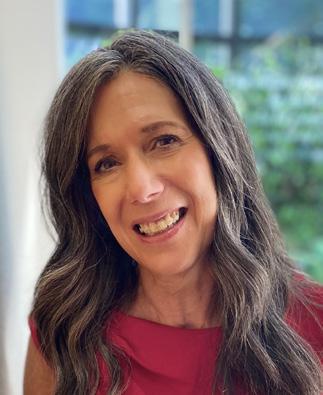
Figurski
is a former HR consultant and trainer at The MBA. To learn more about The MBA’s HR & Legal Services, visit mbausa.org
Health benefits can be extremely valuable, but many employees struggle to understand the terminology used in plan materials. Terms like deductible, coinsurance and out-of-pocket maximum are often misunderstood, making health coverage feel confusing and overwhelming. Understanding these concepts can help employees make informed decisions, avoid unexpected costs and use their benefits more confidently.
A copay is a fixed amount paid for services like doctor visits or prescriptions. While many people assume copays count toward the deductible, that is not always the case. Coinsurance refers to the percentage of costs an employee pays after meeting the deductible. For example, if a plan has 20-percent coinsurance, the employee pays 20 percent of covered costs while the insurance company pays 80 percent.
A deductible is the amount an individual must pay out of pocket before insurance begins sharing costs for most covered services. Preventive care, such as annual checkups and screenings, is often covered before the deductible is met. Once the deductible is reached, employees may still owe copays or coinsurance until they hit the out-of-pocket maximum, which is the most they will pay for covered services in a plan year. After that limit is reached, the plan generally covers 100 percent of eligible costs.
Employees also should understand the difference between in-network and out-of-network providers. Innetwork providers have agreements with insurance companies and usually result in lower costs. Out-ofnetwork care may cost significantly more or may not be covered at all.
Benefits accounts also can be confusing. Flexible Spending Accounts (FSAs) allow employees to use pre-tax dollars for eligible expenses, but unused funds are often forfeited at year-end. Health Savings Accounts (HSAs), however, allow funds to roll over each year and remain the employee’s property.
Understanding common benefit terms makes it easier to navigate health coverage, reduce financial surprises and maximize the value of employee benefits.
“As a longstanding member of The MBA, we have found the HR and legal services invaluable at times. Alyssa and Tammy especially, have always been there to best help us navigate our way in the ever-changing world of HR and legal.”
—
Molly Herr, Sunshine Service

Q A Q A Q A
WHAT IS THE DIFFERENCE BETWEEN A DEDUCTIBLE AND AN OUTOF-POCKET MAXIMUM?
A deductible is the amount paid before insurance starts sharing costs, while the out-ofpocket maximum is the total limit an employee pays for covered services in a year.
ARE PREVENTIVE SERVICES COVERED BEFORE MEETING THE DEDUCTIBLE?
Yes. Many preventive services, such as annual exams and screenings, are covered at no cost when plan guidelines are followed.
WHAT IS THE MAIN DIFFERENCE BETWEEN AN FSA AND AN HSA? FSA funds are generally subject to “use-it-or-lose-it” rules, while HSA funds roll over annually and remain with the employee long term.

• The MBA handles approximately 1,000 FREE HR and Legal Hotline calls and emails a year.
Don’t
*Courses can be taken in order or at your convenience. Complete all courses in the series to earn your certificate.
STRATEGIC LEADERSHIP & SUPERVISION NEW!
Strategic Leadership & Supervision (formally known as Supervisory Skills) is built for those already in leadership roles and looking to up their approach, as well as graduates of our Leadership Launchpad program who are ready for the next challenge.
Class
Class
Class V – Sailing In Formation: Leading Multiple Teams
Complete all three courses in the series to earn a certificate.
Leadership Launchpad (formally known as Leadership for Team Leaders) is built for top performers on the edge of leadership. If you’re ready to lead with confidence and purpose, this program is for you.
Class II – Communication That Builds Connection & Clarity
Class III – Cultivating Team Culture & Collaboration
Class IV – Practical Problem-Solving & Decision-Making

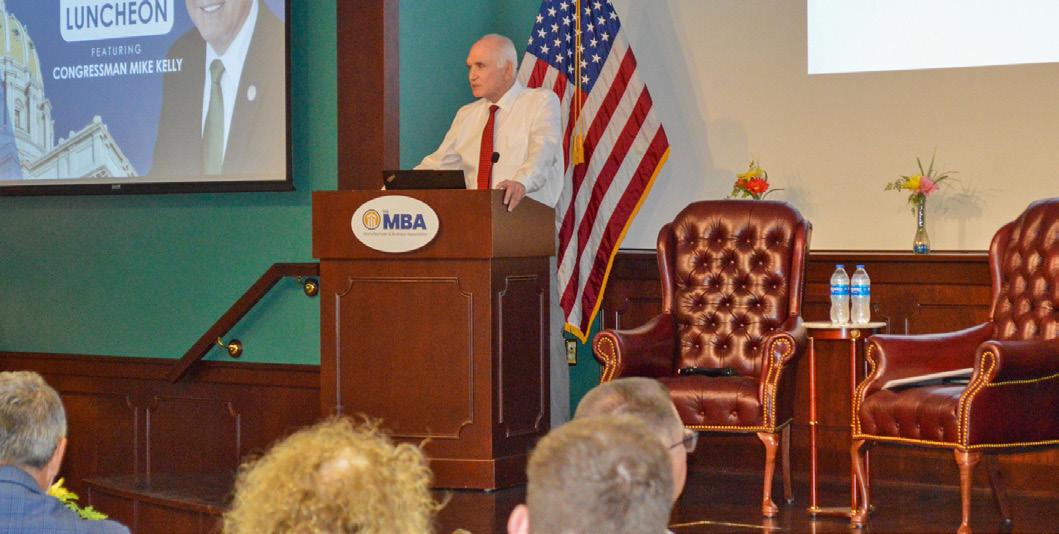
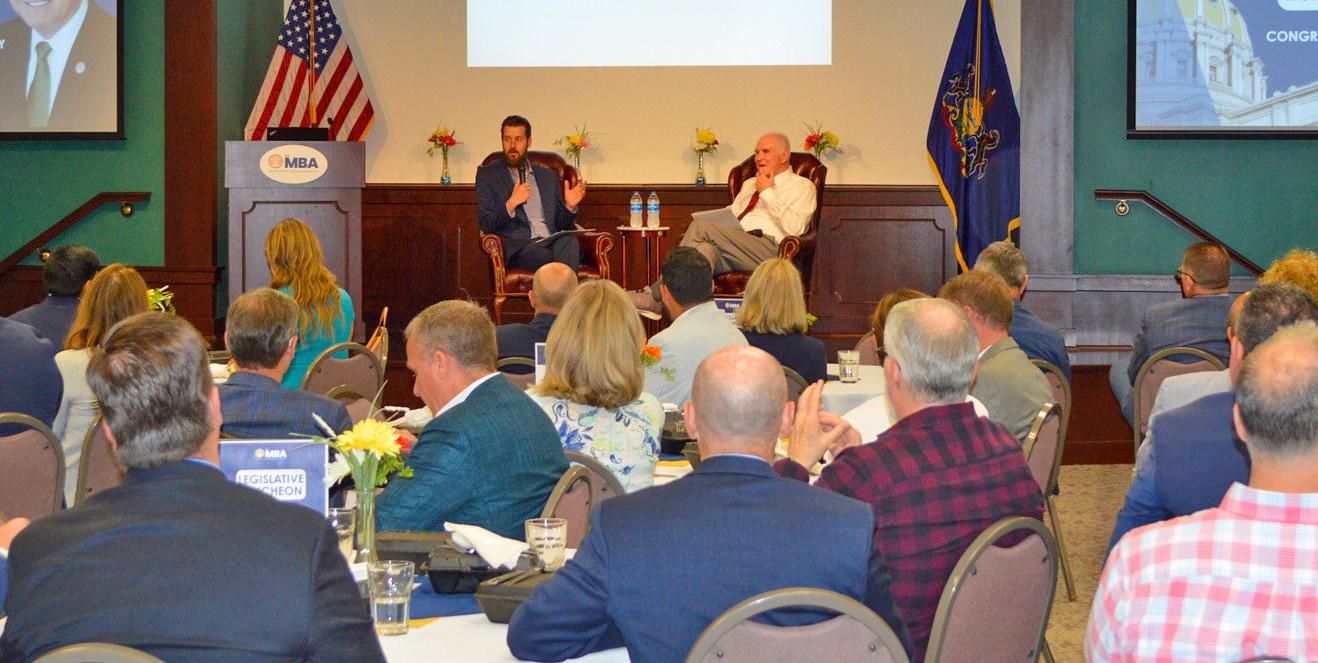
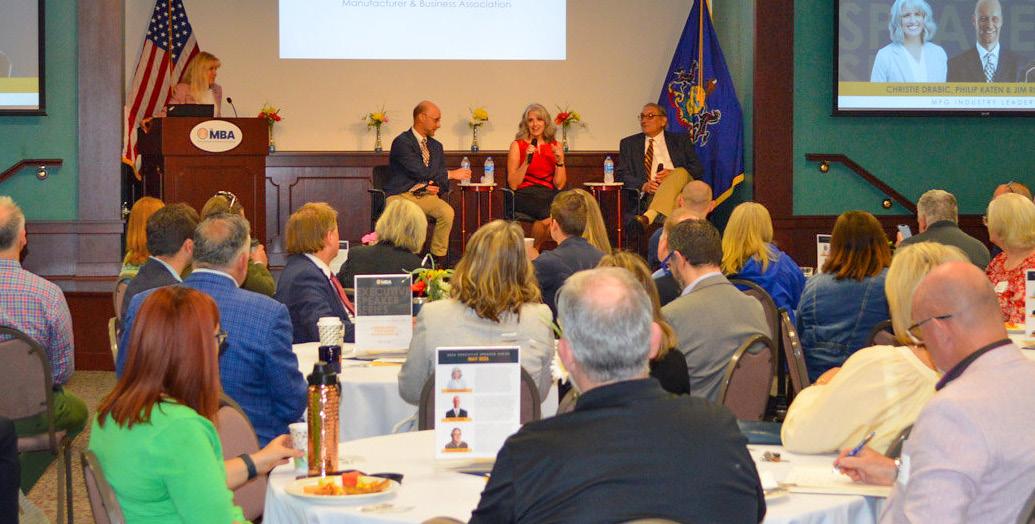
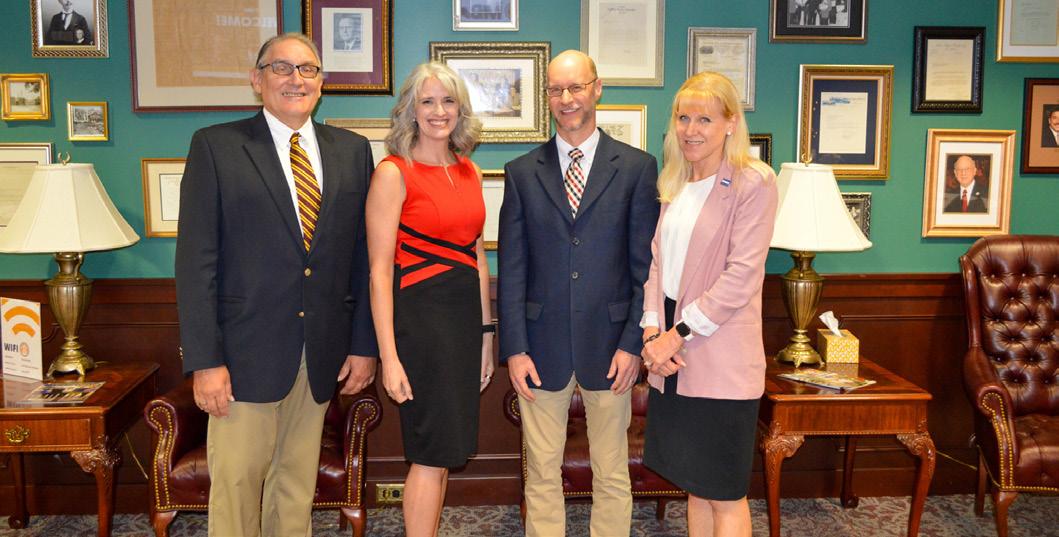
The MBA provides hosts various educational and networking opportunities for members throughout the region and meets regularly with members to learn about the opportunities and challenges they are facing. To learn more about The MBA’s upcoming events or benefits of membership, visit mbausa.org.


July 03 The Marshall Tucker Band with Buckcherry
July 07
The Clarks with Roberta Faceplant
July 14 Killer Queen with No Done Deal
July 18 Rock n’ RescueParmalee
July 21 A1A with Coastal Country
July 28
Boys in the Band with Tiger Maple String Band

Aug 01 Pure Prairie League, Orleans, Firefall, Atlanta Rhythm Section
Aug 04
Chris Higbee with SELLEENA
Aug 05 Old Crow Medicine Show
Aug 25

Aug 11 Aug 18
The Songbirds with The Goats
First to Eleven with Brooke Surgener & The Bandits
Aug 23 Travis Tritt
Boat House Row with The Division Street Machine
Elevate your experience. Reserve a hospitality tent at Rebich Investments Amphitheater- perfect for entertaining clients, recognizing employees, hosting team outings, and building business relationships. vestments Amphitheater—perfect for entertaining clients, recognizing employ tionships.
Contact Chad Westerburg, Director of Business Development & Sponsorships cwesterburg@erieevents.com om
