

TARGETED READERSHIP:
Read by more than 15,000 business leaders and decision makers.
BROAD DISTRIBUTION:
Distributed throughout Pennsylvania, as well as eastern Ohio and western New York. Your ad — included in the digital version at no extra cost — links directly to your organization’s website.
CAPTIVE AUDIENCE:
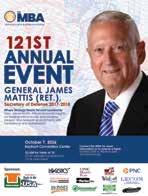
Business and community leaders - and their guests - will enjoy this special issue at the MBA’s premier networking event, the 121st Annual Event on October 7, 2026 at the Bayfront Convention Center in Erie!
YEAR-ROUND VISIBILITY:
Displayed at the Association’s Conference Center in Erie and Pittsburgh office in Cranberry Township. Visited by more than 25,000 people annually!

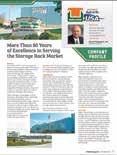
COMPANY PROFILE RATE: $1,890
Profile Space Deadline: July 24, 2026
Profile Materials Deadline: July 31, 2026
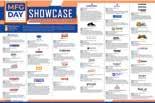
Listing Reservation: August 24, 2026
Listing Materials Due: August 28, 2026
HURRY, SPACE IS LIMITED!
Contact our sales team:
Shawn Netkowicz at snetkowicz@mbausa.org
Judy Rosatti at jrosatti@mbausa.org or call 814/833-3200 or 800/815-2660
FULL-PAGE AD RATE: $1,890
AD Space Deadline: August 28, 2026
AD Materials Deadline: September 10, 2026

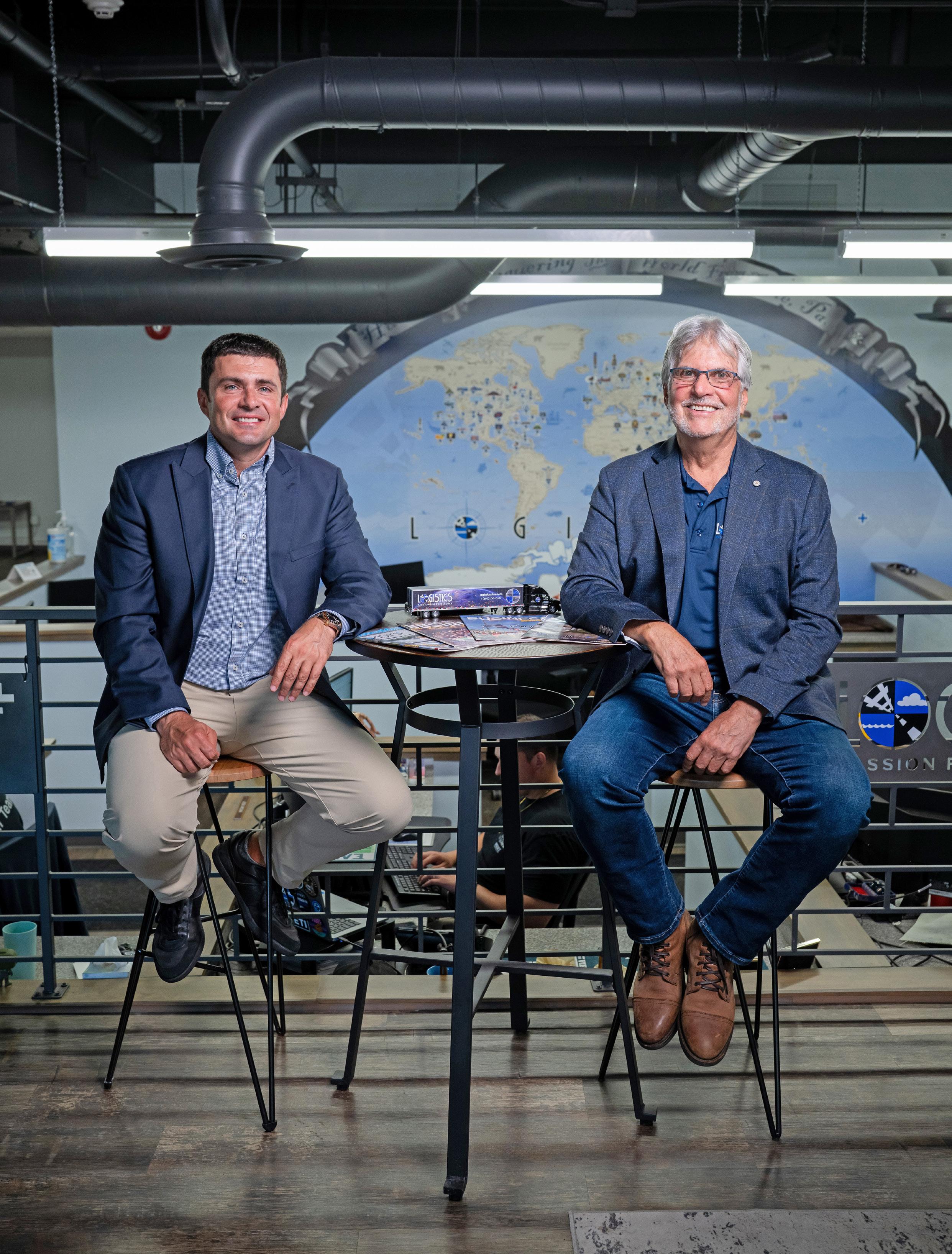

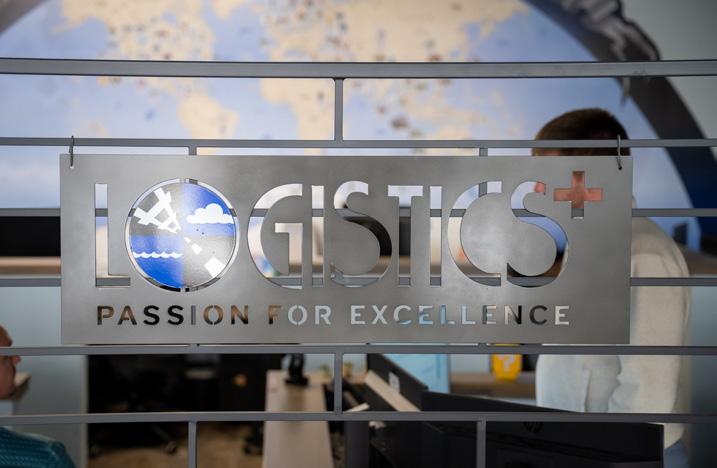
LOGISTICS PLUS LOOKS ONWARD AS GLOBAL SUPPLY CHAIN SOLUTIONS COMPANY
NEXT GEN SPOTLIGHT Q&A: FORD OFFICE TECHNOLOGIES MANAGER OFFERS INSIGHTS ON IT, CONNECTIONS AND MORE
SPECIAL SECTION: LEARN, GROW AND LEAD! MBA OFFERS NEW TRAINING CLASSES
See photos from the latest member happenings, including The MBA’s Women in Leadership: Mix, Mingle & Mocha event and Cranberry office Open House!
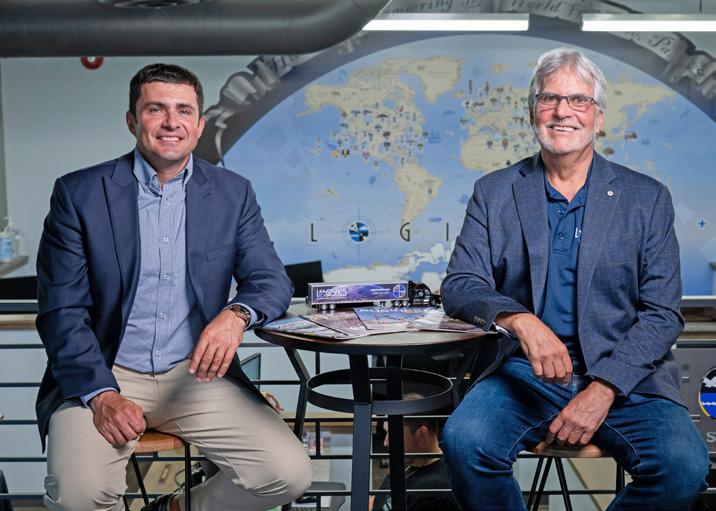
On the Cover: Logistics Plus is marking its 30th anniversary in 2026. Shown are Chief Executive Officer Yuriy Ostapyak with Founder and Chairman Jim Berlin. See full story on page 4.


Executive
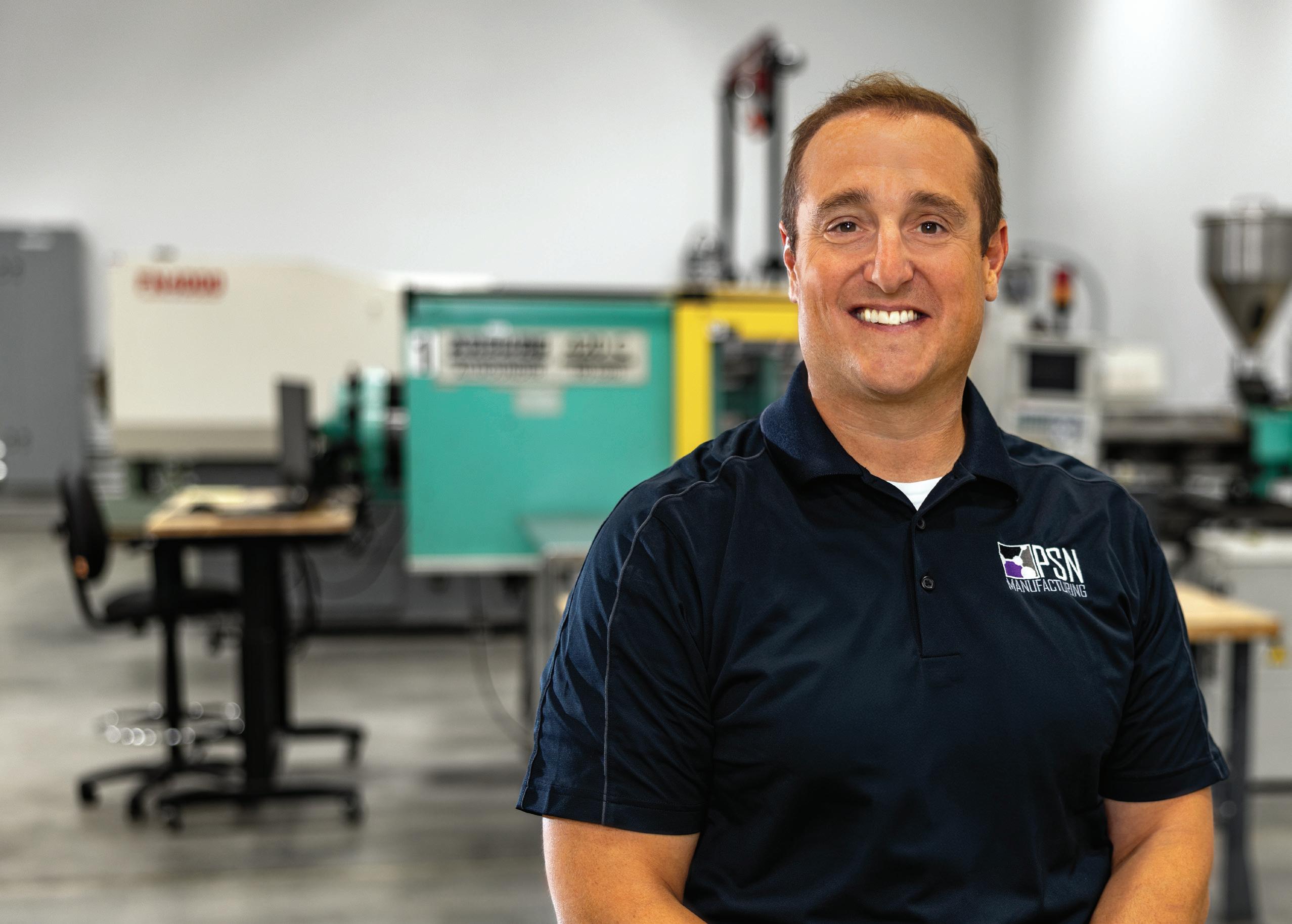
MIKE ALABRAN, PRESIDENT PSN Manufacturing, PSN Labs
In 2012, PSN Labs was founded to help medical device companies test and validate their products. As those customer relationships grew, so did the requests.
“Our customers kept asking if we could help bring their ideas to life,” says Mike Alabran, president. “That demand is what ultimately led us to create PSN Manufacturing.”
Today, with 50 employees, the two companies work together to support customers — from product engineering, design and development through manufacturing and testing — all under one umbrella. Their recent expansion into a newly renovated 180,000-square-foot manufacturing facility was a major step in that journey.
Mike believes none of that growth happens without strong relationships built on trust, noting that “loyalty creates opportunity.”
At Marquette, that’s a philosophy we’ve always embraced.
“Marquette is relational, not transactional,” Mike says. “They genuinely care about our business, what we do and how we’re doing. That’s exactly how I run my business. And that makes all the difference to us.”
Visit MarquetteSavings.bank/Business to learn more about us, or talk with us at 814-455-4481. We’re here to help you build what’s next.
Today’s employers face a business environment defined by rapid technological change. Artificial intelligence (AI), automation and digital collaboration tools are transforming nearly every industry. While these innovations offer tremendous opportunities to improve efficiency and productivity, they also underscore a fundamental truth: Technology is only as effective as the people using it.
For employers, investing in education and workforce training has become a competitive necessity rather than an optional benefit.
According to Gallup’s 2025 workplace research, the percentage of U.S. employees using artificial intelligence at work nearly doubled — from 21 percent in 2023 to 40 percent in 2025. AI is no longer confined to technology companies; it is increasingly being used in manufacturing, health care, finance, customer service, human resources and countless other sectors. As businesses adopt new technologies, employees must continuously develop the skills needed to work alongside them.
The challenge is not simply teaching workers how to use new software. Today’s workforce requires a combination of digital literacy, critical thinking, communication and problem-solving skills. Technical knowledge remains important, but employers are also seeking adaptable employees who can learn quickly as technology continues to evolve.
This growing skills gap is one of employers’ greatest concerns. According to the Society for Human Resource Management (SHRM), organizations across the country continue to struggle to find candidates with the skills needed to fill open positions. As AI adoption accelerates, SHRM reports that upskilling and reskilling existing employees has become a top workforce priority for many organizations.
The business case for investing in employee development is compelling. Training improves productivity, strengthens employee engagement and helps organizations retain valuable talent in a highly competitive labor market. Replacing experienced employees is expensive, while investing in current workers often produces a stronger return on investment by building institutional knowledge and preparing employees for future leadership roles. Labor market data also points to the need for continuous learning. According to labor market analytics firm Lightcast, approximately one-third of the skills required for the average U.S. job changed between 2021 and 2024. This rapid evolution means that skills learned only a few years ago may no longer be sufficient for today’s workplace.
Education providers are responding to these changing needs. Colleges, technical schools and workforce development organizations are expanding programs in cybersecurity, advanced manufacturing, healthcare technology, data analytics and artificial intelligence. At the same time, employers are placing greater value on industry certifications, apprenticeships and employer-sponsored training that can quickly prepare workers for evolving job responsibilities.
The U.S. Bureau of Labor Statistics projects continued growth in occupations requiring advanced digital and technical skills over the coming decade. Yet even as technology becomes more sophisticated, human capabilities remain indispensable. Leadership, ethical decision-making, creativity, customer service and teamwork cannot be automated and continue to distinguish high-performing organizations. Employers who embrace continuous learning, encourage skill development and prepare their workforce for the future will be better positioned to compete, grow and lead in an increasingly digital economy.
In this edition of The MBA Business Magazine, we’ll recognize companies that are investing in people, technology and training to achieve longterm success, such as Logistics Plus, which is marking its 30th year as a global supply chain solutions company. In addition, we’ll hear from nextgeneration leader Seneca Hager, a 24-year-old Helpdesk manager at Ford Office Technologies, who has quickly become a rising star in the regional IT sector. Plus, don’t miss our upcoming Training Courses for the fall! Registration is open, and The MBA is here to help assist in moving your business and your teams forward!

Thirty years ago, Logistics Plus, Inc. (LP) began with a single customer, a handful of employees and a founder who wasn’t entirely sure the company would survive its first year.
Today, the Erie, Pennsylvania-based company operates in more than 55 countries, employs nearly 2,000 people worldwide and is approaching $1 billion in annual revenue. Along the way, it has grown from a transportation provider into a global logistics, warehousing, fulfillment, technology and supply chain solutions company while maintaining the entrepreneurial culture that has defined it since Day One.
As Logistics Plus marks its 30th anniversary in 2026, the company is also entering a new chapter. Founder Jim Berlin has transitioned from chief executive officer to chairman, while LP’s longtime chief operating officer, Yuriy Ostapyak, has assumed the role of CEO. Together, the two are a one-two punch for cultivating a can-do culture while positioning LP as a fast-growing player on the world stage.
When Berlin launched Logistics Plus in 1996, there was no grand master plan.
“The honest answer is no, I had no vision of this,” Berlin says of the company’s global growth. “I was shocked that we made it to 1997.”
After being fired for what he jokingly describes as the fifth time in his career, Berlin, a New York City native, who was living in Jamestown, New York, decided to take a chance on himself. Armed
with experience as a terminal manager, dockworker and truck driver, he started the business with little more than determination, optimism and three employees.
“It started with a prayer,” Berlin says.
The company’s first job was a $120,000 purchase order to manage domestic inbound transportation for GE Transportation, a division of General Electric (now Wabtec), the largest, most profitable enterprise in the history of planet Earth at the time (according to GE). For several years, GE was essentially LP’s only customer. However, the relationship provided valuable experience, industry connections and a foundation upon which Berlin could build.
As new opportunities emerged, Logistics Plus steadily expanded its capabilities and customer base. What began as a transportation company evolved into a full-service logistics provider capable of handling everything from freight transportation and warehousing to project cargo management, fulfillment operations, supply chain consulting and technology solutions.
Throughout that growth, Berlin says one lesson remained constant.
“All logistics companies move stuff,” he explains.
“What makes the difference is the people, how you communicate and how far you’re willing to go for a customer.”
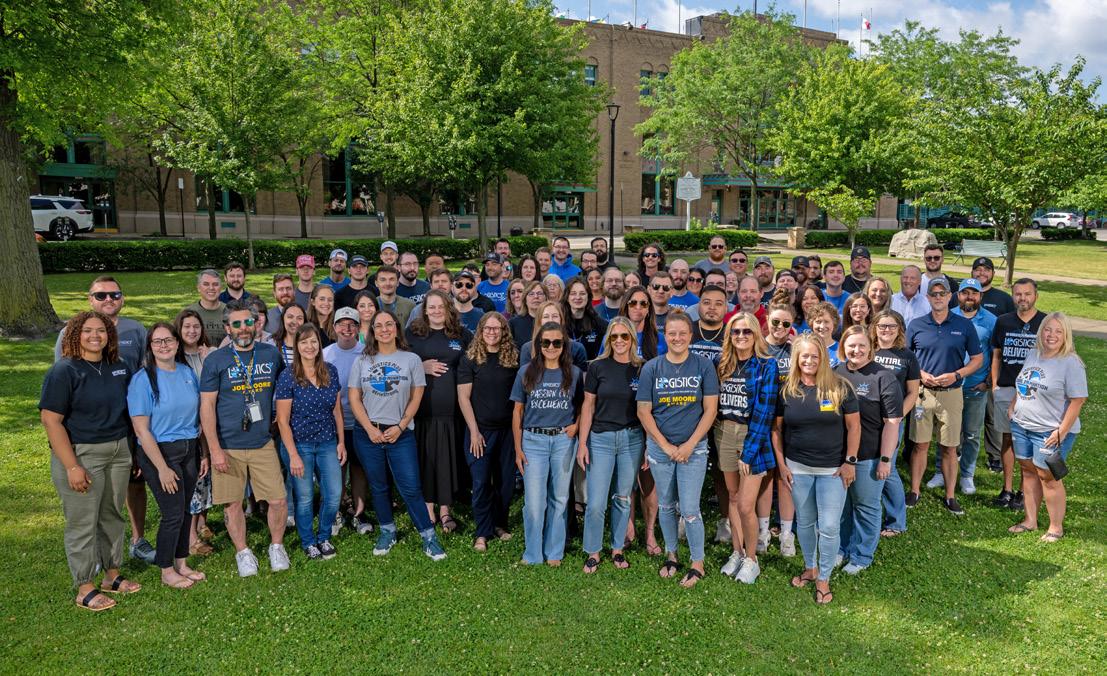
Logistics Plus has nearly 2,000 employees worldwide, including its dedicated team located at its global headquarters in Erie, Pennsylvania.
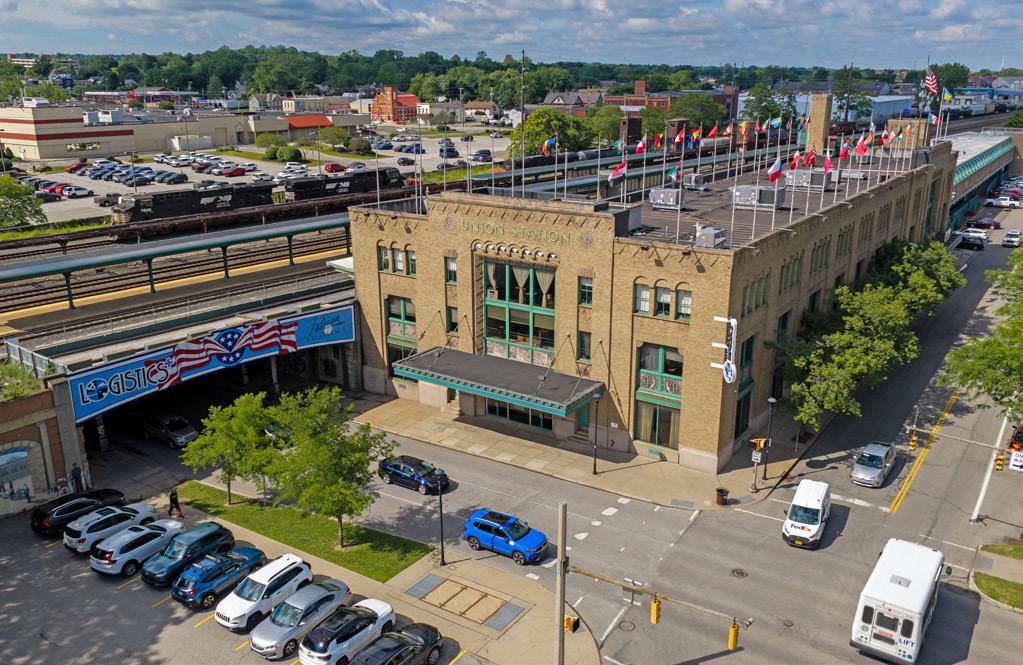
At far right is LP’s Union Station headquarters and transportation hub in downtown Erie.
Despite its worldwide footprint, Logistics Plus has remained firmly rooted in Erie, a historic port city positioned between Buffalo, Pittsburgh and Cleveland along Lake Erie.
The company’s headquarters in Union Station has become one of downtown Erie’s most recognizable success stories. What was once a deteriorating railroad station has been transformed into a vibrant business hub that reflects the company’s culture and energy.
“This is the heart and soul of the company,” Berlin says. “We have offices all over the world, but this is where it grew up. This is the core of who we are.”
That commitment to Erie has allowed Logistics Plus to become both a global company and a major local employer. Tapping into the region’s talent has helped fuel the company’s growth.
In fact, Ostapyak rejects the notion that world-class talent can only be found in larger metropolitan areas.
“It’s absolutely a myth that Erie doesn’t have great talent,” he says. “We’ve been lucky to find great people here, and Erie remains the headquarters and the engine that drives our culture.”
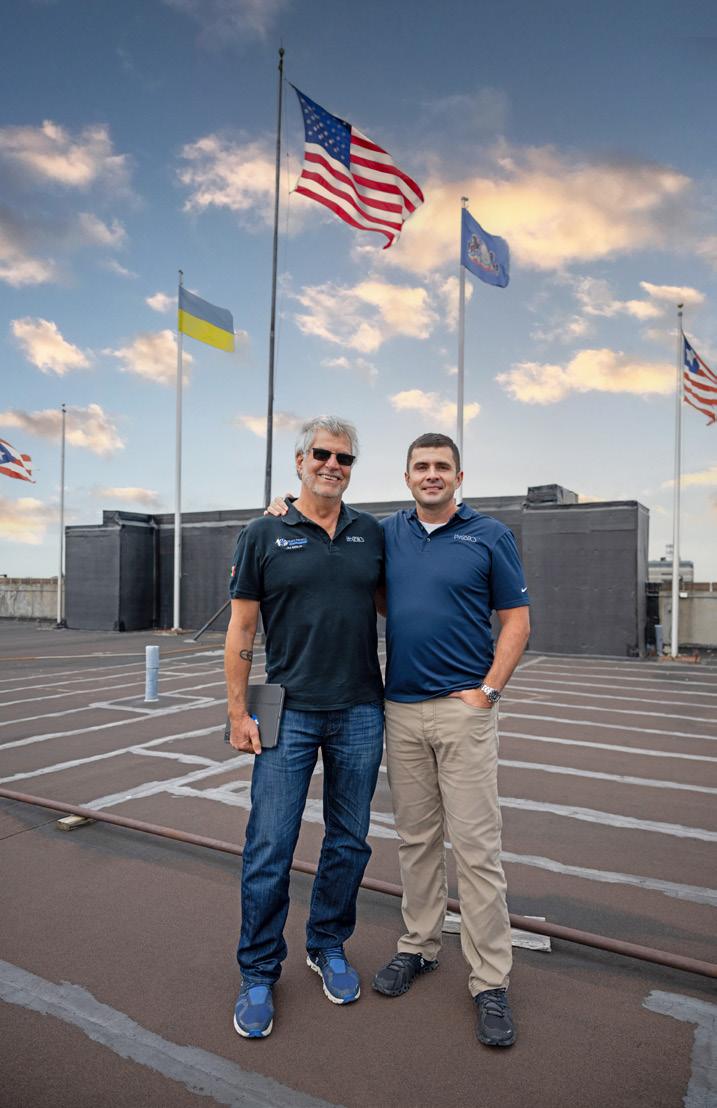
Logistics Plus is entering a new decade of growth an opportunity with Jim Berlin as founder and chairman and Yuriy Ostapyak as chief executive officer.
helping move critical supplies and equipment throughout the country and overseas.
“We just kept showing up,” Berlin says. “Keep your head down. Keep moving. Don’t stop. Don’t give up.”
Those principles helped create a workplace culture that has become one of the company’s greatest competitive advantages.
For nine years in a row, Logistics Plus has earned the prestigious Great Place to Work ® Certification, a reflection of its culture, employee experience and leadership. This year, an overwhelming majority, 91 percent of employees, described it as a great place to work — 34 points higher than the average U.S. company, and 3 points higher than the composite average of the top 100 best companies in America.
“We value our people the most because that’s really all that we are,” Ostapyak says.
Ask Berlin or Ostapyak what separates Logistics Plus from its competitors, and neither begins by discussing technology, warehouses or transportation networks.
Instead, they talk about people.
From the beginning, Logistics Plus built its reputation on a simple philosophy: Find a way. Employees are encouraged to solve problems, take ownership and do whatever it takes to help customers succeed. The company often refers to itself as a “Sherpa” for customers — guiding them through complex supply chain challenges and helping them reach their goals.
“We always found a way to say yes,” Ostapyak says. “That’s been our DNA for 30 years, and it remains our DNA today.”
That mindset — and LP’s unwavering Passion for Excellence™ — has carried the company through some of its most difficult periods.
Following the Iraq War, the Great Recession, the September 11 attacks and the COVID-19 pandemic, Logistics Plus repeatedly adapted and found opportunities where others saw obstacles.
During COVID, while many companies shut down, Logistics Plus remained operational,
One of LP’s most notable accomplishments is its ability to identify and develop talent.
Ostapyak is perhaps one of the best examples.
Born in Ukraine, he joined Logistics Plus more than 20 years ago while attending Edinboro University (now PennWest), earning his bachelor’s degree in international business and marketing, and subsequently master’s degree in international economics from Kyiv National Economic University. His first assignment at LP involved counting shoes and helping ship products from the warehouse inside Union Station.
Today, he leads the entire organization.
“I often see myself as a product of the LP system,” he shares, highlighting the organization’s dedication to nurturing individuals and fostering their growth.
The company routinely hires individuals based on attitude, work ethic and potential rather than solely on credentials.
Berlin often talks about finding the right seat on the bus for employees — identifying their strengths and creating opportunities where they can thrive.
Over the years, Logistics Plus has promoted former waitresses, baristas, retail workers and interns into leadership positions overseeing multimillion-dollar business units.

Founded in 1996, Logistics Plus, Inc. is a global supply chain solutions company, which delivers transportation, warehousing, fulfillment, project management and technology solutions for businesses.
The privately held company, headquartered in Erie, Pennsylvania, employs approximately 2,000 employees in more than 55 locations around the world.
“I love seeing people become more than they thought they could be,” Berlin says.
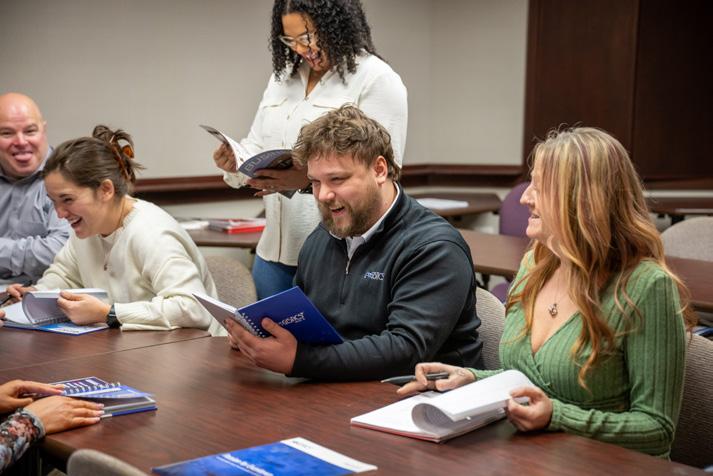
The company’s internship program with local universities, such as Gannon, Mercyhurst, Penn State Behrend and PennWest, and leadership development efforts also have created a strong pipeline of future leaders while helping maintain its culture as it grows.
Today, the Logistics Plus® network includes offices or warehouses located in Erie, PA; Aurora, CO; Brea, CA; Buffalo, NY; Charlotte, NC; Chicago, IL; Chino, CA; Cleveland, OH; Colton, CA; Dallas, TX; Dayton, NJ; Haslet TX; Honolulu, HI; Houston, TX; Jamestown, NY; Kansas City, KS; Laredo, TX; Lexington, NC; Miami, FL; New York, NY; Norfolk, VA; Phoenix, AZ; Pittsburgh, PA; Riverside, CA; Vancouver, WA; Wilmer, TX; Australia; Austria; Brazil; Canada; Chile; China; Colombia; Czech Republic; Denmark; Egypt; El Salvador; Germany; India; Indonesia; Ireland; Japan; Malaysia; Mexico; Netherlands; Pakistan; Philippines; Poland; Singapore; South Africa; South Korea; Spain; Taiwan; Thailand; Turkey; UAE; Ukraine; United Kingdom; and Vietnam; with additional agents and partners worldwide.
Formoreinformation,visit logisticsplus.com.

While Logistics Plus prides itself on personal service, the company also has become increasingly sophisticated in its use of technology. Today, LP employs more than 30 software developers and utilizes artificial intelligence, predictive analytics, business intelligence tools and supply chain visibility platforms to support customers around the world.
Through customized “control tower” solutions, Logistics Plus provides customers with real-time visibility into production schedules, inventory, shipments and supply chain disruptions.
Ostapyak says technology allows the company to identify potential problems before customers even realize they exist.
“If there’s a major event somewhere in the world, we can often tell customers how it will affect them before they start feeling the impact,” he explains.
Yet neither Berlin nor Ostapyak believes technology can replace relationships.
“Technology can’t solve everything,” Ostapyak says. “Sometimes picking up the phone and talking to someone is still the best solution.”
Along with being embedded in many of their customers’ operations, the balance between innovation and personal service has helped Logistics Plus remain competitive in a rapidly changing industry.
“We use people and technology together,” Ostapyak notes. “That’s the best road to success.”
Few developments have shaped Logistics Plus in recent years more than its growing involvement in Ukraine.
The company has maintained operations there for years and now employs more than 100 people in the country. Since Russia’s invasion in 2022, Logistics Plus has expanded both its business activities and humanitarian support efforts.
For Berlin, Ukraine has become a personal mission.
As a U.S. representative on the G-7 Business Advisory Council since its inception in 2024, he has spent significant time advocating for Ukraine and encouraging investment in the country.
The company has supported hospitals, donated medical equipment, helped communities, sponsored youth sports programs and participated in numerous
humanitarian initiatives. It even managed the first non-grain ocean delivery of 22-thousand tons of critical infrastructure pipes to one of its key ports.
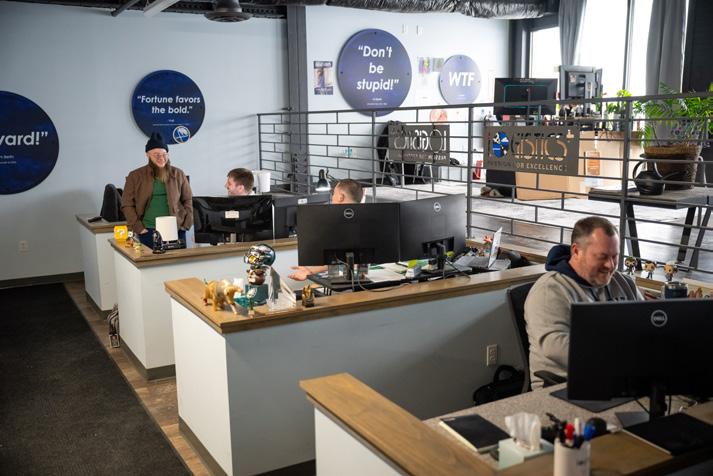
Logistics Plus is always looking forward with modern workspaces that reflect its forwardthinking culture.
“We’ve done all we can by leading by example,” Berlin says. “I call it being ‘the tip of the shovel,’ as we try to make an impact.”
For Ostapyak, whose family remains in Ukraine, the work carries deep personal significance.
“It’s hard to watch,” he says of the war. “But knowing Jim was helping and using his influence to support Ukraine allowed me to focus on running the company.”
Both leaders believe Ukraine’s future remains bright despite the ongoing challenges.
“There are business opportunities there right now,” Ostapyak says. “We can help companies succeed there, and that economic growth is part of helping Ukraine persevere.”
The leadership transition from Berlin to Ostapyak may be one of the most seamless in the company’s history.
In many ways, the transition had already been years in the making.
While Berlin devoted increasing attention to Ukraine-related initiatives and strategic priorities, Ostapyak assumed greater responsibility for day-to-day operations.
“It felt like the natural evolution of the company,” Berlin says.
After more than two decades working alongside Berlin, Ostapyak understands both the culture and the expectations that have driven the company’s success.
Their leadership styles may differ in some respects, but both emphasize people, problem-solving and customer service.
“The core principles don’t change,” Ostapyak says. “Treat people right. Treat your customers and vendors right. Do the right thing.”
Berlin says he has complete confidence in the company’s future under Ostapyak’s leadership.
“He has the same energy, passion and style,” Berlin says. “It wasn’t a scary thing at all.”
As chairman, Berlin will remain involved in strategic initiatives while allowing the
One of LP’s most passionate causes has been its rebuilding efforts in Ukraine. The company prides itself on being the tip of the shovel, paving the way for other employers.
next generation of leadership to guide daily operations.
BUILT FOR WHAT’S NEXT
Logistics Plus has cultivated a “cando” culture, which is one of the reasons for its ongoing success
As Logistics Plus enters the next decade, neither Berlin nor Ostapyak spends much time talking about revenue targets or rigid growth plans. Instead, they focus on preparation, adaptability and maintaining the culture that got them here.
The company’s current theme — “Built for What’s Next” — reflects that philosophy.
For Ostapyak, it means investing in people, embracing technology and staying ready for opportunities whenever they appear.
For Berlin, it means continuing to do what the company has always done: Solve problems.
“When people call us, they’re going to get an answer,” he says.
Thirty years after a founder with a prayer and a single customer opened the doors, Logistics Plus continues to prove that growth is about more than size.
It is about people.
It is about culture.
And it is about finding a way when others say it cannot be done.
According to Berlin, there is only one direction when it comes to Logistics Plus and the future. “Onward,” he says. “Let’s go!”
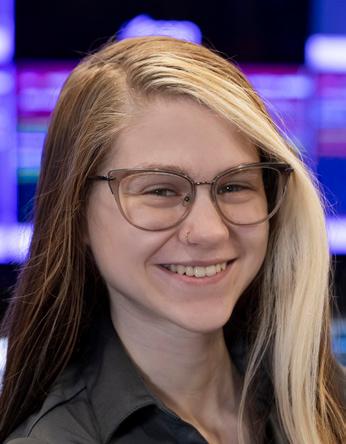
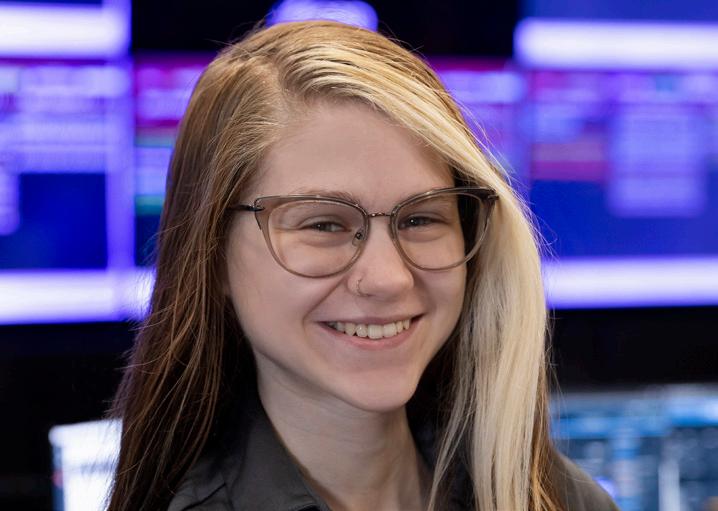
At age 24, Seneca Hager is helping shape the future of a family owned technology company that has served businesses across the region for decades.
As Helpdesk manager and a next-generation leader at Ford Office Technologies, she plays a key role in delivering innovative solutions ranging from managed IT services and cloud-based communications to interactive technology for the workplace and classroom. Here, Hager shares her perspective on leadership, technology and the skills needed to succeed in a rapidly evolving business landscape.
For readers who may not be familiar with Ford Office Technologies, tell us about the company, the services it provides and your role as Helpdesk manager. Ford Office Technologies is an office technology organization, and we are a one-stop shop for any technology needs that you may have — whether it be copiers or basic computer support on the Helpdesk saying, “Hey, my computer screen’s frozen!” We can help with that. We also take care of any network needs — whether your network’s down or you’re just looking to restructure, or if you’re moving to a new organization and you need firewalls, switches and servers. We also take care of cybersecurity needs that you may have. We do pen testing
and vulnerability scans. We even have an EDR (endpoint direction response) that’ll scan your systems to see what its normal patterns are and detect anything that may be out of the ordinary and put a stop to it as soon as it comes through.
What attracted you to Ford Office Technologies, and what has your career journey with the company been like so far?
When I was in 11th grade, I was going to a vocational-technical school, and they took us on a field trip to Ford Office Technologies. As soon as I stepped into our network operating center (NOC), I saw that there were nine big TVs on the wall showing everything they were doing from where our copiers were going, what our IT technicians were taking care of, and I thought, “This place is incredible!” I saw people taking calls and just fixing things, and it was making their day. I knew this was a really positive environment and a really great place to learn and grow.
Tell us about your educational background. How did your studies help prepare you for a career in technology? When I was in ninth grade, which is very early to decide what you want to do for the rest of your life, I went to the Fayette County Career and Technical Institute for a tour, and I loved the program that they were doing in IT. I said, “Wow, this is what I want to do for the rest of my life!” So, from 10th to 12th grade, half my day, I would go to my normal high school and the other half, I would just do IT in the afternoon at the Institute. They taught me everything from plugging a computer in to taking it
apart — all the basics across the board. After I graduated high school, I went to Laurel Business Institute for an associate’s degree in IT and they even added more IT technology education on top of that.
What were some of the biggest lessons you learned while making the transition from team member to manager?
I took my first leadership position at age 22. I had become a team lead and then from there till a few months later, I officially became a manager. One of the biggest challenges was understanding that growing up, everybody’s like, “Focus on yourself, focus on just getting the task done.” When you take a leadership role, you are also responsible for making sure your entire team is getting things done and being taken care of when it comes to training and helping them learn.
As a next-generation leader, what advice would you give to other young professionals who want to build a career, earn leadership opportunities and make a positive impact within their organizations?
Never be afraid to try a new opportunity. The worst that’ll happen is somebody says, “No,” and then you can just try again. There’s nothing wrong with taking that risk. The next thing is just say, “Hi,” to everybody within the organization. You don’t know what connections that person may have or what position they’re in. You never know who you’re going to meet. For more information, visit fordtech.com.

2026-2027 SIGNATURE PROGRAMS AND TRAININGS
LEARN. INNOVATE. IMPROVE. GROW.
Provides your team with the skills and strategies to make the switch from costly, unplanned downtime to true forward-thinking maintenance excellence. Each monthly session is held at a regional host-manufacturing facility. Next cohort begins October 20, 2026!
Participants gain practical experience with tools and concepts aligned to SME’s Lean Body of Knowledge, making it a strong step toward certification readiness and ultimately taking the exam Classes scheduled for January 2027!
A hands-on, project-based certification built for today’s manufacturing environment Participants apply Lean and Six Sigma methods to a real project within their organization. Next cohort begins May 2027!
QUALITY TRAININGS AND ISO CERTIFICATION PROGRAMS
NWIRC’s Quality Training and ISO Certification programs are designed to help manufacturers strengthen their quality management systems, improve operational consistency, and meet customer and industry requirements
Through customized training, ISO 9001 awareness programs, internal auditor training, quality management system (QMS) development, ISO gap analyses, and certification readiness assessments, NWIRC helps organizations build a culture of quality and continuous improvement
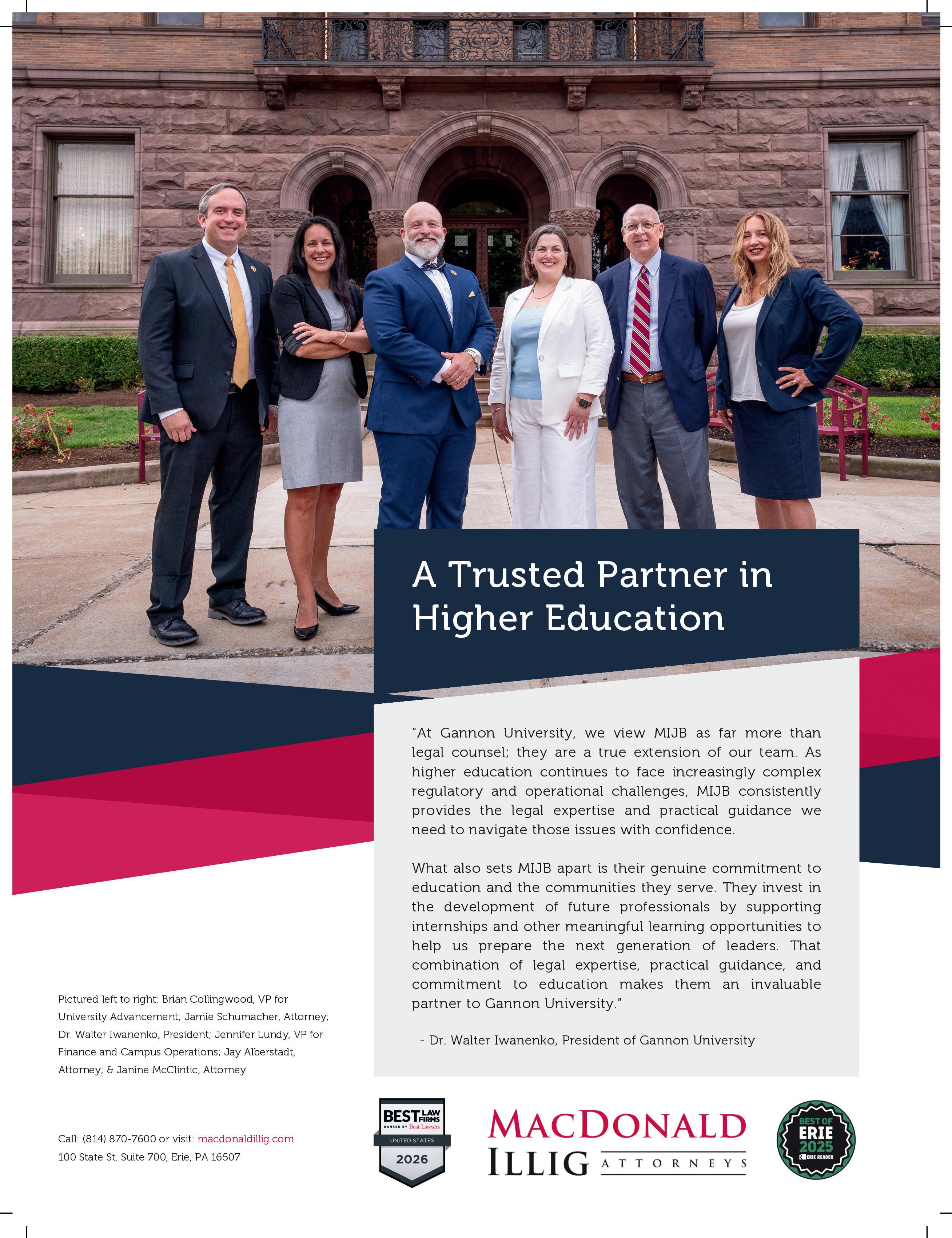
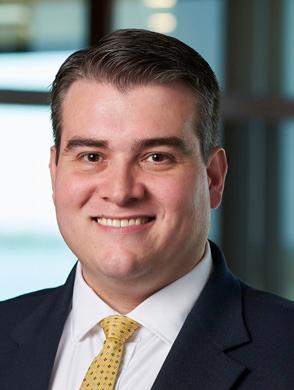
Brian Cressman is a partner at MacDonald Illig Attorneys and a member of the firm’s Business Transactions, Trusts & Estates, Real Estate and Education Law Practice Groups.
Artificial intelligence (AI) began as a specialized tool requiring coding knowledge in order to use, but is now generally accessible to anyone due to its ability to interact using plain language. Many now use AI, but few understand what it is.
Generally speaking, AI is a technology that enables computers to mimic human learning, analysis and decisionmaking. AI does this by analyzing vast amounts of data, identifying patterns in the data and learning from those patterns. Generative AI (“GAI”) is a subset of AI that focuses on generating content, such as text or images, based on the learned patterns and then predicting the correct response to a user’s prompt. GAI takes commands from its users, which can be formed as a question or as a directive. In either case, GAI is not trained to say, “I don’t know the answer to that.” It is trained to analyze its dataset for patterns and generate a predictive response to a prompt based on those patterns.
Businesses use GAI frequently. Below is a Top 10 List of legal issues surrounding the use of AI by businesses.
1. Contracts — GAI handles narrow, discrete issues much better than broad or complex ones. In contracts, GAI’s shortcomings include a lack of context (i.e., negotiating power of the parties, institutional knowledge, acceptable business terms) and by prioritizing fluency over form GAI frequently fails to comply with law (i.e., state-specific rules regarding how text must appear in order to effectively disclaim warranties or waive a right to jury trial).

2. Confidentiality — Many GAI models allow a user’s interactions with GAI to form part of the GAI’s dataset. Thus, the interactions could later be used in GAI’s response to another user’s prompt. Feeding confidential or personal information into GAI should be avoided.
3. Accuracy — GAI prioritizes fluency as opposed to fact-checking its responses. When GAI lacks the information in its dataset to respond accurately, it can “hallucinate” false information in order to respond fluently to the prompt. Needless to say, by relying on false information in making a business decision a business may be exposed to liability.
4. Employment Discrimination — Employers use AI tools to automate and enhance HR functions, including the review of applicants, performance evaluations and assisting in matching candidates with well-suited jobs. AI may be biased in its dataset or decision-making. If relied on by an employer, this underlying bias may open the employer up to liability under anti-discrimination laws.
5. Consumer Interactions — Businesses use AI chatbots to interface with customers. Chatbots may collect data without consent, provide misleading responses or interact with individuals in other ways that violate law.
6. Litigation — A user’s interactions with AI may not be protected from disclosure in discovery. Businesses should be cognizant of the potential risks associated with AI interactions being used against the business in later litigation.
7. IT Security — Hackers are utilizing AI technology as well. Phishing e-mails that previously had grammar or spelling errors no longer do because hackers use GAI to draft emails. GAI videos also may be used to mimic an individual’s likeness or voice in order to infiltrate a business.
8. Regulations — Regulations change from administration to administration. Under President Joe Biden, the Federal Trade Commission, Equal Employment Opportunity Commission and Office of Federal Contract Compliance Programs issued guidance and took enforcement actions regarding the use of AI. President Donald Trump rescinded that guidance in favor of promoting the use of AI. As the presidency and governorship changes, AI regulations will change as well.
9. Legislation — Legislation addressing AI typically identifies “high-risk” areas for use of AI in making a decision. High-risk areas include: education, employment, lending, legal services, health care, housing, insurance and government services. You must be aware of special rules regarding the use of AI if you operate in a jurisdiction with AI-legislation.
10. More to Come — AI and GAI are still new to most of us. The law is still changing and reacting to AI. As the law changes, new legal issues will undoubtedly arise. Businesses must remain alert to changes and agile in response to them.
Please contact a MacDonald Illig attorney at 814/870-7600 or visit macdonaldillig.com if you have any questions regarding the use of AI in your business.



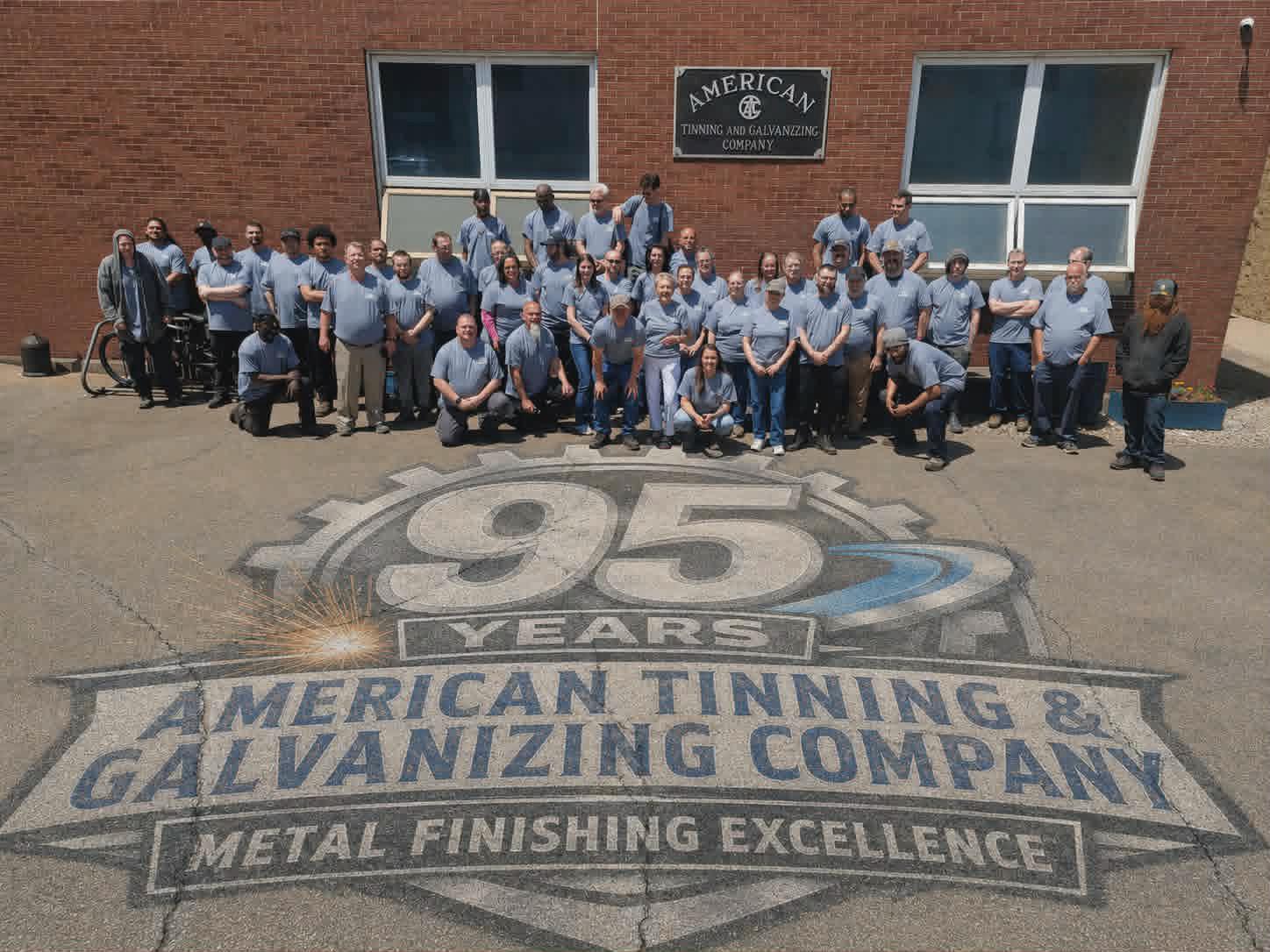
American Tinning & Galvanizing Co. is grateful for our Swedish immigrant founder, Fred Carlson, his brother and then his son-in-law, Jack Scheppner who carried the business through the first 70 years, and the Scheppner women who led it to today.
We’re thankful for our community, our loyal customers, talented and dedicated employees, our caring leadership and the success that has enabled ATG to generously give back to the less fortunate.
Here’s to Erie’s and our bright future… We’ll see you in FIVE!!
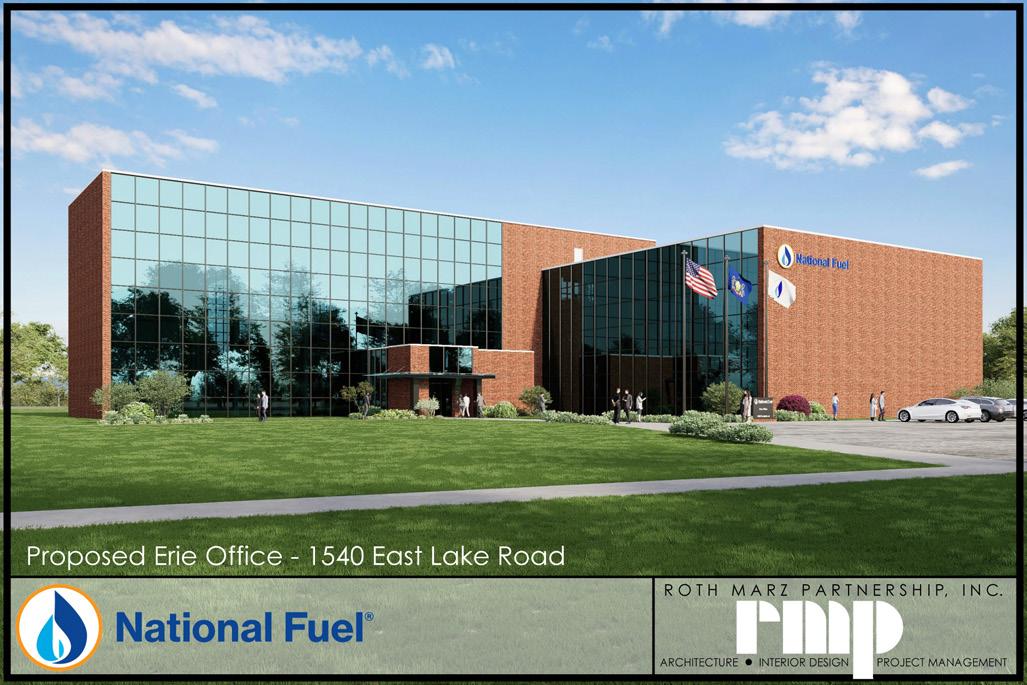
National Fuel Gas Company, a diversified energy company, recently announced the purchase of an office building and an approximate 10-acre parcel on East Lake Road in the City of Erie. Following renovations, the facility once the headquarters of the Hammermill Paper Company will become the primary office location for National Fuel’s Pennsylvania and Ohio regulated businesses, housing nearly 300 employees.
“We are proud to continue growing our presence in Erie,” said Joseph Del Vecchio, president of National Fuel Gas Supply Corporation. “This investment reflects our long-term commitment to the region and supports continued economic development in the community.”
The need for expanded office space is driven in part by anticipated workforce growth tied to National Fuel’s pending acquisition of a natural gas utility in the Dayton, Ohio area, which serves more than 335,000 customers. The purchase follows an extensive search process led by National Fuel’s broker SBRE — Sherry Bauer Real Estate. The new facility also will serve the needs of the company’s Pipeline and Storage and Gathering businesses, as well as various support functions for the company’s natural gas operations.
“As we move forward with our Ohio acquisition, we expect to add more than 80 new jobs in Erie over the next year plus,” said Michael Colpoys, president of National Fuel Gas Distribution Corporation. “This reflects our commitment to investing and growing in a business-friendly environment.”
The East Lake Road building will be modernized, with renovations expected to take 10 to 12 months.
National Fuel also completed the sale of its long-term Erie office at 1100 State Street.
For more information, visit nationalfuel.com.
Greens Choice LLC is recently announced its new membership with Retail Confectioners International (RCI), a trade association that has supported the confectionery industry since 1917. As an RCI member, Greens Choice will connect with other candy makers and industry suppliers, ranging from small, independently owned businesses to large confectionery brands.
Greens Choice LLC, based in Erie, Pennsylvania, supplies premium baking and confectionery products to both home bakers and industry professionals. Backed by over 17 years of industry experience through its parent company in the UAE, the company is focused on bringing high-quality global brands and innovative products to the U.S. market.
“Joining RCI is an exciting milestone for us as we continue growing within the U.S. confectionery industry,” said Tracy Jose, owner and managing director of Greens Choice LLC. Greens Choice also recently exhibited at the RCI Candy Convention on June 9–10, 2026, at the Indiana Convention Center in Indianapolis, Indiana.
By joining RCI, Greens Choice will gain access to valuable resources, educational programs and industry events designed to help confectioners grow and succeed.
For more information about Greens Choice, visit greenschoice.com.
LOGISTICS PLUS IS NAMED A 2026
G75 GREEN SUPPLY CHAIN PARTNER BY INBOUND LOGISTICS
Logistics Plus, Inc. (LP), a global leader in transportation, logistics and unique supply chain solutions, has been named a 2026 G75 Green Supply Chain Partner by Inbound Logistics magazine. The annual Green 75 awards recognize supply chain companies, 3PLs, and carriers that exhibit exceptional environmental stewardship, sustainable operations and a commitment to going green every day.
As noted in the I nbound Logistics G75 listing: In 2021, Logistics Plus became the first logistics company to achieve Plastic Neutrality certification through Ocean Integrity’s
National Fuel Gas Company is investing in a relocation and expansion of its offices in Erie, Pennsylvania. Shown here is one of the renderings by Roth Marz Partnership, courtesy of National Fuel.
Blue Ocean Program. The company has maintained that certification for five consecutive years, financing the collection of more than 3.5 million kilograms of ocean plastic waste. The company’s sustainability initiatives also focus on power efficiency: Its warehouses run on 99 percent electric forklifts, solar energy powers roughly 20 percent of its warehouse operations, and all facilities utilize LED lighting and energyefficient electronics across its network.
See inboundlogistics.com/digital-editions/

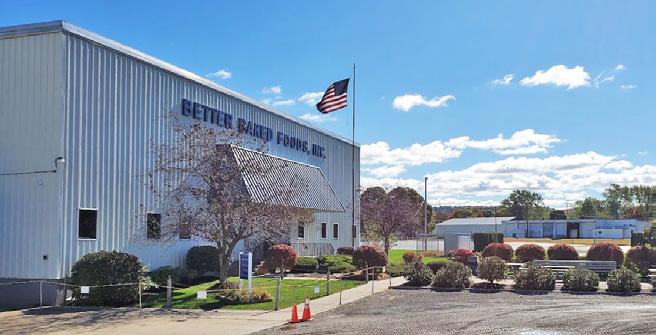
Schwan’s / GFC Global Supply Chain, Inc.
Schwan’s Company is one of the fastest-growing leaders and producers in North America’s food industry with three facilities in the region. These locations primarily produce iconic frozen pizza brands, including Red Baron — the No. 1 selling frozen pizza in the United States. Formerly known as Better Baked Foods, Schwan’s area facilities employ over 400 team members. Its Westfield, NY bakery supplies bread to two area pizza manufacturing facilities in North East, PA and Erie, PA.
Address: 2200 East 38th Street Erie, PA 16510
Phone: 814/725-8778
Website: schwanscompany.com

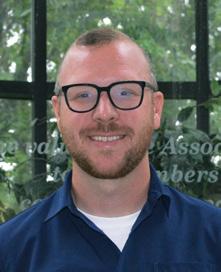
The Manufacturer & Business Association (The MBA) recently welcomed Tyler Wheeler as its manager of Member Services.
In this role, Wheeler will be responsible for engaging business leaders, expanding MBA membership, and connecting organizations to the resources, expertise and network that drive business success.
Zimmerman earned a bachelor’s degree in finance from Gannon University and an MBA from the University of Pittsburgh. Prior to joining Eriez, he held roles in financial analysis, manufacturing operations, and business development with various global organizations.
Established in 1942, Eriez is a global leader in separation technologies.
Wheeler brings 15 years of experience building strong client relationships and supporting business growth across the textile and laundry services industry and the compact and heavy construction equipment sectors. His background in account management, business development, customer retention and leadership positions him to serve MBA members and the broader business community.
TO GENERAL MANAGER OF ERIEZ USA Eriez ® recently announced the promotion of Dan Zimmerman to general manager of EriezUSA. In this role, Zimmerman has full responsibility for leading the company’s U.S.based business, including overall performance, commercial and financial execution, manufacturing and supply chain management.
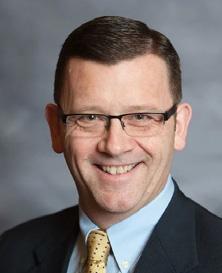
Zimmerman has been with Eriez since 2004 and most recently served as director of Operations for Eriez-USA. During his tenure, he has held a variety of leadership roles, including Metalworking Market manager and director of Business Development, contributing to the company’s growth, productivity and overall performance.
“Dan has built a distinguished career at Eriez, marked by strong leadership, disciplined execution, and deep knowledge of our business and markets,” said Eric Nelson, vice president, Global Operations at Eriez. “His broad cross-functional experience, spanning operations, commercial strategy, and financial leadership, positions him well to lead our U.S. organization into its next phase of growth.”
Throughout his career at Eriez, Zimmerman has played a key role in expanding product offerings, strengthening manufacturing and supply chain capabilities and advancing continuous improvement initiatives across the organization.
Allegheny Health Network (AHN) announced the appointment of Ashley M. Carlucci, DNP, MHA, RN, CEN, CENP, as its new chief nurse executive (CNE).
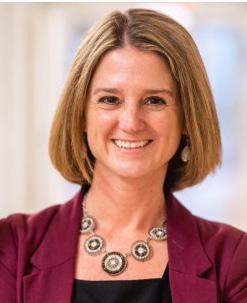
Carlucci brings a wealth of experience and a proven track record of advancing operational and nursing excellence and nursing workforce innovation within large, integrated health systems. As CNE, she will become AHN’s highest-ranking nursing leader, overseeing the Network’s 6,000 bedside, clinic and administrative nurses.
She comes to Pittsburgh from University Hospitals, a 21-hospital system based in northeast Ohio. As a Market Chief Nursing Officer for University Hospitals, Carlucci provided executive leadership for nursing strategy, operations, and workforce engagement across a market that included seven regional hospitals.
“Ashley is an outstanding leader who has consistently demonstrated a profound commitment to elevating nursing practice and fostering a culture of compassion, clinical excellence, and professional accountability,” said Mark Sevco, president, AHN.
A registered nurse, Carlucci earned her associate’s degree in applied nursing science and her Bachelor of Science in nursing from Kent State University, her master’s degrees in nursing science and health administration from Saint Joseph’s College of Maine, and her Doctorate in Nursing Practice from Case Western Reserve University in Ohio.
Her professional affiliations include membership in the American Organization for Nursing Leadership and the American College of Healthcare Executives. Her research and publications — on topics such as triad leadership, emotional intelligence and collaborative care models — have been featured in prominent clinical and nursing journals.
NORTHWEST BANK NAMES FERRY REGIONAL COMMERCIAL BANKING MARKET EXECUTIVE FOR NORTHWEST PENNSYLVANIA REGION
Northwest Bank has named Susan Ferry as regional commercial banking market executive for the northwest Pennsylvania and greater Erie region. In this role, she will lead the bank’s commercial banking strategy and growth efforts in that region focusing on supporting commercial and industrial businesses through a relationship driven banking approach.

Ferry manages a commercial and industrial client portfolio across Erie, Crawford, Venango, Mercer, Warren and McKean counties. Her responsibilities include revenue growth, team leadership, client acquisition and retention and credit oversight.
Ferry brings more than 25 years of financial services experience, including senior leadership roles in commercial lending and portfolio management, with a focus on middle-market companies. She most recently served as senior vice president, market manager for Citizens Bank. Prior to that, she served as the executive director of the Meadville Area Industrial Commission (now known as the Economic Progress Alliance).
Headquartered in Columbus, Ohio, Northwest Bancshares, Inc. is the bank holding company of Northwest Bank. Founded in 1896, Northwest Bank is a full-service financial institution offering a complete range of business and personal banking products, as well as employee benefits and wealth management services. Northwest operates 151 full-service financial centers and 11 drive-up locations across Pennsylvania, New York, Ohio and Indiana, and provides customers with fee-free access to more than 55,000 ATMs. Northwest Bancshares, Inc.’s common stock is listed on the NASDAQ Global Select Market (NWBI).
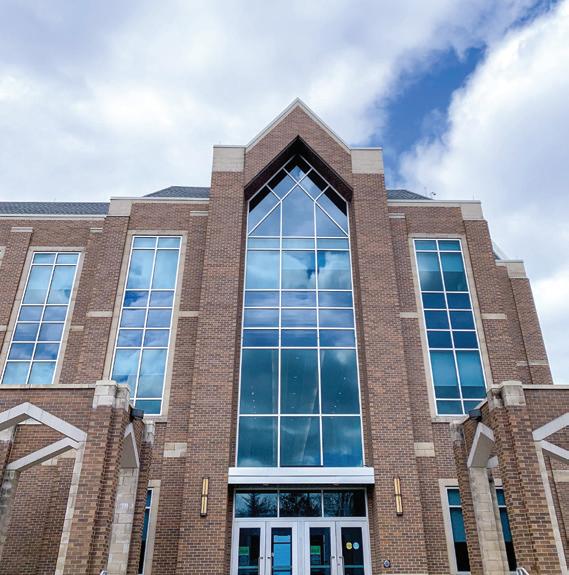
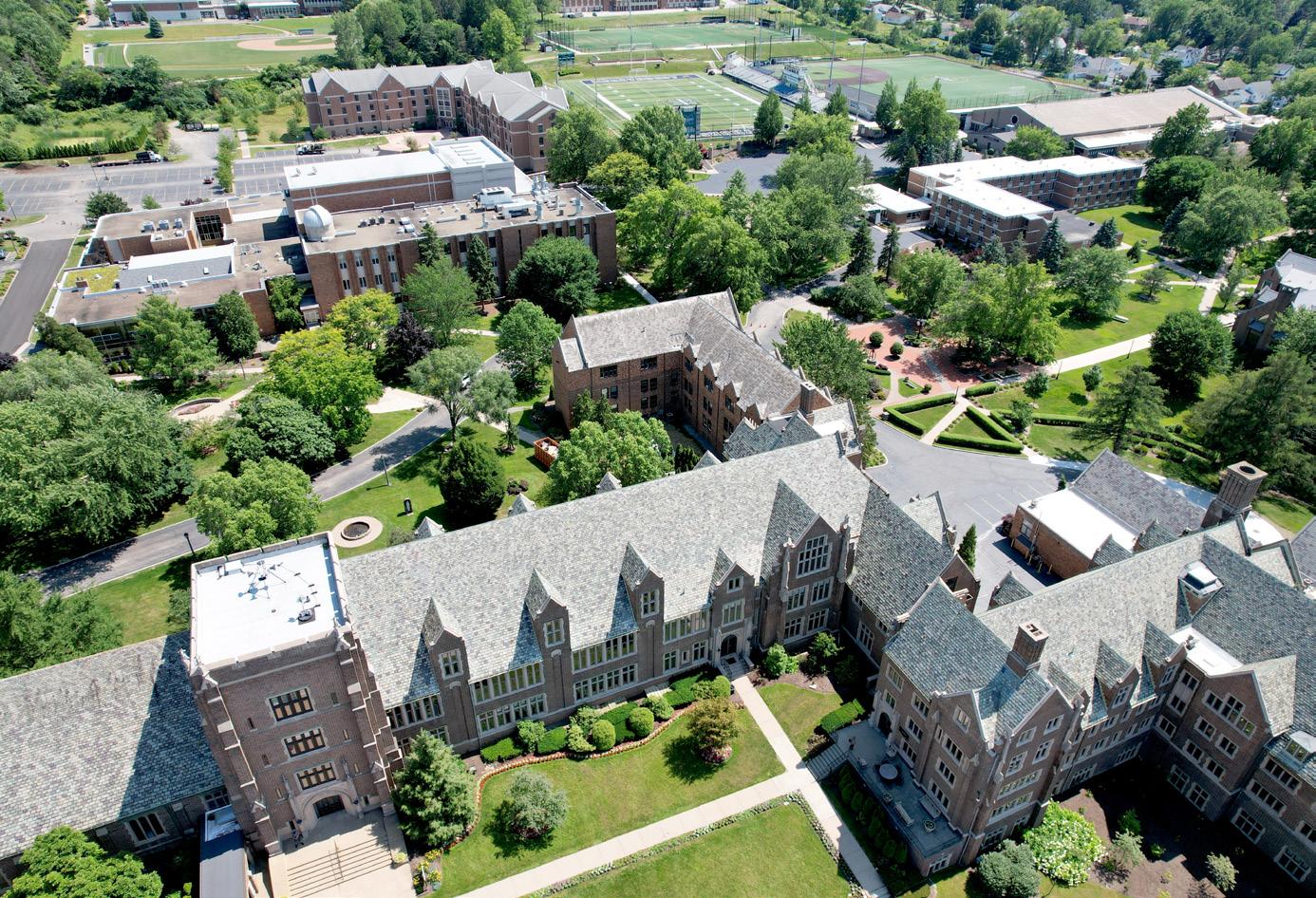
For nearly 100 years, Mercyhurst Prep has inspired students to lead with faith, ser ve with compassion, and achieve with excellence. Founded in 1926 by the Sisters of Mercy, our mission remains as strong today as it was then.
As we celebrate this historic milestone, we honor a legacy built on Mercy values, academic excellence, and a commitment to shaping future leaders. Proud of our past. Inspired by our present. Ready for our next centur y.
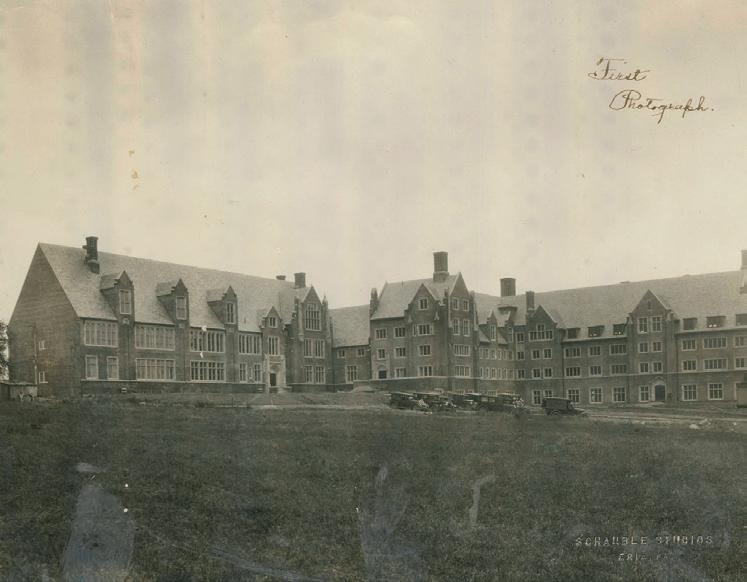





of women at a time when opportunities were limited. Their vision established two women-only institutions on a hill
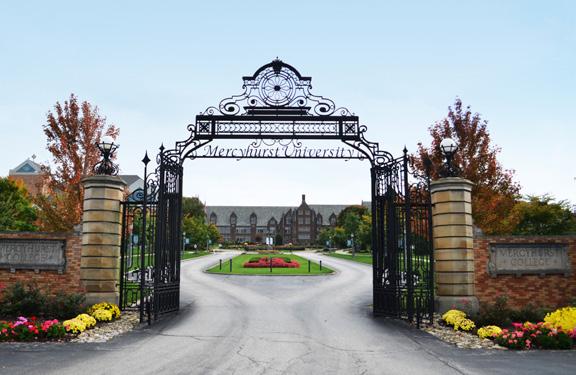
For 100 years, Mercyhurst University and Mercyhurst Preparatory School have been guided to educate and inspire diverse learners, empowering them to lead and serve meaningfully. Remaining rooted in the core values of the Sisters of Mercy, they
strive to foster a close-knit community that reflects inclusivity, hospitality, and innovation.
These Centennial celebrations serve as a testament to the unwavering Mercyhurst spirit that will be carried forward into the next 100 years, as both institutions embrace a culture of adapting to meet changing times and creating innovative approaches to educational needs.
538 East Grandview Blvd. Erie, PA 16504
Phone: 814/824-2210
Website: mpslakers.com
Mercyhurst Preparatory School also has built a culture of academic excellence and innovation.
Highlights over the century include:

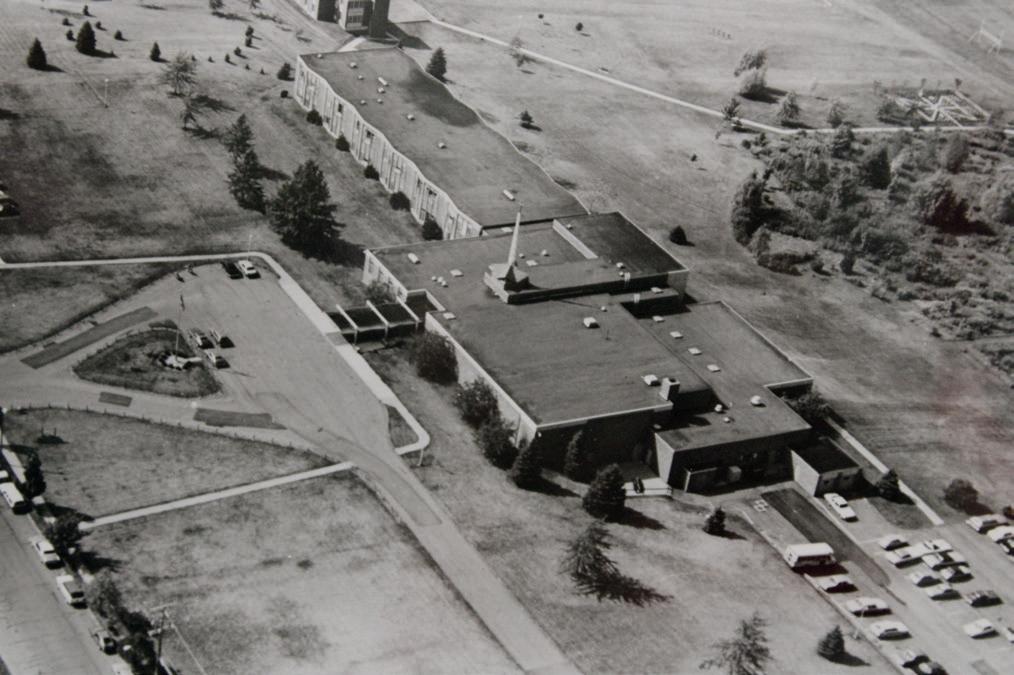
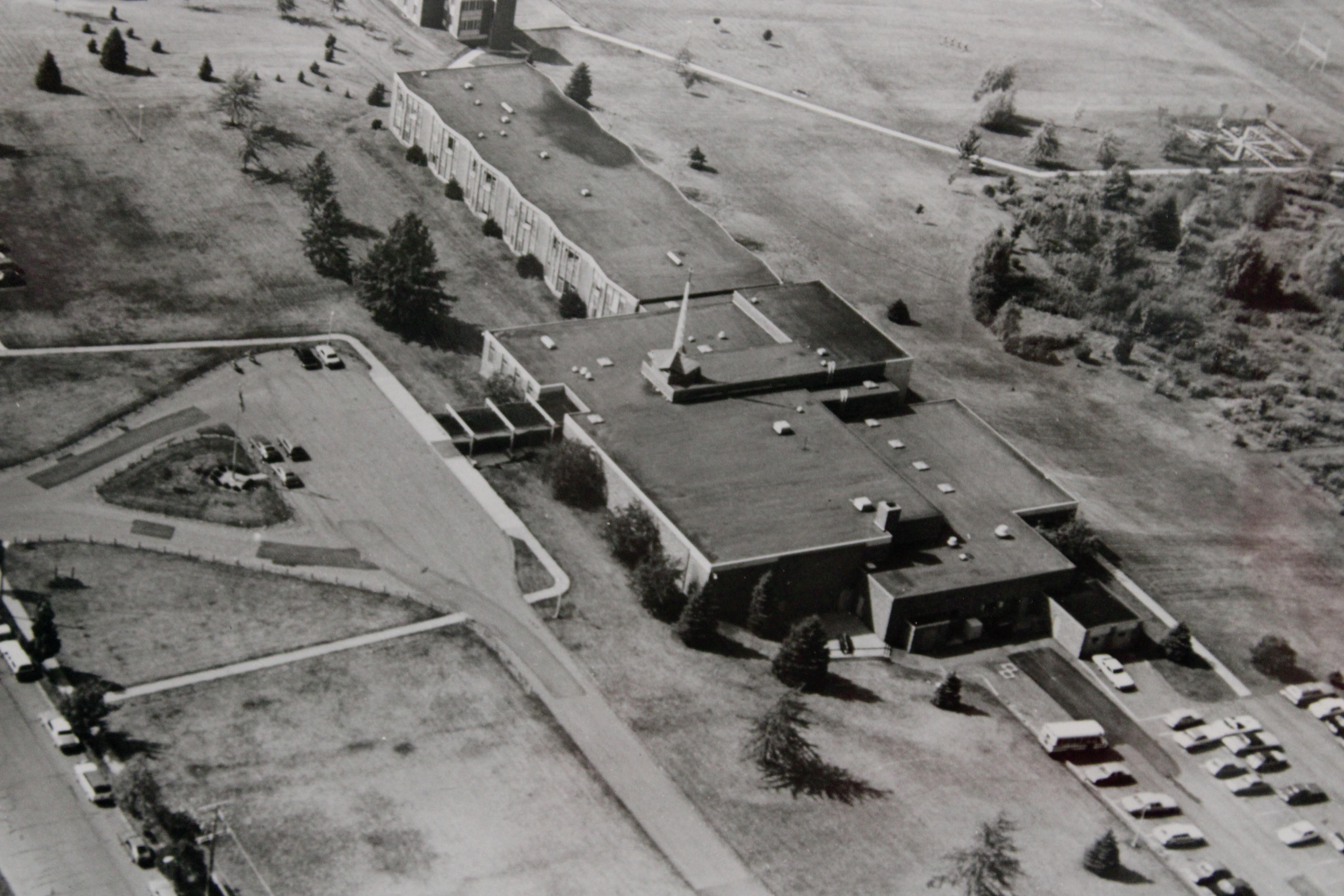
• 1963: Opening its new building
• 1974: Becoming the region’s first coeducational Catholic high school
• 1985: Introducing the International Baccalaureate Program
• 1991: Winning the State Tournaments in both Boys’ and Girls’ Basketball
• 1993 and 1997: Earning the prestigious Blue Ribbon School of Excellence awards from the U.S. Department of Education
• 2012: Implementing Erie County’s first 1:1 iPad initiative Mercyhurst Prep’s longstanding accomplishments in academics, athletics and the performing arts reflect its devotion to developing well-rounded students prepared for success.
As Mercyhurst University and Mercyhurst Preparatory School celebrate their centennial year, they honor a shared mission shaped by the Sisters of Mercy and 100 years of students, employees and alumni. Both institutions reflect on the achievements of the past century while commemorating the journeys that brought them to where they are today. While celebrating today’s accomplishments, they dream boldly of the future, carrying forward a tradition of excellence, innovation and service that will guide the next 100 years.
As Mercyhurst University

















THIS IS THE KIND OF WORK WE DO EVERY DAY.

Industrial facilities don’t need flashy technology, they need systems that hold up.
Industrial facilities don’t need flashy technology, they need systems that hold up.
If three systems solve the problem better than five, that’s what we recommend. Because we’re not tied to one manufacturer, we can choose the technology that actually fits the building and the people using it.
If three systems solve the problem better than five, that’s what we recommend. Because we’re not tied to one manufacturer, we can choose the technology that actually fits the building and the people using it.
We design the plan, install the systems, coordinate with other trades, and ma e sure everything wor s together the way it should.
We design the plan, install the systems, coordinate with other trades, and ma e sure everything wor s together the way it should.
Clean installs. Reliable infrastructure. Systems that don’t fall apart the first time production ramps up.
instant playback
Access control & badging
Paging & emergency alerts
Signage & room displays
A & connectivity for control rooms
All cabling & fiber optics
Network & communication infrastructure








If you haven't noticed, we don't have a hard time showing off. From loading docks to control rooms, facilities across Western Pennsylvania count on XYCOM to install systems that hold up in real environments the kind that run hot, run fast, and never stop moving.
If you haven't noticed, we don't have a hard time showing off. From loading docks to control rooms, facilities across Western Pennsylvania count on XYCOM to install systems that hold up in real environments the kind that run hot, run fast, and never stop moving.
Clean installs. Reliable infrastructure. Systems that don’t fall apart the first time production ramps up. And when something needs attention, we handle it. Because reputation matters, both yours and ours. Pittsburgh-based, growing fast, and know no bounds.
“I don’t worry about missing footage anymore. I know exactly who’s coming in and out, and when.”
And when something needs attention, we handle it. Because reputation matters, both yours and ours. Pittsburgh-based, growing fast, and know no bounds.
“I don’t worry about missing footage anymore. I know exactly who’s coming in and out, and when.”
Facilities Director, Western PA Manufacturing Plant
Facilities Director, Western PA Manufacturing Plant





























































What is the value of MBA Government Affairs? Had you asked me that when my better half and I were neck-deep in our small business my reply would have been, “I don’t know.” I knew extraordinarily little about lawmakers, the PA General Assembly, and couldn’t name my PA rep or PA senator. Certainly, I thought, they were doing right by business, weren’t they?





is the director of Government Relations at The MBA. Contact her at 412/805-5707 or eileenanderson@mbausa.org













in Pittsburgh about the PJM, with expert panelists including Stephen DeFrank, chair, Pennsylvania Public Utility Commission (PUC). MBA was present.







Fast forward to August 2026. I am one of The MBA’s association lobbyists and, in that role, I educate The MBA members about government and educate lawmakers about the members’ top concerns. Tools include the daily “News You Can Use, monthly “Hill Report” and The MBA Business Magazine’s “On the Hill.” I write and send memos to PA House and Senate lawmakers for MBA supported legislation. That’s the short version.
Here is an example of legislation: The MBA is driving awareness of PA’s demographics. Thirty percent of our workforce is aging out over the next decade. The fastestgrowing age range is 80 years and older. We lobbied hard to pass the GROW PA package of bills. It provides scholarships for students enrolled to study priority occupations in PA’s state schools. For each year of college, students owe a year of living and working in PA.
Here are examples of educating members about key issues: Worried about the increasing cost of energy? We are on it! Currently our focus is on energy, data centers, AI and the PJM grid. Governor Josh Shapiro’s viewpoints were explained in three recent editions of the monthly Hill Report, likewise The MBA’s viewpoint was highlighted. Senator Gene Yaw, chair, Environmental Resources and Energy committee, presented at The MBA last year. In April, he held a hearing






The MBA is now on the PUC’s radar. Last December, we submitted comments on the proposed model tariff for large load customers (LLCs) and are listed as contributors on the PUC website. The primary goal of the PUC’s framework is to protect residential and business ratepayers from bearing the financial risks and infrastructure costs of unprecedented electricity demand while supporting economic development. The final model tariff was released mid-May and is the firstof-its-kind statewide framework for LLCs in the nation!


Concerned about the impact of tariffs on supply chains and your business? Tariffs cut both ways: Some members benefit, and some are negatively affected. The MBA can help you navigate the landscape. U.S. Senator Dave McCormick paid an impromptu visit to The MBA in mid-December and heard concerns directly from multiple members. The MBA introduced several members in southwest PA to Senator McCormick’s staff to discuss possible tariff exemptions. U.S. Representative Mike Kelly heard about the damage’s tariffs inflict on businesses when he spoke at The MBA’s May legislative luncheon. He requested follow-up from members with concerns.
Additional support:
• Some members call us to find the best contact to address concerns in lawmakers’ offices.
• Some ask how to find Veterans interested in employment.


















The MBA can host roundtables on common issues as needed.







We collect members’ top concerns and send them to those in a position to aid or push further up the power chain.





• Workforce and transportation are tightly intertwined. We work on both. Several members and The MBA helped with Carnegie Mellon University’s grant application from the Appalachian Regional Commission for an ondemand transportation program to serve parts of rural Ohio, West Virginia and the south of Pittsburgh.
• Taxes? We successfully lobbied for the phase-down of the Corporate Net Income Tax.
And the list goes on. There is so much we can do for members.
As one member said, “Peace of mind is knowing The MBA is advocating at the state and federal level on our behalf.”
The MBA keeps you informed so you can make better decisions about your business.
Consider this your personal invitation to reach out and give us a call!

“An informed citizenry is the foundation of a democracy.” That can be you! Sign up for The MBA’s daily “News You Can Use” or the monthly “Hill Report” at mbausa.org.


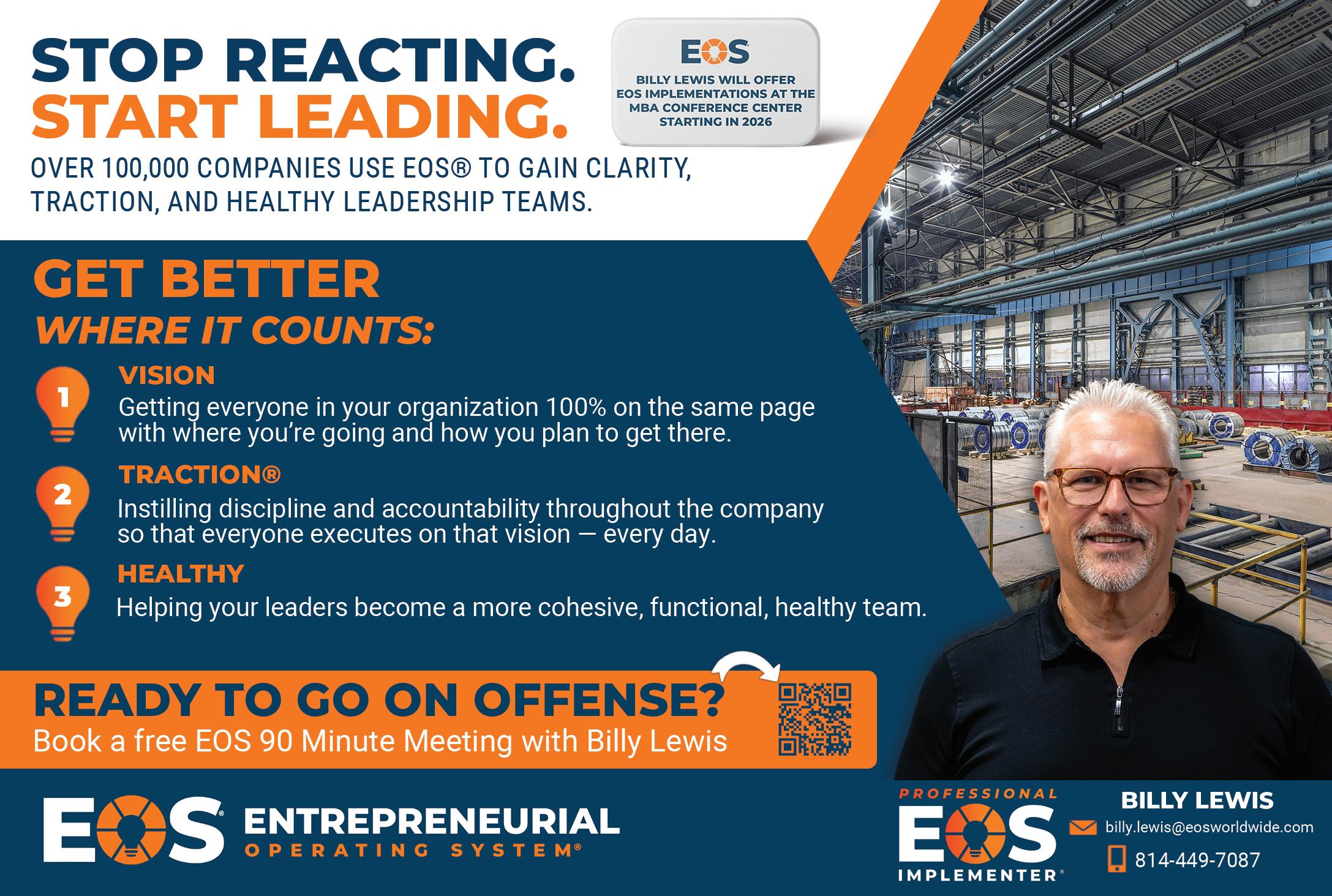




They need fewer bottlenecks.

Kaisyn Labs partners with manufacturers to eliminate operational friction by automating repetitive engineering tasks, integrating disconnected systems, and designing scalable operational workflows that improve throughput, quality, and decision-making.
What problem has your team accepted that shouldn't be normal? Let's build a better system.

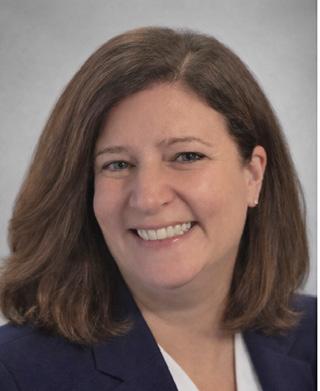
Sara Fetcko
is a client services manager at The Hartford. With 19-plus years there, she delivers strategic account management and disability expertise for employers. For more information, visit TheHartford.com.
Life and disability insurance are often described as “core benefits,” yet their true value is sometimes overlooked until they are needed most. Together, these coverages form the backbone of financial protection for working families, employers and the broader economy.
Life insurance provides more than a death benefit — it provides stability. For families, it helps replace lost income, cover final expenses, pay down debt and preserve long-term financial goals such as education or homeownership. For employers, group life insurance supports workforce well-being by offering peace of mind and demonstrating a commitment to employees beyond the workplace. In times of loss, life insurance helps families focus on healing rather than financial uncertainty.
Disability insurance addresses a risk that is far more likely than many people realize: the temporary or extended loss of income due to illness or injury. A disabling condition can derail even the most carefully planned finances. Disability insurance helps bridge that gap by replacing a portion of income, allowing individuals to maintain housing, health care and daily living expenses while they recover. From an employer perspective, disability benefits support workforce continuity, reduce financial stress and complement return to work efforts.
What makes life and disability insurance especially powerful is how they work together. Life insurance protects loved ones from the financial impact of an unexpected death, while disability insurance protects the employee’s income during their lifetime. One safeguards the future; the other stabilizes the present. When offered as part of a comprehensive benefits strategy, they provide protection across a wide range of life events. As economic uncertainty, medical costs and workforce expectations continue to evolve, the role of life and disability insurance remains as relevant as ever. These benefits are not just insurance products — they are promises of financial resilience, dignity and support when people need it most.

“I have had the pleasure of partnering with Lisa McKinney from The MBA in managing our employees’ health, dental and vision benefits. This partnership has been exceptional, and Lisa’s responsiveness, sense of urgency and depth of knowledge are truly outstanding. She consistently responds promptly to all communications and demonstrates a high level of expertise, providing efficient and effective resolutions to any issues that arise. I sincerely appreciate the opportunity to work with her and could not ask for a better partner.”
— Matthew Perkins, HR Manager Howard Industries
MAKING TOOL FOR GEN Z
AI search tools are now a part of how of some U.S. workers are making employee benefits decisions, particularly as inflation is driving up the cost of living, according to the Future of Benefits Study from The Hartford, a leading provider of employee benefits and absence management.
The study found that 43 percent of U.S. workers are never sure they are choosing the right benefits — uncertainty that is driving a younger subset to seek guidance from AI search tools such as ChatGPT. Overall, 17 percent of U.S. workers used AI to help with benefits decisions during open enrollment. However, more than half of those workers were Gen Z. While younger workers express growing unease about AI’s broader impact on work and creativity according to a recent Gallup poll, Gen Z acknowledges AI’s relevance and is curious about it.
“American workers are getting benefits information from more sources than ever before — HR portals, colleague and peer advice and now AI,” said Mike Fish, head of Employee Benefits at The Hartford. “Regardless of how they prefer to receive their information, we help our employer clients provide support that’s easy to access using AIbacked tools and clear, simple benefits communication.”
Key Findings on AI and Benefits Enrollment:
• 94 percent of Gen Z workers who said they used AI (such as ChatGPT) during enrollment trusted the recommendations it provided; and
• Among U.S. workers who used AI during benefits enrollment, they reported using it to:
- Compare different benefits options (59 percent);
- Get general information about benefits (55 percent);
- Get personalized recommendations (51 percent);
- Calculate costs or estimate expenses (45 percent); and
- Have someone tell them exactly what to choose or buy (31 percent).

CAN EMPLOYERS PROHIBIT EMPLOYEES FROM USING AI TOOLS AT WORK?
Generally, yes. Employers may establish workplace rules regarding the use of AI and can prohibit or limit the use of certain AI tools, particularly when there are concerns regarding confidentiality, data security or accuracy.
CAN EMPLOYEES ENTER COMPANY INFORMATION INTO PUBLIC AI PLATFORMS?
Employers should proceed with caution. Confidential business information, customer data, employee information and proprietary materials should generally not be entered into public AI tools unless the employer has specifically approved such use and appropriate safeguards are in place.
WHY SHOULD EMPLOYERS TRAIN EMPLOYEES ON AI?
Many employees are already using AI tools in their day-to-day work. Training helps employees understand the organization’s expectations regarding confidentiality, data security, accuracy and appropriate workplace use, reducing both legal and operational risks. DOES MY ORGANIZATION NEED AN AI POLICY?
If employees have access to AI tools, the answer is probably yes. An AI policy can help establish expectations regarding acceptable use, protection of confidential information, review of AI-generated content and employee accountability. Q A Q A Q A Q A

• The MBA handles approximately 1,000 FREE HR and Legal Hotline calls and emails a year.

Tammy Toman, JD, PHR, is vice president and employment counsel at the Manufacturer & Business Association. Contact her at 814/833-3200, 800/815-2660 or ttoman@mbausa.org.
Most employers are at least somewhat familiar with artificial Intelligence (AI) and its growing presence in the workplace. Employees are increasingly using AI tools to draft emails, create presentations, summarize documents and analyze data, often saving time and improving efficiency along the way. In many organizations, AI may already be in use, even if the employer has not formally addressed it through training or policy.
While AI offers significant benefits, it also presents potential legal and compliance risks. Employees who enter confidential company information, customer data, employee information or proprietary business information into public AI platforms may unintentionally expose sensitive information. AI-generated content can also be inaccurate, biased or incomplete, creating potential concerns related to discrimination, employment decisions and business communications.
For these reasons, employers should not assume employees understand the appropriate use of AI in the workplace simply because they know how to use the technology. Instead, organizations should consider establishing clear expectations regarding when and how AI tools may be used and providing employees with training on those expectations. Topics may include confidentiality, data security, acceptable uses of AI, review and verification of AI-generated content, and the employer’s expectations regarding transparency and accountability.
As with many workplace issues, the greatest risk is often not the technology itself, but employees using it without clear guidance and training. Employers that proactively educate employees and establish clear expectations will be better positioned to leverage AI’s benefits while minimizing potential legal and operational risks.
For information on AI training opportunities, contact The MBA Training Department. If your organization needs assistance developing or reviewing an AI workplace policy, contact The MBA HR & Legal Services Department.
“As a longstanding member of The MBA, we have found the HR and legal services invaluable at times. Alyssa and Tammy especially, have always been there to best help us navigate our way in the ever-changing world of HR and legal.”
an MBA member to access all our courses at exclusive prices
Don’t see what you’re looking for? Customized training available — contact Tracy Daggett at
*Courses can be taken in order or at your convenience. Complete all courses in the series to earn your certificate.
Strategic Leadership & Supervision (formally known as Supervisory Skills) is built for those already in leadership roles and looking to up their approach, as well as graduates of our Leadership Launchpad program who are ready for the next challenge.
Class III - The Supervisor’s Role in Raising Performance 09.22 Class
Complete all three courses in the series to earn a certificate.
Leadership Launchpad (formally known as Leadership for Team Leaders) is built for top performers on the edge of leadership. If you’re ready to lead with confidence and purpose, this program is for you.
Complete

2 5 T H A N N I V E R S A R Y 9/11
V E H I C L E S H O W
As we mark the 25th anniversar y of September 11, 2001, we invite the communit y to gather in remembrance, gratitude and unit y. Bring your classic car, modern ride or unique vehicle as a tribute to the American spirit that carried our nation for ward in the days and years that followed.

Together, we'll honor the lives lost, recognize the courage and sacrif ice of our local f irst responders, obser ve a moment of silence and celebrate the resilience that continues to def ine our communit y.
3 P M FREE ENTRY
THE MBA | 2171 WE ST 38TH ST AT PIT TSBURGH AVE, ERIE, PA
Sponsors:

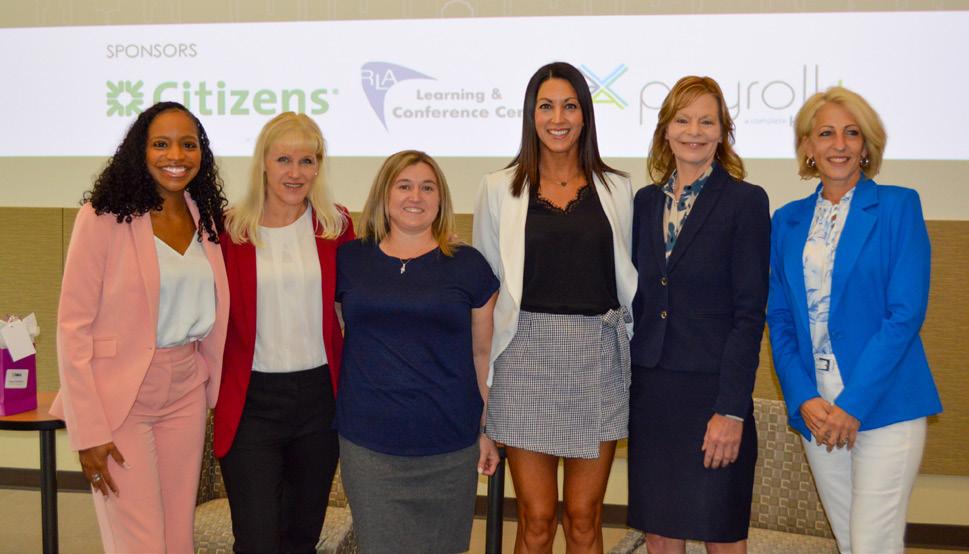
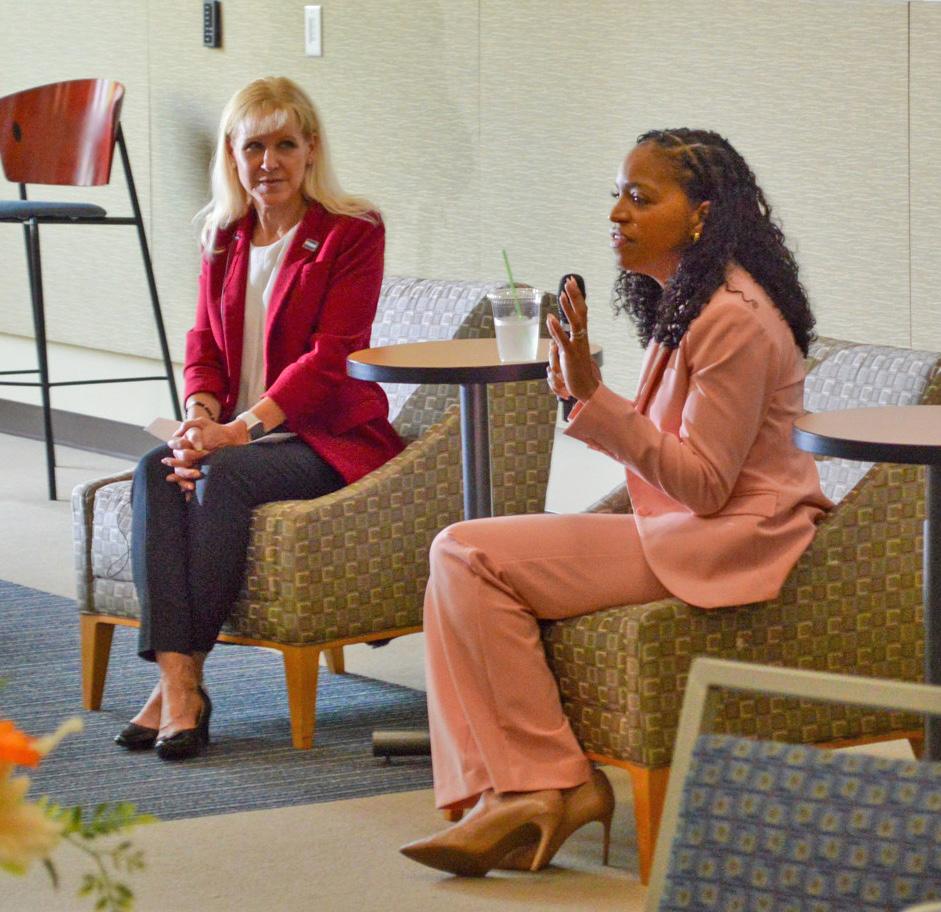
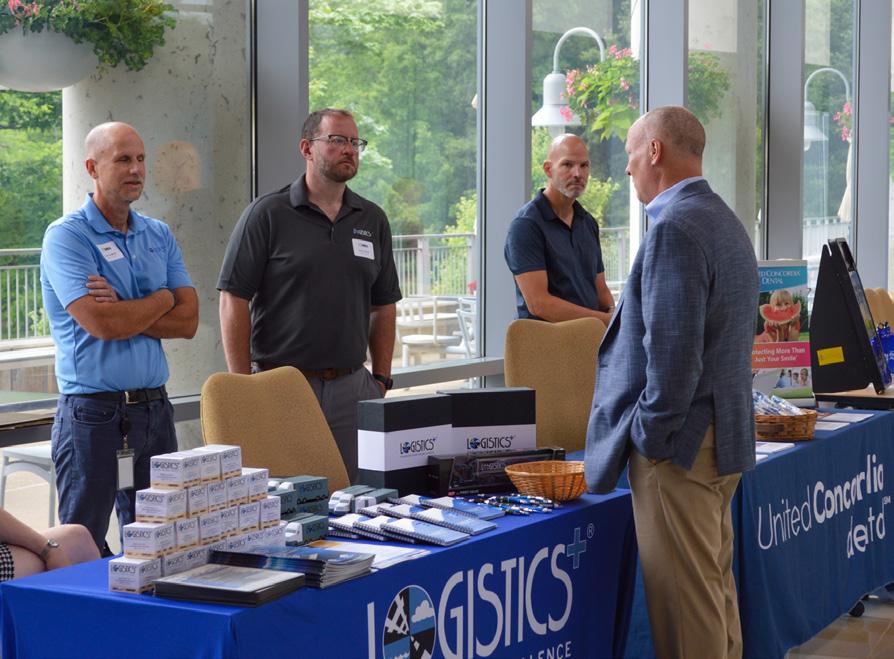
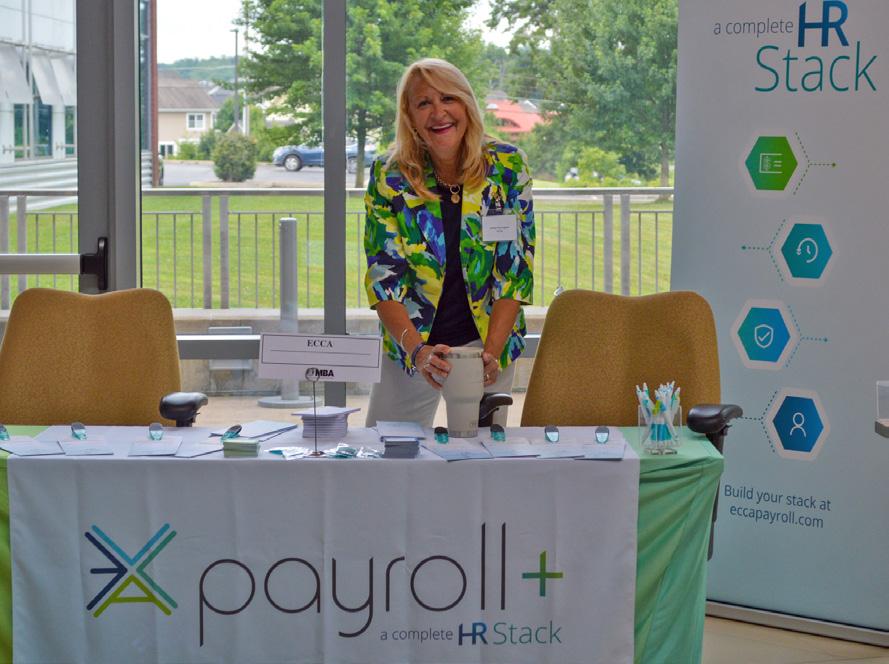
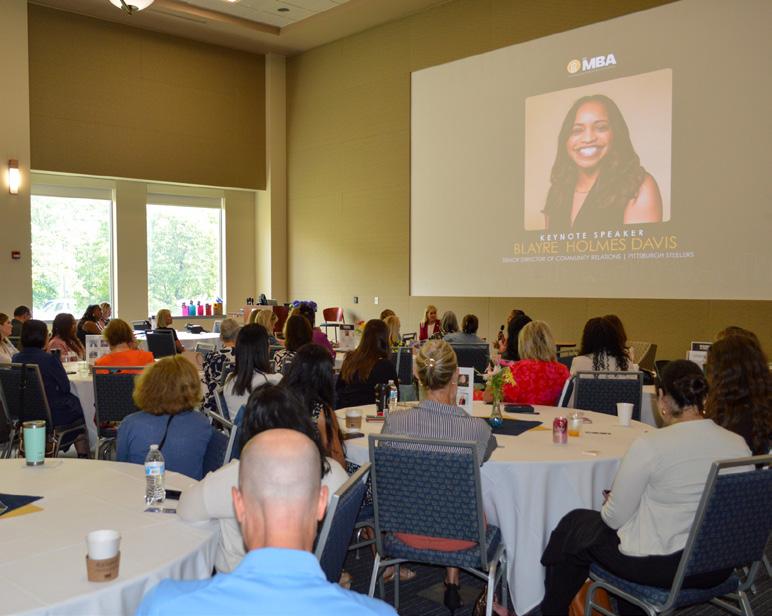
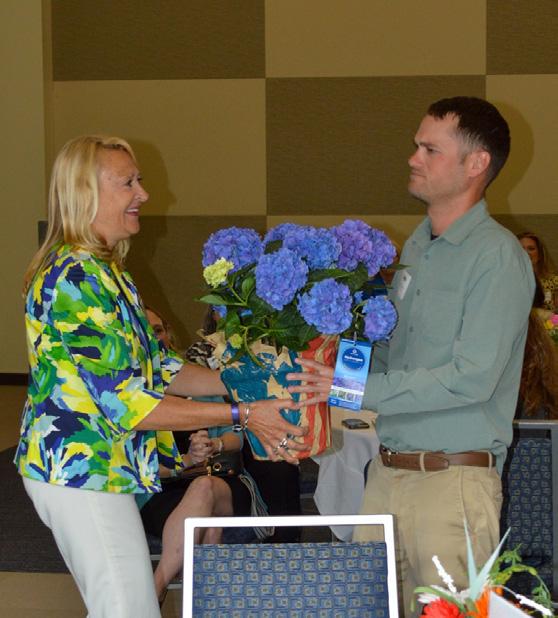
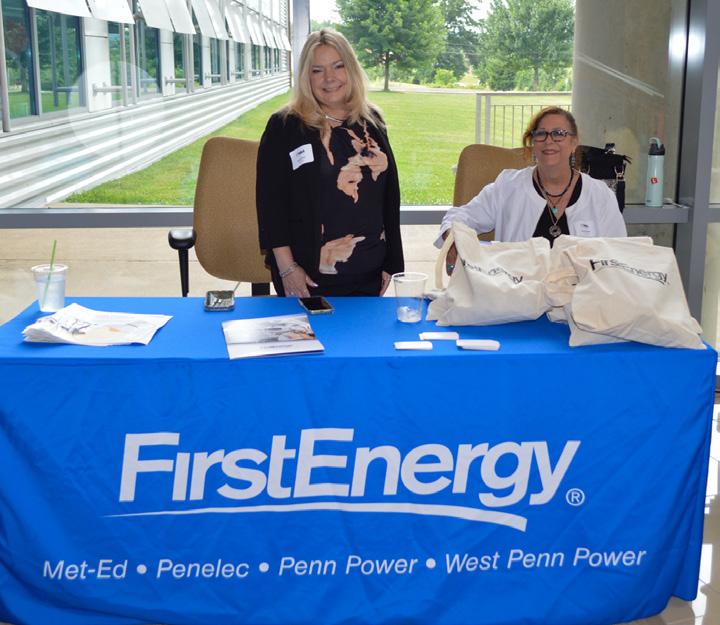
The MBA recently held its third annual Women in Leadership: Mix, Mingle and Mocha event on June 25 at The Regional Learning Alliance (RLA) Conference Center in Cranberry Township. The event was presented by The MBA and sponsored by Citizens Bank, The RLA and ECCA Payroll Solutions. Immediately following, the Association held its first Pittsburgh area Open House for members to learn about The MBA’s many programs and services. See exclusive photos at mbausa.org.



Local
Employees