Comprehensive Market Knowledge & Diligent Island-Wide Representation Single Family Homes, Condominiums, Vacant Land, & Investment Opportunities
We are honored to have the opportunity to be of Service and offer you our professional diligence, experienced market knowledge and focused attention in an effort to facilitate accomplishing the identification and acquisition of your Maui property.
We welcome all of your questions and want you to know that we will do everything possible to educate you about the present Maui real estate market and find the appropriate Maui property in an expedient and stress-free manner. Along the way, please accept our invitation to Use our Team as your Maui Advisor(s) to accomplish ANYTHING MAUI, whether it is a dinner reservation, a plumber recommendation, or whatever may be required to accomplish your Maui goals. Enclosed please find information that is pertinent to the services we offer our Buyers:
• List of Contents
• Contact Us
• Buyer Profile Worksheet
• Introduction Letter
• About Us/About Our Team
• Testimonials
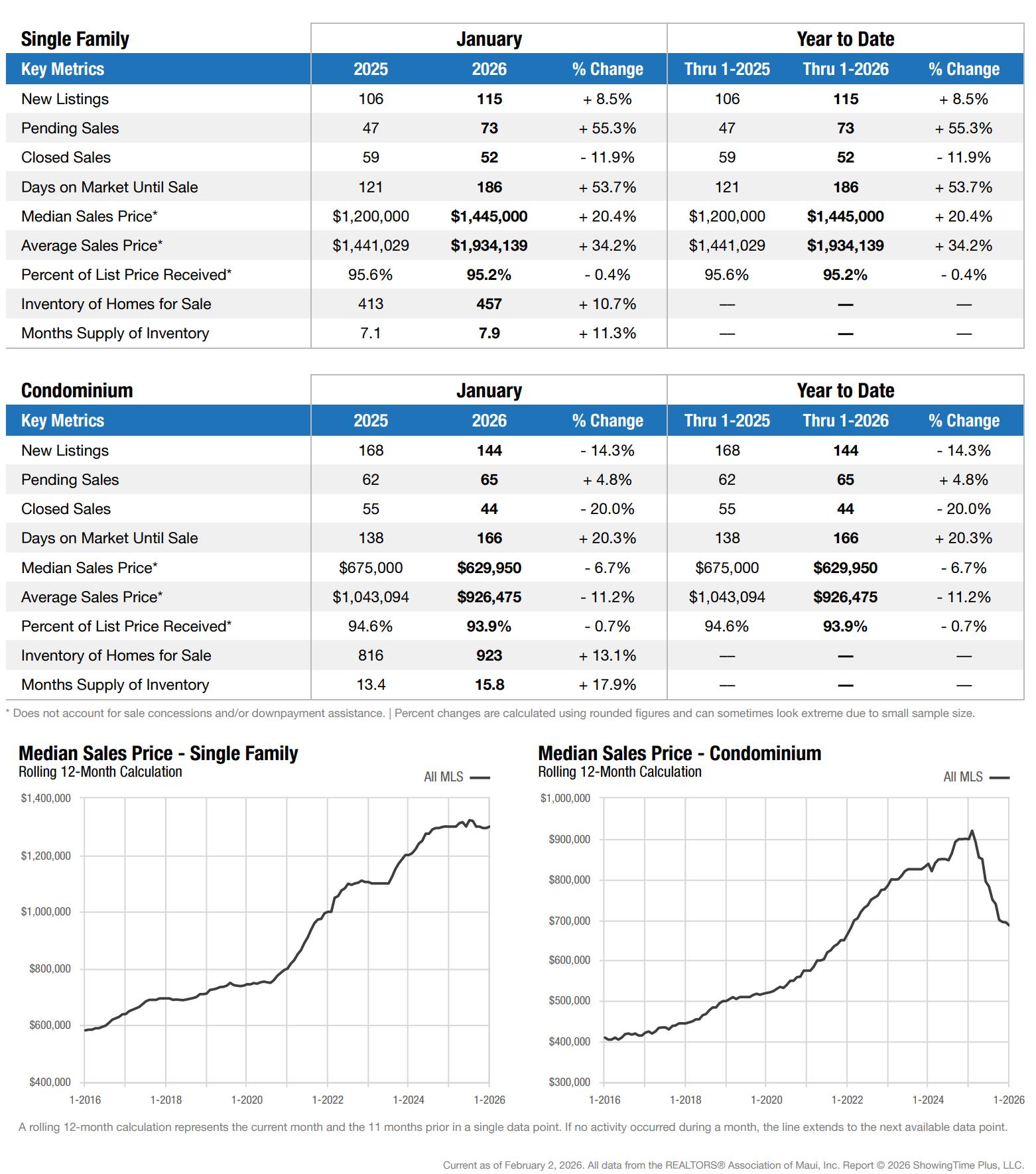
• Maui Market Statistic Report
• Transaction History
• MREA Buyers Information Packet
• Hawaii Buyer Advisory
• HAR Purchase Contract
• Mortgage Rate Chart
• Lenders
• Maui County Real Property Tax Info
• Property Vesting Information & Chart
• Use Zone Spreadsheet
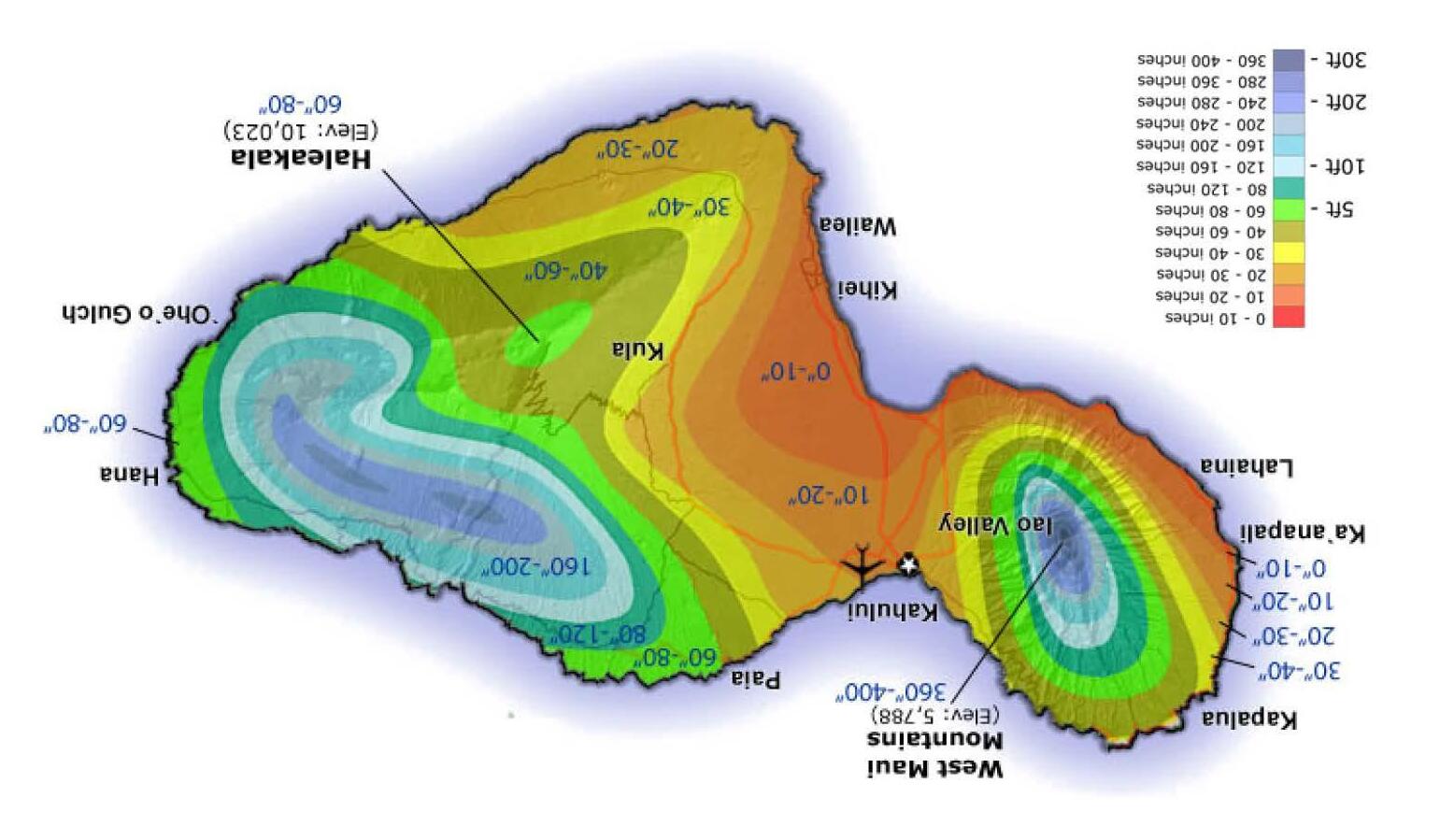
• Maui Precipitation Map
• Bureau of Conveyance Information
• Glossary of Real Estate Terms
• Important Numbers
• Insurance Providers
• Furniture
• Maui Restaurants
• Pet Quarantine FAQs
We invite you to visit www.MauiRealEstateAdvisors.com to see All of Maui's Most Recent Listings, use the “Resources Page” for access to the Maui Arts and Cultural Center website, the Maui News Classifieds and many other useful options. Our own personal and professional background information is available on our website along with valuable insights by accessing the tab “For Buyers.” Thank you.
Maui Real Estate Advisors LLC
The
Robert H “Robbie” Dein Realtor/Broker-Owner
Kenneth M “Ken” Hayo Principle Broker/Owner
Jeannie Kong-Evarts Realtor
Liz Acebedo Office Manager
Nancy Jaqua Dein Director of Finance
Tish Briseno Marketing Director
Maui Real Estate Advisors
Wailea Town Center
Contact Us
(808) 250-3564
(808) 875-4444 x 102
Robbie@MauiRealEstateAdvisorscom
(808) 283-8435 (808) 875-4444 x 101
Ken@MauiRealEstateAdvisors.com
(808) 276-1832
Jeannie@MauiRealEstateAdvisors.com
(808) 875-4444 x 105
OfficeManager@MauiRealEstateAdvisors.com
(808) 875-4444 x 103
Nancy@MauiRealEstateAdvisors.com
(808) 875-4444 x 104
Marketing@MauiRealEstateAdvisorscom
(808) 875-4444
(808) 875-4414
New Client Profile (Buyer)
Name Address City
TYPE OF PROPERTY (Please check the choice that applies)
Vacant Land Condominium Residential Home
PROPERTY WISH LIST (Please check the choice that applies)
Ocean-view
Garden-view
Golf Course
Ground Floor
Mountain-view
Oceanfront
Pool/Spa
Upper Floor
Vacation Rental No Vacation Rental
New Construction
Willing to Renovate
# of Bedrooms # of Baths Sq. Footage
Desired Price Range
PURCHASE METHOD (Please all that apply.)
Will you be financing part of the purchase? Will you be paying cash?
Amount available for down payment
Have you met with a lender? Y N
Are you pre-approved for a loan? Y N
How soon would you like to close on this purchase?
If you find the right property today, are you prepared to make an offer? Y N
Do you have any other relevant circumstances (i.e., 1031 Exchange)
How did you hear about us (Please check all that apply.)
Property Sign Direct Mailing Maui News Magazine Ad Web Email
Single Family Homes, Condominiums, Vacant Land, & Investment Opportunities
Introductory Letter
It is truly our pleasure and valued opportunity to work on your behalf to accomplish your Maui Real Estate Goals. We take this opportunity to be clear with you in the spirit of having a mutually successful working relationship. In order to offer you satisfying and diligent quality service and advice, please consider our open invitation for you to communicate with us with whatever is on your mind regarding your real estate needs; be they a possible purchase or a potential sale of a property, for example. Also know that, in our experience, not asking a question is often more costly a mistake than not having the information you need.
Please consider and share what actions on our part will make you an unequivocally satisfied client and cause you in turn to recommend us to your friends, family and business associates, when they require a Maui Real Estate Advisor? Again, please keep our invitation in mind so that we have clear goals to meet, your needs are known, and together we can accomplish all of your desired objectives.
We want you to know that we are Qualified and Professional Realtors and once we have decided to work together, will give you our full attention, commitment to do research for you, and keep you updated on every aspect of the goals you wish to accomplish. We want you to enjoy the process of accomplishing your goals and we take our fiduciary responsibility to you very seriously.
We would like you to have an overview of the Buying Process in a real estate transaction so that you can appreciate the timely and necessary steps that we will be undertaking. First off, the process of buying a home, condominium, vacant land or any real estate investment generally starts with determining your buying power; i.e. your available cash on hand, your financial reserves, plus your borrowing capacity. Certain classifications of Hawaii property require a greater or lesser percentage of the purchase price as a down payment. Properties that are in “short term rental programs,” typically require a larger down payment and properties that are considered “second homes” require less down. We can refer you to reputable lenders with a proven track record who are best qualified to help determine what price range you may comfortably consider. Unless you are buying with all cash, your
Maui Real Estate Advisors LLC
position of negotiating strength, is to be pre-qualified with a lender, and to be prepared to make as clean, minimally contingent, and attractive an offer to a seller as you are capable of. Further, this financial pre-qualification can save you time and the emotional energy of potentially falling in love with a property that is beyond your means. Additionally, we have worked with many clients who underestimated their financial buying capacity, especially in regard to income producing rental property, and thus recommend being financially prepared so as not to limit your search horizons.
Once you know how much you can and want to invest, the next step is to find the properties that most nearly fit your needs. I have access to the Multiple Listing Service, which typically includes vital statistics on over 90 % of all properties sold in Maui County. We can search available properties based upon a multitude of characteristics and then access essential information upon which to most effectively focus your search. There are also properties that we are aware of that are unlisted for various reasons that may be of interest to you. We will present you with information on a range of properties that fit your property profile and listen carefully to what you like or dislike about each of them which allows us through a ‘funnel’ system to eliminate the time you spend looking at properties that may not fit your needs. Further, if necessary, we can create a Virtual Tour of identified properties for you to preview in depth prior to your on-site inspection or offer. Your role in all of this is to make the final selection on the right property for you. ‘Will the property provide the environment I want for my home or investment and will the property have good resale value when I am ready to sell?’ We will remain objective and offer local community information on regional planning and development, utilities, zoning uses, schools, market direction and trends, plus current and historical comparative market analysis.
Next, we will discuss numerous negotiable factors, including but not limited to an offer price relative to available and sold properties, financing, terms, date of possession, contingencies and often the inclusion of repairs and furnishings or equipment. The purchase contract will allow us a period of time to complete appropriate recommended or required inspections and our due diligence / investigation of the property before you are bound to proceed to complete the purchase. Written Addendums ranging from oceanfront regulations to inspections for termites, dry rot, asbestos, faulty structure, roof conditions, amongst many others are most importantly handled by qualified professionals whom I will recommend you choose amongst. You will also want to see a preliminary title report, which will indicate historical title / ownership of the property, easements for utilities, and other important functional and legal considerations. If you choose to purchase a condominium, we will order a complete set of legally required and filed, annual and quarterly, condominium association meeting minutes, and a complete financial report on the properties upcoming, anticipated expenses, repairs and planned improvements and owners reserve fund. Any potential upcoming assessments will be disclosed in the historical meeting minutes and homeowner’s documents. Hawaii requires a four page Seller’s Real Property Disclosure document signed and executed by the Seller and initialed and reviewed by the Buyer, which clarify many considerations regarding the subject property.
Once you find that Special Property’ we will help you understand different financing options, historical comparative income potential, and tax considerations, like depreciation, interest deductibility, and methods of purchasing that most clearly meet your needs. We are not tax advisors, and as much as we can share our personal insights and experience, you are advised to have your personal tax adviser review your real estate plans as well. Ultimately we will submit a purchase offer to the seller’s agent and negotiate to get you the property you want at a satisfactory price and terms. Part of understanding negotiations is that typically you do not want a ‘winner’ and a ‘loser’ but instead, everyone walking away from the table feeling it was a fair deal for all involved. This method has been proven much more successful than the latter.
Finally, we will work with the seller’s agent to open escrow and proceed thru the many aspects of consummating this transaction including financial, inspections, timeline, etc. We will attend to the contractual time schedule and advise you to meet your obligations under the contract, while at the same time monitor the seller’s performance of the said terms of the contract.
Thru all these steps, we ask for your loyalty and an open channel of communication between us. You are now well aware of our personal and professional time commitment involved in a diligent and conscientious real estate search and purchase process. If you are working with another Realtor, we would appreciate the courtesy of knowing this from the start. Furthermore, during our process, should you happen upon an “Open House” and stop in to see what is available and are approached by another agent, we will trust that, by choice, you will advise them that you are working with us and that you choose to be represented by us only. After reading this overview, we encourage you to ask us questions and if for some reason you ultimately choose to not be represented by our team, we would like to know that up front before many hours of our personal and staff’s time and energy are invested. We also would appreciate knowing why you have made such a decision. We are committed to growing our business and client feedback and honesty is our best form of education.
Between us, we have achieved our Broker’s Licenses, National Association of Realtors, Accredited Buyer’s Representative [ABR], Certified Residential Specialist [CRS], and RSPS, Resort Second Home Property Specialist certifications, which are the most advanced NAR professional real estate designations available, requiring completion of more than one hundred–fifty classroom hours, comprehensive exams and require a serious commitment to the highest quality of professional continuing real estate education available coupled with quantified annual client representation. During the past few years, we have successfully represented approximately 200 clients in transactions totaling over 200 million dollars. The sheer volume of fiduciary matters covered in these transactions translates into contract and negotiation experience, detailed historical and current market knowledge, and a body of experience that is synonymous with Success.
We are focused, diligent, professional Realtors, with an innate desire to serve and satisfy our clients, and by so doing, creating a win/win experience for all parties involved. We are committed to being ‘your Proactive Maui Real Estate Advisors’ and exceeding your expectations. Our reward is achieving excellence in your eyes and having you refer us to family, friends and business associates who have Maui real estate needs.
We look forward to hearing your thoughts and comments after digesting this overview.
Mahalo for your time and consideration.
Respectfully,
Robert H. “Robbie” Dein, Broker/Owner
Accredited Buyerʼs Representative, ABR
Certified Residential Specialist, CRS
Resort Second Home Property Specialist, RSPS
Century 21ʼs #1 Realtor on Maui, 2004, 2005, 2006, 2007, 2008, 2009, 2010, 2011, 2012
Top 100 Hawaii Realtor Hall of Fame/Top Performers, Hawaii Business Magazine 2006-2024
Kenneth M. “Ken” Hayo, Principal Broker/Owner
36+ Years Experience in Real Estate on Maui
Board of Director, Realtorʼs Association of Maui 15+ Years
Multiple International Quality Service Award Winner Mauiʼs Realtor of the Year for 2015
Mauiʼs Top Producing Agent Team 2017
About Us
Robert H. “Robbie” Dein | Realtor-Broker, Owner, ABR, CRS, RSPS
Direct Cell: (808) 250-3564 | Email: Robbie@MauiRealEstateAdvisors.com
An innate desire to satisfy, educate, advocate and negotiate for my clients characterizes my standard of real estate practice. I am my clients’ “Trusted Maui Advisor,” and to that end I have sought out the highest level of education and tools to create success for my clients and their entrusted referrals. I was licensed in 1996, sat for my Broker’s exam in 2003, and earned the National Association of Realtor’s highest level of residential sales designations, CRS (Certified Residential Specialist), ABR (Accredited Buyers Representative) and RSPS (Resort, Second Home Property Specialist) in my early years of practice.
Today, I continue to attend informative trainings so that I may develop my network of Buyer’s agents worldwide and bring the latest cutting-edge tools and marketing skills to my practice. Along with a seasoned 50+ year entrepreneurial business background, I bring to my real estate practice a team of service providers second to none. Lenders, Property Inspectors, Surveyors, Handymen, Escrow Officers, Contractors, and a full time Marketing Director. My lovely wife of 38 years, Nancy, is also a licensed Hawaii Realtor and a valuable team member. Together we are focused on accomplishing our clients’ goals in a timely and stress-free manner.
Accolades are the result of tirelessly combining our comprehensive market knowledge, cutting edge tools, and asking the question, “What Could Be Better for Our Clients?” Some of the results of my efforts include: Century 21’s #1 Realtor on Maui, Century 21’s Grand Centurion National Sales Honor Society and Hall of Fame, Century 21’s #10 Agent Worldwide, Top 100 Hawaii Realtor Hall of Fame/Top Performers (Hawaii Business Magazine, 2006-2023), Annually a “Top 5 Maui Realtor,” Maui’s Top Producing Realtor 2017, and most importantly an extensive family of satisfied Buyers and Sellers representing over a half billion dollars in successful real estate transactions.
As a service to my community and colleagues, I regularly volunteer and have served as Secretary of the Kihei Community Association, Vice President of the Wailea Town Center Home Owners Association, Vice President of the Kamaole Nalu Home Owners Association, Board Director for the Ho‘olei at Wailea Condominium Association, and on the Wailea Point HOA Board of Directors. I have served as the South Maui Regional Director for REALTORS® Association of Maui and on their Government Affairs Committee.
In addition, I regularly attend both the Kihei and Wailea Community Association meetings. Participating in creating the vision of “Life on Maui” and in our community, now and in the future, on behalf of my family, my clients and myself, is a responsibility that I take seriously. I consider Life on Maui a Precious Gift.
Kenneth
M. “Ken” Hayo | Principal
Broker/Owner
Direct Cell: (808) 283-8435 | Email: Ken@MauiRealEstateAdvisors.com
Committing to 100% Client Satisfaction is my guarantee. Earning your Loyalty is my Goal. I am very proud to have received many International Quality Service Awards over the years. These awards are based upon client feedback to surveys sent from the corporate level. Licensed to practice real estate in Maui for over 36 years and being involved either as a Sales Agent, Broker or Principal Broker in over 2 billion dollars in real estate sales has helped me to provide my clients with a level of experience, service and integrity that they should expect when hiring a real estate professional.
In addition, I have held numerous positions with the Realtors Association of Maui over 27+ years including Board of Director, Professional Standards Panelist and Chair, Grievance Committee Chair, and South Maui Regional Director which help keep me on the leading edge of the industry. Also, I was selected as Maui’s “Realtor-of-the-Year” for 2015. Finally, I have mentored over 100 Real Estate Agents over the years including many that have gone on to become Top Producing Agents and Brokers.
I have been married for over 40 years to my lovely wife Desiree and have two children, and two granddaughters. Also, over the past 33 years, I have had the privilege of coaching high school soccer for several Maui schools. Helping to make a difference in the community as well as in children’s lives is so paramount that it gives me great pride to do my part. I approach real estate with the same mindset and find that I get the same satisfaction and fulfillment in helping clients with their real estate needs.
Meet the Team
Nancy Jaqua Dein, Director of Finance
A licensed Realtor on Maui since 2008, Nancy Dein assists with showings, open houses, and realtor caravans for our listed properties. She also shows properties to our buyer clients. As financial director, she is often working behind-the-scenes running the day-to-day financial business of Maui Real Estate Advisors. As an owner of Residential and Commercial properties and a former Bed & Breakfast owner on Maui, she offers a wealth of knowledge about managing, bookkeeping, and government filings for these properties.
Nancy grew up in Bronxville, NY, graduated from Cornell University, and pursued careers as a ceramic artist, and a Trager Bodywork practitioner in Ithaca, NY before moving to Maui in 1998.
Liz Acebedo, Office Manager
Liz assists and supports the Maui Real Estate Advisors office and its agents. She loves working with people, and going above and beyond to take care of our clients is second nature to her. With 30+ years of experience providing office management, customer service, and bookkeeping services across a wide range of business types, from small businesses to corporate financial institutions, she has a true understanding and appreciation for what we hope to accomplish at MREA. She aims to exceed expectations of all our clientsʼ to give them an enjoyable experience, and leave them with a lasting impression.
Born and raised in San Diego, Liz moved to Maui from the Southern Oregon coast to bring her husband's well-established Glass Art business to the island. She also sits on the BOD for the 501(c) non-profit 2Live2Cure, an organization working to improve the daily lives of adults living with cancer. Liz is passionate about giving back and helping her neighbors and community.
Tish Briseno, Marketing & Production Director
Tish directs the design, creation, execution, production, and distribution of strategic marketing campaigns. She strives to deliver exceptional and effective content for high-end property and communication materials, direct mail, ads, social media, signs, e-newsletters, multimedia projects, etc. Tish has worked for various companies, growing business, supporting clients, and leading teams with a positive attitude. Her extensive experience, networking, and technical skills create clear insights into producing results through compelling pieces, connecting with audiences, and inspiring action.
Tish is originally from California, before establishing a home on Maui. Outside of work, she enjoys volunteering in her community, pet sitting and all that Maui has to offer.
“ In my 35 years on Maui I have never known a better realtor than Robbie Dein. In the process of selling my home, Robbie and Ken were incredibly thorough, responsive, available, and considerate. Robbie and Ken’s positive, upbeat disposition makes them a pleasure to work with. I highly recommend Robbie and Ken as motivated Realtors who will exceed your expectations.”
— Henry Vandervelde, Haiku, Maui, HI
“ We’re preparing for snow and you’re probably going surfing!! Mary and I are keeping warm knowing that we own our little piece of paradise. All thanks to your hard work. Hope that all is going well and that you are making others as happy as you made us.”
— Steve Craig & Mary Bezek, Worcester, MA
“ When there is job that must be done, people turn to you because you give your best to everything you do! So please, accept these compliments for handling things so well- your dependability and skill mean more than words can tell…We couldn’t have gotten our home without your help. Thank you for all the hard work.”
— Angie & Roland Tokuoka, Wailuku, Maui, HI
“ Our goal was to find an ocean view property in a quiet South Maui neighborhood…You provided us with excellent market data, professional insightful real estate advice, and looked out for ‘US’ in the process. You were our advocate, and became our friends in the process.”
— Jim & Polly Carlson, Everett, WA
“ We recently purchased property in Wailea through Robbie Dein & Ken Hayo. Robbie & Ken were very professional and always looked after our best interest. It was a pleasure working with Robbie & Ken and we look forward to doing business with them in the near future.”
— Michael Sarich & Paula Hasluck, Wailea, Maui, HI
“ I wanted to thank all of you for helping me put everything together. You are a truly great team of professionals and I look forward to working with you again. Thank you.”
— Pavel Zeman, Kihei, Maui, HI
“ Robbie and Ken helped us buy our property in 2012, and then they handled the sale in 2021. Robbie and Ken provide first-class services with excellent marketing tools and regular updates from beginning to end. A big thank you to the entire team at Maui Real Estate Advisors; very knowledgeable and experienced, a pleasure to work with!”
— Laurent Joly, Toronto, Canada
“ Our experience with Robbie Dein & Ken Hayo: They are professional, patient and treat you as if you were the only client they have. We used Robbie & Ken for both the buying and the selling of property. From the beginning, you listened to our goals and worked diligently to help us achieve our maximum in the selling of our property and our dreams in the purchase of a Maui home. No pressure, no gimmicks, just plain good service!”
— Mickey Norvell & Bobby Deaver, Dallas, TX
“ Highest Recommendation! We are so grateful that a friend referred us to Robbie and Ken. Their vast experience, congeniality, intuition, creativity, and organizational skills were truly impressive! Having studied Real Estate and made over ten transactions, this was easily the most relaxed yet efficient, worry-free sale ever - So Grateful! They saved us multiple return trips to the Island to get it done.”
— Rob & Michelle Voss, Kihei, Maui, HI
“ I am truly amazed at the standard you set for marketing your listings. If other agents did the job half as well as you do, we would have no inventory. Keep up the amazing job. I truly admire how you present your properties, price and stage them well, and are always upbeat about promoting them. If more Realtors did the job the way you do it, we would all be better off. Just so you know, you are never in my spam box. I read most of the promotional material you send and you really send a lot. It is not garbage and it always conveys a very clear picture of the property with perhaps a few too many adjectives, but I can forgive adjectives if the pictures are good. They usually are . As a peer and competitor, you set the bar at a level that is tough to get over. Keep it up!!!”
— Tracy S. Stice R(B), Former President of Hawaii Association of Realtors
SELLER TRANSACTIONS FOR ROBBIE DEIN & KEN HAYO 2022
BUYER TRANSACTIONS FOR ROBBIE DEIN & KEN HAYO 2022
SELLER TRANSACTIONS FOR ROBBIE DEIN & KEN HAYO 2021
BUYER TRANSACTIONS FOR ROBBIE DEIN & KEN HAYO 2019
SELLER TRANSACTIONS FOR ROBBIE DEIN & KEN HAYO 2018
0 Kula Hwy.
BUYER TRANSACTIONS FOR ROBBIE DEIN & KEN HAYO 2018
BUYER'S INFORMATION PACKET
Robert H. “Robbie” Dein Broker/Owner, ABR, CRS, RSPS RB-18398 (808)250-3564
Ken@MauiRealEstateAdvisors.com
MISSION STATEMENT
“Our Commitment is to go Above and Beyond…
Our Passion is Exceeding your Expectations…
Our Reward is Achieving Excellence in your eyes, Earning your Referrals and Maintaining our Position as your Maui Real Estate Advisor.”
Dear Property Purchaser;
Thank you for selecting Maui Real Estate Advisors, LLC to assist you in the purchase of real property in Hawaii. The materials included in this packet are designed to be informative and explain important aspects of purchasing property. Please review the material carefully and let us know if you have any questions or concerns.
When a specific property has been selected, we will review the Purchase Contract with you. This process will take approximately 1 hour and will include discussions about home inspection, termite inspection, survey, and many other important facets of the offer.
You can benefit NOW by completing one very important step in the process, (if financing your purchase):
Obtain a “Loan Pre-Approval Letter” so that you are knowledgeable about what you can purchase. Including the Loan Pre-Approval Letter with your offer to the Seller can greatly strengthen your offer. We can arrange a convenient and confidential meeting with a Loan Officer at our office or via teleconference.
We look forward to assisting you with a successful purchase and continued satisfaction with our services. Thank you for your business.
Respectfully,
Your Maui Real Estate Advisors, LLC Representative
It Pays to Work with a Realtor®
Without the professional guidance and expertise of a REALTOR, buying or selling a home can often entail many unnecessary complications regarding real estate transactions. The following information, as prepared by the National Association of Realtors, best describes the many benefits of contacting a professional Realtor to handle all your real estate needs. The term Realtor is a registered, collective membership mark, which identifies real estate professionals who are members of the National Association of Realtors and subscribe to its strict Code of Ethics. In the state of Hawaii, the terms used for this professional designation are Realtor, meaning a person who has a Broker’s license, and Realtor Associate, the designation for a Salesperson.
BUYING A HOME
As a member of the National Association of Realtors, a REALTOR subscribes to its strict Code of Ethics.
A REALTOR has the most information in one place about what is “on the market”, including homes listed by other Realtors. You need not waste time looking at unsuitable homes.
A REALTOR can help you find the home best suited to your needs – size, style, features, location, accessibility to schools, transportation, shopping, etc.
A REALTOR can suggest simple changes that could make a prospective home more suitable for you and improve its utility and value.
A REALTOR can supply information on real estate values, taxes, utility costs, municipal services and facilities.
A REALTOR has no emotional ties to a home, can be objective about it and can point out its advantages and disadvantages.
A REALTOR acts on your behalf, as your agent, to present offers and counteroffers until an agreement is reached.
A REALTOR will continue acting on your behalf during the “loan” and “escrow” processes and will explain the steps and help make your purchase a smooth one!
Tenancy in Hawaii
The manner in which a person takes or holds real property will have important legal ramifications. The Buyer’s determination as to how title should be taken and held should be made with the advice of legal counsel, and perhaps, a tax advisor or accountant. Since tenancy to real property varies from state to state in custom and interpretation, the following has been prepared to assist the reader in the selection of tenancy to real property located in Hawaii. There are additional ways to hold title to the property such as an LLC or Corporation.
TENANCY IN SEVERALTY:
When one person owns property it is referred to as “solo ownership by the severalty”. It simply means that it is owned by one person only and that he alone can use, mortgage, or dispose of the property. Corporations hold title to property by the severalty.
TENANCY IN COMMON:
This tenancy may exist among any number of people, regardless of relationship. Each person has an undivided interest in the property that he is free to convey or pass on to his heirs or assigns. Tenants in common need not hold equal undivided interests (i.e. one tenant may hold a 2/3 undivided interest and the other may hold a 1/3 undivided interest). If married persons acquire a tenancy in common interest, they may hold their undivided interests as tenants by the entirety between themselves (i.e. a married couple may hold a ½ undivided interest in property as tenants by the entirety, or joint tenants, between themselves, which interest is held in common with other holders of the undivided interest). Property under this tenancy may be attached.
JOINT TENANCY:
This tenancy may exist among two or more persons, regardless of relationship. Each has an equal undivided interest in the property with right of survivorship. A joint tenant may not “will” his interest or “partition” the property held by joint tenancy. Property under this tenancy may be attached. Divorce does not affect tenancy.
TENANCY BY THE ENTIRETY:
This tenancy may exist only between husband and wife. One tenant by the entirety may not terminate the tenancy by a separate transfer of his interest in the property (though he may convey his interest to the other tenant) nor may he “partition” the property. The death of one vests title solely in the other and therefore, it is impossible to pass title by “will”. The property may not be attached as to the obligations of only one tenant by the entirety. Upon divorce, tenancy by the entirety becomes tenancy in common.
Homeowner’s Property Tax Exemption
The Hawaii home exemption law was enacted to provide some tax relief and encourage home ownership. The basic home exemption is deducted from the assessed value of the property and the homeowner is taxed on the balance. Refer to County website below or call for more information.
QUALIFICATION: You are entitled to the home exemption if:
1)You own and occupy the property as your principal residence.
2)Your ownership is recorded at the Bureau of Conveyances preceding the tax year for which you claim the exemption. Completion dates may vary by County.
3)You file a claim for home exemption with the Real Property Assessment Division preceding the tax year for which you claim the exemption. Completion dates may vary by County.
OTHER AVAILABLE EXEMPTIONS INCLUDE:
1)Totally Disabled Veterans
2)Blind, Deaf or Totally Disabled
3)Hansen’s Disease
MINIMUM TAX: Parcels of real property including those that qualify for a home exemption are subject to a minimum tax.
FOR ADDITIONAL INFORMATION:
County of Maui: http://www.co.maui.hi.us/ Go to: Departments
Finance
(808) 270-7297 Dept of Finance, Real Property Tax Division Service Center, 110 Alaihi Street, Kahului, HI 96732
FIRPTA: Foreign
Investor Tax Act
The Foreign Investment in Real Property Tax Act (section 1445 of the IRC code) of 1980 (“FIRPTA”) provided that foreign investment in U.S. real estate would be subject to U.S. capital gains tax on dispositions of U.S. real property interests [defined as (a) any interest in U.S. real property of (b) any interest in a U.S. corporation in which 50% of its assets constitute U.S. real property interests.
GENERAL RULE:
Under the law, the Buyer or transferee of any U.S. real property interest is required to (a) withhold and deduct a tax equal to 15% of the amount realized by the Seller or transferor upon the disposition of the property regardless of the amount of cash otherwise present in the transaction and (b) file Forms 8288 and 8288-A to report and transmit the amount withheld to the IRS, unless one of five exemptions applies.
However, the transferee’s compliance with the withholding requirement does not relieve the transferor from its FIRPTA tax liability. The tax is designed only to approximate the transferor’s tax on net gain and is still required to file a federal income tax return with the IRS for the year in which the sale occurs and either (a) obtain a refund of any amount over withheld or (b) make additional payments required in excess of the amount of tax previously withheld.
EXEMPTIONS FROM WITHHOLDING:
1. Transferor furnishes Non-Foreign Status Certification. No withholding is necessary if the seller or transferor furnished to the transferee a certification stating that the transferor is not a foreign person and stating their U.S. taxpayer identification number. The transferee must keep such certification for at least 5 years.
2. Purchase Price for Residence. No withholding is necessary if an individual transferor who is owner occupant acquires the property and the price does not exceed $300,000.
3. Transferee Receives IRS Withholding Certificate. The withholding may be reduced or eliminated pursuant to qualifying statement issued by the IRS. The IRS in cases may issue this certificate where (a) the transferor is exempt from U.S. tax, (b) an agreement for the payment of tax is entered into with the IRS, or (c) reduced withholding is appropriate. The IRS must act upon a completed application for a withholding certificate not later than the 90th day after its receipt.
4. Notice of Non-recognition Treatment. No tax is necessary if transferee (a) receives the appropriate notice from transferor that the transferor is not required to recognize gain or loss with respect to the transfer in compliance with the requirements of Treasury Regulations 91.1445-2(d)(2) and (b) provides a copy of the notice to IRS within 20 days of the property transfer. Have a Tax Attorney review the notice to ensure compliance with requirements of the exemption before closing.
5. U.S. Corporation not USRPI. Sale of stock in a U.S. corporation may be exempt from withholding under certain circumstances. Consult with your attorney on matters related to the sale of stock.
HARPTA: Hawaii Real Property Tax Act
USE OF HAWAII FORMS ON TAX WITHHOLDING: In order to promote a greater level of compliance by nonresidents of Hawaii (whether U.S. persons or foreigners) in reporting income from sales of real property located in Hawaii, the Hawaii legislature enacted (and recently amended Section 235-68, Hawaii Revised Statutes (“HRS”), requiring every Buyer of Hawaii real estate to deduct, withhold and pay to the Hawaii Department of Taxation 7.25% of the amount realized by the Seller or transferor of Hawaii real estate. The 5% withholding requirement was effective on August 1, 1991 and amended on September 15, 2018 to 7.25%. This withholding tax is designed to enforce Hawaii state income taxes on the sale or disposition of Hawaii real estate in the same manner a the enforcement provisions of The Foreign Investment in Real Property Tax Act of 1980 (“FIRPTA”). Similar to FIRPTA enforcement provisions, the state tax-withholding requirement would not increase the amount of income tax paid by nonresidents since the amount withheld will be claimed as a payment on the Hawaii nonresident income tax return.
GENERAL RULE: Under the Hawaii withholding requirement, the Buyer or transferee of any Hawaii real estate is required to (1) withhold and deduct a tax equal to 7.25% of the amount realized by the Seller or transferor upon the disposition of the property and (2) file Forms N-288 and N-288A to report and transmit the amount withheld to the Hawaii Department of Taxation within 20 days of escrow closing, unless one of four exemptions apply.
EXEMPTIONS FROM WITHHOLDING:
1. Transferor furnishes Hawaii Resident Certification. No withholding is necessary if the Seller or transferor furnishes to the transferee a property completed Form N-289 stating (a) the transferor’s taxpayer identification number and (b) that the transferor is a Hawaii resident. However, this exemption will not apply if the transferee has actual knowledge that the information on the Form N-289 is false. (Note that the recent amendments to the definition of Hawaii resident for purposes of the withholding required by HRS 9235-68 would include foreign corporations and partnerships which are registered with the Hawaii Department of Commerce and Consumer Affairs to do business in the State of Hawaii.)
2. Transferor’s Affidavit of Principle Residence. No withholding is necessary if the transferee receives an affidavit by the transferor stating (a) the transferor’s taxpayer identification number, (b) that the transferor used the property as a principle residence for the year preceding the date of the transfer and (c) the sales price for the property does not exceed $300,000.
3. Transferee Receives Hawaii Withholding Certificate. (a) The withholding under HRS 9235-68 may be reduced or eliminated pursuant to a “withholding certificate” issued by the Hawaii Department of Taxation. A withholding certificate may be issued by the Hawaii Department of Taxation upon receipt of Form N-288B establishing that either (1) the transferor will not realize any gain with respect to the transfer or (2) the transferor will have insufficient proceeds to pay the withholding required by HRS 9235-68 after payment of all costs, including selling expenses and the amount of any mortgages or liens secured by the property. (b) The withholding may also be reduced or eliminated pursuant to a “written agreement” with the Hawaii Department of Taxation. Persons who engage in more than one real property transaction in a calendar year or to whom meeting the withholding requirements are not practicable are eligible to enter into these written agreements.
4. Notice of Non-recognition Treatment. No withholding is necessary if transferee receives from transferor a properly completed Form N-289 stating (1) that transferor is not required to recognize gain or loss with respect to the transfer and (2) briefly describing the transfer and summarizing the law nd facts supporting transferor’s claim. Non-Hawaii residents doing 1031 exchanges of real estate may consider this option to avoid withholding.
Agency: Definition of Client & Customer
CUSTOMER:
Seller’s Agents can help you as a Customer write your offer on a standard Purchase Contract, can present your offer to the Seller, and can report back any acceptance or counter offer. In short, they can transmit your offer to purchase even though they are agents of the Seller.
Brokers know that their Sellers are often interested in the Buyer’s background and qualifications. This is especially true when you are asking the Seller to help finance the purchase or to wait until you qualify for a loan. Be prepared to discuss your financial qualifications with the Broker just as if you were talking directly to the Seller.
Without necessarily becoming your Agent, Brokers offer many services that you may find helpful as you decide about the right property and the right terms or the purchase offer. Even though the Seller employs and pays the Broker, the Broker traditionally works closely with prospective Buyers to provide help and decision-making information, such as:
The type of neighborhood, Location of available properties & describe their attributes and amenities, Respond honestly and accurately to questions concerning the property, Disclose material facts the Broker knows, Comparable values, Financing opportunities and procedures, Property’s condition and title, Closing procedures, Estimated monthly expenses, Closing costs
CLIENT:
If you wish, you can retain the services of a Broker to help you buy real property – just as you would hire an accountant or attorney. You become a Client in the purchase and your Broker represents you exclusively. You gain all the benefits of your Broker’s experience and expertise. Your Broker will write offers, negotiate on your behalf, and share with you as much insight as possible in the negotiations.
The Broker, in a Client relationship, owes fiduciary duties of loyalty and faithfulness along with the items listed above which includes providing help and decision-making information.
Company Agency Policy
SINGLE AGENT:
Maui Real Estate Advisors, LLC and its Sales Associates shall act as Single Agents when representing either the Seller or the Buyer. In an open-house situation, the Seller is the Client and the Buyer is sometimes the Customer and sometimes the Client (when only the listing Sales Associate is involved), for example, when the Buyer has already entered into an “Exclusive Buyer Agency” with the Listing Broker before seeing the property.
In most cases, however, Buyers are Clients. Sellers are Clients ONLY if the company is the “Listing Broker”, not when the Company represents a Buyer on cooperative brokerage transactions with another firm.
CONSENSUAL DUAL AGENCY:
When listing a Seller’s property, disclosure is made that the Company’s policy is one of Consensual Dual Agency with Seller’s Consent. This occurs when a Buyer-Client, represented by one Sales Associate in the Company, decides to purchase a Seller-Client’s property represented by another Agent in the Company. In the case of dual agency, Maui Real Estate Advisors, LLC and its Sales Associates will limit their fiduciary duties (loyalty and full disclosure) by neither disclosing to the Buyer the lowest price or flexibility in terms that the Seller will accept, nor disclosing to the Seller the highest price or flexibility in terms that a party considers confidential. The Sales Associates will agree to keep the confidential information of one Client from the other Client.
In the case of Dual Agency, the Sales Associate has the duty to make a full, fair and timely disclosure of all material facts and information within his/her knowledge readily available to the other Sales Associate which might in any way affect either the Seller’s or the Buyer’s rights and interests or otherwise influence either party’s actions or decisions in connection with the completed transaction.
Seller’s Real Property Disclosure
NOTE: It is our Company policy to disclose any homicide, felony, or suicide to the best of our knowledge that occurred on the real property no matter how many years have past since the incident occurred. Also, any other information regarding property condition or history known to the Listing Agent (and not disclosed by the Seller) shall be disclosed by the Listing Agent (and not disclosed by the Seller) shall be disclosed by the Listing Agent, in writing, and prepared separately from the Seller’s Real Property Disclosure Statement.
DEFINITIONS: A Material Fact, as stated in the law, is “any fact, defect, or condition, past or present, which materially affects the value of the residential real property being offered” for sale. The definition of Residential Real Property, for this purpose, shall be any “fee simple or leasehold real property from one to four dwelling units; or a residential condominium or cooperative apartment.”
EXEMPTIONS: None for the standard homeowner or investor. Banks who acquire title via foreclosure are exempt.
EXCLUSIONS: An occupant is/was afflicted with AIDS or AIDS related complex should not be disclosed. However, a death from this cause should be disclosed without relating the cause. Or, if the property was the site of an act or occurrence that had no effect on the physical structure of the physical environment of the property or the improvements. An example could be a random arrest made on the front lawn of the home.
RECEIPT OF DISCLOSURE: The Buyer shall indicate receipt on the contract, or in any addendum attached to the contract or in a separate document. The Seller’s agent shall keep these receipts taken for disclosure on file for a period of three years from the date the receipt was taken.
STATUTE OF LIMITATIONS: Any action brought under this chapter shall commence within two years from the date the Buyer received the disclosure statement; provided that if no disclosure statement was delivered to the Buyer, then the action shall commence within two years of the recorded sale of the residential real property.
Lead-Based Paint Disclosure
Federal law, passed in 1996, has made it mandatory that the presence of lead-based paint be made known to prospective purchasers of real property. This law applies to both sales and leases of most public and private housing built prior to 1978.
FEDERAL REQUIREMENTS: The law requires that the Seller provide the Buyer with the (1) opportunity to inspect the property (with or without the aid of a professional inspection), and the Seller (2) must disclose any known information regarding the existence of lead-based paint (but the rule does not obligate the owner to conduct any testing or perform any hazard reduction); the law requires that the Seller (3) provide available reports (if any lead hazard evaluations or reports exist); and the Seller will provide a federal approved lead information pamphlet (this disclosure must occur before the Buyer is obligated under the contract); then (4) the signed acknowledgement of receipt of the pamphlet and understanding of the law must be retained by the Seller for 3 years.
EXEMPTIONS TO THE LAW: This Federal Law does not apply to the following categories of housing
Sales or rentals of “0” bedroom dwellings (studios)
Rentals of individual rooms in housing
Sales/rentals of housing for the elderly/handicapped
INSPECTION OPPORTUNITY: The law provides the Buyer with an opportunity to finance and conduct an inspection to determine risk assessment for the property, at the Buyer’s expense. The parties to the transaction can negotiate the timing and terms of such inspection(s) on the sales contract. Along with the right to inspect, the Buyer will be provided (as stated above) with an EPA/HUD/CPSC pamphlet that explains the dangers associated with lead poisoning.
Mold and Mildew
MOLD AND MILDEW: Tropical climates with warm temperatures, high humidity and frequent precipitation are conductive to the propagation of mold, mildew, fungus and other types of bacterial growths. Though a home, building, deck, surface or other improvement on a property can be cleaned to satisfactory appearance there is no guaranty that mold, mildew, fungus and other types of bacterial growths can be eliminated. A Purchaser should be aware that all properties have hidden, enclosed and unreachable areas where growths can occur and not be detected.
If the Purchaser, any member of their family, or persons who will inhabit subject property has respiratory, skin or other health aliments or conditions that can be effected by mold, mildew, fungus or other types of bacterial growths they should seek counsel before completing this purchase. Individuals who may be capable of providing counsel are professional home inspectors, medical health professionals, scientific research professionals, Certified Industrial Hygienist (CIH) or other environmental specialists and/or others who have requisite knowledge in matters of detection and lab analysis services.
Neither the Sellers, Brokers nor Agents associated with this contract have the requisite knowledge to provide counsel as to the presence, likelihood of conditions conducive to propagation of mold, mildew, fungus and other type of bacterial growths. Nor can the aforementioned individuals associated with this contract counsel the Purchasers as to the effect the aforementioned conditions can have related to their health, welfare and continued enjoyment of this property. The Purchaser cannot hold liable the Sellers, Brokers or Agents associated with this transaction related to the skill, ability and professional performance of those individuals the Purchaser hires for the purpose of inspection and analysis. The purchaser is solely responsible for the selection and hiring of these individuals.
Property Inspection
PROPERTY INSPECTION: When purchasing a property, especially first time Buyers, there are so many details to take into consideration it’s hard to know which detail is more or less important than another. The simple answer is they’re all important. But one detail that this Company feels is extremely important is the property inspection. With our harsh tropical climate, humidity, heat, termites, mold, mildew, dry-rot and many, many more concerns which can affect the integrity of a structure, having a thorough inspection of all components of a property is very important. We recommend you hire at the minimum a home inspection service to go over the property with you to explain its current repairs, whether immediate in nature or future repairs, to adequately maintain or extend the life of the improvements. Whomever you choose should be licensed and bonded and provide references. You can additionally check these people out with the State of Hawaii Regulated Industries, Better Business Bureau, Chamber of Commerce and many other organizations and individuals who can assist you in evaluating their qualifications. DON’T DO THE INSPECTION YOURSELF unless you are fully qualified to ascertain what is seen and unseen when performing an inspection.
We strongly recommend against performing a home inspection yourself. Should you choose not to hire a professional inspection service, then we strongly recommend you hire a professional inspection service, then we strongly recommend you hire, as appropriate, a licensed professional contractor, roofer, pool service, engineer(s), entomologist, etc. or other qualified individuals or companies to assist you in evaluating this property. This addendum serves notice that you have been adequately counseled on the importance of having a professional property inspection. If you still choose not to have a professional inspection you are doing so against our better judgment and counsel. DO NOT PURCHASE A HOME WITHOUT A PROFESSIONAL INSPECTION. The cost of not performing an inspection can far exceed the cost to have one done. The results of the inspection can change the amount you may be willing to pay for a property when you take into consideration the cost for needed repairs. The results of a professional inspection ultimately might influence your decision to cancel this contract and seek a property more in line with what you feel is in better condition or of better value.
Arbitration Law
An update to the Arbitration Law went into effect on July 2002:
On July 1, 2002, significant revisions to Hawaii’s arbitration law (Chapter 658A of the Hawaii Revised Statutes) went into effect. As is often the case with a new law, there is certain amount of uncertainty regarding the impact of the new statute. In this instance, some legal commentators feel that the new arbitration statute will cause arbitrations to take on many of the characteristics of litigation. As you know, litigation is a public process that is administered by a judge and is subject to strict rules of procedure and evidence. Litigation can involve substantial amounts of time and the parties may appeal money and the result or award. Under the new arbitration statute, parties cannot assume that arbitration will be cheaper, quicker or less contentious than litigation. Therefore, parties who are considering entering into any agreement compelling arbitration must consult their attorney and consider the provisions of the arbitration law to determine whether arbitration is appropriate for their situation.
For their part, REALTORS® and REALTOR-ASSOCIATES® should not advise their clients whether they should arbitrate any dispute. Rather, REALTORS®, REALTOR-ASSOCIATES® or REALTOR-SALESPERSONS should advise their clients to consult with an attorney regarding the arbitration statute and whether arbitration is appropriate in their particular case.
Understanding Termites
Your home is probably the largest single investment that you will make and it is important that you learn how to protect it from termite infestation. An infestation by “dry wood” termites can usually be controlled by “spot treatment” or “tenting”. But, damage caused by “ground” termite can be more severe and expensive to correct.
DRY WOOD TERMITES: All termites feed on wood or other material containing cellulose. They are soil insects with a primary reproductive queen. They start new colonies by swarming out of their present colony to find a mate. This brief period is the only time in their lives when they are attracted to light. Swarming takes place usually from April to June and maybe in October on hot, still, humid evenings.
The most common termite is the West Indian Dry Wood Termite, Cryptotermes Brevis. This termite gains entry to homes either by being carried into the home in infested items (such as furniture or books) or by flying. This is how it often gains access to high-rise condominiums. This species lives right inside the wood it eats and obtains water from the wood. The droppings from this termite are very hard, somewhat oblong, and vary in color from light to dark brown. These droppings accumulate in the wood and then a small hole is created just large enough to push the droppings out. They perform this house cleaning periodically which is why the droppings may only be seen on an intermittent basis.
The Dry Wood Termite is controlled by treating isolated spots or by tent fumigation. For approximately 20 years tenting has been done with the gas, Vikane, also known as sulfuryl fluoride. This gas is designed to penetrate even large pieces of wood, leaving no residue; so theoretically, the termites could reinfest the next day. Because they reproduce slowly and have small colonies, it takes several years before “dry wood” termites can do damage of any significance.
GROUND TERMITES: The termite of extreme concern to the homeowner is the Formosan Subterranean Termite, Coptotermes formosanus whose colonies range in size up to two million termites or more. The queen may live for 20 years and lay up to 2000 eggs a day. Satellite colonies may develop, each with its own queen. Unlike the dry wood termites which lives right in the wood, the ground termite nests in the ground and forages over three quarters of an acre in search of food. Once it has found a good source it will persistently attack from several directions. A colony will consume, on average, two pounds of wood each day. If cut off from one avenue of entry to the property, they will search for others. Typically, this termite lives in the ground because it requires a humid environment. Therefore, it stays inside walls or within a piece of wood. This characteristically conceals it until significant damage has been done.
These termites have a very high moisture requirement; therefore they will search for wet areas. This is why down spouts should drain away from the foundation, sprinkler systems should not be placed close to the house, and water should not be allowed to accumulate adjacent to or under house. This termite enters a house in numerous ways: through hollow tile walls, around plumbing which penetrates a concrete slab, or through cold joints or cracks in a slab. They will build a characteristic “mud tube” to gain access to the house and for this reason the edge of the foundation should not be obscured with plants and siding should not extend to the soil. Cold joints around the outside of the house should not be covered with doorframes or siding. Fence posts should be metal poles; any wood kept at least four inches above the soil and should not be attached directly to the side of a house. Soil-to-wood contact of any kind should be avoided whether it is fences, siding or just scrap wood which is stacked on the ground. This insidious pest will also attack non-wood items such as electrical and telephone cables, plastics, metals, etc. It has caused electrical short circuits, fires, blacked out large areas by chewing through electrical and telephone cables and lines, and chewed holes in PVC water mains.
The ground termite cannot be controlled in the same way as the dry wood termite. It is excluded with physical or chemical barrier. Injecting a liquid insecticide under the slab of the house or other areas does traditional treatment. A newer system of setting baits in the ground to attract termites is now also available. The poison bait is designed to eliminate them in their nest. Consulting a Licensed Pest Control Company is highly recommended for every Buyer.
What to Expect from a Termite Inspection
1. A non-destructive inspection will be performed on the house by a licensed pest control company. Walls will not be opened; floors or wall-to-wall carpet will not be pulled up. The inspection is limited to those areas that are visually accessible. No claim is made for wall voids, behind and under kitchen and bathroom cabinets, under floor coverings and any and all areas not visually accessible. The roof will not be inspected.
2. The current Termite Inspection Report as mandated by State law (Hawaii Revised Statutes Chapter 460-J-19) requires that the report by done on a form called a PC-9. The inspector is to identify any old termite damage and identify conductive conditions as well as any live, visible infestations. However, the report is limited to what extent there is live, visible termite infestation in the improvements located on the property and limited to what extent there exists visible prior or present termite damage. The word “damage” is subjected, and as used here, reflects only the opinion of the inspector.
3. The Buyer and Buyer’s agent should attend the inspection. The Buyer should ask questions and learn from the inspector. Depending upon the inspector and the size of the improvements, the termite inspection can take anywhere from ½ hour to several hours.
4. No warranty is either expressed or implied with the inspection. The inspection is limited to the date and time of the inspection. Minutes after an inspection, termites could enter the improvements. The report does not warrant against future infestations or conditions nor does it warrant against any type of infestation other than termites.
5. If the inspection report indicates there is VISIBLE damage to the improvements caused by termite infestation, Seller must disclose this under paragraph C-44a, Later Discovered Information. The Seller Disclosure Law of Hawaii allows the Buyer to review this new information and have up to 15 days to decide whether to terminate the Purchase Contract if the Buyer does not approve the Termite Inspection Report regardless of whether or not Seller agrees to repair said damage.
SUGGESTIONS FOR THE PREVENTION OF TERMITE INFESTATIONS:
1. Keep the perimeter of the house as dry as possible. Use gutters and down spouts to divert water away from the house. Cap off or redirect sprinklers, which may be wetting the soil adjacent to the house.
2. Avoid all soil-to-wood contact including fences/decks, & do not store wood in the yard or adjacent to the home.
3. Maintain at least four inches between any siding and the grade of the soil.
4. Plants should not be grown under the eve of the house or within eighteen inches of the house.
5. Homes should be treated for prevention of ground termites every three years and inspected every three months.
6. It is highly advisable to seek proper advice on architectural design (with termites in mind), construction techniques, preventive termite measures and landscaping design. We cannot overemphasize how important it is to treat for prevention of ground termites. They are very pernicious and capable of extensive damage before being detected. It is much easier to keep them out than destroy them once they have invaded a home. Termite prevention is a multi-industry task. Seek proper advice!
Buying a Condominium, Co-op or PUD
CONDOMINIUM RESERVES: In 1991, the legislature passed a law requiring all condominium associations to (1) adopt and follow budgets and (2) establish adequate reserves. The law’s intent is to require condominium owners and boards to realistically evaluate the actual cost of running their project – not just the day-to-day expenses but the long term costs of major repairs and replacement. Reserves are money, which a condominium board collects regularly from owners and saves to pay the large, future expenses, which result from the deterioration of the condominium project over time. For example, the costs of repairing or replacing the roof and elevators.
Buyers are encouraged to read the condominium reserve study and financial documents before deciding to purchase the unit. These documents will be provided during the escrow process, according to the Purchase Contract, and a period of time is stipulated on the contract for this review. If the Buyer it is presumed that the documents are “accepted as received” and the option to terminate the contract on takes no action this basis will be waived.
MAINTENANCE FEES: The Buyer should be aware of what items and costs are included in the maintenance fee, such as central air conditioning, electrical, water, sewer, cable and other similar charges. Generally, complexes with a larger number of amenities have larger maintenance fees. With regard to Bank-Owned Properties (REO’s), Buyer should be aware of Act 48 and its application towards delinquent fees. Buyer may be responsible for up to 12 months or $7,200 of delinquent fees, whichever is less.
COMMON ELEMENTS: Common elements of the building usually consist of such items as laundry rooms, swimming pools, grounds, decks, recreation areas, meeting rooms, laundry chutes, lobby areas, hallways, storage areas, saunas, etc. They are comprised of those areas not inside apartments and are intended for use by the apartment owners in accordance with the purpose for which they were intended. The purchaser of the apartment will be also purchasing a proportionate percentage interest in these elements and will also pay a proportionate amount of maintenance fee for their upkeep. Limited common elements, which have restrictions on use and can be rented for income or used on a limited basis. Examples of such limited common elements could be a convenience store, shop, kiosk, parking lot, etc.
CONDOMINIUM DOCUMENTS: On the Purchase Contract, the Buyer’s obligation to buy is contingent upon the Seller providing information about the Homeowner Organization Documents for review and approval. The usual documents under review include: Declaration and Amendments, Current House Rules, Current and/or Proposed Budget, Minutes of the last Annual Meeting, By-laws and Amendments, current Financial Statement, Board of Directors Meetings, Articles of Incorporation, Inventory of Furniture, Copy of any and all litigation complaints filed by or against the A.O.A.O that are currently unresolved, the Reserve Study or Summary and Property Information Form RR-105C.
PARKING STALLS: The declaration for the condominium will designate the parking stall, if applicable, which is appurtenant to the respective apartment. The parking stall is a limited common element and the costs and expenses such as maintenance, repair, replacement, additions and improvements shall be charges to the owner of the apartment to which the limited common element is appurtenant in an equitable manner as set forth in the declaration. When selecting an apartment to purchase, it is important to see the parking stall. Verify the location, size, and other features such as covered, uncovered, tandem, compact, in order to know what you are buying.
Your agent will be happy to assist you in understanding these important issues and documents or will help you obtain further explanation from the condominium management company if necessary.
Buying a Single Family Home
The Purchase Contract contains some issues, which pertain primarily to the purchase of a single-family residence. The most important of these are the following:
SURVEY: A survey confirms the accuracy of the description of the property, the accuracy of the land area, and the existence or absence of encroachments onto the property or onto a neighboring property. The Company policy is to require the following paragraph be included in the terms of the Purchase Contract
K-2 Survey. Within ________________ ( ) days after the Acceptance Date, Seller shall, at Seller’s sole cost and expense, have a land surveyor licensed in the State of Hawaii: (a) survey the Property even if the boundary points are visible and; (b) if improvements exist along the Property line, provide Buyer with a map (with surveyor’s stamp) and accompanying report to show the perimeters of the Property and the location of any improvements in the vicinity of the perimeter Property lines. The survey and map may not address whether improvements on the Property are in compliance with State and/or County requirements, subdivision covenants, conditions, and restrictions, and/or condominium property regime requirements.
K-3 Boundary Encroachment. If encroachment(s) onto an adjoining property or onto the Property by an adjoining property is revealed or discovered, Buyer may elect to accept (in writing) such existing encroachment(s) at its current location, within________________ ( ) days of discovery, or Buyer shall instruct Seller to, and Seller shall use Seller’s reasonable efforts to: (a)remove such encroachment(s) if acceptable to Buyer at Seller’s and/or the adjoining owner(s)’ sole cost and expense; or (b) obtain encroachment agreement(s) at Seller’s and/or the adjoining owner(s)’ sole cost and expense, with the affected adjoining owner(s) which is acceptable to Buyer, and if neither (a) nor (b) occurs within________________ ( ) days prior to closing, Buyer may accept the encroachment(s) or elect to terminate this Purchase Contract pursuant to Paragraph O-3. If in remedying the revealed encroachment, the encroachment is partially or totally removed, then Seller shall be responsible for the correction of the survey (if Paragraph K-2 was checked) to reflect any changes in the revealed encroachment no later than ________________ ( ) days prior to closing. Under Chapter 669 Hawaii Revised Statutes (de minimis), certain tolerances for discrepancies involving improvements built along the boundary line of the Property for specific zonings are established, and such improvements may be considered de minimis.
M-1(c) Mandatory Provision of Documents. Seller shall provide Buyer the following documents to the extent that they exist and are obtainable: Approved Minutes of the last three (3) Board of Directors Meeting, Articles of Incorporation/Association and Amendments, By-laws and Amendments, Copy of any and all pending litigation complaints filed by or against the Owner’s Association and/or its directors that are currently unresolved, Covenants, Conditions and Restrictions (CC&Rs), Current Financial Statement, Current and/or Proposed Budget, Current House Rules, Declaration and Amendments, Design Standards and/or Guidelines, Insurance Summary, Lenders Disclosures, Minutes of the last Annual Meeting, Planned Community Documents, Project Information Form RR105c, Reserve Study or Summary, Subdivision and/or title documents (ADDITIONAL LANGUAGE IN CLAUSE NOT INCLUDED).
Note: Buyers are given this information to assist them in selecting a property to purchase. Sellers are advised to read this information so that the questions that Buyers ask can be easily answered.
Important Terms of the Purchase Contract
The Purchase Contract contains seven pages of terms which are either standard or offer optional choices (those with check boxes). All Buyers should review the paragraphs listed below. If you have any questions, please feel free to ask your Agent to explain in greater detail:
CLOSING
F-1 For purposes of this Purchase Contract, “closing” shall be the date when all appropriate conveyance documents are recorded in the Bureau of Conveyances of the State of Hawaii (the “Bureau of Conveyances”).
MEDIATION AND ARBITRATION
O-4 Mediation. If any dispute or claim arises out of this Purchase Contract prior to or after closing between Buyer and Seller, or between Buyer and/or Seller and a Brokerage Firm and all its licensees assisting in this transaction, and the parties to such dispute or claim are unable to resolve the dispute, Buyer and Seller agree in good faith to attempt to settle such dispute or claim by non-binding mediation. This paragraph shall not apply to any complaint of unethical conduct against a Brokerage Firm and all its licensees who are obligated to comply with the Code of Ethics of the National Association of REALTORS®. Such complaints against a Brokerage Firm(s) or its licensees assisting in this transaction must be brought before the Local Board of REALTORS® of which the Brokerage Firm and all its licensees are members.
O-5 Arbitration. If any dispute or claim arises out of this Purchase Contract during this transaction or at any time after closing, between Buyer and Seller, or between Buyer and/or Seller and a Brokerage Firm and all its licensees assisting in this transaction, and if such dispute cannot be resolved through mediation, then the parties are encouraged to consider arbitration as an alternative to litigation. It is recommended that the parties seek legal counsel to make this determination.
I-6(c) Asbestos Disclosure. Asbestos materials are hazardous to one’s health, particularly if asbestos fibers are released into the air and inhaled. In the past (before 1979, but possibly since) asbestos was a commonly used insulation material in heating facilities and in certain types of floor and ceiling materials, shingles, plaster products, cement and other building materials. Buyer is aware that Buyer should make appropriate inquiry into the possible existence of asbestos in, on, or at the Property. Structures having “popcorn” or “cottage cheese” type ceilings may contain asbestos fibers or asbestos containing material. Such ceilings should not be disturbed since it could release asbestos fibers in the air. Any disturbance should be done only by licensed abatement contractors.
J-5 No Continuing Warranty. Buyer understands that there is no continuing warranty expressed or implied, after closing regarding the interior or exterior of the.
J-6 Home Warranty Programs. Buyer understands that Buyer may obtain from a third party for a fee, home warranties covering appliances, electrical and/or gas and plumbing fixtures and equipment and other items included with the Property.
Buyer's Acknowledgement of Receipt of Buyer's Information Packet
I, , hereby acknowledge that I have received, read and understand the information contained in this packet. The complete packet includes the following:
• Letter to the Buyer
• It Pays to Work with A Realtor®
• Tenancy in Hawaii
• Homeowner's Property Tax Exemption
• FIRPTA: Foreign Investor Tax Act
• HARPTA: Hawaii Real Property Tax Act
• Agency: Definition of Client & Customer
• Company Agency Policy
• Seller's Real Property Disclosure
• Lead-Based Paint Disclosure
• Mold and Mildew
• Property Inspection
• Arbitration Law
• Understanding Termites
• What to Expect from a Termite Inspection
• Buying a Condominium, Co-op or PUD
• Buying a Single Family Home
• Important Terms of the Purchase Contract
Buyer’s Signature Date
Buyer’s Signature Date
HAWAII BUYER ADVISORY
A real estate agent is vital to the home buying process and can provide a variety of services in locating a property, negotiating the sale, and advising the buyer. A real estate agent is generally not qualified to discover defects or evaluate the physical condition of property; however, a real estate agent can assist a buyer in finding qualified inspectors and provide the buyer with documents and other resources containing vital information about a prospective new home.
This advisory is designed to make a buyer’s home purchase as smooth as possible. Some of the more common issues that a buyer may decide to investigate or verify concerning a home purchase are summarized in this Advisory. Included in this Advisory are: (1) common documents a buyer should review; (2) physical conditions in the property the buyer should investigate; and (3) conditions affecting the surrounding area that the buyer should investigate. In addition, a buyer must communicate to the real estate agents in the transaction any special concerns the buyer may have about the property or surrounding area, whether or not those issues are addressed in this Advisory.
REMEMBER: This Advisory is supplemental to obtaining professional inspections. Professional inspections are absolutely essential: there is no practical substitute for a professional inspection as a measure to discover and investigate defects or shortcomings in a home.
COMMON DOCUMENTS A BUYER SHOULD REVIEW
The documents listed below may not be relevant in every transaction, nor is the list exhaustive. Unless otherwise stated, the information contained in these documents has not been independently verified by the real estate agent.
Purchase Agreement
Buyers should protect themselves by taking the time to read the real estate purchase agreement and understand their legal rights and obligations before they submit an offer to purchase a property.
MLS Printout
A listing is an agreement between the seller and the listing agent and authorizes the listing agent to submit information to the Multiple Listing Service (“MLS”). The MLS printout is similar to an advertisement and contains various abbreviations and symbols. Neither the listing agreement nor the printout is a part of the purchase contract between the buyer and seller. The printout contains a limited description of a property, such as its size, encumbrances, utilities, amenities, etc. The information was probably secured from the seller, the builder, or a governmental agency, and could be inaccurate, incomplete or
an approximation. Therefore, the buyer should verify any important information contained in the MLS.
The Subdivision Public Offering Statement (Public Report)
This statement is required to be given to buyers by the subdivider of a subdivision and should be read before signing any contract to purchase a new home or land. The purpose of this document is to point out material information about the development that a buyer might want to know when making a decision to purchase. The Public Offering Statement is prepared by the subdivider, could be inaccurate, and should be verified. Additional information about the Public Offering Statement may be found by contacting the Hawaii Department of Commerce and Consumer Affairs: http://www.hawaii.gov/dcca/
Seller’s Real Property Disclosure Statement
Under Hawaii Revised Statute 508D, a seller is obligated to fully and accurately disclose in writing to a Buyer any fact, defect or condition, past or present, that would be expected to measurably affect the value of the property to a reasonable person. This statement is intended to provide the Buyer with notice concerning the condition of the property and to assist the buyer in evaluating the property. The buyer should read the seller’s real property disclosure statement and check every item on it. Ask to see receipts for repairs to the home. Look behind large pictures on the wall and behind anything on the floor that conceals large areas. Look for stains on the ceilings or carpets that might indicate water damage. Read the Purchase Agreement carefully to determine the deadlines for challenging the seller’s disclosure report or for having your own inspections conducted.
A real estate agent is not responsible for verifying the accuracy of the items on the Seller’s Real Property Disclosure Statement. If the real estate agent is aware of a misrepresentation, the agent is required to disclose it to their client, but the agent is not required to confirm all information on the Statement. Remember, your review of the Seller’s Real Property Disclosure Statement is not a substitute for professional inspections. The text of the entire Hawaii Revised Statute 508D can be found at: http://www.capitol.hawaii.gov/hrscurrent/Vol12_Ch0501-0588/HRS0508D/HRS_0508D.htm
Appraisals
Usually the appraisal is ordered through the buyer’s lender and is delivered directly to the lender by the appraiser. Aside from estimating the value of the property the appraisal may indicate various conditions that could affect the value of the property such as the accurate measurement of the building’s square footage. The buyer is entitled to a copy of the appraisal as per the Equal Credit Opportunity Act, Section 202.14.
Appraisers are regulated by the Hawaii Department of Commerce and Consumer Affiars: http://hawaii.gov/dcca/pvl/programs/realestateappraiser
Covenants, Conditions and Restrictions (“CC&Rs”)
The CC&Rs or Deed Restrictions are recorded against the property and generally empower a former owner, developer or homeowner’s association to control certain aspects of property use. By purchasing a property the buyer agrees to be bound by the CC&Rs. Thus, the CC&Rs form an enforceable contract. The association, the homeowners as a whole, and individual homeowners can enforce the contract. It is essential that the buyer review and agree to these restrictions prior to purchasing a home. You might find some of the CC&Rs are very strict, especially those addressing landscaping, RV parking, play equipment, satellite antennas, and other common amenities particularly if the subdivision is governed by a homeowner organization. A short but informative document on the purpose and effect of CC&Rs may be read at www.realtor.com/BASICS/condos/ccr.asp . Buyers should consult legal counsel if uncertain of the application of particular provisions in the CC&Rs.
Homeowner Organization
Governing Documents
In addition to CC&Rs, Homeowner Organizations may be governed by Articles of Incorporation, Bylaws, Rules and Regulations, and often architectural control standards. The Homeowner Organization is in place to enforce these rules and to preserve the value of homes in the condominium or planned community. Condominium and planned community Homeowner Organizations are also regulated by Hawaii statutes. What makes a development a condominium or planned community? Common area, that is, community ownership of real estate for use by community residents, is the common denominator. In a condominium, the common property is actually deeded as undivided interests to the condominium owners. In a planned community, the ownership of the common property vests in the homeowner’s association. If you have questions about your rights and remedies regarding homeowner’s associations or community associations, please read the information provided at http://hawaii.gov/dcca/real/condo_ed/condo_gen/condo_bod
Homeowner Organization Disclosures
If purchasing a home governed by a Homeowners Organization the buyer should review and approve the Homeowner Organization documents. The Deposit Receipt Offer and Acceptance (DROA) contains a contingency in which the buyer can request these documents.
Title Report or Title Commitment
The title report or commitment contains important information and is provided to the buyer by the title/escrow company or agent. This report or commitment lists documents
that are exceptions to the title insurance (Schedule B Exceptions). Schedule B Exceptions may include encumbrances, easements, and liens against the property, some of which may affect the use of the property, such as a future addition or swimming pool. Make sure you receive and review all of the listed documents. Questions about the title commitment and Schedule B documents may be answered by the title or escrow officer, legal counsel, or a surveyor. General information regarding title issues may be found at http://www.nolo.com/legal-encyclopedia/title-insurance-buyer-needs-36126.html or obtained from the title/escrow company employed in the transaction.
Loan Documents
Unless a buyer is paying cash or there is seller financing, the buyer must qualify for a loan in order to complete the purchase. A buyer should complete a loan application with a mortgage broker or a mortgage banker before making an offer on a property if at all possible and, if not, immediately after making an offer. It will be the buyer’s responsibility to deposit any down payment and insure that the buyer’s lender deposits the remainder of the purchase price into escrow prior to the close of escrow date. Therefore, make certain you get all requested documentation to your lender as soon as possible. For information on loans and the lending process, visit the following websites:
A home warranty may be part of the sale of the home. Buyers should read the home warranty document for coverage and limitation information. Be aware that pre-existing property conditions are generally not covered under these policies.
Lead-Based Paint Disclosure Form
If the home was built prior to 1978, the seller must provide the buyer with a lead-based paint disclosure form. More information about lead-based paint may be obtained at: http://www.epa.gov/lead/ . For the “Lead Paint Safety – A Field Guide”: http://portal.hud.gov/hudportal/documents/huddoc?id=DOC_11878.pdf
County Assessor’s/Tax Records
The county assessor’s records contain a variety of valuable information including the assessed value of the property for tax purposes and some of the physical aspects of the property, such as the reported square footage (which should always be verified for accuracy). Information is available on county websites:
Hawaii County http://www.hawaiipropertytax.com/Main/Home.aspx
Honolulu County http://www.honolulupropertytax.com/ Maui County http://www.mauipropertytax.com/ Kauai County http://www.kauaipropertytax.com/
Professional Home Inspection Report
For the buyer’s protection, the importance of having a home inspected by a professional home inspector cannot be over-emphasized. A home inspection is a visual physical examination, performed for a fee, designed to identify material defects in the home. The home inspector will generally provide the buyer with a report detailing information about the home’s condition. The inspector and the report will point out existing and possible potential problems. The buyer is strongly encouraged to be in attendance for the entire inspection process to determine the scope of the inspection and any portions of the property excluded from the inspection. The buyer should carefully review this report with the inspector and ask the inspector about any item of concern. Additional information on inspections may be found at the American Society of Home Inspectors website: www.ashi.com Guidance on hiring a home inspector and more information may be found at http://www.homeinspectionsusa.com/main/insp/home_inspection_organizations/Hawaii or at http://www.realtor.org/field-guides/field-guide-to-home-inspections
Termites and Other Wood Destroying Organisms
Termites are commonly found throughout Hawaii. Investigating past and current evidence of termites or other wood infestation is the job of the pest control operator. The Hawaii Department of Commerce and Consumer Affairs regulates these inspectors. http://hawaii.gov/dcca/pvl/boards/pestcontrol Free literature about termites in Hawaii is available through the University of Hawaii at Manoa, http://www.ctahr.hawaii.edu/oc/freepubs/pdf/HSP-1.pdf.
COMMON PHYSICAL CONDITIONS IN THE PROPERTY A BUYER SHOULD INVESTIGATE
Every buyer and every home is different, so the physical property conditions requiring investigation will vary.
Repairs and New Construction
The seller may have made repairs or added a room to the property. For example, the property may have an obvious improvement, or a lanai or garage may have been remodeled. The buyer should feel comfortable that the work was properly done or have an expert evaluate the work. Request copies of any invoices or other documentation regarding the work performed. The Hawaii Department of Commerce and Consumer Affairs is the agency responsible for licensing contractors. To determine if a contractor is licensed or has any complaints against them go to: http://hawaii.gov/dcca/rico/business_online/ or for complaints
http://www.hawaii.gov/dcca/rico. For information regarding permits, contact the city or county building department.
Roof
The home inspector might recommend that you have the roof further inspected by a licensed roofer. If the roof is 10 years old or older, a roof inspection by a licensed roofer is highly recommended.
Swimming Pools and Spas
If the home has a pool or a spa, the home inspector might determine that the cleaning system is not working properly or may exclude the pool or spa from the general inspection. It would then be necessary to have a pool or spa company inspect the pool or spa to evaluate their condition.
Swimming Pool & Ocean Safety
In Hawaii, approximately sixty-one (61) persons - residents, military, and visitors - drown each year [with an average of thirty-six (36) residents drowning per year] according to the Hawaii Dept. of Health. Learn more about pool and ocean safety at: http://www.hawaiimastersswim.org/w/page.cfm?pagetitle=Ocean%20Safety
Square Footage
Square footage on the MLS printout, an Internet listing or as listed by the county assessor’s tax records is often only an estimate and generally should not be relied upon for the exact square footage in a home. An appraiser or architect can measure the home’s size to verify the square footage.
Contact the Hawaii Department of Commerce and Consumer Affairs for information about licensed appraisers: http://hawaii.gov/dcca/pvl/programs/realestateappraiser and for information about licensed architects: http://www.hawaii.gov/dcca/pvl/areas_engineer.html
Sewer
Even if the listing or Seller’s Real Property Disclosure Statement indicates that the home is connected to the sewer, the connection should be verified by a plumber, home inspector, or other professional. Based on a number of variables including age, landscaping, etc., a professional video sewer inspection may be warranted to determine the internal condition of the sewer line under the structure and across the yard.
Wastewater Treatment Facilities
The Wastewater Branch of the Hawaii Dept. of Health administers the statewide engineering and financial functions relating to water pollution control, municipal and private wastewater treatment works program, individual wastewater systems program
and the water pollution control revolving fund program. The various program activities include the review and approval of all new wastewater systems including septic tanks and monitoring of all existing wastewater systems including cesspools. The Wastewater Branch consists of three sections: the Planning/Design, Construction/Operations, and the Grants Management Sections. Information on the Wastewater Branch of Hawaii can be found at: http://hawaii.gov/health/environmental/environmental/water/wastewater/index.html
A list of wastewater companies can be found at: http://hawaii.gov/dcca/dca/water
Safe Drinking Water and Well Issues
The buyer should investigate the availability and quality of the water to the property. For information regarding safe drinking water, water testing, rainwater catchment systems, private wells and Hawaii Administrative Rules relating to potable water systems visit: http://hawaii.gov/health/environmental/environmental/water/sdwb/index.html
Expansive Soil
The soil in some areas of Hawaii has “clay-like” tendencies, sometimes referred to as “expansive soil.” Although it is not very common for homes built on expansive soils to experience significant movement, it can be a major problem if it does occur. If it has been disclosed that the home has expansive soil or if the buyer has any concerns about evidence of cracking, the buyer should secure an independent assessment of the home and its structural integrity or the quality of the soil on which a home is to be built by a licensed, bonded, and insured professional engineer. For information about licensed engineers: http://hawaii.gov/dcca/pvl/boards/engineer/ Previous Fire/Flood
If it is disclosed there has been a fire or flood in the property, a qualified inspector should be hired to advise you regarding any possible future problems as a result of the fire or flood damage and/or any subsequent repairs. For example, if the property was not properly cleaned after a flood, mold issues may result. Your homeowner’s insurance agent may be able to assist you in obtaining information regarding fire, flood, or other past damage to the property. Also, the insurability of the home may be affected.
Pests
Termites and other pests are common in parts of Hawaii. Fortunately, most pests can be controlled with pesticides. If the buyer has any concerns or if the Seller’s Real Property Disclosure Statement indicates problems with insects or other pests you should seek the advice of a pest control company. For information on licensed pest control operators contact the Hawaii Department of Commerce and Consumer Affairs http://hawaii.gov/dcca/pvl/boards/pestcontrol Free literature about termites and other pests in Hawaii is available through the
University of Hawaii at Manoa, http://www.extento.hawaii.edu/kbase/default.htm and http://www.ctahr.hawaii.edu/Site/Info.aspx.
Non-native Caribbean frogs (Coqui frogs) have become established in small areas in Hawaii. They could cause both environmental, real property valuation, and ‘people’ problems. For a Coqui Frog – Homeowners Brochure: http://www.ctahr.hawaii.edu/oc/freepubs/pdf/MP-5.pdf
Deaths, Suicides and Felonies on the Property
The Seller’s Real Property Disclosure Statement asks the seller to disclose any history of homicides, felonies or suicides that occurred on the property but sellers may not know of any history of these events. This information is often difficult to uncover; however, the local law enforcement agency may be able to assist with information relating to the property address.
Mold
Mold has always been with us, and it is a rare home that does not have some mold. However, over the past few years a certain kind of mold has been identified as a possible contributor to illnesses. Allergic individuals may experience symptoms related to mold. Mold growth is found underneath materials where water has damaged surfaces, or behind walls. The United States Environmental Protection Agency website contains valuable information about mold at www.epa.gov/iaq/molds/moldresources.html More information about mold, the problems it may cause, and how it may be removed can be found at the Center for Disease Control http://www.cdc.gov/mold/ More information can be found at: http://www.realtor.org/realtororg.nsf/pages/moldfaq?OpenDocument or http://www.epa.gov/iaq/molds/moldguide.html
Other Indoor Air Quality Concerns
Radon gas and carbon monoxide poisoning are two of the more common and potentially serious indoor air quality (“IAQ”) concerns. Both of these concerns can be addressed by the home inspector, usually for an additional fee. As for the many other IAQ concerns, the EPA has a host of resource materials and pamphlets available at http://www.epa.gov/iaq/index.html and www.epa.gov/iaq/pubs/index.html.
Volcanoes
The Island of Hawaii has several active and inactive volcanoes. There are times when air quality is affected by volcanic emissions known as “Vog.” Vog may affect persons with respiratory problems and may also affect water catchment systems if precautions are not taken. Additional information on VOG can be found at: http://governor.hawaii.gov/emergency-information/important-information-about-vog/ In addition, the U.S. Department of the Interior, Geological Survey, has classified various “hazard zones” for lava flows. For more information go to:
http://www.soest.hawaii.edu/GG/hcv.html, http://volcanoes.usgs.gov/hazards/index.php or http://www.ready.gov/volcanoes. The locations of such hazard zones may affect the availability, limits and costs of property and/or liability insurance. Other affects of volcanic activity that may occur include lava tubes and periodic earthquakes.
Property Boundaries
Property boundaries and corners are always of concern. The Hawaii Association of REALTORS® Deposit Receipt Offer and Acceptance (DROA) contains provisions for the seller to either stake the property corners or to provide a survey. A survey may be advisable if there is a concern about or an obvious use of property by others (i.e., a wellworn path across a property and/or parked cars on the property) or fences or structures of adjacent property owners that appear to be built on the property. The Hawaii Department of Commerce and Consumer Affairs licenses surveyors and more information can be obtained at http://hawaii.gov/dcca/pvl/boards/engineer/.
Flood and Shoreline Hazard Status
If the property is in a flood zone, an additional annual insurance premium of several hundred dollars may be required. If the property is in an area deemed high risk, the buyer may be required by the lender to obtain flood hazard insurance through the National Flood Insurance Program. Some information can be found at The Federal Emergency Management Association’s (FEMA) Flood Map Service Center: http://www.fema.gov/hazards/floods/. Coastal property owners bear tremendous risks. Their property is vulnerable to tsunamis (tidal waves,) storm surges, floods, high wave impacts, and hurricanes. In addition, owners along the shoreline bear the risk that their property may erode. Check with http://www.ready.gov/tsunamis For hurricane information go to: http://www.ready.gov/hurricanes. More information is available at the Hawaii Coastal Zone Management Program at: http://hawaii.gov/dbedt/czm/.
Homeowner’s Insurance (Claims History)
Many factors affect the availability and cost of homeowner’s insurance. Depending on the insurance company, these factors may include past insurance claims filed on the home being purchased, past insurance claims filed by the buyer on previous residences, and the buyer's credit score. Even claims made for lost belongings under a renter’s policy can affect the buyer’s ability to obtain homeowner’s insurance. Some insurance companies use a database known as the Comprehensive Loss Underwriting Exchange (“C.L.U.E.”) in their underwriting practices to track the insurance claim history of a home and of the person applying for insurance coverage. These companies may use such information to cancel a buyer’s homeowner’s insurance policy after close of escrow. To reduce the risk of homeowner's insurance cancellation, a buyer should ask their insurance agent about the company's underwriting practices and request that their insurance agent confirm in writing the availability and cost of homeowner’s insurance early in any real estate transaction and during the home inspection contingency period.
And, although a buyer cannot directly obtain the claims history of a home, a buyer may ask the seller to provide a copy. However, be aware that obtaining a claims history or C.L.U.E. report on a home will not give a buyer all the necessary information to determine insurability, since not all insurance companies use this information or use it in the same manner.
Homeowners may request a five year claims history from their insurance agent or purchase a C.L.U.E. report online at www.choicetrust.com For more detailed information on homeowner's insurance, please read The New Reality of Property Insurance - What You Should Know at http://www.realtor.org/realtororg.nsf/pages/propinsbrochure?OpenDocument For general insurance information or to file a complaint against an insurance company, contact the Hawaii Dept. of Commerce and Consumer Affairs, Insurance Division at: http://www.hawaii.gov/dcca/ins/.
Other Property Conditions
Plumbing: Check functionality and type. Also, a national class action suit has been settled, providing relief for qualifying leaks in polybutylene pipes (PB). For more information, see http://www.nachi.org/pb.htm. If purchasing a home with polybutylene, visti the following website: http://www.polybutylene.com/selling.html
Cooling/Heating: As of 1-23-06, manufacturers that produce residential air conditioners and heat pump must meet the new government minimum standard of 13 Seasonal Energy Efficiency Rating or “SEER” standard for residential central air conditioners. Check with a licensed contractor and your home warranty company about the implications of this requirement.
Electrical Systems: Check functionality and type. For information on aluminum wiring, visit the following website: http://www.nachi.org/aluminum-wiring.htm
CONDITIONS AFFECTING THE AREA SURROUNDING THE HOME THE BUYER SHOULD INVESTIGATE
Every property is unique; therefore, important conditions vary.
Environmental Hazards
It is often very difficult to identify environmental hazards. See the Hawaii Dept. of Health web site at: http://hawaii.gov/health/environmental/hazard/index.html
Superfund Sites
There are a few sites in Hawaii where the soil and groundwater have been contaminated by improper disposal of contaminants. To check if a property is in an area designated by
the federal government as requiring cleanup, see http://www.epa.gov/enviro/facts/topicsearch.html or http://yosemite.epa.gov/r9/sfund/r9sfdocw.nsf/WSOState!OpenView
More information can be found at the Hawaii Dept. of Health web site: http://hawaii.gov/health/environmental/hazard/index.html
Road & Freeway Construction and Rapid Rail
Although the existence of a freeway near the property may provide highly desirable access, sometimes it contributes to undesirable noise. To search for roadway construction and planning, go to the Hawaii Department of Transportation website at: http://hidot.hawaii.gov/highways/
For information regarding the Honolulu High-Capacity Transit Corridor Project, visit: http://www.honolulutransit.org.
Crime Statistics
Crime statistics, while an imperfect measurement at best, may provide some indication of the level of criminal activity in an area. To check the crime statistics for Hawaii go to the Hawaii State Department of the Attorney General, Crime Prevention and Justice Assistance Division at: http://hawaii.gov/ag/cpja Other information may be available from local police departments.
Sex Offenders
The Hawaii Attorney Generals office maintains a website known as the Hawaii Criminal Justice Data Center. To search this database, go to: http://sexoffenders.ehawaii.gov/
Aircraft Noise and Fly-Overs
Some areas of Hawaii are subject to fly-overs by aircraft including commercial, military and Drug Enforcement Agency (DEA) aircraft. The buyer should contact the appropriate federal, state or county agencies for more information. The Hawaii Department of Transportation can be located on the web at: http://hidot.hawaii.gov/airports/.
Schools
Although there is no substitute for an on-site visit to the school to talk with principals and teachers, there is a significant amount of information about Hawaii’s schools on the Internet. Public school information may be accessed at: http://doe.k12.hi.us/ or http://www.greatschools.org/hawaii/
Zoning/Planning/Neighborhood Services
Information about these issues in the various counties may be found at: Hawaii County: http://www.hawaiicounty.gov/planning Honolulu City and County Planning and Permitting: http://www.honoluludpp.org/
OTHER METHODS TO OBTAIN INFORMATION ABOUT A PROPERTY
Talk to the Neighbors
Neighbors can provide a wealth of information. Buyers should always talk to the surrounding neighbors about the neighborhood and the history of the home the buyer is considering for purchase.
Drive Around the Neighborhood
Buyers should always drive around the neighborhood, preferably on different days at several different times of the day and evening, to investigate the surrounding area.
For Additional Information, Visit:
Hawaii Association of REALTORS® (“HAR”): http://www.hawaiirealtors.com/
Honolulu Board of Realtors®: http://www.hicentral.com
Realtors® Association of Maui: http://www.mauiboard.com
Kona Board of Realtors®: http://www.konarealtors.com
Hawaii Island Board of Realtors®: http://www.hibr.com
Kauai Board of Realtors®: http://www.kauaiboard.com
Molokai Board of Realtors®: http://www.molokai-board-of-realtors.com/
Hawaii Real Estate Commission (“HREC”): http://www.hawaii.gov/hirec/
NATIONAL ASSOCIATION OF REALTORS® (“NAR”): www.realtor.com or www.realtor.org
Hawaii Government
For information about Hawaii Government, including links to state agency websites: http://www.state.hi.us/
For Hawaii Revised Statutes go to: http://www.hawaii.gov/dcca/hrs/
Hawaii Mandatory Seller Disclosures in Real Estate Transactions www.capitol.hawaii.gov/hrscurrent/Vol12_Ch0501-0588/HRS0508D/HRS_0508D-.htm
Fair Housing Laws
The Fair Housing Act and other federal and state laws have been enacted to guarantee equal housing opportunities for all. These laws prohibit discrimination in housing on the basis of race, color, religion, sex, national origin, age, disability, and familial status.
For information regarding fair housing laws, visit the following sites: Hawaii Civil Rights Commission: http://labor.hawaii.gov/ National Fair Housing Advocate: www.fairhousing.com HUD’s Fair Housing/Equal Opportunity Website: http://portal.hud.gov/hudportal/HUD?src=/program_offices/fair_housing_equal_opp Or HUD in Hawaii at: http://www.hud.gov/local/index.cfm?state=hi
HAWAII BUYER ADVISORY BUYER ACKNOWLEDGEMENT
Buyer acknowledges receipt of all eleven pages of this Advisory. Buyer further acknowledges that there may be other disclosure issues of concern not listed in this Advisory. Buyer is responsible for making all necessary inquiries and consulting the appropriate persons or entities prior to the purchase of any property.
The information in this Advisory is provided with the understanding that it is not intended as legal or other professional service or advice. These materials have been prepared for general information purposes only. The information and links contained herein may have been changed or not be updated or revised for accuracy. If you have any additional questions or need advice, please contact your own lawyer or other professional representative.
Buyer
Date
Buyer
Date
BUYER REPRESENTATIONCONTRACT (Exclusive
Right to Represent)
Hawai‘i Association of REALTORS® Standard Form Revised 9/24 For Release 10/24
COPYRIGHT AND TRADEMARK NOTICE: THIS COPYRIGHTED HAWAI‘I ASSOCIATION OF REALTORS® STANDARD FORM IS LICENSED FOR USE UNDER TERMS OF THE HAWAI‘I ASSOCIATION OF REALTORS® STANDARD FORM LICENSE AGREEMENT LOCATED AT http://www.hawaiirealtors.com/standard-formpolicy. The use ofthis form is not intended to identify the real estate licensee as a REALTOR®. REALTOR® is a registered collective membership mark which may be used only by real estate licensees who are members of the National Association of REALTORS® and who subscribe to its Code of Ethics.
THIS CONTRACT is between _______________________________________________________________________________ (“Buyer’s Brokerage Firm”), and _______________________________________________________________________________ (“Buyer”).
1. AGENCY:
The Buyer and/orSellerin a realestate transaction inHawai‘i may retain a real estate brokerage firm as their agent. In suchcase, the Buyer and/or Seller is represented by the brokerage firmand allof its licensees. Hawai‘i law requires real estate licensees to disclose orally orin writing to Seller and/or Buyer whom the licensee represents. Theformof representation may be one of the following:
(a) Seller’s Agent. ListingBrokerage Firm represents Seller only unless a disclosed dual agency exists. Seller’s Agent owes the highestduties to Seller, includingconfidentiality, loyalty, and due care and diligence.
(b) Buyer’s Agent. Buyer’s Brokerage Firm represents Buyer only unless a discloseddual agency exists. Buyer’s Agent owes the highest duties to Buyer, includingconfidentiality, loyalty, and duecare and diligence.
(c) Dual Agent. Brokerage firm represents bothBuyer and Seller. This commonly occurs when licensees inthe brokerage firm representing Seller have Buyerclients looking for types of propertysimilar toSeller’s property. Insuch event, the brokerage firm and allof its licensees represent both Buyer and Seller and aredual agents. Dual agents must remain neutral innegotiations andmust not advance the interest of one party over the other. A separateDual Agency Agreement is required under Hawai‘i law prior to thePurchase Contract.
2. APPOINTMENT OF EXCLUSIVEAGENT:
Buyer’s Brokerage Firm will assist Buyer innegotiating the purchaseof a property. Buyer willconduct all negotiations for aproperty through Buyer’s Brokerage Firm and refer all letters andinquiries to Buyer’s Brokerage Firmconcerning purchase of the property received from real estate licensees, prospectivesellers, and othersources during the termof this Contract. Buyer willinformBuyer’s Brokerage Firm of any properties that may be of interest to Buyer from all sources, including but not limitedtotheInternet, newspaper, real estatemagazines, For SaleBy Owner, etc.
Type of Property:
[ ] Residential [ ] Condo/Co-op [ ] Land [ ] Commercial/Industrial [ ] Any Real Estate
Location of Property:
[ ] All Hawaiian Islands. [ ] Other: _____________________________________________________.
3. TERM OF AGREEMENT:
Buyer grants to Buyer’s BrokerageFirmthe exclusiveright to represent Buyer as Buyer’s Agent from (Date) _________________, to midnight on (Date) _________________. Either party may end this Contract with________ days advancewritten noticetothe other. Neither party may endthis Contract before midnight, (Date) ______________________________, unless both parties agree in writing to an earlier date.
4.
DUAL AGENCY:
Buyer acknowledges that, from time to time, abrokerage firm may represent bothSeller andBuyerin the sametransaction. If sucha dual agency situation arises, Seller and Buyer will be asked to signa separate dual agency consent agreement prior to enteringintoa PurchaseContract. Buyer further acknowledges that, in a dual agency situation, there is a limitation onthe brokerage firm’s ability to represent eitherparty exclusively andfully, and that the brokerage firmmay not act for one party tothe detriment of the other. Buyer hereby gives approval tothe concept of disclosed dual agency and limited representation. Buyer’s Brokerage Firm may represent other buyers, whether such representation arises priorto, during, or after the terminationof this Contract. Insuch a situation, Buyer’s Brokerage Firm willnot discloseto any Buyer the terms of any other Buyer’s offer.
5. BUYER’S BROKERAGE FIRM OBLIGATIONS:
Buyer’s Brokerage Firm will exercise reasonableskill and care forBuyer, and make reasonableefforts to locate properties inwhichBuyer may be interested. Buyer’s Brokerage Firm willpromote theinterests of Buyer with goodfaith, loyalty, and fidelity, includingbut not limited to: (a)Seekinga property at price and terms whichare acceptabletoBuyer with the exception that Buyer’s Brokerage Firm willnot beobligatedtoseek other properties while Buyer is aparty toa contract to purchasea property; (b)Procuring acceptance of any offer topurchase a property and to assist in the completion of thetransaction; (c)Presenting all offers to andfrom Buyer inatimely manner; (d) Disclosing toBuyer any materialfacts knownto Buyer’s Brokerage Firm which would measurably affect the Property’s value. Buyer’s Brokerage Firmwill not beobligatedto make anindependent investigation or evaluationof the Property, independently verify statements of Seller or any expert, orverify any information orstatements made by Buyer.
6. BUYER’S
OBLIGATIONS:
Buyer is obligatedto act in goodfaith to cooperate with Buyer’s Brokerage Firm by furnishingit with all relevant personal, financial, or other information that may be necessary tofacilitatethe purchase of aproperty. This includes keepingappointments, attending inspections, returning messages, and advising all other real estate agents that Buyer has executedthis exclusive Contract with Buyer’s Brokerage Firm.
Buyer understands and accepts that neither Buyer’s Brokerage Firmnor Licensee canrender tax advice, tax planning, tax-deferred exchange information, and the like, or any other technical or legal advice inconnection with this Contract. Whenever specialized advice is deemednecessary, Buyer is strongly advised to seek the services of an appropriateprofessional. Buyeracknowledges that thedecision to retain any particular specialist is wholly the decision of theBuyer. Buyer willnotify Buyer’s BrokerageFirm inwritingof any areas of particular concern.
Buyer will consider properties selected by Buyer’s Brokerage Firm. Buyer will act ingood faithtoward the completion of any property contract entered into infurtheranceof this Contract. Buyer has an affirmative duty to protect him/herself, including discovery of the legal, practical
& DATE
Hawai‘i Association of REALTORS® Buyer Representation Contract
Page 1 of 3
&
and technical implications of discovered or disclosedfacts, and investigation of information and facts which areknown ormadeknown toBuyer orare within thediligent attention and observation of Buyer.
7. NONDISCRIMINATION:
Buyer’s Brokerage Firm complieswith all Federal andState fair housing and anti-discriminationlaw that prohibits discrimination based upon Buyer’s race; color; national origin; ancestry; religion; sex, including gender identity or expression;sexualorientation; handicap; disability; familial status; marital status; age; or humanimmunodeficiency virus infection.
8. MEGAN’S LAW:
If the presence of aregistered sex offender is a matter of concern toBuyer, Buyer understands that Buyer mustcontact local law enforcement officials regarding obtaining such information. Buyer’s Brokerage Firm makes no representation that anysuchinformation is availablefor public access.
9. MEDIATION AND ARBITRATION: If any dispute orclaim inlaw or equity arises out of this Contract, and Buyerand Buyer’s Brokerage Firm are unable to resolve the dispute, Buyer attempt in goodfaithto settlesuch disputeor claim by non-binding mediation throughthe Local Board of REALTORS® or, inthe event the Local Board of REALTORS® does not providemediation services, then through a mutually agreed uponmediator. If the mediationis not successful, thenBuyer will consider arbitration and may seek legalcounsel tomake this determination. It is understood that if theparties are involuntarily named as defendants in alawsuit by athird party inany matterarisingout of this Contract, this paragraph will nolonger be binding.
10. COMPENSATION:
BROKER COMMISSIONS ARE NOT SET BY LAW AND ARE FULLY NEGOTIABLE
(a) Total Compensation. Buyer guarantees Buyer’s Brokerage Firma total compensation of _________________________________________ upon any real property that:
(i) Buyer contracts to purchase during theterm of this agreement thatcloses or that fails to close due to Buyer’s breach or default, regardless of Buyer’s Brokerage Firm’s involvement inthat transaction, or
(ii) Buyer, Buyer’s Brokerage Firm, orother party presented oridentified during thetermof this agreementthat Buyer contracts to purchase within _______ days (30 days if left blank) of theexpiration or termination of this agreement, and that closes or that fails toclosedue to Buyer’s breachor default.
This guaranteed compensation may besatisfied, in wholeor in part, by listingbrokerage firm orseller, as receivedby Buyer’s Brokerage Firm through escrow at theclosing of the Property purchased by Buyer. In the event that the compensation receivedby Buyer’s Brokerage Firm from any source other thanBuyerat closing is insufficient tosatisfy Buyer’s Brokerage Firm’s guaranteed compensation, Buyer will pay at closing through escrow, the difference between the amount receivedand the guaranteedcompensationamount. Buyer’s Brokerage Firm will be owed no compensation under this agreement when a property Buyer contracts topurchase fails toclose without Buyer breaching or defaulting under thecontract to purchase aproperty.
(b) Initial Consultation and Research Fee. Buyer will pay Buyer’s Brokerage Firm a non-refundable fee in the amount of $_______________ upon execution of this agreement for initialconsultation and researchreal estate services. Services provided under this section 10(b) arereal estateservices and not in any way a professionalopinion regarding the value of realestate. Thefee for services rendered under this section 10(b) [ ] will [ ] will not be credited infullagainst the compensation Buyer guarantees Buyer’s Brokerage Firmunder section 10(a) of this agreement.
(c) Buyer’s BrokerageFirm represents and warrants to Buyer that Buyer’s Brokerage Firmwill not receive compensation for its brokerage services to Buyerfrom any sourcethat exceeds the amount or rateagreed to under this agreement.
11. BUYER’S REPRESENTATIONS AND WARRANTIES: Buyerrepresents and warrants toBuyer’sBrokerage Firm that:
(a) Buyer didnot tour any property after August 17, 2024 whileworkingwith any agent of Buyer’s Brokerage Firmbeforesigningthis agreement.
(b) Buyer is not aparty to any other exclusivebuyer realestate services agreement that conflicts with this Buyer Representation Contract.
12. OTHER SPECIALTERMS:
Signature page follows.
13. ACCEPTANCE: Buyerhereby agrees toallof theterms andconditions aboveand acknowledges receipt of acopy of this agreement. By signing below, Buyer acknowledges that Buyer’s Brokerage Firmhas advisedBuyer that this document has important legal consequences and has recommendedconsultation with legal, tax, or other counsel, beforesigning this Contract.
Buyer’s Brokerage Firm acknowledges receipt of non-refundablefee of $________________ in the formof ________________________________.
NOTE: THERE IS NO WARRANTY ON PLAIN LANGUAGE. An effort has been made to put this agreement into plain language. But there is no promise that it is inplain language. In legal terms, THERE IS NO WARRANTY, EXPRESSED OR IMPLIED, THAT THIS AGREEMENT COMPLIES WITH CHAPTER 487A OF THE HAWAI‘I REVISED STATUTES. This means that the Hawai‘i Association of REALTORS® is not liable to any Buyer, Seller, or other person who uses this form for any damages or penalty because of any violation of Chapter 487A. People are cautioned to consult withtheir own attorneys about Chapter 487A (and other laws that may apply).
Single Family Homes, Condominiums, Vacant Land, & Investment Opportunities
Lenders
Aloha,
We are often asked to refer an on Island Lender that will deliver to our Clients their full attention, highest level of service, competitive rates and fees, and a focus and attention to detail that makes the process of Buying and Borrowing seamless, stress-less and successful. There are certain classifications of Maui real estate that mainland lenders are not familiar with, i.e. Short Term Vacation Rentals/ Condotels. Please be certain that whomever you choose as a lender that they are knowledgeable and confident that their company can and will make timely loans on your specific property.
You are advised and encouraged to compare interest rates, lender fees, and other potential borrowing costs and to definitely ask each lender for a ‘Good Faith Estimate’ that delineates all costs associated with getting your loan. You have no obligation to choose any of these lenders and we provide their information solely because we have experienced their timeliness, honesty, cost effectiveness, and professionalism. We do not receive any compensation from any lender you may choose.
Maui Lenders that we can confidently recommend based on clients’ past satisfactory experiences are:
Rick Smith, First Hawaiian Bank Brady Spangler, GuaranTeed Rate
If you have any further questions or concerns, please do not hesitate to contact either of us at any time. Mahalo for the opportunity to be of service!
Maui Real Estate Advisors LLC
Robert H. “Robbie” Dein Broker/Owner, ABR, CRS, RSPS RB18398 (808)250-3564 Robbie@MauiRealEstateAdvisors.com
Kenneth M. “Ken” Hayo Principal Broker/Owner RB15529 (808)283-8435 Ken@MauiRealEstateAdvisors.com
Maui County Property Tax Rates 2024/2025
Rates Are In Effect From July 1, 2024 To June 30, 2025
Real Property Tax
Due Dates:
◆ Aug 20, 2024 –1st half of fiscal year tax payment is due.
◆ Dec 31, 2024 –Deadline for filing exemption claims & ownership documents.
◆ Feb 20, 2025 –2nd half of fiscal year tax payment is due.
Classifications
◆ Owner-occupied – properties owned and occupied as a principal home, and for which a home exemption was filed and granted.
◆ Non-owner-occupied – real property improved with a dwelling, as defined in the comprehensive zoning ordinance, that would not be classified as “owner-occupied”, “hotel and resort”, “time share”, “short-term rental”, “commercial”, “industrial” or “commercialized residential”.
◆ Apartment – multi-dwelling-unit improvements containing five or more dwellings that would not be classified “short-term rental”.
◆ Hotel and Resort – properties occupied by transient tenants for period of less than six consecutive months, have eight or more lodging or dwelling units and employ more than twenty full time persons.
◆ Time Share – real property that is subject to a time share plan as defined in section 514E-1, Hawaii Revised Statutes.
◆ Short Term Rental – lodging or dwelling units occupied by transient tenants for periods of less than six consecutive months, including real property that does not serve as the owner’s principal residence and has been granted a short-term rental home permit or a conditional permit allowing transient vacation rental use without regard to its highest and best use and cannot qualify for a home exemption.
◆ Commercialized Residential – real property that serves as the owner’s principal residence and has been granted bed and breakfast home permit, a short-term rental home permit, or a conditional permit allowing a transient vacation rental use.
◆ Long-term rental – lodging or dwelling units as defined in the comprehensive zoning ordinance occupied by longterm tenants for periods of twelve consecutive months or more to the same tenant and have been granted a longterm rental exemption.
Property is classified based upon its highest and best use. Properties receiving home exemptions, long-term rental exemptions, permitted bed and breakfasts, and permitted transient vacation rentals are exceptions.
REAL PROPERTY TAX DIVISION
County of Maui Service Center
110 Alaihi Street, Suite 110
Kahului, HI 96732
Phone: (808) 270-7297
Fax: (808) 270-7884
Office hours: 8:00 a.m. - 4:00 p.m. Monday through Friday
Administrator: Lance Okumura
UNDERSTANDING REAL PROPERTY TAXES
Each year Maui property owners make an investment in the County when they pay their real property taxes. Every dollar is returned in the form of vital services including police and fire protection, street maintenance and recreational facilities and activities.
Tax Map Key Number
Realpropertyismappedandindexednumerically according to a tax map key system. Based upon legaldescriptions,taxmapkeysidentifyindividualpiecesofpropertyfortaxpurposes. Allmatters concerning your property should be made in reference to the tax map key.
Assessed values
Every year, properties are assessed at 100% of fee simple market value using the cost and market approaches to value. Real property taxes are calculated by multiplying assessed values less any exemptions by the appropriate tax rate. Once a year, on March 15, property owners receive an assessment notice. The notice lists the assessed value, exemptions, net taxable value and general land classification.
Property is classified based upon its highest and best use. Properties receiving homeowner exemptions and condominiums are exceptions. Properties which have been granted a homeowner exemption are classified as Homeowner. Condominiums are classified upon consideration of their actual use (Apartment, Commercial, Hotel / Resort, Homeowner).
LINK TO CONDOMINIUM CLASSIFICATION DECLARATION FORM
APPEALS
If you do not agree with the assessed value or tax classification on your assessment notice, you may file an appeal with the Real Property Tax Division Board of Review or the Tax Appeal Court. There is a $15.00 fee to appeal to the Board of Review. The cost for filing an appeal with the Tax Appeal Court is 5% of the amount of taxes in dispute, but not more than $100 or less than $5.00 for each case. All appeals must be filed by April 9. Even though you have an appeal pending, you must pay all taxes by the due dates or you will be charged penalty and interest.
LINK TO INSTRUCTIONS AND FORM
TAX RELIEF PROGRAMS
There are a variety of tax relief programs offered to qualifying property owners. The following are some of the most popular programs:
HOMEOWNER EXEMPTION AND CLASSIFICATION:If you own and occupy your property as your principal residence on December 31 preceding the tax year, you are eligible for a homeowner exemption and tax rate classification. The amount of the exemption depends upon your age. Homeowners must apply for a homeowner exemption by filing a claim form with this office.
DISABILITY EXEMPTIONS:There are a variety of disability exemptions offered to property owners. To qualify for any of these exemptions, a claim form must be filed with this office.
CIRCUIT BREAKER CREDITS:If you qualify for a homeowner exemption and your real property taxes exceed 3% of your adjusted gross income, you may be eligible for a circuit breaker tax credit. To apply for a credit you must file an application with our office and provide a signed copy of your federal tax return.
TAX MAP INFORMATION
Tax maps may be ordered from this office either in person or through the mail. The maps cost $3.00 each plus $1.00 postage and handling per copy. When ordering maps through the mail, be sure to: Include your name and complete mailing address in the request. List the zone, section and plat of the maps you are ordering. Parcel and CPR numbers are not necessary.
For each plat map ordered, provide the number of prints being requested. Make your check payable to the Director of Finance (do not send cash). Mail the request and check to: COUNTY OF MAUI, TAX MAPS SECTION, 110 ALAIHI STREET, SUITE 110, KAHULUI, HI 96732.
IMPORTANT DATES
September 1Deadline for filing dedication petitions.
December 31Deadline for filing circuit breaker applications for the next fiscal year.
December 31Deadline for filing exemption claims and ownership documents.
January 1Assessed values established for use during the next tax year.
March 15Assessment notices mailed.
April 9Deadline for filing appeals.
May 1Certified assessments forwarded to the County Council for budget purposes.
June 20Tax rates established by the County Council.
July 1Tax year commences. Taxes are calculated based upon January 1 assessed values and fiscal year tax rates.
July 20First half of fiscal year tax bills mailed.
August 20First half of fiscal year tax payments due.
January 20Second half of fiscal year tax bills mailed.
February 20Second half of fiscal year tax bills due.
*The lease begin and end dates, as well as rental amount, must match the valid lease agreement attached to this application.*
Do you have multiple or attached dwellings on your property?
NO Attached Detached
If YES, indicate the following for the long-term rental: (if more than one rental, list the largest) square feet year built
Did you have a wildfires long-term rental exemption in tax year 2024?
NO
Do you have a home exemption on the same dwelling or on a separate dwelling? YES NO Same Separate
If YES, do you still reside in the dwelling?
Is a portion of the long-term rental dwelling used as a business?
YES NO
YES NO
If YES, provide the square footage for the business: square feet
Is the long-term rental dwelling leased to a State contractor providing emergency medical services, a healthcare facility, an YES agency or a healthcare professional contracted by a healthcare facility? NO
You may be entitled to the long-term rental exemption if the following requirements are met. Initial to certify that you meet or will meet the requirements.
On January 1, 2026, the dwelling unit on the above referenced parcel is occupied as a long-term rental by the same tenant, under a signed contract to lease for twelve (12) consecutive months or more to a natural person with no other place of residence. *6 month and month-to-month leases do not qualify.
Initial(s) Here
NOTE: No long-term rental exemption shall be allowed if taxes on the property are delinquent.
** Please see MCC 3.48.466 for guidelines on reapplying.**
CERTIFICATION
I certify that all statements in this return are true and correct to the best of my knowledge. I understand that any misstatement of facts will be grounds for disqualification and penalty and may be considered a misdemeanor per MCC 3.48.072 I also understand that if the property ceases to qualify for the exemption, I must report the change in status to the assessor within 30 days. Failure to report a change in facts or status will result in disqualification and penalties.
County of Maui – Department of Finance
110 'Ala'ihi Street, Suite 110, Kahului, HI 96732
Phone: (808) 270-7297 Email: RPA@co.maui.hi.us
Website: www.mauipropertytax.com
CLAIM FOR HOME EXEMPTION
(Chap. 3.48.410 & 3.48.450 MCC)
Deadline for Filing: DECEMBER 31, 2025
Do you have multiple dwellings on your property? YES NO
If YES, please indicate square feet living area of the dwelling you reside in:
Is any portion of the dwelling you reside in used as a rental or business? YES NO square feet
If YES, please indicate square feet living area of rental or business:
Do you or your spouse claim a home exemption or similar type of exemption anywhere else? YES NO
If YES, indicate the tax map key number & location:
You may be entitled to the home exemption if ALL of the following requirements are met. Please initial to confirm you meet or will meet the requirements.
I own and occupy this property as my principal residence as of January 1, 2026 and filed a claim for home exemption on or before December 31, 2025. Must be occupied for more than two hundred seventy (270) days per calendar year.
Initial(s) Here
Initial(s) Here
Initial(s) Here
Initial(s) Here
My property taxes are not delinquent on this parcel. (NOTE: No home exemption shall be allowed if the taxes on the property are delinquent)
I understand I must file a 2024 State of Hawaii Resident Income Tax Return with a reported address in the County prior to January 1, 2026. Annual filing required thereafter. (NOTE: Non-resident and part-year resident State of Hawaii income tax returns do not qualify for the home exemption)
*MILITARY ONLY* I am stationed in the County under military orders of the United States. Attach copy of military orders. (Not required to file Hawaii Resident Income Tax Return)
For verification, submit this claim with a Driver’s License, State Identification card or government ID. (Copies are accepted with claims submitted by mail) To ensure your application is received, we recommend you email the claim form along with your proof of verification to: RPA@co.maui.hi.us After the exemption has been processed, you will see your name on the RPA website with the effective year of the exemption. Visit www.mauipropertytax.com
CERTIFICATION
I certify that I own and occupy this home, and that all statements in this return are true and correct to the best of my knowledge. I understand that any misstatement of facts will be grounds for disqualification and penalty and may be guilty of a misdemeanor per MCC 3.48.072 I also understand if I cease to qualify for this exemption, I must report to the assessor within 30 days this change in facts or status. Failure to report a change in facts or status will result in disqualification and penalties.
The applicant’s social security number is required for the purpose of establishing the identity of the applicant for home exemption, maintaining a record of homeowner exemption claims and verification purposes. The requirement is authorized under the Federal Social Security Act [42 U.S.C.A. Sec. 405(c)(2)(C)]. Failure to disclose will result in a delay in processing the claim. If disclosed, social security numbers will not be subject to public access.
1. What is a home exemption?
The home exemption is a tax relief program that reduces taxable assessed value by $300,000 and reclassifies property for tax rate purposes into the Owner-occupied class.
2. What are the qualifications for a home exemption? (Must be met annually)
a. The owner must occupy the Maui County home for which the exemption is being claimed for more than two hundred seventy (270) calendar days of each calendar year.
b. Owner must not rent the entire premises for any portion of the year.
c. Owner must file an income tax return as a resident of the State of Hawaii with a reported address in Maui County the year prior to the effective date of the exemption. Non-resident and part-year resident State of Hawaii income tax returns do not qualify for the home exemption.
d. The property taxes must not be delinquent.
3. Why do I have to file a Hawaii Resident Income tax return?
It is one of the requirements of the County ordinance. It is necessary to qualify for the home exemption, as well as to maintain the home exemption status.
4. Do I have to file a Hawaii Resident Income tax return if my accountant says I don’t have to file because I don’t have income or didn’t make enough income?
Yes, it is one of the requirements of the County ordinance. It is necessary to qualify for the home exemption, as well as to maintain the home exemption status.
5. Do I have to file a Hawaii Resident Income tax return every year?
Yes, it is one of the requirements of the County ordinance. It is necessary to qualify for the home exemption, as well as to maintain the home exemption status.
6. Is there a deadline to file a claim for home exemption?
Yes, December 31 of the preceding assessment year.
7. When does the exemption take effect?
The exemption will take effect January 1 after a claim has been filed. The change in taxes will take effect on the subsequent July 1.
8. Do you have to file a claim for home exemption every year?
No, the exemption will remain in effect unless there is a change in status, such as moving, death, renting the home, or no longer meeting the requirements from question 2 above.
Owners have the responsibility to inform the Real Property Assessment Division within 30 days of any change in status. Failure to report a change in status, or facts will result in disqualification and a $200 penalty.
Property Vesting Information
Aloha,
In an effort to be proactive, I like to advise my buyers to plan ahead and determine how they wish to hold title to the property they are purchasing. Please review the following chart and determine how you will advise escrow of the manner in which you wish to hold title.
If you have any further questions or concerns upon review of the material, please do not hesitate to contact me at any time.
Mahalo for the opportunity to be of service!
Maui Real Estate Advisors LLC
DEFINITION
CREATION
Property held by one person, severed from all others
Any transfer to one person
POSSESSION Total
TITLE
CONVEYANCE
EFFECT OF DEATH
One tile in one person
No restrictions (check release of marital rights, if any)
Entire property subject to probate and included in gross estate for federal and state death taxes
CREDITOR’S RIGHTS Subject to creditor claims
Property Vesting Chart
Property held by 2 or more persons, with no right of survivorship
By express act; also by failure to express the tenancy
Equal right of possession
Each co-owner has a separate legal title to his undivided interest, will be equal interests unless expressly made unequal
Each co-owner's interest may be conveyed separately by its owner: purchaser becomes tenant in common
Decedent's fractional interest subject to probate and included in gross estate for federal and state death taxes. The property passes by will to devisees or heirs, who take as tenants in common. No survivorship rights
Co-owner's fractional interest may be sold to satisfy his creditor who then becomes tenant in common
Property held by 2 or more individuals (not corporation) with right of survivorship
Express intention plus 4 unities of time, title, interest and possession (with statutory exception)
Equal right of possession
One title to the whole property since each tenant is theoretically deemed owner of whole; must be equal undivided interests
Conveyance of 1 co -owner's interest breaks his tenancy; purchaser becomes tenant in common
No probate and can't be disposed of by will; property automatically belongs to surviving co -tenants (last one holds in severalty).
Entire property included in decedent's gross estate for federal estate tax purposes minus % attributable to survivor's contribution
Joint tenant's interests also subject to execution sale, joint tenancy is broken & purchaser becomes tenant in common.
Creditor gets nothing if debtor tenant dies before sale
Property held by husband and wife with right of survivorship
Express intention, only husband and wife. Divorce automatically results in tenants in common
Equal right of possession
One title in the marital unit
Cannot convey without consent of spouse
Right of survivorship so no probate. Same death taxes as joint tenancy
PRESUMED BY LAW None
Favored in doubtful cases: presumed to be equal interests
Only a creditor of both spouses can execute on property
Not favored so must be expressly stated Must be expressly stated
All Shoreline properties are subject to shoreline setback law. Parking Regulation: 1/100 SF of Serving or Dining Area * Except where the side or rear yard abuts a lot in any residential, apartment house, or hotel district, this abutting side or rear yard shall be ten (10) FT. **
For Apartment, Apartment-Hotel or Hotel uses, spacing shall be in accordance with the requirements of apartment and hotel districts. *** Cottage (Accessory Dwellings): Max gross covered floor area (including any storage, covered decks, walkways, patios, lanais, & similar structures, but excluding an attached carport or parking space). ** Lot Areas with 43,560-87,119 SF may have a 800 SF Cottage, 4 lot areas with 87,120 SF or more may have a 1,000 SF Cottage
The Bureau of Conveyances has sent a notice regarding its modification of recording practices effective July 1, 2009 The major changes are:
• NO special recordings regardless of dollar amount
• NO pulls after documents are submitted for recording
• Pre-checks of all documents are still required the business day prior to recording (close of escrow)
As you know, a sale cannot record/close without the money being received. The new practices will require the sales file to be fully funded BEFORE documents can be pre-checked at the Bureau.
Based upon these revised Bureau recording practices, it will move up funding by one business day for sales. To be fully funded for pre-check, lenders will have to fund sales two business days prior to close. Lenders usually require the buyer/borrower to be fully funded prior to its funding the loan. Please alert your buyers that they may need to fund two or three business days prior to recording (i.e., closing in Hawaii) and that their lender will need to fund two business days prior to recording.
It would also be important to make sure your final walk through has been done in sufficient time to deal with any outstanding items. Since we cannot pull a file if there are last-minute outstanding issues, it is important that all conditions be cleared OR a funds held agreement (drafted by escrow) be fully executed and in the file prior to presenting the recording packet for Bureau pre-check.
If you have any questions about the practical results of the Bureau’s modification of recording practices, please call your escrow officer
Single Family Homes, Condominiums, Vacant Land, & Investment Opportunities
Glossary of Terms
Acceptance: Consent to an offer to enter into contract.
Adjustable-rate mortgage (ARM): A mortgage that allows the interest rate to be changed periodically.
Agency: A legal relationship in which an owner-principal engages a broker-agent in the sale of property or a buyer-principal engages a broker-agent in the purchase of property.
American Society of Home Inspectors (ASHI): A professional trade association that provides training and education in home inspections. Members must meet qualification requirements to join.
Amortization: The gradual repayment of a mortgage by periodic installments.
Annual percentage rate (APR): The total finance charge (interest, loan fees, points) expressed as a percentage of the mortgage amount.
Appraisal: An evaluation of a piece of property to determine its value.
Assessed value: The valuation placed on property by a public tax assessor as the basis of property taxes.
Balloon mortgage: A mortgage where the amount financed is not fully amortized over the period of the loan. When the loan becomes due, a large sum or “balloon” payment is required to satisfy the mortgage.
Bridge loan: A short-term mortgage made until a longer-term loan can be made; it’s sometimes used when a person needs money to build or purchase a home before the present one has been sold.
Maui Real Estate Advisors LLC
Robert H. “Robbie” Dein Broker/Owner, ABR, CRS, RSPS RB18398 (808)250-3564 Robbie@MauiRealEstateAdvisors.com
Kenneth M. “Ken” Hayo Principal Broker/Owner RB15529 (808)283-8435 Ken@MauiRealEstateAdvisors.com
at www.MauiRealEstateAdvisors.com
Broker: A person licensed by a state real estate commission to act independently in conducting a real estate brokerage business. Although requirements vary from state to state, an individual must usually have at least one year of experience in the industry and pass an examination to earn a broker’s license.
Cap: The maximum amount an interest rate or monthly payment can change, either at adjustment time or over the life of the mortgage.
Closing: The final step in the sale and transfer of ownership of a property. The title is transferred from the Seller to the Buyer; the Buyer signs the mortgage and pays costs of settlement; any money due the Seller and Purchaser is paid.
Closing costs: Fees and expenses, not including the price of the home, payable by the Seller and the Buyer at the closing (e.g., brokerage commissions, title insurance premiums, and inspection, appraisal, recording, and attorney’s fees).
Closing Statement: A financial statement rendered to the Buyer and Seller at the time of transfer of ownership, giving an account of all funds received or expended.
Cloud on the title: Any condition which affects the clear title to real property.
Commercial bank: A financial institution authorized to provide a variety of financial services, including consumer and business loans (generally short-term), checking services, credit cards, and savings accounts.
Comparables: Properties similar in size and character to the one being bought or sold.
Consideration: Anything of value to induce another to enter into a contract (i.e. money, services, a promise).
Contingency: A condition that must be satisfied before a contract is valid.
Contract: An agreement to do or not to do a certain thing.
Conventional mortgage: A fixed rate, fixed-term mortgage not insured by the federal government.
Deed: A legal document conveying title to a property.
Deed (quit claim): A deed that transfers only that title or right to a property that the holder of that title has at the time of the transfer. It does not warrant or guarantee a clear title.
Department of Housing and Urban Development (HUD): A U.S. Government agency established to implement certain federal housing and community development programs.
Disclosure laws: State and federal regulations which require Sellers to disclose such conditions as whether a house is located in a flood plain or whether there are known defects in or affecting the property.
Earnest money: A portion of a down payment given to the Seller by a potential Buyer indicating the Buyer’s intent to complete the purchase of the property.
Easement: A right to use the land of another.
Encroachment: A condition that limits the interest in a title to property such as a mortgage, deed restrictions, easements, unpaid taxes, etc.
Equity: The value of real estate over and above the liens against it. It is obtained by subtracting the total liens from the value.
Equity mortgage: A mortgage based on the borrowers’ equity in their home rather than on their credit worthiness.
Escrow: The placement of money or documents with a third party for safekeeping pending the fulfillment or performance of a specified act or condition.
Federal Housing Administration (FHA): An agency within the Department of Housing and Urban Development (HUD) that administers loan guarantee programs and loan insurance programs to make more housing available.
FHA Insured mortgage: A mortgage under which the Federal Housing Administration insures loans made, according to its regulation, by approved lenders.
Fixed rate mortgage: A loan that fixes the interest rate at a prescribed rate for the duration of the loan.
Foreclosure: Procedure whereby property pledged as security for a debt is sold to pay the debt in the event of default.
Growing-equity mortgage: A mortgage loan in which the monthly payments increase by a specific amount each year, with the “Overpayments” applied to the principal.
Installment debts: Long-term debts that usually extend for more than one month.
Investor: The holder of a mortgage or the permanent lender for whom the mortgage maker services the loan. Any person or institution that invests in mortgages.
Joint & Survivorship Deed: (Also known as “Warranty deed creating tenants in common with right of survivorship”) Upon death of one of the owners, title to the interest transfers “by contract” to survivors.
Lease purchase agreement: Buyer makes a deposit for the future purchase of a property with the right to lease the property in the interim.
Lien: A legal claim against a property that must be paid when the property is sold.
Loan-to-value ratio: The relationship between the amount of a home mortgage and the total value of the property. Lenders may limit their maximum mortgage to 80-95 percent of value.
Lock-in-rate: A commitment made by lenders on a mortgage loan to “lock in” a civilian rate pending mortgage approval. Lock-in periods vary.
Market value: The highest price a buyer will pay for a property and the lowest price the seller will accept.
Mortgage: One type of document used to make property the security for the payment of a loan.
Mortgage broker: An individual or company that obtains mortgages for others by finding lending institutions, insurance companies, or private sources to lend the money; may also make collections and handle disbursements.
Mortgagee: The lender of money or the receiver of the mortgage.
Mortgagor: The borrower of money of the giver of the mortgage document.
Note: A written promise to pay a certain amount of money.
Origination fee: A fee or charge for work involved in the evaluation, preparation and submission of a proposed mortgage loan.
Prepayment penalty: A fee paid to the mortgagee for paying the mortgage before it becomes due. Also known as prepayment fee or reinvestment fee.
Private mortgage insurance (PMI): Insurance issued to a lender by a private company to protect the lender against loss on a defaulted mortgage loan. Its use is usually limited to loans with high loan-to-value ratios. The borrower pays the premiums.
Promissory note: A written contract containing a promise to pay a definite amount of money at a definite future time.
Radon: A colorless, odorless gas formed by the breakdown of uranium in subsoil. It can enter a house through cracks in the foundation or in water and is considered to be a health hazard.
REALTOR and REALTOR-Associate: Registered collective membership marks that identify real estate professionals who are members of the National Association of REALTORS and who subscribe to its strict Code of Ethics.
Rent with option: A contract which gives one the right to lease property at a certain sum with the option to purchase at a future date.
Savings and loan association (S&Ls): Depository institutions that specialize in originating, servicing, and holding mortgage loans, primarily on owner-occupied residential property.
Savings bank: A financial institution organized to hold individual depositors’ funds in interestbearing accounts and to make long-term investments, such as home mortgage loans.
Second mortgage/Second deed of trust/Junior mortgage or Junior lien: An additional loan imposed on a property with a first mortgage. Generally a higher interest rate and shorter term than a “first” mortgage.
Severalty ownership: Ownership by one person only. Sole ownership.
Shared equity mortgage: A home loan in which an investor is granted a share of the equity, thereby allowing the investor to participate in the proceeds from resale.
Survey: The process by which a parcel of land is measured and its area ascertained.
Tenancy in common: Ownership by two or more persons who hold an undivided interest without right of survivorship. (In the event of the death of one owner, his/her share will pass to his/her heirs.)
Title: A document that’s evidence of ownership.
Title defect: An outstanding claim or encumbrance on property that affects marketability.
Title insurance: Protection for lenders and homeowners against financial loss resulting from legal defects in the title.
Veterans Administration (VA): A government agency that provides services for eligible veterans of the armed forces. Among other programs, it guarantees mortgage loans made by private lenders to veterans.
Variance: A special suspension of zoning laws to allow the use of property in a manner not in accord with existing laws.
Zoning restrictions: Local municipal ordinances that classify property according to specific uses such a single family, residential, commercial, industrial, multi-family, etc.
Providing Comprehensive Market Knowledge & Diligent Island-Wide Representation Single Family Homes, Condominiums, Vacant Land, & Investment Opportunities
Important Numbers
Aloha,
The following information is intended to assist in making your real estate endeavor a smooth and successful one. Mahalo for the opportunity to be of service!
UTILITIES
Hawaiian Electric
Maui Gas Service 808-879-7900
Hawaii Gas (Propane) 808-877-6557
Hawaiian Telecom 808-643-3456
Department of Water 808-270-7816
Refuse Collection 808-270-7720
Spectrum Cable 800-892-4357
EMERGENCY NUMBERS
Maui Memorial Hospital 808-244-9056
Emergency Calls for Police/Fire/Ambulance 9-1-1 Police Department - Non-Emergency 808-244-6400 808-548-7311
Single Family Homes, Condominiums, Vacant Land, & Investment Opportunities
Property Insurance Providers
Aloha,
We are forwarding you this list of residential property insurers to help your real estate endeavor become a smooth and successful one. Maui Insurance Providers that we can confidently recommend based on clients’ past satisfactory experiences are:
Kit Okazaki, State Farm
Bill Jenkins, John Connors Ins. Jaxson Stinger, Pyramid Ins.
OCEANFRONT
Bill Jenkins, John Connors Ins. Ivy Costa, Liberty Mutual Ins.
Note: Liberty Mutual does not provide coverage for Short Term Rentals
Shari Yamamoto, Business Ins. (808) 244-6006 SYamamoto@Bisihi.com
In order to quote you a cost for comparison, the representative will ask for the square footage, type of building or unit (i.e., residential or condo), number of bedrooms, number of bathrooms, location, and perhaps some additional information. You will need to clarify if the property is going to be owner occupied or long- or short-term rental property. Some other coverage’s to be considered are as follows: Rental Income Interruption Coverage, Flood Insurance, and Hurricane Relief Coverage.
If you have any further questions or concerns, please do not hesitate to contact either of us at any time.
Mahalo for the opportunity to be of service!
Maui Real Estate Advisors LLC
Robert H. “Robbie” Dein Broker/Owner, ABR, CRS, RSPS RB18398 (808)250-3564
Robbie@MauiRealEstateAdvisors.com
Kenneth M. “Ken” Hayo Principal Broker/Owner RB15529 (808)283-8435
Ken@MauiRealEstateAdvisors.com
Furniture
Aloha,
The
Single Family Homes, Condominiums, Vacant Land, & Investment Opportunities
Maui Restaurants
Aloha,
We hope you will enjoy your time on Maui. We often find the following restaurants quite satisfying; we trust you will too.
Mahalo for the opportunity to be of service!
Spago Four Seasons, Wailea 808-879-2999
Ferraro’s Four Seasons, Wailea 808-874-8000
Gather On Maui 10 Wailea Golf Club Dr., Wailea 808-698-0555
Tommy Bahama Shops at Wailea
808-875-9983
Wolfgang’s Steakhouse Shops at Wailea 808-727-2011
Ruth’s Chris Steak House Shops at Wailea 808-874-8880
Mama’s Fish House 799 Poho Pl., Paia 808-579-8488
Hali’imaile General Store 900 Hali’imaile Rd., Makawao 808-572-8686
Nuka 780 Haiku Rd., Haiku 808-575-2939
Matteo’s Osteria 161 Wailea Ike Pl., Wailea 808-891-8466
Morimoto Maui Andaz Resort, Wailea 808-243-4766
Real Estate Advisors LLC
Robert H. “Robbie” Dein Broker/Owner, ABR, CRS, RSPS RB18398 (808)250-3564 Robbie@MauiRealEstateAdvisors.com Kenneth M. “Ken” Hayo Principal Broker/Owner RB15529 (808)283-8435 Ken@MauiRealEstateAdvisors.com
Single Family Homes, Condominiums, Vacant Land, & Investment Opportunities
Pet Quarantine FAQs
1. Why does Hawaii have a quarantine for dogs, cats and carnivores?
Hawaii is the only state that is rabies-free. It is important that we maintain that status. The introduction of rabies would have dire circumstances, not only for public health, but would have an adverse affect on Hawaii's unique eco-system, tourism, as well as local lifestyle.
Because Hawaii is rabies free, resident pets are not required to be vaccinated for rabies. Should rabies become established in the state, animal and human health programs and rabies disease control programs would be very costly for the citizens of the entire state.
To prevent rabies from entering the state, the current law requires that dogs, cats and carnivores complete either the 120-day or 5-day-or-less rabies quarantine. The law also requires that entire cost of the rabies quarantine program be paid by the users of the quarantine facility. General funds (taxpayer funds) may not be used to run this program.
2. How much does it cost to quarantine my pet?
The 120-day quarantine program costs $1,080 per pet.
The 5-day-or-less quarantine program costs $244 per pet. The direct release program costs $185 per pet.
Prices are subject to change.
There are no discounts for multiple pets. The law requires that the program be self-sustaining and paid solely by the users of quarantine.
The U.S. Department of Defense may reimburse active duty military members with dogs or cats up to $550 per family for quarantine expenses. Military members should check with their command on whether this allotment is available to them.
3.How do I qualify my dog or cat for the 5-day-or-less quarantine?
There are several pre-shipment requirements that must be completed to qualify for the 5-day-or-less quarantine (for more detailed information, please see the Rabies Quarantine Brochure):
a. The pet must have been administered at least two rabies vaccines in its lifetime. The second vaccination must have been administered no less than 30 days after the first vaccination. In addition, the most recent vaccination must have been given no less than 90 days, and no more than 12 months prior to arrival in Hawaii for 12 month licensed vaccines and no less than 90 days and no more than 36 months prior to arrival in Hawaii for 3-year licensed vaccines;
b. The pet should be microchipped for identification. The microchip is required to identify the pet with the blood sample;
c. A blood sample must be sent to an approved laboratory for the OIE-Fluorescent Antibody Serum Neutralization Test (OIE-FAVN), which tests for the adequate response to the rabies vaccine. A test result >0.5 IU/ml is required; and
d. The pet must complete the required waiting period from the date the laboratory receives the blood sample before it may enter the state under the following programs:
o 5-day-or-less quarantine - requires 120-day pre-arrival waiting period.
If the pre-arrival requirements are not met, then the pet will not qualify for the program and must complete a more lengthy quarantine program.
4.What if my pet arrives in Hawaii before the required waiting period has elapsed?
If your pet arrives before the required waiting period has elapsed, your pet will not qualify for the shorter quarantine program. Your pet must remain in quarantine until it has completed the 120-day waiting period after passing an OIE-FAVN rabies serological test. Your pet must also remain in quarantine until at least 90 days has passed after the most recent rabies vaccination. You will be charged $14.30 for each day in quarantine, plus $224 in these situation.
5.How will I know if my pet passed the OIE-FAVN test?
The laboratories send the test results directly to the Animal Quarantine Station and to your veterinarian. In most cases, your veterinarian will have the results before the quarantine station can post it on the department's website at: http://hdoa.hawaii.gov/ai/aqs/animal-quarantine-microchip-search/
The website will also indicate the earliest date your pet can enter Hawaii and qualify for the 5-day-or- less quarantine based on the 120-day waiting period. Be aware that the two required rabies vaccinations must also be in compliance for a pet to qualify for the 5-day-or-less program.
The website is updated weekly; although during peak periods or staffing shortages, the interval between updates may be as long as three or four weeks. If you are anxious to learn of the results, you may ask you veterinarian's office to contact you when the results are received.
6.Are there any exemptions to the quarantine?
The law allows exemption to quarantine confinement for:
• Guide dogs for the blind and certified service dogs for the disabled. Guide and service dogs must complete pre-shipment requirements including having a current rabies vaccination, passing an OIE-FAVN rabies blood test prior to arrival in Hawaii with > 0.5 IU/ml and certification. For more information on guide and service dogs, go to the website at: /hdoa/hawaii.gov/ai/aqs/guide-service-dogs/.
• Dogs and cats from New Zealand, Australia, Guam and the British Isles. To import a dog or cat from these specific rabies-free areas to Hawaii, an import permit number is not required. However, if the exporting country requires an import permit number before they export a pet to Hawaii, call the Animal Quarantine Station at (808) 483-7151 or e-mail a message to: rabiesfree@hawaii.gov
7.What is the procedure when my pet arrives in Honolulu?
Honolulu is the only port of entry for all animals. All animals must arrive in Honolulu for inspection and quarantine.
Dogs and cats arriving in Honolulu will be taken from the aircraft by airline personnel and delivered to the Airport Animal Quarantine Holding Facility. Pets are taken out of their carriers and placed in indoor kennels and provided with fresh water. Food may be provided at owner's request.
Pets arriving during the day are transferred to the main Animal Quarantine Station in Halawa Valley on one of two van runs each day. If your pet arrives after 3:00 p.m. it will spend the night at the airport facility and will be transferred to the main Animal Quarantine Station the next morning.
8.Can I visit my pet after it arrives at the airport?
If you are concerned about how your pet endured the flight, brief visual inspection of your pet is allowed at the Airport Animal Quarantine Holding Facility. The office is located at the Ewa Service Road that runs between the interisland terminal and the main terminal.
Owners may also call the airport facility for an update on their pet. The phone number is (808) 837-8092. The facility is staffed 24-hours a day.
9.I am transiting through Hawaii to another destination and will vacation in Hawaii for a short period with my dog/cat. What do I do?
Pets in transit must stay in quarantine for the duration of your stay. The airline will bring the pet from the airplane to the Airport Animal Quarantine Holding Facility and the pet will be transferred to the main Animal Quarantine Station in Halawa Valley. Your pet will also require a health certificate issued by an accredited veterinarian within 14 days prior to arrival in Honolulu.
The cost per pet is currently $45 administrative fees, plus $14.30 per day for food and kenneling.
You may pay for the fees at the Airport office or you may go to the main Quarantine Station the day after you arrive and pay the fees by cash, VISA or MasterCard, or travelers check.
Be sure that the staff knows your departure information at least 72-hours prior to your departure so the pet can be brought back to the airport in time for your flight. Remind the airline to pick up your pet when you check in at the airport.
If your pet is laying over in Honolulu for a period less than 24 hours, you must call the Animal Port in advance of your arrival to schedule them to house your pet. The phone number for Animal Port is (808) 833-2049 or (808) 946-2187 ext. 2. Animal Port is a service provided by the Hawaiian Humane Society and is not affiliated with the State Animal Quarantine program.
10.Is my pet allowed to fly with me in the passenger cabin of the airplane?
The Department of Agriculture does not have any regulation regarding where pets fly within the aircraft. It is totally up to each airline's policy. The airline is required by law to bring all incoming animals directly from the plane to the Airport Animal Quarantine Holding Facility.
Animals still under quarantine, which are transiting from the Airport Animal Quarantine Holding Facility to an approved outer island satellite quarantine facility or approved veterinary hospital are not permitted to fly in-cabin. If medical issues require this, special arrangements will need to be made with the Airport Animal Quarantine Holding Facility to arrange for an inspector to accompany the animal in this instance.
11.Can I send my pet prior to my arrival in Honolulu?
You do not have to be present when your pet arrives. Label your pet's airline carrier with the full names of the owner and any co-owner. Include complete addresses and phone numbers to be used in case of emergency.
A notarized Dog and Cat Import Form (AQS-278) should be sent ahead of your pet's arrival so that the information will be on file. Only the name(s) appearing on the Shipmaster's Declaration form will be recognized as the legal owners of your pet for the purposes of quarantine.
12.If I am not in Hawaii, can I designate someone else to look in on my pet?
You may designate someone in Hawaii to be responsible for your pet by listing them as a co-owner on the Dog and Cat Import Form (AQS-278). This authorizes the person to visit the pet and to act on the owner's behalf.
You may also send a notarized letter to the Animal Quarantine Station authorizing a person to visit your pet. Please include the ID number of this person in the letter.
13.Where is the Animal Quarantine Station?
The Animal Quarantine Station is located in Halawa Valley at 99-951 Halawa Valley Street. The phone number is: (808) 483-7151. The fax number is: (808) 483-7161
For information about bus transportation to the facility, call The Bus at 848-5555.
14.When can I visit my pet while it is in quarantine?
Visiting hours at the quarantine station are:
Tuesdays, Thursdays: 1:00 p.m. to 4:30 p.m.
Wednesdays: 1:00 p.m. to 5:30 p.m.
Saturday, Sunday: 12:00 p.m. to 3:30 p.m.
(The station is closed for visitation on state holidays, Mondays and Fridays)
15.Can anyone visit my pet in quarantine?
No. Only registered owners or designated co-owners will be allowed to visit your pet, including designated handlers. An AQS-issued visitor pass must be obtained and a valid photo identification must be presented at each visit.
All visits are strictly in the kennel. You may not remove your pet from the kennel.
16.How large are the kennels?
Dogs are assigned according to their size. Kennels are about 6 feet wide and vary in length from 14 feet (small dogs) to 25 feet (large dogs) and are seven feet high. Each kennel has a run in front and a completely sheltered area in the back.
Cat kennels are about 5 feet wide and 10 feet long and include platforms, a completely sheltered area and a catwalk.
Each dog and cat kennel contains a bench for visitor seating.
17.Can my pets be housed together?
Pets are housed separately in order for staff to monitor feeding and elimination of each pet.
Pets of the same species may be housed together if the owner accepts full responsibility for the daily feeding, cleaning, health monitoring, medicating and grooming of their pets during quarantine. Persons agreeing to provide "Complete Care" must attend to their pet's needs seven days a week. (See brochure for more information)
18.Can my pets be together during visitation?
Owners may be authorized to move their pets to the same kennel during regular afternoon visits under the Multiple Pet Visitation (MPV) program. The owner must attend MVP orientation session and submit the MPV Visitation Request Form to the veterinary staff for approval. Pets must be of the same species.
19.What do I have to do for my pet to be quarantined under the 120-day program?
Your pet will need to have a health certificate issued by an accredited veterinarian within 14 days prior to your pet's arrival in Honolulu. Your pet should also have a record of a current rabies and standard vaccinations against common infectious diseases, be free of parasites, treated for ticks and external parasites. (See brochure for details on specific vaccinations).
20.Can my pet be quarantined on Kauai, Maui or the Big Island?
There are two satellite quarantine stations on the neighbor islands. Owners must make prior arrangements with these privately run facilities.
Kauai: Kauai Humane Society
P.O. Box 3330, Lihue, HI 96766
Phone: (808) 632-0610
Big Island: Bar-King Dog Kennel
P.O. Box 1184, Keaau, HI 96749
Phone: (808) 966-8733
There are no satellite facilities on Maui, Molokai or Lanai. However, there are approved animal hospitals on Maui, Big Island and Kauai where pets may be quarantined.
Honolulu is the only port of entry for ALL animals. Your pet must first come to the Animal Quarantine Station on Oahu for positive identification and examination. Pets usually stay in Honolulu at least two* days before being transferred. (* Due to limited number of inter-island flights, pets arriving on Thursday or Friday may not be transferred until the following Monday.) In addition to the fees charged by the satellite facilities, there are also fees that must be paid to the state prior to the pet being transferred to the satellite facility.
• 120-day quarantine costs - approximately $136 (in addition to satellite station fees)
21.My pet has a medical condition that would be aggravated by quarantine confinement. What options are available?
You may request that your pet be quarantined in an approved animal hospital.
Owners are responsible for making arrangements with their preferred animal hospital. A listing of animal hospitals approved to accept pets under quarantine is available on the department's website.
Similar to procedures for pets going to satellite quarantine facilities, pets approved to complete quarantine in animal hospitals must also arrive in Honolulu first to complete entry requirements and will usually be transported to the animal hospital in about two days after applicable fees are paid.
22.My pet is arriving from a foreign country, what are the requirements?
Only pets arriving from the British Isles, Australia, Guam and New Zealand may qualify for exempt status. All other pets must qualify under one of the other programs or complete the 120-day program.
23. I live in Hawaii and want to take my resident pet out of Hawaii for vacation and return. What do I do so my pet does not have to go through quarantine upon returning to Hawaii?
Owners wishing to leave the State of Hawaii with their pets, and return without extended quarantine, must meet all the requirements listed for resident dogs and cats originating from Hawaii and returning for the 5-day-or-less quarantine program. The major difference for resident pets is in the requirements for the second, most recent rabies vaccination and successful rabies blood test. In addition, pet owners must submit the original health certificate issued by their veterinarian before departure from Hawaii that contains the pet’s Hawaii address and date of departure.