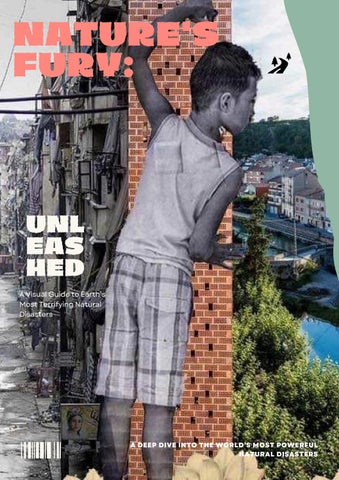
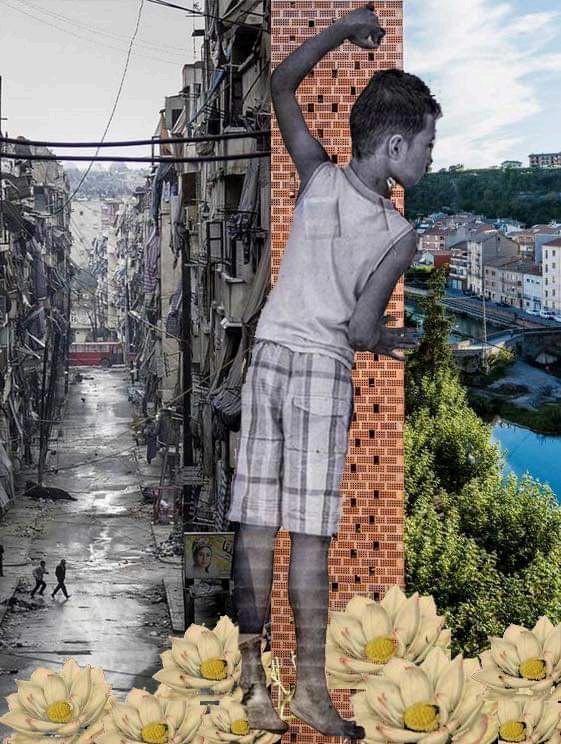
NATURE'S FURY: UNL
EAS
HED


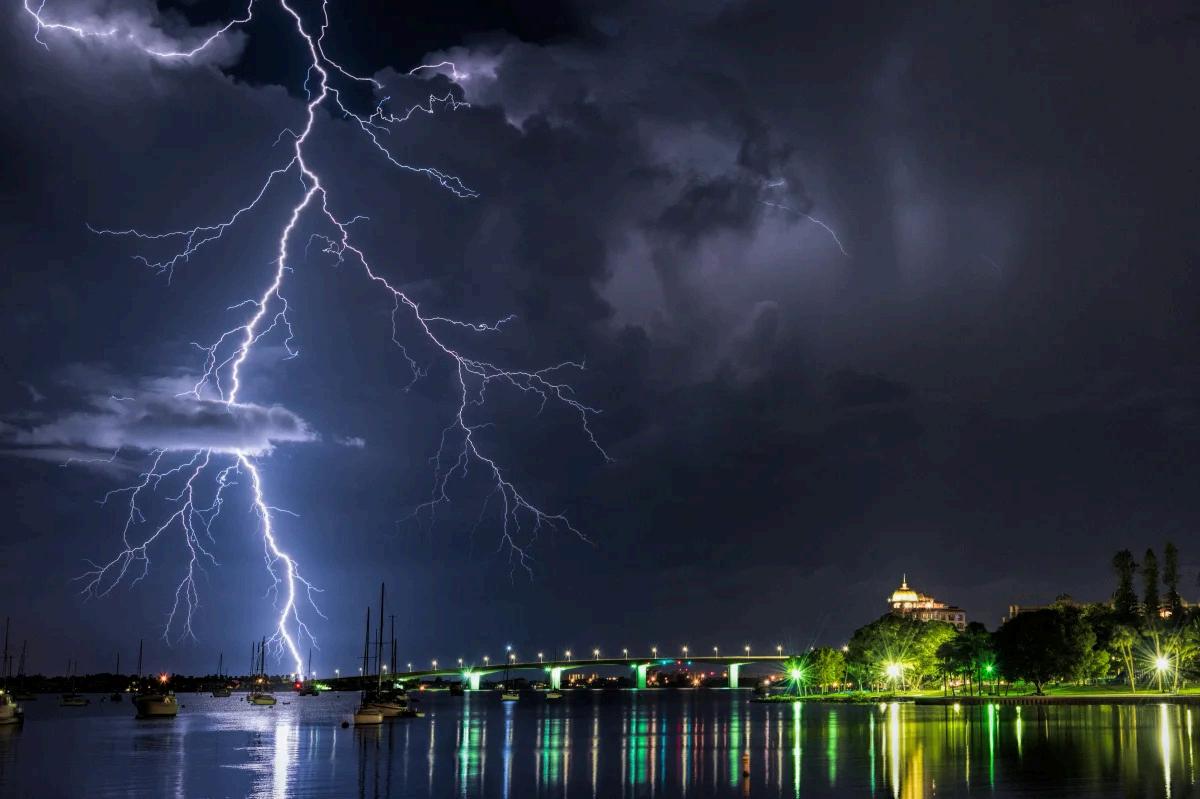
LIGHTNING: TheSky’sFiery Finger
TSUNAMI:Wallsof Water
A tsunami is a series of powerful sea waves caused by underwater earthquakes, volcanic eruptions, or landslides. These waves can travel across oceans at high speeds and cause massive destruction when they reach coastal areas.
Triggered by underwater earthquakes or landslides, tsunamis are unstoppable waves that can travel across oceans at jet speeds and devastate coastlines
Survivor’s Note:
“It wasn’t just a wave it was a force that swallowed everything.”

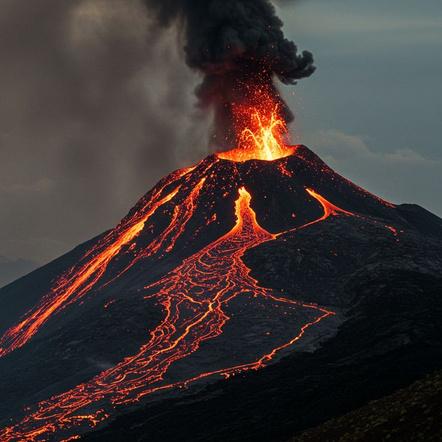
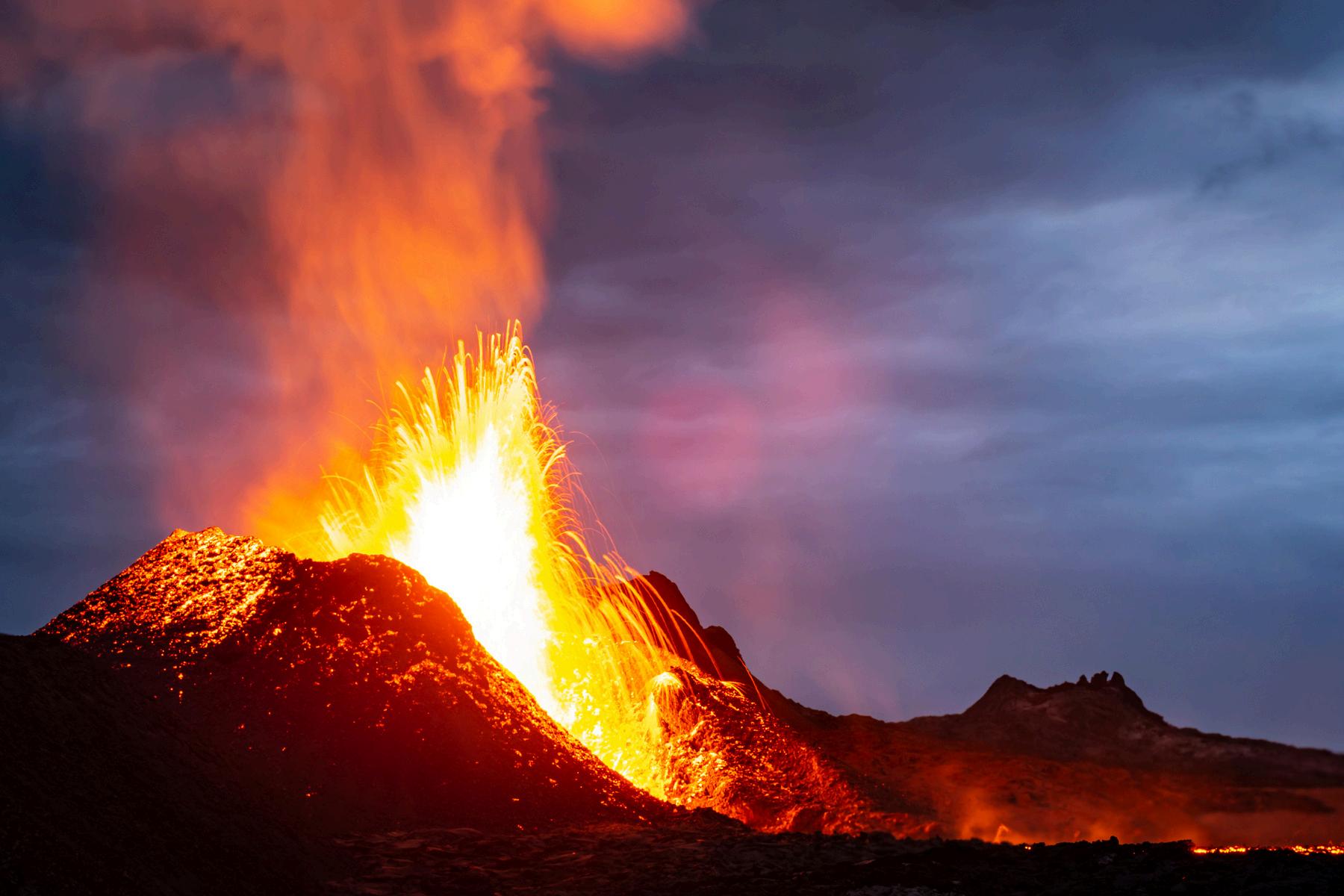
VOLCANIC ERUPTION: Earth's Fiery Breath
A volcanic eruption occurs when pressure builds up beneath the Earth’s crust and forces magma to the surface This can result in the release of lava, ash, rocks, and volcanic gases Eruptions vary in size and intensity, from quiet lava flows to explosive blasts. They can cause widespread damage, such as destroying landscapes, affecting air travel, and posing health hazards to humans and animals. However, volcanic eruptions also create new landforms and enrich soils, making the surrounding land fertile over time.
Historical Highlight:
Mount Vesuvius in 79 A D preserved Pompeii in ash forever frozen in time
EARTHQUAKES: WhentheGround Roars
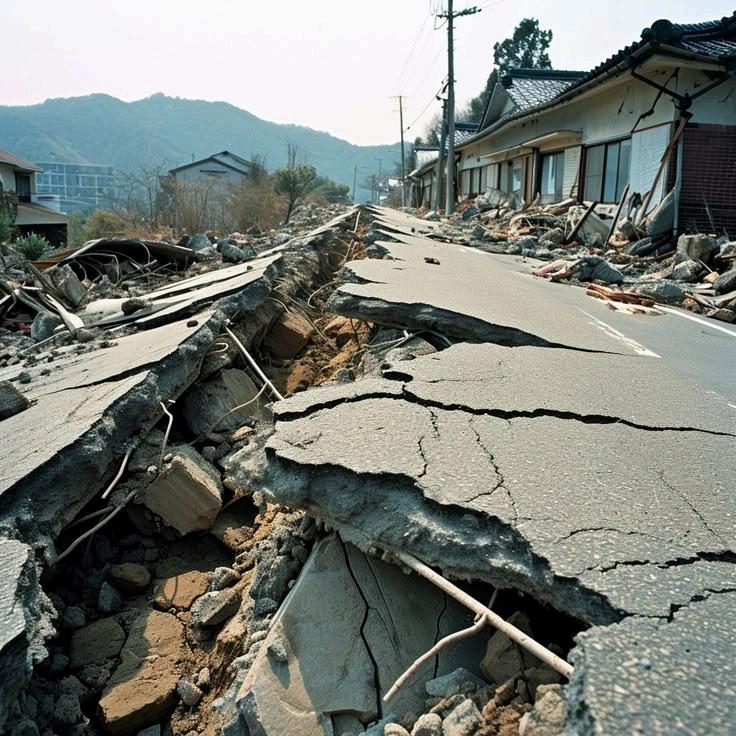
Caused by tectonic shifts beneath the Earth’s crust, earthquakes can reduce cities to rubble in minutes. Their power is measured on the Richter Scale.
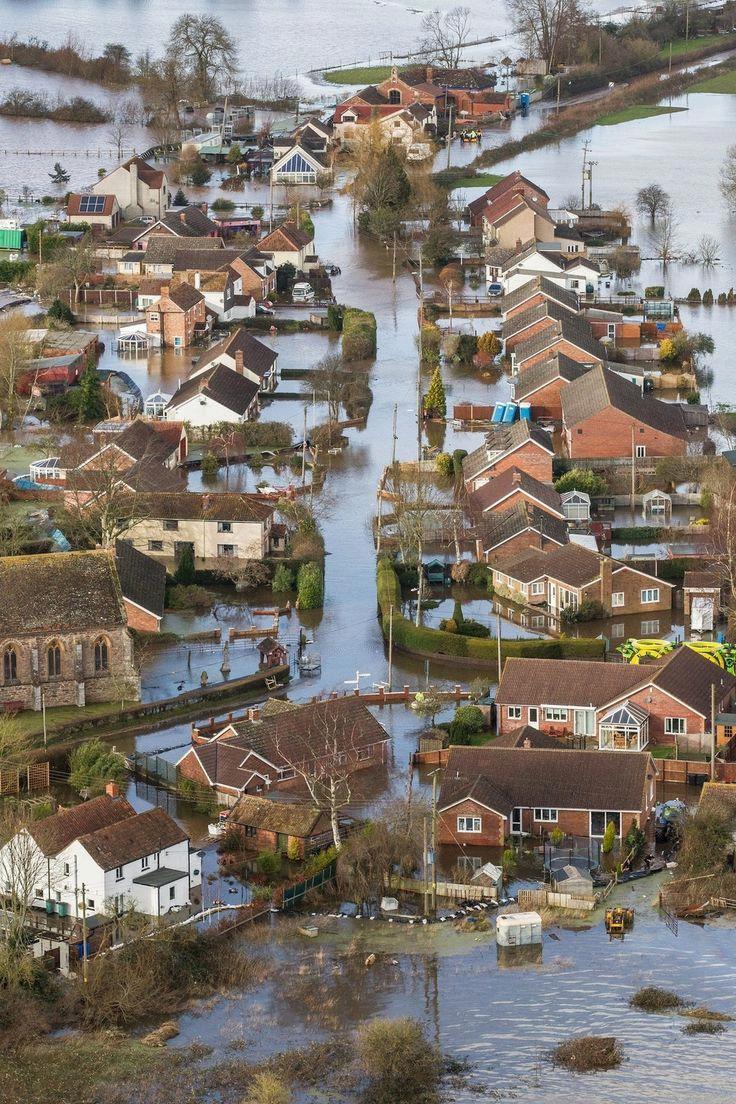
Overflow
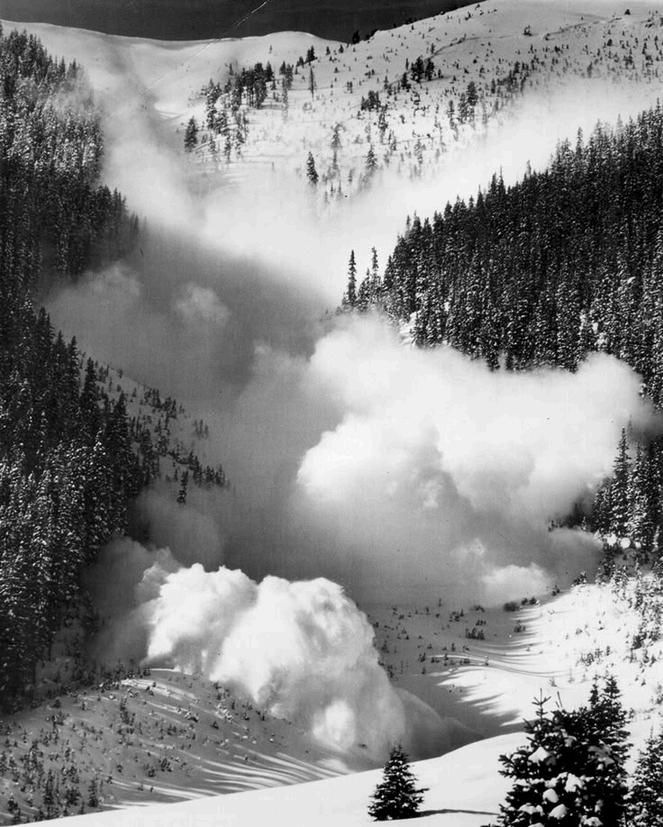

An avalanche is a powerful and sudden movement of snow, ice, and debris down a mountainside, often triggered by natural forces or human activity These destructive cascades occur when a mass of snow loses its grip on a steep slope and rapidly accelerates downward, gaining momentum as it gathers more material in its path Avalanches can vary in size and intensity from small, loose-snow slides to massive slab avalanches that displace vast amounts of snow and cause devastating effects. Avalanches are typically influenced by several factors, including the structure of snow layers, weather conditions, and the slope's steepness Changes in temperature, strong winds, and additional snowfall can weaken the bond between layers of snow, increasing the likelihood of a slide. Some avalanches are triggered by external disturbances, such as a skier carving through fresh snow or the rumble of an earthquake.
AVALANCHES: Snow’sSudden Descent
