a Collection of Chairs
“People always say: ‘Why make another chair?’ To me, that’s like asking why we need another book or another song.”
Martino Gamper was born in 1971 in the German-speaking Italian province of South Tyrol. After apprenticing as a cabinet-maker in his teens, he convinced Michelangelo Pistoletto, one of the founders of Italy’s arte povera movement, to teach him sculpting. From there, he moved into design and was a student at London’s Royal College of Art and graduated as a furniture designer.
Gamper describes his style as Gesamtkunsthandwerk — a neologism meaning the fusing of artisanship and high style. In this he combines his background as a traditional cabinetmaker and the saturated and vibrant designs of Postmodernism
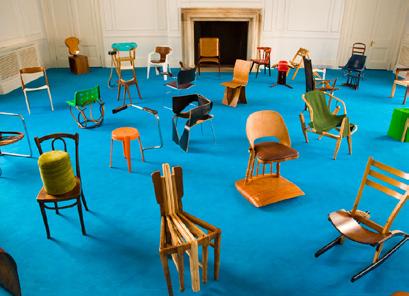
Gamper found international acclaim with his 2007 installation 100 Chairs in 100 Days. By creating a new chair every day by combining parts from existing chairs, he challenged standard design-world ideals of neatness and polished ‘good taste’. Furthermore, by giving new life to abandoned objects, Gamper questioned what’s discarded or overlooked, and why.
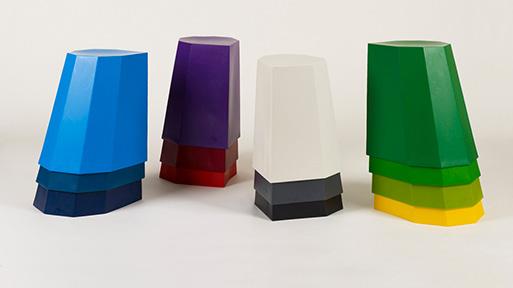
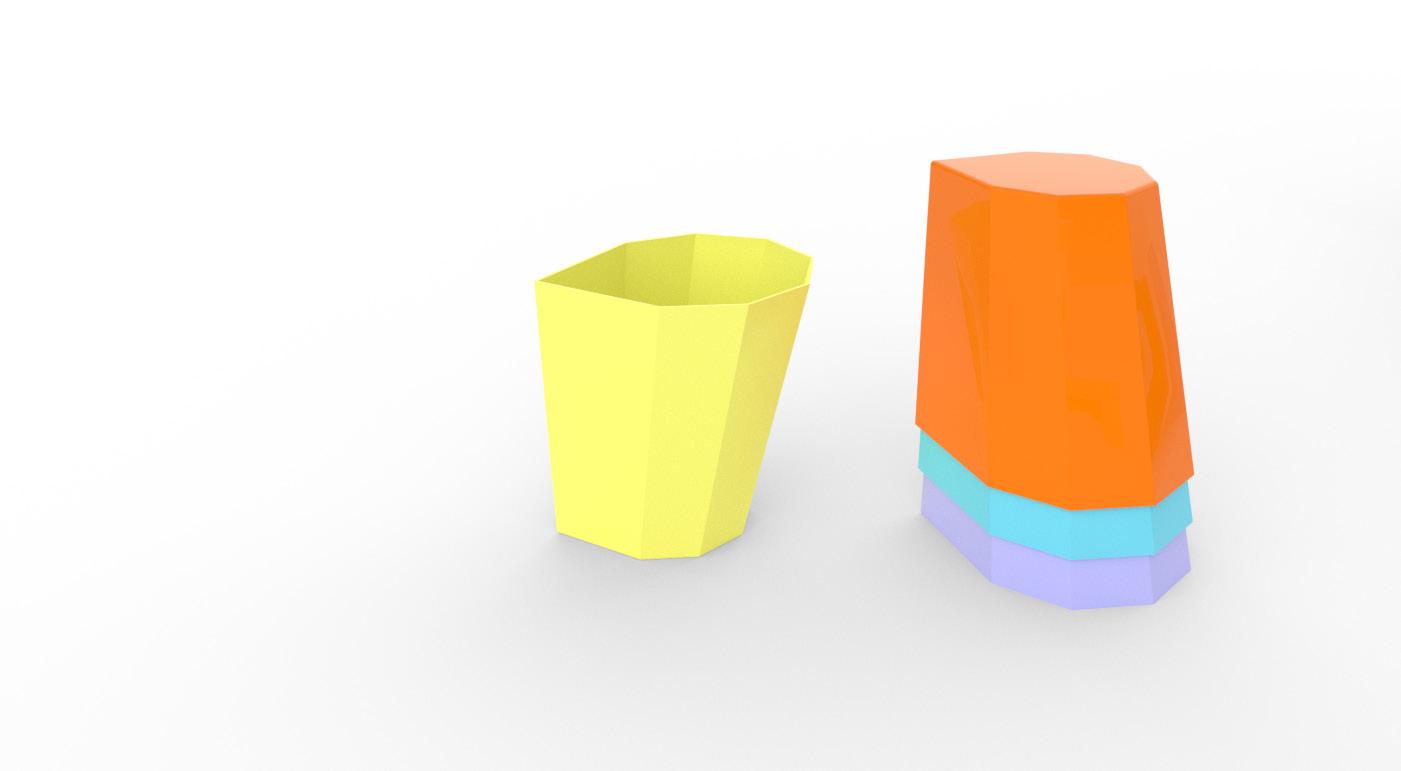
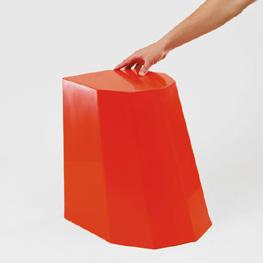
Seeing a need for seating at a local event, and refusing to buy cheap seating from Ikea, Gamper sought to create a unique solution derived from his friend Rainer Spehl’s Qoffee stool. Polyethylene pellets, rotated around a heated mold, form the outer shell of the stool. From this, the Arnold Stool was born.
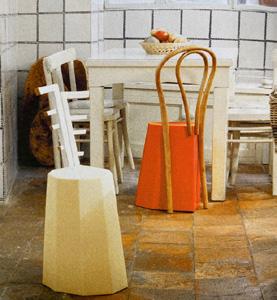
Staying true to his design language, Gamper has continued to experiment with the stool by adding juxtaposing seats and backs to its simplistic design.
ID10112 • Matt Mast • Prof. William Willoughby • Spring 2024
Arnold Circus is situated in the heart of Shoreditch, London, England. Built on the rubble of the old slums it is part of the Boundary Estate, London’s first social housing project, and houses an eight sided bandstand.
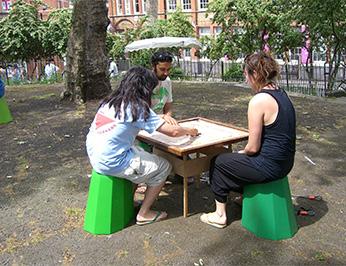
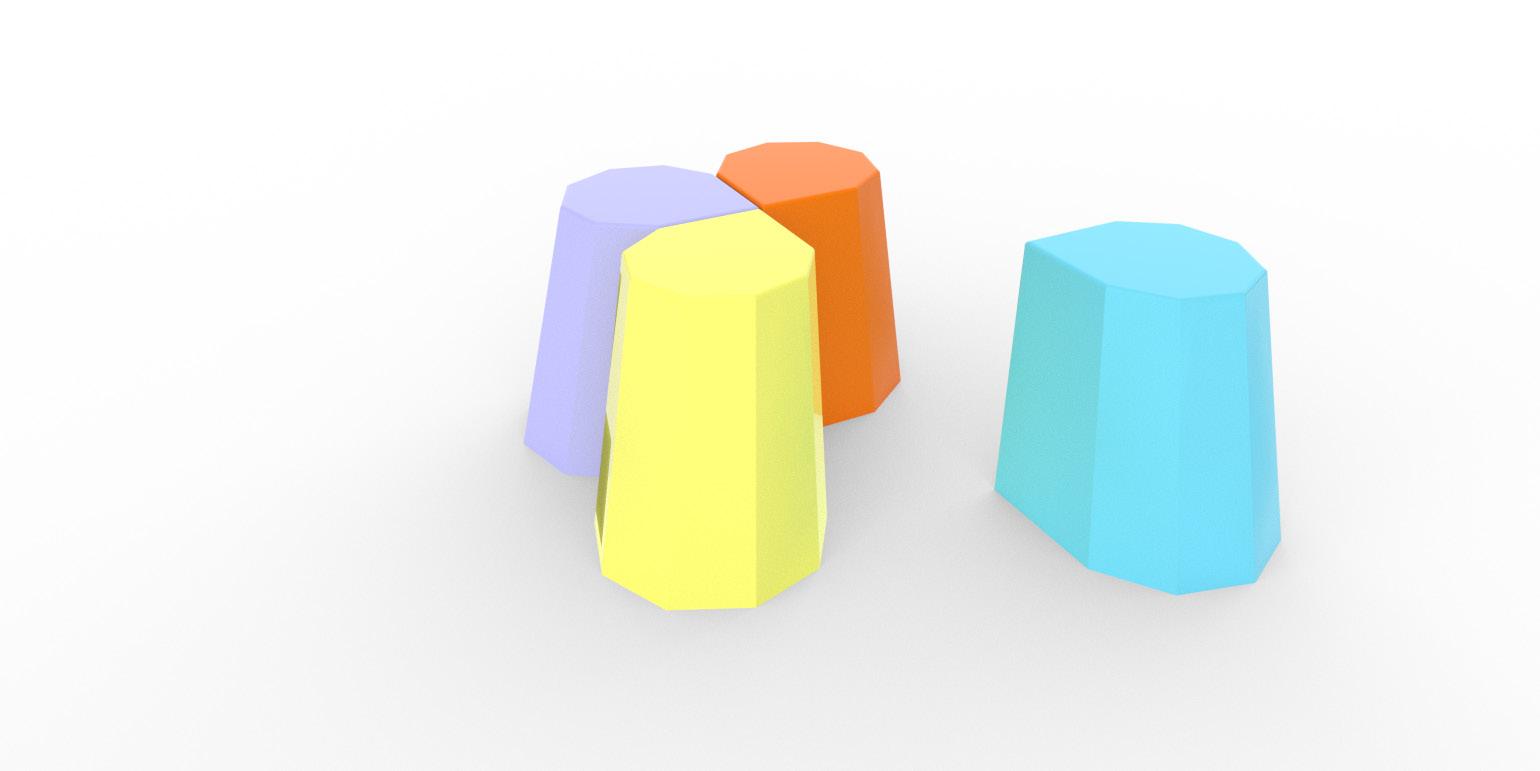
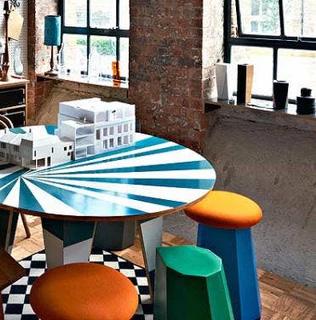
The Arnold Circus Stool was designed in 2006 by Martino Gamper as part of a regeneration project. The rotation molded polyethylene plastic stools are used as the official seating for all annual events held at Arnold Circus which include picnics, brass band concerts and board game tournaments.
Martino Gamper
ID10112
Martino Gamper | 2006
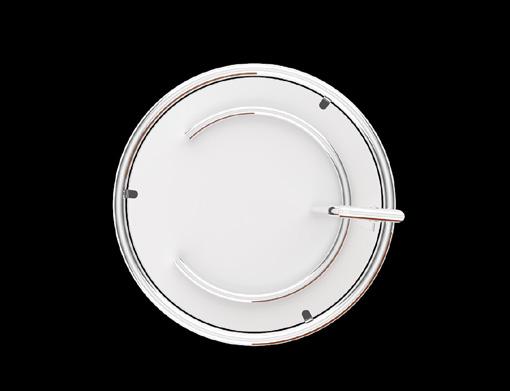
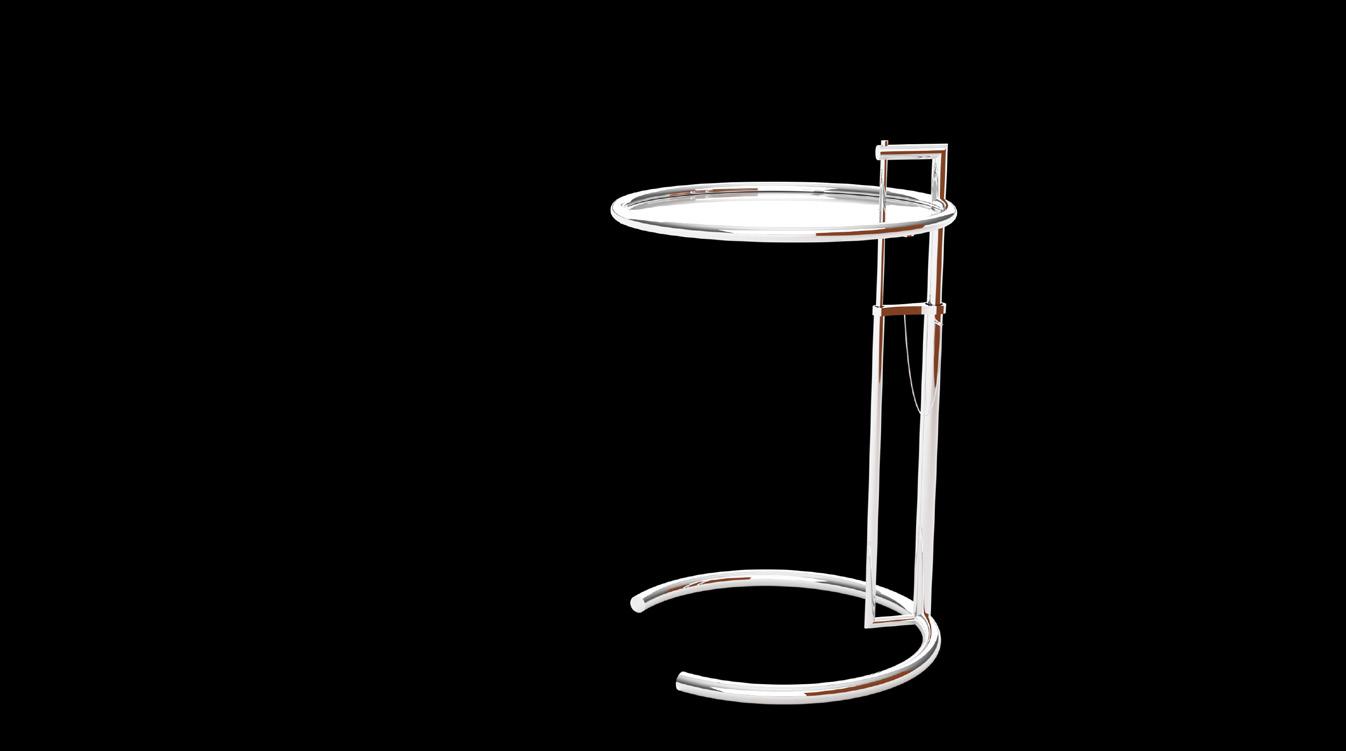
The table was designed for Eileen Gray’s sister so she could eat breakfast in bed. It is built of tubular steel that is curved to form an incomplete circle for the base and a complete circle for the table’s surface. Two tubes, reminiscent of a trombone’s shape, connect the base and the surface on side allowing the surface top to hover over a bed. These tubes protrude from past the surface and connect forming an angular handle. Holes in one of the tubes enables the user to adjust the height of the table with a pin.
The table’s surface, while now made of glass, was originally made of acetate greatly reducing the weight of the table. The lightness combined with the built-in handle, allowed the table to be moved about with ease.
The cantilever design was likely inspired by architect Frank Lloyd Wright who pioneered the technique in his construction. The concept of a cantilever in furniture was first publicly displayed by Mart Stam. Gray was influenced by the Dutch De Stijl movement and perhaps even by a table that one of its members, Gerrit Reitveld, designed which had only one leg on the side.
interior plan should not be the incidental result of
Gray’s earlier designs used luxurious materials such as ivory and exotic woods. Influenced by the modernist designs by Le Corbusier and the use of tubular steel as a building element, Gray’s pieces started to take on a simpler and more industrial approach.
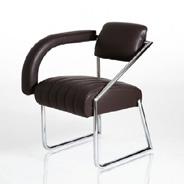
Along with furniture designed for the E 1027 house, the Non Conformist chair and the Bibendum chair (named after the Michelin tire mascot) are some of Gray’s most recognizable designs.
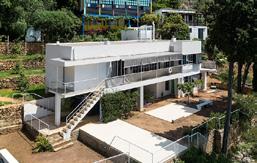
vandalized the house by painting murals on the walls. Perhaps this was a case of the student upstaging the master.
During World War II, Gray was interned as a foreign national, and her houses were looted. Many of her drawings, models, architectural notes, and personal papers were destroyed by bombing. German soldiers used the walls of E-1027 for target practice.
After a series of owners, the house was left to deteriorate, but fortunately restoration efforts have been initiated after renewed interested in Gray and her work.
Sources: https://www.wmagazine.com/story/eileen-gray https://metropolismag.com/viewpoints/e1027-villa-eileengray-crowdfund-preservation/ https://ounodesign.com/2008/12/24/eileen-gray-e1027-house/
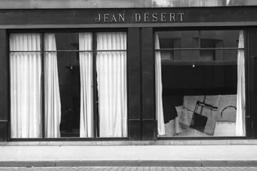
French Riviera for her and her
Le Corbusier, but was critical
the facade;
Badovici parted, Le Corbusier
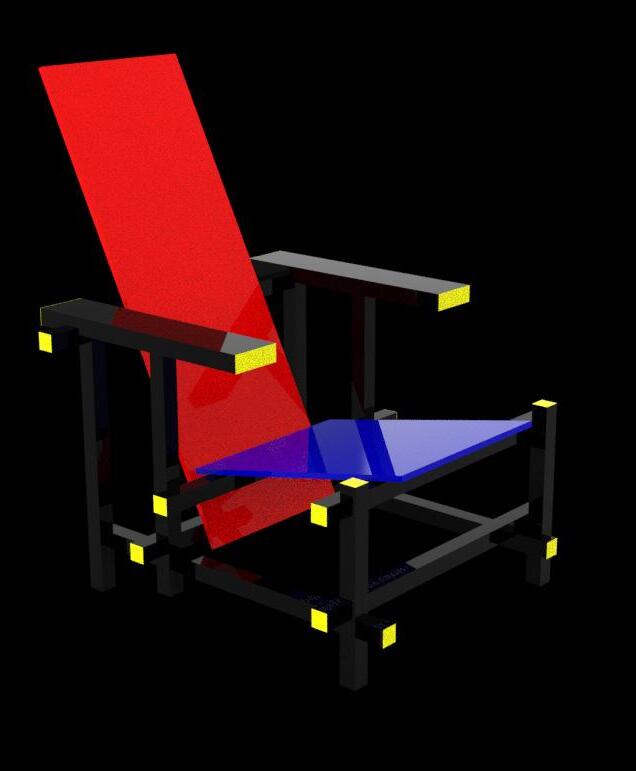
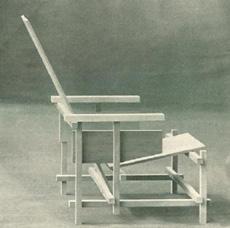
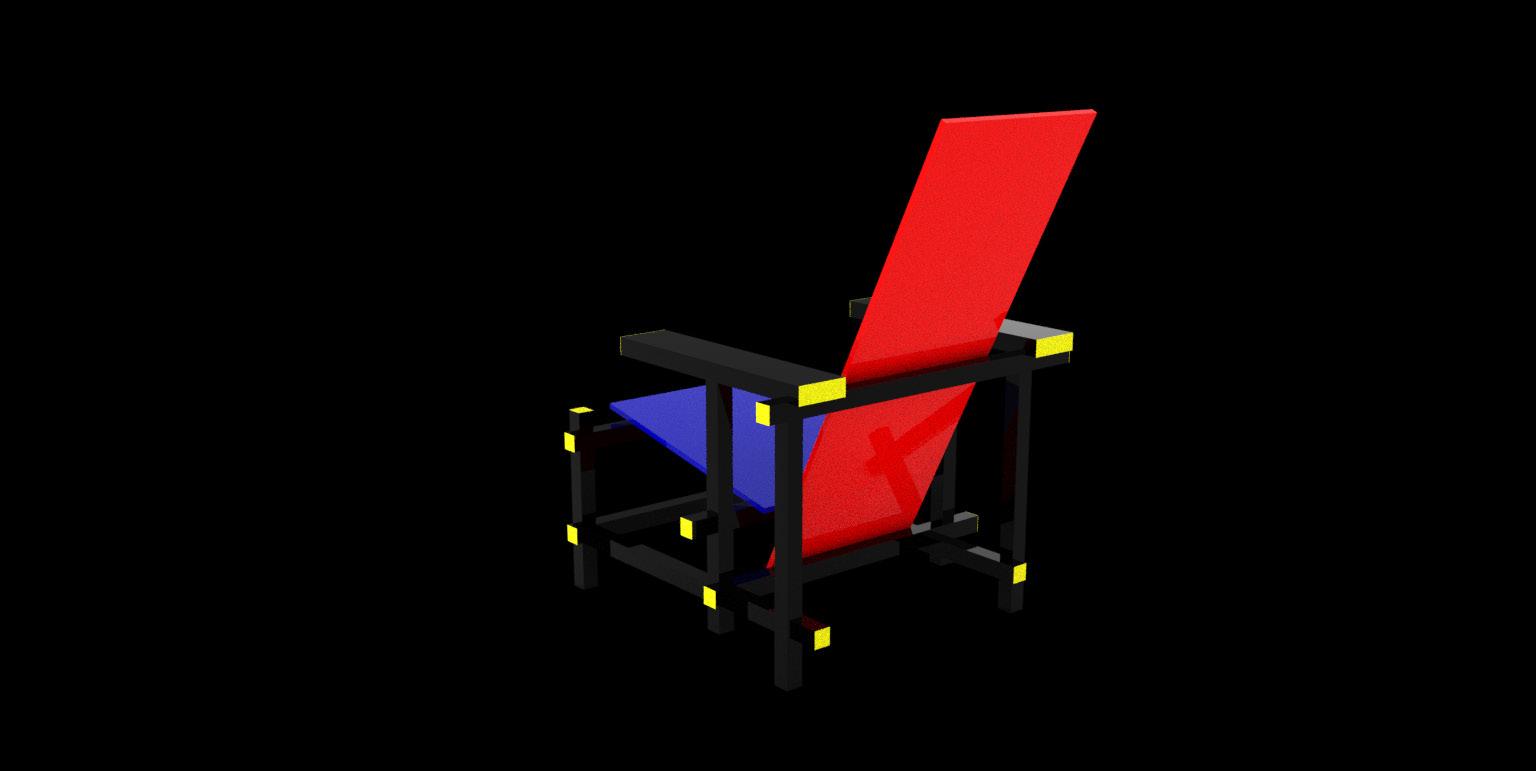
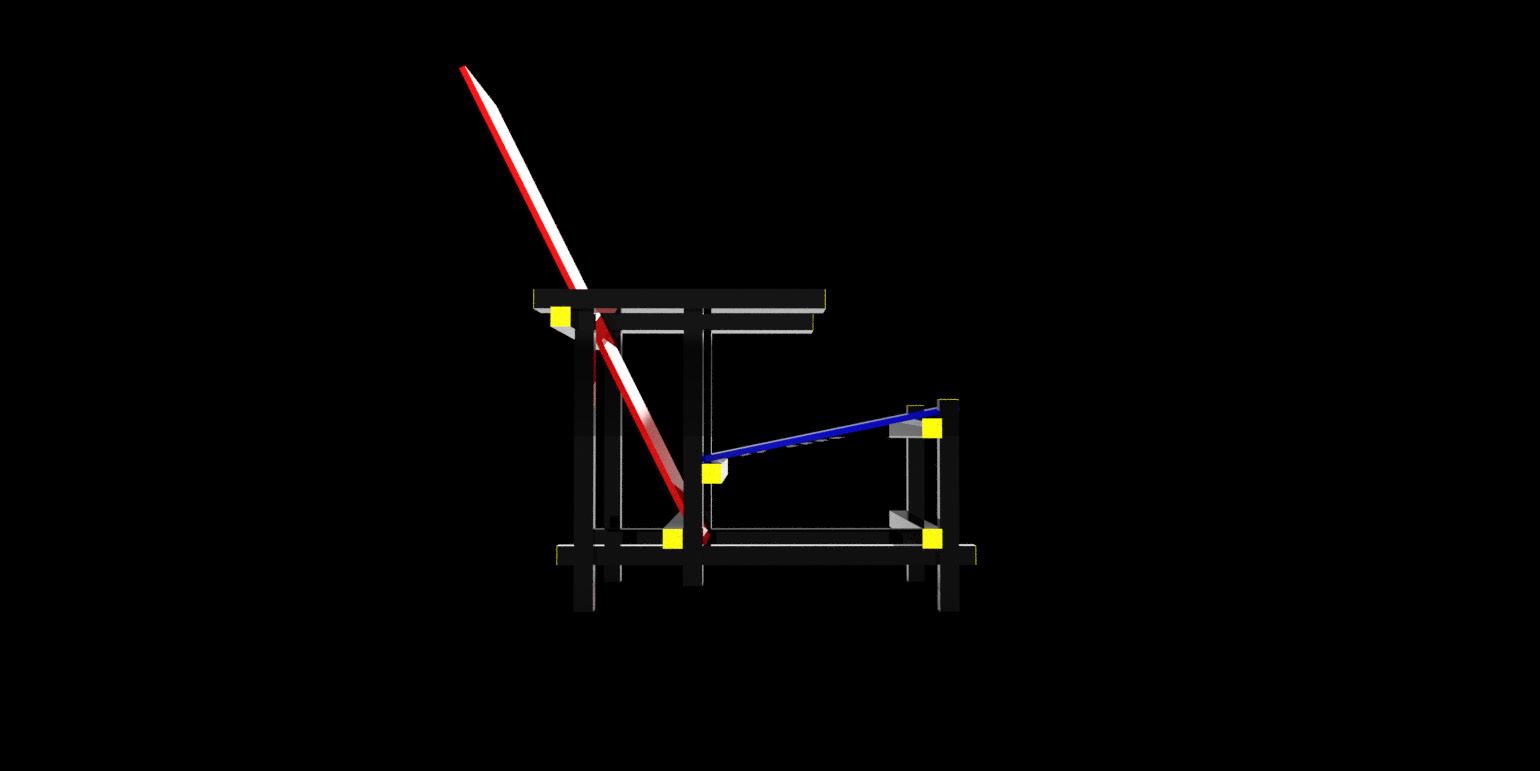
original 1917 beech wood chair
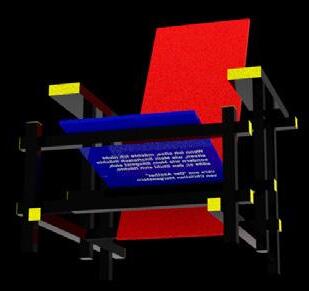
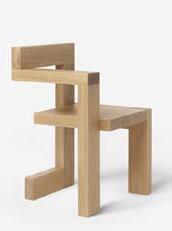
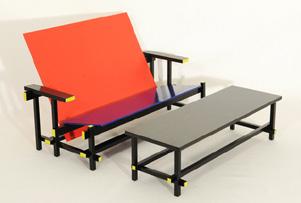
Rietveld
Frank Lloyd Wright (1902)
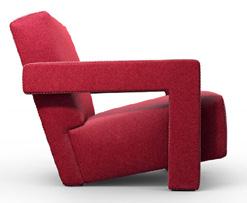
Utrecht
upholstered version Steltman chair
and Theo van Doesburg
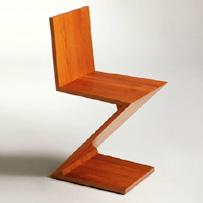
Zig Zag chair
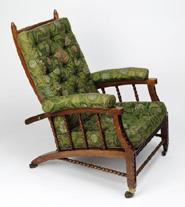
William Morris (1883)
prefabricated concrete slabs,
START HERE
Welcome to IVC, we’re delighted to have you.
To get started:
1. Call us at 330.852.2512 and we’ll find a time to see you.
2. Show up and we’ll guide you through the process.
3. Enjoy healthy eyes, quality lenses, and clear vision for you and your entire family!
TRUCK & MOTORCYCLE
Museum Alpine Hills Alpine Hills Museum
Softies ice cream LOGO
MATT MAST • GRAPHIC + INTERIOR DESIGN