MATT_KANTER
STUDENT ARCHITECT / DESIGNER
Tulsa_OK , mkanter@okstate.edu , (918)600-4199
SKILLS
• Modeling / BIM
Revit · Rhino 8 ·AutoCAD
SketchUp ·Grasshopper
• Visualization / Graphics
Photoshop ·Illustrator
InDesign ·D5 Render · V-Ray
Enscape · Lumion
• Fabrication
3D Printing · Laser Cutting
Miro · Bluebeam
RECOGNITION
• 1st Place in WW | AFCO Steel Competition
• Honorable Mention in LA FUESS Design Competition
• Honorable Mention in ACSA Mass Timber Studio Design Competition
• Urban Asia Study Abroad
EXPERIENCE
Architectural Intern - GH2 Architects
June 2025 - Aug 2025
• Supported schematic design for a PAC bond proposal through plan studies and material exploration.
• Shadowed project leadership in OAC meetings and contributed drafting support in Revit for documents.
Independent Design / Visualization Work
Feb 2025 - Present
• Completed part-time client design and visualization work while enrolled full-time in school.
• Developed concepts, plans, renderings, and graphic presentations; communicated directly with clients to refine scope and deliverables.
EDUCATION
Bachelor of Architecture
Oklahoma State University
August 2022 - Present , Fourth Year Student
Expected Graduation 2027
• Completed 6 design studios, including an experimental studio focused on Mississippian Native mound structures.
• Coursework includes steel, concrete, and mass timber design with calculation-based structural work, sustainable reuse design, and advanced presentation/ model-making development.

01 - TIMBER TOWERS
Kyoto, Japan // 2025
Intergenerational Housing Prototype Studio VI / Mass Timber / Revit
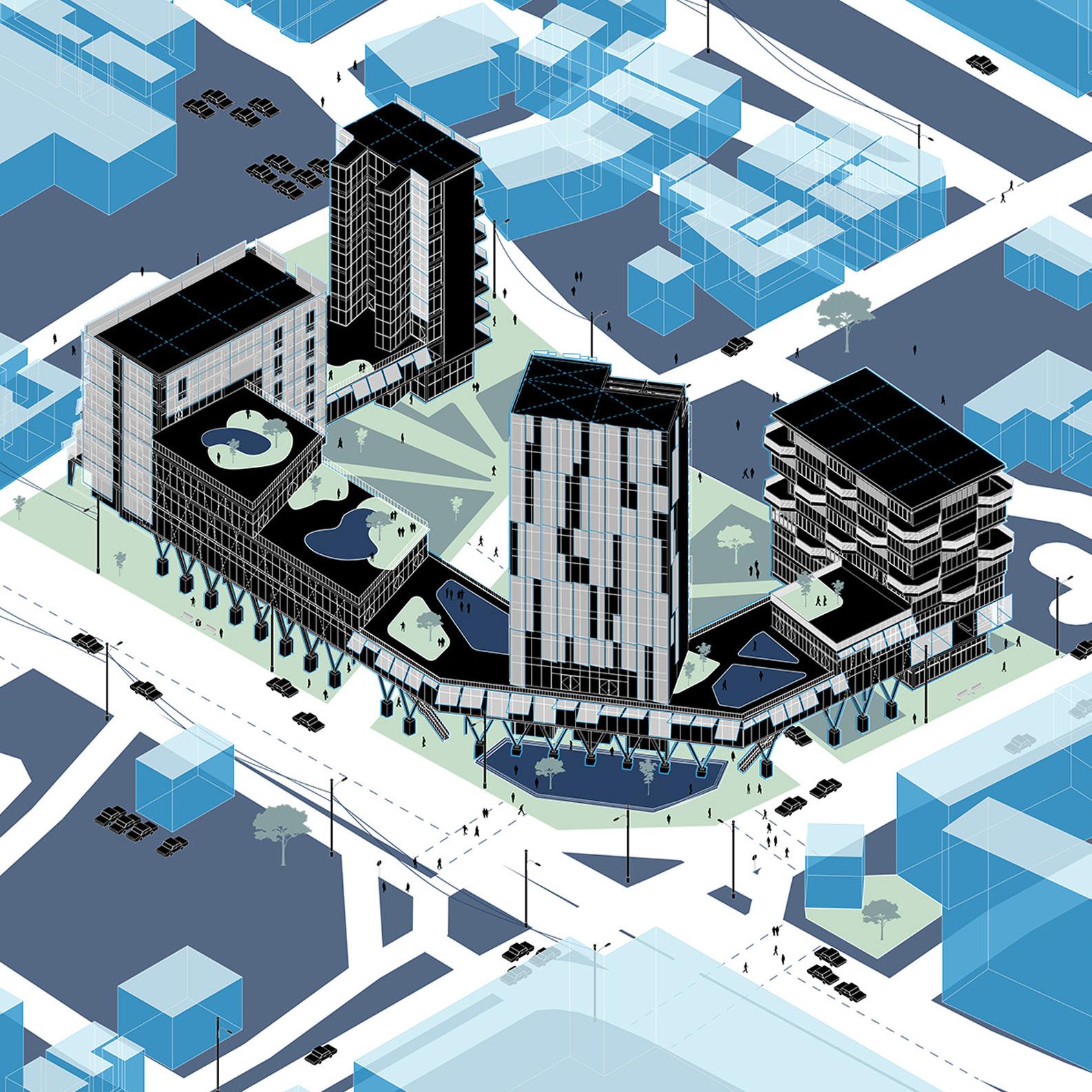
Timber Towers is an intergenerational housing proposal near Kyoto University of the Arts, organized around an elevated second-level public ground that links multiple residential towers into a shared civic neighborhood. The master plan combines student housing, university staff, active adults, and aging-in-place life through connected public thresholds, markets, gathering spaces, and terraced rooftop gardens.
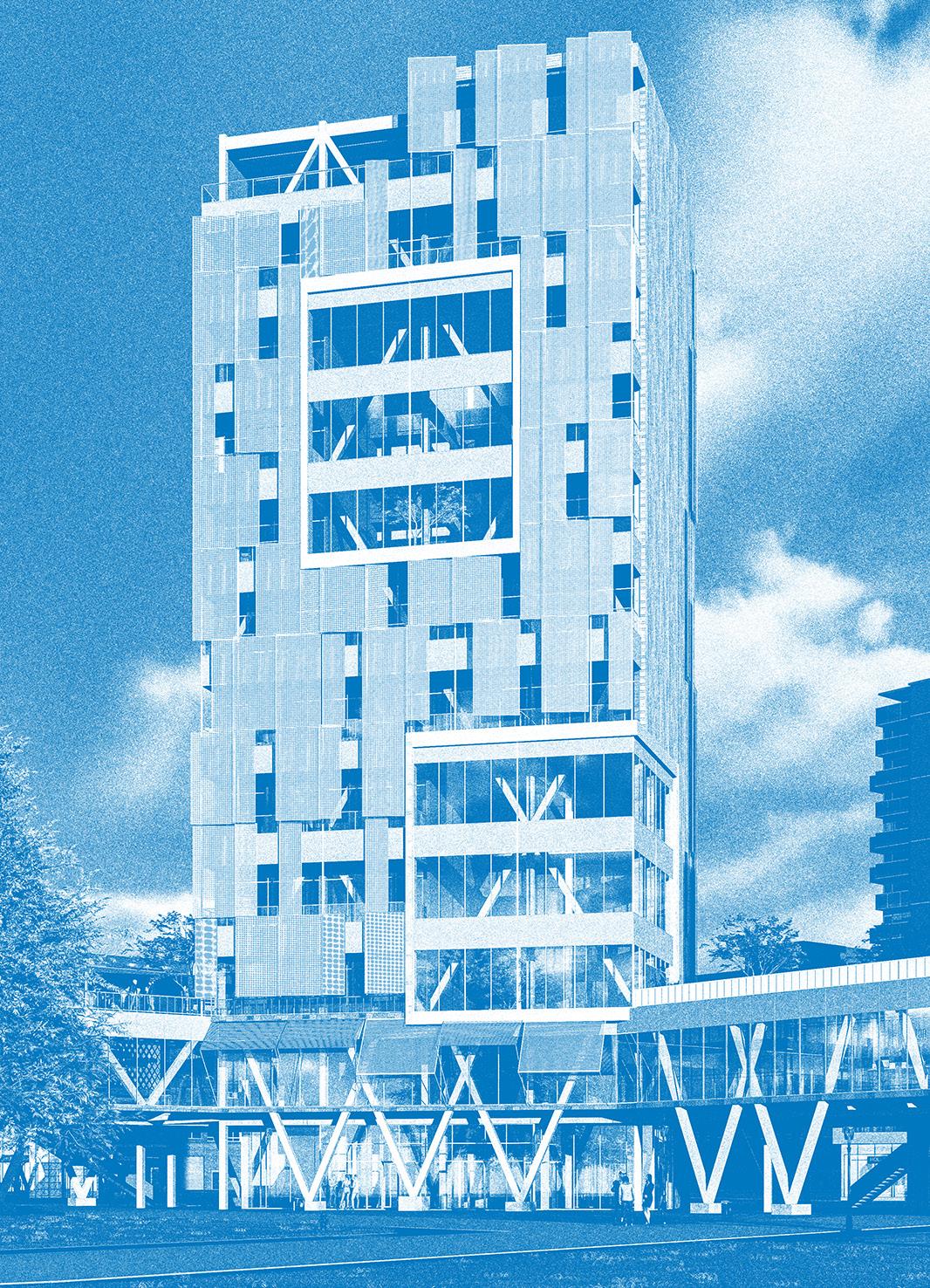
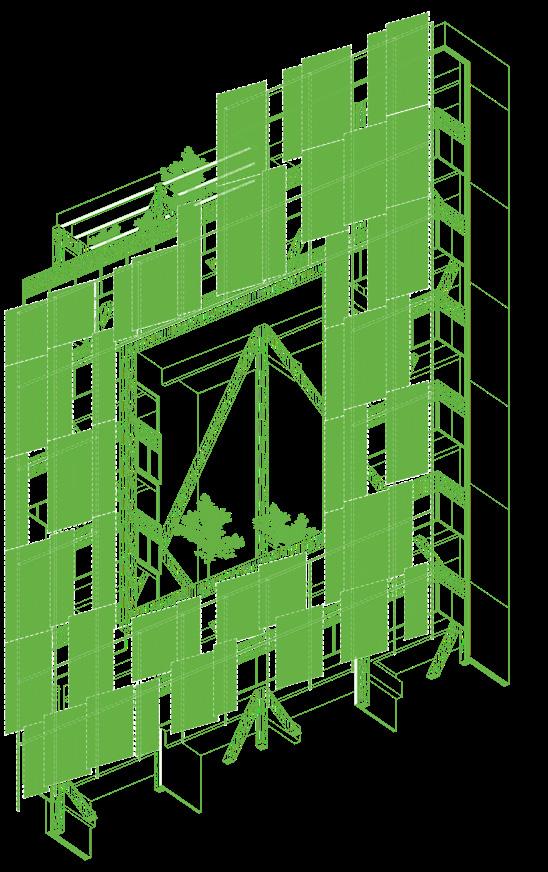
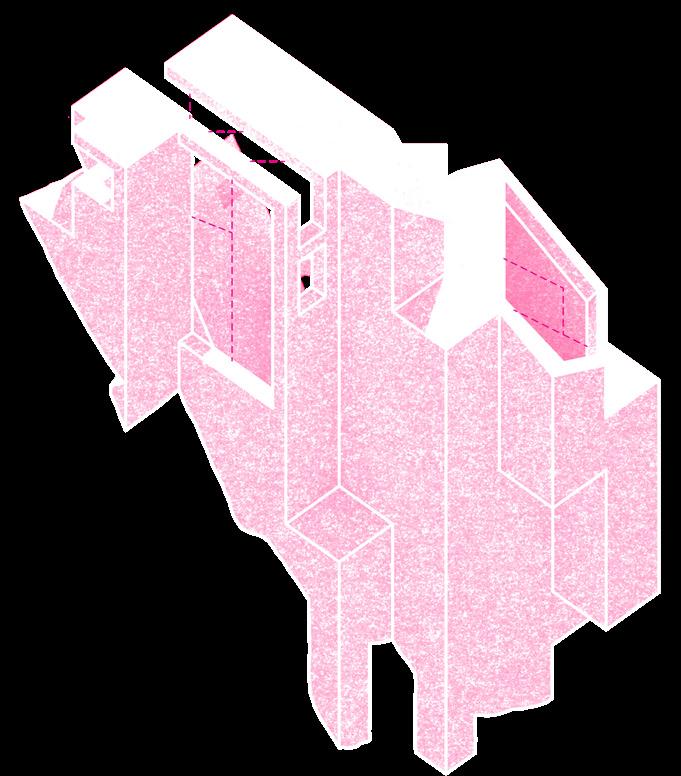
Within this framework, the tower facing the university is a slender footprint mass-timber prototype carved by vertical voids that bring daylight, vegetation, and shared terraces into the building. A diagrid rhythm of glulam columns gives the tower its structural logic and architectural identity, creating a warm, legible system that supports cross-generational living.
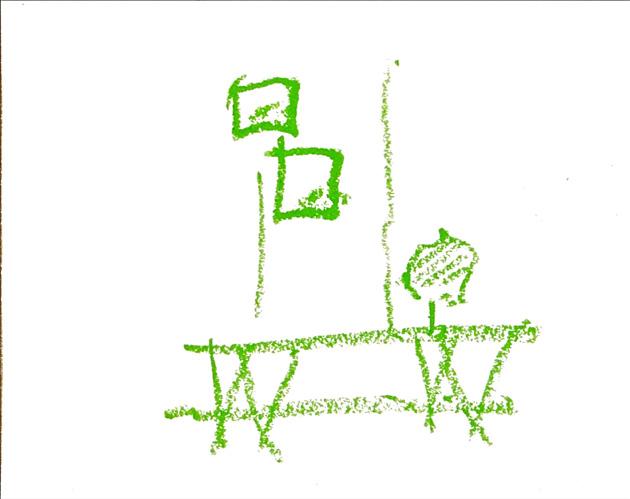
Initial Concept Sketches
Initial master plan strategies for Kyoto housing development.
Intergenerational Density
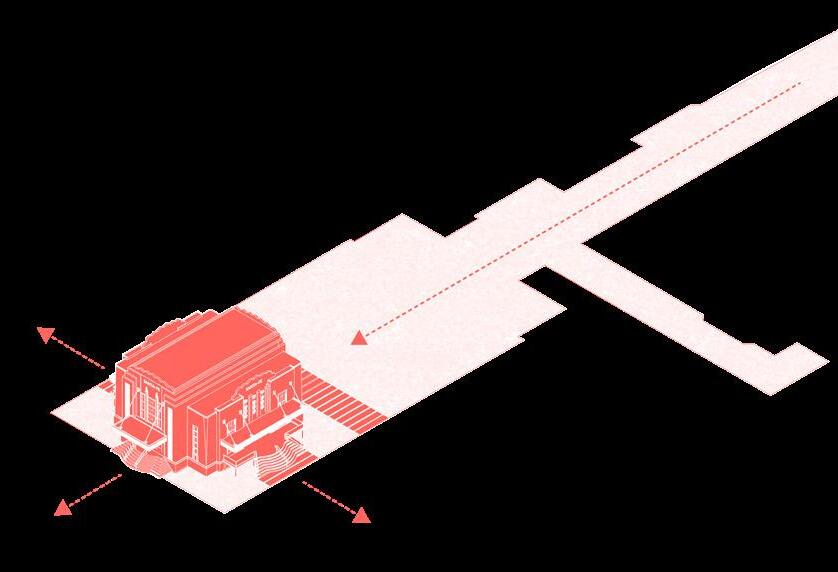
Program axon illustrating the master plan’s shared social infrastructure.
The large program axon and hand sketches translate these concepts into a spatial system. Four residential towers are connected by a continuous elevated public ground that concentrates a single civic framework.
Minimize Footprint
Vertical Stack
A - Total Massing
GFAR = 65,080 SF
C - Social Ecosystem
MAX GSF” 260,260 SF
B - Program Logic
4 RESIDENTIAL TOWERS
INTERIOR PARKS + PLAZA
INTERGENERATIONAL NEIGHBORHOOD
DEDICATED GROUND FLOORS
PUBLIC ACCESS STREET
D - Movement Strategy
UNI. INTERSECTION HIERARCHY
SINGLE-LOADED HALLS
DOUBLE-LOADED HALLS
SUNKEN ARRIVAL
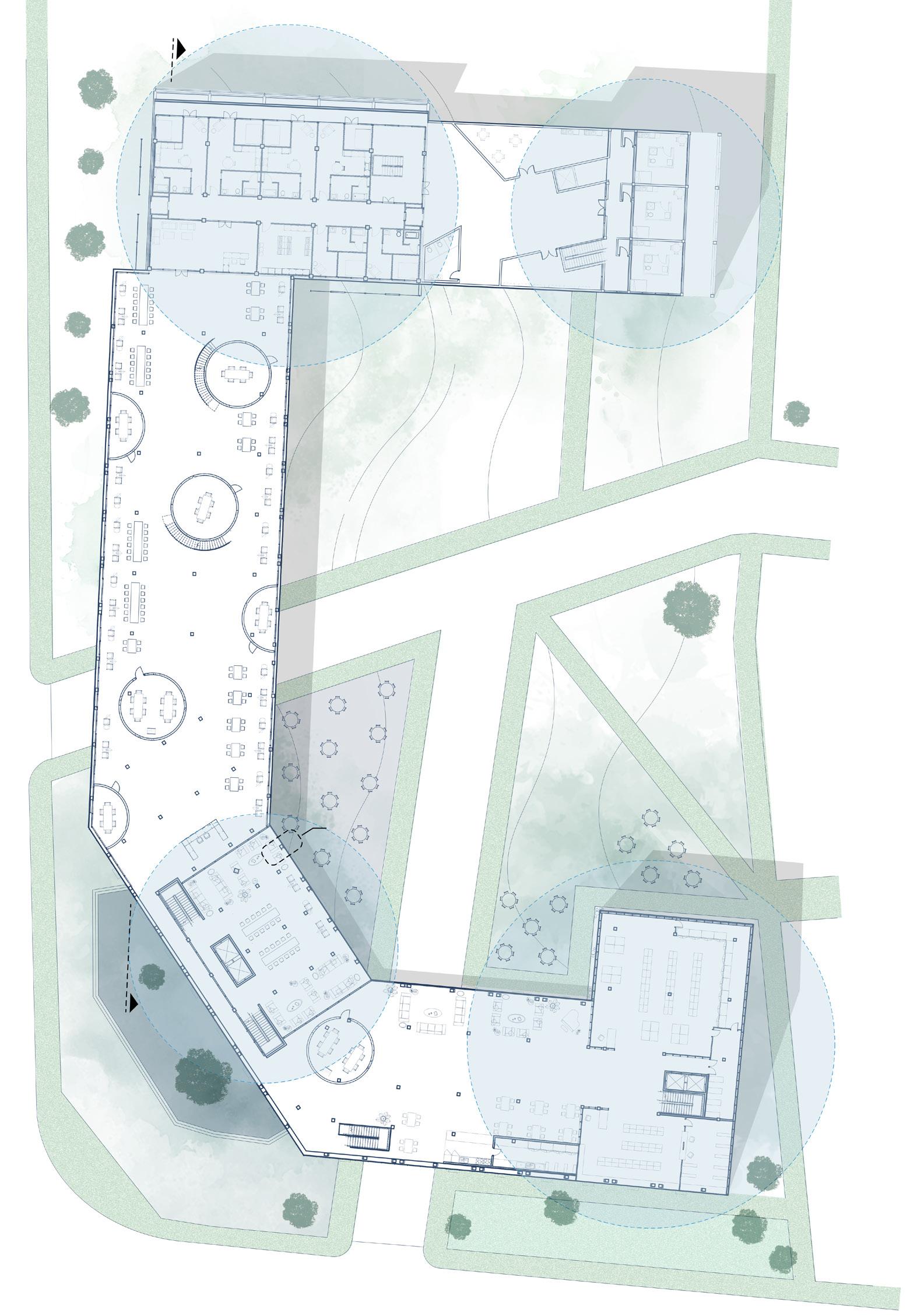
1. Public Street 2. Study Pods 3. Memory Care workshop classes 4. University study hall / library 5. Assisted living units 6. Skilled care nursing clinic
Typ. Units A
A single-loaded corridor organizes four units around a central core. Maximum daylighting, crossventilation, and clear circulation while maintaining a compact grid.
• 12”x12” GLULAM
• 14”x17.5” V-LAM
Pocket Terrace
The elevated communal level is arranged as a terraced vestibule with a central open-air garden, flanked by enclosed community spaces.
Tower Expression + Structural Rhythm
Exterior render highlights the carved terrace voids, perforated screen envelope, and glulam diagrid structure supporting the elevated public ground condition.