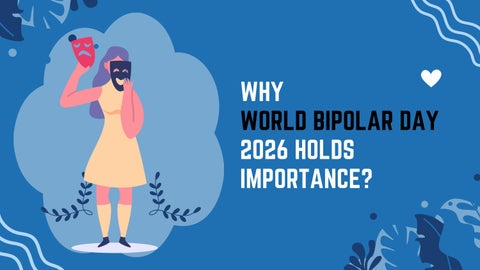

Why World Bipolar Day 2026 Holds Importance: Breaking Stigma & Promoting Early Support

Page 1


WHY WORLD BIPOLAR DAY 2026 HOLDS IMPORTANCE?

1. POST-PANDEMIC MENTAL HEALTH CRISIS

COVID 19 pandemic has created challenges for mental health systems worldwide. According to a study conducted by the WHO, more than 1 billion people are living with a type of mental health disorder, such as anxiety or depression. World bipolar day provides a platform to address these issues and take preventive measures accordingly.

2. BREAKING THE STIGMA

Despite endless awareness about mental health, many individuals dealing with bipolar disorder face judgment, discrimination, and negligence. This day aims to challenge these misconceptions that bipolar disorder is a manageable medical condition and can be cured with professional therapy treatment.

3. CHALLENGE PERSISTENT MISCONCEPTION

Myths about bipolar disorder continue to create misconceptions about violence, unpredictability, and thus directly impact the relationships with self and others. The bipolar day allows countering these narratives with accurate experiences, live experiences, and evidence-based perspectives.

4. EARLY DIAGNOSIS AND TREATMENT

Bipolar disorder is often misunderstood or remains undiagnosed for a long period, with symptoms such as stress or depression. Early diagnosis and intervention can prevent severe consequences and ensure better mental health.

CONCLUSION

As we observe Bipolar Awareness Day 2026, we must recognise that awareness alone is insufficient; it must catalyse meaningful change, too. This includes building a culture that ensures equivalent coverage of mental health issues, creating an educational curriculum that prepares young people to support their own mental health and peers, too. And if you’re a working professional in the field of mental health, this day calls us to examine our own practices. Are we offering the right and responsive care?

Turn static files into dynamic content formats.

Create a flipbook