
The Art and Passion Behind Creating Your Dream Two-Wheeler
Building a motorcycle from the ground up represents one of the most rewarding journeys a cycling enthusiast can undertake. Whether you're transforming a vintage frame into a modern masterpiece or assembling components to match your exact specifications, the process demands patience, skill, and creative vision. This comprehensive guide explores the essential aspects of creating a personalized two-wheeled machine that reflects your unique style and riding preferences.
Understanding the Foundation of Motorcycle Construction
Before diving into the mechanical aspects, it's crucial to understand what sets a bike build apart from simply purchasing a ready-made model. The process begins with a clear vision of what you want to achieve. Are you seeking vintage aesthetics with modern performance? Do you need a lightweight commuter or a robust touring machine? These fundamental questions shape every decision throughout the construction process.
The foundation starts with selecting the right frame. This choice influences everything from handling characteristics to the types of components you can install. Steel frames offer durability and a classic feel, while aluminum provides lightweight efficiency. Carbon fiber delivers premium performance but comes with a higher price tag. Each material brings distinct advantages that align with different riding styles and budgets.
Essential Components and Technical Considerations
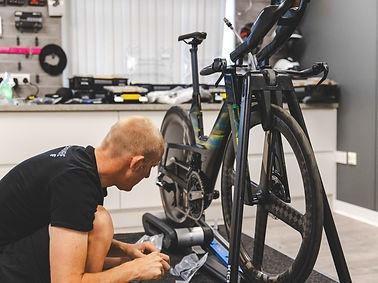
Once you've established your vision and chosen a frame, the real work begins. A successful custom bike build requires careful selection of compatible components that work harmoniously together. The drivetrain forms the heart of your machine, and choosing between different gear
ratios affects your riding experience significantly. Consider your typical terrain and riding style when selecting chainrings, cassettes, and derailleurs.
Wheels deserve special attention as they dramatically impact performance and aesthetics. The spoke count, rim depth, and hub quality all contribute to the overall ride quality. Lighter wheels improve acceleration and climbing, while deeper rims enhance aerodynamics for speed-focused builds. Tire selection complements your wheel choice, with width and tread patterns tailored to your intended use.
Braking systems represent another critical decision point. Disc brakes offer superior stopping power and consistent performance in all weather conditions, making them increasingly popular among builders. Traditional rim brakes provide a cleaner aesthetic and reduced weight, appealing to purists and weight-conscious riders. Your choice depends on balancing performance requirements with visual preferences.
The Creative Process of Personalization
What truly distinguishes a custom bike build from factory models is the opportunity for complete personalization. Every component becomes a chance to express your individual style while optimizing functionality. Handlebars come in countless shapes and widths, each offering different ergonomics and riding positions. Drop bars suit road-focused builds, while flat or riser bars work well for upright, comfortable positions.
The finishing touches often make the strongest visual impact. Custom paint schemes, unique decals, and carefully selected accessories transform functional machinery into personal artwork. Some builders spend months perfecting paint designs, while others prefer the raw beauty of exposed metal or carbon fiber. Saddle selection blends comfort with aesthetics, and modern options range from minimalist racing perches to plush touring thrones.
Cable routing deserves thoughtful consideration in any bike build. Internal routing creates clean lines and protects cables from the elements, though it complicates maintenance. External routing simplifies adjustments and repairs while offering a more traditional appearance. The choice reflects your priorities regarding aesthetics versus practicality.
Tools, Skills, and Learning Curves
Successful motorcycle construction requires both proper tools and developing mechanical competence. Basic builds demand standard hex keys, screwdrivers, and chain tools, while advanced projects may require specialized equipment like facing and reaming tools, hydraulic brake bleeders, or wheel truing stands. Investing in quality tools pays dividends through years of use and reduces frustration during assembly.
Many builders start with simpler projects to develop skills before attempting complex builds. Watching instructional videos, consulting experienced builders, and joining online communities accelerates the learning process. Don't hesitate to seek professional help for tasks beyond your
current skill level, particularly with headset installation, bottom bracket facing, or hydraulic brake bleeding.
The Reward of Riding Your Creation
Completing a custom bike build delivers satisfaction that transcends simply owning a bicycle. Every ride reminds you of the research, decisions, and effort invested in creation. You understand every component intimately, making maintenance straightforward and troubleshooting intuitive. The connection between rider and machine deepens when you've personally assembled each part.
Beyond personal satisfaction, custom builds often spark conversations with fellow enthusiasts. Your unique creation becomes a talking point, potentially inspiring others to embark on their own building journeys. The knowledge gained transfers to future projects, and many builders find themselves continuously refining and rebuilding as skills improve and tastes evolve.
The journey from conceptual design to first ride represents a profound accomplishment. Whether you've created a daily commuter, weekend warrior, or show-stopping masterpiece, the experience teaches valuable lessons about mechanics, design, and personal capability. Each bike build tells a story of passion, patience, and the pursuit of two-wheeled perfection.