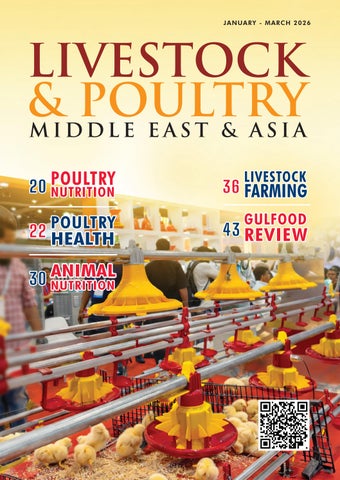
Jan- Mar 2026 edition of Livestock & Poultry ME magazine
What’s Nourishing Your Business?
Unlock Profit Potential with U.S. Soy. Superior Quality. Incomparable Consistency. Verified Sustainability.
& Poultry Middle East & Asia is designed to serve the fast growing livestock and poultry sectors in the Asia and Middle East region by providing the expert information to our readers in our four comprehensive issues in a year. It is circulated throughout Middle East region and worldwide in addition to the extra distribution at various Livestock, Poultry, Aquaculture and Agriculture Shows. The magazine provides editorial coverage on a wide range of topics which are of interest to industry professionals.
medionoverseas@gmail.com
AL AIN FARMS EXPANDS TO REACH 550 MILLION EGGS ANNUAL PRODUCTION
Al Ain Farms Group announced a strategic plan to significantly expand its egg production by more than one third over the next three years, in response to growing demand for locally produced food.
The ongoing expansion will increase the group’s contribution to supplying around a quarter of national egg consumption in the UAE by raising its domestic production capacity from 400 million to 550 million eggs per year.
The expansion was announced during the group’s participation in Gulfood 2026, which is being held at Dubai World Trade Centre and Expo City Dubai, in a strategic
step that strengthens its role in supporting national food security and meeting rising demand for locally produced food.
Hassan Safi, Chief Executive Officer of Al Ain Farms Group, said the strategic expansion will boost local production capacity, enabling the group to supply around one quarter of national egg consumption once the project is completed.
He explained that annual egg consumption in the UAE is estimated at nearly two billion eggs, with a population of around 11 million and an average per capita consumption of approximately
200 eggs per year, underscoring the need to continue developing domestic production capacity in line with growing demand.
Al Ain Farms Group has already begun implementing the expansion, which includes upgrading and modernising 21 production sites in Al Ain, constructing a new egg storage facility, installing advanced production lines and equipment, and allocating a dedicated logistics facility and a fully new warehouse in Jebel Ali, Dubai, to enhance the efficiency of the end-to-end distribution chain from production to delivery.
ALDAHRA SIGNS LANDMARK MOU WITH TANZANIA INVESTMENT AND SPECIAL ECONOMIC ZONES AUTHORITY TO SUPPORT FOOD PRODUCTION
The Tanzania Investment and Special Economic Zones Authority (TISEZA) and AlDahra Group, headquartered in Abu Dhabi, United Arab Emirates, and a global leader in sustainable agribusiness, essential food commodities and feed production, signed a landmark Memorandum of Understanding (MoU) to explore and advance agricultural investment opportunities in the United Republic of Tanzania. The collaboration will focus on unlocking Tanzania’s agricultural potential through large scale, modern, and sustainable farming operations.
Under the agreement, AlDahra and
TISEZA will work together to identify and assess agricultural land suitable for irrigation based, commercial scale farming projects aimed at strengthening the agricultural capabilities of Tanzania, driving economic growth in both countries and supporting the national food security of Tanzania. AlDahra will leverage its global expertise in high yield, sustainable crop cultivation, while TISEZA will facilitate land identification, regulatory support, and investment incentives and coordination.
This partnership supports
AlDahra’s 2030 Vision, which prioritises expanding large scale irrigated farming operations and accelerating sustainable crop innovation across its global portfolio. With an estimated investment of up to USD 100 million, this strategic alliance highlights the shared commitment of AlDahra and TISEZA to drive transformative growth within Tanzania’s agricultural sector. The partnership will initially focus on operating at least 10,000 hectares of farmland, with the potential to expand operations to an additional 10,000 hectares.
ROSS 308 DELIVERS
• More Carcass Meat Yield
• Best Return on Your Investment
• Best Carcass Conformation and Meat Quality in the Industry
Visit www.aviagen.com/Ross to learn how Ross® 308 will deliver for you.
UTRIX LAUNCHES A POULTRY PERFORMANCE ENHANCER & 6 NEW
LIQUID
FEED SOLUTIONS IN THE LEBANESE MARKET
UTRIX S.A.L. has officially launched BactiCid®NG and 6 new liquid solutions in the Lebanese market. This launch represents another step forward in UTRIX’s mission to provide innovative, science-backed solutions that support animal health, productivity, and well-being.
The launch was marked by a customer event in Beirut, Lebanon.
At the event, Dr. Maarten De Gussem, international poultry expert and founder of Vetworks, gave a keynote presentation on gut health and performance. He highlighted the importance of precision nutrition and practical field understanding, setting the
stage for the introduction of UTRIX’s new solutions.
Dr. De Gussem said: “In the last 15 years in Europe, an estimated 50-70% of broiler antibiotic use has been linked to bacterial enteritis (BE). For a long time, BE was confused with NE, but while NE is driven by one bacterium, BE is a complex, multifactorial disease. Antibiotics are not a long-term solution – even narrow-spectrum drugs disturb the beneficial microbiome and problems often relapse after treatment. The future lies in better diagnosis, data-driven management, natural, non-toxic alternatives and, above all, a clear focus on gut health as the key
driver of performance”.
BactiCid®NG is an advanced formulation that combines tributyrin with encapsulated essential oils for a synergistic effect on gut health and performance. It comes in a powder, antibiotic-free premixture and has a recommended inclusion rate of 0.5 – 1.0 kg per T of feed (with higher dosages recommended for poultry starter diets). Daher addresses: “What truly sets this product apart is our patented UtriCAPS microencapsulation technology, ensuring controlled intestinal release and targeted action where it matters most, delivering consistent, proven results.”
MASDAR PARTNERS WITH ELITE AGRO HOLDING TO LAUNCH FIRST AGRICULTURAL PHOTOVOLTAIC PROJECT IN THE MENA REGION
Abu Dhabi Future Energy Company PJSC – Masdar, a global clean energy leader, is partnering with Elite Agro Holding, a trusted global expert in food and agriculture production and development, to launch the first agricultural photovoltaic (AgriPV) project in the MENA region.
The project was announced recently at Abu Dhabi Sustainability Week (ADSW), the global platform for accelerating sustainable progress, hosted by Masdar. The project, located at Elite Agro’s Al Foah Farm in Al Ain, Abu Dhabi, will serve as a scalable reference model for sustainable farming and
renewable energy integration in the region.
By combining solar panels with greenhouses, AgriPV solutions enable land to be used both for clean energy generation and crop cultivation, maximizing resource efficiency, crucial in areas with limited arable land and high energy demand. Shading from PV panels can also reduce heat and water stress on plants, potentially improving crop yields and reducing irrigation needs.
This project advances the UAE’s Energy Strategy 2050 and Net Zero 2050 ambitions by expanding clean energy deployment and efficiency, and it contributes to the
National Food Security Strategy 2051 by enabling sustainable local production through modern Agri technologies.
Mohamed Jameel Al Ramahi, Chief Executive Officer of Masdar, said: This groundbreaking project will demonstrate how clean energy and agriculture can thrive together, making food systems more resilient and supporting food and energy security. By integrating advanced solar technology with local farming, we will reduce water use, boost crop yields, and generate renewable power as part of our commitment to innovation, resilience, and a greener future for the UAE and beyond.
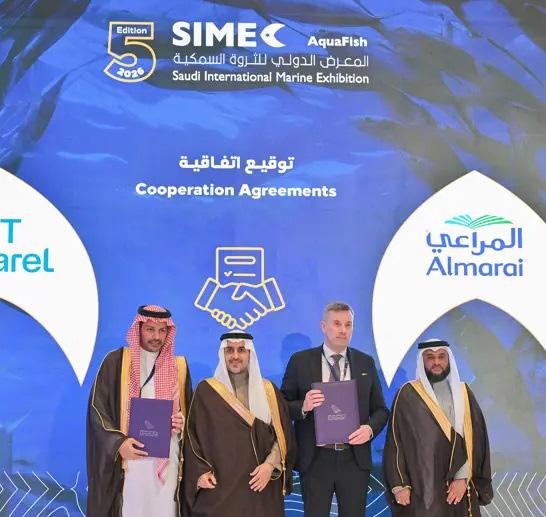
ALMARAI SIGNS FIVE STRATEGIC CONTRACTS WORTH 276 MILLION SAR AT THE SAUDI INTERNATIONAL MARINE CONFERENCE
Almarai sponsored the fifth edition of the Saudi International Marine Exhibition and Conference (SIMEC), held in Riyadh.
During the event, Almarai announced the signing of five strategic contracts with a total value of SAR 276 million. This step comes in line with Almarai’s plans to expand investments in seafood to diversify its offerings, establish new production facilities, and adopt new technologies to further enhance quality and meet customers’ expectations.
The contracts were signed with Creet International Contracting Company, Coldstores Group of Saudi Arabia, Laitram Machinery Inc, ION Exchange Limited, and JBT Marel. These agreements aim to establish industrial facilities and production lines at Almarai’s Seafood facilities in King Abdullah Economic City in Rabigh as part of the investment plan to expand in the seafood sector and accelerate access to local markets and consumers.
This initiative aims to strengthen its qualitative investments in the fisheries sector, expand its seafood product portfolio, increase product variety, establish industrial facilities, and adopt advanced technologies to enhance product quality and meet consumer expectations.
“Almarai’s participation in this important event and the strategic agreements we signed form part of our expansion plans in the seafood sector and our contribution to national objectives related to economic diversification and food security. This includes increasing the sector’s output and raising local seafood consumption to align with global benchmarks,” said Fawaz Al-Jasser, CEO of Almarai. “These efforts also support the development of impactful strategic partnerships, reaffirming our firm commitment to innovation, the adoption of advanced technologies, enhanced operational efficiency, and sustainable long-term growth.”
CODEX ADOPTS UAE-LED INITIATIVE TO DEVELOP FIRST INTERNATIONAL STANDARD FOR PASTEURISED CAMEL MILK
The Codex Alimentarius Commission (Codex) has officially approved a proposal submitted by the United Arab Emirates to develop the first international standard for pasteurised camel milk. The decision was reached during the Commission’s 48th session in Rome, marking a qualitative milestone that reflects the UAE’s leadership in shaping global food safety and quality benchmarks.
The approval follows overwhelming support from participating nations and international organisations, including the International Union of Food Science and Technology (IUFoST), demonstrating the UAE’s capacity to lead a broad international coalition.
Official documents highlight that the previous absence of an international standard hindered commercial expansion and left the market vulnerable to fraudulent practices, such as the adulteration of camel milk powder with bovine milk powder. The new standard will ensure product authenticity, safeguard consumer rights, and facilitate fair trade for a product experiencing rapid global demand.
Estimates indicate that the global camel milk market reached approximately $1.369 billion in 2024 and is projected to rise to $1.934 billion by 2033, with a Compound Annual Growth Rate (CAGR) of 3.9%. Currently, the Middle East and North Africa (MENA) region accounts for 40% of global production, followed by Asia-Pacific (30%), Europe (18%), and North America (12%).
NOVUS RELEASES GLOBAL SOYBEAN DATA, HIGHLIGHTS RISK HIDDEN IN ANIMAL DIETS
Soybean meal is a mainstay of poultry and swine diets worldwide but variability in soybean quality creates hidden risks, both nutritionally for the animals and economically for producers.
A new white paper from NOVUS draws on more than a decade’s worth of data to explain why trypsin inhibitor (TI) in soybean meal is a persistent and often underestimated challenge in modern feed formulation.
“Soybean meal is the greatest protein contributor in most diets, yet its nutritional value is often assumed rather than measured,” says Rasha Qudsieh, NOVUS global enzymes and microbials senior manager. “Our data from more than 1,900 soybean meal samples globally shows that trypsin inhibitor levels are highly variable across regions, years, and processing methods, and even small increases in TI can negatively impact amino acid digestibility, feed efficiency, and animal performance.”
Trypsin inhibitors are part of a plant’s natural defenses that also interfere with protein digestion. While commonly associated with under-processed soy, NOVUS research found that TI can
persist even in commercially processed soybean meal with measurable effects on gut health and growth in both poultry and swine.
“We’ve analyzed hundreds of soybean meal samples globally, creating an extensive database on trypsin inhibitors. We’ve also invested years developing practical methods to measure TI accurately,” says Paula Fisher, NOVUS analytical services senior manager. “This paper shares what we’ve learned and explains why routinely monitoring TI is becoming increasingly important for nutritionists who want consistency in animal performance and predictability in their financial returns.”
The white paper called Outsmarting Trypsin Inhibitors includes information on
• Why there is no “safe” level of TI where animal feed is concerned
• How TI levels vary globally and across soybean products
• Why heat processing alone does not eliminate risk
• The documented impacts of TI on poultry and swine performance
• Practical strategies for measuring and managing TI-related risk
ALFA LAVAL MIDDLE EAST RECEIVES “TRAILBLAZER OF DAIRY PROCESSING” AWARD
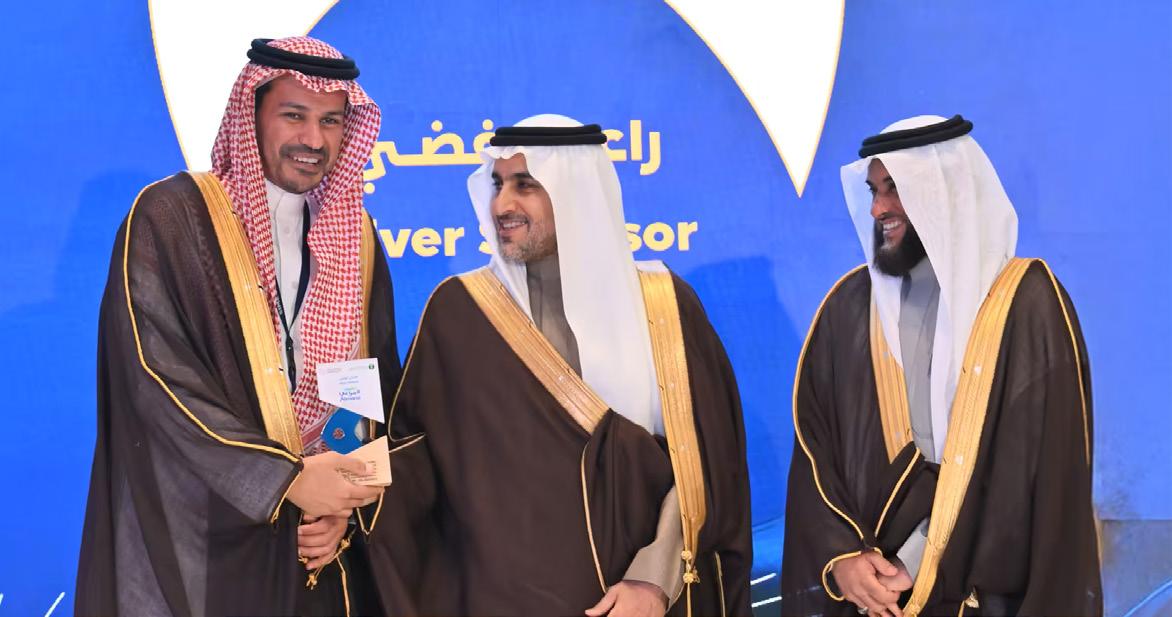
Alfa Laval Middle East received the prestigious Trailblazer of Dairy Processing award at the Global Dairy Innovation Conference (GDIC), held in Dubai. The award recognizes organizations that are redefining the future of dairy through solutions that deliver measurable impact on customer wellbeing, operational excellence, and long term value creation.
INTRODUCING THE COBB800™: A NEW ERA OF HIGHYIELD PERFORMANCE
CobbVantress, LLC. unveiled the Cobb800™, a next generation broiler breeder designed for high output, scale driven operations worldwide. Grounded in decades of genetic improvement and supported by the most comprehensive commercial testing program in Cobb’s history, the Cobb800 is designed to support the yield, livability, and hatchability required across global production environments.
Cobb emphasized the Cobb800 builds upon its existing product portfolio. The Cobb500™ continues to deliver exceptional results for customers focused on small bird markets, offering the performance, efficiency, and competitive edge producers rely on. Cobb leadership underscored that the Cobb500 remains a proven,
high performing solution for small bird operations worldwide.
Shelby Watkins, President of Cobb, said, “The Cobb800 reflects years of research, innovation, and disciplined focus on advancing meaningful genetic progress. And while our Cobb500 continues to demonstrate outstanding strength for customers in small bird markets, the Cobb800 represents new, organic growth for Cobb in a market segment where we previously did not offer a specialized highyield solution.”
Developed specifically for markets where yield, scale, and performance are essential, the Cobb800 is selected to perform under real world commercial pressure. It has been evaluated across diverse regions, management systems, and nutrition programs to help validate performance outcomes across a range of production environments.
“The Cobb800 represents a breakthrough in how we design, test, and deliver genetic progress,” said Dr. William Herring, Vice President of Research & Development at Cobb. “It is the most thoroughly tested product in Cobb’s history—evaluated at commercial scale across multiple geographies and production systems.”
AL DHAID AGRICULTURE EXHIBITION CONCLUDES ON HIGH NOTE
The third edition of the Al Dhaid Agriculture Exhibition concluded on a high note at Expo Al Dhaid.
Recognised as the first event of its kind in the region, the exhibition is organised by Expo Centre Sharjah with support from the Sharjah Chamber of Commerce and Industry (SCCI) and in cooperation with the Sharjah Department of Agriculture and Livestock.
This year’s edition featured over 40 major agriculture and livestock companies, alongside key industry experts, farmers, productive families, and relevant government entities. It drew thousands of visitors and
stakeholders from across the agricultural ecosystem, including investors, farming specialists, and policy decision-makers.
Exhibitors showcased cutting-edge agricultural innovations and farming solutions, spanning wheat and grain cultivation, hydroponic and vertical farming systems, modern irrigation and horticulture technologies, greenhouse infrastructure services, packaging and logistics innovations, and supply chain management solutions. The exhibition further featured livestock production technologies covering aquaculture,
poultry farming, apiculture, and livestock breeding systems.
The Al Dhaid Agriculture Exhibition functioned as a strategic platform facilitating knowledge exchange and networking among agriculture companies, farmers, and government entities. It offered access to expert insights across a wide range of agricultural domains, including crop production, aquaculture, ornamental horticulture, mechanization and agricultural equipment, financial services, consultancy, training, apiculture, and food processing and packaging.
AGRICULTURAL INNOVATION AT AGRITEQ
The University of Doha for Science and Technology (UDST) participated in a leading agriculture exhibition, AgriteQ 2026, showcasing a range of applied research projects and functional prototypes that support sustainable agriculture, food security, and smart farming practices in Qatar.
This participation builds on the work of UDST’s Center of Excellence for Sustainability and Food Security, which serves as a key research platform translating technological innovation into practical applications that enhance agricultural productivity, environmental sustainability, and efficient resource management.
During the exhibition, UDST presented advanced agricultural prototypes developed by faculty members, researchers, and students, demonstrating practical solutions to challenges related to water efficiency, climate resilience, soil health, and agricultural productivity. The showcased innovations reflect the university’s applied approach to education, where research and learning are closely aligned with real-world industry needs.
Among the exhibited prototypes were smart irrigation and monitoring systems, AI and IoTenabled agricultural technologies, sustainable soil and biomass solutions, and data-driven tools designed to optimize resource utilization. These prototypes highlight how applied research can be translated into scalable solutions that enhance efficiency, sustainability, and decision-making across the agricultural sector.
MBRF COMPLETES GLOBAL TRANSITION TARGET FOR THE USE OF CAGE-FREE EGGS IN INDUSTRIAL PROCESSES
MBRF, one of the largest food companies in the world, announces the completion of its transition to the exclusive use of cage-free eggs in its global industrial processes. The commitment, already fulfilled in Brazil since 2020, now extends to international operations, consolidating an importante advancement in sustainability and animal welfare.
Implementing the use of cagefree eggs in international operations involved a joint effort with local suppliers, especially in markets such as Turkey and the United Arab Emirates, where cagefree egg production still presents challenges. The company worked in partnership with producers to enable investments, incorporate
new practices, and ensure the supply of inputs aligned with the highest animal welfare standards. In addition, it implemented protocols focused on traceability and compliance with international references, maintaining continuous
FIERAGRICOLA 2026: VISITORS AND QUALITY ON THE UP
Fieragricola closed its 117th edition on 07th February 2026 with more than 100,000 visitors. This result further strengthens Fieragricola's leading position in the international trade fair landscape specifically covering the primary sector.
This year, the exhibition at Veronafiere opted for a "Full Innovation" format to offer, thanks to cutting-edge technological solutions, effective answers to sector operators (farmers, breeders, contractors, agronomists, agricultural experts and technicians, veterinarians,
animal feed specialists, energy managers, dealers) with the aim of developing increasingly productive and environmentally sustainable agriculture, capable of tackling the continuing climate revolution and ensuring dialogue with supply chains over shared objectives in line with consumer requirements. Against this background, the Show hosted the first edition of the States General of Livestock farming organized by Fieragricola with Assalzoo, the leading association in the animal feed industry. An agreement was also signed with Filiera Italia for the sustainable
monitoring to ensure the long-term sustainability of the achieved target.
The global adoption of the cage-free system reflects MBRF’s commitment to more ethical and sustainable production practices.
“The model eliminates the confinement of birds in cages, allowing them to express natural behaviors and move freely. Aligned with the One Health principles in food production, this practice contributes significantly to animal welfare and meets the expectations of customers and consumers who are
production of bio-fuels.
The across-the-board exhibition offering embraced sectors including agricultural engineering, livestock farming, specialist crops with high added value such as vineyards, orchards and olive groves, renewable energy, technologies for smart irrigation, digitalization and bio-solutions for soil protection, services, and - for visitors - something extra in response to the agricultural business model that by now is interconnected, technologically advanced, and based on multifunctionality as a key aspect for improving added value.
As regards domestic attendance, the number of operators from
increasingly attentive to the origin and responsibility of companies,” explains Ivomar Oldoni, MBRF’s director of agriculture.
The completion of the transition to the cage-free system is only one of the various animal welfare targets established by MBRF. The company has already achieved other relevant commitments, such as ensuring that 100% of the birds in the integration system are raised cage-free. It has also completed the certification of 100% of its slaughtering units in animal welfare globally and the elimination of surgical castration in the swine production chain.
As a result of these and other advancements, the company remains among the highestranked in the sector in importante international benchmarks and indices, such as the BBFAW (Business Benchmark on Farm Animal Welfare), the world’s leading index for farm animal welfare management.
Southern Italy increased by 10%, with peaks of 30% from Calabria and Sicily: this is thanks to the promotional campaigns and roadshows organized in Southern Italy in the two-year run-up to the Show.
Internationalization also expanded: Fieragricola increasingly acts as a bridge for the Mediterranean area, while also responding to the technological innovation requirements on the African continent.
From Wednesday 4 to Saturday 7 February, Fieragricola welcomed 816 exhibitors from 14 countries as well as international delegations and buyers from 28 countries around the world.
EW NUTRITION AND GRASP STRENGTHEN STRATEGIC PARTNERSHIP
EW Nutrition and GRASP are pleased to announce a significant strengthening of their collaboration through a new agreement that will see EW Nutrition increase its ownership stake in GRASP from its current position to full ownership over the next four years.
This strategic move reflects both companies’ commitment to long-term growth and their shared vision for expanding EW Nutrition’s marketleading position in the industry. The phased transition will ensure business continuity while supporting GRASP’s ongoing operations and development initiatives in Brazil.
“This agreement represents a natural evolution of our successful partnership,” said Jan Vanbrabant, CEO of EW Nutrition. “We are excited to deepen our investment in GRASP and its exceptional team, products, and operations in Brazil.”
GRASP’s portfolio includes world-leading products for toxin mitigation (Mastersorb), gut health management (Activo) and other industry-recognized solutions. The company’s dedicated team will remain focused on delivering the quality and innovation that have established GRASP as a trusted name in the market.
“We look forward to this next chapter in our partnership with EW Nutrition,” said Alysson Hoffmann Pegoraro, GRASP Managing Director. “I am confident that this agreement will help to not only continue producing and delivering innovative solutions for our customers worldwide but further increase significantly the global footprint of GRASP.”
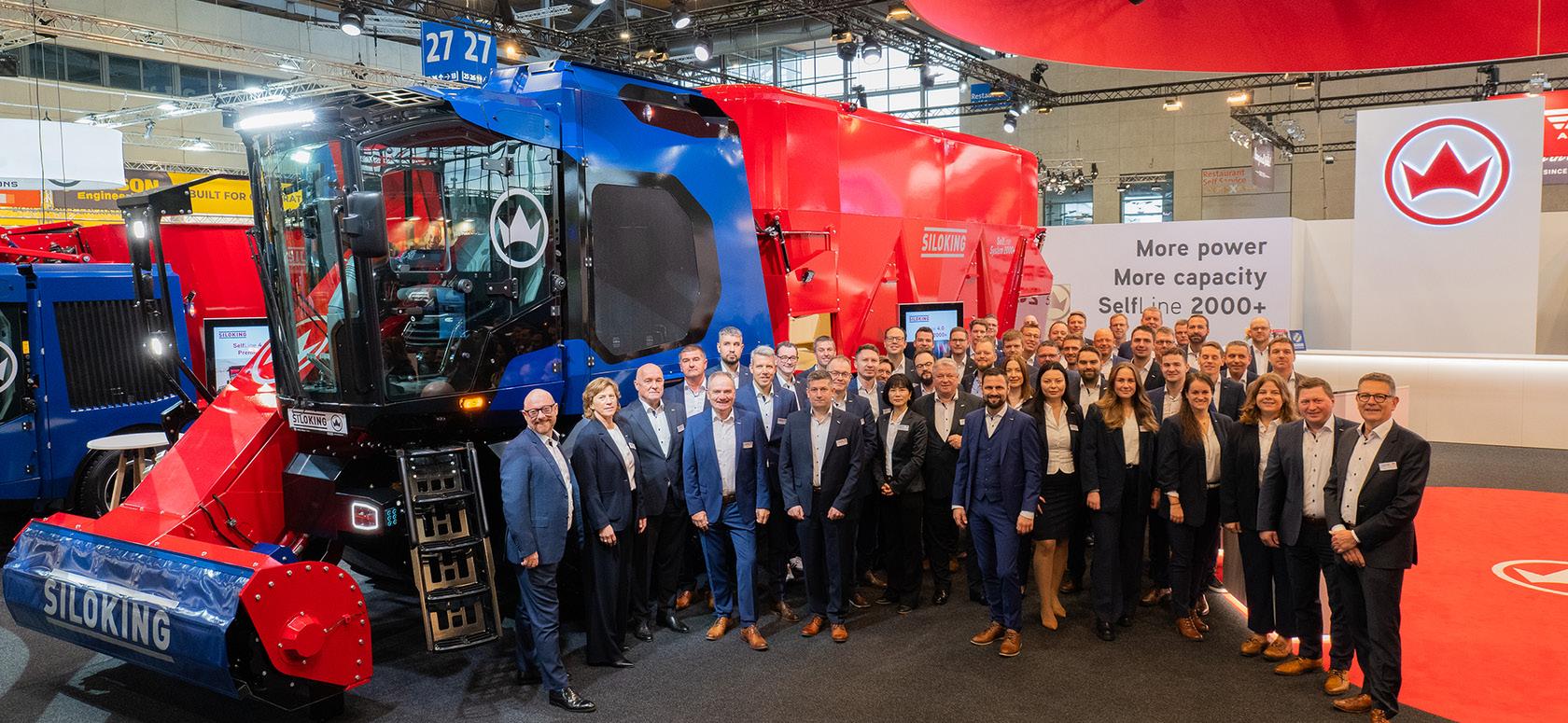
SILOKING AT AGRITECHNICA 2025 – WORLD PREMIERE AND INNOVATIONS IN FOCUS
Agritechnica 2025 in Hanover was a resounding success for SILOKING! Under the motto “Touch Smart Efficiency”, the company presented its latest feeding technology solutions –attracting strong interest and enthusiasm from visitors.
Crowd Puller: the world premiere of the SILOKING SelfLine 4.0 System 2000+ was one of the major highlights of the show. With its 45 m³ mixing capacity, 510 hp engine, and newly developed four-axle heavy-duty chassis, it is the most powerful self-propelled feed mixer worldwide. Countless visitors were impressed and took the opportunity to experience the new flagship model up close – a true eye-catcher and one of the most talkedabout exhibits at the show. It was, without doubt, the most photo-graphed feed mixer on the entire exhibition grounds. Another highlight was SILOKING DryScan®, the innovative real-time dry matter measurement system. This technology automatically adjusts the amount of fresh matter loaded to ensure a consistent ration every day. As the only fully integrated system of its kind on
the market, it enables precise loading and fully documented feeding, ensuring maximum transparency and animal health. With these innovations, SILOKING once again underlines its position as a technology leader in feeding solutions. The response at the SILOKING booth in Hall 27 was overwhelming: a high number of visitors, in-depth professional discussions, and great interest in SILOKING’s vision for the future of livestock feeding. “Agritechnica is one of the most important platforms for us to present innovations and engage directly with farmers and partners. The strong interest for our new SelfLine 2000+ clearly shows that we are on the right track with our strategy,” said Sascha Behrend, Sales Director at SILOKING.
“What’s especially gratifying is that we not only received numerous concrete inquiries across our entire product portfolio but also concluded several contracts directly at the exhibition. This demonstrates the high level of trust in our solutions and the strong partnerships we’ve built with our customers,” Behrend added.
AKRALOS ANIMAL NUTRITION DEBUTS, DELIVERING ADVANCED FEED AND NUTRITION SOLUTIONS
Akralos Animal Nutrition, a new North American animal feed and nutrition company, officially launched Feb. 1. Formed through a joint venture between global agriculture leaders ADM and Alltech, Akralos combines Alltech’s U.S.-based Hubbard Feeds and Canada-based Masterfeeds businesses with ADM’s U.S. feed operations.
Operating an extensive network of more than 40 feed mills across North America and supported by more than 1,400 team members, Akralos delivers reliable, high-quality feeds, minerals and supplements through its trusted brands, backed by advanced nutrition expertise, leading-edge science and personalized service.
“Akralos brings together proven scale, innovation and infrastructure with a deep commitment to service and results,” said Akralos chief executive officer Brian Gier, a leader with more than 30 years of experience in the commercial animal feed industry. “From day one, our focus is on delivering nutrition our customers can rely on, support they can count on and partnerships that help their animals and businesses thrive.”
Akralos is dedicated to helping customers gain a measurable advantage, bringing together passionate teams, proven products and shared values. Its experienced team works closely with customers to deliver tailored solutions, consistent performance and actionable insights, supported by leading-edge research and development, broad logistical capabilities and strong connections across the agri-food value chain.
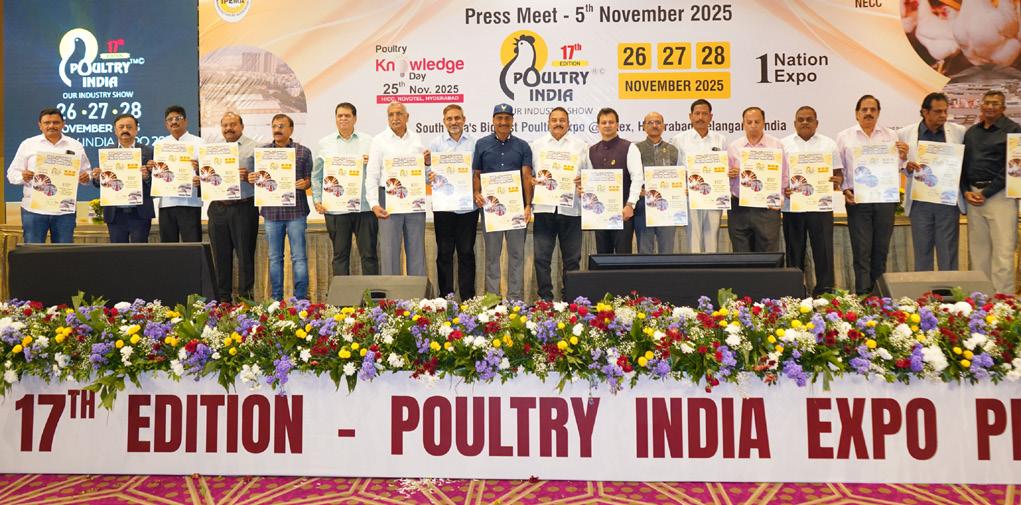
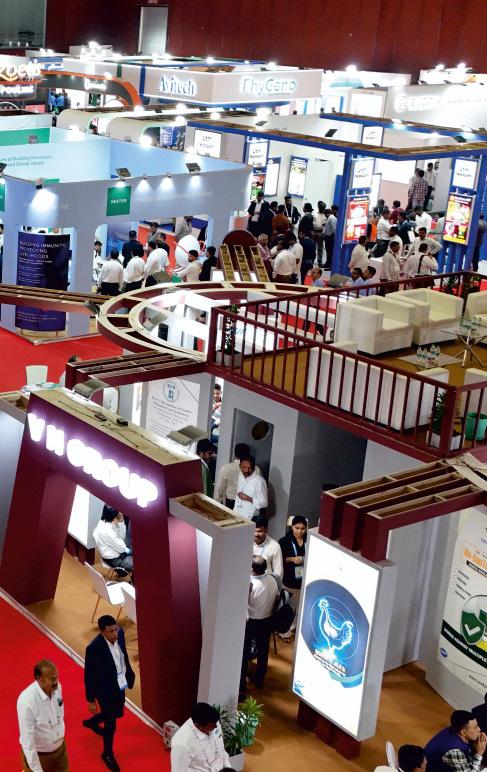
POULTRY ASIA IS RETURNING IN 2026 AT WORLD TRADE CENTRE KUALA LUMPUR, MALAYSIA
Poultry Asia Expo 2026, Asia’s Leading Exhibition and Conference, will be returning on 22–24 September 2026 at the World Trade Centre Kuala Lumpur (WTCKL), Malaysia. This exhibition brings together industry leaders, decision-makers, manufacturers, feed millers, integrators, farmers,
government authorities, and buyers to explore the latest products & services and innovations of the poultry industry across Asia.
Poultry Asia 2026 will be co-located with AquaCulture 2026 and PetAsia 2026, creating a dynamic B2B platform that connects the poultry, aquaculture,
and pet industries under one roof. Join industry leaders, decisionmakers, and buyers as we shape the future of poultry production in Asia, featuring over 150 exhibitors, 10,000+ trade visitors, 30+ technical sessions and workshops, and international pavilions from Europe, China, and the Middle East.
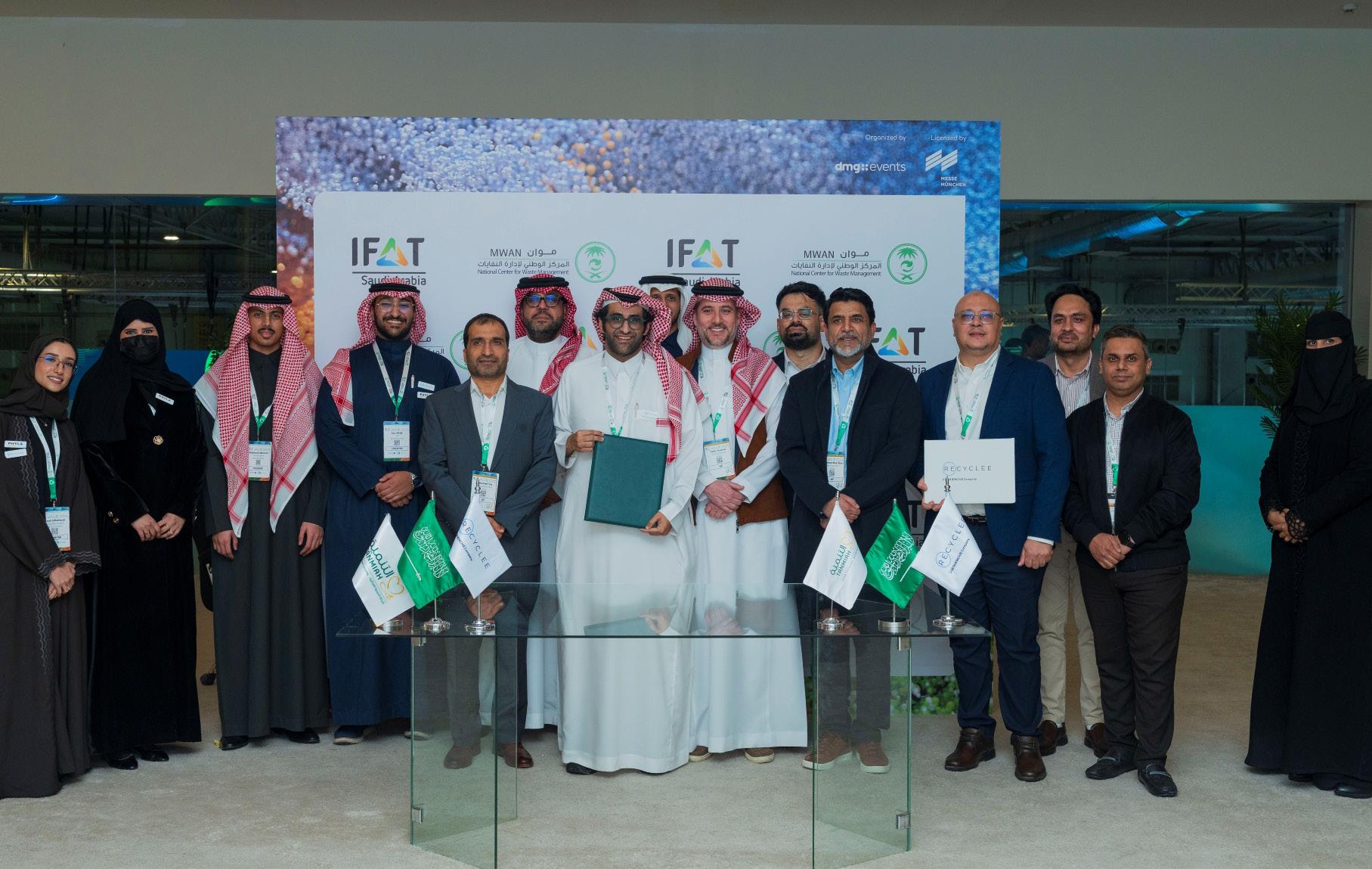
TANMIAH PARTNERS WITH PHYLA AND RECYCLEE TO BOLSTER CIRCULAR ECONOMY AND FOOD SECURITY
Tanmiah Food company, one of the Kingdom’s leading vertically integrated poultry and food producers, recently announced the signing of two strategic Memorandums of Understanding (MoUs) with SEQUENCIVE sustainability portfolio companies: PHYLA, a biotechnology company pioneering the production of sustainable alternative protein, and RECYCLEE, a digital waste management solutions provider.
The agreements were signed during IFAT Saudi Arabia, the Kingdom’s only dedicated exhibition for waste management and environmental technologies, marking a significant step in
Tanmiah’s “waste-tovalue” roadmap, focusing on the digitization of waste management and the research and development (R&D) of alternative proteins to enhance the Kingdom’s food security.
Tanmiah has partnered with PHYLA to lead R&D into
alternative proteins, specifically the use of Black Soldier Fly (BSF) larvae. This initiative explores the R&D potential of locally bio converting organic waste into high-quality, sustainable animal feed. By driving R&D into localized protein alternatives, the Company aims to reduce exposure to global supply chain volatility and support the Kingdom’s broader food security objectives, especially as Saudi Arabia remains a significant importer of grains, making the food system vulnerable to external factors. This BSF research is being developed in tandem with Tanmiah’s Moringa efforts, positioning the company as a primary R&D driver in alternative proteins to support the Saudi Green Initiative and the national goal of achieving 90% poultry self-sufficiency by 2030.
SECOND AVIAGEN TMEA FRANCOPHONE SCHOOL BOOSTS EDUCATION & INNOVATION IN THE POULTRY INDUSTRY
Aviagen® TMEA hosted its annual Francophone School in Tunis, Tunisia, from November 3-7, 2025, uniting poultry professionals from eight countries – Tunisia, Algeria, Guinea, Senegal, Madagascar, Togo, Benin and Côte d’Ivoire – for a week of learning and collaboration.
Attendees immersed themselves in advanced breeder, broiler and hatchery management practices, learning how to build high-impact strategies that elevate biological performance and cost efficiency. The Francophone School also fostered strong industry connections through expert-led sessions on grading, broiler management, data handling, presentation skills, egg handling and essential hatchery KPIs.
At the start of the week, participants were grouped into teams to tackle an engaging case study, putting their knowledge and skills into action. Their innovative solutions were presented to a panel of Aviagen experts, showcasing creativity, collaboration, and industry insight.
The week concluded with a celebratory graduation ceremony, honoring all attendees with certificates recognizing their dedication, hard work, and successful completion of the course. The team that delivered exceptional performance received special recognition, including a certificate and a token of appreciation, highlighting their outstanding contributions and commitment throughout the program.
JBT MAREL AND ALMARAI SIGN LANDMARK FISH PROCESSING CONTRACT
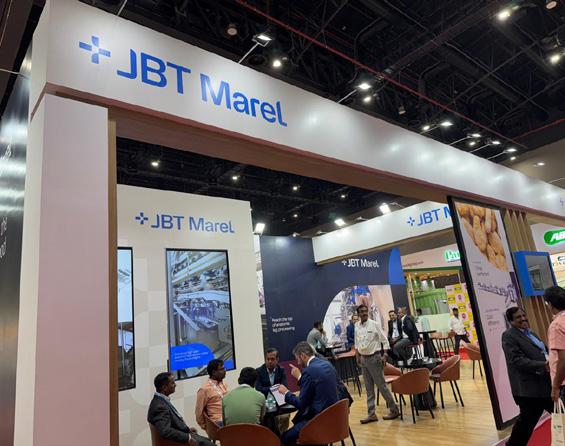
Leading multinational food processor Almarai has signed with JBT Marel to supply three state-of-the-art fish processing lines in a multimillion Euro deal that marks the strategic expansion of Almarai into the seafood sector. The partnership, formalized in January 2026, represents JBT Marel’s first large-scale collaboration with Almarai.
Installation is scheduled to commence in late 2026, at Almarai’s purpose-built facility in King Abdullah Economic City, Saudia Arabia. The facility is set to become a leading processing centre for multiple species, including local seafood, in support of Saudi Vision 2030 food security initiatives.
The expertise and industry
AU-IBAR
knowledge of the JBT Marel Fish team have been integral to building the strong relationship with Almarai that led to this landmark partnership. Our shared values of innovation, sustainable operations, and a relentless commitment to quality make JBT Marel and Almarai a logical fit.
Over the past three years, JBT Marel has worked closely with Almarai to design three comprehensive fish processing lines which supported Almarai’s expansion into the seafood sector and could meet their ambitious strategic goals. This collaborative approach ensured the final solution addresses Almarai’s specific operational requirements while incorporating flexibility for future market demands.
SHOWCASES STRATEGIC VISION
FOR LIVESTOCK TRANSFORMATION AT ICC KENYA BUSINESS SUMMIT 2026
“Africa’s livestock sector already contributes over USD 210 billion annually, yet we continue to import products we could produce ourselves. The question is whether we will seize the billion-dollar opportunity before us.” This message from Dr Huyam Salih, Director of AU-IBAR, framed the urgency of transforming Africa’s livestock systems during the panel discussion on “Resilience in the Animal Industry” at the ICC Kenya Business Summit 2026 in Nairobi. Her remarks highlighted a
central contradiction in Africa’s development trajectory: while the continent has one of the world’s largest livestock populations, its systems remain fragmented, underinvested in, and insufficiently integrated into competitive regional and global markets.
The livestock panel was part of a comprehensive summit programme that addressed the structural foundations required for Africa’s economic transformation. Sessions explored sustainable agriculture, precision farming, digital trade,
Each of the three fish processing lines will utilize the latest advanced technologies to
sustainable finance, and green infrastructure, emphasising the need to move beyond production toward integrated, market-driven systems. Speakers highlighted the importance of strengthening agricultural value chains, improving access to finance, digitising trade systems, and mobilising private investment. These discussions reinforced that Africa’s competitiveness will depend on its ability to connect production systems with efficient markets, modern infrastructure, and coordinated investment frameworks.
Digital transformation was identified as a critical enabler, helping to reduce trade complexity, improve
maximize product quality and minimize waste of raw materials and natural resources.
transparency, and expand market participation, while discussions on sustainable finance emphasised partnerships among governments, financial institutions, and investors to unlock large-scale agricultural and infrastructure investment.
Speaking as part of a high-level panel that included development partners and private sector leaders, Dr Salih emphasised that livestock must move beyond subsistence and become a structured, investable economic sector. The transformation requires strengthening animal health systems, improving feed and genetics, expanding processing infrastructure, and integrating livestock value chains across production, processing, and trade.
CEVA ANNOUNCES STRATEGIC LEADERSHIP CHANGES IN
ASIAPACIFIC AND CHINA
Ceva Animal Health (Ceva), the world’s fifth-largest animal health company operating in 110 countries, is implementing strategic organisational changes across Asia Pacific (APAC) and China to accelerate growth and drive operational excellence. As part of this strategic realignment, Ceva has relocated its Asia-Pacific regional headquarters to Shanghai, positioning the company to serve the dynamic markets in the region more effectively.
Arnaud Leboulanger is appointed Senior Vice President (SVP) of the new APAC & China region. He joined the group in 2003 and gained solid international experience as a General Manager for entities in South Eastern Europe, the Middle East and the Pacific, before taking over the French subsidiary and then the Southern European subsidiary. Arnaud’s track record illustrates his ability to drive change, spearhead transformations, and support sustainable growth. His strategic vision and knowledge of diversified markets will be key assets to support Ceva’s ambitions in this strategic region.
Anh-Mai Vu, currently Director of Global E-Commerce, is appointed Head of Pet Products for the APAC & China region. Over the past two years, she has led the digital transformation and developed our global e-commerce division, strengthening the company’s presence in several markets. Her leadership and strategic vision will be key to accelerating growth in this high-potential region, focusing on expansion, customer experience and creating new opportunities.
Their collective experience and commitment will help ensure a smooth transition and sustainably support Ceva’s development in the APAC and China regions.
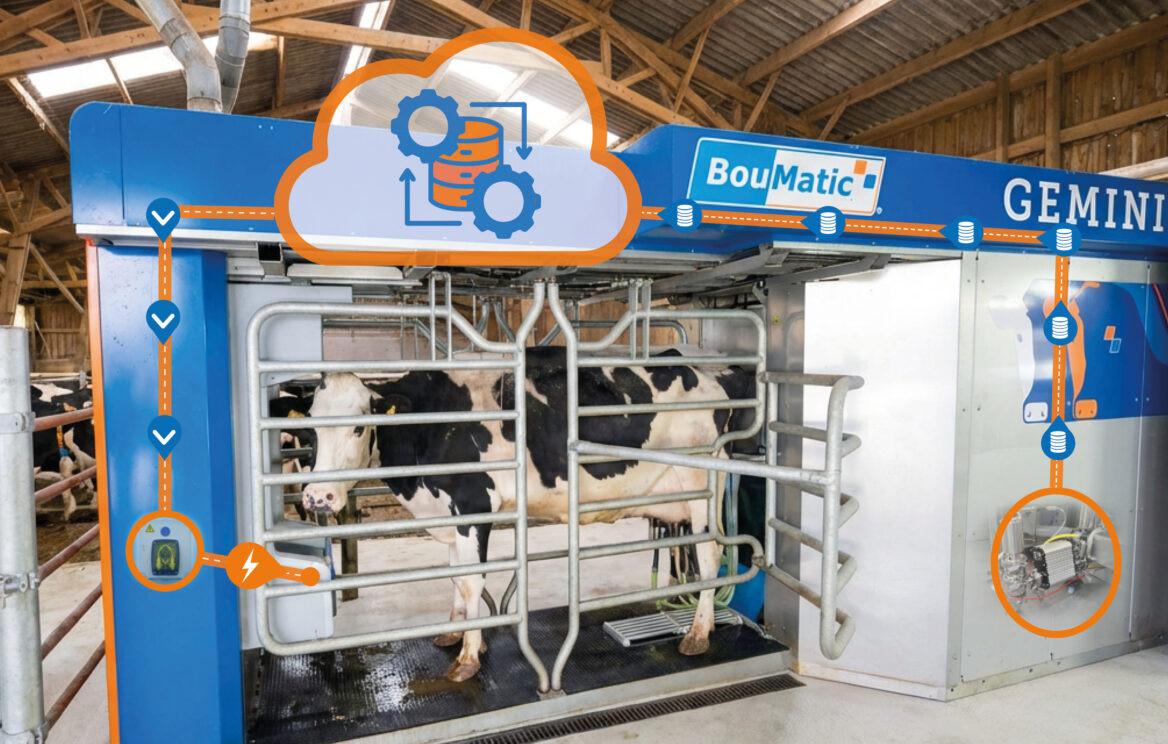
BOUMATIC INTRODUCES MARKET-FIRST AUTOMATED COW CARE FEATURES IN THE GEMINI UP MILKING ROBOT
BouMatic, a global pioneer in dairy innovation, unveils a major upgrade to its Gemini UP milking robot, equipped with the MilkGenius InLine Milk Analyzer. Two groundbreaking features are introduced, that redefine herd health management. For the first time, dairy farmers can rely on a system that not only detects metabolic disorders but also acts automatically,
while providing smart mastitis indications based on advanced data analysis.
Until now, MilkGenius was a diagnostic tool, alerting farmers to issues such as (sub)clinical ketosis. With this upgrade, it becomes an active solution. When MilkGenius detects a cow that tends to suffer from (sub)clinical ketosis due to a negative energy balance, it immediately initiates treatment without human intervention. Extra energy supplements are delivered directly to the cow’s feeding trough, using BouMatic’s liquid feed dispenser system, which is an
existing option in the Gemini UP milking robot. This innovation eliminates manual treatment, which is often labor-intensive and potentially dangerous for the farmer or his staff, and removes the need for farmers to analyze data themselves. The integrated software makes real-time decisions based on the parameters that the farmer has configured for his herd, ensuring rapid response and quick recovery before the cow’s condition deteriorates. Unlike preventive treatments for all fresh cows, in case the farmer equipped his milking robot(s) with liquid feed dispensers, this targeted approach treats only cows that need support and stops automatically when recovery is confirmed—saving time and money.
DE HEUS KENYA STRENGTHENS REGIONAL AGRICULTURE WITH NEW FEED MILL IN ATHI RIVER
De Heus Animal Nutrition is proud to announce the official opening of its state-of-the-art animal feed production plant in Athi River, Machakos County. With an annual production capacity of 240,000 metric tons and a total investment of KES 3 billion (USD 23 million), the new facility marks a significant milestone in the company’s commitment to Kenya’s agricultural sector and regional development. Construction of the plant has progressed successfully, leveraging the expertise of the local workforce and drawing on knowledge from De Heus business units across Africa. The transfer of specialised skills
to the Kenyan team enables the reliable production of high- quality animal feed, serving poultry, pig, and cattle farmers.
De Heus continues to demonstrate its commitment to growth across Africa, marked by the recent commissioning of a new aquafeed factory in Uganda, the start-up of a second livestock feed factory in the Ivory Coast, and plans for further expansion across East Africa. The Athi River factory underscores De Heus’s strategy to support the agricultural sector through innovation, job creation, and regional collaboration.
“This investment demonstrates our confidence in the Kenyan economy and the agricultural sector’s potential.
This factory opening signals a new era for our farmers, providing access to high-quality feed and technologies that will drive food security and economic growth.” Co de Heus, chairman of the Board of De Heus Animal Nutrition, reinforced De Heus’s dedication to sustainable, locally driven growth: “Our mission is to empower local farmers and support communities by combining global expertise with a deep understanding of local needs. Through this new factory, we are enabling Kenyan farmers to achieve higher productivity, sustainability, and ultimately, greater prosperity.”
AQUAVISION 2026 – GUIDING AQUACULTURE THROUGH
CHANGE
The 16th edition of AquaVision will take place in Stavanger, Norway from 8-10 June 2026. Hosted by Skretting and its parent company Nutreco, the biennial aquaculture business conference brings together global leaders to discuss the role of sustainable blue food in feeding a growing world population.
The two key themes that will be explored at AquaVision 2026 are:
• Navigating the global geopolitical landscape: Impacts and opportunities for the aquaculture industry
• Beyond tomorrow:
CHEMLOCK
Pioneering innovations shaping the future of the industry
In a world increasingly shaped by geopolitical uncertainty, shifting alliances, and regulatory complexity, businesses must stay agile in order to thrive. Through renowned experts bringing their perspectives from different regions, at AquaVision 2026 we will explore how the global geopolitical climate is influencing economic landscapes, international trade, supply chain resilience, and consumer behaviour in the aquaculture sector, as well as other industries.
UNVEILS NUTRIVIT®
PURI-D® FOR SUPERIOR 25-OH VITAMIN D3 CONSISTENCY
Chemlock Nutrition has introduced Nutrivit® Puri-D®, setting a new standard in Vitamin D supplementation for animal feed. Produced in the world’s only vertically integrated, pharma-grade 25 Hydroxy Vitamin D3 (25OHD3) facility, Puri-D® deploys a patented enzymatic conversion process to deliver unmatched purity and consistency for livestock nutrition.
Puri-D® is the only full 25OHD3 where 100% of batches are made using the same process in the same facility for maximum consistency and control. Unlike conventional products that rely on multi-step
synthesis, Chemlock Nutrition uses a patented enzymatic conversion process. By eliminating variables in the production process, the risk of contamination with the unwanted and highly regulated 1,25 hormone is almost zero, resulting in a higher purity final product.
Chemlock Nutrition guarantees that Puri-D® is 100% free of impurities and is flown into the USA rather than shipped on a vessel to maximize shelf life. Additionally, every batch of Puri-D® is 3rd party tested before release to the market, and Chemlock reports that no batches have ever been rejected.
HYDRATION MATTERS: OFFERING ELECTROLYTES THE RIGHT WAY TO CALVES
When calves suffer from diarrhoea, electrolyte solutions play a crucial role in supporting hydration and recovery. However, how electrolytes are offered is just as important as when they are used. According to youngstock specialist Erwin Hunneman, electrolytes should never be administered via a teat bucket. Instead, they must always be offered through a water bucket or trough.
Electrolytes should always be offered via a bucket or water trough, allowing the calf to drink with its head lowered. This is the calf’s natural drinking posture for water.
“When a calf drinks this way, the liquid enters the rumen,” Erwin explains. “From there, water and salts can be absorbed much more effectively. That is exactly where an electrolyte solution needs to be.”
Providing electrolytes
via a bucket also reduces the risk that the calf mistakes the solution for milk, ensuring normal feeding routines remain undisturbed.
Electrolyte solutions such as Nutrifizz help compensate for the significant loss of fluids and minerals that occurs during diarrhoea. Without timely support, dehydration can develop quickly and negatively impact growth and recovery.
Correct application is therefore essential to maximise the benefits of electrolyte supplementation.
Electrolyte products differ widely in composition and effectiveness. “A good electrolyte solution must do two things,” says Erwin. “It should buffer acids and provide energy. Many products on the market fail to deliver both.”
INVISIBLE
STRESSORS: WHEN UNSEEN CHALLENGES LIMIT PERFORMANCE
Modern poultry production demands more than meeting nutritional requirements, it requires managing the unseen. Birds are bred for exceptional efficiency, rapid growth, low FCRs and uniform performance. Yet, even under optimal conditions, birds
face a variety of invisible stressors that quietly erode this potential. These include not only heat or crowding, but also low-grade inflammation, dietary toxins or subtle microbial imbalances. These invisible stressors share one common pathway: the gut microbiome. As a metabolic and immunological “control center”, it influences how well birds can cope with challenges. A stable, diverse microbiome helps maintain intestinal barrier integrity, modulate immune responses and optimize digestion. When this equilibrium is disturbed e.g. by poor fiber quality, feed contaminants or inflammation, the consequences are reduced resilience, inefficient metabolism and ultimately performance loss. Managing these hidden influences requires an integrated nutritional strategy that stabilizes the microbiome, protects the intestinal
tissue and mitigates systemic stress.
Feeding the microbiome: structure meets function
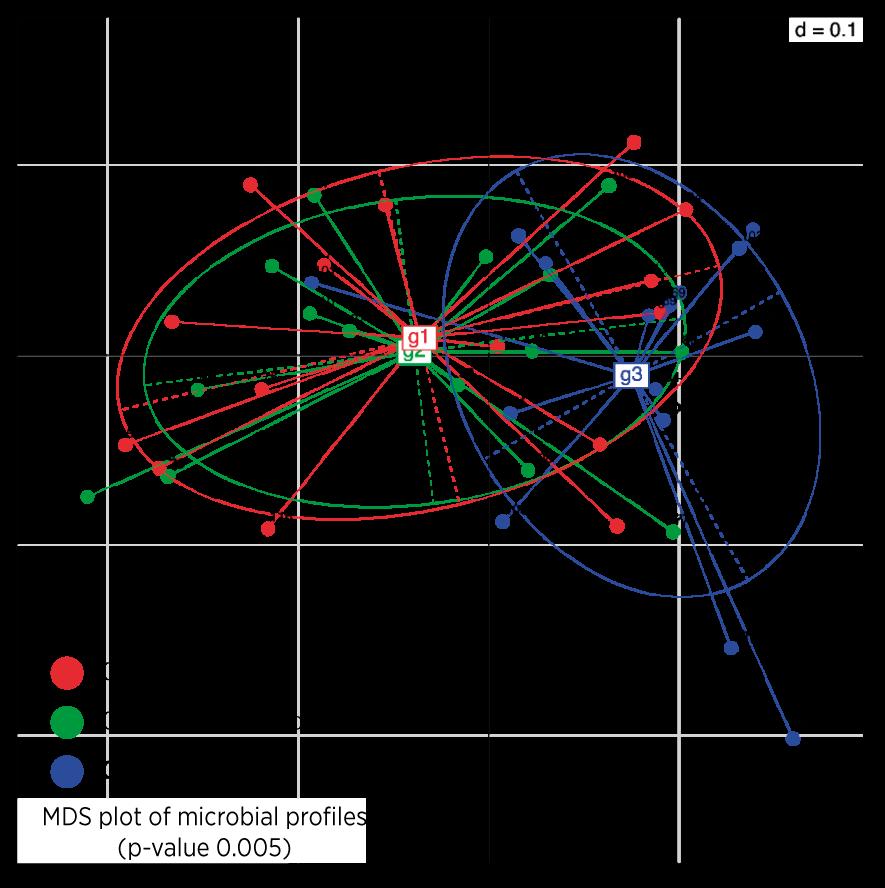
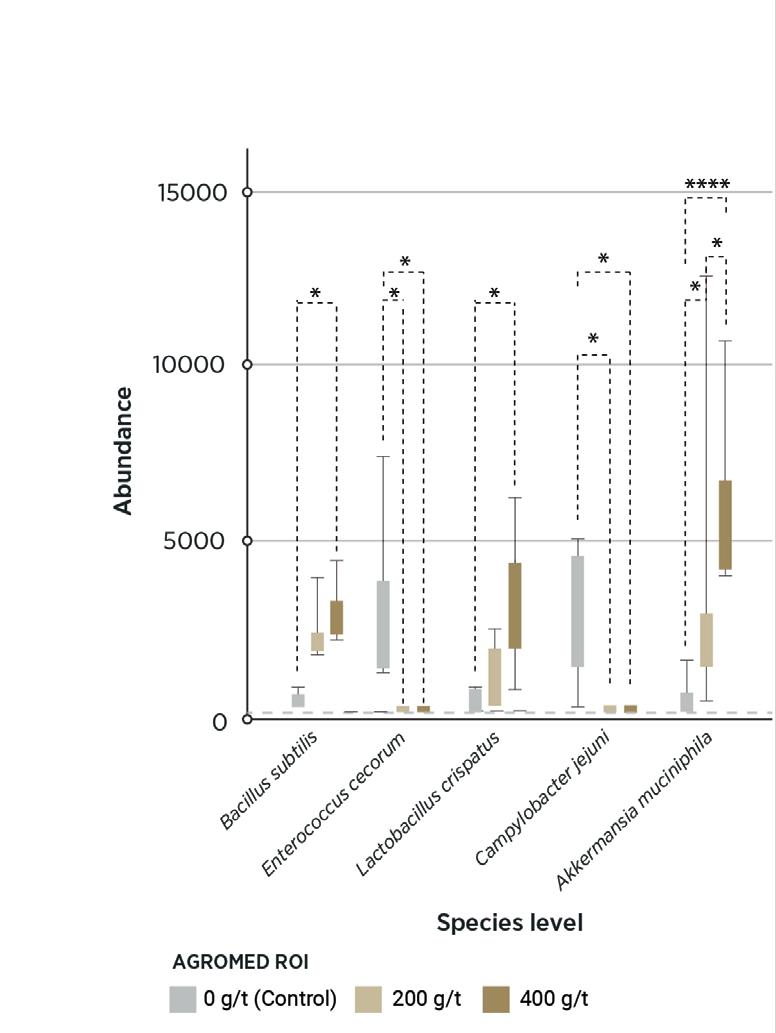
The microbiota can be influenced through a wide range of dietary factors, yet the dietary fiber profile is one of the fundamental levers. Beyond its structural role, the right fiber provides fermentable substrate that drives the microbiota towards a beneficial composition that produces short-chain fatty acids (SCFAs), the essential energy source for the epithelium. However, not all fiber types act the same. Conventional lignocellulose supports gizzard function and litter quality but has limited influence on the microbiome and hindgut fermentation. In contrast, eubiotic lignocellulose, combining structural fiber from stem wood with fermentable fractions from bark, goes further. It promotes hindgut fermentation, producing measurable shifts in the microbial community and increased SCFA production.
When toxins disrupt microbial communities
Mycotoxins are another invisible but severe threat to poultry gut health. Even at low concentrations, toxins like AFB1, OTA or T-2 disturb the microbial balance and compromise epithelial integrity, allowing opportunistic pathogens to proliferate. The resulting dysbiosis reduces nutrient digestibility and triggers secondary inflammation, further weakening the metabolism.
Effective mycotoxin control therefore requires more than binding capacity alone. A multicomponent approach combining adsorption, biological component that perform biotransformation, as well as ingredients that provide liver and immune system support has proven effective in minimizing the mycotoxin risk.
Inflammation as the silent thief
Chronic, low-grade inflammation does not appear overnight. It develops gradually through repeated immune activation, often secondary to mycotoxins, dietary imbalances or microbial shifts, among others. Quietly, inflammatory processes consume
precious energy that is diverted away from performance. Addressing inflammation as its source is key to long-term stability.
Respiratory stress, the often-forgotten performance factor
Invisible stressors are not limited to the gut. While the gut is central to health management, the respiratory tract is one of the largest surfaces in direct contact with the environment and therefore a major interface of stress. High dust load, ammonia or temperature fluctuations can trigger oxidative stress and inflammatory responses that indirectly affect digestion and feed efficiency.
One system, multiple entry points
Despite their different origins, these invisible stressors are interconnected. Mycotoxins compromise the gut lining, the inflammatory status and the dietary fiber profile shape the microbiota and respiratory stress feeds systemic oxidative load. The result is a feedback loop which drains the available energy for meat and egg production.
Breaking this loop demands comprehensive support.
A&P Nutrition, the newly unified brand born from the strategic alliance of PATENT CO. and agromed under the RWA (Raiffeisen Ware Austria) umbrella, is redefining the future of animal nutrition. With decades of expertise now consolidated into a single, robust portfolio. At the heart of this transformation lies a clear mission: Improving animal performance. This is more than a slogan—it’s a customer-centric promise backed by innovation, transparency, and a deep understanding of speciesspecific needs. Through the targeted solutions of A&P Nutrition - eubiotic lignocellulose (OPTICELL), multilayered mycotoxin control (MYCORAID), wood lignans as gut performance tool (AGROMED ROI) and respiratory support (LIQUIHYPE) - we offer an integrated approach to conquer unseen performance barriers. By focusing on the microbiome as the central link between nutrition, metabolism and resilience, poultry producers can turn invisible stress into visible, sustainable results.
For more information, visit https://apnutrition.com
Microbial composition the caeca of broilers (Zeitz et al., 2018)
IDual-Protection: Stronger Immunity Against ND GVII and LPAI
n recent years, poultry producers have faced increasing challenges from infectious diseases that reduce productivity and flock health. Newcastle Disease (ND) and Avian Influenza (AI), particularly Low Pathogenic Avian Influenza (LPAI) H9N2, are major concerns, especially in regions like the Middle East, Asia and Africa due to continuous virus circulation, high stocking density, and environmental stress. Although LPAI H9N2 often causes mild or subclinical signs, it has strong immunosuppressive effects that increase susceptibility to secondary infections, especially ND. Field observations show ND and AI often occur simultaneously. Separate vaccinations increase labor, chicken stress and operational complexity, making simplified and efficient vaccination strategies a critical priority.
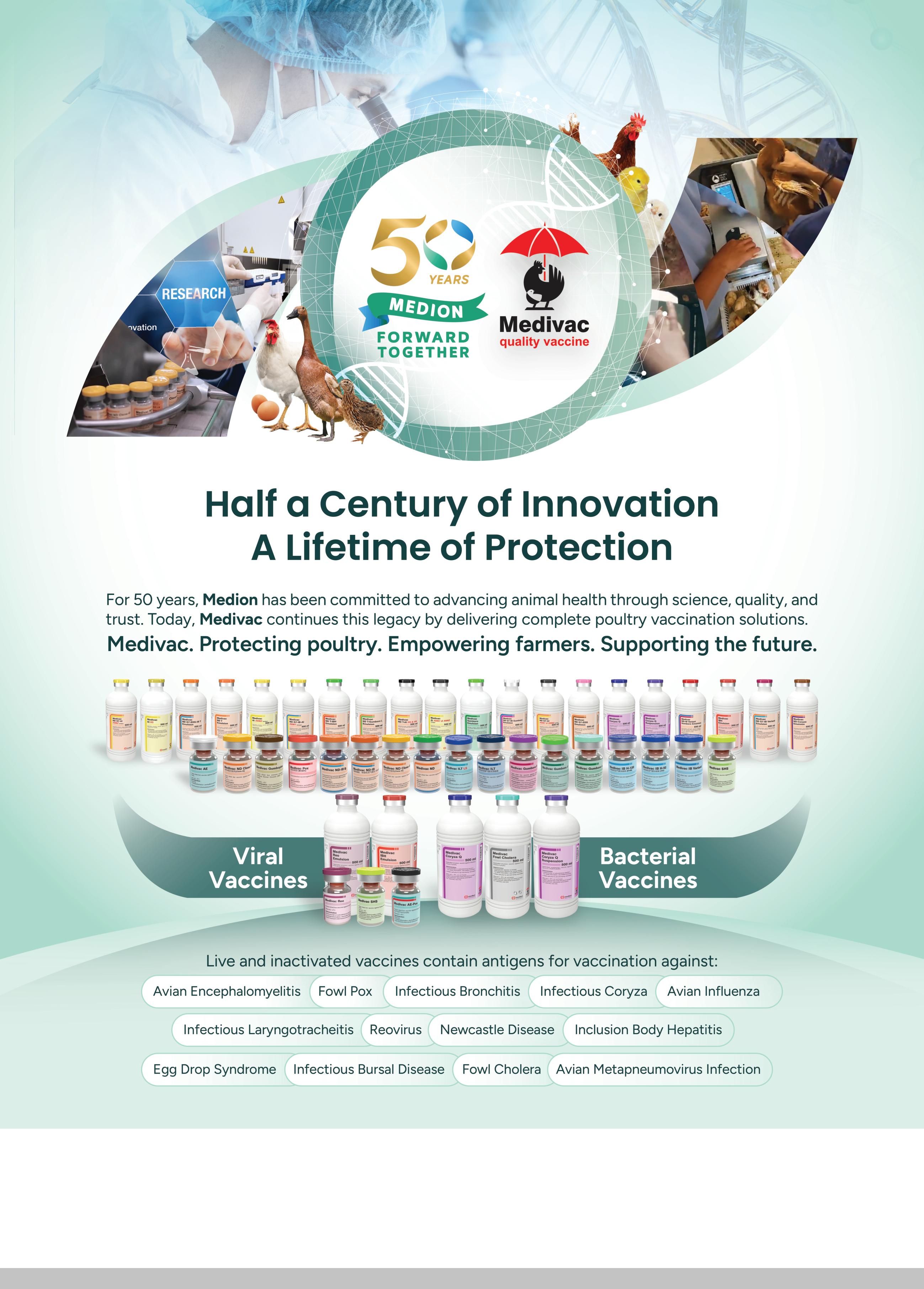
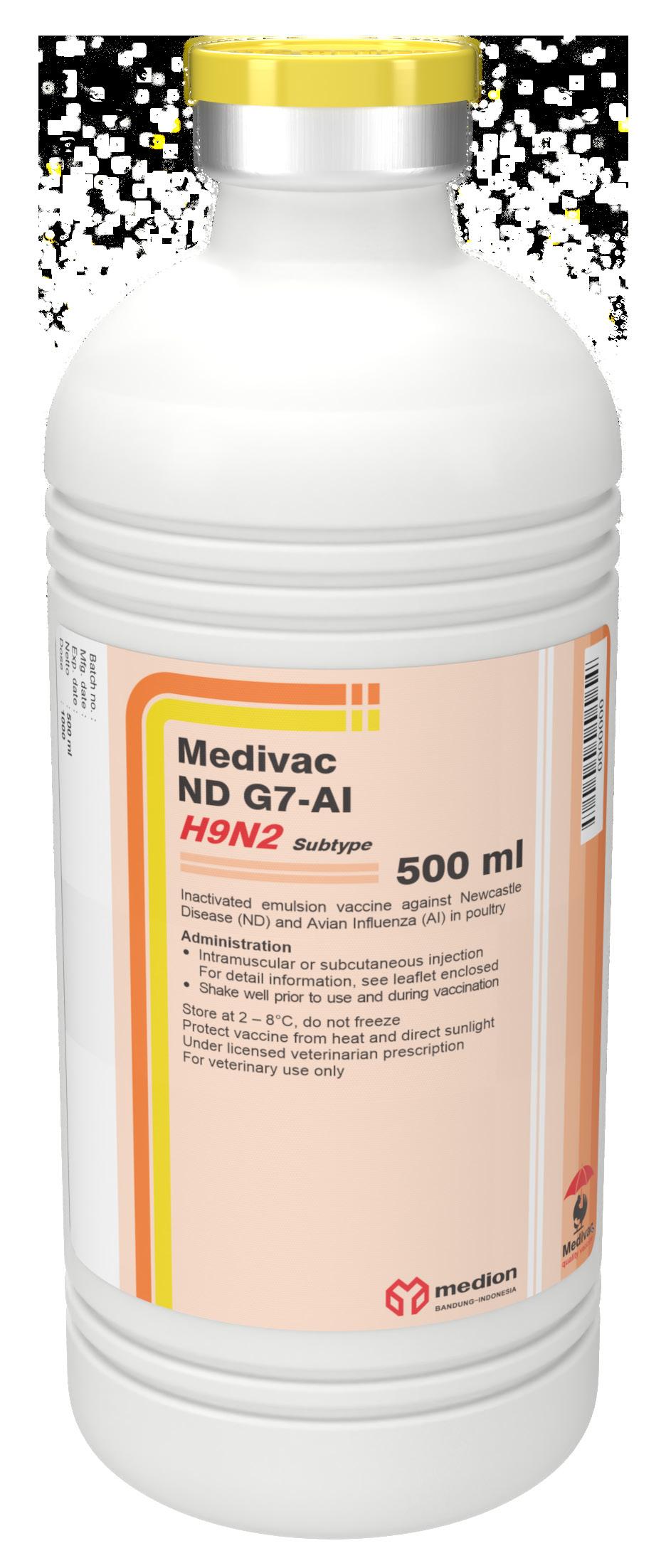
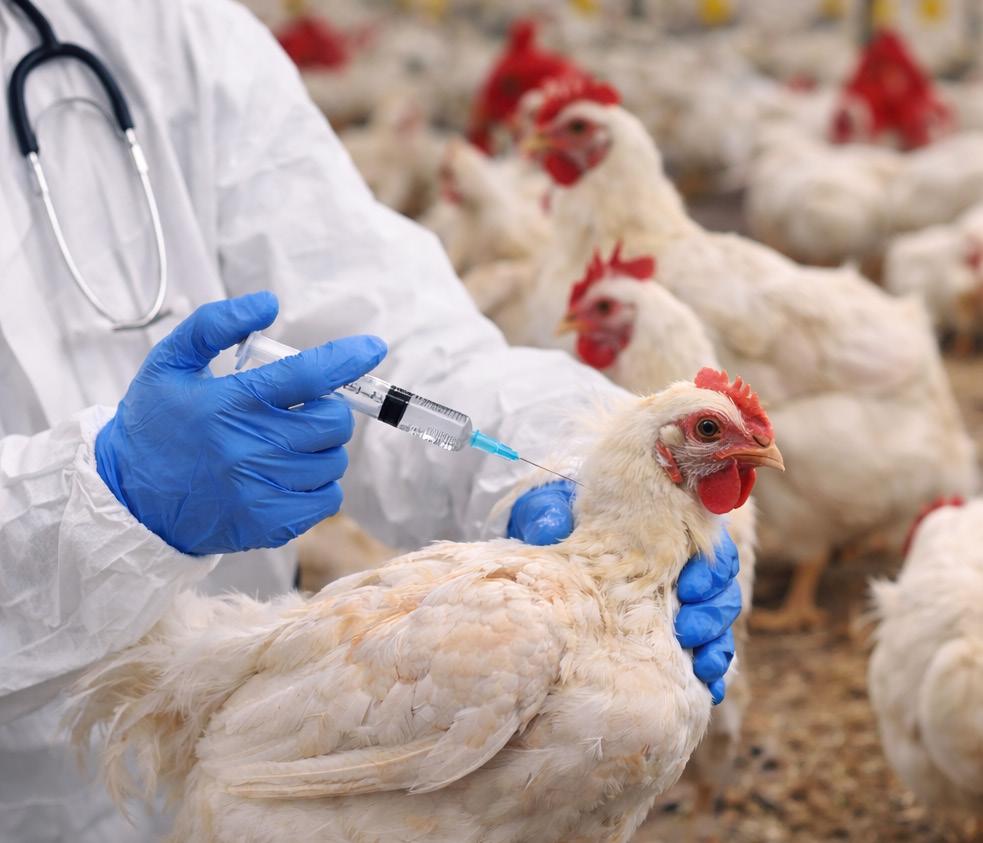
To address these challenges, Medivac ND G7-AI H9N2 (Figure 1) has been developed as a practical, dual-protection solution. This inactivated vaccine combines ND virus genotype VII with LPAI H9N2. By delivering protection against two major respiratory threats in a single injection, it supports stronger immune responses while reducing vaccination workload.
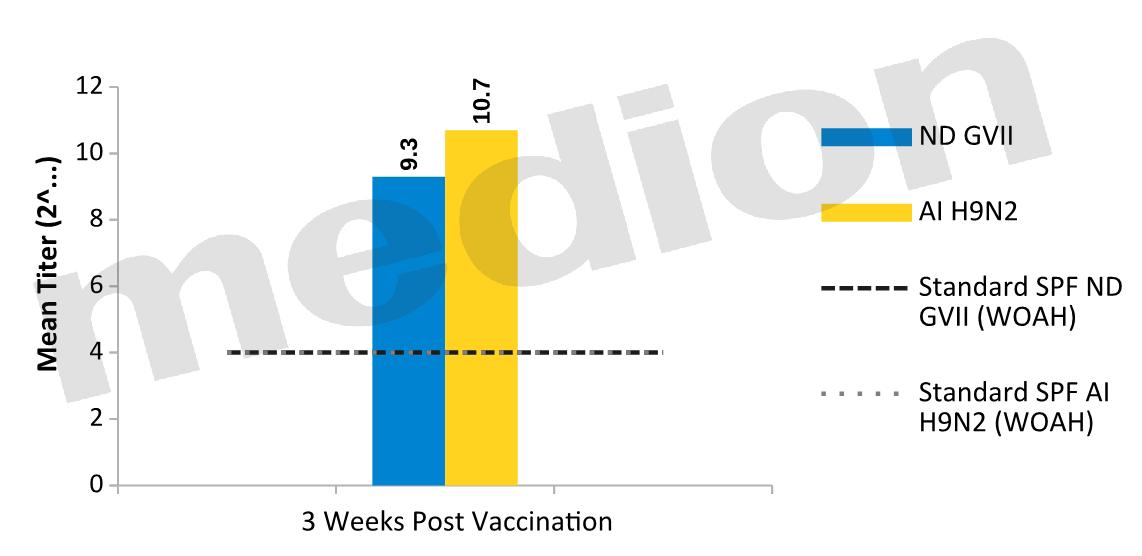
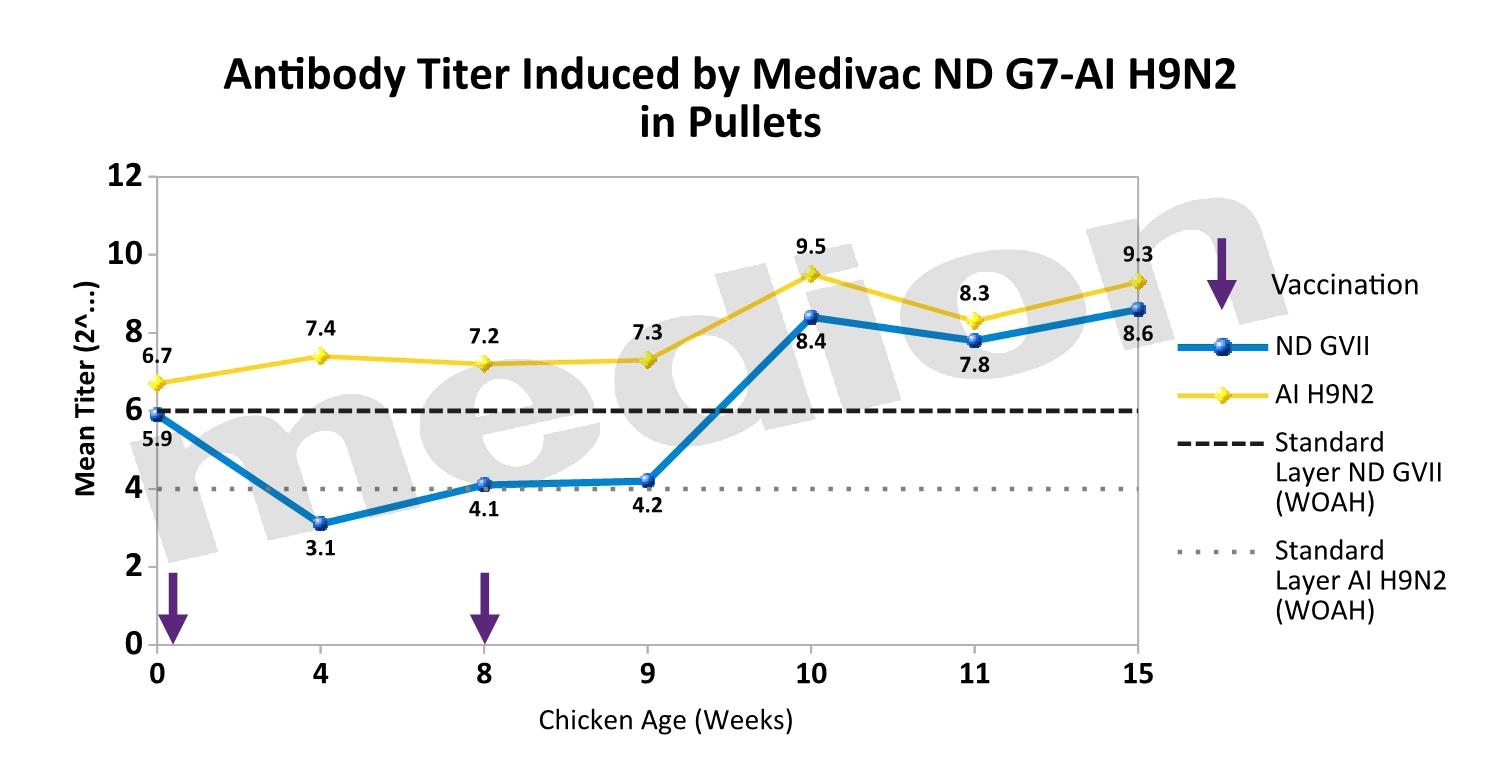
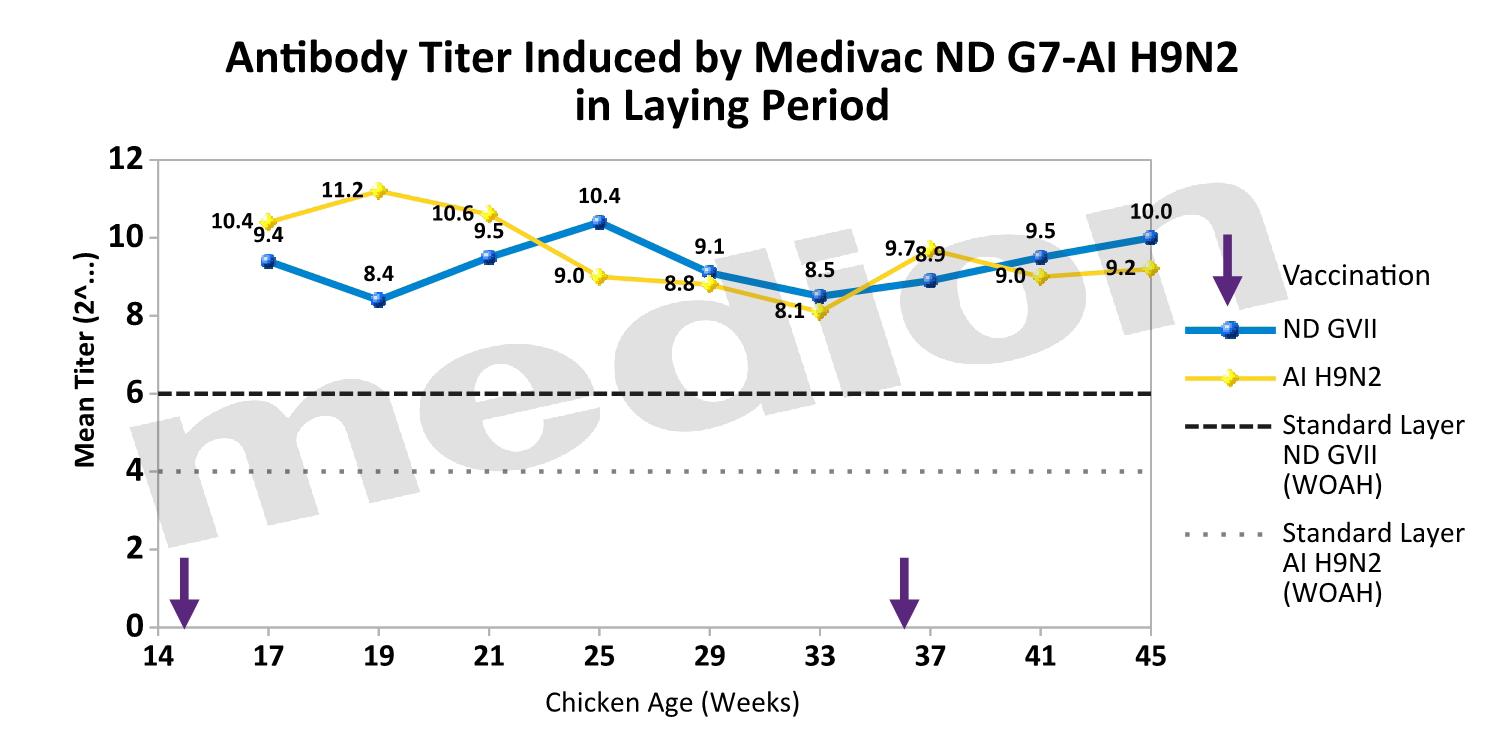
A controlled Specific Pathogen Free (SPF) chickens trial showed that Medivac ND G7-AI H9N2 induces strong, reliable immunity against both ND Genotype VII and LPAI H9N2 (Figure 2). Birds vaccinated at 28 days achieved HI titers well above standard benchmarks just 3 weeks later—HI 29.3 for ND GVII and HI 210.7 for H9N2—confirming robust, genotype-matched dual protection from a single shot. Medivac ND G7-AI H9N2 offers flexible administration for all poultry sectors. For broilers, a 0.2 mL subcutaneous dose form the first week provides early protection and simplifies vaccination schedule. In layers and breeders, the vaccine ensures stability from the pullet phase into production. Trials in pullets vaccinated at 4 days and 8 weeks resulted in antibody titers above standard levels, ensuring optimal immunity prior to the laying period (Figure 3).
Figure 1: Medivac ND G7-AI H9N2
Trials in laying period chicken vaccinated at 15 and 36 weeks demonstrated protective antibody titers throughout the production period (Figure 4) - ensuring sustained immunity against ND Genotype VII and LPAI H9N2 from rearing to the end of the laying cycle.
While vaccination plays a vital role, optimal disease control also depends on strict biosecurity and good farm management practices. Backed by Medion’s commitment to innovation and quality, Medivac ND G7-AI H9N2 supports sustainable poultry production under challenging field conditions.
For more information, visit www.medionfarma.co.id
Figure 2: Antibody Responses in SPF Chickens
Figure 3: Antibody Responses in Pullets
Figure 4: Antibody Responses
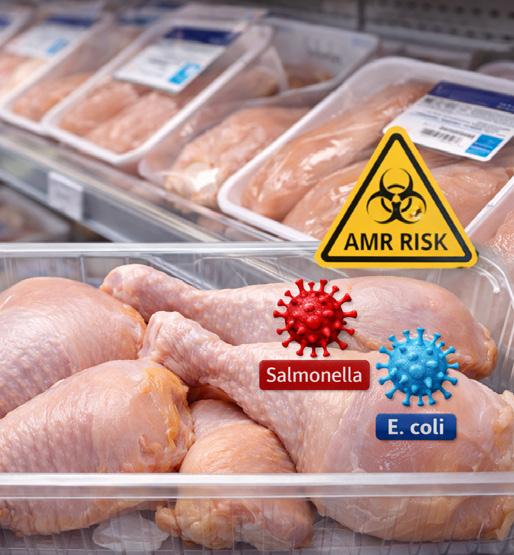
AMR IN MENA POULTRY: A SILENT EROSION OF PRODUCTION AND A GROWING THREAT TO HUMAN HEALTH
Dr. Majed Al-Saegh, Ph.D (Poultry Diseases and Vaccines)
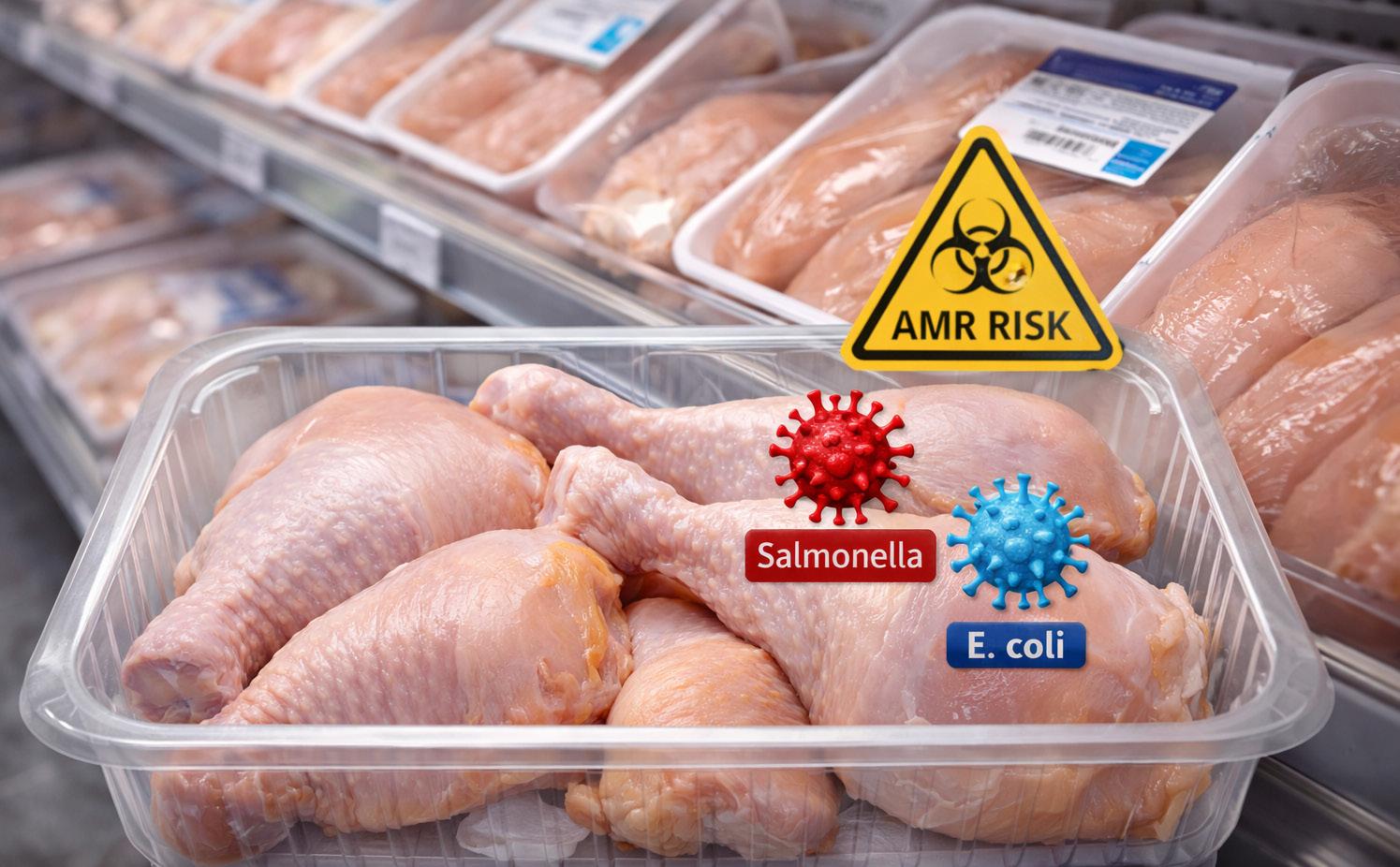
Chicken meat is now the cheapest and most widely available source of animal protein for millions of people in the Middle East and North Africa. Behind every kilogram of chicken meat lies an invisible pharmaceutical footprintrepeated cycles of antibiotic use in feed or drinking water for growth promotion, prevention, and mass treatment. In recent years, hundreds of studies from countries across the regionand from countries with similar production conditions-have shown that this pattern of use does not come without a cost. It selects for
multidrug-resistant bacterial strains in the intestines of birds and within the farm environment, then pushes these strains into the food chain and to humans, thereby contributing directly to the global antimicrobial resistance (AMR) crisis. This report provides a concise scientific perspective-grounded in a broad base of research-on: the current status of antimicrobial resistance in poultry in the region, its impact on production itself, the chain of resistance gene transfer from the poultry house to humans, and the gaps that hinder an effective response. It then proposes a new vision based on the
concept of “precision antimicrobial governance” within a One Health framework.
First: The scale of antibiotic use in regional poultry
Global analyses indicate that the food-animal sector consumes tens of thousands of tons of antibiotics annually, with poultry representing a major share. In many Middle Eastern and North African countries, the rapid expansion of broiler production has relied on:
• Antibiotics added to feed or water to improve growth and feed conversion, or as “insurance”
against disease.
• Metaphylactic mass treatment during high-risk periods such as brooding or pre-marketing.
• Random treatment of mortality or poor growth cases, often without bacteriological diagnosis or antimicrobial susceptibility testing.
Local reports intersect with international organization reports in indicating that the prevailing equation in many regional farms is: a ready-made drug prescription for every complaint, with repeated use of antibiotic classes important to human medicine such as fluoroquinolones, third- and fourthgeneration cephalosporins, and colistin, in addition to tetracyclines, macrolides, sulfonamides, and penicillins. Meanwhile, accurate quantitative data (mg per produced animal unit) remain largely absent in most countries of the region; where reports exist, they often rely on import or sales data rather than detailed farm records by age, production phase, and purpose of use.
This gap in consumption data makes any antibiotic stewardship policies akin to working “with eyes closed”: there is no clear baseline and no measurable quantitative targets.
Second: Resistance patterns in poultry bacteria
1. Foodborne pathogens
Multiple reviews from Arab and Middle Eastern countries show that non-typhoidal Salmonella (NTS) and Campylobacter are regularly present in chicken farms, carcasses, and retail products. In some studies, isolation rates of Campylobacter jejuni from chicken parts or carcasses ranged from less than 10% to more than 80%, depending on the country, sampling point along the chain, and testing method, with high resistance rates to fluoroquinolones
and tetracyclines. These figures mean the regional poultry chain is not merely a protein source, but also a moving reservoir of resistant enteric bacteria.
2. ESBL-producing Escherichia coli
Studies across Africa and the Middle East confirm that broilers and layers have become an important reservoir of ESBLproducing E. coli, particularly genes from the CTX-M family. In countries such as Lebanon, Egypt, and parts of North Africa, high proportions of strains resistant to cefotaxime and ceftriaxone have been documented, including strains carrying more than one resistance gene and showing multidrug resistance patterns involving quinolones, aminoglycosides, and sulfonamides. In some production chains, the same ESBL-carrying plasmids have been detected in isolates from chickens, retail meat, and human samples, clearly indicating exchange of resistance genes through the food chain and the surrounding environment.
3. Colistin resistance (mcr genes)
One of the most alarming indicators is the emergence of plasmidmediated mcr genes, which confer resistance to colistin-one of the last lines of defense in human medicine against certain infections. Studies in the Middle East and North Africa and nearby regions have detected colistin-resistant E. coli strains in:
• Broiler farms,
• Fresh or frozen chicken meat at retail outlets,
• Water samples, waste, and environmental sources linked to farms,
• Even wild birds feeding in environments close to human activity.
• mcr genes often occur on the same plasmids that carry ESBL genes, meaning the same strain may be resistant to broad-spectrum cephalosporins and polymyxins (colistin), narrowing remaining treatment options in regional hospitals.
Third: How does antimicrobial resistance harm poultry production itself?
Much of the AMR narrative focuses on the threat to humans, but the loss begins on the farm:
Therapeutic failure and chronic disease
When E. coli causing colibacillosis, Salmonella causing septicemia, or Enterococcus causing joint infections become multidrug-resistant, the “standard” antibiotic no longer delivers a rapid response. Producers are forced to repeat treatment, switch drugs randomly, or accept higher mortality and culling of stunted birds, with increased cost per kilogram produced.
Negative effects during attempts to reduce use
When farms face pressure from the market or integrated companies to reduce antibiotics, and antibiotics are abruptly removed from feed or water without parallel improvements in vaccination programs, biosecurity, ventilation, and water quality, problems emerge in feed conversion, final weights decline, or condemnation rates rise at the processing plant. This failed transition leads some to adopt the narrative that “antibiotic-free chicken is not profitable,” while the real problem lies in poor transition management, not in the principle itself.
Drug residues and market risks
Multiple studies in developing countries have detected residues of tetracyclines, fluoroquinolones, and others in chicken meat and liver at levels exceeding internationally permitted limits. These residues indicate failure to respect withdrawal periods and reflect intensive, poorly controlled use. Commercially, this can lead to rejection of export shipments and loss of local consumer trust when the issue is publicly highlighted.
Fourth: The full chain of resistance transfer from farm to humans
The transfer chain can be
summarized in five interconnected links:
Selection within the bird
Repeated exposure to broadspectrum drugs creates strong selective pressure in the bird’s gut. Strains carrying plasmids or mobile genetic elements encoding ESBL, mcr, and others become established. These strains multiply and become part of the “normal” gut flora of chickens.
Amplification in the farm environment
These resistant bacteria are shed at high levels in feces, contaminating litter, dust, water, and equipment. Air laden with microbial dust and direct contact expose farm workers continuously to colonization by these strains. In more than one context, similarity between strains from birds and workers at the same site has been documented.
Contamination during slaughter and processing
In slaughterhouses, defeathering, scalding, and evisceration can transfer intestinal contents onto carcass surfaces or processing line equipment, contaminating large numbers of carcasses with resistant enteric strains that may not be visibly apparent in the final product.
Food exposure in homes and restaurants
Transfer to humans may occur through consumption of undercooked meat or via crosscontamination in the kitchen (shared cutting boards, utensils, hands). These bacteria may colonize the human gut with or without diarrhea.
Integration into the human “resistome”
Within the human gut, ESBL- or mcr-carrying plasmids may transfer from foodborne strains to pathogenic or opportunistic bacteria associated with later urinary infections or bloodstream infections. In this way, a “routine decision” to add an antibiotic to chicken drinking water can become a real ICU problem years later. In the Middle East and North Africa, this chain is amplified by the spread of backyard farms, live bird markets, unregulated slaughter, the use of poultry waste as fertilizer without treatment, and overlap with weak sanitation and agricultural systems.
Fifth: Major response gaps in the region
Despite the accumulation of research, major gaps still hinder an effective response:
• AMR surveillance gap: Most data come from short research projects focusing on a single pathogen or specific chain points (slaughterhouse or market). In most countries there is no national system linking farm, slaughterhouse, market, and hospital under one unified framework.
• AMU measurement gap: In most countries there is no regular mechanism for measuring antibiotic consumption in poultry farms in mg per produced animal unit, according to international standards. Without these numbers, we cannot know where to start or where we aim to reach.
• Policy and implementation gap: Many countries have national AMR plans, but implementation of principles such as mandatory veterinary prescription, banning growth promoters, and combating smuggled or counterfeit drugs remains inconsistent and overly lenient in day-to-day practice.
• Laboratory and genomic capacity gap: Many veterinary laboratories lack standardized susceptibility testing protocols, quality assurance programs, and the capacity to conduct wholegenome sequencing to understand the evolution of strains and plasmids over time and across species.
• Behavioral and economic incentives gap: Global reviews show that antibiotic-use decisions are not determined by scientific knowledge alone; they are shaped by farmer behavior, veterinary business models, company conditions, and fear of financial loss. Yet there is a clear shortage of socio-economic studies explaining these drivers in the context of regional poultry farms.
Sixth: A new vision- “precision antimicrobial governance”
in regional poultry
To make a real difference, it is
not enough to repeat the slogan “reduce antibiotics.” A practical, measurable vision is needed:
An integrated One Health poultry observatory
Establish a network of sentinel farms, slaughterhouses, and markets in selected countries representing different production systems (large integrated, medium, small, rural). At each point, collect samples from:
• Birds (intestinal samples, swabs),
• The environment (litter, water, dust),
• Workers (voluntary hand/ nasal swabs),
• Meat at retail outlets,
• Selected human cases linked to known production/marketing chains.
Analyze these samples using traditional culture methods with a focus on E. coli, Salmonella, and Campylobacter, alongside wholegenome sequencing to track resistance genes and routes of spread over time.
Turning
antibiotic consumption measurement into a daily
management tool
Adopt FAO and WOAH models and methodologies for farmlevel monitoring of antibiotic use and generate indicators such as mg per produced unit per broiler cycle, with periodic reports benchmarking producers against peers. When farmers see their use is above the sector average, they begin asking about alternatives themselves.
Reducing the highest-risk use first
Instead of broad talk about “reducing everything,” legislation and integrated company policies should prioritize:
• Ending routine preventive or growth-promoting use of colistin,
fluoroquinolones, and advanced cephalosporins,
• Restricting their useif absolutely necessary-to culture-confirmed, time-limited cases under official veterinary supervision,
• Encouraging “responsible antibiotic chicken” programs with independent certification linking compliance to market incentives (preferred supply contracts, better prices).
Replacing antibiotics with “better biology”
Reducing antibiotics without productivity losses requires an integrated package including:
• Vaccination programs designed according to local strains of Salmonella, E. coli, Mycoplasma, and others,
• Improved biosecurity (clean/ intermediate/dirty zones, strict entry protocols, rodent and fly control, water treatment),
• Supporting gut health through balanced nutrition, probiotics, and immune stimulants,
• Introducing rapid on-farm diagnostics to distinguish viral and management problems from bacterial ones before resorting to antibiotics.
A regional knowledge and training hub for AMR in poultry
A leading university or research center in the region could spearhead the creation of a regional platform that compiles isolation and susceptibility data, genomic sequences, and consumption statistics; provides training for veterinarians, farm managers, and regulatory authorities; and coordinates with human health networks to ensure true alignment with the One Health approach.
ABB Drive Products has released a new whitepaper, From skepticism to strategy: Rethinking poultry ventilation, to help poultry producers and system integrators modernize their ventilation strategies for greater efficiency, reliability, and animal welfare.
The paper maps out the main challenges these professionals face, such as inconsistent airflow and equipment strain, and addresses longstanding skepticism surrounding the reliability of VSD technology in poultry applications. It outlines how intelligent fan control delivers consistent environmental conditions while lowering energy
NEW ABB WHITEPAPER RETHINKS POULTRY VENTILATION STRATEGY
ABB details how precision ventilation control boosts energy efficiency, animal welfare, and insurance compliance
use and risk, highlighting a measurable payback period of 12 to 24 months for layer operations, and 18 to 30 months for broiler farms.
“Ventilation is a cornerstone of both animal welfare and a farm’s profitability. Chickens are sensitive animals that require stable temperatures and high quality air to lay and grow at the performance levels farmers expect,” said Lei Gommers, Global Business Development Manager – Agriculture Drives, ABB. “This whitepaper combines field data and engineering insight to address the current hesitancy around adopting VSDs. Our research shows that when
airflow is managed digitally and dynamically, farmers can achieve healthier flocks, stronger financial outcomes, and greater peace of mind.”
The whitepaper also presents how ABB’s ACS280 and ACS380 drives integrate seamlessly with programmable logic controllers and solar PV systems to cut grid dependency by up to 50–55 percent, reducing energy costs and emissions without compromising control. Based on projects such as MPS Egg Farms’ multisite installations, it further validates the reliability and economic justification of modern drivebased ventilation.
Readers can download From skepticism to strategy: Rethinking poultry ventilation at: https://campaign-mo.abb.com/FBMythsExplained/Rethinkingpoultryventilation.
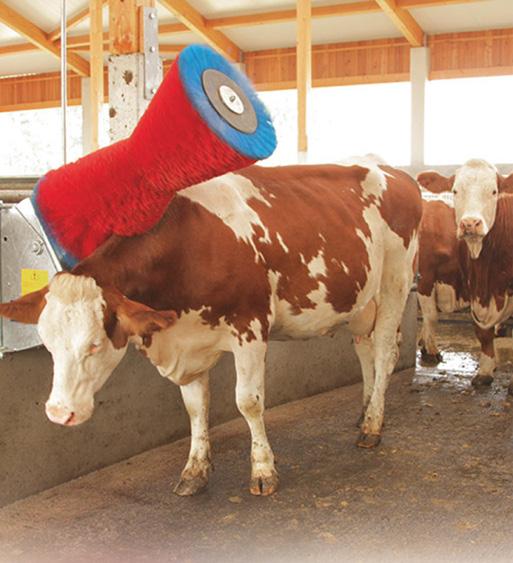
BOOST ANIMAL HEALTH AND COMFORT WITH PREMIUM LIVESTOCK
BRUSHES
Scratch brushes for farm animals are an essential element for the health and well-being of your animals. Whether it's electric livestock brushes for cattle and goats or manual scratch brushes for horses, cattle, calves, llamas, alpacas, and many other animal species – they all help ensure your animals feel comfortable and stay healthy. The scratch brushes from the HAPPYCOW brand by Kerbl significantly improve the performance and well-being of your animals. Healthy animals are more relaxed, happier, and perform better.
Why invest in Livestock Brushes?
Enhanced Animal Health
Just like humans, animals also feel itchy from time to time and have the need to rub and scratch themselves. Scratch brushes are an important contribution to general hygiene and should not be missing in any modern barn. The animals clean themselves and
rid themselves of lice, mites, and other parasites. The formation of lichen or fungal infestations is minimized or even completely prevented. When animals are healthy, you have a calm and relaxed herd.
Improved Performance
Healthy and well-groomed cattle and goats can achieve better performance since well-being is a crucial factor. Livestock brushes promote blood circulation in the skin through extensive brushing and massaging. This leads to enhanced heat dissipation and stimulates metabolism. The stimulated blood circulation can increase milk production and estrus.
Variety and Occupation
The use of a scratch brush makes the animals calmer, improves their well-being, and serves as a form of occupation. Additionally, unwanted behaviors such as mutual sucking in calves decrease.
Positive Behavioral Effects
Scratch brushes contribute to stress reduction as brushing is perceived as a pleasant stimulus. The use of the brushes is like a massage, has a calming effect, and promotes relaxation.
Easy Installation
The HAPPYCOW livestock brushes are easy to install and nearly maintenance-free.
Reduced Workload
The HAPPYCOW livestock brushes are designed to reduce the workload for animal care, allowing you to focus on other important tasks.
Long-term Investment with High Return
Investing in high-quality livestock brushes pays off in the long term through healthier and more productive animals. They contribute to more sustainable and efficient farming.
For more information, visit www.kerbl.com
How U.S. Soy is Redefining Morocco’s Protein Industry
At a poultry farm near Tiflet, Morocco, Dr. Chemaou Tarik, owner of Aalaf Chemaou, reviews feed conversion ratios, efficiency, and animal performance. Numbers that define the bottom line. “I prefer U.S. soy in my broiler feed and see its impact on birds' performance and flocks' homogeneity,” he adds. His success is connected to soybean farms in the heartland of the United States, where multi-generational farmers are committed to delivering the best feed ingredient for customers across borders. The journey of these soybeans from the U.S. to Morocco shows the deep-rooted
link of U.S. Soy in Morocco’s food and nutrition security.
Since the Free Trade Agreement (FTA) between the U.S. and Morocco was signed in 2006, Morocco has gained increased access to U.S. imports, making it the second-largest market for U.S. agricultural products in Africa. Its strategic geographic position also makes it an ideal hub for transshipment, connecting U.S. Soy to a wider regional market.
U.S. soybean meal is Morocco's highest-value imported commodity, making Morocco the ninth-largest market for soybean meal globally. In the 2024/2025 marketing year, Morocco imported 512,000 MT of soybean meal, reflecting strong demand for U.S. Soy.
Powering Morocco’s Poultry
Poultry is Morocco’s most preferred source of animal protein, making it a key pillar of national food and nutrition security. With an expected annual growth rate of 5-7%, reliable, consistent, superior feed ingredients remain essential for sustained growth.
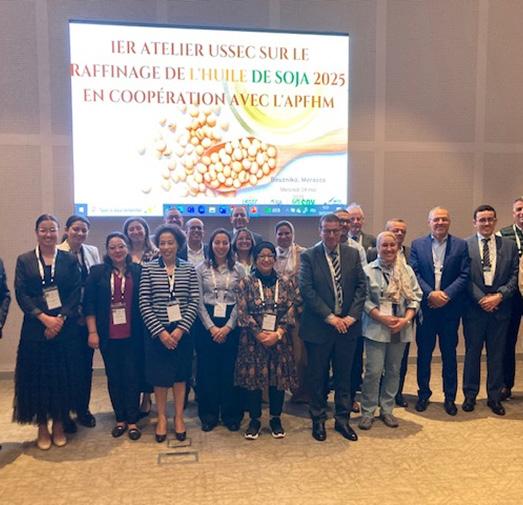
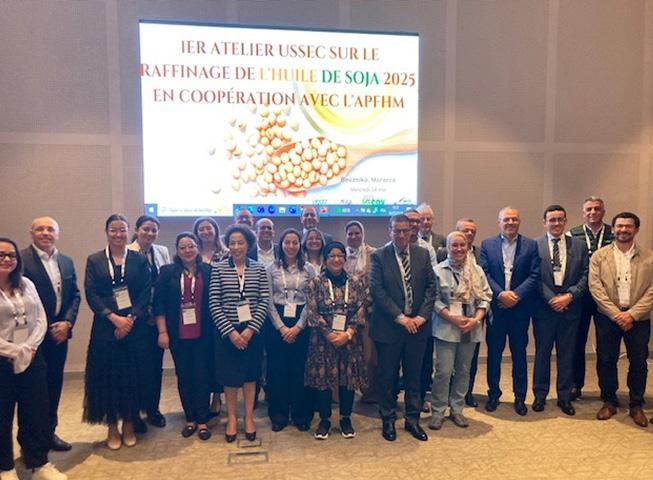
Participants at the Soybean Oil Refining workshop hosted by USSEC in Bouznika, Morocco. Participants learned about U.S. soybean oil’s refining advantages, color profile, and more.
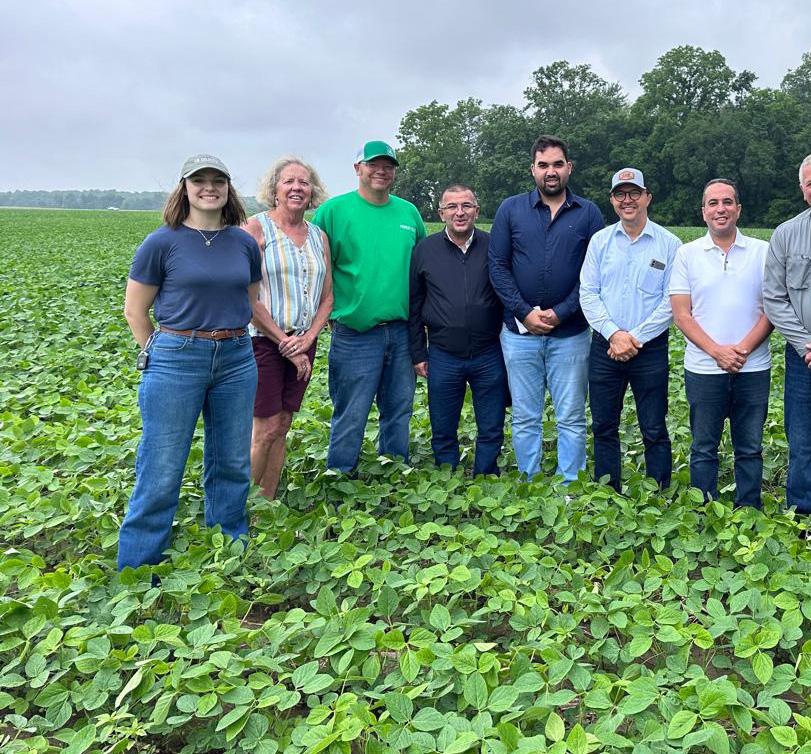
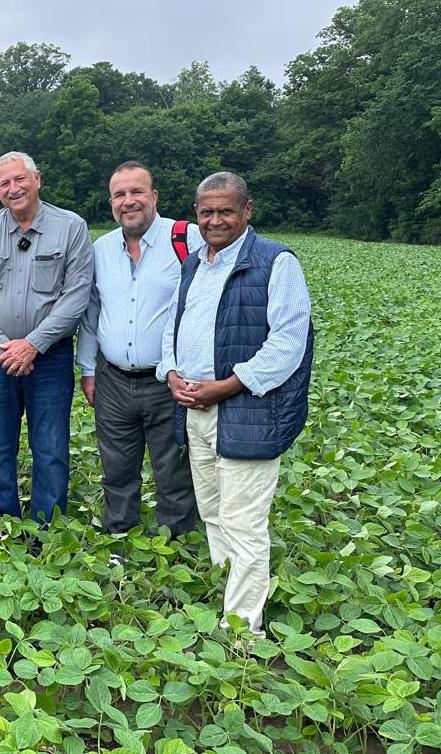
Customers from Morocco visiting a U.S. soybean farm in Ohio during a trade team visit. These visits enable U.S. Soy customers to see the source of their food, understand the soy value chain, and learn more about U.S. Soy directly from the farmers.
In 2024, Morocco produced 4.4 million tons of compound feed, 734,000 tons of poultry meat and 5.6 billion table eggs. The data is clear: poultry leads the nation’s protein demand.
Poultry producers in Morocco recognize that feed ingredients such as U.S. Soy play an essential role in accelerating this growth. By choosing solar-dried U.S. Soy, customers benefit from the 4D’s, namely:
• Lower damage
• Drier soybeans
• Higher digestibility
• Zero deforestation compared to soy from other origins These translate to improved animal performance, improved efficiency, and, in turn, higher profit potential.
Evolving consumer trends are also fueling demand.
Higher-protein diets, a preference for processed poultry products, urbanization, e-commerce accessibility, and home delivery are reshaping Morocco’s consumption
patterns, with protein playing a central role.
Sustainability: A Shared Vision
As Morocco progresses with its Generation Green 2020-2030 strategy, U.S. Soy’s lowest-carbon footprint and sustainable growing practices, such as no-till, cover crops, and reforestation, show shared values. By investing in sustainably verified U.S. Soybean meal, Morocco’s industry benefits from supply chain transparency and its commitment to sustainable agriculture. In marketing year 2025, Morocco imported 317,910 MT of SSAP-verified soy, including 137 MT of soybeans, 11,067 MT of soybean hulls, and 306,706 MT of soybean meal. Investing in SSAP-verified, sustainable U.S. Soy helps businesses achieve their sustainability targets and streamline ESG reporting.
U.S. Soy customers worldwide are leveraging U.S. Soy’s ‘Sustainable U.S. Soy’ and ‘Fed with Sustainable U.S. Soy’ labels to differentiate themselves in a global market increasingly prioritizing sustainability. To qualify for the label, customers must import 60% SSAP-verified U.S.-origin soybean meal or 90% for soy food products.
Beyond Poultry
With no domestic crushing currently in operation, Morocco relies on imports to advance its animal industry, driven by nutrition, sustainability, and a consistently reliable supply. While Morocco’s poultry industry is a dominant user of U.S. soybean meal, the dairy and aquaculture industries remain key users.
Aquaculture is expected to double production by 2030, increasing the need for sustainable aquafeed ingredients. The U.S. Soybean Export Council (USSEC)’s efforts
have supported this growth through the introduction of the country’s first In-Pond Raceway System (IPRS), which boosts yield with minimal environmental impact.
"Our customers here in Morocco trust U.S. Soy with its nutrient-rich bundle," added Khalid Benabdeljelil, USSEC Morocco Market Lead. "U.S. Soy's consistently superior nutritional bundle assures our customers that they're receiving the gold standard in market."
Morocco’s dairy industry, one of the most prosperous in North Africa, also prefers U.S. soybean meal for its high quality, digestibility, and costefficiency. Beyond feed, Morocco is the largest importer of U.S. soybean oil in the Maghreb, highlighting the breadth of U.S. Soy’s value in the country.
Paving a Food-Secure Future Together
The growth of Morocco’s protein industry is built on three decades of partnership between U.S. Soy and Morocco. A Memorandum of Understanding signed between USSEC and The Poultry Federation of Morocco in 2024 further strengthened this collaboration.
“Morocco is a great case study in the convergence of favorable trade policy, quality preference and the alignment of relationships to a vision,” added Kevin Roepke, USSEC’s Executive Director. As Morocco’s protein industry continues to expand, U.S. Soy is the perfect partner to support long-term growth.
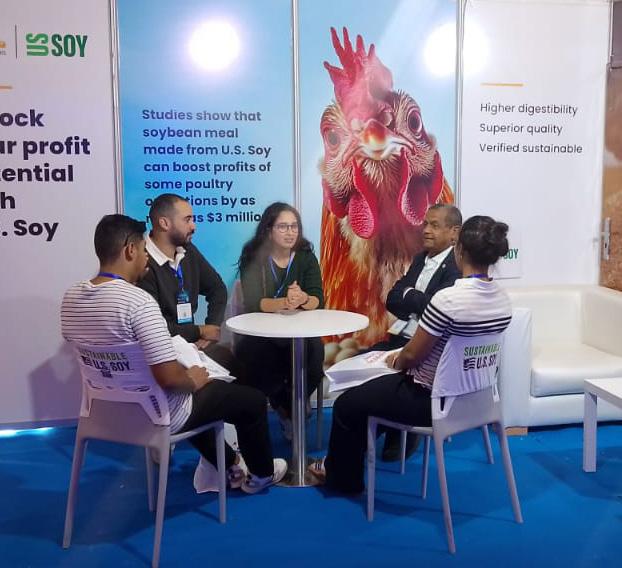
USSEC’s booth at the International Poultry Show – Dawajine 2025, hosted by the Moroccan Poultry Federation (FISA) in El Jadida, Morocco, from November 3 to 5, 2025, showcased U.S. Soy’s sustainability benefits and nutritional offerings.
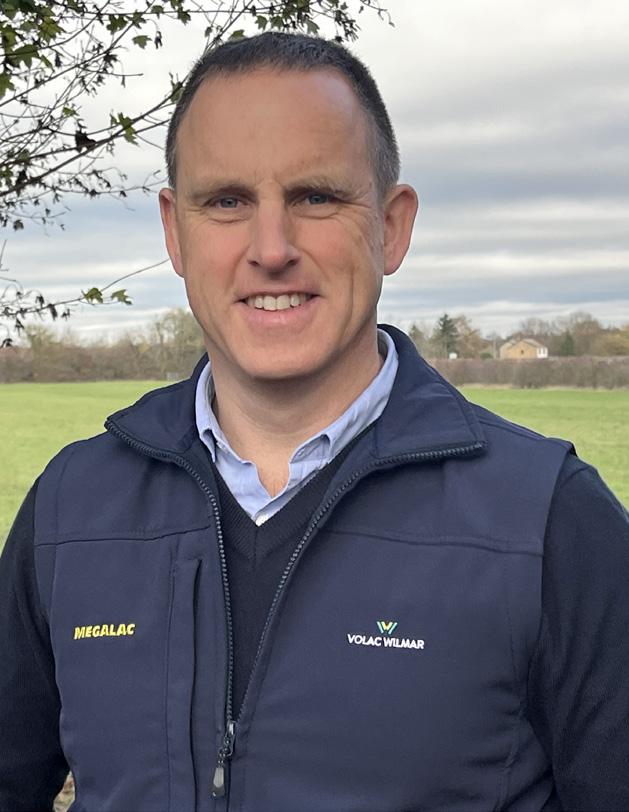
FOUR WAYS RUMEN-PROTECTED FATS PROVIDE DAIRY RATIONS WITH ‘SAFE’ ENERGY
Rumen-protected fats support cow health, milk production and provide a ‘safe’ source of energy in dairy rations. Dr Richard Kirkland of Volac Wilmar Feed Ingredients explains how
Dairy farmers and nutritionists often walk a tightrope when balancing energy supply in rations without destabilising rumen function. Get it wrong, and cow health, fertility and milk production can all suffer.
According to Dr Richard Kirkland, Global Technical Manager for Volac Wilmar Feed Ingredients, rumen-protected fat supplements are ideal for maintaining this balance by delivering a safe, concentrated energy source that supports overall cow performance.
Below, he outlines four ways rumen-protected fats provide
dairy rations with a source of safe energy:
1. They pass through the rumen while avoiding disruption to fibre
A key feature of rumen-protected fat supplements is their ability to pass through the rumen to deliver nutrients directly to the small intestine. This avoids the negative effects of rumen-active oils on fibre digestion, maintaining rumen function and improving supplement utilisation. Megalac provides rumen-protection by the formation of calcium salts with fatty acids.
“While a protected fat passes through the rumen with minimal degradation, the opposite happens when ‘unprotected’ fat sources, such as vegetable oils or high-fat byproducts like brewers grains, are fed. These unprotected fats coat feed particles, inhibiting fibre digestion and throwing off rumen pH,” explains Dr Kirkland. “This leads to feed efficiency loss, but most critically, puts the animal at high risk of acidosis and significant performance loss, in particular a fall in milk fat.”
Volac Wilmar’s manufacturing process for Megalac takes this further, producing calcium
Rumen-protected fats offer dairy herds a safe and function, lifts milk output
and efficient energy boost that protects rumen output and supports fertility and body condition.
“FAT IS CONSIDERED A ‘COOL’ NUTRIENT BECAUSE IT PRODUCES MINIMAL HEAT DURING DIGESTION AND METABOLISM. ITS HIGH METABOLIC EFFICIENCY HELPS OFFSET LOWER DRY MATTER INTAKE DURING HEAT STRESS, HELPING COWS MEET ENERGY REQUIREMENTS EVEN WHEN APPETITES DECREASE,” SAYS DR KIRKLAND.
salts with larger particle sizes that improve rumen protection compared to other sources.
“We manufacture rumenprotected fats for two reasons,” says Dr Kirkland. “The first is to protect the rumen from the
fat, avoiding reductions in fibre digestibility. The second is to protect the fat from the rumen to avoid biohydrogenation of unsaturated fatty acids, ensuring they pass to the small intestine for functional benefit.”
2. They supply high energy density without increasing acid load
Fat is highly energy-dense, with 500g of Megalac increasing energy density by 0.5 MJ/kg dry matter. Compared to cereals, it contains over 2.5-times the energy while maintaining rumen function.
“Fat offers flexibility in ration formulation by allowing higher energy density diets without adding to the acid load in the rumen. Cereals like corn, barley, and wheat ferment quickly, producing acid, which lowers rumen pH — increasing acidosis risk,” says Dr Kirkland.
3. They reduce heat generation
Because fats are relatively ‘simple’ molecules and don’t ferment in the rumen, heat generation during digestion is minimal compared to other feed sources, making them particularly ideal in hot climates to reduce internal heat production, which otherwise adds to heat stress.
“Fat is considered a ‘cool’ nutrient because it produces minimal heat during digestion and metabolism. Its high metabolic efficiency helps offset lower dry matter intake during heat stress, helping cows meet energy requirements even when appetites decrease,” says Dr Kirkland.
4. They support targeted performance Research and on-farm results show that rumen-protected fat
is more than a rumen-safe, energy-dense ingredient; it is a strategic tool to target specific performance outcomes.
C16:0 boosts milk fat production, but it is recognised that part of this effect may be at the expense of body fat and condition. In contrast, C18:1 enhances total diet fat digestibility, energy supply, body condition and fertility, supporting reproductive and metabolic health in early lactation.
“This unique ability to target nutrients toward different areas of cow performance at different lactation stages ensures a cow’s energy demands are met to protect her health and performance,” concludes Dr Kirkland. “Rumen-protected fat supplements are an effective tool to provide highly concentrated energy without compromising rumen health, supporting milk production, body condition, fertility and overall performance in a safe, efficient way.”
For more information, contact Volac Wilmar Feed Ingredients Feed Fats Product Manager Tel: +44 1223 206226 Email: laura.steeden@volac.com
Dr Richard Kirkland, Global Technical Manager for Volac Wilmar Feed Ingredients
PASTORAL PRACTICES AND LIVESTOCK MANAGEMENT IN THE THAR REGION
Article By: Ali Nawaz Rahimoo Social Development Professional anrahimoo@gmail.com
Adistrict spread over 20,000sq kilometers, lies in Pakistan‘s southern Sindh province. But the region paints a picture of beauty and adversity, for beneath the alarming mortality figures are deeper issues hampering human existence in this geographically, culturally and religiously. The Thar desert is mainly characterized by a marginal and diversified agriculture, reflecting the interaction of soil type and crops diversification, livestock grazing and crops management, migration in lean periods for livestock feeding and off-farm work. Monsoon rains are the only wet period in the desert. Kharif cropping is the main possibility, fully dependent on monsoon rains. Low crop productivity results in deficit food production. Crop yields are mainly low except when there is heavy and timely rainfall. Therefore, livestock becomes the major stabilizing factor for sustaining agriculture.
Livestock management: The livestock is an important component of the farming system. However, raising livestock is not easy and becomes tough in the drought months from February to May-June. These are the months when farmers have to cover large distance along with their livestock in search of
grazing rangelands. They travel towards west and ultimately reach in the neighboring districts of Umerkot and Mirpurkhas etc. thus putting lot of pressure on the fodder resources of those areas. In Thar Desert cattle, camel, donkey, sheep and goat are the common types of livestock.
Livestock feeding: In the study area, about 62 per cent farmers feed crop residues of millet and guar for feeding their livestock in the months of fodder shortage (December to June). 23% farmers reported that they did not use any crop residues. No effort has been visible by the farmers to cut and store grasses which are in abundance in the rainy season and use it for feeding their livestock in the drought months. There is a need to think about this possibility and recommendations should be made in this regard. Stall-feeding is a common in the Thar desert. Only the milk animals, when they are milking are stall fed during the months of December to July i.e., the month of occurrence of rainfall.
Common concentrates that they use are guar, millet grindings, and wheat and rice bran and wheat bhusa.
Grazing patterns: The concept of stall feeding to livestock is not common in Thar and mostly livestock depends upon field grazing in the ranges as well as in the fields adjacent to the goths when there are no crops. Average grazing distance from the village is about three kilometers. Grazing of livestock is mostly a male dominant activity. Eighty per cent reported that one male adult looking after the grazing activity, whereas the remaining 20 per cent reported more than one person for the same activity. Usually in this situation, a different person for day and night shifts goes for grazing. In about 25 per cent of families, children were also involved in grazing of the livestock. It is important to point out at this stage that overgrazing is a big problem in the desert and this situation is rapidly moving towards depletion of endangered palatable
grass species in the area. It is urgently needed that some sort of control should be imposed so that grazing activity can be carried out at an optimum level for obtaining maximum benefit out of rangeland resources.
Livestock disease: Animal health was found to be an area where a lot of improvement is needed. It is the only cash surety with the farmers in the hour of need. In the incidence of disease, mostly veterinary care is not available and the farmers have to depend on traditional methods as well as to seek the advice of spiritual leaders. Mortality rates in the event of disease were found to be quite high in case of sheep, goat and donkeys as compared to other animals.
Milk yields: Cows and sheep/ goat were the main milk producing animals. When there was sample of grass available in the range’s cows produced almost double milk than that was produced in the
deficit period. The pattern was of low to light milk yield with respect to rainfall zones. Similar pattern was found in the milk yield produced by sheep/goat.
Livestock limitations: the major constraints faced by them while raising the livestock. They mentioned scarce grazing, drought, marketing and disease. Due to the non-availability of a livestock market nearby the livestock is sold usually in the villages where lesser rates are offered by beoparies. High mortality rates were due to the unavailability of the veterinary hospitals in the Thar area.
Migration behavior: In the dry period which normally starts from the month of December and January unless there is a very good year (meaning abundant rains), farmers of the Thar Desert start a temporary migration to the areas in the interior Sindh in search food for their livestock. Usually their migration involves male family members who take along their livestock herd and look after the dry period in the irrigated areas. But sometimes, this migration involves all the family members moving along with their children and livestock for the same period and travels long distances (i.e., more than 200km) in Nagarparkar. Although their return to Thar depends upon the rainfall, however an overwhelming majority (85 per cent) reported that they are back by June, July and August. While migrating, the farmers have to travel long distance to reach the places where they can find food and feed for themselves as well as for their livestock.
Farmers from Nagarparkar were travelling an average distance of 220km
followed by those living in Chacharo (154km). Dhaali (110 Km) Islamkot (45kms) Even the farmers in Umerkot taluka which is at the border of the desert, they have to travel 120km comparatively, less distances were covered by farmers in Mithi (89km) and Diplo (82km). While in the interior Sindh migratory. Only 70% they stayed on their own and do not want to be categorized as above. When these migrants return back to Thar, they bring along some of the livestock of their friends and relatives where they stayed. This puts even more pressure on the already scarce resources of the rangelands of Thar. Livestock production is the dominant activity of the desert economy. It plays an important role by ensuring subsistence and security against crop failures under drought conditions. Besides, it is also a status symbol in the area. Presence of better ranges in high rainfall zone helps farmers to raise more animal unit.
Farmers in the high rainfall zone were keeping significantly higher number of animal units. The stall feeding of animals generally starts when the grazing forages are not available in rangelands. It starts in December and end in April. The results show that two third of farmers stall-feed their animals during December-January. The crop residues and concentrates are commonly used for stall-feeding. The farmers keep millet, guar and moth residues to feed their animals during fodder scarcity period. Tree leaves and dry grasses were also preserved as high for stall-feeding. Farmers also purchase bhusa from the irrigated areas of Sindh to meet fodder deficits.
Centimeter Level GNSS Positioning Transforms Livestock Operations Across the GCC
How Network RTK via Internet Eliminates Base Station Requirements for Precision Farming and Infrastructure Development
By Jonas Becker, Co-Founder of RTKdata
The livestock sector across the Gulf Cooperation Council is undergoing rapid modernization. From Saudi Arabia's Vision 2030 investments in dairy infrastructure to the UAE's adoption of precision farming technologies, producers are embracing digital tools to improve efficiency and strengthen regional food security. At the center of this transformation is high precision satellite
positioning, enabling centimeter level accuracy for land surveying, autonomous systems, and infrastructure development.
The Positioning Challenge in Large Scale Operations
Modern livestock operations across the GCC manage vast areas under challenging conditions. Dairy farms in Saudi Arabia operate facilities spanning thousands of hectares. Cattle ranches across Oman and the UAE require precise boundary
mapping and infrastructure placement. Poultry operations demand accurate site surveys for climate controlled facilities.
Standard GPS receivers deliver accuracy of 2 to 5 meters under optimal conditions. For many agricultural applications, this precision is insufficient. Placement of irrigation infrastructure, feed
storage facilities, and livestock housing requires centimeter level positioning. Accurate land surveys for property boundaries and development permits demand the same precision.
Traditional Solutions and Their Limitations
Achieving centimeter level accuracy traditionally required Real Time Kinematic positioning, which depends on correction data from a nearby reference station. For years, this meant deploying dedicated base stations at each site. A single RTK base station can cost between 15,000 and 40,000 USD, requires technical expertise to install,
and covers a limited radius of approximately 20 to 35 kilometers. For operations with multiple sites across the region, or for contractors serving different locations, the economics become prohibitive. Transporting equipment and establishing stable mounting points create additional complexity in remote areas.
Network RTK via Internet: Infrastructure Without Installation
Network RTK eliminates the need for dedicated base stations by delivering correction data through the internet using the NTRIP protocol. Rather than establishing physical infrastructure at each location, users connect their GNSS receivers to existing reference station networks and receive correction streams in real time. Reference stations at known coordinates continuously track satellite signals and calculate atmospheric and orbital errors. These corrections stream to users via 4G, 5G, or satellite internet connections. The user's receiver applies the corrections and achieves horizontal accuracy of 1 to 2 centimeters and vertical accuracy of 2 to 3 centimeters.
Applications Across GCC Livestock Operations
Precision positioning enables multiple applications across livestock production. Land surveying for new facilities and boundary mapping becomes more efficient when surveyors can work without deploying temporary base stations. Dairy farms implementing GPS guided feed distribution systems require centimeter accuracy for consistent delivery paths. Drone surveys for pasture assessment and facility inspection depend on accurate positioning for repeatable flight paths.
Virtual fencing systems for grazing management, an emerging technology gaining attention in the region, require precise boundaries that only RTK level accuracy can provide. Water infrastructure mapping, including wells, pipelines, and storage facilities, benefits from centimeter positioning for maintenance records and expansion planning.
Connectivity and Accessibility
Network RTK requires internet connectivity to receive correction streams. The GCC benefits from strong mobile network infrastructure, with 4G and 5G coverage extending across agricultural regions. For remote locations beyond cellular coverage, satellite internet services provide an alternative connection path.
RTKdata.com provides access to correction services from over 20,000 reference stations across more than 140 countries, including coverage across the Middle East. The service works with any NTRIP compatible receiver from manufacturers including Trimble, Topcon, Leica, Emlid, and Hemisphere. Subscription pricing starts at 40 USD per month or 400 USD annually, with a 30 day trial available at rtkdata.com/try-rtkcorrections-free-for-30-days.
Looking Ahead
As GCC countries continue investing in agricultural modernization and food security infrastructure, precision positioning will play an increasingly central role. Network RTK removes one of the traditional barriers to adoption by eliminating the need for dedicated base station hardware. For livestock producers, agricultural contractors, and infrastructure developers across the region, centimeter level accuracy is now accessible through a simple internet connection.
For more information, visit www.rtkdata.com
SOUTH AFRICA’S GRASSLANDS SET A GLOBAL FIRST FOR COMMUNITY-LED CARBON MARKETS
TASC, a leading carbon project developer, has achieved a global first with the issuance of certified Climate, Community and Biodiversity carbon credits from its pioneering Grassland Restoration and Stewardship in South Africa (GRASS) project - a landmark initiative restoring the country's degraded rangelands. The issuance of 266,255 Verified Carbon Units (VCUs) is the first to carry the Climate, Community & Biodiversity
(CCB) label under Verra’s VM0042 methodology, providing independent assurance that climate mitigation is being achieved alongside measurable social and environmental cobenefits. GRASS was the first project registered under VM0042.
The challenge
South Africa's livestock sector covers 34 million hectares but faces extreme weather, poor productivity and degraded soils. A third of the country's
grasslands are already severely damaged by poor or nonexisting management practices. Communal farmers own half the country's livestock but supply just 9% of the meat market, lacking access to training, markets and income opportunities.
The solution
TASC’s pioneering Grassland Restoration and Stewardship in South Africa (GRASS) project was developed with the goal of supporting the restoration
of South Africa’s communal rangelands, some of the most socially and ecologically complex landscapes in the country. The project has since expanded to include commercial farmers alongside communal landholders.
TASC partnered with Meat Naturally Africa, a highly respected South African social enterprise at the forefront of inclusive livestock farmer development, to equip communal farmers with regenerative grazing skills while unlocking real market access through mobile auctions and abattoirs. Ecorangers and farmers are trained in regenerative grazing,
fire management, livestock production, business recordkeeping, invasive alien plant management, and biodiversity monitoring.
Carbon revenues generated by the project are channelled back through a community trust, directly rewarding participation, strengthening local livelihoods, and creating long-term economic opportunity across rural communities.
The impact
GRASS today represents one of the largest grassland restoration initiatives globally - delivering climate mitigation while restoring ecosystems and supporting rural employment at scale.
The project currently spans over 605,000 hectares in the communal rangelands, engages more than 10,000 farmers and has created 900 jobs, nearly a third of which are held by women. It has also generated approximately ZAR56.4 million (~$3.350 million) in additional revenue for participating farmers through livestock and wool market access.
More recently, TASC has expanded GRASS to include private, commercial sector farmers, with total rangeland under management increasing
to 950,000 hectares. TASC plans to scale the project to 2 million hectares under management by 2030, which is forecast to sequester or avoid nearly 2 million tonnes of CO2e annually.
Over its 100-year commitment, GRASS aims to mitigate 14 million tonnes of CO2e in the first 30 years alone.
Reflecting on the milestone, Shelley Estcourt, CEO of TASC Africa, said "This issuance is a significant milestone that validates a core principle of our pioneering carbon project, that restoring degraded grasslands can simultaneously sequester carbon, strengthen biodiversity, and improve livelihoods in communal areas - not as an add-on, but by design.”
“At a time when scrutiny of carbon markets is intensifying, GRASS demonstrates what high-integrity carbon can achieve: real emissions reductions, restored landscapes, and tangible benefits for communities that are often left behind. We're educating and empowering local farmers to build long-term resilience in their landscapes and businesses, while providing measurable environmental benefits to help businesses across the globe achieve their net zero goals."
Sarah Frazee, CEO of Meat Naturally, added “We are proud to have co-developed this pioneering project with TASC and are thrilled to see the traditional grazing and fire management systems in GRASS independently validated – not just for its global contribution to carbon sequestration but for its contribution to biodiversity and livelihood benefits in a changing climate.”
Shelley Estcourt, CEO Africa, TASC
INDIA’S POULTRY AND LIVESTOCK FARMING: GROWTH AND NEW TRENDS IN RECENT YEARS
By Matthews Matthew Editor
In the past few years, India’s poultry and livestock sector has witnessed remarkable development driven by changing consumption patterns, government support, technological adoption, and a growing focus on animal health and productivity. As Indians increasingly include poultry meat and dairy products in their diets, the industry has been evolving rapidly alongside initiatives to support farmers and strengthen farm-tomarket systems.
Steady Growth in Poultry Production
The poultry meat and egg segment has been a major contributor to this trend. Broiler meat production in India reached several million tonnes annually, with the country ranking among the top global producers. Egg output has similarly increased year over year. Growth in production stems from both commercial scale-ups and improvements in farm practices, including more efficient breeding and nutrition systems.
“THE INDIAN GOVERNMENT HAS PLAYED A PIVOTAL ROLE IN SUPPORTING BOTH LIVESTOCK AND POULTRY FARMING THROUGH A RANGE OF POLICY INITIATIVES AND FUNDING PROGRAMMES.”
India’s poultry market has expanded considerably in recent years and is now one of the fastest-growing segments of the country’s agricultural economy. The sector was valued at over USD 30 billion in 2024, and is projected to continue growing at a robust pace through the rest of the decade, driven by rising demand for affordable animal protein and expansion of cold-chain logistics that improve supply reliability.
Among states, Andhra Pradesh, Tamil Nadu, Telangana, West Bengal, Karnataka and Maharashtra have emerged as key hubs of poultry production, collectively accounting for a large share of both egg and meat output. Andhra Pradesh alone contributes a significant portion of the nation’s poultry production, producing billions of eggs and hundreds of thousands of tonnes of meat annually.
Economic Performance and Industry Dynamics
Despite strong demand, the poultry industry faces financial pressures, particularly from rising feed costs — the largest expense for producers. Feed ingredients such as maize and soy account for nearly 90 % of input costs, and price increases have pressured profit margins even as revenues continue to grow.
Digital technologies and improved supply chains are also transforming the poultry value chain. Expansion of cold storage and transport infrastructure under programmes like the Pradhan Mantri Kisan Sampada Yojana is extending product shelf life and reducing waste, while online direct-toconsumer platforms are helping connect producers with urban and semi-urban customers.
Government Support and Infrastructure Initiatives
The Indian government has played a pivotal
role in supporting both livestock and poultry farming through a range of policy initiatives and funding programmes.
The Animal Husbandry Infrastructure Development Fund (AHIDF), extended through 2025–26 with an allocation of over ₹29,000 crore, has been instrumental in building feed plants, breeding farms, veterinary infrastructure and processing facilities across the country. This fund has supported the approval of more than 130 animal feed plants with combined capacity exceeding 85 lakh metric tonnes per year, benefiting hundreds of thousands of farmers and generating tens of thousands of jobs.
Through the National Livestock Mission, farmers have access to subsidies of up to 50 % for establishing poultry farms, hatcheries and brooder units, enabling small and mid-scale producers to enter organised supply chains and secure better market access.
Budget allocations for the broader livestock sector have also increased, with recent Union Budget provisions boosting funding for veterinary services, cooperative support, and entrepreneurship programmes aimed at developing modern livestock enterprises and enhancing rural incomes.
Animal Health and Disease Management
Disease control and animal health are major components of livestock sector development. Initiatives under the National Animal Disease Control Program (NADCP), backed by significant budgetary outlay, aim to eradicate key diseases like Foot and Mouth Disease and Brucellosis by 2030, boosting demand for vaccines and diagnostics. At the same time, advances in poultry vaccines — such as new single-dose multi-disease vaccines — are being adopted to improve flock immunity and reduce mortality.
Broader Livestock Sector Growth
Beyond poultry, India’s livestock sector — including dairy, meat and other animal products — remains vital to rural incomes. The livestock population in India encompasses hundreds of millions of cattle, buffalo, goats and poultry, with dairy products and meat playing central roles in nutrition and commerce for millions of farmers. Investment in artificial insemination centres and improved breeding services in states like Maharashtra is expected to enhance milk yields and livestock productivity, helping sustain rural earnings and food security.
“BEYOND POULTRY, INDIA’S LIVESTOCK SECTOR - INCLUDING DAIRY, MEAT AND OTHER ANIMAL PRODUCTS - REMAINS VITAL TO RURAL INCOMES.”
As a product of the strategic partnership, VNU Europe and the Poultry Federation of India proudly present VIV Select India 2026, a premier Feed to Food trade show specifically designed for the Indian animal protein and livestock industry.
This landmark event will bring together 150 exhibitors representing the complete industry supply chain, from animal nutrition and feed milling to animal health solutions, creating a comprehensive marketplace in one of the world’s fastest-growing markets. Targeting 5000 visitors, VIV Select India 2026 is scheduled to take place from April 22-24, 2026, at the state-of-the-art Yashobhoomi Convention Centre in New Delhi, India.
VIV Select India marks VIV Worldwide’s strategic entry into one of Asia’s most vibrant and rapidly expanding agricultural markets. Organized in partnership with the Poultry Federation of India (PFI), the event brings VIV’s renowned expertise and global network to India’s evolving animal protein sector, combining international innovation with local market knowledge and industry leadership.
VIV Select India will serve
VIV Select India 2026: Entering a Dynamic New Market
as a vital bridge, connecting Indian producers with cuttingedge international solutions in breeding, nutrition, farm management, processing, and food safety. The focused format will showcase global innovations in automation, animal health, feed efficiency, and sustainability that can be adapted to India’s unique market conditions and needs.
“India represents an extraordinary opportunity for the feed-to-food industry,” said Patrick van Rooij, Project Manager for VIV Select India. “The country’s growing population, rising protein
consumption, and commitment to modernizing its agricultural sector, along with the fact that India is projected to be one of the fastest growing economies (GDP growth of 7%, 2026-2027 stats), make it an ideal location for VIV. Through our partnership with the Poultry Federation of India, we’re bringing together the global expertise of the VIV network with India’s entrepreneurial spirit and market potential to create meaningful business opportunities and knowledge exchange that will accelerate the industry’s development.”
In January 2026, Dubai made global exhibition history as Gulfood, the world’s largest annual food and beverage sourcing event, successfully delivered a record-breaking 100% expansion by operating seamlessly across two mega venues. Running from 26–30 January at Dubai World Trade Centre and the newly unveiled $2.7 billion Dubai Exhibition Centre at Expo City, Gulfood sold out more than 280,000 square metres of exhibition space, setting a new global benchmark for scale, delivery and commercial ambition. Over five days, close to 300,000 attendees from over 195 countries and 8,500+ exhibitors showcased more than 1.5 million products across 12 sectors, engaging directly with international buyers and distributors through a fully integrated two-venue model that transformed unprecedented scale into measurable commercial outcomes and uninterrupted dealmaking at a historic scale.
At the commercial core of the show, the Big Deal Hub reinforced Gulfood’s role as a deal-making
engine, as it united 1,000+ premium buyers from around the world through 3,500+ curated meetings, generating AED 168 billion in deals.
The 2026 edition also welcomed first-time participation from Ghana, Kazakhstan, Luxembourg, Maldives, Rwanda, Slovakia, Sweden and Uganda, paving the way for measurable trade outcomes. Kazakhstan’s debut alone generated export and investment agreements worth $335.4 million, reinforcing Gulfood’s role as a launchpad for national trade agendas.
The 2026 edition also marked a decisive step in Gulfood’s global expansion strategy with the announcement of Gulfood360 Africa/Kenya, set to be held in
Two Mega Venues, One Commercial Powerhouse: Gulfood 2026 Delivers Record Global Trade Impact
Nairobi from 4–6 May 2027. Launched under the unified endorsement of Kenya’s Ministry of Investments, Trade and Industry, Ministry of Agriculture and Livestock Development, our leading government partner - the Agriculture and Food Authority (AFA) and the Office of the Special Envoy on Technology, Gulfood360 Africa/Kenya will act as a gateway to the wider African market.
Building on its strongest commercial edition to date, Gulfood will return from 15–19 March 2027, with an expanded mandate to unlock new markets, deepen buyer engagement and deliver even greater global trade outcomes for the food and beverage industry.
17th Poultry India Expo 2025 — A Grand Success!
Powering Global Poultry Innovation
The Indian Poultry Equipment Manufacturers’ Association (IPEMA) successfully hosted the 17th edition of Poultry India Expo 2025 from 25–28 November at the HITEX Exhibition Centre, Hyderabad. The 2025 expo concluded on an exceptional scale, marked by robust global participation and significant industry collaborations. The event further strengthened its standing as one of the world’s most influential platforms for poultry innovation, trade, and knowledge exchange.
India’s Rise as a Global Poultry Leader
India strengthened its global standing in poultry—ranking 2nd in egg production (142.77 billion,
2023–24) and remaining among the top four broiler-producing nations. The sector continued to contribute to national nutrition security, rural employment, and economic progress, sustaining a growth rate of 8–10% in chicken meat and 6–8% in eggs annually.
Driven by the theme “One Nation, One Expo,” the expo successfully accelerated innovation, collaboration, and knowledge exchange across the poultry value chain.
Stronger Global & National Alliances
The 17th edition proudly collaborated with 16 overseas poultry associations, over 40 national-level poultry bodies, 18 national poultry media houses, 15 global media organizations,
and more than 100 mainstream and digital influencers.
These partnerships amplified technological advancements, farmer engagement, and global visibility, making this edition the most connected and impactful to date.
• Chief Guest Shri Vakiti Srihari, Hon’ble Minister for Animal Husbandry, Telangana, inaugurated the event and graced the Poultry Knowledge Day sessions held on 25 November.
From 26–28 November, the Poultry India Expo was further honoured by the presence of Telangana’s distinguished leaders, whose support reinforced strong industry–government collaboration and sectoral advancement.
• Shri Ponnam Prabhakar Goud, Hon’ble Minister for Transport & BC Welfare, Telangana, reinforced commitment toward sustainability and sectoral progress.
• Shri Tummala Nageswara Rao, Hon’ble Agriculture Minister, Telangana, extended strong support for rural market empowerment and future-ready transformation.
• Shri Ponnala Lakshmaiah, Hon’ble Former Minister, graced the expo with his presence, visiting the exhibition halls and inspiring industry stakeholders with his words of motivation.
• Shri Gaddam Ranjith Reddy Hon’ble Former Minister, visited the expo showing strong support for South Asia’s biggest poultry stage.
• Dr. K. Lakshman, Member of Parliament visited the 17th Poultry India Expo 2025, graced the expo
and inspiring industry innovation and growth.
17th Edition — A RecordBreaking Showcase
The expo delivered outstanding milestones:
• 550+ exhibitors from 50+ countries participated
• 51,251 industry visitors attended
• 35,000 sq. meters of exhibition space filled 7 air-conditioned global-standard halls
• Live innovations were showcased across:
– Breeding & genetics
– Hatchery & farm automation
– Feed milling & advanced nutrition
– EC housing & ventilation
– Veterinary diagnostics & biosecurity
– Sustainable egg processing
– Manure & green poultry solutions
The event also addressed emerging concerns in poultry health, sustainability, raw material volatility, and smart technology adoption.
Thought Leadership — Poultry Knowledge Day 2025
The flagship seminar successfully
focused on:
• Emerging diseases & prevention strategies
• Future-ready feed planning
• Manure & sustainability frameworks
• Rural market potential
• Poultry career evolution for future talent
Advancing Toward Viksit Bharat 2047
Aligning with the Hon’ble Prime Minister Shri Narendra Modi’s vision of Viksit Bharat 2047, the expo empowered farmers, entrepreneurs, veterinarians, researchers, students, and global business leaders to accelerate the next era of poultry transformation.
VIV MEA 2025 WRAP-UP: ADVANCING FOOD SECURITY AND INNOVATION ACROSS MENA
VIV MEA 2025 reaffirmed its position as the premier B2B platform for the feedto-food industry in the Middle East and Africa, welcoming 10,830 professional visitors and 144 industry leaders from over 110 countries. Held from November 25–27, 2025 at ADNEC, Abu Dhabi, the event featured 505 exhibitors from 49 countries, showcasing cutting-edge solutions and technologies for animal protein production, animal health, breeding and hatching, croptechfeedtech, food engineering, feed ingredients and additives, aquaculture, and related sectors.
Over three days, VIV MEA delivered a vibrant marketplace for knowledge exchange, networking, and business development. Industry leaders, innovators, and decision-makers gathered to explore trends, forge partnerships, and discover solutions shaping the future of livestock, poultry, dairy, aquaculture, and related industries. The show's strategic partnership with the Abu Dhabi Agriculture and Food Safety Authority (ADAFSA) reinforced its commitment to advancing the region’s feed-to-food industry, focusing on food safety and sustainable agricultural development.
Eng. Majed Musabah Almemari, Hay Supply and Storage Section Head at ADAFSA, shares “Supporting VIV MEA 2025 gave ADAFSA valuable opportunities to strengthen its role across the feed-to-food value chain. The
event enabled our teams to engage directly with international experts, learn about the latest technologies, and exchange knowledge on food safety, animal health, and sustainable farming.”
He adds, “It also enhanced collaboration with global and regional industry partners, opening doors for joint initiatives and innovation projects. Overall, participating in VIV MEA helped us benchmark our practices, adopt new ideas, and reinforce Abu Dhabi’s leadership in applying advanced and sustainable agricultural solutions.”
VIV MEA 2025 provided an essential marketplace showcasing the complete spectrum of animal husbandry, including poultry, dairy, fish, shrimp, eggs, cattle, calves, goats, and camels. A significant highlight was the increasing international participation, featuring prominent global players and international pavilions from countries including the United States, France (which hosted the largest national pavilion), and Korea. The exhibition floor was officially sold out, underscoring the event's importance as a vital meeting
ground for decision-makers across the MENA region.
As a hub for cutting-edge developments, VIV MEA 2025 spotlighted advancements in agri-tech, biosecurity, and processing equipment. Attendees engaged in a comprehensive program featuring over 30 conference sessions with 130 speakers which were mostly freeto-attend.
The exhibition floor featured several important initiatives and specialized areas. For the first time, VIV MEA featured a dedicated
Aquatic Pavilion, expanding the event into the aquaculture sector with the specialized 2nd edition of the Aquatic MEA conference program addressing sustainable seafood production essential to the region’s protein needs. A key focus was also placed on digital transformation in the agrifood sector through the AgriBITs seminar, featuring sessions on AI, IoT, and smart technology to accelerate the development of robust, regional food systems. Furthermore, the Cities Leading Food Production Roundtables brought together international
delegates to discuss critical topics spanning governance, technology innovations, water management, and regenerative agriculture; while the Poultry Marketing Round Table (PMRT) tackled intelligent water management in poultry farming.
VIV MEA is a part of the VIV Worldwide portfolio and is organized by VNU Europe, the international division of Royal Dutch Jaarbeurs. The next edition of VIV MEA will take place from November 23-25, 2027 at ADNEC, Abu Dhabi, UAE.