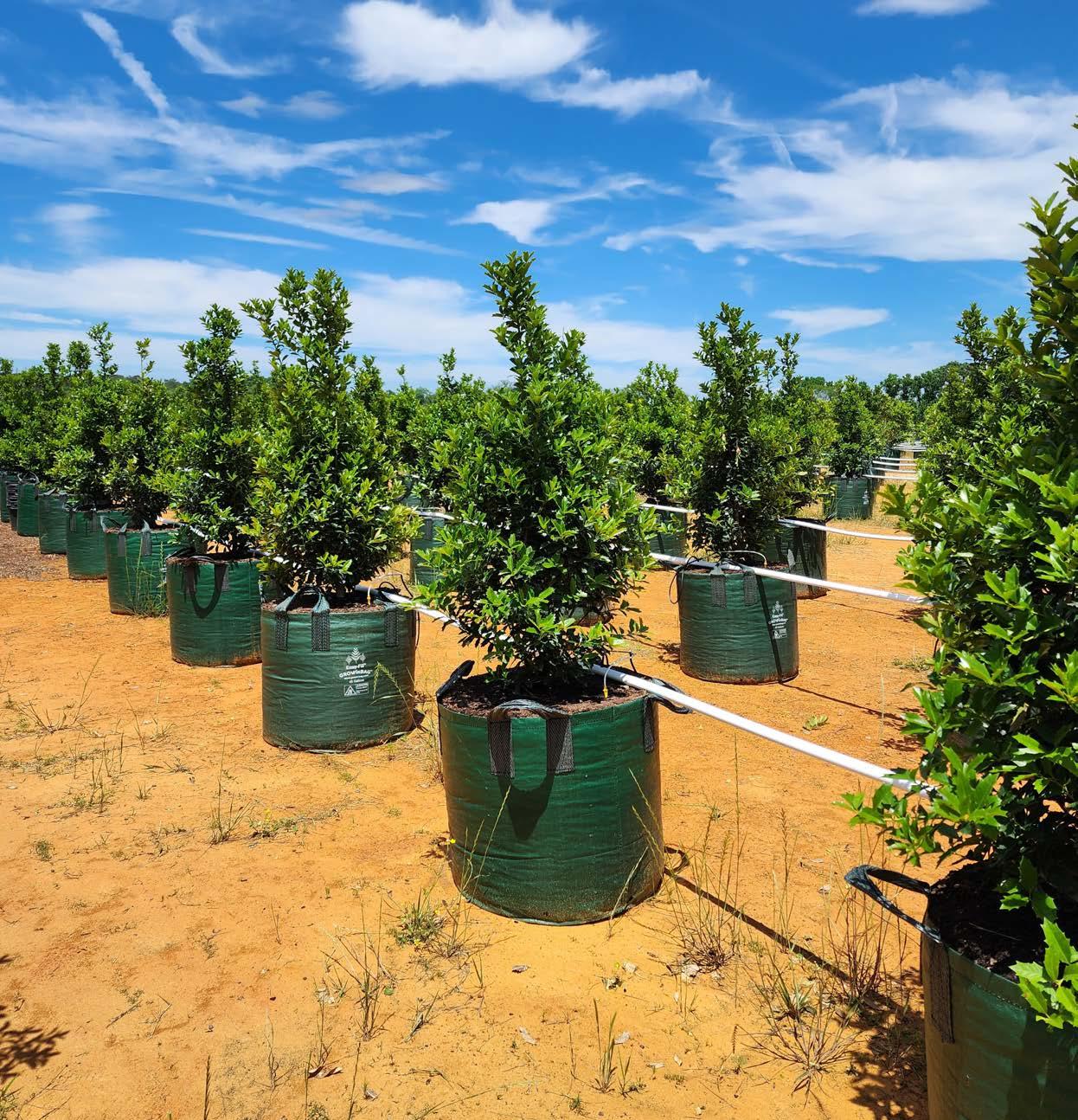

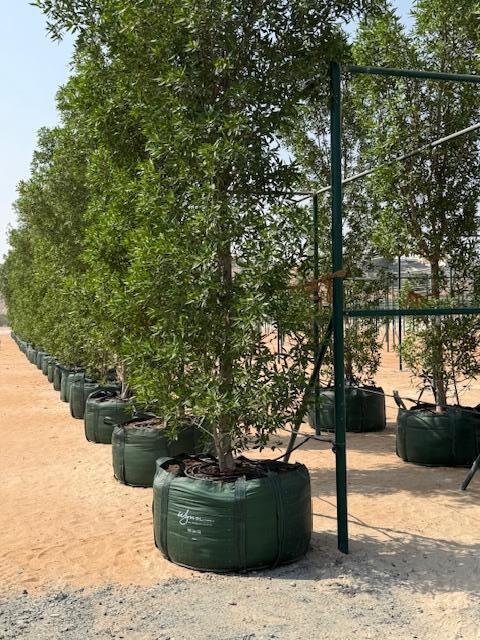
Growinnovate designs, manufactures, and distributes our market leading GrowinBag™. Discover the innovative design that enhance plant health from the roots up, with a durable, environmentally friendly solution to boost the efficiency of your plant stock—no matter what climate or region you grow in.
Our GrowinBags are made from top quality prime virgin materials and have been tested in the harshest climates, from the sub-zero temperatures of the North American winter to the extreme heat of the South West desert region.
All components, including sewing thread, are UV stabilized for strength and durability and all grow bags are subject to strict quality controls.
Our GrowinBags have a round bottom design which makes for easy filling and stability.
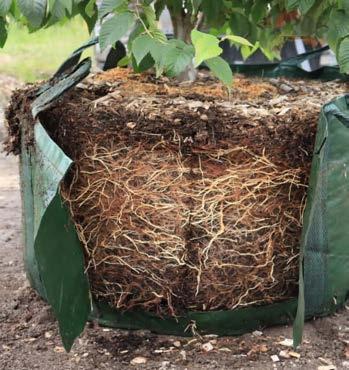
Our GrowinBags are manufactured with additional side drainage holes which assist in air root pruning, promoting superior plant growth, and our light penetrating fabric prevents root circling within the grow bag.
Substrates in our GrowinBags can be controlled and kept free from ground contaminants.
Planting in our GrowinBags will save water and can be used with drip systems, overheads, and hydroponic flood trays.
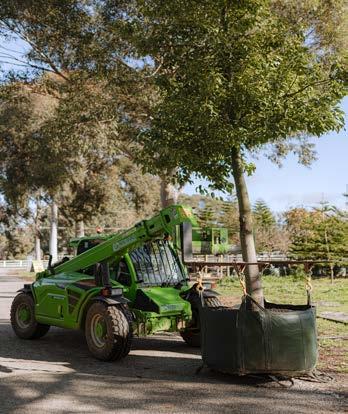
Our GrowinBags are heavy duty with extra strength handles for easy handling and transport, reducing the risk of a back injury.
Our GrowinBags can be customized and made to any size or shape. Plus, you can also add your company brandmark or logo.
*Note: Minimum order quantities required.

Innovative equipment born from our long experience in the preparation of soils, both for minimum tillage and deep work. Suitable for low Hp tractors without losing the main focus of our machines: elevated productivity connected to costs reduction and lower impact to environment.
26011 Casalbuttano (Cremona) - ITALIA
Via Giovanni Paolo II, 12
Tel. +39 0374 362680 Fax +39 0374 362280
info@ma-ag.com
www.ma-ag.com maagmacchineagricole
The combination of different tools permits to prepare the soil in one passage, both on minimum (15 cm working depth) to deeper tillage (up to 45 cm) according to the farmer’s needs.
FEATURE
Front Straight Anchors Open the soil by working from 15 to 45 cm
Double Star Rollers Break the clods and residues
Rear Cage Rollers Levelling for a perfect soil
Managing Editor
M. Matt
Associate Editors Jessie Jorge Dr. Ann Matt
Assistant Editor Raseena Navaskhan
Contributors
Dr. Hansel Geo Thomas Neville J. Chandler
Registered Office
Matt Media Intl. Ltd. 12 Gateway Mews London N11 2UT United Kingdom
US Office
Matt Media (USA) LLC. 1713 E. Morgan Court Gilbert, Arizona 85295
Middle East Offices
Matt Media LLC. Sharjah Media City United Arab Emirates
Al Saad Adv. & Publishing LLC P O Box 25694, Sharjah United Arab Emirates
info@gulfagriculture.com www.gulfagriculture.com
Gulf Agriculture is a publication from Matt Media Intl. Ltd. (UK) and is read by agri professionals, farm managers & owners, landscape consultants, contractors, agri-equipment suppliers, horticultural engineers, greenhouse managers, agronomists, veterinary surgeons, ministries, poultry & dairy breeders, importers, distributors, manufacturers and wholesalers of food and agri inputs.
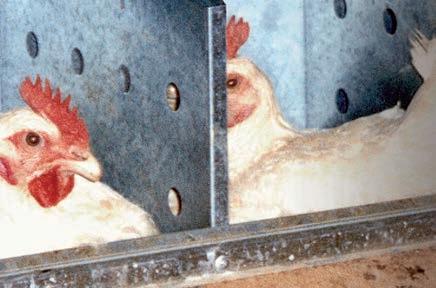

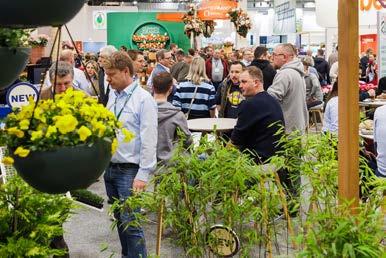




The third edition of the Al Dhaid Agriculture Exhibition concluded on a high note at Expo Al Dhaid.
Recognised as the first event of its kind in the region, the exhibition is organised by Expo Centre Sharjah with support from the Sharjah Chamber of Commerce and Industry (SCCI) and in cooperation with the Sharjah Department of Agriculture and Livestock.
This year’s edition featured over 40 major agriculture and livestock companies, alongside key industry experts, farmers, productive families, and relevant government entities. It drew thousands of visitors and stakeholders from across the agricultural ecosystem, including investors, farming specialists, and policy decision-makers.
Exhibitors showcased cutting-edge agricultural innovations and farming solutions, spanning wheat and grain cultivation,
hydroponic and vertical farming systems, modern irrigation and horticulture technologies, greenhouse infrastructure services, packaging and logistics innovations, and supply chain management solutions. The exhibition further featured livestock production technologies covering aquaculture, poultry farming, apiculture, and livestock breeding systems.
The Al Dhaid Agriculture Exhibition functioned as a strategic platform facilitating knowledge exchange and networking among agriculture companies, farmers, and government entities. It offered access to expert insights across a wide range of agricultural domains, including crop production, aquaculture, ornamental horticulture, mechanization and agricultural equipment, financial services, consultancy, training, apiculture, and food processing and packaging.
Al Ain Farms Group (AAFG), the UAE’s national food champion, announced a major expansion of its local eggs production to meet increasing demand for locally produced food while also raising its contribution to the nation’s food security agenda. Announced during Gulfood 2026, the expansion demonstrates AAFG’s continued investment in local infrastructure to serve UAE consumers.
“This expansion, which will increase our capacity to supply one quarter of national egg consumption within three years, reflects our belief that food security is built through local capability,” said Hassan Safi, Group CEO. “UAE families want fresh, high-quality, locally produced food, and we are investing to deliver exactly that, consistently and at scale. Eggs are one of the most affordable and nutrient-dense sources of protein available – relied on by households across all income levels. We are investing in the everyday food that powers daily life in the UAE.” Hassan Safi added that the UAE consumes around 2 billion eggs a year.

… and everything starts to blossom!
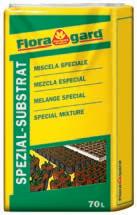
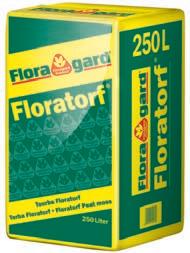
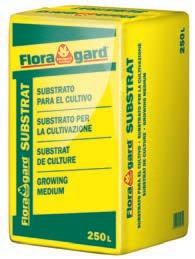
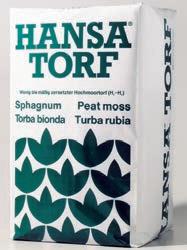
For more than 100 years the Floragard VertriebsGmbH in Oldenburg has successfully been developing, producing and distributing products for the professional horticulture. Since then we let this knowledge flow into our hobby potting soils. Because of that we nowadays refer to innovative premium recipes with a high standard from which the trade and hobby gardeners benefit equally. Regardless of whether indoors or outdoors, in a bed, on the balcony, in

the greenhouse or in a winter garden, whether magnificent blossoms or delicious harvest of vegetables and herbs – when using Floragard you will always find the ideal base for you project.
Floragard employees are horticultural professionals and put all their knowledge at the service of their clients. Our know-how is fully at the service of your growth company thanks to the Premium substrates from Floragard.
Our professional customers demand high-quality service and reliable product quality at the highest level. Among others, the consistent high quality is monitored by the Gütegemeinschaft Substrate für Pflanzen e. V. (Quality Assurance Association Growing Media for Plant Cultivation). The umbrella organisation is the RAL Deutsche Institut für Gütesicherung und Kennzeichnung (German Institute for Quality Assurance and Certification e. V.). Here the institute intensively investigates substrates for plants and continually studies the substrates’ chemical, physical and biological properties. A company is only awarded the RAL seal of approval subsequent to the successfully concluded approval procedure, and following this, it is constantly monitored.
In this regard, the quality assurance does not only include the quality control of the finished substrates, but also continually inspects the basic materials and additives received. The consistent high quality provides a foundation for crop safety and the commercial success of your company – secured by Floragard and the Gütegemeinschaft Substrate für Pflanzen e. V. (Quality Assurance Association Growing Media for Plant Cultivation) under the umbrella of the RAL.
Our high-grade range of substrates satisfies virtually every customer’s needs. In the meantime, however, the requirements and technical circumstances of numerous crops are frequently just as special and unique as the great variety found in the horticultural industry. For this reason, Floragard offers mutual cooperation with our substrate field experts and the Technical Department of Horticulture. The purpose is to work on crops, growing methods, technical equipment and climatic conditions of the horticultural business and to develop individually tailored special substrates. To determine the optimal recipe for your substrates with regard to the composition, structure, fertilization and pH-value, there are numerous possibilities.
Our products
Peat mixture for propagation:
Of German origin:
• Floradur® Seed S: with good water retention capacity, it is a special blend of white and black peat with a superfine structure for vegetable seedling trays.
• Floradur® B Cutting: special mixture of white, black peat and perlite with a superfine structure for universal sticking, with high aeration capacity; also for sowing.
• Floradur® A Block: special mixture of black and white peat with a fine structure for pressed vegetable clods Of Baltic origin:
• Florabalt® Seed 2: special mixture of white and black peat with a fine structure and water retention capacity; ideal for summer cuttings.
• Florabalt® Seed SB: special mixture of white and black peat with a superfine struc-
ture for vegetable seedling trays with a high-water retention capacity
• Florabalt® B Cutting: special mixture of white, black and perlite peat with a superfine structure for universal transplanting with a high air retention capacity, also suitable for sowing
• Florabalt® A Block: a special mixture of black and white peat with a fine structure for pressed vegetable clods
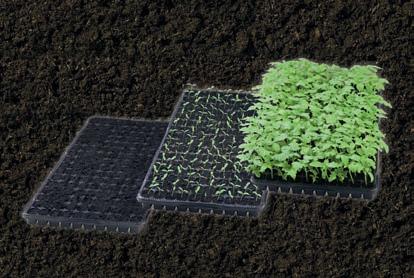
Note: we have more than 4,000 compositions in our database, which illustrate the long experience of Floragard experts and the need to offer customers the most suitable solution for their particular case. Our goal is to develop a perfect product adapted to the particular requirements of our customer.
Peat moss potting substrate for horticultural production
Of German origin
• Floradur® B Pot Medium: Germain potting substrate for small pots starting at from 7 to 9 cm; for bedding and balcony plants
• Floradur® B Pot Medium Coarse: Germain potting substrate for medium-size pots of approx. 8 - 11 cm; for bedding and balcony plants
• Floradur® B Pot Coarse: Germain potting substrate for large pots starting at approx. 12 cm; for bedding and balcony plants, for plants sensitive to salinity.
Of Baltic origin
• Florabalt® B Pot Medium Coarse: Baltic potting substrate for medium-sized pots of approx. 8 - 11 cm
• Florabalt® B Pot Coarse: Baltic potting substrate for large pots starting at approx. 12 cm; for bedding and balcony plants, for plants sensitive to salinity
Note: it is possible to add to these products perlite, clay or other preferred minerals. There are also mixes available for potting specific crops.
Potting mixtures for perennials and plants in nursery containers.
Of German origin
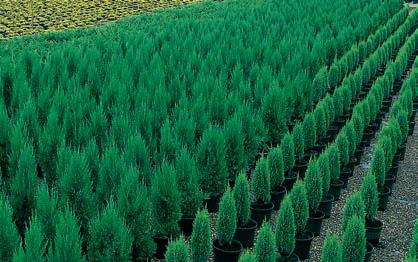
• Floradur® Pot Container: special mixture for cover plants, shrubs and conifers: pots > 3 L
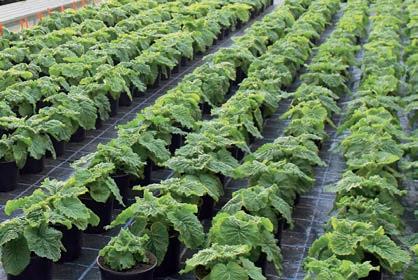
• Floradur® Pot Perennial: special mixture for perennial plants in pot; for spring and summer repotting (Pots > 12 cm).
Of Baltic origin:
• Florabalt® Pot Container: Special mix for container based on Baltic blonde peat for nurseries.
• Florabalt® Pot Anthurium: special mixture for Anthurium repotting
• Florabalt® Pot Bromeliad: special mixture for Bromeliads repotting
Note: it is possible to add to these products perlite, clay or other preferred minerals. They are also available mixtures for potting specific crops.
Our goal is to develop a perfect product adapted to the particular requirements of our customer.
Mixtures suitable for organic farming of German origin: Seedling / transplanting
• Floradur® Block Bio: special mixture for pressed clods and for growing seedlings
• Floradur® Pot Herbs Bio: special mixture for growing aromatic potted plants, tomatoes, cucumbers, peppers and other potted vegetables (7-13 cm buckets).
Potting / Container
• Floradur® Pot Bio: special mixture for horticultural plants and perennials in pots; for repotting in pots or buckets of 7-13 cm.
• Floradur® pot Container Bio: special mixture for horticultural plants for repotting in 12-14 cm pots. (Pots > 14 cm)
Peat mixture for the cultivation of small fruits:
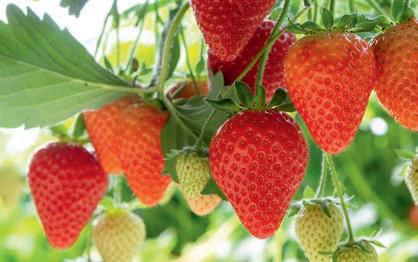
Strawberries and raspberries
• Floradur® B Cutting: special mixture of white, black peat and perlite, with a superfine structure for universal transplanting with a high air retention capacity, also suitable for sowing
• Floradur® Pot Medium-Coarse Berries: special mixture of white, black peat and

perlite for medium coarse potting, pots 8-13 cm
• Floradur® Pot Coarse Berries: Potting peat substrate for containers, boxes and ridge planting.
• Floradur® Pot Container Berries: extra coarse-fibrous peat substrates for containers, boxes and ridge planting
Blueberries
• Floradur® Pot Blueberries: Potting peat moss substrate for containers > 1L
• Floradur® Pot Container Blueberries: Extra coarse-fibrous peat moss substrate for large containers > 3L
Peat specialities
• Hansatorf® 0-40 mm: Baltic Blond Peat for soil improvement and growing on teens.
• Florabalt® 0-5 mm: finely sieved blonde peat of Baltic origin for the manufacture of fine growing substrate and pot
• Florabalt® 0-7 mm: finely sieved blonde peat of Baltic origin for the manufacture of fine growing substrate and pot
• Florabalt® 7-20 mm: medium-sieved Baltic blond peat for medium-sized and pot substrate
• Florabalt® 10-20 mm: medium-sieved Baltic blond peat for medium-sized and pot substrate
• Florabalt® 10-30 mm: coarsely sifted blond peat of Baltic origin for the manufacture of coarse structure growing substrate and pot
• Florabalt® 20-40 mm: coarsely sifted blond peat of Baltic origin for the manufacture of coarse structure growing substrate and pot

The Environment Agency – Abu Dhabi (EAD) has launched the Hamdan bin Zayed: The World’s Richest Seas initiative. This programme aims to significantly increase fish stocks in the emirate, seeking to achieve one of the highest densities globally by 2030.
The announcement was made on the occasion of the UAE’s National Environment Day and coincided with a major environmental milestone for Abu Dhabi with the achievement of 100 per cent in the Sustainable Fishing Index by the end of 2025, compared to just 8 per cent in 2018, during the meeting of the Global Councils for Sustainable Development Goals, held on the sidelines of the World Government Summit 2026, which was chaired by Her Excellency Ohood bint Khalfan Al Roumi, Minister of State for Government Development and the Future, Chair of the Global Councils for Sustainable Development Goals. The heads of the global councils from 17 countries and the vice-chairs of the councils – mostly high-level UAE government officials – were also present at the meeting.
This transformative progress reflects the success of the integrated regulatory and scientific approach adopted by the emirate over recent years. It has played a pivotal role in safeguarding and sustaining marine resources, while strengthening the national food security
ecosystem by increasing the abundance of local fish stocks and ensuring the availability of natural, renewable food sources for the community.
His Highness Sheikh Hamdan bin Zayed Al Nahyan, Ruler’s Representative in the Al Dhafra Region and Chairman of the Board of the Environment Agency –Abu Dhabi, affirmed that this achievement reflects the strong support the agency receives from His Highness Sheikh Mohamed bin Zayed Al Nahyan, President of the UAE.
His Highness noted that achieving a 100 per cent Sustainable Fishing Index marks a pivotal milestone in Abu Dhabi’s journey to safeguard its marine resources. His Highness said: “The launch of this initiative represents a continuation of an approach grounded in science, innovation and the regulation of marine practices – one that enhances the sea’s productivity while preserving its natural balance for the benefit of future generations and contributes to strengthening our food security.”
As part of efforts to enhance productive marine habitats, Abu Dhabi Coral Gardens is one of the initiative’s flagship projects. The programme aims to establish new marine sites and underwater gardens through the deployment of 40,000 artificial reef modules, with the number set to rise to 80,000 by 2030, supported by partnerships across multiple sectors.
With the theme “Türkiye’s largest agriculture fair and the gateway to global mechanization”, Konya Agriculture 2026 | 22nd Konya Agriculture, Agricultural Mechanization and Field Technologies Fair will take place from April 7–11, 2026, at the Konya Chamber of Commerce - Tüyap Konya International Fair Center.
Known for its unmatched role in agricultural mechanization and innovation, the fair invites decision-makers, buyers, and stakeholders from the Middle East and North Africa (MENA) region to engage in strategic dialogue and new business development.
The most prestigious gathering of the Turkish agricultural sector is organized by Tüyap Exhibitions Group in collaboration with the Turkish Agricultural Machinery and Equipment Manufacturers Association (TARMAKBIR) in the city of Konya, Türkiye’s agricultural production hub. In 2025, 251,000 people from 80 countries visited the fair, which was attended by 432 exhibitors from 20 countries.
Türkiye’s agricultural sector has increasingly served as a dynamic link between global technology and regional demand. MENA countries, home to some of the world’s most water-stressed economies, are prioritizing agricultural efficiency, technology adoption, and food security solutions.



The Abu Dhabi Department of Energy (DoE) and Silal, Abu Dhabi’s leading agri-food and technology company, signed a Memorandum of Understanding (MoU) to strengthen collaboration in advancing sustainable energy
and water management as part of the Emirate’s broader vision to transition to a more sustainable and resourceefficient agriculture sector.
The MoU was signed by His Excellency Eng. Ahmed Mohammed Al Rumaithi,
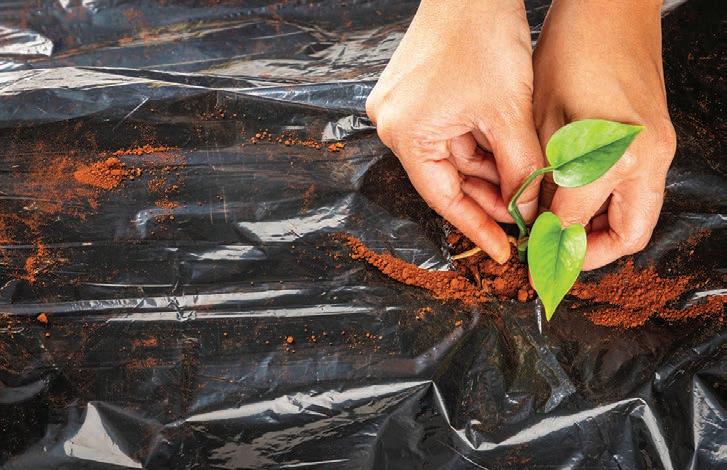
India is among the top producers of several crops and second highest producer of fruits and vegetables globally. For farmers, plasticulture technologies, the use of plastics in agriculture, have been proven to boost productivity and profitability by conserving water, increasing yields, and protecting both crops and the environment. To support greenhouse farming, BASF’s Tinuvin® NOR® platform of advanced stabilizer solutions enhances mulch, and greenhouse film performance. NOR technology can handle strong sunlight, heat, and chemicals at the same time, offering
excellent durability and performance supporting more sustainable plasticulture.
By using NOR solutions, film manufacturers can ensure long-lasting protection, easy processing, and compliance with organic farming standards. Being part of BASF’s VALERAS® portfolio of additive solutions and services, Tinuvin solutions advance sustainability across the plastic lifecycle. Plastindia 2026 visitors can explore BASF’s agricultural film applications at the reallife greenhouse exhibit near hall 5, provided in association with Plastindia.
Undersecretary of the Abu Dhabi Department of Energy, and His Excellency Dhafer Rashed Al Qasimi, Group Chief Executive Officer of Silal Group, during a ceremony at Abu Dhabi Sustainability Week 2026.
KENT® Nutrition is celebrating a major industry milestone: its ARGIS® probiotic has been named a Best of the Best Award winner for the Animal Food category in the New Product Showcase at the International Production & Processing Expo (IPPE) 2026 in Atlanta, GA.
The award honors exhibitors whose innovations demonstrate exceptional advancement and impact within the animal agriculture industry. Selected from a competitive field of exhibitors, ARGIS earned top recognition for its novel approach to improving feed efficiency and animal performance with a unique strain of Bacillus amyloliquefaciens which helps unlock the full nutritional potential of soybean meal in poultry and swine diets.
• More Carcass Meat Yield
• Best Return on Your Investment
• Best Carcass Conformation and Meat Quality in the Industry
Visit www.aviagen.com/Ross to learn how Ross® 308 will deliver for you.
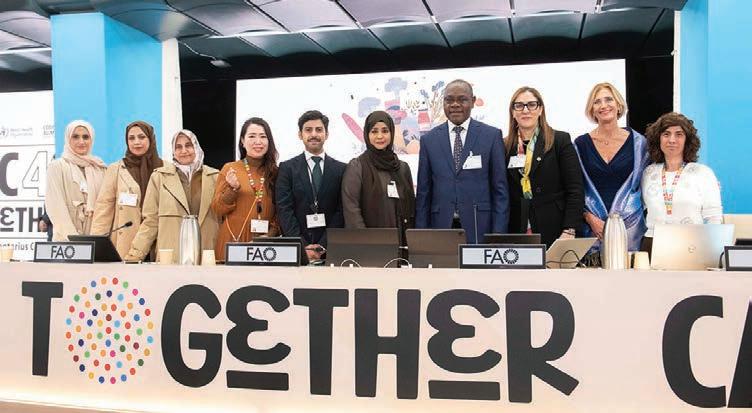
The Codex Alimentarius Commission (Codex) has officially approved a proposal submitted by the United Arab Emirates to develop the first international standard for pasteurised camel milk. The decision was reached during the Commission's 48th session in Rome, marking a qualitative milestone that reflects the UAE's leadership in shaping global food safety and quality benchmarks.
The approval follows overwhelming support from participating nations and international organisations, including the International Union of Food Science and Technology (IUFoST), demonstrating the UAE's capacity to lead a broad international coalition.
Official documents highlight that the previous absence of an international standard hindered commercial expansion and left the market vulnerable to fraudulent practices, such as the adulteration of camel milk powder with bovine milk powder. The new standard will ensure product authenticity, safeguard consumer rights, and facilitate fair trade for a product experiencing rapid global demand.
Estimates indicate that the global camel milk market reached approximately $1.369
billion in 2024 and is projected to rise to $1.934 billion by 2033, with a Compound Annual Growth Rate (CAGR) of 3.9%.
Currently, the Middle East and North Africa (MENA) region accounts for 40% of global production, followed by Asia-Pacific (30%), Europe (18%), and North America (12%).
Sector data reveals that the UAE produces over 7,000 tonnes of pasteurised camel milk annually, meeting local demand while exporting to prestigious global markets including the European Union, China, and the United States. The adoption of an international standard is expected to harmonise quality criteria, boost consumer confidence and open new export opportunities for producers.
Her Excellency Mouza Suhail Al Muhairi, Chair of the National Codex Committee and Head of the UAE delegation, stated: “The adoption of the international standard for pasteurised camel milk is a strategic step that reaffirms the UAE's leadership in driving the global food standards ecosystem toward high-value products. This achievement bolsters the nation's presence on the global food innovation agenda and supports the development of criteria that facilitate international trade while protecting consumers worldwide."
ENTERS TURF CARE: INTRODUCING ALBA, THE AI-POWERED ULTRA-HIGH PRECISION SPRAYER
Ecorobotix, a global leader in AI-powered precision spraying, proudly unveils the ALBA Ultra-High Precision (UHP) Sprayer, designed specifically for professional turf and grassland weed management. ALBA will make its official debut first at the BIGGA Turf Management Exhibition (BTME) 2026 and then again at the GCSAA Conference and Trade Show.
The ALBA UHP Sprayer leverages the company’s signature Plant-by-Plant Care philosophy, treating only what’s needed, exactly where it’s needed.
Powered by Ecorobotix’s Plant-by-Plant AI™ (Artificial Intelligence), the ALBA can identify and spray individual weeds or unwanted grasses with an extraordinary 3x3 cm (1.2x1.2 inch) footprint, truly allowing users to “spray the size of a golf ball.”
Designed first for golf courses, the ALBA also brings unmatched precision to sod farms, sports turf, tennis courts, and municipal grass fields. With its double spray bar and 2.25 m (7.2 ft) working width, this UHP Sprayer can operate day or night, detecting targets in real time and applying treatments only where necessary, preserving the health, uniformity, and appearance of every surface.

The Abu Dhabi Chamber of Commerce and Industry (ADCCI) has published a landmark report confirming that Abu Dhabi’s Food and Beverage (F&B) sector is entering a powerful high-growth phase, with the emirate recording 24,594 active F&B licenses as of September 2025, a 42.2% increase in new business registrations in the first half of 2025 compared with the same period in 2024, 40% year-on-year growth in 2024, and a sustained compound annual growth rate of 23.8% between 2019 and 2024. The report, the first sectoral report issued under ADCCI’s 2025–2028 Strategy, also highlights expanding production capabilities, rising export potential and a strengthening innovation ecosystem that together position Abu Dhabi as one of the region’s most competitive and resilient food economies.
The report confirms that Abu Dhabi’s food value chain is advancing rapidly from primary production through to manufacturing, retail, dining and export activity. Global shifts towards healthier, premium and sustainable food consumption are creating strong demand opportunities, while Abu Dhabi’s investment in advanced Agri tech solutions, including climate-controlled agriculture, hydroponics and precision farming, is delivering productivity levels up to 30 times higher than traditional field farming methods, reinforcing the emirate’s leadership in smart agriculture and long-term food security.
Double L Group, a leader in agricultural ventilation solutions, is excited to unveil the DX Circulation Fans, designed to set a new standard for air circulation in poultry houses. These innovative fans are tailored to provide a longer air throw, superior air mixing, ensuring a comfortable and consistent environment for birds, which is essential for optimal growth and productivity.
The DX Circulation Fans are built with advanced features to deliver reliable performance, reduce energy consumption, and enhance the overall efficiency of poultry operations. By ensuring consistent air distribution, these fans help maintain even
temperatures and humidity levels throughout the facility.
Key Features:
• Two-Speed Operation: Offers flexibility with high and low settings, allowing producers to adjust airflow according to specific environmental needs.
• High Thrust CFM: Designed to deliver powerful airflow, the DX Circulation Fans enhance air mixing, reducing heater cycles and energy costs.
• Durable Construction: Equipped with powder-coated steel blades and a brushless motor, these fans are built to withstand the demanding conditions of poultry houses.
Poultry Asia Expo 2026, Asia’s Leading Exhibition and Conference, will be returning on 22–24 September 2026 at the World Trade Centre Kuala Lumpur (WTCKL), Malaysia. This exhibition brings together industry leaders, decisionmakers, manufacturers, feed millers, integrators, farmers, government authorities, and buyers to explore the latest products & services and innovations of the poultry industry across Asia.
Poultry Asia 2026 will be co-located with AquaCulture 2026 and PetAsia 2026, creating a dynamic B2B platform that connects the poultry, aquaculture, and pet industries under one roof.
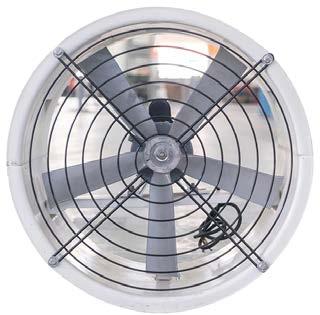
• Energy Efficiency: The advanced design ensures optimal airflow with minimal energy use, leading to significant cost savings over time.
"Our DX Circulation Fans represent a significant leap forward in poultry house ventilation," said Nick Alt, Layer Sales Representative at Double L Group. "We’ve engineered the DX Circulation Fans to be a robust solution for modern poultry operations, providing superior air mixing with minimal energy use."
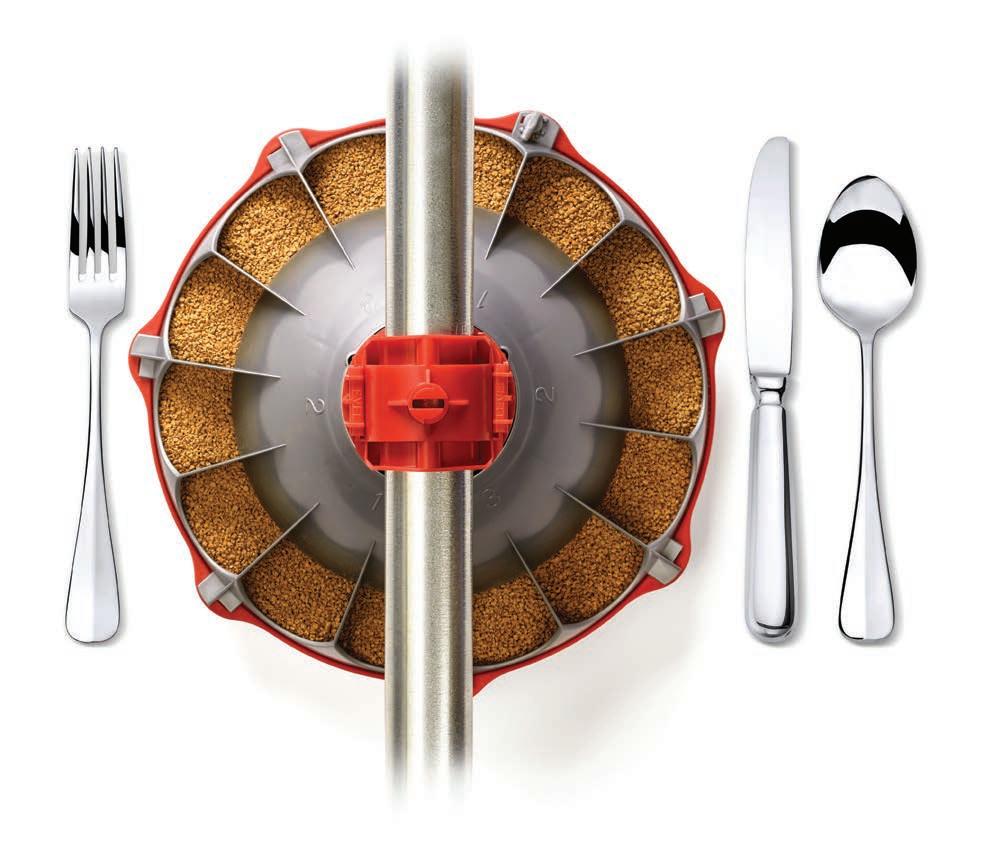
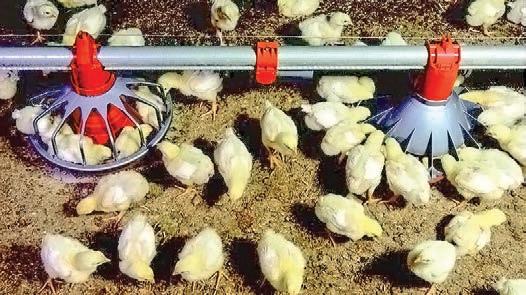
The Konavi ® Feeder lets beaks in, but helps keep feet and waste out.
When birds climb inside your feeders, they introduce manure and soiled litter — resulting in possible sanitation issues throughout the entire flock. The Konavi® Feeding System features a unique angled cone with anti-rake fins that helps keep birds out of the feeder. Give every bird in your flock a clean plate. Clear the way to healthier, more productive feeding with Konavi. Learn more about clean, open-style feeding at choretime.com/KonaviClean
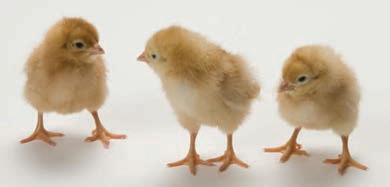
Hy-Line International, the world’s oldest layer genetics company, proudly celebrates its 90th anniversary in 2026. For nine decades, Hy-Line has led the global egg industry with scientific innovation and commitment to empowering egg producers worldwide— providing highly efficient, productive laying hens that help deliver affordable, high-quality egg protein to nourish the world.
Founded in 1936 by agricultural pioneer Henry A. Wallace, Hy-Line International revolutionized poultry breeding by applying hybridization principles—successfully proven in corn—to laying hens. This breakthrough transformed egg production globally and established Hy-Line as the first company to introduce commercial hybrid layers.
The story of Hy-Line International is inseparable from the Wallace family’s profound influence on global agriculture.
Henry A. Wallace’s early work in plant genetics, inspired by mentorship from George Washington Carver, laid the foundation for hybrid breeding. While Wallace later served as U.S. Secretary of Agriculture, Vice President of the United States, and Secretary of Commerce, his family continued advancing agricultural innovation.
“Reaching 90 years is an extraordinary milestone,” said Jonathan Cade, President of Hy-Line International. “Our motto—Breeding for tomorrow, delivering today—captures our commitment to combining cutting-edge genetics with practical solutions that help egg producers succeed now and prepare for the future.”
Abu Dhabi Future Energy Company PJSC – Masdar, a global clean energy leader, is partnering with Elite Agro Holding, a trusted global expert in food and agriculture production and development, to launch the first agricultural photovoltaic (AgriPV) project in the MENA region.
The project was announced at Abu Dhabi Sustainability Week (ADSW), the global platform for
accelerating sustainable progress, hosted by Masdar. The project, located at Elite Agro’s Al Foah Farm in Al Ain, Abu Dhabi, will serve as a scalable reference model for sustainable farming and renewable energy integration in the region.
By combining solar panels with greenhouses, AgriPV solutions enable land to be used both for clean energy generation and crop
BUSHEL PLUS LAUNCHES X9 SPLIT FRAME MAD CONCAVES™ FOR JOHN DEERE X9 SERIES COMBINES
Bushel Plus Ltd., the global leader in harvest optimization technology, announced the launch of its new X9 Split Frame MAD Concaves™, purpose-built for John Deere X9 Series Combines. Designed to maximize throughput, reduce dockage, and simplify crop transitions, this modular concave system sets a new standard for combine performance and operator safety.
The Bushel Plus X9 Split Frame MAD Concaves feature a modular design that replaces traditional concaves that require full removal during crop changes. The system utilizes a structural split framework that remains securely installed in the combine, with lightweight interchangeable inserts that slide in and lock into place.
“Think of it as a base frame that stays in the machine, while smaller concave inserts tailored for wheat, barley, corn, or soybeans can be swapped quickly and easily,” says Marcel Kringe, Founder and CEO of Bushel Plus. “Each insert fits precisely into the fixed split frame, maintaining correct spacing and alignment for optimal threshing and separation, eliminating the need for cover plates.”
For farmers who switch concaves between crops - such as small grains and corn - the system reduces changeover time from hours to approximately 15 minutes, eliminating the need to re-level concaves. This saves time, reduces operator fatigue, and minimizes the risk of injury in the field and workshop.
cultivation, maximizing resource efficiency, crucial in areas with limited arable land and high energy demand.
Shading from PV panels can also reduce heat and water stress on plants, potentially improving crop yields and reducing irrigation needs.
This project advances the UAE’s Energy Strategy 2050 and Net Zero 2050 ambitions by expanding clean energy deployment and efficiency, and it contributes to the National Food Security Strategy 2051 by enabling sustainable local production through modern Agri technologies.
Mohamed Jameel Al Ramahi, Chief Executive Officer of Masdar, said: This groundbreaking project will demonstrate how clean energy
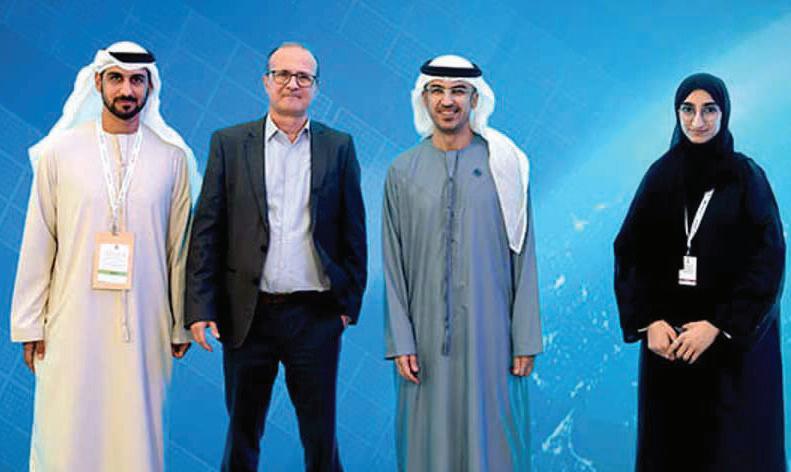
and agriculture can thrive together, making food systems more resilient and supporting food and energy security.
By integrating advanced solar technology with local farming, we will reduce water use, boost crop yields, and generate renewable power as part of our commitment to innovation, resilience, and a greener future for the UAE and beyond.
The Food and Agriculture Organization of the United Nations (FAO), through the Desert Locust Control Commission in the Central Region (CRC) and the Desert Locust Control Commission in the Western Region (CLCPRO), in cooperation with the Ministry of Agriculture, Fisheries and Water Resources of the Sultanate of Oman, has launched the first regional training programme for drone pilots dedicated to desert locust survey and control operations.
This landmark initiative brings together specialists from affected countries in the Central and Western Regions to strengthen national and regional capacities in the application of unmanned aerial systems for surveillance, monitoring, and control of desert locust populations. It represents a major step forward in integrating advanced digital and precision-agriculture technologies
into locust management operations.
The programme builds on the successful introduction of drones in desert locust surveys and monitoring activities in recent years and marks a transition from pilot testing to structured, institutionalized capacity development. It aims to ensure that Member States are equipped with qualified personnel, standardized operational procedures, and modern tools to respond rapidly and effectively to emerging threats.
The five-day training combines classroom instruction, simulatorbased learning, and extensive field practice.
The training is implemented in partnership with Micron, the main technical provider of aerial spraying systems, with the generous support of the Ministry of Agriculture, Fisheries and Water Resources of Oman, the FAO office in Muscat and
comprehensive logistical and operational support from the local partner, Ankaa Space Company.
Speaking at the opening ceremony, Dr Mamoon Al Sarai Al Alawi, Executive Secretary of the Desert Locust Control Commission in the Central Region, highlighted the programme’s strategic importance in strengthening early warning systems, improving operational efficiency, and accelerating field response.
“This training marks a critical step in moving from pilot initiatives to full operational integration of drone technology in desert locust management. It will empower national teams with advanced technical skills, enhance operational safety, and ensure the effective and sustainable use of these tools in protecting crops, livelihoods, and food security,” he said.
KIOTI Europe, a global agricultural equipment brand of South Korea’s Daedong Group, and NAÏO, a French specialist in agricultural robotics, announce the signing of a Memorandum of Understanding (MoU), marking the launch of a strategic and industrial partnership.
This collaboration brings together KIOTI’s industrial expertise and international
commercial network with NAÏO’s advanced know-how in agricultural robotics. The partnership aims to develop and deploy innovative solutions that address the key challenges facing modern agriculture, including productivity, labor shortages, reduced workload for farmers, and the transition toward more sustainable practices with lower chemical inputs.
Under this partnership, KIOTI and NAÏO will cooperate on several strategic areas, including the industrialization of robotic agricultural solutions, cost optimization, and commercial development across European and international markets. The shared objective is to accelerate farmers’ access to reliable, highperformance, and economically viable robotic technologies.
MBRF, one of the largest food companies in the world, announces the completion of its transition to the exclusive use of cage-free eggs in its global industrial processes. The commitment, already fulfilled in Brazil since 2020, now extends to international operations, consolidating an importante advancement in sustainability and animal welfare and anticipating the global target originally set for December 2025.
Implementing the use of cage-free eggs in international operations involved a joint effort with local suppliers, especially in markets such as Turkey and the United Arab Emirates, where cagefree egg production still presents challenges. The company worked in partnership with producers to enable investments, incorporate new practices, and ensure the supply of inputs aligned with the highest animal welfare standards. In addition, it implemented protocols focused on traceability and compliance with international references, maintaining continuous monitoring to ensure the long-term sustainability of the achieved target. The global adoption of the cage-free
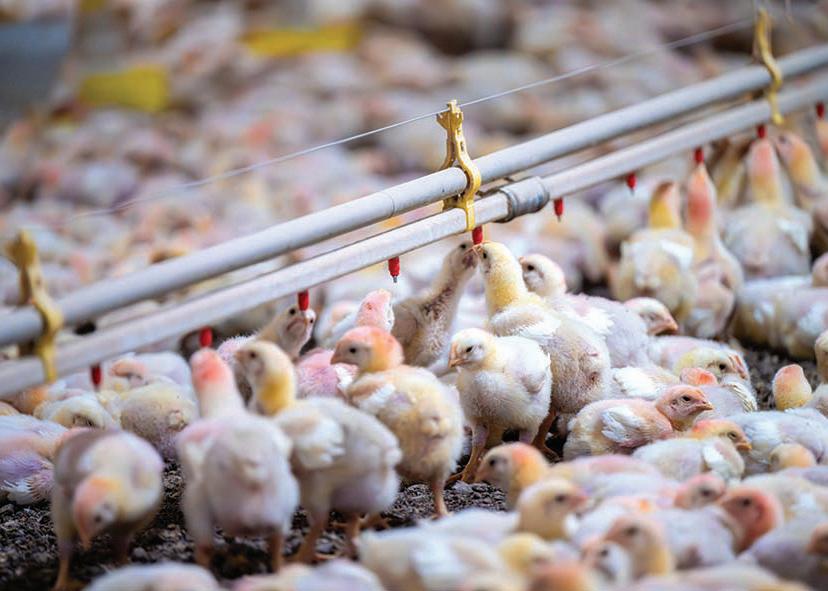
system reflects MBRF’s commitment to more ethical and sustainable production practices. “The model eliminates the confinement of birds in cages, allowing them to express natural behaviors and move freely. Aligned with the One Health principles in food production, this practice contributes significantly to animal welfare and meets the expectations of customers and consumers who are increasingly
attentive to the origin and responsibility of companies,” explains Ivomar Oldoni, MBRF’s director of agriculture.
The completion of the transition to the cage-free system is only one of the various animal welfare targets established by MBRF. The company has already achieved other relevant commitments, such as ensuring that 100% of the birds in the integration system are raised cage-free.
Underscoring the United Arab Emirates’ commitment to strengthening global partnerships in support of sustainable agriculture, food security, and climate resilience, Abu Dhabi Fund for Development (ADFD) has signed an agreement with the International Fund for Agricultural Development (IFAD), the only International Financial Institution exclusively focused on rural transformation, to enhance co financing mechanisms and support the sustainability of agricultural projects.
The agreement was signed during the World Government Summit by His Excellency Mohamed Saif Al Suwaidi, Director General of ADFD, and Mr Alvaro Lario, President of IFAD, in the presence of senior officials from both sides.
The partnership agreement aims to establish clear foundations for collaboration in the selection and financing of sovereign projects included within IFAD’s portfolio, ensuring alignment of financing efforts and coordination of evaluation and approval processes, while considering the regulatory frameworks and operational policies of both parties.
This contributes to enhancing the efficiency of resource allocation and maximising the developmental impact of projects.
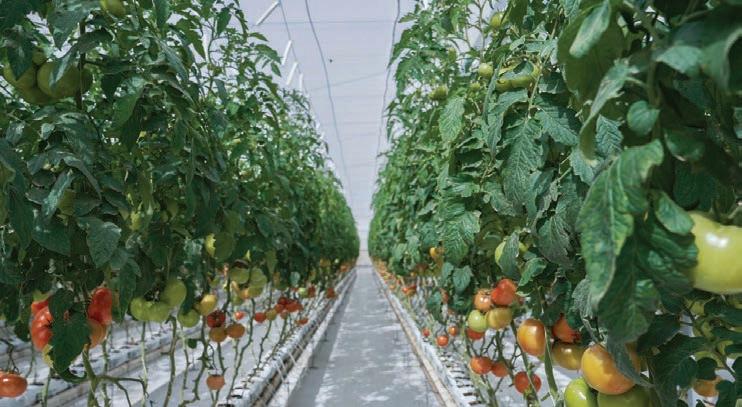
The National Agriculture Center, in collaboration with the Sharjah Entrepreneurship Center, is calling on innovators, founders, and forwardthinking agri-tech startups to be part of a new chapter in the UAE’s agricultural transformation through the launch of the Agriboost Program 2026. The programme is a targeted early-stage incubation initiative designed to empower innovative agri-tech startups addressing priority challenges across the agricultural sector.
Applications opened on January 15 and close on February 20, 2026, via www.agriboost.sheraa.ae
The program represents a strategic effort to embed innovation at the heart of the national agriculture agenda, advancing sustainable food systems while enabling the next generation of agri-tech solutions to grow with clarity and purpose. Agriboost reflects a shared commitment to strengthening the role of entrepreneurship in addressing national priorities across agriculture, sustainability, and food security.
As part of the program, five seedstage, UAE-based agri-tech startups will be selected to participate, with
each receiving a participation cost valued at AED 15,000 over the program duration. Participating teams will also gain access to industry experts, customers, partners, and investors, alongside software perks provided through Sheraa’s ecosystem partnerships, as well as marketing exposure and free co-working space. Delivered in a hybrid format, AgriBoost combines Investment opportunities with hands-on guidance to help founders focus on go-to-market execution and revenue generation through business model innovation.
Agriboost is designed as an intensive six-week, sprint-based program supporting agri-tech startups developing solutions aligned with nationally prioritized agricultural challenges. Developed in collaboration with the National Agriculture Center, the program focuses on solution validation and practical market alignment, ensuring startups are equipped to respond directly to real agricultural needs while contributing to the UAE’s sustainability objectives and the goals of the Ministry of Climate Change and Environment.
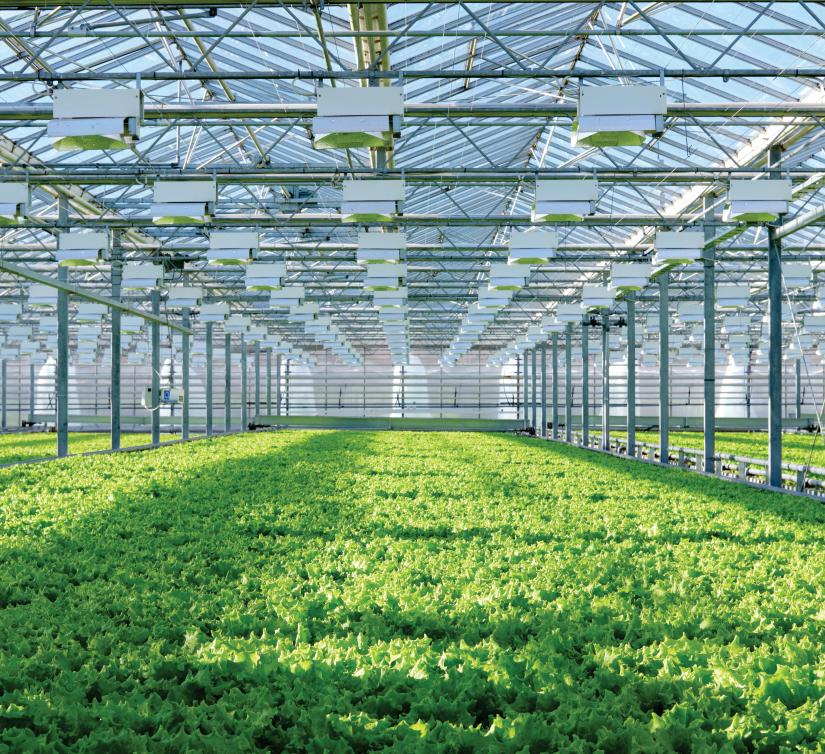
In today’s evolving agricultural landscape, greenhouses have become essential for consistent yield, quality control, and sustain able farming. At Tilara, we bring advanced polycarbonate green house solutions that empower growers to cultivate smarter, safer, and more efficiently, regardless of climate or crop type. Designed with cuttingedge material technology, our systems enhance plant growth while reducing energy and maintenance costs.
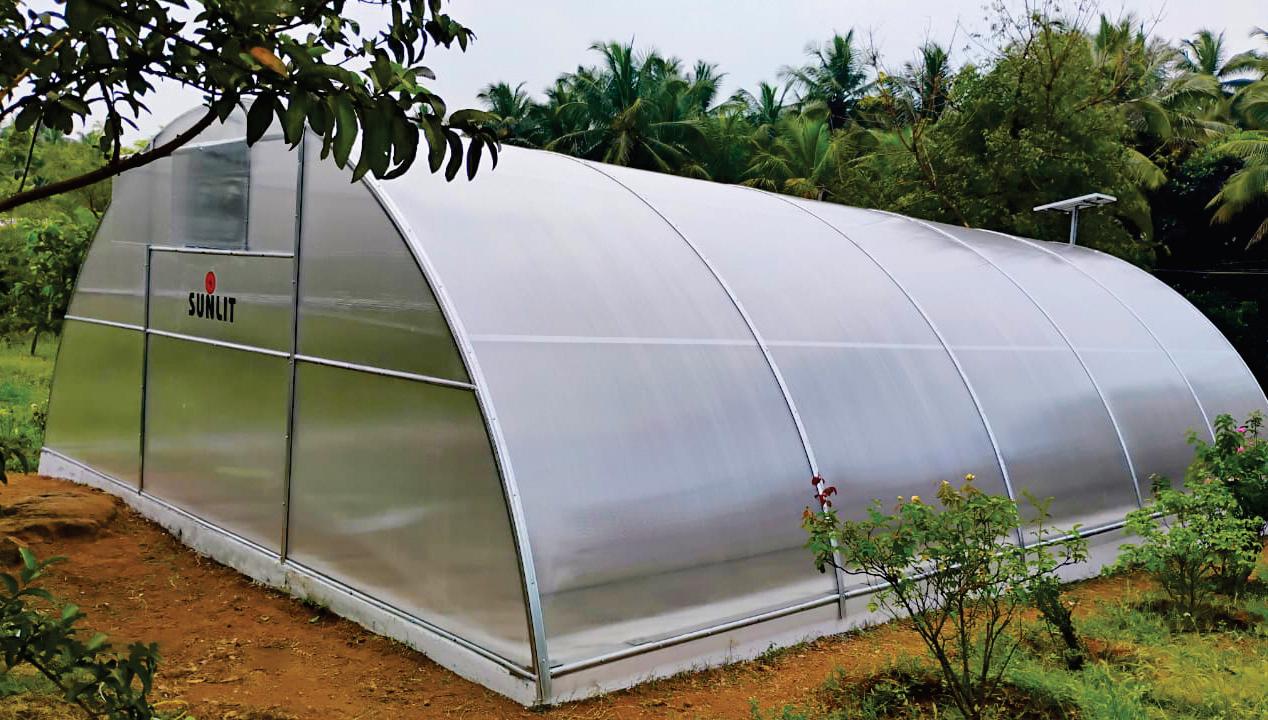
www.tilarapolyplast.com
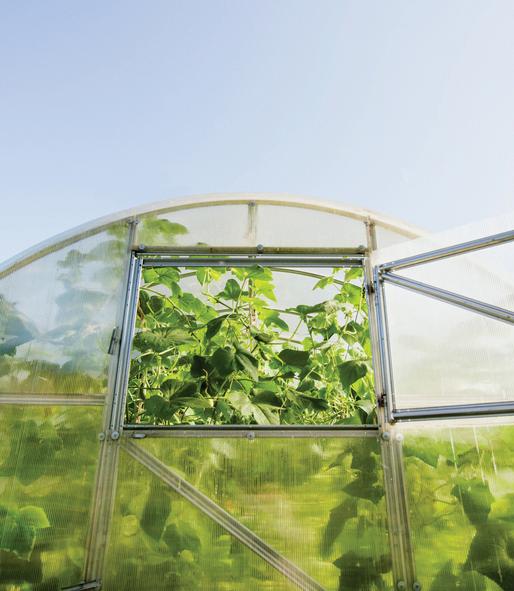
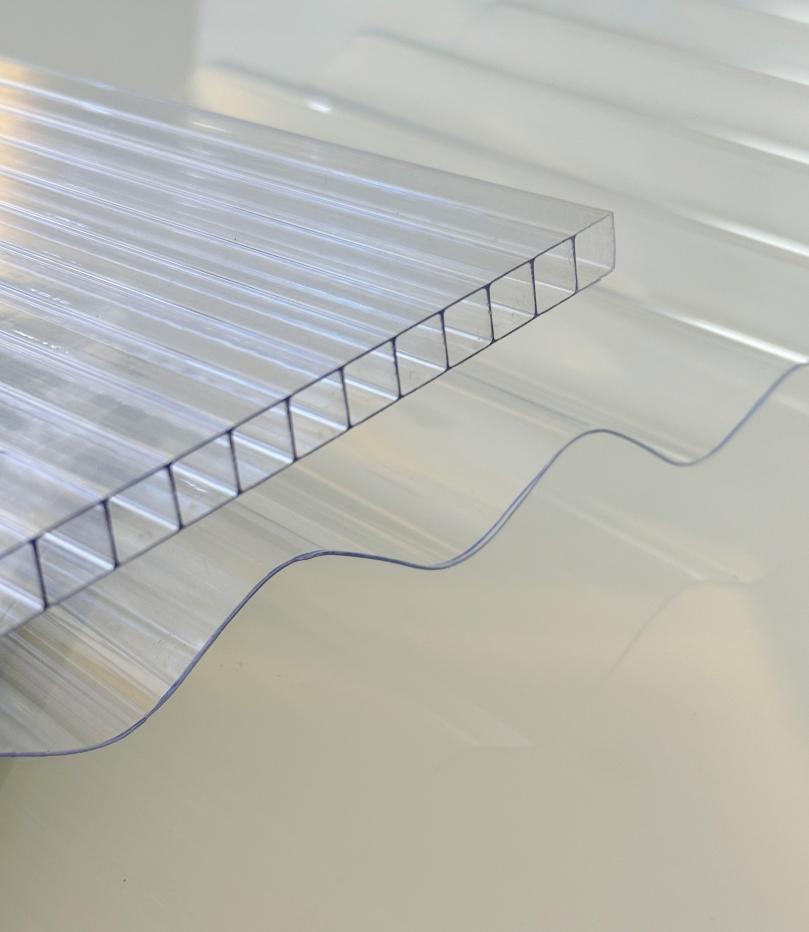

Tilara sheets prevents plant stress, reduces scorching, and supports healthier growth cycles. With built-in UV protection, our sheets safeguard plants from harmful radiation while also preventing yellowing and degradation of the material over time.
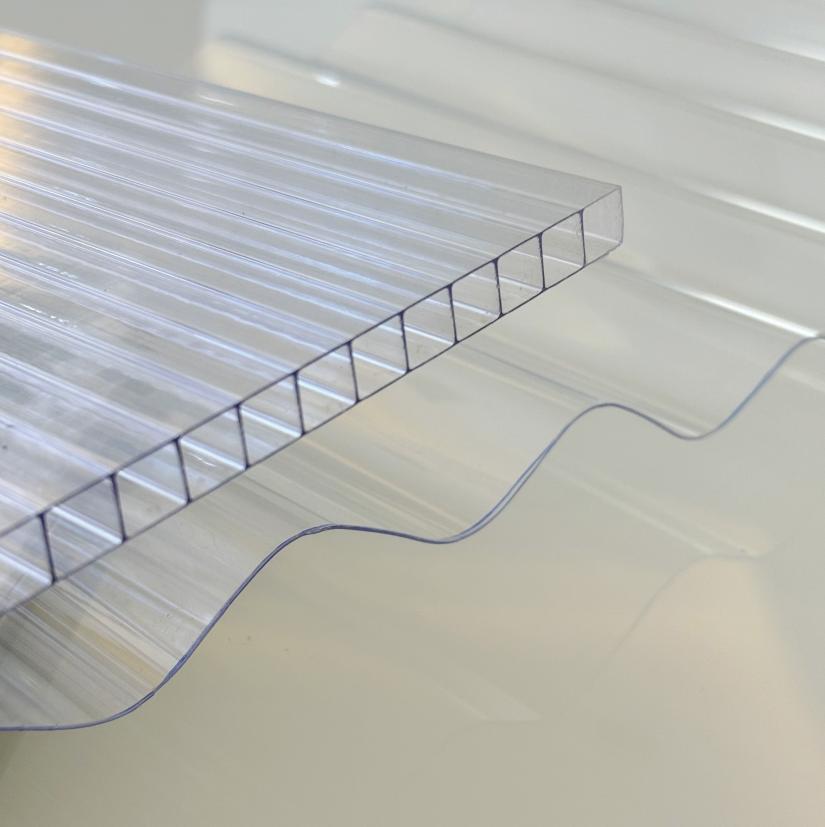
Thermal insulation is another key advantage of Tilara greenhouse solutions. Our multiwall and structured polycarbonate sheets help maintain stable internal temperatures by reducing heat loss during colder months and limiting excess heat during warmer periods. This energy efficiency translates into lower operational costs and better crop consistency throughout the year, enabling growers to extend growing seasons and increase productivity.
Durability is at the core of every Tilara product. Our greenhouse sheets are engineered to withstand extreme weather conditions including heavy rain, hailstorms, strong winds, and high temperature variations. This resilience ensures uninterrupted farming operations and protects investments over the long term. Being lightweight, Tilara sheets also allow for faster installation and reduced structural load, resulting in cost-effective greenhouse construction.
In a world where food security and sustainable agriculture are more important than ever, Tilara green houses offer a future-ready approach to cultivation. Strong, efficient, and thoughtfully engineered, our greenhouse solutions help growers protect their crops, optimize resources, and grow with confidence. Tilara, building greenhouses that nurture growth, protect nature, and deliver performance season after season.
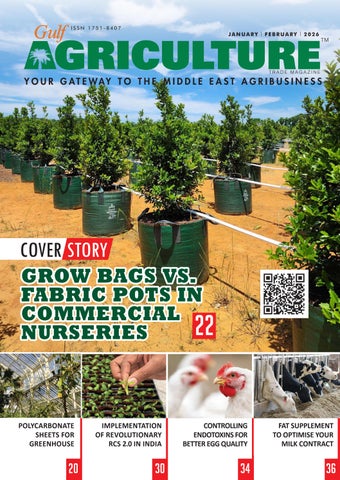
In commercial nursery production, container selection plays a critical role in plant health, sanitation, labor efficiency, and long-term operating costs. While grow bags and fabric or felt pots are often grouped together, their performance in professional nursery environments differs significantly — particularly in regions exposed to high temperatures, intense sunlight, and frequent irrigation.
This article examines the key differences between fabric pots and professional grow bags, and why many commercial nurseries are transitioning to GrowinBag™ for improved root performance, cleaner production environments, and long-term durability.
Fabric and felt pots are typically manufactured from absorbent materials. While these containers allow some degree of airflow, their construction can present challenges in commercial settings, including:
• Moisture retention within the fabric
• Increased risk of mold and algae growth
• Material degradation under prolonged UV exposure
• Loss of structural integrity after one or two growing seasons
GrowinBag™ grow bags are manufactured from UV-stabilized HDPE, a nonabsorbent material engineered for long-term outdoor use. This
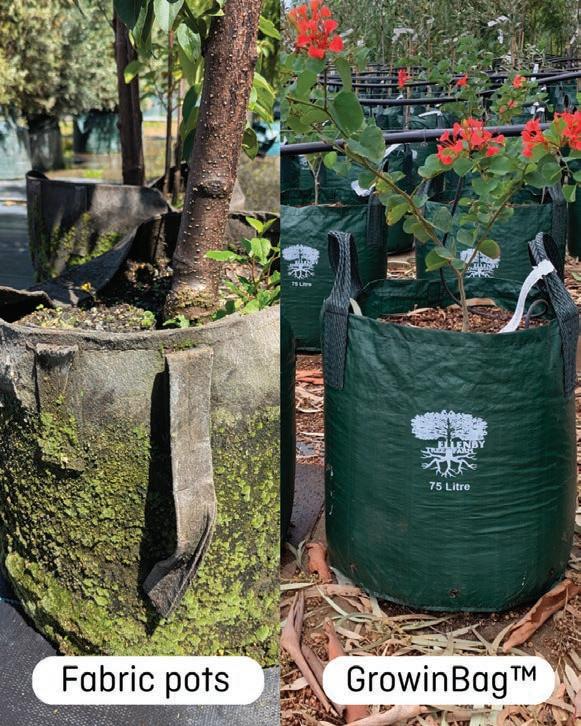
Fabric pots remain wet and promote mold growth, while GrowinBag™ HDPE grow bags, support cleaner production environments and healthier root systems.
construction allows the bag to maintain its shape, strength, and performance even under high heat, direct sunlight, and intensive irrigation schedules common in commercial nurseries.
Mold and microbial buildup remain persistent challenges in nursery production, particularly
in humid climates or operations with heavy irrigation. Because felt pots absorb and retain moisture, they can:
• Remain wet for extended periods
• Create microenvironments conducive to bacterial and fungal growth
• Compromise root-zone sanitation
GrowinBag™’s non-absorbent HDPE construction prevents
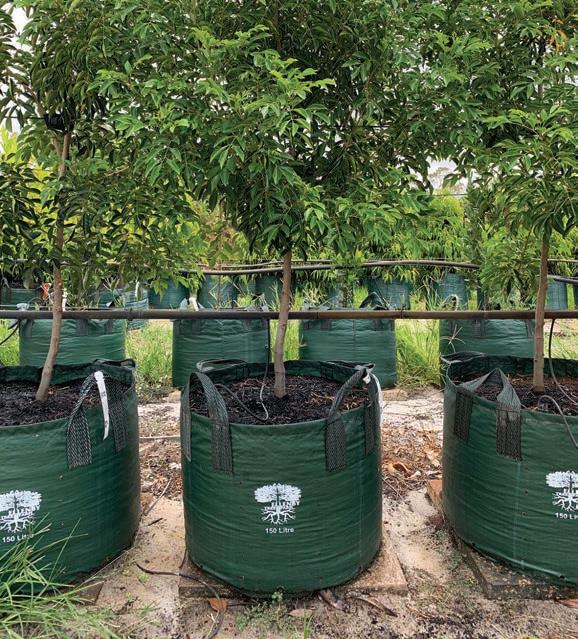
moisture retention within the container walls. By eliminating the conditions that promote microbial growth, GrowinBag™ supports cleaner growing areas and healthier root environments — a key advantage for nurseries focused on plant quality and sanitation standards.
While fabric pots promote airflow, retained moisture within the material can lead to inconsistent air-pruning and uneven root development. Professional grow bags provide:
• Uniform airflow across all container surfaces
• Consistent air-pruning
• Dense, fibrous root systems
• Reduced transplant shock The result is more predictable plant performance at every stage of production. Nurseries using GrowinBag™ consistently report improved root structure, better establishment after
transplanting, and more uniform growth across crops.
Fabric pots may appear economical at first, but frequent replacement increases labor demands, material costs, and handling time.
HDPE grow bags are designed to:
• Withstand prolonged UV exposure
• Remain functional across multiple growing cycles
• Reduce replacement frequency
• Lower long-term handling and material costs
For commercial nurseries, container durability directly impacts profitability.
GrowinBag™’s long service life makes it a cost-effective solution for large-scale operations seeking consistency and efficiency.
For nurseries focused on root
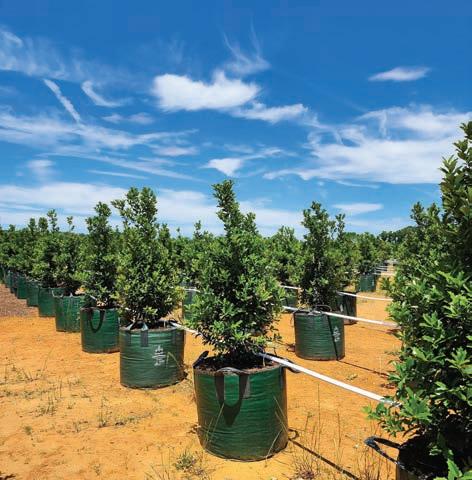
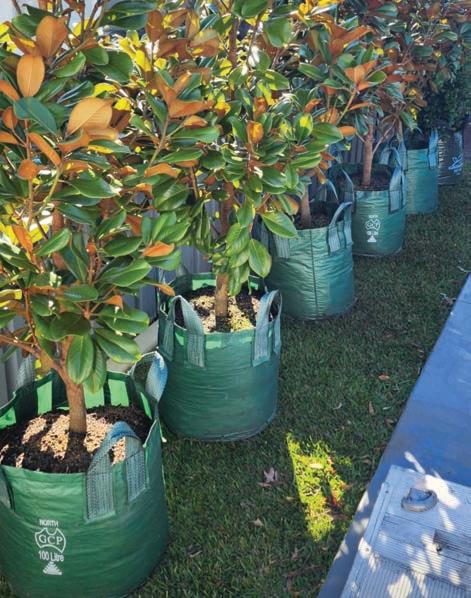
quality, sanitation, and longterm operational efficiency — especially in demanding climates — GrowinBag™ consistently outperforms fabric pots across every critical performance category. By combining durable materials, mold-free performance, and reliable root development, GrowinBag™ has become a trusted container solution for professional growers worldwide.
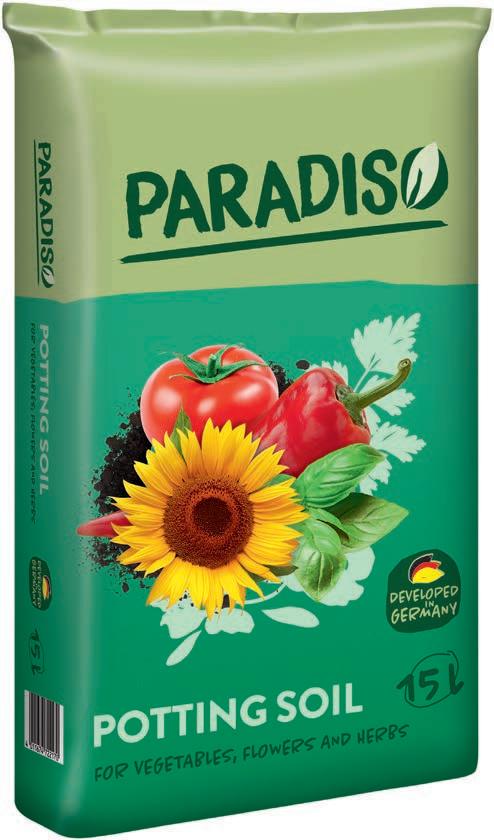
In an increasingly interconnected global market, German substrate specialist Stender has taken a decisive step toward international expansion with the launch of two innovative potting soil lines designed specifically for worldwide distribution. We spoke with Antonia Wesche, Head of Export, about how the company is navigating the complexities of global trade and leveraging new product development to reach markets previously difficult to access.
Stender's export division currently serves around 60 countries, with particularly strong presence in specific regions: "Our main delivery areas are the Maghreb states— North Africa—and the Middle East, including countries like Kuwait, Oman, Qatar, and Saudi Arabia. In North Africa, we're strong in Algeria, Tunisia, and Morocco."
The company also has significant business in South America, including Ecuador,

Antonia Wesche, Head of Export, Stender GmbH
Peru, Chile, and Brazil, as well as throughout Asia. Currently, Australia is the only continent where Stender has not established a market presence. Stender's export business has historically focused on professional applications: "Until now, our export has been predominantly for vegetable production. But our goal is clearly to work with wholesalers to focus more on flowers and hobby retail soils, offering more in that area."
International trade brings specific challenges that the team addresses daily. These include varying regulatory requirements: "Country-specific regulations that aren't always logically comprehensible, extensive documentation, paperwork, and import requirements—certificates, tests, laboratory tests, countless things that need to be provided, confirmed, and certified by authorities, chambers of foreign trade, embassies, and so on," Wesche explains.
These requirements constantly evolve: "You need specific knowledge about what each country needs, and there's always a lot of change. Just because something worked according to pattern A last year doesn't mean the country hasn't suddenly decided everything must be done differently."
Logistical challenges are equally significant: "The closure of the Suez Canal means shipping times are about three weeks longer than before the closure because ships now have to travel around the Cape of Good Hope." Other issues include container shortages, port congestion after events like Chinese New Year, and natural variations in raw material consistency due to harvest conditions and weather.
Cultural factors also play a role: "Ramadan, Chinese New Year, Christmas—these three major events definitely influence our work. Our shipping cycles to Chinese or Taiwanese customers are clearly adjusted around Chinese New Year."
For years, Stender's hobby substrate portfolio was tailored primarily to Central European markets, particularly Germanspeaking regions. "Our previous retail products were adapted to the requirements of the Central European market, both in terms of the content of the bags—the soil compositions—and the packaging design," explains Wesche.
This regional focus created limitations when attempting to serve markets outside Europe. The company's new strategy represents a fundamental shift, with product formulations and
packaging designed from the ground up with global requirements in mind.
"The composition of our new soils now fulfills import regulations worldwide," Wesche emphasizes. "We've tried to create a 'one fits all' solution that meets the import requirements of various countries." This required navigating a complex landscape of regional restrictions—for instance, many countries prohibit compost in imported growing media due to concerns about pathogens, while others restrict clay.
The result is two versatile product lines, each available in three bag sizes, optimized for export markets. Both lines use peat as their main component, as this material remains permitted globally while providing consistent quality.
The visual presentation of the new product lines reflects their global ambitions. "We've deliberately chosen a colorful line that appeals to many consumers without requiring much text," Wesche describes. "The cover image featuring sunflower, pepper, tomato, and basil is internationally understandable: it communicates that this is a universal soil suitable for everything."
A critical innovation in the new product lines is their multilingual packaging. "Information texts and declaration texts on the packages are multilingual," Wesche points out. The standard version includes English, French, and Spanish—
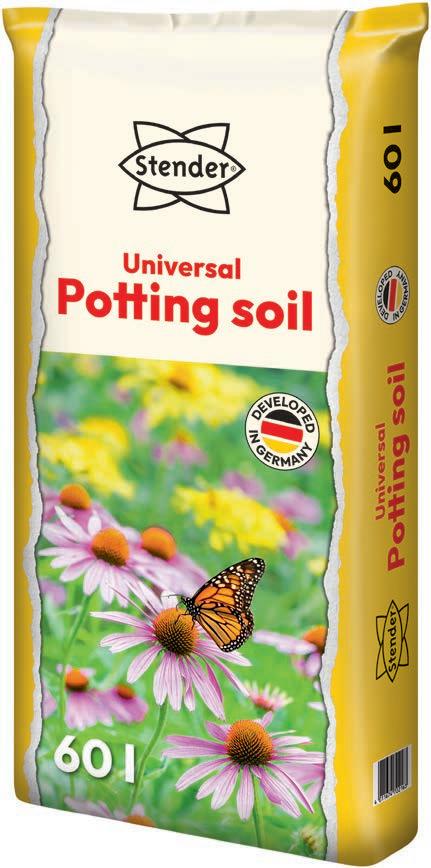
languages that cover a substantial portion of global markets.
The design also incorporates a designated free space on the back where additional languagespecific declarations can be printed according to customer requirements. "We've already used this for Arabic text. Some countries have special declaration requirements, such as clearly visible production dates in the local language or lot numbers that match the corresponding import licenses."
This multilingual approach helps Stender access markets that were previously difficult to serve.
With decades of proven success across the Middle East, Humintech has built strong partnerships and delivered measurable improvements in crop yield, soil quality, and wateruse efficiency
Author: Dr. Merve Kaye Humintech Marketing
The Gulf’s sandy, calcareous soils face severe challenges—low organic matter, poor nutrient retention, high salinity, and limited water-holding capacity. These conditions accelerate soil degradation and threaten longterm productivity. Humic substances, derived from highquality leonardite, offer proven solutions to restore soil health and strengthen agricultural resilience.
With decades of proven success across the Middle East, Humintech has built strong partnerships and delivered measurable improvements in crop yield, soil quality, and water-use efficiency. This deep regional experience forms the foundation for introducing a new generation of solutions tailored to the Gulf’s unique agricultural conditions.
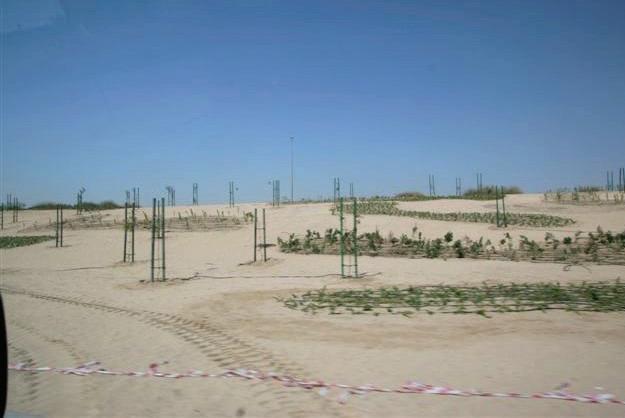
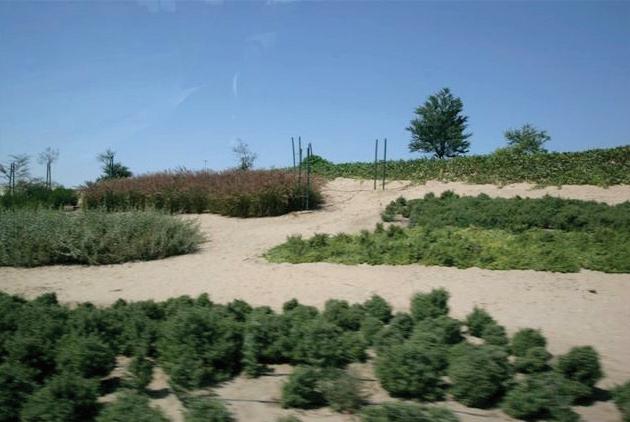
Humic acids enhance Cation Exchange Capacity (CEC), allowing soils to retain essential nutrients such as potassium, calcium, and magnesium. They also buffer
pH, improving micronutrient availability in calcareous soils, and bind excess sodium, reducing salinity stress. This improves soil structure, boosts potassium uptake, and helps plants tolerate drought, heat, and salinity.
In sandy soils, water drains quickly from the root zone. Humic acids improve aggregation and porosity, increasing water-holding capacity and reducing nutrient leaching. Stronger soil structure prevents wind erosion and moderates rootzone temperatures—critical in the Gulf’s hot, arid conditions. These improvements enhance water-use efficiency and lower production costs.
Leonardite: Building LongTerm Humus
Stable humus is essential for lasting soil fertility. It forms when organic carbon binds to clay particles, resisting decomposition for decades. Leonardite—rich in humic and fulvic acids—is a highly effective source of stable humus, far more concentrated and enduring than manure or compost. Continuous application is necessary to maintain optimal humus levels, as intensive farming can cause annual losses of up to 1 tonne per hectare.
Humintech’s SMART framework supports 11 UN Sustainable Development Goals, focusing on:
=Sustainable: Long-term productivity and social impact
= Multifunctional: Enhancing resilience, water efficiency, and biodiversity
=Areal: Adaptable to diverse regions and farming systems
=Regenerative: Supporting microbiome health and ecosystem recovery
=Technology-Advanced: Precision farming and digital integration
MICROSENSE®: NextGeneration Biostimulants
Under SMART, MICROSENSE® products address key crop stages and challenges:
=Swift: Enhances photosynthesis and stress tolerance
=Bloom: Supports flowering and fruit set
=Ca & B: Corrects calcium and boron deficiencies
=Root: Stimulates root growth and early germination
=Prime: Improves nutrient uptake and overall plant resilience
Dr. Yasser Dergham, Humintech’s Technical and Sales Manager, expressed his enthusiasm: “This range is a science-based response to farmers’ real challenges, offering advanced, field-ready solutions. I am confident it will deliver results quickly and I am fully committed to supporting its adoption across the Gulf and beyond.”
Proven Field Results
In Egypt, POWHUMUS® increased potato yields by 33% and boosted the share of marketable tubers by 40%. In Jordan’s Badia, humic acid application restored productivity in severely degraded sandy soils.
as a Climate Solution
Soils store up to three times more carbon than the atmosphere. One tonne of humus captures 1.8 tonnes of CO2, making humus-building a powerful climate action strategy. The Gulf region has a unique opportunity to link soil health improvements with carbon sequestration initiatives.
Conclusion
In water-scarce, heat-stressed Gulf agriculture, humus is
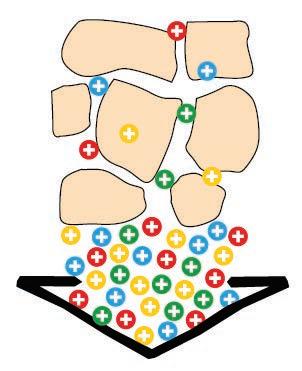

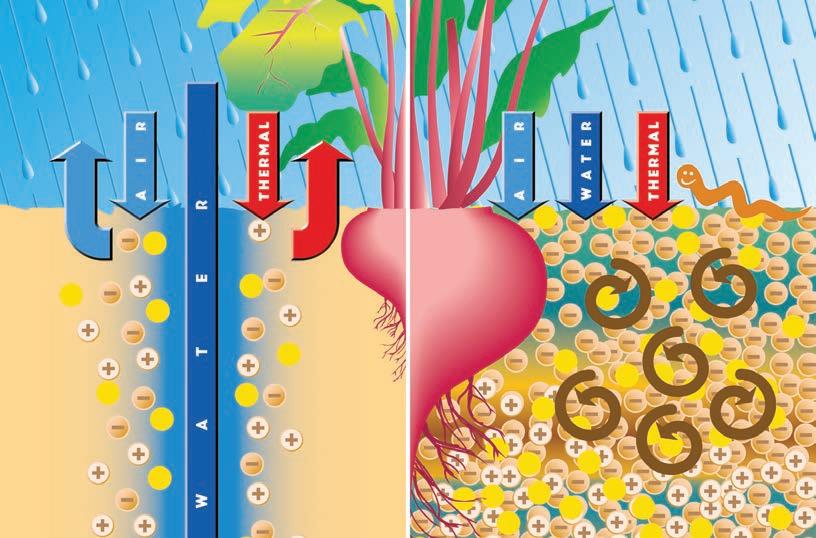
This figure demonstrates that humic acids not only increase nutrient retention but also fundamentally improve both the physical and chemical properties of sandy soils.
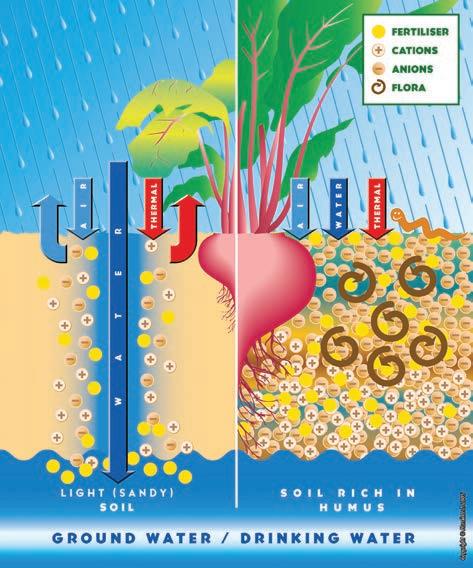
This figure highlights how humus-rich soils outperform light sandy soils in retaining water, holding nutrients, and sustaining microbial activity—key factors for Gulf agriculture.
more than a soil amendment— it is a strategic resource. By enhancing soil fertility, water retention, and climate resilience, humic substances represent a high-impact, future-proof investment for sustainable agriculture in the region.
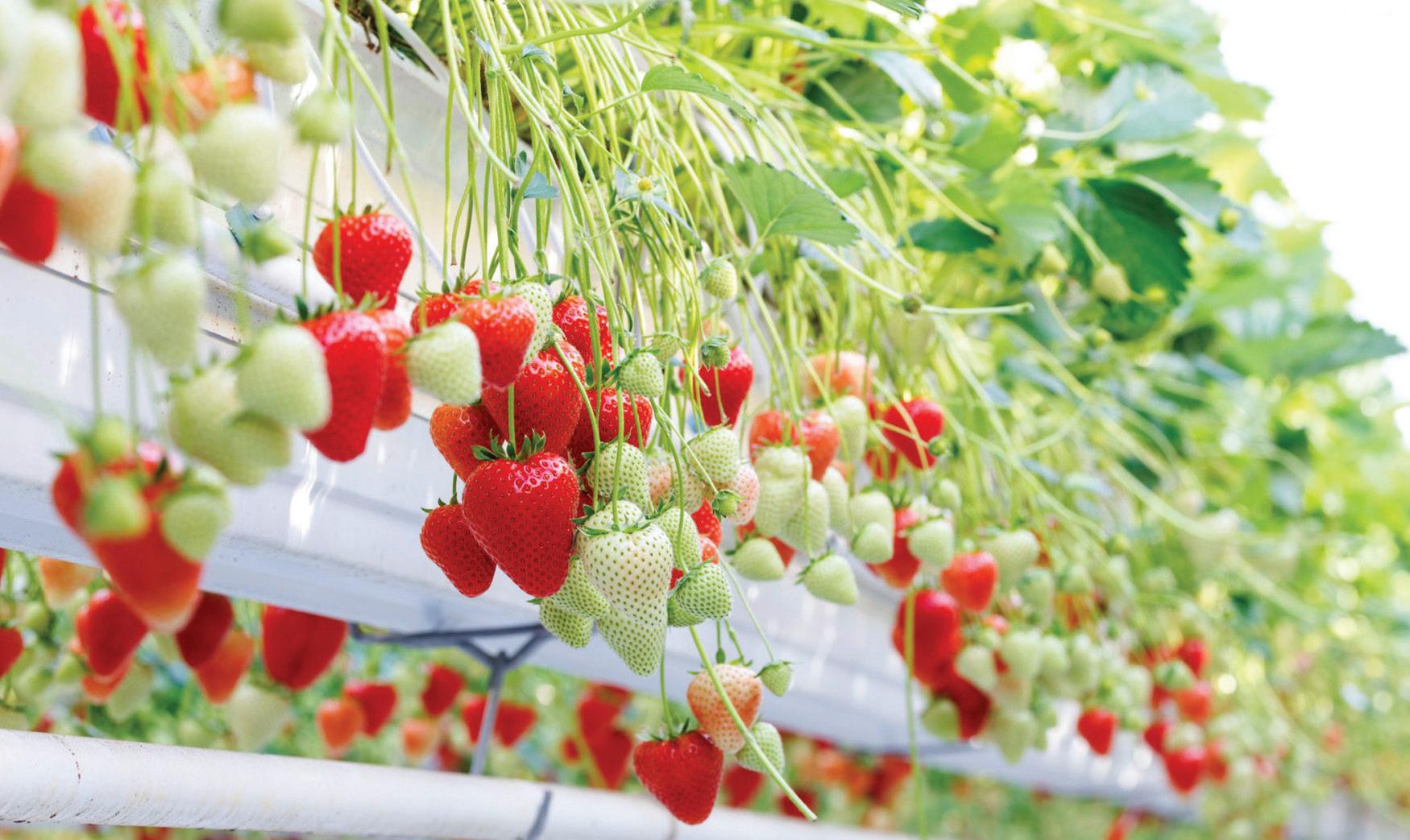
BOur new variety Baya Solara is an exciting June-bearing cultivar and delivers impressive productivity and strong resistance to diseases like Phytophthora cactorum without compromising fruit quality."
ayer announced the launch of Baya Solara, the first commercial strawberry variety from Bayer’s De Ruiter brand. The launch is a vital part of the company’s strategic expansion into the strawberry market and follows Bayer's acquisition of the strawberry assets from UK-based NIAB in 2023. The introduction of the new variety reinforces Bayer’s commitment to providing innovative solutions to protected culture growers and sets a new standard in soft fruit cultivation.
Strawberries are among the fastest-growing fruit crops, with year-round demand exceeding supply.
“Our new variety Baya Solara is an exciting June-bearing cultivar and delivers impressive productivity and strong resistance to diseases like Phytophthora cactorum without compromising fruit quality. With this launch, we are targeting Northern Europe's rapidly growing protected
cropping sector and offer growers new opportunities,” said Swanny Chouteau, Portfolio Lead for the Europe Middle East and Africa region at Bayer’s Crop Science division.
Baya Solara is characterized by its large, uniform fruits and is designed to reduce postharvest darkening, meeting the growing consumer and retail demand for high-quality strawberries. The fruit also offers a pleasant sweetness with a balanced sugar-acid ratio, making it an attractive option for consumers. In addition, this early-mid season June-bearer variety is designed to show significant improvement against common diseases, including Phytophthora cactorum, a fungal disease that causes the strawberries’ crown to rot. This genetic resistance is vital for ensuring the long-term viability of strawberry production.
“Baya Solara is a strawberry that offers many benefits. For growers, it means a more
productive and reliable harvest. For retailers, it delivers consistent, large, firm fruits with excellent shelf life, reducing waste and ensuring dependable quality. For families, it offers delicious strawberries that stay fresh longer, helping them reduce waste and enjoy every berry,” said VK Kishore, Head of Global Product Innovation for Vegetables at Bayer’s Crop Science division.
Baya Solara will be available to growers in the UK, Germany and Benelux. The June-bearer is the first one to be commercially launched since the NIAB acquisition, and complements six other strawberry varieties, including Malling™ Ace, a highly versatile and productive everbearer that has been increasingly favoured by growers and consumers, and Malling™ Centenary, a Junebearer market-leading variety, highly regarded for its standout fruit quality.
The National Development Agency has signed a Memorandum of Understanding (MoU) with FarmTech, Valley Valmont, and New Holland Agriculture to supply and deploy 1,000 center pivot irrigation systems across the southern region of Libya.
The agreement marks a significant step toward enhancing agricultural productivity, strengthening food security, and supporting sustainable development in Libya’s desert and semi-arid zones. Under the MoU, the partners will collaborate to
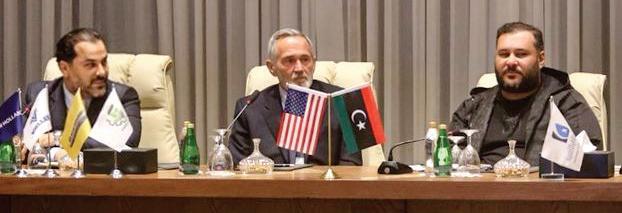
deliver advanced irrigation technology and agricultural equipment aligned with national development priorities.
This strategic initiative reflects the National Development Agency’s commitment to modernizing Libya’s agricultural sector through international partnerships and large-scale, high-impact projects.

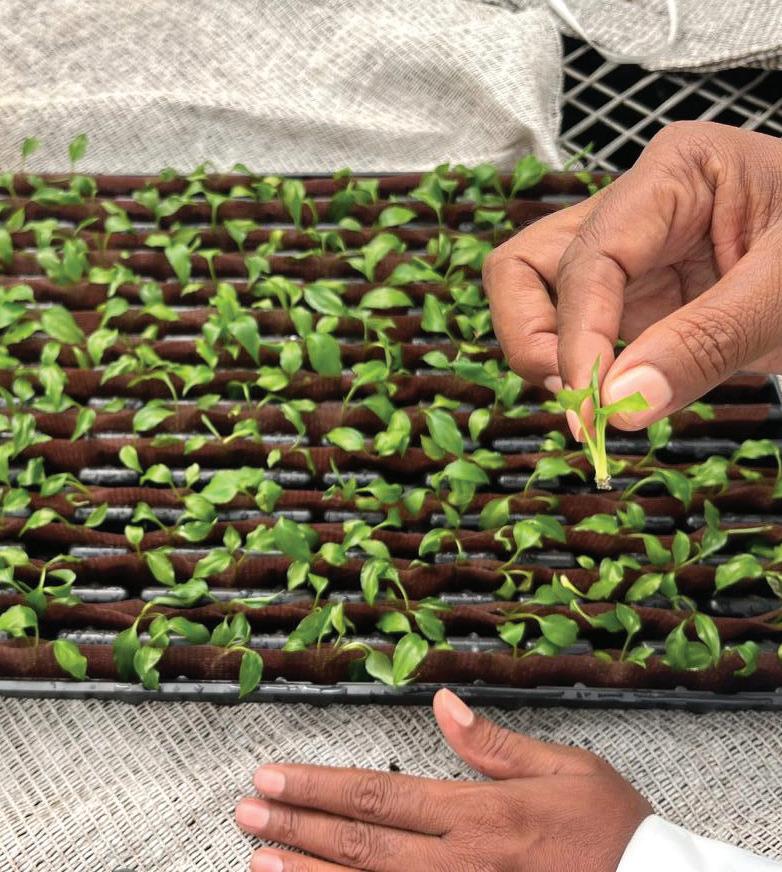
With the successful commercial implementation of its RCS 2.0 rooting system in three key markets, Selecta one has taken the next step in rolling out the technology globally. RCS 2.0 is now being applied under very different production environments and market conditions, marking its transition from innovation phase to operational reality.
Selecta one, the renowned breeding and young plant company based in Stuttgart, and KF Bioplants, one of India’s largest plant biotechnology companies, are proud to announce a strategic collaboration to implement the RCS 2.0 system in India. This partnership marks a significant shared commitment in sustainable plant propagation, offering a "win-win" solution that combines sustainability and efficiency adding value across the entire production chain.
A new standard in sustainable propagation
The RCS 2.0 system, which debuted at IPM 2025, is a nextgeneration propagation system that roots cuttings offshore in biodegradable paper bags. Unlike traditional methods, this system requires no substrate and minimal energy, utilizing cellulose-fiber pockets that are entirely free from fossil-based plastics. The compact, ready-touse rooted cuttings can be potted manually or fully automated.
For operations at the scale of KF Bioplants, which produces more than 100 million plants annually, the impact is significant, the benefits are transformative in addition to rooting performance; the system reduces waste, optimizes transport efficiency, and lowers space requirements throughout the process. This integrated solution enables faster handling, reduces labor requirements, and delivers improved and consistent quality.
A win-win for global horticulture
The collaboration creates a powerful synergy between Selecta one who provides the cutting-edge technology and know-how, while KF Bioplants utilizes its large-scale infrastructure in Pune to deliver high-quality, sustainably produced plants to the Indian and global markets.
"With RCS 2.0, we are launching a real innovation in process optimization and production. It is the result of great collaboration and demonstrates the potential of thinking in terms of solutions for our customers. We are developing solutions that add value across the entire production chain. This system is environmentally friendly, resource-saving, and efficient, setting new standards on the market." explains Per Klemm, CEO of Selecta one.
For more information on RCS 2.0, visit: https://selecta-one.com/en/ rcs-2-0
New Holland is launching a completely new range of Defensor self-propelled sprayers for 2026, with enhancements that enable large farms to raise workrates, maximize product efficacy and ensure operator comfort, to achieve the best possible results.
The new Defensor sprayer line marks the most significant transformation since the range was launched. As before, there are two models, but they now cover a wider customer profile. While the entry-level Defensor remains a 2,500-litre model, the larger machine now has a capacity of 4,000 litres, up from 3,500 litres, to cut refill stops and boost daily output. Respective power outputs are
215hp and 272hp, from Tier 3 six-cylinder FPT NEF 6.7-litre engines. Fuel capacity is 450 litres.
Multiple practical benefits are integral to the new Defensor design. The rear bonnet now has a side cover with gas struts to hold it in position, easing access for engine servicing and radiator cleaning. A new extended access platform and handrail ease cab entry and improve fuel tank access via through the new front bonnet. The new access steps can fold at almost 90°, preventing collision with taller crops later in the season.
Internally, operators benefit from a pressurized cab with activated-carbon filter, more internal space and easy access
to the CAN ports and the fuse box. Operation has been further simplified by a new multifunction lever that puts all controls in the operator’s right hand. It incorporates a propulsion direction selector, speed control marking and speed preset buttons, plus all key sprayer control functions. All booms are now built from stainless steel for high durability and extended component life. This also provides stronger mounting for nozzle bodies, ensuring optimal tip angulation for precise spraying. The boom structure now includes an integrated fence nozzle and end-of-bar valves for easier cleaning and maintenance.

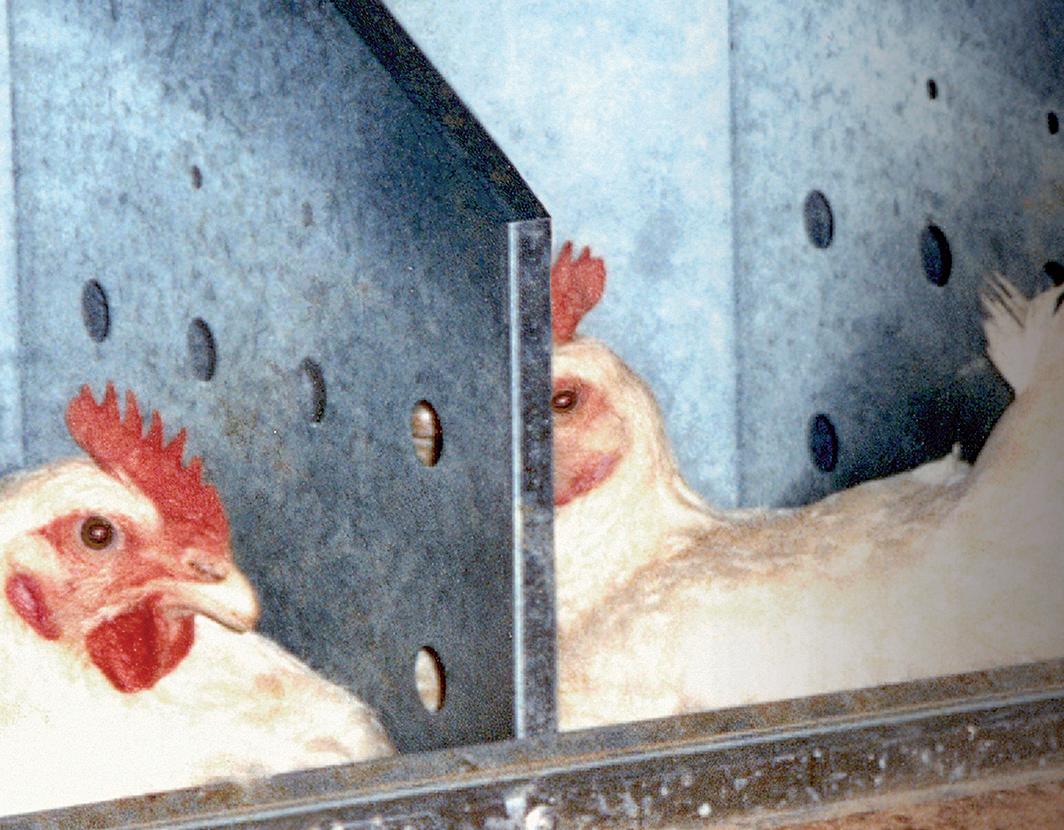
Today’s poultry growers can choose from several types of nest construction, including filmfaced plywood, plastic and metal. But which delivers the best performance and longterm value? Each material has its own strengths and limitations, and the following information outlines key factors to consider when selecting nests that support the highest productivity and profitability.
Smooth surfaces make plastic and metal nests easy to clean, which appeals to many growers. However, poultry houses are generally washed only after flocks are removed,
meaning nests aren’t cleaned frequently. As a result, other properties of the material play a greater role in maintaining overall hygiene.
Wood’s porous structure allows it to absorb some moisture, which might seem like a drawback. Yet research shows the opposite effect. The capillary action in wood draws bacteria below the surface, where it soon dies. By contrast, bacteria linger on the surface of plastic or metal and may persist longer in damp conditions.
This phenomenon has been documented in food safety studies. In a 1994 University of Wisconsin report titled “Cutting Boards and Food Safety,” Dr. Dean Cliver
demonstrated that bacteria such as Salmonella and E. coli declined significantly over time on wooden cutting boards, even without cleaning, thanks to the porosity of wood. Followup studies at the University of California, Davis, reached similar conclusions that plastic surfaces retained bacteria more readily than wood.
In addition, certain wood species have natural antimicrobial properties that inhibit bacterial growth. Plastic lacks this ability, which can create a better environment for bacteria to live.
The type of material used in nest
boxes directly affects bird behavior and nesting consistency, which are key to maximizing the number of Grade A eggs. Wooden nests typically perform best in this regard. Their density and mass provide stability and quietness — qualities birds instinctively prefer. The sound-dampening nature of wood often results in higher nest acceptance rates than either plastic or metal options.
Evidence from Wageningen University in the Netherlands supports this conclusion. The study, “Relative preference for wooden nests affects nesting behavior of broiler breeders,” compared wooden and plastic nests, showing that hens laid more eggs in wooden nests. Camera data further reinforced the findings, also showing a stronger preference for wooden nests, as more birds visibly spent a greater amount of time in them.
Metal nests, being noisier, are the least attractive to birds and experience the worst acceptance. Because the low nest acceptance rate will negatively impact production, metal designs are now seldom used in broiler breeder facilities.
Durability is another strong point for wood. Though growers may worry about rot, this concern is minor since poultry houses are typically pressure-washed less than once a year, minimizing the length of exposure to water. Also, the marine-grade, filmfaced plywood used in these types of nests is engineered for moisture exposure and can be easily wiped clean.
Interestingly, the porous structure of wood is a benefit because, even though wood
absorbs water, it is also able to dissipate moisture quickly. This durability is evident through the fact that many wooden nests have been in service for over 15 years, while showing minimal wear despite repeated cleaning with disinfectants.
On the contrary, plastic becomes brittle after extended exposure to detergents and high-pressure washing. As a result, plastic nests are more likely to break after years of use. Also, sheet metal options tend to rust over time, contributing to durability concerns.
It’s also important to distinguish between high- and low-quality wooden nests. Premium versions use multiple layers of dense plywood (up to nine layers) for added stability and sound absorption. Lowercost models with fewer layers may not provide the same durability or performance.
Next, wood’s renewability gives it an environmental edge over plastic and metal. When obtained from certified forests, it represents a sustainable material choice with a smaller ecological footprint.
By contrast, metal and plastic production relies on nonrenewable resources such as fossil fuels and mined minerals, making them less sustainable alternatives.
One negative of wooden nests is they usually carry the highest purchase price. However, as previously highlighted, they often produce the best return on investment through improved bird welfare, higher egg output and longer lifespan.
Metal nests cost less initially
but typically reduce profitability due to lower nest use and increased floor eggs.
The material used for nests has a direct influence on flock comfort, hygiene and longterm return on investment.

Film-faced plywood stands out as a balanced choice because it is durable, easy to maintain and supportive of natural bird behavior. Its combination of resilience and comfort contributes to better flock health, greater nest acceptance and improved economic outcomes for poultry operations.

By Muhammad Umar and Dr Bernhard Eckel, Dr. Eckel Animal Nutrition
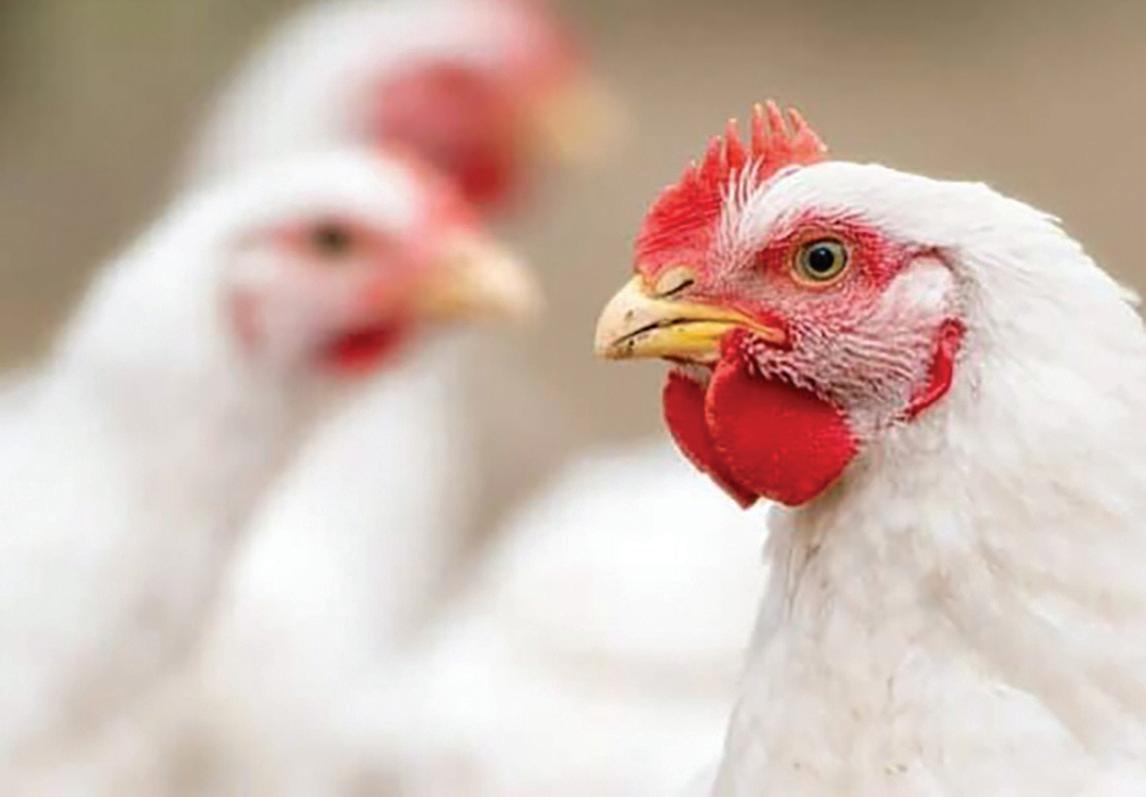
For poultry breeders, each egg is valuable. Success depends on quality, hatchability and the resilience of hens. Every egg is an investment in the next generation, so losses affect both current and future productivity. Problems like cracked shells, small eggs and mortality often trace back to an overlooked culprit: endotoxins.
Endotoxins – the hidden threat
Endotoxins are fragments of gram-negative bacteria such as E. coli. Normally present in the gut, their levels rise under stress from heat, feed changes, infections or antibiotics. Once they cross the intestinal barrier, they trigger inflammation, reduce nutrient absorption and impair calcium use. In hens, this leads to weak shells, small eggs and higher mortality.
Endotoxin stress reduces hatchability, increases mortality and adds workload through sick birds and higher veterinary costs. For breeder farms with tight margins, these preventable losses are particularly harmful.
Comprehensive protection: Anta®Catch
Anta®Catch counters endotoxins with triple protection: activated surfaces lower endotoxin load in the gut, prebiotics strengthen the intestinal barrier, and phytogenics support detoxification and reduce inflammation. This helps maintain egg quality and flock health.
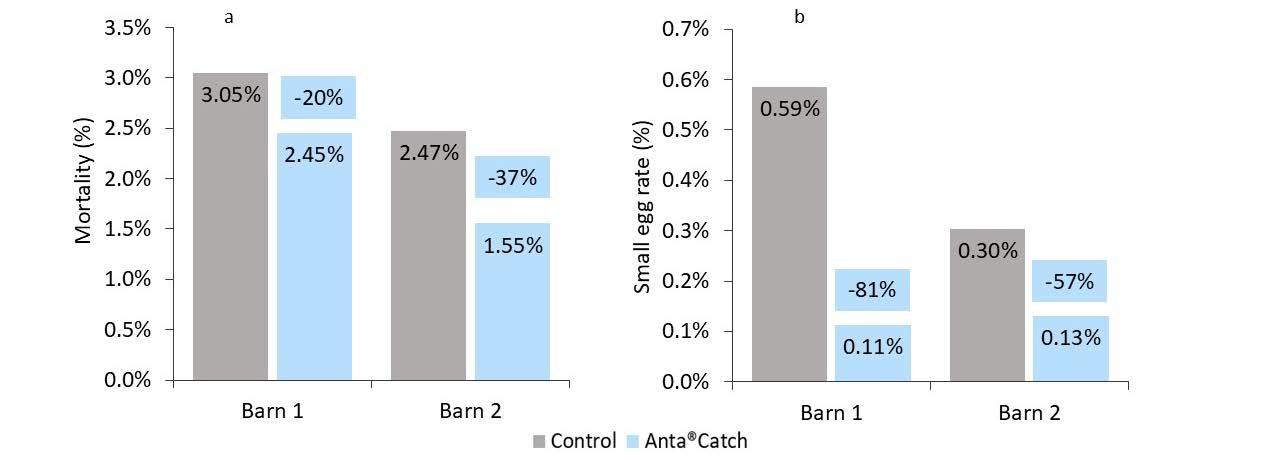
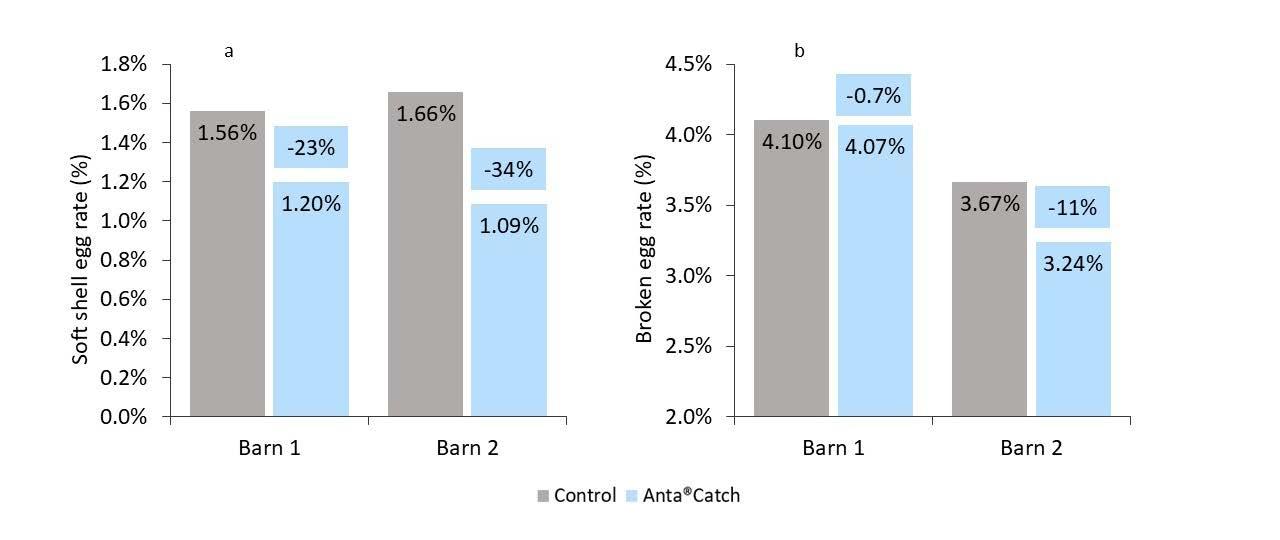
A field trial in Taiwan with 4,000 broiler breeders showed strong results. Mortality fell by up to 37%. Small eggs dropped by 81% and 57% in two barns. Soft-shelled eggs decreased by up to 34%, broken eggs by 11%. This means fewer downgrades, better hatchery output and more stable productivity.
Endotoxins waste feed, raise mortality and demand extra care. Controlling them results in healthier, more resilient flocks and better use of resources. Anta®Catch helps breeders stay competitive under cost pressure.
Endotoxins may be invisible, but their impact is clear: fragile eggs, fewer chicks and higher losses. With its holistic approach, Anta®Catch reduces damage, strengthens resilience and safeguards productivity. Trials prove its value: more viable eggs, healthier hens and improved survival. For breeder farmers, where every egg counts, Anta®Catch ensures longterm success.
Find out how Anta®Catch can support your breeder operations. Visit www.dr-eckel.de or reach out to our experts today.
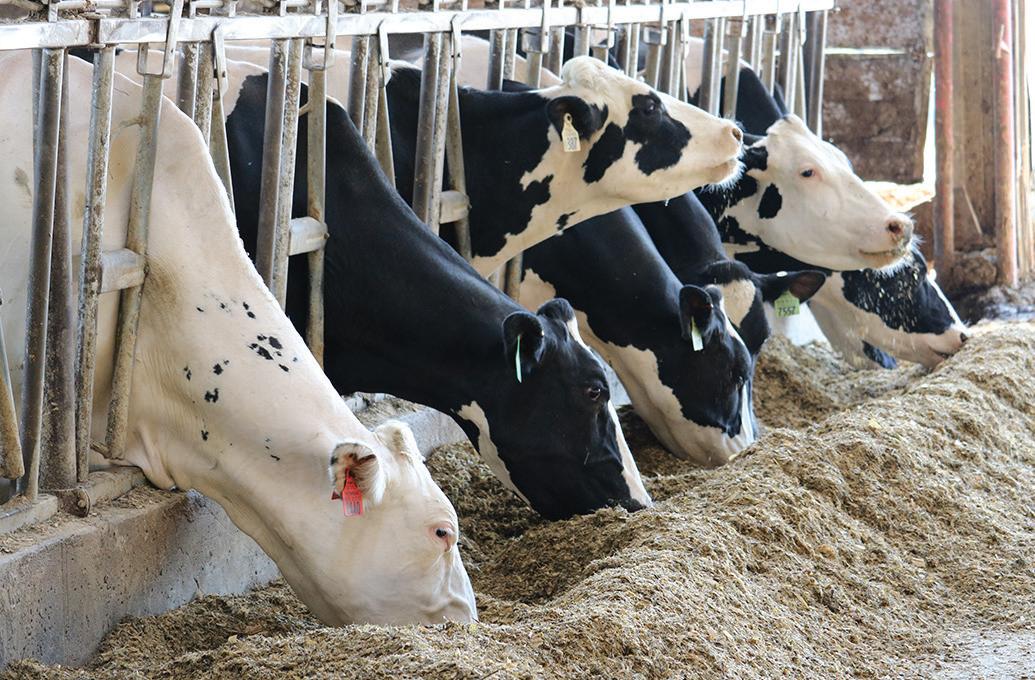
Environmental variables, global trade volatility and changing consumer preferences have made forecasting future dairy production a fast-moving target.
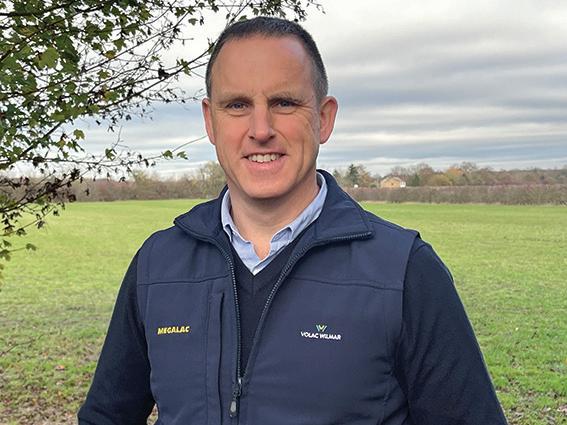
According to Dr. Richard Kirkland, Global Technical Manager for Volac Wilmar Feed Ingredients, rumen-protected fat supplements, which have long been included in lactation rations as an energy source, are a valuable tool when fed strategically for dairy producers needing to remain agile to hit individual milk contract premiums.
“This all comes down to the fatty acid composition and the effect an individual fatty acid has on a specific area of cow performance based on where she is in the lactation cycle,” Dr Kirkland explains. “Unlike other feed ingredients, rumenprotected fat supplements are not a one-and-done nutrient –
they are multi-purpose and can realise a significant return on investment.”
While there are five main fatty acids commonly found in ruminant diets, C16:0 (palmitic acid) and C18:1 (oleic acid) typically has the highest inclusion rate in rumen-protected fat supplements, with varying ratios
of each one to target specific effects in the dairy cow.
C16:0 induces insulin resistance to increase the partitioning of nutrients to milk, which in turn improves milk and milk fat production, says Dr Kirkland. This makes it ideal for mid to late lactation. In contrast, C18:1 increases insulin, which increases the partitioning of nutrients to improve body
condition. C18:1 also improves the digestibility of total diet fat, which increases energy supply and feed efficiency. This fatty acid has also been proven to boost fertility by promoting egg and embryo development, making it beneficial in early lactation, says Dr Kirkland.
Optimising for liquidbased contracts
While C16:0 is the fatty acid that most efficiently drives nutrients towards milk fat production, producers on liquid-based contracts should target products with a higher inclusion rate of C18:1, such as Megalac, throughout the lactation period.
“Early lactation is particularly critical, as cows are at peak energy demand, and maintaining a highenergy, rumen-friendly diet will support milk volume and minimise the cow milking off her back,” explains Dr Kirkland.
When energy demands are not fulfilled, cows fall into a negative energy balance to meet the high energy demands of milk production, which has a knock-on effect on fertility.
Research from the University of Nottingham indicates that for each 0.5unit loss in condition during this period, conception rates can fall by around 10%.
“Feeding rumen-protected fats with C18:1 is essential to optimise milk volume while maintaining herd fertility,” says Dr Kirkland.
Optimising for solidbased contracts
Ultimately, solid-based contracts will benefit from yield, but need to do so in a
way that doesn’t jeopardise quality premiums, says Dr Kirkland. Likewise, hitting solid-based premiums needs to be done without compromising cow health and fertility.
“In general, it is most appropriate to supplement with a higher-C18:1 product in the first 120-days of lactation to promote cow fertility, body condition and milk supply,” explains Dr Kirkland. “Once cows pass peak lactation or are back in calf, introducing a high-C16 product like MegaFat 88 drives higher milk fat and overall solids, optimising contract returns safely.
For producers seeking a balanced approach that maintains both volume and solids, a mixed product like Mega-Fat 70 can be offered throughout lactation.
Available tools to help optimise milk contracts for individual herds Ultimately, regardless of whether a farm is on a liquid or solid-based contract, they will likely benefit from having increased milk volume, says Dr Kirkland. And they will definitely benefit from their feeding strategy, promoting energy supply through early lactation.
To help individual dairy farmers determine how much fat they should be feeding and the most appropriate rumen-protected fat supplement to meet their milk production goals, VWFI has two calculator tools available. The Fat Calculator assesses whether a ration has a fat surplus or a fat shortage to meet the determined fat requirements
of the herd for optimal milk production. The more comprehensive Fat Supplements Return On Investment Calculator 2.0 allows producers to enter detailed data points about their ration and milk production to find which type of rumen-protected fat will give them the biggest return on investment for their milk contract.
“Rumen-protected fat supplements are more than
Unlike other feed ingredients, rumen-protected fat supplements are not a one-and-done nutrient – they are multi-purpose and can realise a significant return on investment.”
Dr Richard Kirkland, Volac Wilmar Feed Ingredients
just an energy source – they are a targeted tool that allows producers to fine-tune milk composition and cow performance,” explains Dr Kirkland. “By matching the right fatty acids to the stage of lactation and contract type, farms can optimise herd health and individual milk contracts to receive a higher return on investment for every litre of milk produced.”
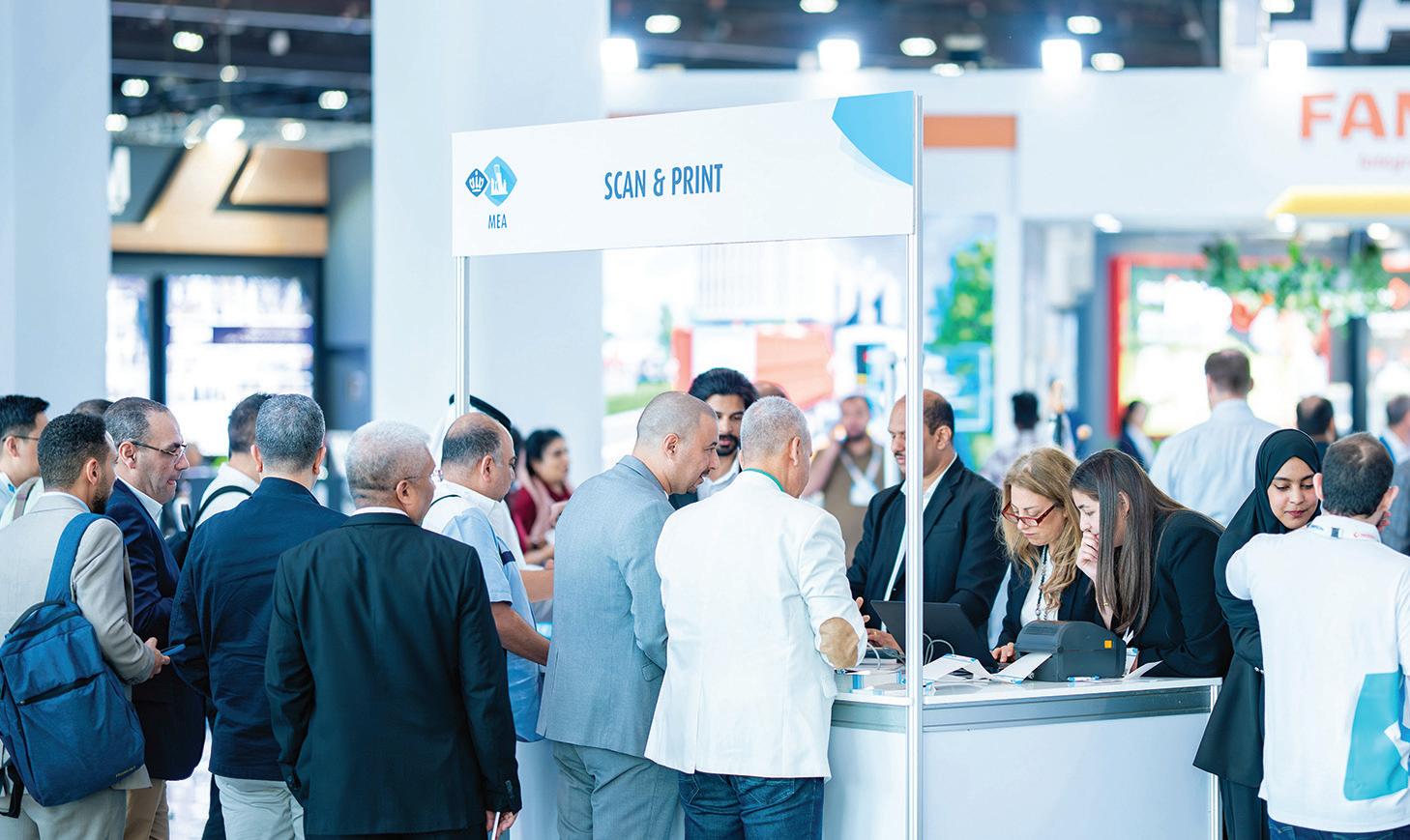
VIV MEA 2025 reaffirmed its position as the premier B2B platform for the feed-to-food industry in the Middle East and Africa, welcoming 10,830 professional visitors and 144 industry leaders from over 110 countries. Held from November 25–27, 2025 at ADNEC, Abu Dhabi, the event featured 505 exhibitors from 49 countries, showcasing cutting-edge solutions and technologies for animal protein production, animal health, breeding and hatching, croptech-feedtech, food engineering, feed ingredients and additives, aquaculture, and related sectors.
Over three days, VIV MEA delivered a vibrant marketplace for knowledge exchange, networking, and business development. Industry leaders, innovators, and decisionmakers gathered to explore trends, forge partnerships, and discover solutions shaping the future of livestock, poultry, dairy, aquaculture, and related
industries. The show's strategic partnership with the Abu Dhabi Agriculture and Food Safety Authority (ADAFSA) reinforced its commitment to advancing the region’s feed-to-food industry, focusing on food safety and sustainable agricultural development. Eng. Majed Musabah Almemari, Hay Supply and Storage Section Head at ADAFSA, shares “Supporting VIV MEA 2025 gave ADAFSA valuable opportunities to
strengthen its role across the feed-to-food value chain. The event enabled our teams to engage directly with international experts, learn about the latest technologies, and exchange knowledge on food safety, animal health, and sustainable farming.”
He adds, “It also enhanced collaboration with global and regional industry partners, opening doors for joint initiatives and innovation projects. Overall, participating
in VIV MEA helped us benchmark our practices, adopt new ideas, and reinforce Abu Dhabi’s leadership in applying advanced and sustainable agricultural solutions.”
VIV MEA 2025 provided an essential marketplace showcasing the complete spectrum of animal husbandry, including poultry, dairy, fish, shrimp, eggs, cattle, calves, goats, and camels. A significant highlight was the increasing international participation, featuring prominent global players and international pavilions from countries including the United States, France (which hosted the largest national pavilion), and Korea. The exhibition floor was officially sold out, underscoring the event's importance as a vital meeting ground for decision-makers across the MENA region.
“The French Pavilion at VIV MEA 2025 embodies France’s strategic ambition to strengthen economic ties and foster trade partnerships across the MENA region. By showcasing the excellence of French agrifood companies, we aim to create synergies that accelerate growth, open new markets, and deliver sustainable solutions for global food security. This event is a cornerstone for building longterm collaborations that reinforce France’s leadership in animal production and innovation worldwide,” says Anne-Marie Brault, Business France - French pavilion for agriculture.
Tessa Remers, Project Manager of VIV MEA, reflects on the event's impact, "The energy and collaboration we witnessed at VIV MEA 2025 were truly exceptional. Not only
did we successfully host over 500 exhibitors and connect them with qualified buyers, but we also solidified our role as the crucial hub for futureproofing the region’s food supply. The industry is actively embracing advanced technology and sustainable practices. We are incredibly proud of this edition and look forward to building on this momentum."
As a hub for cutting-edge developments, VIV MEA 2025 spotlighted advancements in agri-tech, biosecurity, and processing equipment. Attendees engaged in a comprehensive program featuring over 30 conference sessions with 130 speakers which were mostly free-toattend.
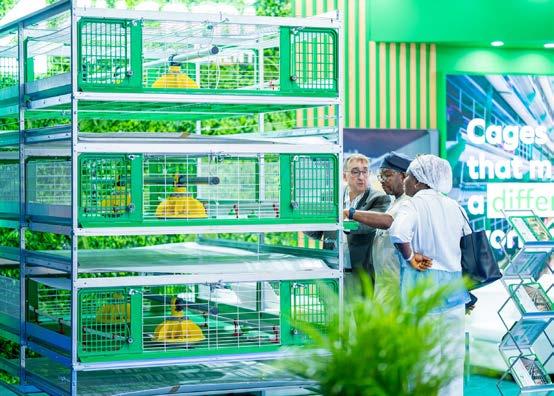
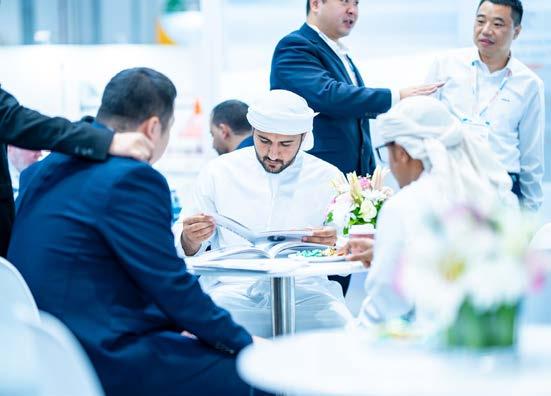
The exhibition floor featured several important initiatives and specialized areas. For the first time, VIV MEA featured a dedicated Aquatic Pavilion, expanding the event into the aquaculture sector with the specialized 2nd edition of the Aquatic MEA conference program addressing sustainable seafood production essential to the region’s protein needs. A key focus was also placed on digital transformation in the agrifood sector through the AgriBITs seminar, featuring sessions on AI, IoT, and smart technology to accelerate the development of robust, regional food systems. Furthermore, the Cities Leading Food Production Roundtables brought together international delegates to discuss critical topics spanning governance, technology innovations, water management, and regenerative agriculture; while the Poultry Marketing Round Table (PMRT) tackled intelligent water management in poultry farming.

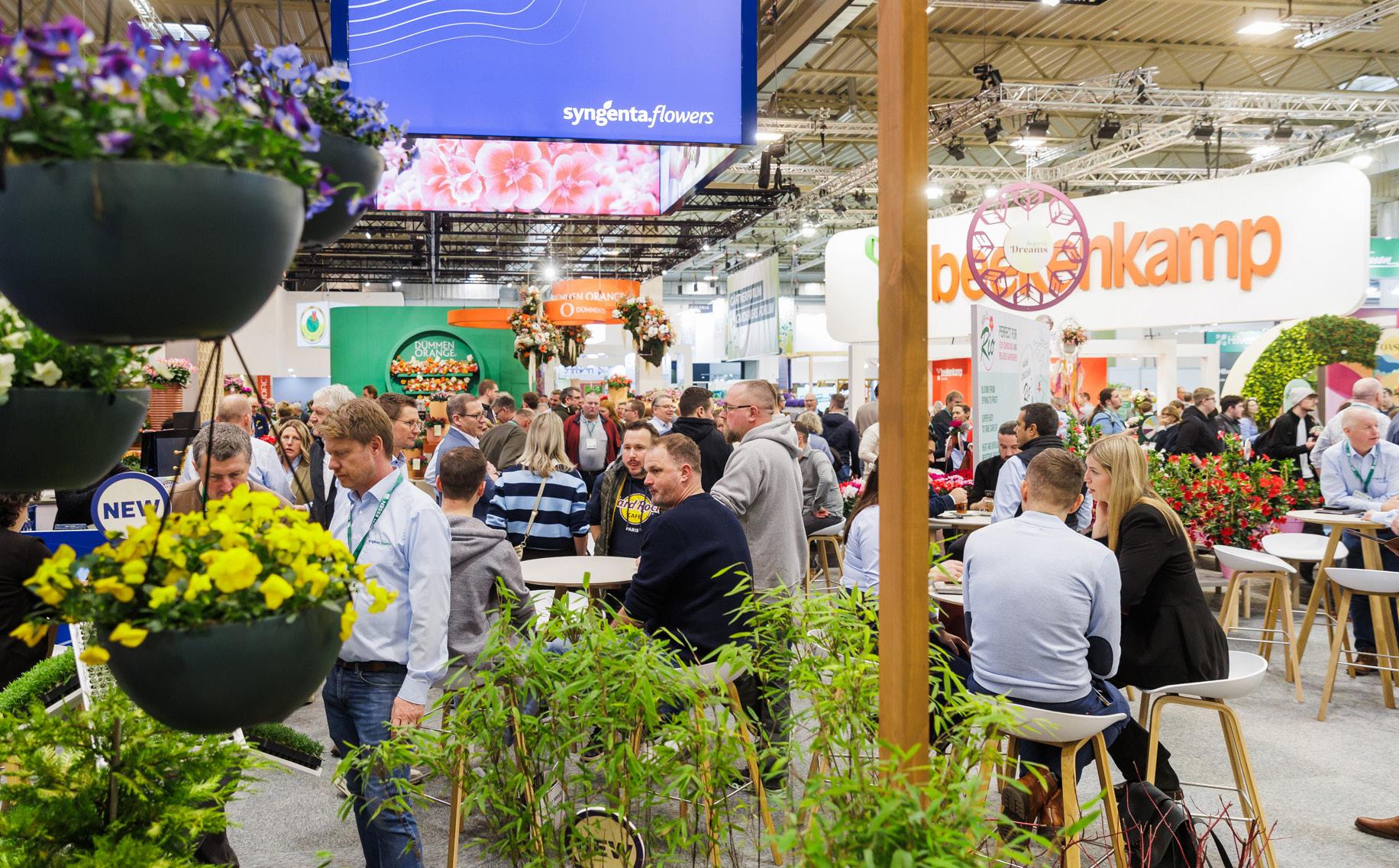
“IPM ESSEN is the central international platform for orientation, exchange and future solutions,” summarises Oliver P. Kuhrt, CEO of Messe Essen. “Networking within the horticultural industry is essential today – the key to identifying trends early, finding answers together to structural challenges and consistently seizing new opportunities.” High economic pressure, uncertain markets and rising requirements in production and marketing shaped many discussions – at the same time, a strong determination to shape the future
was clearly felt. Accordingly, demand was high for information, new technologies, innovative products and contemporary sales concepts to position businesses sustainably and for the long term. From 27 to 30 January, almost 40,000 trade visitors attended the 42nd worldleading horticulture trade fair.
A positive signal in challenging times: with 1,476 exhibiting companies, IPM ESSEN 2026 recorded three per cent more exhibitors than the previous year. The industry perceived this as a clear sign of confidence and relevance. The
return of individual companies also underlined the fair’s attractiveness as an international business platform. According to a survey, more than 85 per cent of exhibitors intend to take part again.
In terms of content, the fair reflected the industry’s core task: making innovations marketready, conserving resources, reaching new target groups and visibly embedding horticulture’s societal importance. “Once again, IPM ESSEN has proven to be the showcase of the green industry – and at the same time the central meeting point and
marketplace for gardeners from all over the world. Here, it has once again become clear how innovatively horticulture is responding to current challenges,” concludes Eva Kähler-Theuerkauf, President of the Central Horticultural Association and the Horticultural Association of North Rhine-Westphalia.
High international participation and decisionmaking authority
Feedback from the visitor survey underlines IPM ESSEN’s importance as an international decision-makers’ platform. 41 per cent of respondents travelled from abroad. Among international trade visitors, the Netherlands formed the largest visitor group, followed by Italy and other European markets such as the Czech Republic, Belgium, France and Romania. Great Britain/Northern Ireland, Spain and the USA were also among the most important countries of origin. At the same time, the trade fair was a place for concrete business initiation: at the time of the survey, 22 per cent of trade visitors stated that they place orders directly at IPM ESSEN. A further 63 per cent plan purchases afterwards on the basis of the contacts and information gained. Visitor quality remained high: 68 per cent of respondents described themselves as decisionmakers.
Full supporting programme: knowledge, trends and inspiration up close IPM ESSEN 2026 impressed with a packed supporting programme – as extensive as rarely before. The Gardeners’ Forum in Hall 2 and the Innovation Center Horticultural Technology in Hall 4 attracted

particularly strong interest and scored with top-class lectures. Highlights included the panel discussion “Fairtrade strengthens women” and Hexafarms’ product presentation “Let our AI interpret your climate – 24/7”. It became clear how strongly the industry is currently looking for context, best practices and practical solutions – from production and marketing through to strategic topics for the future.
The new Woodland Arena in Hall 7 was especially well received. It provided answers to pressing questions about climate-adapted and climatepositive urban greening and made the growing societal relevance of horticulture visible: urban resilience, quality of life and climate-adapted green concepts are increasingly coming into focus – an important lever to open up perspectives for the sector and strengthen its relevance in the public sphere and politics. Audience favourites included the talks “Woody plants for the future – plant selection for
flood-prone areas” and “Biodiversity begins in the genes – the importance of native woody plants”.
Sustainable horticulture and new approaches to customer engagement Peat-reduced and environmentally friendly substrates were not only a key topic at exhibition stands at IPM ESSEN. At the International Plant Fair in Essen, the first “round table” discussions on phasing out the use of peat and possible alternatives were launched. Direct exchange among all stakeholders was the focus – practical, solutionoriented and with clearly high attention. At a high-level meeting of the green associations, Silvia Breher, Parliamentary State Secretary at the Federal Ministry of Food and Agriculture, also answered participants’ questions – a visible sign that IPM ESSEN also serves as a dialogue platform at the interface between industry organisations and politics.
A positive signal in challenging times: with 1,476 exhibiting companies, IPM ESSEN 2026 recorded three per cent more exhibitors than the previous year
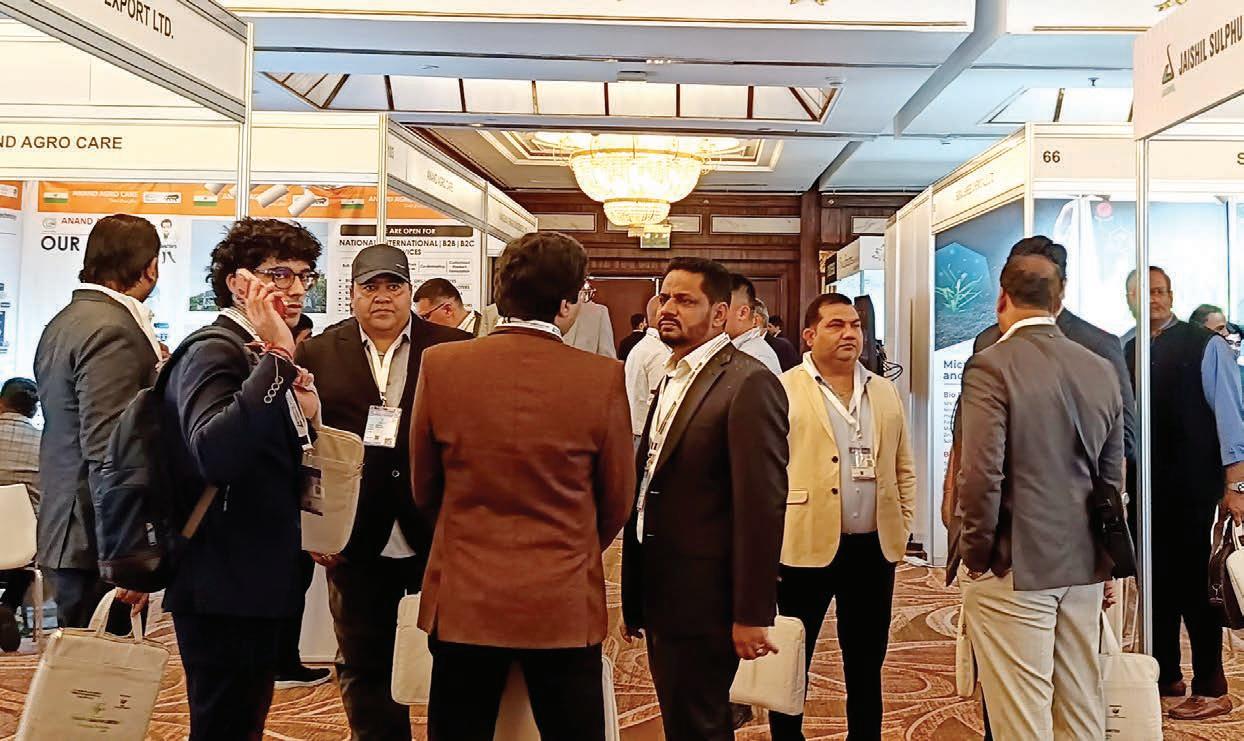
TThe event witnessed strong industry presence with 117 leading Agri-inputs and allied industries showcasing their product portfolios
he 23rd edition of “International Crop Science Conference & Exhibition (ICSCE Dubai 2026)” organised by PMFAI Agribusiness Foundation took place in Dubai on 19th & 20th January 2026 at Le Meridien Hotel & Conference Centre, Dubai, UAE.
After successfully organising 22 international editions between 1997 and 2025 in India and various other countries under PMFAI, the ICSCE now enters a new era under the aegis of the PMFAI Agribusiness Foundation, established in the year 2023. This milestone reaffirms our
unwavering commitment to empowering the global Agrochemical, Agri Biological, and allied chemical industries, and to fostering a future where science, sustainability, and partnership work hand in hand to nourish the world.
The two-day event commenced on a high note on the morning of January 19, 2026, with a welcome address by PMFAI President, Mr. Pradip Dave. In his opening remarks, Mr. Dave reflected on the event's evolution since its 1997 debut in Mumbai. He addressed the challenges the global agri-inputs industry faced over the past two years, noting that a recent revival in demand
and inventory normalization are now sustaining industry momentum. Furthermore, Mr. Dave highlighted the remarkable growth of the Indian Agrochemical sector, which has emerged as the world’s fourthlargest producer and secondlargest exporter, supplying over 160 countries.
The event witnessed strong industry presence with 117 leading Agri-inputs and allied industries showcasing their product portfolios (combining crop protection chemicals, biologicals, biostimulants and digital tools) during the two days of ICSCE 2026 held in Dubai. With over 1200 plus
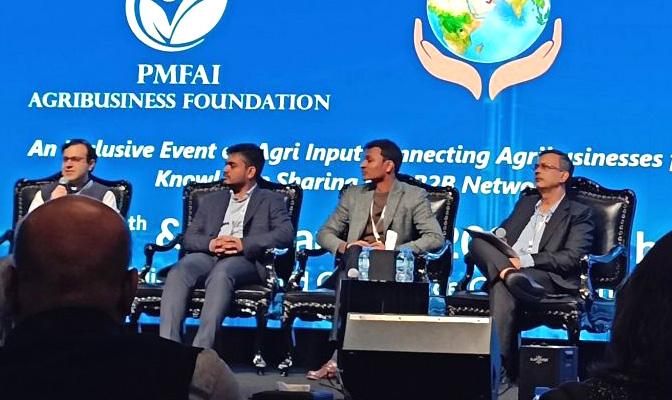
registered delegates’ participation, ICSCE 2026 was highly successful event.
Delegates from over 43 countries from all over the world including – Africa, Argentina, Armenia, Bangladesh, Belgium, Brazil, Canada, China, Egypt, Ethiopia, Germany, Iran, Ireland, Israel, Italy, Jordan, Lebanon, Malawi, Mauritius, Morocco, Oman, Poland, Russia, Saudi Arabia, Singapore, South Africa, Sri Lanka, Sudan, Syria, Taiwan, Tanzania, Turkey, Turkmenistan, UAE, Uganda, Ukraine, United Kingdom, USA, Vietnam, West Africa and many other countries participated in the event.
Dr. Shaza Roshdy Omar, Plant Health Expert and Phytosanitary Specialist associated with the International Plant Protection Convention (IPPC) in Egypt, delivered the keynote address. Dr. Shaza highlighted the vital role of international plant health systems in advancing sustainable agriculture within developing nations. Her presentation identified prevention, early detection, and harmonized phytosanitary standards as the most costeffective tools for protecting crops, biodiversity, and food security. She concluded by offering strategic insights for policymakers and industry
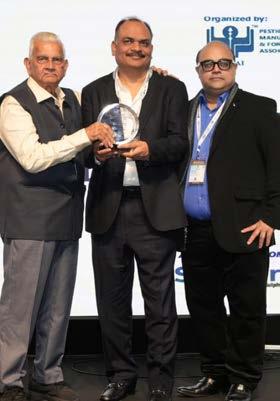
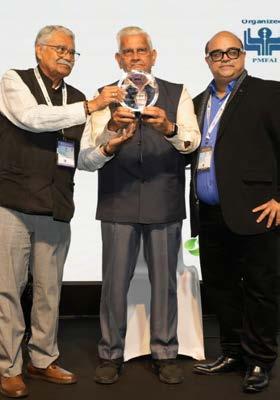
stakeholders on using these systems as a foundation for regenerative agriculture.
The event also hosted renowned pesticide and biological product scientists and industry experts, who gave presentations on various
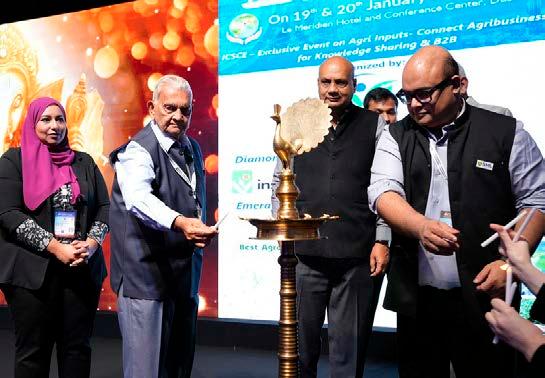
important topics during the two days of the event.
The Seventh edition of PMFAISML Annual Agchem Awards 2026 took place on the evening of January 19, 2026, at the Le Meridien Hotel & Conference Centre in Dubai, UAE.
Instituted in 2018, the PMFAISML Agchem Awards were established to honour outstanding achievements within the Indian Agrochemical, Agri-Biological, and Allied industries. These awards celebrate the remarkable contributions that drive the sustainable growth of agriculture. "PMFAI - SML Annual Agchem Awards" which made remarkable beginning in 2018 with permanent sponsorship by M/s. SML Limited (formerly Sulphur Mills Limited), one of the globally known leading Indian Agrochemical Company.
The Awards Function was attended by about 900 persons. The Awards presented included in categories of - Export Excellence; Emerging Companies; Company of the year; Outstanding Innovations; Breakthrough Technology; Social Responsibility Excellence; Successful Company of the Era; and Global Company of the Year.