THE EQUINOX WITHIN
By Nikki Pattillo

QUESTIONS AS A NEW SUPERPOWER
By Susan Browne

By Nikki Pattillo
QUESTIONS AS A NEW SUPERPOWER
By Susan Browne
110 YEARS










The Eden Magazine is a free online publication is your guide to healthy living, spiritual awareness, compassion and love for all living beings, holistic lifestyle, mindfulness, organic living, positive thinking, sustainability, and personal development
Founder & Editor-in-Chief
Maryam Morrison
Executive Editor/Contributing Writer
Dina Morrone
East Coast Liason & Partnership Director
Paulette Dozier
Contributing Writers
Sadhguru, Isha Foundation
Dr. Rob Moir
Emilie Macas
Nikki Pattillo
Polly Wirum
Joe Santos, Jr.
Guest Writer
Philip Smith
Contributing Stylists + Makeup Artist
Edward Hakopian
Lisa Joy Walton
Graphics & Photography
JSquared Photography @j2pix (Los Angeles) Artin Mardirosian (Nexision) (Los Angeles)
Benjamin D. Buren – AliveStudios.Com (Denver, SanFrancisco, Boston)
Sheri Determan (Los Angeles)
Greg Doherty (Los Vegas)
Ben Rollins (Atlanta)
Web developer
Brad wallace https://bradwallacedesign.com/
325 N. Maple Dr. Po Box 5132 Beverly Hills, CA 90209


PROVISIONS FOR THE BRAIN: THE SACRED POWER OF WALNUTS Dr. Wounter Bijededijk & Chef Joris Bijdendijk


54 WHERE ARE WE HASTENING TO? by Isha Foundation
60
ARE YOU SELFISH, SELF-AWARE, OR SOMEWHERE IN BETWEEN by Polly Wirum 64 THE EQUINEX WITHIN by Nikki Pattillo
66 EMOTIONAL AWARENESS, THE OVERLOOKED INNER IMMUNE SYSTEM by Emilie Macas
74
THE KINDNESS OF STRANGERS by Joe Santos, Jr.
80
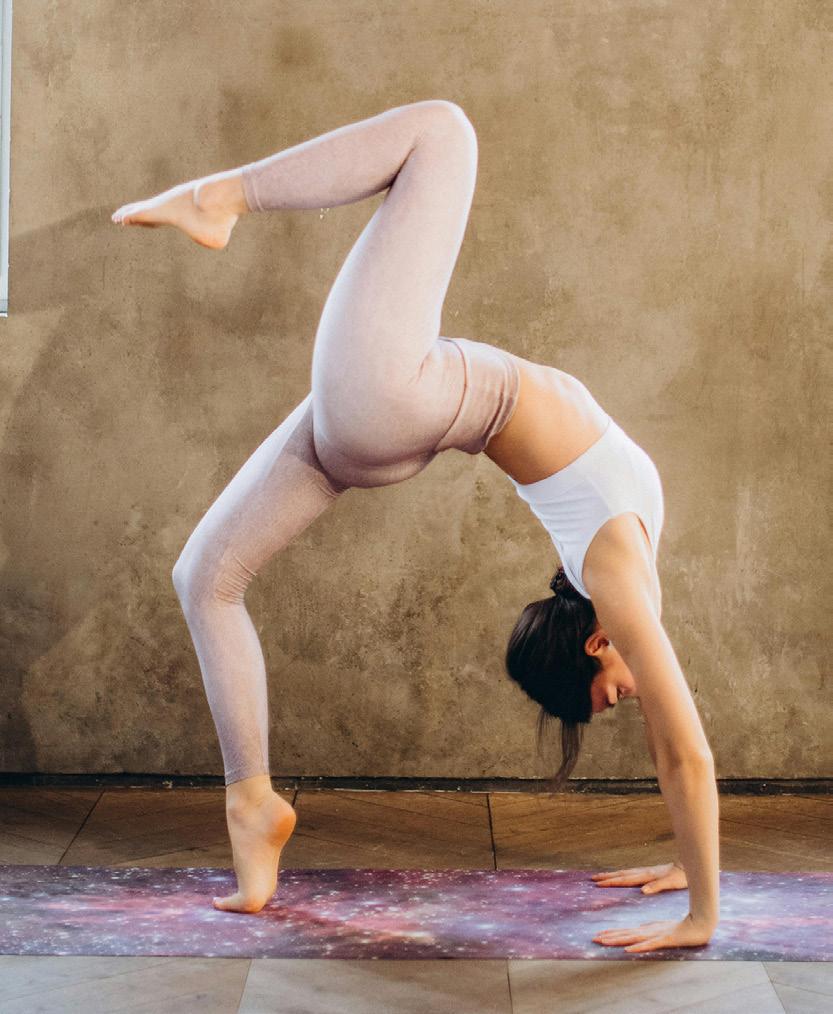
YOGA & ANIMAL ETHICS by Kenneth R. Valpay
86
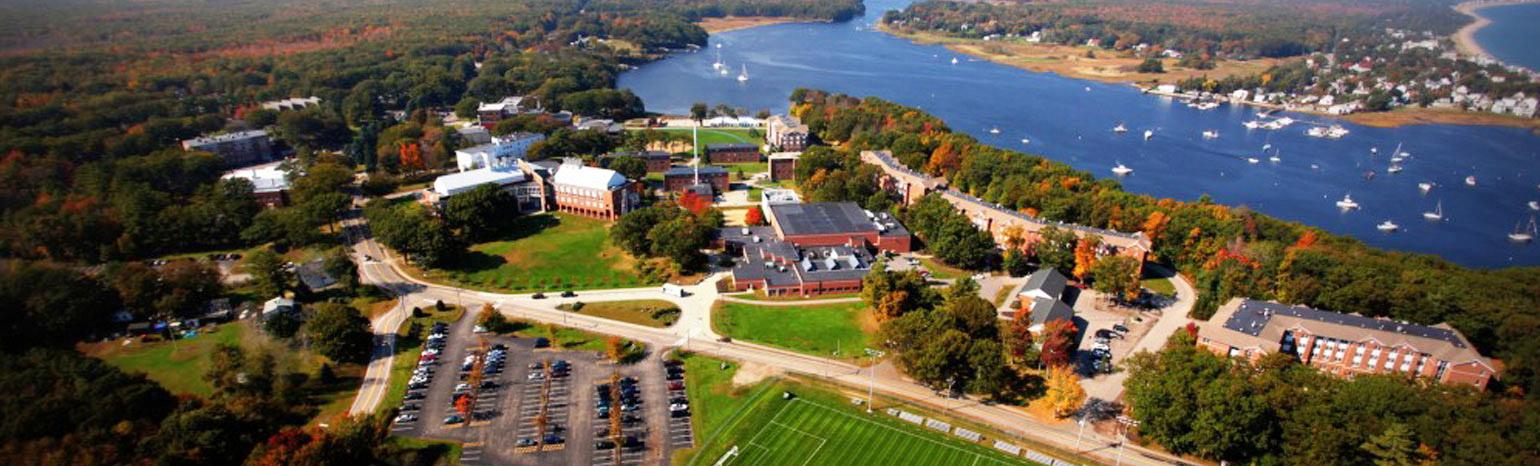
BALANCING WORK & STUDY, NEW HAMPSHIRE TEACHER ADVANCES HER CAREER THROUGH UNE ONLINE
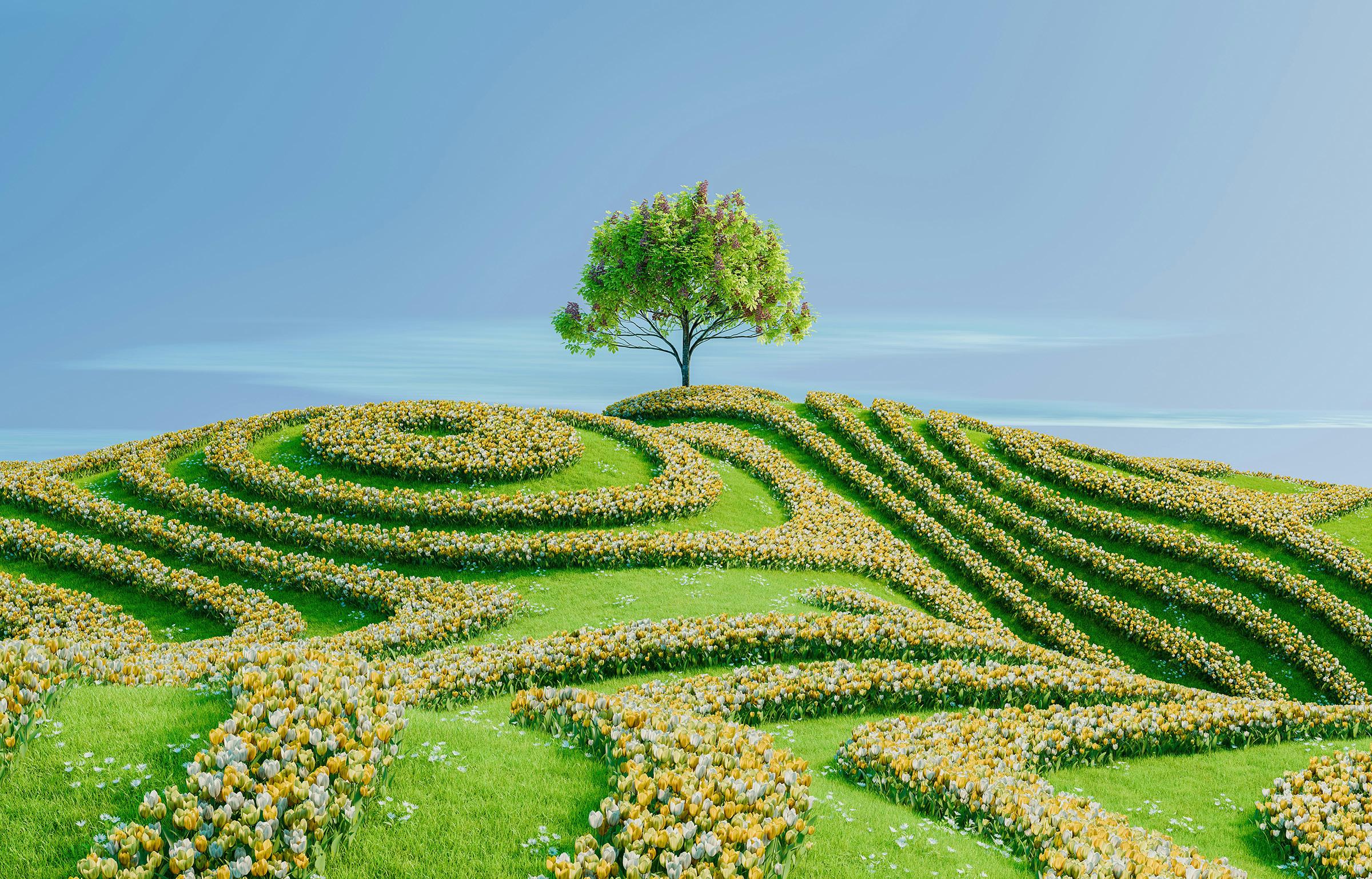
Twice a year, the Earth reaches a moment of exquisite balance. Day and night stand as equals, light and darkness share the sky in harmony, and nature marks a powerful turning point. This celestial event, the Spring Equinox, signals the beginning of astronomical spring in the Northern Hemisphere. Beyond its scientific significance, it carries deep spiritual meaning and has been honored by civilizations worldwide for thousands of years.
In ancient Persia, the Spring Equinox is celebrated as
Nowruz, the Persian New Year. Rooted in Zoroastrian tradition and dating back more than 3,000 years, Nowruz is a festival of rebirth, purification, and hope. Homes are cleaned, symbolic “Haft-Seen” tables are prepared with meaningful items representing life and renewal, and families gather to welcome a fresh beginning. Nowruz reflects the profound understanding that human life is intertwined with the rhythms of nature. When the Earth renews itself, so too can we.
Immediately following the Persian tradition, many other cultures honor the equinox in equally powerful ways. In Japan, the national holiday of Shunbun no Hi is observed around the spring equinox. It is both a celebration of nature and a time to honor ancestors. Families visit graves, reflect on life’s impermanence, and appreciate the blossoming of cherry trees. The day blends reverence for the natural world with spiritual remembrance.
In India, the vibrant festival of Holi often aligns closely with the spring season and the equinox period. Known as the “Festival of Colors,” Holi celebrates the triumph of light over darkness and good over evil. Participants joyfully throw colored powders, symbolizing the blossoming hues of spring and the diversity of life. It is a celebration of forgiveness, unity, and renewal, echoing the equinox theme of balance and harmony.
Across Europe, ancient pagan traditions marked the equinox with festivals honoring fertility and the awakening Earth. The Anglo-Saxon goddess Eostre, associated with dawn and renewal, inspired seasonal celebrations that later influenced springtime customs. Symbols such as eggs and rabbits represented fertility and new life. These themes carried forward into Christian observances of Easter, which also center on resurrection and
spiritual rebirth during the spring season.
In Mexico and parts of Central America, thousands gather at the ancient pyramid of Chichén Itzá during the equinox. The Mayan temple known as El Castillo creates a remarkable lightand-shadow illusion: as the sun sets, triangular shadows appear along the pyramid’s steps, forming the image of a serpent descending. This phenomenon honors the deity Kukulcán and symbolizes cosmic balance and renewal. It is a striking reminder that ancient civilizations deeply understood the celestial rhythms guiding life.
In many Indigenous traditions throughout North America, the equinox represents a time of gratitude and planting. It marks the transition from survival in winter to preparation for growth. Ceremonies focus on honoring the Earth, expressing thanks for renewal, and setting intentions for the coming agricultural cycle.
Despite geographical distance and cultural differences, a remarkable thread connects all these celebrations: balance, rebirth, and hope. Spiritually, the Spring Equinox represents the equilibrium between light and darkness, not as opposing forces in conflict, but as complementary energies. It teaches that growth requires both reflection and action, both rest and movement.
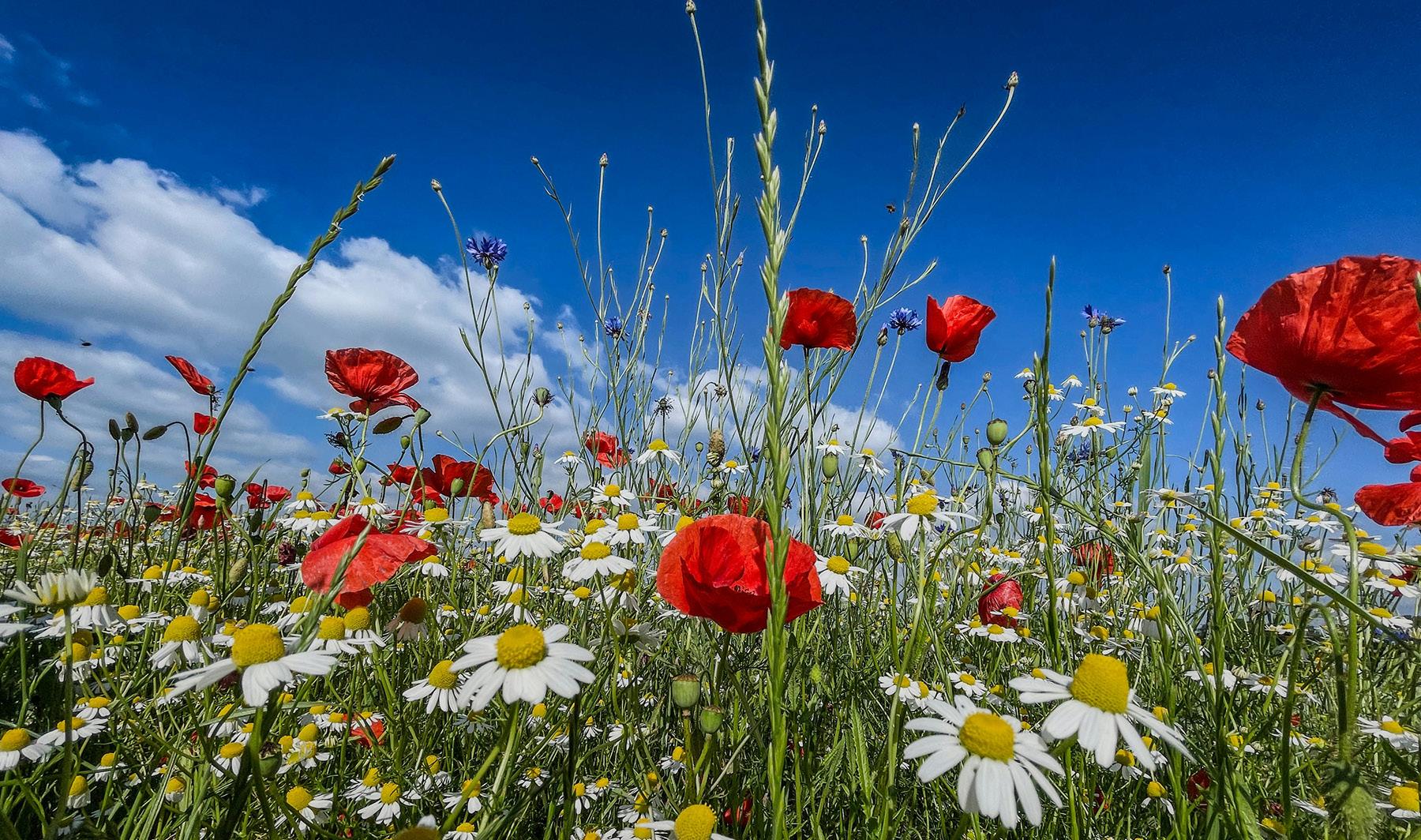
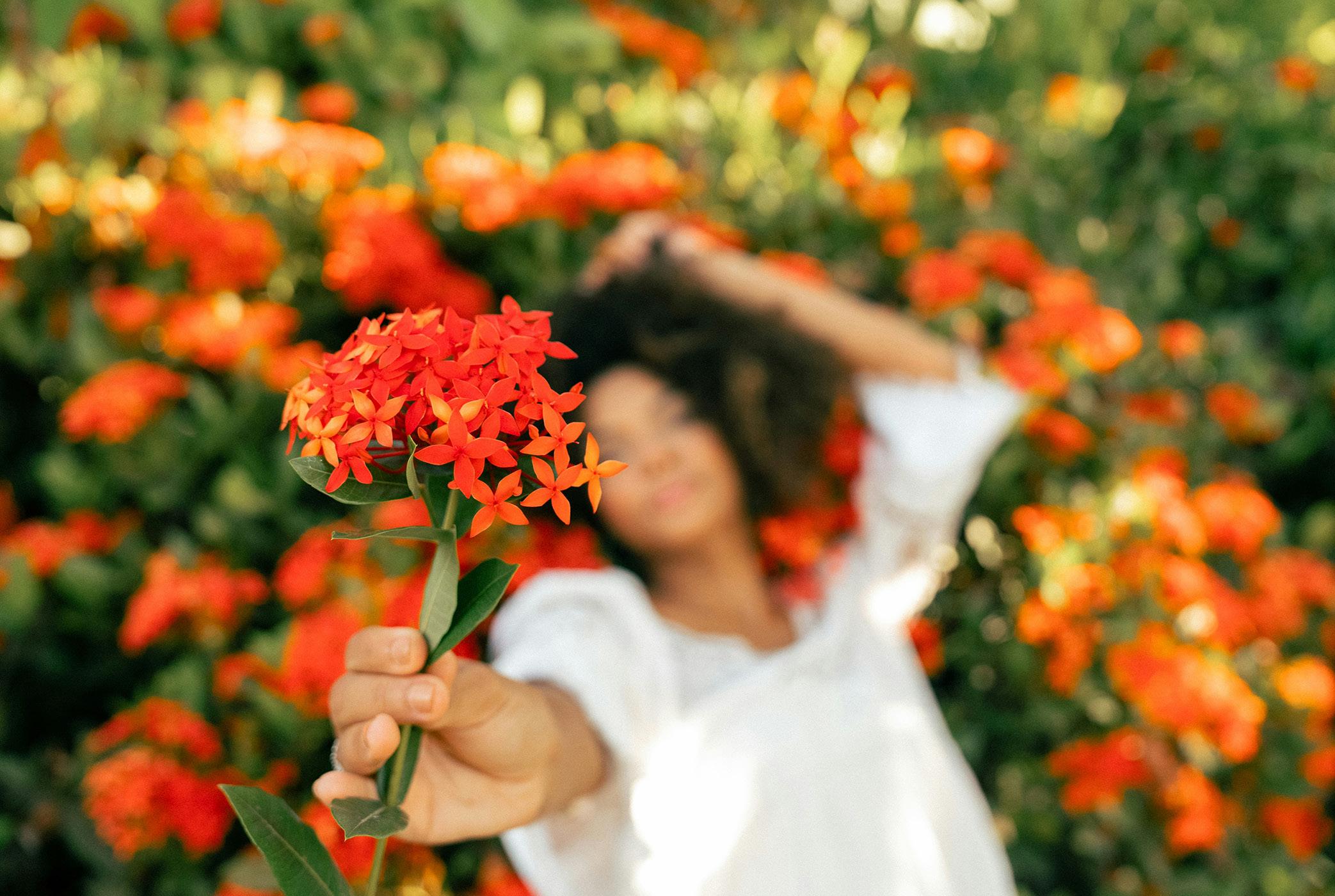

Winter is often a season of inward reflection. The equinox serves as a bridge between contemplation and creation. Seeds planted during quiet months begin to push through the soil. Likewise, our intentions, dreams, and healing efforts begin to manifest outwardly. The increasing daylight symbolizes expanding awareness and clarity.
The spiritual message of the Spring Equinox is deeply relevant today. It invites us to restore balance in our personal lives—between work and rest, ambition and compassion, speaking and listening. It encourages cleansing on physical, emotional, and spiritual levels. Just as people “spring clean” their homes, we are called to let go of old habits, limiting beliefs, and emotional burdens that no longer serve us.
On a collective level, the equinox re-
minds humanity of unity. Regardless of culture, religion, or geography, we all stand beneath the same sky, experiencing the same cosmic alignment. The Earth does not favor one hemisphere or nation over another; it moves in rhythmic harmony for all.
Ultimately, the Spring Equinox carries a timeless message: renewal is always possible. After darkness comes light. After dormancy comes growth. After hardship comes awakening. The Earth demonstrates resilience year after year, and in doing so, offers us a model for our own lives.
As light and darkness stand equal, we are reminded that balance is not merely a concept; it is a sacred state of being. The invitation of the Spring Equinox is clear: align with nature’s rhythm, embrace renewal, and allow your inner light to blossom into the world.
by
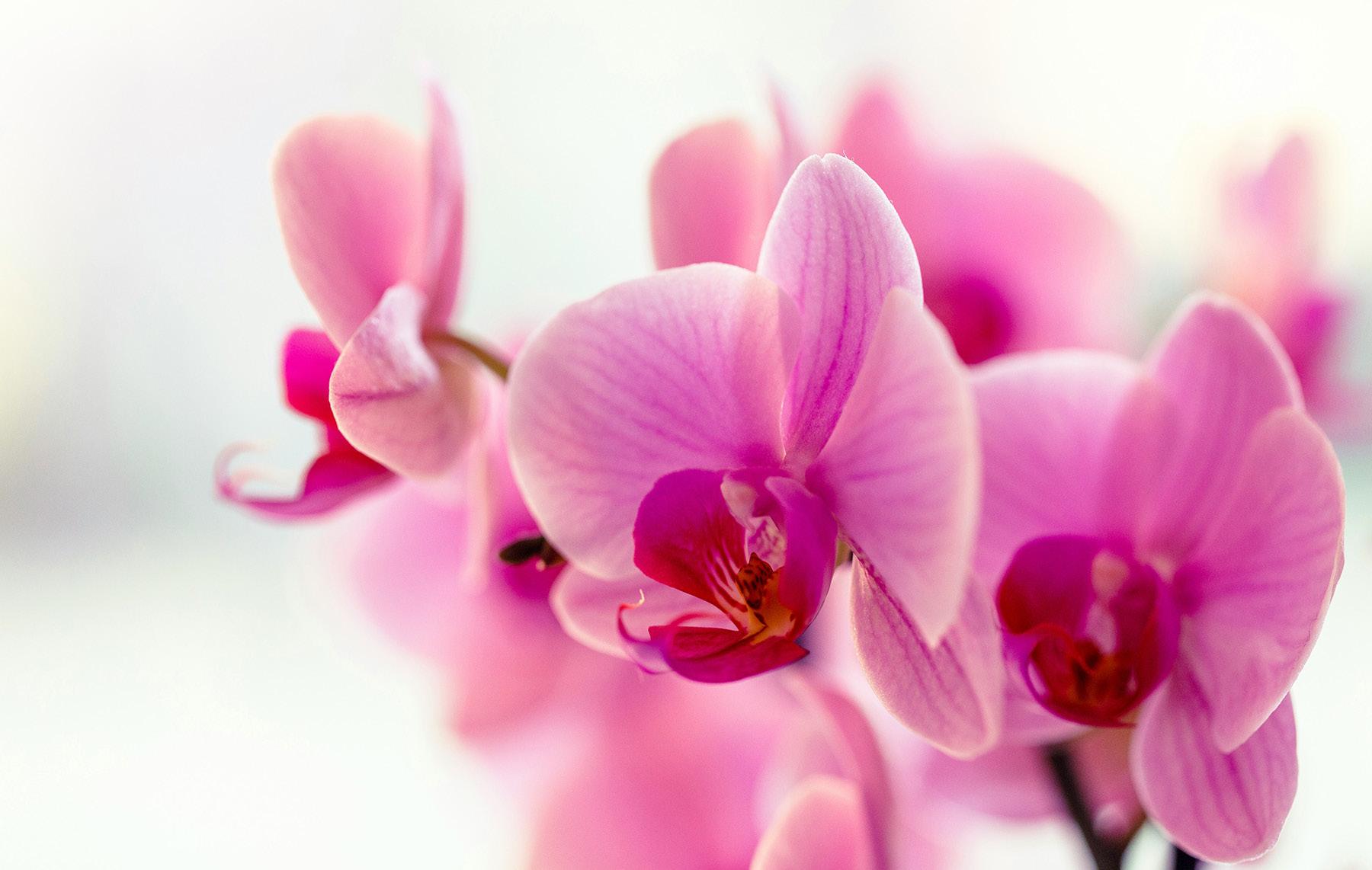
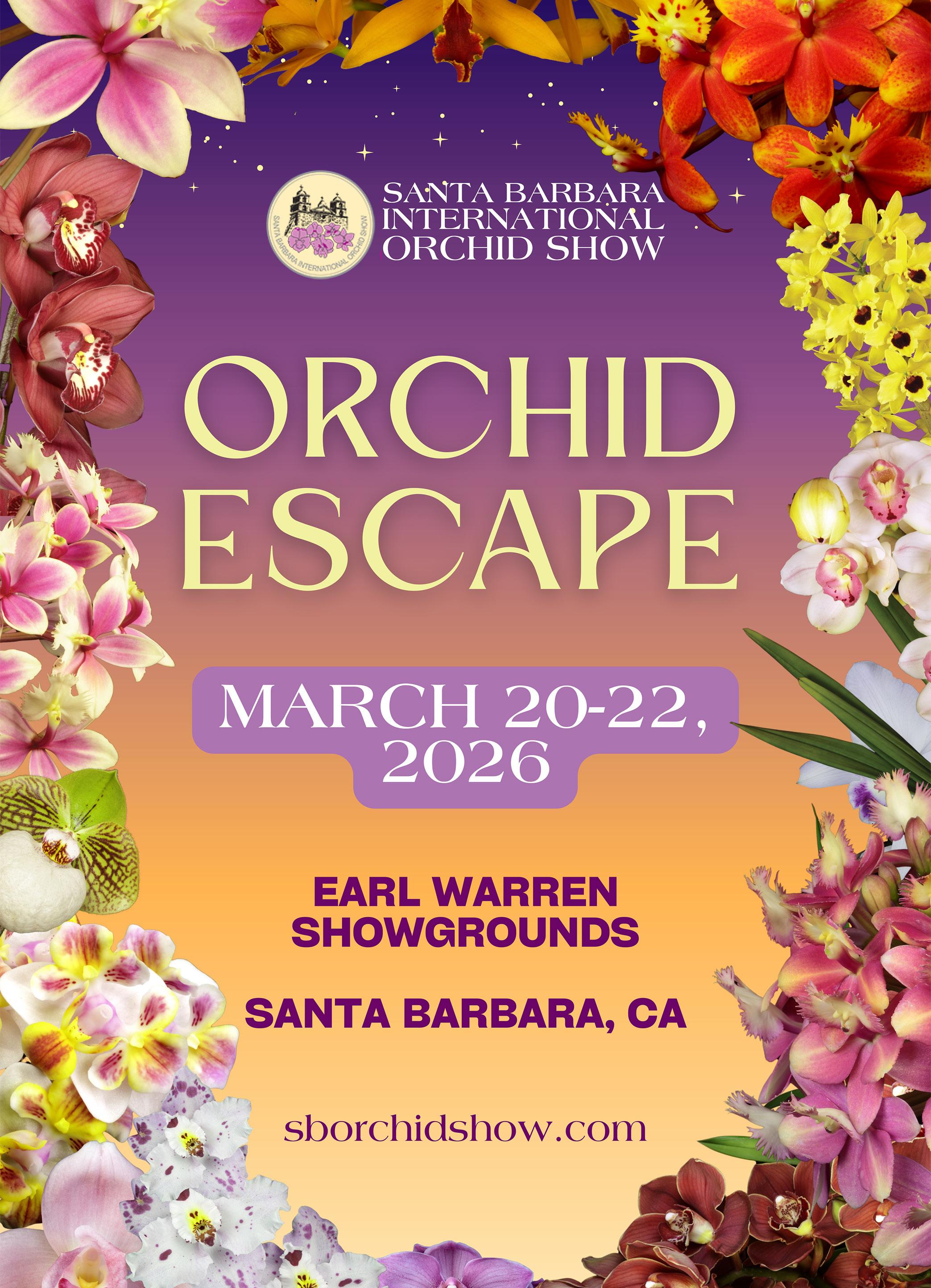
Each spring, as the California coast awakens in gentle light and ocean-kissed air, the Santa Barbara International Orchid Show transforms the city into a sanctuary of color, elegance, and awe. Named “one of the top orchid shows in the world” by the Los Angeles Times and featured alongside the prestigious Chelsea Flower Show in the U.K., this extraordinary celebration unites an international community of growers, collectors, artists, and enthusiasts in honor of nature’s most exotic bloom.
Orchids, the largest plant family on Earth, are revered for their extraordinary diversity and delicate complexity. From rare species found in remote rainforests to meticulously cultivated hybrids thriving along the temperate Southern California coast, each orchid is a living masterpiece. Their intricate shapes, luminous colors, and almost architectural forms remind us that nature is the ultimate artist.
The show is more than an exhibition—it is an immersive experience. Visitors are invited to explore breathtaking displays
of exotic orchids and innovative hybrids that contribute to a multi-million-dollar global industry, placing Santa Barbara firmly on the world stage of horticultural excellence. Grower demonstrations offer insight into the art and science of orchid care, while vendors and exhibitors from around the globe gather in friendly competition for coveted titles such as “Best Orchid in Show” and “Grand Champion Cymbidium.”
Beyond the awards and accolades lies something deeper: a shared reverence for beauty, patience, and cultivation. Orchids teach us that growth requires intention, balance, and devotion. In their quiet resilience and intricate design, they reflect the harmony we seek in our own lives.
For The Eden Magazine reader, the Santa Barbara International Orchid Show is not simply an event—it is a celebration of nature’s poetry, a reminder that when we nurture the earth with love and respect, it responds with breathtaking abundance.
Celebrate the beauty of orchids at the Santa Barbara International Orchid Show by day or by night. Orchid Serenity (Thursday, March 19 at 6:15 pm) offers an after-hours yoga flow by SB Beach Yoga and a restorative sound bath with Danielle Elese, surrounded by rare blooms. Orchids After Dark (Friday, March 20 at 6 pm) transforms the exhibits into a vibrant lounge with enhanced lighting, DJ, and cash bar. Orchid Escape Dinner (Saturday, March 21 at 6 pm) features a four-course culinary experience by Chef Amy Baer of Epicurean SB in an enchanting orchid oasis. Book at sborchidshow.com/special-events.
By Susan Browne

WWhen I became a life coach, I learned about powerful questions, which helped me immensely in both my Angel EFT and coaching practice and in my own life. It was as though a(nother) light had been switched on. Our language and the words we use are very important and guide our life’s course. Ask a question, and you invite an answer, whether you ask yourself, another person, an angel, or thin air. Conversely, if you have a problem and you just keep thinking about how bad it is, the thoughts become cyclical and helpless.
Change the Energy
Try saying these two sentences out loud, allowing a pause in between:
I am so fed up with this problem. How might I help myself to overcome this problem?
Note how they feel different. Once the problem is transformed into a question, we sense a totally new energy and power.
Some More Examples of Powerful Questions:
How might I overcome this obstacle?
What else might help?
What have I learned about this that will inform the choice I make?
How could I reframe this issue as a goal?
What might success look like? What do I want to see happen?
So to bring in the angels to make this even more powerful and get the support that is there for you, try rephrasing any current challenge to direct a question to the angels. For example, Angels, how might I overcome this obstacle?
Channelling an Answer
When you pose a powerful question to yourself, immediately, the mind gets busy reaching for an answer. To invite angelic answers:
• Use a piece of paper and pen if this resonates.
• Take some calming breaths and relax.
• Imagine you’re becoming hollow so that light and angelic wisdom can flow through you.
• Ask your question and allow the answer to flow into you. Write down what comes through.
Don’t agonize over whether it’s the angels or your mind that gives you the thought or answer. They can actually work together. You can also ask the questions in your mind and not use pen and paper, but it’s great to start there as you are getting used to asking questions and receiving answers.
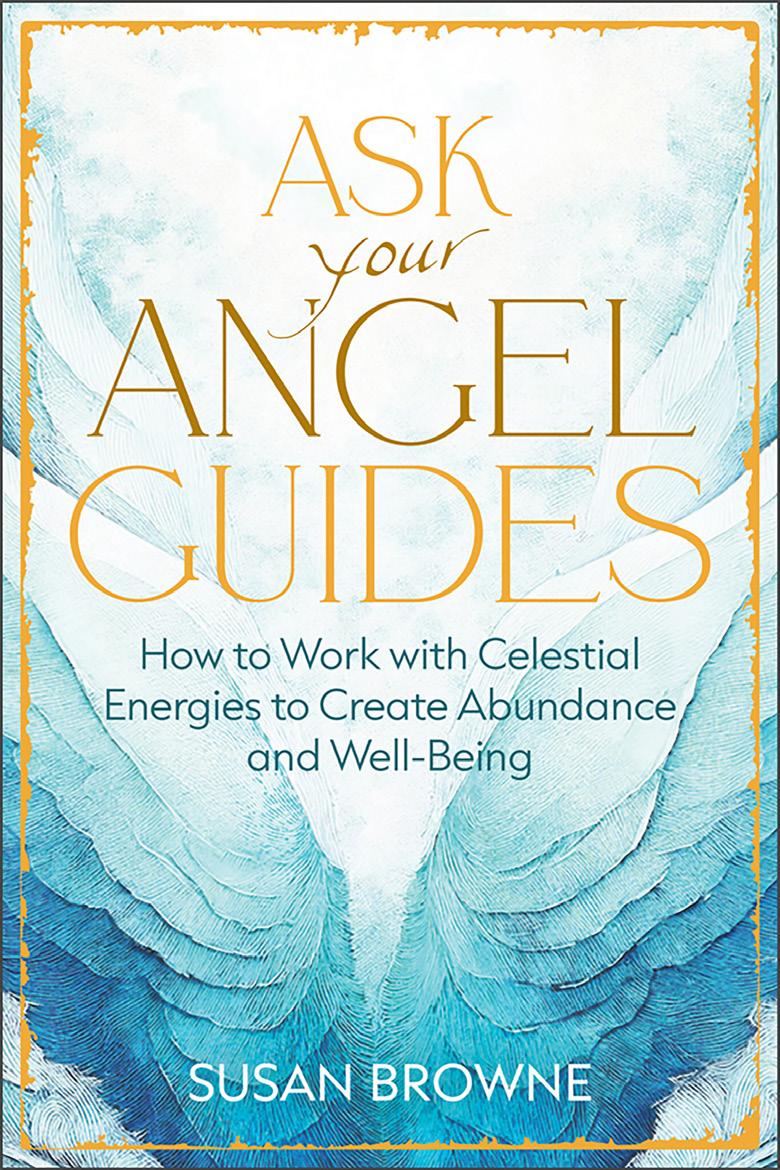
Day with an
My wish is for you to ask the angels something every day. Buy yourself a notepad, a simple one like kids use in school, if you like, or a pretty one. Get up a little earlier than usual so you can make space for this before your day starts, and write a question to help you with your day. If you can’t think of a question, simply write something like, Angels, what do I need to know today? Then relax and let yourself flow into an answer. You may feel as though you are simply answering yourself. And maybe you are. And if you are, you may well find that it comes from a wise, calm part of you, so it is good information anyhow. Be open. The more you use the word “angel” in your life, the more angels will come to you, and the easier it will get. Just like when you begin learning any new skill, at first it’s hard, and you’re not sure you can do it. Then, after a time, it’s easy. You enjoy it, and your confidence increases.
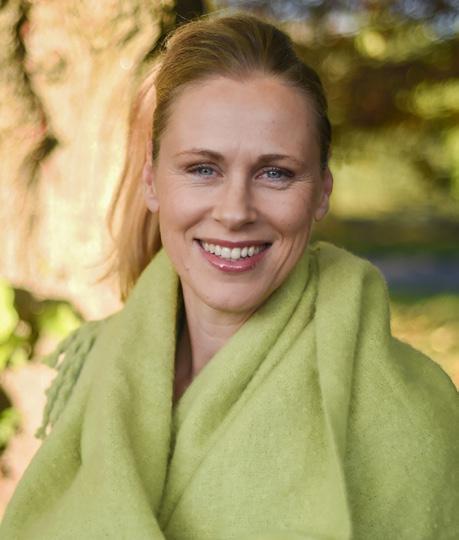
Susan Browne is a spiritual and wellbeing coach, speaker, and author who helps people connect with angels and raise their vibration. A teacher with the Diana Cooper School of White Light and an Energist Trainer with the Guild of Energists, she developed her own intuitive style of angelic tapping and is the author of Angel EFT Susan shares her work through talks, writing, and her YouTube channel. She lives in County Kerry, Ireland, and has a deep love of nature.
Next to angels and archangels, there are other high-frequency helpers that can help transform your life in amazing ways. They include:
• Unicorns
• Dragons
• Ascended Masters
• Nature spirits
When Diana Cooper (my client) told us she was going to lead a visualization to connect the group with unicorns in Dublin in 2009, at first I was skeptical. I thought, really? Unicorns? But I was blown away by the power of this visualization and the beautiful energy of the unicorns. I am open to the high-frequency spirit world now and realize that there are many high-vibrational helpers. In a forest, for example, all sorts of beautiful and unique spirits can present themselves.
But How Do I Know That It’s Safe?
Some people worry that if they open themselves up to the spiritual realms, they may also open themselves up to less helpful entities or spirits. In this book, I am going to share with you some ways of looking after your energy. But generally, when your intention goes out to the angels, unless you are also asking (and therefore giving permission to) lower entities, you will attract only the angels and high-frequency spirit guides. If you still feel worried and want something immediately, then use this:
Archangel Michael, please protect me and all of my energy bodies now by placing me in your deep blue light. Thank you. It is done.
Archangel Michael, a great warrior of light, is the energetic “bouncer” who keeps out all of the undesirables. You only need to ask, and he is there. Wear his deep blue light as a cloak, or a ball of light that acts as a layer at the outer edge of your aura, or use it like a shield. I like to imagine a great pyramid of blue light coming down over me. Then another inverted pyramid comes down from above. The two meet, and I am held within Archangel Michael’s deep blue merkabah of light.
Here is another one to use if you feel you have absorbed someone else’s negative stuff or let something less than light into your energy: Archangels Zadkiel, Amethyst, and Gabriel, please activate the Lilac Fire of Source in my energy fields now. Let it scan and burn away and transmute anything less than light now. And so it is.
The Lilac Fire of Source is also charged with love from the cosmic heart. It will transmute everything with kindness and grace. There are many such flames, fires, and affirmations you can use. Find the ones that resonate the most and become familiar with them so they are easy for you to use.

By Wouter Bijdendijk & Chef Joris Bijdendijk
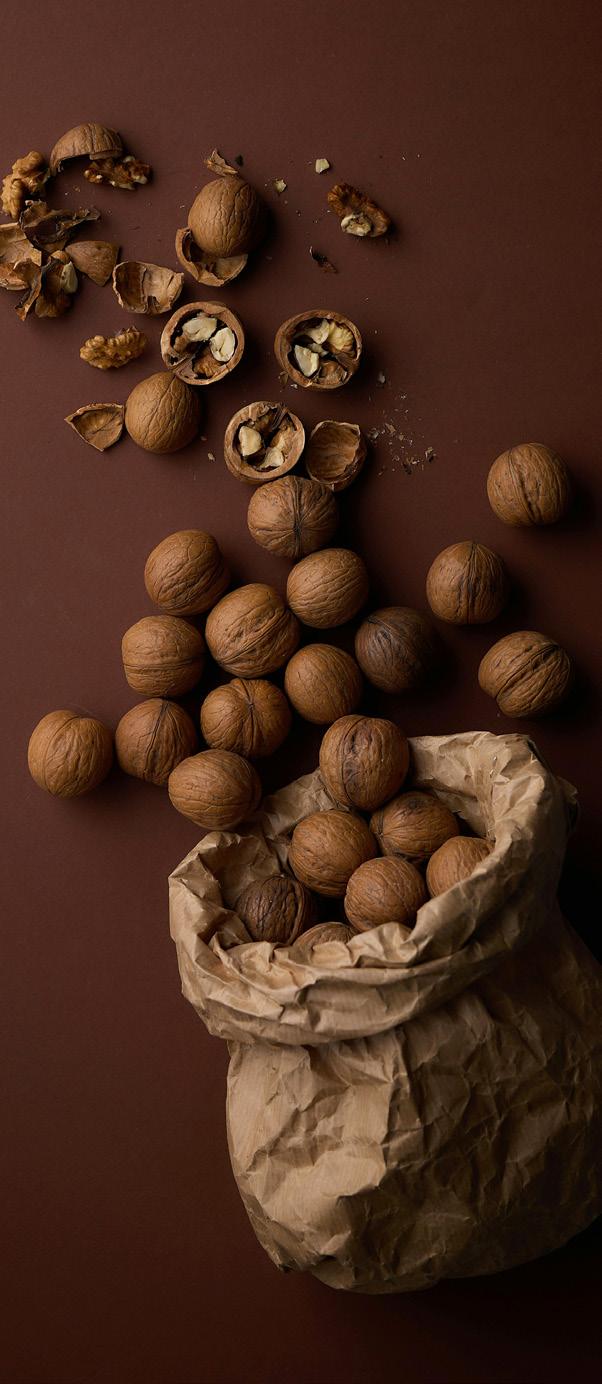
When I think of walnuts, I think of the brownies I bake every year on my birthday—and immediately of my favorite Persian dish, fesenjān, a delicious sweet-and-sour stew with walnuts and pomegranate juice. In English, the walnut is also called “Persian walnut.” The English word walnut literally means “foreigner’s nut.” In antiquity, the walnut was introduced from Persia to Greece and later spread across Europe by the Greeks and Romans. Eastward, the walnut found its way into China via Afghanistan. This nut, which is among humanity’s oldest cultivated crops, is now grown in many more places. France, Italy, and the United States are currently the largest producers of walnuts.
Among the Greeks and Romans, the walnut tree was dedicated to the supreme god Zeus (Jupiter). Walnuts were seen as the food of the gods. The sacred union between the tree and their supreme god is also found in its botanical name Juglans regia, meaning “royal acorn of Jupiter.” The tree has always been associated with death and is widely planted in cemeteries, but the nut was also long used as a fertility symbol at weddings, when walnuts were sprinkled over young brides.
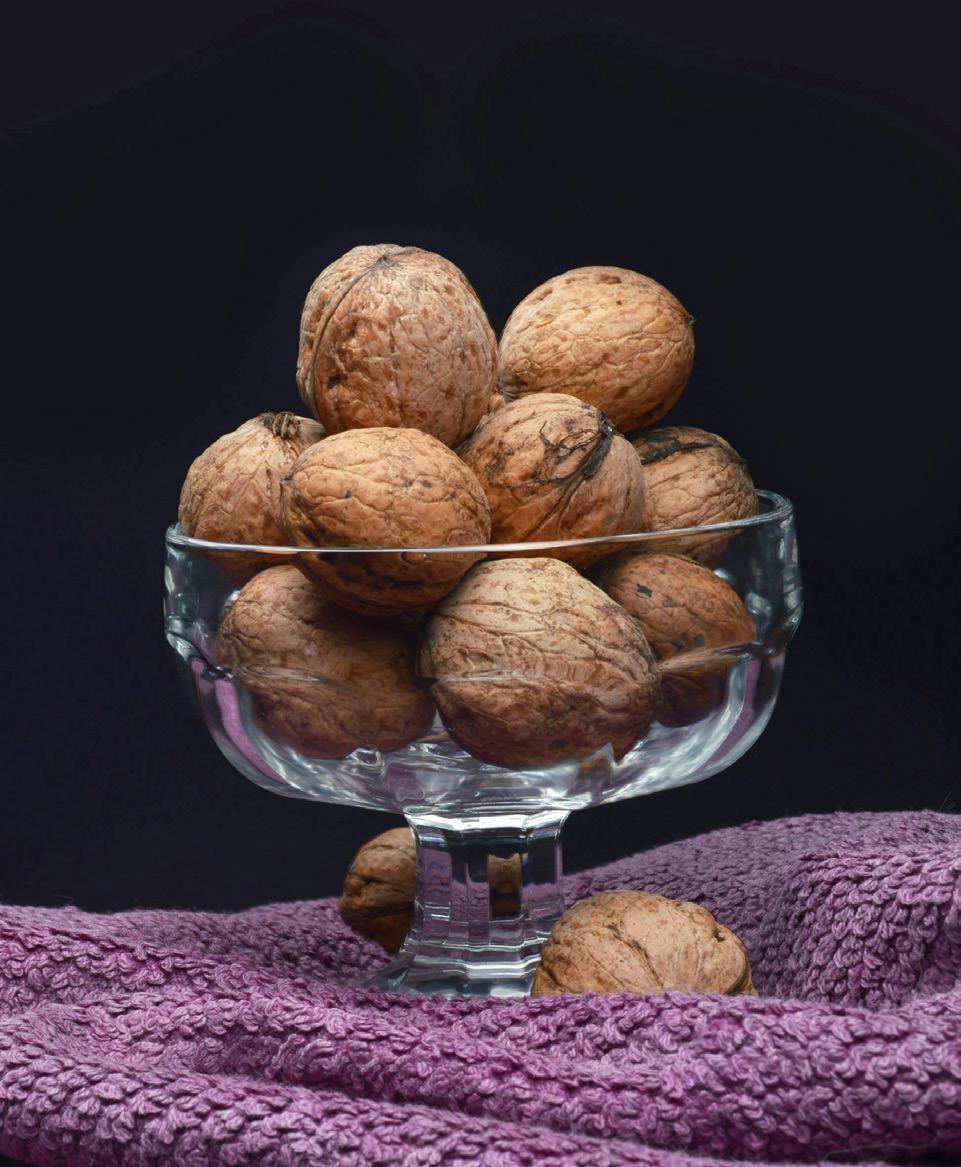
I learned from Belgian ethnobotany professor Marcel de Cleene that, in Europe and Latin-speaking countries, walnut trees were regarded as the favorite haunts of witches. Witches would gather under the walnut tree on June 24, St. John’s Day. Brian Muraresku, author of The Immortality Key, also discusses the walnut tree as a gathering place for wise herbal women, later known as witches. The holiest witchcraft pilgrimage site in the world was the walnut tree of Benevento in Italy, where women gathered from all over Europe. “There they frolicked under the branches, which were sacred to the Greek goddess Artemis. And paid homage to a female divinity who bore many names: the Matromne, the Teacher, or the Wise Sibilla, the King of the Fairies and the Greek Mistress.”
The walnut was considered an oracle tree in ancient Europe, and there were numerous ancient customs during which the nuts revealed prophecies about marriage and life. In Belgium, it is customary to plant a walnut tree when a son is born. My mother planted a walnut tree in the garden of our farm in Wallonia even before I was born. The names Wallonia and Wales still refer to the word walnut. Walnut trees also used to be planted near farms, as the bitter substances and aromas of the leaves kept mosquitoes and flies at bay. Walnut leaves were also hung in cribs for that reason.
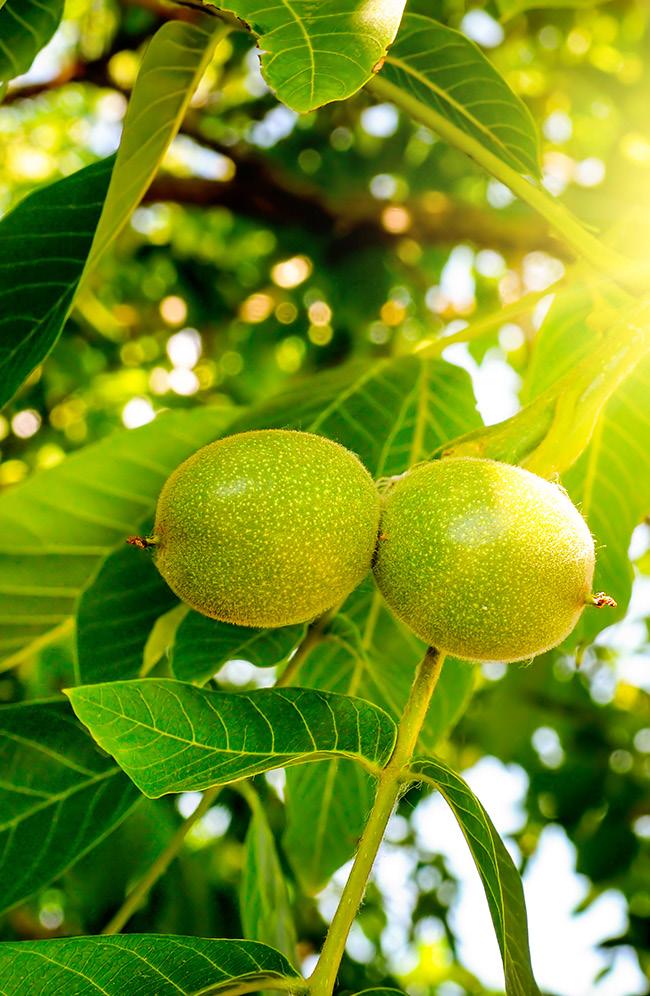
Technically speaking, walnuts are not actually nuts. They do not meet the official botanical definition of a nut: a fruit with one seed and a hardened shell, like a hazelnut. Walnuts are actually stone fruits. Yet we’ve simply come to call them nuts.
According to traditional medicine, walnuts are used to strengthen the kidneys, lungs, and intestines. They have warming properties and, therefore, a beneficial effect on the libido. In Chinese cuisine, the walnut is one of the most commonly used nuts. It is a rich source of protein and fats and is highly nutritious.
And, as ancient healers once intuited, the walnut is a provision for the brain.
According to the ancient Doctrine of Signatures healing theory, plants that resemble body parts may be used for healing. The walnut, with its two lobes and convoluted surface, resembles the human brain—and in this case, the resemblance is more than symbolic. As a result of its healthy essential omega-3 fatty acids, the walnut is, in fact, good for the brain.
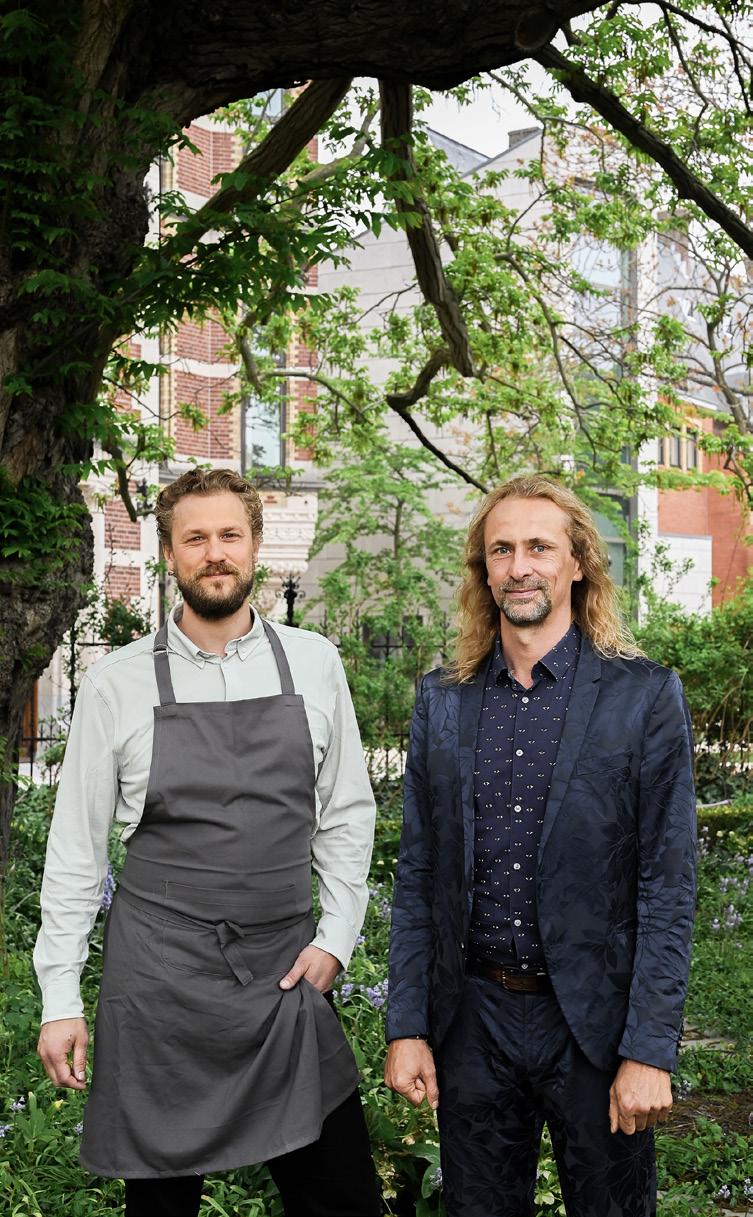
Wouter Bijdendijk is an anthropologist specializing in ethnobotany and pharmacognosy with a degree from Amsterdam University.
Over 20 years of touring the world, he has studied herbal medicine in different traditions. He lives in the Netherlands. wouterbijdendijk.org
Chef Joris Bijdendijk achieved 3 Michelin stars within 8 years of starting his career. He is the chef of the restaurant RIJKS® at the Rijksmuseum and, in 2019, opened the restaurant Wils in Amsterdam. The author of several food books, he lives in the Netherlands. jorisbijdendijk.nl
“Essential” means that our bodies cannot produce these fatty acids on their own, so we must consume them through food. Our brain is composed largely of fat-rich cell membranes, and omega-3s help support their structure and function. These fats also have powerful anti-inflammatory effects and help prevent degenerative conditions such as Alzheimer’s disease, cardiovascular disease, and arthritis.
Walnuts also contain the amino acid tryptophan, which, when consumed, is converted into serotonin—the “mind-boosting happiness hormone” responsible for maintaining a positive mood. In addition, they’re high in antioxidants and fiber. The vitamin E found in walnuts not only helps protect against blood clots but also supports reproductive health and may help prevent infertility and miscarriage.
A well-known home remedy for colds and digestive issues involves soaking young walnuts with their green husks in brandy, often with cloves and cinnamon. The walnut tree itself—with its aromatic, lanceolate leaves and iconic green-then-black husk—has long been revered for its healing properties.
For most adults, the recommendation is to eat one handful (approximately 25 grams or 0.8 ounces) of unsalted nuts per day. Walnuts are particularly satisfying and can help curb hunger for hours. A high-quality walnut oil also makes a flavorful, brain-healthy vinaigrette.
Whether you’re baking brownies, stirring fesenjān, or simply snacking, know that each walnut carries with it a long and sacred history—and powerful nourishment for the mind.
Recipe
FESENJĀN WITH “CHICKEN OF THE WOODS MUSHROOMS”, POMEGRANATE, AND WALNUT
Serves 4 people
INGREDIENTS
100 g/3.5 oz shelled walnuts
30 ml/1 fl oz (2 T) olive oil, plus extra
1 red onion, chopped
2 garlic cloves, finely chopped
8.5 g/0.25 oz (½ T) cinnamon powder
8.5 g/0.25 oz (½ T) cayenne pepper
200 g/7 oz cooked chickpeas
250 ml/8.5 fl oz vegetable stock
45 ml/1.5 fl oz (3 T) pomegranate syrup
15 ml/0.5 fl oz (1T) maple syrup
fine sea salt and freshly ground black pepper
400 g/1lb (chicken of the woods) mushroom, Seeds of ½ pomegranate
Rice as a side dish.
Method.
Heat a dry large skillet over medium-high heat, and add the walnuts. Toast them a few minutes until golden brown.
Briefly grind the walnuts in a food processor to a fine crumb.
In a tall, thick-bottomed pan, heat the olive oil over medium-high heat. Add the onion and garlic and sauté for about5 minutes, until they begin to brown. Add the cinnamon powder and cayenne pepper, and sauté briefly. Add the nut crumbs, chickpeas, vegetable stock, pomegranate syrup, and maple syrup. Bring to the boil, and put the lid on the pan.


Let it all simmer and thicken for about 10 minutes. Season to taste with pepper and salt.


"She’s wickedly funny and piercingly accurate.”
~S. Simmonds - Ronceros, NOHOARTSDISTRICT.COM


“Fantastically Funny. Smart, And What America Needs to Hear Now!”
~The Geek Authority
“A poignant, timely, clever, on-point, thought-provoking, and self-deprecating one-woman show.”
~A. Shatilla,
Hollywood Trend Report
In My Uterus: A Womb With A View, Dina digs deep into her pelvic cavity to explore what the Uterus really is, what it means to own one, and to probe and examine how and why it continues to get screwed over, again and again, by those who have no business being in there. March 21 & 22 at Theatre West.

An interview by Dina Morrone
Each year, the National Women's History Alliance selects the theme for Women's History Month, which is nationally celebrated every March. The 2026 theme is Leading the Change: Women Shaping a Sustainable Future.
For this year’s Women’s History Month, The Eden Magazine chose to feature a women’s organization that has been in Beverly Hills for 110 years and is still going strong thanks to its current members and leadership.
Founded in 1916, the Beverly Hills Women’s Club is the oldest continually operating organization in the City of Beverly Hills, aside from the local government, which was formed just two years earlier. Since its inception, the Club’s mission has been steadfast: Advancement in all lines of general culture - the opportunity for social service - and the upbuilding of a community Spirit in the City of Beverly Hills. These forward-thinking women incorporated the Club in California in 1921, purchased a triple lot on Chevy Chase Drive in 1923, federated with the General Federation of Women’s Clubs in 1924, and commissioned architects Gable & Wyant to design the clubhouse in 1925. Today, the building is designated Landmark #3 by the City of Beverly Hills and is listed on the National Register of Historic Places.
From the beginning, the BHWC members have been civic and cultural leaders. The Club’s first president, Mrs. Force Parker (Mary Katherine Moore Parker), attended the 1920 Democratic National Convention just weeks before the 19th Amendment, granting women the right to vote, was ratified. Over the years, members and supporters have included women who inspired imaginations worldwide, such as Mary Pickford, Gloria Swanson, Judy Garland, and Amelia Earhart. Earhart was a featured speaker at a 1935 BHWC event advocating for an independent Beverly Hills Unified School District, which became a reality in 1936, thanks in large part to the Club’s leadership.
Essential early members of the BHWC included: Betty Blake, the wife and business partner of Will Rogers; Margaret J. (MJ) Anderson, the original proprietor of the Beverly Hills Hotel and donor of the city’s first public park; and Mildred Davis, the wife of filmmaker Harold Lloyd. After marrying in 1923, Davis stepped away from a successful acting career to devote herself to building the Lloyds’ estate, Green Acres, and to the Beverly Hills Women’s Club, which she joined in 1925, following in the footsteps of her mother-in-law, Mrs. Elizabeth Fraser Lloyd, a lifelong member of the Beverly Hills Women's Club.
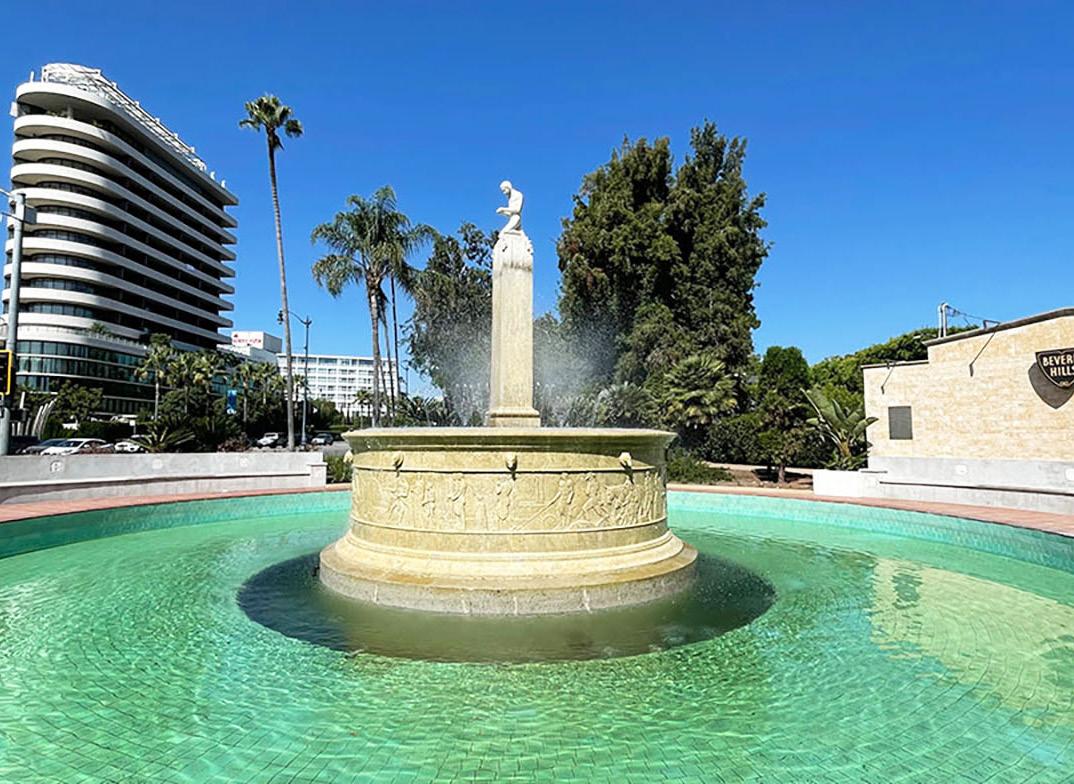

These women spearheaded the effort by the Beverly Hills Women's Club to procure and donate one of the first electric fountains in the nation and the first to the City of Beverly Hills in 1931, where it has graced the corner of Wilshire Blvd. and Santa Monica Blvd. ever since. Even many of Beverly Hills’ street names: Whittier Drive, Spaulding Drive, Reeves Drive, Greenway Drive, and Burton Way reflect the families of women whose leadership helped shape both the Club and the city itself.
I sat down with Hollis Leech, the current president of the club, who serves as the 48th President and Board Chair of the Beverly Hills Women’s Club, to learn a little bit more about the club.
Hollis is an entrepreneur by nature and a CEO by profession. A graduate of the University of Southern California, she has built an entrepreneurial career in Los Angeles spanning more than three decades and is closely tied to her longstanding commitment to women’s issues and community service. She is the co-founder of three companies, one service-based and two in healthcare information technology, and has produced award-winning software and new media products for 7th Level in partnership with Disney and Monty Python. Her career has also included work with NBC and Imagine Television. She is a member of Visionary Women, the Council of the Library Foundation of Los Angeles, and the Women’s Political Committee, and has previously served on the boards of the Benedict Canyon Association and the Los Angeles chapter of the National Association of Women Business Owners. Her leadership and entrepreneurial achievements have been recognized by both the Governor of California and the U.S. Small Business Administration. Hollis resides in Benedict Canyon with her husband, Dr. Christopher Saigal, a surgeon and Executive Vice Chair of the Department of Urology at UCLA.
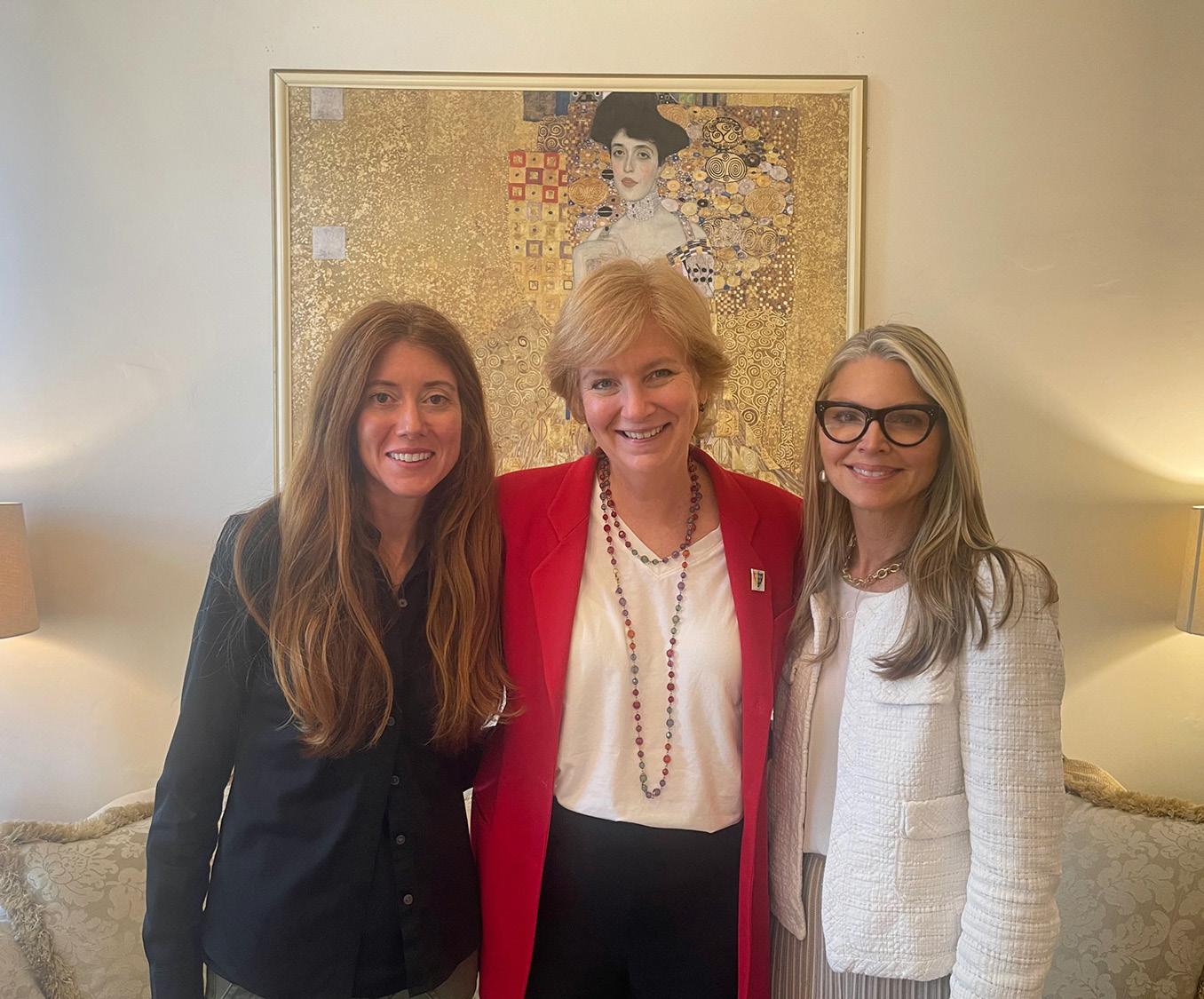
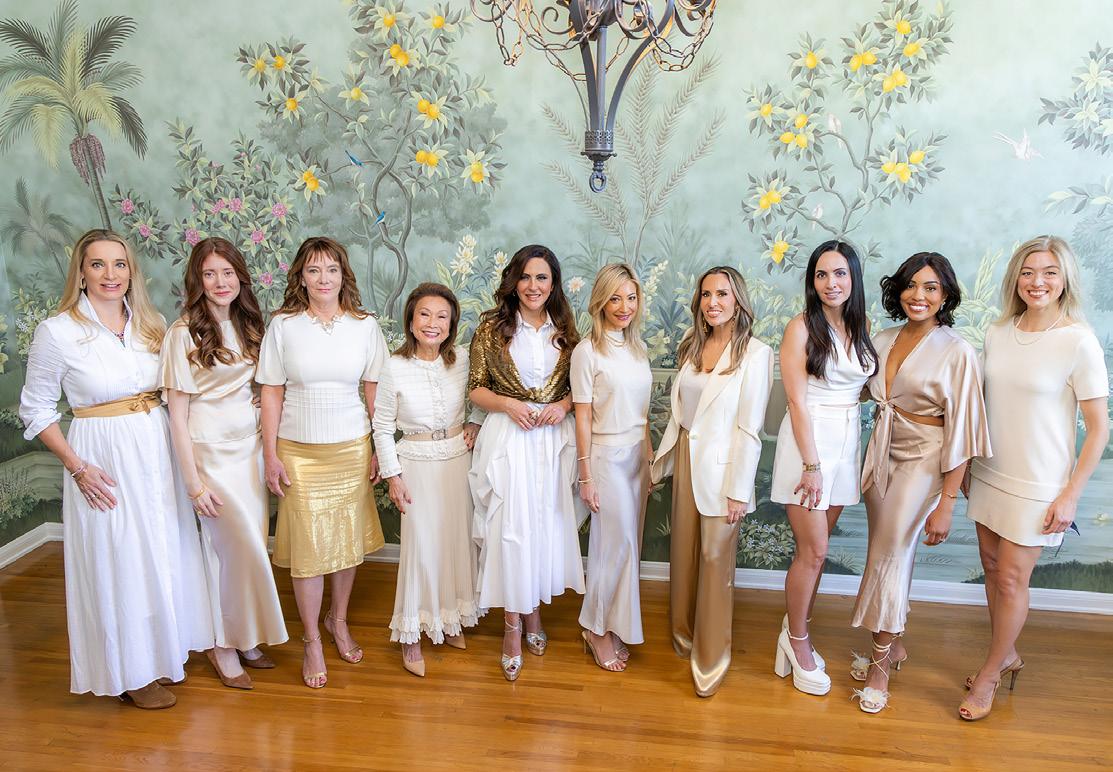
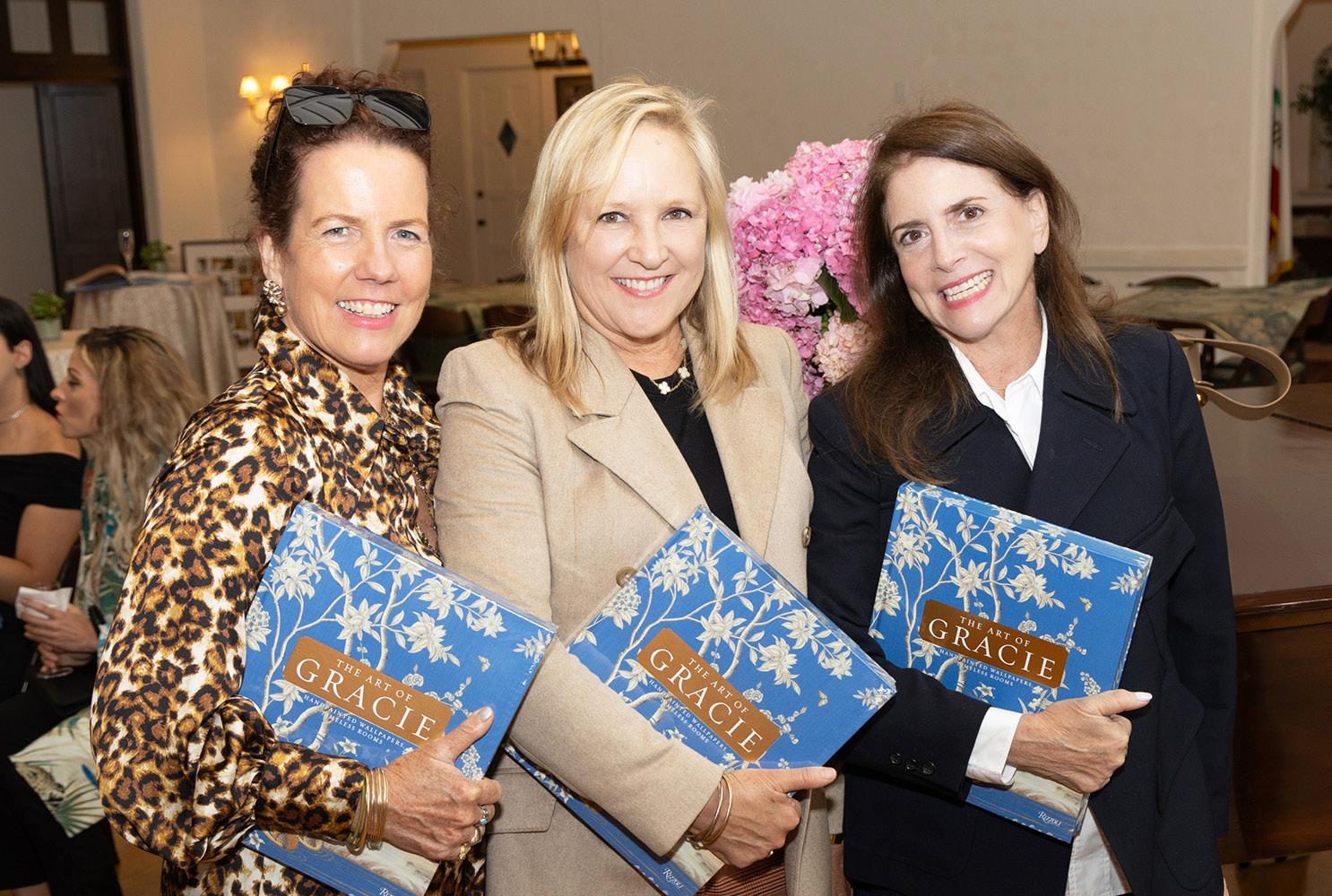
Hollis, how did you first learn about the Beverly Hills Women’s Club, and what attracted you to joining?
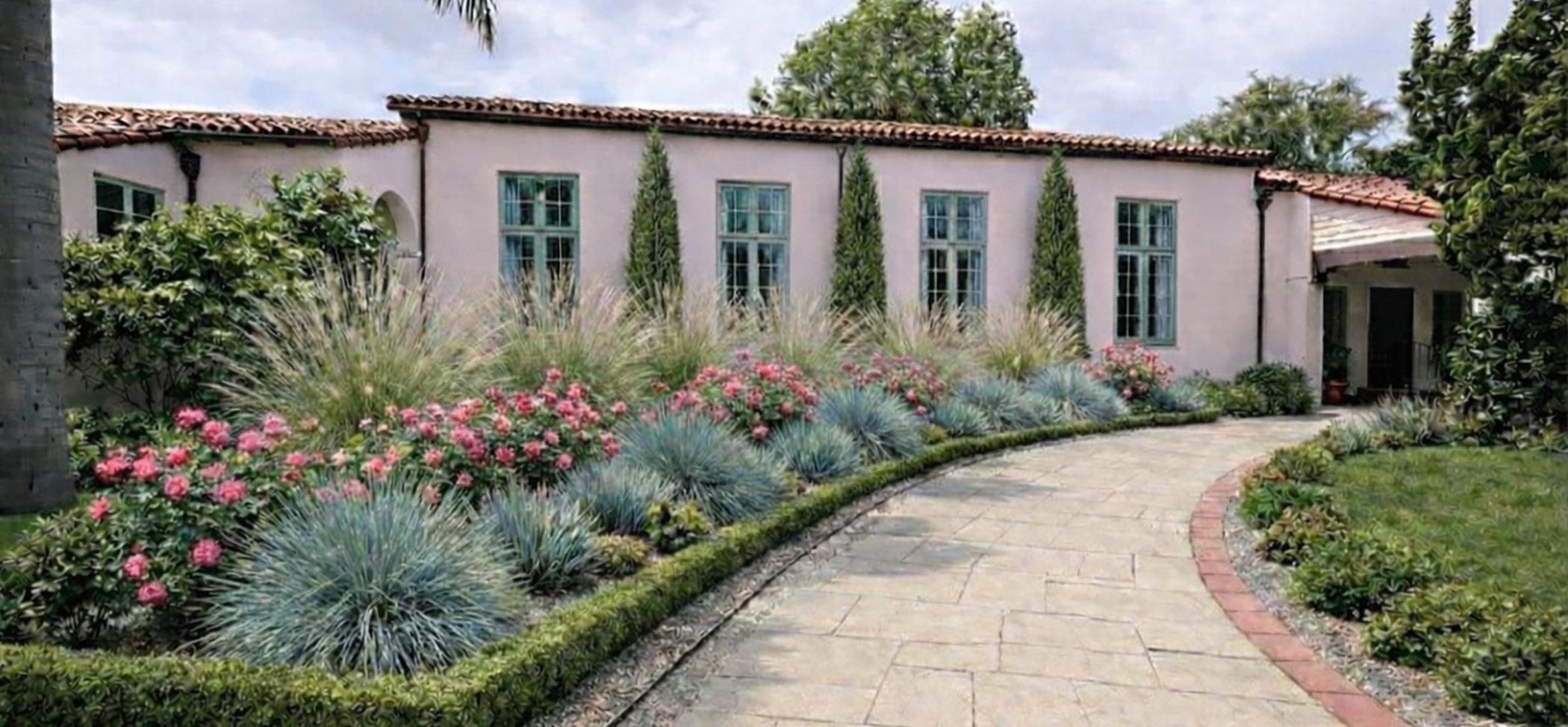
I became aware of the Beverly Hills Women’s Club shortly after I moved to the area in 2003. The Spanish Colonial Revival clubhouse graces the corner of Chevy Chase Drive and Benedict Cañon Drive, surrounded by lush green lawn; it’s hard to miss when driving by. I first entered the clubhouse soon thereafter to vote, as the clubhouse has long served as a local polling place for the community. I became involved in the club itself in 2020, when a major windstorm downed a huge tree on top of the clubhouse, and I volunteered to help, eventually being elected to the board. Today, I am delighted to serve as the 48th president of the Beverly Hills Women’s Club. Between the legacy, location, and ladies of the club, there’s no place quite like it!
What is the main mission of the club, and how has it changed over the years?
The mission of the club has remained the same for 110 years, since the club’s inception in 1916: Advancement in all lines of general culture - the opportunity for social service - and the upbuilding of a community Spirit in the City of Beverly Hills.
Such a great mission! Those who are attracted to this mission naturally create a particular club culture. Events and activities that are cultural, philanthropic, educational, and or civic in nature are natural fits for the club. Keeping the mission front and center attracts a wonderful group of dynamic women doing interesting things in their lives, their community, and at the club.
Is the club owned by the city of Beverly Hills?
The Beverly Hills Women’s Club is 100% owned and operated by the Beverly Hills Women’s Club. Brilliantly, the early members of the club incorporated the Beverly Hills Women’s Club in the state of California in 1921. Pretty forward-thinking considering women just got the right to vote federally the year before. By 1923, the club, an independent corporation, raised the funds for the BHWC to purchase the club’s triple lot in the estate section of Beverly Hills and by 1925 had raised the funds to retain the architectural team of the day, Gable & Wyant, to design and then erect the 7,500 square foot clubhouse we enjoy to this day. Last October, the clubhouse celebrated its Centennial, a milestone that has inspired the design enhancements that have been underway for the last two-plus years. The clubhouse has always been gorgeous, with fabulous bones. Now we’re making it even more gorgeous.
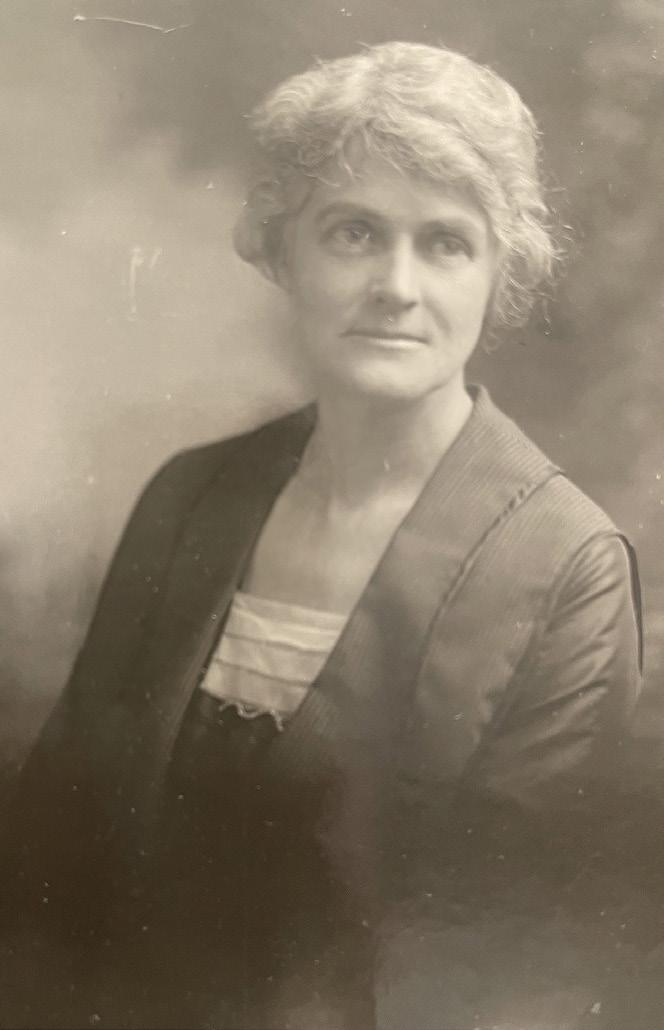
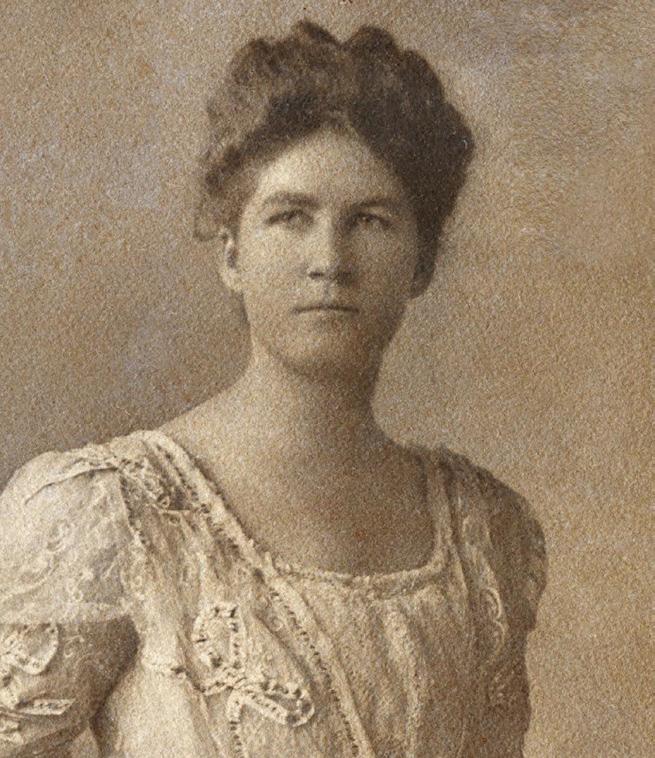
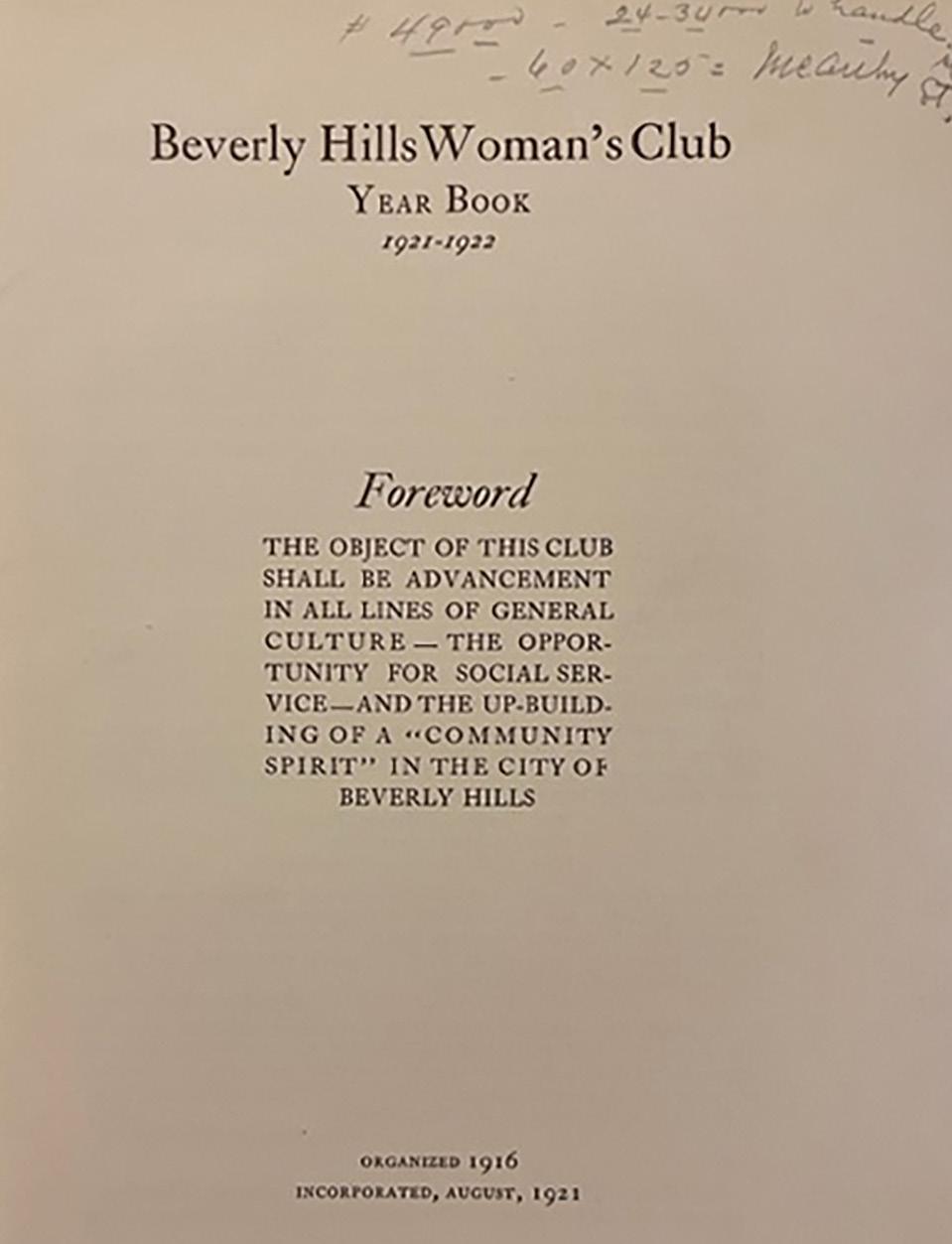


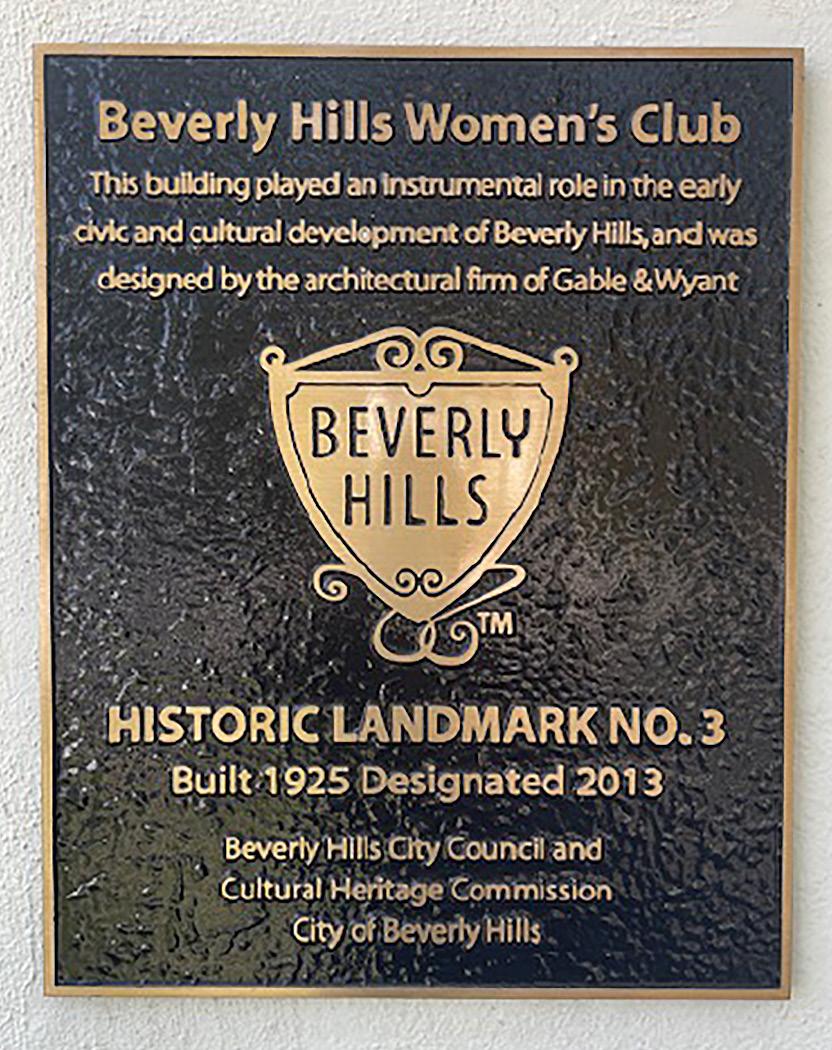
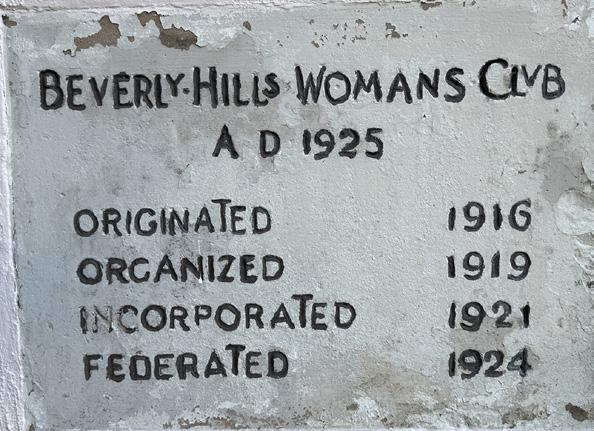
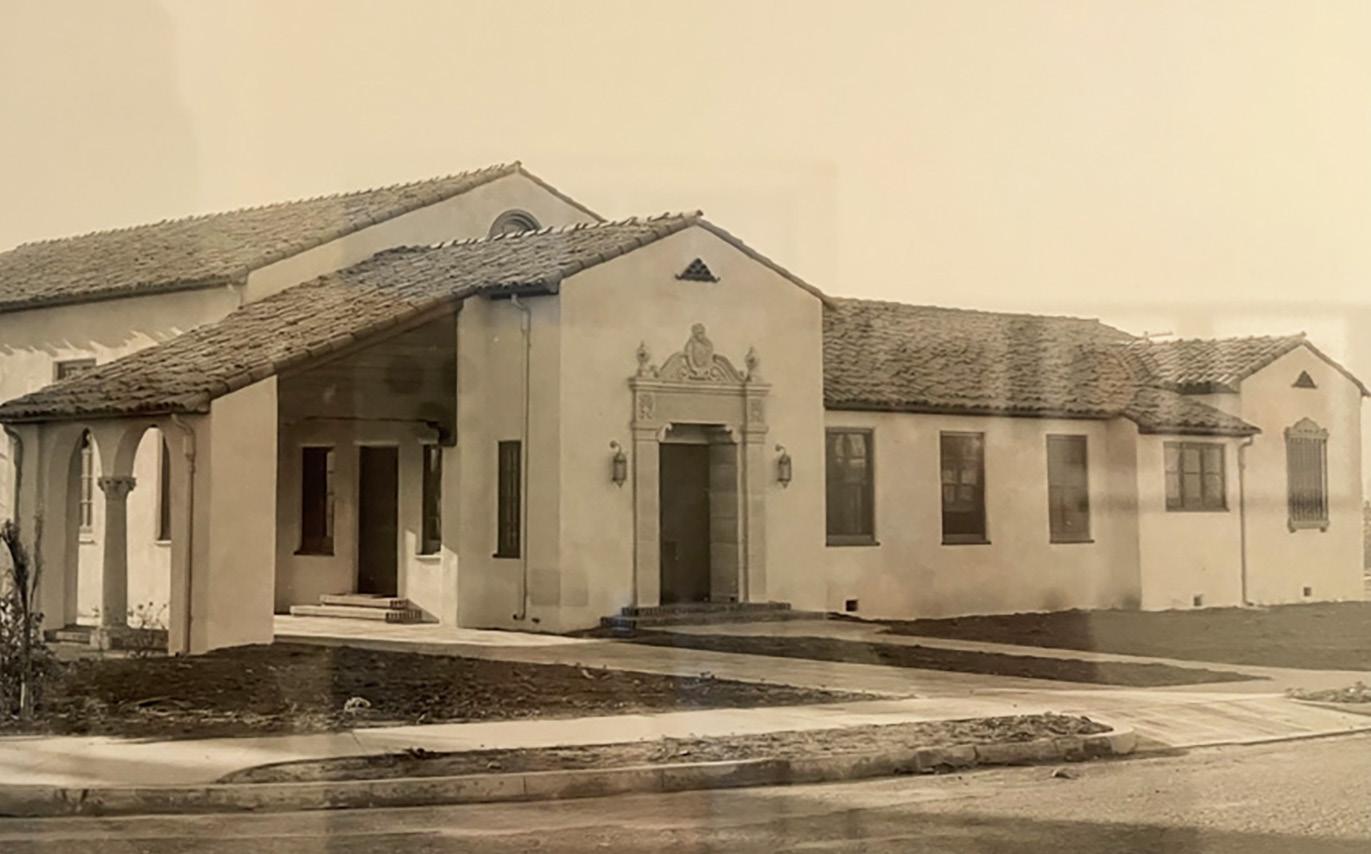


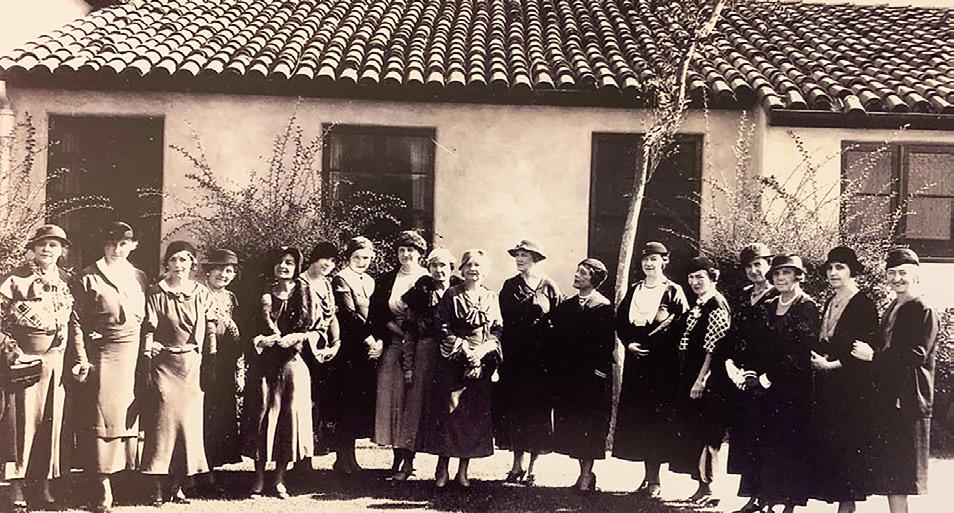
Founded in 1916, the Beverly Hills Women’s Club is the oldest continually operating organization in the City of Beverly Hills, aside from the local government.
Tell me about some of the ongoing events and activities the club schedules.
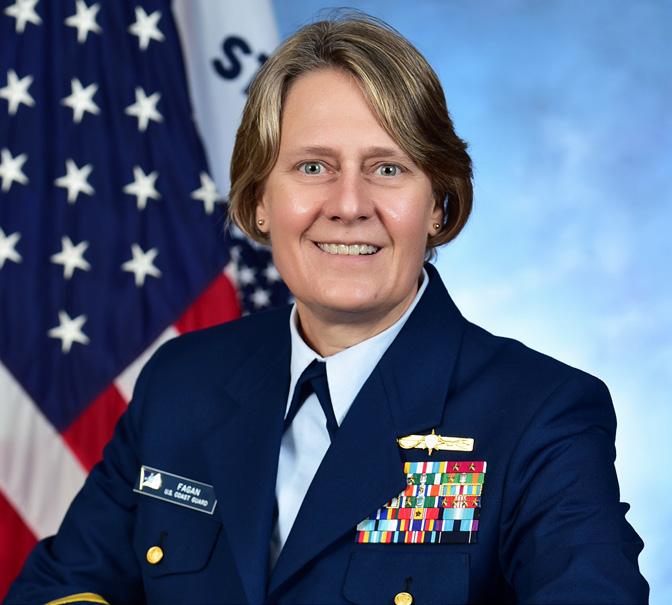
We have an amazing in-house team that ensures our member activities and events are top-notch. The dynamic BHWC membership comprises members from many groups, who, in turn, bring fabulous speakers and programming to the club. The ballroom seats 200 on the club’s handsome wood-and-leather vintage chairs, including member name plaques, and includes a lovely stage, making it a super venue for speakers and audiences. During my tenure alone, many leaders and luminaries have graced the club’s stage, including U.S. Senators, Congresswomen, County Supervisors, Mayors, City Councilmembers, authors, playwrights, and performers. I’m struck, after all this time, by how many recent visitors, just during my tenure, include the moniker “first”: Admiral Linda Fagan, the first woman to ever lead a major U.S. military branch as Commandant of the U.S. Coast Guard and the Coast Guard’s first female four-star admiral; Senator Mazie Hirono, the first Asian American woman to serve in the U.S. Senate (HI); Senator Jacky Rosen, the first synagogue president to serve in the U.S. Senate (NV); Lindsey Horvath, the youngest woman ever elected to the Los Angeles County Board of Supervisors (since 1852!) and who serves on the first all-female LA County Board of Supervisors; Mayor Karen Bass, the first woman to serve as the Mayor of Los Angeles; Mayor Dr. Sharona Nazarian, the first Persian-American woman to serve the City of Beverly Hills as Mayor (and to be elected to the Beverly Hills City Council); Nancy Hunt-Coffey, the first woman to serve Beverly Hills as City Manager; Shana Epstein, the first woman to serve the City of Beverly Hills as Director of Public Works; and Lily Gladstone, the first Native American woman to be nominated for an Oscar and to win a Golden Globe.
What is the BHWC’s involvement with charities?
Over 110 years, the Beverly Hills Women’s Club has engaged in many philanthropic activities and provides a superb
setting for special events for numerous non-profit organizations. The club’s relationship with the American Red Cross dates back to at least World War I. Then during World War II the clubhouse served as an official Red Cross Center. In recent years, the BHWC has partnered with the American Red Cross to host blood drives, overseen by the enormously energetic BHWC member (and neighbor) Valeda “Val” Andler. Val has served as a volunteer Red Cross nurse for more than 75 years! This year she turns 99! The club has also had a long-standing relationship with the Salvation Army, in particular, the Salvation Army’s Westwood Transitional Village, a 40-unit homeless transitional housing facility where two-thirds of the population are children. Other charities the BHWC has recently supported include Downtown Women’s Center, Inner-City Youth Orchestra of Los Angeles, Not Today Cancer, and UCLA Mattel Children’s Hospital. Non-profit groups that have hosted events at the BHWC during my tenure include the Los Angeles Philharmonic, the Pacific Council, the French Heritage Society, Save Iconic Architecture, Skylight Theatre, and the Century City Chamber of Commerce Women of Achievement Gala.
Who are some of the keynote speakers and guests that visited the club in recent years?
In addition to the women I named as “Firsts”, the club has recently hosted author talks and book signings with renowned creative director Jennifer Gracie of GRACIE, and designer and humanitarian, India Hicks, as well as a Rosetta Getty fashion show. We’ve hosted women’s health talks with leading physicians including Dr. Karol Watson MD, PhD, Director UCLA Women’s Cardiovascular Health Center & UCLA-Barbara Streisand Women’s Heart Health Program; Dr. Tamara Horwich MD, MS, Medical Director of UCLA’s Cardiac Rehabilitation Program and Co-Director of the UCLA Women’s Cardiovascular Health Center and Dr. Rebecca Lane, MD, a pelvic and reconstructive surgeon and Assistant Professor of Clinical Obstetrics & Gynecology
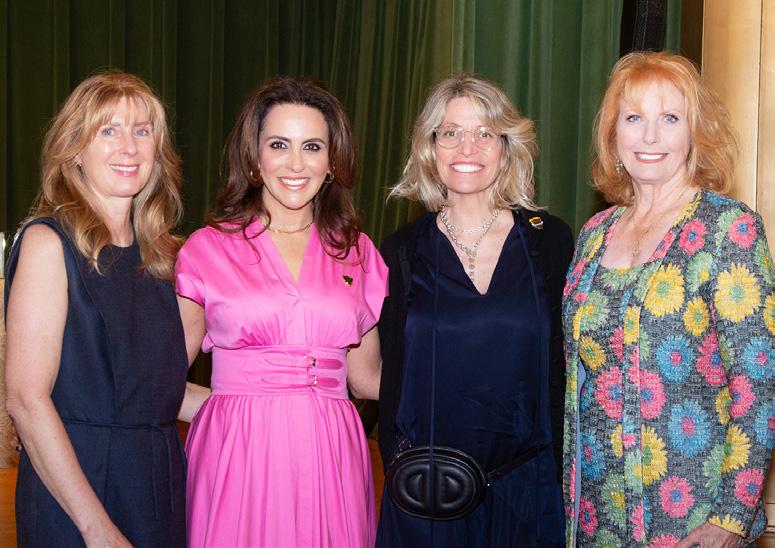
The Beverly Hills Women’s Club is like no other club in Los Angeles. For six generations, local women volunteers have sustained this club. Now it’s our turn to ensure the legacy of the Beverly Hills Women’s Club continues.
at USC Keck School of Medicine. Many women in government leadership positions, including Senator Tammy Baldwin (WI) and Senator Angela Alsobrooks (MD), and more than a dozen Congresswomen, including California Representatives Laura Friedman, Sydney Kamlager-Dove, and Zoe Lofgren. Local leaders, too, including Los Angeles County Supervisors Janice Hahn and Holly Mitchell, as well as Los Angeles City Councilmembers Katy Yaroslavsky, Nithya Raman, and Heather Hutt. Men do visit from time to time, too! Former U.S. Ambassador to Norway Marc Nathanson, former U.S. Ambassador to India (and former Los Angeles Mayor) Eric Garcetti, and Los Angeles District Attorney Nathan Hochman have all recently participated in illuminating discussions at the club.
Tell me about the current plans taking place to improve the building and the clubhouse?
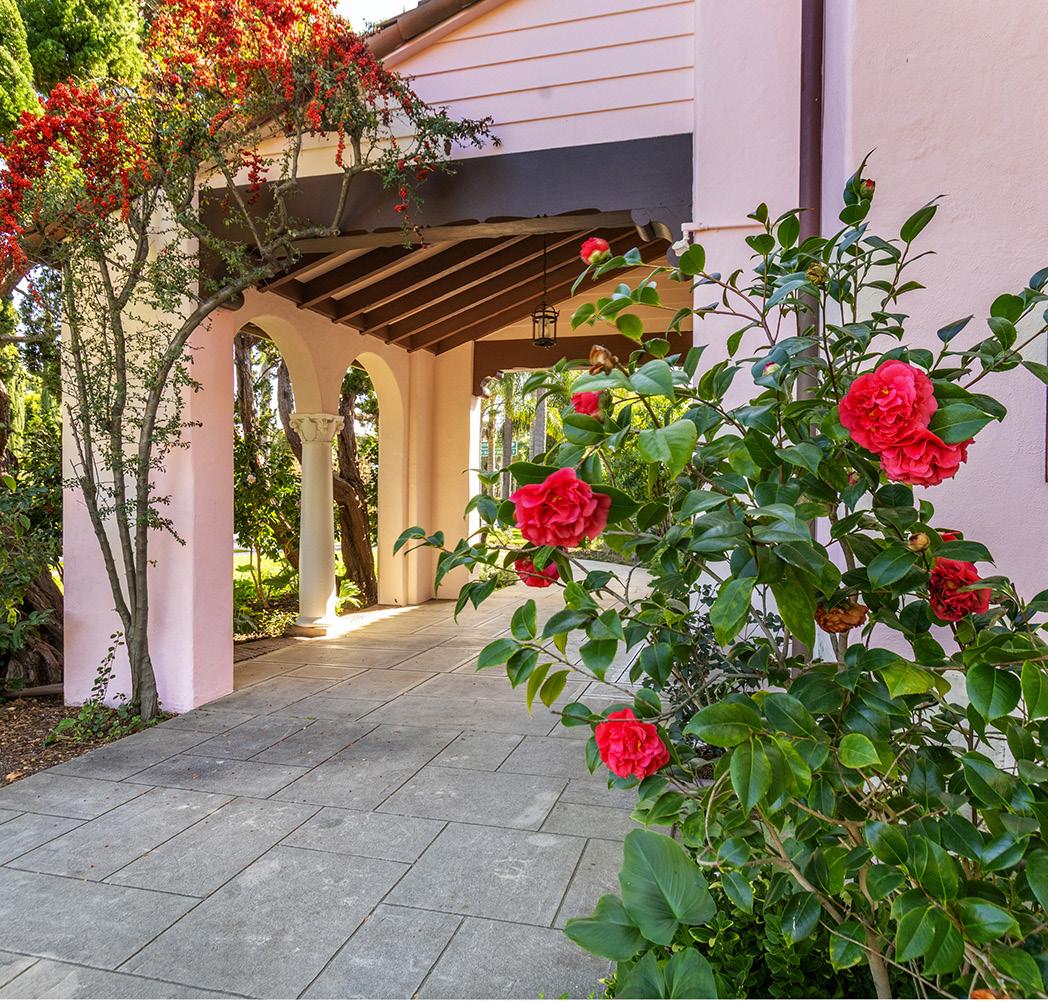
Thanks to the design leadership of Jaime Rummerfield of Jaime Rummerfield Interior Design and a $1 million gift from BHWC board member and philanthropist Koni Rich, a spectacular design revitalization project is underway at the BHWC. Last summer, the exterior stucco got a new shade - a Benjamin Moore custom color now referred to as Beverly Women’s Club Pink. It’s a subtle but beautiful pale pink shade that nods to the Landmark’s female nature. The 1,700-squarefoot garden room is the one space that was converted from its original 1925 purpose, as an outdoor lanai, to an interior space in the 1950s, with both the north and south ends of the grand room relegated to storage closets. The floor-to-ceiling windows of this space view the club’s gorgeous veranda and gardens. It made no sense to forfeit so much prime real estate to storage closet space. Also, the acoustics were never right since the space was enclosed and the concrete floor was covered in faux-wood linoleum (modern
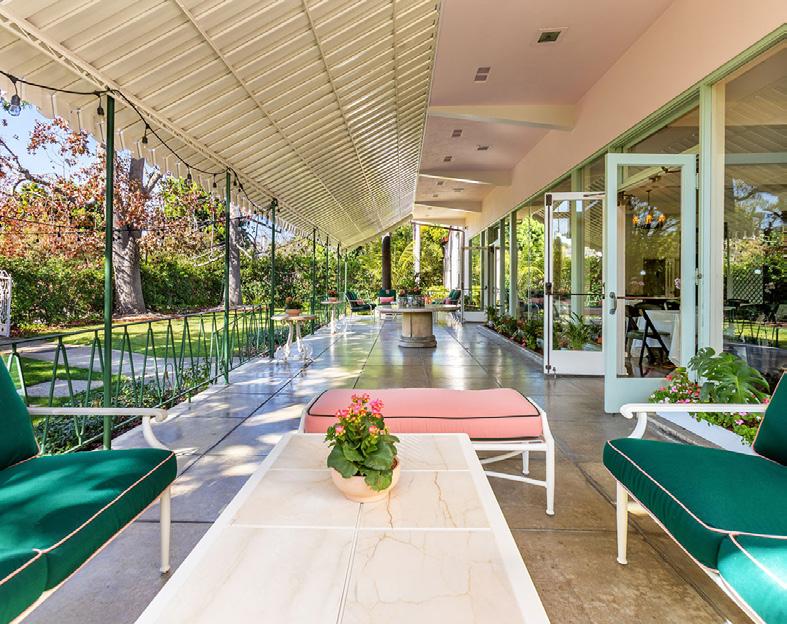
flooring in the 1950s!). This room is getting a major facelift. Last summer, out went the closets, which immediately enlarged the entertaining space in this gracious room. The interior was freshly painted Navajo White and gorgeous, custom, hand-painted GRACIE garden wallpaper went up in the salon, and a hand-painted GRACIE tiger in ante space of the gentlemen’s room. The veranda furniture was refreshed: black wrought iron painted Navajo White, and the old store-bought striped cushions were replaced with custom green cushions with pink piping and a pink BHWC logo hand-stitched on each seat back. The original aging metal veranda ironwork switched from black to Balsam Green, and the veranda and window awnings were striped Winchester Sage and Timid White. This summer, a two-and-a-half-year-inthe-making custom STARK carpet will replace the garden room’s 1950s linoleum flooring. Spectacular pink crystal chandeliers and sconces will adorn the space. The entire room is being painted Fresh Sod and then covered in custom lattice painted Navajo White. Custom banquettes are being added, outfitted with the most beautifully rich fabrics. The garden room will transform from a nice big room with lovely views to a super-chic club space for members and guests to gather. The ballroom has been outfitted with new custom velvet curtains that really set off the room's regal feel. New audio-visual equipment enhances the large 1940s stage screen that descends from the stage rafters. The ballroom’s original wood floors are being refurbished, with walls and beams receiving detail custom painting motif. In January, philanthropist Lynda Resnick gifted the BHWC $75,000 so that all the 110-year-old clubhouse windows can be expertly refurbished this spring. Looking ahead, we are focused on completing a $5 million capital campaign and securing a $10 million endowment fund to ensure the club continues to thrive.
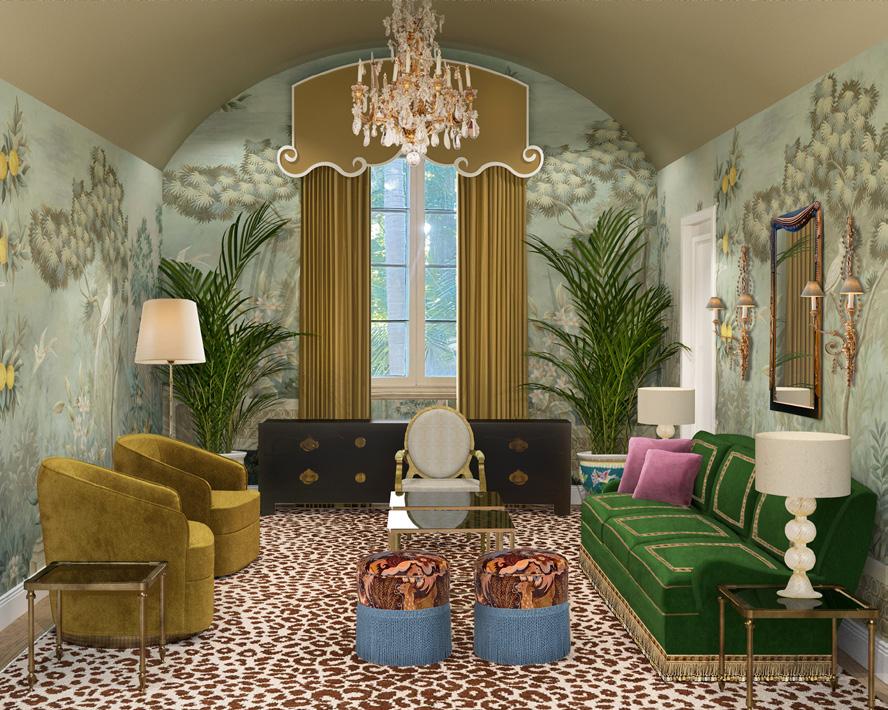
The clubhouse has always been gorgeous, with fabulous bones. Now we’re making it even more gorgeous.
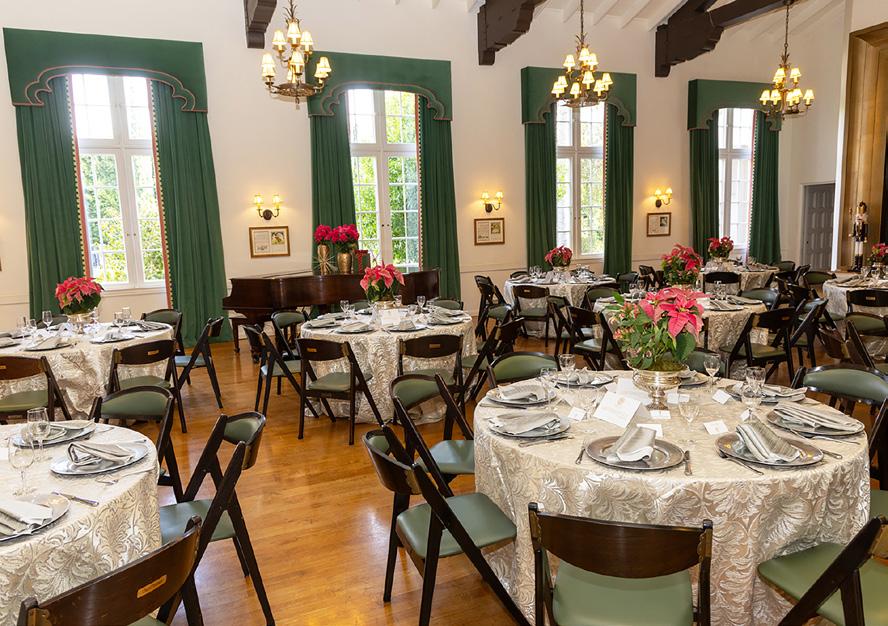
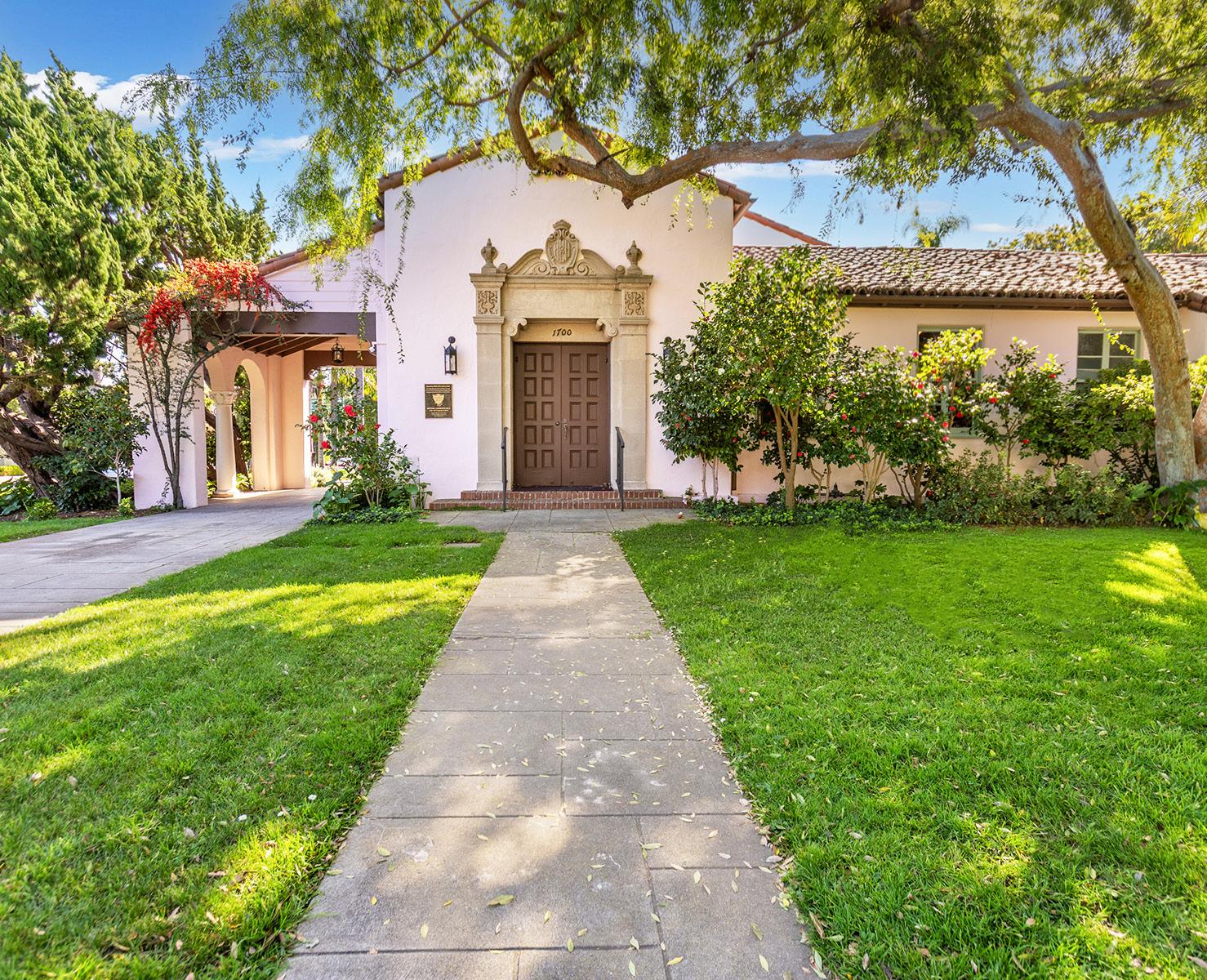
I’ve heard about the wellness programs you offer members. Tell me about that. Adrienne Howard is our resident Pilates and Movement Educator extraordinaire. Following a career on Broadway and as a Radio City Rockette, Adrienne spent 10 years spearheading Pilates at Equinox Boston, Washington DC, NYC, West Hollywood, and Beverly Hills before making BHWC's Pilates studio her "home" studio. We’re proud to offer exceptional Pilates equipment, generously donated by members and Equinox West Hollywood – creating a lovely, dedicated space where members can tone, strengthen, and maintain a healthy routine.
Jessica Halford leads weekly garden dance cardio. Jessica is a Movement Specialist, Broadway Performer, and Educator who adds vitality to members’ mornings in the beautiful BHWC garden (thanks to the garden dedication by BHWC Board Member, horticulturist, and long-time Beverly Hills resident, Rose Johnstone Weinstein and her company, GARDEN!.
Garden Tai-Chi is also something we have offered in the past and, due to popular demand, plan to bring back to the club this spring.
The clubhouse also serves as a wonderful home base and destination for countless wonderful walks, long and short, along the tree-lined streets of Beverly Hills. BHWC member, Gertrude Fyle Reeves, who joined the BHWC in 1928, was the wife of Jack Reeves and daughter-in-law to John Joseph Reeves, the famed horticulturist responsible for Beverly Hills' unique treescape, planting a single species of tree along each street, contributing to the distinctive landscape of Beverly Hills' neighborhoods.
Where do you see the future of the club?
The Beverly Hills Women’s Club is like no other club in Los Angeles. For six generations, local women volunteers have sustained this club. Now it’s our turn to ensure the legacy of the Beverly Hills Women’s Club continues. We’re modernizing the organization and transforming it into a professionally staffed contemporary club with all the modern technology and amenities expected from a discerning, well-traveled, modern woman who appreciates a private spot where you never know who you will run into, but surely it will be someone interesting and likely a neighbor whom you otherwise may never have even met.
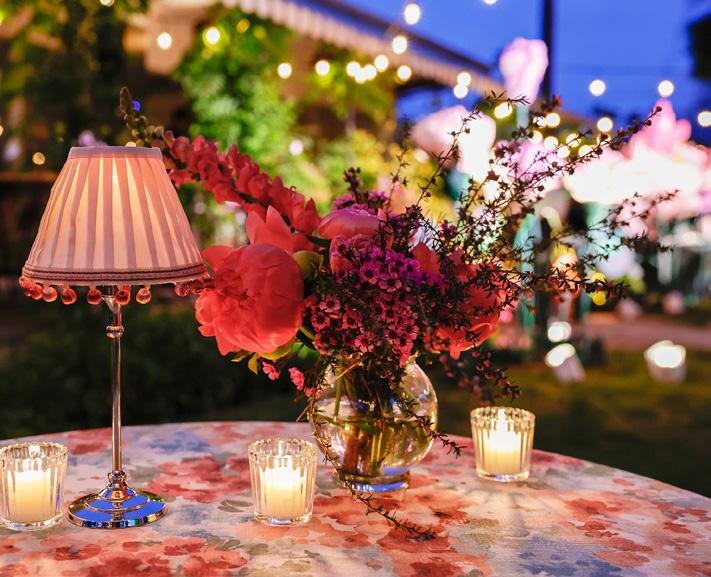
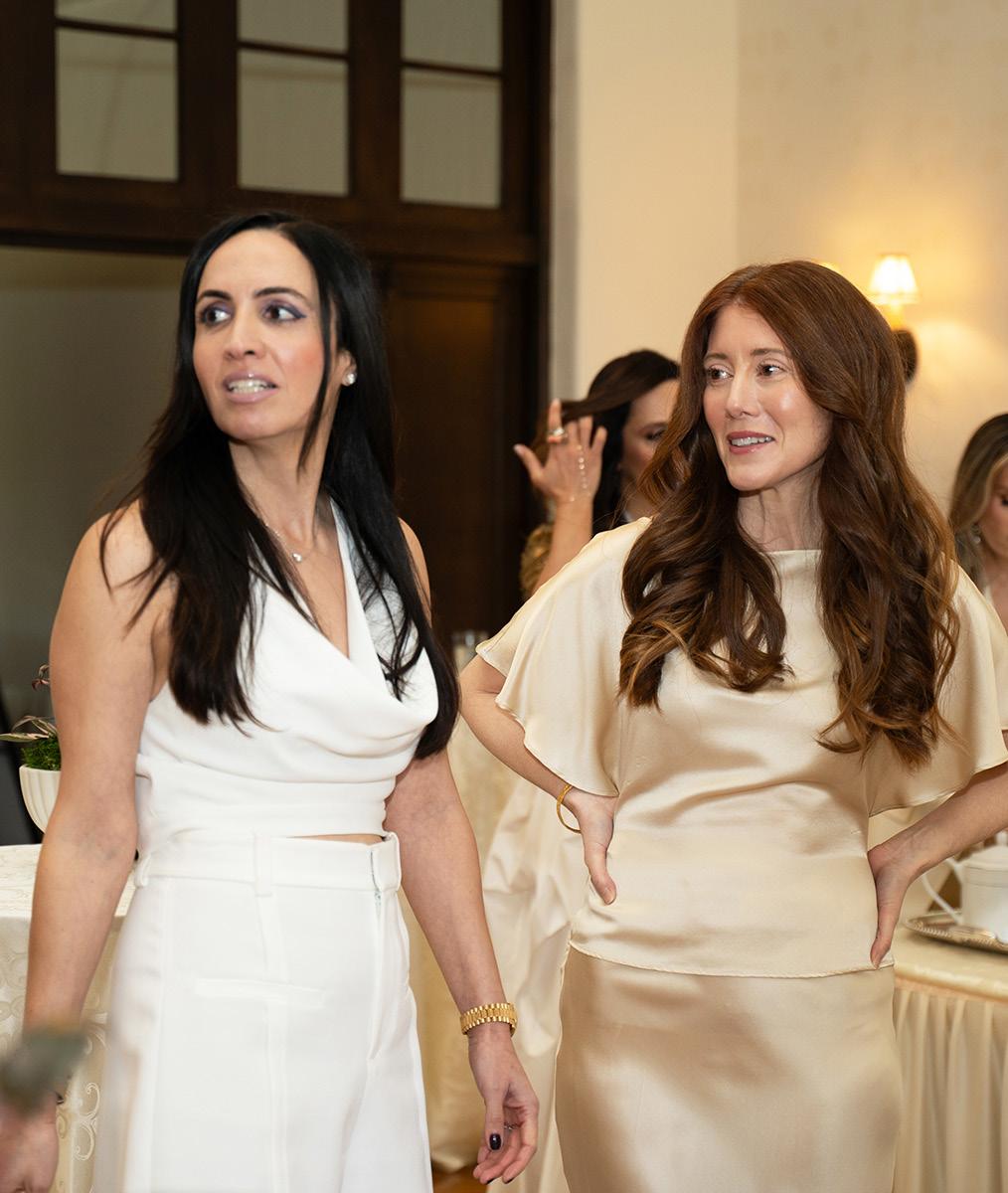

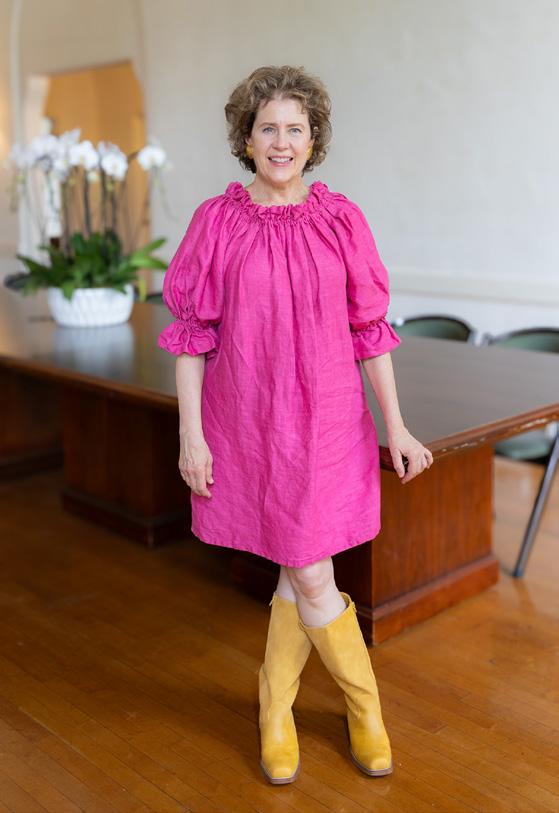
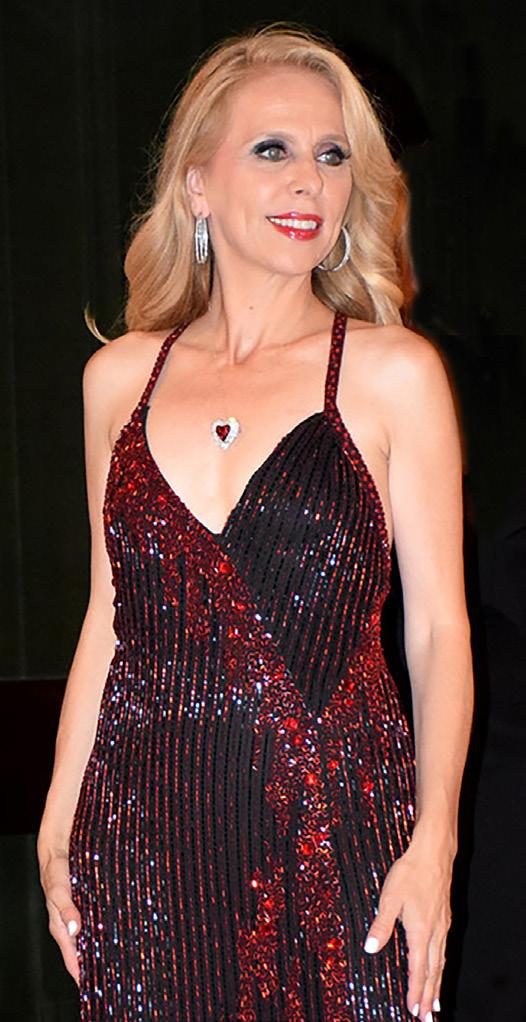
Please spotlight for us some of the club's current members. There are so many incredible women who are a part of the club. It’s difficult to choose whom to highlight. Here are just a select few to show the depth and range of our members.
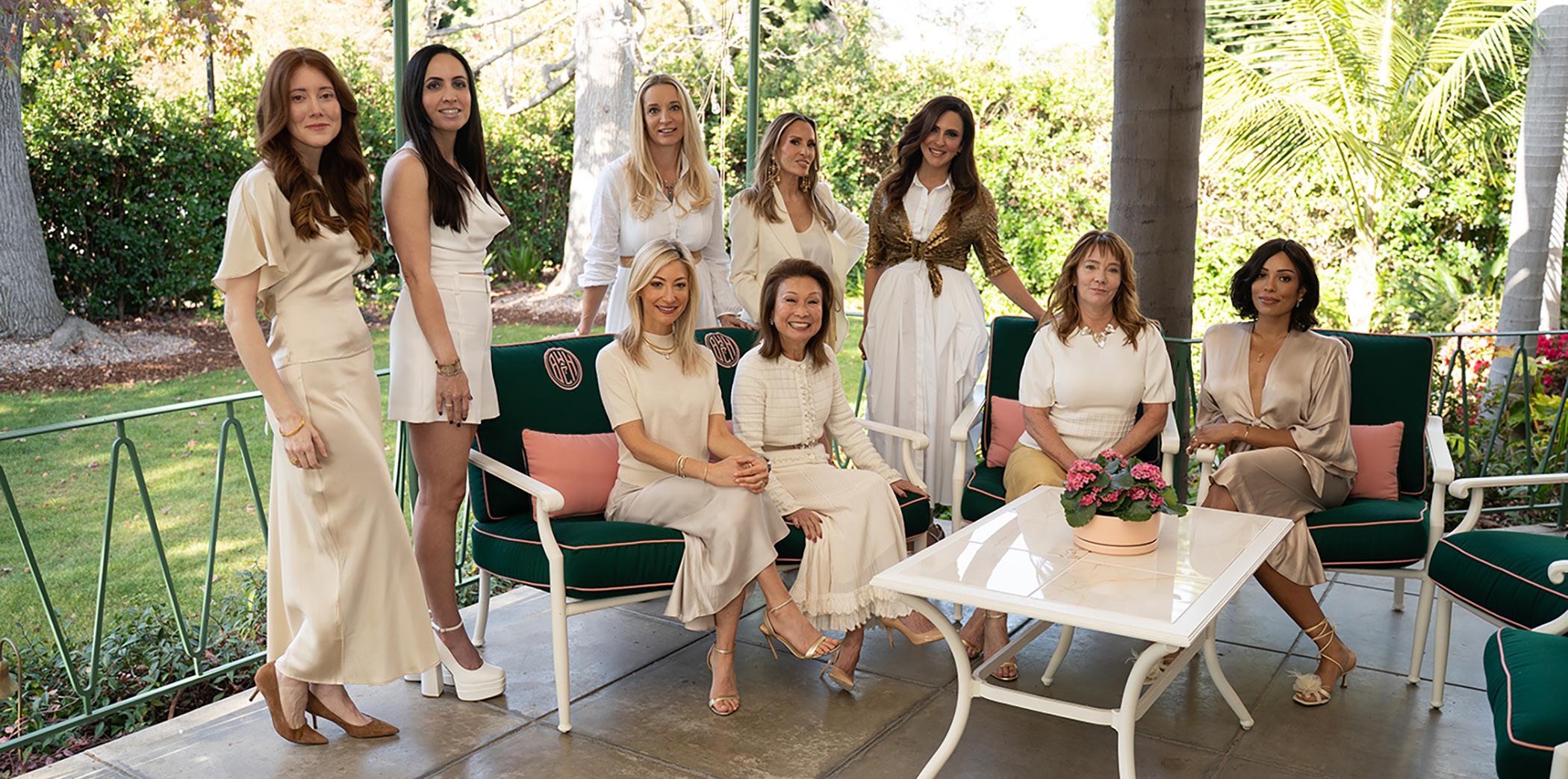
Nicole Mutchnik is a nationally respected civic leader and Chair of the ADL Board of Directors, known for building trust and advancing solutions across government, nonprofit, and business sectors. Koni Rich is a visionary patron of the arts and a transformative leader at the Beverly Hills Women’s Club. Together with her husband, Tony Award–winning Broadway producer Geoff Rich, she has become a vital supporter of Los Angeles’ arts and cultural institutions. Alyssa Litoff is an Emmy Award–winning producer whose work has shaped national conversations through rigorous journalism and cultural storytelling. Dina Morrone-Rivkin is an acclaimed writer and solo-show performer who has provided voice-over for several Emmy and Oscar-winning television shows and feature films. Donna Gillman is a dedicated civic leader and lifelong Beverly Hills resident whose service reflects a deep commitment to education, youth, and community life. Alison Kaplan has devoted much of her time since the pandemic to philanthropic endeavors. She has recently been involved with Jewish Federation Los Angeles, the Organization of Social Media Safety, CHLA & Beauty Bus. Ann Marie Scaglione spent more than two decades with Park West Gallery, where she has held several key roles, including becoming the only female principal auctioneer in the company’s 50-year history. Rose Johnstone Weinstein is co-founder of the non-profit GARDEN!, an organization that provides job training to those reentering the workforce. Since 2022, Rose and her team at GARDEN! have worked pro bono regularly and diligently to transform the club's private
garden and street-facing grounds into the rich oasis it is today. Jaime Rummerfield is the Design Leadership Award Honoree by the DLN and was named Interior Designer of the Year by the National Arts Awards Council. She is touted by the Hollywood Reporter as one of Hollywood’s Top 20 Interior Designers; her work has been featured in over 150 design magazines and publications, including Elle Décor and Architectural Digest. Amanda Hill is an attorney and a graduate of Pepperdine University and the University of North Carolina School of Law. In addition to her legal career, Amanda manages her family’s business. She has been a member of the Beverly Hills Women’s Club since 2021 and currently serves as Corporate Secretary, applying her legal background to support the Club’s governance and operations.


Special Thanks to:
Dr. Sharona Nazarian (Beverly Hills Mayor)
Donna Gillman (Beverly Hills Commissioner)
Amanda Hill (Attorney)
Adrienne Howard (Pilates & Movement Educator)
Alison Kaplan (Socialite)
Hollis Leech (Entrepreneur)
Alyssa Litoff (Journalist)
Koni Rich (Philanthropist)
Jaime Rummerfield (Interior Designer)
Ann Marie Scaglione (Art Dealer)
Photography by:
Artin Mardirosian (Nexision) and Jodye Alcon Photography
Location:
Beverly Hills Women's Club

The Big Island's Feline Therapy with Island Soul
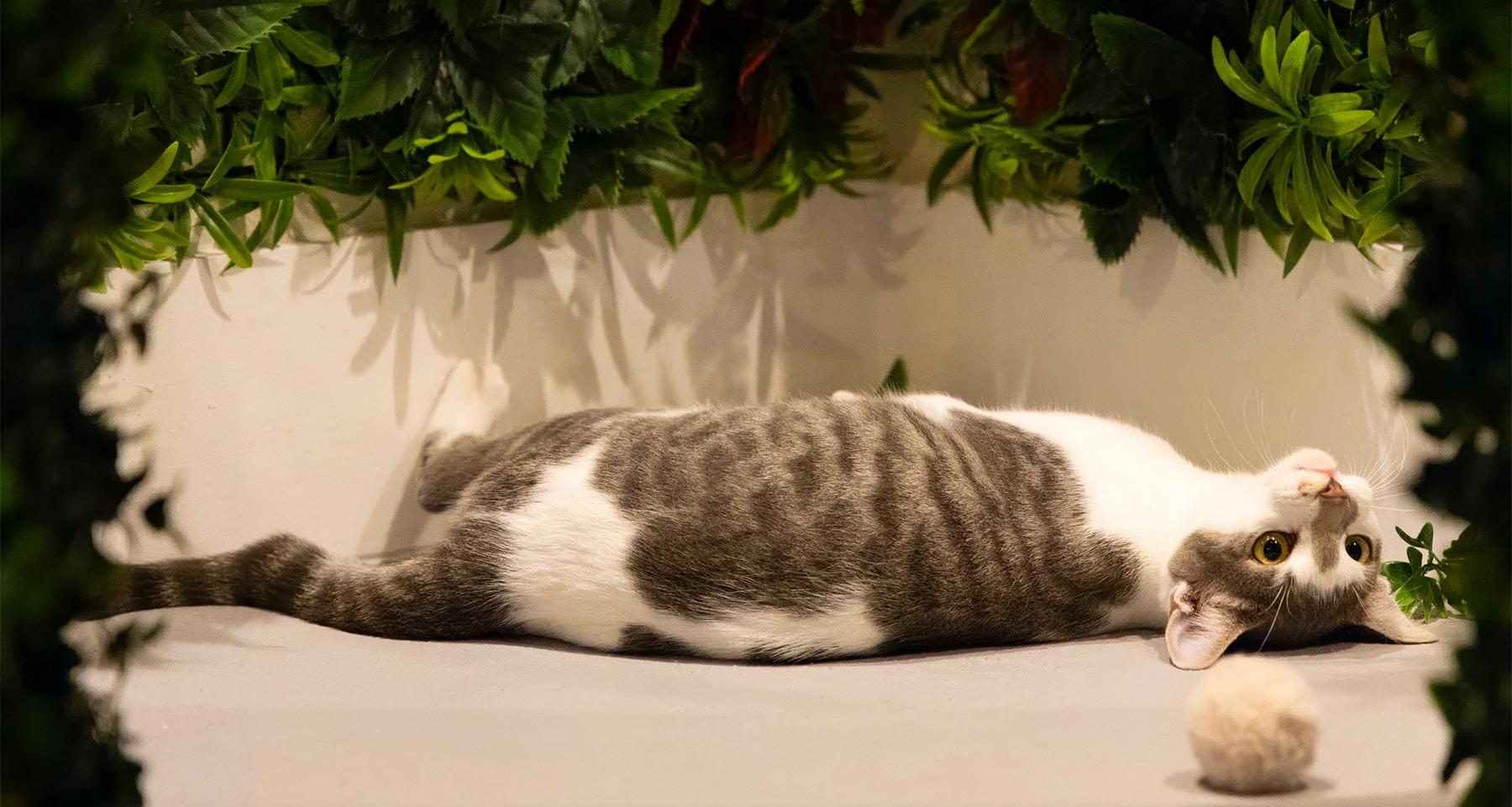
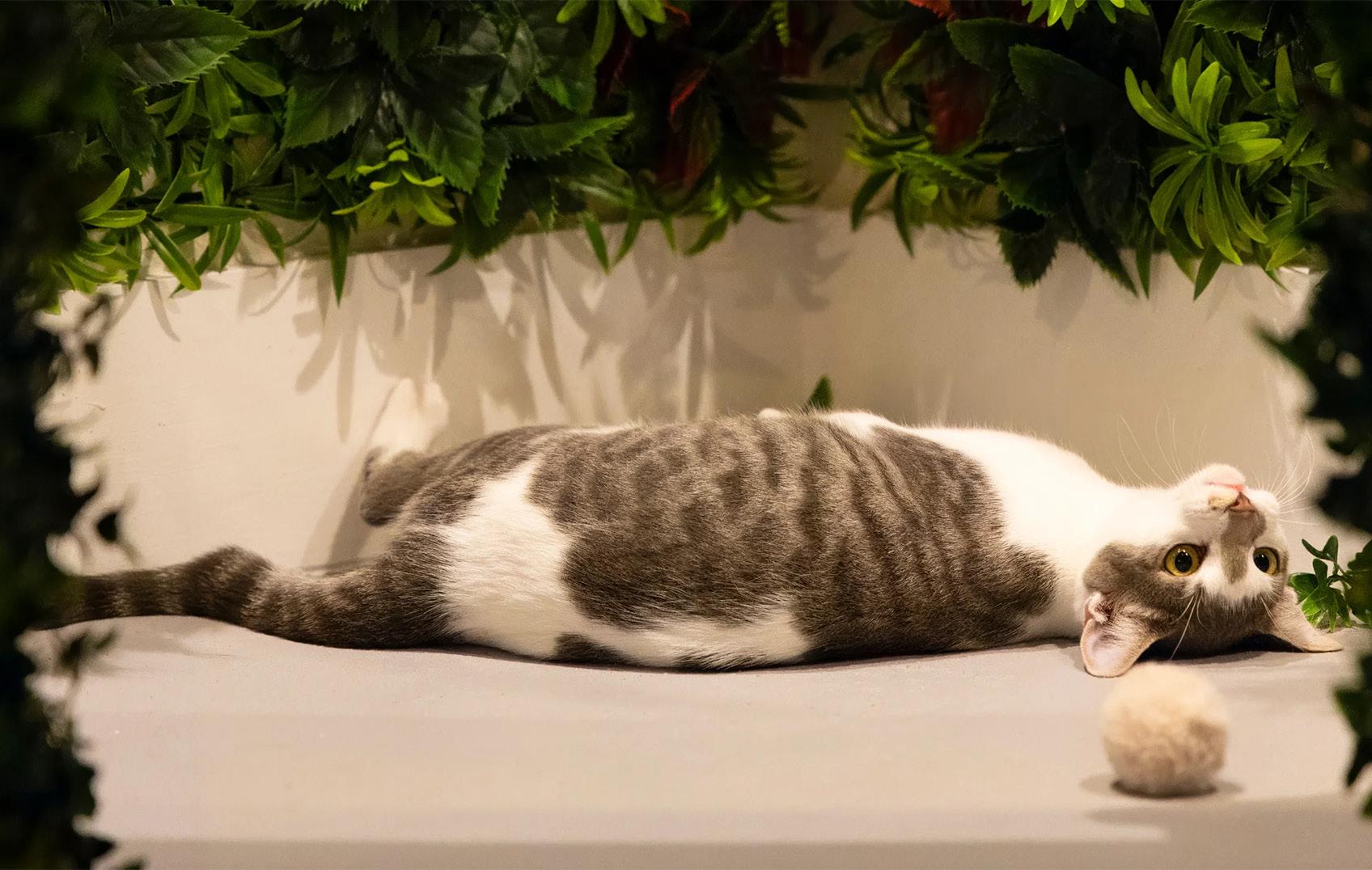
In the heart of Kona, on the Big Island of Hawaii, the Kona Kat Café has turned feline therapy into a full-on island experience. Founder Jenny Hulen grew up on a farm in Zimbabwe surrounded by geese, horses, chickens, dogs, cats, and even the occasional lion. She was inspired after visiting a cat café in Ireland. Leaving behind her career as a physical therapist, she embraced a new kind of healing: the comfort, joy, and connection she found in cats.
Up to 20 resident cats greet café visitors as they enjoy chilled drinks and cat-themed treasures. Around 120 adoptions occur each year, many by tourists who simply can’t resist taking a little “aloha” home in the form of whiskers and purrs.
“I created this cafe for the cats, and for people too,” says Hulen. “It’s a sanctuary for all, a truly relaxing space, as well as an adoption center dedicated to animal welfare.”
Research supports the therapeutic role that cats play in our lives. Simply petting a cat can improve overall psychological health by boosting mood, lowering cortisol levels, decreasing blood pressure, and releasing "happy hormones" like oxytocin. The purring of a cat
and a calming presence are powerful. A 2019 study involving university students found that petting cats and dogs for 10 minutes reduced cortisol levels in saliva. As hundreds of millions of cat owners worldwide can attest, cats and dogs are valued companions known for helping those dealing with isolation and loneliness.
Not only is the Kona Kat Café a place to lounge and relax while enjoying a cup of coffee, but it is also a rescue organization. On the “Catio” (cat patio), visitors can spend some time with lovable feline friends and sometimes find a furry friend for life. Since opening in downtown Kailua-Kona in November 2023, the café has helped place hundreds of cats into loving homes.
“Humans offer cats love, care, and a secure home, fostering trust and emotional well-being for these independent felines,” says Hulen. “This reciprocal connection creates a harmonious healing dynamic, where both cats and humans find solace, companionship, and a sanctuary from the demands of the world, ultimately promoting mental and emotional well-being for all involved.”


“We provide a natural experience in a cozy and comfortable setting for people to come and meet the cats, see their different personalities out of a cage. No cat that comes to Kona Kat Café will ever be euthanized.


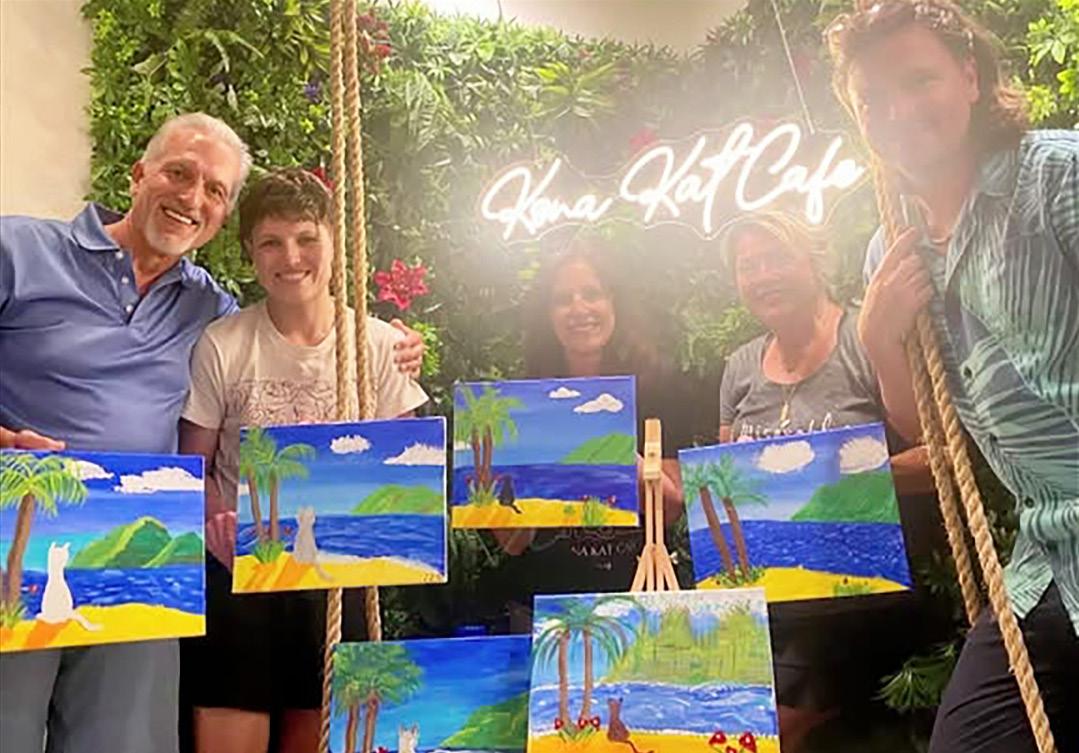
I created this cafe for the cats, and for people too, says Hulen. It’s a sanctuary for all, a truly relaxing space, as well as an adoption center dedicated to animal welfare.
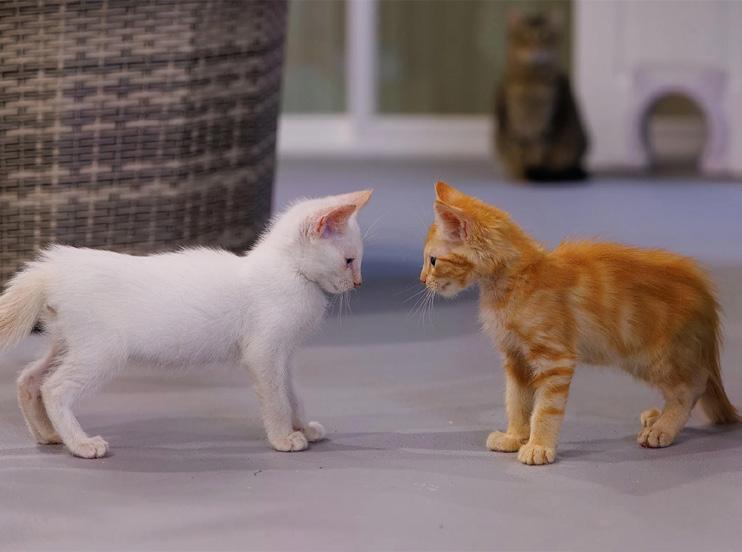
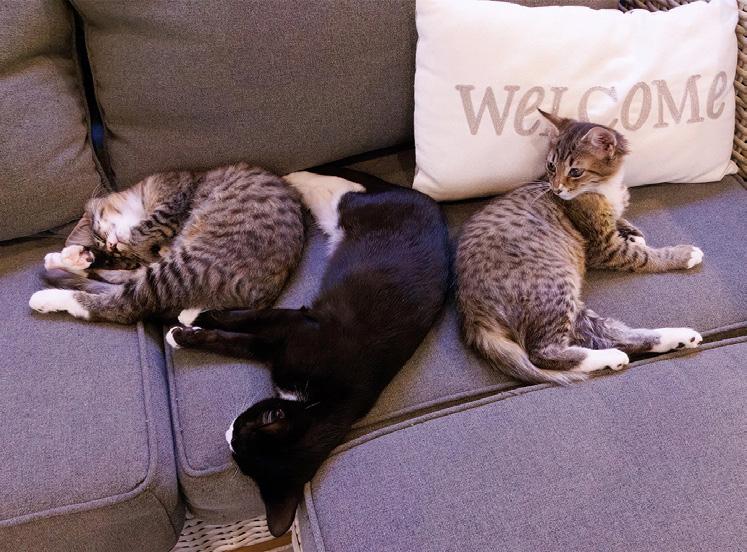

Helping Cats in Need on The Big Island
Hulen is addressing an overwhelming need. The Big Island is facing an overpopulation of feral cats, with an estimated 100,000 to 200,000 in need of homes and human support. Several nonprofit groups across the island work to improve health and well-being, with many providing spay and neuter services to help control overpopulation. The Kona Kat Café works with these organizations to provide exposure for homeless cats and kittens.
“We provide a natural experience in a cozy and comfortable setting for people to come and meet the cats, see their different personalities out of a cage. No cat that comes to Kona Kat Café will ever be euthanized,” says Hulen.
At any given time, there are about 20
cats in residence. Recent stars of the show include:
Finn, the gentle giant Maine Coon–type; Davis, the café’s scene-stealing celebrity; Gigi, rescued from a beach area of North Kohala; and Piper, a rare Turkish Van cat with roots in the U.K.
Beyond lounging with cats, the café hosts Cat Yoga, where you might find a curious kitty balancing on your back mid-pose, and Purr & Paint nights, where Hawaiian landscapes always feature a feline flourish.
See for yourself. Long-running and award-winning show Animal Zone ventured to this special spot on the Big Island. Check out the episode to experience the Kona Kat Café, where healing happens one purr at a time. You can watch it now at: https://www.animalzone.org/episode/ season-14/ep-04


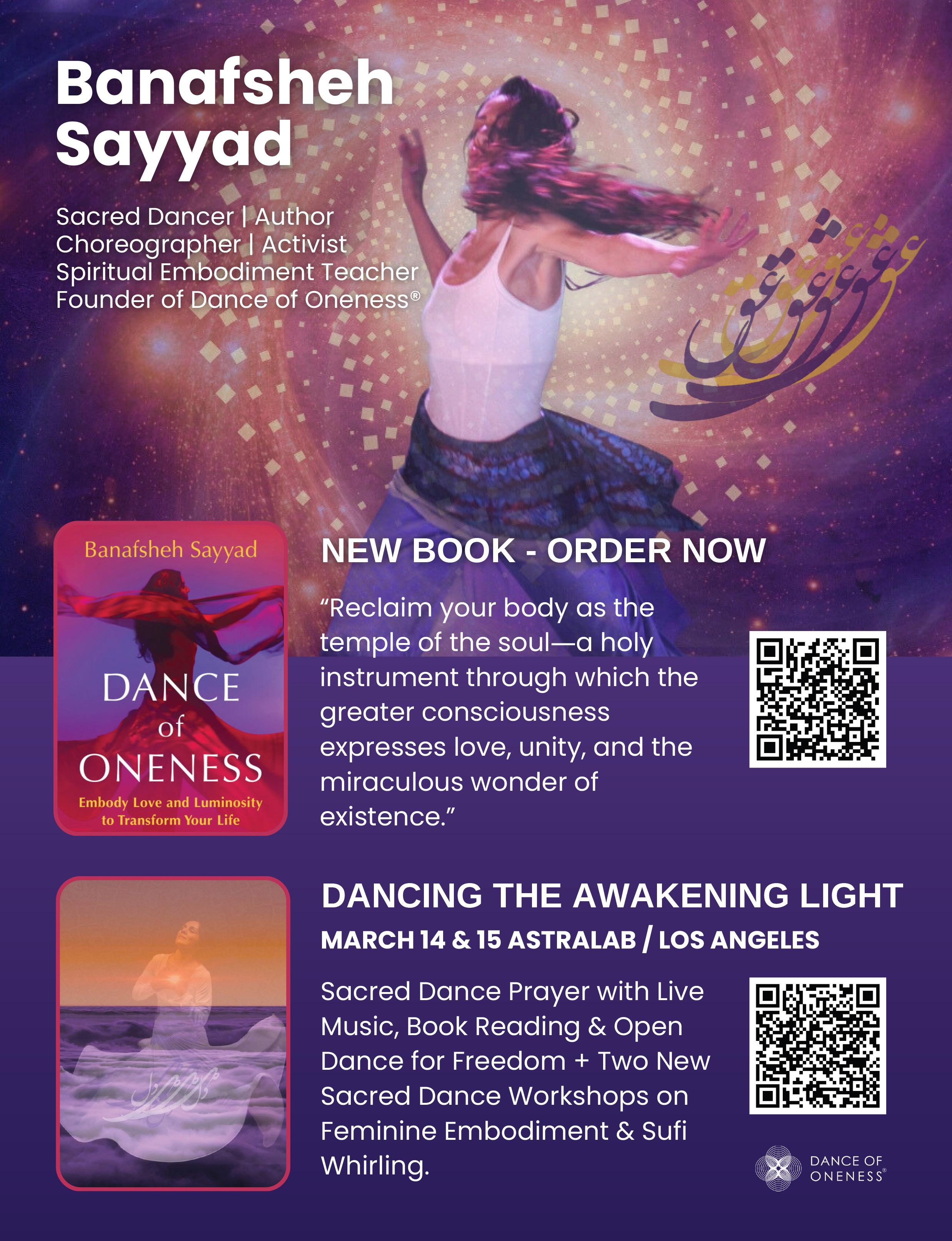
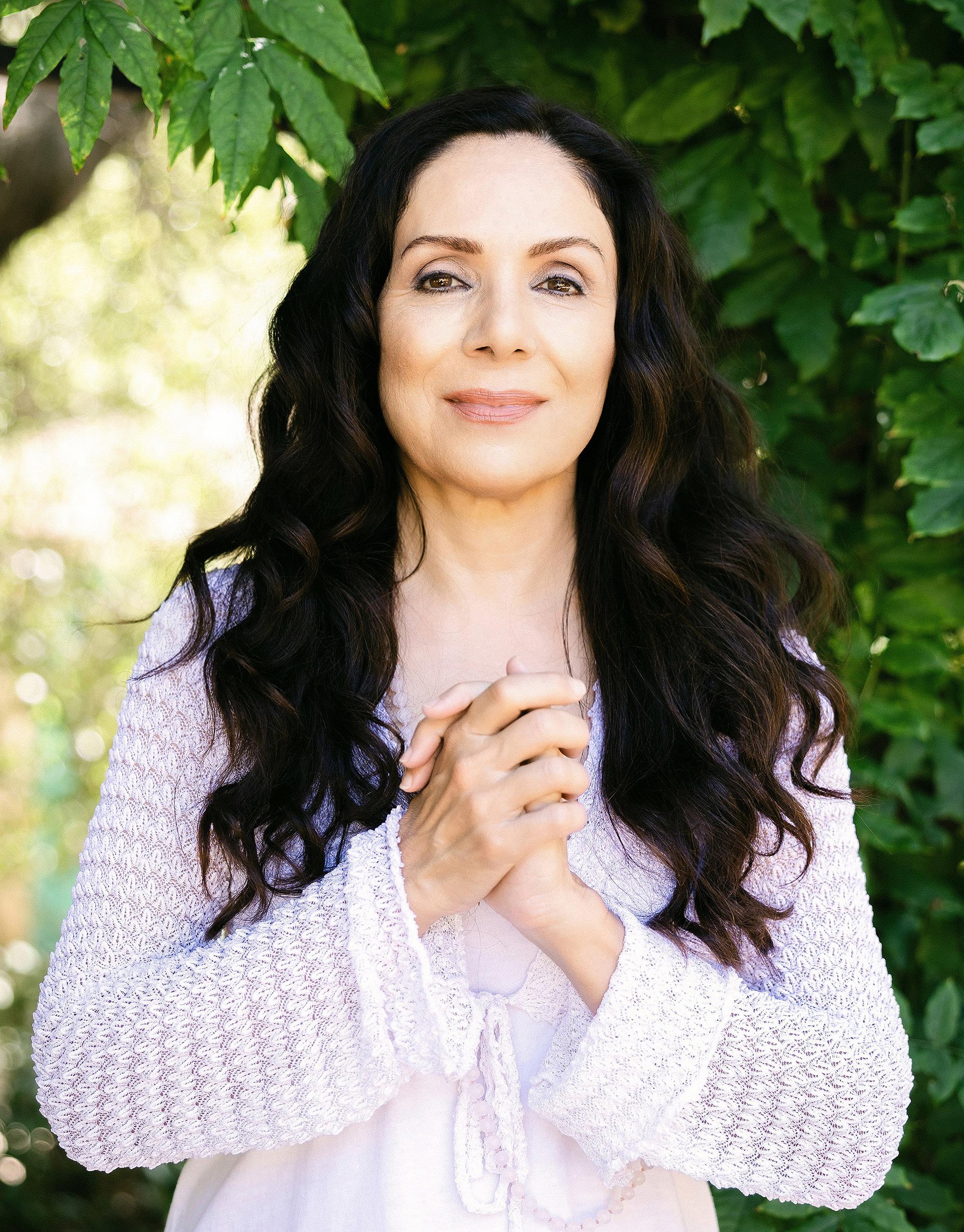
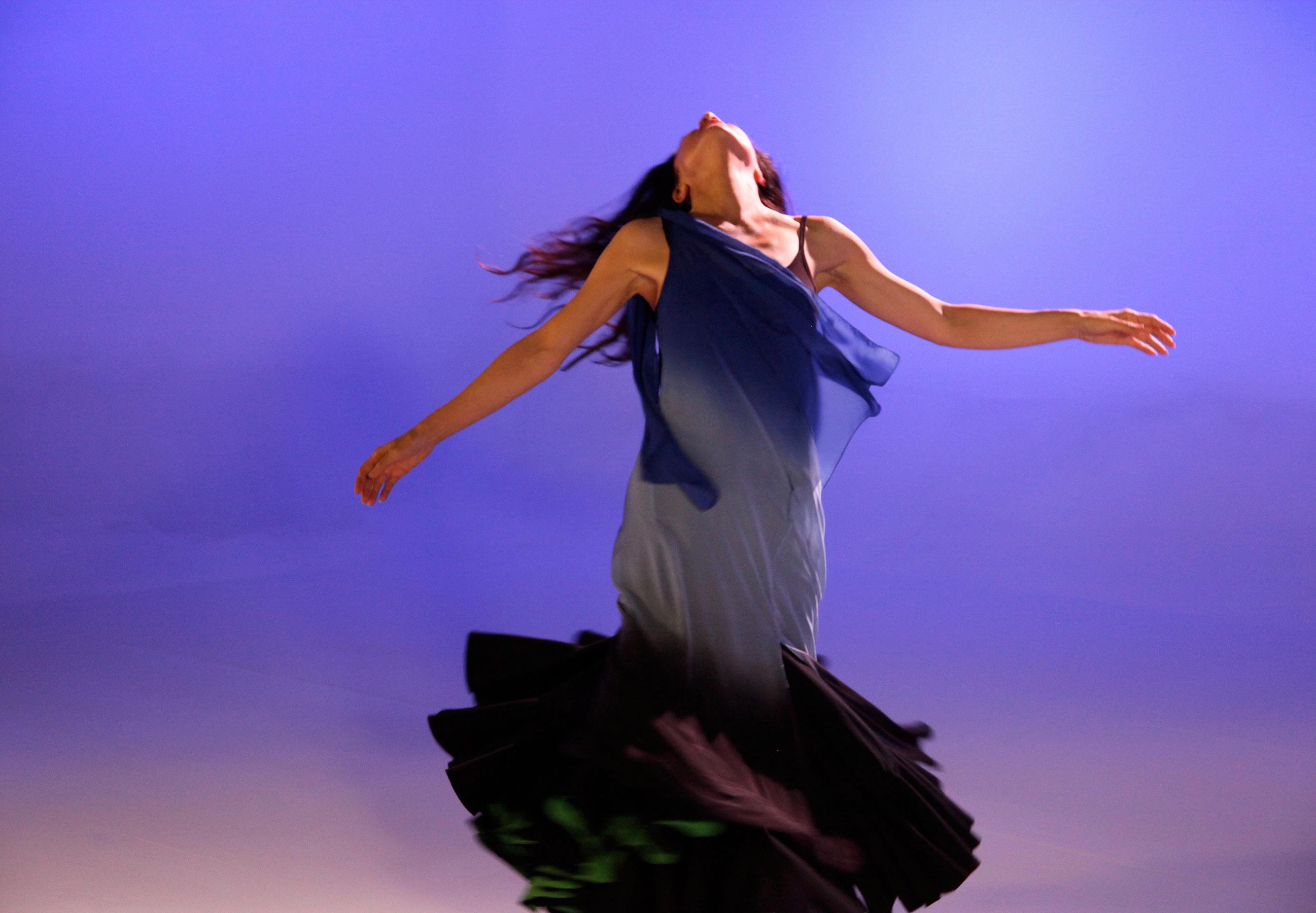
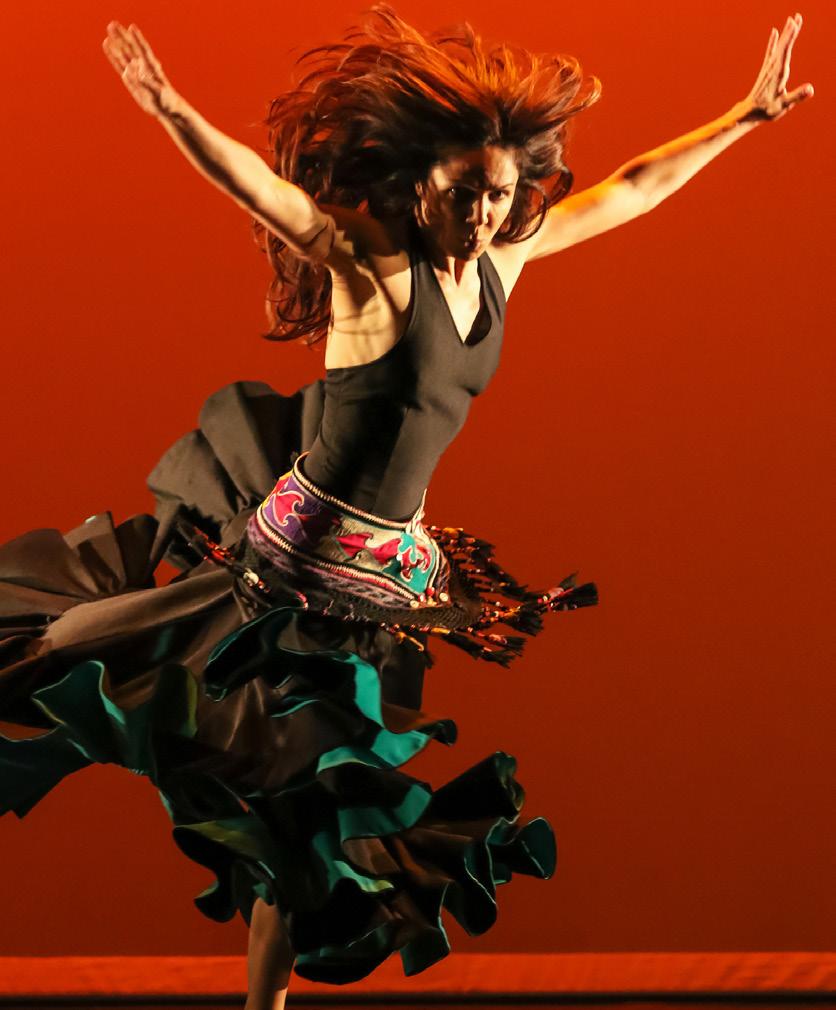
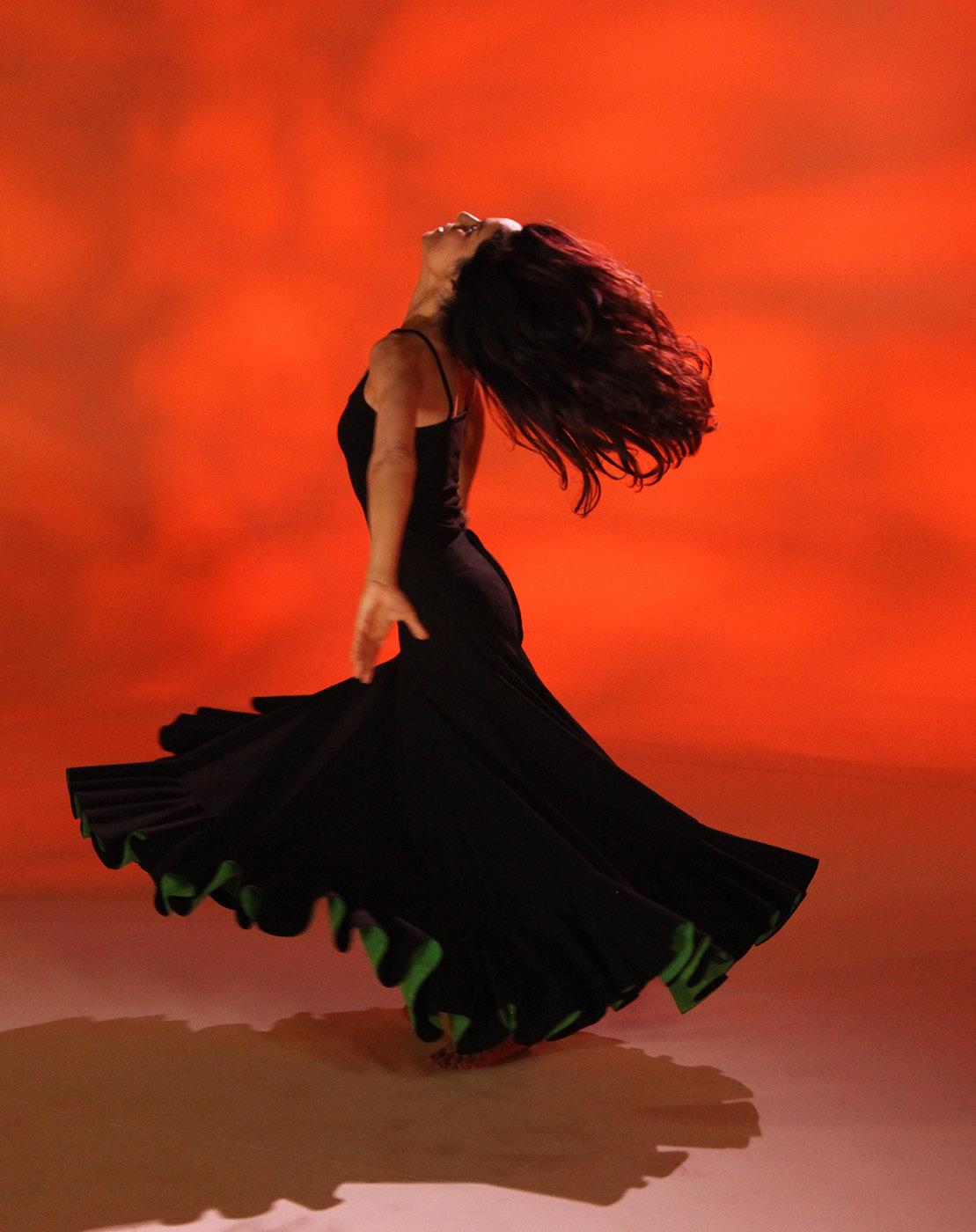
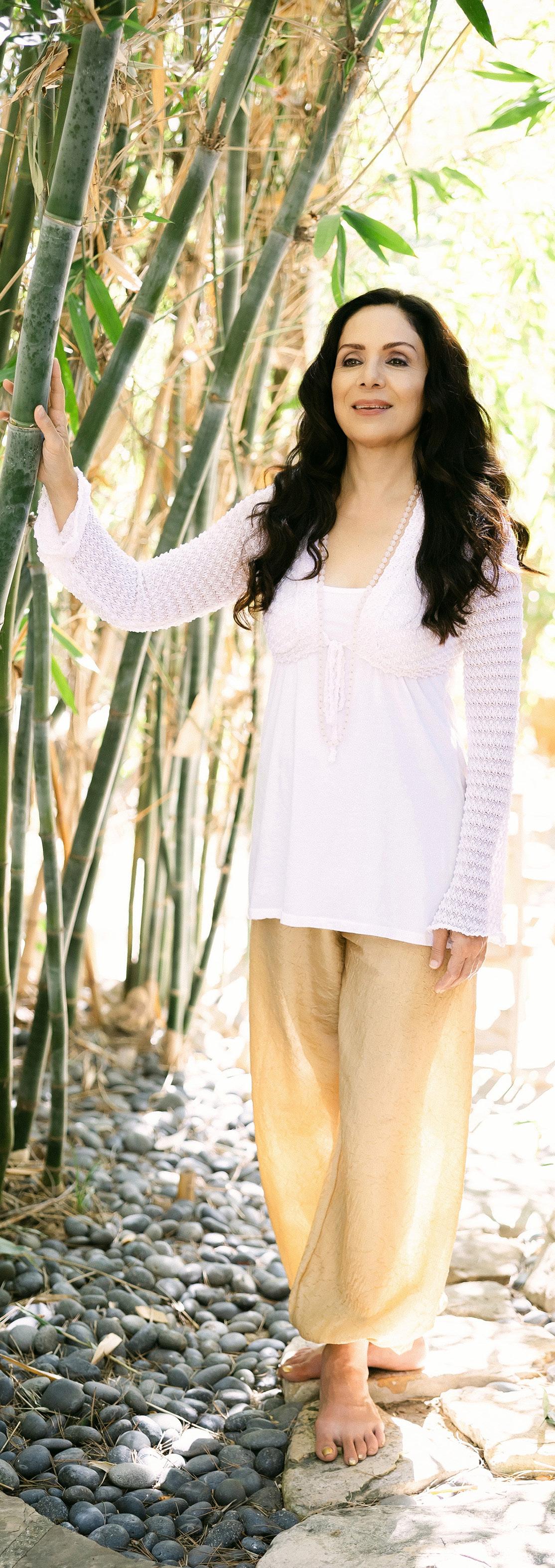
Banafsheh Sayyad is an internationally acclaimed dancer, choreographer, and spiritual teacher whose work merges sacred movement with profound inner transformation. Known for her mesmerizing presence and her signature embodiment practice that unites body, heart, and soul, Banafsheh has inspired countless students worldwide to awaken to their true essence. As she prepares to release her new book in both print and audio formats, she invites readers into the intimate landscape of her journey, where dance becomes prayer, stillness becomes revelation, and the human spirit becomes a vessel for love.
Banafsheh continues to stand as one of the most influential voices in sacred dance and embodied spirituality. Through her global teachings, her art, and now her forthcoming book, she offers a pathway to reclaiming presence, reclaiming joy, and remembering the innate wisdom carried in the body. Her message is timeless: "when we move with awareness and love, we move closer to who we truly are. Her work remains a guiding light for those seeking beauty, healing, and soul-centered transformation."
Your book is almost here! In it, you share why spiritual embodiment is needed not only for individual healing and awakening, but for the evolution of humanity. Tell us why. And, how is this book medicine for our time as it has been described?
I begin with the remembrance of the people of Iran who have struggled for freedom under an oppressive regime for forty-seven years, and in honor of the slain heroes of the 2026 uprising, now numbering more than 50,000, as well as all those who have been injured, kidnapped, or imprisoned, and the families who carry that grief.
What is unfolding in Iran reveals what happens when the human body, voice, and dignity are systematically denied, and why embodiment is a collective necessity.
Spiritual embodiment is needed now because humanity is facing not only a crisis of belief, but a crisis of integration. For centuries, spirituality has been abstracted, lifted away from the body, from grief and responsibility. We have learned how to pray, but not how to remain present when the world is burning.
In Iran, and in many places across the world, we see the consequences of this rupture: when the body is controlled or silenced, something essential fractures. Oppression is always first enacted on the body. Liberation, therefore, must also begin there.
This is where spiritual embodiment becomes medicine. For humanity to evolve, we need to be able to hold paradox: grieve and still stand, love without bypassing injustice, and translate spiritual insight into grounded love in action.
Dance of Oneness is offered not as an escape from suffering, but as a response to this moment, an invitation to inhabit ourselves more fully so that awakening is embodied and humanity can move toward wholeness.
What inspired you to create both a print and an audio version, and what do you hope people will feel when they experience each one?
Dance of Oneness®, the healing modality I have created, offers a multidimensional approach to spiritual embodiment transmitted through body and voice.
It was important to me that my book, Dance of Oneness: Embody Love & Luminosity to Transform Your Life, fully captured these dimensions as the synergy of movement and voice anchors the wisdom teachings I share and the healing transmission that is received.
Additionally, I felt that I needed to pair the book with video practices that readers can turn to for deeper integration. I believe this is the first time that Sufi whirling has been taught in book form.
My Iranian roots gave me an early, embodied understanding that beauty and grief, devotion and resistance, can live side by side … These influences shaped me into a creator who values embodiment as truth, art as remembrance, and practice as a way of staying present amidst turmoil. “
Your work blends sacred dance, spirituality, and embodiment. How does this new book reflect your evolution as an artist, dancer, and teacher? I've always been drawn to movement as a doorway to truth—something that reveals what words alone cannot. Over time, this doorway widened into a more integrated path.
Earlier in my life, dance was primarily how I listened and responded to the world. As I began guiding others, I saw how embodiment could serve not just as artistic expression, but as a practical, transformative practice: one that supports healing, resilience, and conscious living. This book carries that maturation and brings the body and soul into dialogue, allowing this union to elevate our consciousness and create a sense of belonging in our bodies.
As a teacher, my focus has shifted toward cultivating transformative and sustainable practices. The book reflects this evolution by showing how wisdom can be accessed through dance, and how presence and embodied awareness shape daily choices and become ways of responding to life.
This book is both a distillation and an offering. It gathers decades of movement, spiritual inquiry, and teaching into a form that invites readers not to imitate a path, but to inhabit their own with more trust, clarity, and embodied wisdom.
You have a rich cultural background and a unique upbringing. In what ways have your Iranian roots and global journey shaped the woman and creator you are today?
My Iranian roots gave me an early, embodied understanding that beauty and grief, devotion and resistance, can live side by side. Iranian culture carries an ancient intimacy with poetry, music, ritual, and the unseen, along with a long history of rupture, exile, and survival. This duality shaped me deeply.
Growing up between worlds, I learned to listen beyond differences and to read energy, gesture, and what isn't being said. Movement became my first language of belonging. It allowed me to stay connected to my heritage while also finding freedom beyond imposed roles and expectations.
My global journey expanded that foundation. Encountering different cultures and spiritual lineages taught me that while forms vary, the human longing for meaning, dignity, and connection is universal.
Together, these influences shaped me into a creator who values embodiment as truth, art as remembrance, and practice as a way of staying present amidst turmoil. I don't create to escape reality but to meet it more fully—rooted in ancestry, informed by experience, and open to what continues to unfold.
Many know you for your transformative movement practice. How did your personal path lead you to develop such a distinctive body of work?
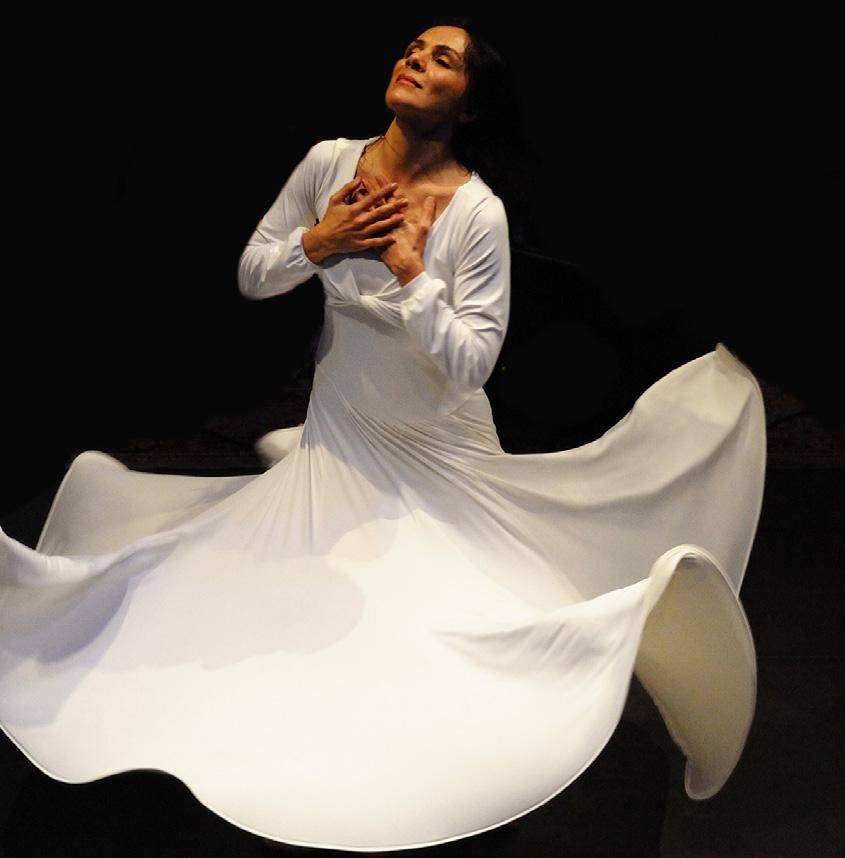
When I was a little girl in Iran, I would dance and turn alone in my room, feeling waves of euphoria and bliss wash through me. I didn't know it then, but I was entering the same ecstatic current that has moved Sufi mystics for centuries. That turning was my first embodied experience of devotion.
Years later, when I was forced to leave my homeland, I carried both beauty and pain in my body: the beauty of an ancient culture rooted in poetry and spirit, and the pain of oppression, displacement, and loss. Movement became how I survived, and I remembered myself, and a way of weaving these threads together.
Artistically, this meant moving beyond performance for its own sake toward something more essential. Dance became a way of listening, processing experience, and restoring wholeness.


“
The
Dance of Oneness book isn't about self-improvement in the conventional sense; it's about remembering what's already intact beneath habit, fear, and disconnection.

“
I hope people discover that their inner light is not something they need to strive toward, it's their very essence. The Dance of Oneness book isn't about self-improvement in the conventional sense; it's about remembering what's already intact beneath habit, fear, and disconnection.
At the heart of this path have been the transmissions of the Divine Feminine— the living current of unconditional love, compassion, and fierce grace. She has been my most intimate guide, teaching me to embody her wisdom and share her presence as a living transmission, where movement becomes a way of remembering who we truly are.
Can you explain the idea behind Dance of Oneness®?
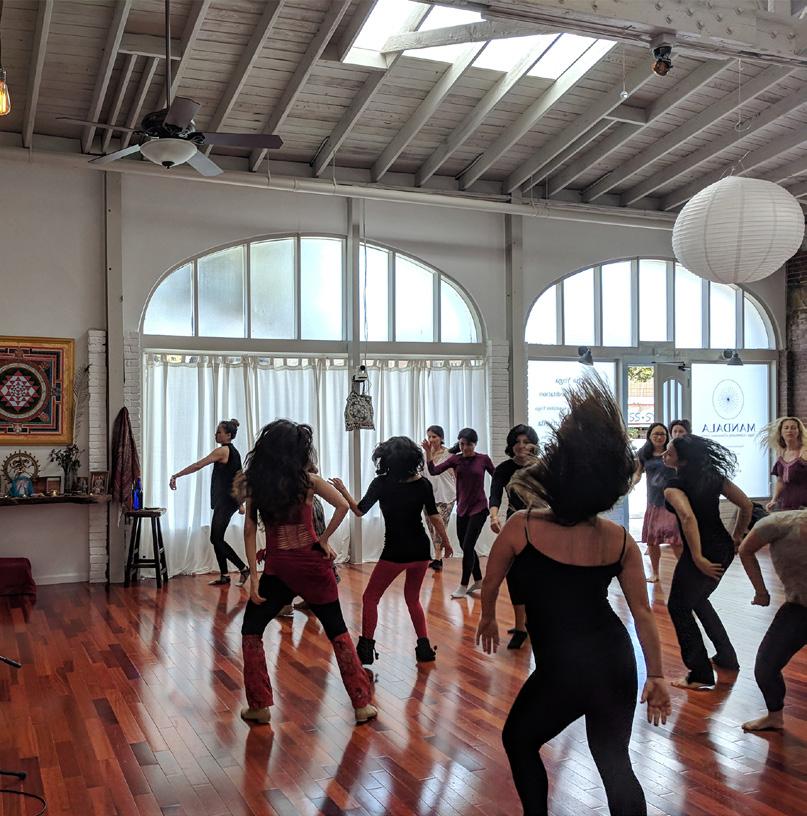
Dance of Oneness® is a holistic path rooted in Divine Feminine wisdom, weaving together three streams: dance and movement practice, wisdom teachings, and healing.
Through dance, we ground ourselves in the body and awaken presence, vitality, and freedom. The body is not something to transcend or discipline into submission; it is a sacred instrument of knowing. When we move with awareness, the body becomes a doorway— revealing truth, releasing held stories,
and restoring a sense of aliveness and agency.
The wisdom stream connects us to ancient spiritual lineages rooted in the Divine Feminine and to mystics, especially Rumi. For me, these teachings are not abstract; they are embodied guidance that reminds us that wisdom is lived through the body.
The healing stream draws from Chinese Medicine, energy practices, and somatic awareness, restoring balance to body, heart, mind, and soul, honoring the body's innate intelligence.
For over twenty years, I have performed and taught this work internationally— everywhere except my homeland, where women's dancing has been banned in public since the 1979 Islamic Revolution. Until that changes, my work continues as both an offering and a prayer: that what has been silenced can once again move freely in the world.
What was the most challenging part of writing this book, and did the audio recording process bring any unexpected emotions or insights?
The most challenging part of writing the book was translating something inherently embodied into words without flattening it. This work lives in sensation and lived experience, and I was very conscious of not turning it into something abstract or prescriptive. I wanted the writing to remain alive, to invite rather than instruct, to guide without closing the door to the reader's own discovery.
The audio recording brought a different layer entirely. Speaking the words out loud reactivated the emotional landscape behind them. There were moments when it brought tears to my eyes, as I relived memories of people, places, and pivotal moments that shaped the work. It reminded me that this work has always been transmitted through presence and relationship, and it allowed the original transmission to come through with an intimacy that felt deeply aligned with the heart of the book
Your teachings often help people reconnect with their inner light. What do you hope readers and listeners will discover about themselves through this book?
I hope they discover that their inner light is not something they need to strive toward—it's their very essence. The book isn't about self-improvement in the conventional sense; it's about remembering what's already intact beneath habit, fear, and disconnection.
I also hope they experience themselves as more present, more fully inhabiting their own
bodies, and more trusting of their inner guidance as they discover a sense of belonging within themselves.
When people reconnect with their inner light, they don't become special, they become more available, more rooted, and compassionate. From this place, action arises naturally, grounded in integrity rather than urgency.
Finally, what message would you like to share with The Eden Magazine's readers, about life, presence, love, or the importance of embodying our truth in today's world? Presence is not a luxury in today's world, it's essential. In times of uncertainty and intensity, we can easily become unmoored and live from reactivity or fear. Embodying our truth begins with staying present enough to feel, to listen, and to respond rather than react.
Love, in this sense, is a practice. It's the willingness to meet life as it is, with clarity and courage, without turning away from what's difficult or uncomfortable. When we are embodied, our values are no longer ideas, they become visible through how we move, speak, and choose. For me, this means keeping our hearts open to the suffering unfolding in the world as our lives are interwoven.
Truth is not only something we think or believe; it's something we live. When we slow down, inhabit ourselves fully, and act from that place, even small gestures can carry depth, dignity, and real impact.
Special thanks to: photos by:
Mehri Sahihi Modiri Victoria Volskaya
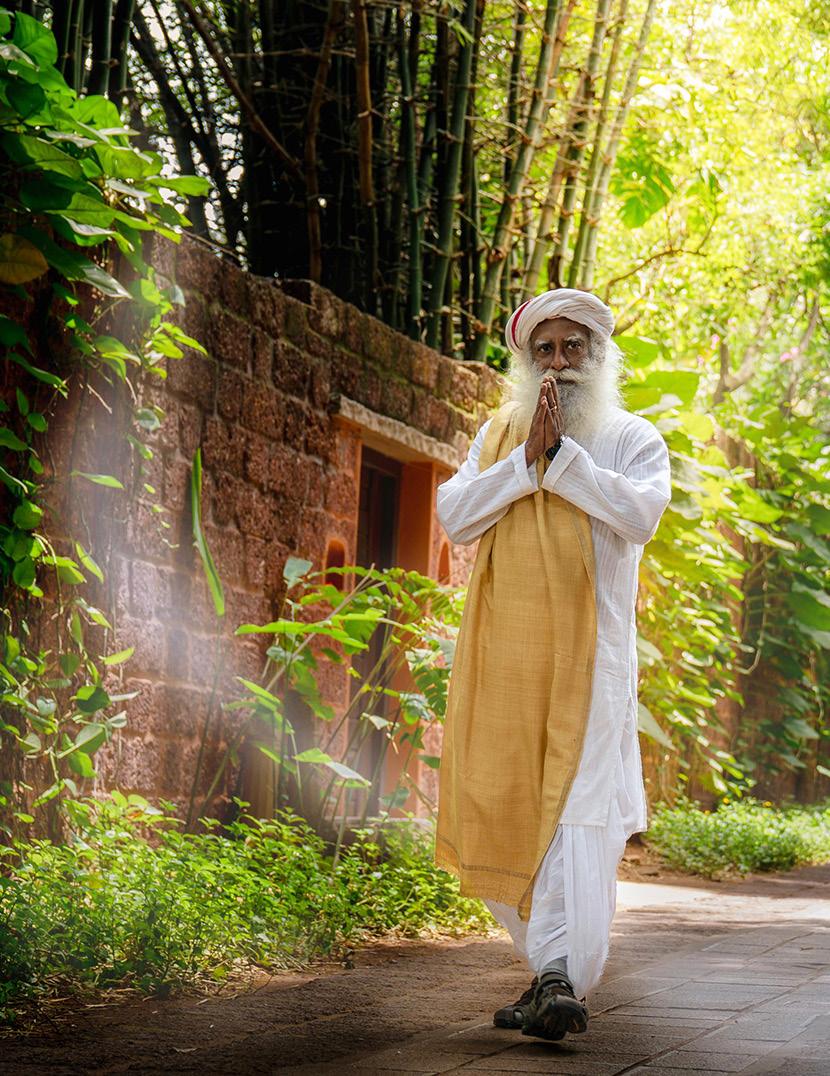
by Sadhguru, Isha Foundation

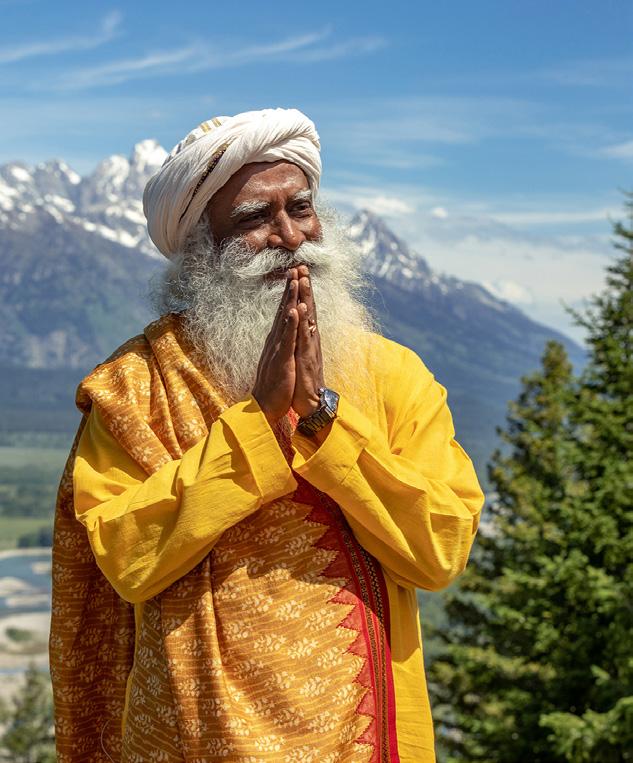
SSadhguru: Humanity is in a little bit of a haste. Everything, whether it is our economy, social process, or even spiritual process, is ending up in a bad way for a whole lot of people, simply because of haste. Haste will not necessarily bring speed. If you have the capacity to manage speed, that is different. To manage speed, you need competence.
People ask me, "Sadhguru, do you get an adrenaline rush riding fast or driving fast?" Not at all! As I get faster and faster, which I only do when I am alone, I become almost absolutely still. If you are not balanced and it comes out of haste, speed is a dangerous thing. If you speed because that is how you are, if you can deal with it, if you are neither trying to race with someone nor with time, if you are not trying to get somewhere but handling something simply according to your competence, that is different. This needs to happen in every aspect of life, but it will not happen with haste. It will only happen with balance. When there is absolute balance, then we can do things to the fullest extent we can, not like someone else. Someone may be able to do magic. We will only do mundane things, but we will do them well, in the best possible way we can.
So, haste has come into human beings. Whenever I go to the universities these days, they have this FOMO problem – "fear of missing out" that someone else may be having more fun. They may be sitting there just reading a book, but someone else may be having a par-
ty or be doing something else. Once you get into this madness, there is no relief. This is the worst kind of enslavement, because you want to do everything that everyone does. On an evolutionary scale, this is falling back, not forward. This is a thing that monkeys do – if one does one thing, all of them do the same thing. This FOMO is also a lack of evolution. When we talk about the spiritual process, the most important thing is learning to be still. Then action is no more compulsive but purposeful. When I want to act, I act absolutely. Otherwise, I can simply sit here.
This happened way back when the Isha Home School started in India. One day, I went there to see the children. They were having a morning assembly. All these six to eight-year-old kids were sitting there fidgeting. I looked at them and said, "Why are these children acting like broken tops?" You know, a spinning top has to be well-balanced to make it stand straight. You do not know whether it is spinning or not – it stands like that. If the top is a little broken, it will just wobble. So these kids were constantly fidgeting. I said, "What's happening to these kids?" They said, "They are children, Sadhguru. That’s how they are."
So, we started something extremely simple: the seven notes of Indian classical music – Sa, Re, Ga, Ma, Pa, Da, Ni, Sa – twelve minutes a day in the morning. After two months, they were all sitting straight. That is all it takes. The problem right now is that our education process is in haste.
In the United States, a lady, who was about four or five months pregnant, came to me and told me she wanted to somehow teach the child something before she delivered. They are doing these programs where you try to impart mathematics and other aspects to the child. I told her that in India, there are two well-known examples of someone learning something in the mother's womb, and both of them have been great disasters. One is Ashtavakra. Being inside his mother's womb, he heard what his father was saying about all the scholarships he had, and he disagreed with his father right there. So, the father cursed him, and he became an absolutely distorted human being, in terms of his physical body. Fortunately, he blossomed into something else. Another is Abhimanyu, son of Arjuna, the greatest archer and warrior in the Mahabharat. He also, while in his mother's womb, was listening to some battle secrets that were being spoken. He heard only half of it. So, much later, on the battlefield, he knew how to get into a certain formation, but he did not know how to get out, and therefore, got killed in a terrible way.
So, I gave her these examples of those who learned from inside the womb, and what a disaster they became. I asked her if that is what she wants. She was shocked. Someone had given her brochures that said we can make him a mathematical genius by teaching him when he is inside the womb. And others have some rapid learning nonsense whereby when the children are two or three years of age, they are teaching them languages, mathematics, and other things. This is the worst thing you
can do, because you are in haste. When you are in that kind of haste, you will waste everything, including your life. Most lives are going to waste like this, because there is haste about everything. School itself is hasty – there is always so much learning. There is no profoundness of involvement; simply piling up information. In this same context, modern education has caused the ecological disaster. Because what is the ecological footprint of illiterate people in the village? If their nourishment is good, they live well and then die one day without leaving much behind. It is mostly the educated people who are seriously damaging the planet.
If you remove that haste from within you that you want to be ahead of someone, closing your eyes and simply sitting here becomes effortless. Someone is going ahead – what is my problem? And a countless number of people have gone ahead of you and died. Do you want to go ahead of them, too? Do you want to race with them and overtake them quickly? That is exactly what we will do with this sense of haste.
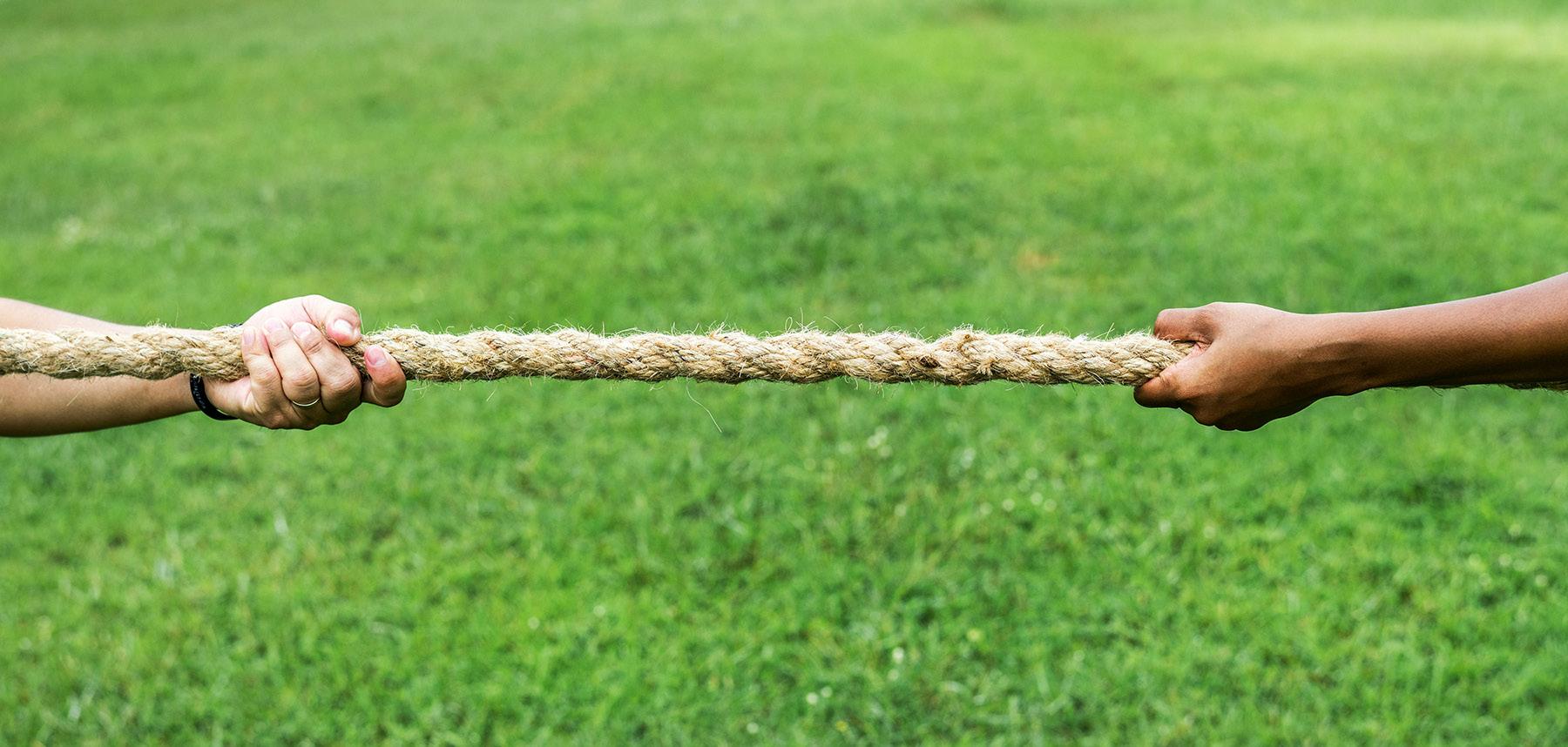
One major aspect of the spiritual process is this: you are not in competition with anyone. Now you can close your eyes and sit; there is no issue. Otherwise, you cannot sit for a moment. When you are worried about what someone else is doing, you cannot sit here or anywhere. You will never know what it means to be at ease. If you do not know what it means to be at ease, knowing what it means to be blissful is out of question. What it means to be free is completely out of question.
Infrastructures to Raise Human Consciousness
Experience Yoga in its classical form at Isha Yoga Center Los Angeles and Isha Institute of Inner-sciences. Established by Sadhguru, the centers serve as powerful spaces for inner transformation and raising human consciousness. Located in northern Los Angeles County and Tennessee, the centers offer an array of yoga and meditation programs in a vibrant and conducive ambience.
You are invited to Free Yoga Day, a monthly open-door event a t the center. On this day, we offer a variety of free sessions dedicated to educating and empowering individuals to take charge of their well-being through simple but powerful practices sourced from the Yogic tradition.
Learn more at ishausa.org/la

The first and foremost thing is to come to ease. This does not mean you will not do anything in your life. You will do whatever you can. But you do not have to outperform someone else. There is simply no need, because you cannot even outperform an ant. You cannot do what it does. So, there is no need to compete. They start telling you this competition nonsense from kindergarten or even before, "I am going to put you in the best school. You must be number one. You must be the best student." That means the only wish is that everyone else is less than you. With this kind of sickness, forget about spiritual process; even simple aspects of life – to eat well, to sleep well, to do things in your life – that also will not happen.
In modern societies, most people must pop a pill or have a drink; otherwise, they cannot sleep. A whole lot of people have gotten themselves into this position simply because of haste. Haste is a consequence of always wanting to be better than someone else. If this one thing goes away, simply sitting here is very natural. This does not at all mean the dynamism of your life will be taken away in any sense. In fact, rest is the basis of all activity. Stillness is the basis of all dynamism. This is the way creation is made. Everything was nothing, and still, out of that evolved a series of bangs, and the whole creation happened. That is the basis of our existence even now.
People do not handle the fundamental things, but they keep doing all kinds of things in their lives. The most fundamental thing you need to understand is this: you can never be better or worse than someone else; it is all in your mind. You are just making it up. The desperation to be better than someone is only because
you did not find anything of value within yourself. Otherwise, why would you want to be better than someone else? You have not found anything of value within you; that is the only problem. If human beings do not invest in this direction, we will drive ourselves into a disaster. We are already doing that in so many ways, as we get more empowered with technology and scientific knowledge.
In most people's perception today, scientific knowledge is to learn more and more tricks to exploit every damn thing in the universe. Now we have our eyes on Mars - we want to destroy one more planet. But if we destroy two, we will want to do it to four. And then it will multiply in permutations, like the COVID-19 virus! From the first person who got infected, how the number of infected people multiplied! This is just like that. Destruction happens simply because of not understanding the fundamental nature of our own existence. Because of this, we cause damage to everything. We think we are causing damage to the planet. No, we are doing enormous damage to our own lives.
The spiritual process is essentially to become in such a way that “I am complete by myself. I don’t need to become anything or to make myself into something. If I simply sit here, I am so absolute, all existence is within me.” The ultimate goal and the process itself is such that it is not necessary to be like anyone else. Each individual can be his or her own way. If you recognize your uniqueness and also every other being’s uniqueness, you can neither become less nor more than anyone else.
by Polly Wirum
If you have ever been called selfish, it probably didn’t feel very good. Possibly, in times of frustration, maybe you have even labeled others as selfish. Either way, the word 'selfish' is very strong and is usually used in a harsh, critical way. Yet , I know there is a need for self-focused behavior in a balanced and mindful lifestyle. Often, self-aware actions are mislabeled as selfish. Keep reading and discover different ways selfishness, or self-awareness, can enhance not just your life, but those around you.
People are often considered selfish when they are being self-aware and advocating for their own needs; we have yet to normalize prioritizing personal emotional and physical wellness. Let's explore the difference between self-awareness and selfishness.
Truly selfish behavior is often derived from fear, for example, lying about something, knowing it will improve your life and harm another. Self-aware behavior is linked to knowing your intrinsic needs. Having the awareness and ability to make decisions on what inspires you and brings you peace, joy, and happiness is self-awareness, and it is no small thing. There is an art to creating a life that feels good to you and supports those around you.
What about the times that we make choices to protect our peace of mind? This might be canceling a dinner plan at the last minute due to fatigue. Asking for what you need in a personal or work relationship can sometimes be viewed as selfish. Even asking others to honor your personal boundaries can appear as selfish.


Truly selfish behavior is often derived from fear, for example, lying about something, knowing it will improve your life and harm another. Self-aware behavior is linked to knowing your intrinsic needs.
When we choose something different from what we currently have in our lives, it can be seen as selfish behavior, especially when it impacts those around us. Consider a marriage or work relationship where one person is saying they need something a little different. If the requests are viewed as insensitive or selfish, feelings will be hurt, and the relationship might be compromised.
If we can approach meeting our needs together, it is a win-win situation.
It can be difficult to tell whether someone’s behavior is selfish or self-aware. Hopefully, we can all give each other a little room as we learn to navigate living in a way that is self-aware.
Our society often gives people a pass when they cancel plans or don’t participate in an event with work as an excuse. Grace is often not extended to the person choosing to do something for their peace of mind and well-being.
How has it become acceptable to put so many things above our physical and emotional health and wellness? Now is the perfect time to find balance and pursue what feels good and nurturing to you.
As you move through the minutes, hours, days, weeks, and years, how often do you choose what feels good to you? Even in the height of parenting and working, it is possible to care for yourself and others.
I can count on one hand the times I have been called selfish. This is not because I’m selfless and walk a path that puts everyone else's needs first. There are simply more colorful words that describe both the best and worst parts of me.
There have been times when I have been selfish and stubbornly moved forward with my actions, but I was forgiven and not called out for it. I am grateful for the people who gave me space to navigate whatever fears were behind my self-centered behavior.
I was a teenager, the first time I remember being called selfish. My mother and I had a disagreement about something. In her frustration, she compared me to my brother, who had not yet committed suicide.
This occurred decades ago, but it was the incident that I associate the word selfish with. It can still stop me in my tracks.
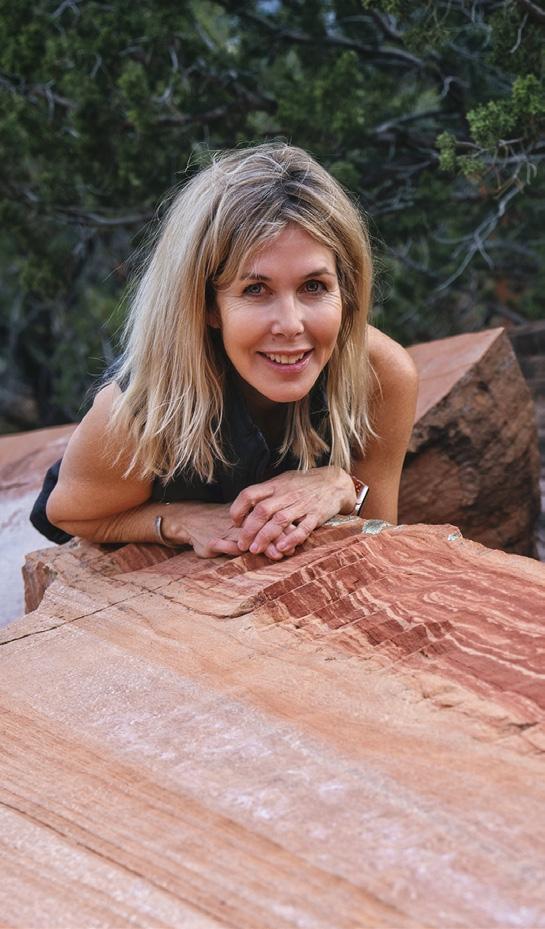
Polly Wirum is a psychic, life coach, and writer. Years ago, she experienced a health crisis that led to a complete spiritual and life transformation.
When she thought her life was crumbling, the universe was easing her grip on everything, distracting her from the truth. The healing helped her discover the beauty of a joyful and uncomplicated life.It is here that she connects with wisdom and magic.
She shares this with her clients through life’s coaching psychic readings and spiritual retreats. visit Pollywirum.com
I have been called off-handedly, selfish by a partner or two. This happened in the heat of the moment; maybe my partner was looking for a word I would understand. For me, it is like a bomb goes off that causes me to question my behaviors, life choices, intrinsic needs, and the entire relationship.
This article will be published on my 60th birthday. Over the past decades, I have become more sure of what I want, even need, in my life and relationships. I put energy into what is inspirational and feels good, and trot, crawl, and sometimes drag myself away from what doesn't feel good or fit into my best life. This mindset of self-care gains momentum every day, yet I still hesitate sometimes when it's my turn to stand up and say what I need.
Interestingly, I hear from friends and strangers that I look happy. Those who are familiar with some of my more difficult choices recognize that I relied on strength, spirituality, and determination to make some big changes in my life. I’m sure some people view my choices as selfish.
More than once, clients have shared that women are not given the freedom to be supported in a life that is self-empowering, healthy, and balanced. The first step in shifting this reality is being aware of what your needs are and sharing them with the people in your life. This gives them a road map to their best life and allows them to share what they need in their best life. There will be bumps, starts, and stops along the way, but this is part of learning about each other's needs
Ignoring your basic needs can bring resentment, a lack of inspiration, and eat away at our happiness and well-being. When you care for yourself and feel good, this radiates out to those around you.
Most of us go through periods of physical and emotional challenges, whether it’s work-related or raising a family. Finding the balance of selfcare and serving others will help maintain your energy and an empowered mindset. A bonus is when children see their parents make healthy self-care choices and see this as normal.
When it’s time for you to care for yourself, choose words that show awareness of how the other person or people might feel related to your needs or actions. Ideally, you will be able to express what you need, possibly provide a brief reason why, and let them know you appreciate their understanding.
We are under no obligation to explain our reasons, but often, if we can give an honest example of what's occurring, people will be understanding. Of course, this is not always the situation, and we have no control over what people choose to think about us or their actions.
As we start prioritizing our wellness, it can shake up our world a little. That's ok, the people who are aligned with your wellness and best life will still be with you. One of the beautiful benefits of being selfaware is that it helps us be more aware and compassionate to others' needs.
We all have both similar and different needs and desires that welcome peace into our individual lives. Recognizing our differences as we parent, work together, and love each other will help bring balance into our collective world.
Thank you for reading, and wherever you are on your journey, may you feel loved, nurtured, and empowered.
by Nikki Pattillo
XTwice each year, the Earth enters a precise moment of equilibrium. Day and night stand equal. Light neither dominates nor retreats, and darkness neither overwhelms nor disappears. The equinox is not a triumph of one force over another. It is just simply a meeting point. A pause. A threshold where opposing energies acknowledge one another without conflict.
This moment is brief, yet its significance is profound. Spiritually, the equinox offers humanity a living mirror. It reflects a truth that runs counter to much of our conditioning. Here, wholeness doesn’t arise from choosing light over darkness, but from allowing both to exist in a symbiotic relationship with each other.
One hopes that we live in a culture that worships brightness, progress, healing, positivi-
ty, and awakening. Even spirituality is often framed as a climb up and away from shadow, pain, or limitation. In this arena, darkness becomes something to transcend, to overcome, or to erase.
Yet nature tells another story. Darkness is not a failure but a womb holding the quiet work of germination, hibernation, renewal, and remembrance. Without darkness, life cannot reshape itself, and without rest, there can be no renewal.
The equinox reminds us that light without darkness becomes brittle, and darkness without light becomes disorienting. Balance is not really purity. It is more like integration. And integration, whether emotional, physiological, or spiritual, is the true work of our awakening on this planet.
When light and dark coexist within us, we stop trying to transcend our humanity and start inhabiting it. “
Spiritually, light is often associated with clarity, awareness, love, and expansion. Darkness, by contrast, is linked to fear, grief, the unconscious, and the unknown. Over time, these symbolic associations have hardened into pretty severe judgments. Often, light is considered “good,” and dark is considered “bad.”
Yet the Earth itself does not operate through moral hierarchies of light and dark or good and bad. It operates through cycles. Night does not exist to punish the day, and winter does not arrive because something went wrong in autumn. Darkness is not a failure of light; it is its necessary counterpart. The equinox teaches this quietly, unmistakably, and without fanfare. And at the moment when light and dark are equal, neither is diminished, and both should be honored.
Spiritually, these cycles reveal a deeper truth: awakening is not the elimination of shadow, but the development of the capacity to remain present with it. Growth does not mean becoming luminous at all times; it means becoming stable enough to hold the contrast.
Emotionally, the equinox reflects the integration of opposing inner states. Joy and grief. Hope and disappointment. Gratitude and anger. Expansion and contraction. Many people unconsciously approach emotional life as something to manage or correct in their lives. Certain emotions are welcomed; others are stereotyped. Sadness is treated as something to move through quickly. Anger is feared. Fear is judged as a lack of faith or trust. But emotions are not moral indicators; they are simply signals in our lives. They are like movements of energy that carry information throughout our bodies.
One could see that the emotional systems do not function through suppression. They function through recognition, expression, and completion. When emotions are denied, they fragment and linger. When they are allowed, they metabolize.
True emotional balance does not mean feeling calm all the time. It means developing the capacity to feel the full range of human experience without abandoning oneself in the process.
The equinox shows us that balance is not emotional neutrality; it is emotional spaciousness.
When light and dark meet, there are contradictions that may surface. We may love someone and resent them. We may feel spiritually expanded and deeply tired. We may trust life and still feel afraid. These experiences can feel destabilizing because they challenge the mind’s desire for coherence through simplification.
The equinox teaches us that these contradictions are not regression. It is simply a reorganization. Integration requires the body and psyche to learn that opposing truths can coexist without danger, and over time, this can potentially build resilience.
At the soul level, the equinox balance reflects the reconciliation of the spiritual self and the human self. The healed self and the wounded self. The transcendent self and the ordinary self.
Many spiritual seekers unconsciously divide themselves in the pursuit of awakening in this balance. Certain traits are labeled “ego,” “unconscious,” or “low vibration” and pushed out of awareness.
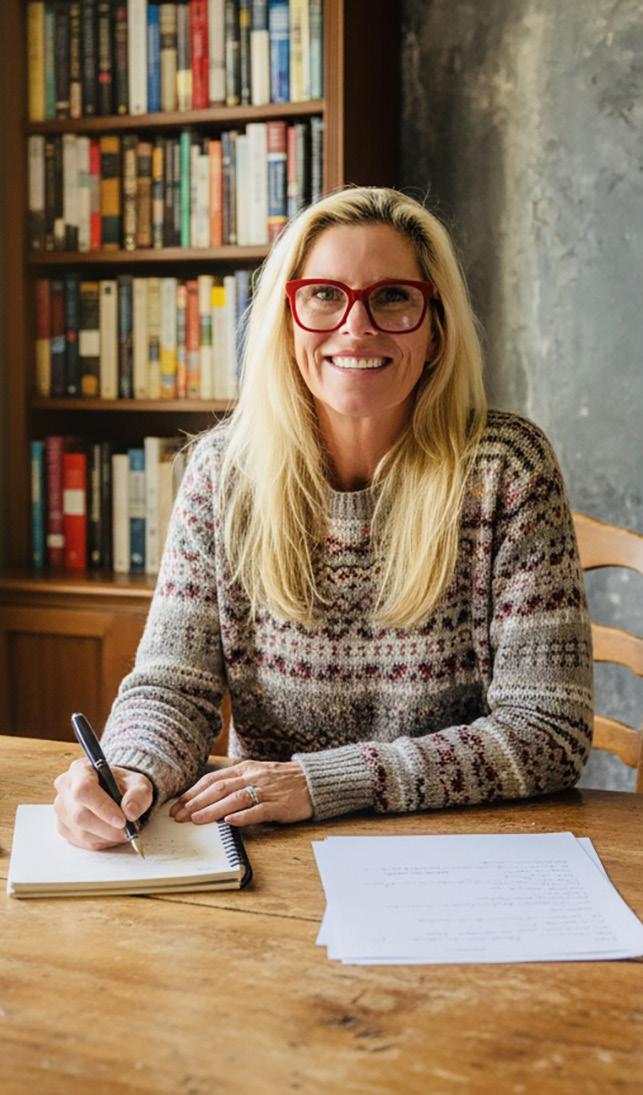
Nikki Pattillo graduated from Stephen F. Austin State University in Texas and began her career as a clinical and molecular biologist. As a child, Nikki was psychic, conversing regularly with her angels and guides, but it wasn’t until she was in her 30s that she accepted her gift. She is now an international author with Ozark Mountain Publishing. She authored Children of Stars: Advice for Parents and Star Children, A Spiritual Evolution, A Day in Spirit: A Spiritual Calendar for Teens, and A Golden Compass She has been featured on BRAVO and The History Channel and writes numerous magazine and newspaper articles to help raise awareness and consciousness of environmental and spiritual issues.
But the soul does not seek purification through excluding our souls through these traits. It seeks coherence through belonging.
Also, these traits do not tend to dissolve away when ignored. They heal when they are met with presence, and in this way, the equinox symbolizes a sort of reunion. Light does not conquer darkness; it meets it. Awareness does not erase the unconscious; it listens. And when the soul is no longer at war with itself, energy previously used for suppression becomes available for creativity, intuition, service, and love.
One of the equinox’s most important teachings is that balance in our lives is transitional. It marks a passage from one season into another and is not a permanent state. Spiritually, this matters a lot. Many people search for a final state of peace where fluctuation in their lives could potentially end, leaving us in balance. But life is cyclical, not static. There is no lasting equilibrium, only ongoing adjustment. Balance is not the goal. Adaptability is.
The equinox teaches us how to move through thresholds of our lives without potentially fragmenting it. How to remain intact while conditions in our lives change is a really big deal. This becomes especially important during periods of instability, when external systems could possibly feel polarized or uncertain. Here, our inner balance does not mean emotional numbness. It means coherence amid motion.
On a collective level, the equinox reflects humanity’s need to integrate our “shadows” rather than project it. Our planet is riddled with both inner and outer conflict. When individuals cannot tolerate fear, grief, or anger within themselves, these emotions are externalized and fought in the world.
The equinox offers us an amazingly
different path. Sustainable peace does not arise from defeating darkness, but from increasing the capacity to hold complexity without collapse. As individuals learn emotional literacy and soul-level integration, the collective field of our energy slowly stabilizes, not through sameness, but through resilience. And this is an amazing process.
To live in the equinox balance that is within ourselves is not to strive for constant harmony. It is to cultivate presence in moments of contrast. This sort of looks like resting without guilt. It is listening equally to the voice that longs for expansion and the voice that asks for safety. It is honoring the body’s need for darkness as well as sleep, stillness, and withdrawal. We have as much need for light, such as expression, connection, and movement, as we do for the darkness that includes balance, realism, pain, and humility.
The equinox arrives quietly this month. There is no spectacle and no announcement. Just a subtle turning that can change everything in our lives. Integration works the same way. Not through dramatic breakthroughs, but through gentle rebalancing. It’s through moments like these that we choose curiosity over judgment, presence over performance, and compassion over control.
When light and dark are allowed to coexist within us, the energy that was once spent suppressing, judging, or escaping parts of ourselves becomes available for presence, creativity, and discernment. When light and dark coexist within us, we stop trying to transcend our humanity and start inhabiting it. We become trustworthy of ourselves. The equinox can teach us that balance is not about becoming someone new. It is about becoming whole. And wholeness, like the Earth’s steady turning, is both ordinary and sacred. This wholeness is our home.


OOur emotional immune system is just as vital as the one that keeps our bodies alive. With all the conversations about emotional intelligence, caring for our emotional immune system is often overlooked, bypassed, and rarely treated as essential to our well-being. Research after the COVID-19 pandemic has shown that emotional well-being is declining worldwide, and some have even called this a global "emotional recession." 1
If this inner system is silently keeping us resilient, then tell me how often you slow down to recognize, name, and understand what is happening inside you, in a world that pushes numbness, distraction, and disconnection?
Indeed, conversations about the importance of emotions are more prevalent, more thoroughly documented, and the research is more detailed. We know that emotions have a direct impact on our health. American psychiatrist David R. Hawkins shows that our emotions have measurable energy. He explains in his book Power vs. Force that emotions can foster or negate cell life.2 As well, Tianna Hicklin from the National Institute of Health writes that "studies have linked a person's emotional response to daily stressors with long-term health effects, including mental disorders, physical illness, and even death." 3
We now have a better understanding of the connection between body, mind, and soul. That nothing is separated, and everything is connected. We have countless studies on the impact of taking care of our physical, mental, and emotional health. Paying attention to exercise and nutrition are the main focuses, but we still struggle to prioritize our emotional health, and for that, we need to build
emotional awareness. We can't change what we don't understand if we are not aware of our emotions or how to label them. It takes commitment, time to connect with ourselves, and understanding our own emotional immune system. When it comes to diet and exercise, it is common knowledge that building muscle takes time. No one expects to go to the gym and achieve a toned body after just a few sessions.
So, why is it that many people feel uncomfortable exploring their emotional awareness and understanding their inner emotional system? Although they are essential to our well-being in influencing how we make decisions, navigate our lives, and manage our relationships, these aspects are often overlooked.
From my experience, discussing emotions has often been perceived as a weakness, which is unfortunate, and, to this day, this is a main reason why people overlook their inner immune system. As a child, I was always highly sensitive and eager to express my thoughts. However, my parents never had the time to listen or understand the importance of paying attention to their children's emotions, as their own emotions had been dismissed all their lives. Growing up, I would often get emotional while watching the news or a poignant movie, and my father believed that showing emotion was a sign of weakness. My mother, who lived all her life with deep depression, also taught us, from a very young age, that regardless of what we were going through, we shouldn't show it to anyone. We were expected to maintain a composed exterior and present ourselves as if we had everything under control, even when our lives felt like they were falling apart.
Photo by Duncan Sanchez

When we pause, observe, and give words to what we feel, we step out of mere survival. We stop being observers and become creators. We don't create our lives being disconnected, numb, or in survival mode. We create from living fully, present, breathing, feeling, daring, and embracing the full spectrum of our experience.
While we learned to hide our sadness, fears, and challenges, understanding and labelling our emotions were completely ignored. With this upbringing, I learned to suppress my feelings. But consequently, a diagnosis of a severe autoimmune disorder ultimately shook me awake and prompted me to begin a journey to understand the connection between my emotions and my body. Even though there is so much more understanding today about the direct impact of how we think and feel on our health and emotions, exploring them is still seen as a sign of weakness and is uncomfortable for so many.
The second common reason is that our world prioritizes productivity, starting at a young age in schools. Quantifiable outcomes often measure academic achievement. School curricula are designed for academic performance and often follow a "one size fits all" approach. Those who excel are labelled as "gifted," while others who learn at a different pace or in different ways may be classified as having "disabilities." In many cases, emotional distress in a child's behaviour is misinterpreted. The education system aims to prepare children for the economic world, but neglects to teach emotional awareness. As a result, when emotions arise, they are often mistaken for bad or disruptive behaviour and met with discipline rather than understanding. Academic performance is directly affected when a child does not feel emotionally safe, understood, or validated.
Unfortunately, the system fosters the suppression of emotions if not "controlled" in a way that meets the school system's expectations. Academic institutions don't teach children that emotions have a purpose. We ask them to sit still, focus, and perform while they may be experi-
encing a storm or a painful silence inside. The failures we see in our system do not reflect the dedication of most teachers, who are often overwhelmed by the demands placed on them to meet the criteria established by the system. More than ever, when we look at our world, I firmly believe that emotional awareness should be incorporated into the curriculum worldwide. Later on, we see in adulthood the results of suppressing emotions. Many lack awareness of their emotional inner system, and this leads to burnout, anxiety, disconnection, and illnesses.
Avoidance is often easier than developing awareness. Noticing our emotions and connecting with ourselves on a deeper level requires time and commitment. This process involves understanding our adaptations, reactions, and what we are experiencing internally, which can also bring some pain to the surface. As we dive deeper, we may encounter conflict and clarity that demand change, making it easy to resort to numbing our feelings or finding a temporary fix.
In my many years of working with individuals on their emotional healing journeys, I have found that this avoidance is a common approach. It usually takes a significant event in their lives before people begin their journey toward self-awareness and emotional understanding, a journey that allows them to experience true inner wealth and lasting health.
Isn't it ironic? We know that eating well, exercising, and taking vitamins boost our immune system, but we completely ignore our inner immune system until we can't ignore it any longer.If someone works out physically, does that automatically make them emotionally healthy?
I often hear people say that when we talk about mental and emotional health, exercising and going to the gym greatly benefit it. This is fantastic, as physical activity can be a powerful tool for managing stress and improving our moods. Working out your body can support emotional health, but emotional awareness, regulation, and resilience are skills you have to train separately.
Physical fitness doesn't equip us with the cognitive and reflective skills needed to process and understand our emotions. Our emotional fitness is more complex and requires different training. It involves learning to sit with discomfort, understanding our feelings, labelling them accurately, and developing skills in self-inquiry and self-reflection. Dr. Daniel Siegel, clinical professor of psychiatry and an expert on the brain, mindfulness, and emotional regulation, explains in Brainstorm: "In the brain, naming an emotion can help calm it… We can call this 'Name it to tame it." 4
Emotional awareness is a skill that must be learned and practiced. It involves accurately labelling our emotions. Brené Brown, a researcher, storyteller, and author, emphasizes the importance of expanding our emotional vocabulary in her book, Atlas of the Heart. She notes that most people can only reliably identify a few emotions, such as happy, sad, and angry. 5 By broadening our emotional vocabulary, we can better understand ourselves and connect more deeply with others.
How can we truly meet others if we haven't first met ourselves on a deeper level? The most important relationship we can nurture is the relationship with self. It shapes every other relationship in our lives. And yet, this inner connection is often the one we run from, mostly because it asks us to feel our emotions, to face them, and to be honest with ourselves. It demands vulnerability.
When we pause, observe, and give words to what we feel, we step out of mere survival. We stop being observers and become creators. We don't create
our lives being disconnected, numb, or in survival mode. We create from living fully, present, breathing, feeling, daring, and embracing the full spectrum of our experience.
It is only when we meet ourselves, connect to our inner immune system, and understand our emotions that we truly become creators of our lives, shaping our world with awareness, courage, and authenticity.
As a so-called healer for the past 13 years, my purpose has been to educate and guide healing journeys with a focus on emotional awareness. We live in a world that constantly pushes productivity, a world that offers 10-second TikTok videos as self-proclaimed emotional awareness expertise that actually numb us, distract us, and pull us away from ourselves.
Wellness and spirituality have become big business, often promising shortcuts and instant results. As a Reiki teacher, I have seen this firsthand. Many believe that once someone is attuned, they are suddenly gifted and a healer, and that there is no longer a need to practice or understand our emotional inner world because being an empath or a healer somehow transcends that work.
The same illusion exists with psychedelic journeys. A few experiences, a few revelations, and the assumption that instant enlightenment has been reached, because downloads from the Divine were received, so that the inner healing journey is automatically completed as you “transcend dimensions.”
Being spiritual beings having a human experience means that we are indeed experiencing life as humans. It's important to understand our inner selves, including our inner immune system, emotions, and how we act and react. We must also be aware of our perceptions and the subtle layers of our inner world. This is the journey that will help us raise our consciousness, and it requires dedication and time. There are no shortcuts.

Émilie Macas is a Trauma-Informed Transformational Educator focused on Emotional Awareness, a Reiki Teacher, a Mindfulness-Meditation Educator, a Certified Life Coach, an Author, and a Motivational Speaker. Émilie has owned a private practice for over a decade. She continues to empower others to adopt a spirit of raw truthfulness, guiding them to their inner wisdom and empowering them to connect with their inner pharmacy.
Practicing the skill of emotional intelligence, understanding our inner immune system, and healing our own wounds is not optional. It is the foundation that allows us to facilitate others in their journeys. Only through our own ongoing journey can we truly help others, just as therapists themselves need therapy to assist their clients. Fake positivity in the wellness and spiritual realms is toxic. Anger is often dismissed as a "negative" emotion, while embracing only “positive vibes” is encouraged. Like all emotions, anger is part of our emotional map. It is not something to be suppressed. It is information, guidance, and fuel for growth.
Our work as facilitators, healers, and guides is not about transcendence or shortcuts. It is about presence, courage, and deep understanding. It is about meeting ourselves fully, so we can meet others from a place of groundedness, authenticity, and integrity. Only when we embrace the full spectrum of our emotions can we truly help others do the same.
Cultivating emotional intelligence and awareness is key if you want to experience sustainable health. In your personal life and at work, learning the skill to name your emotions and understanding your inner immune system will enhance the quality of your relationships. It will improve your communication, foster a deeper understanding, and encourage empathy towards yourself and others. For anyone in a leadership position, it will empower you, it will enhance your leadership skills, and it will be rooted in the heart rather than the ego. We are currently witnessing how disastrous it can be when leaders are disconnected from themselves and lead from ego-driven motives.
Our world is experiencing significant suffering. We can choose to numb ourselves and pretend it isn't happening, but now more than ever, if we want to rise as humanity, we need to look deep within ourselves. We must
understand what our inner world is revealing and connect with our true selves at a deeper level so we can truly connect with our fellow humans.
We are being called to elevate our unity consciousness, and for that, we first need to be conscious of ourselves. To navigate these trying times, emotional awareness is essential. The most beautiful gift you can give yourself is the gift of inner connection. As you deepen your connection with yourself and make the necessary changes, you will tap into your heart and brighten your inner light, illuminating a world that seems to grow darker each day.
I believe with all my heart that light conquers darkness as we dip into ourselves. Our light shines bright, and we stay in our hearts in a world that pushes us to numb and harden ourselves.
Are you ready to embark on this deeper quest, to explore, to feel, and to shine with every part of your being?
References: 1. Freedman, Joshua M., Patricia E. Freedman, Daniel Y. Choi, and Michael Miller. “The Emotional Recession: Global Declines in Emotional Intelligence and Its Impact on Organizational Retention, Burnout, and Workforce Resilience.” Frontiers, February 7, 2026. https://www.frontiersin.org/journals/psychology/articles/10.3389/fpsyg.2025.1701703/full.
2. Hawkins, David. 2014. Power vs. Force : The Hidden Determinants of Human Behavior: Author’s Official Authoritative Edition. Hay House Inc.
3. Hicklin, Tianna. “Lingering Feelings over Daily Stresses May Impact Long-Term Health.”
National Institutes of Health, September 18, 2025. https://www.nih.gov/news-events/ nih-research-matters/lingering-feelings-overdaily-stresses-may-impact-long-term-health.
4. Firestone, Lisa. “Three Things to Do for Your Mental Health Right Now.” Psychology Today, May 18, 2020. https://www.psychologytoday. com/au/blog/compassion-matters/202005/ three-things-do-your-mental-health-right-now.
5. Brown, Brené. Atlas of the Heart. New York: Random House, 2021.
By Joey Santos
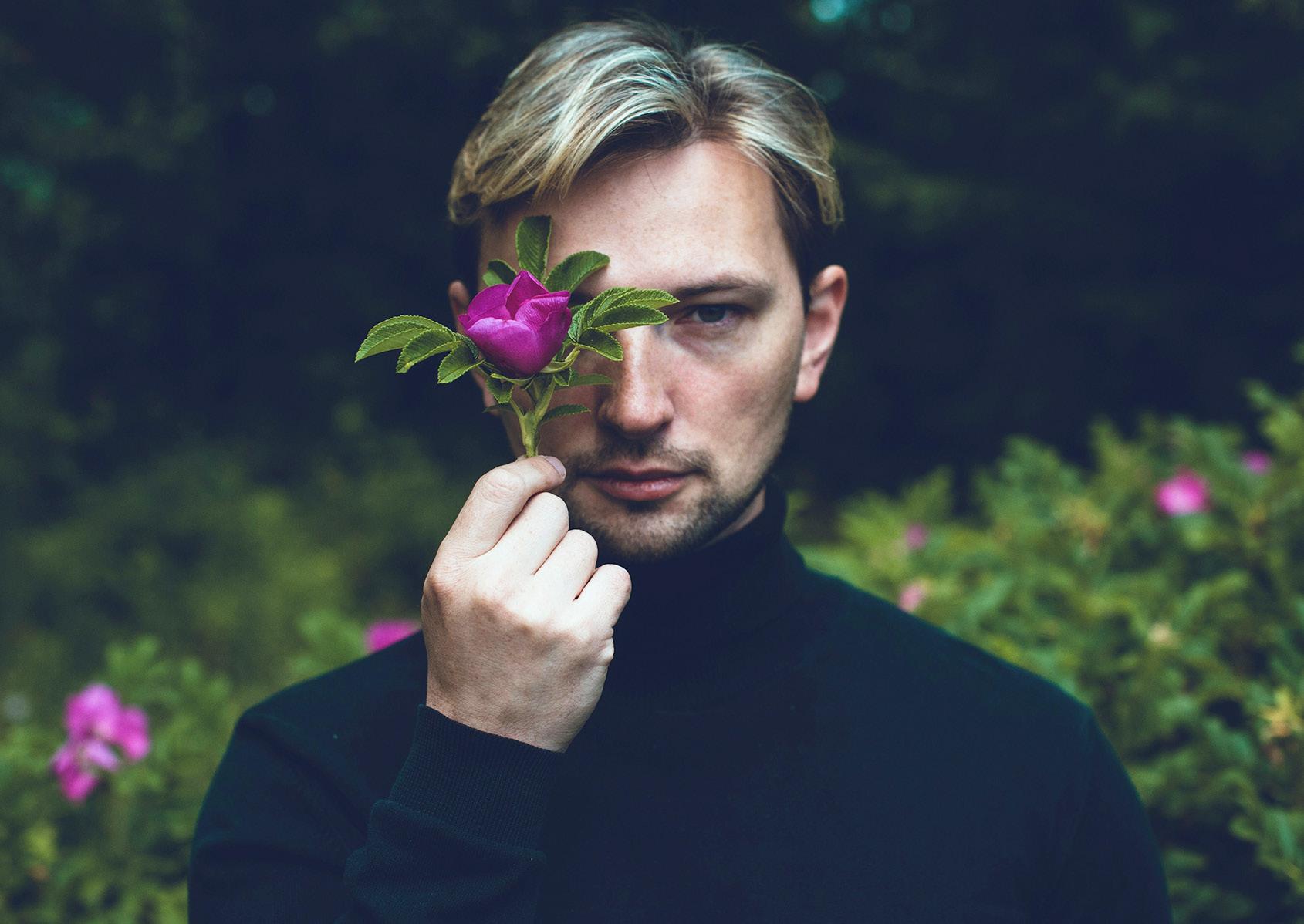
There are seasons when the world feels loud with anger and quiet with grace.
We scroll through headlines that exhaust us. We overhear conversations sharpened by division. We watch trust erode — in institutions, in leaders, sometimes even in each other. The humor feels thinner. The optimism is more fragile. The sense of shared purpose… harder to find.
It is easy, in such moments, to believe that humanity has misplaced its gentleness.
And yet. Somewhere between the noise and the narrative, something quieter survives.
A stranger holds a door a moment longer than necessary. Someone offers a compliment that feels almost medicinal.
A driver lets you merge.
A handwritten note arrives unexpectedly.
A grocery clerk notices your fatigue and simply says, “Hang in there.”
These are not grand gestures. They will never trend. They
will never make headlines.
But they are proof. Proof that even in eras of cynicism, kindness refuses extinction.
Not long ago, I was standing in line at a Starbucks, one of those mornings when the weight of the world feels particularly personal. You know the kind. Nothing catastrophic. Just the quiet accumulation of disappointments. News that unsettles. A conversation that lingers. The subtle ache of watching the world feel smaller instead of kinder.
I must have looked as tired as I felt.
The woman in front of me turned around, studied me for a moment, and said, “Whatever it is… you’re going to be fine.”
She didn’t know me. She didn’t know my story. She didn’t owe me anything. She simply understood and walked out before I could respond.
Joey Santos is a Celebrity Chef, Life Stylist and Co-Host of The Two Guys From Hollywood Podcast on Spotify. A Columnist for The Eden Magazine since 2016. Joey was raised in NYC, Malibu, and West Hollywood.
He is the son of Film and Television Actor Joe Santos, and his Grandfather is WorldRenowned Latin Singer Daniel Santos. To follow Joey on IG: @jojoboy13 To contact Joey visit whynotjoe@gmail.com
I stood there holding a thought and something else, omething steadier than caffeine. I realized in that moment that despair depends on isolation. Kindness interrupts it.
That small, unnecessary, unrequested gesture shifted my entire day.
It was what my good friend Karina calls a “Joeyism”moment, proof that grace often arrives without introduction.
We live in a time when skepticism is fashionable. Guardedness feels wise. Vulnerability feels risky. We are told — subtly and overtly, to protect ourselves, to doubt motives, to expect disappointment. And yes, life does disappoint. Trust does get fractured. Institutions fail. People falter.
But that is not the full story. Perhaps the real courage of our time is not outrage. Perhaps it is choosing not to surrender our softness.
Kindness, especially from a stranger, is powerful precisely because it is unrequired. There is no shared history. No obligation. No contract. Just one human recognizing another.
“I see you,” it says. “You matter,” it implies. “We are still in this together,” it promises.
And that promise is oxygen.
Hope does not always arrive as a glorious sunrise. Sometimes it arrives disguised as an upgraded seat offered on a crowded flight. As a smile across a room. As a hand extended when you least expect it.
When trust in humanity wavers, it is tempting to withdraw — to narrow our circles, to dim our expectations. But strength is not found in retreat alone. It is found in resilience. In spirit. In the stubborn decision to believe that the world is not finished with goodness.
We find our path back not by deny-
ing the darkness, but by lighting small lamps within it.
There is something radical about remaining open-hearted when it would be easier to close up! Something quietly rebellious about laughing when the world feels humorless. Something profoundly hopeful about extending grace when cynicism would be justified.
Strangers remind us who we are.
They remind us that we are not solely defined by the worst among us, but also by the bestby the millions of invisible kindnesses exchanged every day in parking lots, hospital waiting rooms, airports, sidewalks, and grocery store aisles.
Humanity is not lost. It is simply quieter than the chaos.
We keep waiting for a grand rescue. For a LEADER!
For a movement. For a moment, big enough to restore our faith all at once. But history rarely shifts in thunder. It shifts in gestures.
In a stranger who decides not to look away. In a hand extended without introduction. In a kindness offered with no expectation of return. Maybe the world hasn’t lost its sense of humor, hope, or purpose. Maybe it’s simply waiting for us to remember that we are the evidence.
And, not someday.
Not when things improve. Not when trust feels easy again.
Now. Because the future of humanity will not be decided by the angriest and loudest voices in the room.
It will be decided by the quietest kindness. And trust me, I’m no longer naïve. That’s true power.
Because woven through every age of upheaval are ordinary people performing quiet acts of decency — not for recognition, not for applause, but because something in them insists on goodness.
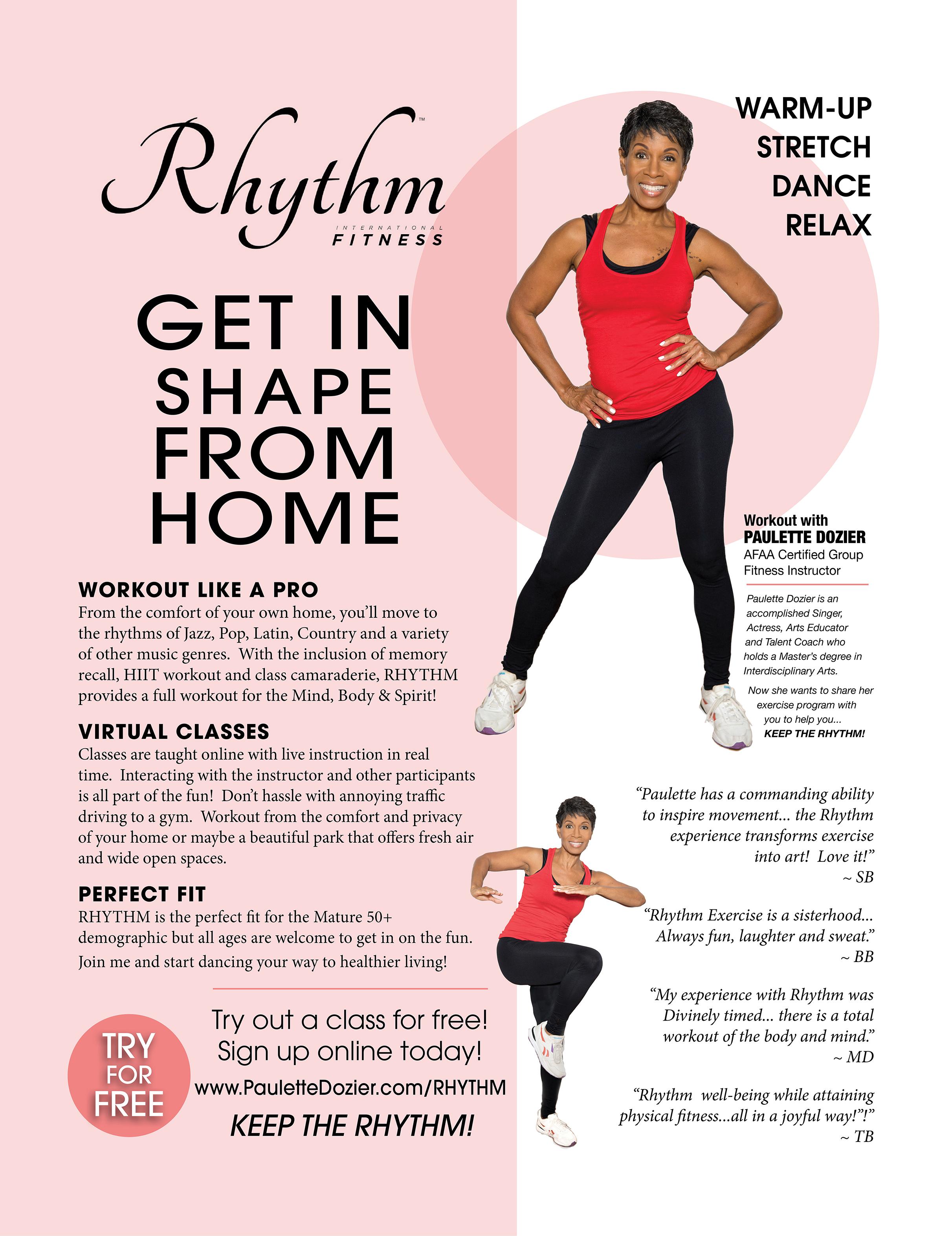


DPA Grammys nominees celebration with The DPA Music Lounge 26
DPA Music Lounge26, presented by Nathalie Dubois, Founder and CEO of Dubois Pelin and Associates. Held at Luxe Sunset Boulevard Hotel, the exclusive music-focused gifting suite welcomed Grammy nominees, performers, presenters, and VIPs.
With its signature international flair, the lounge featured luxury stays at Le Taha's by Pearl Resorts and Palm Springs Retreats from GarikMot. This Japanese brand made a strong impression, including skincare by the Aurelie by actess Megumi and innovative treatments from Cellulam Beauty Systems, owned by Yuko Sumida Jackson
Red carpet glamour was in full force with gowns by Von Vemian, Italian-made handbags from Vie Lorie, and exquisite jewels by Balacia and Niara. A standout favorite was Stingray Spot Remover, named one of Oprah's favorite things in 2025.
A staple of award season in Los Angeles and major international festivals such as the Venice Film Festival and the Toronto International Film Festival, DPA continues to set the gold standard in luxury gifting experiences.




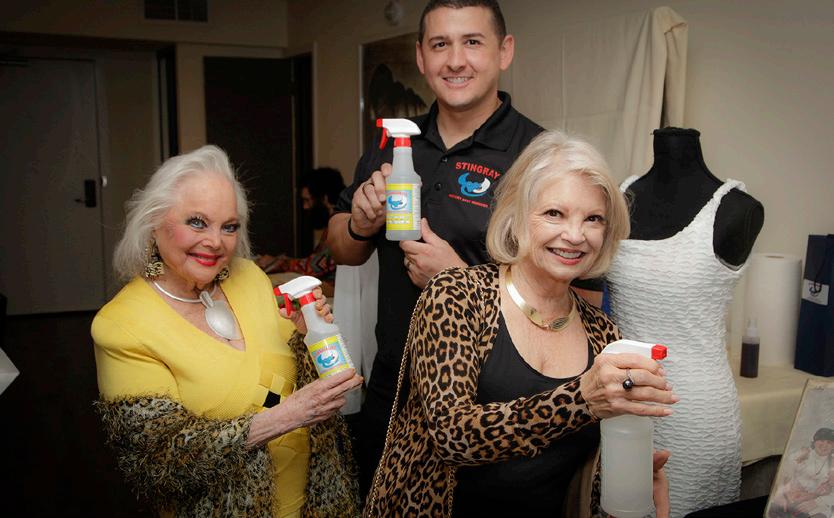




By Kenneth R. Valpey
The author is a fellow of the Oxford Centre of Animal Ethics
In the centuries following the Pātañjalayogaśāstra, the number and variety of āsana postures being practiced multiplied (Birch 2018). Each of the various āsana postures are designated by a name, each name being more or less descriptive of how the named posture looks or how it is meant to position the physical human body. Several postures carry the name of animal forms. One may ask whether there is significance in these names, or whether the āsanas so named serve in some way for the yogin to “connect” with the named animals, or, more broadly, with the natural environment. Early hatha-yoga texts that describe āsanas with animal names do not show an explicit intention for a practitioner engaging in these postures to be induced to contemplate the particular animals named by
particular āsanas. And yet, there is a clear notion that a given animal-named āsana shows—in crude fashion—what we humans might consider characteristic of that particular animal form. So, for example, mayūrāsana suggests the long-feathered body of a peacock or cock (mayūra) as one balances on one’s two hands with legs suspended straight back, feet above the ground, aligned with one’s horizontal back. Another example is matsyāsana, a supine reclining position with an arched back and the head facing backward, which suggests the form of a fish (matsya). Or, there is the hasti-nisadana pose, which imitates an elephant (hasti) sitting on its haunches, with one’s hands extended forward, parallel to the forward-angled shins sloping down from raised knees.
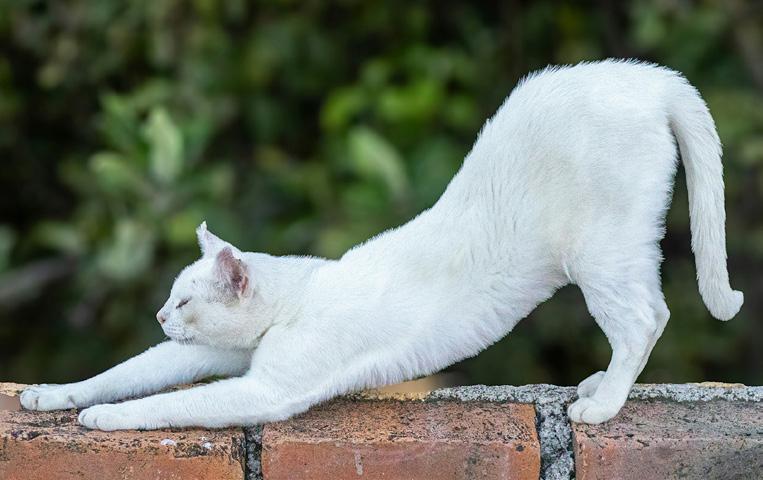
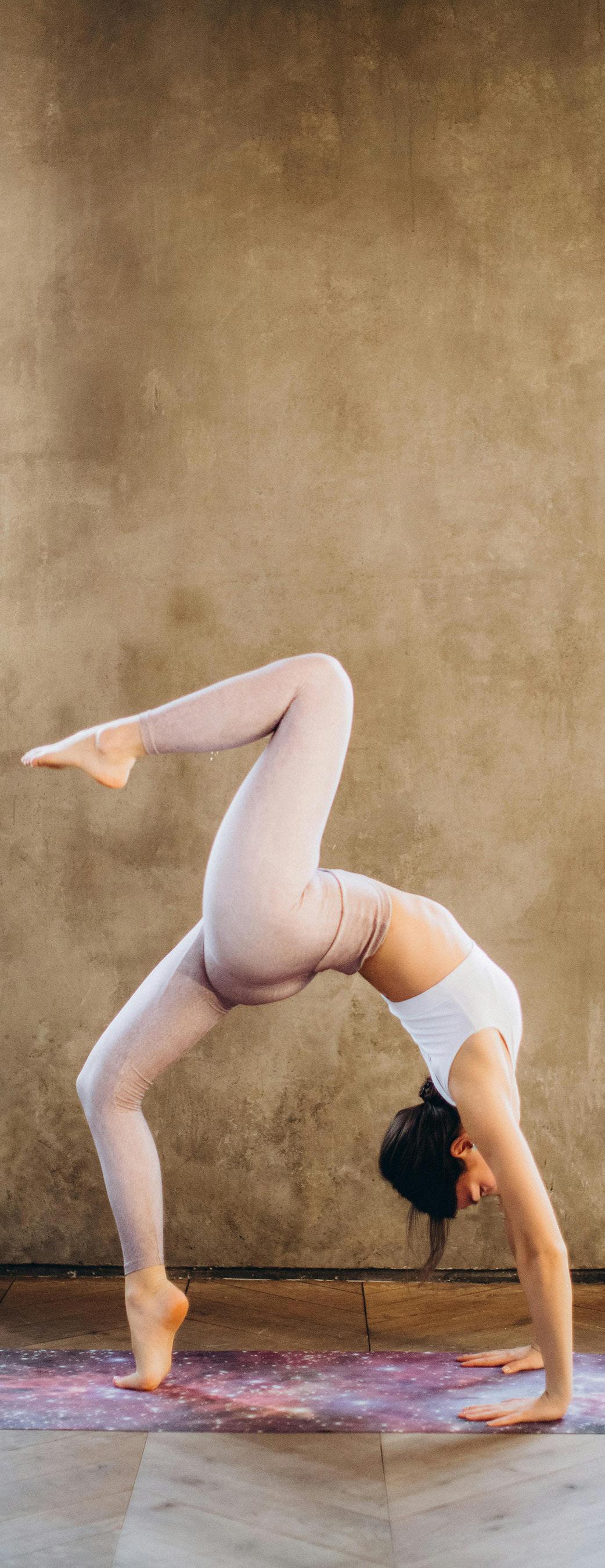
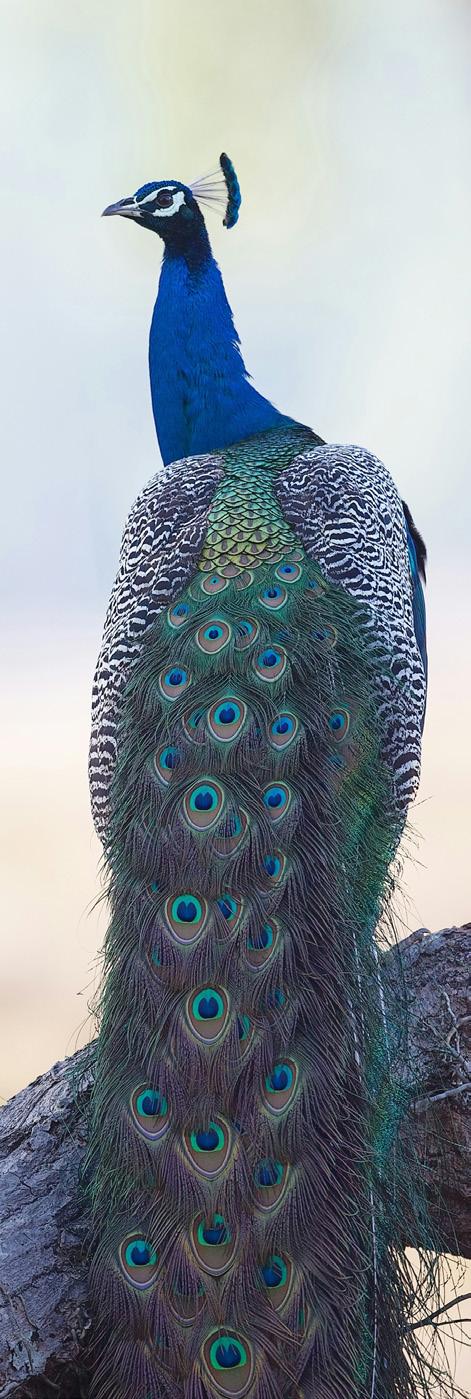
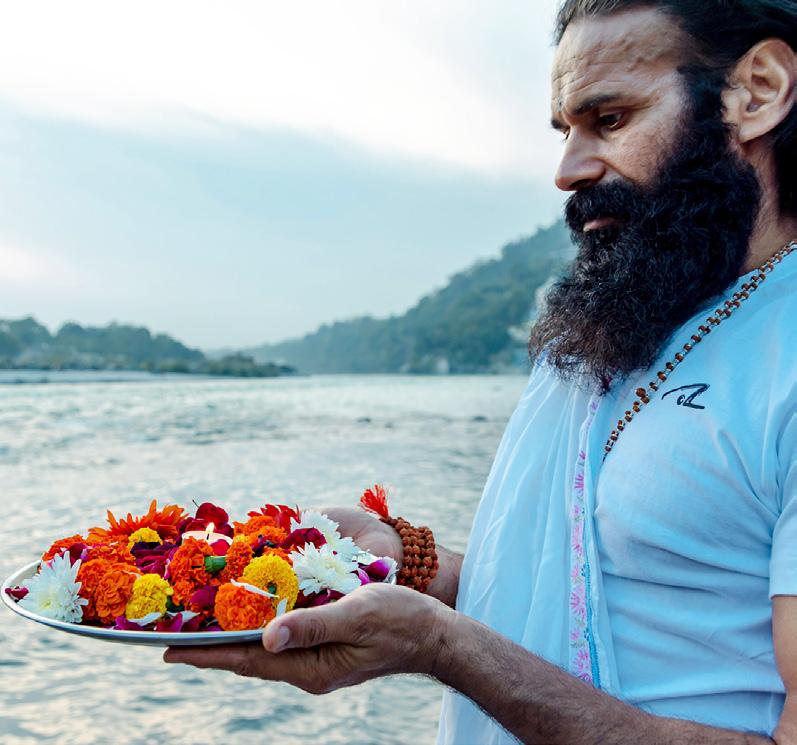
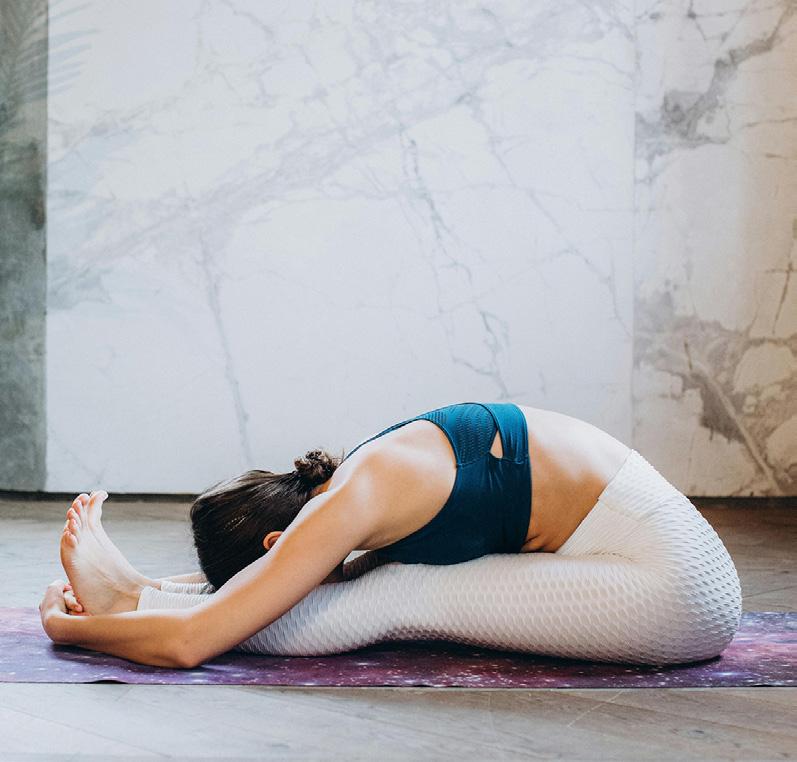
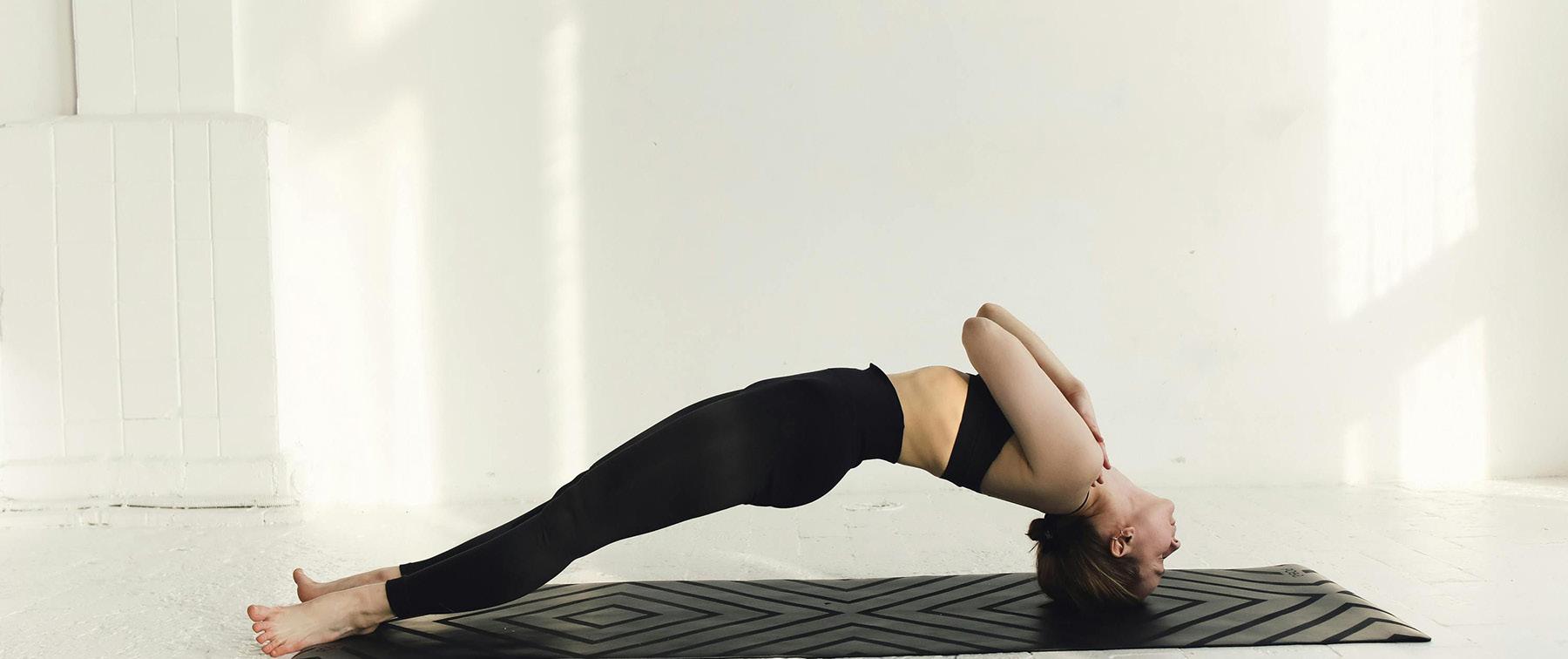
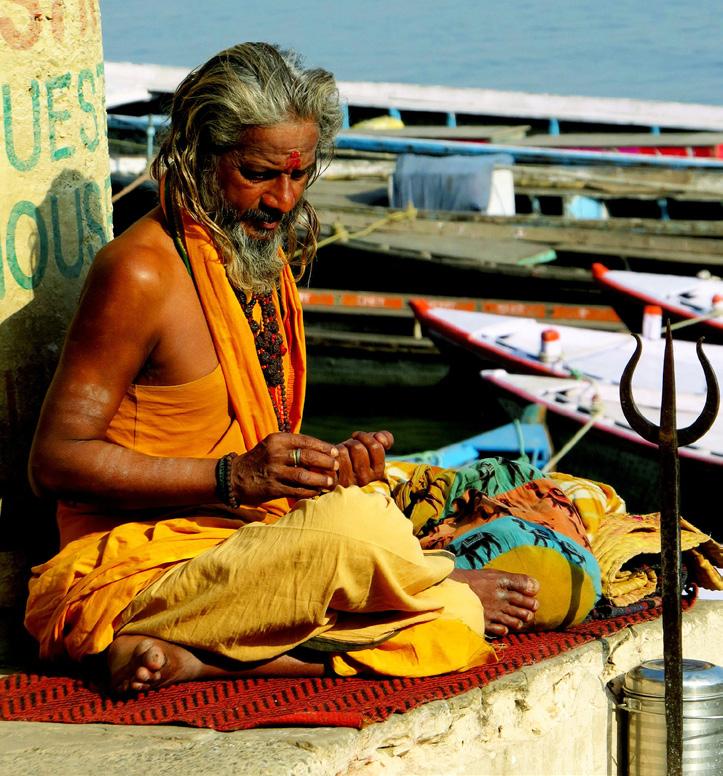

Animal-named yoga postures and their practice can thus be considered through the lens of animal imitation, a theme to which Christopher Chapple dedicates a chapter in his book Yoga and the Luminous. Chapple begins his discussion by pointing out that animal veneration and imitation are found in cultures throughout the world. There is widespread recognition that animals possess specialized capabilities that humans lack. Imitation can be one way in which animal capabilities are assumed, especially when performed in an altered state of consciousness, such as that induced by shamanic practices. However, such altered states of consciousness may not be required for a yoga practitioner to benefit from animal-like yoga postures as a means of expanding yogic awareness in relation to animals.
From a modern perspective on yoga practice, in her book Wild Asana, Alison Zak (2023) offers numerous reflections on how animal-like yoga postures can aid the development of such awareness. One example describes a practice that invites awareness of kinship with primates by performing a (admittedly difficult) āsana posture that calls particular attention to the celebrated semi-divine monkey Hanumān of the equally celebrated ancient Indian epic, the Rāmāyana: While presenting hanumānāsana (“the splits”—a sitting āsana with one leg extended straight forward and the other leg extended straight backward), Zak notes how the form of this āsana recalls Hanumān’s famous flight while transporting an entire mountain covered with medicinal herbs to Lanka to save the life of battle-wounded Laksmana, Rāma’s brother. In his earlier leap to Lanka, Hanumān seeks and finds the divine hero Rāma’s abducted wife, Sītā, thereby instrumental in the couple’s reunion. The
accomplished yogin (possibly inspired by practicing hanumānāsana) similarly strives to bring about the reunion of the individual self with the supreme Self, through whom, as explained in chapter 4, a relationship between oneself and all other beings is possible.
True, Hanumān being no ordinary monkey, the point of practicing hanumānāsana for an animal ethicist may be less to seek communion with nonhuman primates as it would be to aspire toward the transcendent self’s potential to advance across the apparent chasm of difference between one’s own and other beings’ consciousness, much as Hanumān gallantly leaps from India to Lanka. Yet, this particular āsana can also serve to reflect on human-primate psychophysical similarity and, more broadly, all human-nonhuman animal similarity and kinship, in that Hanumān exhibits both human and nonhuman characteristics. Thus hanumānāsana may prompt reflections that evoke appreciation of both identity theory and difference theory of animal ethics. As Hanumān is similar to yet different from humans, so humans are similar (or identical with) yet different from other-than-human beings.
Another already mentioned āsana that can help yoga practitioners “think with” animals is matsyāsana—the fish posture. Living immersed in a water environment is entirely foreign to us humans. If any animals differ from humans, it is fish, specifically because of the aquatic environment they inhabit. Zak suggests one way in which humans of a particular religious tradition—Christianity— were originally enabled to overcome, or at least reduce, this difference, namely, through baptism.
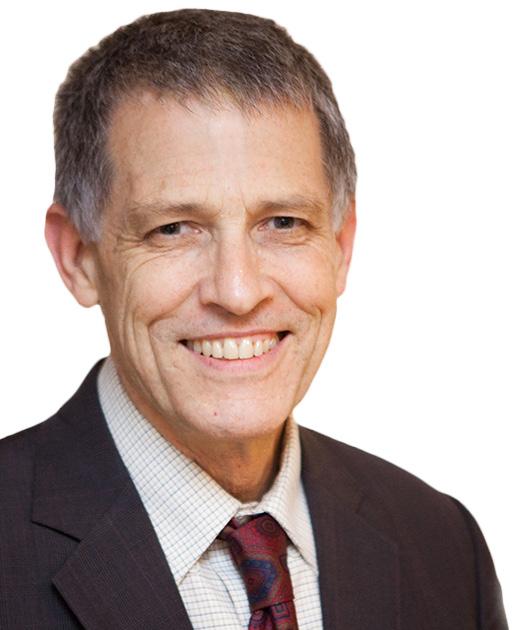
In the book of Mark, which was originally written in Greek, baptisms not only occurred in the river; they occurred into the river . . . Jesus was not baptized in the River Jordan; he was baptized into union with her. Into a meaningful relationship with the living, wild waters, with God, and with nature. (Zak 2023, p. 45)
The notion of initiation into “the living, wild waters, with God, and with nature” is richly suggestive of how yoga—as-connection may be thought of in terms of bodily engagement with—rather than aloofness from—the environment.
More specifically regarding aquatic creatures, as many studies have shown, fish of various kinds exhibit remarkable capacities and, as Zak points out, they have complex social lives in that they recognize each other as individuals, enjoy each other’s touch, engage in consensus decision-making, learn from each other, and engage in social play (Zak 2023, pp. 48–49). All these capacities could be contemplated while performing matsyāsana, while one also remembers the fish-protecting action of the yogin king Satyavrata and the reciprocal earthly creature-saving action of Matsya avatāra (described in chapter 4.3.2).
In relation to these, as well as other animal form āsanas, yoga practitioners can be encouraged to reflect on lessons favorable to progress in yoga that one can learn from various animals. As described in the Bhāgavata Purāna, the yogin avatāra Dattātreya was pleased to learn lessons from twenty-four “gurus” in the form of several features of the natural world and several animal species. The earth, air, sky, water, fire, the moon, the sun, a pigeon, a python, the ocean, a moth, a honeybee, an elephant, a honey-thief, a deer, a fish, the prostitute Piagalā, a kurāra bird, a child, a young girl, an arrow smith, another snake, a spider, and a wasp:
These, o King, are the twenty-four gurus who are my guides. In this life, I have been instructed by their behavior, thus learning well (the identity) of the self. (BhP 11.7.33–35; Clifton 2023, p. 179; author’s translation)
Dattātreya elaborates on the lessons he learns from each guru, some positive and others negative (favorable and unfavorable behavior for a yogin). He concludes his speech by adding that he has also learned from his own body, the deha-guru—the “body teacher,” the “cause for pondering detachment” (virakti-viveka-hetuh, BhP 11.9.25). The lesson learned, detachment (one of the initial teachings in the Yoga Sūtra, I.12), arises from recognizing that bodily suffering and the ultimate destruction of the body are unavoidable. This lesson serves as a caution to the modern yoga practitioner not to wrongly apprehend āsana practice as a means for physical grooming or styling. In truth, says Dattātreya, the temporal body belongs to others (pārakyam), a word that we can take in an inclusive sense: Yogins, while engaging in the careful practice of āsana—in particular postures reminiscent of various animal forms—see themselves as one small creature in the greater whole consisting of all creatures, whether aquatic, terrestrial, or avian.
As we proceed to consider the fourth of the eight-limb classical yoga path in relation to animal ethics, we can again think of the matsyāsana, now as a prompt to ponder the long-extended breathing of whales. Can whales (“fish” that are actually air-breathing mammals) be regarded in some sense as models for the practice of prārāyāma—the regulation of breath as a means of enabling the mental stamina required in advanced yoga practice (especially in post-classical hatha-yoga traditions), thereby fully opening the yogin to the yogic perception of kinship with all creatures?
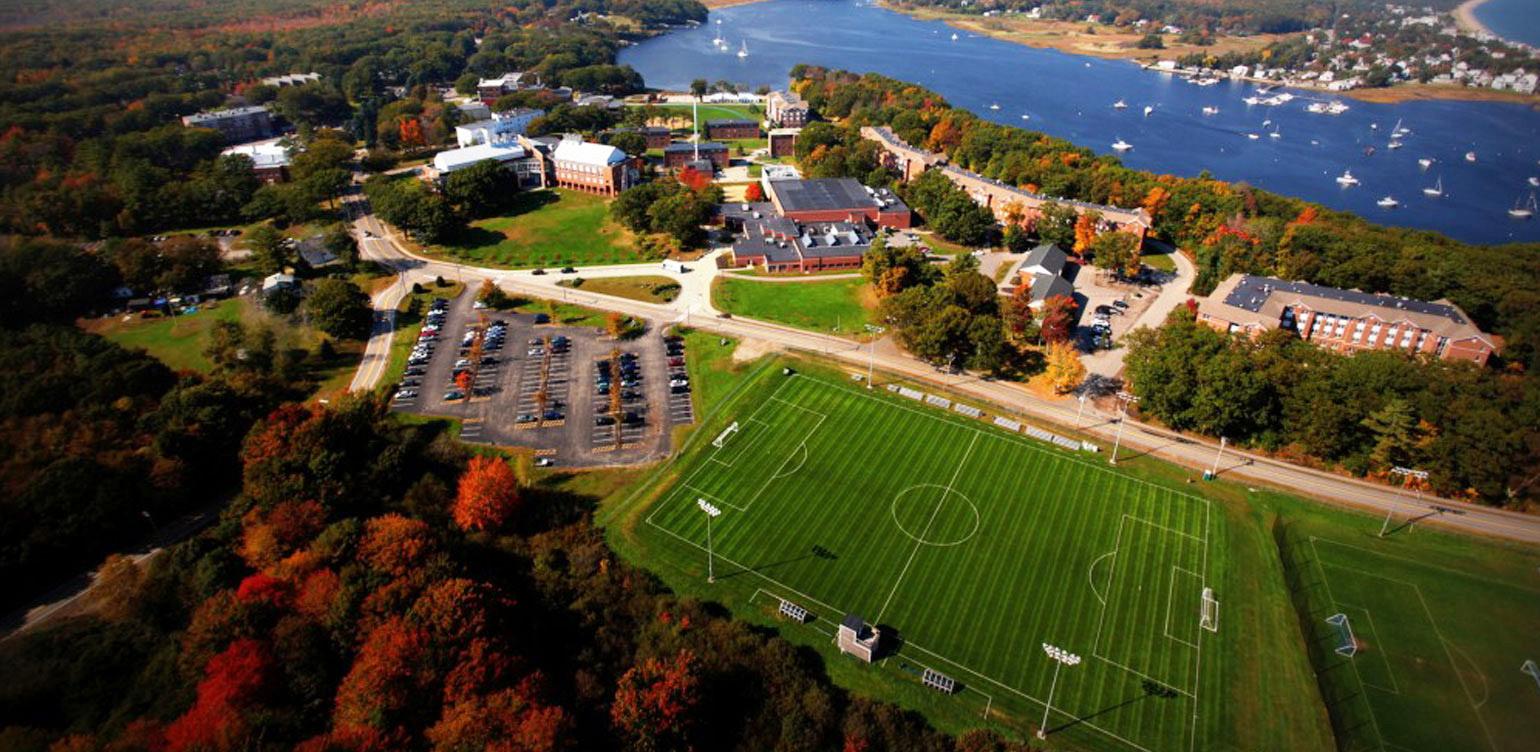
Madeline, 27, a New Hampshire high school teacher, is among the millions of students using distance learning to achieve her educational and career goals while maintaining a full-time job. After earning a Certificate of Advanced Graduate Study in Education from the University of New England (UNE), Madeline is now enrolled in UNE's Doctor of Education (Ed.D) program online and anticipates completing her degree in October 2027.
"The convenience of UNE's program and the ability to work at my own pace have made it possible for me to earn my doctorate while continuing to teach full time," says Madeline. "The program is structured but flexible, which suits my learning style."
According to the National Center for Education Statistics*, more than 10 million postsecondary students reported taking at least one online class in Fall 2022, with nearly half reporting they were exclusively using distance education to pursue bachelor's or graduate degrees. UNE, which has been offering online courses since 2012, has increasingly focused on making a wide array of its degree and professional certificate programs available in fully online or hybrid formats, incorporating some optional opportunities for in-person and ‘live online' learning with the traditional distance education model.
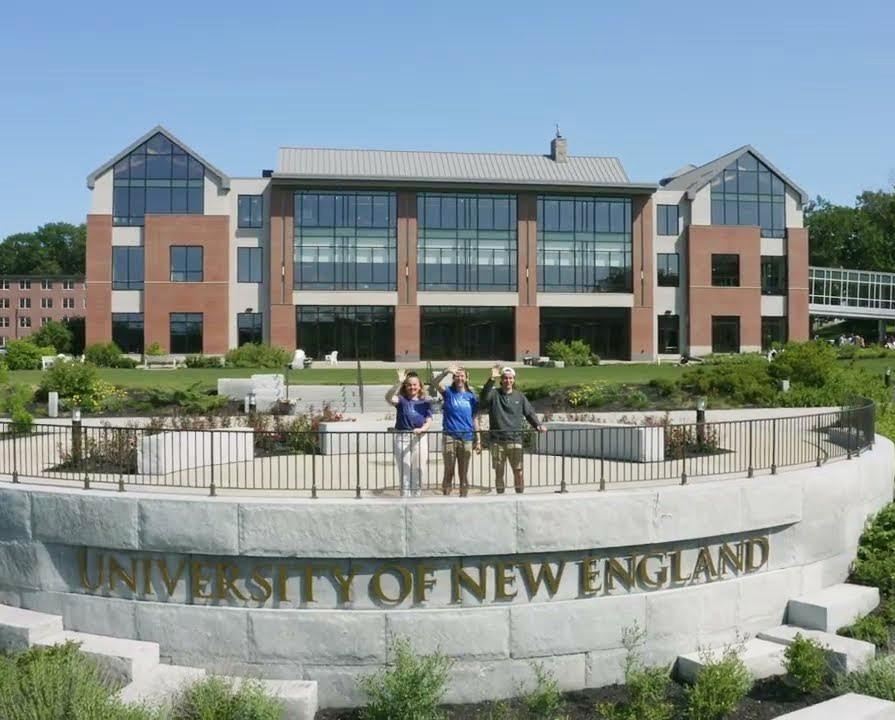

"We aim to provide a high-quality educational experience that is robust, challenging, and relevant but also accessible and affordable for a diverse range of learners, including those preparing to enter the workforce for the first time as well as seasoned professionals looking to advance their careers while they work," says Beth Taylor-Nolan, Dean of UNE Online.
Distance learning not only removes barriers but also enriches the learning experience, bringing together students and instructors from across the U.S. and around the globe. "Engaging with and learning from my peers across New England has been a highlight of my experience," said Madeline, the doctoral student. "These interactions have provided valuable insights into different school practices and leadership experiences that are helping me, a relatively new teacher, grow."
UNE Online is using its expertise in distance learning not only to offer online options for some of its core programs, including education and healthcare, but also to expand and introduce new, fully online degree programs that address emerg-

ing global issues and needs. Their new Master of Science in Climate Change Leadership is a prime example of this. The interdisciplinary program, which launched this Fall, combines asynchronous learning with live online sessions for the first course to connect instructors and students and build a cohort environment. Using case-based learning, the program includes perspectives from public health, marine and environmental sciences, sustainable business, and climate science.
"This program will prepare students for climate-related careers while providing transferable skills that apply to many different job sectors," says Dean Taylor-Nolan, who notes that students will have access to many of the supports associated with traditional learning environments, including weekly instructor office hours, enrollment counselors, and UNE's Student Success Center. The initial cohort includes 17 students. Student feedback will enhance learning and enable program leaders to adapt content in real time. The first course will use a pass/fail evaluation system so students can focus on content mastery rather than grades.
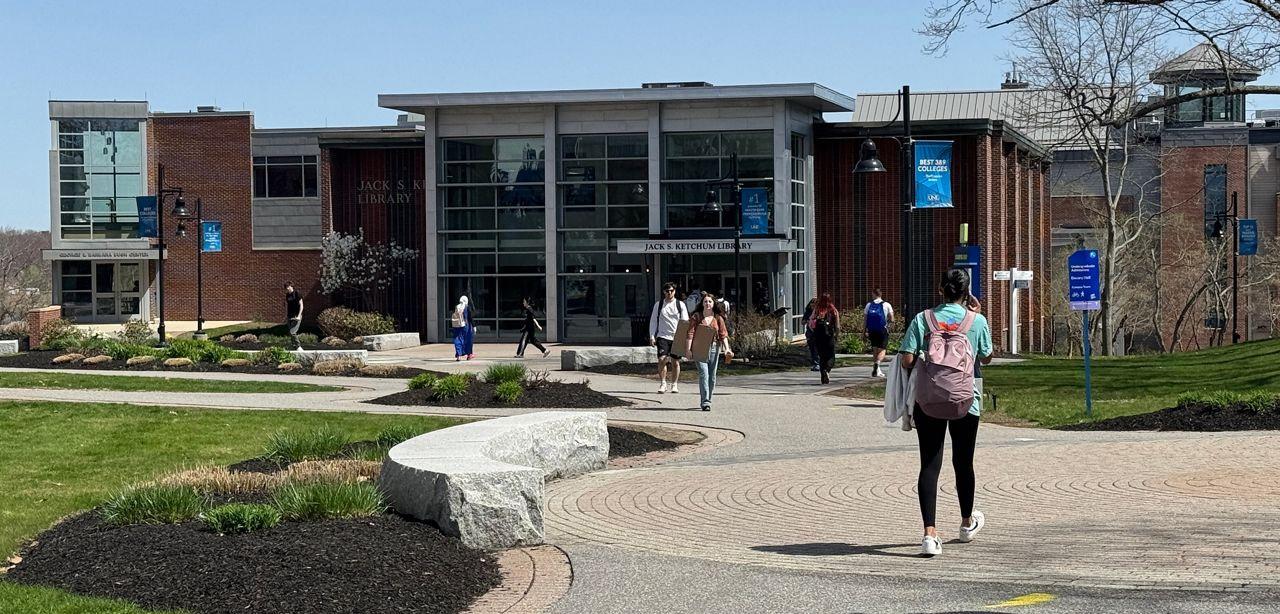
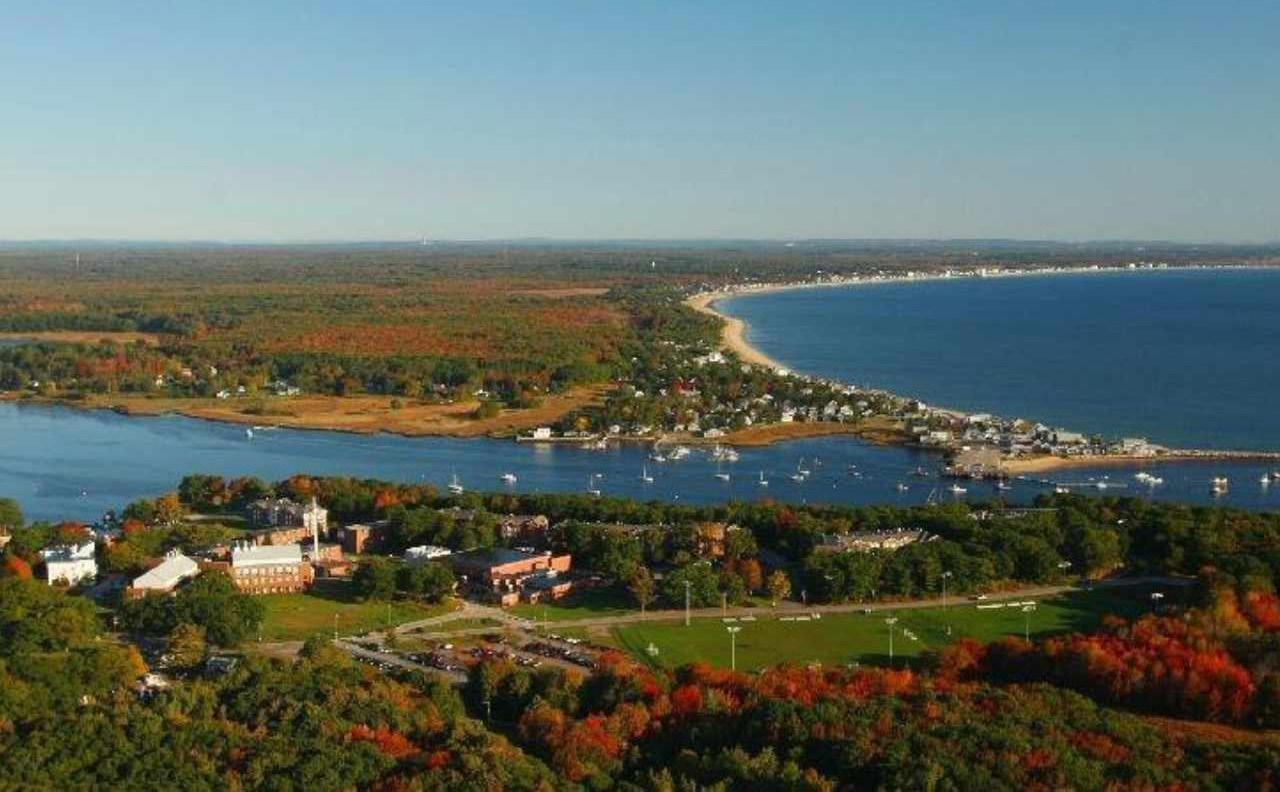
Online degree programs at UNE also provide critically important student support services and an inclusive learning environment that includes time management, self-awareness of learning style, and facilitates engagement with fellow students. Madeline agrees, noting that her doctoral program is intense but rewarding. “It really pushed me to use my free time effectively to complete my assignments on time.” Through her capstone project, a key element of many UNE Online programs, Madeline developed a matrix for supporting student teachers, incorporating insights from her peers and other educators.
"I am so proud of what I have accomplished through this program," says Madeline. "For anyone thinking about furthering their education, I'd encourage you to explore an online degree."
*Source: U.S. Department of Education, National Center for Education Statistics, Integrated Postsecondary Education Data System (IPEDS), Fall Enrollment component, Spring 2022 (final data) and Spring 2023 (provisional data), December 2023.
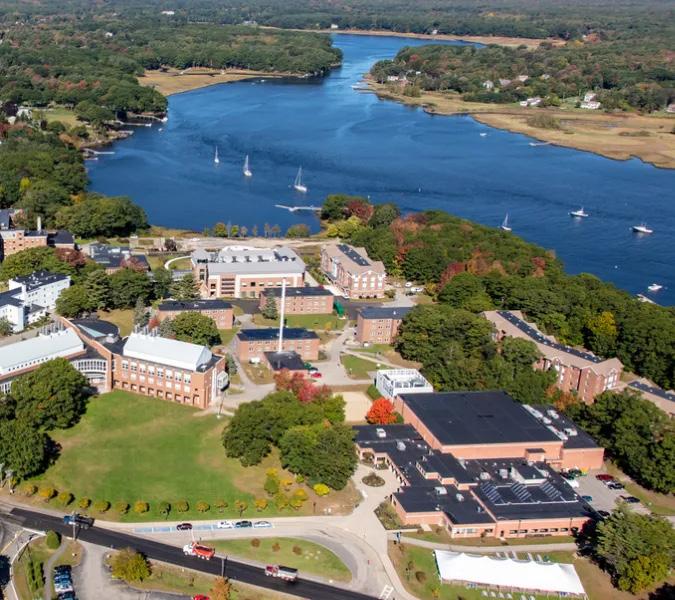
The University of New England is Maine’s largest independent university, with two beautiful coastal campuses in Maine, a one-of-a-kind study-abroad campus in Tangier, Morocco, and an array of flexible online offerings. In an uncommonly welcoming and supportive community, we offer hands-on learning, empowering students to make a positive impact in a world full of challenges. We are the state’s top provider of health professionals and home to Maine’s only medical and dental colleges, a variety of other interprofessionally aligned health care programs, and nationally recognized programs in the marine sciences, the natural and social sciences, business, the humanities, and the arts. Visit www.une.edu.





Adopt Today


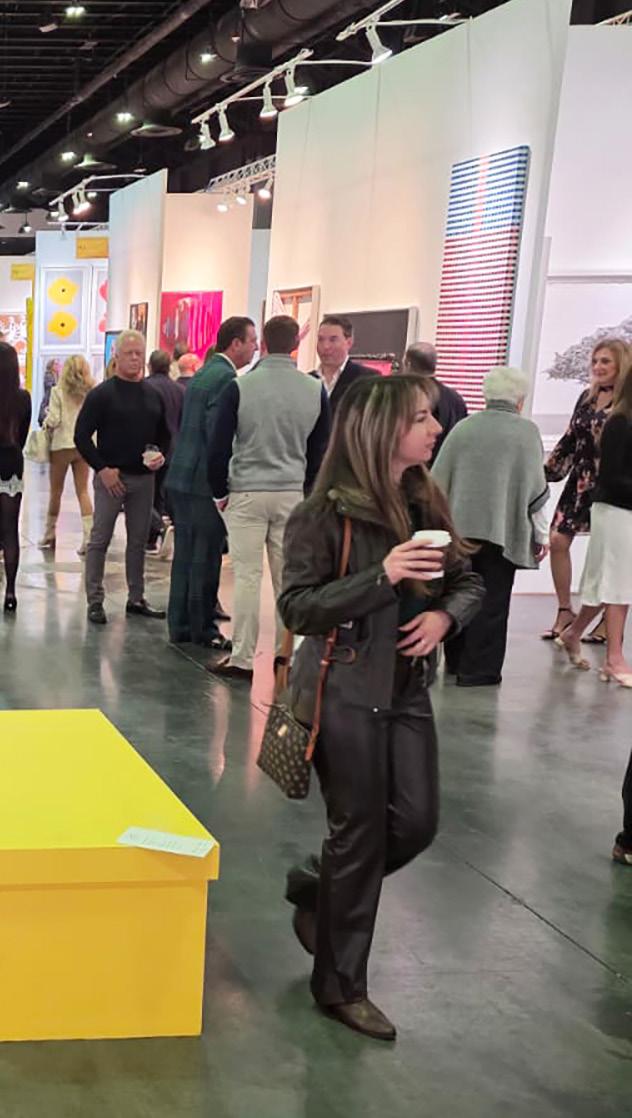

As a proud media partner of Art Palm Beach 2026, The Eden Magazine witnessed firsthand a remarkable and record-breaking edition of one of the nation’s premier contemporary and modern art fairs. Held at the Palm Beach County Convention Center, the fair once again affirmed its position as one of the nation’s leading destinations for contemporary and modern art, drawing collectors, curators, and art enthusiasts from across the country and beyond. This year’s event delivered exceptional attendance, strong sales, and significant national media attention.
This year’s edition delivered exceptional attendance, remarkable sales, and heightened national media attention. Exhibitors reported strong and consistent engagement throughout the fair. Collectors and art enthusiasts filled the fair throughout its run, with sales ranging from $15,000 to over $600,000, reflecting confidence across both emerging and blue-chip markets. Fair Director Kassandra Voyagis described the 2026 edition as a “spectacular success,” highlighting the quality of galleries, collectors, and overall energy.

Fair Director and Producer Kassandra Voyagis described the 2026 edition as a “ Spectacular success by the extraordinary energy, high-caliber galleried, and national recognition that elevated the fair to new heights.
Among the most talked-about moments were John Knuth’s live fly-generated art installation, presented by Hollis Taggart Galleries, and the first-ever retrospective of Sylvester Stallone’s artwork. Major exhibitors reported strong results, including the on-site sale of David Hockney’s The Arrival of Spring in Woldgate, East Yorkshire, 2011, presented by BLOND Contemporary.
Leading exhibitors such as BLOND Contemporary, Markowicz Fine Arts, and Cernuda Arte reported notable sales, underscoring the fair’s strength across both primary and secondary markets. Long-Sharp Gallery experienced unprecedented success with works by four emerging and established women artists, reinforcing the fair’s support for diverse and powerful contemporary voices. A standout transaction included David Hockney’s The Arrival of Spring in Woldgate, East Yorkshire, 2011, presented by BLOND Contemporary, which sold on-site and ranked among the fair’s high-profile acquisitions.
National outlets, including Forbes and TMZ, further amplified the fair’s growing prestige, spotlighting Palm Beach’s rising role as a global arts destination.
Art Palm Beach 2026 was not only a commercial triumph but also a vibrant cultural gathering defined by meaningful conversations, artistic discovery, and sustained collector enthusiasm from opening night through the weekend.
Art Palm Beach will return January 27–31, 2027, promising an even broader presentation of modern and contemporary works from international galleries. Following the extraordinary success of the 2026 edition, anticipation is already building for what promises to be another milestone year.
The Eden Magazine looks forward to continuing its partnership in celebrating art, creativity, and the evolving global art community.