EDEN
BUTTERFLIES NATURE'S DELICATE MESSENGER OF LIFE
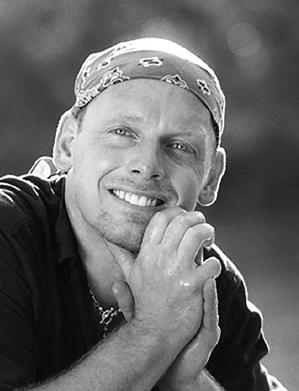
BY JJ FLOWER
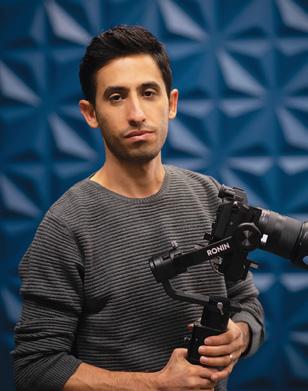
ROBERT CRAIG FILMS CHANGES LIVES THROUGH CINEMA
BY JJ FLOWER
ROBERT CRAIG FILMS CHANGES LIVES THROUGH CINEMA
A GENTLE VOICE IN EVERY MOMENT

The Eden Magazine is a nonprofit online publication is your guide to healthy living, spiritual awareness, compassion and love for all living beings, holistic lifestyle, mindfulness, organic living, positive thinking, sustainability, and personal development
Founder & Editor-in-Chief
Maryam Morrison
Executive Editor/Contributing Writer
Dina Morrone
East Coast Liaison & Partnership Director
Paulette Dozier
Contributing Writers
Sadhguru, Isha Foundation
Dr. Rob Moir
Emilie Macas
Nikki Pattillo
Polly Wirum
Joe Santos, Jr.
Guest Writer
Philip Smith
Contributing Stylists + Makeup Artist
Edward Hakopian
Lisa Joy Walton
Graphics & Photography
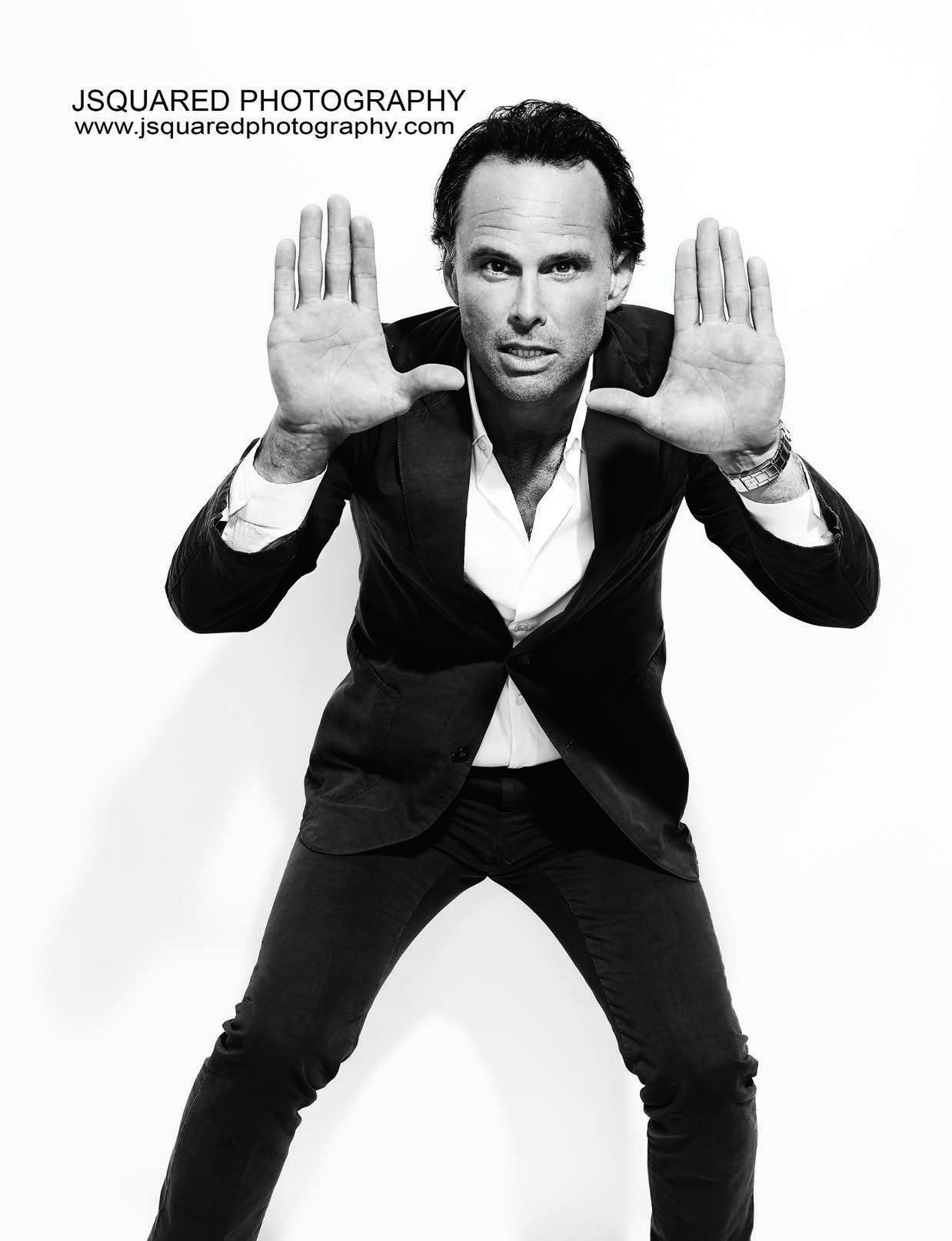
JSquared Photography @j2pix (Los Angeles)
Artin Mardirosian (Nexision) (Los Angeles)
Benjamin D. Buren – AliveStudios.Com (Denver, SanFrancisco, Boston)
Sheri Determan (Los Angeles)
Greg Doherty (Los Vegas)
Ben Rollins (Atlanta)
Web developer
Brad wallace https://bradwallacedesign.com/
325 N. Maple Dr. Po Box 5132 Beverly Hills, CA 90209
at www.theedenmagazine.com
10
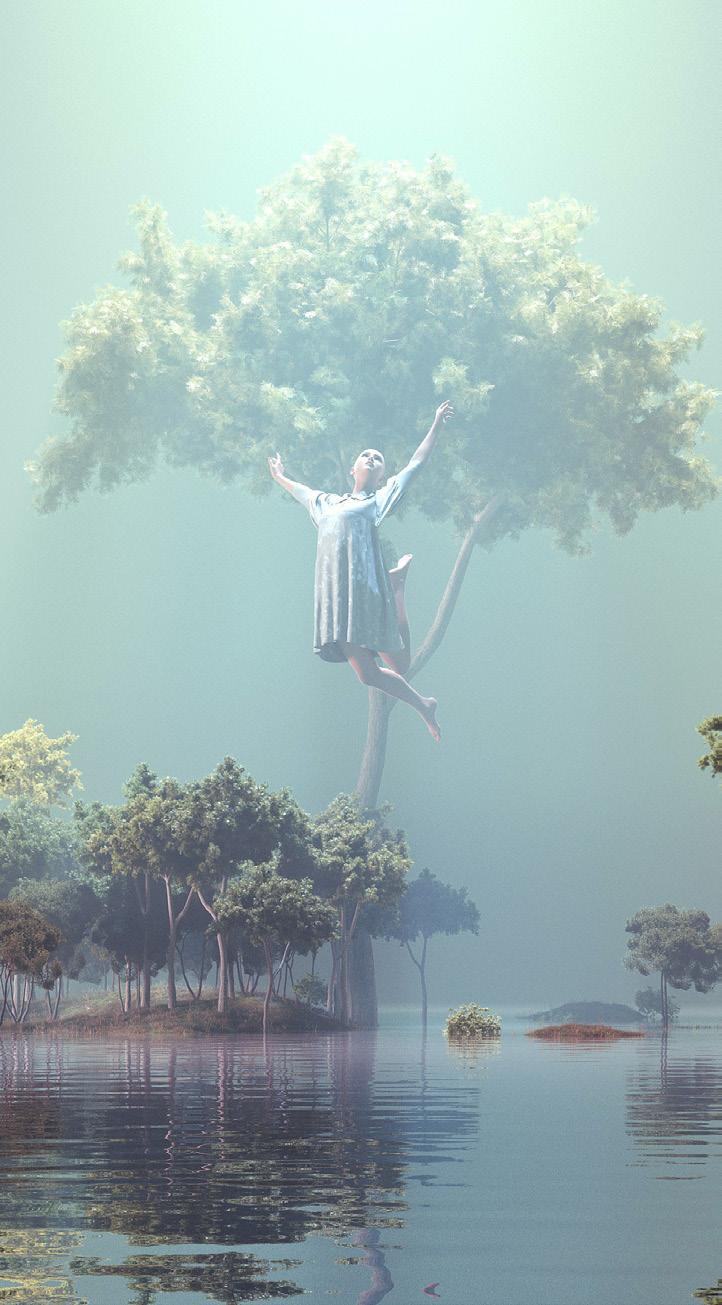
UNDERSTANDING THE HIDDEN RULES OF REINCARNATION AND WHAT YOUR SOUL CAME HERE TO LEARN by JJ Flower 16
AN INTERVIEW WITH ROBERT CRAIG FILMS
AN INTERVIEW WITH LAUREN STEIN Director of Science and Research Programs at the National Anti-Vivisection Society (NAVS) 10 16

22 YOU ARE NOT ALONE AT 3 A.M. by Alisha Das 26
AN INTERVIEW WITH MEI-IAN
40 THE PREMENOPAUSE RECKONING by Gretchen Hund 46

52

58 64
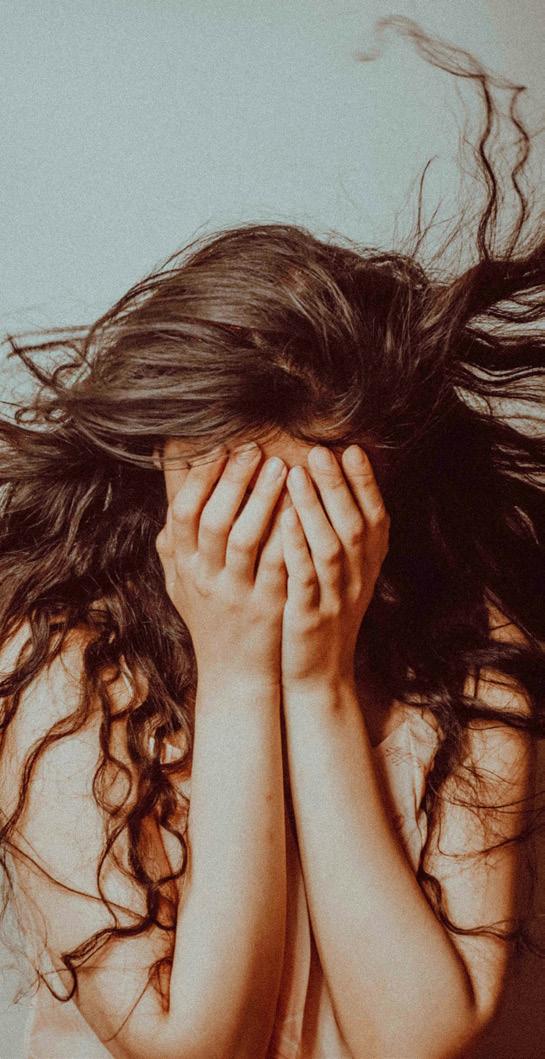
52 THE HIDDEN COST OF HOLDING IT TOGETHER; CHRONIC STRESS, ADHD, & THE QUIET STRUGGLE OF WOMEN & GIRLS by Beven Byrues
58 A MODERN VERSION OF THE DELRATION OF INDEPENDENCE by Nikki Pattillo
64
HOW DO YOU DEFINE SUCCESS? by Sadhguru Isha Foundation
70
TAPPING INTO THE TIMELESS HEALING ENERGY OF EARTH by Polly Wirum
76
ENERGY HEALING SCIENCE IS FINALLY CATCHING UP by Emilie Macas
80
HEY, I'M NOT DONE YET! by Joe Santos
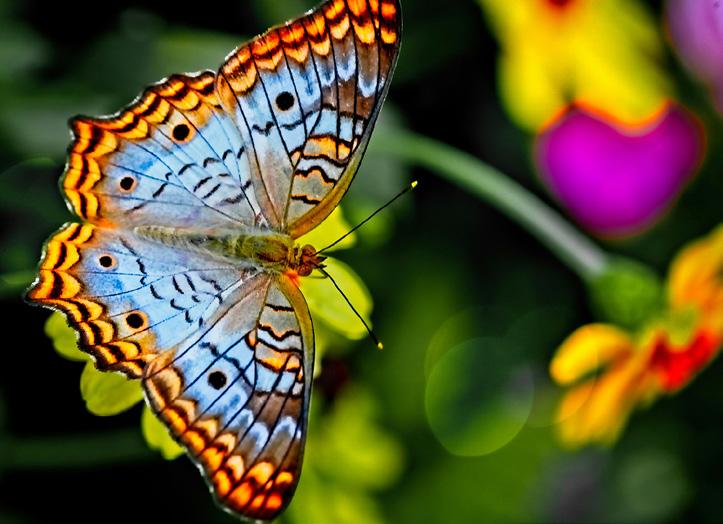
86 BUTTERFLIES NATURE'S DELICATE MESSENGERS OF LIFE
70
80

86
By JJ Flowers
DDogs have long been celebrated as loyal companions, trusted friends, and beloved members of our families. Their unwavering devotion, intuitive nature, and ability to comfort us during life’s most challenging moments have earned them a special place in our hearts. But what if their role in our lives extends beyond companionship? What if they are here to help us heal, grow, and reconnect with the deepest parts of ourselves?
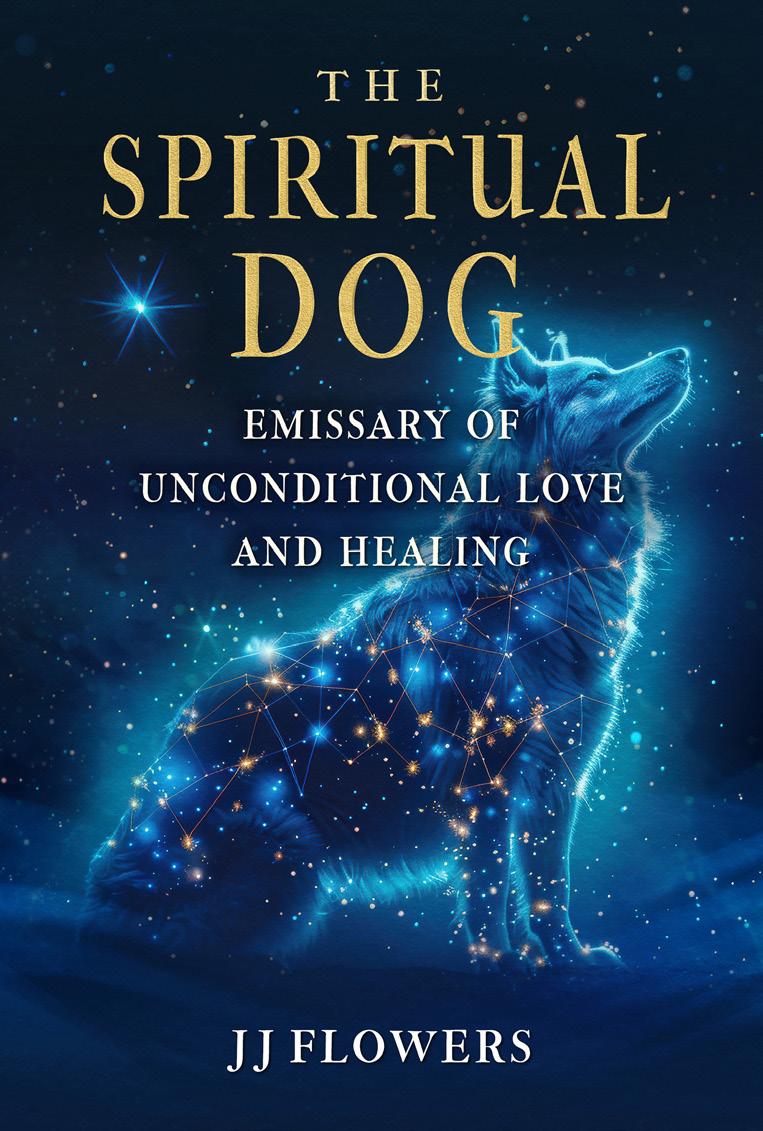
In The Spiritual Dog: Emissary of Unconditional Love and Healing, author JJ Flowers explores the extraordinary bond between humans and dogs through a spiritual lens, inviting readers to discover the profound wisdom, compassion, and healing energy our canine companions bring into our lives. Drawing from her spiritual practice and personal experiences, Flowers presents the compelling idea that dogs are natural emissaries of unconditional love, arriving in our lives with
a purpose that goes far beyond friendship.
Through insightful observations and practical guidance, the book takes readers on a journey into the emotional and spiritual world of dogs, revealing how deeper awareness, compassion, and intuitive connection can transform our relationship with them. From understanding their behaviors and communication styles to recognizing the lessons they offer throughout every stage of life, Flowers encourages us to see our dogs not simply as pets, but as teachers, healers, and cherished partners on our personal journeys.
Heartwarming, enlightening, and inspiring, The Spiritual Dog: Emissary of Unconditional Love and Healing reminds us that the love our dogs freely give may be one of the most powerful healing forces available to us, and that by opening our hearts to them, we may discover a deeper connection to ourselves as well.
If you’re on a spiritual path, and we are all on a spiritual path, nothing helps us more than an understanding of the basic metaphysics of reincarnation. Few people grasp the astonishing rules of the game we are playing. Knowing these helps answer the important question, What the heck am I doing here?
Let's start at the very beginning.
First, you incarnated with a meaningful intention for this life.
Second, you have not had one or two past lives, but for the vast majority of people alive now, hundreds of them.
Think of your soul as a great playwright and each life as a play. The setting changes with each incarnation. The characters change with each play, though many of these characters are played by the same actors. With the aid of your Spirit team—the beings who love, support, and help you from the spiritual realm—you choose most circumstances of this life: you choose your parents and siblings, the place and time of your birth, your closest friends and spouse(s), and all of your children. The important people in your life were chosen before your life began.
You also choose the main events in your life.
I am told more consideration goes into the choosing of a new life (the writing of the play) and its components than can possibly be conveyed—it is a science more intricate than any on Earth.
Each play has a different theme, structure, outcome, and lesson.
The larger purpose of these hundreds of reincarnational cycles is to grow our souls toward understanding and acceptance, compassion and love, and finally, to discover the full
creative power of our consciousness to effect reality. Once you fully understand how your consciousness creates your reality through your thoughts, emotions, and beliefs, you can align with love/God/Source with the expressed purpose of creating the highest (and most beautiful) reality. This is when your reincarnational cycle will probably end, though I am told many souls at this point then volunteer to return as teachers.
In other words, everyone in the world is marching to enlightenment.
Except… well, obviously, some people have such a long way to go. (Don’t make me name names.)
Here are some common soul intentions and reasons for incarnating:
1. To learn about love through our families
Families are the great teachers of the power of love. I am told that if you are living in this period, you have probably experienced all roles in a family: motherhood, fatherhood, childhood, and, of course, the best role, grandparents. You have probably even been a parent who has lost a child, a child who has lost a parent, and a child whose life ended early.
2. To learn to transcend poverty. This might be surprising, but it shouldn’t be. Wealth and its creation are the great teachers of how our thoughts, emotions, and beliefs shape our reality. Seth, a high-level light being channeled through Jane Roberts, said it required five lifetimes for him to learn how to transcend poverty. His favorite life, as the mother of eleven children, was also his poorest. They rarely had a roof over their heads and wore only rags, but this life was full of more joy, laughter, and love, grief, and tragedy than all others. It was when he learned that a piece of stale bread can taste better than a cake made for a king.
3. To learn how to sacrifice and care for another person who is dependent on you, and to do it in love.
Similarly, some people come to learn the grace of being cared for by another person.
4. To learn compassion through a physical challenge.
5. To express your light through art or to explore a keen interest.
Everyone receives a soul gift with each incarnation, an ability or interest that helps you connect back to
God/Source, and serves as your greatest joy. These are most often artistic talent or interests: a specific science, species of plant or animal, type of architecture, a period in history, or a type of poetry. People often arrive with the intention to become an expert and teacher on this or that subject.
All great artists acquired their talent through many lifetimes. If you are attracted to art, music, or writing, any advancement or growth in this arena can be drawn upon in your next life. This means if you are 80 and thinking, “I am too old to take up the piano,” you would be wrong.
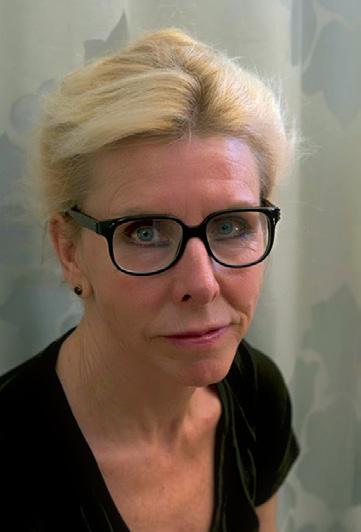
JJ Flowers
award-winning screenwriter, playwright, and author of nonfiction and novels, including Juan Pablo and the Butterflies. A lifelong yogi, she teaches pranayama and Metta meditation.
She lives with her family and dogs in Dana Point, California.
6. Many people come to learn how to overcome obstacles on their path.
A powerful spiritual exercise begins by viewing every small and large thing that happens in your life as your teacher.
To realize that whatever appears in your field, each and every family member or friend, your home, dog, car, the bluebird in that tree, the drug-addicted beggar outside the supermarket, the refugees at the border, none of it is an accident. Every single thing is a teacher bearing a gift.
• The belligerent boss or neighbor? Here to teach you how to meet the difficult person with equanimity, courage, and compassion.
• To experience human super intelligence. Then, perhaps in your next life, for a consciousness-blowing contrast, you choose to march through life with a mental challenge.
• Likewise, some people come to experience fantastic athleticism in one sport or another. And perhaps in their next life, they choose to experience physical challenges.
• Too many people arrive knowing they will experience lives at war, disrupted by war, or ended in war. They do so to help humanity understand why we must transcend this barbarity. Our Guides say that in the next two decades, this will finally happen. Humanity will transcend war.
• The envy of a friend? Here to teach you how to transcend envy, that jealousy arises when your soul sees a characteristic in someone else that it wants. The obvious solution is to discover how you can pull the thing you are admiring and desiring into your life.
• A long line at the post office? You are learning how to overcome irritation, to let go and let God, and to stop sweating the small stuff.
Are you a little bit depressed? Are you having trouble sleeping? Teachers here to show you something.
Some soul intentions are narrowly focused but with powerful payoffs:
• To learn the discipline necessary to maintain human health. That’s it. That is their main focus in this life.
Many people choose difficult lives for the highest reason. Souls often arrive on earth in service to others; their hard lives serve as a challenge to all other souls. The harshest lives are often chosen by highly evolved souls, and they serve as mirrors to those who bear witness to their suffering.
In other words, many souls signed up for a difficult life in order to inspire the rest of us to act, finally, in defense of the most vulnerable among us. Another human being’s suffering is always our own.
This is, of course, one of the two great lessons of Jesus.
Every soul is moving toward the universal truth: we are all born of the one light; we are all one; what happens to a dying baby or an old man on the other side of the world happens to us all.
As we reach for our full potential, we are meant to take someone’s hand and help walk them home.
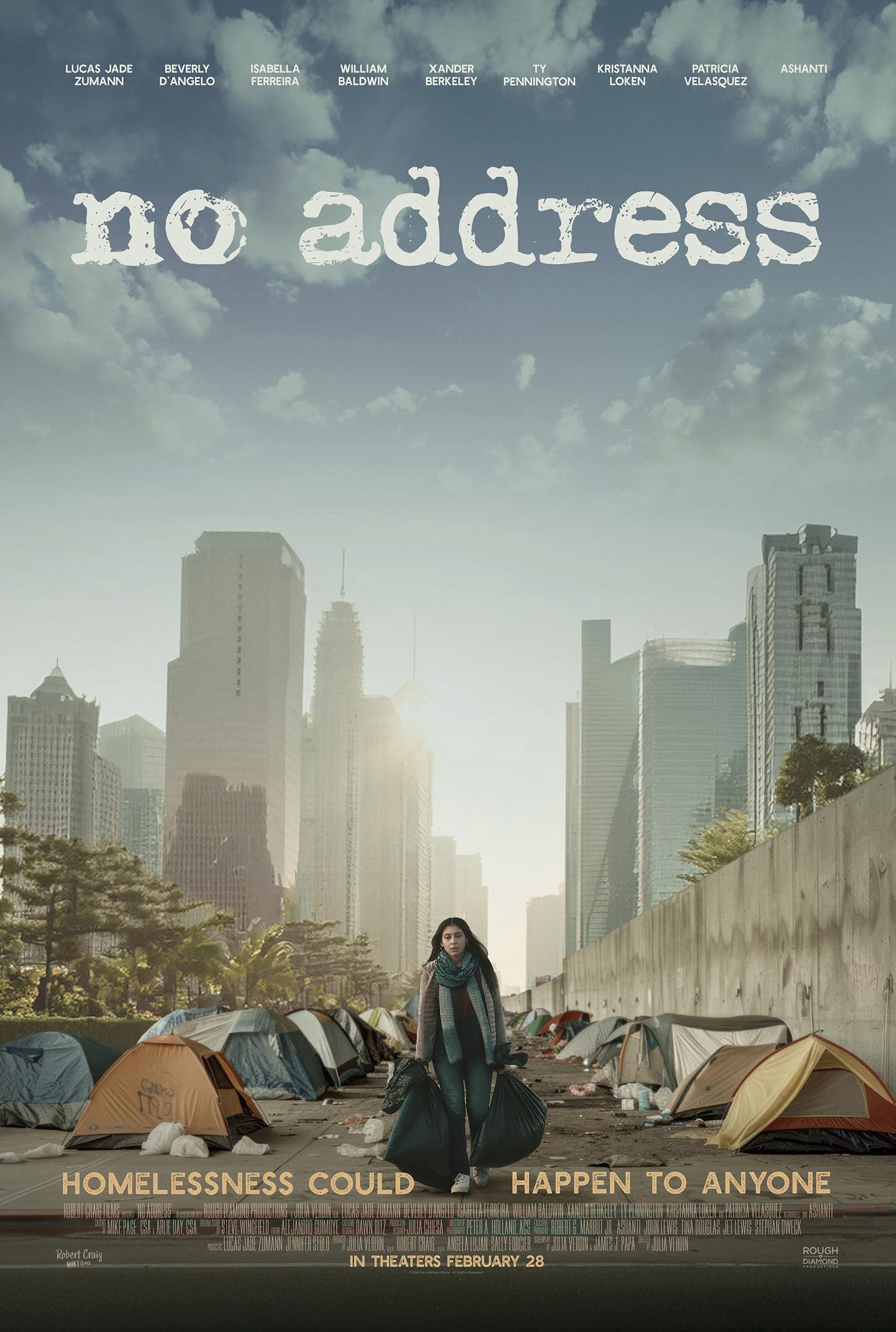
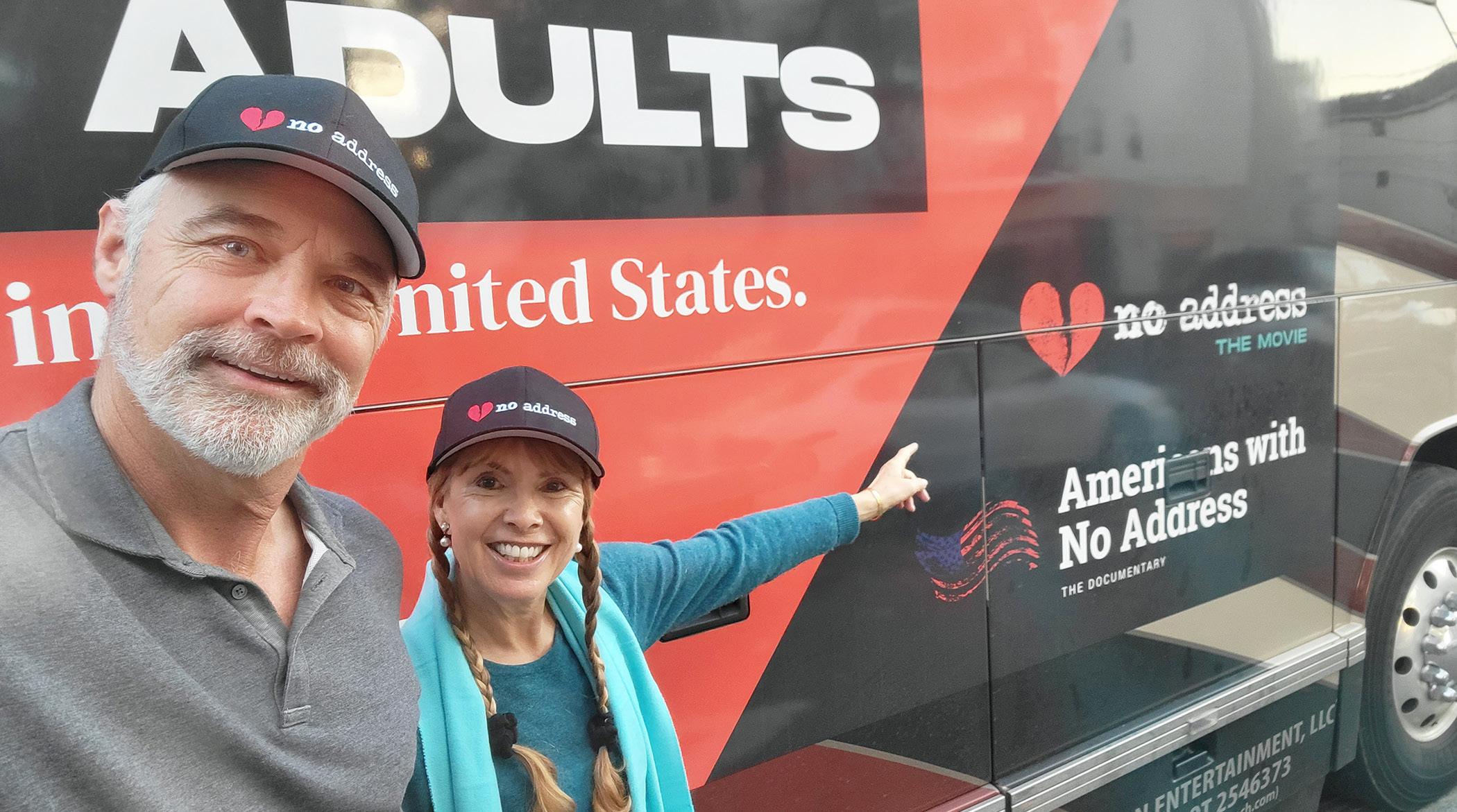
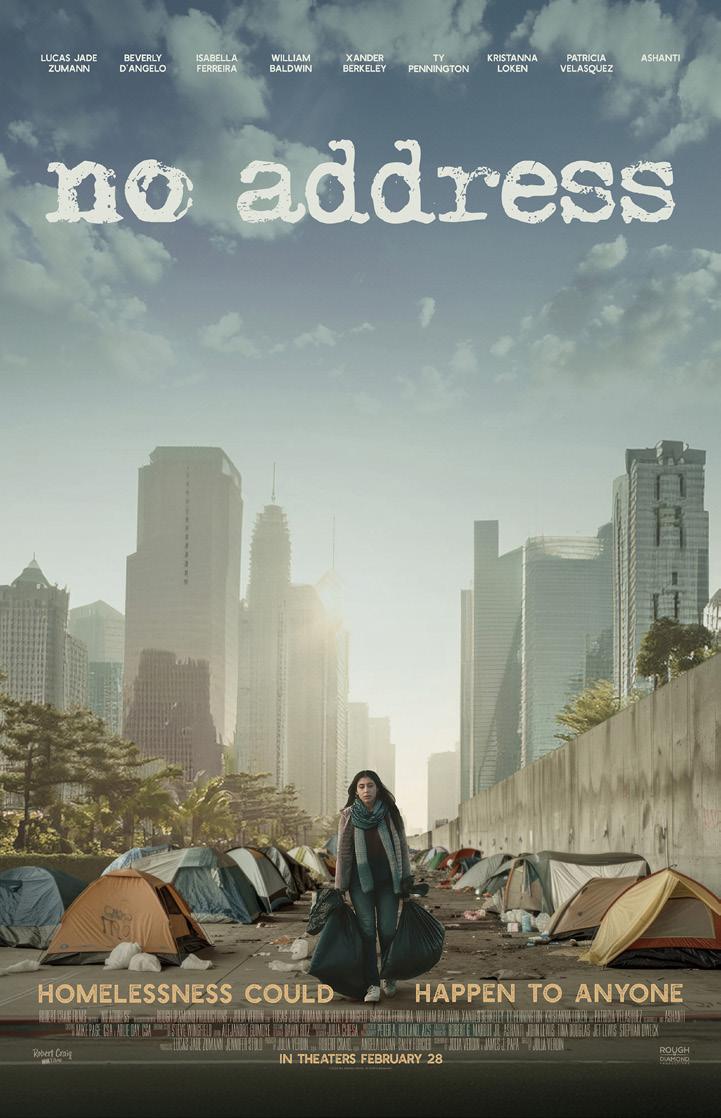
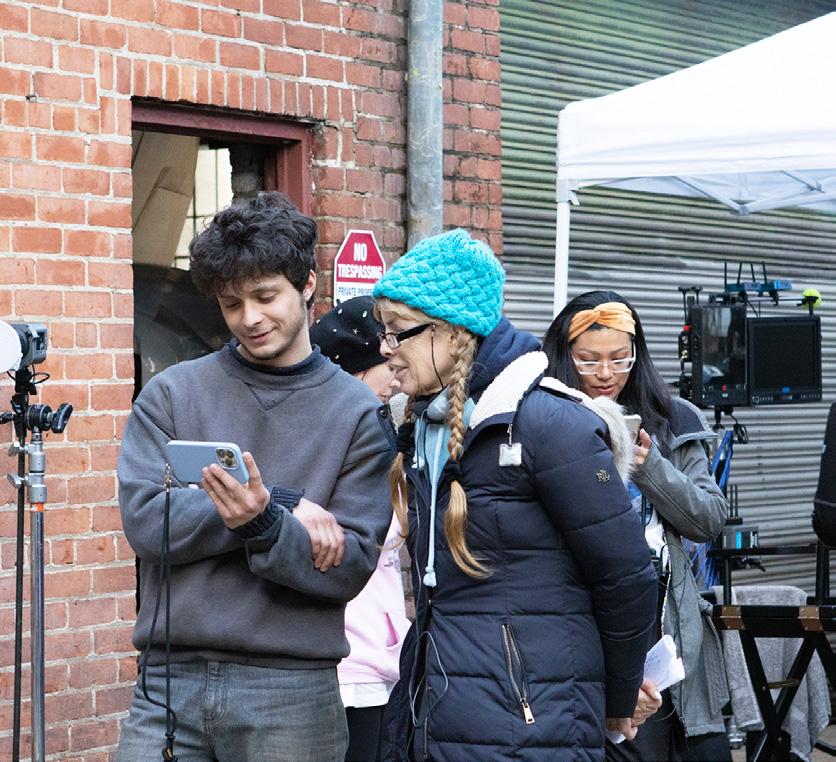
Based in California, Robert Craig Films is dedicated to developing, producing, and creating films that inspire audiences to engage with greater compassion, empathy, and generosity in their communities. Guided by a mission to tell meaningful stories that matter, the company creates impactful films that spark important conversations about pressing social issues and encourage positive change.
One such project is No Address, the story of Lauren a powerful film that sheds light on the realities of homelessness and the challenges faced by vulnerable youth, whose life is upended when her mother dies, and she’s placed into the foster care system. Through authentic storytelling and compelling characters, Robert Craig Films continues to use the power of cinema to foster understanding, inspire action, and remind audiences of our shared humanity.
No Address shines a light on the often-overlooked pipeline from foster care to homelessness. What first inspired you to tell this story, and why did it feel urgent to you now?
I have done a lot of volunteer work with foster youth and have heard that many of them end up on the streets after transitioning out of foster care at 18. The stories that I heard inspired Lauren’s story. There is clearly a need to provide good support and life coping skills for foster youth transitioning out of the system, so they don’t fall through the cracks and end up on the streets.
The character of Lauren, portrayed by Isabella Ferreira, represents a reality faced by so many children. How did you approach creating her story in a way that feels both personal and universally relatable?
I think doing a lot of research, talking to people with life experience, and working with foster care when writing a script really helps. Abandonment and rejection are very universal themes. I also found out there is a lot of shame involved. Many people I talked to, both foster youth and others who had experienced homelessness, shared with me the shame and sense of failure they felt about ending up on the streets and having nowhere to go, which stopped them from reaching out for help.
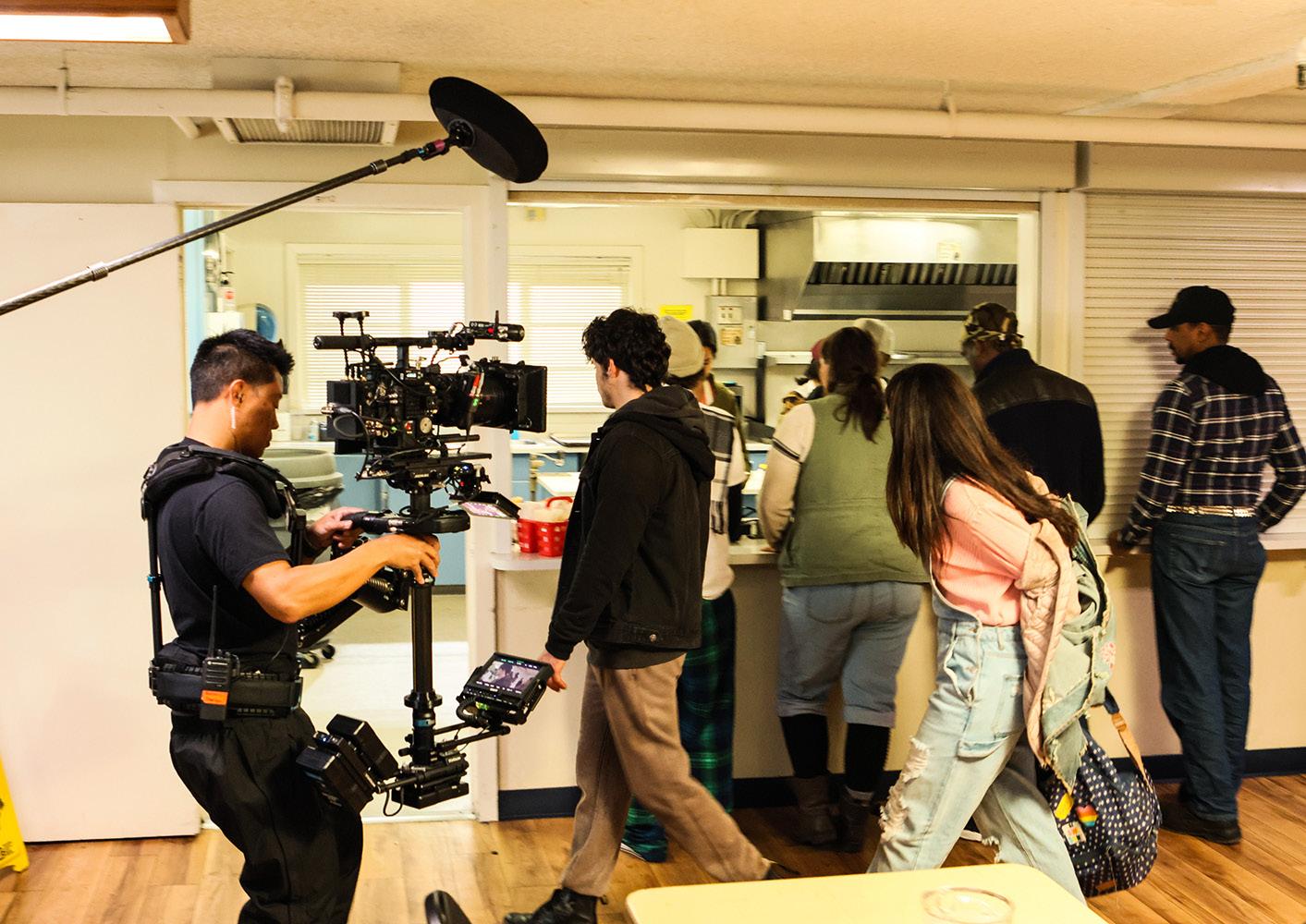
I think doing a lot of research and talking to people with life experience and working with foster when writing a script really helps. Abandonment and rejection are very universal themes.
With more than 320,000 children currently in the U.S. foster care system, what responsibility do you feel as a filmmaker when portraying such a sensitive and complex issue?
It is indeed a very complex issue. As a filmmaker, all I can do is make my best efforts to shine a light on one area where support is needed. I am grateful to say that people working in the field who have seen the film really liked it. I will also say that with the foster youth I volunteer with, I have heard some great stories about being placed with really supportive families, and a lot of gratitude for the love and support they were given, too.
The film has received a 96% rating on Rotten Tomatoes. What kind of feedback from audiences has impacted you the most emotionally or personally?
I have been very touched by the number of people who have come up to me after screenings and shared their personal experiences of homelessness or of having a parent, friend, or relative who experienced it, and felt that the film portrayed the issue and its characters in an authentic and sensitive way. A number of people have also asked for recommendations for organizations to
support and ways to help.
No Address explores what happens when young people age out of foster care without support. In your view, what are the most critical gaps in the system that need immediate attention?
I certainly don’t consider myself and expert on this issue, but from that I have seen, starting to give job and life training and skills such as how to apply and interview for jobs, managing your budget and other a year or 2 before youth transition out and then having regular check ins on how they are doing for the first year or two after they transition out would be super helpful.
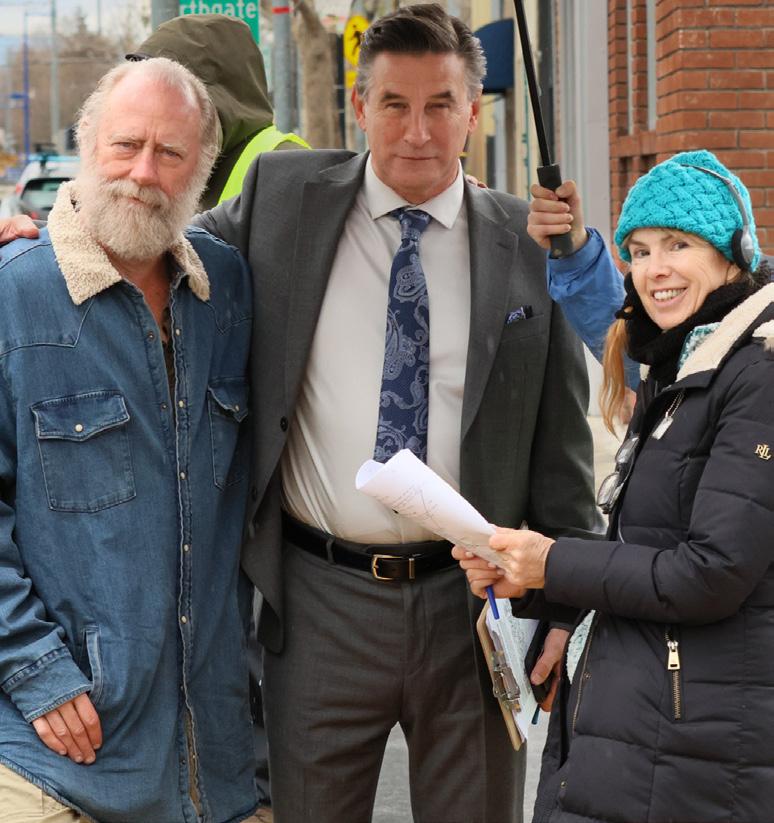
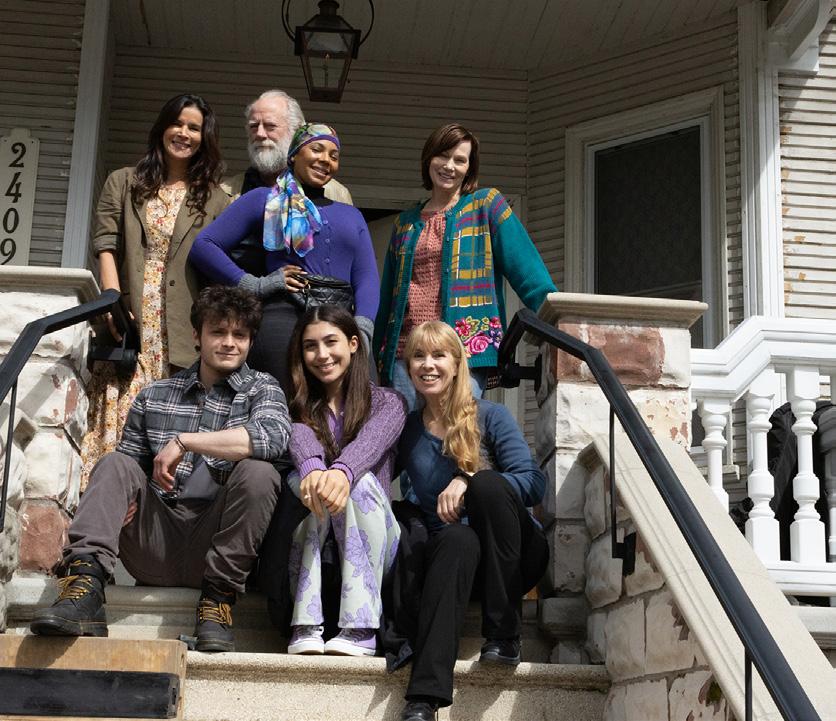
You've assembled a powerful and diverse cast, including William Baldwin, Ashanti, and Beverly D’Angelo. How did their involvement shape the authenticity and emotional depth of the film?
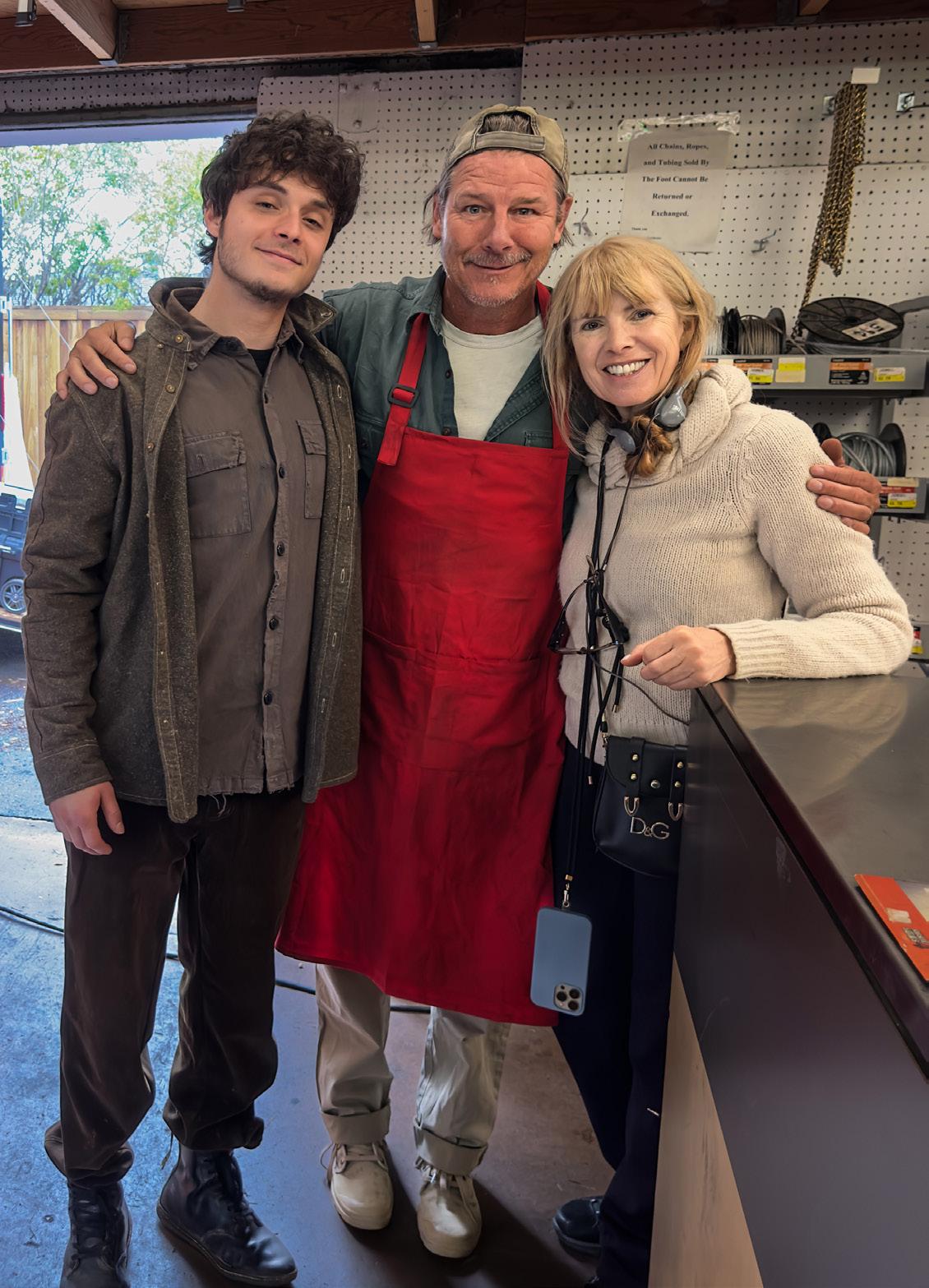
I felt really lucky that such an amazingly talented cast joined me in supporting this project, and they have also really helped to actively promote it. Having a recognizable cast always helps to get a project visible. We also had Lucas Zumann, Isabella Ferreira, Kristanna Loken, Ty Pennington, and Patricia Valasquez in the film.
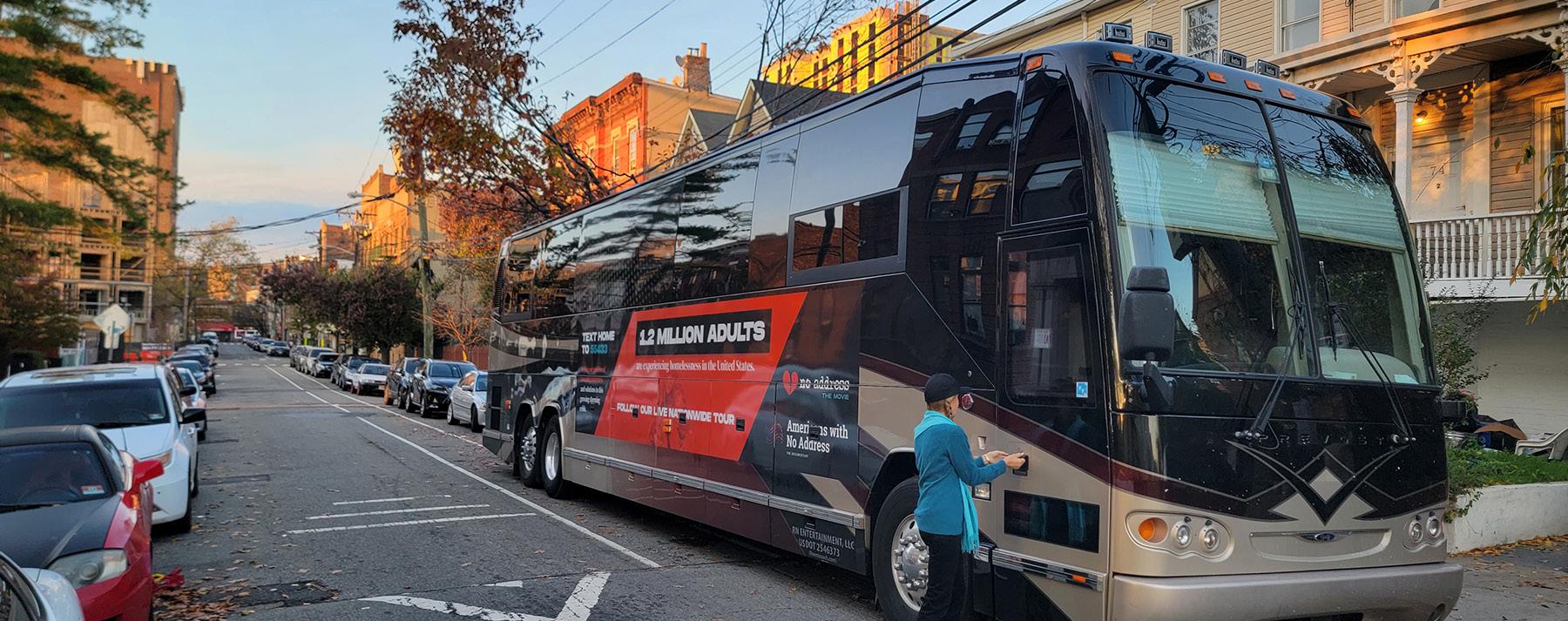
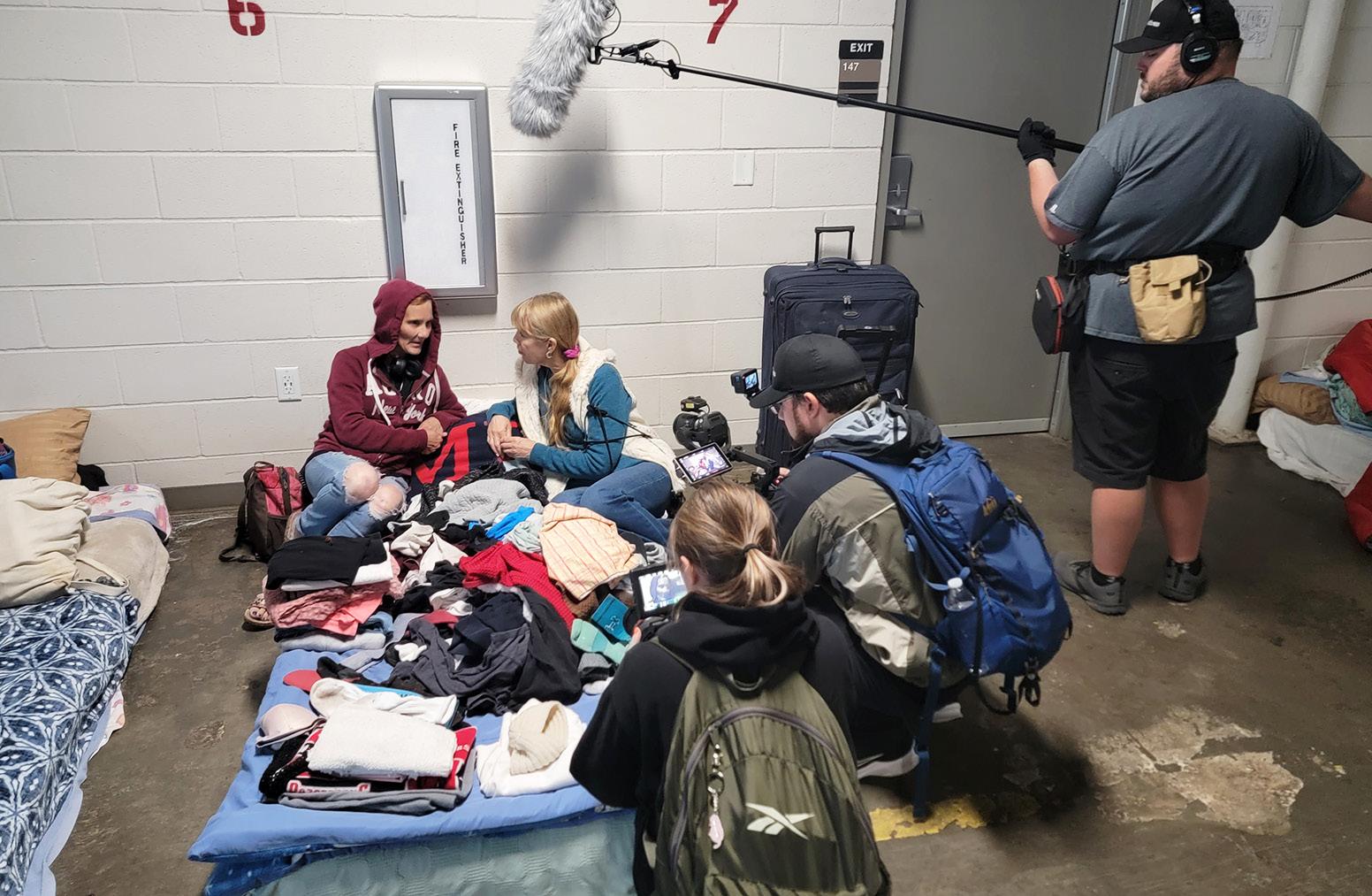
Beyond raising awareness, the film encourages communities to host group screenings. What kind of conversations or actions are you hoping these screenings will spark at the local level?
I wrote this script as an ode to the people who didn’t deserve to be on the streets and to dispel the common myth that the only people experiencing homelessness are drug addicts and people with mental issues. I hope that the film will spark conversation and action on prevention, if more were done to catch vulnerable people such as foster youth, the elderly, youth running away from abuse at home, and veterans, that would be fantastic. From what I witnessed whilst making the documentary companion piece, Americans with No Address, we also have a mental health crisis in the US and need more treatment facilities. We also need more shelters with alcohol and drug addiction recovery treatment. That way, the public and kids are not endangered by individuals with mental issues or on drugs in their neighborhoods. I don’t believe that anyone ever sets out to be a drug addict or alcoholic. I have talked to many former addicts, and people usually resort to drugs and alcohol as a way of self-medicating after experiencing some type of trauma or pain. It often gets out of hand; they can’t stop, and it becomes a way of life.
On a personal level, did working on No Address change your perspective on foster care, homelessness, or community responsibility?
I met many amazing individuals and organizations doing great work in this area, and that was really inspiring. I think if we can really come together as a society and address this issue with both love and practicality, there is hope. The truth is that we can’t all just turn away and ignore it as the problem keeps growing. It's also not a one-size-fits-all situation. We need viable solutions where individuals experiencing mental health issues get treatment for that,
individuals with drug and alcohol addictions get detox and recovery support, followed by job training. Individuals on the streets via misfortune or escaping from abusive situations are being given appropriate support and job training.
Storytelling has the power to shift perspectives. What do you hope viewers carry with them after watching No Address, especially those who may not be familiar with the foster care system?
I hope it will open people’s hearts and remind them that not everyone experiencing homelessness is a drug addict, has mental issues, or is there by choice. I hope it will encourage people to volunteer and support local organizations working in the field. I also hope it will encourage more mentorship and support for foster youth, youth running from abuse at home, veterans, and the elderly. The number of elderly women ending up on the streets is on the increase. Shame and feeling invisible tend to keep people on the streets; a smile and kindness can go a long way toward helping someone become willing to enter recovery. One of the people I interviewed for the companion documentary said, “Never look down on anyone, unless you are giving them a hand up”.
If you could speak directly to policymakers, community leaders, or individuals who can make a difference, what message would you want No Address to deliver to them? What values or personal experiences most deeply shaped you as a filmmaker, and how do you feel those qualities naturally show up in the kind of stories you feel called to tell—like No Address? As I mentioned earlier, more facilities and organizations that look at each case on an individual basis and provide shelter, mental health, and alcohol and addiction treatment, job training, and trauma therapy as needed. What seemed to be working well and had a high rate of getting people back to functioning well in society were some of the currently privately funded facilities where this was offered, along with encouragement to find faith and hope. In one place, we visited all the people receiving shelter and treatment, who also
had jobs to help keep the facility running, according to their skills. This provided a sense of self-worth, job training, and skill development, and helped keep the facility's running costs low. The person running the facility had previously experienced homelessness and recovered from addiction. Many of the inhabitants that I talked to said that it had really helped them as they felt understood rather than judged. Being judged tends to keep people in shame and then wanting relief from it, and that often can result in them looking to alcohol or drugs to numb the pain. I was really inspired by all the people I met who had been through these types of programs and were now helping other addicts recover and doing amazing things.
I think all the volunteer work I have done has really helped me develop more compassion and avoid judging.
I have also been through trauma myself and have now been sober for 27 years, and the personal recovery work I have done has really shaped me as a filmmaker in terms of how I want to use my voice and use the skills I have to try to be of service, inspire, and uplift, and look at how I can contribute and use my voice for good.
I will say that I don’t consider myself an expert in anything. As a filmmaker, all I can do is to use my voice to highlight stories and issues that have moved and affected me. How people view a film is always subjective. I just do my best to do as much research as I can and then get feedback from people with lived experience and experts in the field, so all is depicted as authentically as possible.
My next project, The Killing Machine, has a goal of raising awareness of the fentanyl crisis, as I was really shocked by what I saw happening on the streets and the number of youth dying from this.
To watch the film No Address https://www.noaddressmovie.com/
To watch the documentary Americans with No Address
https://americanswithnoaddress.com/
To learn more about Julia’s new project to raise awareness on the dangers of Fentanyl https://www.artists4change.org/filmprojects/ the-killing-machine/
To follow Julia on Instagram - @juliaverdin
How to meet the Guardian Angel who has been beside you all along
By Alisha Das
It’s 3 a.m., and you are awake again. The worry won’t let go, the bills you can’t quite see your way through, the child or loved one you can’t stop praying for, the silence on the other side of the bed, the headlines that have made the world feel almost unrecognizable. What if I told you, in that quiet, that you are not alone with any of it? That a presence who has loved you since before your first breath is already there, waiting only for you to turn and ask?
You are not alone. Your Guardian Angel is real. And they are closer than your next breath — often more immediately accessible than even the highest Archangels that I have helped people connect with for more than thirty years. Yet those of us devoted to a spiritual path can sometimes become so focused on “going high” that we overlook the practical help available to us, assistance offered simply for the asking.
Let me show you what I mean.
In my classes, I’ll playfully depict
my Guardian Angel with weary eyes, apparently sleep-deprived since the Renaissance, as she rescues me again, pulling me back to safety with a golden hook as I’m about to plummet down a cliff at sunset, oblivious to this time-and-space stuff. Or she’s making a heavenly facepalm and muttering under her breath, “Really? Again? I’m gonna need a double shot of ambrosia after this shift.”
One day, after a particularly lofty session in Malibu, one in which I had not grounded as much as I should have, I drove a client back to her hotel. Somewhere along the scenic Pacific Coast Highway, I glanced over and noticed her complexion had gone the color of sea foam.
“Um,” she said carefully, “you barely missed several cars and didn’t seem to notice. And at the last second, it was like they were miraculously moved aside. I don’t quite know what’s happening here.”
I answered breezily, “I did? Oh, I’m sorry! Are you okay?”

“Yeah, I’m just worried about you.”
“Oh, I’m fine. I’ve only had a few fender benders all these decades. My Guardian Angel must be remarkable.”
I pulled over, hugged her good-bye, and watched her stride away, safe from the tempest of my steering.
That was when the pang of conscience arrived. How often had I neglected to ask for help, or to thank my Guardian Angel who had clearly been working overtime?
Your Guardian Angel may appear in a way that feels unique and personal to you. Yet Angels are, in essence, formless, known less by physical appearance than by presence, love, guidance, and the quiet sense that we are being held.
If we need them to assume a form so we can relate to them more intimately, they willingly oblige. Yet becoming comfortable with their formlessness is a step toward recognizing our own formlessness, for beyond the physical, our true nature is metaphysical.
When I once asked my Guardian Angel for a message, she said:
“I have known you long before your human embodiments. I keep your story intact and
draw upon God’s knowledge of you to intervene when necessary, especially when life in the physical world becomes so consuming that you forget how deeply guided and protected you are. I am divinely chosen to keep you safe and support your evolution and sacred intentions.”
That is who has been waiting for you on the other side of 3 a.m. Not a vague benevolence in the clouds. A loving presence, intimately attuned to you, who has been writing notes in the margins of your life since you arrived. The wonder isn’t whether they’re there. The wonder is how seldom we think to turn and say, Thank you. Help me live more as my shining higher self today. Or, at the very least, could you please help me stop catastrophizing before sunrise?
A glimpse of this protection is not reserved for mystics. My beloved big sister, Dr. Krishna Das, is a Deep South Baptist surgeon, and, for fun, an Army Reserve colonel. About as pragmatic as humans come. She shares: I was driving late at night in my red Jaguar convertible with the top down. A van suddenly swerved into my lane, and I gunned to get over. I felt a ‘tap’ and realized I had sideswiped a car going sixty miles an hour. We pulled over, and as I did so, I saw a ‘wing’ for a split second. Miraculously, there was no damage to either car. We both should have been killed or seriously injured. I believe that wing was a glimpse of my Guardian Angel.
Let’s just say: when an Army Reserve colonel starts talking about actual angel wings, even our inner skeptics should sit up straighter and listen.
Angels are always with us, but are we always with them? Are we availing ourselves of their assistance as much as possible?
I know I’m not always doing so. When we invoke Angels, Light, or Spirit, we are not so much calling them in as we are calling ourselves into our higher nature, so that we may be aware of their presence.
Sometimes, our lesser nature, the ego, resists receiving assistance because it knows that to do so, we must surrender our will to God’s will. The ego is not a fan of surrender. It prefers clever smokescreens, spiritual static, and anything that keeps us from higher awareness.
Speaking yourself into a sacred space is like laying a beautiful table for an honored guest. Through this process, you take note that someone of great import is visiting. You do this so your lower self can come to the party. Your Soul does not need beautiful words to prepare the space; it is the space.
You are not just calling yourself forward into the highest but also calling the highest forward into you, from the highest within you.

Not only does invoking Angels make us more receptive to them, but it also alerts them that we wish to co-create with them. It signals that we intend to submit our will to God’s will. That gets their attention because Angels are all about carrying out God’s will.
It’s as if we are all connected by a golden web; you pluck the string with your invocation, and an Archangel, in infinite love, feels it and sends love back.
Imagine the power of that invocation . . .
Simple Meditation to Meet Your Guardian Angel
Try this now, before your ego has time to resist. Your Angel is waiting for you.
1. Invocation
Call in the Light. Invite Spirit, God, the Universe, or whatever name for the Divine feels most sacred to you. Ask that this meditation be for the highest good.
2. Breathe yourself into love.
Breathe in love. Breathe out anything less than love. Repeat until your body begins to soften.
3. Invite your Guardian Angel close.
Ask your Guardian Angel to come forward in whatever way you can best perceive — through feeling, image, sound, warmth, knowing, or peace.
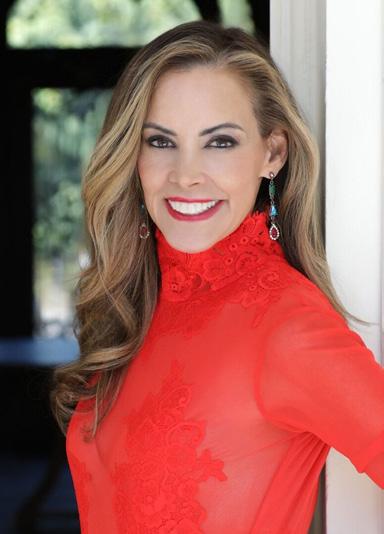
For more than 30 years, Alisha Das has been an angel communicator, speaker, and spiritual teacher known for her ability to perceive and articulate the angelic language, helping people reconnect with their divine lineage.
She is the author of Your Angelic Ancestry (Hay House, July 2026), host of The Live Your Love podcast, and has led more than 500 seminars worldwide. Find her at www.AlishaDas.com
4. Notice what you sense. Do they feel in front of you, behind you, beside you, above you, or within your heart? Don’t force it. Simply notice. Remember, you perceive Angels through your spiritual senses. It may be subtle, but it is knowable. Trust your attunement.
5. Ask for a name, quality, or sign.
You may hear a name, sense a color, feel a quality such as tenderness or strength, or receive nothing obvious at first. Trust the subtle.
6. Ask one sincere question. Ask about something in your life, especially where you need guidance, protection, comfort, or spiritual perspective. Then listen gently for their answer.
7. Open to receive. Let the answer come in words, images, feelings, or a quiet knowing. If words begin to come, you may speak the answer out loud — perhaps one word at a time. Trust what comes, and trust your attunement. Or simply write the answer down.
8. Give thanks.
Thank God and your Guardian Angel. Then contemplate or journal anything you received, even if it seems small.
If your answer doesn’t come immediately, don’t worry. It may arrive later — in a dream, in journaling, or when you least expect it. Ask your Angel your question for a few days, and more guidance will come. Talk to them often — they love to serve you. Connecting to your Guardian Angel is what I call priming the pump, so that the water of their blessings can overflow.
And the next time you make it home safely or wake at 3 a.m. and feel a quiet presence beside you, please — do as I now try to do ev-
ery time I jump in the car, preferably before my Guardian Angel files for celestial hazard pay.
Pause. Place your hand on your heart. And whisper, Lift me up. Keep me safe. And thank you.
5 Ways to Access Angelic Support
1. Ask — out loud if alone, silently if not.
Angelic help is always near, but asking opens your awareness and receptivity. The words don’t matter; your receptivity does. A simple “Angels, help!” is fine.
2. Notice and trust subtle signs. Guidance may come as words, warmth, peace, a sudden idea, a dream, a repeated symbol, or a quiet inner knowing. Angels often whisper rather than shout.
3. Trust your spiritual senses. You may not “see” an Angel with physical eyes. You may sense presence, love, protection, or a shift in the atmosphere around you. Angels are mostly formless, but their presence is knowable.
4. Ask for practical help too. You can ask for comfort, protection, clarity, patience, courage, or help with ordinary human moments. Nothing loving is too small to bring to Heaven.
5. Say thank you.
Gratitude strengthens the relationship. Pause before driving, sleeping, making a decision, or beginning your day, and simply whisper, “Thank you. Please walk with me.”
This is an adapted excerpt from the book, Your Angelic Ancestry (Hay House, July 2026), reprinted with permission from the publisher.
This is an adapted excerpt from the book, Your Angelic Ancestry (Hay House, July 2026), reprinted with permission from the publisher.
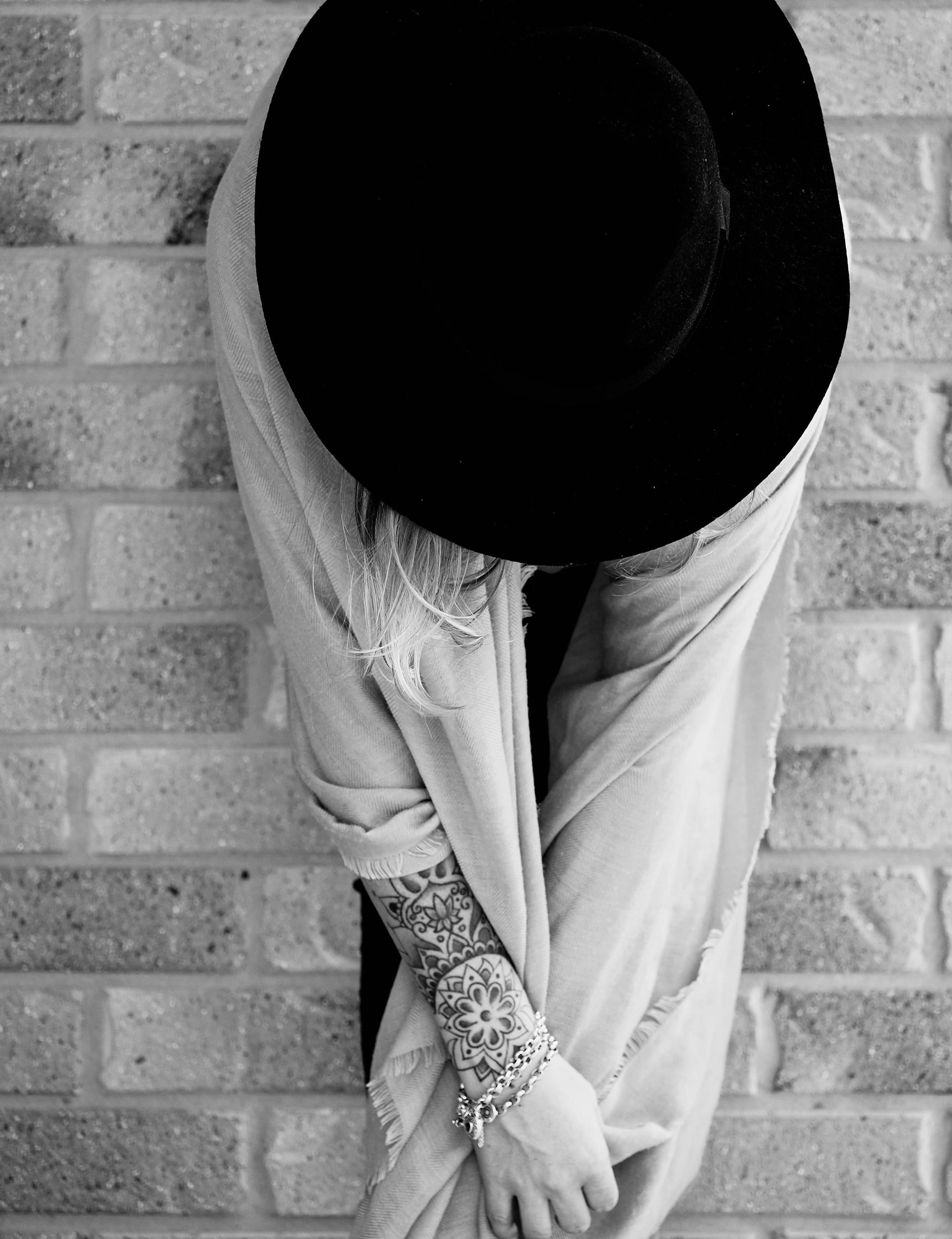



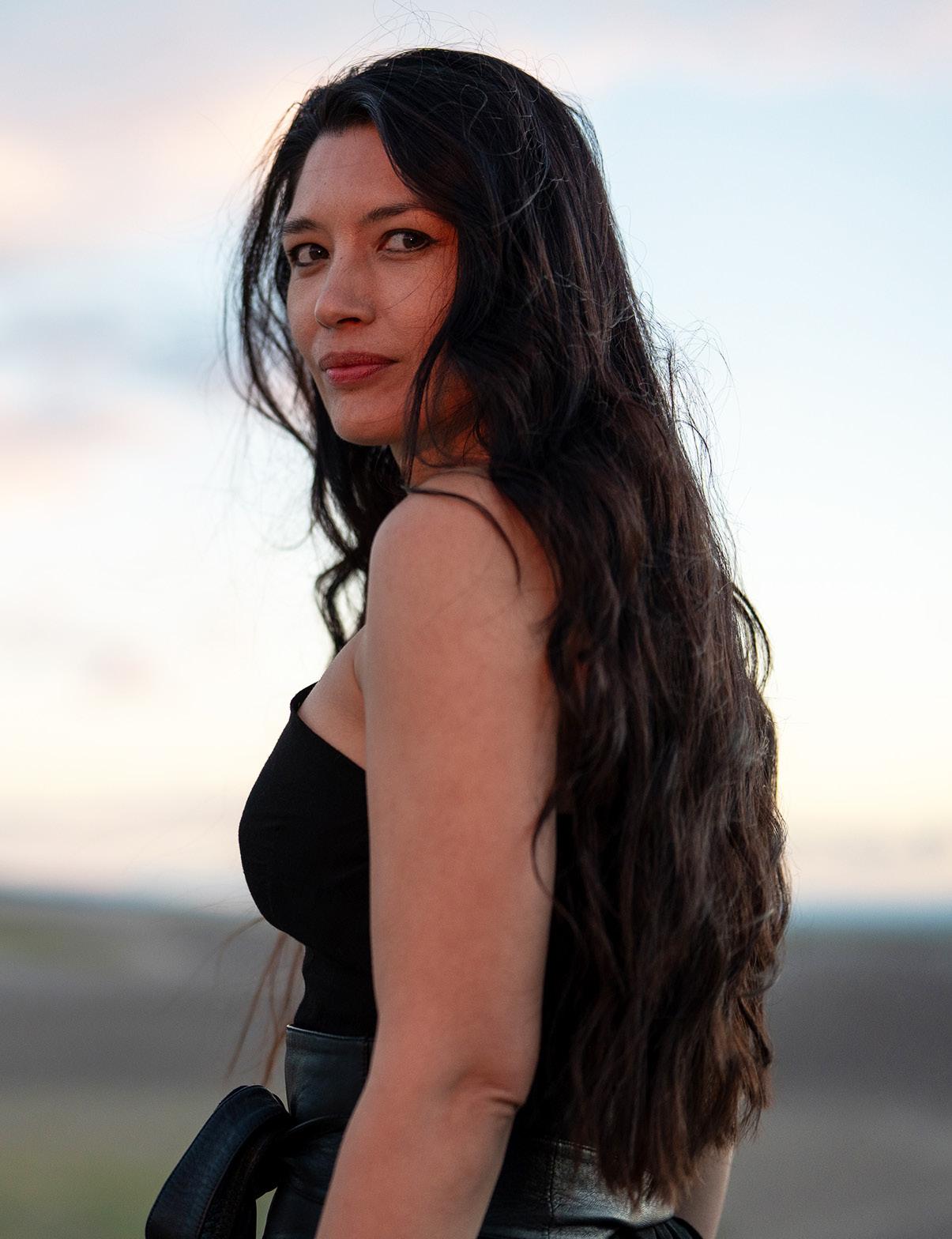
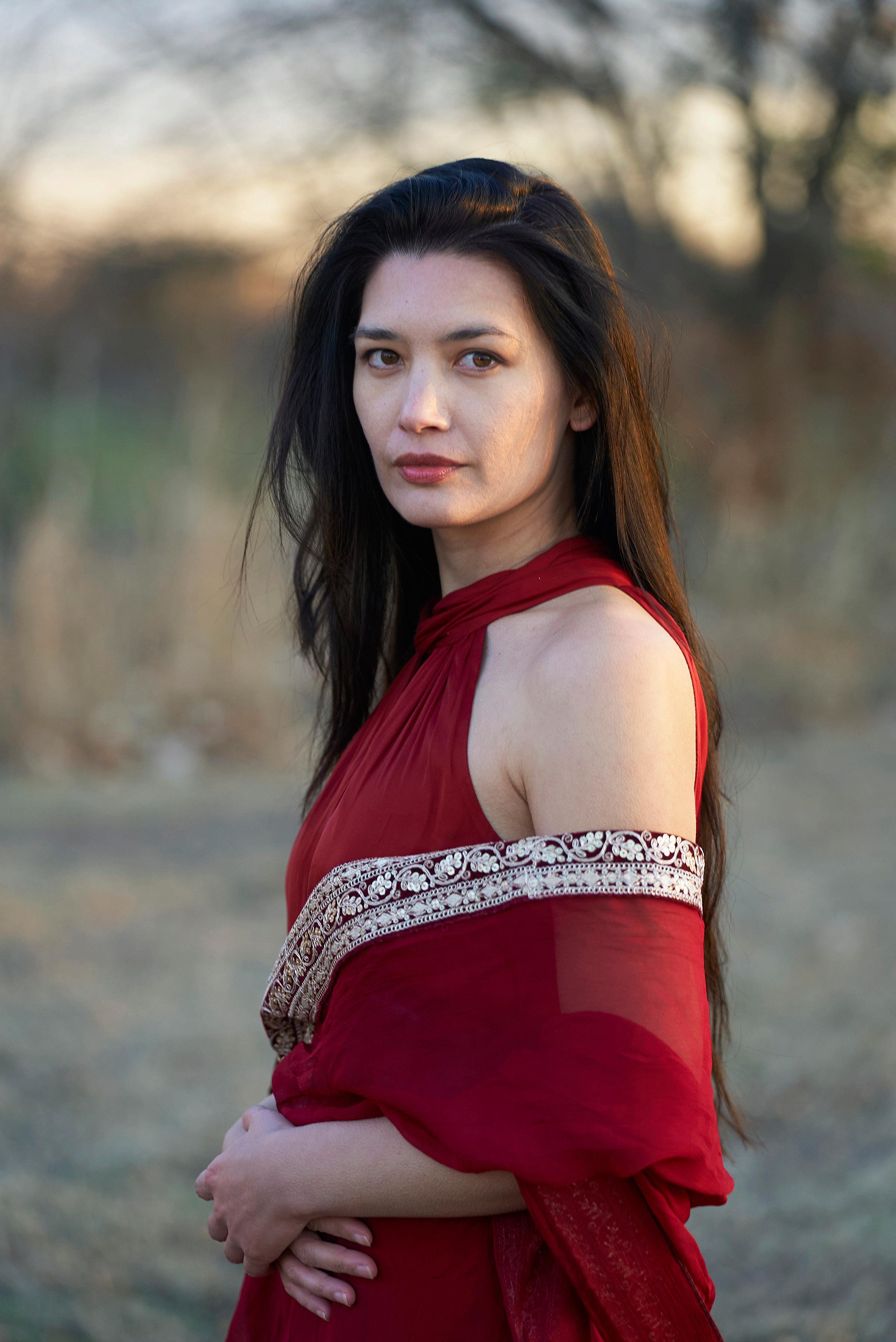
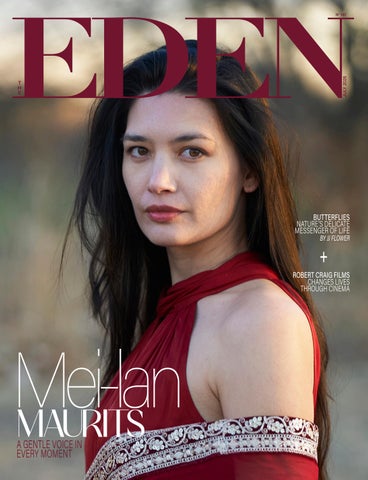
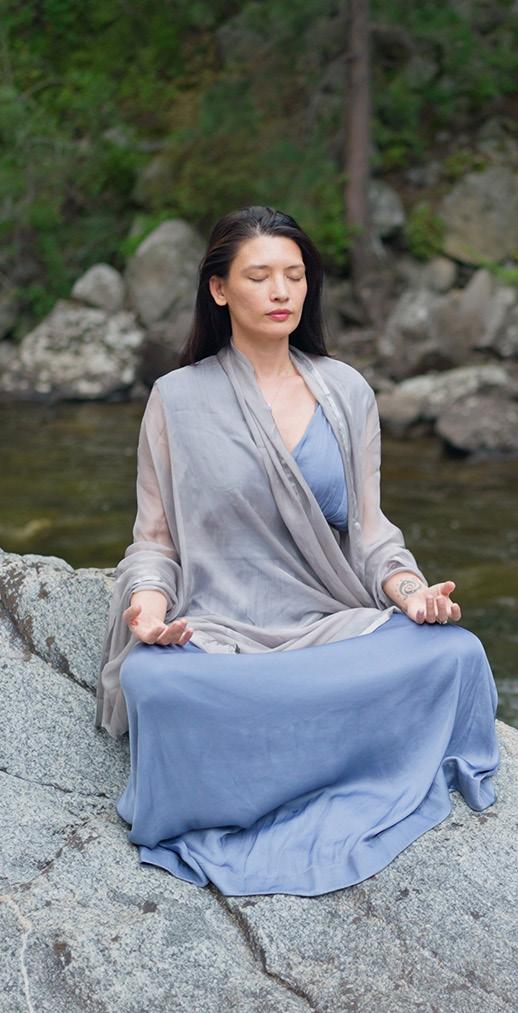
TThere are souls who enter this world carrying a deep sensitivity to life, souls who feel not only beauty, but also the pain, suffering, and longing that exist within humanity. For Mei-lan, that awareness began early in life and became part of a profound inner journey that would eventually lead her toward healing, self-discovery, and spiritual awakening.
Like many who search for meaning, Mei-lan experienced a moment of feeling lost, disconnected, and uncertain of her purpose. Yet when that darkness came, a powerful realization: everything she had been searching for externally was already waiting within her. By transforming the core belief that she was unworthy into the understanding that she was worthy of love,
light, and belonging, she began to rebuild her life from the inside out.
Through music, mindfulness breath, and a deep connection to Spirit, Mei-lan opened herself to a new way of seeing the world, one rooted in compassion, authenticity, and inner peace. Her work is not about preaching perfection, but about sharing the heart-centered wisdom she continued to discover along her own path.
In this intimate conversation with The Eden Magazine, Mei-lan speaks about healing, selfworth, spirituality, and becoming a source of light for others simply by embracing one’s true self.
When did you first realize that music was your calling? Was there a defining moment that confirmed this path for you?
Looking back, I often feel that music chose me rather than the other way around. From a very young age, I was introduced to singing and performing, although not in a classical or formal way. It was something I was simply immersed in.
At around seventeen, I stepped away from music for a while because it had begun to feel more like a responsibility than a joy. Years later, when I began what I would call a deeper inner journey, music found me again, but this time in a completely different way.
It returned as something deeply personal and spiritually connected. I began to experience singing not just as a performance, but as a way to connect with something greater than myself. When I let myself get out of the way, the sound flows through naturally. That shift confirmed for me that music wasn’t just something I did; it was something I was meant to share.
Your music carries such depth, emotion, and spirituality. Can you share how your early life experiences shaped the artist you have become today?
My early life was quite unconventional. I grew up in a very structured community with its own belief systems and worldview, which made my childhood different from many others. While that environment came with its challenges, it also had a strong spiritual element that left a deep imprint on me.
From a young age, I felt very sensitive to the unseen aspects of life. The veil between the physical and the spiritual often felt quite thin to me, which, as a child, was sometimes difficult to understand or navigate.
As I grew older and began my own process of reflection and healing, I was able to peel back many layers of conditioning and reconnect with that spiritual sensitivity in a clearer, more grounded way. Today, when I sing, I feel that same connection to something greater, what I call Source or the Divine, and I allow that presence to guide the sound.
You have built a unique presence as both a composer and performer. How do these two roles fulfill you differently on a personal and creative level?
For me, composing melodies and performing are two very different but complementary experiences.
When I’m composing, it is usually a very quiet and intimate process. Many of my melodies arise intuitively in the moment, sometimes over a simple drone or tonal foundation. I listen deeply and allow the voice to explore what wants to emerge rather than trying to control it. In many ways, it feels less like creating and more like discovering the music.
Performing is where that music comes alive through connection. When I sing in front of an audience, a shared field of energy forms between everyone in the room. In those moments, I often feel guided to go beyond the piece's structure and allow the voice to respond to the atmosphere and the people present.
So composing feels like listening inward, while performing feels like opening that channel outward and sharing it with others.
Many listeners describe your performance as transformative and healing. Do you consciously approach music as a spiritual or emotional offering? Yes, in many ways, I do approach it as both. I naturally feel things very deeply, and music has always been the way those emotions find expression.
At the heart of everything for me is my connection to Source, or Spirit. Before I sing, I first connect inwardly to that presence. There is a deep sense of devotion there, and often when I am singing, it feels as though I am singing to that presence as much as I am singing for the audience.
At the same time, I feel very connected to the human experience and the full
range of what it means to be human. Through music, I can tap into emotions like sadness, grief, love, and joy, not only my own but also a collective we all share. When those two elements come together -connection to Spirit and to the human heart - something very genuine can happen in the music.
What inspires you most when you are composing a new piece, a feeling, a story, nature, silence, or something else entirely?
It's different every time. When I’m composing non-lyrical melodies, it’s often guided by a feeling. Sometimes the music itself brings out the melodies, and other times it’s what I’m feeling internally in that moment. I find it helpful to become very quiet within myself so I can connect more deeply to Spirit and allow the sound to emerge naturally.
When I’m writing lyrical pieces, it’s often more story-based. I might imagine what someone is going through emotionally or the inner journey they might be experiencing. From there, the melody and lyrics tend to unfold together.
As a woman in the world of etheric music and performance, what challenges have you faced, if any, and how have they strengthened you?
One of the main challenges for me has been performance. By nature, I’m quite introverted and spend a lot of my time at home creating, reflecting, and being with my family.
Earlier in my career, I struggled with performance anxiety, which made stepping onto a stage feel overwhelming at times. Over the years, I’ve worked on training my nervous system to feel safe in that environment. Learning how to ground myself before performing and trust the moment has been an important part of that journey.
In many ways, those challenges helped me grow stronger and more present when I share my music.
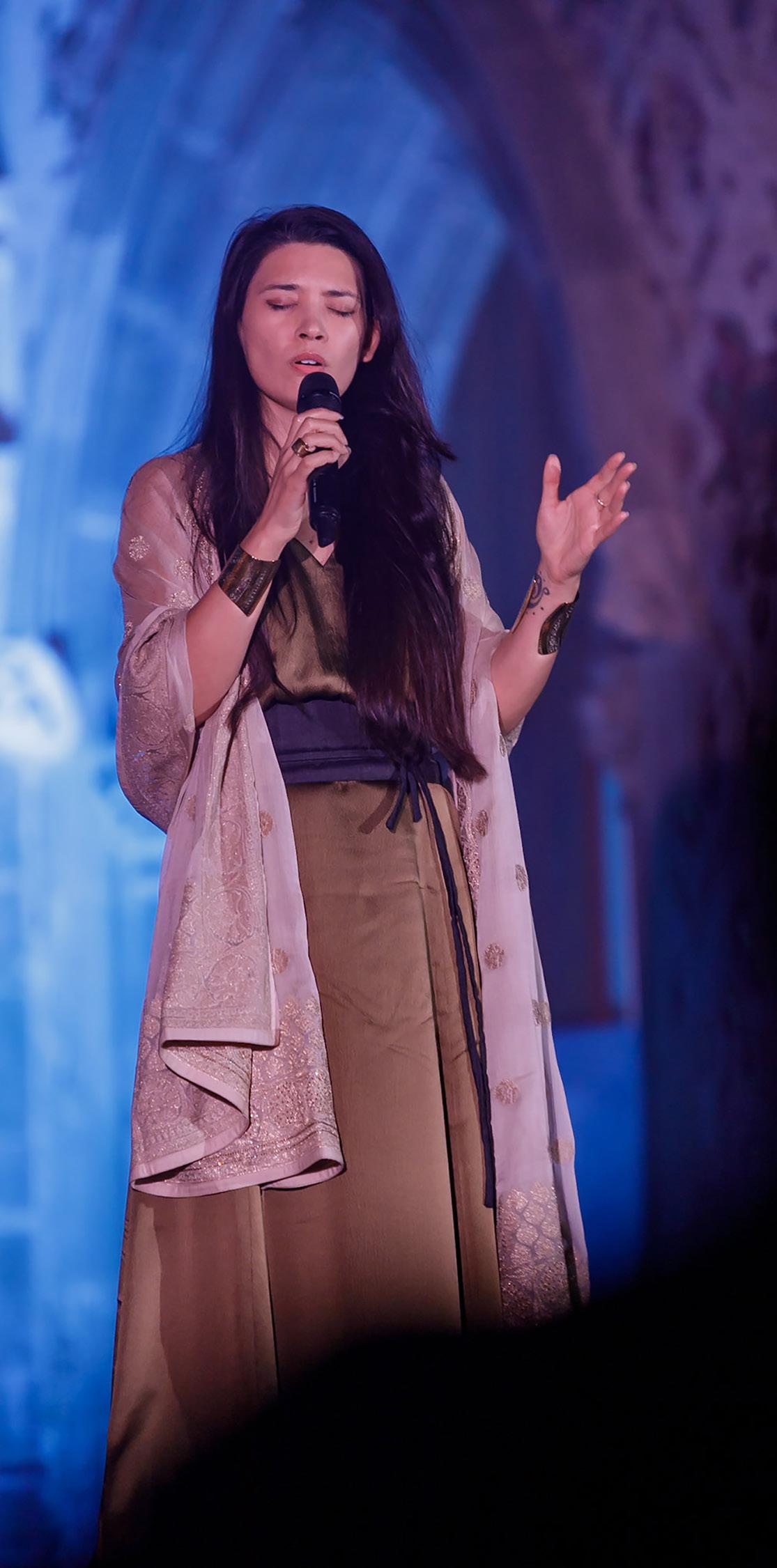
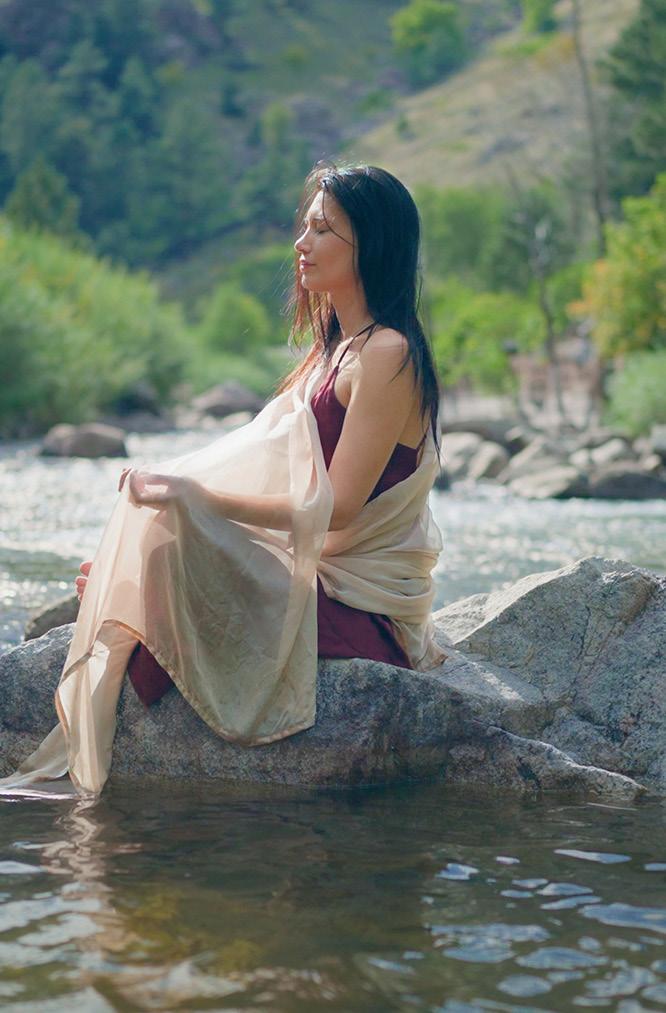
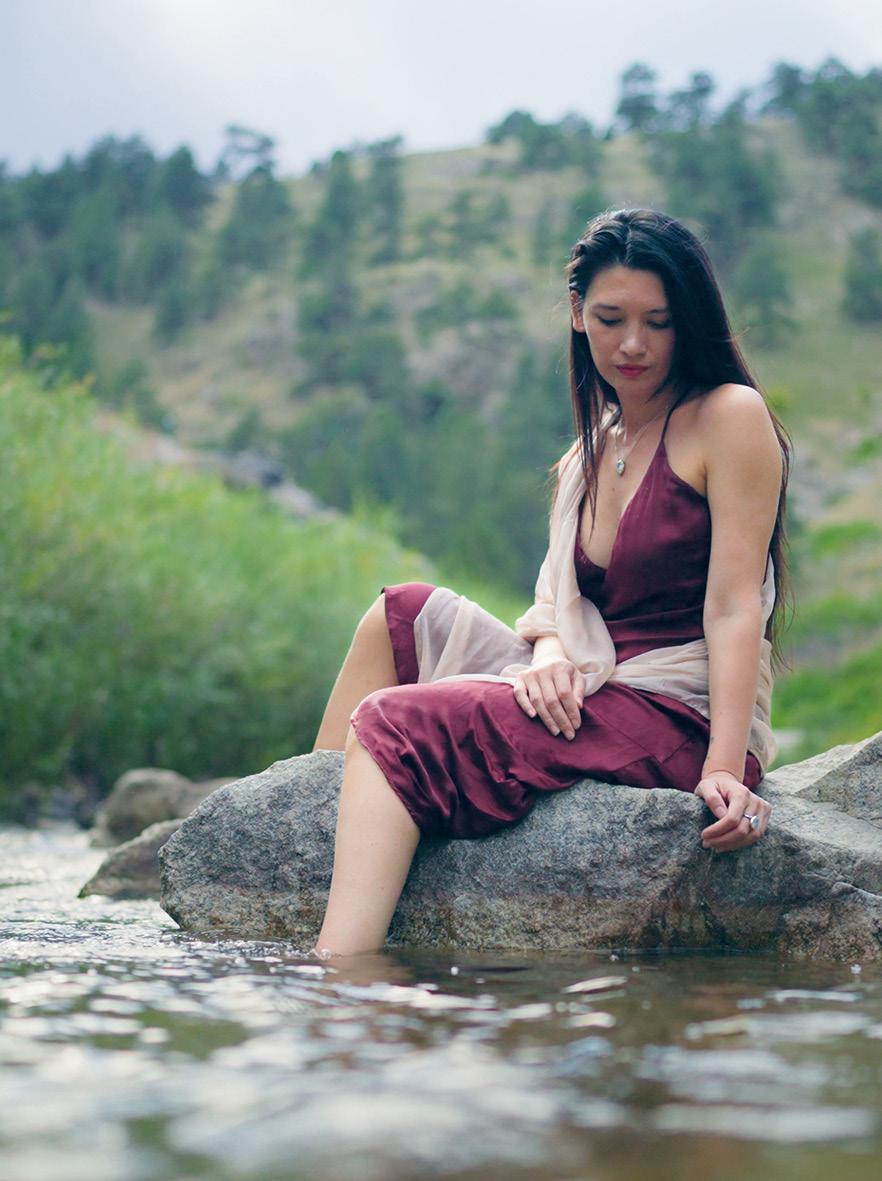
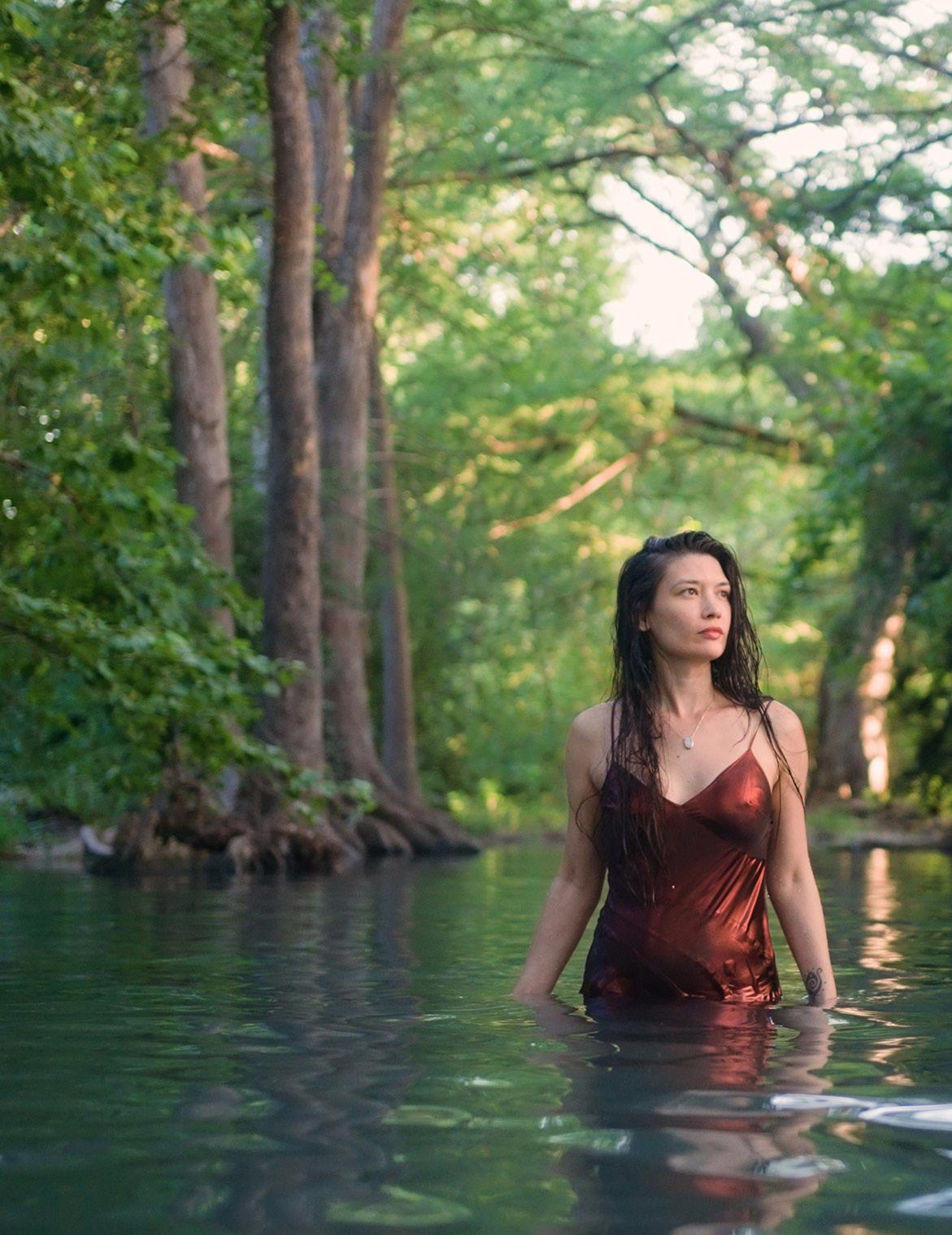
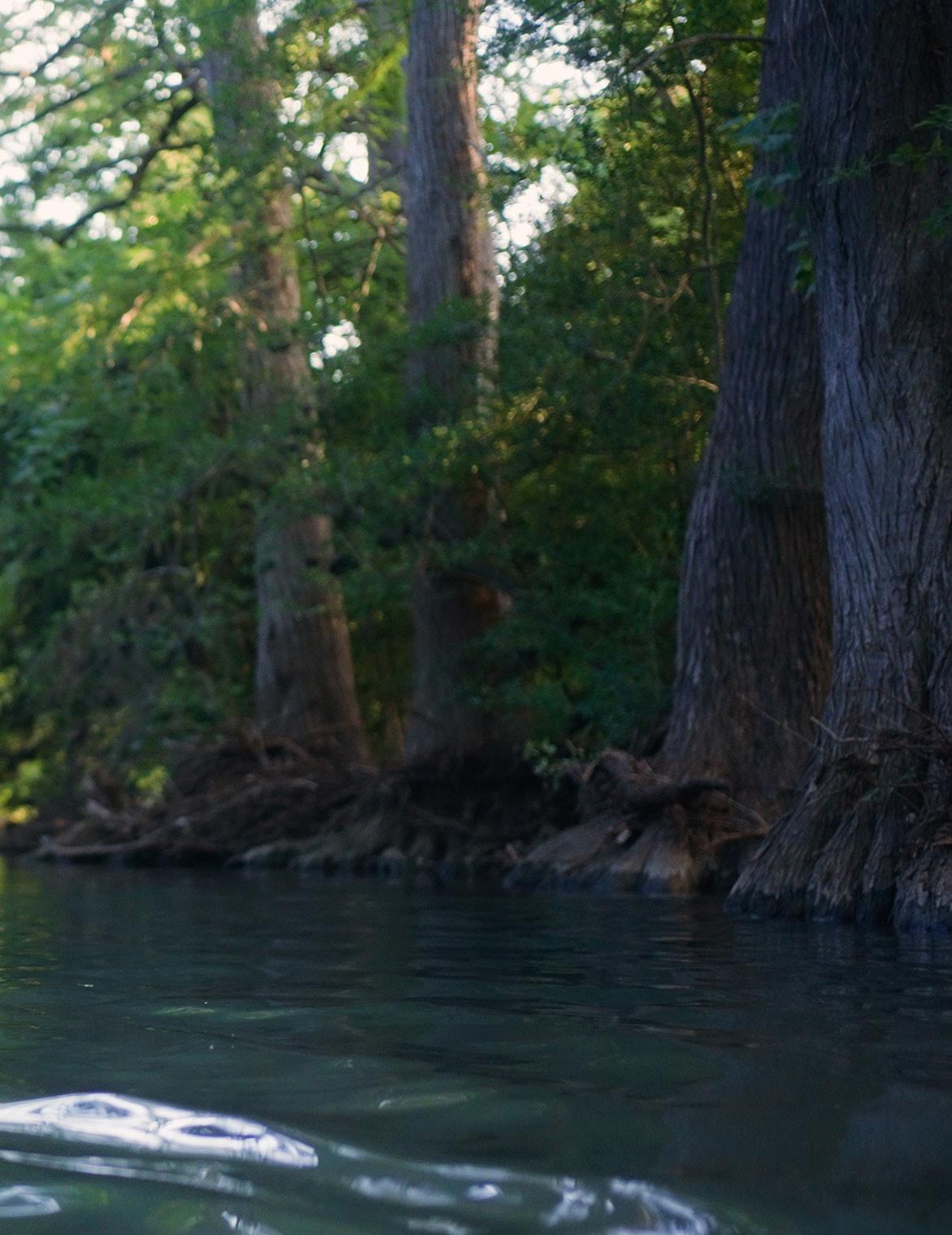
I also feel very centered when I’m in natural spring water, whether swimming or simply being near it. There’s something about pure water in nature that feels incredibly grounding and clearing for me. “
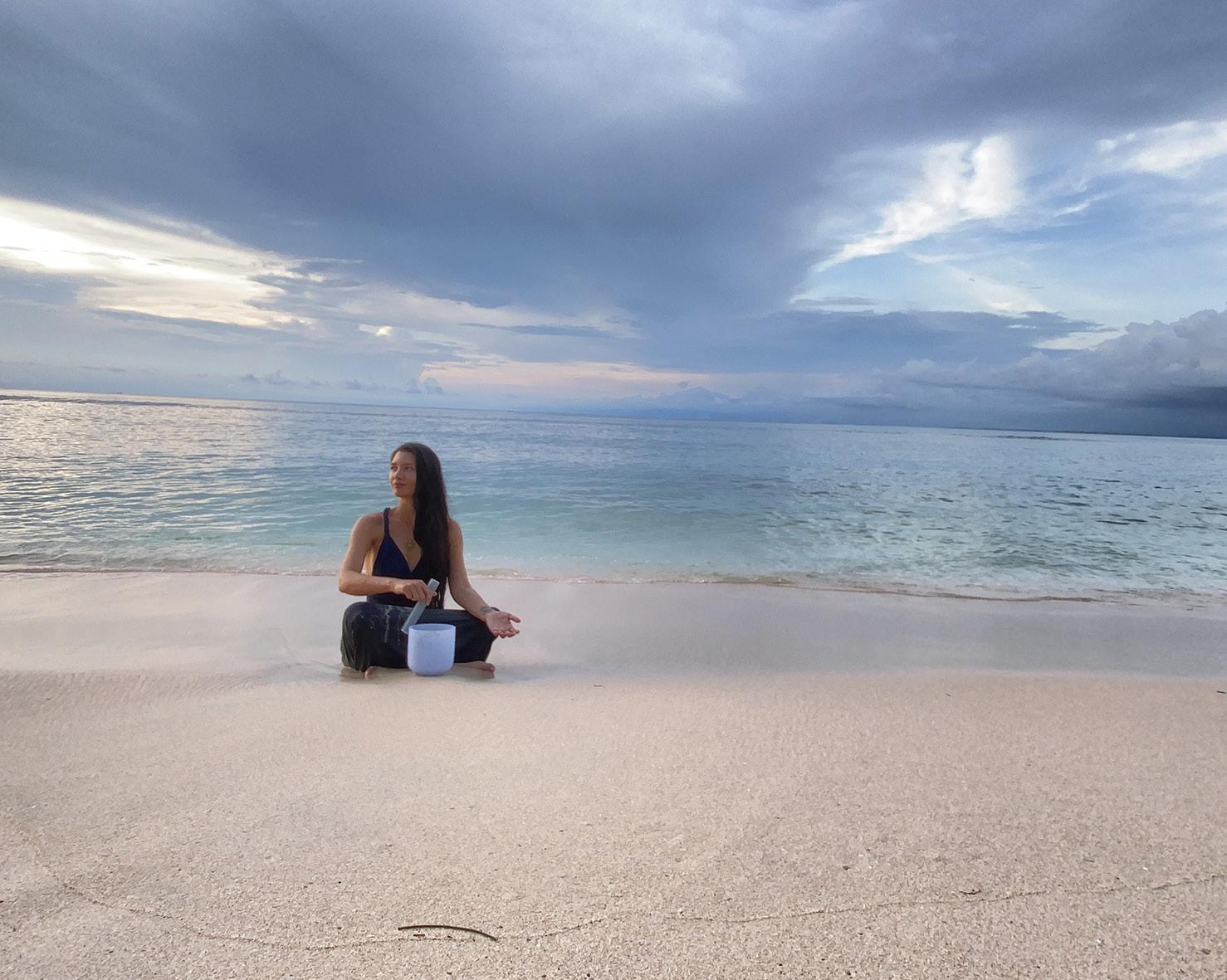
How do you stay creatively aligned and grounded amidst the demands of performing, traveling, and leading large gatherings?
For me, balance comes from listening closely to my body and honoring when it needs rest. After periods of giving a lot of energy, whether through performing, traveling, or leading gatherings, I make sure to create space to restore and reconnect with myself.
This is still something I continue to learn and refine. The more I listen to my body and respect its rhythms, the more everything begins to flow with greater ease and alignment.
Is there a particular performance or project that deeply moved you or changed your perspective on your career?
That’s a difficult question because each performance carries its own unique energy. One that stands out is my first large concert in London at Union Chapel. There was something truly magical about that evening: the acoustics, the atmosphere, and the sense of it being the beginning of something new.
I also deeply value the experiences of sharing my music at
Dr. Joe Dispenza’s retreats. The energy he creates in those spaces is incredibly coherent and focused, often opening new dimensions of sound and expression for me as I sing.
What role does mindfulness, meditation, or personal reflection play in your artistic process?
In many ways, it is my entire process. Meditation is a central part of my life, and it helps me quiet my mind and connect more deeply with myself.
I also spend a lot of time reflecting and contemplating, not only on my own experiences, but on life itself. That space of stillness and awareness is where much of my creativity and inspiration naturally arise.
Looking ahead, what legacy do you hope to leave, not only as a musician but as a human being?
Whenever someone shares that my music or personal message has helped them in some way, I feel deeply fulfilled. My hope is simply to contribute something positive, healing, and uplifting to the world.
I know what it is to experience suffering, and I also know what it feels like to find relief and peace again. If what I share can help someone move toward that sense of relief or inner light, then I feel grateful to be fulfilling what I came here to do.
What is your favorite time of day, and what makes that moment feel special or sacred to you?
I love both mornings and evenings, but especially the evening when the day begins to settle. There is something very peaceful about dimming the lights, lighting candles, and allowing everything to slow down.
That quiet atmosphere feels comforting and reflective. There is also a mystical quality to the night that I feel naturally attuned to.
Is there a place, physical or emotional, where you feel most grounded and safe? What is it about that space that centers your spirit? One of the places I feel most grounded is simply in my room. I enjoy sitting by the window, looking out at nature, drinking tea, and reading. It’s a peaceful space where I can reflect and reconnect with myself.
I also feel very centered when I’m in natural spring water, whether swimming or simply being near it. There’s something about pure water in nature that feels incredibly grounding and clearing for me.
Another place where I feel deeply safe and grounded is in meditation—when I connect to Spirit, I connect to the stillness within. In that quiet space, I feel centered, clear, and deeply connected.
And finally, tell us about your upcoming projects.
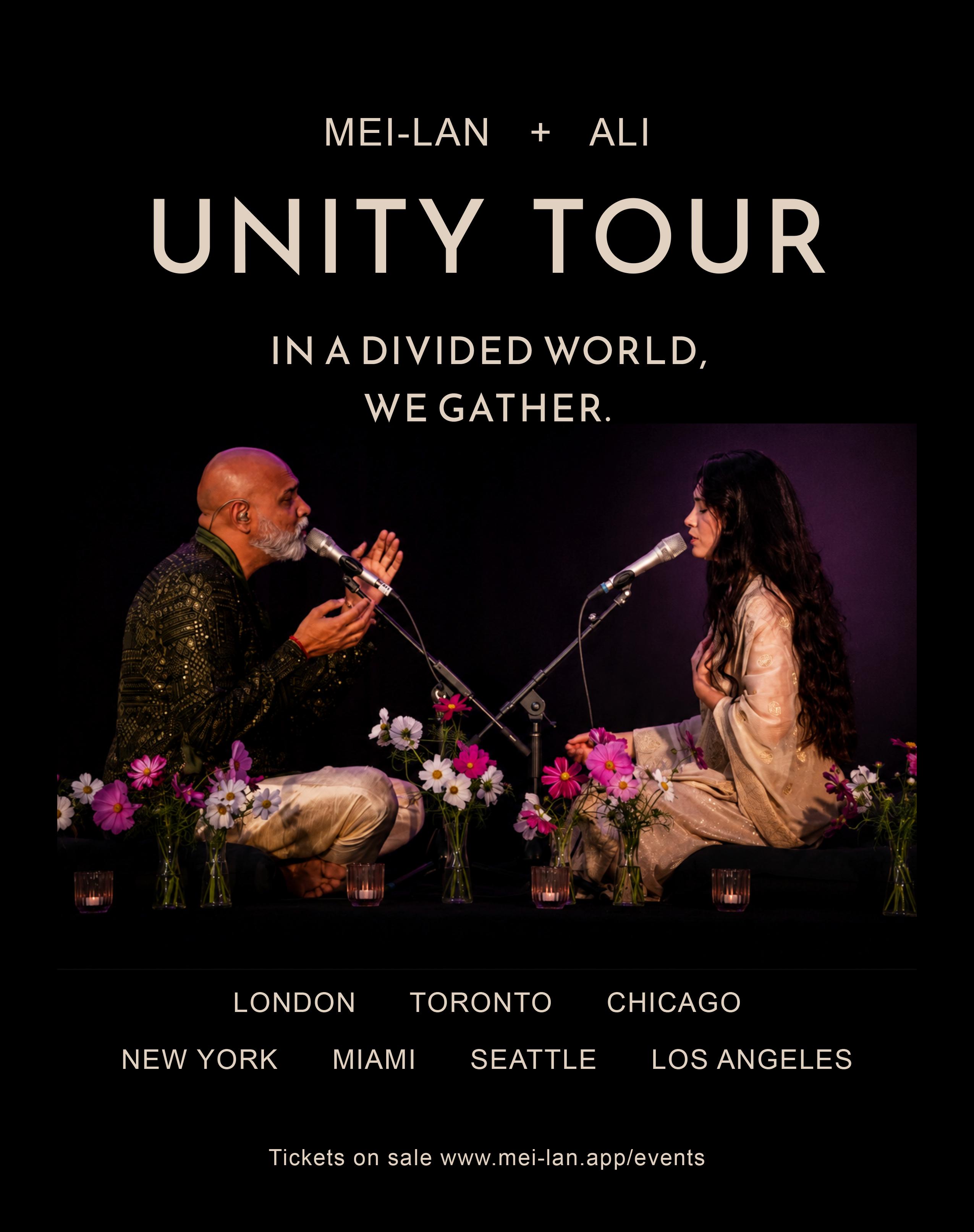
I’m currently preparing for an upcoming tour in the United States, and we are also exploring opportunities to bring the tour to Europe. Performing live and sharing these musical experiences with people around the world is something I’m very excited about.
My team and I have also created a meditation app that offers a new meditation each week, helping listeners integrate mindfulness and stillness into their daily lives. In addition, I’m beginning to develop a clothing line inspired by the same sense of beauty and presence that informs my music.
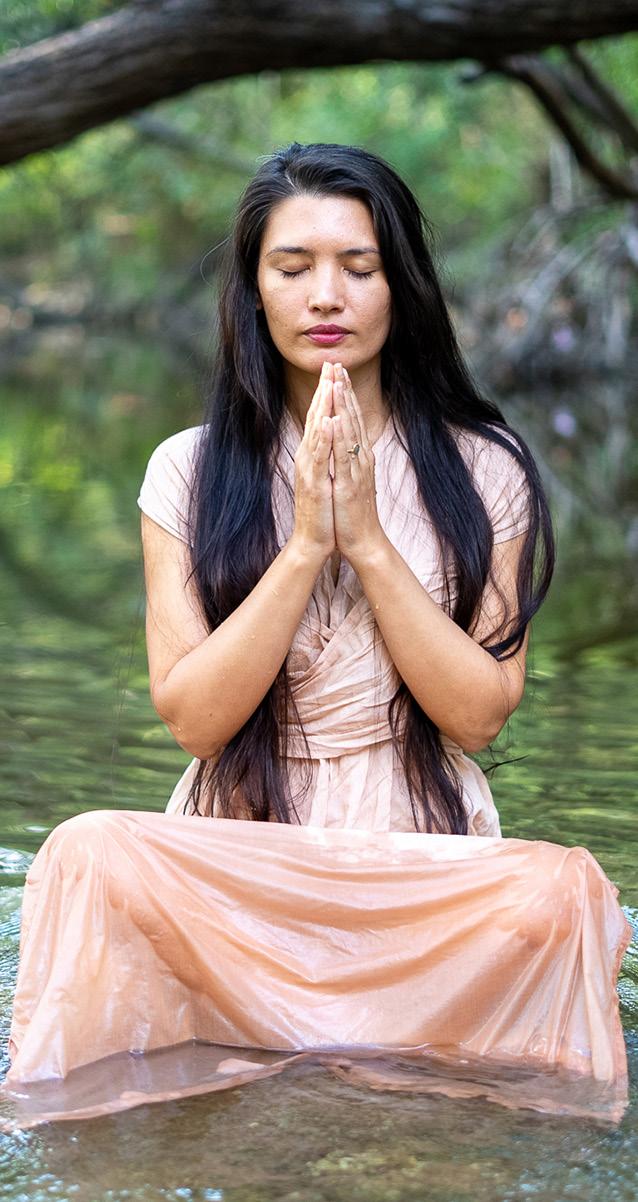
Special
Thanks to:
Mei-Ian Photography by James Gibson
By Gretchen Hund
I“I’m calling to schedule your hysterectomy.”
For a beat, I honestly thought I’d misheard her. But she kept talking, calmly, as if this were the natural next step and not the kind of sentence that tilts your entire life sideways.
I asked her to back up. Who said anything about a hysterectomy? She explained the ultrasound showed a medium-sized fibroid likely causing the heavy bleeding, and that the doctor recommended surgery. The way she said it was so matter-of-fact that for a second I wondered if I was the one being dramatic. Spoiler: I was not. This moment was pivotal for me.
Perimenopause isn’t a punchline, and it’s not something women should be expected to white-knuckle through in silence. Too often, we’re handed one narrow solution and expected to quietly endure the rest. This is a story of my reckoning, but the point is bigger: women deserve real information, real options, and providers who don’t treat midlife like a shrug.
I scheduled a follow-up appointment to understand whether this was truly my only path forward. In the days between that phone call and my appointment, I felt an overwhelming urge to protect that part of my body. After all, it had grown three children. I was very attached to it- literally.
That phone call landed where years of experience already lived. At the time, I was 47; I am now 51.
I have a wonderful husband and three beautiful, grown children. We’ve recently become empty nesters, which feels a lot like balancing a seesaw between freedom and loneliness. I’m not as needed at home as I once was-and that’s okay. I get to focus on my growing career and hobbies.
But there have been road bumps along the way that knocked me off track more than once. Hormones. Those amazing little chemicals that once helped me grow those little humans decided to turn on me in my late thirties. By then, I had already undergone an ablation to address heavy cycles. And while the bleeding improved, the procedure did absolutely nothing for the rest of the monthly chaos. Still, 38 was too young for perimenopause… right?
My gynecologist confirmed that yes, it was “too young”, but he put me on a low-dose birth control anyway to help with breast tenderness, hot flashes, and cystic acne. And it worked.
Of course, I was also told I could only stay on it briefly due to the increased risk of stroke at the very advanced age of 38. Six months later, I stopped taking it, and-no surprise-the symptoms came roaring back.
Other women told me this was just part of being a woman. Things we learn to live with. And reluctantly, I did, for the next ten years. Night sweats. Tender breasts. Mood swings. Ovarian cysts. Just part of the cycle.
Once, while holding a plank with a trainer at the gym, one of those cysts ruptured. I was convinced something inside me had catastrophically failed. My trainer thought he had caused serious bodily harm. But no, it was just a “harmless ovarian cyst.” Totally fine. Carry on.
And like so many women battling their hormones, I did exactly that. I raised my kids, tried to be a good wife, climbed the corporate ladder, attended my recovery program multiple times a week, and helped other women on their paths to sobriety. Life was just life-sometimes great, sometimes messy, and most of the time a steady march forward doing what needed to be done.
Hormones be damned.
By my mid-forties, things shifted into high gear. Symptoms intensified. Pain crept into joints where it had never been before. The bleeding worsened. An ultrasound followed.
When the office called with my results, the conversation opened with, “I’m calling to schedule your hysterectomy.” Which brings us back to that phone call-the one that opened with a hysterectomy like it was an oil change.
Talking with friends who had undergone hysterectomies fascinated me. Reactions ranged from “I couldn’t wait to get it out” to “I was devastated.” Several women admitted they hadn’t realized they had a choice at all. And at that point, I wasn’t sure if I did either.
Ultimately, my doctor explained that the decision was mine, based on how much discomfort and bleeding I was willing to tolerate. I chose to wait. Although I could no longer have children (nor did I want to!), I wasn’t afraid of the procedure. I just wasn’t ready. It felt like a piece of my womanhood I wasn’t prepared to give up yet.
By my late forties, everything unraveled.
Some days, my joints were so stiff I could barely move. Medications for arthritis were tried with minimal success. When my hormones were raging, so was the joint pain. Add in sporadic, sometimes twice-monthly cycles, along with brain fog and memory loss, and I felt at the end of my rope.
I started to wonder if it was all in my head.
It’s hard to explain the desperation that comes when medications don’t work, emotions feel uncontrollable, and memory loss convinces you that early-onset dementia might be knocking at the door.
And when I say my emotions were out of control, I mean middle-school-level emotions. Jealousy, I hadn’t felt since my teens. Rage at someone blocking the grocery aisle. I began questioning my competence at work and, terrifyingly, wondering if my career was ending.
This was not how I imagined someone with over fifteen years of recovery work and therapy behaving.
I was also losing words regularly. I struggled to finish sentences. I stopped speaking up in meetings, terrified I’d sound foolish. Slowly, I withdrew. Depression settled in deeply, and I couldn’t imagine continuing this way.
When I returned to my gynecologist after years at this level, I told him I was ready. I needed the surgery, and I desperately needed hormone support. The fibroids had grown, and this time, it was medically necessary. We would remove my uterus and cervix, but keep my ovaries.
He advised me to schedule the surgery and gave me the name of a hormone clinic his wife had been using for years.
I should explain my relationship with my gynecologist. This is a man I feel like I’ve grown up with. He delivered two of my three children when we were both young. Our kids are the same age. He feels more like a friend than a doctor, albeit one who occasionally must look at my vagina.
I trust him completely. And I appreciated his honesty when he explained that while he specializes in reproductive health and delivering babies, he is not a menopause or hormone specialist.
Ladies, this was a revelation. I had always assumed that if you delivered babies, you understood hormones. Not necessarily.
That referral opened the door to a much larger journey.
As I prepared for surgery, I learned that the hormone clinic operated on a membership model, with monthly fees plus discounted medications. The cost ranged from $200 to $400 a month. Worth it if it worked, sure, but frustrating. I already pay a small fortune for health insurance. Why should hormone care be out-of-pocket?
If you are experiencing these symptoms, know that options exist. You may have to search harder than you would for other conditions, but it is worth every ounce of energy it takes to move beyond the reckoning of perimenopause. We do not have to suffer alone or in silence.
As I researched further, I became genuinely alarmed by how many clinics appeared to operate without adequately qualified medical staff. Buyer beware.
Fortunately, I have been blessed with remarkable female mentors who guided me toward a women’s health platform specializing specifically in perimenopause and menopause care. After a virtual visit with a nurse practitioner, we put a post-surgery hormone plan in place.
Then surgery day arrived.
I was wheeled into the operating room and given the beautiful sleep that only anesthesia can provide. But anesthesia wears off, and you’re sent home the next day with pain medication and instructions.
By the time I arrived home, the good drugs were out of my system, and reality set in. Along with surgical pain, I experienced intense discomfort from the carbon dioxide used during the procedure. That unexpected complication sent me back to the hospital twice with vomiting and dehydration, setting my recovery back by a full week. Things no one had prepared me for.
I want to pause here and acknowledge this critical stage of a woman’s life, because it is no small thing.
Many of us are sending our children out into the world for the first time. Others are supporting adult children who are struggling to find their footing. At the same time, we’re often caring for aging or ill parents, maintaining careers, and quietly absorbing the physical and emotional toll of perimenopause. It can feel less like a transition and more like a reckoning.
And this is exactly why I feel a pull to tell my story.
Not because my journey is the same as anyone else-it isn’t. The details differ for all of us. But for many of us, the theme is painfully common: women are often told to “just deal with it,” or we’re handed one narrow path forward, as if there are no choices and no nuance. I want women to know there are options. We don’t have to be left to white-knuckle our way through midlife like it’s some sort of character-building exercise.
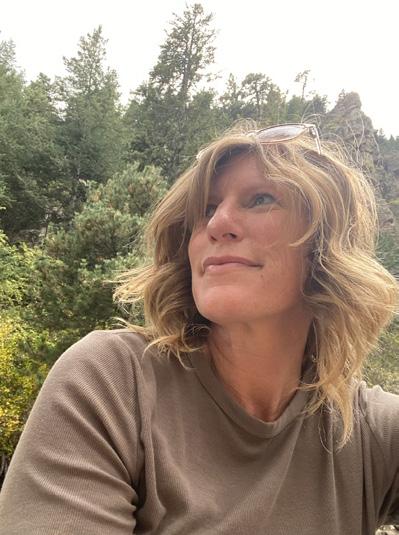
Gretchen Hund is a professional in the insurance industry with an entrepreneurial heart and a deep commitment to people. Born and raised in Southern Illinois, she has been married for 29 years and is the proud mother of three adult children. Gretchen enjoys reading, learning, and traveling, and she is passionate about walking alongside women in recovery, offering support and encouragement along the way. She has recently returned to school to pursue her Bachelor’s degree in Psychology and Anthropology, believing it is never too late to keep learning and growing.
After six weeks of healing from surgery, I met again with the nurse practitioner through the women’s health platform. She explained that instead of chasing hormone levels through bloodwork (which can fluctuate day to day, sometimes hour to hour), we would treat symptoms. If I were experiencing night sweats, mood swings, and breast tenderness, that’s what we would address.
That made sense to me. Let’s try this.
We started with the lowest-dose estrogen patch, applied twice a week, and a progesterone capsule at night. The results were immediate. The very first night, I slept through the night! No night sweats, no waking up soaked and disoriented.
By week two, my concentration had improved, though I was still losing words and waking at 2:00 a.m. like clockwork. At our next visit, my dosage was adjusted.
And for the first time in many years, I felt whole again. My creative spark returned. I stopped tearing up when things at work didn’t go as planned. I could manage my family, help care for my mom, and still have something left at the end of the day. This! This is how it should be!
Which leads me to the question I can’t stop asking: Why did I have to live under the cloud of perimenopause for so long?
There are answers. There is widespread misinformation about hormone replacement therapy. Many providers still rely on outdated studies that have since been debunked. And while there are risks associated with certain types of hormone therapy, as there are with most medications, women were not historically given the opportunity to weigh those risks against the benefits.
For nearly everything else, we are allowed to make informed choices. For this, we often were not.
That is finally changing.
My hope for anyone reading this is simple: if you are experiencing these symptoms, know that options exist. You may have to search harder than you would for other conditions, but it is worth every ounce of energy it takes to move beyond the reckoning of perimenopause. We do not have to suffer alone or in silence.
Advocate for yourself. Find a practitioner who listens. Who believes you? After all, who knows your body better than you do?
Practical Resources: Finding Supportive Menopause Care
If you’re reading this and thinking, “Okay, but where do I even start?”-here are reputable places women commonly use to find menopause-informed clinicians and virtual care:
• Midi Health: A virtual clinic focused on perimenopause and menopause care, offering virtual visits and stating it’s available in all 50 states.
• Gennev: Virtual menopause care with menopause-trained doctors; the platform describes scheduling video visits and a symptom-focused care model.
• Evernow: A digital platform offering menopause care with options including one-time virtual visits and ongoing membership-style support.
• Alloy: A telehealth platform focused on menopause that describes menopause-specialized doctors and a care + treatment model through its service.
• The Menopause Society “Find a Menopause Practitioner” directory: A searchable directory intended to help people locate clinicians who are Society members and/or certified practitioners (US zip search and telehealth search options are included on the site).
• Provider directory roundups (multi-organization lists): The Menopause Wiki maintains a list of various directories and organizations people use to locate menopause-informed providers.
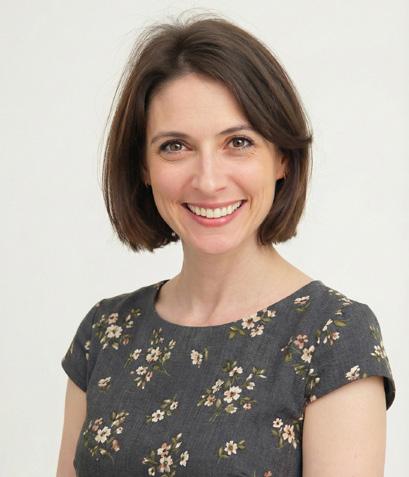
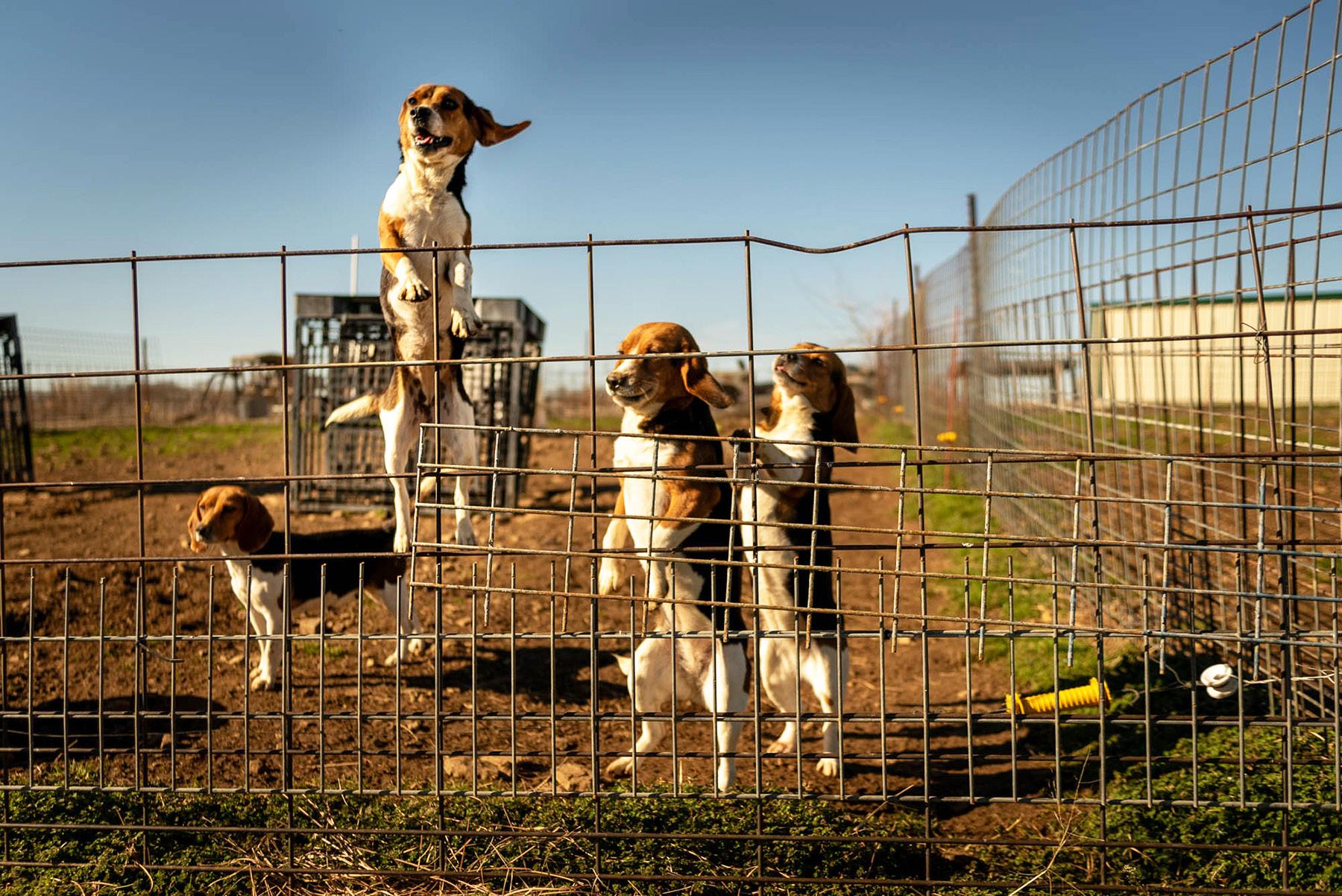
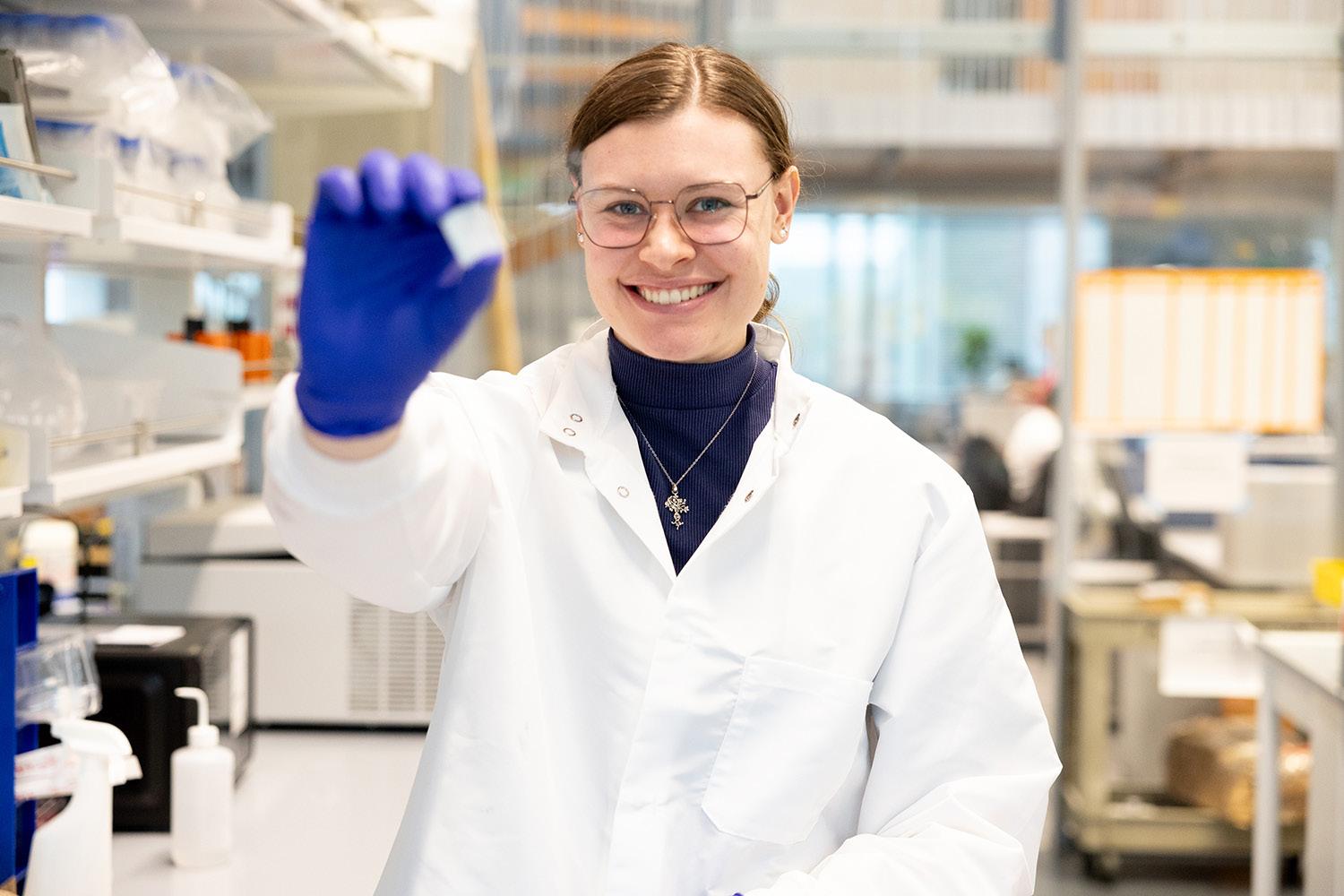
Lauren Stein, Director of Science and Research Programs at the National Anti-Vivisection Society (NAVS), is helping advance the future of biomedical research through innovative, human-relevant technologies. Drawing on a decade of experience in academic research and a Ph.D. in Pharmacology and Physiology, she works to promote scientific methods that replace animal use while improving outcomes for human health. Through her work, Lauren highlights how emerging technologies are reshaping research and accelerating the transition toward more effective and humane science.
As awareness grows around animal testing, what do you see as the most significant cultural or ethical shift driving this change in scientific research?
The most significant shift is a fundamental change in how the scientific community defines good science. For a long time, using animals was not just accepted, it was considered the rigorous choice. The ethical question of whether we should use animals was largely separate from the scientific question of whether we needed to. What's changed is that those two questions have merged. Scientists are increasingly asking both at once.
That didn't happen overnight. The Three Rs (Refine, Reduce, Replace) were introduced in 1959, and by 1985, the AWA amendments had mandated IACUCs and made consideration of alternatives a federal funding requirement, so the ethical infrastructure has been in place for decades. What's different now is that the science has finally caught up to the ethics. The accumulation of evidence supporting new approaches means scientists no longer must choose between rigorous and humane work. That's the real shift: the ethical and scientific imperatives are now pointing in the same direction, and that alignment is what's accelerating change in a way that advocacy alone never could.
We're also seeing a genuine shift in values among younger scientists. They're entering the field with both an efficacy and an ethical lens already integrated. What's striking, though, is that many of them want to pursue NAMs but feel constrained by the system around them: reviewer expectations, publication pressure, funding structures that still favor animal-based designs. That gap between what the next generation wants to do and what the infrastructure currently rewards is actually one of the strongest arguments for the policy changes we're seeing at NIH and FDA right now.
Despite increasing concerns, animal testing is still widely practiced. What are the main barriers preventing a faster transition to alternative methods?
The barriers are scientific, structural, and regulatory, and until recently, they've been mutually reinforcing. Decades of career investment in animal-based expertise, a funding and publication system biased toward animal models, and an FDA that historically required animal testing have all worked together to make the status quo extremely difficult to disrupt. What's different now is that all three are being challenged at the same time.
“
SCIENTISTS ARE COMING TO US NOW, SAYING THERE ARE SERIOUS ETHICAL CONCERNS WITH ANIMAL RESEARCH. YOU WOULDN'T HAVE HEARD THAT SEVERAL YEARS AGO.
The scientific barrier is inertia. Researchers spend entire careers building expertise around specific species and disease models, and the evidence base for NAMs, while growing rapidly, took time to accumulate. You can't shift a field overnight when that field has decades of institutional knowledge invested in existing methods.
The structural barrier is arguably more stubborn. Grant review panels have historically favored animal-based designs, creating what researchers have called "animal-reliance bias," scientists feeling compelled to include animal data just to get funded or published, even when it isn't scientifically necessary. NIH is now training grant reviewers to address that bias directly, which tells you how deep it runs.
The regulatory barrier has been the most concrete. The FDA historically mandated animal testing for drug safety and efficacy, locking it into the entire drug development pipeline. The FDA Modernization Act 2.0 removed that mandate, and the FDA's 2025 roadmap sets a goal of making animal testing the exception rather than the rule within three to five years.
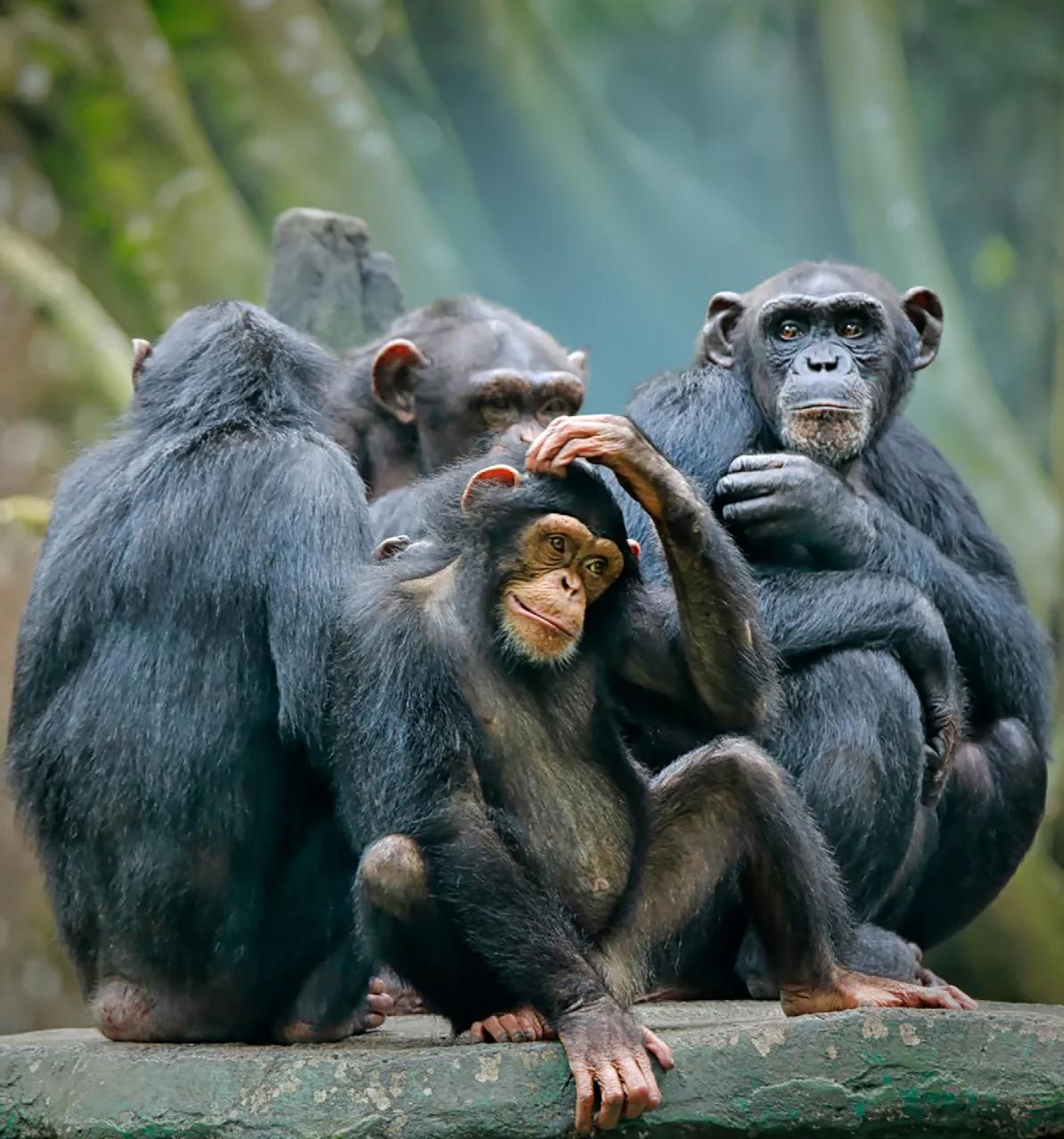
From a scientific standpoint, what limitations exist in animal testing that make human-relevant alternatives more effective or reliable? At its core, the problem is simple. Human biology is sufficiently distinct from that of other species that what happens in an animal model often doesn't predict what happens in a human patient. No matter how carefully you design an experiment, you're still studying a different species and hoping the results translate. Animals process drugs differently, mount different immune responses, and experience diseases differently than we do. A drug that looks safe and effective in a mouse may behave
completely differently once it enters a human body. That’s not because the science was done poorly, but because biology is fundamentally different. Modeling human disease in non-human species can be incredibly problematic. While some species do develop pieces of the pathology, no animal naturally develops the full disease as humans experience it. Scientists have to engineer animals to approximate it, and those approximations have repeatedly failed to predict which treatments work in people. Simply put, a lab rat is not a tiny human. We've treated it as a useful stand-in for decades, but the data tells us it isn't.
Can you share some of the most promising emerging alternatives that are helping replace animal use in research today?
Three technologies are really driving the shift right now: organ-on-achip, organoids, and AI. And what's exciting is that we're past the "this looks promising" stage. In some key areas, these tools are already outperforming what they're replacing.
The one that's gotten the most attention recently is organ-on-a-chip. The basic idea is that a tiny device about the size of a USB drive is lined with living human cells that actually behave the way they would inside your body. Think of a breathing lung, a beating heart, a metabolizing liver. Emulate's Liver-Chip is a great example of where this is going. In a blinded study, it correctly identified 87% of drugs that caused liver injury in humans; some of these drugs had passed animal testing and gone on to harm patients. Animal models detected none of them. The FDA took notice, citing that data in its 2025 roadmap and accepting the chip into its formal regulatory qualification program. And now scientists are connecting multiple chips to model how different organ systems interact throughout the body. That's when it really starts to look like a human body-on-a-chip.
Organoids are related but a bit different. Instead of engineered devices, these are miniature 3D tissue models grown from human stem cells. They self-organize into structures that resemble real organs. They're especially useful for modeling diseases that don't occur naturally in animals, and because you can grow them from a specific patient's own cells, they're a key part of where personalized medicine is headed.
Then there's AI and computational modeling, which is moving incredibly fast. These tools can screen millions of drug candidates against thousands of targets, flag potential toxicity, and model how a compound will behave in the human body, all before a single experiment is run. What used to take years can now happen in a fraction of the time.
How is policy evolving to support the reduction or elimination of animal testing, and what role does advocacy play in accelerating the process?
The policy landscape has shifted more in the last three years than in the previous three decades, and it's happened at every level simultaneously.
In 2022, the FDA’s Modernization Act 2.0 removed the legal
mandate for animal testing. Then, in April 2025, the FDA went further, publishing a roadmap with a concrete goal: to make animal testing the exception rather than the rule within three to five years. At NIH, as of July 2025, proposals relying exclusively on animal data are no longer eligible for funding. These aren't aspirational statements. They're binding policy changes backed by the two largest funders and regulators of biomedical research in the world.
What's driving these agencies isn't ethics, it's evidence. The FDA has cited the high clinical trial failure rate as a core rationale for the shift. They're not moving away from animal testing because it's unpopular. They're moving away from it because the data shows it isn't working well enough.
Advocacy didn't create this shift; the science did. But what advocacy has done is accelerate the timeline and raise the urgency. By documenting the failures of animal models, amplifying the successes of NAMs, and mobilizing scientists to engage with regulatory processes, advocacy organizations have helped compress what might have taken another decade into a few years. In drug development, time translates directly into lives.
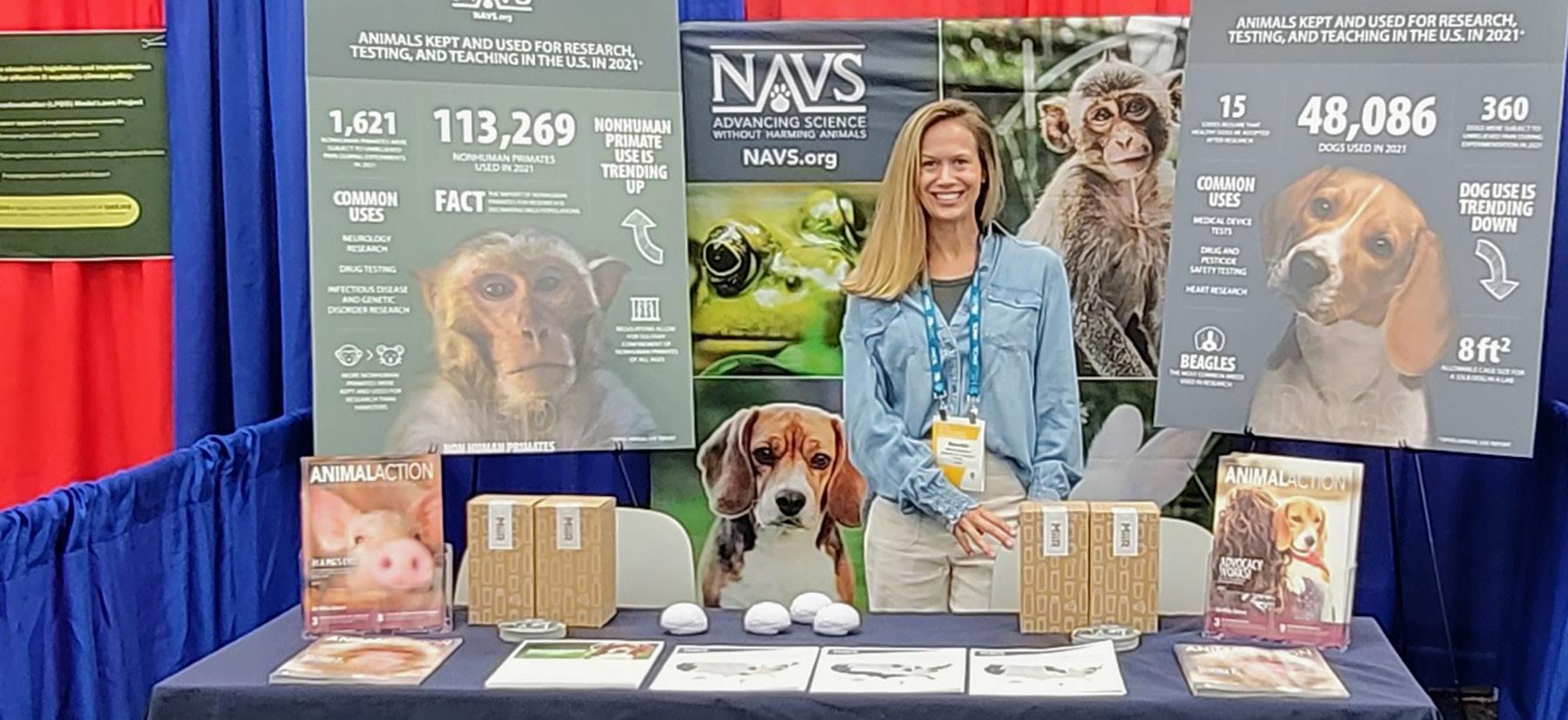
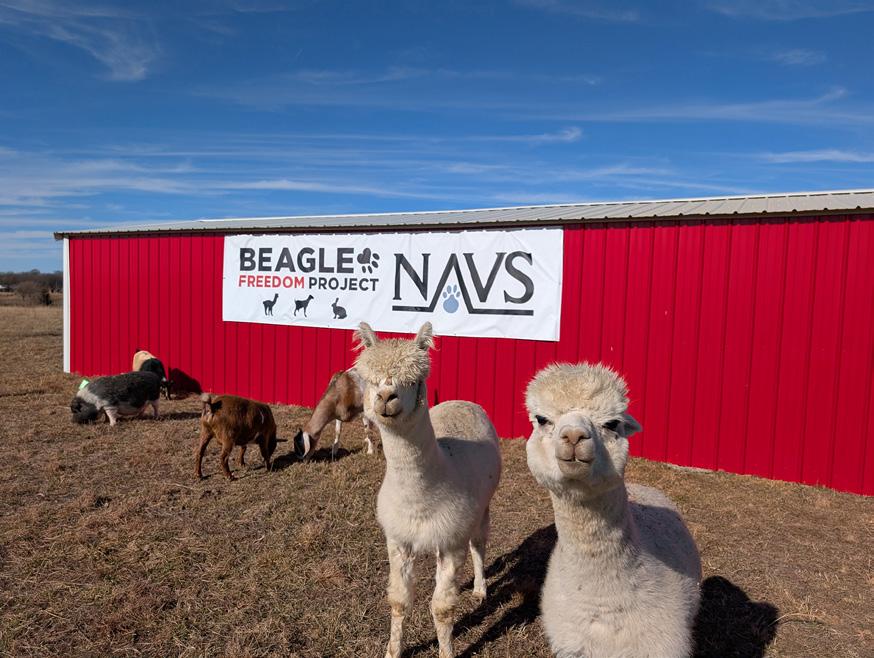
NAVS History, A Voice for Those Who Cannot Speak NAVS was founded in 1929 to raise awareness and advocate for the elimination of animal testing. Our mission has expanded to include encouraging replacements to classroom dissections, supporting sanctuaries for animals formerly used in research, and empowering scientists to pursue innovation.
If the truth about animal exploitation for science was widely known it would end. That’s why we are focused on raising awareness about the cruel and outdated practice of using animals for research. Our vision is for ethical and effective, human-relevant solutions.

The National Anti-Vivisection Society (NAVS) is a prominent animal protection organization dedicated to ending the exploitation of animals in science and education. They champion humane, modern research methods that do not harm animals.
NAVS focuses on four main pillars to end the use of animals in research:
• Advancing Humane Science: Funding scientific grants, championing modern, non-animal testing methods, and advocating for approaches that save both animal and human lives.
• Ending Classroom Dissections: Providing the BioLEAP grant program to help teachers purchase sustainable, humane alternatives to animal dissection.
• Supporting Sanctuaries: Assisting sanctuaries and shelters that care for animals rescued from research facilities.
• Policy and Advocacy: Working with lawmakers to drive policy changes, increase transparency in how federal research funds are spent, and eliminate animal testing.
In your role at NAVS, how do you engage with the science and research community and institutions to encourage more humane research practices?
Our approach is not to demonize scientists who have done or continue to do animal research. That only alienates the scientific community, and we want to come to the table with them and meet them where they are.
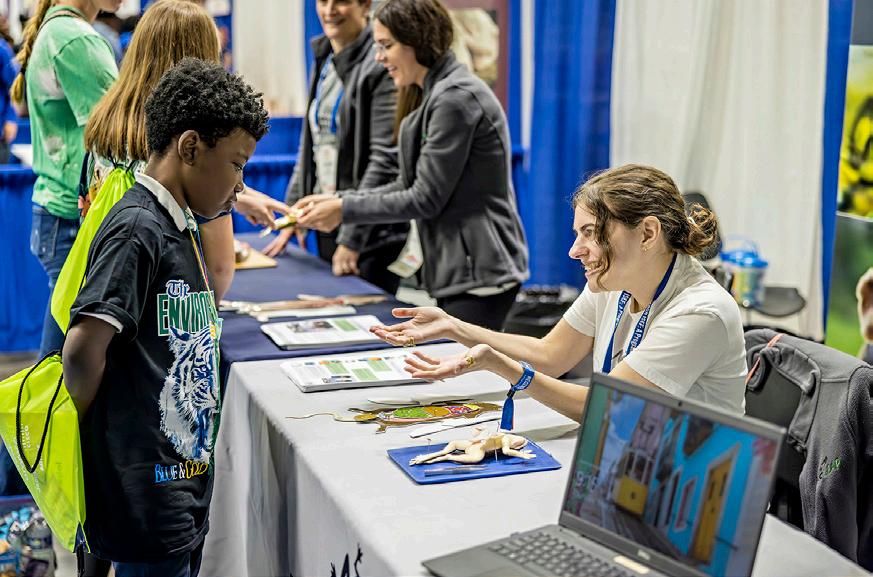
In practice, that means focusing our resources on investigators who are genuinely excited about new approach methodologies and giving them the tools, funding, and support they need to succeed. Through our partnership with the International Foundation for Ethical Research, we fund graduate students developing NAMs-based research. Our goal is to develop the next generation of scientists and ensure they are NAM scientists from the start of their careers.
What we're seeing at conferences reflects that this approach is working. Scientists are coming to us now, saying there are serious ethical concerns with animal research. You wouldn't have heard that several years ago. And increasingly they want to be more involved by mentoring students, training the next generation, and participating at an advocacy level. The scientific community is finding its voice on this issue, and we want to support that.
What message would you like to share with the next generation of scientists about pursuing innovation without exploitation?
Science is about asking questions and challenging what we currently think is true. We're at a point where, if you want to do biomedical research, there's substantial evidence supporting a move away from animal models and no reason to shy away from that.
I also want to be realistic about the pressures students face. A lot of what determines which lab you go into is
which lab has funding and is willing to take you. You don't always have many options, and you may find yourself in an environment where someone tells you this is the gold standard or this is what we've always done. But students now have the evidence to push back on that, and that's a meaningful shift from even five years ago.
The practical argument is also compelling. The FDA has stated that it expects animal use to become the exception rather than the rule within the next few years. NIH will no longer fund proposals that rely exclusively on animal models. If you want to be competitive, build a lab, and attract funding, your best bet is to develop expertise in NAMs now before the rest of the field catches up. The scientists who do that will be the ones defining what biomedical research looks like in twenty years.
What does a future without animal testing realistically look like, and how close are we to achieving it?
The dimension that doesn't get enough attention is personalized medicine. Treatment tailored to your individual genetic and molecular profile is where medicine is headed, and animal models can't capture that human variability. Moving away from animal models isn't just an ethical choice. It's a scientific necessity.
That's what a future without animal testing looks like. A drug development pipeline where human biology is the model from day one. Instead of testing a compound in mice and hoping it translates, you're screening it against human organ chips, running it through AI toxicity models, and building your safety case from human-relevant data before it ever enters a clinical trial.
The regulatory and funding infrastructure to support that transition is falling into place. The policy changes of the last three years have made sure of that.
“Animals Have Souls Don’t Put Them in Your Bowl”
By Beven Byrnes
For generations, girls and women have been praised for holding it all together. We celebrate the mother who remembers every appointment, lunch, birthday, and detail. We admire the girl who earns good grades, never causes trouble, and somehow looks “fine” even when she is barely keeping it together inside. We compliment the woman who keeps showing up, giving, producing, and caring, even when her body and mind are asking for rest.
We call it resilience. But sometimes what we are calling resilience is really survival.
For many girls and women with ADHD, especially those who were never diagnosed or never given language for their experience, the cost of that survival can be chronic stress.
ADHD in girls and women does not always look the way people expect. It is not always disruptive behavior, constant movement, or obvious impulsivity. Sometimes it looks like perfectionism. Sometimes it looks like overachievement. Sometimes it looks like a girl praised for being “mature” because she has learned to hide how overwhelmed she really is.
It can look like forgetting the one thing you needed to remember while somehow remembering everyone else’s needs. It can look like lying awake replaying conversations. It can look like working twice as hard to appear organized, only to blame
yourself when the system falls apart. From the outside, many women with ADHD seem capable, successful, even calm. Inside, they may be exhausted.
Stress itself is not the enemy. Our bodies are built to respond to challenge. A problem comes, the nervous system activates, and then, ideally, we return to safety. Chronic stress is different. It happens when the body never really gets the message that the danger has passed. It is the ongoing pressure of too much noise, too many expectations, too many responsibilities, too many transitions, too many emotions, and too many unfinished tasks.
For girls and women with ADHD, this can be especially intense. ADHD affects executive functioning, working memory, emotional regulation, attention, task initiation, and the ability to shift from one thing to another. These are the skills daily life constantly demands. For someone with ADHD, ordinary life can require extraordinary effort.
Over time, the nervous system begins to operate as if it is always on alert. Many women describe a steady hum of urgency. They are overthinking, overpreparing, scanning for mistakes, bracing for criticism, and carrying internal pressure others may never see. Because so many are still functioning, still caring, still working, and still achieving, their distress often goes unnoticed.
For women with ADHD, that invisible labor can be exhausting: compensating, masking, apologizing, and pushing through sensory overload.
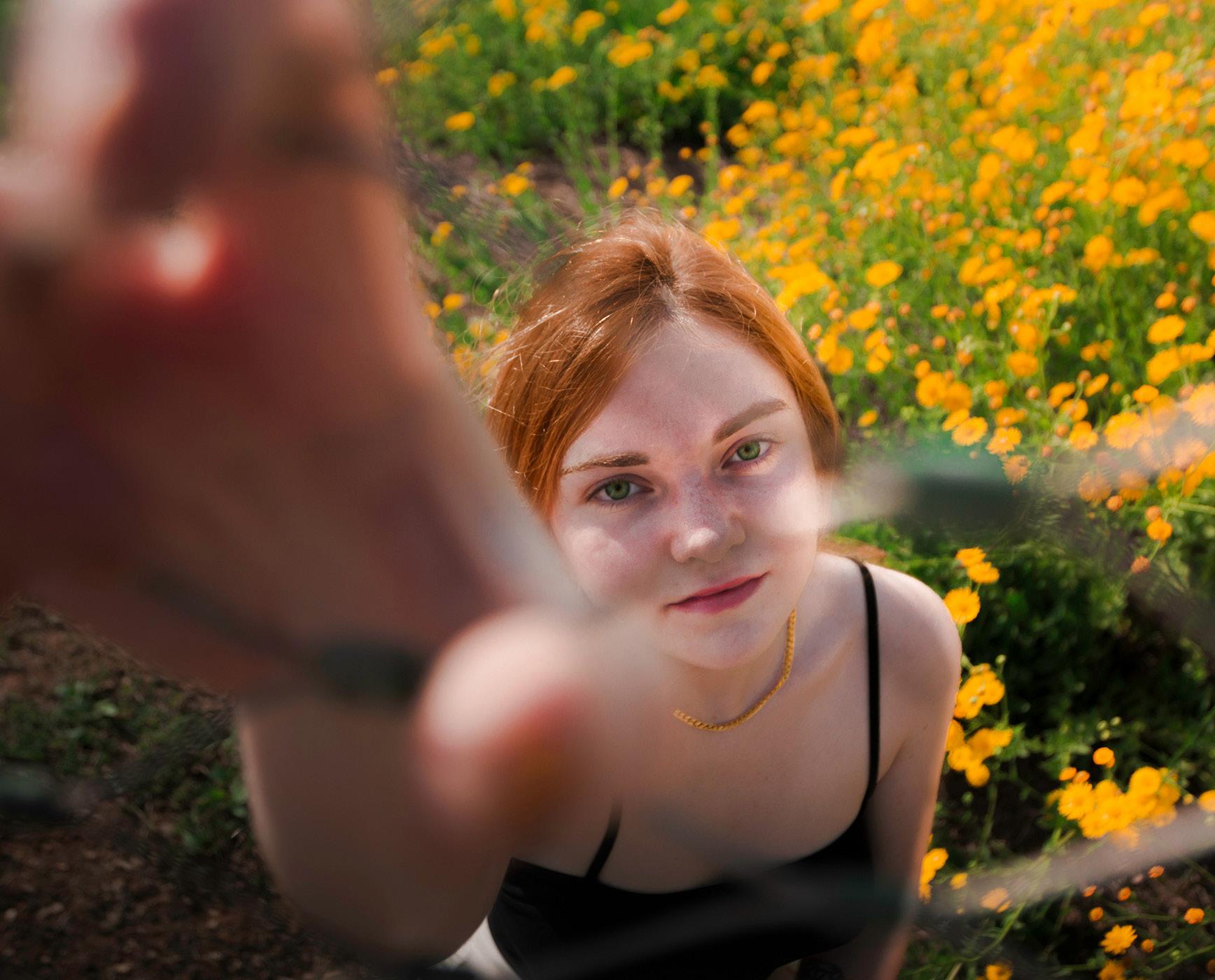
But functioning is not the same as being well.
One reason so many women are diagnosed with ADHD later in life is that, for too long, we were not really looking for ADHD in girls. The traditional picture was built largely around boys who were restless, impulsive, loud, or visibly struggling in school. Many girls experience ADHD differently, and many girls are taught to respond to struggle differently.
Girls are often socialized to be helpful, agreeable, emotionally aware, organized, and accommodating. They learn early to read the room. They learn to please. They learn to cover. They learn to make their struggle less inconvenient for every-
one else. So instead of acting out, they may turn inward.
A girl with ADHD may be described as sensitive, anxious, chatty, dreamy, scattered, intense, or “a lot.” She may perform well at school and fall apart at home. Too often, instead of support, she receives messages: try harder, calm down, stop overreacting, you’re too sensitive.
Those messages do not disappear. They become part of how a girl understands herself. By adulthood, many women are not only managing ADHD. They are also carrying years of shame, self-doubt, emotional suppression, and the belief that they are failing at things that seem easy for everyone else.
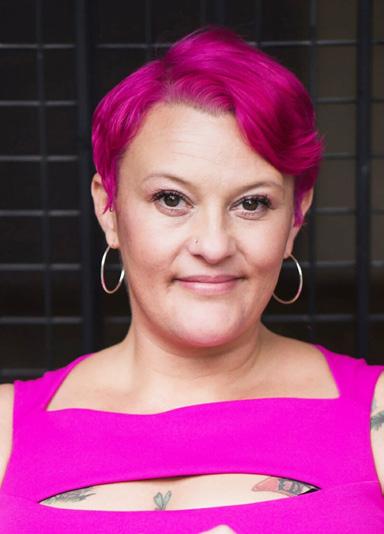
Beven Byrnes is the Executive Director of Bridges Middle School in Portland, Oregon, a program dedicated to neurodivergent learners. With over 25 years of leadership in neurodivergent advocacy, she works to bridge the gap between educational foundations and lifelong success for individuals with ADHD, autism, and related learning differences.
Women are often expected to hold the emotional center of a family, workplace, classroom, or community. For women with ADHD, that invisible labor can be exhausting: compensating, masking, apologizing, and pushing through sensory overload.
And still, many are praised for appearing productive. This is one of the painful contradictions so many women live with: the world rewards them for the very patterns that are burning them out.
The woman who never stops is called dependable. The girl who hides her struggle is called easy. The person who ignores her own needs is called selfless. But what happens when the body finally says no?
Chronic stress does not stay neatly tucked away in the mind. It settles into the body as poor sleep, headaches, stomach problems, anxiety, panic, fatigue, inflammation, sensory sensitivity, emotional reactivity, or constant depletion.
The body often tells the truth long before we are ready to say it out loud: I cannot keep living this way.
For many women, healing begins when they stop asking, “Why can’t I just handle this?” and begin asking, “What has my nervous system been carrying?” Sometimes the answer is rest. Sometimes it is diagnosis, therapy, medication, coaching, community, boundaries, or a life built with more honesty.
Healing does not come from pushing harder. For many women and girls, healing begins with being believed.
We have to be careful how we talk about strength. Strength is not pretending everything is fine. Strength is not ignoring exhaustion. Strength is not being endlessly available to everyone else while disappearing from yourself. Sometimes, strength is telling the truth.
For women diagnosed with ADHD later in life, that truth can bring relief and grief. A diagnosis does not erase the past, but it can change the story. It can offer a lens rooted not in blame, but in understanding.
Girls deserve to grow up in places where their quiet struggles are noticed. They deserve adults who look beneath achievement and ask better questions. They deserve classrooms where neurodiversity is understood, not punished.
Women deserve that, too. They deserve to rest without guilt, receive support before a crisis, and find care that does not require them to fall apart first.
A compassionate society is not built by asking people to push harder and hide better. It is built by creating spaces where people can finally breathe.
When girls and women are truly seen, something begins to change. They can stop carrying shame that was never theirs to carry. They can build lives that make room for their actual needs.
And perhaps that is where real healing begins. Not in doing more. Not in holding it all together. But in finally being allowed to live with honesty, support, and compassion.





WWhen in the course of human history, it becomes necessary for people to reconsider the foundations of their collective life, and to examine whether the systems under which they live serve them in modern-day life. Systems that still serve justice, dignity, and truth, and with a decent respect for both conscience and circumstance, require that they speak plainly.
It may sound something like this:
We are a people bound not only by laws and borders, but by shared longing. A longing for freedom that is not merely political, but also spiritual; for justice that is not only written in statute, but also inscribed in the human heart; and for a life that honors both the visible order of society and the unseen worth of every soul.
We hold these truths to be self-evident: that every human being is created with inherent dignity, that each life bears meaning beyond measure, and that all people are endowed not only with rights, but with responsibilities. Responsibilities to one another, to truth, and to whatever divine source one names or understands as the origin of life itself.
Among these are liberty, conscience, belonging, and the pursuit of a just and meaningful existence. That governments, institutions, and systems are formed among people not as masters, but as servants of the common good. Whenever any system becomes destructive to these ends, it is the right, and perhaps the moral obligation, of the people to examine it, to challenge it, and most importantly, to transform it.
Our present age is marked by extraordinary contradiction. We are more connected than any generation in history, yet many feel profoundly alone. We are surrounded by endless information, yet truth often feels difficult to discern. We possess remarkable technological power, yet struggle to cultivate peace within ourselves and among one another.
In this condition, many systems, such as political, economic, and cultural systems, have grown distant from the people they are meant to serve. Power is often concentrated, voice is often unevenly distributed, and the value of a human life is too frequently measured in productivity rather than sacred worth.
We do not declare this lightly, nor in bitterness. We recognize the complexity of governance, the difficulty of justice, and the imperfections inherent in every human institution. Yet we also recognize that silence in the face of imbalance becomes complicity, and that awareness without action becomes a burden on the soul.
Therefore, we begin this reflection not in anger, but in truth. Not in rejection of society, but in a desire for its renewal.
We affirm that political freedom is not merely the absence of oppression, but the presence of participation. True independence is not simply the ability to choose between options already given, but the ability to shape the conditions under which choices are made.
A people cannot remain free if their voice is only heard in moments of election but ignored in moments of decision. Nor can a society claim justice if law is applied unevenly, or if access to opportunity is determined by inheritance rather than equal dignity.
We therefore assert that governance must remain accountable to the governed. Not in theory alone, but in practice. That transparency, fairness, and integrity are not optional virtues, but essential pillars of legitimate authority.
We further assert that political division must never eclipse shared humanity. Disagreement is not betrayal; debate is not destruction. Yet when dialogue gives way to dehumanization, when fellow citizens become enemies rather than neighbors, something essential is lost. Not only in politics, but in the soul of the nation itself.
We recognize that economic systems shape daily life as profound-
ly as laws or constitutions. When wealth becomes concentrated in ways that disconnect it from responsibility, and when labor is undervalued while excess accumulates without restraint, imbalances arise that strain both society and spirit.
We do not condemn prosperity. We honor creativity, innovation, and stewardship. But we question any system that forgets that every worker is a bearer of dignity, and that no economy can be considered healthy if it thrives while many within it struggle to meet basic needs.
A just society does not measure success only by accumulation, but by the distribution of opportunity. It does not elevate profit above people, nor efficiency above compassion. For what is the worth of abundance if it is built upon exhaustion, exclusion, or despair? We therefore call for reflection on how economic life might better serve the fullness of human potential. Not only for survival, but to flourish.
Beyond political structures and material conditions lies a deeper dimension of independence: the freedom of the human spirit. We affirm that no system should dominate the inner life of a person. That conscience cannot be owned, belief cannot be coerced, and the sacred cannot be confined to a single expression. Whether one understands the divine as God, truth, love, or universal consciousness, the essence of spirituality is not control, but connection.
We acknowledge that many traditions, faiths, and philosophies have guided humanity toward compassion, humility, and purpose. Yet we also acknowledge that when spirituality becomes entangled with domination or exclusion, it loses its highest calling.
Nikki Pattillo graduated from Stephen F. Austin State University in Texas and began her career as a clinical and molecular biologist. As a child, Nikki was psychic, conversing regularly with her angels and guides, but it wasn’t until she was in her 30s that she accepted her gift. She is now an international author with Ozark Mountain Publishing. She authored Children of Stars: Advice for Parents and Star Children, A Spiritual Evolution, A Day in Spirit: A Spiritual Calendar for Teens, and A Golden Compass. She has been featured on BRAVO and The History Channel and writes numerous magazine and newspaper articles to help raise awareness and consciousness of environmental and spiritual issues.
True spiritual independence does not reject the divine. It rejects the distortion of the divine. It seeks not uniformity of belief, but sincerity of seeking. It honors questions as much as answers, silence as much as speech, and mystery as much as certainty. In this way, spiritual freedom and political freedom are not separate. Both require liberation from fear. Both require space for growth. Both require respect for the sacred worth of every soul.
We declare that no person exists in isolation. Every life is woven into a vast and living network of relationships in all aspects of life, including familial, social, ecological, and spiritual. To harm one another is to harm the whole. To uplift one another is to uplift the whole. Therefore, independence must never be mistaken for separation. Rather, it must be understood as the freedom to participate in a community without coercion, and to contribute without losing identity.
We are called not only to defend our own liberty, but to recognize the liberty of others as inseparable from our own. A society cannot remain free if freedom is selectively granted. Nor can peace endure where dignity is unevenly distributed. We are bound together not by uniformity, but by shared humanity.
In light of these the truths, we declare that renewal is possible. That systems can evolve, that hearts can change, and that societies can grow toward greater justice, compassion, and wisdom. We do not seek the destruction of what is, but the transformation of what has become misaligned with truth. We do not reject orders, but demand that orders serve life rather than restrict it.
We commit ourselves to truth, even when it is inconvenient. To justice, even when it is costly. To
compassion, even when it is misunderstood. And to courage, even when the path forward is uncertain. We recognize that such commitments are not fulfilled by words alone. They require action, patience, humility, and perseverance. They require listening as much as speaking, and serving as much as leading.
"True spiritual independence does not reject the divine. It rejects the distortion of the divine. It seeks not uniformity of belief, but sincerity of seeking. It honors questions as much as answers, silence as much as speech, and mystery as much as certainty."
Therefore, with a firm reliance on the dignity of every human being, and with reverence for the moral and spiritual dimensions of existence, we declare that independence, true independence, is not the separation of one from another, but the liberation of all from injustice, fear, and indifference.
We declare that no system is beyond reflection, no tradition beyond examination, and no structure is beyond the possibility of renewal. We declare that freedom is not the possession of a few, but the birthright of all.
And for the support of this declaration, with a firm reliance on conscience, reason, and the enduring hope for a more just and compassionate world, we mutually pledge our awareness, our courage, and our commitment to the ongoing work of freedom.
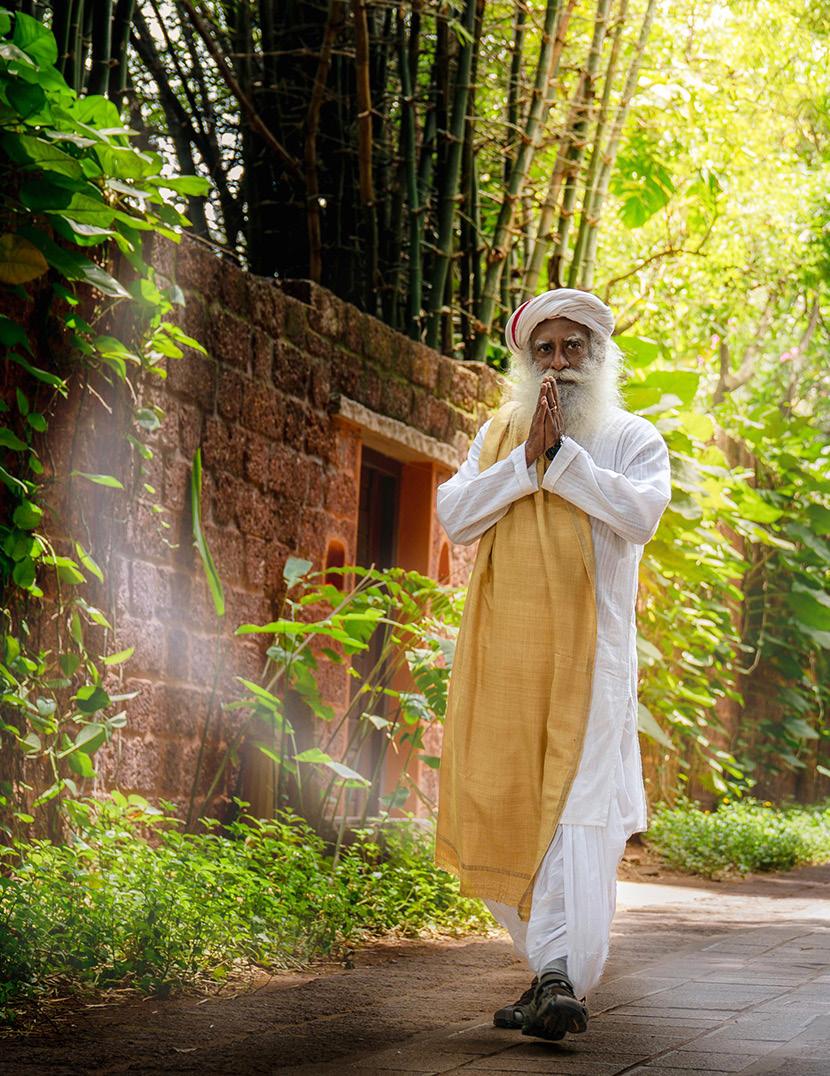
by Sadhguru, Isha Foundation
Questioner: Sadhguru, one of the most trending questions on college campuses is about FOMO – the fear of missing out. We have the fear of missing out on our activities, our placements, on anything whatsoever under the roof. When do we realize that we have to stop this and that this should not influence our decision-making?
Sadhguru: Let's look at life beyond where you are right now. Your stay in the educational institution is only a transition. You have come only to equip yourself for something. You
have not come to an educational institution as a destination. It is a packaging place to package you nicely. I am not making a commentary on education, but on how we go through it. About the fear of missing out... First of all, fear, let us address fear, before we address missing out. Fear is always about what may happen or may not happen. Fear is not about what we are experiencing right now. Fear is about "What will happen?" That means your fear is about something that does not exist.
You are suffering something that does not even exist. If you are suffering something that does not even exist, it is not about life, education, or career – it is about your mind being out of control. Is it not important to learn to manage your mind first before we allow you to manage an industry or a business? If you do not know how to manage your mind, what are you going to manage in the world? Managers are all freaking out and growing ulcers in their stomachs. Today, it has become normal that if you are a CEO, if you do not have an ulcer by forty-five, you are not a great CEO. Because you are managing by accident. The fear comes because there is an accidental possibility.
Let us say you did not know how to ride a bicycle. The bicycle was on a stand, you sat on it, and you were just pedaling for fun. It came off the stand and started rolling – would there be anxiety or not? Started rolling faster – fear or not? Very fast – terror or not? It is not because bicycles produce terror – it is just that you do not know how to ride. If you know how to ride, the faster it goes, the better it is. The very reason we created a bicycle is that we wanted it to go faster than walking. That is the idea. But if you do not know how to ride, how much fear it creates! Right now, your problem is not with the world or with your education. Your problem is that your education system, right from kindergarten, has not told you a thing about how to manage yourself. They think you are going to manage the world without knowing how to manage yourself.
When you are a mess, you can only create a mess. You may be successful. Success happens for a variety of reasons. There are situations, there are times which support us in many different ways, and of course, your bit is there. But just because someone is successful, it does not mean
they have figured out everything. It does not mean they are at ease with life. It does not mean their life is in some way fulfilled. Today, our idea of success is just doing a little better than someone else.
You’re doing a little better than someone else, and you being very happy about it means you are actually enjoying other people's failures. If somebody enjoys another person's failures, I call that sickness, not success. "I enjoy that you fail" – this is sickness, not success. Unfortunately, this is how you are going; this is the reason why human potential is not unleashed. Because if you are a lame person, you are happy to be one step ahead of him. Only when you meet Mr. Bolt will you understand who you are. Until then, you think you are a great runner.
There is nothing to miss out in life. Life is happening to all of us. The question is only, "If I miss this party, am I missing out on something? If I miss this examination, am I missing out on something? If I miss this job, am I missing out on something?" This is simply because right now, who you are is not internally managed. It is externally stimulated. Right now, you are in a very controlled campus atmosphere. When you step out in the world, if you leave it to the people to decide what happens within you, they are going to drive you crazy in no time. Here, what should or should not happen to you is all managed for you by someone else.
When you step out on the street, if you leave it to other people to decide whether you are happy or unhappy, you are going to be miserable, for sure, because they are going to do many things. What happens within you must be determined by you. And anyway, why are you copying people? Most people do not know what the hell they are doing.
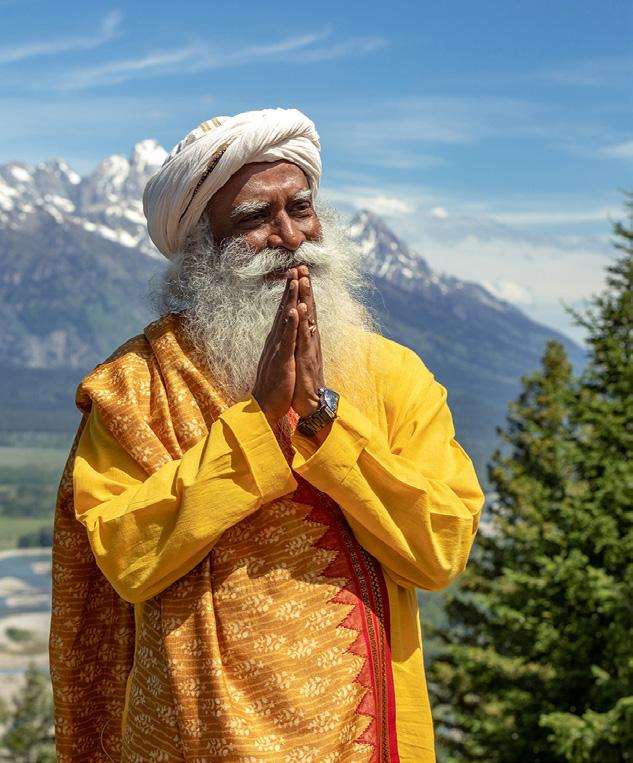
Experience Yoga in its classical form at Isha Yoga Center Los Angeles and Isha Institute of Inner-sciences. Established by Sadhguru, the centers serve as powerful spaces for inner transformation and raising human consciousness. Located in northern Los Angeles County and Tennessee, the centers offer an array of yoga and meditation programs in a vibrant and conducive ambience.
You are invited to Free Yoga Day, a monthly open-door event a t the center. On this day, we offer a variety of free sessions dedicated to educating and empowering individuals to take charge of their well-being through simple but powerful practices sourced from the Yogic tradition.
Learn more at ishausa.org/la
This happened: Shankaran Pillai was working in the government. He kept moving his work table from one office to another. Then he moved to the corridor; he moved into the garden; he moved here and there. Then he moved into the men's restroom, settled down there, and started working. Everyone was looking at this, “What's wrong with him?” Initially, they thought he was a spy. Then they thought he must be a terrorist. Then they thought all kinds of other things, but he did not cause any harm to anyone. They told the psychiatrist that this guy has gone loony, settling down in the men's room and working there. The psychiatrist strolled in, as if he wanted to use the men's room, and started chatting. Then he found Shankaran Pillai was quite normal; everything was fine with him. He said, "Why are you sitting and working in the men's room?" He said, "I moved everywhere and saw in the end that this is the only damn place where people know what they are doing."
Questioner: Most of us in elite universities have been consistent achievers, at least in some domain or another, for all our lives. But spending some time at these places is good enough to make you feel that you are not good enough. How do you deal with the pressure of being relatively average?
Sadhguru: It is best that someone makes you feel that right here, because anyway, that may happen in your life. It can happen in your work; it can happen in your family – someone will tell you, you are not good enough. So, whether they tell you or not, I want you to understand that none of us is ever really good enough. If you have a large-scale intention in the world, you are never really good enough. People keep telling me, "Sadhguru, you have done so many things, so many projects." I'll tell you about my project.
This happened forty-three years ago. I went up Chamundi Hill in Mysuru city in India and sat there. For no reason, I was overflowing with ecstasy –
every cell in my body exploding. I did not know what was happening. When I spoke to my closest friends, they said, "Tell me – what did you drink? What did you pop?" This is the only thing they could ask. When I asked my own skeptical mind, it said, "Maybe you are going off the rocker." But I knew I had hit a goldmine. Something fantastic was happening within me, without any reason. If I simply sit like this, I become so ecstatic, what I think is two minutes has gone into seven, eight hours. Have you noticed this – when you are very happy, time just flies? If I close my eyes and open them, eight to ten hours are gone just like that. I saw, "This is fantastic – if I simply sit here, I am completely blissed out."
I decided to make the whole world blissful. At that time, the world's population was some 5.6 billion people. I made a specific plan for how I would do it. I thought that in two and a half years' time, I would have the entire world blissed out, because it does not take anything. If you simply sit here, it happens. Forty-three years later, we may have touched a little over two billion people on the planet, but that is not my idea of the world. My idea of the world today is 8.3 billion people. So I know I will die a failure. And everything else I wish to do, I know I will probably not even fulfill ten to fifteen percent of it. But I will die blissfully. I am living blissfully, and I will die blissfully. It is best that you are a failure in your life – that means your vision is large. If you are a success, you have a constipated sense of life.
Success means what? "I made it!" What did you make? "I bought a house." "I got a job." "I made this much money." If you think these are achievements, it is a very constipated way of looking at life. I want people to look at it in terms of how we can do something that cannot be completed in this lifetime."Oh! What will happen if I don't fulfill it?" If you work incessantly, and still, at the end of your life, the job is not done, it does not mean you are a failure. It means you had a great vision.
A Guide to High-Vibrational Living by
Polly Wirum
Have you noticed any geographic areas on our wild and beautiful planet where you feel at your best? Is there a place you return to when you need to garner strength or nurturing? Are you drawn to particular places because your body responds in a positive way? Have you traveled or even committed to living in a new area with the intention of experiencing a form of healing and living your best life? This blog is written with the idea of exploring the type of energy shared in different locations on our planet.
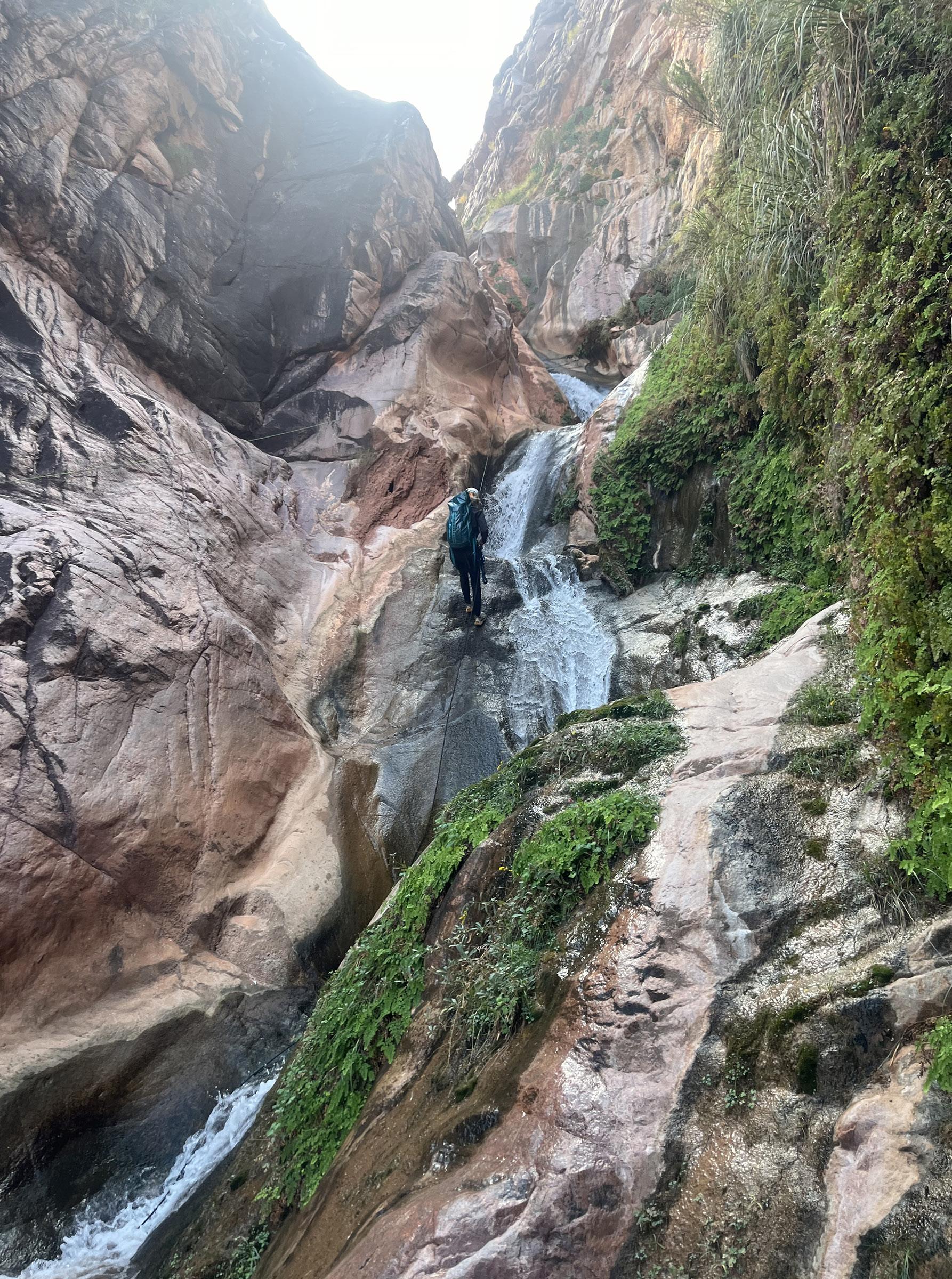
A couple of weeks ago, just before the predicted early monsoon season began, I made plans to hike in Buckskin Gulch. My friend and I both had commitments and couldn’t start the fourhour drive until 4:30 in the afternoon. As we drove, we could see clouds building up in the distance.
When we left the pavement and started driving the dirt road portion, we could see lightning strike on the horizon. As big drops of rain began falling, we looked for a place to camp. There were signs on the road reminding drivers that rain can make the road impassible.
While I was taking a break from driving, my friend shared his salad with me. He made it earlier in the day and poured it out on my plate:) We watched the weather worsen and discussed where it would be the safest to camp that night. Eventually, we decided to backtrack a little and found a perfect spot. We set up the tent, brushed our teeth, and went to sleep. The rain continued until early in the morning.
At one point, my friend woke me up because he was concerned about the roads and being stuck in the middle of nowhere, with limited food and water. I was too tired to lose sleep over this possibility.
The measurable rain could also complicate our
plans to explore the slot canyon. People have lost their lives in the narrow space between two rock walls during flash floods. As recently as 3 years ago, two hikers were killed in a Buckskin Gulch flash flood.
I use a weather app and a lightning app to help predict the potential of storms and flooding, but there is always some risk involved.
Eventually, we made it to the trailhead and got a day permit. Our plan was to hike to a certain point because we didn't have a car shuttle for the 23-mile thru-hike. We were also interested in finding a place to climb out and explore the mesa on top. The area is well known for beautifully colored rock formations and Native American artifacts.
The hike begins in a dry wash; it doesn't take long to notice rocks that are in odd places. It’s kind of fun to imagine how a pile of small rocks settled on top of a boulder. Before you know it, you are walking into a canyon with walls 100 to 500 feet above your head.
We saw pools of water from past rains, signs of horses moving through parts of the canyon, and other things that were fun to mentally explore. In the narrower areas, you could see the remains of flash flooding, big tree branches stuck between the two walls, holding smaller branches and rocks far above our heads. They will stay in place until the next flash flood moves through.
We both looked for places that might let us scramble out of the wash and the slot canyon. It was mostly steep walls; occasionally, there would be a crack that might be climbable with the right gear.
The energy of the slot canyon felt very old and mystical, almost like sitting down with an ancient shaman and receiving powerful insights on life. This magic was intensified when we came across a dead deer, a young rattlesnake coiled up tightly against the wall, and a dead raven. How did these animals find their way into the canyon?
There are also petroglyphs that have survived the passage of time and numerous flash floods. It is easy to feel free of our current modern-day worries. In the canyon, our minds focus on the messages etched into the walls and the energy carried through it by the water and wind.
On our way back, we found a place where we could scramble out. I had to be pulled up by my arm, because I wasn’t quite tall enough to make the first move. On top, there were a couple of places where we found some pottery sherds and eventually a trail that led us back to the original wash.
A couple of days later, I was looking at some of the pictures we took. One was a selfie of my friend and me. Next to us, there was a big swirl of rainbow-colored light. I saw something similar in a photo taken on a trail in Montana. Again, my mind wanders to the possibilities of the energy found in the rocks, wind, and water.
I am not a geologist, but I do love exploring and wondering about how everything came to be.
The Earth speaks to us and wraps her healing energies around us all the
time. It is up to each of us to slow down enough to feel the energy and let it settle into our mind, bones, and way of being.
Different geographical areas offer unique experiences and exposure to different types of energy; perhaps the way the formations occur offers clues to the potential energy shared. Looking at the skill sets of the animals living in areas can show you what you might gain. For example, mountain goats are strong and sure-footed. You will gain physical and mental strength by spending time in the mountains.
Volcanic rock is rough and sharp to the touch. It's not hard to imagine explosive feelings and energy being moved through your body and mind, eventually finding a way out. It might be important to spend some time by yourself in this environment, so you aren't spewing hot comments on others.
Whatever environment you are in, your body and mind will eventually calibrate and find a steady state, but I believe some people feel better in one climate over another. Are you aware of areas that you feel drawn to and that are possibly physically and emotionally more vibrant?
Canyons are formed by erosion caused by water flow, weather, and tectonic uplift. My time around the Grand Canyon and even smaller canyons like Buckskin Gulch is always filled with powerful experiences. For example, hiking through the canyon, you see and feel many thought-provoking things every day. Here, my thoughts tend to be expansive, and I find deeper meaning in my life. There seems to be a flow of energy that holds the secrets of many timelines. It makes me wonder what the wind is carrying, as it bumps up against me and the canyon walls.
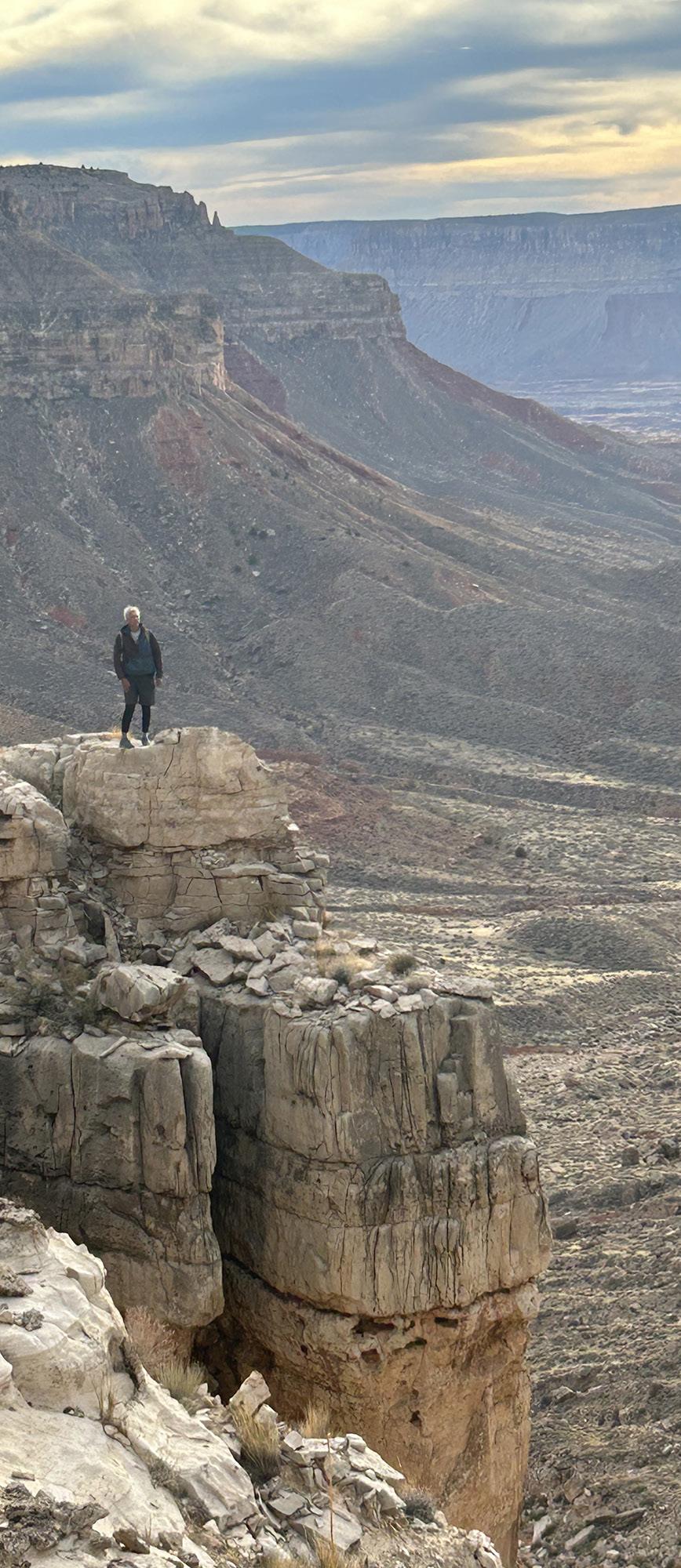
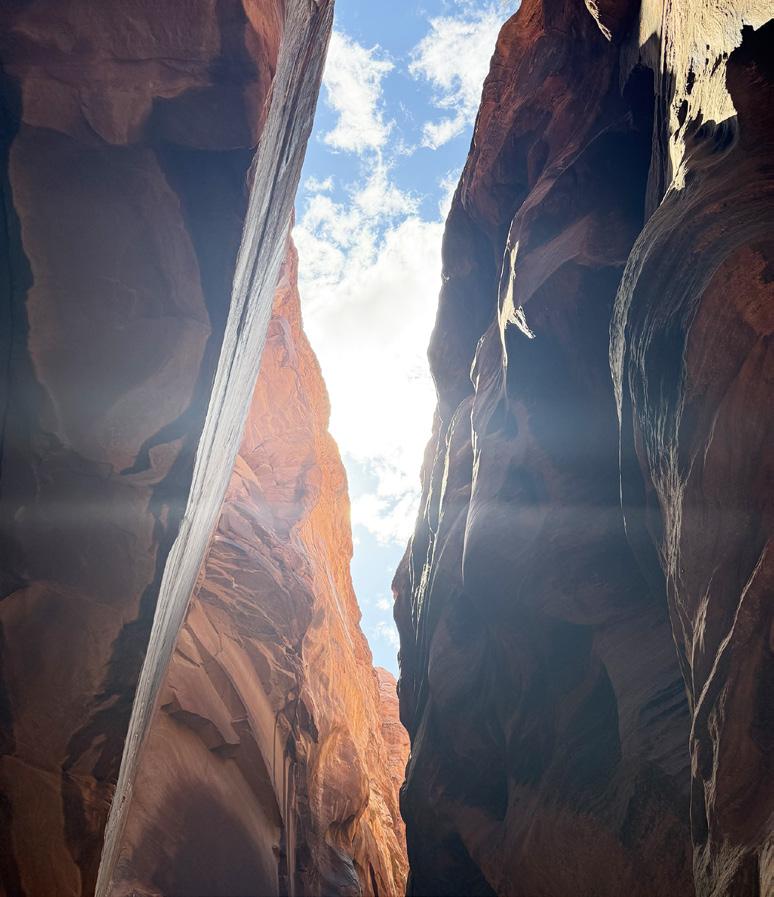
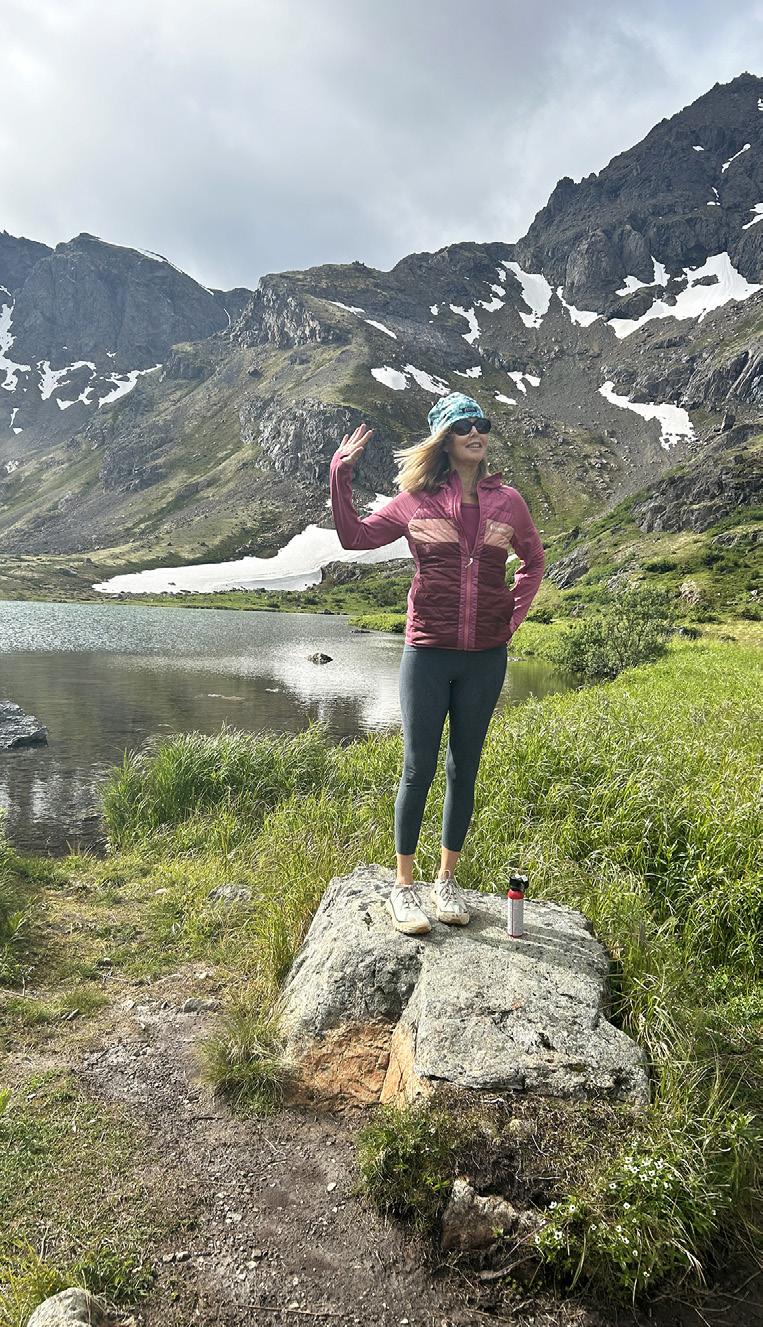
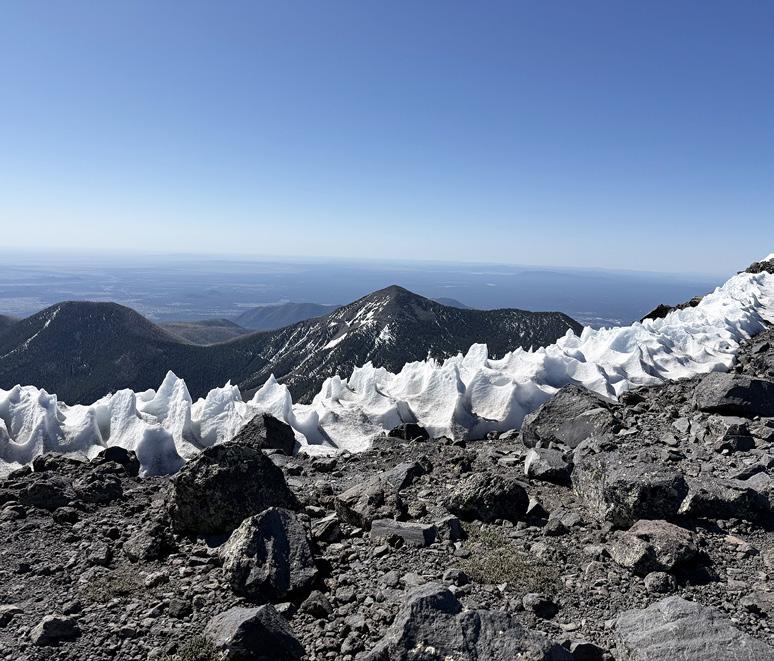


Deserts are formed by heat, wind, and a lack of moisture. Prior to spending time in a desert, I thought they were a bare landscape. My mind quickly changed. Deserts are one of my favorite places to spend time, especially by myself. The energy particles seem smaller, and it is easier to release what's not serving me, while receiving the warmth from the sun. Even in the chill of winter, I still experience what feels like a blessing from the Universe, just in slower motion.
Mountains are formed when the Earth has ridges that fold up, or piles of rock are pushed upward. I love climbing a mountain or peak, the views are expansive and offer completely different perspectives on self and the world. Maybe it’s the challenge of making it to the top, or the feeling of pushing yourself and losing some of your heaviest thoughts as you scramble through scree, looking for footholds. I always leave a mountain in awe of the power, strength, and beauty that was shared with me,
however brief the time.
Plains are created by the erosive and depositional powers of water, wind, and ice over time. It makes me think about what is lying just under the surface of our lives. What treasures are kept secret in our hearts and minds? Possibly in the plains, we can experience a healing that shows us how to love what's hidden and release our fears to the wind and water. The plains are supercharged with powerful electric energy just below the surface. Can you feel it?
Rolling hills occur when erosion from rivers, streams, and sediment balance out over time. The jagged peaks and valleys are smoothed out, no longer sharing harsh energy. I love looking at rolling hills. It reminds me of a giant exhale that leaves you feeling calm and restored. It’s easy to tap into the feeling of being nurtured by Earth, sitting in the warm sun, looking at the rolling landscape, with a gentle stream of water nearby.
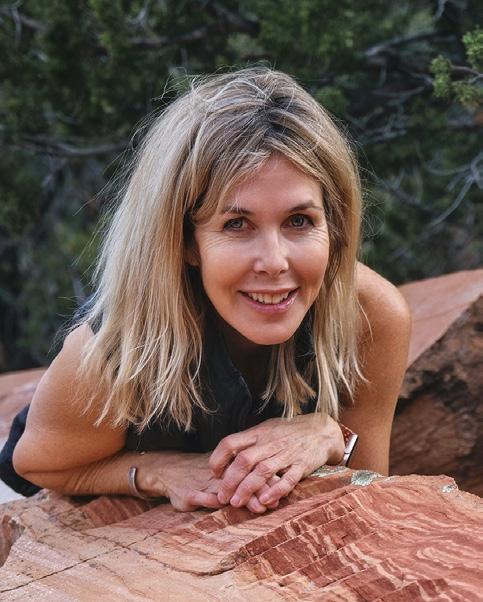
Polly Wirum is a psychic, life coach, and writer. Years ago, she experienced a health crisis that led to a complete spiritual and life transformation. When she thought her life was crumbling, the universe was easing her grip on everything, distracting her from the truth. The healing helped her discover the beauty of a joyful and uncomplicated life.It is here that she connects with wisdom and magic.
She shares this with her clients through life’s coaching psychic readings and spiritual retreats. visit Pollywirum.com
Still water is a great place to reflect on life. I love taking photos and seeing the images mirrored on the water. I’m also aware that still water can become stagnant. Years ago, in the desert, I had to drink very dark and stagnant water. I was able to filter it, but it still made me wonder how safe it was. Sitting near a body of still water can open your mind to what you are experiencing in your life and your reactions. It is a perfect place for self-reflection.
Flowing water can feel so good. Imagine a river with a steady current, allowing thoughts and emotions to flow. When it comes to the rapids, it can show you how our feelings and even expressions can be harsh and choppy. Rivers will help us release things we have been holding onto.
What about the ocean that is influenced by the moon? Astrology and the Tarot associate the moon with our subconscious and emotions. Sometimes the rhythm feels calm and restful, and even inspirational. Other times, it is dark and strong and pulls everything to the bottom. When are you attracted to the ocean? Is it for deep thinking, or finding a steady rhythm in your world?
Glacial ice is a stunning sapphire blue from a distance. When walking on it, there are pieces of gravel, mud, and secrets of Earth's history being revealed in the shifting and melting of these giant ice structures. Glaciers remind me to respect the constant shift beneath our feet and how nothing remains the same. I’m also reminded of how the cycles of life and death will go on long after I’m gone. Spending time on and around glaciers will inspire you and awaken a little charge of danger in your mind.
Valleys are like pockets of possi-
bilities. They offer so many experiences. When I was 18 years old, I moved to Yosemite Valley for work and a new life experience. Overall, the valley felt like a safe place to explore a new way of being. Certainly, there were risks on the steep granite walls, but I believe valleys offer many choices, and maybe they are a good place to visit when you need to see more choices in your life. Possibly, you can also see what actions are safe and what you need to reconsider.
There is a place calling to me now. It is a little area in Southeast Alaska where the ground is soft, and the mountainside is steep. This particular area is perched just above the ocean, and sometimes you can hear the whales breathing from below. I love it here. My friend who shares his salads with me summers here. It is a place that calms my thoughts and heart.
Spending time in nature is widely recognized as being beneficial for our mind and even body, but perhaps these benefits are amplified when we intentionally seek areas that can help us heal.
I encourage you to explore where you feel best and why. It's also important to recognize that people can impact the energy around you, not just the people with you, but the masses. Make sure you get outside and connect with Earth and feel the gravitational pull that will lead you to a healing, whether it's a release of stress or a nurturing from our Universe.
Thank you for reading this blog. I’m off to Montana to release some energy and get grounded while I trot a half-marathon. I’m wishing you the opportunity to experience a little bit of wild in a way that brings you joy.
by Emilie Macas
In every culture and in every medical tradition before ours, healing was accomplished by moving energy.
~Albert Szent-Györgyi, Nobel Prize Laureate, 1937
Whether you have experienced energy healing or are simply curious about it, I want to welcome you into a conversation that I believe is long overdue.
From Dismissed to Demonstrated
Reiki, for example, is a modality that is often neglected or ridiculed as an alternative approach, even though it has been scientifically demonstrated that we are made of energy and light.
Albert Szent-Györgyi, the Hungarian biochemist who won the Nobel Prize in 1937 in physiology and medicine, known for discovering Vitamin C and the components of the citric acid cycle, stated during his work at the Marine Biological Laboratory in Woods Hole, Massachusetts:
“In every culture and in every medical tradition before ours, healing was accomplished by moving energy.”
This statement is based on the scientific law that every atom has electrons, which are particles with electric charge. Every atom is energy, and therefore absorbs and releases energy. Then, given that the atom releases energy, doesn’t our physical
body release and absorb energy in the same way?
So, What Is Human Energy?
The Human Energy Field is the “aura,” the energy that surrounds or overlays our physical selves and interacts with our mind, body, and spirit. This includes the electromagnetic field generated by living cells, tissues, organs, and the body as a whole.
Can we measure the energetic field? Yes, and thanks to exciting research now emerging from some of the world’s most respected institutions, we are beginning to understand the profound role of the energy field in disease and healing.
SQUID, a highly sensitive magnetometer used to measure magnetic fields, was created in the 1960s. Researchers discovered that all cell tissues and organs produce specific magnetic pulsations, now known as the biomagnetic field. As early as the 1930s, researchers at Yale suggested that disease could be detected in the energetic field before physical symptoms appeared. Unfortunately, keeping in line with the status quo, such statements were completely dismissed by both the medical world and Western civilization.
Until now.
The Healer in the Lab: What MD Anderson Found
Something extraordinary is happening at MD Anderson Cancer Center, one of the largest and most respected cancer research institutions in the world. Scientists there are bringing energy healers into controlled experiments to measure what happens to pancreatic cancer cells when a biofield therapist works on them.
What they are finding is measurable, repeatable, and difficult to explain: “biofield therapy slows the ability of cancer to spread.”
Not in one study. In multiple with multiple healers, multiple cell lines, and rigorous scientific controls.
This isn’t a story about belief. It’s about what happens when serious scientists ask a question that deserves a serious answer.
Phenomena: The Podcast That Is Changing the Conversation
A groundbreaking new podcast called Phenomena: The Science and Stories of Energy Healing, produced by Sounds True and hosted by business leader and artist Ivy Ross, has been making waves since its 2026 launch. Researchers at Harvard, MD Anderson Cancer Center, and Columbia are featured, bringing practices like Reiki, Qigong, and other biofield therapies into the lab like never before, testing and quantifying what has long been considered unmeasurable and unproven.
Phenomena features Dr. Lorenzo Cohen, Director of MD Anderson Cancer Center’s Integrative Medicine Program, one of the most respected oncology research-
ers in the world. He didn’t come to this work as a believer. He came as a scientist asking a question most of his colleagues wouldn’t touch. What his team found in the laboratory, after years of rigorous, controlled experiments on pancreatic cancer cells, was something he could not fully explain: energy healing produced measurable, repeatable results. And that, he says, is exactly why it deserves to be taken seriously.
That is not a story of faith. That is a story of science following the evidence.
The most comprehensive Reiki study ever conducted by researchers at the University of Utah and Harvard examined the effects of biofield therapy on chronic knee pain. The results matched the effectiveness of treatments that conventional medicine already accepts, including opioids. Lead researcher Dr. Adam Hanley stated plainly: he didn’t expect to see anything. Now he’s scrambling to understand what happened.
Can we measure the energetic field? Yes, and thanks to exciting research now emerging from some of the world’s most respected institutions, we are beginning to understand the profound role of the energy field in disease and healing.
Émilie Macas is a Trauma-Informed Transformational Educator focused on Emotional Awareness, a Reiki Teacher, a Mindfulness-Meditation Educator, a Certified Life Coach, an Author, and a Motivational Speaker. Émilie has owned a private practice for over a decade. She continues to empower others to adopt a spirit of raw truthfulness, guiding them to their inner wisdom and empowering them to connect with their inner pharmacy.
This aligns with a landmark Biofield Therapies Clinical Research Landscape scoping review published in 2025, which analyzed 353 studies covering a wide range of health conditions. Reiki was the most commonly studied intervention, and nearly half of all studies reported positive results in favour of biofield therapy for all outcomes investigated.
In 1980, Dr. John Zimmerman began a study called “Therapeutic Touch” with a range of healers at the University of Colorado School of Medicine. He discovered that huge magnetic pulsations emanated from the practitioners’ hands, sweeping through the exact frequencies that scientific studies had indicated were necessary to stimulate healing. Similar studies were conducted in Japan in 1992 as well.
As an Energy Practitioner, I could write for hours about the beauty of energy healing, but I want to honour your time and get to the heart of it.
Our emotions and our thoughts are connected to our energetic field. Everything is connected. What the Phenomena researchers are exploring is the theory that energy creates the body that the biofield maps out, where everything goes, guiding the very functioning of our physical form. This is not mystical language. This is science in progress.
To all who believe in a Higher Power, the Universe, God, whatever your belief may be, this connection is obvious. But the science now exists to support it for those who need a different kind of evidence. We already know that taking care of our body by watching what we eat and drink is as important as tending to our mental and emotional being. But what about our energy? Do we
really need “energy healing”? Does it really make a difference?
A New Frontier in Healing Energy Healing or biofield therapy, to use the clinical term now gaining traction at Harvard, MD Anderson, and Columbia, helps us restore and unlock any blockage, allowing us to experience complete wellbeing at every level: physical, mental, emotional, and spiritual. And the science is finally catching up to what healers, mystics, and ancient traditions have always known.
The most precious gift you can give to yourself is the gift of experience, or simply the willingness to believe that your body holds more intelligence than we have yet measured. That gift belongs to you. I speak not only as a practitioner but as someone who has lived this. Diagnosed with an autoimmune disorder twenty years ago, Reiki became one of my most powerful tools for managing my own health. In over a decade of practice, I have worked with cancer patients, women navigating IVF and menopause, people rebuilding their lives after strokes and severe accidents, and those receiving healing from a distance across continents. In all of that time, I have never once needed to prove it or convince anyone. The experience speaks for itself. That is the quiet power of Reiki: when it is offered purely, without blending with other modalities or dressing it in unnecessary complexity, the body receives it and knows exactly what to do with it.
What a beautiful gift to give to yourself, don’t you think?
Love and Light,
To explore the research referenced in this article, listen to Phenomena: on Spotify, Apple Podcasts, or at phenomenahealing.com
by Joe Santos
There comes a curious season in life when the roads we’ve traveled begin to recognize one another.
The path of triumph meets the path of disappointment. Joy shakes hands with heartbreak. The dreams that came true sit comfortably beside those that never did. The victories, the mistakes, the detours, the miracles, and the missteps all gather around the same table and somehow begin to “eat.”
It is here, in this delicate and remarkable passage of life, that we become the sum of ourselves.
The outside finally begins to reveal the inside.
The laugh lines tell stories. The bruises fade, but the scars become signatures. (Yes, even those behind our ears.) The gray hairs earn their place. What once felt like flaws becomes evidence that we showed up, took chances, survived disappointments, and kept going anyway.
Beauty hasn’t faded.
It has simply changed its address. No longer measured by symmetry or youth, it is now defined by kindness given, lessons learned, promises kept, and lives touched. Beauty becomes less about reflection and more about spirit. Less about appearance and more about presence.

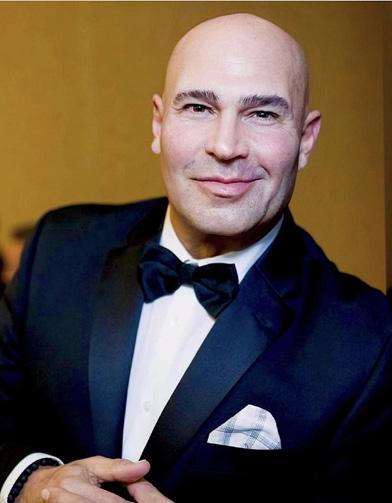
Joe Santos is a Celebrity Chef, Life Stylist and Co-Host of The Two Guys From Hollywood Podcast on Spotify. A Columnist for The Eden Magazine since 2016.
Joey was raised in NYC, Malibu, and West Hollywood. He is the son of Film and Television Actor Joe Santos, and his Grandfather is World- Renowned Latin Singer Daniel Santos.
To follow Joey on IG: @jojoboy13
To contact Joey visit whynotjoe@gmail.com
Something else changes, too.
Time becomes more valuable because we understand its cost. Words carry greater meaning because we’ve learned their power. Dreams feel less impossible because we’ve already seen a few come true.
Fear slowly loosens its grip. The anxiety that once whispered, “What if I fail?” begins to transform into excitement that asks, “What else is possible?”
Knowledge becomes confidence. Experience becomes wisdom. And wisdom becomes freedom.
The differences we once tried to hide are now woven into the fabric of who we are. We wear them proudly. They distinguish us, define us, and remind us that a life well-lived was never meant to look exactly like anyone else’s.
Compliments become genuine when offered without competition. Success becomes sweeter because we understand the work behind it. The achievements of others inspire rather than threaten us.
And perhaps most importantly, hope remains.
Not the hopeful impatience of youth, but a deeper and steadier hope. A belief that tomorrow still holds surprises. That new friendships can still be made. New adventures can still begin. New chapters can still be written.
We discover that life was never asking us to become perfect. It was asking us to become ourselves.
So if you’ve arrived at this intersection of experience and possibility, if you’ve earned your wrinkles,
collected your stories, survived your storms, and gathered your wisdom, or found the missing piece to a broken heart, don’t mistake this season for the end of something.
It is the beginning of understanding what all those years were trying to teach you.
The future is still bright because it is illuminated by everything you’ve already lived.
There are still dreams to chase.
Still lessons to learn.
Still laughter to share.
Still love to give.
Still mountains to climb.
The story isn’t winding down. It’s finally finding its meaning.
And every morning that grants us another page is an invitation to write something beautiful upon it.
After all…
Hey, I’m not done yet.
And neither is life.
As long as there is breath in your lungs and curiosity in your heart, there is still something waiting for you around the next corner.
That’s one thing I’ve learned for sure:
You’re never too old, too late, too broke, or too broken, or too far behind to become more of who you were meant to be.
So keep showing up. Keep believing. Keep turning the page.
Because the best chapters aren’t always the first ones.
Sometimes the ones that change everything are the ones you write after you thought the story was already told.
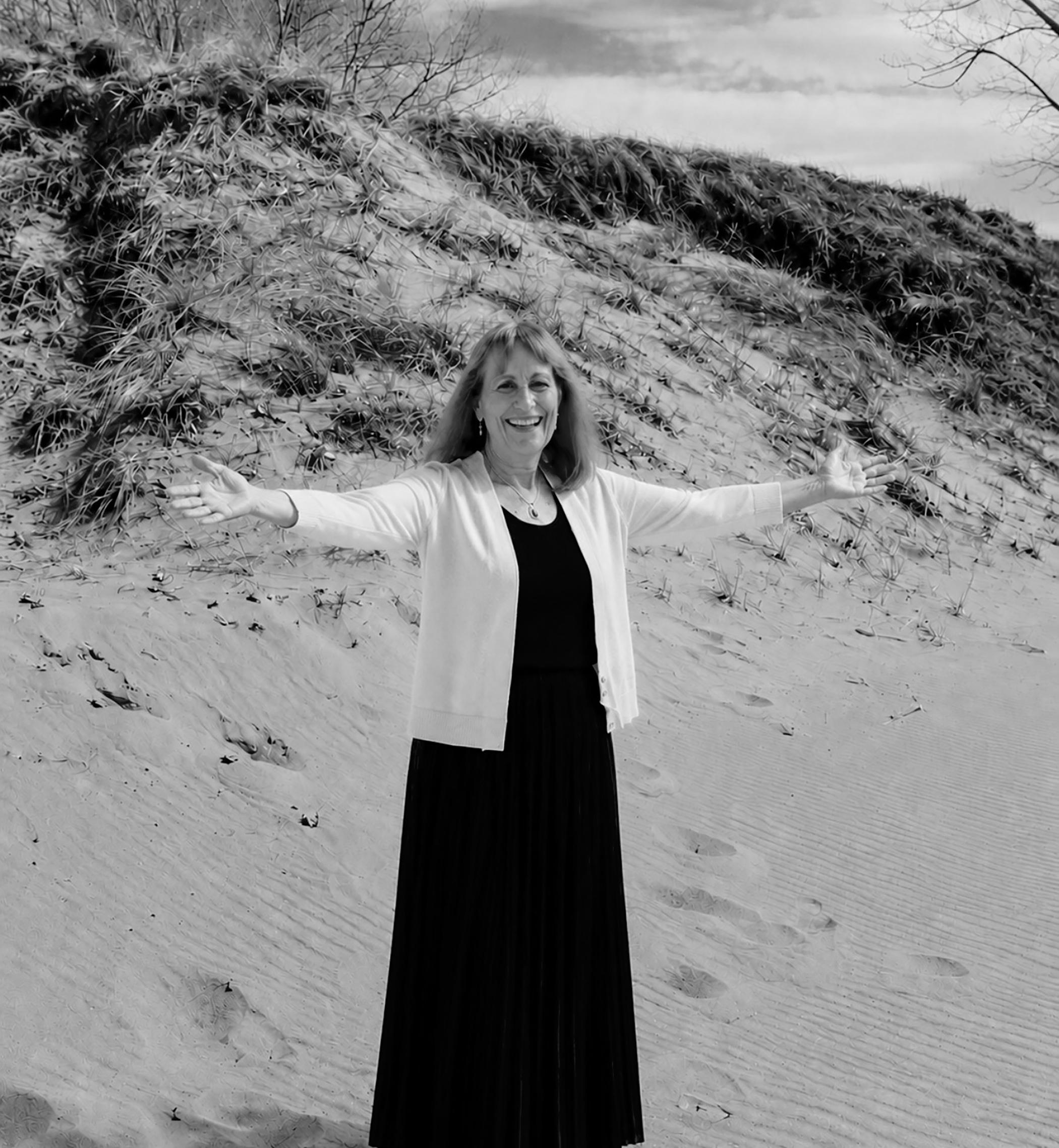
There are people who pass through our lives, and there are those who leave an imprint so profound that their influence continues long after they are gone. Pam Haan was one of those rare souls.
After a courageous and gallant four-year battle with metastatic breast cancer, Pam’s journey came to a peaceful close. Yet to speak only of her illness would be to overlook the remarkable life she lived and the countless lives she touched along the way.
Born on July 11, 1957, to Florence and Edwin Schneider, Pam was a woman whose life was defined not by circumstance but by purpose. She was a devoted wife of forty-two years to her beloved husband, Calvin; a loving mother to Andrew, Emily, and Michael; a proud mother-in-law to Colin McCloskey and Joey Santos; and an adoring grandmother to Hayden and Kennedy McCloskey. Family was the center of her universe, and she wore that role with joy, gratitude, and unwavering devotion.
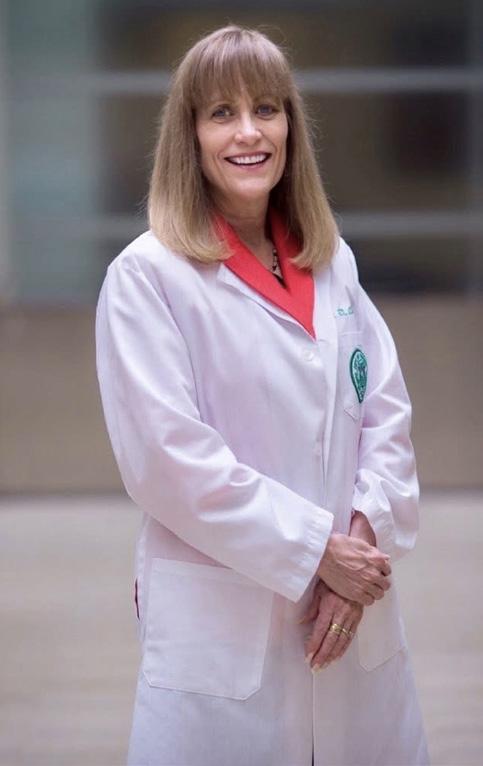
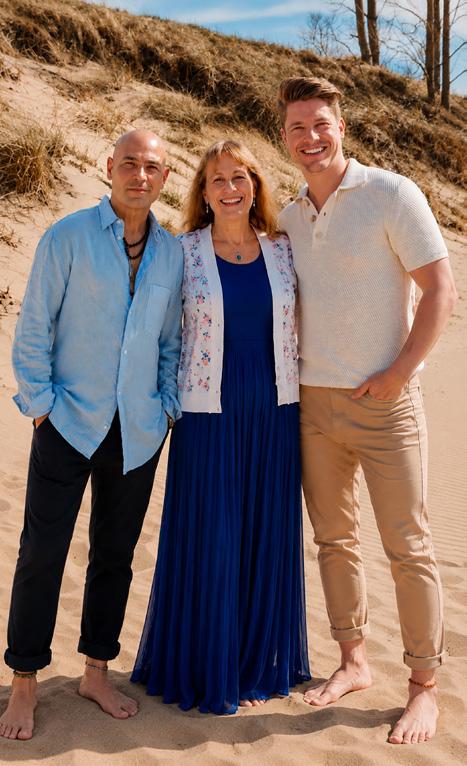
Pam possessed a rare ability to make people feel seen. Whether friend, colleague, neighbor, or stranger, she met others with kindness, sincerity, and a quick wit that could brighten even the darkest day. Her laughter was infectious, her counsel thoughtful, and her friendship steadfast. Those fortunate enough to know her often left her presence feeling lighter than when they arrived.
Professionally, Pam dedicated her life to caring for others. As a nurse and healthcare advocate, she became a beacon of hope for women facing one of life’s most frightening diagnoses. Following her own breast cancer diagnosis in 2004, she transformed her personal experience into a source of compassion and strength for countless patients. She understood not only the medical journey but also the emotional one. Her empathy was authentic because she had walked the path herself.
Pam became a trusted guide to women navigating breast cancer, helping them find courage when fear threatened to overwhelm them. She offered reassurance when answers were scarce and hope when hope seemed difficult to find. Her impact extended far beyond clinic walls, touching women and families throughout the community.
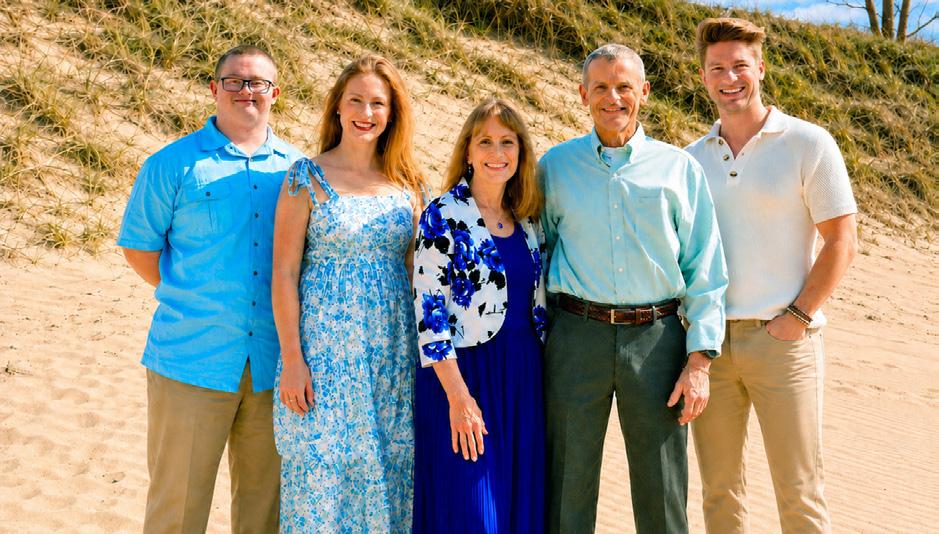
Among her many professional accomplishments, Pam played an instrumental role in establishing a breast clinic at the MSU Clinical Center—a lasting legacy that will continue to serve women for generations to come. Yet if asked about her greatest achievement, she likely would not have pointed to her career. She would have pointed to her family.
In the end, Pam’s life was a masterclass in grace. She taught us that courage is not the absence of fear, but the determination to move forward despite it. She showed us that kindness is never wasted, that laughter remains powerful medicine, and that love, when given freely and generously, becomes a legacy.
Pam leaves behind her husband, children, grandchildren, siblings, extended family, dear friends, former colleagues, and the many women whose lives she helped change. More importantly, she leaves behind an example of how to live— with dignity, compassion, resilience, and heart.
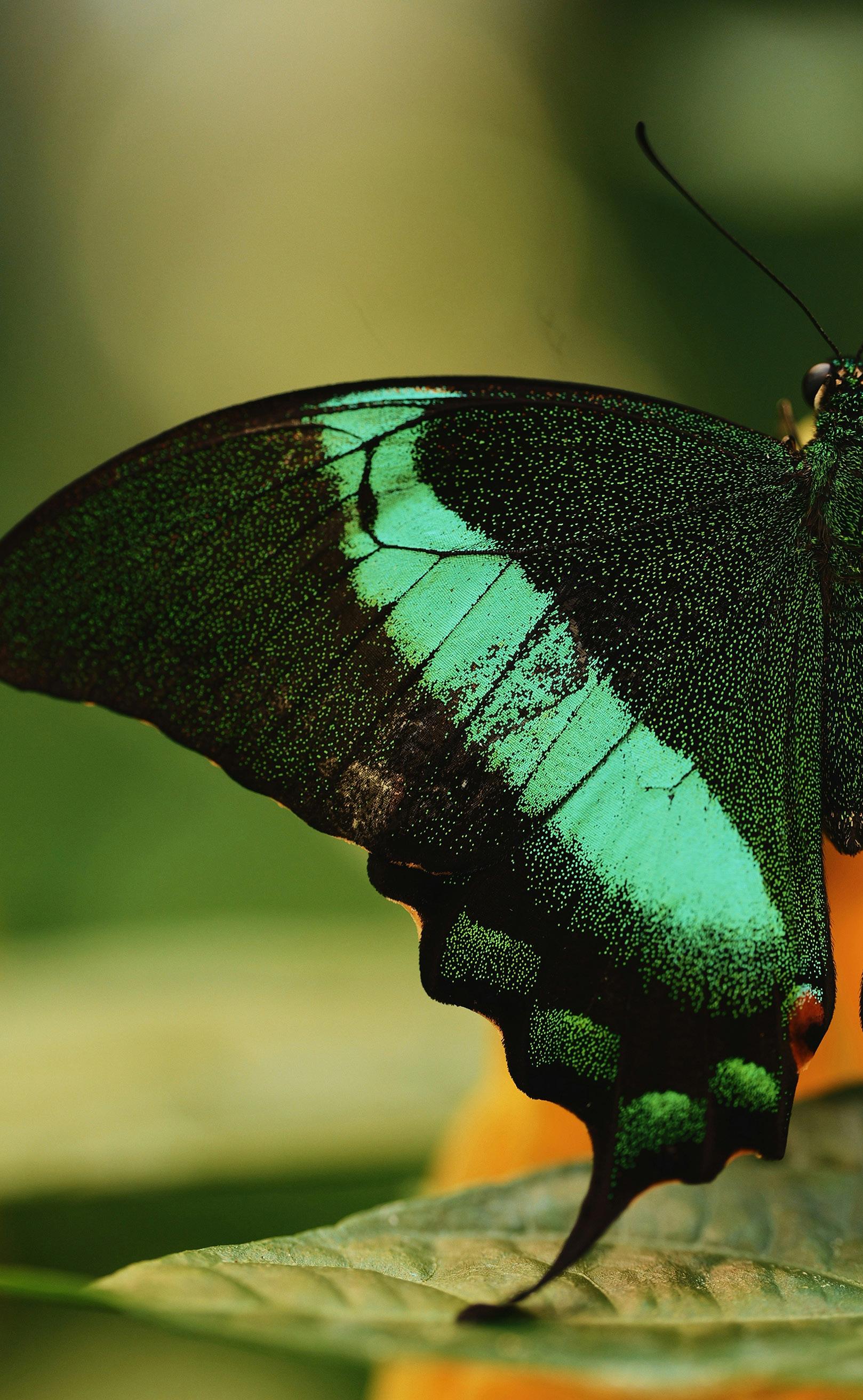
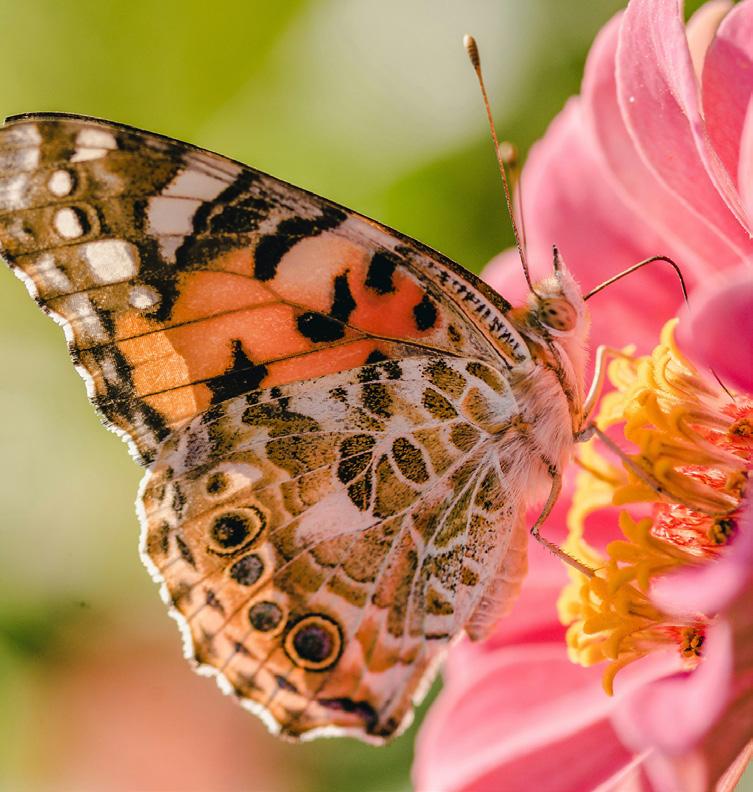
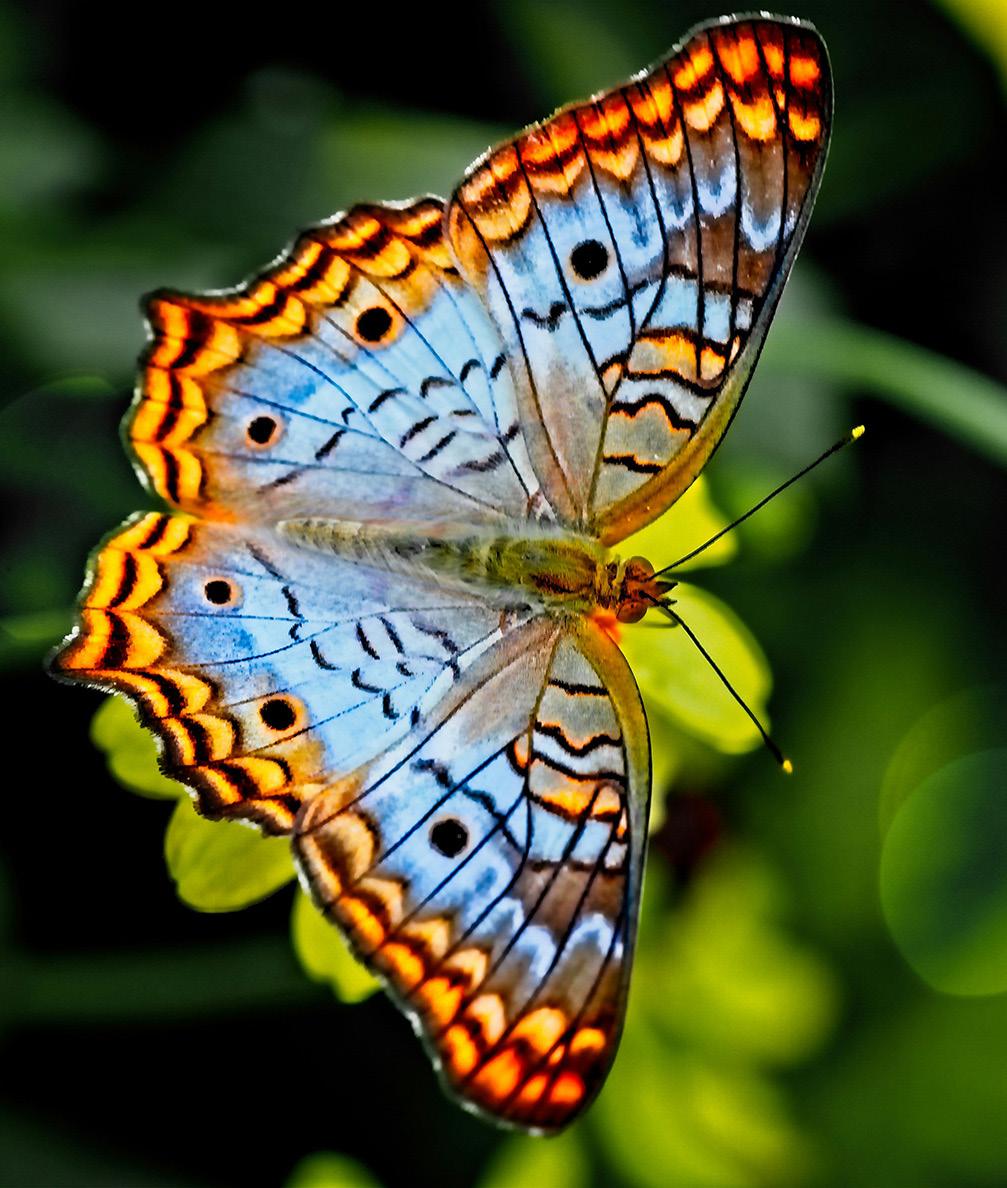
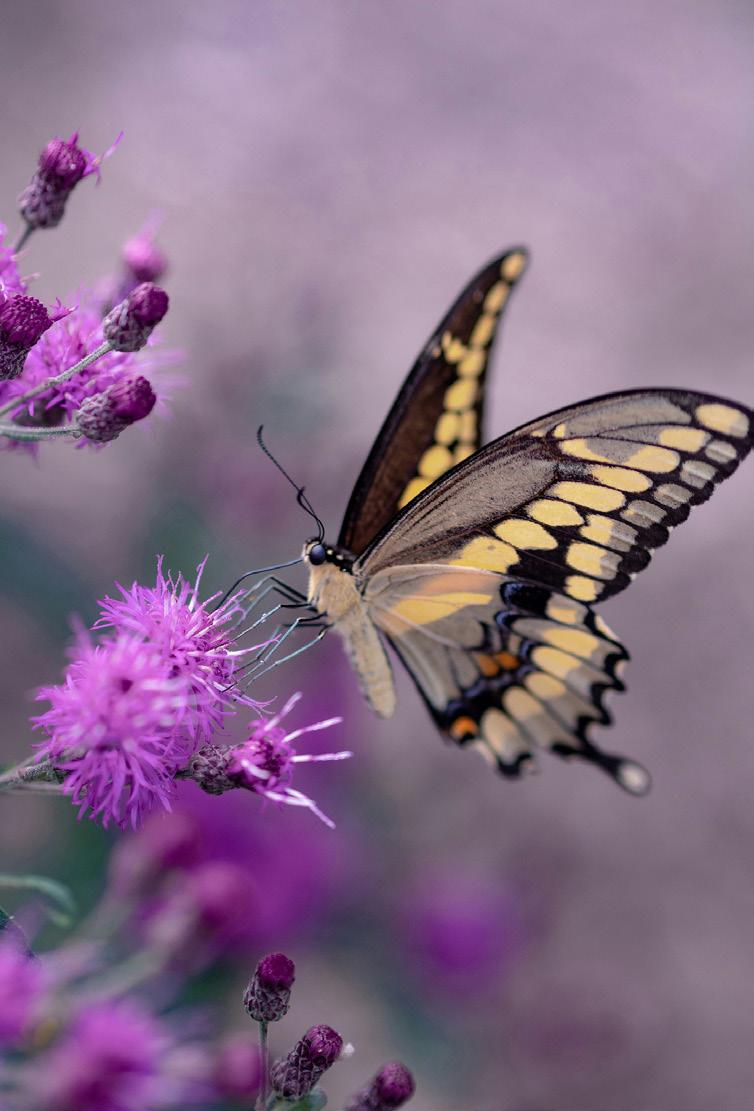
BButterflies are among the most beautiful and fascinating creatures on Earth. Their vibrant colors, graceful flight, and remarkable transformation from caterpillar to butterfly have inspired people for centuries. Yet beyond their beauty lies an important truth: butterflies play a vital role in maintaining healthy ecosystems and supporting the balance of our environment.
A butterfly’s life begins as a tiny egg laid on a host plant. From there, it becomes a caterpillar, then forms a chrysalis, eventually emerging as a butterfly. This extraordinary process of metamorphosis symbolizes growth, hope, and renewal in nature. But butterflies are much more than symbols; they are active participants in the natural world.
One of the most important ways butterflies affect the environment is through pollination. As butterflies move from flower to flower, feeding on nectar, they carry pollen on their bodies and help plants reproduce. Many wildflowers and other flowering plants rely on pollinators such as butterflies, bees, and birds to survive. Healthy plant life is essential because plants produce oxygen, absorb carbon dioxide, provide food, and create habitats for countless species.
Butterflies also serve as indicators of environmental health. Scientists often study butterfly populations to understand the condition of ecosystems. Because butterflies are highly sensitive to changes in temperature, climate, pollution, and habitat loss, a decline in their numbers can signal larger environmental problems. When butterfly populations decrease, it may indicate that an ecosystem is under stress from pesticides, urban development, or climate change.
In addition, butterflies are part of the food chain. Caterpillars and butterflies provide nourishment for birds, spiders, reptiles, and other animals. Their presence supports biodiversity, which is essential to a stable, resilient
environment. Every living species has a role, and butterflies help maintain the intricate balance of life.
Unfortunately, butterflies worldwide are facing serious challenges. Deforestation, pollution, excessive pesticide use, and habitat destruction are reducing butterfly populations. Climate change is also disrupting migration patterns and flowering seasons, making survival more difficult for many species. The decline of butterflies reminds humanity that even the smallest creatures are deeply connected to the health of our planet.
There are many simple ways people can help protect butterflies. Planting native flowers, avoiding harmful chemicals in gardens, preserving green spaces, and supporting conservation efforts can create safe habitats for them. Even a small garden filled with nectar-rich plants can become a sanctuary for butterflies and other pollinators.
Butterflies teach us an important lesson about interconnectedness. Their fragile wings carry a powerful message: when nature thrives, humanity thrives as well. Protecting butterflies is not only about preserving beauty; it is about safeguarding the delicate systems that sustain life on Earth.
Butterflies remind us that every living creature is connected to the harmony of nature and the future of life on Earth. We can protect them by planting native flowers, preserving green spaces, and limiting the use of harmful pesticides that poison butterflies, caterpillars, and other essential pollinators. When pesticides destroy butterfly populations, they weaken pollination, reduce biodiversity, and disrupt the natural systems that support agriculture, wildlife, and human life. Protecting butterflies is ultimately an act of protecting our environment, our food sources, and the survival of future generations.
This article is intended for educational and inspirational purposes based on general environmental knowledge and awareness.