EDEN
A Lifetime of Music with Tonino Baliardo

A Lifetime of Music with Tonino Baliardo



The Eden Magazine is a nonprofit online publication is your guide to healthy living, spiritual awareness, compassion and love for all living beings, holistic lifestyle, mindfulness, organic living, positive thinking, sustainability, and personal development
Founder & Editor-in-Chief
Maryam Morrison
Executive Editor/Contributing Writer
Dina Morrone
East Coast Liaison & Partnership Director
Paulette Dozier
Contributing Writers
Sadhguru, Isha Foundation
Dr. Rob Moir
Emilie Macas
Nikki Pattillo
Polly Wirum
Joe Santos, Jr.
Guest Writer
Philip Smith
Contributing Stylists + Makeup Artist
Edward Hakopian
Lisa Joy Walton
Graphics & Photography
JSquared Photography @j2pix (Los Angeles)
Artin Mardirosian (Nexision) (Los Angeles)
Benjamin D. Buren – AliveStudios.Com (Denver, SanFrancisco, Boston)
Sheri Determan (Los Angeles)
Greg Doherty (Los Vegas)
Ben Rollins (Atlanta)
Web developer
Brad wallace https://bradwallacedesign.com/
325 N. Maple Dr. Po Box 5132 Beverly Hills, CA 90209
at www.theedenmagazine.com



8
A SPECIAL REFLECTION FROM THE FOUNDER A personal message in honor of Keith Mitchell
12
WE ALWAYS HAVE FREE CHOICE IN ALL THINGS BY STEVE ROTHER & THE GROUP
18
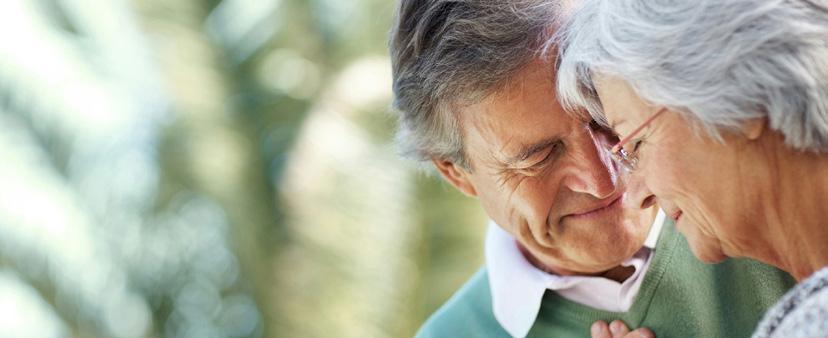
HONORING THE WISDOM KEEPERS: A CELEBRATION OF NATIONAL SENIOR CITIZENS DAY by Chantelle Cook
24
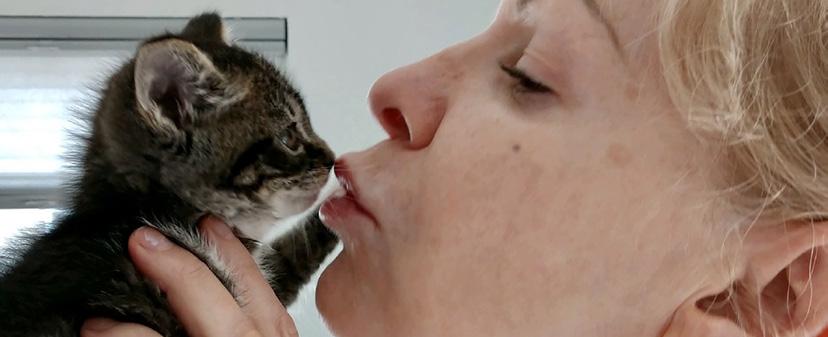
AN INTERVIEW WITH DEBORAH FELIN-MAGALDI
30 IN CONVERSATION WITH TONINO BALIARDO THE HEART OF THE GIPSY KINGS
40
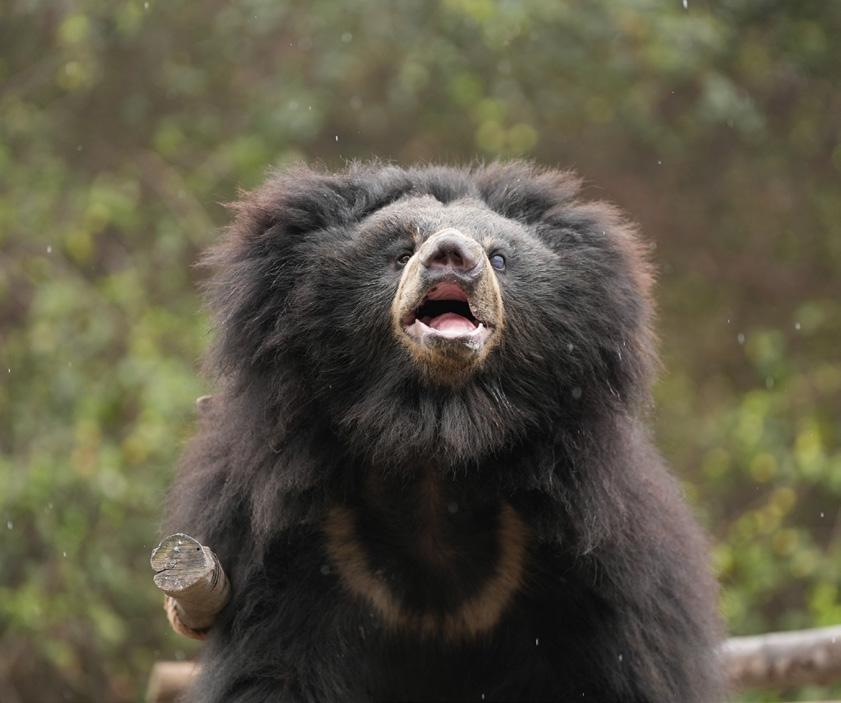
A SECOND CHANCE AT LIFE HOW GRACIE THE SLOTH BEAR FOUND HEALING, TRUST, FREEDOM

50
DISSOLVING INTO THE SOUNDLESS by Sadhguru/ Isha Foundation
54
WHEN LIFE GETS DIFFICULT, HOW TO GRIEVE IN MOMENTS OF DEATH & LOSS
A Conversation with Sister Usha of Self-Realization Fellowship
58
BELONGING TO THE RIVER Dr. Rob Moir 60
POWERFUL QUESTIONS TO ASK YOURSELF FOR GUIDANCE WHEN MAKING A BIG DECISION by Polly Wirum
66
RUDE.... by Joe Santos, Jr. 70
THE WELLNESS OF BECOMING: FINDING STRENGTH WHEN LIFE HAPPENS by Wendy L. Jackson
76
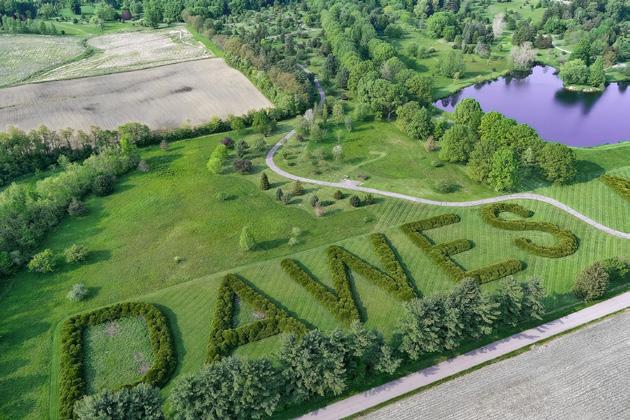
AN INTERVIEW WITH STEPHANIE CROCKATT, EXECUTIVE DIRECTOR OF DAWN ARBORETUM
80
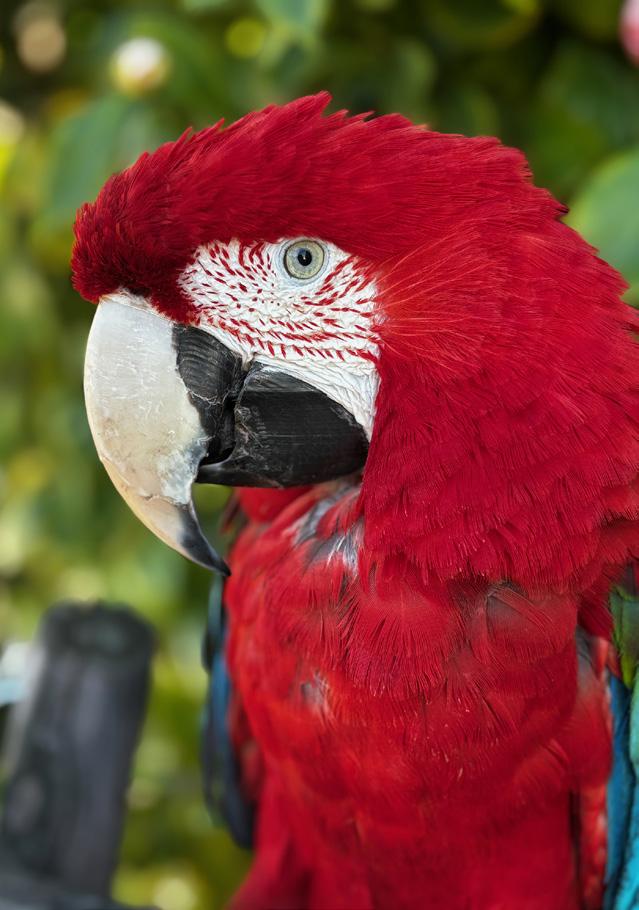
WHAT PARROTS CAN TEACH IN THE WILD & IN CAPTIVITY by Leslie Crane Rugg
88
AN INTERVIEW WITH DR. JOHN LA PUMA

from the Founder and Editor-in-Chief
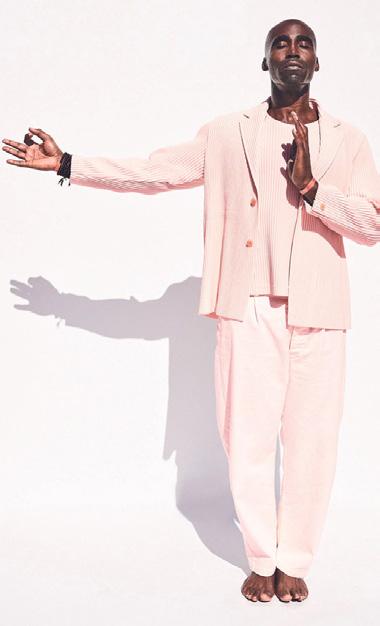
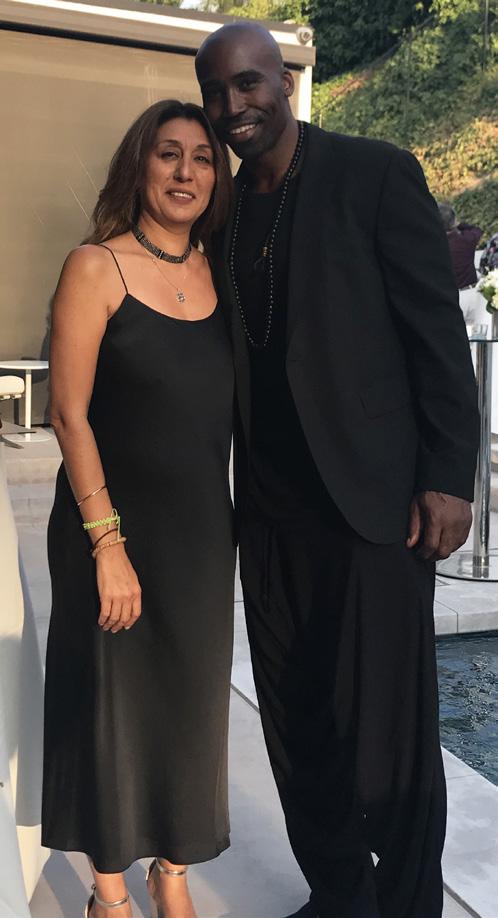
In this special August issue, I felt called to share a personal reflection in honor of someone whose life, wisdom, and friendship have deeply touched The Eden Magazine and all those who had the privilege of knowing him.
It is difficult to find the words to express what is in my heart today. Although your physical presence is no longer with us, I know your spirit is free, at peace, and surrounded by the infinite love you always believed in. I have no doubt you are exactly where your soul is meant to be, as you always told me.
I met you, Keith, about 16 years ago at an event where you shared your story about your injury and finding your path to spirituality. I remember sitting in the audience, listening as you spoke about the injury that ended your NFL career and how that painful chapter became the beginning of a much deeper journey. Instead of allowing loss to define you, you found a new purpose through yoga, meditation, holistic living, and the awakening of your spirit.
When you walked off the stage, I came up to you, shook your hand, and told you how deeply inspired I was. I told you that I admired the way you had transformed one of life's greatest heartbreaks into a life dedicated to healing and helping others. Instead of holding on to what was taken away, you embraced what life was inviting you to become. You smiled with that peaceful smile of yours and said something I have never forgotten: Your life path always appears in front of you when it is truly Yours"
Those words became one of the many gifts you gave me.
From that moment, our friendship began.
Over the years, our conversations became a source of inspiration for me. No matter where in the world you were
traveling, you always made time to call. We would spend hours talking about life, consciousness, love, healing, and our shared dream of creating a retreat together. We believed that bringing people together to reconnect with themselves could help make the world a little kinder and a little more awake. You never stopped believing in people. Keith, you reminded us that we are not defined by what happens to us. We are defined by how we choose to respond. You lived that truth every single day.
It was the greatest honor of my life to feature you twice in The Eden Magazine, most recently in February 2026. Your story continues to inspire countless readers, just as your life inspired everyone who had the privilege of knowing you.
You were not only a cherished friend but also a devoted board member who believed in our mission and supported The Eden Magazine with your whole heart. Your kindness, generosity, wisdom, and encouragement will forever remain part of who we are.
Today, I do not say goodbye; I simply thank you. Thank you for your friendship, for your compassion, and for reminding me and so many others that even our deepest wounds can become the doorway to our greater purpose.
As your soul continues its journey, may it be embraced by Divine Light, infinite Peace, and unconditional love. May you continue to guide and inspire us from beyond the veil, just as you did here on earth. Until our paths cross again, I will carry your words in my heart.
Rest peacefully, my dear brother. Your light will never die.
With all my love and gratitude, Maryam Morrison
1974 - 2026
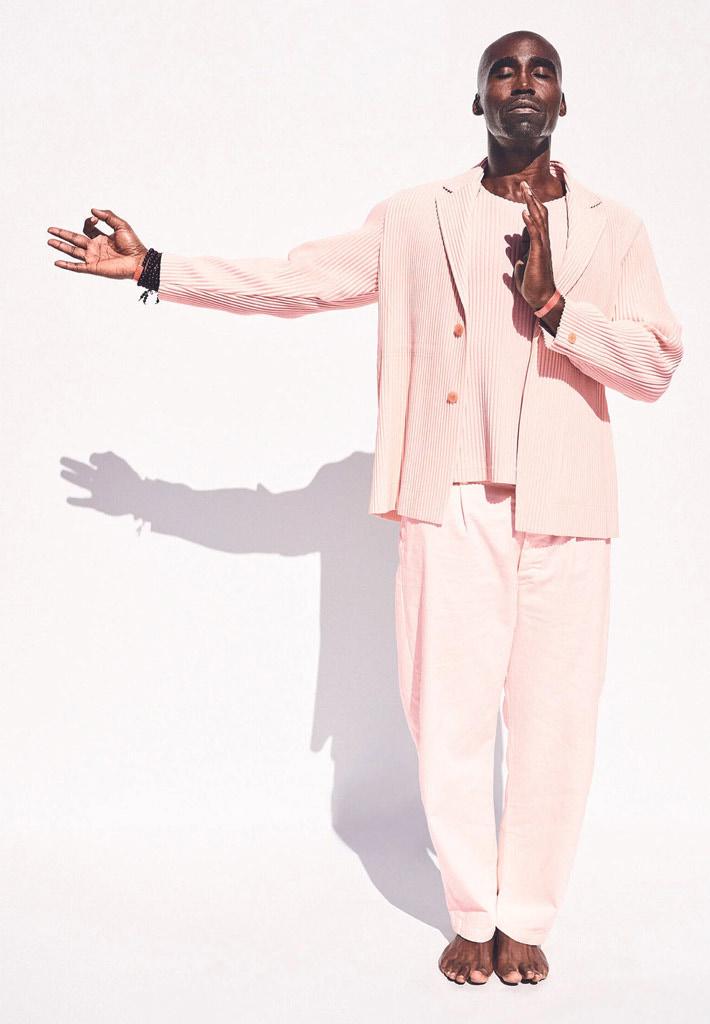


I captured the stories that were so pivotal in my journey, whether I succeeded or failed. In those moments, what I had to do was pull myself out of the holes that I had put myself in. With an understanding that no one can help me but me.
~Keith Mitchell
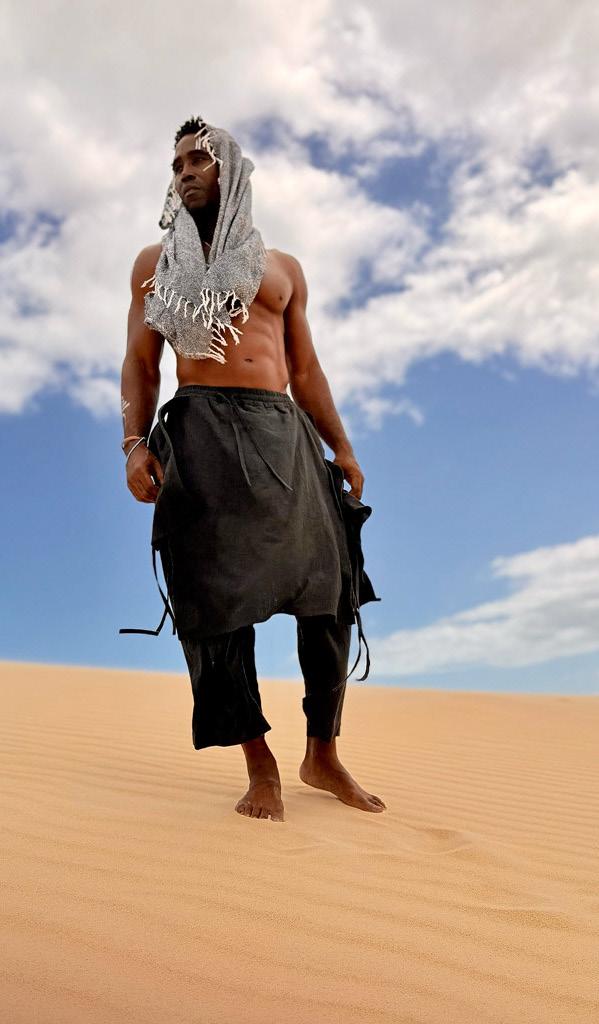
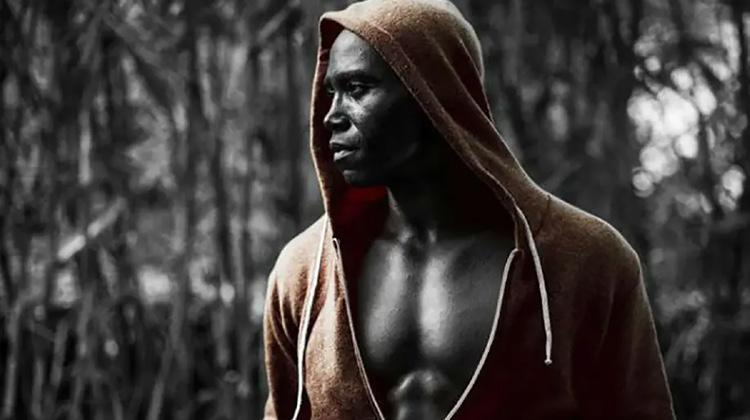
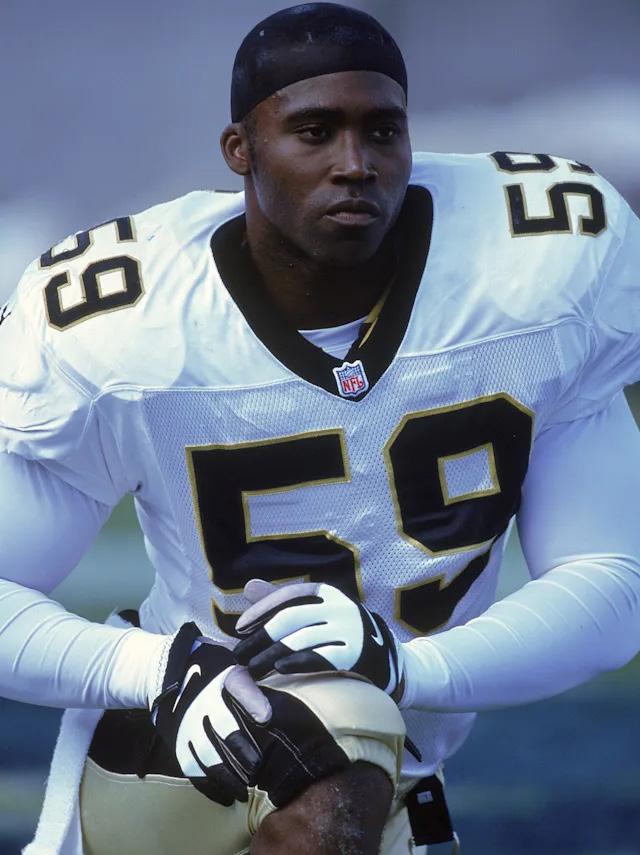
Keith’s athletic discipline and competitive spirit laid the foundation for a deeper calling.
Through yoga, meditation, and mindfulness, he found the path back to himself.
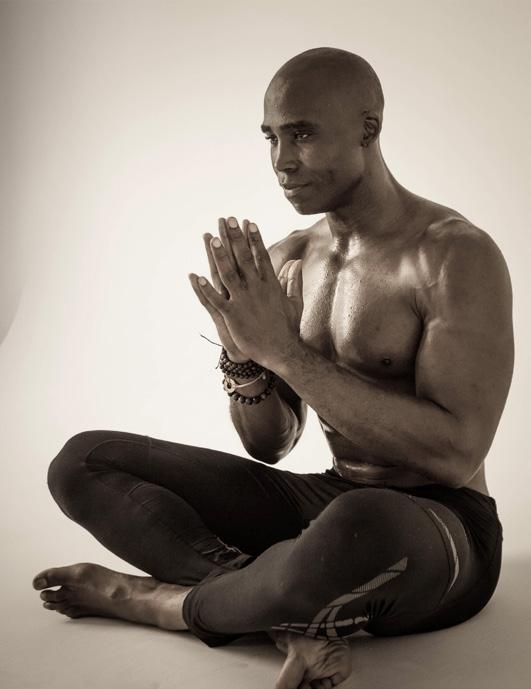
To the world, Keith Mitchell was an NFL star, known for his strength, speed, and determination on the field.
To those who knew him, he was so much more: a heart-centered soul, a seeker of truth, and a beautiful human being who transformed pain into purpose and used his platform to uplift others.
In the February 2026 issue of The Eden Magazine cover feature, Keith openly shared his powerful journey from adversity to awakening. This journey continues to inspire countless people around the world.
This tribute is a celebration of his life, his wisdom, and the legacy of love and light he leaves behind.
He dedicated his life to helping others heal, grow, and live with purpose.

His work, his story, and his light continue to inspire change and conscious living around the world.


By Steve Rother & The Group
If we accept that free choice is the only real rule we are to live by, then we must also understand that what we often view as predestination is, in fact, simply the result of a contract we have made. Since all contracts are contingent upon free choice, however, it can also be the case that we meet someone, recognize a deep connection, and yet still choose to move in a different direction. The reality is that all contracts are only potential until they are accepted by all parties involved.
We may decide to meet a person and enact a contracted scenario, then pass one another by without stopping. We may even try to meet them again at a specific intersection further down the timeline. If our first plans don’t come to fruition and the contract is important to us as a soul, we will invariably arrange another opportunity in an entirely different setting, much later. For instance, a child who should have been our daughter may appear as a granddaughter instead, or if something prevents us from being born to the parents we chose, we may find our way into their family at another time and in another way, as the daughter-in-law with whom they feel a deep, exceptionally close bond. These are simply known as backup plans, and I see them all the time in private sessions with people.
Once people realize their current situation is a backup plan, they often say something like: “I’ve always known that. I never felt like I belonged in my family, even though I love them. My sisters and brother all fit in, and I don’t. It’s more than just being the black sheep of the family; they are in a dif-
ferent world than I am.” When people understand why they feel the way they do, that knowledge can be life-changing. It relieves the pressure to conform to a particular family pattern or to live up to the expectations their parents or siblings have of them. While it explains why they have always felt different, it still leaves responsibility for their own happiness with the individual, where it belongs. It is critical for all facilitators working with empowerment techniques to always remember this. The problem is that when we finally adjust to the idea of contracts, we often swing completely to the other side, give our power away to this concept, and forget about free choice.
One of the hardest things for people to grasp is that not all events happen because of contracts. On the planet of free choice, there is always predisposition, but there is no predetermination. At the same time, a few things occur by accident, as our higher selves are always orchestrating experiences to help us learn to master our life lessons. How we respond to and handle those experiences is entirely up to us. This is free choice in action.
The concept of soul mates offers a perfect illustration of free choice in action. The Group does not verify the ‘one person for everyone’ theory. While this is a very romantic ideal, it is not practical on a free-choice planet. The reality is that there are many possibilities for each of us. We make many backup plans for relationships, and most of them relate to our primary life lesson. When I explain this to people, many ask, “But what would happen if we missed them all?” One of the greatest loves of all is the one built without any contracts. When this happens, the applause from the other side of the veil is deafening.
Although reuniting with a past love can be very powerful and romantic, the truth is that every relationship must be rebuilt daily to last. Therefore, free choice and the responsibility that goes with it play a much bigger role in all our relationships than most people realize.
When we script our contracts with parents, family, and other important people in our lives, one of the factors we consider most carefully is ‘lineage intent.’ This means that many families, or lineages, come in with a specific focus or intent. For example, one family may produce a long line of doctors or healers, while another may have an accomplished musician or artist in every generation. The famous seer Edgar Cayce came from one such lineage. When I met his niece, Caroline Cayce, she told me that, growing up, she believed that everyone had the same powers she had, and that it wasn’t until
she entered public school that she realized her gifts were not at all common. Clearly, Caroline had intentionally placed herself in a family with this lineage intent.
One very important contract, often included in the first stage of life, is the contract to be an energy role model. This contract involves people with a substantial age difference who cross paths at the perfect time to give younger people an energetic blueprint to model themselves after. This allows the awakening souls to see what they will be like as they grow. It is even possible to have a contract with an energy role model with someone you will never know, even if you happen to pass them on the street. The next time you see a young child staring intently at you for what seems like a very long time, consider that there may be a contract there and let them come into contact with you. Both of you will benefit from it.
This usually shows up in my sessions when people have not found their energy role models. When this happens, they often struggle to get a handle on their sense of self. This can lead to the emergence of many unwanted patterns, some of which can be misinterpreted as primary life lessons. This is why, when conducting private sessions, I first assess whether clients have a good sense of self, as this indicates they have found their energy role model. If they have not, I gently explain the concept and share why they probably feel so disconnected in many areas. Although it does not solve their problem, it does provide them with trust in their own feelings that something was missing.
Steve Rother is a pioneering spiritual teacher and channel for “The Group,” known for his warmth, clarity, and down-to-earth wisdom. A leader in modern metaphysics, he’s taught at the UN, published globally, and continues to guide seekers worldwide toward empowerment, purpose, and spiritual remembrance through his books, broadcasts, and workshops.
Transition Contracts – These are often among the most important contracts we make. This is the contract we make with an individual to release us when we are dying. Sometimes, if the relationship is very close, this person may be able to say the words: “It’s okay to leave, Mom. You can let go if you like. We will all be fine.” If this level of communication is not in place before we die, the same contract may be activated with more common, superficial language, such as, “Mom, know that we are all with you to help make this easier.” This may be all that it takes to activate the contract and give them permission to leave.
Greeters –people who agree to greet us in spirit as we transition home. Sometimes it’s a husband or wife who has passed over ahead of us, but most of the time it’s someone less close to us, like an aunt or uncle, or possibly a friend we knew in high school. Transitioning to the other side is probably the second most difficult thing we will ever do in this life. Contracts that we make with those who will help us to transition are very important. (The most difficult transition we make is the transition into this life via the birth process.)
Bump Contracts – These are safeguard contracts usually made in the first stage of life. They always involve a person with whom we will have had a very close, intimate connection in at least one previous lifetime. This person agrees to intersect our life at a critical time to check that we are on the path we set out to travel. As souls, we are aware that we often get stuck in situations that distract us from accomplishing our real work. These contracts are designed to come together with such intensity that they cannot help but jolt us out of our routine. Their purpose is to remind us of our original soul intention and direction. Quite often, they appear as irresistibly romantic encounters. By their very nature, they must be strong enough to ‘bump’ us into some kind of new awareness. Their very strength
is often sufficient to tempt us into an affair, in the mistaken belief that at last we have found our soul mate. It is helpful to bear in mind that, although they can become successful long-term relationships, they were originally intended to be short-term only. Bump contracts always create an opportunity for both parties to change the direction of their lives.
One of the hardest things for people to grasp is that not all events happen because of contracts. On the planet of free choice, there is always predisposition, but there is no predetermination.
Karma, as we know it, has now been released to enable us to evolve more rapidly. During our planning sessions in the first stage of life, however, many karmic contracts are still being chosen. While this is not necessary, these contracts may be the most effective means of facilitating a primary life lesson, especially when we pick up a relationship we left incomplete in a previous life. Since it is no longer possible to build a long-term relationship based on karma, any new karmic contracts that we do choose to set up will need to be completed very quickly.
Not all contracts are directly related to our primary life lessons. Many of our contracts have more to do with the other people involved than with us.
Sometimes we are simply holding the space as players in someone else’s contract. Although we tend to take everything in life very personally, it is often not about us, even though we may be involved in a situation to the point that it seems as though it is happening to us. “Sometimes,” as the Group is fond of reminding me, “a cup of coffee is just a cup of coffee.”
By Chantelle Cook
EEvery August 21st, we get a gentle reminder to slow down and appreciate something truly valuable: the older adults who've shaped our world. National Senior Citizens Day isn't just another date on the calendar; it's a chance to recognize the people whose stories, sacrifices, and hard-won wisdom continue to guide us.
Think about the seniors in your life. Maybe it's a grandmother who still remembers rationing during World War II, or a neighbor who taught you how to grow tomatoes. Perhaps it's a mentor who worked their way up in an industry you hold dear. These are the people who lived through history we only read about, and their experiences are walking libraries of knowledge.

President Ronald Reagan established this day in 1988, recognizing the need for an official moment to pause and say "thank you" to the generation that built much of what we enjoy today. But in 2025, this day carries an even deeper invitation, not just to honor seniors, but to actively support the quality of their lives. Because growing old is not a decline to be managed. It's a privilege to be celebrated and planned for with intention.
National Senior Citizens Day isn't a finish line; it's a reminder that honoring the older adults in our lives is an everyday practice, not a once-a-year gesture. This May, during Older Americans Month, the theme "Champion Your Health" echoed through communities nationwide, and its urgency doesn't fade come August 21st. If anything, it sharpens. The call is clear: aging well is less about reacting to crises and more about proactively shaping how our later years unfold, with dignity, clarity, and choice intact.
Too often, families only spring into action when a parent or loved one suddenly needs care, scrambling to make medical, financial, and legal decisions without truly knowing that person's wishes. The chaos isn't born of indifference. It's born of avoidance, the very human tendency to postpone hard conversations until they become unavoidable emergencies.
For three decades, elder care advocate Princella Seymour, founder of Complete Elder Solutions, has witnessed this pattern firsthand. Her work transforms that confusion into clarity, helping fam-
ilies navigate one of life's most complex chapters with grace rather than panic. The difference, she has found, almost always comes down to preparation.
"Aging well doesn't mean doing everything alone," Seymour says. "Families perform best when roles are clear, and the elder's dignity guides decisions."
Championing senior health, then, isn't only about supplements or doctors' visits. It's about having the conversations now, about wishes, about care, about what a good life looks like in its later chapters. It's about building systems before they're urgently needed, and treating the seniors in our lives as the architects of their own aging, not passengers in it.
That shift in perspective may be the most meaningful gift we can offer on National Senior Citizens Day, and every day after.
When we imagine vibrant seniors, the ones who garden into their eighties, travel into their nineties, or simply wake each morning with clarity and purpose, we might credit good genes or good luck. But science tells a more nuanced story, and it begins at the cellular level.
Our bodies are composed of trillions of cells, and their ability to function, repair, and communicate with each other is the true cornerstone of healthy aging. One of the most overlooked factors in this equation? The balance between Omega-6 and Omega-3 fatty acids.
Research consistently shows that between 95 and 99 percent of the population is out of balance in this critical ratio. The Western diet, rich in processed foods loaded with Omega-6s and low in the Omega-3s found in fatty fish, creates a condition where the body responds with chronic, low-grade inflammation, quietly undermining cellular health for decades.
EPA, one of the key Omega-3 fatty acids, supports heart health and immune function. DHA is critical for brain health and cognitive performance. Together, they don't just add years to life, they add life to years.
But not all Omega-3 supplements are equal. Fish can accumulate environmental contaminants, and poorly refined fish oils may carry traces of mercury and other toxins. This is where quality matters enormously. Scandinavian health company Zinzino, which has analyzed over 1.2 million tests worldwide, has built its approach around test-based, personalized nutrition, showing individuals exactly where their balance stands before prescribing any solution.
The takeaway for seniors and their families: don't guess. Test. Then act with intention.
The Gut-Brain Connection: A New Frontier in Elder Wellness
Another frontier in senior health that deserves our attention is the gut microbiome, the vast ecosystem of bacteria living in the digestive system that influences immunity, inflammation, and even mood and cognition.
As we age, simple shifts in diet, medication use, and reduced mobility can alter gut balance in ways that affect energy levels, nutrient absorption, and immune resilience. The good news is that baseline gut health testing can now be done from home, providing a data-driven starting point for seniors and their caregivers.
Dr. Colin Robertson, Chief Product Officer at Zinzino, describes it compellingly: the gut acts as a kind of lifestyle compass,
reflecting our internal health and empowering targeted changes that support a stronger, more resilient body. For older adults, this kind of personalized insight, rather than generic supplement recommendations, can be genuinely transformative.
Pair that with a fiber-rich diet to support microbiome diversity, regular hydration, and mindful reduction of ultra-processed foods, and you have the foundation of an aging strategy that works from the inside out.
Physical health is only part of the equation. Ask any gerontologist what separates those who thrive in their later years from those who merely survive, and they'll point to something harder to measure than cholesterol levels or gut microbiome scores: a sense of purpose.
Volunteering, being part of something bigger than oneself, is one of the most potent longevity tools available to older adults, and it costs nothing. Research has consistently linked volunteerism among seniors to lower rates of depression, reduced cognitive decline, stronger immune function, and a longer life. When we give our time and experience to others, we receive something profound in return: the reminder that we still matter, that our presence changes things, that the story isn't over.

Shannon Walker, founder of Northwest Battle Buddies, a nonprofit that gifts trained service dogs to veterans struggling with PTSD, has built her organization on exactly this kind of intergenerational exchange of purpose. And she has seen, up close, what happens when people of any age step into something larger than themselves.
"When you give your time to a cause that genuinely needs you, something shifts internally," Walker says. "You stop thinking about your own limitations and start thinking about what you can still offer. That shift is everything. It's healing. I've watched volunteers in their seventies and eighties come alive in ways their families hadn't seen in years, because they felt needed again."
Walker's work at Northwest Battle Buddies sits at a powerful intersection: veterans, many of them older Americans themselves, receiving the companionship and stability of a trained service dog, supported by a network of volunteers who understand duty, sacrifice, and showing up for one another. It is, in many ways, a model for what communities can look like when multiple generations lean into purpose together.
For seniors wondering where to begin, the options are as varied as human experience itself. Tutoring children in reading. Delivering meals to homebound neighbors. Mentoring first-generation college students. Fostering animals between placements. Sitting with veterans who simply need someone to listen. The specific cause matters less than the act of showing up
consistently for something beyond oneself. "It doesn't have to be dramatic," Walker adds. "It just has to be real. Show up. Be present. Let someone know they're not alone. That's the whole thing."
Caring for Caregivers: The Invisible Heroes of Senior Life
National Senior Citizens Day is also, quietly, a day to acknowledge the millions of family caregivers who make dignified aging possible. These are spouses, adult children, siblings, and friends who coordinate medications, attend appointments, prepare meals, and provide the kind of steady, loving presence that no facility can fully replicate.
Caregiving is an act of love. It is also exhausting, and it deserves better systems.
Seymour offers three pragmatic pillars for families navigating this terrain. First: create a clear, simple care plan. Document daily routines, medication schedules, emergency contacts, and responsibilities. A shared calendar, digital or physical, prevents gaps and reduces friction. When everyone can see the plan, care becomes more consistent and less stressful.
Second: normalize asking for help. Caregiving should never be one person's sole burden. Rotate tasks across family members, lean on neighbors, faith communities, and local services, and use respite resources to prevent burnout. Accepting help isn't a weakness; it's the sustainable stewardship that keeps both elder and caregiver well.
Chantelle Cook is a freelance writer, publicist, founder of Safari Curators, and Trustee of the Chipembere Rhino Foundation. A UCLA graduate with a degree in English Studies and Communication, she writes about curated and sustainable travel, wildlife conservation, rescue and rehabilitation, and health and wellness. Originally from California, Chantelle divides her time between the United States and South Africa, drawing on her global experiences to create engaging content for clients, publications, and passion projects.
Third, and perhaps most importantly: prioritize the senior's dignity and personal preferences. Ask them what matters. Their routines. Their food. Their privacy. Their relationships. Small choices, keeping familiar objects nearby, maintaining consistent caregivers, honoring personal rituals, reinforce identity and provide calm during life's inevitable transitions.
In a culture that prizes productivity above almost everything else, older adults are sometimes left feeling that slowing down is a form of failure. National Senior Citizens Day is a powerful counter-narrative: rest is not earned laziness. It is a biological necessity and hard-won wisdom.
Wellness coach and meditation expert Jackie B Grice puts it plainly: "You've earned the right to rest. Breathwork and short meditations can transform a stressful moment into a reset."
The micro-practices she recommends are beautifully accessible. Five minutes of box breathing in the morning, inhaling for four counts, holding for four, exhaling for four, holding for four, can measurably lower heart rate and ease anxiety. Gentle chair-based stretches improve circulation without physical risk. A short guided meditation before sleep can ease the mind and support memory consolidation during rest.
For caregivers managing their own stress alongside a loved one's needs, these same practices offer restoration. Mental wellness is not a luxury. It is the infrastructure on which everything else depends.
Honoring seniors on August 21st doesn't have to mean grand gestures. Often, the most meaningful acts are the simplest ones.
Call the older adult in your life and ask about a memory, a story you've never heard. Help a family member organize that emergency binder that keeps being postponed: the one with medication lists, doctors' contacts, insurance cards, and advance directives. Sit with a grandparent and let them teach you something they know.
For those doing the deeper planning work, consider a gut health or omega-3 balance test as a practical gift for an aging parent. Talking openly about wishes for care before a crisis makes those conversations urgent. Build the care plan now, while there's space for thoughtfulness rather than scrambling.
And if you know a senior who seems to be drifting, who has grown quieter, more withdrawn, less like themselves, consider the gentle invitation of purpose. Point them toward a cause. Introduce them to a volunteer coordinator. Share Shannon Walker's simple truth: showing up for something real is one of the most powerful medicines we have.
National Senior Citizens Day reminds us that aging is not something that happens to people; it is something people do, with courage and continuity, every single day. Our role is to walk alongside them with knowledge, with resources, and above all, with the kind of reverence their lives have earned.
Growing old is a privilege. Let's treat it like one.
Contributors:
Shannon Walker, Founder, Northwest Battle Buddies
Princella Seymour, Founder, Complete Elder Solutions
Jackie B Grice, Wellness Coach & Author
Dr. Colin Robertson, Chief Product Officer, Zinzino
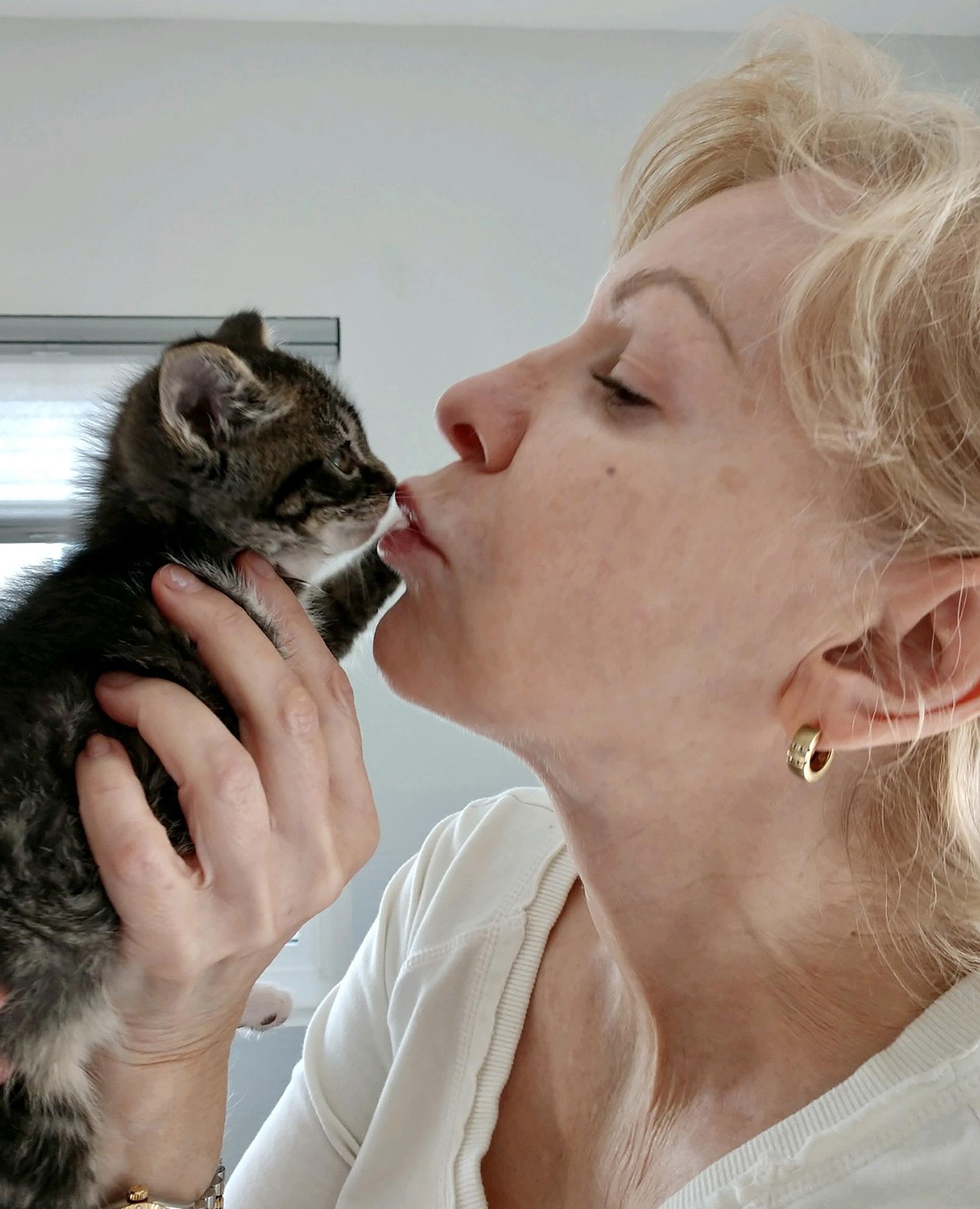
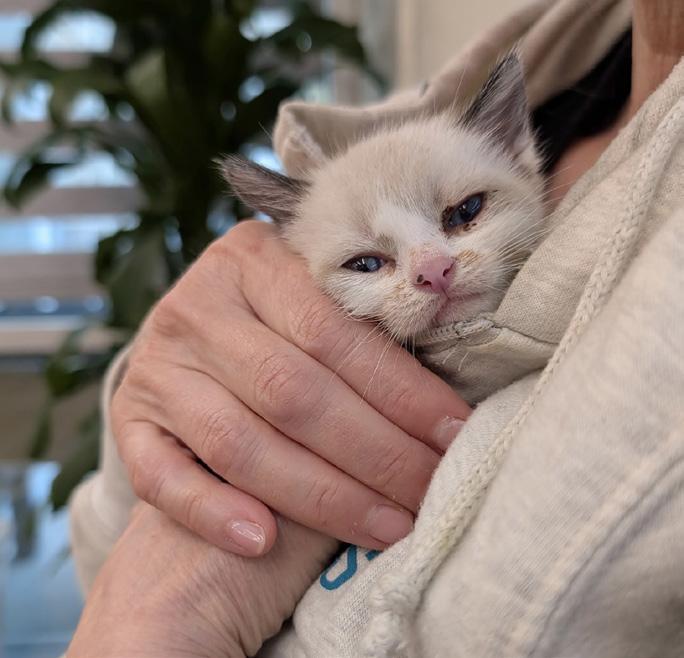
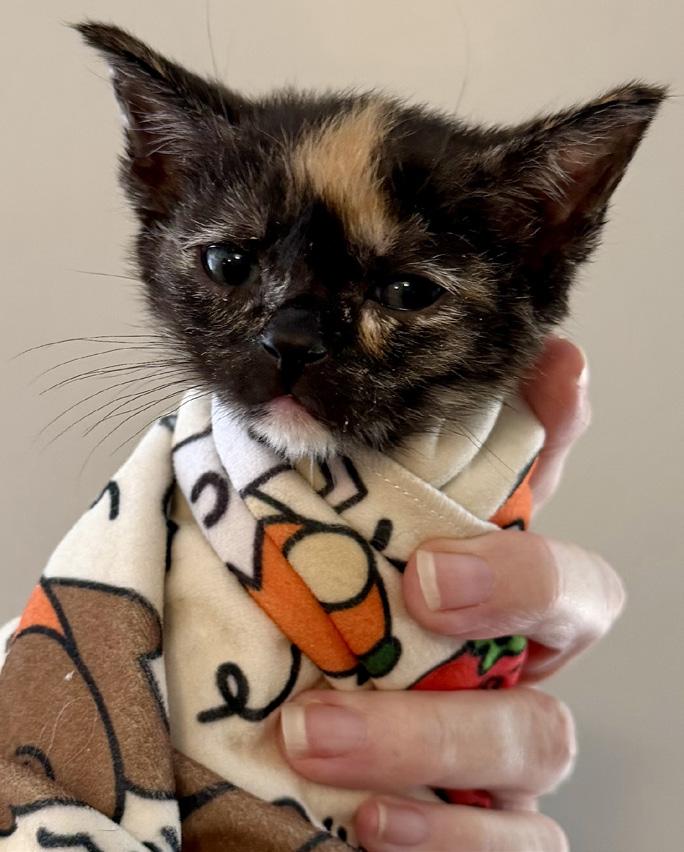
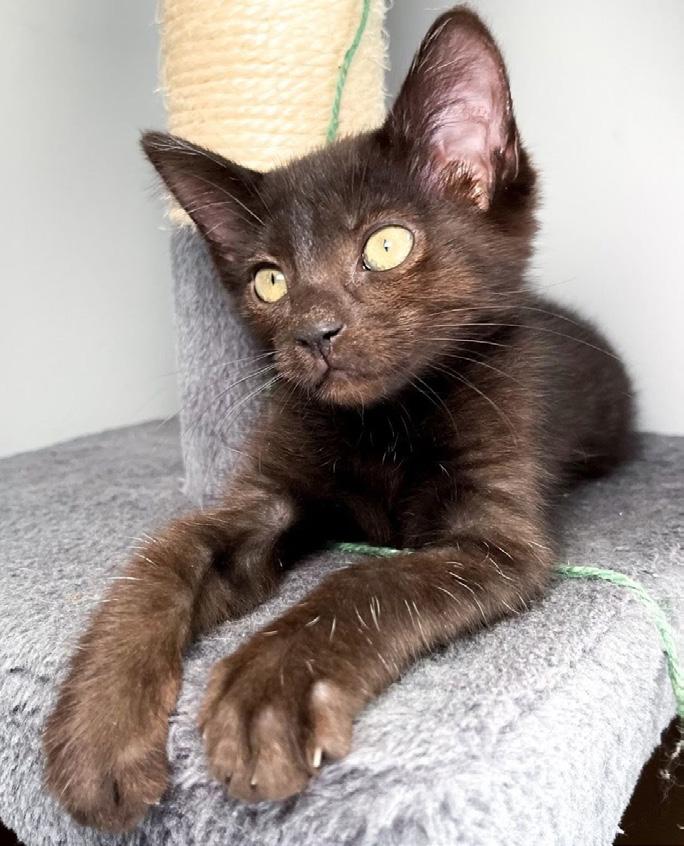
For more than two decades, HelenSanders CatPAWS has been dedicated to rescuing, rehabilitating, and finding loving homes for cats and kittens in need. Founded with a mission to provide education, support, and resources to the community, the organization works tirelessly to help more cats live full and cherished lives.
During peak kitten season, when lmed with abandoned and vulnerable animals, CatPAWS plays a vital role in expanding foster placements, supporting adoptions, and offering care kits and low-cost spay and neuter services to reduce future homeless cat populations. In this interview, Deborah Felin-Magaldi discusses the growing challenges facing shelters and offers important guidance on what the public should do when encountering stray kittens outdoors, as well as how foster networks and community support can help save lives while reducing shelter overcrowding.
She also discusses the importance of spay-and-neuter programs in addressing the ongoing crisis of homeless and feral cats.
What inspired you to become involved with Helen Sanders CatPAWS, and what has been the most rewarding part of helping grow and sustain the organization over the years?
What are the most common mistakes people make when they find a litter of stray kittens outdoors? More than
twenty years ago, I had some flexibility with my work schedule, I was working from home, and I thought, why not foster? I started out with a local shelter, just bringing cats into my house for a few weeks at a time so they had somewhere to go while they waited for a home. I had no idea what that decision would turn into.
When we filed the paperwork to become a nonprofit, it started small. The goal was genuinely just to get some cats adopted. But the more we were in it, the more we saw the need for medical care, for spay/neuter access, for community education, for someone to go into the shelters and pull the cats who had run out of time. So we kept expanding. We now run programs covering everything from neonatal kitten care to assisted living visits to a low-cost spay/neuter clinic. What makes it all possible is the team we have built: an incredible group of people who give their time, their energy, and a lot of themselves to make sure more cats make it.
As for the most common mistakes when someone finds kittens outside, the biggest one is moving too fast. The instinct is to scoop them up and do something. But scooping them up and taking them to a shelter is often not the best option, and sometimes it's the worst one. Before you touch anything, you need to stop and look at what you're actually dealing with. Are they plump? Are they clean? Are they quiet? If yes, there is probably a mom nearby, and the best thing you can do is leave them alone and watch from a distance for a few hours. Mother cats don't stay attached to their kittens all day; they roam, they forage, and they often move away when they sense a human nearby. Intervention, when it isn't needed, can separate a litter from a mother who was perfectly capable of raising them. That's a mistake that comes from a good place. But it's still a mistake.
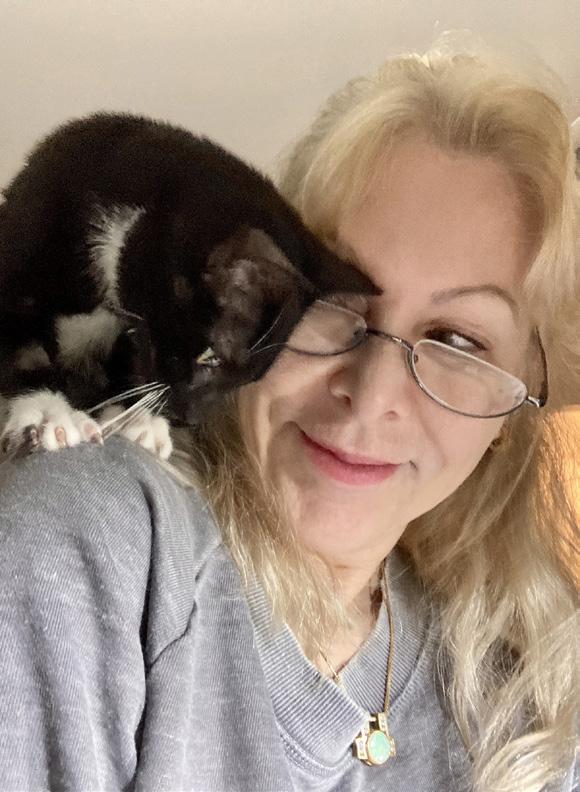
is the
, a nonprofit cat rescue and advocacy organization she has led for 16 years. She began fostering more than 20 years ago and never stopped. Learn more at helensanderscatpaws.com
How can someone tell whether kittens are truly abandoned or if the mother cat is still caring for them? The kittens themselves will usually tell you, if you know what to look for.
If they're resting and their coats look reasonably clean, there is almost certainly a mom somewhere nearby. She may be out hunting. She may have spooked when she heard you and is waiting for you to step back. A well-cared-for kitten doesn't cry constantly — they sleep, they pile on each other, they seem settled, even if they're small.
The picture looks completely different when mom isn't coming back. Those kittens are crying in a way that sounds desperate rather than communicative. Their fur looks dull or clumped. They feel cold to the touch, and that last one matters more than people realize, because neonatal kittens cannot generate their own body heat. They depend entirely on their mother and their littermates to stay warm. A cold kitten is already in trouble. A thin kitten, one that looks like it hasn't eaten in a while, is in more trouble.
So, plump, clean, quiet, Mom is probably nearby. Crying, dirty, cold, thin, mom is probably not coming back. Give it a few hours of observation before you make any decision, but let what you see guide you.
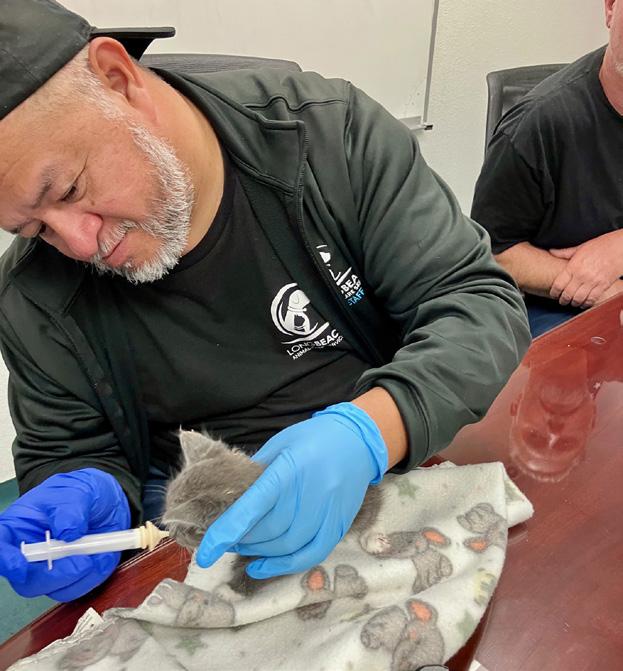
During kitten season, when should a person intervene, and when is it better to leave the kittens where they are?
It can be situationally dependent, and there are variables The answer depends on what the kittens look like, what the environment looks like, and what the weather is doing.
The general rule is to observe first. Give it several hours. Watch from a distance that doesn't scare the moth-
er off. And while you're watching, assess the kittens the way I described: their weight, their coat, and whether they're crying. If they look cared-for and the area is reasonably safe, not near active traffic, not exposed to rain, not in reach of a predator, waiting is the right call.
If the mother doesn't return after several hours, or if the kittens look unkempt or clearly distressed when you find them, it's time to step in. You're not overreacting at that point. You're reading the situation correctly.
The weather is a factor that doesn't get talked about enough. A mild afternoon can turn into a cold night very quickly, and neonates can't handle that exposure. If conditions are deteriorating and there's still no sign of the mother, don't wait it out. The window for intervention is real, and it closes.
What immediate steps can members of the public safely take before contacting an animal shelter or rescue organization?
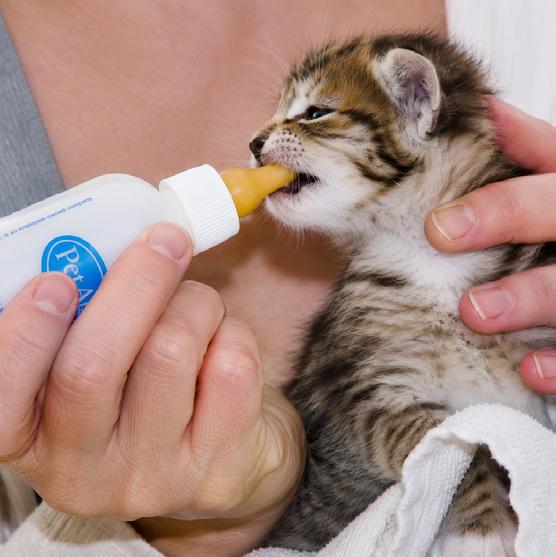
There are many, many online resources on caring for abandoned kittens, with videos covering everything from newborns through weaning. Type "how to take care of abandoned newborn kittens" into any search engine, and you'll get pages of them, step-by-step written guides, video walkthroughs covering everything from bottle feeding to how to stimulate a kitten to go to the bathroom (yes, that's something you have to help with). The information is out there, it's good, and it's free.
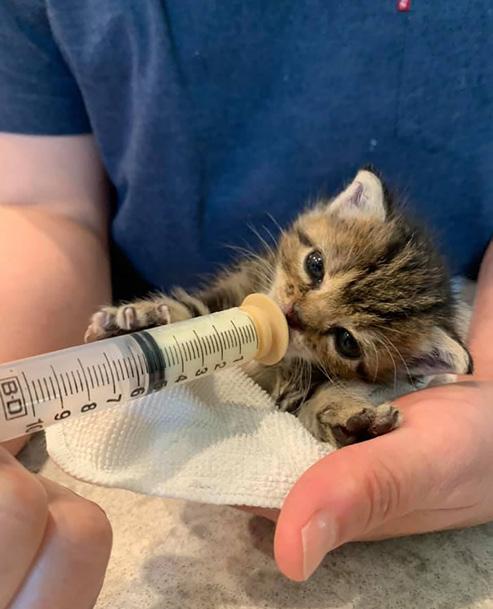
The first thing to do is to warm the kitten if it's cold. Neonatal kittens cannot generate their own body heat; they rely entirely on external heat sources to survive. This is not optional. Only once the kitten is warm is it safe to feed it.
A cold kitten cannot digest food properly, and trying to feed one before it's warmed up can actually make things worse. Warm first. Everything else comes after.
Kitten milk replacer, or KMR, is available at most pet stores and is what you need if there's no mother. Never give cow's milk, it will make them sick. Very young kittens need to eat every two to three hours, so go in knowing what you're signing up for. It's a commitment. But people do it all the time, and those kittens survive because of it.
If you can reach a rescue group, do so, recognizing that they are getting multiple calls every day. Even if they can't take the kittens in, they may be able to direct you to resources to help you help the kittens.
How are foster networks, like those supported by Helen Sanders CatPAWS, helping reduce overcrowding in shelters and save more kittens’ lives?
Every year, we pull hundreds of kittens out of public shelters. Each one of those kittens needed medical attention, needed
feeding throughout the day and night, needed monitoring and care that most shelters simply are not staffed or resourced to provide.
The reality for tiny kittens brought into a shelter is a hard one. When the shelter closes for the day and the staff go home, those kittens are on their own. For a neonatal kitten, one that needs to be fed every two to three hours and kept warm and stimulated, "end of day" often means “end of kitten.” That's not a failure of shelter staff but a resource problem. Most municipal shelters are stretched thin even without a litter of neonates in the equation.
Our foster network is what closes that gap. When a cat or kitten comes out of a shelter and into a foster home, they get individual attention. They get a human who watches them, responds to them, feeds them on schedule, and notices when something is off. That level of care is the difference between a kitten who makes it and one who doesn't. We pull hundreds of placements a year. Each one is a life that would not have made it otherwise.





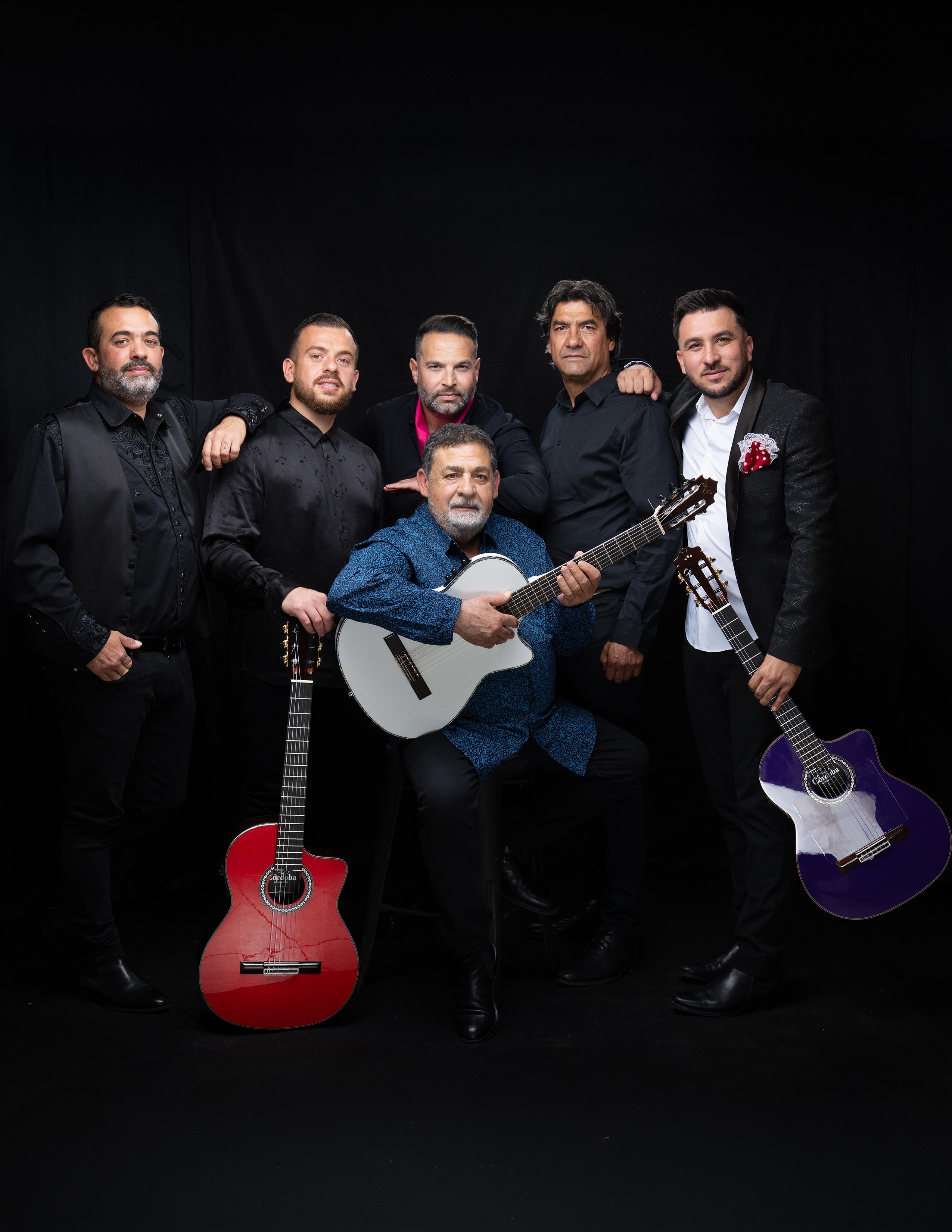
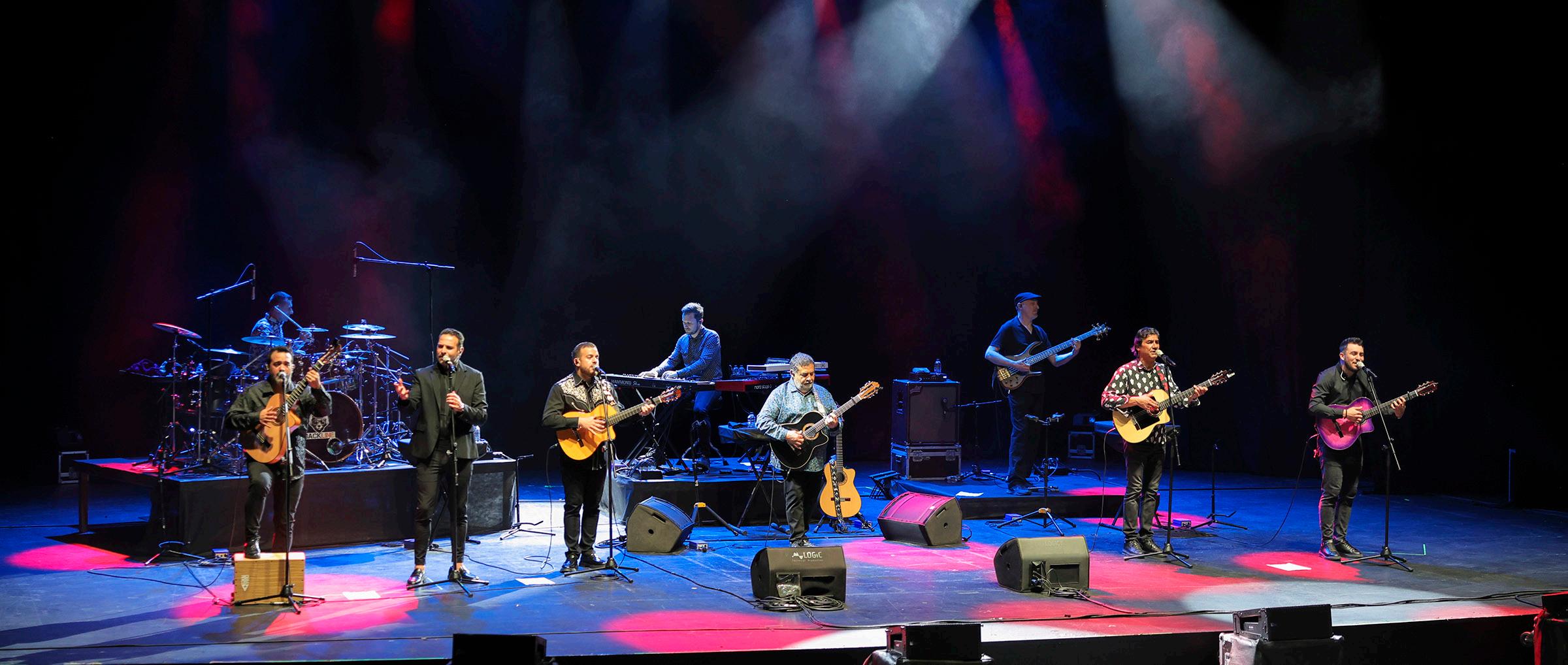
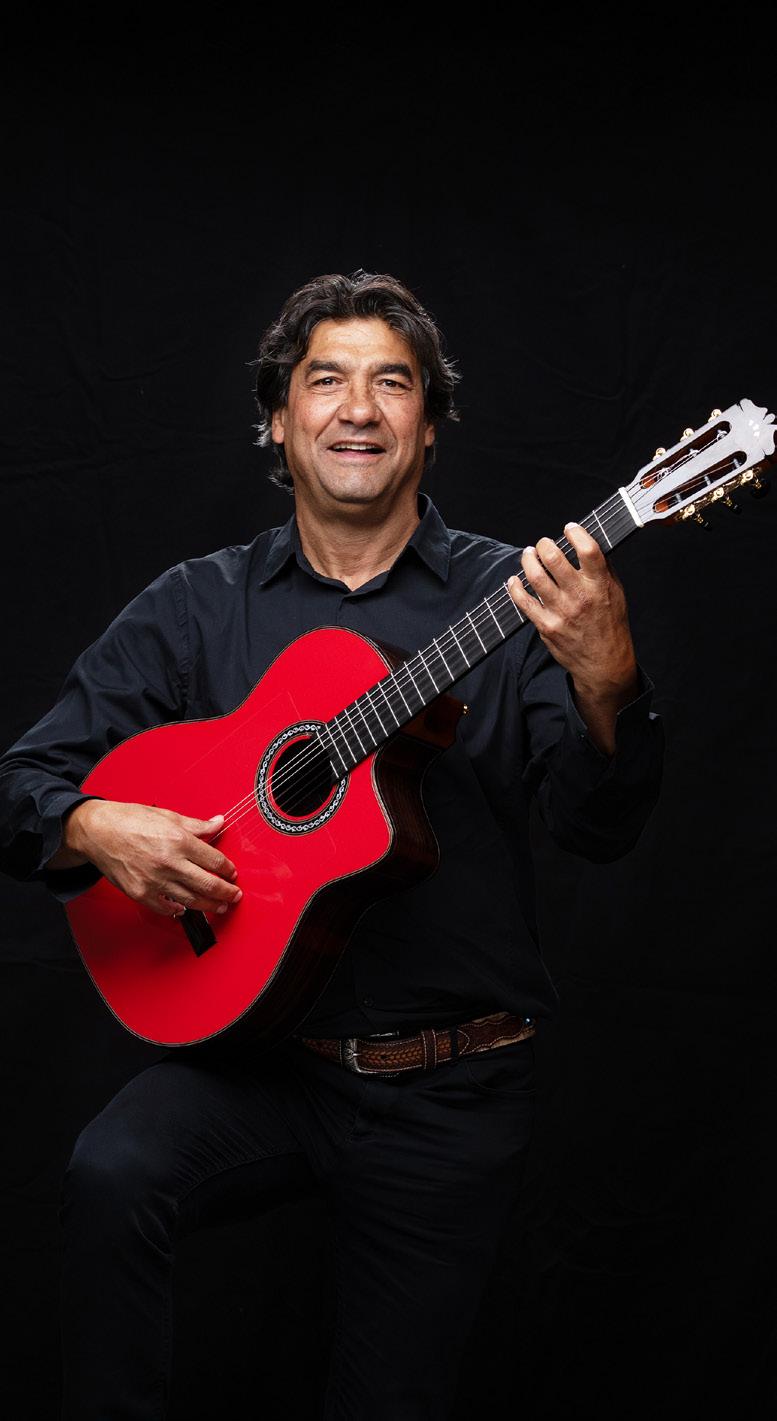
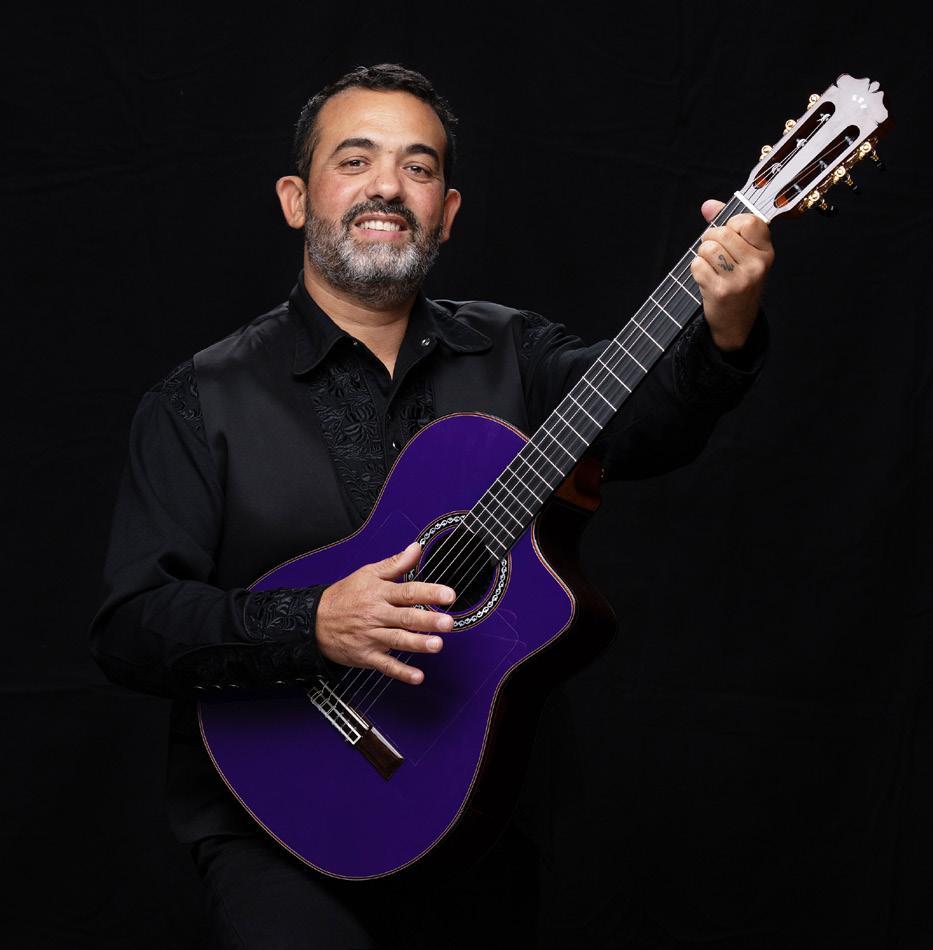
FFor decades, Tonino Baliardo and Gipsy King have captivated audiences around the world with their unmistakable fusion of flamenco, Catalan rumba, Latin rhythms, and passionate storytelling. As the visionary founder and lead guitarist behind classics like Bamboleo and Djobi D Jobs, Baliardo’s timeless guitar sound helped make the Gipsy Kings an international phenomenon and build one of the genre’s most enduring and influential legacies. From iconic hits that crossed cultures and generations to sold-out performances across the globe, his music continues to inspire and unite audiences through rhythm, emotion, and soul.
With the release of his new album, Historia, this past May 29, an upcoming documentary, exciting U.S. tour dates, and a fresh chapter in his lifestyle, Tonino opens the door to both his artistic journey and personal evolution. In this special conversation, he reflects on legacy, creativity, family, and the enduring spirit behind the music that continues to move hearts worldwide.
Your new album Historia was released on May 29. What story were you most inspired to tell through this album, and why did the title Historia feel like the perfect name for this chapter of your life and music journey?
After so many years on the road and touring around the world, I began thinking about writing songs that reflected my life, my journey, and the Gipsy culture I have lived with all my life. The title Historia felt very natural because it captures the album's heart. It is my story.
As one of the founders of the legendary Gipsy Kings, how do you reflect on the evolution of the group’s sound and global impact over the years?
It is something I am very grateful for. When we began, we were simply playing the music that came from our hearts, our families, and our culture. We never imagined how far it would travel or how many people around the world would connect with it.
Over the years, the sound has grown and reached many different generations, but the spirit has always remained the same. It comes from Gipsy culture, from family, from rhythm,
from emotion, and from the joy of sharing music with people.
Historia beautifully blends tradition with fresh influences. How did you approach honoring your roots while also exploring new musical directions on this album?
Gipsy flamenco music is in my soul. I think you can explore new sounds, but you must always keep the traditional feeling and respect where the music comes from.
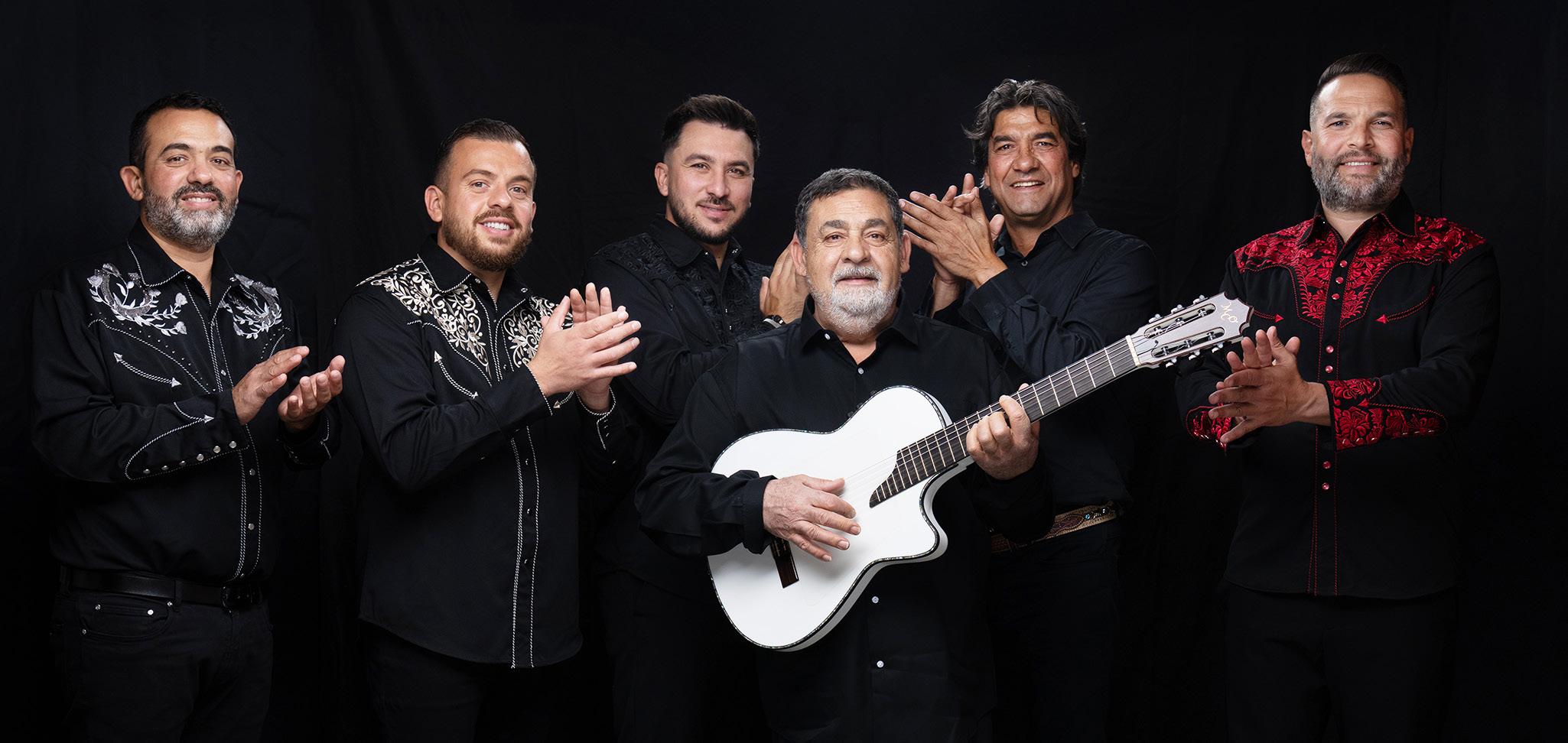
My two sons, Cosso and Mikeal, have joined me on stage and in the studio, which makes me very proud. They bring their own fresh ideas and energy, which helps the music continue to grow while still honoring our roots.
Your upcoming documentary gives fans a more personal look into your life and career. What moments or stories in the film were the most emotional or meaningful for you to share?
The idea of the documentary was to put my life as a Gipsy King on film, and it took two years to produce. There are some beautiful scenes with my family and me, including my grandchildren, which I really enjoyed.
Recording music today is very different from when I began, but our style is held within our Gipsy culture, and that will never change.
Another very meaningful part was seeing us headline Glastonbury on the final night. Playing at what is probably the world's largest music festival was a wonderful experience, and watching that moment again was very emotional.
I am very pleased with the production, and being #1 on Amazon Prime was truly a bonus.
The passion and rhythm in your music have connected with audiences around the world for decades. What continues to inspire you creatively after all these years?
When I started playing as a kid on the beaches in St. Tropez and other
places in the South of France, I never imagined in my wildest dreams that so much success would come to me. I am very grateful.
My inspiration comes from my family, the music I grew up with, and the values I was taught. Those things are still with me every day.
What can fans expect from the live performances this time around, and how will these shows differ from previous tours?
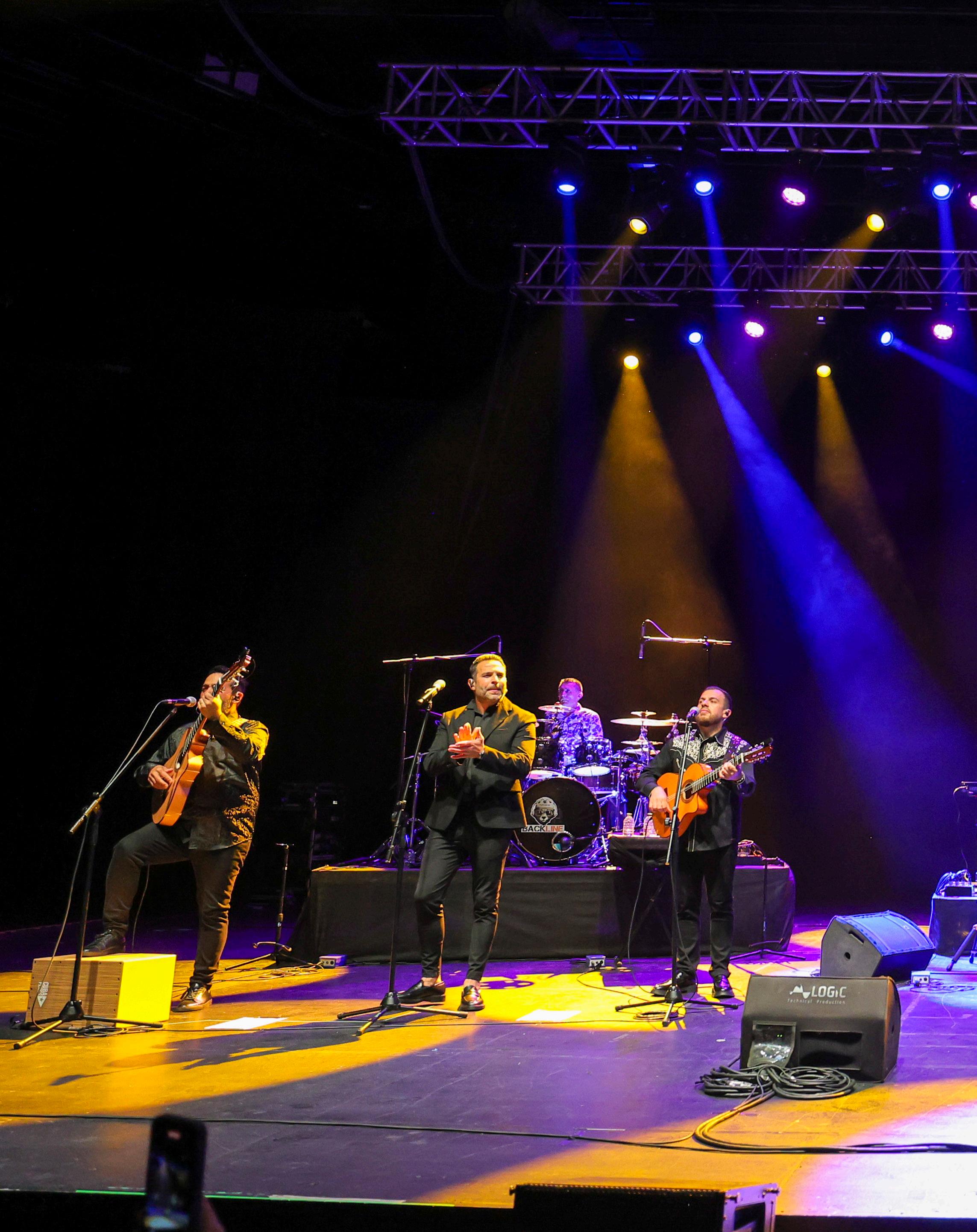
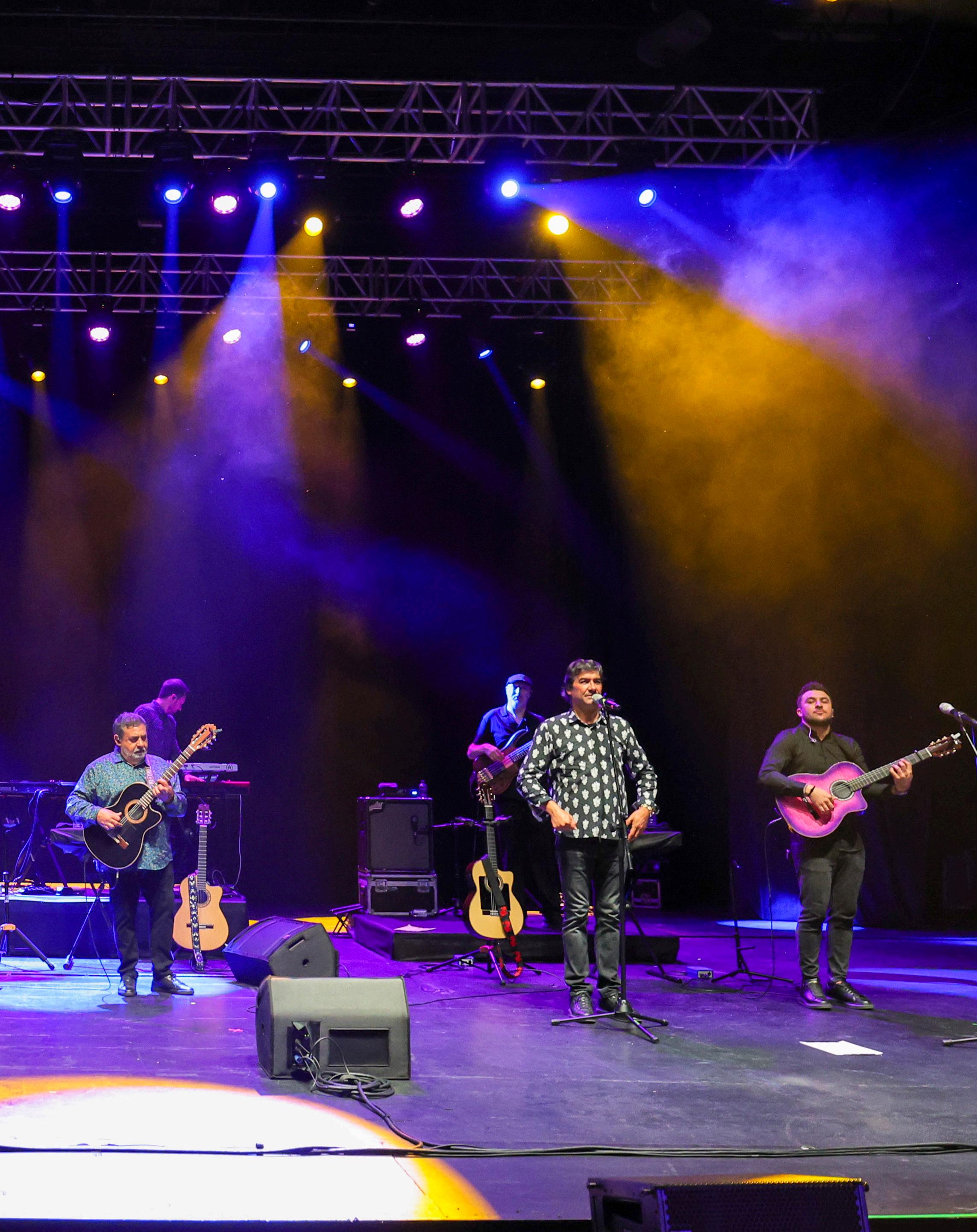
Our shows are a Gipsy fiesta. With my two young sons on stage, we are joined by other young Gipsy Kings, with nine musicians on stage.


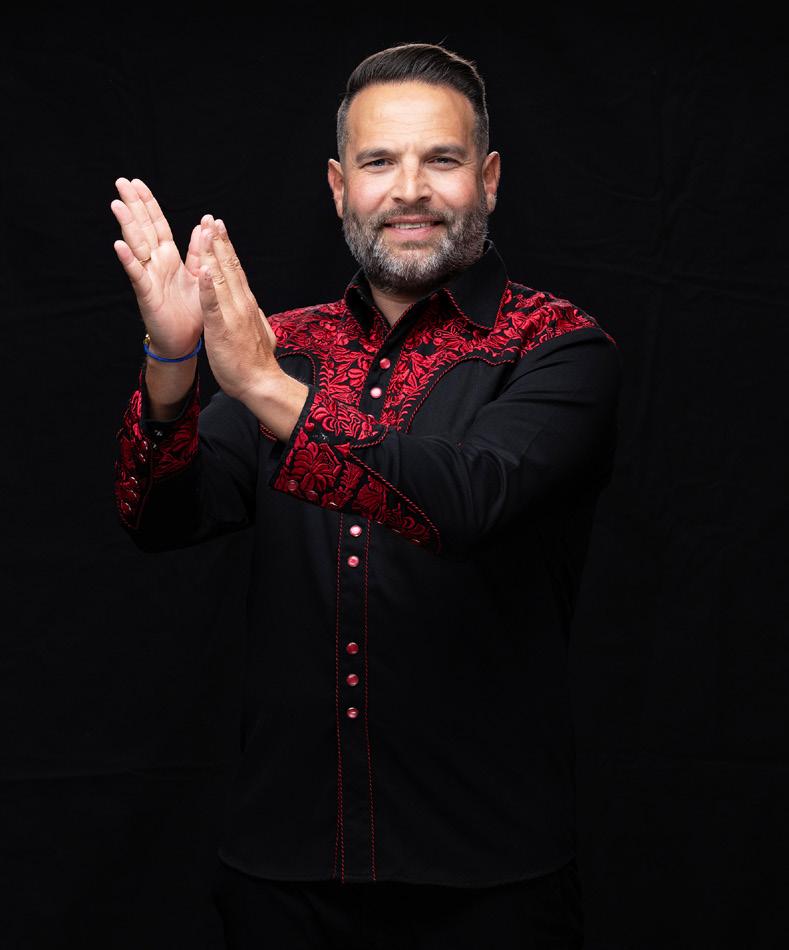
We have a set list of songs to play, but beyond that, nothing is too rehearsed. The music has to feel alive. One of the most special parts of the evening for me is hearing the audience leave the theater singing Bamboleo or Volare. That is when I know everyone has had a wonderful evening singing and dancing at our fiesta.
Looking back at your extraordinary career, from founding the Gipsy Kings to releasing Historia today, what legacy do you hope to leave for the next generation of musicians and fans?
My young grandson Marlon plays guitar and sings. I encourage him, but the decision to continue the legacy will be his.
Recording music today is very different from when I began, but our style is held within our Gipsy culture, and that will never change. I would say to the next generation: embrace your music and remember that you never stop learning.
When you are not performing or traveling, what are some simple things in life that bring you the most joy and peace?
I enjoy touring and have traveled around the world many times, but when I am home, I love spending time with my family, playing guitar, and writing music.
I always have my guitar with me, and being surrounded by my wonderful family and friends at my casa brings me great joy.
If fans spent one perfect day with you, what would it include: favorite food, music, family traditions, or places you love to visit?
It would include pasta, paella, cheeses, playing guitar with the
family, and watching the youngsters dance. I also love the Camargue. It is a very special place.
After so many years in music, is there still something on your personal “bucket list” that you would love to experience or accomplish someday?
A peaceful world.
Photography Courtesy of Gipsy Kings Feat. Tonino Baliardo


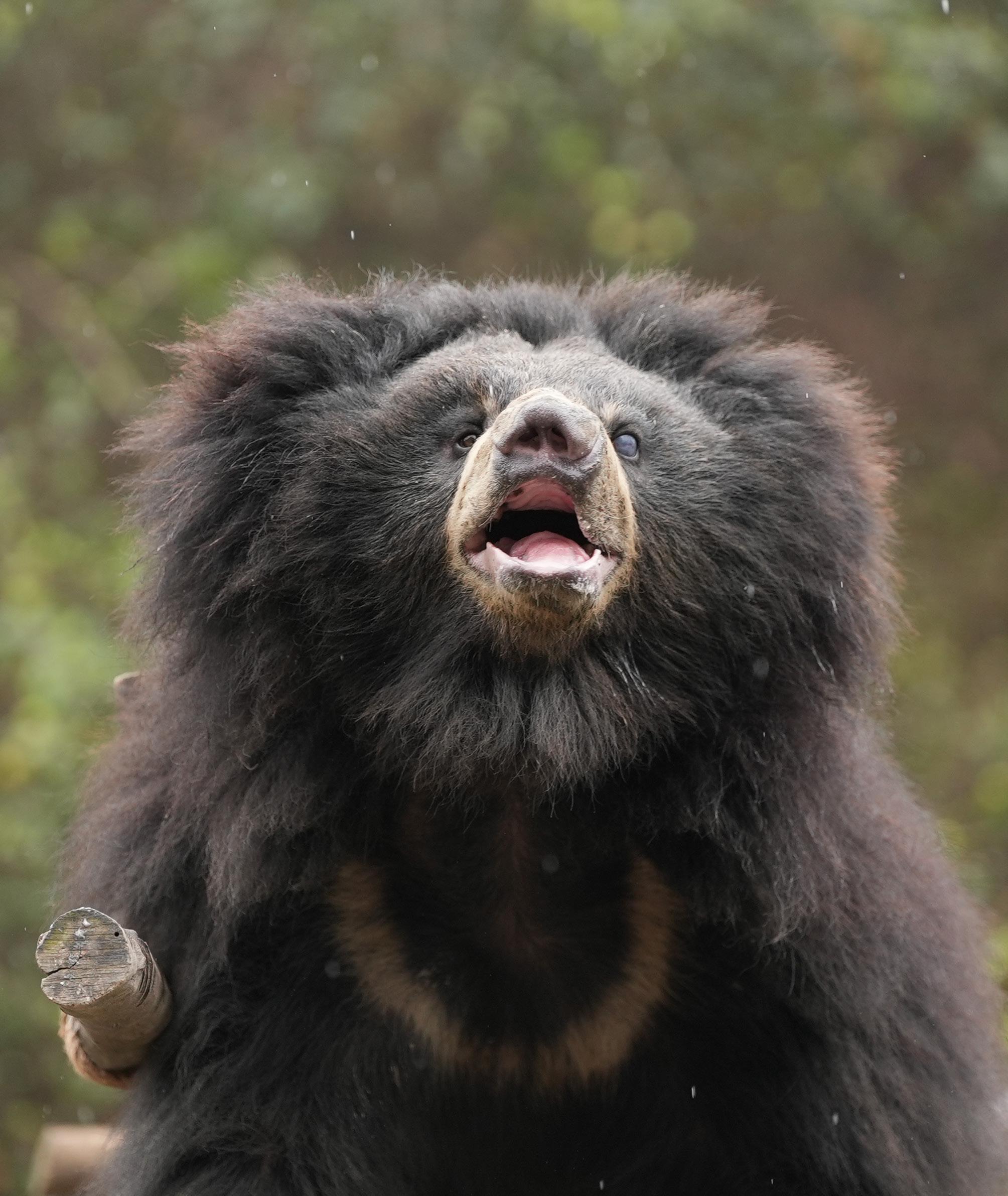
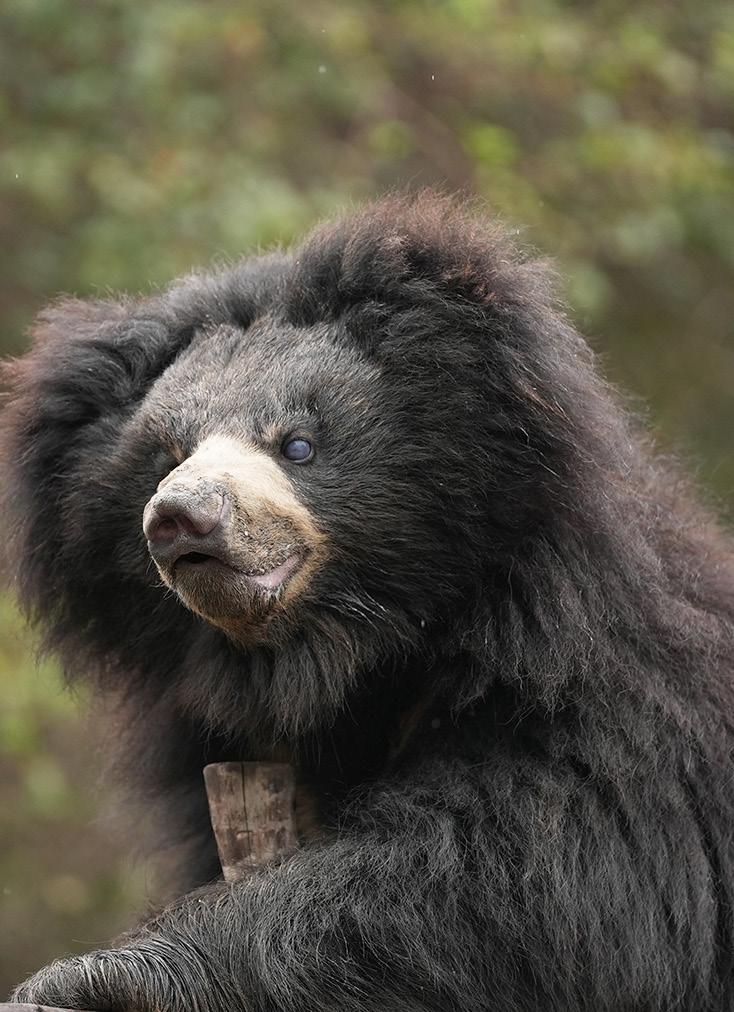
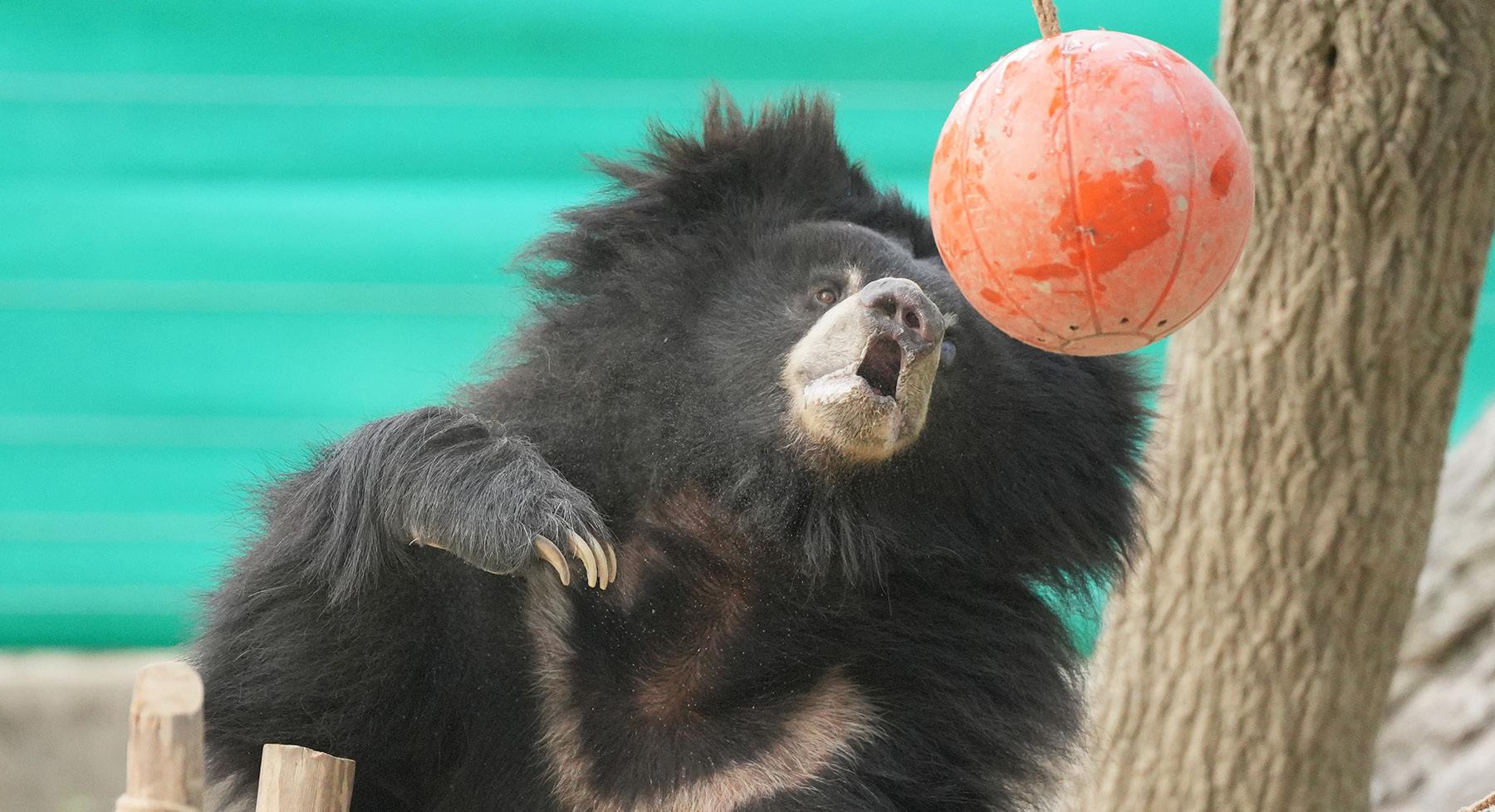
For countless wild animals, freedom is a birthright that is tragically stolen by exploitation and captivity. Yet every rescue offers the possibility of a new beginning, a chance to rediscover trust, comfort, and the simple joys of living as nature intended. Few stories illustrate that transformation more profoundly than that of Gracie, a rescued sloth bear whose journey has touched hearts around the world.
The images and videos of Gracie settling into her new life have resonated with millions, not because they tell a story of rescue alone, but because they reveal something deeply universal, the remarkable capacity to heal.
Watching her slowly embrace safety after years of hardship reminds us that compassion is more than an act of kindness; it is a force that restores
dignity, nurtures resilience, and offers hope even to the most wounded lives.
Gracie’s recovery also highlights the vital work of wildlife rescue organizations and the ongoing need to protect animals from cruelty and exploitation. Her story challenges us to see wild animals not as attractions or commodities, but as sentient beings capable of fear, joy, grief, and recovery.
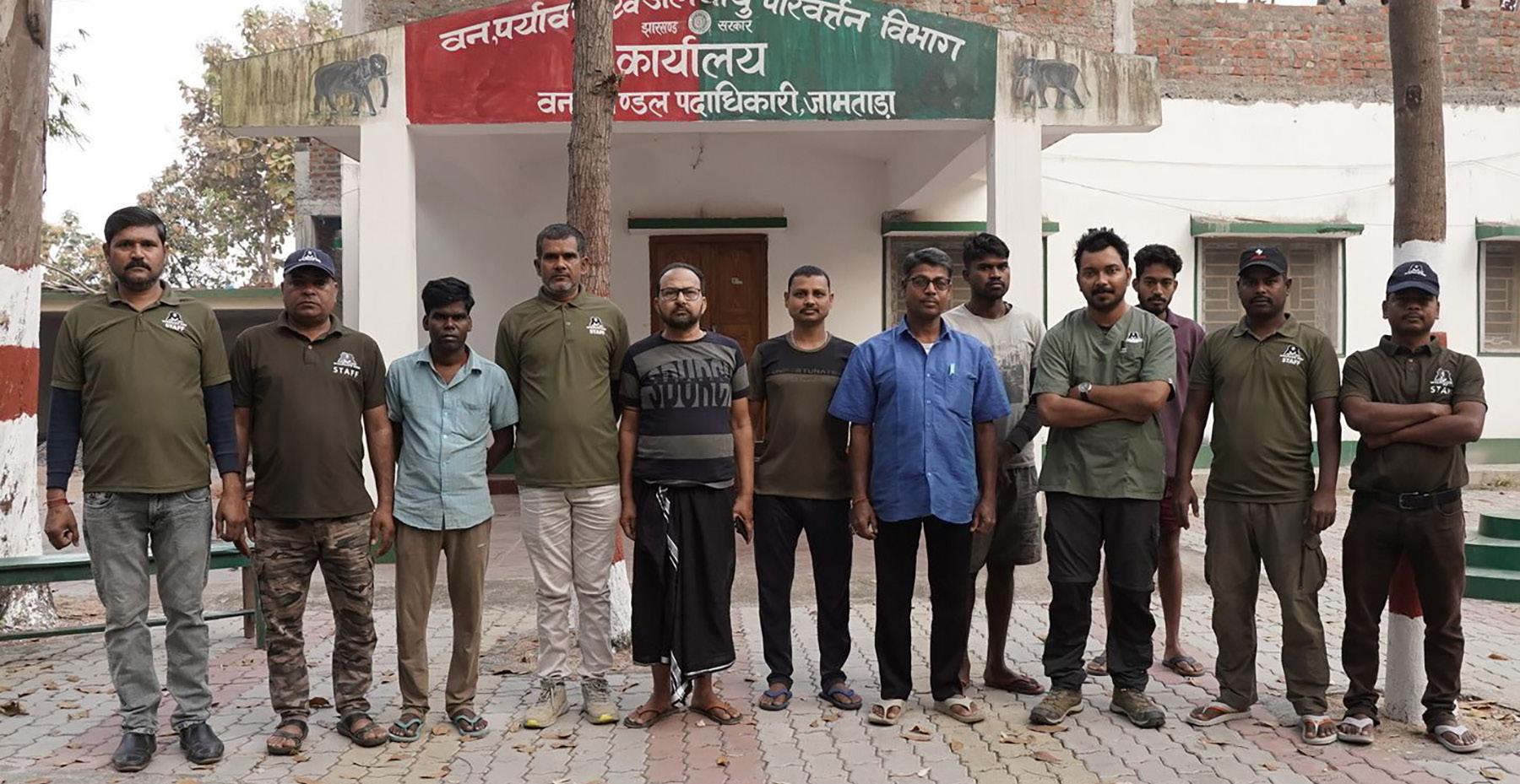
In this exclusive interview with The Eden Magazine, Nikki Sharp, Executive Director of Wildlife SOS, shares the story behind Gracie’s remarkable rehabilitation, the emotional journey rescued wildlife often experience after captivity, and why one bear’s path to healing has inspired such an extraordinary outpouring of compassion across the globe.
Caring for rescued wildlife can be emotionally intense for rescue teams as well. How do the caregivers and veterinarians at Wildlife SOS balance the emotional side of this work while helping animals heal from severe trauma?
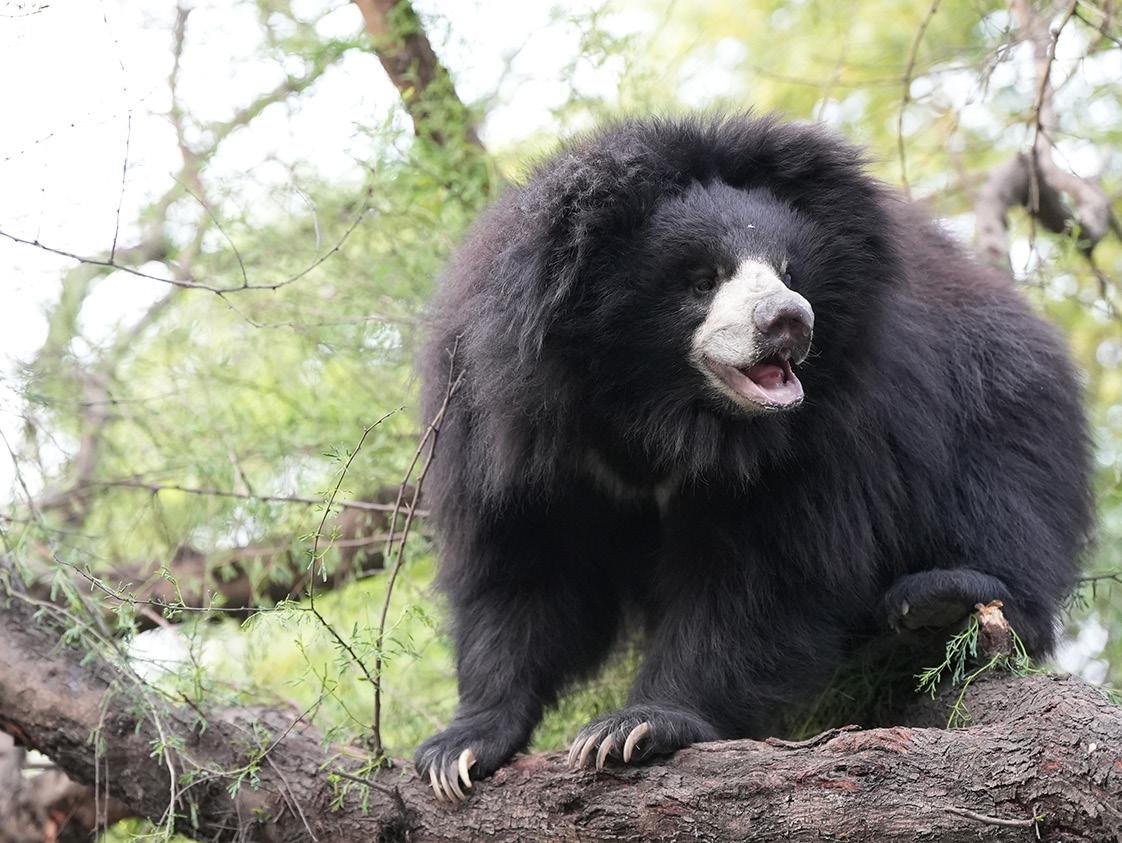
There’s no doubt our team sees some horrible things and some tragically sick animals due to abuse and neglect. This work takes a caring and empathetic personality, yet requires unimaginable strength. Most of us find peace and solace seeing the small changes in the animals we’ve rescued … when the animals exhibit wild behaviours like foraging, social interaction with other animals, and all the wild traits they were deprived of during captivity. Our goal is to help their fears fade, and foster the bears’ physical and mental recovery so they can simply start acting like wild bears again … to dig, forage, and roughhouse with other bears, knowing the security and companionship they’ve never had.
Looking ahead, what are the biggest priorities for Wildlife SOS in continuing to protect sloth bears and prevent future cases of exploitation and captivity?
Our biggest priorities are focused on 1.) Working with the Kalandar communities (those who for centuries ‘danced’ bears.) Our programs ensure that the Kalandar communities do not revert to utilizing poached sloth bear cubs to earn money as dancing bears. This includes programs that educate children, empower women, and oversee vocational training programs that ensure men have livelihoods that can support their families. 2.) We have anti-poaching networks that work in the fields to track the illegal wildlife trade. This helps ensure
that cubs aren’t poached and sold to buyers for use in dancing. 3.) Ultimately, we want safer places for sloth bears to thrive, and we are working on helping them in the wild by working to help reduce conflicts between bears and people and partnering with the government to create more places or sanctuaries for bears. With this effort, we’ve seen the creation of more protected areas for sloth bears. 4) Ongoing research and study to help wild bears thrive in their ever-shrinking habitat.
For readers who may be discovering Gracie’s story for the first time, can you share what her life was like before she was rescued by Wildlife SOS?
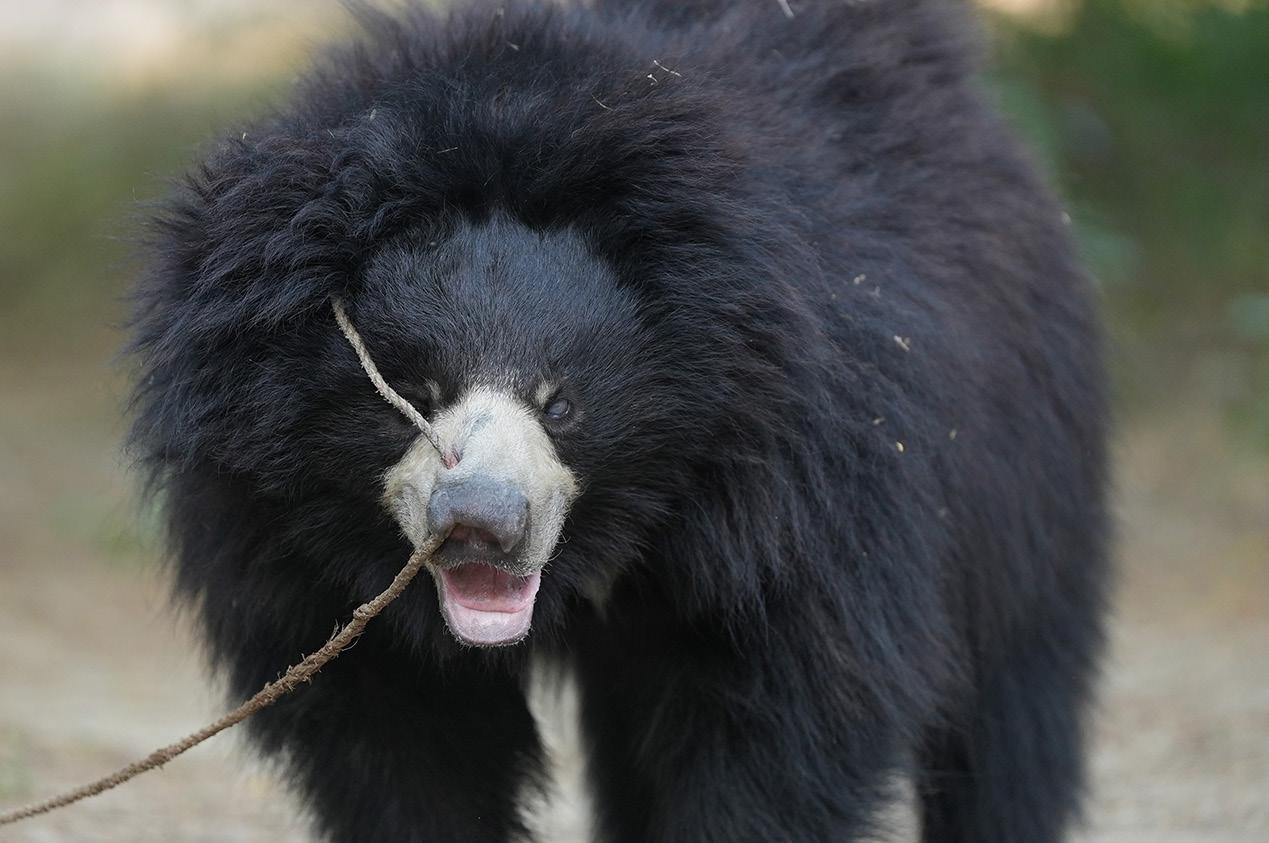
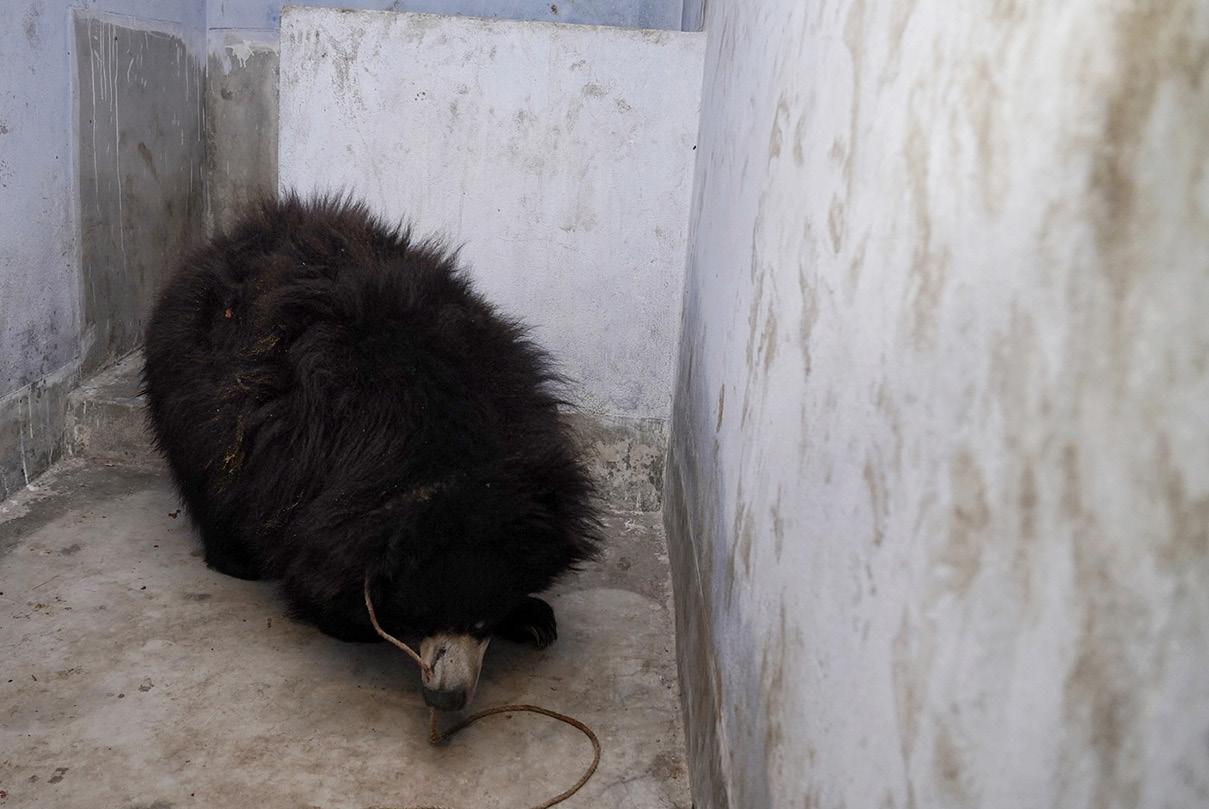
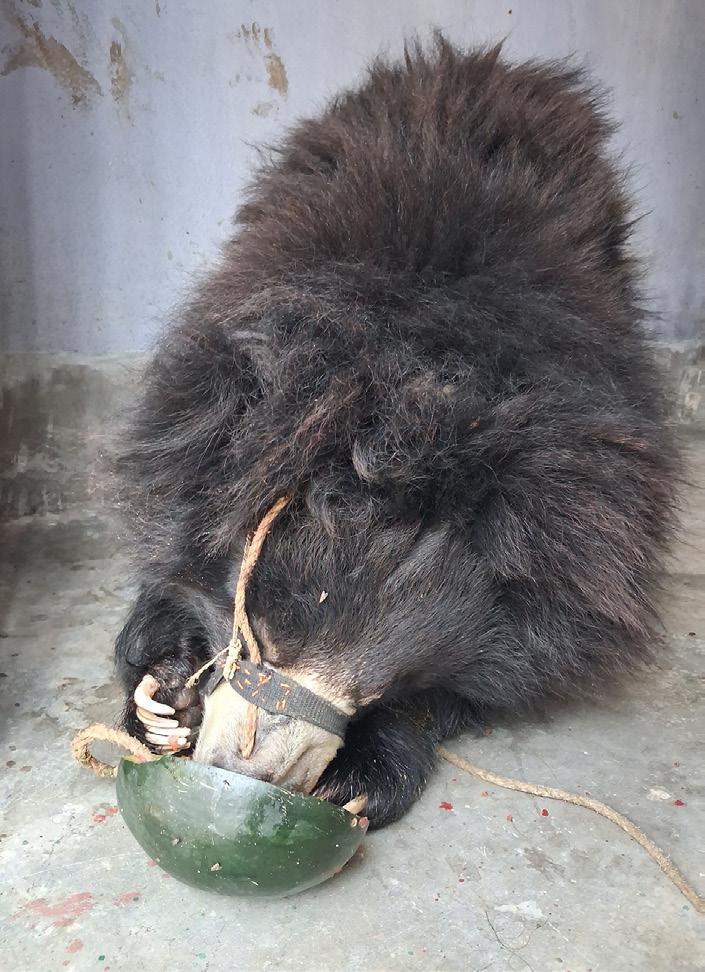
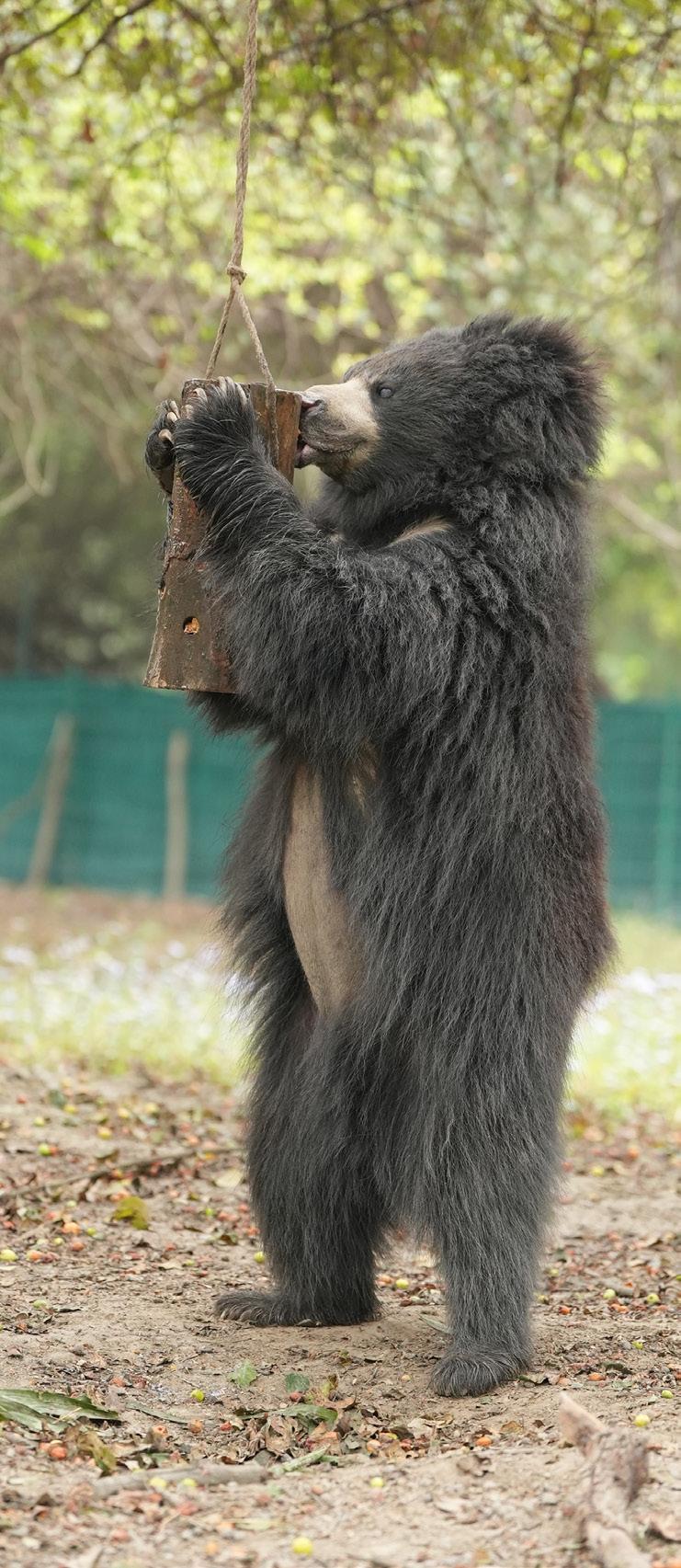
Gracie’s life as a ‘dancing’ bear was very difficult. She was poached from the wild as a cub. This process usually involves killing the mother because mother bears will fiercely defend their young. She was then sold to somebody who would have smashed out her teeth and used a red-hot metal rod to pierce her sensitive muzzle, where a rope was threaded through. This rope is how she grew up to be controlled. Whenever someone pulled on the rope, the pain Gracie experienced would make her stand on her hind legs. Gracie, standing on her hind legs and stepping side to side, was the act of ‘dancing’. The person who ‘owned’ her would drag her from village to village and have her perform, and many times for pictures. He would get tips from those who watched the performance. Because her teeth were violently removed, her diet would have been limited to whatever soft scraps of human food she was given. She was not allowed to forage like a wild bear. She is also blind in one eye, likely from an untreated infection due to an inflicted injury.
Wildlife SOS has played a major role in ending India’s “dancing bear” trade. Can you explain what that practice involved and why it caused such profound physical and emotional trauma for sloth bears?
The “dancing” bear practice existed in India for centuries and primarily involved sloth bears. The process began with poachers taking bear cubs from the wild, often killing the mother in the process. The cubs were then sold into the trade and trained to perform on the streets as so-called dancing bears.
To control the bears, their muzzles were painfully pierced so a rope could be threaded through the sensitive tissue. As the bears grew, this piercing was often repeated multiple times. Many bears died shortly after the procedure due to infection, trauma, malnutrition, or the severe stress they endured. Those who survived suffered both physically and psychologically from years of abuse, confinement, and fear.
When Wildlife SOS began its efforts to end the practice, it was estimated that hundreds of sloth bear cubs were being lost from the wild every year. In the late 1990s, more than 1,000 dancing bears were still being used on the streets across India.
Although Wildlife SOS has nearly eradicated the dancing bear trade, cases like Gracie’s still occasionally emerge. What does her rescue reveal about the lingering challenges of fully ending wildlife exploitation?
When we rescued the last dancing bear in India, we knew there would still be ongoing challenges in protecting that achievement. Because the practice
continued in neighboring countries like Nepal, we understood there was always the possibility of bears being brought back across the border into India. That meant continued collaboration with government agencies would be essential to preventing the trade from resurfacing.
We also recognized that conservation victories cannot simply be declared permanent and left unattended. Lasting progress requires ongoing resources, vigilance, and community engagement. There will always be lingering threats to wildlife protection efforts, but long-term success depends on strong partnerships between governments, local communities, and conservation organizations working together to safeguard these animals for the future.
Many people have responded emotionally to videos of Gracie online. Why do you think her story has resonated so deeply with audiences around the world?
I think there is something very powerful about her story. Her freedom was stolen from her as a cub, and then she spent years living at the end of a short rope; everybody in her life was indifferent and callous to her well-being and needs as a bear. When that rope was cut from her nose, and she knew her life was different, and she seemed to delight in being a part of the world, I think it resonated so deeply because you couldn’t help but be so happy for her, yet feel heartbroken over what she had suffered through all of those years. Along with the excitement and joy Gracie was exhibiting in the video, she was also showing tragic signs of anxiety and trauma. There is so much to be observed in the videos, and they’re so emotional.
“
When that rope was cut from her nose, and she knew her life was different, and she seemed to delight in being a part of the world, I think it resonated so deeply because you couldn’t help but be so happy for her, yet feel heartbroken over what she had suffered through all of those years.
When animals like Gracie arrive at the sanctuary after years of captivity, what are some of the emotional or behavioral signs that reveal the trauma they’ve experienced?
Although Gracie hasn’t exhibited a lot of these signs, we have seen bears that are so shut down from their life of abuse that they will stand in one place for hours at a time and sway and swing their head from side to side. This is often called stereotypic behavior. It isn’t just seen in our rescued bears; I see it in a few of the elephants as well. Many of the bears have had their teeth knocked out, and of course, this makes it harder for them to eat. Most of these bears require a lot of root canals and specialized porridge. Seeing these additional medical issues is a reminder that there are so many traumas they endure that we just don’t even know about. We often know that bears are starting to feel healthier when they interact with our other bears and start behaving more like a wild bear would. Gracie is slowly becoming more comfortable and relaxed when her caregiver is around her. She is learning to trust him. If more than one or two people are around, Gracie’s anxiety increases significantly, and she shows signs of “performing” for the crowd. So ob-
viously, we keep her exposure to humans very limited.
Gracie still displays some movements associated with her former life as a dancing bear. Can you explain why those behaviors remain, and what they tell us about the long-term psychological impact of captivity?
Gracie has been negatively conditioned to stand on her hind legs and perform. This is something she was forced to do from a few weeks old and continues to do today, a few months after her rescue. We expect this behavior to subside over time, and it can take years for her to understand that she doesn’t have to exhibit this behavior anymore. As she starts engaging in more normal bear behaviors, like digging and climbing trees, she will hopefully demonstrate less of this behavior. Not only does she no longer have a rope in her nose, but she is no longer walking on the road or around human communities. She is in a forest with other wildlife, as she hears fewer sounds like car horns and loud music, and hears more birds, monkeys, or just quiet and stillness. We will see her become healthier as she embraces her new home in the forest.
Rehabilitation is often thought of in physical terms, but how important is emotional healing in the recovery process for rescued wildlife, and what does that journey look like for a bear like Gracie?
Emotional healing is the most important part of a rescued animal's recovery, where the animal comes from a life of cruelty and exploitation. This is also the most difficult part of their rehabilitation, especially when that animal has suffered for many years, as Gracie did. In Gracie’s journey, much of her emotional recovery comes in two ways. First, she is no longer under the constant threat of being in pain, so she can start to trust her environment and the people around her. Her sense of feeling safe then allows her to explore the world of being a bear. What I mean by this is that she hasn’t been able to climb trees, interact with other bears, or learn foraging behaviors. Now she can, she can make her own choices and discover for the first time what it means to be a bear.
Gracie’s tentative 90-day quarantine period will be over soon, and she will be socialized with other bears. This is a critical part of her emotional rehabilitation that can’t be taken lightly because she likely hasn’t ever been ex-
posed to other bears since she was stolen from her mother. And of course, treating her painful wounds and malnutrition is an important step in improving her emotional well-being.
Through stories like Gracie’s, what do you hope people begin to understand about compassion, coexistence, and our responsibility toward vulnerable animals?
We often see animals being exploited, and sometimes don’t realize that is what we are seeing. People are often posting pictures on social media of themselves holding tiger cubs, exotic birds on their shoulders, or large snakes. Or people will take vacations where they can ride elephants and swim with dolphins. What I’d love for people to know is that so many of these animals are poorly treated to get that ‘photo’ or that vacation thrill. If people understood that paying for those animal experiences creates demand for more animals to be captured and mistreated for profit, I think significantly fewer animals would be suffering. Our red-flag rule is if people are able to paint, bathe, ride, feed, pose, or touch wildlife, the tourist attraction is contributing to the cruel exploitation of animals and shouldn’t be supported.

by Sadhguru, Isha Foundation

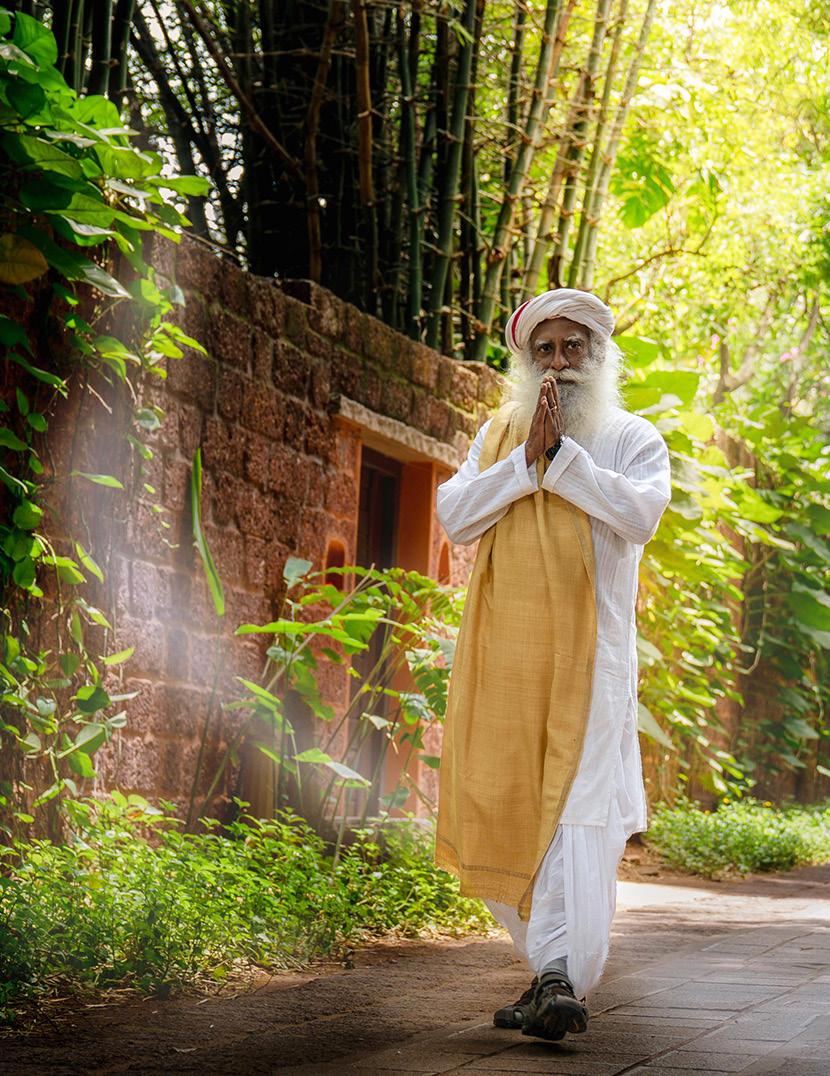
SSadhguru: Speech is of the society, words are of the mind, sounds are of nature, the soundless is of the beyond. Thus, if one gets identified with one’s own speech, they will belong to the society. If they get identified with their words, they will belong to the mind. If they get identified with the sounds, they will belong to nature. If one dissolves in the soundless silence, to them alone the realms of the beyond will yield.
What we call “society” is essentially a conversation. It is only because of constant conversation – some kind of communication, expression of thoughts, emotions, and ideas –that there is something you can refer to as society. If there isn’t any kind of conversation or communication, or essentially, if there is no speech, there would be no society. For most people, it is so difficult to be silent because silence is a way of shifting from being a social being into an individual being. The term “social being” is just a polite expression for calling you a crowd. It is only the individual who can perceive, transcend, and be enlightened, because society is not a reality; it is just
a conversation, a cacophony of speech. If everyone stops talking, there will be no society.
Not being a social being does not mean you are antisocial. Being a social being simply means you are not a being; you are a certain kind of noise. If you belong to a youth society, you will make one kind of noise. If you belong to a corporate society, you make another kind of noise. If you belong to a religious society, you make another kind of noise. If you do not make the appropriate noises, you will not belong to that society. If we just take away speech from the world, human beings will no longer be social beings, because the need for speech came only when people got together, and people got together most of the time only because they have a need to speak. You know, there are gossip societies everywhere. That is the only universal society! Wherever you go, whether it is a corporate crowd, a socialite crowd, a religious crowd, or even a spiritual crowd, gossip society always exists. Gossip is a compulsive need to speak – it does not matter whether you know something or not, you have to speak.
Sound is Reality, Words are a Lie Conversation, speech, and social systems were formed only because the human mind could invent a word. A word is not a reality. Neither is the mind. Sound is a reality. There are all kinds of sounds in nature. But a word is not a reality. In India, because we have over 1300 languages and dialects in close proximity, it happens quite often that one word in one language means some sacred object, but in another language, it means a filthy thing. A word is a made-up thing. A sound is not a made-up thing. Sound is a certain reality. Sound can be a vehicle to penetrate the nature of nature itself, but words do not get you anywhere because they are just made up in your mind.
Sound is a reality in which you are constantly enveloped. What you call “form” is just another level of sound. Sound is a reverberation, which is an existential reality. Because of the constant usage of words and more complex formations of words, which we call sentences, language, conversation, and literature, the mind has become full of words – so full that the very existential reality is obscured.
People who live in active societies cannot relate to forms anymore; they can only relate to words. Children can relate to forms in the beginning, but these days, they pick up words so fast. Probably by the age of four or five, they have also lost the forms and are full of words. When you are so full of your own invention, you are bound to be confused and lack clarity of life because a word is essentially a lie.
Patanjali’s definition of Yoga is “Chitta vritti nirodha.” This means, “When all the modifications of your mind are gone, that is Yoga.” When the fluctu-
ations of your mind are gone, that is Yoga. The fluctuations of your mind are essentially caused by the words that you generate. Generating words means you make up meanings for meaningless sounds.
If you ride the words, you will be full of bull. If you ride the sounds, you could explore different aspects of nature. Being filled with forms is not everything, but it is one step closer than being lost in words. If you learn ten different languages and use all ten with the same ease, you will see that you will have no words in your mind, you will have only forms, because now if I have to say tree, I have ten words for the tree. Sanskrit language did this – for every form they created at least a dozen different words so that in your mind the word will not stick, only the form will stick. When you must speak, you have to create a form and then come up with an appropriate word depending upon the situation. These were devices that were created so that step-by-step, as you live, the very process of life will slowly take you towards that soundlessness, towards the source of creation and liberation. Everything was engineered that way.
The existence that one is able to see, hear, smell, taste, and touch through the five senses is essentially a product of reverberations, a play of sound or nada. The body and mind of a human being are also reverberations. But body and mind are not an end in themselves – they are just the outer peel of a possibility. Most people do not go beyond the peel; they sit on the threshold of the doorway their whole lives. But the purpose of a doorway is to enter. To experience that which is beyond this doorway, the practice of silence is referred to as maun.
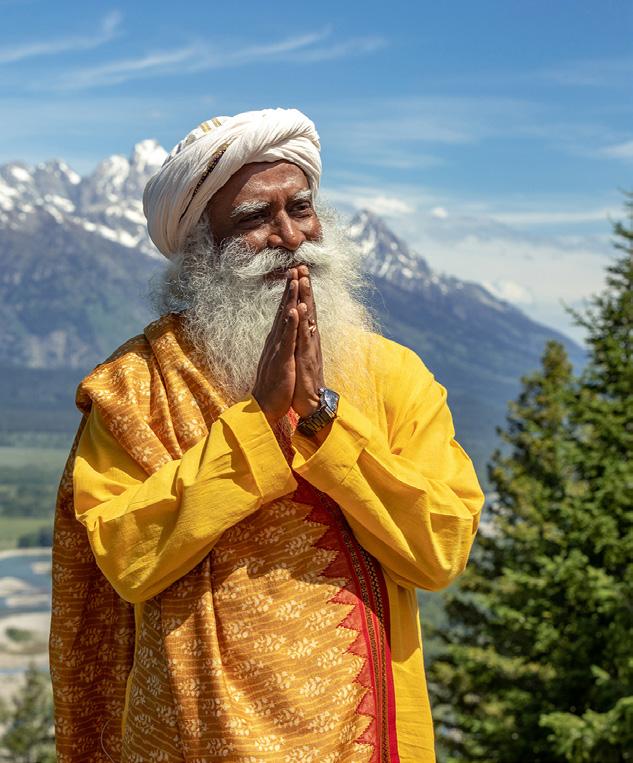
Experience Yoga in its classical form at Isha Yoga Center Los Angeles and Isha Institute of Inner-sciences. Established by Sadhguru, the centers serve as powerful spaces for inner transformation and raising human consciousness. Located in northern Los Angeles County and Tennessee, the centers offer an array of yoga and meditation programs in a vibrant and conducive ambience.
You are invited to Free Yoga Day, a monthly open-door event a t the center. On this day, we offer a variety of free sessions dedicated to educating and empowering individuals to take charge of their well-being through simple but powerful practices sourced from the Yogic tradition.
Learn more at ishausa.org/la

The English word “silence” does not really say much. In the Sanskrit language, there are many words for silence. “Maun” and “nishabdh” are two significant ones. “Maun” means silence as we generally know it – you do not speak; it is an attempt to create nishabdh. “Nishabdh” means soundlessness or beyond sound. That which is beyond sound is that which is beyond the play of forms and the five elements. That which is beyond sound is the final passage to that which is the very source of creation.
Nishabdh, nirvan, nirvikalp – all of these mean the same in one sense. Nishabdh means soundlessness, nirvan means formlessness, nirvikalp means that which is beyond kalpa or creation, that which is neither sound nor form.
There is a story about Matsyendranath and Gorakhnath. Matsyendranath was a great Yogi. Gorakhnath was his very close disciple, who later became a legend by himself, one of the most well-known Yogis in the country. Gorakhnath did a phenomenal amount of work across the subcontinent. There is almost no one in India who has not heard of him.
Matsyendranath was walking with Gorakhnath, and they had just crossed a small stream. Matsyendranath sat down under a tree and said, “Get me some water.” Gorakhnath ran for the water. If the guru asks for water, he wants it done in a moment; so he ran. He found that the little stream had been crossed by a few carts just then and the water was muddy. So he came running back to his guru and said, “The water is muddy in that place. Just ten minutes away, there is a river. I will go there and get the water.” Matsyendranath
said, “No, get water from the same stream, from the same spot.”
“But it is muddy.” “I want water from the same stream, from the same spot, and I am thirsty.”
So, Gorakhnath again ran to the stream, and it was still very muddy. He did not know what to do, and he again ran back to his guru. Matsyendranath again said, “No, I want water from that stream.”
Not knowing what to do, he went back again. Then, he found that the water was a little clearer. So he waited. In 5-10 minutes it became as pure as can be. He brought the water – bursting with ecstasy, jumping with joy – and gave it to his guru. Matsyendranath kept the water aside and did not drink. He was not thirsty.
Gorakhnath was the kind. If you told him to do a mantra ten times, he would do it 10000 times. He was always on the go. Whatever you tell him, he would do it with great fervor, which is a great quality, but now the time had come for him to move into another space.
So Matsyendranath was conveying a message: “You have done all the running around and intense activity very well, but now the time has come. Just wait. It will become crystal clear.”
Sound is essentially in your mind. Whatever sound may be happening, if you are asleep, it does not matter. Only if you are a bad sleeper is it a problem. Otherwise, what does sound mean to you when you are dead asleep? The entire murky mind is simply because of the sounds that you generate, which take the shape of words, and you attach meanings to meaningless sounds. Just wait. It will once again become crystal clear. If all the sounds die down, if you stop attaching meanings to the words, if everything falls down, then it will be crystal clear, soundless.
A conversation with Sister Usha of Self-Realization Fellowship
In recognition of National Grief Awareness Day this year (August 30, 2026), we sat down with Sister Usha, a nun of more than 50 years of Self-Realization Fellowship — the spiritual organization founded by Paramahansa Yogananda in 1920 to disseminate his Kriya Yoga teachings worldwide.
What is grief? What is the root of grief?
Grief is part of the human condition. It is the process we go through when we lose someone or something we love and are attached to, and it manifests in different forms — from sadness to anger to despair. Whether we have lost a family member, partner, or pet, lost our youth, or lost a part of our identity, ultimately, we are grieving the loss of happiness or fulfillment that loved one or situation brought us.
It’s natural to grieve our losses, especially loved ones — it is one of the ways we process change. And while that loss may leave us devastated, feeling incomplete, and longing for what we once had, there is also an invitation to remember a significant truth: that true and lasting happiness, love, and fulfillment are not found in material things or even other people, but instead are found within.
Is there a right way to grieve? Is grief necessary for our spiritual evolution? There is no “right way” to grieve. From
my experience in offering spiritual counseling for over 50 years, I have learned that everyone has different needs when coping with and making peace with loss. Everyone will process it in their own way, in their own time, and will go through different stages of grief in no particular order.
However, unresolved grief — whether that means shutting down emotionally and not feeling it or not understanding what you’re feeling — can keep us from spiritual evolution.
Everything we go through, whether it’s a positive experience or a challenging one like grief, can help us evolve spiritually. Grief breaks our hearts open, and we can learn to move through life with compassion for all those who suffer. Grief is also helpful for our spiritual evolution because it reveals our attachments. Often, what we grip most tightly is what we are called to let go of in order to progress to the next stage of our spiritual unfoldment.

How would you suggest dealing with and navigating the fear of death?
Fear of death is one of the greatest and most common fears of humankind. To overcome the fear of death, we must first understand death itself. That is where the wisdom of yoga is essential. Paramahansa Yogananda explains:
“Death is a mystery portal through which every soul enters into a better land. It is not something to be afraid of. Death, like an emancipator, comes to tell you to drop the wearying bundle of flesh that you have been carrying through this world, and come along home. You are freed from the burden of suffering, disease, and troubles. So instead of fearing death, we should remember that we are children of immortality.”
When we realize that we are the immortal soul, and therefore there is no death, we can instead see death as freedom from the limitations and pains of the physical body — as Yogananda says, “you simply take off the overcoat of flesh and go back to the astral world.”
Knowing where our departed loved ones go, and what their experience of death is like, you will not fear death nearly as much and may even come to see it in a whole new light. Yogananda tells us, “The astral world is not off somewhere in the clouds; it is another dimension of infinite beauty and variety hiding just behind the grossness of this physical universe.” Furthermore, Yogananda’s guru Swami Sri Yukteswar describes the astral world as “infinitely beautiful, clean, pure, and orderly” with the “even temperature of an eternal spring” — doesn’t that sound like a lovely place to go?
In Paramahansa Yogananda’s commentary on the Bhagavad Gita, God Talks With Arjuna, he says that through yoga meditation we can learn to make “friends with the change of consciousness called death” by becoming “familiar with the state of inner calmness and aloofness from identification with the mortal body.”
Grief is part of the human condition. It is the process we go through when we lose someone or something we love and are attached to, and it manifests in different forms — from sadness to anger to despair.
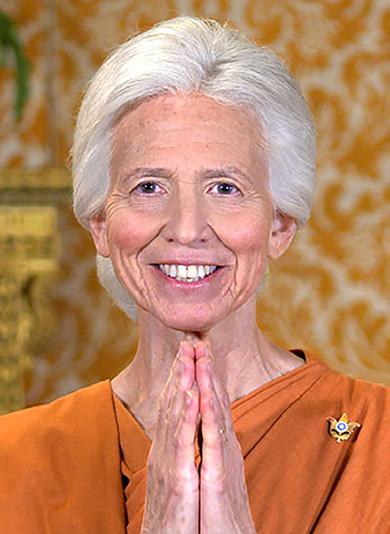
Sister Usha is a longtime nun of the Self-Realization Fellowship monastic community. Her name refers to the Vedic goddess of dawn – symbolically, the bringer of light that dispels darkness in the world. Sister Usha serves as one of a dedicated group of nuns who provide spiritual counseling to SRF members and friends around the world.
This is the best way to navigate these fears and experiences — through the practice of yoga meditation. We do not need to wait for death to reunite with Spirit and experience that infinite joy, love, and bliss. To meditate is to “die” to this physical world and to awaken the awareness of the immortal soul within.
For someone who is currently grieving the loss of a loved one, what advice would you give them?
It depends. The severity of physical and emotional pain from the loss of someone you love can shake you to the very core of your being. If you are grieving an exceptionally close loved one, your grief honors the precious relationship you shared and the value it brought you. On the other hand, if you had a difficult relationship with the deceased, and you do not feel sad about their passing, that’s okay too. Either way, I would encourage giving yourself the time and liberty to fully feel whatever you are feeling. Most people need support during this time — from friends and family, or counselling.

Self-Realization Fellowship is the international nonprofit spiritual organization founded in 1920 by Paramahansa Yogananda to introduce to people of all races, cultures, and creeds the ancient science and philosophy of yoga and its time-honored tradition of meditation. Through its spiritual and humanitarian service, the society seeks to foster greater harmony and goodwill among the diverse peoples and nations of the world, as well as a deeper understanding of the underlying unity of all religions. Self-Realization Fellowship has more than 600 temples, centers, retreats, and ashrams around the world. In India and neighboring countries, Paramahansa Yogananda’s work is known as Yogoda Satsanga Society of India (YSS), which has more than 200 locations.
Also remember: although they are no longer in the body, the relationship with a loved one lives on — you can still mentally (or even out loud) talk to their soul about whatever may be unresolved and pray for them in the language of your heart. They will feel your love.
Yogananda said that those on the other side are aware of our feelings and receive the vibrations we send them through our thoughts, but by being selfishly sad, we may keep our loved ones “earthbound and hamper their progress.” In other words, we
can divert our focus from what we lost and instead focus on what our loved one has gained — a graduation into a “better school of life.”
To develop this way of thinking, you might practice this affirmation from Yogananda: “I am happy in the happiness of my loved ones who are on earth and those who are in the great beyond.”
Do we ever stop grieving? Is that something we can look forward to?
Grief may come and go, even years after the initial loss. The challenge is to not run from it, but to be open to experiencing your emotions, however painful. Your grief is born from a deep abiding love you have been blessed to experience and can embrace. We want to be able to live with an open heart, to love freely, love generously, and love without attachment. And take comfort in the knowledge that true love is never lost.
Through the practice of yoga, we can find relief from all grief. We do this by loosening the grip of our attachments and reconnecting with our souls. Yogananda assures us that, “In soul bliss all grief is annihilated.”
That’s a pretty good incentive to meditate, isn’t it? And it’s good to establish the habit of meditation as soon as possible to be better equipped for life’s inevitable challenges.
To learn more about the yoga meditation teachings and techniques of Paramahansa Yogananda, please visit Yogananda.org.
All Photos courtesy of Self-Realization Fellowship, Los Angeles, Calif.
by Dr. Rob Moir

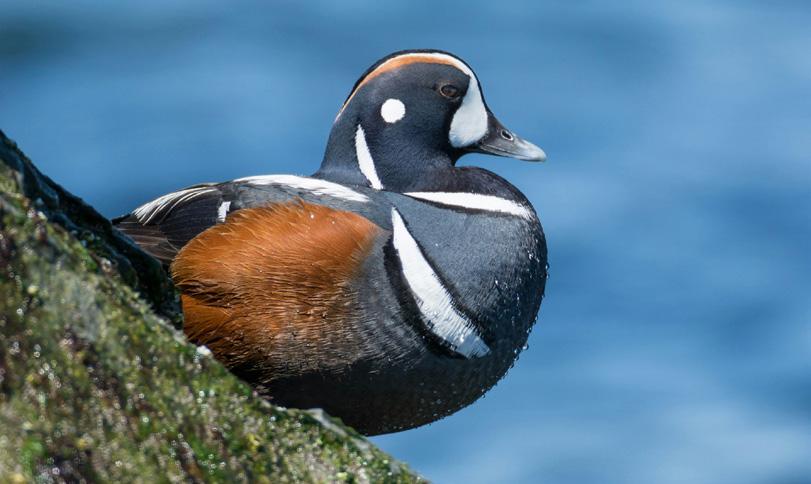
The harlequin drake should have been impossible to miss. Instead, he vanished.
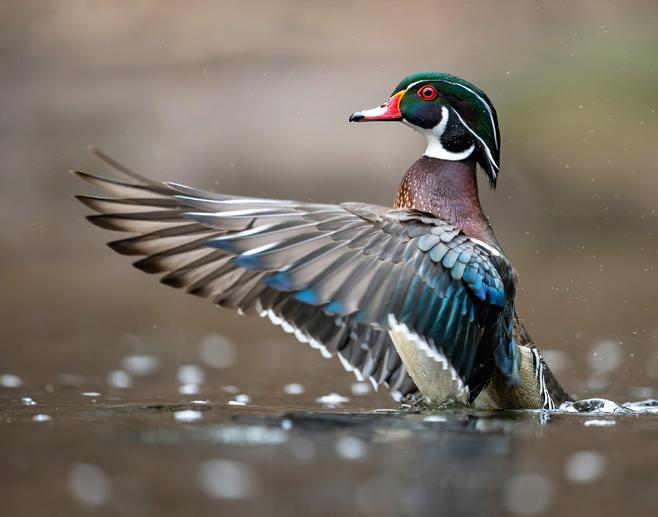
In May, I drove along the shore of an ice-covered lake in Iceland on my way to Lake Mývatn. The lake narrowed into a rushing river. I turned left, crossed a bridge, and in the quiet pool below caught sight of a boldly patterned blackand-white duck. I pulled over.
A pair of Barrow’s goldeneyes serenely swam by the bridge. The drake's white breast contrasted with his black back, broken by three flashes of white on the folded wing. On his dark head, a jaunty
white crescent curved between eye and bill. By his side, the female was subdued browns and greys.
Further upstream, I climbed a grassy mound for a better look. A brown duck peered over the grass, revealing only one eye. Then came a cluck as ducks left the shore. Six harlequin ducks steered along the shore where the water eddied and lay flat instead of tumbling by. I followed for a better look. In a line, they circled back to the chocolate-brown promontory with a nearly squeaky chatter. This soft call, without quacking, has earned harlequins the nickname "sea mice."
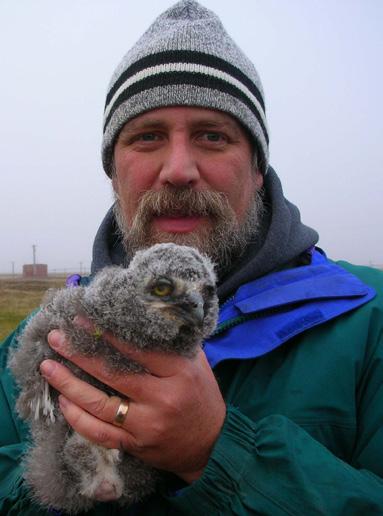
Dr. Rob Moir is a nationally recognized and award-winning environmentalist. He is the president and executive director of the Ocean River Institute, a nonprofit based in Cambridge, MA, that provides expertise, services, resources, and information not readily available at the local level to support environmental organizations' efforts. Please visit www.oceanriver.org for more information.
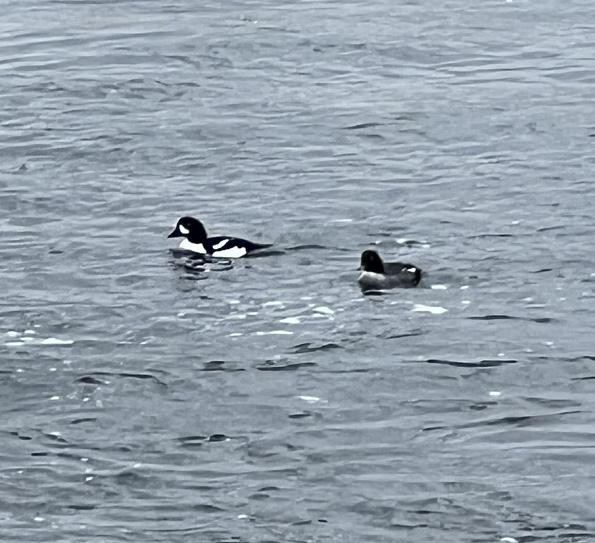
The hens stood on a point of land that separated the rushing river from flatwater. The drakes swam nearby. I had not seen them across the water from the bridge because they were invisible to my searching eye. The females’ brown breasts matched, blended, and disappeared into the brown of the cut bank.
Then, as though someone had thrown cold water over me, I finally saw him. Not merely the duck, but the design. The white crescents on his face, the curved streaks along his flanks, the broken patches across his back—all repeated the ribbons of foam streaming around the rocks. He had never been meant to stand apart. He belonged to the river.
This river offered more than a place to raise young and was more than a habitat. It was a relationship. The ducks, the current, the rocks, the banks, and the dark peat soils completed one another. None made full sense alone.
The last person one expects to fit seamlessly into a situation is a harlequin.
Yet, as spring progresses into the summer breeding season, these six harlequin ducks will be joined by hundreds. They thrive because Lake Mývatn produces immense hatches of midges, cold rivers tumble endlessly over stone, and dark peat soils store water and nourish the surrounding land.
To belong is more than to occupy a place. It is to become part of its relationships.
Today, we often imagine ourselves as individuals moving through a world of separate things. Nature tells a different story. Life flourishes through relationships.
Like harlequin ducks, there will be times when we must leave sheltered shores and venture into turbulent water. We will need to keep calling to one another—not loudly, but often enough to stay together. We may look calm above the surface, even as our feet paddle furiously beneath.
Like the harlequin duck, we flourish when we belong to one another and to the places that sustain us.
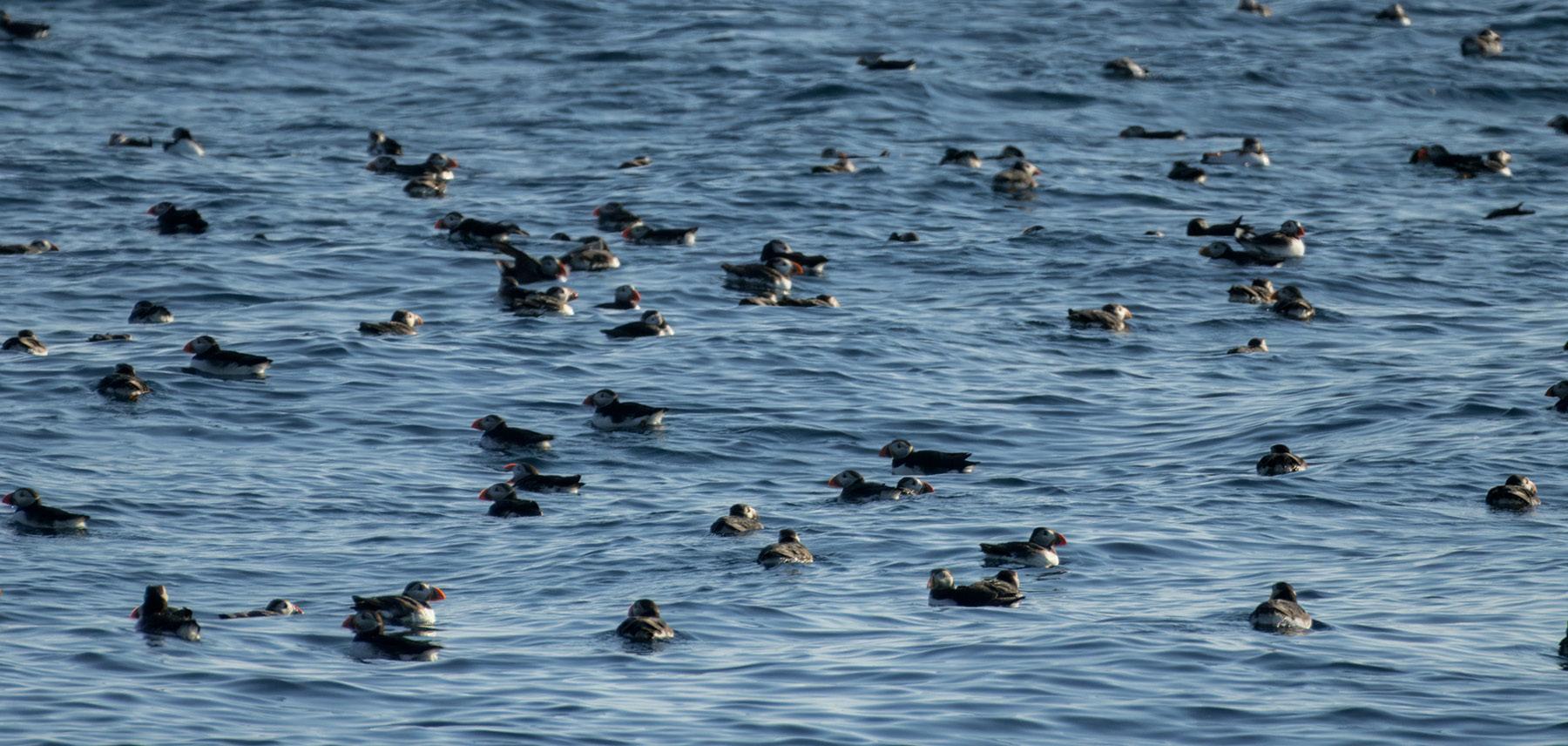
by Polly Wirum
When life begins to feel unfamiliar or look uncertain, where do you find the answers to your biggest questions? Do you have a trusted person that you always turn to? Do you rely on a psychic, or do you have an internal knowing that provides you direction? Keep reading and discover some powerful questions that can help you feel confident when making big decisions independently.
My Story
I have been providing psychic readings and life coaching for around 20 years, and I have also been on the receiving end of psychic readings and life coaching. I love that these services are available to help provide peace of mind and can also help us find clarity.
Recently, I was inspired to create a checklist that
can help us each make solid decisions on our own volition.
Currently, I have two big questions that I’m seeking answers to. The first question involves me taking part in a packrafting trip in the Canadian wilderness. I love adventure, but I'm also not ready to die because of a bad decision. Is this a wrong turn on the river, or simply saying” yes” when I should say “no”?
I am not a skilled pack rafter. The river involved doesn't have much information, including details on the rapids, which makes me nervous. It's in the deep wilderness of a Canadian national park. It would also entail me taking a small bush plane that would drop me off at a different point from the other people.
I am the least experienced in our group of eight, and certainly don’t want to slow everyone else down. If there is an emergency, we are on our own.
I have been pondering all of this, as well as the relationship I'm in and my running, hiking, and training for a big trail event. Can all the pieces come together? Facts, fears, and inspirations often flow with my thoughts when I’m deciding what to do. I had created hundreds of different scenarios when a friend unexpectedly called me. I have known her for about 25 years, and we talk maybe four times a year. She also happens to be a very good psychic.
That morning, she woke up with an urgency to share a message with me. I was told that an adventure I was planning was a suicide mission. Those were strong words! She stressed that if I went through with my plan, I wouldn’t return alive.
OK… I had several things planned that all involved risk, but potentially the greatest risk was the river trip. So, I asked for clarification, was it the river trip? The answer was a resounding yes!
I trust my instincts, so I decided to create a checklist of questions to help me gain clarity on this dilemma and any others that show up in life.
“What do I bring to the table, and is it being matched?”
It’s important to really explore who you are and what you want in your life. For example, if you are an honest person who loves to laugh and share things with others, do you have partnerships and other life experiences that match this?
Imagine that the most sacred parts of you are like a magnet, pulling towards you the perfect life experiences and partners. It's up to us to recognize what is not a good match, because it will ripple through our peace.
I like to feel strong, challenged, but safe. This trip is not a match for my need to feel safe.
Sometimes it's really easy to identify what you want changed. Maybe it's a new job or a different partner. Do you first need to explore why you are attracting things that aren't a solid match? Have you grown, or maybe now you're aware of a different part of yourself?
My rafting question doesn't require a change, but it does require me to identify what's most important to me. How much risk am I willing to take? Are the other parts of my life more important than the potential changes this trip might bring?
“Am I seeking this potential change because of inspiration or a challenge in my life?”
I love this question! Honestly, if all our questions were driven by inspiration rather than fear or a crisis, life would be pretty good! One way to allow inspiration to flow is to identify which answer excites you about your life. Follow that good feeling!
It is possible to have a little fear wrapped up with inspiration and excitement.
For example, when I’m asking myself different questions, what answer has a little bit more excitement than fear? What option holds more heaviness? When I think about the rafting, it holds some excitement for sure, but probably a little more fear and heaviness related to my lack of skill and knowing that it takes more than hard work to get me safely through the trip.
“What is the biggest challenge in my life?”
Is there one area of your life that is challenging and you would like to offer more ease and fulfillment? First, identify what your ideal matches are for this area. Next, determine if it's time for a big change.
This is often a work, financial, or partnership question. You
have to be very aware of who you are and what your matches are. You will know if it's time for a change. My rafting question doesn’t qualify as a big challenge in my life; however, if I were injured on the trip, that might lead me to a big challenge.
“What's my part?”
Sometimes we can identify our part when we notice what is not being matched in our lives. For example, if you are in a relationship and you value good communication, but it's not being matched, this can leave you feeling frustrated and unsettled. Is it causing you to act in a way that you're uncomfortable with, but you're staying anyway?
If you find yourself constantly unsettled, frustrated, angry, and not at your best, it's time to assess your part and probably make some changes in your life.
“Is my current life situation sustainable?”
Look at your life and see if the biggest parts are sustainable for a balanced life. Does your work, life, and or relationship need any changes to help you live your best life?
“Is my desired change a match for my best life, or is it just change?”
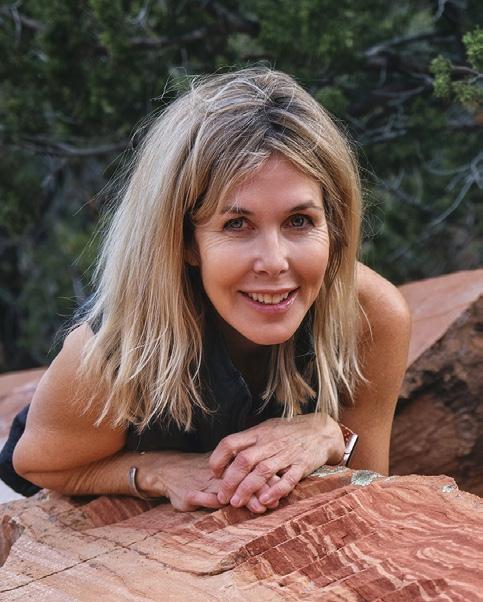
Polly Wirum is a psychic, life coach, and writer. Years ago, she experienced a health crisis that led to a complete spiritual and life transformation. When she thought her life was crumbling, the universe was easing her grip on everything, distracting her from the truth. The healing helped her discover the beauty of a joyful and uncomplicated life.It is here that she connects with wisdom and magic.
She shares this with her clients through life’s coaching psychic readings and spiritual retreats. visit Pollywirum.com
Sometimes people make changes in their outside world, when it’s really internal changes that need to occur.
“Am I waiting for someone or something to change?”
Sometimes we are not fulfilled, but we believe that if we wait long enough, the other person will change, or a situation will change. Chances are, if change is going to occur, it begins with us as individuals.
“What am I afraid of?”
When it comes to making a change or decision in your life, it’s not uncommon to have at least a flicker of fear. Explore your options and determine if fear is keeping you from change or propelling you to a change.
My rafting adventure holds fear for sure! Will I get injured or worse if I take the trip? The flip side is wondering if I will regret not going.
“Who is my support system?”
Do you have a solid support system that will help provide you stability while you navigate change? Maybe you need to work with a therapist or life coach while you navigate a change in your life.
“How do I care for and support myself?”
It's important to have good self-care before undertaking a big life change. You will likely experience some stress, so having good self-care can help you stay calm and balanced.
“What can I let go of while I make changes in my life?”
Often, making big changes in our lives requires a lot of energy. This means we are taking energy and attention from other areas of our lives.
Do you have something you can put on hold until later? Being intentional about where you are putting your energy can prevent a lot of stress and discomfort.
“Do I have a plan, timeline?”
Being intentional with what you want to change will help you immensely. This is where a therapist or life coach can help you create sustainable change.
“Is there going to be collateral damage?”
Look at who or what has the potential of being collateral damage. What can you do to protect others as you create change in your life?
“Will the change I’m seeking allow more of what I love into my life?”
Ultimately, it is up to each of us to create a fulfilling life. At this point in my life, I have most of what I want. I don’t think the rafting trip is going to bring me closer to Nirvana, but I still haven’t let it go.
Conclusion
I believe that we should follow our excitement when making decisions. Sometimes it requires letting something else go, or making a different plan, but an inspired and fulfilled life is worth choosing again.
I am heading up to Alaska for some hikes, hot springs, and a couple of days of packrafting. This will help me make an educated decision on my packrafting trip. Gaining as much information as possible will help me feel empowered as I make this big decision.
Thank you for reading this article, and may you always feel comfortable choosing again and again until you experience a life filled with love and inspiration.
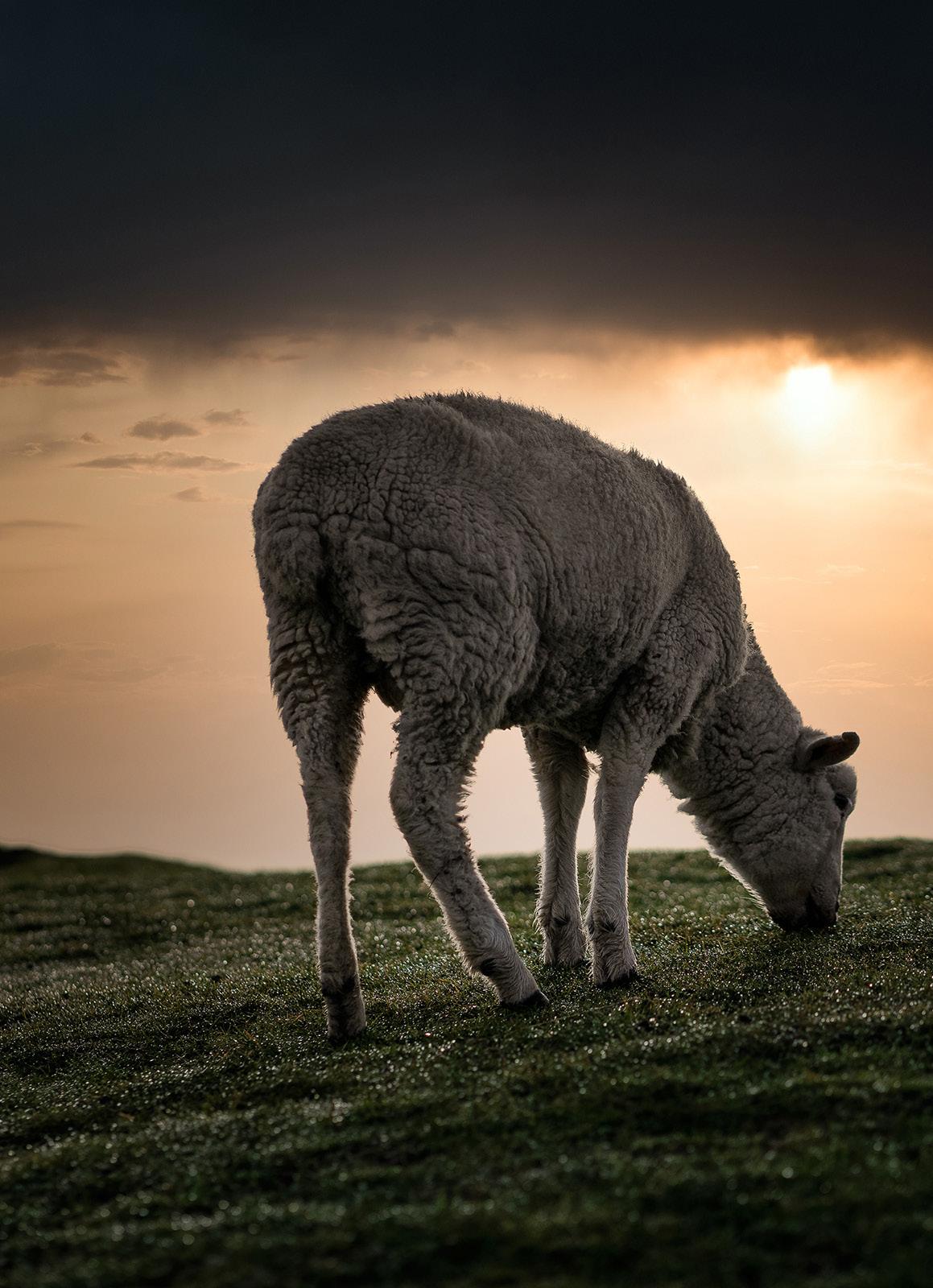
“Animals Have Souls Don’t Put Them in Your Bowl”
When did we stop seeing each other? Not just looking, but truly seeing.
I don’t think we’re becoming rude; I think we’re becoming invisible to one another. Rudeness is simply the symptom. The disease is something far more dangerous. Somewhere between convenience and chaos… between social media and self-importance… between “I’m too busy” and “I just don’t care”, we stopped seeing people. Really seeing them.
The stranger holding the door. The exhausted waitress is trying to survive another shift. The elderly gentleman was walking just a little too slowly. The young cashier is silently fighting a battle no one can see. The neighbor whose smile disappeared months ago. The parent is trying desperately to hold it together. The lonely soul sitting alone in a room full of people. We rush.
We scroll. We interrupt. We complain. We judge.
We’ve become experts at getting somewhere without ever arriving. Somehow we’ve convinced ourselves that impatience is efficiency, that indifference is strength, that empathy is optional. It isn’t.
The frightening part is that this isn’t about age. I’ve met twenty-year-olds with extraordinary grace and eighty-year-olds with astonishing entitlement. I’ve watched young people display remarkable compassion while adults—who should have known better decades ago- forgot the simplest words in English. Please.
Thank you.
I’m sorry. How are you?

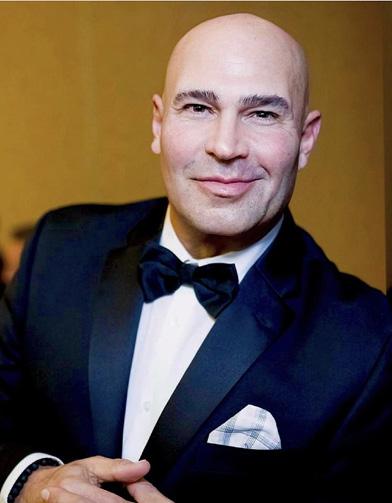
Joe Santos is a Celebrity Chef, Life Stylist and Co-Host of The Two Guys From Hollywood Podcast on Spotify. A Columnist for The Eden Magazine since 2016.
Joey was raised in NYC, Malibu, and West Hollywood. He is the son of Film and Television Actor Joe Santos, and his Grandfather is World- Renowned Latin Singer Daniel Santos
To follow Joey on IG: @jojoboy13
To contact Joey visit whynotjoe@gmail.com
Somewhere along the way, they were replaced by, “I appreciate you.” Really?
You don’t even know me, spare me that one. We’ve become a society fluent in fashionable phrases while slowly forgetting genuine human connection. Perhaps we’ve mistaken confidence for arrogance. Honesty for cruelty. Opinion for fact. Being loud for being right. And perhaps the greatest tragedy of all…
We’ve become so busy announcing ourselves that we’ve forgotten how to acknowledge someone else.
What if history never remembers us for our technology…Or our wealth…Or our achievements…
We’ve become experts gettingat somewhere without ever arriving. Somehow we’ve convinced ourselves that impatience is efficiency, that indifference is strength, that empathy is optional. It isn’t.
What if it remembers us as the generation that forgot how to be kind?
That thought should frighten every one of us. Because civilizations rarely disappear overnight, they slowly lose their character.
One ignored person. One cruel comment. One unnecessary insult. One act of indifference… At a time.
The beautiful irony is that the cure has never been complicated. Look up.
Smile.
Wave.
Hold the door.
Say thank you.
Let someone merge into traffic. Walk around—not just straight ahead.
Listen to the sounds of life.
Take the earbuds out once in a while.
Notice the child laughing.
The couple holding hands. The veteran was quietly waiting in line. The cashier whose name is printed on a tag, but is almost never spoken aloud. Put your phone away while someone is speaking. Offer grace before judgment. Choose curiosity over criticism. Leave a little more room for patience.
Those aren’t small gestures; they’re civilization.
Maybe changing the world isn’t about changing millions of people; maybe it’s simply refusing to let the world change you. The next person you meet may never remember your name, but they’ll always remember how you made them feel.
Thank you, Maya Angelou. Now that she was a teacher.
So here’s my challenge. Tomorrow morning, before you check your phone, before you answer your email, before you complain about the traffic, the weather, or the line at Starbucks, look one person in the eye.
Smile. Say, “Good morning.” And mean it. You may never know what burden they’re carrying, or what gift you’ve just given.
Kindness is never old-fashioned. It has simply become rare. Let’s make it fashionable again, and perhaps just perhaps, the world we’ve all been waiting for isn’t waiting at all. It’s waiting…On us.

By Wendy L. Jackson
LLife has a way of reminding us that we are not always in control. One moment, things feel steady, and the next, everything shifts without warning. Who said life was easy? It comes with ups and downs, but within those highs and lows come knowledge, wisdom, and growth that help us navigate each season. That is what we face when life be lifeing.
We lean on our experiences and understanding to move through life’s ever-changing landscape. No one knows what tomorrow will bring. We dream, we plan, and we hope for the future, yet life often unfolds in ways we never expected.
We also learn that people are not always what they appear to be. Some wake up carrying burdens we know nothing about. Life may have dealt them a difficult hand. Yet every day offers an opportunity to begin again. Even when we wake up discouraged or frustrated, we still possess the power to choose a different response.
As the song reminds us, “I’m starting with the man or woman in the mirror; I’m asking them to change their ways.” Real change begins within. Before we can transform our circumstances, we must first be willing to examine ourselves.
Things are often not as bad as they seem because somewhere, someone may be facing a challenge far greater than our own. This truth is not meant to diminish our struggles but to offer perspective. Each of us carries a story written through our experiences. We set the tone for how we choose to show up in the world.
Our dreams and aspirations are shaped by who we are, what we have endured, and the lessons we have gathered along the way— from childhood, from our families, from education, and from life’s many moments of trial and error. Every experience leaves an imprint, teaching us something valuable about ourselves and about the journey we are traveling.
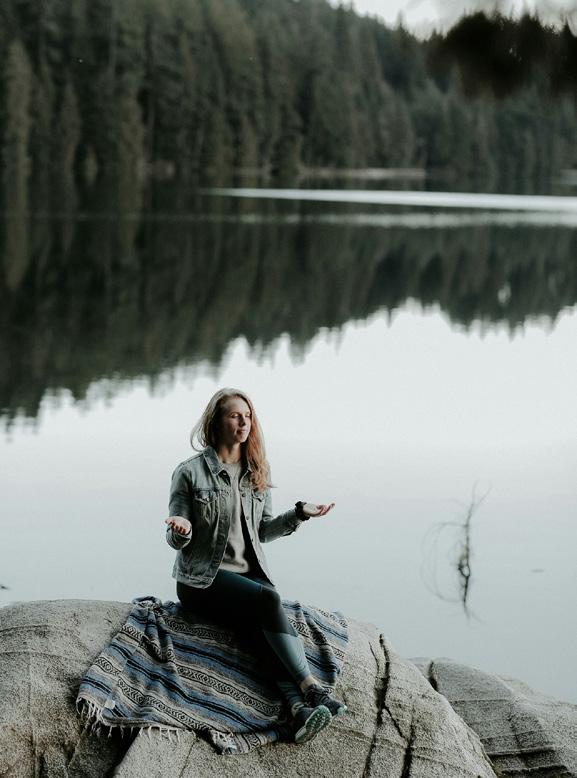

Life does not change you—you change your life.
Each day presents an opportunity to grow beyond who you were yesterday. Yet many people spend their lives competing with others, forgetting that the only real competition is within themselves. Trying to keep up with others will only drain your spirit and distract you from your own purpose.
The saying “keeping up with the Joneses” remains relevant today. We often compare ourselves to what we see on the surface, never realizing what may be happening behind closed doors. What appears perfect from the outside may be carrying struggles that no one else can see.
Instead of focusing on how others are living, focus on becoming the best version of yourself. Time has a way of revealing wheth-
er we are living for our own purpose or for others' approval. Take time to reflect, slow down, and appreciate your journey. Growth is not instant. It requires patience, intention, faith, and grace.
The world was not created in a day, and neither are we.
Sometimes we must embrace the stillness and appreciate the sweetness of doing nothing. In those quiet moments, we find space to reset, breathe, and reconnect with ourselves.
Not long ago, I found myself out of work for an entire year. It was one of the most stressful seasons of my life. For the first time, I had nowhere to go each day and wondered how I would pay my bills and manage my responsibilities. I was forced to take an honest look at my finances, my circumstances, and my future.
Wendy L. Jackson is an international, award-winning artist, motivational speaker, and writer whose work explores the intersection of creativity, healing, mindfulness, and spiritual growth. Through both her art and her words, she inspires others to live with intention, embrace purpose, and cultivate inner peace.
During that season, I questioned myself and my direction. I wondered what was next and whether I was truly prepared for the road ahead. Yet through daily meditation, prayer, and quiet moments alone, I slowly rebuilt my confidence and reconnected with what I genuinely wanted for my life.
Over time, I realized that I did not need to fear the journey ahead. Instead, I needed to trust it.
What I once viewed as an ending became the beginning of a new chapter. It was an opportunity to start again with a fresh perspective and renewed purpose. That season also revealed who my true friends were and who genuinely stood in my corner when life became difficult.
Becoming myself did not happen overnight. Like the woman in the mirror, I had to be willing to make changes within. Yet I never stopped moving forward.
Each day brings new challenges, and we must learn from them rather than be defeated by them. Life asks us to pause, reflect, and sometimes ask ourselves, “How did I get here?” More importantly, it challenges us to grow from the answer.
When life is lifeing, we must remember that both the highs and the lows are part of becoming.
As we mature, we begin to seek opportunities, wisdom, and inner strength that shape who we are becoming. Growth not only transforms us but also allows us to uplift others along the way. Life becomes more meaningful
when we extend kindness to a neighbor, encourage a friend, or support a family member in need.
Tomorrow is never promised. Therefore, each day should be lived with intention. In the end, it is the memories we create, the lives we touch, and the love we share that give life its deepest meaning.
There is no straight path in life. There are curves, hills, valleys, and unexpected detours that we all must travel. Life will place us in situations we never anticipated, but if we remain grounded, stay true to ourselves, and listen to that inner voice, life will continue to reveal its lessons.
What makes “life be lifeing” is not merely the struggle—it is the realization that even in the struggle, we are still becoming. Each challenge teaches us something about ourselves. Each setback carries a lesson. Each new beginning offers an opportunity to grow, evolve, and move closer to the person we are meant to be.
Do not let the grass grow under your feet while waiting for life to come to you. Opportunities are often found in movement, not in waiting. Take the step. Explore the possibility. Embrace the journey. Life was never meant to be watched from the sidelines. It was meant to be experienced, appreciated, and lived with purpose.
And when you understand that, you stop asking life to be easier and start trusting yourself to be stronger.
Live Life.

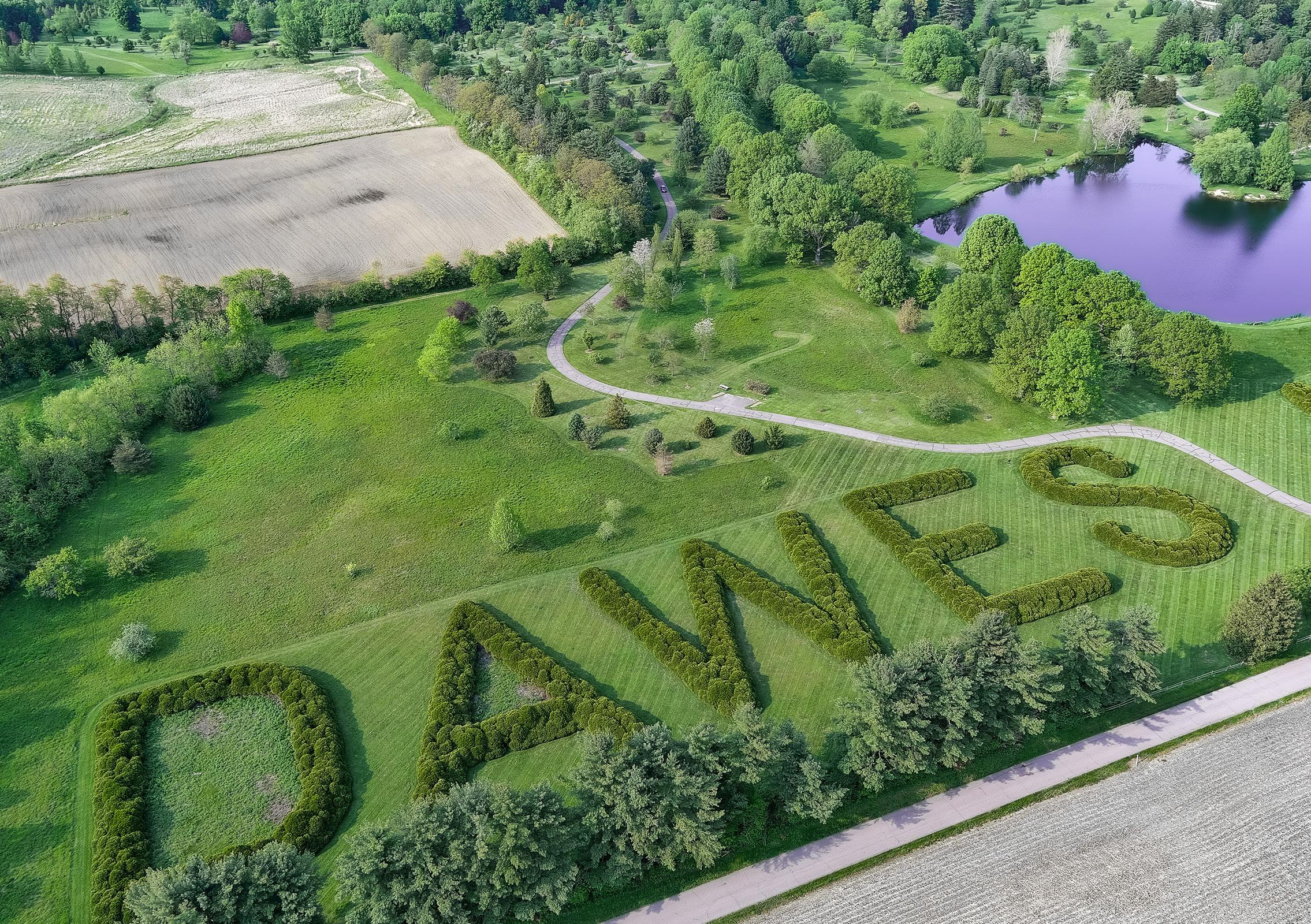

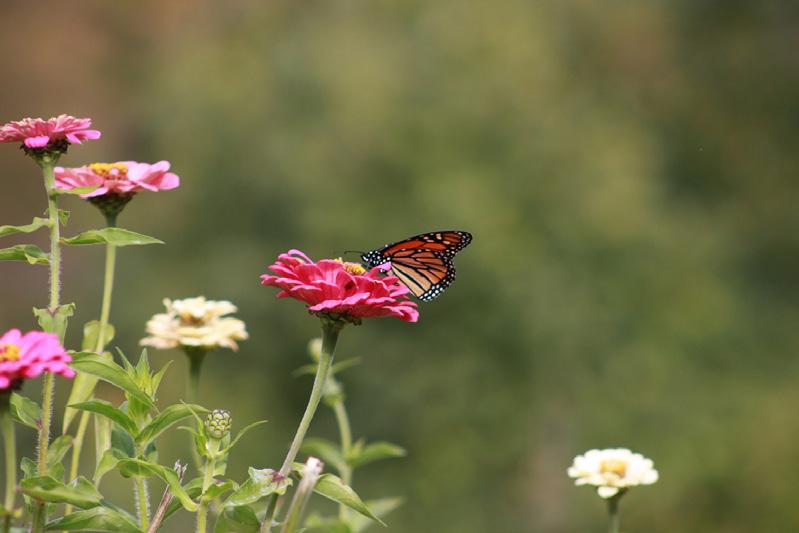
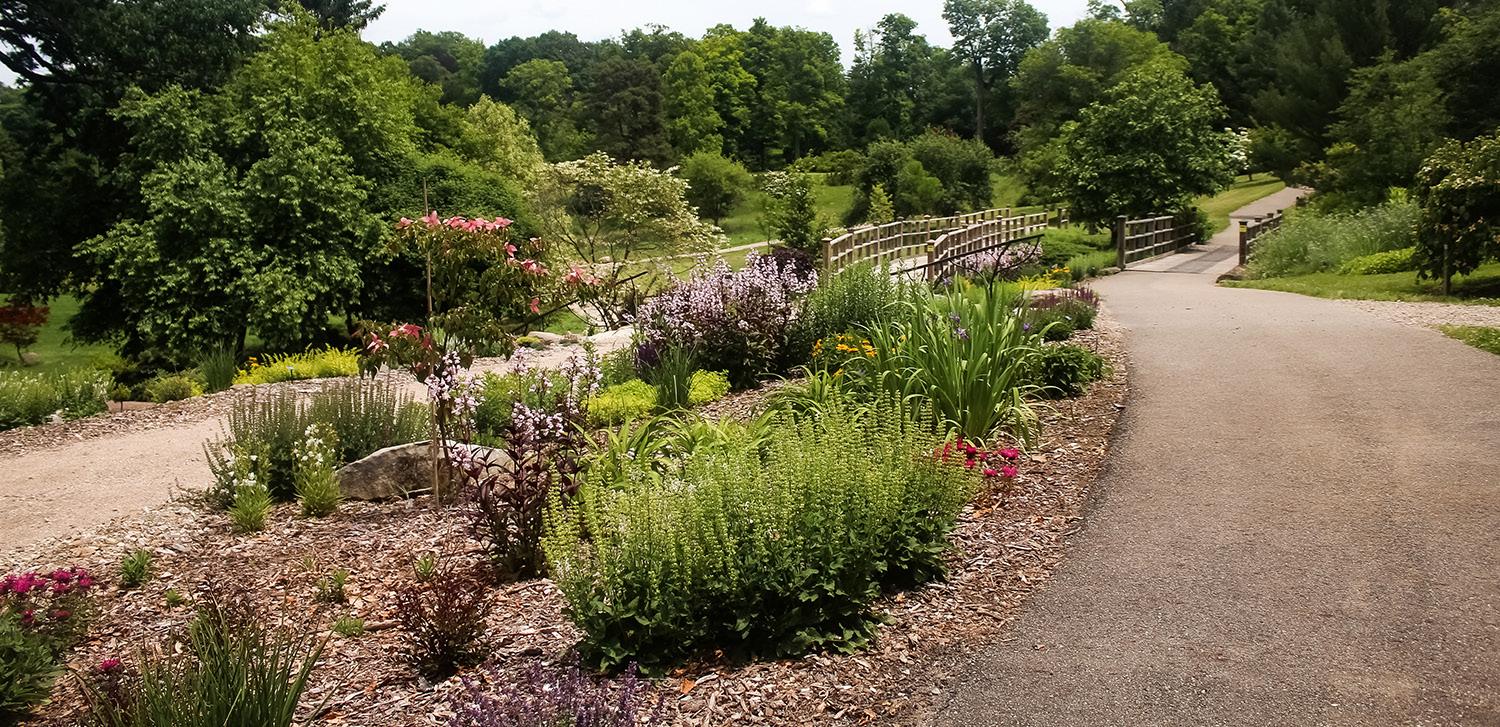
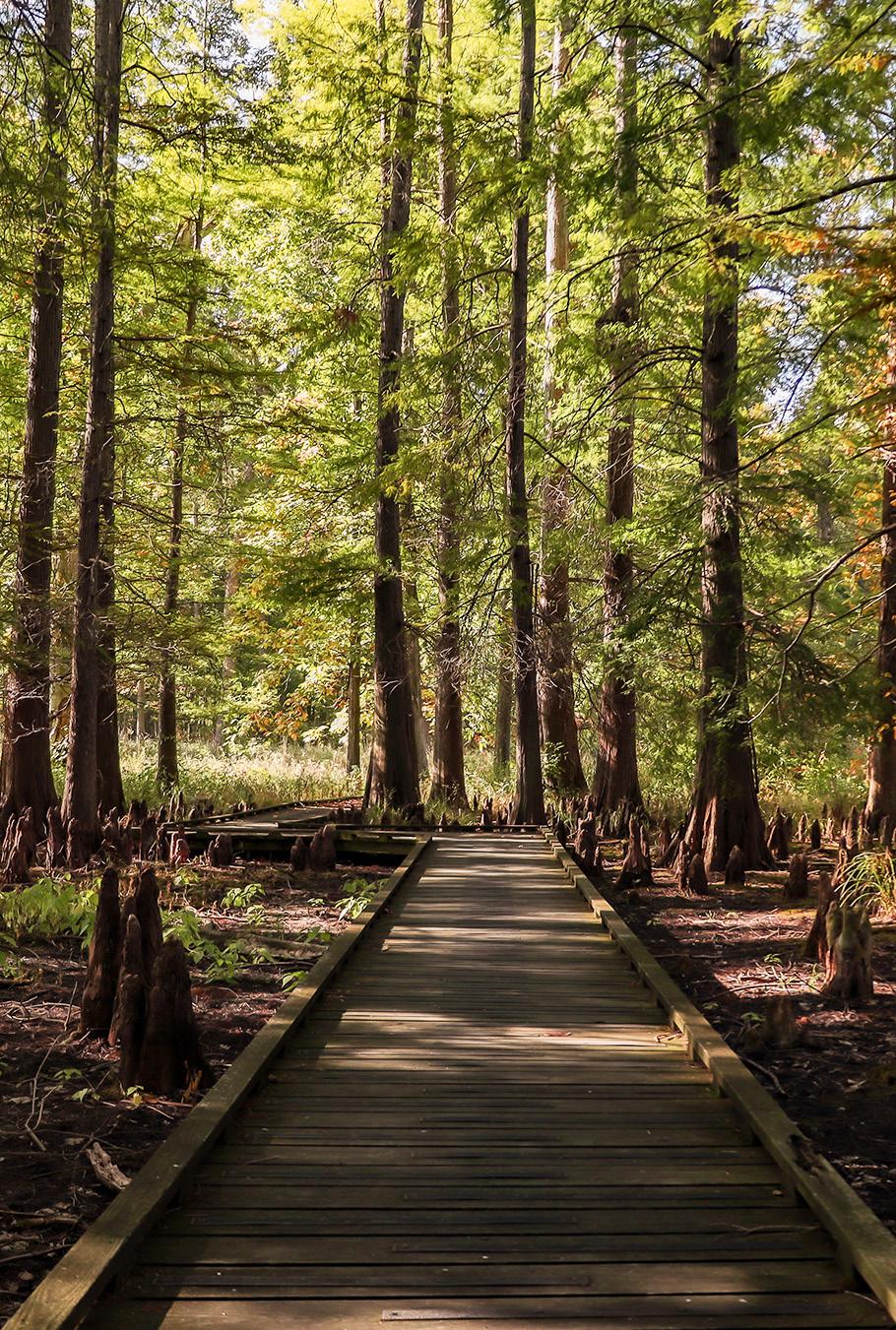
www.dawesarb.org
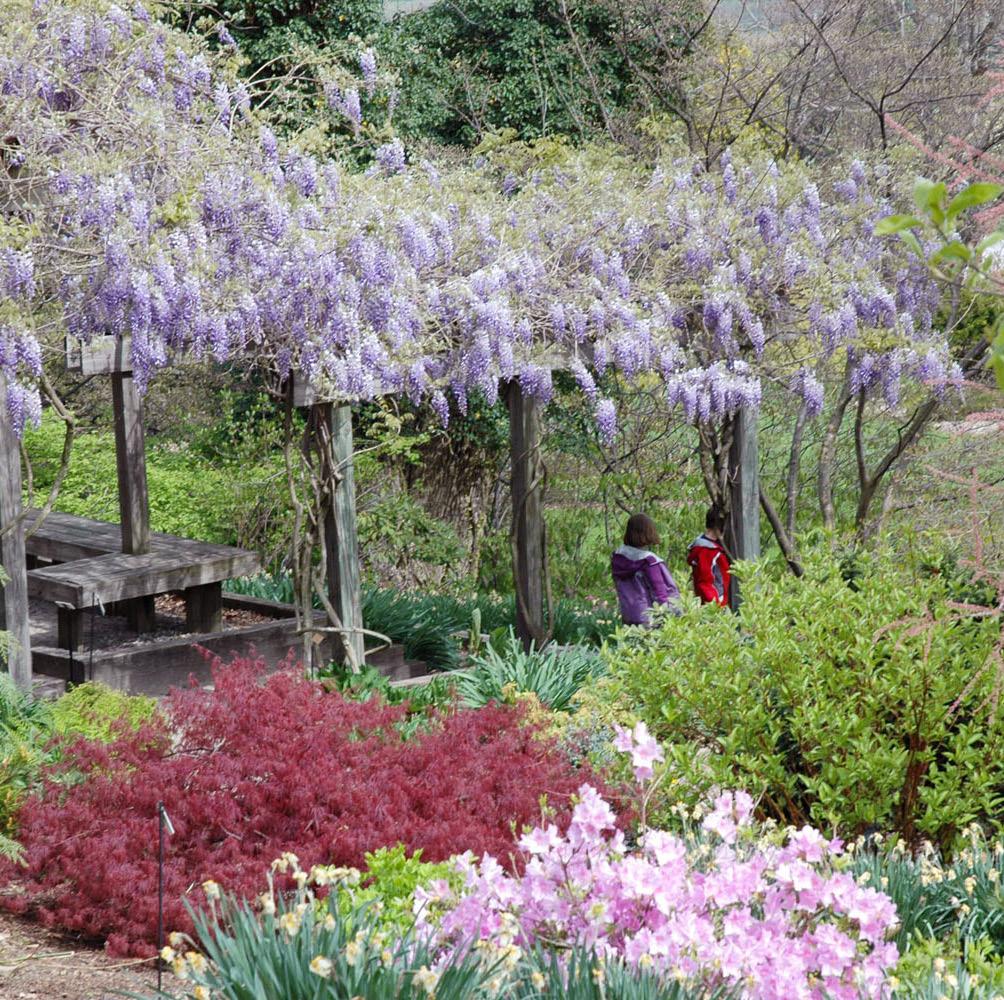
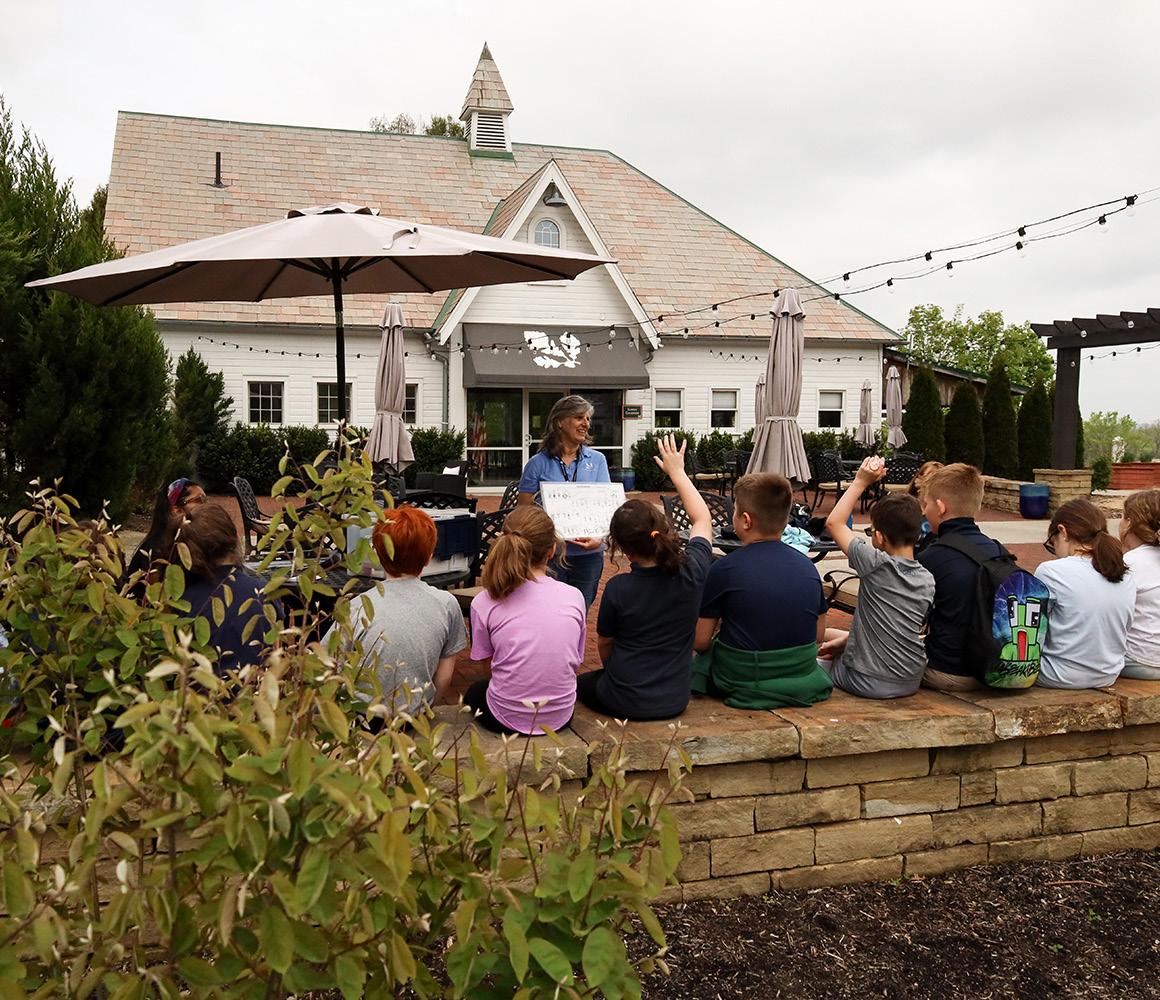
There are places in the world where time seems to slow, where the rustling of leaves becomes a quiet language, and where the simple presence of trees reminds us of who we are, and who we are meant to be. At The Dawes Arboretum, this connection to nature is not only preserved but deeply honored.
Nestled in the heart of Ohio, The Dawes Arboretum stands as a living testament to the beauty, resilience, and quiet wisdom of trees. Spanning nearly 2,000 acres, this remarkable sanctuary is more than a botanical collection; it is a place where nature, education, and community converge. With its diverse landscapes, curated gardens, and miles of scenic trails, the arboretum invites visitors to slow down, reconnect with the natural world, and discover the vital role trees play in sustaining life on our planet. Rooted in a mission of conservation and environmental stewardship, it continues to inspire individuals and communities to cultivate a deeper respect for the earth.
At the heart of this living sanctuary stands Stephanie Crockatt, an Executive Director whose journey reflects both strength and sensitivity to the natural world, and who brings a passion for connecting people with nature and fostering meaningful community engagement. Through her work, with a vision rooted in stewardship and a belief in the power of education and community, she is helping to shape a future where nature is not something we visit, but something we belong to.
In this conversation with The Eden Magazine, Stephanie Crockatt invites us into her world, one shaped by purpose, resilience, and a profound respect for the living earth. Her story is a reminder that caring for the planet begins with something deeply human: the willingness to listen, to learn, and to protect what sustains us all.
Every institution has a history that shapes its future. How has the founding vision of Beman and Bertie Dawes continued to influence The Dawes Arboretum as it approaches its centennial?
Dawes is a legacy landscape, meaning it was conceived with a personal mission that has endured generations. The vision that Beman and Bertie Dawes brought forth for the arboretum has continued to nurture a deep connection to nature and our environment, and our work reflects a steadfast commitment.
Your path to becoming the first female Executive Director of The Dawes Arboretum is a significant milestone in the organization’s history. What experiences prepared you for this leadership role, and what drew you to the Arboretum specifically?
At its core, my career has followed a passion for the outdoors, especially the visual impacts of viewsheds and picturesque landscapes. My personal desire is to ensure that physical and mental well-being and a sense of belonging in nature are experienced as true joy. Nonprofit work has been my primary career focus, and I am fortunate to have been mentored by incredible leaders. Each experience has prepared me for the next, and I feel my arrival at Dawes is a pinnacle achievement, and I am both thrilled and honored.
The Dawes Arboretum is known for its extensive collections, conservation work, and educational mission. Which areas of the organization are currently your greatest focus?
The Arboretum is currently undergoing a new strategic business plan, and the effort has been an amazing experience for
our staff and board. We are setting ourselves up for success as we embark upon the next century of growth and increased relevance. While each of our mission pillars is critical, a common thread will be emphasizing our outreach and engagement, both locally and regionally, as a value-based resource.
As more people seek meaningful public spaces and environmental education, how is The Dawes Arboretum evolving to meet the needs of today’s communities and visitors? Dawes is a truly exceptional place in that it leans into curiosity and connection every day through on-site experiences, programs, and education. Everyone is welcome to explore and find joy and excitement within this natural space. We offer unique points of interest, including our cypress swamp, our renowned lacebark silver ghost pine, Japanese Garden, bird-watching garden, and historic house museum, to name a few. There’s something to see and learn for every person who visits.
Education and stewardship have always been central to The Dawes Arboretum. How do those values guide the organization’s programs, partnerships, and long-term planning?
Education and stewardship are fundamental to our founder’s vision to ensure a community connection across generations. A primary focus of our new strategic planning effort is to build on the directive to deliver the Dawes difference (as we call it) and to extend our reach through value-based partnerships and collaborative opportunities. We want to align with more organizations that share common mission elements and explore ways we can create greater long-term impacts together.
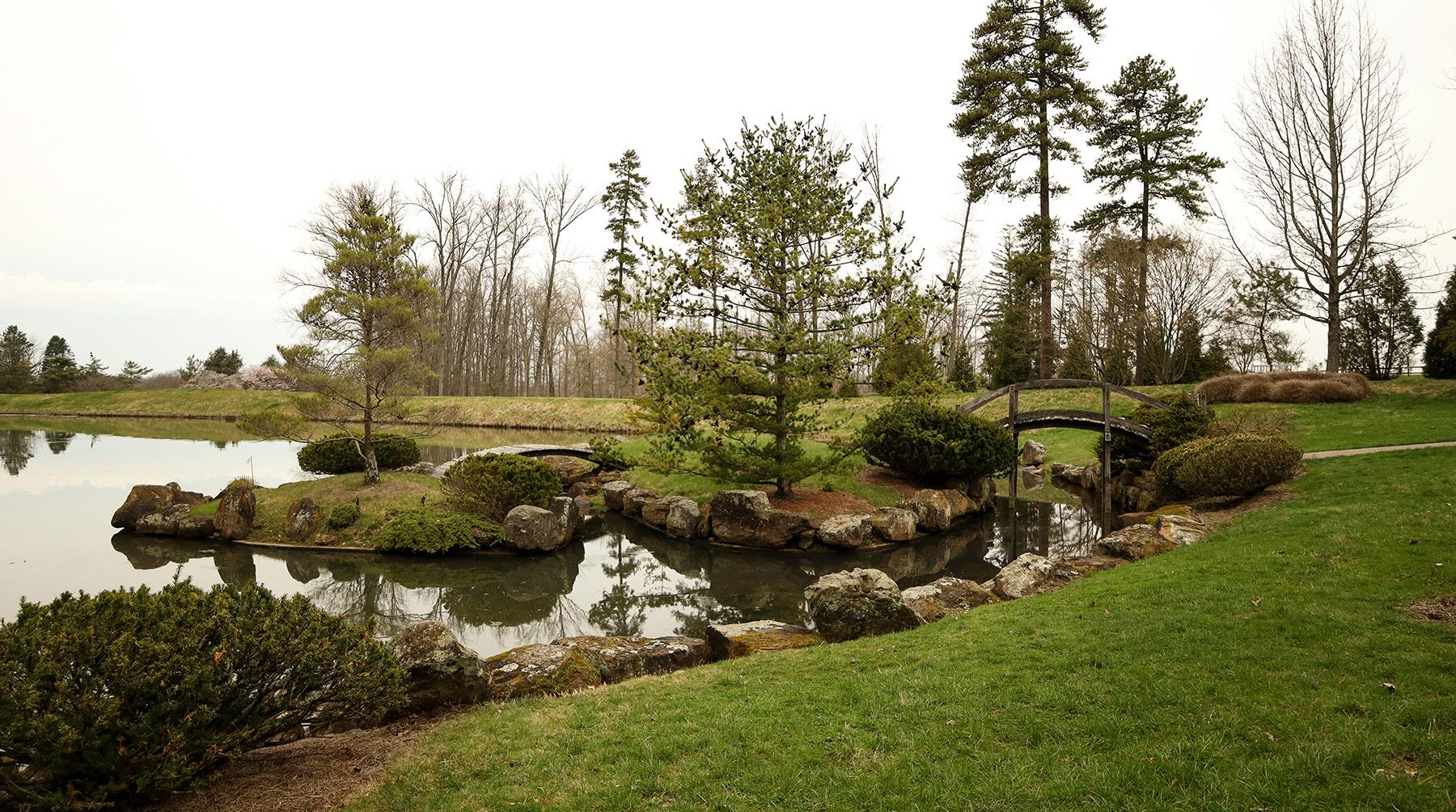
As The Dawes Arboretum approaches its 100th anniversary in 2029, what future initiatives or goals are you most excited about?
Our Centennial celebration in 2029 will culminate with a look at our history and evolution, as well as our necessity, relevance, and importance for the next 100 years. As the world around us changes at a pace much faster than in the last century, we know our 2,000-acre greenspace will play an essential role in the quality of life our region needs and deserves. We will be sharing insights into what came to be and how our critical ecological, educational, and curatorial work will continue to thrive as a vital resource, asset, and best example of Ohio’s native ecology.
For readers inspired by the work happening at The Dawes Arboretum, what are the best ways they can support, engage with, or become involved in the organization’s mission?
As with any nonprofit, the best ways to support and become involved are through membership, volunteerism, visitation, and donations; it’s the time, talent, and treasure trifecta. One of the easiest ways is simply to come see what we have to offer and experience Dawes through your own lens. While we are admission-based, we do offer free days and a library pass system for free access. We offer rugged trails, paved paths, a drive-thru tour, and, on occasion, wagon rides and tram shuttles. What’s also exciting is that in the spring of 2028, we will be opening a new Welcome Center with vastly improved public amenities, creature comforts, and stunning views.
Every journey has a beginning. Can you take us back to a moment in your life when you first felt a deep connection to nature?
I grew up in rural Michigan with a majority of my family owning and/or operating farms. My grandparents had a lake cottage where water life was a huge influence. The beneficial impact of nature on me was immediate, and I was taught it to be a special and important resource to be cared for and respected. To this day, looking out across a lake or body of water can calm me, hearing or feeling the wind is comforting, and glimpsing the silliness of wildlife is a thrill.
The Eden Magazine often speaks about compassion for all living beings. How does this idea come alive in your work and vision each day?
Having compassion for all living things is a virtue that (to me) extends beyond nature. At Dawes, our land and legacy, along with our staff and guests, all represent an array of biology and botany that evokes a special harmony.
It can be infectious to soak up the sunshine while watching butterflies dance among wildflowers, hearing the giggles of childhood delight amid the chirping of birds, or feeling the cool shifts in temperature in the shade of the forest. When you settle in and take a deep breath to consider how special and important this place is to our physical and mental well-being, and how the care and nourishment we champion for flora and fauna are in tandem, one can begin to recognize and appreciate the bigger connective picture.
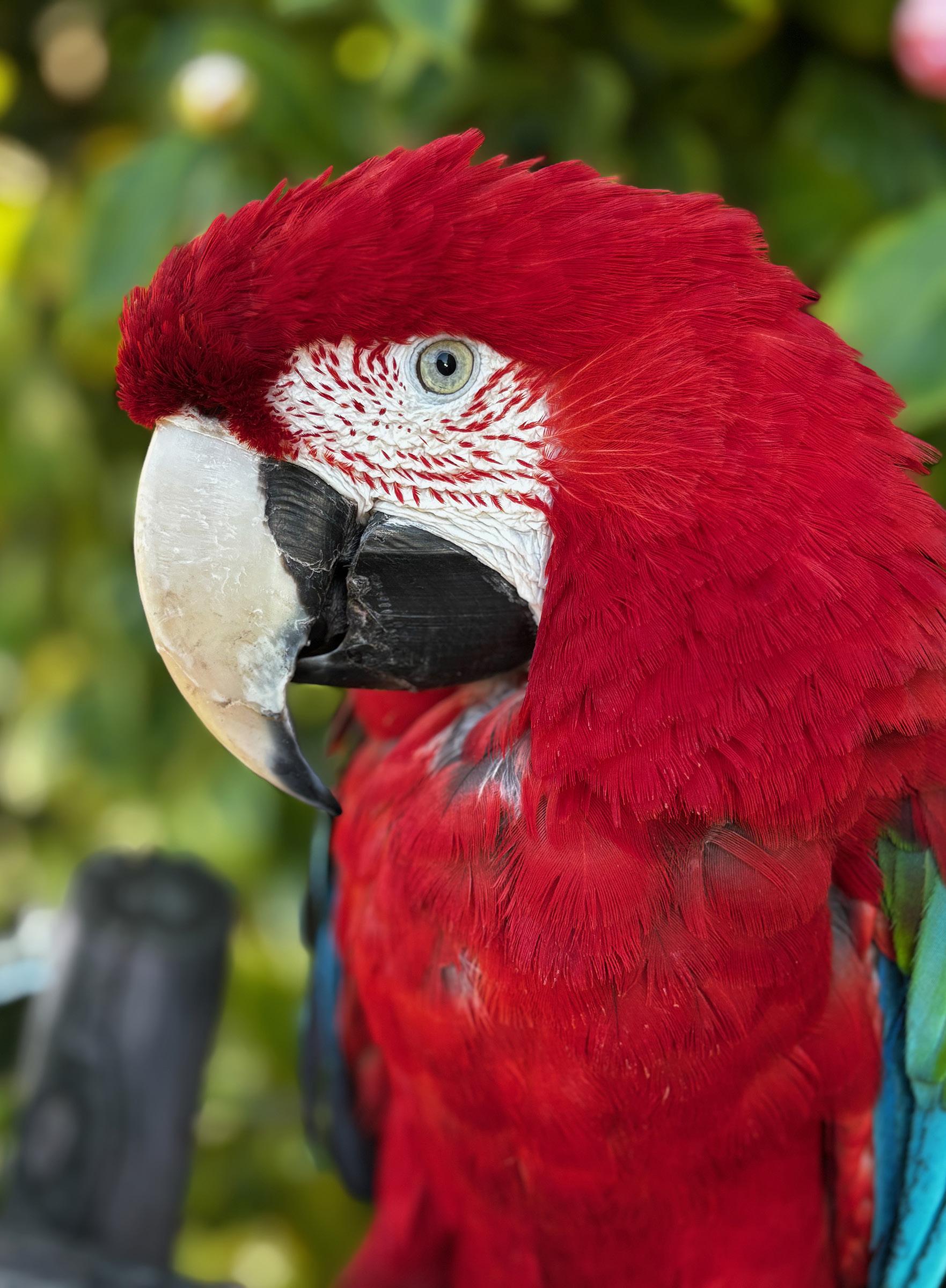
by Leslie Crane Rugg
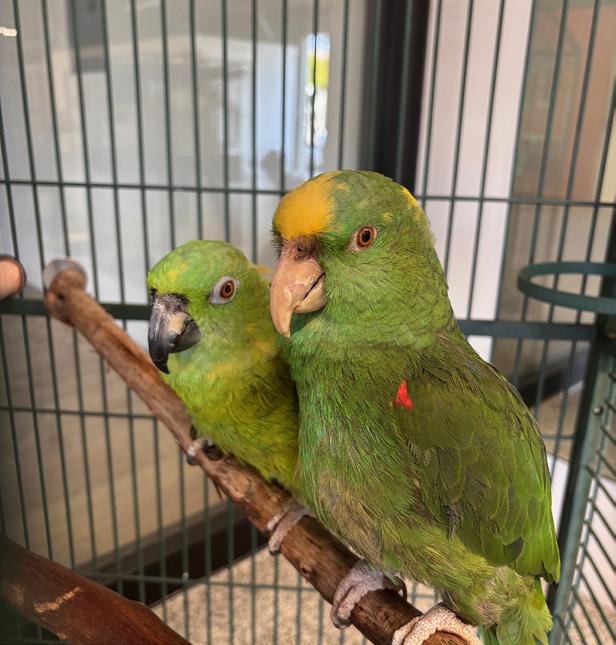
If you're of an age when Walt Disney was producing dozens of nature films and TV segments, you learned a lot about the amoral quality of the animal world. For every breathtaking vista of a desert or savannah or rainforest or winter wonderland, you also witnessed animals hunting other animals, the requisite kill, the sharing of the carcass. That included adorable baby animals our hormones programmed us to fall instantly in love with, who became the prey to bigger, stronger, faster predators. In many cases, Disney also made us watch the prey grown up, repeating the very behavior as predators themselves.
You could take the lessons a Disney production depicted at face value: nature is both beautiful and ugly. It is gentle in the rhythms of new motherhood yet brutal in disposing of a newborn or youngster the mother knows should not survive. It is communal when species come together at a watering hole but tribal when fighting over turf or food resources.
You could go further, anthropomorphizing nature's creatures. You could pinpoint certain similarities between us humans and animals – the constructive as well as destructive forces
that nature both generates and radiates through our shared instinctive and acquired behavior patterns. It can be said that nature boils down to survival, whether in the context of geography, botany, or biology. Within the spectrum of survival, all species, including ours, experience what is necessary, unavoidable, and yearned for – what drives us to act and react.
One of the great teachers of these epic life experiences comes from the avian world. We humans observe and interact with these wild, winged works of art and physics differently from every other species on our planet. Historically, we have treated all wild animals as exotic commodities to be bought and sold, to possess rare value that gives us status, to entertain us – even cruelly - as though they only exist for our odd pleasures.
In more recent centuries we have learned better, and yet, to begin with, it was always about proving human superiority. We called animals “dumb” as if they had no senses or feelings. We referred to those that fly as “bird brains” as if the relatively small size of their heads must hold puny organs, mere engines of instinct.
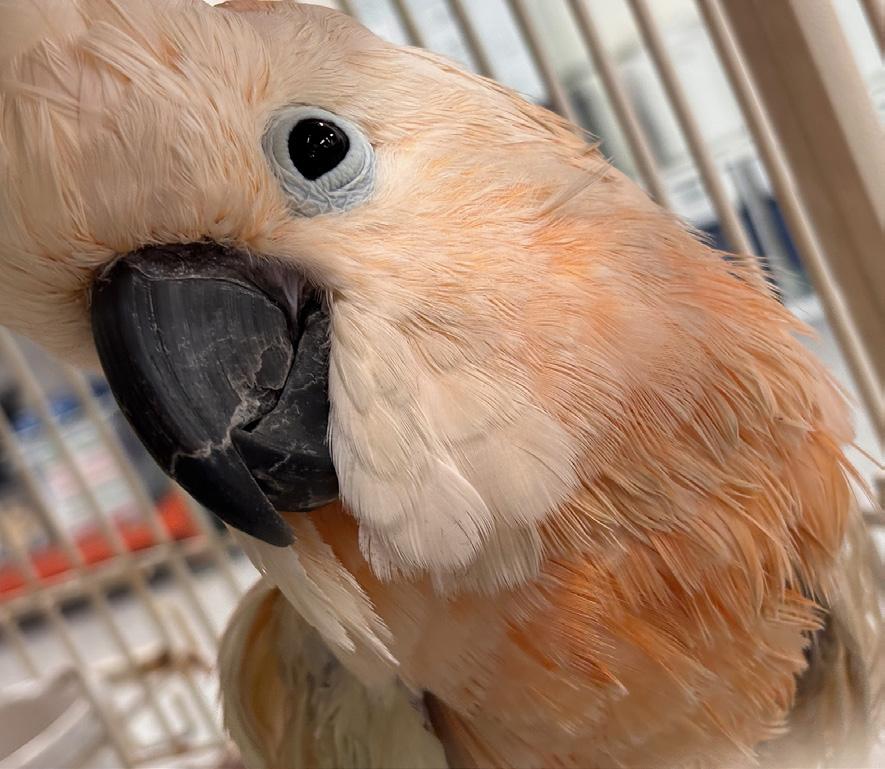
People rarely even know that many parrot species can live to the age of 60 to 90 years. If parrot behavior doesn't challenge the average bird owner, then the bird owner's own mortality ends up challenging its quality of life as a result of a parrot's own lifespan.
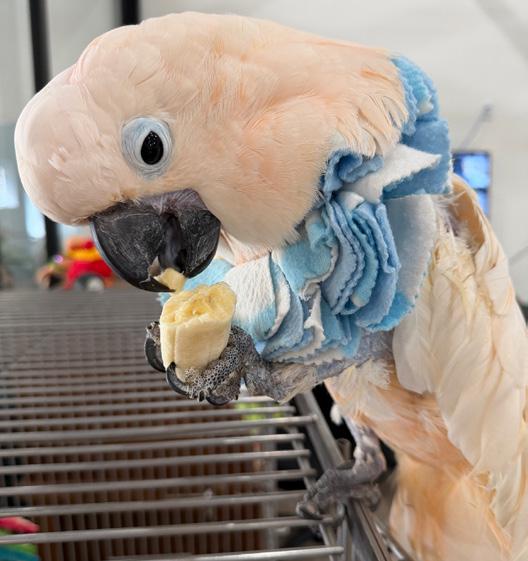
Even today, with advances in science, ecology, technology, medicine, and their veterinary application, avian species in the wild are subjected to the worst forms of commodification. News item after news item portrays the horrors of smuggling: knocking nests off tree branches and out of hollows, carelessly killing adults to grab eggs or babies, stuffing them into boxes or plastic bags and tubes, under cars, inside clothing – anything to get past border police and customs agents.
Smuggling is illegal. The international bird trade is illegal. Yet nothing seems to stop it. As a result of all the laws passed to protect birds in the wild, only a meager 2% of captured parrots and similar species such as cockatoos are recovered and their smugglers arrested. Documented by avian protection groups and government agencies, other statistics present more shocking facts. Almost a million parrots – adults and chicks – are captured in their native habitats, and the vast majority – as much as 90% - die before entering the marketplace. About one tenth of parrots are killed in netted traps or from adhesive glued to sticks made to look like tree branches. Another quarter to a third of captured parrots die from being crowded in small containers, sedated, and starved.
Breeders have private businesses, selling to individuals and pet stores. They can sell birds of any age and in any condition at bird mart circuits up and down the states. People with peripheral businesses in bird food, bird caging, and bird toys will tell you that breeder demographics have changed over the decades. Once the majority operated as mom and pop enterprises; they loved their birds and were more careful where they placed their stock. Now the majority are people who simply view birds as objects to sell. Their motive is making a profit.
They provide no education about species, how to care for a bird, what the best food is, what to expect when a baby bird matures and changes its personality. They make no recommendations about veterinary care or where avian veterinarians are in the areas where breeders sell their inventory. They will lie to prospective owners, telling them that the specific parrots they're interested in are quiet birds. If you've been to a parrot sanctuary, a pet store where birds are sold, or a zoo, you know all parrots can be noisy and most squawk at top decibel levels.
The legal side of buying and selling parrots is hardly an improvement. Breeding birds has no licensing or regulatory agencies. At the national level, the U.S. Department of Agriculture (USDA) covers farm birds and wild birds used for agricultural purposes. USDA's Animal and Plant Health Inspection Service (APHIS) oversees damage to wildlife. The U.S. Fish and Wildlife Service (USFWS) helps to conserve avian habitats, manages the Migratory Bird Program, and enforces the Migratory Bird Treaty Act and the Endangered Species Act. At the state level, wildlife and natural resource agencies count avian populations, keep lists of endangered species, and regulate hunting. California has a Department of Fish and Wildlife and a Department of Agriculture that report to their federal counterparts. None have control over breeding practices, sales, or accountability.
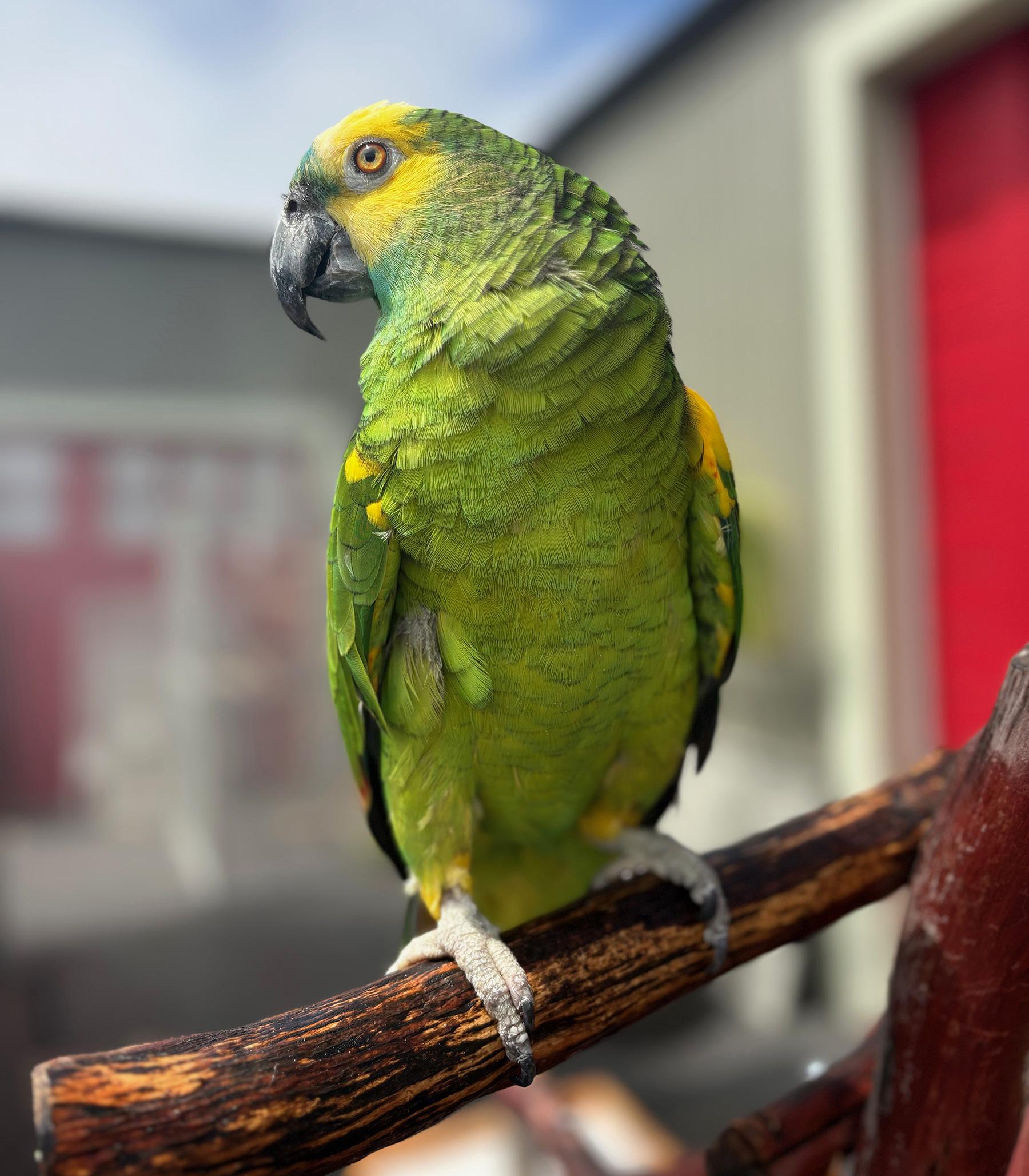
With all that lack of information, people continue to buy parrots for all the wrong reasons: they want a bird who talks, they want a bird who will entertain them, they want a beautiful bird to look at, they want a parrot to match the furniture... They have no idea that a parrot is highly intelligent, highly emotional, highly possessive, highly loud, has a bite that can shatter bone, is easily frustrated and will even turn on itself and pluck out its feathers when neglected, angry, upset, or confused, and doesn't get attention ALL the time.
People forget that parrots are hard-wired wild; parrots are not domesticated as are dogs and cats. Parrots can act tame; they are flock-oriented and most mate for life in the wild. As a captive pet, they will bond deeply with one human, imitating what nature urges them to do. Birds are meant to fly, yet we put them in cages – effectively small prison cells – that often don't have enough room for birds to flap their wings, an action directly tied to their respiratory systems. No flapping = poor breathing.
The Plumery Parrots whose photos appear in this article represent well-loved birds who experienced life-long stability until unfortunate circumstances intervened. Beauti, a 26 year old Greenwinged Macaw, was her human's constant companion until his sudden death. Pepper & Tinkerbell, a bonded pair of 40+ year old Yellow-naped Amazons, lived in one home for 30+ years until their aging owner could no longer care for them. Cece, a 40 year old Moluccan Cockatoo, lived all her life with one active family until the family grew apart. Atlas, a 30 year old Blue-fronted Amazon, was found in terrible condition when his longtime owner was hospitalized. Anani, a 26 year old Umbrella Cockatoo, lived contentedly with one family who were forced to relocate. In each case, the parrots were relinquished to The Plumery where they have received a total assessment of their needs, including medical care, social rehabilitation, improved diet, daily enrichment, personal attention, and opportunities to be with other parrots.
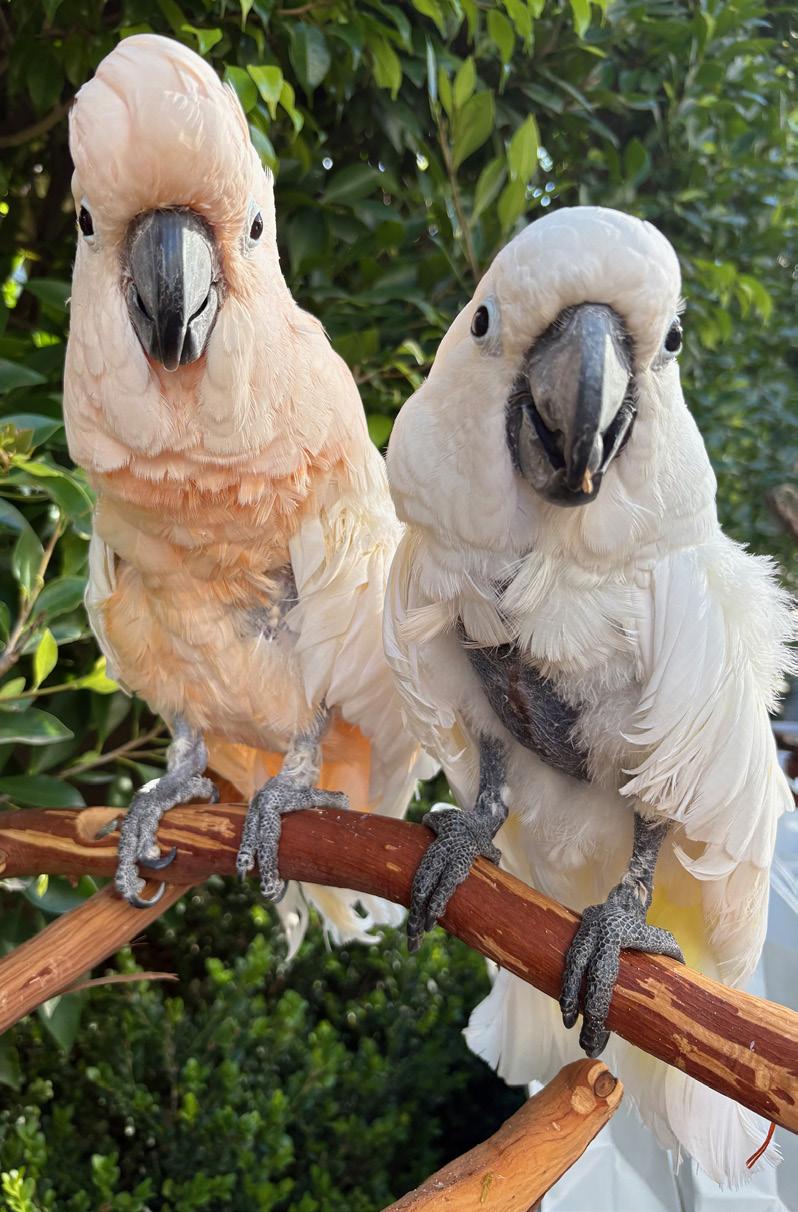
People rarely even know that many parrot species can live to the age of 60 to 90 years. If parrot behavior doesn't challenge the average bird owner, then the bird owner's own mortality ends up challenging its quality of life as a result of a parrot's own lifespan. Will anyone in the family want Polly Parrot who only loved Grandma and bit everyone else? If Polly is only 30 when Grandma dies at 90, Polly still may have 30 to 60 years of life left, outliving one or more additional human generations!
Why are we still so attracted to the notion and habit of keeping parrots and other exotic avians in homes designed for humans, when it goes against nature to restrict these creatures? What must we learn to better appreciate birds and how they contribute to planetary life? First, avians are not winged, beaked, clawed humans. Yes, it's human of us to connect some dots and imagine they are a little like us and we a little like them.
But it's much more enlightened to understand how having wings, beaks, and claws contributes to pollinating whole swaths of land by flying, foraging, and carrying food back to habitats. Seed dispersal and forest regeneration take place because of birds like parrots. Even their droppings fertilize soil that then nurtures healthy plants and crops. We need those millions of parrots, cockatoos, and other birds of the rainforests to keep our planet thriving. We need them IN the rainforests.
It's also an eye-opener to realize that parrots in their natural territories and habitats behave differently than when captive in human company. We tend to clip wings, thinking we're protecting our pets from escaping. We're not only taking away their freedom, but we're also interfering with the complexities of avian physiology. Even the muscular
ability to fully flap wings is tied to the strength of the respiratory system. On the plus side, some bird owners provide outdoor aviaries that are roomier than cages, and some set up safety-netted, free-flight spaces that allow complete exercise and a taste of freedom as in the wild.
Is it truly a matter of safety or really a human fear that a pet parrot will take off and not come back? Is that fear justified? We take parrots and cockatoos out of their natural rainforest settings where they know what to do, where to find food, how to set up their nests, who their predators are. Then we put them in alien environments with different climates, different landscapes, unfamiliar foods, human structures, machines, vehicles. How many birds from Central America, South America, Asia, the Down Under countries, removed from their native habitats, can safely survive?
So protect them we must, since we have forced wild creatures to navigate their long lives in places unsuited to their natural movement and instincts. Parrots and cockatoos in the wild establish territories, strict nesting and feeding practices, and social hierarchies. What do we do in return? For the most part, we rob them of their flock and replace it with a human structure. We ignore nature's taboos by indulging in hybrid breeding among parrot species that nature doesn't condone. We care for our parrots by limiting their capabilities as well as their freedoms.
Is the picture all bad? Are we humans so blinded by our own instincts that we can't do right by these amazing birds? No! We can be protective and responsible. We can share our lives with parrots and still respect their nature and their needs. Part 2 of “What Parrots Can Teach Us: In the Wild and In Captivity” provides the lessons we can learn and apply in THE EDEN's next issue.
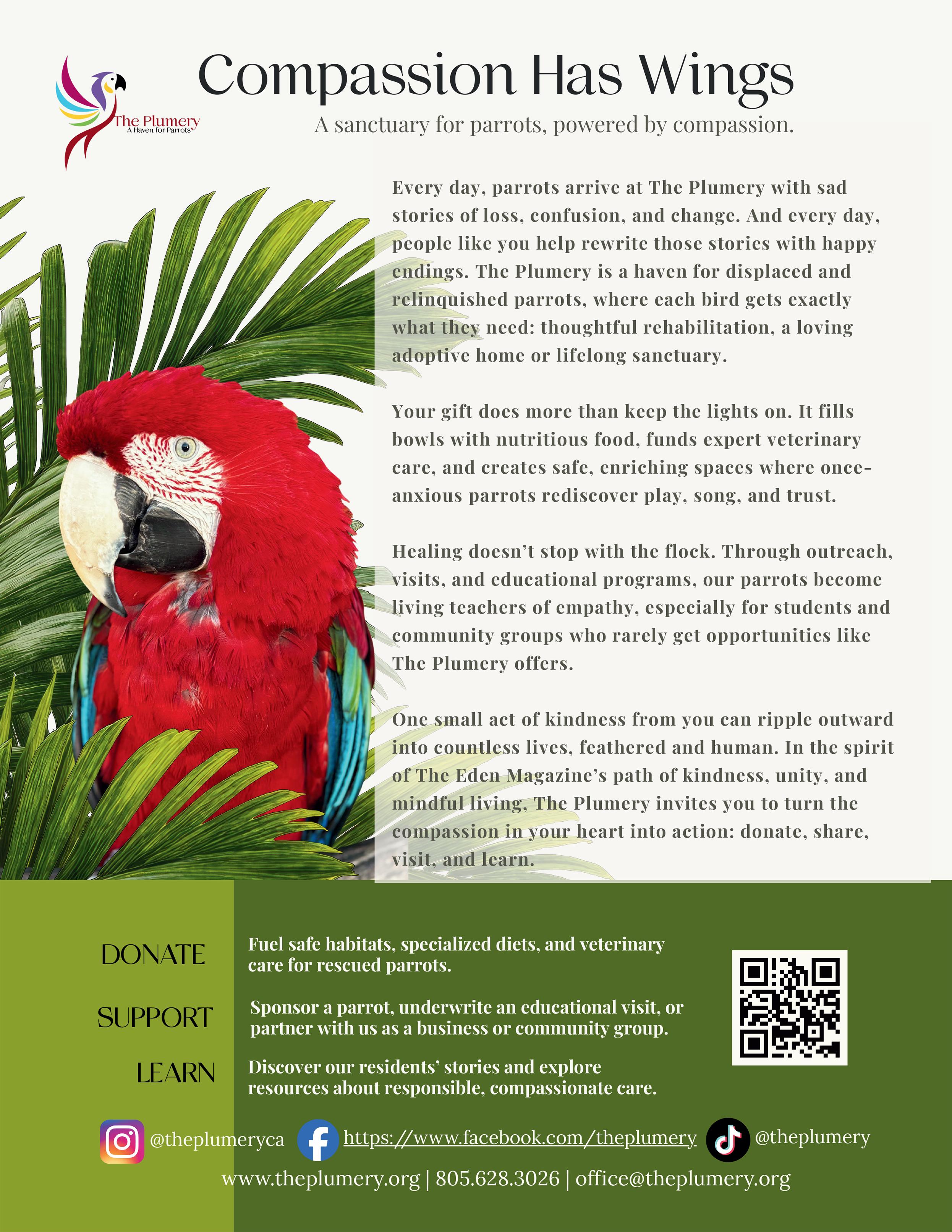
NNestled in the heart of Santa Barbara, La Puma Farms is far more than a regenerative organic farm; it is a living classroom where nature, health, and sustainability come together.
Founded by Dr. John La Puma, a board-certified physician, professionally trained chef, two-time New York Times bestselling author, and pioneer of culinary medicine, the farm reflects his lifelong belief that food and nature are among our greatest medicines.
Spanning three certified organic areas, La Puma Farms is dedicated to restoring soil health, nurturing biodiversity, and inspiring people to reconnect with the natural world. Through regenerative farming practices, educational programs, immersive tours, and nature-based experiences, the farm demonstrates how caring for the land also supports human health, resilience, and longevity. Its mission is simple yet profound: to cultivate healthier people. healthier communities, and a healthier planet, one harvest, one lesson, and one meaningful connection with nature at a time.
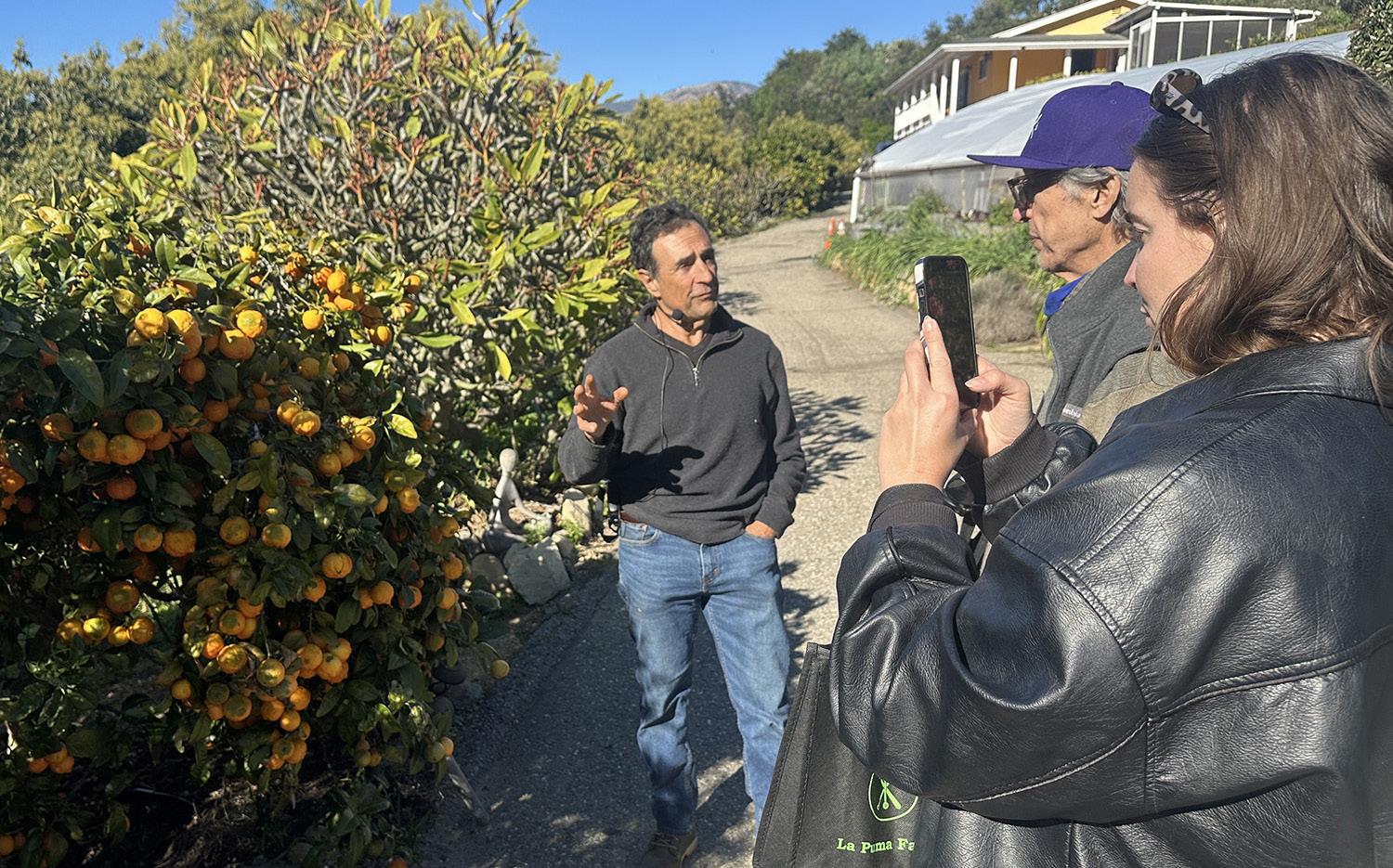
What personal experiences shaped your journey from physician to founder of La Puma Farms?
I trained at the University of Chicago and spent years in my medical office in Chicago and in Santa Barbara, seeing the patients return with the same problems. Hypertension, diabetes, depression, exhaustion. We were excellent at managing disease and genuinely terrible at preventing it. I started cooking seriously shortly after fellowship training, and I began asking why food wasn't part of the prescription, which led me to work with Rick Bayless at Topolobampo in Chicago. I realized that a kitchen was a clinical tool that most physicians had never considered. The farm came later, in 2011, when I bought a dilapidated abandoned nursery in Santa Barbara. I didn't know we would be building a regenerative farm. I thought I was buying land. The land had other ideas.
Was there a defining moment when you realized that healing could begin with the soil as much as the clinic?
Yes, and it was not romantic. I was reading research on Mycobacterium vaccae, a bacterium that lives in healthy soil and activates serotonin-producing neurons in the human gut-brain axis. The effect is measurable, reproducible, and dose-dependent. You get it from digging in the ground. I had spent twenty years writing prescriptions for SSRIs, and here was a peer-reviewed mechanism by which kneeling in a garden and getting your hands dirty
produced a documented antidepressant response. That is a moment I stopped thinking of the farm as a hobby and started thinking of it as a laboratory.
How has working closely with the land changed your own daily habits, mindset, or sense of well-being?
I go outside before I look at my phone. Daytime before screen time. That sounds simple, and it is, but it is also the single most physiologically important thing I do each day. It's so powerful that people who do so at the right time and for the right duration, close enough to waking, can dramatically improve their sleep habits and restorative sleep. It's worked for many of my patients. I walk out, and the light is extraordinary, and the farm is quiet, and something in me settles. Science and experience have become the same thing for me. I do not separate them anymore.
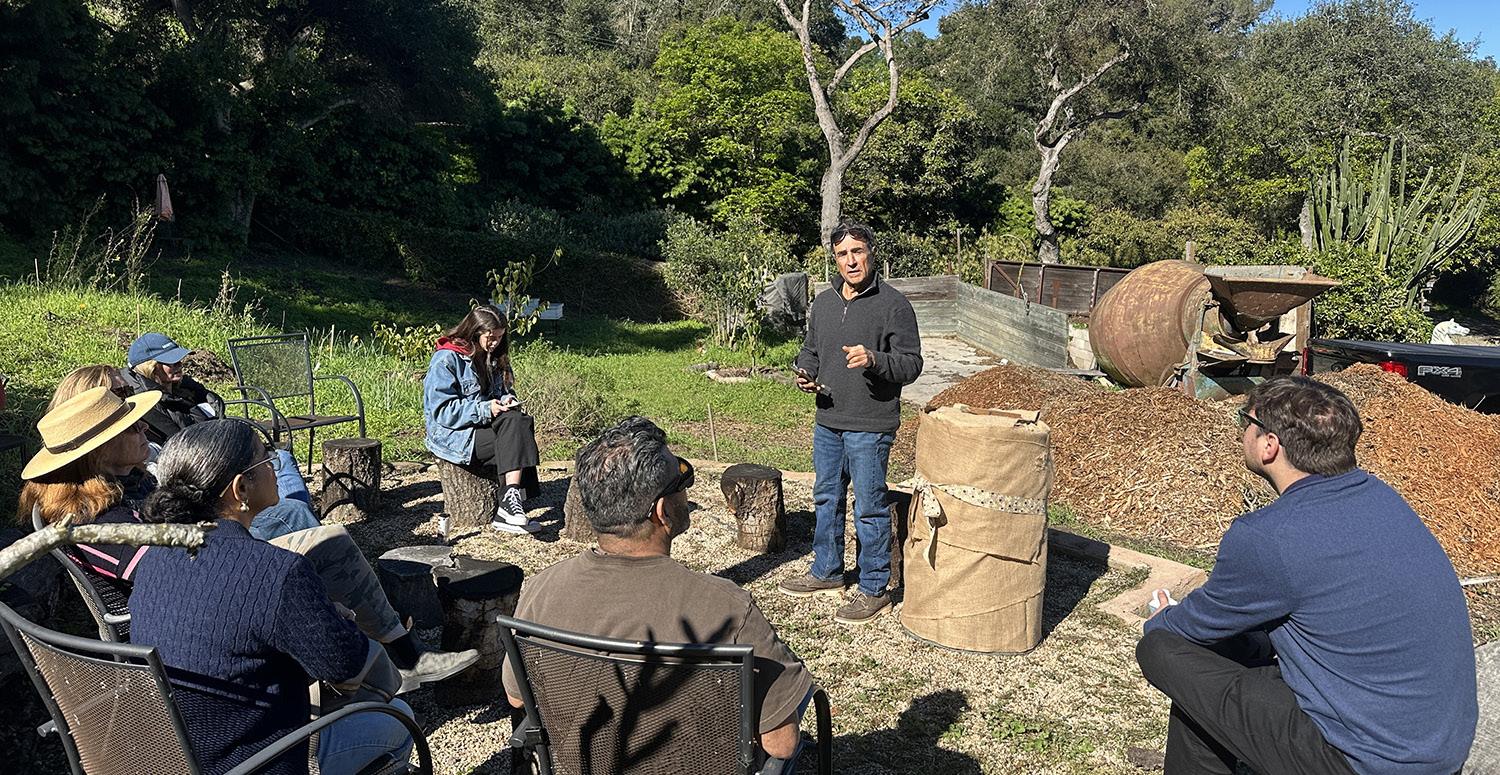
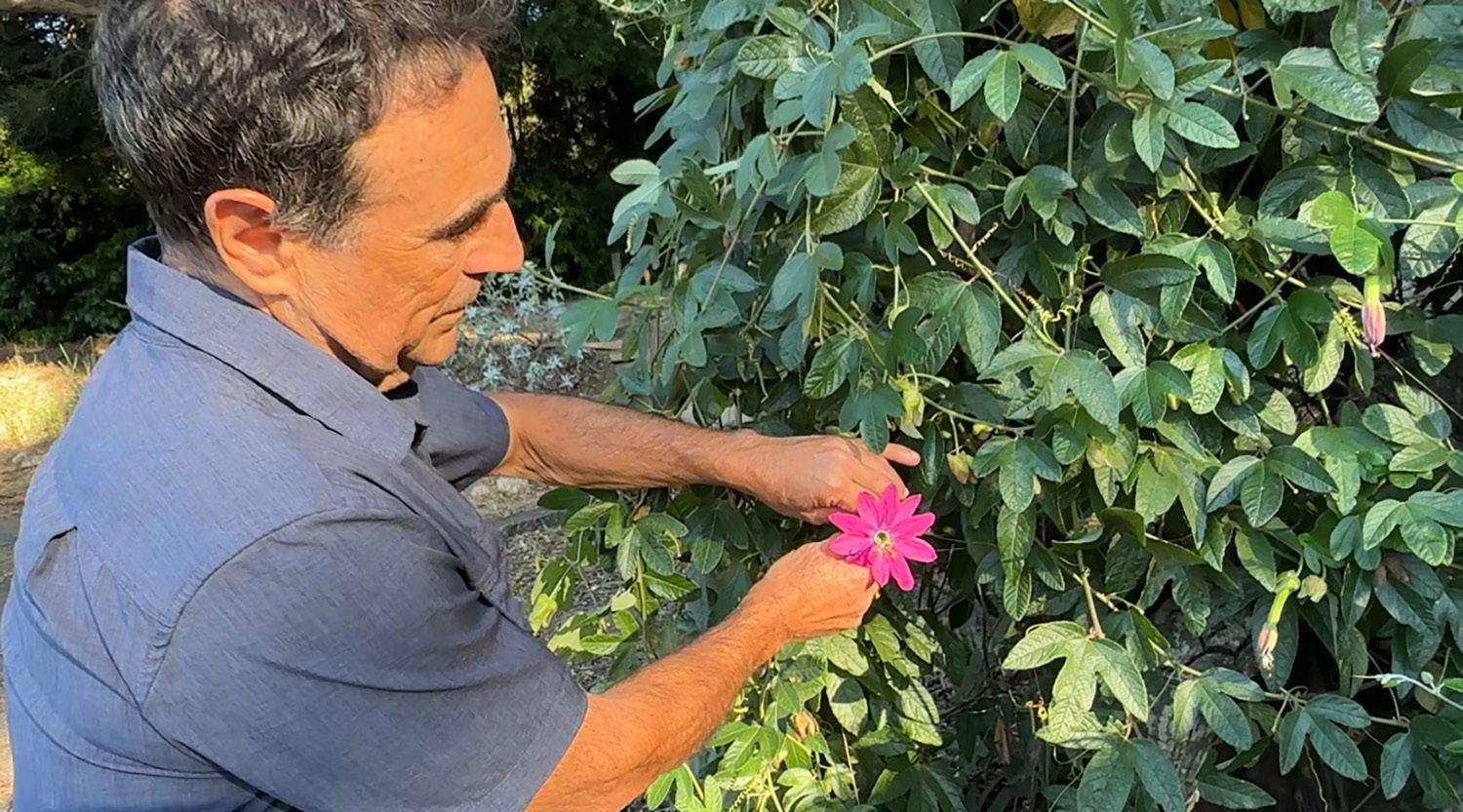
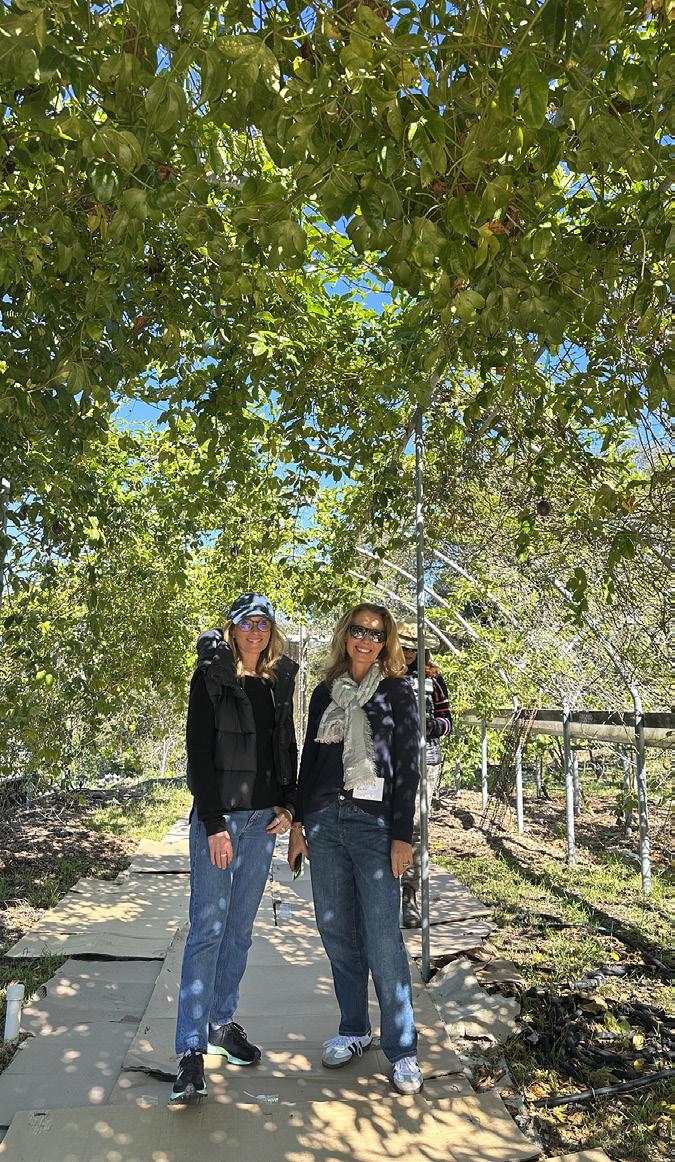
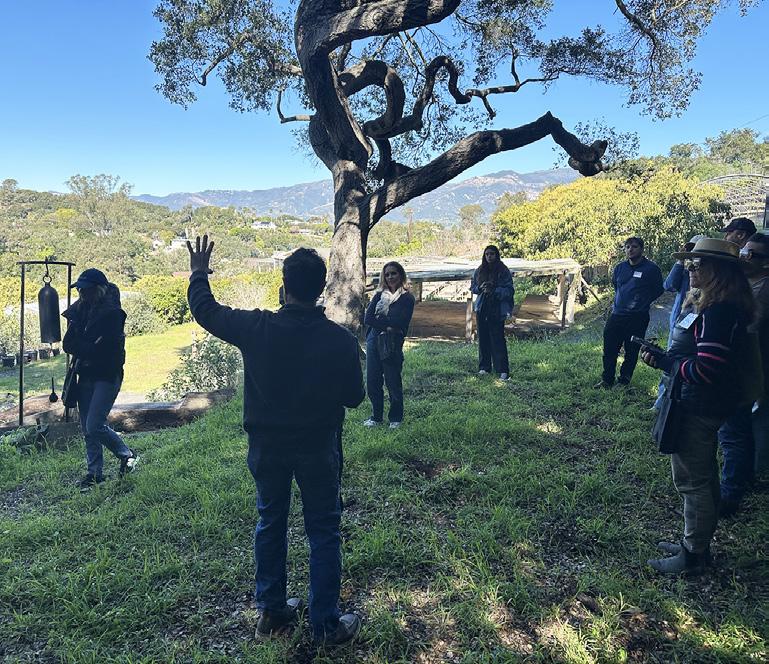
What does "a healthy life" mean to you today compared to earlier in your medical career?
Earlier in my career, healthy meant the absence of measurable disease. Good numbers. Normal range. Like most physicians, I was trained to find pathology and correct it, and I was good at that. Today, healthy means something closer to vitality with direction. It means sleeping deeply, thinking clearly, moving your body in ways that feel purposeful, eating food you understand, and spending enough time outside that your biology can do what it evolved to do. We spent 99.9% of human history outdoors. We now spend 93% of our lives inside. The mismatch between what our bodies were built for and how we actually live is, I believe, the defining public health crisis of this century. A healthy life is one that closes that gap, deliberately and daily.
Can you share a moment at the farm that deeply affirmed your mission?
We brought twenty clinicians to the farm for a UCLA continuing medical education day in the summer of 2025. Six hours, seven stations, working with the soil, the vines, the bees, the kitchen. We measured blood pressure before and after. The average systolic drop across the group was roughly ten percent. These were physicians. People who understand the white coat effect, who are skeptical by training, and who know every confounder in a small
sample. And they were standing in my vineyard at the end of the day, quieter than they had arrived, and their blood pressure was lower. One of them said to me, "I didn't expect to feel this." That is the sentence I think about when I wonder if any of this matters.
How do you stay grounded and inspired in a fast-paced, often disconnected world?
The farm does not care about my calendar. The vines need water when they need water. The bees do not adjust their schedule for mine. There is something clarifying about being accountable to living things that have no interest in your productivity. I also read widely and stay close to the research, because for me, curiosity is not separate from grounding. Understanding the mechanisms by which a forest walk lowers cortisol and how soil contact changes the microbiome makes time spent outside feel like both pleasure and purpose at once. And I cook. I have been cooking seriously for thirty years, and I still find it meditative in a way that nothing else quite replicates. The kitchen and the farm are, for me, the two rooms where the world slows down enough to think clearly.
What legacy do you hope your work leaves for future generations?
I want nature to be taught in medical schools the way nutrition is now taught, which is to say, imperfectly and insufficiently, but at least as a legitimate clinical subject. I pioneered Culinary Medicine in 1998, and it is now part of the curriculum at 80% of American medical schools. I believe Nature-Based Medicine is fifteen years behind that arc, and I intend to close the gap. If future physicians graduate understanding that light is a nutrient, that soil contact is a therapeutic intervention, and that the built environment is a determinant of health as significant as genetics, then something will have changed that outlasts any book or any farm. That is what I am working toward. The details are at IndoorEpidemic.com.