By Sadhguru/Isha Foundation


By Sadhguru/Isha Foundation





The Eden Magazine is a free online publication is your guide to healthy living, spiritual awareness, compassion and love for all living beings, holistic lifestyle, mindfulness, organic living, positive thinking, sustainability, and personal development
Founder & Editor-in-Chief
Maryam Morrison
Executive Editor/Contributing Writer
Dina Morrone
East Coast Liaison & Partnership Director
Paulette Dozier
Contributing Writers
Sadhguru, Isha Foundation
Dr. Rob Moir
Emilie Macas
Nikki Pattillo
Polly Wirum
Joe Santos, Jr.
Guest Writer
Philip Smith
Contributing Stylists + Makeup Artist
Edward Hakopian
Lisa Joy Walton
Graphics & Photography
JSquared Photography @j2pix (Los Angeles) Artin Mardirosian (Nexision) (Los Angeles) Benjamin D. Buren – AliveStudios.Com (Denver, SanFrancisco, Boston)
Sheri Determan (Los Angeles)
Greg Doherty (Los Vegas)
Ben Rollins (Atlanta)
Web developer
Brad wallace https://bradwallacedesign.com/
325 N. Maple Dr. Po Box 5132 Beverly Hills, CA 90209




by




62 THE PRACTICE OF LOVE by Polly Wirum
66
FAR BETTER THIGS AHEAD by Joe Santos, Jr.
70
ART HEART FASHION IN LOS ANGELES
72 THE MAGDALENE REVOLUTION by Andrew Harvey
76 THE AKASHIC RECORDS REMEMBERING WHO WE ARE by Mary Madeiras
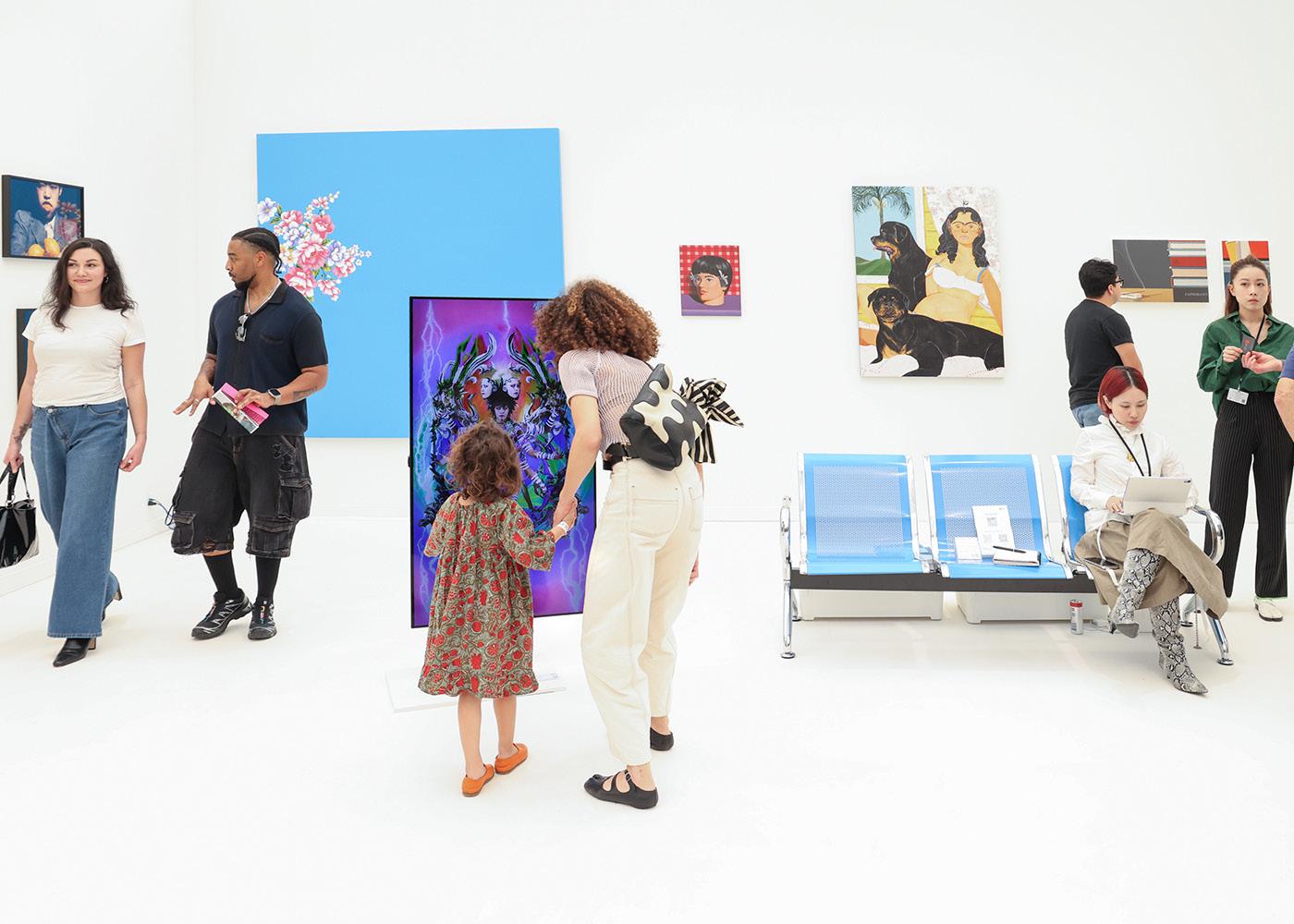
82 FRIEZE LOS ANGELES 2026
86 THE WAY TO WORLD PEACE AN IDEA WHOSE TIME HAS COME By Kenneth Paul Callison

By Jessi Bixler

TThe world often prefers a survivor who heals in a straight line. We are comfortable with the "six weeks of recovery" narrative, the idea that after a catastrophic event, one can simply follow a prescribed set of instructions and return to the person they were before the world broke open. But trauma is not a broken bone; it is a fundamental restructuring of how a human being moves through a world that no longer feels safe.
When we carry stories that remain unspoken, or stories that the world isn’t yet ready to hear, they do not disappear. They migrate. They move from the conscious mind into the tissues of the body, the foundations of our faith, and the silent spaces of our leadership. To understand what we carry is to acknowledge that healing isn’t about "getting over" a past event, but about learning to navigate a landscape that has been permanently altered.
We often think of memory as something stored in the brain, like a file on a hard drive. But for those carrying the weight of trauma, memory lives in the muscles and the nerves. It is the sudden, unexplained "floating" sensation in a crowded room. It is the way the body "freezes" even when the rational mind knows there is no immediate danger.
Dissociation is perhaps the most misunderstood of these physical responses. In the wake of trauma, the brain develops a sophisticated survival mechanism: when the present moment becomes too heavy to bear, the mind simply checks out. You may look like you are sitting in a chair, perhaps on a beautiful vacation or in a high-level board meeting, but internally, you are drifting. You are observing your physical self from a distance, disconnected from the very limbs that are gripping the armrests in a white-knuckled fight for stability.
This "floating" is the body’s way of saying I cannot be here right now. It is an automatic override. When the lights, the music, or the sudden absence of a safe person overwhelms the brain’s ability to process reality, it hits the eject button. You come back to yourself tingling, shaking, and exhausted, wondering why a "simple" moment felt like a battle for survival.
Grounding, then, becomes a revolutionary act. It is the practice of reclaiming the body from the ghost of the past. By focusing on the texture of a chair, the scent of the air, or the physical pressure of one’s own feet on the floor, we tell our nervous systems that the "then" is over and the "now" is safe. This isn't just a coping mechanism; it is an essential tool for anyone in a position of influence. You cannot lead others if you are not present in your own skin.
While trauma reshapes the body, it also forces a brutal interrogation of faith. For many, faith is built on a foundation of "just-world" theory, the belief that if we are good, if we are faithful, and if we follow the rules, we will be protected. Trauma shatters that contract.
When the "unspoken story" involves a violation of that safety, the resulting grief is multi-layered. You are not just grieving a specific event; you are grieving the loss of a predictable world. You are grieving a sense of justice that proved to be an illusion. This is where the anger lives, not just toward the source of the trauma, but toward the very structures that promised protection and failed to deliver.
In the spiritual community, we often rush to forgiveness or the desperate search for "the blessing" hidden in the struggle. We want to skip the mess and get to the testimony. But true faith is not a bypass; it requires us to sit in the "wallowing" and acknowledge the "punch in the throat" that life delivers just when we think we’ve finally made progress.
To carry an unspoken story within a faith framework means holding the agonizing tension between a belief in God and the reality of a world that allows for profound, senseless suffering. We must move away from the fragile idea that healing is a return to a "pre-trauma" faith, a sheltered belief that only works when things are good. Instead, we move toward a faith seasoned by fire; a faith finally big enough to hold our rage, our doubt, and the devastating silence of an unanswered prayer.
Beneath the anger and the "floating" lies a deeper, quieter ache: the mourning of the person you used to be. So-
ciety rarely gives survivors the space to grieve for their former selves. We are expected to "find ourselves" again, as if the person we were is simply hiding behind a curtain.
But trauma changes the fundamental DNA of your identity. You lose your sense of innocence, your unburdened sleep, and your ability to walk into a room without calculating the exits. This grief is often unspoken because it feels selfish or invisible. How do you explain to your family that you are grieving the woman who could stay at a party without scanning the crowd? How do you explain that you are mourning the version of yourself that didn't know what it felt like to be violated?
Naming this grief is an essential step in the work. We cannot integrate what we haven't acknowledged. When we admit that a part of us was lost, we stop trying to perform a "resurrection" of our old lives and start the much more honest work of building something new from the pieces that remain.
There is a unique burden for those who lead while carrying an unspoken story. Whether you are leading a family, a company, or a community, the expectation is often that you will remain unshakeable. We are taught that "leadership" means being the one who has it all together, acting as the anchor while everyone else is allowed to drift.
However, when we do not address the fear and anger we carry, they inevitably leak out. They manifest as "irrational" irritability with a spouse, a short fuse with a child, or an inability to trust a colleague. We find ourselves scanning every room for a threat that isn't there, our internal "threat detection system" permanently calibrated to its highest setting.
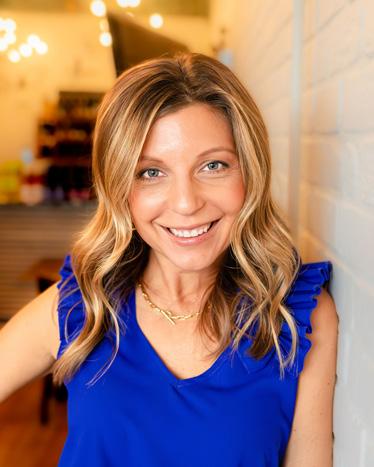
Jessi Bixler is an author, speaker, and leader whose work strips away the "quick-fix" narrative of recovery to explore the honest, long-term arc of healing. Drawing from her lived experience and years of work alongside sexual assault survivors, she writes at the intersection of leadership and resilience, focusing on how unprocessed trauma shapes our bodies, our faith, and our communities.
Jessi is committed to helping individuals and organizations move past the performance of "being okay" toward a leadership of presence and long-term restoration.
The tragedy of the unspoken story is that it can destroy the very relationships that are essential to our healing. We take our pain out on the people who are closest to us because they are the only ones safe enough to witness it. We are terrified that if we show the cracks, the whole structure of our leadership will fail. But the opposite is true.
Authentic leadership in the modern age requires a new kind of transparency. It doesn't mean sharing every detail of our trauma with everyone we meet, but it does mean leading with the awareness that we, and those we lead, are likely carrying invisible weights. When we acknowledge that healing is a daily choice rather than a finished task, we give those around us permission to be human, too. We move from a leadership of 'perfection' to a leadership of 'presence.'
We often keep our stories unspoken because the language for this kind of pain is hard to find. But there is a silent, heavy cost to that secrecy. When we finally begin naming what happened, we start taking the power away from 'X.'
As I’ve realized in my own life, if I don’t try to move forward and work through the trauma when those moments of fear or dissociation come, then I am letting 'X' take even more from me than he already stole. For me, that is simply unacceptable. Choosing to move forward isn't a one-time victory or a 'six-week' fix; it is a gritty, conscious choice made every single morning. It is the decision to lead and live not in spite of the scars, but with a full, honest acknowledgment of them.
Silence protects the perpetrator, but it slowly erodes the survivor. By speaking, even if it is only to a therapist, a spouse, or a blank page, we begin to externalize the pain. We move it from something that owns us to something we own.
The truth about the things we carry is that they never truly leave us. Twelve years later, twenty years later, the "fight or flight" response may still trigger. A certain smell, a specific lighting, or a momentary absence of a loved one can send us back to that lounge chair in Jamaica, making us feel as if we are floating away from our own lives.
But the difference between then and now is the toolkit.
We stop waiting for the day when the trauma will be gone. We stop looking for a "back to normal" that doesn't exist. Instead, we accept that the trauma is there, and we learn how to work through the moments when it flares up. It isn't about a cure. It is about a daily commitment to move forward so that we don't lose any more of our lives to what was stolen. We do the work because staying where we are is no longer an option.
We carry these stories so that others don't have to carry theirs in silence. We speak the unspoken so that the "floating" can stop and the specific work of grounding can begin. For those of us who have been through the fire, living a life untouched by trauma is no longer an option. But we can choose to live a life defined by our resilience, our presence, and our refusal to be diminished.
That is not just an option. It is our greatest calling.


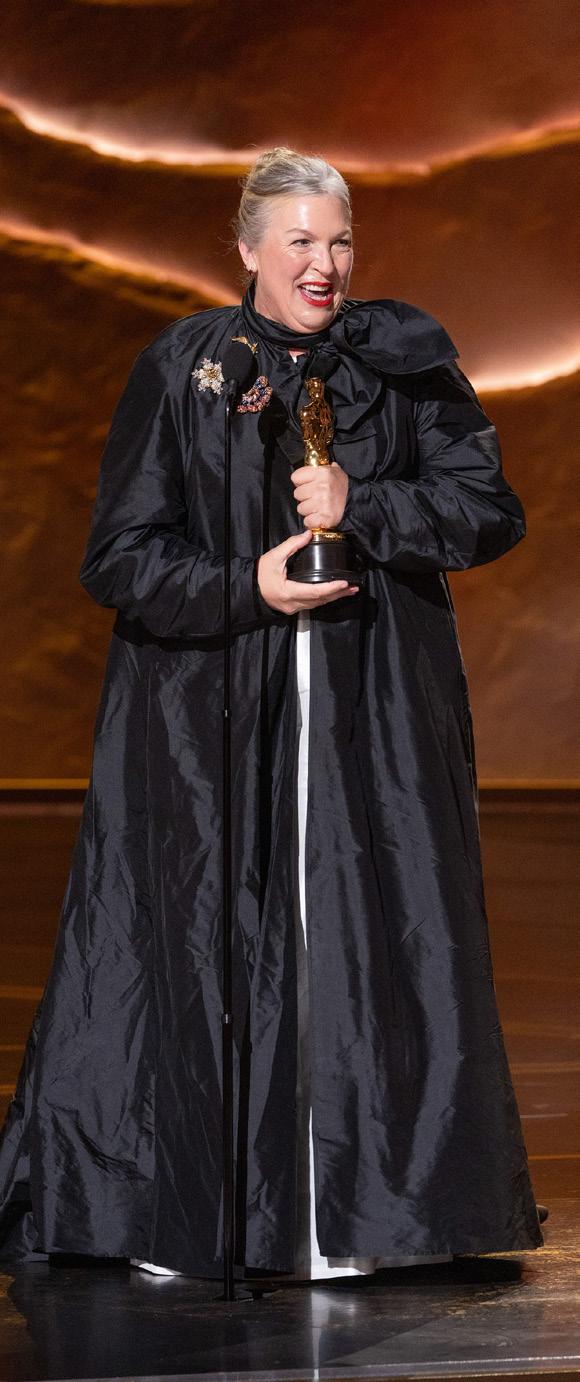
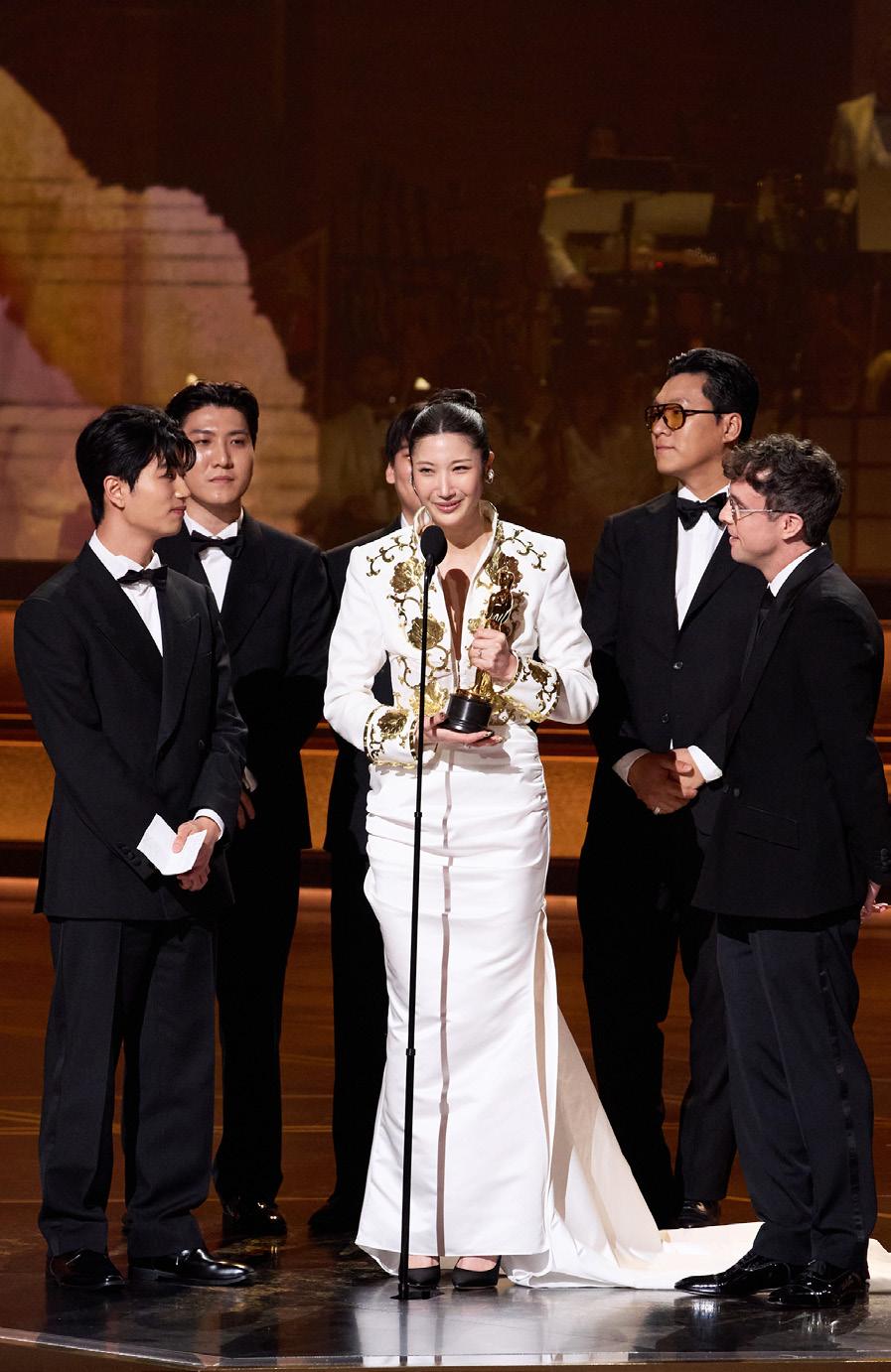
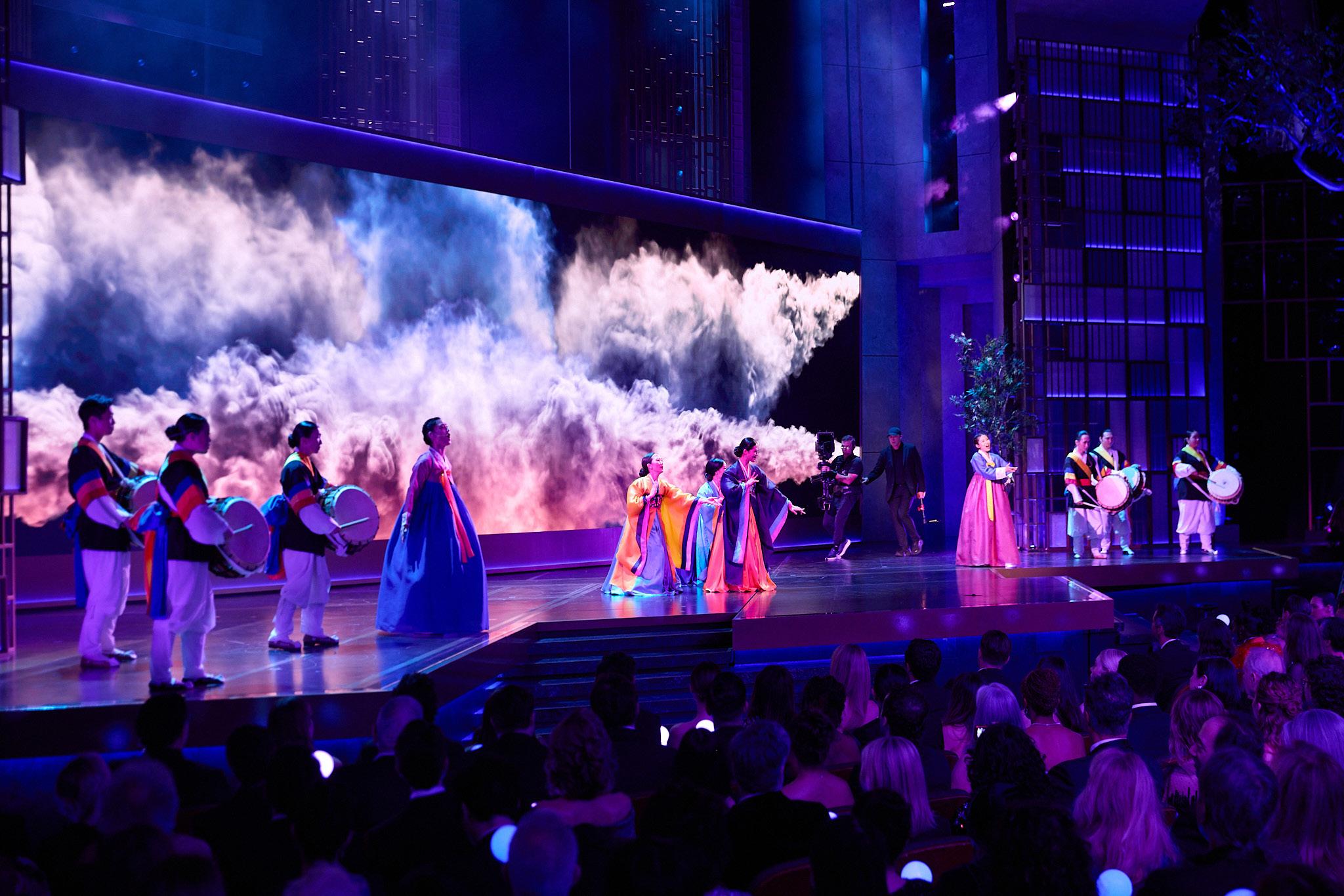
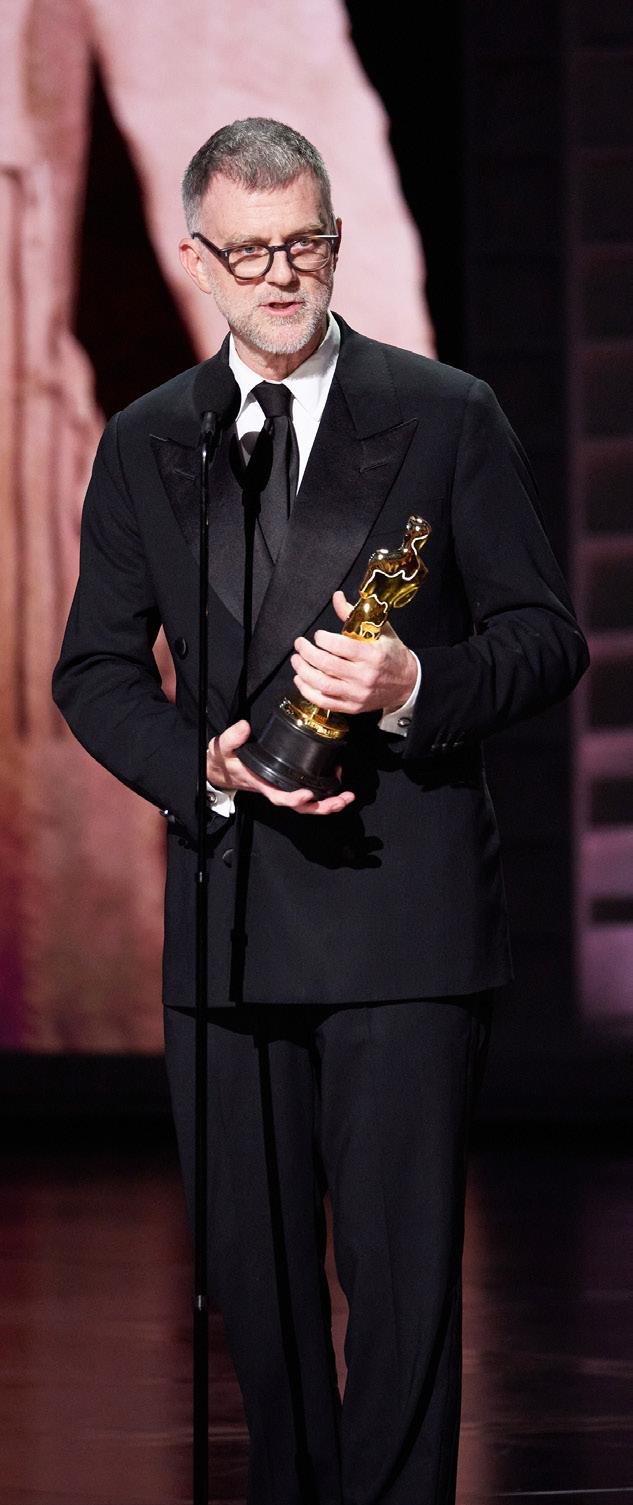
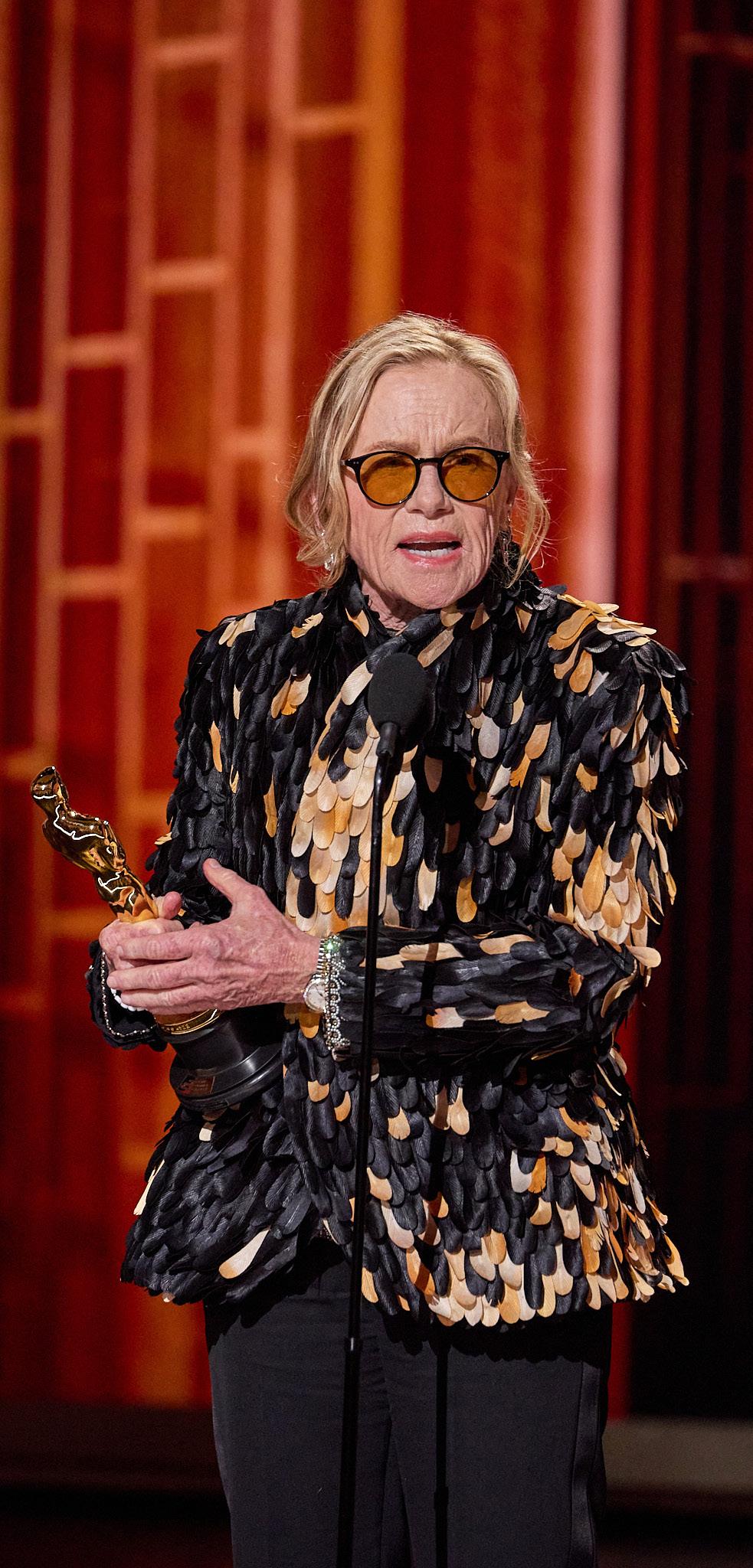
The 98th OSCARS® night unfolded as an evening of elegance, celebration, and cinematic excellence, capturing the timeless magic that defines Hollywood at its finest.
The atmosphere shimmered with sophistication as industry icons and rising stars gathered to honor their year’s most compelling storytelling.
From unforgettable speeches to dazzling re-carpet moments, the right was a beautiful reminder of the power of film to inspire, unite, and elevate the human experience. The 98th OSCARS® night was not just an awards ceremony; it was a tribute to creativity, passion, and the enduring art of cinema.






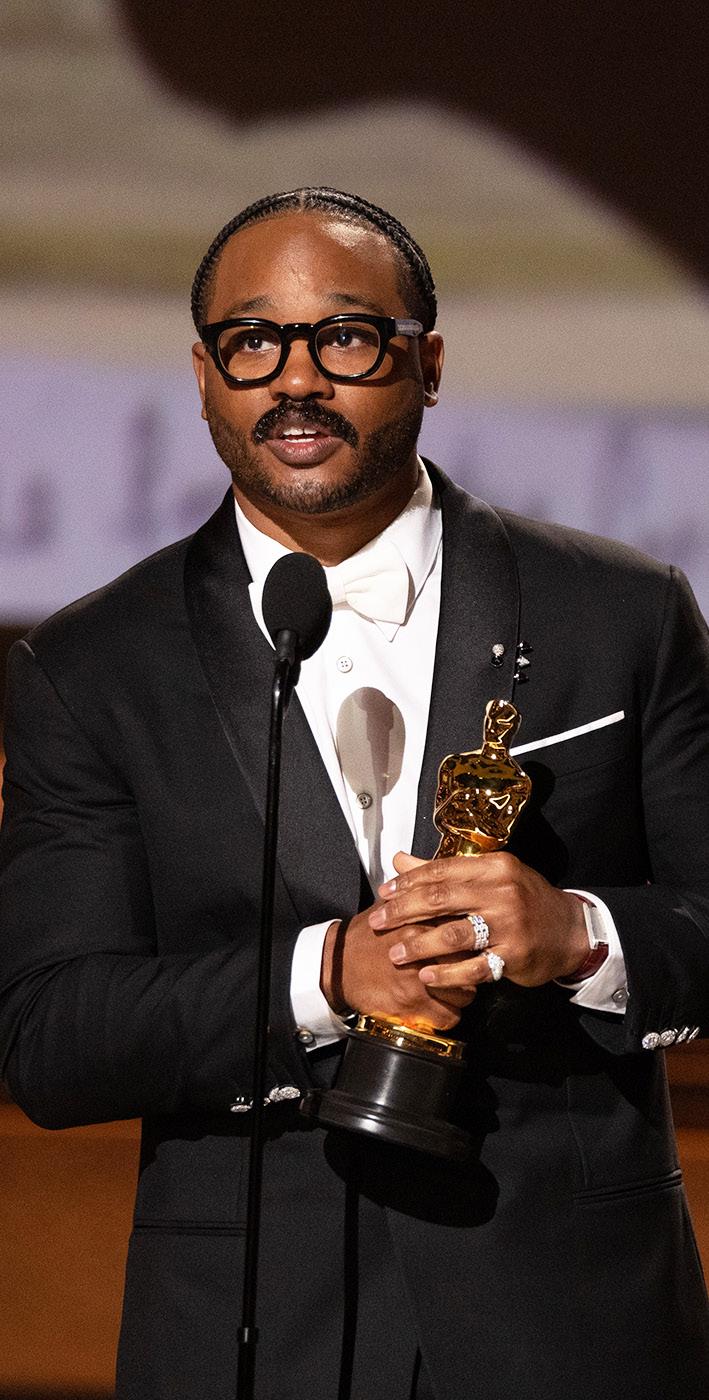




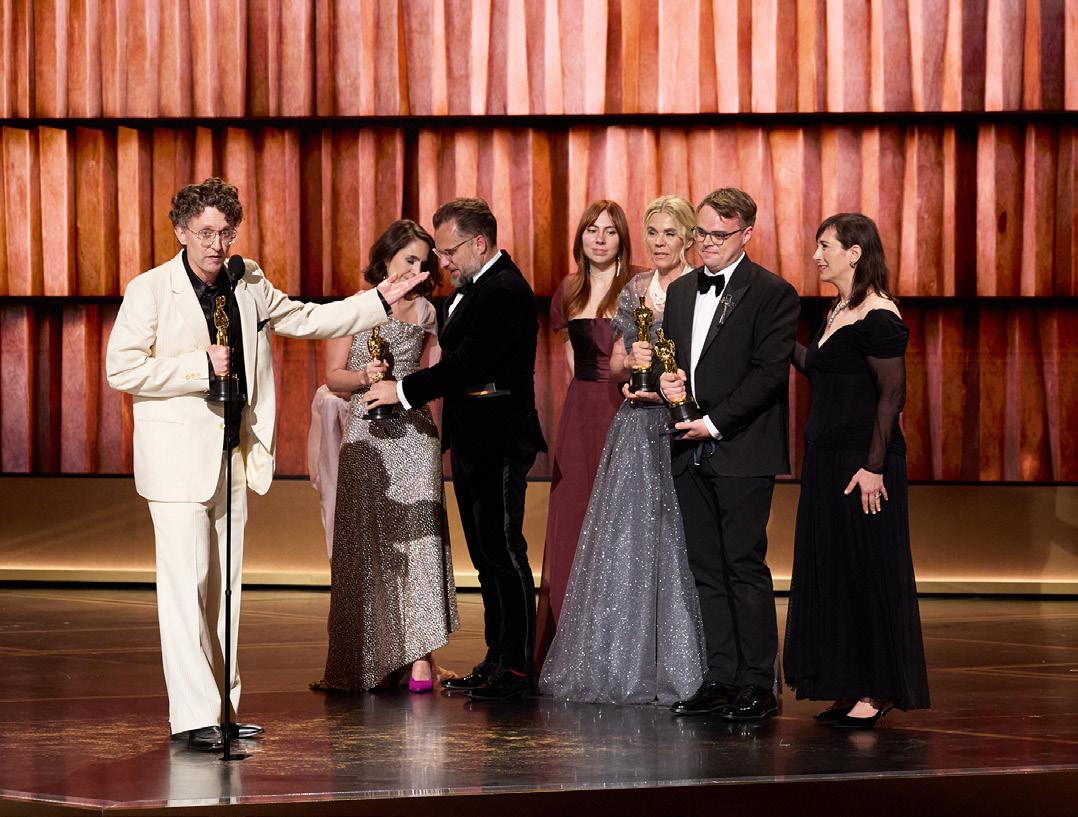
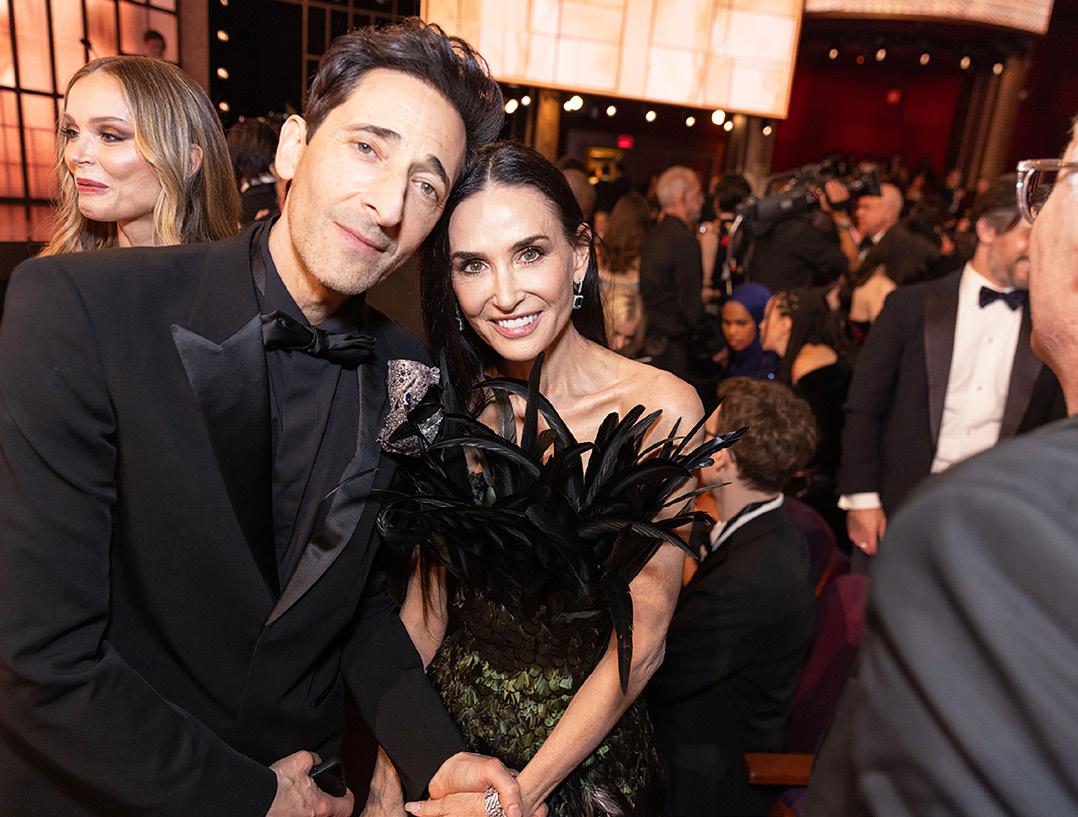


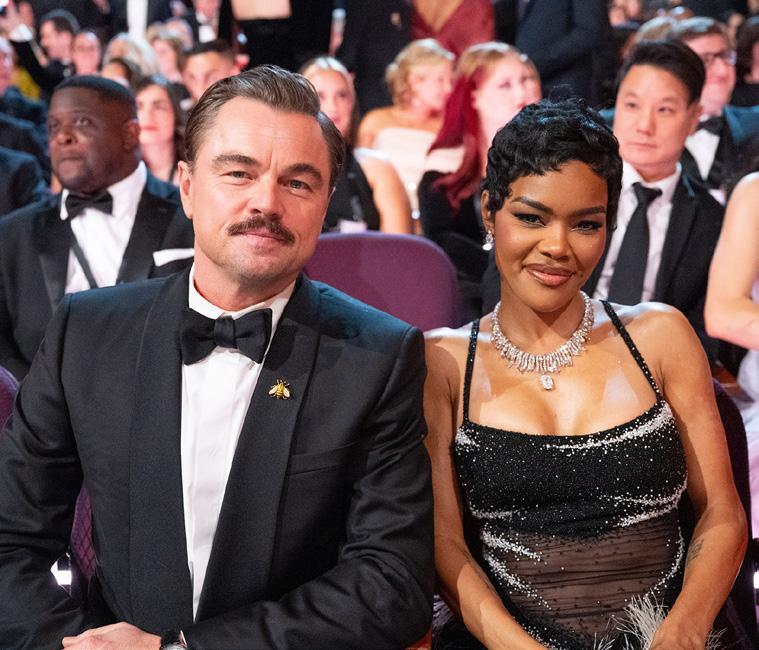
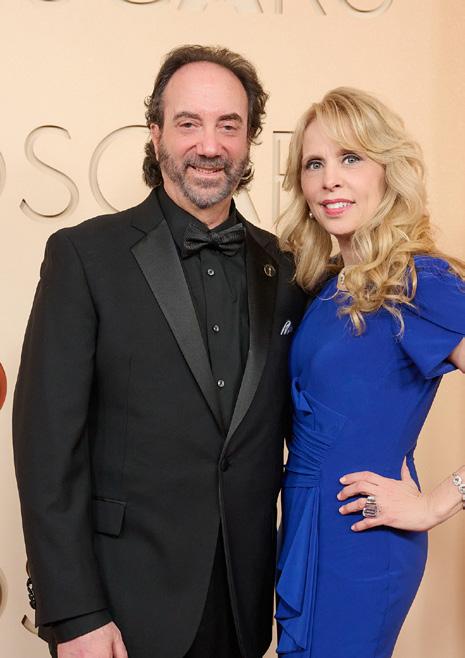

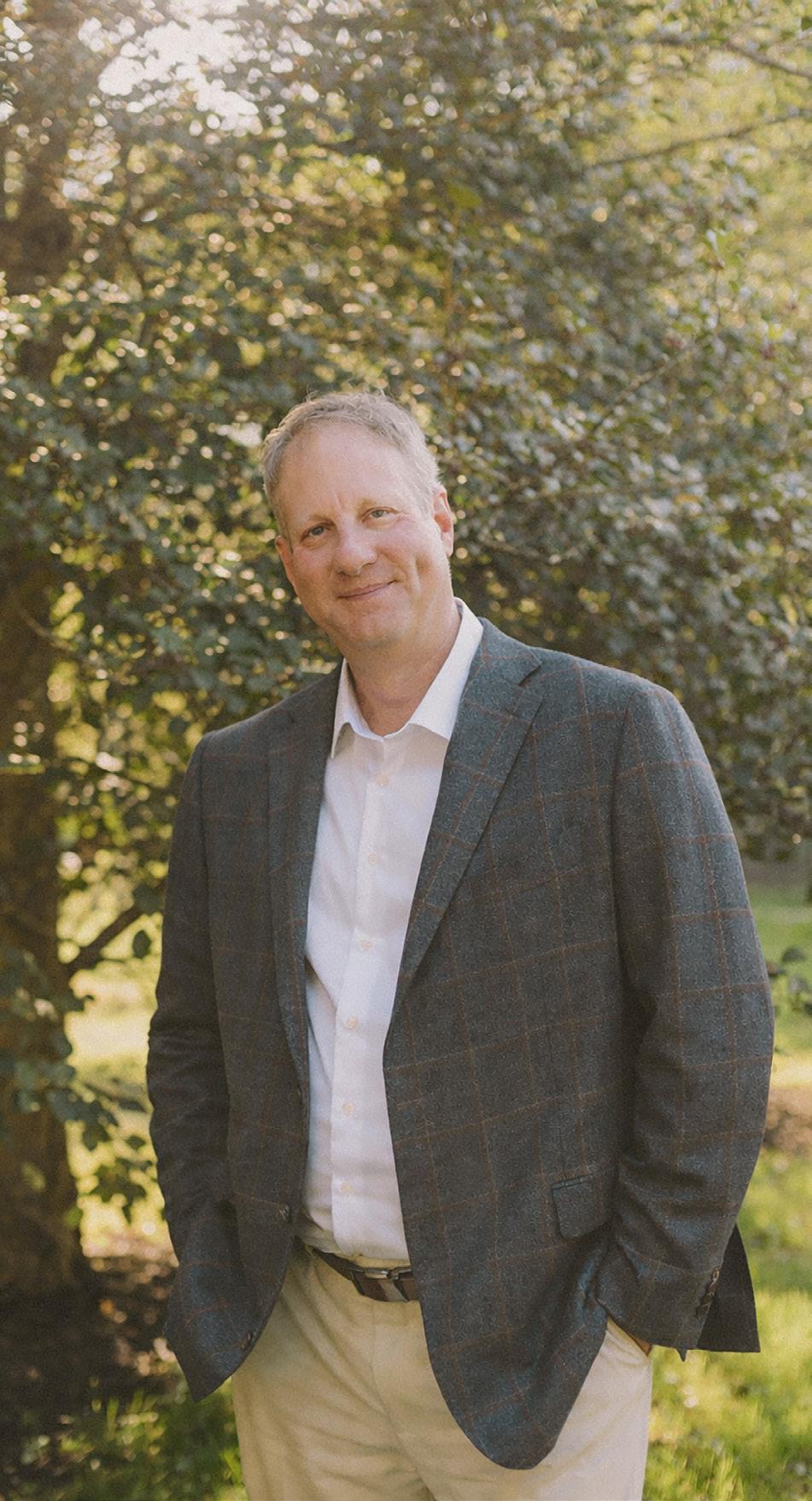
Storytelling often grows from the intersection of memory, observation, and the courage to confront difficult truths. For author Michael A. Heines, that intersection becomes the foundation of his debut novel, True Freshman, the first installment in a coming-of-age mystery series set on a Midwestern college campus in the early 1980s. Drawing inspiration from real tragedies involving students at The Ohio State University and the sobering reality that many college women face sexual violence, Heines crafts a story that blends nostalgia, suspense, and social awareness. Through the eyes of an eighteen-year-old freshman navigating independence, friendship, and the uncertainty of young adulthood, the novel explores the fragile moment when innocence begins to give way to experience. With emotional depth and a keen sense of place, Heines invites readers into a world where the promise of college life collides with the harsh realities that can shape, and sometimes shatter, the journey into adulthood.
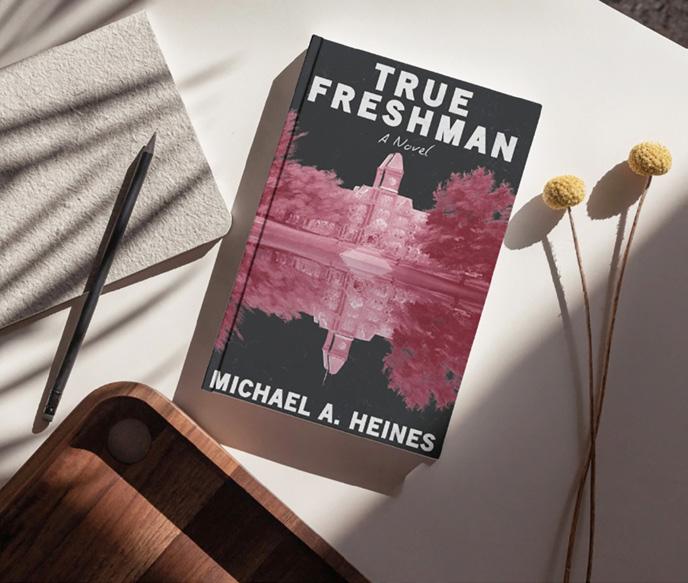

True Freshman is rooted in real events and social realities. What first compelled you to transform these painful histories into a coming-of-age mystery rather than a purely factual account?
We are so accustomed as a society to hearing about murder and or sexual assaults every night on the news, totally inundated, and not making any comments or expressing personal feelings. I was listening one evening to the news on a murder that happened at Ohio State. Being a graduate made me sad, and I took it personally. My experience there was so positive, and this hurt. This is my own way to get the word out, create a call to action to start a conversation, and hopefully educate.
The novel is set on a Midwestern college campus in the early 1980s. Why was this specific time period important to the story, and what does that era reveal about youth, freedom, and vulnerability?
This story is set prior to social media. Landlines and innocence. In some ways,

the world is now way bigger with the internet; it’s been transformed. That’s the reality we live in today. The personal touch is slipping away, and I believe some students are still vulnerable and naïve with the world at their fingertips; however, they will continue to confront problems and growth. I wanted the story to be about my college years, with a personal connection. That time is relatable to me and allows me to tell the story my way with nostalgia. People like nostalgia.
Daniel Campbell is introduced as "very average and very unprepared." What drew you to create such an ordinary protagonist, and how does his ordinariness shape the emotional impact of the story? Every kid going to college at some point is ‘average and unprepared’. You can go to college as the homecoming king or the nerd or whatever you were in high school, and college is a clean slate. In college, no one cares who you were in high school. It is the ultimate growing period. Even kids who do not go to college welcome the fresh start. It’s life’s beginning.
There were dumb decisions, young decisions that my grown adult probably would not have made. We all make those and learn from those

The transition from innocence to experience is a central theme in True Freshman. In your view, what is the most fragile moment in that transition for young adults?
Most kids leave home and have never been away, living by themselves, responsible for their own actions, without mom or dad or a guardian. One can go to class or sleep all day. One can party all day. The decisions are theirs and theirs alone. This is when the transition begins. This is when personal newfound responsibility begins along with personal discovery, which can be overwhelming.
Campus safety and sexual violence remain urgent issues today. How did you balance telling a compelling mystery while honoring the real-world gravity of these experiences?
The current stats are unacceptable. Maybe my story can help with that. Today, call stations, cell phones, tracking, and services are more prepared than in my day. There is always room for improvement. The story hopefully captivates young adults, their parents, and even adults out of school who are not yet married. NO still means NO, and that story needs to be repeated.
When Daniel's best friend becomes a victim, his world shifts dramatically. What did you want readers to understand about fear, responsibility, and moral courage through his response?
Not to give up. Not to give up on friends, family, and or relationships. Not to give up on school, or if not in school, work or a career. Continue the fight to learn and succeed.
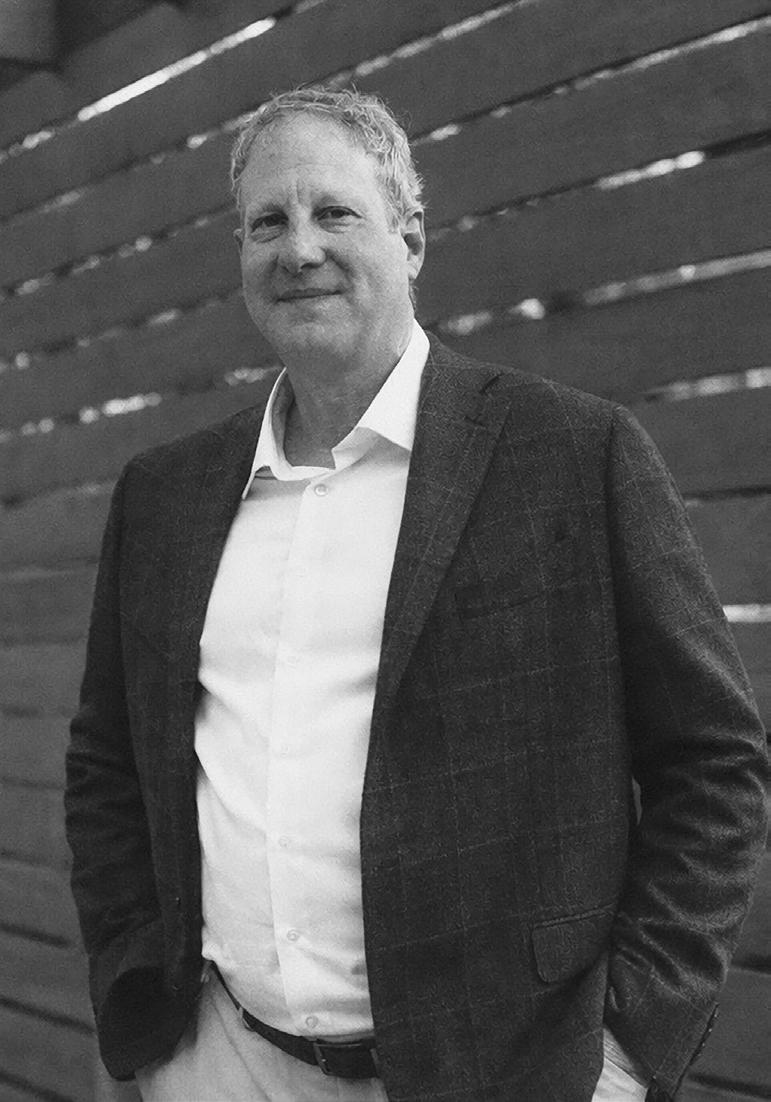
Michael A. Heines author of True Freshman lives and works in Cincinnati, Ohio.
He has over 35 years of local and national real estate experience, specializing in the acquisition, renovation, zoning, and construction of commercial and residential properties. While his career includes writing contracts, bids, and government grants, he has spent many years working with industry professionals on developing and editing the story and manuscript.
Mr. Heines has a Bachelor of Business Administration fromThe Ohio State University and an Ohio Real Estate License.
Nostalgia plays a strong role in the novel, yet it is contrasted with darkness and danger. How do you see nostalgia functioning in the story—does it comfort, deceive, or awaken awareness?
Everyone likes nostalgia in a story. From quoting movie lines to talking about past sporting events to even past trips or experiences. We live, laugh, and grow from these experiences. There is no deception or discomfort, just enhancing the story. This was a positive time in my life, and I believe this will resonate with the reader and ground the story.
Looking back at your own freshman year and the person you were then, what do you wish someone had told you about courage, awareness, and taking care of one another?
Several things took me a while to sink into my thick brain. Thick. Thought I knew everything, but I was sometimes cocky, which I didn’t and wasn’t. Having dated in high school, thought I also knew everything. Not even close. Had good friends growing up, then college friends, which I have been able to keep for life. I wish I had made more of an effort on some of those relationships. A relationship is two-sided; I needed my side to step up. Sometimes I forgot what was important. I was always a strong person, but age makes you more aware and wiser. Finally, the way I valued an education was skewed. Yes, it was important, but I should have valued it more than I did.
Your professional background is far from fiction writing. How did your life experience, observation, and years of collaboration shape your voice as a novelist?
My work experience is ‘way far’ removed from fictional writing. Writing was (is) a hobby and part of my alone time. It calms me down and allows me to be creative in my own way. I do enjoy the history of real estate. I collect architectural salvage.
It allows me to have a personal connection with what I’m doing on that piece of property. For example, the door handle, the window frame, or even just a box of old tools from the basement tells a story.
True Freshman speaks to both young readers and older generations who remember their own college years. What conversations do you hope the book sparks between generations?
Parents, their kids, their young adults, grandparents, families and in between generations should all view this novel with adult discussions. Being alone for the first time comes with the responsibility to yourself. How to take care of yourself and take care of friends with respect for others. Learn community responsibility along with building your personal self as an adult.
As this is the first novel in a new series, how do you see Daniel's journey evolving, and what deeper questions about identity, safety, and adulthood do you hope to explore next?
This is the first book in a series. Dan not only evolves as a student and as a young adult, but also as a Federal Agent. The series takes you through his journey. I cannot spoil the story.
Writing about fear, loss, and vulnerability can be emotionally demanding. Was there a moment during the writing of True Freshman that stayed with you or changed the way you see your own past?
I have gotten emotional throughout the writing. It was personally kind of strange. Didn’t expect it. There are always experiences I wish I either didn’t have or could change. There were dumb decisions, young decisions that my grown adult probably would not have made. We all make those and learn from those. In life, that’s how we learn, and that’s how Dan learns and grows to be what he becomes.


In every community, there are individuals whose leadership is guided not only by responsibility but by compassion, purpose, and a deep commitment to the people they serve. In the iconic city of Beverly Hills, a place recognized worldwide for its beauty, culture, and influence, Mayor Sharona Nazarian embodies a leadership style rooted in empathy, inclusivity, and service.
In this special April feature, The Eden Magazine sits down with Mayor Nazarian inside the historic halls of Beverly Hills City Hall to explore the journey that shaped her path to public service. As the first Iranian-American woman elected to the Beverly Hills City Council and now serving as Mayor, Nazarian represents a powerful example of how cultural heritage, perseverance, and a commitment
to community can shape meaningful leadership.
Her story is one of resilience, service, and deep connection to the people she represents. From championing inclusivity and cultural understanding to supporting local businesses, education, and community well-being, Mayor Nazarian’s work reflects a belief that cities thrive when compassion and collaboration guide decision-making.
Mayor Nazarian discussed with us the values that shaped her path, the lessons she carries as a leader, and the vision she holds for the future of Beverly Hills. At its heart, her message is simple yet powerful: when leadership is guided by compassion and respect for humanity, communities flourish.

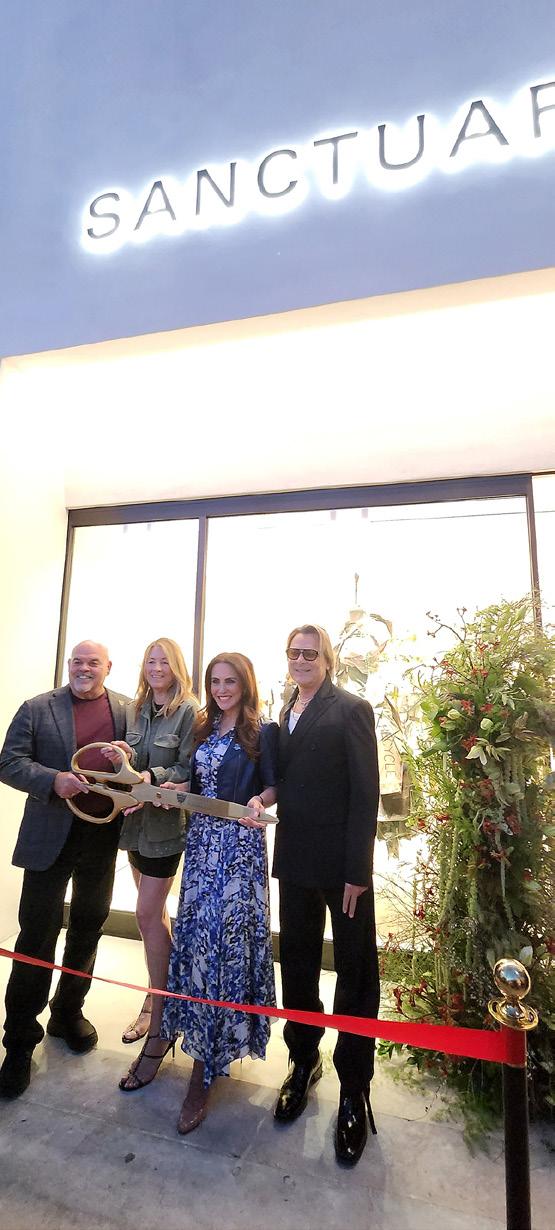

Your journey to becoming the Mayor of Beverly Hills is inspiring. What personal values have guided your leadership and commitment to serving the community? When I was campaigning for City Council, I knocked on 3,100 doors before I ever sat on the dais. I walked every neighborhood, spoke to residents in single-family homes and multifamily buildings, and listened to what our community wanted. One woman told me no candidate had visited her in forty years. That moment shaped how I lead.
Beverly Hills may have global recognition, but I have a personal connection to this City. My values are simple: show up, do the work, and represent everyone, regardless of race, religion, or cultural background. As an immigrant who rebuilt her life here, I do not take opportunities lightly. A great leader is someone who is present, accessible, and follows through with their plans.
Beverly Hills is known globally for its glamour, yet every city has deeper human needs. What humanitarian initiatives are you most proud of supporting or advancing during your time as mayor? I am most proud of my initiatives that strengthen the human side of our city. This year, I had 14 Mayoral initiatives that set a standard for how we treat one another, provide information, and strengthen public safety.
Through my BH Wellness Network, we prioritized mental health and prevention by offering an affordable membership to help cover out-of-pocket emergency transport fees.
With BH Fire Watch, we reinforced readiness and protection by implementing additional cameras in our high-fire areas and monitoring them 24/7. Our City’s WaterSmart App helped advance our conservation goals by enabling residents to track their water usage.
I also introduced AI Blue Scribe to modernize how we govern and protect our community, using AI technology to aid in report writing so more police officers could be on the streets. BHPD Live Link was also implemented to help our residents file cases by providing information directly and in real time.
Even a city with a small-town feel must think globally and operate efficiently. Throughout my term, we have effectively balanced our budget. We’ve also spent time advocating for new businesses to come to Beverly Hills through my Unity Through Tourism initiative. “Shop, Dine, Stay in Beverly Hills” is more than a tagline. It supports our local businesses, sustains jobs, and reinforces our global brand. When visitors experience our restaurants, hotels, and boutiques, they are not just consuming luxury. They are engaging with a community built on excellence and hospitality.
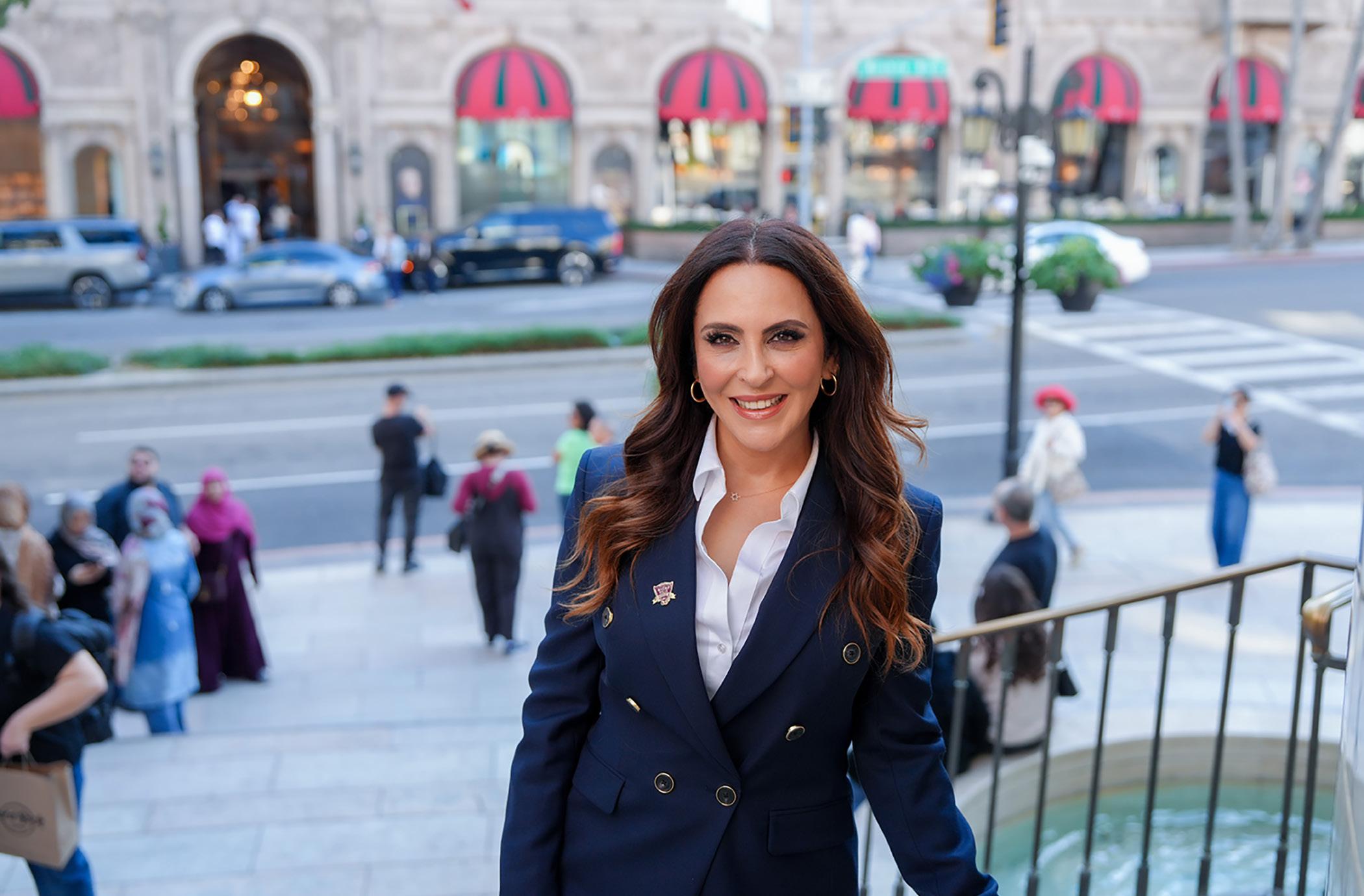


Outside of your work, is there something you are passionate about that gives you immense pleasure and satisfaction? Mentoring young women brings me real joy. When young girls tour City Hall and begin asking sharp, confident questions, you can see their mindset shift. It’s important that we continue to encourage women of all ages to use their voices and be trailblazers in their industry. That’s why it was important to me to create a special event called Women Owning Their Future that showcased a panel of top female leaders. It’s all attainable when leadership stops feeling distant and starts feeling possible.
I also value family traditions deeply. The women who raised me created homes filled with structure, warmth, and expectation. That balance continues to guide me.
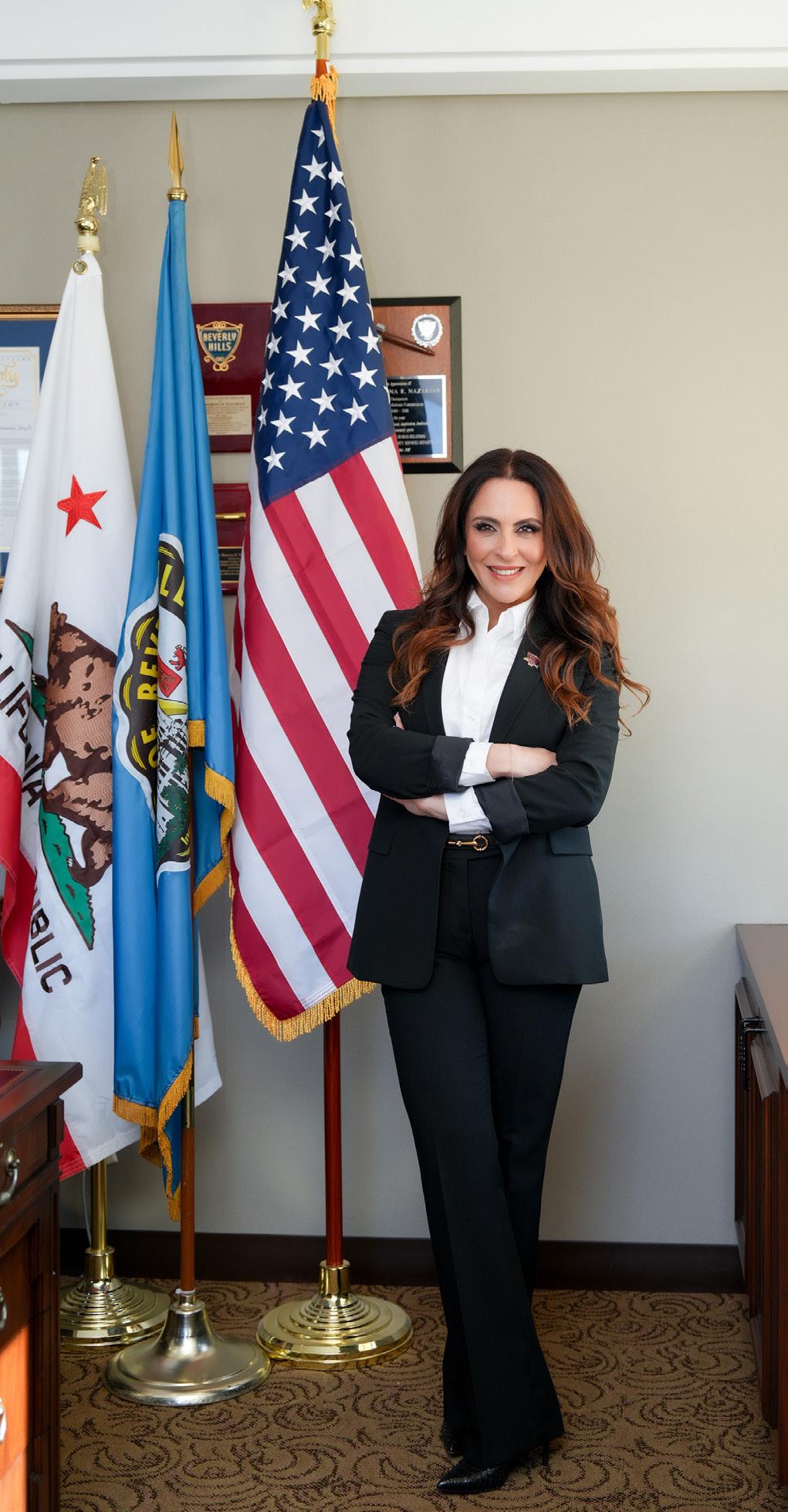
As a woman in leadership, what challenges have you faced, and how have those experiences shaped your approach to empowering other women?
As a female leader, you are often evaluated differently. Strength can be misread. Directness can be labeled unfairly. I chose preparation over defensiveness.
Hosting events that spotlight female leaders was important to me. Education gives way to empowerment. During my Women Owning Their Future event, we spoke honestly about reinvention, financial independence, and knowing when to pivot. Hopefully, this inspired women who attended to break through any barriers and rise above challenges.

I also value family traditions deeply. The women who raised me created homes filled with structure, warmth, and expectation. That balance continues to guide me.
What life experiences most deeply shaped your compassion and desire to give back?
Leaving a country because of religious persecution permanently shapes your understanding of freedom. Starting over in a new language teaches humility and determination. Becoming a psychologist and a mother showed me where systems work and where they fall short.
Instead of standing on the sidelines, I stepped in. I served on commissions. I reorganized the LA County Commission for Alcohol and Other Drugs. Compassion must be paired with structure. That belief still guides me.
Community well-being goes beyond infrastructure. How have you worked to foster a sense of belonging, inclusion, and compassion among the residents of Beverly Hills? Belonging does not happen by accident. It must be cultivated.
I created numerous initiatives that supported inclusion and belonging. My Sunday Socials with Sharona brought together active adults and youth for meaningful connections and shared learning. Straight Talk with Sharona connected residents directly with the departments and partners who serve our city every day.
Spotlight with Sharona was an opportunity to showcase some of our city’s hidden gems, including local shops, cuisine, and creativity found in our boutiques, flagship stores, and restaurants.
My two social media series, In the Know with Mayor Nazarian and Moments of Inspiration with Mayor Nazarian, were created to make local government more approachable and share facts about our city’s rich history and offerings.
Beverly Hills is internationally recognized, yet it functions best when neighbors feel comfortable reaching out to one another and to their mayor. Our business community is part of that fabric. When residents and visitors choose to shop, dine, and stay locally, they strengthen the ecosystem that keeps our city vibrant and financially sound.
What does women’s empowerment mean to you, and how do you hope your example influences young girls growing up in Beverly Hills and beyond?
Women’s empowerment means ownership of your life and your direction.
It means understanding that you can evolve, pivot, and grow without apology. When young girls walk through City Hall and see someone who once navigated a new country and a new language now leading, it expands their imagination and inspires them to become leaders.



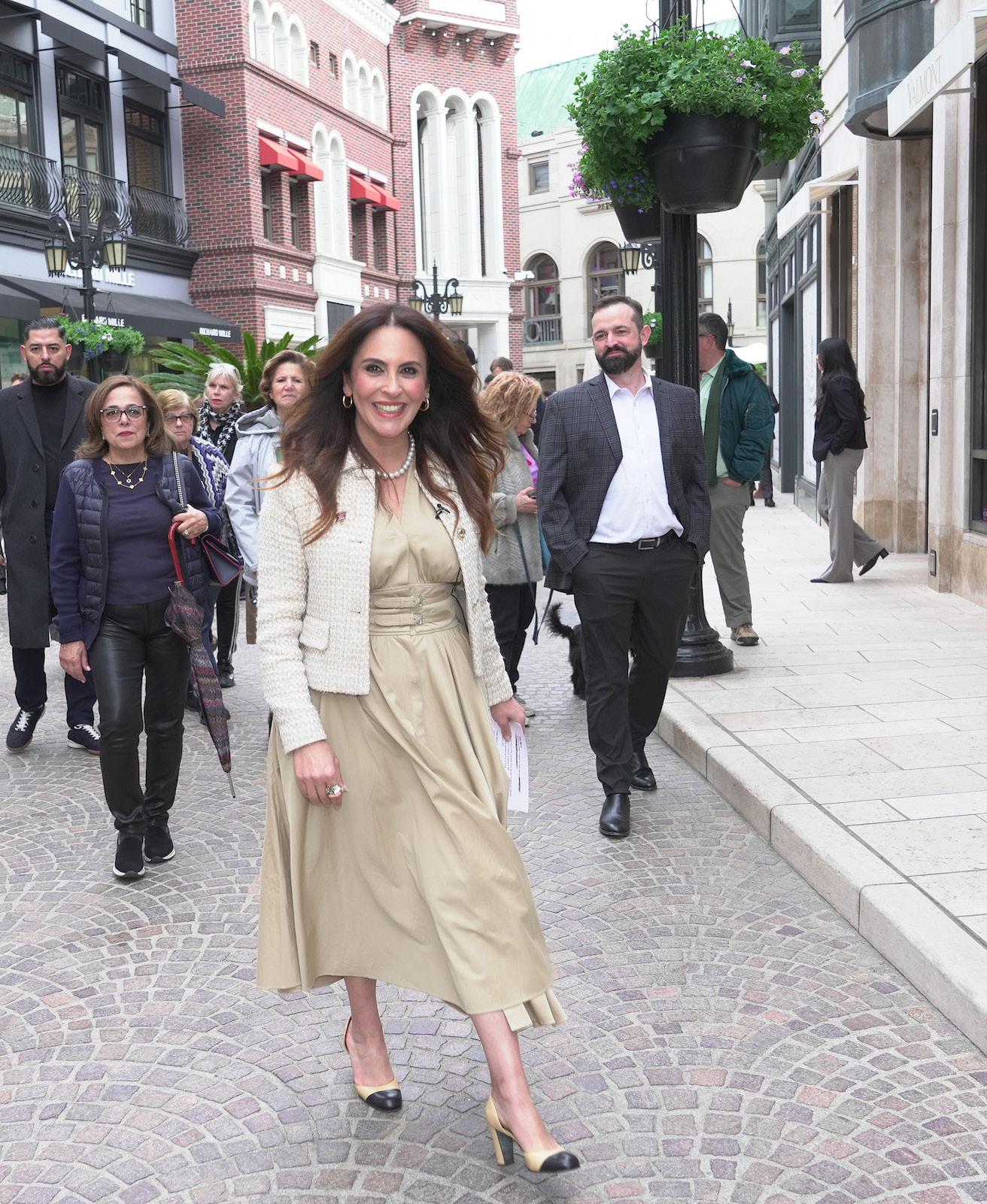
OF YOUR LIFE AND YOUR DIRECTION. IT MEANS UNDERSTANDING THAT YOU CAN EVOLVE, PIVOT, AND GROW WITHOUT APOLOGY.
Many leaders speak about service. How do you define true service, and how has that definition influenced your work as mayor? True service is putting in the effort when it would be easier not to.
It is answering uncomfortable calls. It is attending meetings that are not glamorous. It is taking responsible risks to improve safety, efficiency, and accountability.
Service is not performance. It is consistency.
What are some of the life lessons or traditions you have taken from the women who came before you, like your mother, grandmothers, and aunts, and that you cherish and hold dear?
The women in my family were steady and strong, and they inspired me to get to where I am today. They brought joy and discipline into the same room. They quietly held families together, yet with strength. They taught me that it’s important to listen to those who need to be heard and to learn from them. I have applied these family values to my work at the city every day.
What long-term impact would you like your leadership to leave on Beverly Hills, not just in terms of policy, but in spirit and culture?
I want Beverly Hills to be known
for unity.
Not just as a destination, but as a community that bridges differences and listens to one another. A city that maintains its small-town connection while remaining globally relevant in innovation, sustainability, civic culture, and tourism.
When people around the world think of Beverly Hills, I want them to think beyond glamour. I want them to think of a city that sets standards, supports its businesses, and welcomes the world while staying true to its community roots.
We are a city that welcomes everyone. Not just during the summer vacation months, but all yearround. It’s that unique blend of five-star hospitality and warmth that attracts people to Beverly Hills. We also have world-class schools and performing arts facilities. I am proud every day to be part of this community, and I hope everyone can have the chance to experience how special it is.
Is there a particular day, event, or defining moment during your tenure that has influenced you personally or professionally, and what made it so meaningful? The defining experience was walking those 3,100 doorsteps.
You cannot understand a city from a podium. You understand it by standing face-to-face with the people who live there.
That experience reminded me that behind every policy is a household. And that perspective continues to guide every decision I make.
Special Thanks to:
Dr. Sharona Nazarian
Edited by: Dina Morrone
Photography by: Artin Mardirosian (Nexision)
Location: Beverly Hills City Hall

The DPA’s Hollywood Award gifting suite was held at the Luxe Sunset Boulevard Hotel. The DPA Diamond Gift Suite 2026 once again honored nominees with a spectacular gifting experience featuring 33 international brands across four garden suites.
Guests enjoyed exclusive gifts, culinary experiences, and unique offerings from global designers and wellness brands, while select nominees received special travel opportunities.
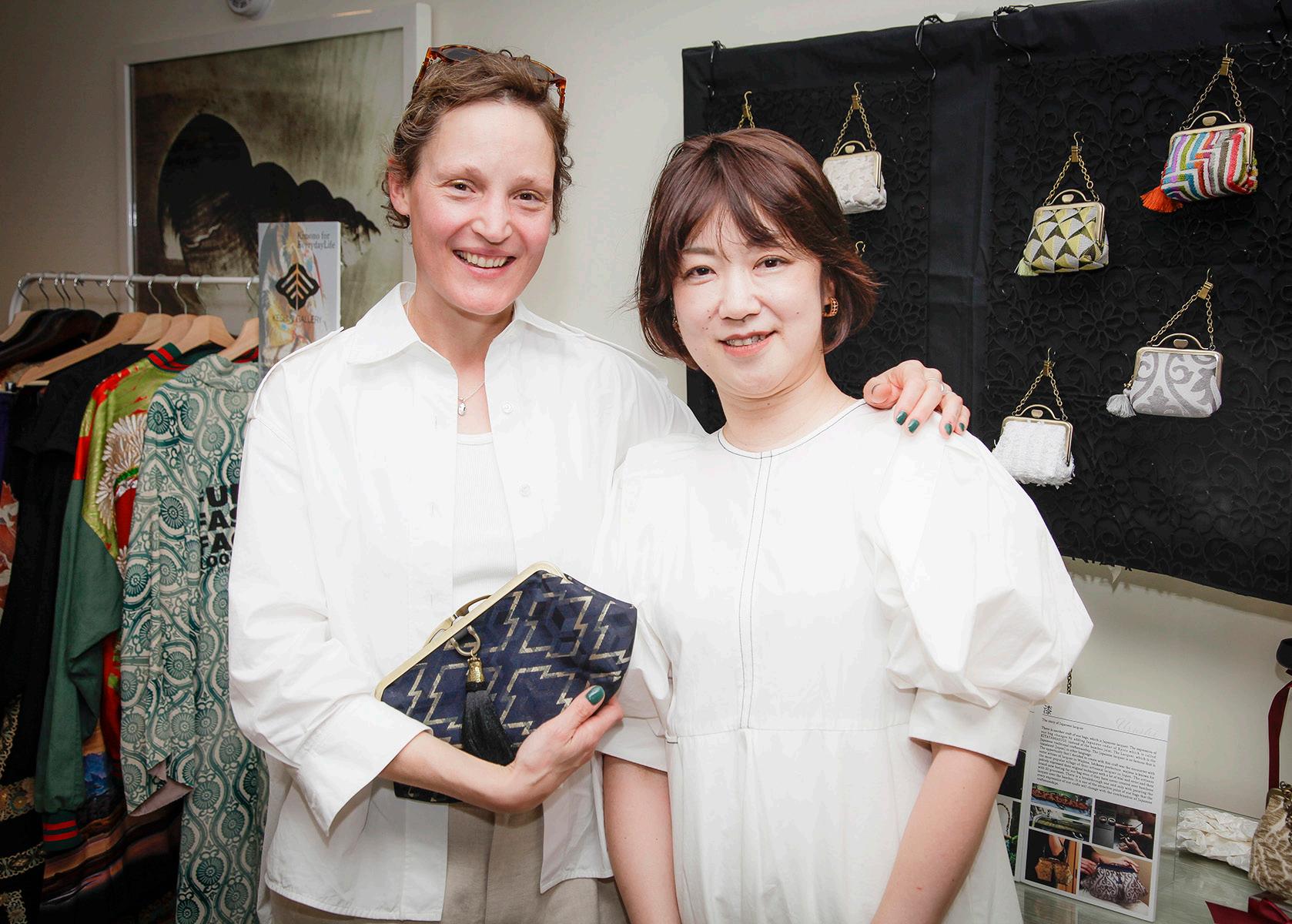
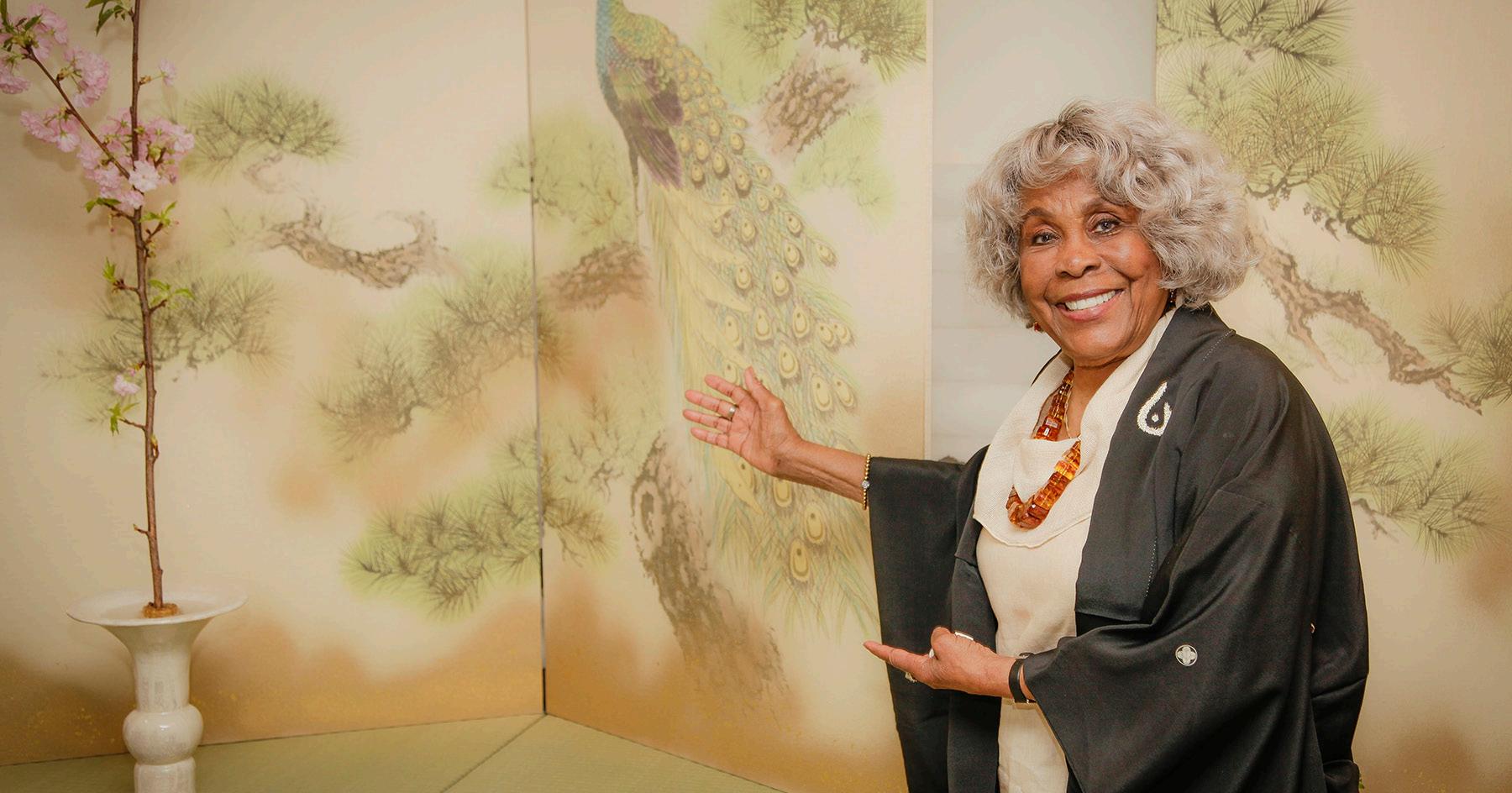
Led by Nathalie Dubois, DPA showcased a diverse range of luxury, fashion, beauty, and artisanal brands from around the world, including a special Japanese lounge highlighting traditional craftsmanship.
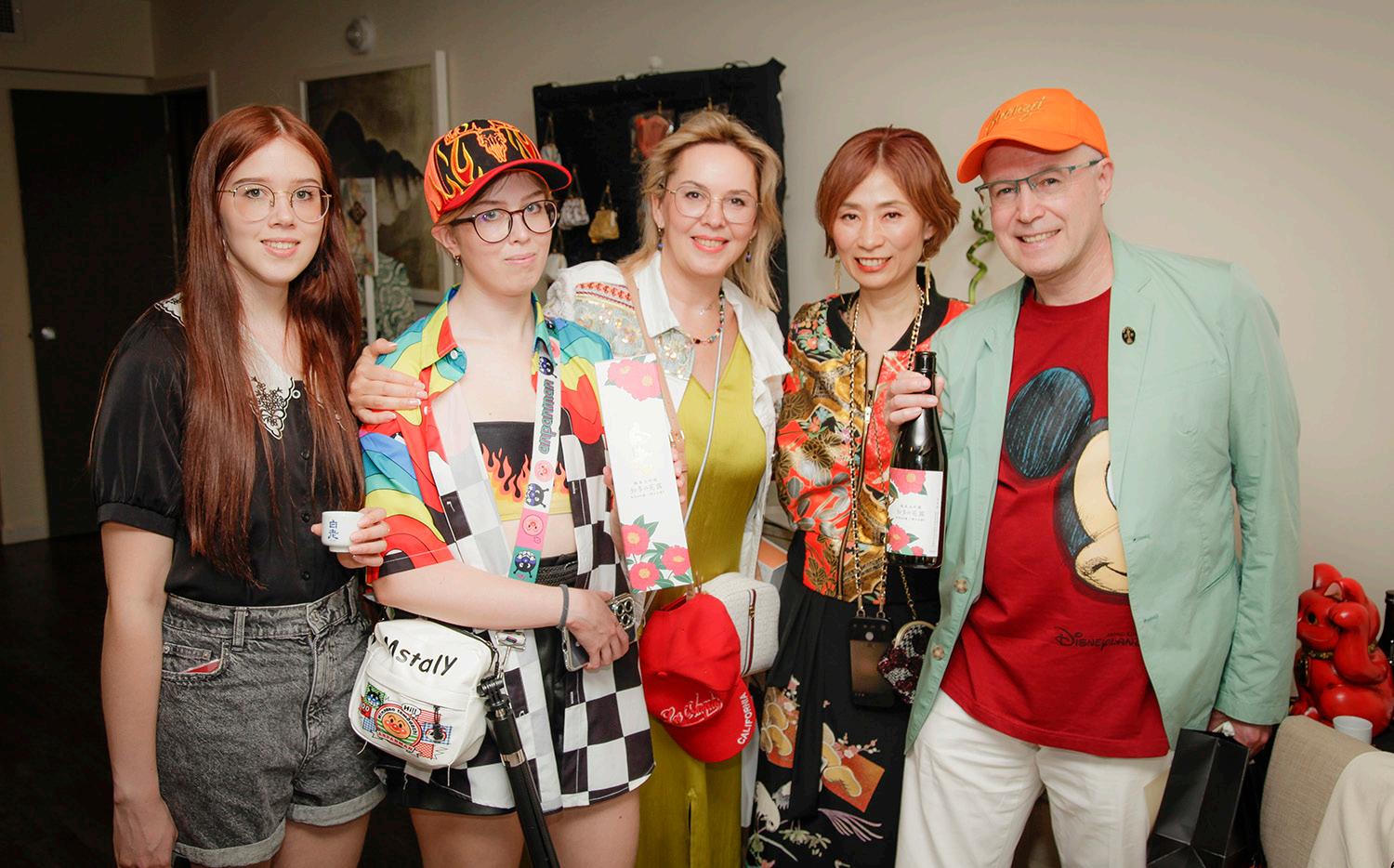
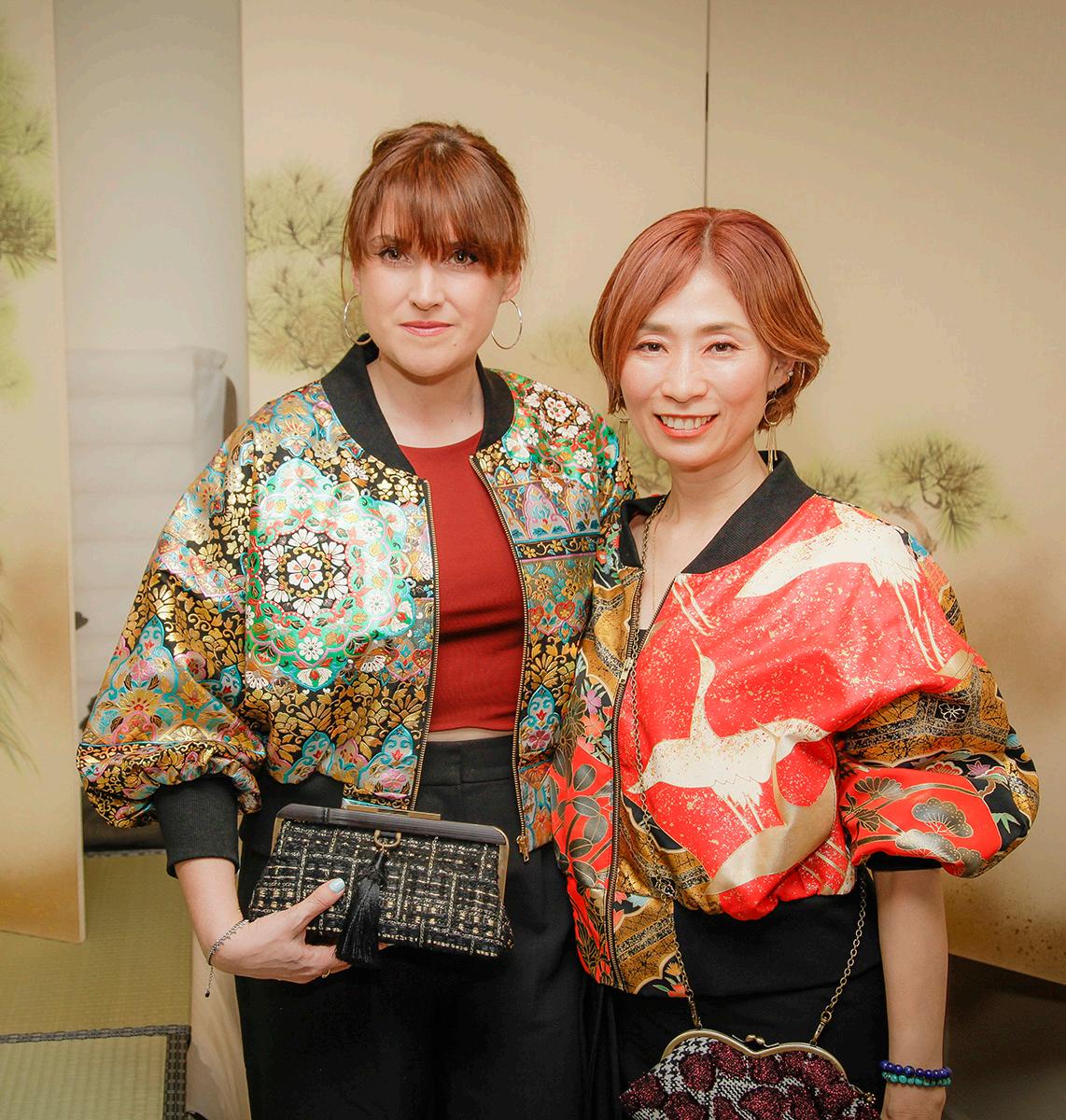
DPA began operations in Japan more than 20 years ago and opened an office in Tokyo with its Japanese partners in 2017. This year, DPA will once again create a small Japanese lounge with Soubou, where Japanese artisans will showcase their products to the DPA guests and the US market. Brands such as Kashiwaya, Sawada Shuzo, Harumaya Fukutarou, It Beauté, Keshiki Gallery, L’odeur de Kyoto, and Tatami Takaokaya will present centuries-old, traditional products and techniques to the guests, including handbags made with Bamboo handles, delicious teas, sake, matcha, ikebana, tatamis, kimonos, and more. Based in Japan and courtesy of DPA Partners (DPA’s Japanese branch), Mirai will showcase two beauty brands with innovative products: I’m Pinch and Ayune. More beauty products will also be provided by the Australian brands Ere Perez (Goop’s find) and Nebulyft, which will gift its incredible anti-aging device to selected guests.
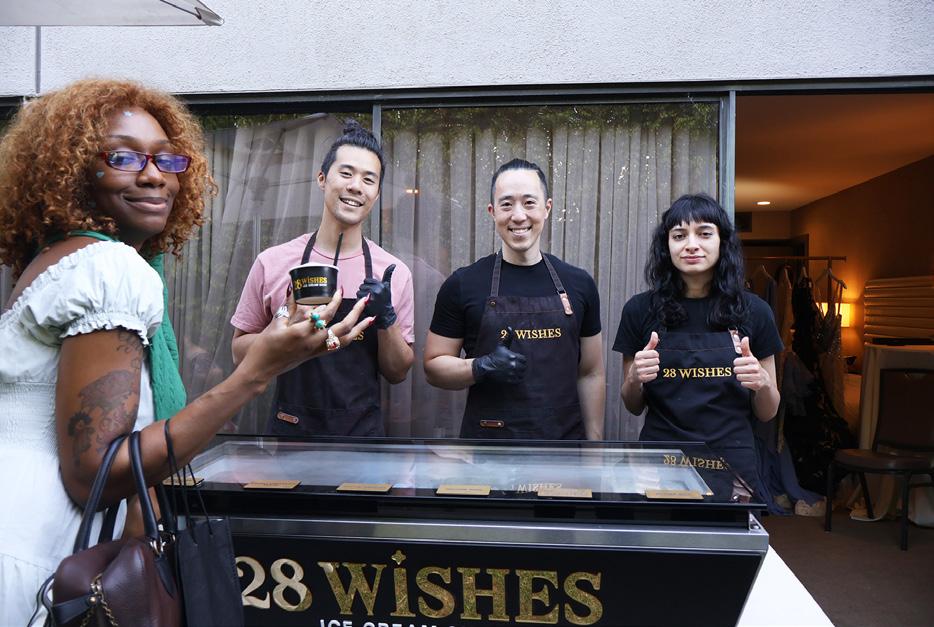
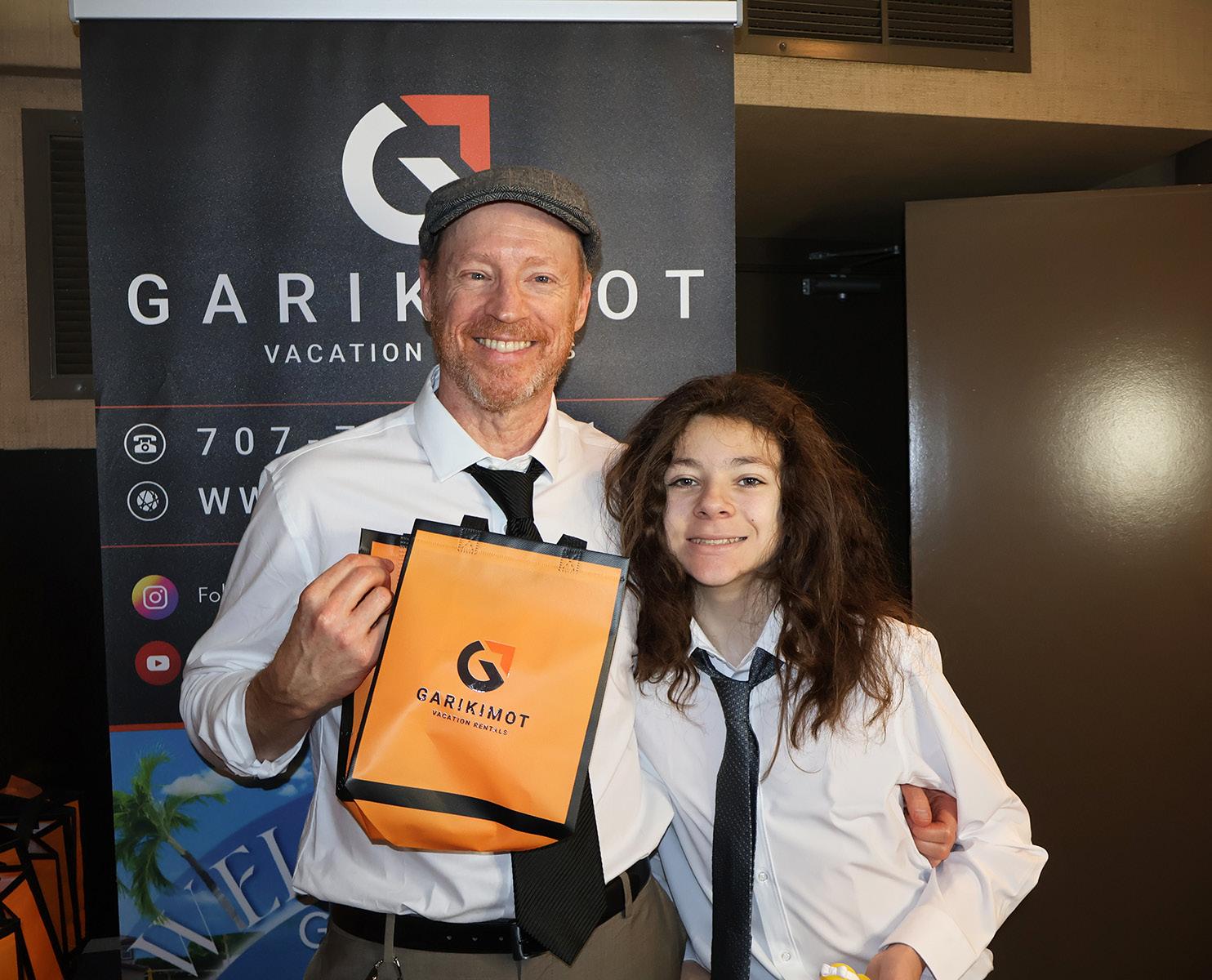
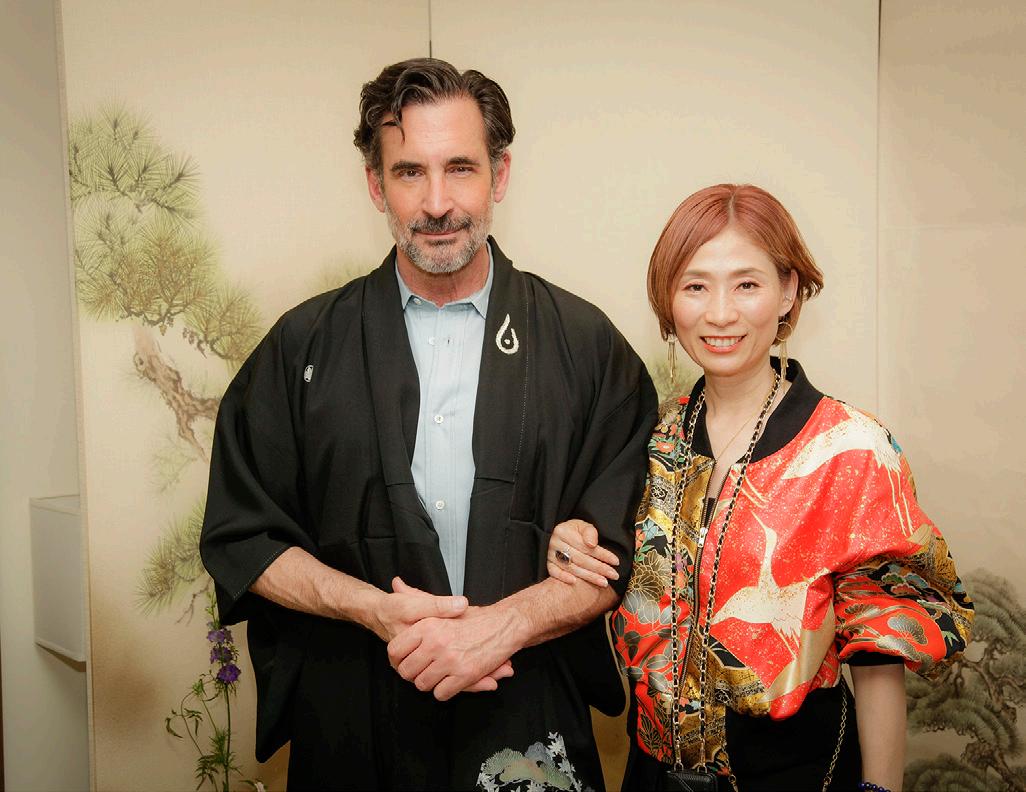

The other amazing brands being represented in the suite are Beach Sandy, Klipsta, Psychic Medium and Pet Communicator Kim Alexander, Life Aid, Beauty and Bones, Anna’s Secret Garden, Waterloo, Best Day Brewing, Eme’s Baked Goods, 28 Wishes Ice Cream, Oshri, GarikeMot Vacation Homes, Shep’s Bar, Coit Spirits, and the Plumery. Joined by two delicious catering companies: French Chefs Julie and Mathias for an exquisite French buffet, and Armenian Mona Mila, with an over-the-top delicious Armenian buffet. Selected nominees also received a special offer for a vacation at Le Taha’a by Pearl Resorts in French Polynesia.
Finally, DPA will promote Espero France, a human empowerment organization, with social and environmental impact. Espero France right now is working with refugees from Iran, Ukraine , Lebanon, and Afghanistan.
By Kathleen Harnish McKune and Karen Dickson,

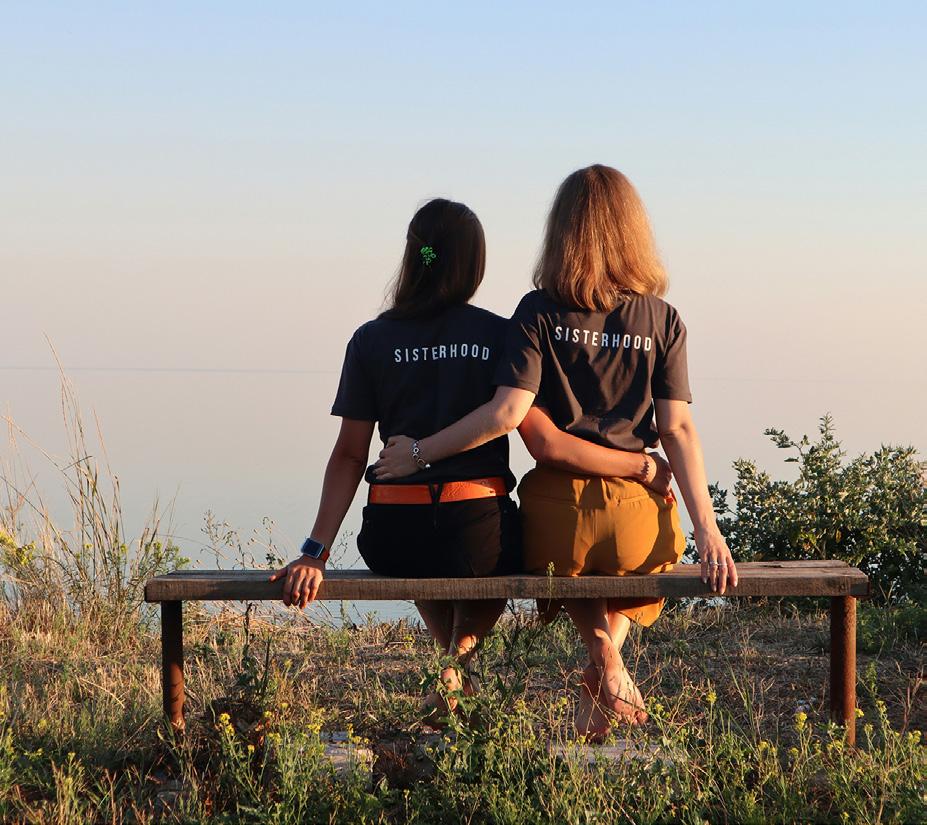
As sisters, we grew up in a childhood home riddled with multi-generational incest, abuse, and neglect at the hands of our father and paternal grandfather. Our childhood and young adult years required constant vigilance, compromise, and fear, and required remarkable resilience. We survived, we know now, because we grew up in a small western Kansas farming community where people helped each other. Many community members helped us without knowing the extent of what was happening in our home.
Fast forward to today. We are both in our 60s and have the reflective capacity to look back on our resilience journeys, informed by the neuroscience of trauma, and understand how we became so resilient. We are both successful businesswomen and mothers (though dysregulated moms at times, which we will come back to) and together founded our nonprofit, Remarkably Resilient, Inc., with the mission to “empower healing from trauma” because, as we like to say, “It takes all of us to heal each of us.” As we each reset for the year, we want to share with you what our lived experience, informed by the neuroscience of trauma, has taught us about how anyone can strengthen their resilience.
When we talk about trauma and stress, you may hear the term “dysregulated.” This simply means that the nervous system is overac-
tivated – our body is on high alert – making it harder to think clearly, feel safe, or respond intentionally. The good news is that regulation is a skill that can be learned.
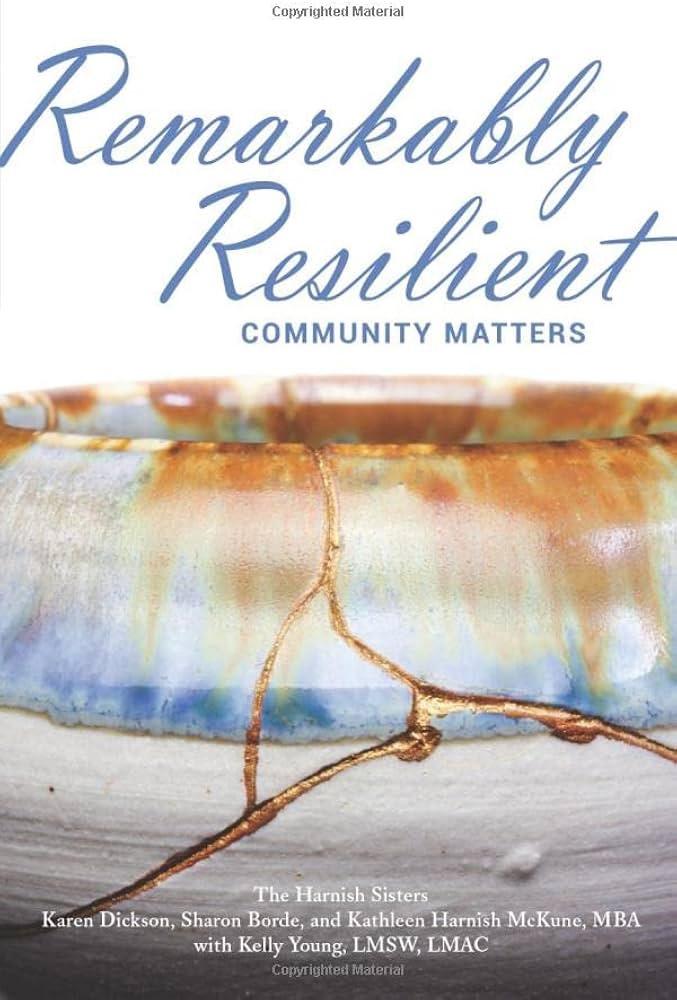
In our 2019 book, Remarkably Resilient: Community Matters, we share the five R’s of our resilience journeys, informed by what we learned from the neuroscience and neurobiology of trauma. Each R of resilience helped us translate the neuroscience, relate it to our lived experience, and see its role in strengthening resilience.
The Five R’s of Resilience
Relationships. Neuroscience clearly tells us that it takes only ONE safe, loving, consistent adult relationship in a child's life to strengthen their resilience. Adults are no different. Our lived experience confirms this. We each named that person immediately upon learning this knowledge.
Reset #1: Cultivate your ONES. Reflect on who is/was pivotal in your life and why they made a difference. Reach out and let them know. Think about the ways in which you can interact with those you care about to be their ONE. When all is said and done, it is the people whom you uplift and support along the way that keep your memory and spirit alive in generations to come.
A new year is often framed as a fresh start, but for many people, stress, trauma, and emotional overload don’t magically disappear with a new calendar, ~Kathleen Harnish McKune
Response. Neuroscience and neurobiology help us distinguish trauma responses (those involuntary nervous system responses we all know as fight, flight, freeze, and appease) from coping mechanisms (more voluntary strategies used to ease or escape). Taking this knowledge and looking at our lived experience helped us begin to separate our sense of who we are from these trauma responses and unhealthy coping mechanisms.
Reset #2: Choose your Response – that is, when you notice trauma responses and coping mechanisms in yourself or others shift a judgment view of “What’s wrong with me/them?” to a trauma-informed view of “What happened to me/ them?” Learn to manage trauma responses and trade out unhealthy coping mechanisms for healthy ones.
Recovery. Psychology and social work science tell us that recovery is a journey, not a destination. It is NOT a straightline trajectory but rather a roller coaster and a series of learning, moving forward, falling back, starting over, and learning again. Our lived experience mirrors this path as we both have instances of falling backwards – yet each time doesn’t feel as deep as the time before, and we are able to put our recovery knowledge into action quicker.
Reset #3: Create places, spaces, and grace for yourself and others. Shift your paradigm by stepping back and first giving yourself and others grace for the roller coaster path recovery often presents. Next, advocate for places for treatment and recovery and spaces (indoors and outside) that are safe, supportive, and emotionally regulating.
Reflection. Reflection is that purposeful and meaningful pause to observe,
think, consider and learn from what you experienced to move forward with more intentionality and insight. This important skill is how we learn, change, and grow as individuals. It is also how we can discover our WHY or purpose in life. Neuroplasticity tells us that the brain can create new pathways of thought and behavior. Our lived experience echoes this.
In our healing journeys, we each reflected on turning-point moments in our lives and behavioral changes that positively impacted our resilience. Reflection provides us with tools we did not learn in our childhood homes, where survival was the main priority. We are now able to ask open-ended questions that seek a clearer understanding of ourselves, which can allow for deeper connections with others. Questions such as “Why am I feeling this way? What does this mean? What does neuroscience tell me about what I’m experiencing? What do I find calming and soothing? Am I reacting to this because of what is happening in the present, or is this coming up from my past? What kind of impact do I want to have on others’ lives? If my life benefited others, what would I want that to look like?”
Reset #4: Ask open-ended questions with curiosity – and without judgment. Open-ended questions are most powerful when asked in a facilitative style that seeks understanding, versus an accusatory style that seeks to judge. For example, “Can you help me understand a bit more about how you came to that conclusion?” versus “Now, what made you think that?!!” Practice this new communication style, then ask yourself in six months, how has your relationship changed with yourself – and with others?
Healing doesn’t have to be overwhelming or expensive – and it isn’t about perfection, ~Karen Dickson
Regulation. Bruce Perry, M.D., PhD, one of the leading neuroscientists studying trauma and its impacts, implores us to “Teach emotional regulation to everyone!” Our lived experience concurs. Though we were able to break the cycle of multi-generational incest and abuse in our paternal family, we were dysregulated moms, letting our emotions get the best of us at times.
Everyone gets dysregulated, and when we do, our thinking shifts to the emotional brain and away from the thinking brain. This is not an effective place for sound decision-making. Learning to recognize when you are becoming dysregulated – and finding rhythmic, repetitive activities that calm the nervous system is critical to wellbeing.
Reset #5. Become a regulated human with a full resilience cup! When we decided to share what the neuroscience of trauma teaches us about the impacts of stress and trauma on our bodies and brains, we knew learning about regulation and self-care earlier would have been immensely helpful to our overall well-being. When you recognize that your emotions are getting the best of you, pause and do a regulating activity – anything that you find soothing and calming. Your breath is your most accessible regulating tool. When you feel depleted, take time to fill your resilience cup by doing something that brings you joy or feeds your soul. Nature, connecting with others, and hobbies are some examples of self-care. Do them regularly.
To learn more about our work and the resilience-strengthening tools we have developed, visit our non-profit website at remarkably-resilient.com. Click on the Remarkably Resilient Together® (RRT) tab to learn more about our community-wide campaign to strengthen resilience.
We believe healing is not about perfection or “fixing” yourself – it is about learning how to support your nervous system, build self-awareness, and practice compassion for yourself and others, one moment at a time.
Our RRT campaign starts by teaching emotional regulation and self-care with
• Two decks of cards featuring emotional regulation strategies for “In the Moment” and accessible, lowor no-cost self-care practices to support resilience “Over Time.”
• A Guided Reflective Journal that encourages self-awareness, supports emotional regulation, and helps individuals build healthier habits and personal insight through reflection
Together, these tools help users regulate emotions, respond more intentionally to triggers, and keep their “resilience cups” full — whether at home, at work, or in high-stress environments. RRT helps people recognize the strengths they already have and use practical, everyday tools in the moments they need them most. Coming soon: Guided Reflective Journals on each of the five R’s of Resilience.
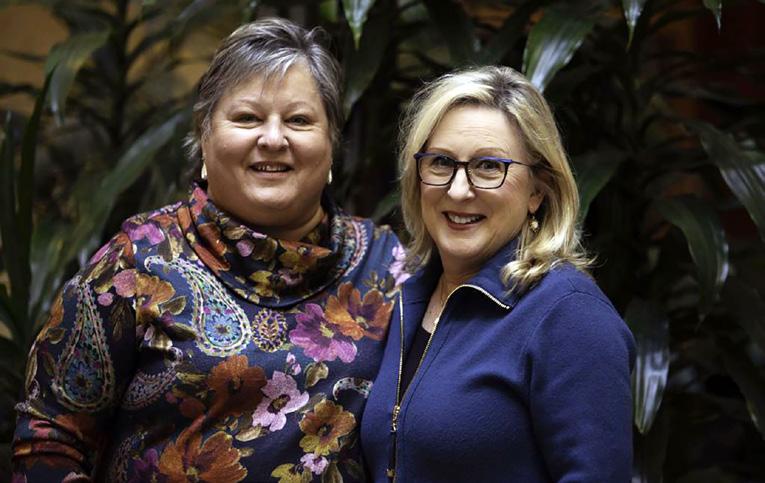
Kathleen Harnish McKune’s professional and personal work has always focused on empowering others. Professionally, she is a co-founder and CEO of TeamTech, a Kansas City-based strategic facilitation and leadership training firm whose work embodies trauma-informed principles. She is one of the authors of TeamTech’s leadership curriculum, Everyone A Leader®, and teaches trauma-informed, facilitative leadership skills at all levels of organizations. Kathleen also serves as CEO of Remarkably Resilient, Inc., a non-profit entity she co-founded in November 2024 with the mission of “Empowering healing from trauma.” She and her sister, Karen, provide Remarkably Resilient and Remarkably Resilient Together® workshops, all aimed at empowering others on their healing journeys. Kathleen volunteers with Johnson County Corrections and the Kansas Department of Corrections, teaching incarcerated individuals emotional regulation and self-care and sharing the Remarkably Resilient Together materials. She is also a certified HOPE facilitator (Healthy Outcomes from Positive Experiences) from Tufts Medical Center
Karen Dickson is co-author of Remarkably Resilient: Community Matters and is a former EMT/ER technician and corporate recruiter. She is currently retired and is a practicing Reiki Master in her local community. Karen has spent her lifetime helping others in various capacities and brings that energy and passion to her conversations about their healing journeys. She brings a depth of personal lived experience with trauma, both from her childhood and from her experiences as a volunteer EMT. Since 2019, Karen has been a presenter at various conferences centered around childhood abuse and mental health. Her passion is to help individuals heal and grow, and find the tools and techniques that foster positive changes in their lives and in the lives of those they love and encounter. Karen is the program director for Remarkably Resilient and is a TTufts Medical Center certified HOPE facilitator (Healthy Outcomes from Positive Experiences).

by Wendy L. Jackson

Each day we awaken with gratitude. And you may ask, why? Because we are blessed to see another day. Waking up is not automatic; it is a gift. Each morning aligns us with the universe, reminding us that there is still purpose in our lives and work that needs to be done. We have a roof over our heads, food on our tables, and clothes on our bodies. These are the foundations of life, yet they are so often overlooked.
“Waking up is not automatic; it is a gift.”
So the question remains: what does gratitude truly mean?
Gratitude is being thankful for the little things as well as the big ones. It is appreciating loved ones, meaningful work, moments of peace, and, most
importantly, life itself. No matter what we may go through on this earth, it is a privilege to begin each day with intention. Gratitude grounds us in that truth and helps us move forward with clarity.
“Gratitude is being thankful for the little things as well as the big ones.”
Too often, we take for granted that whatever we see or desire should simply be given. But life does not operate that way. Life is not about entitlement; it is about effort, patience, and growth. It is about setting boundaries, defining goals, and showing yourself worthy of respect and appreciation. No one owes anyone anything. When you are honest with yourself, you allow others to see who you truly are, without pretense or expectation.

Through both her art and her words, she inspires others to live with intention, embrace purpose, and cultivate inner peace.
Gratitude keeps us humble. It reminds us that nothing happens by accident. Every lesson, delay, and detour carries meaning. When you show yourself worthy of blessings through your actions, discipline, and integrity, gratitude becomes a natural response. You begin to honor each day, understanding that progress, no matter how small, is still progress.
For some, life may appear easier or more abundant. We have all heard someone say, “Every time I see them, something good is happening to them.” Let’s pause there. What we see on the outside is often very different from what exists on the inside. No one walks in your footsteps but you. Each step is divinely aligned, and you do not know the work another person had to do to arrive where they are today.
“No one walks in your footsteps but you. Each step is divinely aligned.”
Comparison distracts us from our own purpose. When you find yourself looking outward, take a step back and look inward. Ask yourself: What am I grateful for? What are my aspirations? What desires live within me? What legacy do I want to leave behind? This is often where we fall short, not because we lack ability, but because we focus too much on everyone else rather than on what we can bring to the table.
Your gratitude is personal. It is about what you are thankful for, not what someone else has achieved. We live in a world that seeks instant gratification, often without the willingness to work for it. Yet we forget that it took nine months for our bodies to form as human beings. Growth
takes time. Healing takes time. Purpose unfolds over time.
Gratitude comes from doing the inner work. I have met many people and listened to their stories, stories of loss, hardship, and perseverance. Each time, I walk away more grateful for my own journey. Some stories are so heavy that I do not know if I could have carried them myself. That awareness alone fills me with humility and quiet joy.
This is why gratitude is essential. It anchors us when life feels uncertain and reminds us not to lose sight of our own path. Everyone’s journey is different, and no two lives unfold the same way.
“Everyone’s footprints in the sand are different.”
As a child, my siblings and I often complained. We didn’t have much materially, but we had an abundance of love, so much that our cups overflowed. Now, with age and perspective, I am deeply grateful for everything our parents gave us to help us make it in this life. Their sacrifices planted seeds that continue to grow.
Gratitude also recognizes kindness without creating obligation. It can be as simple as a birthday call, a thoughtful gesture, or someone reaching out just to say, “I was thinking about you.” These moments matter.
In essence, true gratitude is a radical, deliberate choice to experience life as a gift, to cultivate joy by honoring what already exists, and to live with awareness and grace.
When practiced daily, gratitude becomes more than a mindset, it becomes a way of life.
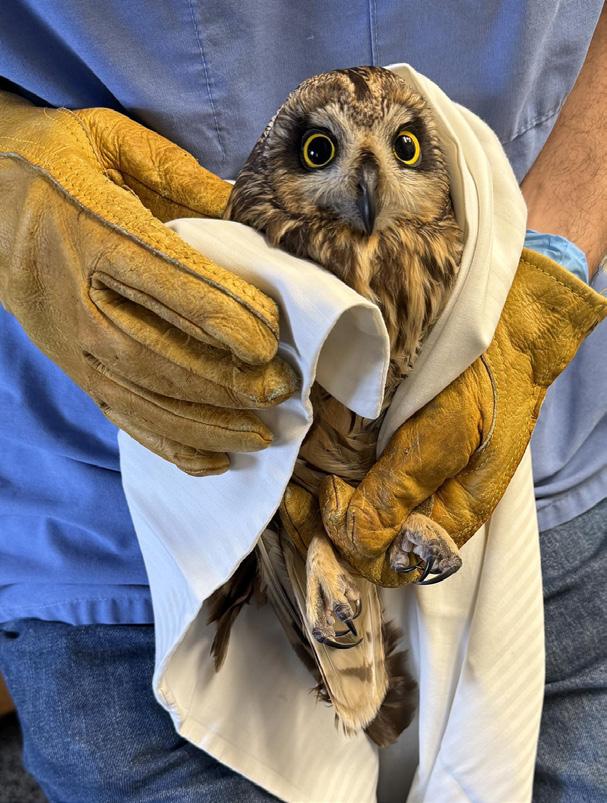
HHawaii is known for its breathtaking landscapes and extraordinary diversity of birdlife, with around 350 species, including native, introduced, and endemic birds found nowhere else in the world. From the abundant mynas and doves to critically endangered endemic Hawaiian honeycreepers, sadly, Hawaii is also known for having one of the highest bird extinction rates in the world. Many bird species are endangered due to habitat loss, avian malaria, and other factors. Many surviving species are forced into shrinking high-elevation refuges.
But across the islands, dedicated wildlife responders have stepped in. For the past 15 years, science, compassion, and community have come together at the Hawaii Wildlife Center on the Big Island - a one-of-a-kind hospital dedicated to saving Hawaii’s native birds. And they care for Hawaii’s native bats as well, most notably the Hawaiian hoary bat, the state’s only native land mammal and a vital part of the ecosystem.
Founded by Linda Elliott in 2011, the center provides emergency response, medical, and rehabilitative care for native birds and bats across
the state. The center recently announced it has treated 6,000 birds since opening its doors, an extraordinary milestone. In recognition of this achievement, Gov. Josh Green proclaimed Dec. 15 as “Native Bird and Bat Day in Hawaii.”
“Every patient here has a story - and a second chance,” says Elliott. “From tiny chicks to soaring hawks, we’re keeping Hawaii’s skies alive.”
Elliott is the driving force behind the HWC and serves as Founder, President, and Center Director. Her career reflects decades of wildlife response and conservation. Her extensive fieldwork experience over the last 20 years includes being a Wildlife Rehabilitator, a Certified Oiled Wildlife Responder, an International Wildlife Responder, and the only oiled-wildlife rehabilitation manager in the State of Hawaii. Her journey began in 1988 as the Wildlife Manager of a partnership program with State and Federal wildlife agencies. When the State and Federal wildlife agencies' program ended, her dream of starting the Wildlife Center came to fruition, and she broke ground on the first dedicated wildlife rehabilitation hospital in Hawaii.
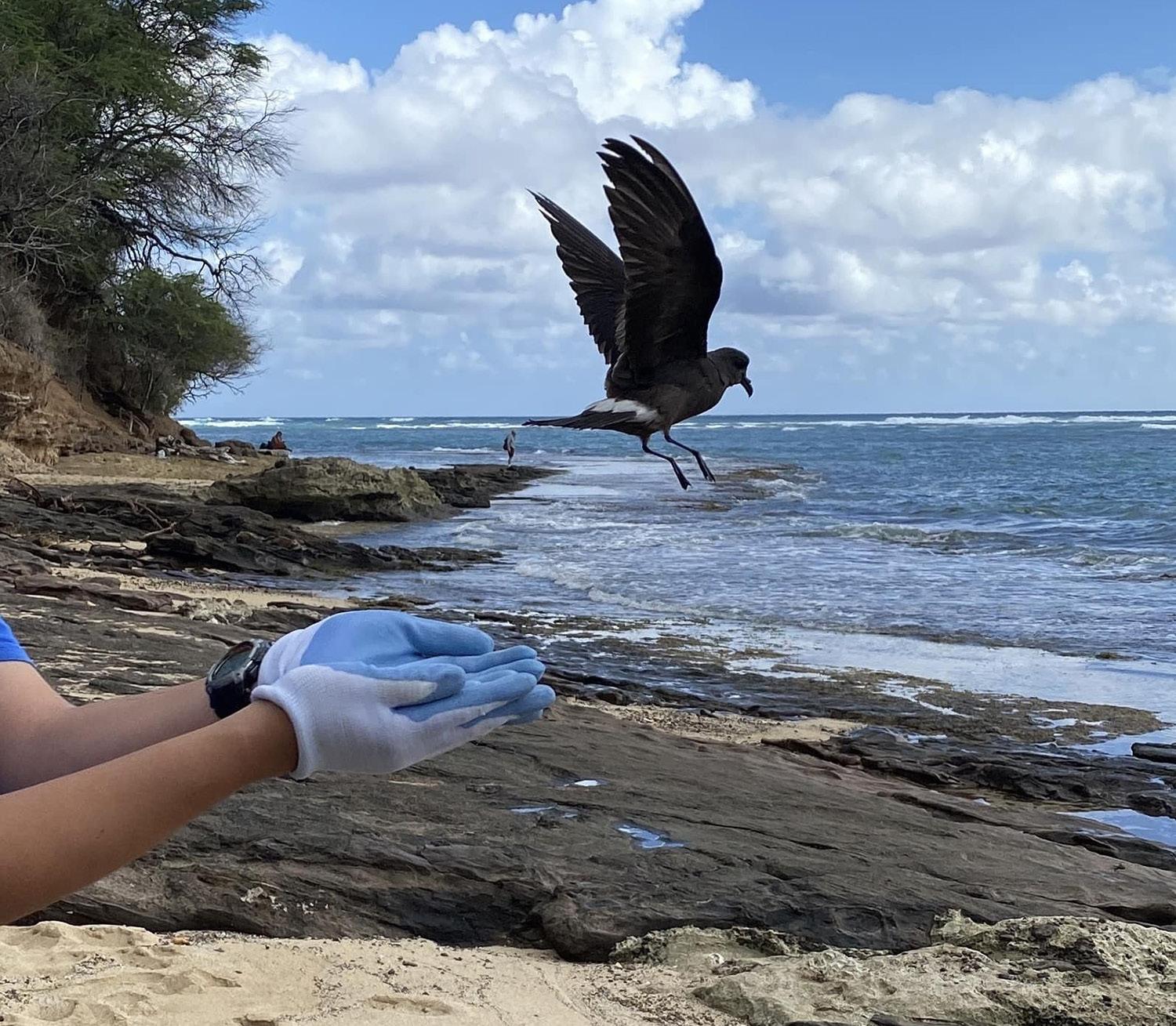
The Center’s work shifts with the seasons. This past December, the Center recovered young petrels and shearwaters during the seabird fallout season. This season runs from September through December, when young birds are leaving the nest for the first time and may become grounded, requiring critical attention and care.
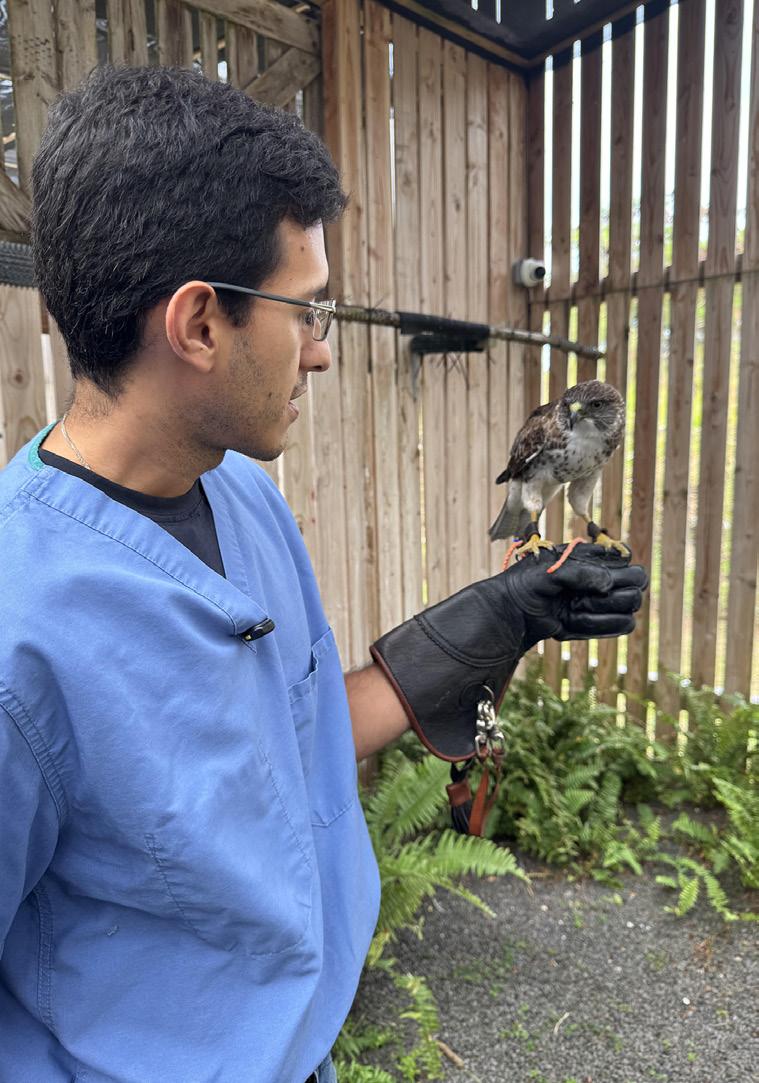
Recently, the award-winning, animal-loving TV series Animal Zone visited the center, and Veterinarian Dr. Juan Guerra provided a special behind-the-scenes look at the hospital, including the life-saving procedures that help these rare species soar again, and introduced the center’s very special Ambassador, the Hawaiian hawk. In the episode, Wildlife Rehabilitation Technician Samantha Cline provides a front-row seat to feeding time, complete with a refreshing water mist that turns hesitant patients into enthusiastic diners. The whole episode can be viewed at www.animalzone.org.
Under the direction of Linda Elliott at the Hawaii Wildlife Center, from the mighty Hawaiian hawk to the wandering albatross, cheeky red-footed boobies, beloved nēnē, and even the elusive Hawaiian hoary bat, the rescue teams come together to support our feathered friends.
For more information, visit www.Hawaiiwildlifecenter.org.
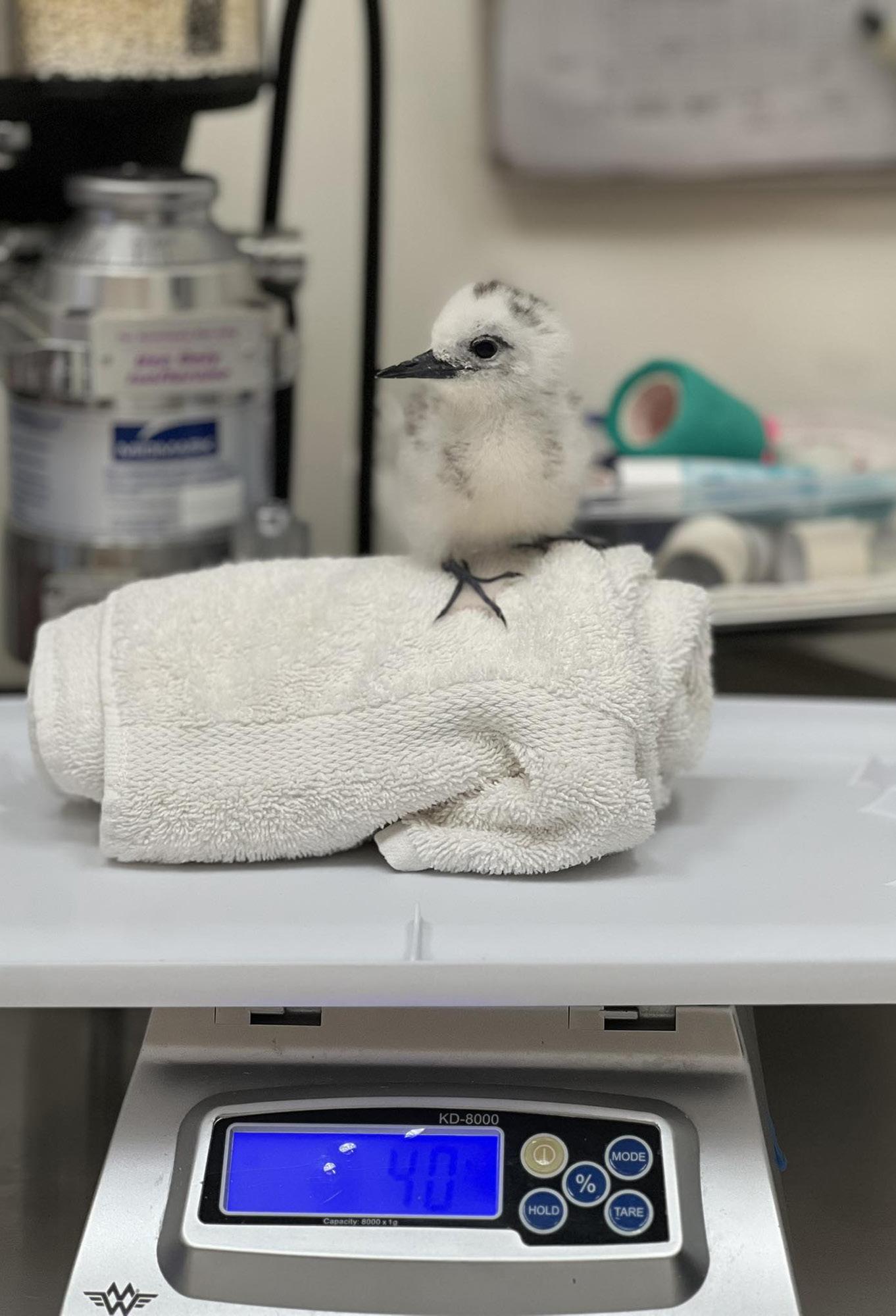
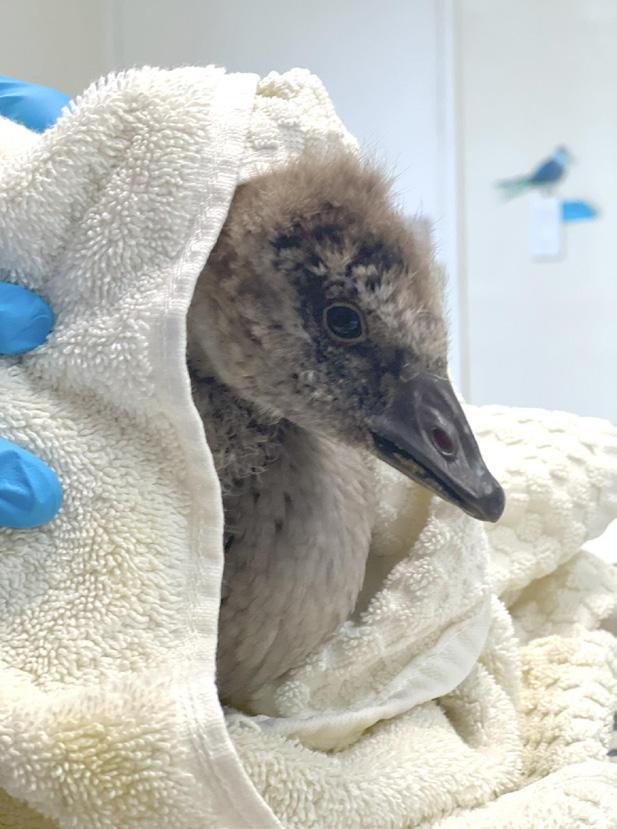
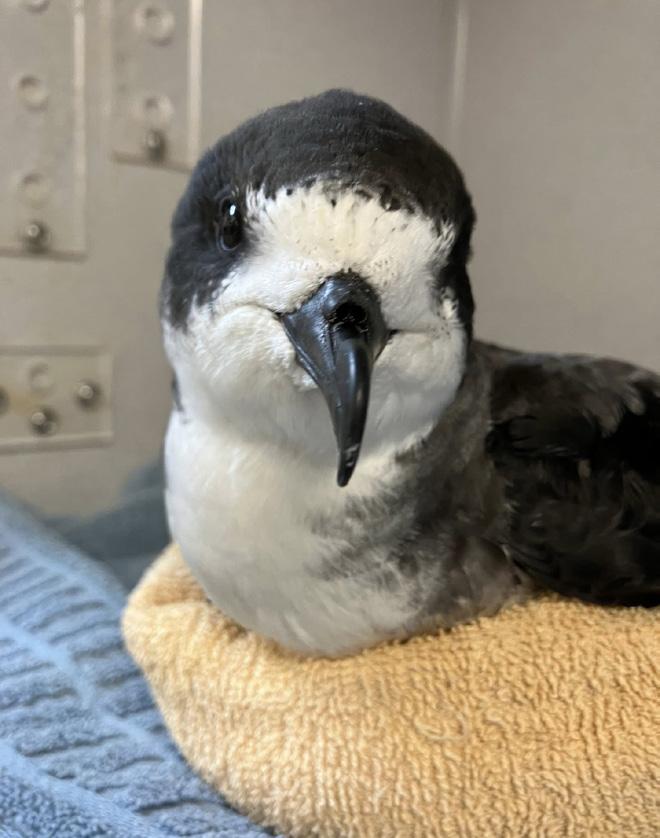
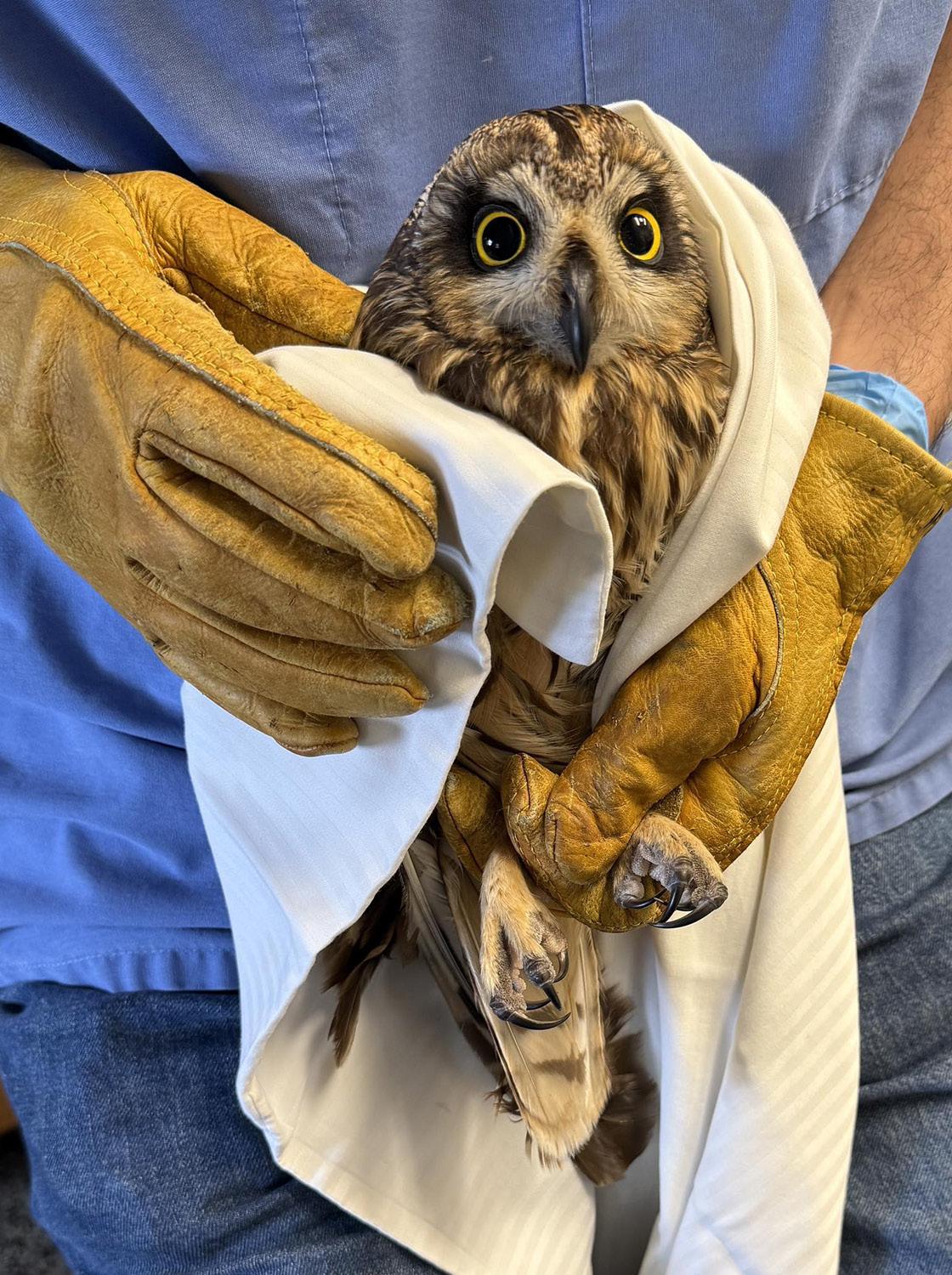

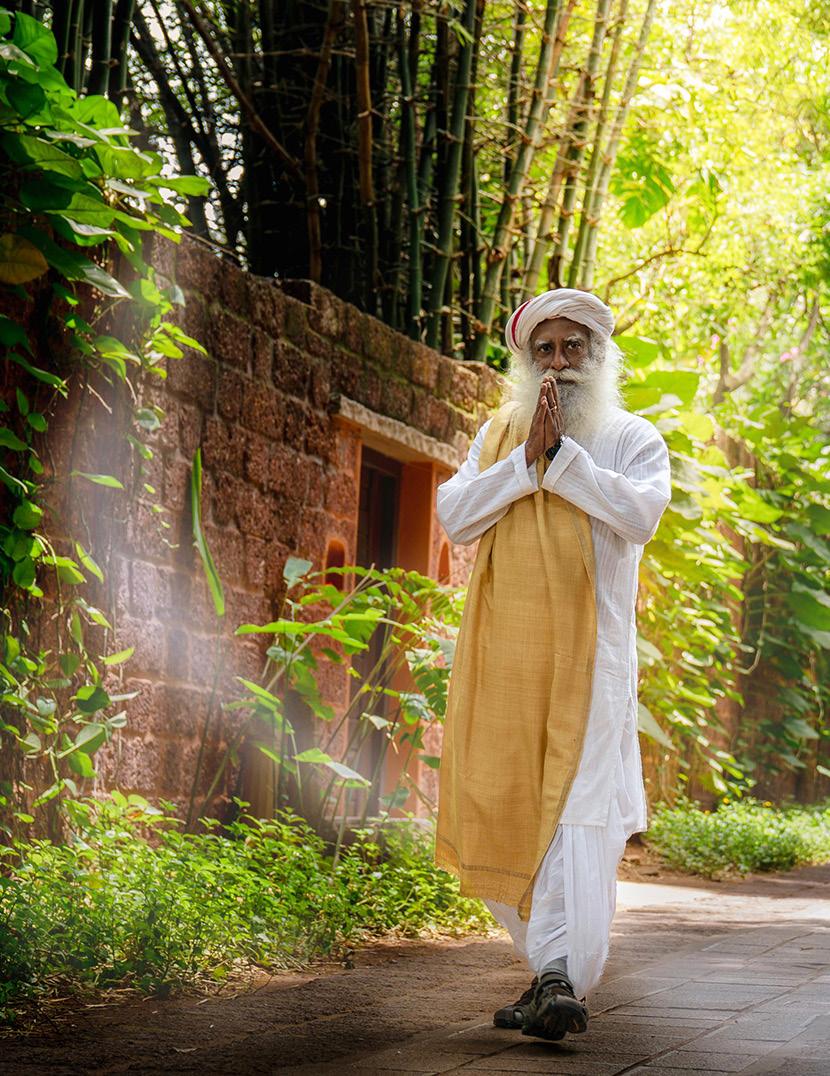
by Sadhguru, Isha Foundation
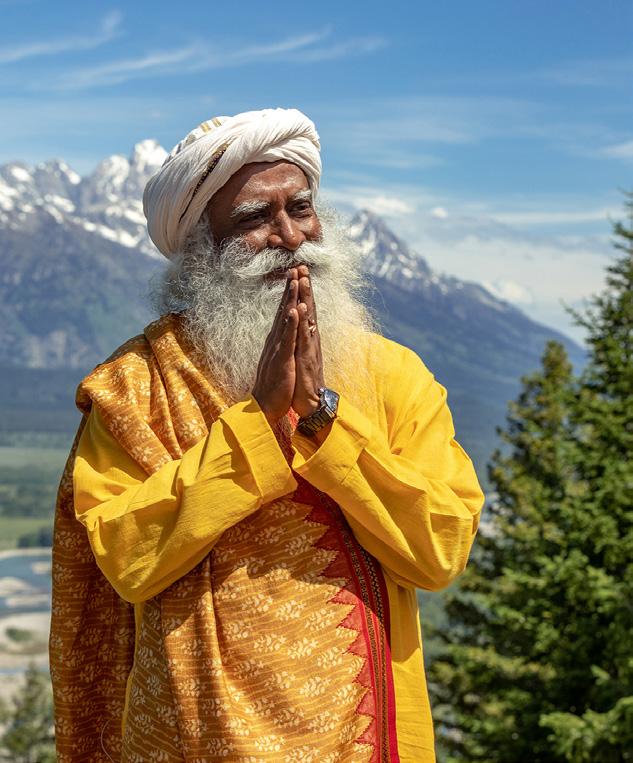
Sadhguru: The joy of action is known only to the one who has no need for action. If I want to just sit for any number of days without action, I will simply sit; there is no compulsiveness of action in me. At the same time, action can be such a joy because it is no longer compulsive. The same goes for every aspect of life. Everything becomes pure ecstasy when it is no longer compulsive. Every action can be like that, even the simplest action; with just a movement of your hand, you can do that.
When all compulsiveness is taken away from your activity, it is a conscious action. That action is very different from action with awareness. Action with awareness means people are trying to do things in awareness. I am not at all talking about that. They are just being mindful; that is very different.
If you do action consciously, it is just as good as any meditation. And doing action consciously is the only way you can remain constantly active without any sense of stress. For the volume and variety of activity that I am performing today, this moment, I am managing someone's emotions, the next moment, I am handling building plans, administration, financial problems, and the next moment, I am sitting there in the hall, perfectly spiritual – it would take a lot of toll if it were unconscious action. When action is 100% conscious, everything that you do is no longer burdensome; it is just pure joy to do it. Then, the physical body is the only limitation; there is no other limitation.

If one transcends the compulsive ways of the body and the established ways of the mind, one becomes conscious. There are whole patterns both in the body and in the mind which are generally referred to as karmic patterns, known as the vasanas, the tendencies of the mind and the body, which are dictating the course of your life. If you have dissolved these karmic patterns completely, that is one thing. Or if you at least keep a distance from that, naturally, your activity, every waking moment, and every sleeping moment, becomes conscious.
You perform activity on four different levels: you can act through your physical body, your mind, your emotions, and your energy – whichever way you are acting, consciously or unconsciously. In terms of allotment in the prarabdha, the karma allotted for this lifetime, there is a certain kind of programming for physical, mental, and other kinds of activity. Even among very young children, you will see that their need for physical activity varies. Similarly, the need for mental activity is also at different levels. And all the other aspects, emotional activity, and so on, are also at different levels. These different levels of activity of body, mind, emotion, and energy are four separate aspects of life. These are the four pillars on which your life is standing right now.
Just taking care of one pillar and leaving out the others will be a terrible balancing act right through life. It is extremely important that all four are properly exercised and made use of. Only then will life stand on firm ground on all levels. Only then will life happen in a balanced, harmonious way.
At least once a month, or once every three months, just take 24 hours for yourself where you don't do anything. Just try to cut off all activity – verbal activity, emotional activity, mental activity, and physical activity. Just sit in your room for 24 hours and see. You will notice how much compulsiveness
is built into you. When you have a gauge like that, naturally, the longing to go beyond that becomes big. Without a longing to get somewhere, striving will not come. Without striving, no one gets anywhere.
Restfulness is always the basis of activity. If you look at your own body today, how well rested you are is how willing your body is to be active. If your mind and body are in a constant state of restfulness, activity does not even feel like activity. Activity can become a state of restfulness when you don't hold anything back. When you do everything with total abandon, absolute abandon, it is like a hurricane. If a hurricane is moving at tremendous speed, there is an inner eye that is at utter peacefulness. This is something many dancers, footballers, and sportspersons in general have experienced, which is what draws them to the game or to the dance or whatever activity. Once they put themselves into absolute action, once they give themselves to that activity, they experience that inner space, which they are not able to know by themselves without that activity.
Even our Isha Yoga programs are structured like that. We surprise people with intense activity, and they notice they have become so joyful and free from many things just because they played a game unexpectedly, and the game was set up in such a way that everyone participated with total intensity. Every moment of your life, whether you are awake or asleep, your heart is beating, that is activity; your breath is happening, that is activity. So life is an activity. The question is, are you doing it consciously or unconsciously – that is all the choice you have. If you do it consciously, it becomes a joyous process.
If you just do something as simple as yogasanas every day for forty minutes to one and a half hours, you will see that a lot of your compulsive activity will go away. This is because it is a very conscious process, a conscious way of

Infrastructures to Raise Human Consciousness
Experience Yoga in its classical form at Isha Yoga Center Los Angeles and Isha Institute of Inner-sciences. Established by Sadhguru, the centers serve as powerful spaces for inner transformation and raising human consciousness. Located in northern Los Angeles County and Tennessee, the centers offer an array of yoga and meditation programs in a vibrant and conducive ambience.
You are invited to Free Yoga Day, a monthly open-door event a t the center. On this day, we offer a variety of free sessions dedicated to educating and empowering individuals to take charge of their well-being through simple but powerful practices sourced from the Yogic tradition.
Learn more at ishausa.org/la

using your body. Once you do that, the compulsiveness will go away because the memory patterns or karmic patterns imprinted into the body will be taken away by this simple process of yogasanas. One can become very quiet within oneself, and compulsive activity will gradually recede in them. That is something every practitioner of asanas naturally experiences.
If you want the right results, you have to do the right kind of action. To do the right kind of action, you must be 100% involved with what you are doing. If you are thinking of the end result, you will not play the game well, and you will not do the action properly. Don't think in terms of what will come in the end. This does not mean that when you start the action, you do not know what end you are working towards. You should definitely work towards a certain end.
When you are crossing the river, don't you want to reach the other bank? You want to, but if you keep thinking of the other bank, you may not do the right thing. You will not get across the river because you want to get across; you will get across only because you did the right thing. If you do a certain type of action, a certain bounty will naturally fall into your lap. If you don't do the actions right, certain other kinds of situations will fall into your lap. Or in other words, you are 100% responsible for what you are doing right now.
I have taught people to ride a bicycle within an hour without any problem. If you just remove the barrier of your thinking about how you are going to ride, what is going to happen – if you remove all these things, your body will just do it. If you are just thinking about what is ahead, then you will not do this act right. When you are totally involved with the action, only then do you per-
form the action at its best. Only then does action become a joyful, ecstatic process.
If you keep thinking about the fruit of action, you will miss the joy of action. If you miss the joy of action, you miss your whole life because life is activity, whether it is internal activity, conscious activity, unconscious activity, physical, mental, or whatever.
If you do not enjoy your activity, you just cannot enjoy your life. If you are lost in expectation of the fruit of action, you will only live in fear, because the external situations are such that, no matter how you plan, no matter how good you are, certain situations will not yield to you. It may be beyond you, at least for the present moment. So the fear that it may not yield to you is always there, and if it does not yield to you, the pain of it will be too much, and it will just affect the whole process of life.
Whether it is physical activity, mental activity, or emotional activity, whatever kind, once the compulsiveness is taken away, action is pure action. Pure action is a joy. Just see a Ronaldinho running after the ball – it is a joy. Pure action... This time, the soccer World Cup was watched by over five billion people, which is more than half of the world's population. Most of them probably do not even know the game, but they were watching it just because of the intensity of action. It is not about a football game; it is pure action, which is exhilarating for any human being.
So the whole process of life is activity. If you give yourself to any action with total abandon, that will be the source of your enlightenment; that will be the source of your meditativeness; that will be the source of an inward journey for you.
Polly Wirum
Do you sometimes wish there was more love in your world and even our collective world? Do you have a practice in your life that holds you steady in the embrace of love, through all the highs and lows of life? Keep reading and discover ways to stay connected to the feelings of love in your life.
My Story
I was flying home from an adventure in Montana and Yellowstone National Park with a friend. At the last minute, our flight reservation and seat assignments were changed to the very back of the plane.
We found ourselves hunkered in tightly with
a very bright and articulate 93-year-old man, who had recently lost his wife of 65 years. He shared his story, even though he faced the challenges of background noise and temperamental hearing aids.
Frank showed us a copy of his wife’s obituary, which had been kept safely in one of the books brought for reading; possibly the novel kept her presence at his fingertips.
When Frank spoke of his wife, Elana, he laughed often, sharing the ups and downs of life, love, and relationships. His hands moved through the air in a motion that implied all of their highs and lows.


At the very end of our flight, Frank let us know he had a spiritual experience. Three days after his wife passed, she came to him and let him know she was no longer in pain. Elana didn’t have a body; she was only a spirit and sent her love.
The idea of a spirit with no body was a new concept to Frank. I love that he shared this with us. He also said one of the most beautiful things he did was honoring his wife with a small celebration of their love and life together.
Frank talked about volleyball, pickleball, and a certain near the end of his life. In a serious moment, my friend and I were reminded to be kind to each other. I think we both needed to hear this.
At the gate, a young airport employee offered
to get Frank a wheelchair to help him get to baggage claim. This simple act of kindness was not lost on me; I was reminded of the potential for love in every moment.
I am grateful for the opportunity to sit next to Frank and learn about the love of his life. Of course, this seating assignment was no coincidence; it was just what I needed.
There are many ways to experience love in our world. The love we feel for our children is so strong that we are willing to sacrifice everything for their well-being and safety. The amazing feeling of being in love with a partner and sharing both the joys and challenges of life with them. The feeling of love when we are in nature, and our hearts are open to the overwhelming experience of all that is.
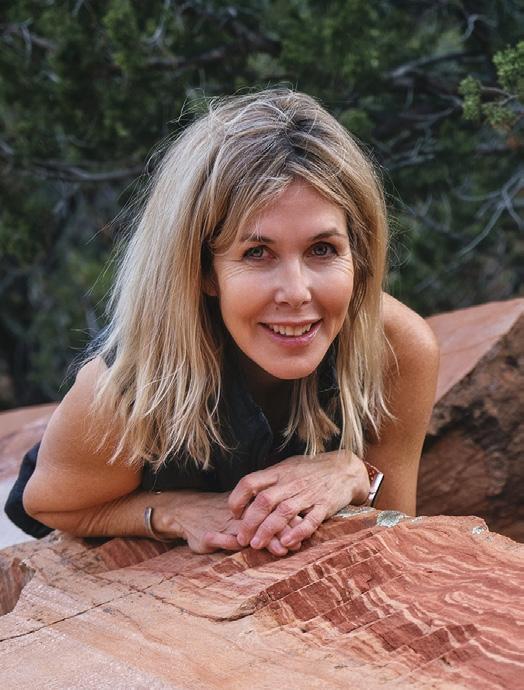
Polly Wirum is a psychic, life coach, and writer. Years ago, she experienced a health crisis that led to a complete spiritual and life transformation.
When she thought her life was crumbling, the universe was easing her grip on everything, distracting her from the truth. The healing helped her discover the beauty of a joyful and uncomplicated life.It is here that she connects with wisdom and magic.
She shares this with her clients through life’s coaching psychic readings and spiritual retreats. visit Pollywirum.com
Genuine acts of kindness are expressions of love. Having gratitude for life is a way of experiencing and lovingly connecting with others, or the Universe at large.
We all have different stories of when our hearts opened, and we experienced an expansive feeling that words could not express. This is love.
So how do we stay connected with love when it seems like everything we see, even love, is falling apart?
• Taking the time to remember and connect with the beautiful experiences and people from your past keeps love intact in our world.
• Spending time in nature is a great way to allow troubling thoughts to fall away and be replaced by open-hearted feelings.
• Do what feels good and brings you joy; and then do more of it! Your happiness and love of life expand and touch others, often in ways you will never know.
Notice kind acts and other forms of love that show up in your life. See the good in the world. Practice acts of kindness
• Intimate touch is a gentle and nurturing way to establish love. Holding hands and giving hugs anchors us in love.
• Sharing compassion with ourselves and the world is a beautiful and tender way of allowing love to fill the empty spaces in our hearts. Reminding ourselves to al-
low life and those we love to evolve and transform without expectations is at times challenging, but certainly helps love thrive in our world.
• Stay open-minded, even with the things we don’t understand. This requires us to let go of what is right versus wrong. We often see people and even the world in a limited way that highlights what we love versus what we don’t understand. Allowing a broader perspective of life's possibilities provides a space for love to expand.
• Emotional intimacy with the important people in your life strengthens love. Be intentional and honor the love in your life.
There are times when we love a person or are grateful for an experience, but for various reasons, it is time to honor this love from afar. Finding gratitude for what was helps love stay in our world.
Loving is a much simpler way to move through life than the opposite way, where fearful thoughts and feelings are tangled up and heavy in our hearts, actions, and minds.
Allowing love to hold us steady through the highs and lows of life takes practice and intentionality, but the gains are immeasurable. The magic of life combined with love is a sacred experience. May we all recognize and celebrate the ways love shows up for each of us
Thank you for reading this blog; may we all experience kindness and evolve in love.
By Joey Santos


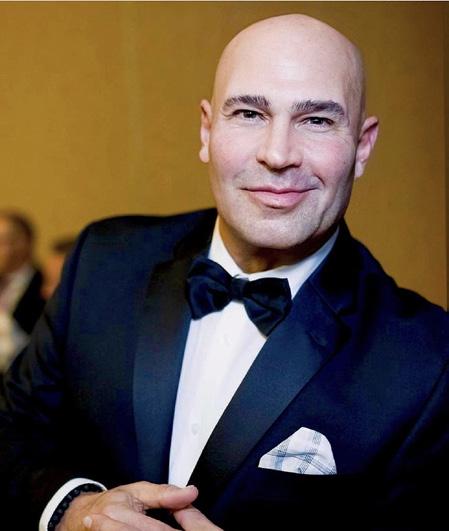
Joey Santos is a Celebrity Chef, Life Stylist and Co-Host of The Two Guys From Hollywood Podcast on Spotify.
A Columnist for The Eden Magazine since 2016. Joey was raised in NYC, Malibu, and West Hollywood. He is the son of Film and Television Actor Joe Santos, and his Grandfather is World- Renowned Latin Singer Daniel Santos
To follow Joey on IG: @jojoboy13
To contact Joey visit whynotjoe@gmail.com
“There are far better things ahead than any we leave behind.”
It’s a beautiful quote. It’s also mildly irritating when you’re in the middle of letting something go. Because leaving—if we’re honest—is rarely graceful. It’s messy. Emotional. Occasionally theatrical.
Sometimes it involves a long walk, a long conversation with a good friend, or a glass of wine while quietly wondering how things ended up here.
We like to imagine that growth arrives with a trumpet fanfare. In reality, it usually shows up looking suspiciously like an inconvenience.
A door closes. Plans change. A chapter we assumed would last a little longer suddenly… doesn’t. And there we are, standing in that strange in-between place where the past no longer fits quite right, but the future hasn’t quite introduced itself yet.
Naturally, our instinct is to hold on.
We hold on to relationships that have quietly run their course. To expectations that were never entirely fair to begin with. To memories that were beautiful, but belong to a different version of ourselves. Sometimes we even hold on to disappointment as if it were something valuable.
If not checked or realized, the “hold” turns to hoarding. Stockpiling pieces of nothing that fool us into believing they have worth, substance. In some cases, convincing us that they’re replacements for lost loved ones. Eventually burying us along with them only to suffocate our spirit ensuring no afterlife.
Because pain, oddly enough, is familiar. Pain, we understand. Possibility, however, asks something much harder of us.
It asks for courage.
Letting go doesn’t mean the past disappears. It simply means the past loosens its grip. The hurt softens.
The anger fades. And what once felt like failure slowly begins to resemble wisdom. Then, quietly, life begins to do what life has always done.
It moves forward.
New conversations. Unexpected opportunities. Different rooms, sometimes brighter than the ones we thought we never wanted to leave. And somewhere along the way, we begin to realize something remarkable.
The things we feared losing were never meant to define us. They were simply guiding us. Guiding us toward better days. Toward calmer hearts. Toward stronger, wiser versions of ourselves. Because life doesn’t really move backward. It unfolds.
Forward, sometimes awkwardly, occasionally beautifully,but always forward.
And eventually, we come to understand something that would have been impossible to believe in the beginning.
The things we once feared losing were never meant to keep us. They were only meant to lead us here.
Toward brighter days. Calmer hearts. And far better things ahead.

Photography by Sheri Determan



In the heart of downtown Los Angeles, Los Angeles Fashion Week Powered by Art Hearts Fashion transformed the historic Majestic Downtown into a living canvas of creativity, culture, and innovation from March 12–14, 2026. This season was not merely a presentation of style; it was a statement of intention, diversity, and the evolving identity of global fashion.
Art Hearts Fashion once again proved its role as a powerful platform for both established and emerging voices. With an expansive lineup featuring designers such as Angelo Estera, Giannina Azar, Kentaro Kameyama, and Maribel JD, the runway became a dialogue among cultures, aesthetics, and artistic perspectives. Each collection told a story—some bold and avant-garde, others refined and timeless, yet all united by a shared spirit of fearless expression.
A defining highlight of the season was the Black Design Collective's showcase, a moving tribute to creativity rooted in heritage and innovation.
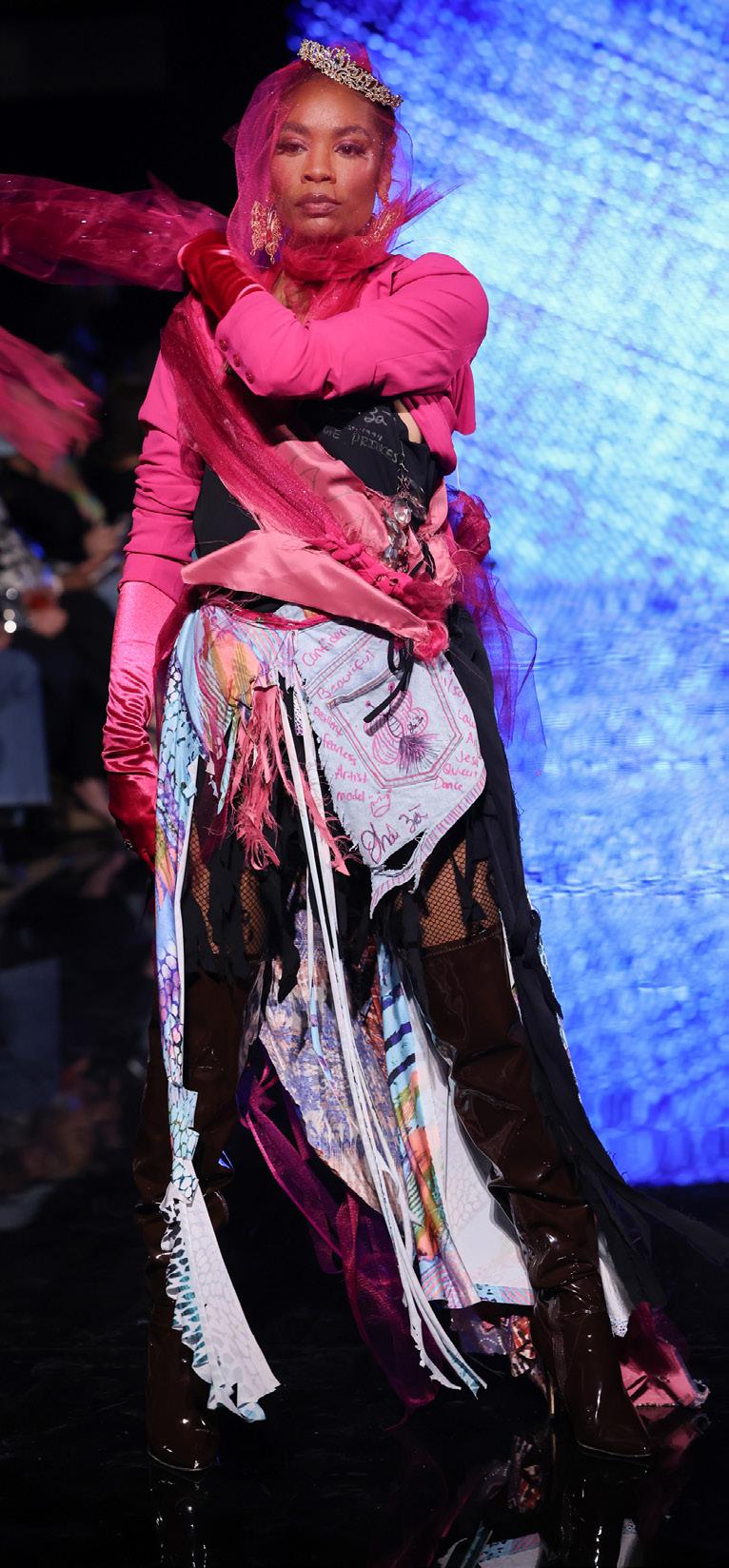

Through upcycled designs, the collection emphasized sustainability while weaving narratives of identity, resilience, and craftsmanship. More than a runway moment, it was a call to action, underscoring the importance of mentorship, representation, and opportunity for Black designers in an industry still striving for inclusivity.
Equally inspiring was the presence of student designers, including talents from Idyllwild Arts Academy, whose fresh perspectives infused the event with a sense of hope and future possibility. Their work reflected a new generation unafraid to challenge norms, experiment with materials, and redefine the boundaries of fashion.
What set this season apart was its seamless fusion of purpose and artistry. Sustainability, cultural storytelling, and innovation were not just themes—they were deeply embedded in the collections' fabric. From upcycled grunge to digitally inspired couture, the diversity of design approaches mirrored the multifaceted energy of Los Angeles itself.
Art Hearts Fashion continues to elevate Los Angeles as a global fashion destination, one that embraces diversity, nurtures emerging talent, and celebrates the transformative power of design. As the final runway lights dimmed, what lingered was more than the memory of beautiful garments; it was the unmistakable feeling that fashion, when guided by purpose, can inspire meaningful change.
For The Eden Magazine, this season was a reminder that fashion is not only what we wear, but it is a reflection of who we are, what we value, and the future we dare to imagine



by Andrew Harvey
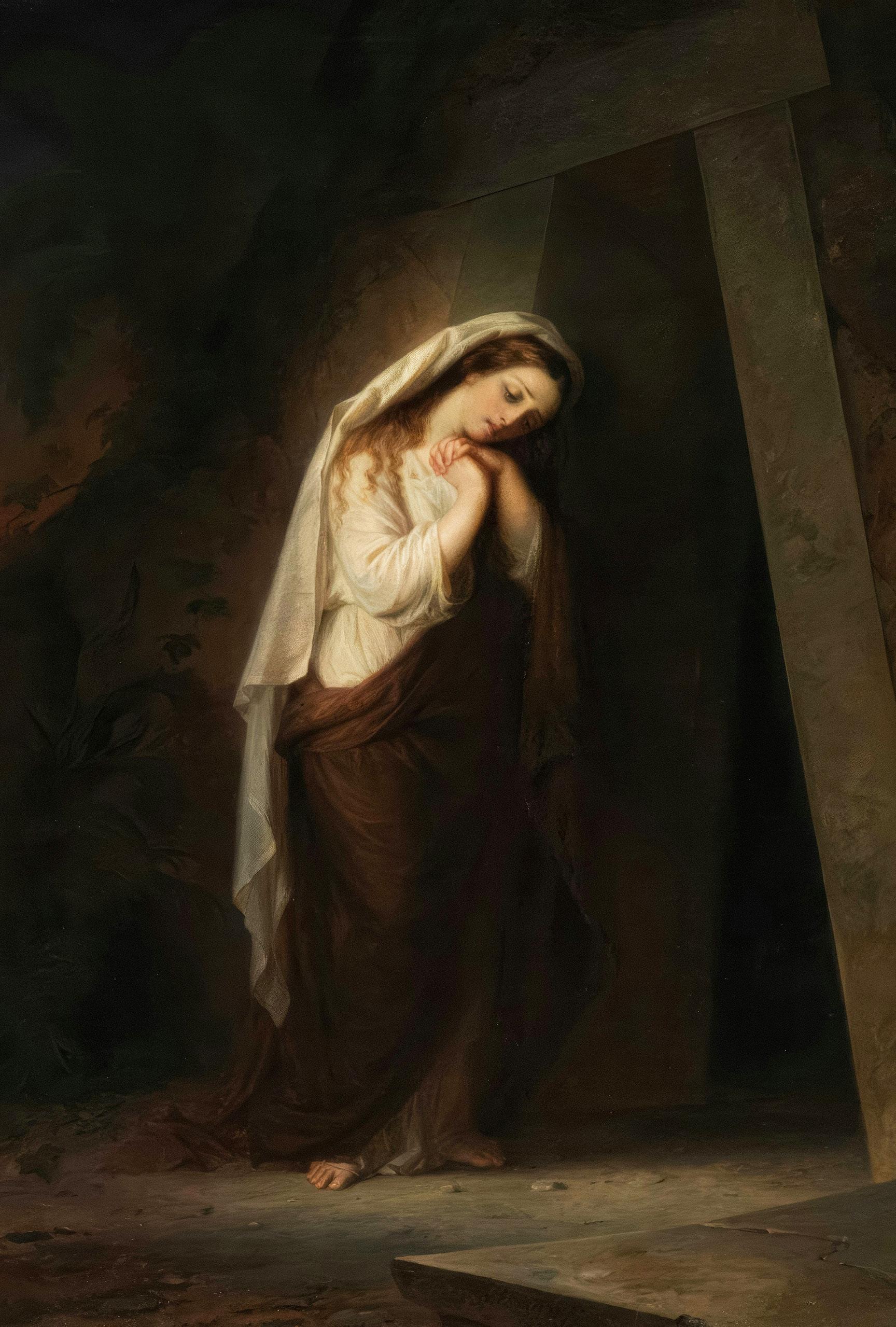
IIn this excerpt the author writes from a deeply personal and spiritually charged reimaging of Christianity. Harvey places Mary Magdalene at the heart of the Christ story. It is a call to a spiritual revolution, the restoration of the Divine Feminine, and the awakening of embodied Christ consciousness for our time.
The whole of my work for 20 years has been dedicated to trying to tell and embody the full story, with all of its transformative implications, of Mary Magdalene and her relationship with Jesus. I would not have been ready before to attempt such a difficult and radical enterprise. As a gay man and a devotee of the Divine Feminine in all its facets and powers, I have been for much of my life enraged by the churches erected in Jesus’s name and their misogyny, homophobia, and exclusivism, as well as by the real crimes of the soul and heart these have indisputably led to. This rage, however, has never prevented me from continuing a passionate and reverent exploration of the Christ path and Christian mysticism.
I have come to discover for myself and in myself a more impersonal and balanced view of Christianity that can hold the great good that has persisted in it, while acknowledging the devastating betrayals of the authentic Christ that have char-
acterized much of the Church’s practice. This balance has led to the hope that permeates this book, the hope that telling the new story as best I can will inspire you, whatever path you are on in the churches and theologies infused by Christ, to go through a joyful revolution, one that can break through and birth a new truth, the truth of Christ consciousness.
In this search, I have been constantly steadied and exalted by Mary Magdalene herself. Recently, I was reading late at night the Gnostic Gospel of Mary. In it, Mary Magdalene presents a visionary teaching given to her by Jesus, only to be met by virulent skepticism and denial by the male disciples, especially Peter. On all the other occasions I had read this, I had been convulsed with anger, anger that her supreme realization and generosity had been met with such misogynistic violence. That night, however, something changed forever as I contemplated her reaction to this violence more deeply than I had ever done before. Mary Magdalene did not excoriate the male disciples. She did not humiliate them as a lesser adept might have done from the achieved heights of her own realization. She did not lambaste them as ignorant of the real Jesus, because she knew their love for him was as real as hers. Instead, she wept.

She wept, I saw clearly, for two interlinked reasons. She wept from cosmic anguish and disappointment that the men who so loved Jesus that they were prepared to give their lives for him could not hear a crucial transmission that came to them through a woman. And she wept, too, because she understood what that rejection would cost the men before her, how it would deform their understanding and the understanding of Jesus’s life and teaching they would promulgate, and the tragic limitations of the faith they would establish. She was not only weeping for herself, but she was weeping for them and for all the men and women who would be deprived of the Jesus she knew and loved so completely.
As this realization expanded in me, I understood viscerally that the time had come to dry those prophetic tears that Mary Magdalene shed, so her face in its full, humble, and confident radiance could stream its wisdom to us now, and the pain of the men who could not acknowledge who she was could at last be healed and transfigured.
It is in Mary Magdalene’s great spirit of healing and transfiguration that is offered to all
those who are open to its truth, to all those who know that the old story in all of its now obviously lethal ramifications is dying, and a new story with her and Jesus’s love at the radiating center will be born because it completes and activates the full range of Christ consciousness. We are in the time of the Second Coming.
The Second Coming will not be, as many churches proclaim in different ways, the return of some movie-style Jesus avatar. Rather, the Second Coming will be, and is already for those with the eyes to see and the hearts to receive, the rise of the golden yeast of embodied divine love consciousness in action, in millions of beings of all faiths coming together to renew and regenerate our world. This rise is impossible without a full reclamation of the Divine Feminine, of the Motherhood of God, and without the recognition of Mary Magdalene as the bride to Jesus’s bridegroom, a coequal and female Christ in her own right. The two of them are a complete, embodied love consciousness that unifies heart, mind, soul, and body and offers humanity a path of divine human love, whose power can engender miracles of inner and outer transformation.
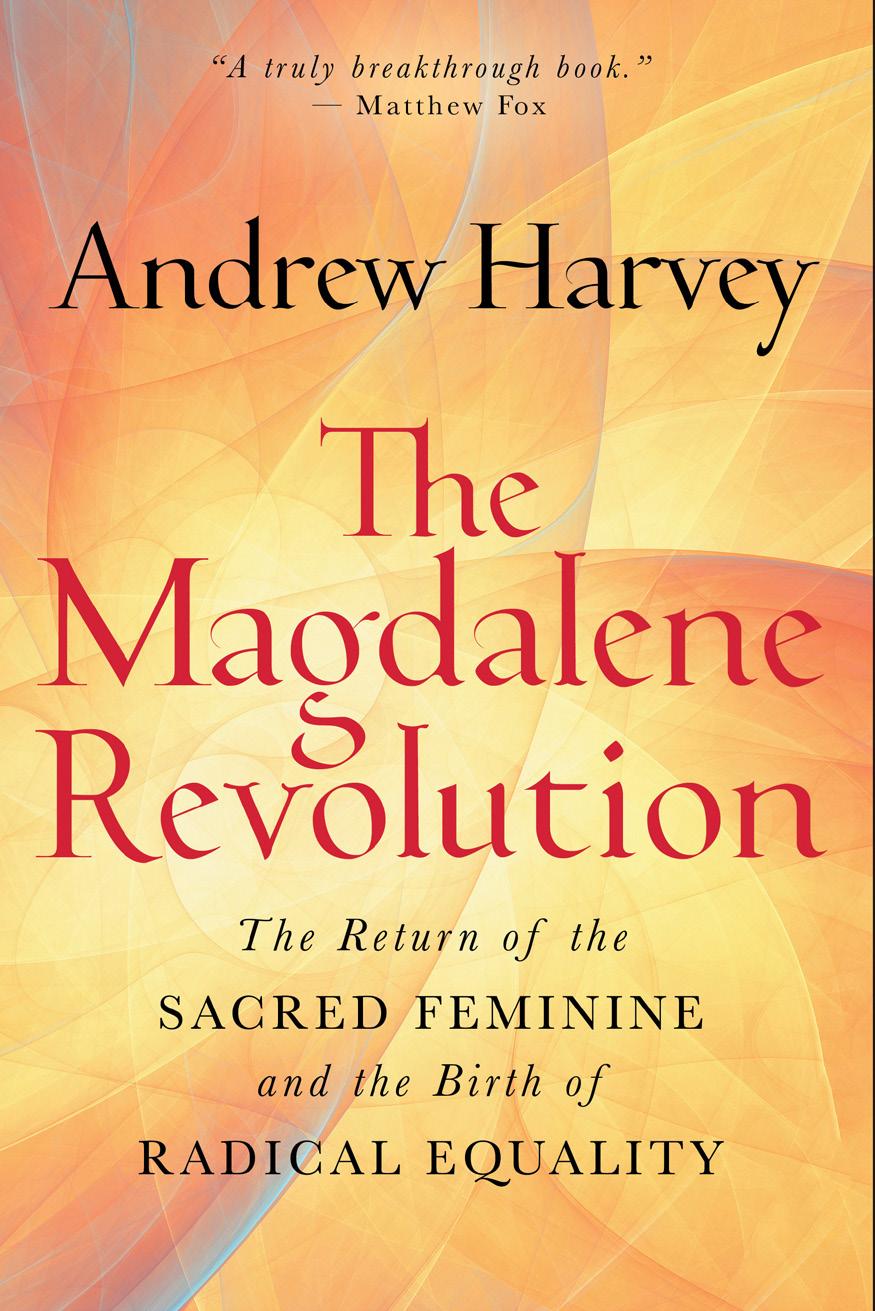
The secret of the Second Coming will be the reception of the bride—the restoration of the full power of the feminine in union with the full power of the masculine in the celebration of their sacred marriage. The time has come for this secret to be shared with everyone who can receive it. Nothing less than the future of humanity depends on us learning and embodying this secret in our inner and outer lives—both in our private, spiritual practice and in our outer commitment to urgent, wise, sacred action on behalf of peace, compassion, and justice for all beings.
These are vast, challenging, even deranging claims, because if they are taken seriously, they not only birth a new human story, but threaten and unravel the power structures of patriarchy. The return of the female Christ in her radiant equality with her beloved empowers a revolution in our understanding of the depth and glory of the Divine Feminine.
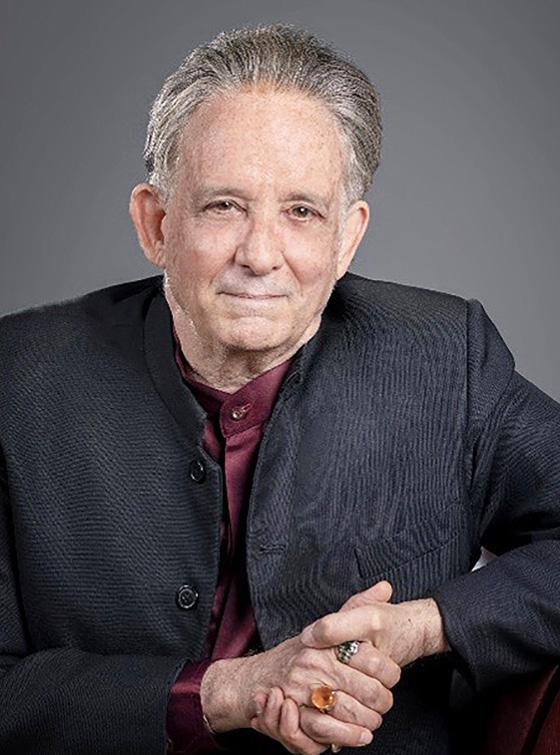
Andrew Harvey is an internationally acclaimed author, teacher, and scholar of mysticism, known for bridging ancient spiritual wisdom with urgent contemporary action. The author of more than 40 books, including The Way of Passion, Son of Man, and Savage Grace, Harvey is the founder of the Institute for Sacred Activism and a leading voice in the global movement to unite spiritual depth with compassionate, courageous service.
The Mary Magdalene that is being revealed to us after centuries of obscuration and denigration is not only the divinely chosen, unique witness to the Resurrection. With Jesus, she is also the co-parent of the entire Christian mystical tradition and of its greatest and still largely obscured and unknown secret—the transfiguration process that was made possible and available to the whole human race through Jesus, his life, his message, and his Resurrection. It is this transfiguration process, I believe, which Jesus and Mary came to birth together in their sacred marriage, and that is the real Holy Grail, not any object. It is this transfiguration process that Mary Magdalene birthed in herself in the years after Jesus’s Ascension, to ground it in the bones and cells of humanity. And it is this process—lived through and known with astonished awe by both male and female mystics in secret throughout Christian history— that her return is now inviting all beings to at this moment in human history, when everything depends on understanding it as much as we can and surrendering to its exacting but glorious laws.
This revolution transforms our experience of both female and male identity. It dissolves the lies that support exclusively male priesthood and male-dominated hierarchy of all kinds. It drowns body hatred and sex hatred in a profound and glorious experience, the experience of authentic Christ consciousness, of the sacred unity of mind, heart, body, and soul. It offers to all beings a rugged but ecstatic path of divinization, the amazing process by which a human being becomes human and divine that fulfills both the mission of Jesus and the dream of the Divine, recognized and celebrated by evolutionary mystics of all traditions.
The relationship Jesus and the Magdalene lived, which in marvelous ways we can experience but never codify, keeps leading us beyond anything we can imagine. May this journey we are on together inspire you to your own unique relationship with her and him, so you, too, wherever you find yourself on the path, can be inspired to open yourself to the great birth humanity is being offered; that you, too, will find in them sublime examples, transmitters, and teachers. But even more importantly and amazingly, may you come to see them as I do: as loving and compassionate friends who will never cease helping you, if you find in yourself the faith and the courage to keep opening to their help.


by Mary Madeiras

The Akashic Records are a powerful spiritual resource. They exist as a quantum Divine realm that contains everything each of us, as souls, has thought, said, done, and experienced across every lifetime. I view the Akashic Records as the spiritual imprint of each soul’s journey through time.
References to this concept appear throughout history and across cultures, often described as a Divine record or field of remembrance. In the Bible, the Book of Life refers to a Divine record containing people’s names, actions, and alignment with purpose. In Buddhism, the Tibetan Book of The Dead suggests that the soul encounters a mirror that reflects accumulated karmic memory across lifetimes. In Jewish mysticism, Sefer HaChaim and Sefer HaZikhronot reflect an ancient understanding of cosmic remembrance, where conscious intention, moral coherence, and the continuity of the soul exist beyond time.
Kabbalistic teachings describe the Ohr Ein Sof (Infinite Light) as containing the imprint of all creation, with higher realms holding the knowledge of all souls. In Christianity, the Book of Enoch speaks of
heavenly tablets and Divine beings who record humanity's actions. In Islam, the Qur’an describes the Lawh al-Mahfuz, a metaphysical tablet containing all past and future events—a universal archive of existence. Ancient Egypt’s Book of the Dead includes a judgment scene pointing to the soul carrying its record into the afterlife.
Greek philosophy also speaks to cosmic memory. Plato’s Theory of Anamnesis describes the soul remembering knowledge from before birth, and his concept of aether functioned as a pre-scientific field of consciousness through which form, memory, and intention moved. In more modern history, thinkers and mystics such as Madame Blavatsky, Rudolf Steiner, Edgar Cayce, and Nikola Tesla each worked within the understanding of a nonphysical field of consciousness containing vibrational intelligence beyond material form.
Today, quantum physics supports this idea in its own language, confirming that space is not empty but an information-carrying field that exists everywhere. Science and spirituality are now beginning to recognize one another’s reality.

I have been working in the Akashic Records since 2008 and continue to deepen my relationship with them through lived experience. I feel deeply grateful to access the Records for myself and others, including those of companies, places, and animals, and to hear the profound guidance that emerges from this Divine realm. Anyone can access their Akashic Records. The key is raising one’s vibration to meet this higher field of consciousness. Meditation, prayer, intention, and connecting with nature all support this shift. Most important, in my experience, is cultivating a living relationship with God, Source, Universe, or Creator.
What began as a personal journey into my own Records has expanded into receiving ongoing downloads from the Akashic realm about humanity, our planet, and the greater cosmos.
Because the Akashic Records hold the spiritual imprint of each soul’s chosen journey, accessing them is like meeting a mirror of the higher self. I emphasize chosen because a core understanding within the Records is that each soul chooses to incarnate from lifetime to lifetime. Visiting the Records often
triggers remembrance of who we are and why we are here at this moment in Earth’s history. When we reconnect with these truths, alignment naturally follows. I often describe it as a disengaged sprocket gently clicking back into place—effortless, loving, and precise.
Over the past decade, I have repeatedly turned to the Akashic Records for clarity and consolation during these challenging times. The messages have been remarkably consistent filled with reassurance, empowerment, and remembrance of our inherent light. Many spiritual practitioners report that communication with nonphysical realms has become more accessible, as if the veil has thinned. I believe this is happening because human consciousness and planetary vibration are expanding, making it easier to perceive beyond third-dimensional reality.
The following excerpts are direct messages from the Akashic Records, responses to my questions about the state of the world at various times:
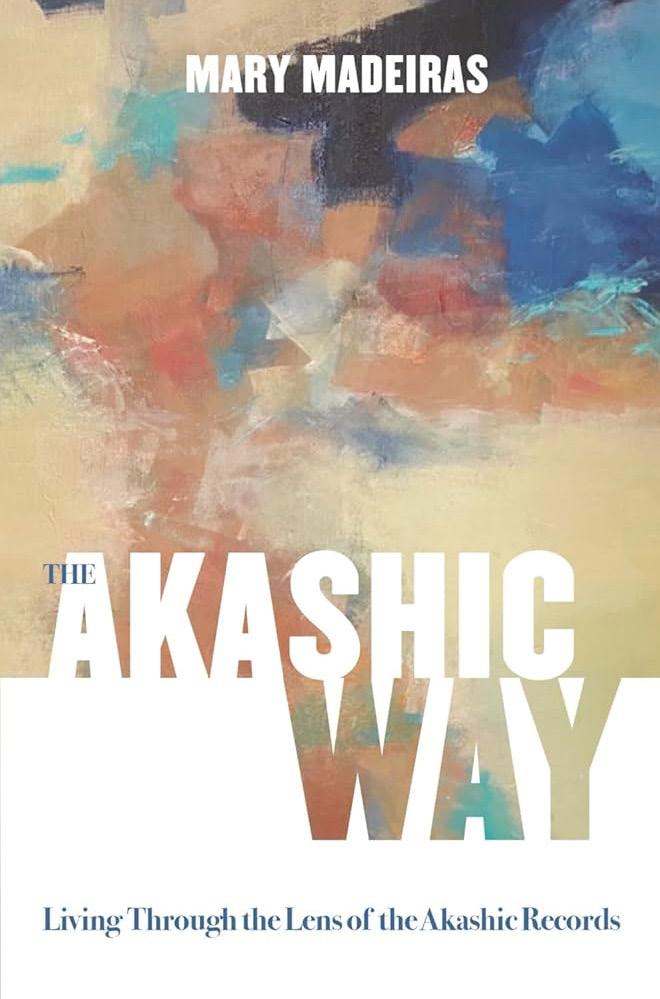
Today, humanity not only fears the future but also fears the now. There is growing evidence that people operating in their now time are gathering more fear-based ideas and attracting people to create fear-based potentials in the now. We cannot emphasize enough the importance of going inward in your now moments and allowing the light of each of you to speak directly to you. Try to listen quietly. At first, the thoughts that are associated with the density of your lives or your perception of a chaotic planet will flood your mind. That is fine. Allow them to drift by and away. We promise that eventually you will experience another sensation, another dimension, one of peace and light. And at this moment, know that this is you. It is who you are. You are the emanation of your own Divine, and the living, breathing essence of God/Source.
force. And when you feel the love from your planet, smile and know that this is exactly what you are made of. This is a mirror of the essence of you.
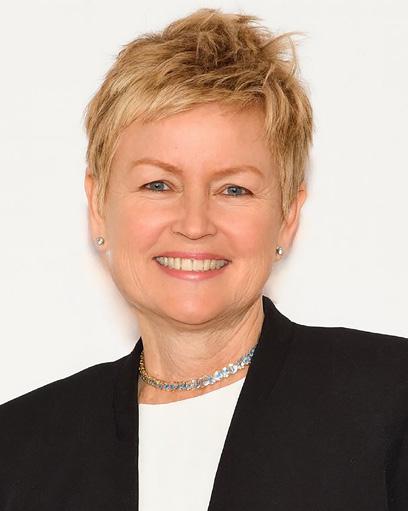
Mary Madeiras is an Advanced Akashic Records Practitioner and the author of The Akashic Way –Living Through the Lens of the Akashic Records
A three-time Emmy Award-winning television director, she now lives in a living collaboration with the Akashic Realm, bringing divine clarity, soul remembrance, and transformation to those ready to reconnect with who they truly are. www.theakashicway.com
Lots happening. Perceptions are running rampant. You are at a pivotal point in Earth’s history. Lightworkers have been summoned, both human and nonhuman, in a massive flood of love—love of each other, love of planet, love of animals and nature. Those disconnected from their Divine are working even harder to maintain power, but there is no power in a human who is disconnected from the Divine. Not possible. Gaia is helping immensely, through weather changes, earthquakes, and floods, in a massive balancing act. Balance will happen—not without those souls who have decided to transition. Many have transferred themselves back to the Divine Realm. It is all good, as they will be needed greatly when they reincarnate. Trust that this is all one huge Divine choreography.
We encourage you all to turn off your televisions and devices as much as possible and spend more time in nature. Spend time listening to the sounds of nature. Talk to the trees, to the plants. Run your hands along a green bush and thank it for its life
At this present time, your world is on the pivot of full transition—from a space of non-light, non-divine into full awareness that you all are whole, balanced expressions of Divine love… Know that you are courageous beings of light, who each chose to be here on your planet at this specific time—to assist in the grand design of one of the greatest expressions of Universal love. We will continue to mirror to you the reality of your role in this design, and we will be—and are to infinity— loving you over and over, washing you in your own magnificence so that you may emanate this vibration of reality out into the cosmos. Do not be afraid of how big it may seem. There is no end; there are no boundaries. There is only more and more of this powerful essence of light and love, and the best part is that you have the opportunity to acknowledge the grand beauty of this infinite love as you. It is you, dear ones. At this time in your world, gather together and join hands in solidarity—that this is what is truth.
The messages shared through the Akashic Records are timeless, yet they feel especially relevant now. They call for personal responsibility, inner stillness, and conscious stewardship of our energy. We are not separate from the Earth’s changes—we are participants within them. Whether we feel aligned or disoriented, we are each invited to return to love, even when it feels difficult.
One cannot help but feel the love of Source moving through these transmissions. This is why I continue to live and breathe into the Akashic Records and have accepted my role in bringing this ancient yet living resource into our present time.

Photography by Sheri Determan
The 2026 edition of Frieze Los Angeles once again affirmed the city’s position as one of the world’s most dynamic cultural capitals. Hosted at the iconic Santa Monica Airport campus, the fair welcomed leading galleries from across the globe, presenting bold solo exhibitions and thought-provoking conceptual installations that captured the spirit of contemporary art today.
Throughout the event, the atmosphere remained vibrant and inspiring as collectors, museum directors, curators, artists, and influential figures from the worlds of entertainment, fashion, and technology gathered to explore the works on display. From the earliest preview hours, galleries reported strong interest and notable acquisitions, setting an energetic tone that continued throughout the fair.
More than 32,000 visitors from over 45 countries attended, reflecting the event's truly international appeal. Representatives from approximately 160 museums and cultural institutions were also present, underscoring the fair's importance as both a marketplace and a meeting ground for the global art community.
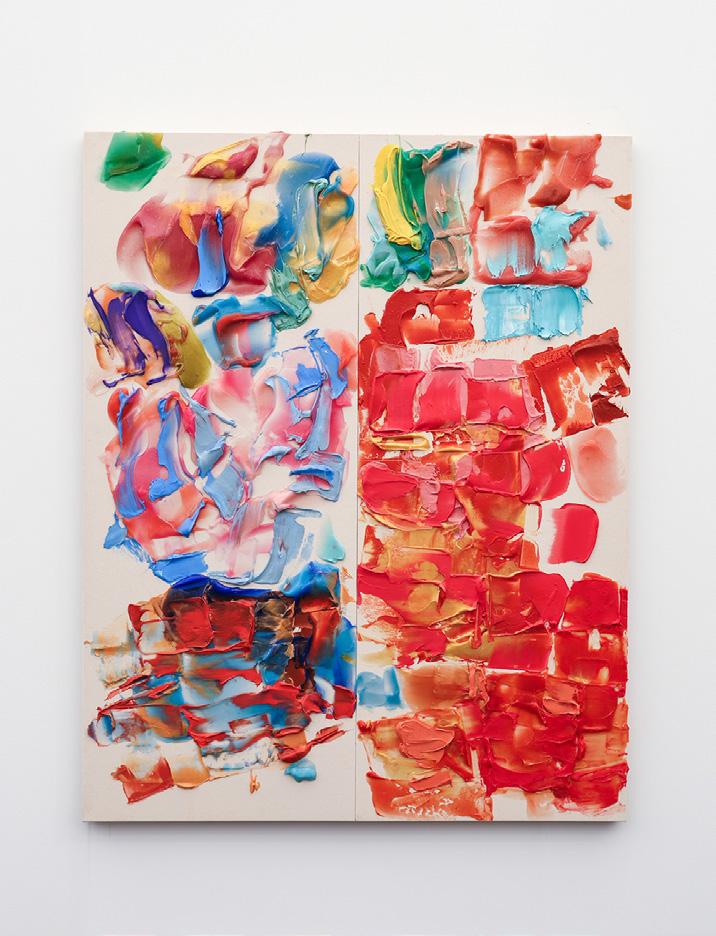
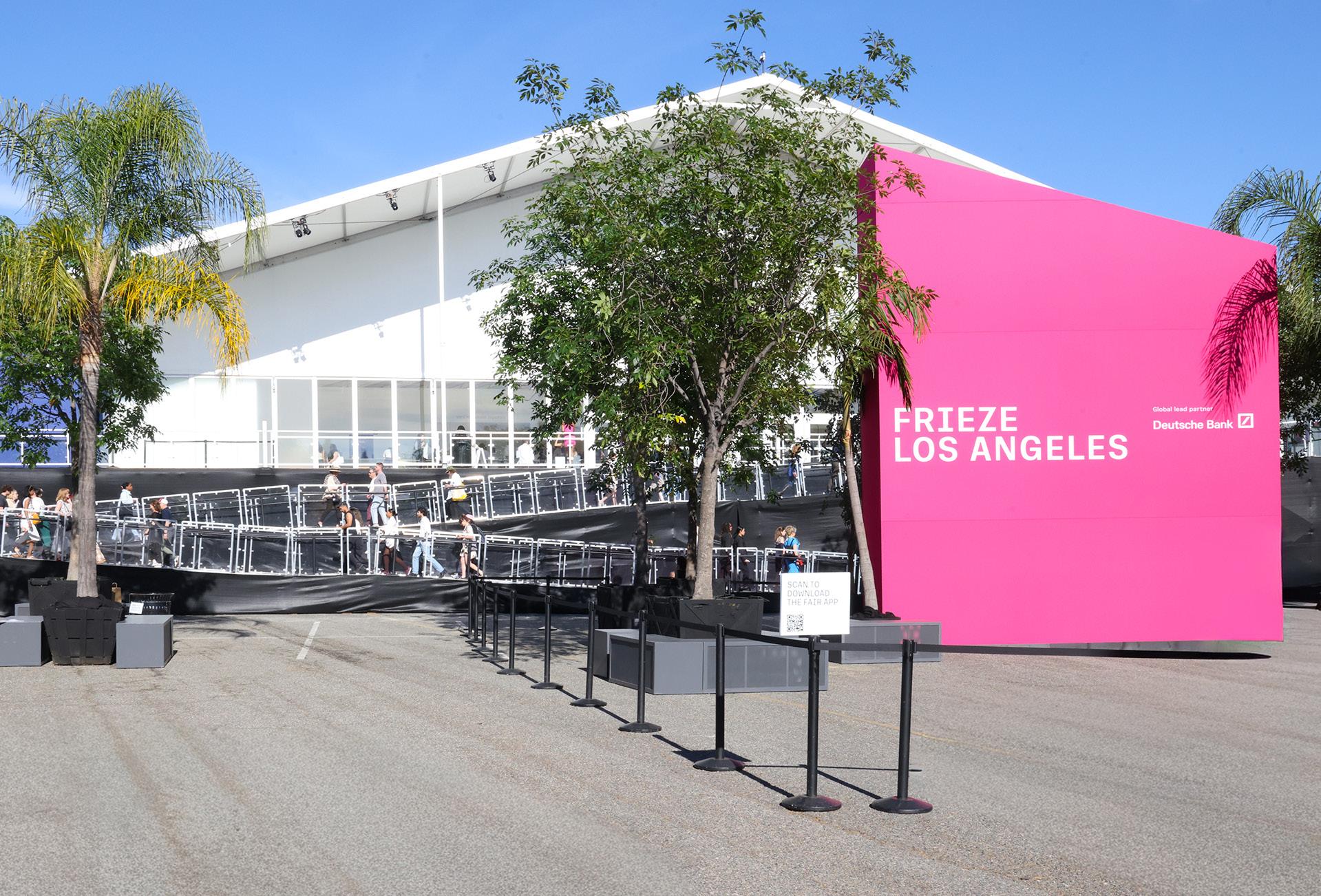
According to Christine Messineo, this year’s edition demonstrated a renewed sense of confidence among collectors and institutions alike. Engagement across the fair was both enthusiastic and meaningful, with the Focus section and various acquisition initiatives underscoring Frieze Los Angeles's growing influence and maturity within the international art calendar.
For Los Angeles—already a city known for its creative innovation—Frieze continues to serve as a powerful platform where artistic vision, cultural dialogue, and global collectors converge. The fair’s latest edition not only showcased exceptional contemporary art but also reinforced the city’s role as a thriving center of cultural production and international collecting.

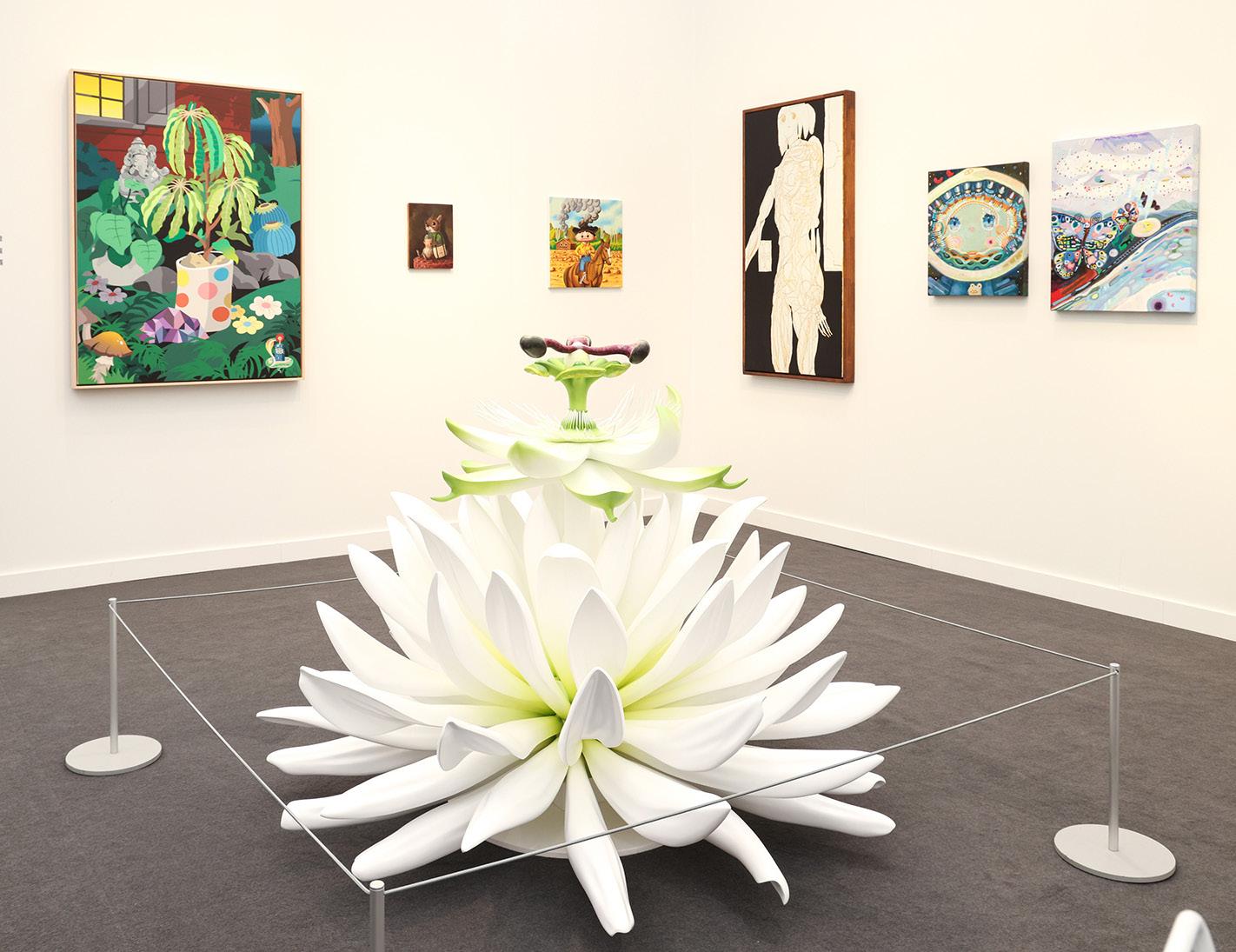
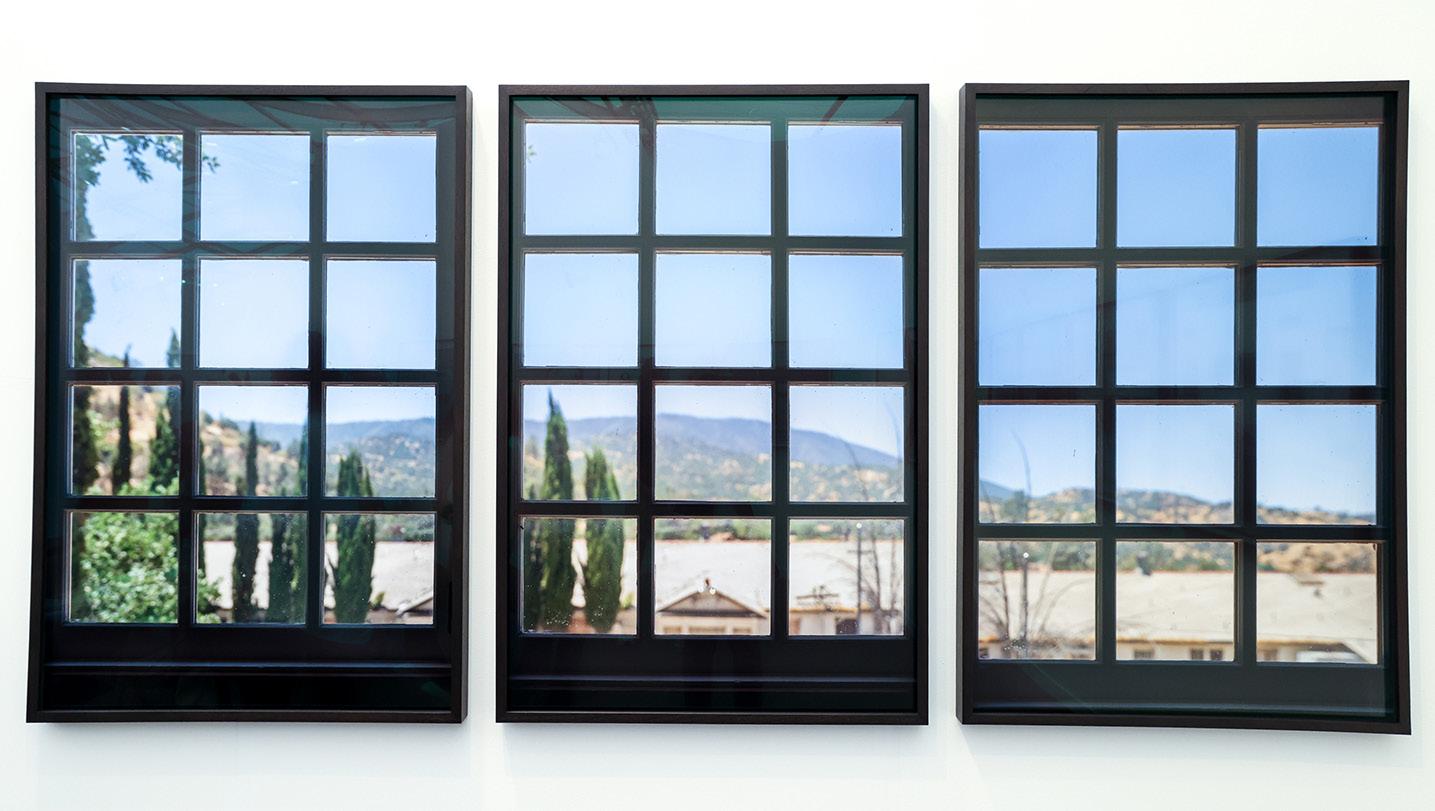
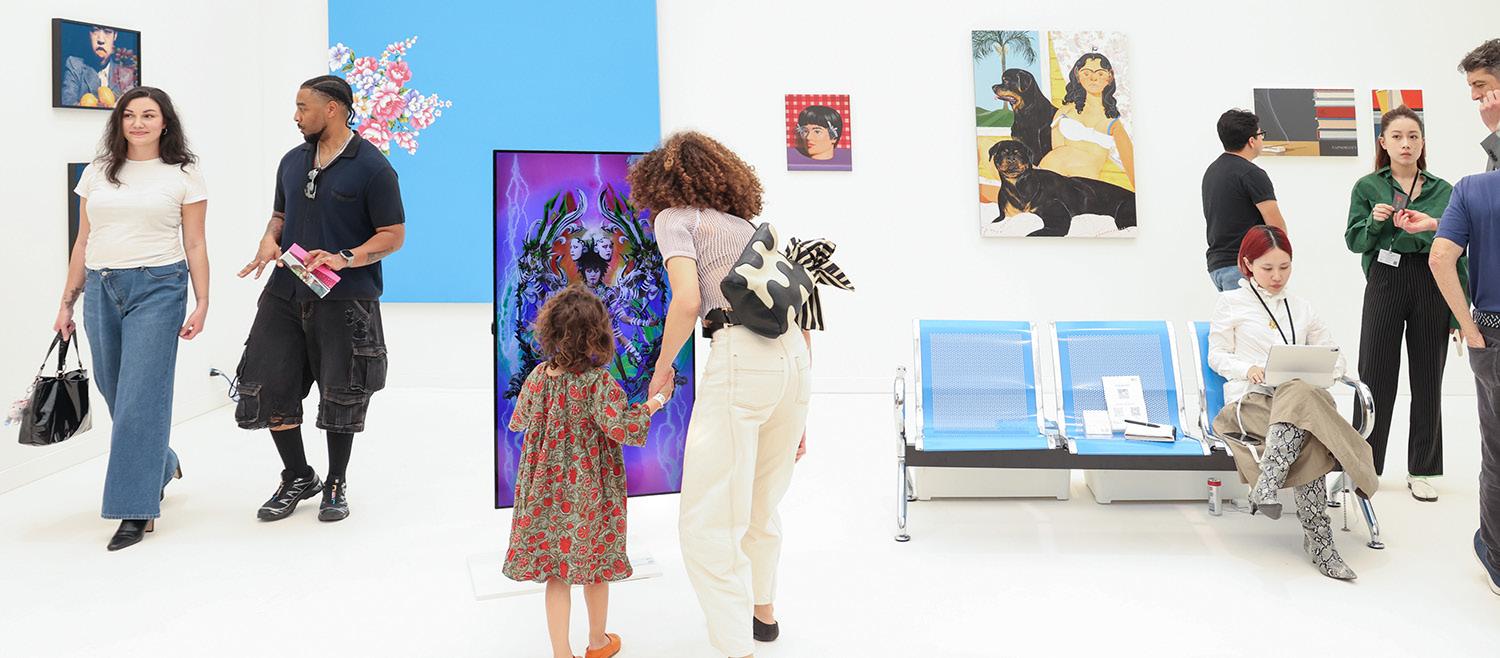
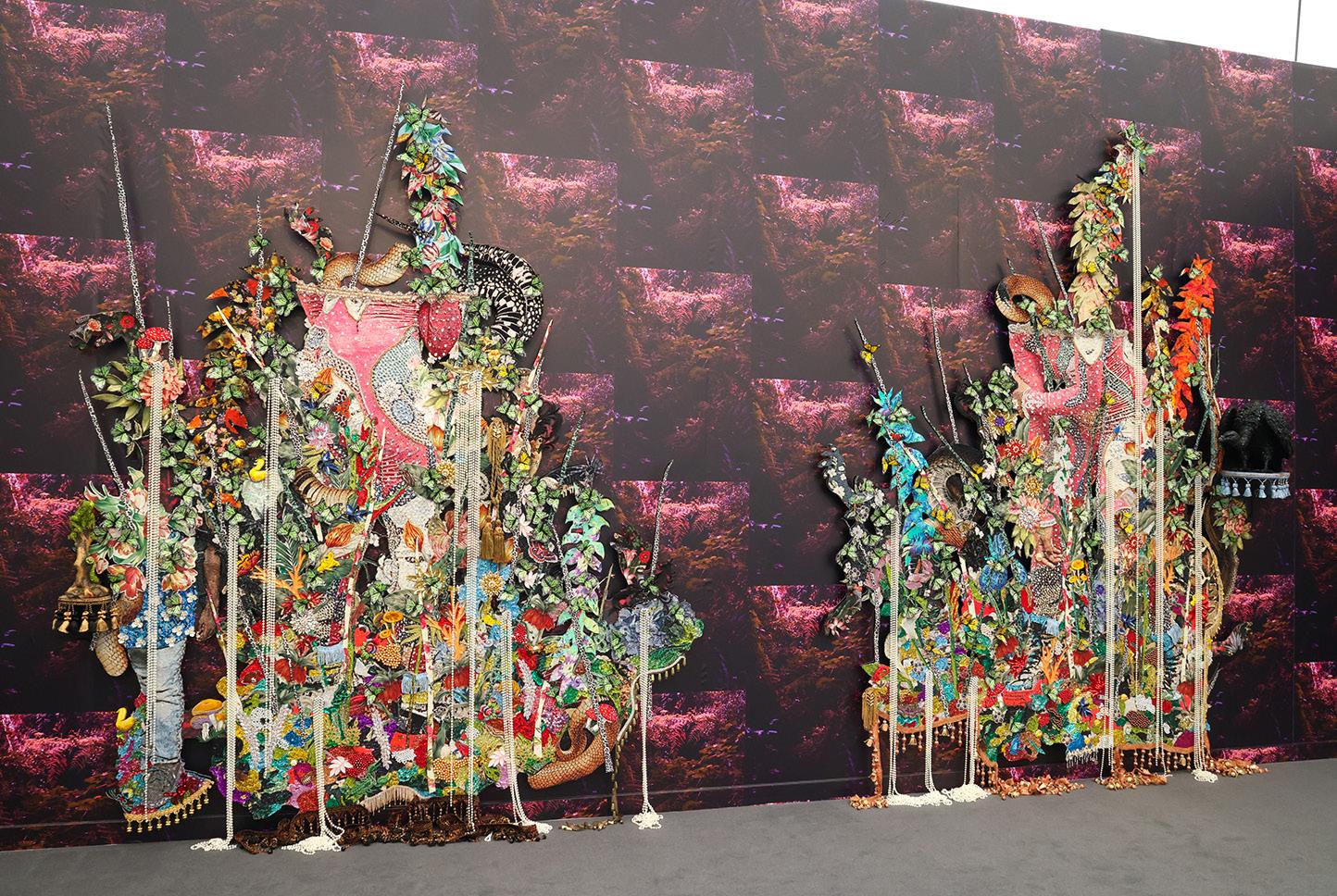
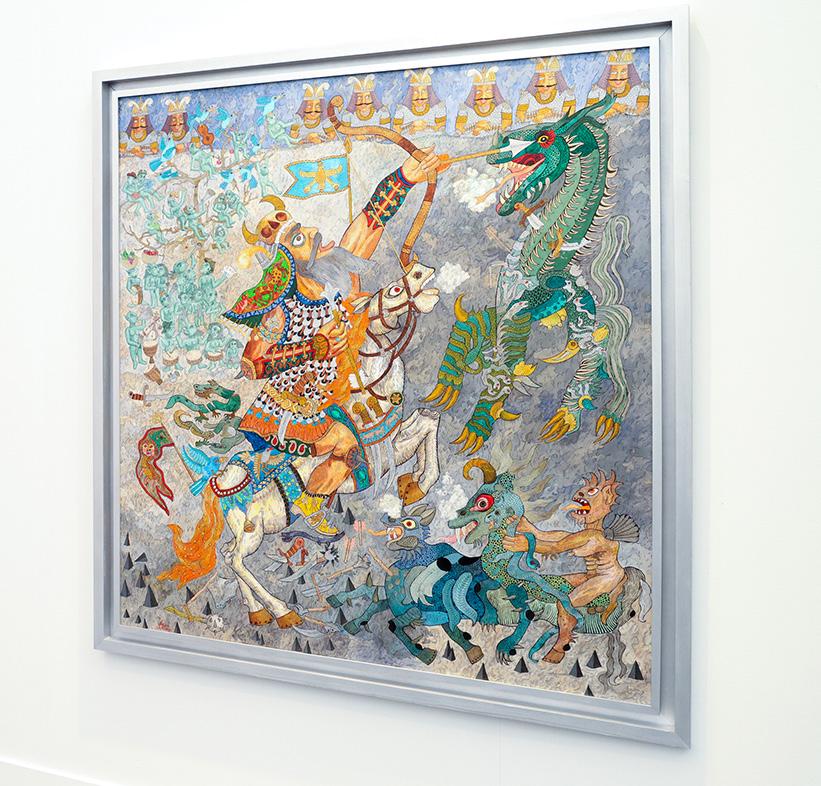

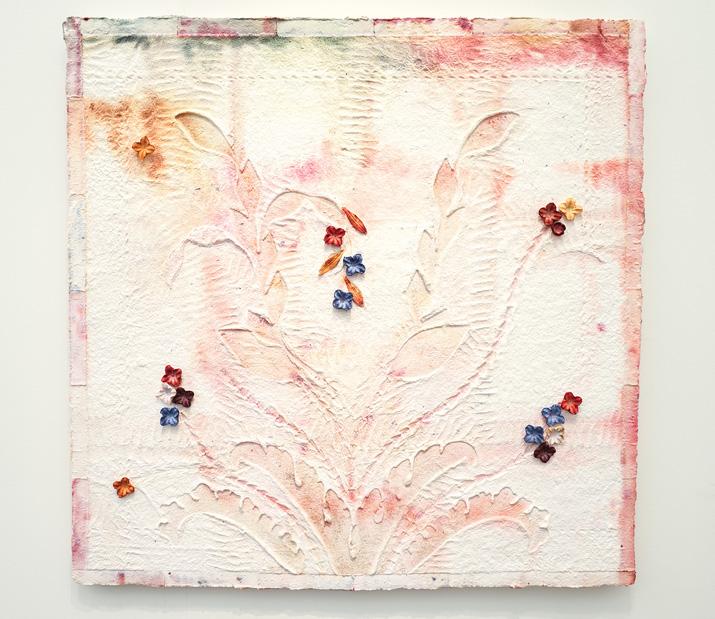

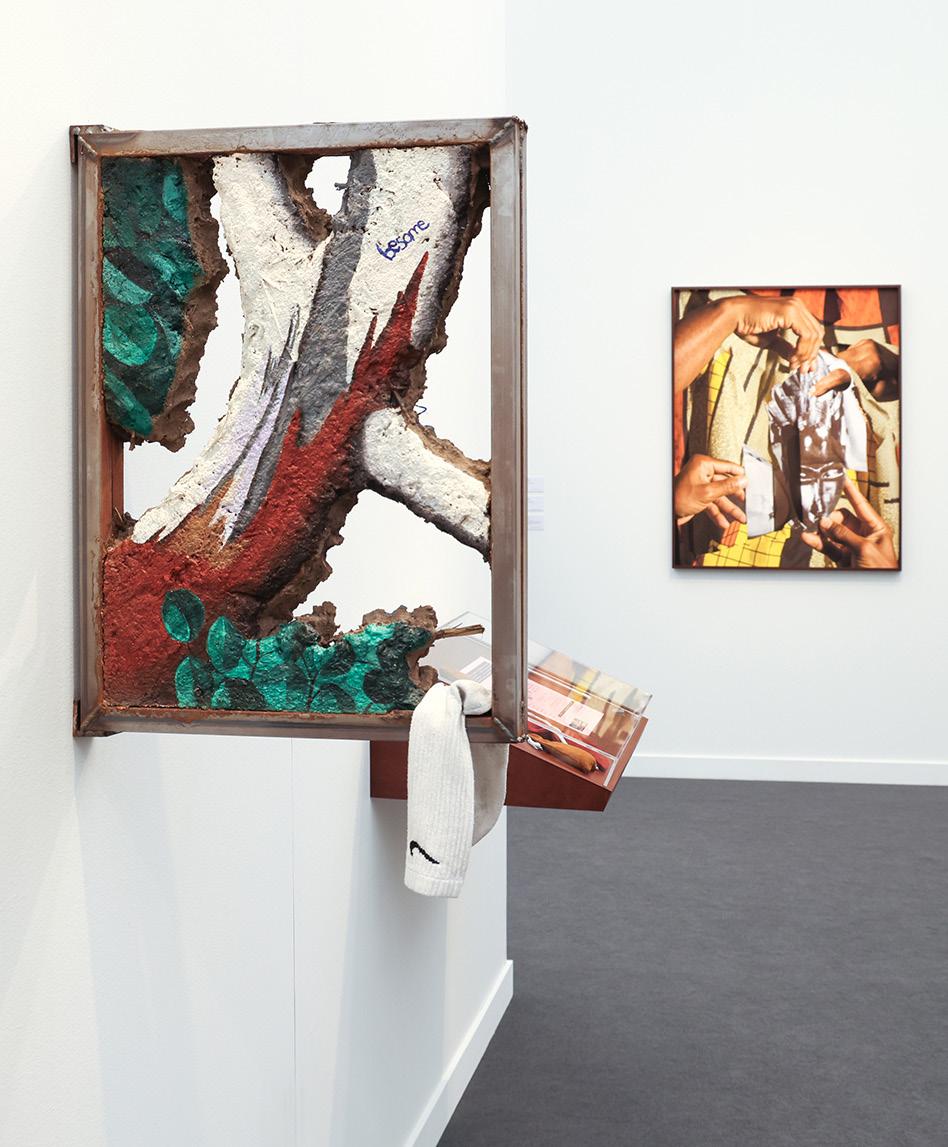
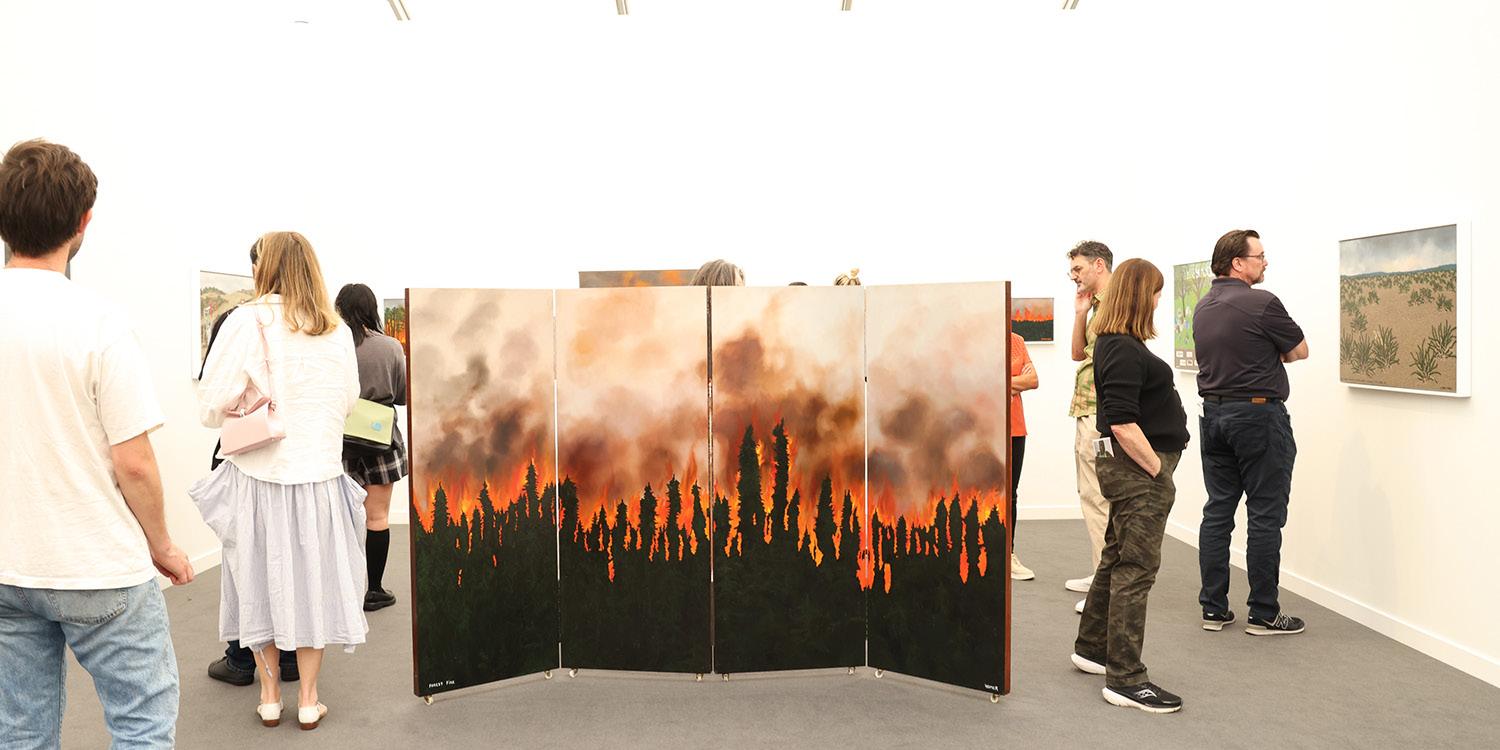
by Kenneth Paul Callison

In no uncertain terms, our current generation must fulfill its obligations to itself and bring forth world peace … or perish.
• The global arms trade produces $72 million in weapons every hour.
• It is estimated that mankind has engaged in over 14,500 wars that have produced 3.5 billion deaths.
• In 2022, 473 million children worldwide lived in areas affected by armed conflict.
• In January 2025, the Doomsday Clock was moved to 89 seconds to midnight. This is the closest the hand has been to midnight since the clock was created in 1947.4
Today, mankind finds itself faced with the possibility of its own extinction, unsure of what the future holds. However, there is something deep within
our spirit that urges us onward. Soon, the species will know for certain our capacity to persist in our own presence. In many respects, mankind’s future depends upon our ability to understand ourselves. This book provides a framework for the continued development of mankind’s species and the formation of world peace.
Recent evolutions in communications and transportation have fostered the idea that radical change is occurring in the mass consciousness. The Way to World Peace: An Idea Whose Time Has Come explores this process and encourages readers to analyze their own thoughts against the backdrop of the collective consciousness of humanity.
Like those who have been fortunate enough to walk on the moon, this book views life on Earth from afar, so the reader may journey to a new perspective of their time and place on this planet.
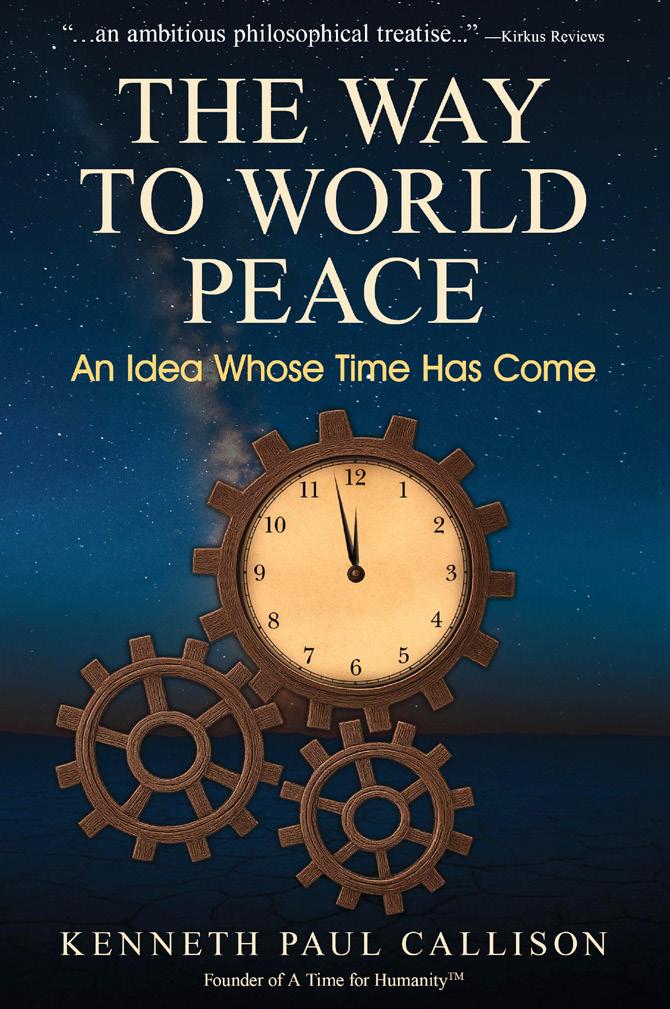
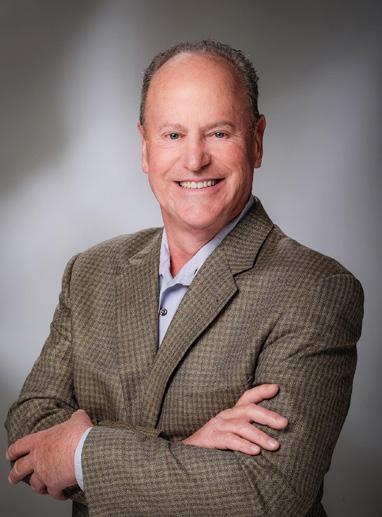
Kenneth Paul Callison is the author of The Way to World Peace: An Idea Whose Time Has Come. Founder of Allied Beauty Experts in Denver, Colorado, Callison built a nationally recognized company by creating a state-of-theart online insurance processing system and spearheading initiatives spanning R&D in medical technology, engineering, FDA process work, contract negotiation, and large-scale business management. Callison holds three patents in the beauty and medical industries. A visionary leader dedicated to creating a world free from militarization, poverty, the escalating global water crisis, and widespread environmental degradation, Callison believes humanity is capable of profound transformation—and that the time to act is now.
In pursuit of this change, you will discover that you have many strengths that have not yet been realized. The Way to World Peace: An Idea Whose Time Has Come provides an investigation into those strengths that will empower you and your fellow readers with the expectation of a positive future. Ultimately, the future beckons humanity to transform its race.
Ever since I was a child, I remember thinking about peace. When I listened to what adults said about our world, I was confused. The joy of childhood and discovery did not seem to match what I was hearing. There seemed to be trauma surrounding every aspect of life. I still remember periodic air raid drills in elementary school where we would hide under our desks to protect ourselves from nuclear annihilation. It seems we are still hiding under our desks.
Then, when I was writing this book, people asked if it was about peace of mind or world peace. My first question was always, “How are the two different?” In fact, they are part and parcel to each other.
All these years since the turbulent 1960s, life is still complicated and filled with trauma. Knowing the destruction of which mankind is capable, feelings of individual security have faded. But if we were to reach deep into humanity's collective subconscious, we’d know that to have peace of mind, the world must be secure. To have a secure world, the individual must trust and believe in mankind’s worth.
There is an impulse to turn away from the difficult decisions of our time because most people feel content that others—our
leaders—will guide the way. In truth, humankind is like a frog placed in a pot of cool water over a fire whose temperature gradually increases until the frog boils to death, not realizing the danger it is in. As humankind continues to slowly degrade our species and our planet, convinced that we have the situation in hand, the temperature of our world is increasing.
It is apparent that too many of us do not yet realize that mankind itself has a right to live without war and degradation. We have yet to completely understand the reality that all life is interdependent and that the collective mind of humanity has a destiny of its own.
With incredulous skepticism, there are those who condemn peace as unrealistic. They see those who speak or write of peace as dreamers, naive to the horrors of life.
But if we cannot dream of peace, what can we dream of?
As the world continues to converge, there seems to be a sense of change coming forth in the spirit of humanity. This book is a tool that lays the foundation for your own participation in mankind’s development into a nonviolent species. But this movement of mankind’s mind upon the Earth is not a passive process. To make this transition, we must run peace as a business, just as war is run as a business.
From what we know at this point, in all the universe, there is only one class of beings known as mankind. So, now that humanity finds itself faced with the possibility of its own extinction, we must first recognize how much has unfolded over our history to bring us to this point.
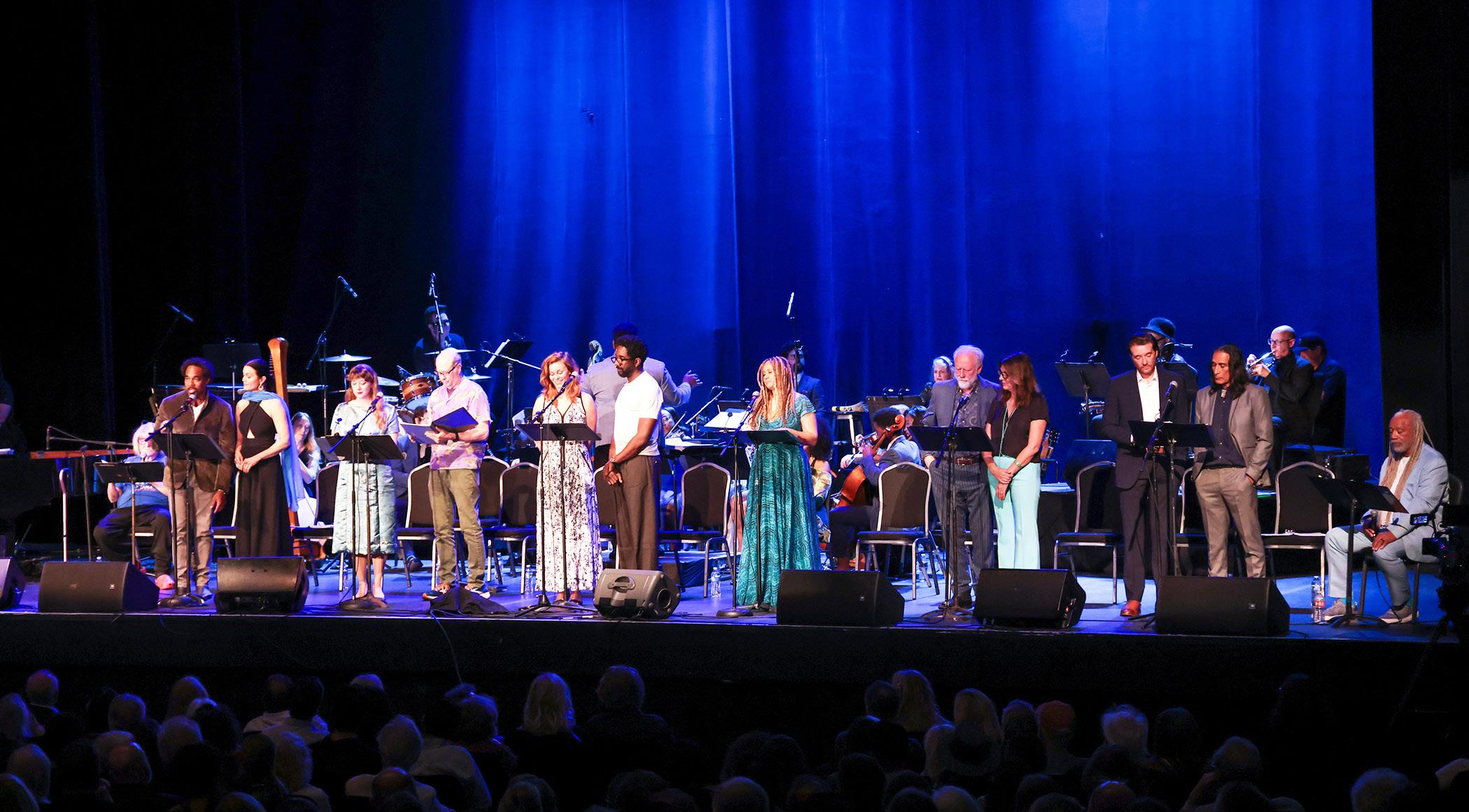
Photography by Sheri Determan

In April, The Eden Magazine proudly highlights a luminous evening where art, advocacy, and humanity converged in a powerful tribute to our planet’s most essential element—water.
A WORDTheatre® Benefit Performance: The Ocean: Our Liquid Universe was far more than a one-night-only event; it was an evocative call to awareness and stewardship. With grace and presence, Lily Tomlin and Sharon Stone opened the evening, setting a tone that was both celebratory and urgent. The performance unfolded as a mesmerizing tapestry of storytelling, music, and myth, reminding us that the ocean is not only a source of life, but a living archive of our shared history.
Produced by WORDTheatre, the nonprofit known for bringing together acclaimed authors, actors, and musicians, the evening embodied their mission to entertain, educate, and inspire. Through a seamless blend of narration, performance, and orchestration, the audience was transported across time and tide, into the depths of the ocean’s beauty and the gravity of its vulnerability. introduced

An extraordinary ensemble of actors, including Bellamy Young, Jason George. Tracie Thoms, Gina Bellman, and Xander Berkeley, lent their voices to stories that echoed with emotional resonance. Narrators Dave Fennoy and Iona Morris grounded the evening with commanding presence, while the musical dimension elevated the experience into something transcendent.
Under the direction of Grammy Award-winning composer Starr Parodi and conductor Anthony Parnther, a remarkable orchestra of musicians brought the ocean’s spirit to life. The haunting notes of harp, strings, percussion, and voice mirrored the rhythm of the tides, at times serene, at times thunderous. Special musical guests, including Dave Bayley of Glass Animals, Louis Price, and Mehro, added contemporary depth and soul to the performance.

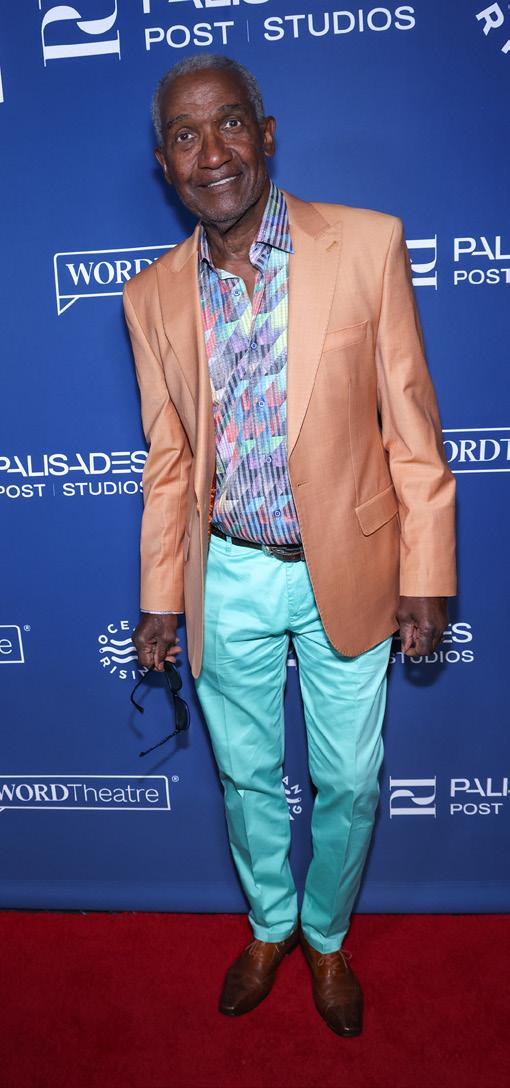
At its heart, the evening supported Ocean Rising, an initiative dedicated to inspiring a new generation of ocean ambassadors. The message was clear: the ocean is our most vital resource, and its protection is not optional, it is imperative.
In a world often divided, this unforgettable performance reminded us of our shared responsibility and connection. Through art and intention, WORDTheatre once again proved that storytelling can be a powerful force for change, awakening hearts, inspiring action, and honoring the sacred pulse of our blue planet. https://wordtheatre.org
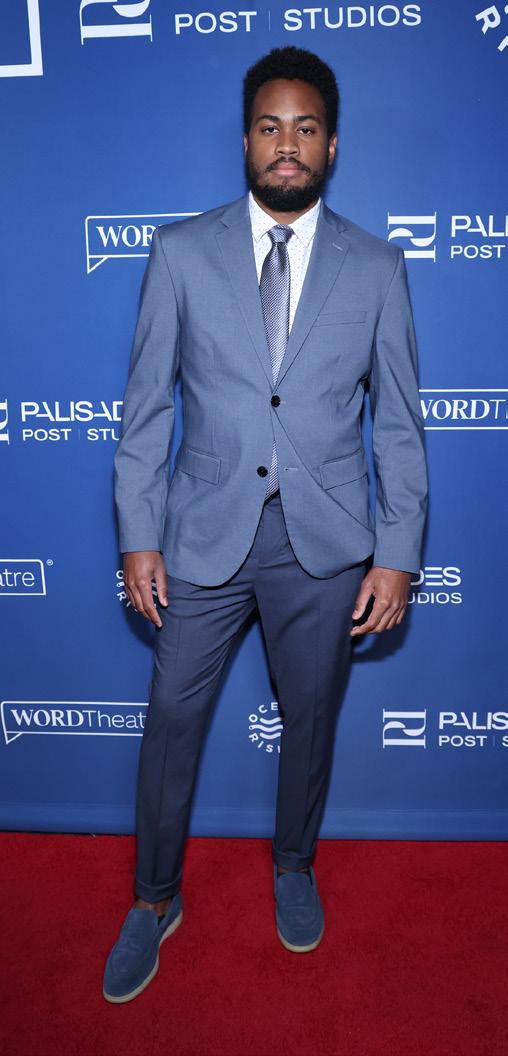


Adopt Today




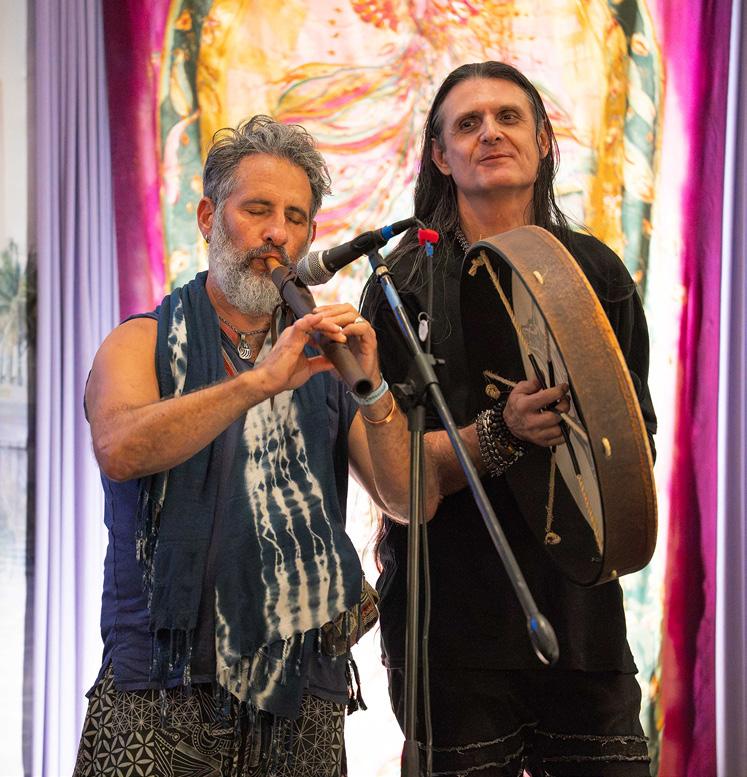
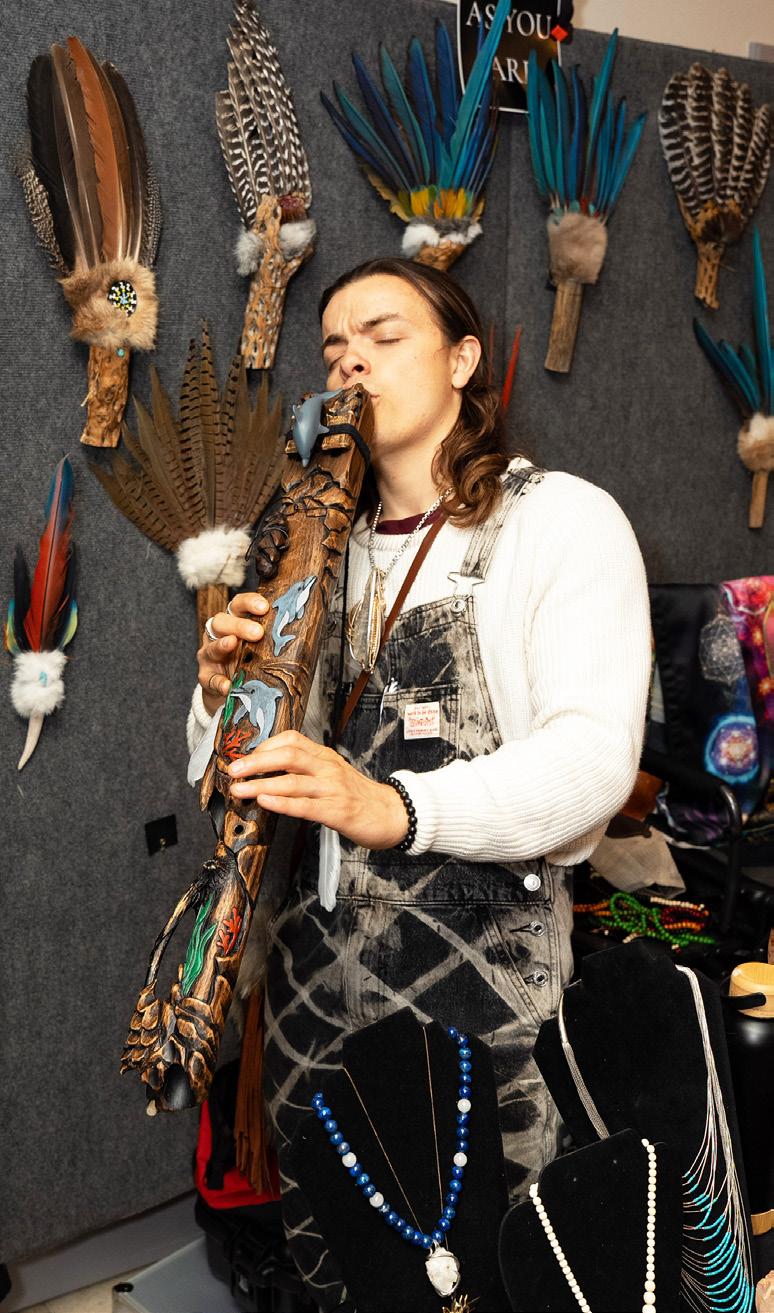

By Marjorie Hope
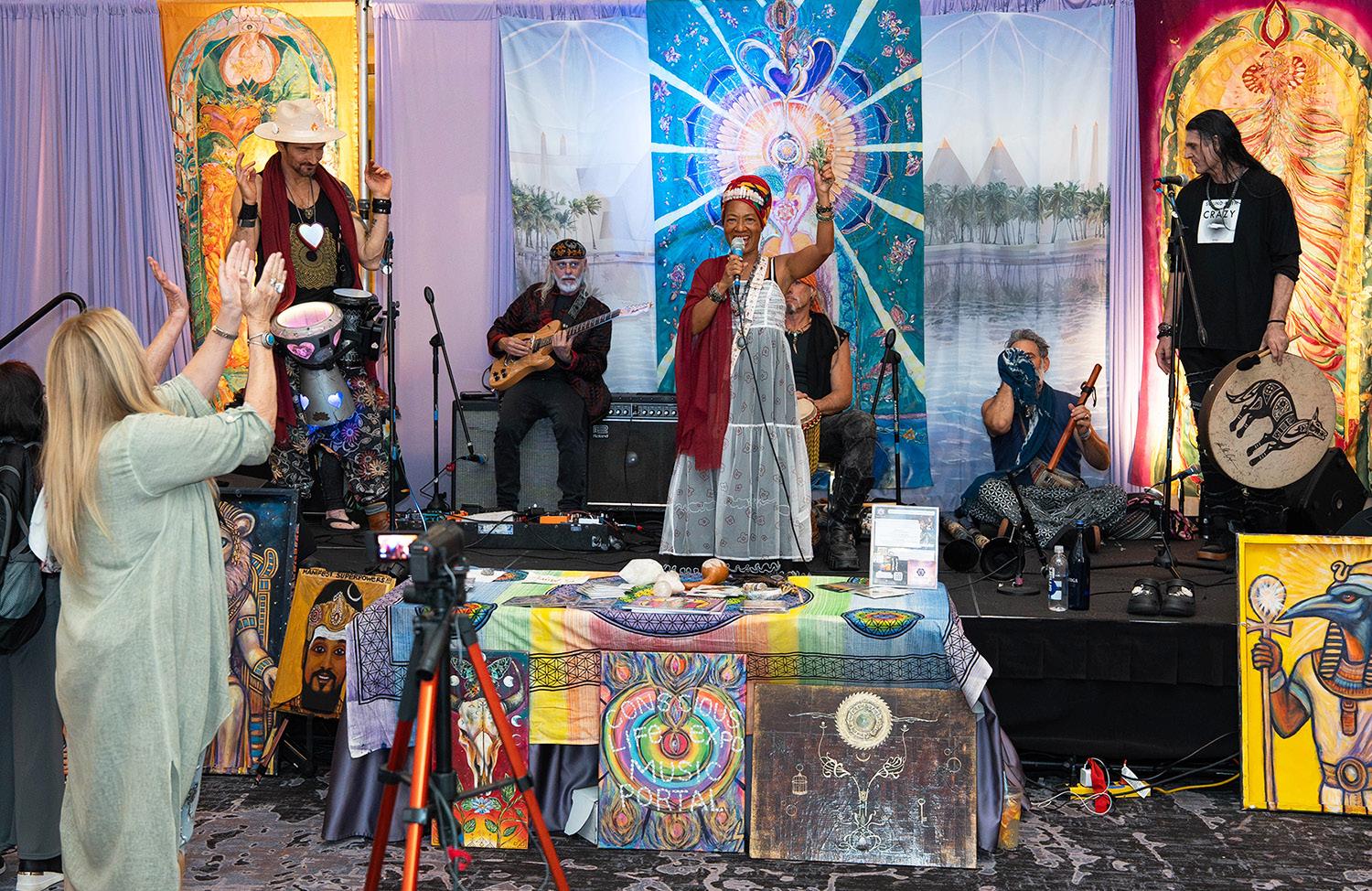
From February 20–23, 2026, the 24th Annual Conscious Life Expo transformed the Hilton Los Angeles Airport into a dynamic sanctuary of expanded awareness. More than 200 speakers and hundreds of exhibitors gathered for four days that felt less like a traditional conference and more like a convergence of visionaries shaping humanity’s next evolutionary chapter.
In an era marked by rapid technological acceleration and social fragmentation, the Expo offered something increasingly rare: integration. Science met spirituality with mutual respect. Mysticism invited inquiry. Legal perspectives intersected with cosmic speculation. Healing arts aligned with futurism. The experience was not about escaping reality, but engaging with it more deeply.
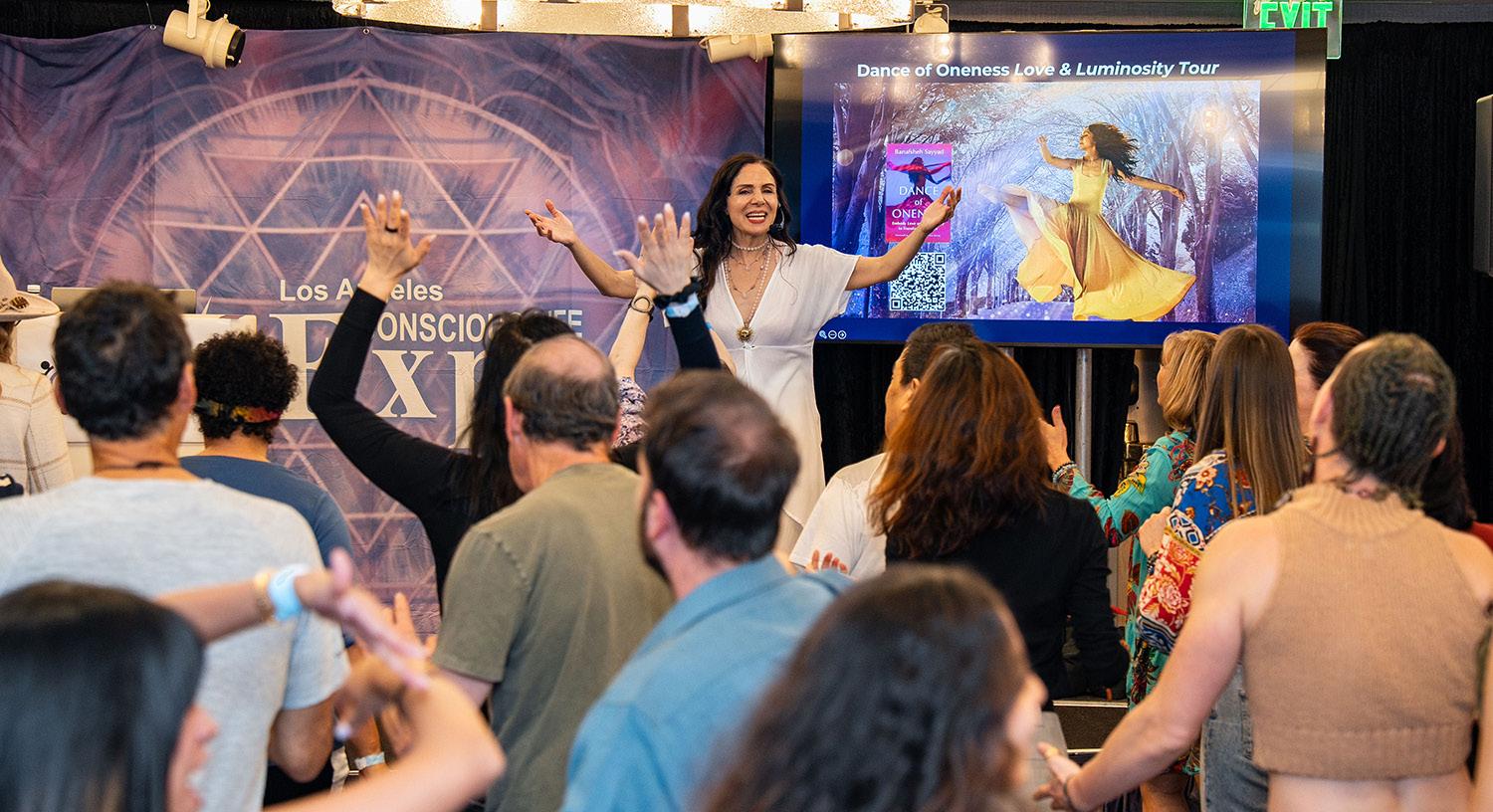
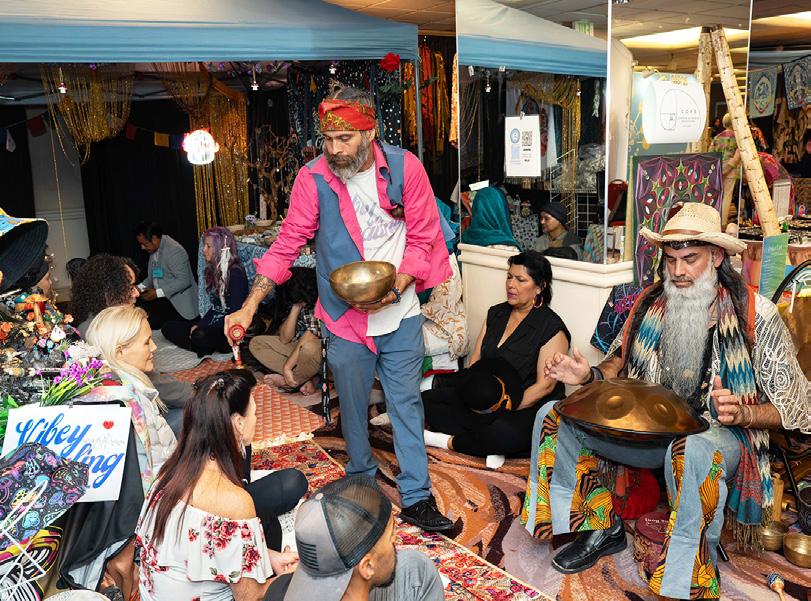

This year’s underlying frequency was unmistakable—consciousness is no longer a fringe concept; it is becoming central to modern discourse. Themes of science, cosmology, disclosure, holistic health, and multidimensional awareness unfolded within an atmosphere of intellectual curiosity and spiritual openness.
Among the most compelling highlights were the disclosure and UAP dialogues led by Ross Coulthart and Daniel Sheehan, exploring the legal, cultural, and ethical implications of transparency. The Disclosure Lunch hosted by Jimmy Church provided a rare, intimate setting for candid conversation. Meanwhile, Darryl Anka’s live Bashar transmission drew a standing-room-only audience, delving into frequency, parallel realities, and personal empowerment.
Legendary broadcaster George Noory hosted a dynamic forum blending cosmic inquiry with audience engagement, while panels on quantum theory, simulation hypothesis, longevity, and integrative health bridged cutting-edge science with embodied wellness.
Workshops brought theory into lived experience. Sessions in breathwork, Qi Gong, sacred geometry, and energy medicine emphasized a powerful truth: knowledge alone is not transformation—embodiment is. The Hall of Healing offered a restorative space where sound baths, frequency therapies, and handson energy work allowed participants to integrate insights on a cellular level.
Additional voices such as Robert Edward Grant, Sacha Stone, and Dannion Brinkley contributed to a rich tapestry of

perspectives spanning science, metaphysics, and human potential. The Expo’s strength was not in any single viewpoint, but in its synthesis of many.
Perhaps the most defining feature of the 2026 gathering was its coherence. The conscious community reflected a growing maturity—less sensationalism, more grounded integration. Conversations in hallways about artificial intelligence, sovereignty, planetary stewardship, and nervous system resilience carried as much depth as formal presentations.
The Marketplace mirrored this balance of practicality and mysticism, offering everything from biohacking technologies to artisanal wellness products and rare crystals. Live music, nourishing food, and a vibrant sense of community added warmth and celebration to the experience.
In essence, the Conscious Life Expo 2026 did not promise definitive answers. Instead, it offered something far more meaningful: an expanded perspective. It invited participants to ask deeper questions about identity, health, governance, and humanity’s place in a larger cosmic context.
As attendees returned to the rhythm of daily life, one realization lingered—this was not a fringe movement, but part of an emerging cultural shift. A new literacy around consciousness is taking form.
And in a world defined by constant change, perspective itself may be the most powerful transformation of all.