Hello, my name is Mary Stroemsvik, and I am currently studying Interior Design at Virginia Tech. This portfolio brings together a selection of projects that reflect how my design voice has grown rooted in materiality, color, and the sensory experience of a space. My time studying in Florence deepened my appreciation for historic context and layered palettes, and that influence continues to shape how I approach every project. I’m drawn to environments that feel intentional, warm, and human, and I love exploring how thoughtful details can transform the way people experience a place. I hope this collection offers a clear look into my process, my curiosity, and the direction I’m continuing to grow as a designer.
Contact Info:
Phone: 540-333-9746
Email: smary24@vt.edu
LinkedIn: www.linkedIn.com/in/mary-stroemsvik
CONVERGE D.C.
Co-working Office Space
GEOGRIP
Temporary Installation
CONVERGE D.C.
COWORKING OFFICE
FALL 2025
01 CONVERGE D.C.
COWORKING ENVIRONMENT
FALL 2025
INDIVIDUAL
5.5 WEEKS
REVIT+ ENSCAPE
WORKPLACE DESIGN
LOCATION: WASHINGTON D.C.
BUILDING: 600 MASSACHUSETTS AVENUE
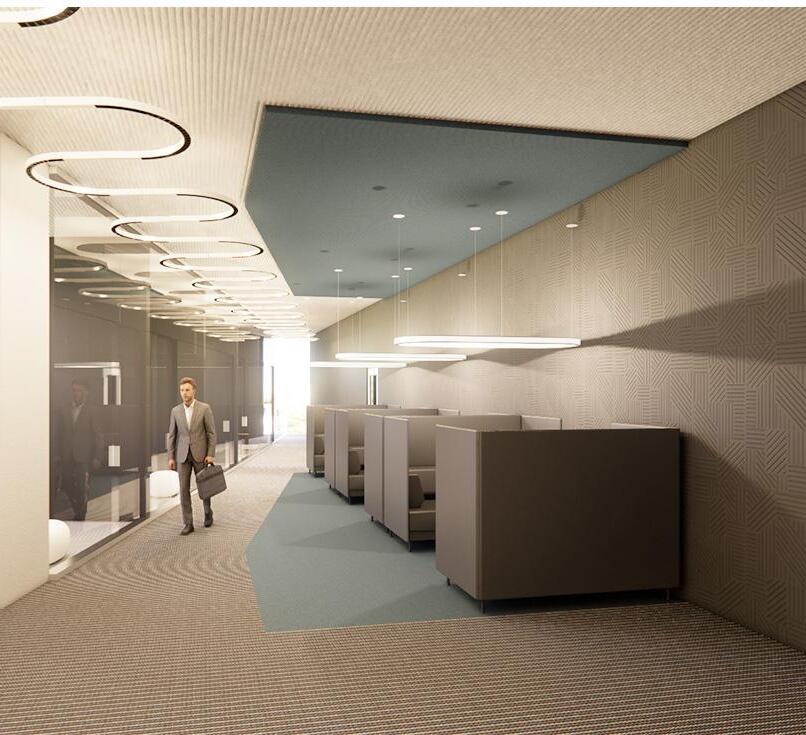
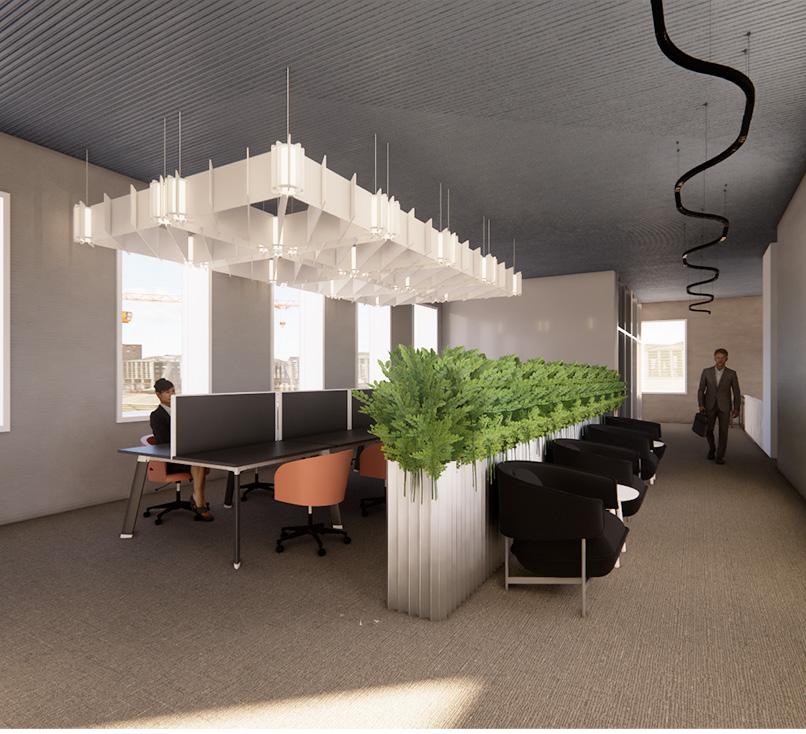
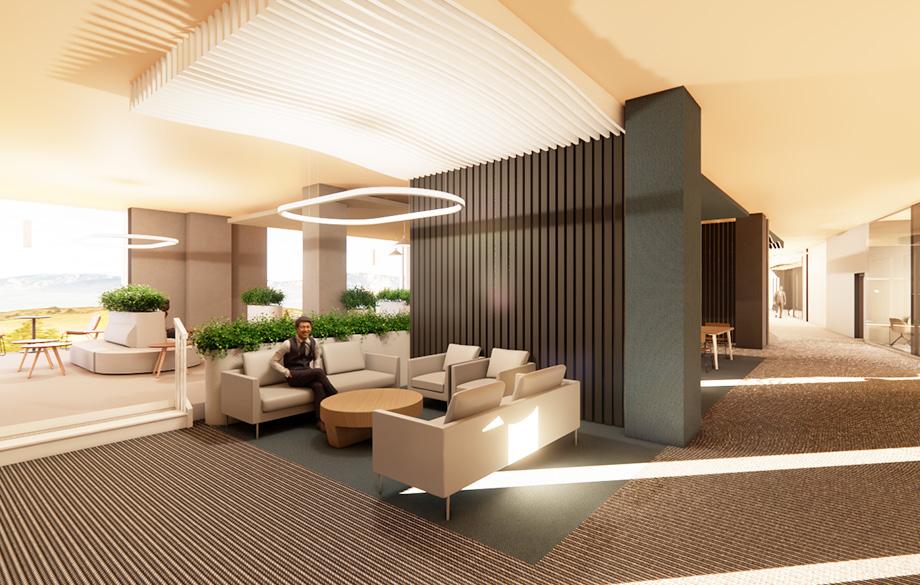
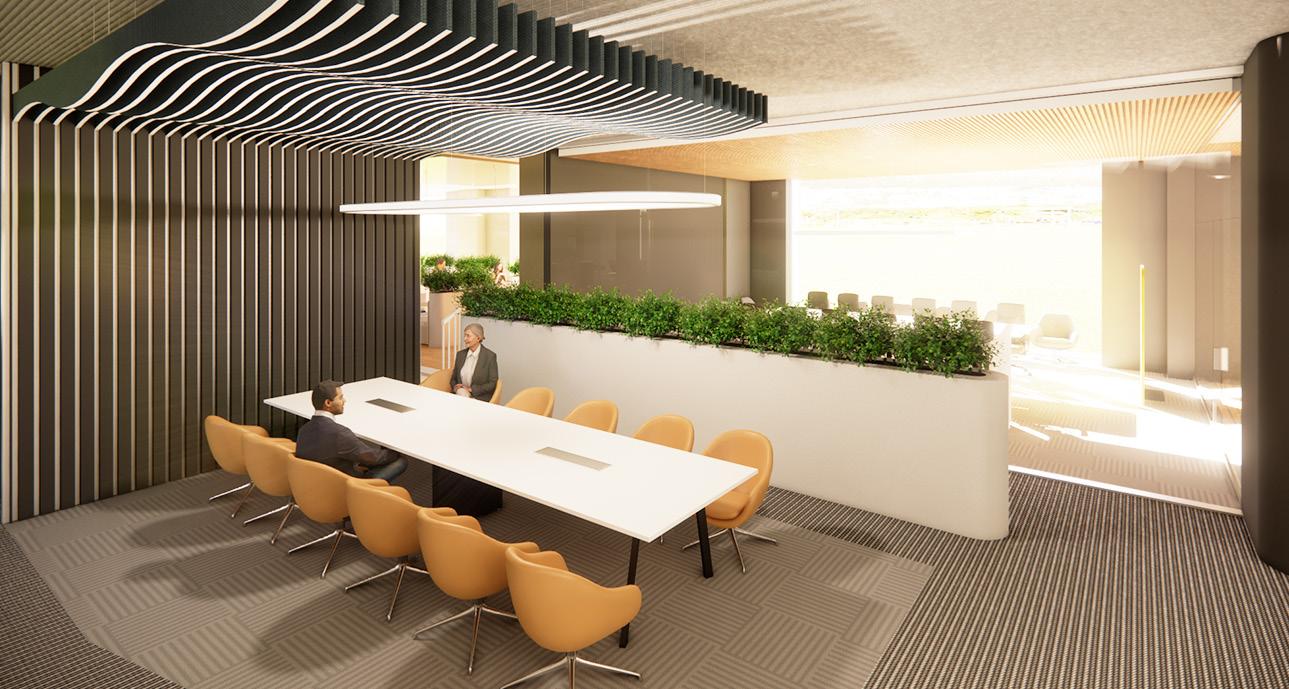
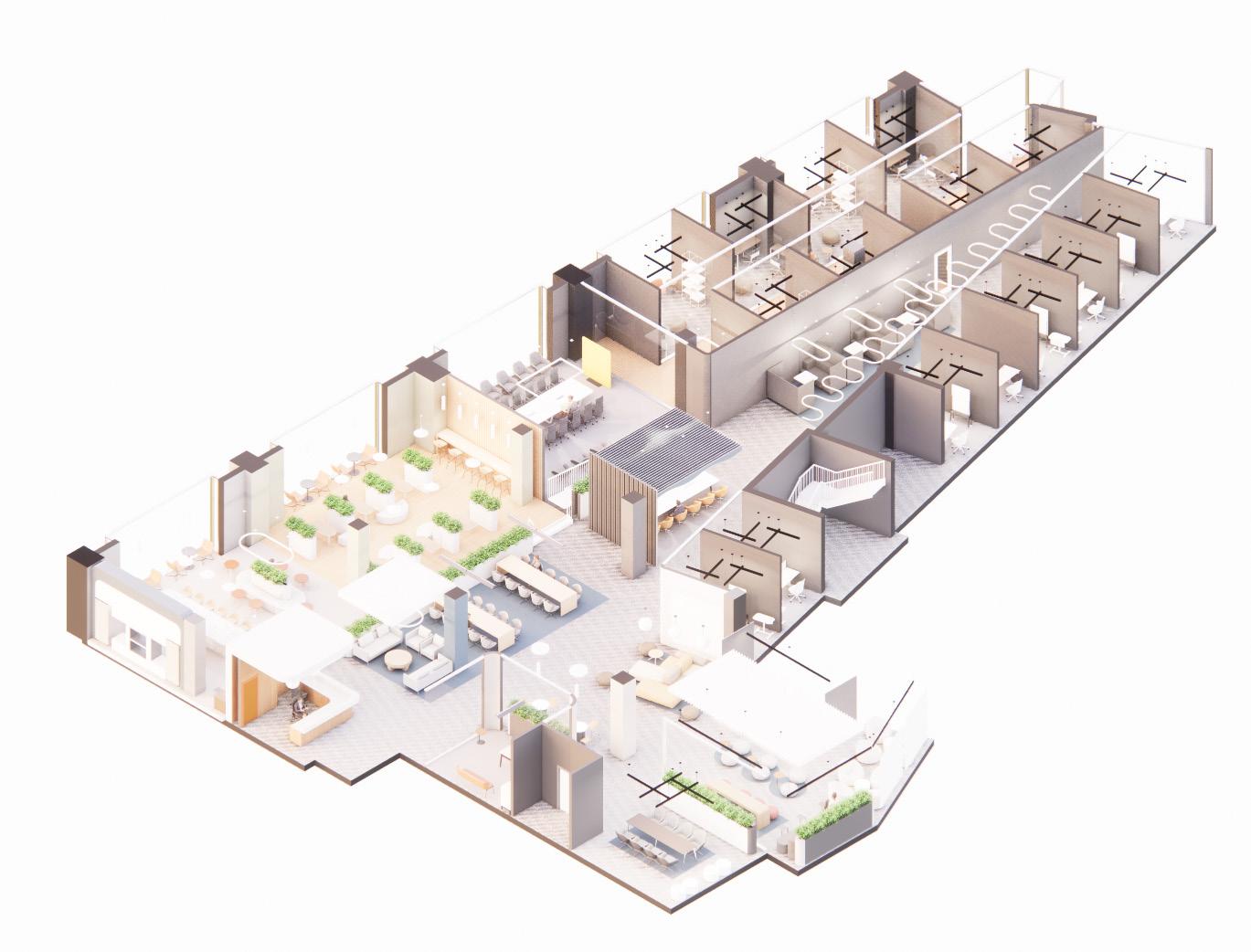
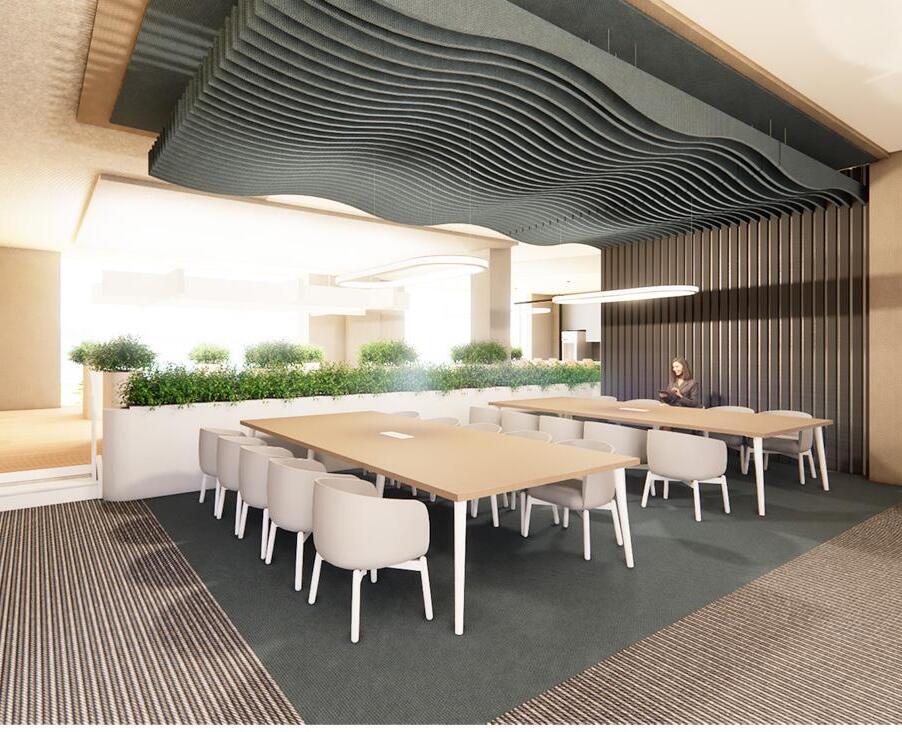
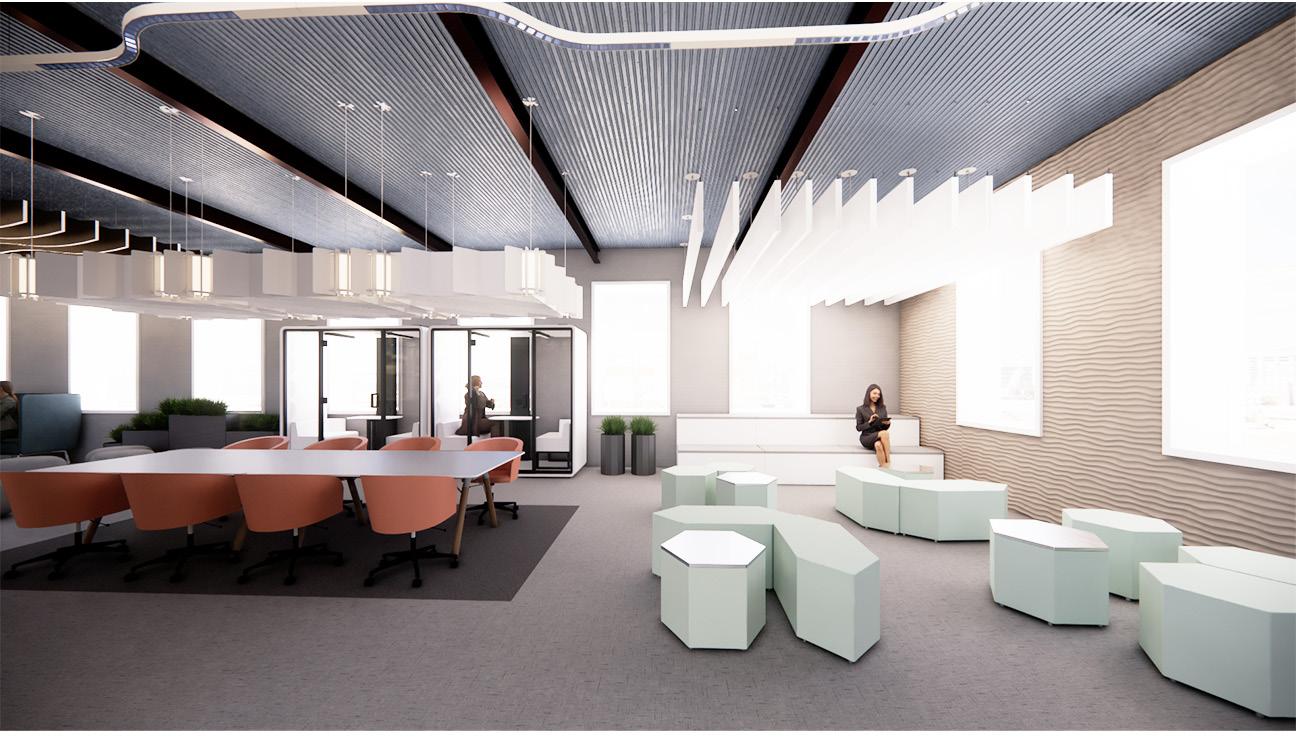
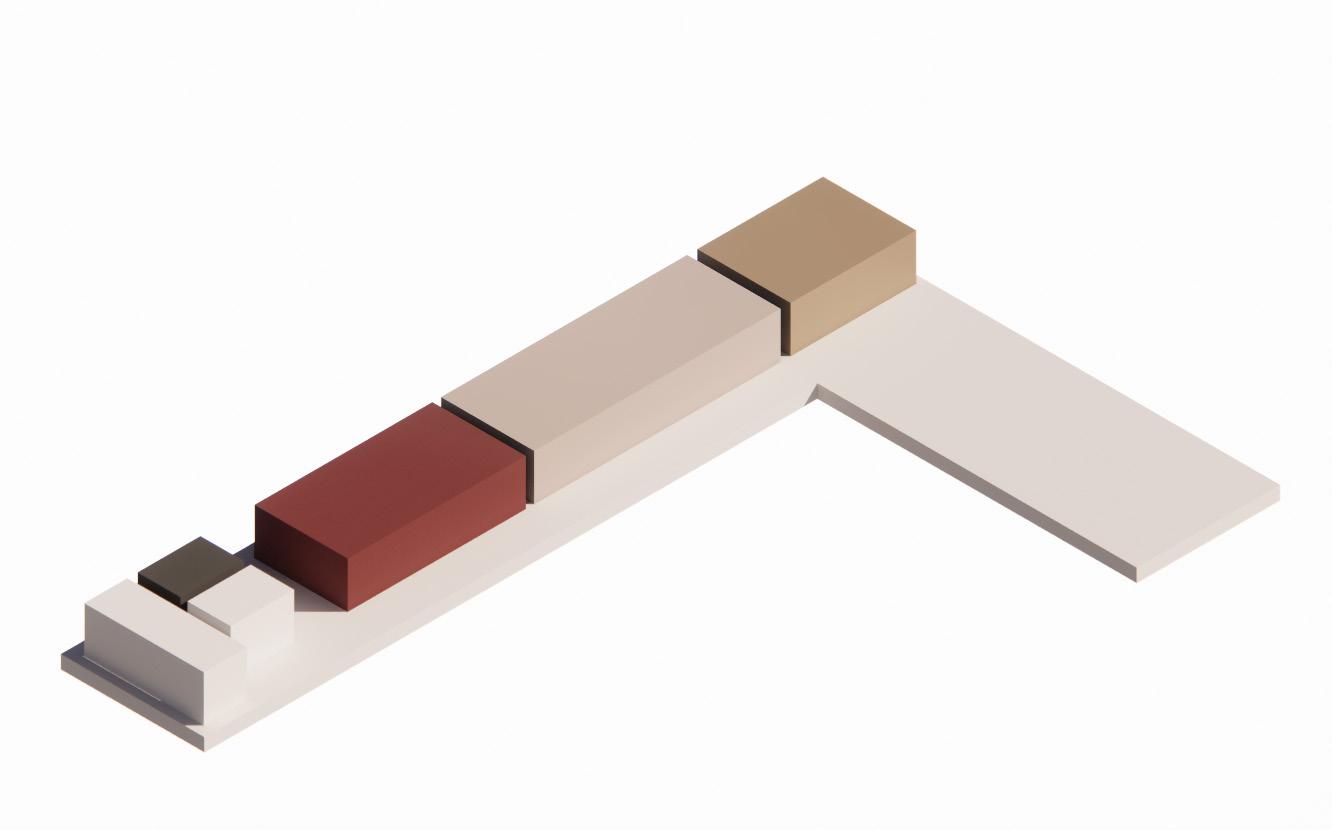
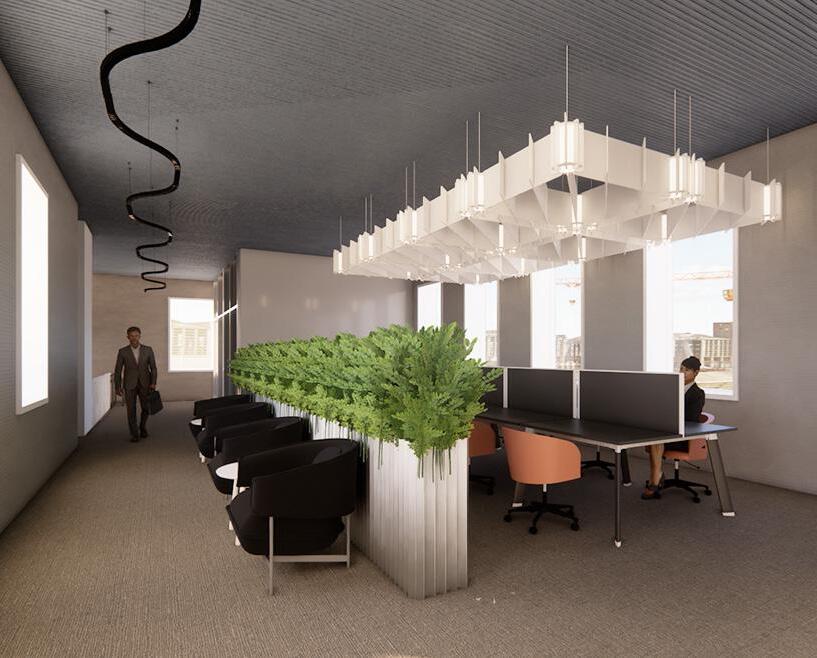
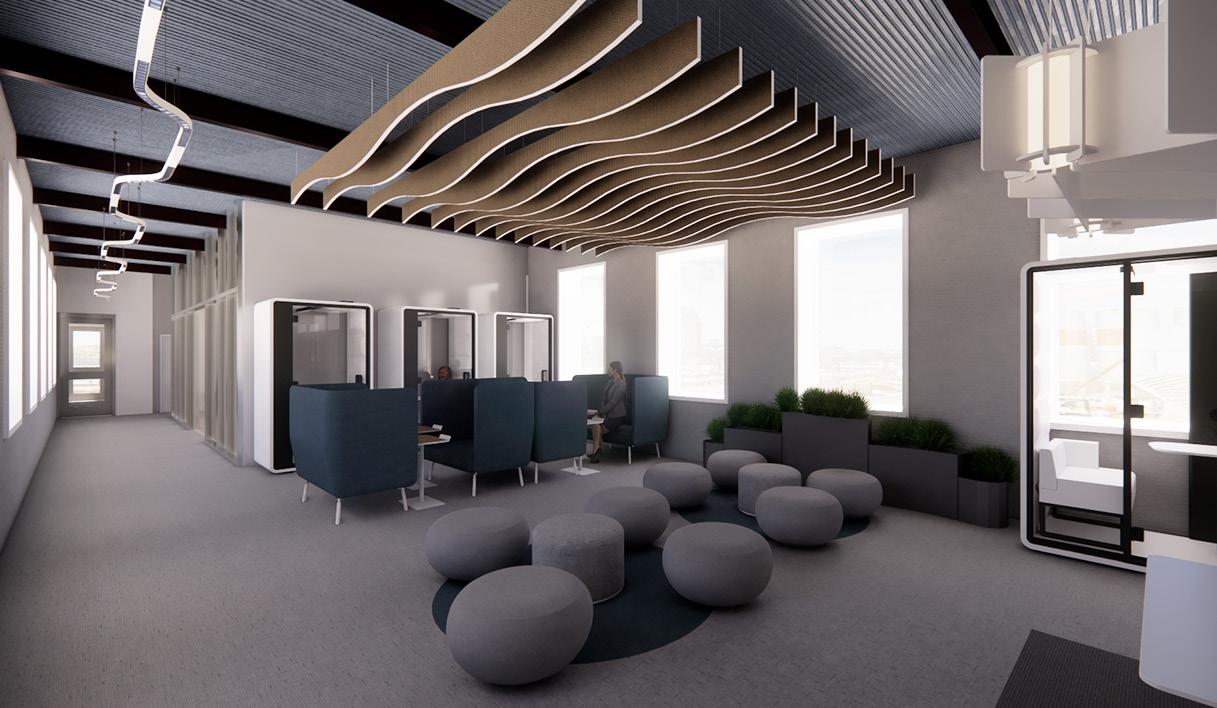
Inspired by Washington D.C. civic rhythm and the conneted energy to the metro system, converge D.C. reimagines the co-working environment as a living network that reflects the movement and pulse of the city. The design draws from the flow of trains, light, and people to shape pathways that link work, social, and wellness zones. Circulation follows the logic of the metro, guiding users naturally through spaces that shift from open collaboration to focused areas. Just as the metro unites different parts of the city, converge D.C. brings together people from a range of professions and backgrounds, encouraging connections, creativity, and community. With flexible/modular furnishing, adaptable zones, and clear way-finding, the space balances independence with interaction. Converge D.C. isn’t just a place to work it’s a reflection of D.C. collective rhythm, where movement and connection drive both productivity and purpose.
SPACE PLANNING
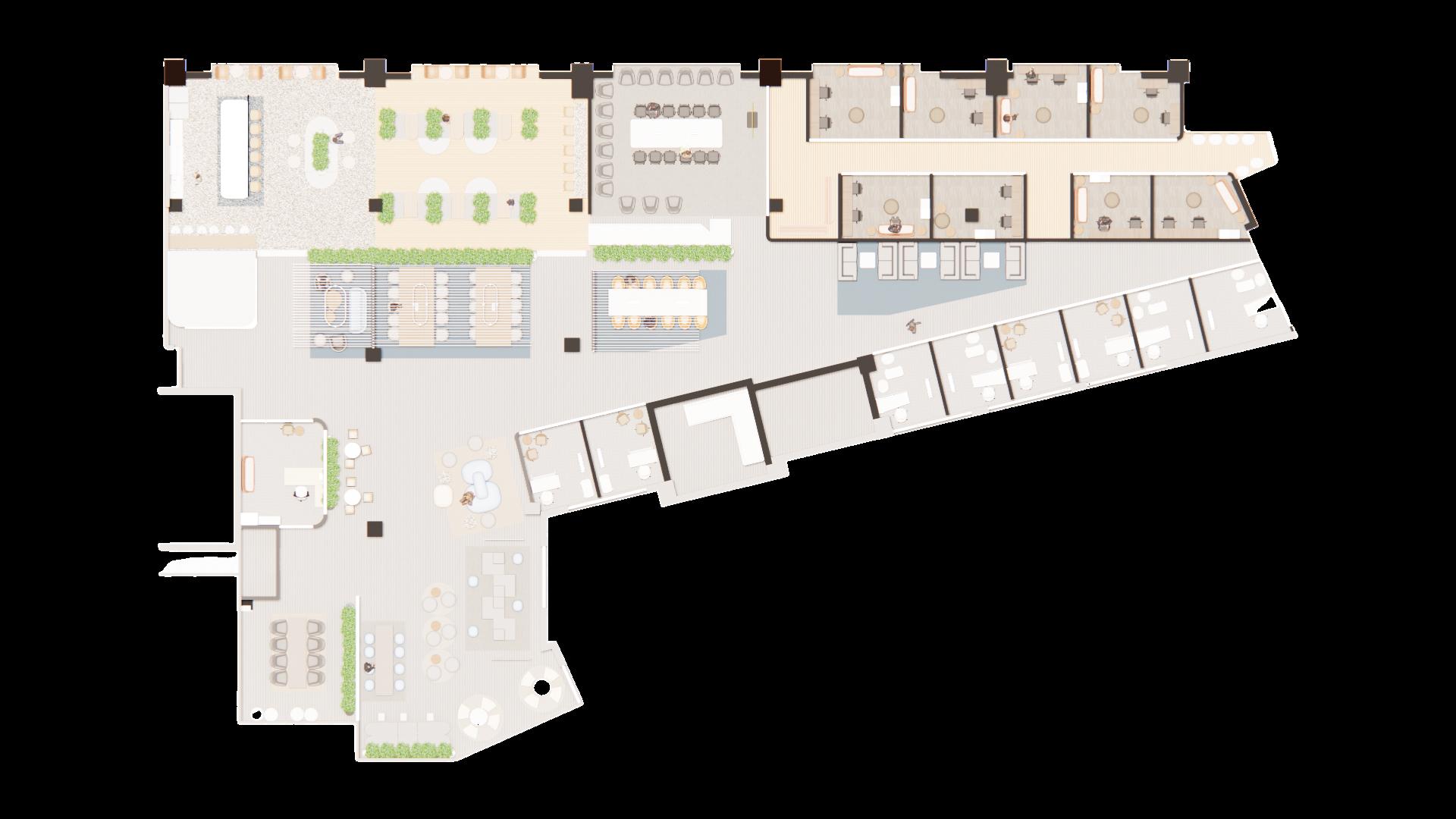
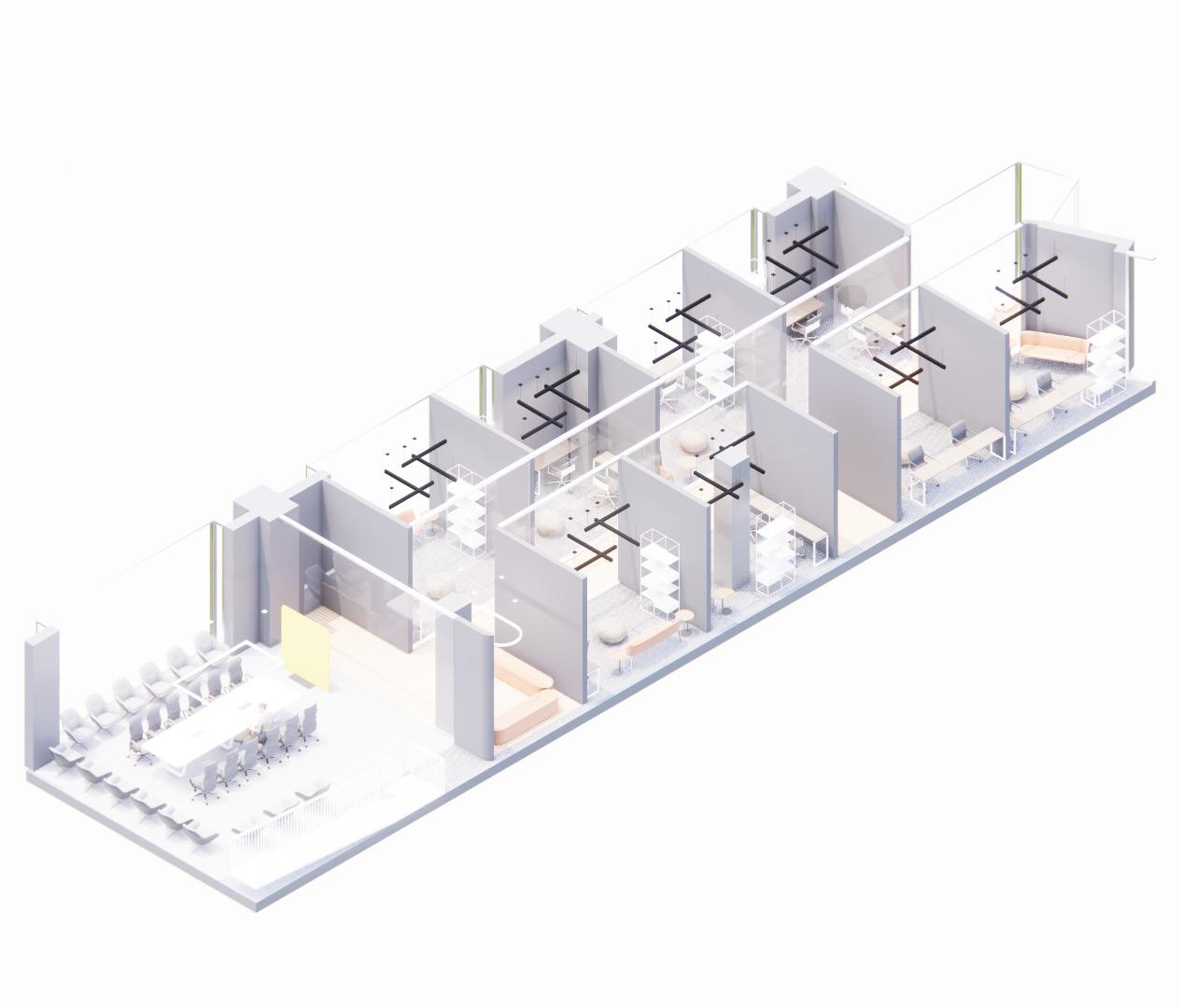
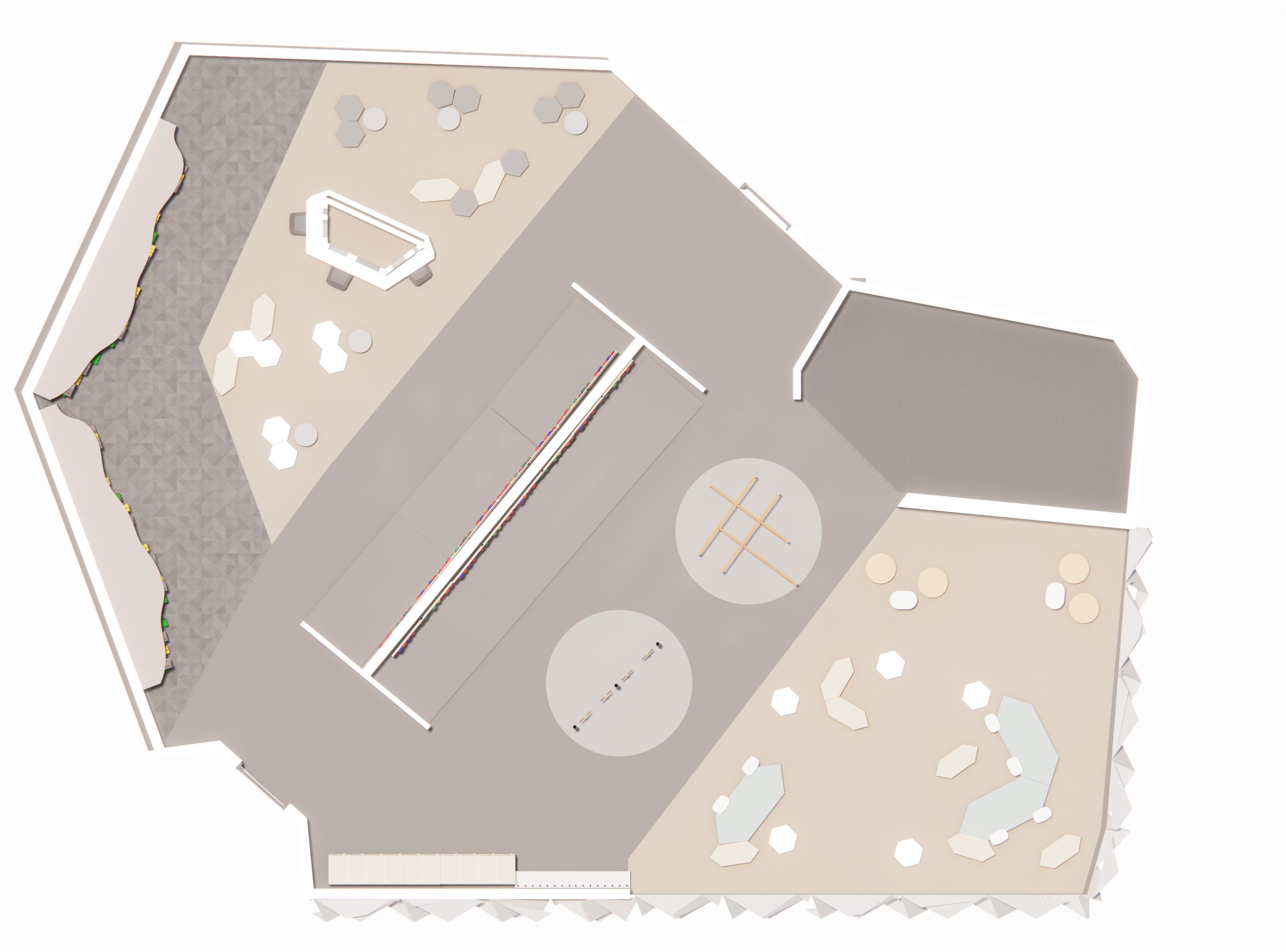
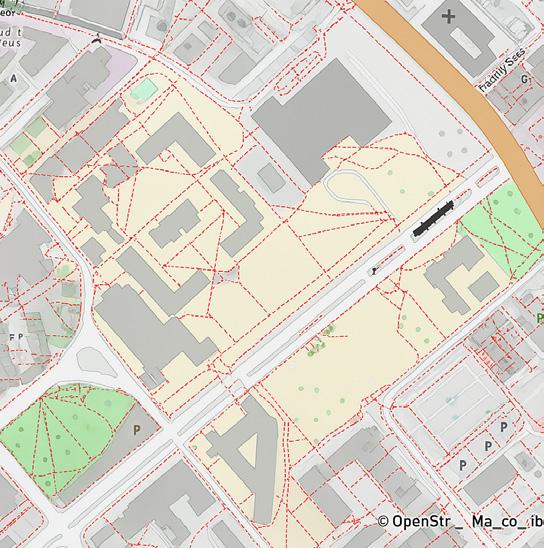
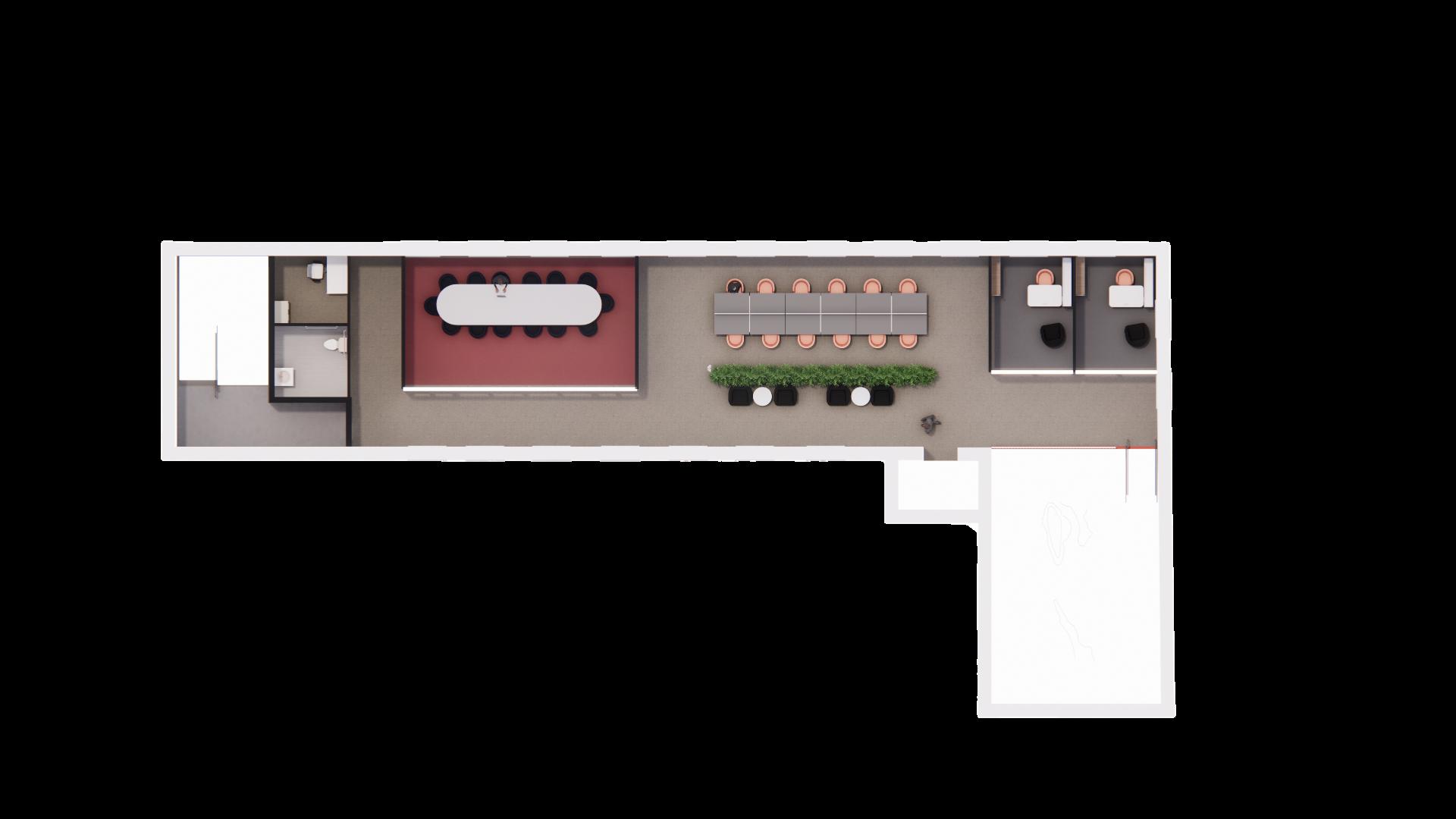
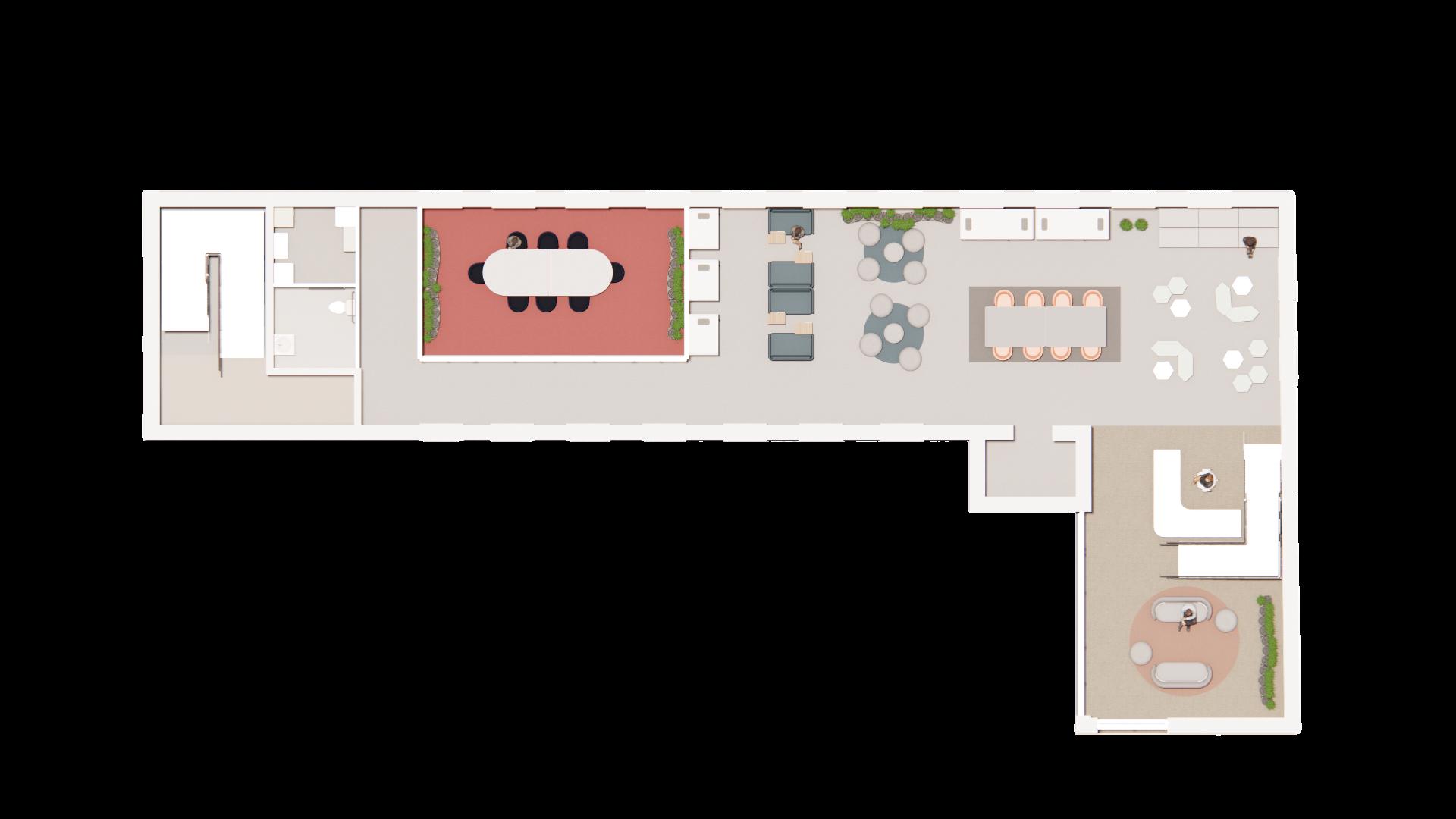
The Spatial planning for the workplace design draws inspiration from the Washington D.C. Metro map, using its networked structure to the shape circulation and way-finding throughout the coworking environment. Just as the Metro System connects the city through its rhythmic flow and branding routes, the interior pathways guide users intuitively to different destinations within the space. The circulation strategy mirrors the logic of the transit lines creating clear, purposeful routes that link collaboration zones, focus areas, and shared amenities. This approach transforms the workplace into a navigational network, where movement feels fluid, connected, and grounded in the project’s conceptual foundation.
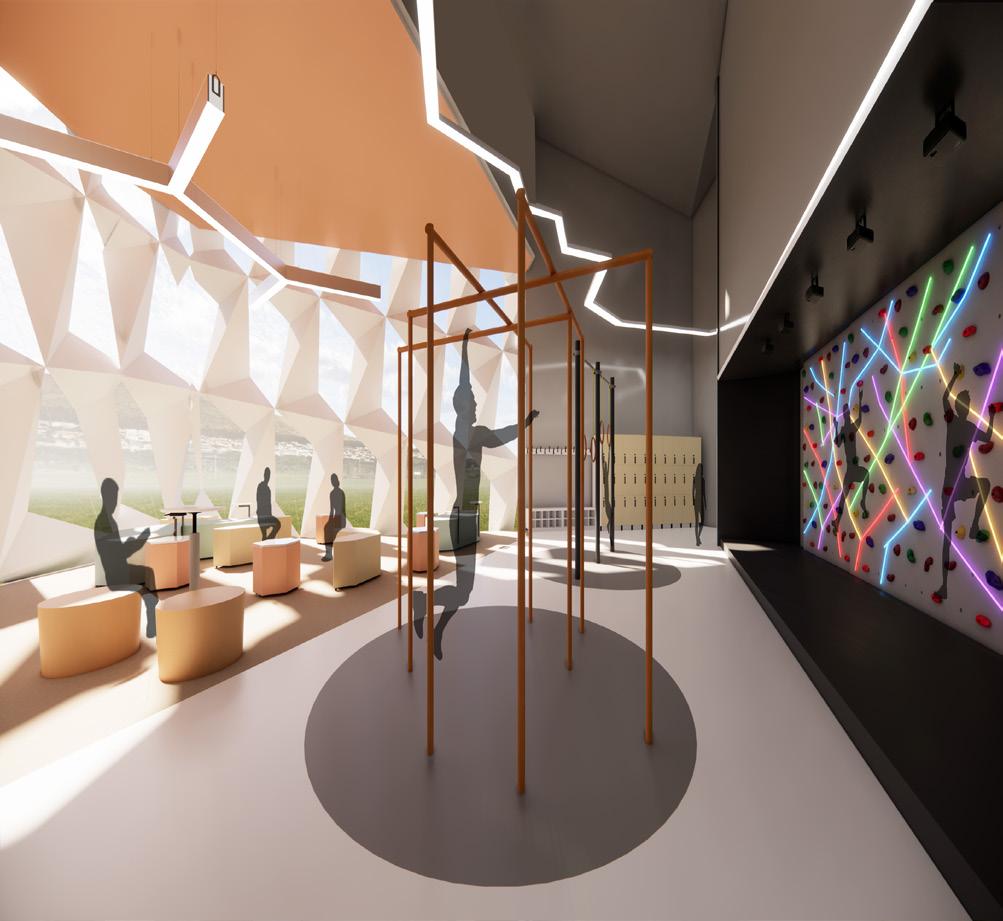
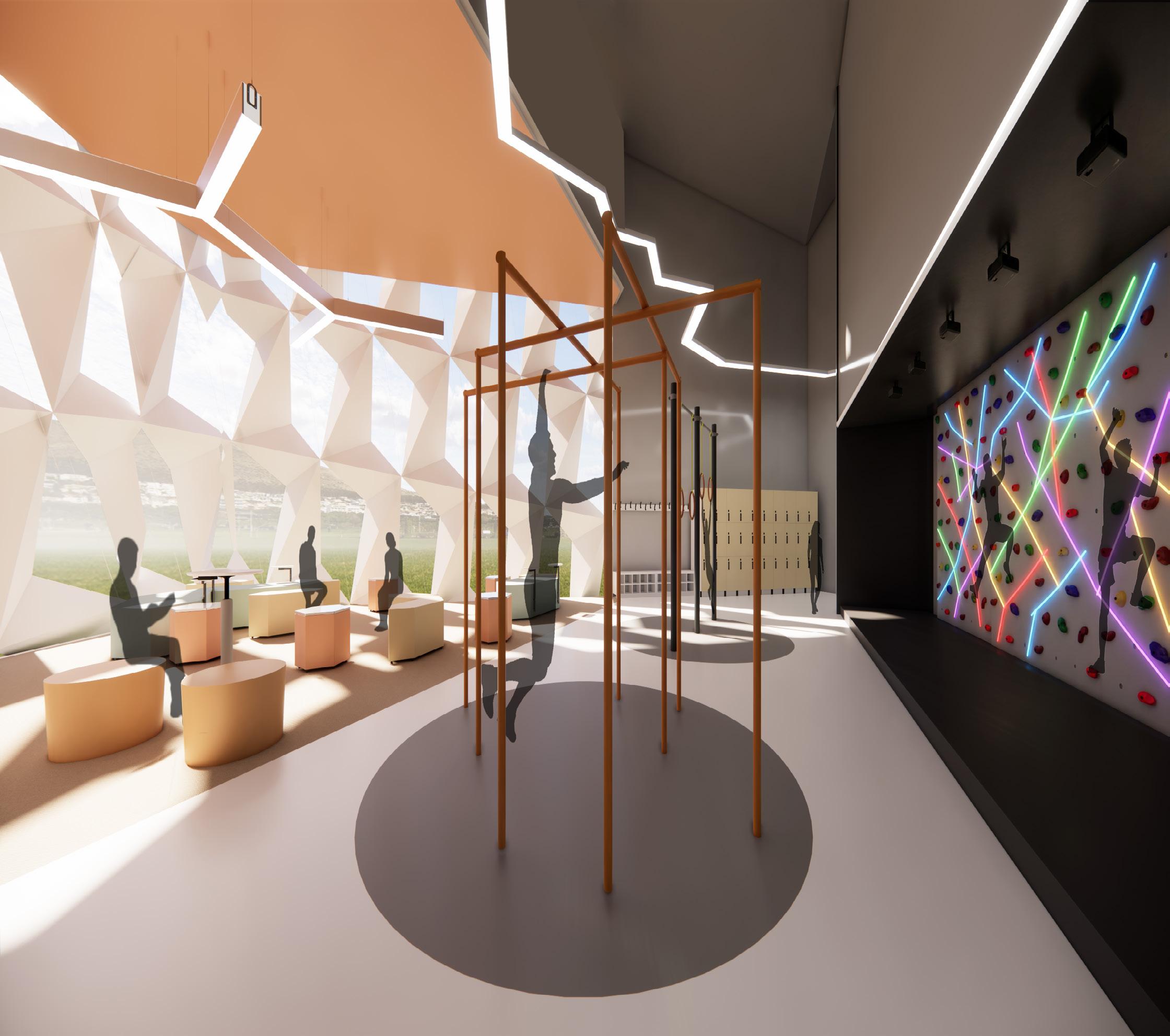
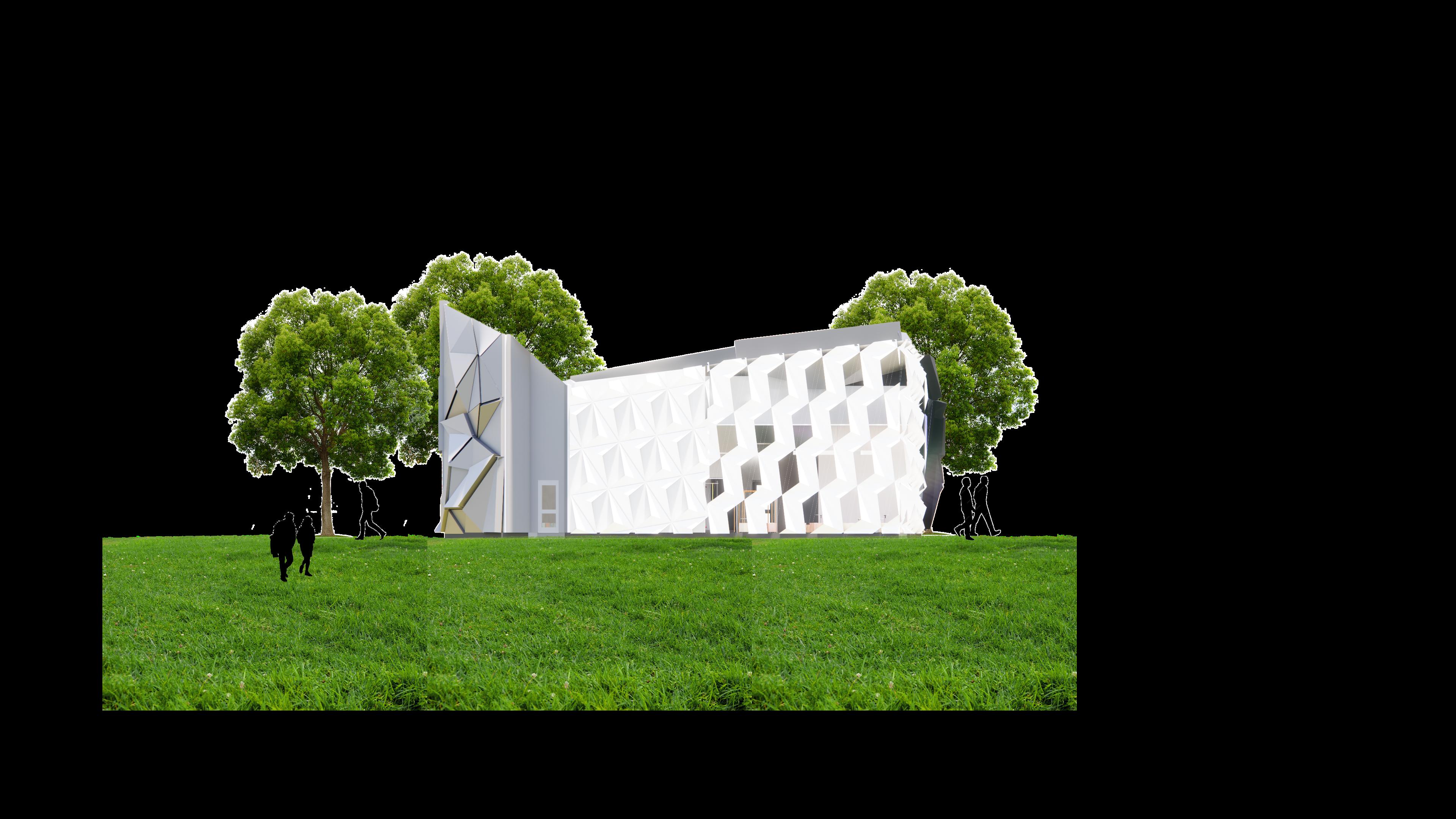
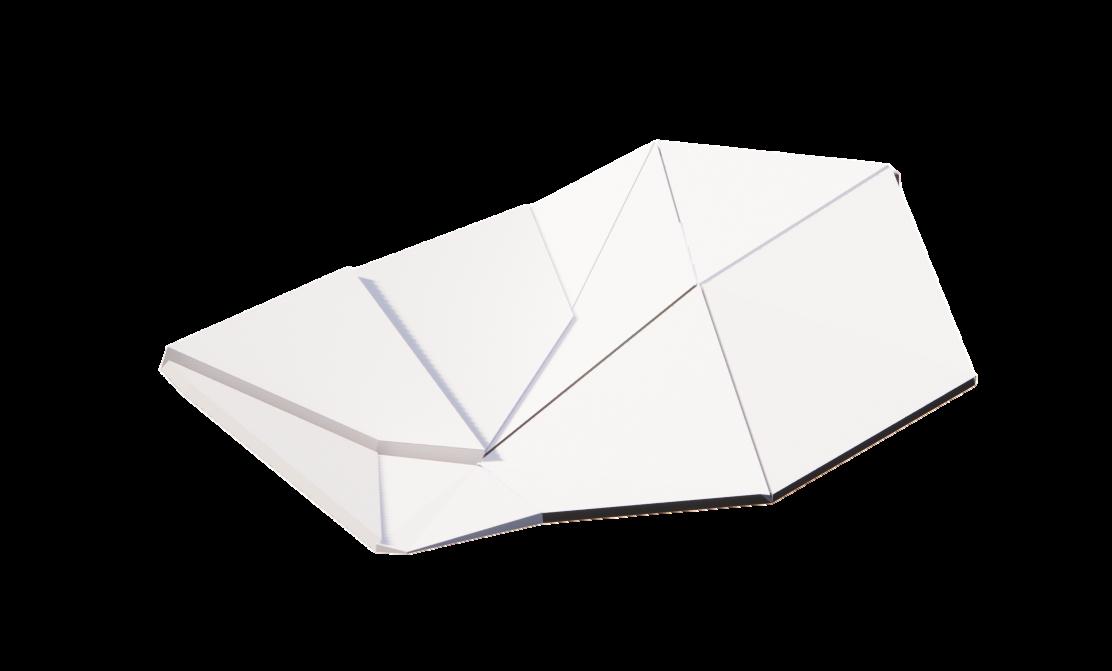
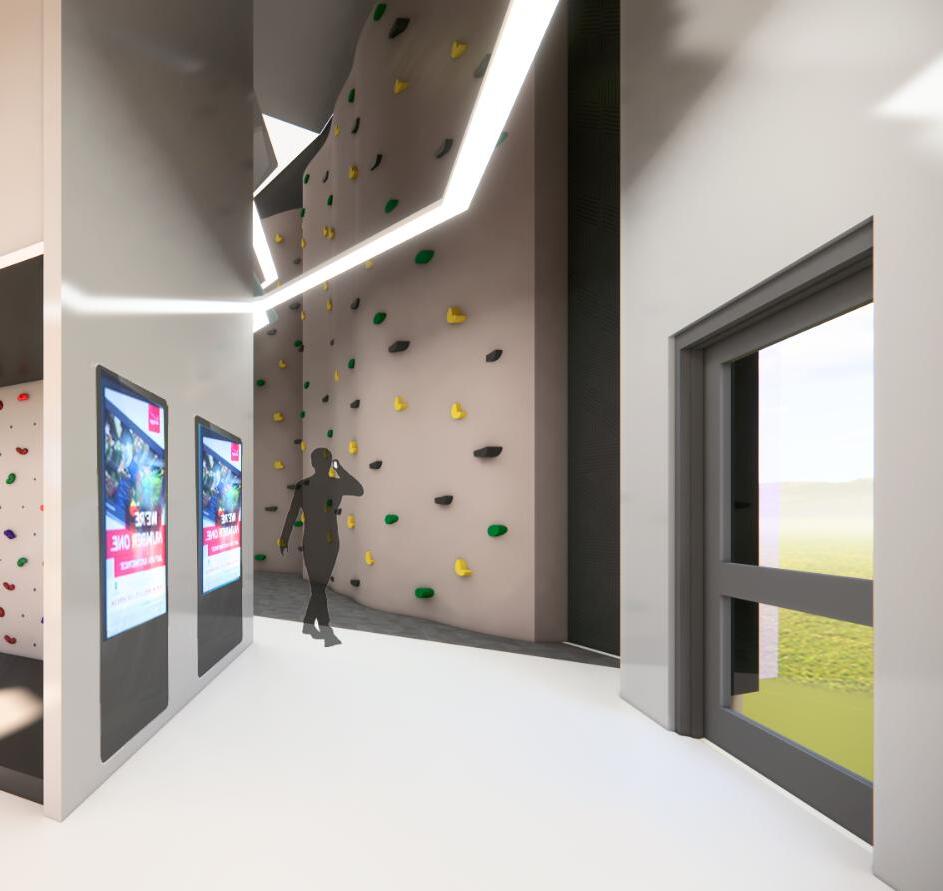
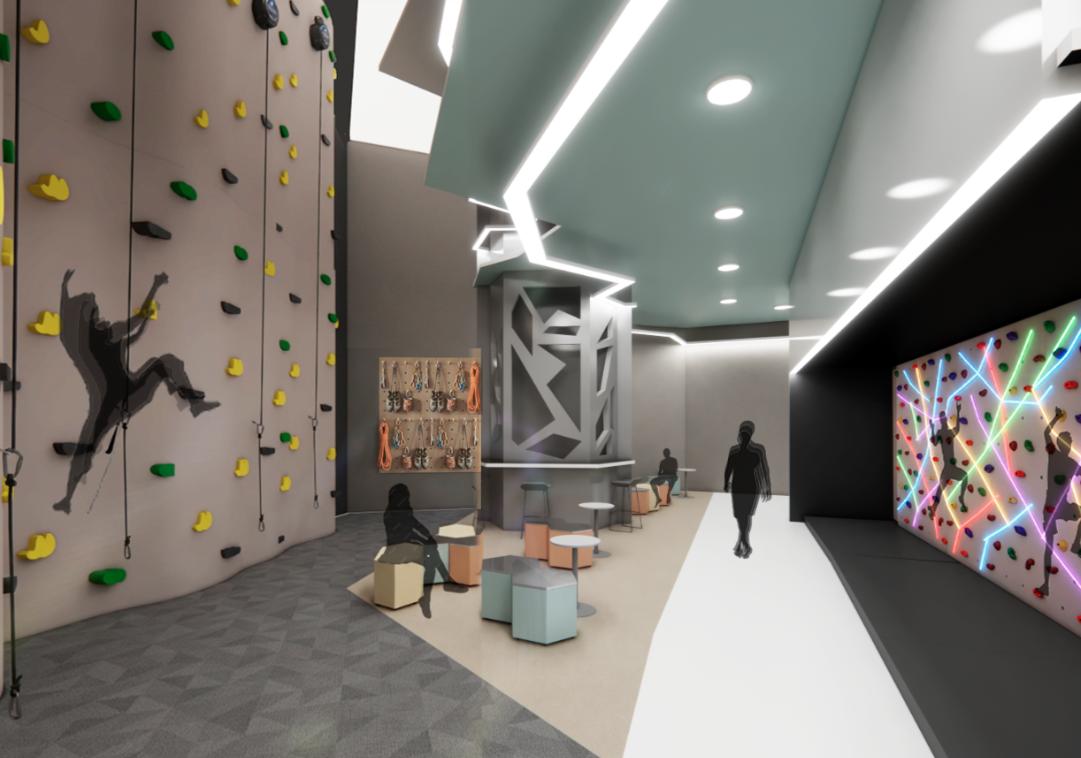
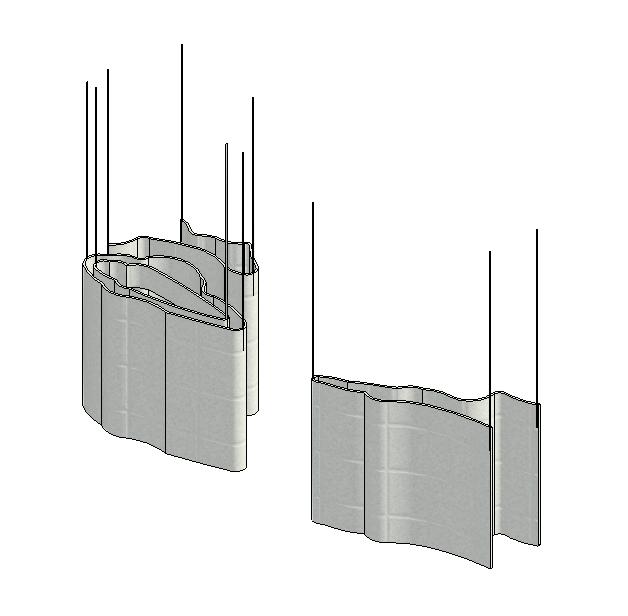
This design connects the logical problem-solving of mathematics with the physical challenge of climbing through a unified architectural approach. The sharp, angular exterior uses controlled geometric forms to show how complex problems can be broken into clear, achievable steps. Inside, the layout and circulation reflect the process shared by climbers and mathematicians observe, plan, and move with intention. Together, these elements create a cohesive environment where form, movement, and problem-solving shape the user experience.
This space transforms the representation of geometry in mathematics, into a space that incorporates the obstacles of climbing through difficult problems involving math and exercise. Surfaces are shaped by mathematical forms, the main focus being geometry. Routes located on the climbing walls, are designed to highlight geometric principles, like symmetry or tangent lines. Located throughout the space are interactive walls and surfaces for people who want more hands-on activity not based on the physical climbing wall itself.
BUILDING ELEVATION
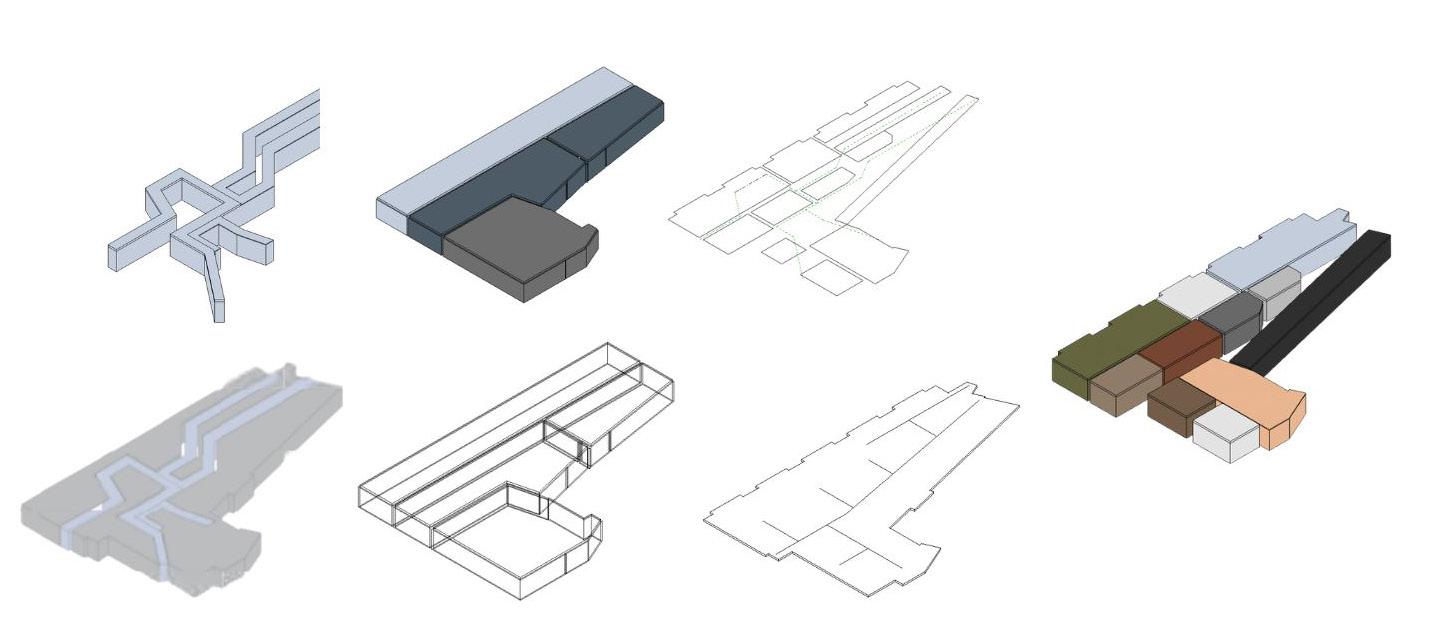
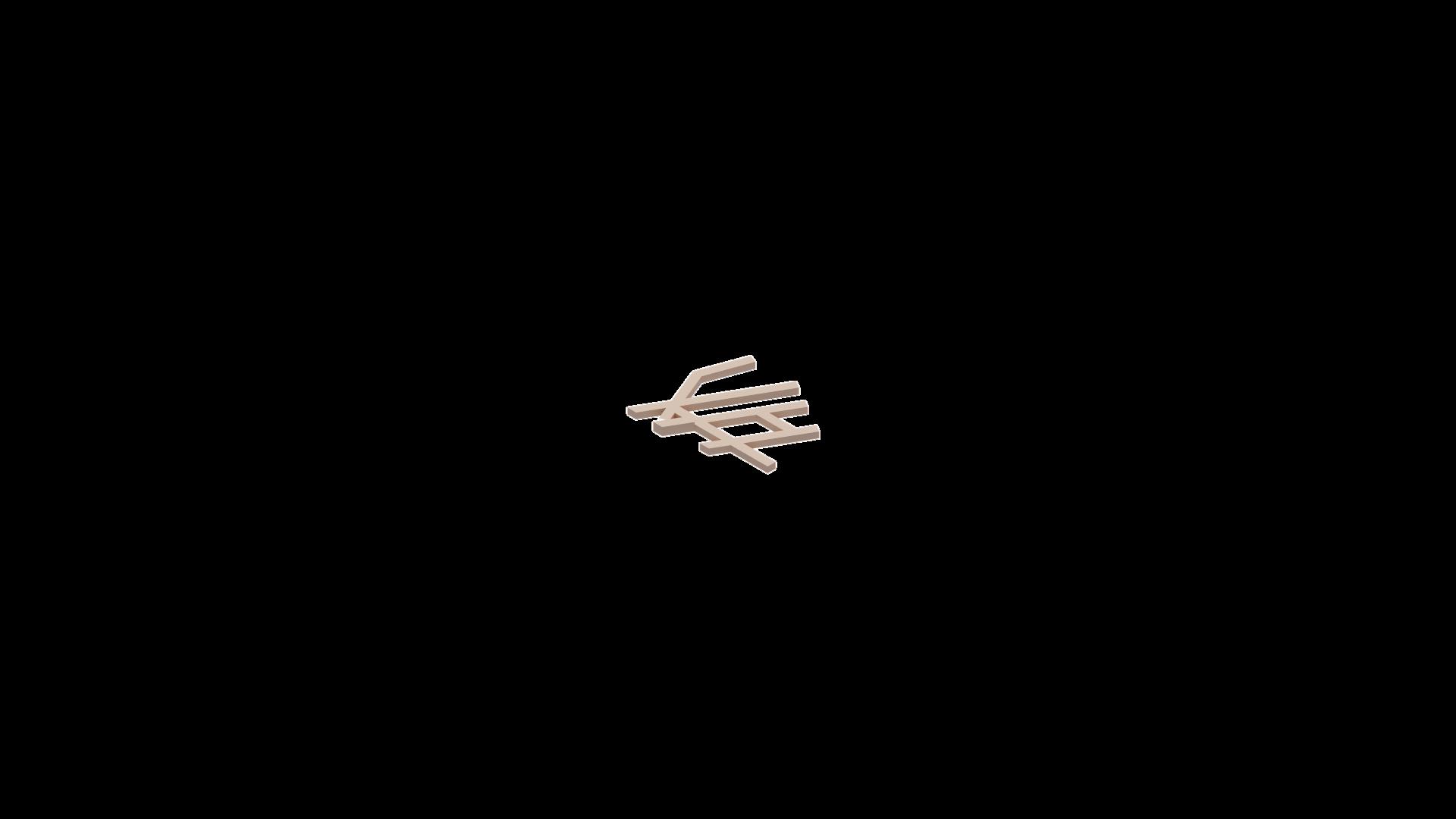
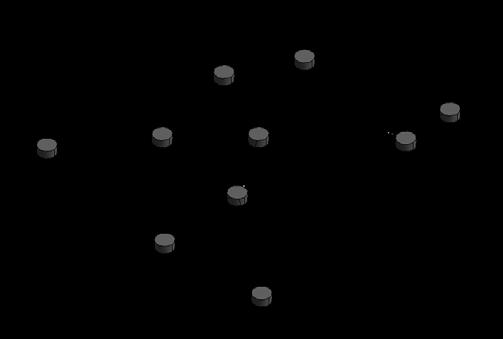
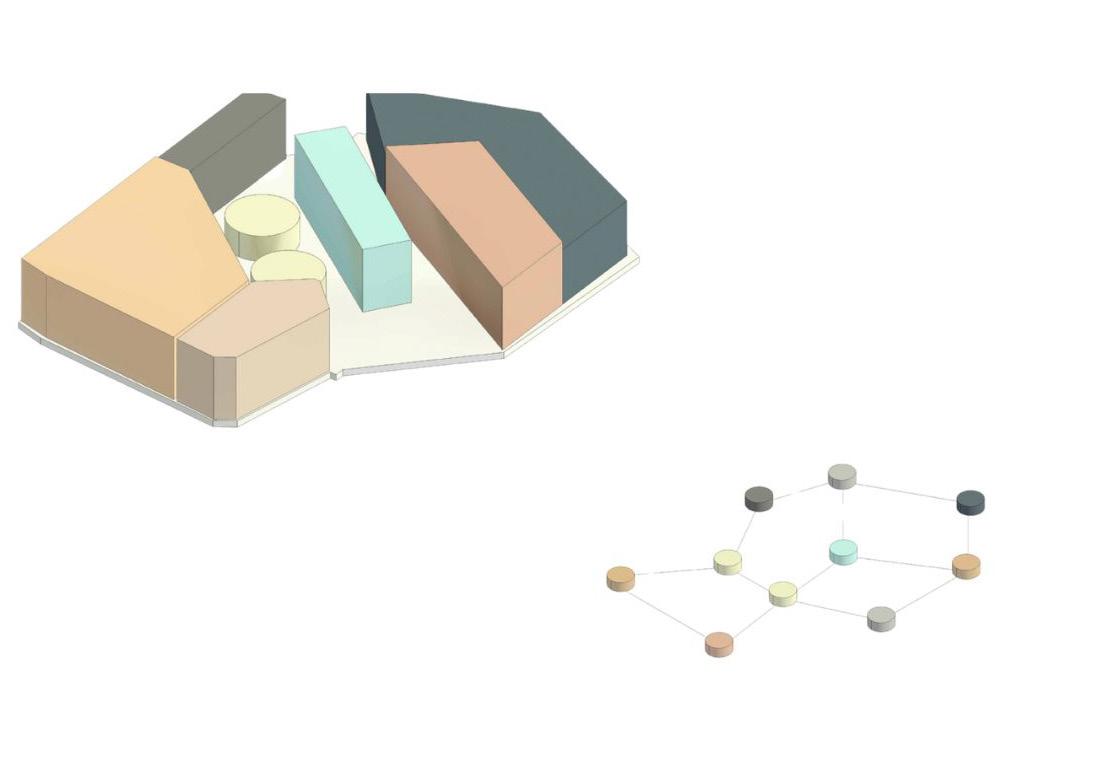
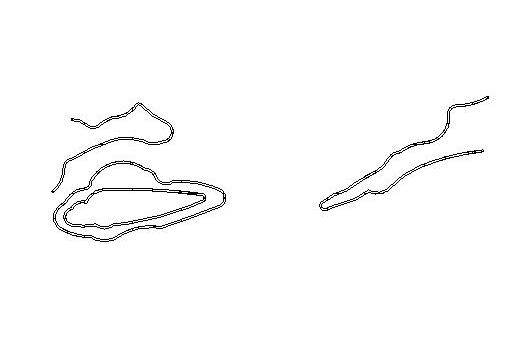
The circulation of the temporary installation was inspired by the mathematical concept of graph networks. These networks are defined by intersecting lines that generate nodes and connection points, a logic that directly informed the spatial flow of GeoGrip. This framework guided the development of the parti, allowing the abstract idea of mathematical intersections to translate into a clear organizational diagram for the project
A. Space planning
B. Parti Diagram
C. Parti Diagram
D. Graphing Network
INDIVIDUAL CONTRIBUTION
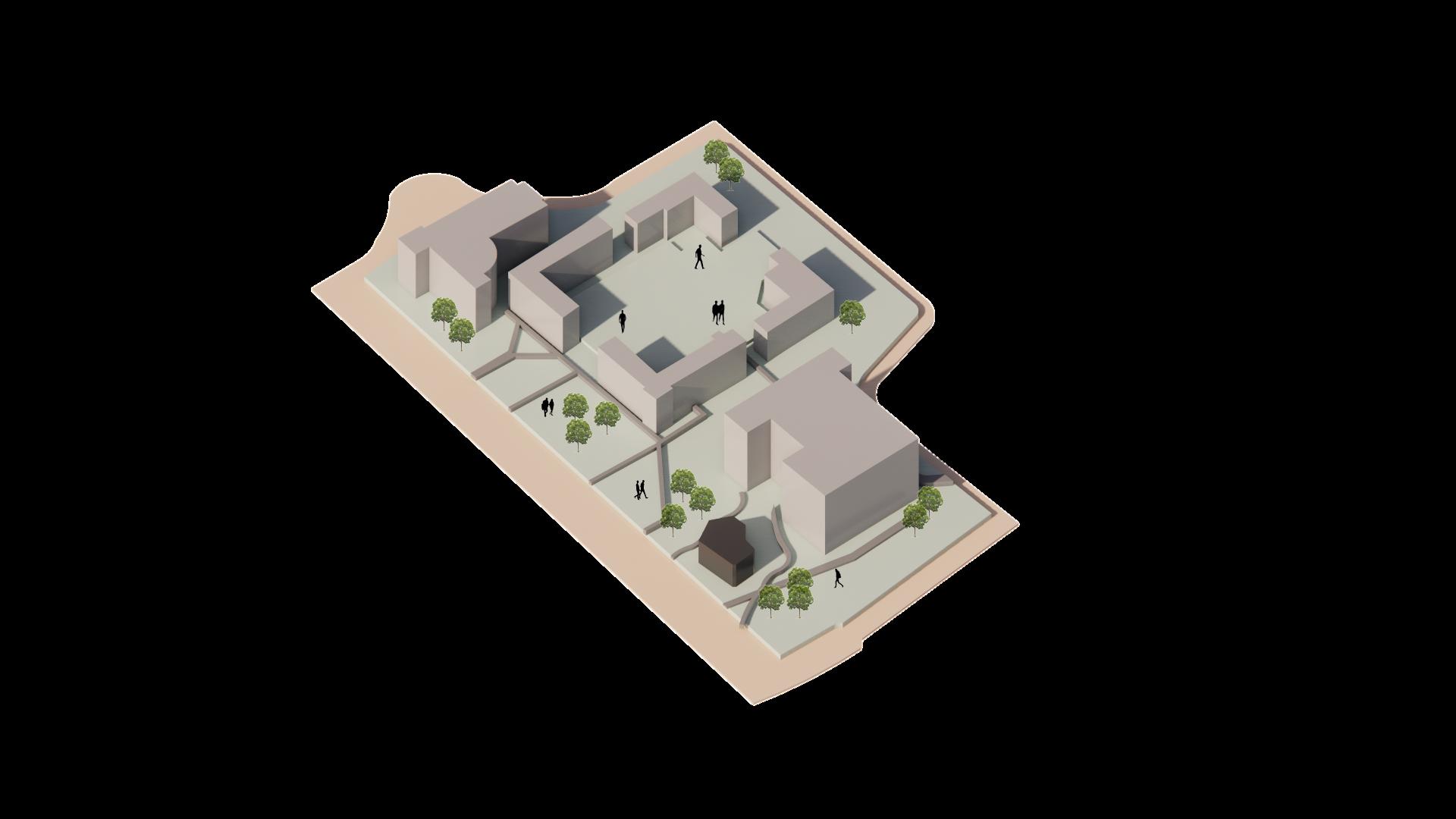
I worked collaboratively with the team throughout the project, taking the lead on designing the temporary structure facade while actively engaging in concept development and material exploration. I contributed to furniture selection with attention to both function and aesthetics, completed the site analysis to support informed design decisions, and assisted in assembling the final presentation board. Main Passage
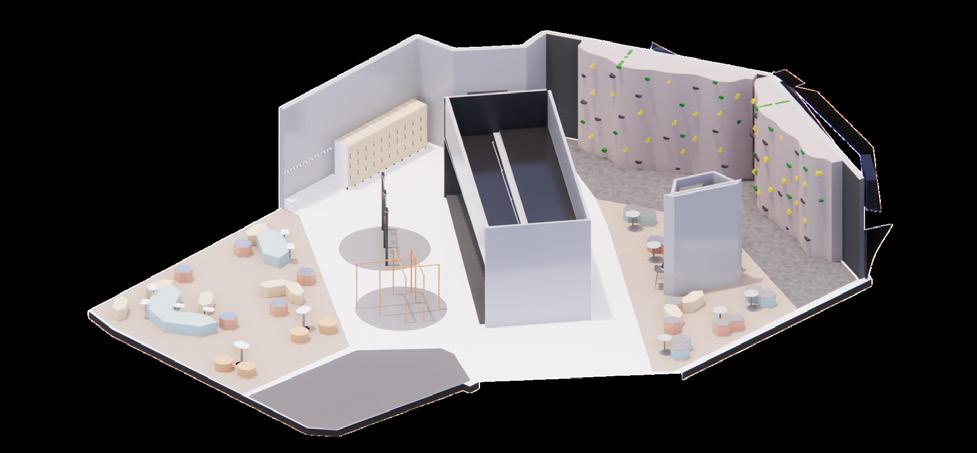
05 AXONOMETRIC
Locker Area
Collaboration Zone
VR Zone
Interactive Wall
Mathematical Zone
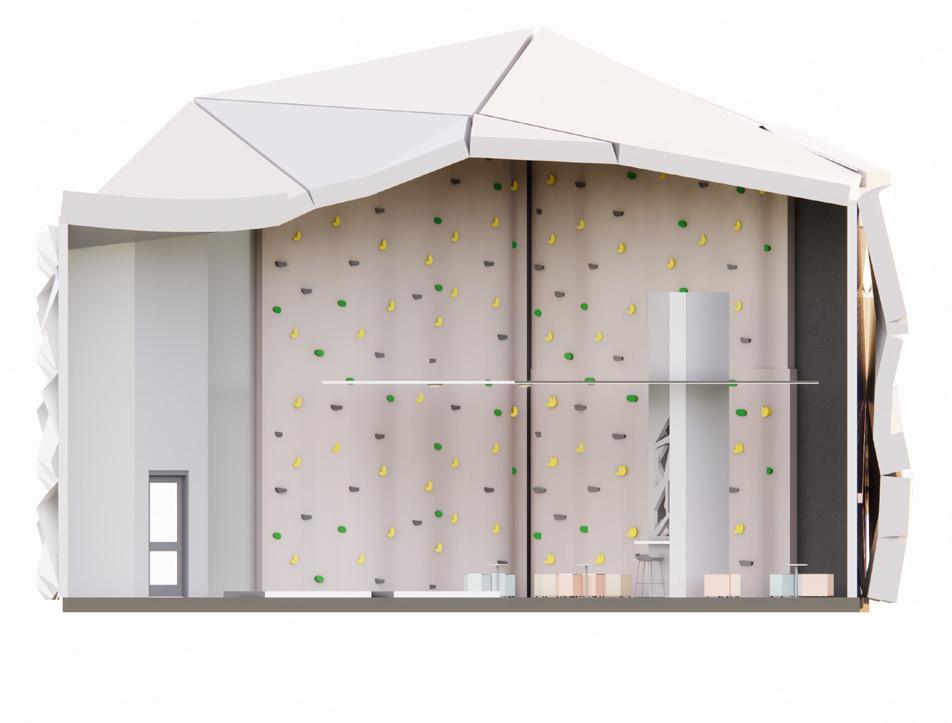
Rock Climbing Wall
Mathematical Zone
Collaboration Zone
VR Zone
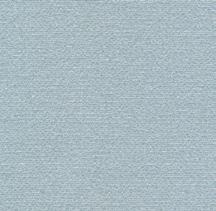
MATERIALS
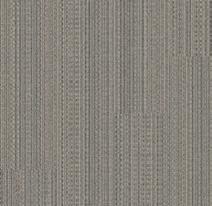
InterfaceNoraplan sentica
Interface-Monochrome
MDC Interior solutions-Fresh Mesh
MDC Interior SolutionsFresh Mesh
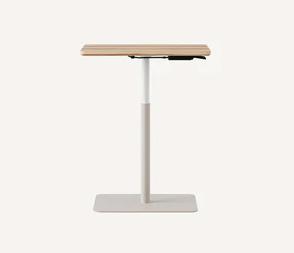
FURNITURE + FIXTURES
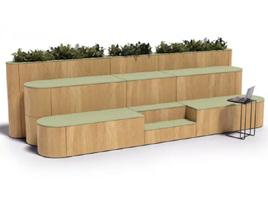
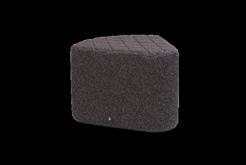
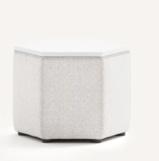
HightowerPrism Modular Seating
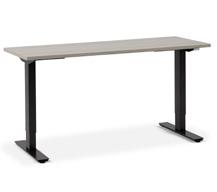
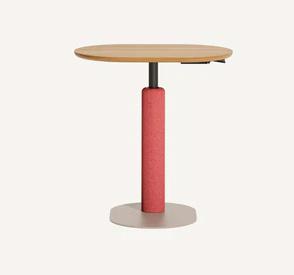
HightowerKona Laptop
Table-Adjustable Height
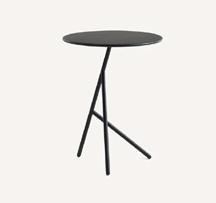
SteelcaseStools Lolli Stool by m.a.d furniture
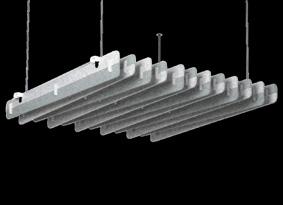
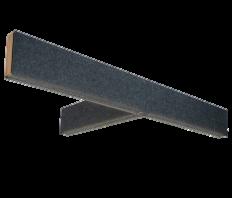
LightArtAcoustic Sequence Duo
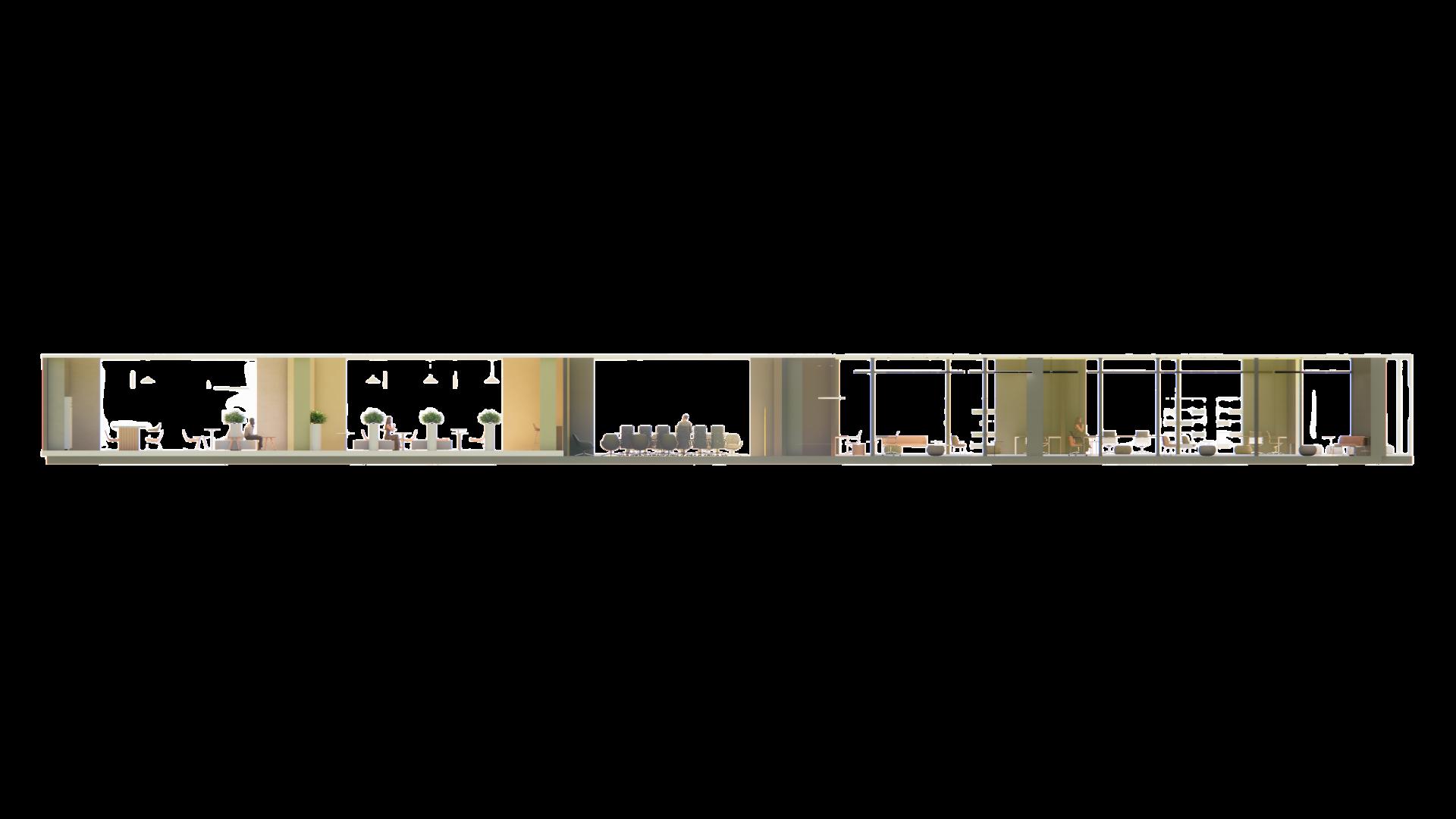
Section A-A’
MATHEMATICAL ZONE
ELEVATE STUDIO
WORKPLACE DESIGN
FALL 2025
01 ELEVATE STUDIO
DESIGN OFFICE
FALL 2025
INDIVIDUAL
4 WEEKS
REVIT+ ENSCAPE
WORKPLACE DESIGN
LOCATION: SEATTLE, WA
Inspired by the layered topography of Seattle, this design translates natural elevation into spatial experience. Using a stimulant response strategy, the parti guides lighting, circulation, and form. Subtle material choices textured wood ceilings, exposed brick, and integrated greenery mimic the terrain’s organic flow. The result is a highperformance workspace that fosters connection, calm, and adaptability through biophilic cues and spatial hierarchy. The design prioritizes adaptability and wellbeing, blending collaborative zones that form connection.
LIGHTING FIXTURE: PARTI DIAGRAM INSPIRED
SPACE PLANNING
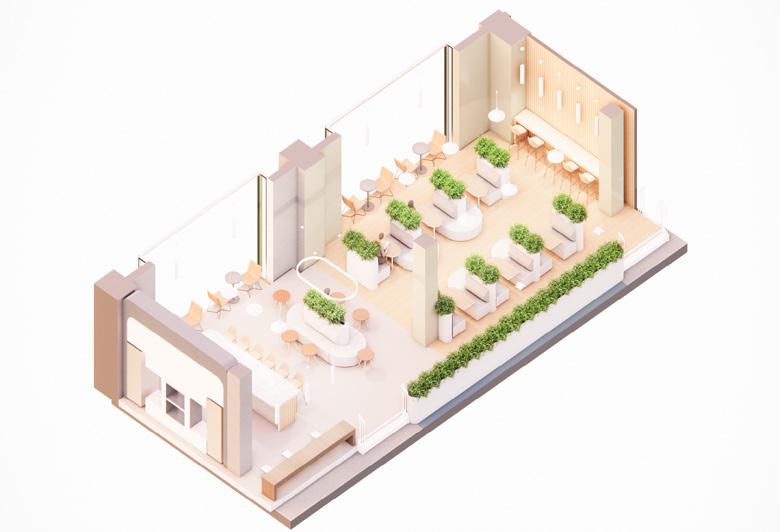
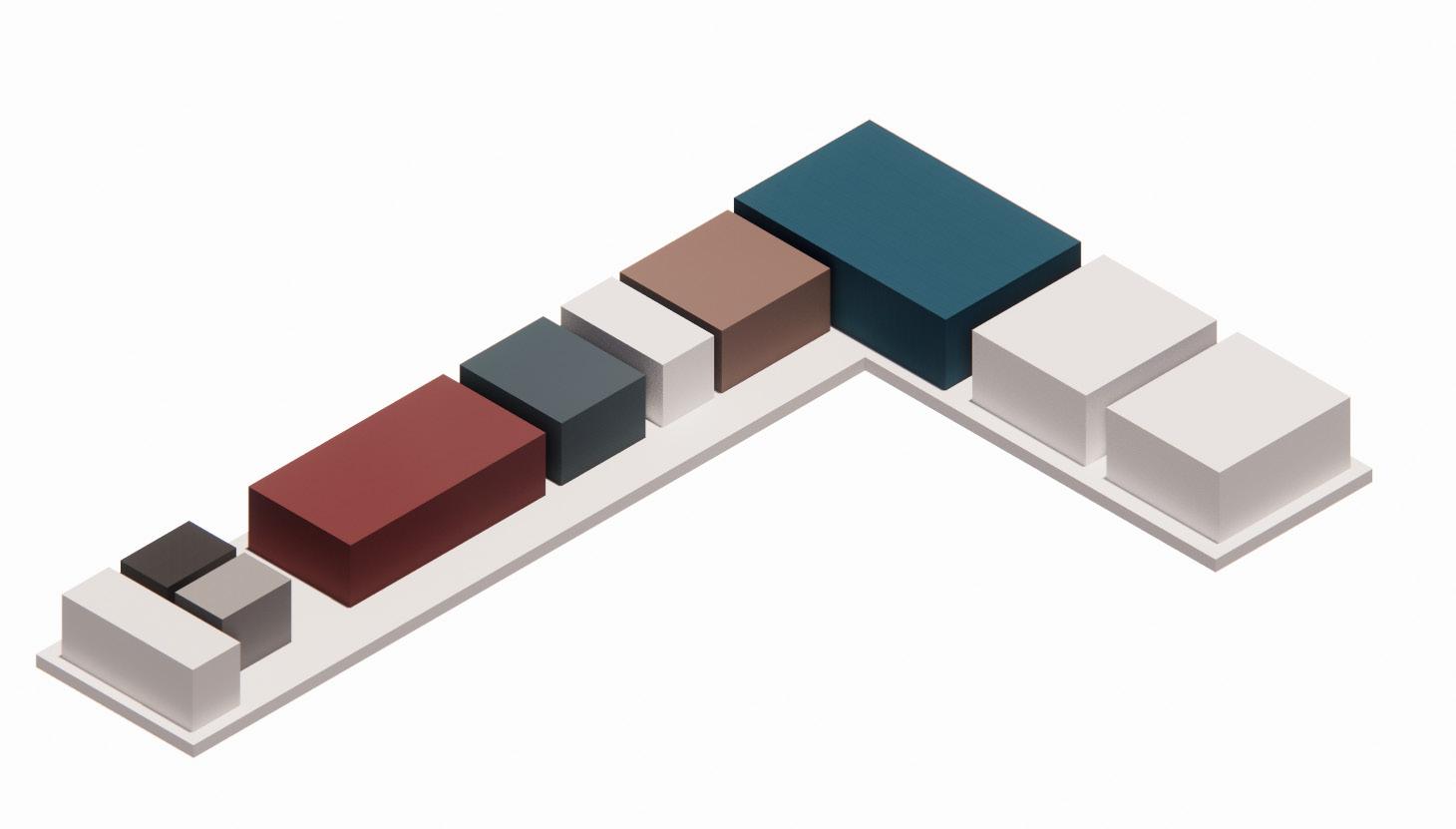
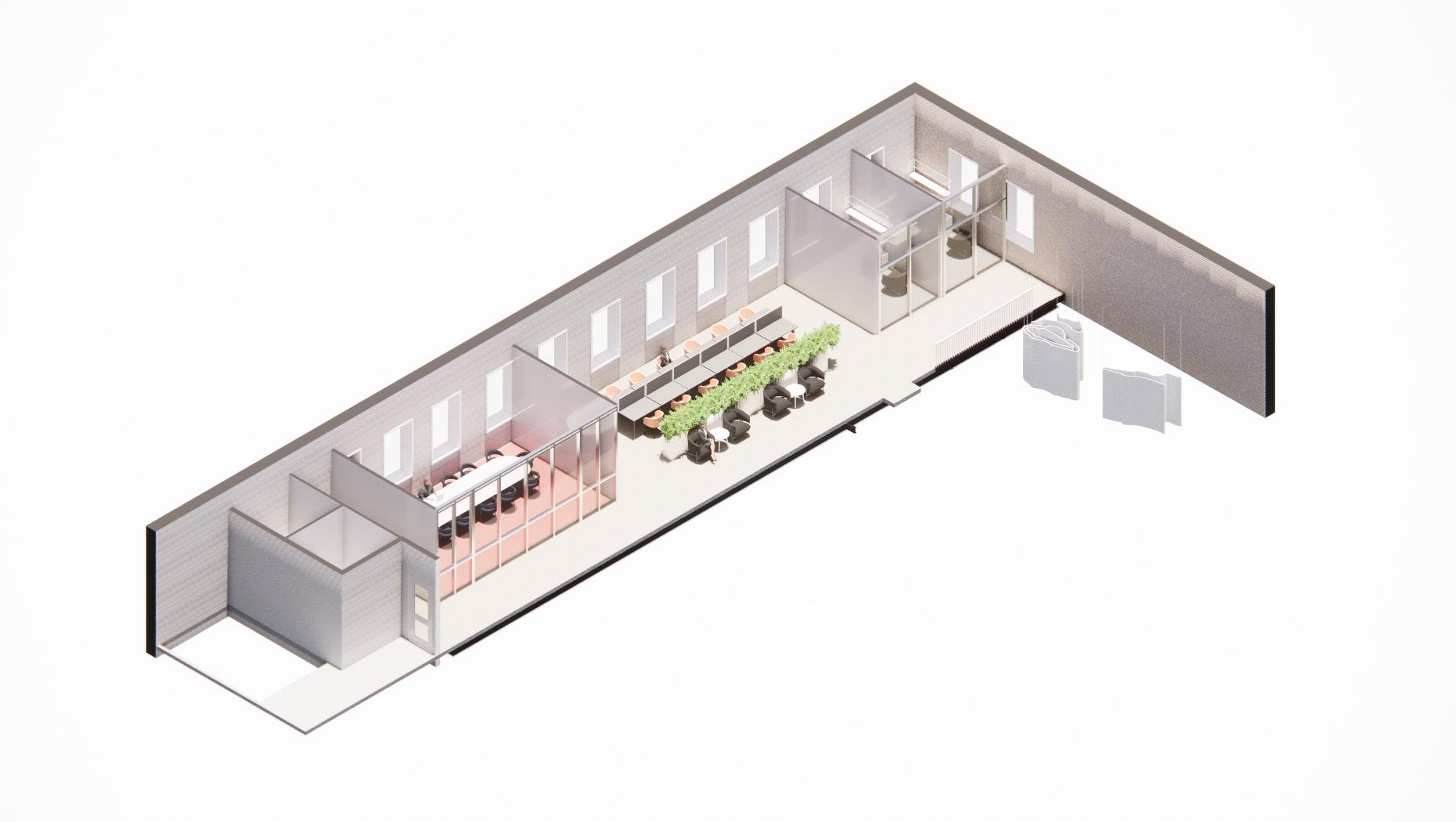
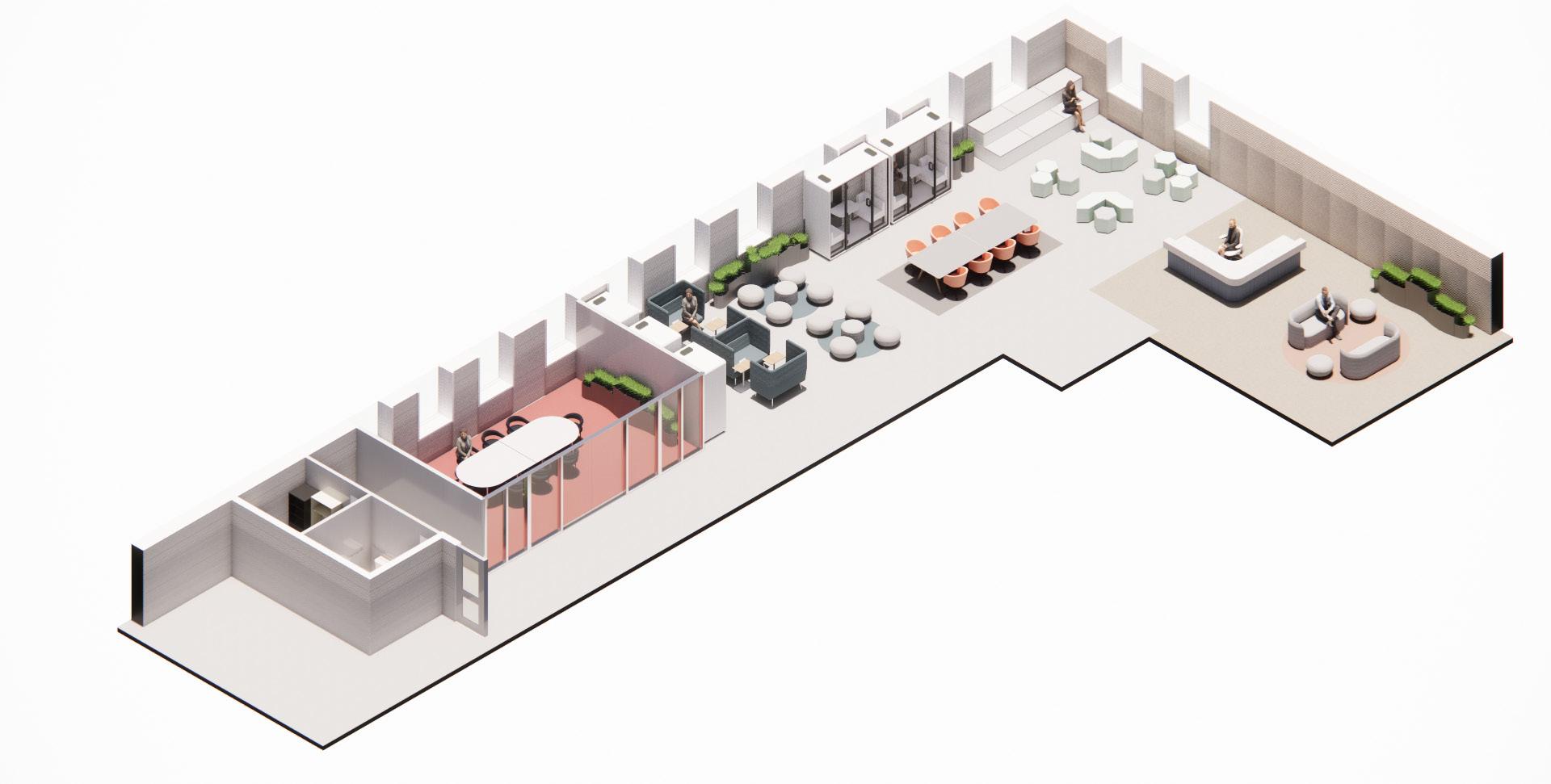
The space planning for Elevate Studio translates the idea of layered topography into a functional workplace hierarchy. Circulation flows like rising terrain, guiding users through zones that shift from public to private with a natural sense of elevation. Collaborative areas anchor the core of the plan, encouraging connection and spontaneous interaction, while focus zones and private offices are positioned along quieter edges to support concentration and wellbeing. The layout balances openness with intentional boundaries, using material transitions and ceiling articulation to subtly define each programmatic layer. This spatial organization reinforces the project’s central theme creating a workplace that uplifts, adapts, and supports the diverse rhythms of a creative studio.
Programmatic Diagram Key: Reception + Lobby Drop- in Benching
Collaboration Zone
Focus Zone
Team Zone
Private Office
Office Area
Conference Room
Restroom
Administration Office
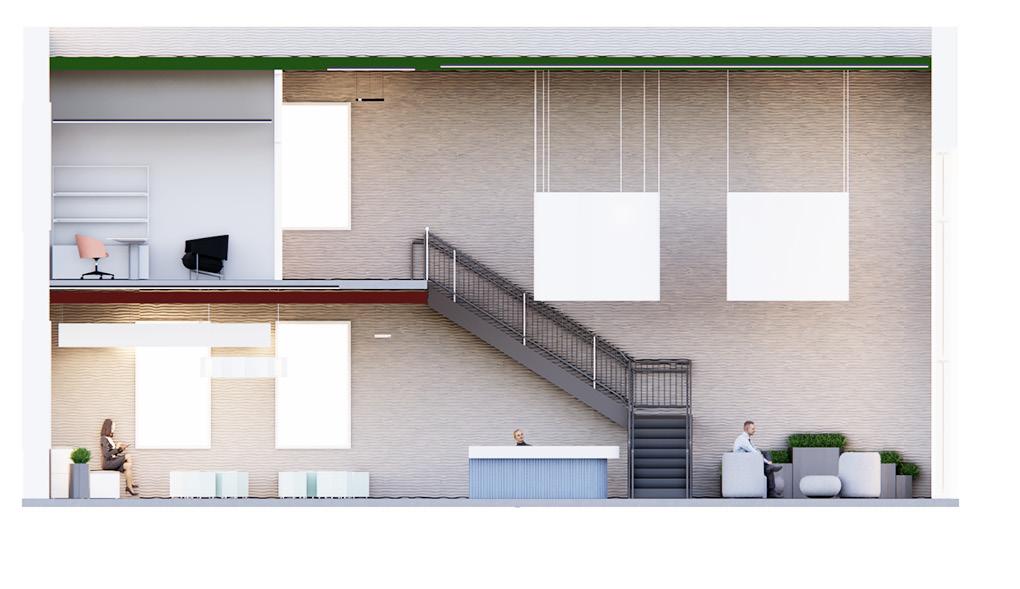
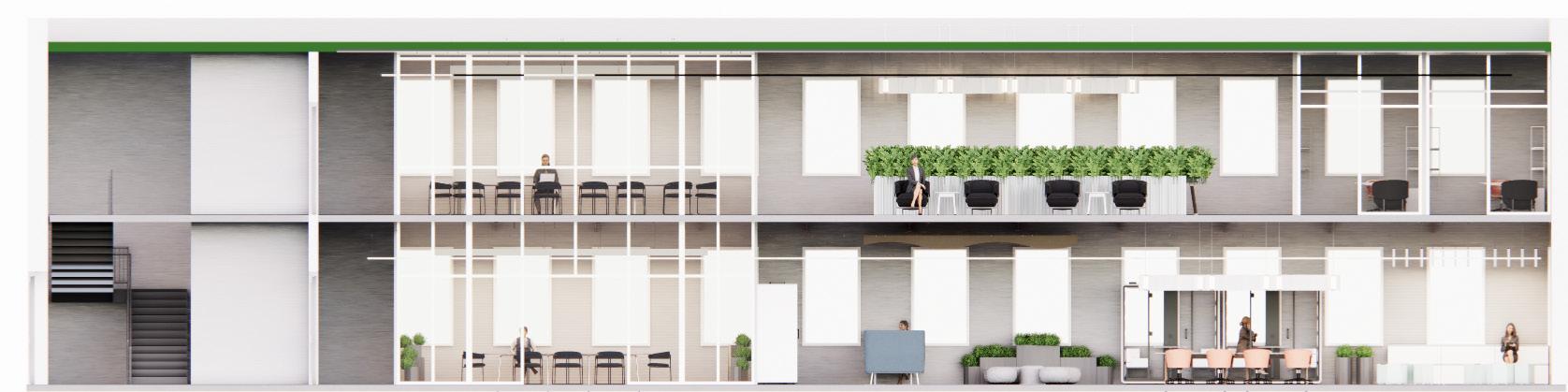
Section B-B’
Section A-A’
05 AXONOMETRIC
Office Zone
Conference Room
Private Office
Conference Room
Collaboration Zone
Drop-in Benching
Team Zone
Lobby + Reception
MATERIALS
FURNITURE + FIXTURES
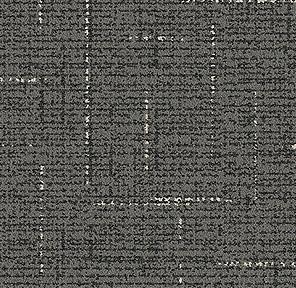
InterfaceMonochrome Carpet Tile
face-Etched Earth Carpet Tile
Platform-Architexa Aqua PlatformArchitex Blossom
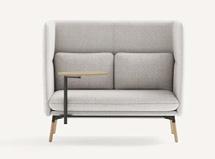
Hightower-Arlo Sofa, Two-Seat Highback
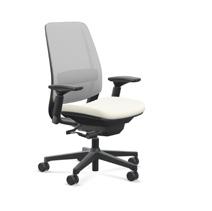
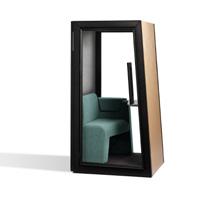
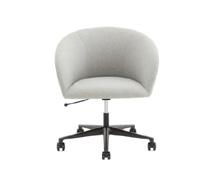
SteelcasePods Steelcase West Elm Conference Chair
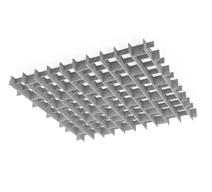
Arktura-SoftGrid Tempo
OFFICE AREA
FOCUS ZONE
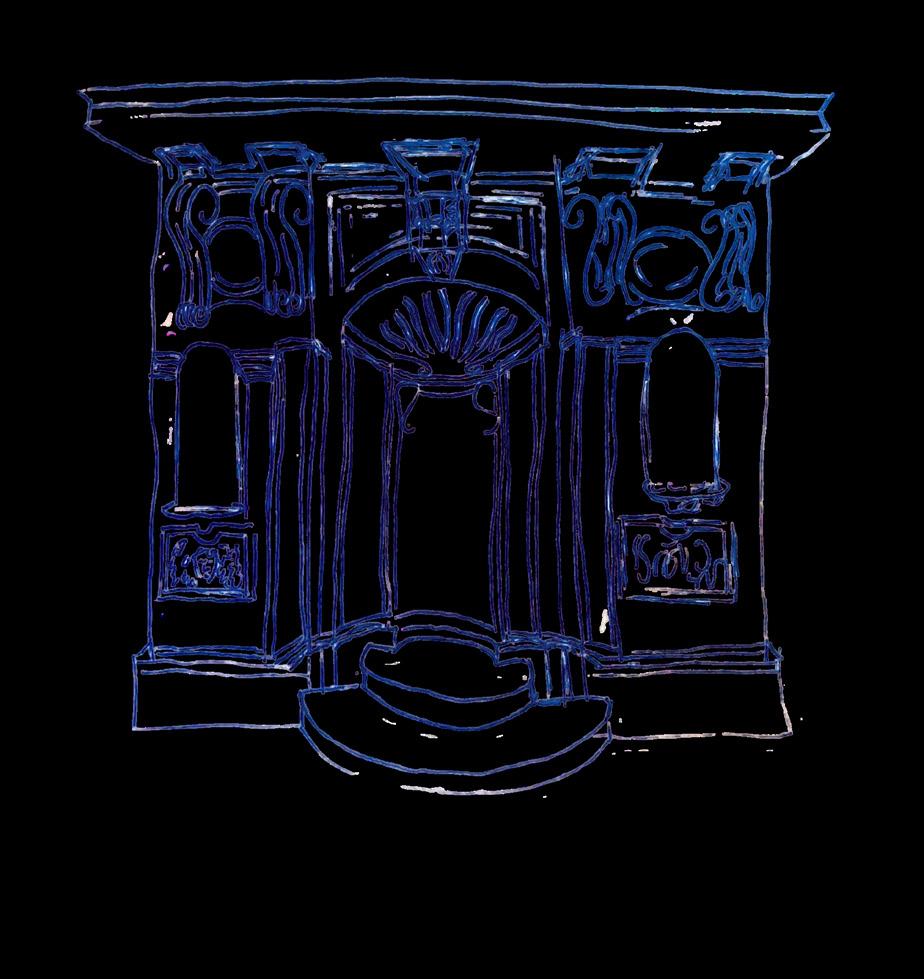
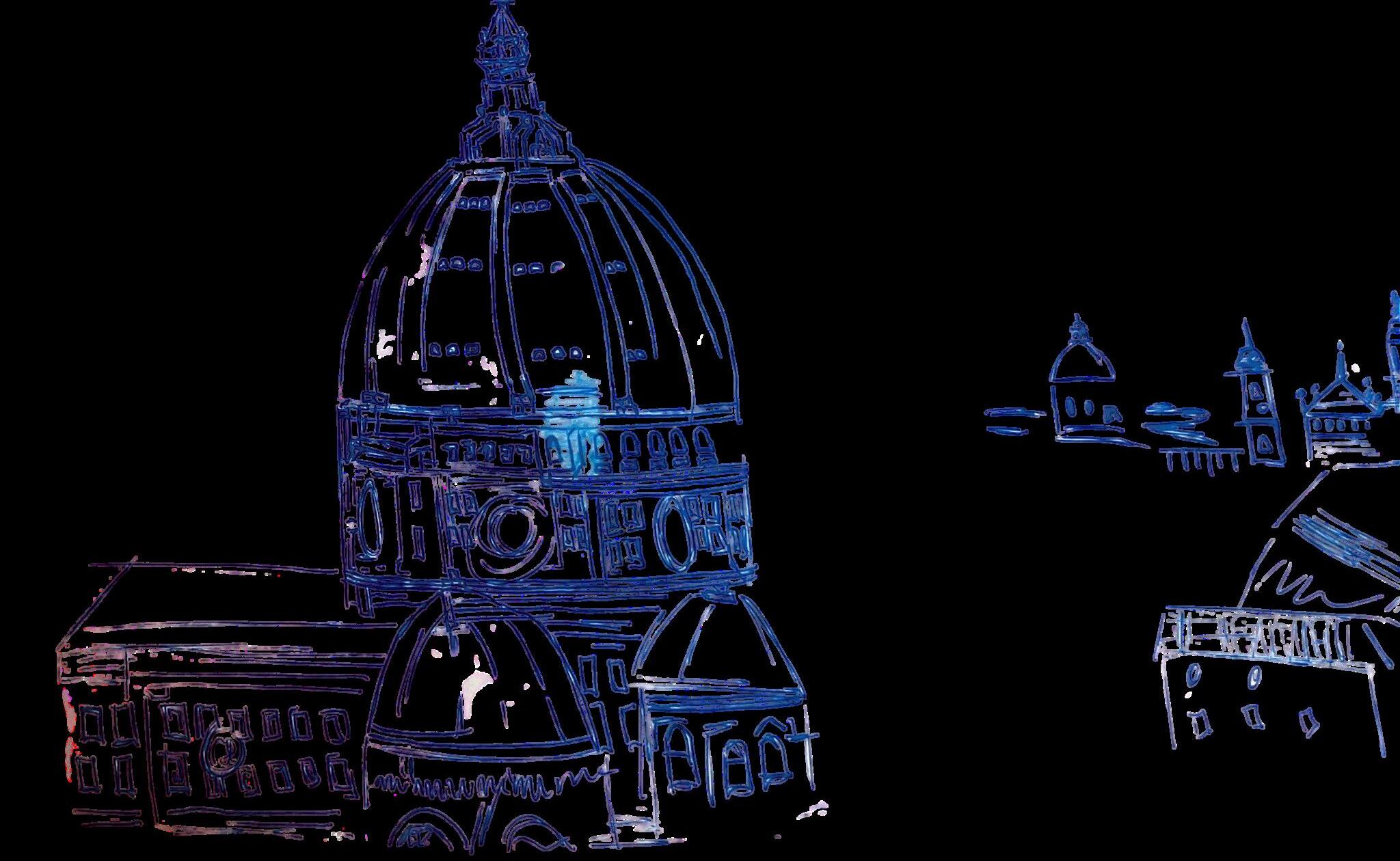
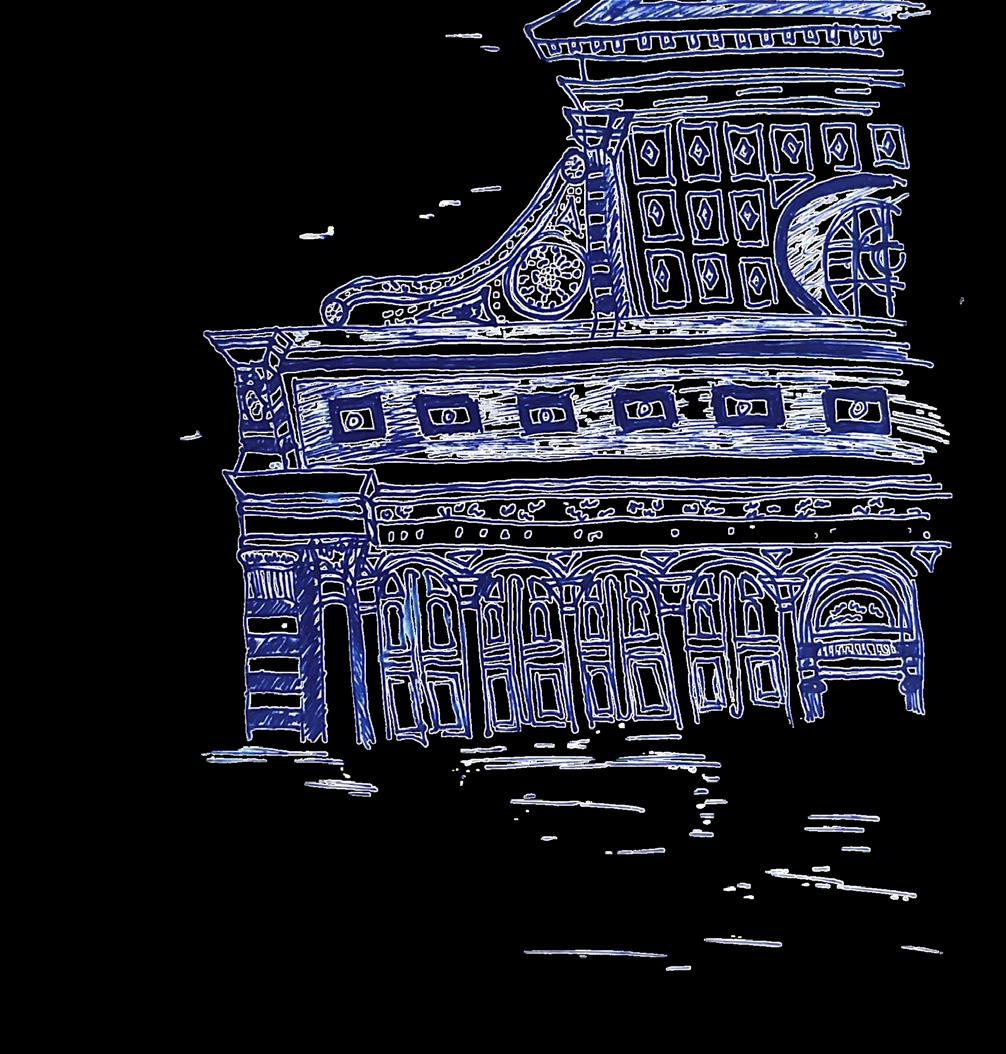
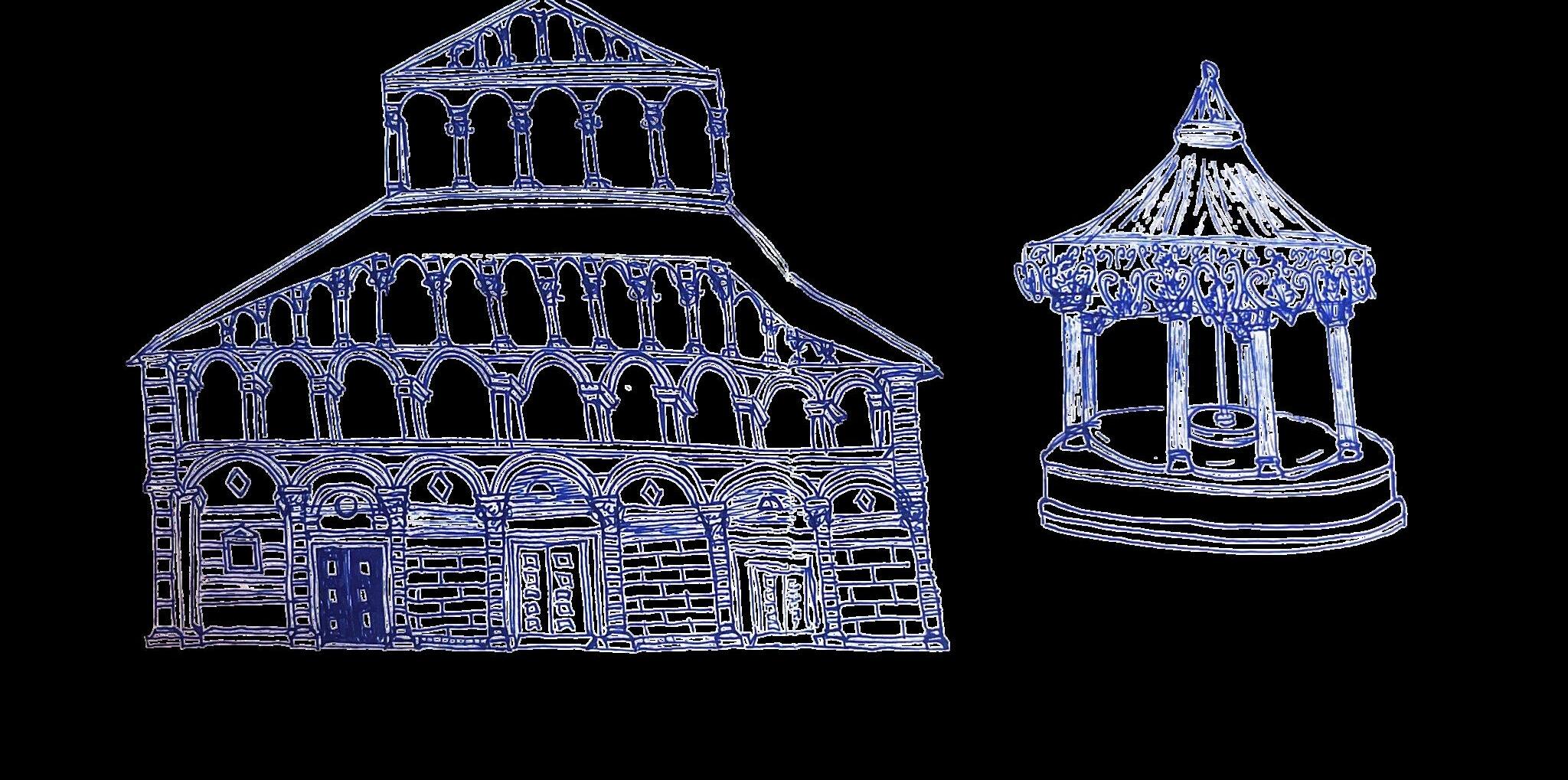
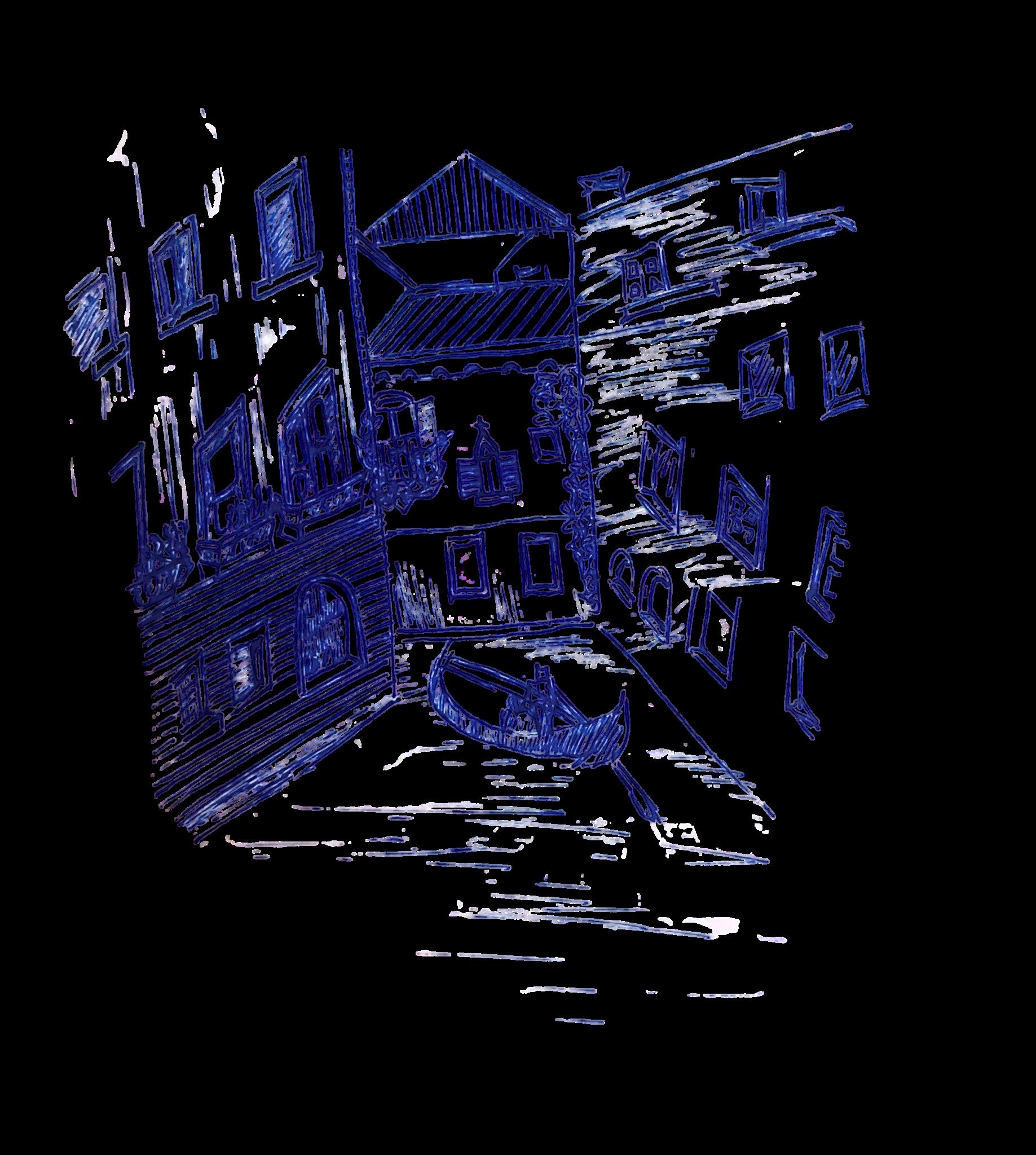
STUDY ABROAD SKETCHES
INTERIOR DESIGN STUDY ABROAD
SUMMER 2025
PROJECT 04
INTERIOR DESIGN STUDY ABROAD
STUDY ABROAD SKETCHES
VT-FACULTY LED
ITALY
SUMMER 2025
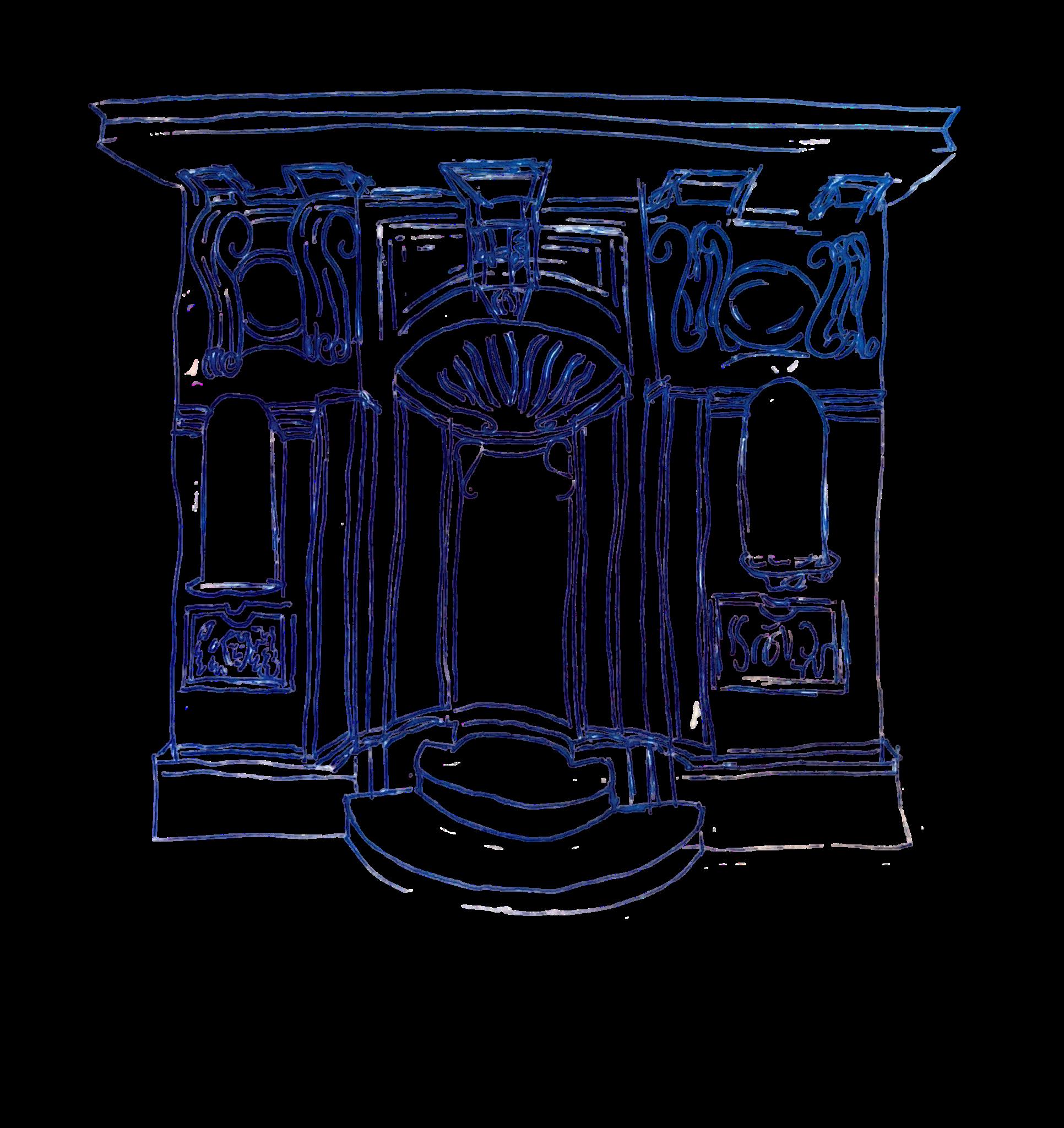
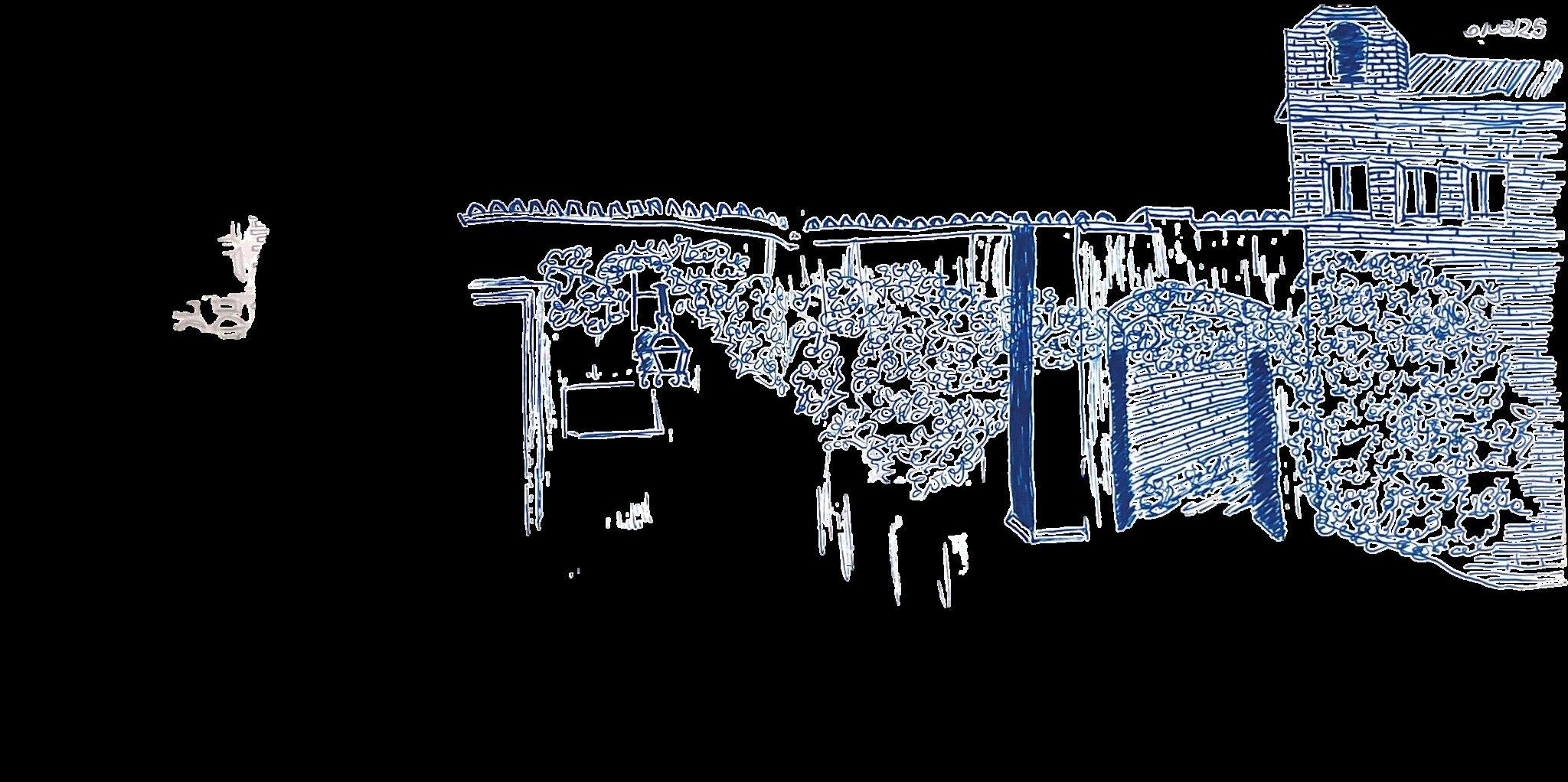
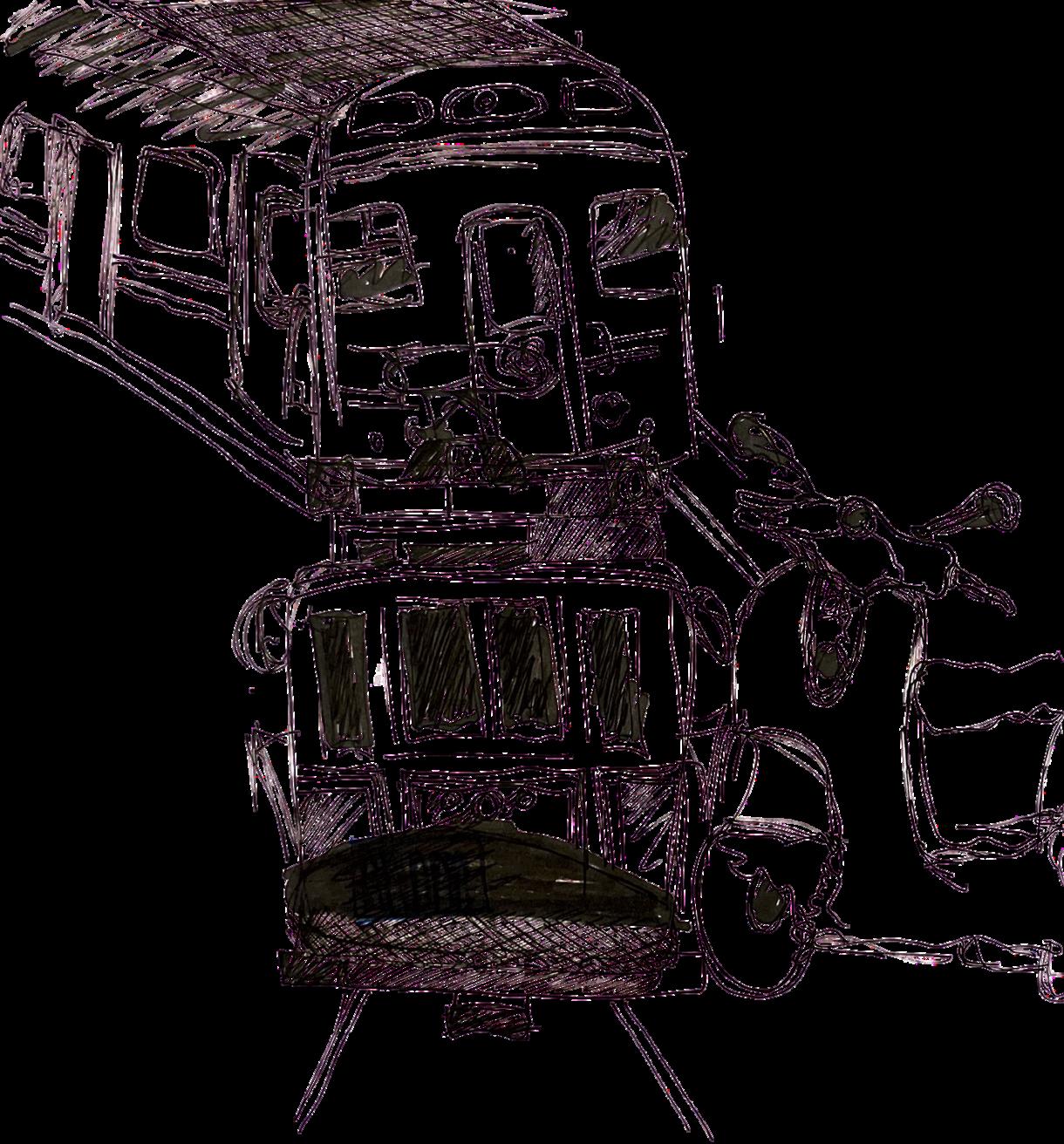
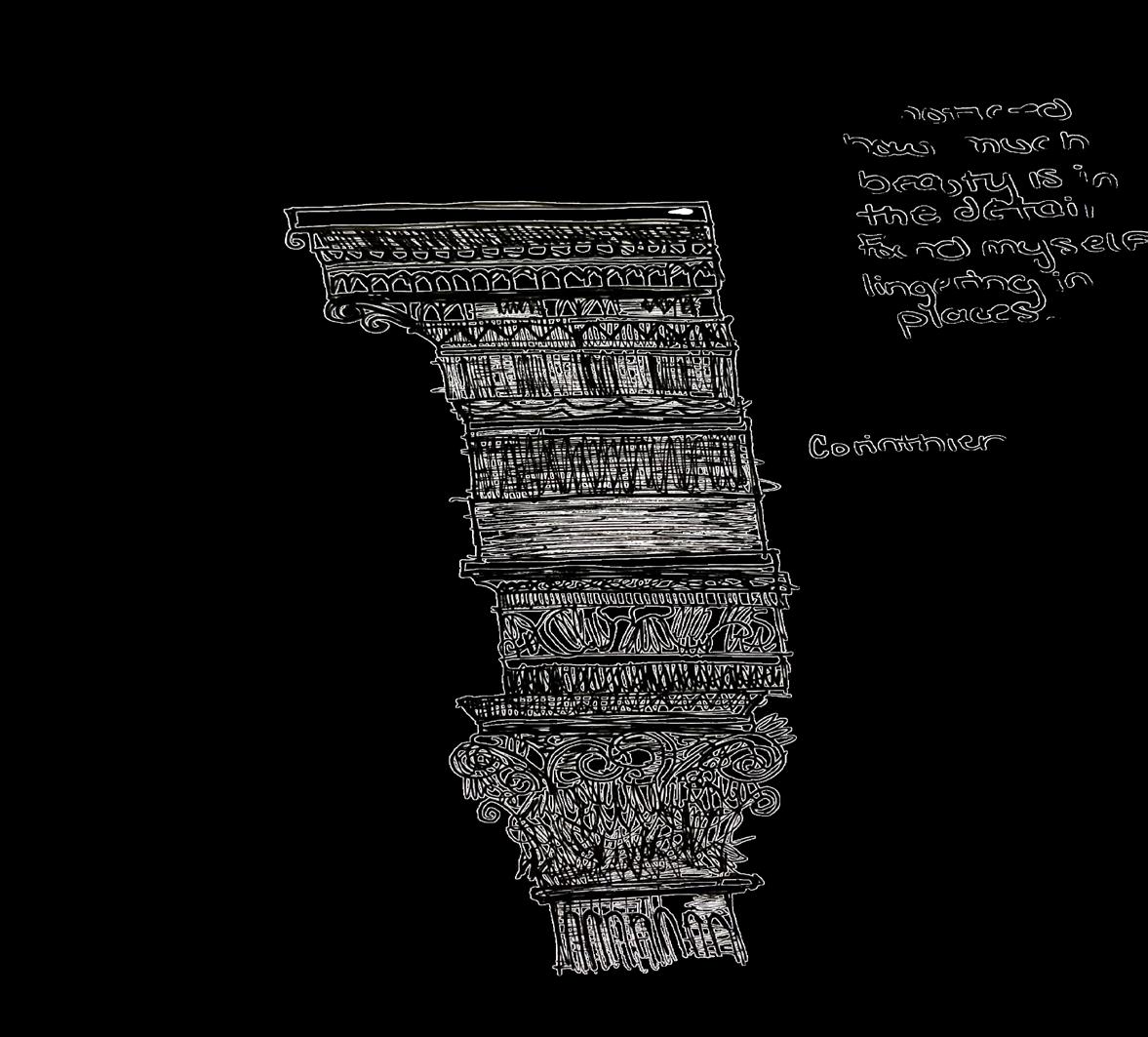
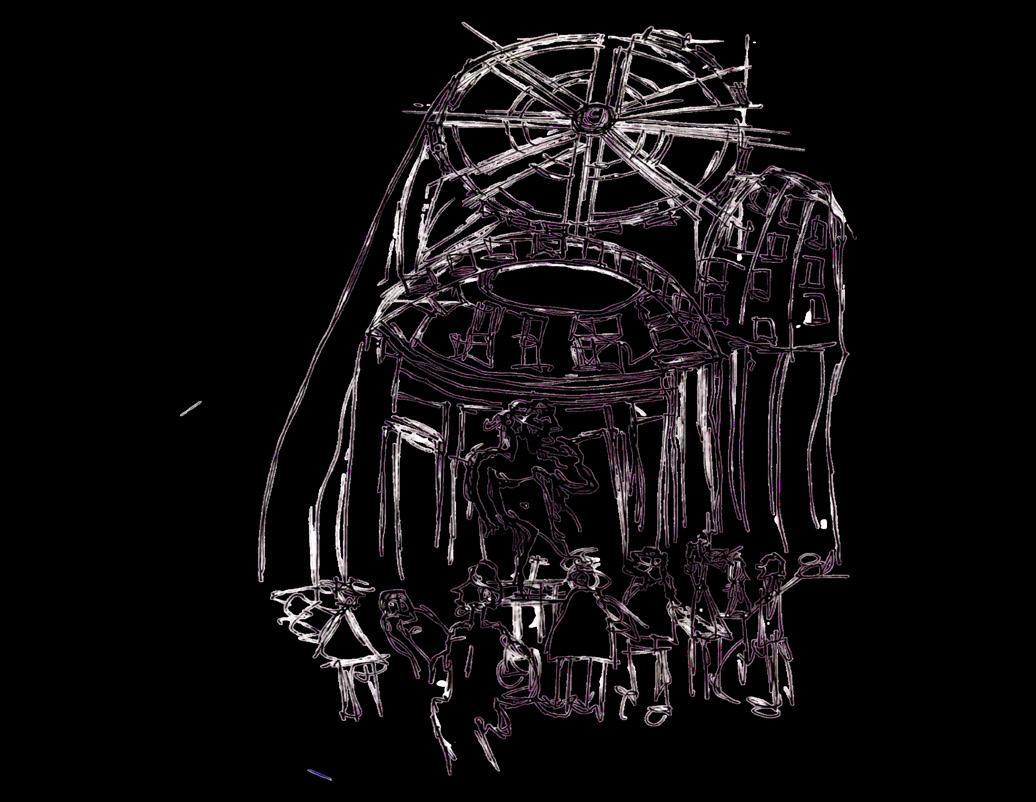
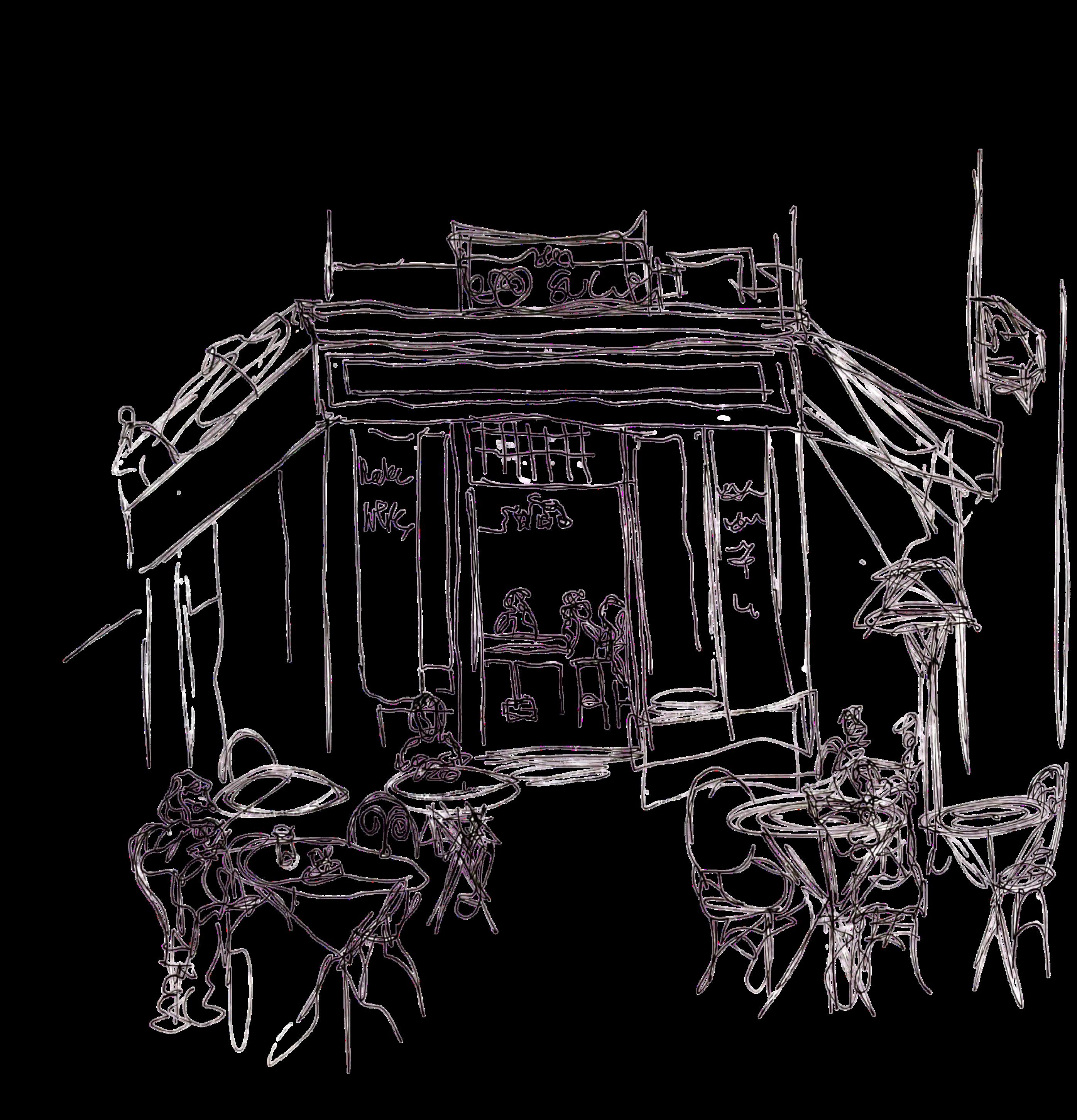
Studying interior design in Italy provided a valuable opportunity to engage directly with Renaissance and contemporary architecture. The program emphasized close observations, allowing me to analyze space, proportion, and detail through on site sketching. Whether drawing the facades of historic cathedrals or studying light and shadow in quieter courtyards, sketching became an effective method for understanding the built environment. This experience strengthened my attention to form, texture, and craftsmanship, and deepened my understanding of how traditional and modern design approaches interest within Italian architecture.