







History & Archaeology
2026 & 2027

History is best understood where it happened. Our expert-led tours take you there – with scholars and experts who have devoted their careers to particular cultures, periods and places; their knowledge transforms a journey entirely.
In the pages that follow, we introduce some of the brilliant historians we work with, and the fascinating destinations they bring to life. From Albania – where the fate of Rome’s civil war once hung in the balance – to the monasteries of Northumbria that blazed as beacons of medieval learning, each tour o ers something that no guidebook can provide: the insight of a genuine expert, on the ground, in the moment.
I do hope you will enjoy perusing this selection.

With best wishes,

Charlotte Crow Director Academic & Content
“The Martin Randall Travel experience is special. The feeling of being looked after and given a very good tour, with experienced and well-informed lecturers, cannot really be bettered.





The best way to learn about new tour launches and availability is to sign up to our e-newsletter:
Follow us on social media:




Chris moved to Argentina in the early 1990s, where he lived for a decade and wrote for the Buenos Aires Herald. Since returning to the UK he has written for BBC History, the Daily Telegraph, Time Out and others; he is the author of the Guardian column, ‘Where Tourists Seldom Tread’. His books include Eyewitness Travel: Back Roads Spain, a cultural history of Patagonia, and a flight-free guide to Europe. Chris was born in Lancashire, the subject of his latest book and an exciting new tour.
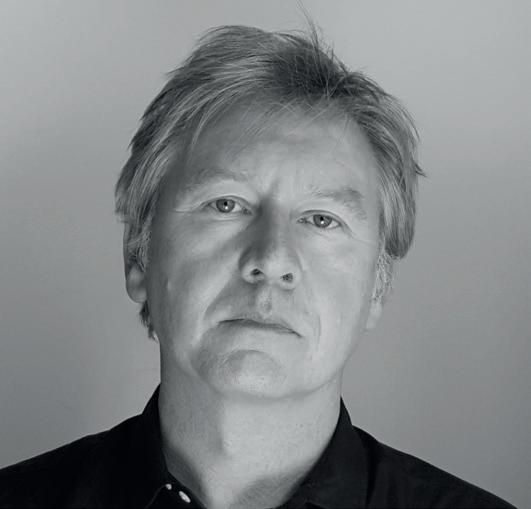
Lancashire has had a seminal role in modern world history. This county, which used to make everything is now re-making itself. It’s time to take stock: reconsider, rediscover.
– Chris Moss, 2026
Lancashire: The Making of the Modern World
14–20 September 2026 • 7 days
From the Mersey ports to the breathtaking Pennines.
Exceptional heritage: docklands, mills, canals and railways, alongside outstanding galleries, museums and cathedrals.
It’s a bold claim to credit a single English county with the ‘making of the modern world’. But the facts speak for themselves: from the first canals and railways to the Industrial Revolution, the cotton trade, atomic theory and popular music, Lancashire’s influence has been extraordinary.
Liverpool and Manchester drove this transformation – two cities that reshaped not just the county but the global economy. Dramatic cityscapes give way to beautiful countryside, and we enjoy it all from well-situated hotels, with superb dining and traditional pubs along the way.

1–10 April 2027
10 days • Chris Moss
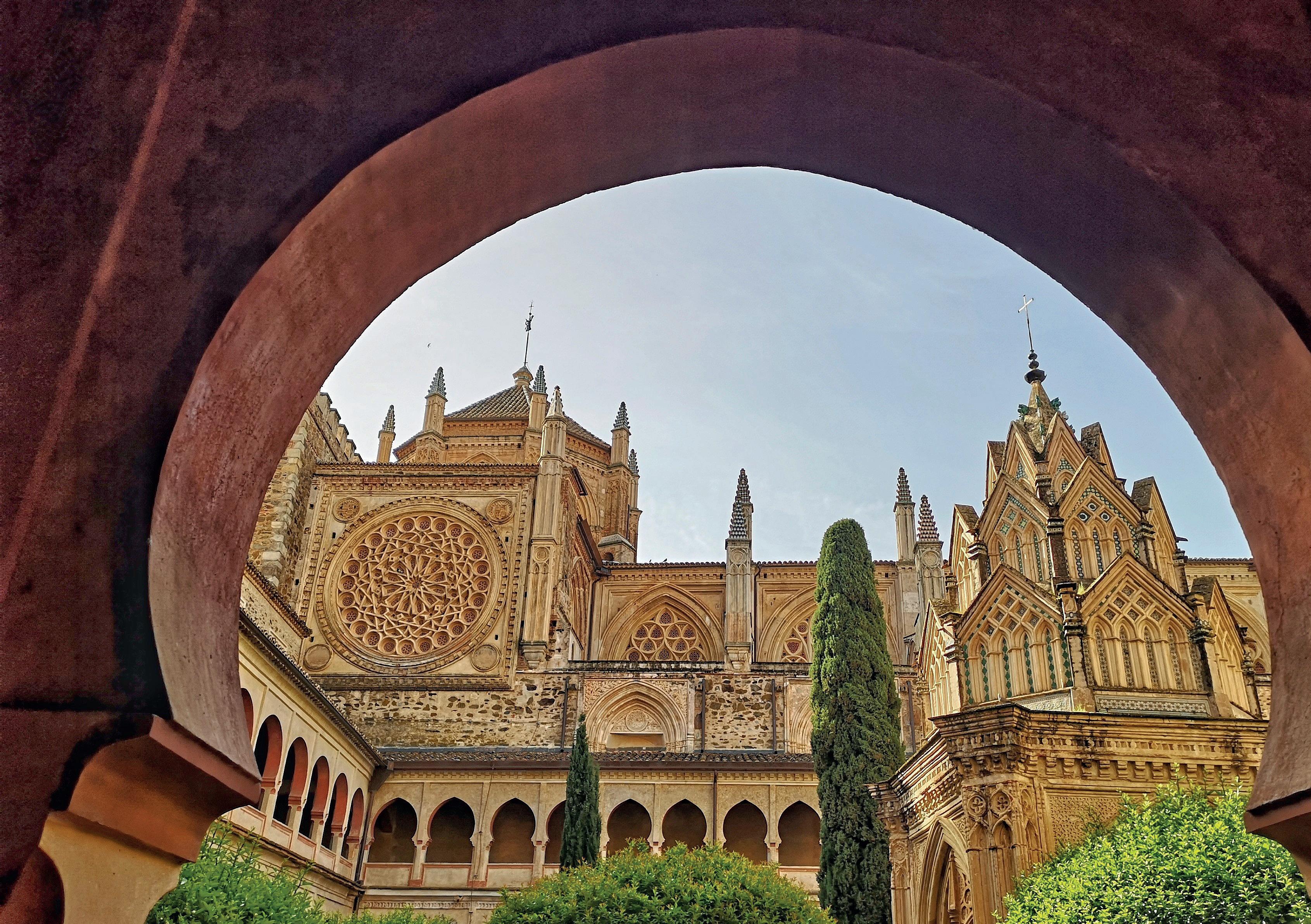
Extremadura’s landscapes form an unspoiled backdrop to Spain’s most monumental cities. Trujillo, Cáceres and Plasencia are packed with Conquistador palaces and churches, while Mérida boasts impressive Roman remains. We also visit the monasteries of Guadalupe and Yuste, set in splendid isolation in the hills, before experiencing rural life on a working livestock farm.
Archaeology, history, art and landscape
16–25 September 2026
10 days • Speaker: Carolyn Metkola
Discover a forgotten history of conflict, culture and economic power.
Explore the remains of once-flourishing Greek, Roman and Ottoman cities.
Stay in the UNESCO World Heritage towns of Berat and Gjirokastra.
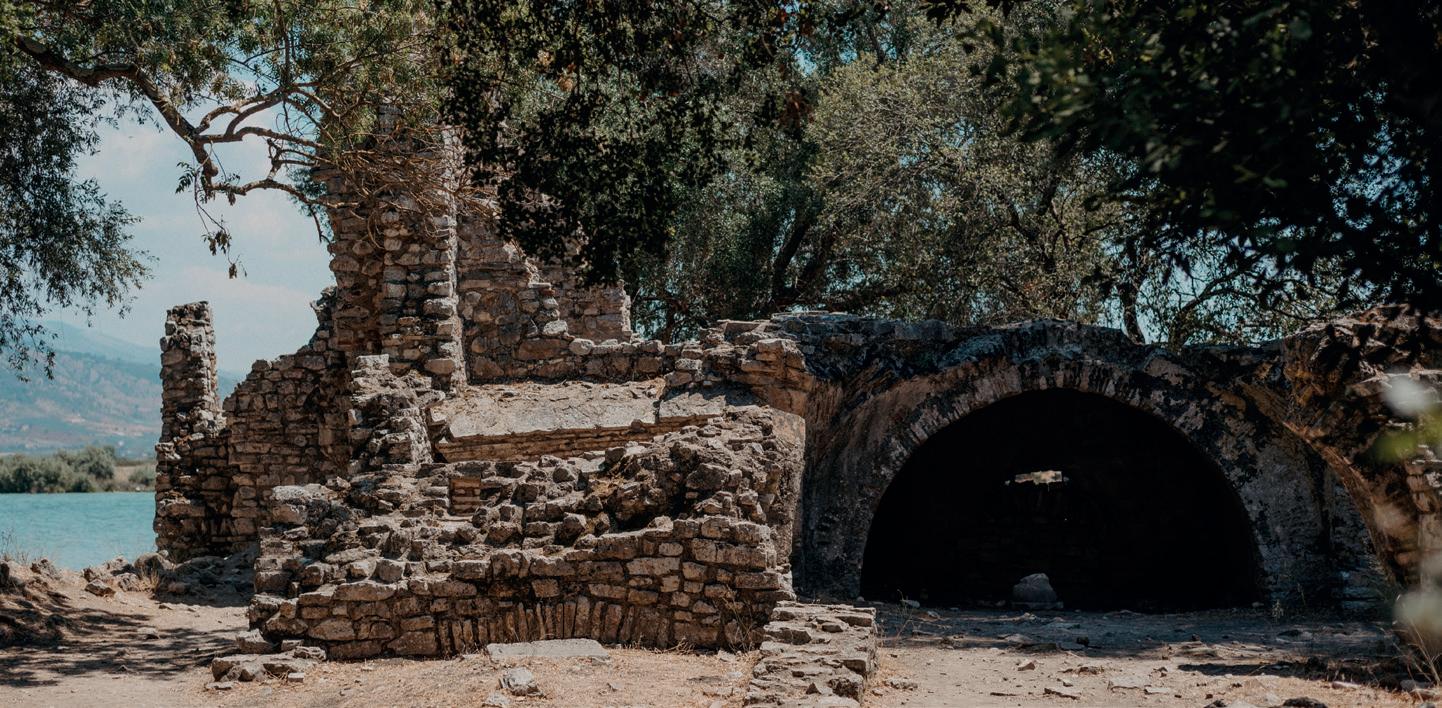
Albania’s importance in the ancient world is writ large in the historical sources. Greek historian Thucydides describes how a dispute over the city of Epidamnus (modern Durrës) helped ignite the Peloponnesian War of 431–404 bc. Nearly 400 years later, much of Rome’s civil war between Caesar and Pompey was played out along the Albanian coast. And it was in the city of Apollonia that Octavian learned of the assassination of his great-uncle Caesar – and launched a bid for power that ultimately made him emperor. Why was Albania so important? One look at its geography will tell you. This is a country blessed with natural harbours, and a short sea crossing
to the Italian port of Brindisi. It is also the start of the most direct overland route from the Adriatic to Istanbul, which in Roman times was traced by the Via Egnatia. A natural staging post between the eastern and western Mediterranean, Albania flourished under Greeks, Romans, Byzantines and Ottomans.
It is this rich and forgotten history that forms the backbone of our tour. We visit ancient cities that once had glittering reputations, but have since
fallen into ruin and have only ever been partially excavated. Meanwhile, the UNESCO World Heritage towns of Berat and Gjirokastra shine a light onto the civilisation that developed under five centuries of Ottoman rule. Berat, known as ‘the town of a thousand windows’, is home to the museum of the 16th-century iconographer Onufri, while Gjirokastra, birthplace of the novelist Ismail Kadare, is believed to be the setting for his celebrated Chronicle in Stone.
2–12 October 2026
11 days
Speaker: Dr Nikola Theodossiev
A journey through over 40,000 years of human history, tracing Bulgaria’s development from prehistory to the 20th century.
Six UNESCO World Heritage sites seen, including remarkable Thracian tombs and Boyana Church with its stunning frescoes.
Beautiful and varied landscapes provide a striking backdrop to the journey.
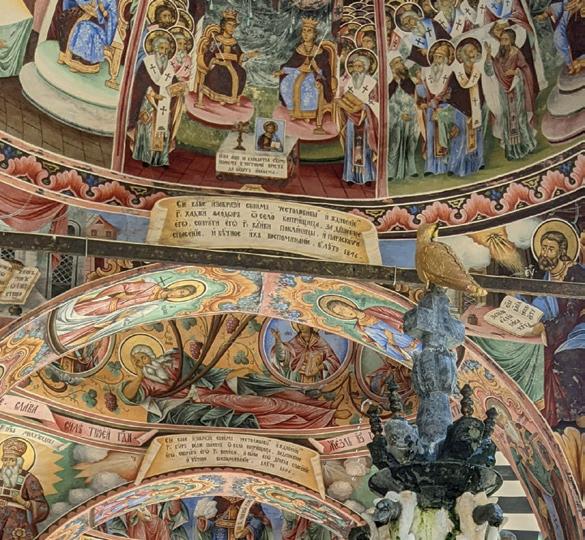
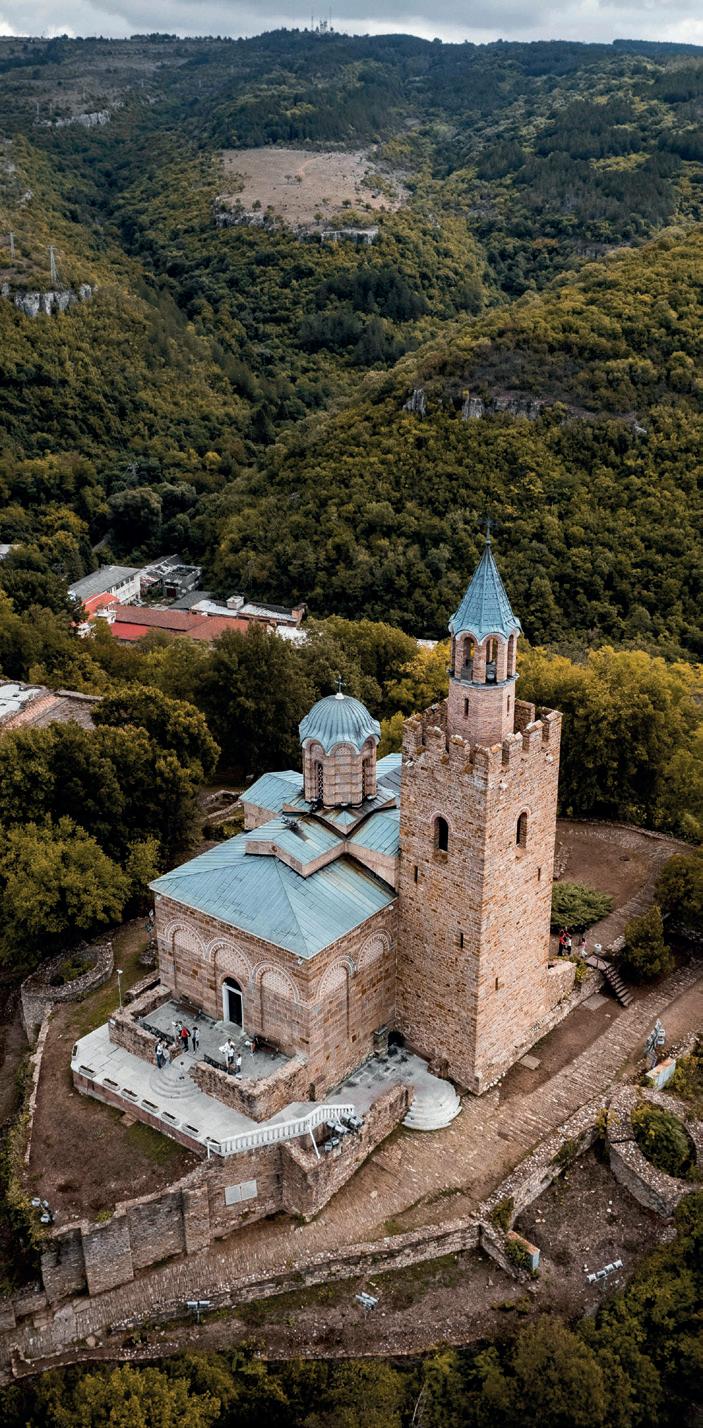
Variety characterises this tour of Bulgaria, casting light on a fascinating region across a span of millennia. The Thracians – enigmatic cattle herders, farmers and warriors, renowned for their love of wine and gold – dominated prehistoric times, and their burial sites illuminate one of Europe’s earliest hierarchical societies. We visit several atmospheric, stunningly preserved tombs, while in Varna’s archaeological museum we
encounter the world’s oldest gold treasure, dating to the fifth millennium bc.
Roman Thracia left its mark across Bulgaria, nowhere more strikingly than in Plovdiv, one of the world’s oldest continuously inhabited cities, where a Roman forum and stadium vie with Ottoman mosques and National Revival architecture. Today Sofia and Plovdiv are lively, cosmopolitan cities with flourishing cultural scenes, while Veliko Tarnovo and Nessebar evoke an illustrious past. This is a country of remarkable cultural depth, only now receiving the wider recognition it deserves.
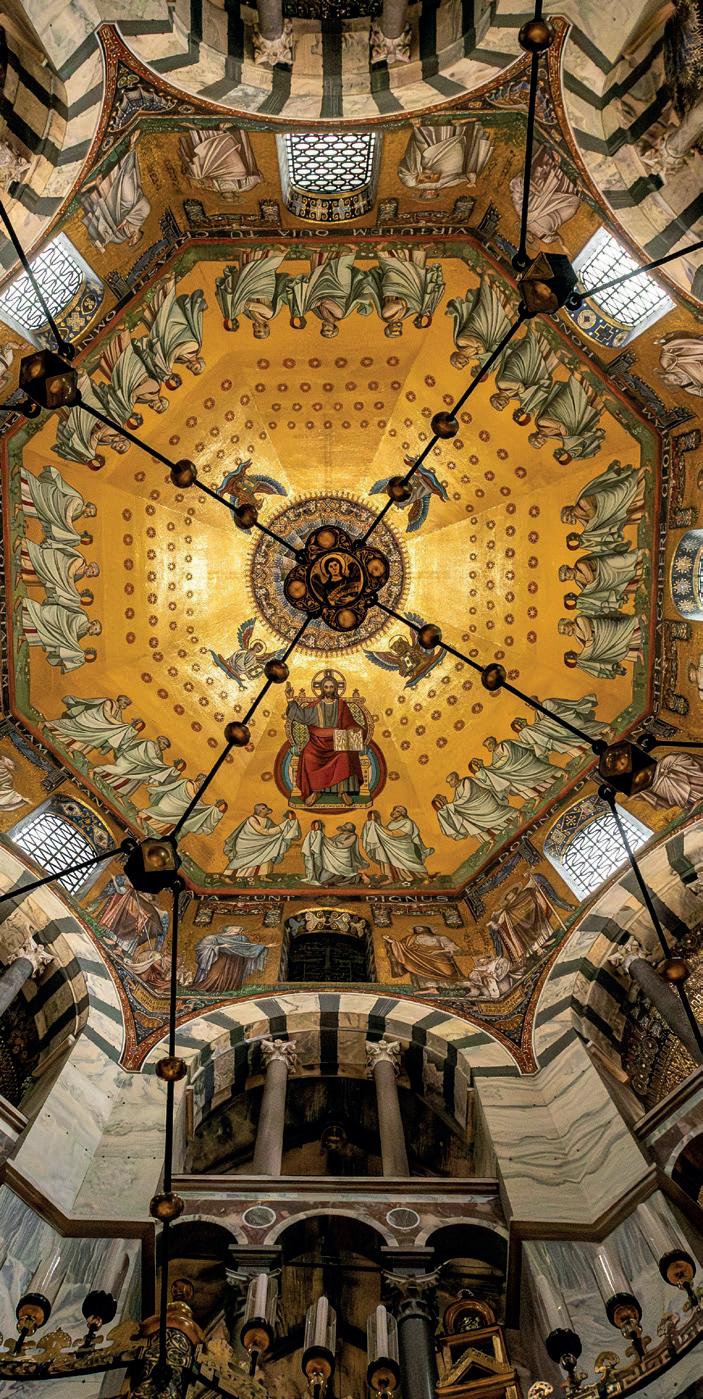
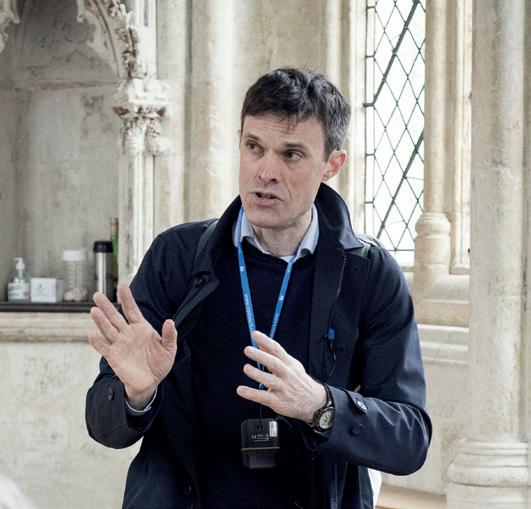
‘Nothing beats investigating the rule of Charlemagne before his throne at Aachen or exploring the emergence of the early medieval papacy within the shadow of the Lateran palace. Exploring a monument or a museum with a group of MRT clients is one of the great joys of my professional life’ says Hugh, lecturer in medieval history at the University of East Anglia, who is a keen believer in the value of exploring the architectural fabric, material culture and landscapes of the past.
“
This was my rst experience of Hugh Doherty as a tour leader and I was hugely impressed by his expertise, enthusiasm, and communication skills.
16–23 January 2027
8 days • Dr Hugh Doherty
Rare splendours from tempestuous times, this tour o ers extensive exploration of Rome’s principal early Christian and medieval monuments – from architecture, mosaics and wall paintings to marble pavements and sculpture. Charting the city’s dramatic journey from imperial capital to papal plenitude of power, the tour is based in central Rome with excursions to Viterbo, Tuscania and Tarquinia.
31 March–7 April 2027
8 days • Dr Hugh Doherty

“ I cannot speak highly enough of Dr Hugh Doherty; extraordinary knowledge and presentation skills enhanced by humour, kindness, and genuine respect for all of us.
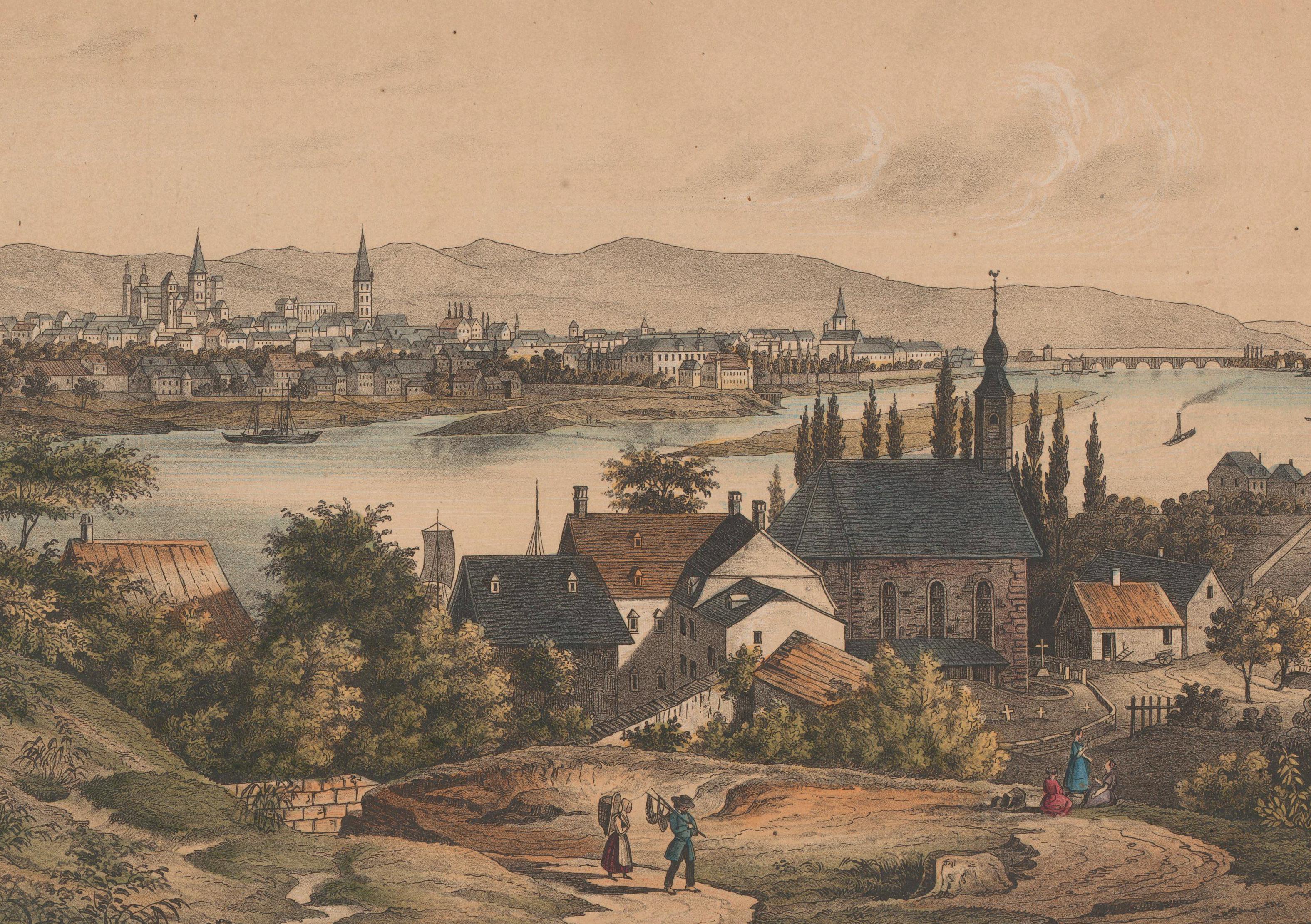
Germany from Augustus to Charlemagne, this tour explores the magnificent remnants of some of the greatest Roman cities north of the Alps, where standing buildings and outstanding artefacts and artworks bear witness to the full reach of imperial power. The achievements of Charlemagne and the revival of empire form the tour’s second great theme, o ering vivid insight into the Carolingian Renaissance – its learning, arts, and ambitious large-scale buildings.
Sail in comfort aboard a privately chartered small ship on our two Greek cruises in 2027
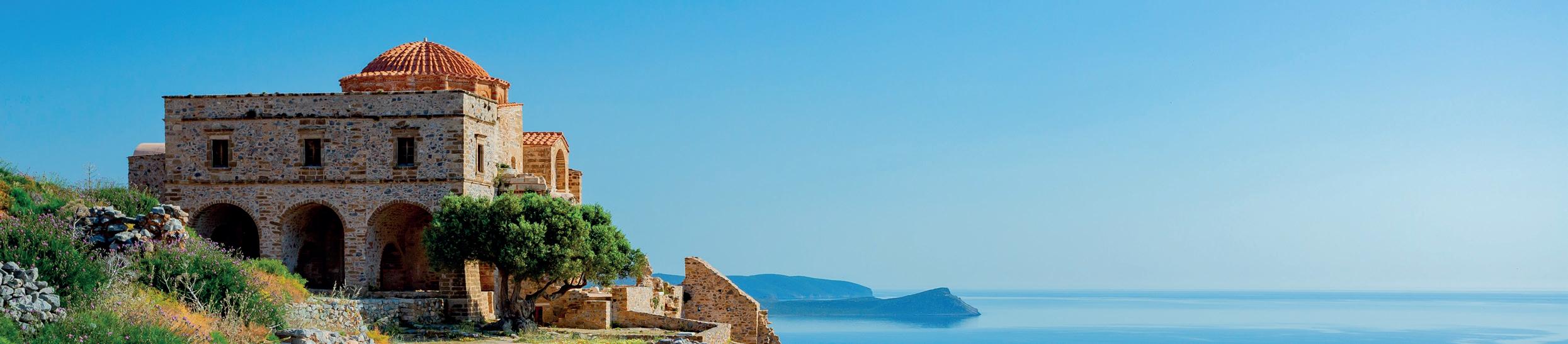
The Peloponnese, Attica and Athens
1–10 September 2027
10 days • Speakers: Dr Peter Haarer & Dr Nigel Spivey
Seven nights aboard a small ship chartered exclusively for our group, with a maximum of 60 passengers.
Two nights in Athens before we set sail – including a private evening visit to the Acropolis Museum.
Two experts sail with us, sharing their knowledge on board and on site.
Return via the impressive Corinth Canal.
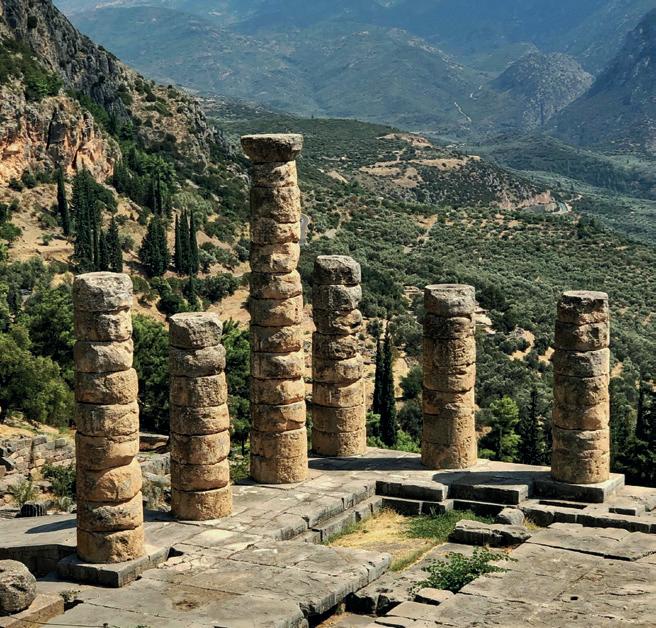
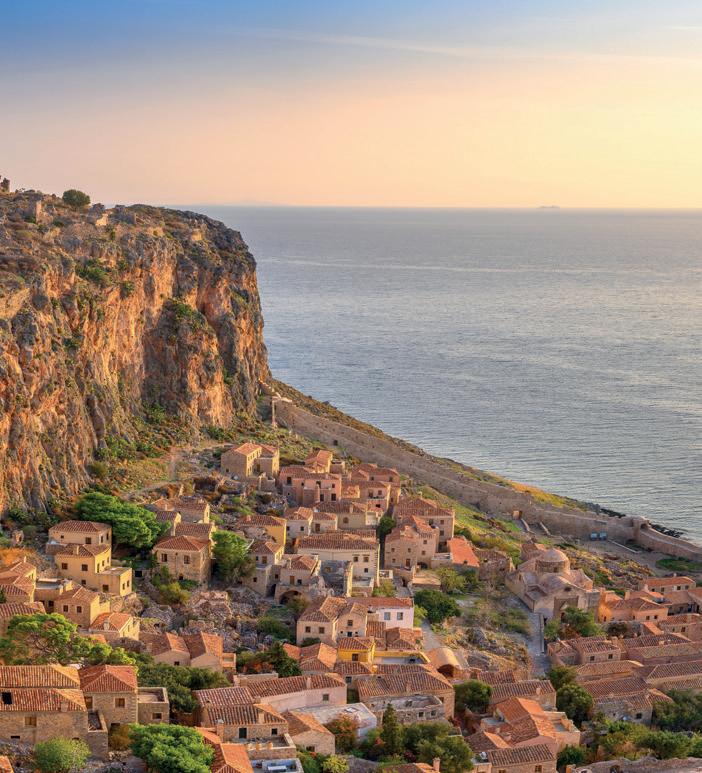
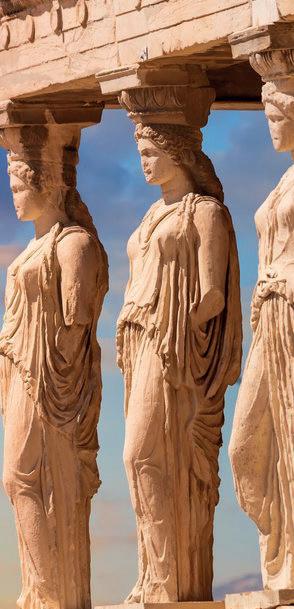
This is a voyage to the heartlands of Greece: mythical and historical, sacred and political, places embedded in the formative centuries of Western civilisation. Mycenae, Epidauros, Olympia and Delphi are among the sites that resonate in the collective consciousness – and all feature in this exceptional opportunity to sail around the ‘isle of Pelops’, the Peloponnese.
It is a land mass encompassing snow-peaked mountains, orange groves and vineyards, the pastures of Arcadia, and many millions of olive trees. Entire villages survive unchanged since the establishment of Christianity. Yet the Peloponnese is known above all for its breeding of heroes: Pelops, Herakles, Nestor, Agamemnon, Menelaus – and those who fought for Greek independence in the 19th century.
“
Even though I had read a lot of material by and about the Ancient Greeks, I learned so much.
13–22 October 2027
10 days • Speakers: Dr Christina
Hatzimichael-Whitley & Professor James Whitley
Seven nights aboard a small ship chartered exclusively for our group, with a maximum of 60 passengers.
The greatest ancient sites of the Aegean – among them the Acropolis, Mycenae, Knossos, Akrotiri and Delos.
Spend two nights in Athens before we set sail, with a private evening visit to the Acropolis Museum.
Two experts bring the ancient world vividly to life. They give talks on board and accompany us to visits on land.
No people have shaped western civilisation more profoundly than the ancient Greeks. For two and a half millennia, their ideas have seeded our philosophy, science, mathematics, government, literature and art – a wholly new conception of what human life was for.
To travel through Greece is to encounter the origins of our own world at first hand. Mycenae, Olympia, Delphi, Epidauros – not merely impressive ruins but the very places where the foundations of our world were laid.
The itinerary covers nearly all of the great sites, ruins and museums of mainland Greece. The pace is manageable, with ample time for expert commentary and independent exploration.
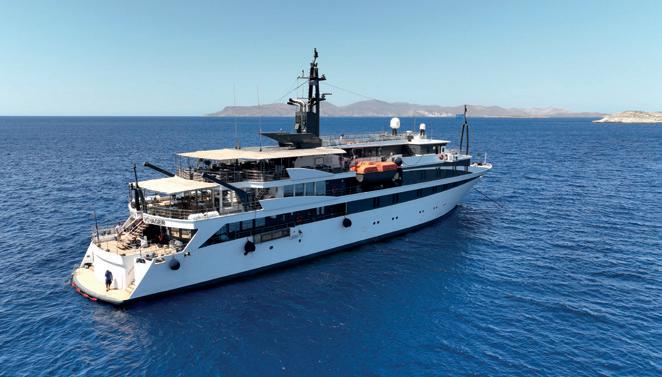
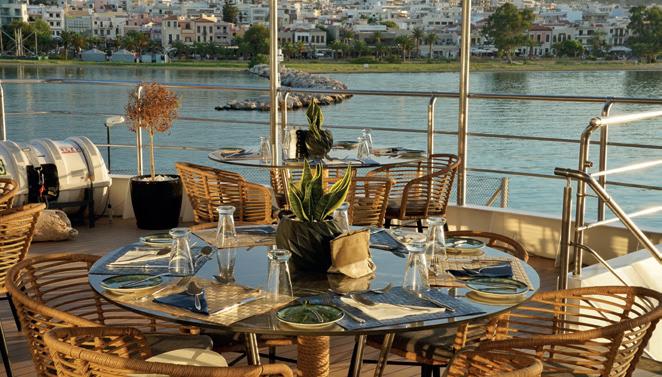
Variety Voyager is a comfortable, 36-cabin mega-yacht, launched in 2012 and renovated in 2023.
Facilities are equivalent to a 4-star hotel, while the multinational crew is dedicated to the highest standards of service.
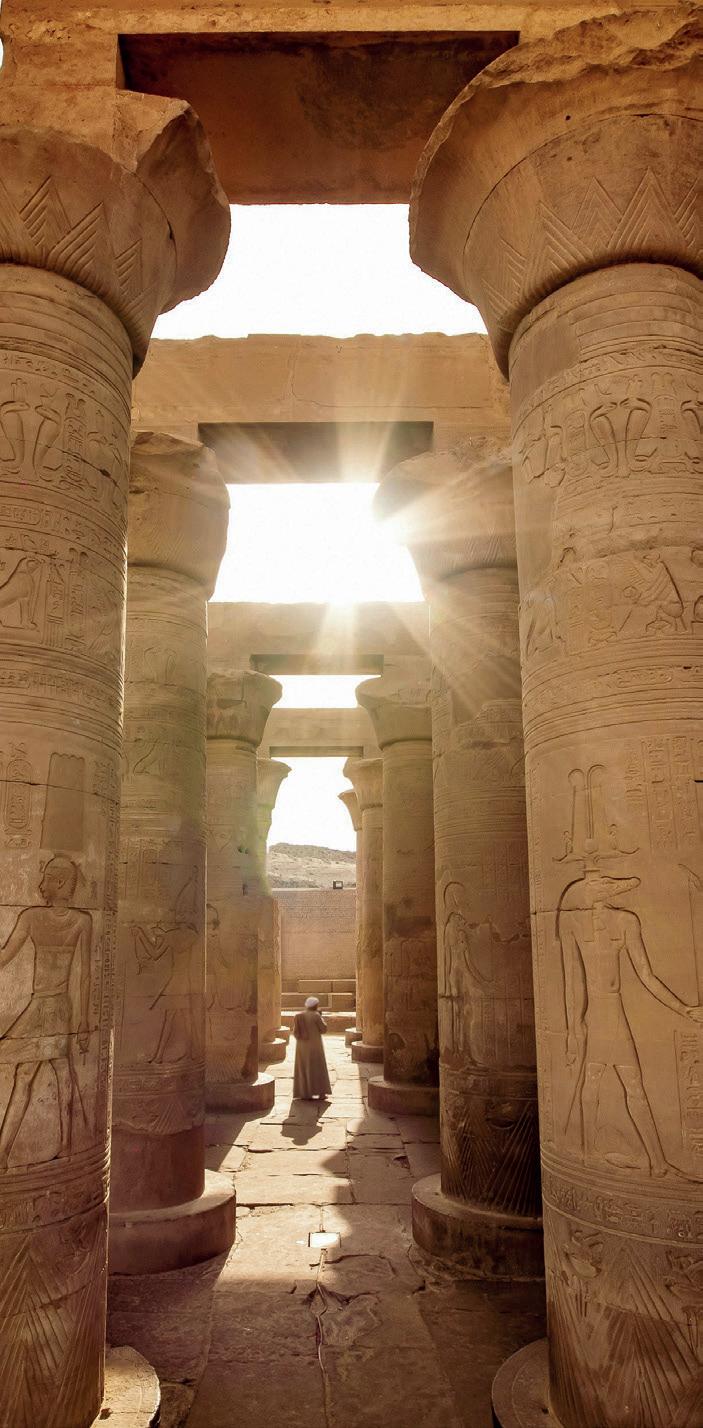
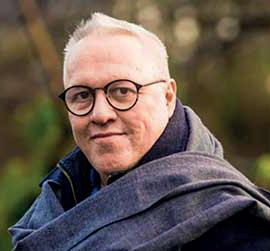
Professor of Classics at the University of Cardi , Lloyd is a skilled story-teller whose scholarship and interests span the ancient, medieval and early modern Middle East, Far East and South East Asia. With an emphasis on cultural interconnections through diplomacy, trade, literature, art and architecture, he has spent time researching in Egypt, Iran, Turkey, Japan, China and Cambodia. ‘Sharing historical knowledge in situ bridges the gap between past and present, allowing us to engage with stories in the very places they unfolded’, he says.
“We chose our trip based upon the lecturer, Lloyd Llewellyn-Jones, and we were not disappointed. My view of classical history is forever changed and deepened.
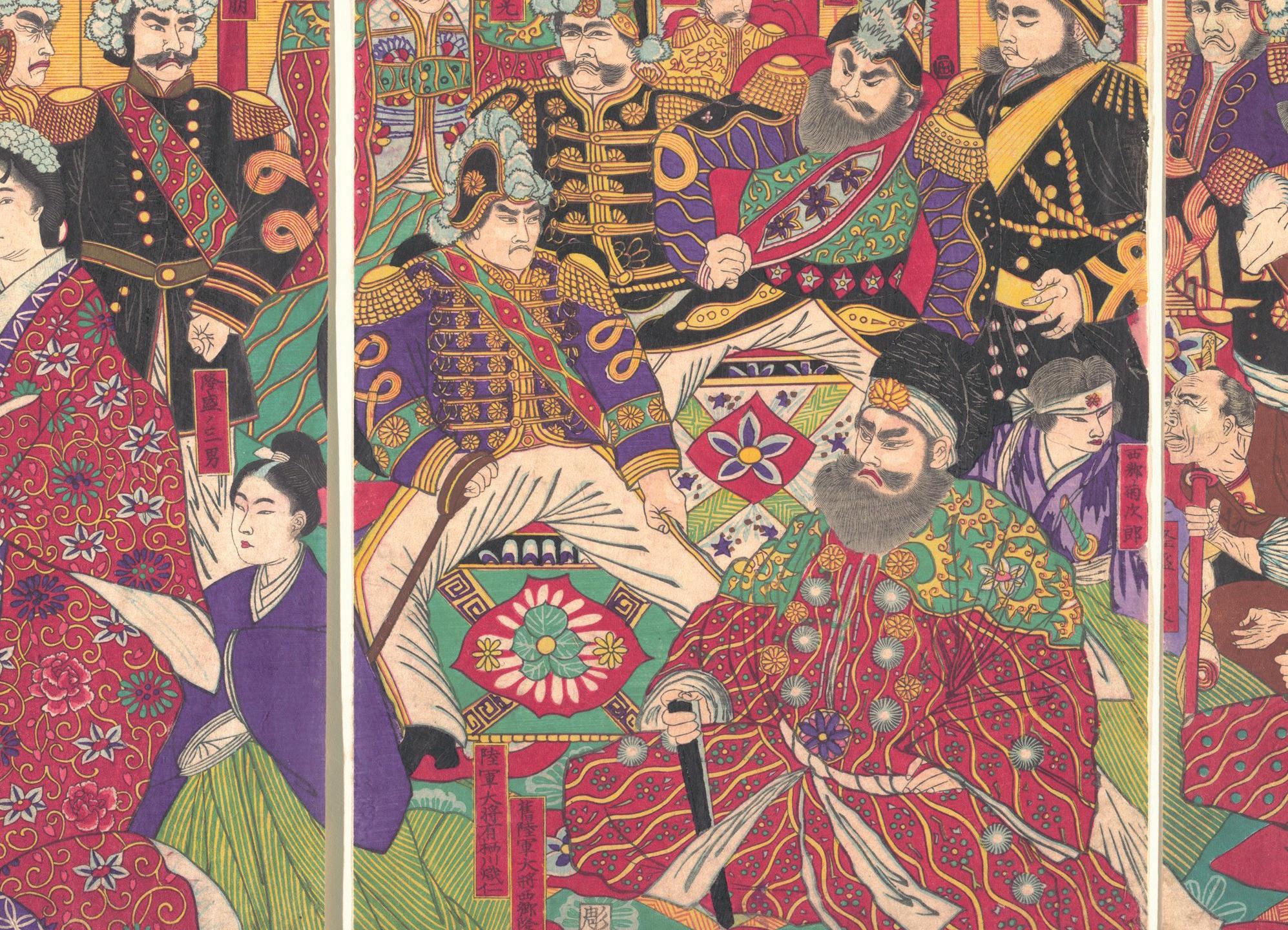
Pharaonic Egypt
5–17 January 2027
12 days • Prof. Lloyd Llewellyn-Jones
Egypt distilled: the greatest monuments of Pharaonic civilisation, from the iconic Pyramids at Giza to the awe-inspiring temples of Abu Simbel.

Shōguns and Samurai
13–25 April 2027
13 days • Prof. Lloyd Llewellyn-Jones
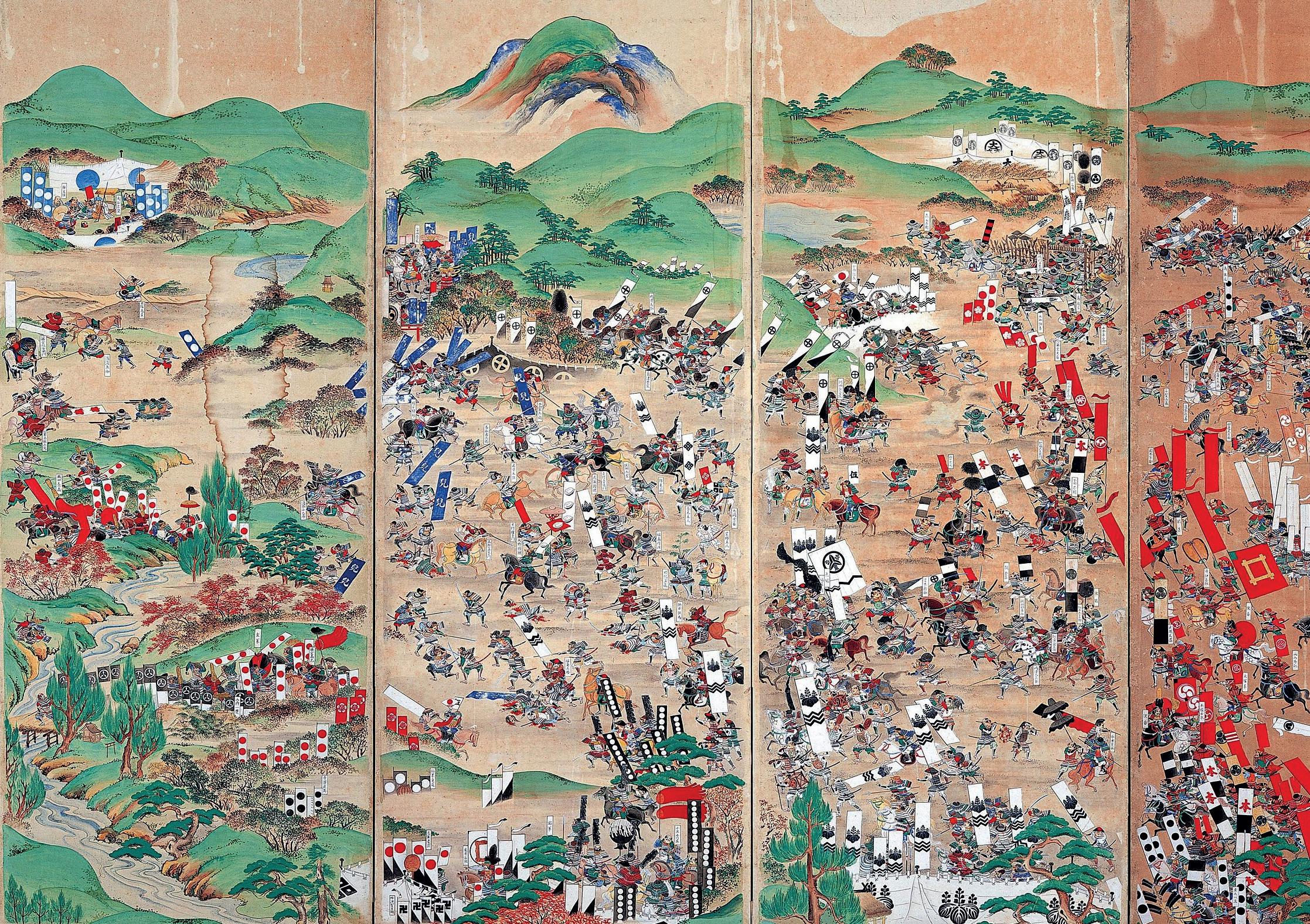
Explore how a class of armed retainers transformed Japan’s feudal landscape and forged iconic dynasties.

Classical Turkey
7–16 May 2027
10 days • Prof. Lloyd Llewellyn-Jones
The definitive exploration of Greeks and Romans in Anatolia – where the finest Hellenistic and Roman ruins in the world still stand.


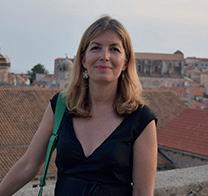
Zoe received her BA, MA and PhD at the Courtauld Institute of Art and she is now a lecturer in medieval art, architecture and urbanism at Birkbeck College. A Fellow of the Society of Antiquaries, she has written and edited a number of publications in English, German, Czech and Italian including recent contributions to the Oxford Handbook of Medieval Central Europe and the Brill Companion to Medieval Vienna. Zoë has longstanding family connections in Dalmatia and is a regular lecturer on MRT tours there, as well as to Italy and the Czech Republic.
Featured tour:
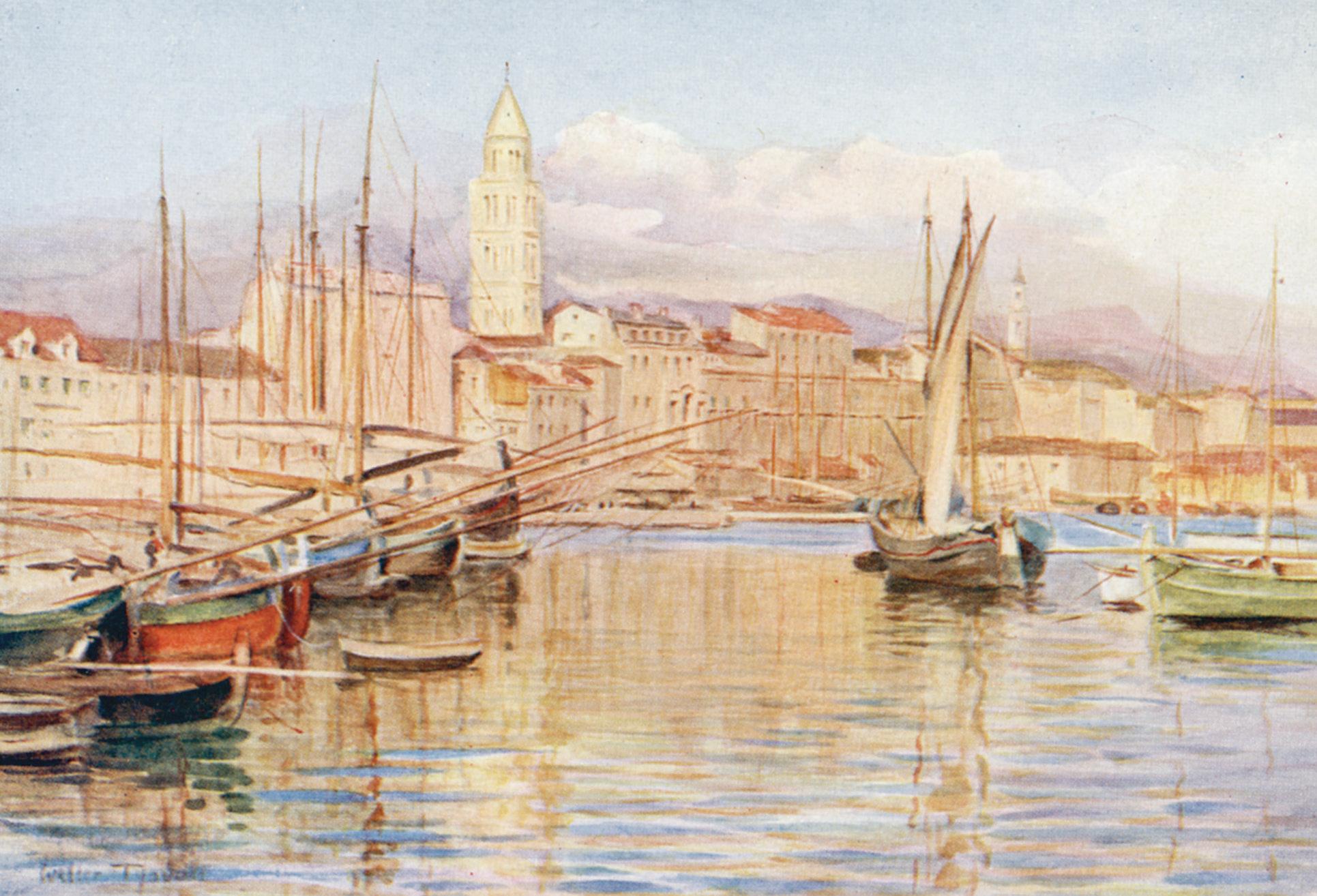
Sailing the Dalmatian Coast
29 April–8 May 2027 • 10 days
Sail the breathtaking Croatian coastline aboard an exclusive small-ship charter for just 30 people. Discover unspoilt historic towns, turquoise seas and timeless islands, from the remarkable Roman heart of Split to Dubrovnik.
“
Zoe was fantastic: extremely knowledgeable of both the subject and also from the point of view of her family history. A mine of information –art historical and historical. We couldn’t have had a better lecturer.


9–20 March 2027
12 days • Speaker: Raaja Bhasin
A fascinating exploration of the Raj’s final years, traced through the cities where imperial authority reached its zenith – and met its end.
Led by Raaja Bhasin, historian, author, lecturer and lifelong Shimla resident – an authority on the Raj.
Shimla – the grandest of India’s hill stations; Chandigarh: India’s bold postIndependence vision – a city designed from scratch by Le Corbusier.
Both the high noon of the British Empire in India and its closing years were played out in Delhi and in the ‘summer capital’, Shimla – dubbed by many the grandest outpost of the Pax Britannica. Tracing the ebb and flow of the Raj across two imperial capitals, this tour covers architecture, events, lifestyles, and the landscapes of the Western Himalaya.
Built, destroyed and rebuilt a dozen times, Delhi is one of the world’s oldest and most
multilayered cities, where Mughal monuments stand beside the great Raj-era ambition of New Delhi and towers of modern chrome and steel.
High in the Western Himalaya, Shimla, summer capital of British India was the base from where a fifth of the human race was ruled over for a century – its architecture a gazetteer of western styles, its social world an inspiration to the young Rudyard Kipling.
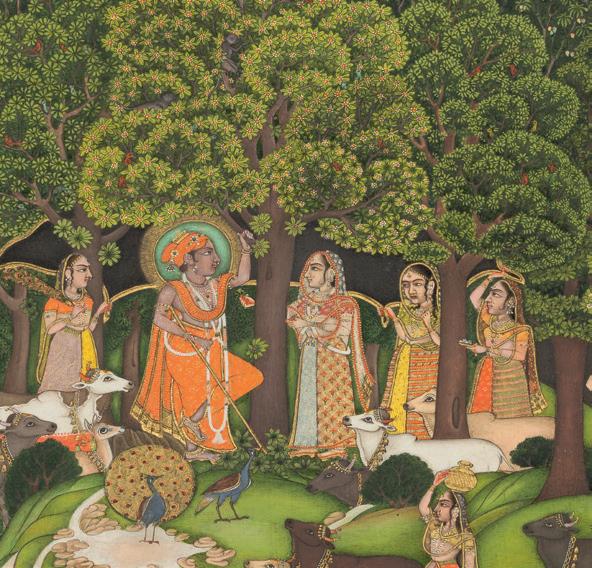
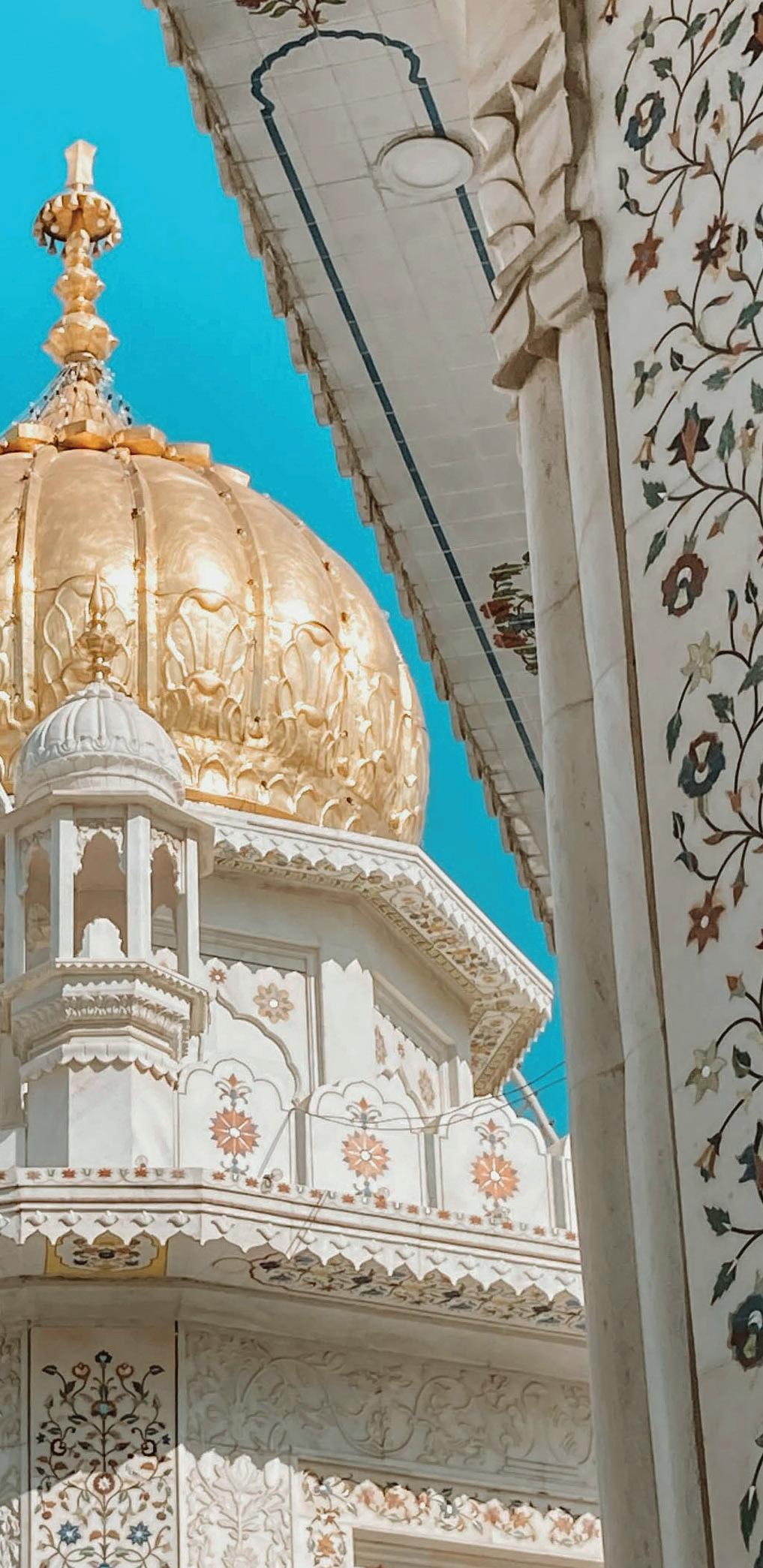
Amritsar, site of the Golden Temple and the defining tragedy of Jallianwala Bagh, and Le Corbusier’s visionary Chandigarh complete this richly layered journey.
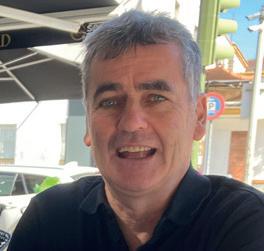
An award-winning journalist, author and historian, Giles has lived in Spain for over 25 years, serving as Madrid correspondent for both the Economist and the Guardian. His books include Ghosts of Spain, Isabella of Castile: Europe’s First Great Queen – winner of the 2018 Elizabeth Longford Prize for Historical Biography –and his latest acclaimed biography, El Generalissimo: Franco – Power, Violence and the Quest for Greatness. His tours bring historical ideas and events to life insitu with deep historical resonance, going beyond the obvious sites to archives and private collections – and including encounters with people who safeguard the past: archivists, collectors and custodians of memory. Whether a historian, a keeper of Civil War memorabilia, or someone preserving a vanishing tradition, these conversations give the past a vivid human texture.
“
Giles is tremendous, informative and knowledgeable with a really friendly and relaxed style. I would travel with him again and again.
& its Aftermath
14–18 Oct 2026 & 7–15 April 2027
8 days • Giles Tremlett
Drawing on the testimonies of those who lived through the conflict and the witnesses who recorded it – from Orwell and Hemingway to Picasso and Robert Capa – the tour illuminates a war whose ghosts still haunt modern Spain.
2–10 June 2027
9 days • Giles Tremlett

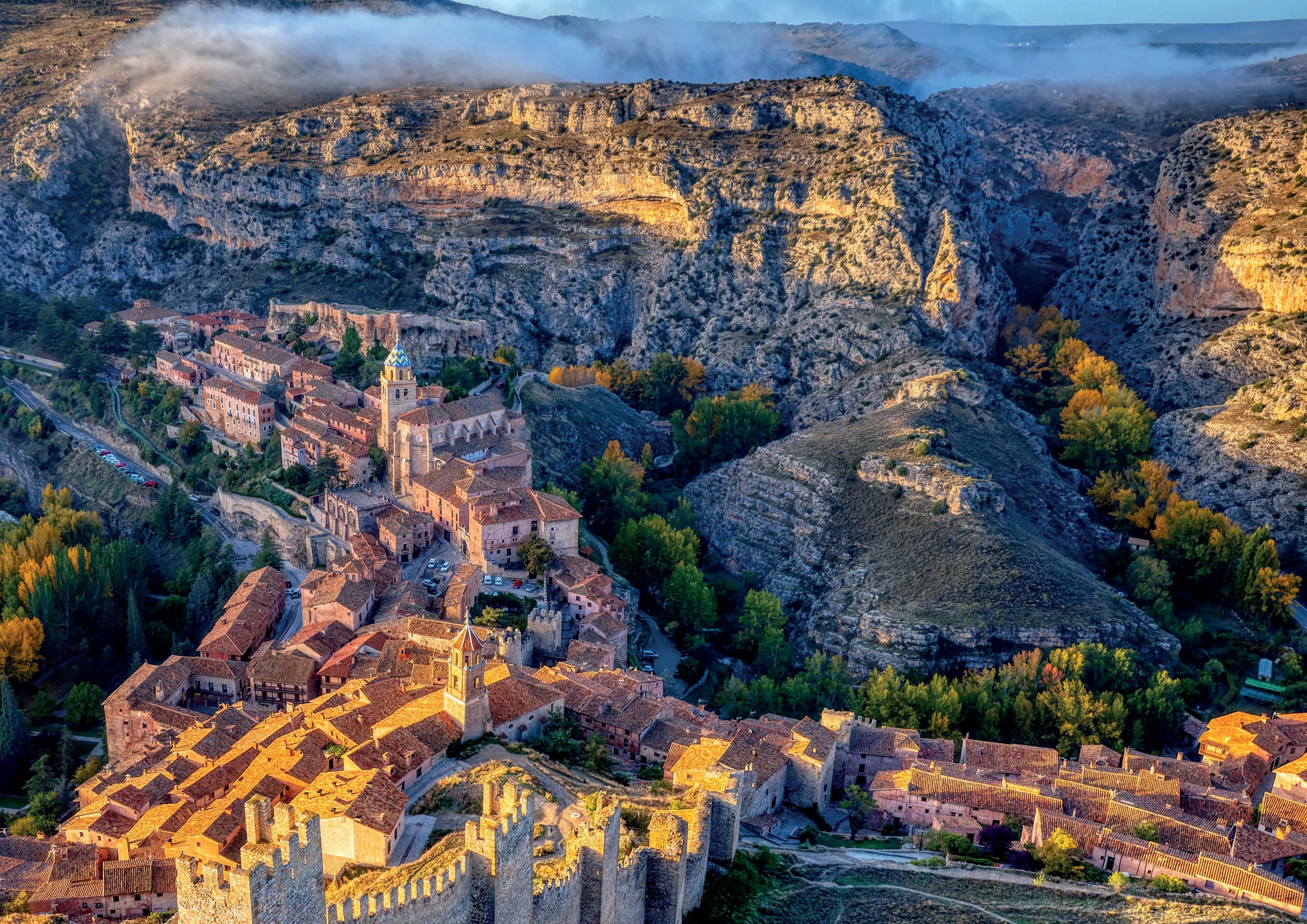
One of Spain’s least-visited regions yet one of its richest, Aragón spans a breadth of history – from Roman remains through Mudéjar masterpieces, to the world of Goya, El Cid, and the echoes of the Peninsular and Civil Wars.
27 October–4 November 2027
9 days • Giles Tremlett
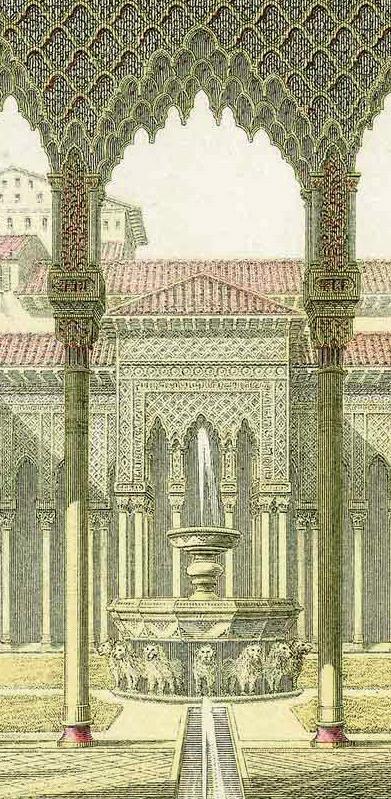
The year Isabella and Ferdinand completed their conquest of southern Spain and Columbus set sail for the New World – explored through the glorious cities of Granada, Córdoba and Seville.
Roman civilisation at the edge of an Empire
10–16 May 2027
7 days
Speaker: Dr Matthew Symonds
Discover the archaeology and history of the largest Roman construction in northern Europe, exploring its remarkable story in depth and in person.
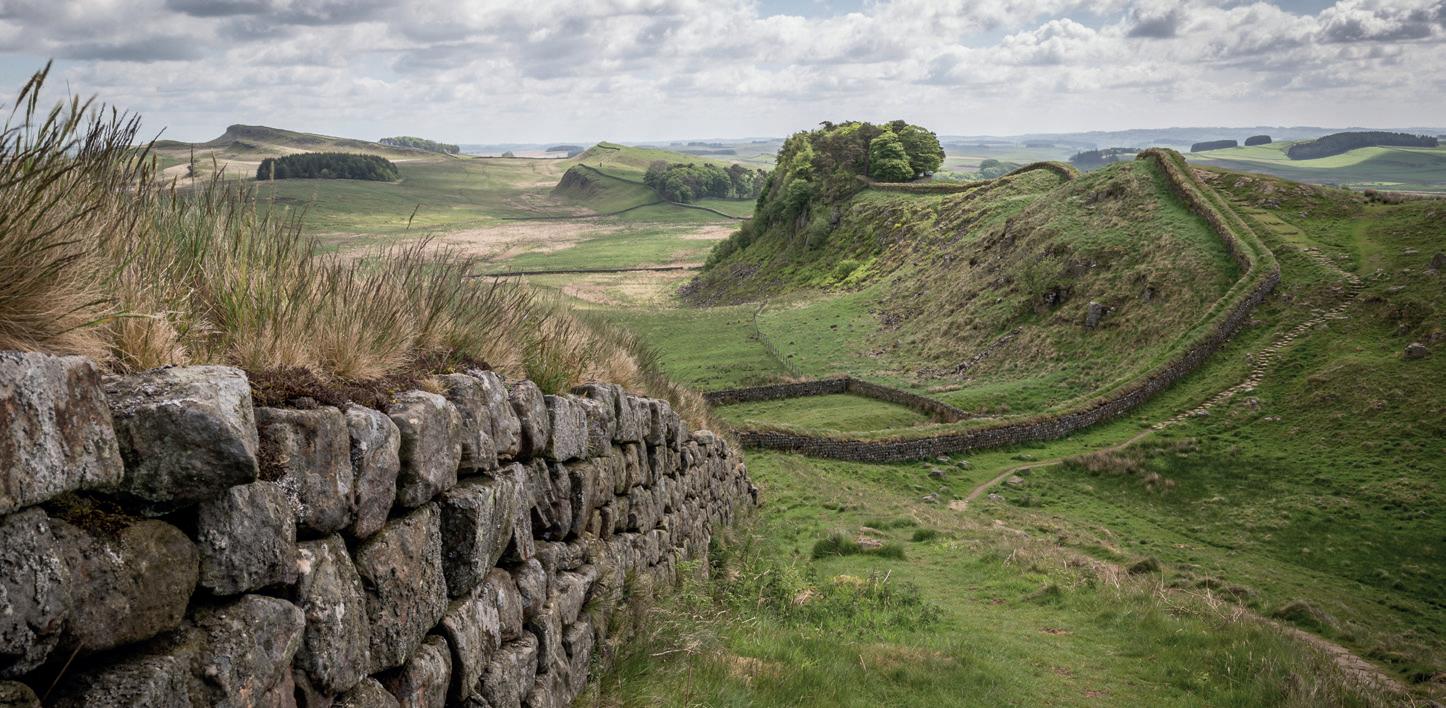
The most spectacular stretches of the Wall are accessible only on foot, drawing you through wild and magnificent scenery where history bursts from the earth at every turn.
Visit every major Roman fort, site and museum along the Wall, from Segedunum in the east to Bowness-onSolway in the west.
Traversing England from the Tyne estuary to the Solway Firth, the Wall was conceived by Emperor Hadrian in ad 122 to mark the northernmost limit of the Roman Empire. Roman engineers raised a 15-foot-high wall, 73 miles long, through harsh terrain, complete with 80 milecastles, 161 turrets and flanking earthwork ditches and
ramparts. Some 15 or 16 forts housed a garrison of 12,000 to 15,000 soldiers drawn from across the Empire –Syria, Libya, Dalmatia, Spain and Belgium – and around them grew a bustling world of supply bases and civilian settlements.
To study the Wall is to encounter almost every facet of Roman civilisation, from senatorial politics in Rome to the daily lives of soldiers, settlers and Britons who lived in its shadow.
Our guide is Dr Matthew Symonds, Editor
of Current World Archaeology and a specialist in Hadrian’s Wall whose knowledge of this frontier is unrivalled. For him, as for the Roman engineers who built it, the finest stretches of the Wall are best experienced on foot – and there is simply no substitute for walking in Roman footsteps through this magnificent and unspoilt landscape.
16–23 June 2027
8 days • Speaker: Prof. Will Bowden
Roman Britain at its most opulent –great villas, magnificent mosaics and thriving cities.
The palace at Fishbourne; the Cotswold villas of Chedworth and North Leigh, with mosaics among the finest Roman art in Britain.
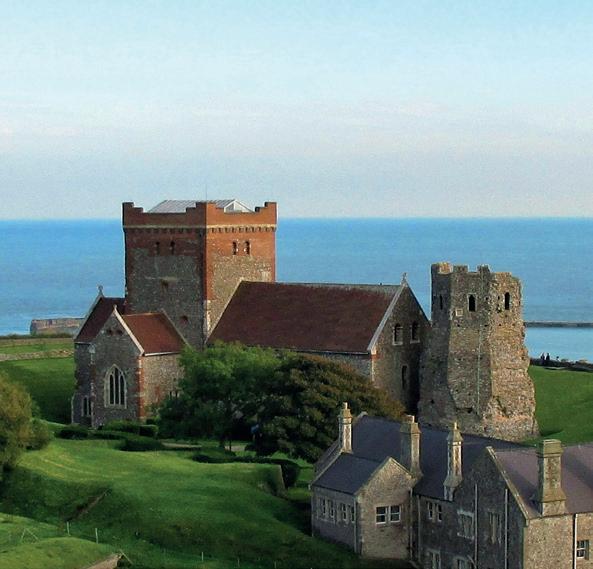
Saxon Shore forts at Pevensey, Portchester and Richborough; the remarkably preserved town walls of Caerwent and Silchester.
Four centuries of Roman rule left an indelible mark on southern Britain – not just in stone, but in culture, society and civic ambition. This tour brings that world vividly to life.
In the cities, local aristocrats funded the forums, bathhouses and amphitheatres that announced Roman ambition. The agricultural wealth that paid for these public buildings also funded extraordinary country residences. Exceptional for its early date, size and luxury, the
palace at Fishbourne near Chichester boasts a remarkable suite of late first-century mosaics.
The Cotswolds became the heartland of the great fourth-century villas – Chedworth, with one of the largest collections of Roman mosaics in Britain, and North Leigh, another major country residence.
As threats from across the North Sea grew, the Romans constructed a chain of fortifications along the south-eastern coast. Some remain among the finest examples of late Roman military architecture anywhere – the walls at Pevensey, Portchester and Richborough still stand up to 30 feet high.
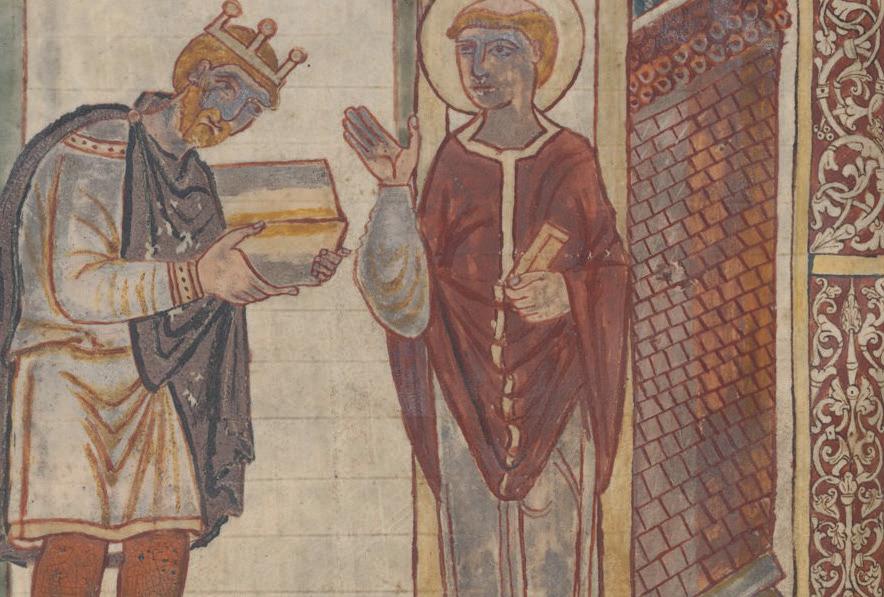
Imogen spent 20 years in the army before taking a first-class degree in Medieval History and embarking on a second career as a lecturer, author and Fellow of both the Royal Historical Society and the Royal Society of Arts. ‘I find it not only a joy but deeply rewarding to be out on the ground examining medieval carvings, wall paintings and architecture. We go into churches that have been in use for hundreds of years so we can see di erent styles developing, sometimes catching a glimpse of the characters of the people who built and worshipped in them.’
16–20 August 2027 • 5 days
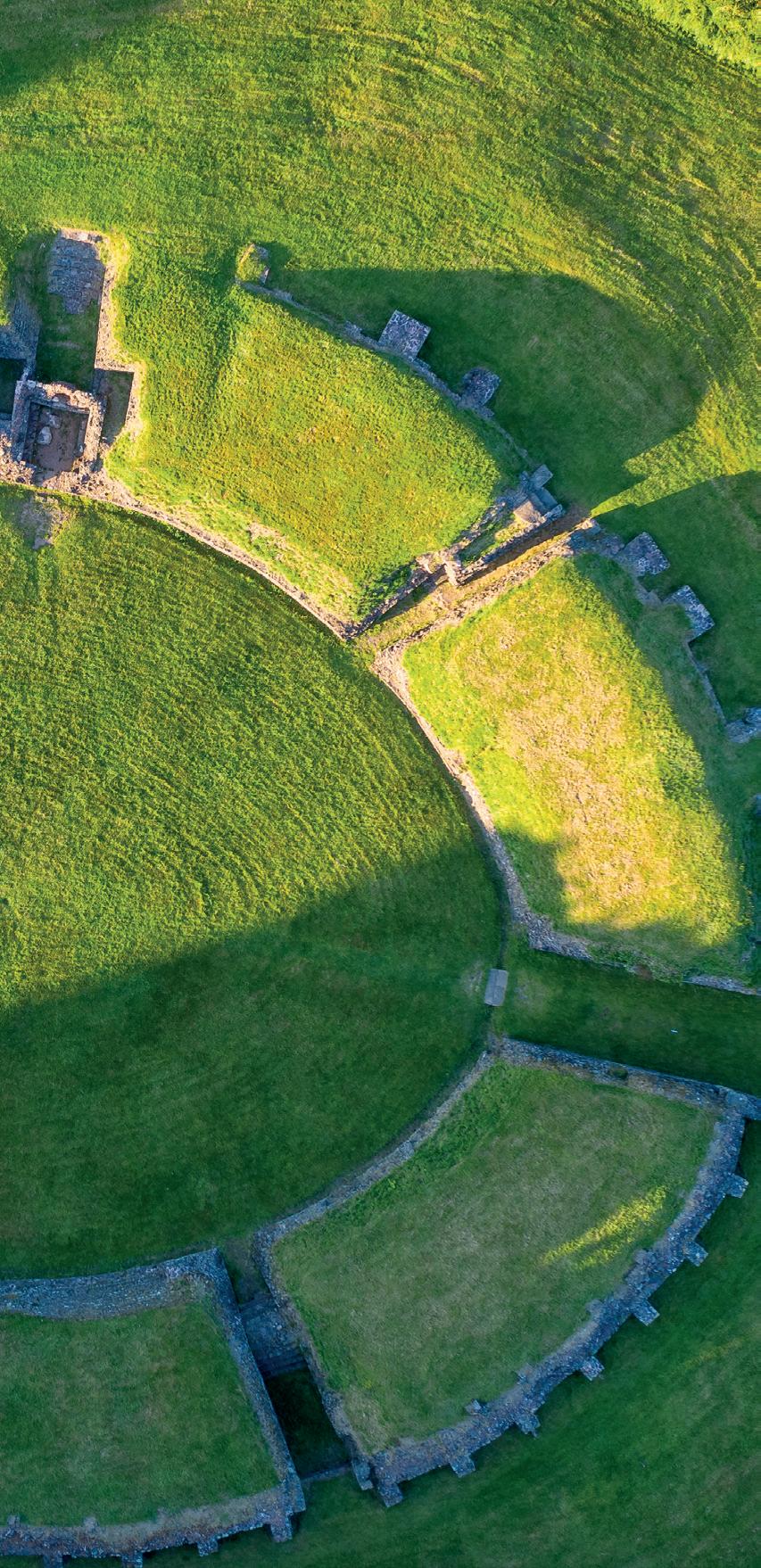
For a few luminous decades around AD 700, the monasteries of Northumbria blazed as beacons of culture and learning. This tour traces that remarkable flowering – visiting Jarrow, Lindisfarne, Hexham and Durham Cathedral –and brings to life the cast of scholars, saints and visionaries who made it possible.

“
Imogen Corrigan is the best lecturer one could imagine. She is not only highly knowledgeable of her subject-matter but is also great at sharing the information, sprinkled with the perfect little touches of humour.
27 May–3 June 2027
8 days • Speaker: Dr Carsten Jahnke
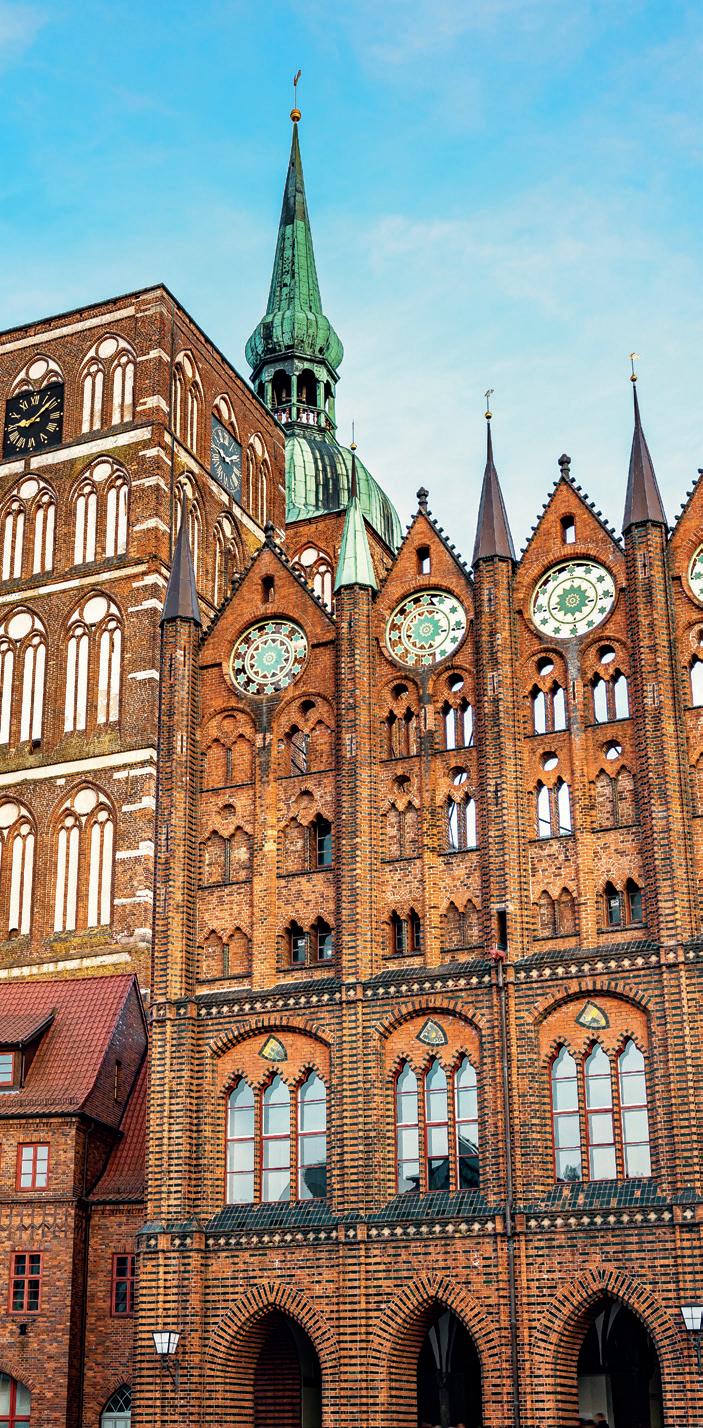
Brick Gothic architecture – a major but little-known tradition in medieval European building.
A fascinating historical arc: from mercantile powerhouse to Iron Curtain obscurity to beautifully restored destinations.
Several UNESCO World Heritage sites, including the medieval old towns of Lübeck, Stralsund and Wismar.
For 300 years from the mid-12th century, the Hanseatic League was a major power in northern Europe. Beginning as a co-operation of trading guilds in a few Baltic ports – ‘Hansa’ means convoy – it grew into a loose federation of over 200 cities stretching from the Gulf of Finland to the Southern Netherlands. Remarkably, this was never a formal state, yet the League had the cohesion and might to wage and win a war against the kingdom of Denmark.
The prosperity that followed unleashed an explosion of civic pride. Great churches rose in imitation of French Gothic cathedrals, town halls were vastly ornamented, merchants’ houses rebuilt with aspirational magnificence – all in the distinctive North German Brick Gothic style little known outside Germany. Decline set in around 1450; only nine delegates attended the last Hanse meeting in 1669.
For 40 years these remarkable towns lay behind the Iron Curtain. Their emergence since 1989, beautifully restored, makes them among Europe’s most rewarding and least discovered.
Cappadocia & the civilisations at the heart of Turkey
24 May–5 June 2027
13 days
Speaker: Prof. Lloyd Llewellyn-Jones
Endlessly fascinating journey through an extraordinary variety of landscapes and civilisations in Central Anatolia.
From the ancient capital of the Hittites to Turkey’s modern capital, Ankara.
Some of the finest examples of Seljuk architecture including the UNESCO listed complex at Divriği.
At the centre of Anatolia lies a limestone plateau, crumpled and eroded, sitting astride the great land-bridge between Asia and Europe. Few places on earth have been traversed by a greater variety of peoples and cultures – and few reward the traveller so richly.
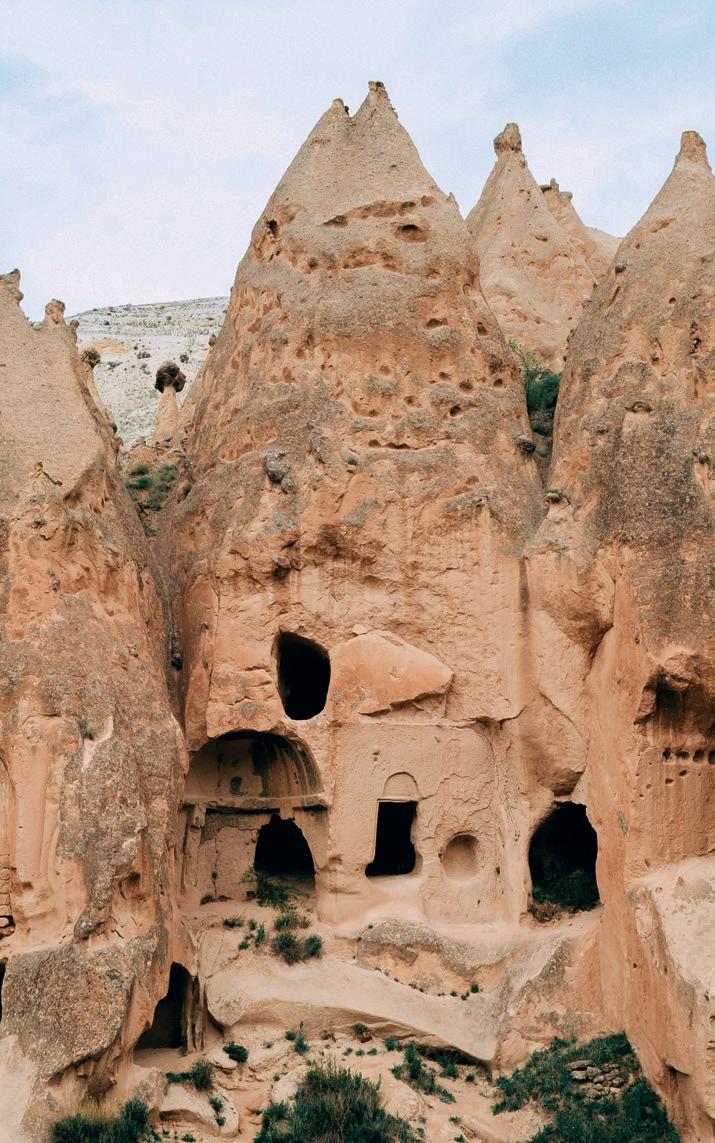
The landscape alone is extraordinary. Fertile valleys emblazoned with greens and golds give way to vast arid plains; forests sprout around turbulent streams; and in Cappadocia, volcanic tufa has been sculpted by wind and rain into clusters of billowing
cones and cascading rock formations of dreamlike strangeness.
The civilisations that made their mark here are equally diverse. Çatal Höyük is widely held to be the world’s oldest town. The Hittites –little known in the English-speaking world yet for centuries second only to the Egyptians as a Mediterranean power – built vast cities here. They were followed by Phrygians, Greeks, Persians, Alexander’s Macedonians, Romans, Byzantines, Seljuk Turks and Ottomans, each leaving an indelible imprint. In Cappadocia, monks carved churches and dwellings into the living rock; at Divriği, the Seljuks left one of the masterpieces of Islamic architecture.
Few journeys in the Old World are as stimulating or as richly varied as this.
“A great number of sites visited, which would be extremely di cult to cover independently, with good transport and hotels.

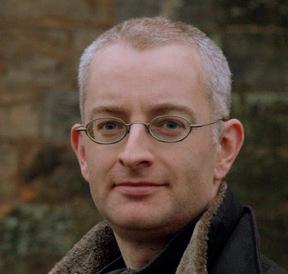
‘As someone who spends most of his time at home writing, it is always extremely valuable to get away from my desk and explore the places and landscapes in which the events I’m trying to describe actually took place’, says Marc Morris. A historian of medieval England with roots at the universities of London and Oxford, Marc is a Fellow of the Royal Historical Society and one of the most widely read and listened-to voices in his field. His books have brought the drama of early English history to a vast audience – among them the Sunday Times bestseller The Anglo-Saxons: A History of the Beginnings of England (2021), The Norman Conquest (2012), and acclaimed biographies of Edward I and King John.
29 June–2 July 2027 • 4 days
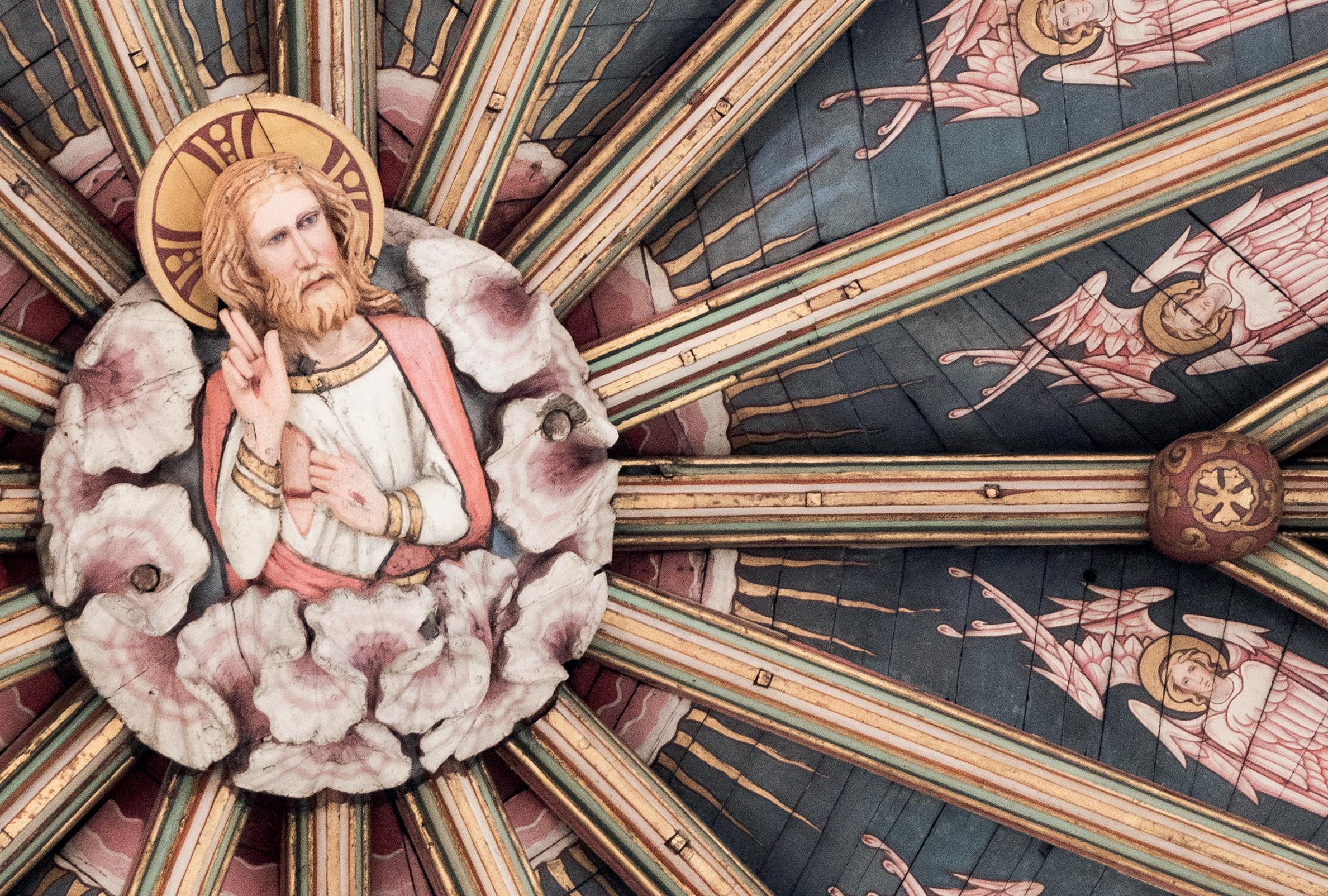
Few episodes in English history match the drama and consequence of the Norman Conquest. This tour traces its extraordinary legacy, through some of its most breathtaking buildings.

6–10 September 2027 • 5 days
A new tour of Norfolk and Su olk, exploring how England’s conquerors reshaped the landscape in the century after 1066, founding castles, monasteries, towns, cities and cathedrals.

“ Martin Randall Travel o ers interesting and di erent thematic trips which simply cannot be found elsewhere.
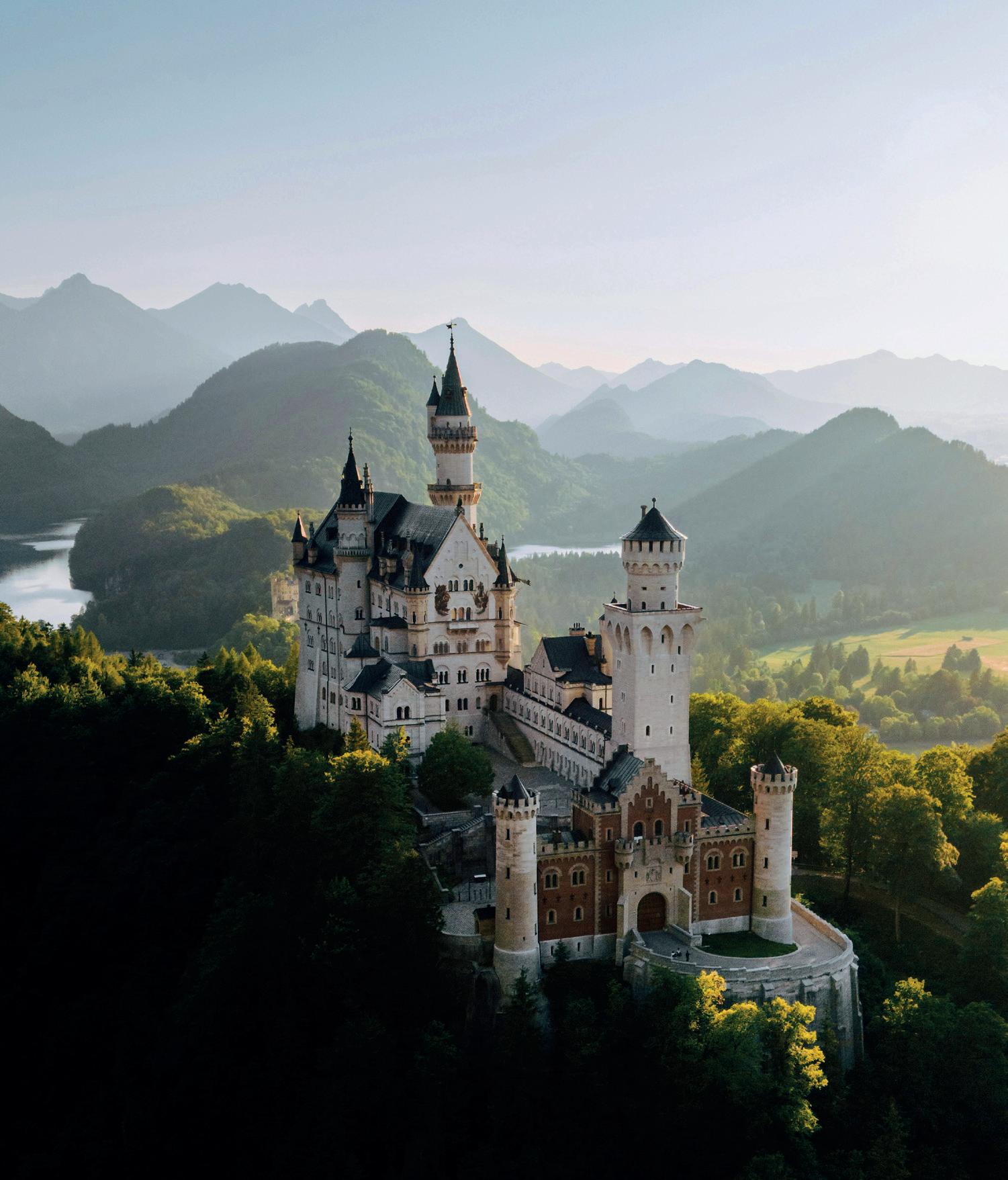
3–8 July 2027
6 days • Speaker: Tom Abbott
Eight royal palaces and castles, from Baroque splendour to Ludwig’s fairytale creations.
The story of Ludwig II – visionary patron, devoted friend of Wagner, and one of history’s most tragic monarchs.
Outstanding art and architecture set against the breathtaking landscapes of Bavaria.
No monarch in modern European history has captured the imagination quite like Ludwig II of Bavaria. Retreating from statecraft into a world of music, myth and magnificent architecture, he built palaces unlike anything else in Europe – and died in 1886 in mysterious circumstances, deposed on grounds almost certainly politically motivated.
Suicide, murder or accident? The question remains open. This tour sets his story against the broader sweep of Wittelsbach history – seven centuries of dynastic rule that shaped one of Europe’s most distinctive states.
29 August–6 September 2027
9 days • Speaker: Dr Jarl Kremeier
A journey through the largely undiscovered towns of Mitteldeutschland that are rural, historic and surprisingly rich in art and ideas.
Remarkable medieval architecture and churches, from the great Gothic cathedral at Halberstadt to the early Romanesque St Cyriakus at Gernrode, one of the oldest and most beautiful in Germany.
Magnificent Baroque and Neo-Classical palaces, outstanding art collections.
Sachsen-Anhalt and Thuringia – Mitteldeutschland, the Länder at the heart of Germany – are predominantly rural: rolling hills, deciduous woodland, compact red-roofed villages and ancient small-scale cities. Only patchily a ected by the ravages of war and industrialisation, much of the historic architecture survived the 20th century intact. Four decades within the East German state further slowed the pace of change, with the result
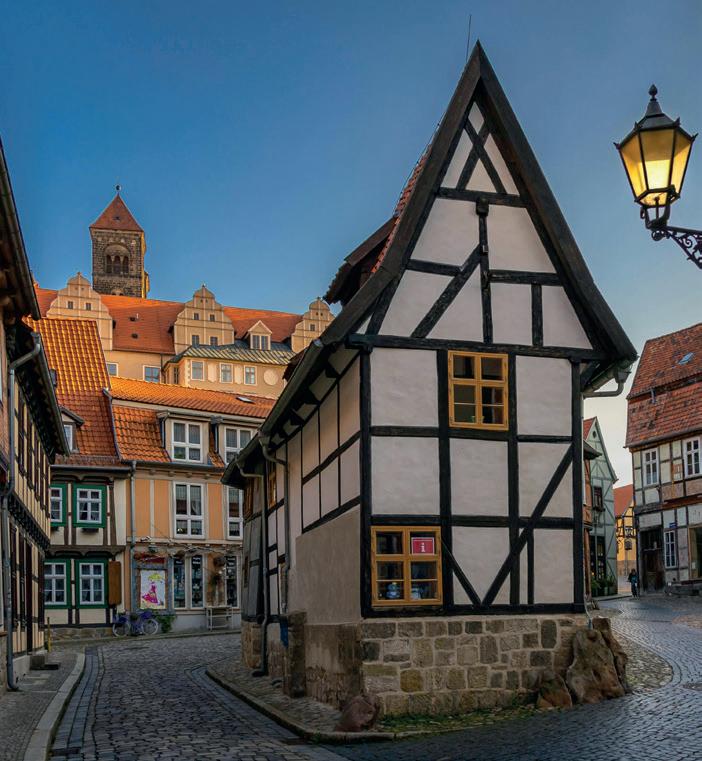
that this corner of the continent’s richest and most modern nation retains a character and pace of life that much of the wider world has lost.
Thuringia was one of the five major states of early medieval Germany, and Sachsen-Anhalt’s history was equally distinguished – in the tenth century, ‘Old’ Saxony formed the very kernel of the German nation. Though both regions later fragmented into smaller principalities and
“
Just what I wanted; very good balance of medieval, Baroque and modern, towns and countryside.
independent cities, they remained culturally fertile. The Bach family dominated music-making here across the 17th and 18th centuries, and one small dukedom made a quite exceptional contribution to European art and thought. Weimar played host to Bach, Goethe, Schiller, Herder, Liszt, Nietzsche, Richard Strauss, Walter Gropius and many other great names.
For those who knew East Germany before 1991, the subsequent transformation has been little short of remarkable – a rekindling of commercial and cultural life. For the first-time visitor, the region o ers something rarer still: an authenticity and a powerful sense of the past that can be lost in places more thoroughly modernised. This is a fascinating, constantly surprising, beautiful and richly rewarding corner of Europe – and one that remains largely undiscovered.
“A very enjoyable trip. A small number of people and fascinating subject matter in one of the world’s most interesting cities.
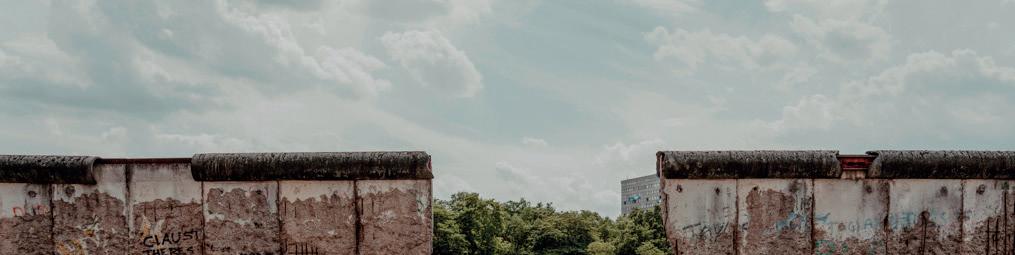
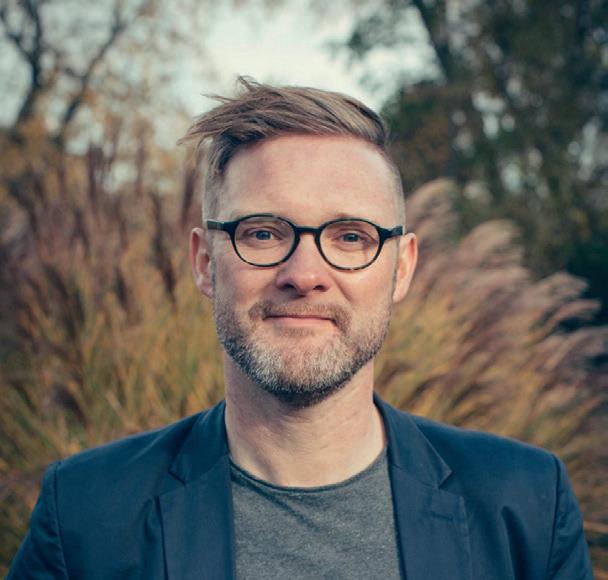
A doctorate in Russian from Oxford and years of travel across the former Soviet Union and both sides of the old Iron Curtain have given Timothy Phillips an unusually intimate understanding of the Cold War – not just as history, but as lived experience. His research takes him into archives and to eyewitnesses, and his writing brings both to life with rare clarity and narrative force.
His book The Curtain and The Wall: A Modern Journey along Europe’s Cold War Border (Granta, 2022) was a Guardian Book of the Year, praised for its original research and compelling storytelling. He speaks regularly on Cold War history and contemporary Russia – on BBC Radio 4, at the Barbican and beyond.
19–23 April 2027 • 5 days
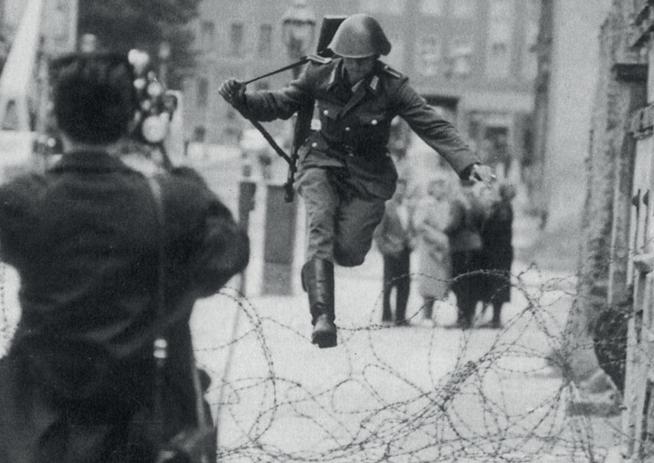
Where the clash of ideologies met a clinch of superpowers, Berlin was the Cold War’s most electrifying stage – a divided city whose politics, spies and astonishing human stories we bring vividly to life over five unforgettable days.
Contact us to register your interest
From the Baltic to the Adriatic, the Iron Curtain divided Europe for half a century – severing nations, towns and families along a faultline that scarred a continent. This tour visits key sites along that divide, bringing to life the human stories behind the Cold War’s most defining boundary.

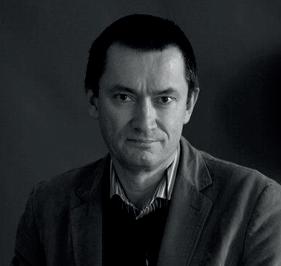
Mark Thompson’s engagement with the Balkans began in the 1990s. He first travelled to the eastern Adriatic coast when Croatia was still part of Yugoslavia – and has returned every year since. When war came, he was there: living in Slano and Dubrovnik as a UN peacekeeper, then in Zagreb as spokesman for the OSCE’s Croatia mission on behalf of the Foreign O ce. History, for him, has always been something you inhabit as well as study. That immersion shows in his writing – from his prize-winning account of Yugoslavia’s collapse, A Paper House, to The White War and his forthcoming history of Italy in the 1940s, Like a Dragon’s Back.
Featured tour
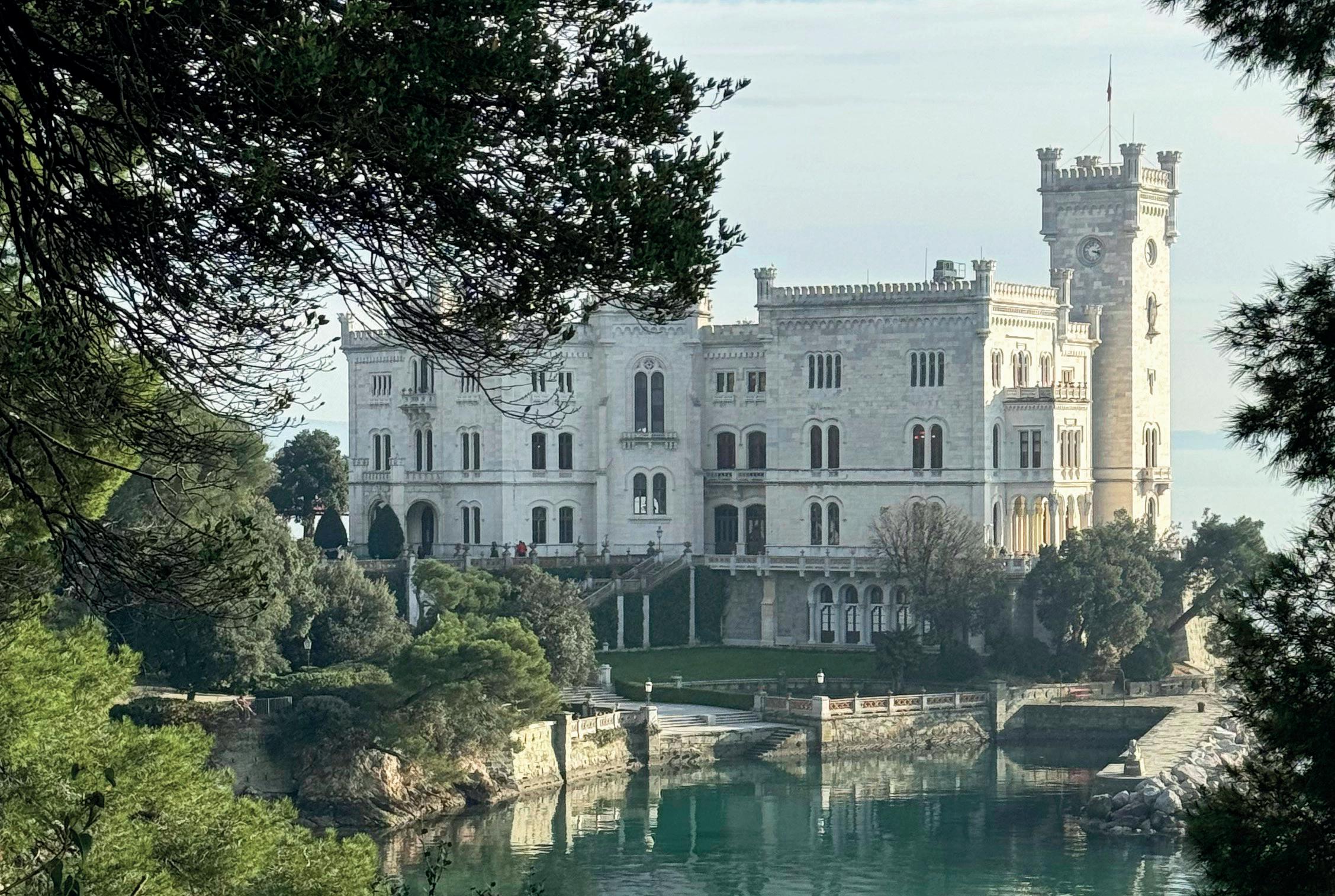
The Imperial Riviera 13–19 September 2027
7 days
Based for six nights in Trieste – a grand port city whose elegant 1911 hotel looks out over the Adriatic – this tour explores three countries while tracing the decline of the Habsburgs and the turbulent century that followed.

“ Mark Thompson has such phenomenal knowledge about the history, art, architecture and everything included in the tour!

24 September–1 October 2027
8 days
Speaker: Martina Hinks-Edwards
A tumultuous century in Czech history, yet one that proved a crucible for radical innovations in architecture, art and design.
Visits to outstanding landmarks of European modernism, including Villa Müller and the Semler Residence by Adolf Loos, as well as Mies van der Rohe’s iconic Villa Tugendhat.
A compelling account of Czechoslovakia from its foundation in 1918 to its peaceful dissolution in 1993, spanning Nazi occupation and Communist rule.
Based in Prague and Brno, with an excursion to the West Bohemian city of Plzeň.
Led by cultural historian and Prague native, Martina Hinks-Edwards.
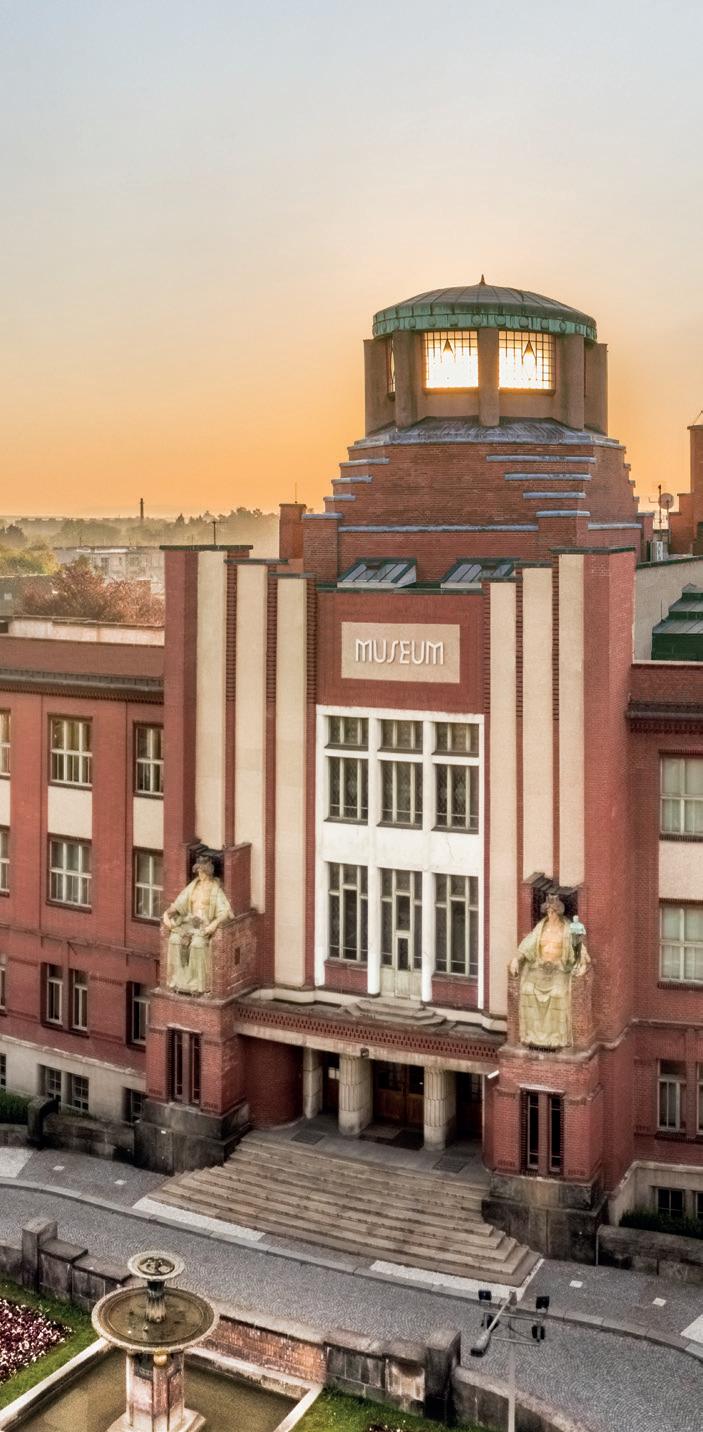
Dismembered, occupied and marginalised for much of the 20th century, Czechoslovakia’s brilliant contributions to art, design and industry have long been overlooked. Yet the story of how they emerged and endured is remarkable.
The establishment of Czechoslovakia in 1918 ushered in a brief but extraordinarily productive democratic era. Built on the advanced industry of the former Kingdom of Bohemia, the new state fostered a progressive society in which innovation thrived. While the rest of Central Europe succumbed to totalitarianism, Czechoslovakia stood out as a confident, liberal and multicultural republic – until the catastrophe of 1938.
What followed was 50 years of almost unbroken oppression: Nazi occupation, then Communist rule. Leading figures were exiled, or executed. Yet cultural life proved resilient. Moments of optimism flickered – the celebrated Czechoslovak Pavilion at Expo 1958, the Prague Spring of 1968 – before being extinguished. The Velvet Revolution of 1989 restored democratic freedoms, enabling a cultural rebirth and, ultimately, the creation of an independent Czech Republic in 1993. The legacy of that interwar vitality – in architecture, design and the arts –endures and astonishes to this day.
3–12 April 2027
10 days • Dr Nigel Spivey
The greatest concentration of ancient sites in mainland Greece, from Mycenae and Olympia to Delphi and Epidauros.
Athens: a full day exploring the Acropolis and the ancient Agora at the heart of Classical civilisation.
A complete historical arc, from the Mycenaean Bronze Age through Archaic and Classical Greece to the Byzantine world.
For western civilisation, Greece is the starting point. The questions that preoccupy us still – how should we live? How should we govern ourselves? What is beauty? What is truth? – were first asked here, with a rigour and originality the intervening millennia have not diminished. Philosophy and ethics, science and mathematics, literature and the visual arts all derive their seeds, and much of their substance, from the Greeks. To travel through mainland Greece is to trace the foundations of our own civilisation.
This tour covers nearly all of the most important archaeological sites, architectural remains and museums on mainland Greece, presenting a complete picture of ancient Greek civilisation from the Mycenaeans through Archaic, Classical and Hellenistic Greece, with a glimpse of Byzantine art and architecture.
The itinerary is full but the pace is manageable, with ample time on sites and in museums for both expert exposition and independent exploration.
26 March–3 April 2027
Explores the Bronze Age Minoan civilisation through major sites like Knossos, as well as lesser-visited locations, while also tracing the island’s later history.
Martin Randall Travel never disappoints. The organisation is top notch and the subjects are extremely interesting. The group sizes are just right, too. We especially enjoy the subject matter experts that are able to make the history come alive with their depth of knowledge and enthusiasm.
Either: on our website

Click ‘Book now’ on any tour page. Fill in your details, consent to the booking conditions, and pay the deposit (15% of the total booking price) or full balance if booking within 12 weeks of departure.

Or: by telephone or e-mail
Call or e-mail us to make a provisional booking, which we hold for up to 72 hours. Within that time, we require you to pay the 15% deposit, or full balance if booking within 12 weeks of departure.
Once you have completed the above, we will send a formal confirmation. Your deposit is then non-refundable except under the special circumstances mentioned in our booking conditions.

It is important that you read these before committing to a booking. We will direct you to these when you book, but you can also find them online: www. martinrandall.com/terms





Fitness

Ensure also that you have read ‘How strenuous’ in the ‘Practicalities’ section of the tour description.