

2026 & 2027
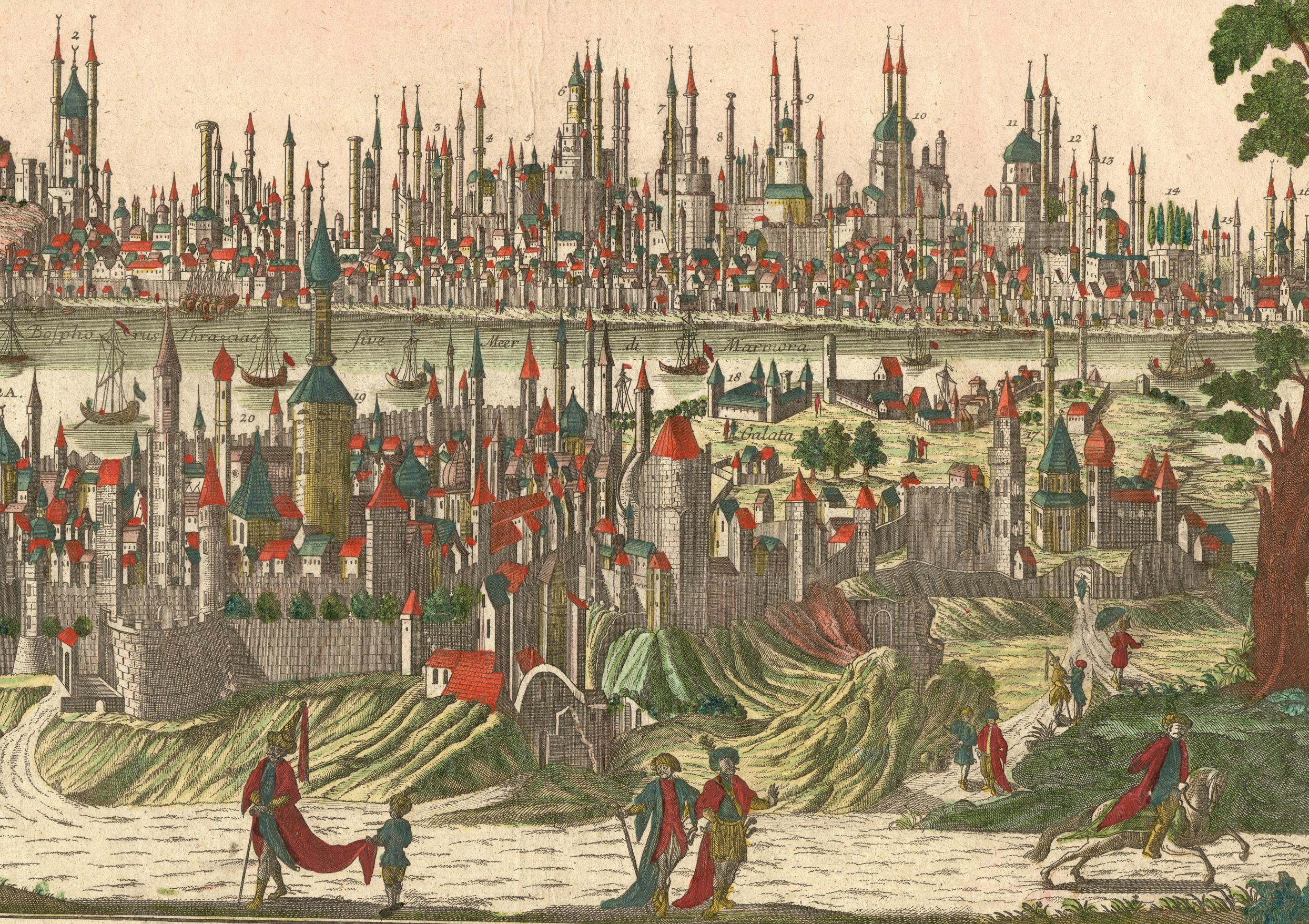
The following pages present a selection of cultural tours for 2026 and 2027. We have chosen these to showcase a variety of themes and destinations, illustrating the breadth and range of our o er from the Brick Gothic masterpieces of Gdańsk to the exquisite temple gardens of Tokyo. Each tour is led by a carefully chosen expert and many feature private visits and special arrangements.
We hope you will enjoy perusing the contents and find something to tempt you.

The best way to learn about new tour launches and availability is to sign up to our e-newsletter:
Follow us on social media: _martinrandalltravel
Martin Randall Travel
With best wishes,

Charlotte Crow Director Academic & Content


@Martin_Randall
“The lecturer and tour managers are rst class, the arrangements are very good indeed and the other travellers are very compatible.
Participant on ‘Istanbul Revealed’, October 2025.
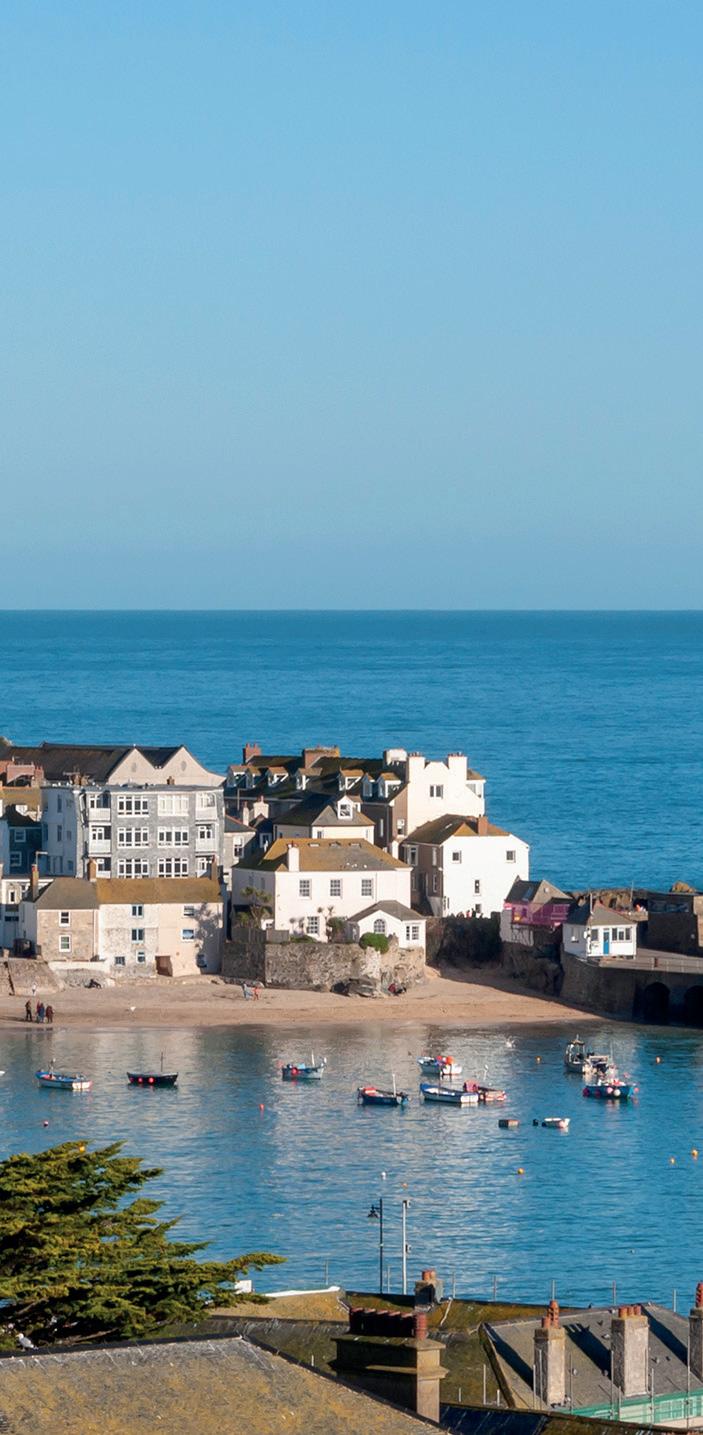
Landscapes, flowers, buildings and art
21–29 April 2026
9 days • Speaker: Anthony Lambert
Beautiful scenery, rugged coastline and picturesque towns.
Country houses spanning a range of periods, and several exceptional gardens, seen in their springtime glory.
A significant centre of British art, as viewed in the museums and galleries.
Several special arrangements including owner-led visits and a private lunch in a stately home.
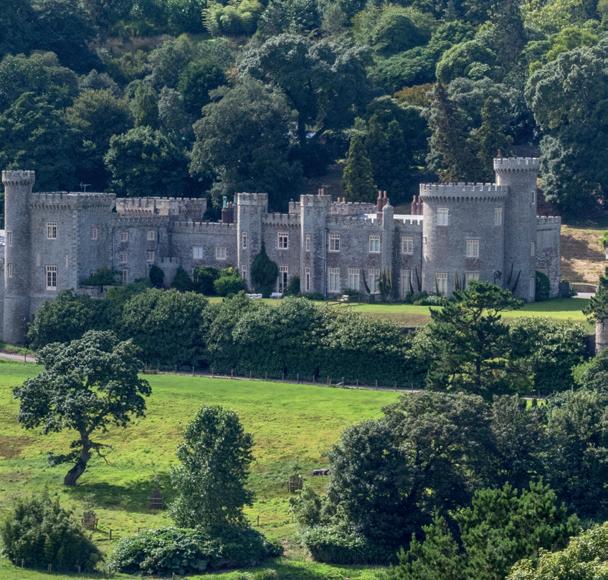
Cornwall extends England dramatically south and west: a peninsula where no village sits more than 16 miles from 300 miles of stunning coastline. This land feels palpably distinct, unmistakably English yet infused with pervasive Cornishness.
We visit magnificent stone mansions built by families who prospered from the tin and copper mining industry. From medieval Cotehele’s granite
courtyards to perfect Elizabethan Trerice, elegant Palladian Pencarrow, and Victorian Lanhydrock’s sophisticated grandeur – each tells Cornwall’s story. Their lush gardens, nurtured by the Gulf Stream showcase Britain’s rarest plants. Magnolias, camellias and rhododendrons thrive spectacularly here.
Cornwall’s scenic beauty and extraordinary light have drawn artists since the 1880s. From Newlyn to St Ives’ avant-garde – where Hepworth, Nicholson and Heron settled – this artistic legacy lives on in exceptional galleries uniquely tied to Cornwall’s creative spirit.
Renaissance to recent – in and around Padua, Verona & Vicenza
21–27 April 2026
7 days • Speaker: Amanda Patton
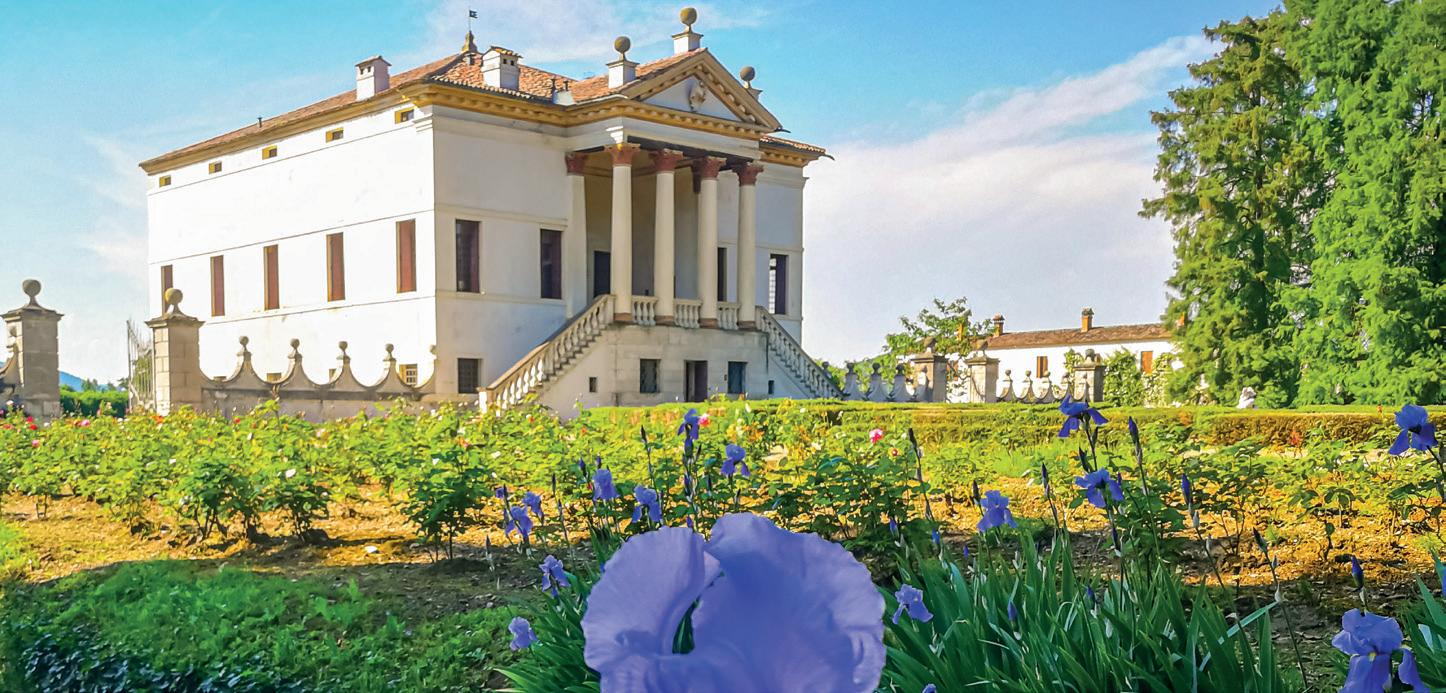
Curated selection of the most interesting and beautiful gardens of the Venetian hinterland. Stay in a villa on the Brenta Canal at Mira Porte and in Vincenza.
Gardens are the prime focus but we also explore many of the villas they adorn, often with the owner-inhabitants.
Many of the visits are by special arrangement.
The landscape of the Veneto is one of contrasts. The fertile plain on the immediate hinterland of Venice, criss-crossed by causeways and dykes, became the summer playground of rich Venetian patricians as their agricultural holdings sprouted ever-increasing numbers of luxurious villas. Many were accessed directly from the Grand Canal through a diversion of the River Brenta.
The Botanic Garden of Padua was founded in 1545 – the first of its kind – to study plants and herbs and their medicinal potential. This ethos of discovery and experiment is still the driving force
for this unesco World Heritage Site, evidenced by the impressive new glasshouses.
Further inland and southwest from Padua, the landscape is transformed by the Euganean Hills: tree-clad conical eruptions of volcanic rock, quarried for stone for the calli and campi of Venice since the sixth century. To the north, the snow-capped mountains of the southern limestone Alps form a jagged backdrop to the sage-rich meadows that adorn roadsides and
villages, while wisteria, roses and irises scramble through the gardens of the many villas peppered through the countryside.
This varied topography defined the villas and gardens created between the 15th and 18th centuries with the enormous wealth generated by the Republic of Venice. On the plains, villas were elevated to lend grandeur to settings and provide viewing platforms from which gardens could be surveyed from above.
Tikal’s temples rising out of the Guatemalan jungle.
15–22 May 2026
8 days • Speaker: Mr Desmond Shawe-Taylor
Well-stocked and enjoyable galleries, many recently renewed, all welcoming.
Art from around the world, with Scottish painting a highlight.
A clutch of the most handsome cities in Britain, particularly good for Georgian, Victorian and Edwardian architecture.
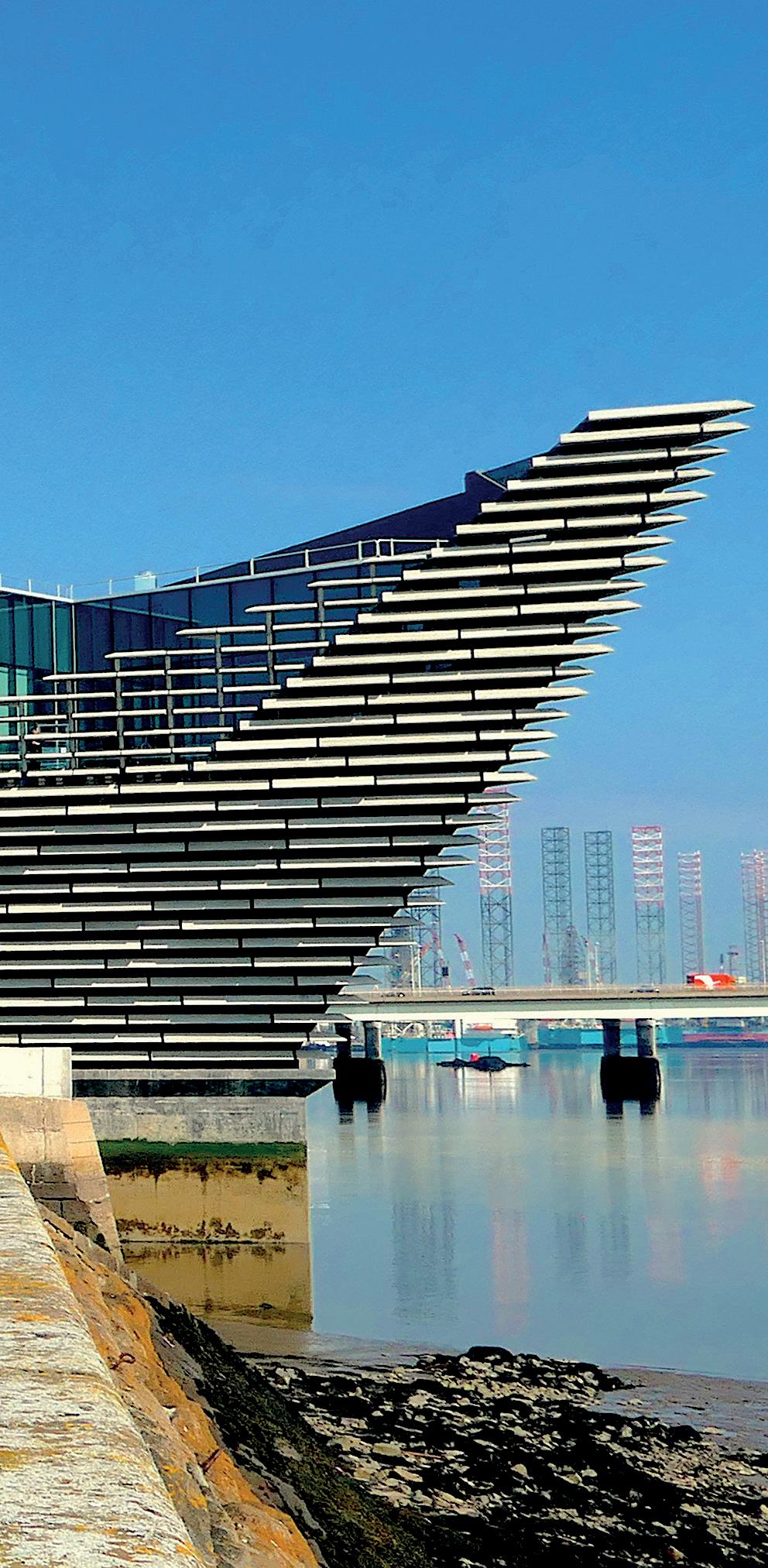
Scotland’s art scene has undergone remarkable transformation in recent years. The Burrell Collection reopened in 2022 after six years of refurbishment, while the striking ship-like V&A Dundee commands the historic waterfront as Britain’s most architecturally bold art museum. Aberdeen Art Gallery claimed joint Museum of the Year 2020, and Dundee’s McManus Art Gallery also received a thorough makeover.
Glasgow and Edinburgh remain internationally renowned for historic and contemporary collections. Scottish art itself may surprise visitors
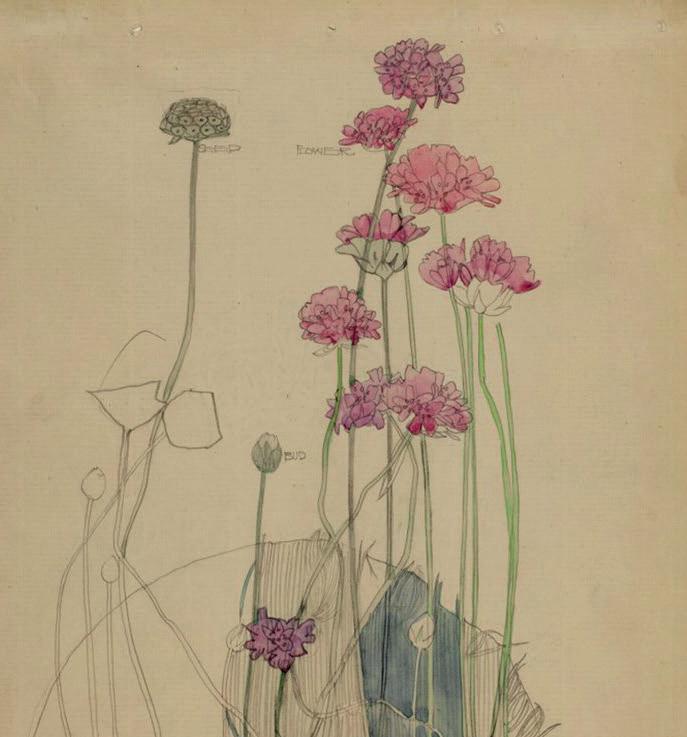
– artists like Allan Ramsay, Henry Raeburn, Charles Rennie Mackintosh, and John Bellany,
alongside the Glasgow Boys and the Scottish Colourists, represent a rich tradition often underappreciated abroad.
All four cities are significant and handsome. Edinburgh’s medieval quarter descends from its hilltop castle into elegant Georgian streets.
Glasgow thrived as the British Isles’ second city; Aberdeen flourished long before its oil boom; Dundee built civic grandeur on its port trade. Extended stays in Glasgow and Edinburgh are strongly recommended.
Walks, art and wine between Arezzo and Assisi
26 May–2 June 2026
8 days • Speaker: Nigel McGilchrist
Six walks of between 5 and 7.5 km between Arezzo and Assisi through the inimitable Umbrian countryside.
Enjoy the art of Piero della Francesca, Luca Signorelli and Giotto.
Visit isolated hermitages, churches and cathedrals associated with St Francis.
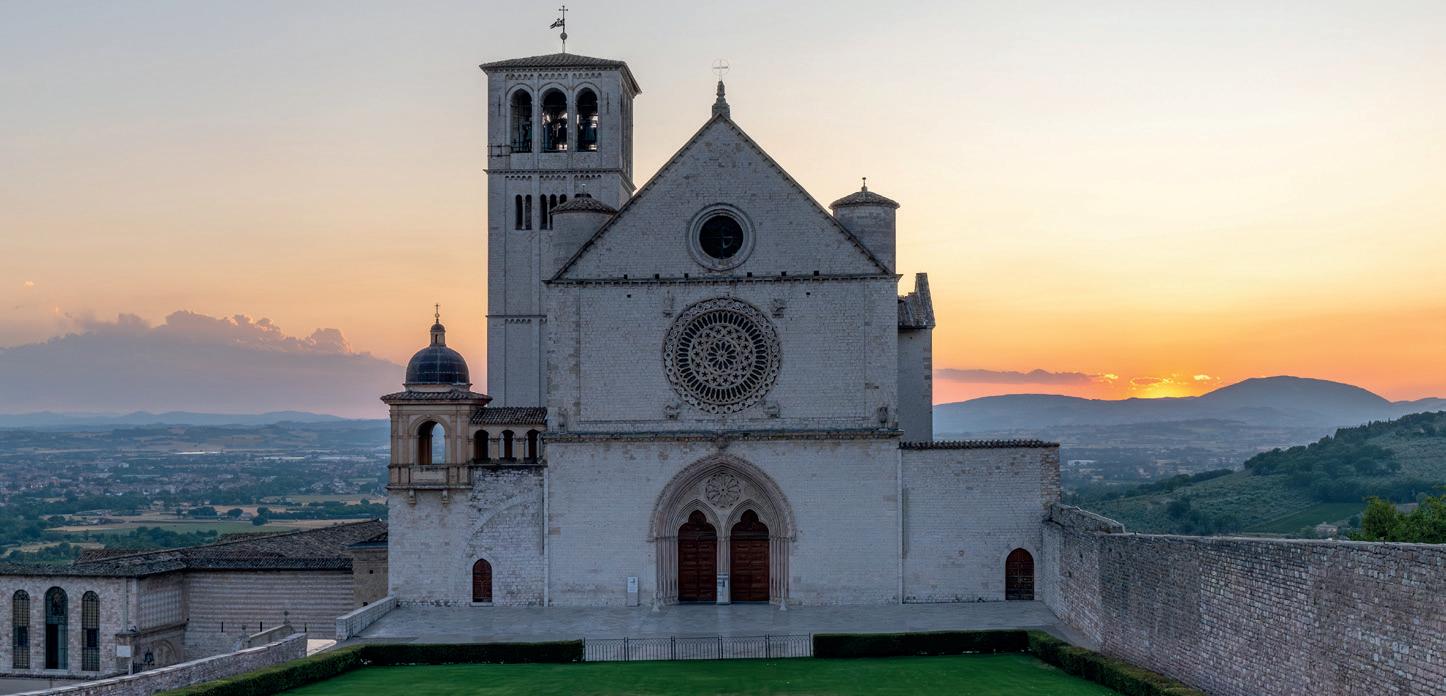
Umbria unites supreme art and architecture with unspoilt countryside and rare tranquillity. Landlocked at Italy’s centre, the region was crisscrossed for millennia by travellers, traders, pilgrims and preachers along ancient paths, most notably the Via Flaminia linking Rome to Ravenna. This movement of people and ideas stimulated Umbria’s flourishing medieval economy and artistic life, where Byzantine influences were transformed by innovations from Rome, Florence and Siena.
Two figures define this tour. In early 13thcentury Assisi, Francis – son of a wealthy cloth
merchant – rejected material excess and secularisation, embracing humility, simplicity and harmony with nature. Preaching fervently across Umbria and central Italy, he touched thousands and inspired the Franciscan Order. Construction of Assisi’s Basilica di San Francesco began two years after his 1226 death; its fresco cycles, attributed to Cimabue, Giotto, Cavallini, Pietro Lorenzetti and Simone Martini, rank among Western civilisation’s greatest achievements.
Piero della Francesca, born around 1412 in Sansepolcro just across the Tuscan border, stands as a solitary Renaissance genius – brilliant yet without obvious followers. Peripatetic by necessity like all artists of his era, his luminous work endures. Highlights include ‘The Resurrection’ and the quietly powerful ‘Legend of the True Cross’ in Arezzo’s Basilica di San Francesco, memorably referred to by Aldous Huxley as “the best picture”.
Tikal’s
29 July–6 August 2026
9 days • Speaker: Dr Paris Pin-Yu Chen
Among the most successful and attractive countries in the Baltic region with a fascinating history.
An appealing mix of pretty towns and countryside, exploring architecture, art, craft and landscape.
Two nights on the little-visited island of Saaremaa, home to Gothic, Baroque and Classical architecture.
after Peter the Great’s 1710 conquest.
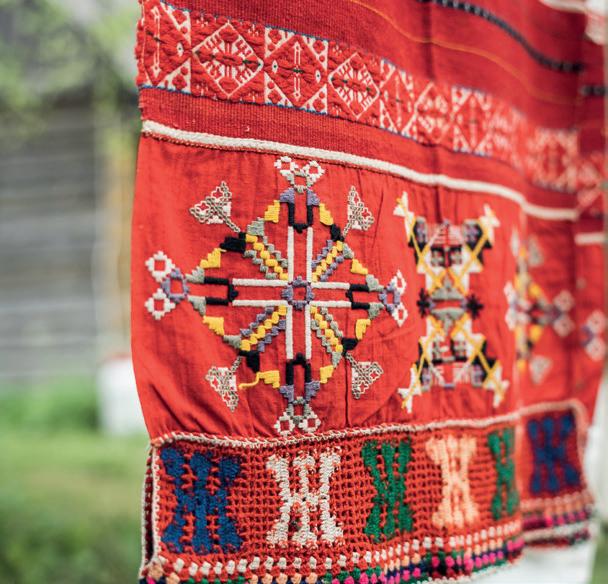
The mid-19th century Age of Awakening saw language, folklore and song kindle powerful national consciousness, later mobilising independence during the final years of Soviet occupation. Forests central to Estonian folklore showcase distinct woodcraft skills, particularly evident in the spa town of Pärnu and on Saaremaa island.
Today, among Europe’s least populous yet most dynamic nations, Estonians are finally their own masters, their eclectic talents flourishing in galleries, museums and concert halls.
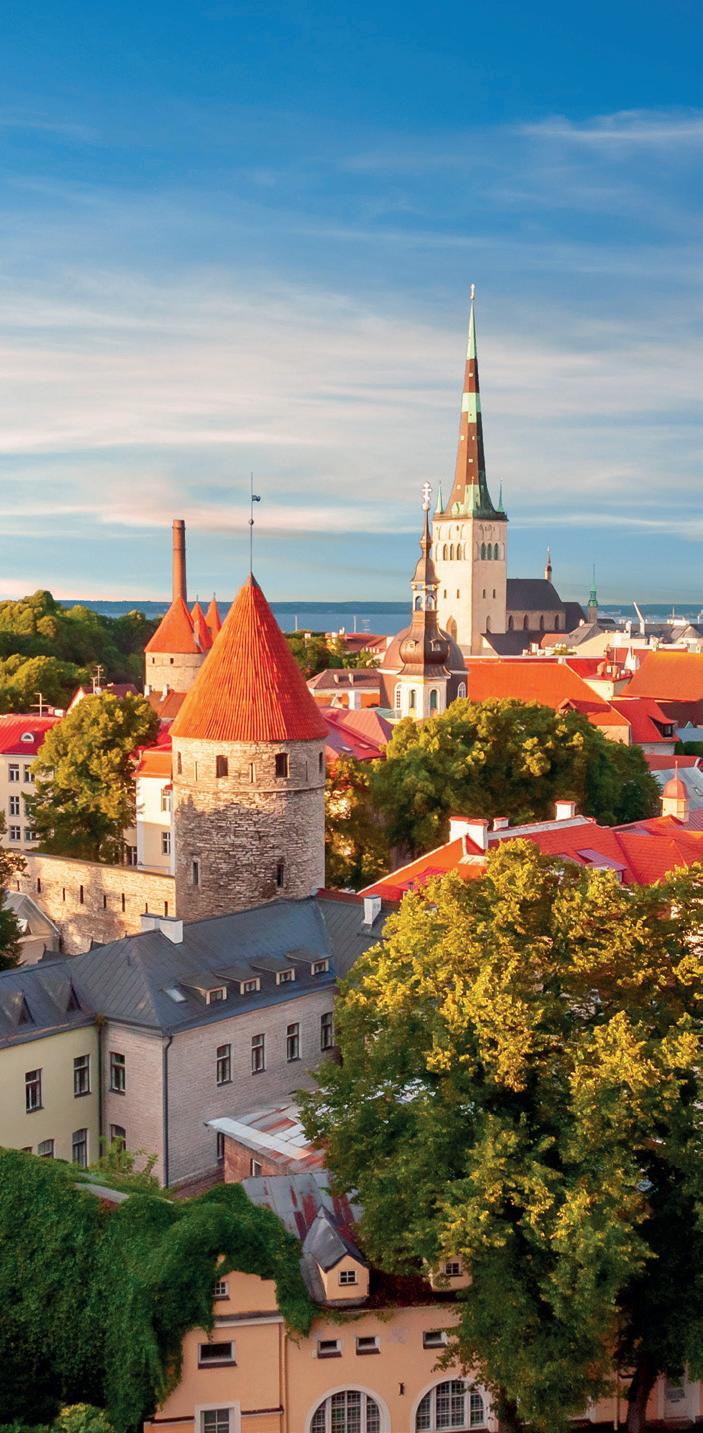
Estonia’s beauty belies seven centuries of foreign domination – Swedish, German, Russian and Soviet – before independence was restored in 1991. The material legacy of these occupations and the quest for self-determination form central themes of this remarkable journey.
Architecturally, Estonia o ers extraordinary variety. Swedish schools and Tartu University (1632) left their mark, but the Baltic German presence dominates – striking red-brick fortresses and impressive manor houses reflect wealth, power and cultivated taste, upheld even
Cities and castles of northern Poland – with Warsaw
3–10 August 2026
8 days • Speaker: Dr Hugh Doherty
Explores the history and architecture of the Teutonic Order and Hanseatic League.
Several UNESCO world heritage sites, among them Toruń and Malbork Castle.
Stays in Toruń, birthplace of Copernicus, Gdansk and Warsaw.
Gdańsk and eastern Pomerania possess a fascinating history and complex identity. Over the last millennium, power shifted between the Piast dynasty, the Teutonic Order, the Hanseatic League, the Kingdom of Poland and Prussia – each leaving remarkable monuments of exceptional quality.
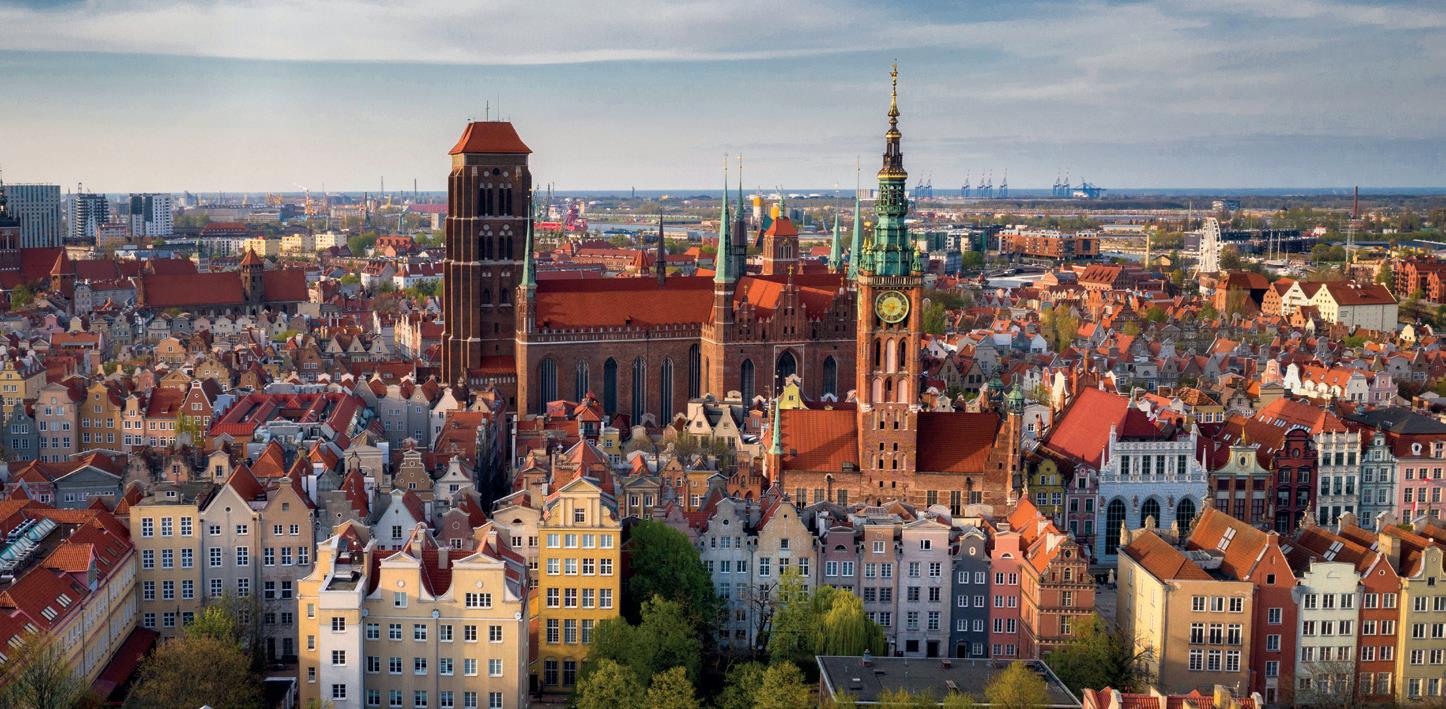
Gdańsk (Danzig), the great Hanseatic port on the Baltic, stands among Northern Europe’s finest sights. First mentioned in the tenth century as a Polish Piast stronghold, it was seized by the Teutonic Order in the 14th century, who began Germanising the region. They constructed a fortress and magnificent Brick Gothic buildings –
including the world’s second-largest brick church – and secured membership to the Hanseatic League. Centuries of struggle between Polish and Prussian rulers followed. Though extensively damaged during World War II, Gdańsk was painstakingly rebuilt, rescuing the historic beauty of its old town and harbour. Today it is both a monument to its maritime, international past and a bustling, ambitious modern city.
Toruń, once a rich military stronghold and
thriving cultural centre, o ers fine medieval, Renaissance and Baroque architecture. As a Hanseatic League member, Toruń became an important trading post and manufacturing centre, reflected in its surviving fabric.
Poland’s capital Warsaw provides essential counterpoint and context, its National Museum housing a magnificent medieval art collection is an indispensable ingredient completing this extraordinary journey through history.
27–31 August 2026
5 days • Speaker: Mary Lynn Riley
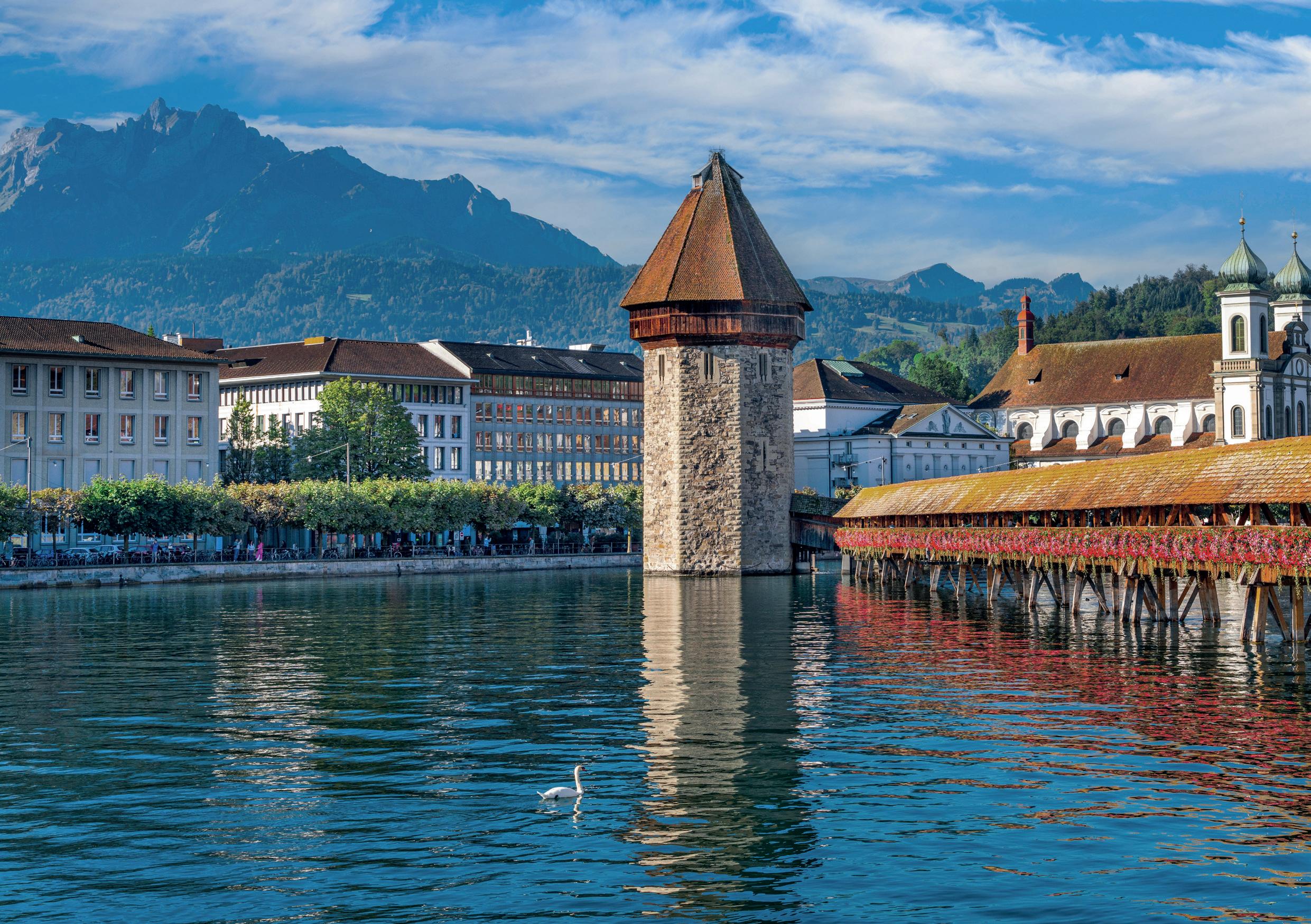
Staying in the historic centres of Lucerne and Basel, see exceptional art collections, in the collectors’ homes and in impressive modern galleries.
Impressionism, Post-Impressionism and classic modernism, also European Old Masters, decorative arts and Asian art.
Excursions to collections outside the city centres pass through spectacularly lovely countryside.



Switzerland possesses some of the finest of the smaller art collections in Europe. There is no Louvre here and no U zi, but several Courtauld Institutes and Burrell Collections.

More than in most countries the cultural map has been formed during the last hundred years by the devotion to art of wealthy industrialists and businessmen; there were no kings and princes in Switzerland to lay the foundations of the present-day collections.


With a long tradition of relative autonomy and self-su ciency the cities and cantons have also played a part in creating the current magnificent public art collections.
While artists who were Swiss or who lived in Switzerland are, of course, amply represented (including Holbein, Fuseli, Hodler, Klee and Giacometti), the whole gamut of Western art is to be seen here, with the French Impressionists and Post-Impressionists particularly prominent. An added attraction is architectural: some of the collections remain in the collectors’ former homes and others have recently been re-housed in brilliant recent buildings. And when aesthetic exhaustion sets in there are lakes and mountains and picturesque old cities to refresh the palate.
Staying in Lucerne’s and Basel’s historic centres, highlights of this rich and compact tour include the newly reopened Oskar Reinhart Collection of Old Masters and Impressionists; Baden’s Langmatt Foundation with 24 Renoirs; Chagall’s and Giacometti’s stained glass windows in Zurich; Sammlung Rosengart’s exceptional Picasso and Klee holdings; Basel’s Kunstmuseum with masterpieces by Hans Holbein; and Berne’s stunning Renzo Piano-designed Paul Klee Centre alongside its varied Kunstmuseum collection.
Participant on ‘Art in Switzerland’. “
I thoroughly enjoyed the tour and am so glad I booked it – a real treat!
Lucerne, Switzerland.
2–9 September 2026
8 days • Speaker: Amanda Patton
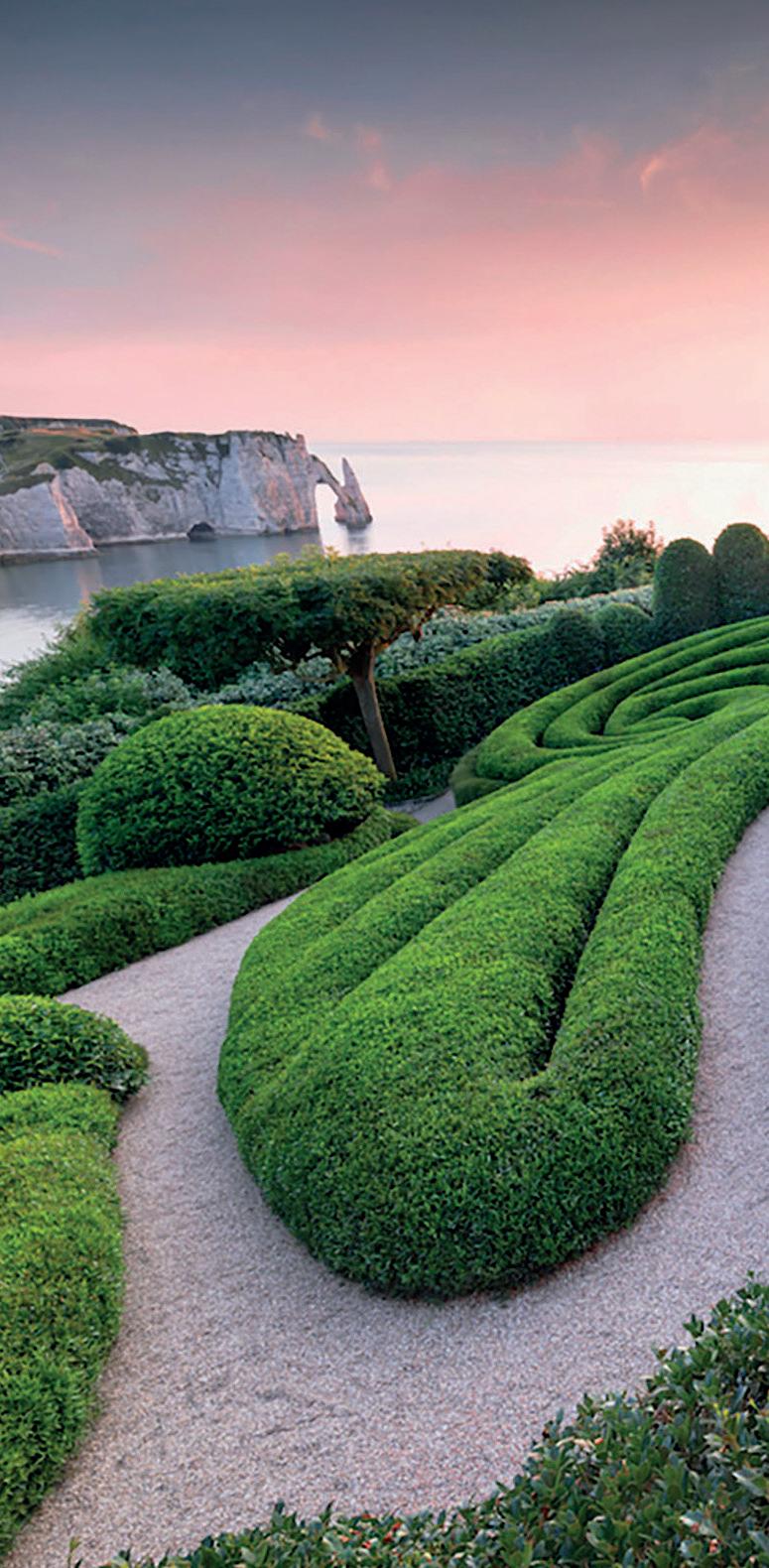
A selection of the finest gardens in Normandy, historical and modern.
A backdrop of alluring villages and attractive landscapes, including the Seine valley and the dramatic Atlantic coast.
Includes lesser known gardens and several with Jardins Remarquables awards. Many visits are by special arrangement.
Normandy’s rolling countryside has witnessed dramatic historical events while drawing artists –particularly the Impressionists – to its picturesque villages, dramatic coastline and ever-changing light. A period of political stability in the 16th and 17th-centuries sparked architectural evolution from defensive fortresses to impressive châteaux. Gardens were integral features of these prosperous and elegant residences, inspired by André Le Nôtre’s grand designs and aspirations to emulate Parisian sophistication.
The Château de Brécy preserves a rare, early17th-century garden, while Achille Duchêne’s creations at Château de Boutemont are noted for topiary and water features.
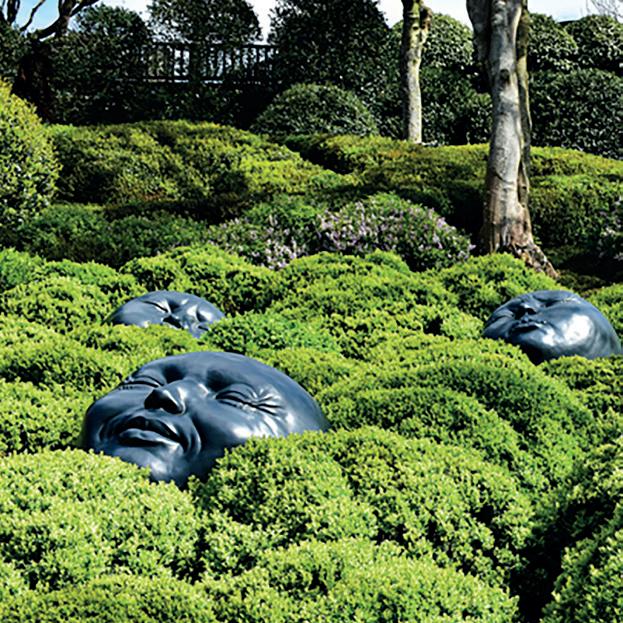
Contemporary gardens showcase extraordinary creativity: see Alexander Thomas’s watery paths at Jardin Plume, and the astonishing neo-futuristic Jardins d’Étretat. Château de Vascoeuil displays sculptures by Braque and other masters. Many gardens bear the prestigious Jardins Remarquables label, recognizing their cultural, aesthetic, botanical and historical significance.
5–16 September 2026
12 days • Speaker: Ian Colvin
Experience the highlights of these distinct and remarkable countries, spending equal time in each.
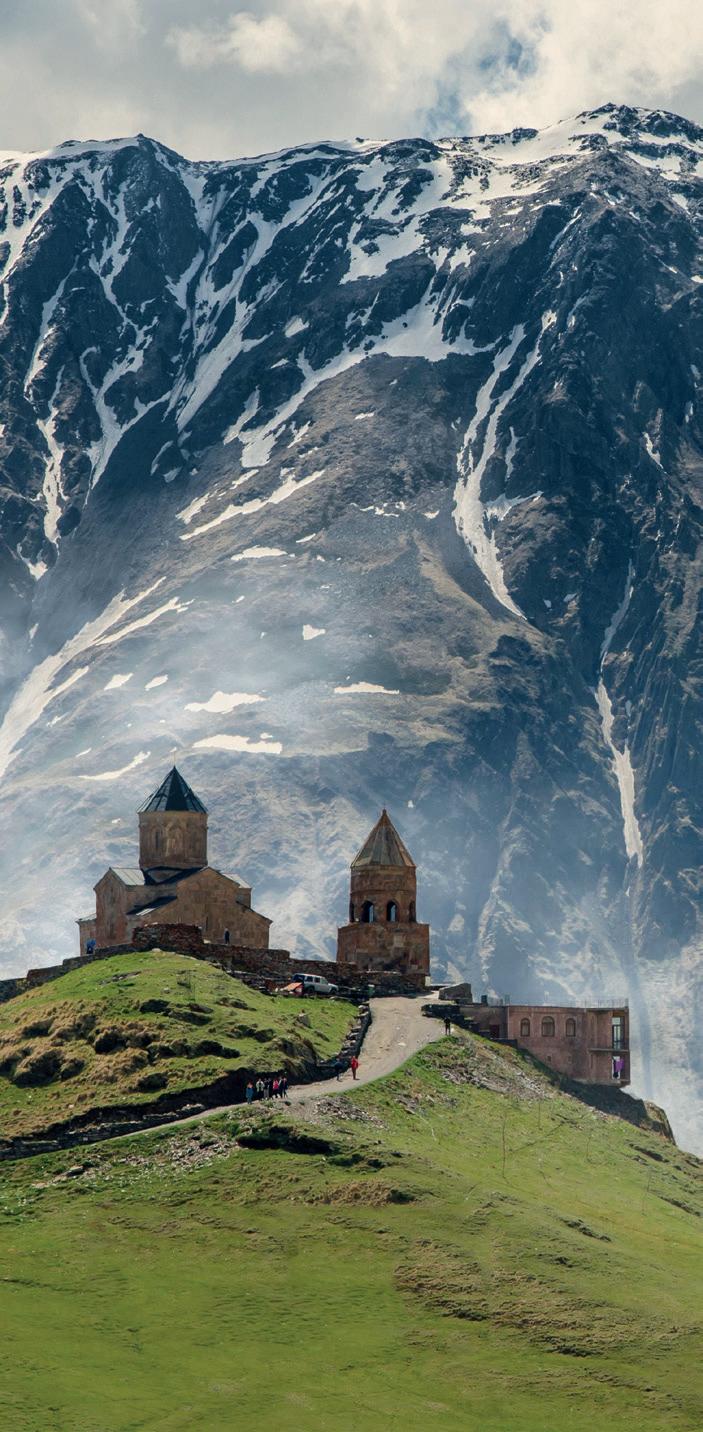
Churches and monasteries in ravishing settings; frescoes and manuscripts –glorious legacies of early Christianity.
A delicious and varied regional cuisine in a land that is the cradle of wine.
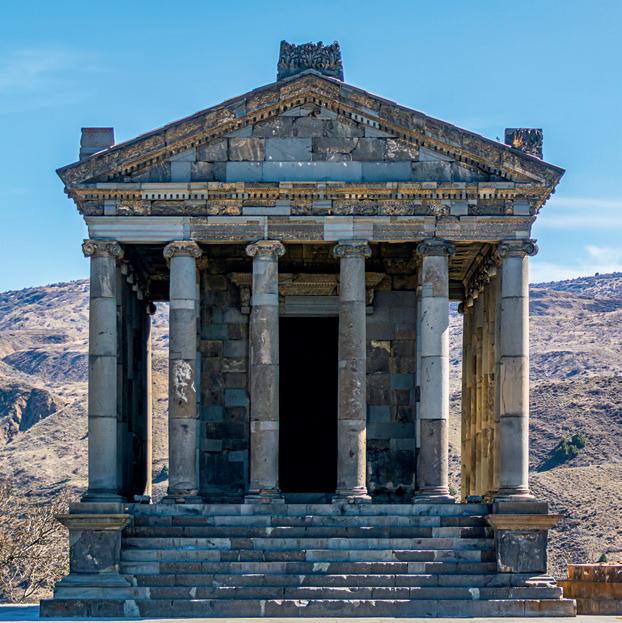
Byzantines and Ottomans westward; Parthians, Sasanid Persians and Arab Caliphate eastward; nomadic steppe powers and Russia northward.
Armenia and Georgia – two ancient lands bridging Europe and Asia. Their extraordinary archaeology spans millennia: with Europe’s earliest hominin fossils found in Georgia. Neolithic domestication of grapes and wine production in the region predates that of northwest Europe by two millennia; both countries were early metallurgy centres, as this exciting tour shows, in the museums of Tbilisi and Yerevan.
Emerging after Alexander the Great’s defeat of the Achaemenids, both kingdoms sat at a critical point between empires – Romans,
Armenia’s early Christianisation produced distinctive domed churches and later, spectacular cathedrals. Georgia developed polyphonic traditions, examples of which we shall hear.
Late 19th-century Tbilisi blended oriental architecture with Art Nouveau elegance. Yerevan, planned after the 20th century’s first genocide, stands as post-Soviet cities’ most attractive example. Food and wine are also highlights. Armenian cuisine reflecting its diaspora legacy; Georgian gastronomy celebrates agricultural fertility.
8–15 September 2026
8 days • Speaker: Prof. Donal Cooper

Encompasses almost all the major surviving fresco schemes in central Italy.
Based in Padua, Florence and Assisi, with visits to San Gimignano, Pisa and Siena.
Shines a light on Giotto’s great masterpieces and those of his numerous followers, showcasing some of the most potent images in Western art.
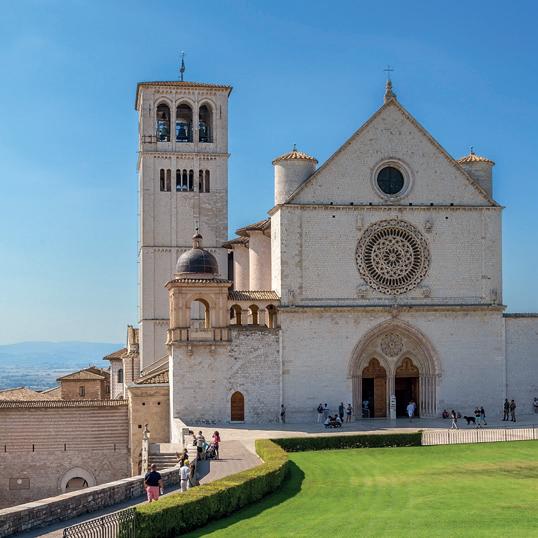
This tour celebrates the heroic age of fresco painting in the late 13th to mid-14th centuries – when revolutionary innovation transformed Italy’s visual arts. Frescoes are profoundly sitespecific, conceived for viewers within particular architectural settings. More than any medium, to fully appreciate their meaning, impact and beauty, they demand first-hand experience within the spaces for which they were designed. Not that this isn’t a highly rewarding exercise. We visit the magnificent principal cycles surviving across northern and central Italy: the Saint Francis narratives in Assisi’s Upper Church; cycles by Giotto, Simone Martini and Pietro Lorenzetti in the Lower Church; Giotto’s masterpiece at Padua’s Arena Chapel; the Passion cycle attributed to Barna or Lippo Memmi in San Gimignano; and Bu almacco’s recently restored Triumph of Death in Pisa’s Campo Santo.
These masterworks revolutionised narrative painting, establishing techniques and emotional depth that defined Italian art for generations. Their creative depictions, sophisticated spatial construction and psychological insight represent an extraordinary flowering of artistic genius, fundamentally reshaping how sacred and secular stories could be visualised and experienced within architectural space.
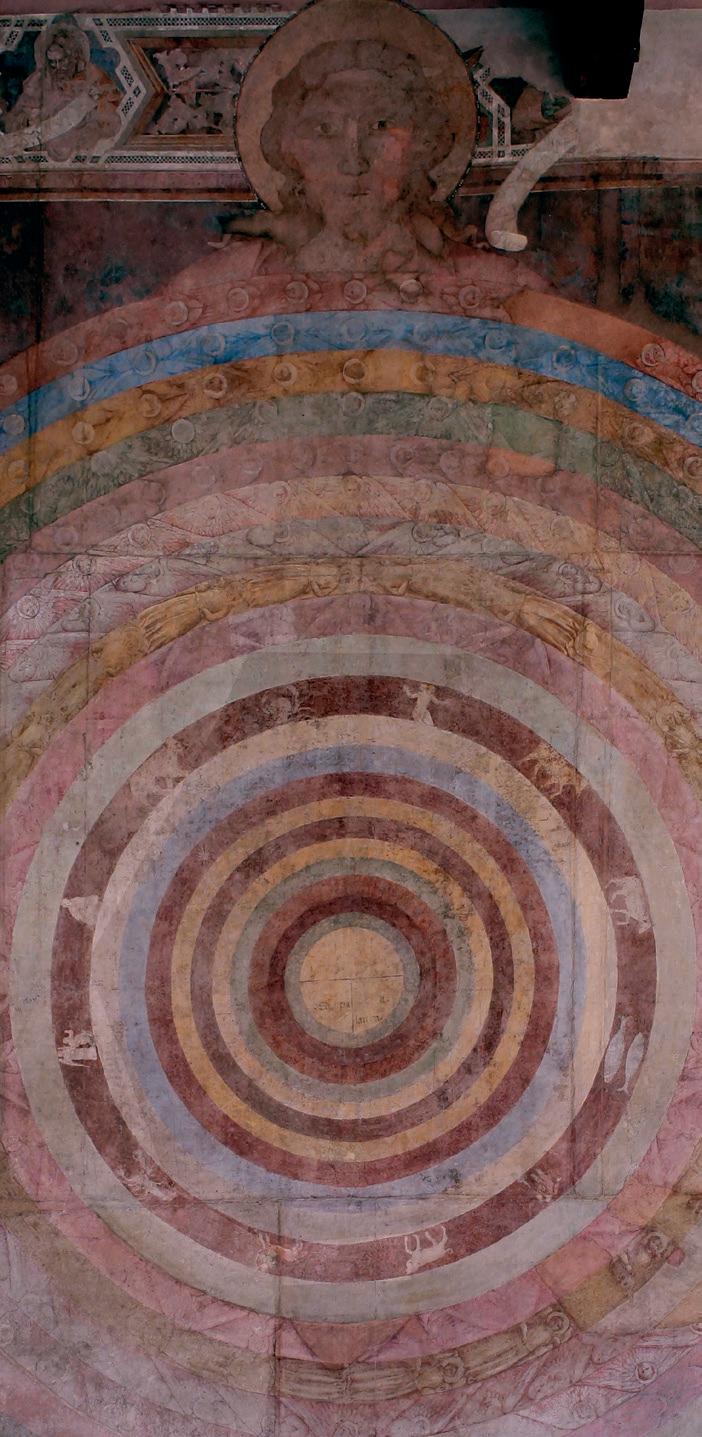
One of the world’s most famous food-producing regions
11–17 September 2026
7 days • Speaker: Cythnia Chaplin
A food-lover’s paradise: the best cured meats, parmigiano-reggiano cheese, traditional balsamic vinegar, handmade egg pasta.
Private visits to artisan producers, interspersed with artistic highlights such as Parma’s exquisite Camera di San Paolo.
Multiple wine tastings, and a range of eating experiences, from rustic farm lunches to 2* Michelin dining.
Emilia-Romagna, shaped like a wedge of its renowned Parmesan cheese, is rich in every way – artistically, culturally, economically and, by no means least, gastronomically. To journey along the Via Emilia, the long, straight Roman road from Milan to the Adriatic coast, is to immerse oneself in a gloriously hedonistic garden of Eden that is the source of some of the greatest foods in the world.
The lovely cities of Parma and Bologna are
the ideal bases from which to explore some of the masterpieces of Italian gastronomy, including the two jewels in the region’s crown; sweet prosciutto di Parma, air-cured by dry mountain winds that sweep down from the Apennines, and Parmigiano-Reggiano, the king of cheeses. Here, within their strictly defined areas of origin, there is a rare opportunity to see the production of these protected foods and to taste them in the company of the producers themselves.
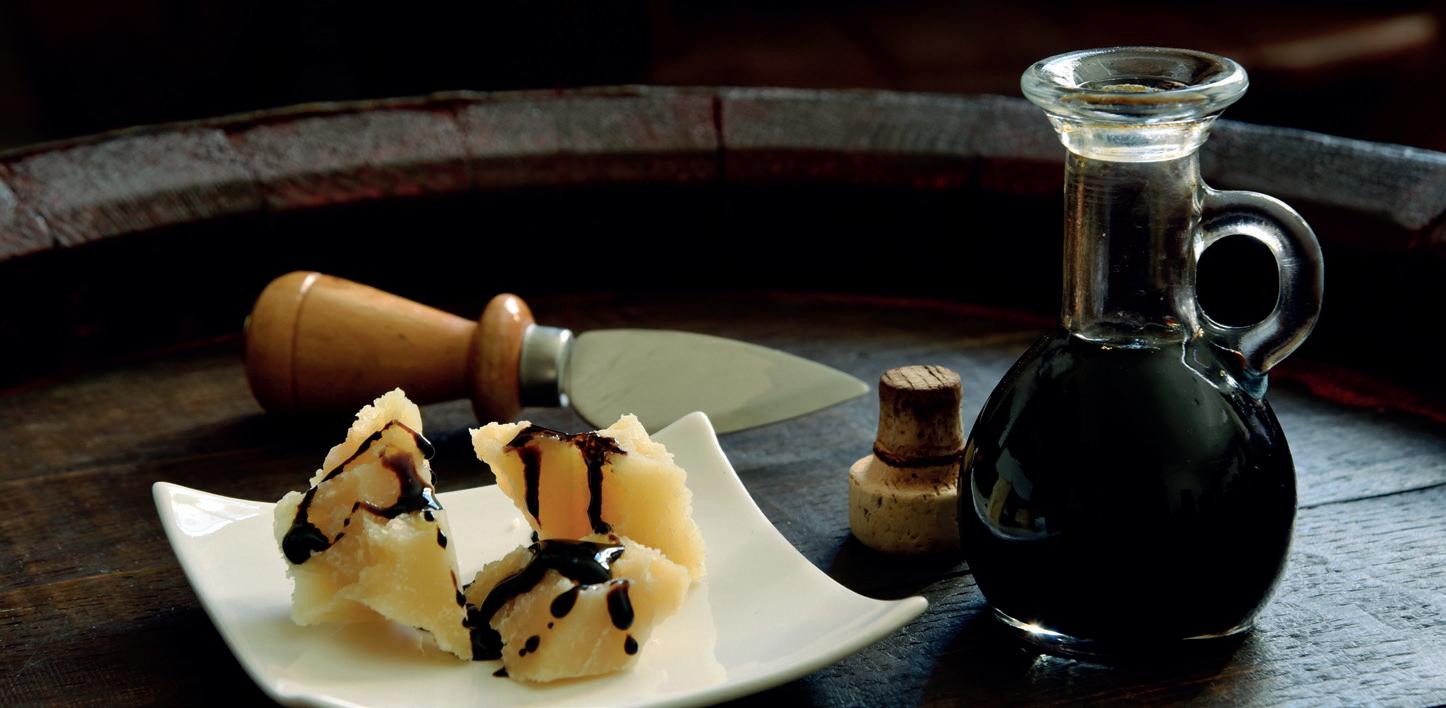
We also visit a family-run acetaia to discover the mysterious art of producing traditional balsamic vinegar, the rich, complex condiment that must be aged for a minimum of 12 years. Vast oceans of inferior imitations may be found on tables all around the world, but the real thing, aged in batteries of wood, unctuous and thick, is known as ‘black gold’: an incredibly concentrated elixir that is part of the region’s great gastronomic patrimony.
Exploring the music through places where he lived and worked
28 September–4 October 2026
7 days • Speakers: Prof. John Butt & Sir Nicholas Kenyon
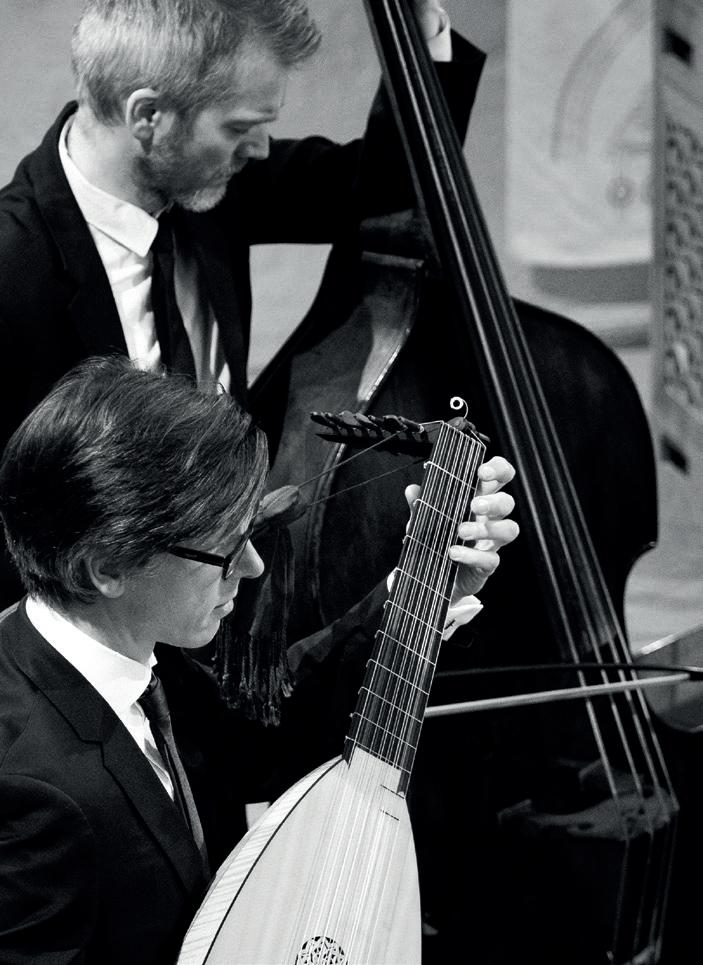
Prof. John Butt is musical director of the Dunedin Consort, performing during this festival.
Sir Nicholas Kenyon is visiting scholar in the Faculty of Music at the University of Cambridge.
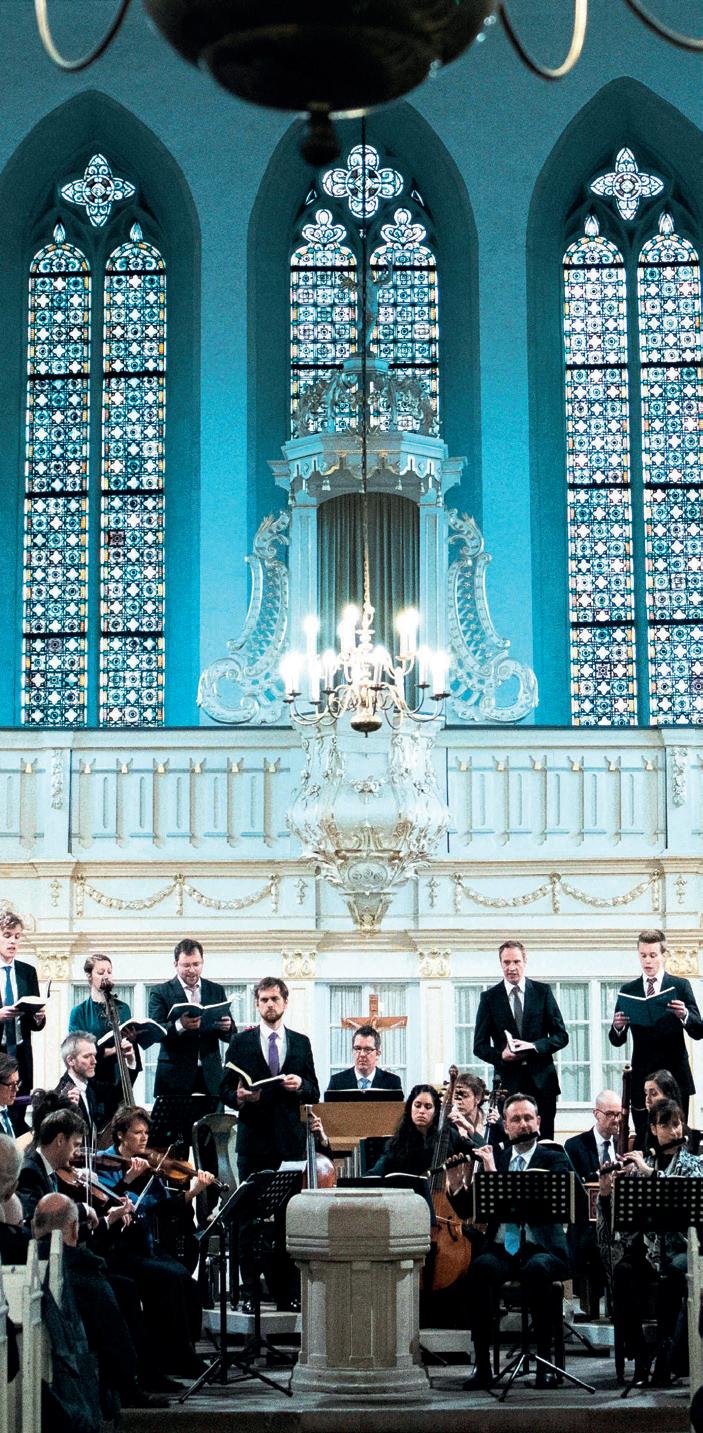
Nine concerts by some of the finest Bach interpreters in the world, from the UK and continental Europe.

Hear the Brandenburg Concertos in Schloss Köthen where they were written, the deeply moving St John Passion in Weimar, and the monumental B minor Mass in Leipzig.
Keyboard works by superb harpsichordist Mahan Esfahani and on an organ from Bach’s time in Sangerhausen.

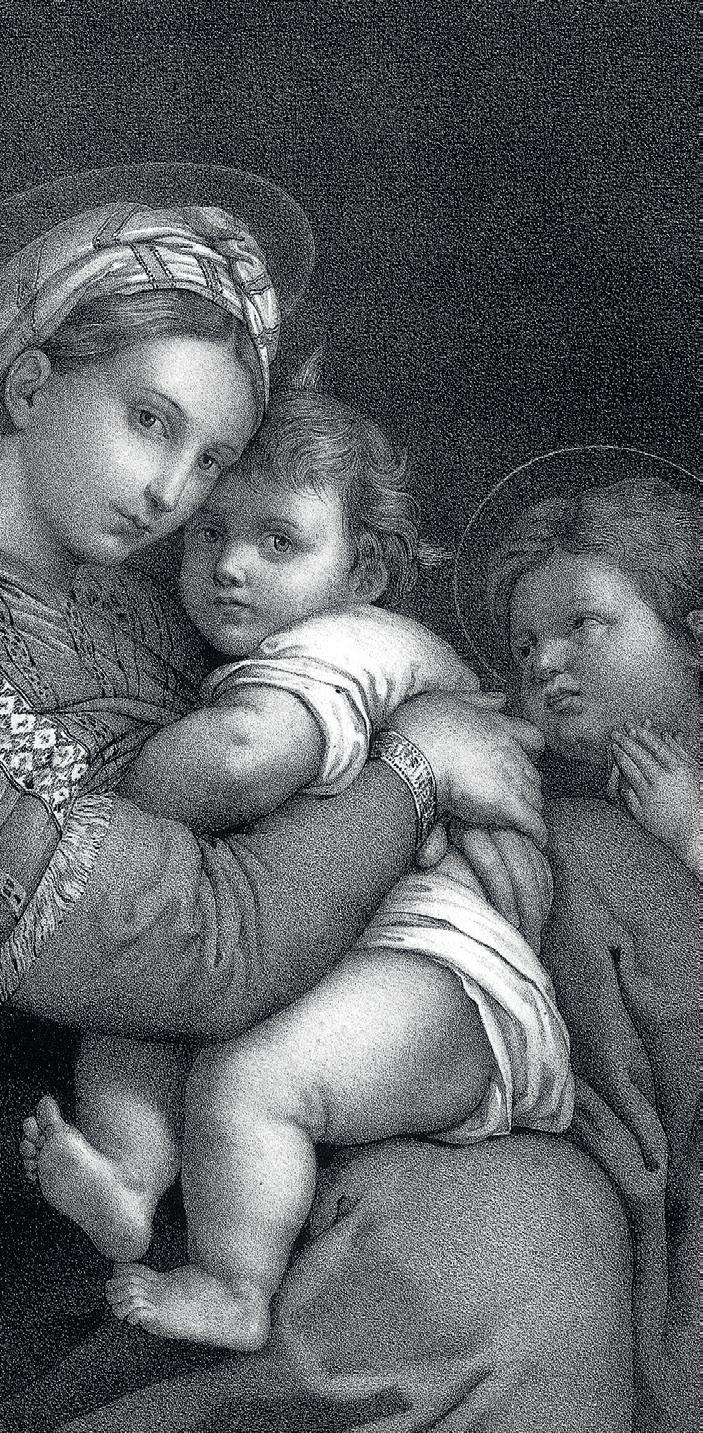
12–18 October 2026
7 days • Speaker: Dr Michael Douglas-Scott
An in-depth exploration of the life and work of the Renaissance master, placing his art in cultural, historical and geographical context.
A journey to the places he lived and worked: his birthplace, Urbino; Florence; and Rome, where he died.
Private, after-hours visit to the Vatican to view Raphael’s frescoes and the Sistine Chapel, shared with participants taking our tour, Essential Rome.
Raphael’s birthplace was a small, hilltop fastness remote from the main Italian centres of culture and power. Nevertheless, Urbino was famous for the sophistication of its court, humanist learning and enlightened artistic patronage. The ducal palace remains the most graceful of all Renaissance secular buildings.
The son of the court painter to the dukes of Urbino, Raphael would have imbibed the beauty of the environment and the basics of his trade from an early age. He stayed in Le Marche and Umbria for a few years as an independent master before moving to Florence. From 1508 he lived in Rome where he was acclaimed as the greatest painter since ancient times even before his untimely death in 1520. He also practised as an architect and was renowned as an antiquarian.
This tour celebrates Raphael’s life and work five centuries after his death. By following in his footsteps, travelling through the landscapes he painted, one can gain an insight into the artistic development of this most impressionable, adaptable and experimental of artists. His art will be placed in the context of the culture of the time, while analysis of preparation and design and explication of narrative will bring it to life. The immensity of his talent and his soaring intellect will become evident.
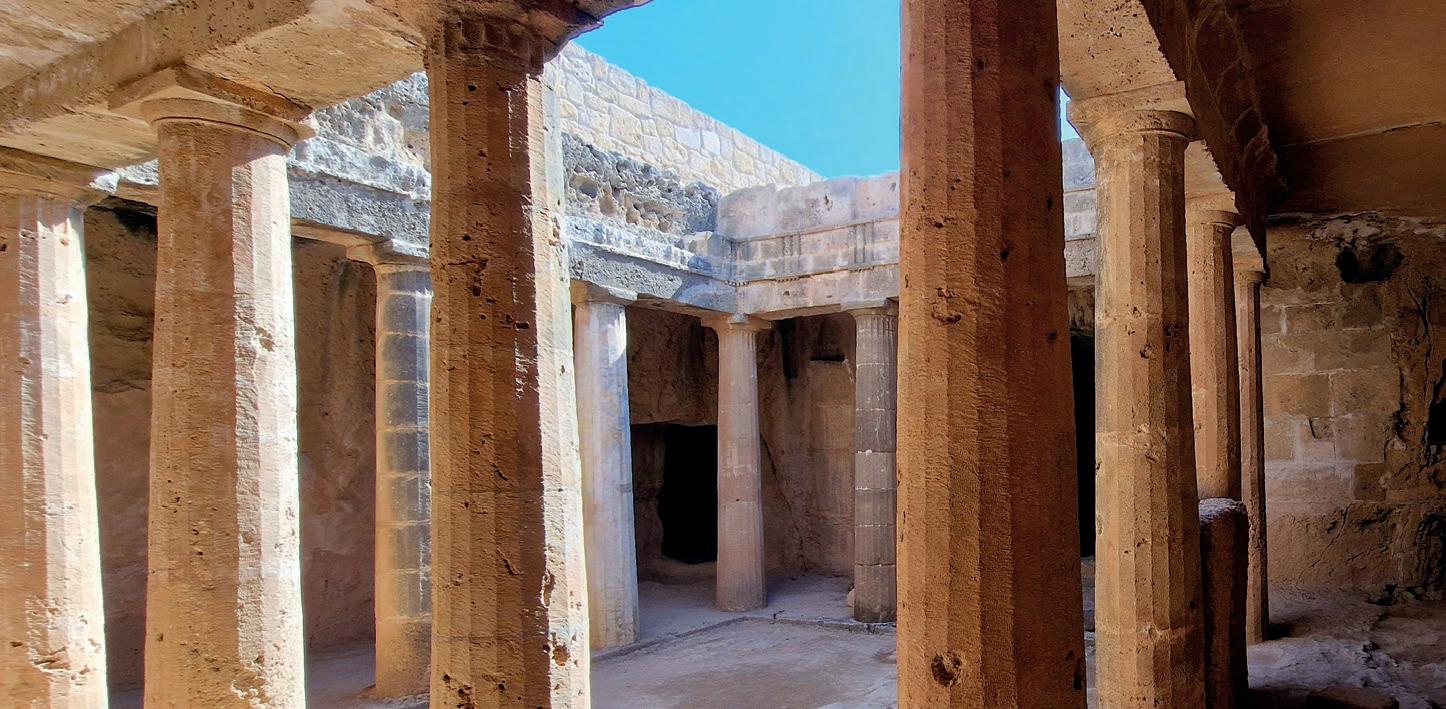
Island civilisation in the Eastern Mediterranean
19–27 October 2026
9 days • Speaker: Ian Colvin
A vibrant panoply of archaeology, art and history in both the Greek south and Turkish northern territory.
Ancient cities and tombs, churches and monasteries, forts and castles – a legacy of occupations spanning millennia.
Two nights in the Troodos mountains, with its remarkable Byzantine frescoed churches.
Cyprus, the Mediterranean’s third-largest island, is culturally its most diverse, with the earliest history. Beyond sunshine, beaches and mountains it o ers the possibility for deep exploration of European and Middle Eastern civilisations. Assyrians, Persians, Greeks, Romans, Crusader knights, Ottoman sultans and British forces have all recognised Cyprus’s vital East Mediterranean position and left their mark. Layers of civilisation emerge in the remains of early human evidence at Khirokitia, Mycenaean trading centres to the
west of the island and vestiges of 5th-century Persian occupation. In the Greco-Roman world, Cyprus was goddess Aphrodite’s birthplace. Her sanctuary is preserved at Kato Paphos alongside Apollo’s temple.
Richard the Lionheart’s 1190 conquest made Cyprus the centre of the Latin Church in the East.
Exceptional painted churches dot the Troodos Mountains, where we also visit the functioning monastery at Kykkos – with its magnificent
collection of icons.
The French Lusignan dynasty’s 300-year rule produced vast fortified castles and exquisite Gothic cathedrals, later absorbed by Venetians who transformed Nicosia and Famagusta, then came the Ottomans who converted churches into mosques.
We explore the realities of the island’s Greek and Turkish division, while celebrating Cypriots’ enduring pride in their extraordinary heritage.
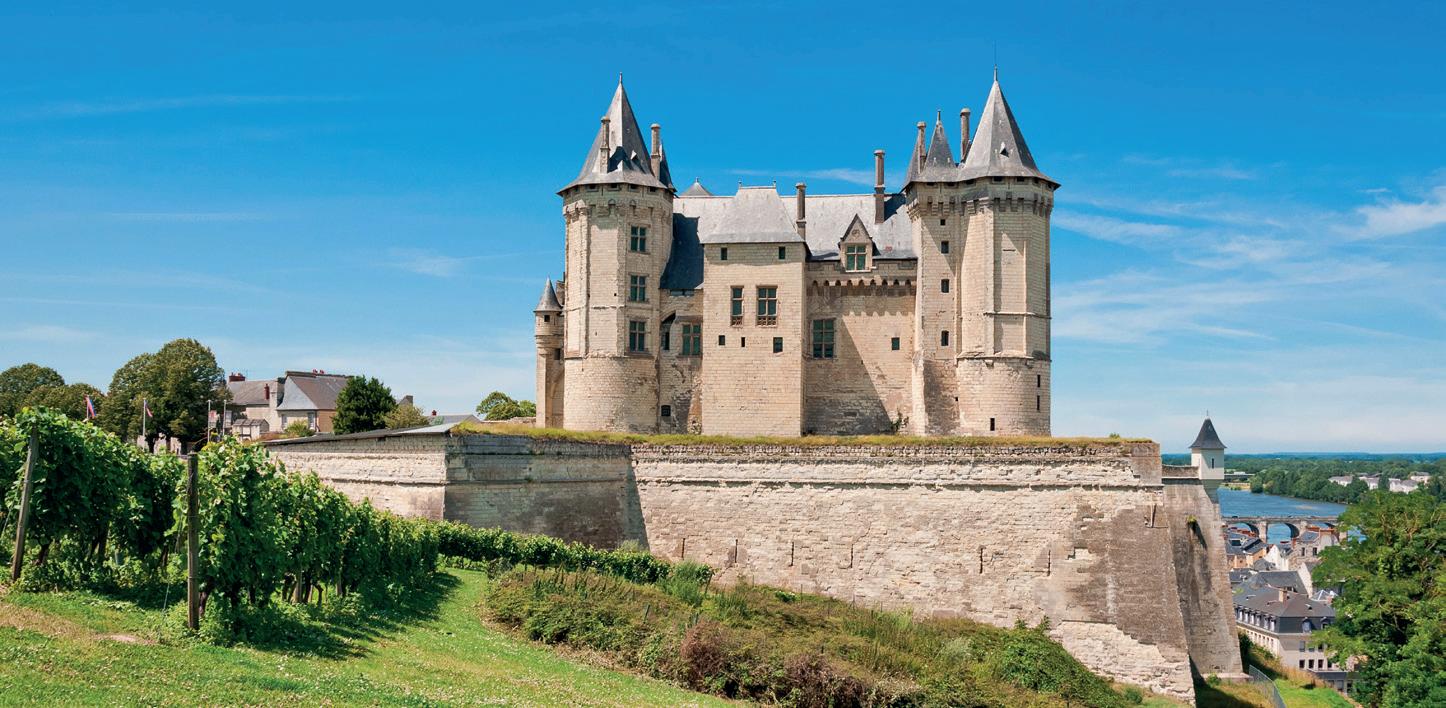
26 October–1 November 2026
7 days • Speaker: Victoria Daskal
Journey inland from Nantes to Saumur via vineyards, châteaux and beautiful scenery, savouring superb local produce and wine.
A range of gastronomic experiences from country inns and humble crêperies to Michelin-starred dining.
Celebrate the region’s excellent wines, including Muscadet, Crémant de Loire and Chenin Blanc.
The Loire Valley is one of Europe’s most picturesque cultural landscapes. Vineyards, riverside towns and resplendent châteaux are inseparably entwined. Once the favoured domain of French royalty, it is now celebrated equally for its wines and gastronomy.
To explore the Loire is to encounter gastronomic variety of the most rewarding kind. Every style of wine is produced here: saline Muscadet from the Atlantic coast, mineral Sauvignon from the central vineyards, noble
Chenin Blanc in sparkling, dry and sweet forms, supple Cabernet Franc, and Crémant with a finesse that rivals Champagne. Paired with a cuisine rooted in local produce: cave-grown mushrooms, artisanal pâtés and rillettes, fresh fish, and the finest selection of cheeses – these wines achieve their fullest expression.
But this is no mere indulgence. The region’s heritage is among the richest in Europe, from the working salt marshes of Guérande, to the
medieval Apocalypse Tapestry at Angers, to the Renaissance façades of Saumur and the serene grandeur of Fontevraud Abbey, resting place of Eleanor of Aquitaine. The landscape itself, with its fertile soils and luminous tu eau stone, has shaped both its architecture and its viticulture.
In the company of expert local guides, with private wine tastings and memorable meals, this journey explores the Loire as both a cultural heartland and a gastronomic paradise.
5–16 November 2026
12 days • Speaker: Yoko Kawaguchi
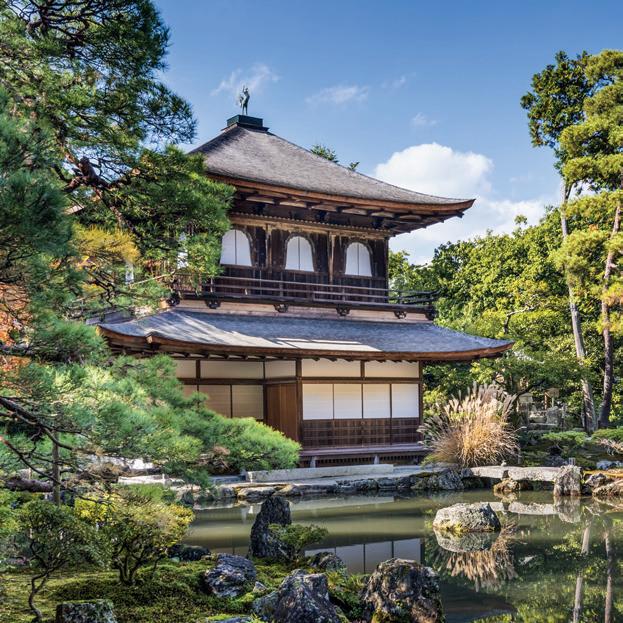
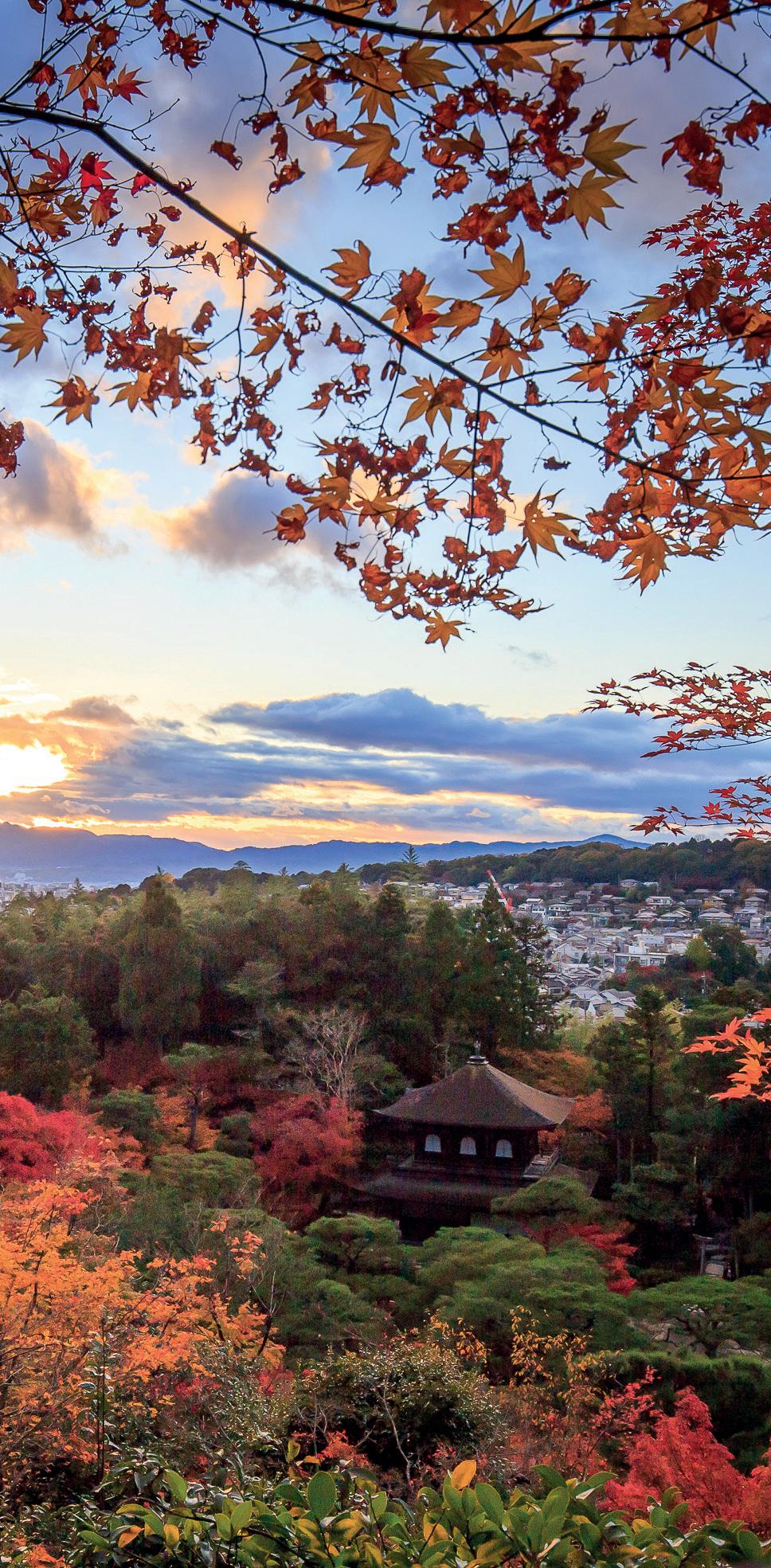
The evolution of Japanese gardens through the centuries, with a focus on how gardens relate to the Japanese way of life.
From Kyoto’s wealth of exquisite temple gardens to Tokyo’s hill-and-pond gardens.
Time to explore each city and see Japanese art at the Tokyo National Museum.
This tour presents superb gardens spanning Japanese history united by a sense of timelessness: Kyoto’s aristocratic ‘paradise’ temple gardens and enigmatic Zen rock gardens; Hikone’s borrowed castle scenery; Kanazawa’s tea gardens; Tokyo’s imposing samurai elite gardens amalgamating these styles. Throughout the 1,600 year garden tradition, the chief consideration has been the depiction of landscape – established by fifth and sixth-century Korean and Chinese architects who introduced their taste for elegant pond gardens. Buddhist and Chinese cosmographies, including Mt. Sumeru and Taoist Islands of the Blessed
Immortals, permeated Japanese culture.
The Japanese transformed Chinese landscape tradition into expressions celebrating native scenery: verdant mountains sloping seaward, waterfalls, streamlets, rugged shores and evervarying coastlines. Trees and shrubs create seasonal palettes; ponds symbolise the sea; rocky outcrops reflect Japan’s island identity. Through judicious stone and plant placement, beautiful panoramic vistas transform even tiny spaces.
His finest works, in glorious churches, great halls and palaces
12–17 November 2026
6 days • Speaker: Prof. John Bryan

MEET THE SPEAKER

Prof. John Bryan is a member of the Rose Consort of Viols and is adviser to York Early Music Festival.
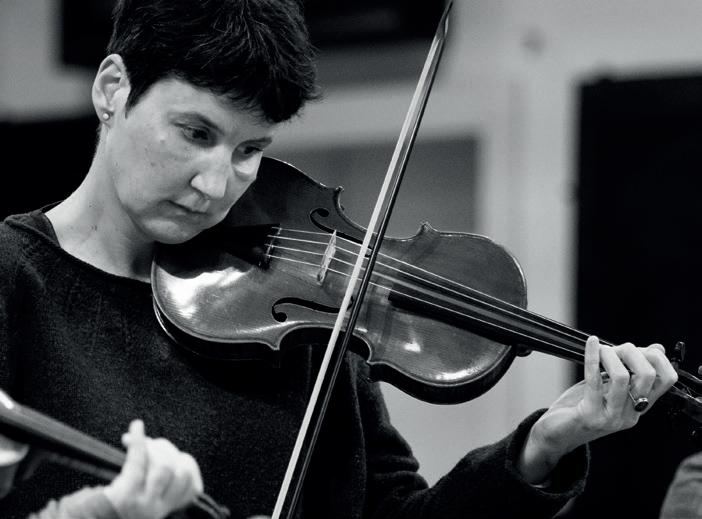

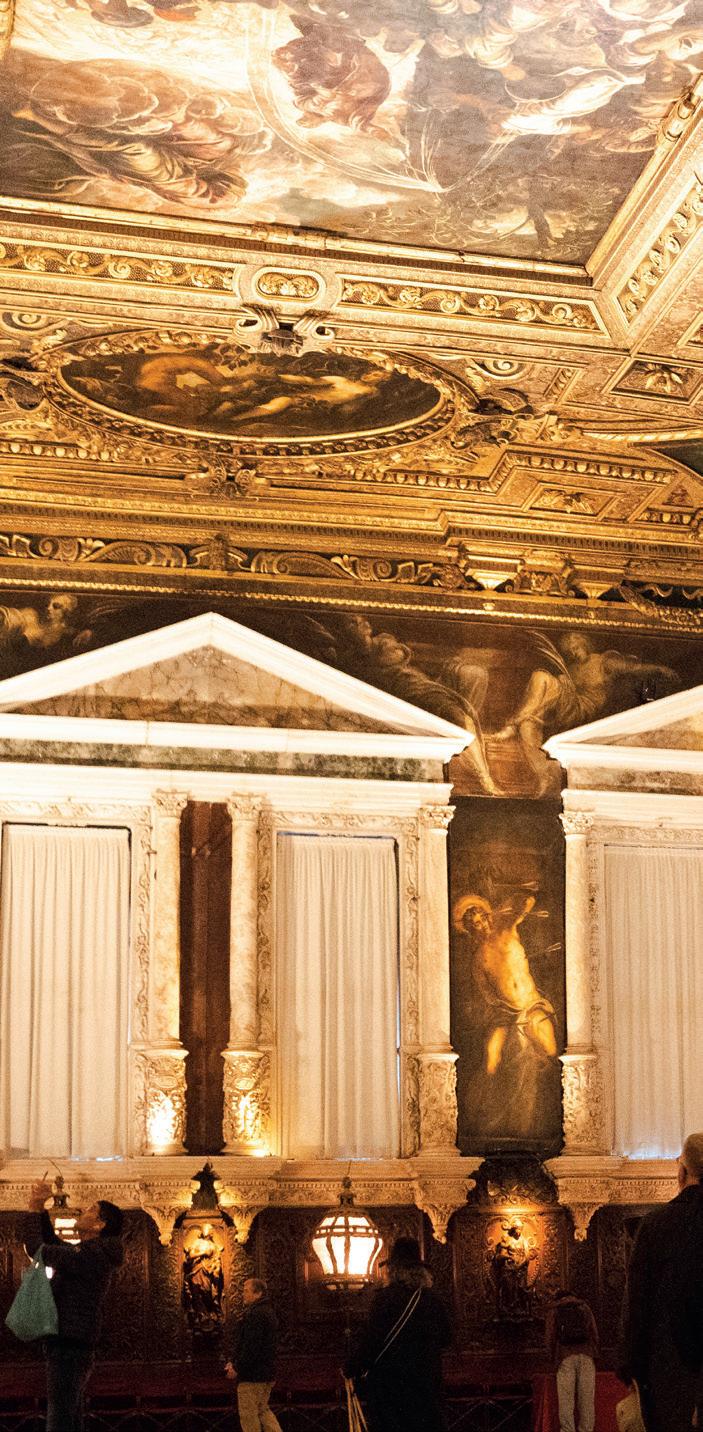
Monteverdi’s finest works, in all their pioneering, expressive glory, in the most beautiful city on Earth – his home for half his creative life.
Six performances by some of the leading interpreters in the world: Academy of Ancient Music, I Fagiolini, Concerto Italiano and Odhecaton, with soloists including Anna Dennis, Ed Lyon, Matthew Long and Nicholas Mulroy.
Three of his most iconic larger works: operas ‘L’Orfeo’ and ‘L’incoronazione di Poppea’, and the deeply moving 1610 Vespers.
Concerts take place in private palaces, glorious churches and lavishly decorated scuole, where Tintoretto and Titian provide sublime backdrops.
Optional art historical and architectural walks and visits to explore the city.
15–26 November 2026
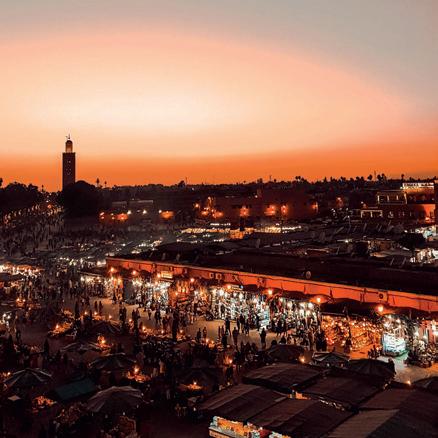
12 days • Speaker: Prof. Alex Metcalf
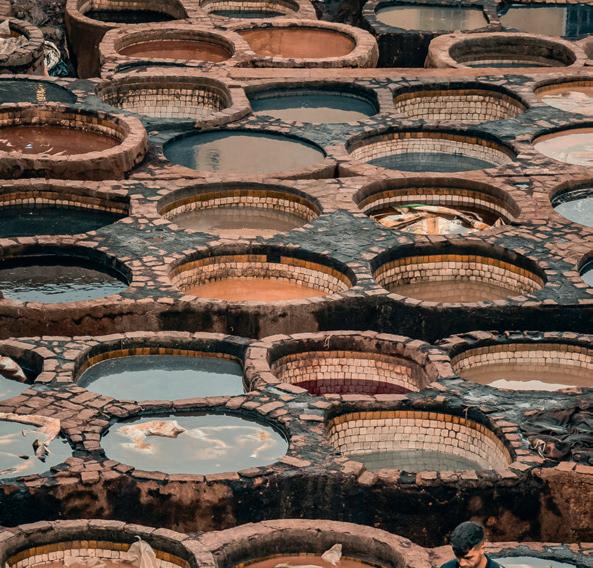
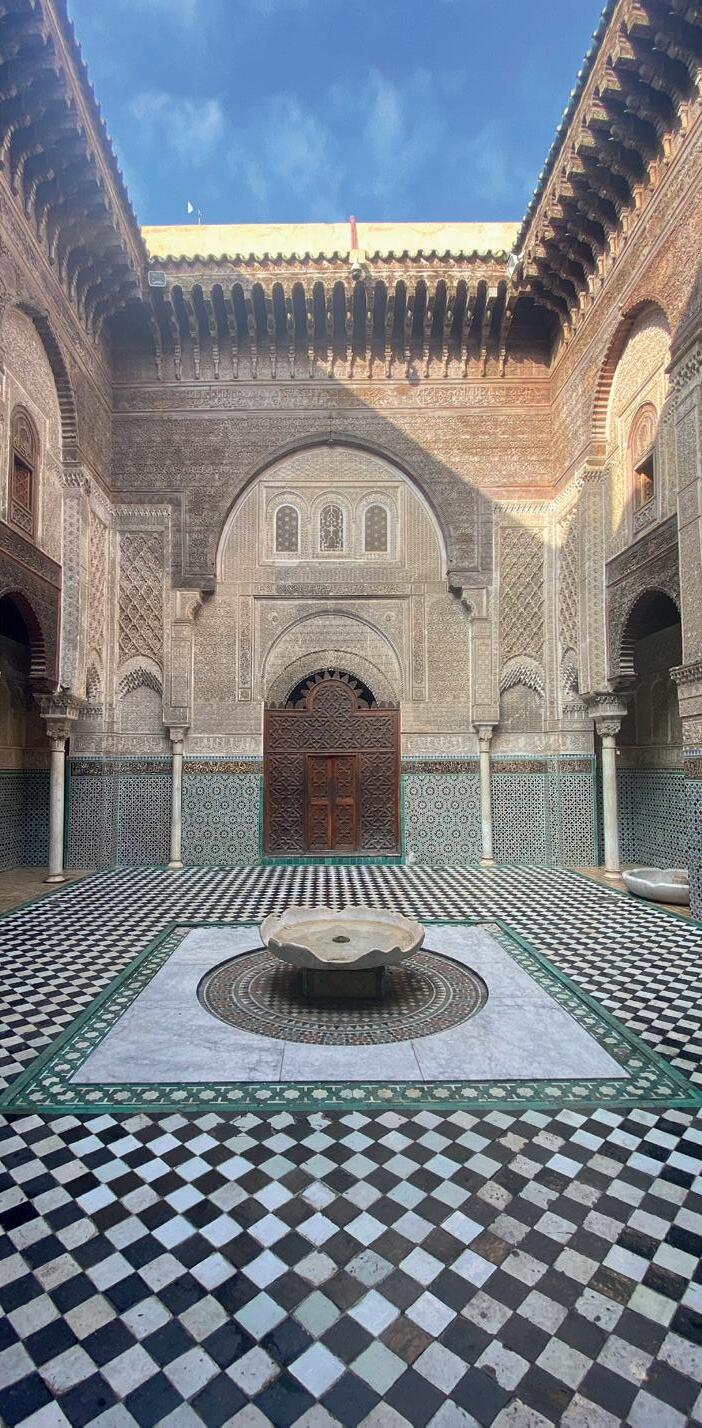
From Rabat to Marrakech, including the imperial cities of Fes and Meknes.
Spectacular landscapes: the Atlas Mountains, valleys, palm groves, woodland, desert. See the sun set over the sand dunes at Merzouga.
Visit the magnificent Roman ruins at Volubilis, the mosques of Old Fes and the kasbahs of Ouarzazate.
Morocco – a cannon’s shot from Gibraltar – has commanded Europe’s respect and fascinated its imagination. The legendary ‘al-Maghrib al-Aqsa’, land of the setting sun, perches where the known world ended and the sea of darkness began, bounded by four mountain ranges sheltering fertile Atlantic plains and three seas: the Mediterranean, Atlantic and Sahara’s sand sea. Indigenous Berber tribes gradually converted to Islam, creating uniquely Moroccan cities and empires. Sijilmasa became a thriving Saharan port where camel caravans laden with salt
departed for West Africa to trade for gold, slaves and ivory. Fes emerged as rival political centre; Marrakech followed around 1070. This rich trade attracted Portuguese, Spanish, English, Dutch and Scandinavian powers seeking to further their own interests and a share of the profits.
Our route reveals medieval Islamic empires founded by Berbers and Arab newcomers, and the legacies of European exchange. Long drives along ancient trade routes traverse dramatic landscapes: fertile olive groves, snow-capped mountains, and deep green palm oases trailing like ribbons from the Atlas into the Sahara desert.
16 November–2 December 2026
17 days • Speaker: Chris Moss
The extraordinary history and legends of the southernmost region of the world, the last corner of the New World to be colonised.
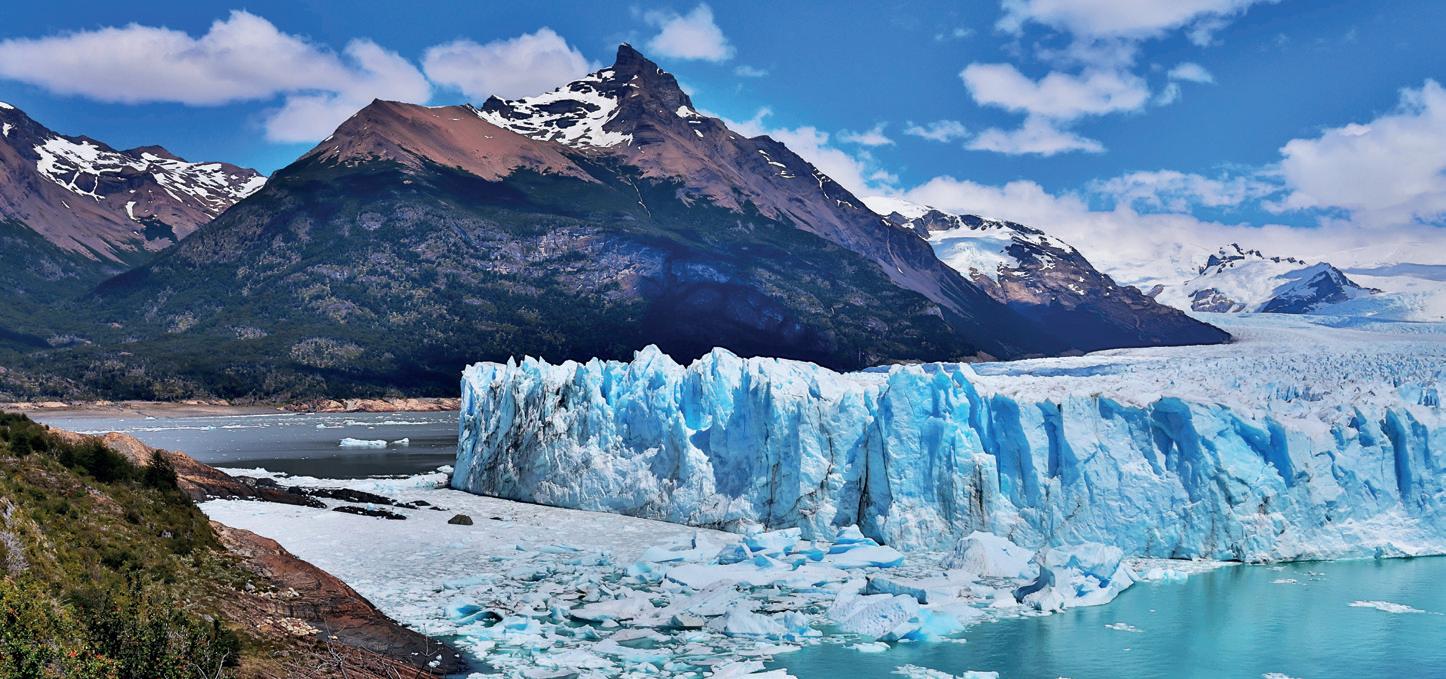
Sublime landscapes, mountains and glaciers, lakes, coasts and seas, hauntingly limitless steppe and scrubland.
Close encounters with penguins, sea lions and guanaco, and sightings of a variety of other animals, birds, native trees and shrubs.
A search for stories as well as some of the best sightseeing in South America.
Patagonia exists as much in myths, fiction and travellers’ tales as reality – the archetypal landscape of imagination.
Magellan’s 1520 crew met an Aonikenk man of “gigantic stature,” calling him a “patagon” after a chivalric romance monster. Thus Patagonia was born, in homage to giants. For centuries, conquistadores sought southern El Dorado,
Pacific passages and new cities. Early settlers perished on lonely capes; shipwrecks plagued the tortuous Magellan Strait. John Byron – the poet’s grandfather was marooned o the coast of Chile; Robert Fitzroy and a young Charles Darwin sounded treacherous waters.
Patagonia’s history features explorers, mariners and outcasts. British connections abound: English pirates and pastors, Welsh colonists, Scottish sheep farmers all played a role
in defining it.
The last (partially) colonised corner of the New World remains thinly populated – limitless steppe dotted with sheep-rearing estancias and long empty roads. Hotels cluster around ports. This tour embraces the sublime and the strange: forbidding snow-capped mountains, the world’s third-largest ice field and magnificent glaciers, an abundance of wildlife. At the coast we get close to penguins and sealions – in all, some of the best sightseeing to be had in South America.
“
We were all so well looked after by the lecturer and tour manager, it was a memorable Christmas.
Participant on ‘Florence at Christmas’.
At Christmas and New Year museums and historic monuments that are usually crowded become blissfully empty and quiet. It is at this prime moment that we journey to cities rich in music, art and architecture to seize a rare opportunity. The pace is unhurried, a festive mood pervades and the revelation is profound.
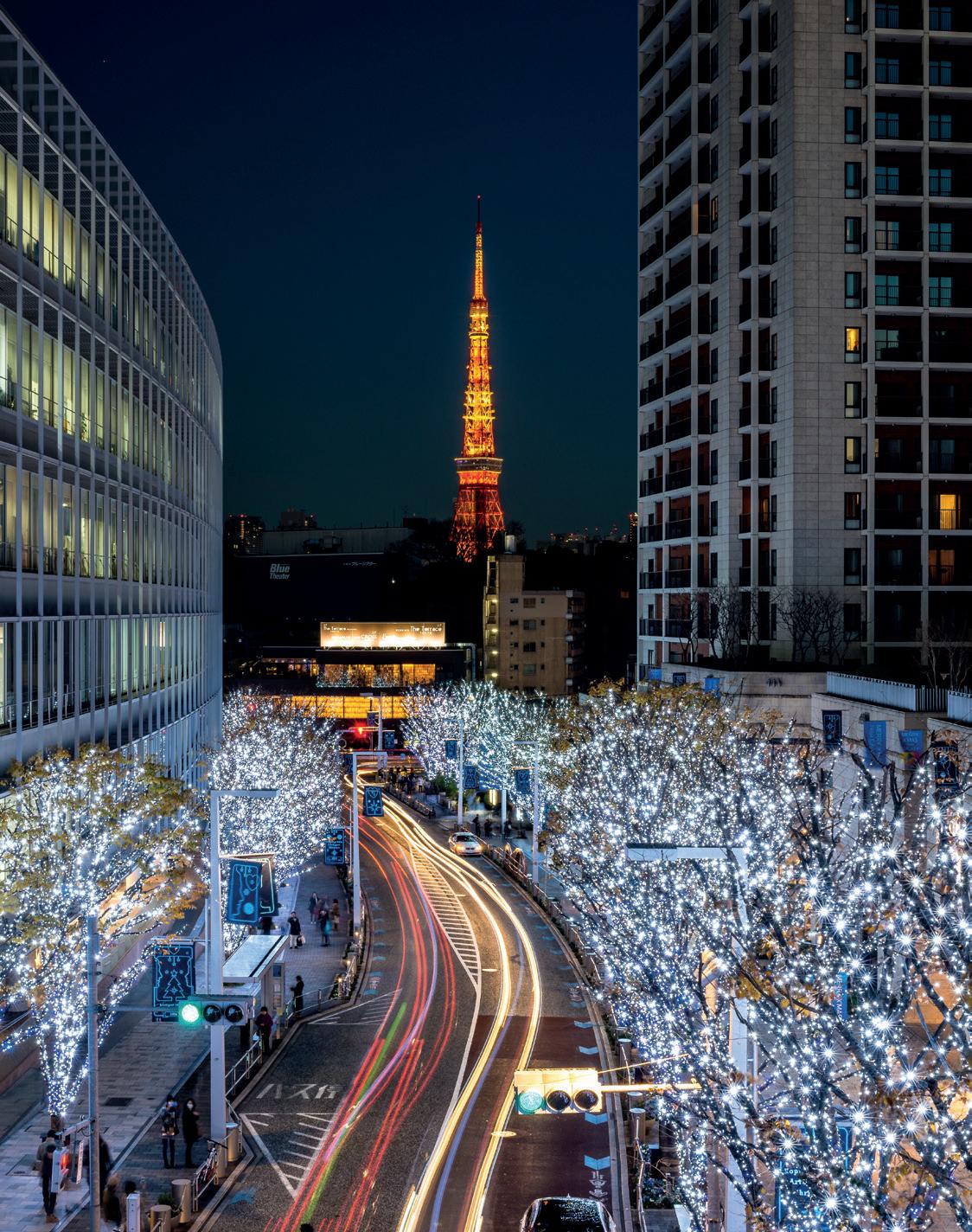
Japan at Christmas 16–27 December 2026

21–28 December 2026
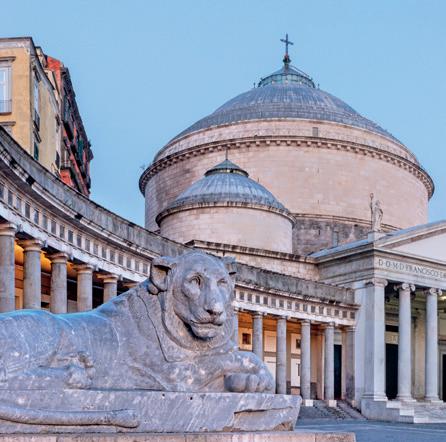
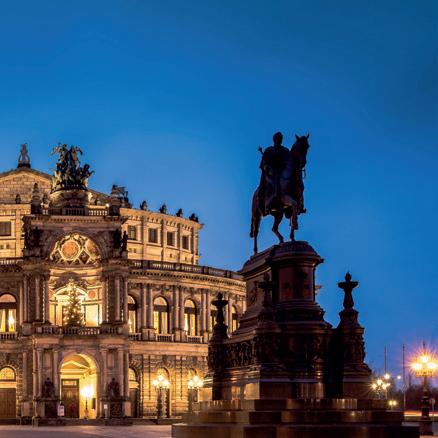
21–28 December 2026
21–28 December 2026
21–28 December 2026
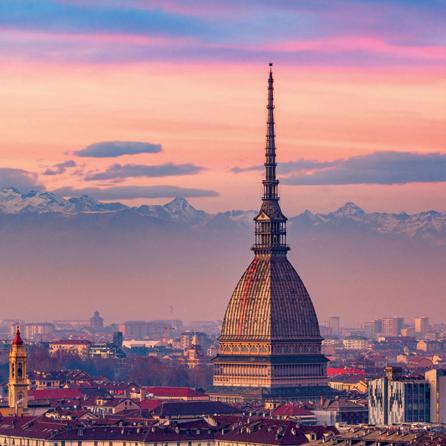
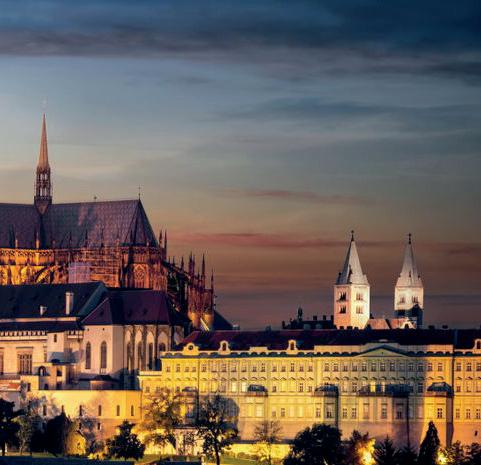
28 December 2026–3 January 2027
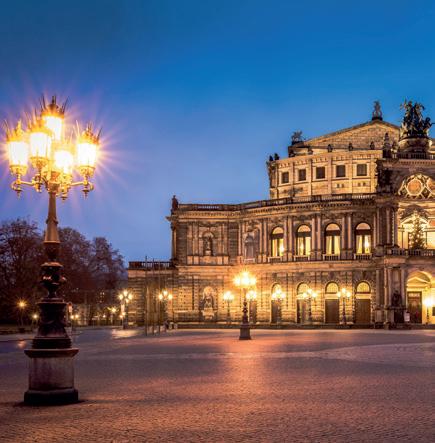
Hamburg
21–28 December 2026
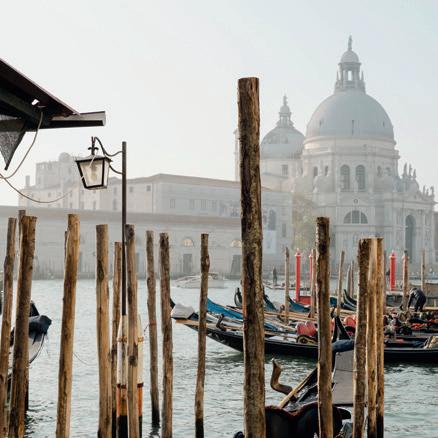
21–28 December 2026
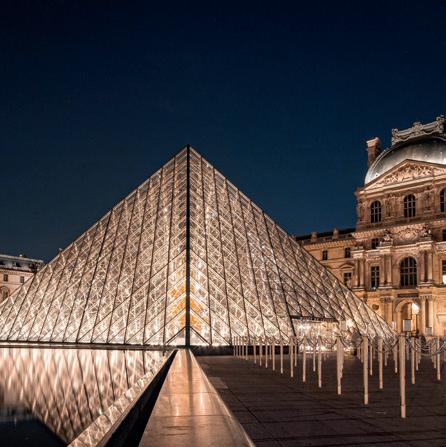
Paris
29 December 2026–4 January 2027

The major Nabataean, Roman, Christian and Islamic sites
10–18 April 2027
9 days • Speaker: Felicity Cobbing
Outstanding monuments of several civilisations – Nabataean, Roman, Early Christian, Umayyad and Crusader.
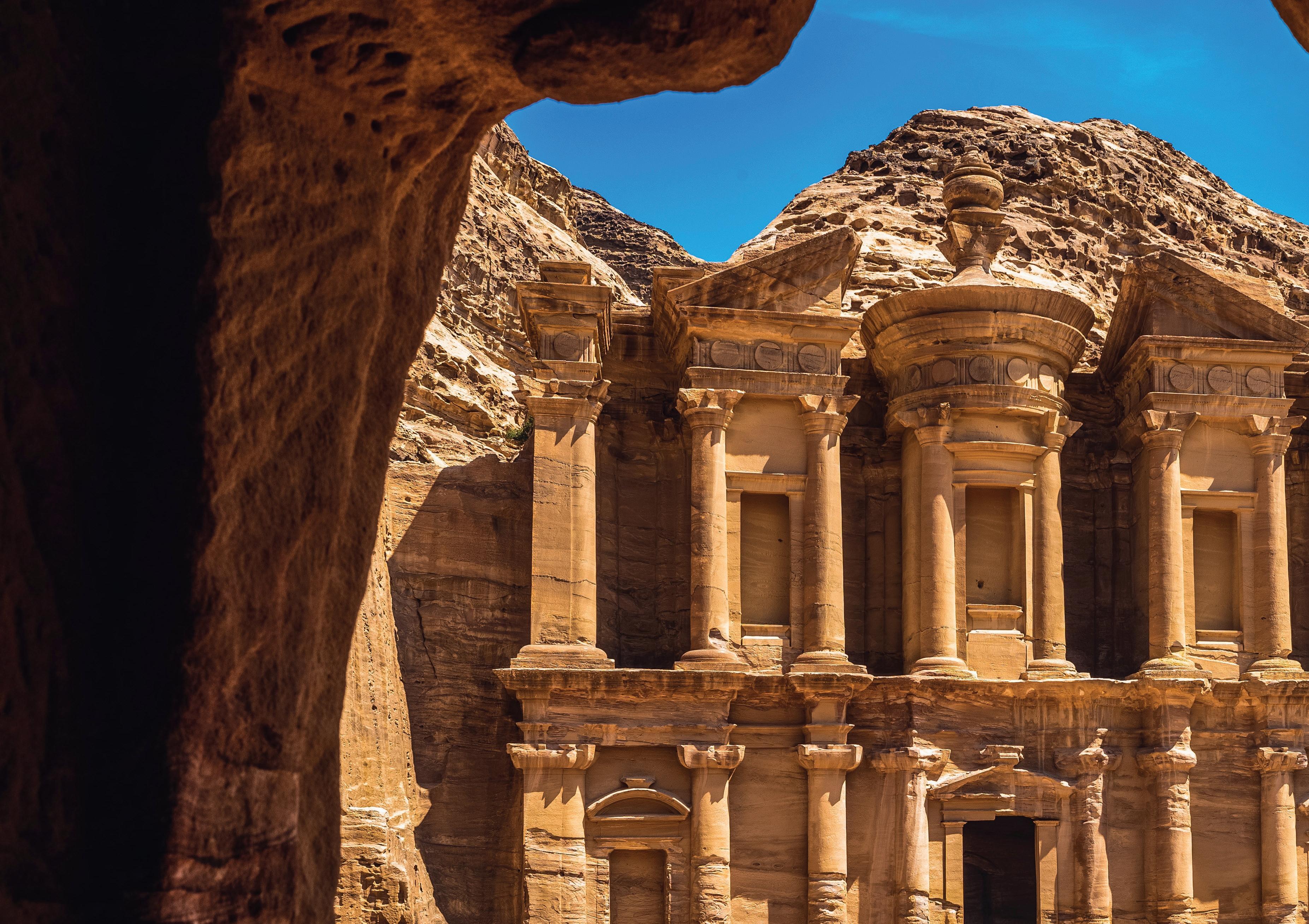
Petra is the most spectacular archaeological site in the Middle East; we spend three nights here.
Stunning natural landscapes, with time spent at the Dead Sea.
Jordan possesses the Middle East’s most spectacular archaeological site – Petra, the ‘rosered city, half as old as time.’ Hidden in mountains at the confluences of caravan routes, its finest monuments are hewn from brilliantly coloured sandstone striated with pinks, ochres and bluegreys. The Nabataeans who built it created a novel synthesis evoking Hellenistic, Egyptian, Assyrian and Imperial Roman architectural styles – yet uniquely their own.
Jordan abounds with civilisational traces:
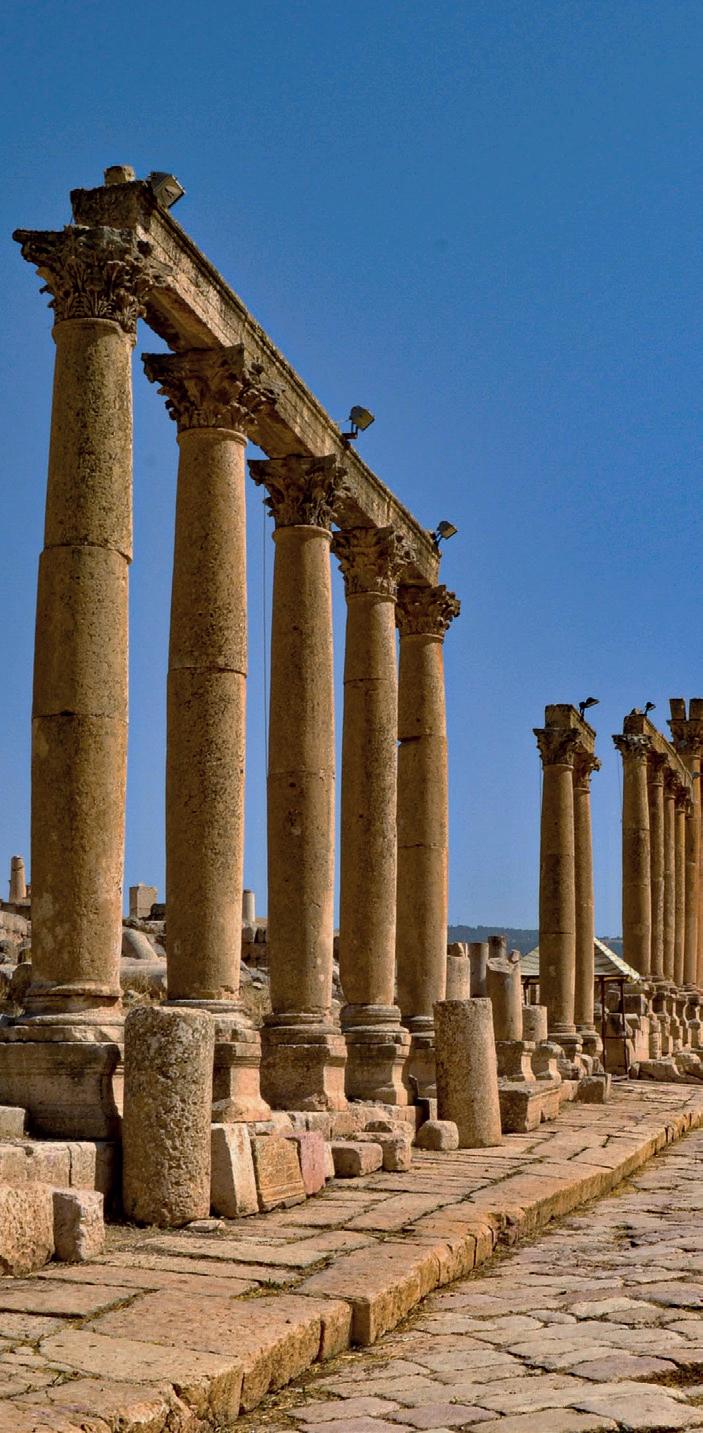
Jerash, among the finest preserved Roman cities; Byzantine churches with magnificent floor mosaics are scattered through a biblical landscape. The impressive 12th-century Crusader castle of Karak showcases medieval military architecture with surviving Mamluk modifications.
As well as the obvious sites, we explore Iraq al Amir’s cave-strewn hills and the rare Hellenistic Qasr al Abd palace. There are sophisticated Umayyad hunting lodges and forts, such as Qasr Kharana, Azraq fort (T.E. Lawrence’s 1917 headquarters), and the UNESCO-listed Qasr Amra with exceptionally beautiful restored wall paintings.
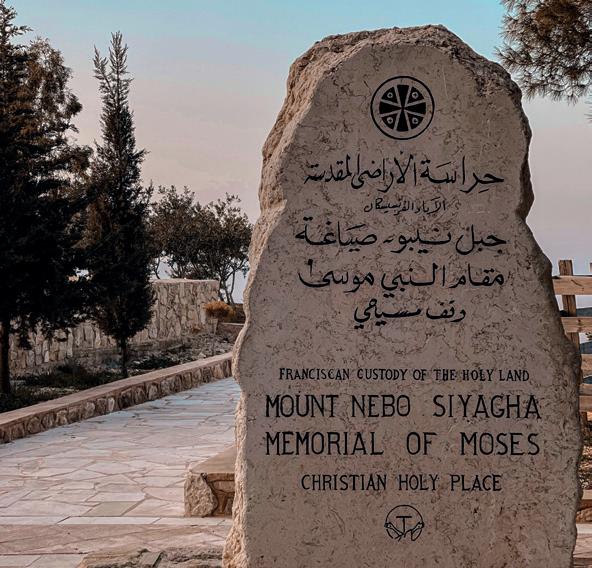
First class. Not a moment wasted, but still enough time to draw breath. Every site was well chosen; and two full days in was Petra perfect.
18–23 April 2027
6 days • Speaker: Prof. Frances Fowle
The finest collections of Impressionism in France – delightful coastal and Normandy countryside sites associated with the artists.
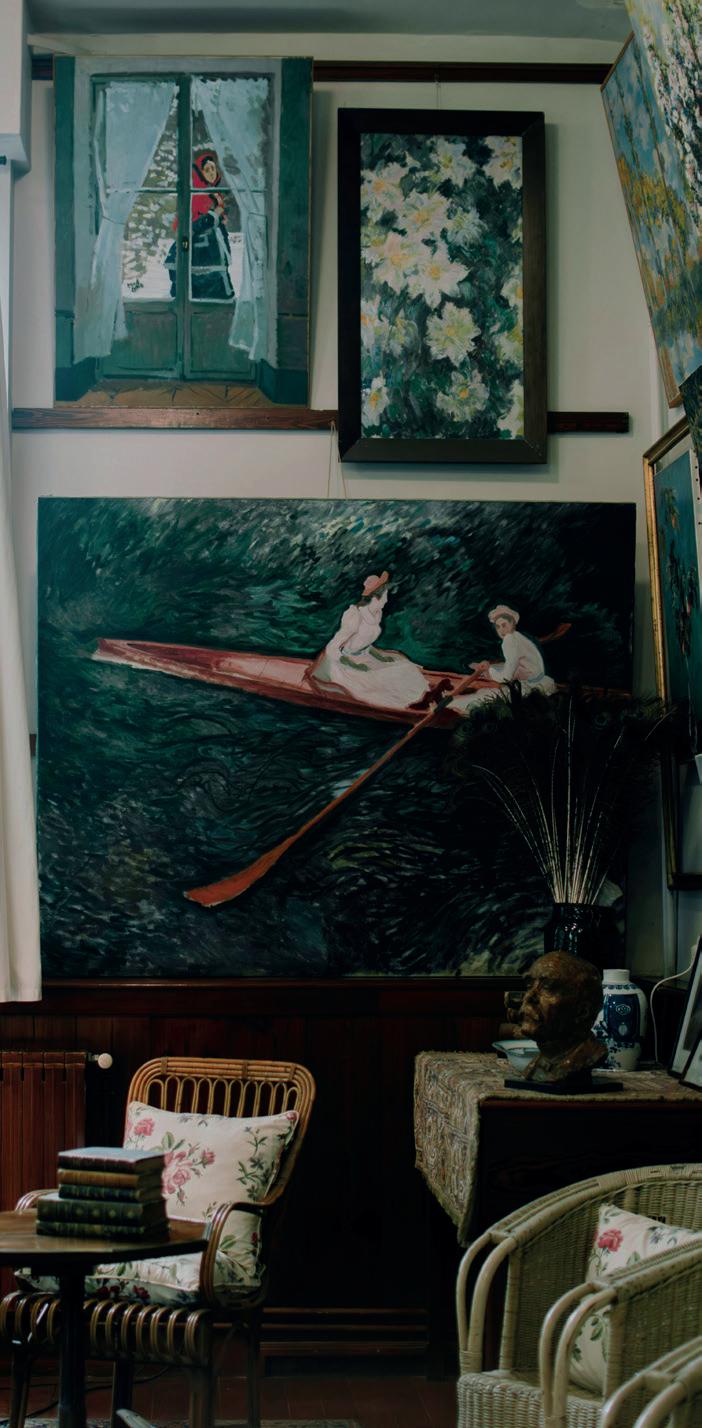
Visit Monet’s house and garden at Giverny, and see some of his most renowned paintings.
Travel in comfort by Eurostar from London, with bases in Rouen and Paris.

landscape – especially the countryside north of Paris, the meandering Seine valley, delightful tributaries the Oise and Epte, and the coast with vast skies and dramatic limestone cli s.

Claude Monet, born in Paris in 1840, grew up in Le Havre where Boudin encouraged plein air painting. From 1871 he lived in the suburbs, working from his studio boat, progressing downstream from Argenteuil to Vétheuil and Poissy before settling in Giverny in the 1880s. Monet frequented the Normandy coast where Impressionism developed alongside tourism and sea bathing. Water – fresh or salt – was crucial to Impressionist pictures, its evanescent qualities matching transient light e ects they captured on canvas.








This region holds the greatest concentration of Impressionist pictures than anywhere comparable – unsurprisingly, as this is where Impressionism was born and most practised. Our tour visits key sites that inspired its protagonists. Throughout the 19th century, Paris was the centre of the art world. We encounter preImpressionists like Eugène Boudin and Johan Jongkind, and Post-Impressionist successors. Though all French Impressionists spent time in the capital, their art required immersion in the

These artists also mastered figure painting and portraiture, depicting family, friends and Parisian society. Influenced by photography and Japanese art, they recorded their time – from Degas’s dancers and milliners to Pissarro’s rural workers – capturing powerful snapshots of late 19th-century France.
The Impressionist emphasis on the importance of painting en plein air makes a tour that includes sites where painters set up their easels particularly rewarding.


20th-century architecture and design
24 June–2 July 2027
9 days • Speaker: Prof. Harry Charrington
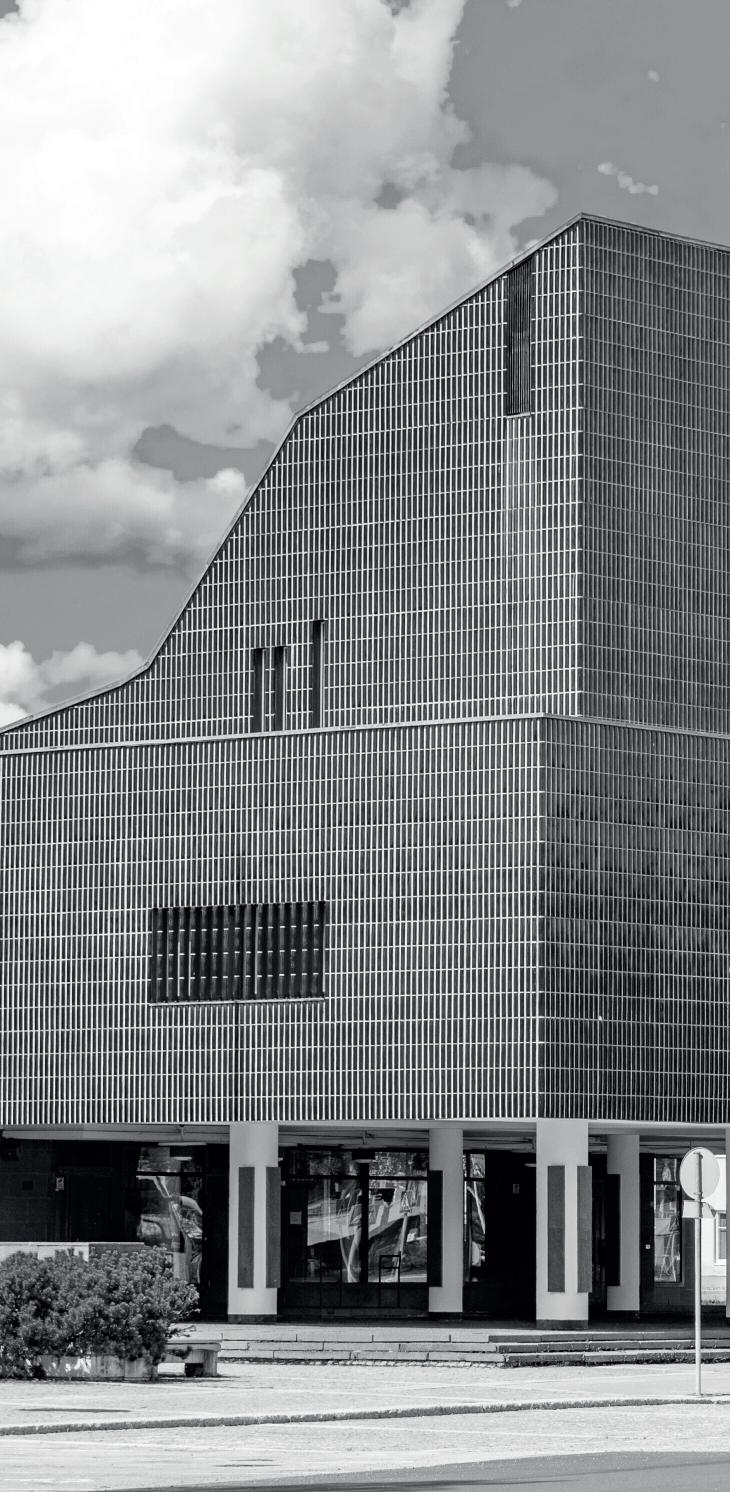
Journey through Finland surveying the works of Alvar Aalto, ‘the poet of International Modernism’.
See major buildings by other 20th-century Finnish architects and look at wider areas of design and art.
Led by Professor Harry Charrington who worked in Aalto’s o ce and is author of the award-winning Alvar Aalto: the Mark of the Hand.
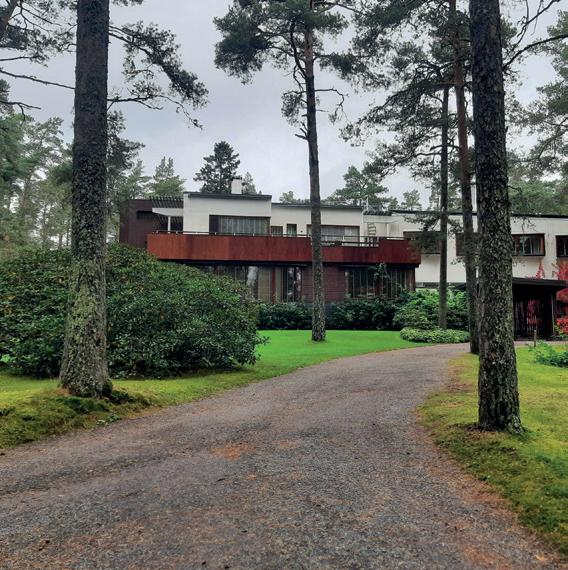
Alvar Aalto stands supreme in Finnish architecture. His legacy must be understood in the context of Finland’s 19th-century National Romantic movement, which combined vernacular traditions with central and western European impulses, famously manifested in Sibelius’s music and Gallén-Kallela’s haunting paintings. Revered worldwide for seeking to ‘give life a gentler structure’ through grounding modernism in nature, Aalto’s practice became one of the
most successful of the 20th century, addressing the complexities of modernity across every project type with subtlety and grace – from emergency housing to factories to concert halls. Less celebrated are his collaborators: his two wives Aino Marsio-Aalto and Elissa Aalto, respectively, who co-ran the atelier and his furniture brand Artek, fulfilling the arts-and-crafts dream of well-designed furniture for all, alongside Turku architect Erik Brygmann.
The remarkable buildings we see on this tour embody social purpose and a strong sense of place, characteristic of the Finnish Golden Age. Qualities that are still frequently evident in several of the newly completed libraries we also visit.
“
Brilliant! It covered the obvious sites in new and wonderful ways but included less known gems as well.
Participant on our ‘Art History of Venice’ tour, November 2025.
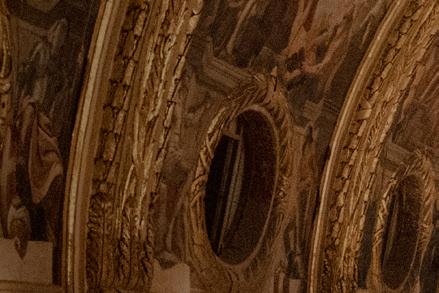

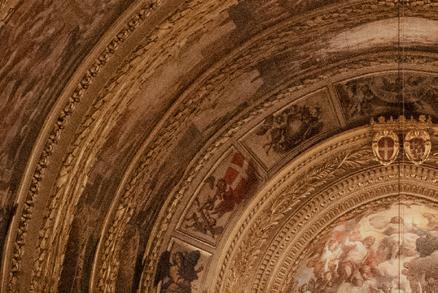
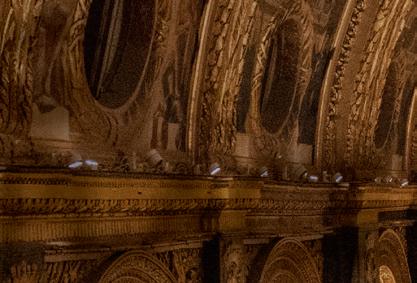
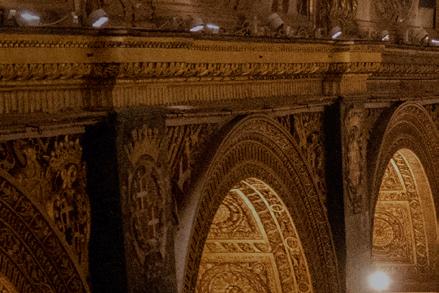
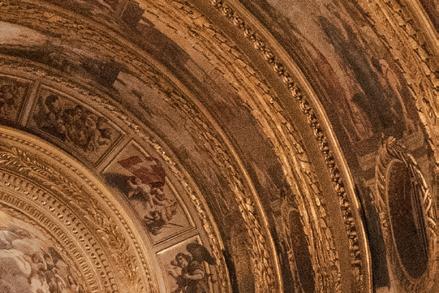
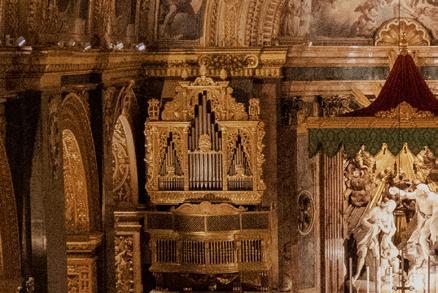
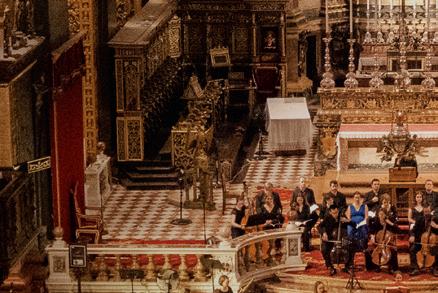
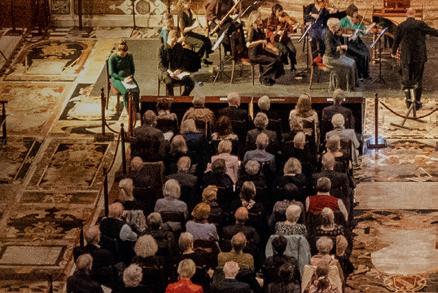
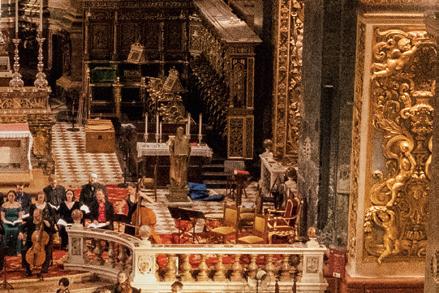
In 2027, hear world-class musicians performing private concerts in Europe’s most glorious buildings, with expert speakers, seamless travel and privileged access.
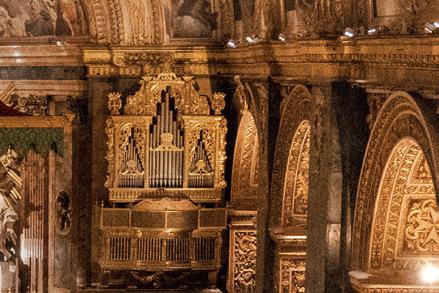
BEETHOVEN ALONG THE RHINE
May 2027
MUSIC IN THE VENETO
June 2027
MUSIC ALONG THE DANUBE
July 2027
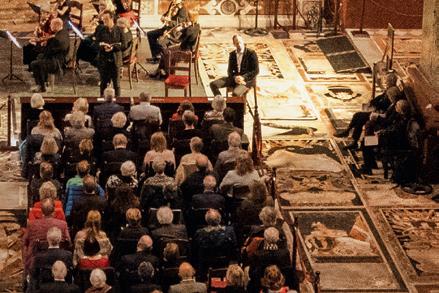
MUSIC IN TOLEDO
September 2027
OPERA IN SICILY
October 2027


Either: on our website

Click ‘Book now’ on any tour page. Fill in your details, consent to the booking conditions, and pay the deposit (15% of the total booking price) or full balance if booking within 12 weeks of departure.

Or: by telephone or e-mail
Call or e-mail us to make a provisional booking, which we hold for up to 72 hours. Within that time, we require you to pay the 15% deposit, or full balance if booking within 12 weeks of departure.
Confirming your booking
Once you have completed the above, we will send a formal confirmation. Your deposit is then non-refundable except under the special circumstances mentioned in our booking conditions.





Booking conditions

It is important that you read these before committing to a booking. We will direct you to these when you book, but you can also find them online: www. martinrandall.com/terms

Fitness
Ensure also that you have read ‘How strenuous’ in the ‘Practicalities’ section of the tour description.