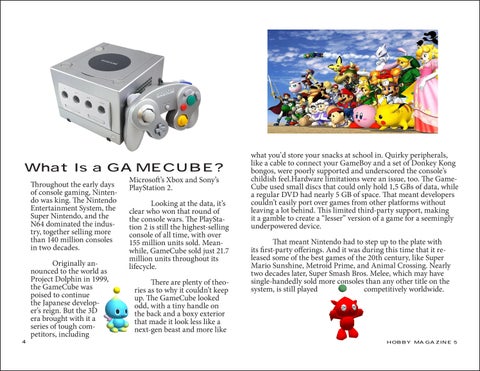
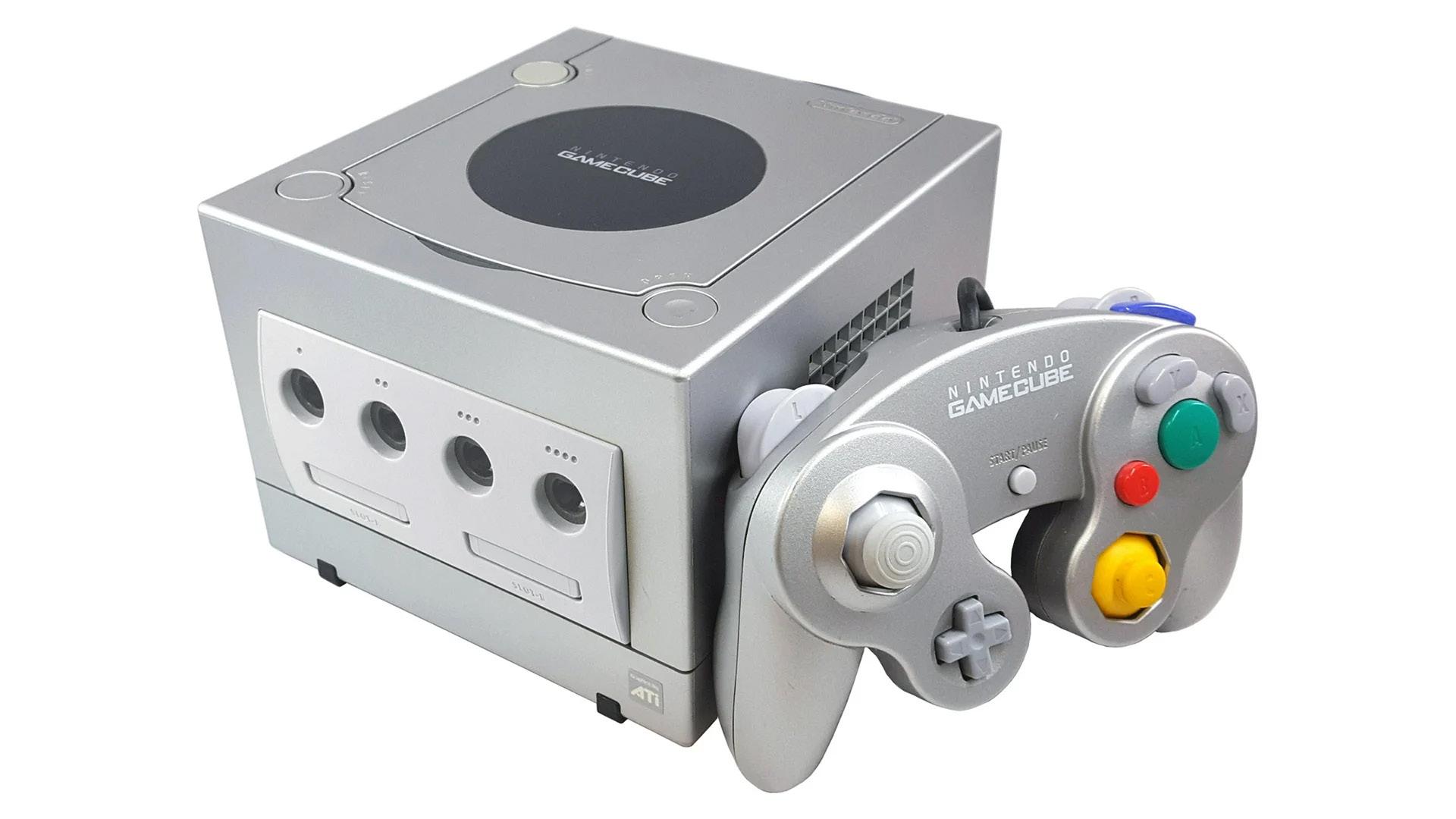
What Is a GAMECUBE?
Throughout the early days of console gaming, Nintendo was king. The Nintendo Entertainment System, the Super Nintendo, and the N64 dominated the industry, together selling more than 140 million consoles in two decades.
Originally announced to the world as Project Dolphin in 1999, the GameCube was poised to continue the Japanese developer’s reign. But the 3D era brought with it a series of tough competitors, including
Microsoft’s Xbox and Sony’s PlayStation 2.
Looking at the data, it’s clear who won that round of the console wars. The PlayStation 2 is still the highest-selling console of all time, with over 155 million units sold. Meanwhile, GameCube sold just 21.7 million units throughout its lifecycle.
There are plenty of theories as to why it couldn’t keep up. The GameCube looked odd, with a tiny handle on the back and a boxy exterior that made it look less like a next-gen beast and more like
what you’d store your snacks at school in. Quirky peripherals, like a cable to connect your GameBoy and a set of Donkey Kong bongos, were poorly supported and underscored the console’s childish feel.Hardware limitations were an issue, too. The GameCube used small discs that could only hold 1,5 GBs of data, while a regular DVD had nearly 5 GB of space. That meant developers couldn’t easily port over games from other platforms without leaving a lot behind. This limited third-party support, making it a gamble to create a “lesser” version of a game for a seemingly underpowered device.
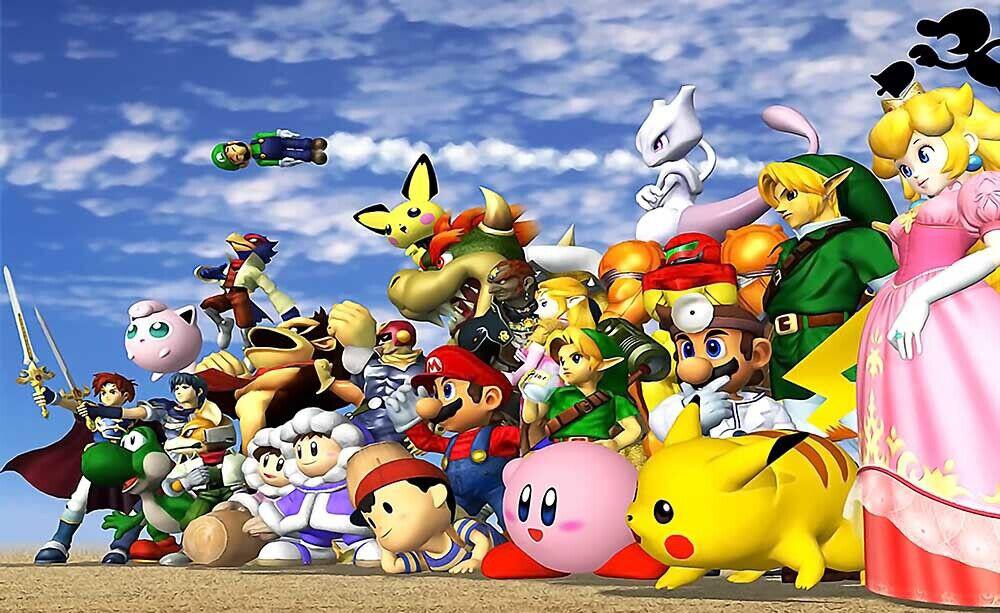
That meant Nintendo had to step up to the plate with its first-party offerings. And it was during this time that it released some of the best games of the 20th century, like Super Mario Sunshine, Metroid Prime, and Animal Crossing. Nearly two decades later, Super Smash Bros. Melee, which may have single-handedly sold more consoles than any other title on the system, is still played competitively worldwide.

4 HOBBY MAGAZINE 5