CONTROLLER

2 HOBBY MAGAZINE 3 TABLE OF CONTENTS INTRODUCTION 5 LUIGI'S MANSION 7 MARIO SUNSHINE 9 SIMPSONS HIT&RUN 11 GAMECUBE OVER THE YEARS 13 CONTEST SWEEPSTAKES 15
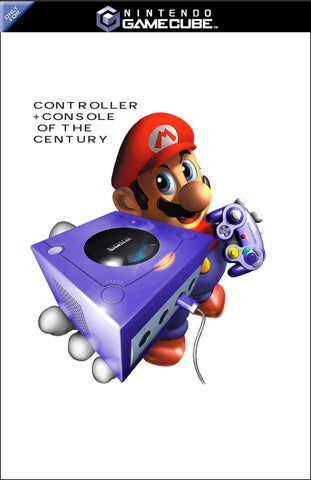
Throughout the early days of console gaming, Nintendo was king. The Nintendo Entertainment System, the Super Nintendo, and the N64 dominated the industry, together selling more than 140 million consoles in two decades.
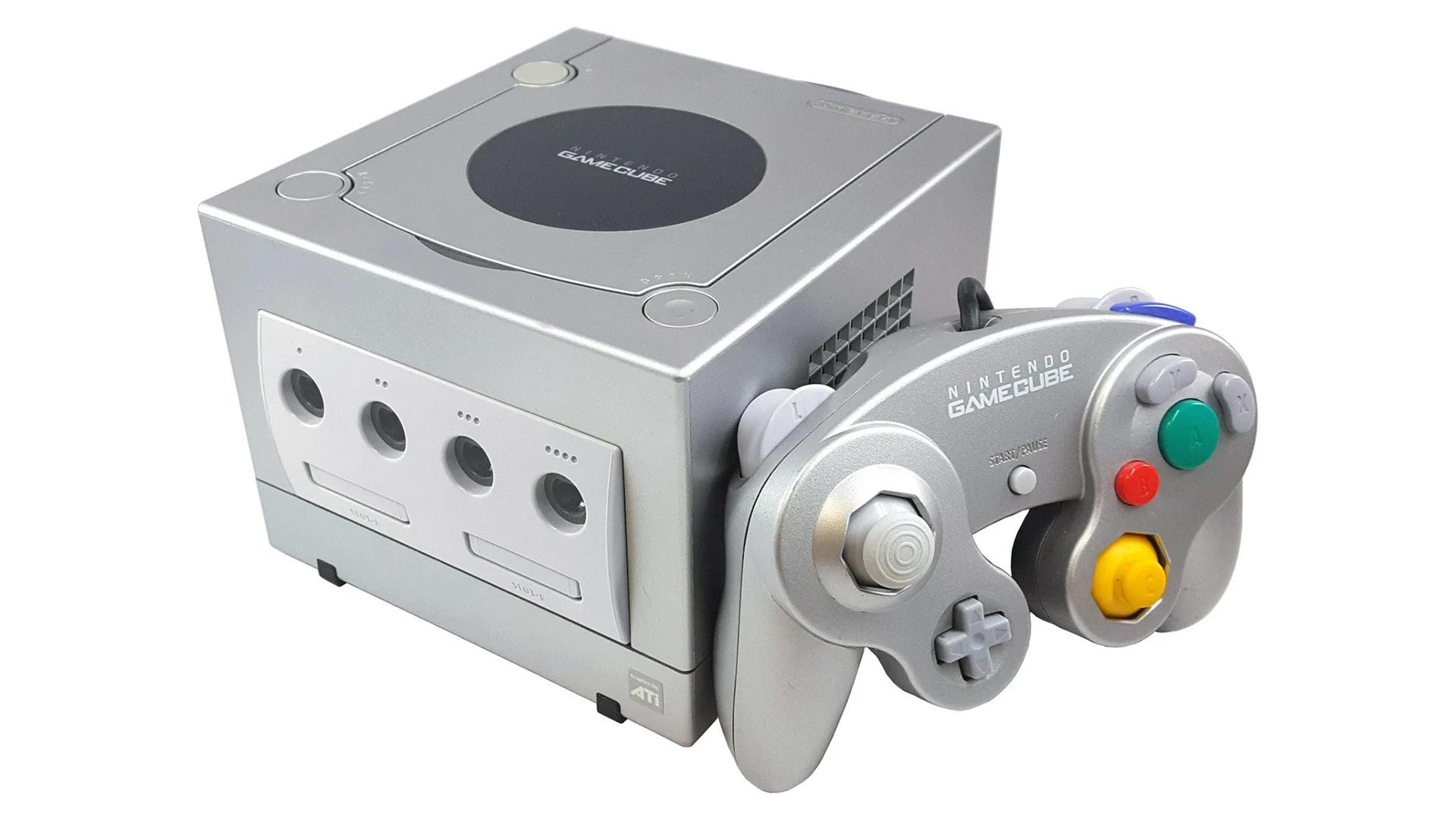
Originally announced to the world as Project Dolphin in 1999, the GameCube was poised to continue the Japanese developer’s reign. But the 3D era brought with it a series of tough competitors, including
Microsoft’s Xbox and Sony’s PlayStation 2.
Looking at the data, it’s clear who won that round of the console wars. The PlayStation 2 is still the highest-selling console of all time, with over 155 million units sold. Meanwhile, GameCube sold just 21.7 million units throughout its lifecycle.
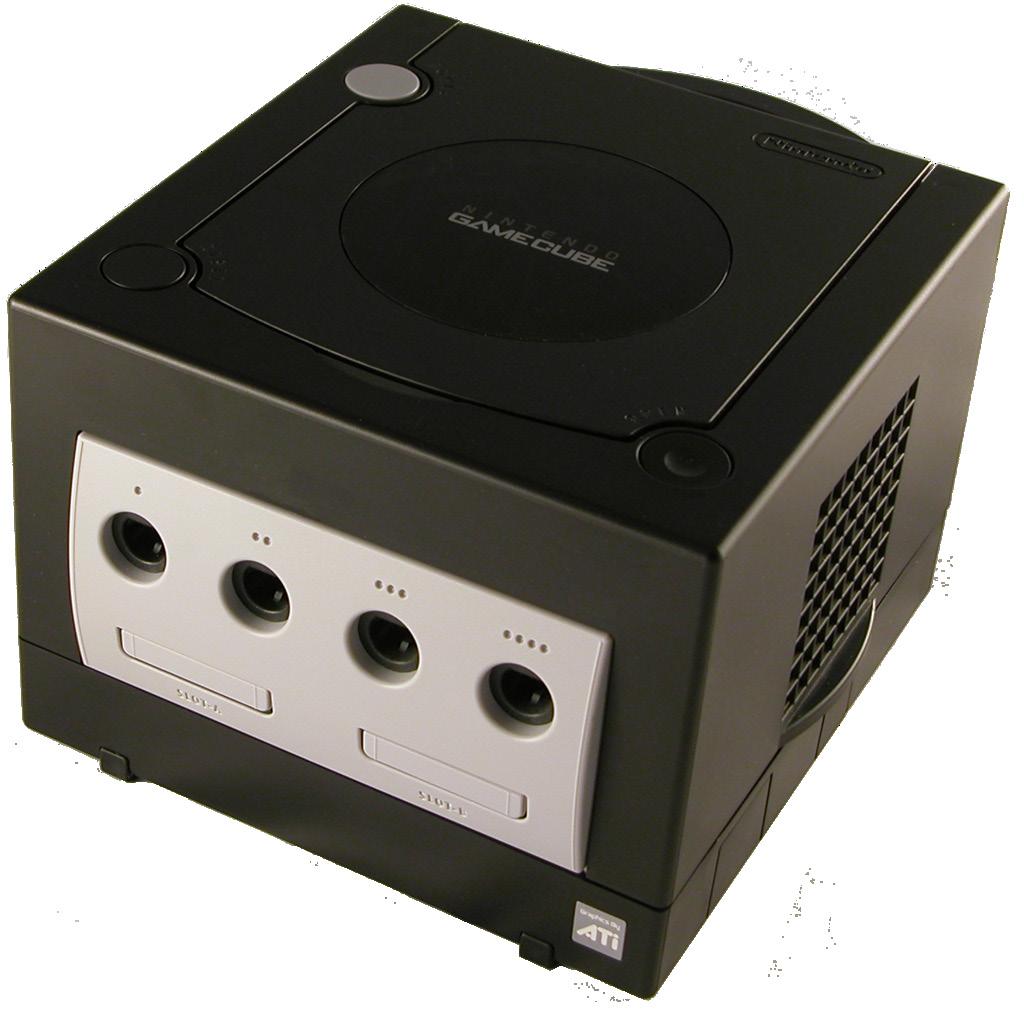
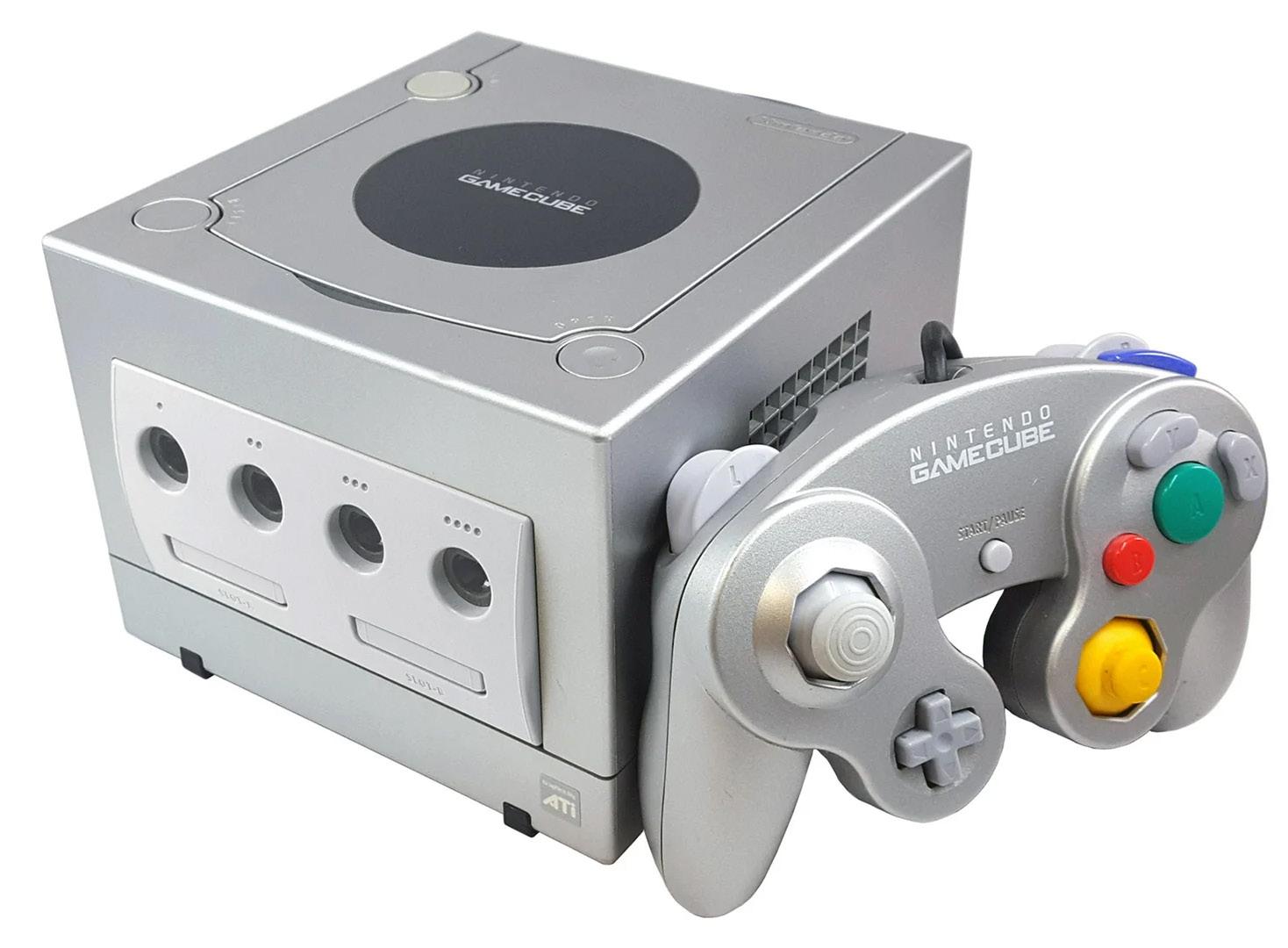
There are plenty of theories as to why it couldn’t keep up. The GameCube looked odd, with a tiny handle on the back and a boxy exterior that made it look less like a next-gen beast and more like
what you’d store your snacks at school in. Quirky peripherals, like a cable to connect your GameBoy and a set of Donkey Kong bongos, were poorly supported and underscored the console’s childish feel.Hardware limitations were an issue, too. The GameCube used small discs that could only hold 1,5 GBs of data, while a regular DVD had nearly 5 GB of space. That meant developers couldn’t easily port over games from other platforms without leaving a lot behind. This limited third-party support, making it a gamble to create a “lesser” version of a game for a seemingly underpowered device.
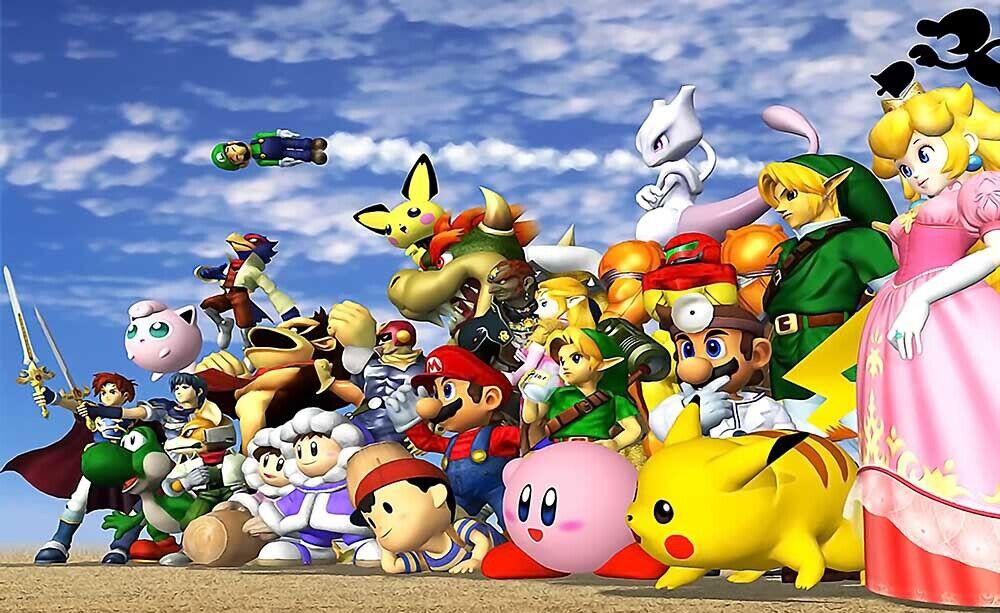
That meant Nintendo had to step up to the plate with its first-party offerings. And it was during this time that it released some of the best games of the 20th century, like Super Mario Sunshine, Metroid Prime, and Animal Crossing. Nearly two decades later, Super Smash Bros. Melee, which may have single-handedly sold more consoles than any other title on the system, is still played competitively worldwide.
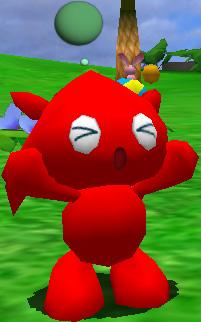

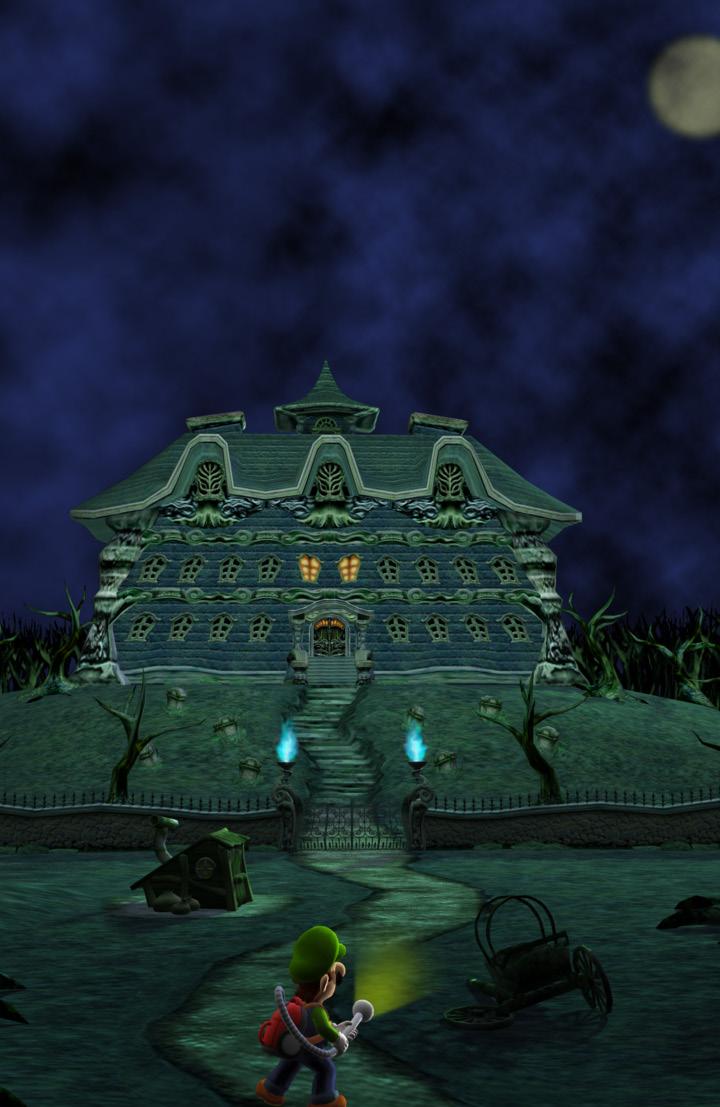
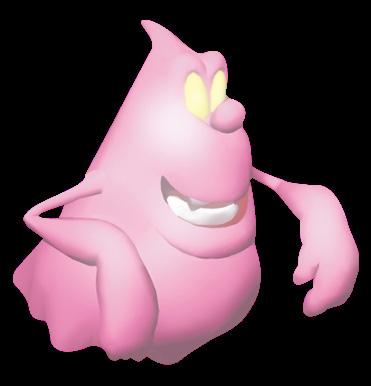
Luigi’s Mansion is a 2001 action-adventure game developed and published by Nintendo. The game was a launch title for the GameCube and was the first game in the Mario franchise to be released for the console. Luigi’s Mansion received a positive critical reception overall, with reviewers praising the gameplay, setting, and soundtrack, though its short length was criticized.
Commercially, Luigi’s Mansion is the most successful GameCube launch title and the best-selling game of November 2001. It sold 257,000 units during its first week on sale in the United States. According to Nintendo, the game was a large driving force behind the GameCube’s launch sales and sold more copies in its opening week than Super Mario 64 had managed to sell. Despite meager sales in Japan at around 348,000 units in total, it became the fifth best-selling GameCube game in the United States, with sales of roughly 2.19 million units. In total it sold 3.33 million copies worldwide by 2020. It was also one of the first Player’s Choice titles on
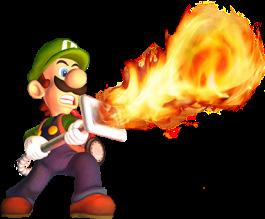
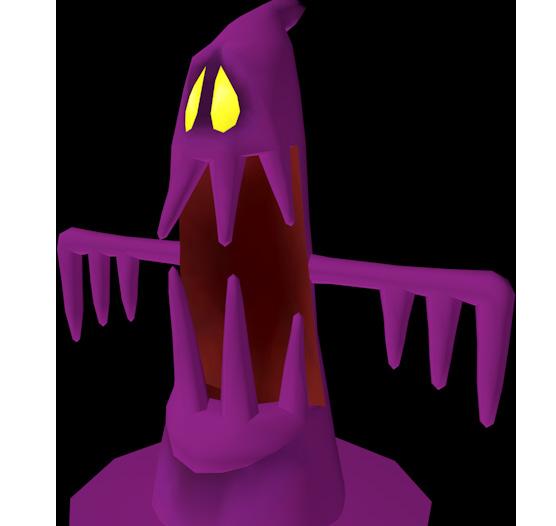

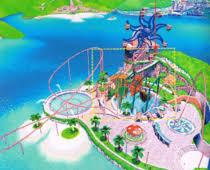
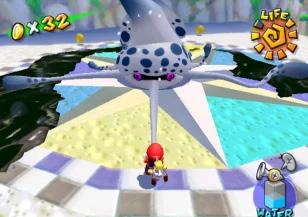
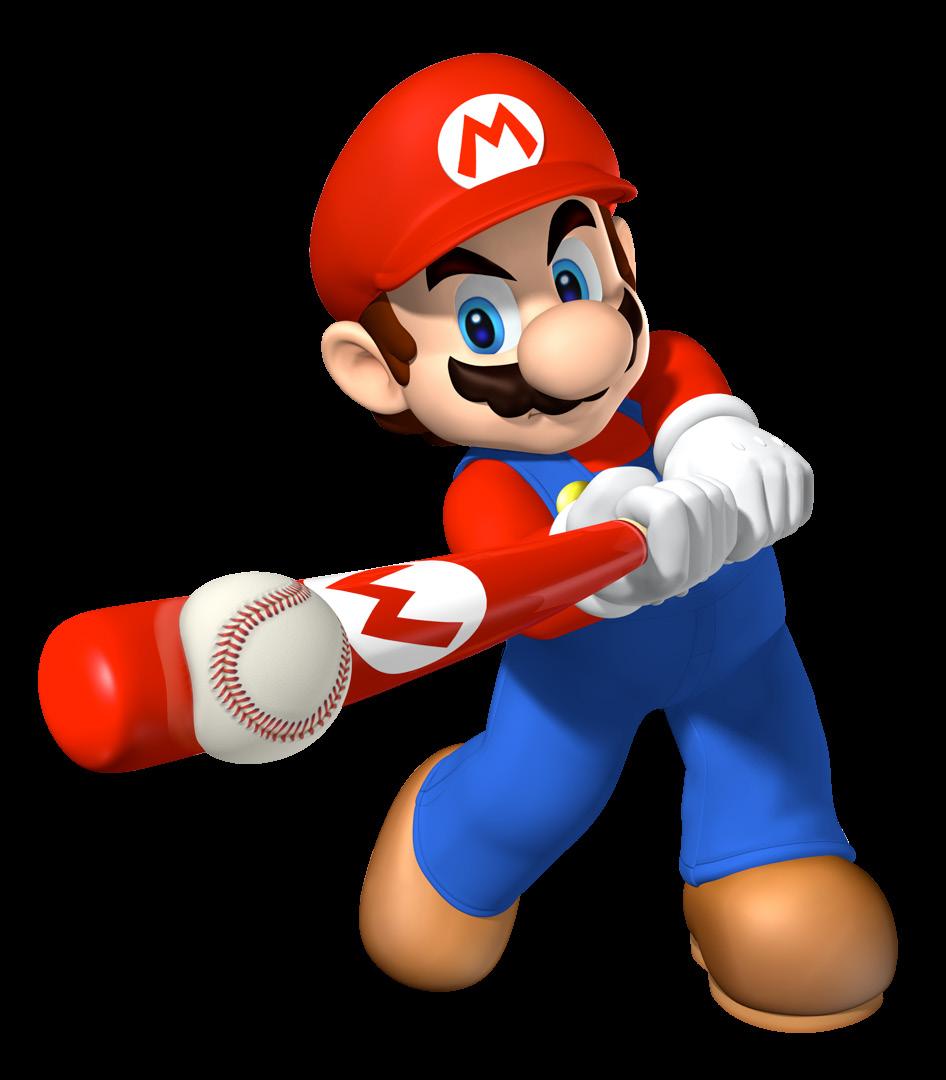
It was a bold move from Nintendo to launch the GameCube in 2001 without a Mario game. The tables were turned so that Mario’s link to the launch was through new series Luigi’s Mansion, putting the green half of the Mario Bros. in his first starring role. Super Mario Sunshine arrived the following year in 2002, six years after Super Mario 64 showed the world how 3D platformers should be done. No pressure then. Gamers eagerly waited to see what Shigeru Miyamoto had cooked up for this long awaited follow-up in the Mario series.
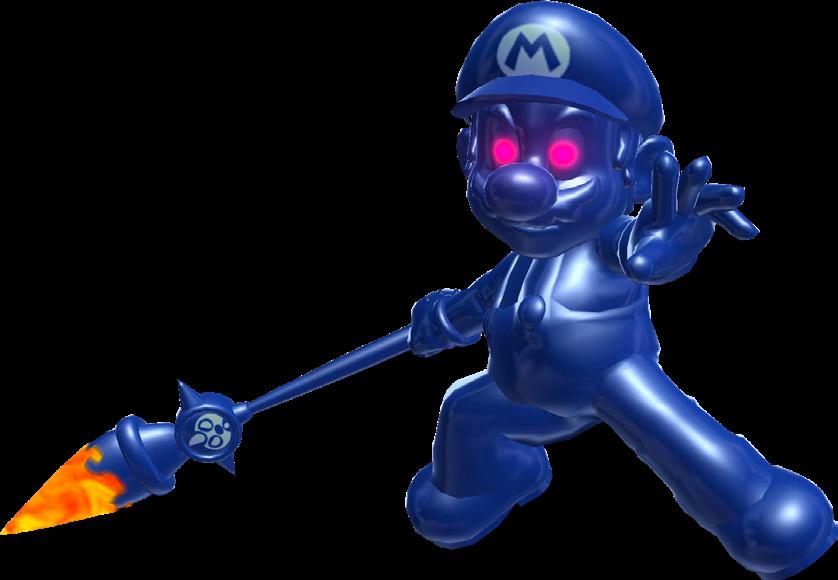
The game starts with Mario packing his blue dungarees to jet off to the sun-kissed tropical Isle Delfino for a well-earned vacation with Princess Peach and some Toads. Of course the relaxation doesn’t last long as a Mario imposter steals the coveted Shine Sprites and covers the island in toxic slime.
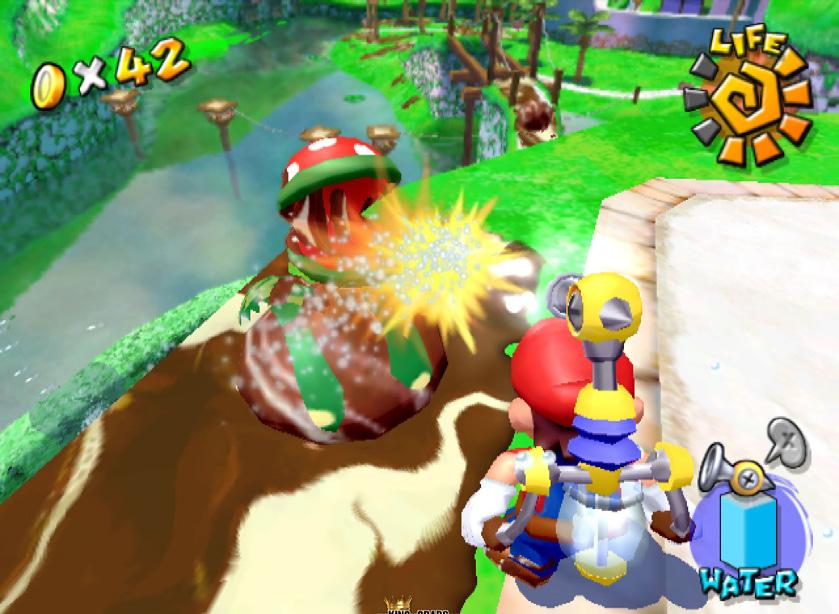
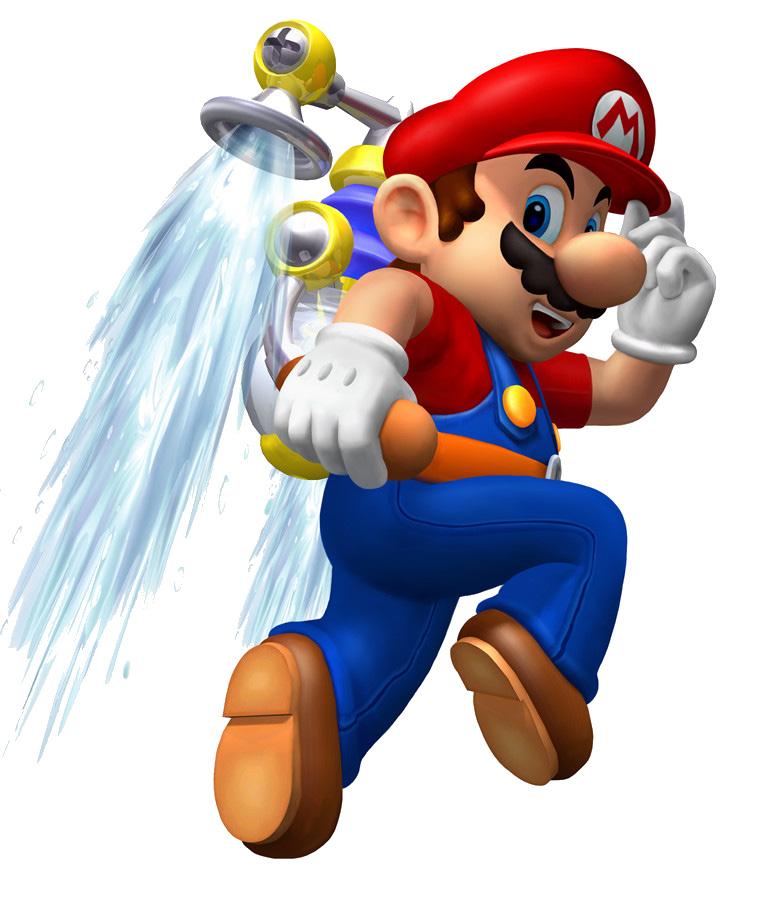
Thankfully Mario is joined by a robotic backpack named FLUDD (Flash Liquidizing Ultra Dousing Device) so he can clean up the slimy mess and reach new areas. Using different nozzles Mario can even use FLUDD as a jetpack which helps with tricky platforming sections and to reach higher ground. Yoshi even shows up in the game for Mario to ride on.
By: Darren Callert
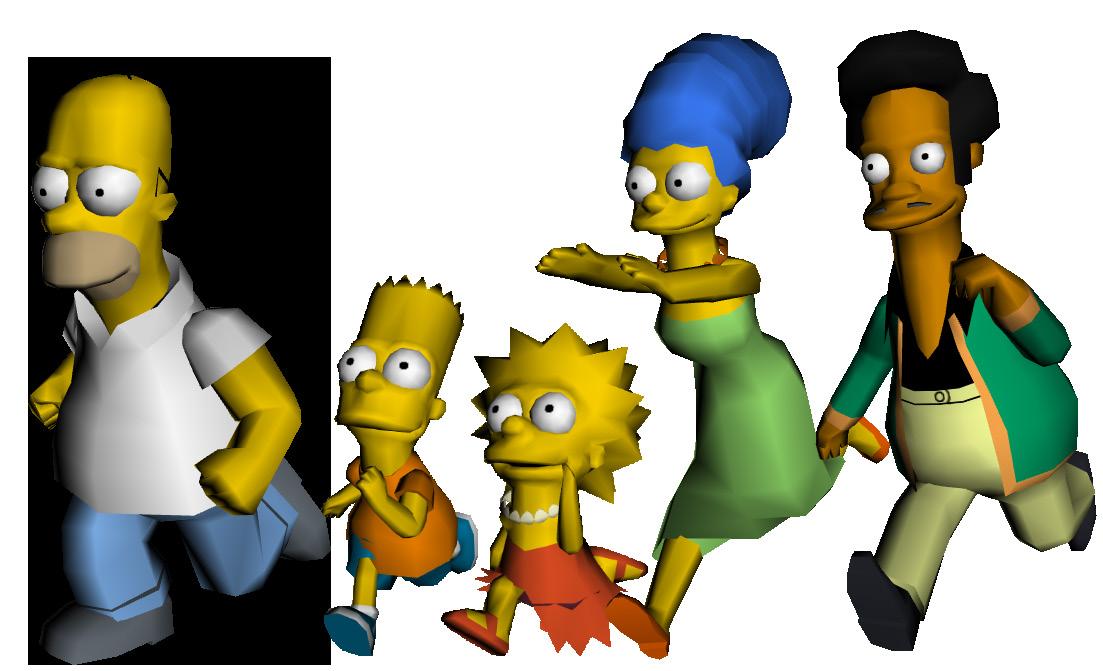
At a recent Nintendo press event, Vivendi Universal had on display a playable GameCube version of The Simpsons: Hit & Run, its new mission-oriented action and driving game based on the long-lived animated franchise. We sat down to play the game for a few minutes with little idea of what to expect, and frankly we were surprised to learn that Hit & Run is best described as Grand Theft Auto: Springfield. Indeed, the newest Simpsons games shares a whole lot of gameplay mechanics with the most recent GTA games, and from what we gathered while playing it in its early state, Hit & Run may just marry the Simpsons franchise and the GTA formula successfully.
The Hit & Run demo began simply by casting the player as Homer Simpson and sending him out into the world of Springfield looking for tasks to complete. The game very overtly guides you toward your next goal--it tells you which character you need to speak with to initiate the mission, and then once your objective is understood, it indicates on a minimap where you should go and also overlays the road with arrows pointing toward your destination. For the first task, Marge sent Homer to the Kwik-E-Mart to buy a new supply of ice cream, and subsequent missions had Homer racing Principal Skinner to the elementary school or searching for Ned Flanders’ purloined possessions. You’ll get around Springfield mostly by car, starting with the Simpsons’ familiar pink sedan. Of course, in true Grand Theft Auto style you can also run into the street and nab other motorists’ vehicles if you get bored with or destroy your own car.
Graphically, Hit & Run is looking decent, and its style is about what you’d expect from yet another 3D Simpsons game. The character models are solid and the frame rate is quite smooth, although the demo was fraught with camera anomalies. These will surely be cleared up before the game’s release, though. It seems that the entire voice cast of the show has recorded new dialogue for the game, which is always refreshing. The constant stream of wisecracks and one-liners adds a lot to the Simpsons-like atmosphere, from what we heard Vivendi says that a variety of characters will be playable later on in The Simpsons: Hit & Run, although we only got to see Homer in action during our brief time with the game. In addition to driving to and fro, you can also collect a sort of coin scattered around town, attack hapless pedestrians, and double-jump your way to obscure areas. Though the quality of past Simpsons games may have been dubious, we have to say that there’s something strangely likable about Hit & Run. You can drive all over Springfield, talk to famous town residents, and go inside and explore fully modeled and recognizable locations from the TV series, and even apart from the actual mission structure of the game, these things are enjoyable for fans of the show. Of course, we’ll have to wait for the finished product to find out if the mission-based gameplay actually holds up over many hours of playtime. The Simpsons: Hit & Run is currently scheduled for release in September. Stay tuned for more coverage.
As the GameCube turns 20 in North America today, many players will have fond memories of the system that came third behind PS2 and Xbox, selling just 22 million units.
Even though its commercial performance was disappointing, It’s still the system that introduced Animal Crossing, Pikmin and Luigi’s Mansion, that perfected Smash Bros. and introduced arguably the house of Mario’s greatest traditional controller.
Its exclusive software library was the envy of nearly any other system, with genuine classics like Resident Evil 4, Metroid Prime and F-Zero GX, and even its wonderful experiments – playing Donkey Kong with plastic bongos, and 4-player Zelda using Game Boy link cables – are treasured to this day.
But as a platform, Gamecube was also Nintendo at its most frustratingly conservative. Its third-party relations were at an all-time low, online gaming was virtually non-existent and its proprietary mini discs – designed to ease internal concerns over piracy – offered a fraction of the storage DVD did (not to mention no movie playback).
But GameCube’s biggest flaw, according to one man who helped create the console hardware, was that it didn’t offer a meaningful enough differentiator from its competitors.
“In order for a console to ‘win’, you need to do everything right and then you need to have one more thing, a killer feature that nobody else has,” developer Martin Hollis told VGC. Hollis – who’s probably best known as the director of Rare’s GoldenEye 007 – spent six months at Nintendo of America in 1999, consulting on the creation of ‘Project Dolphin’, which would eventually become GameCube.
“Nintendo had suffered quite a punishing defeat with the N64. They made nice money, but they lost the majority market share, and the reason was because they didn’t have a CD drive – really it’s as simple as that,” he explained.
“So that’s something that they got right on GameCube and it was also a lovely machine to develop for. But that wasn’t enough… it didn’t have that ‘one more thing’. It didn’t have a gimmick, a secret weapon or that one sizable feature that nobody else had.
“The handle and the idea of carrying it from house to house, I think could have been great, but we just couldn’t think of a way to make that a big deal… I never really felt like we made a success out of the handle. It was just nice to have, and that’s it.”
Marketeers involved in the launch of GameCube told VGC that in hindsight – and with knowledge of the huge success that followed with the mass market Wii and DS – they probably should have positioned GameCube more broadly than their often macho marketing managed.
The GameCube controller holds legendary status among Nintendo fans. Circumstance means it remains one of the company’s last traditional game pads – it later ditched controllers for new approaches such as motion controls – but it also represents years of iteration from the masters of the interface.
The design ditched the controversial M-shaped N64 pad and embraced a more traditional handlebar-style setup. The C-buttons were replaced with a second analog stick and X and Y inputs – last seen on the Super Nintendo – were added as ‘kidney bean’ buttons orbiting a large, prominent A button.
Finally, the controller’s most unique feature was its pressure-sensitive shoulder buttons. Later, a wireless version – the first on a console – was released as ‘WaveBird’.
From a design standpoint, it’s still arguably Nintendo’s most comfortable and ergonomic controller, and the fact that the company still sells GameCube controllers to this day is an indictment of its popularity (all of its subsequent home consoles have supported the pad, including Switch).