Dining services duo passes the torch
Known for approachable leadership, Lockett and Smith hand over their duties of shaping campus culture through food.
BY KAMI WHISENHUNT khwhisenhunt@vwu.edu
This semester marks the departure of two familiar faces in VWU dining services: General Manager Tim Lockett and Operations Manager Matt Smith.
Lockett is retiring after 30 years with Sodexo, with 25 of those spent at VWU. Smith accepted a job as executive chef with Sodexo at ADP in Norfolk after eight years at VWU.
“There’s a lot of memories, funny and heartwarming, and maybe not so great,” Lockett said, adding that his memorable experiences mostly revolve around the people who have worked alongside him. “They’re my family, my work family, and I just really appreciate them and I’m gonna miss them,” Lockett said.
Boyd Dining Center employee Lena Rudolph said Smith and Lockett
together created a strong and supportive workplace culture and that she will miss them both.
“Tim makes sure you have what you need. When you ask him something, he does it. He’ll do it for you within reason,” Rudolph said.
Lockett manages a team of dozens, but students also see him in the dining hall replenishing silverware, refilling juice and handing out desserts.
“I think that he can be really hands-on. He used to do the floor machine every day between different meal periods,” Heather Beatty, director of catering and conference Services, said.
After 50 years of working, Lockett said he is ready to take it easy. He plans to spend time relaxing, walking his dog on the beach, taking care of his home and going to the gym more regularly.
Lockett said Smith’s move to an executive chef position is a step forward in his career. He said they keep in touch, and the team misses him every day.
Local Spring heat contributes to climate concern
BY OMARI JONES ozjones@vwu.edu
The Hampton Roads area reached an April heat record of 91 degrees on April 15, according to WAVY-TV 10. A few weeks earlier, 13 News Now reported that this past March was the fifth-hottest on record in Norfolk.
Dr. Elizabeth Malcolm, professor of ocean and atmospheric sciences and director of
sustainability, said these recent heat spikes are part of a larger pattern. She said that while a single event does not prove climate change, the increase in frequency of extreme heat events is more meaningful over time.
“Extreme heat can be one of the deadliest weather events that happens in the U.S.,” Malcolm said.



VIRGINIA WESLEYAN
Isaac Fick|Marlin Chronicle
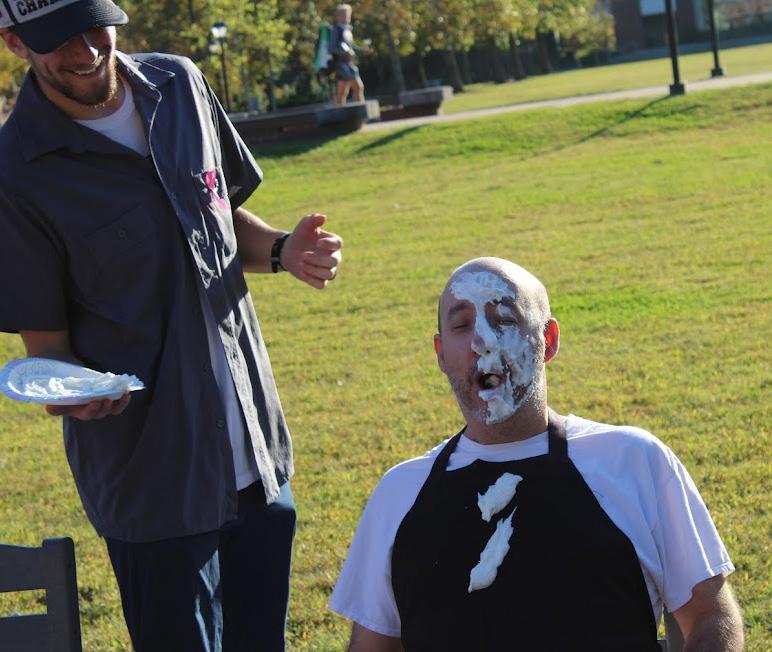
At a Marlin Business Conference fundraiser, former Operations Manager Matt Smith receives a pie in the face from his employee, junior Fisher Stone.
Emilie Dajc|Marlin Chronicle
VA voters approve redistricting
BY CARL SWORD cmsword@vwu.edu
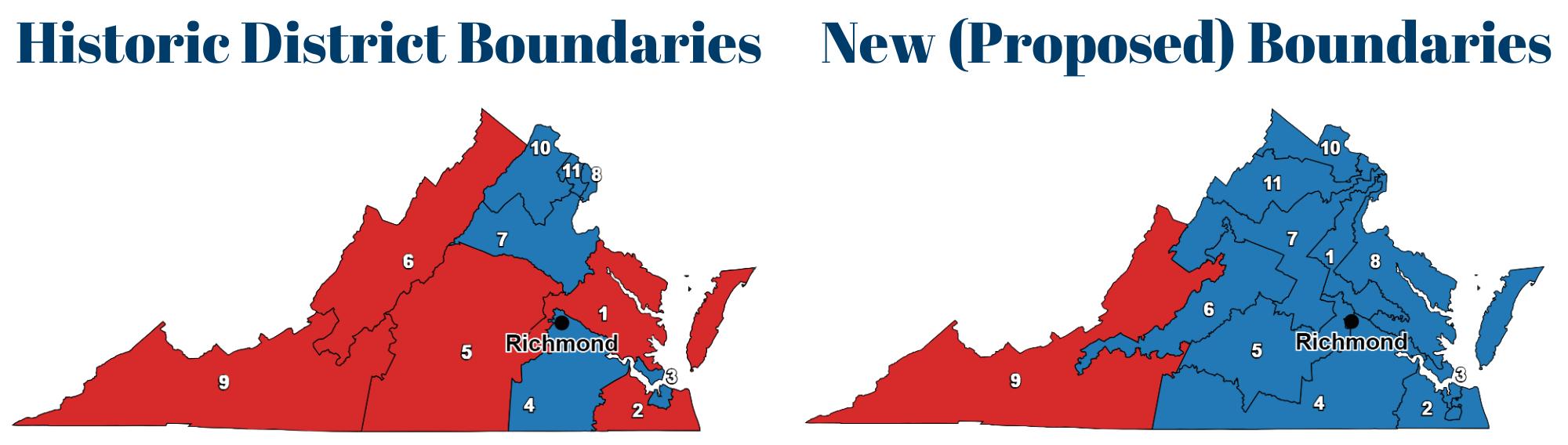
In Virginia’s April 21 special election, citizens voted on an amendment that would redraw congressional maps. In a close vote, 51.69% voted ‘yes.’
The ballot asked voters; “should the Constitution of Virginia be amended to allow the General Assembly to temporarily adopt new congressional districts to restore fairness in the upcoming elections, while ensuring Virginia’s standard redistricting process resumes for all future redistricting after the 2030 census?”
“A ‘yes’ vote would allow the General Assembly to redraw Virginia’s congressional districts ... in time for the 2026 Congressional elections,” the Virginia Department of Elections said. “A ‘no’ vote would leave the authority to draw congressional districts with the Virginia Redistricting Commission once a decade.”
NBC News reported that “Virginia voters approved a Democratic plan to allow them
to redraw the state congressional map for the remainder of the decade,” adding that the change could “give Democrats a chance at winning 10 of Virginia’s 11 congressional districts.”
Senior Brandon Drewry said the information about the election was not explained clearly: “It used biased language.”
Dr. Leslie Caughell, professor and chair of political science, also said the election information was unclear. “I’m not sure that most voters knew what was being voted on, even those who did vote. A number of parties involved in the ‘no’ campaign further exacerbated this problem by making misleading statements.”
Senior Andrew Steiner, cofounder of VWU’s Young Democrats chapter, agreed that misinformation affected the public’s opinion on the election.
He said that he got mailers from “Vote No” people that suggested that Barack Obama and Governor Abigail Spanberger were against the referendum, although they both publicly support the “yes” campaign.
“State and local elections are
Goodbye from ‘Miss Editor’
BY LILY RESLINK
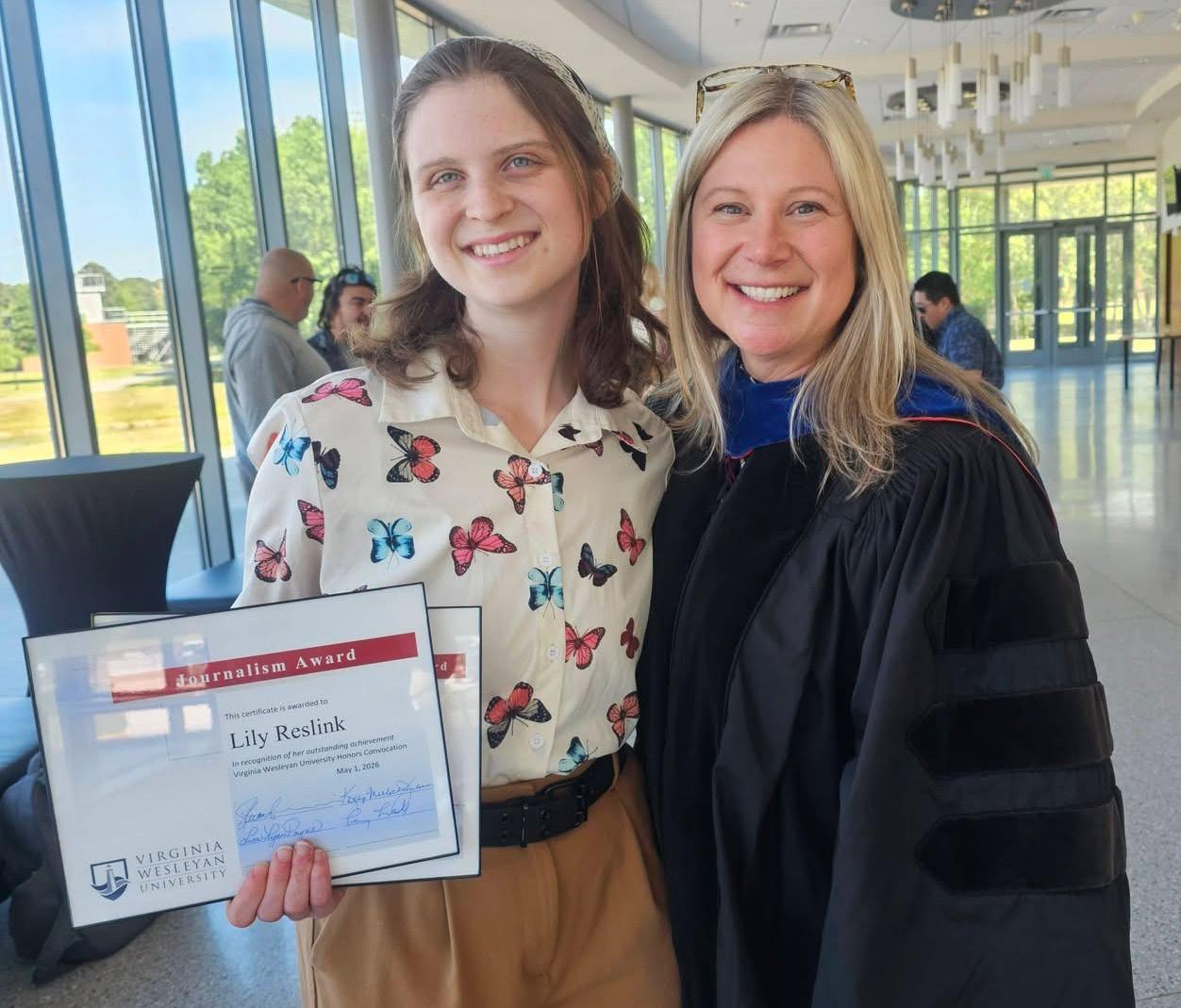
The receipts from coffees I got downstairs at the Grille collect on my Editor-in-Chief desk. I end up using these to quickly write down suggestions, epiphanies and other notes as my only hope of remembering them.
My brain has always been painfully scattered, but after four years with the newspaper team, I see how journalism has helped to reel it in. I could hardly meet a deadline before, but writing for the Chronicle tethered my scattered brain to a community and a cause.
Disorganized and indecisive, I did not appear to be a student bound for journalism. The three semesters that I’ve led our student newspaper have tested my weaknesses and motivated me to figure out how to get it all done anyway.
I owe so much of the person I have become to the Marlin Chronicle and the people it’s led me to. Writing for the newspaper connected me to a purpose of external impact and developed my whole approach to communication.
The chance to write for a functional purpose to achieve a societally productive goal led me to discover the person I wanted to become. The fulfillment I get from impact-driven work shaped my routines and my identity. I didn’t want to just learn and write; I needed my words to do something real, or my scattered brain would lose investment.
I sit among my receipts at the big monitor in my newsroom office to work until the building closes. As the only other people on the second floor of Batten at that time, the housekeeping staff became familiar, friendly faces. To Harry Lake, a housekeeper I speak to nearly every day in the Batten Student Center, I became known as
extremely significant,” senior Abigail Carlson, vice president of VWU’s Turning Point USA chapter, said. She said the whole process demonstrates that “the Virginia citizens do have a voice and they want it heard.”
Drewry said his initial knowledge of the election was limited because he believed Virginia already had the most fair districts in all 50 states before the vote.
Drewry said he was confused about the process and perceived the amendment as a way for “Democrats to rig future elections.” He said the state’s previous map was “very fair.”
Steiner said he believed that the election represented something good for Virginians. “Regardless
of the misinformation and the disinformation out there, I think it says something good about our Commonwealth that if we were going to do something this momentous that we had the election on April 21. Not all states can say that. There’s a lot of states going out right now that aren’t putting forth referendums,” said Steiner, adding that states like Louisiana are redistricting without popular referendums.
“Most students are getting most of, if not all of their information from social media,” Caughell said.
Drewry said the election made him more interested in state politics, though he concluded that the process ultimately demonstrates that “Virginia
voters listen to the media rather than doing their own research.”
“I think that this suggests Virginia voters are pretty irritated with the status quo in politics and willing to play hard ball to alter that status quo, even if it means doing something many consider distasteful, like gerrymandering,” Caughell said.
Drewry said this election was significant. “It’s going to change outcomes in every election.”
“What I think this really says is that we’re in a bad place as a nation in the sense that we have to gerrymander in order to fight gerrymandering,” Steiner said, adding that independent commissions on redistricting and a national ban on gerrymandering were desirable.
“Miss Editor.”
My office will not be mine much longer, but the newsroom will continue to be filled with hardworking minds that fall on all ends of the scatteredness spectrum. Behind the product of the newspaper, the Chronicle team gave me a place to find my groove as a communicator and adapt my whimsy into a leadership style.
Being a student journalist brought me much closer to the university community I write for. This makes it harder for me to grapple with my impending graduation from this small community into a much bigger world where no one knows me as “Miss Editor.”
It fills me with sadness, terror and pride all at once. I can say that every challenge I overcame as a member of the Chronicle team equipped me with new skills that I will carry with me.
It is emotional to transfer over leadership, but I am also excited for my next stage: a summer journalism internship and the pursuit of a career in environmental communication.
I am thankful for everyone who played a part in this chapter of my life. Our adviser, Dr. Lisa Lyon Payne, makes the world a better place by just being in it and also by inspiring confidence in students to believe in their own ability to make the world better.
I am grateful to my team, who keep me in check and bring individual specialties that I have had the greatest pleasure of experiencing in conjunction.
1. I still painstakingly rewrite each of my sentences roughly 10 to 8000 times before I’m happy with them, especially in this article.
2. The next Editor-inChief, Isaac Fick, will certainly keep the office desk much more organized.
Signing off,
Lily Reslink Marlin Chronicle Editor-in-Chief
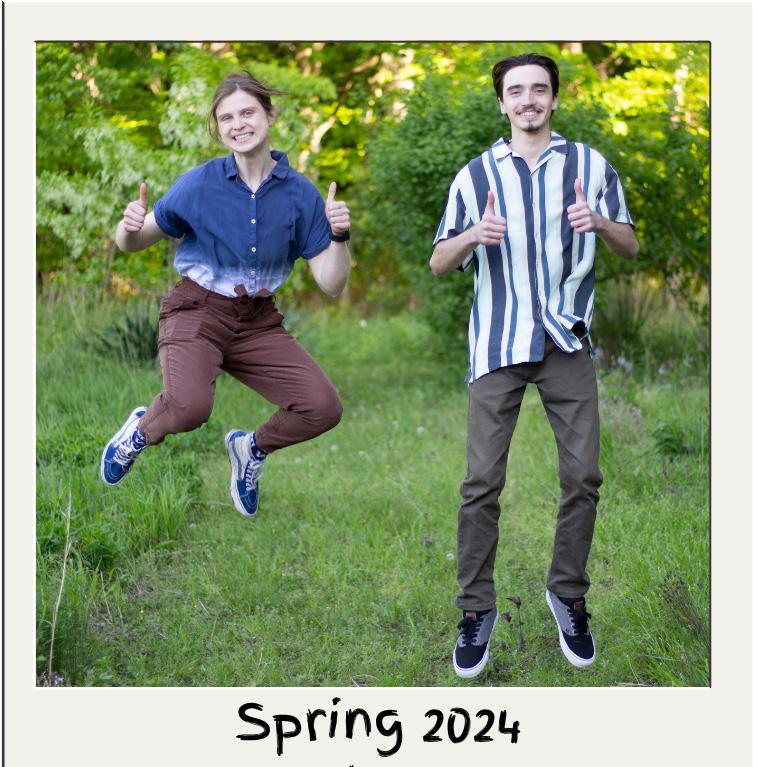
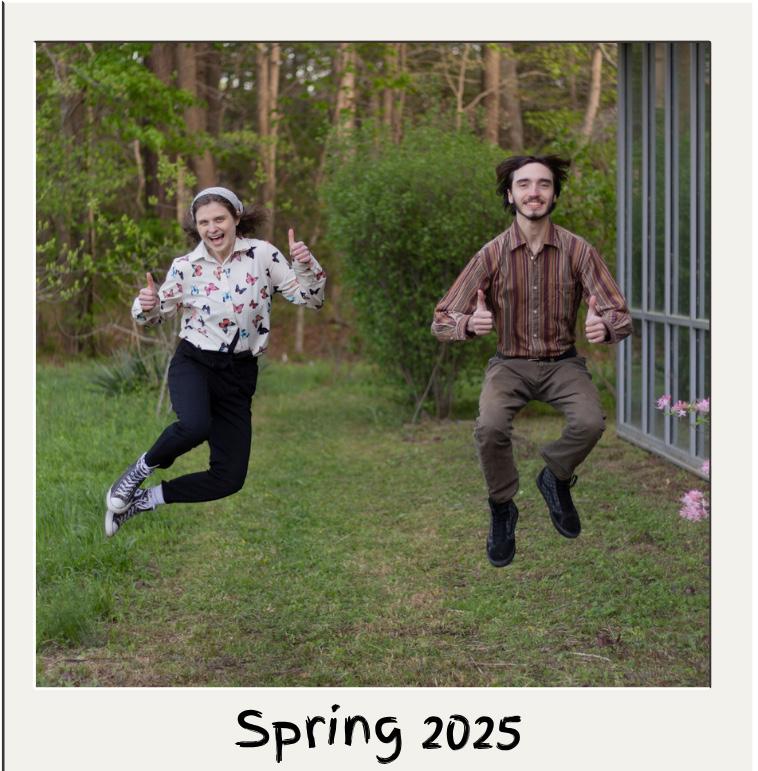
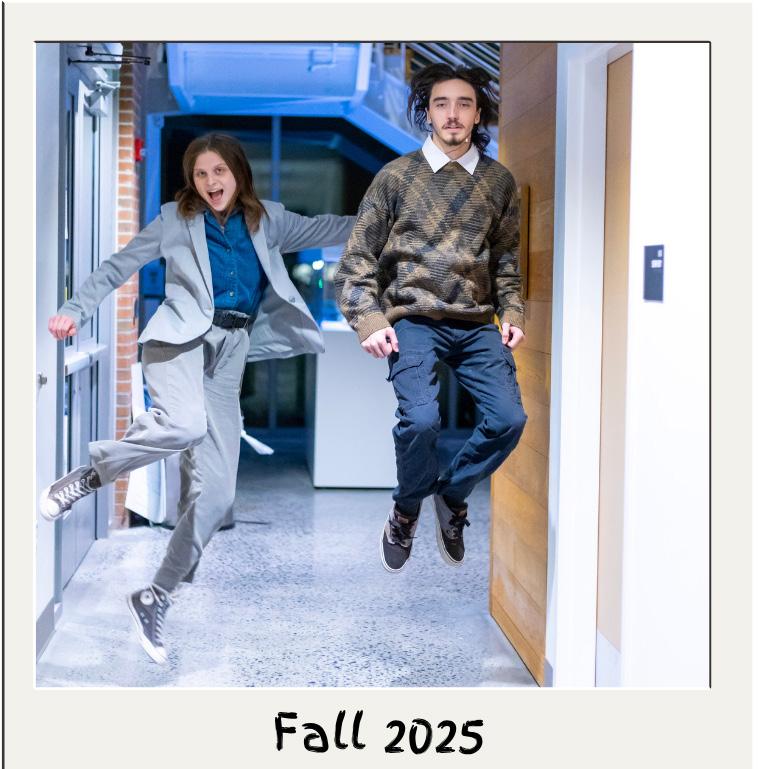
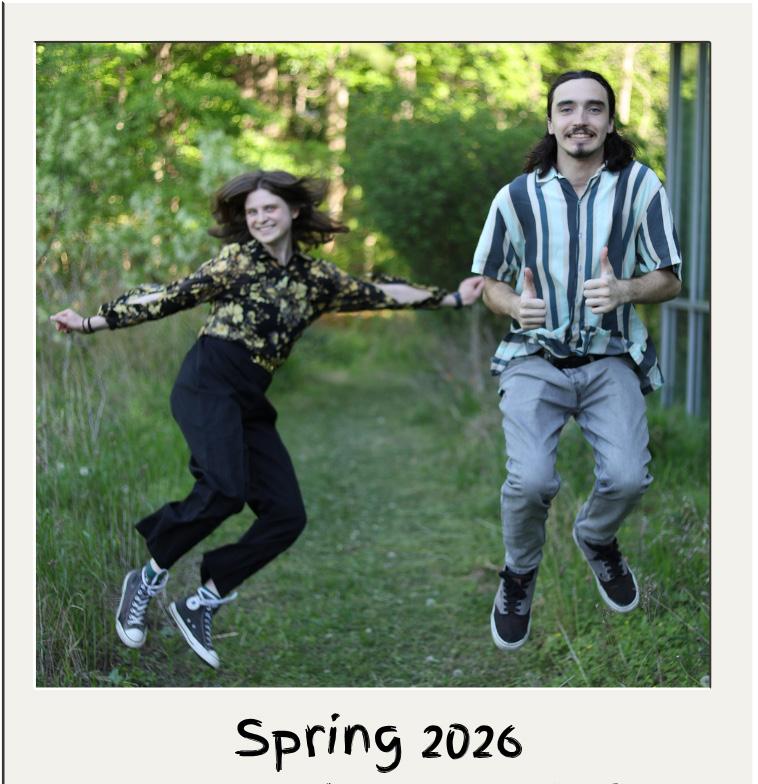
Greetings from the Editor
BY ISAAC FICK ihfick@vwu.edu
With graduation and the natural order of a new academic year, I am thrilled to share that I will be taking over as Editor-in-Chief for The Marlin Chronicle effective Summer 2026.
I am excited for the opportunity to lead this newsroom in continuing to deliver truthful, accurate and helpful information for our campus and local community.
Before my undergraduate studies, I had never taken an interest in journalism. Upon my arrival to this university, I was immediately given the opportunity to begin working with the Chronicle and thought I’d give it a try with no specific expectations.
I’ve fallen in love with interviewing interesting people, collecting important information and practicing journalism by sharing what I learned with the community. This involvement helped me find my passion, leading me to major in media and communication.
It is now my dream to continue my professional journey as a journalist. It is no secret that this field is in an overall untrustworthy place, but I vow to be what a journalist is meant to be: honest.
Democracy relies on as much truthful information as possible being readily available to all citizens. While this can be overwhelming for producers and consumers alike, it is necessary for informed decisionmaking and productive conversations.
University newspapers run by a room of students come with various challenges, the biggest being that we are all learning.
However, these organizations have the opportunity to fill local news deserts as legacy and local media sources dwindle.
As current Co-News and Co-Managing Editor, I am confident that I will continue to push the
Chronicle forward in its news delivery. I have plans to improve the efficiency, journalistic quality and overall identity of this enterprise.
I find myself to be quite organizationally inclined and give myself the unofficial title of archivist. With this, I have already begun my work in archiving old issues, sorting new ones and all efforts in between. Digital and physical aspects of running a newspaper can overwhelm and eventually betray those who do not take full advantage of the sustainable organizational practices.
I plan for my work to assist those that come after me with following in our footsteps and referencing the footsteps we are all following.
Our impressive and more than capable Editorin-Chief, Lily Reslink, has represented and built the Chronicle up thoughtfully and powerfully. She has exemplified what it means to be an editor, leader, supporting figure, motivator and fantastic journalist. Her departure comes with mixed emotions. While we are all excited to see where life takes her next, there’s also grief. I have shadowed her in nearly every role in the Chronicle, working very closely at times, and even in more professional scenarios on campus.
I have learned a great deal about journalism, leadership and friendship all at once in these contexts. I strive to be as competent a leader as she has been and I have high expectations for myself in that regard.
It is my hope that these words offer a holistic look into who I am as a journalist and what I strive to be for this newspaper.
I will end with two truths: 1. I stick with my sentences on the first or second try, especially in this article. 2. I will certainly keep the office desk much more organized than my predecessor.
Signing on, Isaac Fick Marlin Chronicle
Laila Jones|Marlin Chronicle
Associated Press|Courtesy
According to ClimateCheck’s climate risk analysis, repeated short term weather events can point towards long-term climate issues.
ClimateCheck data shows that Virginia’s average temperatures have been slowly increasing, along with the number of extremely hot days each year.
Data from ClimateCheck suggests that while not every year will break records, extreme heat events are becoming more likely over time.
Hotter weather can increase energy use, affect health and change daily life, such as needing air conditioning more often or spending more time outside earlier in the year. It can also create challenges for city planning and long-term preparation.
Dr. Christopher Haley, professor of earth science, said coastal areas such as Hampton Roads sometimes face multiple climate-related challenges at once.
He said projections based on climate modeling suggest that “storm intensities might increase, which would make us more susceptible to being battered along our coast by stronger hurricanes.” He added that rising temperatures are part of a broader set of issues affecting the region.
Local governments have begun responding to some of these changes, particularly sea level rise. Haley said that in places such as Norfolk, flooding has become a regular
problem.
“There are certain neighborhoods that just on a regular old high tide day, if there's any kind of wind system, their streets are flooding,” Haley said. “They’re actually putting houses up on stilts in some neighborhoods.” However, he said extreme heat is not being addressed as directly as flooding.
Malcolm said responses to climate change are usually split into two categories: mitigation and adaptation. “Mitigation is preventing the change, and adaptation is adjusting to the changes that are coming,” she said.
She said one of the biggest mitigation steps is reducing greenhouse gas emissions. According to Malcolm, Virginia is expected to rejoin the Regional Greenhouse Gas Initiative, which could help lower emissions and fund future climate solutions.
In addition to government efforts, students are also playing a role in addressing rising heat. Malcolm said she and her colleagues have been working with VWU students on research focused on urban heat and extreme temperatures.
In 2024, students collected temperature data in Virginia Beach and Portsmouth on hot days for the project. Haley and his students helped turn that data into maps showing which areas experience the most heat.
Geographic Information Systems technology, used to map and analyze geographic data, helped identify higherrisk neighborhoods.
Senior Jasmine Gorney contributed to the project in 2024 and followed up with an individual project that earned
her a spot as a finalist for the 2026 Ryan Environmental Research Symposium.
Gorney said she created informational pamphlets for Portsmouth community spaces to improve public awareness of heat risks and adaptation strategies.
Gorney presented on her analysis of risk patterns and her efforts to improve public awareness of heat risks and adaptation strategies.
She said her work in sustainability and environmental justice connects to the United Nations Sustainable Development Goals, including “climate action.”
Malcolm said the goal of the project is not just to study the problem but also to find solutions.
The Department of Forestry funded an initiative for students and volunteers to take action. “We have money to plant trees in some of those hot areas to try to mitigate some of that heat down the road,” she said, adding that this is a long-term solution.
The project also involves working with the local community organizations, such as the Center for Sustainable Communities, an organization that helps organize events and discussions about climate issues. “They’re organizing town halls where citizens can talk about the issues with heat and solutions and build awareness,” she said.
Malcolm said students may help plant trees along Frederick Boulevard in Portsmouth and at several elementary schools in the fall. There are also plans to involve younger students by teaching them about heat, climate change and the importance of planting native trees.

Hampton Roads reached an April heat record of 91 degrees Fahrenheit on April 15, 2026. Temperatures sourced from the National
Students speak on Oceanfront curfew
BY HANA MCCAIN hemccain@vwu.edu
The Virginia Beach City Council voted 10-1 to enact a new curfew at the Virginia Beach Oceanfront. It was in effect for April 17, 18 and 24, and applied to all ages. Virginia Beach Police Chief Paul Neudigate requested the curfew after two recent shootings at the Oceanfront injured a total of 14 people.
The temporary curfew lasted from 9:30 p.m. to 5 a.m and the affected area spans from Pacific Avenue to the Atlantic Ocean and from Rudee Loop to 31st Street/Laskin Road.
Sophomore Meena Lennon said the curfew was intended to protect people from getting caught up in violence while doing mundane activities. “I don't think that the council nor the government would allow it unless it was needed and it was necessary,” Lennon said.
Sophomore Brayden Thorne said the curfew is not intended to control social behavior. “The Oceanfront is an area where a bunch of young, early adults get to hang out,” Thorne said. In any type of area like that, you’re always going to have some type of potential harm and danger associated with that.”
Lennon said the curfew was for society’s benefit and people should not criticize it through a self-centered lens. “Anything’s appropriate if it's a good measure for people's safety,” Lennon said.
Lennon said this may be good for people because it will teach them how to be reactive and how to adapt.
“You're always going to have some kind of crisis, things that you need to learn how to react to in certain situations,” Lennon said.
“For someone that's not used to gun violence and that kind of thing really, that kind of shakes you a little bit,” Lennon said.
Sophomore Arianna Briddell said the curfew is appropriate for university-age
students. “Usually people are just more reckless at that age,” Briddell said.
Some oppose the curfew, such as freshman Marlayna Craig. “I understand that it is for the people to not get injured late at night at Virginia Beach, but I feel like it also has an effect on a lot of people,” Craig said.
“It hasn't affected me directly in terms of my social life. And in terms of traveling off campus, it will affect me because I will try and avoid the area a lot more,” Lennon said.
“I only recently got a car because I'm
an international student, so it's been hard for me to kind of get around to places like that,” Lennon said.
Sophomore Saron Getachew said that she does not own a car and finding an Uber later in the day is difficult.
Lennon said that the curfew definitely restricts students in some ways, but it's not a massive restriction.
Getachew said the curfew restricts her ability to participate in late night activities.
“As somebody that loves watching the sunset, we now don’t even know if it’s going to be past the curfews or not, so
we always have to be vigilant about it,” Getachew said.
Popular businesses in the area, such as Peabody’s, an oceanfront nightclub on 21st street, are open during the curfew’s timeframe.
“My mom and her friends go to Peabody’s a lot, and Peabody’s had to close during the weekend because of the curfew,” Craig said.
Craig said the curfew affects her less because she does not spend much time out late at night.

Aiden Croghan & Isaac Fick|Marlin Chronicle
Weather Service.
Kyla Robberecht|Marlin Chronicle
Thursday May 7,
The

The MARLIN CHRONICLE
Editor-in-Chief
Lily Reslink lbreslink@vwu.edu
Managing Editors
Victoria Haneline vfhaneline1@vwu.edu
Isaac Fick ihfick@vwu.edu
News Editors
Isaac Fick ihfick@vwu.edu
Aiden Croghan accroghan@vwu.edu
Community Editor
Kami Whisenhunt kjwhisenhunt@vwu.edu
Opinions Editors
Victoria Haneline vfhaneline1@vwu.edu
Elena Lichtenwalner eclichtenwalner@vwu.edu
Sports Editors
Coy Camiscioli clcamiscioli@vwu.edu
Eli Casey emcasey@vwu.edu
Bailey Gray bcgray@vwu.edu
Weekender Editors
Calee Lukowski crlukowski@vwu.edu
Gabrielle Barnett gabarnett@vwu.edu
Photo Editor
Laila Jones ljjones1@vwu.edu
Online Editor
Lillian Glenn adglenn@vwu.edu
Copy Editors
Victoria Haneline vfhaneline1@vwu.edu
Elena Lichtenwalner eclichtenwalner@vwu.edu
Julia Ware jpware@vwu.edu
Phoenyx Clifton tclifton@vwu.edu
PR Director
Isabella Grosswiler idgrosswiler@vwu.edu
Marketing Coordinator
Bryant Cotterell bccotterell@vwu.edu
Engagement Editor
Sarah Czapp sczapp@vwu.edu
Adviser
Dr. Lisa Lyon Payne lpayne@vwu.edu

Community
Students like the cords, not the costs
BY MIA DIEHL mjdiehl@vwu.edu
Induction into an honor society generally requires a one-time fee. VWU is home to a range of honor societies, whose faculty advisers extend invitations to students based on their GPAs and credit hours in certain departments.
“I think that induction fees are usually the largest reason for students not wanting to be inducted,” Trey DelPo, adviser of Alpha Psi Omega, the Theatre Honor Society, said.
Junior Maria Plummer, member of TriBeta, the Biology Honor Society; Sigma Zeta, the National Science and Mathematics Society; and Gamma Sigma Epsilon, the Chemistry Honor Society; said fees aren’t a big issue for her. “I’m able to work around classes and a sport, but I know some people don’t have the ability to do that, so the membership fees can definitely play a big deciding factor.”
Senior Seluani Navarrete-Perez is a member of the Alpha Phi Sigma, the Criminal Justice Honor Society, and Sigma Delta Pi, the Hispanic Honor Society.
“The membership fees were a bit offputting since it did take me quite some time to save up the money to afford it. I wish there were ways in which departments could cover the cost, or if we as students could fundraise for the department to allocate funds to cover the expenses,” Seulani said.
With increasing financial pressures and limited time, some students are more selective about where they invest their money and energy.
“I remember being a starving college student, so if somebody’s asking you for 35 bucks, you’re like, ‘I’ve got better things to spend that on,’” adviser of Lambda Pi Eta, the Media and Communication Honor Society, Dr. Stuart Minnis said.
An effective recruitment strategy is current member involvement. Dr. Maury Howard, adviser of Sigma Zeta, said there’s a difference in results between relying solely on faculty outreach and having current members take the lead on engaging potential members.
“I kind of try to hang back and let the students do it, because generally the response is better,” Howard said.
Howard said she uses a peer-to-peer approach to make the organization feel more approachable and relevant.
“I get the student officers involved as much as possible and actually doing all of the contact and inviting,” Howard said.

Howard said Sigma Zeta hosted events such as alumni panels, graduate school discussions and networking sessions to help current take.”
DINING
CONTINUED FROM PG. 1
“Matthew is a pretty unique character. He was a great teammate and always kept us in a good mood. He was a great personality. He loved to entertain. He loved this job as well,” Lockett said.
Stone said that during his freshman year, Smith used to come in and pretend to fire him jokingly at least once a week, and when he saw Stone’s coworker Shelby he’d loudly announce ‘Shelby’s here everybody.’
“Matt and I had a lot of memories. He was crazy. He was my buddy,” Rudolph said.

Lockett expressed confidence in the future of dining services. He said ongoing campus developments, such as the Virginia MOCA partnership and expansion of Sentara Health programs, will shape dining operations.
“Students will complain that the honor society doesn’t do much and I say ‘okay, I agree, so let’s do some stuff,’ then nobody steps up,” Minnis said.
Howard said timing also plays a role in students’ decisions. She said that even when students are invited early in their academic careers, many choose not to join right away. Instead, interest often increases as students approach graduation.
“The closer they get to graduation, the more willing they are to pay the membership fee, because then they get the cord,” Howard said.
“[Students] are less willing to pay the membership fee for what, in many cases, functions as just a bragging right on a resume,” Minnis said.
Minnis said some students have also grown increasingly critical of the structure of honor societies.
“Now people are much more likely to say, ‘that’s just a gimmick.’ A lot of them think of it pretty cynically as a racket,” Minnis said.
“What initially drew me to these organizations was the opportunity to get involved in research and projects that I might not have discovered on my own,” Plummer said. “As a pre-med student, being part of these honor societies is valuable for my resume, but they also provide access to resources and experiences that support my future growth.”
In some cases, students involved in collegiate national honor societies were
“All that will change what we do a little bit to accommodate all those new folks. So that’s exciting, and I think they’re in a good position to make that successful,” Lockett said.
Beatty will be stepping into the role of general manager following Lockett’s retirement.
“In catering, you have to kind of adapt in the moment. It’s given me a lot of background. I may not know what the challenge that will arise could be, but I know that within Sodexo and the Virginia Wesleyan and Batten family, there’s lots of resources at my disposal,” Beatty said.
She said she’s excited to continue developing university partnerships and continuing innovation on campus, like the self-checkout systems in the Coastal Market and Harbor Grill.
“I hope to keep expanding the way that we reach the student body, whether that’s with events in here or collaborating with different departments, tabling

also involved in the National Honor Society (NHS) in high school.
Minnis said in high schools, students are required to maintain a certain number of volunteer hours and participate in extracurricular activities. He said when getting involved in collegiate national honor societies, it’s up to the student to decide how actively engaged they are.
“In my kids’ honor societies in high school, they were required to do certain things. I think that would be a really hard sell for college students,” Dr. Minnis said.
“I didn’t know there were honor societies in college,” Navarrete-Perez said. “As a firstgen, I was surprised when I got my email to join Alpha Phi Sigma. I researched it to make sure it was a legit society and contacted my adviser [Professor Liverman], who assured me it was. I knew I would regret not joining, so I saved up the money, and now I’m a member.”
“These students all know each other because they take classes with each other. They’re interested in the same sorts of things and this lets people have a mechanism for getting together and being active in the campus community or in the community as a whole,” Minnis said.
Minnis said he emphasizes that the value of honor societies depends largely on student involvement.
events, just continuing to develop things,” Beatty said. “I don’t want to give too much away, because I have some ideas in my pocket, but just excited to start a new chapter with the university.”
Beatty said she aims to continue the strengths that Lockett brought to the leadership position. She said he makes himself accessible and present among staff, which reinforces the idea that they’re a team and he’s not a separate entity.
“I’ve been here 18 years, so that tells you something. It’s a good environment,” Rudolph said. “I really miss Matt, and I’m gonna miss Tim.”
Stone described the work environment as a “family environment” saying it’s friendly and relaxed yet strict when it needs to be.
“My freshman year, I missed a lot of shifts, and their first thought wasn’t, ‘Oh, he didn’t come into work,’ it was ‘Is he okay?’” Stone said. “I think he’s just really
personable and approachable. He is here for our students. He wants to make sure that we are serving the students as we should and as best we can,” Beatty said.
Beatty said she’s watched Lockett source innovative adaptations to accommodate students with allergy concerns.
“It has been great to add to my toolkit to see how he handles that, and it’s just a testament to his dedication and his role at this university,” Beatty said.
“I’m proud of the people that we’ve managed to hire and build into a team, and also the facility itself and the improvements that have been made,” Lockett said. Lockett said one of the most rewarding parts of his job has been daily interactions with what dining services refers to as “the client,” which includes everyone from the university; president, faculty and staff, but especially students. He said those relationships have been “very satisfying,” and the team values students as customers.
Tim Lockett|Courtesy
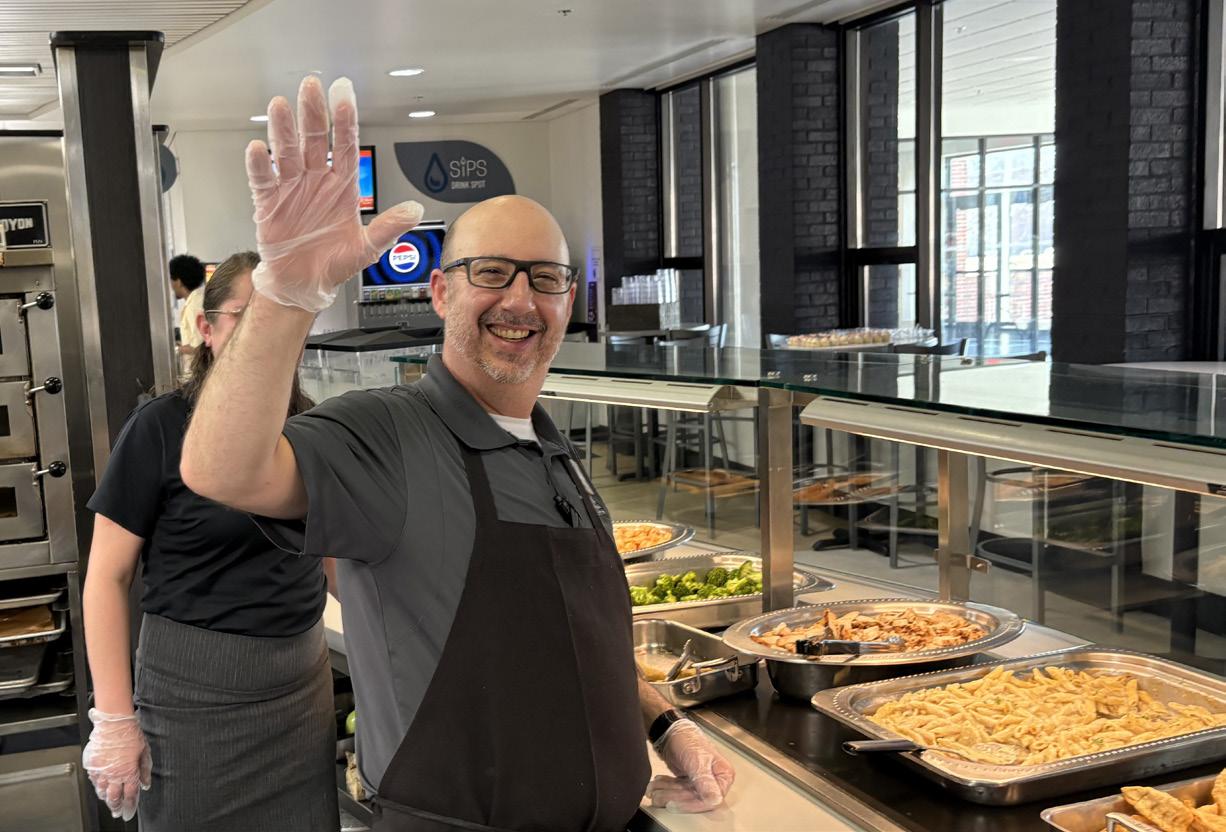
Matt Smith, previous operations manager of Sodexo, serves food to students in Boyd Dining Center.
Tim Lockett|Courtesy
Tim Lockett, general manager of Boyd Dining Center, is retiring in May after 25 years at VWU.
Sarah Richards|Marlin Chronicle
Student projects provide tangible results
Senior projects included bee habitat restoration, wildfire risk mapping and playwriting.
BY ABIGAIL CULLEY ahculley@vwu.edu
Original student projects bring visions to life across the disciplines of environmental science, computer science and theater.
Senior Stephanie Clark spearheaded a project that temporarily sidelined her international relations and political science majors to explore declining bee populations.
“I love to garden, and about three or four years ago I noticed that my strawberries were terrible, and that concerned me,” Clark said.
Clark reached out to her aunt, a dedicated beekeeper and gardener in rural North Carolina, who informed her of the declining pollinator populations.
“She said 70% of her managed colony died ... bumblebees are dying, butterflies are dying, hummingbirds are dying, everyone’s dying. So I decided to look into that, because I love bees,” Clark said.
Clark’s research focuses on the decline of pollinator populations and strategies to mitigate this.
She said she realized this could be done by addressing habitat loss due to invasive plant species. Clark said she noticed an abundance of invasive species
on campus, and that a green space near Blocker Hall that was designated as a pollinator garden was unkept and underdeveloped.
To make a direct impact on campus, Clark said she transformed VWU’s pollinator garden through guidance from the Xerces Society of Environmental Conservation; landscaping support from Jason Seward, chief operations officer; coordination with the Virginia Zoo and Habitat Heroes by Wesleyan Engaged; and grant money from the Batten Honors College.
During VWU’s Earth Bash on April 24, the Virginia Zoo donated a five-by-four-foot bee plot and provided support through the Habitat Heroes to remove invasive plants from the pollinator garden.
Clark said the purpose of her project is to increase bee and pollinator populations to support ecosystems, wildlife, vegetation and landscaping on campus.
“Most importantly for me, it was making sure that the spaces that we considered pollinator gardens were actually more than a symbol, because that’s where they were,” Clark said. Clark also sees her work as a framework for continuous progress.
“I made the bee homes in a way where you can add a camera on it in the future for data collection.
And then I set up a relationship with the Xerces project so we can actually pass information on to other campuses,” Clark said. She said possible future steps on campus include adding more bee homes over the summer, continuing upkeep through VWU’s new chapter of the Bee Campus USA Committee and turning the already protected wetland area into a wildlife conservation site.
For her efforts, Clark was recognized as a finalist for the Batten Honors College Ryan Research Symposium. The recognition came with the chance to present her research and a $250 award.
Alen Curovic, a double major in mathematics and computer science, focused on wildfire risk mapping technology.
“I decided to work towards something that’s more talked about right now, which is the environment,” Curovic said.
Curovic said he saw an opportunity to combine his interest in environmental topics with the technical skills he developed during his time at VWU.
Curovic’s research was accepted by the 2026 American Council on Science and Education (CAC) on April 14 in Las Vegas, Nevada. At this conference, Curovic shared his technological advancements with a significantly larger audience.
He created a wildfire risk map for Virginia that allows users to view the probability of wildfires occurring across different regions.
Unlike many existing models, Curovic said his work aims to address gaps in lower-risk areas that are often overlooked.
“A lot of models focus on high-risk regions, but when they generalize to larger areas, the accuracy becomes worse and lower-risk regions are often understudied,” Curovic said.
To combat this, Curovic developed a model that caters to public use and provides broader coverage. The website he developed allows users to select specific months or seasons to understand wildfire probability in their area.

“The impact I wanted to have is to spread more awareness,” Curovic said. “It shows the probability of wildfire occurring in the region you choose, so you can become more aware of your surroundings.”
Curovic credited faculty, peers and mentors, as well as research collaborators Zoe Viegen and Raymond McCullum, for helping guide his work.
“I believe one of the key mentors to my project was Dr. Zizhong Wang, who helped me publish my first paper, which opened my eyes to a more advanced, more professional level of research,” Curovic said.
Curovic said he sees potential for expanding the project, including incorporating live data for real-time predictions, though he said doing so would require significant resources.
Pauly Bolt wrote, directed and performed in his play “Genera Amoris.” This theatre capstone was presented in the Hofheimer Theater May 2 and 3.
“I think the main message is how much love can change you for better or for worse,” Bolt said.
As a theatre major, Bolt said he
knew from the beginning of the process that his project would be a play to encapsulate all he has learned.
“I just think that art imitates life, so I wanted to create art that kind of shows you real life, but in a fictionalized way,” Bolt said. Bolt said this play is deeply rooted in his life, reflecting his emotions, experiences and relationships.
Bolt said he has always loved Greek mythology and especially enjoyed the Percy Jackson novels as a child. This inspired him to incorporate Greek mythology into his play.
Bolt said there are unexpected twists as the story follows familiar themes in a creative manner, making it more relatable.
“A lot of times seeing your real life depicted through art makes it easier to process,” Bolt said. “Art can change people’s perspective and open their mind up and start to make you think about not just what things you do, but what things you can do.”
Bolt said he encourages the audience to reflect on and relate to the characters, hoping viewers leave with a new perspective.
Students express freedom through art
BY ABEE CASSIDY arcassidy@vwu.edu
Students turned their interpretations of freedom into visual art during the “Designing Freedom” student art contest and reception held by the Robert Nusbaum Center in Clarke Hall on April 30.
“It’s the 250 year anniversary of the Declaration of Independence. We wanted to do something with freedom,” Director of the Robert Nusbaum Center Craig Wansink said.
Wansink partnered with Professor of Art Derek Eley’s ART 208: Photography and ART 204: Digital Art courses to participate in this contest. Seniors Mackenzie Swanson and Hovhannes Madanyan from Eley’s photography class and freshman Simon Öster and junior K Donecker from Eley’s digital art class participated and received awards.
“I think when students have an opportunity to shine and elevate their work in terms of being first, second, third place, it matters a lot to them. I actually saw my students perk up and get excited about the opportunity of competing,” Eley said.
“I think competition is very healthy. It pushes you and you want to improve and I think that’s very important,” Öster said.
In the digital art course, students built their works around quotations about the idea of freedom.
“Freedom to me is one of the most important things that
we could discuss, and with that also giving my students the freedom to create the content that they want,” Eley said.
Students approached the idea of freedom through identity and creative expression.
Öster said freedom for him comes from physical experience, describing this feeling as being fully present, where nothing else but the experience itself matters.
“I would say skiing is a way to be free. I was thinking about myself when I actually feel free,” Öster said.
Donecker said freedom is something individuals create for themselves rather than something that’s given.
“To me it’s more important now, at least more than ever, to be yourself and not let anyone define who you are,” Donecker said.
Swanson said freedom can bring people together, especially through shared experiences like baseball. Her photograph included the U.S. flag with baseballs.
“Baseball was the place that people came together; there’s so much history,” Swanson said. “I chose the title ‘America’s Pastime’ because that’s what baseball is.”
Madanyan finds freedom in reading.
“You can capture freedom in many different ways, as you can see other pictures our classmates made, just my idea of a book is it doesn’t tie you to a place or a time. In a book you can go anywhere you want,” Madanyan said.
Swanson and Madanyan both took their ideas and turned them into visuals through photography. Donecker and Öster pieced their work together using Photoshop.
“My art piece, titled ‘Your Own Wings,’ is a digital reconstruction where I took photos that I found on Pexels, and I went ahead and I Photoshopped them all together,” Donecker said.
“What I personally really appreciate about this assignment is asking students who’ve been focusing on some kind of process or method or learning some skills, asking them to then apply it,” Wansink said.
“Designing Freedom” gave students a chance to engage with different perspectives on the shared idea of freedom.
Fisher Stone|Courtesy
Pauly Bolt (RIGHT) and Mikey Morris (LEFT) perform in Bolt’s original play ‘Genera Amoris.’
VWU|Courtesy
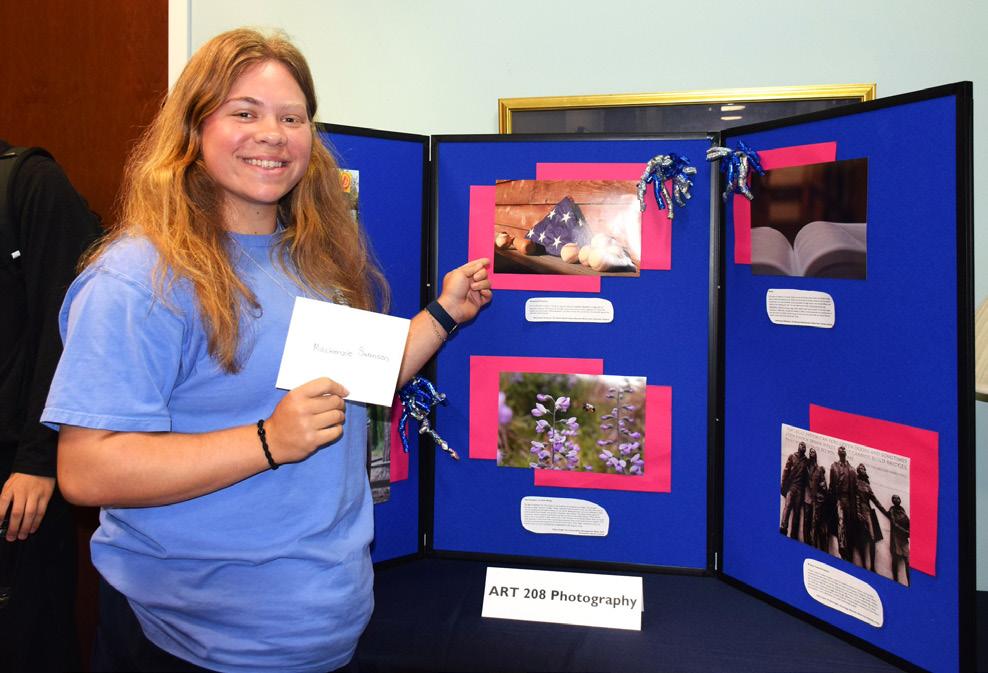
Mackenzie Swanson enters her photography piece “America’s Pastime” in the contest.
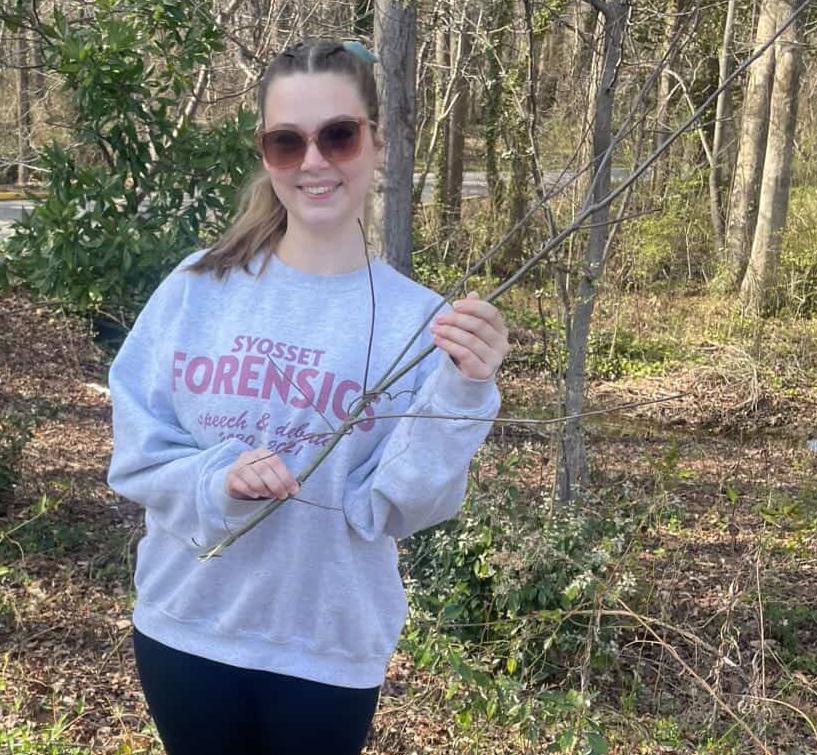
Stephanie Clark|Courtesy Stephanie Clark uses her passion for bees to rejuvenate the pollinator garden on campus.
Who should pay $2B for the Norfolk seawall?
BY JOCELYN KAELIN jpkaelin@vwu.edu
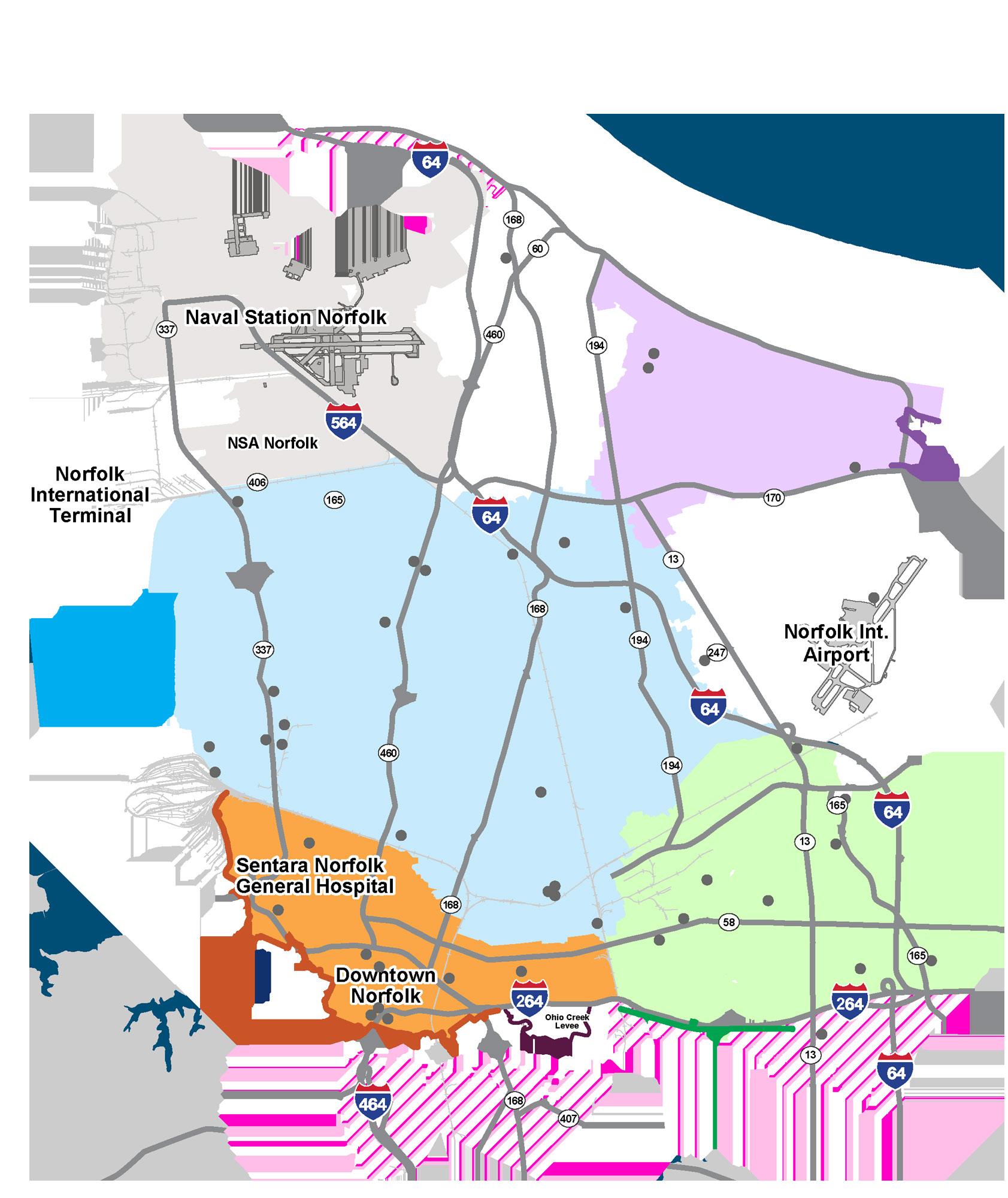
The Army Corps of Engineers and the city of Norfolk are collaborating to build flood protections such as seawalls, pump stations, levees and surge barriers along the coast.
With the current cost estimate sitting at $6.1 billion, the city of Norfolk is on the hook to pay 35%. The Army Corps of Engineers will pay the other 65%. What remains to be seen is Norfolk’s distribution of their portion of the cost. How should it be split up?
I suggest that Norfolk distributes the cost to pay for the seawall like New York City has distributed the costs to pay for its services.
The ability-to-pay principle, which
afford to pay ought to, is currently being applied in New York. This is according to the New York City government, allowing the city to fill more than 100,000 potholes since the beginning of the year, institute tax-funded childcare and improve public transportation.
The increased tax revenue from taxing the rich has already helped everyone in the city, with the New York City Police Department reporting crime rates to be down 8% in the first two months of 2026, so every resident is benefiting from the increase in city funds.
Norfolk should do the same thing for the seawall; those who make the most money, who generally live along the coast anyway, should pay more towards flood protection. New York City is only the most recent example of redistribution of wealth; countries in Europe have been doing it for years and it has the potential to be extremely effective for Norfolk.
For the portion of the wall to be paid for by Norfolk, there should be a scale ranging from those who can least afford and experience the most damages to those who can most afford and experience the least damages.
People who can afford homes worth millions can afford to pay damages if sea level rise is on their doorstep, but people living paycheck-to-paycheck will not have that luxury, so each group should be taxed proportionately to their ability to contribute.
The people who should be prioritized the most are those who will receive the most damages and have the least means to pay, who typically can least afford to move.
The ability-to-pay principle is most applicable to the sub-dimension of distributive justice, a theory that seeks to discover how resources should be distributed, called Rawlsian justice, which says that people most in need should receive benefits first and in the greatest
The obvious comparison is food banks: people donate money and supplies because they believe everyone has the right to eat, regardless of their income. Shouldn’t citizens of Norfolk be able to continue to live where they are now for the same reason?
The people most in need of justice in Norfolk are those who cannot afford to move and are in the most vulnerable areas where there is projected to be the most sea level rise.
Going green for the gold
VWU offices are aiming for gold-rated sustainability practices.
BY ISABELLA GROSSWILER idgrosswiler@vwu.edu
Isabella Grosswiler|Courtesy
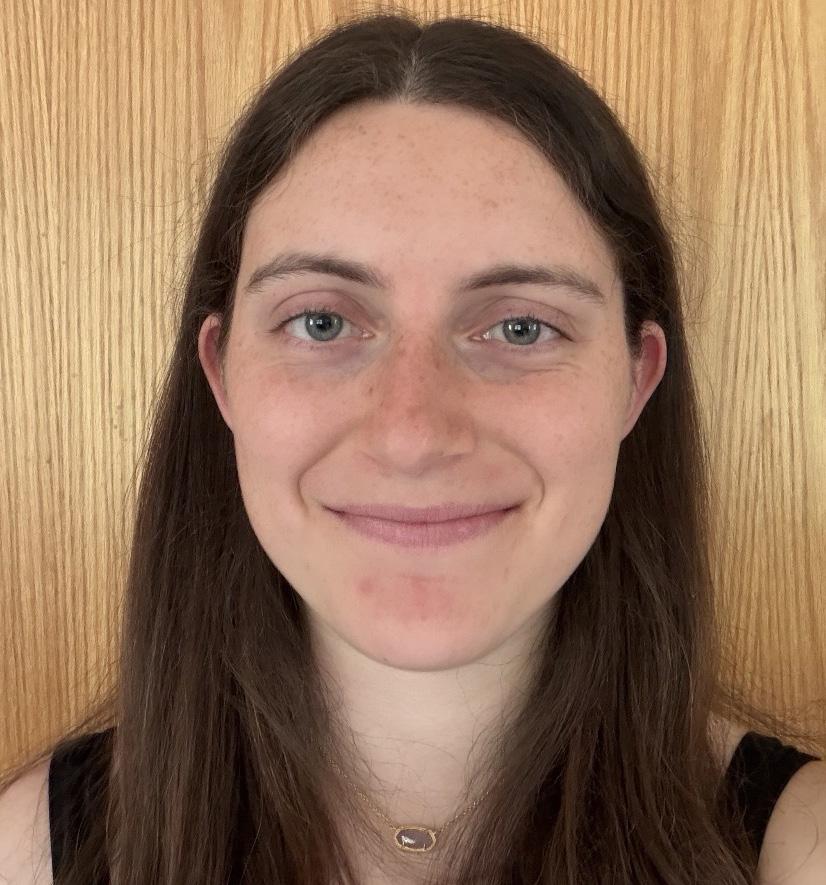
Isabella Grosswiler is a senior in the Batten Honors College majoring in environmental studies. Her current research is on implementing a Green Workspace program at VWU. In the fall she will pursue her masters at the Virginia Institute of Marine Science.
Sustainability is a core value at Virginia Wesleyan University, guided by its Environmental Guiding Principles and commitment to responsible stewardship. Offices on campus operate differently in terms of building type, layout and daily function, which can lead to inconsistent sustainability practices.
The Green Workspace program was developed and implemented to provide a structured, accessible way for faculty and staff to engage in sustainability. By emphasizing small, achievable actions, the program encourages long-term change and a shared responsibility across campus.
VWU is committed to fostering environmental stewardship, social responsibility and a culture of sustainability that extends across all aspects of campus life.
A Green Workspace is recognized for adopting sustainable behaviors and practices that minimize its environmental impact. It promotes collective participation among staff, continuous improvement, environmental stewardship and practical everyday actions.
Implementing a Green Workspace program at VWU will strengthen the culture of sustainability across campus, reduce waste and energy consumption, encourage collaboration between departments and create a pattern of sustainability in day-today life.
The inspiration behind pursuing this project was to help improve the University’s
Sustainability Tracking, Assessment and Rating System (STARS) score from The Association for the Advancement of Sustainability in Higher Education (AASHE). It is a national framework that allows colleges and universities to measure and report their sustainability performance.
VWU’s current rating is silver. This project focuses on improving staff engagement and training. The goal was to develop a sustainability-focused staff network through a Green Office certification.
Research on other universities’ Green Workspace programs and an interview with Haley Herrmann, a staff member who helped start her own green certification at the University of Richmond, helped with creating a similar program at VWU.
With help from my adviser and mentor Dr. Elizabeth Malcolm, we created a pilot program with four interested offices: Global Engagement, Counseling, Enrollment and the Nusbaum Center.
After interviews and hosting a Green Workspace Welcome with participating offices, we found that offices across campus expressed enthusiasm for sustainability initiatives and a clear interest in participating.
Offices that join the certification must complete required actions, such as attending a Green Workspace workshop at least once a year. Additionally, there is a Green Checklist that offices must choose three goals total to commit to doing for the year, such as posting sustainability events or a “Green Tip of the Month.”
The program was presented to the Environmental Sustainability Council, and approval was received to expand the program campus-wide, open to all faculty and staff.
The Green Workspace Certification Program has established a strong foundation for long-term success at VWU. Early implementation has shown strong interest and engagement from participating offices, along with increased awareness of sustainable workplace practices. The program serves as a scalable model that can continue to expand across campus while contributing directly to institutional sustainability goals.
Future efforts will focus on increasing participation, hosting additional workshops and engagement events, tracking progress toward AASHE STARS benchmarks and continuing recognition through certification and annual sustainability initiatives. Through continued growth, the program aims to embed sustainability into everyday campus life and strengthen the university’s commitment to environmental stewardship.
Jocelyn Kaelin|Courtesy
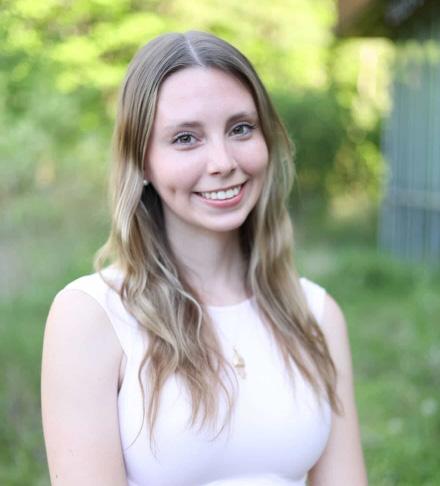
Jocelyn Kaelin is a sophomore environmental studies and Hispanic studies double major in the Batten Honors College. She is the president of Marlins Go Green.
Resilient Norfolk|Courtesy
The seawall is starting downtown in the orange area and expanding after to the rest of Norfolk. Phase 1A was approved on June 26, 2021.

Softball annihilates competition
Marlins look to join Tufts as only undefeated national champions.
BY WILL DETWEILER
Sitting at 43-0 after a perfect regular season and three commanding ODAC Tournament victories, the Marlins have paired overwhelming production with a deeper sense of purpose that has defined their season.
The team went through the regular season 40-0, scoring a perfect regular season, a feat that the Marlins have not accomplished in the history of the program.
The team mercy-ruled 24 games. A mercy-rule is when the game ends prematurely after five or more innings when a team is winning by eight or more runs. One of those games was against Randolph College, where the Marlins won 30-0.
The Marlins have carried that
same performance level into the ODAC Tournament, opening with a 7-2 win over Guilford College before a 14-0 mercyrule shutout against Lynchburg University and a 4-0 victory over Roanoke University. Across those three games, VWU has outscored opponents 25-2, further reinforcing its ability to win in multiple ways.
This has been a season shaped by resilience. In the fall, the team learned Assistant Coach J.D. “Jdub” Wilson had been diagnosed with cancer—news that, as pitcher Hannah Hearl described, was an “emotional moment” that brought the team even closer together. The team’s 13th annual strikeout cancer benefit game was dedicated to Coach Wilson.
That connection has been a driving force throughout the year, influencing how the Marlins support one another both on and
off the field.
Hearl has pointed to the team’s resilience as the defining trait of the season—the ability to keep showing up, stay focused and continue competing at a high level while carrying something much bigger than softball with them. That mindset has translated directly into their performance, whether in high-scoring games or tightly controlled shutouts.
Now, at 43-0, VWU heads into the ODAC Championship against Bridgewater College this weekend with a chance to complete an already historic run. The expectations are high, but within the program that pressure is welcomed.
As athletics staff member Tyler Costello noted, Head Coach Brandon Elliott often reminds the team that “pressure is a privilege.”
The idea being that pressure isn’t something to fear; it is something the team has earned through their
success. Costello also pointed to the team’s consistency. With so many mercy-rule wins, Costello said it is hard to identify one season defining moment.
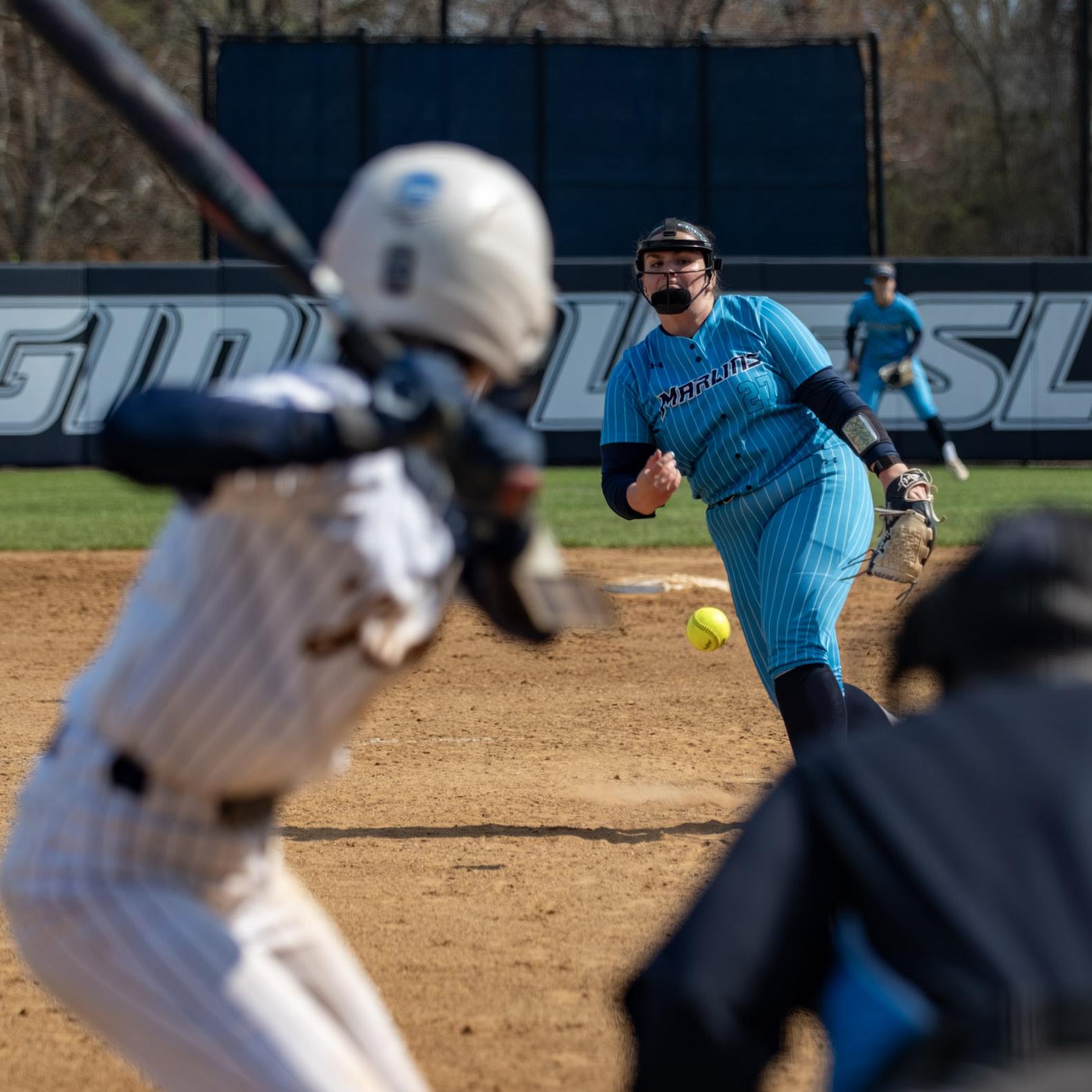
Statistically, VWU has been one of the most complete teams in the country. The Marlins are hitting .412 as a team, scoring 430 runs on 468 hits while posting a .606 slugging percentage and a .499 on-base percentage.
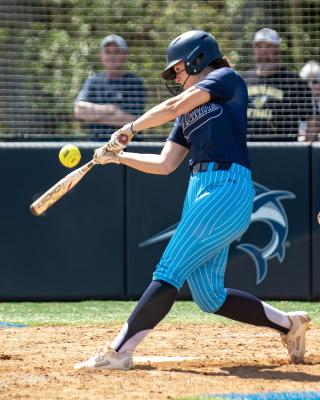
Morgan Tucker leads the offense with a remarkable .517 average, 11 home runs, and 74 RBIs, while Taylor McQueen is hitting .500 with 58 RBIs.
Samantha Deitsch (.469, 45 RBIs) and Sarah Prosser (.426) continue to anchor a lineup that has no easy outs, with additional depth from hitters like Laci Campbell (.404), Riley Curtice (.400) and Alison Pollack (.398).
In the circle, the dominance is just as clear. The Marlins hold a 0.63 team ERA and have limited
opponents to a .154 batting average.
Hearl has been a major part of that success, going 22-0 with a 0.57 ERA and 163 strikeouts across 111 innings. Alongside her, Emma Adams has gone 23-0 with a 0.43 ERA, forming one of the most effective pitching duos in the nation. Together, they’ve helped hold opponents to just 37 earned runs all season.
Defensively, VWU has been equally sharp, posting a .972 fielding percentage with only 30 errors. That consistency has allowed their pitching staff to stay aggressive, knowing the defense will make plays behind them.
With elite production at the plate, dominant pitching and steady defense, the Marlins have positioned themselves as one of the top teams in the country. While the wins and statistics tell one story, the resilience behind them tells the rest.
Emilie Dajc|Marlin Chronicle
Sophomore Samantha Deitsch goes 3 for 3 with a run to propel the Marlins to an ODAC Championship appearance. Deitsch currently leads the team in hits.
Emilie Dajc|Marlin Chronicle
The Marlins lead the ODAC in both pitching and batting and are second in fielding.
Emilie Dajc|Marlin Chronicle
Sophomore Hannah Hearl leads the Marlins in wins as a pitcher (22-0).
Marlins Golf finishes strong at ODAC Championship
The Women’s team placed fourth and the Men’s placed 10th.
BY CASTON CHRISTMAN cbchristman@vwu.edu
All the drives, chips and putts have led to one final tournament: the ODAC Championship.
The Women’s Golf team finished strong, placing fourth at the tournament in Williamsburg.
The Men’s team took home 10th place at the tournament in Amherst.
Freshman Brayden Tritsch stood out for the Marlins, earning the best individual score for VWU and ranking no. 6 in the tournament, where he shot 71 in the first round.
“Individually, I would like to try to improve my national ranking into the top 100, as I finished around 340 this year. As a team, I would like to see us win two events next year and try to move our national rankings into the top 50,” Tritsch said.
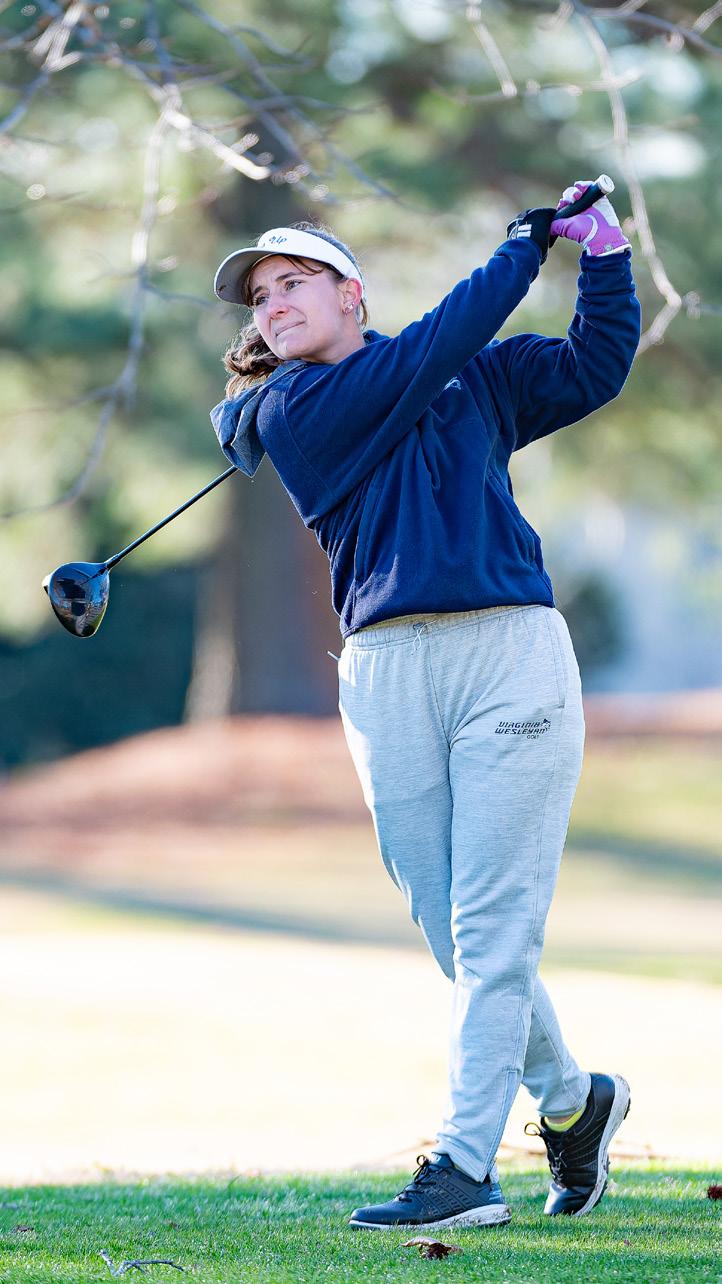
With the Women’s team nearing the podium, there were some high-ranking finishes, including junior Juliette Coffey, who placed ninth in the individual rankings, leading the team.
“Each year we get better, play stronger competition and rise to higher standards,” captain and junior Haley Davis said.
For the championship tournament, schools may only travel with four golfers and one alternate, who is brought in to substitute depending on how the team is doing.
When an alternate is not subbed in, they continue playing in the tournament, but their score does not count towards the team.
From the Men’s team, Tritsch, senior Brady King, sophomores James Brooks and Andrew Hartley and freshman Lleyton McCulloch competed in the tournament.
Coffey, Davis, juniors Mia Skaggs and Cheyenne Krupp and freshman Morgan Schwartz represented the Women’s team.
With the full team not traveling, there is pressure on the golfers to represent the team and limit mistakes, but some said they find that pressure helpful.
“I’ve always loved representing the school, so being able to do it at the conference championship was great. The pressure that I felt helped me focus more on my individual play,” Brooks said.
The Marlins had plenty of time to prepare for the tournament because they had a practice round the day before on the specific course they’d play on, where they could see how different techniques and ideas would work.
The practice round is on the same course used for tournament play and it only varies in the case of inclement weather during the tournament.
“Our prep focused mostly on the short game. Short game, or chipping and putting, is the most important area of our game, as this is where we say ‘the scoring happens.’ Easily, you can make a big number just by putting,” Davis said.
“The practice round was all about hitting different shots and actually seeing where the best spots to hit from are. It’s one thing to go over the course online, but the
practice round is where we get most of our course knowledge,” Brooks said.
Both teams saw improvement throughout this season as compared to past years.
They have gone up in rankings in the ODAC and have had better individual scores.
“I think the team definitely made some improvements since last year,” Tritsch said. “Our national ranking moved up to 98 and was as low as 91 at one point during the season. This is a pretty good improvement from last year. I believe we can get into the top 75 teams easily and maybe even the top 50 by the end of next year.”
“For the team, as a captain, I’d like to see our rank improve nationally and hopefully finish top 3 in the ODACs. For myself, I’d say I’d like to have a strong finish for my senior season and break my personal record,” Davis said.
Both teams look toward the future seasons of their program, the primary setback being the loss of one graduating senior, King.

Women’s Flag Football wins three straight games after a difficult start
The Marlins finished with a 3-4 record in their inaugural season.
BY WILL TURNER AND WILL DETWEILER wjturner@vwu.edu and wddetweiler@vwu.edu
The Women’s Flag Football team grew from challenges early in the season to their three consecutive wins at home later on, ending their season with a 3-4 record.
Head Coach Jamaar Hawkins has played a key role in developing women’s flag football in the Hampton Roads area over the past three years, founding the I-64 Sports All-Girls Flag Football League, now called the I-64 Sports Girls Flag Championship. Hawkins said he is honored to lead the Marlins in their inaugural year.
Their fifth game brought their first win in program history on Senior Day, Apr. 12, against University of Virginia’s club team with a dominant 44-7 victory. The Marlins’ next 19-6 win came in the second game of the doubleheader with UVA.
“Our team truly does love one another, and I think that served as the foundation for us to help one another improve,” junior quarterback Kendall Abercrombie said.
The team’s late-season surge pushed into the next
weekend, when the team took down Radford University’s club team with a 40-18 win to close out the season.
The Marlins offense began the game with an opening possession touchdown and didn’t slow down from there.
The team led 34-0 by halftime.
“Playing against higher-division schools while we had little experience taught us resilience and showed us what the sport looks like when played at a high level,” Abercrombie said.
Athletic Director Andrea Hoover-Erbig said she is excited about the new program, noting the rapid rise in
“Besides two freshmen recruits, nobody on the team ever played flag football.”
Junior Quarterback
Kendall Abercrombie
popularity of women’s flag football.
“Women’s flag football is growing exponentially across the country,” Hoover said, “It gives more women opportunities to compete and be part of athletics, which is incredibly exciting.”
“Getting the opportunity to see women compete is exciting,” Hawkins said. “It’s fresh, it’s new and it’s growing in such a short amount of time. Being able to be the person who coaches the first game is special.”
The team of almost entirely freshmen was led by three upperclassmen; senior Charity Egbo and juniors Abercrombie and Elizabeth Kelly. Abercrombie ended the season with 62 completions and over 700 yards in passing offense.
Abercrombie and freshman Antonia Mohren led the team with three interceptions each. Defense was a key factor in the team’s late-season success as they held UVA to only seven and six points in each game, respectively.
The defense made big-time plays to put the offense back on the field in the second half of both games, not letting the opponent touch the end zone past halftime in either game.
“Our biggest areas of improvement were in flaggrabbing and catching driven balls,” Abercrombie said. “By the end of the season, we had a very good grasp of the fundamentals needed to succeed.”
While this is Abercrombie’s first season of competitive

flag football, she said this year has helped her grow in ways she could not have imagined. “Besides two freshmen recruits, none of the team had ever played flag football,” Abercrombie said.
Hoover said she is excited about the new program, noting that the department’s primary goal for the first season is to provide a positive experience for student-athletes.
“With any first-year program, it’s about learning the game, working hard, building a team and representing the university in a positive way,” Hoover said. “This year isn’t about wins and losses, it’s about growth.”
Even with the season’s challenges, the team’s strong finish provided a glimpse into what’s ahead for the program. “We established long-lasting relationships and trust between players and coaches to build upon in the future,” Abercrombie said.
“I see us as national champions, just like the softball and basketball teams,” Hawkins said. “We have the resources, talent and coaching to compete on a national level.”
Women’s flag football was recently recognized as
and
James Hill|Courtesy Junior Mia Skaggs drives the ball onto the fairway.
James Hill|Courtesy
James Hill|Courtesy
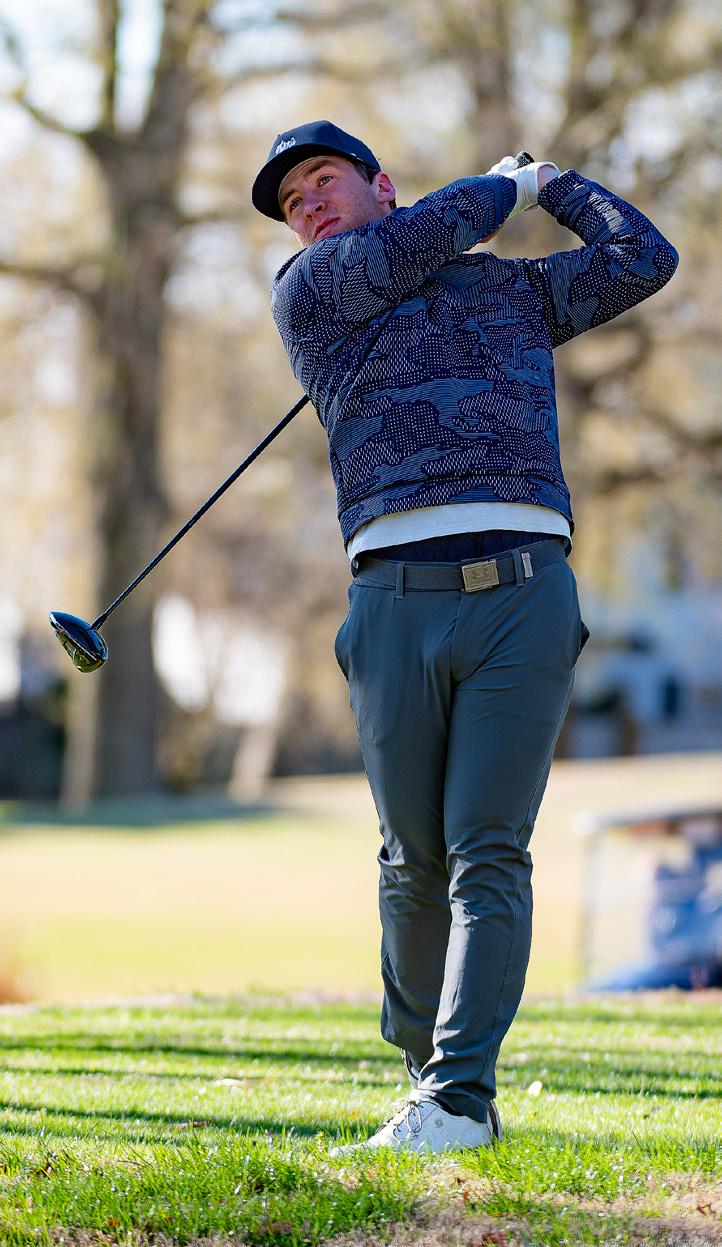
Sophomore Andrew Hartley prepares to putt for par.
Woody Toole|Courtesy Junior Kendall Abercrombie runs out of the pocket.
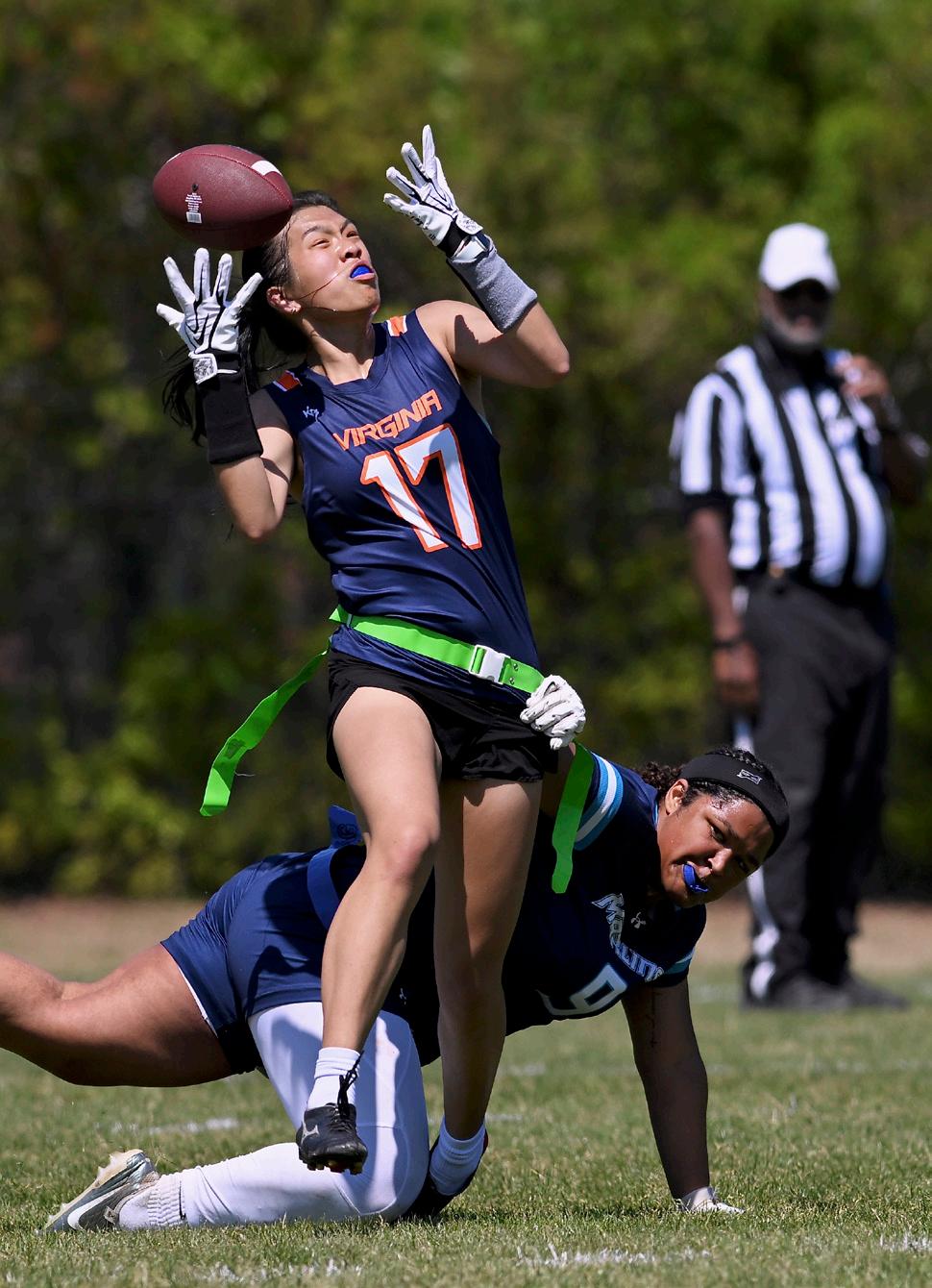
Woody Toole|Courtesy Junior defender Elizabeth Kelly breaks up a pass during a game against the University of Virginia.

Magical finds at Wands Books
BY MARS SMITH rssmith@vwu.edu
Wands Books in Norfolk buys, sells, trades and consigns books. Before entering, the shop invites customers in on the magic as they pass Hugo, the stone gargoyle door guard.
According to Morgan Wood, the owner of Wands Books, both Hugo and Juan, the resident hedge-wizardbook-goblin, help curate a welcoming atmosphere. The piece was a gift from Wood’s mother when the store opened.
The “Shpiel,” written by Wood, features a rundown on the ins and outs of the bookshop. It says “you can come, sit, exist, leave, all without making a purchase and we’re
happy for it.” The “Shpiel” is signed by Juan, Hugo and Wood.
Before opening Wands Books in October 2024, Wood served in the Marine Corps and later worked as a used car sales manager before deciding to open a used bookstore.
“I’ve done a lot of different things over my career, but nothing really felt like it was purposeful or meaningful,” Wood said. “It just seemed like I went to work so that I could live, but then I wasn’t doing a whole lot of living. I was just working.”
“Used books [are] ubiquitous. They’re everywhere,” Wood said. “Because of the way I acquire books, it’s a low barrier of entry and it just kind of informs the ethos of the shop of reuse, reclaim, recycle, repurpose.”
The “Shpiel” says, “There’s no method to this madness other than placards, so once you get to a category or genre, it’s a wee bit of a treasure hunt.”
Books at Wands Books are catalogued both online and in person, with a separate website designated for audiobooks. Wood personally tracks each new book that comes in.
“You can come up to the desk and say, ‘do you have this item?’ And I can check for you,” Wood said. “But I think it’s more fun to do the treasure hunt.”
The Wands Books website says the bookshop is “cozymoody-maximalist-bohemian,” which is exemplified by artworks along the walls. Customers can discover and support local artists, with some artwork for sale including stickers and zines. Some zines, such as one by artist Kylie Love, feature themes of self love and resilience.
“I also really enjoyed a lot of the decorations that were handcrafted by artists, like the hardened clay sculptures on the shelf,” sophomore Liam Davis said.
The cozy atmosphere is further strengthened by coasters that customers can decorate, comfortable couches and a table where customers can donate works or products of their own, such as community magazines.
“I’d definitely come back,” customer Keira Portman said. “It’s very inviting.”
“I really enjoyed its comforting atmosphere, along with its calming music,” Davis said.
By a smaller couch in the back, a shelf features more artwork, much of which is politically and culturally inspired. These works are not for sale, and a sign on the shelves instructs customers to not touch and to be respectful of the art.
The website says Wands Books is a safe and inclusive “third space,” a place that is not home or work, which the “Shpiel” says is intentional.
“The owner is really friendly,” Portman said. “It makes

me feel really comfortable here.”
“The service was kind and welcoming, even with only a single worker at the time,” Davis said. “He was willing to answer questions and point out any books or trinkets of note.”
Wands Books also serves as a hub for community engagement, regularly hosting a variety of events that are free or donation-based. “We have a lot of events, and they’re almost always with the purpose of building community and making things accessible,” Wood said. These events include arts and crafts sessions and meetings for women’s groups, such as the Women’s Connected group, which meets twice a month to work on art projects and foster community.
The events are designed to be accessible and to support local causes. A recent Women’s Connected event raised $600 for the Hampton Roads Reproductive Justice League, which provides funding for abortion and abortion aftercare services in southeast Virginia.
Every third Wednesday, Wands Books has an event named Esoteric Evenings. Customers can attend a free guest speaker event where local witches “from all walks and paths” share and spread magic and knowledge. If you’re looking for used books, a touch of magic or just a place to hang out, consider Wands Books.
Gelati Celesti brightens community at new location
BY LORA YOUNG llyoung@vwu.edu
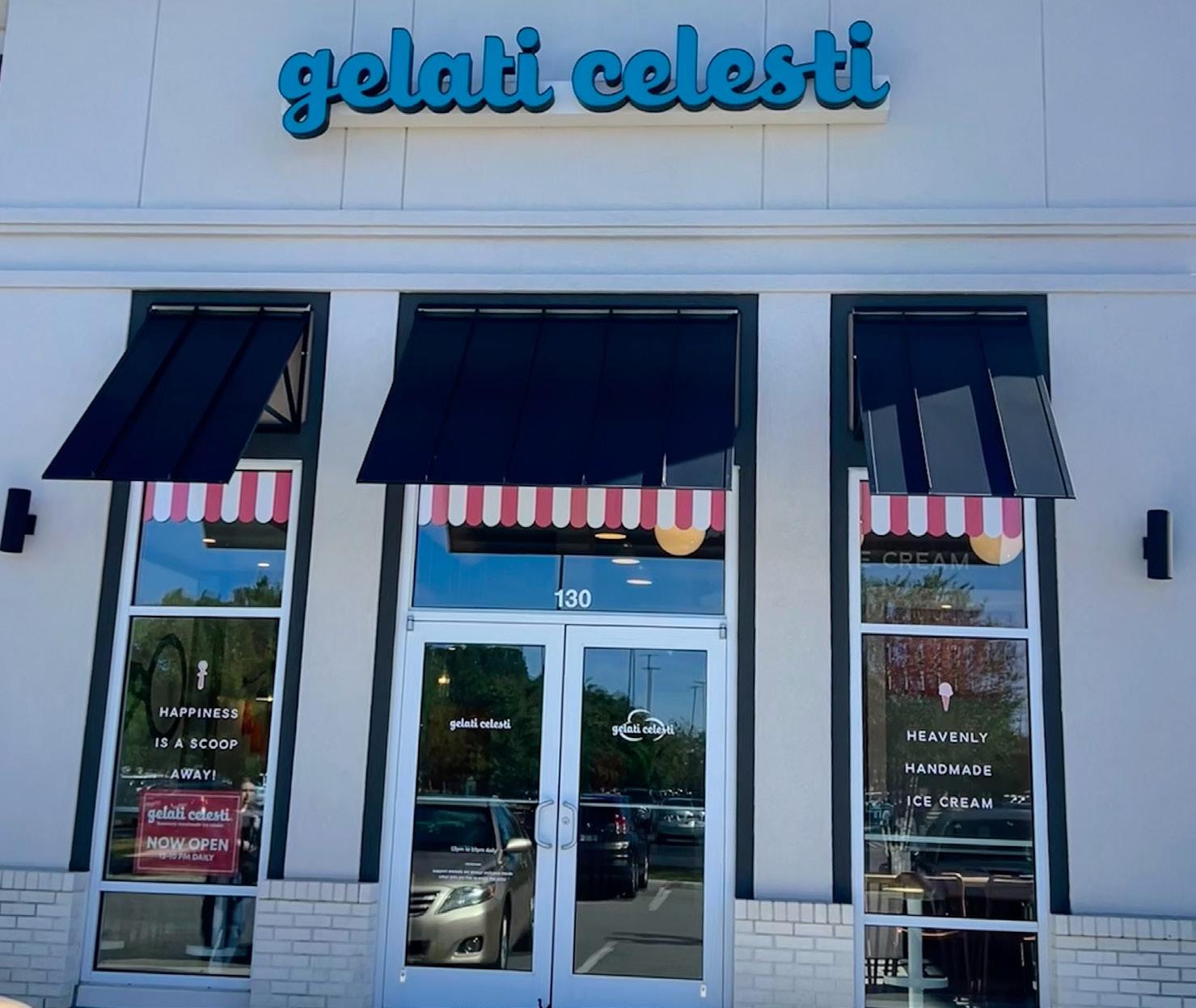
Gelati Celesti is a family-owned ice cream shop. The name translates to “heavenly ice cream” in Italian, which is what they aim to make.
The company uses Italian equipment to make the ice cream, which creates a dense, creamy texture with little air mixed in.
Father-son duo Peter and John Edmonds established the first shop in Richmond and opened in 1984, and the journey began.
Although the business started small, it grew profusely in just a short amount of time. With the new Red Mill location in Virginia Beach, this makes 11 locations from Richmond to Hampton Roads.
In 2010, the ownership was passed to Steve and Kim Rosser, long time friends of Edmonds. Not long after, due to popular demand, they opened a second location in Richmond. After this opening, the new shops kept coming, all with the intention of spreading joy.
According to the Gelati Celesti Website, in 2023, the Rossers kept the business family-centered as they decided to “pass the scoop to the next generation, naming Suzy and Tom, their children, the new copresidents.” Both children worked with the company before their leadership roles.
“The Rossers are very involved with the staff and make efforts to have connections with their guests,” an employee at the Chesapeake location, Olivia Mckee, said.
The shop shines bright, with numerous LED signs. There are inspirational, fun phrases painted on the walls and all locations have the phrase “without ice cream, there would be darkness and chaos” written somewhere in the shop. The Hilltop location even has ice cream scoops lining the entire wall. No shop has a bare spot.
“The atmosphere is very comforting and also exciting. We have a lot of comfortable color themes, and with the open space and friendly smiles, customers immediately feel excited to be there,” Juliana Vera, an employee at the Chesapeake location, said.
The walls aren’t the only things that are bright. The second you walk in the door, you’re greeted by the employees, even if they are arm’s length deep in an ice cream tub.
“I look forward to the smell of waffle cones and sweetness that I’m always greeted with in the store,” senior Charity Egbo said.
The shops scoop 30 or more flavors a day, with some rotated seasonally. The seasonal flavors used to change monthly, but due to popular demand, they now switch every two months.
A few of the seasonal flavors for May and June include Oreo cheesecake, mango and key lime pie. The shop always features gluten-free and dairy-free options to ensure everyone can enjoy a treat.

The shop offers a call list option, so if a customer would like to be notified when a certain flavor is back, the shop will call and inform them.
The company takes pride in their core values and ensures that their employees are fitting into each and every one of those.
“Employees are expected to bring positive energy every shift and really focus on customer experience just as much as making ice cream,” General Manager of the Town Center and Redmill locations Hannah Kennedy said.
With these store qualities, people keep going back, not only for the ice cream but for the experience.
“We have a lot of regulars. The quality of the ice cream and our customer service go hand-in-hand with bringing people back,” McKee said.
The shop has even become part of people’s routines and milestones. Gelati Celesti has become such a big part of some customers’ lives that they tie it to major life moments.
“One couple showed me a video of their gender reveal they did at our store, which was so cute; they even bought a Gelati onesie to remind them of that moment,” McKee said.
The employees notice a lot of flavors that are popular among the customers, a few being don’t ask, duo, red velvet and ice cream flights.
“My favorite flavor is the seasonal brown sugar peanut butter cup, it’s the perfect amount of sweetness and never disappoints,” Egbo said.
Not only can customers enjoy in-store experiences, but they can also indulge in events locally. The shop partakes in festivals and events by using their mobile food truck, named Celeste.
“I worked on the ice cream truck at the Neptune Festival last summer. It was so cool to see other vendors and coworkers from different locations,” Vera said.
Philanthropy is another way that Gelati stays involved with the community.
“A big part of what we do is Spirit Nights and fundraisers, where a portion of sales goes back to schools, teams and local organizations,” Kennedy said.
Gelati Celesti sends out texts and email newsletters monthly to communicate what’s happening in stores and the new flavors available.
With this, the company is creating a connection with the community and keeping their customers updated. The copresidents also use personal newsletters to keep employees informed and occasionally show them good reviews they’ve gotten or highlight their birthdays.
To experience homemade tastes with unusual flavor combinations as well as hometown friendliness, make a visit to support a local business.
Mars Smith|Marlin Chronicle
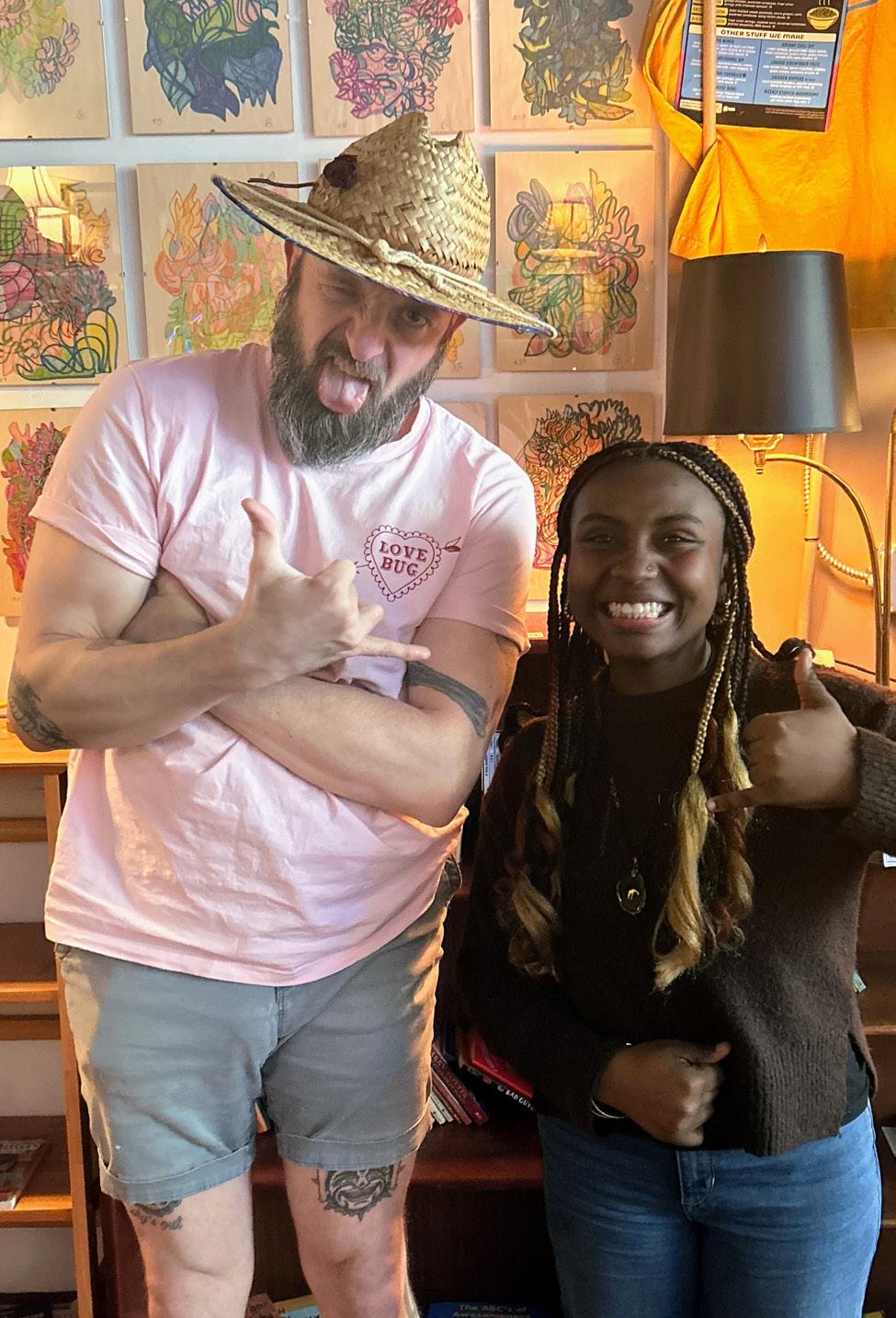
Writer Mars Smith (RIGHT) poses with Morgan Wood (LEFT), the playful and passionate owner of Wands Books.
Mars Smith|Marlin Chronicle
As the name suggests, Wands Books leans into a fantasy design inside.
Lora Young|Marlin Chronicle
Lora Young|Marlin Chronicle


Jōyū makes lasting impact
Local tea and coffee shop becomes junior’s usual spot after great first impression.
REVIEW
BY GABRIELLE BARNETT gabarnett@vwu.edu
Tucked away in the Haygood Shopping Center is a small tea and coffee shop, one of four locations in Hampton Roads. Offering a wide variety of coffee, milk tea, slushes and sweet treats, Jōyū has something for everyone.
Junior Juliette Coffey found Jōyū in her freshman year and has frequented it ever since.
“My teammate Haley and I were doing a boba tour across Virginia Beach to get to know the area,” Coffey said. During this tour, she went to the Jōyū located at 3545 Buckner Blvd in Virginia Beach. “It was really, really good, and so we kept going back there.”
Later, Coffey said she found that there was a Jōyū closer to the university at 1045 Independence Blvd, and switched to visiting that location instead.
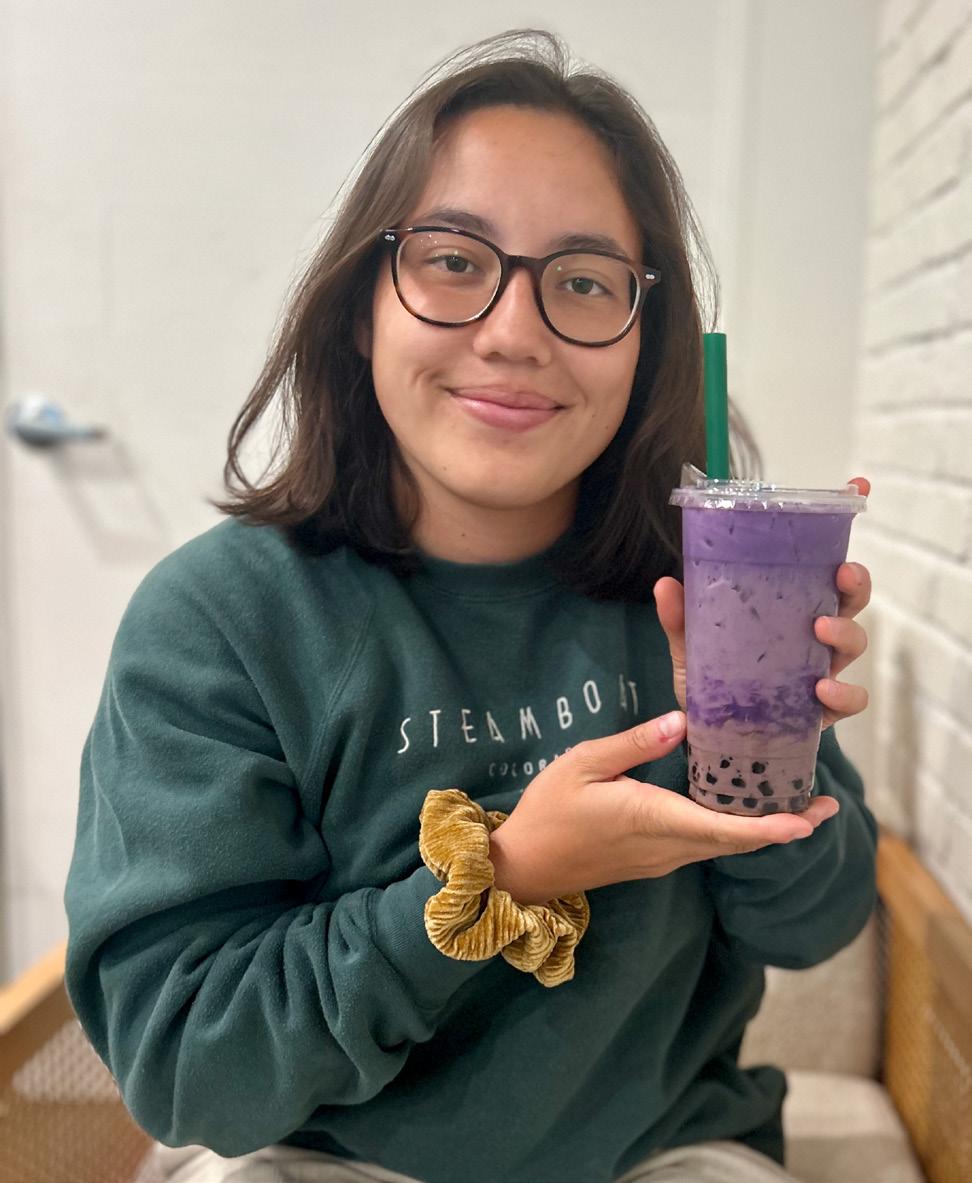
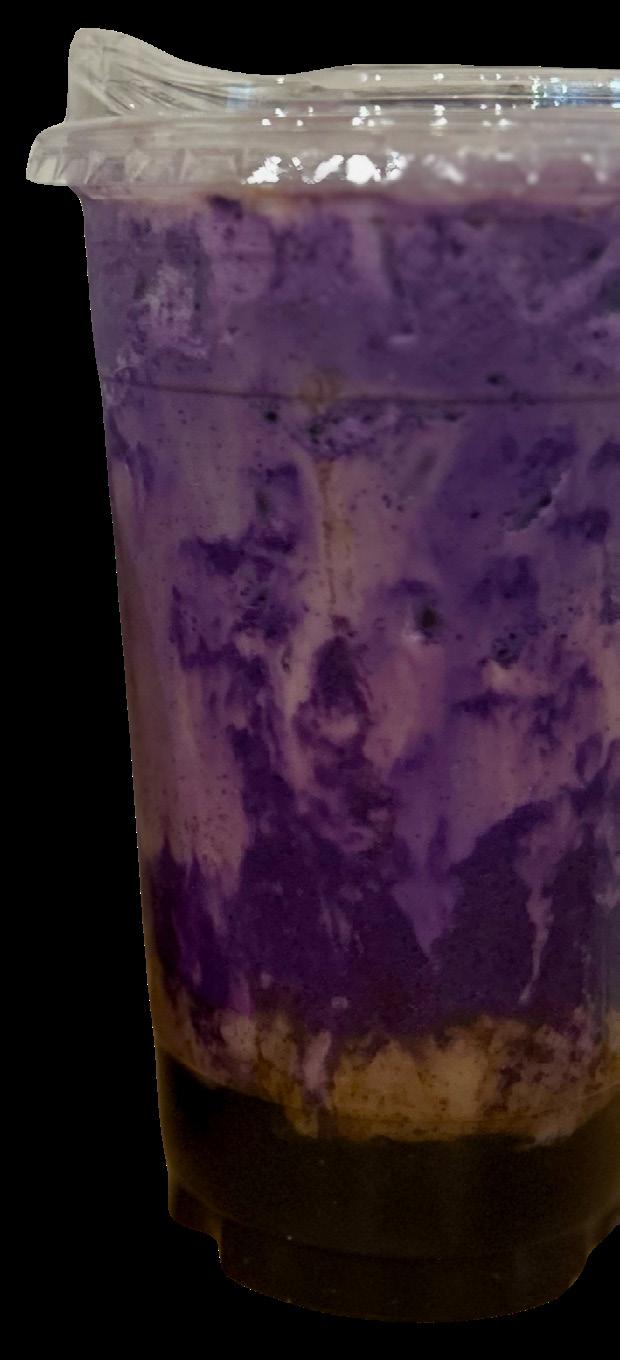
The black velvet swirl is one of the many full leaf milk teas on Jōyū’s expansive menu, made from black milk tea and ube cream.
“The black velvet swirl is my favorite drink with tapioca pearls,” Coffey said. “I love ube.”
Ube, a Filipino purple yam flavor, is one way that Jōyū incorporates a variety of different flavors and cultures, but at its heart, Jōyū is a Vietnamese-Taiwanese shop.
“They do a lot of Vietnamese coffee, and those are pretty good, but I’m more of a tea girl when it comes to boba,” Coffey said.

According to their website, Jōyū was founded by Khoa Luong, a Vietnam native who studied in Taiwan. While studying in Taiwan, Luong became a fan of Taiwanese flavors and drinks, specifically milk tea, also known as bubble tea or boba.
When Luong moved to Virginia Beach, he
REVIEW
BY BRYANT COTTERELL
bccotterell@vwu.edu
decided to provide what he felt was missing: a coffee and tea shop that blended Vietnamese and Taiwanese beverages. Now, Jōyū has grown into four locations, all owned by Luong.
“He comes in all the time with his wife,” Chloe Hoffman, an employee at the Haygood Shopping Center store, said. “They’re so, so sweet, like genuinely one of the best people I’ve ever met.”
Hoffman said Luong was personally involved with every store and instilled the values of community and care.
Consistency, care and community are some of the reasons that Jōyū has become a place for frequent visits.
“I feel like people who know us come back a lot,” Hoffman said. She said there were many regulars of the store.
“I come here now all the time because it’s close and it’s my favorite,” Coffey said. “But also, the staff is really nice and they’re always welcoming.”
On their normal menu, Jōyū offers a variety of Vietnamese phin coffee, slushes, fresh teas, full leaf milk tea, fresh milk teas, cake, pastries and sandwiches. Their
drinks can be customized by adjusting sugar and ice levels, as well as adding toppings like tapioca pearls, fruit jellies and custards.
Jōyū offers seasonal specials. For spring, it’s a “La Vie en Rosé” collection, featuring plenty of pink drinks that incorporate berry flavors.
“We get a lot of orders for it,” Hoffman said. She admitted that she wasn’t a fan of the new collection, but that it seemed to be pretty popular.
“They’re really fun and cute,” Coffey said in reference to the seasonal collections. She said she tried the berry Thai cloud. “It’s fun to try them out and they’re usually pretty good.”
Jōyū also offers desserts and food. Their website explains that they are careful to make quality food that complements the drinks they offer to create a “full experience” for customers.
“They have desserts that are pretty good,” Coffey said. “Their macarons are pretty good. They are a bit cold, for being macarons, but they’re decent.”
While there, we tried the mango guava cheesecake, which went well with the black velvet swirl and the taro lava brown sugar fresh milk.
Personally, I visit Jōyū frequently for their variety of options and delicious flavors, as well as the air of community and care.
“At Jōyū, we believe that a great cup of tea or coffee is more than just a drink,” their website says. “It’s an experience, a connection, and a story shared between friends, family and the community.”
Whether I’m trying something new or sticking to old favorites, I know that at Jōyū, I’ll enjoy a quality drink and support a local business.
you at Kensley’s
honestly,” customer Lizzy Imes said. “The açaí is really smooth, and the bananas with the almond slices gave it some crunch. It’s sweet, but not too much. It just feels clean. I could definitely see myself getting this again.”
walls and wooden touches in the decorations that gave it a relaxed, almost beach-like feel. Comfortable straw chairs made it easy to sink in, whether you’re stopping by briefly or planning to hang out.
Just past the glass doors, Kensley’s Açaí & Café shows itself as a close-knit space instead of a sprawling one; the kind of room where everything feels within reach and nothing feels rushed.
Around the room, guests settled in with açaí bowls, sandwiches and coffee, having easy conversations with each other, giving the space a comfortable and welcoming feeling.
The first impression was more sensory than visual. The air held a light, sweet scent that felt clean and refreshing, a noticeable difference from the heavier, roasted smell that defines most cafés.
A soft stream of Latin music played from a speaker behind the counter with the bass setting a steady rhythm that could be felt throughout the café, contributing to the space’s relaxed feel. It was the kind of place that doesn’t try to overwhelm, but instead draws you in and lets the atmosphere speak for itself.
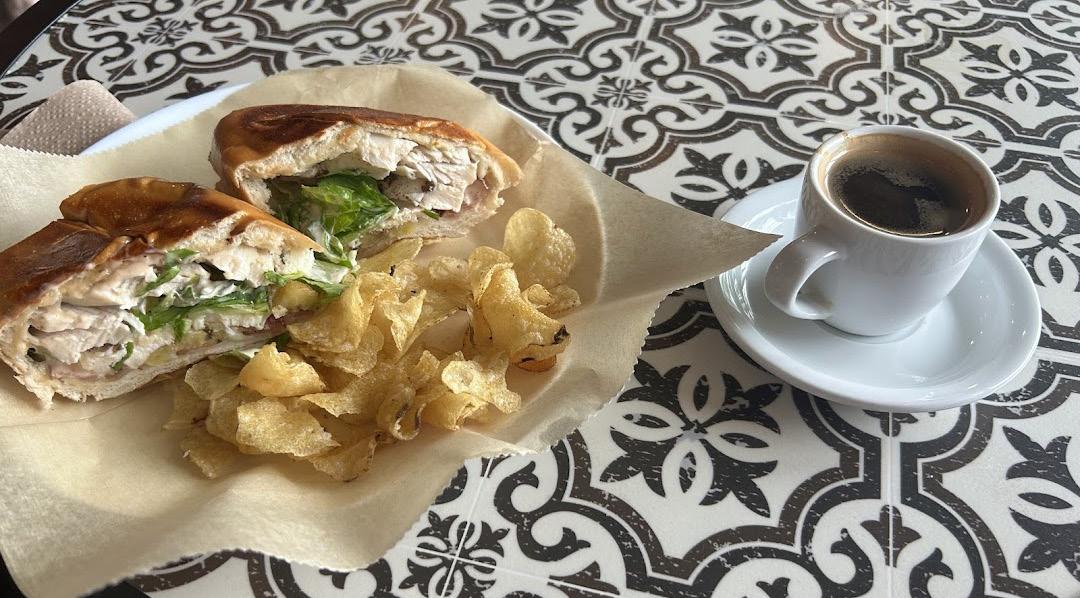
The menu at Kensley’s offered a mix of the usual café staples and more unique, flavorful options. One of the standout items was the Kensley’s sandwich, consisting of chicken, bacon, mozzarella and sweet plantains on sobao, a Puerto Rican bread characterized by its soft and chewy texture.
“This is one of those sandwiches you could eat for breakfast, lunch or dinner,” customer Nick Snider said. “The sweet plantains with that sauce just work so well together. It’s filling, but not too heavy, and I might get another one to go.”
On the drinks side, the espresso Cubano stood out for similar reasons. It had a perfect balance of sweetness and richness that made it easy to drink, closer to something you could enjoy a whole cup of rather than a quick shot.
The açaí bowls also held their own, especially with how customizable they were.
“I didn’t expect to get this much for what it costs,
With different fruits, toppings and bases to choose from, it makes it easy to build something that can fit anyone’s taste, whether they want something lighter or more filling.
The atmosphere at Kensley’s made it easy to settle in and chill out for a while. The space was simple with white

Bryant Cotterell
|Marlin Chronicle
At Kensley’s, you can build your own açaí bowl (BOTTOM) and choose from a plethora of drinks, like the cherry blossom latte (BOTTOM) or the espresso Cubano (TOP). Kensley’s also serves heartier selections like the Kensley’s sandwich (TOP).
Around the café, the pace of the guests felt slow; some sat and chatted with friends or colleagues, others worked on laptops and a few passed the time with small tabletop games like tic-tac-toe.
Much of the lighting came from the large glass entrance, letting in natural light, while hanging lanterns added a softer, warm glow inside.
Kensley’s is the kind of space that can work for just about anyone. Whether it’s students trying to catch up on schoolwork, workers looking for a break from the office, or anyone simply looking to relax and enjoy a refreshing meal, the café offers a space that can fit anyone’s needs. It gives patrons a chance to experience Puerto-Rican-inspired flavors right in the middle of Chesapeake, Virginia, adding something a little different to the typical café routine.
Another detail that stands out is how approachable everything feels. The staff plays a big role in shaping the experience by taking time to walk guests through the menu and answer questions. In fact, Kensley, the owner of the establishment, was often seen delivering food and drinks to tables himself.
“Kensley’s has a homey vibe once you walk through their doors,” patron Michael Grayson said. “The staff are kind, attentive and eager to help. Personally, I’m picky, so I like to ask them about their ingredients and they’re always able to tell me all about it.”
Kensley’s doesn’t rely on anything flashy to make an impression. Instead, it’s the kind of place you find yourself settling into without really thinking about it. One minute you plan to stop in quickly, and the next you’re still there finishing a drink or talking with someone a little longer than expected. It feels comfortable in a genuine way, and that’s what gives it its power. For anyone looking for something a little different from the usual café routine, Kensley’s gives a space that’s easy to return to and even easier to enjoy.
Jordan Crallé|Marlin Chronicle
Gabrielle Barnett|Marlin Chronicle
Junior Juliette Coffey with her regular order from Jōyū, the black velvet swirl full leaf milk tea.
Gabrielle Barnett|Marlin Chronicle
Gabrielle Barnett|Marlin Chronicle