Compression Therapy Market Trends to Watch: From Homecare to Clinical Applications
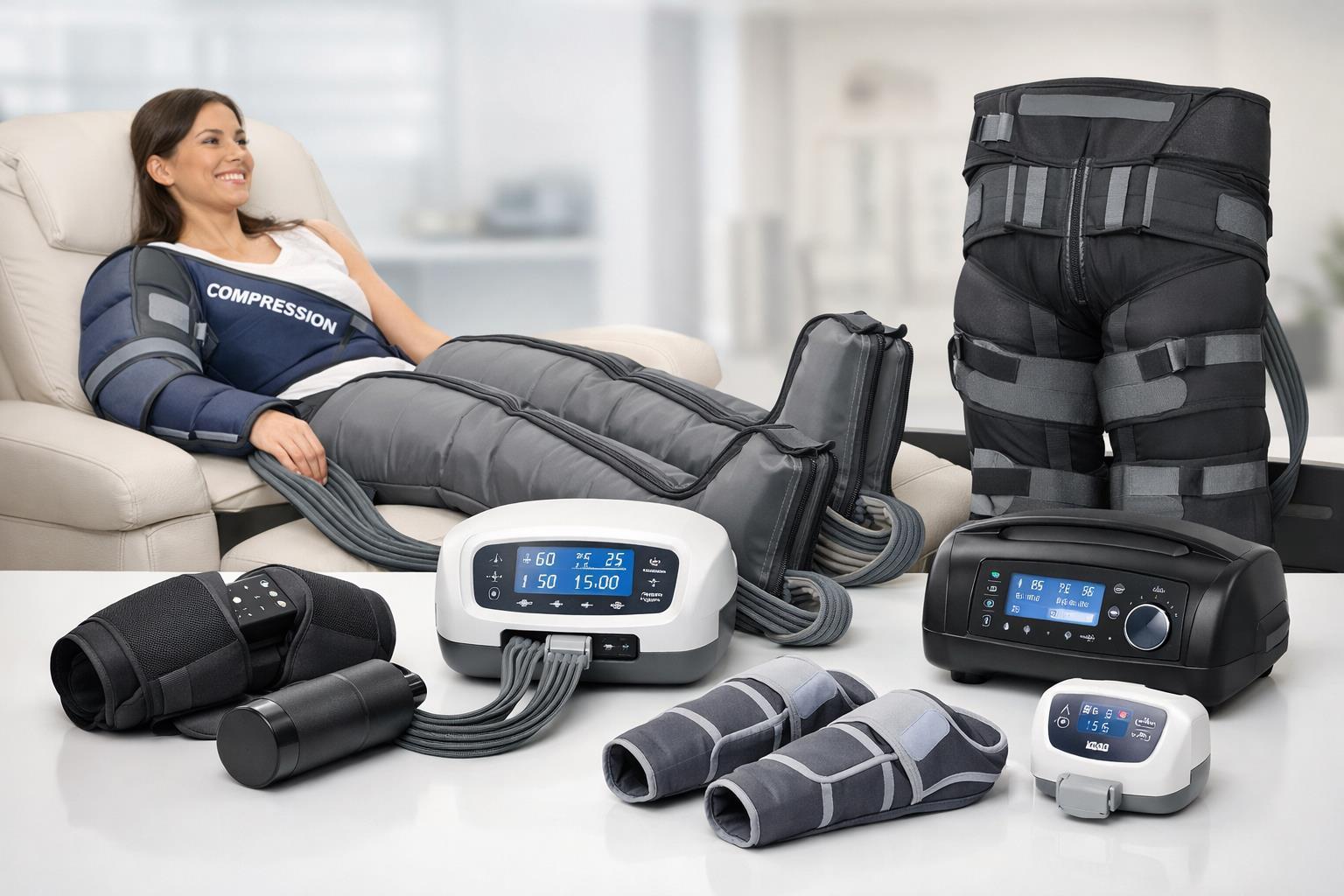
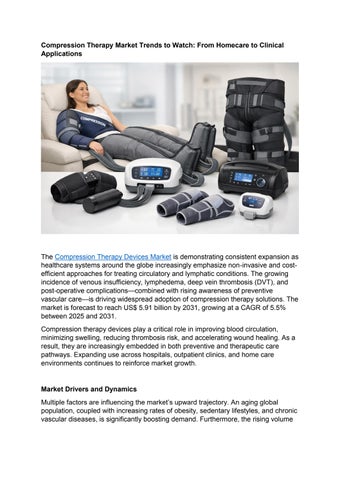
The Compression Therapy Devices Market is demonstrating consistent expansion as healthcare systems around the globe increasingly emphasize non-invasive and costefficient approaches for treating circulatory and lymphatic conditions. The growing incidence of venous insufficiency, lymphedema, deep vein thrombosis (DVT), and post-operative complications combined with rising awareness of preventive vascular care is driving widespread adoption of compression therapy solutions. The market is forecast to reach US$ 5.91 billion by 2031, growing at a CAGR of 5.5% between 2025 and 2031.
Compression therapy devices play a critical role in improving blood circulation, minimizing swelling, reducing thrombosis risk, and accelerating wound healing. As a result, they are increasingly embedded in both preventive and therapeutic care pathways. Expanding use across hospitals, outpatient clinics, and home care environments continues to reinforce market growth.
Market Drivers and Dynamics
Multiple factors are influencing the market’s upward trajectory. An aging global population, coupled with increasing rates of obesity, sedentary lifestyles, and chronic vascular diseases, is significantly boosting demand. Furthermore, the rising volume
of surgical procedures and hospital stays has heightened the need for compression therapy in post-surgical recovery and clot prevention.
A notable trend shaping the market is the shift toward home-based and selfmanaged treatment options. This transition is fueled by patient convenience, lower healthcare costs, and better adherence to long-term therapy. Technological progress including smart compression wearables, portable pneumatic devices, and AI-powered monitoring systems is also enhancing treatment customization and improving clinical outcomes.
Despite these positives, challenges such as the high cost of advanced dynamic compression systems, limited awareness in low-income regions, and inconsistent reimbursement frameworks remain. Nevertheless, developing economies present strong growth potential as healthcare infrastructure improves and access to modern medical technologies increases.
Request to sample Report- https://www.theinsightpartners.com/sample/TIPHE100000987
Market Segmentation
By Treatment Type, the market is categorized into static and dynamic compression therapy. Static compression therapy holds a dominant position due to its affordability, ease of use, and established effectiveness in managing chronic conditions like varicose veins and venous leg ulcers. Products such as compression stockings, bandages, and wraps are commonly used for extended durations, particularly in home care settings.
Dynamic compression therapy is gaining momentum, especially for more complex conditions including DVT prevention, lymphedema treatment, and post-operative rehabilitation. Advancements in pneumatic pump design, portability, and userfriendly features are improving patient compliance and broadening adoption in both clinical and outpatient care settings.
By Application, the market encompasses treatment for varicose veins, deep vein thrombosis, lymphedema, and leg ulcers. Varicose vein management accounts for a significant share, driven by lifestyle-related risk factors and the expanding elderly population. Demand for DVT prevention solutions is rising as awareness of thromboembolic complications increases and clinical practices evolve. Meanwhile, lymphedema and leg ulcer treatments continue to support steady demand due to their chronic and recurrent nature.
By End User, hospitals generate the largest portion of market revenue, reflecting their role in diagnosing vascular disorders, performing surgeries, and managing postoperative care. Ambulatory surgical centers represent a rapidly growing segment, supported by the global shift toward minimally invasive procedures and outpatient
treatment models. These centers increasingly adopt advanced compression technologies to enhance recovery outcomes while maintaining cost efficiency.
Regional Analysis
From a regional perspective, North America dominates the Compression Therapy Devices Market, supported by high healthcare spending, strong clinician awareness, favorable reimbursement policies, and early uptake of innovative technologies. Europe also commands a substantial share, benefiting from well-established clinical guidelines and widespread use of compression therapy for chronic conditions.
The Asia Pacific region is projected to experience the fastest growth over the forecast period, driven by expanding healthcare infrastructure, increasing prevalence of chronic diseases, growth in medical tourism, and rising adoption of advanced therapeutic devices. Latin America and the Middle East & Africa are gradually contributing to market growth as healthcare access improves and awareness of vascular health increases.
Competitive Landscape
Key companies operating in the Compression Therapy Devices Market include:
• 3M
• Smith & Nephew
• Medtronic
• SIGVARIS
• HARTMANN USA, Inc.
• medi GmbH & Co. KG
• BSN medical
• ArjoHuntleigh
• Juzo
These players are actively investing in research and development, product innovation, strategic collaborations, and geographic expansion to strengthen their market presence and meet evolving patient and provider needs.
Outlook
Looking forward, the Compression Therapy Devices Market is expected to sustain steady growth through 2031. The increasing focus on personalized care, integration of digital health technologies, and expansion of home-based treatment solutions will continue to reshape the market landscape. As both clinicians and patients recognize the long-term clinical and economic advantages of compression therapy, the market is well positioned to deliver lasting value across hospital, outpatient, home care, and wellness settings worldwide.
Related Report
Cold Compression Therapy Market
Compression Therapy Market