Looking Ahead: The Future of MAFP and the Family We Continue to Build Experience Practical CME in a Boutique Setting
Charting the Course: Navigating the Depth of Family Medicine
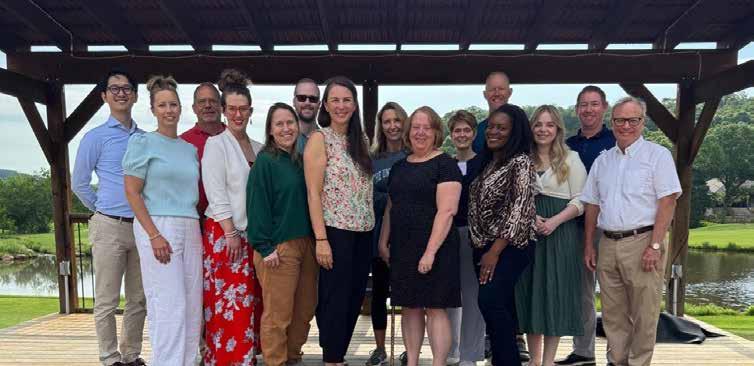
Building the Future Together: MAFP Leadership Charts the Next Chapter for Family Medicine at Old Kinderhook
Call for Volunteers: MAFP Affiliated Entities Review Committee
Student Essay Contest Now Open
Achenbach Syndrome Presenting as Acute Spontaneous Digital Ecchymosis: A Case Report
Metastatic Prostate Cancer Presenting as Low Back Pain
Recognizing Tick-Borne Coinfection in Primary Care: A Rural Missouri Case of Ehrlichiosis and Anaplasmosis
Leaders Helping Shape the Future of Family Medicine
Finding Our Voice Together: Missouri Family Physicians Advocate for You in DC
FHFM Recognizes Outstanding Graduates Entering Family Medicine Across Missouri
Missouri Women, Infant and Children Supplemental Nutrition Changes
Members in the News
References
MARK YOUR CALENDAR
https://www.mo-afp.org/events/
July 31, 2026
Missouri Reception (at Future Conference) Crowne Plaza Hotel, Kansas City
August 28-29, 2026
Women’s Health in Family Medicine Symposium – Springfield, MO
November 12-14, 2026
34th Annual Fall Conference – Margaritaville, Lake of the Ozarks
The information contained in Missouri Family Physician is for informational purposes only. The Missouri Academy of Family Physicians assumes no liability or responsibility for any inaccurate, delayed, or incomplete information, nor for any actions taken in reliance thereon. The information contained has been provided by the individual/organization stated. The opinions expressed in each article are the opinions of its author(s) and do not necessarily reflect the opinion of MAFP. Therefore, Missouri Family Physician carries no respsonsibility for the opinion expressed thereon.
Missouri Academy of Family Physicians, 722 West High Street Jefferson City, MO 65101 • p. 573.635.0830 Website: mo-afp.org • Email: office@mo-afp.org
November 15, 2026
Board of Directors Meeting – Margaritaville, Lake of the Ozarks
June 11-12, 2027
Midwest Mental Health Symposium –The Elms Hotel & Spa, Excelsior Springs
September 10-11, 2027
35th Annual Fall Conference – Union Station, St. Louis
October 27-28, 2028
36th Annual Fall Conference – Union Station, St. Louis
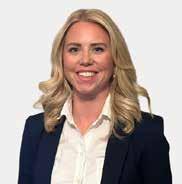
Natalie Long, MD Board Chair
Columbia, MO
Looking Ahead: The Future of MAFP and the Family We Continue to Build
This has been a year of change for the Missouri Academy - board structure redesigned, new educational sessions and locations, revisioning our values and priorities.
With change comes the opportunity for growth. Our board recently participated in a strategic planning retreat to unify our organization’s vision and priorities for the years to come. Read more on page 12. Having time to reflect on the current status of our organization while allowing time to connect, listen, discuss and debate the future needs and direction of MAFP provided a platform to think critically and dream big. Our conversations were grounded in feedback from our members, including themes that surfaced through the member survey and continued throughout board discussion. The energy generated by bringing together this group of enthusiastic and devoted individuals was unparallel.
Reflecting on the emotions of what we hope members feel when they experience MAFP, we collectively identified four consistent themessupport, community, welcoming, and growth.
More than anything, during a time when uncertainty is certain, expectations and pressure on clinicians are increasing and competing priorities make the stress of practicing medicine and balancing life untenable, we hope MAFP can be a beacon of support for our members and a place where they can feel seen, heard, encouraged and equipped.
members may feel like they are already at capacity. Growth moves us forward. We hope that being a part of MAFP provides avenues for our members to grow as individuals, family physicians, leaders, mentors, and advocates. Sharing our skills and knowledge with medical students, residents, our patients and communities allow our specialty to shine.
Over the past year, MAFP has been intentional about strengthening the “family” of MAFP by creating opportunities for connection, mentorship, leadership and engagement at every stage of a family physician’s journey. Whether you are a medical student exploring a future in family medicine, a resident developing your professional identity as a family doctor, an early career physician finding your footing or a seasoned physician sharing wisdom and experience, MAFP has a place for you.
REFLECTING ON THE EMOTIONS OF WHAT WE HOPE MEMBERS FEEL WHEN THEY EXPERIENCE MAFP, WE COLLECTIVELY IDENTIFIED FOUR CONSISTENT THEMES - SUPPORT, COMMUNITY, WELCOMING, AND GROWTH.
We build a community through our engagement at events, educational sessions, committee meetings, and advocacy work. Being around “your people” helps diffuse the burdens we carry and can reinvigorate your passion for family medicine.
We strive to be welcoming to any and all who are a part of MAFP while also meeting our members where they are. Our staff and leadership agree that our goal is for all members to feel invited, valued, and included while also recognizing that many of our
Mission Statement:
Our team is dedicated to strengthening family medicine. We must listen to the needs of our members and respond with resources, education, and connections that are meaningful and practical. We must support the future workforce by investing in students and residents. We must continue to advocate for policies that protect and promote family medicine. And we must continue telling the story of family medicine.
As we move into this next chapter, I invite each of you to find your place within MAFP. Attend an event. Join a committee. Mentor a student or resident. Share your story. Advocate for your patients and your profession. Reach out to a colleague. Bring your voice to the table. We are all experts in family medicine and our patients.
Thank you for the privilege of serving as your board chair. Our future is bright because of the hard work and dedication of the family physicians who make up this organization. I’m excited to see what we can accomplish together.
The Missouri Academy of Family Physicians is dedicated to optimizing the health of the patients, families and communities of Missouri by supporting family physicians in providing patient care, advocacy, education and research.
Midwest Women’s Health Symposium
August 28–29, 2026
Hotel Vandivort | Springfield, MO
Experience Practical CME in a Boutique Setting
Caring for women means caring across decades, transitions, and relationships—and family physicians understand that better than anyone. This two-day CME experience is intentionally designed to foster meaningful connection among colleagues while delivering practical, evidencebased education you can immediately apply in your practice.
Held in the intimate, welcoming setting of Hotel Vandivort, the conference prioritizes conversation, shared learning, and time to connect with peers who face the same clinical questions and challenges. Sessions focus on women’s health across every stage of life, with ample opportunities to engage, reflect, and learn from one another—not just from the podium. Register at https://moafp.formstack.com/forms/ womens_health_2026.
Check out the Schedule
Check out the Schedule
Friday, August 28, 2026
Friday, August 28, 2026
Start End Topic & Speaker
Start End Topic & Speaker
8:00 am 9:30 am Intrauterine System (IUS) Product Overview and Placement (Non-CME)
Nikole Gettings, MSN, APRN, CNM
8:00 am 9:30 am Intrauterine System (IUS) Product Overview and Placement (Non-CME)
9:00 am 10:15 am Registration & Check-In (Downstairs in Entrance area of hotel)
Nikole Gettings, MSN, APRN, CNM is a Certified Nurse Midwife
9:00 am 10:15 am Registration & Check-In (Downstairs in Entrance area of hotel)
10:15 am 10:45 am Updates in Breast Health
Mackenzie Lesh, DO
10:15 am 10:45 am Updates in Breast Health
10:45 am 11:45 am Engaging Primary Care Physicians with Recurrent Pregnancy Loss: Evaluation, Management & Long-Term Health Follow-up
Mackenzie Lesh, DO
Megan Hanson, Executive Director, Recurrent Pregnancy Loss Association
Ronald Librizzi, DO
10:45 am 11:45 am Engaging Primary Care Physicians with Recurrent Pregnancy Loss: Evaluation, Management & Long-Term Health Follow-up
11:45 am 12:45 pm Lunch
Megan Hanson, Executive Director, Recurrent Pregnancy Loss Association
Ronald Librizzi, DO
12:45 pm 1:45 pm Contraception in Primary Care: Clinical Decision Making for Real World Practice
Amanda Miller, MD, FAAFP
11:45 am 12:45 pm Lunch
1:45 pm 2:45 pm Major Changes to Cervical Cancer Screening for the 21st Century
12:45 pm 1:45 pm Contraception in Primary Care: Clinical Decision Making for Real World Practice
Diane Harper, MD, MS, MPH Alisa Young
Amanda Miller, MD, FAAFP
2:45 pm 3:00 pm Break
1:45 pm 2:45 pm Major Changes to Cervical Cancer Screening for the 21st Century
3:00 pm 4:00 pm Screening for Mental Health Conditions in Pregnancy & Postpartum: From Detection to Action
Diane Harper, MD, MS, MPH
Alisa Young
Reshma Khanna, DO, PMH-C
Catherine Miller, MEd, LPC
4:00 pm 5:00 pm Practical Breastfeeding Support in Family Medicine: A Case-Based Workshop
Cynthia Lombardo, MD, IBCLC
Candy Lincoln, MD, NABBLM-C, IBCLC, PMH-C
5:00 pm 6:30 pm Women's Health Connections and Cocktails Exhibitor Event
6:30 pm 8:00 pm An Evening Under the Lights: Springfield Cardinals Game Social Enter to throw the first pitch and exclusive on-field group. https://moafp.formstack.com/forms/cracker_jacks_and_crack_of_the_ bats QR
Saturday, August 29, 2026
Start End Topic & Speaker
7:30 am 8:30 am Breakfast Buffet
8:30 am 9:15 am
Practice
Saturday, August 29, 2026
Start End Topic & Speaker
7:30 am 8:30 am Breakfast Buffet
8:30 am 9:15 am Lifestyle Medicine and Menopause: Shifting Wisdom into Practice
Tracy Norfleet, MD, FACP, DABOM, DipABLM, MBA
9:15 am 10:00 am Lifestyle Medicine Strategies to Prevent Frailty in Women Across the Lifespan
Women's Health Unscripted: A Conversation with the Experts
Andi Selby, DO, MS, FAAFP - Lead
Barbara Miller, MD, FAAFP
Becky Lynn, MD, MBA, MSCP, IF, Dipl. ABOM
Diane Harper, MD, MS, MPH
12:15 pm 1:00 pm Lunch
1:00 pm 2:00 pm Endometrial Biopsy Workshop
Natalie Long, MD
2:00 pm 3:00 pm
Women's Health Procedures Pain Management
Krystal Foster, MD
3:00 pm 3:15 pm Break
3:15 pm 5:00 pm
Maternal Musculoskeletal Pain Management and OMT Interactive Procedure Workshop
Jayme Decker, DO, FAAFP, FACOFP
George Chou, DO
34th Annual Fall Conference
November 13-14, 2026
Margaritaville Lake Resort
Lake of the Ozarks
Osage Beach, MO
Charting the Course: Navigating the Depth of Family Medicine
Join colleagues from across Missouri as we gather at the lake to explore the evolving landscape of family medicine. This year’s conference will dive into the clinical, professional, and personal dimensions of practice, equipping family physicians with the insights and tools needed to navigate complexity, guide patients, and lead within their communities.
Through engaging CME sessions, practical updates, and meaningful connection with peers, you’ll gain new perspectives to help chart your course in today’s rapidly changing healthcare environment. Early-bird registration discount is available until 9/1/2026, so register early! Late registration penalty will be added starting 10/13/2026. Register at https://moafp.formstack.com/forms/afc_registration_2026
See What’s in Store
Friday, November 13 – Set Sail
Start End Topic & Speaker
7:00 am 8:00 am Fuel before the Voyage in The Harbour Exchange Exhibit Hall
7:15 am 7:45 am
7:00 am 4:30 pm
8:00 am 9:00 am
Around the Harbor Table Discussions
Physician Wellness – Amanda Shipp, MD, FAAFP
Retirement – Robert Schneider, DO, FAAFP
Street Medicine – Russell Kohl, MD, FAAFP
Precepting Medical Students – Kento Sonoda, MD, AAHIVS, FAAFP, FASAM
Paradise A
The Harbor Exchange Exhibit Hall Open
Paradise A
Strengthening Missouri's Health System: Policy, Practice, and Public Health Alignment
Heidi Miller, MD
Missouri Department of Health and Senior Services Chief Medical Officer
9:00 am 10:00 am Caring Through the End of Life: Practical Hospice and Palliative Care Pearls for Family Physicians
John Burroughs, DO
10:00 am 10:20 am Refuel at Harbour Exchange(Break with Exhibitors)
10:20 am 11:50 am
Defining Autism & the Role of Primary Care in Autism Diagnosis Workshop
Kristin Sohl, MD, FAAFP
11:50 am 12:20 pm Break/Grab Lunch
12:20 pm 12:50 pm MAFP Annual Meeting
Beth Rosemergey, DO, FAAFP (MAFP Board President)
12:50 pm 1:20 pm
1:20 pm 2:50 pm
Update on AI for Family Medicine
David Voran, MD
Lifestyle Integrated Family Medicine: The Roots of Health for Patients, Communities, and Systems Workshop
Kristi Crymes, DO, DipABLM
2:50 pm 3:00 pm End of Route (Break w/ exhibitors)
3:00 pm 4:00 pm
6:00 pm 8:00 pm
8:00 pm
Cases You Have Already Seen: Diagnosing Alpha-Gal Syndrome in Primary Care
Regina DePietro, MD
Benjamin Casterline, MD, PhD
Captain's Gala: Anchors Aweigh Awards & Dinner
Dress to impress with a touch of tropical flare!
Anchors Aweigh: After Hours Celebration
Keep the celebration going after Anchors Aweigh Awards & Dinner
Unwind, connect, and enjoy a fun, laid-back end to the evening.
Saturday, November 14 – Deep Dive
Start End Topic & Speaker
7:00 am 8:00 am
Sunrise Strategy: Breakfast Buffet with Exhibitors
Paradise A
7:00 am 10:10 am The Harbour Exchange Exhibit Hall Open
Keep the celebration going after Anchors Aweigh Awards & Dinner
Unwind, connect, and enjoy a fun, laid-back end to the evening.
Saturday, November 14 – Deep Dive
Start End Topic & Speaker
7:00 am 8:00 am
Sunrise Strategy: Breakfast Buffet with Exhibitors
Paradise A
7:00 am 10:10 am The Harbour Exchange Exhibit Hall Open
Paradise A
7:15 am 7:45 am
Harbor Walk: Start Your Day in Motion Meet in the Margaritaville Lobby
7:15 am 7:45 am Calm Waters: Morning Mindfulness Parasol 1
7:15 am 7:45 am Around the Harbor Table Discussions
Wilderness Medicine – Morgan Dresvyannikov, MD
Physician Wellness – Amanda Shipp, MD, FAAFP
Retirement – Robert Schneider, DO, FAAFP
Street Medicine – Russell Kohl, MD, FAAFP
Precepting Medical Students – Kento Sonoda, MD, AAHIVS, FAAFP, FASAM
Paradise A
8:00 am 9:00 am
Nephrology Pearls for Primary Care
Michael Selby, MD, FASN Andi Selby, DO, FAFFP
9:00 am 9:45 am EKG Interpretation for the Real World: From Pattern Recognition to Patient Impact
Charlie Rassmussen, DO, FAAFP
9:45 am 10:10 am Last Stop at the Harbour (Break with Exhibitors and Prize Drawing)
10:10 am 11:10 am Latest and Greatest: Top 10 STI/HIV Headlines for Busy Physicians
Offered twice attendees should select only one session.
The Modern Physician's Guide to Social Media: Building Trust, Reach, Impact in the Digital Age
Morgan Dresvyannikov, MD
POCUS Integration for Your Practice Workshop
Matthew Decker, MD, JD, FAAFP
Offered twice attendees should select only one session.
Buprenorphine: Review & Updates
Lucas Buffaloe, MD
Last Call at the Harbor (Break)
Board Review Jepoardy
J. Lane Wilson, MD, FAAFP
Building the Future Together
MAFP Leadership Charts the Next Chapter for Family Medicine at Old Kinderhook
There is something uniquely energizing about stepping away from the demands of daily work to focus on a single question: What kind of future do we want to create?
That spirit filled the meeting rooms at Old Kinderhook as the Missouri Academy of Family Physicians (MAFP) Board of Directors and staff gathered for a two-day leadership retreat May 29-30, 2026, dedicated to shaping the Academy’s strategic direction. While the agenda included governance training, strategic planning, and thoughtful discussion about the changing landscape of health care, the gathering was about much more than developing another organizational plan. It was an opportunity to reaffirm the Academy’s purpose, strengthen its leadership, and establish a shared vision for advancing family medicine in Missouri for years to come.
For an organization whose mission centers on supporting family physicians and improving the health of Missourians, strategic planning is far more than an administrative exercise. It is an investment in the future of the specialty itself. Every decision made around the table ultimately traces back to a single goal: ensuring that family physicians have the resources, relationships, and advocacy they need to provide exceptional care to their patients.
Over the past year, MAFP has implemented a modernized governance structure, welcomed new volunteer leaders, expanded member engagement initiatives, and continued to advocate for physicians at both the state and national levels. Rather than simply maintaining those successes, the Board approached the retreat with an important challenge: determining where the Academy can make the greatest difference in the future.
Investing in Leadership Before Planning the Future
Before strategic planning began, Friday’s agenda opened with a comprehensive board development session designed to prepare directors for effective governance. Led by Bill Plank, CAE, MAFP Executive Director, the training was designed to equip board members to be governance champions not only for MAFP, but for any board on which they serve.
Serving on the Board of Directors carries responsibilities that extend well beyond attending meetings. Volunteer leaders are entrusted with guiding the Academy’s long-term direction, ensuring financial stewardship, protecting its mission, and making decisions that benefit more than 2,300 members across Missouri.
The training explored the principles of effective nonprofit governance, fiduciary responsibility, strategic thinking, financial oversight, and the distinction between governance and operations. All directors gained valuable insight into the expectations of board service, while returning leaders had an opportunity to reinforce best practices and explore ways to become even more effective ambassadors for family medicine.
Equally important, the session helped establish a common leadership philosophy. Participants discussed what it means to govern strategically rather than reactively, how productive disagreement strengthens decision-making, and why every board member plays an essential role in representing physicians practicing in communities large and small throughout Missouri.
The conversation also underscored an important reality: strong organizations do not simply happen. They are built by informed, engaged leaders who understand both their fiduciary responsibilities and the broader mission they serve.
By the time strategic planning officially began, participants shared not only a common understanding of governance but also a renewed commitment to collaborative leadership. As Secretary/ Treasurer Julia Flax, MD of Springfield said following the training, “That was exactly what we needed. I wish I would have this training 12 years ago when I served on my first board!”
A Skilled Guide for Meaningful Conversations
Helping transform those conversations into a clear strategic direction was Mary Sand, PhD, of Sand Consulting from Omaha, Nebraska whose expertise as facilitator proved invaluable throughout the retreat. Sheis a proven leader with more than 40 years of professional experience in health care, nonprofit organizations, and higher education.
Mary’s thoughtful questions and guided conversations challenged participants to think beyond current programs and consider the broader role MAFP should play in supporting physicians as health care continues to evolve. Rather than allowing conversations to drift toward isolated projects or immediate concerns, she guided the group through a conversation to help gain clarity on how the organization can best react to current and future uncertainty in healthcare. By encouraging honest dialogue while building consensus around shared priorities, Dr. Sand helped transform diverse perspectives into a unified vision for the Academy’s future. MAFP extends its sincere appreciation for her preparation, professionalism, and outstanding facilitation throughout the planning process.
Listening Before Leading
One of the defining characteristics of the retreat was its commitment to listening before planning – a skill which family physicians are expertly trained. Rather than beginning with predetermined initiatives or ambitious wish lists, participants first examined what members have been saying through surveys, conversations, conference evaluations, commission meetings, and day-to-day interactions. It was like differential diagnosis of organizational dynamics!
The message was remarkably consistent. Family physicians value an Academy that advocates effectively on their behalf. They want continuing education that is practical and immediately applicable. They appreciate opportunities to build relationships with colleagues who understand the unique rewards and challenges of practicing family medicine. They also want meaningful opportunities to become involved in shaping the future of their profession. Those priorities became the foundation for every discussion that followed.
Four Strategic Pillars for the Future
A key component of the retreat was the development of four strategic pillars that will guide the Academy’s work in the years ahead. These pillars are not intended to function as independent initiatives. Together, they represent an integrated framework that will influence every major decision, investment, and program undertaken by MAFP in the near future.
Community
Community has always been one of family medicine’s greatest strengths.
While physicians often practice independently or within individual health systems, they are united by a shared commitment to comprehensive, relationship-centered care. MAFP has long served as the place where those connections are strengthened, and the strategic plan calls for expanding that role even further.
Participants envisioned an Academy that intentionally creates opportunities for physicians to connect throughout every stage of their careers.
For medical students, community means discovering the specialty through mentorship and professional relationships.
For residents, it means building networks that ease the transition into practice.
For early-career physicians, it provides trusted colleagues who can offer advice, encouragement, and leadership opportunities.
For experienced physicians, community creates opportunities to mentor the next generation while remaining actively engaged in the profession they helped shape.
Whether through conferences, commission work, advocacy events, leadership programs, or informal networking, meaningful relationships remain central to the Academy’s mission. We will now begin the hard work of building mechanisms that
support connecting with each other through opportunities such as mentoring pathways, conference welcoming committees, student support, and connecting constituent groups.
Education
Education continues to define MAFP’s value to its members, and leaders recognized that learning today extends well beyond traditional continuing medical education.
The Academy will continue delivering high-quality clinical education while expanding opportunities for leadership development, practice management, quality improvement, physician wellness, technology integration, and emerging topics such as artificial intelligence.
Throughout the discussions, participants emphasized a simple principle: educational programs should make physicians better prepared for tomorrow morning’s patients.
That means practical sessions taught by experts who understand the realities of family medicine. It means addressing issues physicians are encountering today while anticipating the skills they will need tomorrow.
As medicine evolves, so too must professional education. Over the past year, members have shared that MAFP conferences (including CME) are more engaging, more dynamic, less stuffy, and more refreshing. We still have work to do and will continue working to meet the everevolving needs of our members.
The Academy intends to remain a trusted source of learning that is timely, relevant, and designed specifically for family physicians. Moreover, our conferences are becoming not only a place to come for education, but also to connect with a community that gets your unique struggles as a family physician, is hosted in places our members want to visit, and makes attendees feel rejuvenated after attending.
Advocacy
Advocacy has long distinguished MAFP among professional medical organizations, and leaders reaffirmed that it will remain one of the Academy’s highest priorities.
Family physicians face an increasingly complex practice environment shaped by legislative decisions, regulatory requirements, reimbursement policies, workforce challenges, and administrative burden. Ensuring that family medicine has a respected voice at every decisionmaking table remains essential.
Whether advocating before the Missouri General Assembly, engaging with state agencies, collaborating with coalition partners, or representing Missouri physicians through the American Academy of Family Physicians, MAFP serves as the unified voice of the specialty.
Participants discussed continuing efforts to strengthen physician workforce development, expand graduate medical education opportunities, reduce unnecessary administrative requirements, improve payment models, and preserve the physician-patient relationship that remains the foundation of family medicine.
Advocacy, participants noted, is ultimately about protecting patients and communities by supporting the physicians who care for them.
Member Engagement
The fourth pillar recognizes that an organization is only as strong as the members who shape it.
MAFP’s greatest asset is not its programs or publications. It is the physicians, residents, and students who volunteer their expertise, share their perspectives, mentor colleagues, and advocate for the profession. We envision an Academy where every member can find meaningful ways to participate.
For some, that may involve serving on a commission or committee. Others may choose to advocate at the Capitol, mentor residents, present educational sessions, contribute articles, or pursue elected leadership.
The Academy also recognizes that engagement begins with communication. Members want timely information, opportunities to provide feedback, and confidence that their voices influence the organization’s direction. By creating multiple pathways for involvement, MAFP hopes to cultivate future leaders while strengthening the sense of ownership members feel toward their Academy.
Cultivating Family Physicians
These pillars support MAFP’s overarching purpose of Cultivating Family Physicians. Cultivating family physicians applies to utilizing the unique talents and lived experiences of our existing members to support one another, amplifying the accomplishments of our members so patients and communities know how important family physicians are to the healthcare landscape, ensuring Missouri is a state where family physicians want to receive their training and continue to practice throughout their career, and continue to tell the story of how great family physicians are so the next generations of physicians choose the best specialty there is –family medicine.
Throughout the retreat, participants emphasized that these pillars are interconnected. Strong advocacy depends upon engaged members. Education strengthens community. Leadership development fuels advocacy. The Board will now translate this framework into measurable objectives, timelines, and initiatives while continuing to seek member input.
The Work Begins Now
As of the publishing of this article, the MAFP Team is establishing a strategic framework that will guide programming, advocacy, communications, and member engagement.
Equally important, the Academy will continue seeking input from members to ensure the strategic plan remains responsive to the evolving needs of Missouri family physicians. As a reminder, all members are invited to join any of our three standing commissions: Advocacy, Education, and Member Services. If interested in helping shape your Academy, reach out to Bill Plank at bplank@mo-afp.org.
Call for Volunteers: MAFP Affiliated Entities Review Committee
Deadline: July 31, 2026
The Missouri Academy of Family Physicians (MAFP) is inviting any interested members to participate in a new, focused committee charged with taking a thoughtful look at two of our long-standing affiliated entities: the Family Health Foundation of Missouri and the MAFP Political Action Committee (PAC).
The Family Health Foundation of Missouri (FHFM) was founded in 1988 by the Missouri Academy of Family Physicians as its philanthropic arm. It has historically been dedicated to improving the health of Missouri families by supporting scientific, educational, and charitable activities through the field of family medicine. The FHFM is a 501(c)(3) organization. The review committee for FHFM will be chaired by Robert Schneider, DO, FAAFP.
MAFP PAC is the state Political Action Committee of the Missouri Academy of Family Physicians. It is a special organization set up to collect contributions from a large number of people, pool those funds and make contributions to state election campaigns. The MAFP PAC is a nonpartisan group dedicated to helping pro-family medicine candidates win election to public office and educating current legislators on the importance of family medicine.
Both organizations have a strong history of meaningful contributions to family medicine in Missouri. Through their work, they have supported education, advocacy, leadership development, and the advancement of our specialty in important and lasting ways. As we look ahead, this is an opportunity to build on that foundation and ensure their purpose, structure, and impact are fully aligned with the needs of today’s family physicians and the future of the profession.
This committee will take a fresh, forward-looking view at how these entities can be best positioned to maximize their value to members and amplify their impact to support family medicine.
Areas of focus will include:
• Reviewing the current mission, purpose, and alignment of each entity with MAFP’s strategic priorities
• Evaluating governance structures, including board composition, size, representation, and involvement levels
• Considering how each organization can more powerfully support advocacy, education, and member engagement
• Identifying opportunities to strengthen the organizations to provide adequate support for identified activities
• Uncovering additional recommendations that help ensure these entities are positioned for long-term success and relevance
This is more than a structural review. It is an opportunity to thoughtfully examine how we invigorate these organizations to better serve family medicine in an ever-changing health care environment.
We welcome members from across practice settings and career stages, including experienced physicians, medical students, residents, early-career physicians, academic faculty, and those with experience or interest in advocacy or organizational leadership. A diversity of perspectives will be essential to this work. Members interested in serving are encouraged to complete the quick form below by July 31, 2026. Additional details regarding meeting schedule, timeline, and expected deliverables will be shared with selected participants in early August.
MAFP looks forward to engaging members in this important work to ensure the Family Health Foundation of Missouri and the MAFP PAC continue to evolve, strengthen, and maximize their impact in support of family physicians and the patients we serve.
Please reach out to Bill Plank, MAFP Executive Director, at bplank@mo-afp.org or (573) 635-0830 with any questions.
Student Essay Contest Now Open
The Missouri Academy of Family Physicians and Family Health Foundation of Missouri are sponsoring a Family Medicine Student Essay Contest for MAFP student members with an interest in family medicine. The theme of this year’s essay is: As you begin to embark on your career in family medicine, what will the future of family medicine look like, and how will you help shape it? Submissions will be identified and judged by a selected panel of expert judges.
Prizes are $300 for 1st, $200 for 2nd, $100 for 3rd. 1st place will also be invited to present their essay at our Awards Gala on Friday, November 13 at Margaritaville. 2nd & 3rd place can attend and receive recognition. Top 3 will be published in Missouri Family Physician Magazine.
Criteria
Essays will be judged based on how the students address the following criteria:
• The importance of humanistic medicine as a part of patient care
• The role of communication in effective patient care
• The impact of technology on achieving optimal outcomes for our patients
Submission Process
All information must be submitted before August 1, 2026, by emailing marketing@mo-afp.org and must include:
• Open to MAFP student members currently enrolled in medical school
Membership is free for students at https://www.aafp.org/ membership/join/student.html
• Essay limited to minimum of 500 to maximum 1,000 words of content, submitted in Word format
• Submissions after the deadline will not be considered
• Graphics, including photographs and charts, are welcome. Please do not include identifying information or faces if photographs of individuals are included.
• Winners will be asked for further information including:
Headshot for publication
Tax ID number
ACHENBACH SYNDROME PRESENTING AS ACUTE SPONTANEOUS DIGITAL ECCHYMOSIS: A CASE REPORT
AKirstie Marie Mabitad, DO
Kansas City University GME Consortium (KCU-GME Consortium)/St Luke’s Hospital (Chesterfield) Program
Akanksh Shetty, DO
Kansas City University GME Consortium (KCU-GME Consortium)/St Luke’s Hospital (Chesterfield) Program
Anna Livingstone, DO
Kansas City University GME Consortium (KCU-GME Consortium)/St Luke’s Hospital (Chesterfield) Program
Paul Metcalf, DO
Cedar Hill, MO
chenbach syndrome, also known as paroxysmal finger hematoma, is a benign and self-limited condition characterized by sudden onset pain, swelling, and bluish discoloration of a finger without preceding trauma. Because symptoms mimic vascular, rheumatologic, or thrombotic disease, patients frequently undergo extensive diagnostic evaluation before recognition of the condition.
A 56-year-old woman presented with acute onset finger pain followed by rapid bluish discoloration while driving, without trauma or systemic symptoms. Emergency evaluation raised concern for vascular or autoimmune pathology. Subsequent outpatient workup included rheumatologic and coagulation testing due to persistent discoloration and family history of autoimmune disease. Laboratory studies were largely unrevealing. Symptoms resolved spontaneously without intervention. Recurrent cold-associated hand pain prompted further evaluation, ultimately supporting a diagnosis of Achenbach syndrome.
Recognition of the characteristic presentation of Achenbach syndrome—acute atraumatic digital ecchymosis with preserved perfusion and spontaneous resolution—can prevent unnecessary diagnostic testing and reduce patient anxiety. Awareness among primary care clinicians is essential when evaluating sudden atraumatic digital discoloration with intact vascular function.
INTRODUCTION
Achenbach syndrome (paroxysmal finger hematoma) is an uncommon, benign vascular disorder characterized by sudden spontaneous subcutaneous bleeding of the digits.
First described by Walter Achenbach in 1958, it most commonly affects middle-aged women and presents with abrupt pain followed by blue-purple discoloration of one finger. Despite its benign course, the dramatic appearance frequently prompts evaluation for embolic disease, vasculitis, Raynaud phenomenon, or coagulopathy.
We present a case illustrating the diagnostic pathway leading from emergency evaluation to recognition of Achenbach syndrome in a primary care setting.
CASE PRESENTATION
A 56-year-old White woman with a medical history significant for well-controlled type 2 diabetes mellitus, hypertension, generalized anxiety disorder, and hyperlipidemia presented for outpatient follow- up after an emergency department visit for acute finger discoloration.
INITIAL PRESENTATION
On April 27, 2025, the patient experienced sudden onset pain in the left index finger while driving, describing the sensation as though “a blood vessel popped.” Within minutes, she noted bluish discoloration extending across the index finger and dorsum of the hand. There was no preceding trauma, repetitive motion, or injury.
bluish discoloration, spontaneous resolution, preserved vascular and neurologic function, and absence of evidence of systemic disease. Extensive rheumatologic evaluation remained unrevealing, including a left hand x-ray which demonstrated no abnormalities. Given the classic presentation and benign clinical course, the findings were considered most consistent with Achenbach syndrome (paroxysmal finger hematoma).
DIFFERENTIAL DIAGNOSIS
On April 27, 2025, the patient experienced sudden onset pain in the left index finger while driving, describing the sensation as though “a blood vessel popped ” Within minutes, she noted bluish discoloration extending across the index finger and dorsum of the hand There was no preceding trauma, repetitive motion, or injury
She denied chest pain, dyspnea, palpitations, dizziness, syncope, or systemic symptoms. Transient upper extremity swelling resolved spontaneously, but finger discoloration persisted, prompting emergency evaluation.
Primary Care Follow-Up (May 1, 2025)
On April 27, 2025, the patient experienced sudden onset pain in the left index finger while driving, describing the sensation as though “a blood vessel popped ” Within minutes, she noted bluish discoloration extending across the index finger and dorsum of the hand There was no preceding trauma, repetitive motion, or injury
Differential diagnoses considered included Raynaud phenomenon based on the patient’s report of color change with cold exposure; however, this was excluded due to the absence of classic triphasic color changes. Digital embolism was considered because of the sudden onset, but was ruled out given preserved perfusion and lack of ischemic findings. Vasculitis was contemplated due to the acute pain and discoloration at onset, though negative inflammatory markers and absence of systemic symptoms made this unlikely. Coagulopathy was considered because of the apparent spontaneous bleeding but was excluded based on normal PT and PTT values. Rheumatoid arthritis was also considered given the mildly elevated rheumatoid factor, yet the absence of synovitis or inflammatory joint findings argued against this diagnosis. Trauma was excluded based on the patient’s clear denial of injury and the absence of tenderness or structural abnormalities on imaging. The rapid spontaneous resolution and benign recurrent course strongly supported a diagnosis of Achenbach syndrome.
DISCUSSION
She denied chest pain, dyspnea, palpitations, dizziness, syncope, or systemic symptoms Transient upper extremity swelling resolved spontaneously, but finger discoloration persisted, prompting emergency evaluation.
At follow-up, examination showed normal vital signs, intact perfusion, full and painless range of motion, no Raynaud phenomenon, and no neurologic deficits.
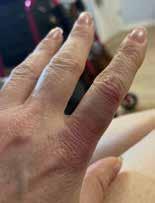
Figure 1 Ecchymosis to the left index finger upon initial presentation
She denied chest pain, dyspnea, palpitations, dizziness, syncope, or systemic symptoms Transient upper extremity swelling resolved spontaneously, but finger discoloration persisted, prompting emergency evaluation
Figure 1 Ecchymosis to the left index finger upon initial presentation
Given the sudden atraumatic bruising and a family history of rheumatoid arthritis, the differential diagnosis included peripheral vascular disease, vasospastic disorder, autoimmune disease, coagulopathy, and spontaneous hematoma.
2
1. Ecchymosis to the left index finger upon initial presentation
Laboratory evaluation revealed negative ANA, RF 14.3 IU/mL, ESR 20 mm/hr, CRP <1 mg/L, PT 11.0 seconds, and PTT 26 seconds. Comprehensive metabolic and lipid panels were within normal limits. No acute systemic abnormalities were identified.
The patient returned with intermittent hand discomfort aggravated by cold exposure. She reiterated the original episode of sudden discoloration without trauma. Symptoms had resolved without treatment.
Primary Care Follow-Up (May 1, 2025)
Achenbach syndrome is a rare but likely underrecognized condition characterized by spontaneous subcutaneous bleeding of the digits. Typical features include sudden pain or burning sensation, rapid blue-purple discoloration, involvement of the index or middle finger, absence of trauma, preserved perfusion, and spontaneous resolution within several days. The condition predominantly affects middle-aged women, consistent with this patient.
The exact pathophysiology remains unclear but is thought to involve capillary fragility, localized venous bleeding, and transient vascular instability. Importantly, arterial circulation remains intact, distinguishing the condition from ischemic processes.
Patients frequently undergo extensive testing because of concern for thromboembolism, vasculitis, or connective tissue disease. Prior literature demonstrates that laboratory and imaging studies are typically normal, as illustrated in this case. Recognition is therefore primarily clinical after exclusion of serious vascular pathology.
Although recurrence may occur, the condition remains benign and is not typically associated with systemic coagulopathy or progressive vascular disease.
MANAGEMENT
Management is conservative and includes reassurance, avoidance of unnecessary anticoagulation or invasive testing, and symptomatic care if needed. No specific therapy is required. The patient’s symptoms resolved without intervention.
OUTCOME AND FOLLOW-UP
The patient experienced spontaneous resolution of discoloration without complications. No progression to autoimmune or vascular disease occurred during follow-up.
CONCLUSION
This case highlights Achenbach syndrome as an important benign cause of acute atraumatic finger discoloration. Recognition of its characteristic presentation can help prevent unnecessary diagnostic testing, reduce healthcare utilization, and alleviate patient anxiety. Primary care clinicians play a critical role in identifying this condition after exclusion of serious vascular pathology. References found on page 35.
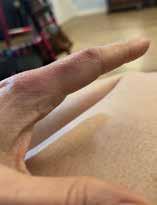
Figure 2. Dorsal involvement and finger discoloration
Primary Care Follow-Up (May 1, 2025)
Key clinical features included abrupt onset digital pain, rapid
At follow-up, examination showed normal vital signs, intact perfusion, full and painless range of motion, no Raynaud phenomenon, and no neurologic deficits
At follow-up, examination showed normal vital signs, intact perfusion, full and painless range of motion, no Raynaud phenomenon, and no neurologic deficits
Given the sudden atraumatic bruising and a family history of rheumatoid arthritis, the differential diagnosis included peripheral vascular disease, vasospastic disorder, autoimmune disease, coagulopathy,
Figure
Dorsal
Figure
Figure
METASTATIC PROSTATE CANCER PRESENTING AS LOW BACK PAIN
Older adults sometimes present to primary care with musculoskeletal symptoms that mask advanced malignancy. Modern intensification strategies for metastatic castration-sensitive prostate cancer can produce deep responses, but they also create substantial longitudinal management demands for family physicians.
A 67-year-old White man who had not engaged in routine medical care for years presented to family medicine with chronic low back pain. Initial evaluation revealed PSA 153 ng/mL, glucose 197 mg/dL, and alkaline phosphatase 227 IU/L. Prostate biopsy showed predominantly right-sided adenocarcinoma, largely Gleason 4+4=8, with high tumor involvement, while baseline PSMA PET/CT demonstrated extensive osseous metastases without pelvic or abdominal nodal disease. He received degarelix induction followed by leuprolide, enzalutamide 160 mg daily, docetaxel every 3 weeks for 6 cycles, and palliative radiation to painful pelvic/ femoral lesions. PSA became undetectable by December 2024, serial testosterone values remained in the castrate range, and April 2025 PSMA PET/CT showed no residual abnormal prostatic or skeletal uptake. The treatment course was complicated by severe hyperglycemia with A1c 10.1% at treatment onset and later normalization to 5.5%, hypokalemia, sensory neuropathy, neutropenia, falls, fractures, and a later ischemic stroke.
Nicholas Faron, DO
St. Luke’s Family Medicine Residency
Nicholas Gutzmer, DO
St. Luke’s Family Medicine Residency
Cole Pluff, MD
St. Luke’s Family Medicine Residency
Kristen Brown, MD
St. Luke’s Family Medicine Residency
This case highlights the family physician’s role in recognizing malignant causes of low back pain, accelerating diagnosis, interpreting treatment-related dysglycemia, coordinating toxicity surveillance, and providing survivorship care after response to contemporary systemic therapy.
INTRODUCTION
Metastatic castration-sensitive prostate cancer (mCSPC) increasingly is managed with treatment intensification rather than androgen-deprivation therapy (ADT) alone. Randomized trials have demonstrated survival benefit from adding docetaxel or a next-generation androgen receptor pathway inhibitor to ADT, and more recent trials have supported intensified multimodal systemic therapy in selected patients with de novo high-volume disease.1-6 For family physicians, however, the clinical challenge often begins much earlier: prostate cancer may first present as a seemingly common complaint such as low back pain, weight loss, fatigue, or poorly explained laboratory abnormalities.
This case was selected for family medicine readership because the diagnostic pivot occurred in primary care, not in oncology or urology. It also illustrates how the outpatient management burden extends well beyond cancer response alone. Severe treatment-period hyperglycemia, neuropathy, falls, fracture risk, cardiovascular risk reduction, and survivorship monitoring all required continuous primary care involvement. The manuscript is organized using CARE principles for case reporting.12
CASE PRESENTATION
The patient was a 67-year-old White man who presented to family medicine in July 2024 as a new patient after years without routine medical care. His initial complaint was chronic low back pain. Available records did not document a prior established diabetes diagnosis in the primary care chart before this presentation. Past history later proved notable for coronary artery disease, hyperlipidemia, hypertension, chronic obstructive pulmonary disease/emphysema, abdominal aortic aneurysm, fatty liver, and tobacco exposure. Family history was notable for prostate cancer in his father.
At the first primary care evaluation on July 25, 2024, laboratory testing showed PSA 153 ng/mL, glucose 197 mg/dL, alkaline phosphatase 227 IU/L, AST 63 IU/L, ALT 96 IU/L, bilirubin 1.8 mg/dL, potassium 3.3 mmol/L, and hemoglobin 15.9 g/dL. Lumbar spine radiography shortly thereafter showed multilevel degenerative changes, but the combination of severe back pain and markedly elevated PSA prompted urgent urologic evaluation.
Urologic assessment documented an abnormal digital rectal examination and proceeded to biopsy and staging. Prostate biopsy, performed August 12, 2024 and reviewed in the available chart image, showed predominantly rightsided adenocarcinoma. One left lateral apex core showed adenocarcinoma Gleason 3+3=6 with 4% core involvement. Multiple right-sided cores were positive for Gleason 4+4=8 adenocarcinoma with substantial tumor burden: right base 15%, right lateral base 35%, right mid 60%, right lateral mid 95%, right apex 80%, and right lateral apex 65%. Several other cores were benign. The exact perineural invasion status was not available in the chart material reviewed.
Baseline PSMA PET/CT on August 22, 2024 showed marked uptake in the prostate gland and innumerable skeletal metastases involving multiple ribs, sternum, scapulae, thoracic and lumbar vertebrae, sacrum, iliac bones, and femoral necks, without pelvic or abdominal adenopathy.
Lumbar MRI on September 5, 2024 further demonstrated marrow-replacing lesions at L2, L3, L4, and S1, with a possible active lesion in the left sacral wing, in
Date Major event Key objective data Primary care / carecoordination relevance
Jul 2024
New patient family medicine visit for chronic low back pain after years without routine care.
Aug 2024
Sep 2024
Oct-Nov 2024
Prostate biopsy and baseline staging.
Initiation of intensified treatment.
Continuation of treatment with interruptions and toxicities.
Docetaxel cycles 2-3; ANC nadir 0.2 on 11/22/2024; testosterone 19.2 then 18.2 ng/dL.
Urgent urologic referral because findings suggested more than degenerative pain.
Established de novo high-volume metastatic castration-sensitive prostate adenocarcinoma.
Palliative radiation to pelvis/femurs completed 09/27/2024.
Temporary delay after hospitalization for falls and presumptive urinary tract infection.
addition to multilevel degenerative disc disease and foraminal stenosis. Taken together, these findings were consistent with de novo high-volume metastatic castration-sensitive prostate adenocarcinoma, clinical stage T4N0M1b.
Treatment was initiated rapidly. Oncology documentation described ADT induction with degarelix followed by maintenance leuprolide injections every 6 months, along with enzalutamide (Xtandi) 160 mg daily. Docetaxel was administered every 3 weeks for 6 cycles: cycle 1 on September 26, 2024 (75 mg/m2), cycle 2 on October 25, 2024 (75 mg/m2; delayed briefly after hospitalization for falls and presumptive urinary tract infection), cycle 3 on November 15, 2024 (75 mg/m2), cycle 4 on December 6, 2024 (75 mg/m2), cycle 5 on December 27, 2024 (65 mg/m2), and cycle 6 on January 17, 2025 (65 mg/m2). The oncology medication
Date Major event Key objective data
Dec 2024
Later chemotherapy cycles and biochemical response.
Jan 2025
Feb-Apr 2025
Jul-Aug 2025
Late 2025-Feb 2026
Completion of systemic chemotherapy.
Early survivorship and restaging.
Major nononcologic complication.
Docetaxel cycle 4 then reduced-dose cycle 5; PSA <0.1 ng/mL by 12/27/2024; potassium dropped as low as 2.9 mmol/L in oncology notes.
Docetaxel cycle 6 at 65 mg/m2; testosterone 16.0 ng/dL.
Zoledronic acid started 02/07/2025; A1c 5.5% by 03/17/2025; PSA remained <0.1; testosterone 12.7 to 14.8 ng/dL.
Hospitalization for expressive aphasia and acute left centrum semiovale infarct.
Primary care / carecoordination relevance
Neuropathy, weakness, balance difficulty, and deconditioning noted.
Ongoing leuprolide plus enzalutamide.
PSMA PET/CT on 04/18/2025 showed no residual abnormal prostate or skeletal uptake.
Secondary stroke prevention initiated; no new oncologic intervention required.
Ongoing outpatient follow-up.
A1c 5.9% (11/07/2025) and 6.1% (02/06/2026); vitamin D 15.9 ng/mL (02/06/2026); PSA remained <0.1.
Fracture recovery, DEXA ordering, vitamin D replacement, and survivorship management continued.
Table 1B. Chronologic timeline of presentation, treatment, and follow -up (part 2)
Table 2. Prostate biopsy summary
list also documented dexamethasone 4 mg tablets as part of the chemotherapy regimen, consistent with peri-docetaxel steroid premedication.
Table 1B. Chronologic timeline of presentation, treatment, and follow -up (part 2)
Palliative radiation oncology completed 30 Gy in 10 fractions to painful bilateral pelvic/femoral metastases on September 27, 2024. This improved pain, although he later continued to require opioidbased symptom management for cancer-related pain.
DIAGNOSTIC ASSESSMENT
Date Major event Key objective data
The diagnostic sequence is notable for how common primary care findings converged into a metastatic cancer diagnosis. Back pain alone could have been attributed to degenerative spine disease, and imaging did confirm significant multilevel spondylotic pathology. However, the magnitude of PSA elevation, associated alkaline phosphatase elevation, progressive pain pattern, and subsequent biopsy findings revealed malignant disease that substantially exceeded the explanatory power of degenerative lumbar disease alone.
Dec 2024
Later chemotherapy cycles and biochemical response.
Docetaxel cycle 4 then reduced-dose cycle 5; PSA <0.1 ng/mL by 12/27/2024; potassium dropped as low as 2.9 mmol/L in oncology notes.
involvement, and zoledronic acid later was started on February 7, 2025 after earlier hesitation because of poor dentition. By the April 24, 2025 oncology follow-up, documentation listed both Zometa and zoledronic acid every 3 months in the chemotherapy regimen summary. Physical therapy and fall precautions were recommended because of deconditioning, balance impairment, and neuropathy.
FOLLOW-UP AND OUTCOMES
Primary care / carecoordination relevance
The patient’s prostate cancer had a dramatic response. By late 2024, PSA had become undetectable and remained suppressed. Alkaline phosphatase improved from 227 IU/L on July 25, 2024 and 357 IU/L on August 26, 2024 to 99 IU/L on March 17, 2025, with subsequent values near normal. The April 2025 PSMA PET/CT showed no residual metabolically active prostate or skeletal lesions.
Neuropathy, weakness, balance difficulty, and deconditioning noted.
Jan 2025
Completion of systemic chemotherapy.
Feb-Apr 2025 Early survivorship and restaging.
Serial tumor marker and endocrine data demonstrated a brisk systemic response. PSA decreased from 153 ng/mL on July 25, 2024 to 4.0 ng/mL on September 26, 2024, then to less than 0.1 ng/mL by December 27, 2024, and remained undetectable on later follow-up values including January 17, 2025, February 7, 2025, April 24, 2025, November 7, 2025, and thereafter. Serial total testosterone values recorded after ADT initiation were in the castrate range: less than 4.9 ng/dL on September 26, 2024, then 19.2, 18.2, 19.0, 13.7, 12.6, 16.0, 12.7, and 14.8 ng/dL on subsequent measurements through April 24, 2025.
Docetaxel cycle 6 at 65 mg/m2; testosterone 16.0 ng/dL.
Zoledronic acid started 02/07/2025; A1c 5.5% by 03/17/2025; PSA remained <0.1; testosterone 12.7 to 14.8 ng/dL.
The treatment course, however, was medically complex. Glycemic indices changed markedly during therapy. Serum glucose rose from 197 mg/dL at presentation to 355 mg/dL on August 26, 2024, and charted oncology values documented glucose 443 mg/dL on September 26, 2024.
Ongoing leuprolide plus enzalutamide.
Hemoglobin A1c was 10.1% on October 3, 2024. Over time, glucose control improved substantially, with glucose 103 mg/dL and A1c 5.5% by March 17, 2025, then A1c 5.9% on November 7, 2025 and 6.1% on February 6, 2026. This pattern suggested major treatment-period dysglycemia with later normalization after completion of chemotherapy and stabilization of systemic illness.
PSMA PET/CT on 04/18/2025 showed no residual abnormal prostate or skeletal uptake.
Jul-Aug 2025
Major nononcologic complication.
Restaging PSMA PET/CT performed April 18, 2025 showed complete metabolic response: no focal uptake suspicious for residual prostate disease, no pelvic or abdominal lymphadenopathy, and previously active skeletal foci no longer visualized, consistent with regression or inactivity.
Hospitalization for expressive aphasia and acute left centrum semiovale infarct.
Larger sclerotic skeletal lesions were described as stable or less pronounced on the CT component. This imaging response paralleled the biochemical response and clinical improvement.
Secondary stroke prevention initiated; no new oncologic intervention required.
THERAPEUTIC
Late 2025-Feb 2026
INTERVENTIONS
Ongoing outpatient follow-up.
A1c 5.9% (11/07/2025) and 6.1% (02/06/2026); vitamin D 15.9 ng/mL (02/06/2026); PSA remained <0.1.
The patient’s systemic regimen reflected contemporary intensified management for de novo high- volume mCSPC. Docetaxel plus ADT improved survival in CHAARTED and STAMPEDE, while enzalutamide plus ADT improved outcomes in ENZAMET.1-3
Fracture recovery, DEXA ordering, vitamin D replacement, and survivorship management continued.
Hematologic toxicity also occurred. Charted oncology data showed an absolute neutrophil count nadir of 0.2 on November 22, 2024. Hemoglobin decreased into the 10 to 12 g/dL range during chemotherapy, then later partially recovered. Neuropathy was described as grade 1-2, with whole-finger numbness, blurred vision, dryness of the eyes, balance issues, gait disturbance, and deconditioning in oncology follow-up. Falls and fractures complicated survivorship. Oncology notes documented multiple falls and fractures of the right arm. Orthopedic follow-up on April 2, 2025 documented conservative treatment of a nondisplaced fracture near the distal humerus. Later records described an emergency department visit on January 9, 2026 after tripping and sustaining an acute nondisplaced fracture of the lateral malleolus of the left ankle. These events occurred in the setting of metastatic bone disease, ADT exposure, enzalutamide exposure, neuropathy, deconditioning, and vitamin D deficiency.
A further major complication was ischemic stroke. Hospitalization from July 30 to August 1, 2025 documented expressive aphasia and an acute infarct in the left centrum semiovale on brain MRI. During that admission he was started on aspirin plus a 21-day course of clopidogrel, and antihypertensive therapy was intensified with lisinopril and amlodipine. Notably, by that time oncology documentation stated that active cancer treatment had been completed 5 months earlier and no new oncologic intervention was required.
12
DISCUSSION
Table 3. Treatment course and major management points
Although the exact regimen used in this patient (ADT plus enzalutamide plus docetaxel) was not the precise investigational combination in ARASENS or PEACE-1, those later trials reinforced the principle that intensified upfront multimodality therapy benefits appropriately selected patients with metastatic hormone-sensitive disease.4-6
Supportive management was clinically important. Hypokalemia required supplementation, pain required palliative care
This case is especially relevant to family medicine because the pivotal diagnostic decision occurred during a routine new-patient evaluation for back pain. Low back pain is among the most common complaints encountered in primary care, and most cases are mechanical. Yet this patient’s evaluation demonstrates why family physicians must remain alert to red-flag patterns: age, delayed engagement with care, symptom persistence, laboratory abnormalities, and clues that are disproportionate to a simple degenerative explanation. In this instance, PSA testing was decisive and accelerated subspecialty care before the patient developed more catastrophic skeletal complications.
Table 2. Prostate biopsy summary from the charted pathology image
Table 3. Treatment course and major management points
ADT Degarelix induction followed by leuprolide every 6 months
Enzalutamide
160 mg orally daily
Docetaxel
Palliative radiation
Zoledronic acid
Started Aug-Sep 2024; ongoing
Started Sep 2024; ongoing
75 mg/m2 every 3 weeks for cycles 1-4; 65 mg/m2 for cycles 5-6 Sep 2024-Jan 2025
30 Gy in 10 fractions to painful pelvic/femoral lesions
Intravenous antiresorptive therapy
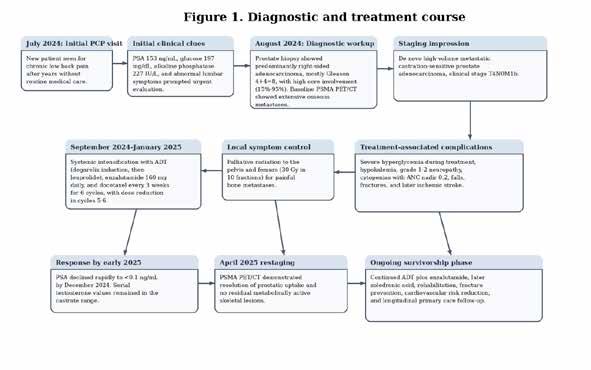
1. Diagnostic and treatment course
Completed Sep 27, 2024
Started Feb 7, 2025
Rapid testosterone suppression with serial post-treatment values in the castrate range.
Integrated into intensified systemic therapy; fall and fracture vigilance required.
Complicated by cytopenias, neuropathy, weakness, and treatment delay after intercurrent illness.
Used for symptom relief in the setting of bone metastases.
Initially deferred because of dentition concerns, then added later during survivorship.
The case also illustrates how primary care remains central after diagnosis. Contemporary oncologic intensification may achieve remarkable responses, but family physicians often become the clinicians most consistently engaged in monitoring blood pressure, glucose, medication burden, fall risk, bone health, rehabilitation, vascular secondary prevention, and psychosocial adjustment. That longitudinal role is particularly important when the patient’s course includes metabolic instability, neuropathy, fractures, and stroke.
The glycemic trajectory deserves special emphasis. The available chart shows no clearly established primary care diabetes diagnosis before the cancer workup, yet hyperglycemia was present at first presentation and worsened dramatically during treatment. Several mechanisms likely converged. First, systemic glucocorticoid exposure used with docetaxel can trigger substantial hyperglycemia, particularly in individuals with preexisting insulin resistance or occult dysglycemia.8 Second, ADT itself is associated with increased insulin resistance and risk of incident diabetes and cardiovascular disease.9,10 Third, active malignancy, weight loss, physiologic stress, and evolving nutritional intake may all perturb glycemic control. The subsequent A1c normalization after completion of docetaxel and stabilization of care suggests that at least part of the dysglycemia was treatment-amplified rather than fixed irreversible diabetes. For family physicians, the lesson is practical: glucose monitoring should be anticipatory, not merely reactive, when chemotherapy-associated steroids and ADT are started.
Serial testosterone values strengthen the biologic coherence of the response. Castrate-range total testosterone was documented on repeated testing beginning soon after therapy initiation, providing endocrine confirmation that ADT achieved the expected suppressive effect. The combination of castrate testosterone, undetectable PSA, falling alkaline phosphatase, and metabolic response on PSMA PET/ CT presents an internally consistent picture of deep treatment response.
Bone health and fall prevention were recurring themes. Early antiresorptive therapy in castration-sensitive metastatic disease does not clearly delay skeletal-related events in all patients,11 yet this patient ultimately received zoledronic acid because his cumulative fracture risk was clinically substantial. From the family medicine perspective, the broader bone-health strategy mattered just as much as the infusion itself: vitamin D replacement, DEXA ordering, mobility assessment, home safety, medication review, and coordination with orthopedics and physical therapy. Finally, the later ischemic stroke highlights the need to think beyond cancer control alone. ADT has been associated with adverse cardiometabolic effects and cardiovascular events.9,10 This patient also had baseline atherosclerotic disease, hypertension, hyperlipidemia, and former tobacco exposure, which likely compounded risk. Primary care follow-up therefore had to evolve from diagnostic gatekeeping to survivorship risk reduction: secondary stroke prevention, antihypertensive management, statin therapy, rehabilitation, and continued coordination with oncology.
LIMITATIONS
This manuscript is limited by the boundaries of the available chart extracts. Exact peri-docetaxel dexamethasone dosing instructions were not fully visible, although dexamethasone was clearly part of the oncology medication list. We also did not have complete endocrinology records or home glucose logs, which limits precision in describing how the temporary severe hyperglycemia was managed day to day. Nonetheless, the available records were sufficient to establish the chronology, treatment exposures, objective oncologic response, and primary care implications.
CONCLUSION
For family physicians, this case reinforces three durable lessons. First, common complaints such as low back pain occasionally conceal advanced malignancy, and selective laboratory evaluation can be lifesaving. Second, modern intensified treatment for mCSPC can produce striking biochemical and PSMA PET responses even in patients with high-volume osseous disease.
Third, the work of family medicine does not end once cancer care begins; it often expands. Recognizing and managing hyperglycemia, neuropathy, falls, fracture risk, cardiovascular risk, and survivorship needs are integral to successful real-world outcomes.
References found on page 35.
Figure
Recognizing Tick-Borne Coinfection in Primary Care: A Rural Missouri Case of Ehrlichiosis and Anaplasmosis
Kailyn Baalman, MD
Kansas City University GME Consortium (KCU-GME Consortium)/St Luke’s Hospital (Chesterfield) Program
Alexander Holbrook, DO
Kansas City University GME Consortium (KCU-GME Consortium)/St Luke’s Hospital (Chesterfield) Program
Brittany Herrin, DO
Kansas City University GME Consortium (KCU-GME Consortium)/St Luke’s Hospital (Chesterfield) Program
Human monocytic ehrlichiosis (HME) and human granulocytic anaplasmosis (HGA) are tick-borne illnesses caused by obligate intracellular bacteria transmitted primarily by Ixodes (blacklegged/deer tick) and Amblyomma (lone star tick) species.1,2 Coinfection, while uncommon, has been increasingly recognized in endemic regions and may present with nonspecific constitutional symptoms, leading to diagnostic delay.3,4,5 Additionally, the geographical expansion of tick-associated diseases into new areas emphasizes the importance of clinicians to remain up to date on tick associated pathogens and their spread.6 We report a case of an elderly male with subacute systemic symptoms and positive serologies for both Ehrlichia and Anaplasma, highlighting the importance of maintaining suspicion for tick-borne infection despite atypical laboratory results, physical exam findings and geographical location.
Introduction
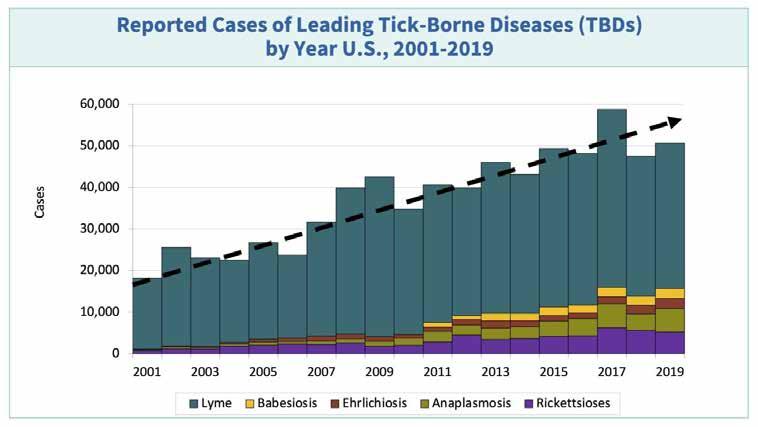
Tick-borne diseases represent an important and growing cause of febrile illness in the United States, particularly in older adults and individuals with outdoor exposure. The geographic range of tick vectors and associated pathogens is expanding in the United States, increasing diagnostic complexity for clinicians.7 Experts in the fields of epidemiology, climate and health care agree that the number of cases of tick-borne diseases in the US is increasing – posing a significant threat to public health. According to The National Emerging Special Pathogens Training and Education Center (NETEC), the expansion and exposure to ticks and their associated diseases is fueled by several factors such as climate change, ecological changes like reforestation, abundant deer populations, and expansion of civilization into wooded areas.8 Supporting this trend, a 2018 CDC report demonstrated that tick-borne disease more than doubled from 2004 to 2016 and is believed to also be substantially underreported.9
While we recognize there are a number of tick-borne diseases prevalent in the US such as Lyme disease, Rocky Mountain Spotted Fever and Babesiosis, to name a few, this case study focuses on two pathogens: the bacteria Ehrlichia chaffeensis which causes human monocytic ehrlichiosis and the bacteria Anaplasma phagocytophilum which causes human granulocytic anaplasmosis.
Symptoms of tick-borne illness overlap and can include fever, malaise, weight loss, rash, joint pain, headache and gastrointestinal symptoms within days to weeks after a tick bite.
Although leukopenia, hyponatremia, thrombocytopenia, and transaminitis are classically described, these findings may be absent, particularly in early or subacute presentations.5 With the geographic overlap of vector species and the nonspecific nature of early symptoms, differentiation of these diseases cannot be made by clinical presentation alone.
Making clinical diagnosis even more confounding, tick-borne diseases can exist simultaneously in a human host. While infection of multiple pathogens from a
Table 1. Reported Cases of Leading Tick -Borne Diseases
Note. From Climate Change and Infectious Diseases , by National Emerging Special Pathogens Training and Education Center (NETEC), 2024, https://netec.org/2024/03/25/climate -change-and-infectious -diseases/. Copyright 2024 by NETEC.
single tick is possible, co-feeding ticks on a shared vertebrate host can also result in coinfection.10
While we recognize there are a number of tick -borne diseases prevalent in the US such as Lyme disease, Rocky Mountain Spotted Fever and Babesiosis, to name a few, this case study focuses on two pathogens: the bacteria Ehrlichia chaffeensis which monocytic ehrlichiosis and the bacteria Anaplasma phagocytophilum which causes human granulocytic anaplasmosis.
Clinically, tick-borne coinfection is defined as infection acquired from one or multiple ticks following either a single exposure or multiple sequential exposures.11 Coinfection with multiple tickborne pathogens has been reported and may increase disease severity or complicate diagnosis.13,14 Primary care physicians must remain aware of the expanding habitats of ticks and the diseases they carry to effectively evaluate and treat tick-borne illness. We present an example of such a case in a rural Midwest clinic – an emerging overlap zone for Amblyomma and Ixodes tick species.
Case Presentation
A 75-year-old male living in Jefferson County, Missouri presented in late summer with 3.5 weeks of persistent constitutional symptoms including intermittent fever, decreased appetite, fatigue, night sweats, unintentional weight loss (5 pounds over two weeks), diffuse abdominal pain, and diarrhea.
Abdominal examination revealed mild diffuse tenderness to palpation. Skin examination demonstrated multiple diffuse circular scabbed lesions measuring less than 1 cm. No lymphadenopathy was appreciated. Neurologic examination was normal.
Urinalysis was negative for infection. Abdominal radiography (KUB) was unremarkable.
Diagnostic Evaluation
Given the subacute systemic symptoms and examination findings, a broad differential diagnosis was pursued, including malignancy, autoimmune disease, occult infection, and tick-borne illness.
Laboratory evaluation revealed:
• White blood cell count: 8.1 ×10⁹/L
• AST: 38
• ALT: 42
• Na: 137
Symptoms of tick-borne illness overlap and can include fever, malaise, weight loss, rash, joint pain, headache and gastrointestinal symptoms within days to weeks after a tick bite. Although leukopenia, hyponatremia, thrombocytopenia, and transaminitis are classically described, these findings may be absent, particularly in early or subacute presentations (5). With the geographic overlap of vector species and the nonspecific nature of early
His past medical history was significant for hypertension and hyperlipidemia. Home medications included lisinopril, hydrochlorothiazide, atorvastatin, and aspirin. Preventive health maintenance and vaccinations were up to date. The patient was a retired machinist, married, with one child who reported social alcohol use and no tobacco or illicit drug use. Since retirement, he has spent most of his time outdoors. On examination, body mass index was 30 kg/m2, blood pressure 134/72 mmHg, heart rate 60 beats per minute, oxygen saturation 97% on room air, and temperature 97.8°F. He appeared tired but in no acute distress. Cardiopulmonary examination was unremarkable.
• Hemoglobin: 14.5 g/dL
• Erythrocyte sedimentation rate: 5 mm/hr
• C-reactive protein: 9 mg/L
• HIV antibody: negative Tick-borne disease testing demonstrated:
• Lyme disease serology: negative
• Ehrlichia antibodies: positive at 1:2048 (reference negative <1:64)
• Anaplasma antibodies: positive at 1:512 (reference negative <1:64)
These findings were consistent with recent exposure to both Ehrlichia and Anaplasma species and, in the appropriate clinical
context, supported a presumptive diagnosis of tick- borne coinfection.
The patient was treated empirically with doxycycline 100 mg twice daily for 10 days. Within 72 hours, fevers and gastrointestinal symptoms improved significantly, and energy level progressively returned to baseline. At two-week follow-up, symptoms had resolved completely.
Discussion
This case underscores the importance of maintaining tick-borne illness high on the differential diagnosis in patients presenting with prolonged, nonspecific systemic symptoms—particularly in endemic or emerging regions. Early manifestations of ehrlichiosis and anaplasmosis are often indistinguishable from viral syndromes, occult bacterial infections, inflammatory disorders, or even malignancy. Fever, malaise, gastrointestinal complaints, and weight loss are common yet nonspecific findings, and reliance on classic laboratory abnormalities such as leukopenia or transaminitis may delay diagnosis when these abnormalities are absent.
The differential diagnosis of subacute fever with constitutional symptoms is broad and in older adults, additional concern for malignancy frequently guides initial workup. However, in endemic areas, tick-borne illness must remain an early diagnostic consideration—even in the absence of a known tick bite or characteristic rash. Studies show that many patients do not recall tick exposure, and dermatologic findings may be subtle or absent. Complicating the clinical landscape is the expanding and overlapping geographic distribution of tick vectors in the United States. Climate change, shifting wildlife populations, and land-use changes have contributed to northward and westward expansion of Ixodes and Amblyomma species. Regions previously associated with a single predominant pathogen are increasingly reporting multiple tick-borne diseases. As vector habitats overlap, coinfections are becoming more plausible, further complicating clinical evaluation. Physicians practicing in rural and suburban communities must therefore remain aware that historical regional disease boundaries are no longer static.
Failure to consider tick-borne illness early in the differential
may present atypically and are at higher risk of complications. Current guidelines recommend empiric doxycycline therapy when clinical suspicion for ehrlichiosis, anaplasmosis, or other tick-borne rickettsial diseases is moderate to high, even before confirmatory testing is available. The risks of delayed therapy outweigh the risks of short- term empiric treatment.
This case highlights the need for clinicians—particularly in primary care settings—to routinely incorporate epidemiologic factors such as seasonality, outdoor exposure, animal contact, and regional vector patterns into diagnostic reasoning. As tick habitats continue to expand and overlap, maintaining clinical awareness and remaining up to date with evolving epidemiology are essential components of effective patient care.
Early recognition is critical, as delayed treatment has been associated with increased morbidity, particularly in elderly patients. Empiric doxycycline therapy is recommended when clinical suspicion is high, even before confirmatory testing is complete.
Conclusion
Tick-borne coinfection with Ehrlichia and Anaplasma be considered in older adults presenting with prolonged constitutional symptoms and significant outdoor exposure, even when classic laboratory abnormalities or a known tick bite are absent. This case highlights how nonspecific presentations may obscure diagnosis and lead clinicians toward extensive evaluations for malignancy, autoimmune disease, or occult infection before considering vector-borne illness. As the geographic distribution of tick vectors continues to expand and overlap across the United States, clinicians practicing in both traditionally endemic and emerging regions must adapt their diagnostic approach accordingly.
Early recognition and prompt empiric doxycycline therapy remain critical, as delayed treatment is associated with increased morbidity, particularly among older patients.
Incorporating epidemiologic context—including seasonality, environmental exposure, and regional vector trends—into routine clinical reasoning can facilitate earlier diagnosis and improve patient
As tick-borne diseases continue to evolve alongside environmental and ecological change, maintaining clinical vigilance and awareness of coinfection is essential. This case serves as a reminder that common symptoms in the appropriate epidemiologic setting may represent emerging infectious threats, reinforcing the important role of frontline clinicians in recognizing and responding
Leaders Helping Shape the Future of Family Medicine
How the AAFP Leadership Conference strengthens Missouri family physicians today and for the future
Every spring, hundreds of family physicians and chapter team members from across the country gather in Kansas City for one purpose: to strengthen the leadership of family medicine.
The American Academy of Family Physicians Leadership Conference, which combines the Annual Chapter Leader Forum (ACLF) and the National Conference of Constituency Leaders (NCCL), is much more than a national meeting. It is where ideas are exchanged, future leaders are developed, policies are debated, and innovations are shared among the physicians and staff who will help shape the future of the specialty. The conference features educational sessions on leadership development, governance, advocacy, communications, artificial intelligence, board effectiveness, chapter operations, membership engagement, and health equity, alongside NCCL’s policy-development process where delegates develop and debate resolutions affecting family medicine nationwide.
This year, the Missouri Academy of Family Physicians (MAFP) was well represented by physician leaders, chapter staff, and NCCL delegates who returned home with new ideas, expanded professional networks, and renewed enthusiasm for serving Missouri’s family physicians.
Perhaps most importantly, they returned with knowledge that extends far beyond those who attended.
Every conversation, educational session, leadership discussion, and policy debate ultimately strengthens the Academy’s ability to advocate for members, develop future leaders, improve governance, and better serve family physicians throughout Missouri.
LEARNING FROM THE BEST AND SHARING MISSOURI’S SUCCESS
One of the greatest values of ACLF is the opportunity to learn alongside colleagues from every state. Throughout the conference, chapter leaders participated in sessions focused on board governance, strategic planning, leadership development, member engagement, communications, emerging technology, and organizational effectiveness. These conversations provide practical
ideas that chapters can immediately implement while creating valuable opportunities to compare approaches with peers facing similar challenges.
For Missouri’s leadership team, the timing was especially valuable. MAFP has spent the past year modernizing its governance structure through comprehensive bylaws revisions, restructuring its Board of Directors, and beginning a strategic planning process designed to position the Academy for long-term success. Rather than arriving simply to learn from others, Missouri’s leaders discovered they also had important lessons to share.
MAFP President Beth Rosemergey, DO, FAAFP was invited to serve as one of four chapter presidents participating in a panel discussion on effective board leadership. Moderated by AAFP Board Chair Dr. Jen Brull, the session highlighted successful governance strategies from chapters across the country.
“It was an honor to share MAFP’s journey,” Dr. Rosemergey reflected. “We have revised our bylaws, restructured our board, and embarked on strategic planning with the goal of strengthening our chapter for the future.”
IN A NEW WORLD WHERE PHYSICIAN IMPACT FEELS LIKE A FLEETING THOUGHT, BEING AT THE NCCL WAS INVIGORATING. AS A FEMALE, BLACK, IMG PHYSICIAN, THIS CONFERENCE WAS SIMPLY AN EMPOWERING EXPERIENCE NEEDED TO REASSURE THAT I BELONG. NEW HOPE THAT WE ARE STILL ABLE TO MOVE THE NEEDLE AND MAKE CHANGES THAT WILL NOT ONLY IMPACT OUR LIVES BUT THAT OF FUTURE DOCTORS AND OUR PATIENTS.
-OKWUCHI OGBONNA, MD, MPH, IMG DELEGATE
Her participation showcased Missouri’s willingness to embrace thoughtful organizational change while maintaining a strong commitment to serving members. That recognition reflects years of dedicated work by physician volunteers, chapter staff, and the Executive Commission.
As Executive Commission member Andi Selby, DO, observed, the Missouri chapter has become known nationally for balancing innovation with stability. “Our Missouri chapter is appreciated for our innovation along with our stability,” she said. “With the restructuring of our Board of Directors in the past year, we have worked hard to stay relevant and nimble.”
That work has not gone unnoticed.
“It is heartening to be involved in this organization that truly makes a difference for our patients and our country.”
BRINGING NEW IDEAS BACK TO MISSOURI
The educational sessions offered throughout ACLF covered topics that directly affect the future of physician leadership and association management.
Sessions exploring the emerging role of artificial intelligence generated significant discussion among attendees as they considered how AI will influence medical practice, physician education, communications, and organizational operations in the years ahead.
I HAD THE CHANCE TO CONNECT WITH PASSIONATE LEADERS AT ALL STAGES OF THEIR CAREERS, FORMING FRIENDSHIPS THAT I AM CONFIDENT WILL LAST A LIFETIME. THE COLLECTIVE ENERGY, COMMITMENT TO ADVOCACY, AND SHARED PURPOSE WERE INCREDIBLY MOTIVATING. I LEFT THE CONFERENCE WITH A RENEWED SENSE OF PRIDE IN OUR SPECIALTY AND A DEEPER APPRECIATION FOR THE IMPACT WE CAN HAVE WHEN WE ENGAGE. I STRONGLY ENCOURAGE OTHERS TO CONSIDER PARTICIPATING IN NCCL IN THE FUTURE—IT IS AN EXPERIENCE THAT NOT ONLY SHAPES POLICY BUT ALSO STRENGTHENS LEADERSHIP AND CONNECTION WITHIN FAMILY MEDICINE.
-JULIA FLAX, MD, WOMEN CONSTITUENCY
Natalie Long, MD, Chair of the MAFP Board of Directors, found the AI programming particularly valuable while also identifying practical ideas from sessions focused on chapter onboarding and governance.
“The AI session was very entertaining and informative,” she noted. “The chapter onboarding session also provided some ideas for how we can improve this process for our new board.”
Those ideas fit naturally into the Academy’s ongoing strategic planning efforts.
Dr. Long also emphasized another often-overlooked benefit of attending national leadership meetings: the opportunity for Missouri’s physician leaders to spend dedicated time together.
“This year’s ACLF/NCCL provided important networking and strategic planning preparation. It allowed the Executive Commission to collaborate with each other in preparing for our upcoming strategic planning session. It also reinforced the importance of the board restructuring and bylaws review that was completed over the past year.”
Leadership development is not confined to formal presentations. Some of the most valuable conversations occur between sessions, over meals, and during networking events where chapter leaders discuss challenges, compare solutions, and build relationships that continue long after the conference concludes. For the second year in a row, the Missouri attendees partnered with attendees from Colorado, Tennessee, and Iowa for a group dinner.
Those professional connections create an ongoing resource that Missouri leaders can draw upon for years to come.
MISSOURI’S VOICE IN NATIONAL POLICY
While ACLF focuses primarily on chapter leadership, governance, and organizational excellence, NCCL provides a different, but equally important, opportunity.
The National Conference of Constituency Leaders serves as one of the AAFP’s premier leadership development experiences. This conference exists to specifically give a voice to members
representing the unique needs women, new physicians, international medical graduates, BIPOC, and LGBTQ+ family physicians. Delegates debate resolutions, testify before reference committees, refine leadership skills, and help shape issues that may ultimately be considered by the AAFP Congress of Delegates.
For many attendees, NCCL serves as an entry point into organized medicine and national leadership.
This year, Missouri’s delegates represented the state thoughtfully while gaining valuable experience that will benefit both the Academy and the profession for years to come.
For Kelly Dougherty, MD, attending NCCL for the first time confirmed what others had been telling her for years.
“My mentors have been telling me that I would find a home at NCCL,” she reflected, “and this incredibly empowering space, full of passionate family physicians, fully lived up to the hype.”
Representing Missouri as an ally in the LGBTQ+ constituency, Dr. Dougherty joined colleagues in developing resolutions addressing issues affecting patients and physicians. Several of the resolutions she worked on including proposals related to conversion therapy policy, protections for transgender individuals in detention, anal cancer screening education, and self-collected HPV testing were adopted for further consideration within the Academy’s governance process.
Equally important was the personal growth that accompanies participation in NCCL.
“As a first-time attendee, I was intentional about listening to my peers and learning from experienced attendees in order to step into a more visible role in the future.”
She described strengthening her writing skills, parliamentary procedure knowledge, and leadership confidence while building relationships with physicians from across the country.
“Having the opportunity to stand as an ally with so many amazing new friends was inspiring, and I am grateful for the opportunity to have represented our state and our specialty.”
Those experiences illustrate why MAFP remains committed to identifying and supporting emerging leaders. All delegates are gaining leadership skills to become tomorrow’s commission chair, board member, committee leader, or national representative.
INVESTING IN LEADERSHIP BENEFITS
EVERY MEMBER
It can be easy to view conferences like ACLF and NCCL simply as meetings attended by a handful of volunteers and staff. In reality, they represent an investment in the future of every MAFP member.
ACLF Attendees
Natalie Long MD Board Chair
Beth Rosemergey DO, FAAFP President
Lauren Wilfling DO, FAAFP President-Elect
Andi Selby DO, FAAFP Executive Commission
Bill Plank CAE MAFP Executive Director
Andrea Holloway MAFP Member Experience Manager
NCCL Attendees
Julia Flax MD, FAAFP Women Delegate
Malinda Ellis MD BIPOC Delegate
Okwuchi Ogbonna MD IMG Delegate
Kelly Dougherty MD LGBTQ+ Delegate
Jason Maddox DO New Physician Delegate
When physician leaders learn new governance practices, the Academy becomes stronger. When staff discover more effective approaches to communications or member engagement, services improve. When delegates develop leadership skills and policy expertise, Missouri gains stronger advocates. When chapter leaders build relationships with colleagues across the country, they gain access to ideas and resources that would otherwise take years to develop independently.
The return on that investment continues long after everyone returns home. Ideas generated during leadership sessions influence board practices. Successful programs from other states inspire new initiatives in Missouri. National relationships provide trusted colleagues who can offer advice when new challenges arise.
Perhaps most importantly, these conferences reinforce that family medicine remains a vibrant, innovative specialty filled with leaders committed to improving patient care.
As Dr. Selby observed, “Our specialty is strong. We have many challenges ahead of us, but we have the wisdom and heart to take these on both nationally and locally.”
That optimism was echoed throughout Missouri’s delegation.
BUILDING MOMENTUM FOR THE FUTURE
Hosting the conference in Kansas City provided another point of pride for Missouri.
“It is fun to have this meeting in Missouri as we get to be in the spotlight of Family Medicine,” Dr. Rosemergey said.
Even unexpected moments (including tornado sirens during the meeting) became shared experiences that attendees will remember for years to come. More importantly, the conference highlighted the growing influence of Missouri’s leaders within the national family medicine community.
Whether presenting on board governance, participating in strategic discussions with chapter executives, contributing to policy development, or mentoring emerging physician leaders, Missouri’s delegation demonstrated that our Academy is helping shape the future of organized family medicine.
The experience also reinforced an important truth about leadership. Leadership is not reserved for those holding elected office.
It develops through curiosity, service, collaboration, and a willingness to learn from others while sharing one’s own experiences. That culture of leadership continues to grow throughout MAFP.
Each physician who volunteers on a commission.
Each resident who attends a conference.
Each new delegate who writes a first resolution.
Each board member who embraces change.
Each MAFP Team member who brings home a new idea.
Together, they strengthen an organization that exists to support every family physician in Missouri.
As the Academy continues implementing its strategic plan and preparing future generations of physician leaders, the lessons learned at ACLF and NCCL will continue to shape decisions, programs, advocacy efforts, and member services. The knowledge gained belongs not only to those who attended, but to every member they serve. That is the true value of leadership development.
By investing in people, Missouri is investing in the future of family medicine and ensuring that the specialty remains strong, innovative, and prepared to meet the challenges ahead.
Finding Our Voice Together: Missouri Family Physicians Advocate for You in DC
Advocacy is often described as one of the pillars of family medicine, but there is something different about experiencing it firsthand. During the 2026 AAFP Family Medicine Advocacy Summit in Washington, D.C., Missouri family physicians joined around 350 colleagues from across the country to advocate for policies that strengthen primary care and improve patient care.
This year’s summit brought together a record number of family physicians, residents, and students. Through policy briefings, advocacy training, and meetings with members of Congress, Missouri delegates demonstrated that advocacy is an extension of patient care. Missouri’s delegation included:
• Josephine LA Glaser, MD, FAAFP, Ballwin, MO
• Jamie Harrison, MD, Cape Girardeau, MO
• Upagya Srinivas Kompalli, MD, PGY3, Ballwin, MO
• Peter Koopman MD, FAAFP, Columbia, MO
• Natalie Long, MD, Columbia, MO
• Keith Ratcliff, MD, FAAFP, Washington, MO
• Kento Sonoda, MD, FAAFP, Clayton, MO
• Ngozi Wilkins, MD, FAAFP, Saint Peters, MO
• Bill Plank, CAE, Jefferson City, MO
The Summit began Sunday, June 14 with briefings for chapter leaders, advocacy ambassadors, and first-time attendees. There were two separate receptions – one specifically for students and residents and another open to all. Monday’s schedule included a conversation with AAFP EVP/CEO Shawn Martin on the Primary Care for America Triple Double Initiative that includes:
• Double the investment in primary care from 5% to 10% of health care spending
• Double the reach of primary care, beginning with increasing community health center capacity from 10% to 20%
• Double the next generation primary care workforce from 20% to 40% of clinicians choosing to work in primary care
AAFP is one of a handful of champions united in a goal to provide high-quality, comprehensive, accessible primary care to all patients.
More information on the triple double can be found at www. primarycareforamerica.org.
To make headway on these goals, AAFP provided information on three major priorities so we could share a coordinated message: strengthening Chronic Care Management, improving Medicare Advantage through prior authorization reform and transparency, and protecting the physician workforce by supporting international medical graduates serving rural and underserved communities.
Monday afternoon was reserved for more advocacy education including a wide range of breakout sessions.
On Tuesday, June 16, 2026, we heard from members of the Congressional Doctors Caucus before heading to Capitol Hill. Once on the hill, the Missouri delegation had meetings with the offices of:
• Senator Eric Schmitt
• Representative Wesley Bell
• Representative Bob Onder
• Representative Ann Wagner
• Representative Jason Smith
We met with our legislators to request support for key legislative initiatives aimed at improving the Chronic Care Management system, enhancing transparency and prior authorization processes in the Medicare Advantage program, and addressing the newly imposed $100,000 fee associated with J-1 Visas affecting our international medical graduate colleagues. These measures appear to have promising momentum and represent important steps toward strengthening programs that support our family medicine workforce and patients.
Dr. Peter Koopman noted, “ I was excited and energized to attend the Family Medicine Advocacy Summit in 2026. As in previous years, the event was both educational and inspiring. The 2026 Summit had the largest attendance to date, and the planning staff informed me they are considering expanding the event in future years due to it selling out twice.
Engaging with so many passionate and committed family physicians over two days—each taking time from their busy schedules to advocate for the values of our specialty and our
patients—was truly rewarding. The Monday educational sessions provided valuable insights into the current political landscape, highlighting policies and legislation supported by family physicians that also enjoy some bipartisan backing.
The Missouri delegation was robust, with seven of our colleagues actively learning and advocating, including a resident from Joplin, which was particularly inspiring. Seeing younger physicians invest their time in advocacy gives me great hope for the future.”
Dr. Ngozi Wilkins reflected, “One of my greatest takeaways was recognizing the tremendous impact family physicians can have in the halls of Congress. As frontline physicians, we bring firsthand knowledge of how legislation affects the lives of our patients. When we speak with one voice, our experiences become powerful tools for shaping policies that strengthen primary care, improve patient outcomes, and support healthier communities.
I was reminded of the importance of continuing to support policies that strengthen primary care and improve access to care. I also came away with a renewed commitment to encourage more family physicians to become involved in advocacy. Our stories matter. By sharing real-world examples of the challenges our patients face, we help lawmakers better understand the consequences of policy decisions. Meaningful changes occur when legislators hear directly from physicians caring for patients on the front lines every day.”
For first time attendee Dr. Kento Sonoda, the experience demonstrated the power of physician engagement. “It was an honor to advocate for policies related to Chronic Care Management, Medicare Advantage, and healthcare workforce issues. The experience allowed me to take the advocacy work we do at the state level and engage in those conversations on a national level.”
Dr. Sonoda also reflected on the power of organized medicine: “If you ever find yourself frustrated by challenges or issues in clinical practice, consider channeling that energy into advocacy. Advocacy is a way to transform our concerns into action and shape a better future for our patients and family medicine. I sincerely appreciate all the hard work of the AAFP and MAFP staff in making this effort possible. “
Missouri member and AAFP Advocacy Ambassador Dr. Josephine Glaser reminded attendees that advocacy continues long after leaving Washington. She encouraged physicians to stay engaged through district meetings, grassroots campaigns, and the AAFP Advocacy Ambassador program. She also reminded us of the importance of unity amidst political noise by saying, “While political noise and partisanship naturally surrounded general conversations and certain presentations, I was grateful for the AAFP’s dedicated efforts to focus on unifying issues. The Academy emphasized respectful dialogue and tolerance for members holding polarizing views regarding the art, science, and practice of family medicine. This year, the AAFP advocated for congressional healthcare bills aimed at our shared goals. Joining these national efforts, your MAFP colleagues advocated for these key AAFP priorities on the Hill, specifically championing federal initiatives to expand Family Medicine workforce development, advance comprehensive Medicare payment reform, and simplify burdensome administrative complexities.”
The Missouri Academy of Family Physicians is proud of the physicians who represented our state. Their willingness to invest their time and share their stories demonstrates the best of our specialty. Whether through MAFP Advocacy Day, legislative action alerts, district meetings, or next year’s Family Medicine Advocacy Summit, every member has an opportunity to make a difference.
Together, Missouri family physicians are helping shape the future of primary care, one patient story and one conversation at a time.
As a reminder, the AAFP Family Advocacy Summit is open to all AAFP members. Advocating together, with one voice, is one of the many benefits of membership in both MAFP and AAFP. Members gain policy expertise, leadership experience, meaningful relationships with colleagues, and opportunities to directly influence the future of family medicine. Those interested in attending next year should mark May 2325, 2027 on their calendar. See www.aafp. org or e-mail grassroots@aafp.org or office@ mo-afp.org for more information.
FHFM Recognizes Outstanding Graduates Entering Family Medicine Across Missouri
The Family Health Foundation of Missouri (FHFM) is proud to award scholarships to the following graduates for the Top Graduating Medical Student Entering Family Medicine.
This annual $500 scholarship and commemorative certificate are presented to one graduating medical student from each Missouri medical school who is entering the specialty of Family Medicine and attending a Missouri-based residency program. FHFM Scholarship recipients include:
Name Medical School Residency
Esed Mustafic, MD Saint Louis University School of Medicine
Adam Orf, MD University of Missouri - Columbia
Colin Wunderlich, MD University of Missouri-Kansas City School of Medicine
Andrew Farrell, DO Kansas City University College of Osteopathic Medicine
John Bohon, DO A.T. Still University - Kirksville College of Osteopathic Medicine
SSM Health/St. Louis University
University of Missouri - Columbia
University of Missouri - Columbia
COX Health Family Medicine
CoxHealth Family Medicine
Congratulations to all of this year’s awardees for their commitment to family medicine and to the health of Missouri communities!
The Family Health Foundation of Missouri was established in 1988 as the philanthropic arm of the MAFP. The foundation supports scientific, educational, and charitable initiatives that advance the field of family medicine. FHFM is a 501(c)(3) nonprofit organization. Learn more or donate at www.mo-afp.org/foundation.
Missouri Women, Infant and Children Supplemental Nutrition Changes
Missouri WIC would like to inform our health care provider partners of a policy change effective July 1. This change will affect a large percentage of infant and child WIC participants who require exempt infant formula or nutritionals (i.e., special formulas).
Beginning July 1, health insurance companies, including MO HealthNet, will assume the primary payer role for special formulas (https://health.mo.gov/living/families/wic/pdf/retailer-foodformula-reference-guide.pdf) for infant and child WIC participants. This change allows WIC to provide nutritious food to more eligible participants. Health insurance companies can provide special formula, and WIC can provide healthy food! If you are interested in learning more, you can read the federal policy memo (https:// www.usda.gov/sites/default/files/guidance-documents/fns.wicpm2015-07-medicaidPrimaryPayorExemptFormulasMedicalFoods. pdf) connected with this change.
WIC remains the primary payer of standard infant formula for all infant participants regardless of insurance status. The current standard infant formulas are Similac Advance, Similac Sensitive, Similac Gentle Comfort and Similac Soy Isomil. WIC will also provide Enfamil A.R. with a WIC Medical Documentation form (WIC-27).
Missouri WIC is the secondary payer and will provide WICapproved special formula in accordance with WIC requirements and when one or more of the following apply. A participant:
• Does not have insurance.
• Is enrolled in MO HealthNet, private or military insurance, but their formula is not covered.
• Is waiting for a MO HealthNet application or formula request to be approved.
You will continue to complete a WIC-27 for these WIC participants who rely on WIC for ongoing or transitional special formula needs. Please refer to the Health Care Provider page (https://health.mo.gov/living/families/wic/wichcp/) on the WIC website for more information on the WIC-27.
For infant and child participants whose insurance covers special formula, you will send a prescription for the special formula to a durable medical equipment (DME) company or entity as determined by the insurance company. If you have questions, please email WICInfo@health.mo.gov. Health care provider updates for Missouri WIC are available by subscribing to our MO WIC Info for Health Care Providers (https://public.govdelivery.com/accounts/ MODHSS/ subscriber/new?topic_id=MODHSS_19) email.
Dr. Zweig Receives F. Marion
Bishop Leadership Award
Congratulations to MAFP member Dr. Steven Zweig on receiving the prestigious F. Marian Bishop Leadership Award from the Society of Teachers of Family Medicine! Dr. Zweig’s leadership, mentorship, and dedication to advancing family medicine continue to make a lasting impact in Missouri and beyond. We’re proud to celebrate this well-deserved national recognition!
Established in 1990 in honor of Dr. F. Marion Bishop, this award is presented by the STFM Foundation to honor senior leaders who have significantly enhanced the credibility of family medicine by a sustained, long-term commitment to family medicine in academic settings.
Former MAFP Board Member Earns Missouri’s Best Doctor Honor
Congratulations to Dr. Amanda Shipp, former Missouri Academy of Family Physicians Board member, on being named Missouri’s Best Doctor in the 2026 Missouri’s Best Awards presented by Missouri Magazine. This marks the fifth time Dr. Shipp has received this distinguished honor, reflecting her ongoing commitment to providing exceptional care to her patients and community.
View the complete list of 2026 winners at https://missourisbest.co/ missouris-best-2026.
Dr. David A. Miller Named Vice President and Chief Operating Officer of Affinia Healthcare
Affinia Healthcare has appointed David A. Miller, MD, as its new Vice President and Chief Operating Officer, effective March 1, following a national search.
Dr. Miller previously served as Affinia Healthcare’s Convenience Care Clinical Director and Assistant Medical Director, where he helped advance patient-centered care and strengthen clinical operations. He brings more than a decade of service to the organization, having held a variety of clinical and leadership roles since 2014.
As Vice President and COO, Dr. Miller will oversee operational strategy and support continued innovation in care delivery. A family physician, he noted that the mission of community health centers aligns closely with his training and experience.
Affinia Healthcare President and CEO Dr. Kendra Holmes praised Dr. Miller’s leadership, commitment to the organization’s mission, and dedication to improving access to care.
For more information, visit affiniahealthcare.org.
From Columbia to St. Louis: Dr. Erik Lindbloom Takes on New Role
After 29 years of distinguished service to the University of Missouri School of Medicine and MU Health Care, Erik Lindbloom, MD, MSPH, FAAFP, is retiring from the University of Missouri, where he served in numerous leadership roles, including Associate Program Director of the Family Medicine Residency program for 20 years. He also directed the Academic Medicine Fellowship, Geriatric Medicine Fellowship, and Master of Science in Academic Medicine degree program.
Dr. Lindbloom will continue his leadership in family medicine as chair of the Department of Family and Community Medicine at Saint Louis University.
(Image source: facebook.com/mufamilymed)
(Image source: facebook.com/mufamilymed)
Dr. Erika Ringdahl Retires After 30 Years of Leadership
After 30 years as director of the University of Missouri Family Medicine Residency Program, Erika Ringdahl, MD, is retiring, leaving a legacy of innovation, leadership and service. During her tenure, she earned national recognition for her leadership, secured HRSA grants that advanced curriculum innovation and helped train more than 400 family physicians who now serve communities across the country.
Succeeding her as Program Director is Dr. Kristen Deane, who has served as Associate Program Director for the past 20 years and will assume the role in July.
ATSU-KCOM Recognized as Leader in U.S. News & World Report Rankings
A.T. Still University’s Kirksville College of Osteopathic Medicine (ATSU-KCOM) was again recognized among the nation’s leaders in the 2026 U.S. News & World Report Best Medical Schools rankings. ATSU-KCOM ranked No. 1 nationally for graduates practicing in rural communities for the third consecutive year and also earned top rankings for graduates practicing in primary care and health professional shortage areas,
reflecting the school’s longstanding commitment to training physicians who serve communities with the greatest healthcare needs.
SSM Health/St. Louis University Highlights Resident and Faculty Successes
SSM Health/St. Louis University Family Medicine Residency Program recently recognized a number of resident and faculty accomplishments.
Jennifer R. Bello-Kottenstette, MD, and Elizabeth Keegan Garrett, MD, FAAFP, were among the co-authors of the recently published study, “Fertility Beliefs and Menstrual Experiences Among Women Entering Opioid Use Disorder Treatment,” which appeared in the Journal of Addiction Medicine. The research examined reproductive health perspectives and experiences among women beginning treatment for opioid use disorder and was conducted in collaboration with a multidisciplinary team of investigators.
Tyeler Rayburn, MD (PGY3), had two manuscripts accepted for publication: “Every Resident Should Go to Jail” in Family Medicine and “Cannabis for Neuropathic Pain” in American Family Physician.
Thomas Cassimatis, MD (PGY2), received the Exceptional Resident Award from Saint Louis University School of Medicine clerkship students in recognition of his contributions to medical student education and mentorship.
Dani Kander, DO (PGY1), earned national recognition when her piece, “Waiting,” was selected as a winning entry in the Society of Teachers of Family Medicine Poetry and Prose Contest.
Branson Welcomes Inaugural Family Medicine Residency Class
Anew family medicine residency program at Cox Medical Center Branson is welcoming its inaugural class of residents this July, marking an important step in expanding family medicine training opportunities in southwest Missouri.
Led by Dr. Andi Selby, a family physician in Branson and Memberat-Large on the Missouri Academy of Family Physicians Board of
Blake Bassett, DO
Oklahoma State University (Tulsa, OK)
Madeline LaMartina, DO
New York Institute of Technology (Jonesboro, AR)
Directors, the program is designed to prepare physicians to provide comprehensive, community-focused care while helping address the growing need for primary care physicians throughout the region.
The Missouri Academy of Family Physicians congratulates the inaugural class and welcomes these future family physicians as they begin their residency training.
Cassandra Sturdy, DO
Oklahoma State University (Tahlequah, OK)
Clayton Tindell, DO Kansas City University (Joplin, MO)
References
Achenbach Syndrome Presenting as Acute Spontaneous Digital Ecchymosis: A Case Report page 16
1. Achenbach W. Paroxysmale Handhämatome. Medizinische Klinik. 1958;53:2138–2140. (Original description of Achenbach syndrome.)
2. Kämpfen S, et al. Achenbach’s syndrome (paroxysmal finger hematoma): A benign condition often misdiagnosed. Vasa. 2014;43(6):439–443. doi:10.1024/0301-1526/a000392
3. Carpentier PH, Maricq HR, Biro C, Jiguet M, Seinturier C. Prevalence, risk factors, and clinical correlates of Raynaud phenomenon: A population-based study. J Vasc Surg. 2006;44(5):1023–1030.
4. Lee CH, et al. Achenbach syndrome: Case report and literature review. Ann Dermatol. 2019;31(3):321–324. doi:10.5021/ad.2019.31.3.321
6. O’Donnell TF Jr, Iafrati MD. Disorders of the upper extremity arteries and veins. In: Sidawy AN, Perler BA, eds. Rutherford’s Vascular Surgery and Endovascular Therapy. 9th ed. Elsevier; 2019.
7. Rongioletti F, Rebora A. Painful bruising syndrome and related vascular disorders. Clin Dermatol. 1999;17(3):343–347.
8. Bolognia JL, Schaffer JV, Cerroni L. Dermatology. 4th ed. Elsevier; 2018. (Section: Vascular disorders and purpura.)
9. Braunwald E, et al. Harrison’s Principles of Internal Medicine. 21st ed. McGraw-Hill; 2022. (Peripheral vascular and vasospastic disorders.)
10. Watanabe T, et al. Clinical features of Achenbach syndrome: A retrospective study. J Dermatology. 2016;43(6):673–676.
11. Choi HJ, Lee SJ. Paroxysmal finger hematoma: Distinguishing Achenbach syndrome from acute digital ischemia. Vascular. 2015;23(6):648–651.
Metastatic Prostate Cancer Presenting as Low Back Pain
page18
1. Sweeney CJ, Chen YH, Carducci M, Liu G, Jarrard DF, Eisenberger M, et al. Chemohormonal therapy in metastatic hormone-sensitive prostate cancer. N Engl J Med. 2015;373(8):737-746. doi:10.1056/NEJMoa1503747.
2. James ND, Sydes MR, Clarke NW, Mason MD, Dearnaley DP, Spears MR, et al. Addition of docetaxel, zoledronic acid, or both to first-line long-term hormone therapy in prostate cancer (STAMPEDE): survival results from an adaptive, multiarm, multistage, platform randomised controlled trial. Lancet. 2016;387(10024):1163-1177. doi:10.1016/S0140-6736(15)01037-5.
3. Davis ID, Martin AJ, Stockler MR, Begbie S, Chi KN, Chowdhury S, et al. Enzalutamide with standard first-line therapy in metastatic prostate cancer. N Engl J Med. 2019;381(2):121-131. doi:10.1056/NEJMoa1903835.
4. Smith MR, Hussain M, Saad F, Fizazi K, Sternberg CN, Crawford ED, et al. Darolutamide and survival in metastatic, hormone-sensitive prostate cancer. N Engl J Med. 2022;386(12):1132-1142. doi:10.1056/NEJMoa2119115.
5. Fizazi K, Foulon S, Carles J, Roubaud G, McDermott R, Flechon A, et al. Abiraterone plus prednisone added to androgen deprivation therapy and docetaxel in de novo metastatic castration-sensitive prostate cancer (PEACE-1): a multicentre, open-label, randomised, phase 3 study with a 2 x 2 factorial design. Lancet. 2022;399(10336):1695-1707. doi:10.1016/S01406736(22)00367-1.
6. Lowrance WT, Dreicer R, Jarrard DF, Scarpato KR, Kim SK, Kirkby E, et al. Updates to advanced prostate cancer: AUA/SUO guideline (2023). J Urol. 2023;209(6):1082-1090. doi:10.1097/JU.0000000000003452.
7. Fendler WP, Eiber M, Beheshti M, Bomanji J, Calais J, Ceci F, et al. PSMA PET/CT: joint EANM procedure guideline/SNMMI procedure standard for prostate cancer imaging 2.0. Eur J Nucl Med Mol Imaging. 2023;50(5):14661486. doi:10.1007/s00259-022-06089-w.
8. Barker HL, Morrison D, Llano A, Sainsbury CAR, Jones GC. Practical guide to glucocorticoid induced hyperglycaemia and diabetes. Diabetes Ther. 2023;14(5):937-945. doi:10.1007/s13300- 023-01393-6.
9. Keating NL, O’Malley AJ, Smith MR. Diabetes and cardiovascular disease during androgen deprivation therapy for prostate cancer. J Clin Oncol. 2006;24(27):4448-4456. doi:10.1200/JCO.2006.06.2497.
10. Levine GN, D’Amico AV, Berger P, Clark PE, Eckel RH, Keating NL, et al. Androgen- deprivation therapy in prostate cancer and cardiovascular risk: a science advisory from the American Heart Association, American Cancer Society, and American Urological Association. Circulation. 2010;121(6):833840. doi:10.1161/CIRCULATIONAHA.109.192695.
11. Smith MR, Halabi S, Ryan CJ, Hussain A, Vogelzang N, Stadler W, et al. Randomized controlled trial of early zoledronic acid in men with castration-sensitive prostate cancer and bone metastases: results of CALGB 90202 (Alliance). J Clin Oncol. 2014;32(11):1143-1150. doi:10.1200/ JCO.2013.51.6500.
12. Gagnier JJ, Kienle G, Altman DG, Moher D, Sox H, Riley D; CARE Group. The CARE guidelines: consensus-based clinical case reporting guideline development. BMJ Case Rep. 2013;2013:bcr2013201554. doi:10.1136/bcr2013-201554.
Recognizing Tick-Borne Coinfection in Primary Care: A Rural Missouri Case of Ehrlichiosis and Anaplasmosis page 22
1. Centers for Disease Control and Prevention. Ehrlichiosis: Causes and How It Spreads. Updated May 15, 2024. https://www.cdc.gov/ehrlichiosis/causes/ index.html
2. Centers for Disease Control and Prevention. Anaplasmosis: Transmission and Epidemiology. Updated July 19, 2024. https://www.cdc.gov/anaplasmosis/ hcp/transmission/index.html
3. Centers for Disease Control and Prevention. Clinical signs and symptoms of ehrlichiosis. CDC. Updated May 15, 2024. Accessed February 16, 2026. https://www.cdc.gov/ehrlichiosis/hcp/clinical-signs/index.html
4. Centers for Disease Control and Prevention. Clinical signs and symptoms of anaplasmosis. CDC. Updated May 15, 2024. Accessed February 16, 2026. https://www.cdc.gov/anaplasmosis/hcp/clinical-signs/index.html
5. Ismail N, Bloch KC, McBride JW. Human ehrlichiosis and anaplasmosis. Clin Lab Med. 2010 Mar;30(1):261-92. doi: 10.1016/j.cll.2009.10.004. PMID: 20513551; PMCID: PMC2882064.
6. Alkishe A, Raghavan RK, Peterson AT. Likely Geographic Distributional Shifts among Medically Important Tick Species and Tick-Associated Diseases under Climate Change in North America: A Review. Insects. 2021 Mar 5;12(3):225. doi: 10.3390/insects12030225. PMID: 33807736; PMCID: PMC8001278.
7. Bouchard C, Dibernardo A, Koffi J, Wood H, Leighton PA, Lindsay LR. N Increased risk of tick-borne diseases with climate and environmental changes. Can Commun Dis Rep. 2019 Apr 4;45(4):83-89. doi: 10.14745/ccdr. v45i04a02. PMID: 31285697; PMCID: PMC6587693. https://pmc.ncbi.nlm. nih.gov/articles/PMC6587693/.
8. National Emerging Special Pathogens Training & Education Center (NETEC). Climate change and infectious diseases: webinar featuring Beard CB, Benesch T, Bente D, Dacso M. Published March 25, 2024. Accessed February 28, 2026. https://netec.org/2024/03/25/climate-change-and-infectiousdiseases/
9. Rosenberg R, Lindsey NP, Fischer M, et al. Vital signs: trends in reported vectorborne disease cases—United States and territories, 2004–2016. MMWR Morb Mortal Wkly Rep. 2018;67(17):496-501. doi:10.15585/mmwr. mm6717e1
10. Voordouw MJ. Coevolutionary interactions between host and pathogen genotypes underlie geographic variation in Lyme disease. Proc Biol Sci. 2015;282(1798):20142650. doi:10.1098/rspb.2014.2650
11. Cutler SJ. Tick-borne diseases and co-infection: current considerations. Ticks and Tick-Borne Diseases. 2021;S1877-959X(20)30477-5. doi:10.1016/j. ttbdis.2020.104541
12. Biggs HM, Behravesh CB, Bradley KK, et al. Diagnosis and Management of Tickborne Rickettsial Diseases: Rocky Mountain Spotted Fever and Other Spotted Fever Group Rickettsioses, Ehrlichioses, and Anaplasmosis—United States. MMWR Recomm Rep. 2016;65(2):1–44. doi:10.15585/mmwr. rr6502a1
13. Edward A. Belongia EA. Epidemiology and impact of coinfections acquired from Ixodes ticks. Vector Borne Zoonotic Dis. 2002;2(4):265-273. doi:10.1089/153036602321653869
14. Maria A. Diuk-Wasser MA, Vannier E, Krause PJ. Coinfection by Ixodes tick–borne pathogens: ecological, epidemiological, and clinical consequences. Trends Parasitol. 2016;32(1):30-42. doi:10.1016/j.pt.2015.09.008