FP
MISSOURI FAMILY PHYSICIAN
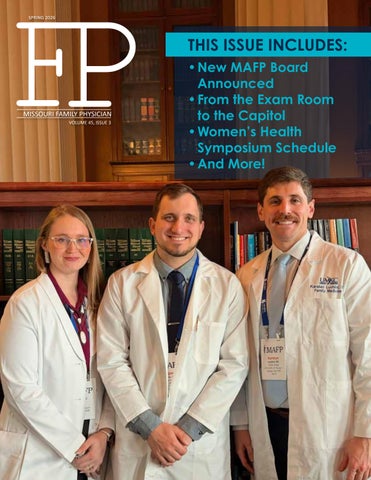
THIS ISSUE INCLUDES:
• New MAFP Board Announced
• From the Exam Room to the Capitol
• Women’s Health Symposium Schedule


MISSOURI FAMILY PHYSICIAN
THIS ISSUE INCLUDES:
• New MAFP Board Announced
• From the Exam Room to the Capitol
• Women’s Health Symposium Schedule
From the Capitol to the Lake: Family Medicine in Motion
Natalie Long, MD (Columbia)
Beth Rosemergey, DO, FAAFP (Kansas City)
Lauren Wilfling, DO, MBA, FAAFP (St. Louis)
Julia Flax, MD, FAAFP (Springfield)
Andi Selby, DO, MS, FAAFP (Branson)
1-YEAR TERM, EXPIRING IN 2027
2-YEAR TERM, EXPIRING IN 2028
Andi Selby, DO, MS, FAAFP (Branson)
Stacy Jefferson, MD, DipACLM (St. Louis)
Kento Sonoda, MD, FAAFP, FASAM, AAHIVS (St. Louis)
3-YEAR TERM, EXPIRING IN 2029
Bradley Garstang, MD (Kansas City)
Amy Braddock, MD, MsPH, DABOM (Columbia)
University of Missouri–Capital Region FMR (Jefferson City)
Courtney Shubert, OMS III, A.T. Still University (Kirksville / Gallatin)
Kate Lichtenberg, DO, MPH, FAAFP, AAFP Delegate (St. Louis) Jamie Ulbrich, MD, FAAFP, AAFP Alternate Delegate (Marshall)
EXECUTIVE COMMISSION Bill Plank, CAE
MEMBER EXPERIENCE MANAGER Andrea Holloway, MA Brittany Bussey ADMIN. ASSISTANT/BOOKKEEPER Jill Barnhart
The information contained in Missouri Family Physician is for informational purposes only. The Missouri Academy of Family Physicians assumes no liability or responsibility for any inaccurate, delayed, or incomplete information, nor for any actions taken in reliance thereon. The information contained has been provided by the individual/organization stated. The opinions expressed in each article are the opinions of its author(s) and do not necessarily reflect the opinion of MAFP. Therefore, Missouri Family Physician carries no respsonsibility for the opinion expressed thereon.
Missouri Academy of Family Physicians, 722 West High Street Jefferson City, MO 65101 • p. 573.635.0830 • f. 573.635.0148
Website: mo-afp.org • Email: office@mo-afp.org
Remembering an Old War Friend and Patient
Recurrent Pregnancy Loss for the Primary Care Physician
Experience Practical CME in a Boutique Setting
Charting the Course: Navigating the Depth of Family Medicine
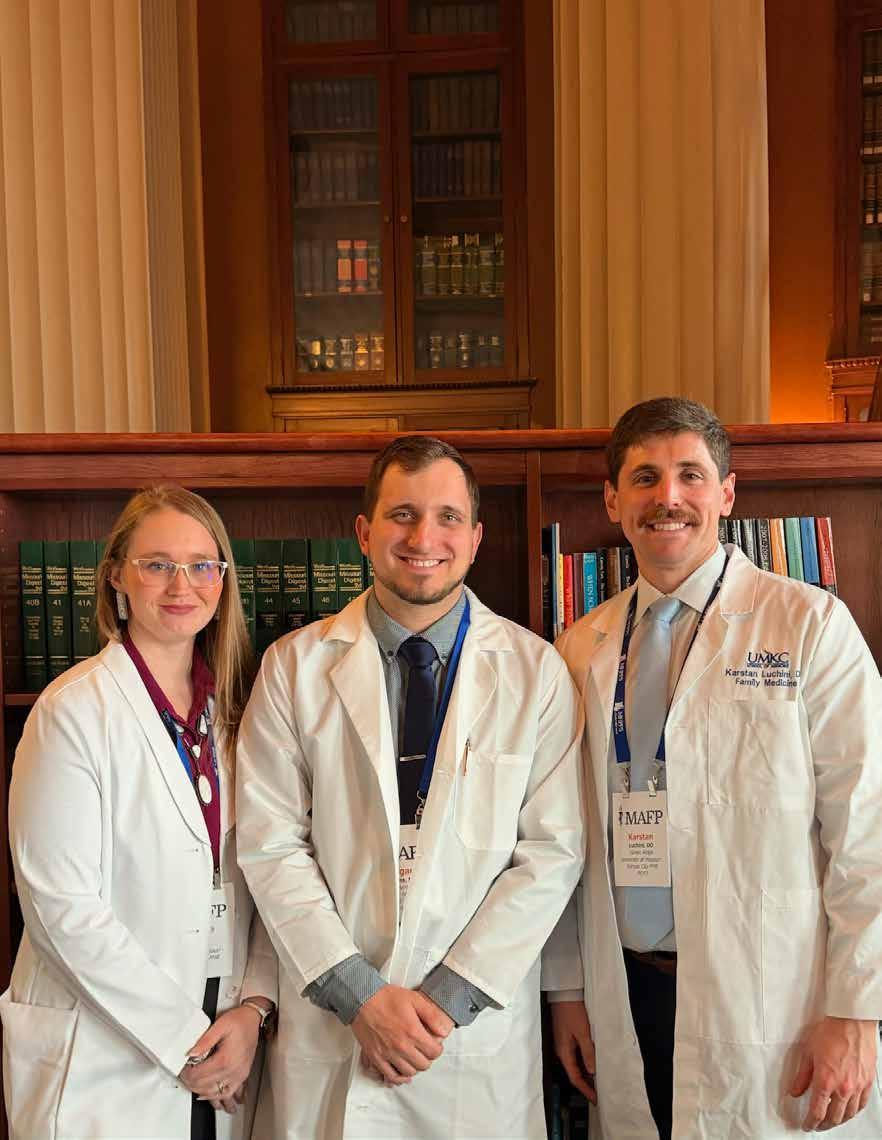
From the Exam Room to the Capitol: Missouri Family Physicians Lead the Way at Advocacy Day 2026
Student Essay Contest Now Open
Submit a Resolution for the 2026 Congress of Delegates
New MAFP Board Announced 2026 Match Sets New Records for Family Medicine
Big Energy. Bright Futures. Missouri Academy of Family Physicians at HOSA 2026
A Proven Leader for Family Medicine: Announcing Peter Koopman for the American Academy of Family Physicians Board of Directors
Affinia Healthcare Announces Inaugural Class for Family Medicine Residency Program
Members in the News
May 29-30, 2026
Strategic Planning Session Old Kinderhook, Camdenton, MO
August 28-29, 2026
Women’s Health in Family Medicine Symposium
Springfield, MO https://www.mo-afp.org/cme-events/annual-fall-conference/
November 12-14, 2026
34th Annual Fall Conference
Margaritaville, Lake of the Ozarks https://www.mo-afp.org/cme-events/annual-fall-conference/

Natalie Long, MD Board Chair
Columbia, MO
Family physicians are the foundation of Missouri’s health care system. Our patients rely on us to be there – to be their first call when they are experiencing a new symptom, to be a steady presence as they are navigating a complex health problem and to be their advocate, whether that be getting a prior authorization for a needed medication or collaborating with a specialist to coordinate an urgent referral. At the Missouri Academy of Family Physicians (MAFP), we know that while advocacy starts in the exam room, taking advocacy to the larger stage and meeting with our state policy makers is essential to improving the health of the patients we serve.
Every day, policy decisions are made that directly affect how we care for our patients. Scope of practice, reimbursement reform, prior authorizations, maternal health access, workforce sustainability, and rural care infrastructure are not theoretical issues. They shape our care delivery and impact the communities we serve. The MAFP team and legislative consultants ensure the voice of family medicine is present and influential at the Capitol in Jefferson City and beyond. While these voices help connect with our state leadership regularly, our impact expands exponentially when members engage in the legislative process directly.
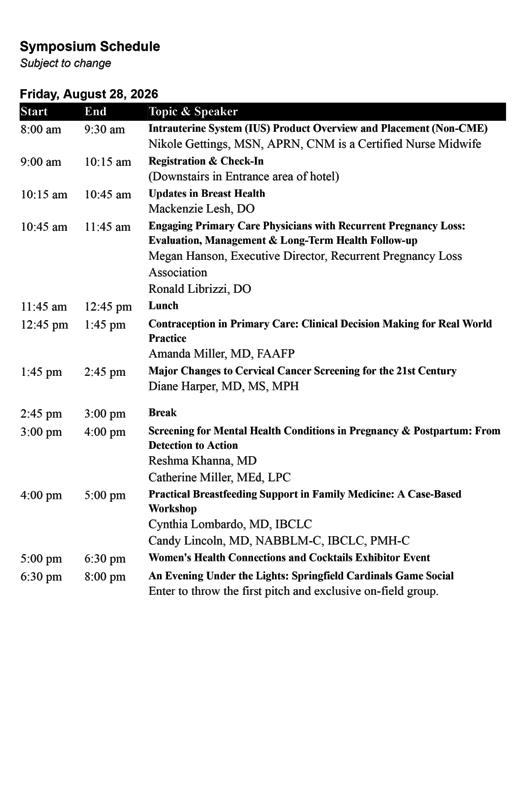
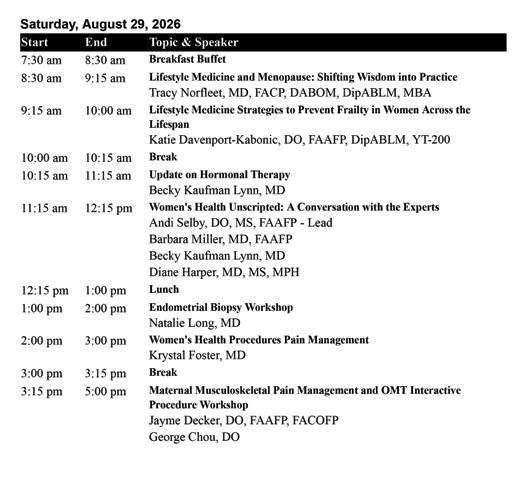
Vandivort in Springfield, Missouri. This dynamic gathering will focus on comprehensive, evidencebased care for women across the lifespan. From common gynecologic concerns and hormone management updates to behavioral health integration and preventive strategies, the symposium will provide meaningful clinical insight while fostering collaboration among physicians committed to advancing women’s health.
MAFP IS MORE THAN AN ORGANIZATION. WE STRIVE TO BE YOUR ADVOCATE, YOUR EDUCATIONAL PARTNER, YOUR LEADERSHIP NETWORK, AND YOUR PROFESSIONAL HOME.
Attending this year’s Advocacy Day, I saw our members conducting legislative visits, testifying at a hearing, and learning not only why advocacy is important but how to do it effectively. When there is legislation being considered that could impact your patients or your practice, we are at the table advancing practical, physician-informed solutions that strengthen primary care across Missouri. Advocacy is about protecting the future of family medicine and fighting for access to comprehensive quality care for the patients who rely on us.
Education fuels that advocacy.
In 2026, we are proud to host the Midwest Women’s Health Symposium, August 28–29 at Hotel
Mission Statement:
Our signature educational event, the 34th Annual Fall Conference, will take place November 13–14 at Margaritaville Lake of the Ozarks. This year’s theme, Charting the Course: Navigating the Depth of Family Medicine, captures the essence of our specialty. We are broad in scope, deep in expertise, and adaptable to change. Attendees can expect handson workshops, clinical pearls, panel discussions, emerging topics such as AI integration in practice, and practical tools that can be implemented immediately in patient care.
Friday night will feature a celebratory gala honoring leaders and colleagues who exemplify excellence in family medicine. It will be an evening of recognition, connection, and well-earned celebration while we all dress in cocktail attire with a tropical twist.
And because family physicians know how to work hard and build community, the celebration won’t end there. I always look forward to connecting with fellow members throughout the conference. This event is an opportunity to deepen relationships, celebrate our specialty, and enjoy time together outside of the clinical setting.
MAFP is more than an organization. We strive to be your advocate, your educational partner, your leadership network, and your professional home. Whether you are a student, resident, or practicing physician, your Academy stands beside you amplifying your voice and strengthening your impact.
Together, we are charting the course and navigating the depth of family medicine for our patients, our communities, and the future of our profession.
The Missouri Academy of Family Physicians is dedicated to optimizing the health of the patients, families and communities of Missouri by supporting family physicians in providing patient care, advocacy, education and research.
To view full health advisory from DHSS , type “DHSS nitazenes” in your search engine.



• Nitazenes are highly potent synthetic opioids increasingly found in counterfeit pills, powders, and vapes often without users knowing.
• Nitazenes are highly potent synthetic opioids increasingly found in counterfeit pills, powders, and vapes often without users knowing.
• Nitazenes are so powerful that even a tiny amount can cause someone to stop breathing – overdoses can happen quickly and are often fatal.
• Nitazenes are so powerful that even a tiny amount can cause someone to stop breathing – overdoses can happen quickly and are often fatal.
• Missouri’s school wastewater testing has detected nitazenes in many participating schools, prompting coordinated safety and communication efforts.
• Missouri’s school wastewater testing has detected nitazenes in many participating schools, prompting coordinated safety and communication efforts.
• Overdose resembles other opioid overdoses, but multiple doses of naloxone may be needed due to nitazenes’ strength. Naloxone is effective and safe to use.
• Overdose resembles other opioid overdoses, but multiple doses of naloxone may be needed due to nitazenes’ strength. Naloxone is effective and safe to use.
• People should be aware that any illicit substance or vape may contain nitazenes.
• People should be aware that any illicit substance or vape may contain nitazenes.
• Individuals who experience dependence or addiction to nitazenes, or other opioids or illicit substances should talk to their health provider to seek recovery support.
• Individuals who experience dependence or addiction to nitazenes, or other opioids or illicit substances should talk to their health provider to seek recovery support.
Nitazenes have been found as contaminants, or “laced” in numerous products, including illicitly manufactured tablets (or in powder form); other controlled substances such as fentanyl, heroin, methamphetamines, and cocaine ; unregulated cannabis products; other non-controlled substances such as xylazine and bromazolam; and vapes.
Nitazenes have been found as contaminants, or “laced” in numerous products, including illicitly manufactured tablets (or in powder form); other controlled substances such as fentanyl, heroin, methamphetamines, and cocaine ; unregulated cannabis products; other non-controlled substances such as xylazine and bromazolam; and vapes.
Symptoms of nitazenes may include but are not limited to dependence and addiction; withdrawal symptoms such as diarrhea, irritability, cold sweats, and body aches; slowed or shallow breathing; constricted pupils; vomiting, nausea, constipation; sweating; itchiness; drowsiness; pain relief; euphoric sensations; or overdose.
Symptoms of nitazenes may include but are not limited to dependence and addiction; withdrawal symptoms such as diarrhea, irritability, cold sweats, and body aches; slowed or shallow breathing; constricted pupils; vomiting, nausea, constipation; sweating; itchiness; drowsiness; pain relief; euphoric sensations; or overdose.
• The most effective way to avoid exposure to nitazenes is to only use medications obtained directly from a licensed pharmacist with a valid prescription.
• The most effective way to avoid exposure to nitazenes is to only use medications obtained directly from a licensed pharmacist with a valid prescription.
• Avoid using illicit substances (including but not limited to opioids).
• Avoid using illicit substances (including but not limited to opioids).
• Be aware that illicit and unregulated substances carry a risk of being laced/contaminated with nitazenes or other chemical compounds, even if they are labeled otherwise.
• Be aware that illicit and unregulated substances carry a risk of being laced/contaminated with nitazenes or other chemical compounds, even if they are labeled otherwise.
• Be aware that vapes carry a risk of being contaminated with nitazenes.
• Be aware that vapes carry a risk of being contaminated with nitazenes.
• Talk to children and teens about risks associated with nitazene use and how to respond to an emergency.
• Talk to children and teens about risks associated with nitazene use and how to respond to an emergency.
• Stay informed about overdose risks.
• Stay informed about overdose risks.
• Be aware that fentanyl test strips cannot detect nitazenes.
• Be aware that fentanyl test strips cannot detect nitazenes.
• Keep multiple doses of naloxone available and be ready to administer it in case of an emergency.
• Keep multiple doses of naloxone available and be ready to administer it in case of an emergency.
• Remember that someone can overdose on nitazenes without knowing they took them.
• Remember that someone can overdose on nitazenes without knowing they took them.
• Use naloxone in any emergency that looks like an opioid overdose, regardless of the substance you believe the person took.
• Use naloxone in any emergency that looks like an opioid overdose, regardless of the substance you believe the person took.
• Be aware that nitazene (and other opioid) overdoses may require more than one dose of naloxone to be reversed.
• Be aware that nitazene (and other opioid) overdoses may require more than one dose of naloxone to be reversed.
Remember: if you are unsure if someone has opioids (such as nitazenes) in their system and they appear to be overdosing, you should always give naloxone. Naloxone will not hurt someone, even if they do not have opioids in their system.
Remember: if you are unsure if someone has opioids (such as nitazenes) in their system and they appear to be overdosing, you should always give naloxone. Naloxone will not hurt someone, even if they do not have opioids in their system.


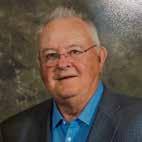
William M. Zeller, MD Branson, MO
He was a helicopter pilot; I was a medical corpsman serving with the First Marine Division. Our paths never crossed while we both served our country in the Vietnam War, but oh how they would cross as we met in the emergency room one fateful Friday the 13th.
I’ll call him Bob* for the purpose of this real life story. Bob returned to civilian life and continued flying helicopters while I returned to college, eventually medical school, and ultimately becoming a board certified family physician. I landed in a small rural community often laden with tourists who came to enjoy the beauty that our community offered. Bob ended up in the same community flying these tourists in his sightseeing helicopter. I flew in many helicopters in Vietnam, but never did feel comfortable in them; especially when the Viet Cong were constantly shooting at them.
Our community hospital was small, 100 beds, and had a six bed ICU. We had one general surgeon, one internist, and a handful of family physicians. At my urging, the hospital had agreed to purchase a new Bennett MA-1 ventilator, mostly used for older patients with respiratory failure. Fortunately, I was fresh out of training from a major medical center where the first critical care medicine fellowship was started by an aggressive group of research anesthesiologists and pulmonologists using high PEEP and treating traumatic lung injuries. I was fortunate enough to spend several months in their unit and little did I know that that experience would help to save Bob’s life.
I was in the emergency room when the ambulance arrived with two survivors of a helicopter crash. One was Bob, the pilot, and the other was a 7-year-old girl. Two others in the helicopter were unfortunately killed when the tail rotor on Bob’s helicopter came off at an altitude of 700 feet, and they plummeted to the ground. This occurred on the worst of days, Friday the 13th.
It was apparent to me that Bob had a flail chest. I had seen that in Vietnam as a result of explosive shrapnel and had seen it once in my residency. Bob’s flail chest was a result of him striking the center console on the helicopter. I immediately intubated Bob and put a chest tube in the right and left chest cavities, aiding his flail chest. Both he and the 7-year-old girl had deceleration injuries to their livers and spleens as evidenced by abdominal taps (pre CT scan era). By this time we had all the doctors on our staff in the ER. Our general surgeon asked a thoracic surgeon to travel the 40 miles from a larger medical center to help him with the liver and spleen lacerations.
The 7-year-old girl recovered nicely and went home within a week, minus her spleen. Bob, who also lost his spleen, was unfortunately connected to the one and only ventilator. Both the general surgeon and thoracic surgeon agreed Bob should stay in our small hospital and not be moved, but this meant I would have to become a resident again and live at the hospital for the next 10 days managing his ventilator, managing his chest tubes until they could be removed, and caring for him until he could be extubated. He had also suffered a compression fracture of the spine and a fractured ankle as a result of the crash.
After he was extubated, I learned he was a veteran of the Vietnam War, and so as veterans tend to do, we shared old war stories about where we served and what we experienced. Our relationship became more than just doctor and patient. We would
talk about cars and the war, and I would always tell Bob that I never wanted to see another helicopter as long as I lived. Bob eventually recovered and moved away; he even went back to flying helicopters. Every year, for many years, I got a nice card and flowers from Bob on the anniversary of his crash.
Then several years ago, Bob and his wife showed up in my office. He and his wife had retired and decided to move back to our community. I was happy to see an old patient, and an old friend, whose life had impacted me so much. He now had arthritis, heart and lung disease, and walked with a cane, but his spirit was still upbeat. He was still the same old Bob, always laughing at me for my fear of helicopters. I was fortunate enough to know and care for Bob and his wife for many years after that.
I WAS HAPPY TO SEE AN OLD PATIENT, AND AN OLD FRIEND, WHOSE LIFE HAD IMPACTED ME SO MUCH.
I recently returned from Bob’s funeral. He had made it to his 80th birthday. He was buried with full military honors. I saluted his flag draped coffin and said goodbye to my patient, my friend, and an old war buddy that I will miss so much. All names and identifying information have been modified to protect patient privacy.





Micaela Stevenson-Wyszewianski, MD
Resident Physician, Medical College of Wisconsin Affiliated Hospitals Milwaukee, WI
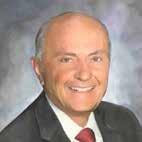
Ronald Librizzi, DO
Former Chief of High-Risk Pregnancy at Virtua Maternal Fetal Medicine Voorhees, NJ
Recurrent pregnancy loss impacts 1-5% of patients trying to conceive(1,2) (though rates of recurrent pregnancy loss have been cited to be as high as 9.7% in some populations(3). Recurrent pregnancy loss, naturally, can be psychologically distressing to patients and can be associated with depression and anxiety(4,5). Though recurrent pregnancy loss is frequently unexplained(1), treatable medical conditions and modifiable lifestyle factors are associated with recurrent pregnancy loss, thus offering an opportunity for medical intervention.
Primary care Physicians (PCPs) often serve as the initial clinician evaluating patients with many disorders and conditions. Additionally, shortages of obstetricians and gynecologists and reproductive endocrinologists(6,7) and significant disparities in geographic distribution of these clinicians may lead to challenges with accessing these physicians(6,7). Therefore, family physicians can assist in providing timely emotional and psychological support, evaluation, and initiating treatment for patients with recurrent pregnancy loss through adequate understanding and evaluating couple’s needs.
As many physicians have not had formal training in recurrent pregnancy loss, the issues are often difficult to discuss and somewhat frustrating, as we may not have definitive answers. The physical and psychological aspects of pregnancy loss are myriad and can be approached effectively by PCPs with information regarding what couples want and need in their quest to plan their families.
PCPs may be in a unique position to address the couple who have experienced losses. They traditionally have been families “go to” clinician. They have a trusted role in the family’s health and wellbeing and with a toolbox of understanding the condition and rapport discussing difficult topics, the PCP has a crucial role
The aim of this article is to outline appropriate diagnostic evaluation and considerations for recurrent pregnancy loss and discuss the role of the family physician in this tragic condition.
Recurrent pregnancy loss has historically been defined by different organizations at different diagnostic thresholds. Current guidelines indicate that diagnosis for recurrent pregnancy loss can be made when patients experience two pregnancy losses(1,2) . These losses can be nonconsecutive, can be patient reported, and do not require histologic confirmation of a loss(1,2). Therefore, diagnostic evaluation of recurrent pregnancy loss can begin at two losses. Beginning this evaluation at two losses and addressing any underlying causes of recurrent pregnancy loss may prevent future losses.
While the majority of causes of recurrent pregnancy loss are unknown(1), many conditions are related to recurrent pregnancy loss. These may include untreated overt hypothyroidism, hyperprolactinemia, uncontrolled diabetes, structural uterine abnormalities, and balanced translocations from either parent(1) . Obesity has also been associated with increased risk of recurrent pregnancy loss. Lifestyle factors such as smoking, use of cocaine, and excessive consumption of alcohol, have been associated with increased risk of recurrent pregnancy loss(1). Addressing many of these underlying causes of recurrent pregnancy loss can be associated with decreased risk of future pregnancy loss(1).
Minimum diagnostic evaluation should include the following:
• Complete medical, surgical, and obstetric history including gestational age at losses, associated symptoms, history of prior births and associated obstetric complications.
• Family history including history of prior losses, history of endocrine conditions, and obstetric history.
• Thyroid stimulating hormone (TSH) with reflex to T4 to evaluate overt hypothyroidism and hyperthyroidism.
• Hemoglobin A1c to evaluate for uncontrolled diabetes,
• Fasting prolactin level to evaluate for hyperprolactinemia
• Parental karyotypes to evaluate for balanced translocations and chromosomal abnormalities,
• Uterine cavity evaluation (hysterosalpingogram, hysterosonogram, or hysteroscopy) to evaluate for structural causes of pregnancy loss.
• For patients who have had three or more losses or a single loss of a morphologically normal fetus at 10 weeks or greater should be evaluated for antiphospholipid syndrome with antibeta 2 glycoprotein antibodies, anti-cardiolipin antibodies, and lupus anticoagulant.
Patients may present initially to their primary care doctors to discuss recurrent losses, though many patients who have multiple miscarriages may be unaware that there are options for diagnostic evaluation or treatment. Family medicine physicians can appropriately order thyroid, prolactin, and hemoglobin A1c values as these are commonly ordered by family physicians. If laboratory testing demonstrates abnormalities, these can be treated as family physicians normally would in their standard practice. Family physicians can order parental karyotypes and refer to genetic counseling if these tests are abnormal to discuss the results, which is consistent with current American Society for Reproductive Medicine (ASRM) guidelines(1)
Family physicians may not routinely perform uterine cavity evaluation and therefore can refer to general obstetrician gynecologists or reproductive endocrinologists for evaluation. However, given that routine evaluation of recurrent pregnancy loss does include uterine cavity evaluation, family physicians can also consider referral to general obstetrician gynecologists or reproductive endocrinologists and deferring all testing to these specialists.
Management options for recurrent pregnancy loss are nuanced and often based on the underlying cause, if one is identified. If patients have underlying overt hypothyroidism, hyperprolactinemia, and uncontrolled diabetes, these conditions should be managed with standard treatments. Uterine abnormalities should be corrected depending on the type of abnormality and clinician concern that this is associated with pregnancy losses. Antiphospholipid syndrome can often be treated with aspirin and heparin during pregnancy. If patients are presenting to PCPs with another diagnosis concerning antiphospholipid syndrome, this can be an opportunity to evaluate for losses as well and explore this concern with them. Genetic conditions, depending on the type, may require use of in vitro. fertilization to test and select genetically normal embryos
Family physicians can play an important role in treating underlying hypothyroidism, hyperprolactinemia, uncontrolled diabetes, and treatment in antiphospholipid syndrome. Additionally, family physicians can assist in addressing lifestyle factors that increase risk of recurrent pregnancy loss and encourage important lifestyle changes, such as smoking cessation, to improve likelihood of ongoing pregnancy in the future. However, in the event of unidentified causes of recurrent pregnancy loss, patients may desire evaluation with reproductive endocrinology or maternal fetal medicine for further assessment and treatment.


Midwest Women’s Health Symposium
August 28–29, 2026

Caring for women means caring across decades, transitions, and relationships—and family physicians understand that better than anyone. This two-day CME experience is intentionally designed to foster meaningful connection among colleagues while delivering practical, evidencebased education you can immediately apply in your practice.
Held in the intimate, welcoming setting of Hotel Vandivort, the conference prioritizes conversation, shared learning, and time to connect with peers who face the same clinical questions and challenges. Sessions focus on women’s health across every stage of life, with ample opportunities to engage, reflect, and learn from one another—not just from the podium. Register at https://moafp.formstack.com/forms/ womens_health_2026.


34th Annual Fall Conference
November 13-14, 2026


Join colleagues from across Missouri as we gather at the lake to explore the evolving landscape of family medicine. This year’s conference will dive into the clinical, professional, and personal dimensions of practice, equipping family physicians with the insights and tools needed to navigate complexity, guide patients, and lead within their communities.
Through engaging CME sessions, practical updates, and meaningful connection with peers, you’ll gain new perspectives to help chart your course in today’s rapidly changing healthcare environment. Early-bird registration discount is available until 9/1/2026, so register early! Late registration penalty will be added starting 10/13/2026. Register at https://moafp.formstack.com/forms/afc_registration_2026

The 2026 Family Physician Advocacy Day was a powerful and energizing reminder of what can happen when Missouri family physicians unite around a shared purpose: to advocate for our patients, strengthen our profession, and shape the future of healthcare in our state. Held in Jefferson City every year, this year’s event brought together physicians, residents, and medical students from across Missouri, each bringing their unique perspectives, experiences, and passion to the Capitol. To amplify the voice of Missouri’s family physicians, members of the Missouri Society of the American College of Osteopathic Family Physicians (MSACOFP) who are not also members of MAFP were explicitly invited to join us for Family Physician Advocacy Day.
We extend our sincere gratitude to the 76 attendees who made the commitment to attend. Your presence truly mattered. Taking time away from your practices, training programs, and personal responsibilities is no small decision, and your willingness to engage in advocacy demonstrates a deep commitment to the patients and communities you serve. Whether you were a first-time attendee or a seasoned advocate, your voice contributed to a collective message that continues to resonate strongly with policymakers.
The 2026 MAFP Advocacy Day officially began on Monday, February 23, with a thoughtfully designed series of sessions that built both knowledge and confidence among attendees. Hosted in Jefferson City, the day served as a comprehensive “on-ramp” to advocacy, ensuring that every participant, regardless of experience
level, felt prepared to engage meaningfully with legislators.
The morning opened with check-in and a buffet breakfast, offering an opportunity for attendees to connect with colleagues from across the state. That sense of camaraderie carried directly into the first session, Welcome & Legislative Advocacy 101, led by Sarah Cole, DO, FAAFP, and Peter Koopman, MD, FAAFP, cochairs of the MAFP Advocacy Commission. This session grounded participants in the fundamentals of advocacy, emphasizing the vital role family physicians play in shaping health policy and reinforcing that legislators want and need to hear directly from those caring for the citizens of Missouri.
Building on that foundation, MAFP Governmental Consultant Brian Bernskoetter led a timely and insightful session titled “Advocacy Foundations: Understanding the Missouri Political Landscape.” Attendees gained a clearer understanding of the legislative process, current dynamics within the Missouri General Assembly, and how strategic engagement can influence outcomes. For many, this session demystified the policymaking process and highlighted practical ways for physicians to navigate it effectively.
One of the most impactful moments of the day came during the session “Patients and Constituents: Service in Action,” delivered by Missouri Speaker of the House, Jon Patterson, MD. As both a physician and the Speaker of the Missouri House of Representatives, Dr. Patterson offered a uniquely powerful perspective that resonated deeply with attendees. He spoke to the intersection of medicine and public service, underscoring the responsibility and



opportunity physicians have to advocate beyond the exam room. His remarks reinforced that advocacy is not separate from patient care; it is an extension of it.
Special recognition is certainly due to Speaker Patterson, whose presence and message elevated the day. His ability to bridge clinical experience with legislative leadership inspired and provided practical insight to attendees. Hearing directly from a physician serving in one of the highest leadership roles in state government was a powerful reminder that family physicians can help shape policy at the highest levels.
Following a brief networking break, Dr. Sarah Cole returned to lead “In the Office: Issues Review and Meeting with Lawmakers,” where participants walked through how to prepare for meetings in the Capitol. Dr. Cole masterfully compared preparing to meet with a legislator to how a physician prepares for a patient visit. This session further demystified how to craft meaningful conversations, while giving attendees the opportunity to ask questions and refine their talking points within a familiar structure.
Practical application continued with Dr. Amanda Shipp, who put on her director’s cap and led two roleplaying sessions: “Advocacy Examples: The Legislative Meeting” and later “Advocacy Examples: Everyday Advocacy.” These sessions were particularly valuable in translating theory into action. Through real-world scenarios, Dr. Shipp demonstrated how to structure a productive legislative visit, stay on message, and incorporate advocacy into everyday professional life, not just during organized events.
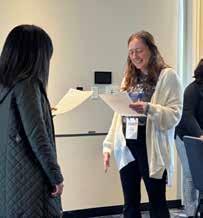


Midday, attendees gathered for a Lunch and Open Advocacy Forum, which created space for informal discussion, peer learning, and idea-sharing. These conversations often prove just as impactful as formal sessions, as physicians exchange perspectives and strategies from their own communities. While attendees raved about the pot roast served on the buffet, they were provided space to ask clarifying questions about MAFP advocacy actions and priorities.
In the early afternoon, Dr. Misty Todd led a compelling session titled “Personal Advocacy: Advocating for Your Career, Family, and Community.” This presentation expanded the lens of advocacy beyond legislative visits, encouraging attendees to recognize the many ways their voices can influence change through community engagement, professional leadership, and personal storytelling. Dr. Todd leaned into her personal story of advocating for what she believes is important and the strategies she has used to drive change in both her personal life and local community.
National perspective was brought into focus during the AAFP Advocacy Update, presented by Julie Harrison, Senior Manager of State Affairs & Member Advocacy for the American Academy of Family Physicians. Her session connected state-level efforts to broader national advocacy initiatives, highlighting how coordinated action amplifies family medicine’s voice across the country. Attendees left with a clearer understanding of how Missouri’s advocacy fits into the larger landscape and how they can stay engaged beyond Advocacy Day. Julie encouraged all participants



to become AAFP Advocacy Ambassadors (you should, too!) and gave an overview of the AAFP Family Medicine Advocacy Summit in Washington, DC.
The day concluded with an interactive Workshop: Craft Your Personal Advocacy Plan, led by Dr. Peter Koopman. A seasoned advocate, Dr. Koopman challenged attendees to move from learning to action, helping them identify specific, individualized steps to organize a meaningful legislative meeting. During this session, participants met with others who may be joining them on their legislative visits to discuss what they would cover, the order of the meeting, and how they would handle introductions.
To cap off the day, attendees delivered the official MAFP Issues Document to the Capitol. This has become a symbolic step to amplify the collective voice of Missouri family physicians and let the Capitol know we will be coming to speak with them the next day. The evening also included a Virtual Legislative Briefing led by MAFP Legislative Consultant Brian Bernskoetter. Every MAFP Member was invited to attend the Virtual Briefing, extending the reach of Advocacy Day to members across the state and reinforcing that advocacy is inclusive and ongoing.
Taken together, the Monday, February 23, sessions transformed Advocacy Day from a single event into a meaningful professional experience. Through expert-led presentations, peer learning, and direct engagement with leaders like Speaker Patterson, attendees were informed, inspired, and equipped to advocate with confidence and purpose.
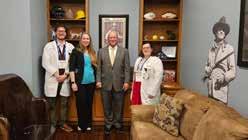
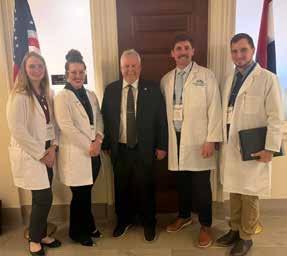
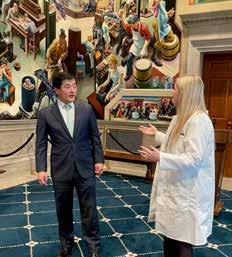
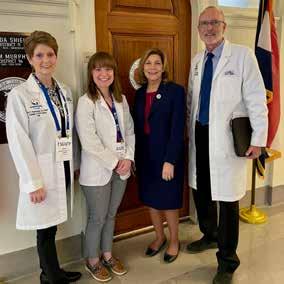
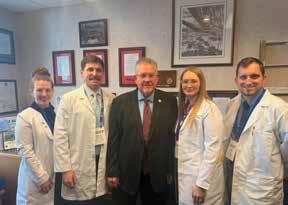
On Tuesday, February 24, that preparation was on full display. MAFP members filled the halls of the Capitol, meeting with legislators and their staff to discuss the issues that matter most to family physicians and their patients. These conversations were thoughtful, respectful, and impactful. Lawmakers consistently emphasize the value of hearing directly from those on the front lines of care, and this year was no exception. Key topics included strengthening Missouri’s physician workforce, reducing administrative burden, protecting the physician-led care team, and ensuring access to high-quality, comprehensive care for all Missourians. Participants shared personal stories that brought these issues to life. These patient-centered accounts underscored the importance of thoughtful healthcare policy to benefit all Missourians.
In a stroke of good luck, the Senate held a hearing on legislation to require insurance companies to cover home blood pressure monitors for pregnant and postpartum patients. MAFP supports
this legislation, and our members gladly testified in support. MAFP Chair Dr. Natalie Long and fourth-year medical student Taylor LaValle testified in support of this legislation. Taylor shared a moving account she witnessed during clinical rotations of a postpartum mother who passed away due to heart complications. The patient’s death would likely have been prevented if she had had a home blood pressure monitor.
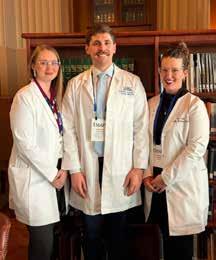
One of the most inspiring aspects of this year’s Advocacy Day was the strong participation of residents and medical students. Their enthusiasm, curiosity, and willingness to engage were evident throughout the event. Not only did they contribute meaningfully to conversations with legislators, but they also demonstrated a clear commitment to carrying the torch of advocacy forward. One legislator even stopped two of our family medicine residents in the hallway and wanted a separate meeting to understand the value of residency. Investing in the next generation of physician advocates is critical, and their presence was a powerful reminder of the future of family medicine.
For those who were unable to join us this year, we genuinely missed you and hope to see you in 2027. Advocacy Day is designed to be accessible, supportive, and impactful for participants at all levels of experience. Whether you are new to advocacy or have years of experience, MAFP provides the resources, training, and guidance needed to make your participation meaningful. There is simply no substitute for sharing your lived experiences, building relationships, and seeing firsthand how your voice can influence policy.
As we reflect on the success of the 2026 Advocacy Day, it is important to remember that advocacy does not begin and end with a single event. It is an ongoing effort that requires engagement throughout the year. We encourage all Missouri family physicians to stay connected with MAFP’s advocacy initiatives. This may include responding to action alerts, participating in grassroots outreach, engaging with legislators in your home district, or supporting MAFP’s political action efforts. Every action matters. Whether it’s a quick email to a legislator, a conversation in your community, or participation in a future Advocacy Day, your involvement strengthens our collective voice. Advocacy is one of the most powerful tools we have to protect our profession and improve our patients’ health.















The Missouri Academy of Family Physicians and Family Health Foundation of Missouri are sponsoring a Family Medicine Student Essay Contest for MAFP student members with an interest in family medicine. The theme of this year’s essay is: As you begin to embark on your career in family medicine, what will the future of family medicine look like, and how will you help shape it? Submissions will be identified and judged by a selected panel of expert judges.
Prizes are $300 for 1st, $200 for 2nd, $100 for 3rd. 1st place will also be invited to present their essay at our Awards Gala on Friday, November 13 at Margaritaville. 2nd & 3rd place can attend and receive recognition. Top 3 will be published in Missouri Family Physician Magazine.
Criteria
Essays will be judged based on how the students address the following criteria:
• The importance of humanistic medicine as a part of patient care
• The role of communication in effective patient care
• The impact of technology on achieving optimal outcomes for our patients
Submission Process
All information must be submitted before August 1, 2026, by emailing marketing@mo-afp.org and must include:
• Open to MAFP student members currently enrolled in medical school
Membership is free for students at https://www.aafp.org/ membership/join/student.html
• Essay limited to minimum of 500 to maximum 1,000 words of content, submitted in Word format
• Submissions after the deadline will not be considered
• Graphics, including photographs and charts, are welcome. Please do not include identifying information or faces if photographs of individuals are included.
• Winners will be asked for further information including:
Headshot for publication
Tax ID number
Missouri Academy of Family Physicians members are invited to make a recommendation to the MAFP Board of Directors to consider a resolution to be submitted on behalf of our members at this year’s AAFP Congress of Delegates (COD), October 1921, 2026 in Nashville, TN.
The MAFP considers many issues that are important to our members. The American Academy of Family Physicians
COD meets annually to develop and set policy for the AAFP and to elect its officers and the AAFP Board of Directors. More information about submitting a resolution can be found on our website https://www.mo-afp.org/about/ congress-of-delegates/. Resolutions are due May 1, 2026.
We are pleased to announce and congratulate the newly appointed Missouri Academy of Family Physicians Board of Directors. On behalf of MAFP, thank you to each of these leaders for their willingness to serve and for stepping forward on behalf of family physicians across Missouri.
As part of a thoughtful and intentional governance evolution, MAFP is transitioning to a smaller, more focused Board, moving from up to 39 members to a group of 17. This strategic shift better aligns our governance structure with the size and needs of our organization, supports open and meaningful dialogue, and positions the Academy to respond nimbly and effectively to the evolving landscape of family medicine in Missouri. We received a tremendous response to our open call for Board members, and we are confident the Nominating Committee selected an outstanding slate of physician leaders.



This Board begins its service at an exciting and pivotal moment for MAFP. As we embark on this new chapter, the leadership, perspective, and engagement of these individuals will be instrumental in guiding the Academy forward. Board service is both meaningful and impactful, shaping the future of family medicine, strengthening advocacy and education efforts, and supporting the professional well-being of physicians statewide. We are grateful for their commitment to advancing the mission of MAFP and improving the health of patients and communities throughout Missouri. Please join us in congratulating the following members of the MAFP Board of Directors:


Andi Selby, DO, MS, FAAFP

Jefferson, MD,

Bradley Garstang, MD (Kansas City)



Madison Evans, DO, PGY1 University of Missouri–Capital Region FMR (Jefferson City)

Kate Lichtenberg, DO, MPH, FAAFP AAFP Delegate (St. Louis)

Courtney Shubert, OMS III A.T. Still University (Kirksville/Gallatin)

Jamie Ulbrich, MD, FAAFP AAFP Alternate Delegate (Marshall)
We look forward to the leadership and collaboration this Board will bring as MAFP continues to serve and advocate for family physicians across our state. If you have a question for one of MAFP’s Board Members, you can email board@mo-afp.org. Thank you for being part of the MAFP community and for supporting the leaders who serve on your behalf.
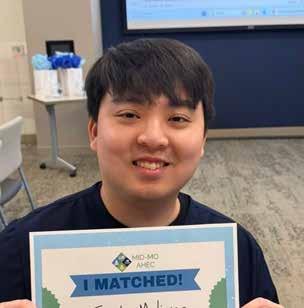
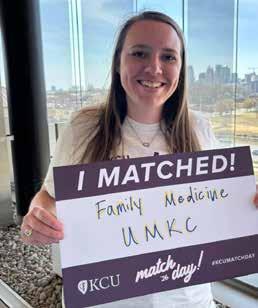
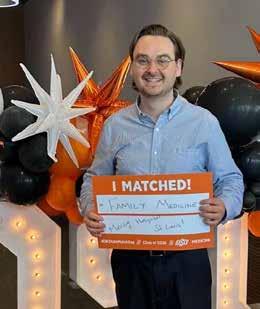
Family medicine saw another strong year in the 2026 National Resident Matching Program (NRMP) Match, reaching record highs in both available positions and matched applicants. A total of 5,512 residency positions were offered, continuing a 17-year growth trend, and 4,613 applicants matched.
Those entering the specialty represent a broad and diverse group of future physicians, including U.S. MD and DO seniors as well as a growing number of international medical graduates (IMGs). Notably, non-U.S. IMGs matched into family medicine in increasing numbers for the third consecutive year, highlighting the specialty’s global appeal and its importance in addressing workforce gaps.
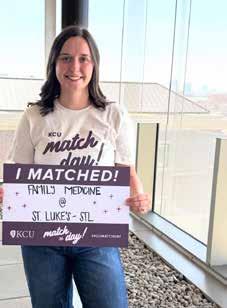
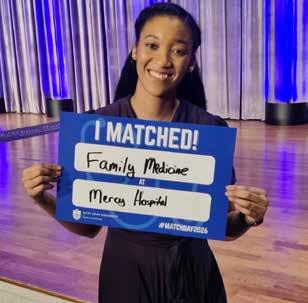
Family medicine now accounts for 13.4% of all residency positions and 10.7% of matched U.S. students and graduates, clear indicators of its continued relevance in the evolving health care landscape.
The Missouri Academy of Family Physicians is excited to support medical students entering Missouri family medicine residency programs and extends a warm welcome to those coming from outof-state schools. Congratulations to all who matched!
Check out these newly matched residents on our instagram @moafp!





It was an energizing and inspiring time at the Missouri HOSA–Future Health Professionals State Leadership Conference (March 23–25, 2026, in Rolla, MO).
For those who may not know, HOSA is an internationally recognized student organization, supported by the U.S. Department of Education, with a mission to promote careers in healthcare and strengthen the future of quality patient care. It’s more than just a student organization—it’s a leadership-driven experience built right into health science education, helping students grow not only their technical skills, but also teamwork, confidence, and a heart for serving others.
The State Leadership Conference brings this mission to life, gathering over 2,000 Missouri students for a few incredible days of competitive events, hands-on learning, leadership development, and career exploration. It’s where curiosity meets opportunity, and you can truly feel the excitement in the room!
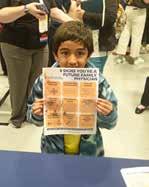
MAFP was thrilled to be part of it all, connecting with students and sharing the heart of family medicine. Dr. J. Lane Wilson and Dr. John Paulson joined Andrea Holloway, Member Experience Manager, to represent family medicine and spend time with these incredible students.
Together, they:
• Judged the Family Medicine competitive event
• Connected with students at the MAFP informational table
• Led a session titled “Thinking Med School? America Needs More Family Doctors”, introducing students to family medicine and exploring all the vital roles family physicians play within the healthcare system

The Family Medicine competitive event is designed to give students a real-world glimpse into what it’s like to think and act like a physician. Students are challenged through scenarios that may include patient cases, clinical decision-making, communication skills, and problem-solving, all while being evaluated by practicing physicians. It’s not just about getting the “right” answer; it’s about how students think, communicate, and care, mirroring the everyday realities of family medicine.
“Sharing the joys of family medicine with these young students interested in healthcare at the very high school I attended was such a thrill and full circle moment for me. It makes me hopeful for the future of family medicine!” Dr. Wilson shared.
“We had a great time at the event, sharing the vast practice opportunities that the specialty of Family Medicine offers. Dr. Wilson and I were able to judge the Family Medicine competition and present a short course on what family medicine is all about to an engaged group of middle school and high school students,” Dr. Paulson added.
And that’s what it’s all about. Showing students what’s possible, walking alongside them as they explore their future, and reminding them that family medicine is a place where you can truly do it all— care for all ages, build lasting relationships, and make a real impact in your community.
We’re so grateful to be part of this journey with these students, and we can’t wait to see where their paths lead. The future of healthcare is bright… and we’re in it together.




The Missouri Academy of Family Physicians (MAFP) is proud to announce the candidacy of Peter Koopman, MD, FAAFP, for the Board of Directors of the American Academy of Family Physicians (AAFP). A dedicated clinician, educator, and advocate, Dr. Koopman represents the very best of family medicine in Missouri and across the country. His more than 30-year career reflects a deep commitment to advancing the specialty, strengthening the physician workforce, and ensuring access to highquality, comprehensive primary care.
Dr. Koopman’s career has been defined by service to his patients, learners, colleagues, and the profession. As a faculty leader at the University of Missouri School of Medicine, he plays a pivotal role in training the next generation of family physicians. He has co-directed, for nearly a decade, an 8-week Introduction to Patient-Centered Care course that is among the first experiences for medical students at Mizzou. This curriculum emphasizes, from the start of training, the importance of relationship-based, patient-centered care across the medical field. He is a professor and mentor to many students, both formally and informally, and also teaches and advises family medicine residents. Through his leadership, learners develop not only clinical excellence but also a strong sense of purpose in serving their communities.
At the University of Missouri, Dr. Koopman has advanced innovative approaches to medical education, with a focus on patient-centered care, interprofessional collaboration, and community engagement. His first professional role was as a family physician in a town of 2,000 in rural Florida’s panhandle, where he practiced for five years and gained extensive experience in rural medicine. His commitment to rural and underserved populations aligns closely with the United States’ healthcare needs, and he has worked to ensure that training programs reflect those priorities.
Dr. Koopman has also been a strong advocate for family physicians through his leadership within the MAFP. His involvement includes serving as President, contributing to key committees, leading within the Advocacy Commission, and participating in state and federal advocacy efforts. He has helped strengthen MAFP’s presence at the Capitol, including organizing Advocacy Day and preparing physicians to effectively engage with policymakers. He has also mentored students and residents interested in advocacy.
At the national level, Dr. Koopman’s work with the AAFP demonstrates his readiness to serve on the Board of Directors. His
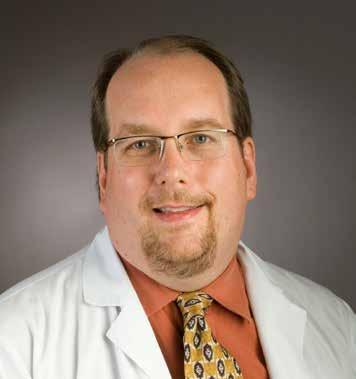
involvement in AAFP policy-making groups and committees has given him a broad perspective on the challenges and opportunities facing family medicine. He has served on the Missouri delegation to the AAFP Congress of Delegates for many years, chairing reference committees to help shape policy. He is an elected delegate to the AMA representing the AAFP and currently serves as the AAFP representative to the Academic Family Medicine Advocacy Committee (AFMAC). He is also a past chair of the AAFP Commission on Federal and State Policy. He is committed to ensuring that the voices of practicing family physicians are heard at every level.
Colleagues describe Dr. Koopman as a thoughtful leader, skilled communicator, and trusted mentor. His collaborative approach and ability to build consensus make him well-suited for a leadership role within the AAFP. He is committed to representing the diversity of family medicine with integrity and respect.
Dr. Koopman’s candidacy comes at a critical time. Physicians are navigating workforce shortages, administrative demands, and evolving care models, while also facing opportunities to expand access and strengthen primary care. He brings the experience and vision needed to help guide the AAFP through this landscape.
His leadership is rooted in a clear set of values: putting patients first, supporting physicians, and advancing the specialty. He believes in the power of relationships, relationships between physicians and patients, colleagues, and the medical community and policymakers, which are the foundation of effective advocacy and meaningful change. That is why they are central to his approach as a leader.
For Missouri family physicians, Dr. Koopman’s candidacy is a point of pride. It reflects the strength of our state chapter and the impact Missouri physicians are having nationally. It is also an opportunity to ensure our perspectives are represented within the leadership of the AAFP.
As members of the MAFP, we have seen Dr. Koopman’s dedication, integrity, and leadership firsthand. We are confident he will bring those same qualities to the AAFP Board of Directors. We encourage Missouri family physicians to support his candidacy and share in this exciting moment for our profession.
In Dr. Koopman, we see a leader who understands where family medicine has been and where it must go. We are proud to support him and look forward to the impact he will make on behalf of family physicians and the patients we serve.
As the Missouri Academy of Family Physicians looks ahead, we want to be guided by what matters most to you. MAFP leadership will gather for a strategic planning session in late May to reflect on where we are and, more importantly, where we should go next. Your input will play a vital role in shaping that conversation.
We invite all MAFP members to complete a brief survey designed to gather your perspectives on priorities, opportunities, and challenges facing family medicine in Missouri. The survey was designed to be completed in under three minutes by using intuitive sliders to rank how MAFP should prioritize what matters to you. It also gives respondents the ability to expand their thoughts in text boxes as they wish. Whether you’re early in your career, well-established in practice, or somewhere in between, your experiences and ideas will help ensure MAFP’s work remains relevant, responsive, and physician-driven by providing quantitative and qualitative data to our strategic planning session. The survey is open to all current and future family physicians in Missouri.
The survey is short, confidential, and impactful. Taking just a few minutes now will help guide decisions that influence MAFP’s
advocacy, education, and support for family physicians in the years ahead.
Thank you for your engagement, your leadership, and your continued commitment to family medicine. We’re grateful for your voice—and we look forward to putting it to work.
Take the survey by May 1, 2026: https://www.surveymonkey. com/r/mafpmembersurvey2026.

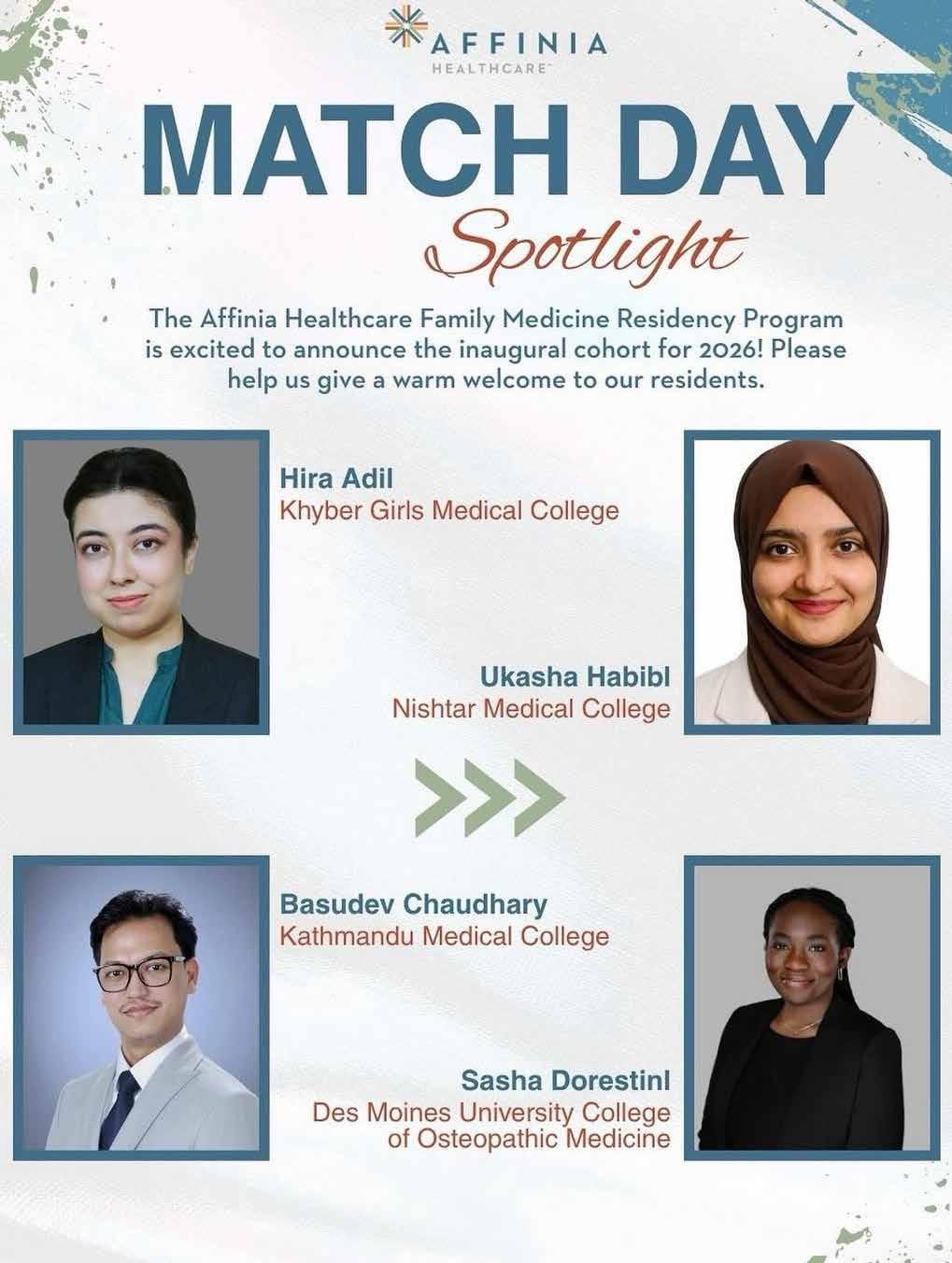
Match Day 2026 culminated on March 20, and after an extensive process, Affinia Healthcare is proud to announce four applicants have been selected to participate in the inaugural Affinia Healthcare Family Medicine Residency Program.
“We are thrilled to conclude the search for this first class and look forward to welcoming them to Affinia Healthcare,” said Family Medicine Residency Program Director Dr. Kenneth Hemba. “There were many qualified candidates to choose from, and we believe we’ve selected an outstanding group of future leaders.”
The newly selected residents, Hira Adil, Basudev Chaudhary, Sasha Dorestin, axnd Ukasha Habib, will come to St. Louis from across the country to receive specialized training, professional development and gain real world experience before becoming licensed clinicians.
Beginning this residency program at the Ferguson Health Center means expanded access to care in an area which has seen a decline in access to equitable health services. The program is also a means for increasing the number of new providers.
“Affinia Healthcare opened the Ferguson Health Center as a result of a community health assessment identifying North St. Louis County as an area where unmet primary care needs were prevalent,” said Hemba. “Starting this residency program is an extended result of this assessment.”
Meeting the needs of the unmet and serving patients in underserved communities attracted residents to apply to the program so they could continue leveraging their knowledge.
The Family Medicine Residency Program received full accreditation from the Accreditation Council for Graduate Medical Education (ACGME) in 2025 and received over one thousand applications and completed about 90 interviews. The program will launch this summer.
To learn more about the Family Medicine Residency Program, please visit www.affiniahealthcare.org/family-medicine-residency/.
The University of Missouri–Columbia Family Medicine Residency Program continues to advance leadership development, scholarly activity, and rural health training.
In April, the program hosted its National Family Medicine Chief Resident Leadership Workshop, bringing together chief residents from across the country for focused leadership training. A second leadership workshop was held in May for chief residents representing all departments at the University of Missouri–Columbia, further strengthening interdisciplinary collaboration and leadership skills.
The program was also awarded a training grant exceeding $2.4 million from the U.S. Health Resources and Services Administration. This funding will support initiatives aimed at improving care for rural and underserved populations, reinforcing the program’s longstanding commitment to addressing healthcare disparities across Missouri and beyond.

Residents and fellows have demonstrated strong scholarly engagement this spring, presenting at several national conferences with dedicated faculty mentorship. Participating MAFP members included:
• American College of Sports Medicine Annual Meeting: Levi Harris, DO
• American Medical Society for Sports Medicine Annual Meeting: Aaron Brown, MD, CJ DeBiase, DO, Riley Duncan, DO, Levi Harris, DO, Alex Marx, DO, Carter Ross, DO, Neehar Shah, MD, Cody Weisel, MD
• Society of Teachers of Family Medicine Annual Spring Conference: Will Kenney, MD
These accomplishments highlight the program’s ongoing commitment to leadership development, academic excellence, and service to rural communities.
Tiffany Dattel, DO (PGY-2) received a 2026 DiRenna Foundation Scholarship. Established to recognize and support future leaders in osteopathic family medicine in Missouri, the scholarship awards $1,000 annually to residents who plan to remain and practice in the state. The Foundation partners with the Missouri Society of the ACOFP (MSACOFP) to present these awards. Dr. Dattel is a resident at the UMKC Family Medicine Residency Program.
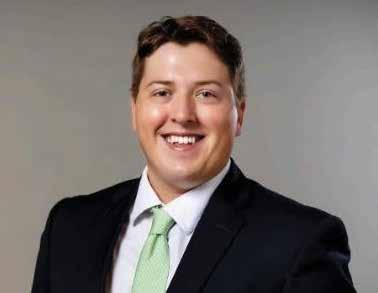
Philip Dauma, MD (PGY-3), a chief resident at the UMKC Family Medicine Residency Program, was inducted into the Gold Humanism Honor Society. A national honor society established by the Arnold P. Gold Foundation, the society recognizes medical students, residents, and physicians who exemplify compassionate, patient-centered care and serve as role models in humanism in medicine.
DO YOU HAVE NEWS TO SHARE? Email it to office@mo-afp.org for review. We love to hear from our members!
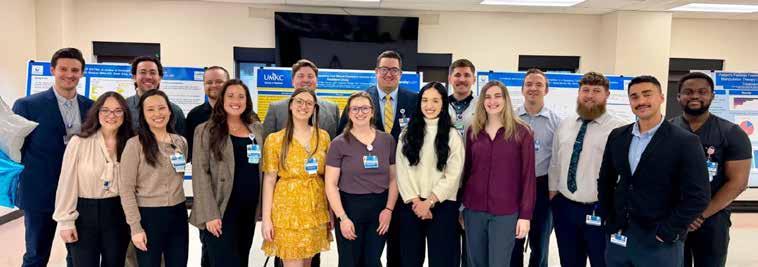
The UMKC Family Medicine Residency Program held its annual Department of Community and Family Medicine Research Day on March 10. PGY-3 residents presented posters showcasing their longitudinal residency research projects, with additional presentations from PGY-1 residents, podiatry residents, and sports medicine fellows.
Kale Harmon, DO, received top honors in the poster competition for his project, Spanish-speaking Patient Perception of Effectiveness of Various Interpretation Modalities.
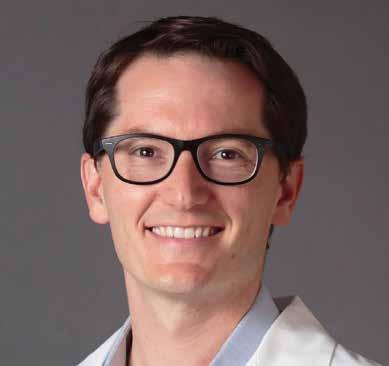
J. Lane Wilson, MD, FAAFP, Program Director of the UMKC Family Medicine Residency and Associate Professor at UMKC School of Medicine, coauthored a recent publication in Family Medicine alongside Kevin Gray, MD, FAAFP, Carlie Nikel, PsyD, and colleagues.
The article, “FEAR: Faculty Evaluation and Retaliation—A Survey of Family Medicine Program Directors,” appears in the March 2026 issue (Fam Med. 2026;58(3):178–184) and is available online at https://journals.stfm.org/familymedicine/2026/march/ wilson-0243/.



Missouri Academy of Family Physicians
722 West High Street
Jefferson City, MO 65101