
Your guide to reverse mortgages
Great minds:
How the power of positive thinking can help you live longer

The importance of timing your flu shot
‘Smart
what?’ Top 5 gadgets to make life easier Why you should try the ‘swicy food’ trend






www.kidlywinkschildcare.co.nz
Providing quality early education for tamariki aged 3 months–6 years in a nurturing, mixed-age setting.
Licensed for just 31 children, including up to 10 under-twos, we offer a close-knit, home-like environment.

04 934 8868
20 Islington Street, Trentham, Upper Hutt, Wellington

Find Your Ideal Moving Team
– Tailored for Kiwis!



We provide cost-effective, professional moving services designed to make your relocation smooth and stressfree. Our dedicated team understands how important this new chapter is and supports you every step of the way.
Reliability and clear communication are at the heart of what we do, ensuring you feel confident throughout the entire process.
What sets us apart? A genuine commitment to your unique needs. Whether you’re moving locally or long-distance, our services are tailored to suit you — with personalised service, attention to detail, and a team that’s as excited about your move as you are.
With 45 Movers Wellington, your move isn’t just a change of address — it’s a seamless step into your next chapter.
Looking for a Moving Estimate?
www.45services.nz
WHY CHOOSE US?
Experienced Team
Caring professionals handling belongings with utmost care.
Transparent Pricing
All-inclusive, honest quotes – no hidden costs.
Punctual & Reliable
On-time service you can count on.
WINZ Approved
Stress-free relocations supported by WINZ.
HOW WE MOVE?
Protecting Your Assets
Meticulous packing with blankets & shrink-wrap to prevent damage.
Specialised Equipment
Custom dollies, sack barrows and hydraulic tail lifts for fast, safe loading.
Seamless Transition
Efficient handling from departure to setup at your new workspace.
EXPANDED FEATURES
Protecting Office Equipment
We protect office furniture, tech, and assets with industry-standard packing materials — ensuring every item arrives intact.
Efficient Office Moving Techniques
We go beyond manpower, using specialised tools and freight-optimized processes for a hassle-free relocation.

From the Group Editor
In this edition of Plusliving our feature on positive thinking explores a simple but powerful idea: that mindset matters. Not as a cure-all, but as a quiet force shaping how we respond to life’s challenges, build resilience, and continue to grow. Research suggests that optimism can influence not just how we feel, but how we live, right into later life.

We pride ourselves on creating magazine for those who understand that life as we get older is not about slowing down, but about living with greater intention. In a world where headlines can feel overwhelming, this issue invites you to pause, reflect, and rediscover the power of perspective.
Throughout these pages, you’ll find practical ways to support your wellbeing, stay connected, and embrace new experiences. Because while we can’t control the world around us, we can choose how we meet it — with curiosity, strength, and a hopeful outlook.
Group Editor stuart@academgroup.co.nz




FREE distribution maximises readership
Publisher: The Job Agency Ltd 38 Lowe Street, Addington, Christchurch 8011
Managing Director: Gary Collins
GM of Operations: Kylie Palermo
Sales Manager: Angela Elley (03) 961 5184 | sales@markat.co.nz
Art Director: Jarred Shakespeare (03) 961 5088 | jarred@markat.co.nz
Design: Jessica Ann
Product Coordinator Manager: Amber Mundy (03) 961 5075 | amber@markat.co.nz
Accounts: (03) 961 5050 | accounts@markat.co.nz





Welcome to Plusliving – the magazine dedicated to living well and ageing gracefully in modern society. Aimed at the 50+ age group, you’ll find articles covering all aspects of contemporary life, including physical health and wellbeing, mental health and acuity, home life, working life and finances, technology, travel, self-improvement and more. Our aim is to provide information anyone can use, on any given day, so you can get more out of life. Disclaimer
This publication is provided on the basis that The Job Agency Ltd is not responsible for the results of any actions taken on the basis of information in these articles, nor for any error or omission from these articles and that the firm is not hereby engaged in rendering advice or services. The Job Agency Ltd expressly disclaim all and any liability and responsibility to any person in respect of anything and of the consequences of anything done, or omitted to be done, by any such a person in reliance, whether wholly or partially upon the whole or any part of the contents of this
Practice. Contents Copyright 2020 by The Job Agency Ltd.


Lifestyles


Leo Occasional Chair
Featuring a curvaceous bucket seat and soft Teddy fabric, this chair blends style and comfort seamlessly. Ideal for living rooms or bedrooms, it provides a cosy place to nestle, relax, or read a book, while its neutral beige tone complements any décor.
RRP $549.00 www.mocka.co.nz


Odin Wool Rug
Break up hard flooring and keep your feet cosy with the Odin Wool Rug. Composed of soft wool and featuring a striking abstract design, this rug not only feels great underfoot but adds a little drama to the living area or bedroom.
RRP $599.00 www.nood.co.nz

Soft to the touch and super versatile, the Jordan Cushion in old gold adds a little drama whether sitting pretty on an armchair or styled up with a scatter of tones and textures. The classic square size offers endless options.
RRP $139.00
www.nood.co.nz

Asher Throw
If you're looking to add a cosy layer to an armchair, sofa or bed the Asher Throw is an effortless choice. Its two-tone gingham design brings a modern touch while remaining a comforting neutral.
RRP $79.00 www.nood.co.nz

DISCLAIMER: Please note prices listed here are recommended retail pricing. Prices are subject to change at the discretion of the seller. The information on this page is for information purposes only. The Job Agency T|A Markat assumes no liability or responsibility for any inaccurate, delayed or incomplete information, nor for any actions taken in reliance thereon.

Eve White Marble Base Floor Lamp
Designed to combine luxury and elegance, it features a polished marble base and luxe materials. Perfect for any room, this floor lamp creates a warm and sophisticated ambiance. Available as both a floor and table lamp. Complies with New Zealand electrical safety standards.
RRP $179.99 www.mocka.co.nz
Jordan Cushion

Positive thinking may not be magic, but research suggests it could help people live longer
By Shelley Sweeney
Americans are living longer again, with new figures from the US Centres for Disease Control and Prevention showing life expectancy at birth has climbed to a record 79 years overall
Women are expected to live 81.4 years on average, while the latest CDC table puts male life expectancy at 76.5 years, after a post-pandemic rebound in mortality. The improvement has been linked not only to Covid-19 receding, but to lower death rates from heart disease, cancer and drug overdoses.
The renewed focus on longevity has also revived an older question: how much does mindset matter?
A growing body of research suggests it matters more than many people think. Not in the simplistic sense that smiling banishes illness, but in the more measurable sense that optimism, resilience and positive attitudes toward ageing may shape behaviour, stress responses and, over time, health outcomes.
For New Zealanders, the subject lands in a population already living comparatively long lives. Stats NZ’s latest abridged period life table, released in February 2026, shows life expectancy at birth for 2023–2025 was 80.4 years for boys and 83.7 years for girls. That is slightly higher than the 2022–2024 complete period life tables, which put life expectancy at 80.1 years for males and 83.5 years for females.
Stats NZ also notes that babies born in the early 2020s could expect to live longer still over their lifetimes — around 88 years for boys and 91 years for girls — though those cohort estimates are not directly comparable with period life expectancy figures.
That means New Zealand already sits above the United States on life expectancy, at least on the

current official period measure. But the international discussion is less about league tables than about what helps people age well.
One of the most talked-about pieces of evidence comes from a 2022 study led by Harvard researchers, which analysed data from more than 159,000 women in the Women’s Health Initiative. The researchers found that women with the highest levels of optimism lived, on average, 5.4 percent longer than the least optimistic women and were more likely to live beyond 90. The pattern held across racial and ethnic groups.

Hayami Koga, lead author of the study, said the findings suggest optimism is not merely a personality quirk but a potentially important health factor. “We know that more optimistic people are more likely to live a healthier life, with healthier habits, eating healthier, having more exercise,” Koga told AP in 2024. In Harvard’s account of the same research, she said there was value in focusing on “positive psychological factors” as possible new ways of promoting longevity and healthy ageing across diverse groups.
That does not mean optimism alone explains everything. The National Institute on Aging, summarising the research, said healthier lifestyles explained only about a quarter of the connection between optimism and longer life. In other words, exercise, diet, smoking and alcohol matter, but they do not tell the whole story. Researchers suspect stress biology may be one of the missing links.
That theory has intuitive appeal. Chronic stress keeps the body marinating in hormones such as cortisol and adrenaline, which in small bursts are useful, but over long periods are associated with inflammation, cardiovascular strain, poorer sleep and worse metabolic health. If more optimistic people appraise setbacks differently, recover faster, or maintain stronger social ties, that could translate into better long-term health. That is broadly consistent with the evidence reviewed by the US National Institute on Aging, which says optimism may improve wellbeing partly because it reduces exposure to daily stressors and changes how people think about them.
Research from Yale has pushed the argument further by focusing not just on optimism in general, but on attitudes toward ageing itself. In a recent Yale School of Public Health report, professor Becca Levy said many people assume ageing is a one-way slide into decline. Her team’s analysis of more than 11,000 older Americans found that nearly half improved over time in cognitive function, physical function, or both. “Improvement in later life is not rare, it’s common,” Levy said, arguing that the finding should change how ageing is understood.
Levy is also well known for earlier work showing that people with more positive self-perceptions of ageing lived 7.5 years longer than those with more negative views. That study has become one of the landmark findings in this field, because it suggests beliefs about ageing may become self-fulfilling in subtle but powerful ways.
Experts also stress that “positive thinking” should not be turned into a moral test for people who are sick, isolated or struggling. Optimism is “hardly a cure-all”, as AP noted in its wellness coverage, and the underlying studies are observational, meaning they show strong associations rather than definitive proof of cause and effect. Illness, income, housing, community support and access to healthcare still shape who lives long and who does not.
For a New Zealand audience, that may resonate in practical rather than abstract ways. An ageing population, stretched health services and growing awareness of loneliness among older people have all sharpened interest in what keeps people healthy for longer, not just alive for longer. The lesson from this research is not that people can think their way out of disease. It is that mindset may help shape the everyday choices and social patterns that protect health: staying active, following medical advice, keeping friendships alive, volunteering, walking with others, joining clubs, or simply maintaining a sense that later life still has gains in it.
Experts also stress that “positive thinking” should not be turned into a moral test for people who are sick, isolated or struggling. Optimism is “hardly a cure-all”, as AP noted in its wellness coverage, and the underlying studies are observational, meaning they show strong associations rather than definitive proof of cause and effect. Illness, income, housing, community support and access to healthcare still shape who lives long and who does not.
Still, the idea that mindset is at least partly modifiable gives the research its public appeal. New York University psychiatrist Sue Varma told AP that even people who are not naturally optimistic can learn skills to become more so. “It’s a toolset, it’s a mindset,” she said. “I have to practice it every day in my mind.”
That may be the most realistic takeaway. Positive thinking will not guarantee a long life. But as evidence accumulates from Harvard, Yale and US ageing researchers, it is becoming harder to dismiss optimism as soft science. For New Zealanders already among the longer-lived populations in the world, the question may be less whether a hopeful mindset adds years by itself, and more whether it helps add the habits, relationships and resilience that make those years healthier.


By Shelley Sweeney
Guide to reverse mortgages
For many retired New Zealanders, the family home is their biggest asset. When unexpected costs arise such as home repairs, medical expenses, travel, or helping family, it can be tempting to look at ways to unlock the value in your home without selling it.
Here are the things to consider when looking into a reversed mortgage, based on information from the Money Hub Reverse Mortgages - Definitive New Zealand Guide.
For eligible homeowners aged 60 plus, a reverse mortgage, also known as a home equity release loan can provide cash without requiring regular repayments, but it also comes with risks and long-term costs that need careful thought.
What is a reverse mortgage?
A reverse mortgage allows you to borrow money using your home as security, without making repayments while you continue living there. Instead of paying the loan back each month, the interest is added to the balance and the total amount is repaid when you sell your home, move permanently into care, or pass away.
Reverse mortgages are usually only available to people aged 60 or older who own their home outright, or who have very little left on their existing mortgage. The amount you can borrow depends on your age and the value of your home.
In most cases, lenders will allow you to borrow between 15 and 40 percent of your home’s value, with older borrowers able to access a higher percentage. For example, a 75-year-old homeowner may be able to borrow around 30 percent of the home’s value, while someone aged 85 could borrow closer to 40 percent.
The money can be taken as a lump sum, smaller withdrawals over time, or regular payments. Many retirees use reverse mortgages to pay for renovations, buy a car, travel, or consolidate debts.
Why reverse mortgages can look attractive
One reason reverse mortgages appeal to retirees is that they offer access to cash without forcing you to sell your home. You can stay where you are, continue receiving NZ Super, and use the money however you wish.
Another feature is that repayments are usually not required during your lifetime, as long as you keep living in the home and meet the loan conditions. Some lenders also offer a no negative equity guarantee, meaning you or your estate will never owe more than the home is worth when it is sold.
If house prices rise over time, the increase in value can help offset some of the interest charged on the loan, although this is never guaranteed.
For people who want to remain in their home but need extra funds, a reverse mortgage can seem like a simple solution. However, it is important to understand the long-term costs before going ahead.
The biggest risk: compounding interest
Reverse mortgages usually have higher interest rates than standard home loans, often around 9 to 10 percent per year and the interest compounds. This means you pay interest on the interest that has already been added to the loan. Because no repayments are made, the balance can grow very quickly over time.
For example, borrowing $100,000 at age 65 could grow to more than $400,000 by age 80 and much more if the loan continues for longer. If the loan runs for 20 or 25 years, the amount owed can become very large, significantly reducing the value of your home when it is eventually sold.
This is why financial advisers often suggest only borrowing what you really need, rather than taking the maximum available.
How a reverse mortgage can affect your future choices
A reverse mortgage does not usually cause problems if you stay in your home for the rest of your life, but circumstances can change.
If you later decide to move to a retirement village, downsize, or enter residential care, the loan must usually be repaid when the house is sold. Because the debt may have grown over many years, you could end up with less money than expected.
In some cases, the remaining equity may not be enough to cover the cost of a retirement unit or long-term care. This is one of the biggest risks to consider before taking out a reverse mortgage.
What retirees need to know before borrowing against their home
It will also impact the inheritance you leave behind, as the lender has the first claim on the proceeds when the home is sold.
Fees and conditions to be aware of
Reverse mortgages can include several fees, such as valuation fees, arrangement fees, drawdown fees and discharge fees when the loan ends. These are usually added to the loan balance.
There are also conditions you must follow. You will need to keep the house insured, pay council rates, and maintain the property. In most cases, you must continue living in the home and cannot rent it out completely.
Interest rates are usually floating, meaning they can increase in the future, which may cause the loan balance to grow even faster.
Before signing any agreement, it is important to check that the contract includes:
• Lifetime occupancy rights
• No required repayments while you live in the home
• A no negative equity guarantee
• Both partners named on the loan if you are a couple
Alternatives worth considering
A reverse mortgage is not the only way to access money in retirement. Depending on your situation, other options may be safer or more suitable.
Some retirees choose to downsize to a smaller home and use the extra money to support their lifestyle. Others rent out part of their home, subdivide land, or move to a retirement village where maintenance costs are lower.
There are also equity-release products that provide income in exchange for a share of

your home’s future value rather than a loan, although these also need careful consideration and independent advice.
Take time and get advice
Reverse mortgages are widely used in New Zealand and can work well for some people, but they are complex financial products.
Before going ahead, it is wise to talk to a financial adviser, a lawyer and your family. Make sure you understand the interest costs, the fees and how the loan could affect your future housing choices.

YOUR WEEK, REIMAGINED ON THE FAIRWAY
More time. More freedom. More reasons to play.
There comes a time when the pace of life shifts, when the calendar opens up and the days become yours again. At Manor Park, midweek golf isn’t just about the game, it’s about making the most of that time.
Set among native surroundings and a welcoming, inclusive community, our midweek playing groups offer the perfect balance of light hearted competition, fresh air, and genuine connection. Whether you’re looking to stay active, meet new people, or simply enjoy the rhythm of a regular round, there’s a place here for you.
Manor Park Midweek Golfers
For those who enjoy a regular fixture in the week and a deeper connection to the game, the Manor Park Midweek Golfers group offers a well-rounded and rewarding golfing experience.
Playing Tuesdays and Thursdays year-round, with morning tee times that shift with the seasons, this group blends structure with variety. Members enjoy a full calendar of golf, including regular Stableford competitions, tournaments, and a mix of pairs and team events—alongside a few light-hearted novelty rounds to keep things fun.
Beyond the course, there are opportunities to travel and connect, with home and away visits to clubs such as Te Marua, Carterton and Waikanae, as well as participation in the Evergreens Interclub competition across the Wellington region.
With a modest annual subscription and daily playing fee, much of which is returned as prizes and added support such as subsidised cart hire, it’s a group designed to be both accessible and enjoyable.
It’s golf with rhythm, variety, and a strong sense of belonging—perfect for those looking to make midweek play a regular part of life.
Taxi Club – Tuesdays Done Right
If your ideal round includes a bit of banter, a touch of competition, and plenty of laughs, Taxi Club delivers. Each Tuesday morning begins with a relaxed clubhouse gathering before a shotgun start, bringing players of all abilities together across the course. The format is social, the atmosphere is welcoming, and the focus is firmly on

enjoyment. With a small annual fee and weekly competition, players accumulate prizes throughout the year, all leading toward a shared Christmas celebration. It’s an easy way to add structure to your week without ever feeling too serious.
Midweek Ladies – Wednesdays Your Way
Wednesday mornings at Manor Park are all about connection, movement, and enjoying the game at your own pace.
Our 18-hole group offers a blend of companionship and friendly competition, while the 9-hole option provides a shorter format for those who prefer a more flexible morning and free afternoons.
Across both groups, you’ll find a supportive environment where new players are always welcome. Whether you’re returning to the game or playing regularly, it’s a space to feel comfortable, stay active, and enjoy golf in great company.
Thursday Club – A Weekly Highlight
For many members, Thursday Club has become the anchor of the week.
A vibrant mix of men and women gather for a midday shotgun start, combining competitive Stableford play with a strong social spirit. Weekly cash prizes, seasonal tournaments, and shared events throughout the year keep things engaging both on and off the course. It’s golf that strikes the perfect balance: competitive enough to keep things interesting, relaxed enough to enjoy every moment.
More Than Just a Round of Golf
What makes midweek golf at Manor Park truly special isn’t just the variety of playing options, it’s the sense of community that comes with it.
Here, you’ll find a welcoming environment for all skill levels, opportunities to stay active and engaged, and friendships that extend well beyond the fairway. With low cost entry and thoughtful touches like subsidised cart hire, it’s a game that remains accessible, enjoyable, and easy to be part of.
There’s no pressure, just an open invitation. Come along for a round or two, meet the people, and discover the group that feels right for you. Because midweek golf at Manor Park isn’t just about filling time it’s about making the most of it.
TOP 5
Gadgets that make life easier
By Shelley Sweeney
Technology can feel intimidating at times, but the right gadgets can genuinely simplify daily life, keeping us organised, connected, and independent. As we get older, simple, reliable devices that save time and reduce stress are especially valuable. Here are some of the most useful gadgets that are easy to use and make everyday life run more smoothly.

1. Smart watches with notifications and reminders
Smart watches have come a long way from just being fitness trackers. Modern devices, such as the Apple Watch or Samsung Galaxy Watch, offer clear, easy-to-read screens and simple menus, making them accessible for anyone.
Beyond tracking steps or heart rate, these watches let you see who is calling or texting, so you don’t have to reach for your phone every time. You can set reminders for appointments, medication, or daily tasks, and some models even allow you to reply to messages with pre-set responses or voice commands.
If mobility or hearing are a challenge, this can be a game-changer. The watch keeps all important alerts on your wrist, so nothing is missed. If you enjoy staying independent, it can help you manage your day without relying on others to remind you of appointments or routines.
For those with impaired vision, features like voiceover, zoomed text, haptic vibrations, and audible alerts make it simple to see and respond to notifications.
2. Digital voice assistants
Voice-activated devices like Amazon Echo, Google Nest Hub, or Apple HomePod Mini are versatile helpers around the home. All you need is a simple voice command to set reminders, make calls, check the weather, or play music.
They’re particularly helpful for daily tasks: ask your device to remind you to take medication, read the latest news, or even control lights and appliances if you have smart home gadgets. For those with mobility challenges or who prefer hands-free operation, a voice assistant can make everyday tasks much easier.
Some devices also include screens, allowing you to make video calls with friends or family—a simple way to stay connected without needing to learn complicated apps.


3. Key finders and smart tags
Small items like keys, wallets, or glasses are easy to misplace, which can be frustrating. Bluetooth trackers like Tile or Apple AirTag are designed to solve that problem. You attach a tracker to an item, and it connects to your phone or smart watch. With a tap, you can make the device play a sound or check its location on a map.
This not only saves time but reduces stress and frustration, making everyday life smoother. These trackers are small, lightweight, and don’t require complicated setup, making them ideal for anyone who wants practical solutions for everyday problems.
4. Simple mobile phones with extra features
Not everyone needs a complex smartphone, but there are plenty of models designed for ease of use. Phones with large buttons, bright displays, and straightforward menus make it easy to call, text, or even use emergency alert features.
Some of these phones pair with smart watches or wearable devices, so you can see calls and notifications on your wrist. This setup allows older adults to stay connected without worrying about navigating complicated technology. Phones like the Doro 7030 or Jitterbug Smart2 combine simplicity with essential features, including camera functions, loud speakers, and emergency buttons. They provide independence and safety, all while being straight forward to operate.


5. Medication reminders and smart pill dispensers
Taking medication correctly and on time is vital, but it can be tricky to remember every dose. Smart pill dispensers like Hero or MedMinder, offer a solution. These devices can be preloaded with your medications and set to alert you when it’s time to take them.
Some dispensers even notify a family member if a dose is missed, providing peace of mind for both the user and their loved ones. For retired adults, this eliminates the need to keep track of multiple pill boxes or sticky notes. Knowing that your medications are on schedule can reduce stress and help maintain good health.
Why these gadgets work so well
The common thread across all these devices is simplicity. They’re designed to make life easier without requiring hours of learning new skills. Smart watches, voice assistants, medication reminders, simple phones, and smart tags all focus on enhancing independence, improving organisation, and saving time.
For retired adults, this means you can spend less energy on remembering small tasks, managing appointments, or finding misplaced items—and more on the activities you enjoy. These gadgets aren’t just “nice to have”; they genuinely improve quality of life by reducing stress, keeping you connected, and supporting daily routines.
Making technology approachable
When choosing gadgets, it’s important to look for devices that are intuitive, easy to set up, and have clear instructions. Many older adults benefit from devices with large screens, voice commands, or tactile buttons. It can also help to start with just one or two gadgets at a time, learning how they work before adding more.
The goal is to create a home environment where technology helps, rather than complicates, life. Whether it’s receiving medication reminders, answering calls from a smart watch, or quickly finding your keys, these gadgets make daily life smoother, safer, and more enjoyable.

Good reads
Six books about the digital world.
By Ben O’Connell
The Anxious Generation
by Jonathan Haidt
A piercing look at youth anxiety in the digital age. Haidt exposes the pressures, pitfalls, and social media traps shaping young minds, while offering hope, resilience strategies, and insights to help them navigate modern life without losing their mental balance.
What We Can Know
by Ian
McEwan
In a post-climate-catastrophe future, academic Tom Metcalfe hunts for a lost early- century poem and unravels love, secrets, history, and memory. McEwan’s “science fiction without the science” blends dystopia, mystery, and reflection on what we truly understand about people and the past.



Do Androids Dream of Electric Sheep?
by Philip K. Dick
In a ravaged future, bounty hunter Rick Deckard hunts rogue androids, blurring lines between human and machine. Dick’s classic raises provocative questions about empathy, identity, and what it truly means to be human in a technological world.
Klara and the Sun by Kazuo Ishiguro
Through Klara, an AI with tender curiosity, Ishiguro explores love, loneliness, and the cost of technological dependence. A haunting, beautifully written meditation on humanity, hope, and the invisible bonds that shape our lives.
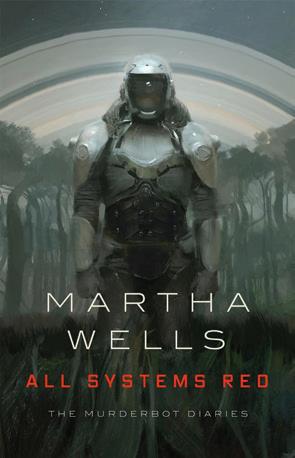
All Systems Red
by Martha Wells
Meet Murderbot: a sarcastic, self-aware security android who just wants freedom—but keeps saving humans anyway. Wells delivers thrilling action, dark humour, and a heartfelt exploration of identity, autonomy, and the surprising complexities of machine consciousness.
I, Robot
by Isaac Asimov
This classic science fiction masterwork by Isaac Asimov weaves stories about robots, humanity, and the deep questions of existence into a novel of shocking intelligence and heart.










The
swicyfood tr end

Move over plain old sweet and spicy, because the hottest flavour on menus right now is a mash-up of the two: swicy.
This portmanteau of sweet and spicy is turning up on café specials, supermarket shelves and home-cooked dishes, as chefs and home cooks alike experiment with the addictive push-and-pull of chilli heat and sugar-driven richness.
From chilli-honey glazed chicken wings and sweet-chilli popcorn to mango-strawberry sodas and spicy-caramel lattes, swicy is no longer a niche experiment but a mainstream food story.
Swicy isn’t just something with chilli and sugar. It’s a deliberate balance: the sweetness softens the burn, while the chilli keeps you coming back for another bite.
Think of a glazed burger patty with a honey-sriracha sauce, a bowl of popcorn tossed in sweet-chilli seasoning, or a vanilla ice cream drizzled with hot honey and a pinch of sea salt.
In drinks, it shows up as lemonades spiced with ginger and chilli, or fruit-forward sodas laced with a hint of wasabi or chilli powder.
Even desserts are getting the treatment: chocolate-avocado mousse with a dusting of chilli, brownies swirled with chilli-jam, or grilled pineapple brushed with chilli-honey and lime.
The idea is never to overwhelm with heat, but to elevate fruit and sugar with a subtle, warming kick that lingers on the palate.
The rise of swicy is closely tied to Gen Z’s appetite for bold, global flavours and their comfort with chilli-driven dishes from Korean, Mexican, Thai and Indian cuisines. At the same time, social media has turned swicy into a viral taste-test trend, with TikTok and Instagram videos showing people trying spicy-honey drizzles, chilli-flavoured ice cream and sweet-heat condiments that quickly go mainstream.
Data shows a clear uptick in “sweet-spicy” recipe creation and in products featuring chilli paired with honey, jam or fruit-based sauces, which suggests this is more than a flash-in-the-pan gimmick.
Fast-casual chains overseas are already rolling out swicy-themed burgers, fries, sauces and drinks, and New Zealand’s café and restaurant scene is starting to mirror that trend.
You’re increasingly likely to spot swicy elements on café menus and in specialist food-hall products. Some local cafes now offer chilli-honey flat whites, where a syrup of honey and mild chilli is stirred into the coffee, or fruit-laden smoothies spiked with a touch of chilli for a warming surprise.
Delis and charcuterie boards are featuring chilli-honey paired with local cheeses, chilli-infused jams alongside scones, or hot honey glazes on roast meats and grilled vegetables.
Supermarkets are also responding, stocking more Korean-style hot sauces, chilli-garlic pastes and hot honey-style products that let home cooks experiment without needing to make sauces from scratch. This opens up creative ways to bring flavour into everyday meals: a spoon of chilli jam in a yoghurt bowl, a drizzle of hot honey over grilled plums, or a pinch of chilli flakes in a chocolate-based dessert can turn a simple dish into something swicy-style and memorable.
Swicy fits into a broader cultural shift where people want more excitement from food without abandoning comfort. It answers the ‘What if we combined those two?’ question that often drives innovation in kitchens: the warmth of chilli with the soothing familiarity of sugar, the brightness of fruit with the thrill of heat.
This can be a way to keep meals interesting as taste sensitivity changes with age, by using bold but balanced flavours that still feel approachable. From a wellbeing angle, swicy can encourage mindful eating if you lean into fresh ingredients: real fruit, small amounts of natural sweeteners and moderate chilli rather than heavily processed, ultra-sugary sauces.
Chilli-based flavours also introduce compounds like capsaicin, which some research links to mild metabolic and appetite-regulation effects, though these should always be enjoyed in moderation, especially for anyone with sensitive digestion or blood-pressure concerns.
In a way, swicy is a metaphor for modern eating: it’s about contrast, balance and pleasure, not extremes.



Buddha bowls
Perfect for a healthy, delicious lunch with family and friends.
This buddha bowl is an assembly job of gorgeous ingredients – high in protein with no cooking required.
Ingredients
• 400g chickpeas rinsed and drained
• 400g red kidney beans rinsed and drained
• 400g sweetcorn rinsed and drained
• 250g mesclun salad
• 1 ½ cups of medium grain white rice
• 1 250g punnet of cherry tomatoes sliced in half
• 1 large red onion halved and finely sliced
• 1 avocado peeled and sliced
• 1 lime sliced in round
Dressing
• Large bunch of coriander
• 1 small garlic clove
• 100ml extra virgin olive oil
• 2 limes zested and juiced
• 2 tbsp white wine vinegar
• 2 tsp honey
Method



Serving suggestion: Store tinned ingredients and dressing in containers for individual servings through the week. Serves 6 Serves 4
1. Make the dressing by blending all of the dressing ingredients in a food processor (or very finely chop them), saving a few coriander leaves for the salad. You can make the dressing up to 24 hrs before serving.
2. Place a mound of rice in the centre of each bowl and arrange the rest of the ingredients around it. Top each bowl with dressing and garnish with coriander
Vegetarian vitality!
Simply delicious
Courgette Lasagne
Serve this quick, creamy courgette and ricotta lasagne for a lastminute dinner party to impress vegetarian friends.
A great way to use courgettes when they're in season.
Ingredients
• 9 dried lasagna sheets
• 1 tbsp sunflower oil
• 1 onion finely chopped
• 700g courgette (about 6), coarsely grated
• 2 garlic cloves crushed
• 250g tub ricotta
Method
• 50g cheddar
• 350g jar tomato sauce for pasta
1. Heat oven to 220C/fan 200C. Put a pan of water on to boil, then cook the lasagne sheets for about 5 mins until softened, but not cooked through. Rinse in cold water, then drizzle with a little oil to stop them sticking together.
2. Meanwhile, heat the oil in a large frying pan, then fry the onion. After 3 mins, add the courgettes and garlic and continue to fry until the courgette has softened and turned bright green. Stir in 2/3 of both the ricotta and the cheddar, then season to taste. Heat the tomato sauce in the microwave for 2 mins on High until hot.
3. In a large baking dish, layer up the lasagne, starting with half the courgette mix, then pasta, then tomato sauce. Repeat, top with blobs of the remaining ricotta, then scatter with the rest of the cheddar. Bake on the top shelf for about 10 mins until the pasta is tender and the cheese is golden.
Serving suggestion: Serve with a mesclun salad with sliced cherry tomatoes with a dash of olive oil and balsamic vinegar.
Veggie Tostadas
Whip up these colourful veggie tostadas in just 30 minutes.
A flavourful, healthy and low-calorie midweek meal
Ingredients
• 4 mini tortillas
• 4 tsp vegetable oil
• 1 45g bag of rocket
• 198g can sweetcorn drained
• ½ tsp smoked paprika
• 80g cherry tomatoes halved
• ½ bunch of chives finely sliced
• 250g frozen peas or edamame defrosted
• 1 garlic clove peeled
• 2 mint sprigs leaves picked and roughly chopped, plus extra to serve
• Small handful of coriander roughly chopped


• 2 limes 1 juiced, 1 cut into wedges to serve
• 80g natural yogurt
Method
1. Heat the oven to 200C/180C fan/ gas 6. Brush the tortillas with 2 tsp of the oil and arrange on two baking trays. Lightly season. Bake for 5 mins, then turn over, rotate the trays and cook for a further 3 mins until crisp and golden. Remove from the oven and set aside to cool.

2. Meanwhile, heat 1 tsp of the oil in a large frying pan over a medium-high heat. Add the sweetcorn and cook, stirring a couple of times until they start to colour at the edges, about 6-8 mins. Add the smoked paprika and cook for a further minute. Set aside to cool slightly before tossing in the tomatoes and chives, then some seasoning to taste.
3. Put the avocado, garlic, mint, most of the coriander, the lime juice and remaining oil in a mini food processor with some seasoning and pulse until you have a guacamole consistency.
4. To serve, spread each tortilla with the avocado dip and top with the tomatoes, sprinkle on a few peas/edamame and rocket.
Serving suggestion: Garnish with the remaining coriander and a dollop of yogurt. Serve with lime wedges on the side for squeezing over.
Serves 10-12
Carrot Cake
Top this classic carrot cake with moreish cream cheese icing and chopped walnuts or pecans.
Ingredients
• 230ml vegetable oil plus extra for the tin
• 100g natural yogurt
• 4 large eggs
• ½ orange zested
• 335g brown sugar
• ¼ ground nutmeg
• 100g sultanas or raisins
• 2½ tsp vanilla extract
• 265g self-raising flour
• 2½ tsp ground cinnamon
• 265g carrots (about 3), grated
• 100g walnuts or pecans, roughly chopped (optional)
For
the icing
• 100g unsalted butter softened
• 300g icing sugar
• 100g soft cheese
Method
1. Heat the oven to 180C/160C fan. Oil and line the base and sides of two 20cm cake tins with baking paper. Whisk the oil, yogurt, eggs, vanilla and zest in a jug. Mix the flour, sugar, cinnamon and nutmeg with a good pinch of salt in a bowl. Squeeze any lumps of sugar through your fingers, shaking the bowl a few times to bring the lumps to the surface.
2. Add the wet ingredients to the dry, along with the carrots, raisins and half the nuts, if using. Mix well to combine, then divide between the tins.
3. Bake for 25-30 mins or until a skewer inserted into the centre of the cake comes out clean. If any wet mixture clings to the skewer, return to the oven for 5 mins, then check again. Leave to cool in the tins.
4. To make the icing, beat the butter and sugar together until smooth. Add half the soft cheese and beat again, then add the rest (adding it bit by bit prevents the icing from splitting).
5. Remove the cakes from the tins and sandwich together with half the icing.
5. Top with the remaining icing and scatter with the remaining walnuts. Will keep in the fridge for up to five days. Best eaten at room temperature.
Serving suggestion: Add a sprinkle of cinnamon to the iced cake for an extra touch of spice.



Why Choose Amos Construction?
Our Services

Building & Construction Design & Build
We specialise in new residential builds and alterations/additions. Whether you’re starting from scratch with a new home or transforming an existing space, our qualified builders ensure every project is completed to the highest standard.
Our Commitment to Quality
We believe in delivering not just a building, but a lasting legacy. Every project we undertake is approached with meticulous attention to detail, ensuring the highest standards of safety, durability, and design.
From simple pole sheds to multimillion-dollar builds, our design and build service offers bespoke solutions for every project. No matter the scale, from $2 to $3 million high-end homes, our team works closely with you from concept to completion, ensuring your project is on time, within budget, and exceeds your expectations.


Roofing
As long-run iron roofing specialists, we offer both new roofing installations and re-roofing services. Our expertise ensures a durable, weather-tight solution that enhances the look and longevity of your property. Whether you’re building new or upgrading your existing roof, we provide expert advice and top-notch workmanship.


Now, websites and apps have streamlined the process. Online tools allow users to search records, build family trees, and even connect with distant relatives. With the right platform, researching your ancestry becomes an enjoyable and rewarding project.
How ancestry websites work
Most ancestry websites use large databases of historical records, such as birth certificates, marriage records, census lists, immigration documents, and military files. By entering names, dates, and locations, users initiate a search, after which the website suggests possible matches.
Many platforms also allow you to build a digital family tree. You can add parents, grandparents, and earlier generations as you discover them. The software connects records to the tree and saves them in one place. This makes it easier to keep track of information as your research grows.
Some services also offer DNA testing based on a saliva sample, which then compares your DNA with other users in the database. This can reveal ethnic origins and possible relatives.
Ancestry
Ancestry is one of the world’s largest genealogy websites. It has billions of records from many countries, including New Zealand, the United Kingdom, and Europe. Users can search historical documents, create family trees, and attach photos or notes.
Ancestry made easy
By Shelley Sweeney
Interest in family history has grown in recent years, as many people want to know where they come from and how their relatives lived. Previously, tracing ancestry required visiting libraries or searching through paper records.
One popular feature is record hints. The system suggests possible matches based on the people in your tree. This saves time and helps beginners know where to look next. Ancestry also offers DNA testing.
The Ancestry website has a mobile app, allowing you to work on your tree from anywhere. This makes it easy to add information when talking to family members or visiting relatives.
MyHeritage

MyHeritage is another well-known genealogy platform. It offers family tree building, historical records, and DNA testing. One of its strongest features is photo technology. The site can enhance old photos, add colour to black and white images, and even animate faces.
MyHeritage also has automatic matching. The system compares your tree with other users ' trees and suggests possible connections. This can help you discover relatives you didn’t know you had. The website supports many languages, making it useful for families with international backgrounds.
FamilySearch
FamilySearch is a free genealogy website run by a non-profit organisation. It has a large collection of records from around the world. Users can search documents, build family trees, and store photos without paying a subscription.

One helpful feature is the shared family tree. This allows users to work together on the same family lines. It can lead to new discoveries when other researchers can add helpful information. FamilySearch also offers guides that explain how to search records in different countries. This makes it a good starting point for beginners.
Findmypast
Findmypast is known for its strong collection of British and Irish records. It is useful for people with family roots in the United Kingdom. The site includes census records, military files, and old newspapers.
Newspaper archives are one of its most interesting features. Users can search for family names in old articles, notices, and announcements. This can give a deeper picture of how ancestors lived. Findmypast also allows users to build family trees and save documents in one place.
Apps that make research easier
Most genealogy websites have mobile apps. These apps allow you to update your family tree, scan photos, and search records from your phone. This is useful when visiting relatives or looking through old albums.

Some apps also scan printed photos and store them digitally. These images can then be added to your family tree. Keeping photos and documents in one place helps preserve memories for the future.
Making ancestry research fun
Tracing your family history can be easy and fun. Start with what you already know. Speak with older relatives and write down names and dates. Add this information to a family tree online. The websites will suggest new records as you go.
Instead of trying to find everything at once, set small, manageable goals. Try focusing on one grandparent at a time. Each discovery can lead to another. Old photos, letters, and certificates often help confirm details.
A way to connect with the past
With Ancestry websites and apps, it’s easier than ever to trace your family history. They bring together records, photos, and stories in one place. The search can reveal unexpected connections and forgotten details.
For many people, tracing their family tree is a way to understand their roots and preserve those stories for future generations.

Most ancestry websites use large databases of historical records, such as birth certificates, marriage records, census lists, immigration documents, and military files. By entering names, dates, and locations, users initiate a search, after which the website suggests possible matches.
By Shelley Sweeney
Murder Club
Murder mystery parties have become a popular way to entertain at home.
They combine storytelling, costumes, and socialising in one event. Guests take on characters and work together to solve a fictional crime. Resulting in a night full of laughter, surprises, and memorable moments. With the right planning, anyone can host a successful murder mystery evening.
What is a murder mystery party?
A murder mystery party is a themed event where each guest plays a role in a story. One character is the victim. One guest is secretly the culprit. The rest of the group must follow clues and ask questions to solve the case.
Most games come with a script, character guides, and instructions for the host. These guides explain how the story will unfold. Some games can be played around a dinner table, while others work as a casual party where guests mingle, talking in character.
Choosing the right game
Many companies sell ready-made murder mystery kits. These are the easiest ways to start. They include everything needed for the night. Popular options include downloadable games and boxed sets.
Websites such as Night of Mystery, Red Herring Games, and Shot in the Dark Mysteries offer printable kits for different group sizes. These often allow the host to read the story in advance and assign roles.
Apps and online platforms also offer digital versions. Some games send clues by email or phone during the party. This can make
Thursday
the experience feel more realistic. Choose a game that matches the number of guests and the level of complexity you want.
Planning the guest list
Most mystery games need a set number of players. Check this before inviting guests. Some kits allow extra people to join as minor characters. Smaller groups often work best for first-time hosts. Eight to ten players is a good starting point.
Send invitations early so guests have time to prepare. Many games include character descriptions. Sharing these in advance helps people get into character.
Dressing up and getting into character
Costumes make a murder mystery party more fun. Guests do not need expensive outfits. Simple items from home or second-hand shops can work well. A simple scarf, hat, or jacket can create a character.
Encourage guests to stay in character during the party. A fake moustache and Belgian accent can transform any guest into Hercule Poirot, a badge and blazer can create



an instant chief inspector and a low brimmed hat with a veil can create mysterious femme fatale. Encourage your guests to get into character by giving prizes for the best costume or best performance.
Themes often depend on the game you choose. Popular settings include 1920s parties, Hollywood events, country manor houses, or detective stories. Matching the decorations and music to the theme helps everyone feel part of the story.
A murder mystery party is a themed event where each guest plays a role in a story. One character is the victim. One guest is secretly the culprit. The rest of the group must follow clues and ask questions to solve the case.
Most games come with a script, character guides, and instructions for the host. These guides explain how the story will unfold.
Dinner party or casual party
A murder mystery can work as a dinner party or as a more relaxed gathering. Dinner parties work well for games that are played in stages. Guests can read clues between courses. This style feels organised and easy to follow.
A casual party works well for larger groups. Guests can move around, talk, and search for clues. Snacks and finger food are easier than a full meal.
Setting the scene
The atmosphere makes a big difference. Use lighting, music, and simple decorations to match the theme. Candles, tablecloths, and printed name cards help create the feeling of an event. Background music can add tension or excitement.
Prepare the space before guests arrive. Lay out clue cards, props, or envelopes if the game requires them. Read the instructions carefully so the story runs smoothly. A little preparation helps the night feel natural and fun.
Tips for a successful night
Keep the rules simple, especially for first-time players. Remind guests that the goal is to have fun, not to act perfectly. Help the group stay on track if the story slows down.
Have a clear ending planned. Most games end with everyone guessing the culprit. The final reveal is often the best part of the night.
A fun way to bring people together
Murder mystery parties are different from a normal night in. They give guests a chance to be creative and playful. With the right game and a little preparation, you can create an evening that people will talk about long after it ends.
MEET JADE
Raised in Lower Hutt, Jade brings over 20 years’ experience painting residential and commercial properties across Wellington. He’s known for being reliable, easy to deal with, and taking real pride in his work.

Jade understands Wellington homesfrom classic villas to modern builds - and how local conditions like wind, sun, and coastal exposure affect paint over time. That’s why he focuses on getting the prep and products right from the start.
He treats every home with care and respect, keeping things tidy and the process straightforward with clear communication and punctual service.
For Jade, it’s simple - good, honest work done properly, with a finish that lasts.



JADE PAINTING AND DECORATING LTD
OWNER / OPERATOR



According to reporting from ABC's Life Matters, this reflects a broader shift in how identity and employment have become closely linked.
According to clinical psychologist Nasalifya Namwinga from the Pola Practice in Melbourne, people are often drawn to careers that reflect who they are. Work can feel meaningful because it aligns with personal values and interests. However, this can make it harder to separate identity from occupation.
Labour reporter Simone Stolzoff, author of The Good Enough Job, argues that modern culture has elevated the importance of work to an unrealistic status. According to Stolzoff, many people now look to their jobs for purpose, belonging and self-worth, not just income. He refers to this idea as "workism," a term first coined by journalist Derek Thompson. While this mindset can feel motivating, it also carries risks.
According to Stolzoff, relying on work as a primary source of identity can leave people vulnerable if that job changes or disappears. It can also create constant pressure for work to feel perfect, which often leads to disappointment. He stresses that people hold many roles beyond their job, including being friends, neighbours, and members of a community.
The challenge then becomes how to build a stronger sense of self outside of work. According to Stolzoff, the answer does not lie in dramatic life changes. Instead, he suggests small and consistent actions. Simple habits such as a weekly walk with a friend or a short daily creative activity can help build a more balanced identity over time. Research and clinical experience suggest that hobbies alone are not always the solution. Namwinga explains that the key is understanding personal values.
Letting go of your work identity
By Shelley Sweeney
For many people, work is more than a job. It shapes how they see themselves and how they answer a simple question like, "How are you?"
Increasingly, the answer is tied to how things are going at work.
According to her work, people should reflect on why they chose their career and what they enjoy outside of it. These insights can reveal patterns that help guide meaningful activities beyond work.
There is also a need to shift how people approach these activities. According to Namwinga, turning hobbies into side hustles can undermine their value. She encourages people to focus on enjoyment rather than outcomes. The benefit comes from the act itself, not from achievement or productivity.
Real life experiences reflect this shift. One ABC listener described how a period of depression led him to reassess his relationship with work. With support, he began exploring creative interests without pressure to succeed. This helped him rebuild a sense of identity that wasn't tied to status or productivity.
Stolzoff offers a practical way to rethink work itself. According to his research, viewing a job as an economic relationship can be helpful. This perspective does not reduce commitment or effort. Instead, it creates space for other parts of life to hold equal importance. He defines a "good enough" job as one that supports the kind of life a person wants to live.
The idea is not to reject work, but to rebalance it. Work can still be meaningful, but it should not be everything. According to Life Matters, building a non-work identity is an ongoing process. This well-rounded sense of self is shaped by small choices, personal values, and a willingness to invest time in other parts of life.
In a culture that often celebrates productivity above all else, this shift can feel unfamiliar. However, it offers something valuable. A more stable and flexible sense of self that can adapt as life changes.

Local community pharmacies offer so much more than staff-less aisles with colourfully ticketed products, that you probably don’t need. We are a team of friendly pharmacists and health professionals available to provide care and advice. There is no need to make an appointment, come in at your convenience to access the many services which we offer, such as:
Blister packs, Vaccinations (Flu, Covid, Measles, Tetanus and Whooping Cough to name a few), Blood pressure checks, Pharmacist consultations for eye infections, urinary tract infections, erectile dysfunction, the morning after pill (plan B), oral contraceptives, acne, quit smoking aids, vitamin B12 injections, wound treatments, disposal of unused/expired medications and sharps, fitting compression stockings. We take passport photos, pierce ears, hire and sell mobility aids such as crutches/walking frames/wheelchairs and the list goes on.
Both of our stores offer a wide variety of essential health and wellness products and a huge range of gifts and homewares. We do so much more than dispense prescriptions, which are usually FREE if you are over 65. And if you can’t get in, we’ll happily arrange delivery
Make local community pharmacies your go-to for care and advice. Hope to see you soon!

Call us 04 5283320 or email: dispensary@silverstreampharmacy.co.nz
Open Mon-Fri 8.30am to 6pm and Sat 9am to 5pm

Simon’s Pharmacy
Call us 04 232 8314 or email: dispensary@simonspharmacy.co.nz
Open Mon-Fri 8.30am to 5.30pm and Sat 9am to 1pm
Brain games
can reduce dementia risk
By Ben O’Connell
A 2026 study has reinforced the importance of mental exercise in protecting cognitive health, particularly for adults aged 50 and over.
Following more than 8,000 participants aged 50 to 80 over a decade, researchers found that engaging in regular cognitive activities, such as puzzles, memory games, reading, or learning new skills, was linked to a significantly lower risk of developing dementia.

Participants who committed to at least three mental exercise sessions per week, lasting 20 to 60 minutes each, showed measurable improvements in memory tests and delayed onset of cognitive impairment. Remarkably, the 2026 study found that adults engaging in three or more weekly mental exercise sessions saw up to a 30% lower risk of dementia and measurable memory improvements, even in their 70s, showing that it’s never too late to start.
The study also compared mentally stimulating activities with more sedentary, passive tasks like watching television or scrolling on a phone. These passive activities offered little to no cognitive benefit and were associated with higher rates of cognitive decline over time. This shows the value of actively challenging the brain rather than engaging in purely passive entertainment.
The protective effect was strongest among those who combined mental stimulation with regular physical activity, supporting earlier research connecting cardiovascular health to brain resilience. Lead researchers emphasised that consistent mental challenge strengthens neural pathways and promotes brain plasticity, which may explain the reduction in dementia risk of up to 30% for highly active participants.

These findings show that brain health is an active pursuit, not a passive state. Simple, consistent engagement in mentally stimulating activities can make a real difference over time, offering a practical, empowering way to support memory, resilience, and overall quality of life well into later years.
Participants who committed to at least three mental exercise sessions per week, lasting 20 to 60 minutes each, showed measurable improvements in memory tests and delayed onset of cognitive impairment. Remarkably, the 2026 study found that adults engaging in three or more weekly mental exercise sessions saw up to a 30% lower risk of dementia and measurable memory improvements, even in their 70s, showing that it’s never too late to start.
See also: Mind Games, p46-47

Truck and Industrial Vehicle Servicing and Repair Specialists
• COF
• Engineering & Hydraulics
• Maintenance & Repairs
• Forklift Repairs
• 24/7 call out service
An established truck servicing company, Levin Truck Services provides machinery and truck owners in the Horowhenua region a range of servicing and repair options including mobile hydraulic repair, diesel servicing and farm machinery repairs.
Our team includes heavy vehicle engineers, hydraulics specialists and in-house Certificate of Fitness inspectors to make sure your trucks and equipment are fully fit for purpose.



Why timing your flu shot matters
By Shelley Sweeney
Flu season is no longer as predictable as it once was.
Infectious disease experts Meru Sheel from the University of Sydney and Allen Cheng from Monash University, say vaccination remains the best protection against influenza. Their analysis was published in The Conversation in 2026, as cases began rising earlier than expected across Australia.
This year, flu activity started sooner than usual, with more than 25,000 cases reported between January and March. The true number is likely higher. Influenza spreads through droplets when people cough, sneeze, or talk. Common symptoms include fever, fatigue, body aches, and a sore throat.
For many people, the illness passes without treatment, while for others, it can become serious. Older adults, young children, pregnant women, and those with existing health conditions face higher risks. In Australia, the flu causes around 3,500 deaths and 18,000 hospitalisations each year.
Many people ask when they should get vaccinated. In most parts of Australia, flu season runs from May to October. Cases usually peak in winter. In a perfect scenario, people would receive vaccinations two weeks before cases begin to rise. In reality, that timing is hard to predict.
Sheel and Cheng recommend a simpler approach. Get vaccinated when it becomes available and suits your schedule. For most people, this means April or May. This timing helps protect you during the peak months and lowers the chance of catching the flu early in the season.
The vaccine does not last forever. Protection is strongest in the first three to four months after the shot. It may begin to decline after six months, which is why early autumn is a practical window for most people.
This year's vaccine protects from current strains of the virus. It includes protection against two influenza A strains and one influenza B strain. One of these targets a strain linked to the recent rise in cases. Experts say this variant spreads more easily, but it does not appear to cause more severe illness.
In Australia, vaccinated people were 53 per cent less likely to need hospital care or visit a GP for flu symptoms. Data from the United Kingdom shows strong protection in children and teenagers against cases that required medical attention. Vaccination also helps protect others. Studies show it can reduce the spread of flu within households and the wider community.
Some groups need to plan more carefully. Travellers heading to the northern hemisphere during its winter should get vaccinated two to four weeks before they leave. GPs advise pregnant women to have the vaccine from 28 weeks. Young children receiving it for the first time need two doses, given four weeks apart.
The advice from Sheel and Cheng is clear. Timing helps, but it should not delay action. Getting vaccinated is the most important step in reducing the risk of serious illness and slowing the spread of influenza.







Lychgate Funerals
Lychgate Funerals has been part of Wellington’s heritage and proudly serving our entire community with dignity and respect for 150 years. We are honoured to support our families when they need us most.
Locals, Caring For Locals
Lucas Vetter joined Lychgate in late 2025 after a varied career across both the Wellington public and private sector. With a background in emergency management and disaster relief, Lucas has worked across government agencies and around the country to support people during one of their worst days.
As a practicing wedding and funeral celebrant, as well as educator at the Celebrant School, the funeral industry was always going to be an obvious choice for Lucas. His first experience in the industry at the age of 22 led him to developing a passion for supporting families, caring for others loved ones and creating a space of gentle reassurance and calm during difficult times.
“I want to ensure that every individual, family and community that we serve knows that they can turn to us during their time of need and can trust that their loved one will be treated with the respect and dignity that they deserve.”
Naomi was born and bred in Tokoroa before moving to Wellington as a teenager. She has worked across the hairdressing and hospitality sectors which have helped develop her eye for detail and multi-tasking skills. In her spare time, she plays netball and loves getting out on Wellington’s walking tracks.
Naomi loves nothing more than being with her children and her fur babies. “The paths I’ve walked in life have guided me to where care and compassion matter most. At the heart of my work, my greatest priority is the respect and dignity of our loved ones.”
Originally from the UK, Kerry has been living in New Zealand for 19 years (after travelling to many amazing places across the world for almost a year to get here).
For the past few years, she worked part-time in the funeral industry around Porirua and the wider Wellington region while also working as an in-home support carer. In March 2022 Kerry joined the Lychgate team full time.
“Working as a funeral director is something I hold very close to my heart. Every family I meet is carrying a unique story, a deep love, and often a heavy grief — and I consider it a privilege to walk beside them during such tender moments.”
Originally from Ireland, John met his Kiwi wife while they were both living and working in Limerick. John has worked in many and varied fields previously, however the death of his own Father and brotherin-law a few years ago stopped him in his tracks, and he began to ask the bigger questions about life, death and bereavement.
These questions set him on a path toward work that felt more meaningful and grounded in compassion which lead him to join the Lychgate team in 2025.
Rachel was born in Lower Hutt, grew up in Dunedin and settled back in Wellington ten years ago. She joined Lychgate Funerals in 2025, bringing breadth of experience working in a compassionate capacity with clients in a range of roles.
Live Longer, Live Better

Calm Your Mind with
Shinrin-Yoku
Many people spend most of the day indoors, looking at screens and rushing between tasks. Shinrin-yoku offers an easier pace of life.
This Japanese term translates to "forest bathing," but it doesn’t involve water. It means spending time in nature while paying attention to what you see, hear, and feel. This simple practice has been linked to strong benefits for both physical and mental health. Shinrin-yoku began in Japan in the 1980s as a health practice. Doctors and researchers encouraged people to spend time in forests to reduce stress and improve wellbeing. The idea is not exercise or hiking for fitness. Instead, the focus is on slowing down and taking notice of the natural world.
Benefits for mental health
Spending time in nature has been shown to reduce stress. Studies from Japan have found that people who walk in forests have lower cortisol levels. Cortisol is the hormone linked to stress. Lower levels can help people feel calmer and more relaxed.
Nature bathing can also help with anxiety and low mood. Quiet surroundings allow the mind to slow down. Natural settings offer an opportunity for the mind to rest. Many people report feeling clearer and more focused after time outdoors.
Researchers also link time in nature to improved attention. Green spaces give the brain a break from concentration. This makes it easier to focus later. For people who feel tired or overwhelmed, even a short walk outside can ease the mind.
Benefits for physical health
Walking slowly improves circulation while fresh air supports healthy breathing and exercise. Exploring the forest is an inspiring way to engage your senses.
Studies in Japan have also shown that time in forests may support the immune system. Trees release natural oils called phytoncides. These compounds may help trigger the body’s immune response, which helps us to heal naturally. Researchers found that the effect can last for several days after time in nature.
By Shelley Sweeney
Spending time outside can also improve sleep. Natural light helps regulate the body clock. People who get daylight during the day often fall asleep more easily at night.
Making nature part of everyday life
You don’t need a forest to practise shinrin-yoku. Parks, beaches, gardens, and walking tracks are all good places to go. The key is to slow down and pay attention. Leave headphones behind. Put your phone away if possible and walk at a slower pace.
If your time is limited, even ten minutes outside can improve your mood. Regular time in nature often has the strongest effect. Making it part of a weekly routine can support both mental and physical health.
A simple way to feel better
Shinrin-yoku is a simple way to nurture your wellbeing. It helps the body relax and gives your mind a sense of spaciousness.
In a world that rarely slows down, nature gives us a place to pause. When we take time to notice the trees, the air, and the light around us, we give ourselves a chance to reset. That moment of calm can make the rest of life feel easier.



Food costs in New Zealand remain high, and groceries take a large share of most household budgets. Careful planning can reduce the cost of groceries without giving up healthy meals.
MoneyHub suggests checking past receipts to see what you usually spend each week. Include food as well as everyday items such as cleaning products and toiletries. Some people stay on track by using a weekly cash amount or by watching the total closely when shopping online.
Planning meals in advance is one of the best ways to control spending. Write a list before going to the supermarket and stick to it. Check the fridge, freezer and pantry first. Buying food you already have is one of the easiest ways to waste money. A simple weekly meal plan makes it easier to stay within budget.
MoneyHub also recommends planning meals around weekly specials. If chicken or mince is on sale, choose meals that use those ingredients. Knowing the normal price of the foods you buy often makes it easier to spot a bargain.
Comparing prices between supermarkets can help as well. Some chains are cheaper than others. Local fruit and vegetable shops, markets and specialty stores can sometimes offer better prices than large supermarkets. Loyalty programmes may also give discounts or fuel savings over time.
Money Matters: How to save on groceries
By Shelley Sweeney
A whole chicken can become several dinners. Leftover meat can go into soups, pasta or sandwiches. Vegetable scraps can be turned into stock. Using the same ingredients in different ways means fewer items in the trolley and less food thrown away.
Buying in bulk can help if it is done carefully. Larger packs often cost less per gram. Pantry staples such as rice, flour, oil and canned food keep well and are worth buying when on special. Cooking larger meals and freezing extra portions can also prevent expensive takeaway nights.
Buying fruit and vegetables in season is another easy way to save. Produce costs less when it is plentiful. Seasonal food is often fresher and tastes better. If a recipe calls for an expensive ingredient, try swapping it for something in season.
Meat is often one of the most expensive items in the trolley. Cheaper cuts can still be good value when slow-cooked. Stews, soups and casseroles make tougher cuts tender and filling. Some households also save money by having a few meat-free meals each week. Beans, eggs and lentils are lower-cost sources of protein.
MoneyHub suggests trying supermarket house brands instead of big-name products. In many cases, the ingredients are similar, but the price is lower. Saving a dollar or two on each item can make a big difference by the end of the shop. Checking the price per unit on the shelf label makes it easier to compare products.
Buying lunch every day or adding snacks and ready meals can quickly increase the bill. Taking food from home is usually cheaper. It is also worth checking reduced price shelves where food close to its best before date is often discounted.
Comparing prices between supermarkets can help as well. Some chains are cheaper than others. Local fruit and vegetable shops, markets and specialty stores can sometimes offer better prices than large supermarkets. Loyalty programmes may also give discounts or fuel savings over time.
Budgeting for groceries does not mean buying the cheapest food. With planning and careful choices, you can eat well and manage costs.



3 2 4
RULES: Sudoku rules are simple. A 9×9 square must be filled in with numbers from 1-9 with no repeated numbers in each line, horizontally or vertically.
To challenge you more, there are 3×3 squares marked out in the grid, and each of these squares can't have any repeat numbers either.
ANSWERS:
Wordsearch Hygge
Hygge (pronounced “hoo-gah”) is a Danish concept of intentional coziness, comfort and contentment, focusing on enjoying life’s simple pleasures.
These words may go horizontally, vertically, diagonally, not backwards. Find them comfortably hidden in the puzzle…
ANSWERS:
Mind Games
The old saying ‘use it or lose it’ applies as equally to mental acuity as it does to physical wellbeing, and more so as we age.
With people progressively living longer lives, it is increasingly important to look after our mental health. So here are some activities for the mind… brain food for improving your state of mind.
Adapting to change with
intentional habits
By Shelley Sweeney
Life is unpredictable. A sudden job loss, an unexpected move, or a family illness can leave anyone feeling unmoored. These events show us that not everything is within our control. Learning to adapt is essential for mental health and long-term wellbeing.
Psychologists describe the ability to adjust to unexpected events as resilience. Research from the Department of Psychiatry at Yale University, led by Southwick and colleagues in their 2014 study "Resilience in Adults", found that resilience is flexible. Regular adherence to small, intentional habits can increase resilience. For example, if your daily commute is changed, creating a new routine such as walking part of the way or listening to a podcast can restore a sense of normalcy and control.
The first step in adapting is often accepting reality. A 2010 review by Kashdan and Rottenberg at George Mason University, "Psychological Flexibility and Well-Being," found that acknowledging a situation without judgment reduces stress. Instead of fighting change, try telling yourself, "This is happening, and I will respond as best I can." Practically, this could mean reorganising your week after a cancelled event rather than dwelling on frustration.

Maintaining routines provides stability. Research from the University of California, Berkeley, by Cameron and colleagues in 2020, "The Role of Daily Routines in Emotional Regulation," showed that consistent habits support mood and control during chaotic times. Simple actions like keeping regular meal times, a morning walk, or weekly check-ins with friends can create grounding patterns even when life feels unpredictable.
Social support is also crucial. A 2007 study by Ozbay and colleagues at Harvard Medical School, "Social Support and Resilience to Stress," found that people who rely on friends, family, or community report lower anxiety during change. Practically, this could mean sharing responsibilities during a family crisis or joining a local support group. Even brief daily messages to a trusted friend can reduce isolation and provide perspective.
Mindfulness and reflective practices improve adaptability. Research from Massachusetts General Hospital and Harvard Medical School, led by Hölzel and colleagues in 2011, "Mindfulness Practice Leads to Increases in Regional Brain Grey Matter Density," found that mindfulness meditation enhances cognitive flexibility and helps people respond calmly to stress. A few minutes focusing on your breath while waiting in line or journaling about your feelings can help regulate emotional responses.
Adapting to change is a skill, not an innate talent. By accepting reality, keeping routines, seeking support, practising mindfulness, and looking for opportunities in challenges, anyone can navigate life's uncertainties with calm, clarity, and confidence.
Finally, reframing challenges as opportunities can strengthen resilience. Researchers Tedeschi and Calhoun from the University of North Carolina, in their 2004 study "Post-Traumatic Growth: Conceptual Foundations and Empirical Evidence," found that adversity can foster personal growth, stronger relationships, and a deeper sense of purpose. If a planned vacation is cancelled, using the time to explore local spaces, learn a new hobby, or spend quality time at home can turn disappointment into growth.
Adapting to change is a skill, not an innate talent. By accepting reality, keeping routines, seeking support, practising mindfulness, and looking for opportunities in challenges, anyone can navigate life's uncertainties with calm, clarity, and confidence.



Making property decisions that work for you
At some point in our lives, most of us will deal with property in one way or another. Whether that’s buying or selling a home, renting, or owning an investment property.
These are big decisions, often tied to important life changes, and it’s natural to want clear, trustworthy information and guidance along the way.
Because property plays such a central role in people’s lives, changes in the market, for example, with prices, interest rates, regulations, and demand, tend to attract a lot of attention. While conditions vary from region to region, the fundamentals of buying, selling, and renting remain broadly consistent. Understanding these influences gives helpful context and supports more considered decision-making.
Having a professional by your side can truly change the experience. Real estate experts help people every day, whether they’re moving to a bigger place, downsizing, investing, or finding a rental. Their know-how and local perspective can turn a complicated, stressful process into a smoother, more reassuring journey.
Many of these professionals are members of the Real Estate Institute of New Zealand (REINZ), New Zealand’s leading industry body for real estate. The Institute represents approximately 17,000 real estate professionals nationwide and has been supporting the industry for over 100 years. Its role is to assist real estate professionals through training, guidance, and market insights, ensuring they are well-equipped to help New Zealanders make informed property decisions.

Trust is at the heart of every successful property journey. Agents who listen, communicate openly, keep their knowledge up to date, and genuinely care about your goals can make the whole process feel much more manageable.
Everyone’s circumstances are different. Buyers need to consider affordability, timing, and thorough due diligence. Sellers benefit from realistic pricing, a well-presented property, and effective marketing. Landlords must balance legal obligations with long-term management of their investment, while tenants should be clear about their rights and responsibilities. Planning ahead helps make the experience more confident and less stressful.
A skilled real estate professional does more than simply connect buyers and sellers or manage rental properties. They guide clients through legal and regulatory requirements and provide reassurance at every step. REINZ members follow a recognised Code of Practice and have access to ongoing education, in-house legal advice, and industry resources. This support allows agents to guide clients with accuracy and care.
Across New Zealand, REINZ members work in every corner of the property world, from residential and rural to lifestyle, commercial, and property management. Choosing a REINZ member means partnering with someone dedicated to high standards and ready to help you navigate one of life’s biggest decisions.
With the right knowledge, preparation, and support, your property journey can be confident, informed, and even enjoyable.
An article by the Real Estate Institute of New Zealand (REINZ)


With over 20 years in the property management industry, Jean Bewick brings a wealth of experience to the table as the owner and manager of Kapiti Coast Property Management Ltd.
Prior to running her own company, Jean honed her skills as a property manager for renowned firms such as L J Hooker, Bayleys, and Professionals.
At Kapiti Coast Property Management Ltd, Jean takes pride in finding the best tenants for each property. She uses strict screening procedures to ensure the right fit, recognising that this is the most critical aspect of successful property management. To keep properties in top condition, Jean conducts regular inspections and provides detailed reports with photos to landlords.
Jean prioritises strong communication between landlords and tenants to ensure smooth tenancy experiences. She works closely

with all parties to resolve issues quickly, maintain well-kept properties, and create positive, win-win outcomes for everyone involved.
Staying up-to-date with constantly changing legislation is a top priority for Jean, who regularly attends master classes to stay informed. Kapiti Coast Property Management Ltd offers a comprehensive property management service, from advertising and showing properties to drawing up leases and handling all administrative and accounting tasks. This full-service approach gives peace of mind to landlords, especially those who live overseas.
At Kapiti Coast Property Management Ltd, Jean treats each property as if it were her own, offering a personal touch and hands-on approach to property management. To learn more, visit www.kcpm.co.nz or check out Jean›s landlord references. She looks forward to meeting you and providing top-notch service.

Every sector. Every search. Every step of the way.
For 35 years, we’ve been the most trusted name in real estate across the Wairarapa - and no matter what your property journey looks like, we’re here to help every step of the way.

Residential Commercial Lifestyle Rural Property Management






AndCo means more.
We know what you’re thinking - boutique means small, right? Well, sometimes. But for us, it’s so much more than that. It’s quality service, quality marketing, and importantly, it’s one-to-one service throughout the journey.
When you choose CK&Co, you don’t just get one agent; you get a strong collaborative team striving to deliver results beyond expectations. Our award winning salespeople were previously some of the highest performing for Lower Hutt’s largest real estate agency. You can call any one of us and know that you are getting the best. Whether you’re buying, selling, or just want some friendly advice – we are more than happy to chat.































































































































































They went way, way above and beyond the call of duty. They were fun, professional, e cient, down to earthabsolutely amazing.










INTRODUCING LOU MACDONALD + TEAM
If you’re looking to buy or sell property, Lou and her expert team at Harcourts are here to guide you every step of the way. Real estate is more than just a transaction—it’s a deeply personal journey that deserves care, integrity, and professionalism.
With a legal background in property law and a track record as an award-winning agent, Lou is known for her unwavering dedication to her clients, many of whom become lifelong friends.

Every client’s needs are unique, which is why Lou starts by understanding your goals and then crafts a tailored plan to help you achieve the best result. Backed by a values-driven approach—putting people first, doing the right thing, being courageous, and having fun—Lou and her team consistently deliver exceptional results in a competitive industry.
“Above and beyond! Lou and her team...wrapped around us like family. The time, care and focus they put in was everything we needed. Truly exceptional service!”
Verified Vendor Review – Rate My Agent
Contact Lou today at 027 645 9170 or lou.macdonald@harcourts.co.nz
linktr.ee/loumacdonald


SELLING A LONG-TERM FAMILY HOME?
Selling a home you’ve lived in for many years is a big step. It’s not just about property — it’s about memories, change, and making sure the process feels manageable.
Recently we helped a homeowner sell the house she had lived in for decades. She was understandably nervous about the process, so we made sure everything was clearly explained and handled step by step.
With regular communication and a calm, practical approach, we helped make the experience straightforward and stress-free.
After the sale, her daughter sent us this message:
“You made what could have been a really difficult experience feel straightforward and safe. Thank you for looking after Mum so well.”
When you work with us, you can expect:
• Clear, honest advice
• A simple step-by-step process
• Help organising everything from preparation to settlement
• A patient, no-pressure approach
If you’re thinking about selling and would like to talk through your options, feel free to give me a call. I’m always happy to have a chat.


Managing seismic risk
Property Council calls seismic reset a turning point for towns and cities
The New Zealand Property Council has welcomed the Government’s announcement to overhaul the assessment of earthquake-prone buildings, describing the move as a long-awaited reset of a system that has left thousands of buildings vacant and placed disproportionate costs on communities.
The organisation says the previous regime, based on percentage ratings under the New Building Standard (NBS), created confusion and uncertainty for building owners, tenants and investors, with significant impacts on towns and cities nationwide.
Property Council Chief Executive Leonie Freeman says the former approach was rigid and often failed to reflect actual seismic risk.
“For too long, shifting rules have created uncertainty, paralysing investment and leaving buildings empty across our cities. We’ve long called for seismic standards that are workable, proportionate and focused on real risk. Today’s announcement is a step in the right direction.”
Leonie says the reliance on NBS percentage thresholds led to arbitrary outcomes, where minor rating differences had major consequences.
“The difference between 66% and 67% NBS could mean whether a building was occupied or left vacant, even though it sits within the margin of error. The system became fixated on numbers that didn’t reflect real safety, while ratings swung every time the rules shifted. It’s no wonder tenants started demanding 80–100% NBS, despite the law only defining ‘earthquake-prone’ as below 34%.”
She says the impacts were particularly severe in regional and provincial centres, where the financial burden of remediation was often unsustainable.
For too long, shifting rules have created uncertainty, paralysing investment and leaving buildings empty across our cities. We’ve long called for seismic standards that are workable, proportionate and focused on real risk. Today’s announcement is a step in the right direction.
“The previous cost burden caused huge disruption in regional towns where remediation simply didn’t stack up. Many owners faced bills in the millions, with no clear pathway forward. Instead of strengthening, buildings were abandoned, becoming derelict and putting communities at greater risk.”
The new framework signals a shift toward a more targeted, riskbased approach to seismic assessment. “The old regime was like forcing every car to replace its engine every 10 years, regardless of condition. The new approach inspects each car on its age and state of repair, fixing only what needs attention. It’s smarter, it’s fairer, and it focuses on genuine life-safety risks.”
She says recognising regional variation in seismic risk will also lead to more practical and cost-effective outcomes. “Recognising that not all regions face the same level of risk is common sense. It allows us to focus resources where they’re needed most, in high-risk areas like Wellington and Napier, while avoiding unnecessary costs in lower-risk regions.”

The Property Council has long advocated for a two-tier system that provides greater clarity in seismic decision-making, alongside more stable regulatory settings and longer review cycles.

Property Management
The Property Brokers Wairarapa Property Management team delivers a reliable, full-service experience and rent guarantees. With a focus on clear communication and protecting your investment, providing peace of mind through consistent, professional management.
Our guarantees
Great service, or we’ll pay
We pride ourselves on our great service. If you are not happy and we cannot resolve the problem, we’ll pay your management fee.*
No rent arrears, or we’ll pay
If your tenant won’t pay the rent, we will.*

WE TREAT YOUR PROPERTY LIKE IT’S OUR OWN.
CK&Co Property Management provides a boutique style Property Management service which caters to a range of clients. Our friendly, experienced and supportive team believes there is no “one size fits all”, so talk to us about designing a property management package to fit with your needs. We aim to keep it simple.
We know the process of managing a property can be stressful, so we are here to ensure that our clients are stress-free and in the right hands.


We pride ourselves on being trustworthy, knowledgeable and professional, and we care about our clients. We strive to make our clients’ lives much easier by managing all requirements, with regular communication and property inspection reports. We have a detailed screening process, so our clients can rest assured that we will find the best tenant for your property. We o er in-depth knowledge of healthy homes standards, urgent maintenance, rent arrears, inspections and competitive fees.








Take the time to talk about your funeral
By Gillian Boyes, Chief Executive, Funeral Directors Association of New Zealand
At many funerals these days, you’ll see a photo tribute or hear specially chosen music that reflects the person who has died.
But have you ever thought about the photos or music you’d want, or want for a loved one? Preparing these details can be a gentle way of beginning the planning for a final farewell and has the added bonus of helping you re-live many happy memories as you begin the sorting process.
If you’ve been wondering how to start here’s some more ideas to talk about with your family.
Think about where you’d like your funeral to take place - Chapels and churches are still popular but increasingly people are opting for highly personalised approaches.
Has a certain sport or interest been a big part of your life? Perhaps your funeral could be at your sports club or the club rooms of your interest group.
Love your garden, the beach, your local park? You could have a special ceremony there (your funeral director will let you know of any local council requirements).
Your cultural traditions may dictate the venue. Funeral directors can work within those requirements too.
Your venue might dictate whether you have a funeral (with the body present) or a memorial (with ashes). Both options offer the opportunity for your family and friends to gather and remember which is a key part of their grieving process.
Consider whether you prefer burial or cremation
While there are other options too such as burial at sea or donating your body to science, burial on land and cremation remain the most popular choices for most New Zealanders.
If you prefer a burial, some councils allow you to pre-purchase a burial plot which can help you avoid ever increasing cemetery charges.

Consider your casket choice - Caskets these days come in the widest possible varieties. Prefer something simple? An MDF, or plain casket your family can decorate themselves might be for you.
Want to think sustainably? Solid wood options might befit you, or consider a felted wool or wicket casket which might also reflect a love of nature. Shrouds are another option particularly for natural burials. Casket makers can also offer bespoke options including beautifully carved coffins and couches, or special wraps with your favourite image or colour. Yes we’ve even seen a donut themed casket.
Many people find it reassuring to know a deceased body is treated with the highest respect and care at a funeral home. You might have other questions you’d love to ask, so look out for local open days at funeral homes. People find these absolutely fascinating and taking away some of the mysteries about what goes on can also take away the fear.
Get your paperwork in order - A really important gift you can give to your family is having your paperwork in one place. This includes your will but also details that’ll help them close off bank accounts, utilities and even social media. Make sure that if you’ve organised a funeral pre-payment that details of that are included with that paperwork. We’ve sometimes had to follow-up and refund families who had no idea mum or dad had already paid.
A final paperwork tip is to make sure your immediate next-ofkin details are included with your important papers – these are important for death registration.
Talk
with your
family
about
what’s important
for them - Remember that while you might not want a fuss, your funeral is a time for your family and friends to grieve for you. Coming together, hugging, looking at those wonderful photos or listening to the songs you loved will help them as they come to terms with living without you.
Writing down what you decide, or asking your local funeral home to capture the details in their system so they don’t get mislaid will mean that when the time comes, your special people are left with peace, not decisions.

“No funeral”: Why saying goodbye still matters
The team at Richmond Funeral Home are committed to providing care and support to the bereaved in their communities, regardless of the style or type of farewell families choose.
In recent years, more families have chosen to forgo traditional funerals. Notices including the phrase “In accordance …. be no funeral” a line that can leave family and friends accustomed to traditional funerals feeling empty.
But does a wish for “no funeral” mean no farewell or Goodbye?
For many, the decision to request no funeral is not a rejection of goodbye, but perhaps a desire to spare their loved ones the burden of a funeral.
Personalised funerals/farewells is not a new idea. They have been the focus of the Richmond team for over 28 years.
While the needs of a bereaved person to be cared for and supported during their grief journey has not changed, the wishes and way they say goodbye has and being able to adapt through the years to assist families meet those wishes is extremely rewarding says Jenny Giddens one of the team at Richmond.




Saying goodbye is the basic need of a grieving person. It can take various forms and does not need to include a traditional service, it just needs to be appropriate and meaningful.
Taking the time to talk to family/whanau and friends about your wishes and sharing your life story, while you can, is extremely important. It can be peace of mind for you, and a comfort to your family that your wishes were known and carried out.
Richmond Funeral Home has a solid history of service and community relationship, “The way a family is cared for in bereavement, will have an enormous impact on how they grieve, and how they move forward in re-establishing their lives. Caring for people at this time is a tremendous privilege” says Jenny.
Richmond Funeral home has been certified with ‘Natural Burials’ since 2010 and are happy to answer any questions or provide information regarding the natural burial options available in their area.
For information on pre-arrangement/pre-payment towards, monumental services, or our aftercare program call one of our ‘Bereavement Care’ specialists today - Peter, Jenny or Sean on 0800 3797616

Some of our team: Sean Walton and Jenny & Peter Giddens
Asbestos Removal Services

Protect your property with Clear Air Asbestos Management
At Clear Air Asbestos Management, we are dedicated to providing the best asbestos and mould remediation services for both commercial and residential projects across New Zealand. Our team of licensed experts specialises in handling all aspects of asbestos management and mould removal, ensuring the safety and well-being of our client and their properties.
Clear Air offers a wide range of services designed to address various contamination challenges.
Our Class A asbestos removal services involve collaborating with licensed WorkSafe assessors to efficiently remove all Class A asbestos materials. This ensures that your buildings are safe to re-entry and free from hazardous materials, with a meticulous approach that guarantees your premises are completely decontaminated and safe for occupants.
In addition to managing airborne asbestos, our qualified experts are also trained in mould remediation, addressing issues caused by moisture and water damage that can lead to harmful mould growth.
Our comprehensive mould removal services ensure that affected areas are restored to healthy living conditions, mitigating health risks and safeguarding your property.
We provide crucial oversight management services to ensure the proper handling and control of hazardous materials. This service is vital for protecting the health of individuals working, residing, or visiting areas where asbestos or mould may be present.
At Clear Air, our team is our greatest asset. We are a dedicated group of licensed asbestos removal and mould remediation experts committed to assisting our clients with professionalism and care.
Our trustworthy crew ensures that every project is completed to the highest standards of safety and compliance. We believe in continuous training and adherence to the latest safety protocols to provide unmatched service quality.
We understand the importance of affordability without compromising on quality.
Clear Air offers competitive pricing for our comprehensive asbestos removal and mould remediation services, making them accessible to a wide range of clients.
Our transparent pricing model ensures that there are no hidden costs, providing peace of mind and financial clarity to our clients.
Ready to ensure the safety of your property? Give us a call or visit our website to learn more about our services and request a free quotation.
Trust Clear Air Asbestos Management for all your asbestos removal and remediation needs and experience the peace of mind that comes with a safe and clean environment.
Our Company Services
Here at ClearAir, our team consists of highly skilled and committed professionals who take great pride in their work. With licensed supervisors leading the way, and boasting years of experience in asbestos removal, you can rest assured that your project is in safe hands from start to finish.
• Class B Asbestos Removal
• Class A Asbestos Removal
• Demolition
• Oversight Management
• Asbestos Contaminated Soil
• Mould Remediation/Removal
• Methamphetamine Decontamination